Ngwaritsi Reis- & Akkommodasiegids
Jou volledige gids om Ngwaritsi, Suid-Afrika te besoek.
Ngwaritsi is a small rural village in Limpopo Province, located in the Greater Giyani Municipality. The area provides access to the traditional Tsonga communities of the region and serves as a quiet base for exploring the broader lowveld landscapes of South Africa's far northeast.
## Accommodation in Ngwaritsi
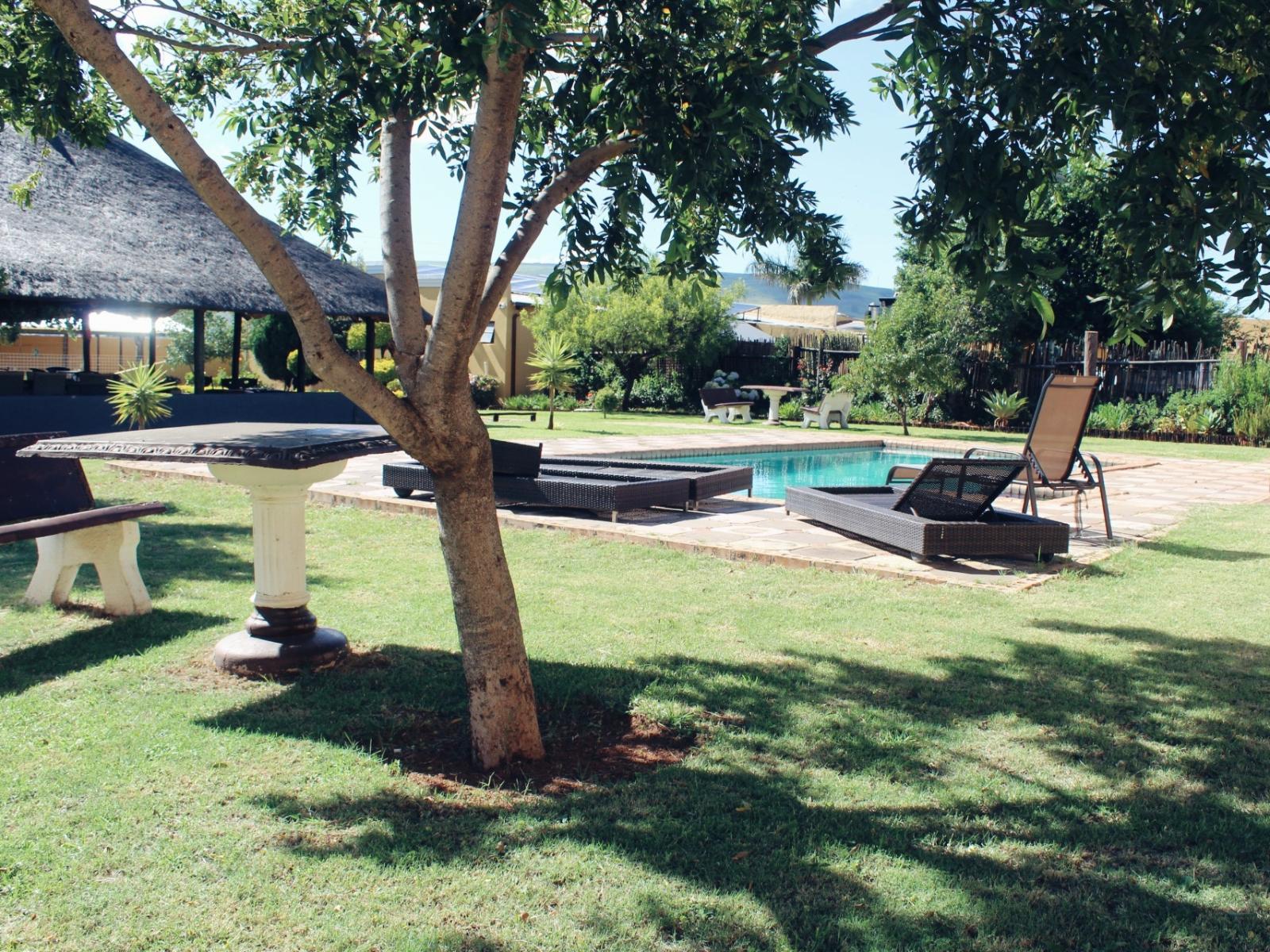
Formal accommodation listings in Ngwaritsi currently stand at zero, reflecting the village's status as a rural community rather than an established tourist destination. This does not mean visitors have no options, but it does require more direct planning than booking through conventional platforms.
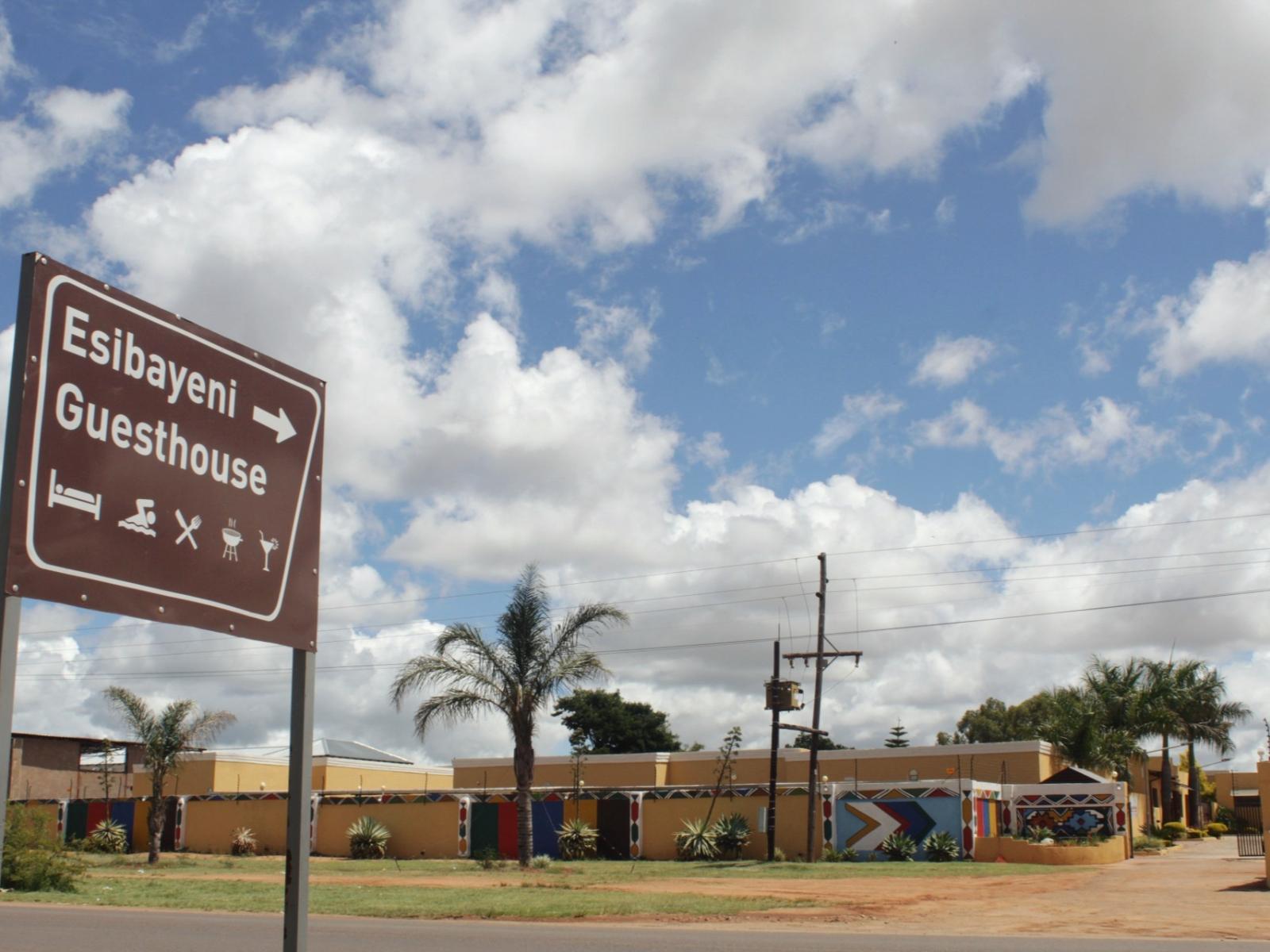
At the budget end, community homestays and basic guesthouses occasionally accept visitors, usually through word of mouth or local contacts rather than online listings. These provide a direct window into daily Tsonga rural life, with home-cooked meals often included and facilities kept simple: a private or shared room, basic ablutions, and the rhythms of a working household as backdrop. For travellers seeking genuine immersion over comfort, the limited infrastructure is the point rather than a drawback.
For mid-range travellers wanting more predictable amenities, the practical option is to base yourself in Giyani, where guesthouses and small hotels offer reliable Wi-Fi, air conditioning, and secure parking. Day trips into the surrounding villages are straightforward by road, and having a serviced room to return to makes extended rural exploring easier to sustain over multiple days.
The upper end of accommodation in this part of the lowveld means heading toward the greater Kruger access routes to the south, where bush lodges and safari camps package game drives with guided bush experiences. Some properties offer community visits as optional excursions, giving them a useful dual function for visitors combining wildlife and cultural interests.
Visitors intending to stay close to Ngwaritsi should plan ahead regardless of season, and particularly around the marula harvest period, when community engagement increases visibly and the area takes on a different character from quieter months. Self-catering arrangements suit this region particularly well, especially for groups that can stock up on supplies before heading into the rural areas.
## Best Time to Visit Ngwaritsi
The climate across the Limpopo lowveld is subtropical, with pronounced seasonal shifts that affect both comfort and what the landscape offers. Summers run from November through March, bringing high humidity, temperatures regularly above 35 degrees Celsius, and afternoon thunderstorms that can make dirt roads temporarily impassable. The rains turn the mopane country green and fill seasonal rivers, creating a strikingly different landscape from the dry months. Malaria risk peaks during this period and prophylaxis is strongly advised.
Winter, from May through August, offers the most comfortable travelling conditions. Days are warm and dry, typically in the low-to-mid twenties, and nights can turn noticeably cold. The dry, open bush makes wildlife easier to observe along the lowveld margins, and this period is the favoured time for game-viewing in the region. Local communities are more accessible too, as roads remain reliably passable throughout the season.
September and October are hot and dust-laden, with wildlife increasingly concentrated around diminishing water sources. Birding can be rewarding during these months, as resident species converge on the remaining water and the first migratory arrivals begin moving through. April marks the end of the rainy season, usually with some lingering showers but rapidly improving road conditions.
## Getting to Ngwaritsi
The nearest commercial airport is at Phalaborwa, which handles regional services connecting to Johannesburg. Polokwane Airport, the provincial capital's hub, offers more frequent flights and lies approximately 200 kilometres to the west. Most visitors driving from Johannesburg take the N1 north to Polokwane, then follow the R71 east through Tzaneen, or use the R81 through Tzaneen toward the Giyani area.
Giyani, approximately 60 kilometres west of Ngwaritsi, is the last substantial service point before heading into the rural lowveld. Fuel, groceries, and any banking should be sorted here before heading east. The road from Giyani toward the village passes through several communities, with some sections becoming gravel. These tracks can deteriorate during heavy summer rain and occasionally become impassable. A vehicle with reasonable ground clearance is advisable, and four-wheel drive is useful in wet-season conditions.
Public transport is limited. Minibus taxis run between Giyani and various rural communities on irregular schedules, and routes do not always extend directly to Ngwaritsi. Travellers relying on shared transport should confirm routes and departure times at the Giyani rank before setting out. For most visitors, self-drive remains the only practical way to reach the village and move freely once there.
## Ngwaritsi and Surrounding Areas
The villages surrounding Ngwaritsi form a dispersed cluster across the Greater Giyani lowveld, each within 15 kilometres and connected by a mix of tar and gravel roads. Travelling the circuit of these communities over two or three days gives a far more complete picture of rural lowveld life than a single visit to any one place.
**Ga-phetla**, 4 kilometres away, is Ngwaritsi's closest neighbour and shares strong community ties with the village. The short road between the two passes through open mopane country, and most visitors based in Ngwaritsi will travel this stretch regularly as part of day-to-day movement through the area.
**Patantswane**, at 8 kilometres, has the subsistence farming character common to settlements throughout this lowveld corridor. The surrounding land shows the typical mix of cultivated smallholdings and scrub vegetation, and the community sits far enough from larger service centres to retain a distinctly rural pace and appearance.
**Phokwane** and **Ga-magatu**, both roughly 12 kilometres from Ngwaritsi, lie in different directions and illustrate how settlement here is dispersed across the terrain rather than concentrated along a single road. Travelling between the two requires passing through or near Ngwaritsi, which places the village at a practical hub in any circuit of the immediate area.
**Ga-matloponya** and **Thabaleboto**, each about 14 kilometres out, mark the outer edge of this cluster. A circuit taking in both can be covered comfortably in a half-day drive and gives a broader sense of how bush density and land use shift as you move away from the central village. The place names across this area reflect the Tsonga and Northern Sotho linguistic layers that characterise northern Limpopo's settlement history.
None of these communities have formal visitor facilities. They are working villages, and any engagement with residents is best approached with genuine interest and respect for local customs.
## Planning Your Stay
Homestays and local guesthouses in rural Limpopo rarely appear on mainstream booking platforms, so reaching out by phone or through community contacts well in advance is the most practical approach. Arriving without prior arrangement is inadvisable, particularly in the wet season when road conditions can limit your options considerably.
When evaluating accommodation across the broader region, weigh proximity to Ngwaritsi against access to practical services. Check whether a property has reliable water and electricity supply, as both can be inconsistent in rural parts of the province.
Before leaving the last service town on your route, top up fuel and carry sufficient supplies for your intended stay. Medical facilities in surrounding villages are basic, and serious care requires a longer drive. Insect repellent is standard kit for any lowveld visit, and anyone planning a stay during or shortly after the rainy season should arrange malaria prophylaxis through a travel clinic before departure.
Mobile phone coverage can be patchy across this part of the lowveld, so download offline maps in advance. The marula harvest season brings increased activity to the region, and the limited accommodation that exists tends to fill faster than usual during this period. Outside the summer rains, the dry months offer the most straightforward conditions for both travel and logistics.

Formal accommodation listings in Ngwaritsi currently stand at zero, reflecting the village's status as a rural community rather than an established tourist destination. This does not mean visitors have no options, but it does require more direct planning than booking through conventional platforms.
At the budget end, community homestays and basic guesthouses occasionally accept visitors, usually through word of mouth or local contacts rather than online listings. These provide a direct window into daily Tsonga rural life, with home-cooked meals often included and facilities kept simple: a private or shared room, basic ablutions, and the rhythms of a working household as backdrop. For travellers seeking genuine immersion over comfort, the limited infrastructure is the point rather than a drawback.
For mid-range travellers wanting more predictable amenities, the practical option is to base yourself in Giyani, where guesthouses and small hotels offer reliable Wi-Fi, air conditioning, and secure parking. Day trips into the surrounding villages are straightforward by road, and having a serviced room to return to makes extended rural exploring easier to sustain over multiple days.
The upper end of accommodation in this part of the lowveld means heading toward the greater Kruger access routes to the south, where bush lodges and safari camps package game drives with guided bush experiences. Some properties offer community visits as optional excursions, giving them a useful dual function for visitors combining wildlife and cultural interests.
Visitors intending to stay close to Ngwaritsi should plan ahead regardless of season, and particularly around the marula harvest period, when community engagement increases visibly and the area takes on a different character from quieter months. Self-catering arrangements suit this region particularly well, especially for groups that can stock up on supplies before heading into the rural areas.
## Best Time to Visit Ngwaritsi
The climate across the Limpopo lowveld is subtropical, with pronounced seasonal shifts that affect both comfort and what the landscape offers. Summers run from November through March, bringing high humidity, temperatures regularly above 35 degrees Celsius, and afternoon thunderstorms that can make dirt roads temporarily impassable. The rains turn the mopane country green and fill seasonal rivers, creating a strikingly different landscape from the dry months. Malaria risk peaks during this period and prophylaxis is strongly advised.
Winter, from May through August, offers the most comfortable travelling conditions. Days are warm and dry, typically in the low-to-mid twenties, and nights can turn noticeably cold. The dry, open bush makes wildlife easier to observe along the lowveld margins, and this period is the favoured time for game-viewing in the region. Local communities are more accessible too, as roads remain reliably passable throughout the season.
September and October are hot and dust-laden, with wildlife increasingly concentrated around diminishing water sources. Birding can be rewarding during these months, as resident species converge on the remaining water and the first migratory arrivals begin moving through. April marks the end of the rainy season, usually with some lingering showers but rapidly improving road conditions.
## Getting to Ngwaritsi
The nearest commercial airport is at Phalaborwa, which handles regional services connecting to Johannesburg. Polokwane Airport, the provincial capital's hub, offers more frequent flights and lies approximately 200 kilometres to the west. Most visitors driving from Johannesburg take the N1 north to Polokwane, then follow the R71 east through Tzaneen, or use the R81 through Tzaneen toward the Giyani area.
Giyani, approximately 60 kilometres west of Ngwaritsi, is the last substantial service point before heading into the rural lowveld. Fuel, groceries, and any banking should be sorted here before heading east. The road from Giyani toward the village passes through several communities, with some sections becoming gravel. These tracks can deteriorate during heavy summer rain and occasionally become impassable. A vehicle with reasonable ground clearance is advisable, and four-wheel drive is useful in wet-season conditions.
Public transport is limited. Minibus taxis run between Giyani and various rural communities on irregular schedules, and routes do not always extend directly to Ngwaritsi. Travellers relying on shared transport should confirm routes and departure times at the Giyani rank before setting out. For most visitors, self-drive remains the only practical way to reach the village and move freely once there.
## Ngwaritsi and Surrounding Areas
The villages surrounding Ngwaritsi form a dispersed cluster across the Greater Giyani lowveld, each within 15 kilometres and connected by a mix of tar and gravel roads. Travelling the circuit of these communities over two or three days gives a far more complete picture of rural lowveld life than a single visit to any one place.
**Ga-phetla**, 4 kilometres away, is Ngwaritsi's closest neighbour and shares strong community ties with the village. The short road between the two passes through open mopane country, and most visitors based in Ngwaritsi will travel this stretch regularly as part of day-to-day movement through the area.
**Patantswane**, at 8 kilometres, has the subsistence farming character common to settlements throughout this lowveld corridor. The surrounding land shows the typical mix of cultivated smallholdings and scrub vegetation, and the community sits far enough from larger service centres to retain a distinctly rural pace and appearance.
**Phokwane** and **Ga-magatu**, both roughly 12 kilometres from Ngwaritsi, lie in different directions and illustrate how settlement here is dispersed across the terrain rather than concentrated along a single road. Travelling between the two requires passing through or near Ngwaritsi, which places the village at a practical hub in any circuit of the immediate area.
**Ga-matloponya** and **Thabaleboto**, each about 14 kilometres out, mark the outer edge of this cluster. A circuit taking in both can be covered comfortably in a half-day drive and gives a broader sense of how bush density and land use shift as you move away from the central village. The place names across this area reflect the Tsonga and Northern Sotho linguistic layers that characterise northern Limpopo's settlement history.
None of these communities have formal visitor facilities. They are working villages, and any engagement with residents is best approached with genuine interest and respect for local customs.
## Planning Your Stay
Homestays and local guesthouses in rural Limpopo rarely appear on mainstream booking platforms, so reaching out by phone or through community contacts well in advance is the most practical approach. Arriving without prior arrangement is inadvisable, particularly in the wet season when road conditions can limit your options considerably.
When evaluating accommodation across the broader region, weigh proximity to Ngwaritsi against access to practical services. Check whether a property has reliable water and electricity supply, as both can be inconsistent in rural parts of the province.
Before leaving the last service town on your route, top up fuel and carry sufficient supplies for your intended stay. Medical facilities in surrounding villages are basic, and serious care requires a longer drive. Insect repellent is standard kit for any lowveld visit, and anyone planning a stay during or shortly after the rainy season should arrange malaria prophylaxis through a travel clinic before departure.
Mobile phone coverage can be patchy across this part of the lowveld, so download offline maps in advance. The marula harvest season brings increased activity to the region, and the limited accommodation that exists tends to fill faster than usual during this period. Outside the summer rains, the dry months offer the most straightforward conditions for both travel and logistics.
Ngwaritsi Kaart
Nabygeleë Bestemmings
Blaai Deur Alle Ngwaritsi Akkommodasie
Bekyk al 0 akkommodasie-opsies in Ngwaritsi met foto's, pryse en beskikbaarheid.
Blaai Deur Alle Akkommodasie