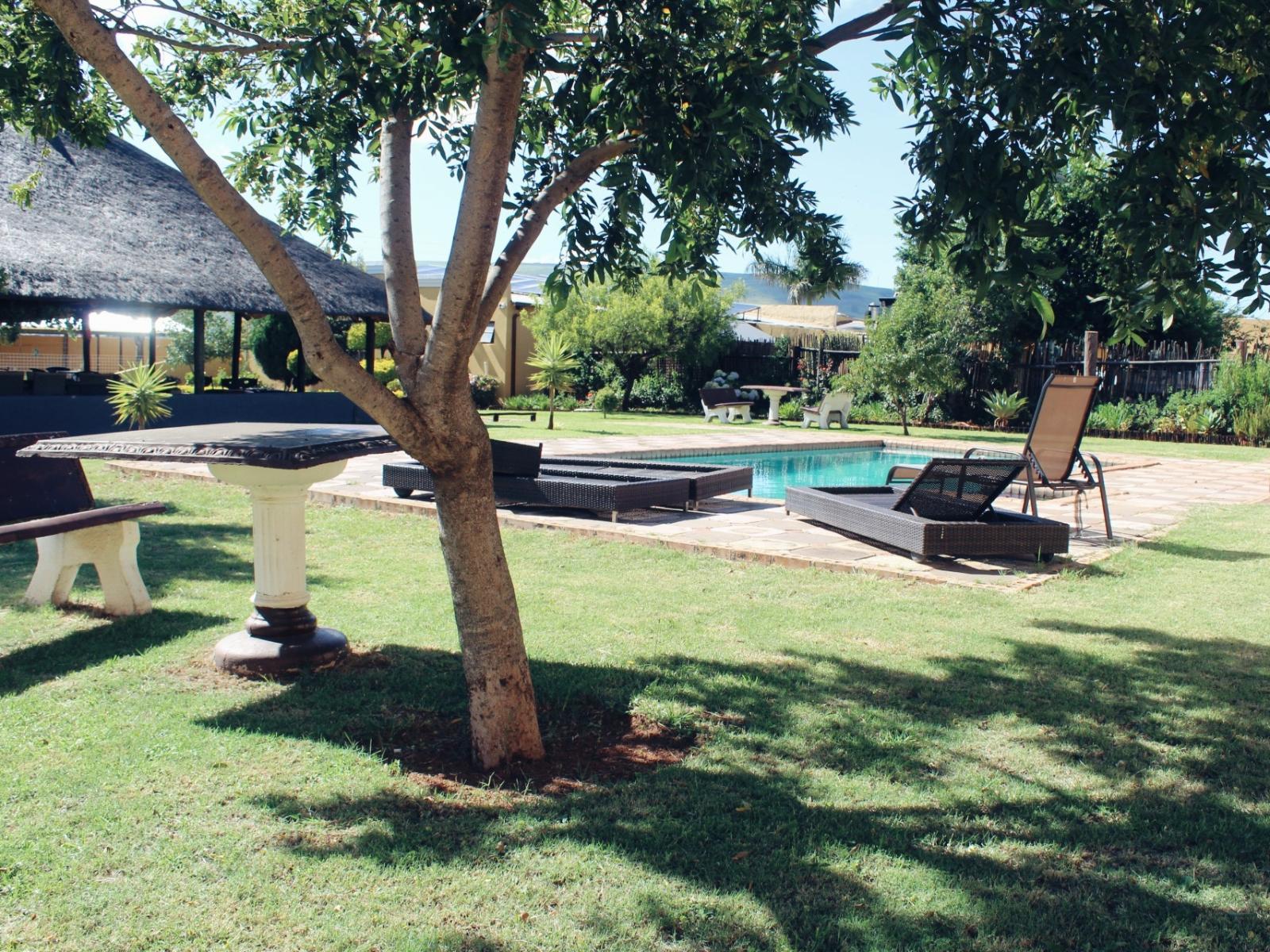
Accommodation in Ga-magatu
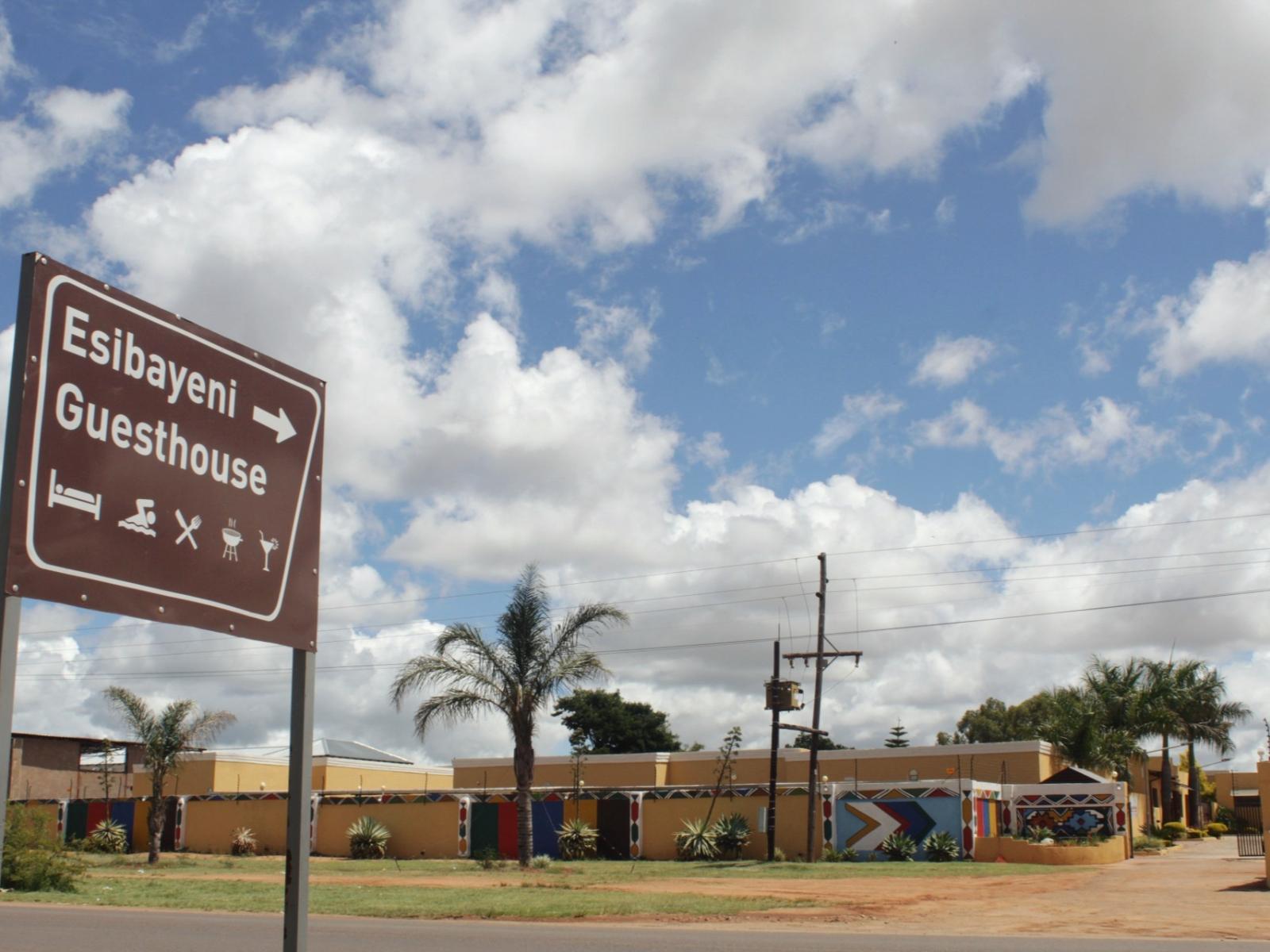
Ga-magatu currently has no formally listed accommodation properties on major booking platforms, which reflects its standing as a small rural village rather than an established tourist destination. Visitors looking to stay in or near the village will need to inquire locally or through the Greater Letaba Municipality's tourism contacts, since options tend to operate informally and are not always visible through standard search tools.
At the budget end, the most accessible stays come through rooms in family homesteads or community guesthouses, where hosts provide basic sleeping arrangements and meals prepared from local produce. This kind of accommodation suits travelers who are comfortable with shared facilities and limited amenities, and who value direct contact with resident families as part of the experience. Costs at this tier, where they exist, are typically negotiated directly and paid in cash.
Mid-range options, if available, generally take the form of small guesthouses catering to visitors passing through the broader region, agricultural workers, or those on community development projects. These properties tend to offer private bathrooms, more reliable electricity, and on-site meals, though capacity is low and availability is not guaranteed without advance inquiry.
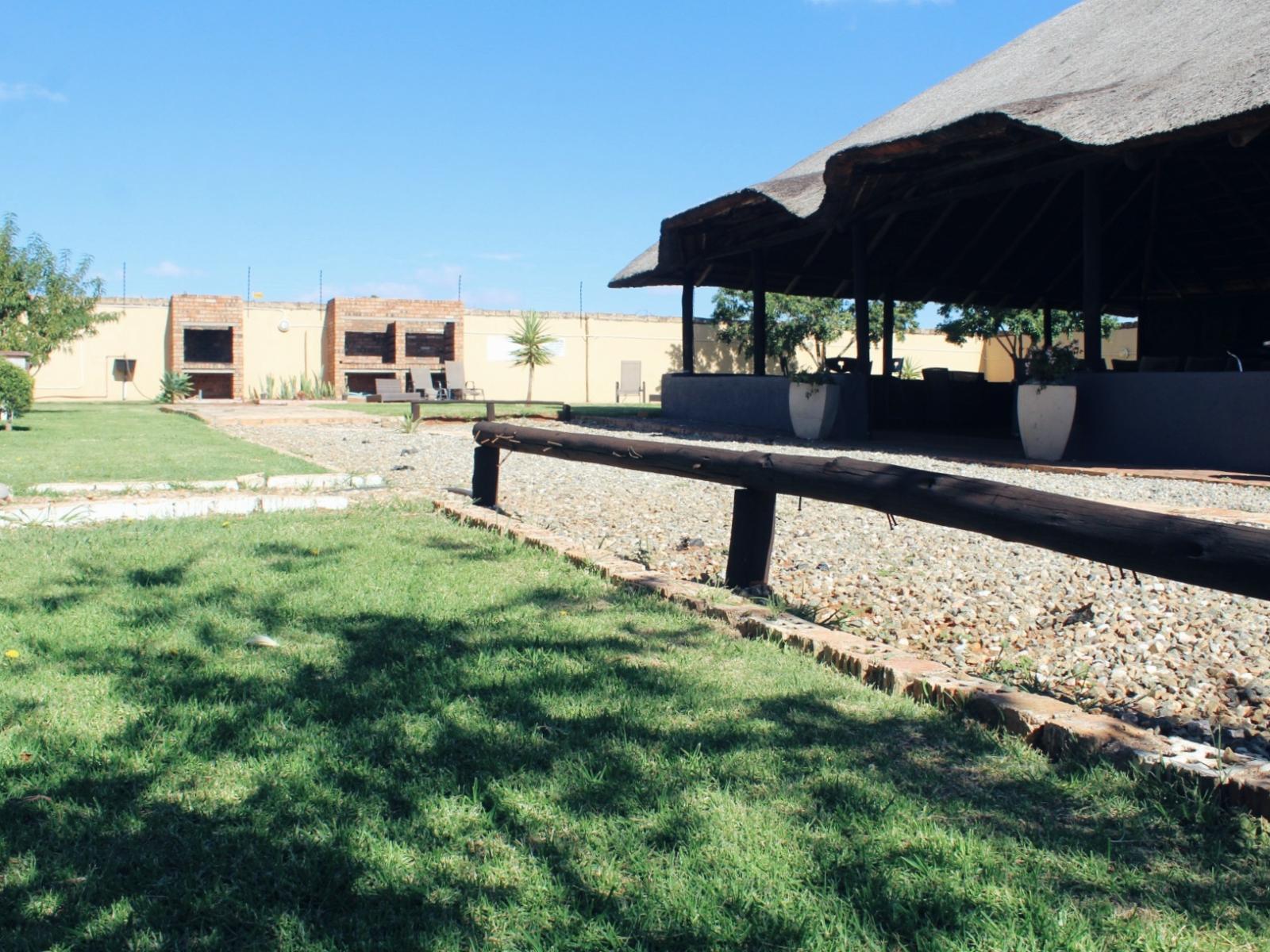
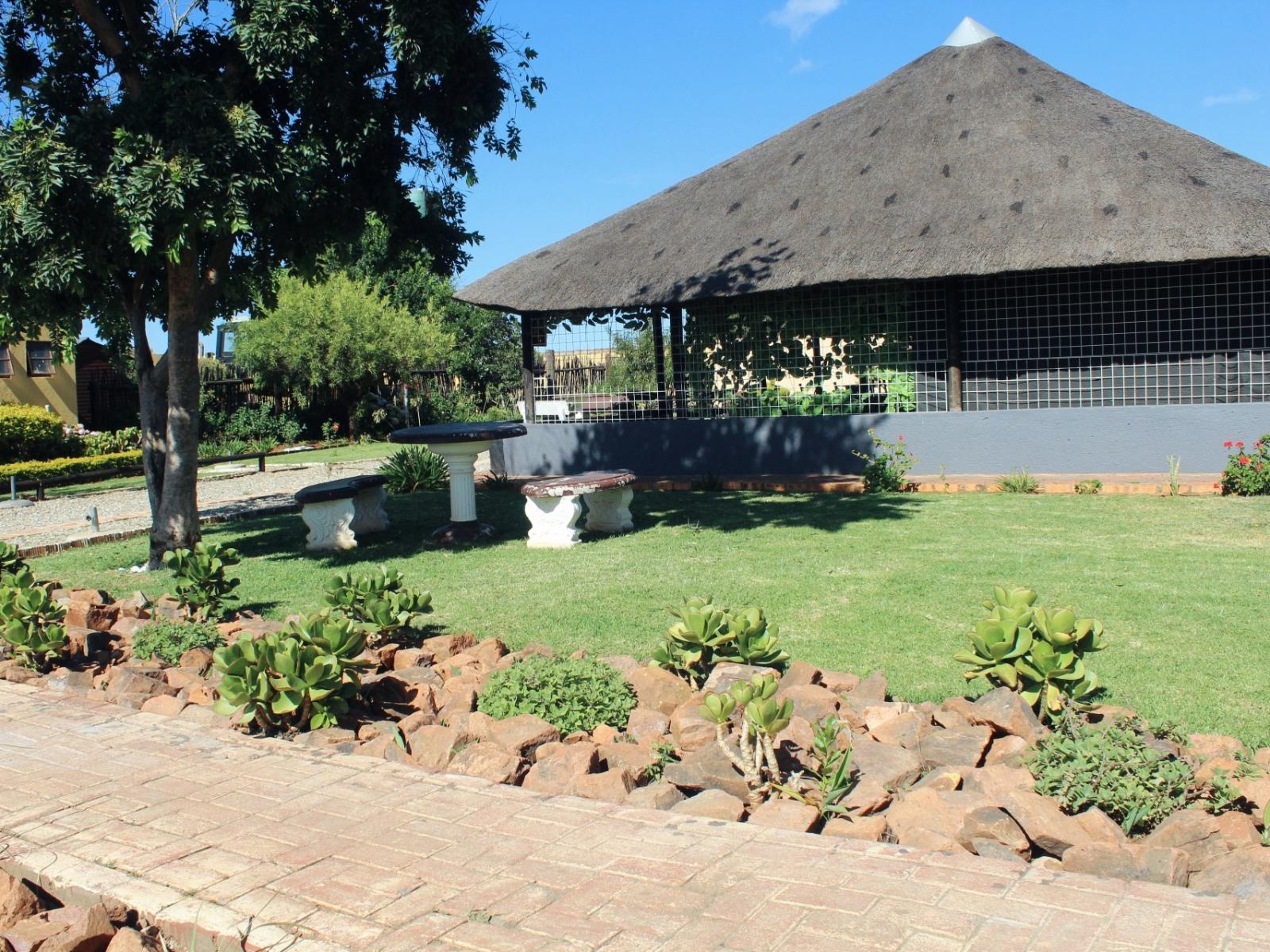
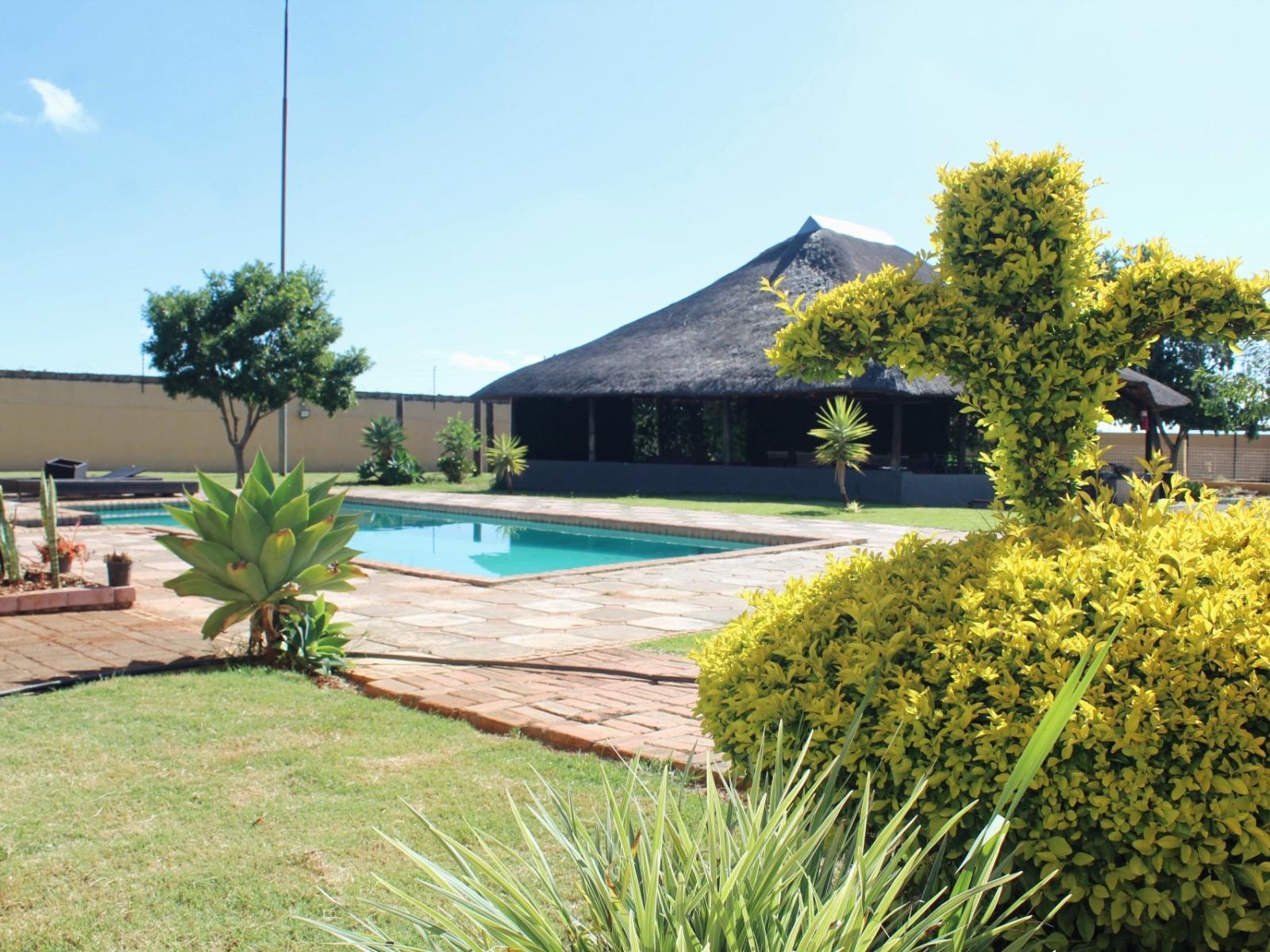
There is little in the way of upper-tier accommodation within the village itself. Travelers seeking a lodge-style or country house experience with a pool, well-appointed rooms, and full hospitality services will find better options in Tzaneen or along the lowveld estate corridor, using those as a base for day visits into the surrounding rural area.
Because formal listing data is not currently available and price information is unknown, travelers cannot rely on comparison platforms to plan their budget. Direct contact with potential hosts, ideally before departure rather than on arrival, is the most practical approach.
Best Time to Visit Ga-magatu
Limpopo's climate divides into two well-defined seasons, and the timing of a visit shapes the experience considerably. From November through March, the region receives most of its annual rainfall. Temperatures regularly exceed 35 degrees Celsius during these months, and rural roads can become difficult after heavy downpours. The trade-off is that the bushveld turns green, crops are growing in the fields surrounding the village, and the landscape looks markedly different from its dry-season appearance.
The months from May through August are the most comfortable for travel. Days are warm and clear, typically around 24 to 26 degrees Celsius, while nights cool sharply. June and July can bring near-freezing temperatures after dark, so packing a warm layer is sensible even for what looks on a map like a subtropical destination. Road conditions during this period are predictable, and navigating rural tracks presents fewer difficulties.
April and September offer shoulder-season conditions. The rains have eased or not yet begun, temperatures are moderate, and the landscape retains some green from the preceding wet period. For travelers interested in community life and local agriculture, the post-harvest period in late autumn tends to coincide with social gatherings and traditional events that are not visible during other times of year.
Getting to Ga-magatu
The most practical route to Ga-magatu runs through the R36 highway corridor between Polokwane and Tzaneen. Polokwane, Limpopo's provincial capital, lies roughly 130 kilometers west of Tzaneen, and from there the drive toward Ga-magatu takes around 90 minutes under normal road conditions. From Johannesburg, the N1 north leads to Polokwane before the route turns east on the R71 toward the lowveld.
The nearest commercial airport is Polokwane International, which handles domestic flights from Johannesburg and connects to the national network. From the airport, a hired vehicle or long-distance taxi to Tzaneen takes roughly two hours. No scheduled public transport connects directly to Ga-magatu from major centers, so visitors without a private vehicle will need to use shared taxis that operate between villages in the Mopani District on informal schedules. These depart when full rather than to a fixed timetable, and local inquiry on the ground provides the most reliable departure information.
Once past Tzaneen, roads become progressively narrower and less maintained. A standard sedan handles the main routes in dry conditions, but higher ground clearance is advisable in summer. Travelers coming from the direction of the Kruger National Park's central gates are approximately two to three hours away, depending on which gate they use and the road taken through the lowveld.
Ga-magatu and Surrounding Areas
The villages surrounding Ga-magatu form a cluster of rural communities spread across a radius of roughly 13 kilometers, all sharing the agricultural character of this part of the Mopani District.
Ga-matloponya, 6 kilometers away, is the closest neighboring settlement. The two villages are linked by rural tracks that pass through cultivated plots and scattered homesteads. Informal roadside trading points along this short route offer a glimpse into how small-scale commerce operates in the area, and the distance makes it accessible on foot or by bicycle for those inclined to explore slowly.
Phokwane, at 8 kilometers, lies further into the lowveld terrain to the northeast. The land in this direction supports a mix of subsistence cropping and cattle grazing, and the village serves as a useful waypoint when navigating between Ga-magatu and the broader network of gravel roads that connect outlying settlements.
Ndambo, 10 kilometers out, extends the accessible day-trip range and sits within a landscape that transitions subtly as the soil and vegetation shift with elevation and drainage. The distance is short enough to cover comfortably by vehicle in either direction.
Thabaleboto and Ngwaritsi, both approximately 12 kilometers from Ga-magatu, lie in different directions from the village center. Thabaleboto's name derives from Sepedi roots associated with rocky or elevated terrain, and the approach in that direction does rise slightly, offering open views across the surrounding mopane woodland. Ngwaritsi, by contrast, sits on flatter ground and is another farming community in this network of small settlements.
Goru, the furthest at 13 kilometers, marks the outer edge of the area conveniently reachable as a day outing. The route passes through classic Limpopo bushveld, with the red-brown laterite soil and scattered mopane trees that define this part of the province. Taken together, these surrounding villages are not conventional tourist attractions. Their value for visitors lies in what they represent collectively: a functioning rural landscape that most domestic and international travelers to South Africa never see.
Planning Your Stay
Because accommodation in Ga-magatu does not appear on mainstream booking platforms, planning a visit demands more initiative than for well-documented destinations. Start by contacting the Greater Letaba Municipality or any community tourism structures in the Tzaneen area well before your arrival date. During winter months from June to August, when conditions favor travel across Limpopo, any available accommodation in the area fills faster than at other times of year.
Before confirming a place to stay, ask directly about water and electricity reliability. Rural villages in this part of the province are subject to supply interruptions, and understanding whether a guesthouse has backup power or a water storage tank affects daily comfort significantly. Also confirm whether meals are included or need to be arranged separately, as the nearest shops with more than basic supplies are in Tzaneen.
Download offline maps of the Mopani District before leaving a major center. Mobile data coverage is inconsistent across the area, and navigation apps that rely on live data are unreliable on rural roads. Fill your fuel tank in Tzaneen rather than expecting to find a petrol station in the village. Carry sufficient cash for your entire stay, including incidentals, since card payment facilities are not available locally and the nearest ATM infrastructure is in Tzaneen.