Sterkrivier Reis- & Akkommodasiegids
Jou volledige gids om Sterkrivier, Suid-Afrika te besoek.
2
Eiendomme
Gewildste
Lodge
Sterkrivier offers a peaceful retreat in Limpopo with its warm climate and open landscapes. Visitors can enjoy the area's natural beauty and outdoor pursuits. The region provides a base for exploring nearby attractions, making it suitable for those seeking relaxation and adventure.
## Accommodation in Sterkrivier
With just two properties currently listed, Sterkrivier offers a compact selection that reflects its rural character rather than attempting to serve mass tourism. The price range across both options is not publicly listed, so direct enquiry is worth the effort before finalising plans.
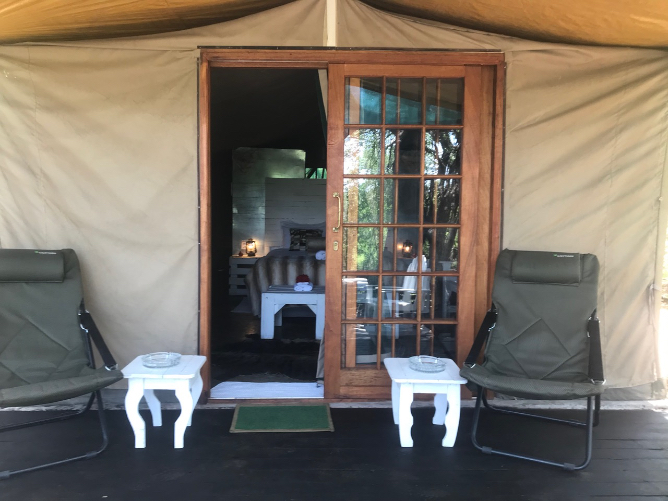
At the budget end of the spectrum, a campsite caters to those who prefer sleeping under the Limpopo sky. Campsites in areas like this typically occupy farm or bush settings, with access to fire pits and basic ablutions, and they suit overlanders, family groups with their own gear, or travelers who want to reduce costs while spending more time outdoors. The surrounding savannah environment makes early morning and evening hours particularly rewarding for birdwatching from a tent or caravan.
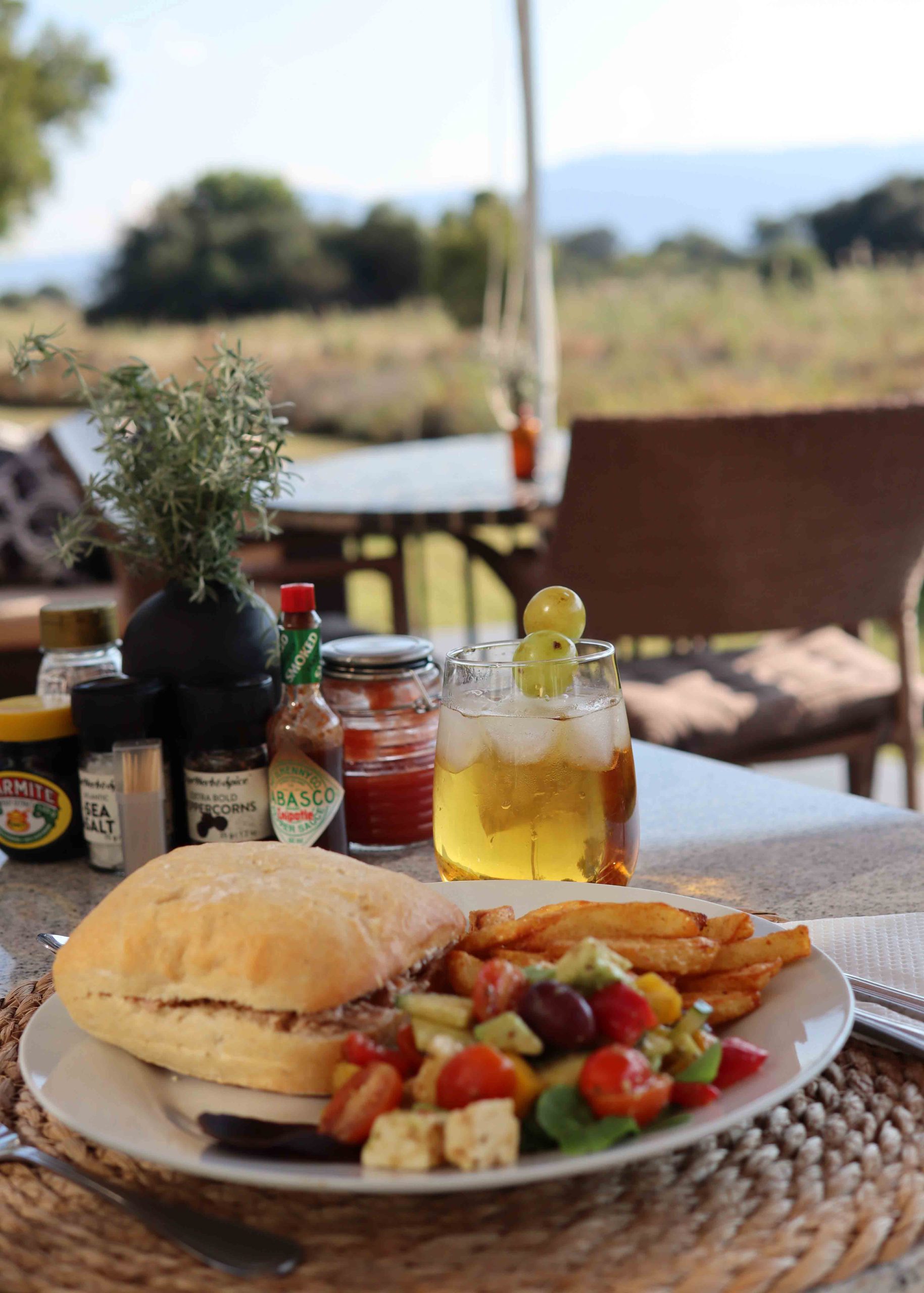
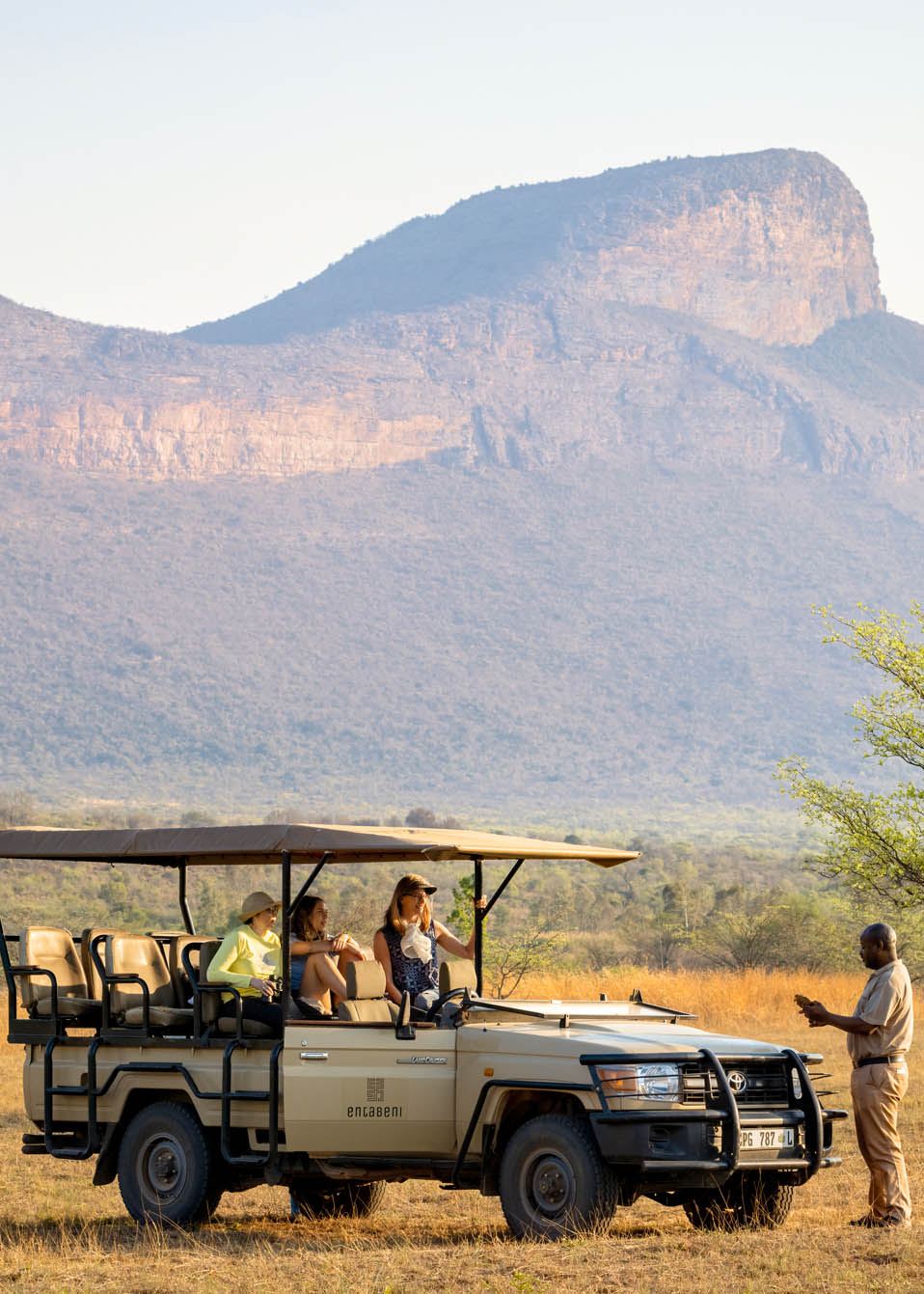
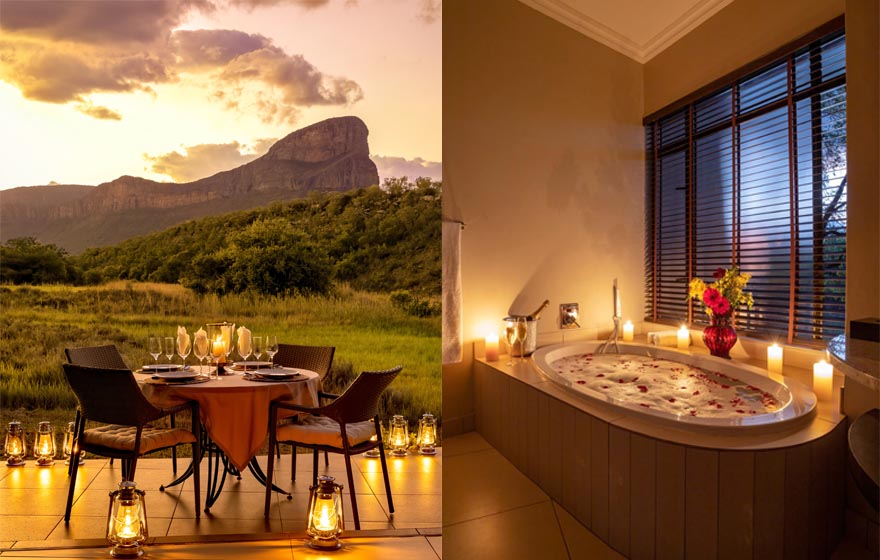
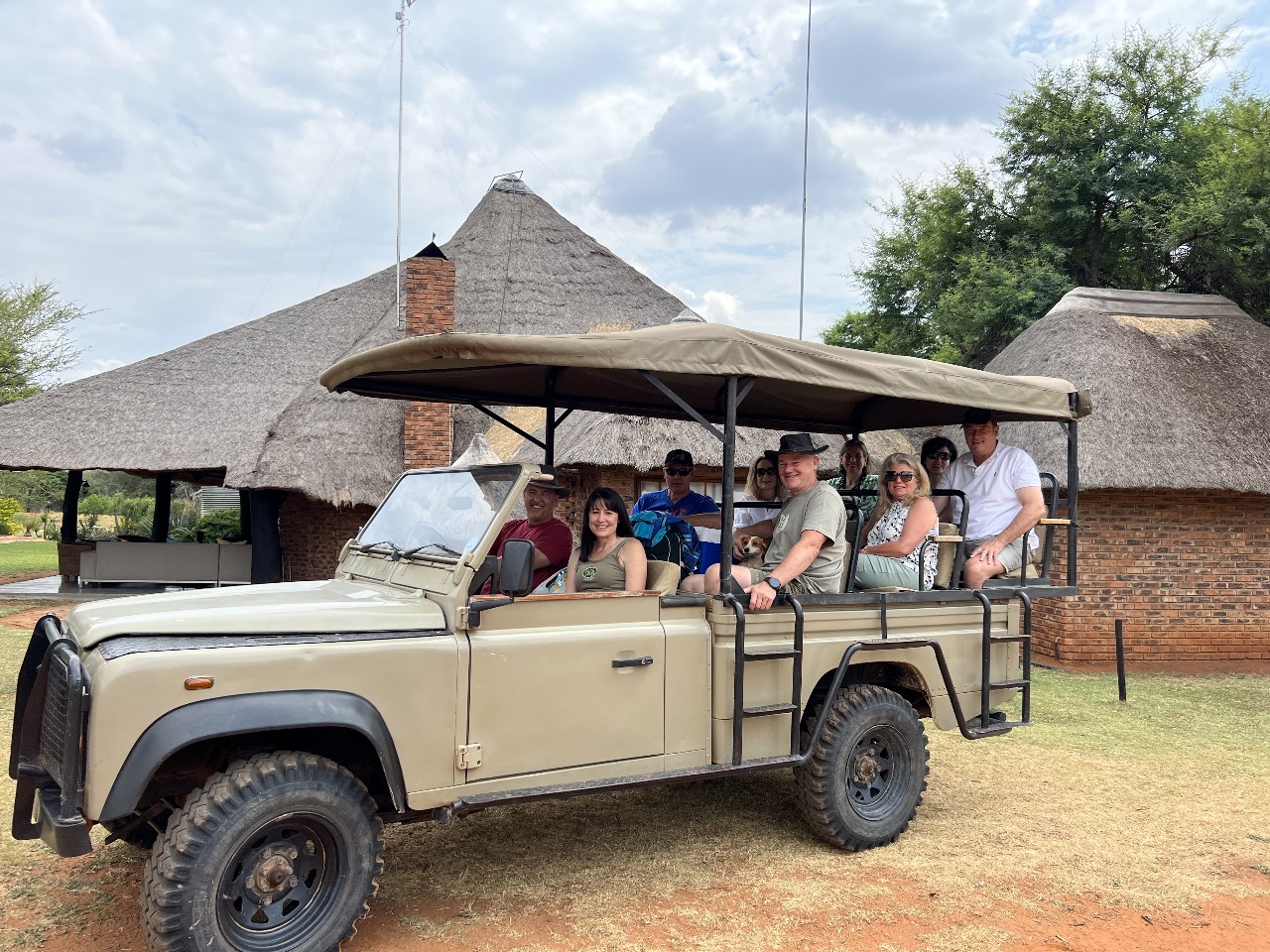
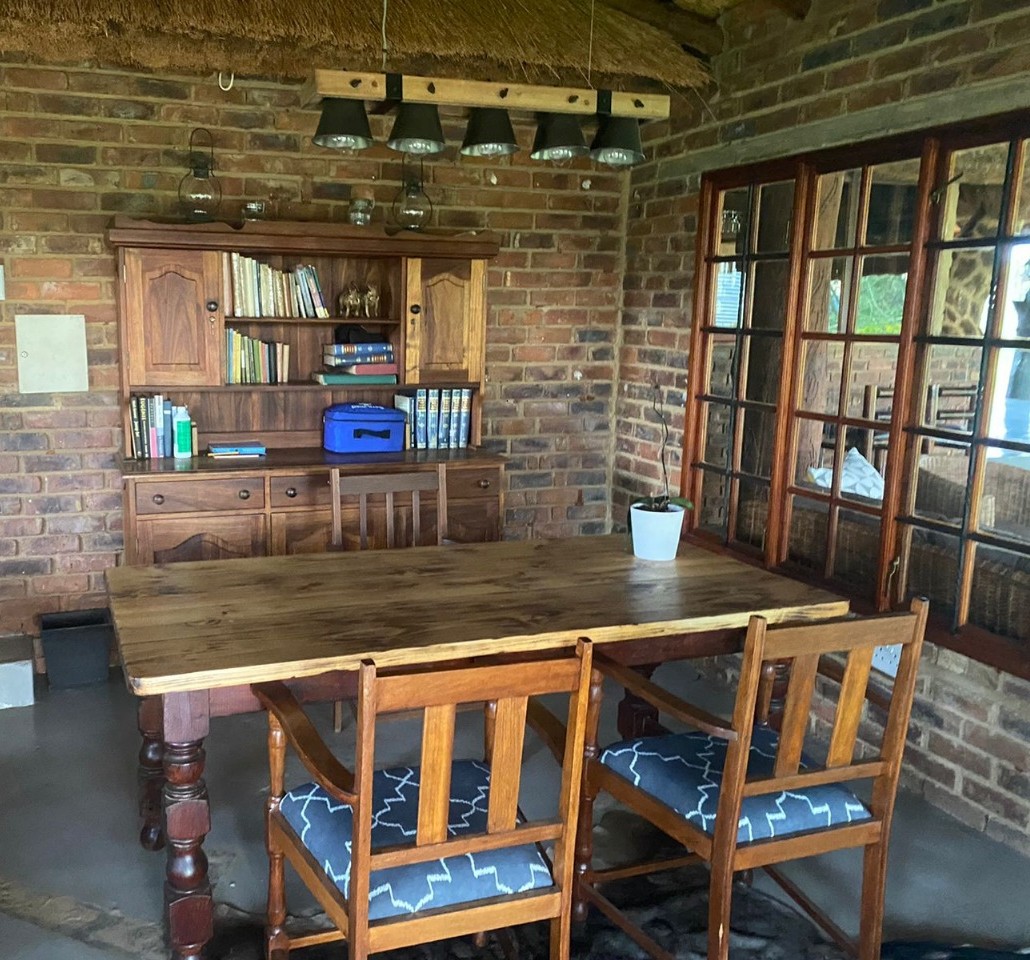
The single lodge represents the more comfortable tier available here. Lodges in the Bushveld region generally provide en-suite rooms or self-catering chalets, often with a stoep or outdoor area where guests can observe wildlife visiting waterholes or simply take in the quiet. This style of accommodation works well for couples, small families, or professionals wanting a proper break from city routines without committing to a full game reserve package.
Because the total offering is limited to these two properties, availability can be tighter than in larger centres. It is worth checking both options thoroughly, noting what each includes in terms of meals, linen, and activities, before making a decision. One important practical question at either property is generator or solar backup capacity, given that load shedding remains a factor across most of South Africa. The intimate scale of accommodation here is part of the appeal for visitors who specifically want to avoid large resorts and their associated foot traffic. Neither option is geared toward conference groups or weddings, which keeps the atmosphere consistently low-key.
---
## Best Time to Visit Sterkrivier
Sterkrivier falls within the summer rainfall zone, which shapes the calendar for visitors considerably. The rainy season runs from roughly October through March, bringing afternoon thunderstorms and temperatures that frequently exceed 35°C. While the rain greens up the landscape and fills the area's rivers and dams, the humidity and heat can make outdoor activity uncomfortable during midday hours. Birdwatching reaches its peak in this period, however, as migratory species arrive from the north and resident birds are particularly active around water sources.
Winter, from May through August, is dry and cooler, with daytime temperatures sitting between 20°C and 25°C and cold nights that can approach freezing on clear evenings. This is the most comfortable time for hiking and general outdoor exploration, and the reduced vegetation makes spotting wildlife considerably easier. Roads remain accessible throughout the year, though heavy summer rains can temporarily affect farm tracks and gravel roads.
The shoulder months of April and September offer a practical middle ground: moderate temperatures, the tail end of green vegetation, and fewer visitors than peak periods. School holidays in December, June, and September bring more families to the region, so booking ahead during those windows is sensible.
---
## Getting to Sterkrivier
Sterkrivier sits approximately 150 kilometres north of Pretoria, making it a straightforward drive of around 90 minutes under good conditions. The most direct route follows the N1 highway northward from Pretoria towards Mokopane, with turnoffs leading into the surrounding rural areas. From Johannesburg, add roughly 50 kilometres to that calculation.
The nearest commercial airport is OR Tambo International in Johannesburg, which handles most domestic and international arrivals. Bela-Bela, which lies to the south of Sterkrivier, does not have a commercial airport, so road travel from Gauteng is the standard approach. Travelers arriving by air typically hire a vehicle at the airport, as public transport connections into rural Limpopo are limited and infrequent.
Once in the area, a standard passenger car handles the tar roads without difficulty, but a vehicle with reasonable ground clearance is useful if you plan to explore farm roads or game tracks. Fuel is available at Mokopane to the north and at Bela-Bela to the south, so topping up before turning off the main highway is a sensible habit. There is no reliable local taxi or shuttle service operating specifically in and around Sterkrivier, making your own transport a practical necessity for the duration of your stay.
---
## Sterkrivier and Surrounding Areas
The villages and towns within a 25-kilometre radius of Sterkrivier offer a cross-section of rural Limpopo life, from traditional Pedi communities to a larger service town with a layered history.
Ga-letwaba and Pholotsi, both around 21 kilometres away, are rural Sotho-Pedi settlements characteristic of the communal land areas that dot the Waterberg district. These communities maintain traditional homestead structures and support small-scale farming. Neither is a conventional tourist destination, but passing through gives travelers a clear sense of the region's demographic and agricultural character. Roadside markets occasionally operate near these settlements, selling seasonal produce and locally made goods.
Ga-masenya and Ga-mokaba, each approximately 24 kilometres out, are similarly structured villages within the broader Mokopane area. Ga-masenya sits in terrain that transitions toward the Palala River catchment, land that supports cattle farming and dry bushveld vegetation. These are working communities rather than attractions in the conventional sense, but their proximity to Sterkrivier makes them relevant for travelers who want to understand how people actually live and work across this part of Limpopo rather than simply observing the landscape from a lodge.
Naboomfontein, also at 24 kilometres, functions primarily as a support point for surrounding farms and smallholdings. Travelers heading through may find it useful for fuel or basic supplies, though it lacks the commercial depth of a larger town.
Potgietersrus, 25 kilometres to the north, is the historical name for Mokopane, now the most significant town in the immediate region. Supermarkets, hardware stores, medical facilities, and several restaurants make it the practical hub for anyone based in Sterkrivier. The Mokopane Valley contains fossil sites of significant palaeontological value, some managed under South African Heritage Resources Agency oversight. The town's museum covers both the fossil history and the frontier-era events that shaped the district, providing context that rewards at least a half-day visit.
---
## Planning Your Stay
Because only two properties operate in Sterkrivier, the booking process is more direct than in destinations with many competing options. Contact both before committing, and ask specifically about what is included: meals, firewood, linen, and access to any activities or trails on the property. Self-catering guests should establish whether the nearest grocery shopping is in Mokopane and factor that drive into meal planning.
When reviewing the campsite option, confirm the number of sites available, whether advance bookings are required over weekends and school holidays, and the condition of ablution facilities. For the lodge, clarify check-in times and whether minimum stay requirements apply over long weekends or peak periods.
Cell coverage in this rural area varies by network provider. Checking your carrier's coverage map before departure avoids frustration if you rely on mobile data for navigation or communication. Emergency medical services are not immediately accessible in the area, so knowing the route to Mokopane's hospital and carrying a basic first aid kit is straightforward precaution.
Insect repellent is worth packing for visits between September and April when mosquitoes are more active near water sources. Sunscreen is essential year-round given the altitude and sun intensity in Limpopo. Finally, confirm whether the property has backup power before arrival, so expectations around lighting and refrigeration are clear from the start.

With just two properties currently listed, Sterkrivier offers a compact selection that reflects its rural character rather than attempting to serve mass tourism. The price range across both options is not publicly listed, so direct enquiry is worth the effort before finalising plans.
At the budget end of the spectrum, a campsite caters to those who prefer sleeping under the Limpopo sky. Campsites in areas like this typically occupy farm or bush settings, with access to fire pits and basic ablutions, and they suit overlanders, family groups with their own gear, or travelers who want to reduce costs while spending more time outdoors. The surrounding savannah environment makes early morning and evening hours particularly rewarding for birdwatching from a tent or caravan.
The single lodge represents the more comfortable tier available here. Lodges in the Bushveld region generally provide en-suite rooms or self-catering chalets, often with a stoep or outdoor area where guests can observe wildlife visiting waterholes or simply take in the quiet. This style of accommodation works well for couples, small families, or professionals wanting a proper break from city routines without committing to a full game reserve package.
Because the total offering is limited to these two properties, availability can be tighter than in larger centres. It is worth checking both options thoroughly, noting what each includes in terms of meals, linen, and activities, before making a decision. One important practical question at either property is generator or solar backup capacity, given that load shedding remains a factor across most of South Africa. The intimate scale of accommodation here is part of the appeal for visitors who specifically want to avoid large resorts and their associated foot traffic. Neither option is geared toward conference groups or weddings, which keeps the atmosphere consistently low-key.
---
## Best Time to Visit Sterkrivier
Sterkrivier falls within the summer rainfall zone, which shapes the calendar for visitors considerably. The rainy season runs from roughly October through March, bringing afternoon thunderstorms and temperatures that frequently exceed 35°C. While the rain greens up the landscape and fills the area's rivers and dams, the humidity and heat can make outdoor activity uncomfortable during midday hours. Birdwatching reaches its peak in this period, however, as migratory species arrive from the north and resident birds are particularly active around water sources.
Winter, from May through August, is dry and cooler, with daytime temperatures sitting between 20°C and 25°C and cold nights that can approach freezing on clear evenings. This is the most comfortable time for hiking and general outdoor exploration, and the reduced vegetation makes spotting wildlife considerably easier. Roads remain accessible throughout the year, though heavy summer rains can temporarily affect farm tracks and gravel roads.
The shoulder months of April and September offer a practical middle ground: moderate temperatures, the tail end of green vegetation, and fewer visitors than peak periods. School holidays in December, June, and September bring more families to the region, so booking ahead during those windows is sensible.
---
## Getting to Sterkrivier
Sterkrivier sits approximately 150 kilometres north of Pretoria, making it a straightforward drive of around 90 minutes under good conditions. The most direct route follows the N1 highway northward from Pretoria towards Mokopane, with turnoffs leading into the surrounding rural areas. From Johannesburg, add roughly 50 kilometres to that calculation.
The nearest commercial airport is OR Tambo International in Johannesburg, which handles most domestic and international arrivals. Bela-Bela, which lies to the south of Sterkrivier, does not have a commercial airport, so road travel from Gauteng is the standard approach. Travelers arriving by air typically hire a vehicle at the airport, as public transport connections into rural Limpopo are limited and infrequent.
Once in the area, a standard passenger car handles the tar roads without difficulty, but a vehicle with reasonable ground clearance is useful if you plan to explore farm roads or game tracks. Fuel is available at Mokopane to the north and at Bela-Bela to the south, so topping up before turning off the main highway is a sensible habit. There is no reliable local taxi or shuttle service operating specifically in and around Sterkrivier, making your own transport a practical necessity for the duration of your stay.
---
## Sterkrivier and Surrounding Areas
The villages and towns within a 25-kilometre radius of Sterkrivier offer a cross-section of rural Limpopo life, from traditional Pedi communities to a larger service town with a layered history.
Ga-letwaba and Pholotsi, both around 21 kilometres away, are rural Sotho-Pedi settlements characteristic of the communal land areas that dot the Waterberg district. These communities maintain traditional homestead structures and support small-scale farming. Neither is a conventional tourist destination, but passing through gives travelers a clear sense of the region's demographic and agricultural character. Roadside markets occasionally operate near these settlements, selling seasonal produce and locally made goods.
Ga-masenya and Ga-mokaba, each approximately 24 kilometres out, are similarly structured villages within the broader Mokopane area. Ga-masenya sits in terrain that transitions toward the Palala River catchment, land that supports cattle farming and dry bushveld vegetation. These are working communities rather than attractions in the conventional sense, but their proximity to Sterkrivier makes them relevant for travelers who want to understand how people actually live and work across this part of Limpopo rather than simply observing the landscape from a lodge.
Naboomfontein, also at 24 kilometres, functions primarily as a support point for surrounding farms and smallholdings. Travelers heading through may find it useful for fuel or basic supplies, though it lacks the commercial depth of a larger town.
Potgietersrus, 25 kilometres to the north, is the historical name for Mokopane, now the most significant town in the immediate region. Supermarkets, hardware stores, medical facilities, and several restaurants make it the practical hub for anyone based in Sterkrivier. The Mokopane Valley contains fossil sites of significant palaeontological value, some managed under South African Heritage Resources Agency oversight. The town's museum covers both the fossil history and the frontier-era events that shaped the district, providing context that rewards at least a half-day visit.
---
## Planning Your Stay
Because only two properties operate in Sterkrivier, the booking process is more direct than in destinations with many competing options. Contact both before committing, and ask specifically about what is included: meals, firewood, linen, and access to any activities or trails on the property. Self-catering guests should establish whether the nearest grocery shopping is in Mokopane and factor that drive into meal planning.
When reviewing the campsite option, confirm the number of sites available, whether advance bookings are required over weekends and school holidays, and the condition of ablution facilities. For the lodge, clarify check-in times and whether minimum stay requirements apply over long weekends or peak periods.
Cell coverage in this rural area varies by network provider. Checking your carrier's coverage map before departure avoids frustration if you rely on mobile data for navigation or communication. Emergency medical services are not immediately accessible in the area, so knowing the route to Mokopane's hospital and carrying a basic first aid kit is straightforward precaution.
Insect repellent is worth packing for visits between September and April when mosquitoes are more active near water sources. Sunscreen is essential year-round given the altitude and sun intensity in Limpopo. Finally, confirm whether the property has backup power before arrival, so expectations around lighting and refrigeration are clear from the start.
Tipes Akkommodasie in Sterkrivier
Akkommodasiepryse in Sterkrivier
Sterkrivier Kaart
Nabygeleë Bestemmings
Blaai Deur Alle Sterkrivier Akkommodasie
Bekyk al 2 akkommodasie-opsies in Sterkrivier met foto's, pryse en beskikbaarheid.
Blaai Deur Alle Akkommodasie