Accommodation in Twinvallei
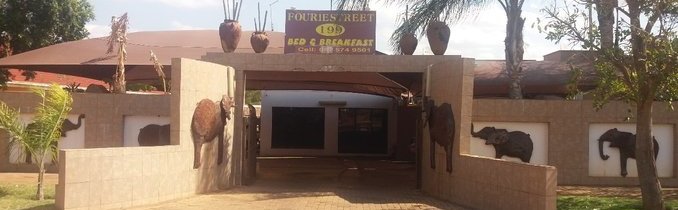
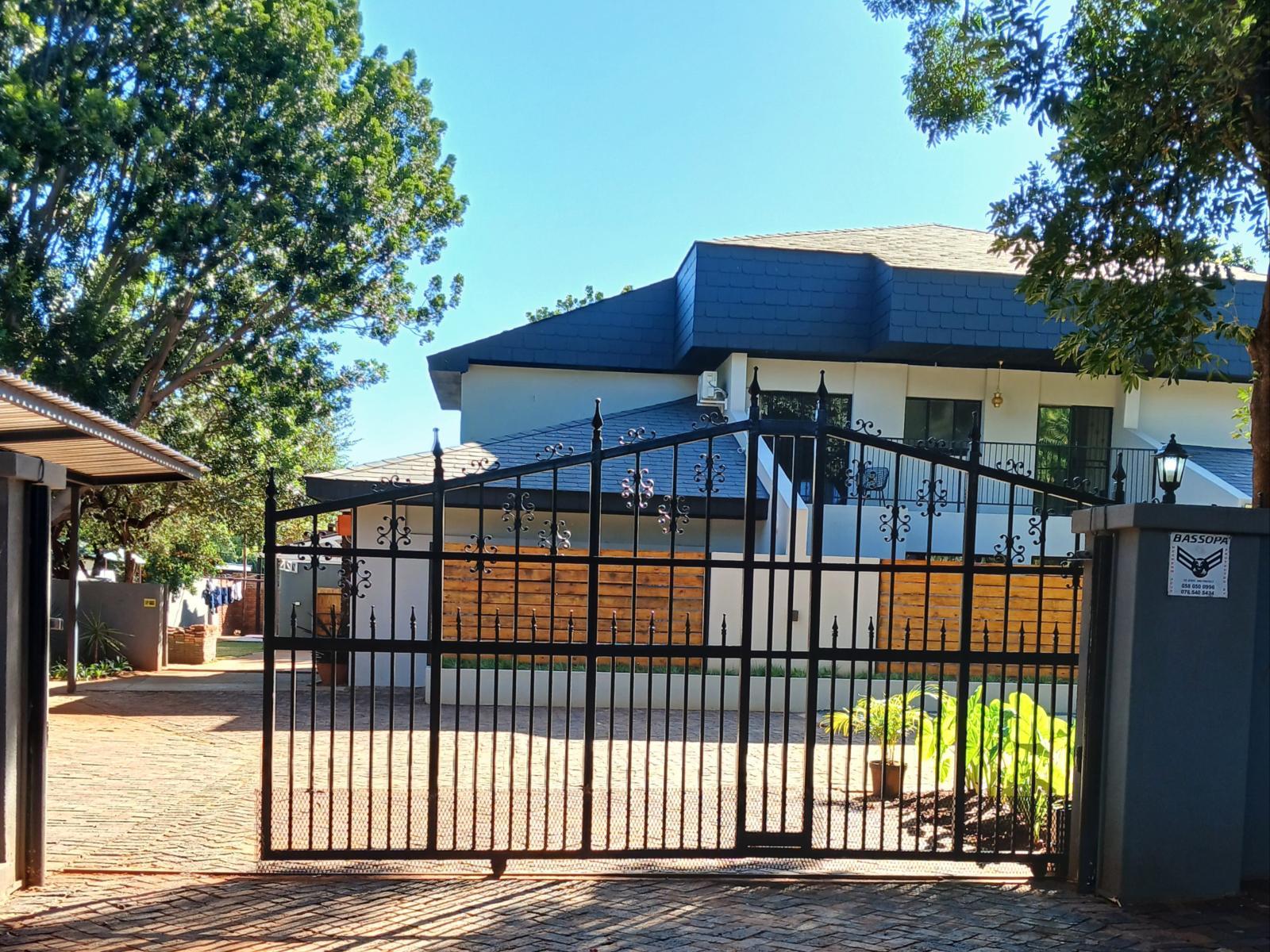
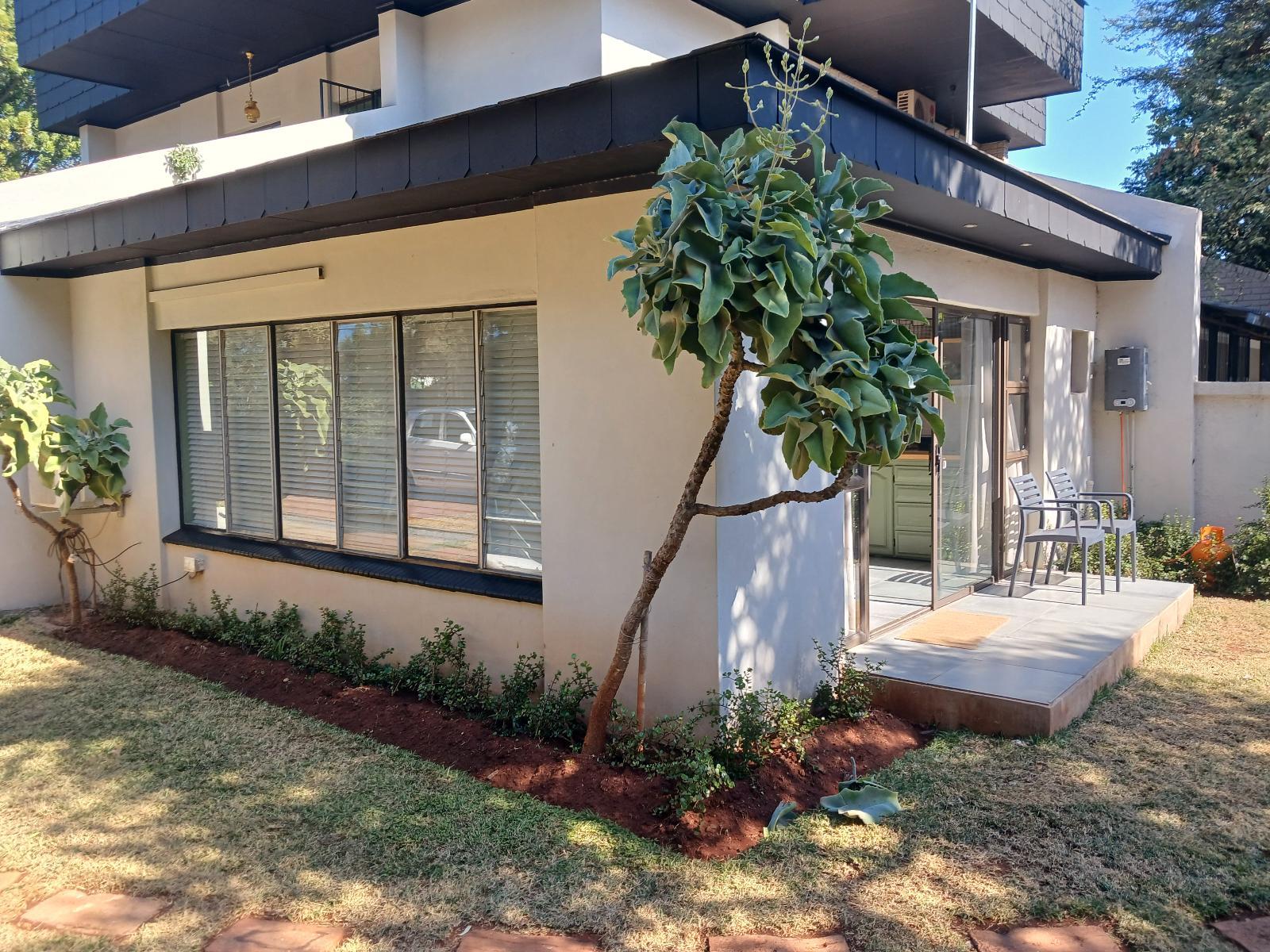
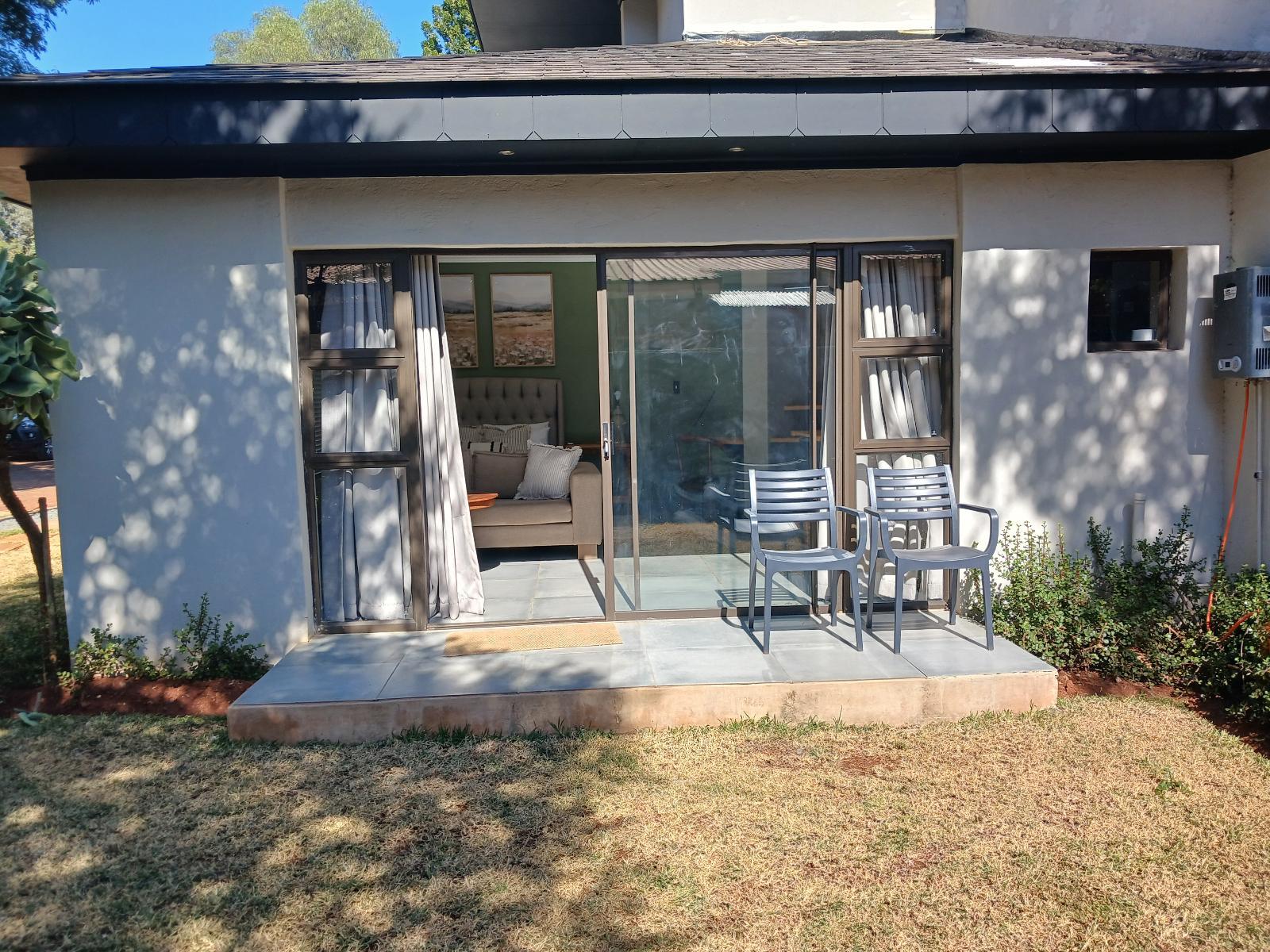
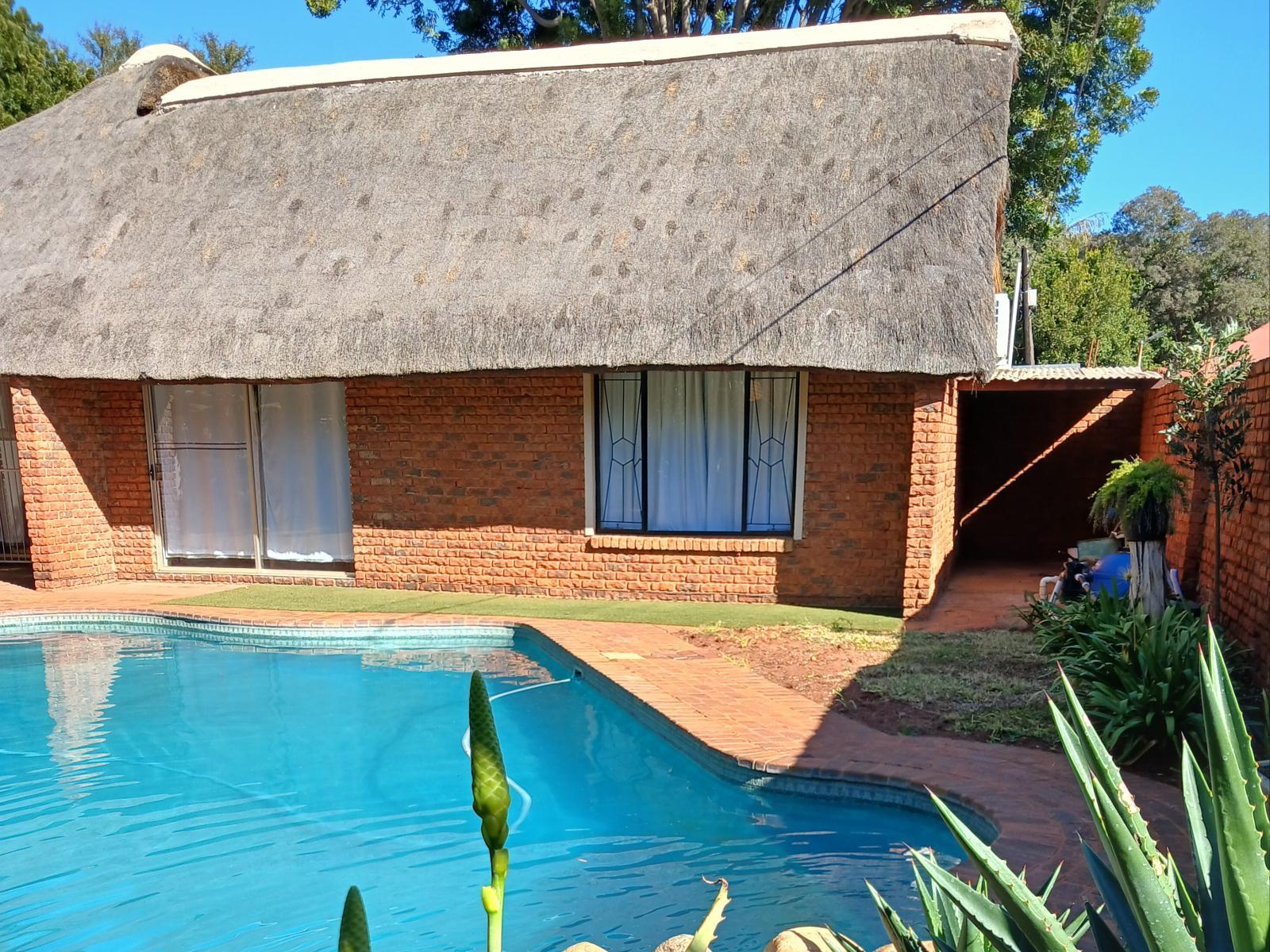
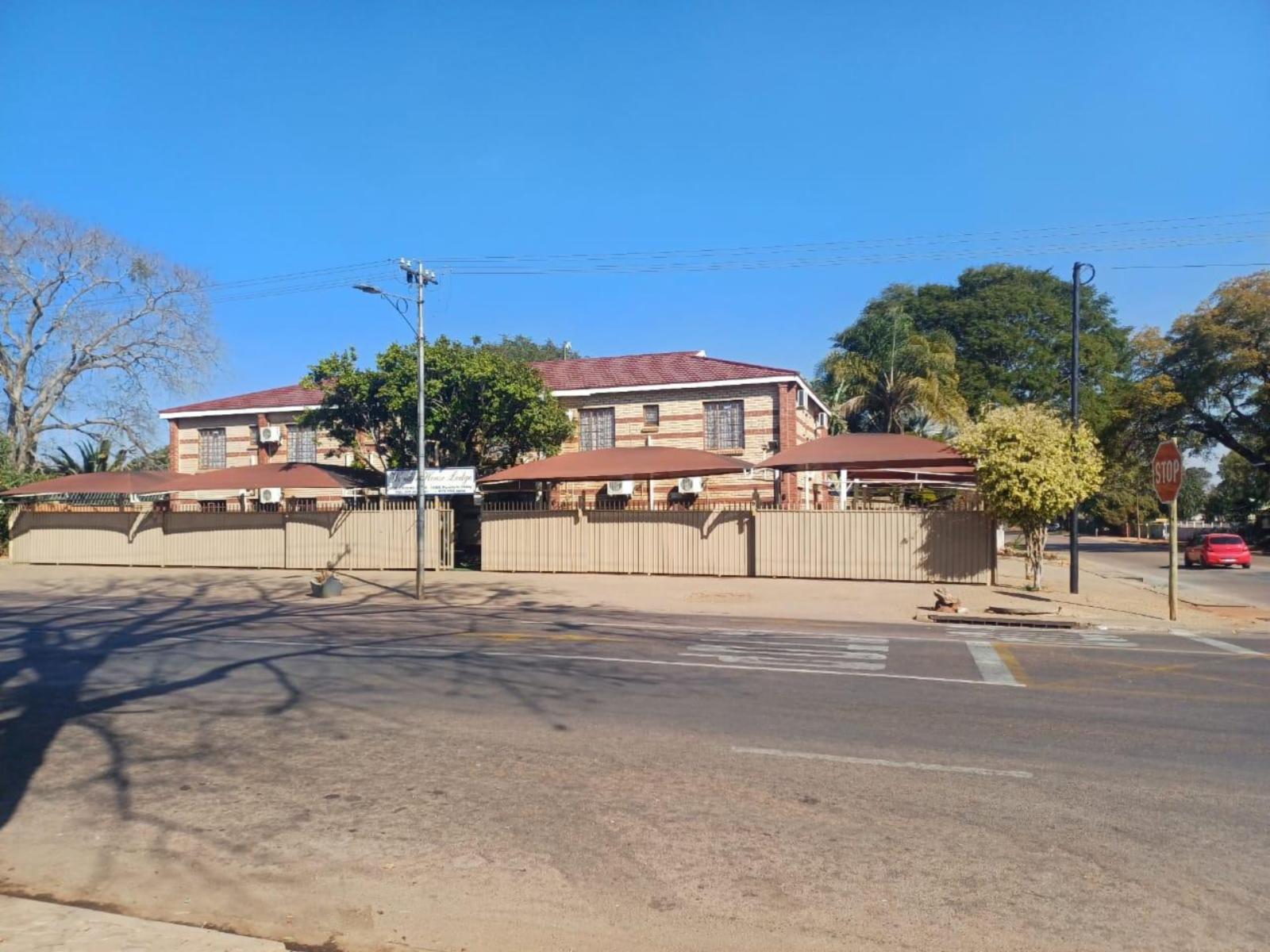
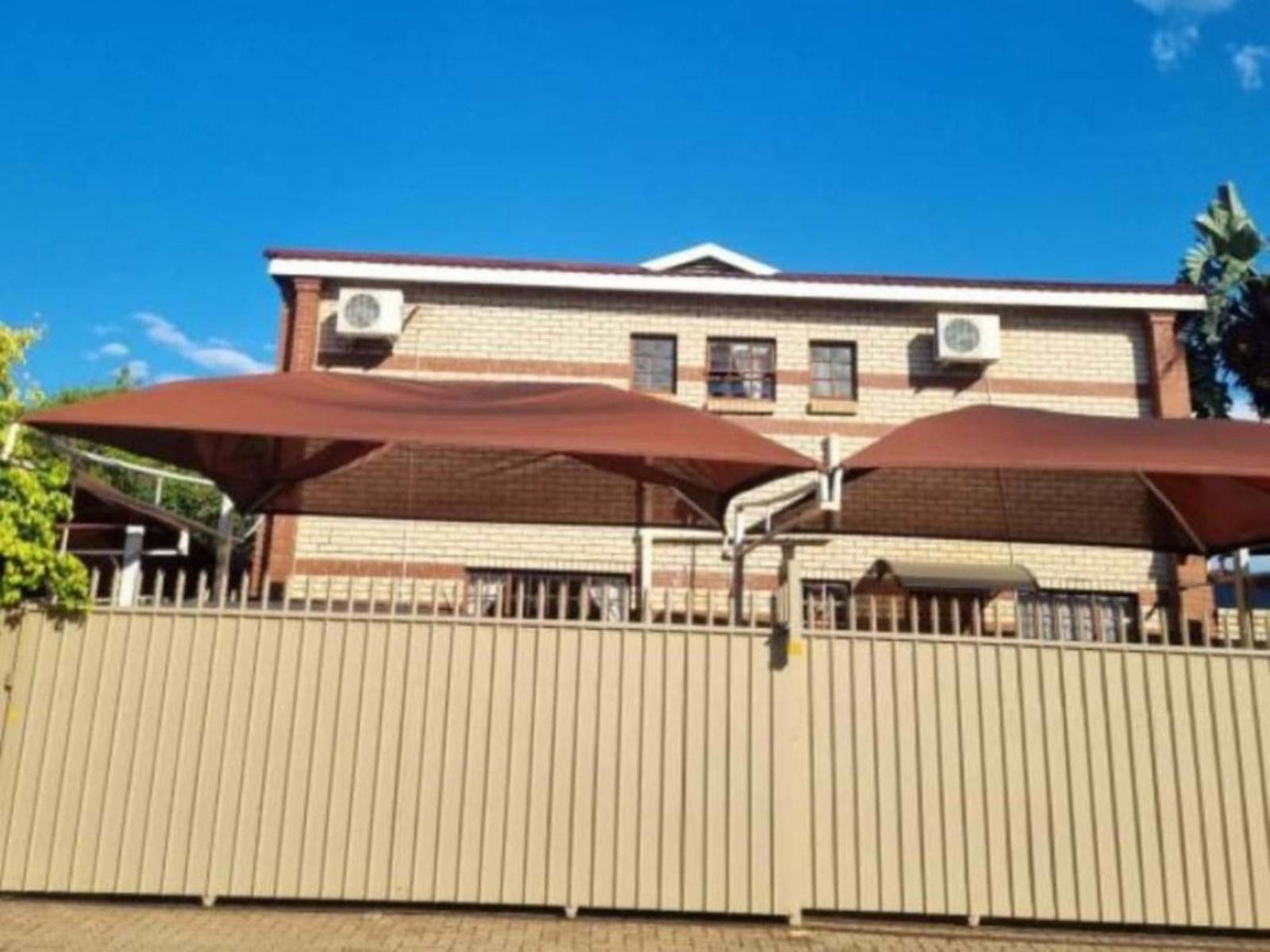
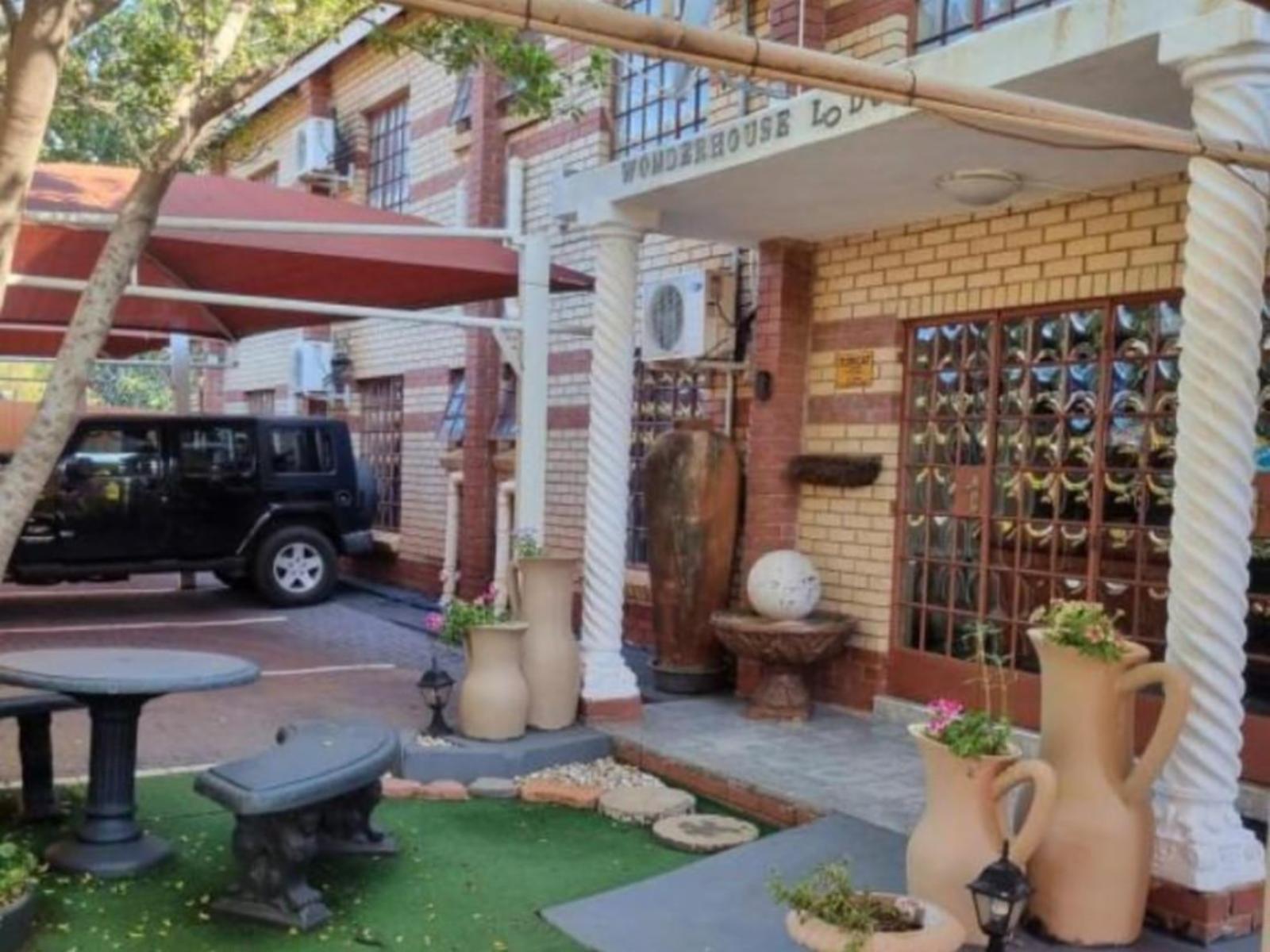
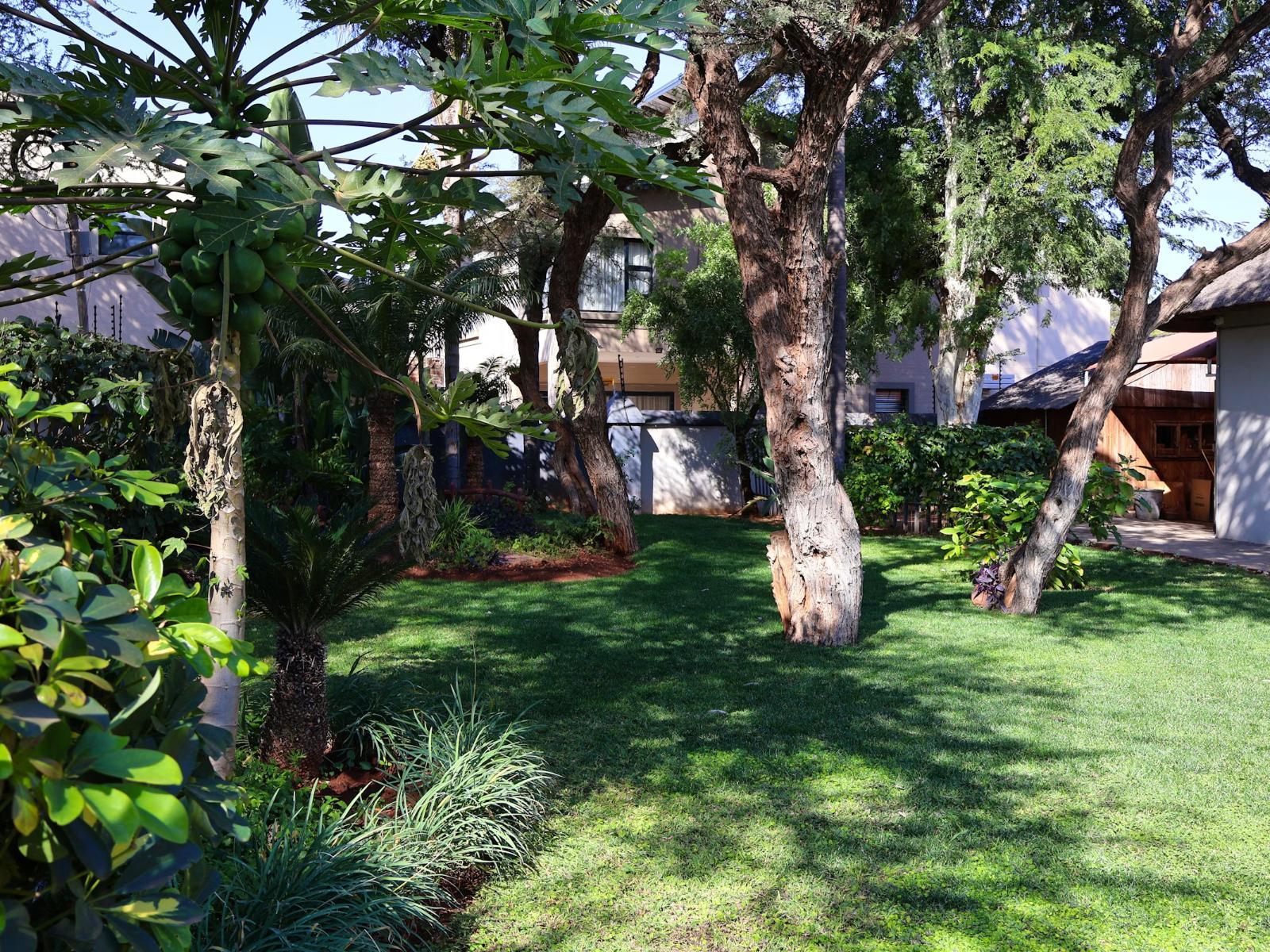
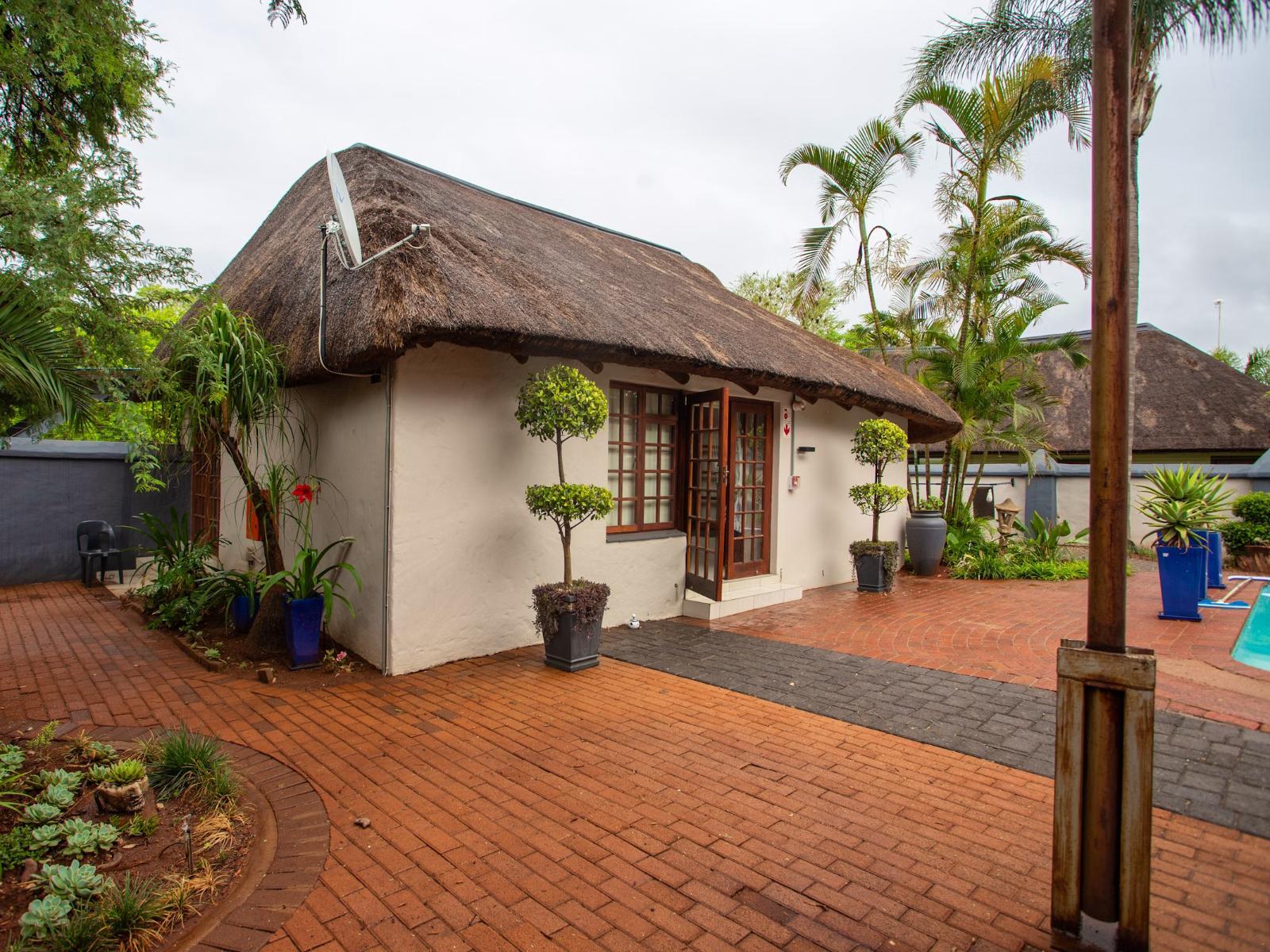
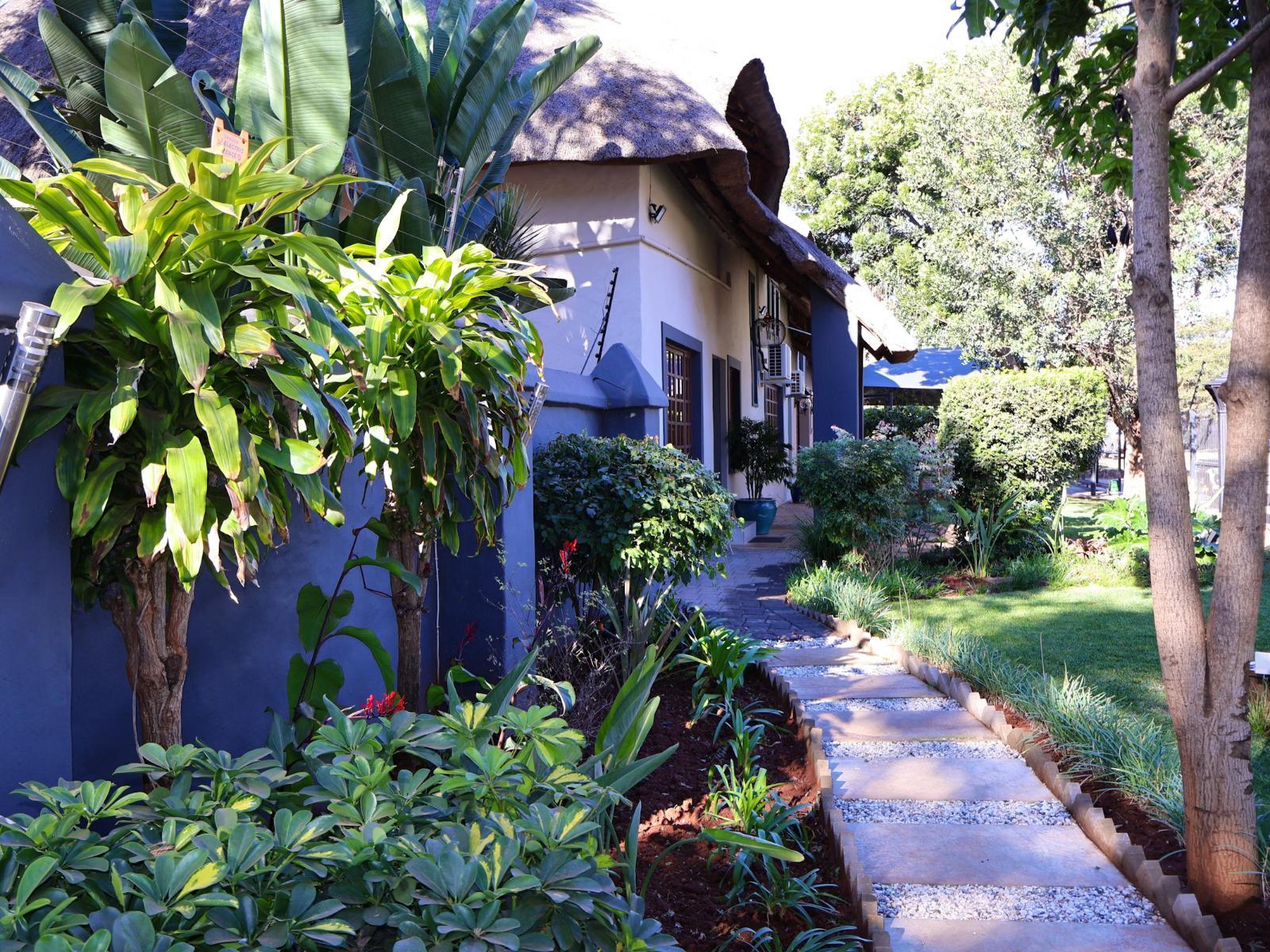
The accommodation market in Twinvallei is small and currently unlisted, with no properties appearing on mainstream booking platforms and no aggregated pricing data established for the area. Visitors will need to make direct enquiries with farms or rural lodges operating in the district, which is a common arrangement across deep-rural Limpopo where many properties book by phone or email rather than through online channels. The broader appeal of staying in this area is the absence of the tourist infrastructure found at more visited Limpopo destinations. Properties here tend to be small, owner-operated, and oriented toward guests who are comfortable with a degree of self-sufficiency.
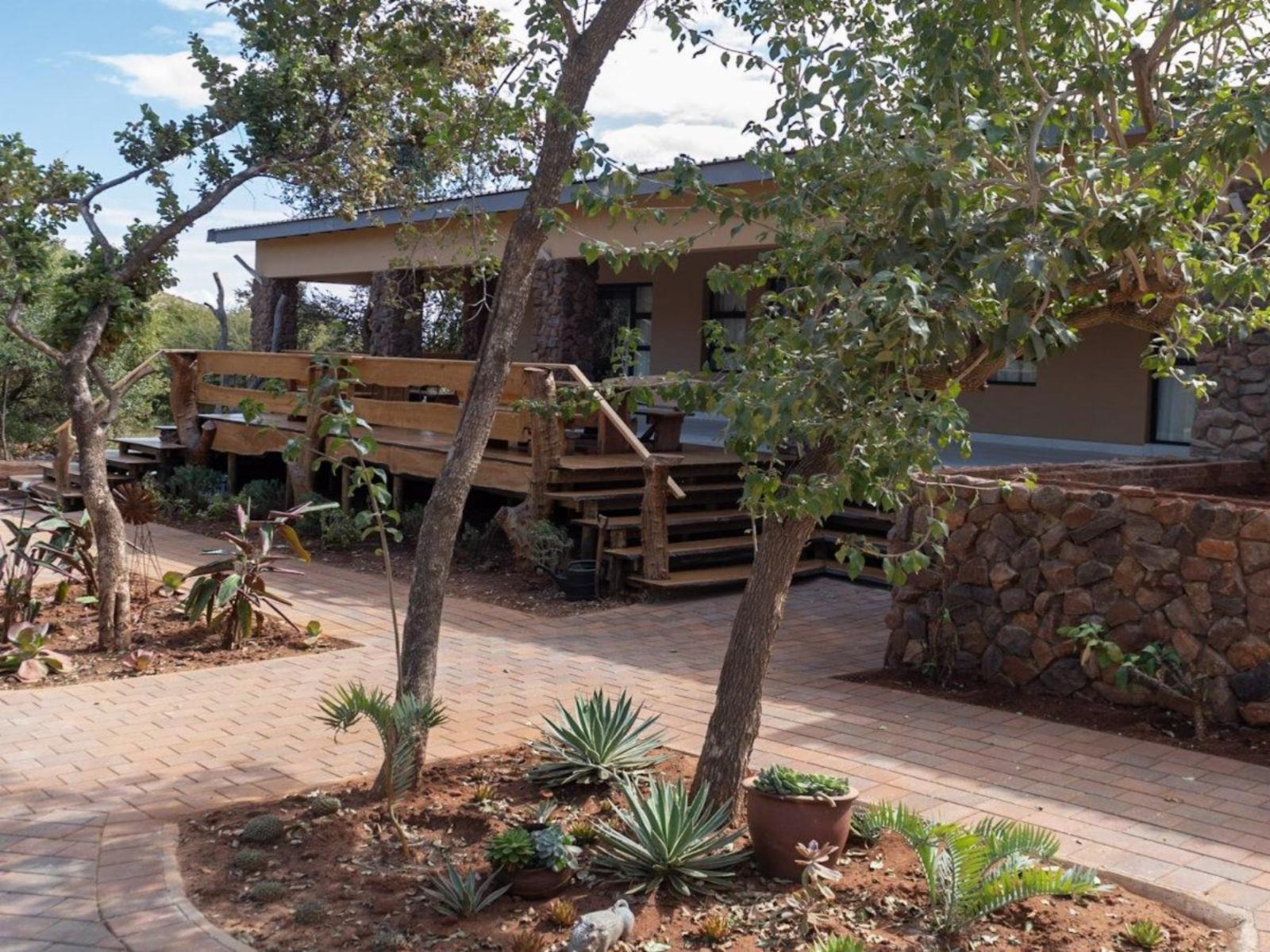
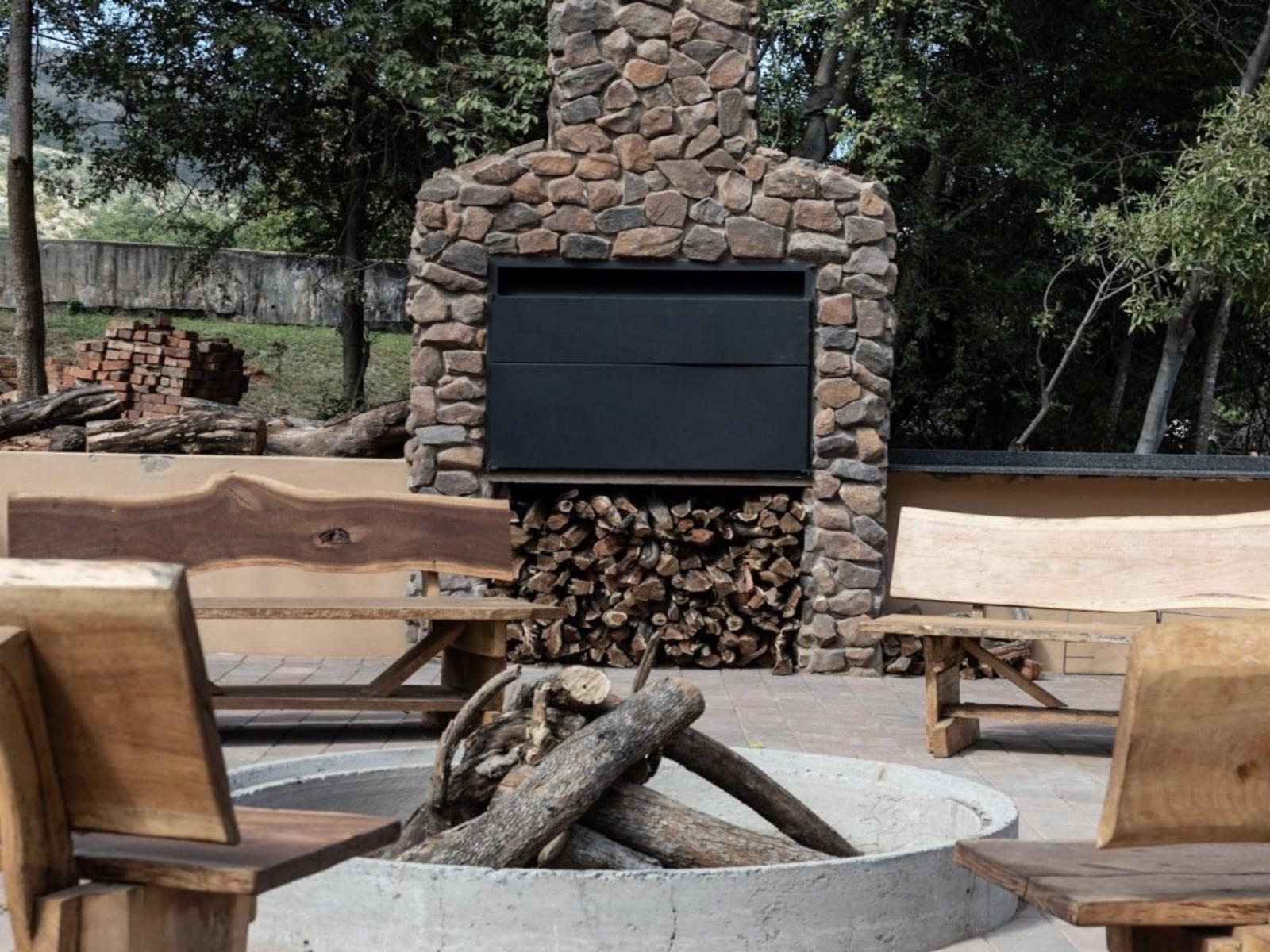
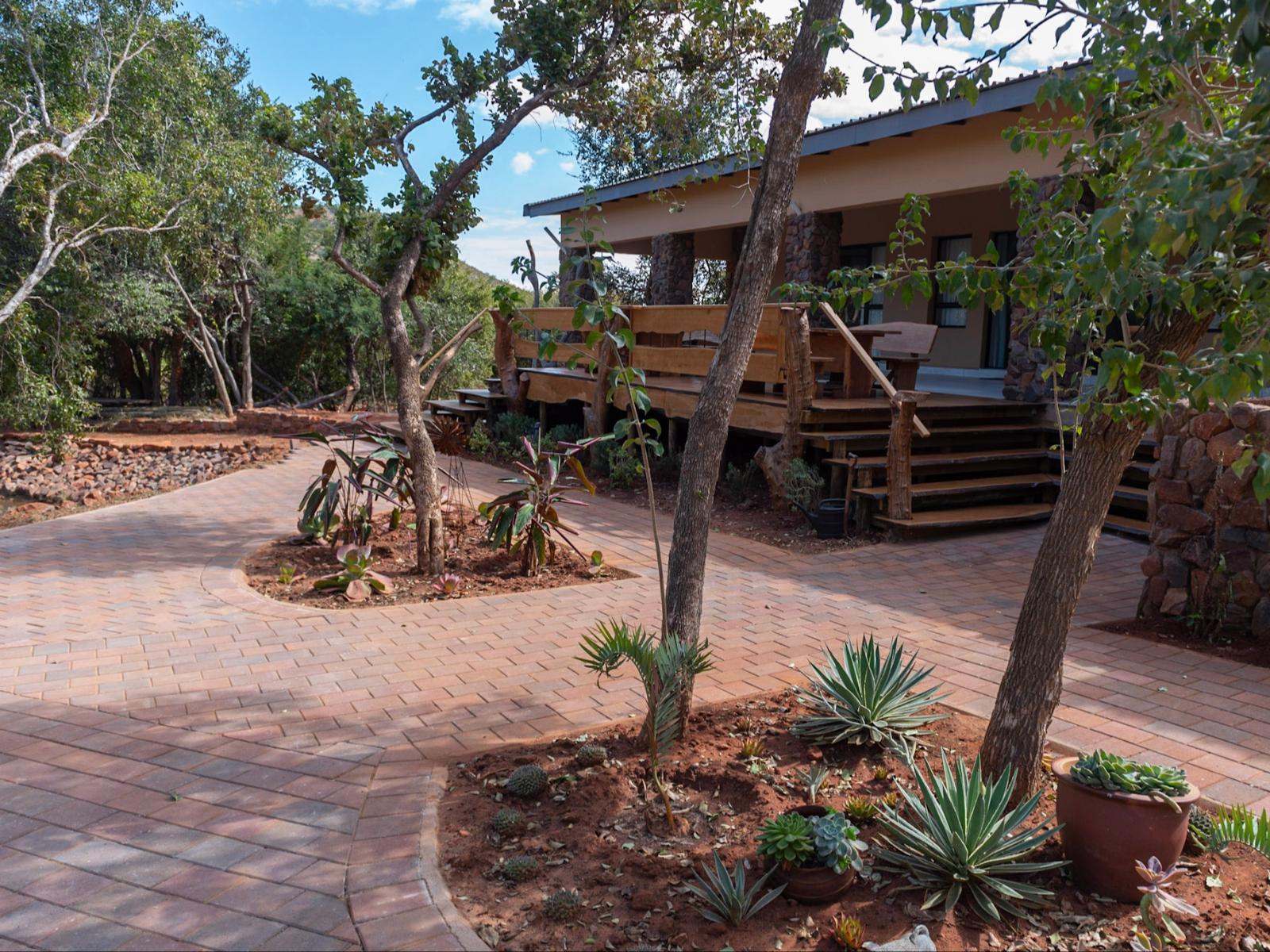
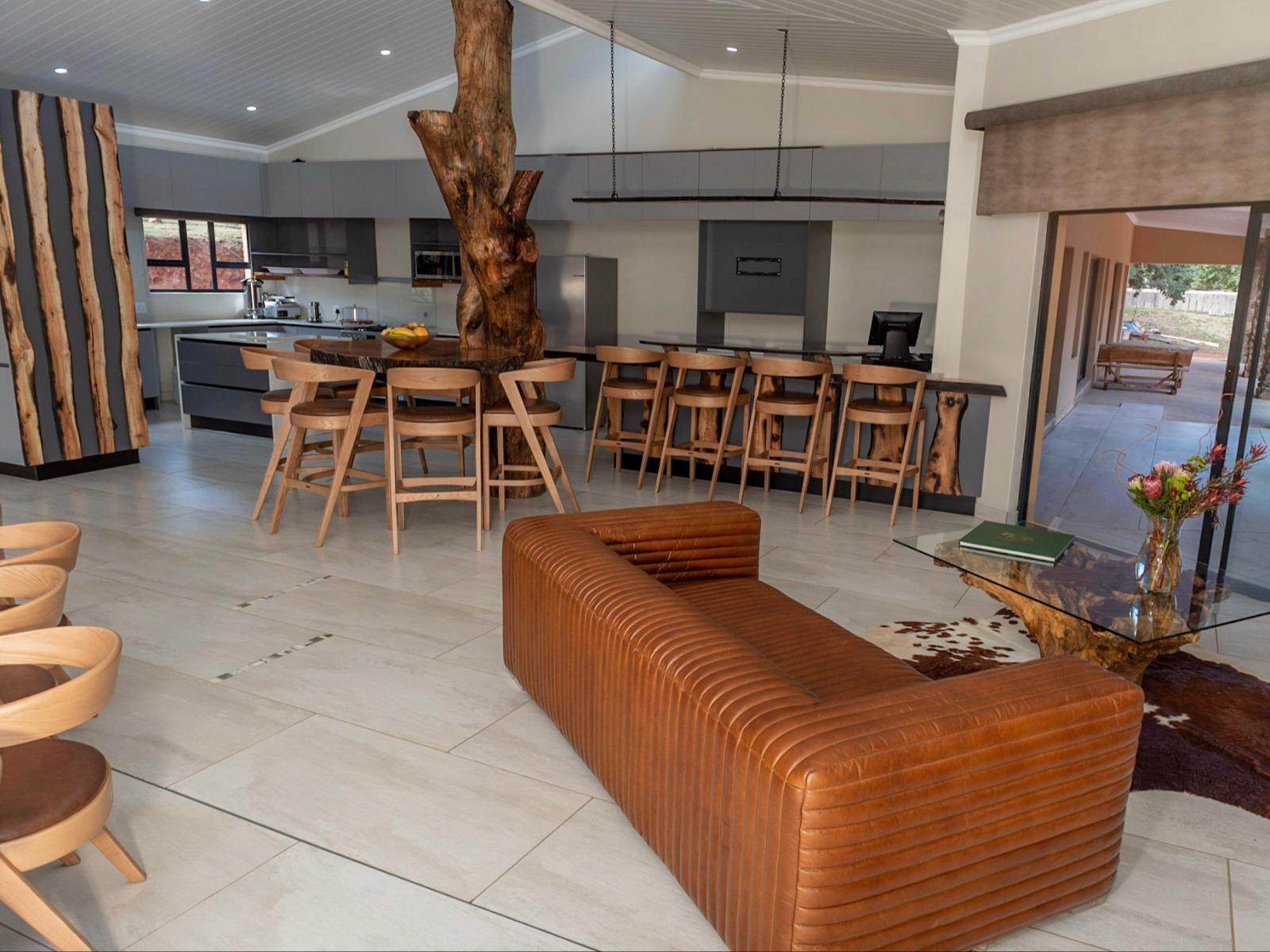
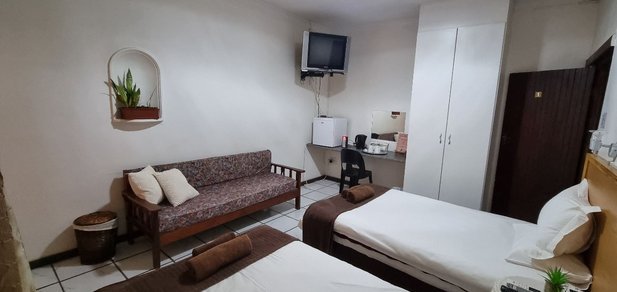
For budget-conscious travellers, the most accessible options in the surrounding district are self-catering chalets on working farms. These properties offer basic facilities, an outdoor braai area, and open access to farmland and surrounding terrain. The experience is largely self-directed and suits those who want a simple base rather than a managed guest programme. Provisions are best brought from the nearest town, as shops are not within easy reach of most rural properties.
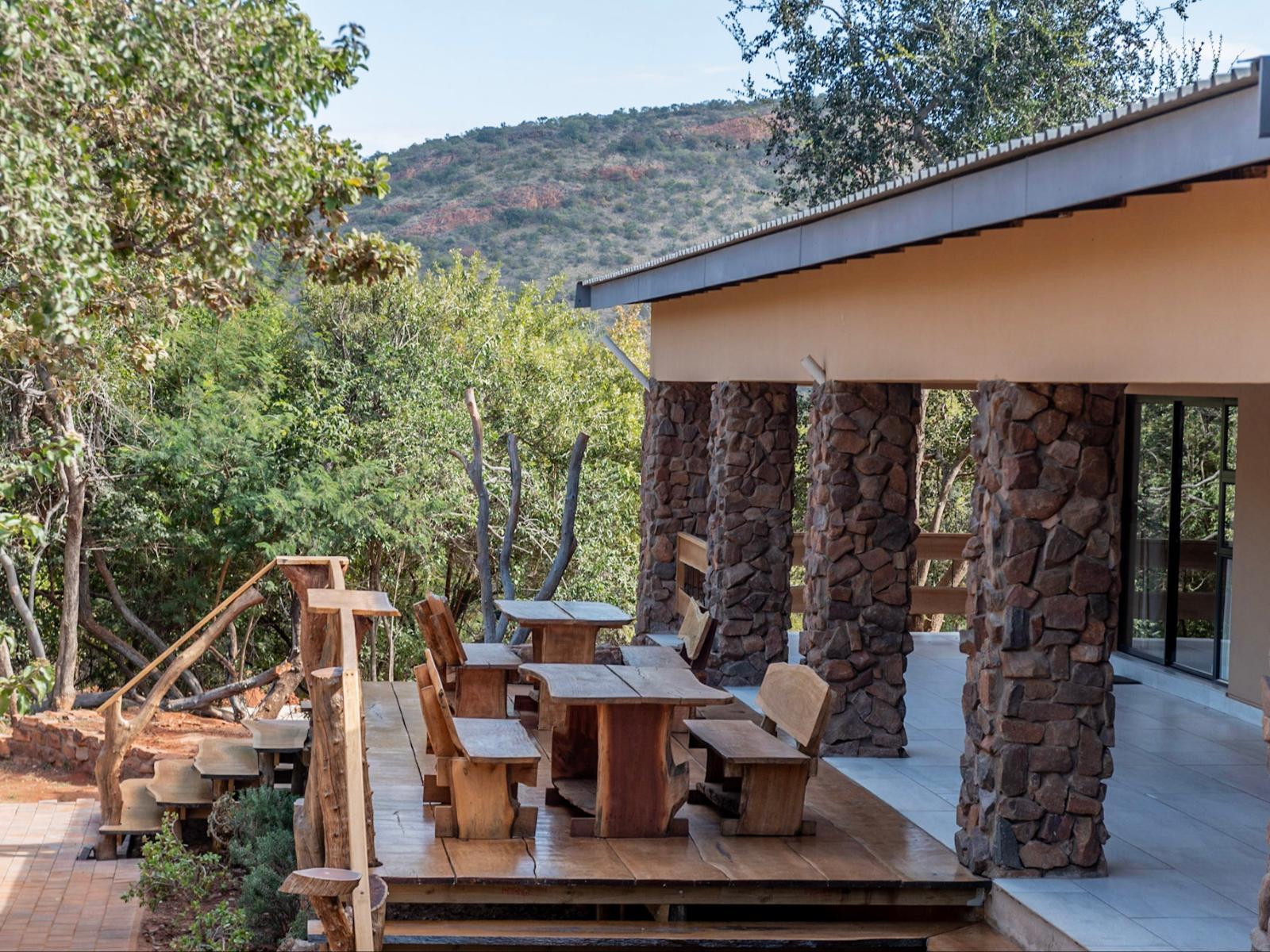
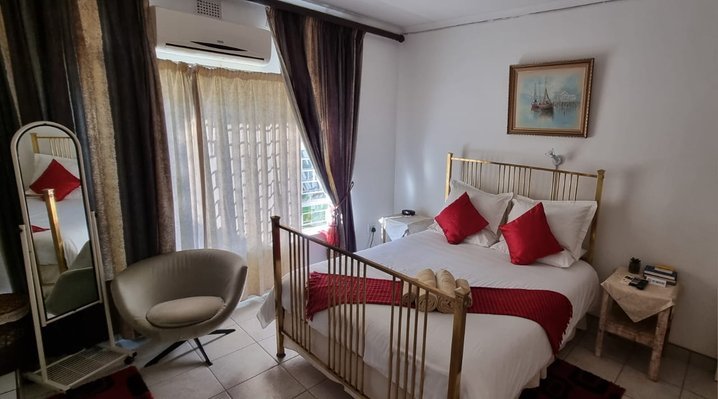
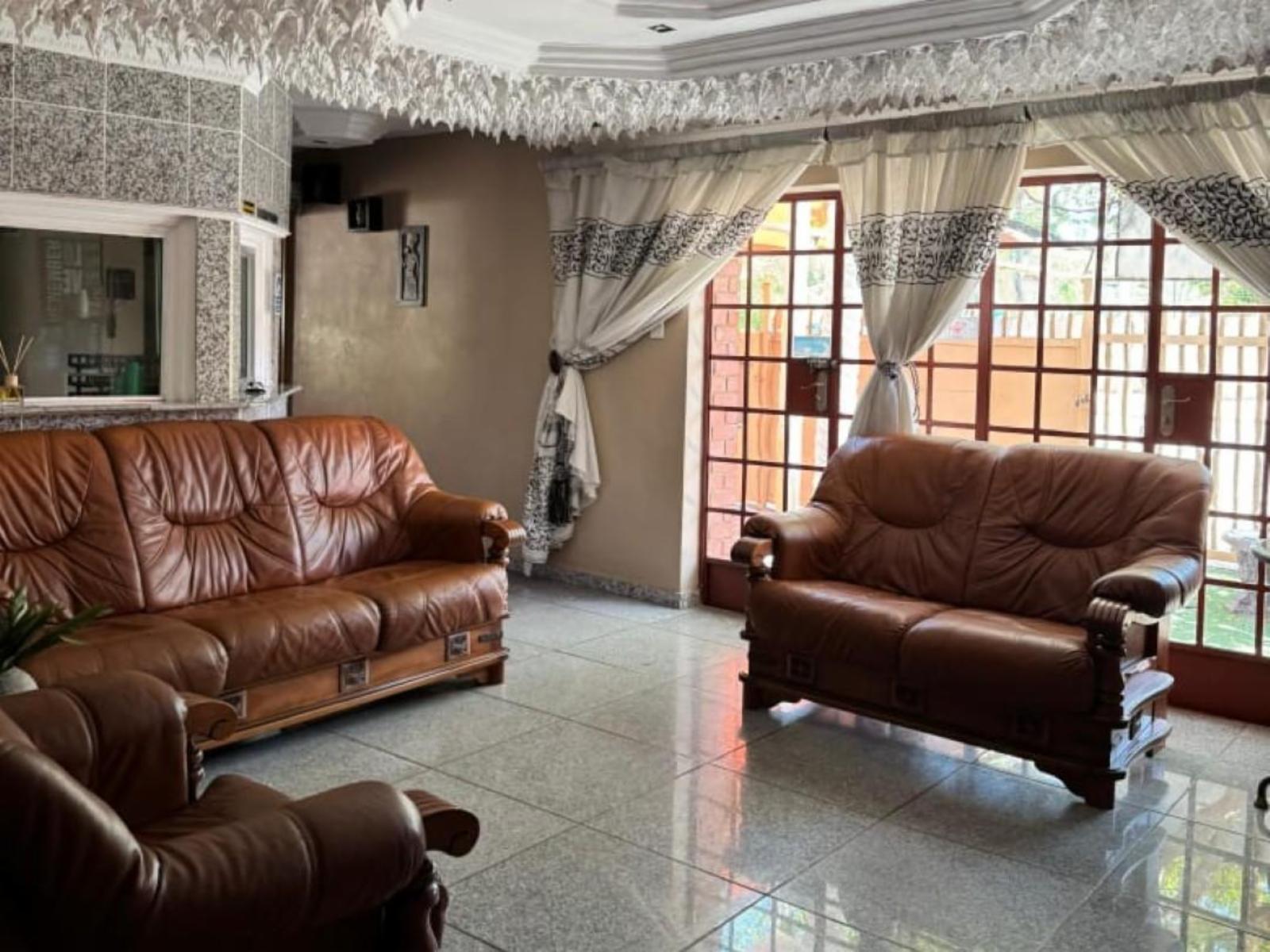
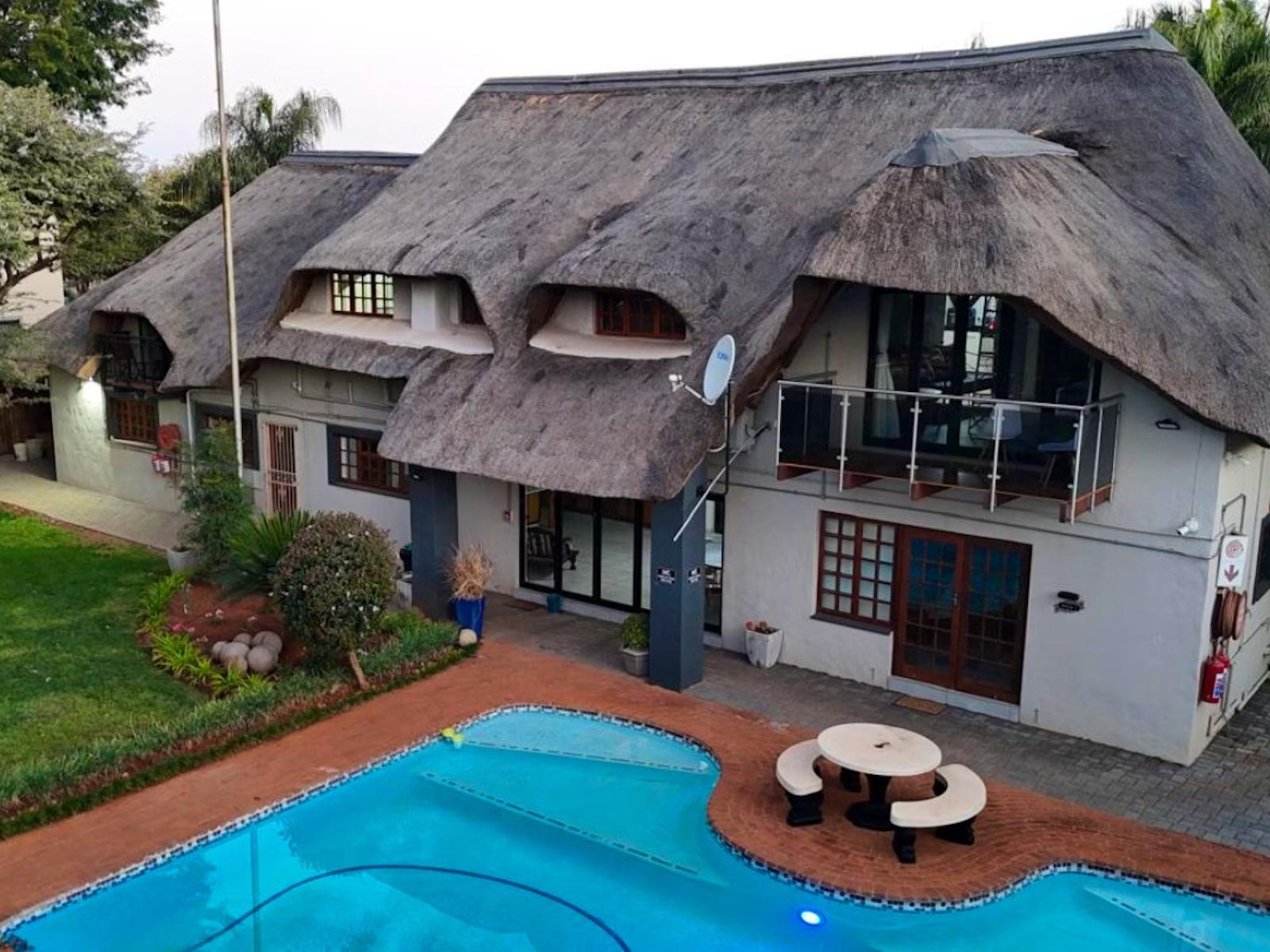
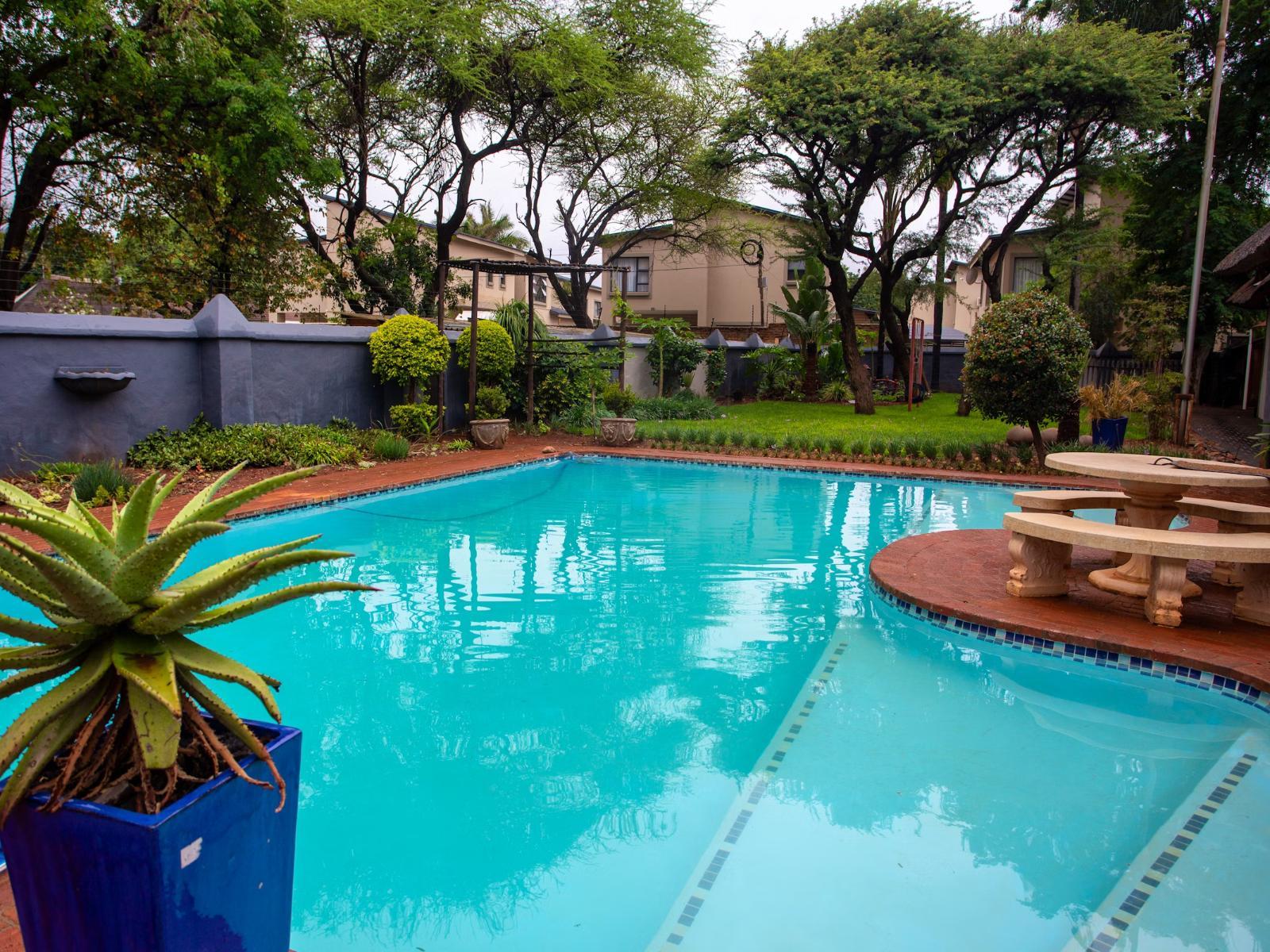
Mid-range visitors will find farm stays and guesthouses offering en-suite rooms, meals on request, and guided activities such as game drives or bush walks. Properties at this tier tend to be established operations combining accommodation with conservation or agricultural tourism. They are more likely to provide reliable backup power and water supply than smaller farm chalets, making them a more practical choice for travellers who need consistent amenities throughout their stay.
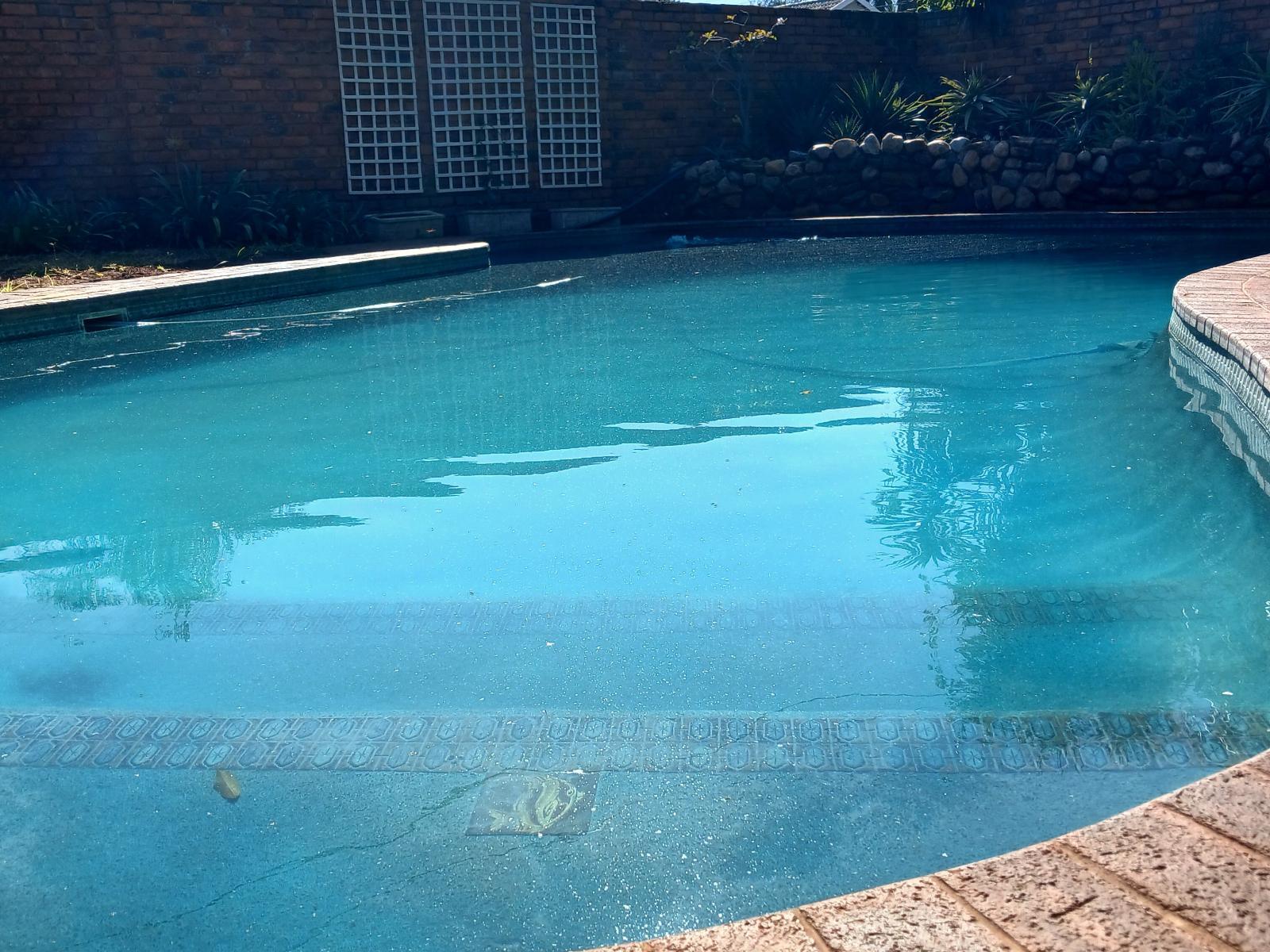
At the upper end, game lodges in the wider Waterberg district offer full-board arrangements, swimming pools, and a higher level of service overall. These lodges are not within Twinvallei itself but are reachable within a reasonable drive. They cater to couples and small groups who want a bush setting with structured activities and dependable facilities.
Regardless of tier, contacting properties directly before committing to a booking is sensible. Rural accommodation in Limpopo varies considerably in what a quoted rate includes and whether electricity supply is backed by a generator or solar system.
Best Time to Visit Twinvallei
The Limpopo bushveld runs on two distinct seasons, and the best time to visit depends on your priorities.
Winter, from May through August, brings dry, clear conditions with comfortable daytime temperatures in the mid-twenties Celsius. Nights can drop sharply, sometimes approaching freezing, so warm layers are needed in basic accommodation or when camping. Vegetation thins considerably during these months, which makes wildlife easier to spot in the surrounding bush. The landscape takes on an ochre character, and sightlines through the trees are at their longest.
Summer, from October through March, is hot and wet. Temperatures regularly exceed 35 degrees Celsius, and afternoon thunderstorms build from November onward. The rains transform the area: dams fill, the bush turns green, and migratory species arrive to join the resident bird population. This is the most productive season for birdwatching, with the crimson-breasted shrike, lilac-breasted roller, and a range of summer visitors active across the district.
April and September offer a middle ground between the two extremes. April carries the tail end of the rains with green vegetation still in place, while September marks the final dry weeks before the summer heat returns. Both months provide comfortable temperatures and fewer visitors than the peak school holiday periods in July and over December and January.
Getting to Twinvallei
A private vehicle is essential for reaching Twinvallei. No scheduled public transport serves the area, and intercity buses or shared taxis are impractical for the final leg of any journey here.
From Johannesburg, the most direct route runs north on the N1 highway, past Bela-Bela and through the Limpopo interior, before connecting to regional roads toward the Mokopane district. The drive covers roughly 280 to 300 kilometres and takes around three hours under normal conditions. From Pretoria, the journey is slightly shorter, approximately 240 kilometres north via the N1, taking around two hours and twenty minutes.
For travellers flying in, Polokwane's Gateway Airport is the most practical option, offering daily connections to Johannesburg's OR Tambo International. The provincial capital lies approximately 100 kilometres to the north, connected via the N1. A hire car collected at the airport covers the remaining distance comfortably, as no reliable shuttle service operates to rural areas in this part of the province.
Within the Twinvallei area, most properties and settlements are connected by gravel roads. Reasonable ground clearance is preferable to a low-slung vehicle. During the wet season, typically November through February, some routes can become rutted and slow. Checking conditions with your accommodation before departure is worthwhile, and fuelling up before leaving the main road is advisable, as petrol stations become sparse once you turn off the N1 onto smaller provincial roads.
Twinvallei and Surrounding Areas
Twinvallei's nearest settlement is Doornfontein, 8 kilometres away, a small farming community that reflects the agricultural character of the district. It offers few visitor services but marks a useful waypoint for anyone exploring the back roads in the immediate area.
Mokopane, 19 kilometres to the south, is the primary service hub for the region and carries significant historical and scientific importance beyond its practical role. The Makapan Valley on the town's outskirts is a UNESCO World Heritage Site, containing limestone caves where fossil evidence of hominid activity dates back more than three million years. Makapansgat ranks among the most important palaeontological sites in southern Africa, and the interpretive centre near the caves provides meaningful context for what the geological record reveals. The site is worth a dedicated half-day visit for anyone with an interest in human prehistory.
Potgietersrus, about 20 kilometres from Twinvallei, has a character shaped by the Voortrekker period of the nineteenth century. The name references Andries Potgieter, a Boer leader associated with events in this district. Local monuments reflect that period of South African frontier settlement, and the town functions as a practical stop for supplies alongside its historical points of interest.
Ga-rakgwatha and Ga-mmamogwasa, at 22 and 23 kilometres respectively, are Sepedi-speaking communities in the area. The "Ga-" prefix in Sepedi denotes a chieftaincy or community area, and these villages represent the predominantly rural, African traditional life that exists alongside commercial farming throughout this part of Limpopo. A drive through either community offers a grounded view of daily life in the province that staying solely on lodge properties would not provide.
Bergnek, also around 23 kilometres from Twinvallei, takes its name from the Afrikaans for "mountain neck," describing a narrow pass or ridge formation in the terrain. It marks a landscape transition between the flatter lowveld and the higher ground rising to the west.
Planning Your Stay
Because Twinvallei has no accommodation currently listed on booking platforms, direct contact with properties is the most effective approach. Farm stays and rural lodges in this part of Limpopo operate by phone or email rather than through online booking systems, and a direct call will generally produce more accurate availability information than searching aggregators.
Before confirming any reservation, ask the property about access road conditions for the time of year you plan to travel. Asking for GPS coordinates rather than relying on written directions is also advisable, as rural properties in this part of Limpopo frequently fall outside standard navigation databases. Arriving after dark without accurate coordinates is a situation easily avoided with a small amount of preparation.
Confirm what the quoted rate covers before paying any deposit. Whether meals are included, how electricity is supplied, and what activities are available on the property are all worth establishing in advance. Loadshedding affects rural Limpopo, and not all properties have backup generation or solar capacity.
Given the limited services near Twinvallei, confirm with your property what supplies you need to bring with you. Groceries, medications, and anything requiring a pharmacy should be sorted before you leave the main town. Book reservations well ahead if your dates fall within the busier domestic travel windows. Outside peak periods, availability is generally more flexible and last-minute bookings are more feasible.