Accommodation in Doornfontein
Major booking platforms currently list no registered properties for Doornfontein, a figure that reflects the area's informal, direct-booking culture more than a shortage of places to stay. Pricing across rural Limpopo self-catering is not formally indexed, sitting at the affordable end of the provincial scale without standardised rate structures.
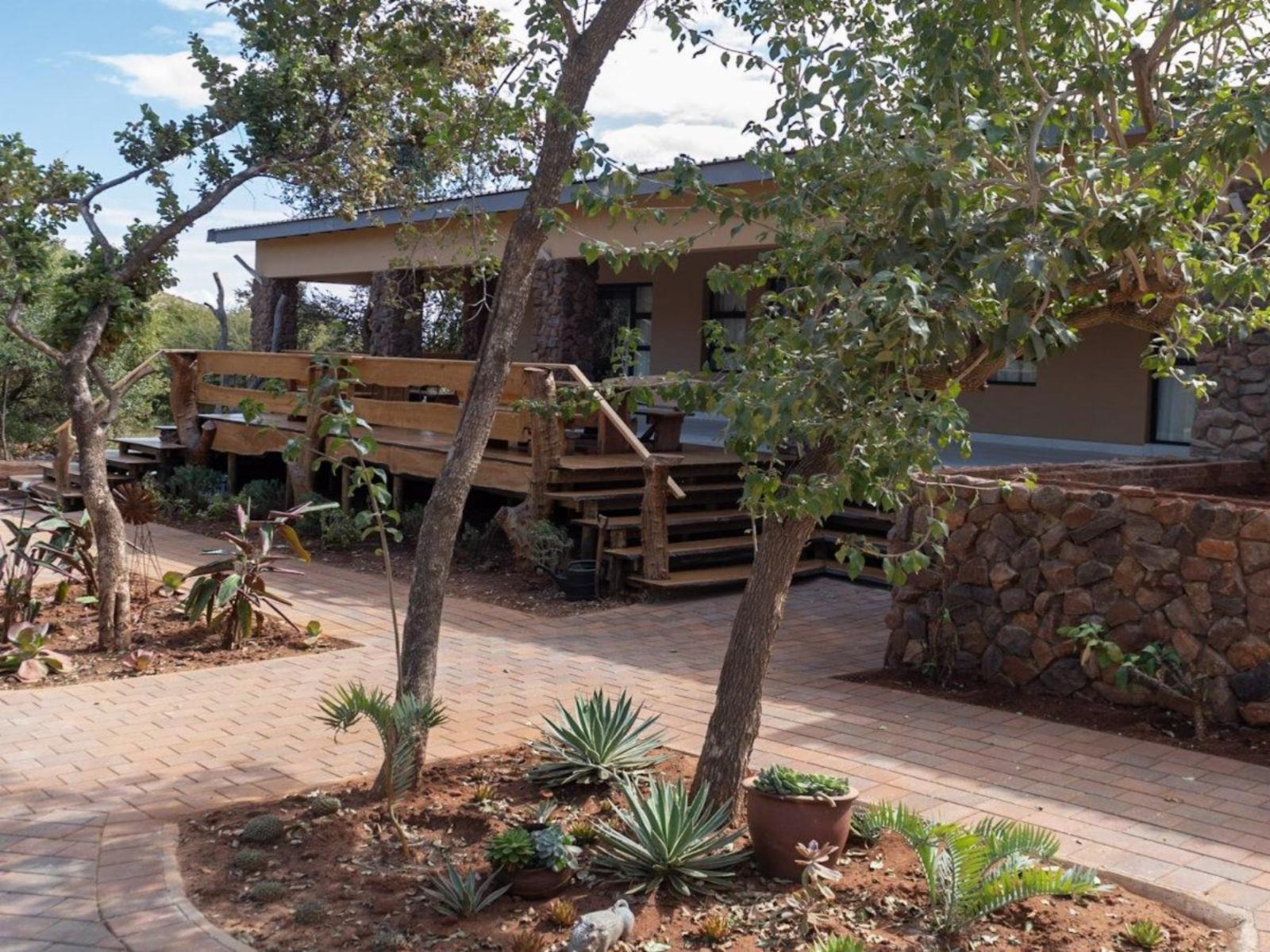
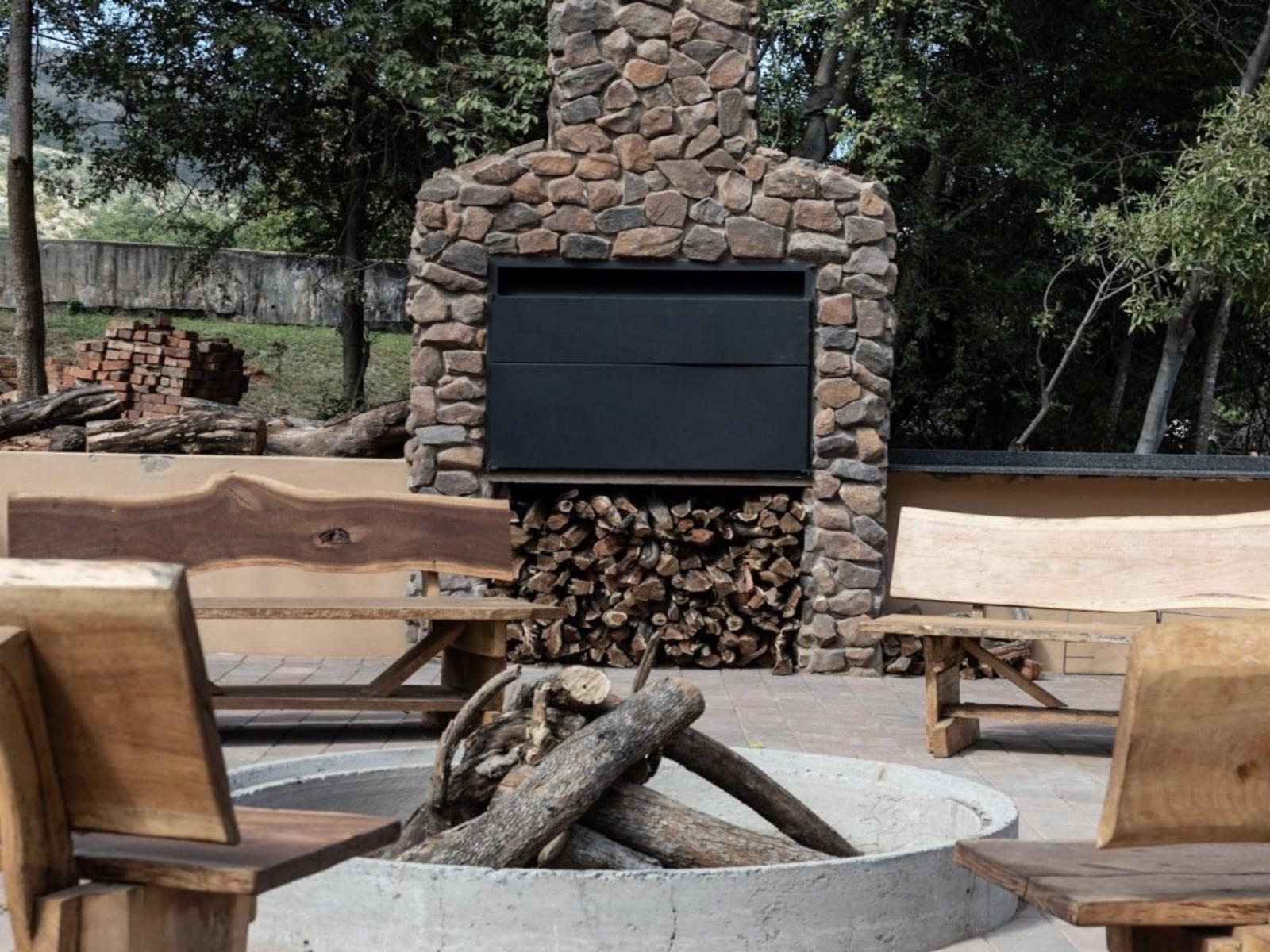
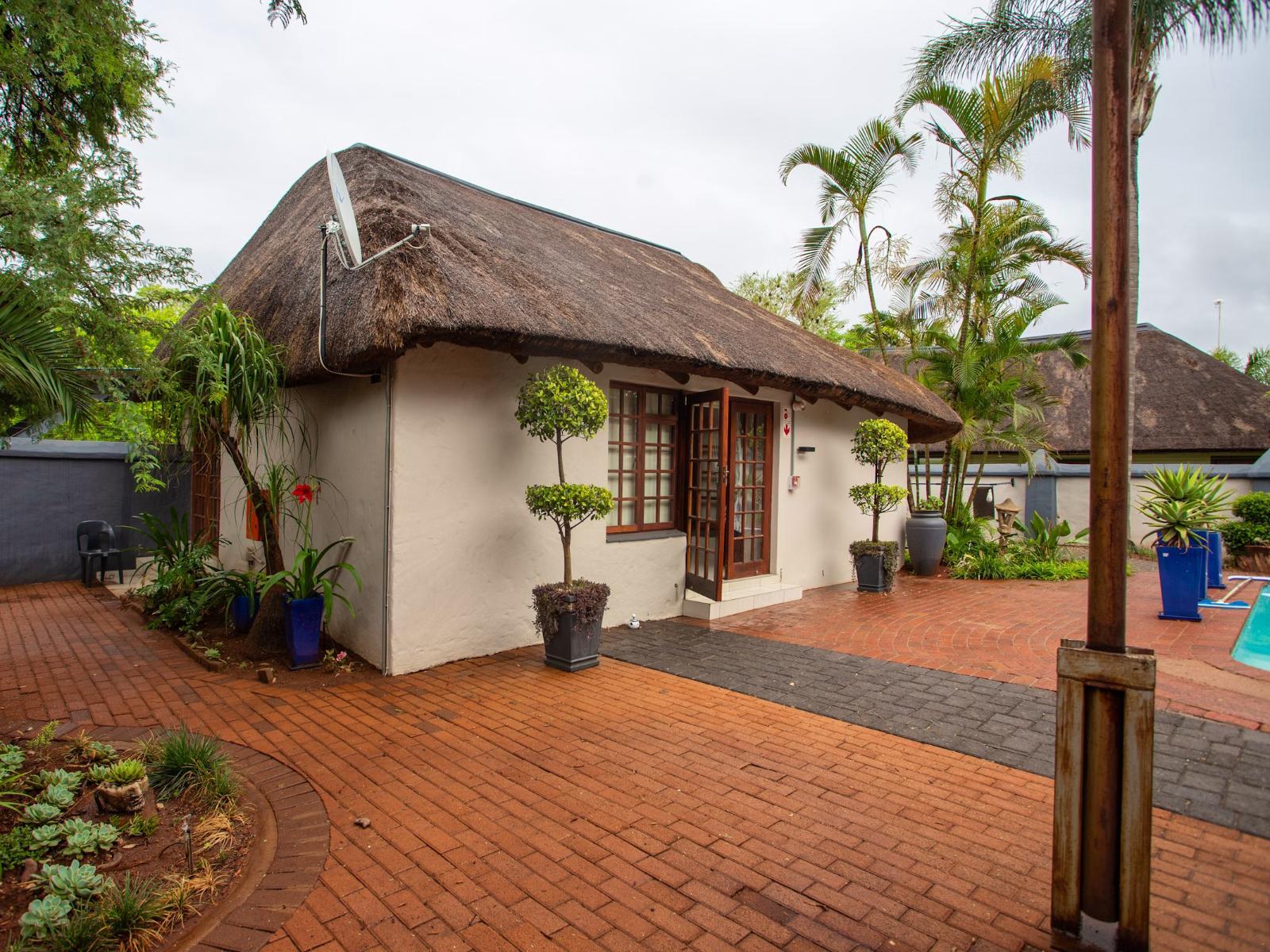
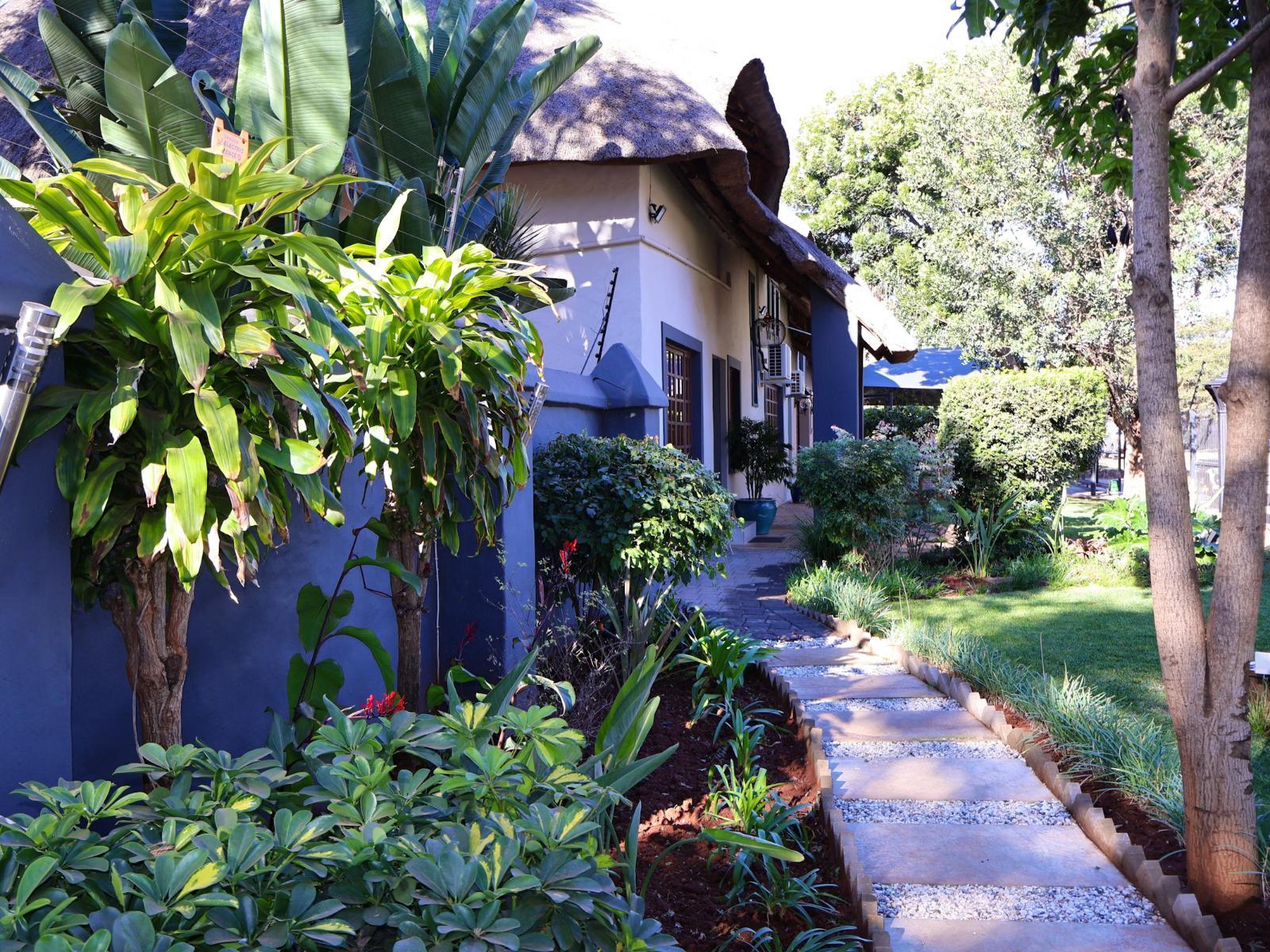
At the budget end, expect basic farm cottages or rondavels offering functional shelter and little else. These units typically come with an outdoor braai area and open views across farmland. Guests at this level are expected to manage entirely on their own: bring your own food, handle your own cooking, and operate with minimal host involvement. The trade-off is a low cost of entry and an uncomplicated stay in open country.
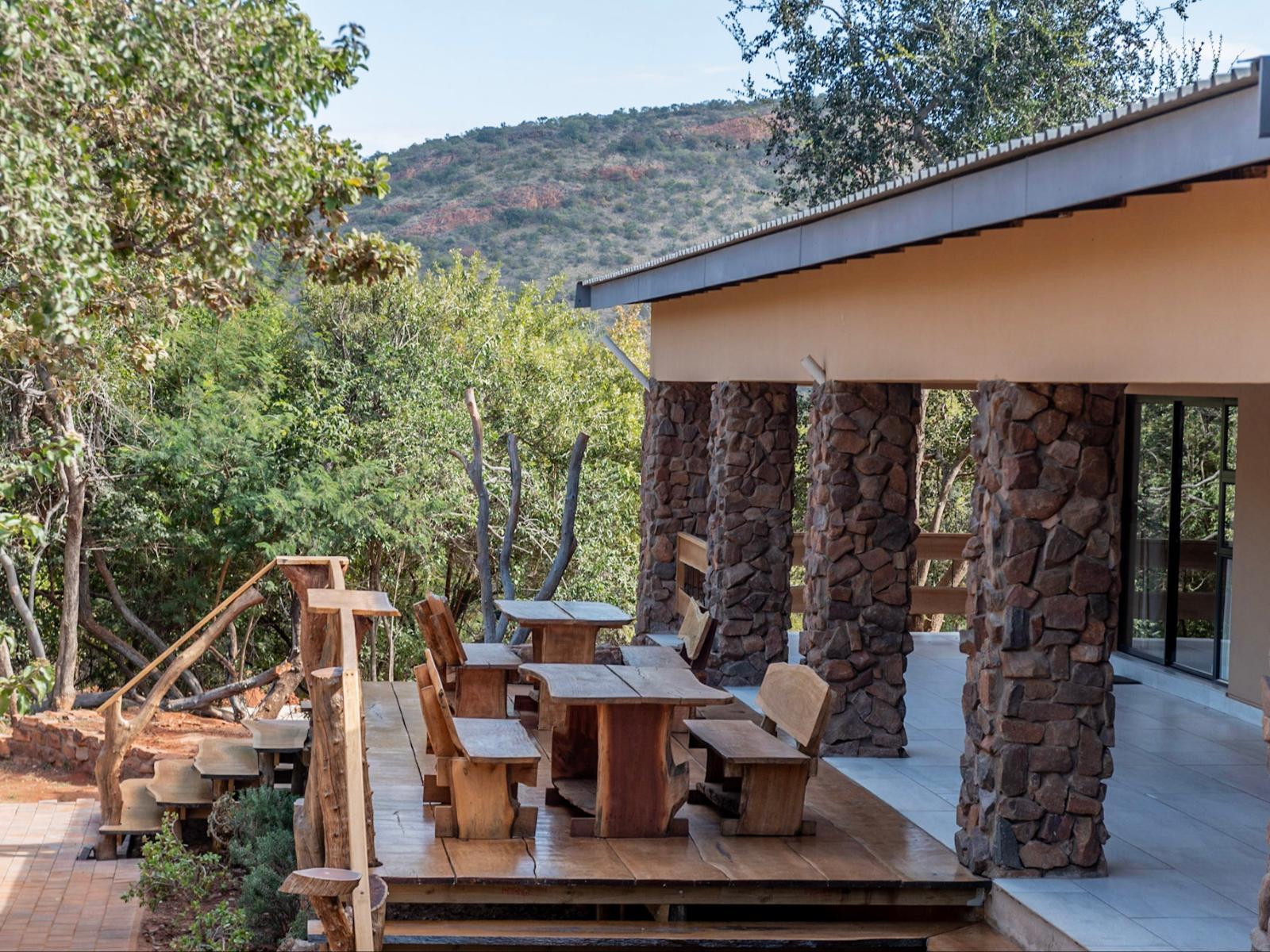
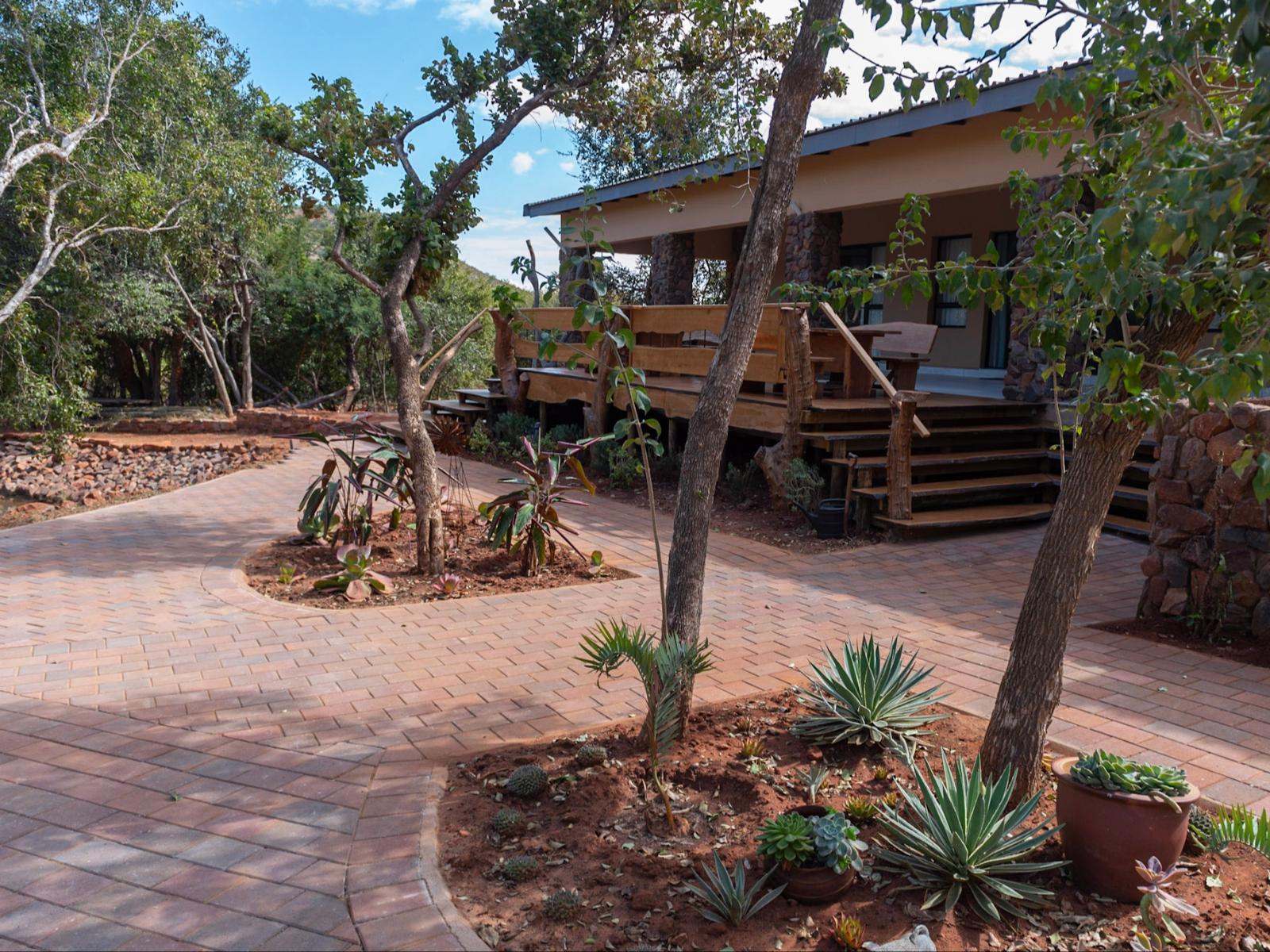
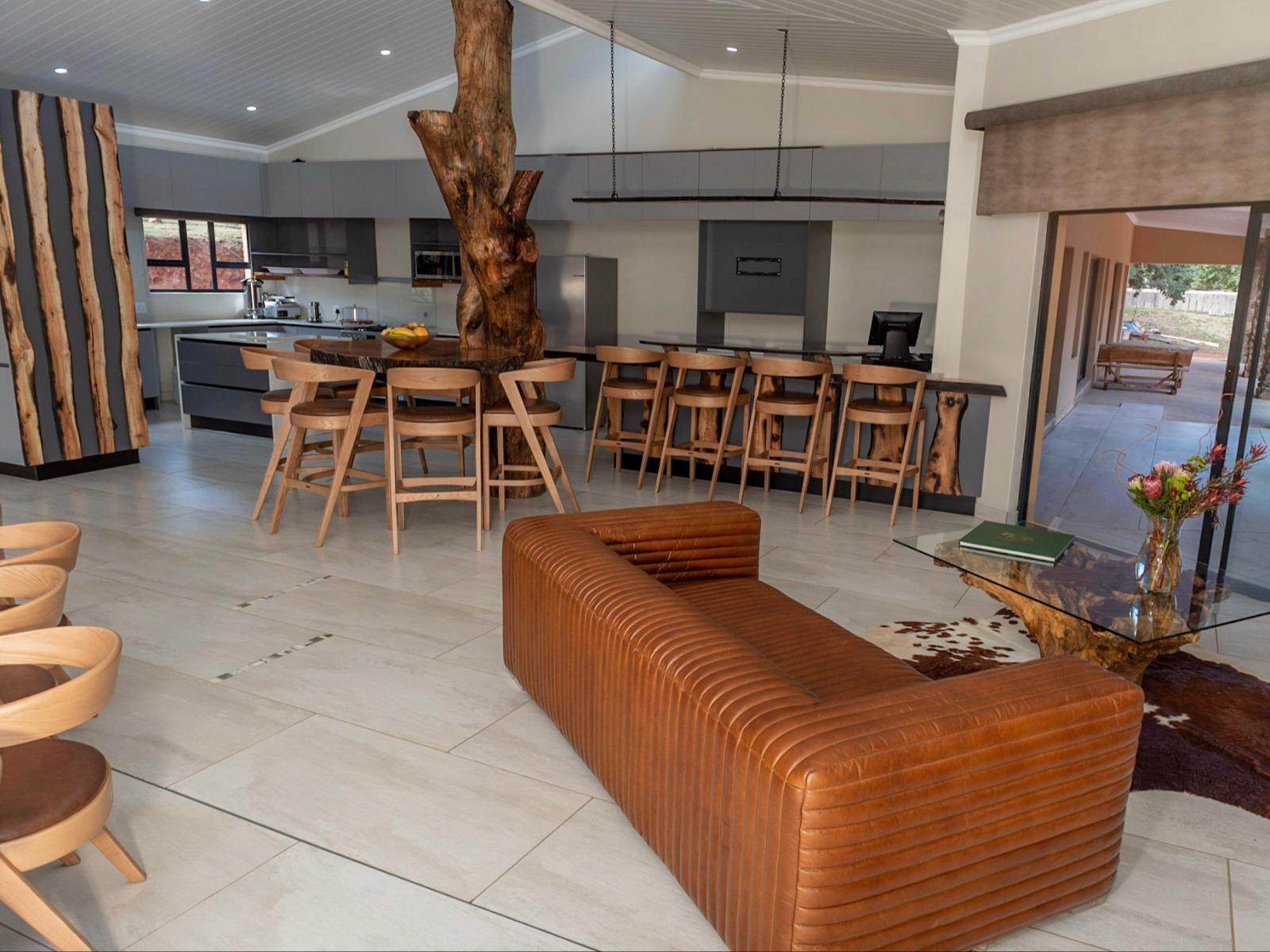
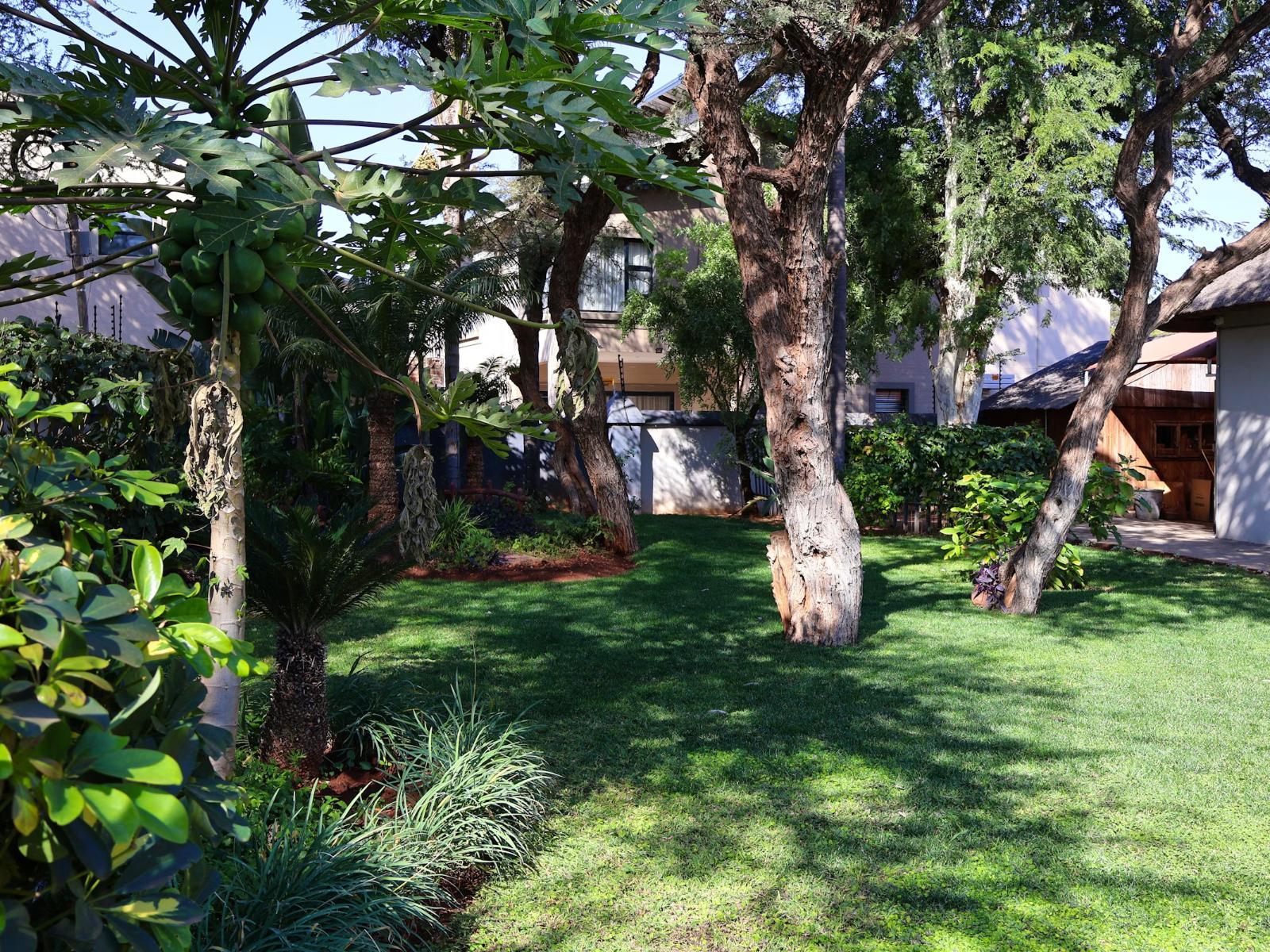
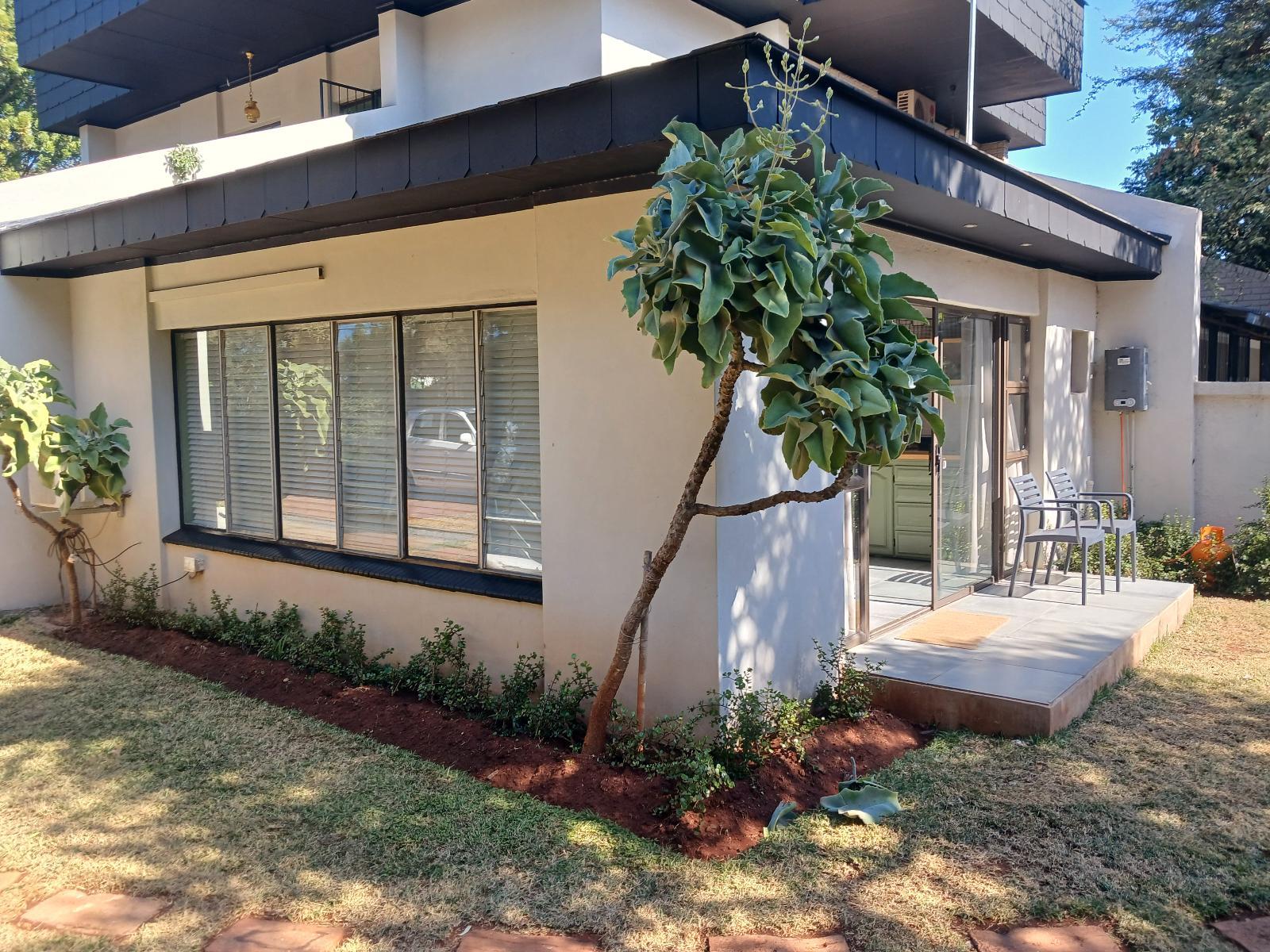
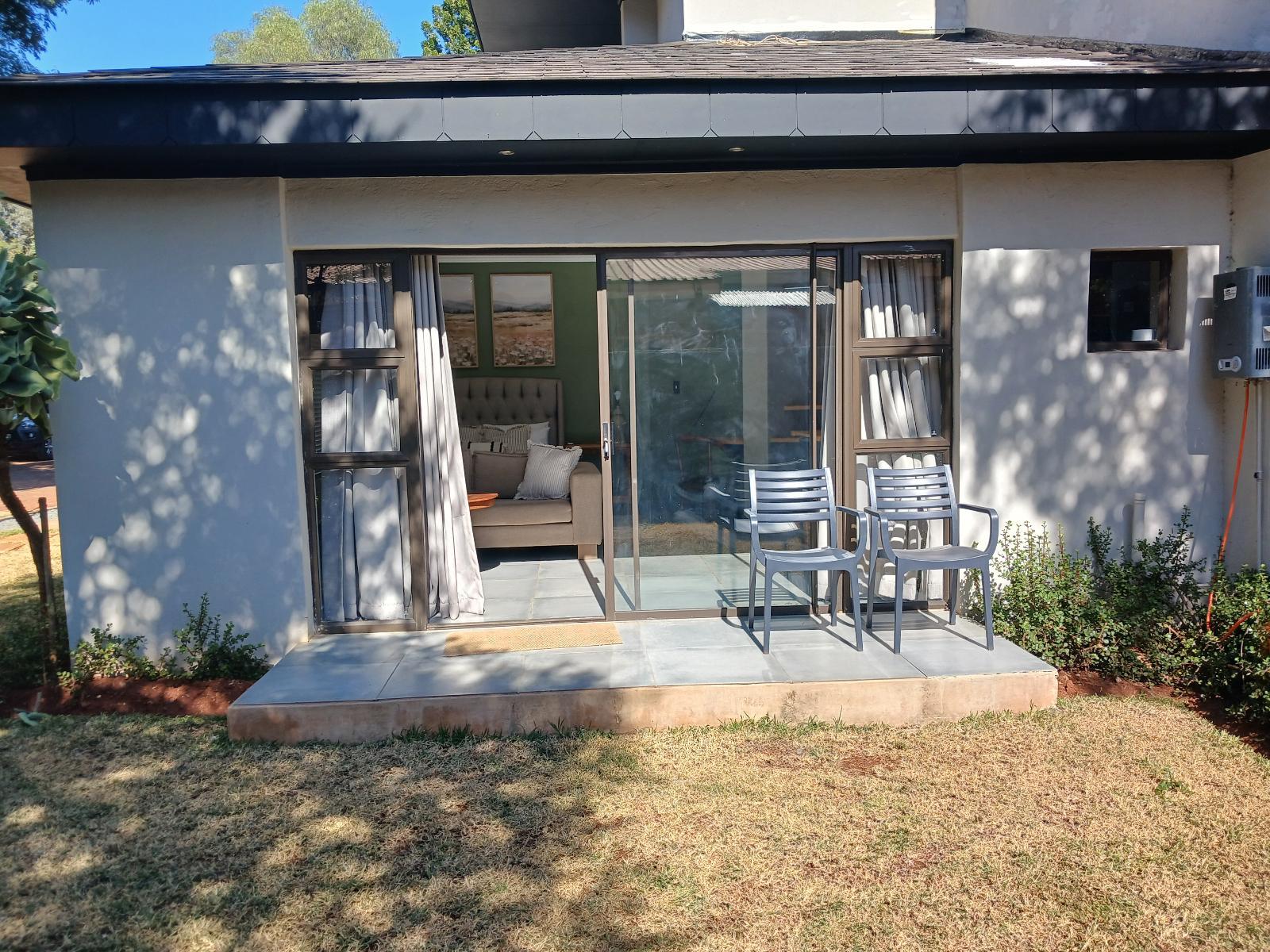
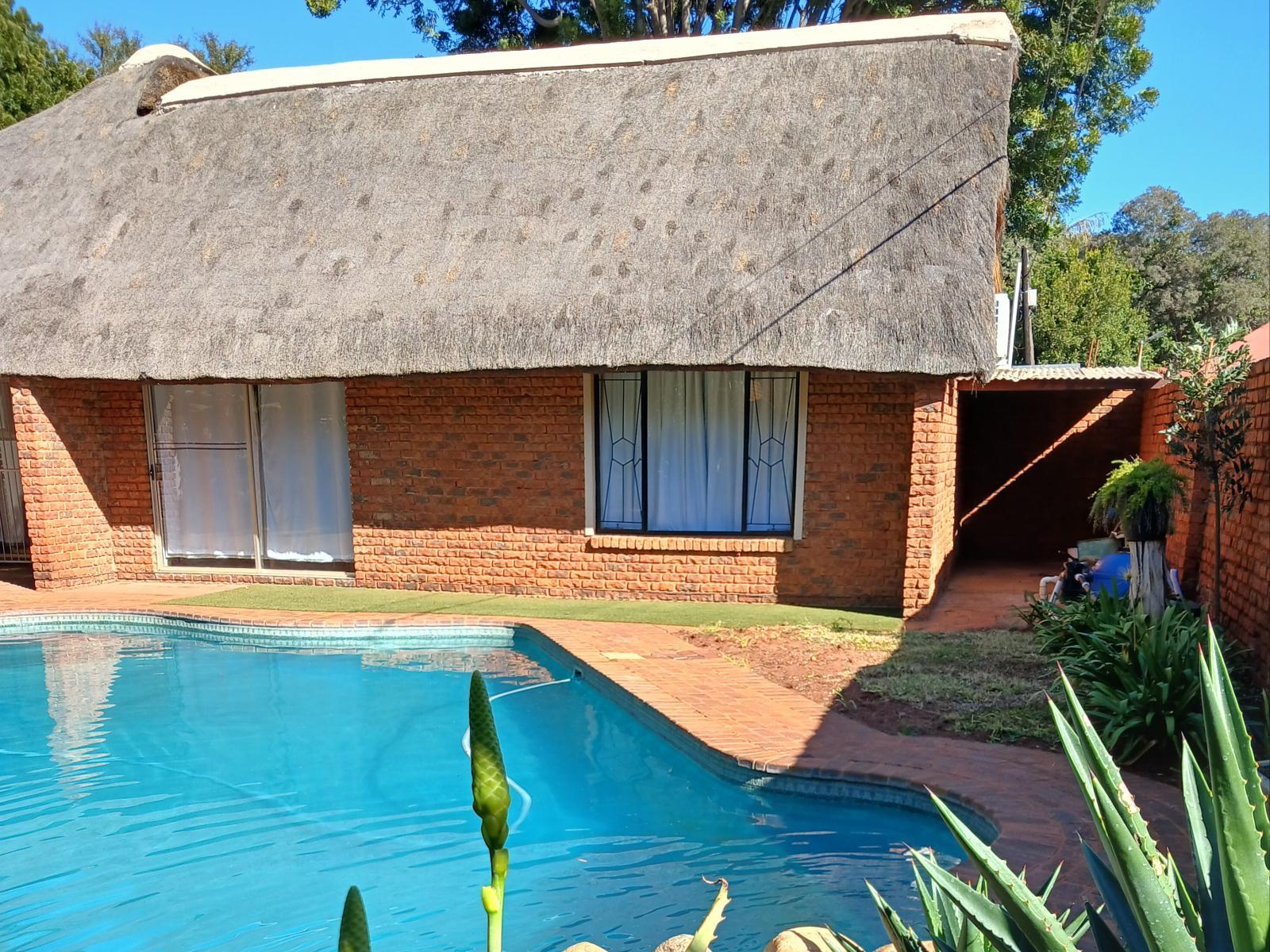
Mid-range options form the practical core of what is available here. Self-catering farmhouses and guesthouses attached to working properties typically offer a fully equipped kitchen, reliable hot water, and enough space for a family or small group. Some farm owners provide informal context about their operations, whether crops, livestock, or the land itself, which adds depth to a stay without inflating the price. The expectation remains self-sufficient, but the physical comforts are considerably better than the budget tier.
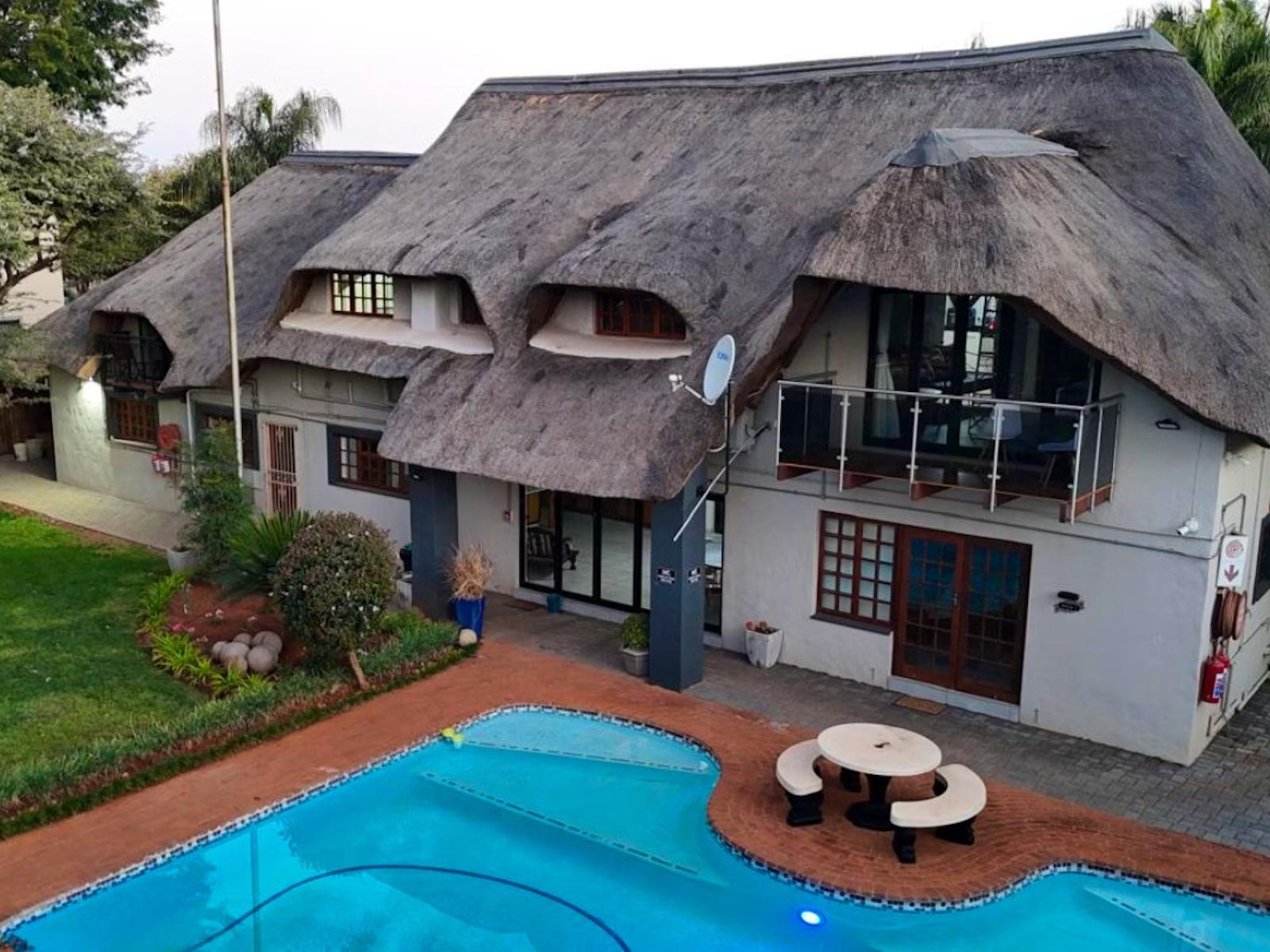
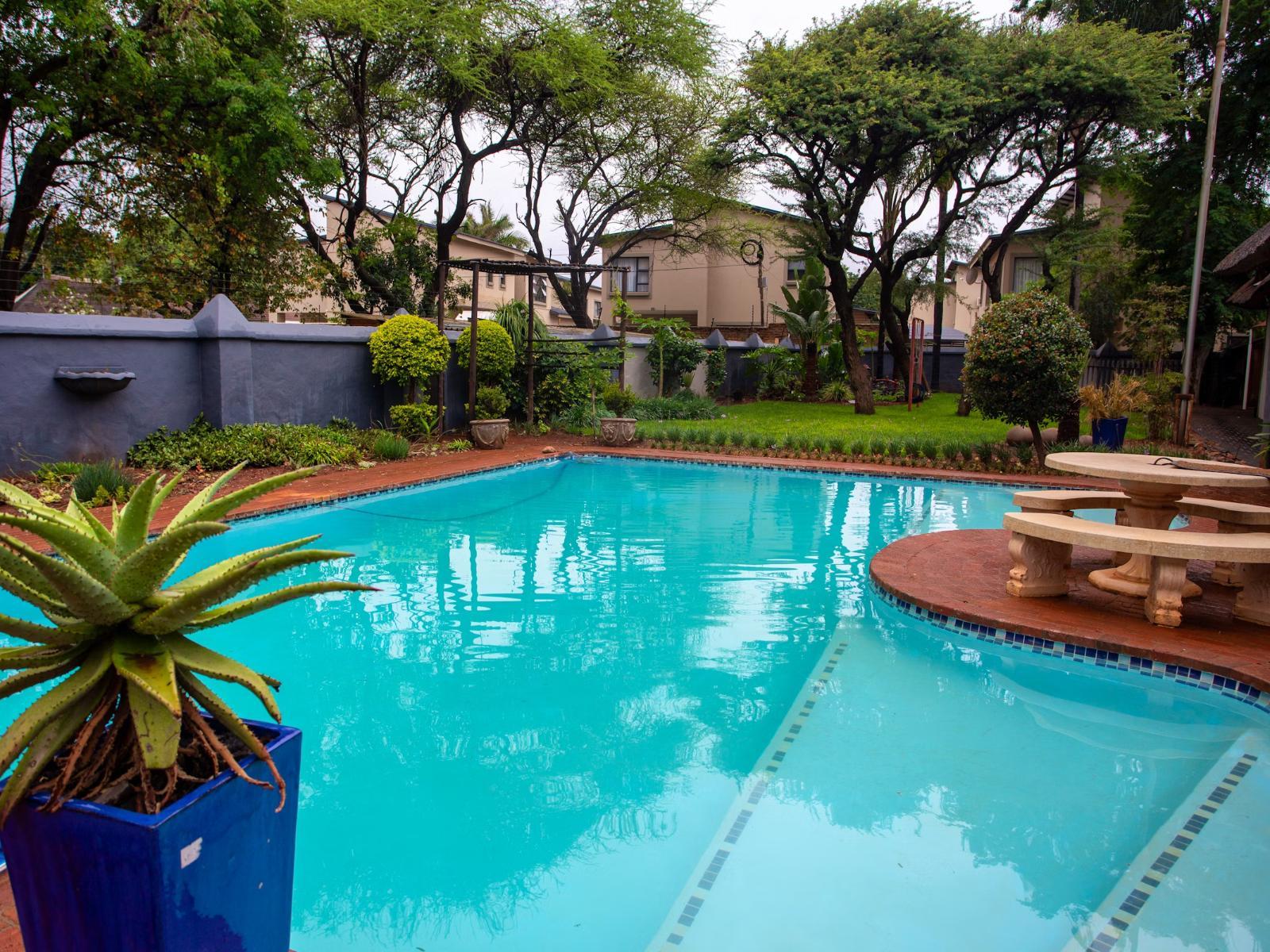
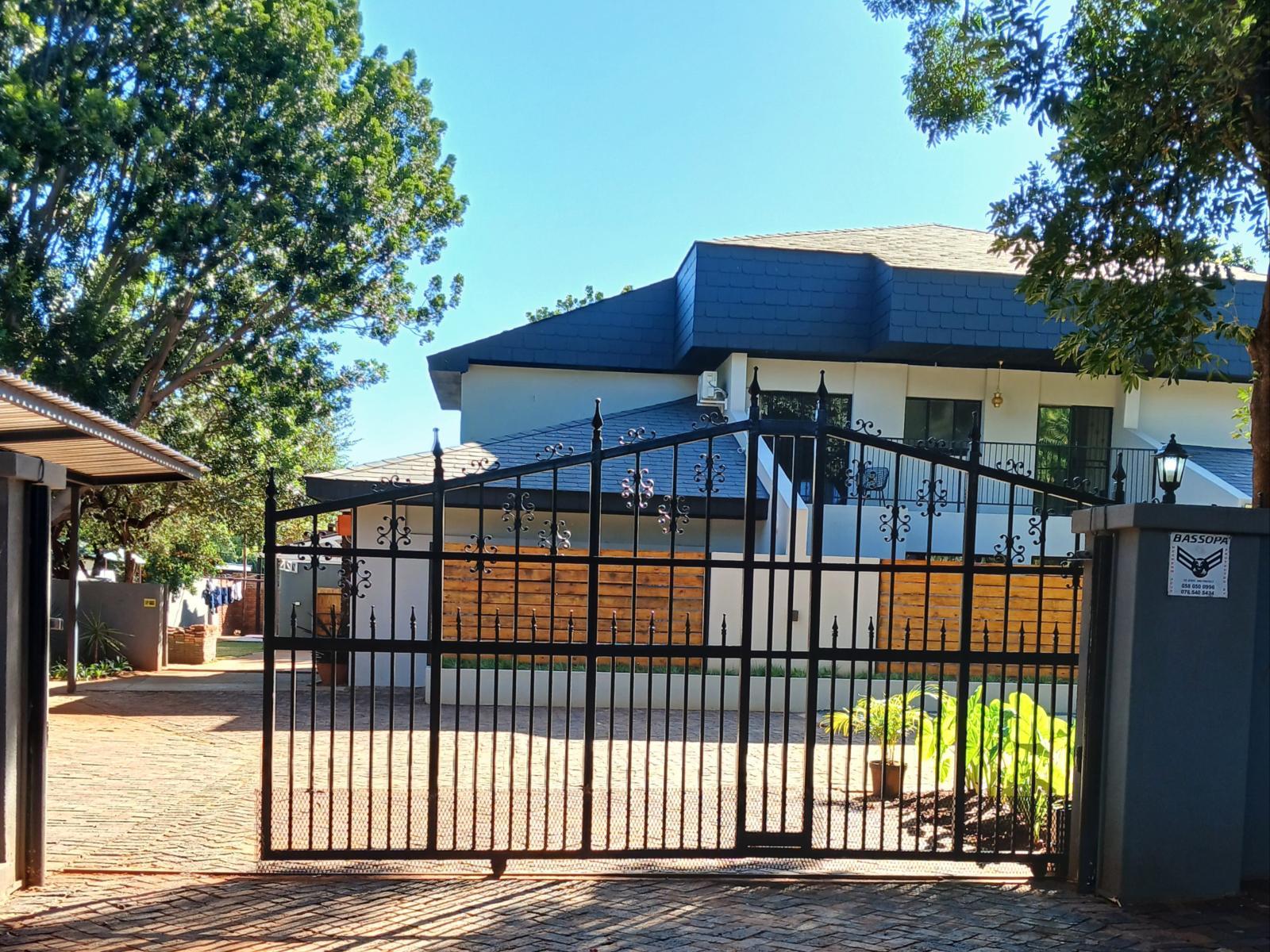
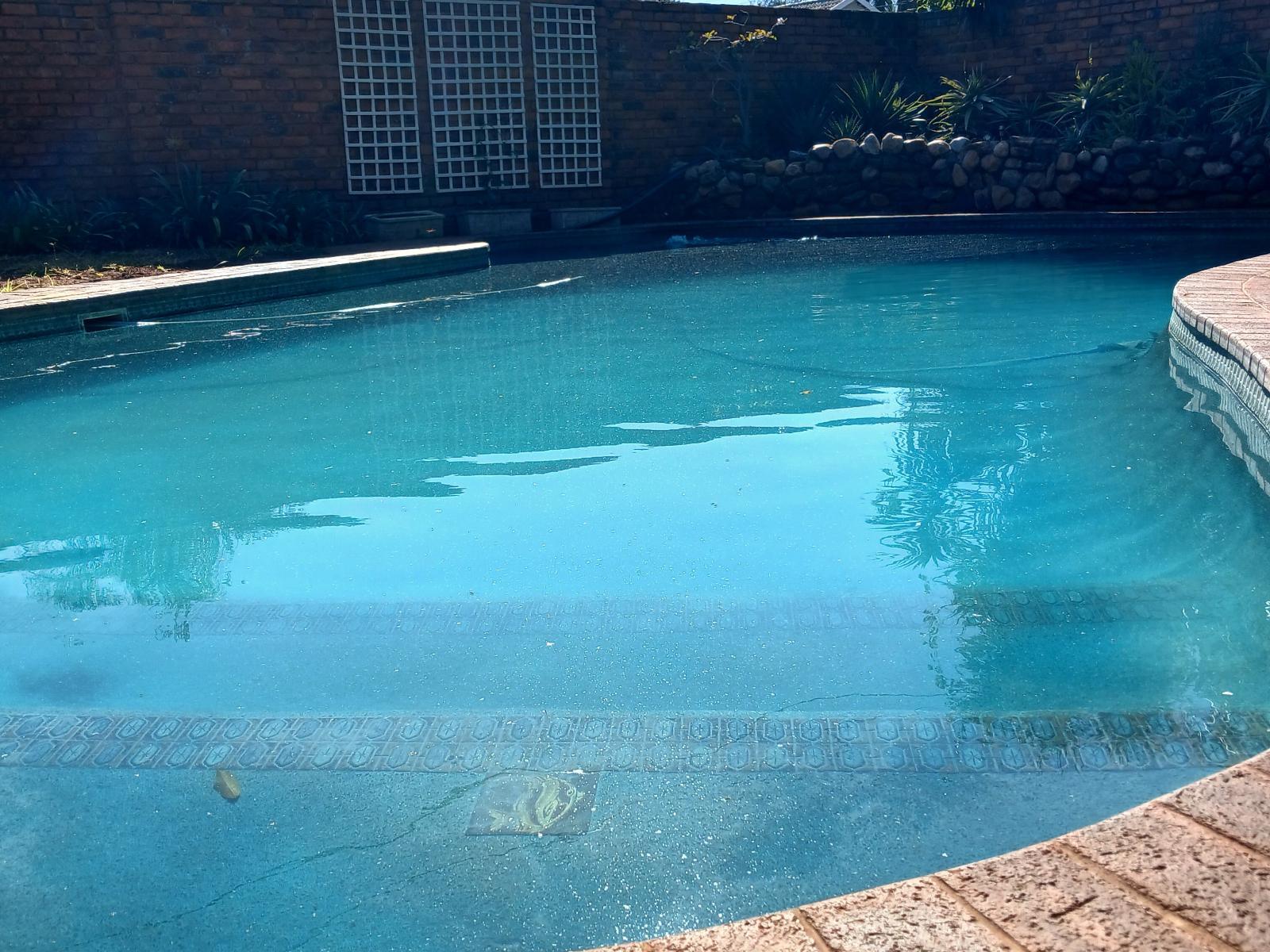
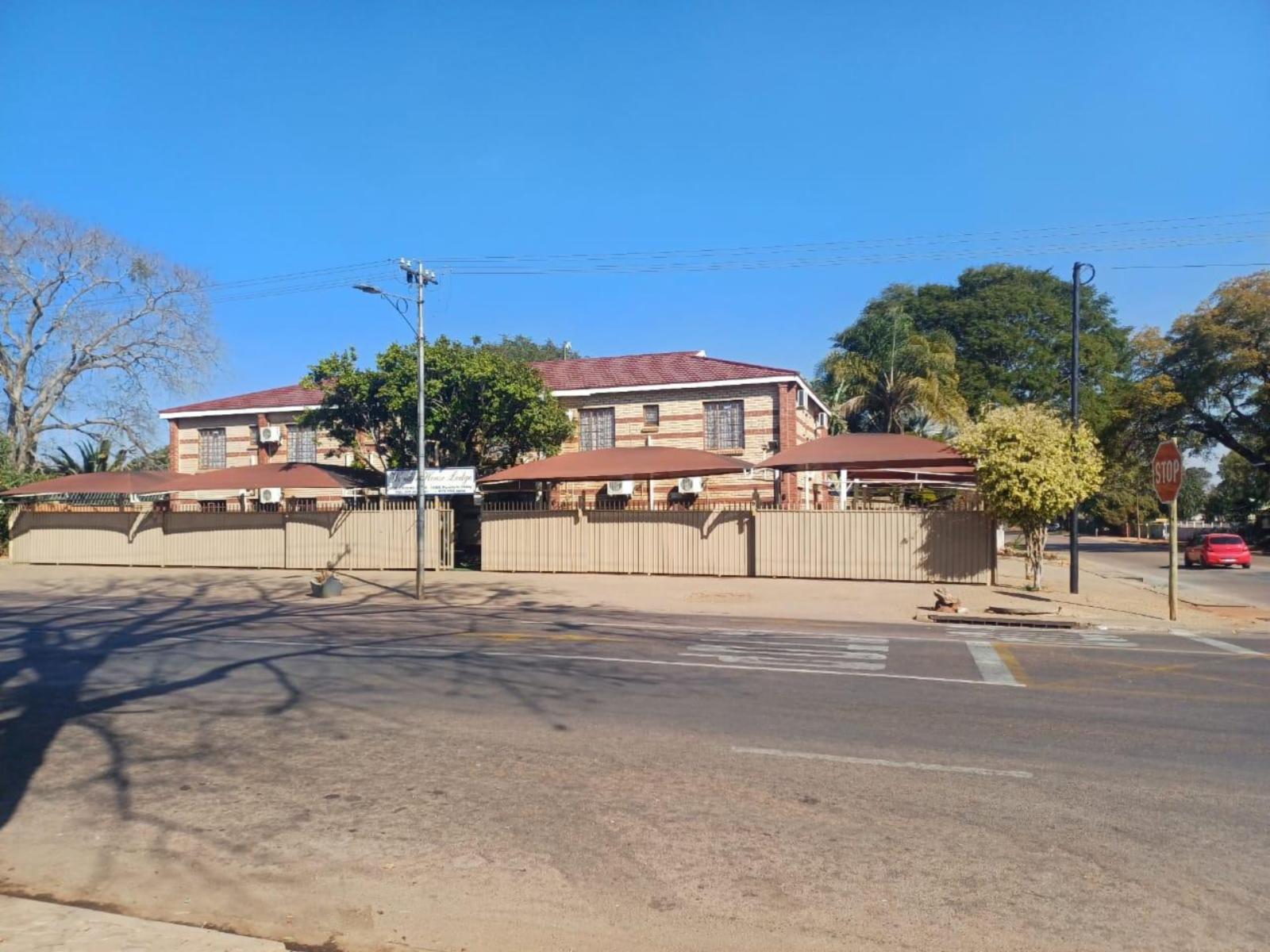
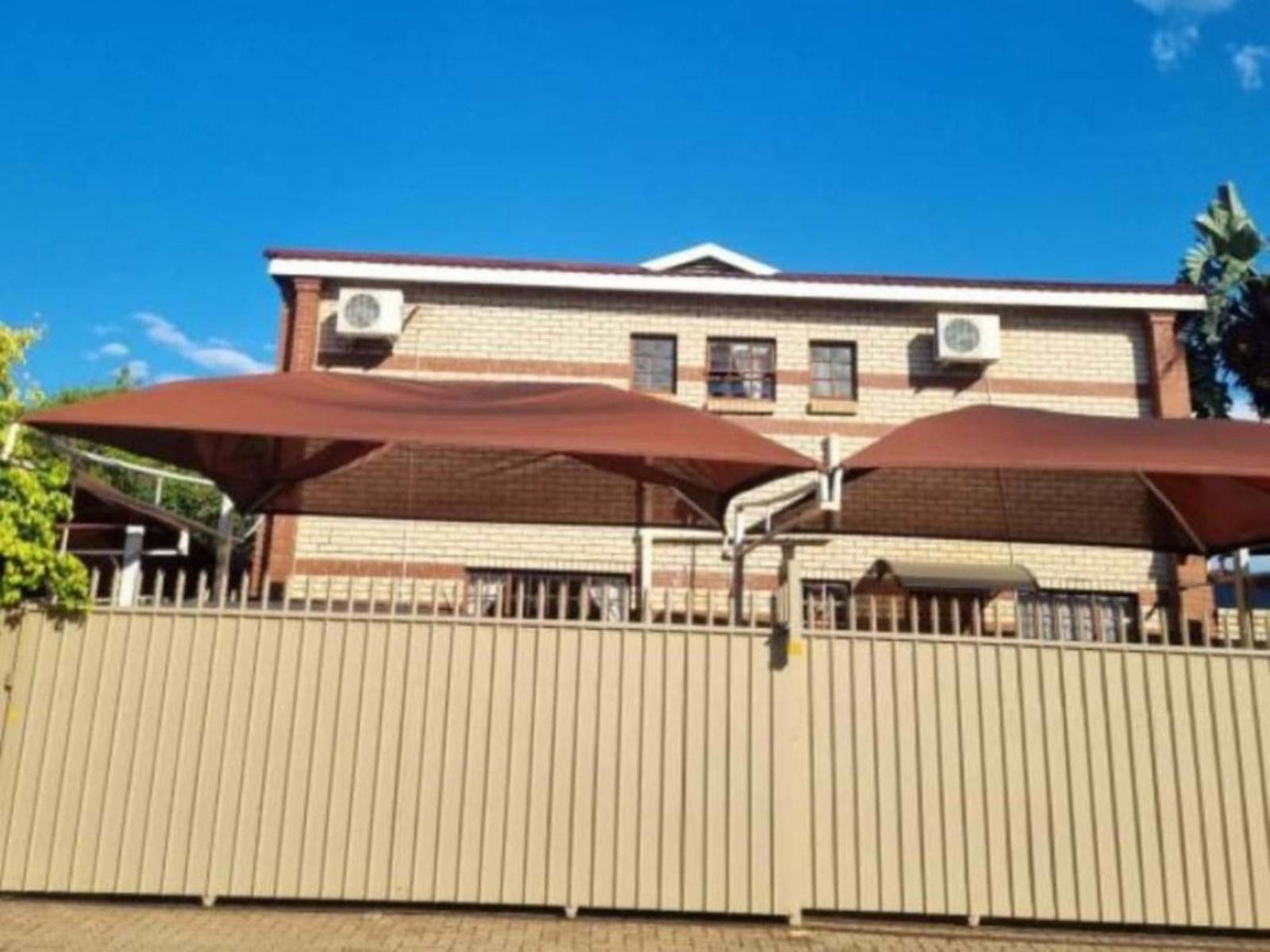
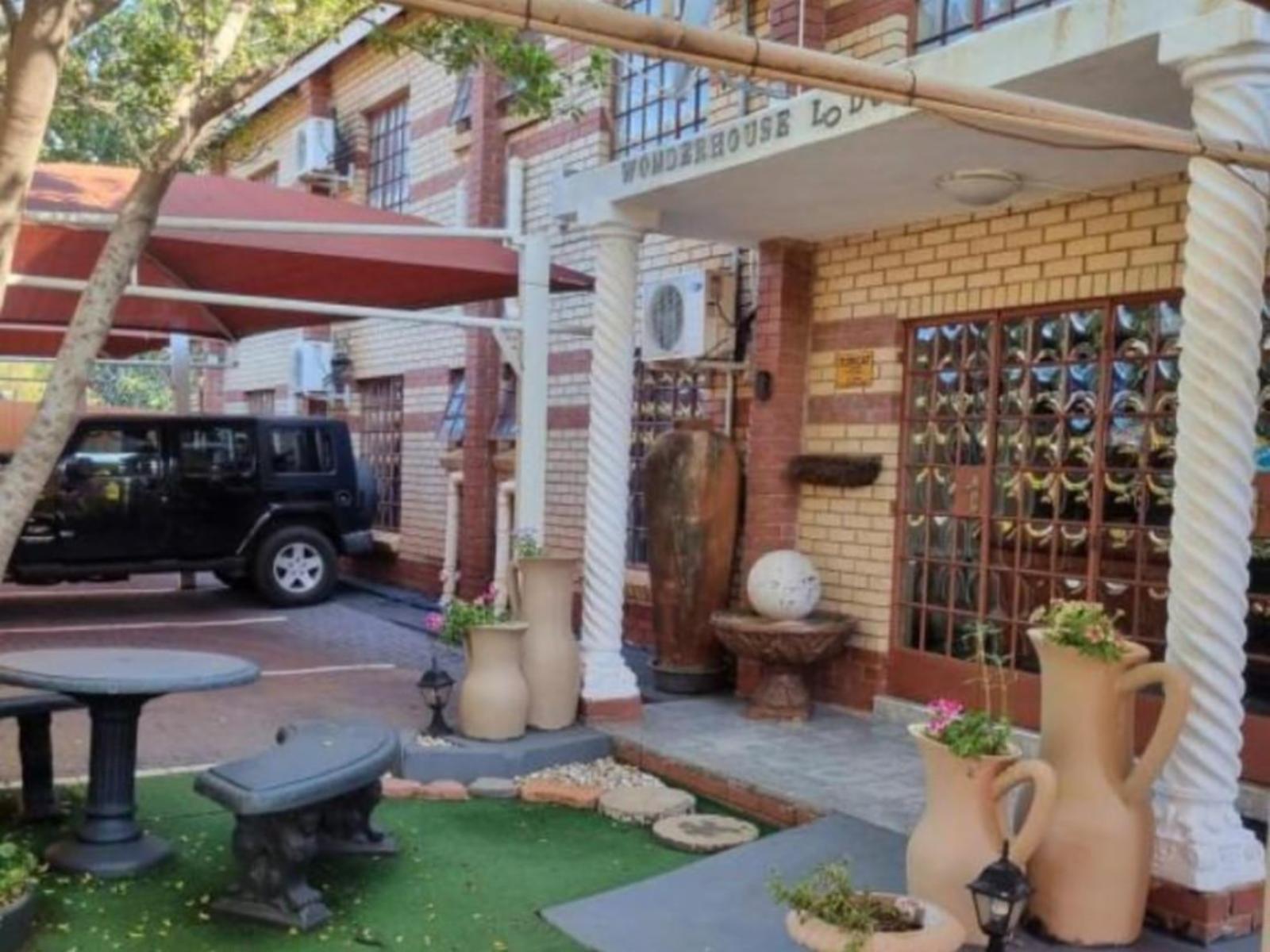
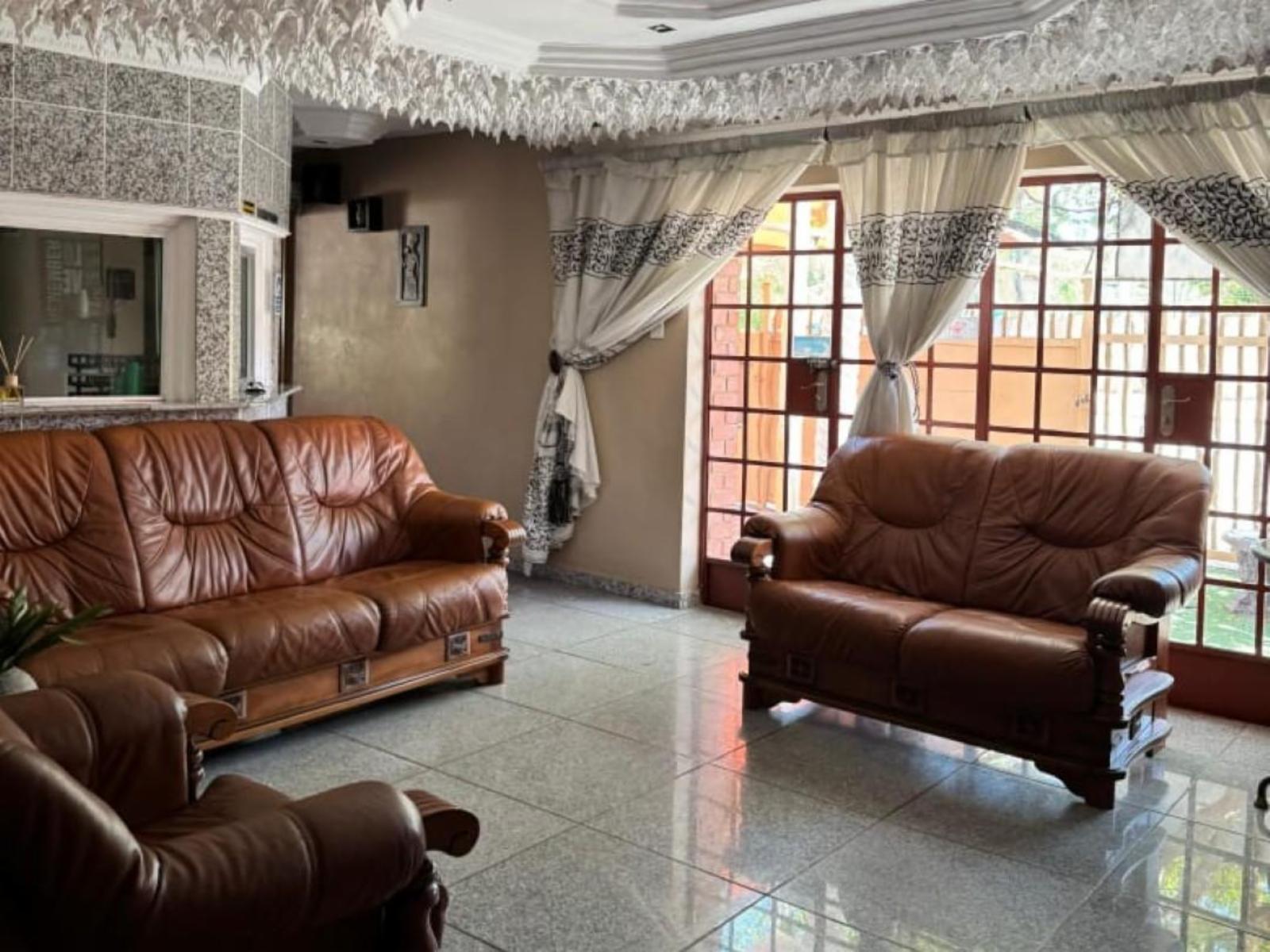
Upper-tier properties in the broader district lean toward small country guesthouses with swimming pools, internet access, and either on-site catering or straightforward proximity to a town's restaurants. These tend to sit closer to regional service centers than on farms directly surrounding Doornfontein, so guests choosing this tier should expect short drives between their accommodation and the surrounding countryside.
Across all tiers, this is not an environment for those expecting managed hospitality, structured daily programmes, or resort-style amenities. The draw is space, open skies, and agricultural country that changes character visibly between seasons, rewarding travelers who engage with the land on its own terms.
Best Time to Visit Doornfontein
Doornfontein falls within the Lowveld climatic zone. Rain concentrates between October and March, when afternoon thunderstorms arrive quickly and can be heavy and fast-moving. Daytime temperatures through November and February frequently exceed 35°C, and the combination of heat and storm activity makes this the most demanding period for outdoor movement and road travel in the area.
The dry winter months, May through August, offer the most comfortable conditions for a visit. Temperatures settle between 18°C and 26°C during the day, humidity drops substantially, and cloud cover is minimal for extended stretches. Nights can be genuinely cold in June and July, particularly in open country, so warmer layers are worth packing if traveling in the middle of the dry season.
September and October mark the transition back toward summer. The first rains return, the landscape greens up noticeably within weeks, and the heat builds progressively. This window offers a reasonable middle ground between the dry season's clarity and the full onset of summer storms, though road conditions can shift quickly once the early rains arrive.
Doornfontein has no strong tourist season of its own given its agricultural rather than recreational character, and the practical difference between visiting in April versus August is mainly one of physical comfort rather than access to specific activities or sites.
Getting to Doornfontein
The most direct route from Johannesburg follows the N1 North through Bela-Bela and on toward the Mokopane district, covering roughly 270 to 300 kilometers. In normal traffic, the drive takes around three hours. From Pretoria, the journey is approximately 40 kilometers shorter, making Doornfontein a straightforward same-day drive from either city.
Polokwane International Airport, about 100 kilometers north, handles scheduled domestic flights from Johannesburg and some services from Cape Town. For international arrivals, OR Tambo International in Johannesburg is the main gateway. Car hire at either airport is the standard approach, as no scheduled public transport serves farm properties in the Doornfontein area.
The R101 is the main arterial road through this part of Limpopo, with secondary gravel roads branching toward individual farm properties. A vehicle with reasonable ground clearance manages these conditions comfortably through the dry months. After heavy summer rain, some farm tracks become soft and may need a higher-clearance or four-wheel-drive vehicle for reliable access.
Minibus taxis connect Pretoria and Johannesburg to nearby towns, but services stop at the town level. Travelers arriving without a vehicle would need to arrange collection from the nearest service center in advance. Rideshare apps operate in the larger towns across the district but lose coverage beyond urban boundaries.
Doornfontein and Surrounding Areas
Twinvallei, eight kilometers away, is a small farming settlement sharing the same agricultural character as Doornfontein. For visitors it functions primarily as a local landmark and a practical navigational reference, with open farmland extending in most directions from both communities. It is worth a short drive to get a clearer sense of the region's scale, but not a destination in itself.
Potgietersrus and Mokopane, at 17 and 18 kilometers respectively, are two names for the same urban center. The town was officially renamed Mokopane in 2002, though the older name remains in local use. As the commercial hub for this part of the province, it provides the full range of practical services: supermarkets, fuel stations, hardware stores, medical facilities, and restaurants serving the surrounding farming communities. The town is also the access point for the Makapan Valley, a UNESCO World Heritage Site containing fossil beds and archaeological deposits associated with early human ancestors. Guided tours of the valley operate on a limited daily schedule and need to be arranged in advance through the local tourism office before you set out.
Naboomfontein, 24 kilometers from Doornfontein, is a smaller settlement within the same Bushveld agricultural belt. Its name references the naboom tree, Euphorbia ingens, a large succulent species common across the drier parts of Limpopo. The surrounding landscape makes this reference immediately apparent during the dry months, when the tall euphorbias stand clearly against dry grass and scrub.
Ga-mmamogwasa (27 kilometers) and Ga-rakgwatha (29 kilometers) are traditional communities governed under tribal authority, as is common across rural Limpopo. Neither village features on the conventional tourist circuit. Travelers exploring back roads through the district will pass near these communities and encounter an unmediated view of rural life that contrasts with the farm accommodation environment immediately surrounding Doornfontein.
Planning Your Stay
Searching beyond major booking platforms is worthwhile for this area. Provincial tourism boards, local Facebook groups covering the district, and direct contact with farm properties often surface options that do not appear in aggregated online results. Farm owners do not always maintain active web presences, and a phone call or email inquiry can open accommodation that a standard search would miss.
Before confirming a booking, a few practical checks help avoid complications. Ask whether the property has backup power: load-shedding in rural Limpopo can run longer and less predictably than in urban areas. Establish whether the water supply runs from a borehole or a municipal line, which matters for stays of more than a night or two. Ask specifically about the access road if you are traveling during or just after the summer rain season, since the answer will determine the vehicle type you need.
South African school holidays, particularly in July and over the late December to early January period, push demand up across the broader Limpopo region. Booking further ahead during these windows reduces the risk of finding nothing suitable within a practical driving distance. Outside these periods, lead times are generally short, though confirming a few weeks in advance remains sensible for properties with only a handful of units.