Accommodation in Franschhoek
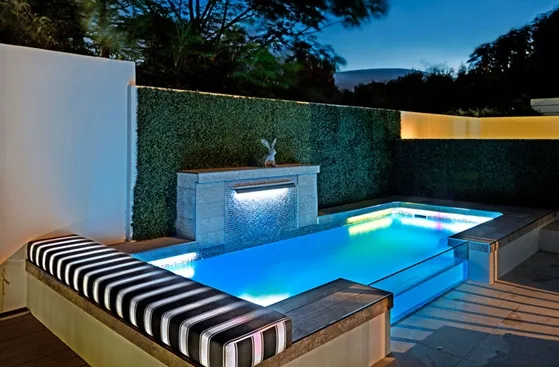
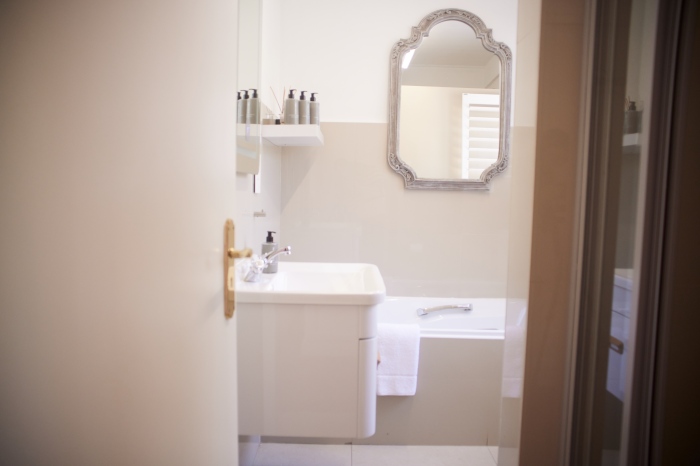
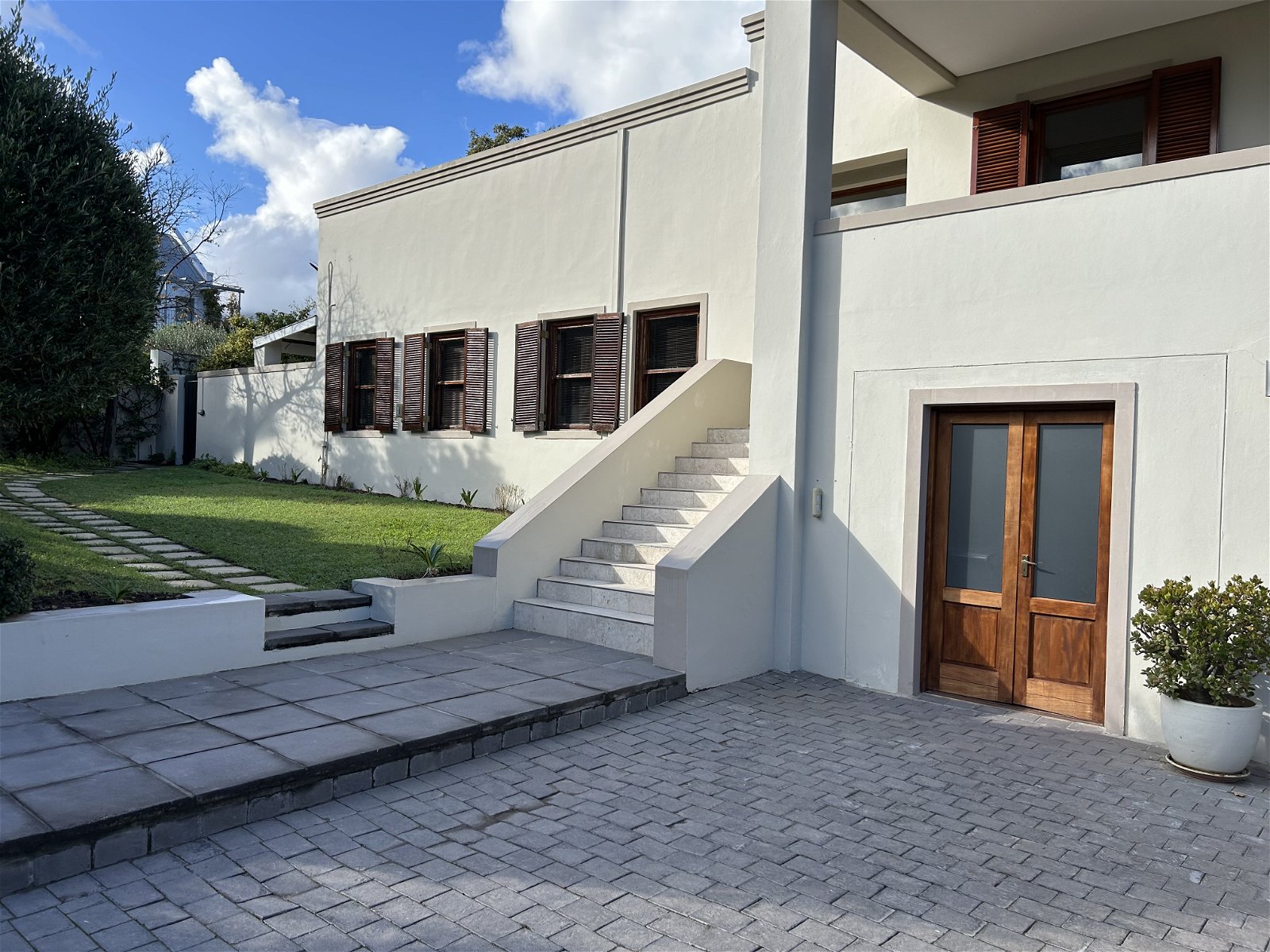
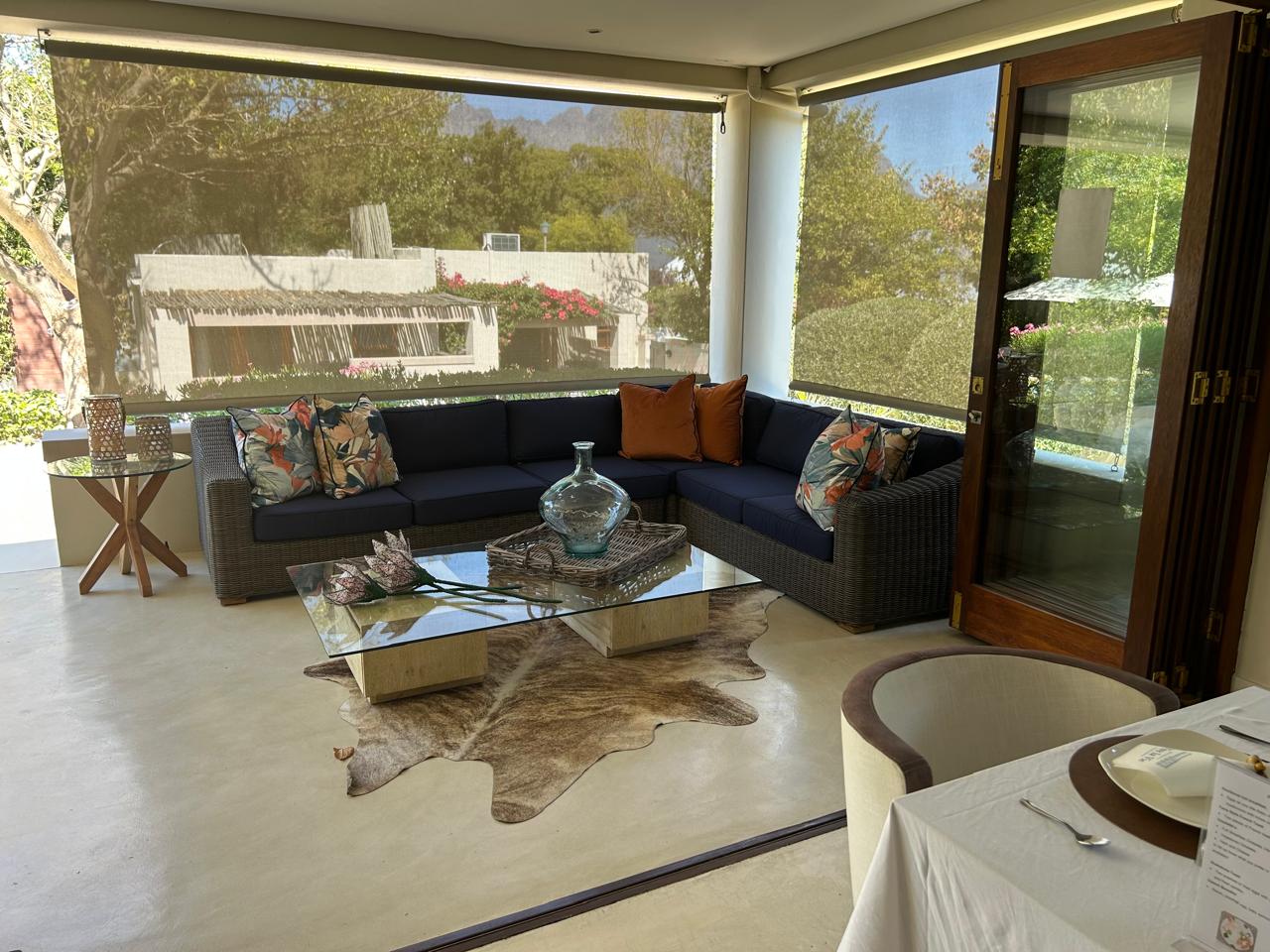
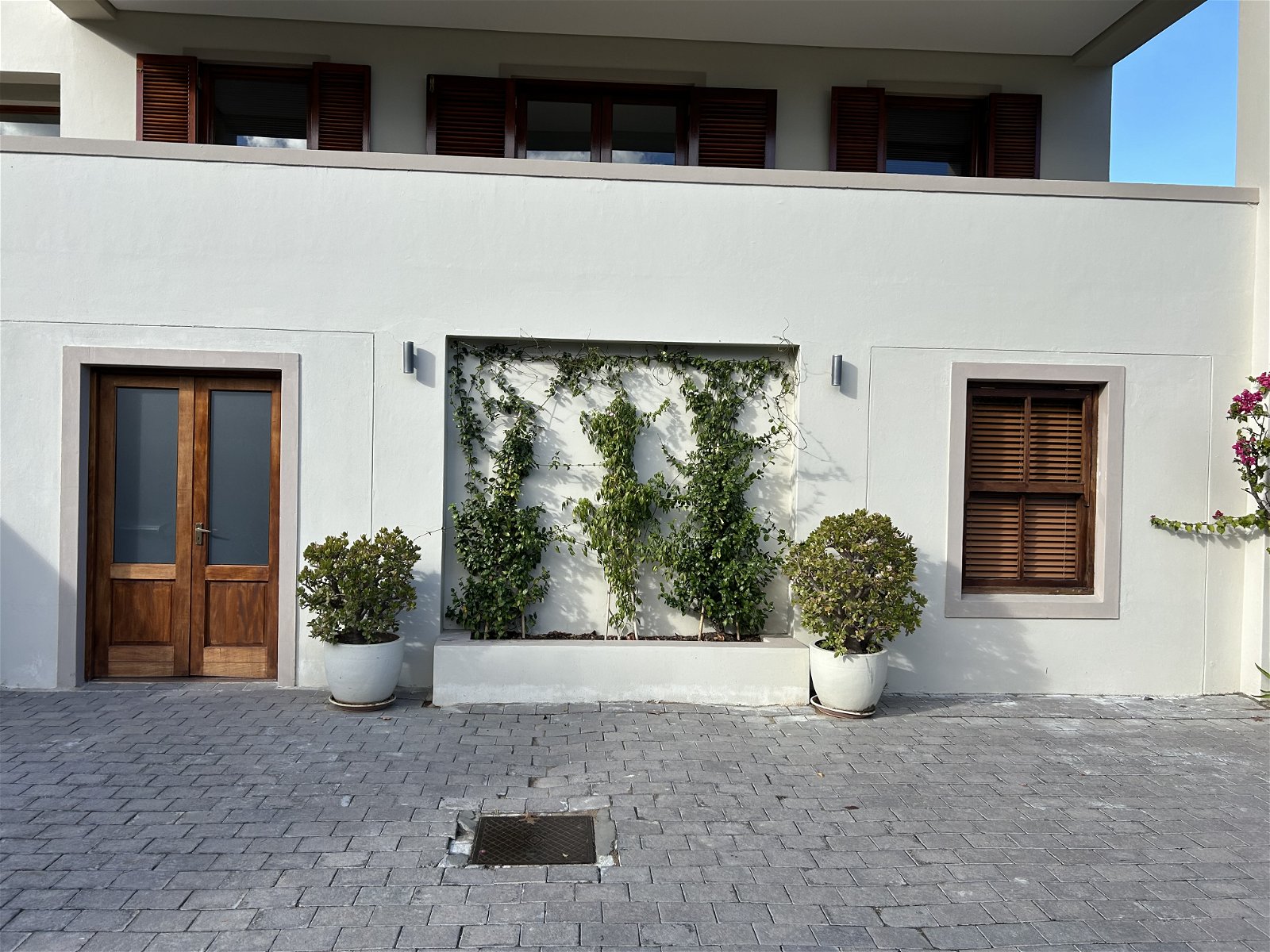
With 12 properties listed, Franschhoek covers a spread from R1,700 to R5,500 per night, with an overall average of R3,252. The market skews toward quality rather than volume, and the mix of property types reflects a town that draws visitors who plan to stay at least two nights rather than pass through.
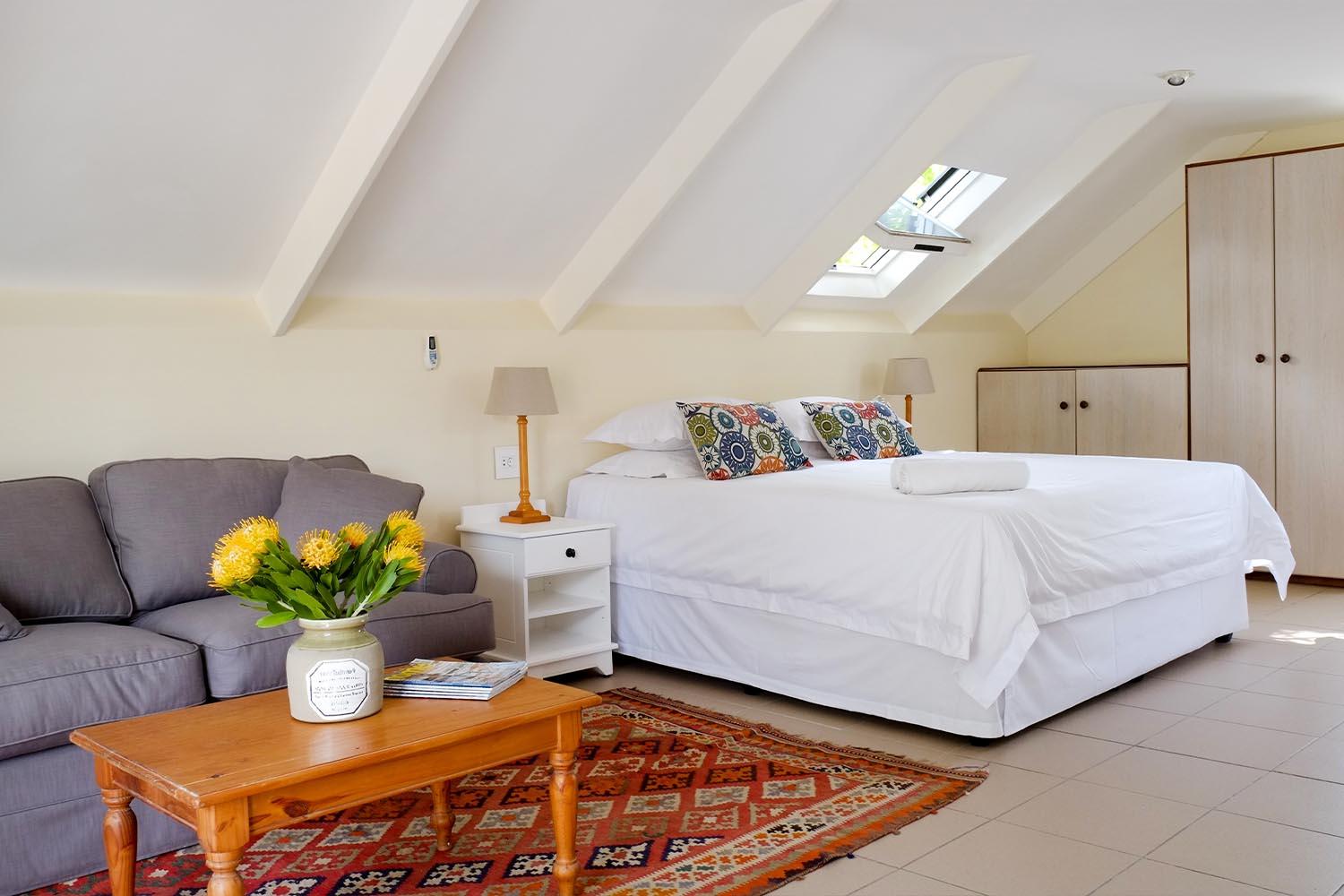
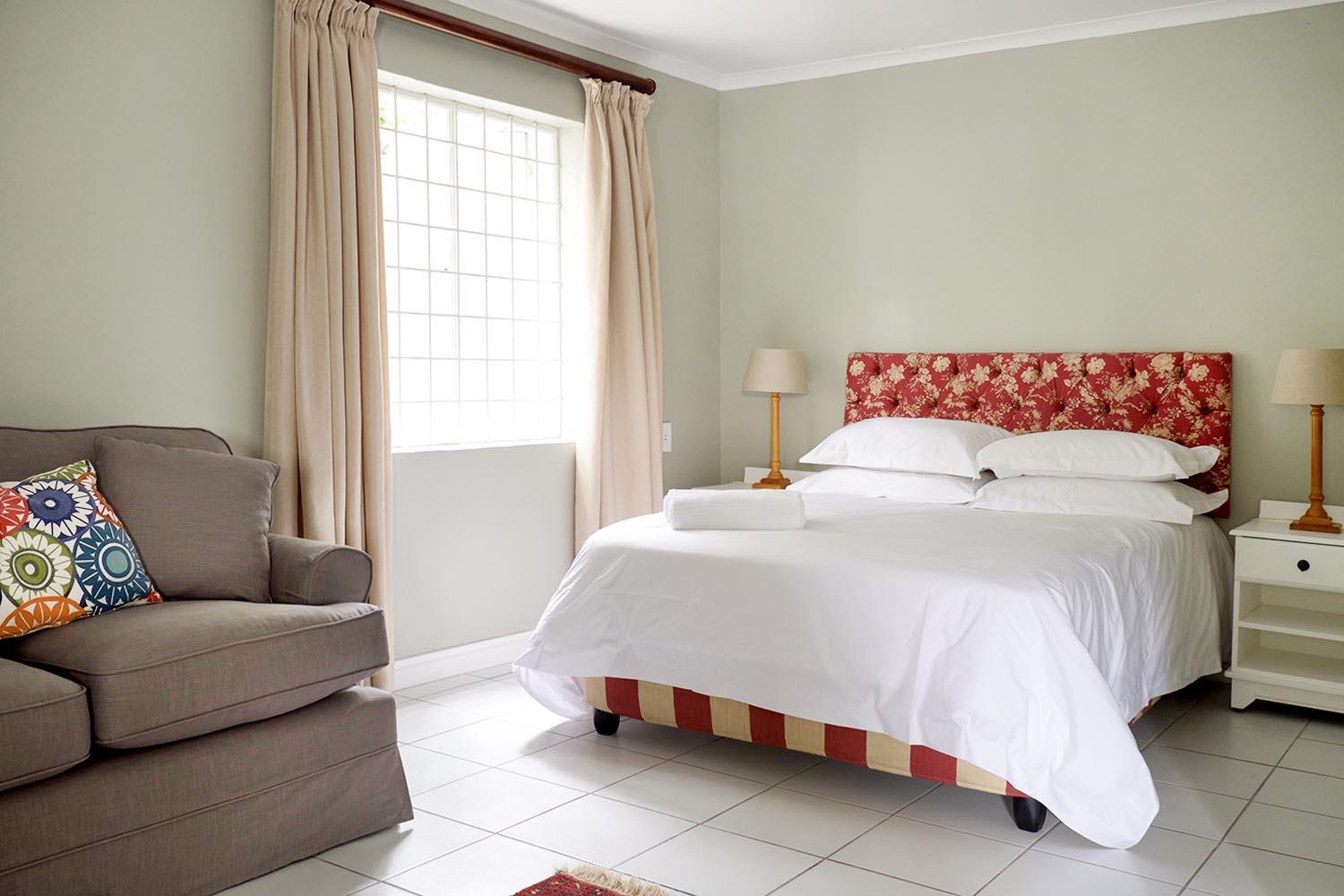
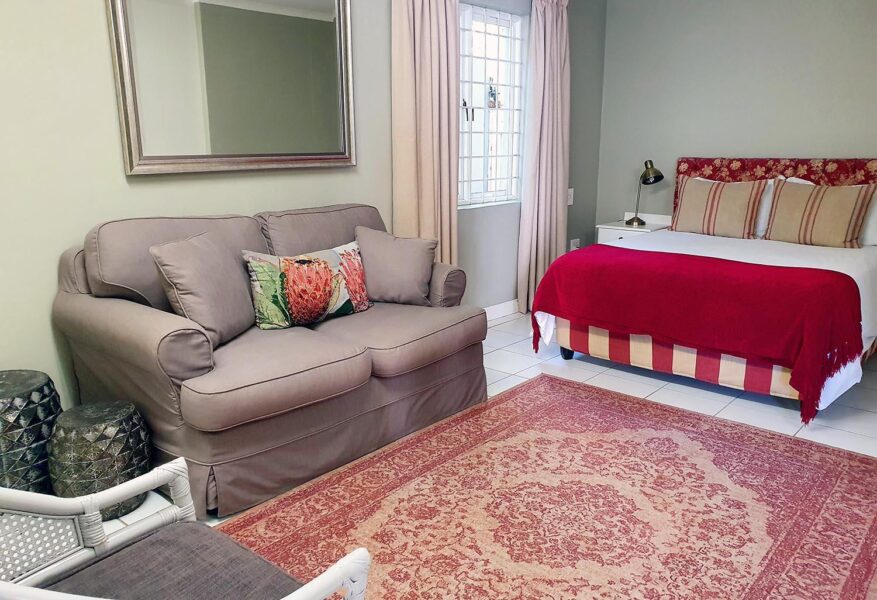
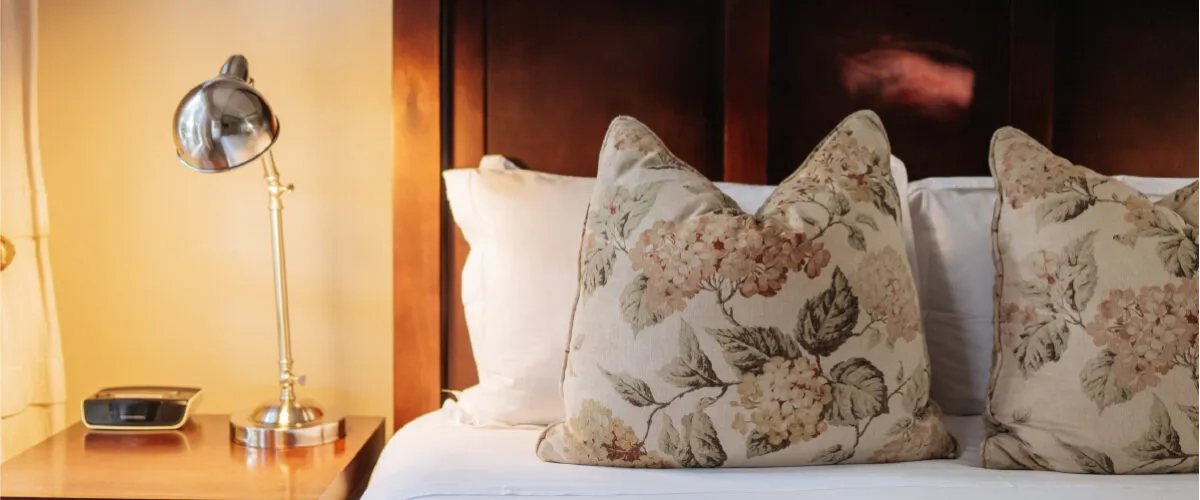
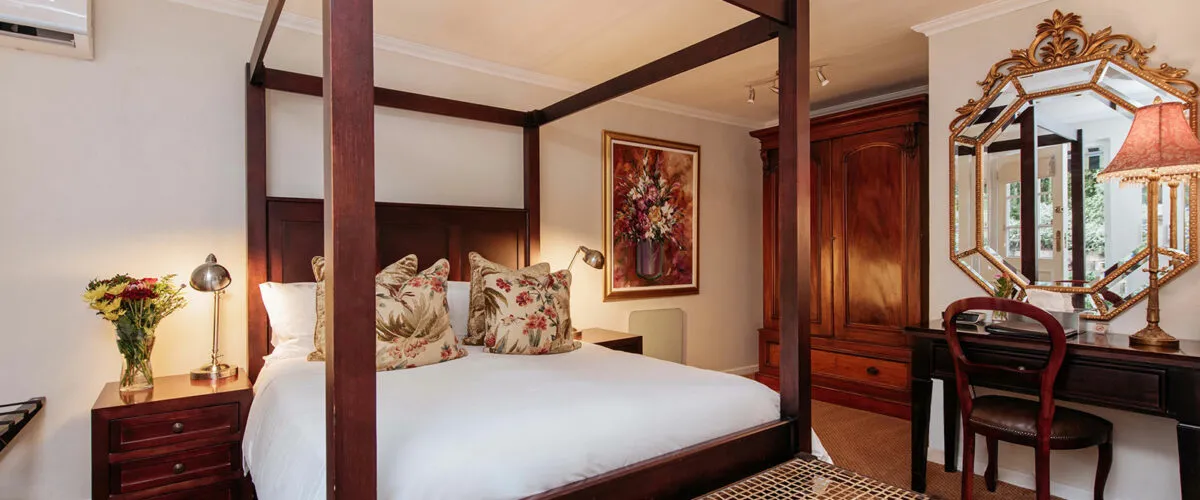
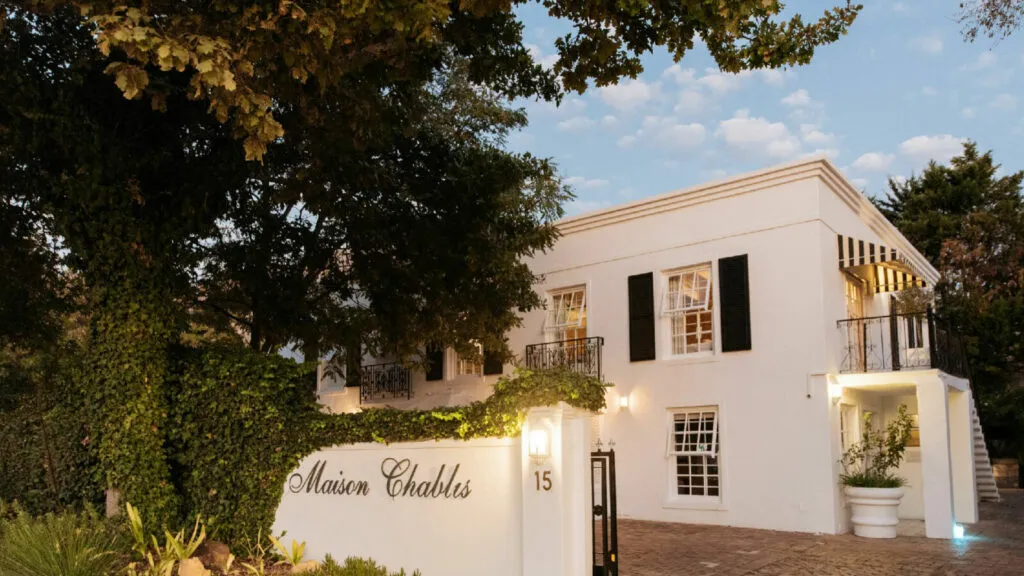
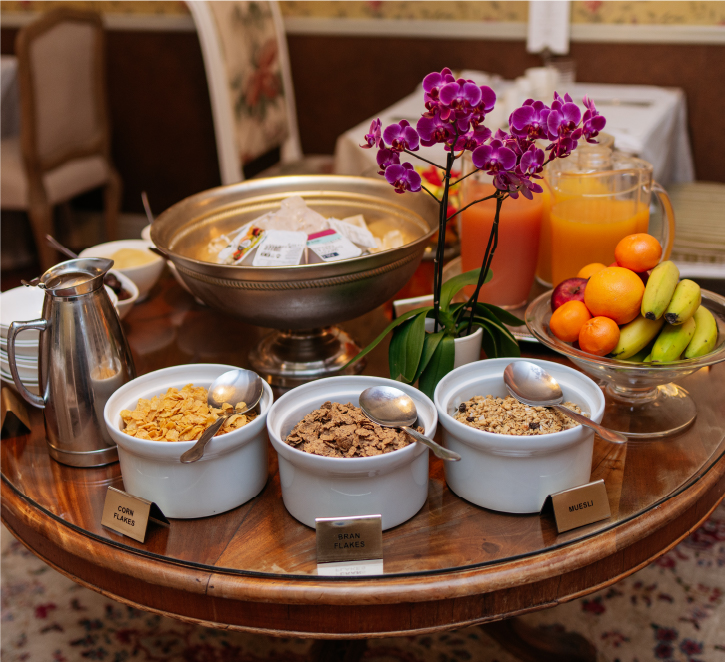
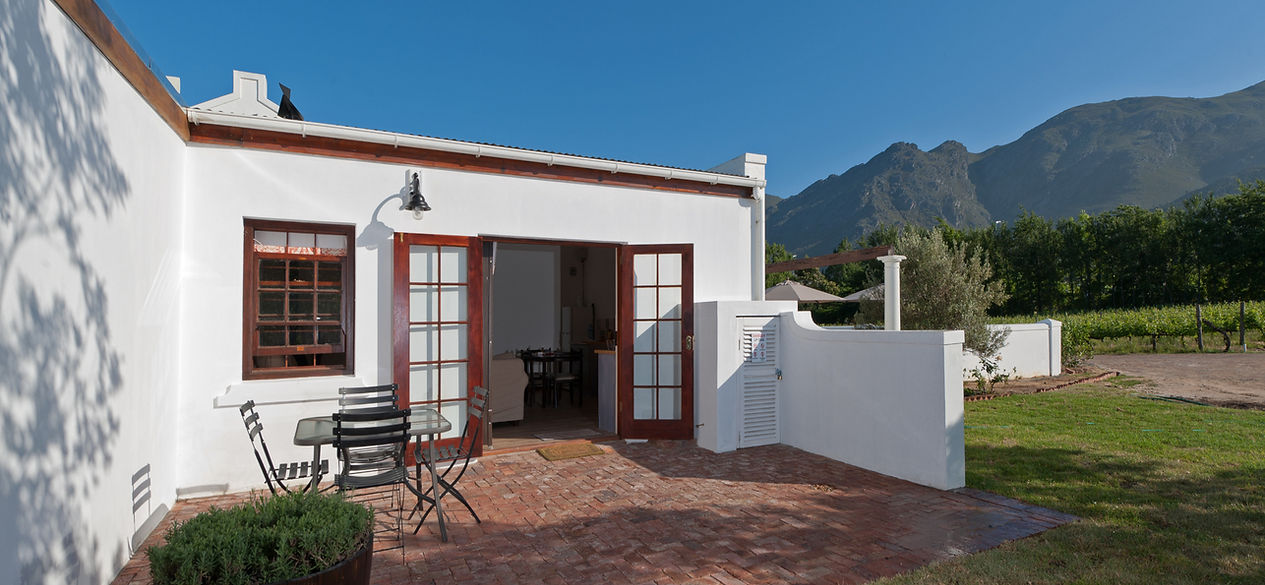
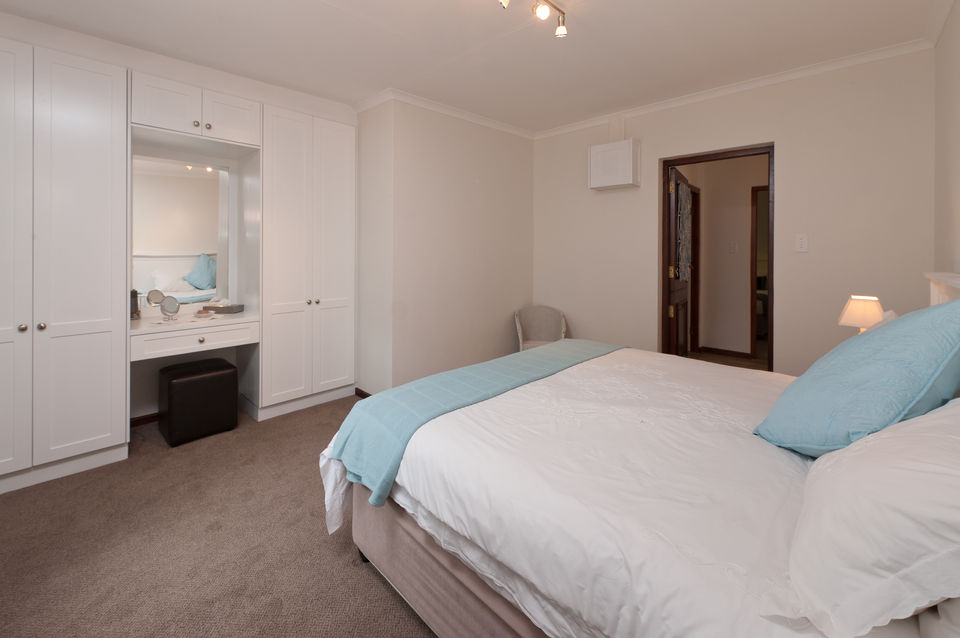
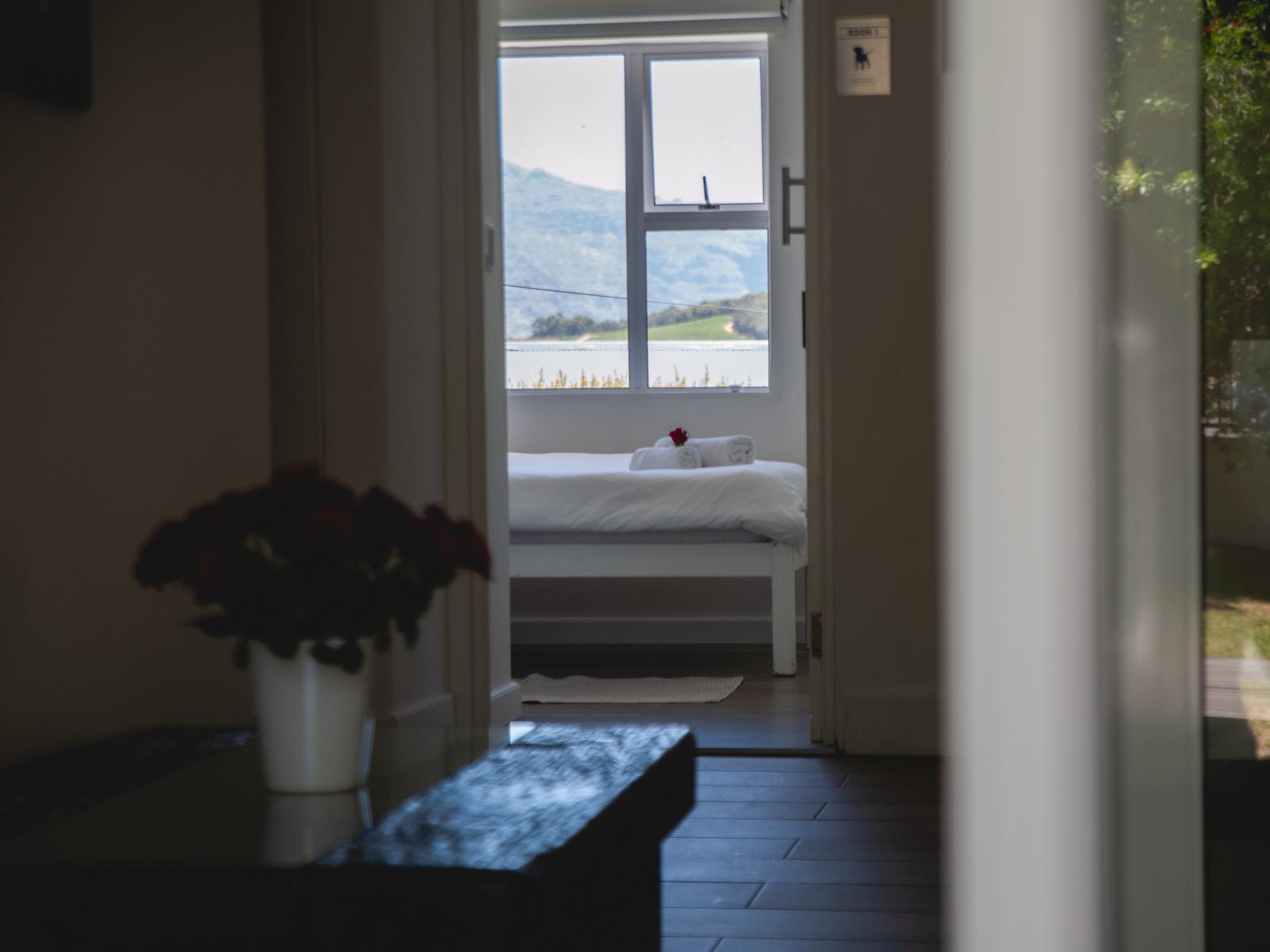
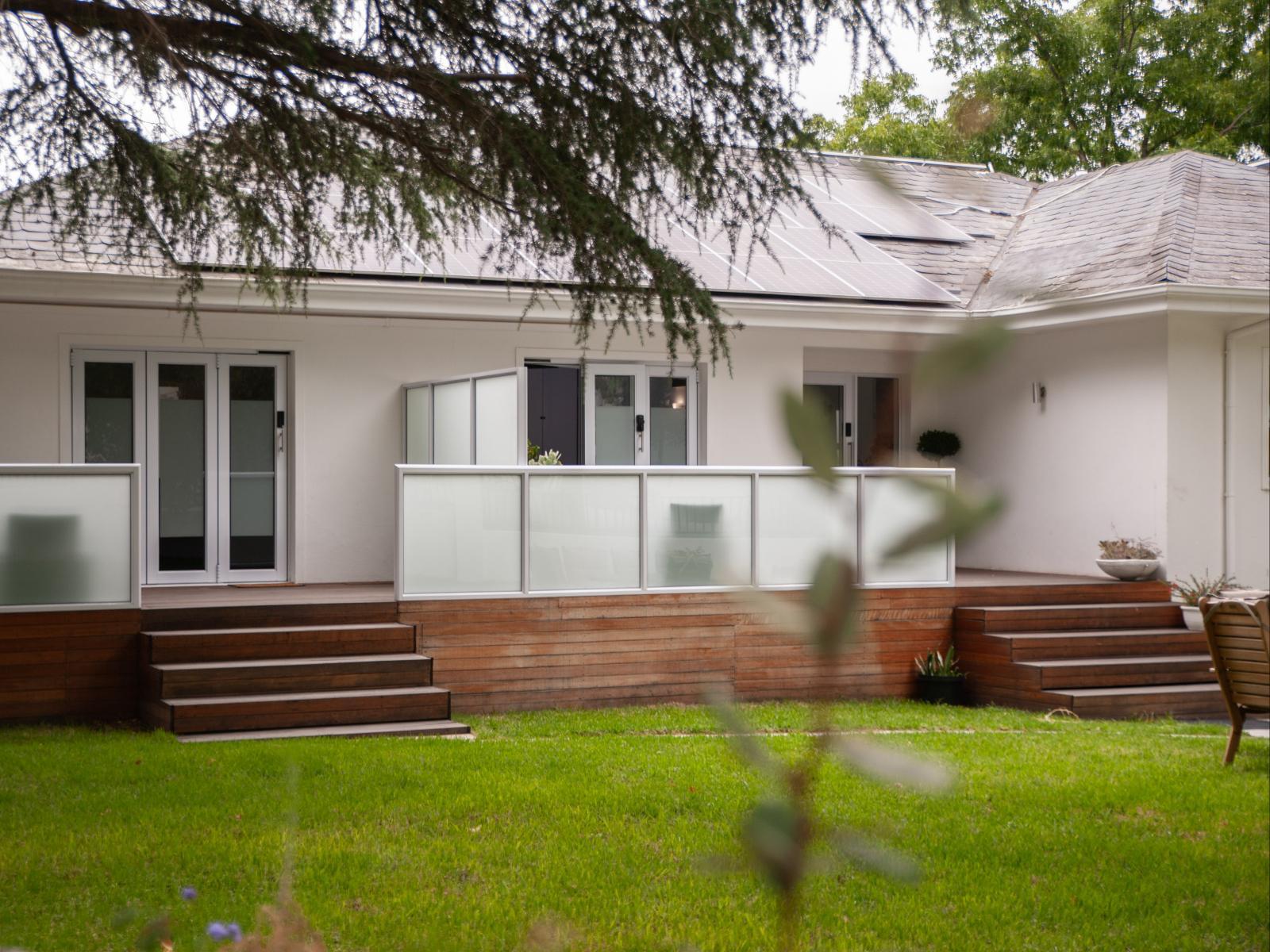
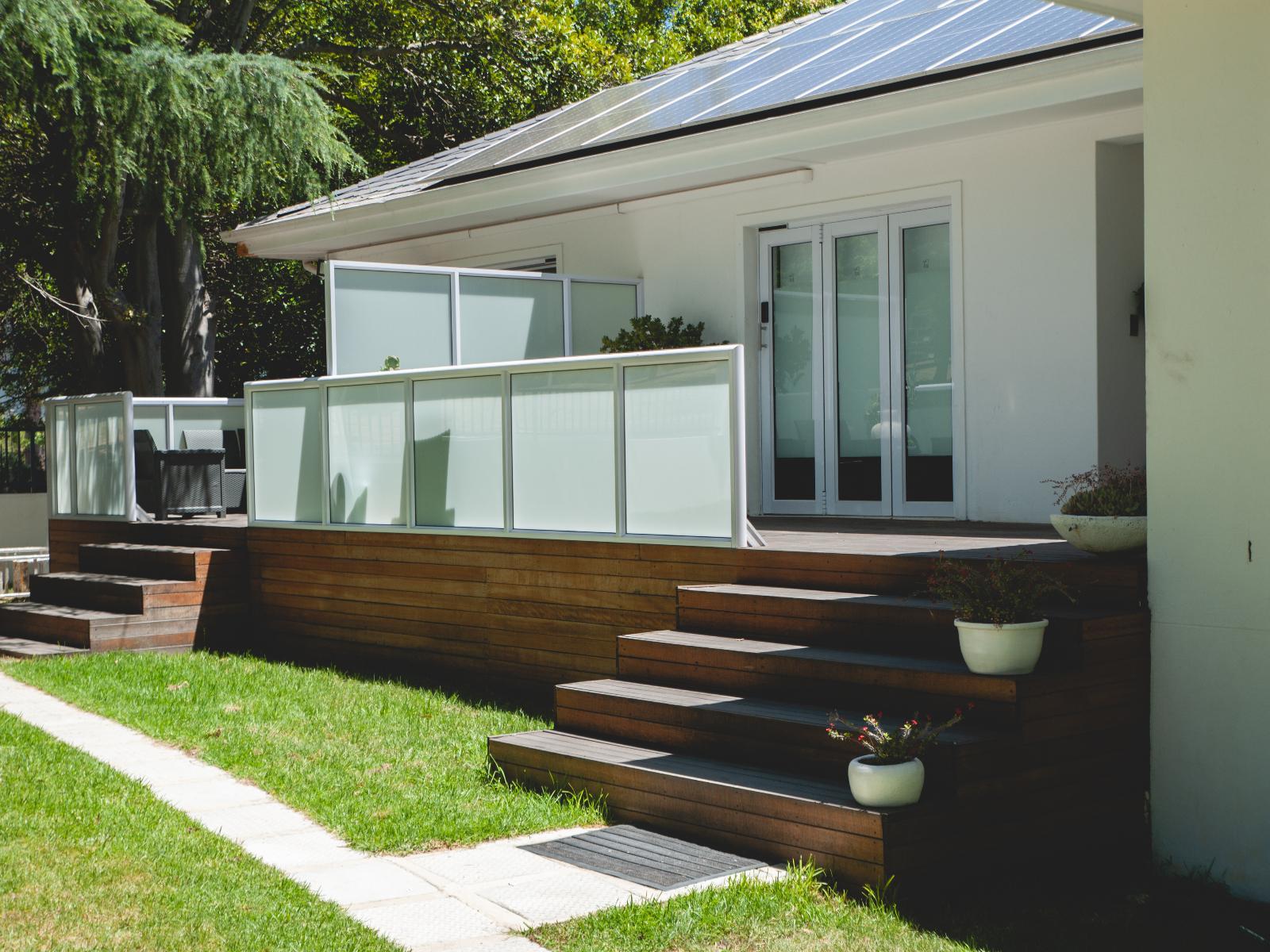
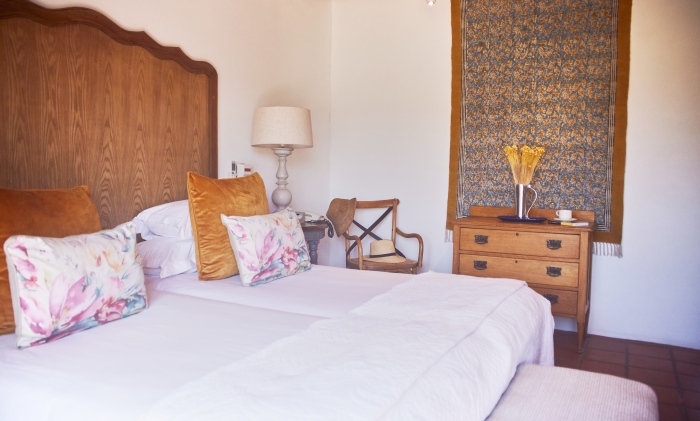
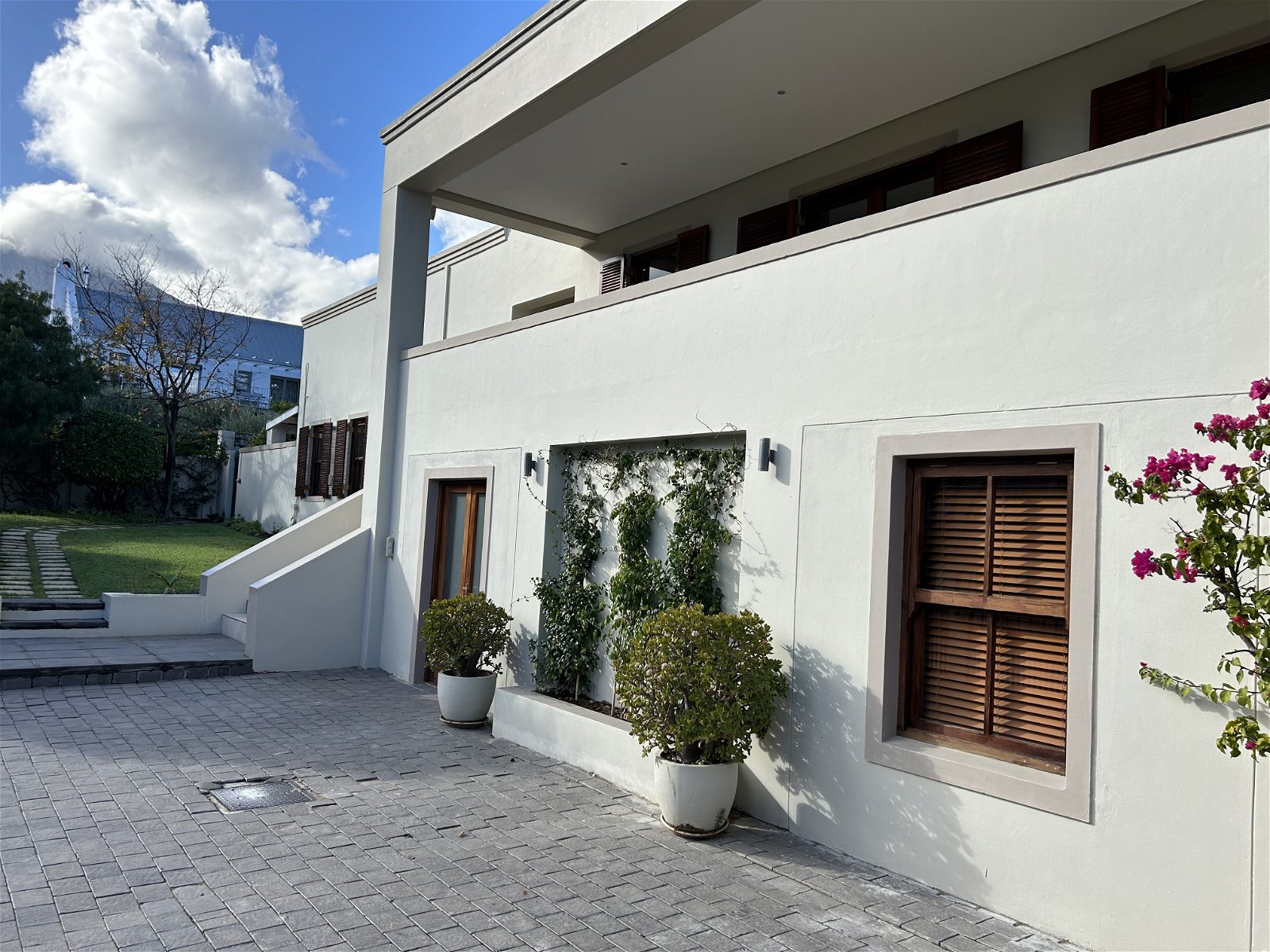
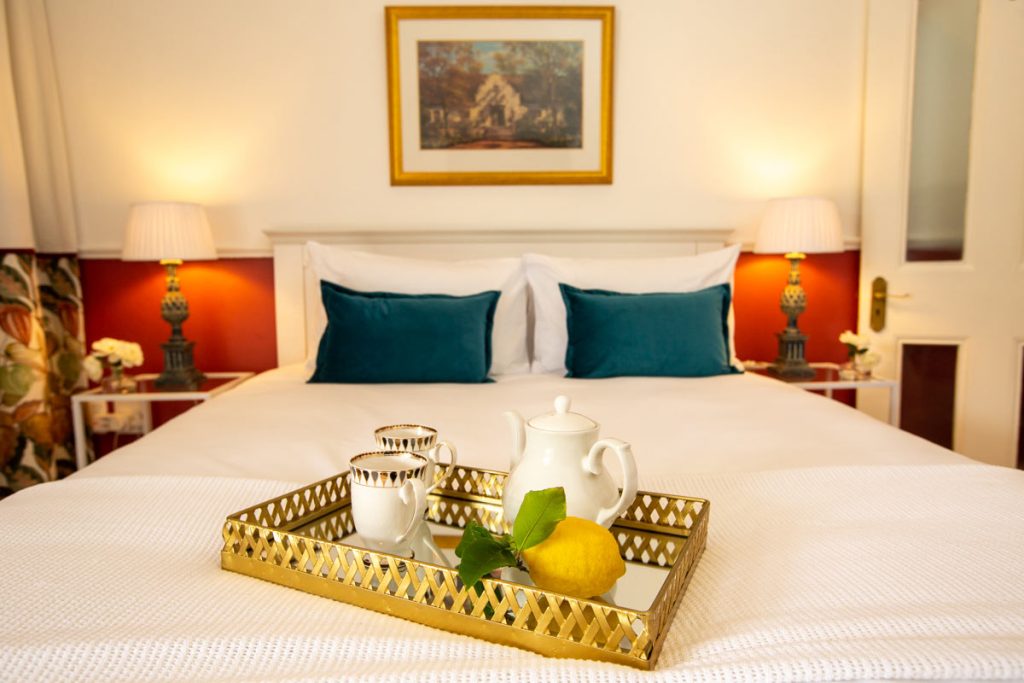
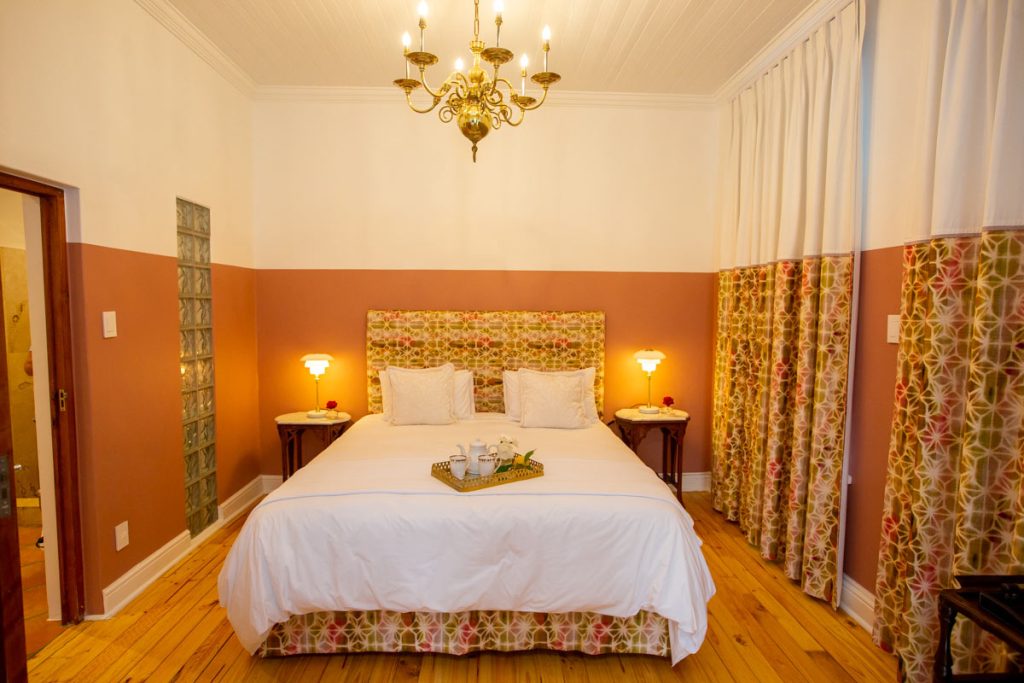
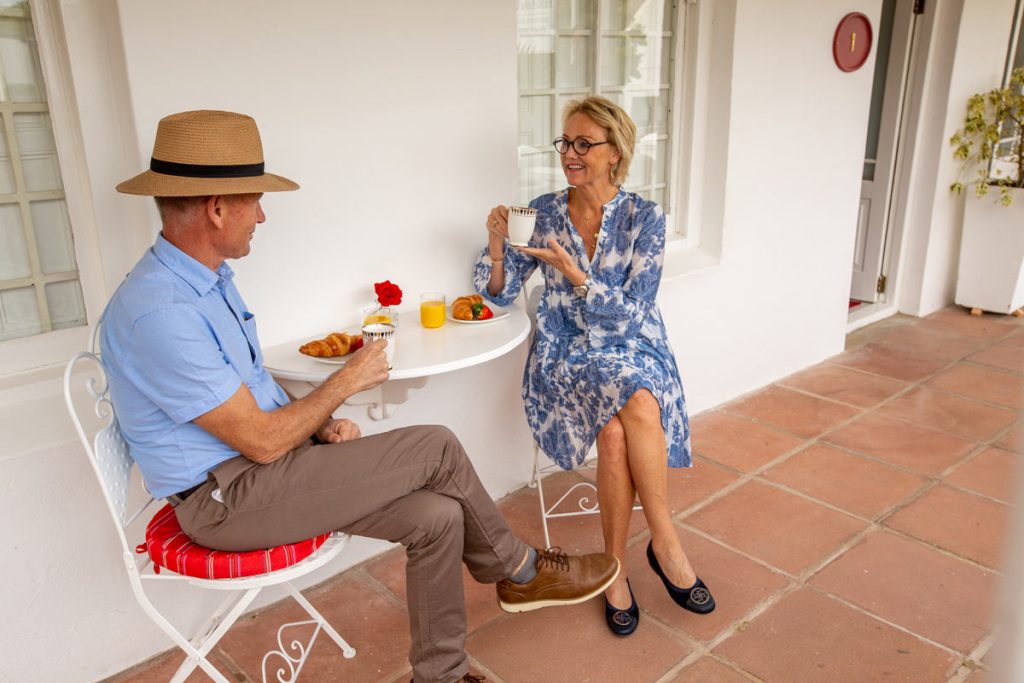
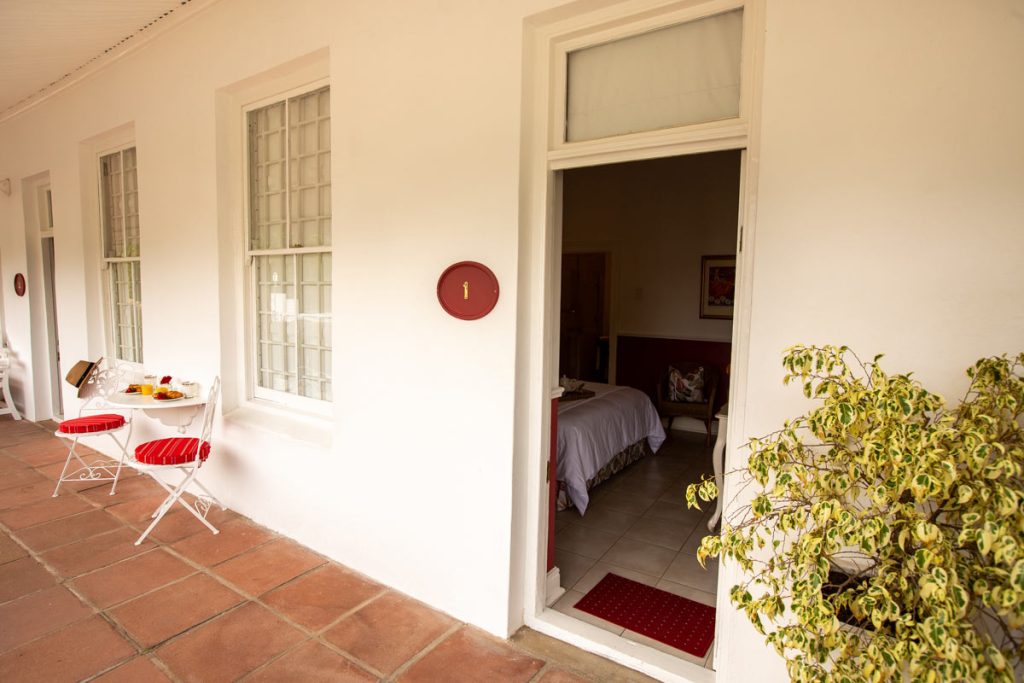
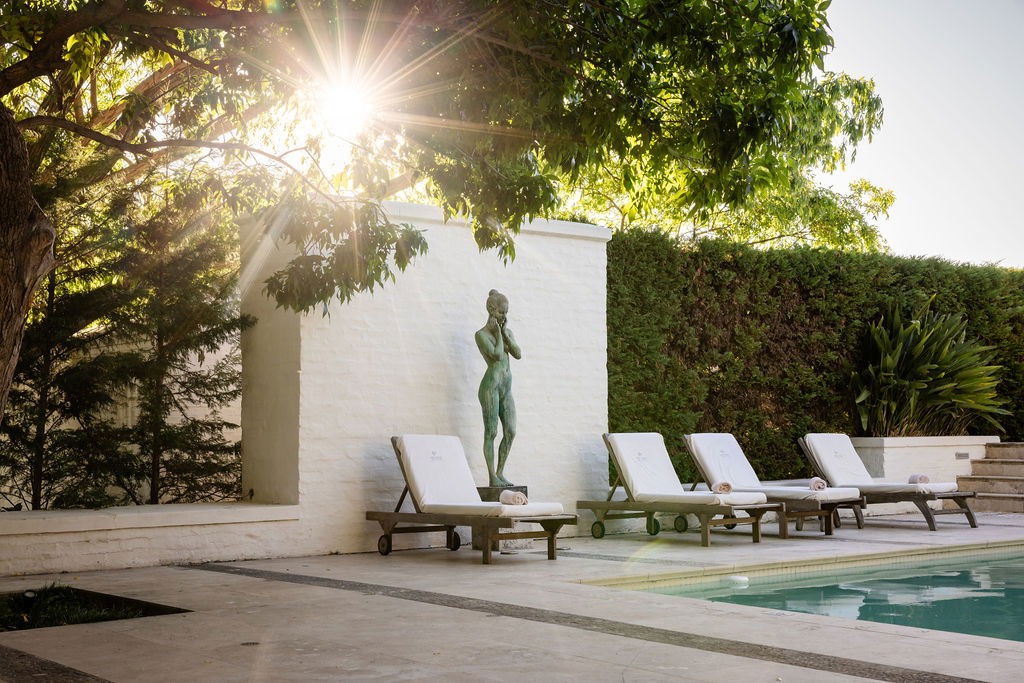
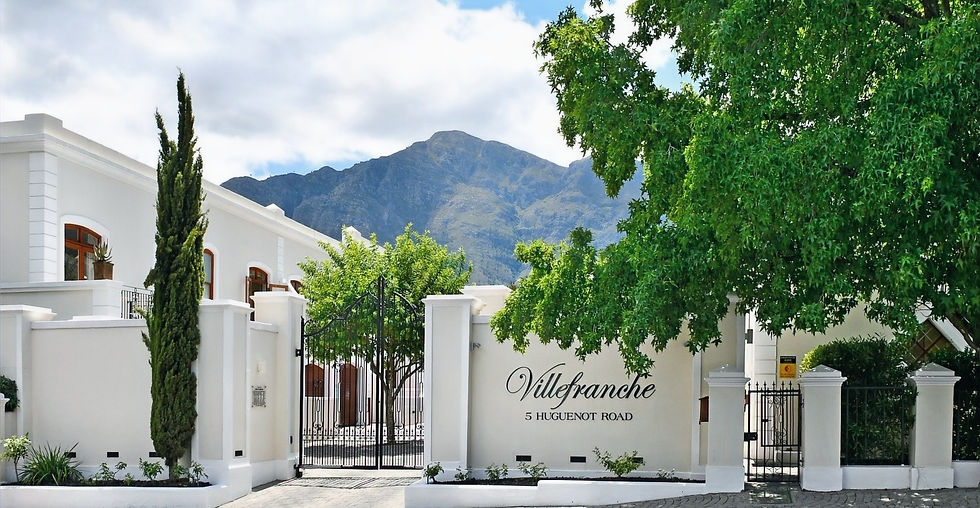
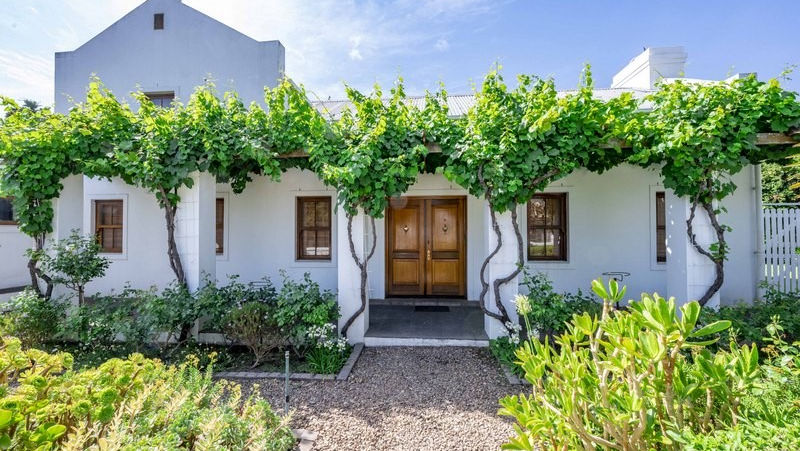
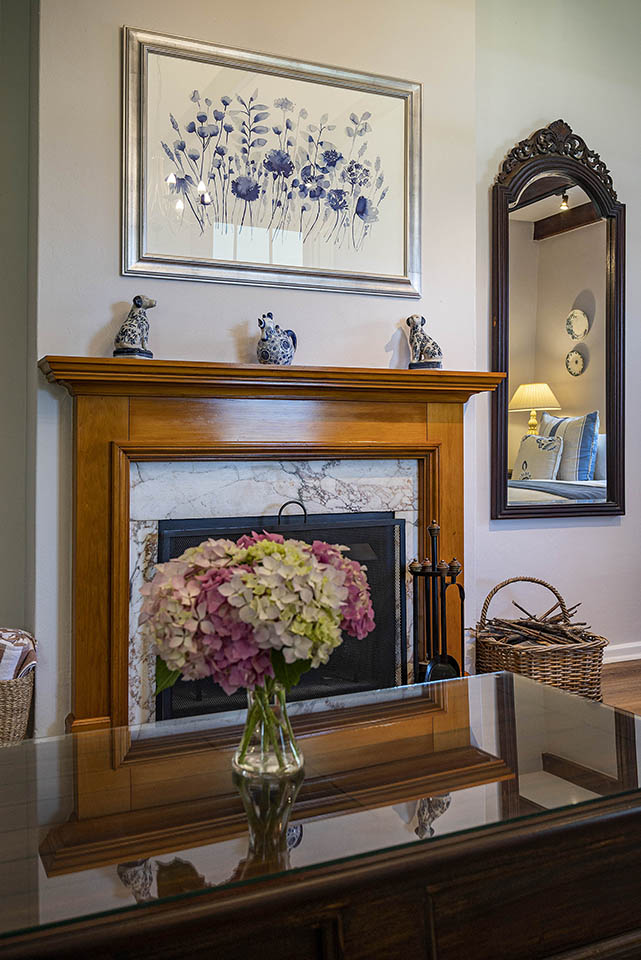
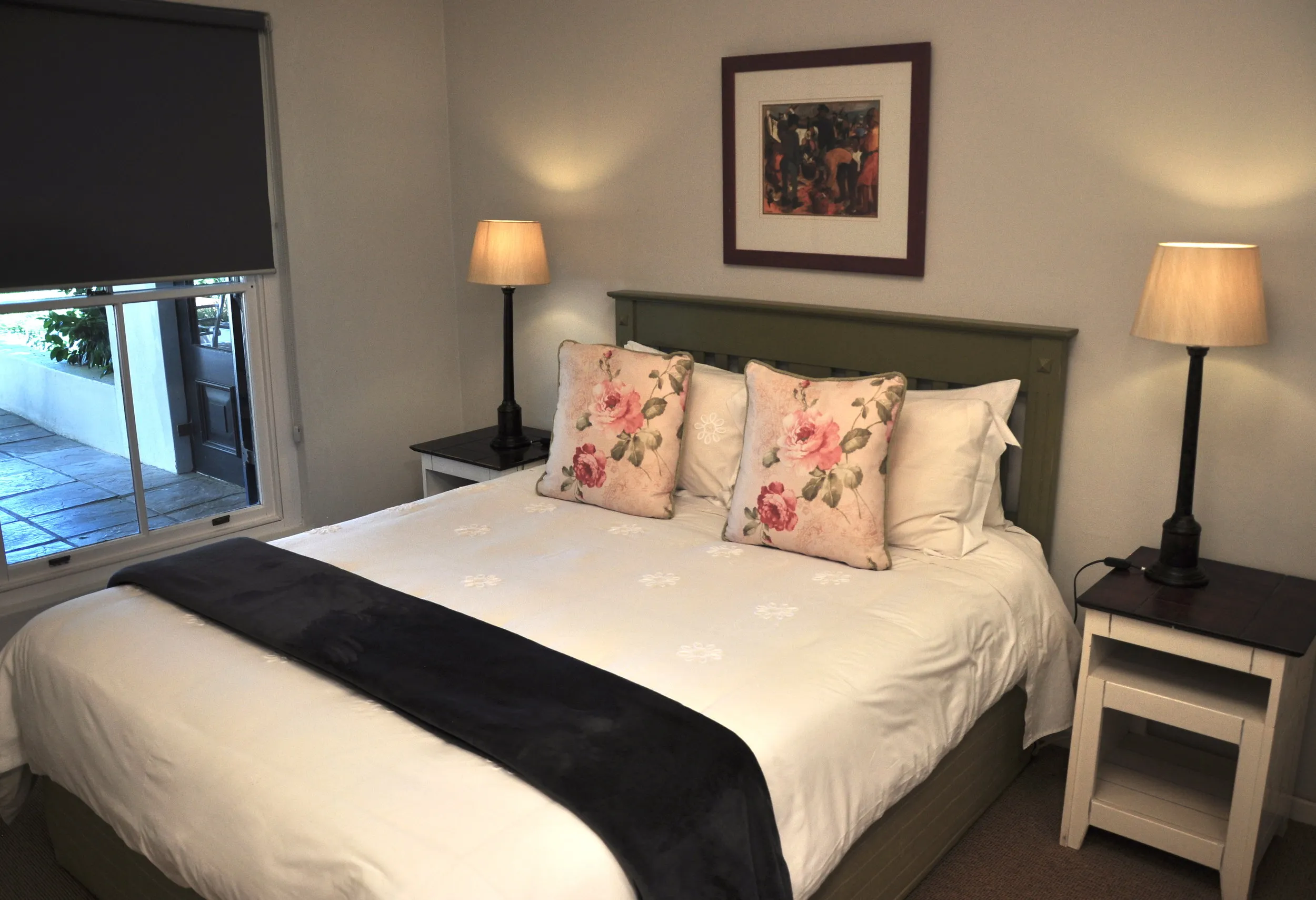
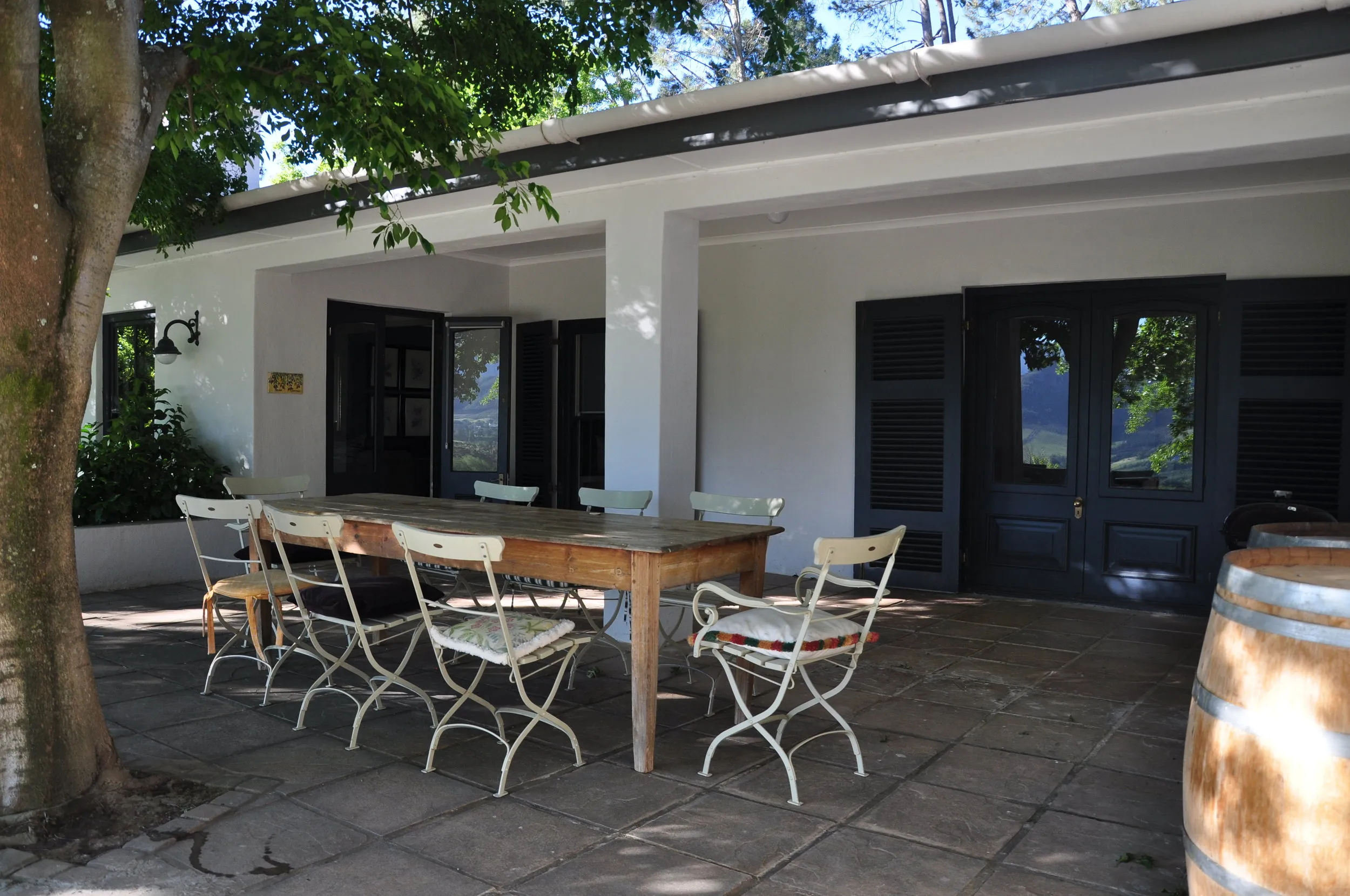
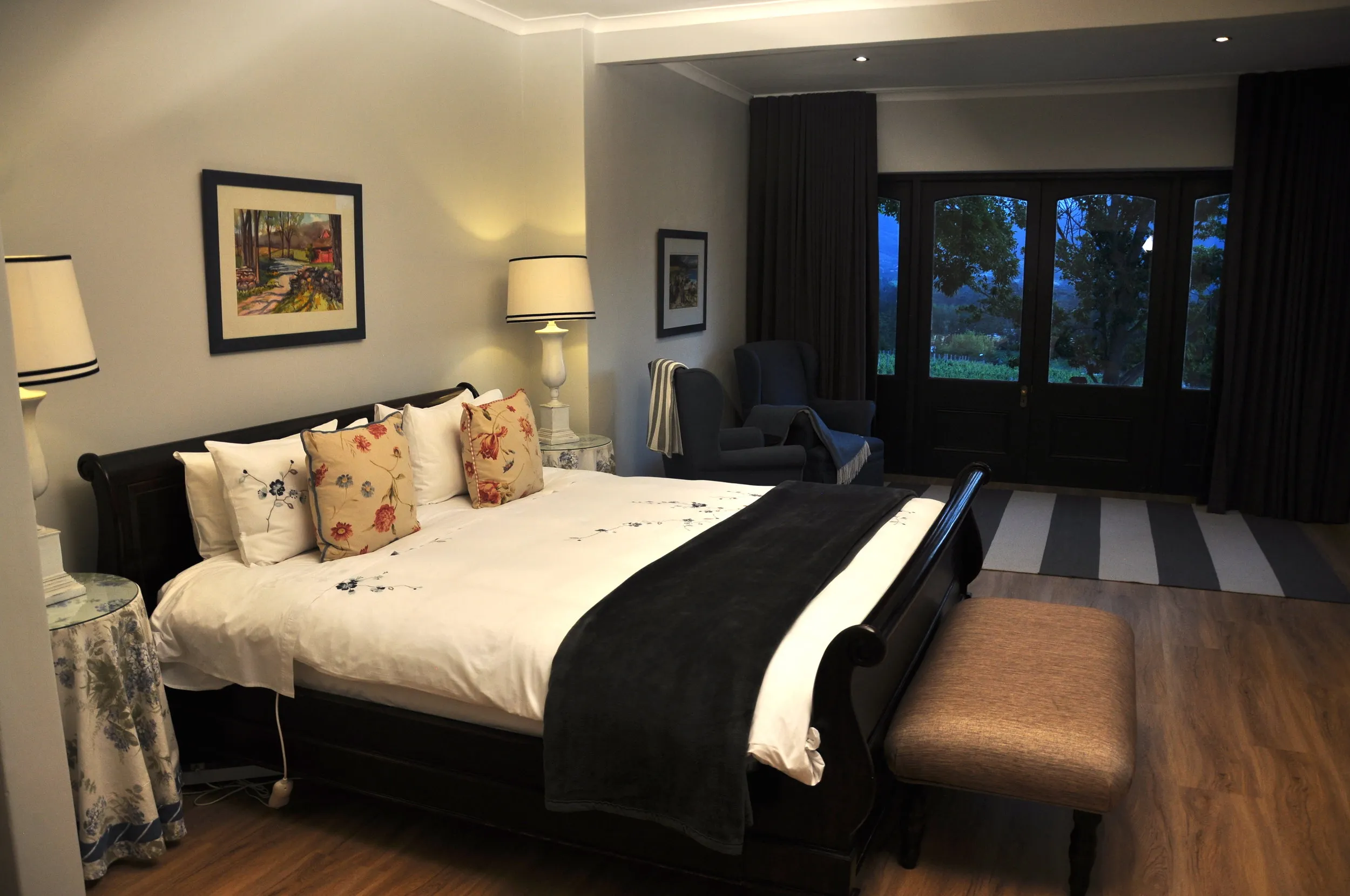
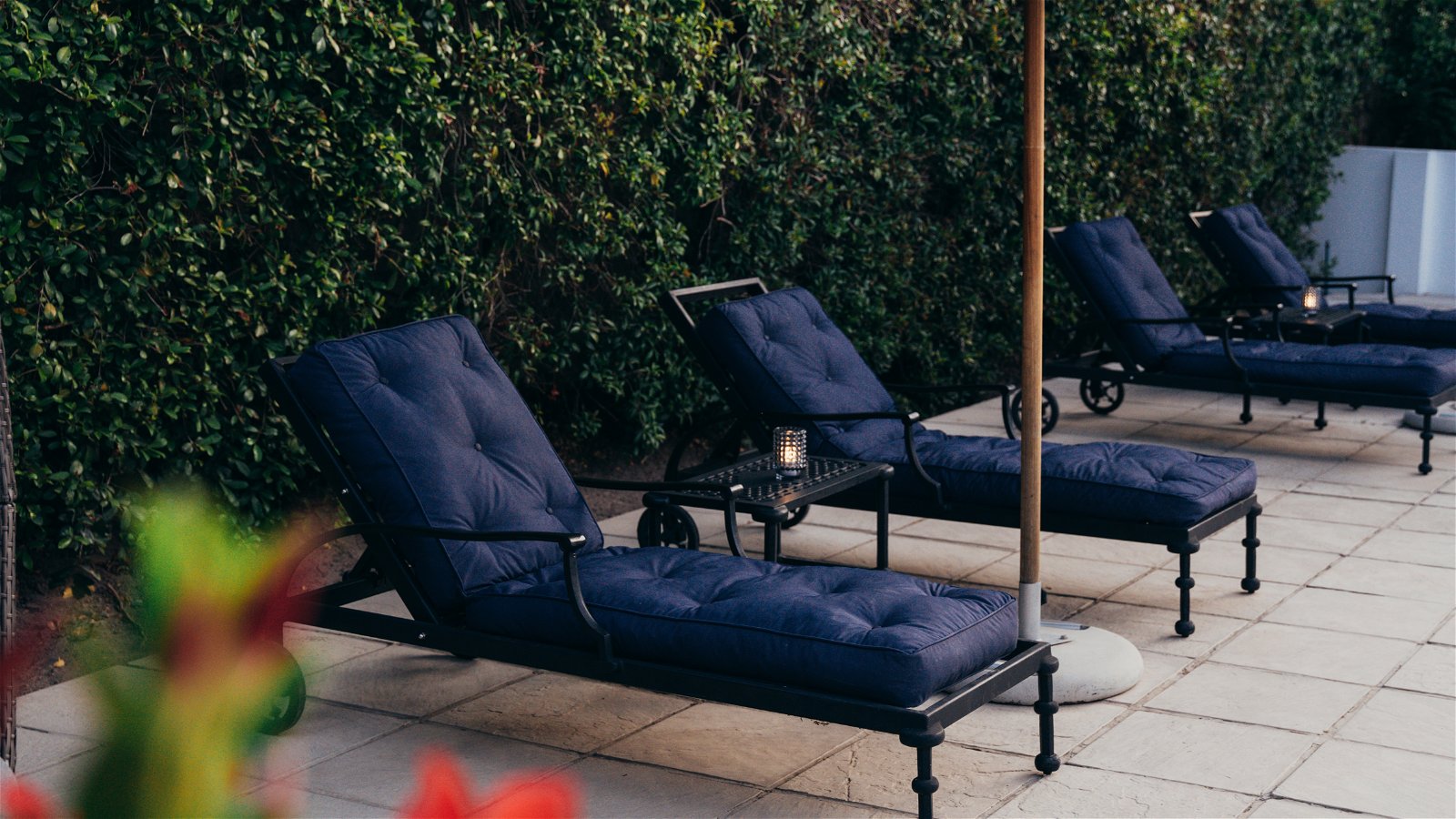
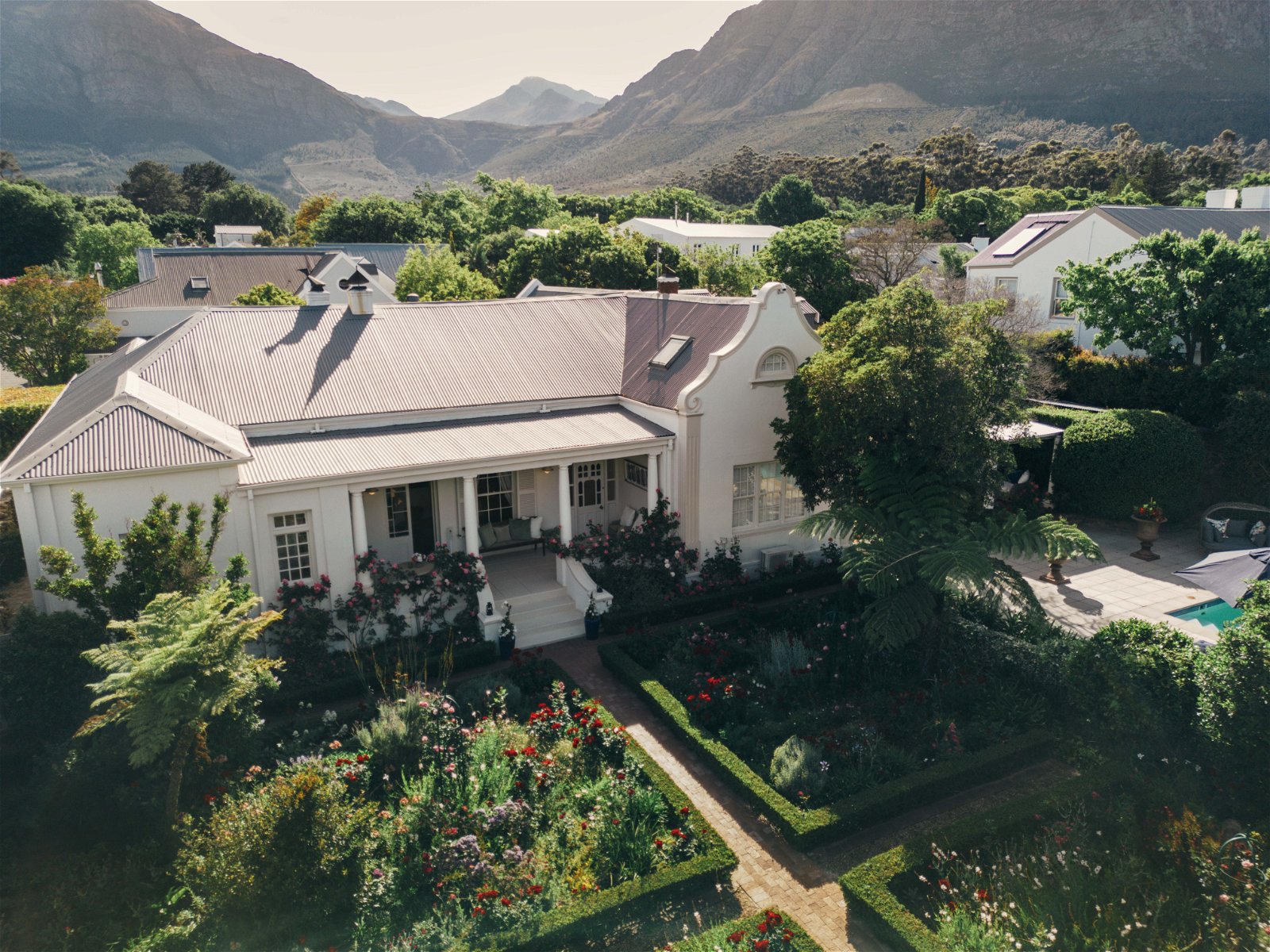
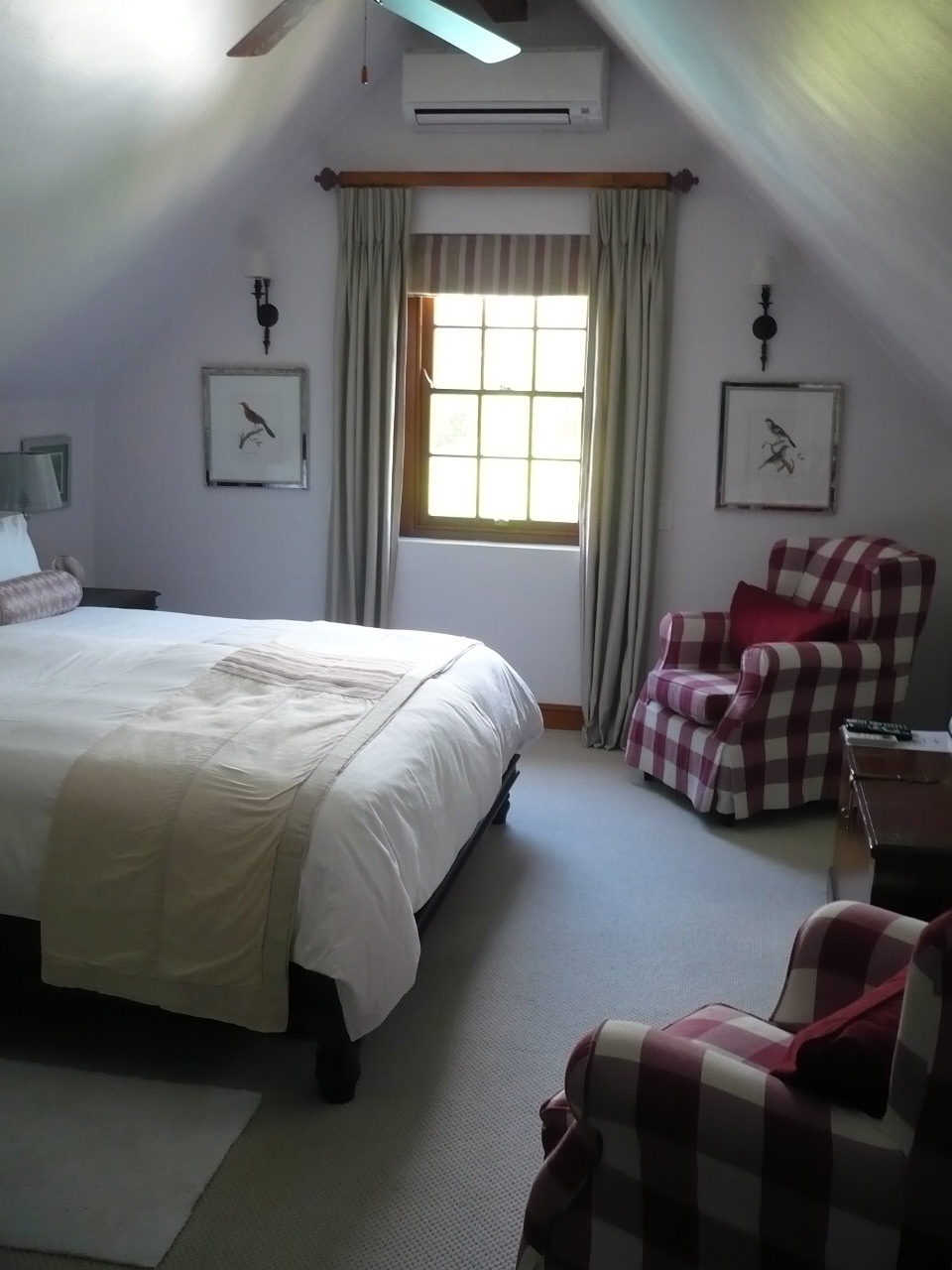
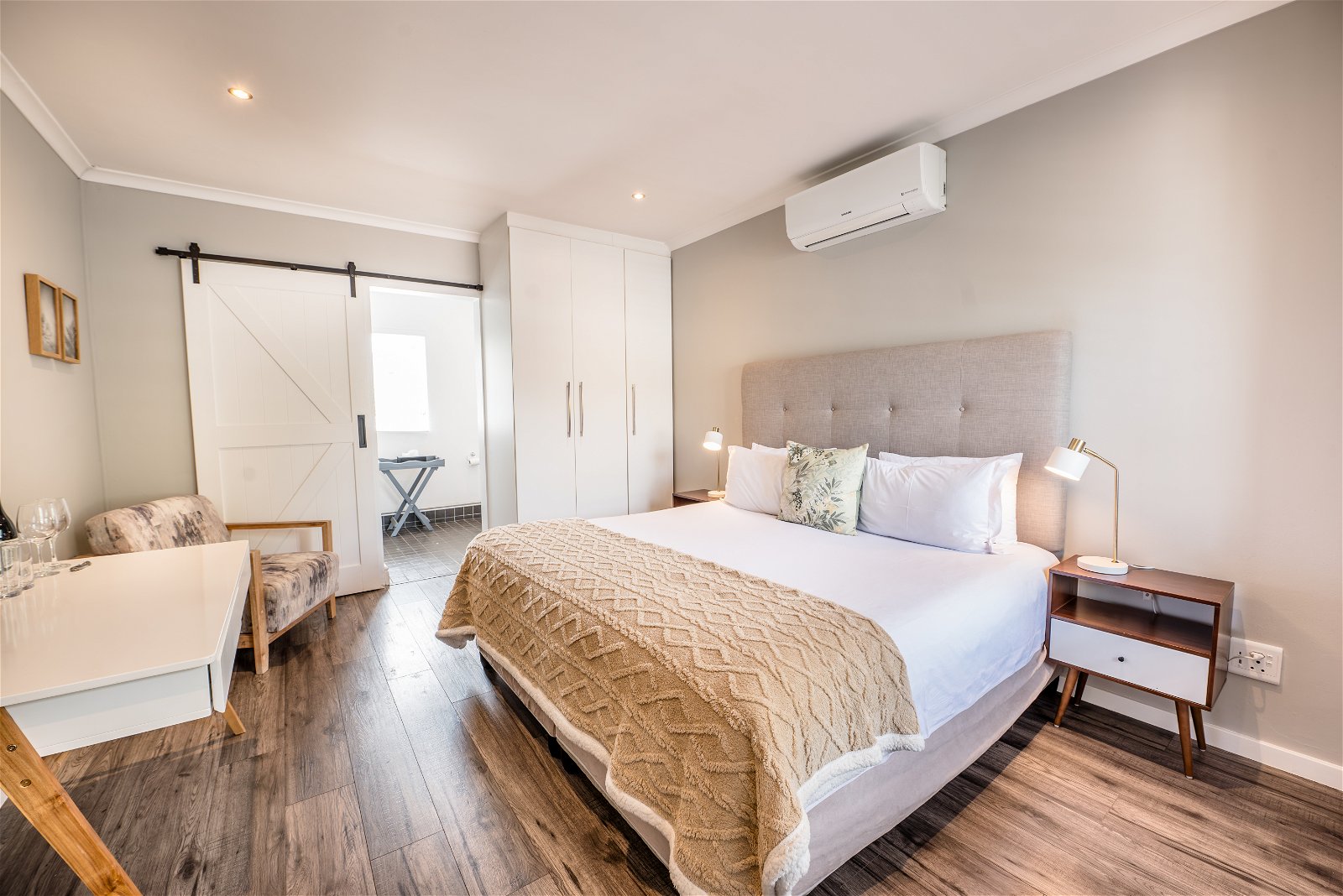
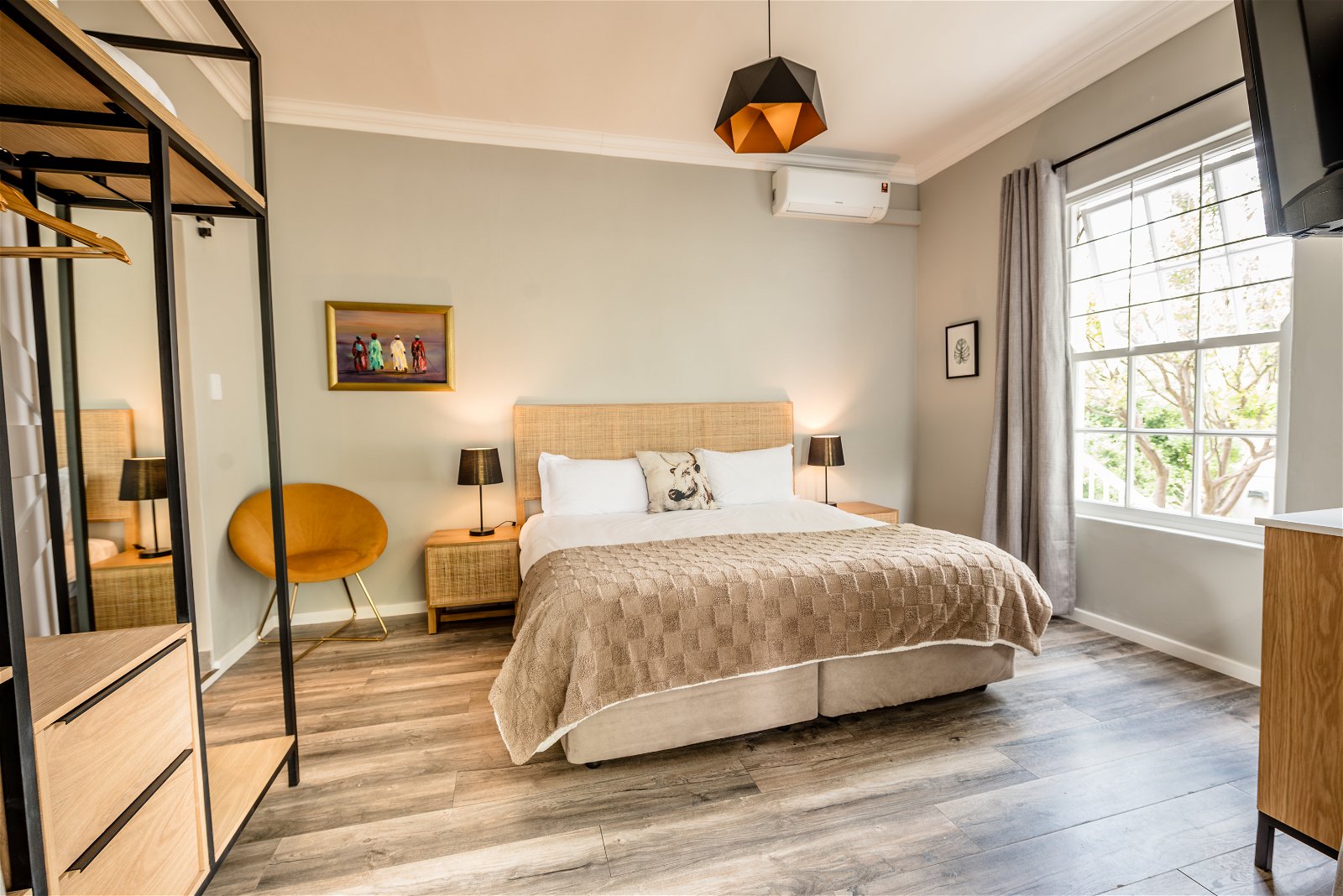
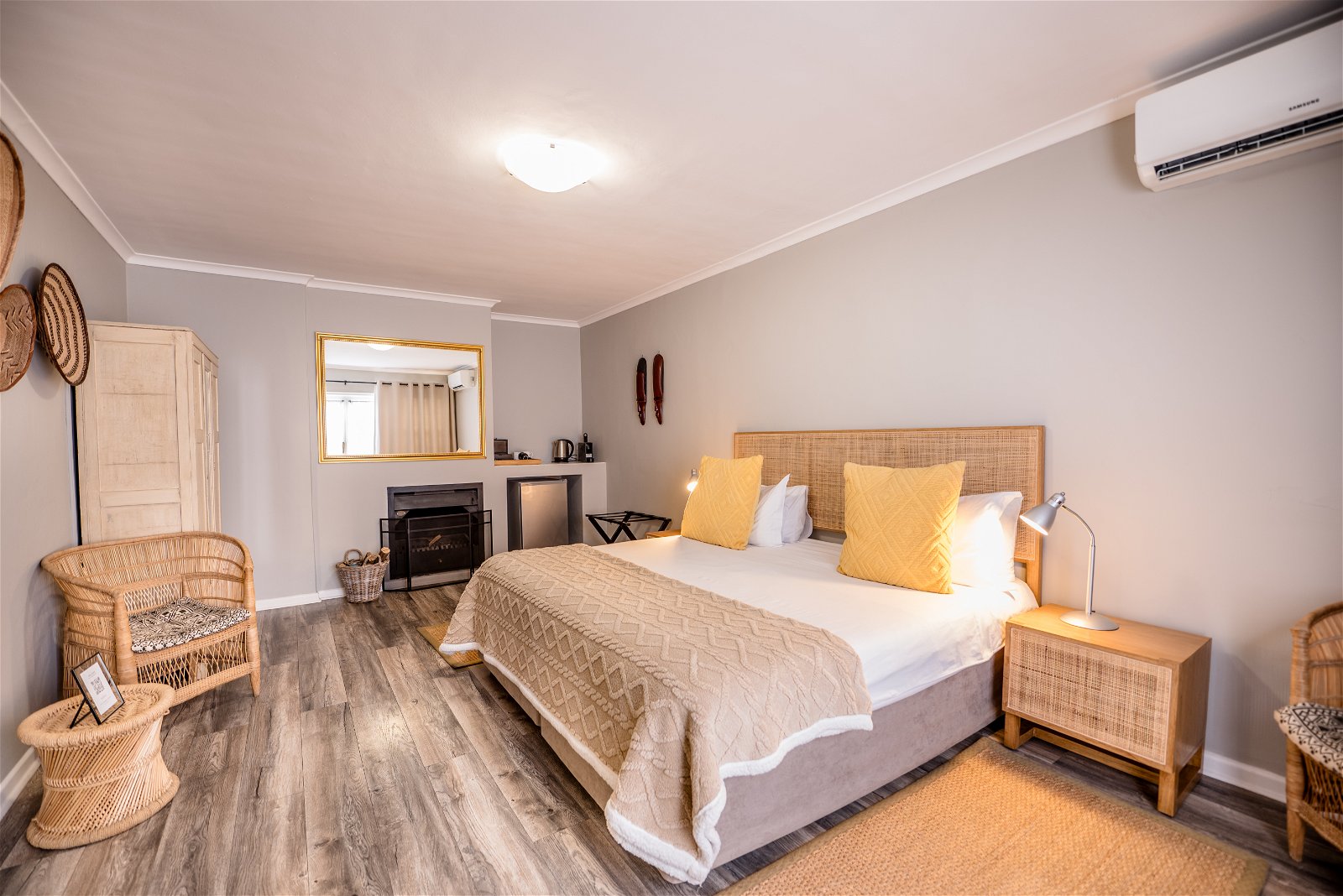
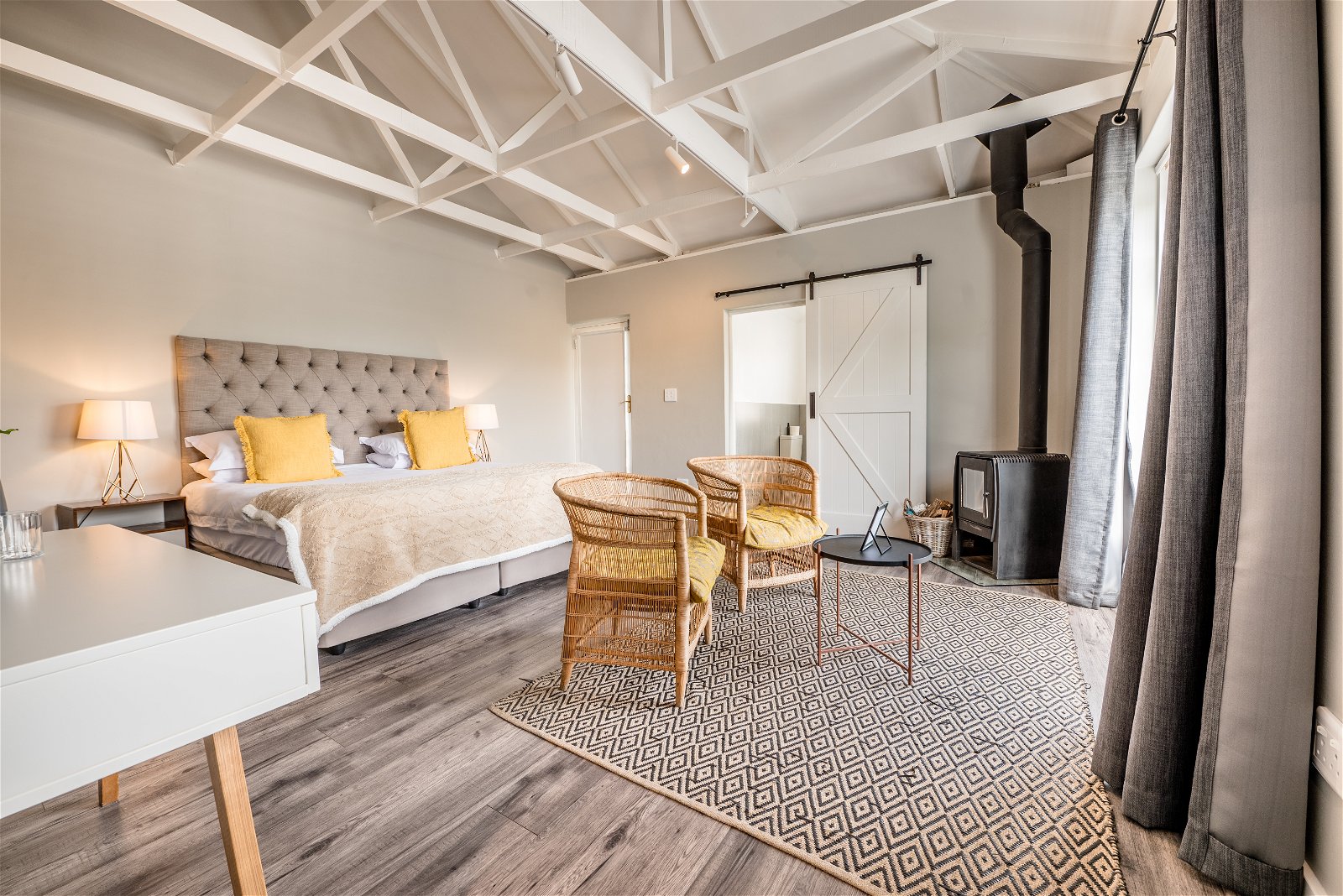
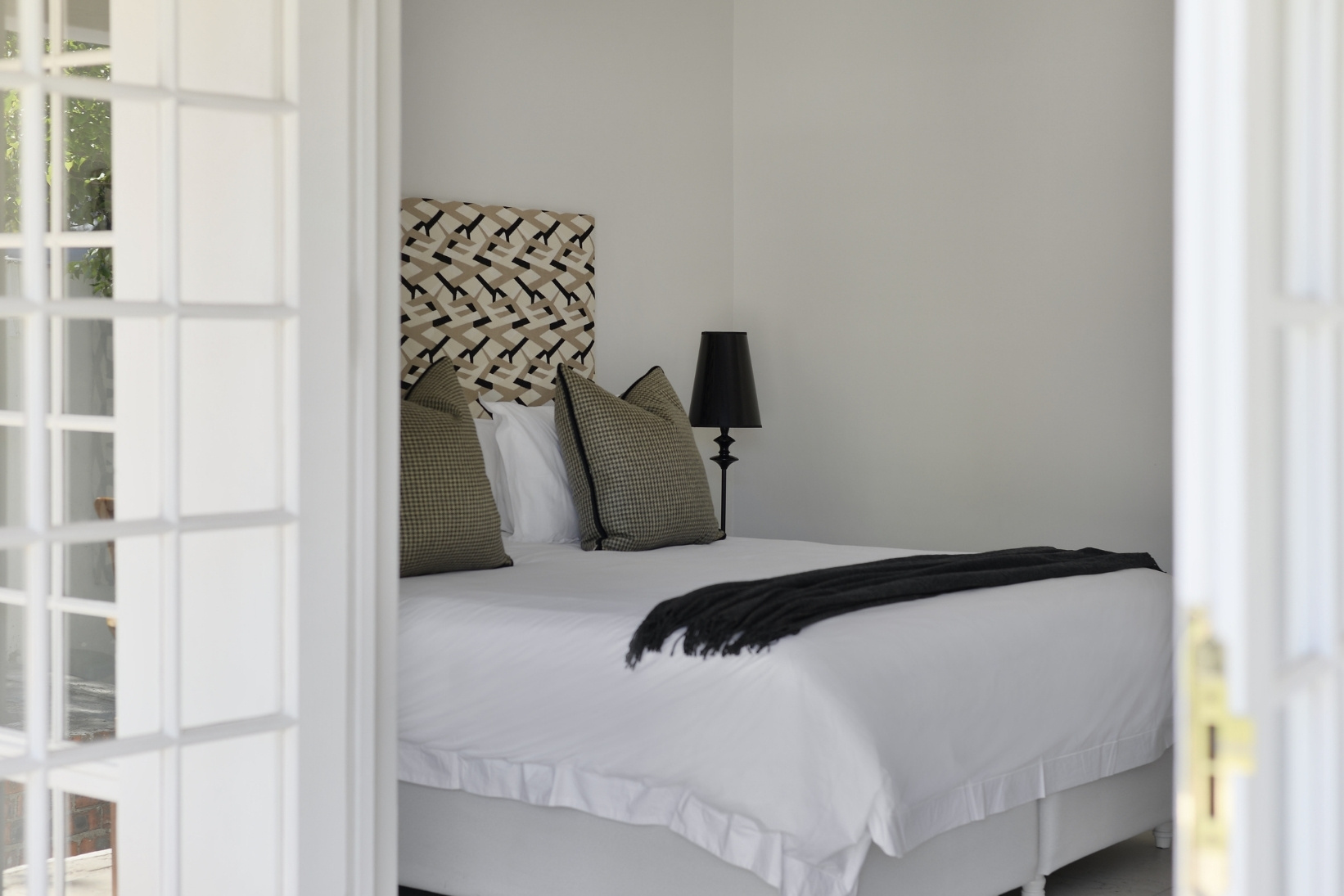
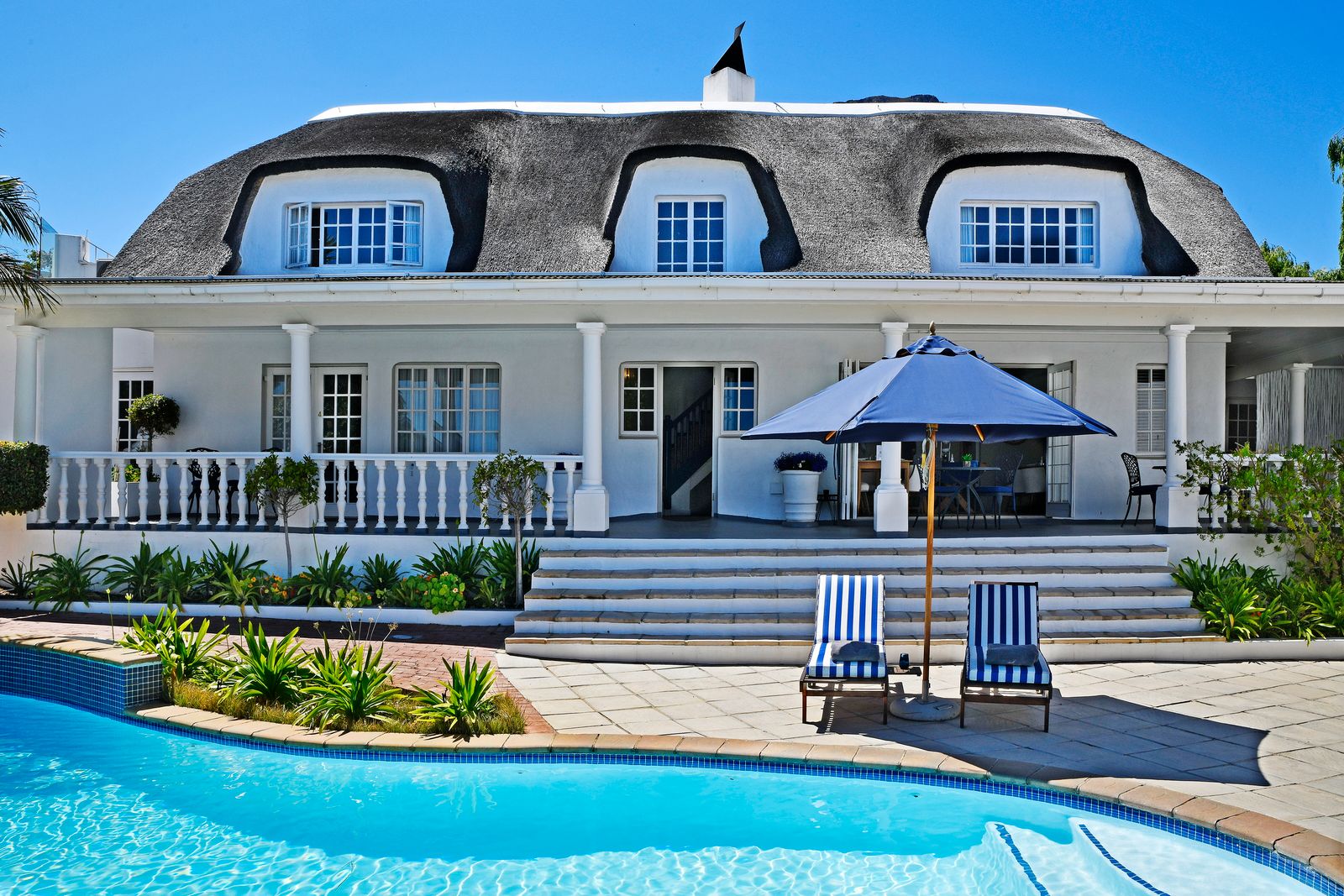
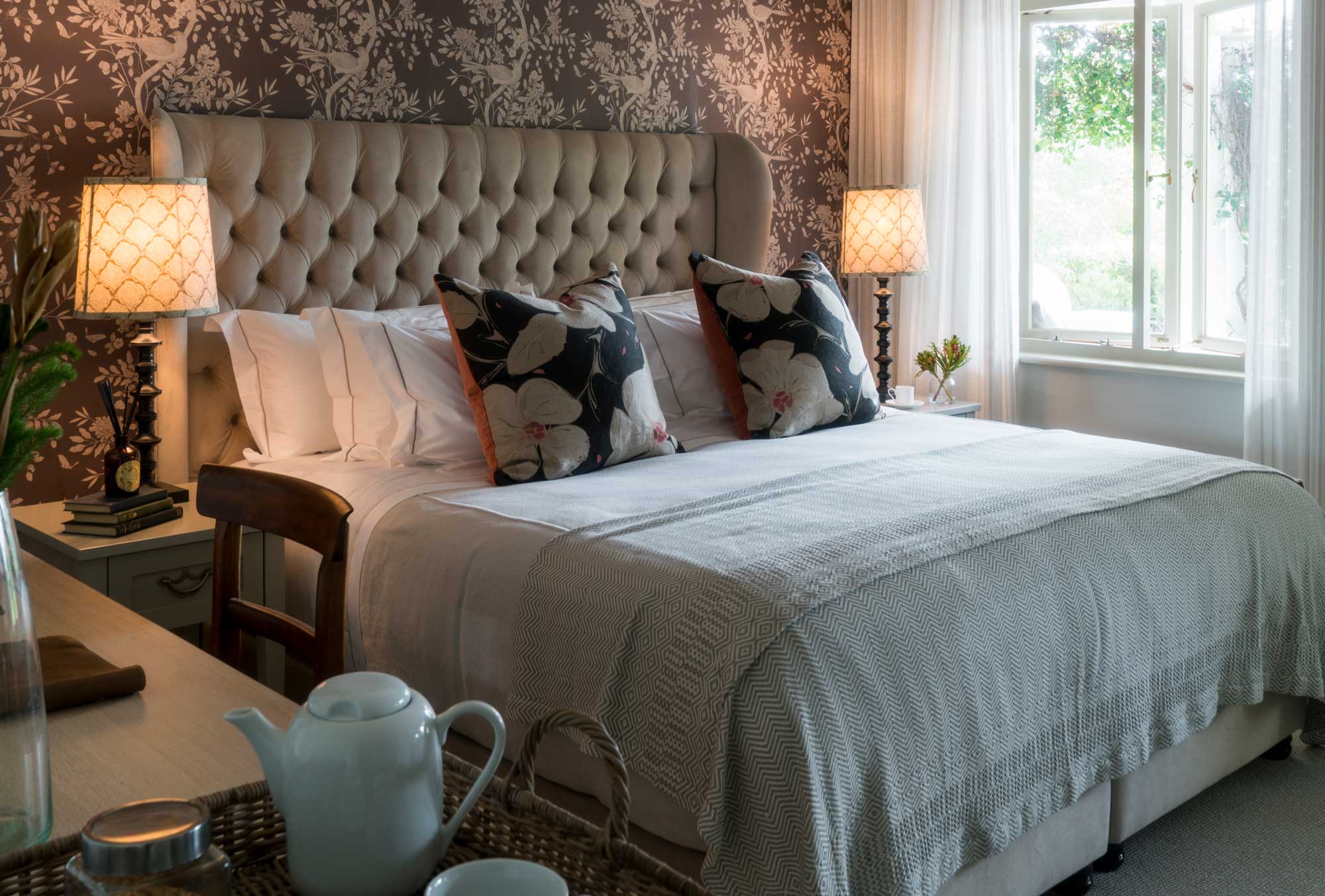
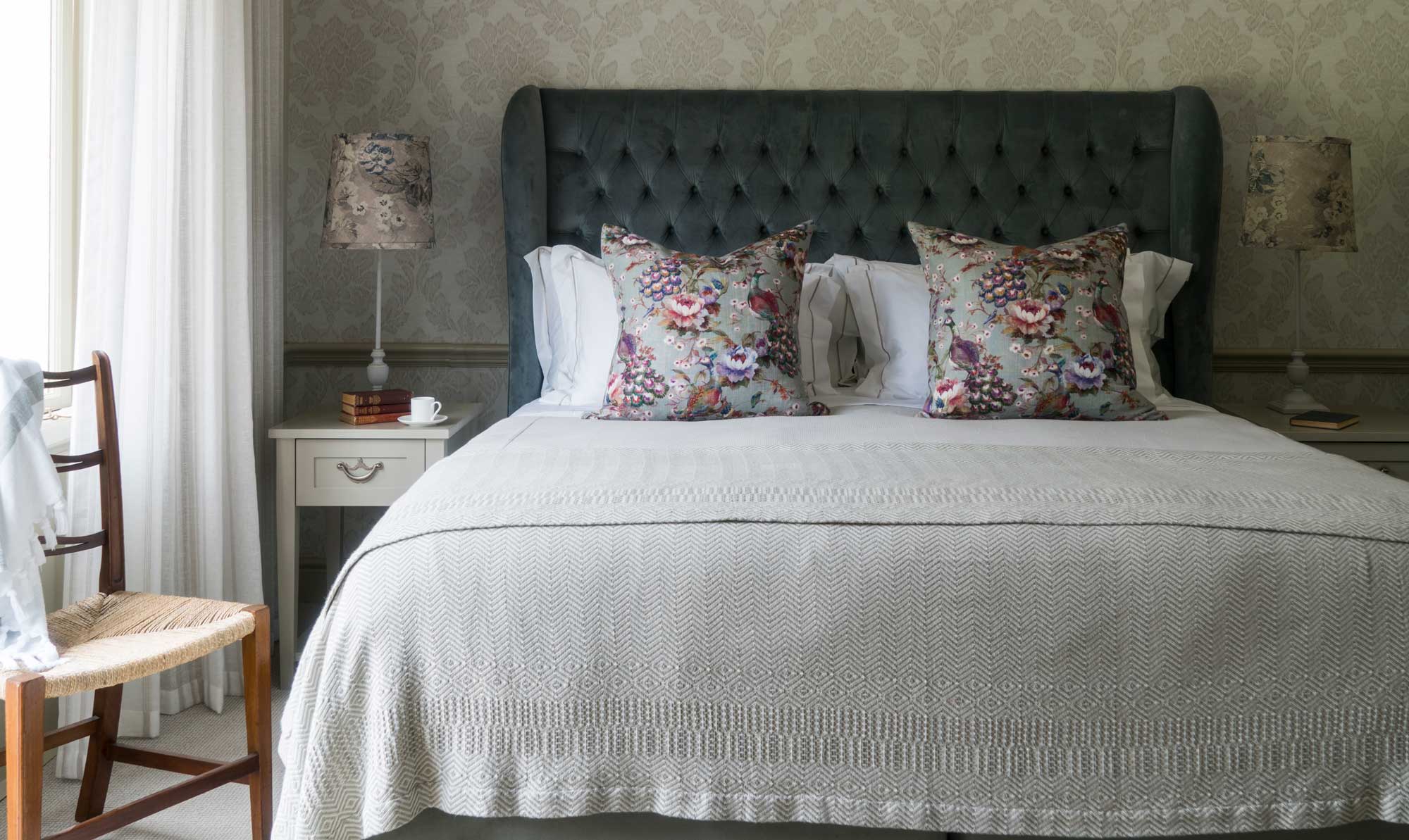
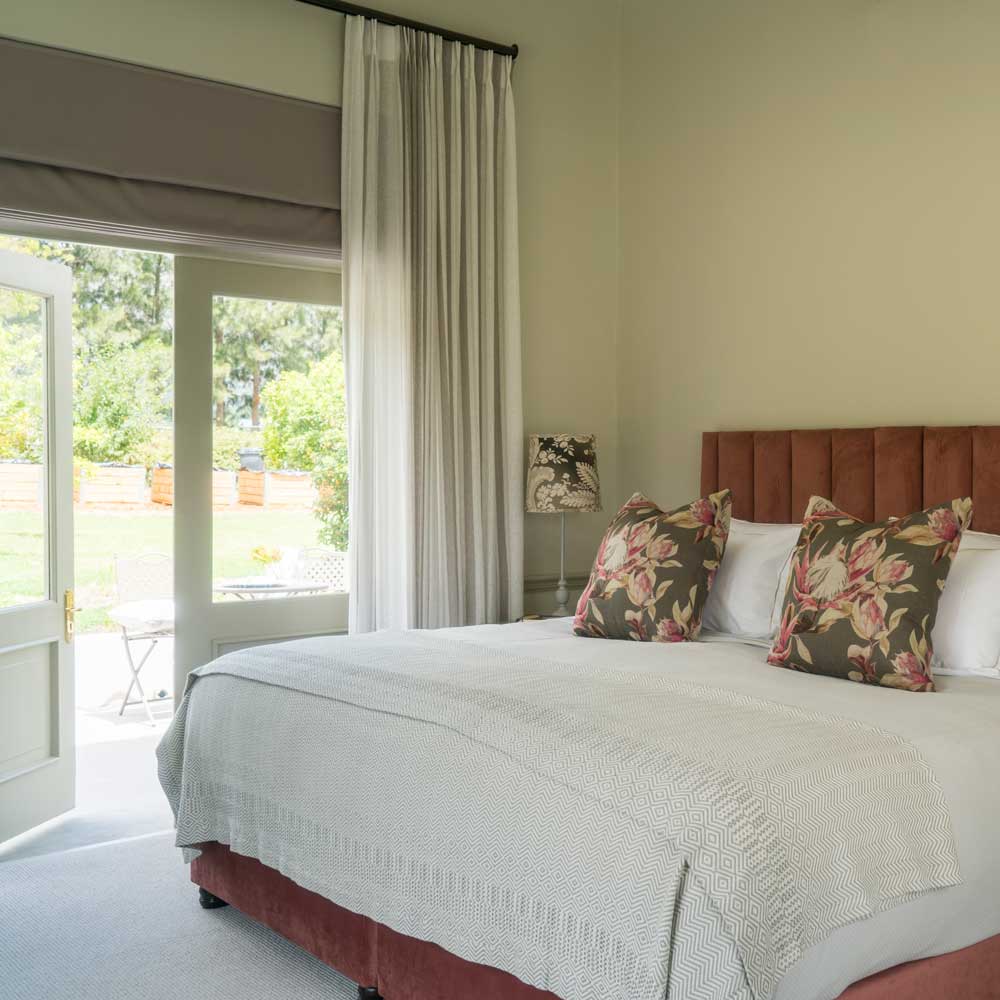
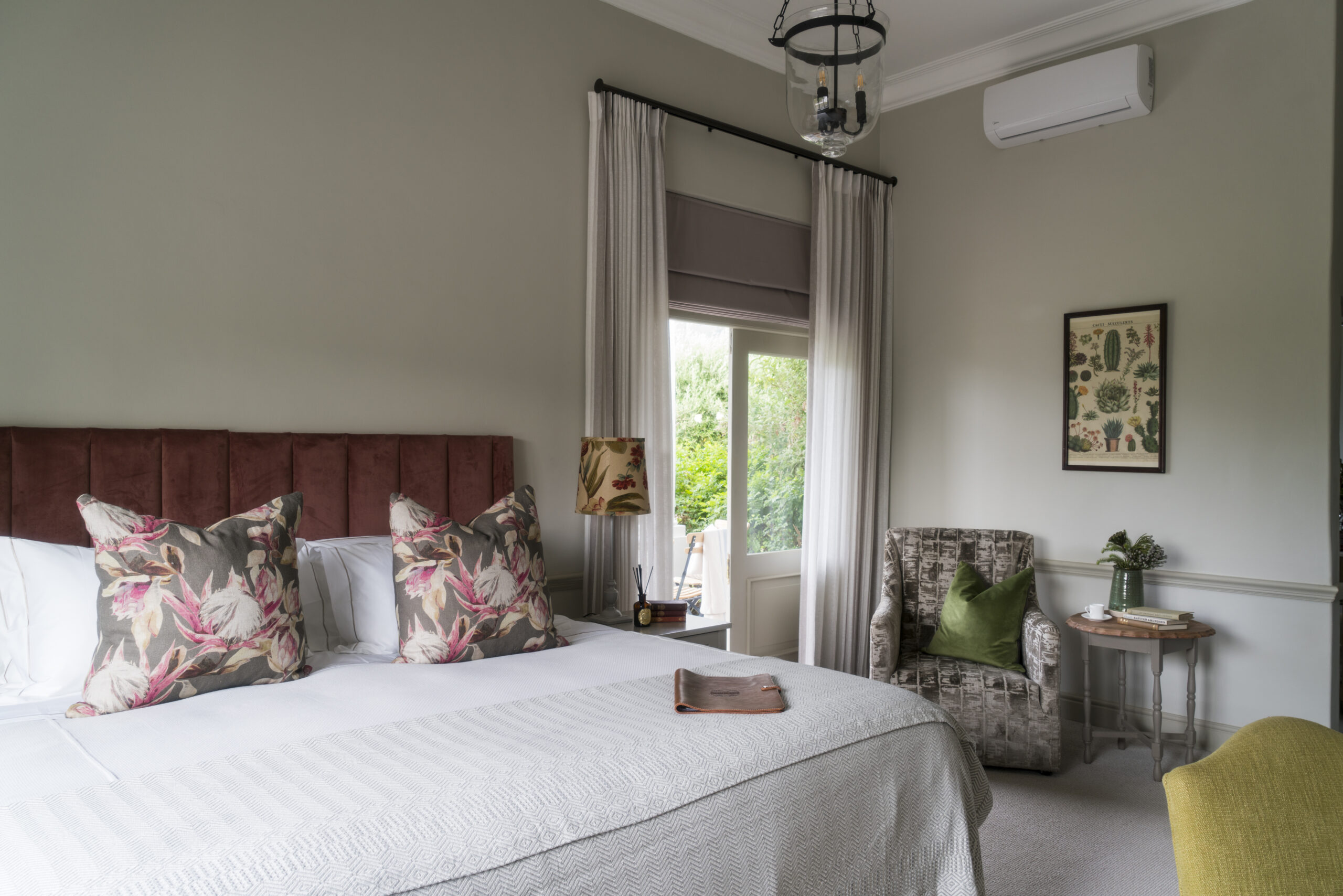
At the more accessible end, guest houses provide comfortable, often owner-run stays with a level of local knowledge that standardised accommodation rarely offers. Bed and breakfast properties sit at a similar price point, with morning meals frequently built around regional produce. These are practical choices for travelers who want a straightforward base and don't need a kitchen or extensive space.
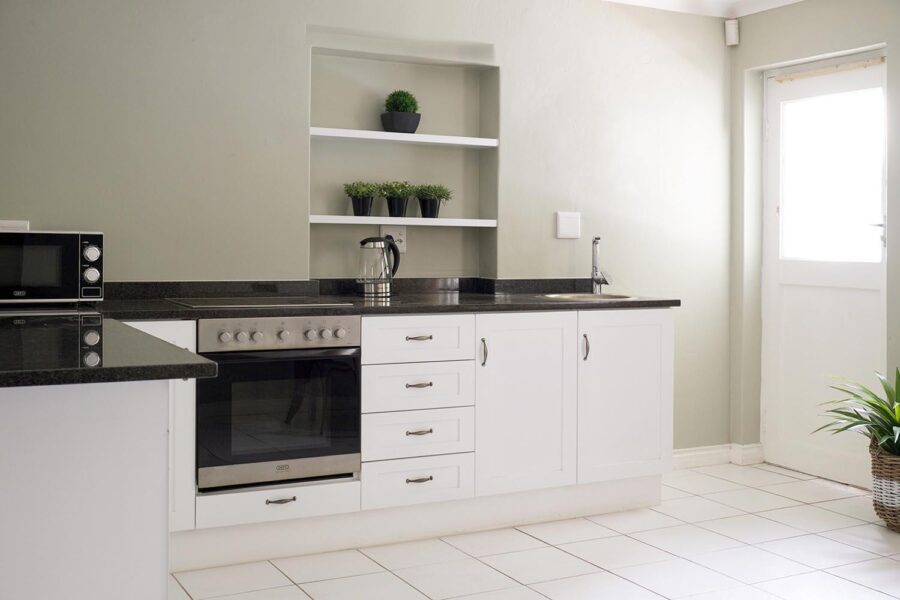
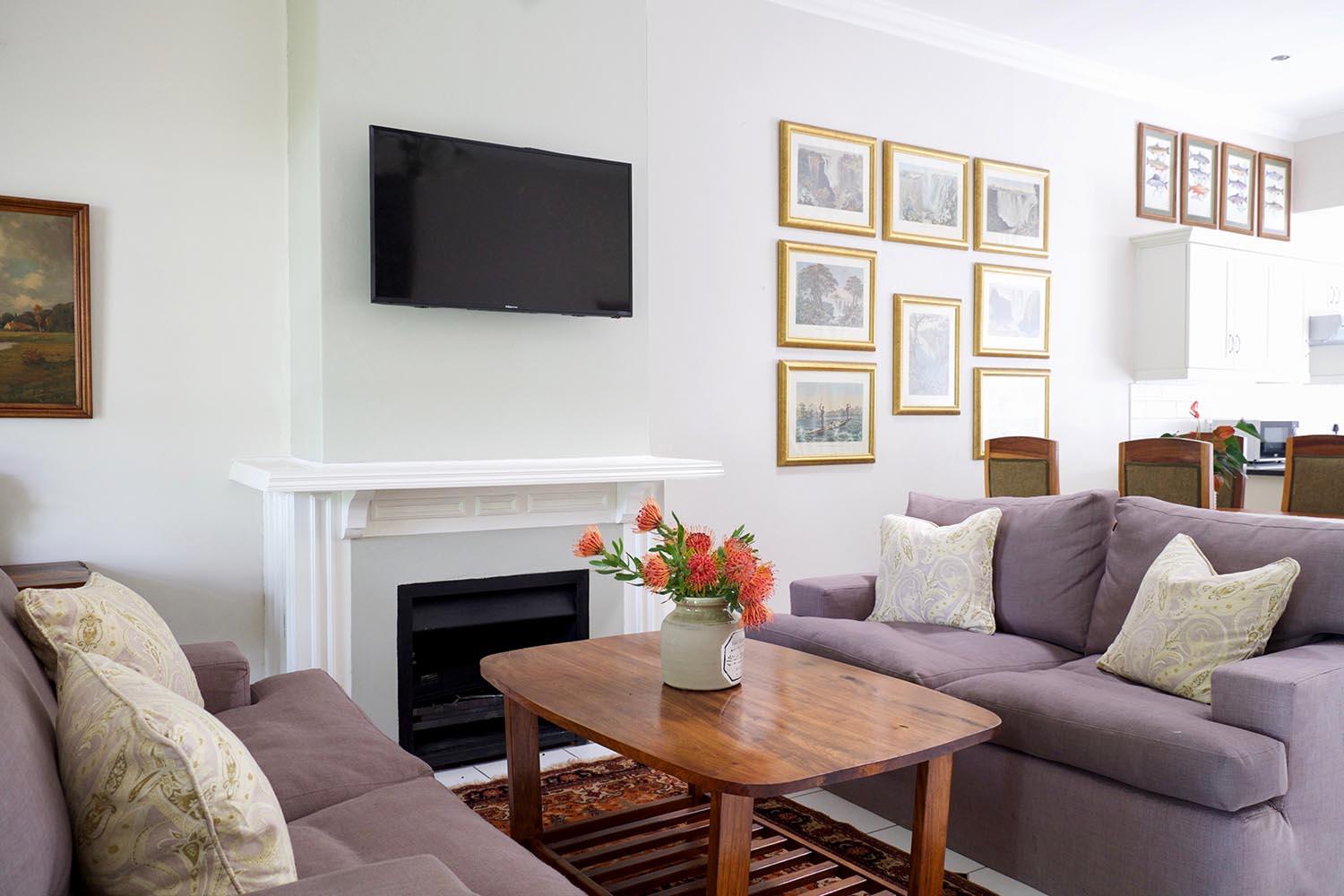
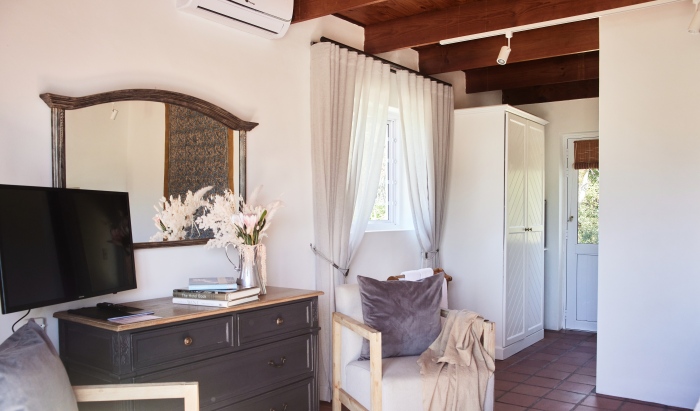
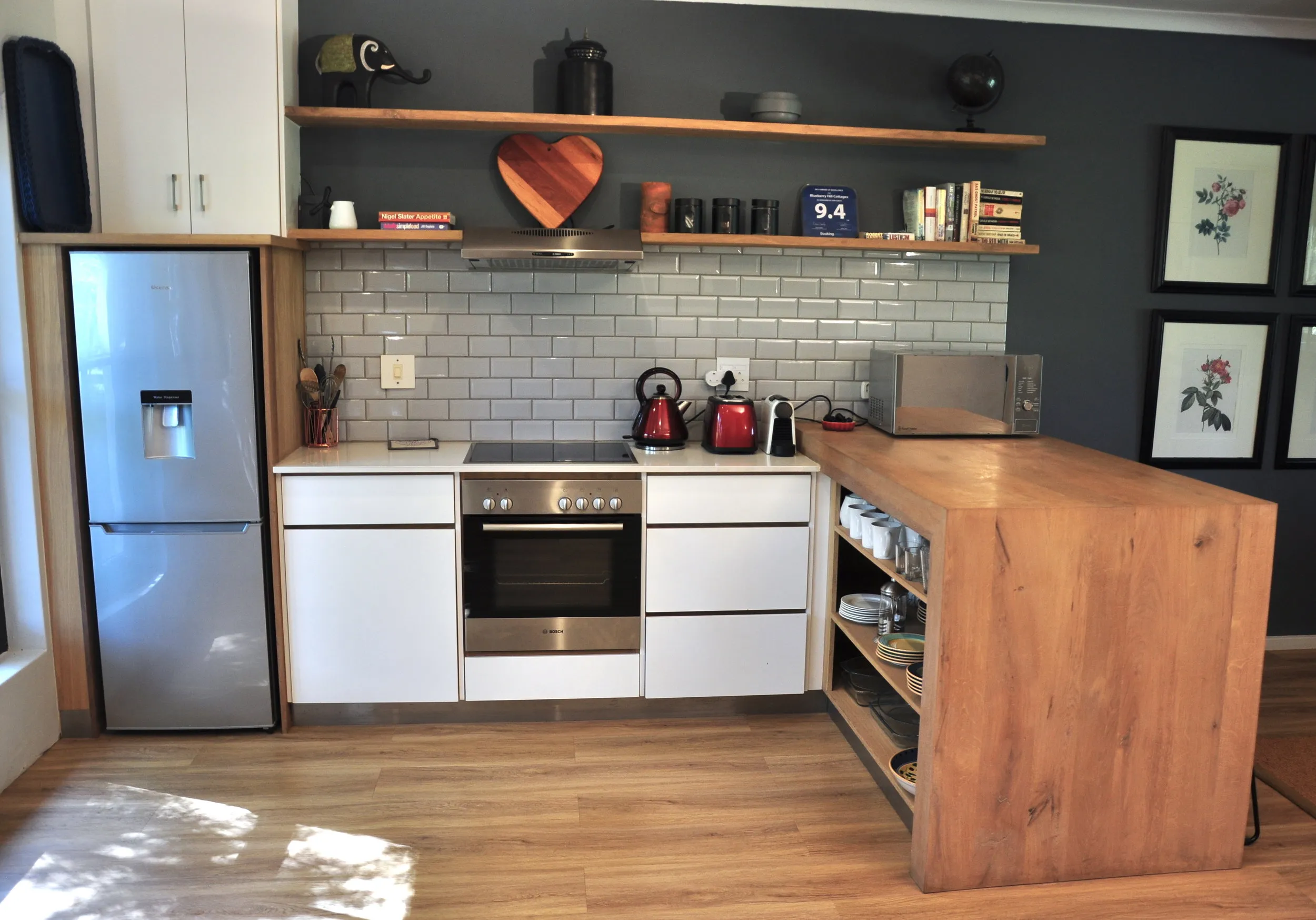
Moving into the mid-range, apartments suit visitors planning several nights, particularly those who want to buy wine at tastings and store it without worrying about packing. Having a kitchen available also makes it easier to take advantage of Franschhoek's market produce and prepare a meal between restaurant bookings. This category averages around R4,071 per night and offers more independence than a guest house without the premium attached to estate accommodation.
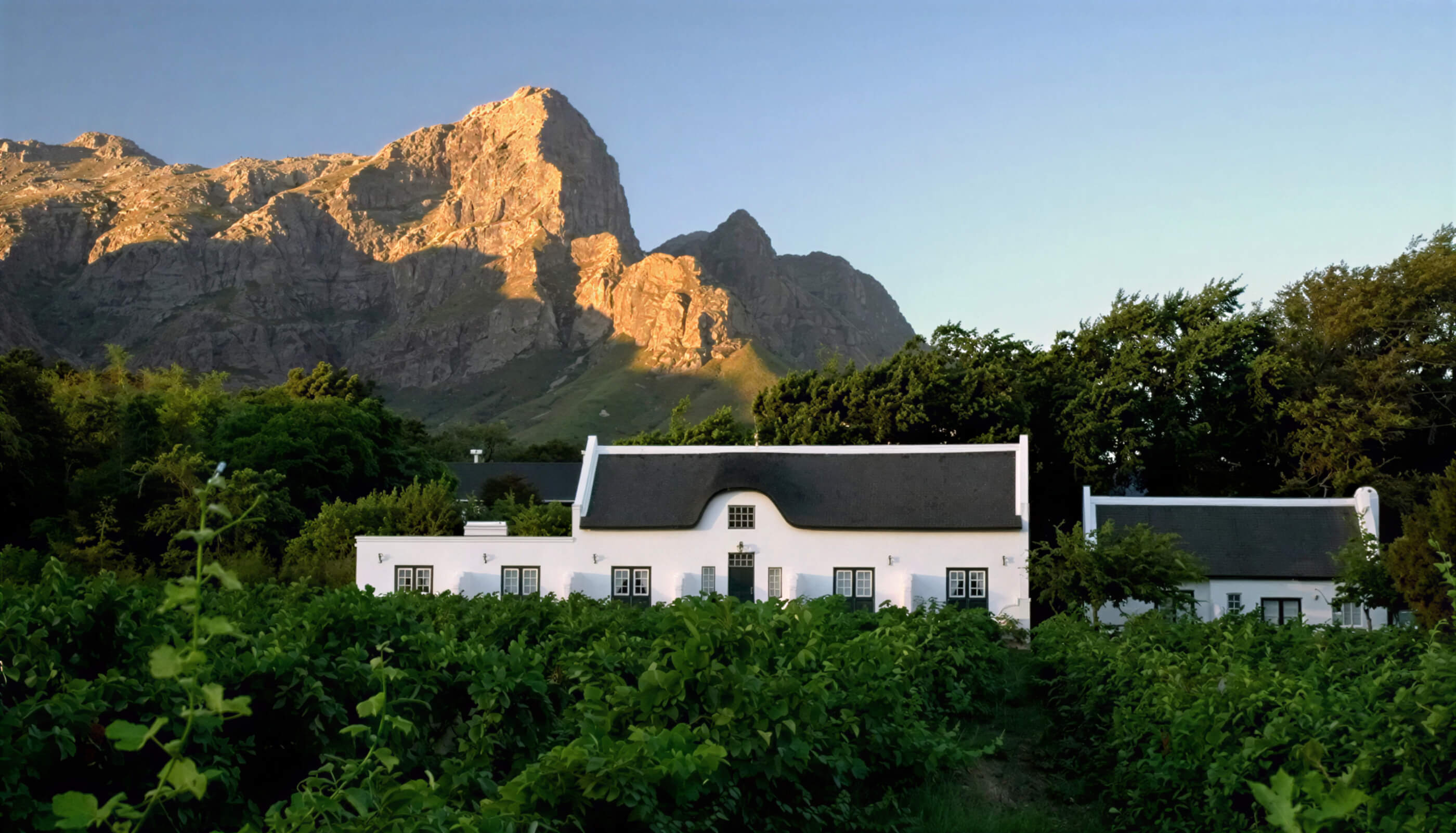
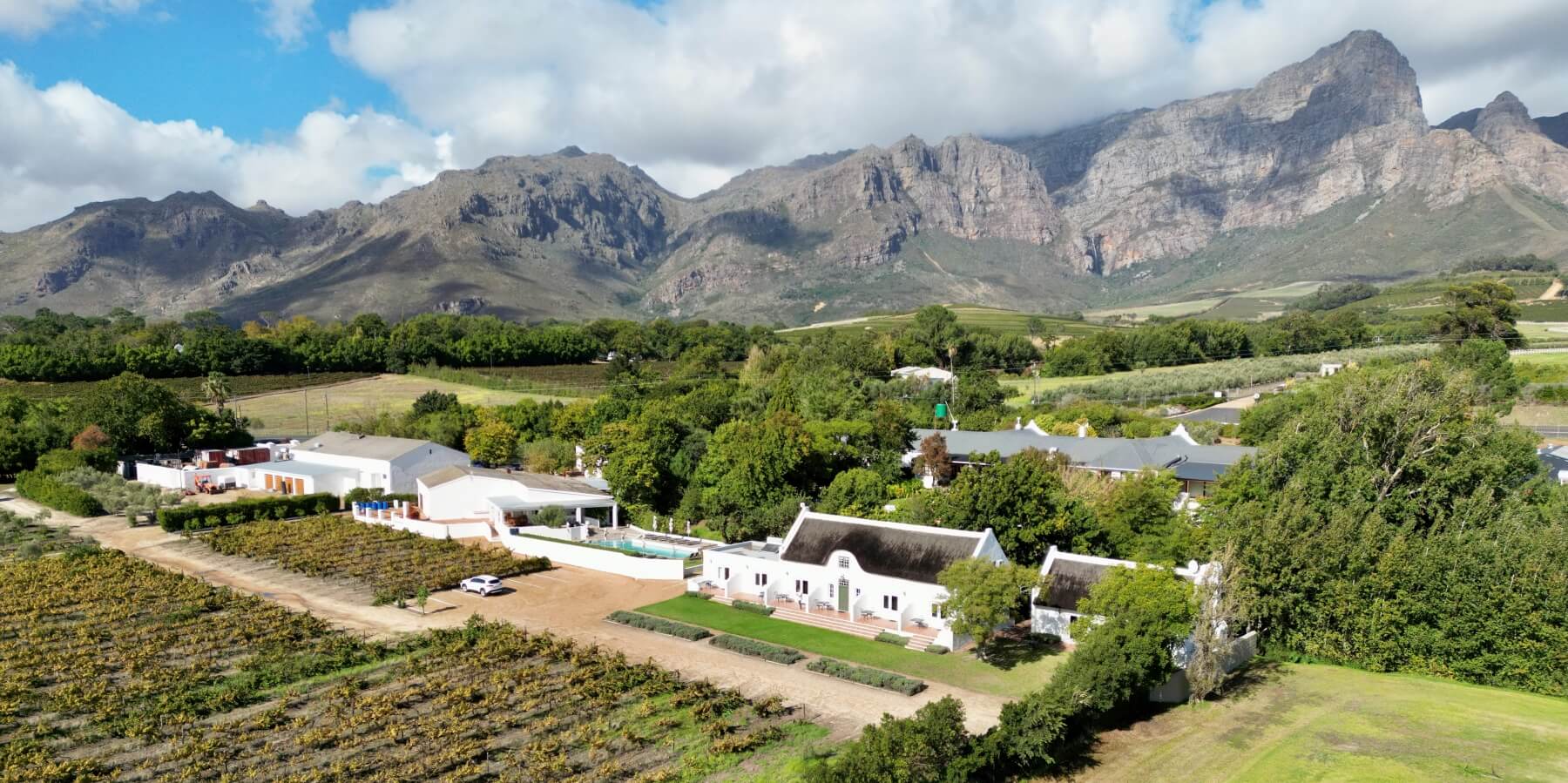
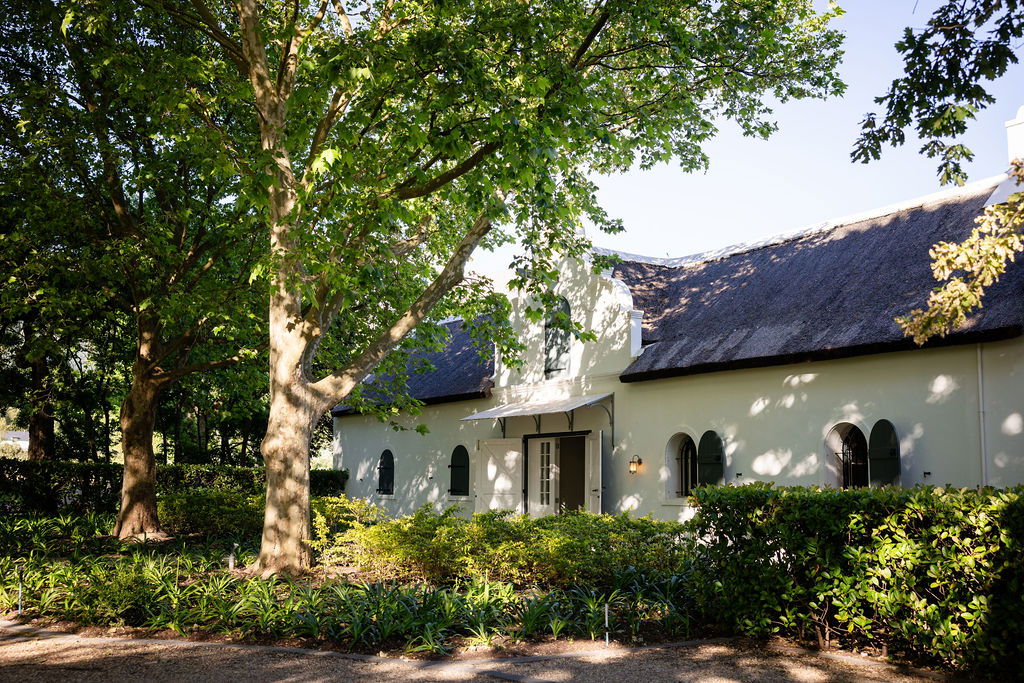
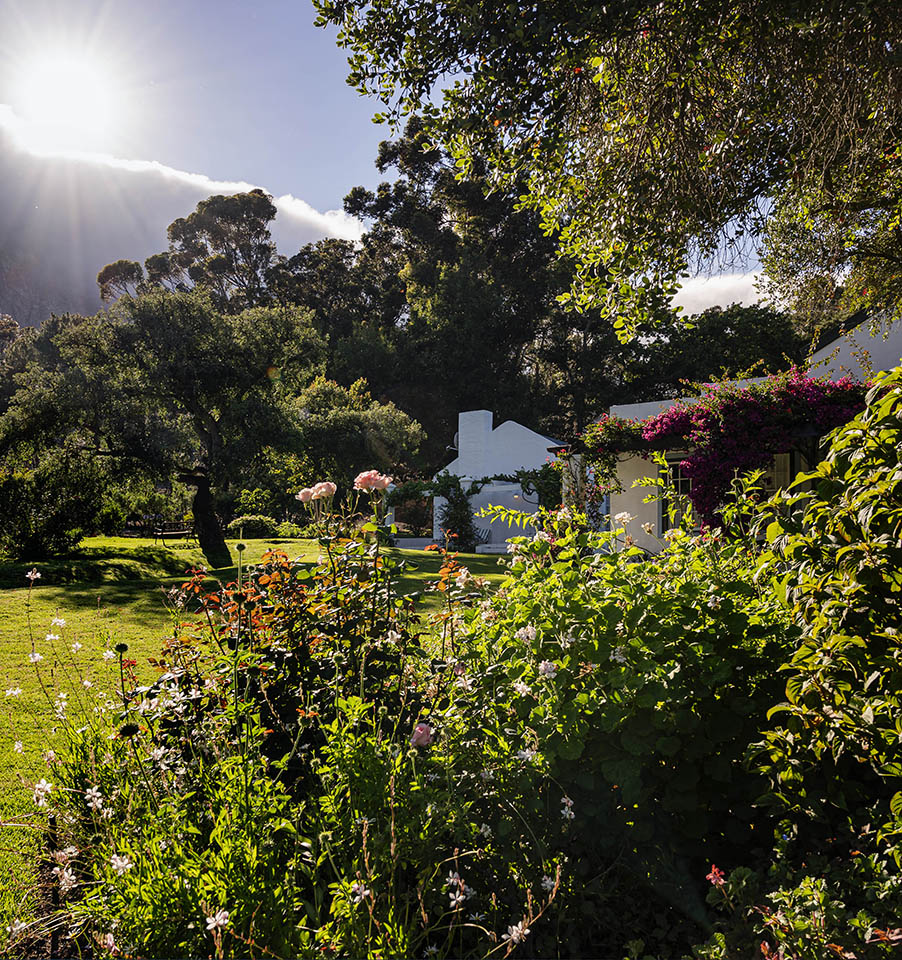
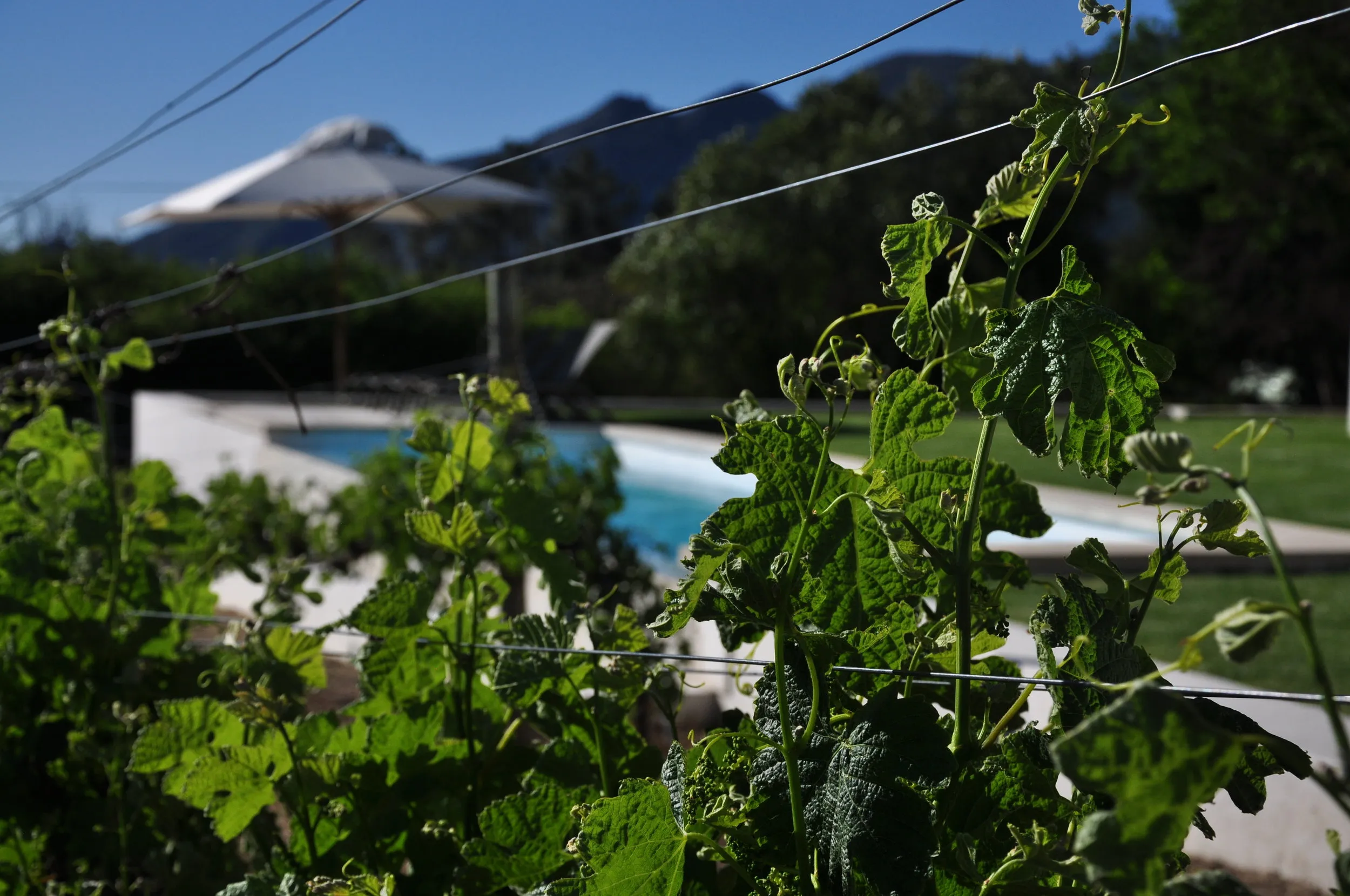
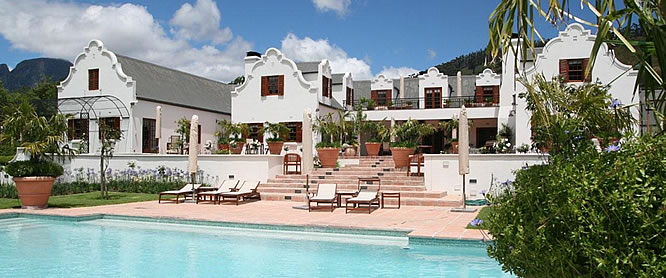
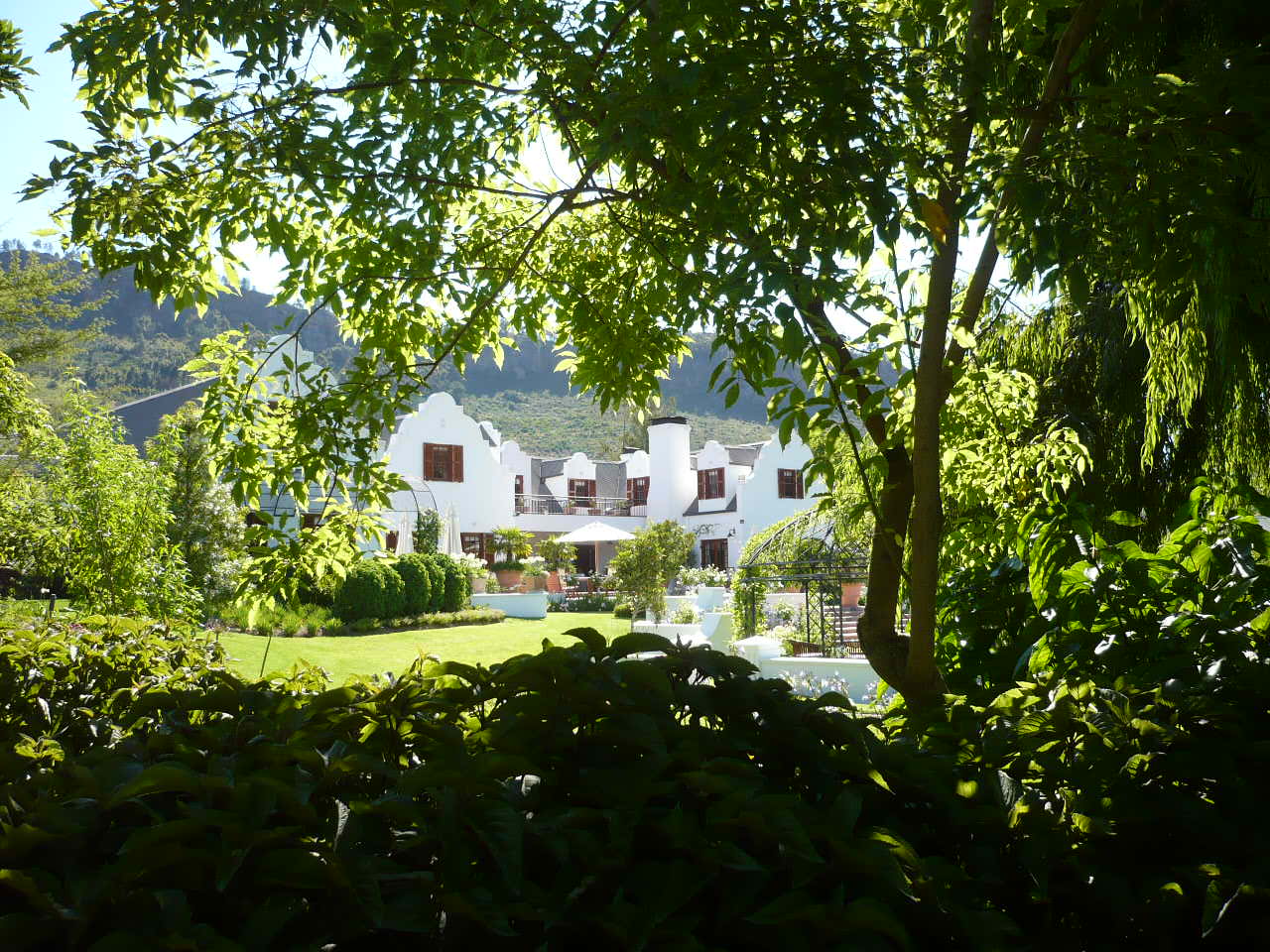
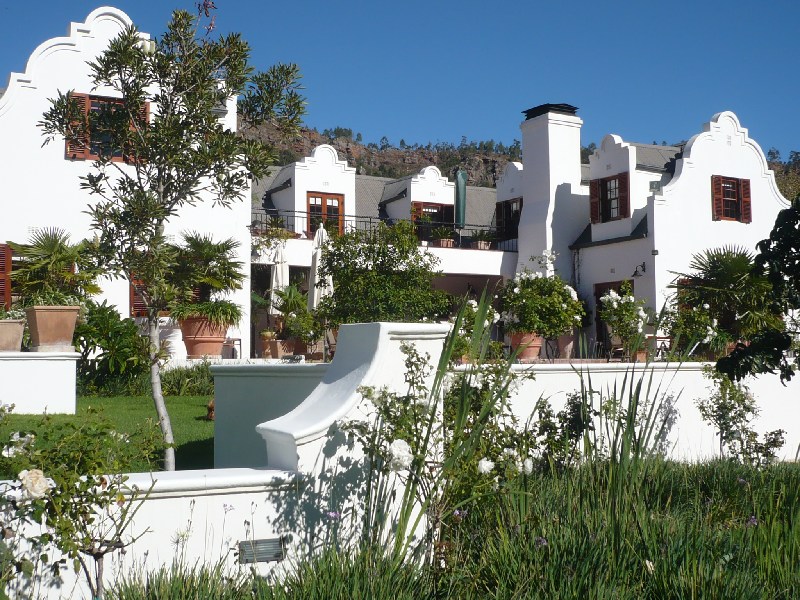
At the upper end, wine farm stays provide something qualitatively different from a standard room. Being on a working estate means access to grounds before day visitors arrive, direct access to the cellar for tastings, and an environment that is genuinely tied to the wine route rather than simply adjacent to it. Self-catering options on these properties suit small groups who want space alongside setting.
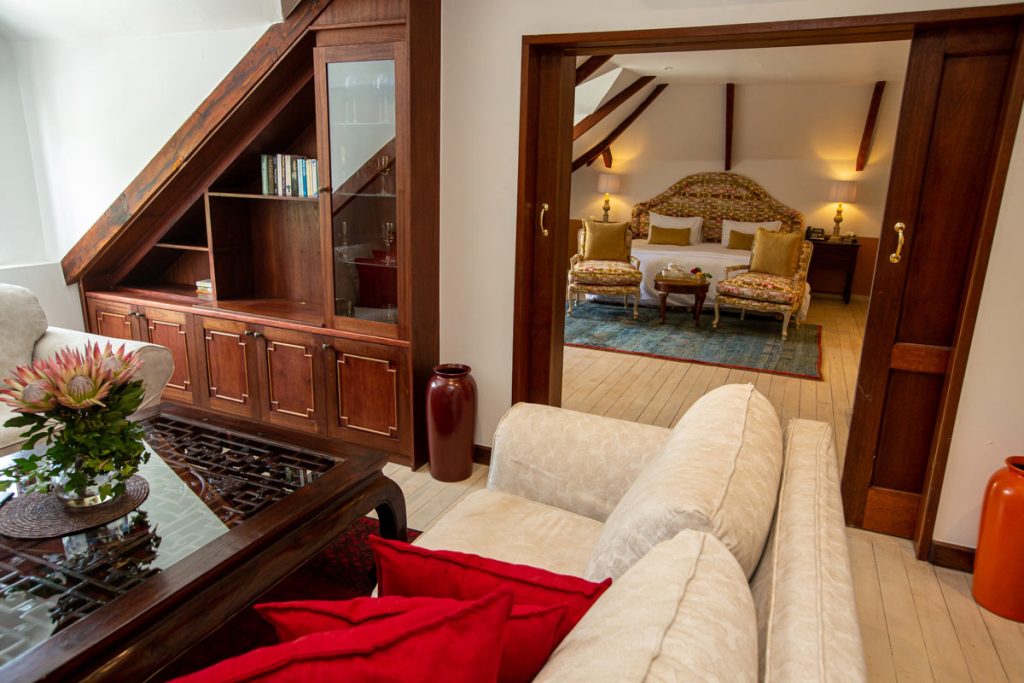
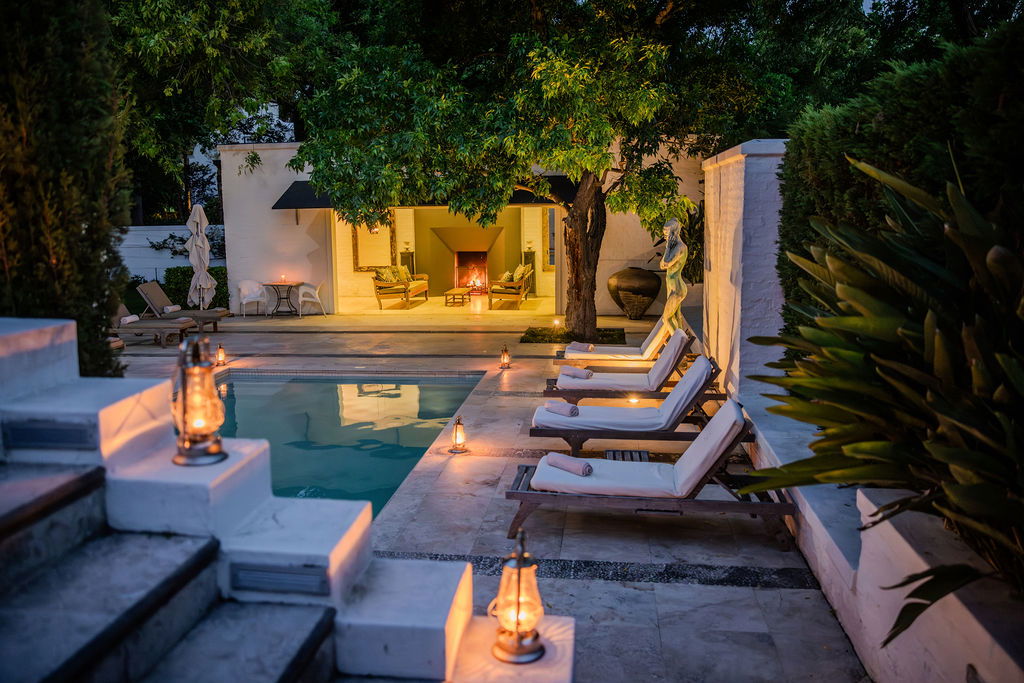
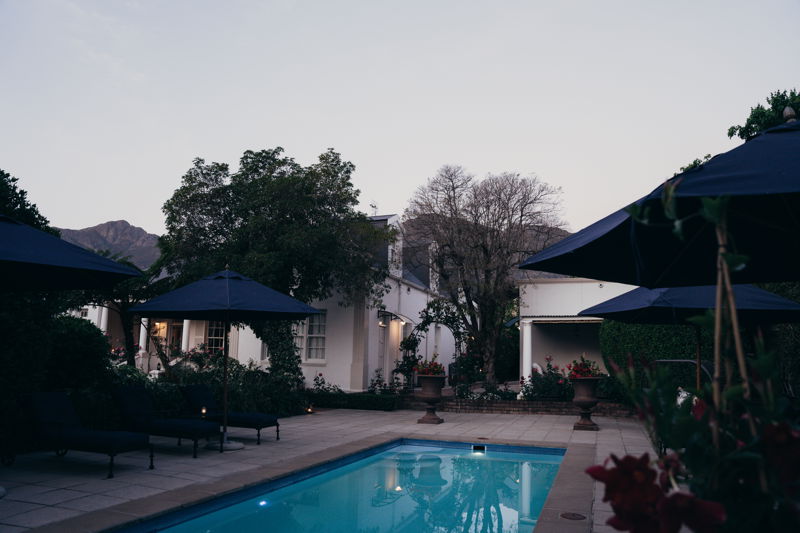
The town's single boutique hotel represents the most polished option for those wanting hotel-style service within a smaller, more characterful property. Given its scarcity, it books out earliest during peak periods, and waiting lists are not unusual over harvest season and school holidays.
Things to Do in Franschhoek
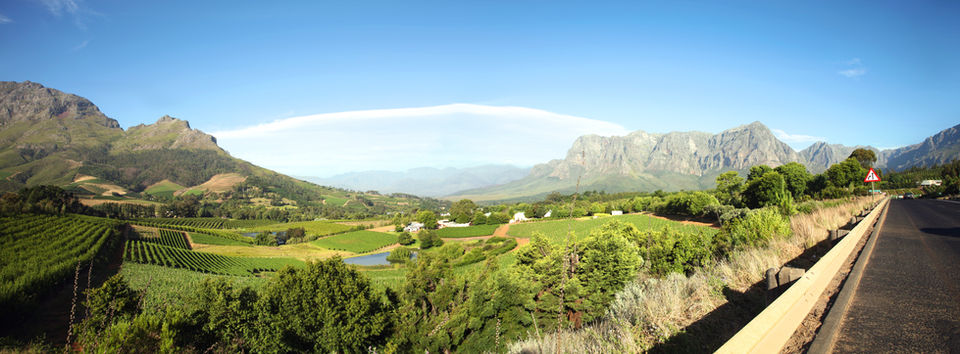
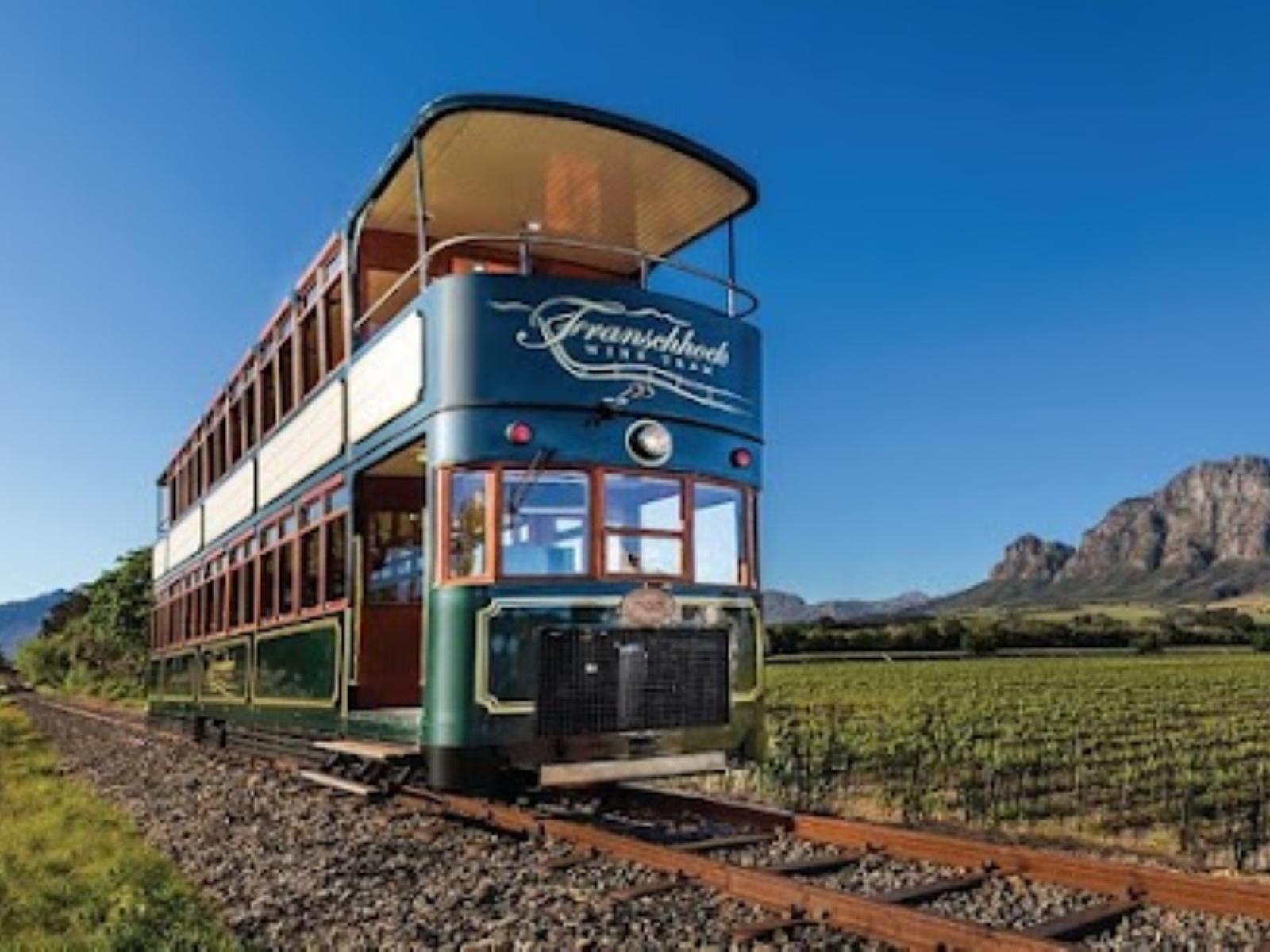
The wine estates form the primary draw, and the better ones offer more than a standard tasting counter. Boschendal, established in the 17th century across more than 300 hectares, includes historic Cape Dutch buildings and a deli that serves estate-grown produce alongside wines poured by the glass. Chardonnay and pinot noir perform particularly well in this valley, where cooler air off the mountains moderates what would otherwise be a warm growing climate. Several smaller estates along the R45 have shorter opening hours but more personal tastings, often with the winemaker on hand.
The Huguenot Monument at the east end of town marks the arrival of French settlers in the late 17th century, who introduced viticulture to what had been cattle country. The museum alongside it holds documents, furniture, and household items from the colonial period, giving a fuller picture of how the settlement developed. Both take around an hour to visit properly and are worth including on the first day before the estates fill up.
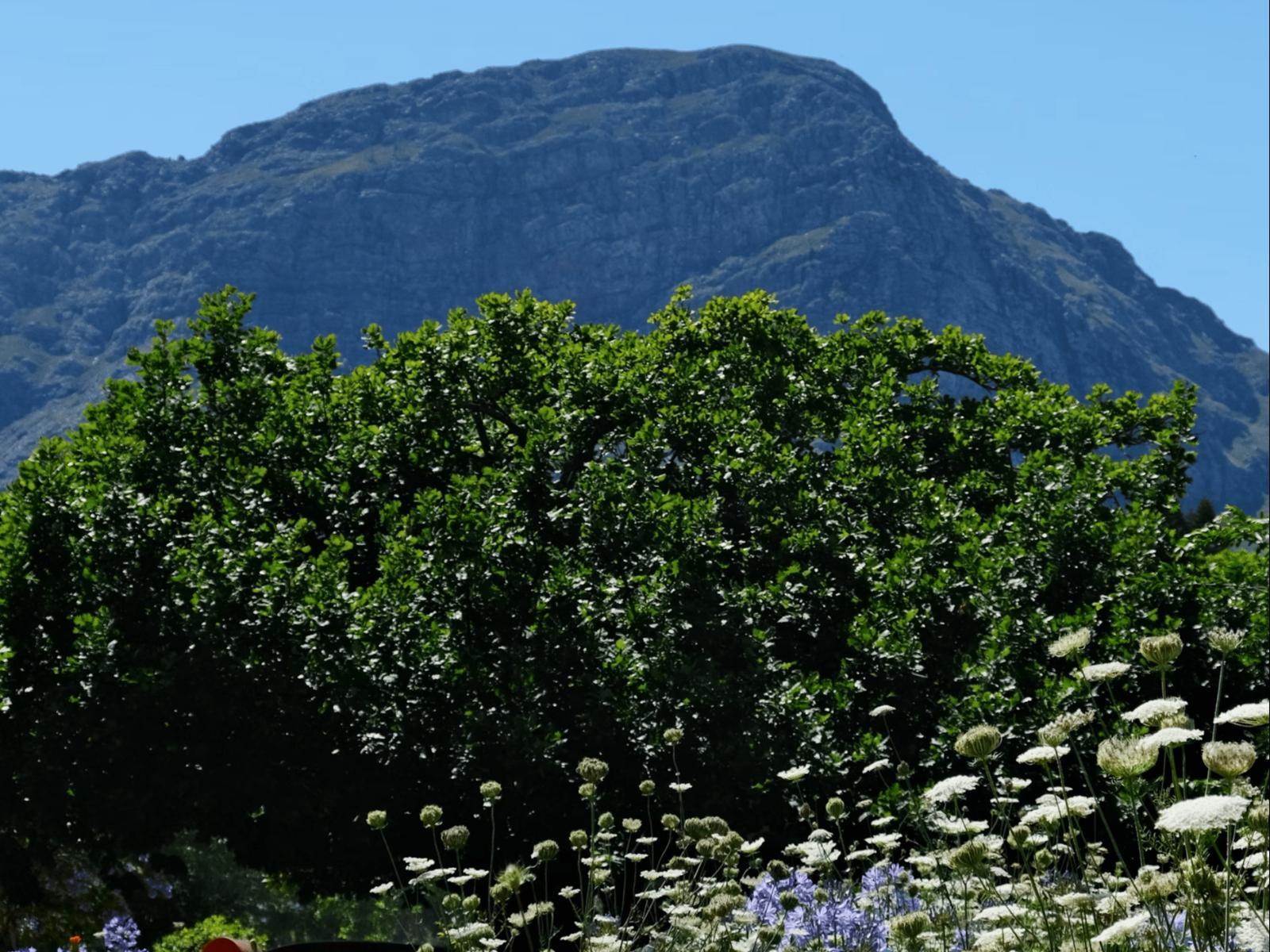
Hiking through the Hottentots Holland range starts from trailheads a short drive from the town center. Routes vary from moderate valley walks to more demanding climbs, with views across the vineyard floor below. Spring brings out fynbos species specific to the Cape Floral Kingdom, and birdwatching along these trails is productive year-round. Cycling is equally well-matched to the area: the connecting roads between estates are relatively flat, and guided bike tours stopping at multiple properties over a half-day are available through local operators.
Food festivals run through the summer months and draw local chefs, producers, and artisans. Tickets sell out, so checking dates before arrival and booking early is practical. Art galleries on the main street show work from local and regional artists throughout the year and are free to enter.
Best Time to Visit Franschhoek
Franschhoek sits in the Western Cape and follows a Mediterranean climate pattern. Summers from November through March are warm and dry, with temperatures frequently reaching the mid-30s Celsius. This period sees the highest visitor numbers, extended estate hours, and the bulk of the food festival calendar. December and the first half of January are particularly busy with domestic tourism, and accommodation across the valley fills well in advance.
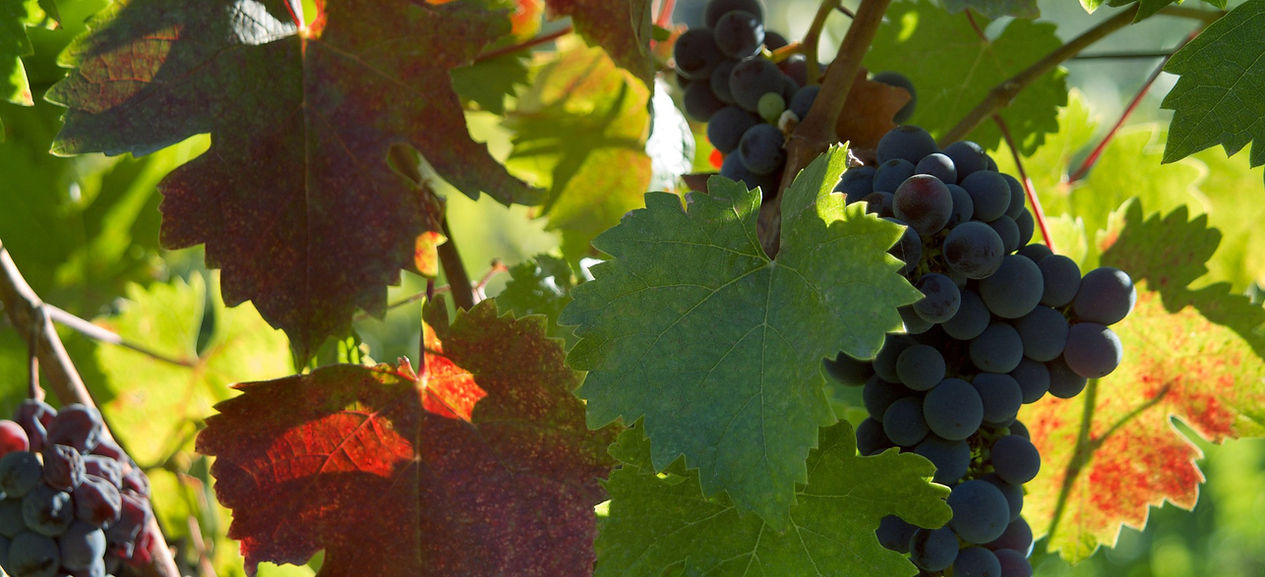
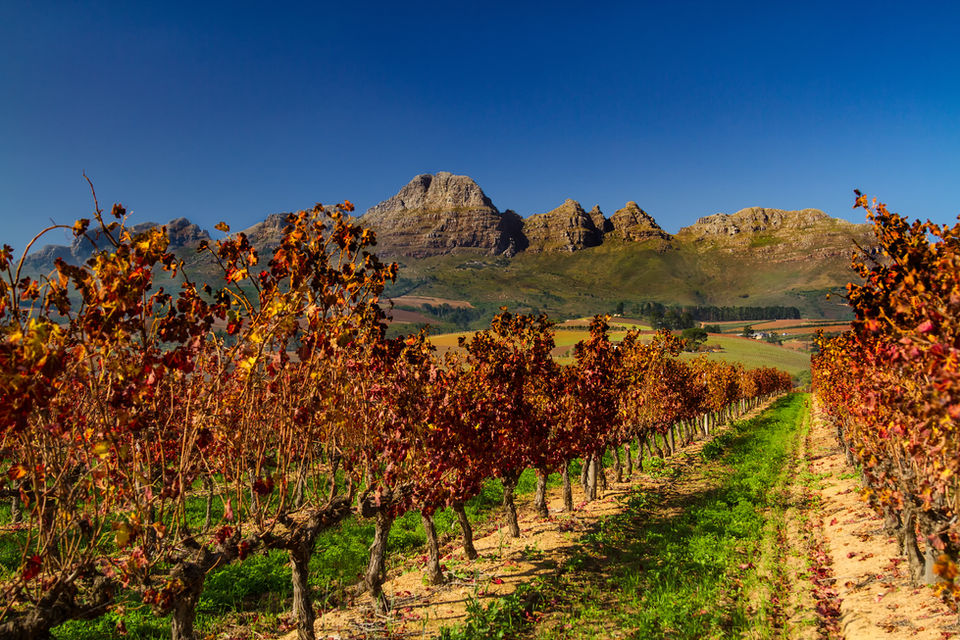
Autumn, covering April and May, is widely considered the most rewarding period. Harvest on the wine farms runs through these months, meaning fermentation tanks are active and estates take on a working atmosphere that is absent for the rest of the year. Temperatures stay mild, rain is minimal, and the vine leaves across the valley slopes shift from green to amber and red as the season progresses.
Winter, from June to August, brings cooler conditions and periodic rain. Some estates reduce their opening hours and a few restaurants shorten their menus, but rates generally ease and the town quiets considerably. Travelers who prefer fewer crowds and are content with a limited estate schedule often find this period suits them. Spring, from September through October, marks a return to warmer days and brings wildflowers to the mountain trails before the summer crowds reappear.
Getting to Franschhoek
Cape Town International Airport is the main entry point for both international arrivals and domestic flights connecting from Johannesburg and Durban. From the airport, Franschhoek is roughly 75 kilometers by road, taking about an hour under normal traffic conditions. The two main routes are the R310 through Stellenbosch and the R45 through Paarl. Both are well-maintained two-lane roads through wine farm country, and either serves as a pleasant arrival drive.
Hiring a car at the airport is the most practical option for getting around once in Franschhoek. Estates are distributed across a valley several kilometers wide, and the Franschhoek Pass connecting toward Villiersdorp to the east involves mountain road driving that is straightforward but not walkable. Driving yourself also allows stops at smaller, less-promoted estates along the valley floor roads that tours typically bypass.
For those who prefer not to drive, shuttle transfers from Cape Town operate regularly and take bookings in advance. Organized day tours departing from Cape Town cover two or three estates in a loop, returning the same day. These suit travelers with limited time but allow less flexibility than arriving independently. App-based ride services operate in the area, though availability outside the town center drops in the evenings, making pre-arranged shuttles more reliable for late returns.
Franschhoek and Surrounding Areas
Groendal, 3 kilometers from Franschhoek, is a small residential area that functions as a quiet extension of the valley rather than a separate visitor destination. Its proximity means that some properties here offer access to the wine route at rates slightly below those of in-town addresses.
Stellenbosch, 23 kilometers to the southwest, is the Cape Winelands' other major wine town. It carries a different character, shaped partly by its university, which sustains a stronger year-round restaurant and bar scene. The wine estates along the Stellenbosch route cover different varietals and soils from Franschhoek's valley floor, making a day trip between the two genuinely complementary rather than repetitive. The connecting road through the Helshoogte Pass is one of the more scenic drives in the Western Cape.
Paarl, 24 kilometers to the northwest, is a larger and more commercial center. The Paarl Mountain slopes support several significant estates, and the Afrikaans Language Monument on the hillside draws visitors with an interest in South African cultural history. A half-day in Paarl, combined with a drive along its main street of Victorian architecture, adds a different register to a Franschhoek-based trip.
Eikenhof and Klapmuts, at 25 and 26 kilometers respectively, are primarily agricultural areas. They are worth understanding as context rather than as destinations: driving through them gives a clear sense of how densely cultivated this part of the Western Cape is, with fruit orchards and vineyards making up most of the working landscape.
Elgin, 28 kilometers to the southeast, sits at a notably higher altitude and has developed a strong cool-climate wine identity. Pinot noir and sauvignon blanc from this valley have attracted attention over the past decade, and the Elgin wine route provides a contrast in style and setting to Franschhoek. Apple and pear orchards dominate the broader landscape, and the agricultural market in town is worth a stop on the way through.
Planning Your Stay
Book early for harvest season in April and May, the December to January summer peak, and South African school holidays in general. Franschhoek has limited accommodation overall, and properties at the more distinctive end of the market often fill two to three months ahead of these periods.
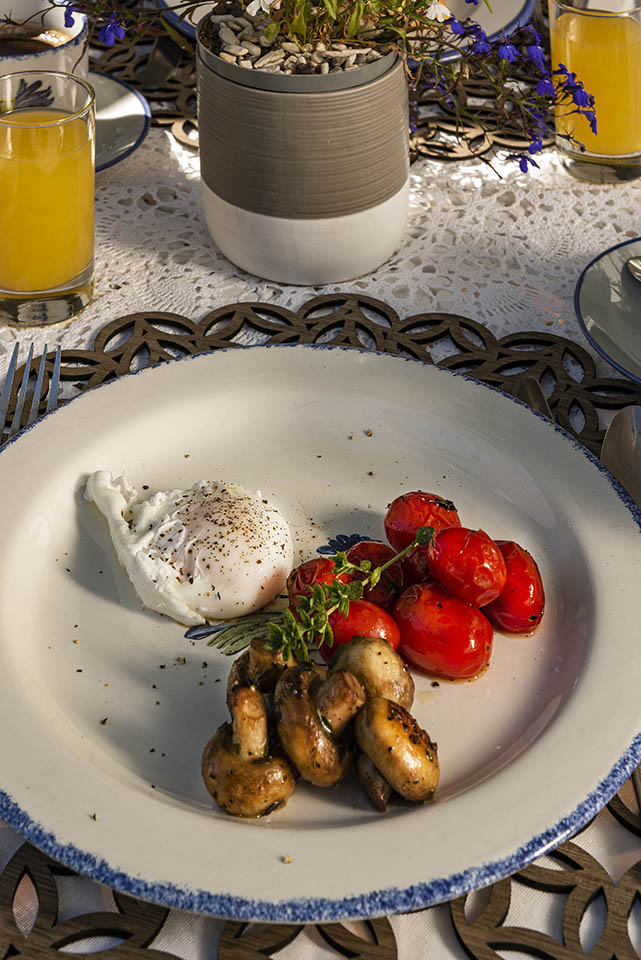
When comparing options, check what is included in the stated rate. Some estates bundle access to grounds, cellar tours, or a wine tasting into the nightly price, which affects how the numbers compare against town-based properties where these are separate costs. Similarly, check whether breakfast is included or available, as some smaller properties charge it separately and the quality varies considerably.
Cancellation policies at smaller properties in the area tend to be stricter than at urban hotels, particularly during high-demand periods. Non-refundable rates are common, so reading the terms before confirming is straightforward and worth doing. If you plan to visit multiple wine estates in a single day, arrange transport in advance rather than relying on finding a driver on arrival. The Franschhoek Wine Valley visitor office maintains current event listings, trail conditions, and estate hours, and is a practical first stop once you arrive in town.