Accommodation in Klapmuts
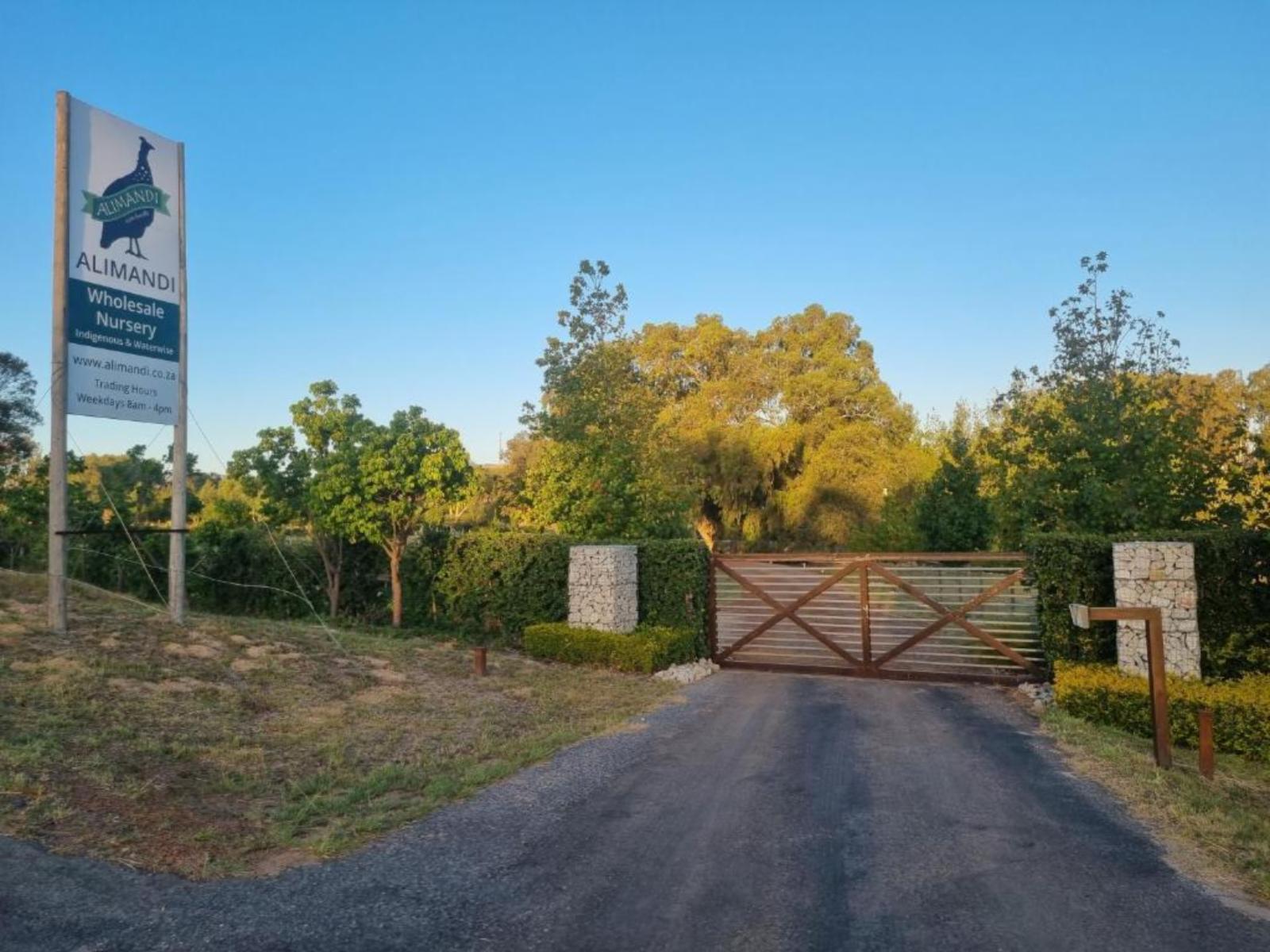
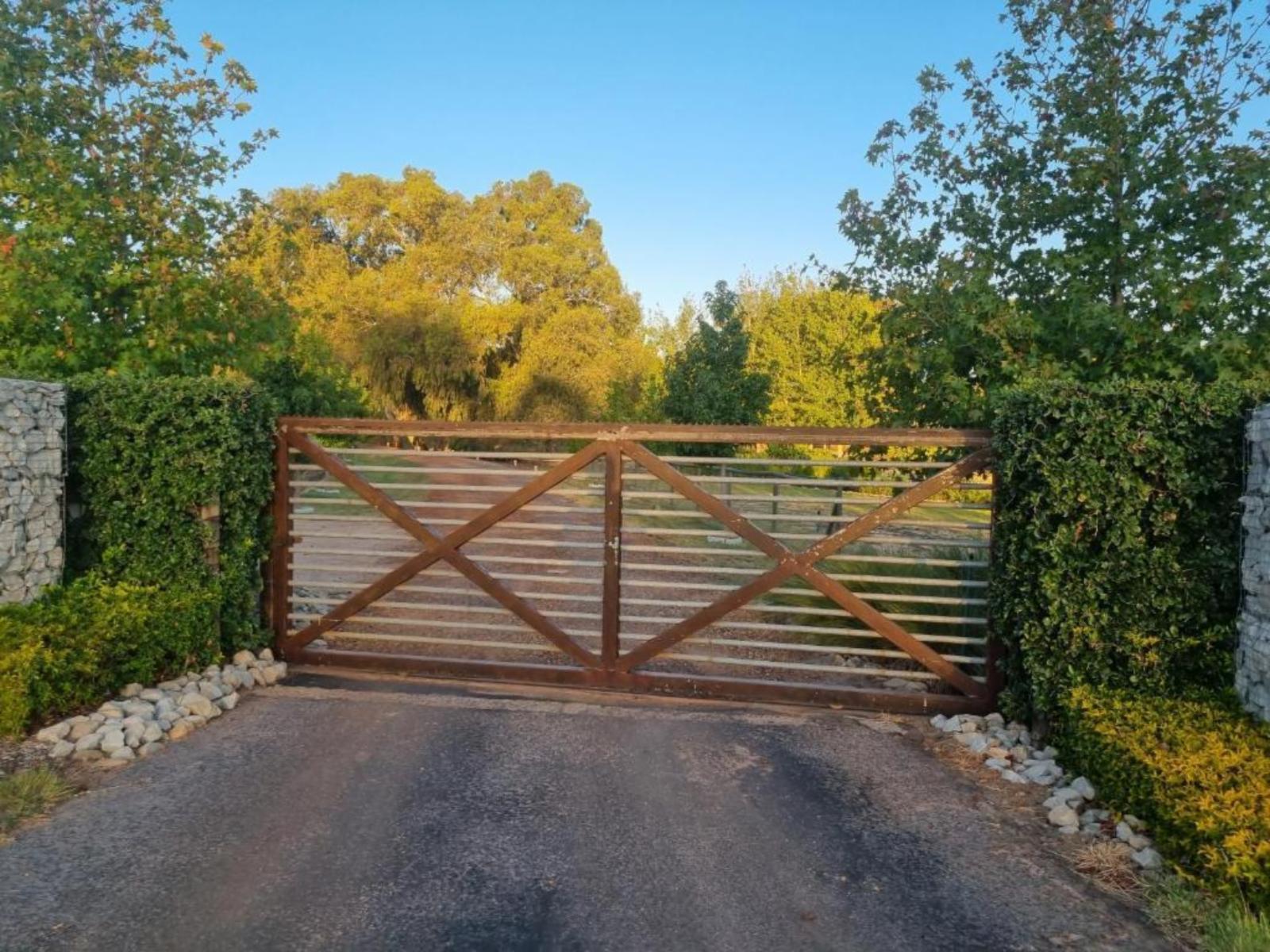
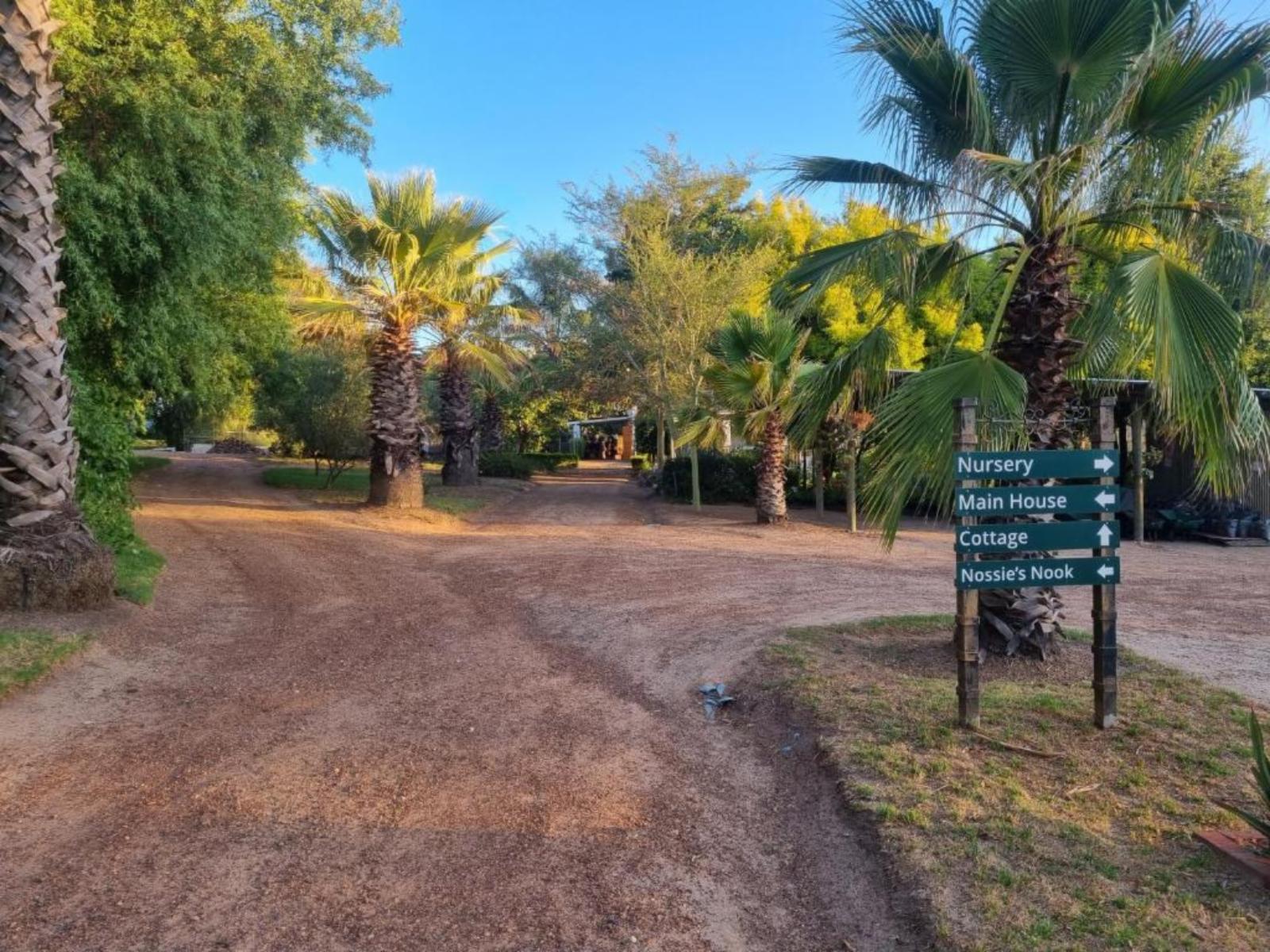
Klapmuts has a small accommodation pool, with 2 properties listed. The settlement sits in farming country, so options here lean rural rather than resort-style, and nightly rates are not published in a standard range, meaning the best approach is to request quotes directly from each property.
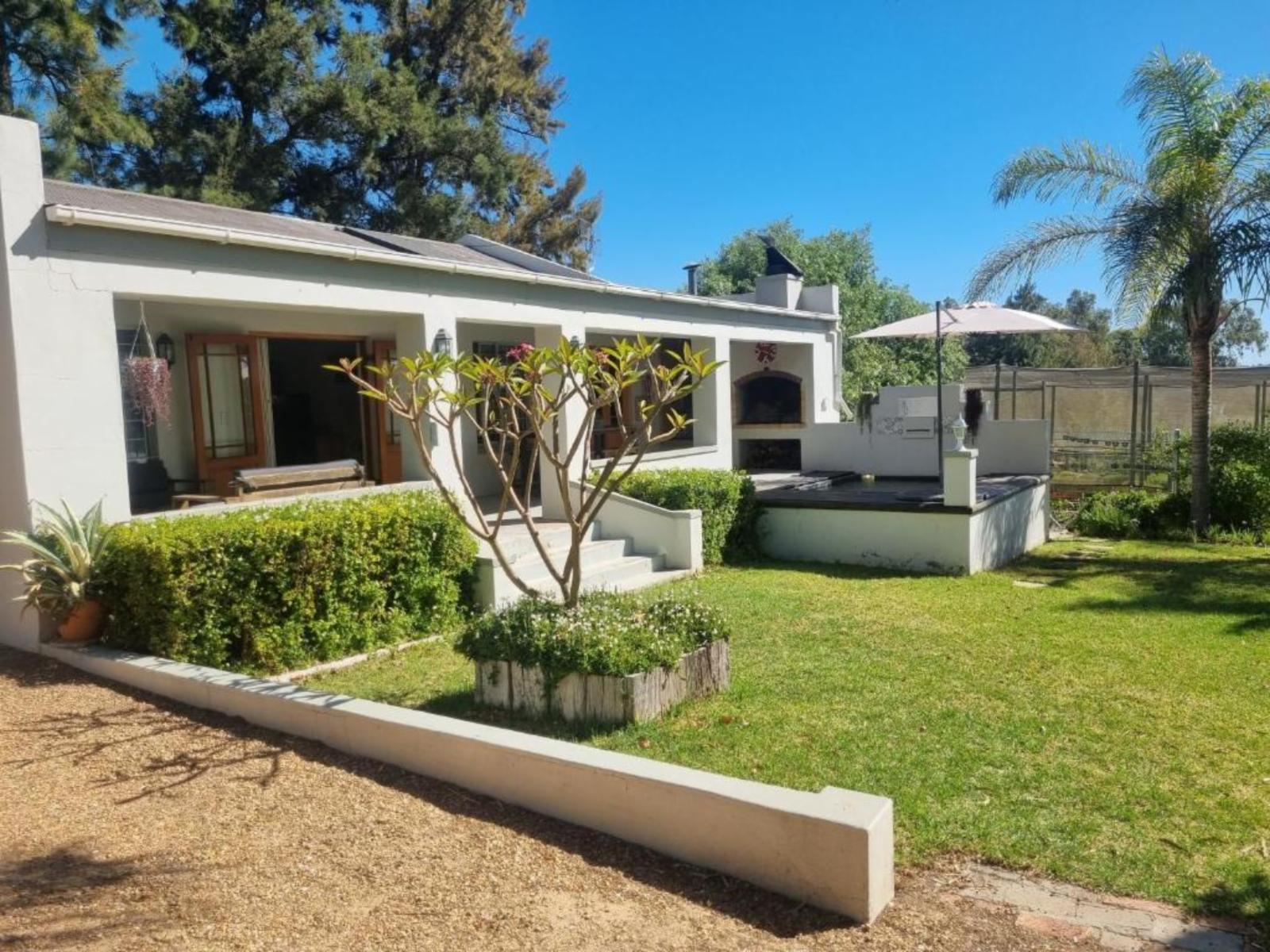
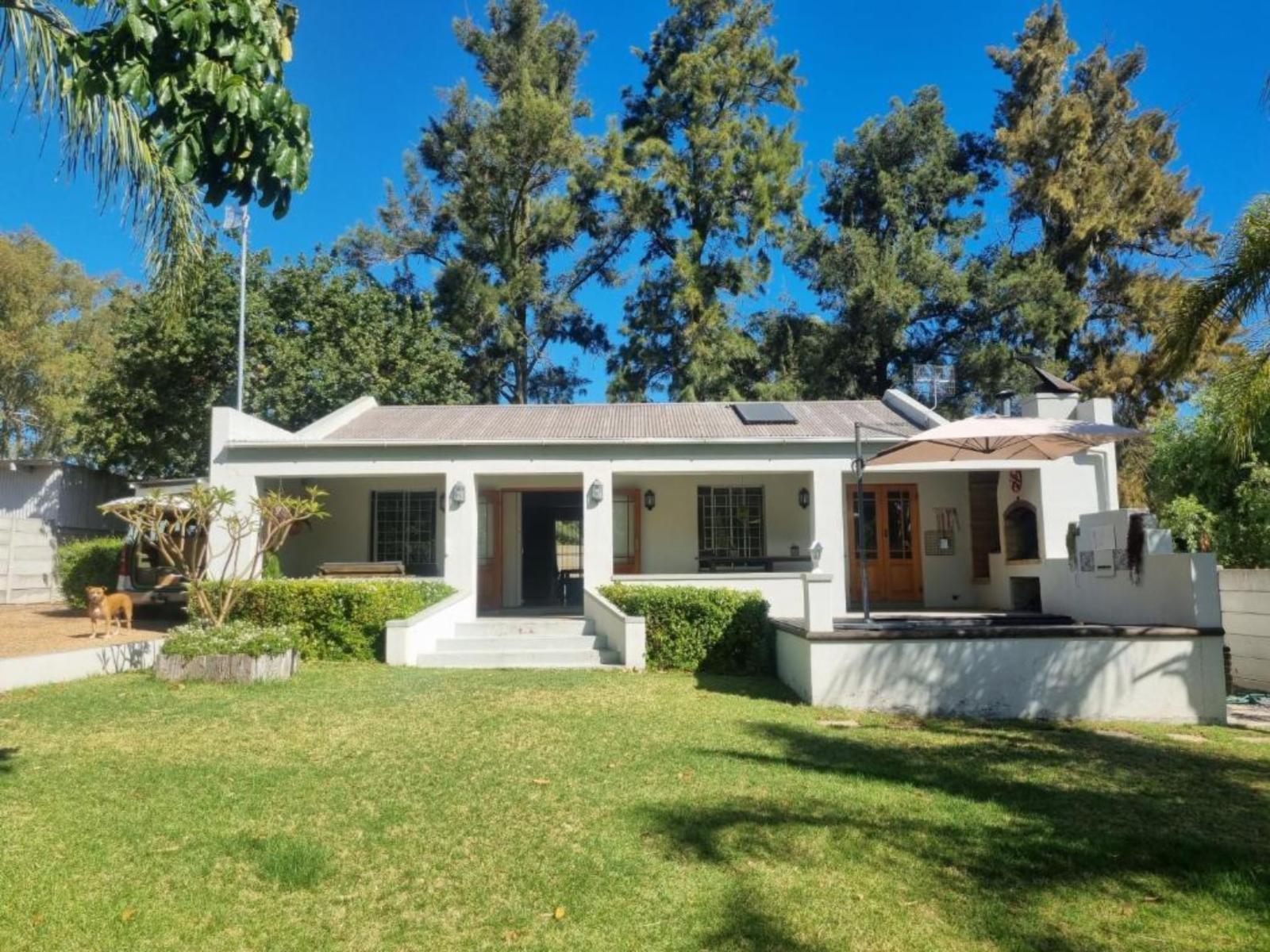
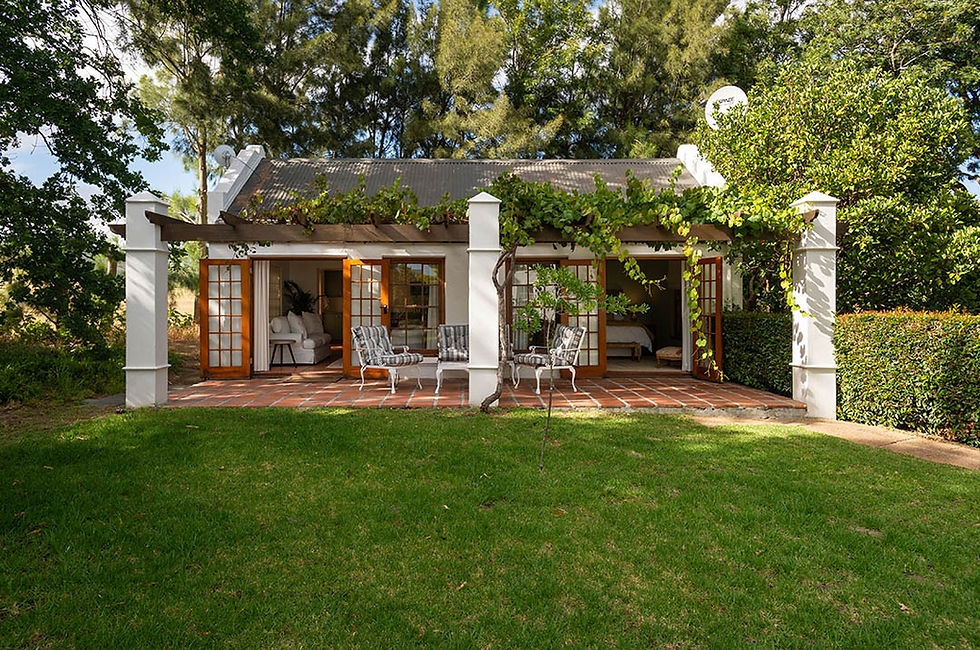
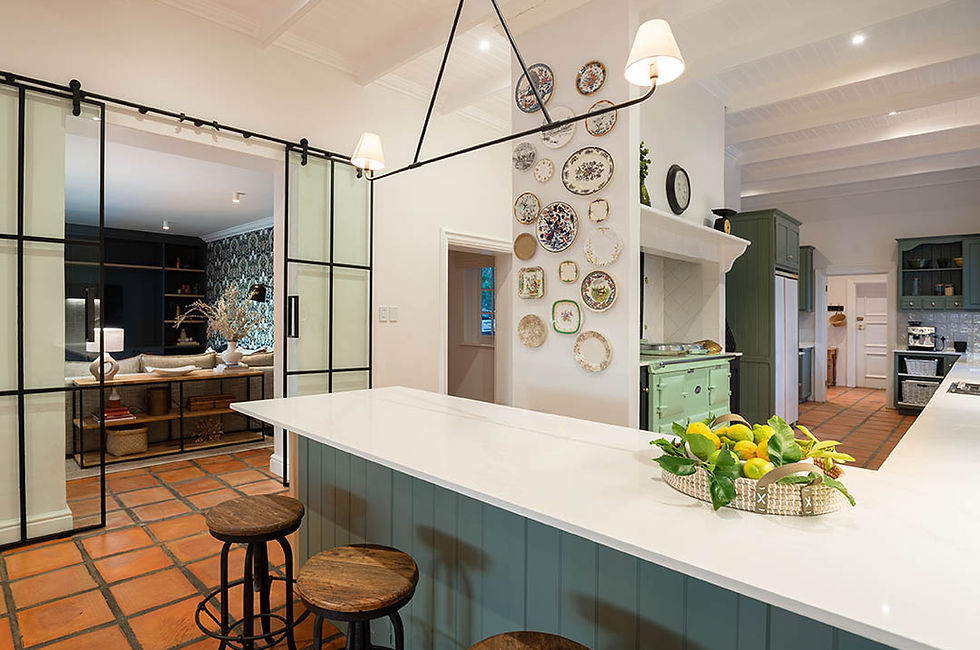
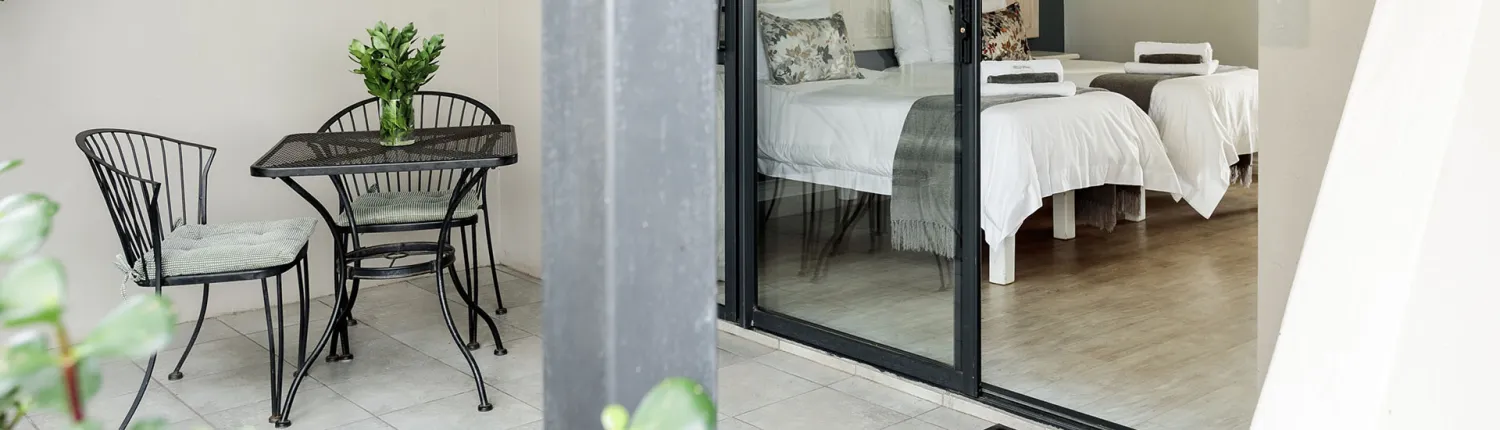
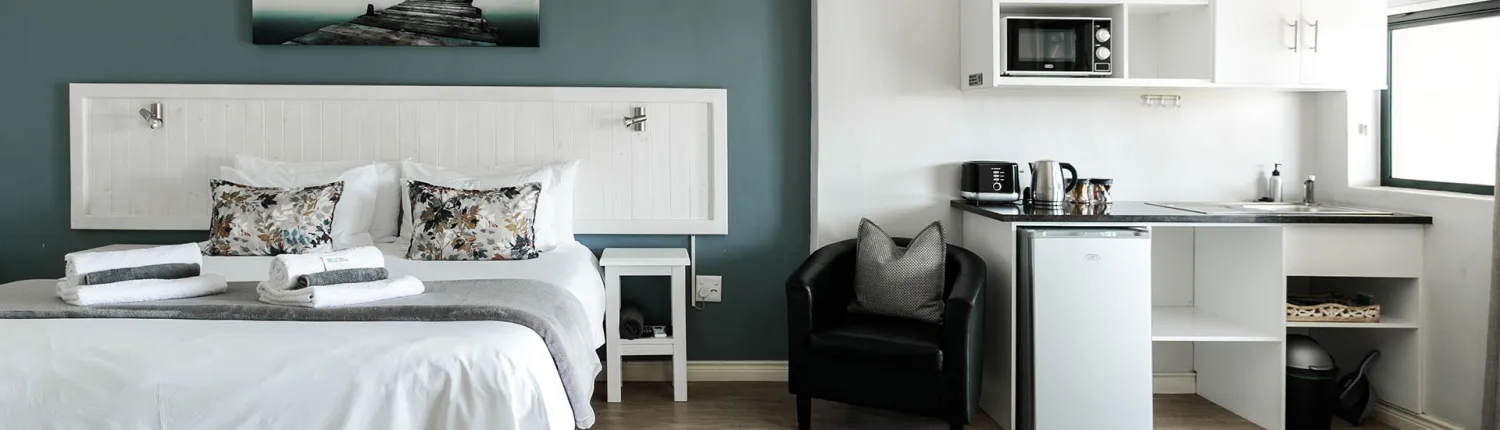
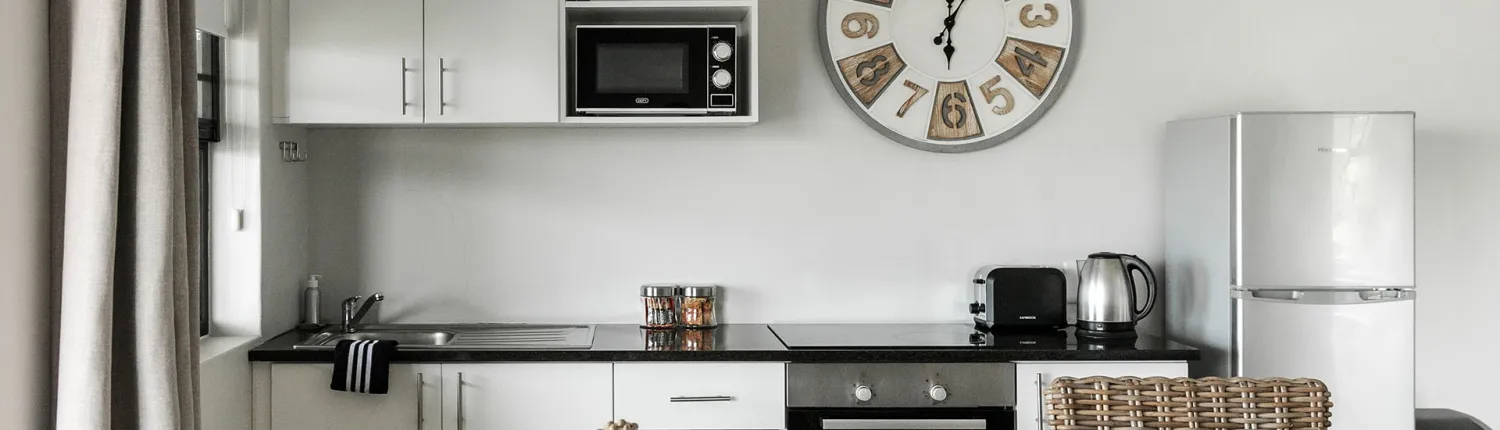
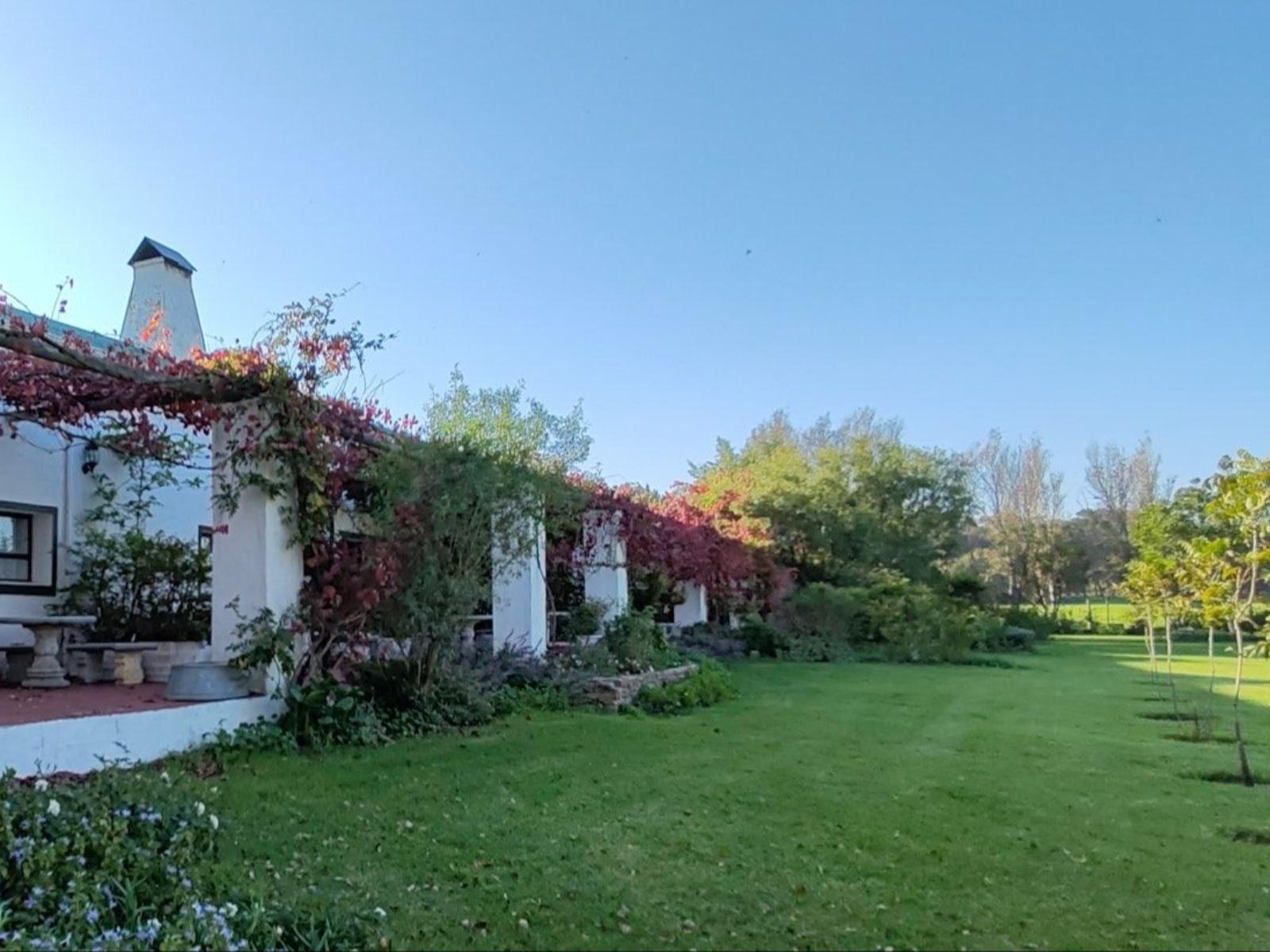
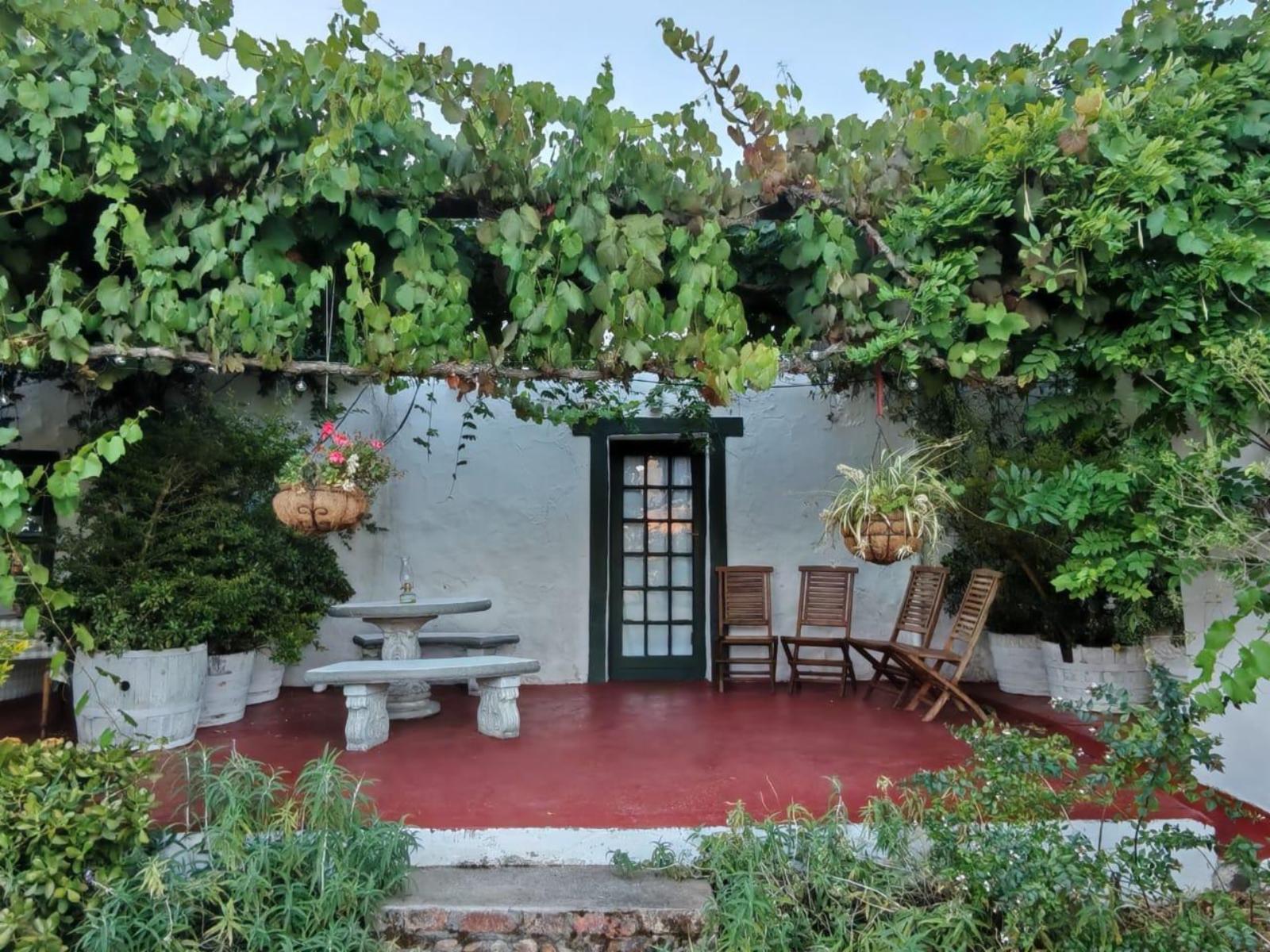
At the self-catering end of the market, the available property gives independent travellers flexibility that suits a wine-region base well. You prepare your own meals, manage your own schedule, and typically have access to a kitchen and private outdoor space. This setup suits couples or small groups who want to explore the surrounding farms and return to a retreat without the structure of a staffed lodge.
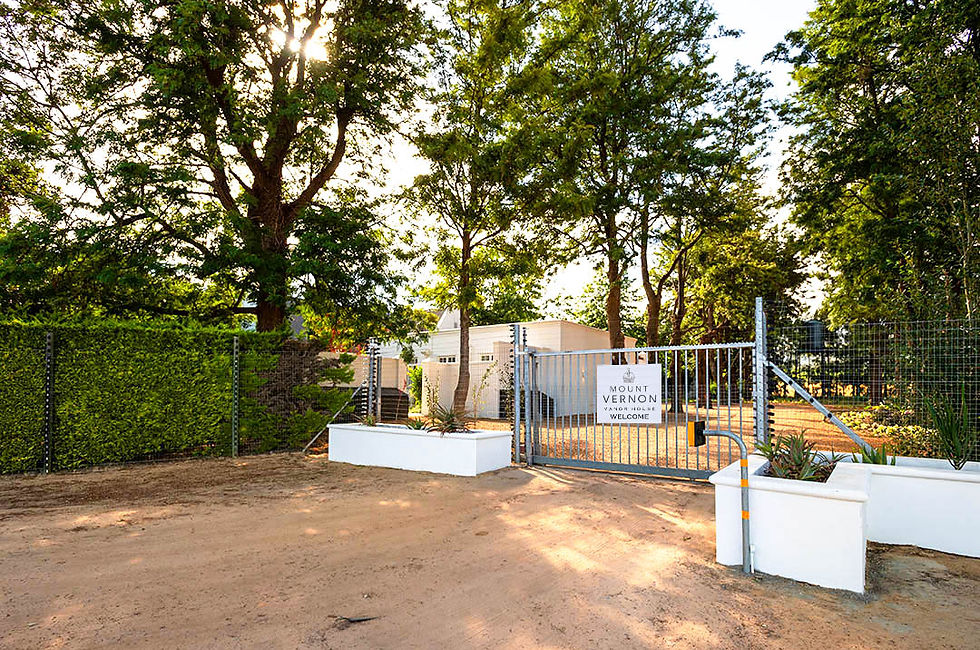
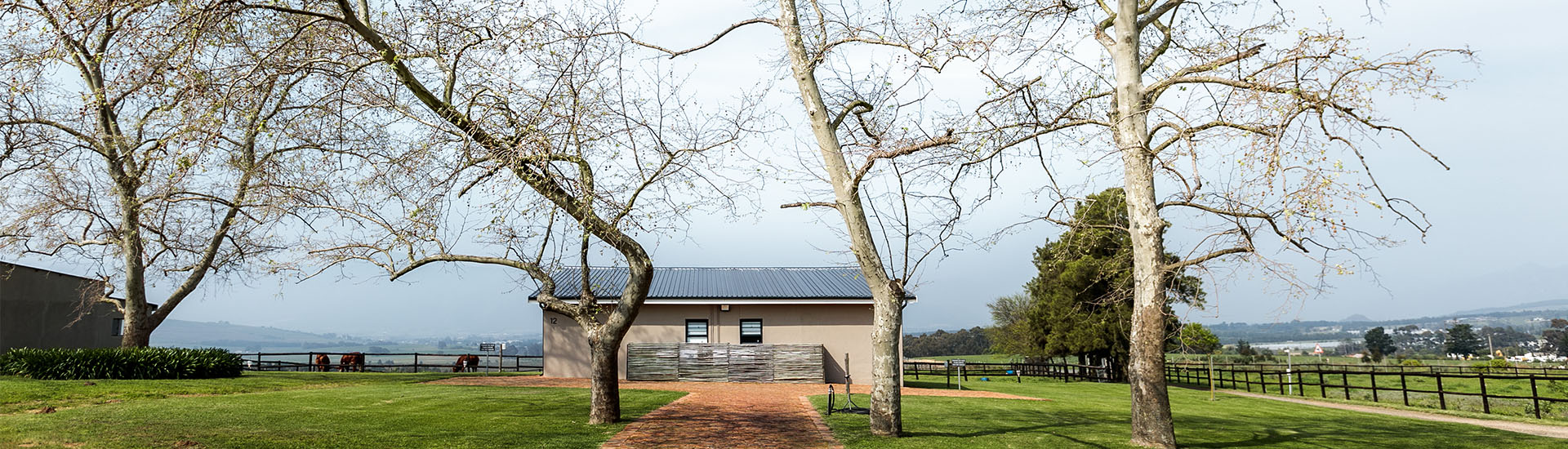
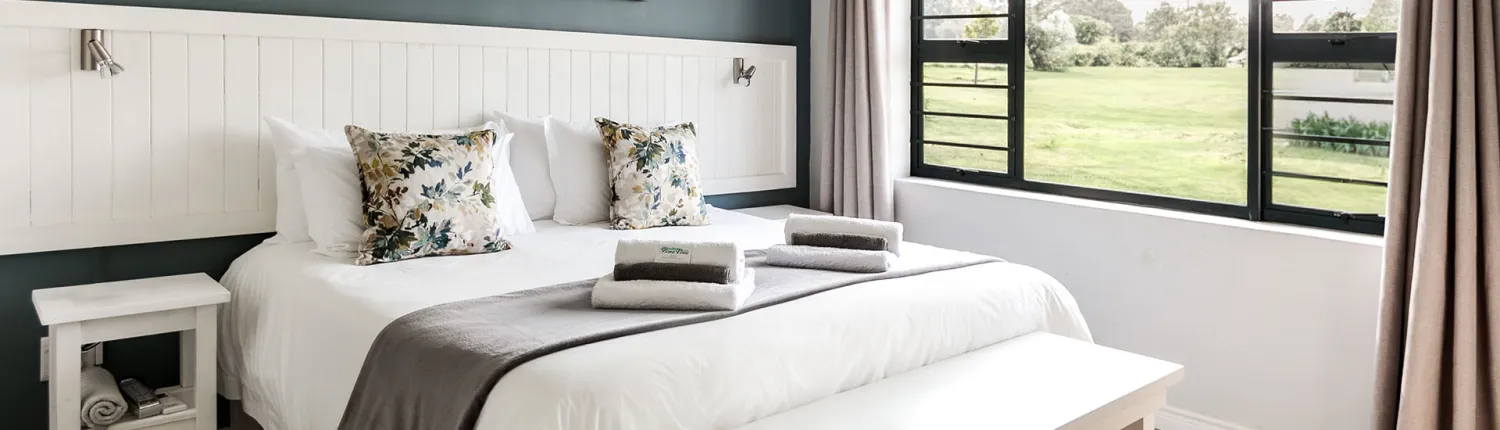
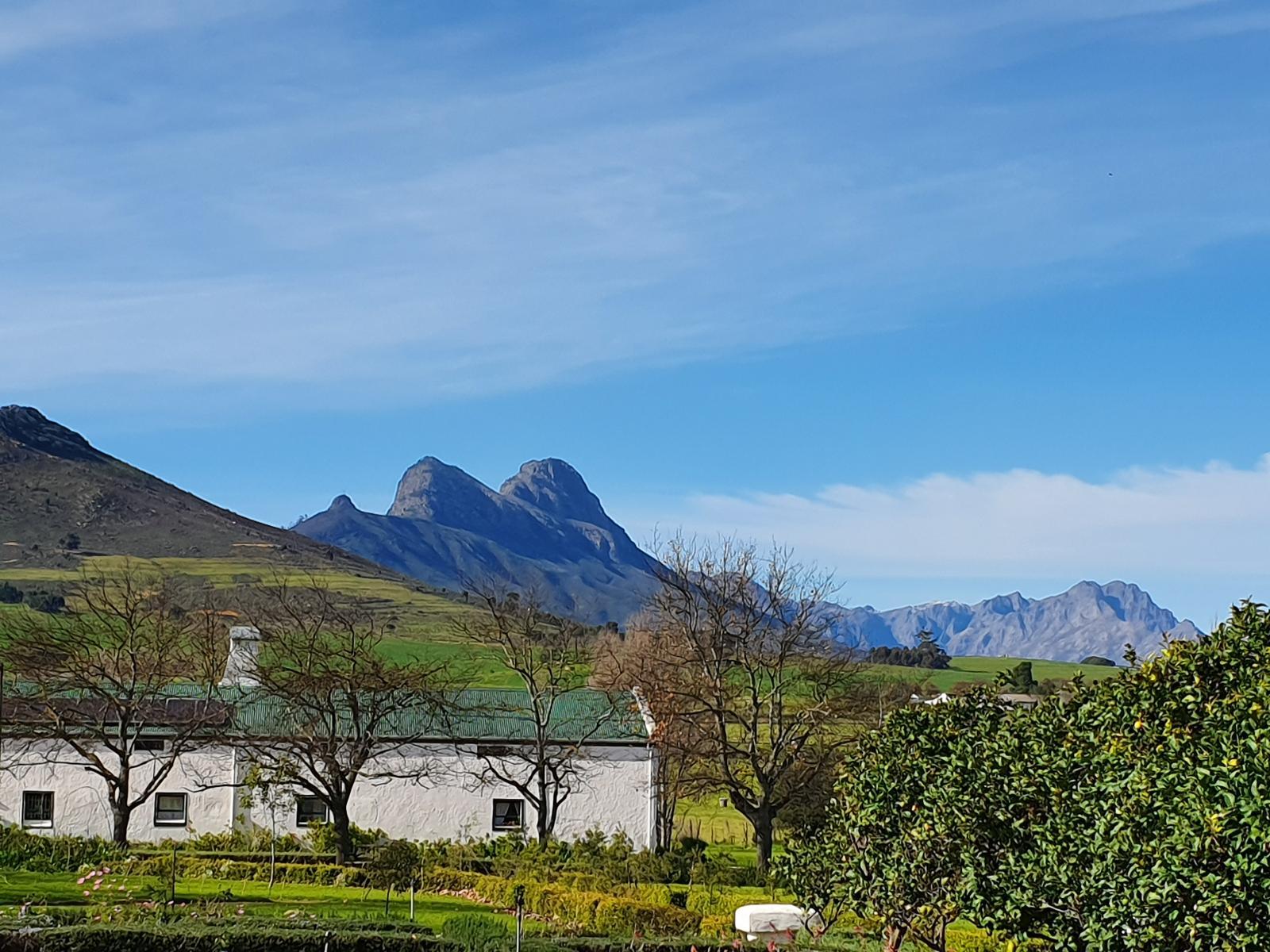
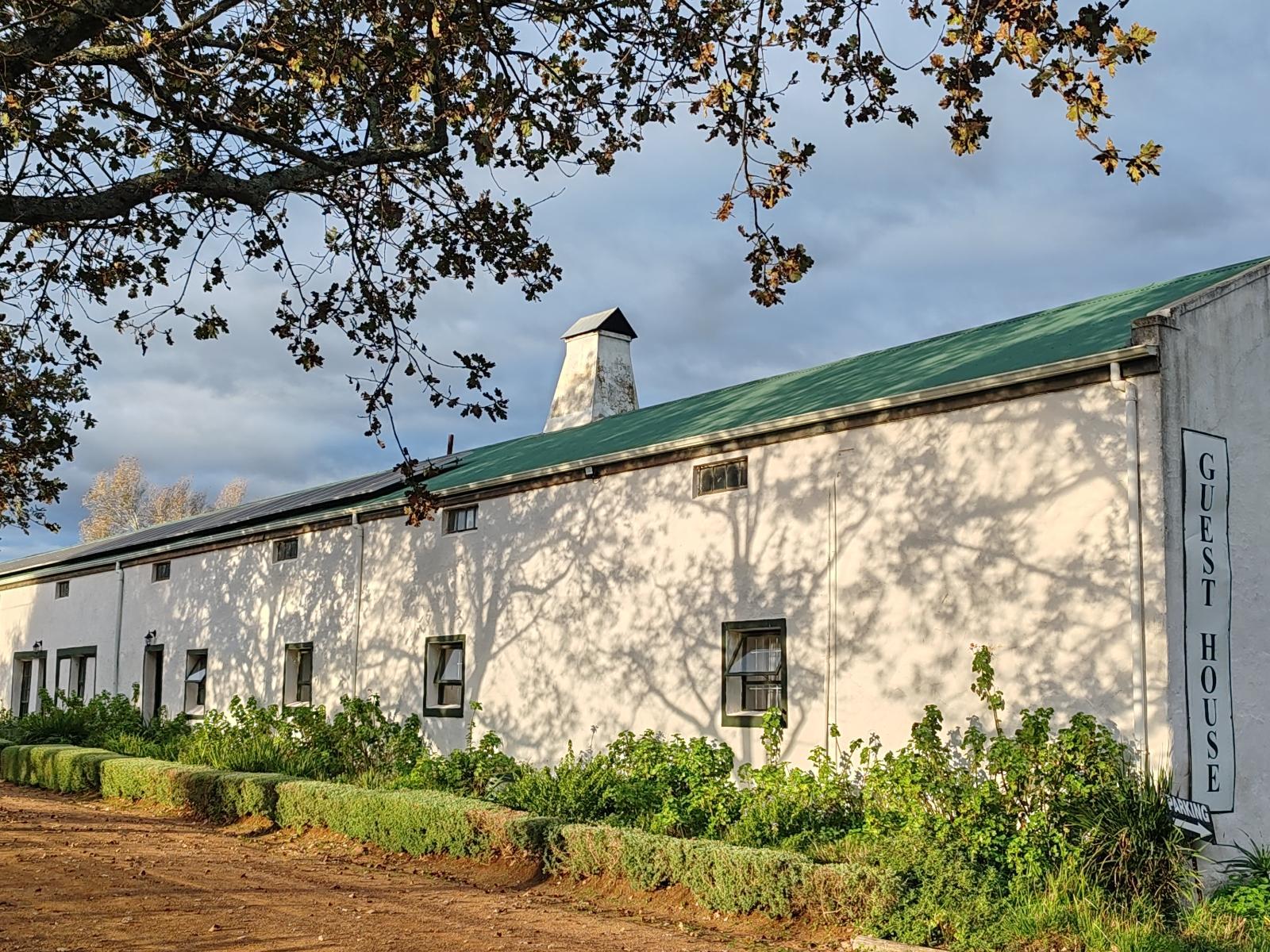
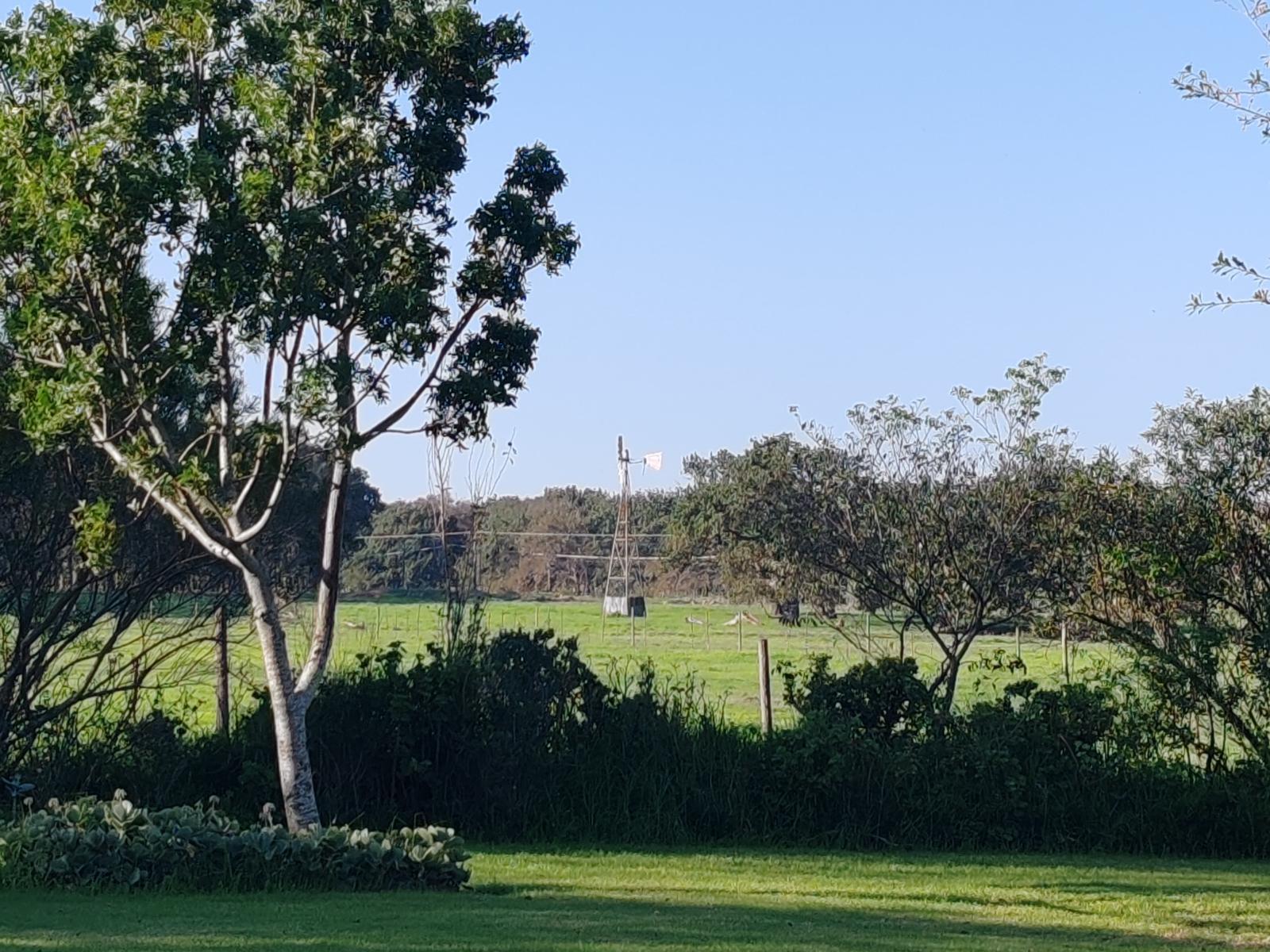
The wine farm option sits in a different category. Staying on a working estate means you are embedded in the landscape that defines this part of the Winelands. These properties tend to offer more atmosphere than a conventional guesthouse, and breakfasts, cellar access, and views across the vineyards are often part of the experience. Prices at this tier vary considerably depending on the season, so confirming directly with the property is the practical approach.
Given the two-property inventory, availability tightens during school holidays and the warmer summer months. Booking several weeks ahead during these windows is advisable. Outside peak periods, last-minute options become more realistic, and some properties may be open to negotiation on stays of more than a few nights.
For travellers who want more choice, the nearby towns carry far larger accommodation markets, and Klapmuts works best as a pick for those specifically seeking a quiet agricultural setting.
Things to Do in Klapmuts
The main draw around Klapmuts is wine. The immediate area sits within the Cape Winelands, and several estates are reachable within a few minutes' drive. Visitors can book cellar tours covering the production process from vine to bottle, followed by structured tastings. Tastings range from informal pours to seated flights paired with local cheeses or charcuterie. Booking ahead is worthwhile, particularly on weekends when tasting rooms see their busiest traffic.
Golf is another practical option in the area. The Winelands hold several well-regarded courses, and a round here combines technical play with views across the valley floor and surrounding mountain ranges. Club hire is usually available on-site, which suits travellers who have not brought their own equipment.
Beyond wine and golf, the broader landscape offers solid hiking. The fynbos-covered hills around Klapmuts contain trails ranging from flat vineyard walks to more demanding routes that gain elevation quickly. The vegetation supports a diverse bird population, and early-morning walks are productive for spotting sunbirds, raptors, and weavers without significant effort.
The harvest period, running roughly from late January through April, is when the agricultural calendar becomes directly visible. Pickers work the rows, grapes move through sorting sheds, and the smell of fermentation hangs in the air around active cellars. Some estates open harvest-specific events during this window, worth checking on local tourism calendars before you arrive.
Best Time to Visit Klapmuts
The Western Cape has a Mediterranean climate, with dry warm summers and rainy winters. For Klapmuts, this pattern shapes both the landscape and the practical experience of visiting.
December through February is the warmest period, with temperatures regularly reaching the mid-30s Celsius. This coincides with South Africa's main holiday season, and visitor numbers across the Winelands increase accordingly. The vineyards are green and productive, long evenings are comfortable for outdoor dining, and cellar visits run at full pace.
Autumn, from March through May, is arguably the most rewarding time to visit. Temperatures drop into a comfortable range, vine leaves turn gold across the estates, and the pace of the region slows after the summer rush. Accommodation pressure eases somewhat after March.
Winter (June through August) brings rain and cooler days, though the Cape winter is rarely severe. Tasting rooms stay open, and the low season often means more personal attention at estates. Spring (September through November) sees fynbos wildflowers emerge, temperatures climb gradually, and the landscape greens up ahead of summer. It offers a middle ground between the quiet of winter and the crowds of peak season.
Getting to Klapmuts
Cape Town International Airport is the main arrival point for international and domestic travellers heading to the Winelands. The drive from the airport to Klapmuts takes roughly 40 minutes under normal traffic conditions, following the N2 briefly before joining the N1 east toward Paarl.
From Cape Town city centre, the N1 is the direct route. Klapmuts sits just off this highway, making it accessible without significant detour from the main road. The R44 branches south from the area and provides a direct connection to Stellenbosch in around 20 minutes.
A rental car is effectively essential for a Klapmuts stay. Local minibus taxis operate along the N1 corridor but are not practical for reaching individual farms or for managing a flexible itinerary across the estates. Car hire is available at the airport, and also from agencies in Cape Town.
For those travelling by intercity bus, services on the Cape Town to Johannesburg route stop along the N1, with Paarl being the nearest practical halt. From there, a pre-arranged transfer or local taxi covers the remaining distance. There is no direct train service to Klapmuts.
Klapmuts and Surrounding Areas
Stellenview, 11 kilometres from Klapmuts, is primarily a residential area on the southern edge of the Paarl municipality. It has limited visitor infrastructure of its own but sits along the R44 corridor, functioning as a transit point between Klapmuts and destinations further south.
Paarl, 13 kilometres away, is one of the oldest continuously inhabited towns in South Africa. Its main street, one of the longest in the country, is lined with Cape Dutch and Georgian architecture. The wine estates around Paarl produce styles that differ subtly from those of the Stellenbosch terroir, and tourist numbers are generally lower, making for a more relaxed tasting experience. The Paarl Mountain Nature Reserve above the town provides trails and distinctive granite rock formations.
Stellenbosch, 14 kilometres south, is the academic and culinary hub of the Winelands. A university town with a concentrated restaurant district and several museums covering Cape colonial history, it offers the most developed food, wine, and cultural infrastructure of any town in the region. The wine estates surrounding it are among the most visited in South Africa.
Vredekloof, at 18 kilometres, is a smaller settlement in the hills above Brackenfell, sitting at the transitional edge between the Winelands and Cape Town's northern suburbs. It functions mainly as a route corridor rather than a destination in itself, useful as a reference point when driving between Klapmuts and the city.
Durbanville, 20 kilometres from Klapmuts, is a northern Cape Town suburb with its own wine route. The estates here are generally less crowded than those in Stellenbosch, with a focus on white wine production, particularly Sauvignon Blanc, driven by the area's cooler microclimate.
Durbanville Hills, the wine-producing district at 21 kilometres, benefits from Atlantic air that keeps temperatures lower than in the inland valleys. Several estates have built substantial tasting facilities here, and views toward Table Mountain are achievable on clear days.
Planning Your Stay
With only two properties available in Klapmuts, checking availability early is the first practical step. This is especially true if your visit coincides with South African school holidays in mid-June, late September, or December, or during the peak summer months. The small inventory means a popular weekend can see both options simultaneously occupied.
When comparing the two properties, the core question is whether you want a self-managed setup or the atmosphere of a working farm. Think also about daily logistics: a property with outdoor cooking facilities suits long evenings after tastings, while one with an integrated breakfast service suits early starts for hiking or golf tee times.
Before confirming, review the cancellation policy carefully. Rural Winelands properties vary significantly, and some require a non-refundable deposit of 50 percent or more. Confirm whether the property has secure parking if you have a rental car, whether minimum-stay requirements apply (common over peak weekends), and whether the kitchen is fully equipped if you plan to cook in.
If neither property is available for your dates, Paarl and Stellenbosch both sit within 15 kilometres and carry much larger accommodation markets while giving easy access to the Klapmuts area.