Accommodation in Gansbaai
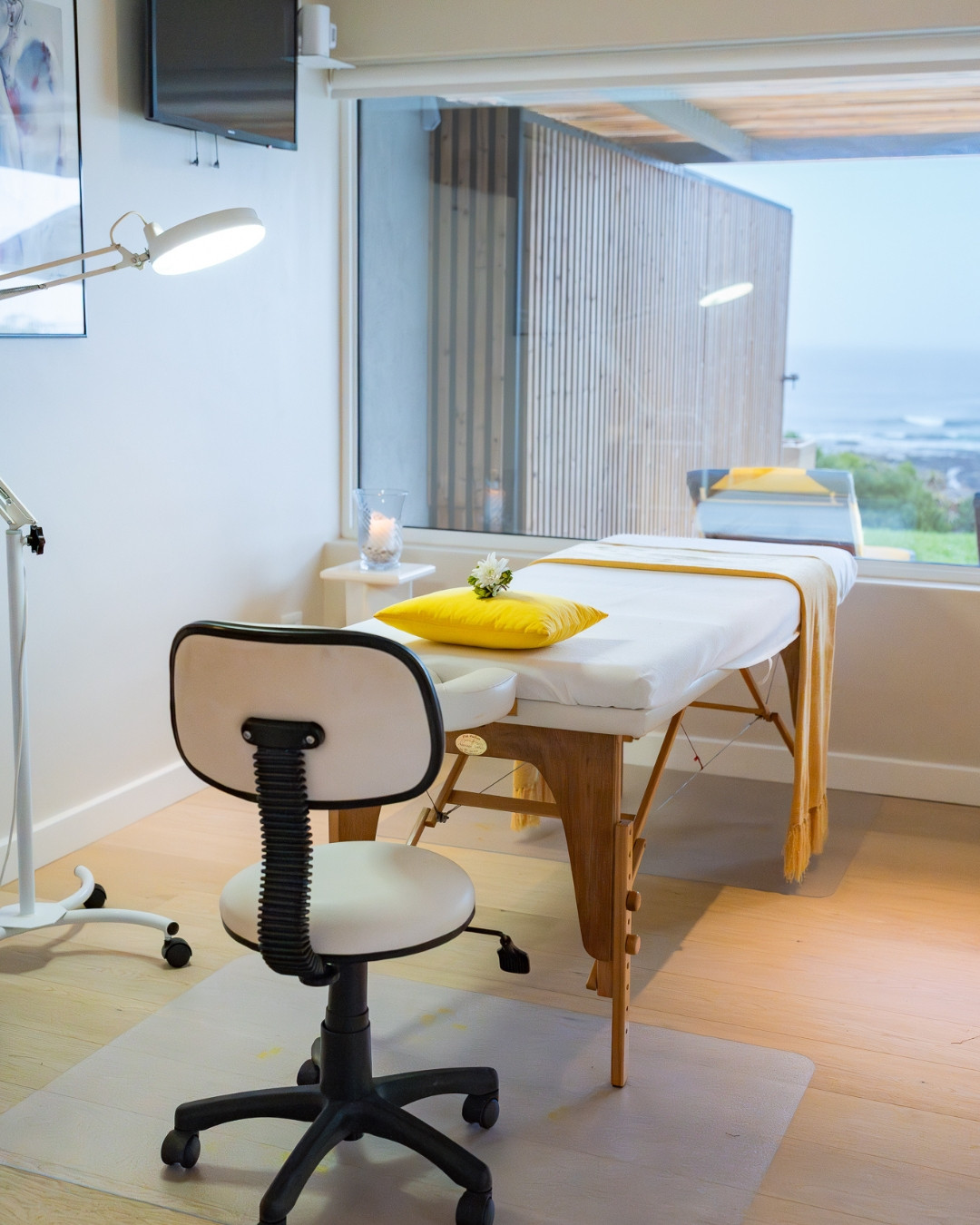
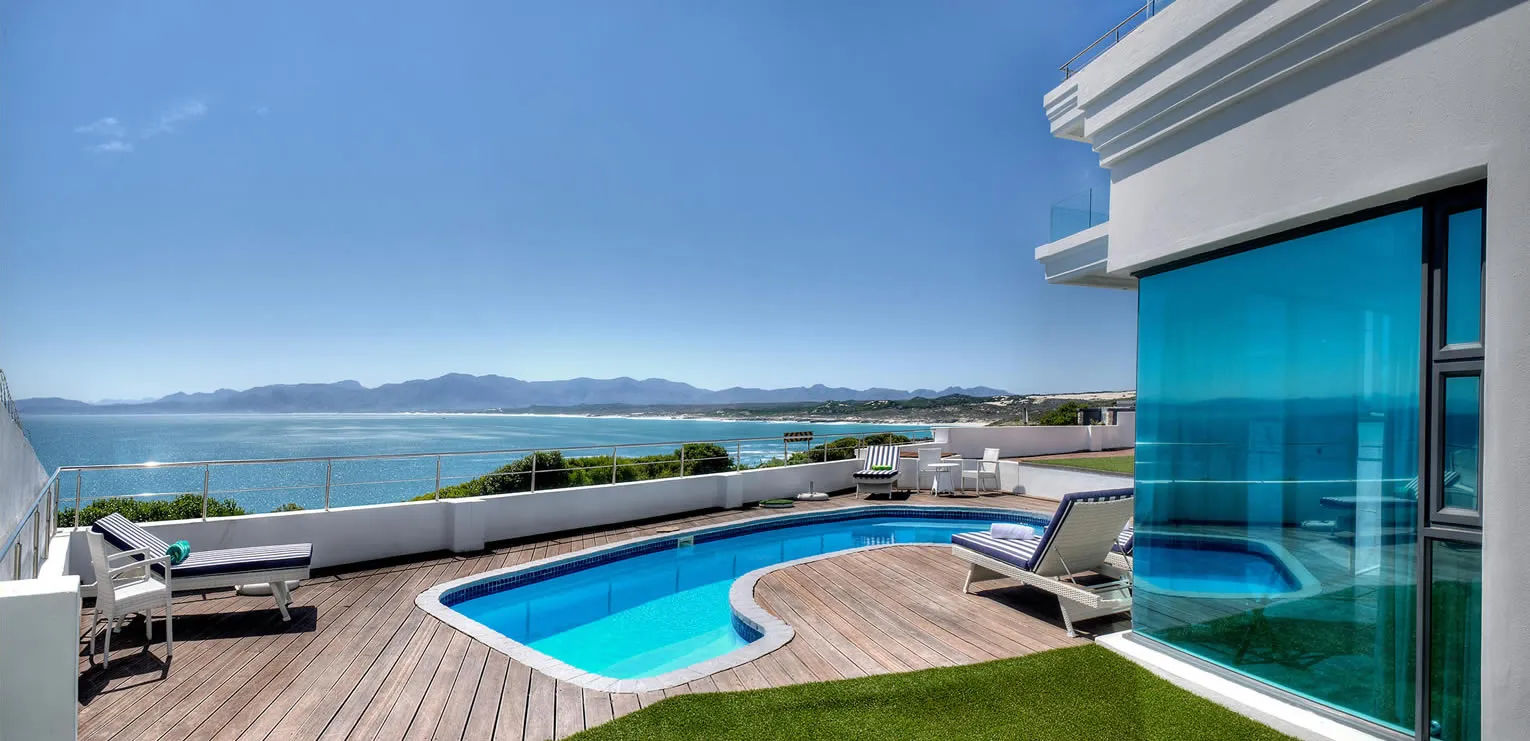
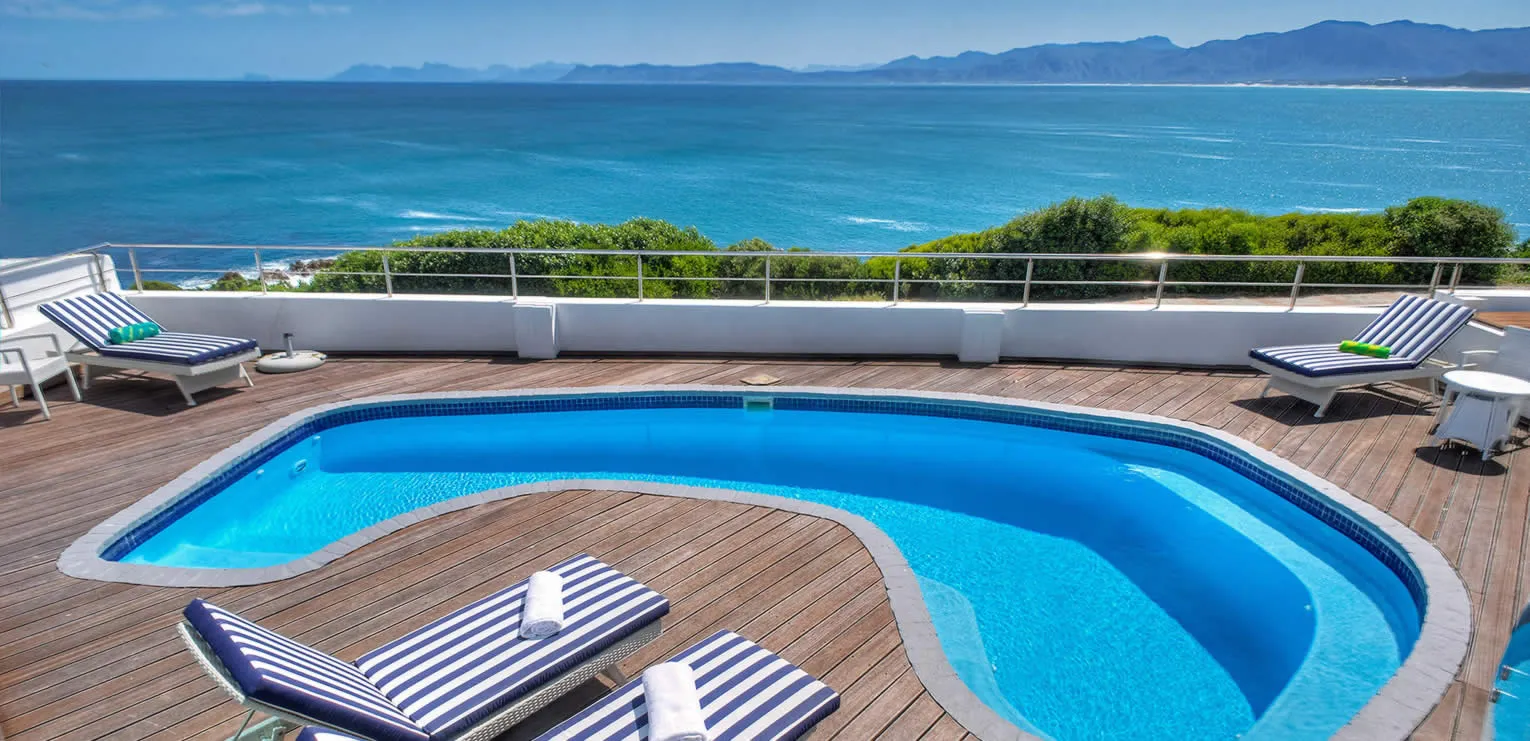
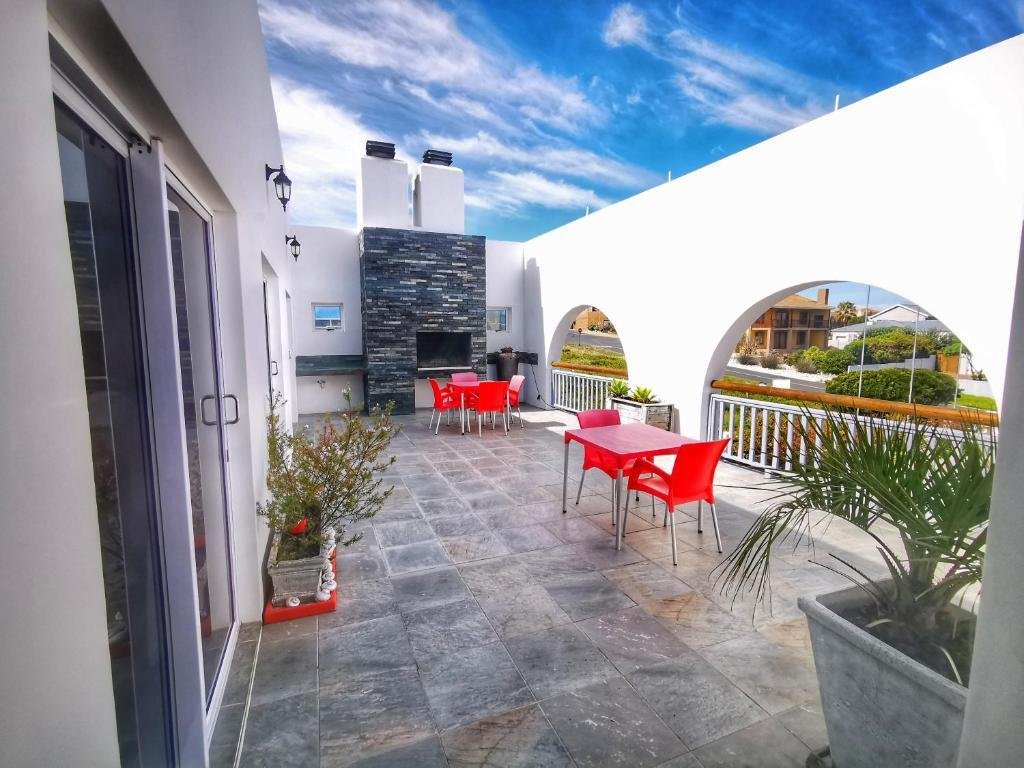
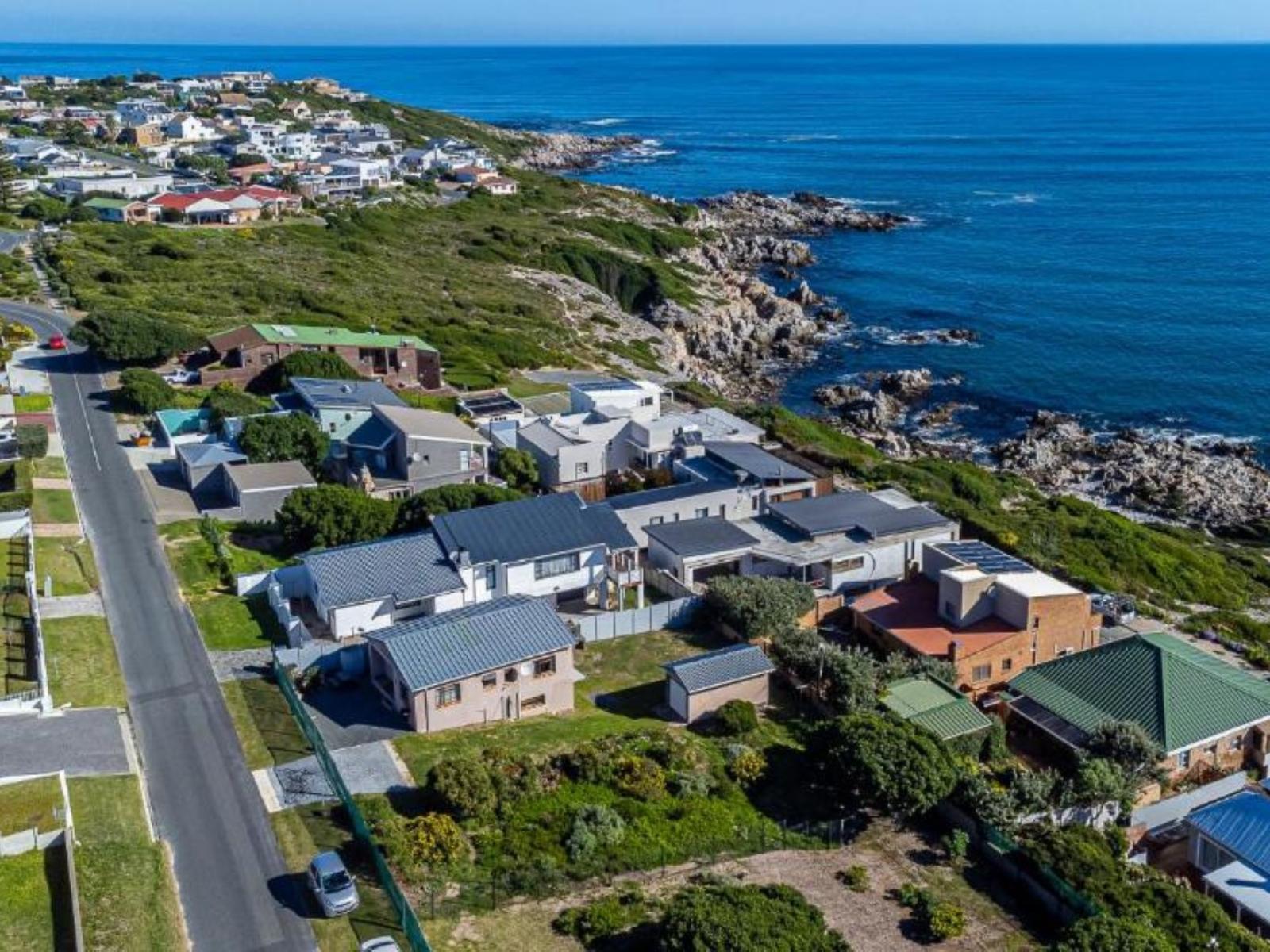
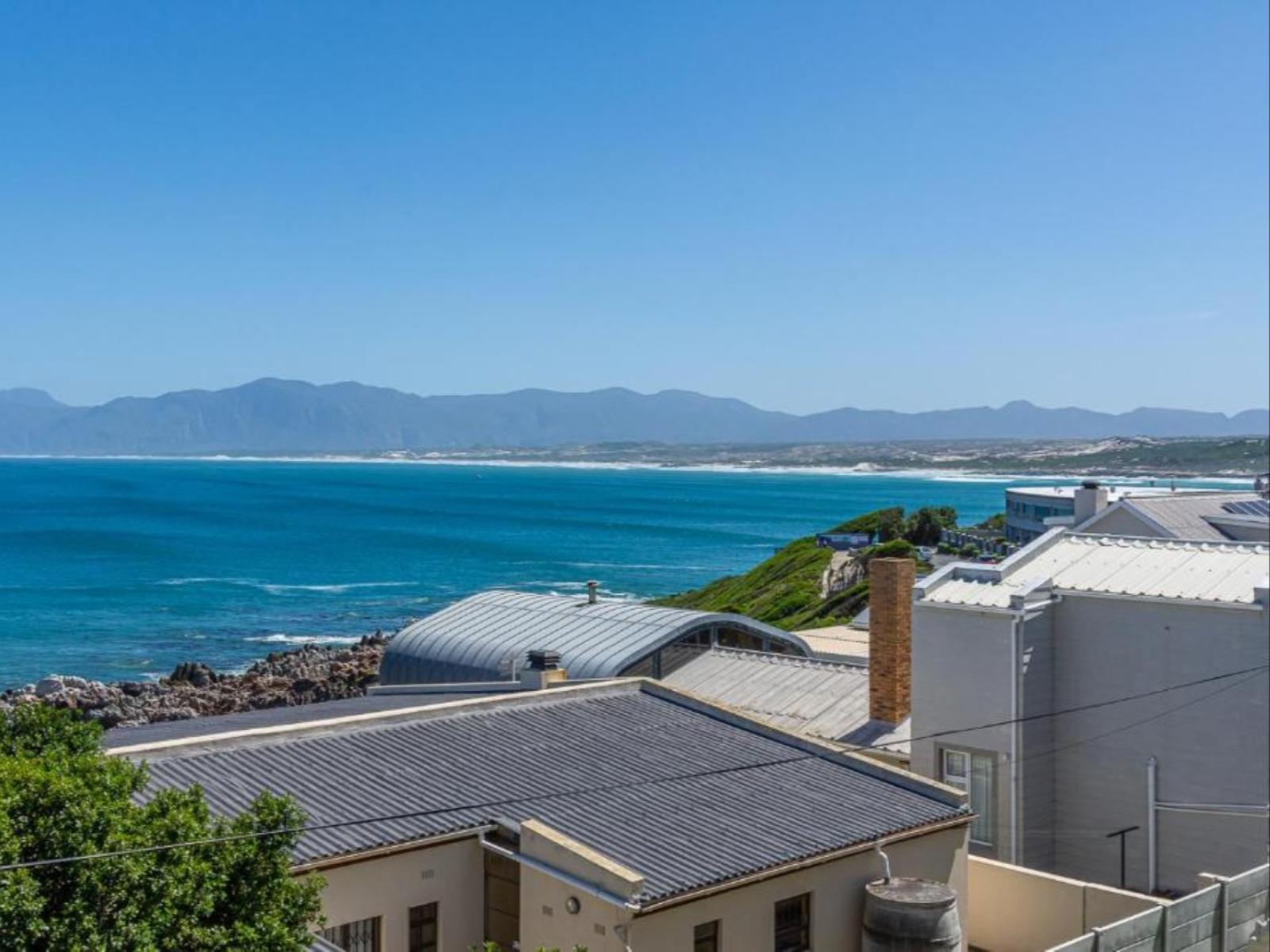
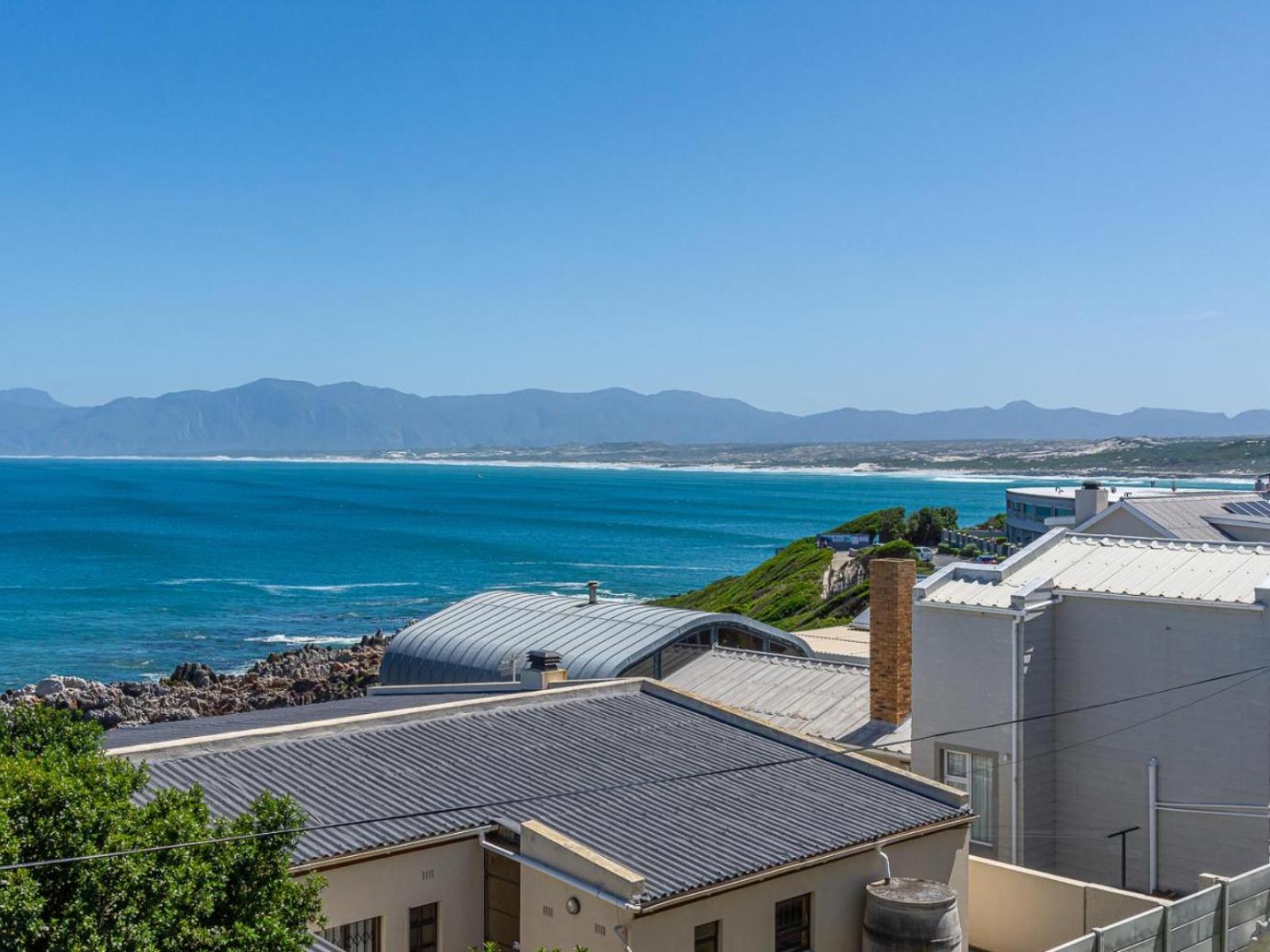
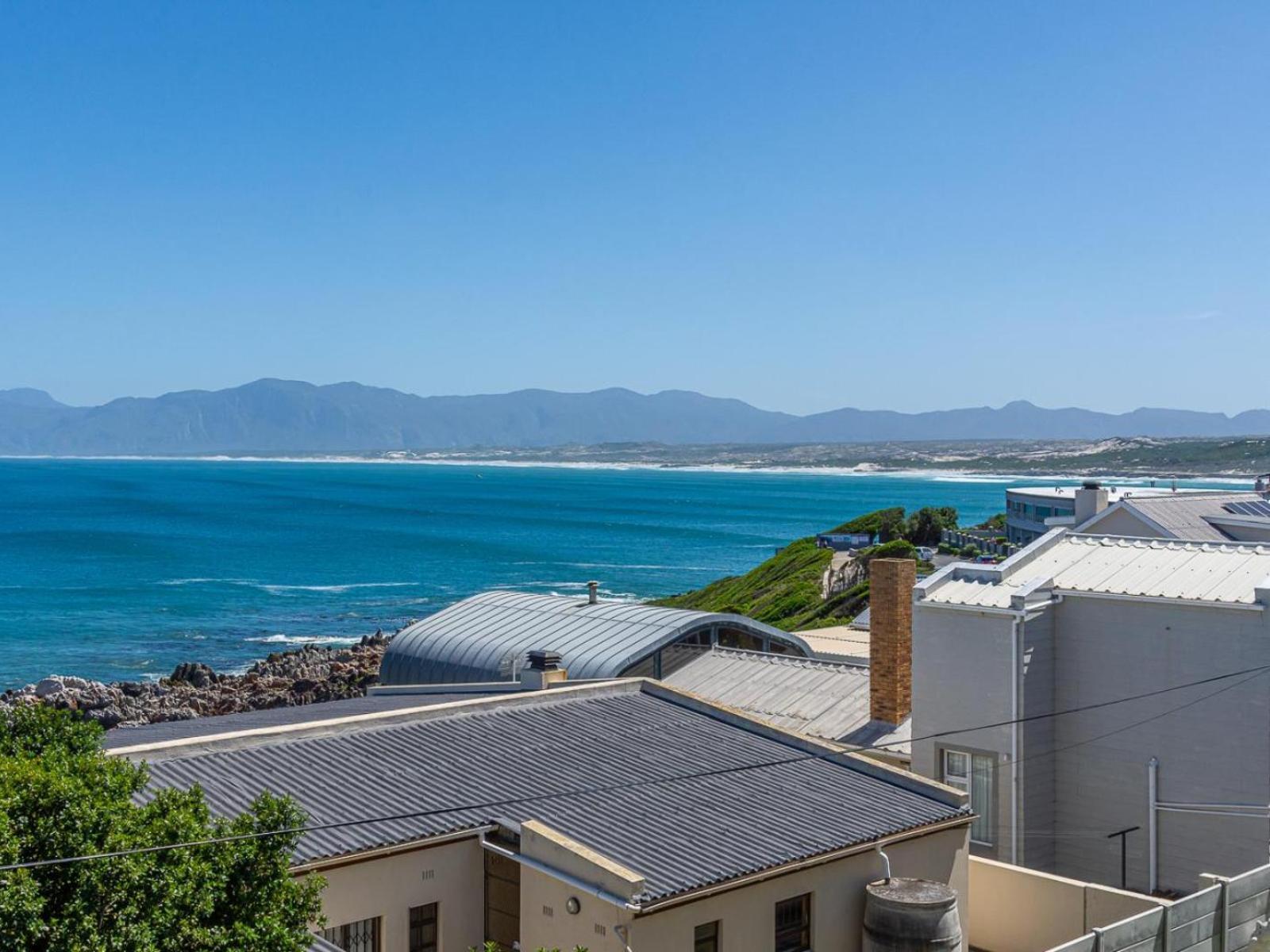
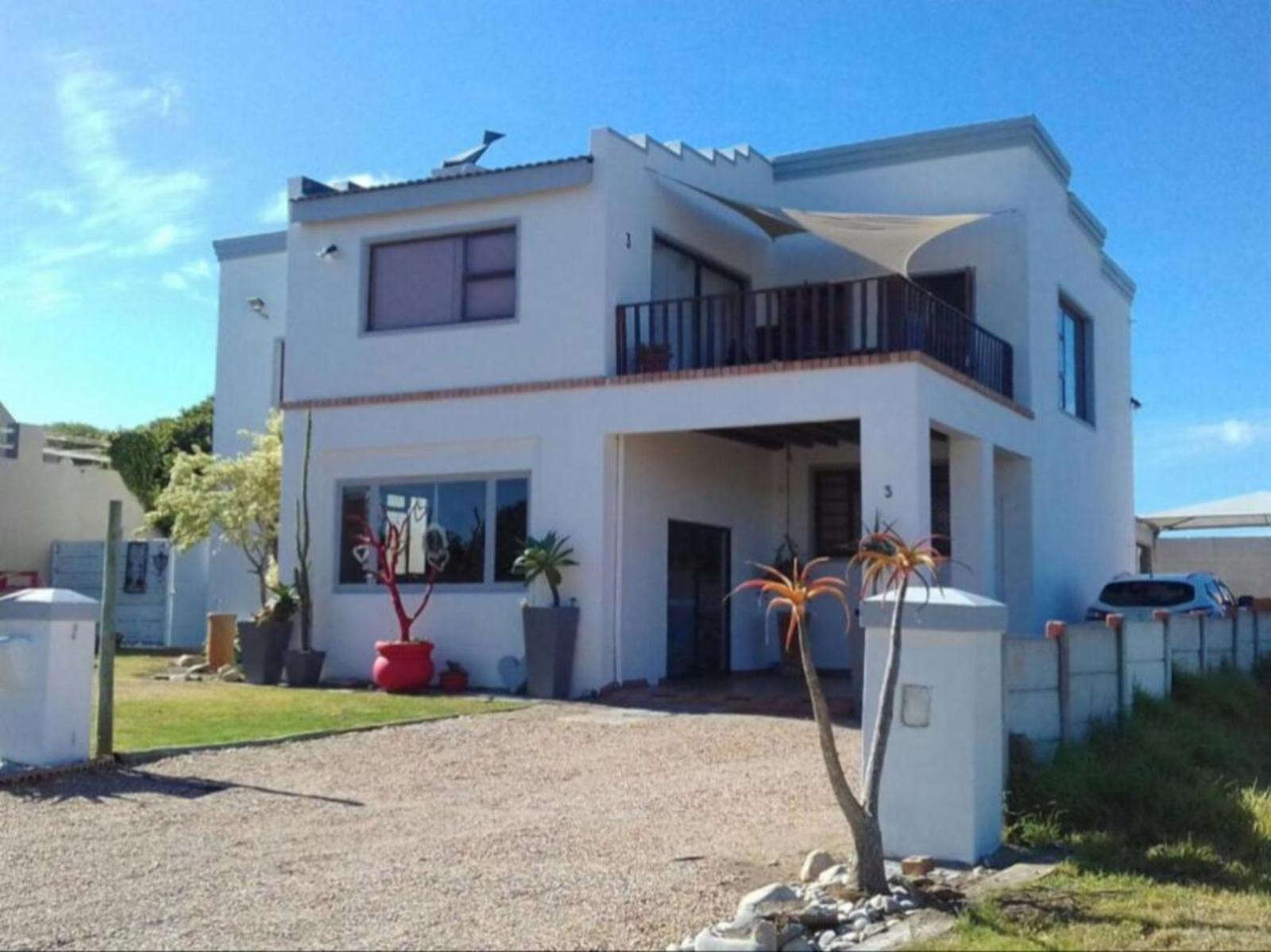
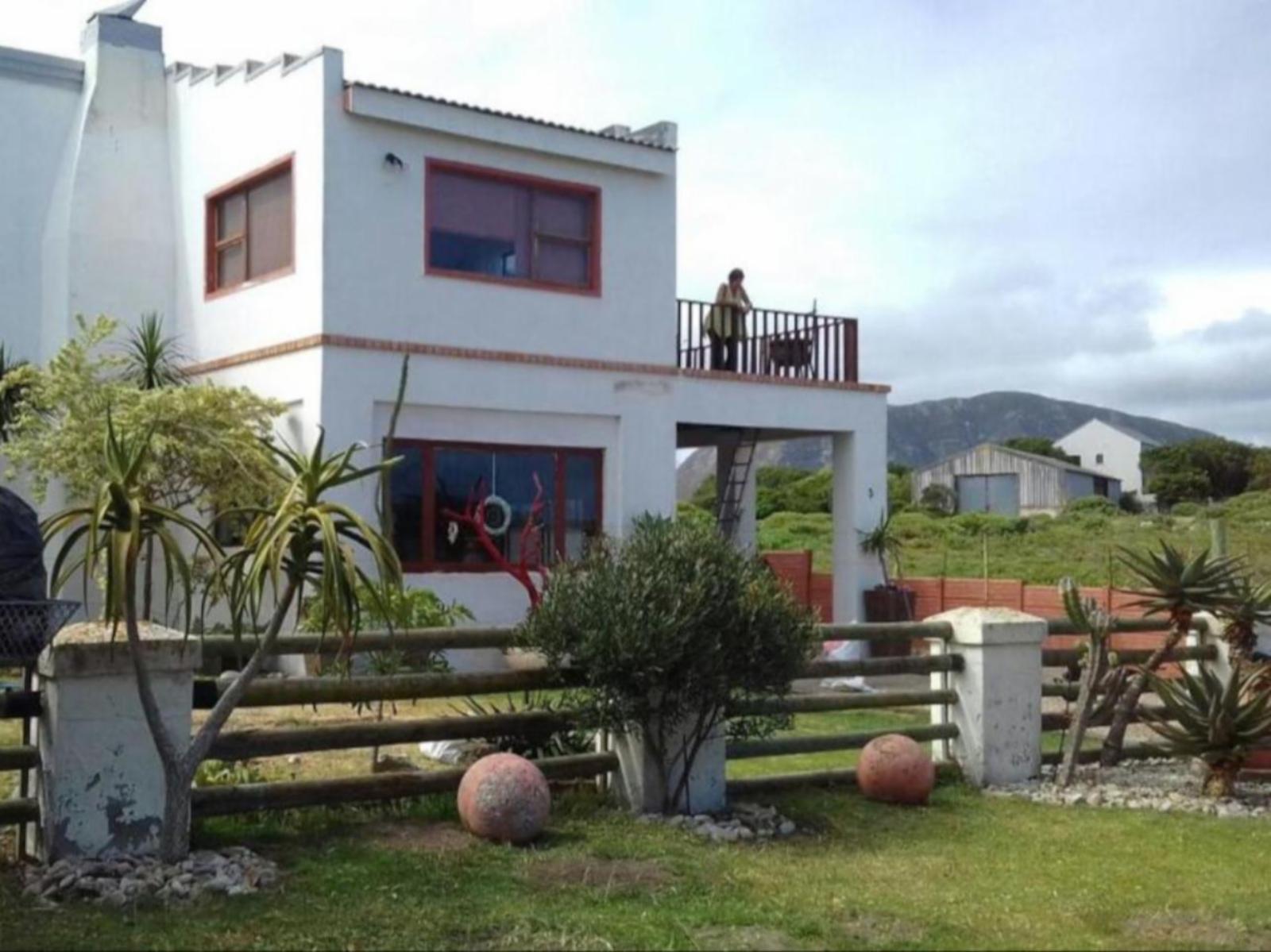
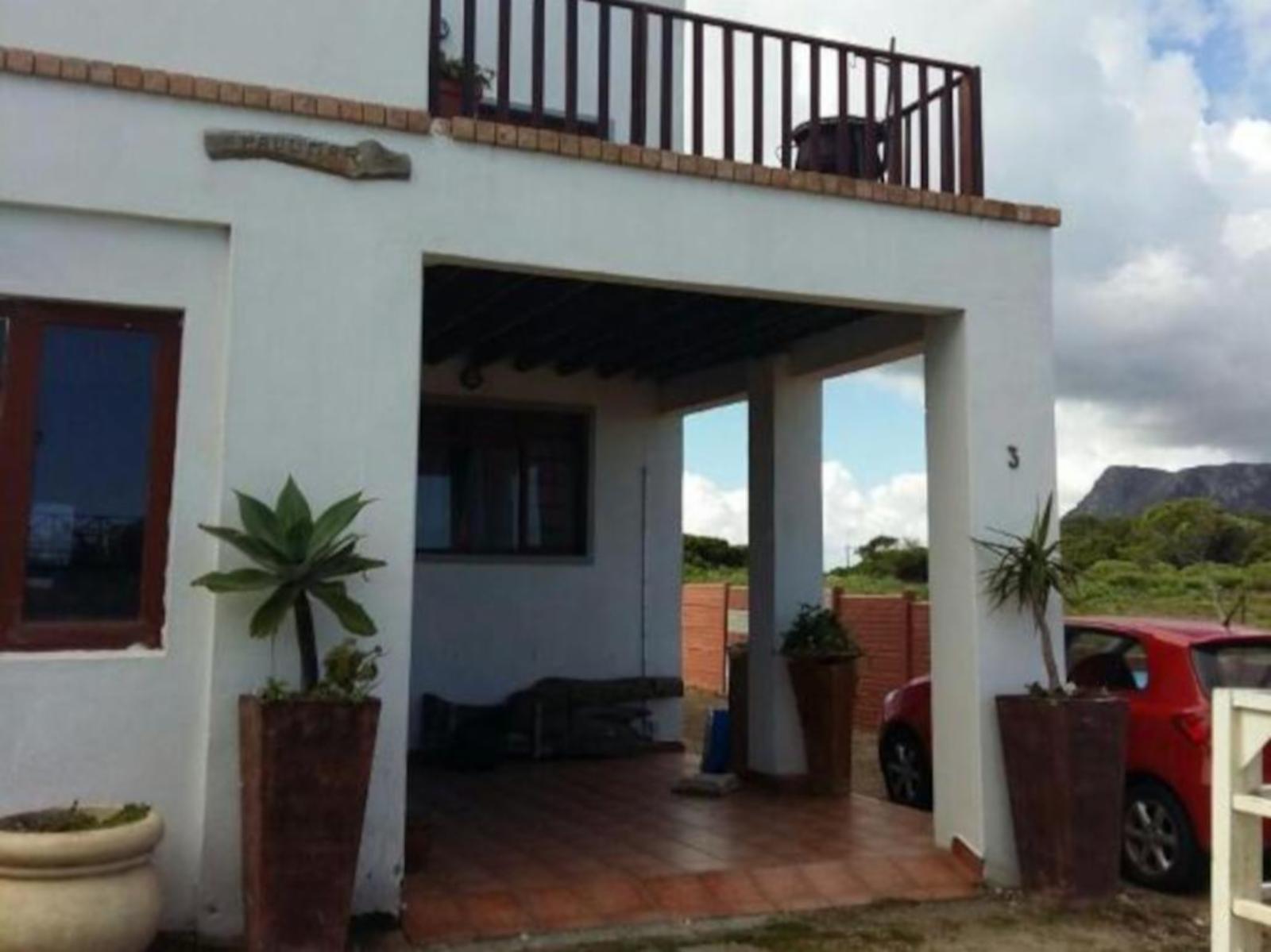
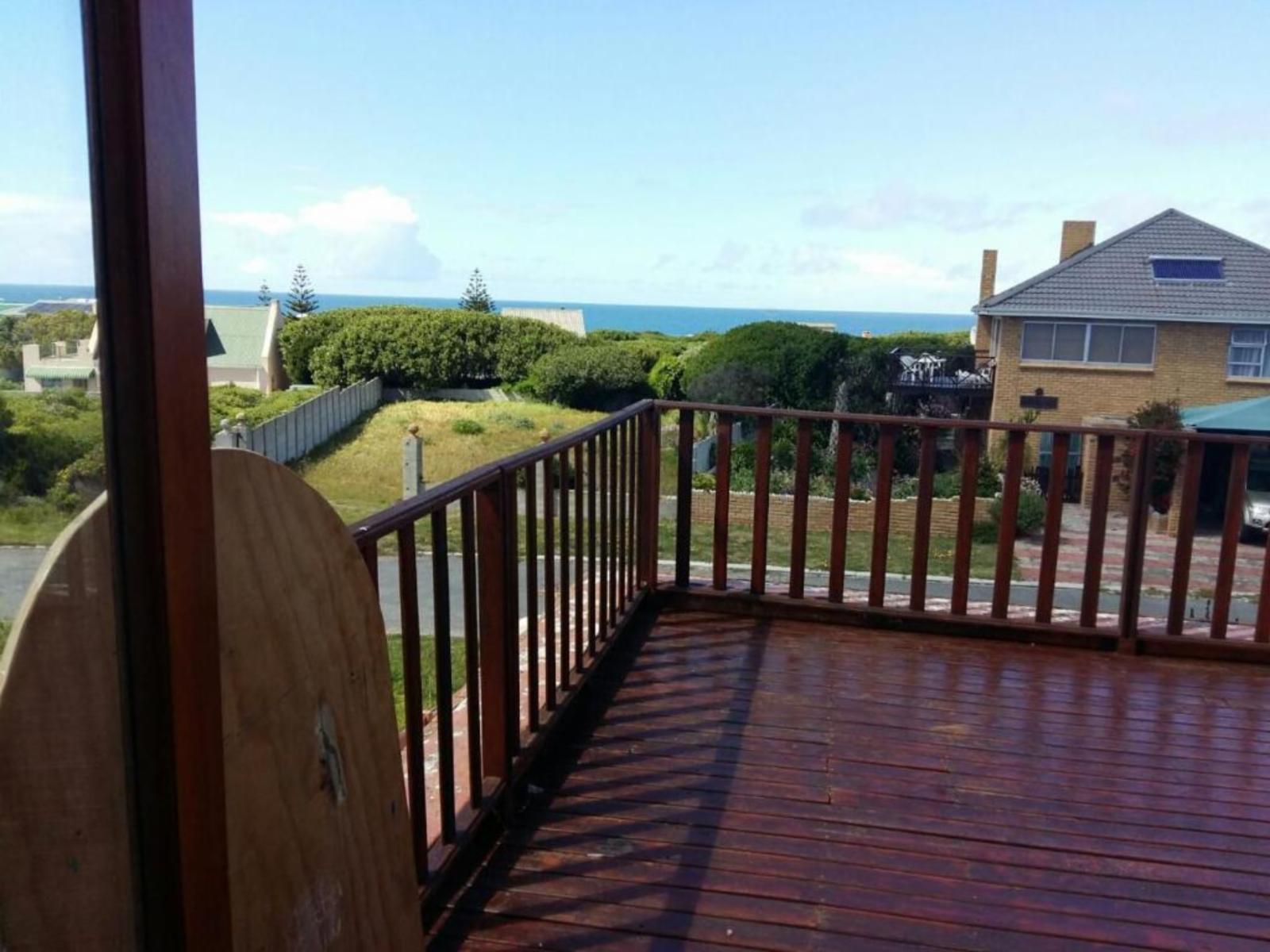
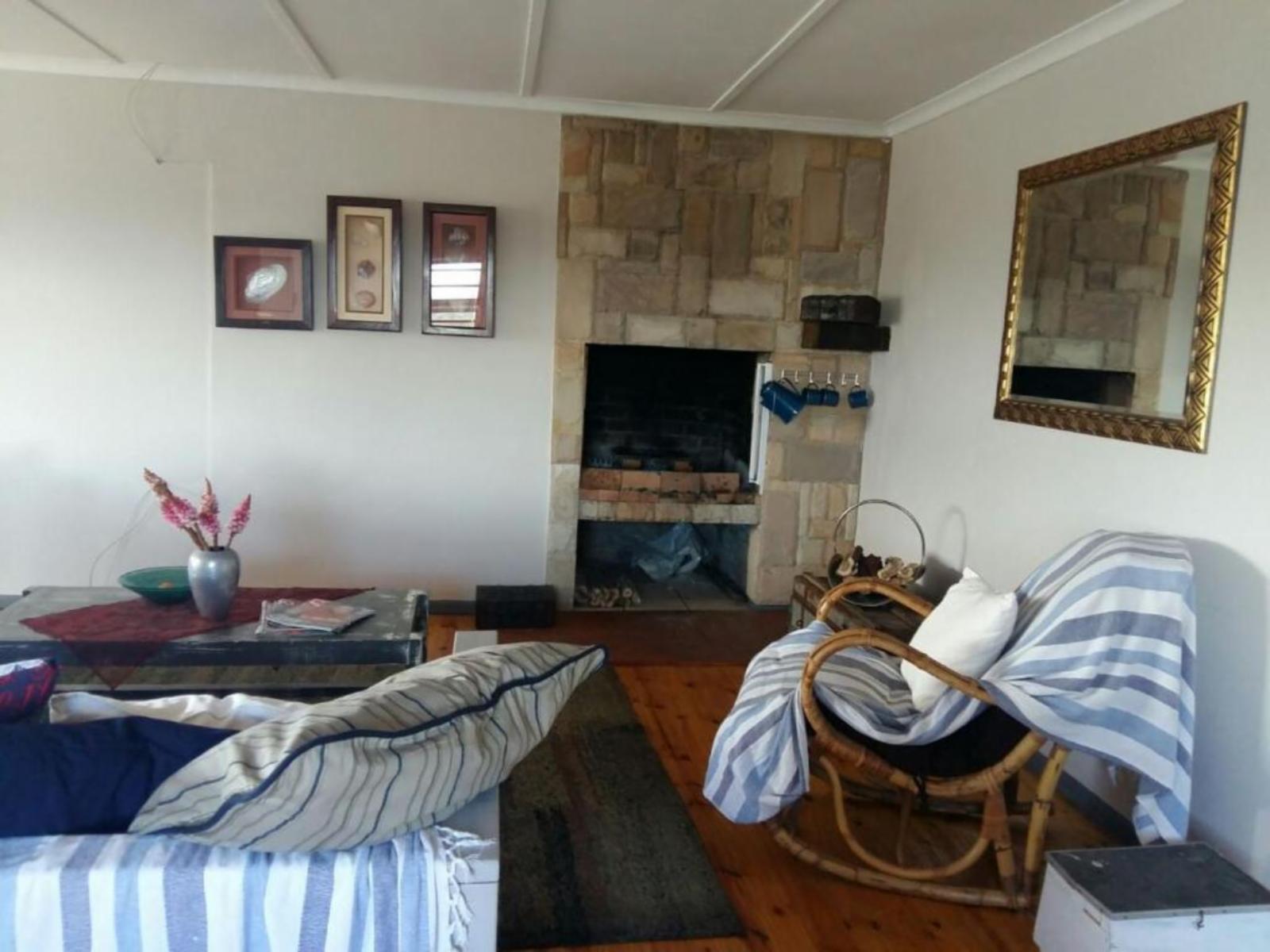
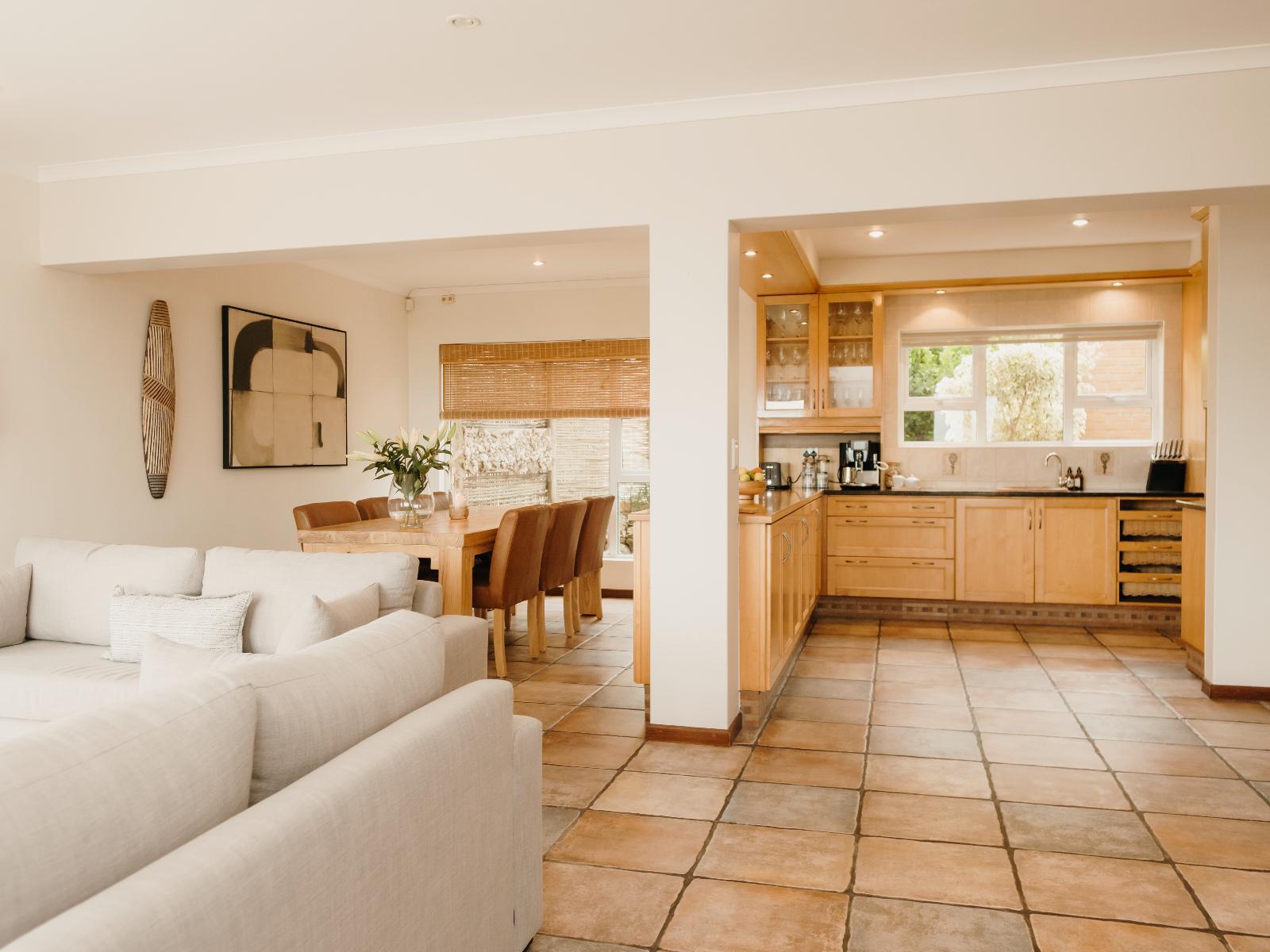
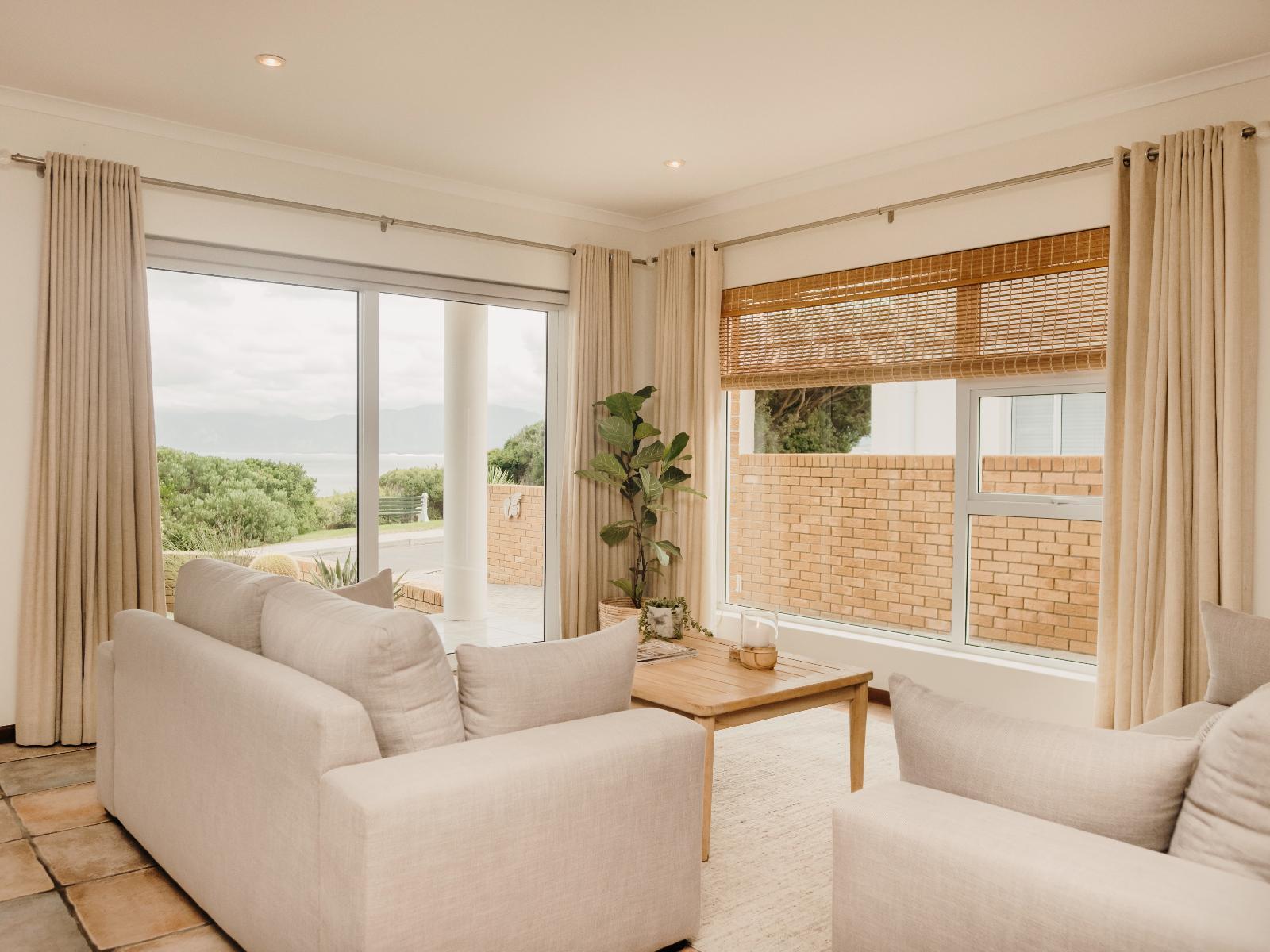
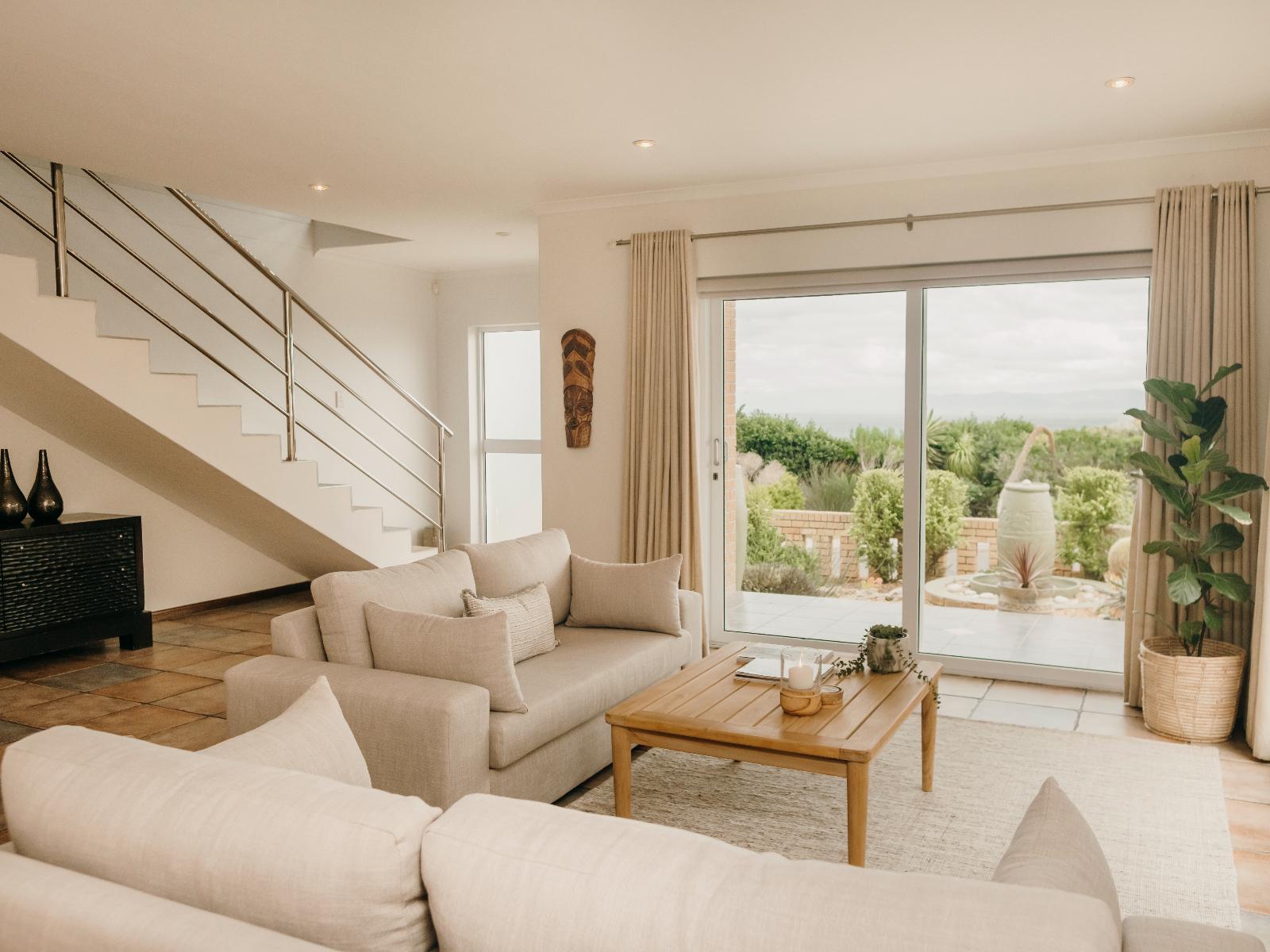
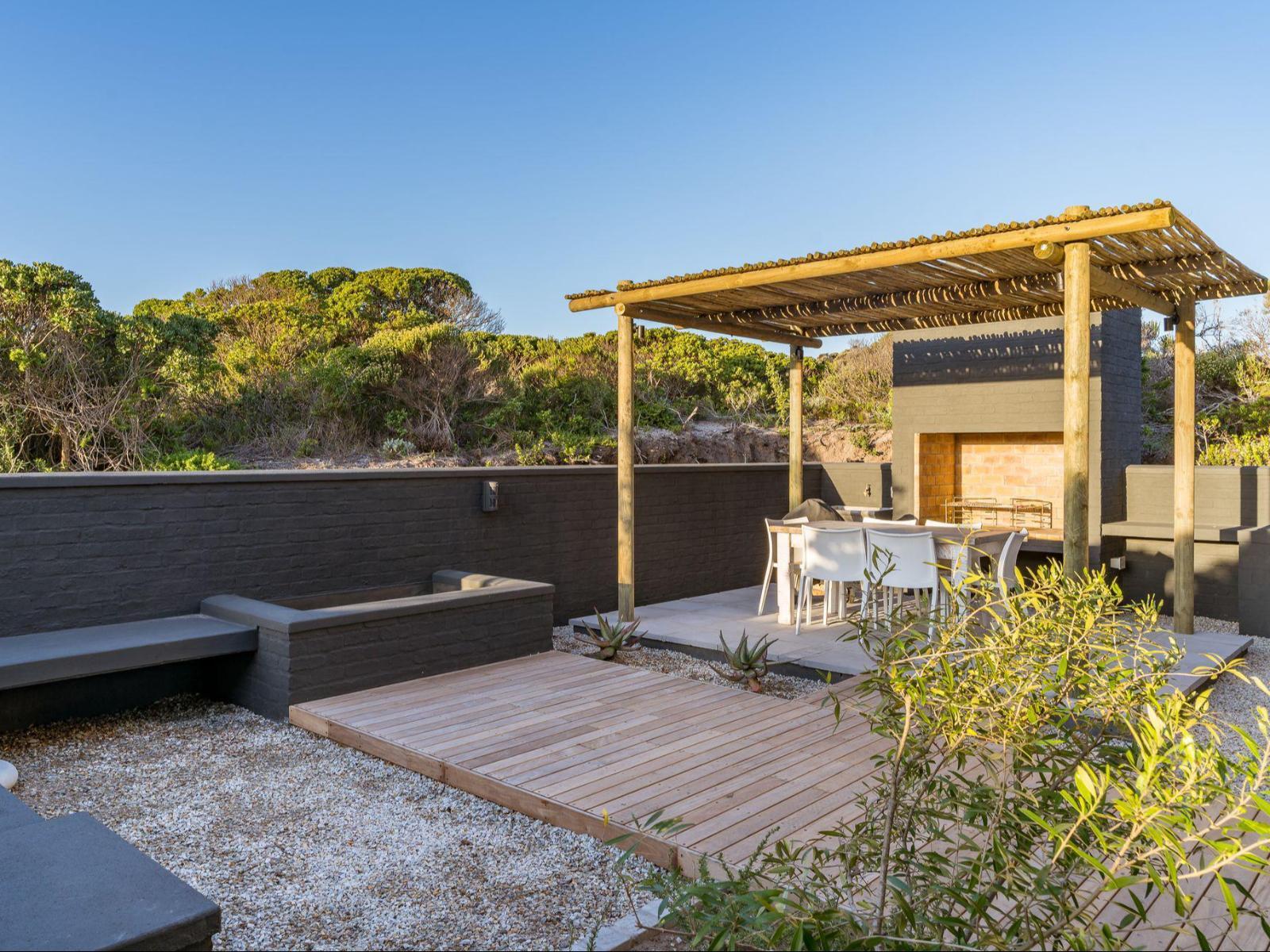
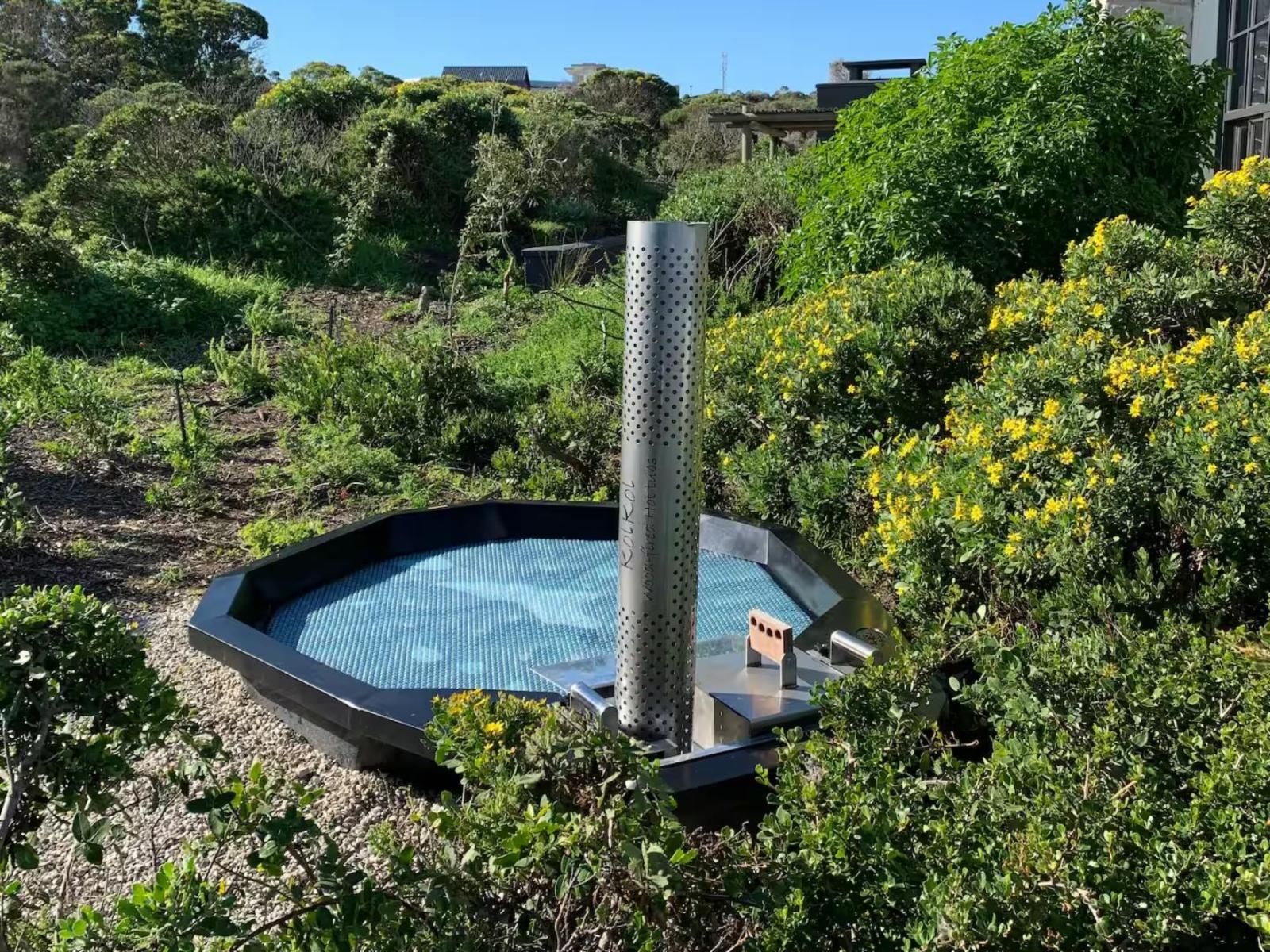
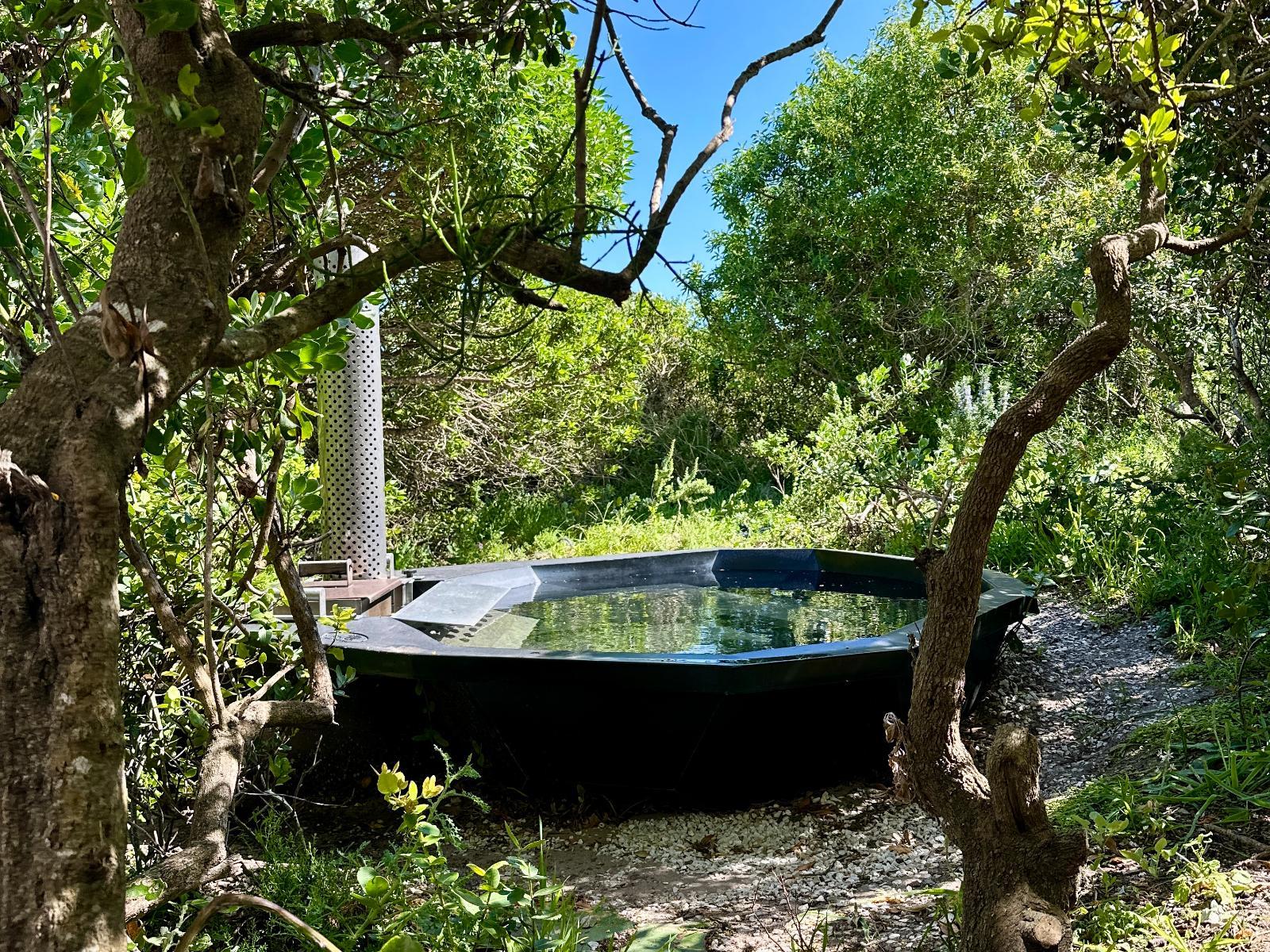
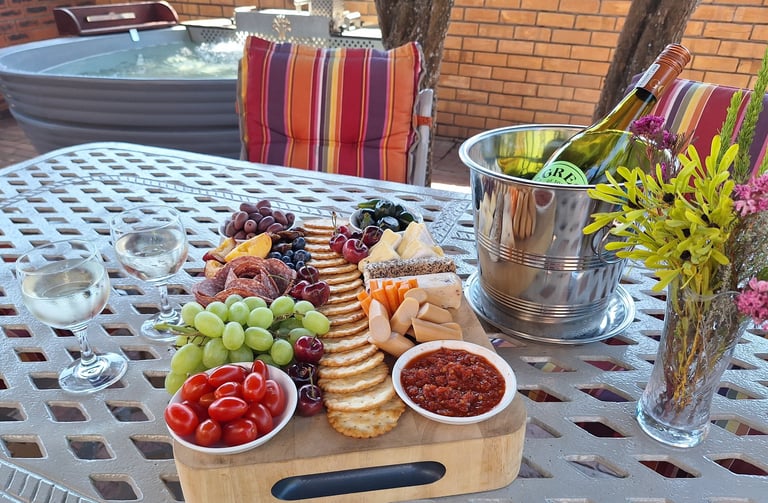
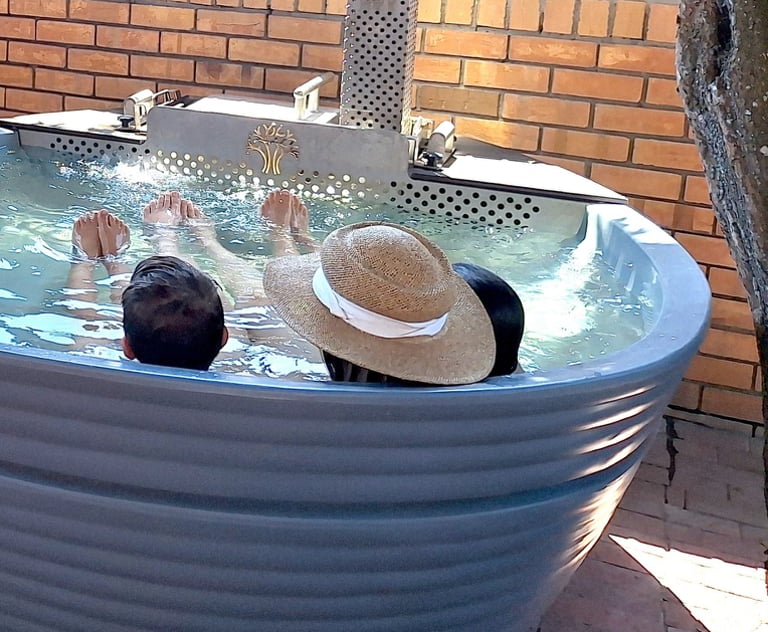
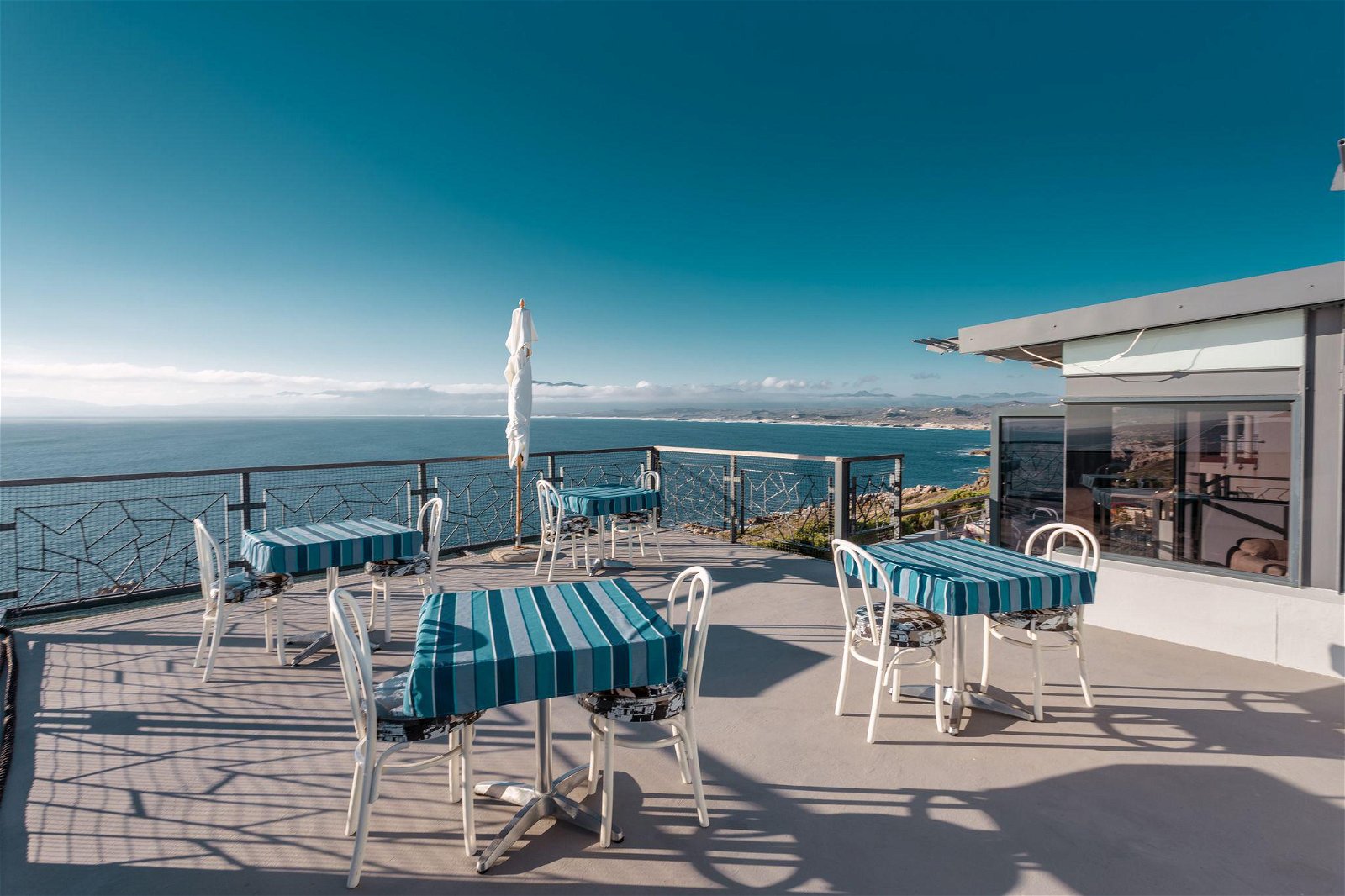
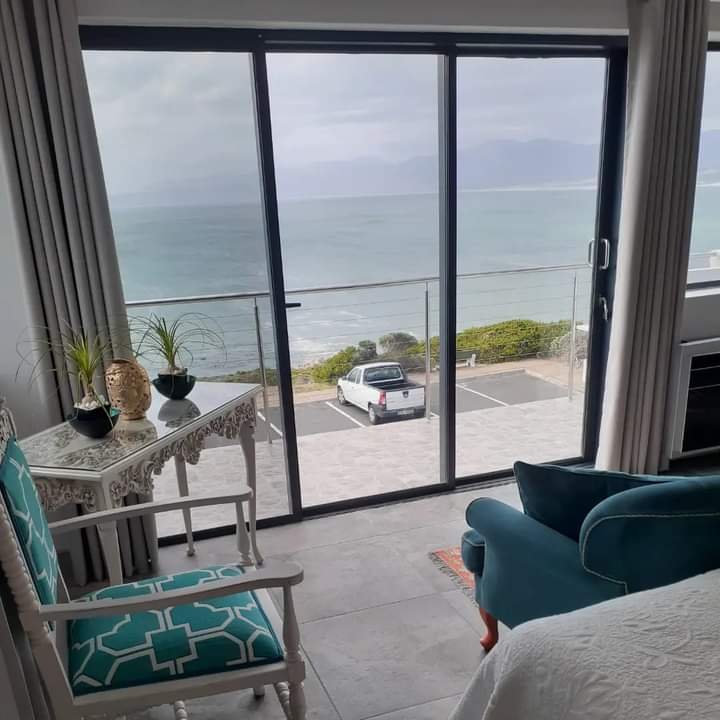
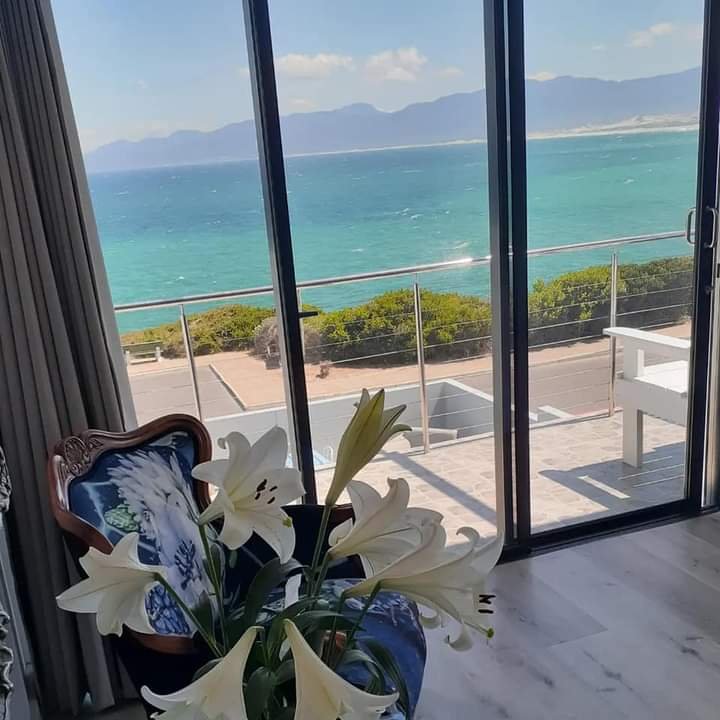
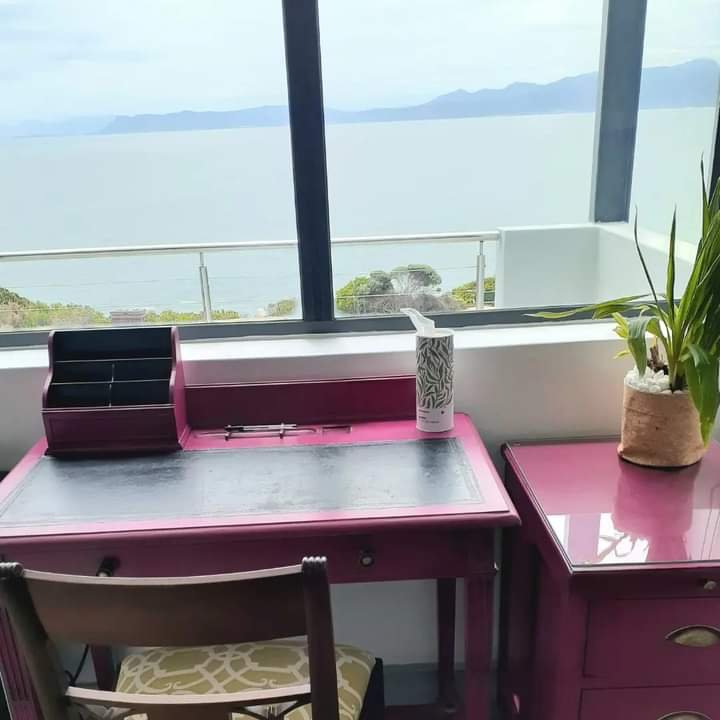
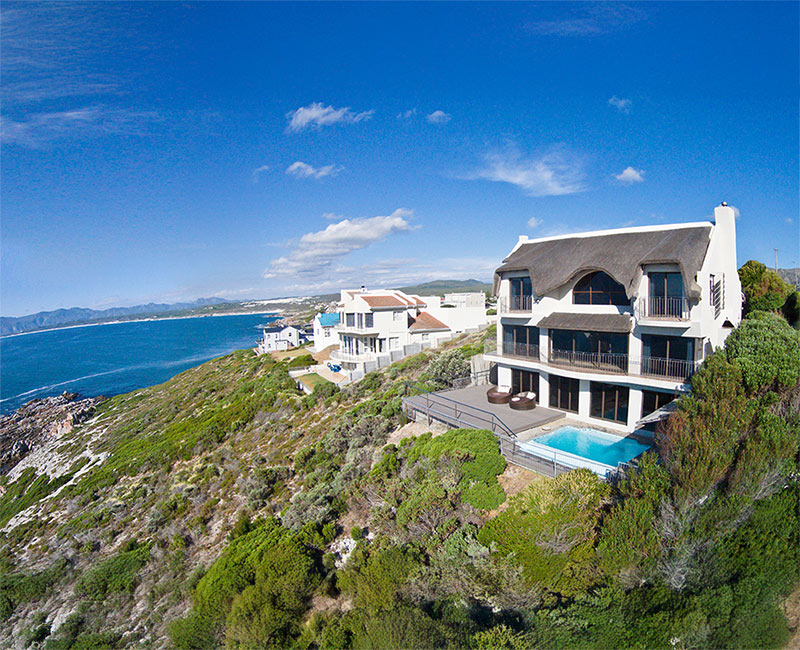
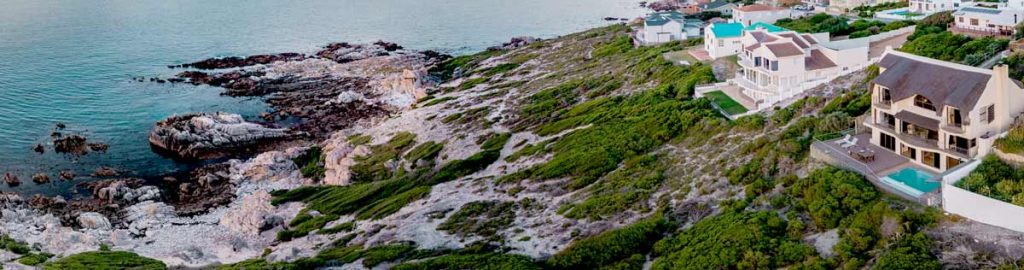
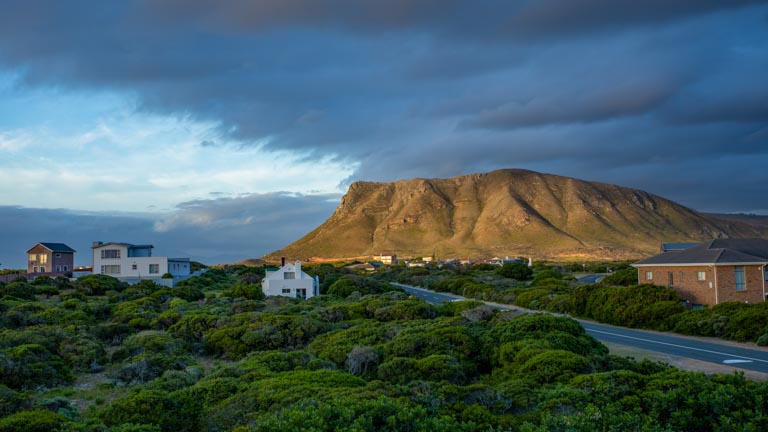
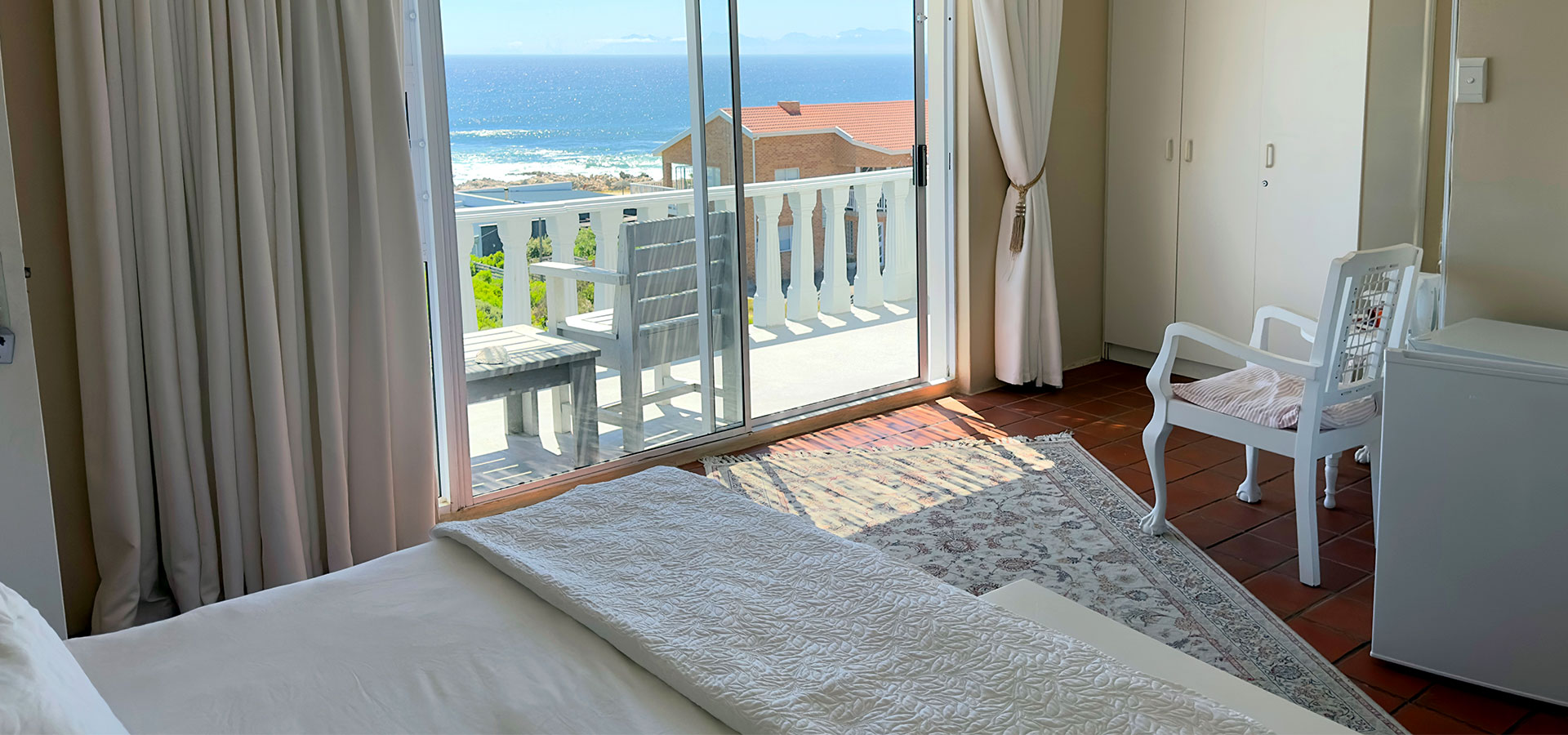
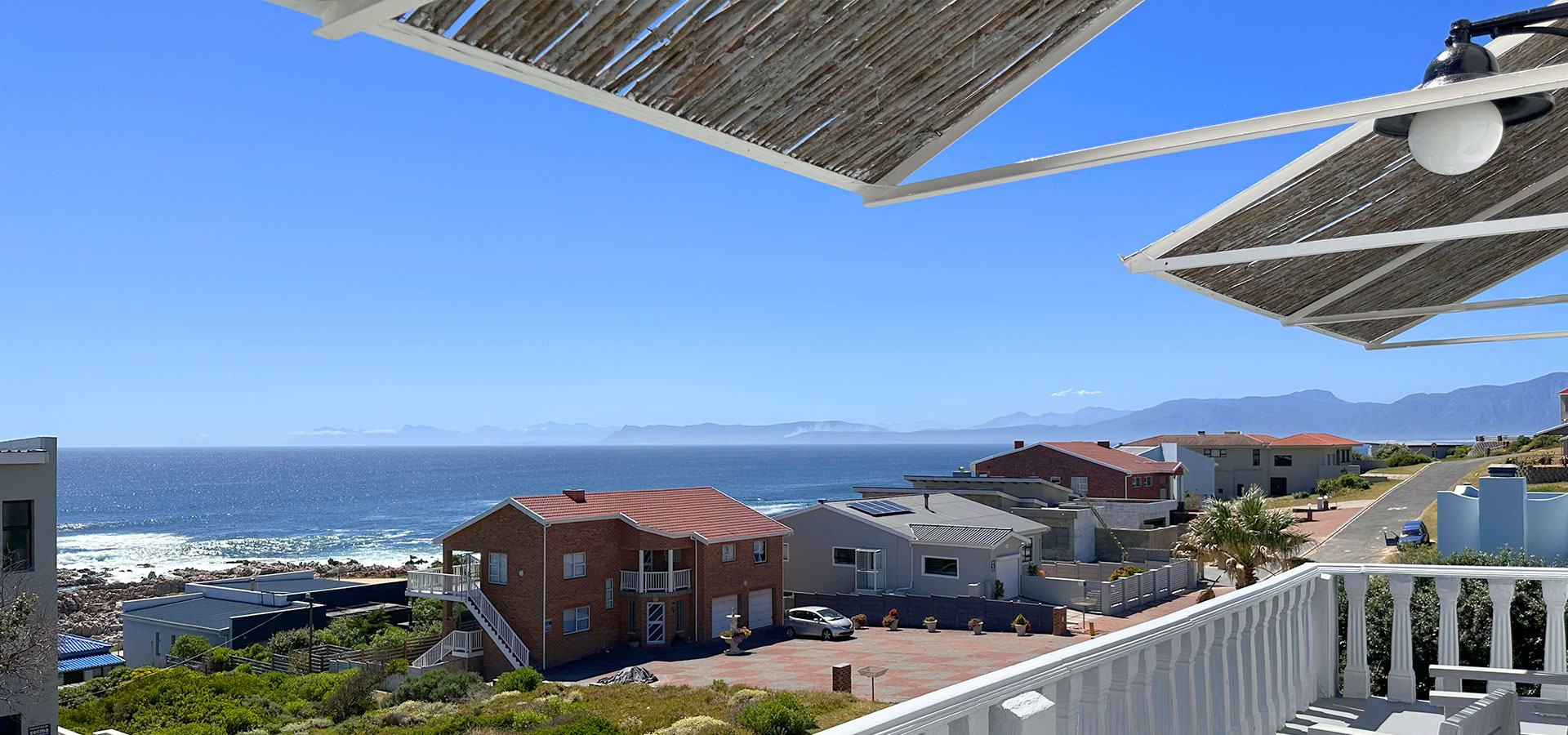
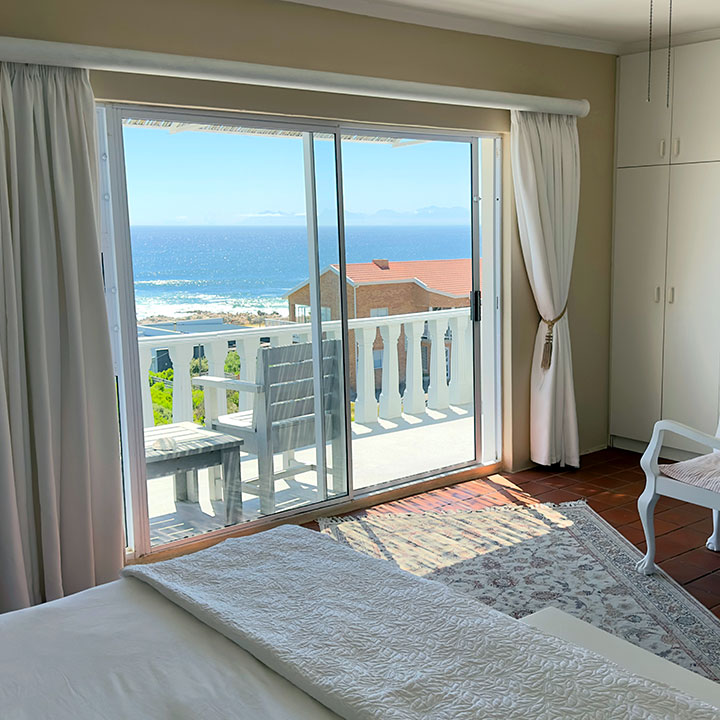
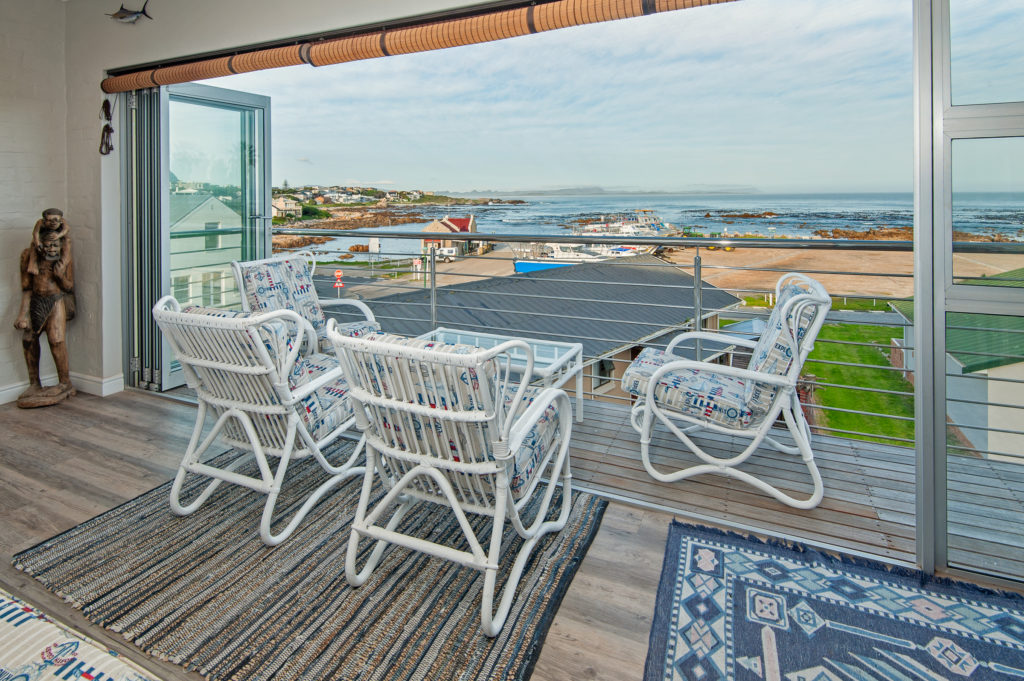
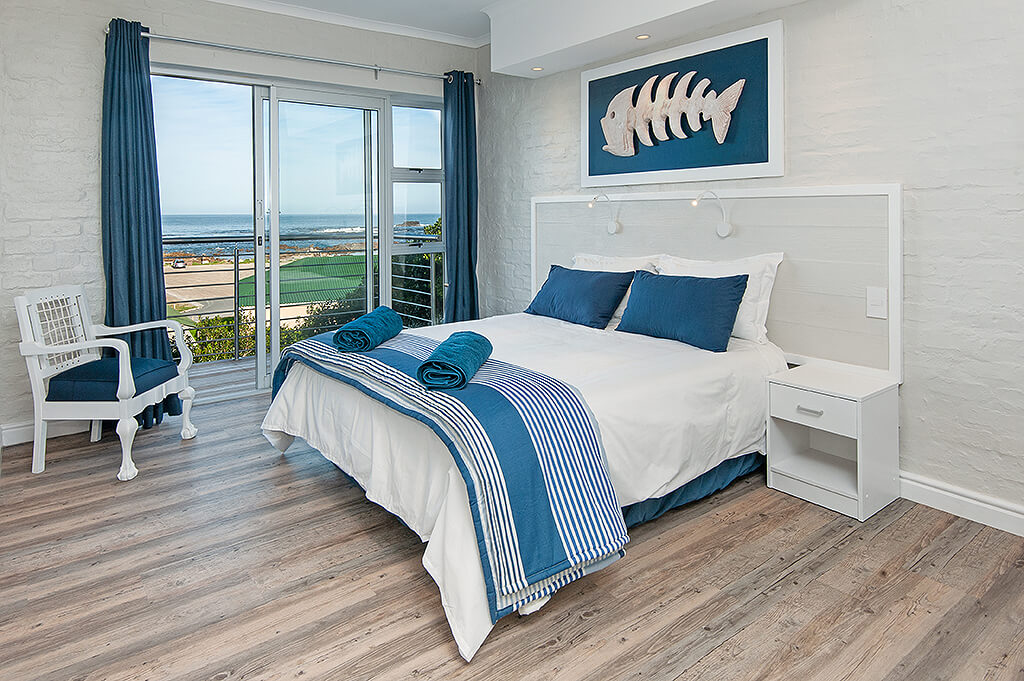
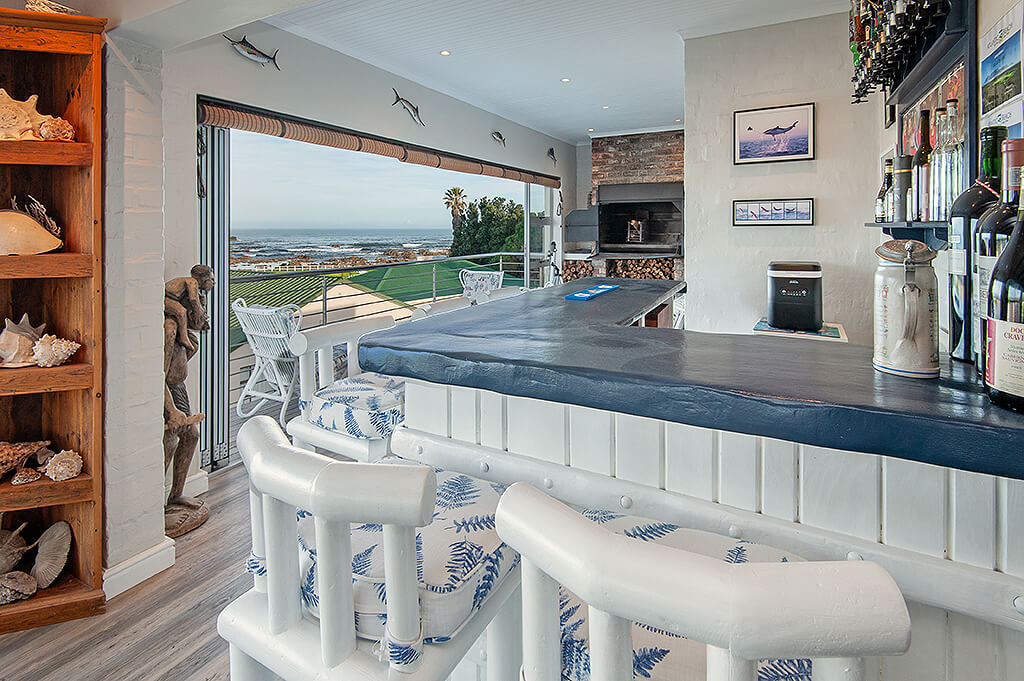
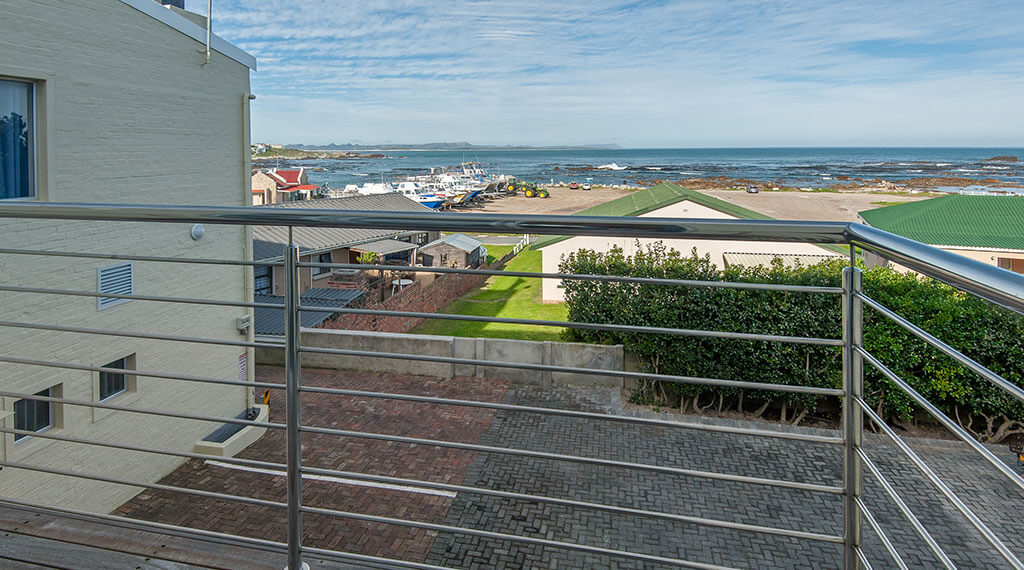
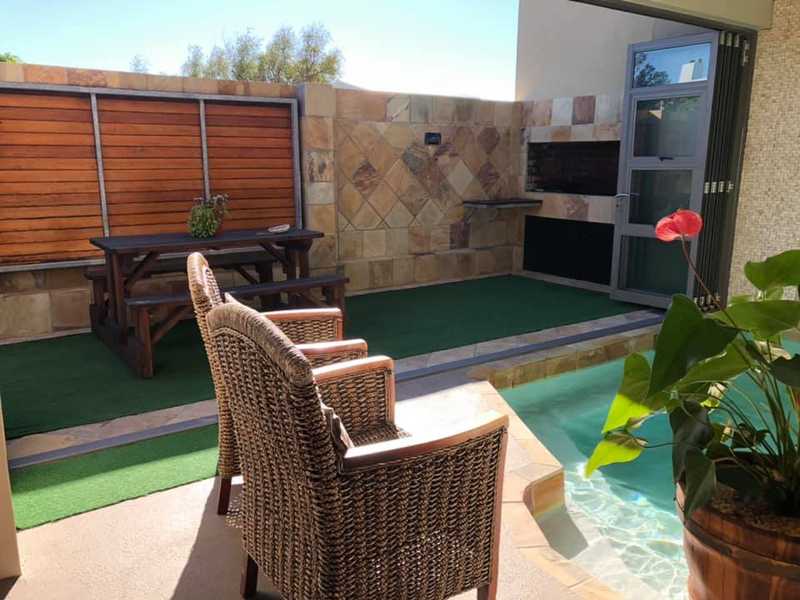
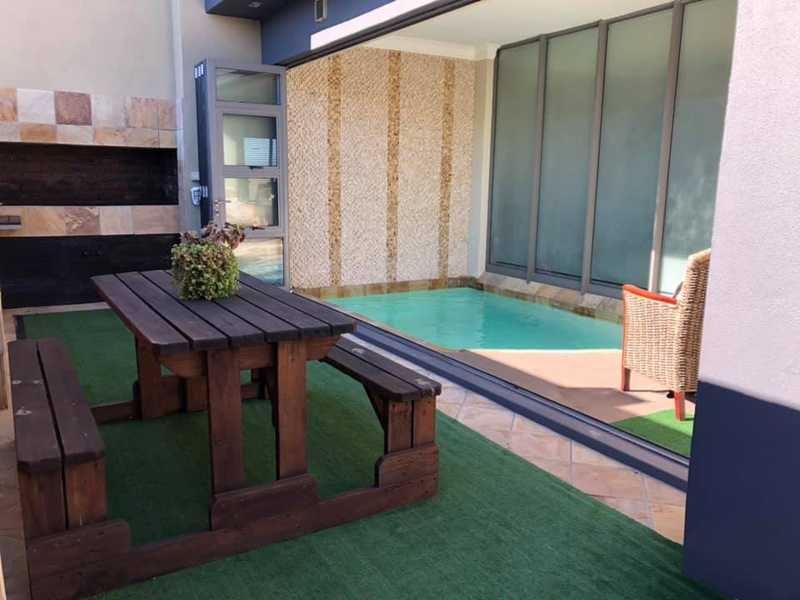
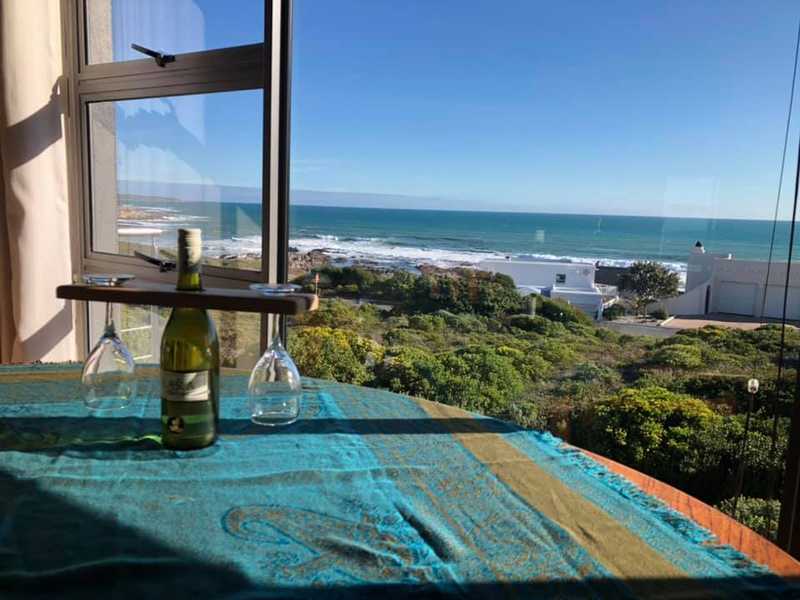
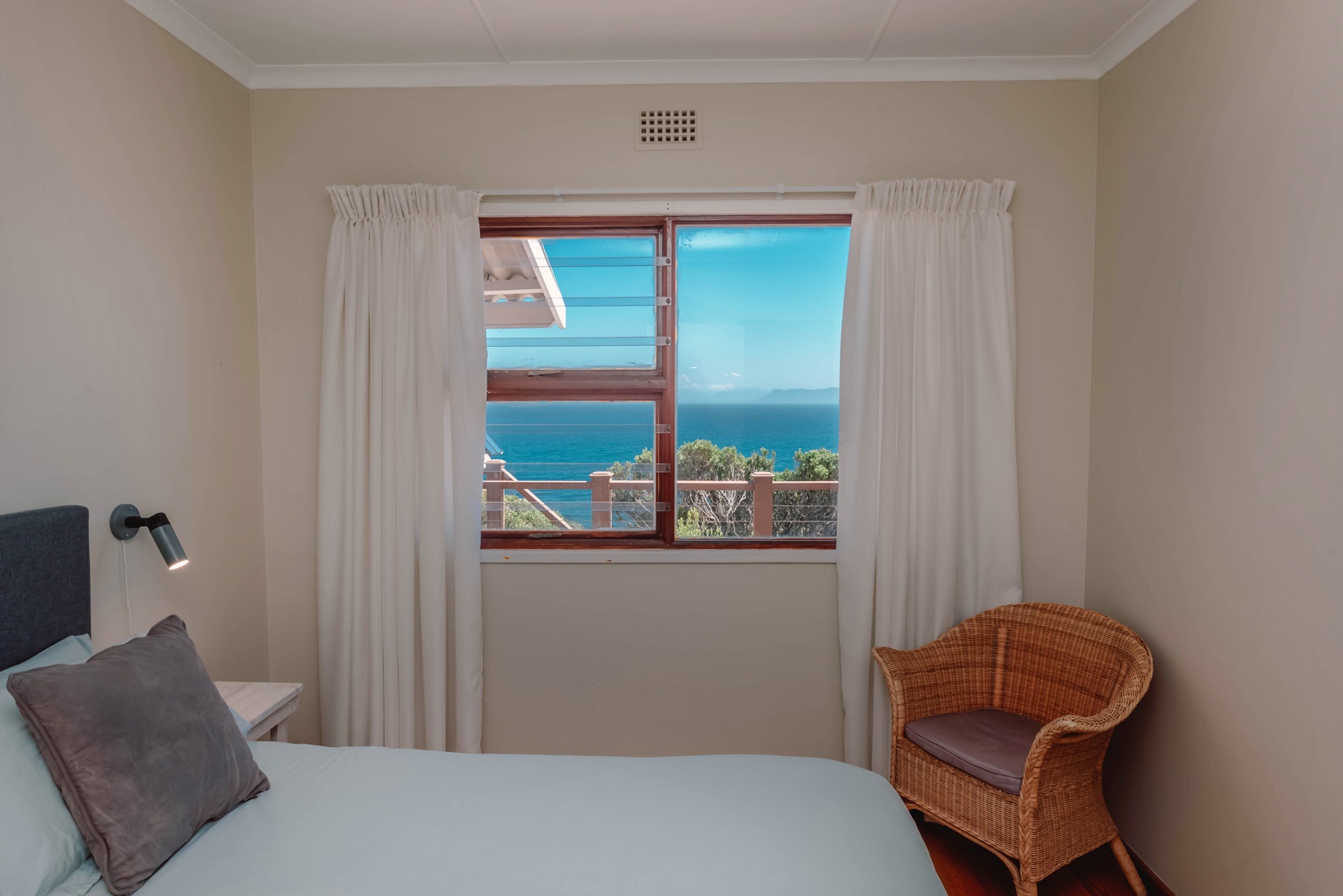
Gansbaai has four listed properties, with nightly rates sitting at R3,390 across most of the available options. This is a compact market that matches the town's scale: a working coastal settlement that draws visitors primarily for ocean wildlife, boat trips, and time in fynbos and dune terrain, rather than a resort destination with layered hospitality offerings. Most properties sit within close reach of the sea, and outdoor space for a braai or an early morning coffee is a consistent feature across the range.
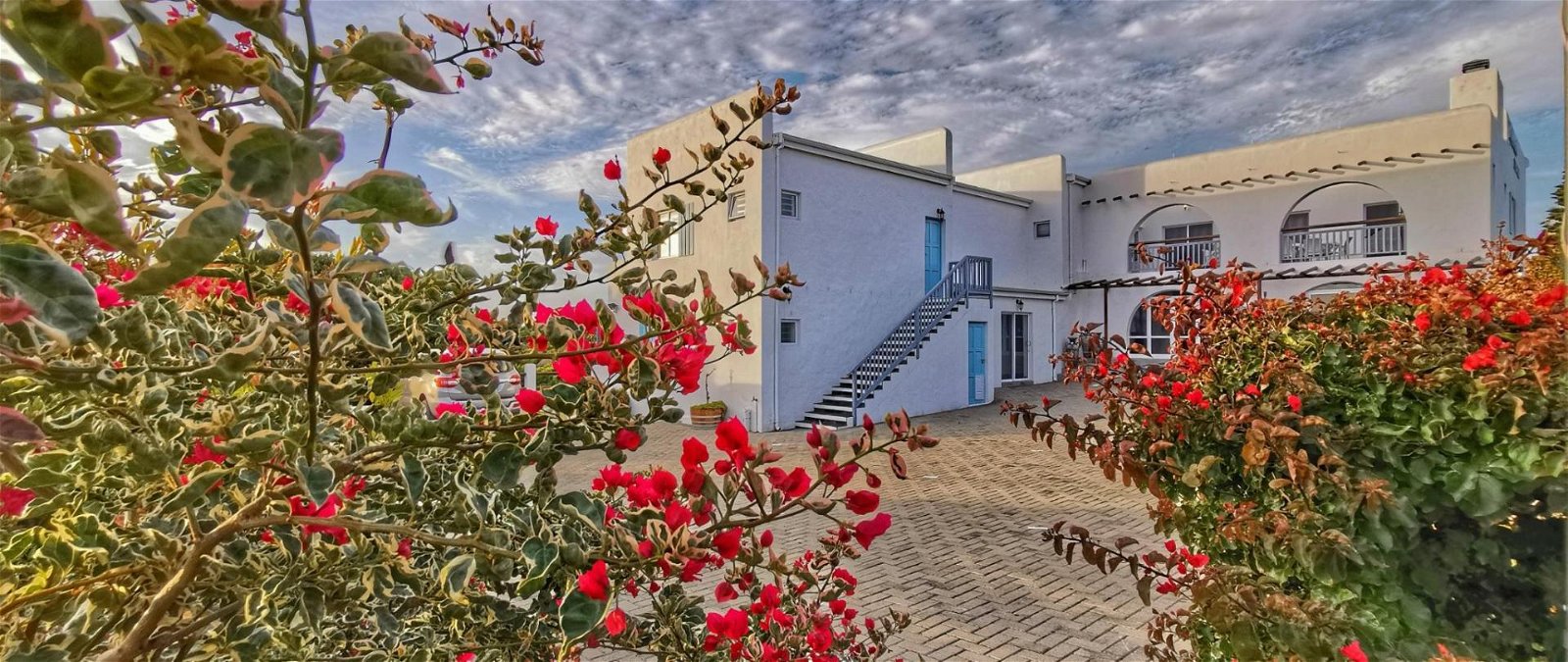
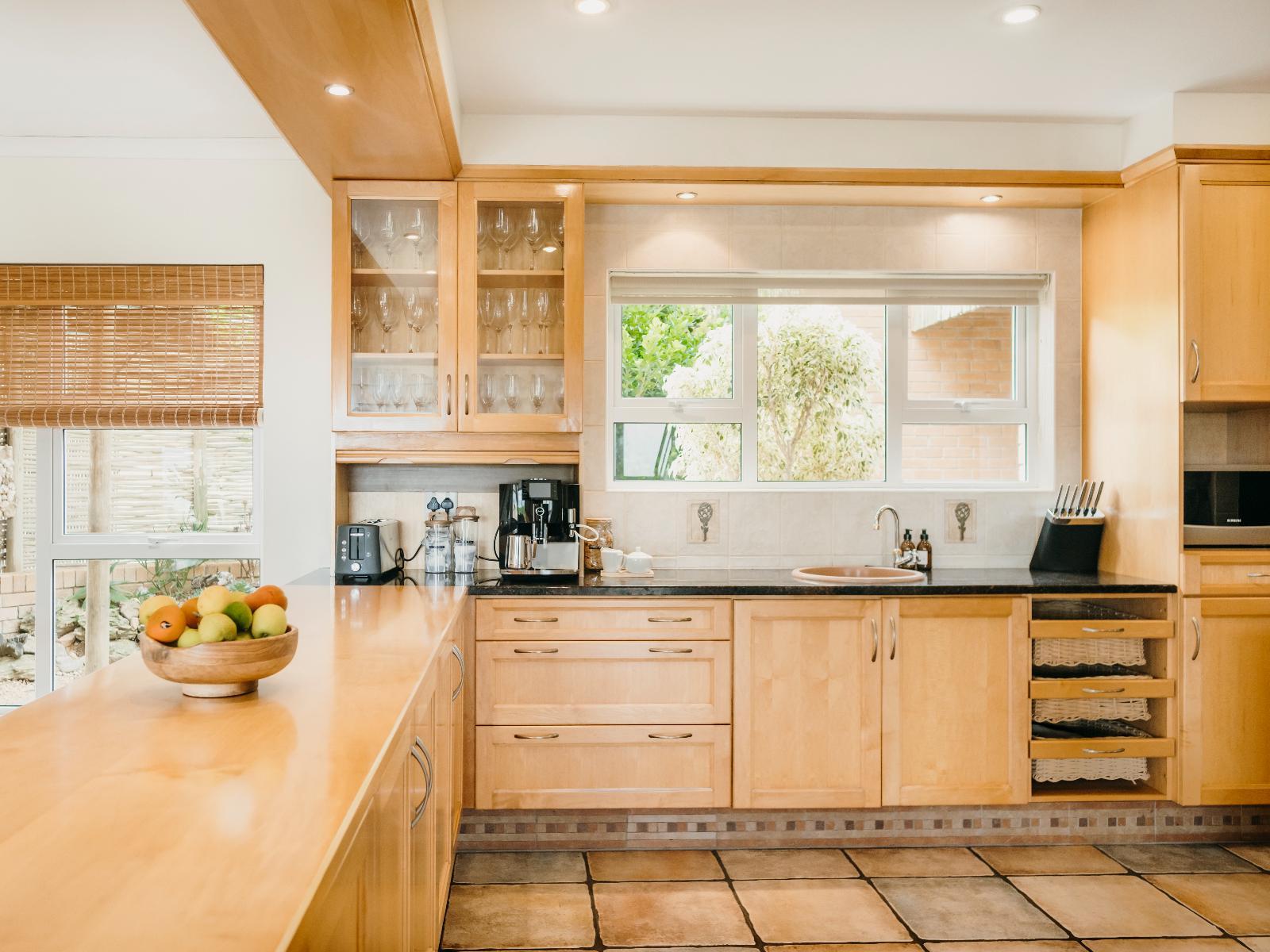
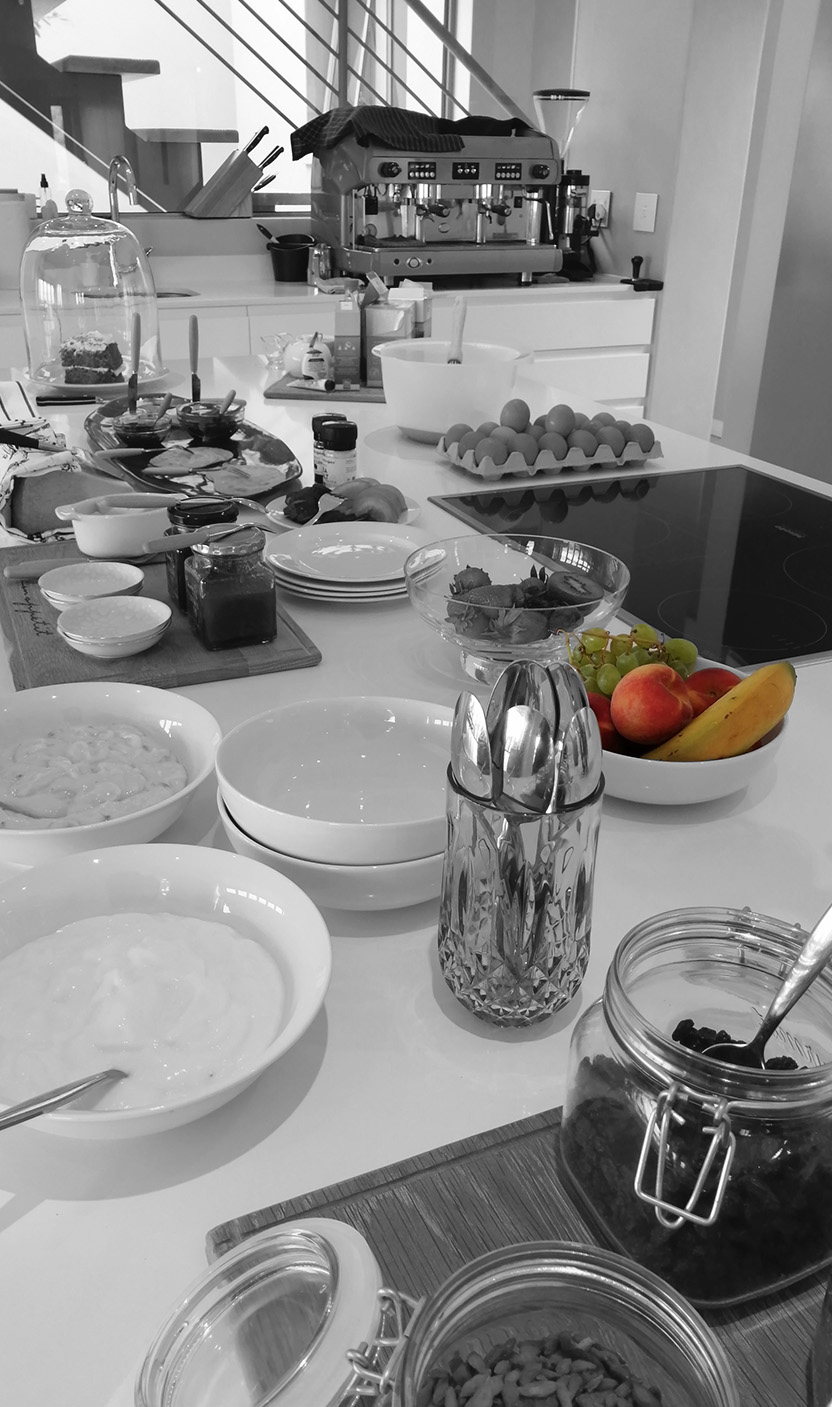
At the accessible end, two self-catering options offer the most independence. These work well for families and small groups who want control over their own mealtimes, especially given that boat trip departures typically happen before dawn. Both options are typical of the genre found along this stretch of the Western Cape coast: modest in size, functional in layout, and suited to travellers whose priority is what happens outside the property. Having a kitchen also helps manage total costs over a multi-day stay, since guided shark diving excursions, wildlife cruises, and gear hire carry significant price tags.
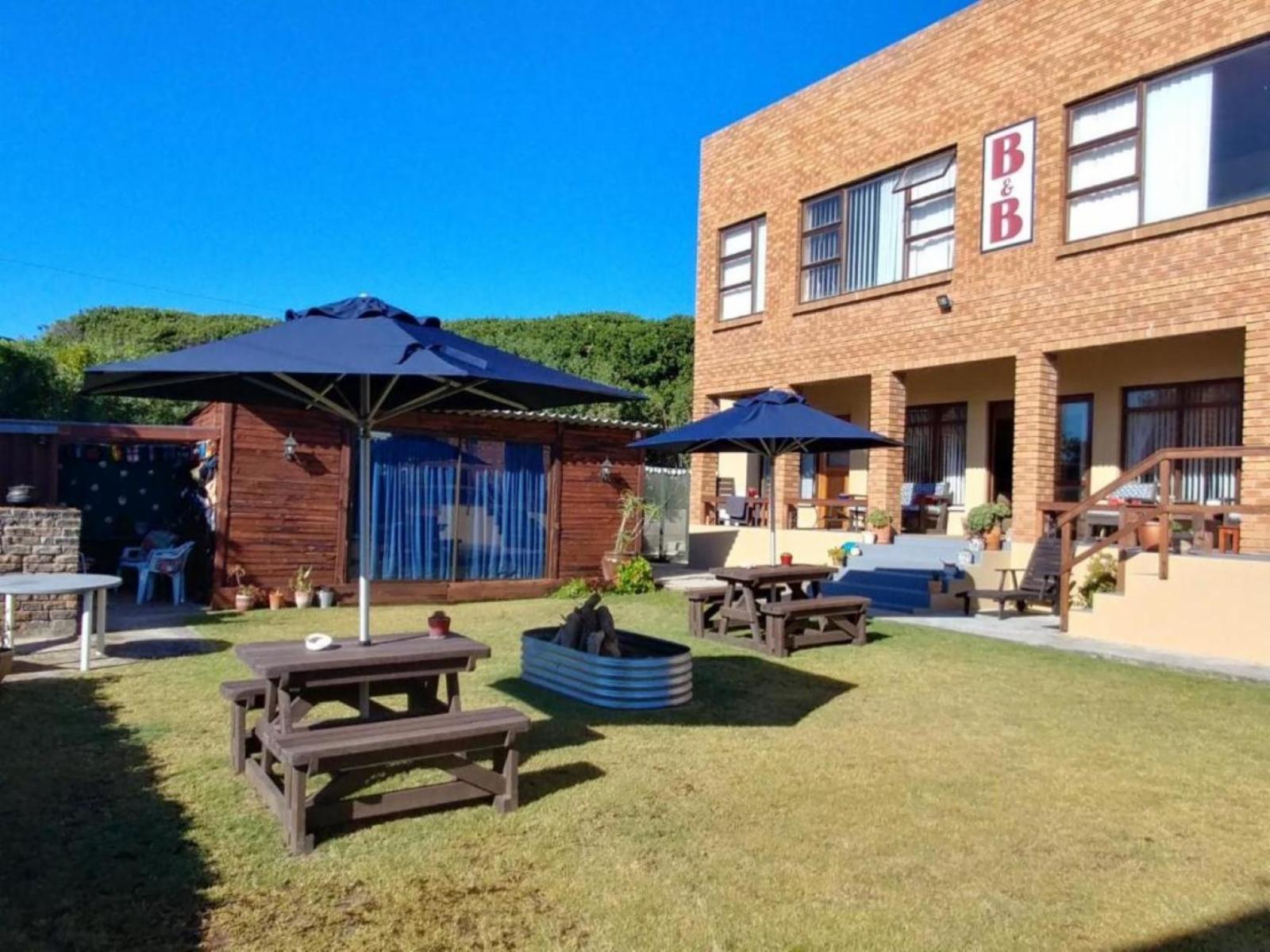
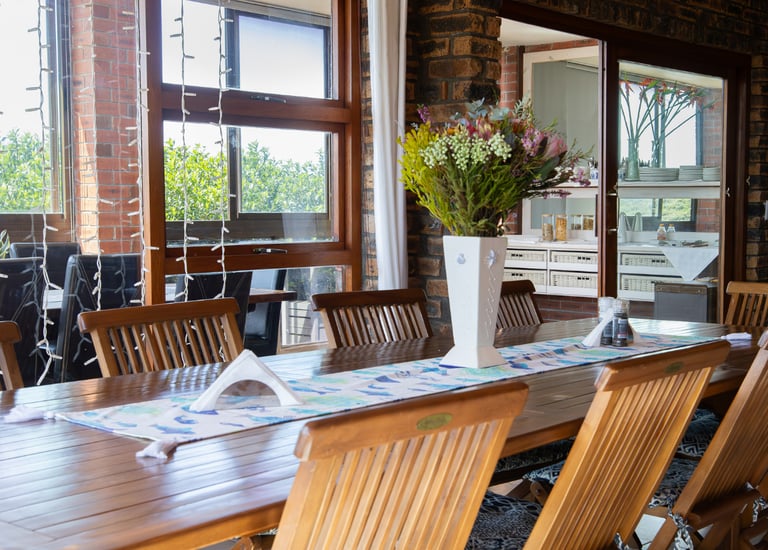
The single bed and breakfast provides a different experience, with meals included and a more personal dynamic between guests and hosts. In a town with limited visitor infrastructure, a host who can advise on current sea conditions, which operators to use, and where to find quieter walking routes adds genuine value to a stay.
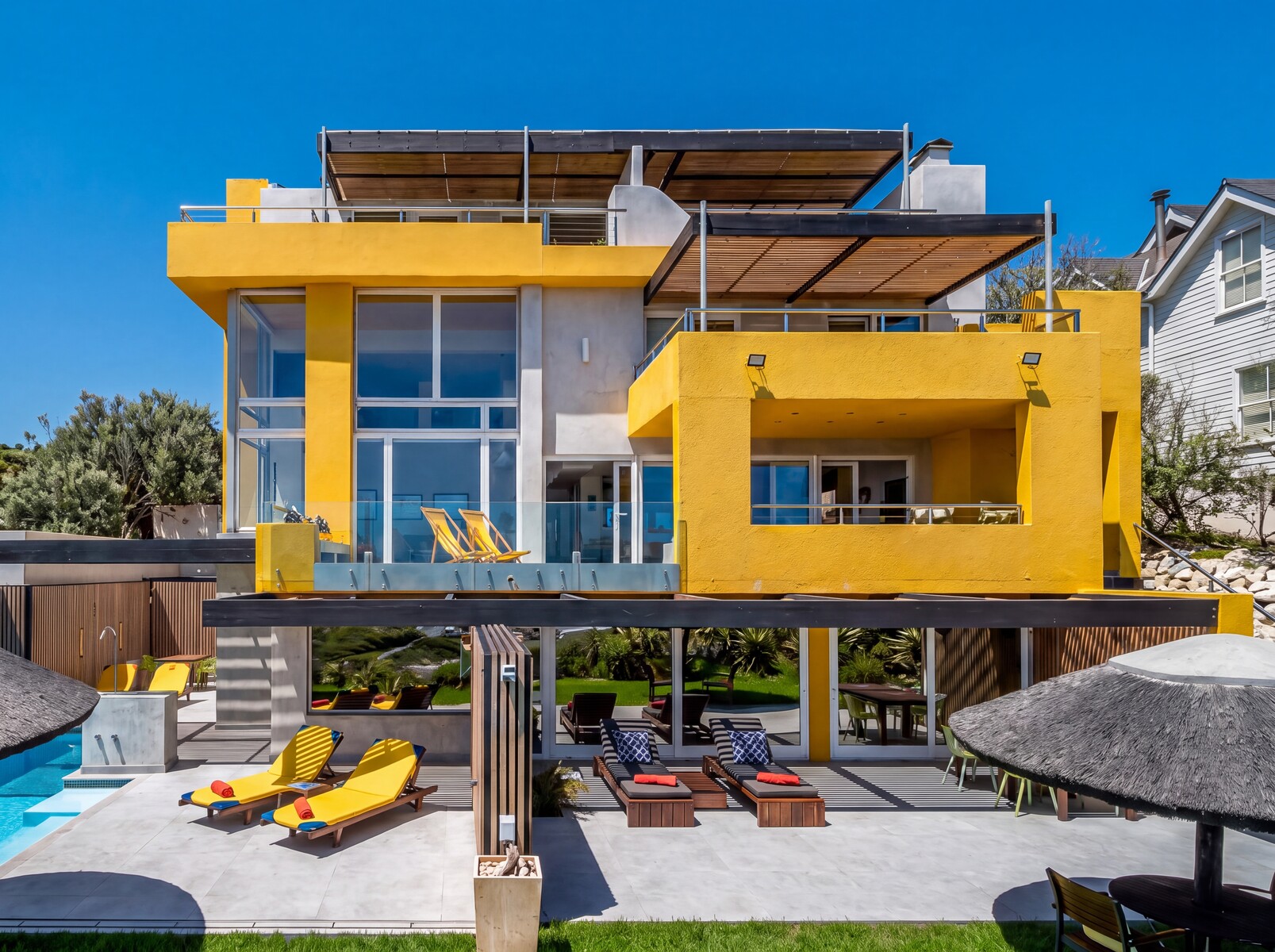
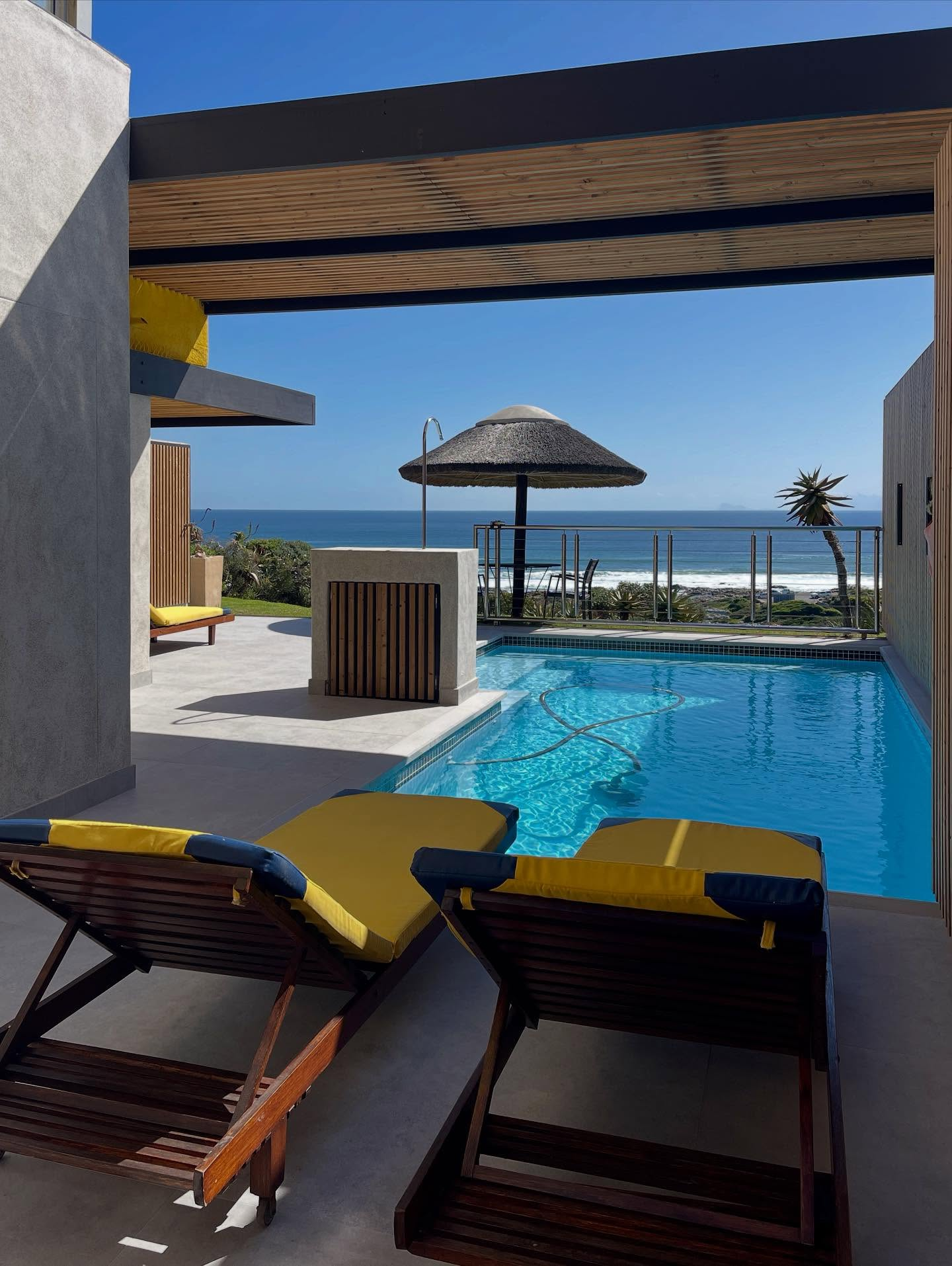
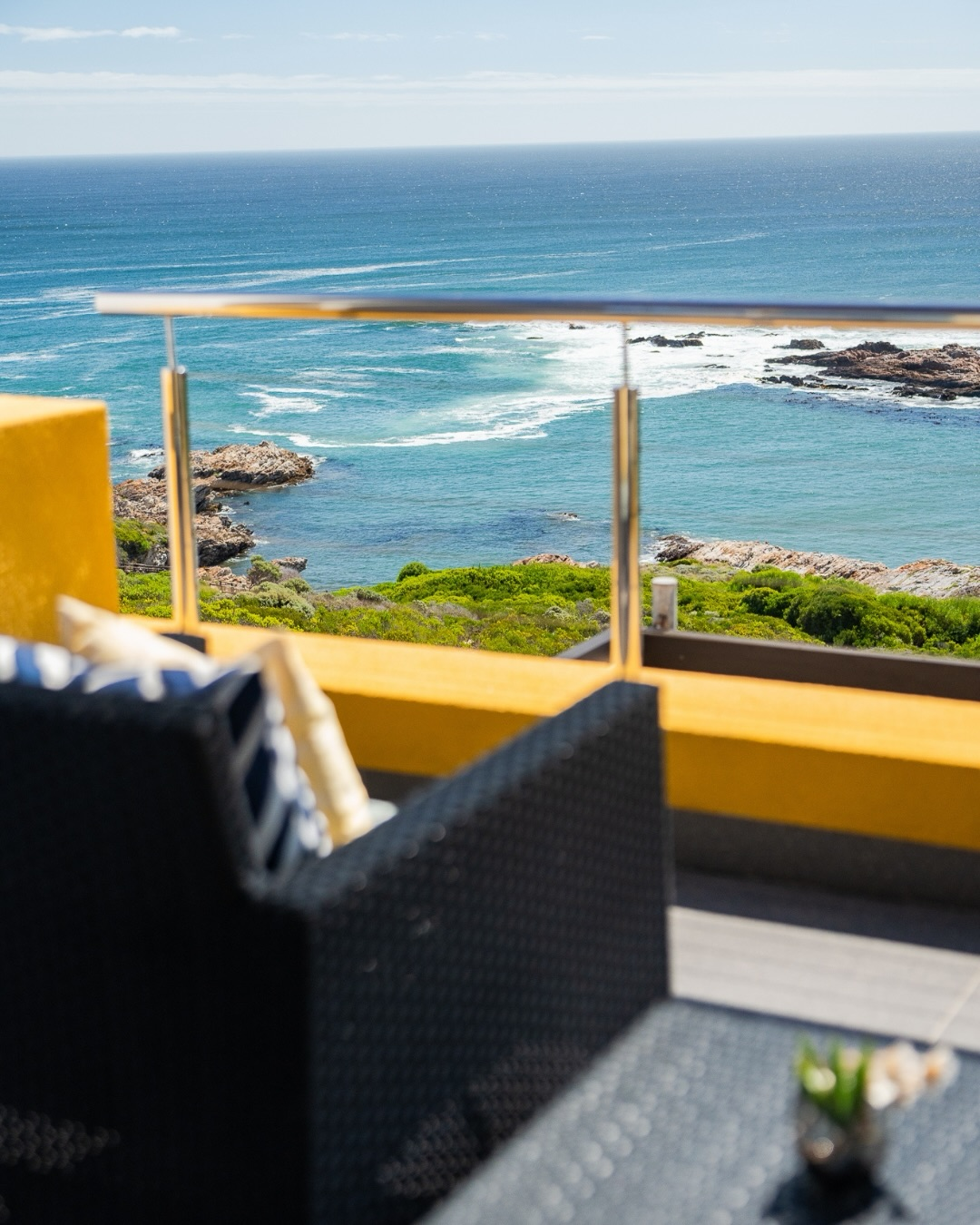
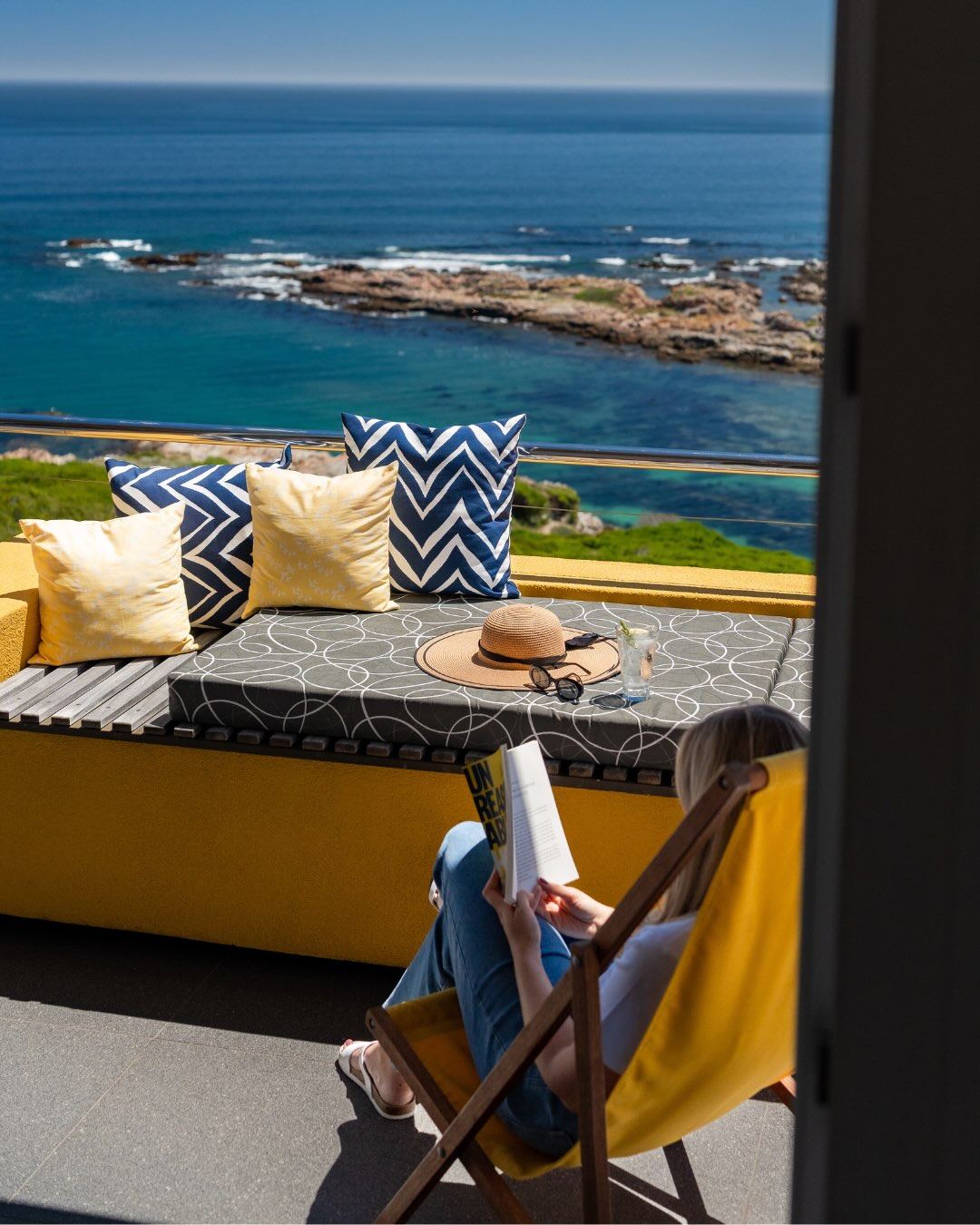
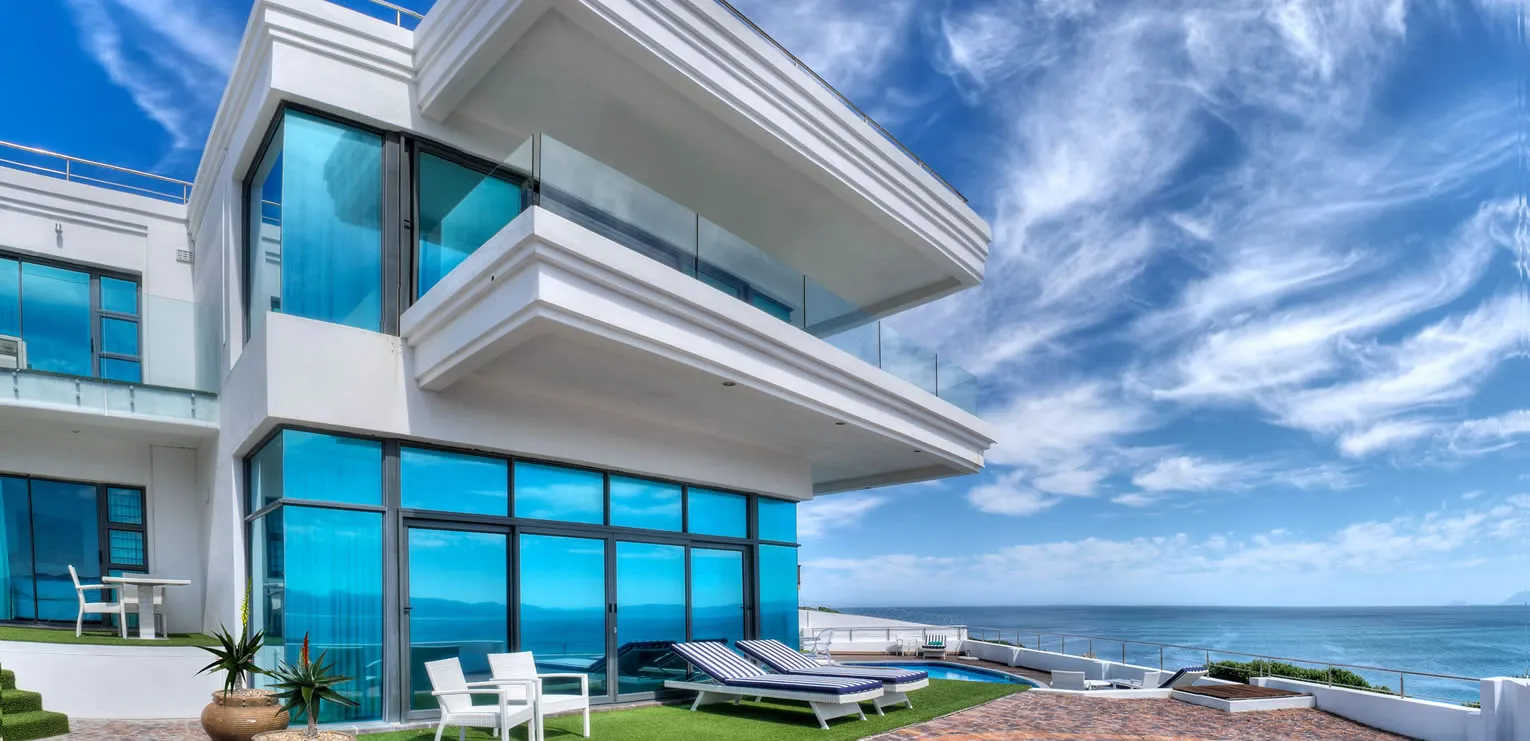
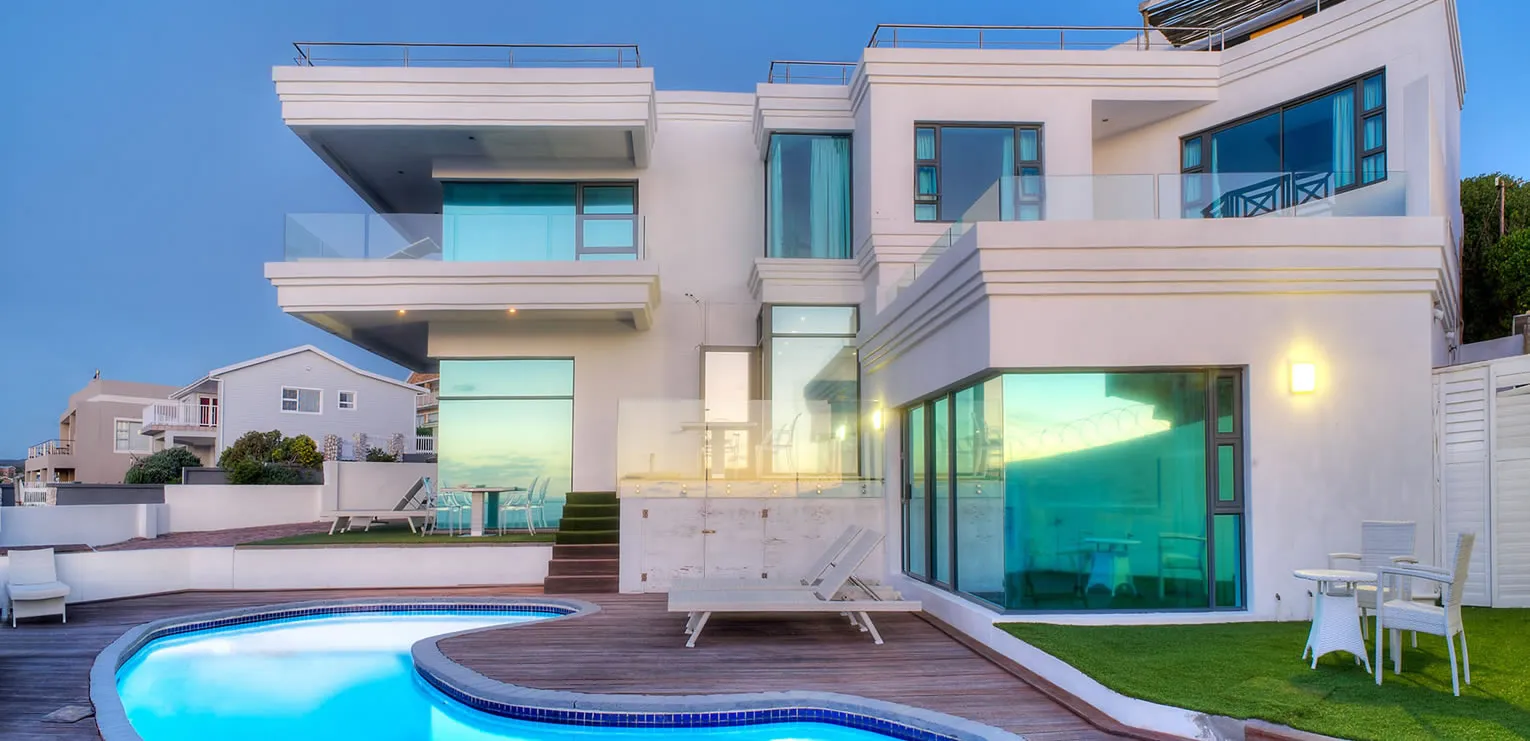
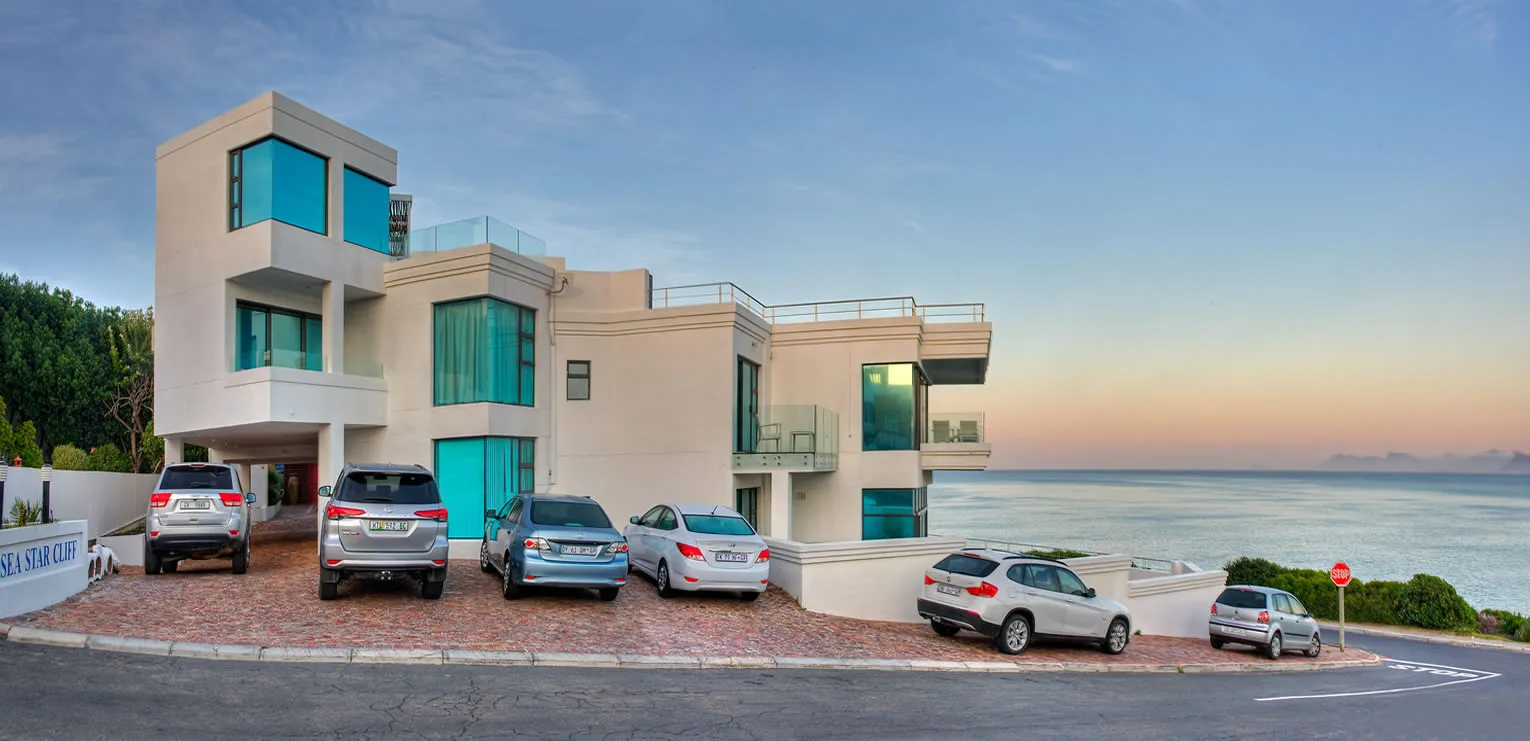
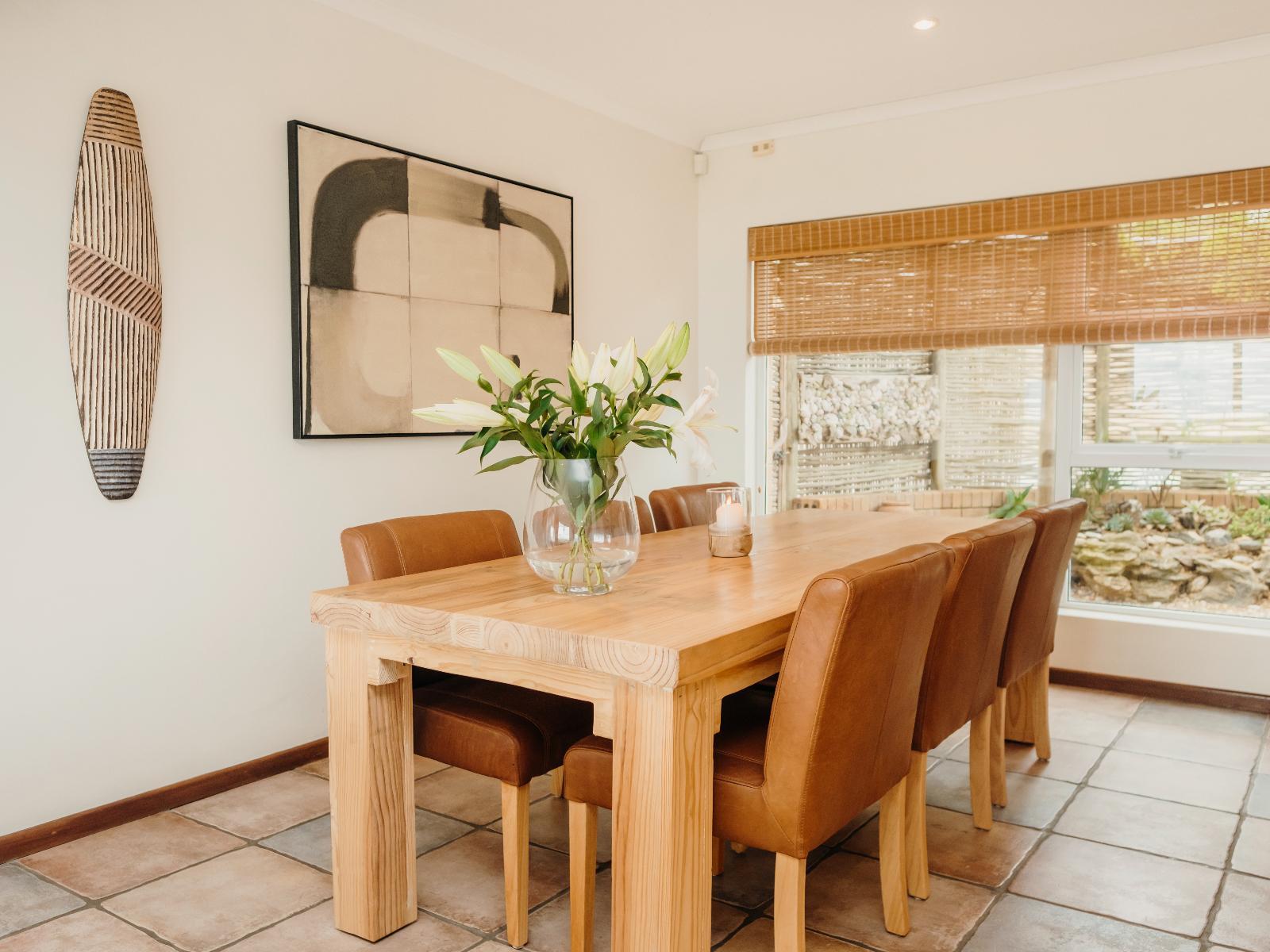
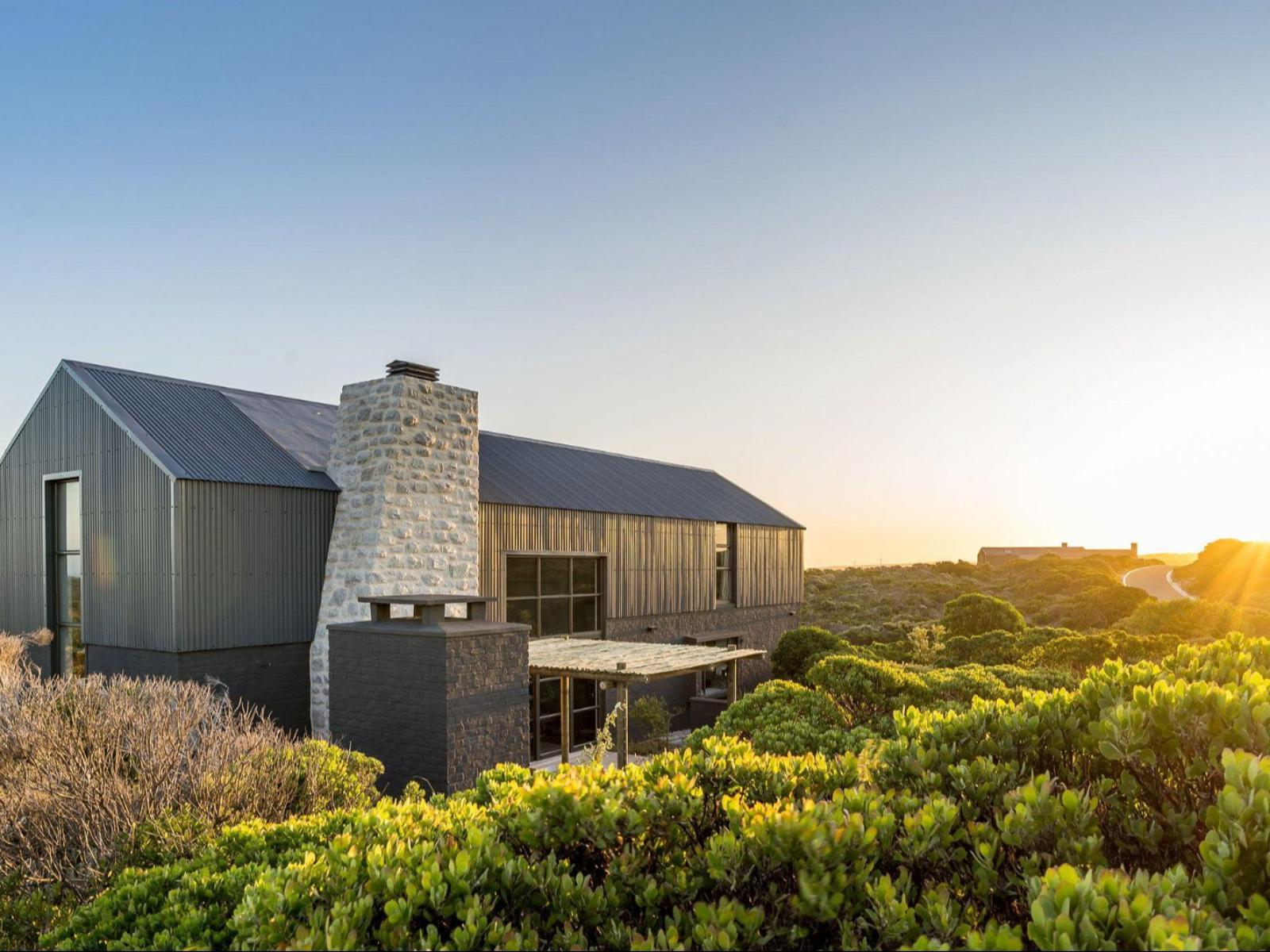
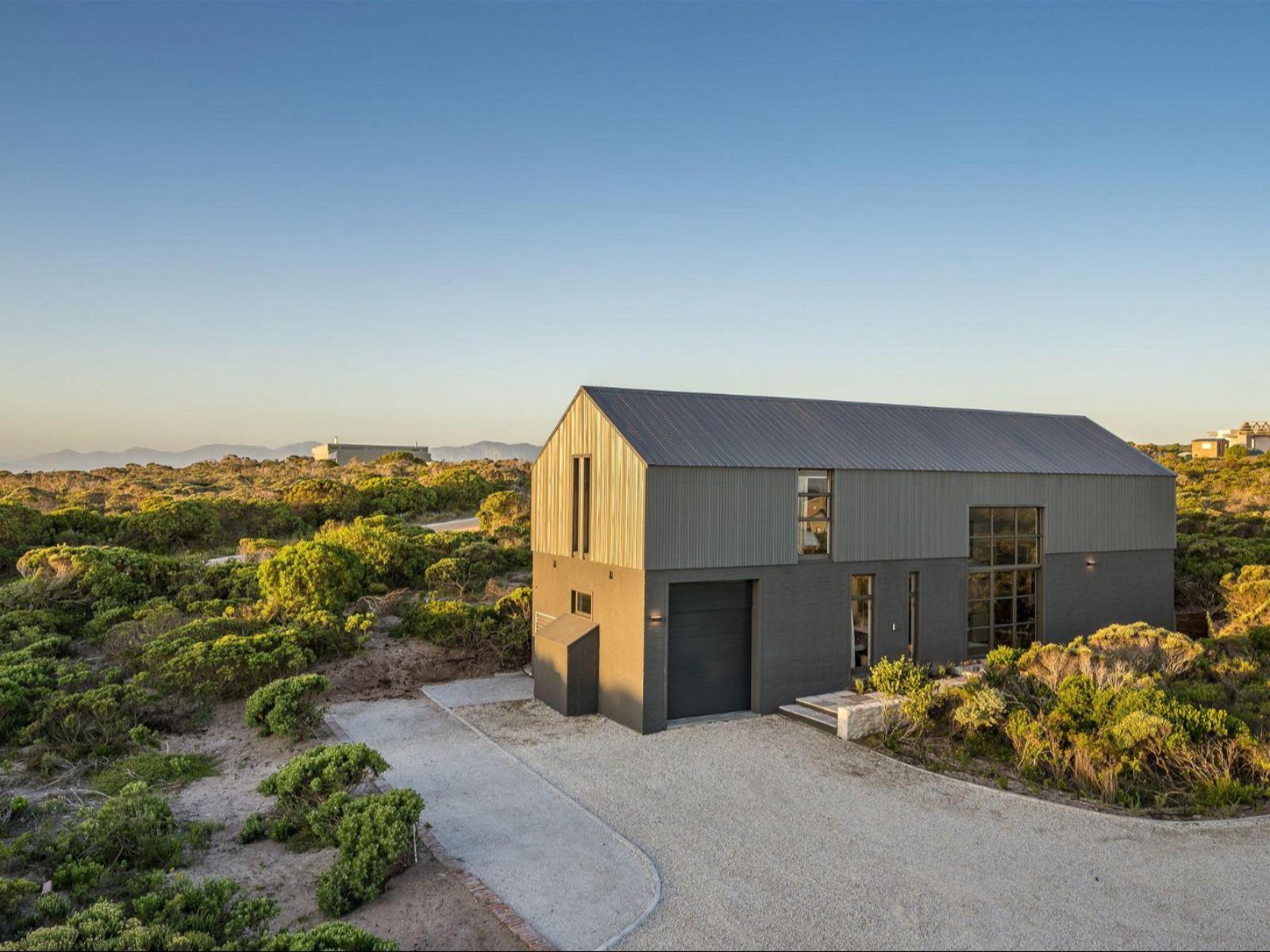
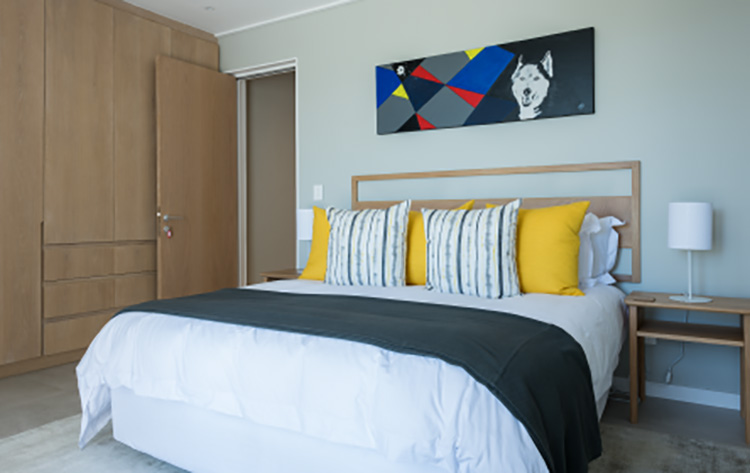
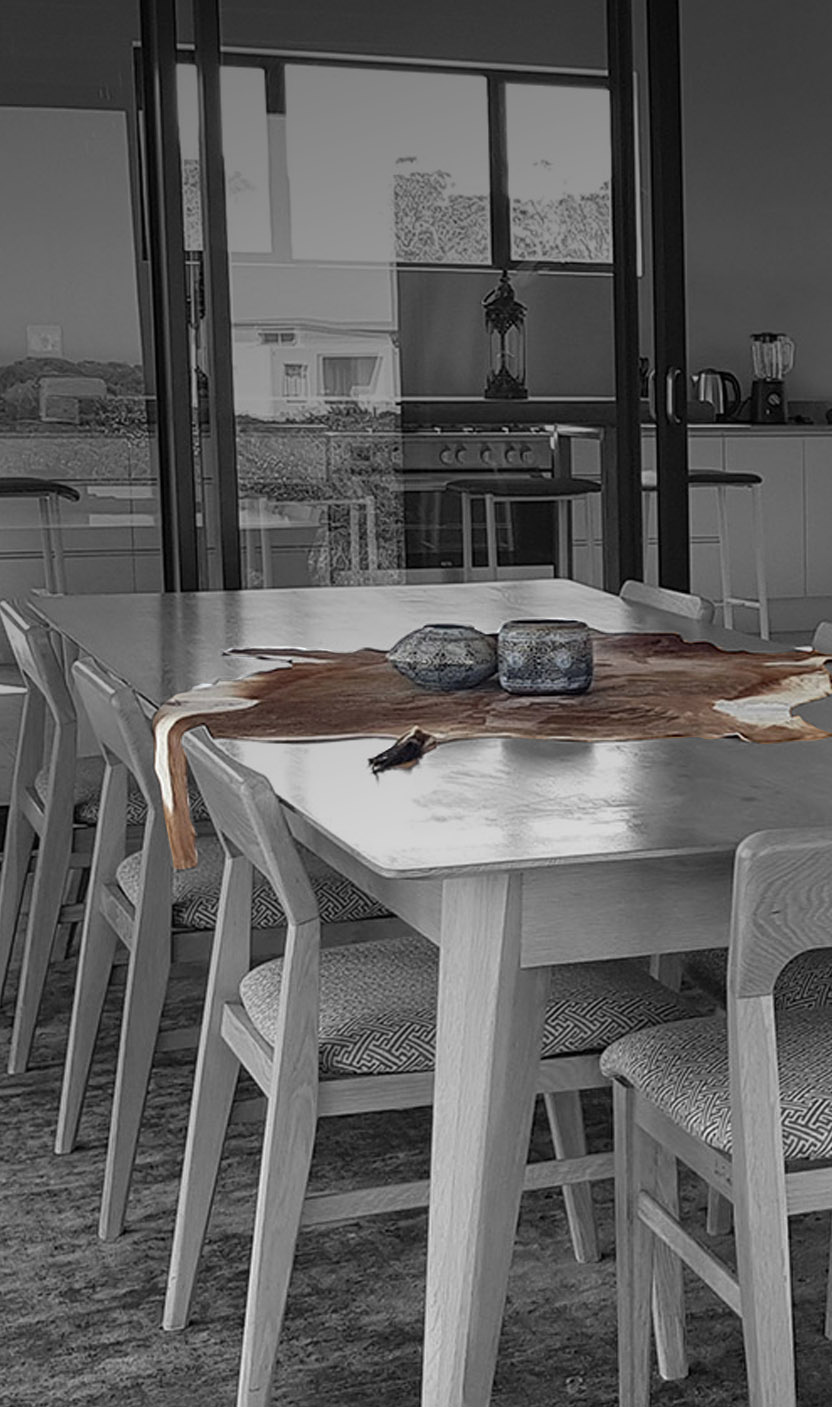
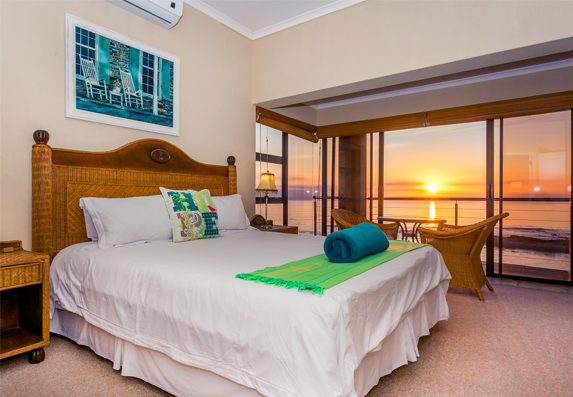
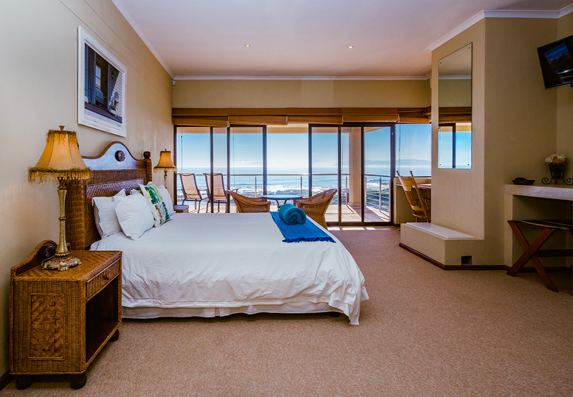
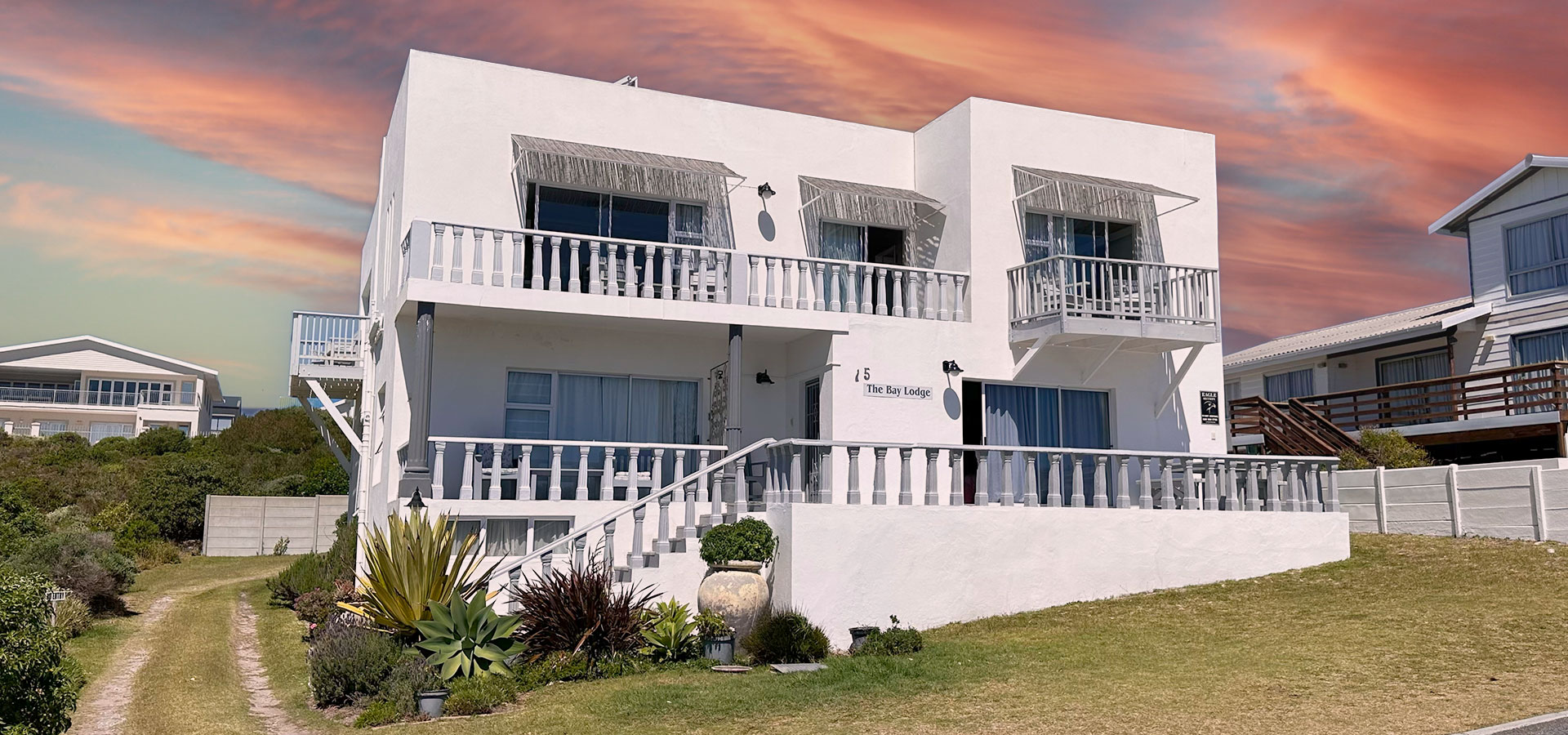
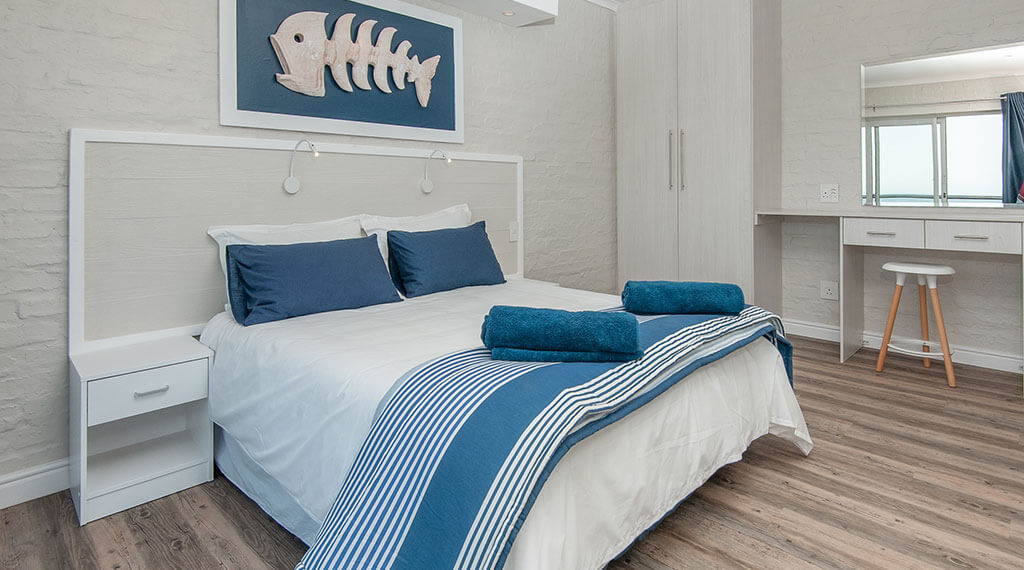
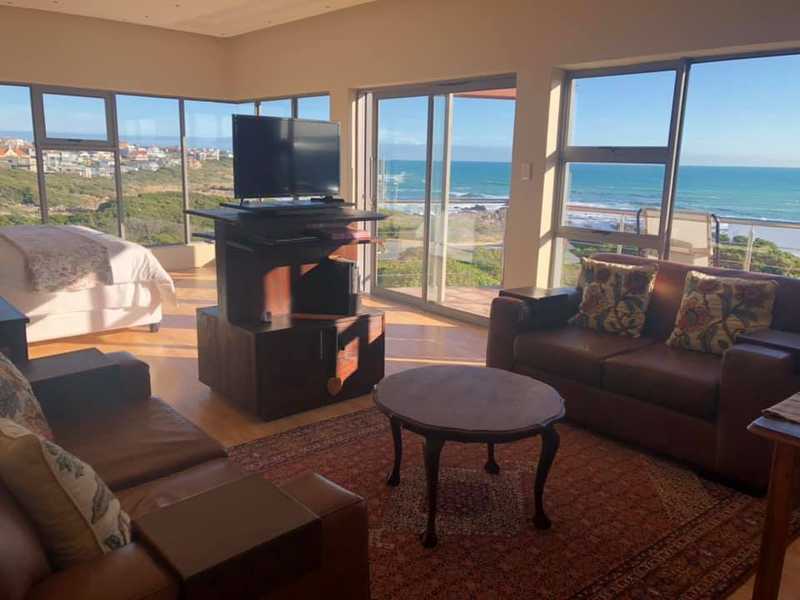
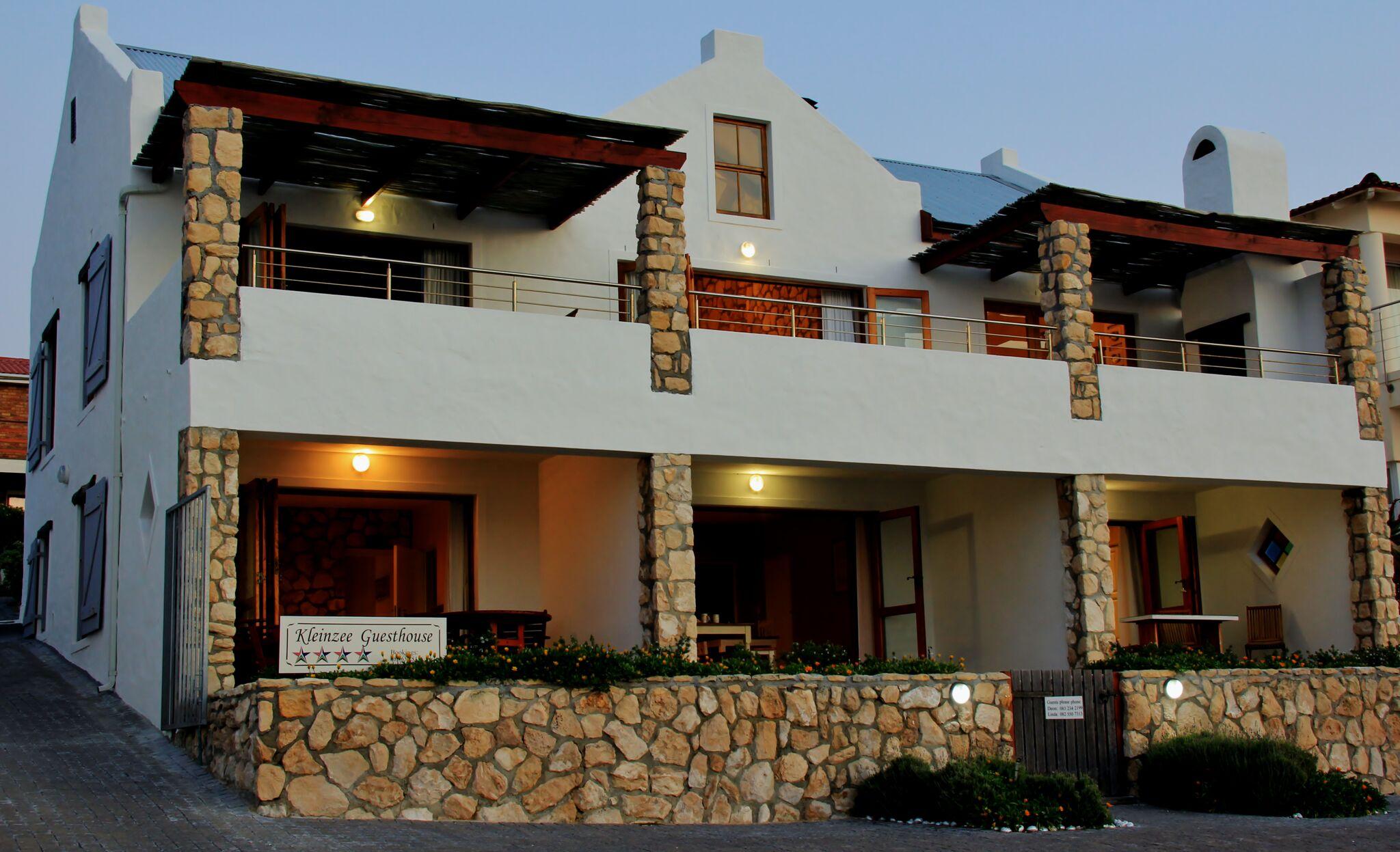
At the top of the local scale, the guest house option averages around R4,985 per night. This price point typically comes with polished en-suite rooms, professional service, and a property that makes deliberate use of its coastal setting. For visitors returning to base after full days on the water or the trail, the difference in finish and comfort is real.
With only four options in total, accommodation in Gansbaai is not something to leave until the last minute.
Best Time to Visit Gansbaai
The climate here is Mediterranean, with wet, mild winters and dry, warm summers. Rainfall concentrates between May and August, while November through February is typically dry and bright. What changes between seasons is not whether you can visit, but what the conditions favour.
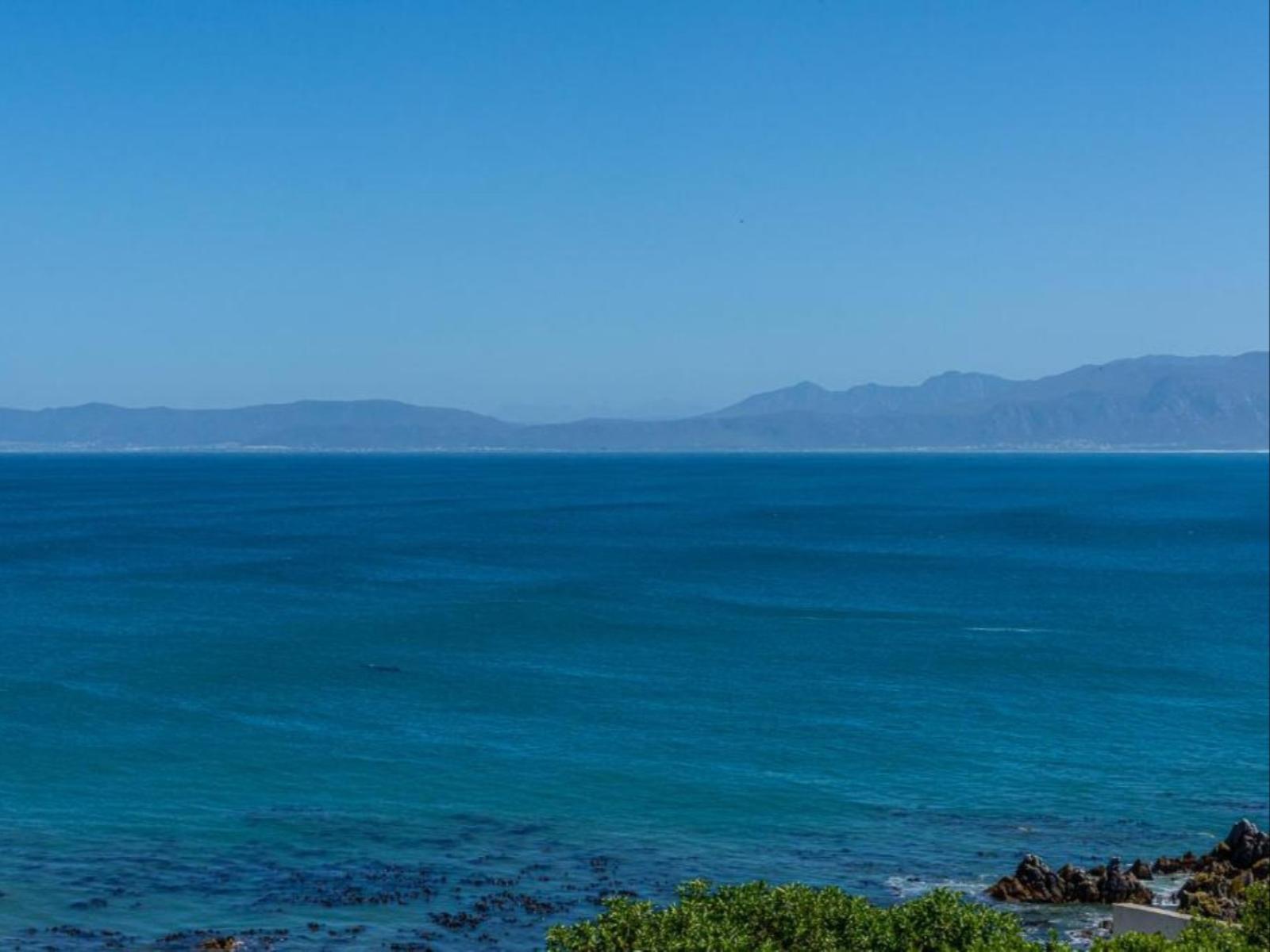
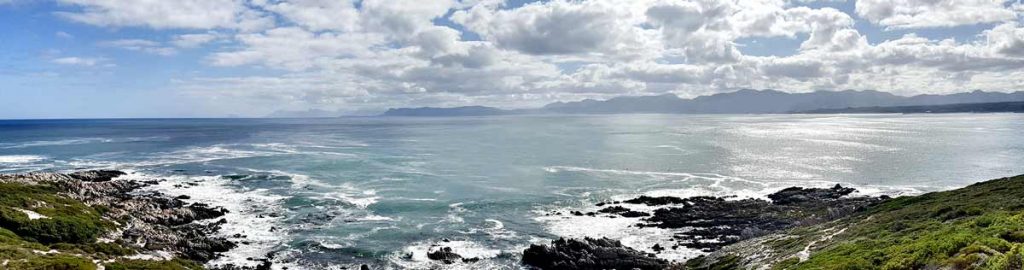
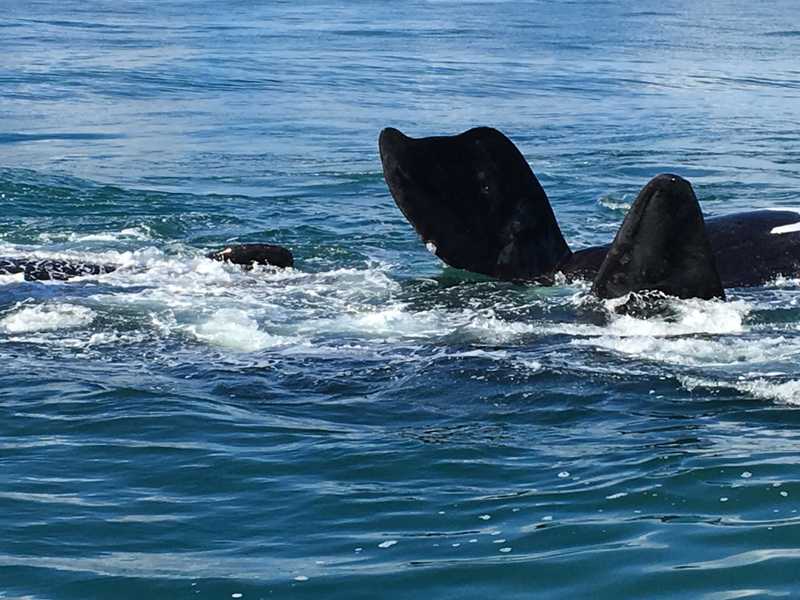
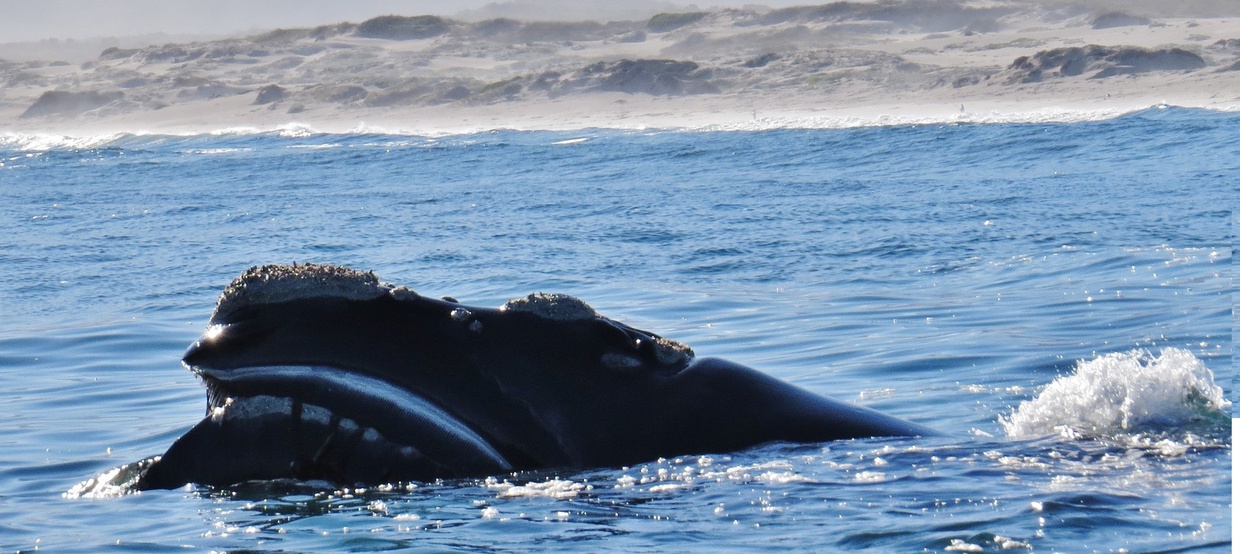
The whale season runs from June to November, when southern right whales enter Walker Bay to breed and nurse their young. Sightings peak between August and October, and reliable views from clifftops are possible without any boat trip required. Conditions during these months are often overcast and cool, with occasional rain, but the consistent marine activity draws many visitors specifically for cetacean watching.
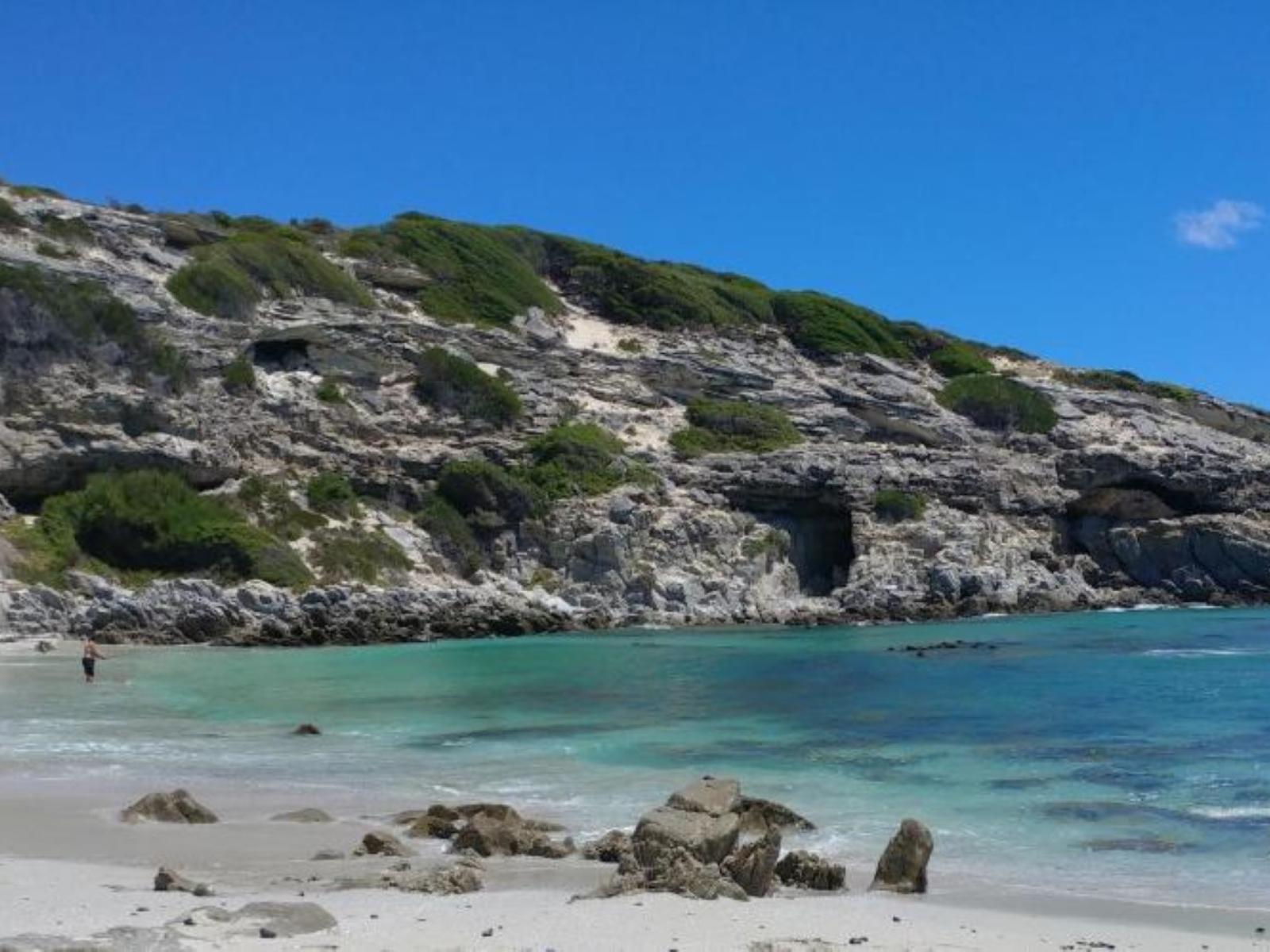
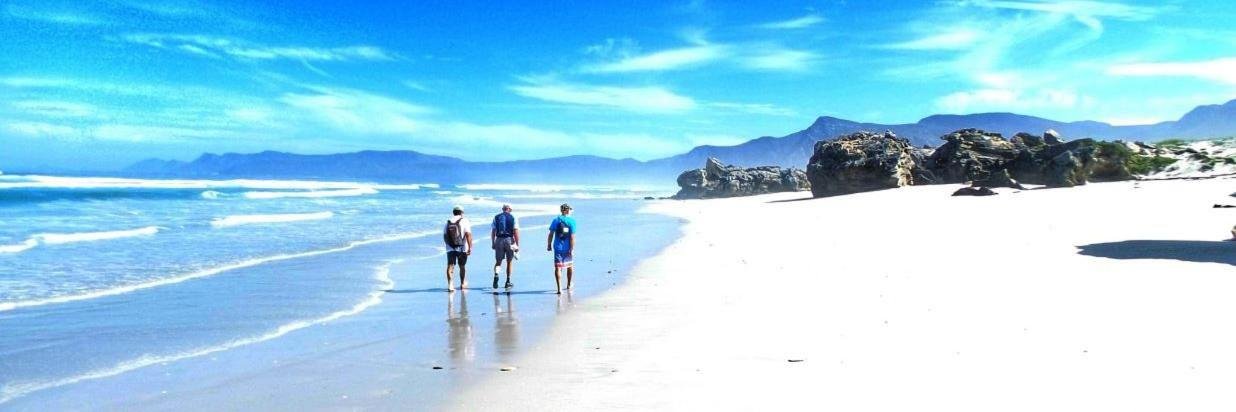
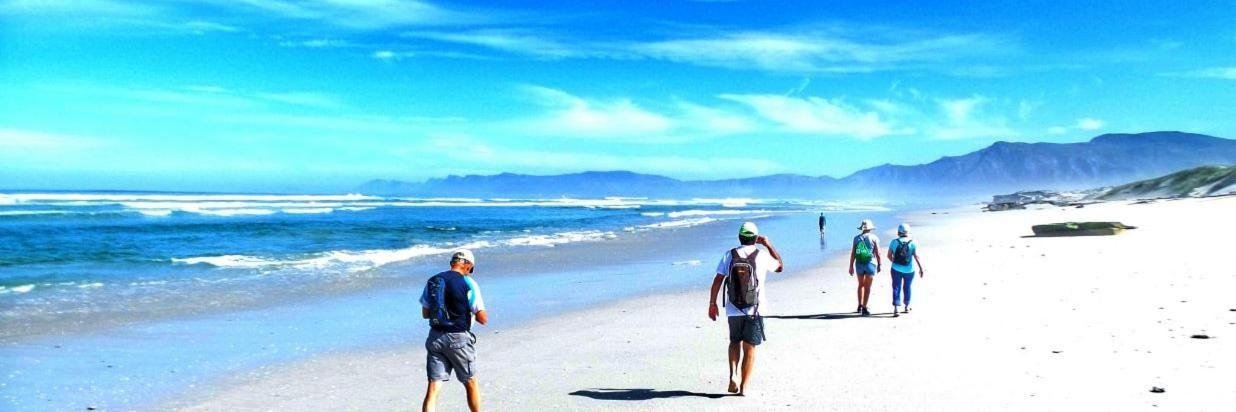
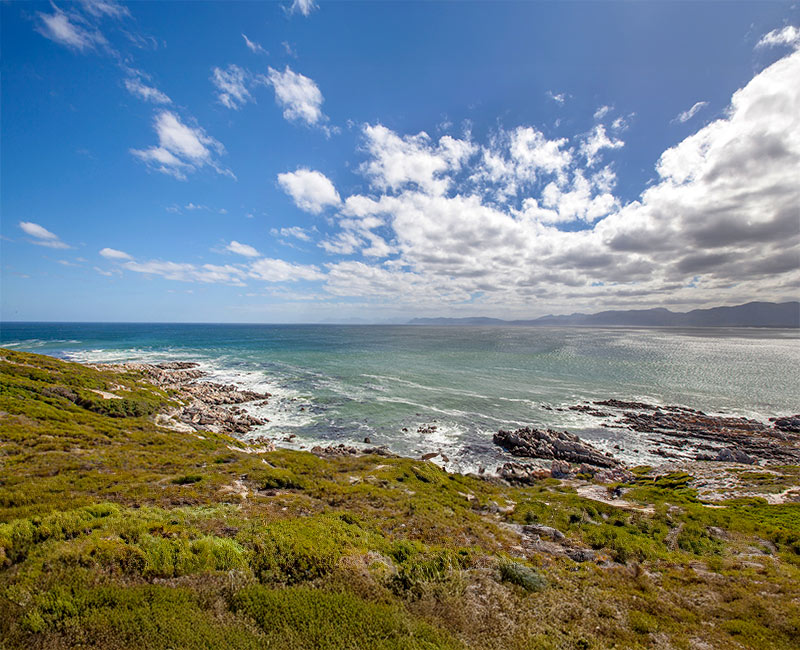
From November through March, drier and warmer conditions suit hiking in the Walker Bay Nature Reserve, which covers about 10 square kilometres of fynbos and coastal dune habitat. The trails are at their best after the winter rains have passed. Dyer Island's resident African penguin colony and Cape fur seal population make the boat crossing a worthwhile excursion year-round.
Shark cage diving operates throughout the year. Winter generally produces more predictable great white sightings, with calmer morning sea conditions on many days. Summer brings higher visitor numbers and shorter booking windows. Shoulder months, particularly May and September, often balance good conditions with manageable crowds.
Getting to Gansbaai
Cape Town International Airport is the nearest major gateway, handling domestic and international routes. From there, Gansbaai is roughly 170 kilometres by road, a drive of approximately two hours under normal traffic conditions.
The standard route follows the N2 east from Cape Town before turning south onto the R43, a well-maintained coastal road through the Overberg region of the Western Cape. The R43 serves as the principal artery into Gansbaai and is the approach most visitors use.
No direct bus or rail connection serves Gansbaai from Cape Town. Shared minibus taxis run between larger regional centres, but schedules are irregular and the system is difficult to navigate for visitors without local knowledge. Renting a car at Cape Town airport is the most practical option, offering flexibility to set your own departure times and move freely between Gansbaai and the surrounding communities.
Petrol stations in the town are limited. Filling up before leaving Cape Town, or at a larger centre along the route, avoids arriving with a low tank. Within the town itself, most services are within walking distance of the centre, but a vehicle throughout your stay simplifies early morning logistics considerably.
Gansbaai and Surrounding Areas
Several communities within easy reach of Gansbaai offer distinct experiences and extend what is possible during a stay on this stretch of the Overberg coast.
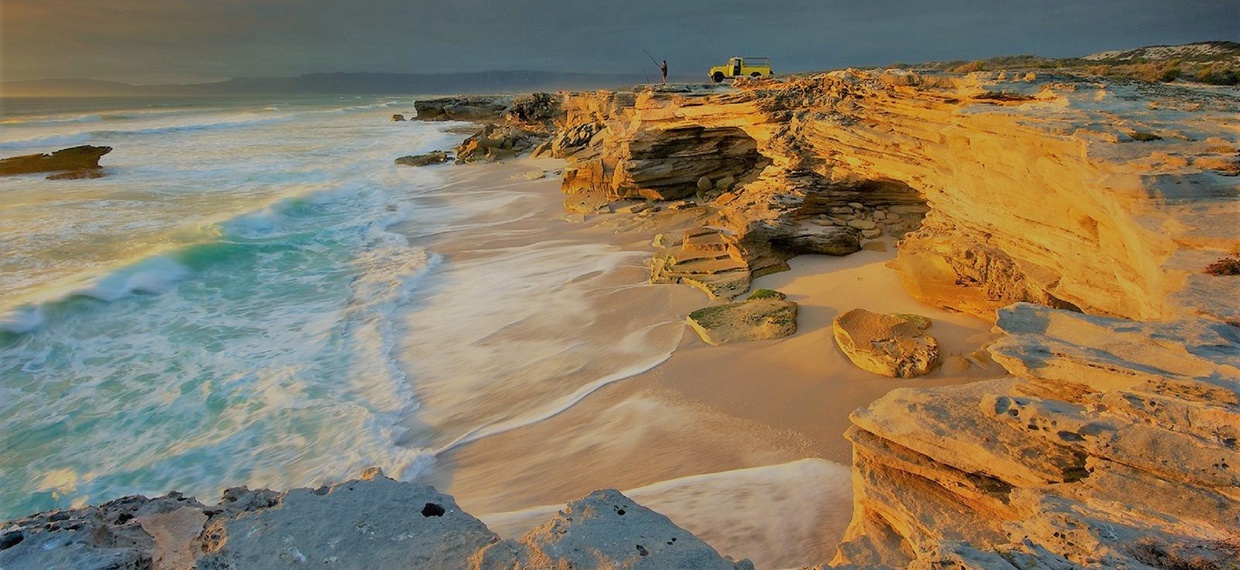
De Kelders sits three kilometres along the shore and is known for its sea caves, eroded over centuries by wave action in the limestone cliffs. The clifftop above the caves provides some of the Western Cape's most reliable shore-based whale watching, with unobstructed views across the bay. A coastal walking path connects the two communities, making De Kelders an easy half-day return on foot.
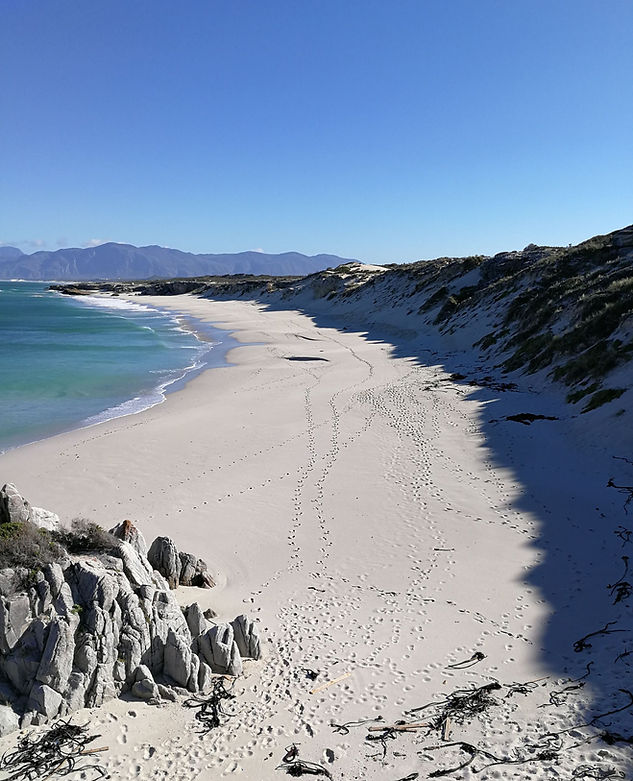
Van Dyks Bay, four kilometres away, is a small working fishing settlement without significant visitor infrastructure. The beach is quiet and generally clear of the activity-focused visitors concentrated in Gansbaai, offering a different pace to the wildlife and boat trip rhythm of the main town. It is worth the short drive for a beach walk and to see commercial fishing outside the marine tourism context.
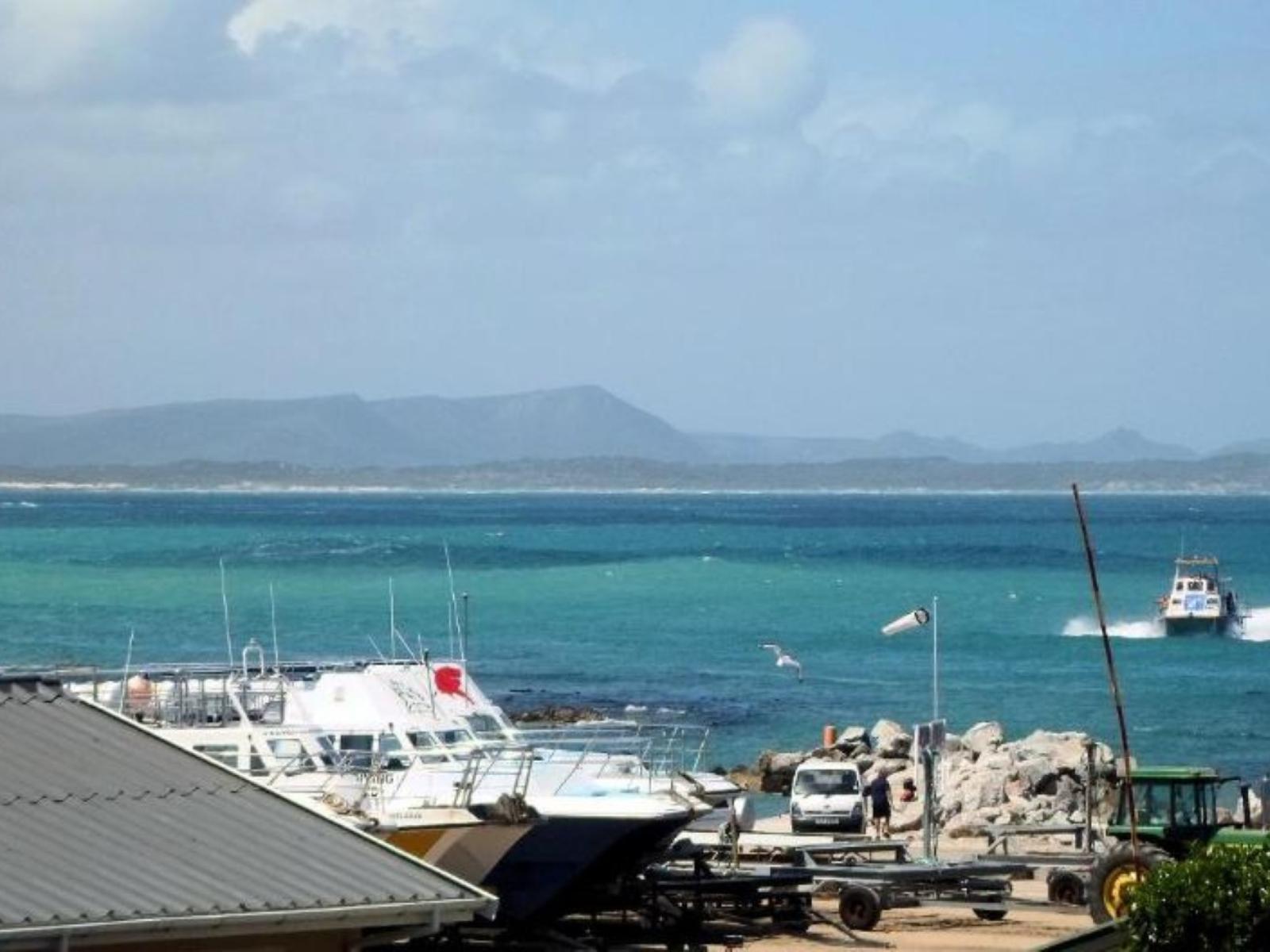
Kleinbaai, also four kilometres from the Gansbaai town centre, is where virtually all shark cage diving and whale watching boat trips depart. The harbour is compact and focused almost entirely on marine excursions. Visitors with morning tours will arrive here before sunrise for safety briefings and kit fitting.
Stanford, 19 kilometres north on the Klein River, functions as an arts and craft village with a more developed food scene than Gansbaai. It has independent restaurants, a microbrewery, and several galleries. The compact town centre is walkable, making it a practical destination for a rest day or an evening out.
Baardskeerdersbos, 20 kilometres into the hills above the coast, is a small rural hamlet favoured by Cape Town weekenders. It holds a craft market and sits in fynbos-covered farmland. The drive through the hills is scenic and unhurried.
Hermanus, 21 kilometres north, is the region's largest town. It has hospital services, pharmacies, larger supermarkets, and a broad retail and restaurant strip. Its cliffside walking path draws visitors during the whale season independently of anything arranged from Gansbaai. For any service or supply the town cannot provide, Hermanus is the practical first stop.
Planning Your Stay
Given the limited number of properties available in Gansbaai, advance planning matters. During the whale season and South African school holidays, accommodation fills quickly. Booking six to eight weeks ahead is sensible for peak periods, and two to three months ahead over December and January is advisable.
When comparing properties, check carefully what is included. Properties with a kitchen differ in how well-equipped it is, and features like braai facilities do not always include charcoal or firewood. A direct question to the host before confirming avoids small frustrations on arrival.
Review cancellation policies before committing. Boat trips in this area are weather dependent, and operators cancel or postpone regularly. If your itinerary is built around specific marine activities, a booking with reasonable cancellation terms is worth prioritising over a cheaper rate with rigid conditions.
Mobile signal is adequate in the town centre, but some properties outside the main built-up area may have weaker coverage. If reliable data access matters for your stay, confirm this with the host before booking.
Dining options in Gansbaai are limited. Whether you plan to source supplies locally for home cooking, or intend to drive to a nearby town for some evenings, having a rough meal plan before arriving prevents unexpected gaps.