Accommodation in Graaff-reinet
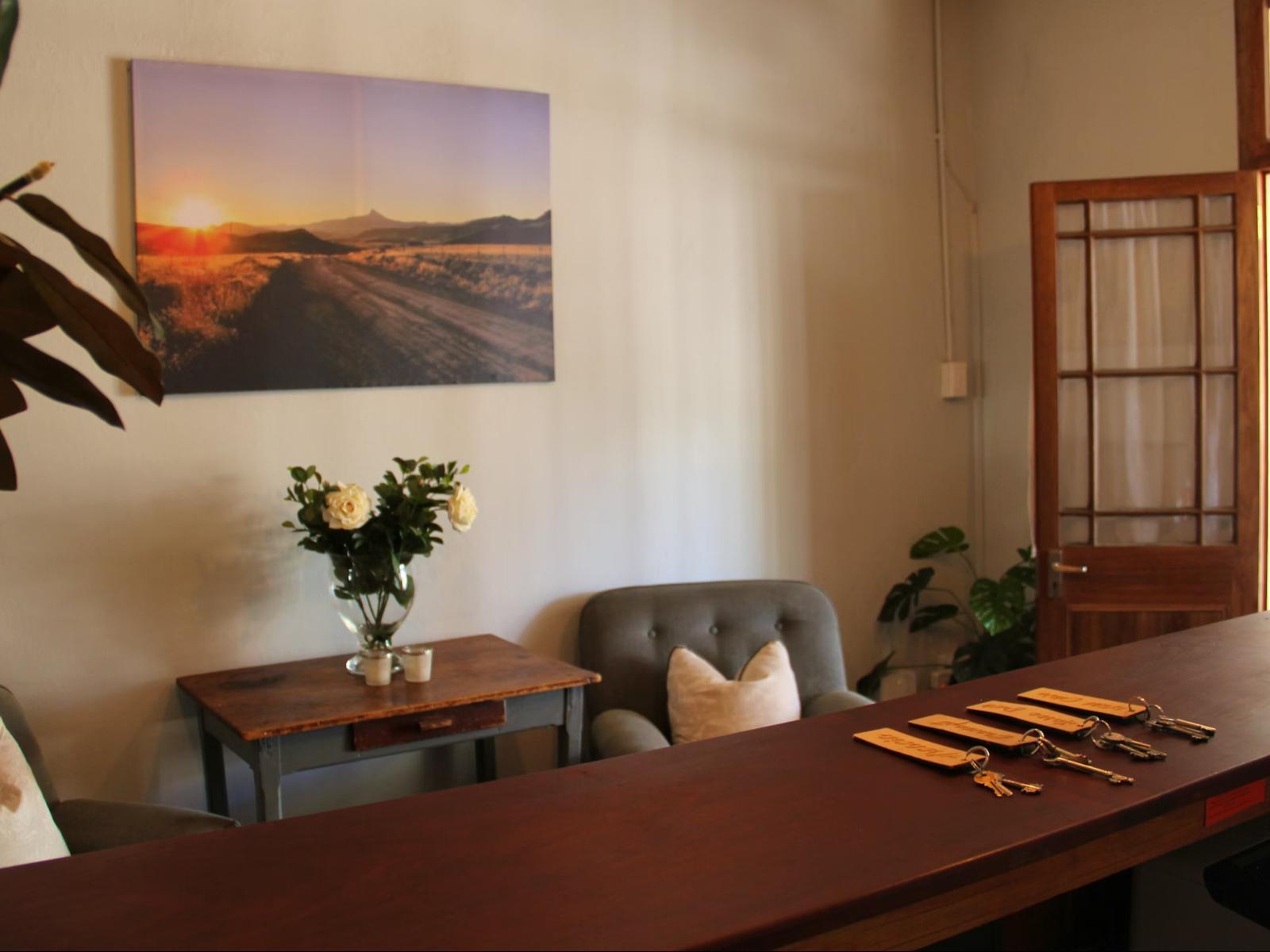
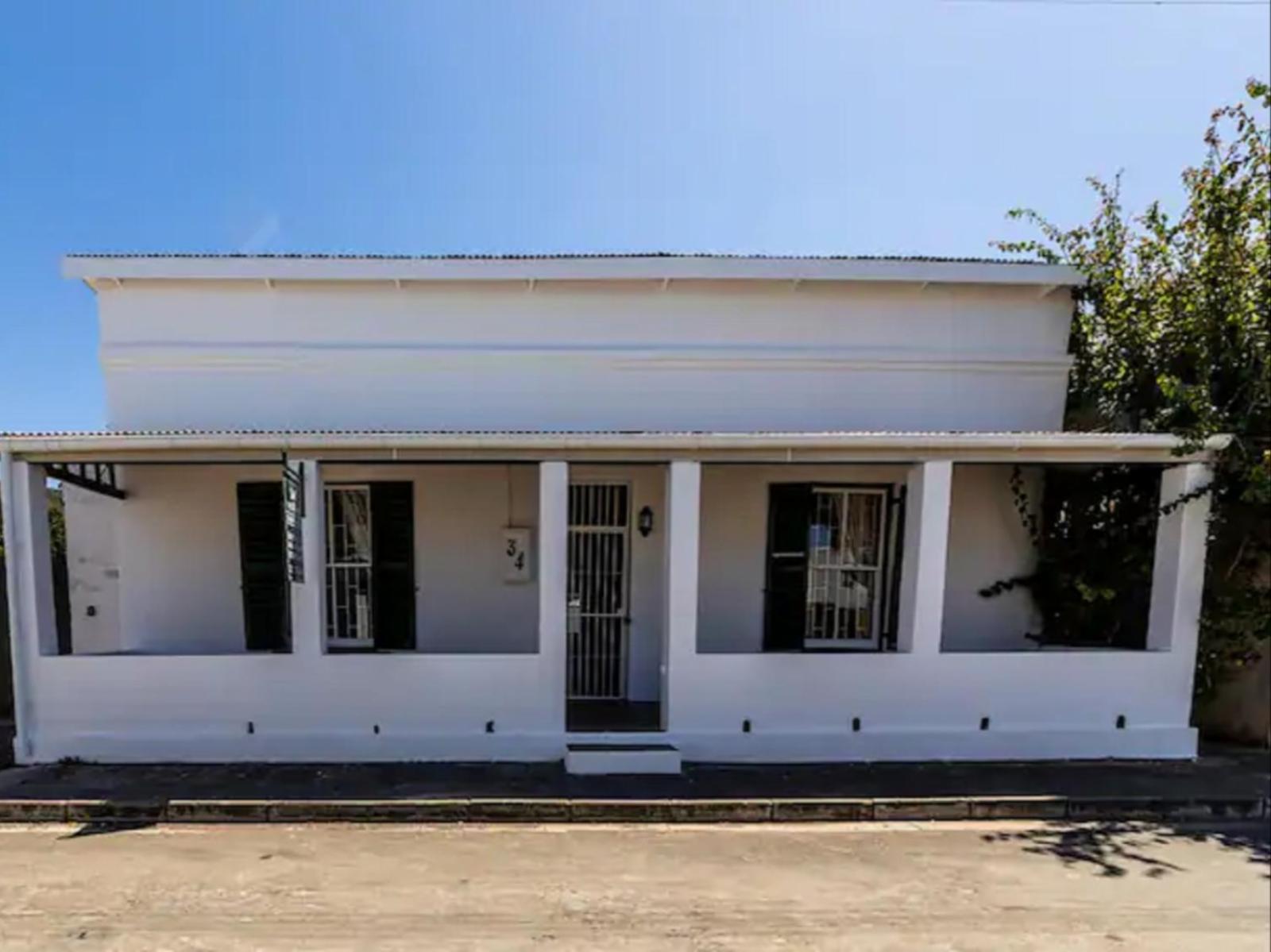
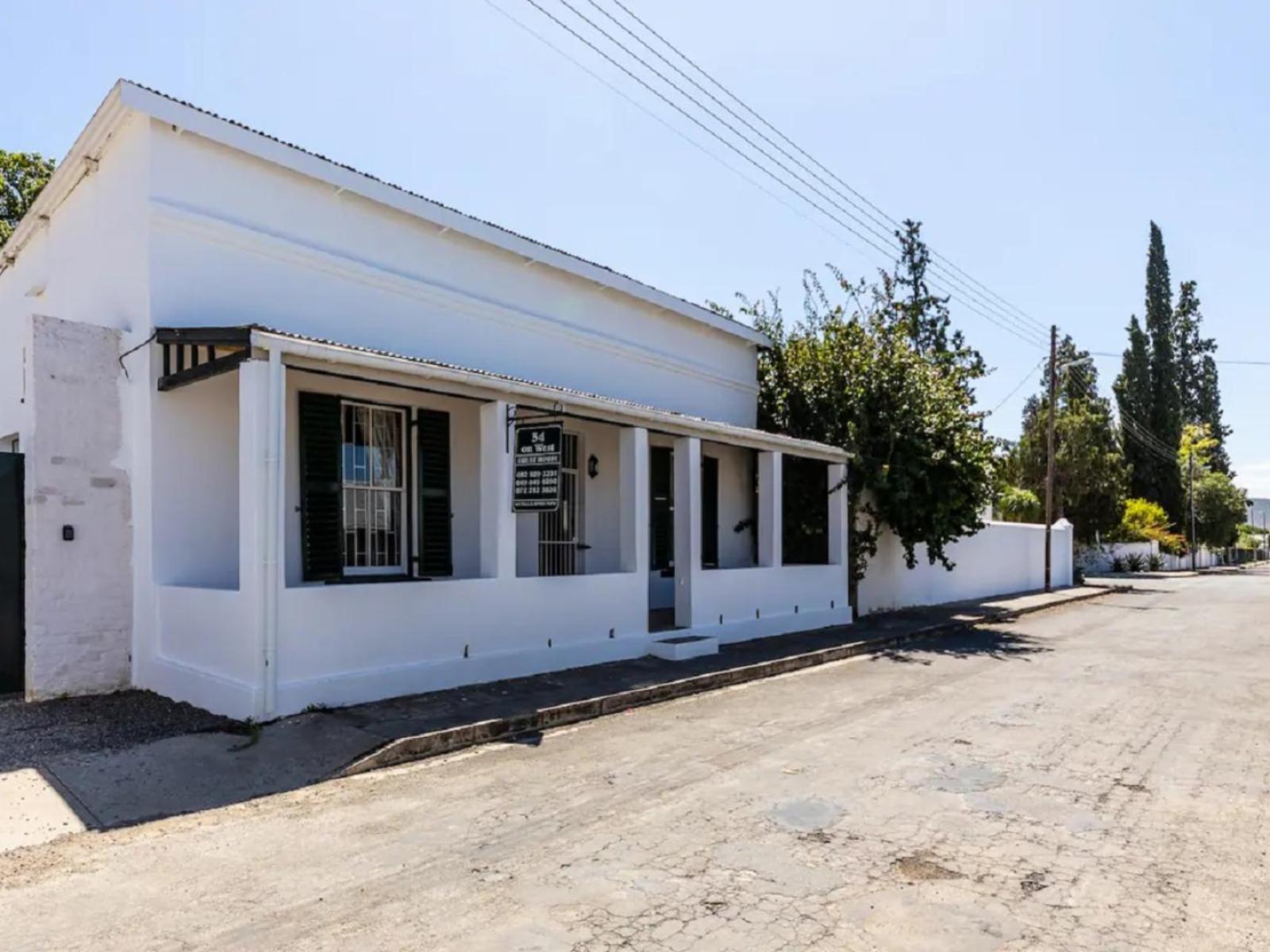
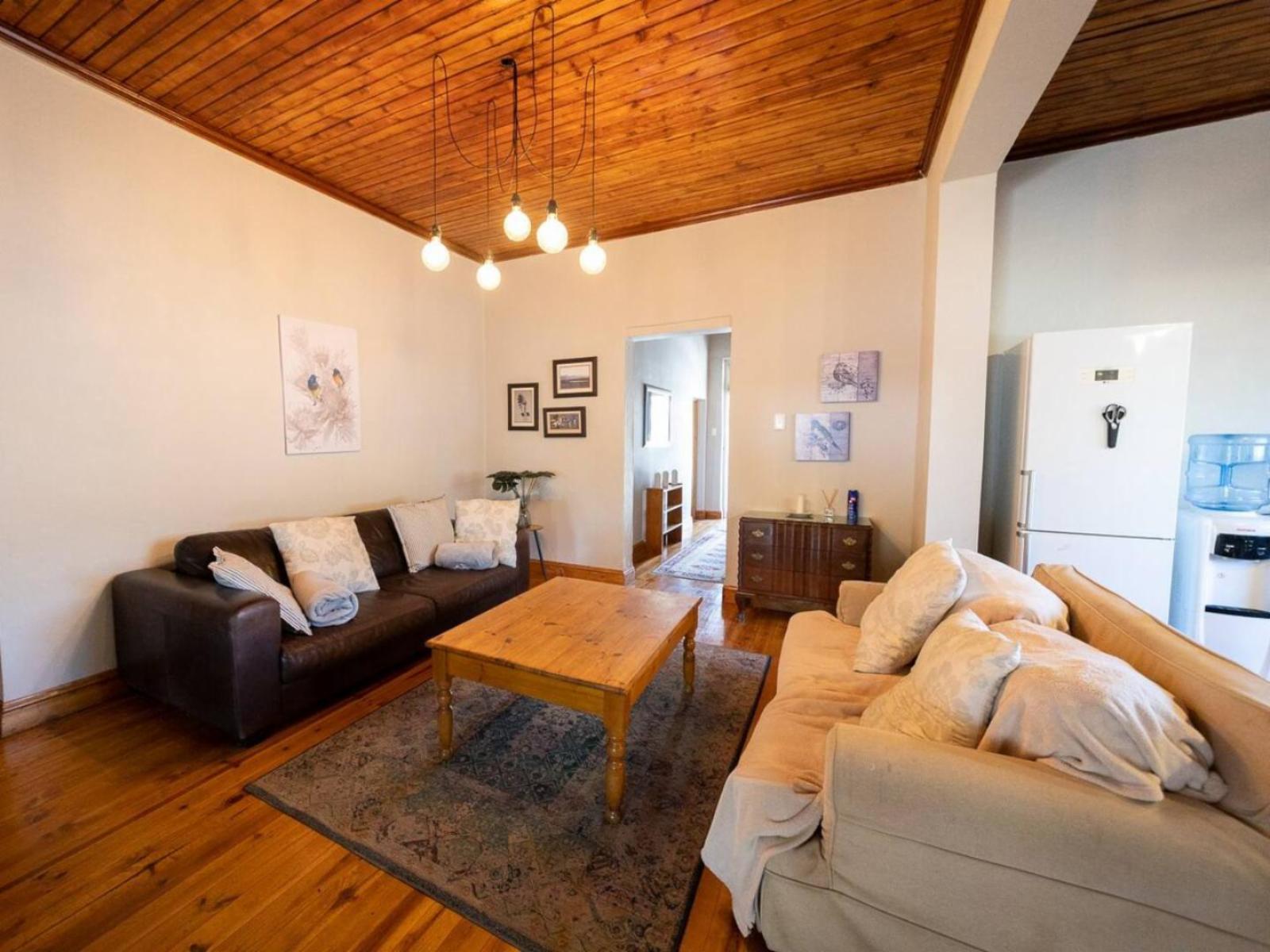
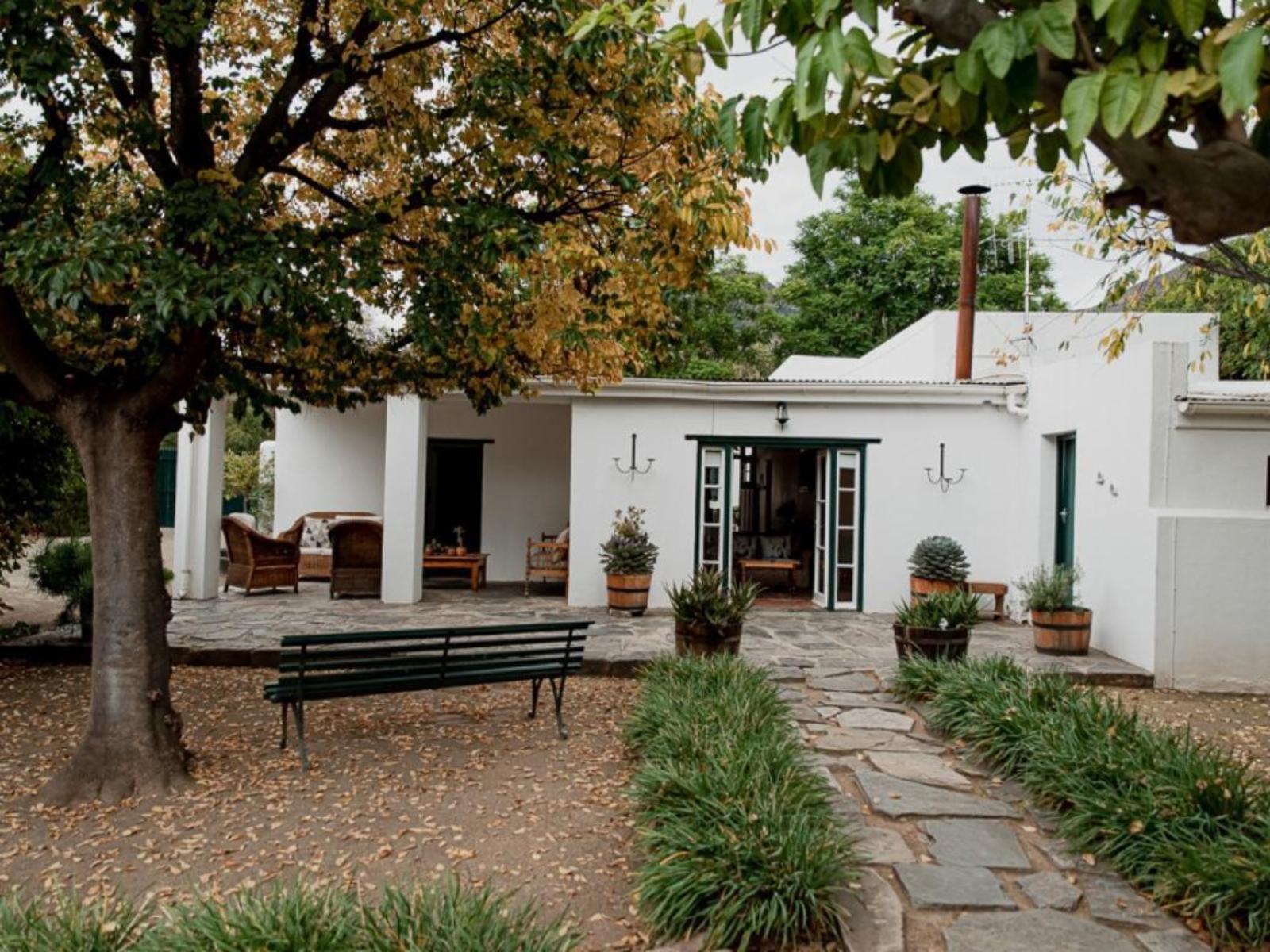
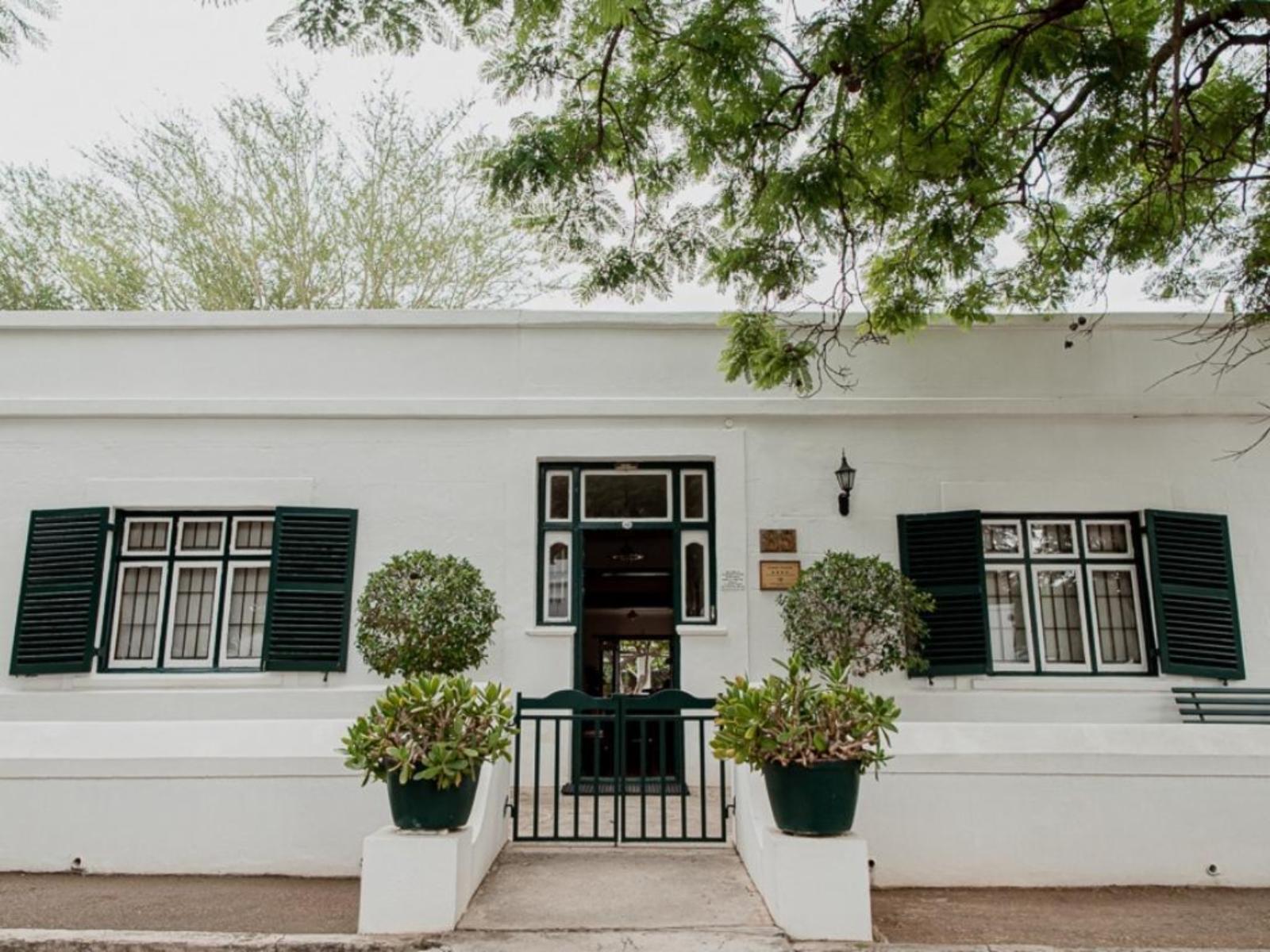
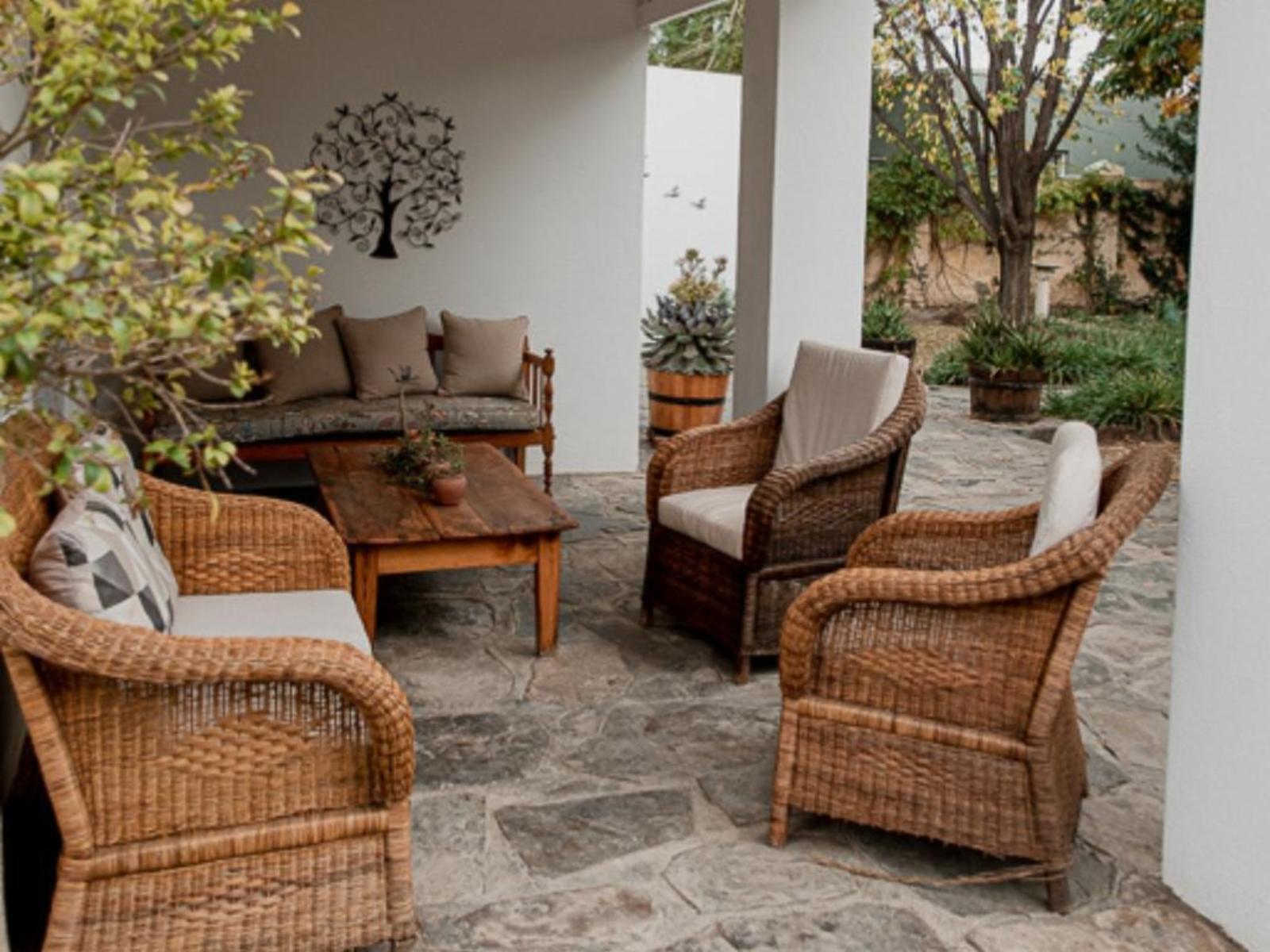
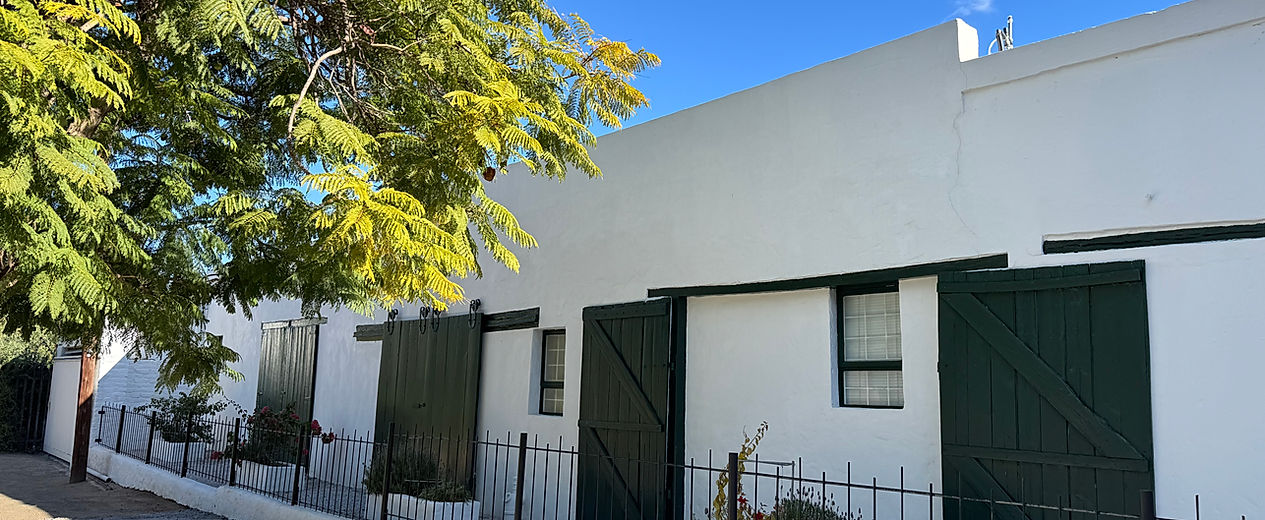
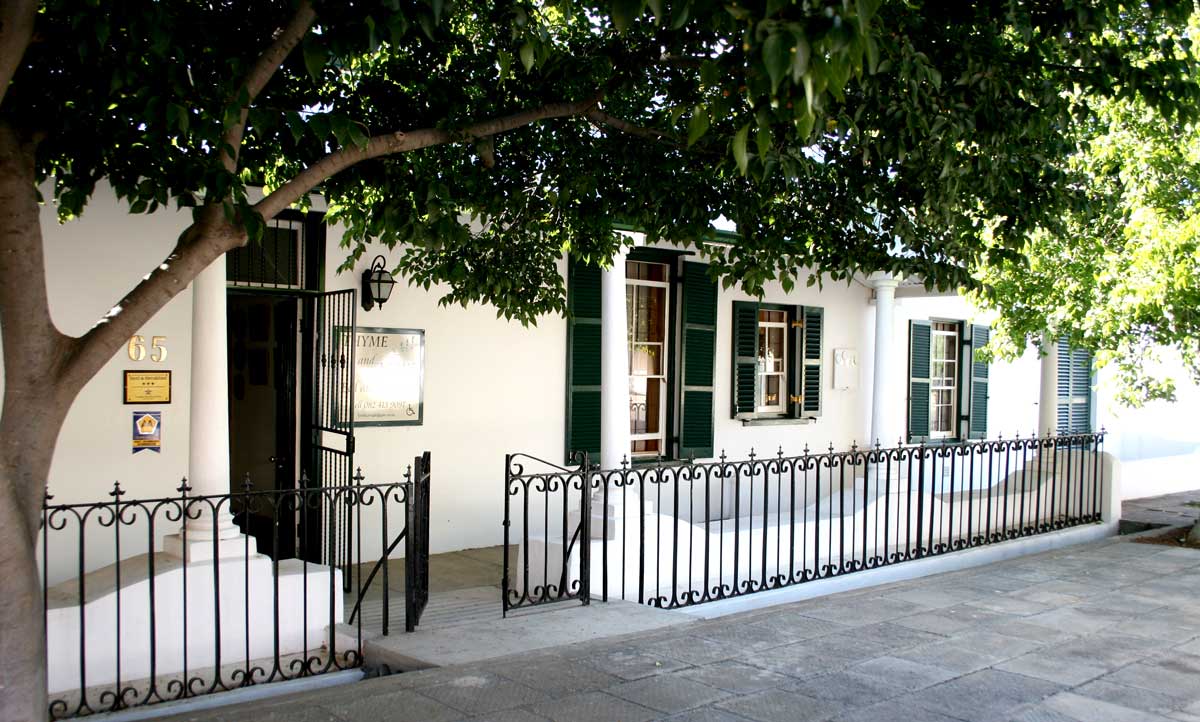
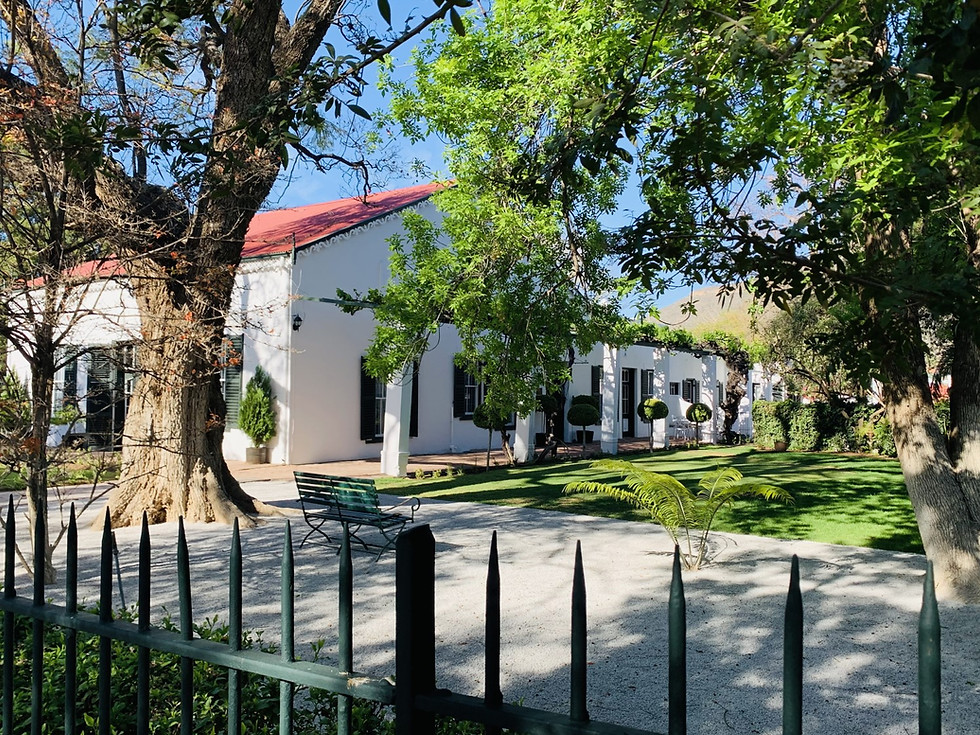
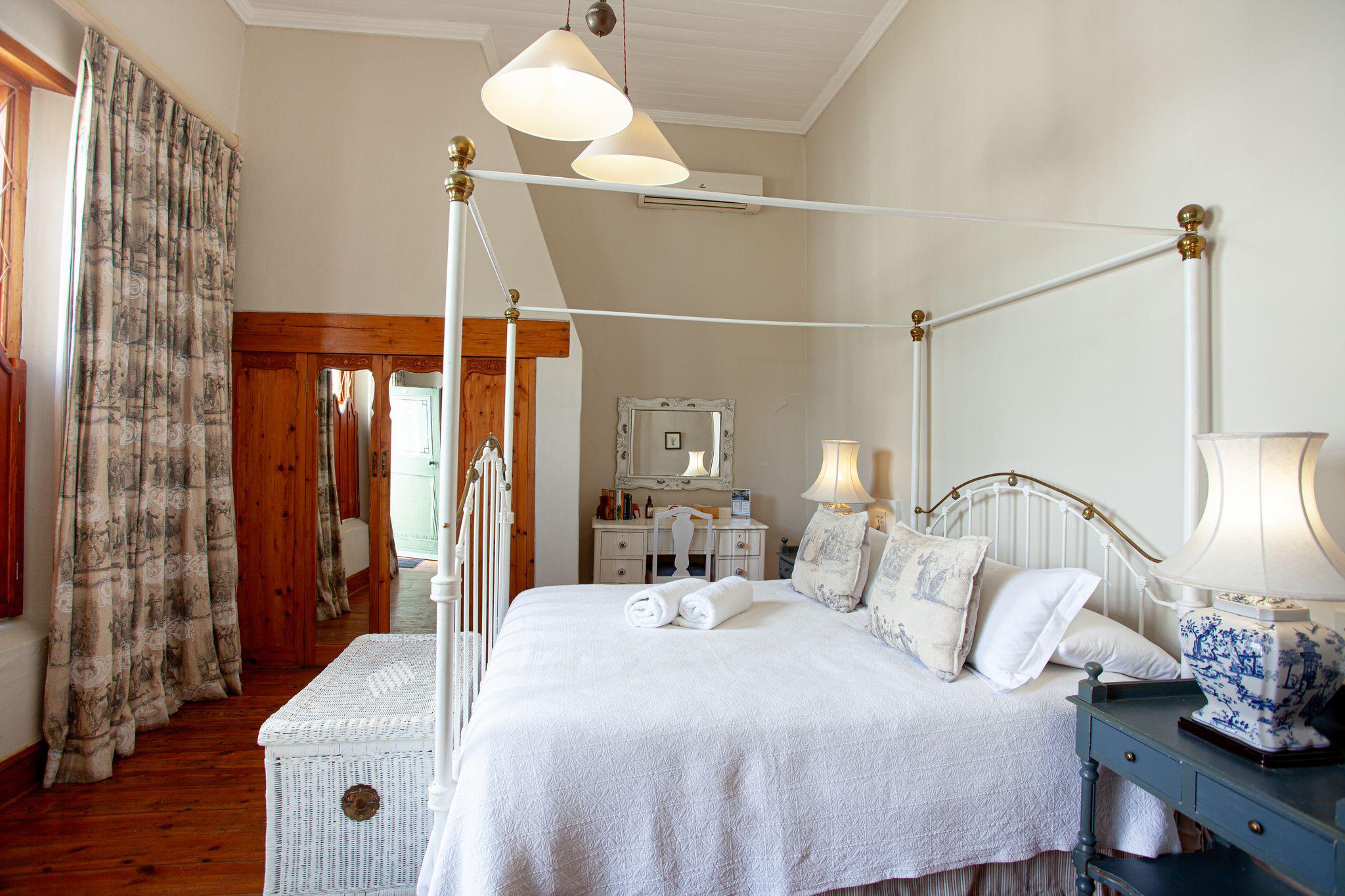
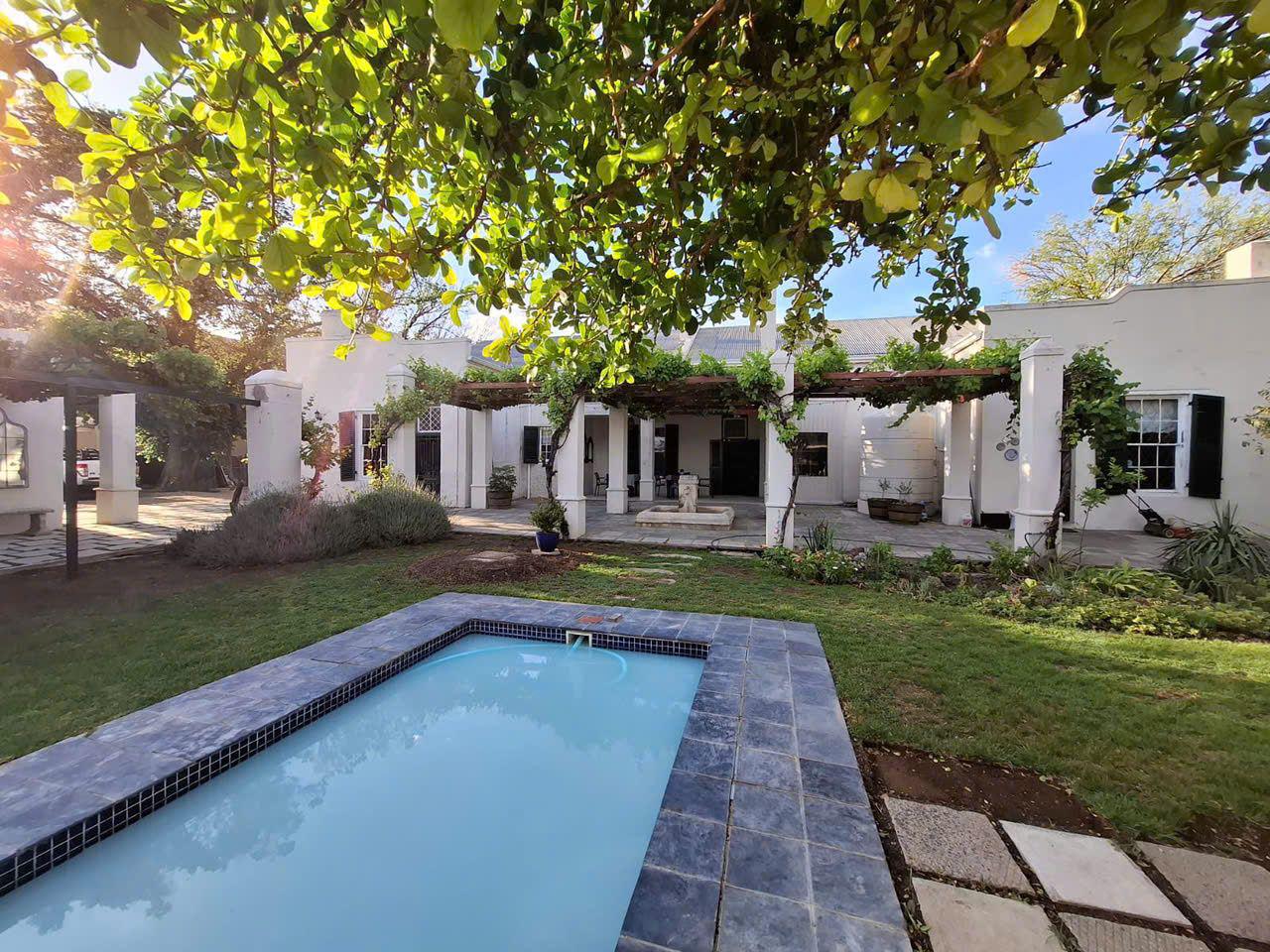
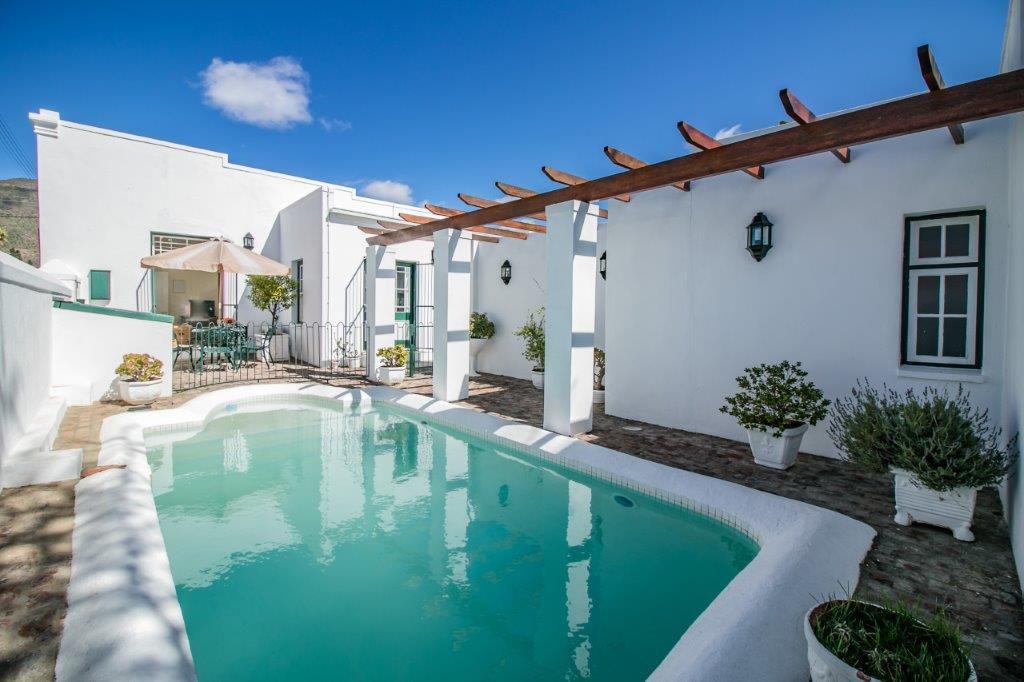
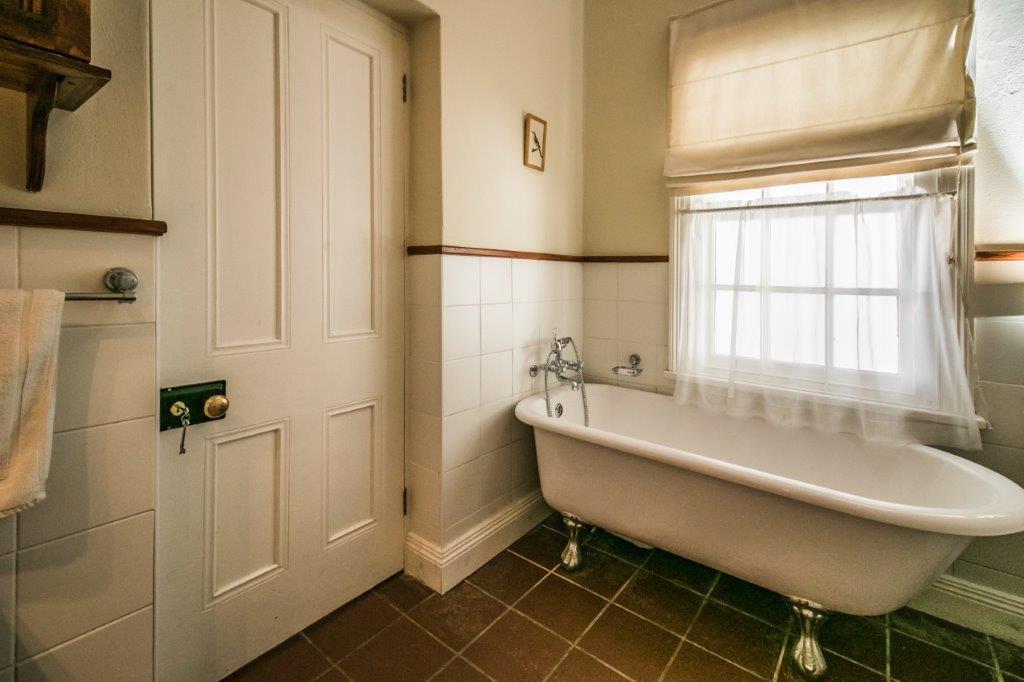
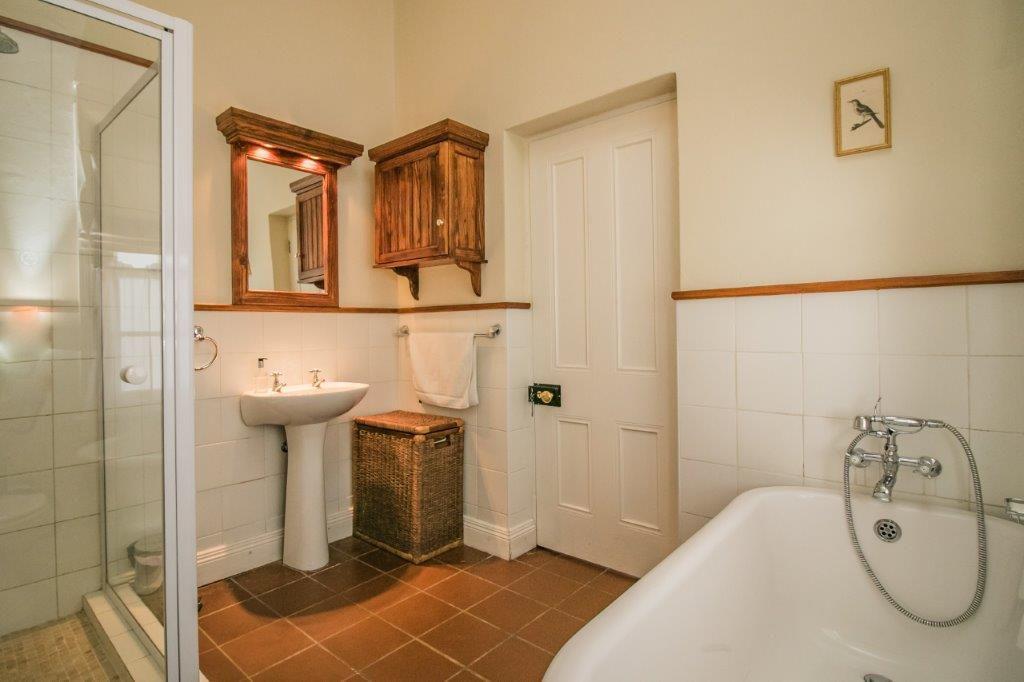
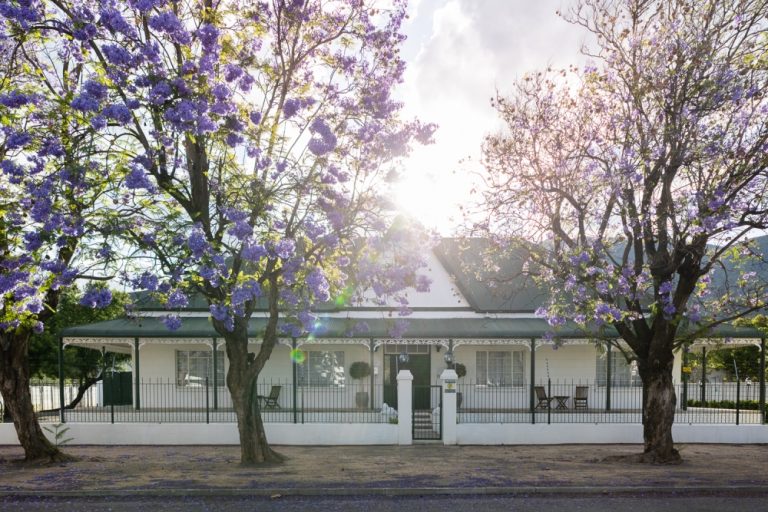
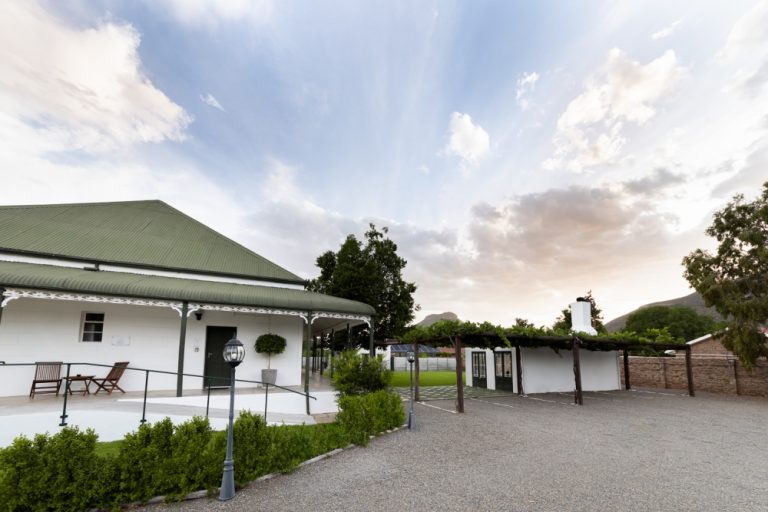
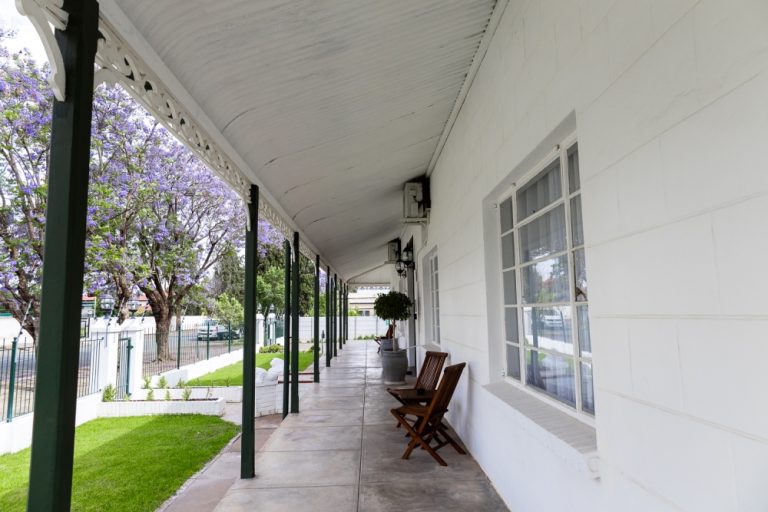
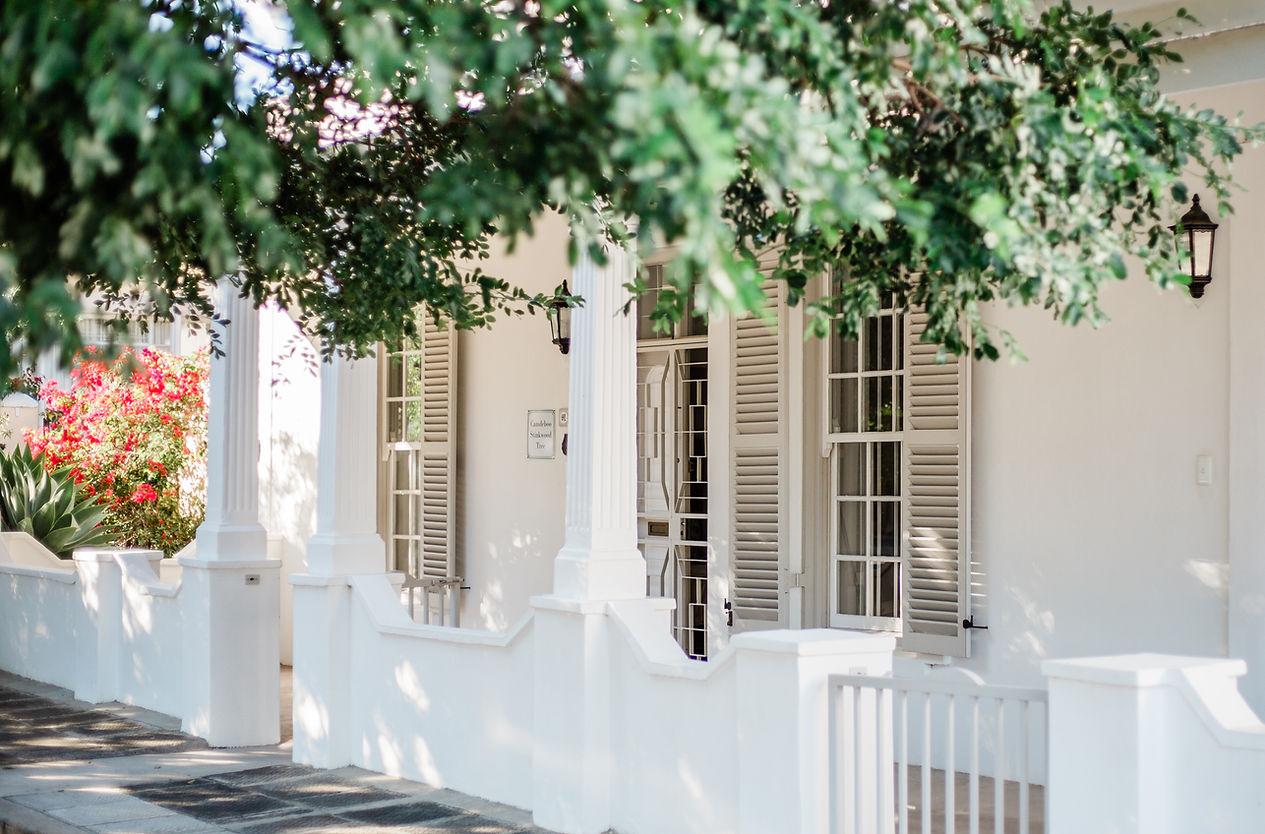
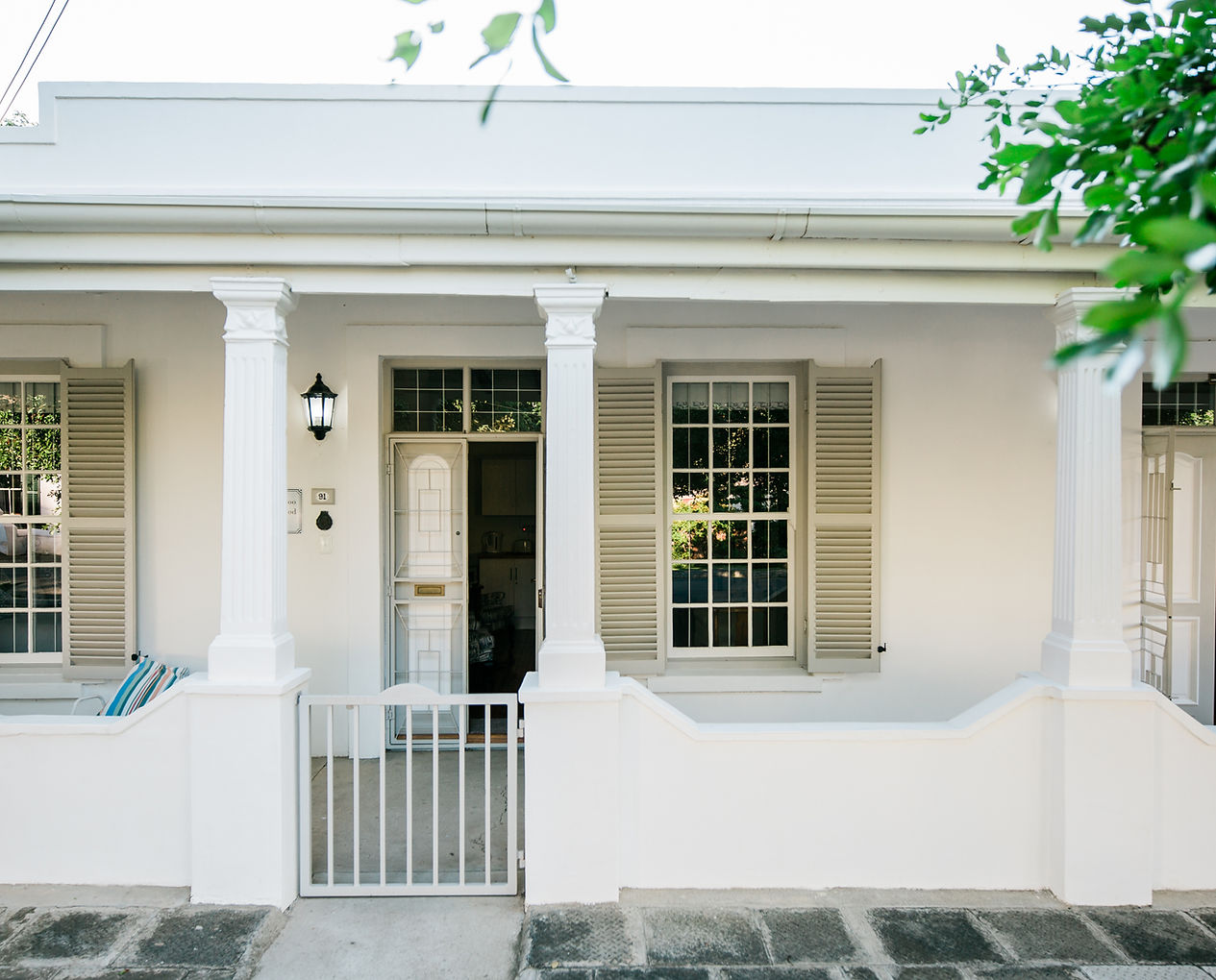
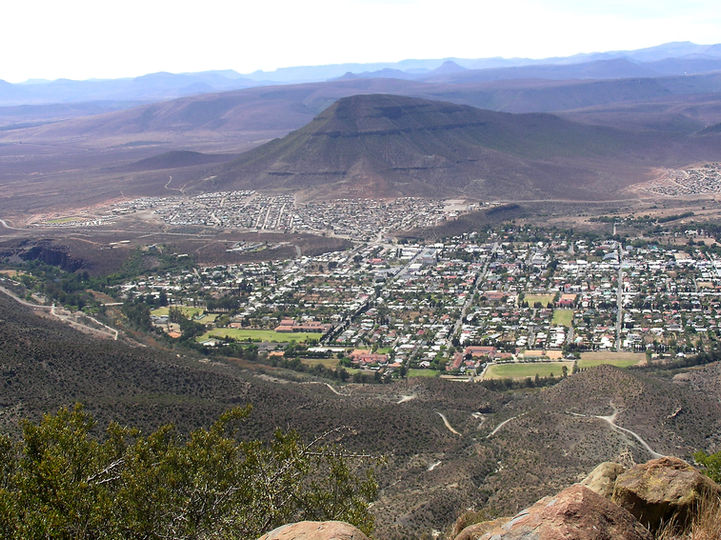
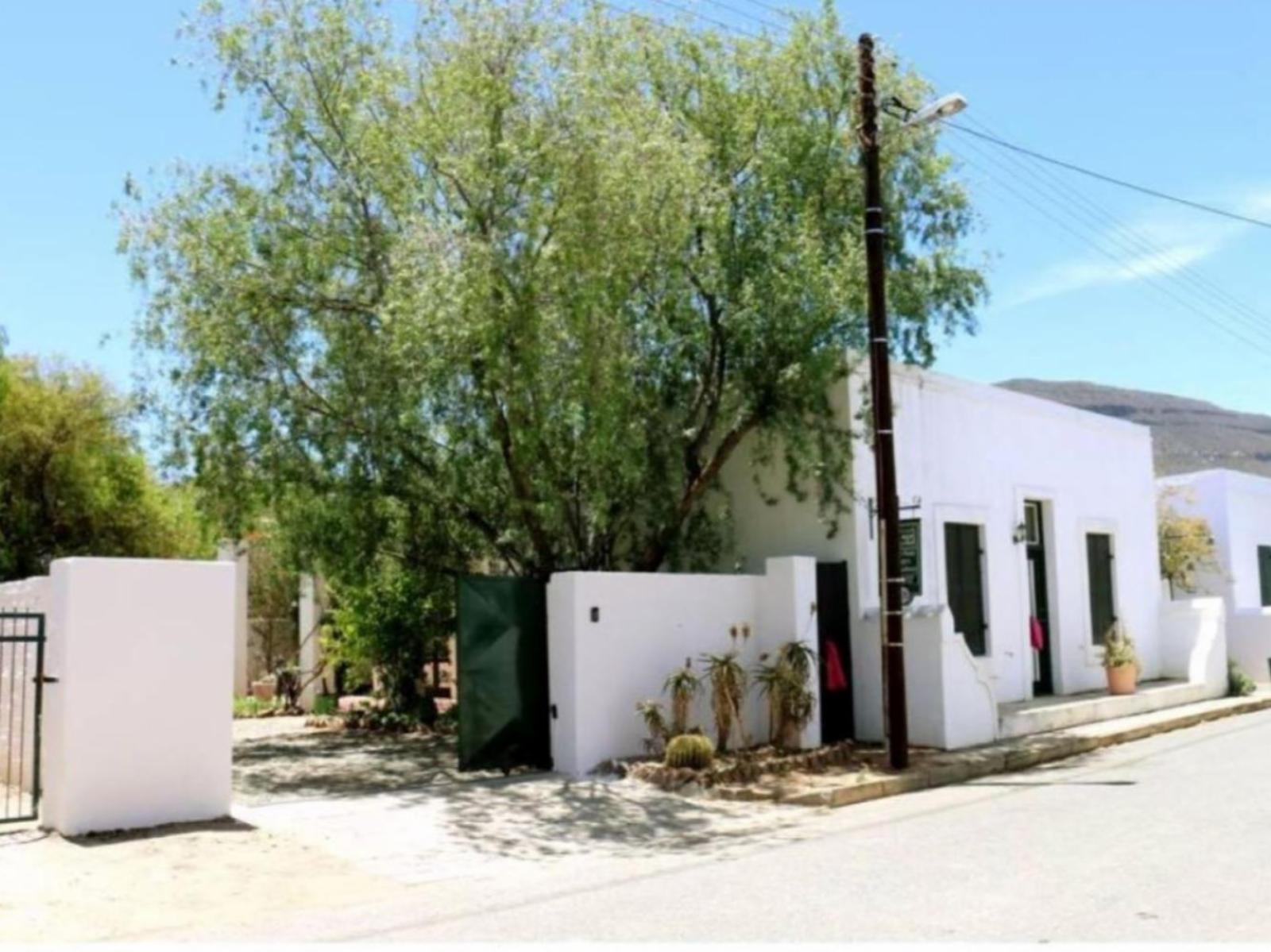
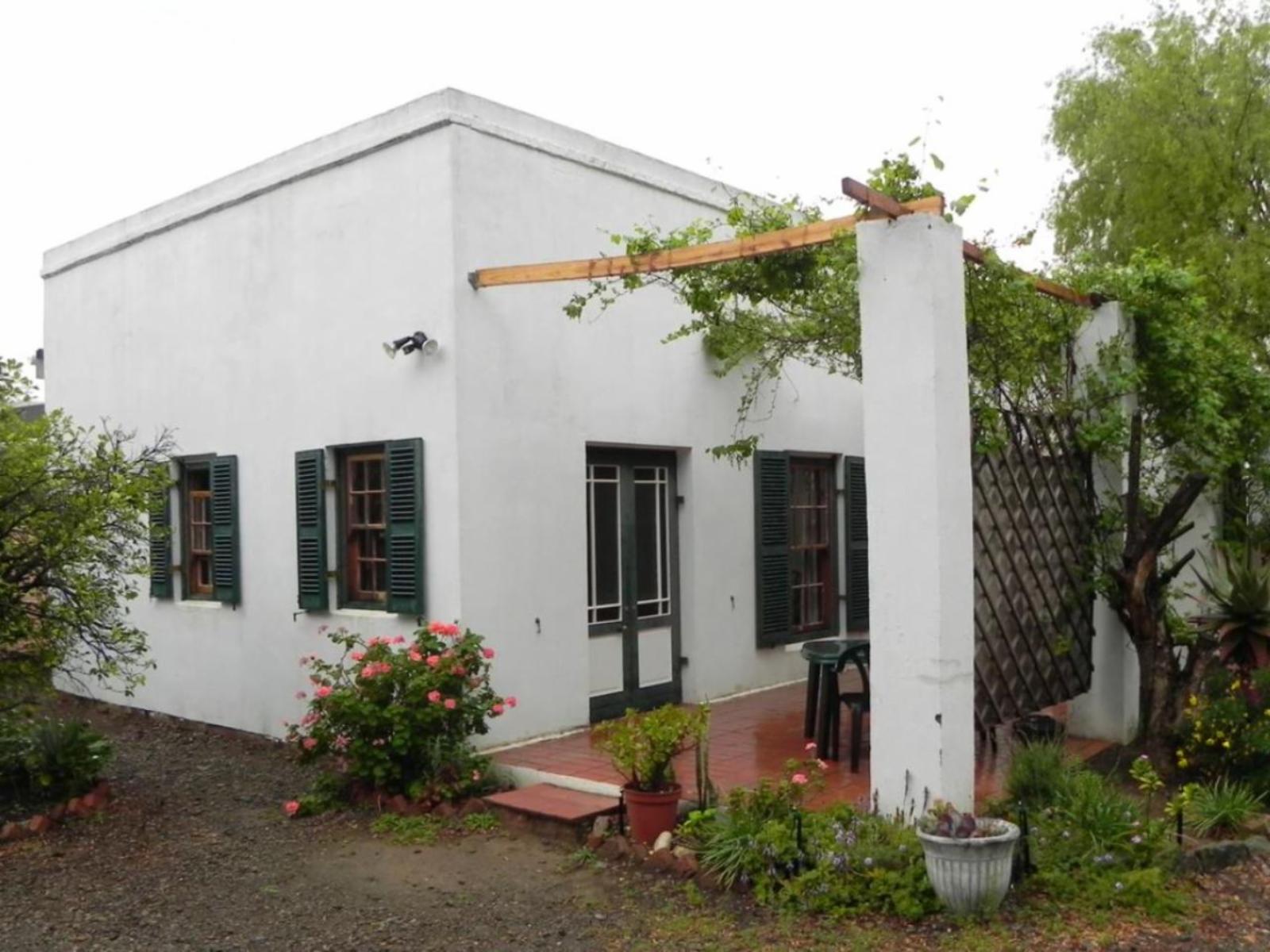
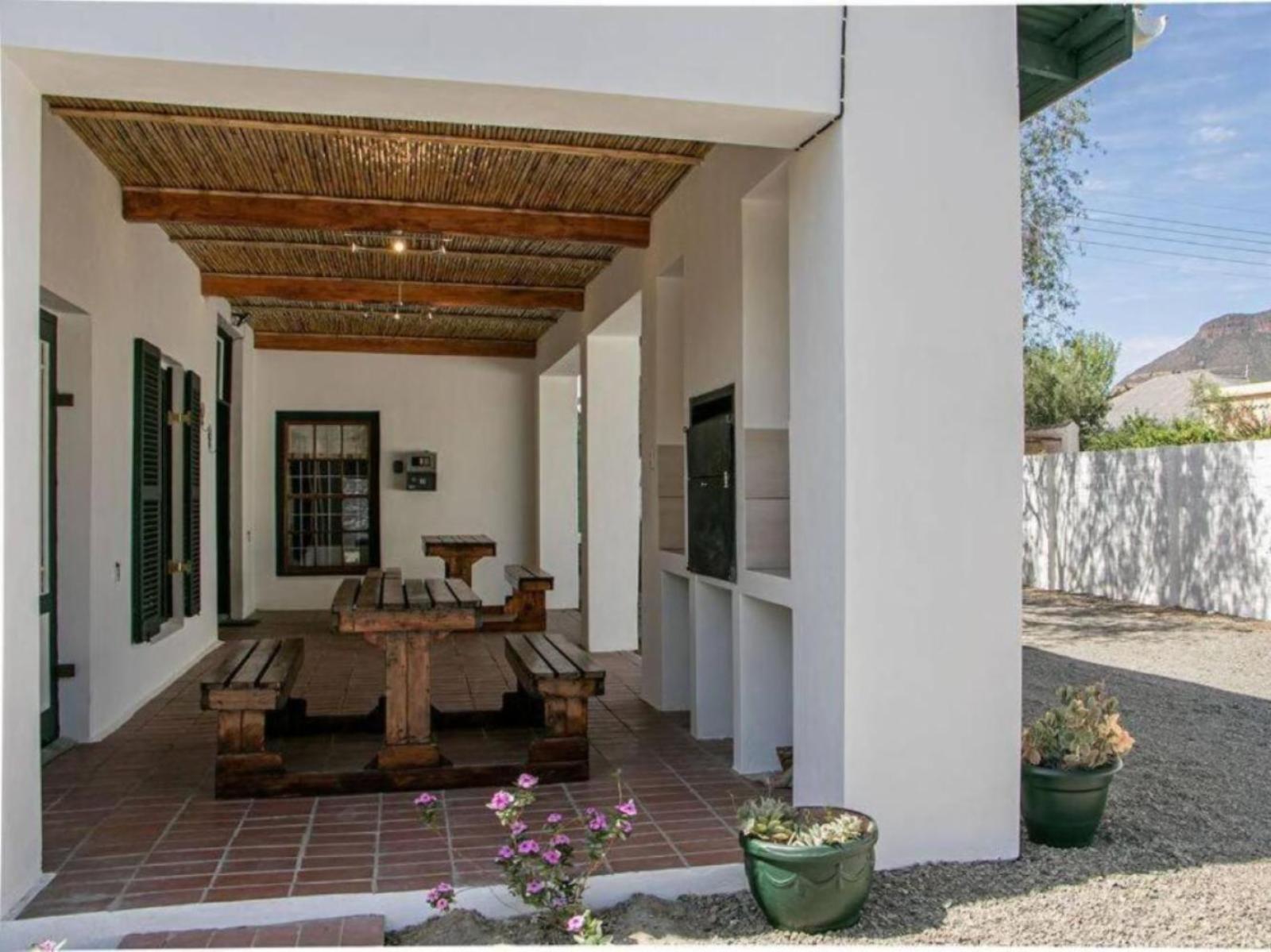
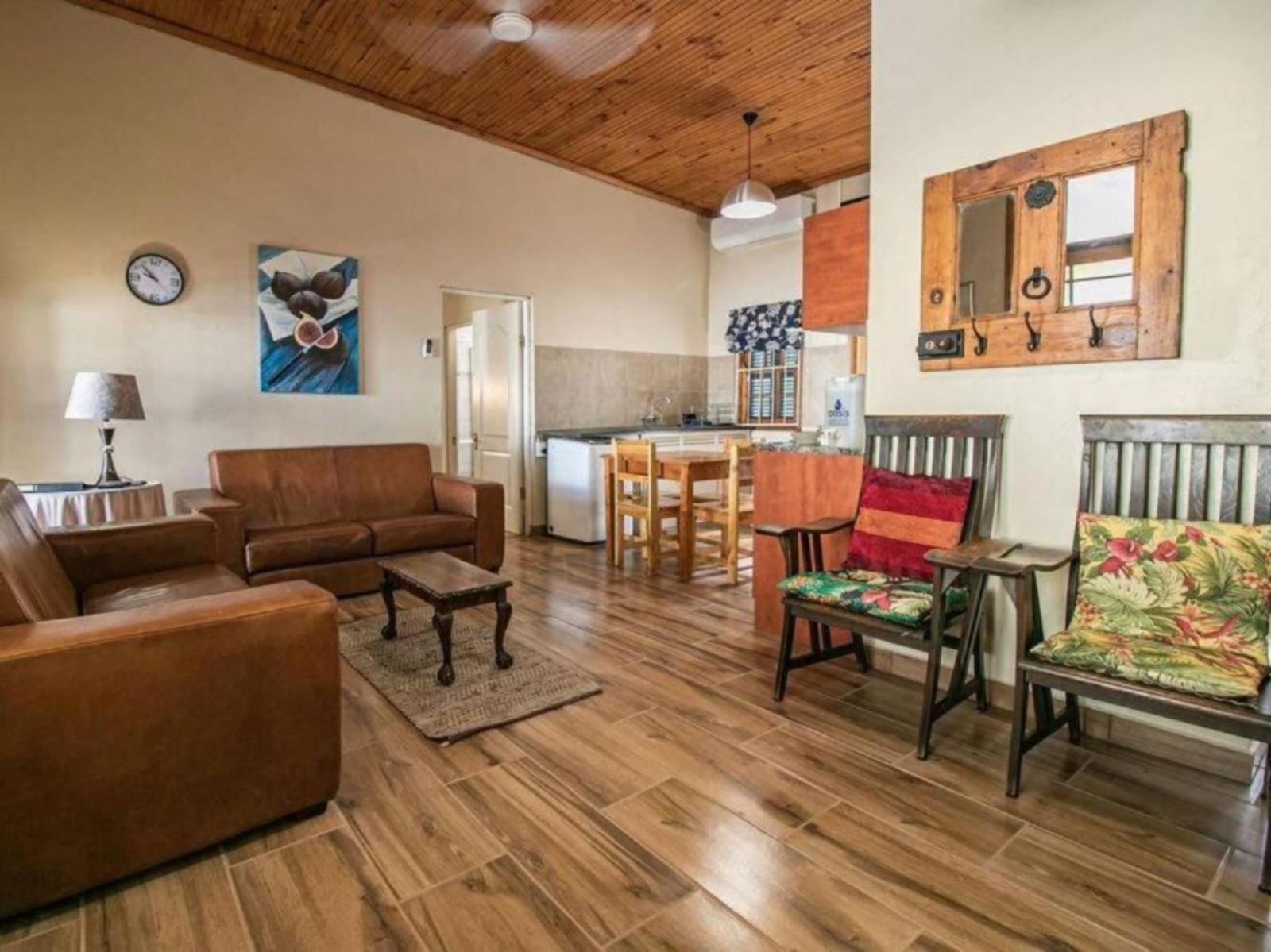
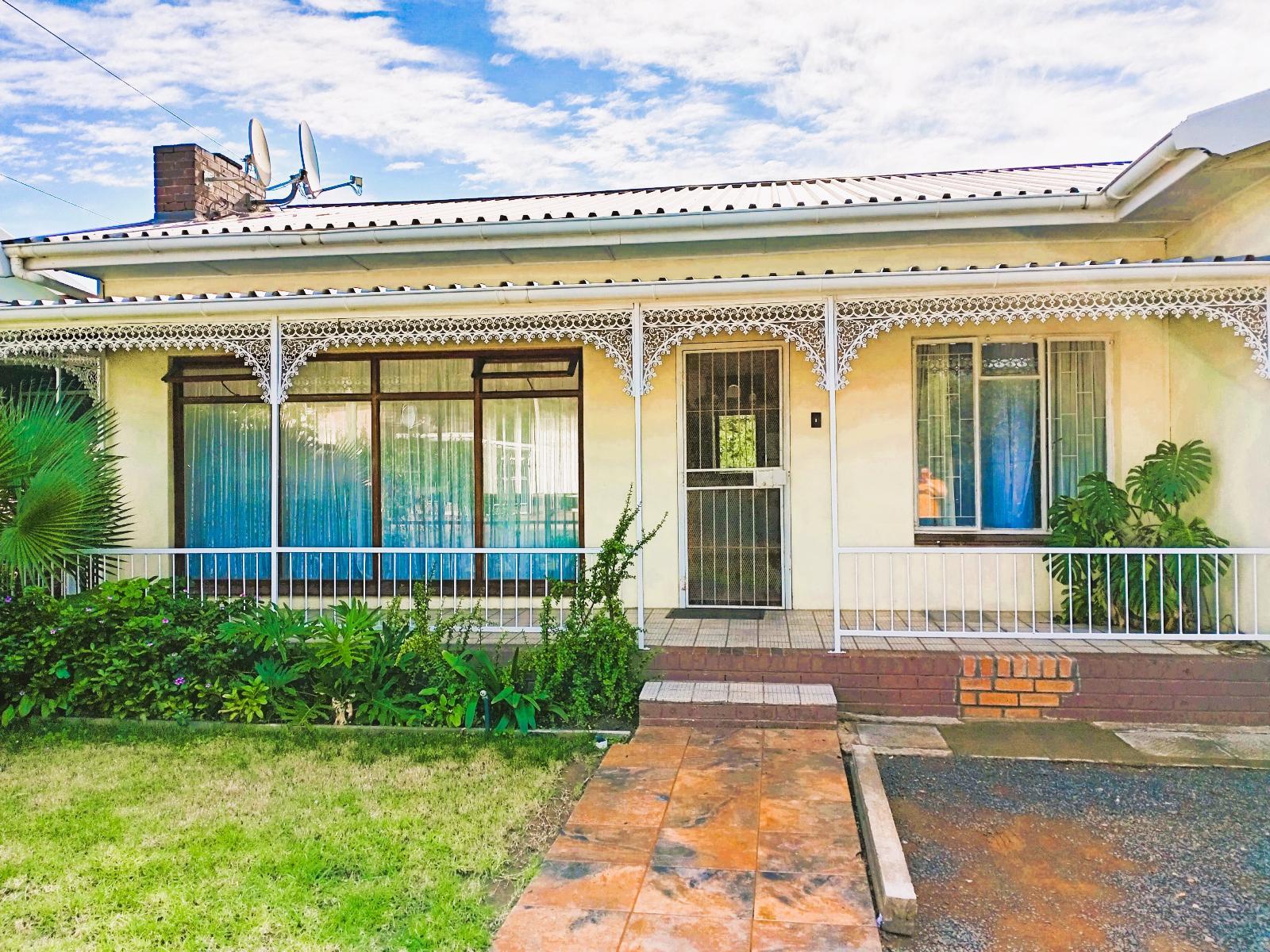
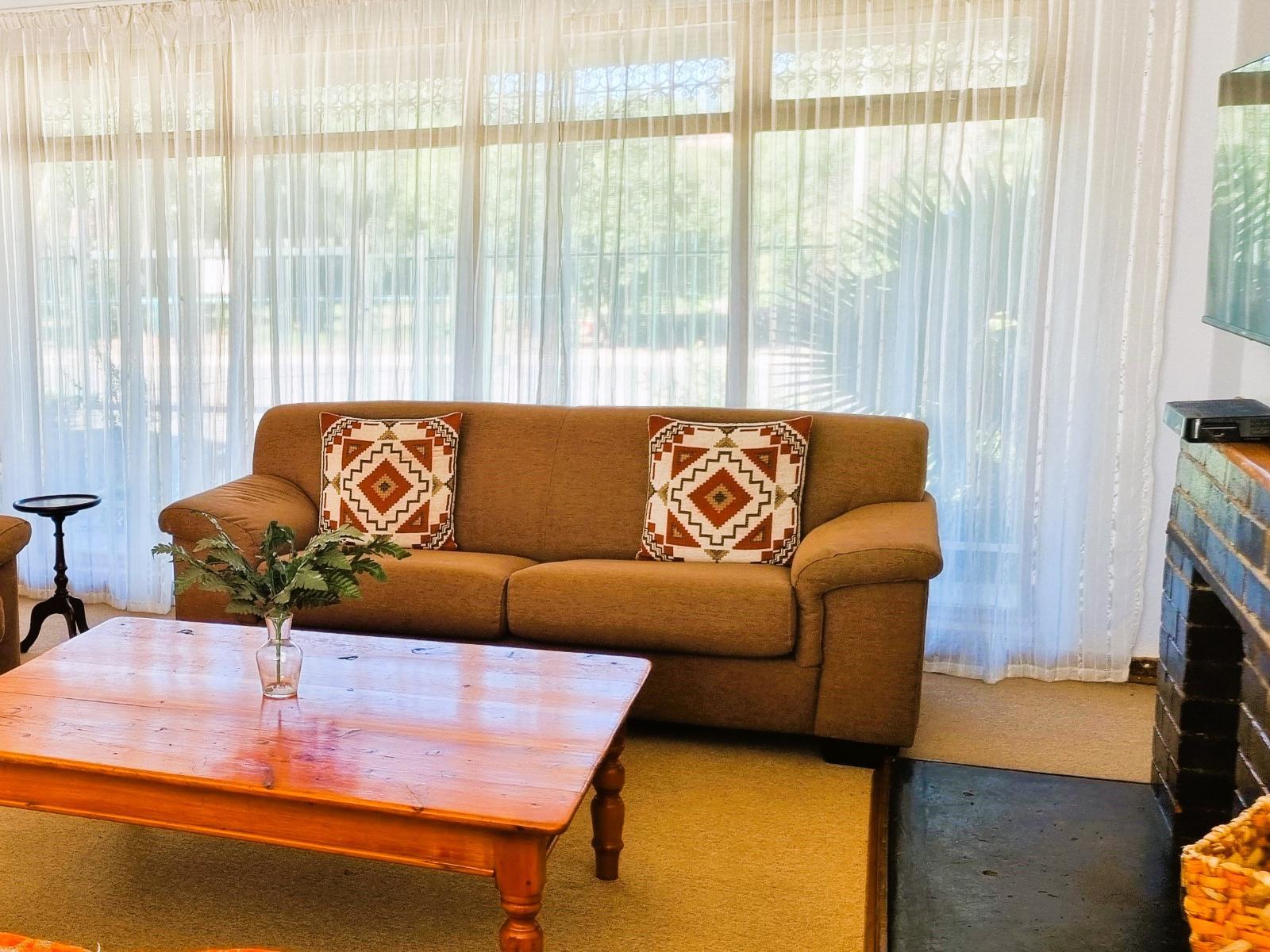
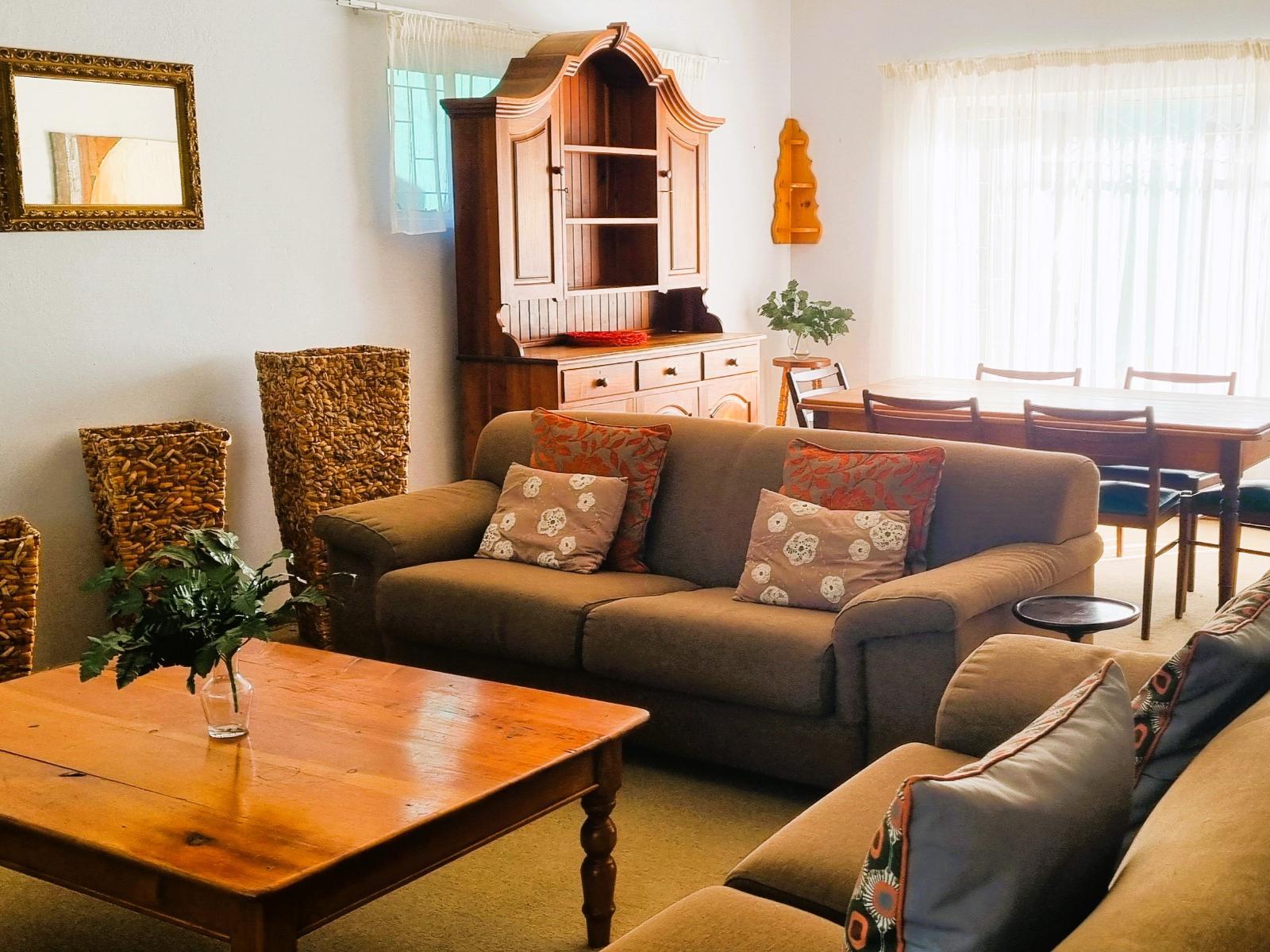
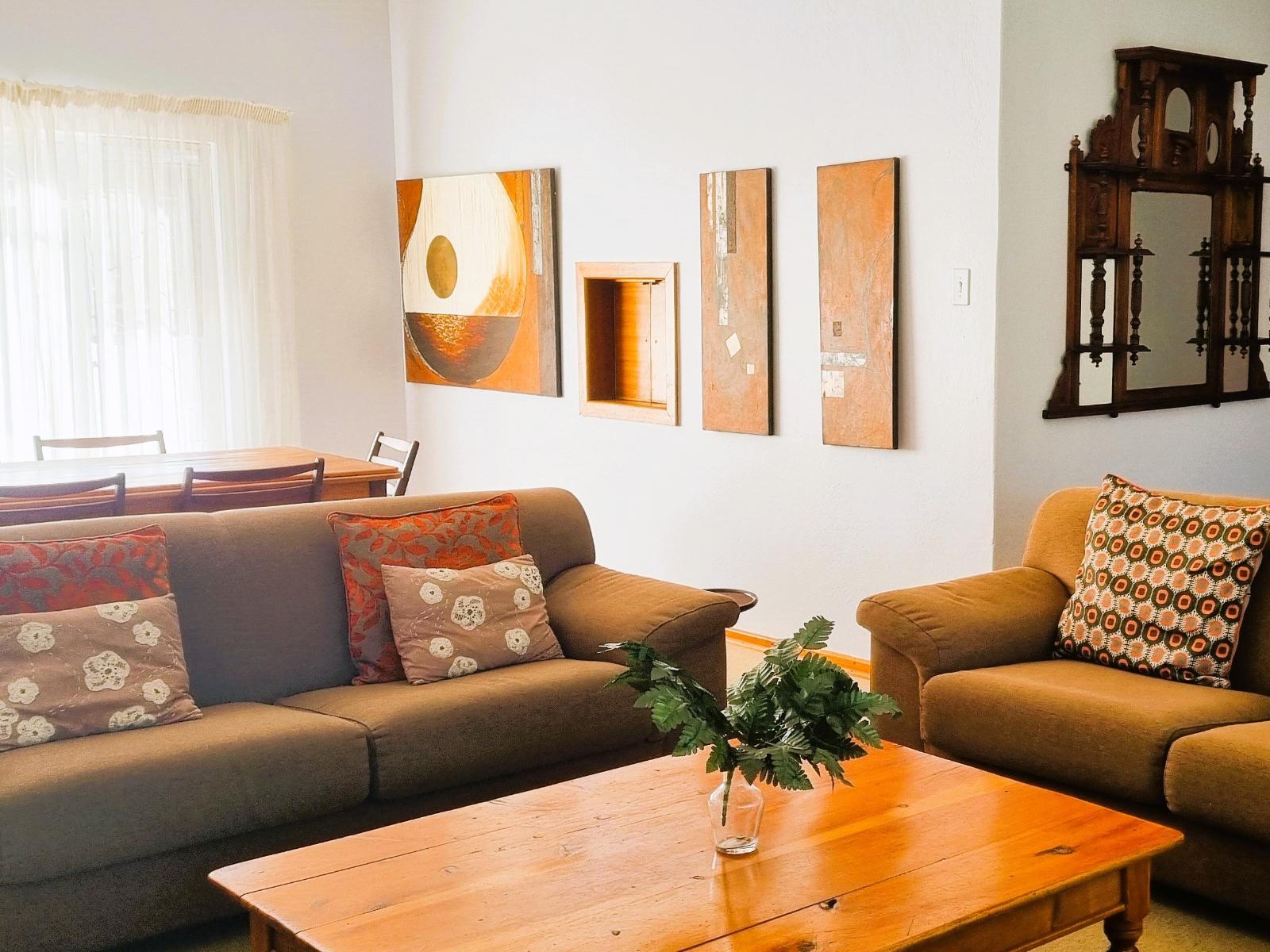
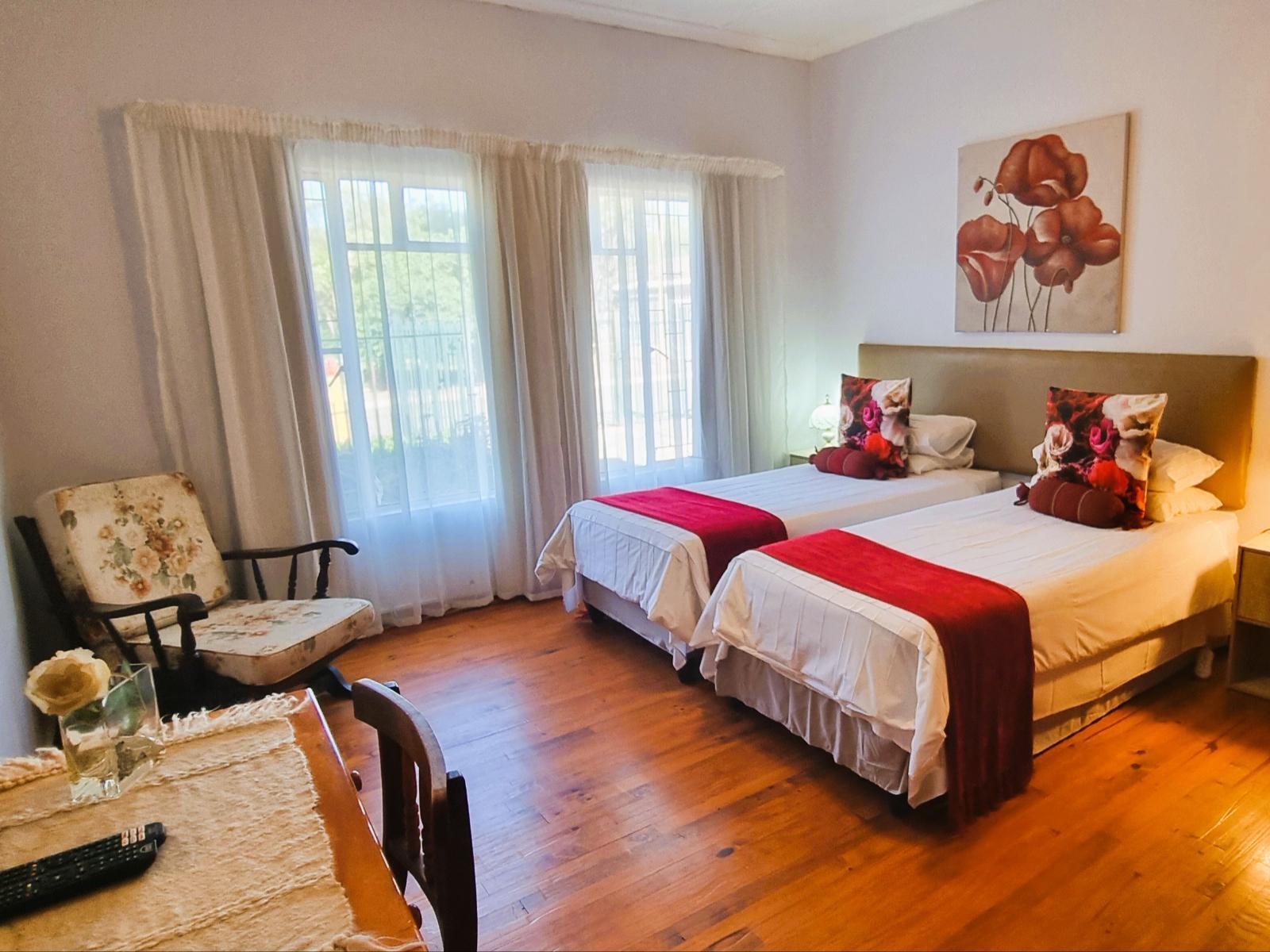
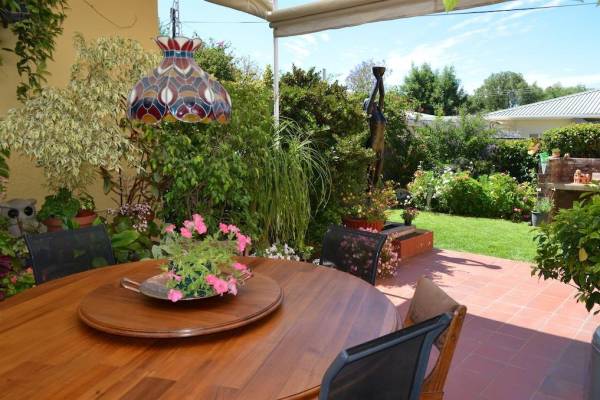
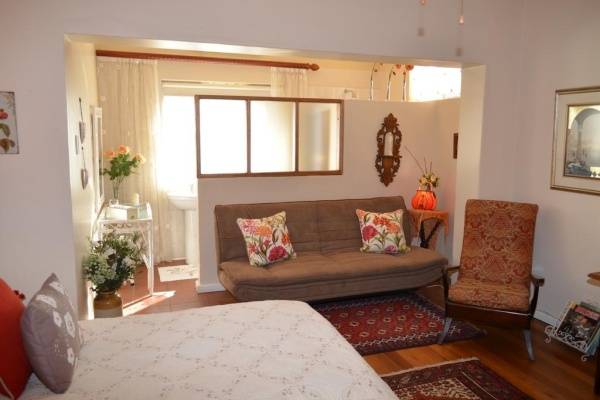
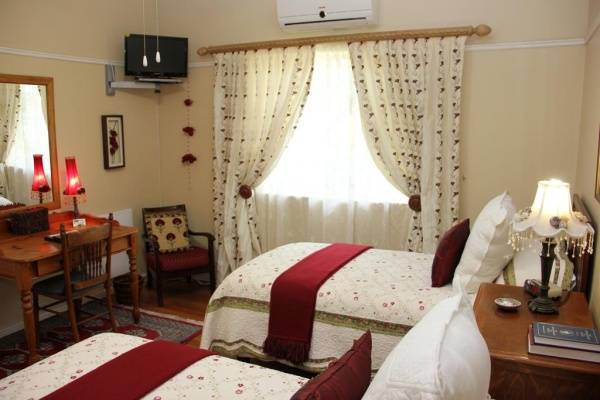
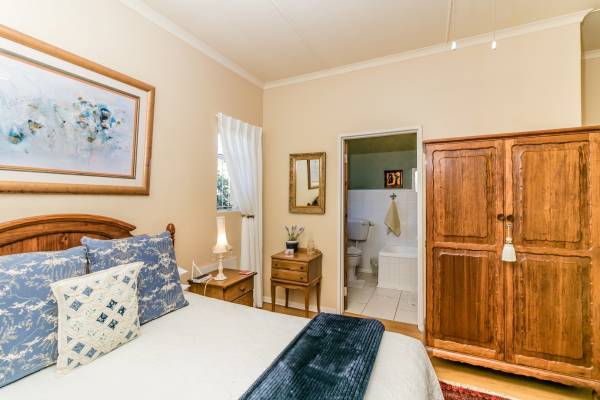
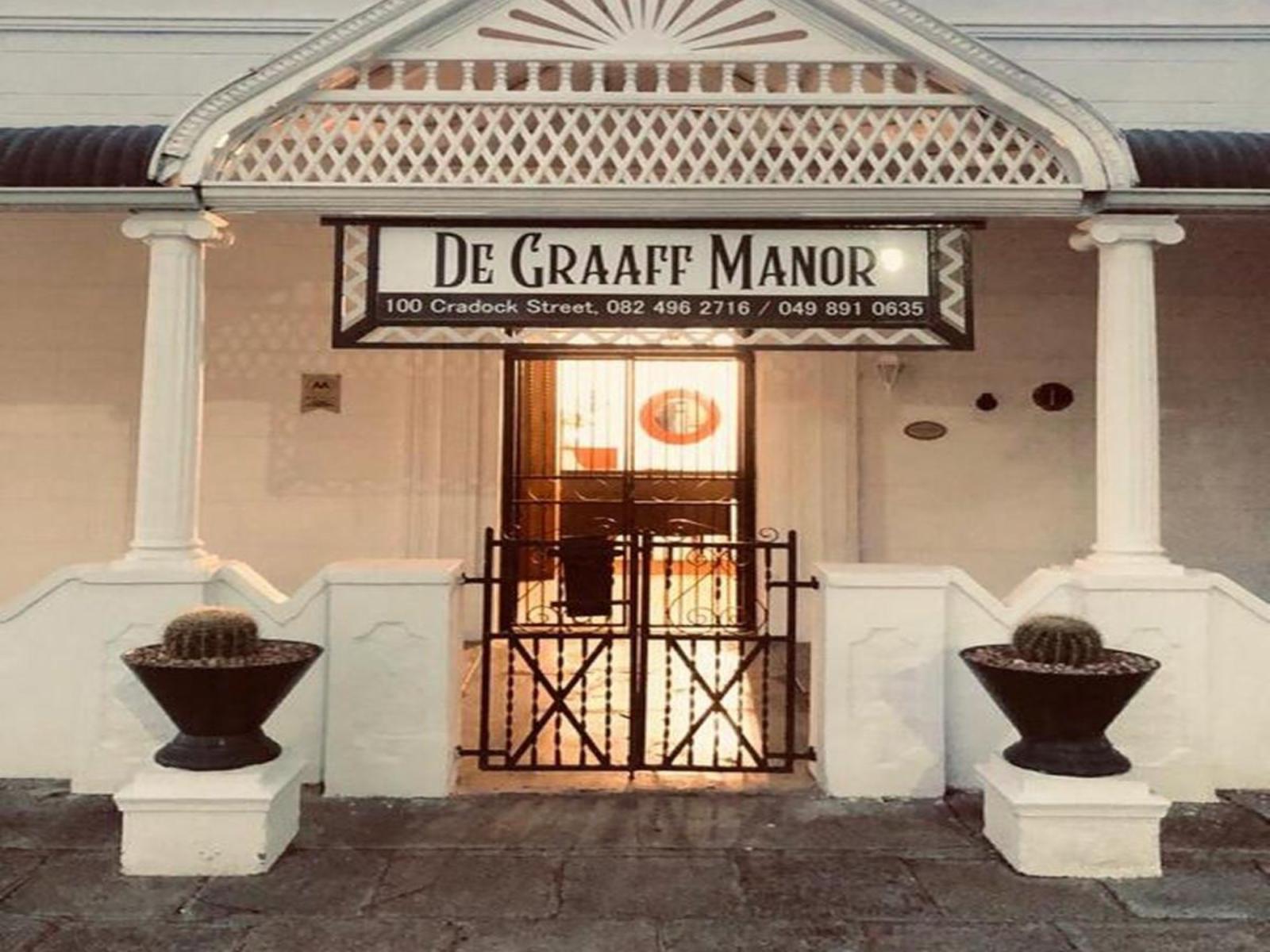
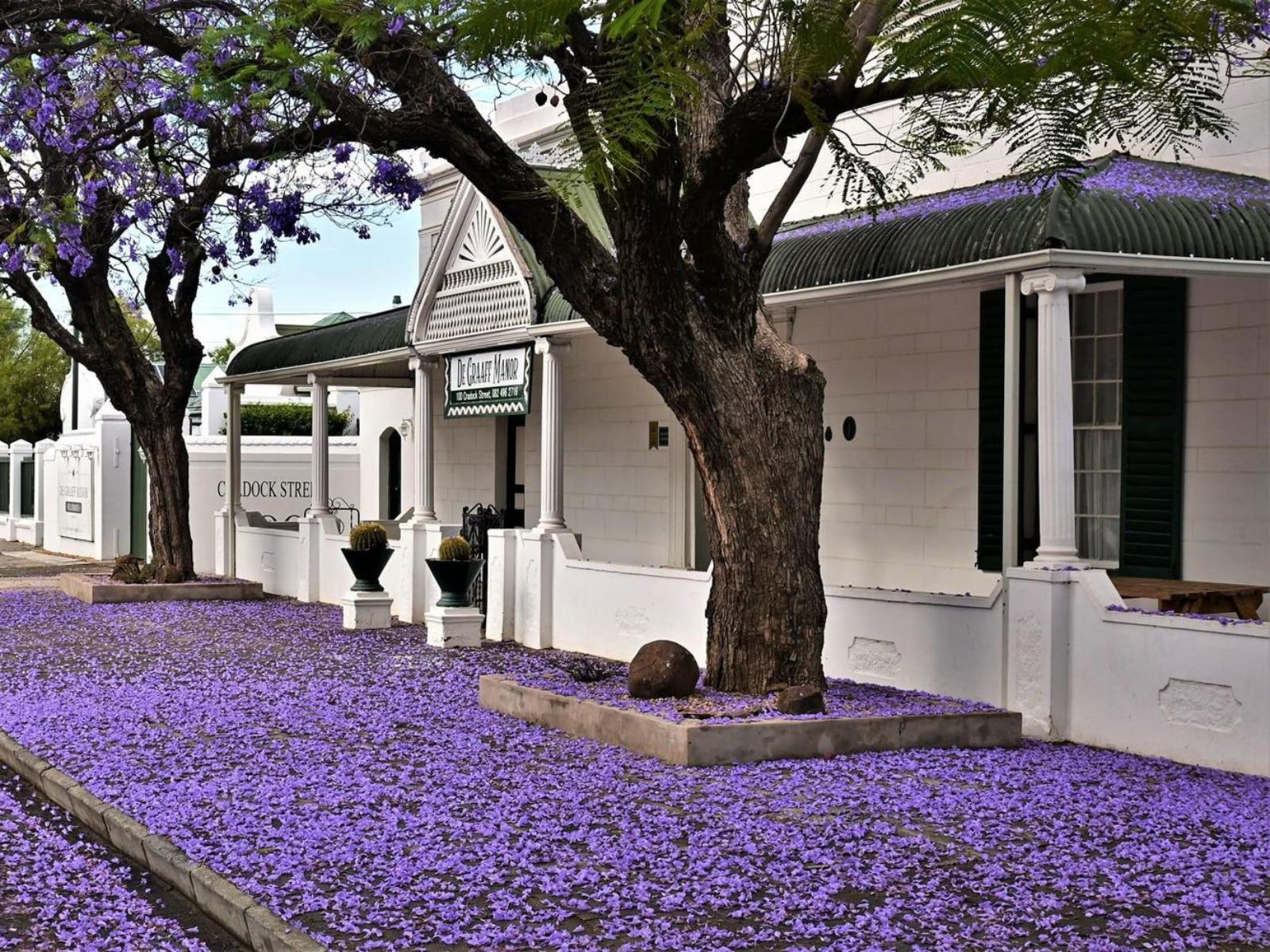
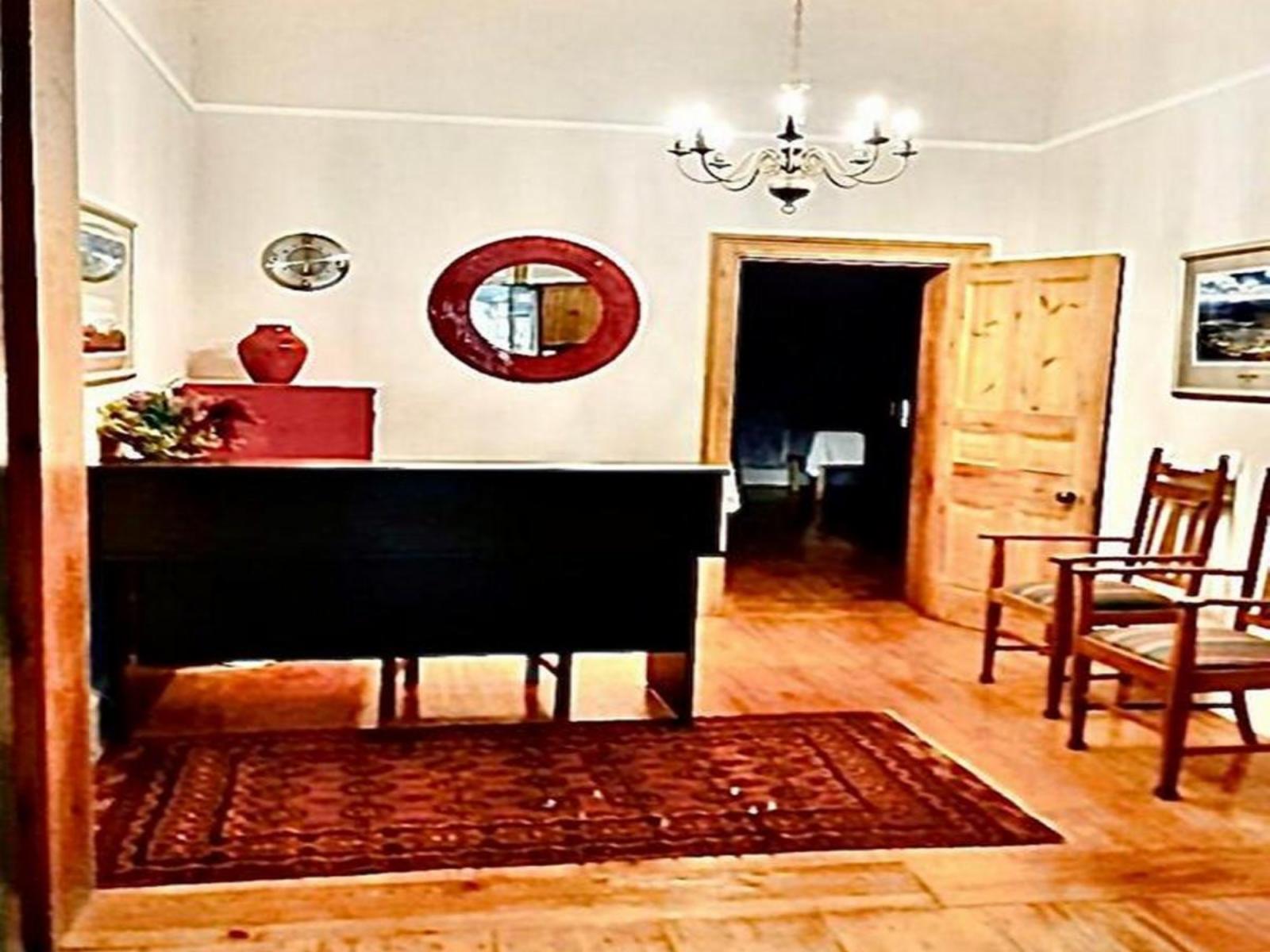
Graaff-Reinet is one of South Africa's oldest towns, established in 1786, and its accommodation reflects that directly. The historic centre holds rows of Cape Dutch and Georgian buildings dating from the 18th and 19th centuries, and several have been converted into self-contained rental properties. Rather than rebuilding these structures as commercial hotels, owners have retained original character while adding modern kitchens and bathrooms, giving visitors a sense of living in the town rather than merely passing through it.
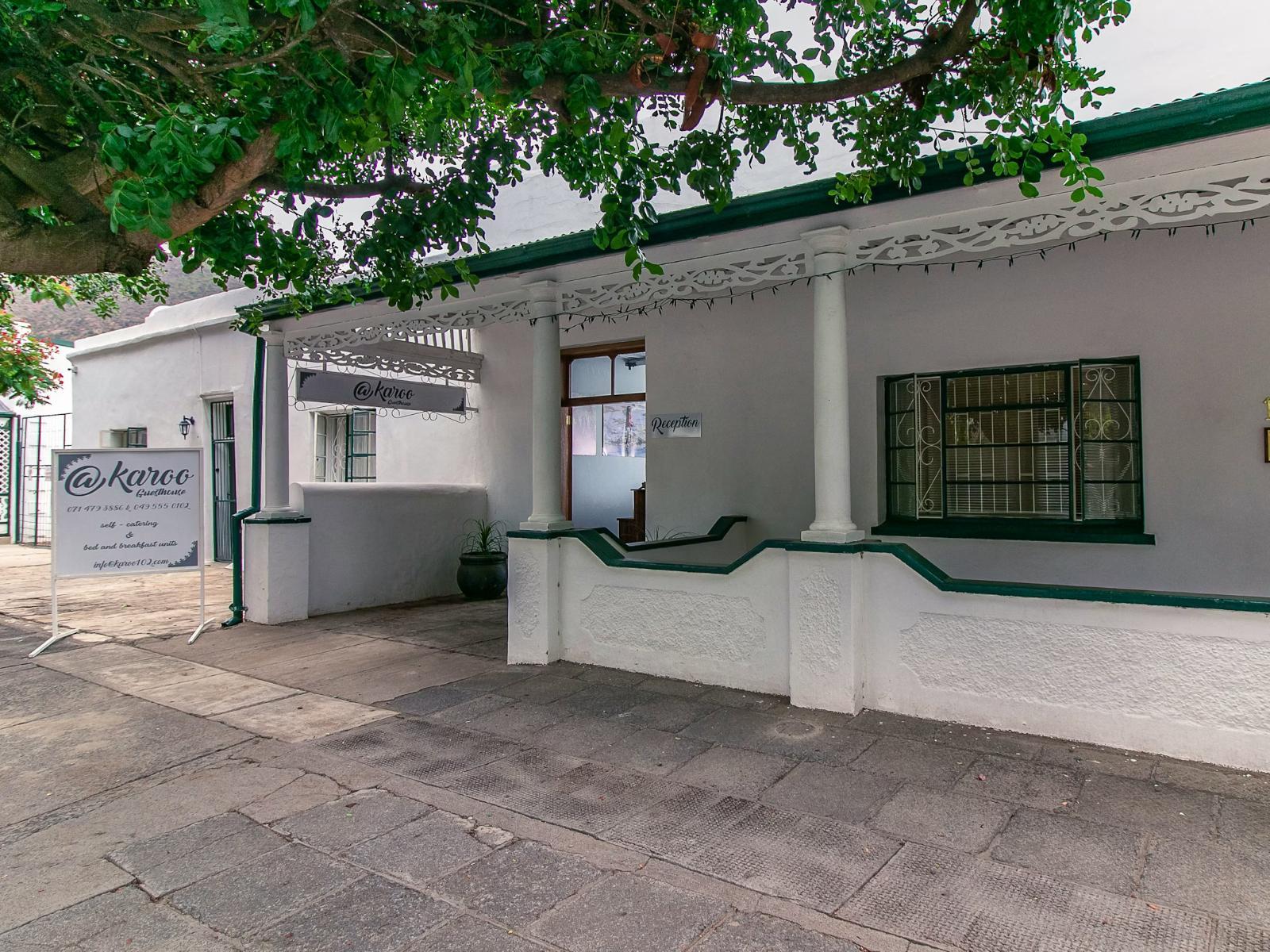
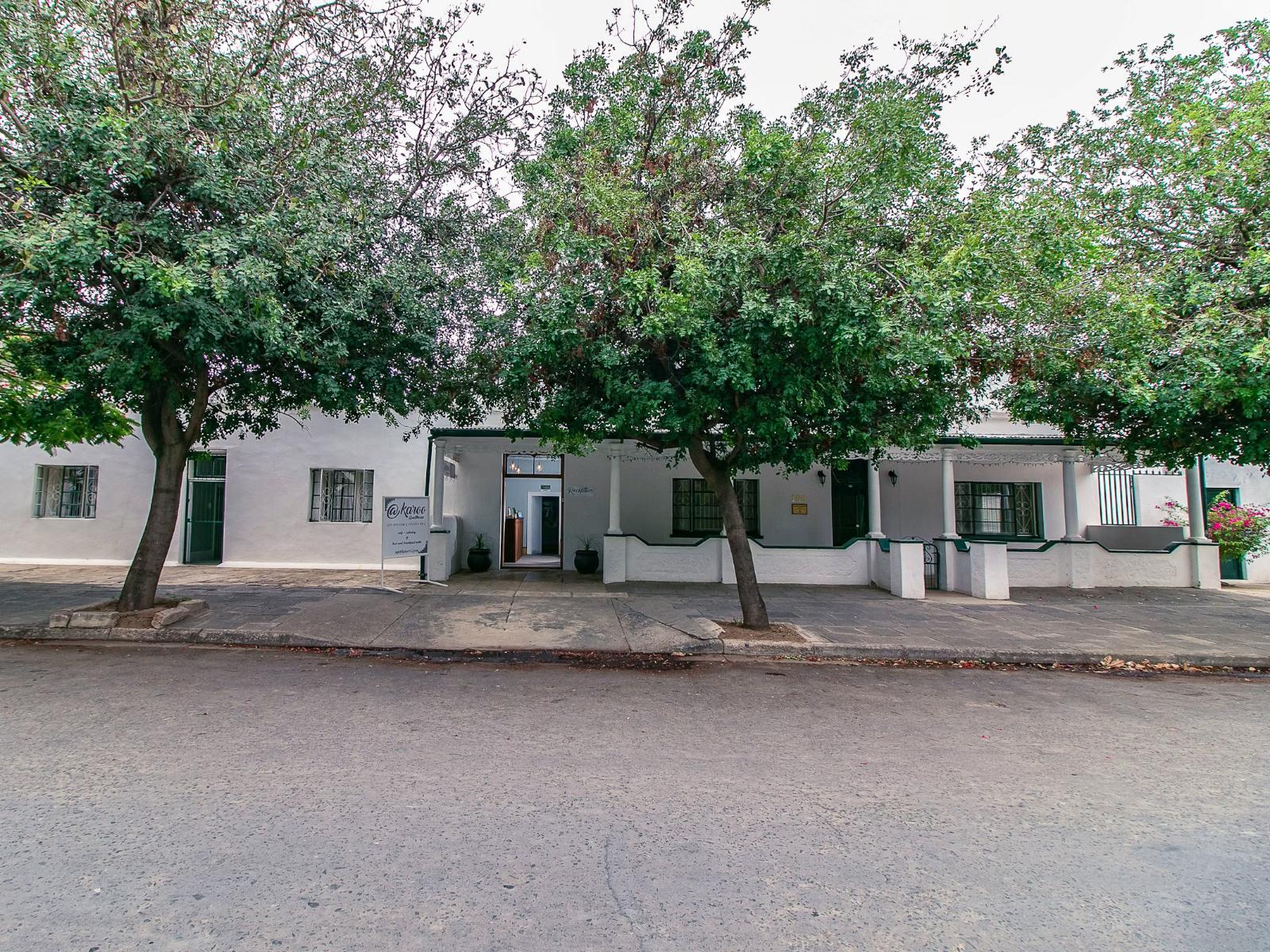
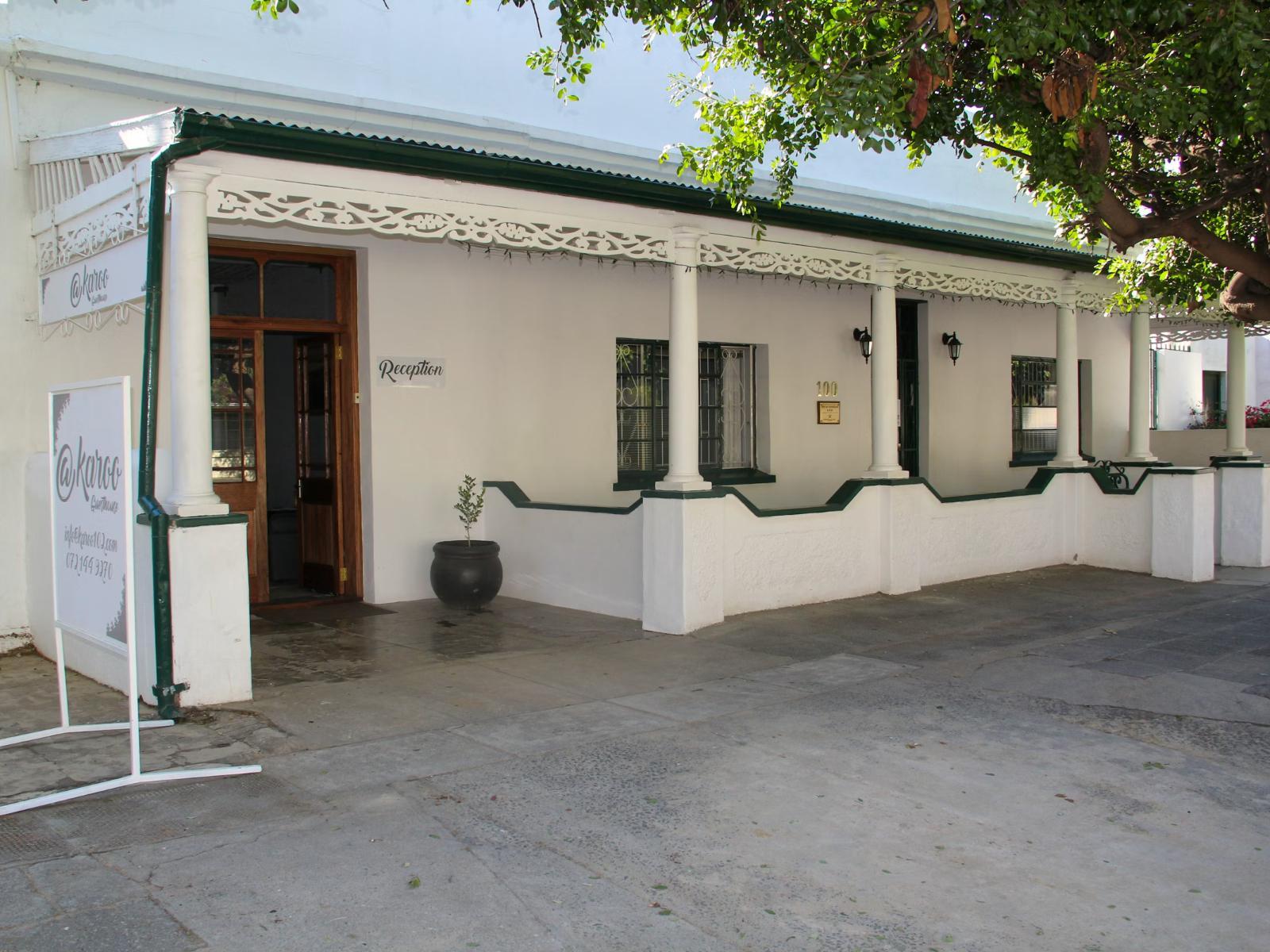
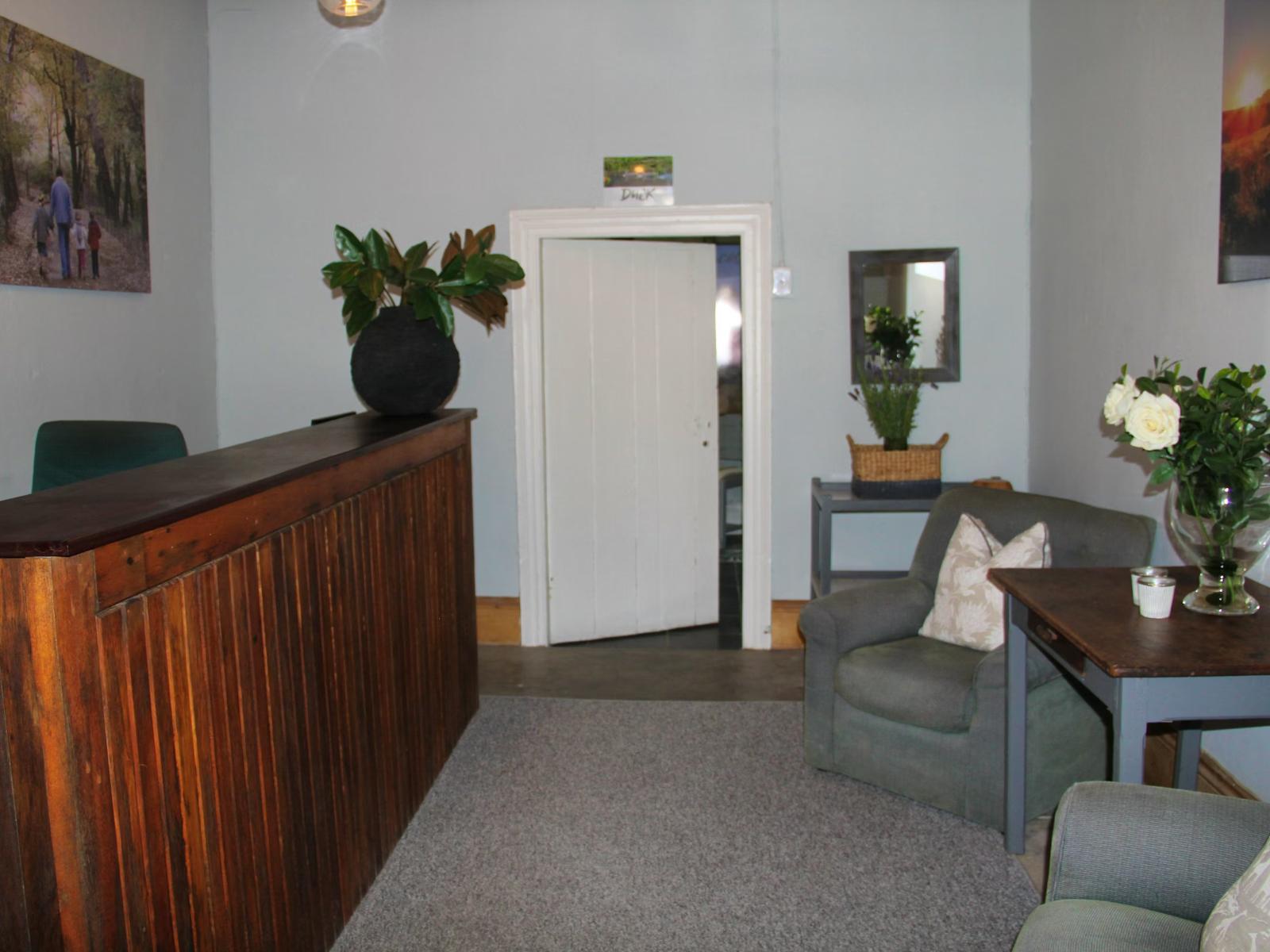
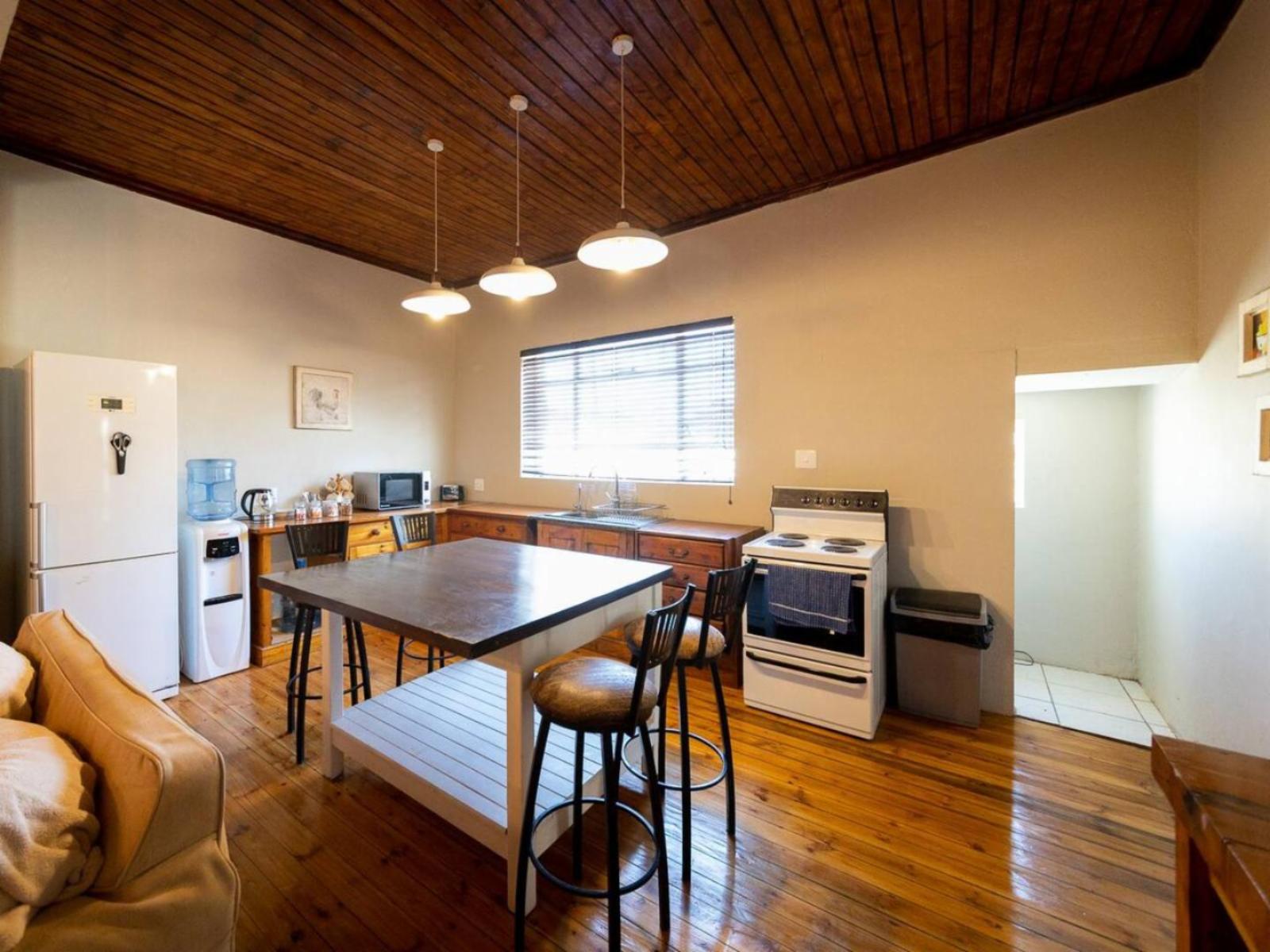
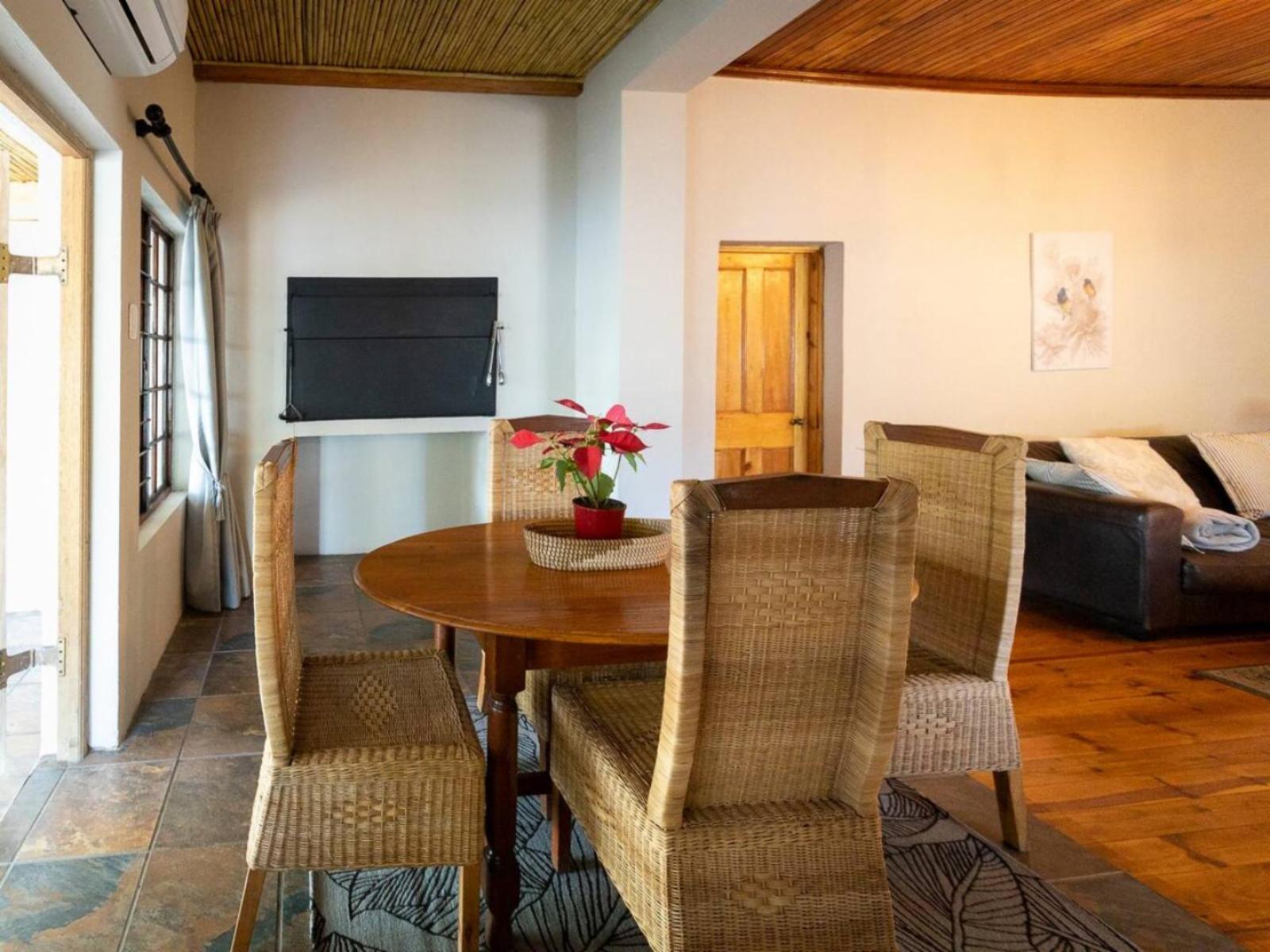
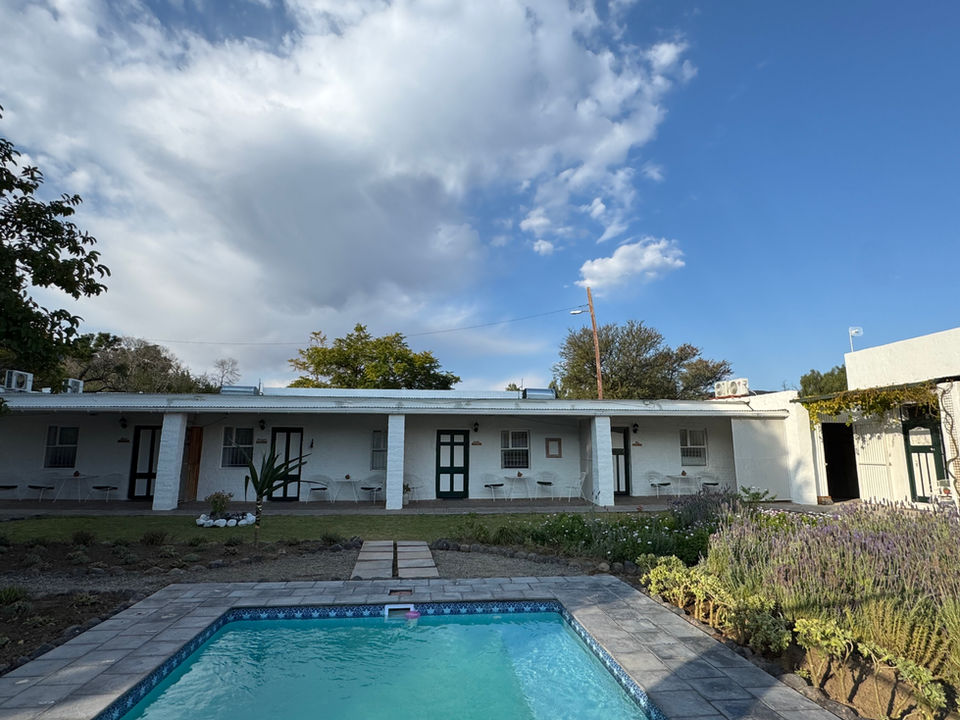
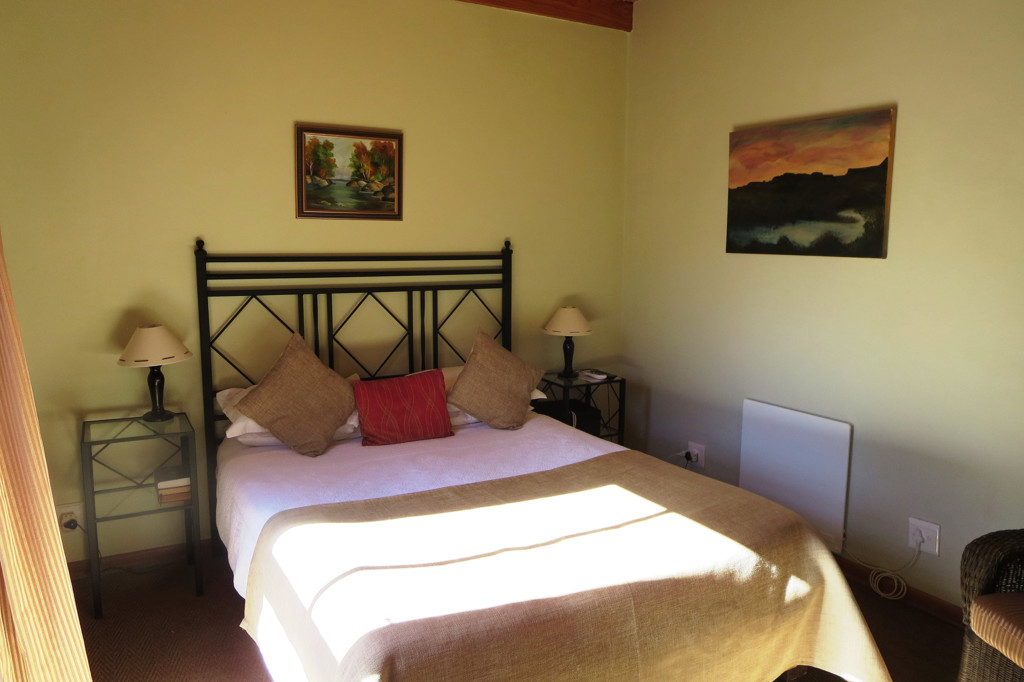
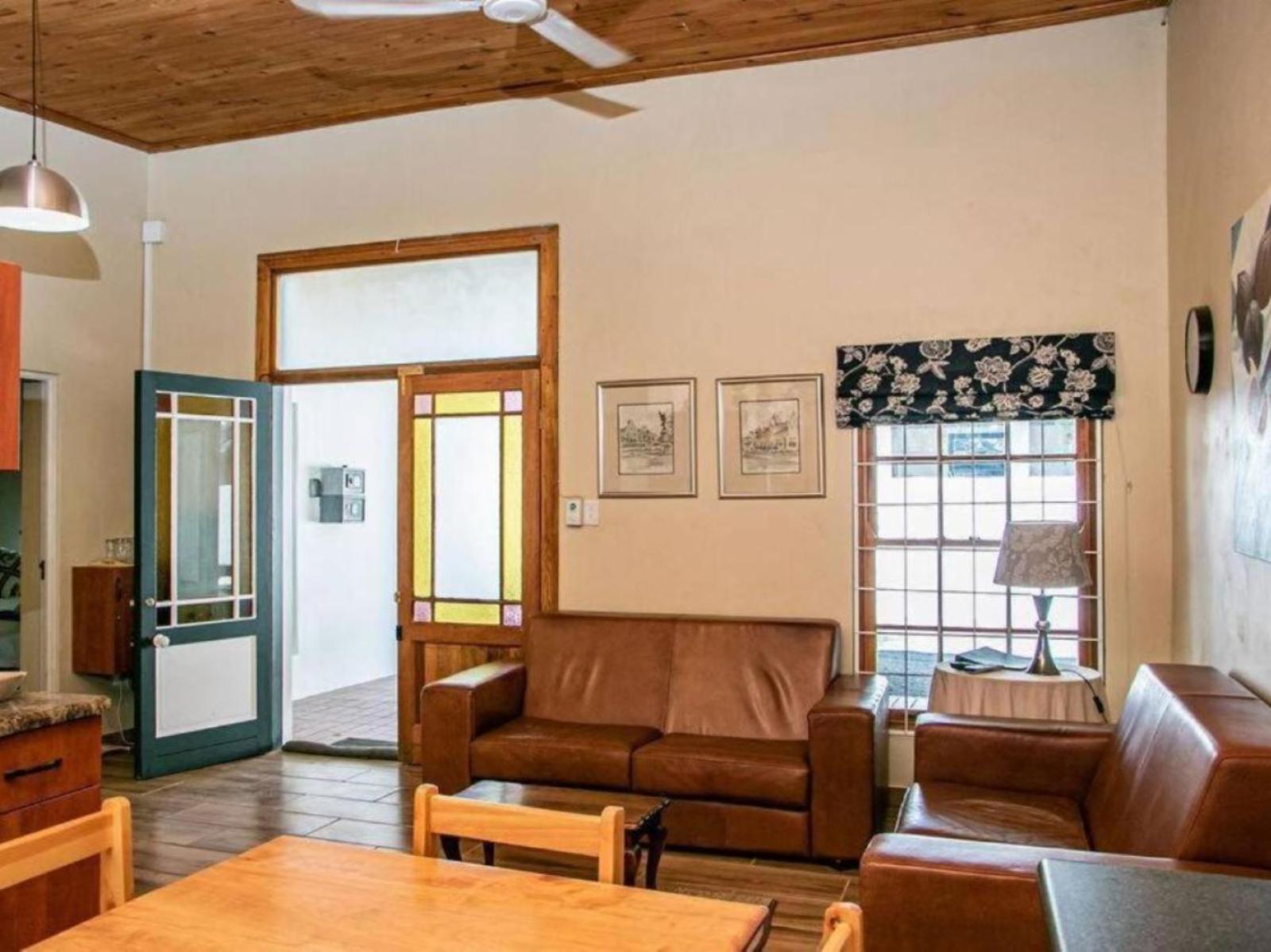
One property is currently listed on this platform, in the self-catering category. This format suits the character of a Karoo visit well: the town has few restaurants, so having kitchen access makes a practical difference over a stay of two or more nights.
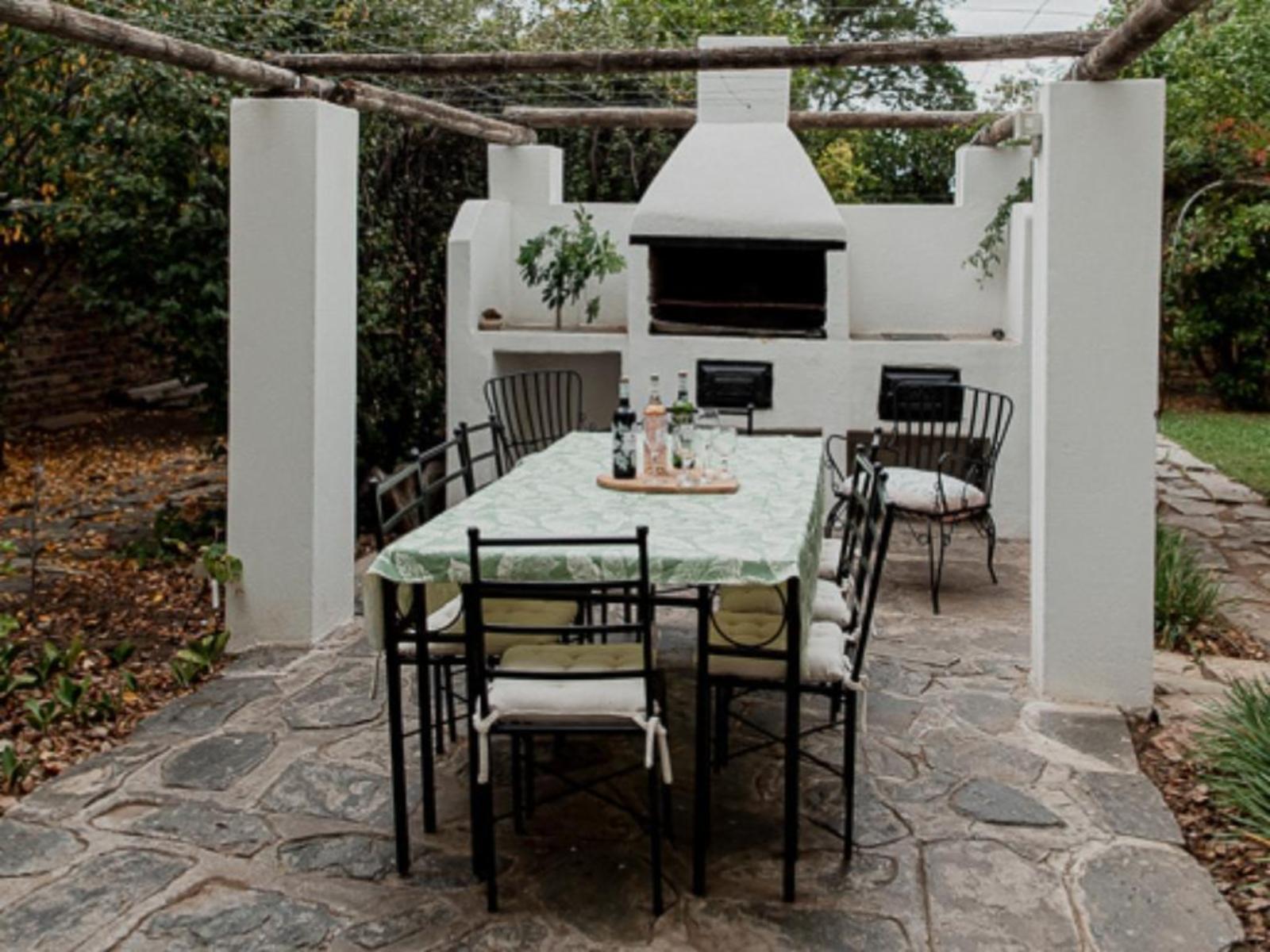
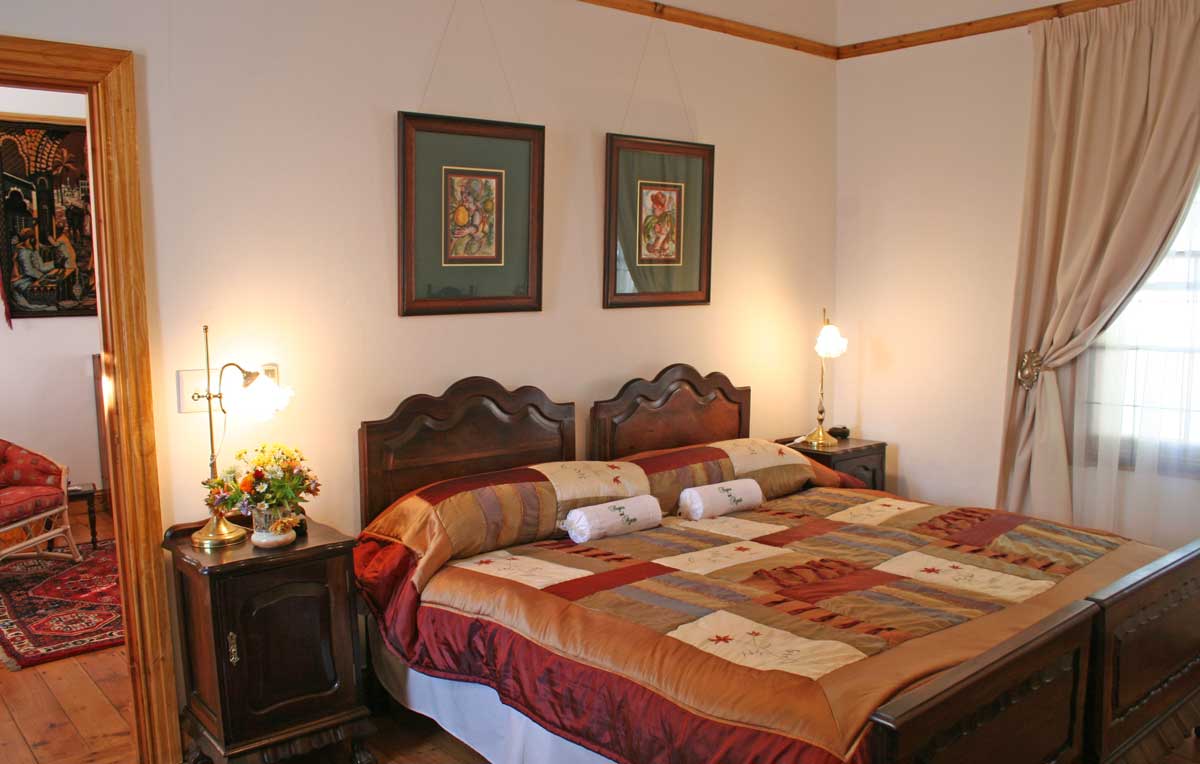
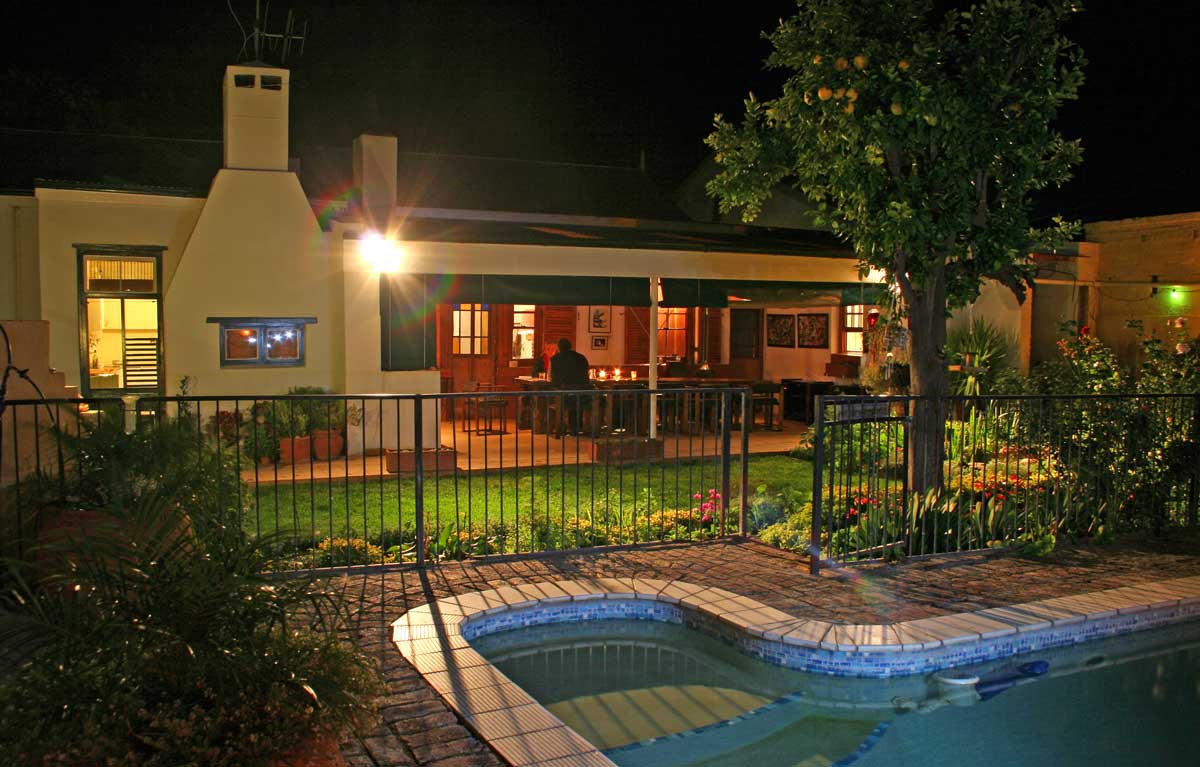
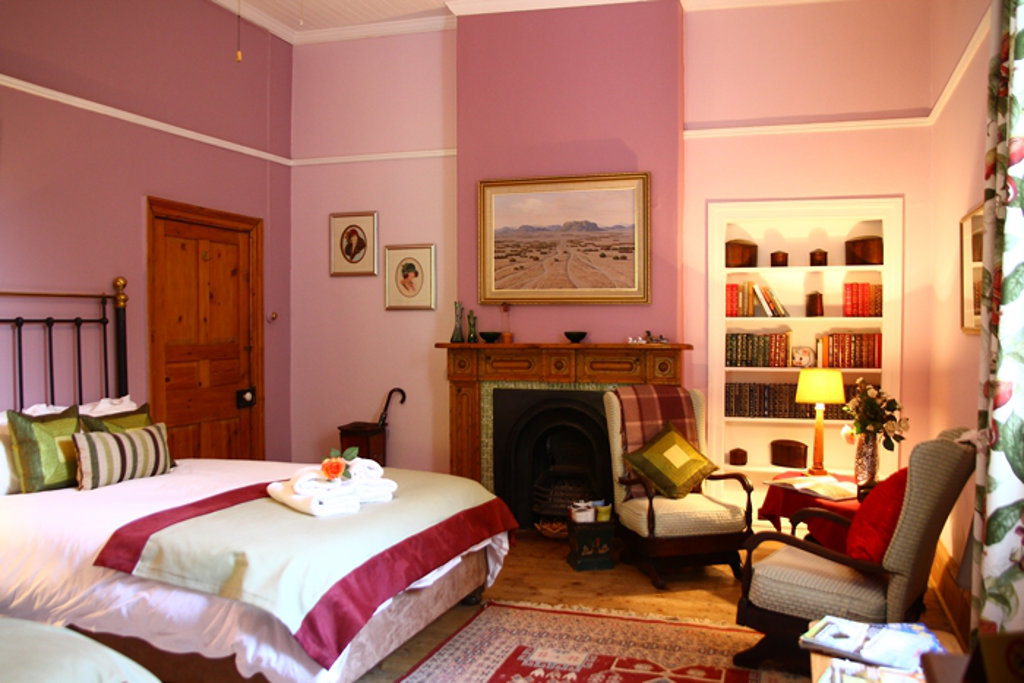
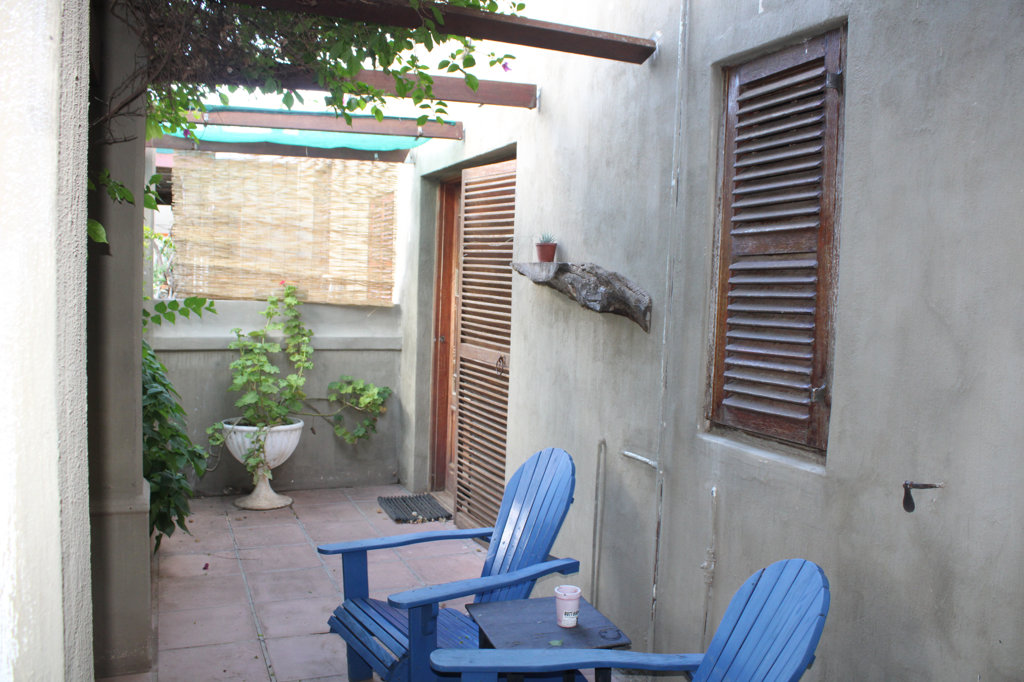
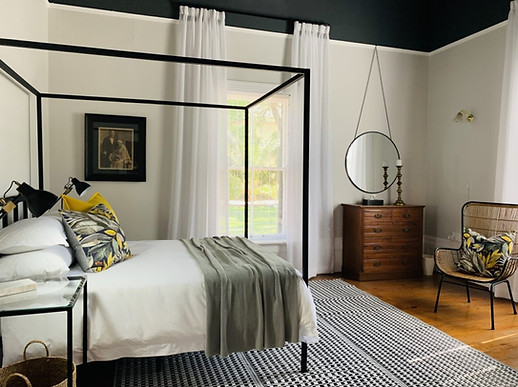
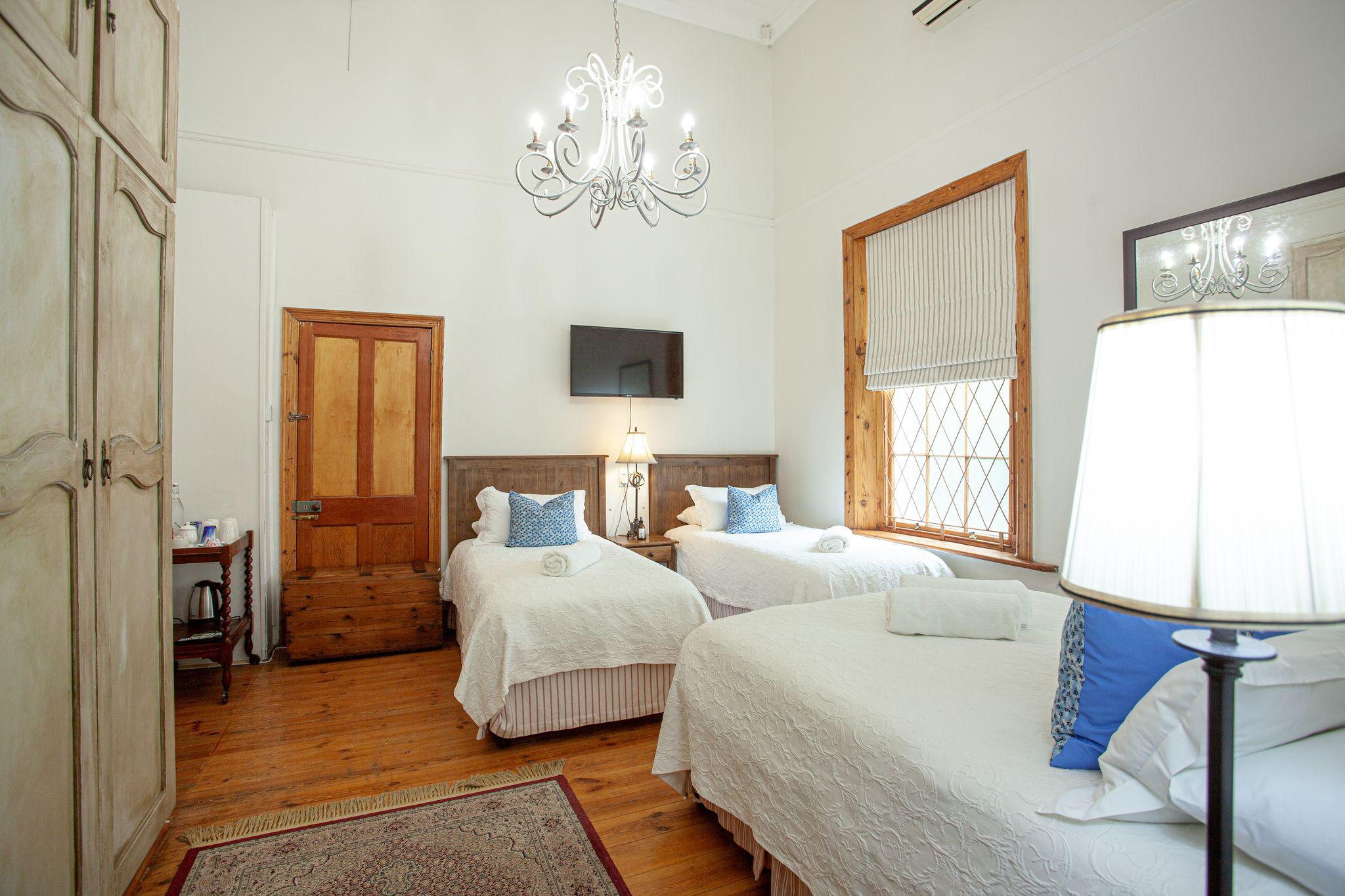
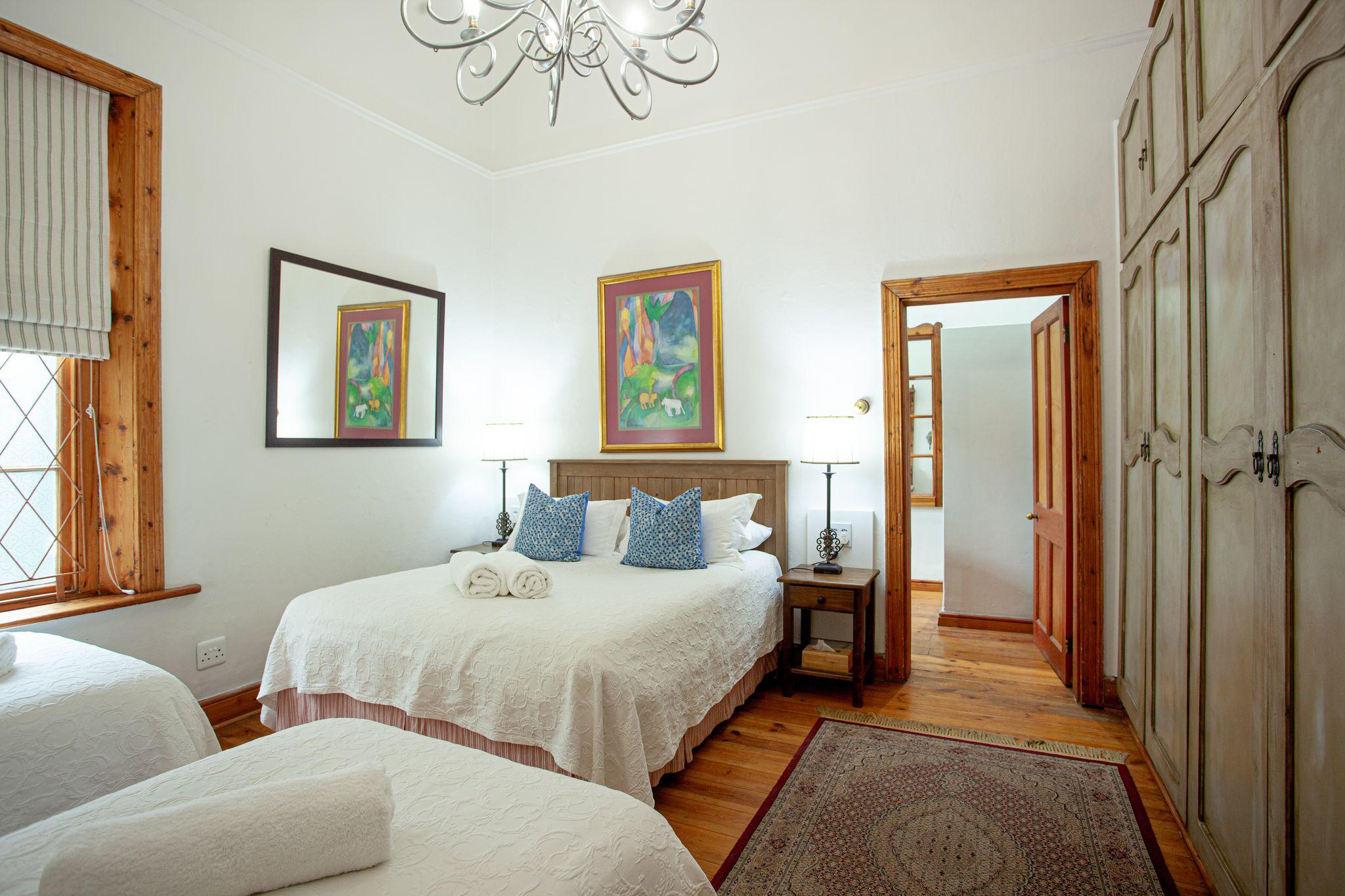
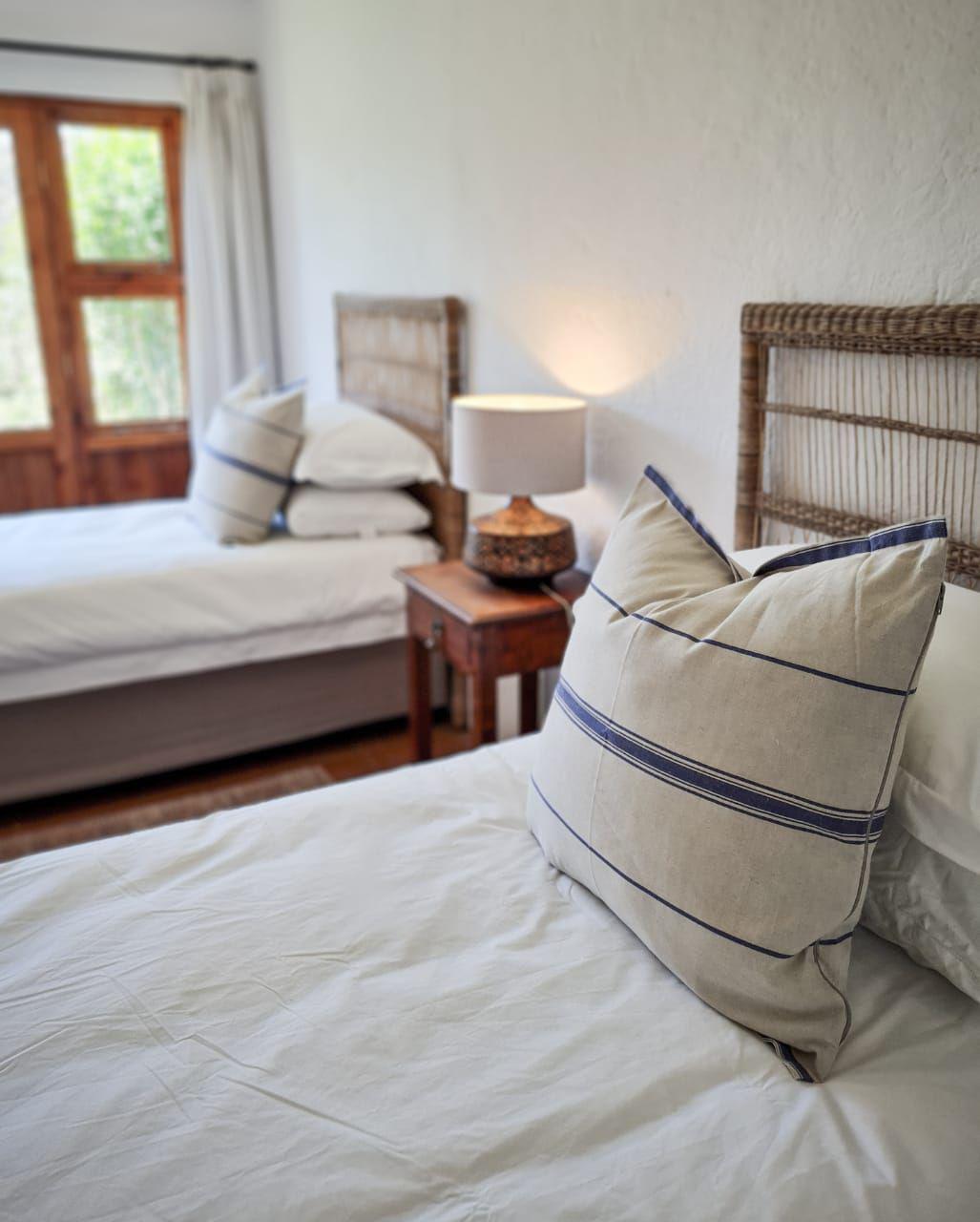
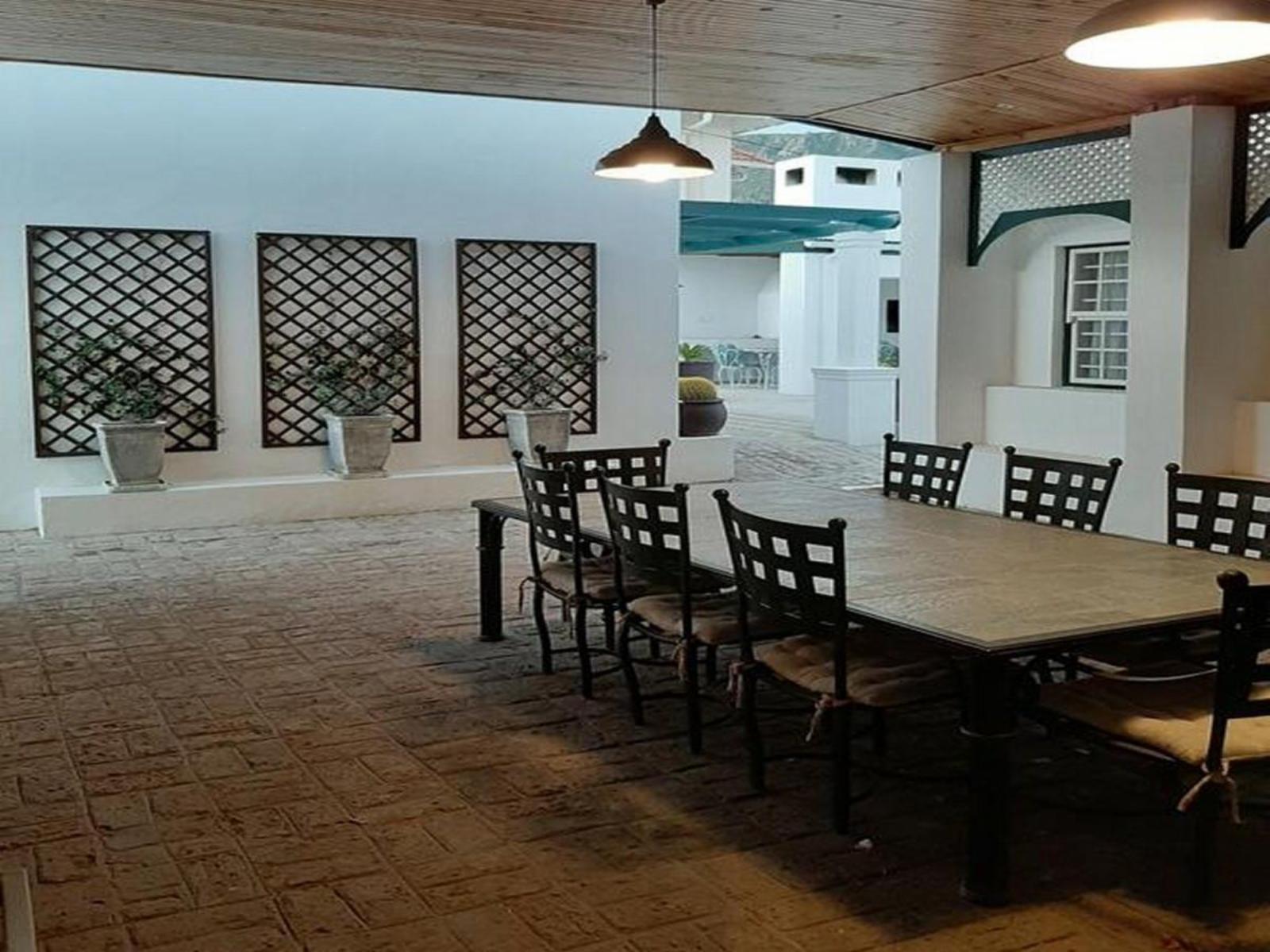
At the budget level, a basic self-catering unit covers the essentials for travellers who plan to spend most of their time outdoors. Mid-range properties in restored historic buildings tend to include outdoor braai facilities, which is standard across the Karoo, where clear evenings make cooking outside practical for much of the year. Interiors often retain period features such as pressed steel ceilings, thick internal walls, and wooden window frames, without being staged as museum pieces.
At the upper end of the market, larger heritage homes accommodate families or small groups, with multiple bedrooms, private garden space, and a more considered level of fit-out. Even at this tier, properties in Graaff-Reinet tend to be personally managed rather than run by a commercial operator, which gives stays a different character from chain accommodation.
Pricing for the listed property was not confirmed at time of writing, so current nightly rates should be checked directly with the host. With a single listing visible here, searching across multiple platforms and contacting the local tourism office is worthwhile, as many smaller Karoo properties do not maintain a consistent online presence. Securing a booking well in advance is the reliable approach when travel dates are fixed.
Best Time to Visit Graaff-reinet
The Karoo has a semi-arid climate with significant temperature variation across the year. Summer, from November through February, brings intense heat, with midday temperatures frequently exceeding 35°C. Outdoor activity is manageable during the early morning and late afternoon, but prolonged exposure to the midday sun requires shade and adequate water.
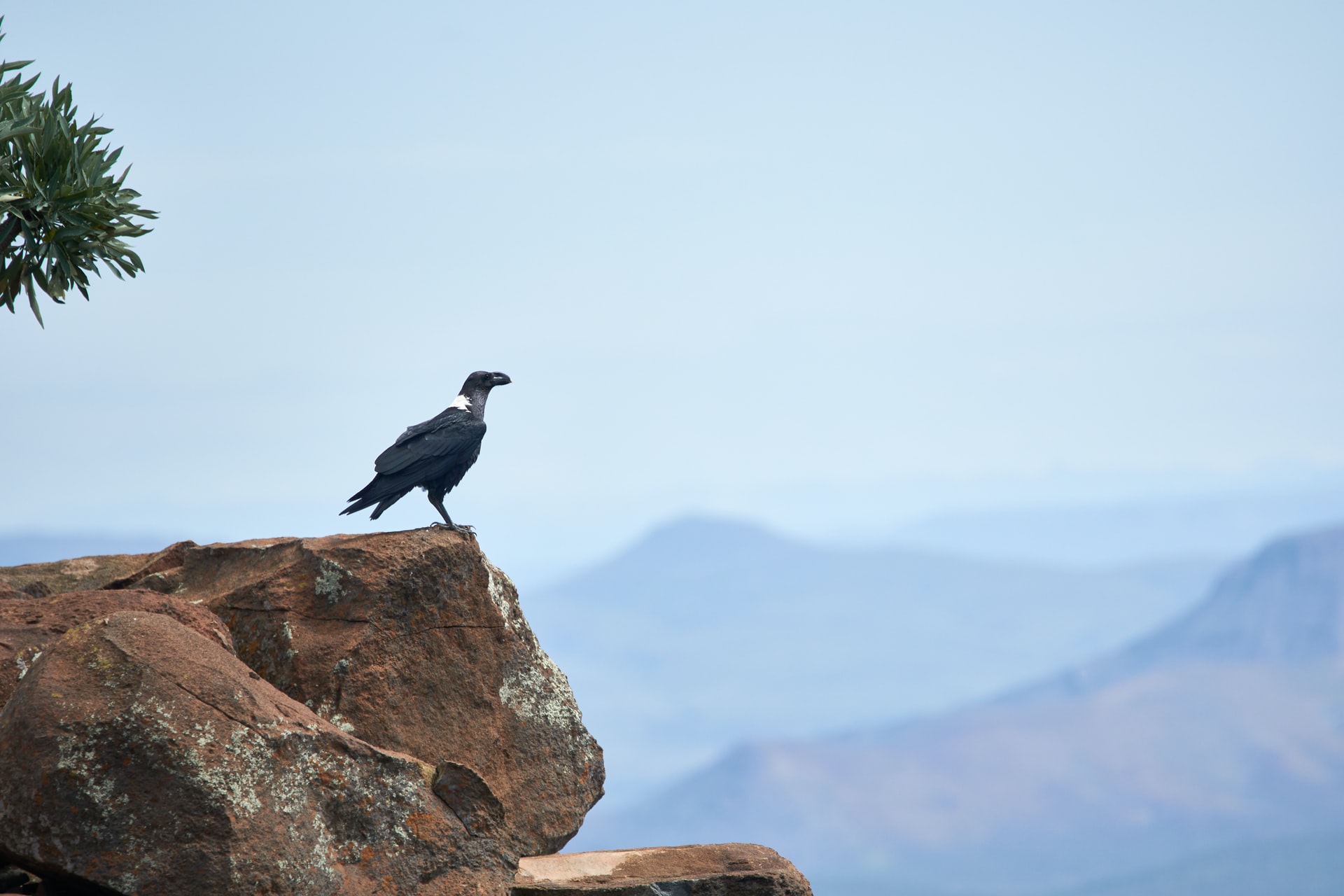
Spring, from August to October, and autumn, from March to May, are the most practical periods. Daytime temperatures typically stay between 15°C and 25°C, suiting hiking, walking, and extended drives through the surrounding terrain. Birdwatching is particularly productive in spring as migratory species move through the region, with residents such as the Karoo lark active during the cooler hours.
Winter, from June through July, is the off-peak season. Nights drop close to freezing and mornings are cold, but days are clear and bright with strong light across the open landscape. This suits photography and longer road trips. The extended, cloudless nights also offer good stargazing, since light pollution across the Karoo interior is minimal.
Rain is infrequent throughout the year, with the driest months running from May through August. After dry spells, dust on unpaved roads is the more common hazard than mud.
Getting to Graaff-reinet
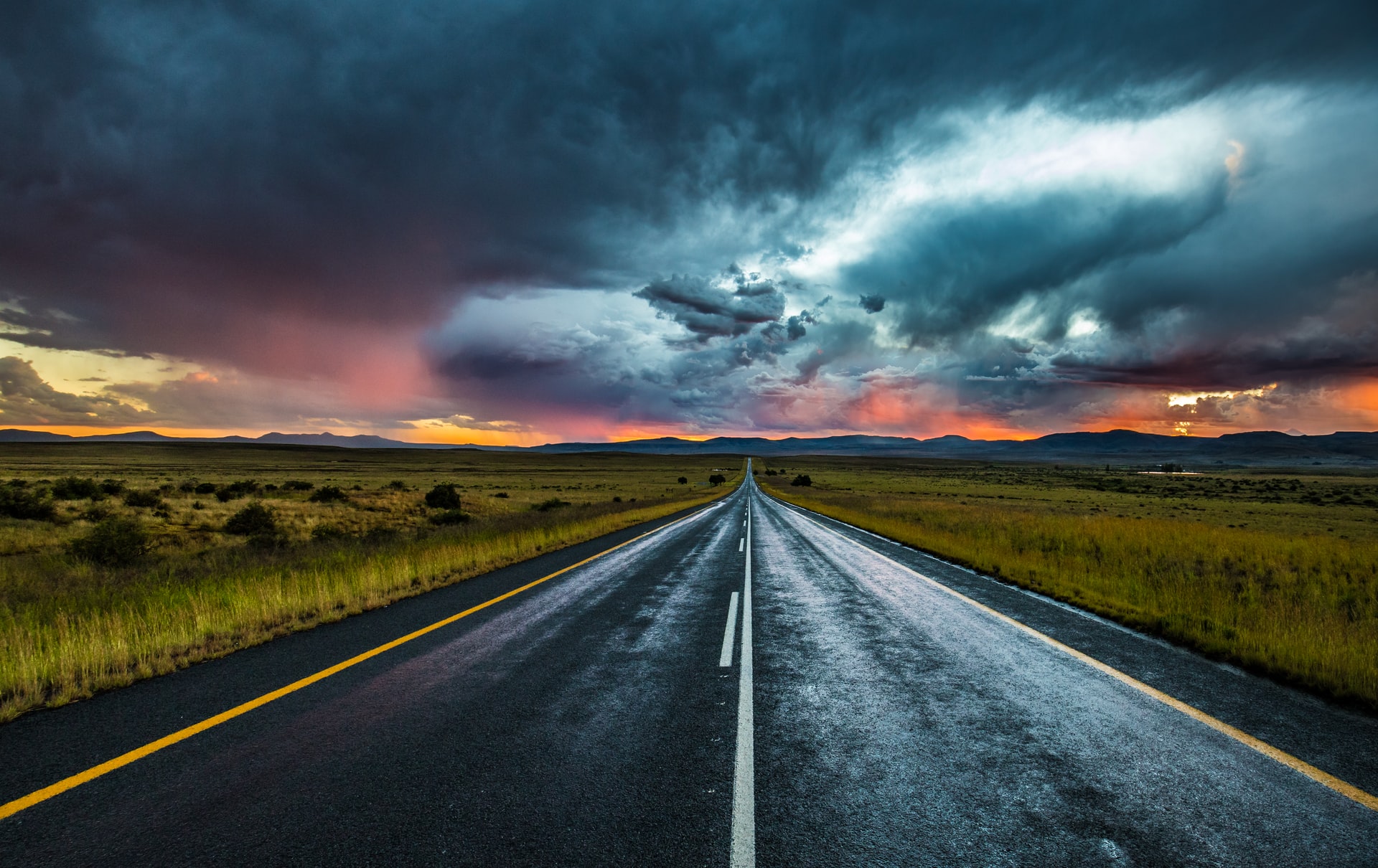
Graaff-Reinet is a road destination. The nearest airport with regular commercial services is in Gqeberha (Port Elizabeth), roughly 250 kilometres to the south-east. From Cape Town, the drive exceeds 700 kilometres via the N1 and N9, a full day on the road. From Johannesburg, the distance is approximately 900 kilometres. The N9 is the primary Karoo highway connecting the town to the broader road network, and road conditions on the main routes are generally good.
Long-distance bus services, including Intercape, stop at the town, but schedules are limited and journey times from major cities are lengthy. There is no active passenger rail connection. For most visitors, driving or hiring a vehicle from the nearest city is the practical choice.
Once in the historic centre, the town is compact and most sites are within walking distance. The street layout is organised on a clear grid, making navigation straightforward on foot. For excursions beyond the immediate town boundary, whether to nearby settlements or further into the surrounding landscape, a private vehicle is necessary. Local rideshare and taxi options are not reliably available. Filling up with fuel before heading out on longer Karoo roads is sensible, as service stations between towns can be far apart.
Graaff-reinet and Surrounding Areas
The settlements within reach of Graaff-Reinet each offer something distinct, and several are worth factoring into a stay of three or more days.
Nieu-Bethesda (43km) is visited almost entirely because of the Owl House, the extraordinary environment created by artist Helen Martins over several decades before her death in 1976. She filled the property with concrete sculptures, crushed glass, and mirrored surfaces, and the home is now a museum. The village has no mobile signal and minimal commercial services, which contributes to a sense of isolation not easily found elsewhere in the region. A handful of galleries and studios have developed around the tourism the Owl House attracts, making it a draw for those interested in outsider art and creative community.
Aberdeen (52km) is a small farming town with a compact and well-preserved historic centre. Its 19th-century Dutch Reformed Church is a notable example of Karoo ecclesiastical architecture. Most visitors pass through rather than stay overnight, spending a few hours on the streets and in local shops before continuing their route.
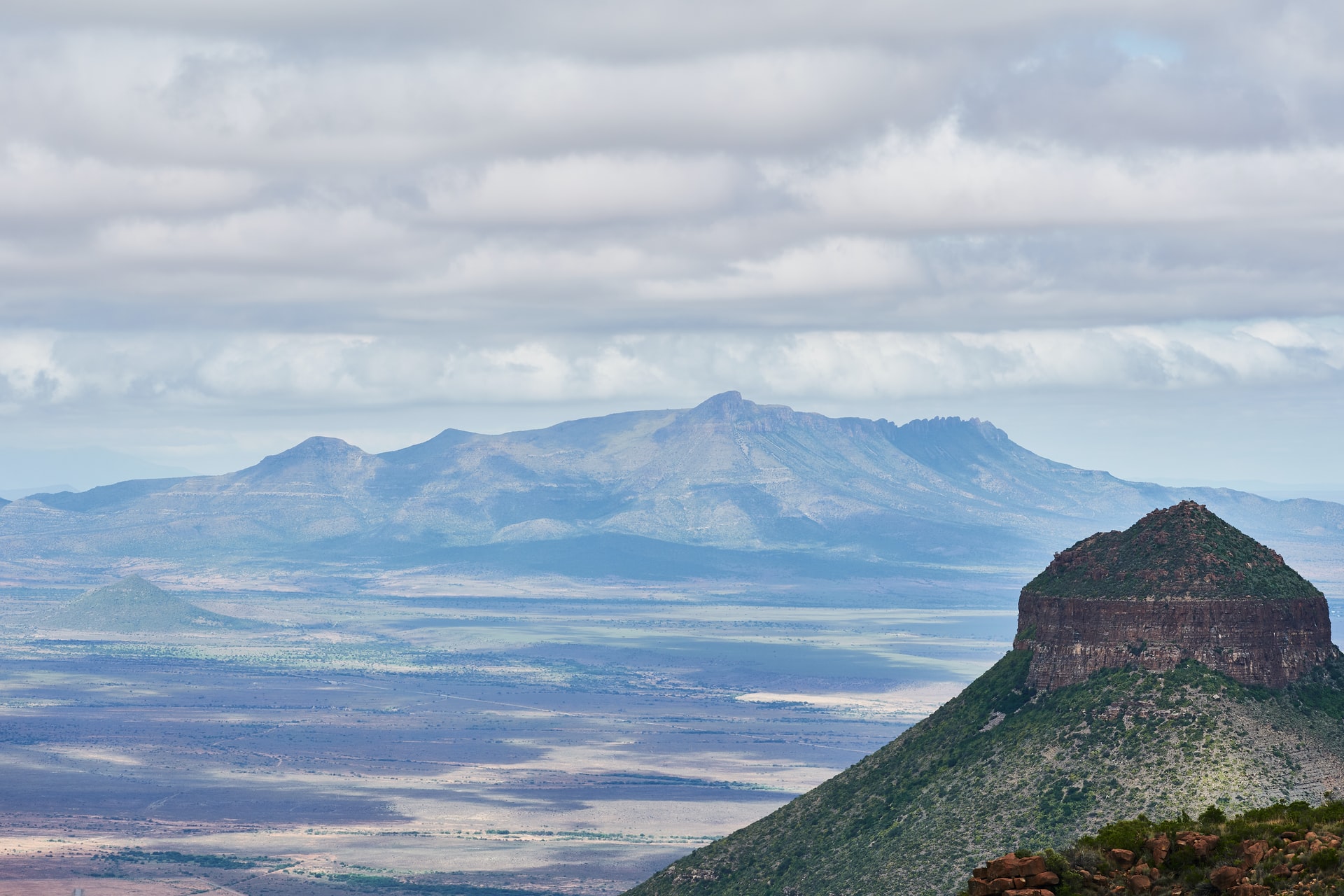
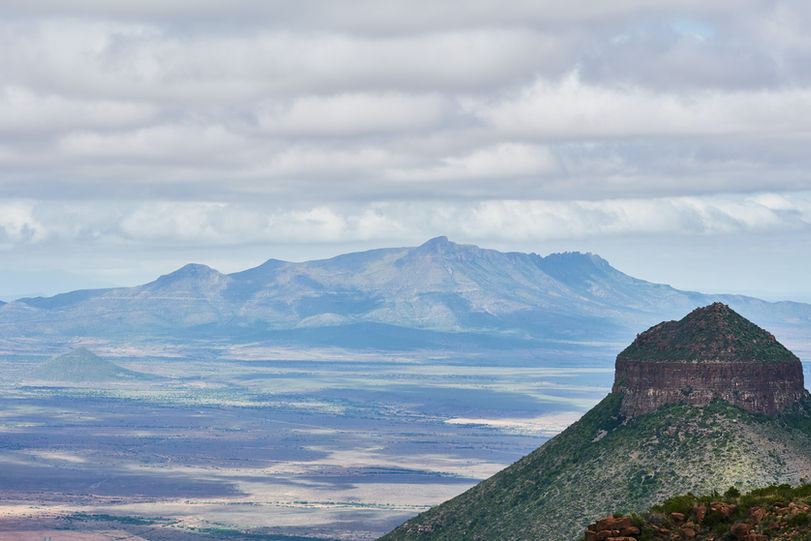
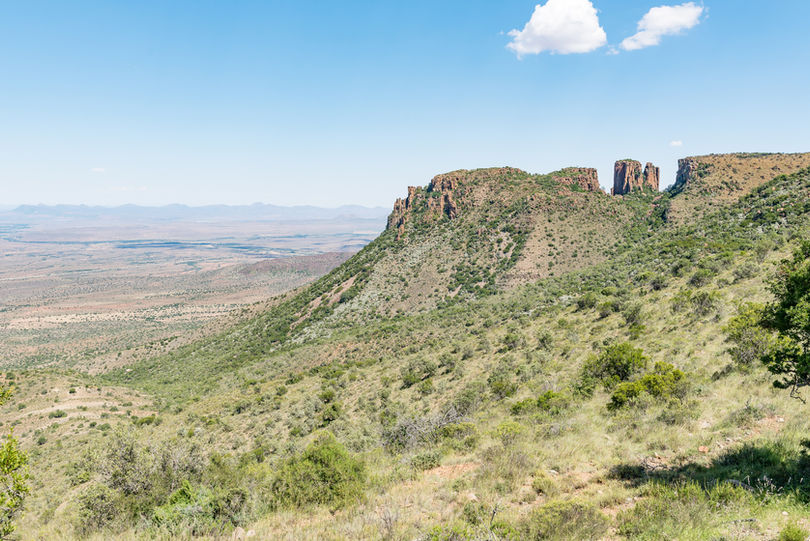
Camdeboo (52km) refers to Camdeboo National Park, the conservation area that encircles Graaff-Reinet. The Valley of Desolation, accessible via a short drive from the town centre, features tall dolerite columns formed by geological erosion over millions of years. The park supports klipspringers, baboons, and various antelope, and has day hiking trails through the rocky terrain and along the valley rim.
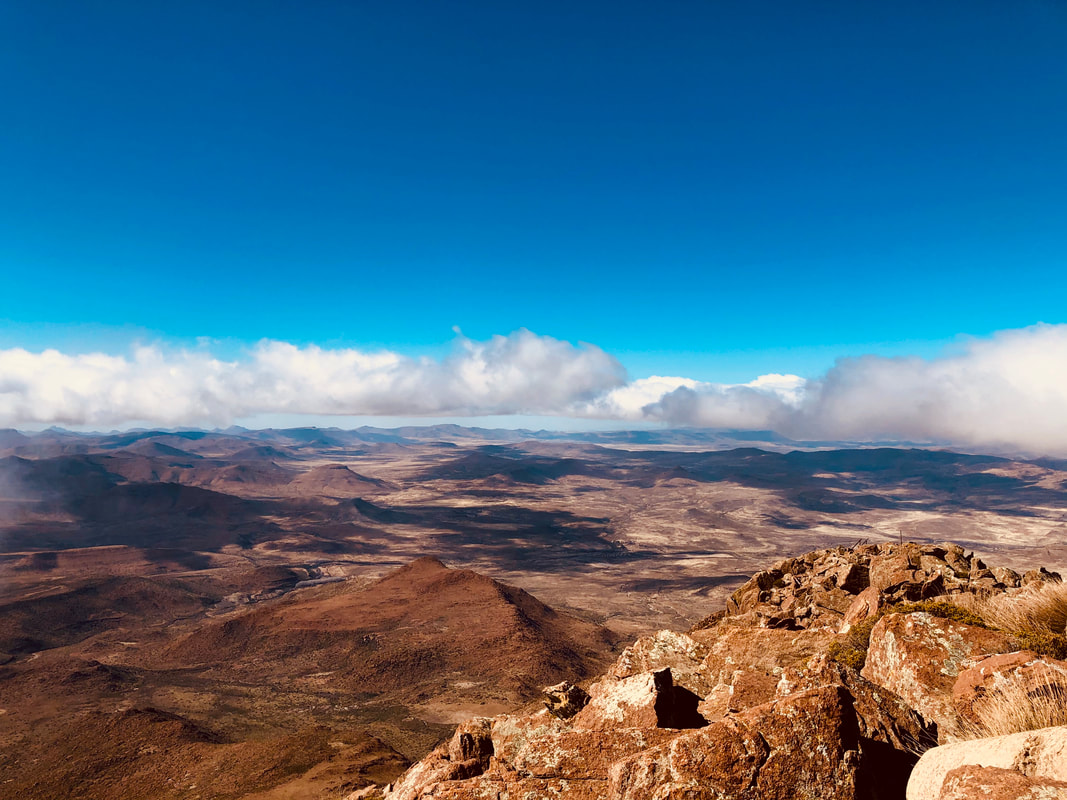
Nelsig (67km) is a small farming settlement with no significant visitor infrastructure. The roads between Graaff-Reinet and Nelsig cross open plains dotted with flat-topped koppies and see very little traffic. The landscape itself, open and sparsely vegetated with little to interrupt the sense of distance, is the primary draw for those heading in that direction.
Murraysburg (81km) is a quiet town on the high Karoo plateau with a small local museum and some historic buildings. The surrounding landscape, with broad unbroken views across sparse scrub, is characteristic of this elevated part of the interior.
Planning Your Stay
Accommodation in Graaff-Reinet fills during South African school holidays, Easter weekend, and public long weekends. Booking several weeks ahead is the standard approach for those periods. Outside peak times, availability is generally easier to secure, but confirming before travel is still sensible given how few properties are available.
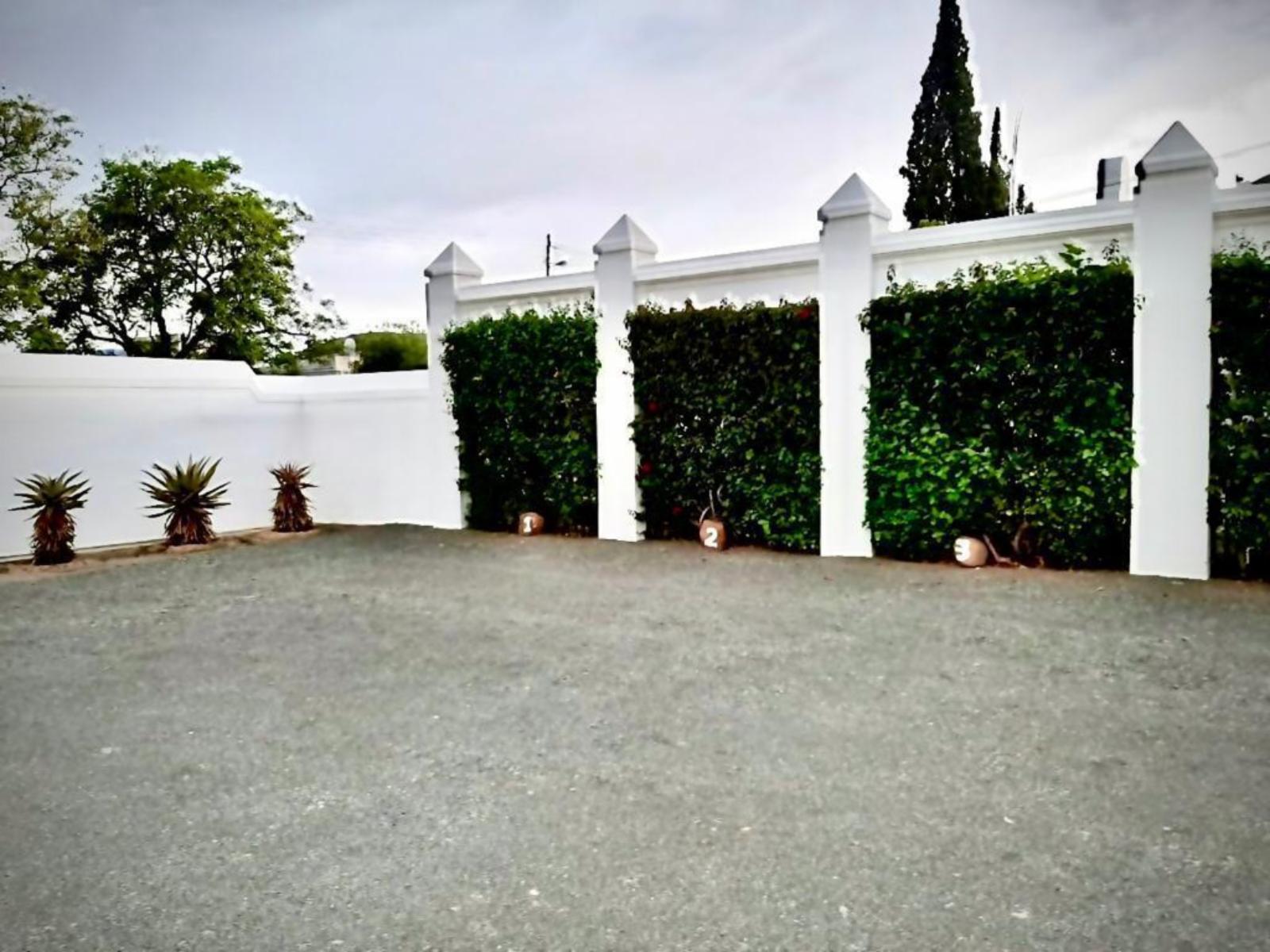
Before finalising a booking, check the kitchen equipment in detail if you plan to cook regularly, as self-catering properties vary considerably in what is supplied. For winter visits, ask specifically about heating; Karoo nights are genuinely cold and not all older buildings are well-insulated. Confirm parking arrangements in advance, as these vary across the historic centre.
The town has no 24-hour shops, and the nearest large supermarket requires a drive to a bigger centre. Buying specialty groceries before arriving is a practical step. Mobile data coverage is patchy in parts of the historic centre and across much of the surrounding landscape; downloading offline maps before departure is worth doing.
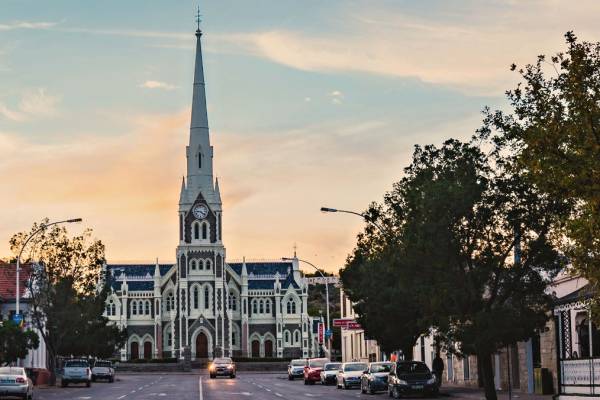
The Reinet House museum and the Dutch Reformed Mother Church are both in the town centre and accessible without booking ahead. Camdeboo National Park charges a conservation entry fee; confirm current rates with the park before your visit. The local tourism office in Graaff-Reinet can advise on seasonal market schedules, event dates, and any changes to site opening hours.