Accommodation in Hectorspruit
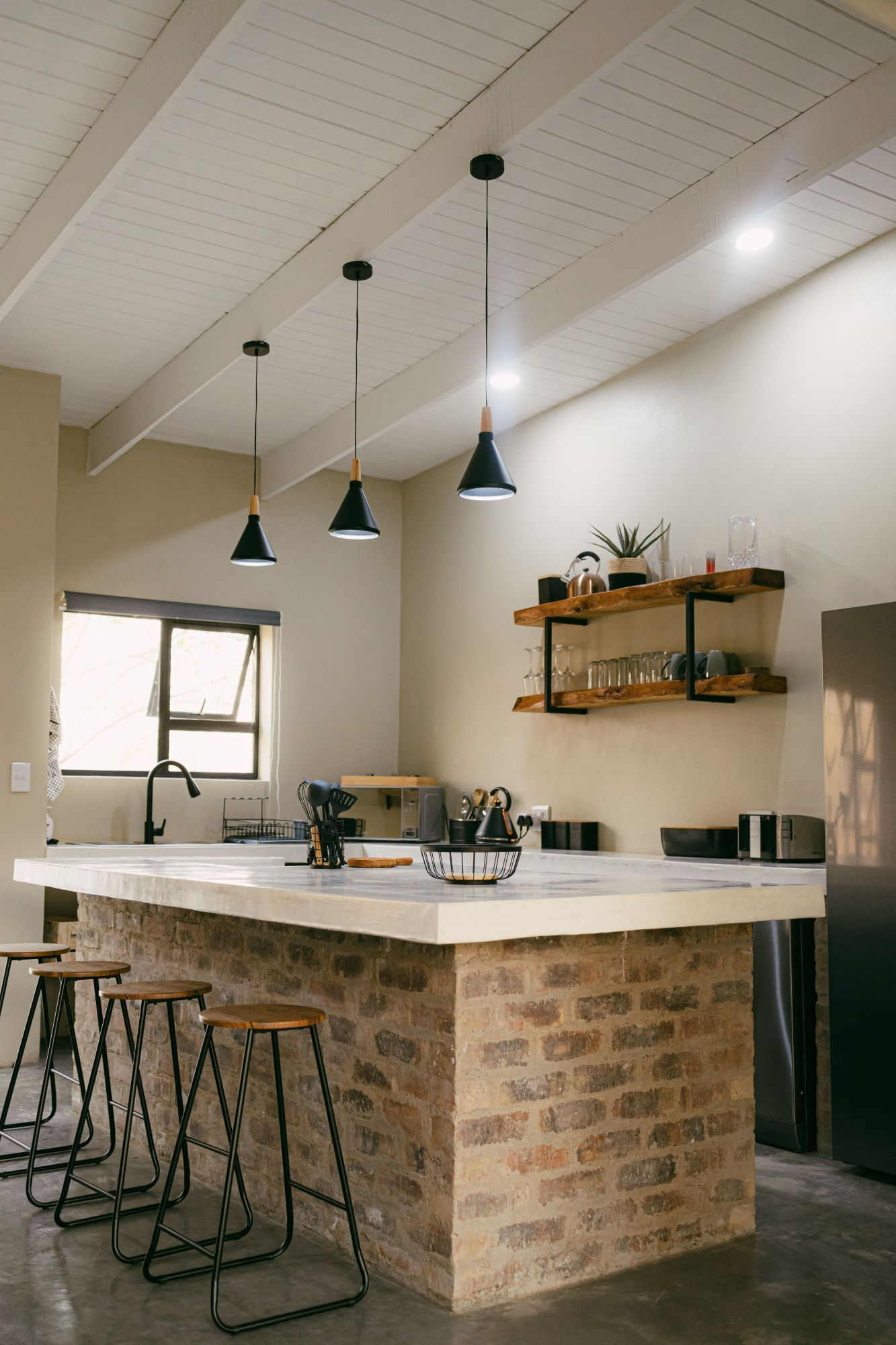
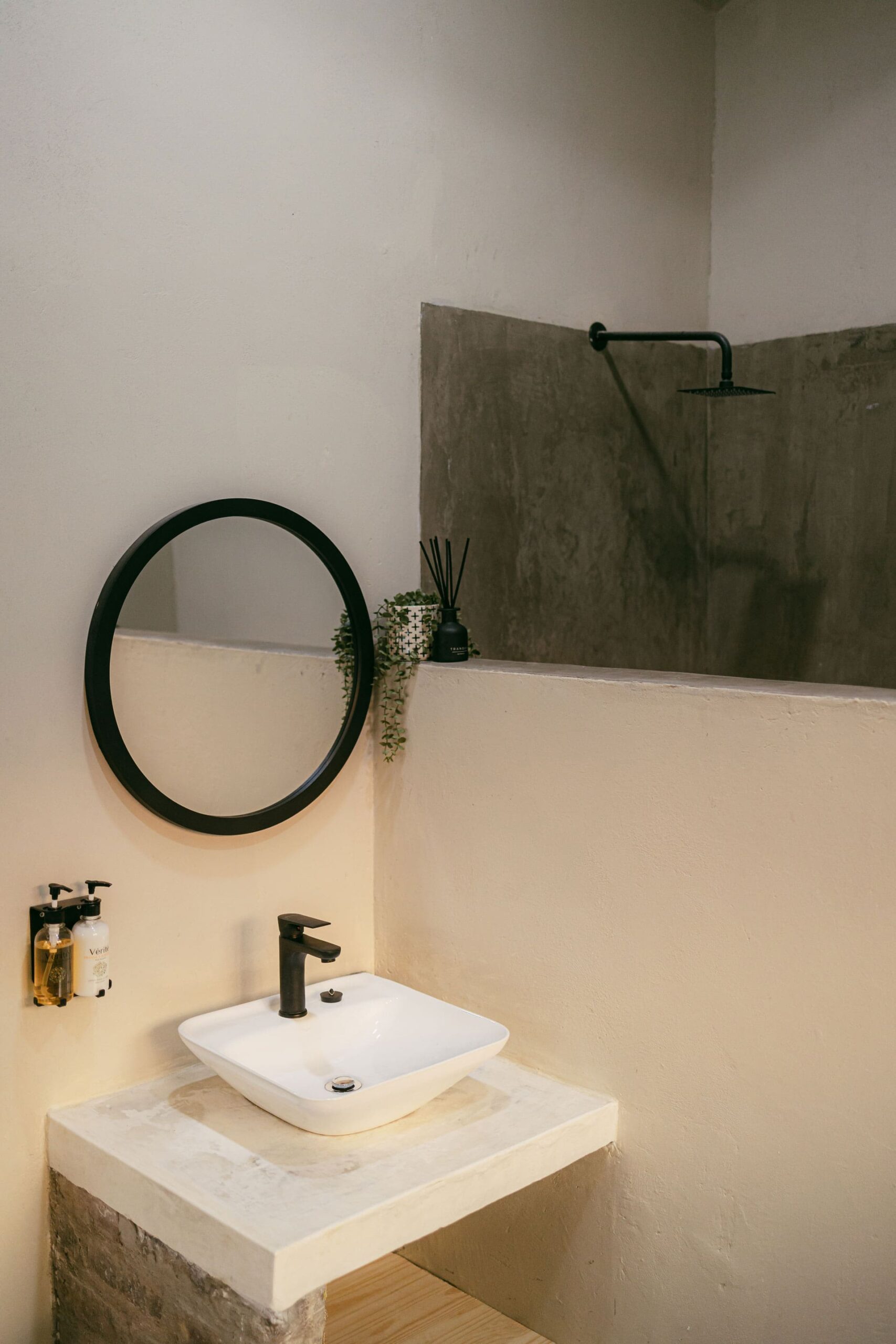
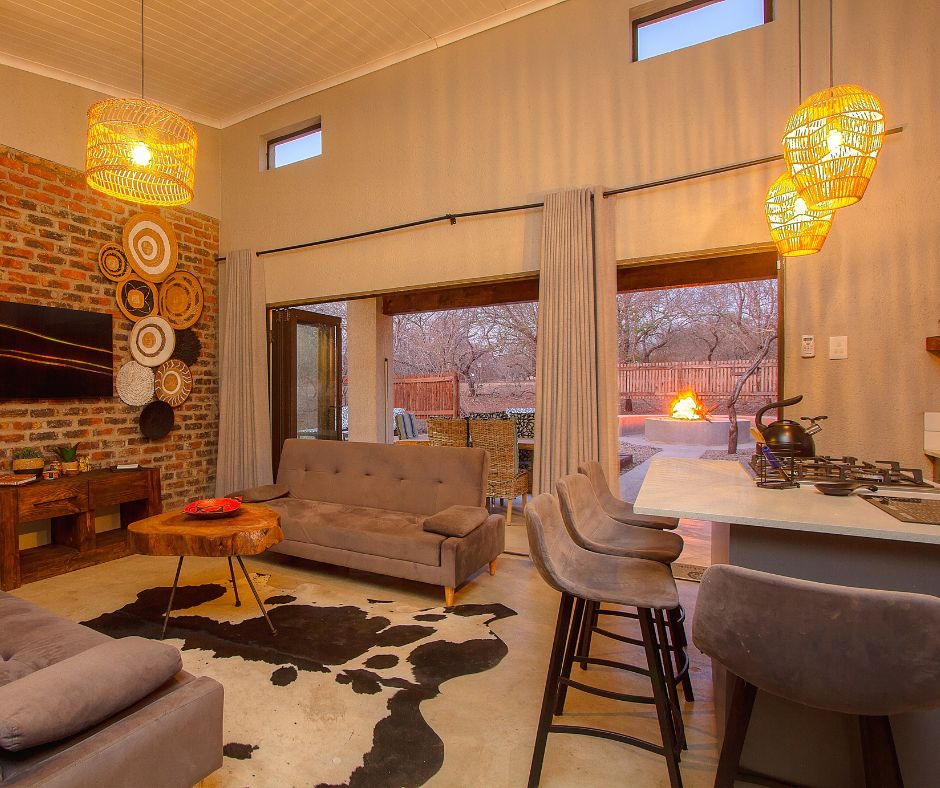
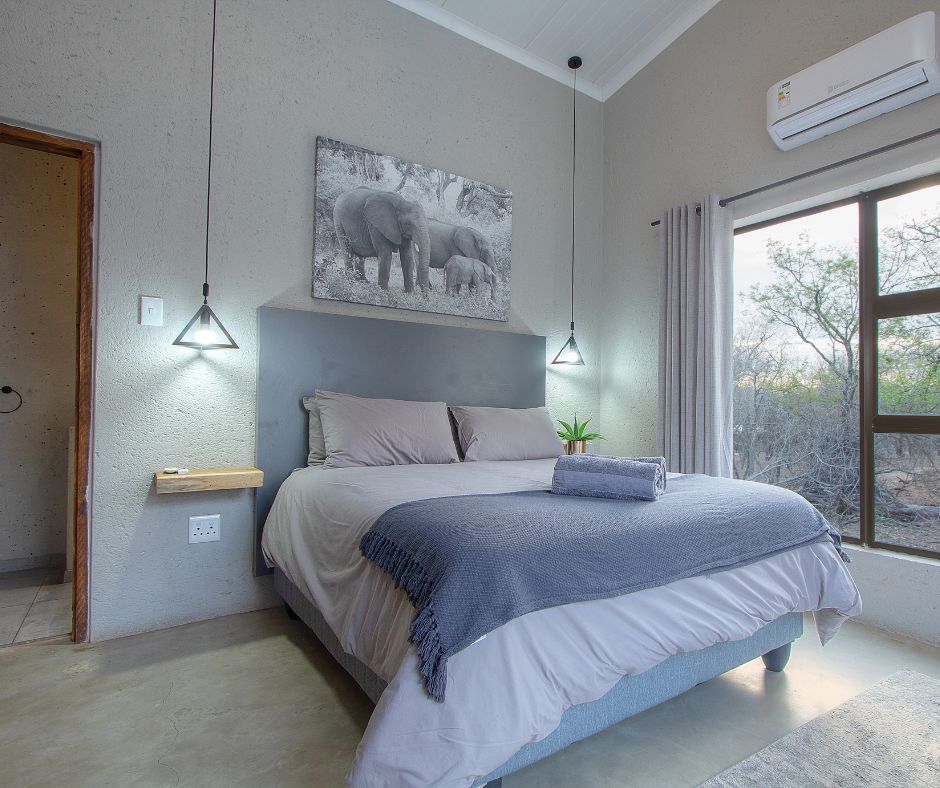
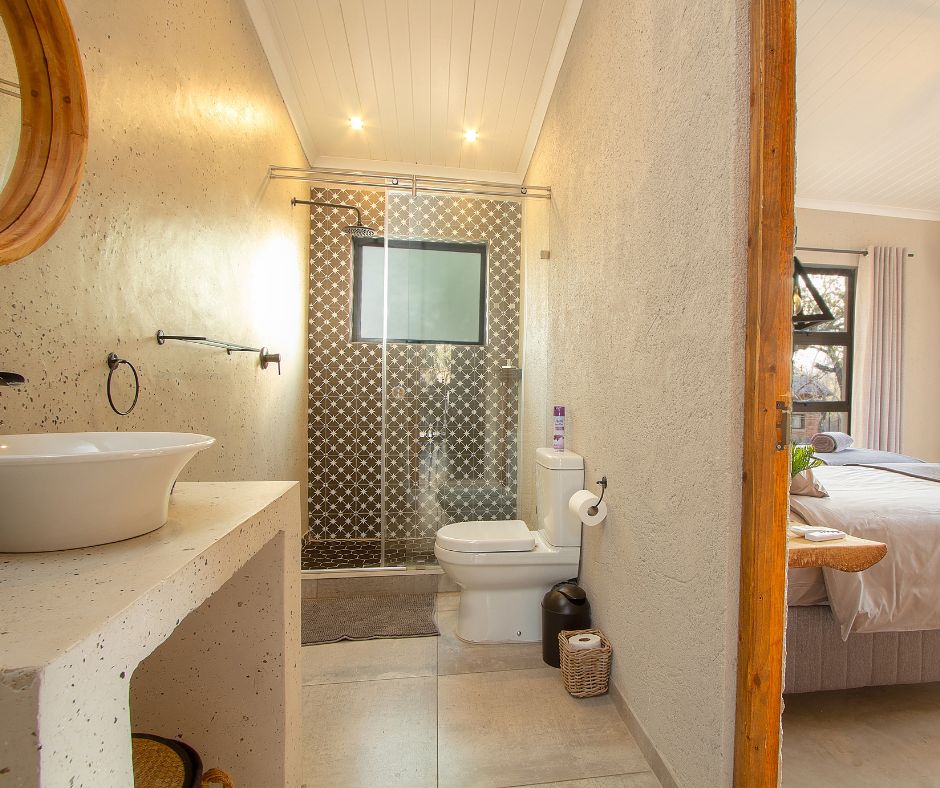
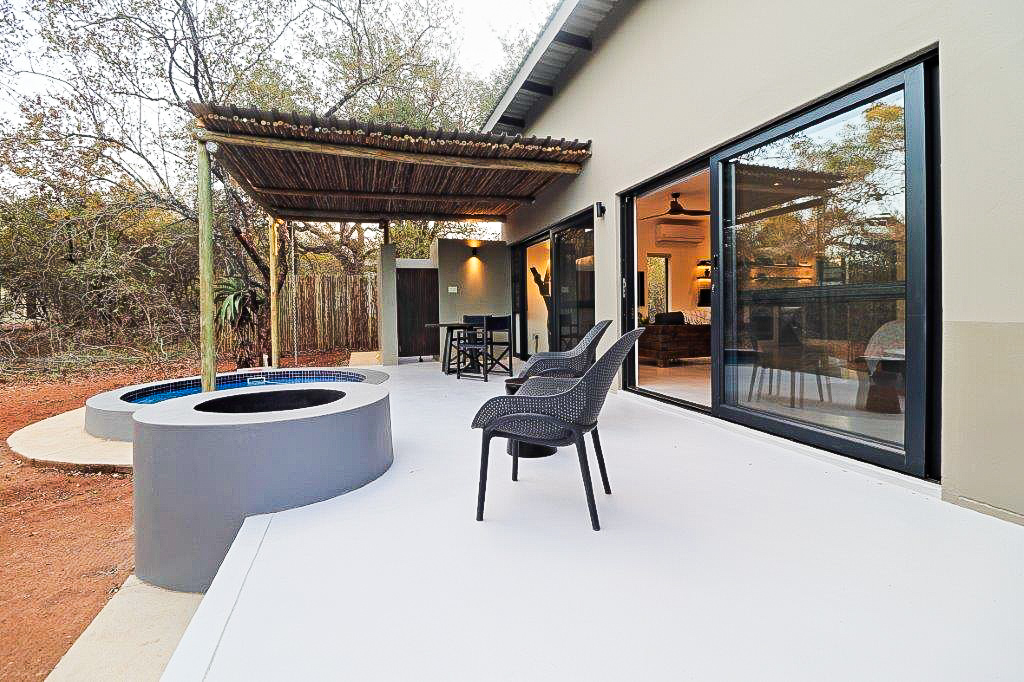
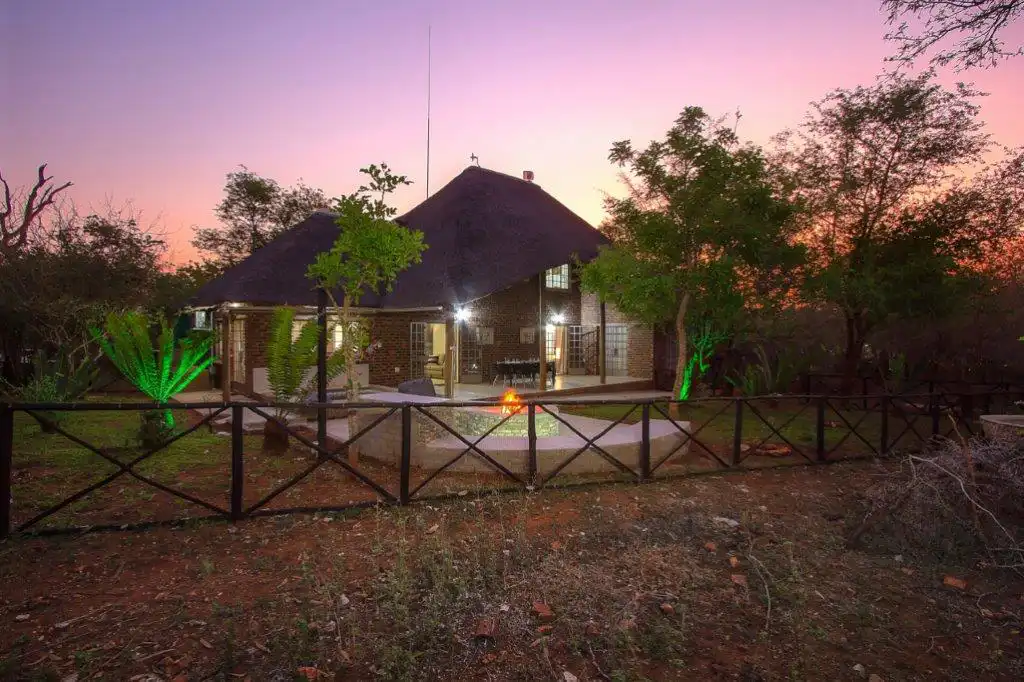
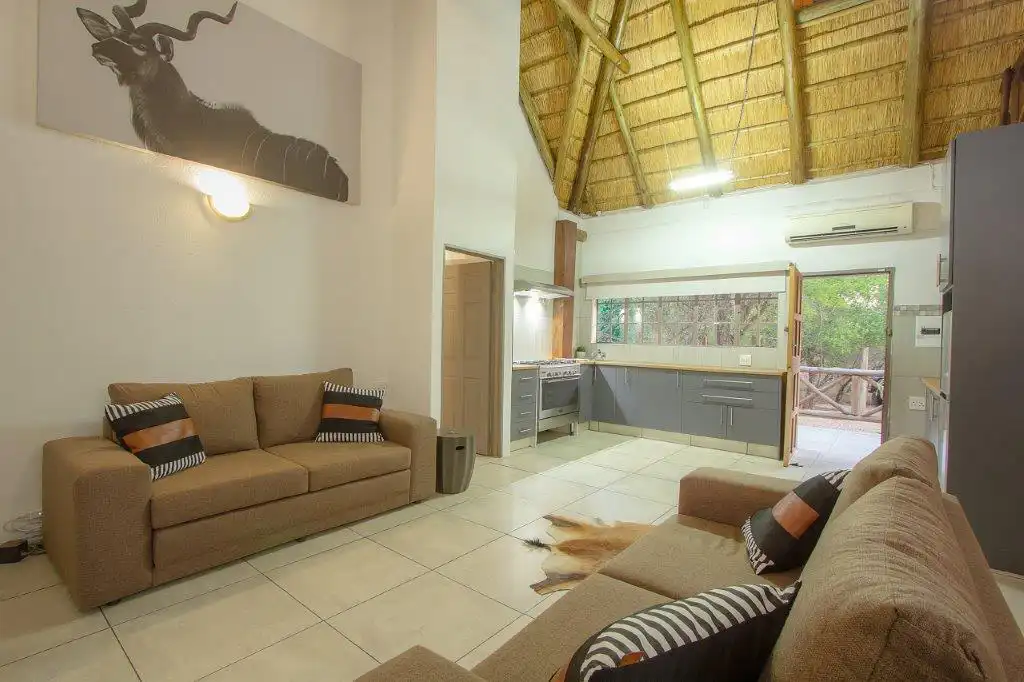
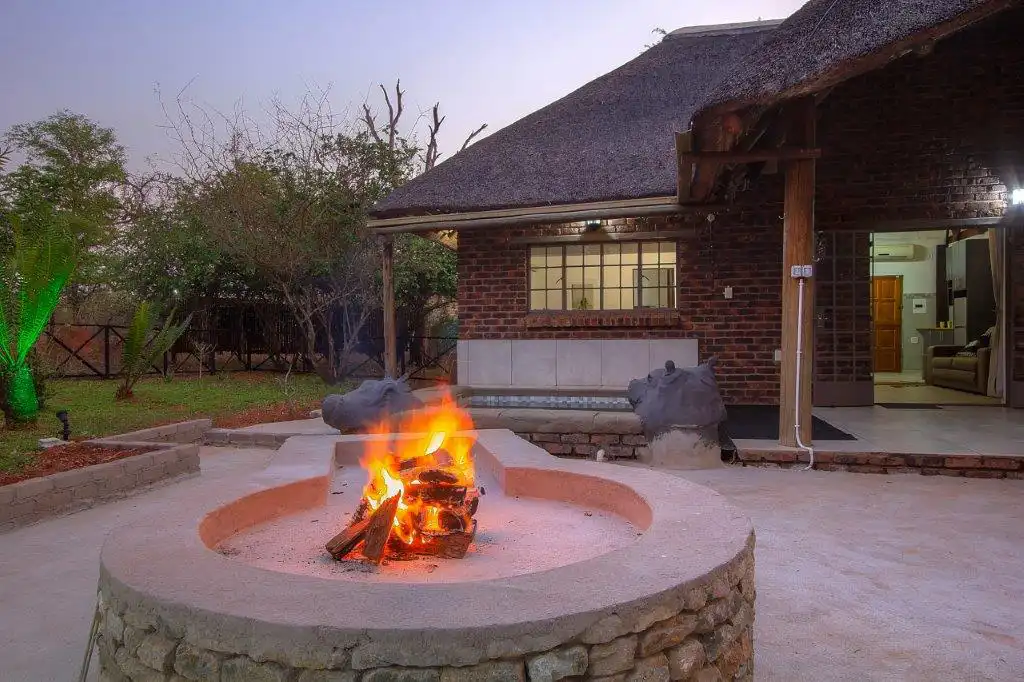
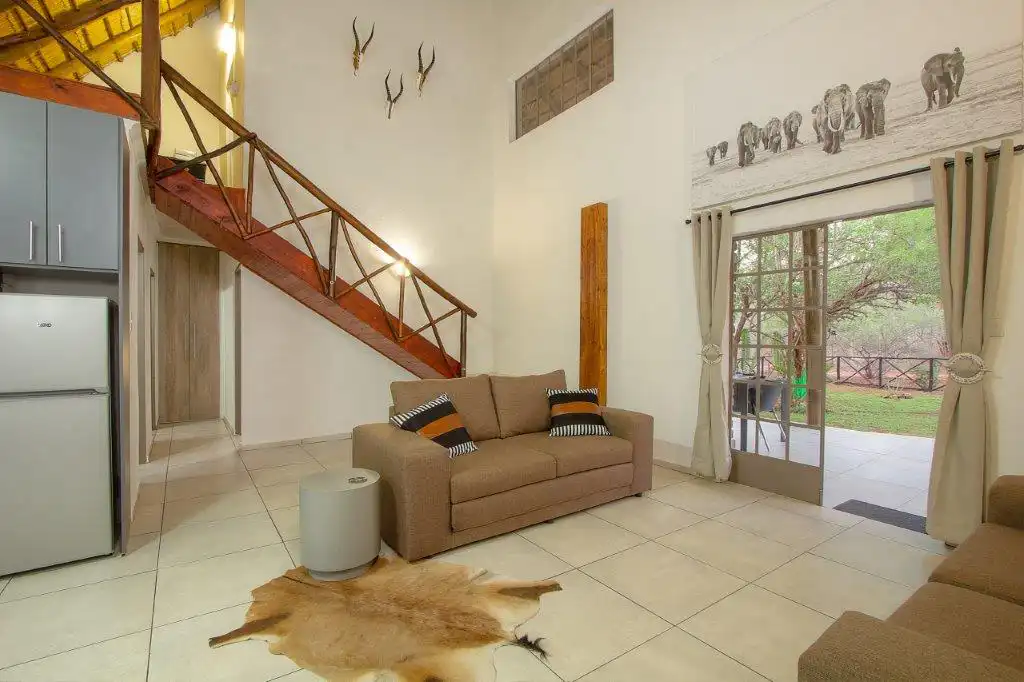
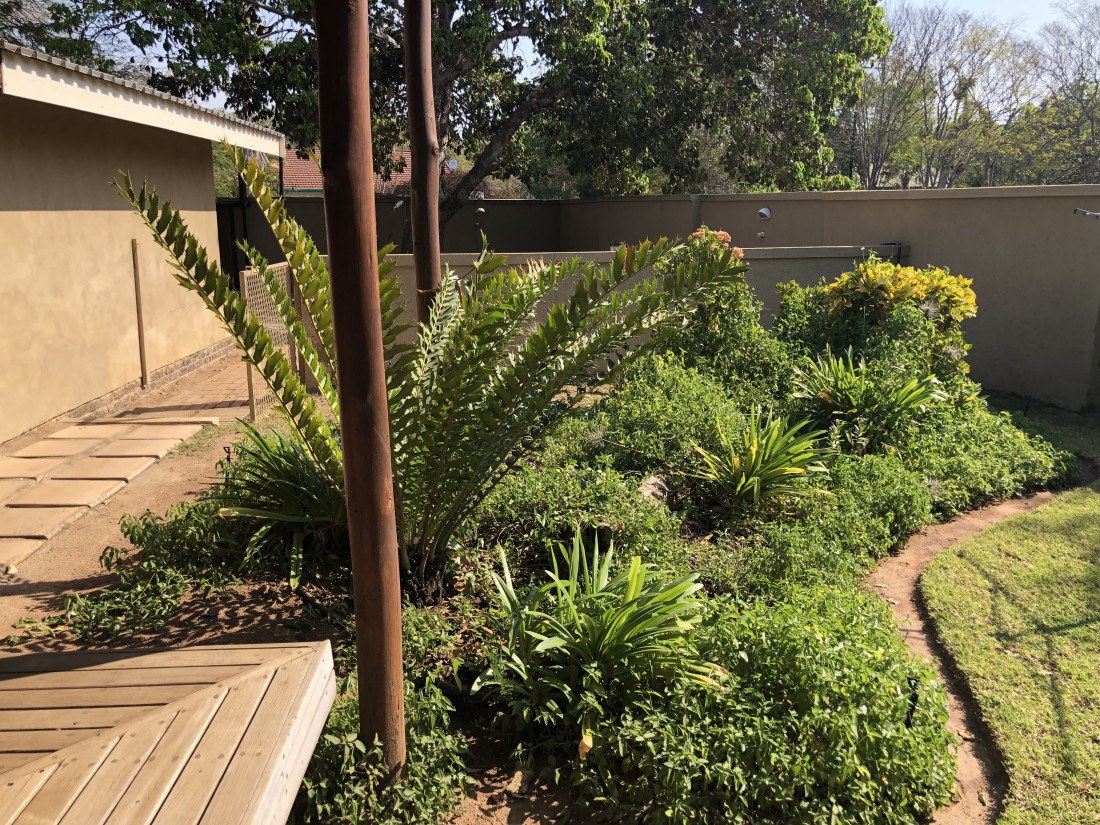
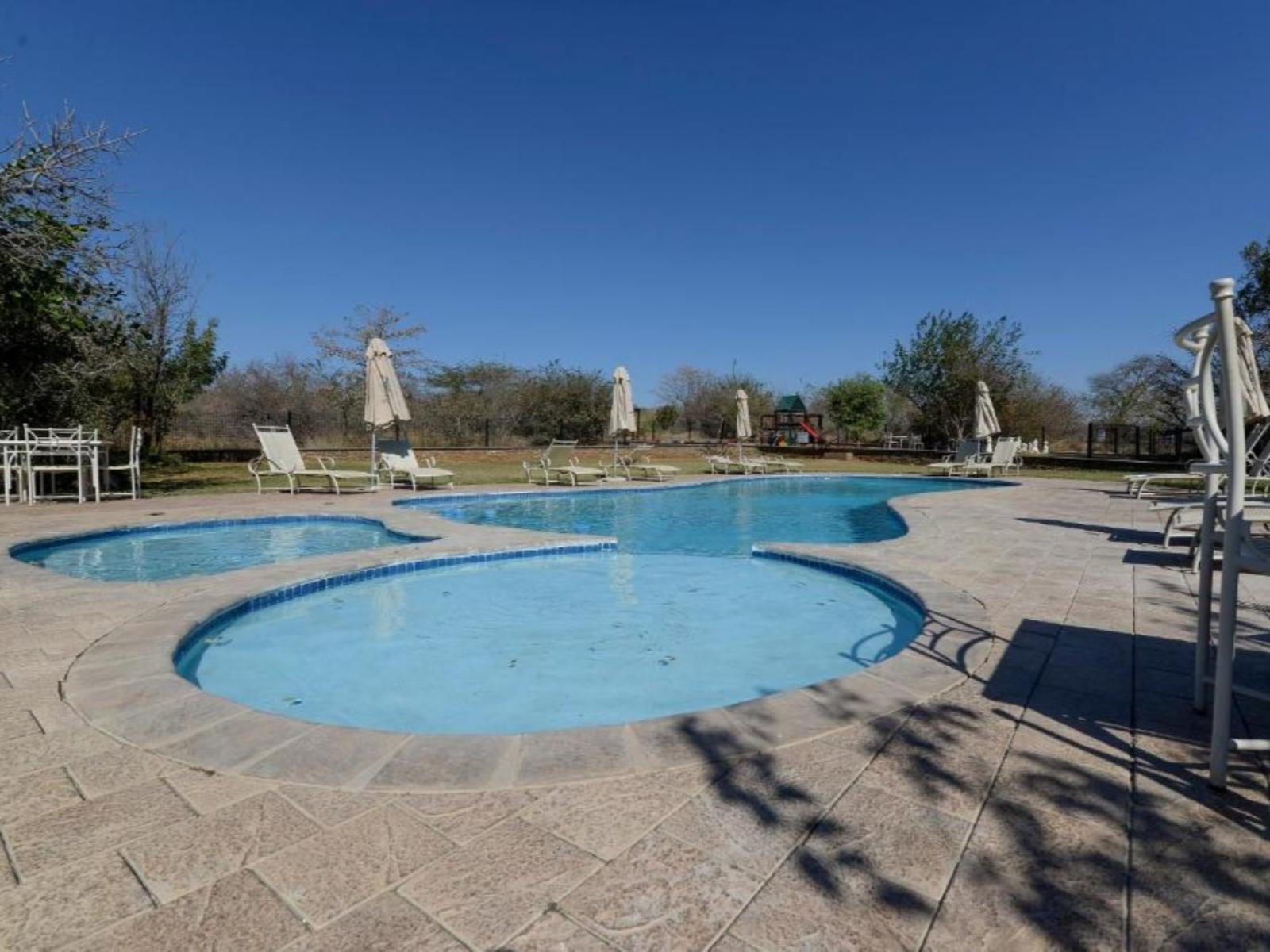
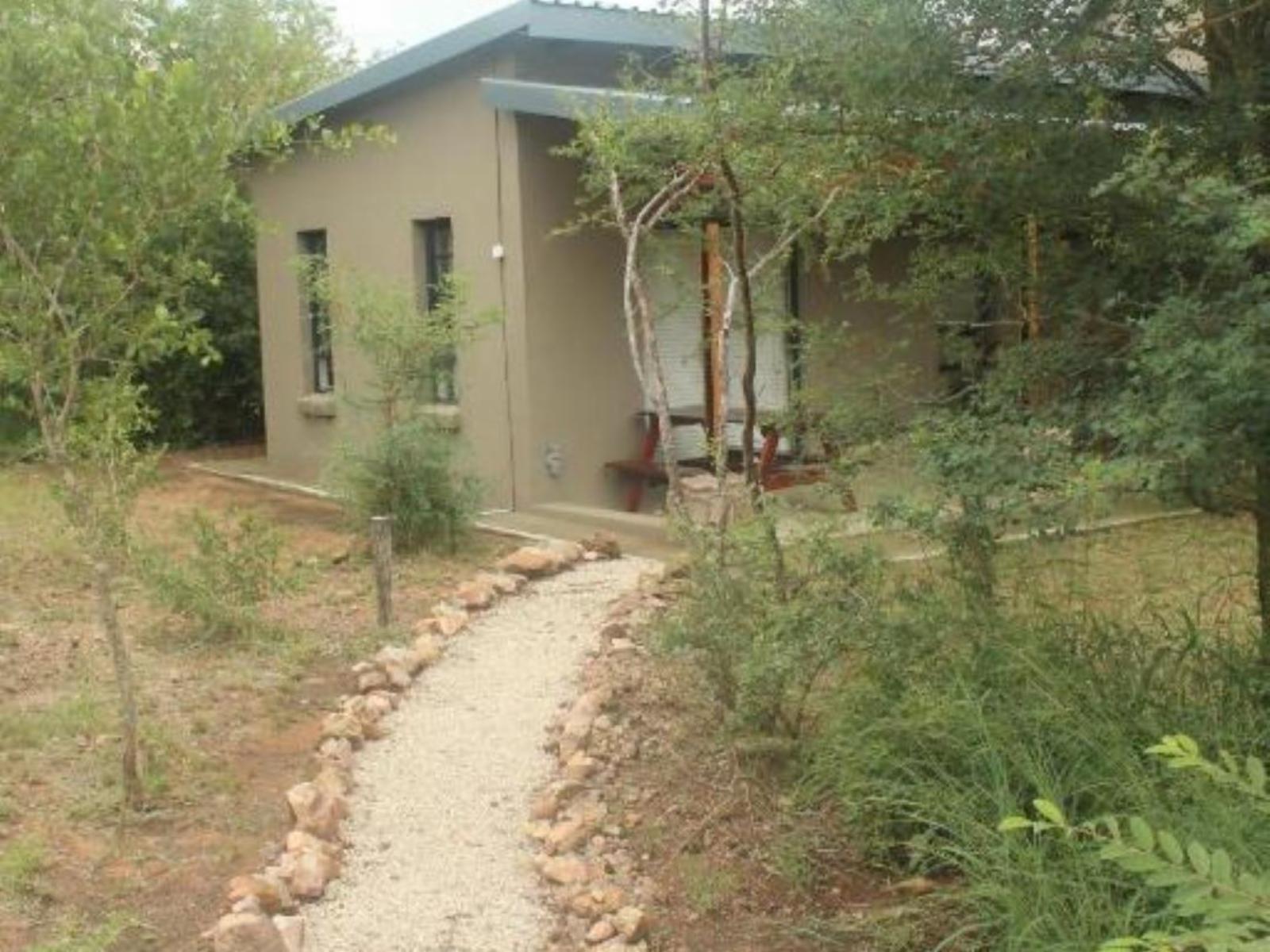
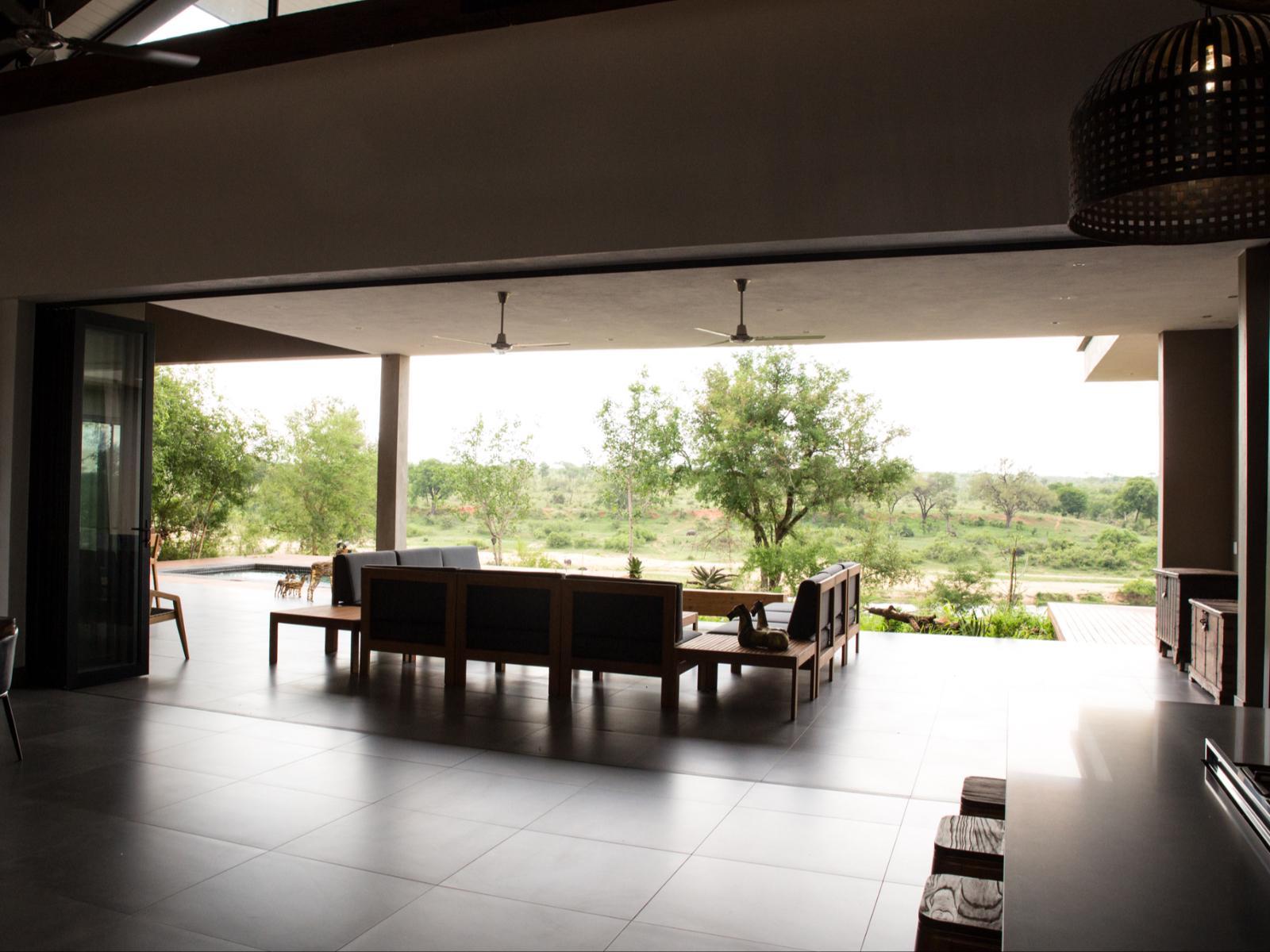
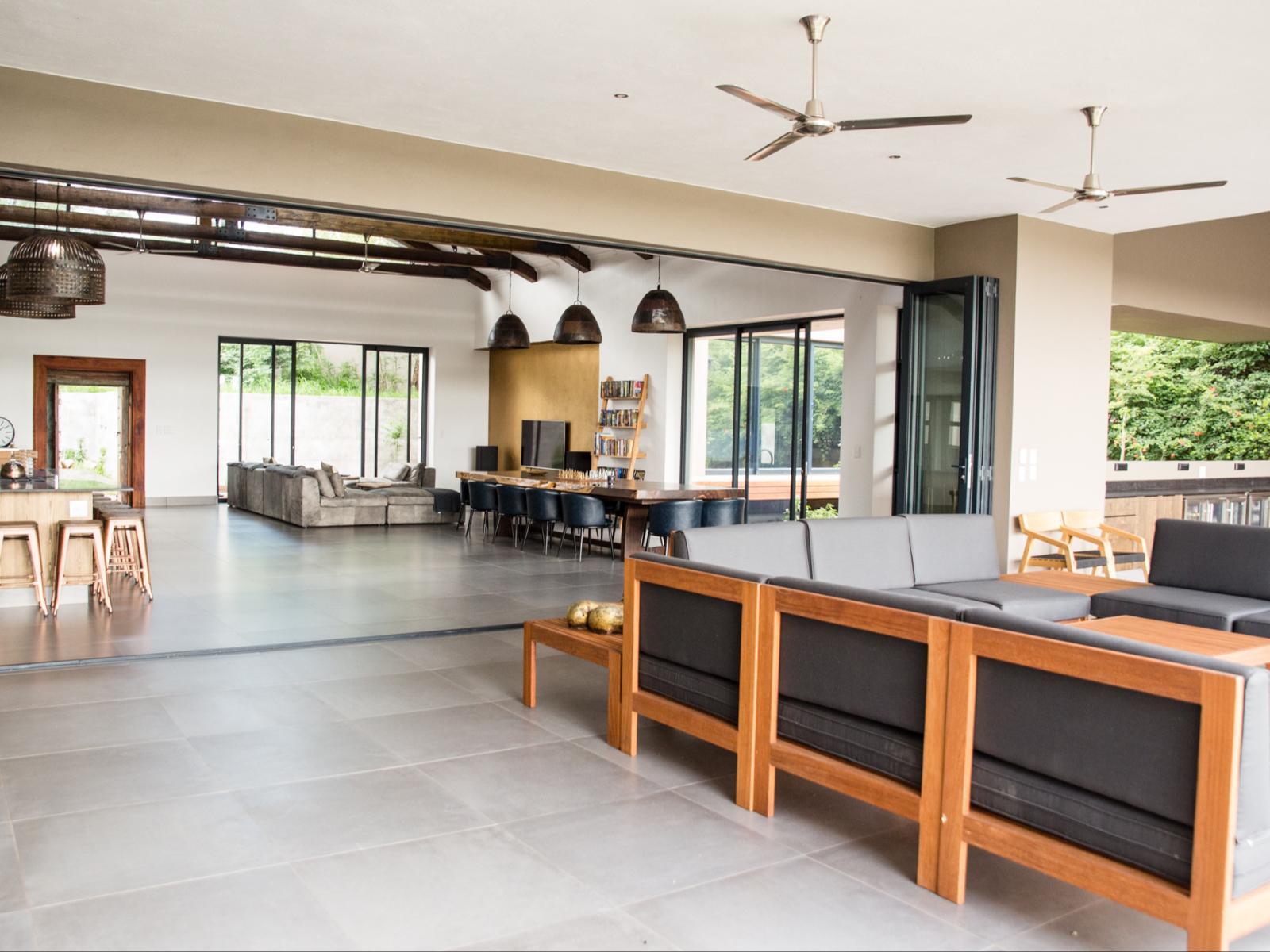
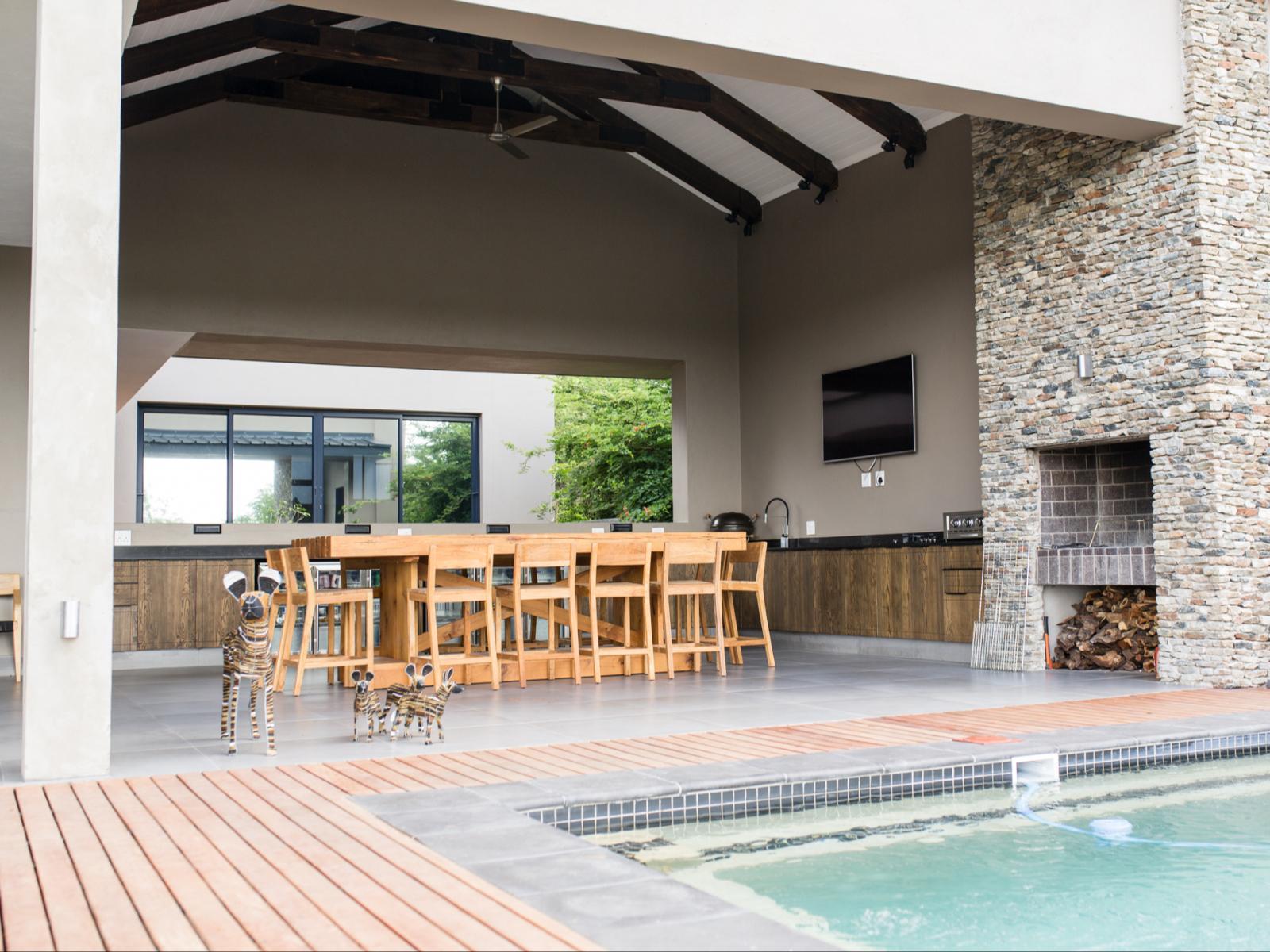
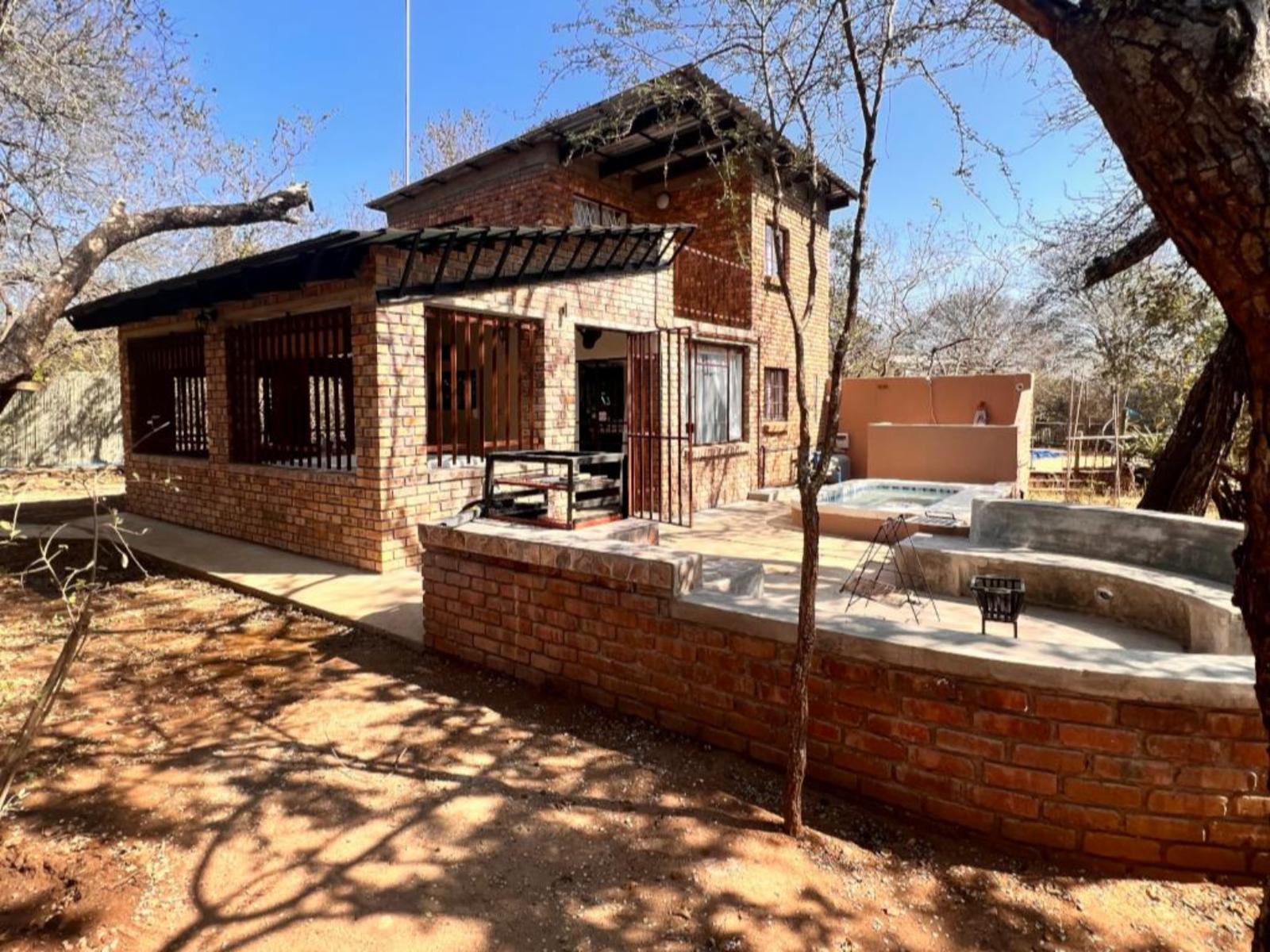
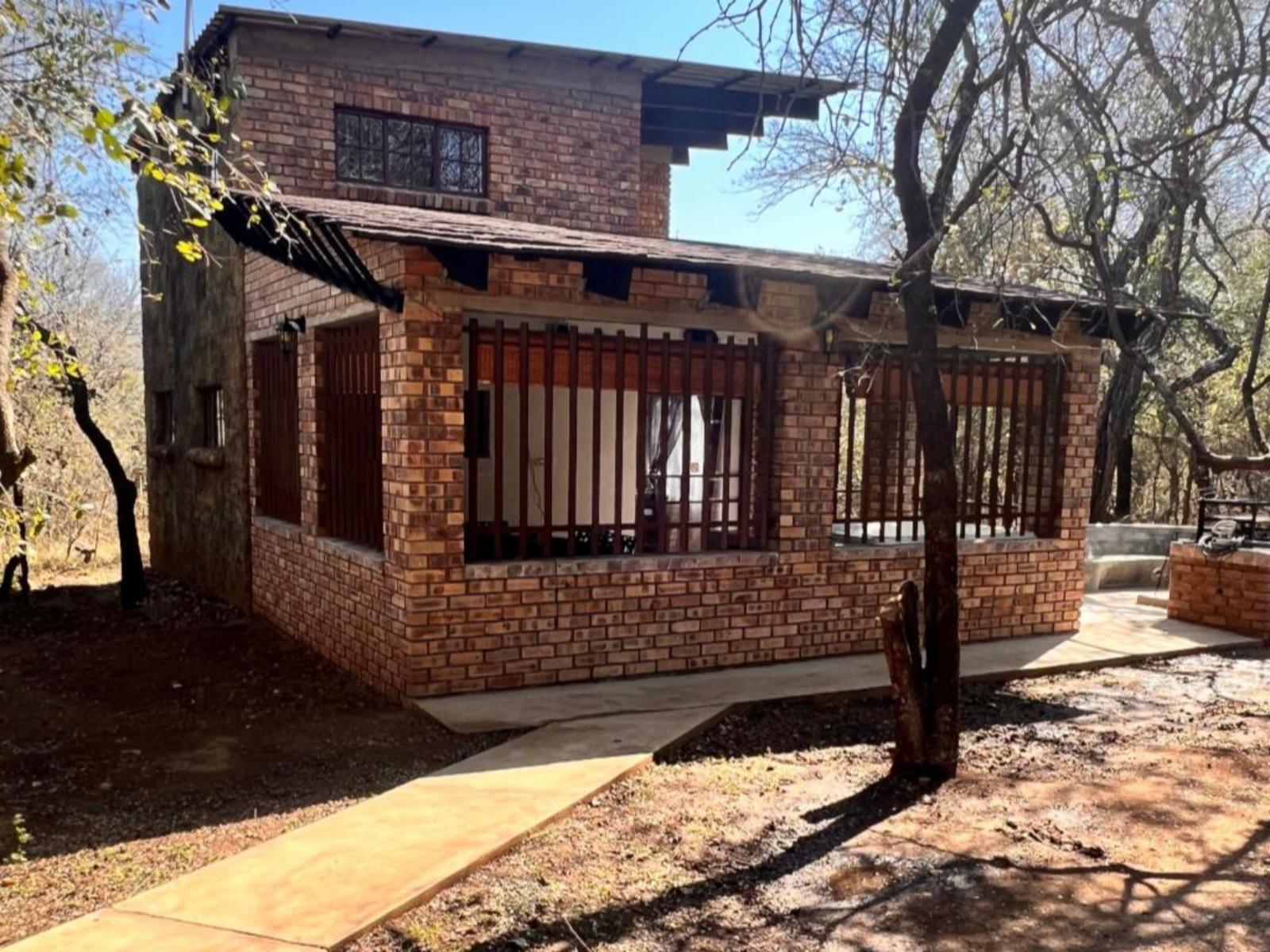
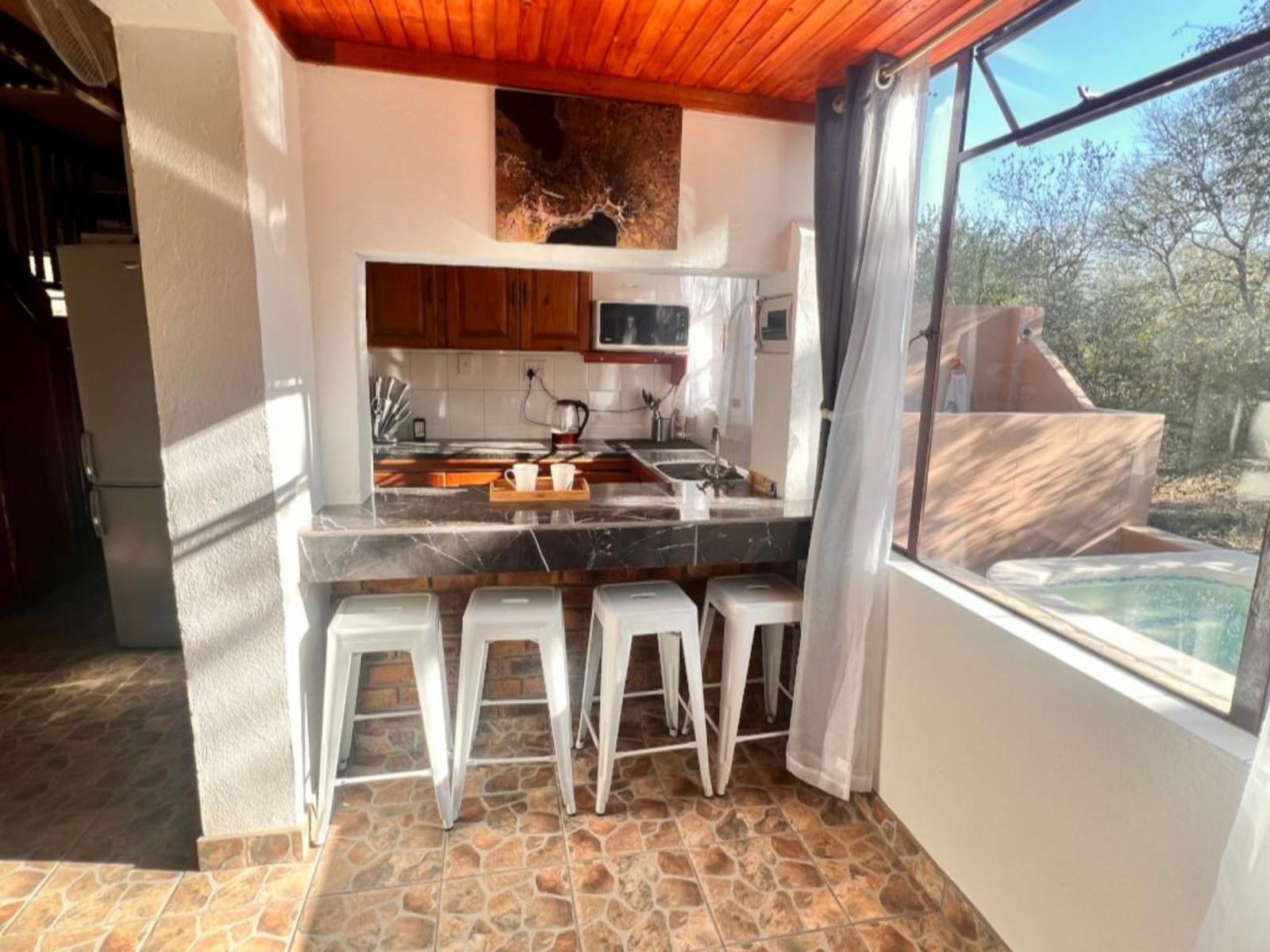
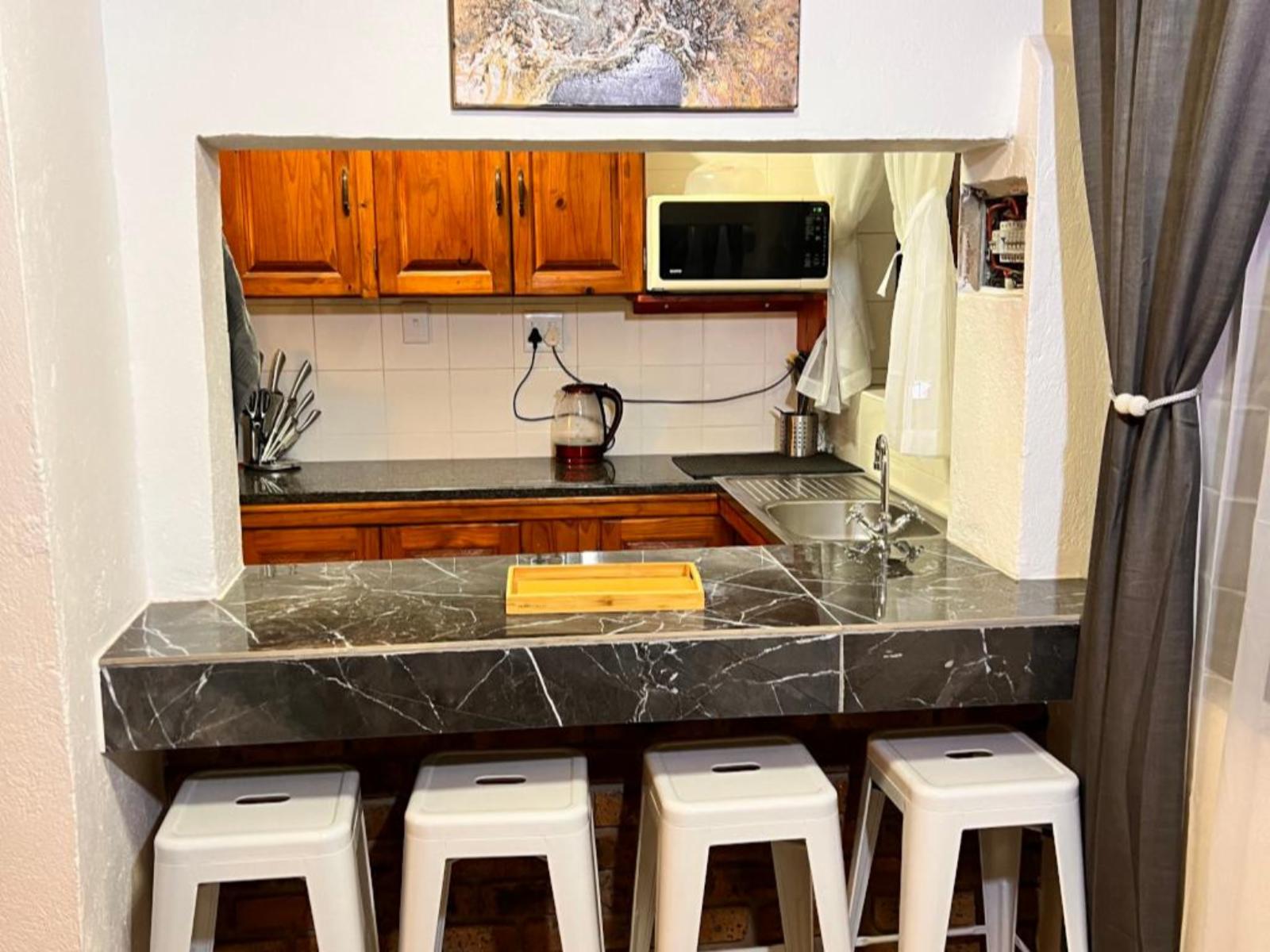
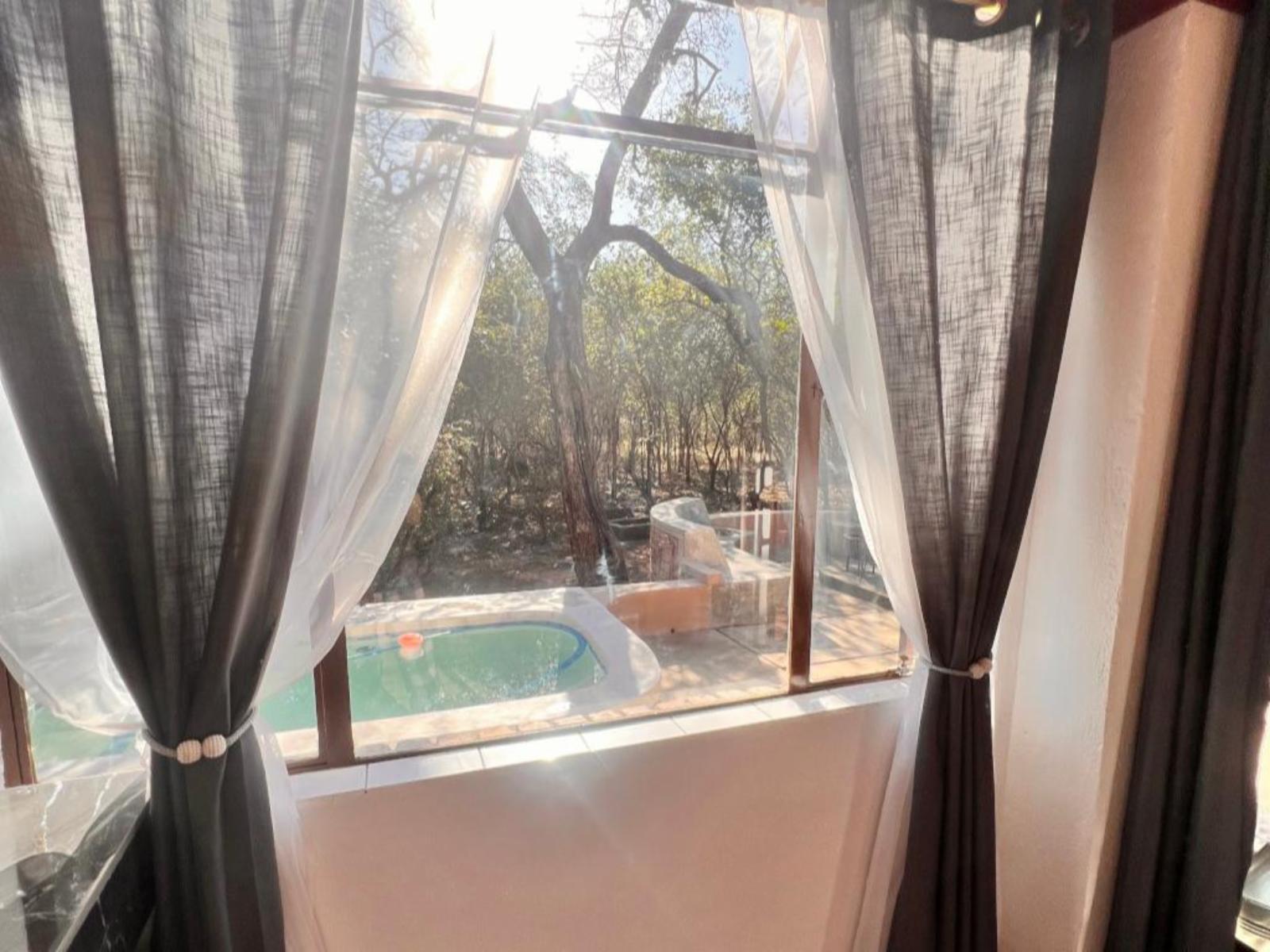
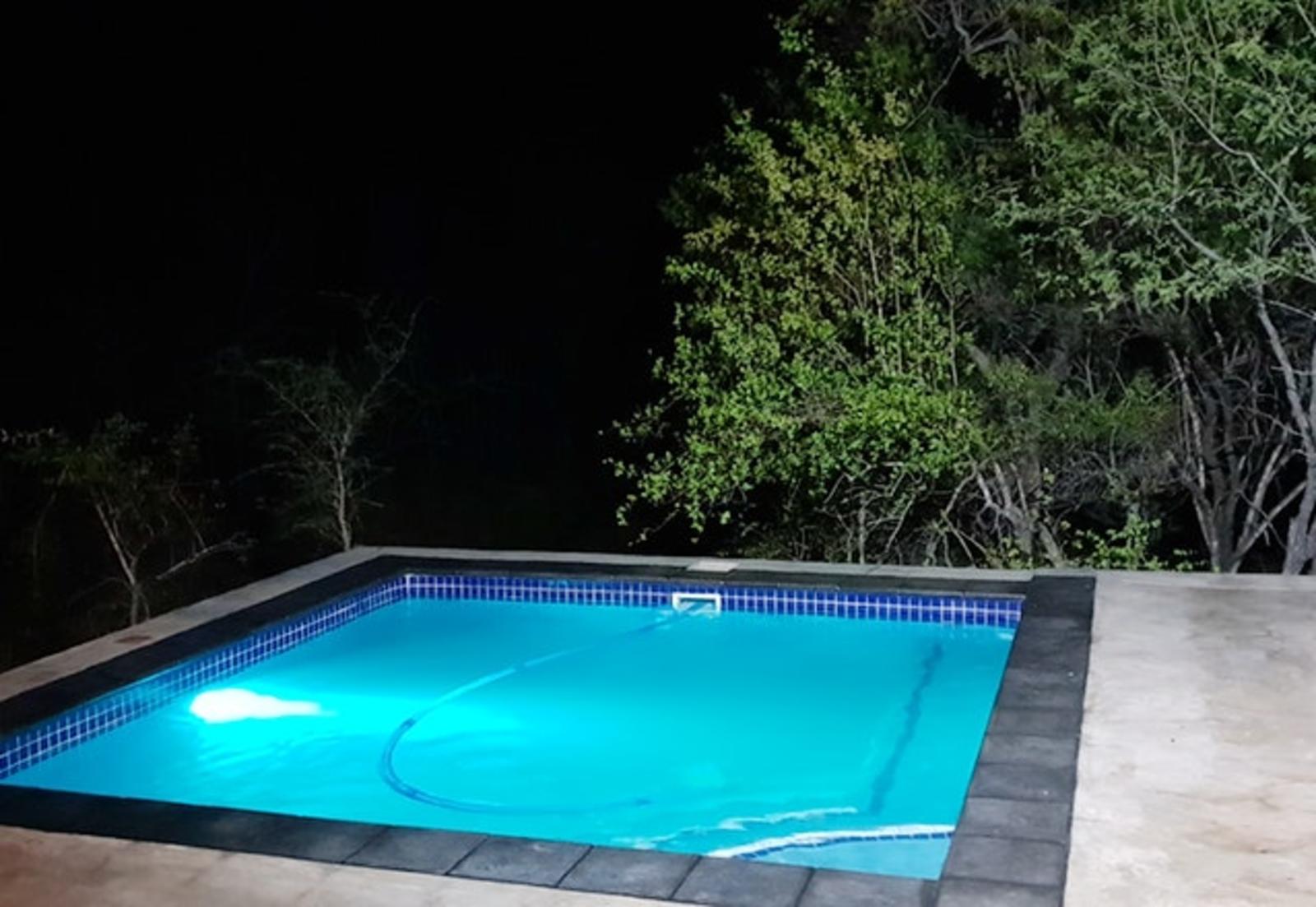
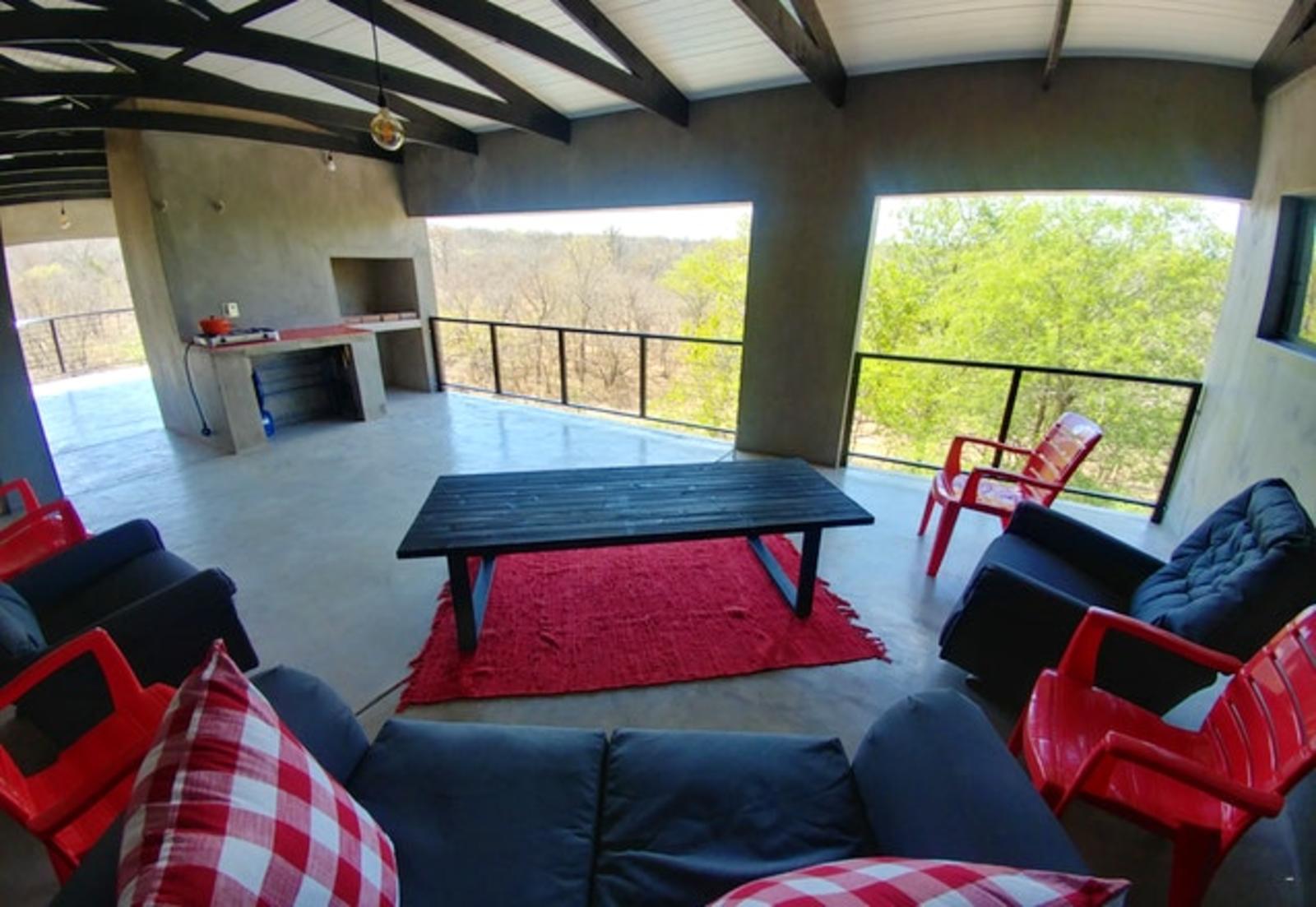
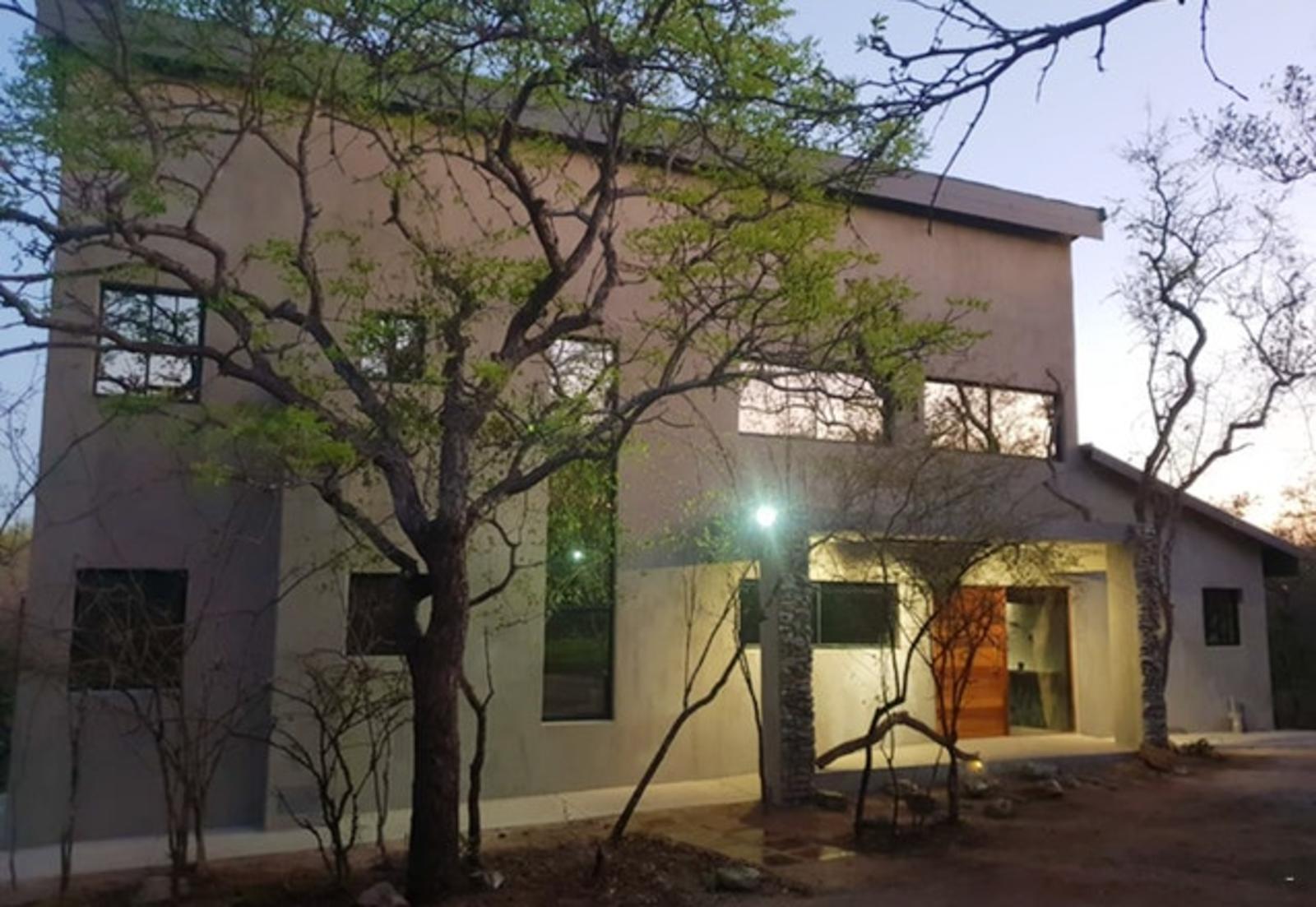
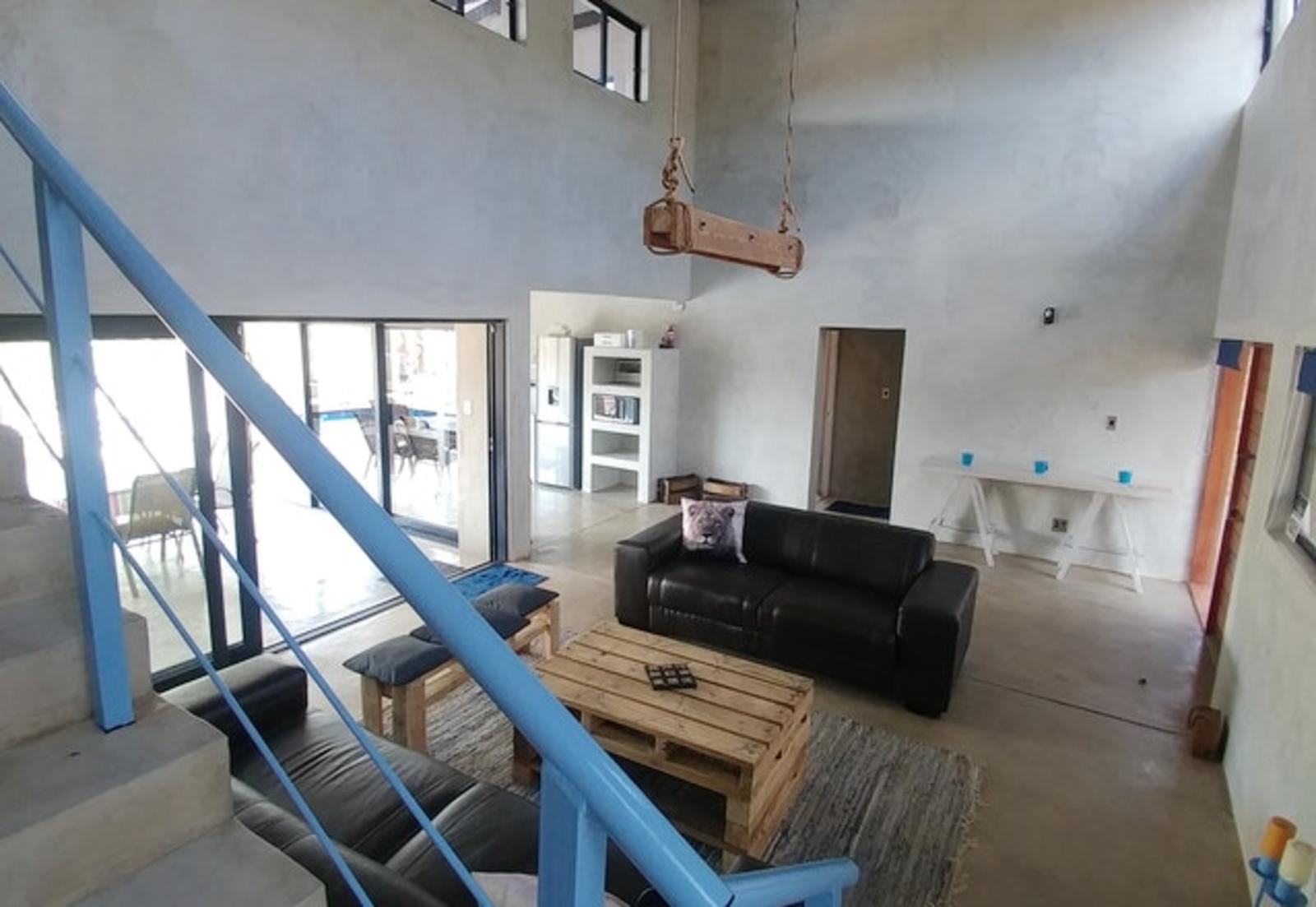
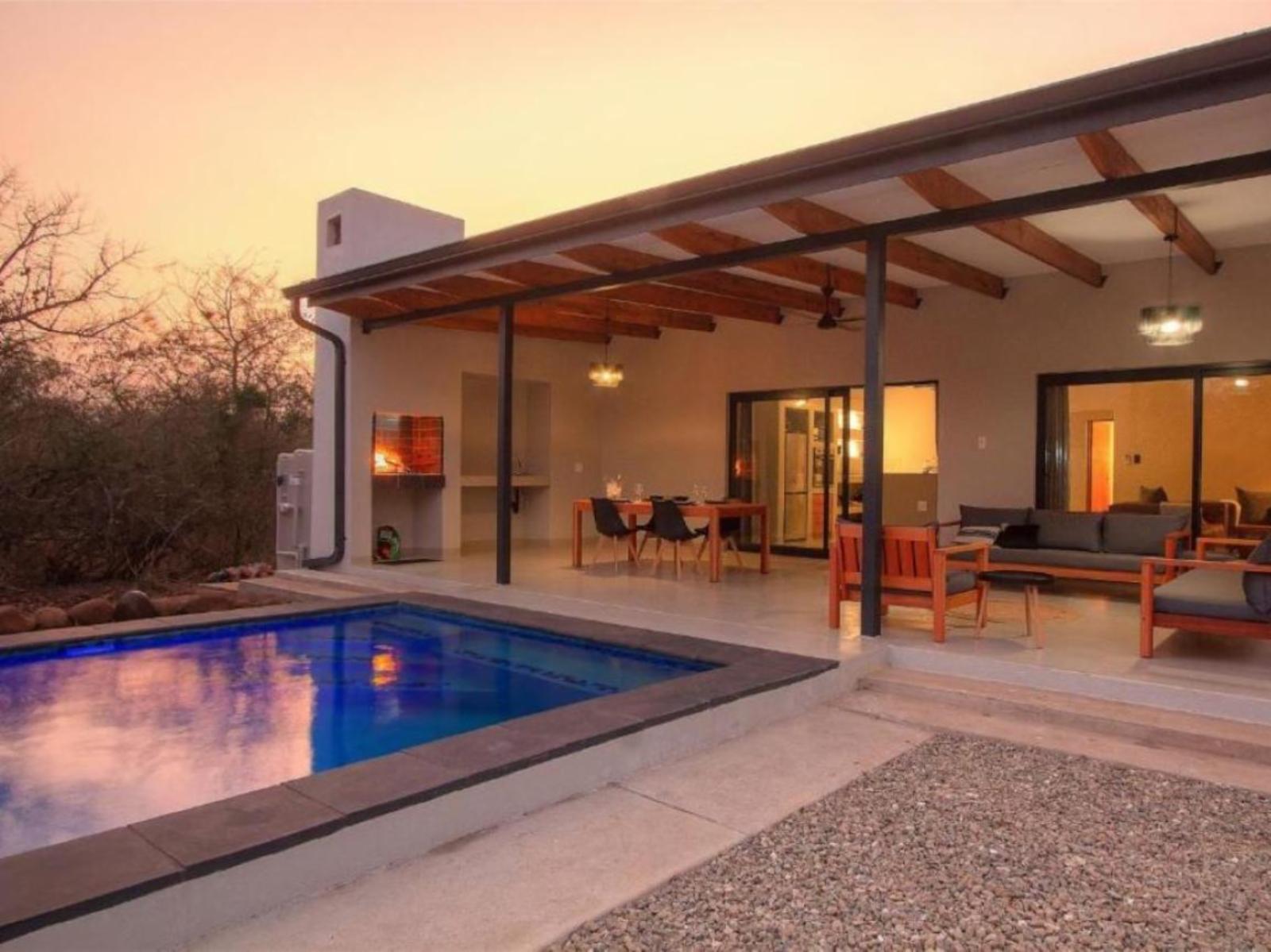
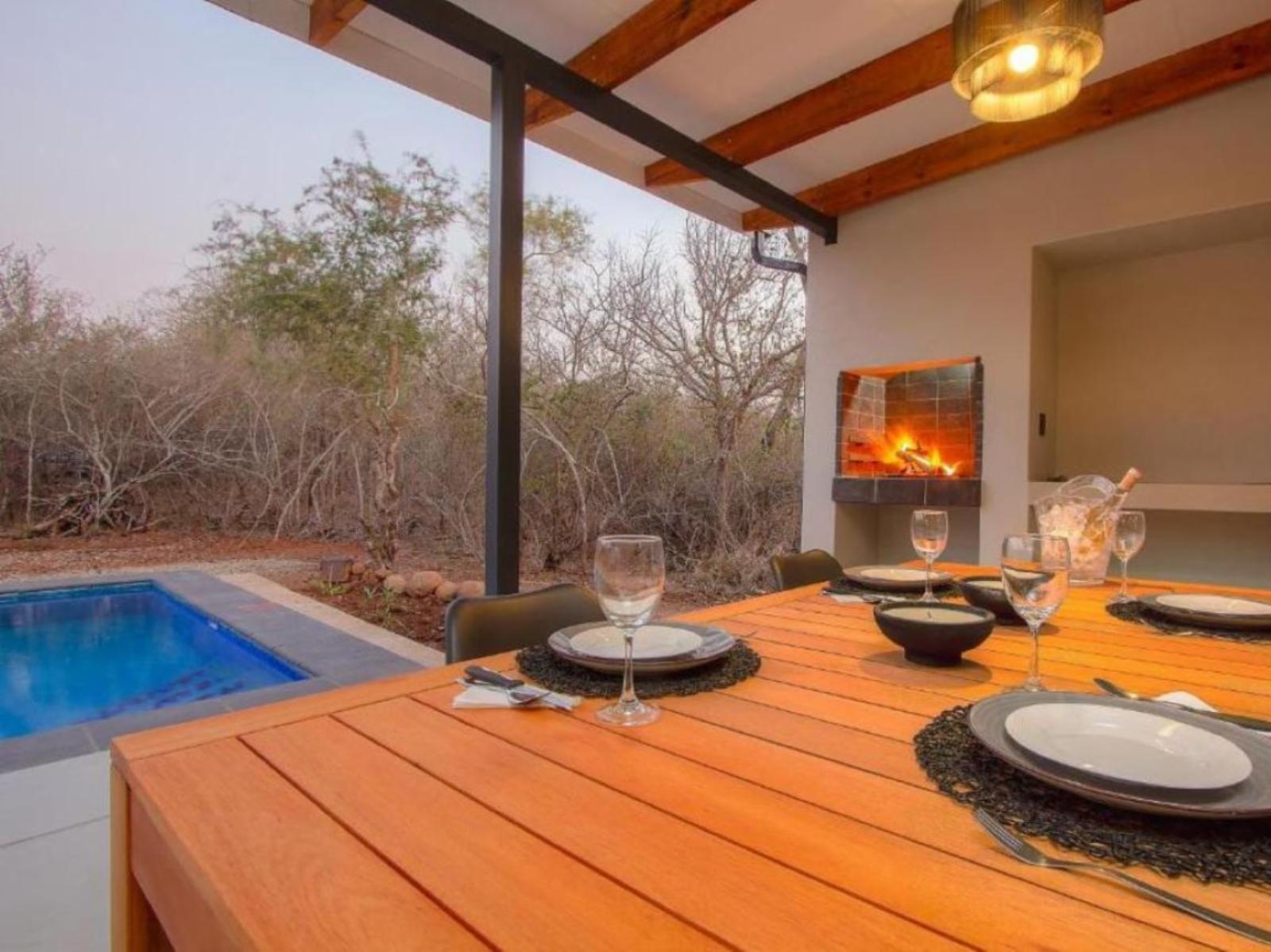
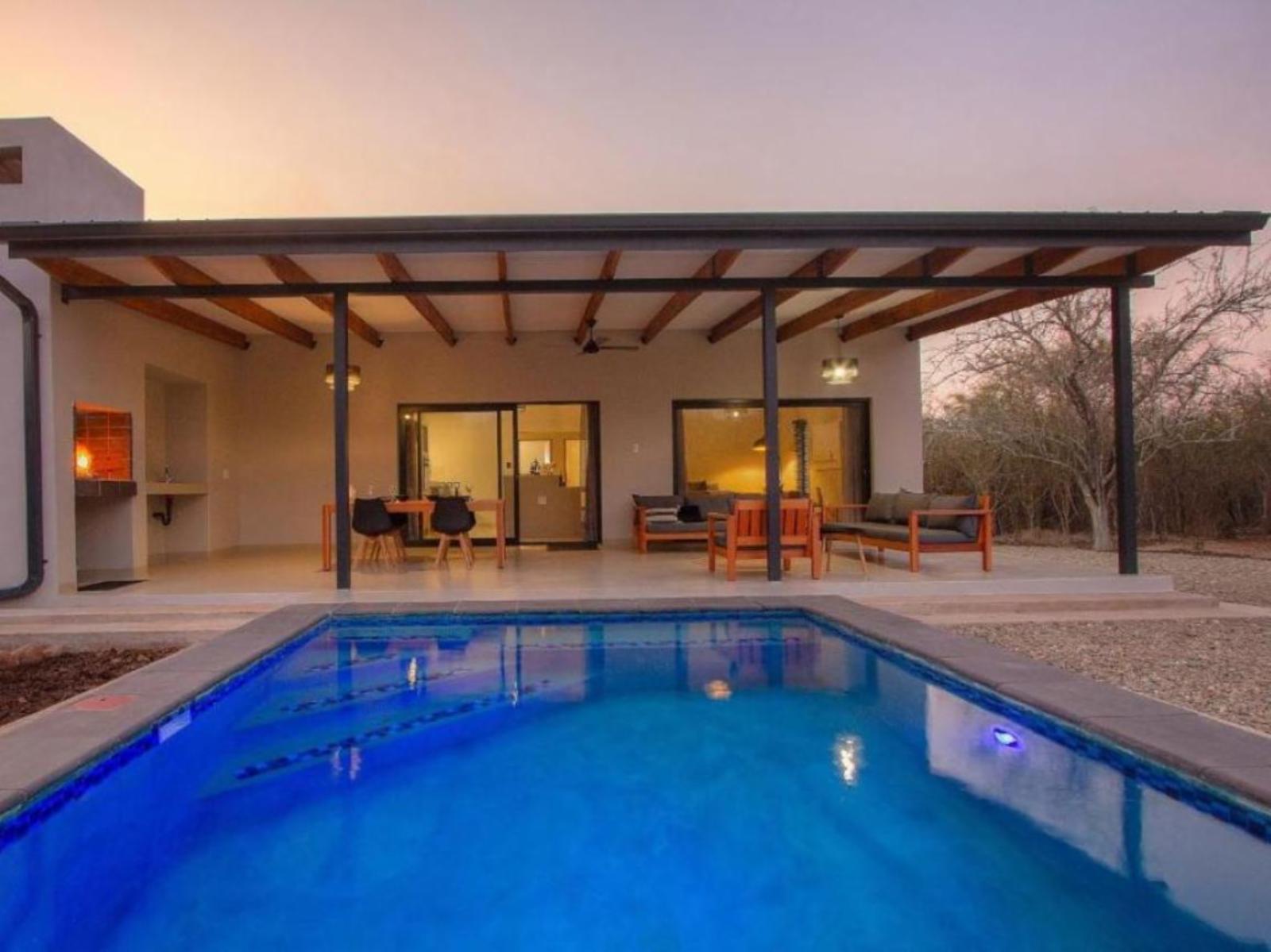
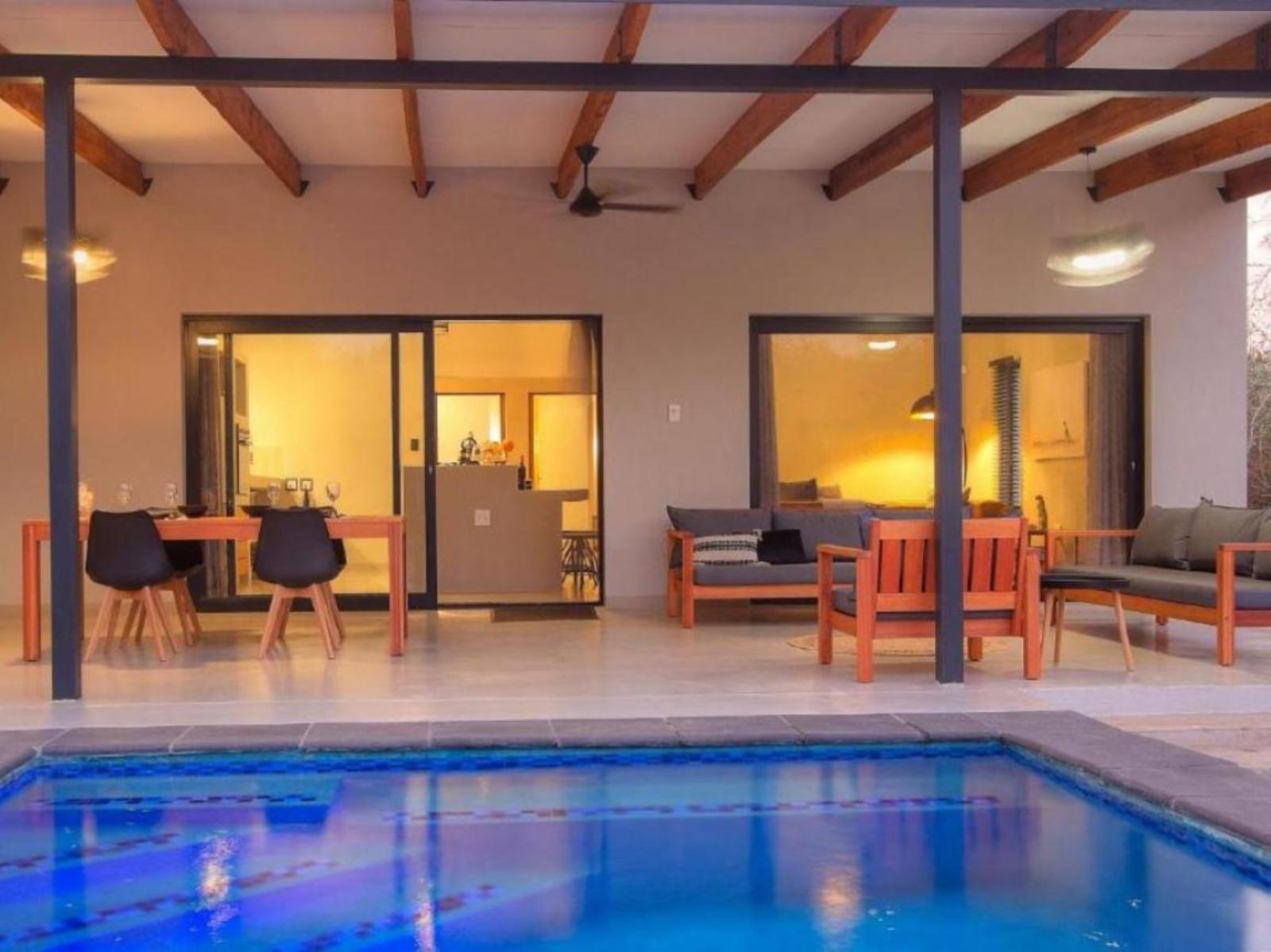
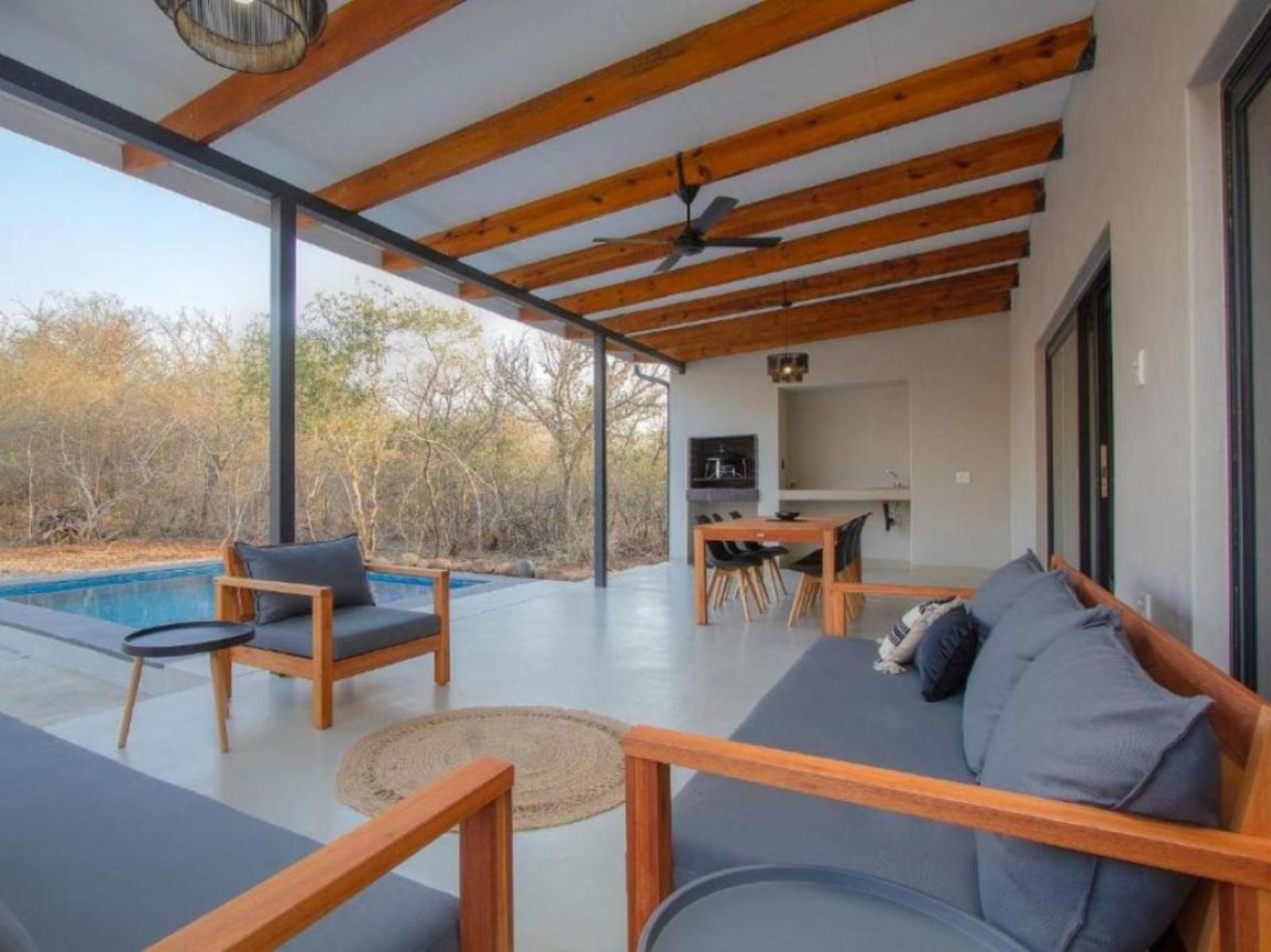
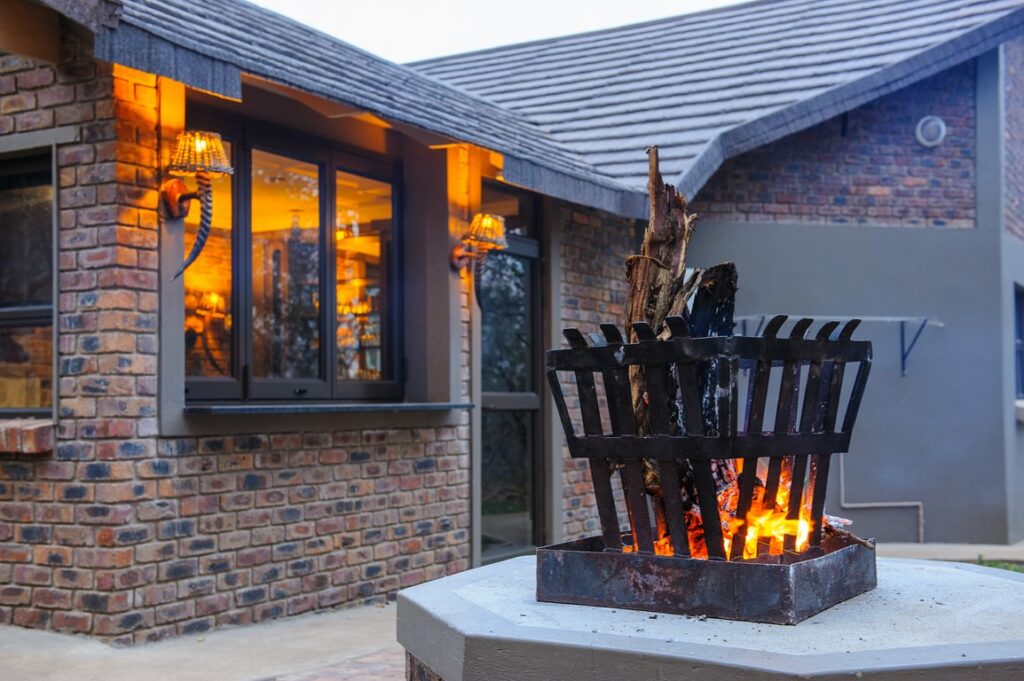
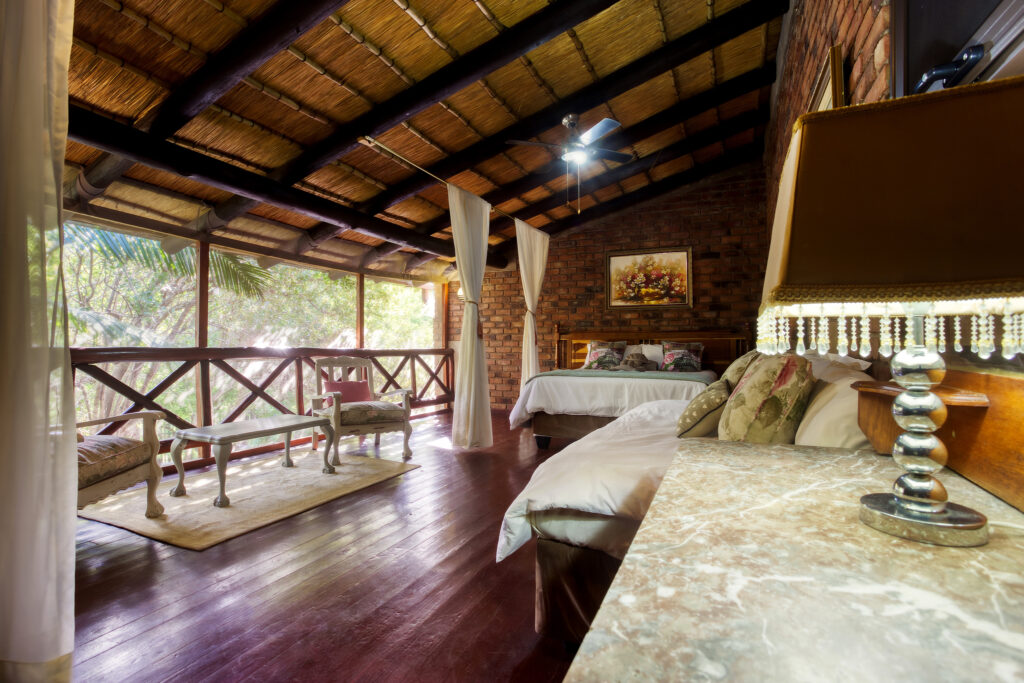
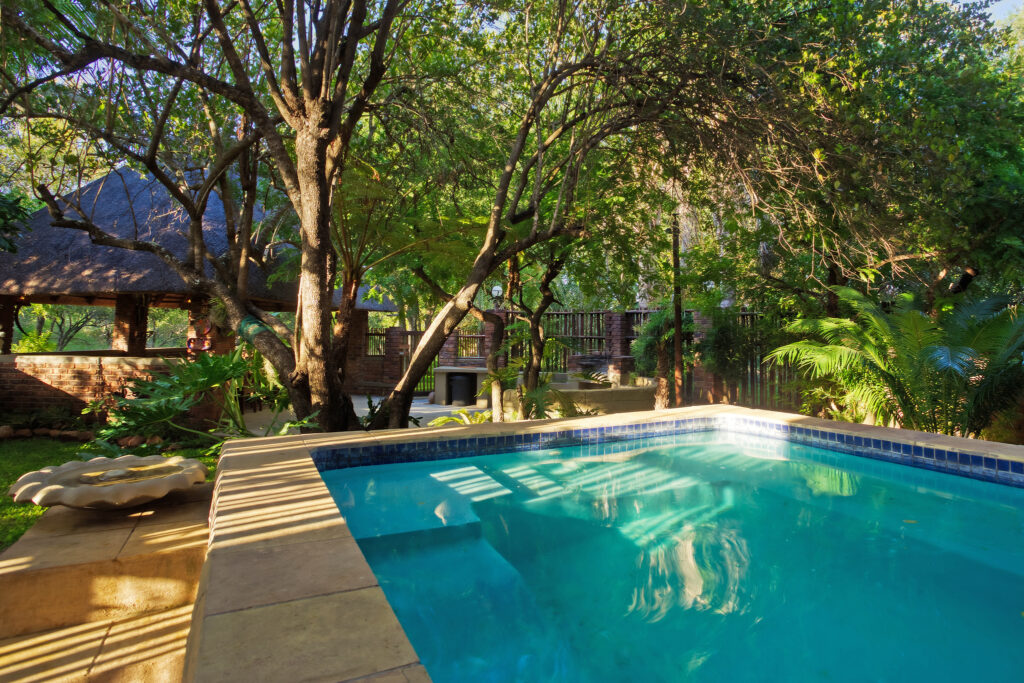
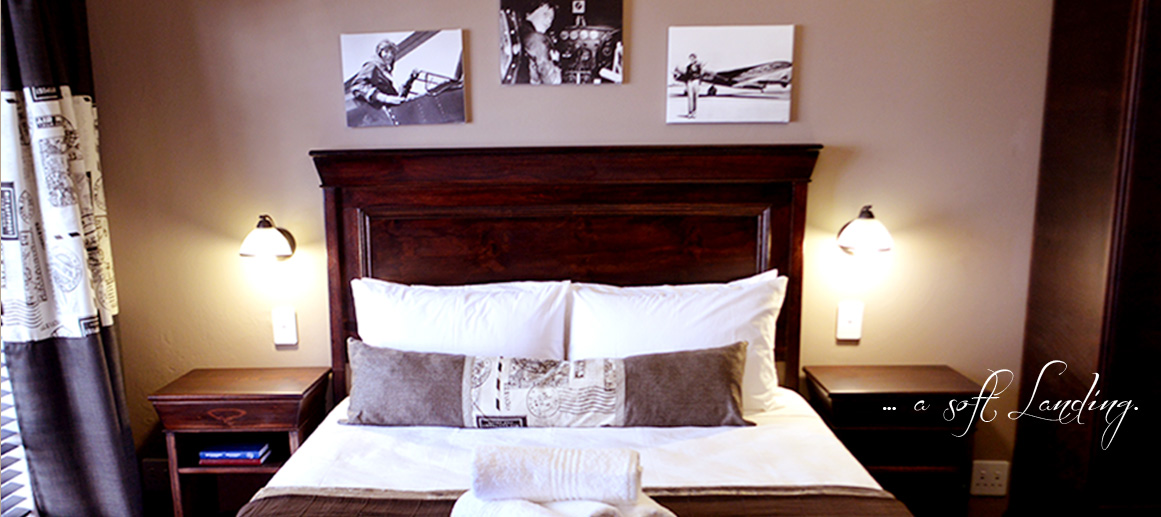
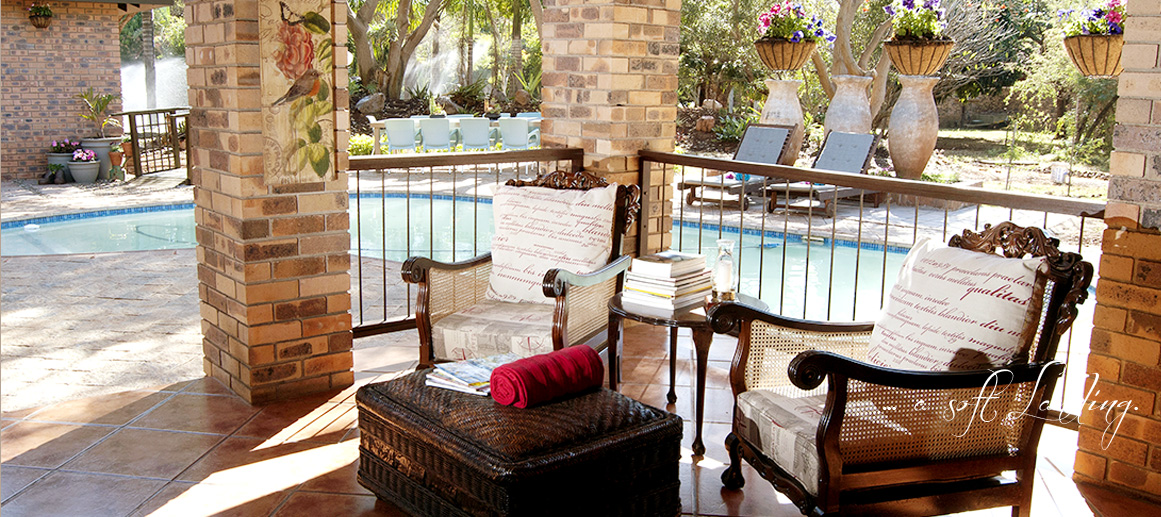
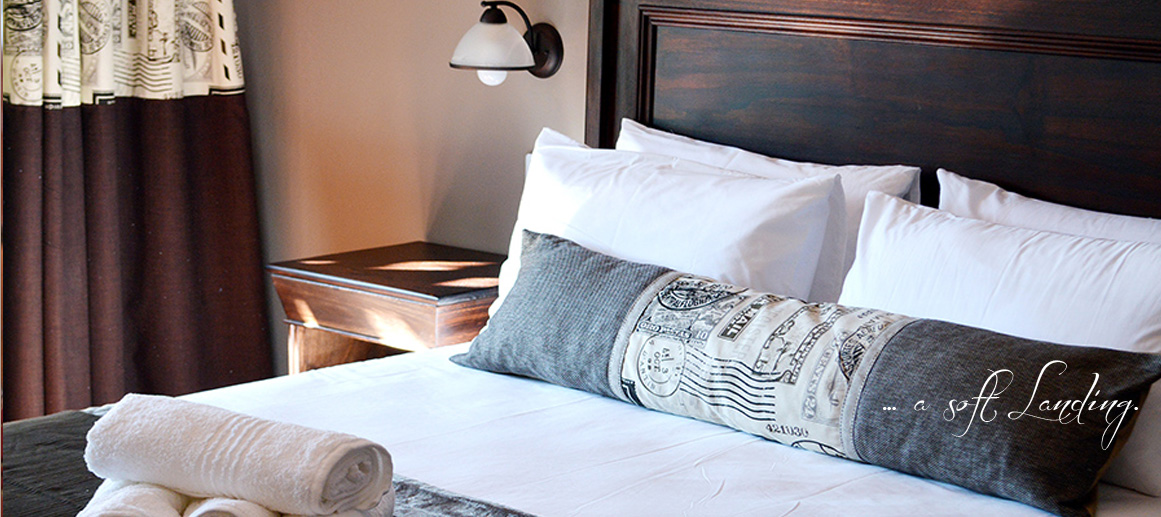
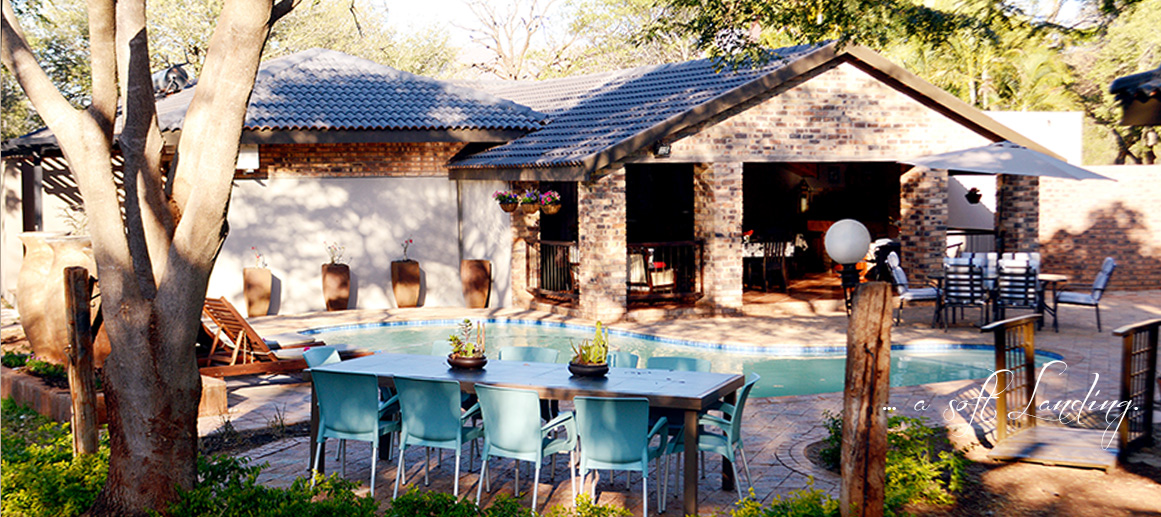
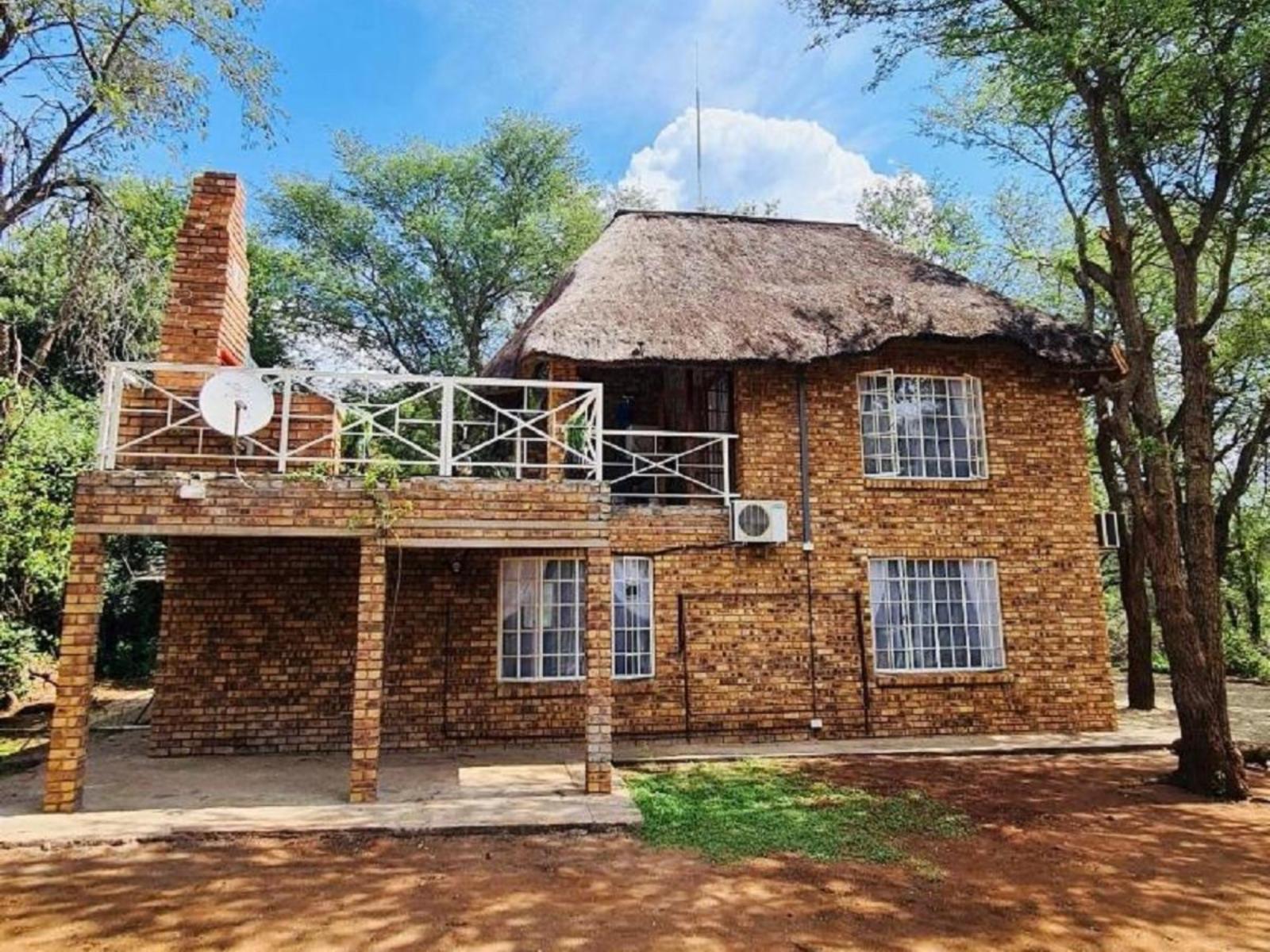
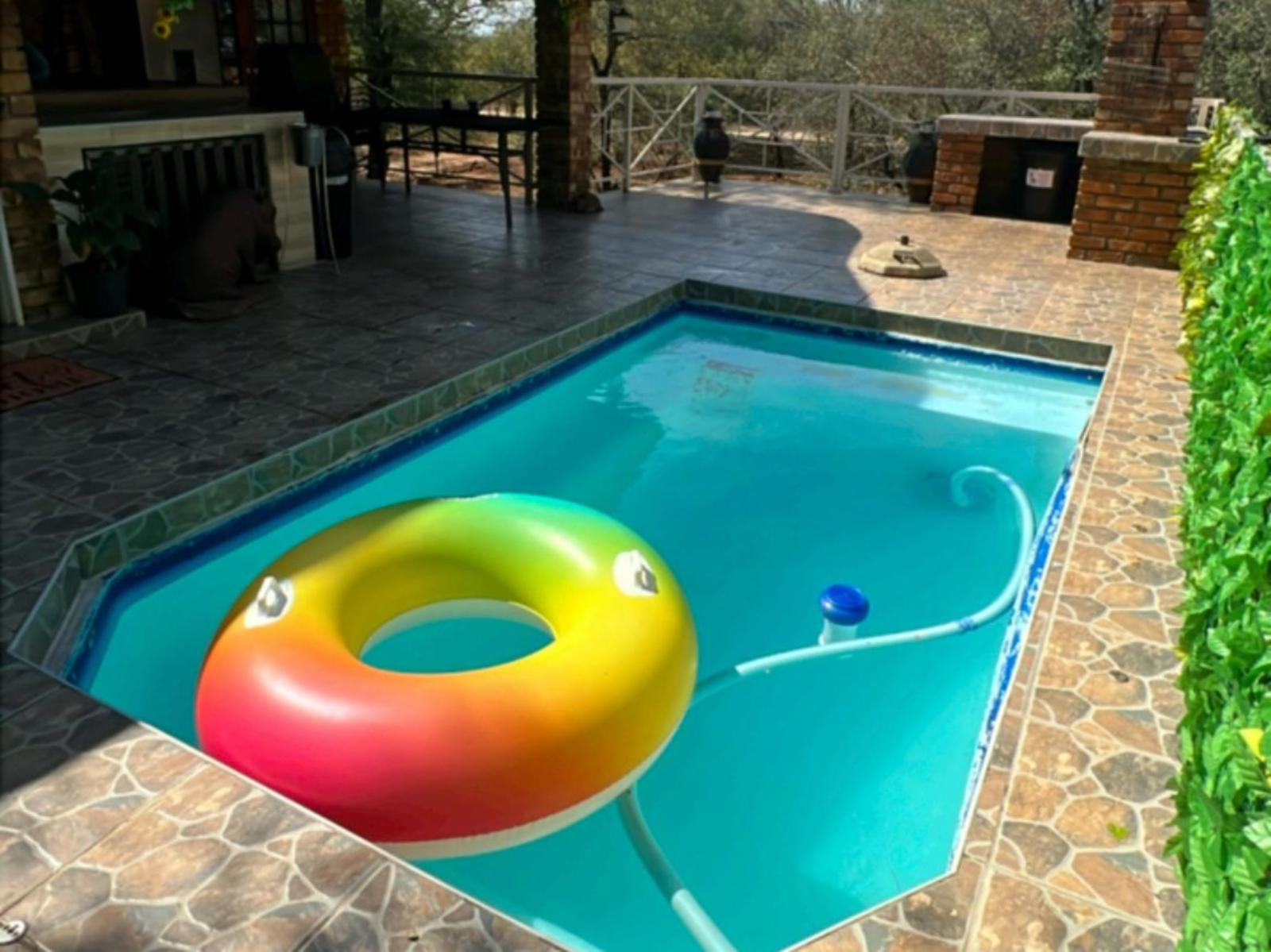
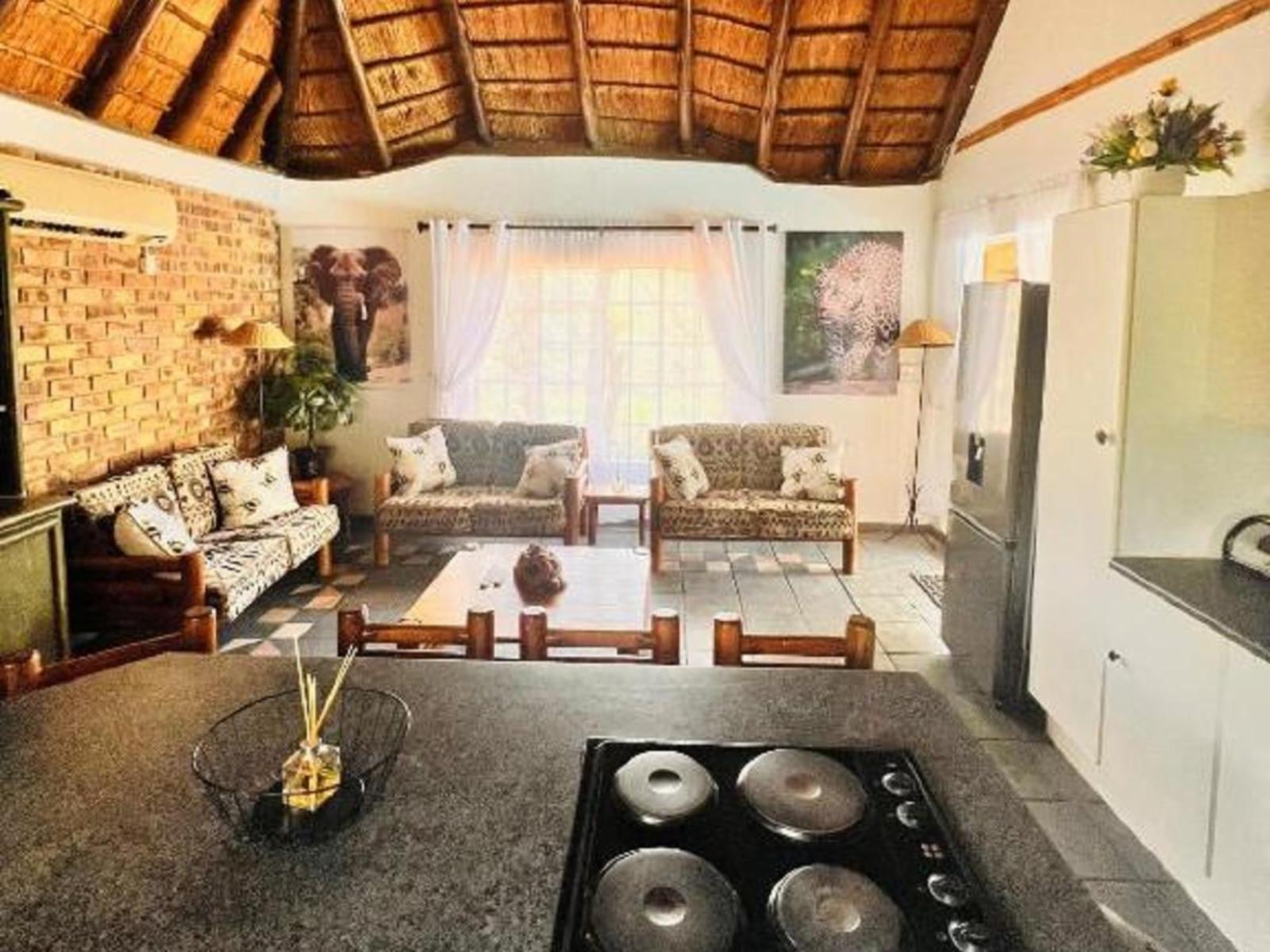
Hectorspruit has 13 listed properties with nightly rates from R950 to R9,300, covering a genuine spread of budgets and travel styles. At the more affordable end, a single guest house and several self-catering units make up the budget-to-mid options. The guest house averages around R1,667 per night, while self-catering units, of which there are four, come in at roughly R2,150 on average. These suit families who prefer cooking for themselves or travelers who want more flexibility than a bed-and-board arrangement.
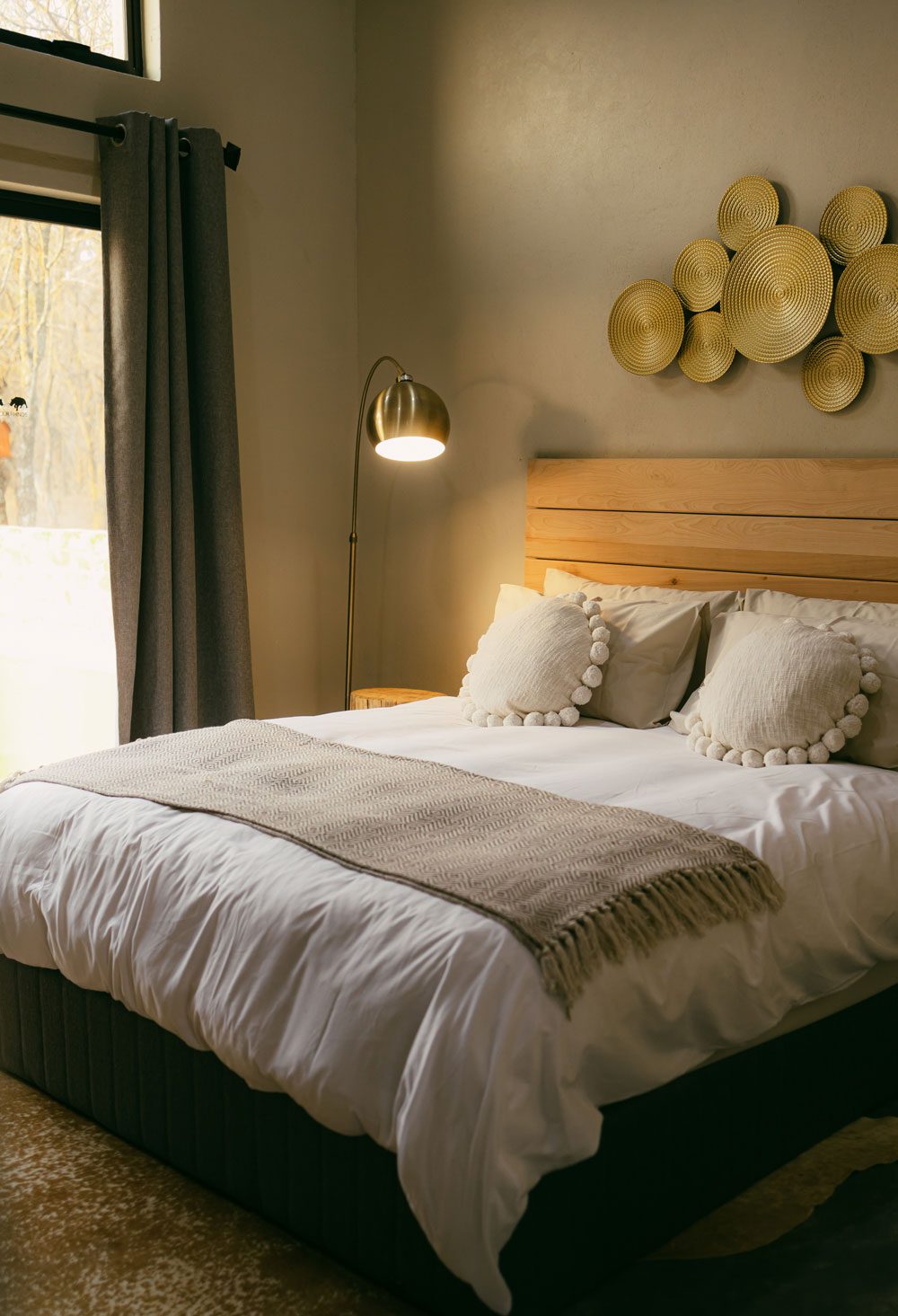
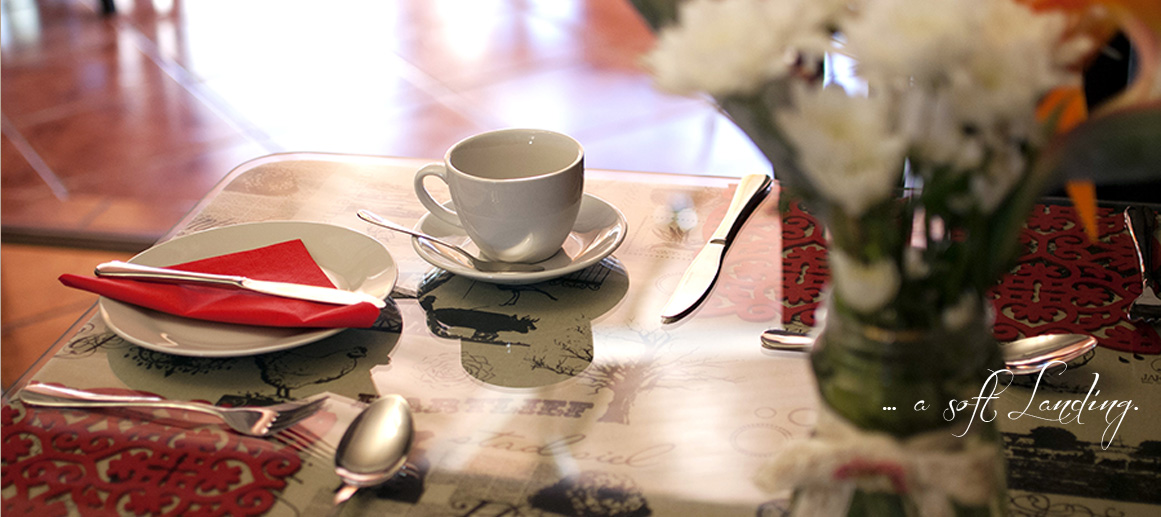
Two bed and breakfast properties sit in a similar price band, averaging R2,450. They tend to offer the personal touch of a hosted stay, with breakfast included and owners who are usually well-informed about local conditions and access routes.
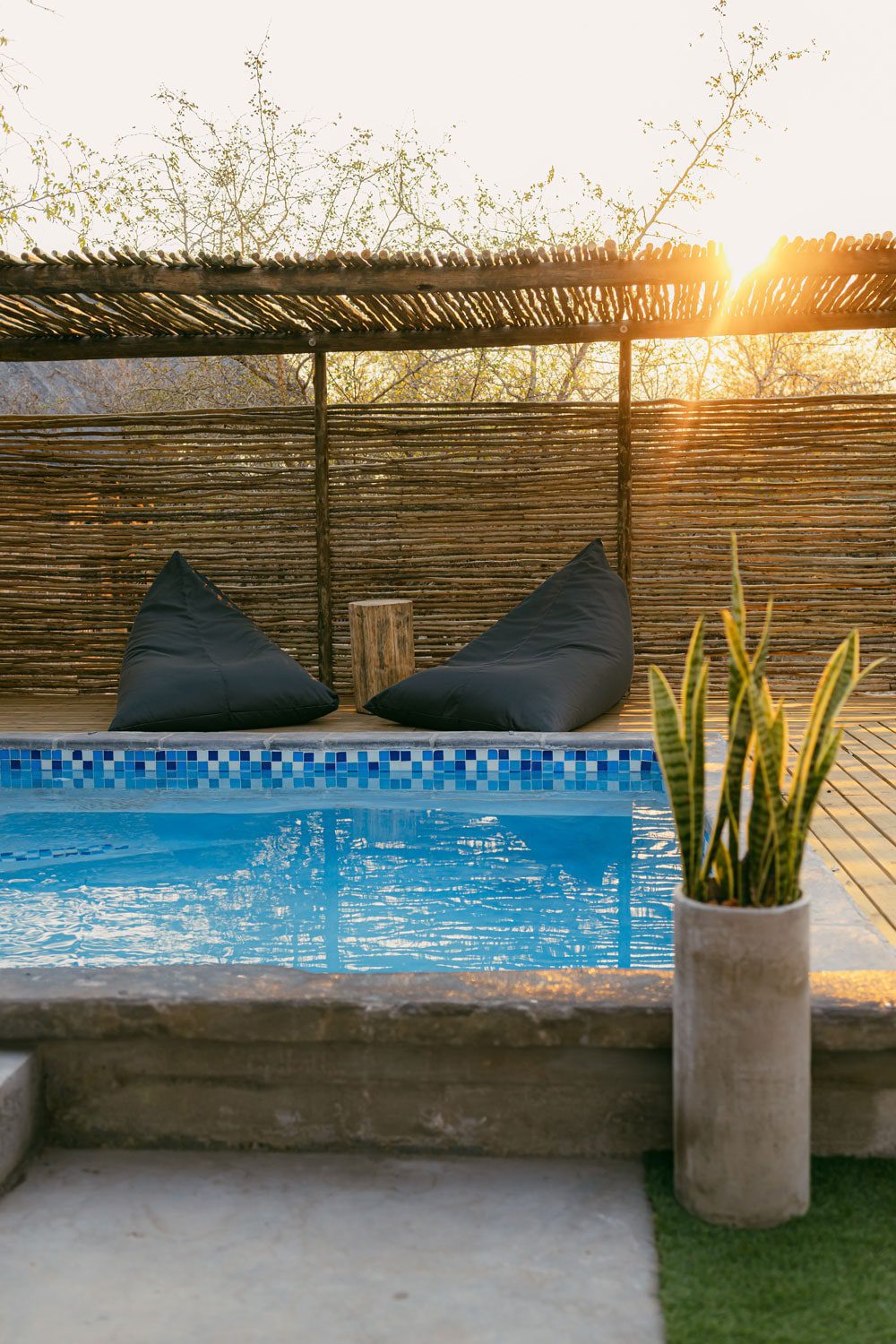
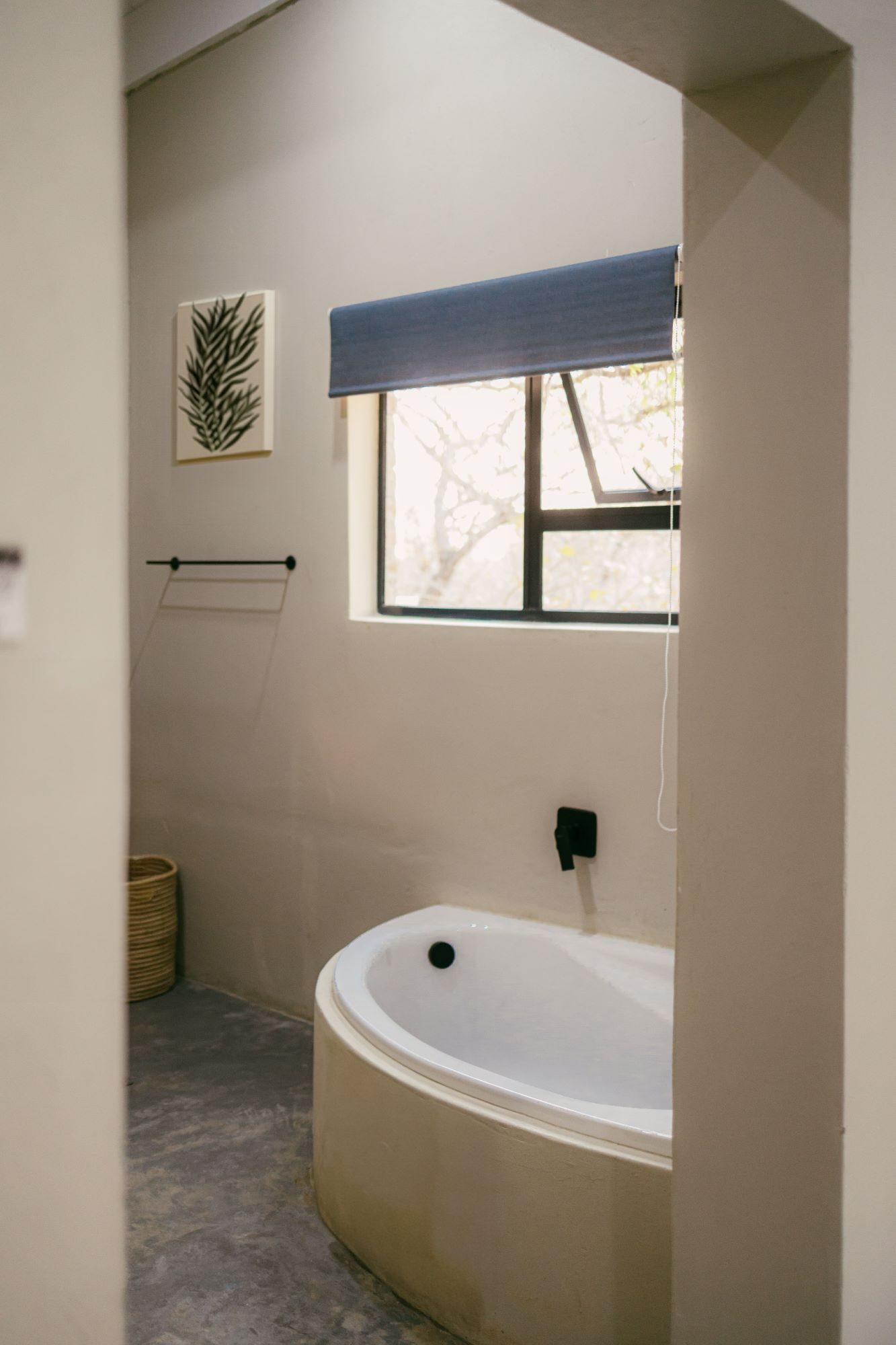
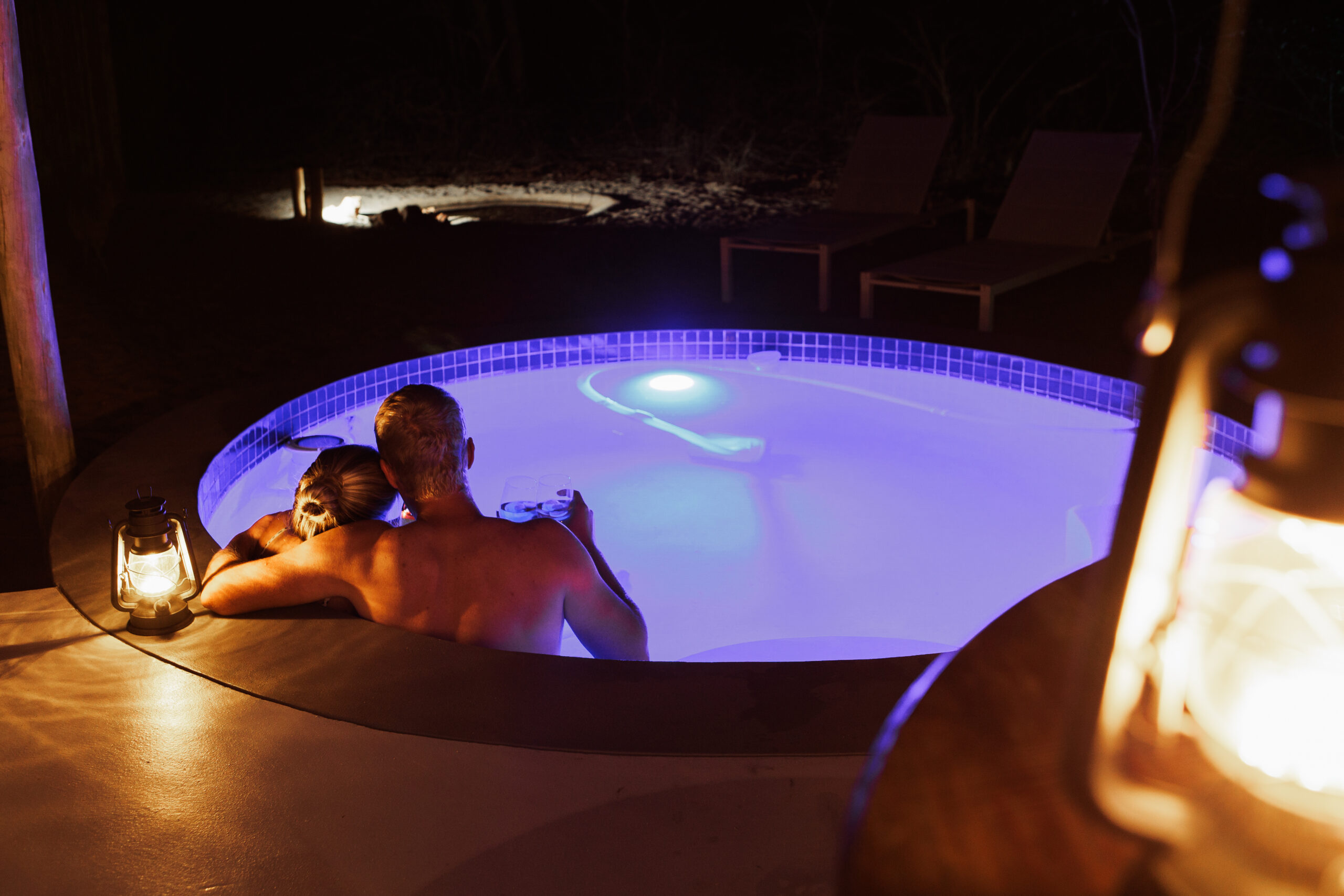
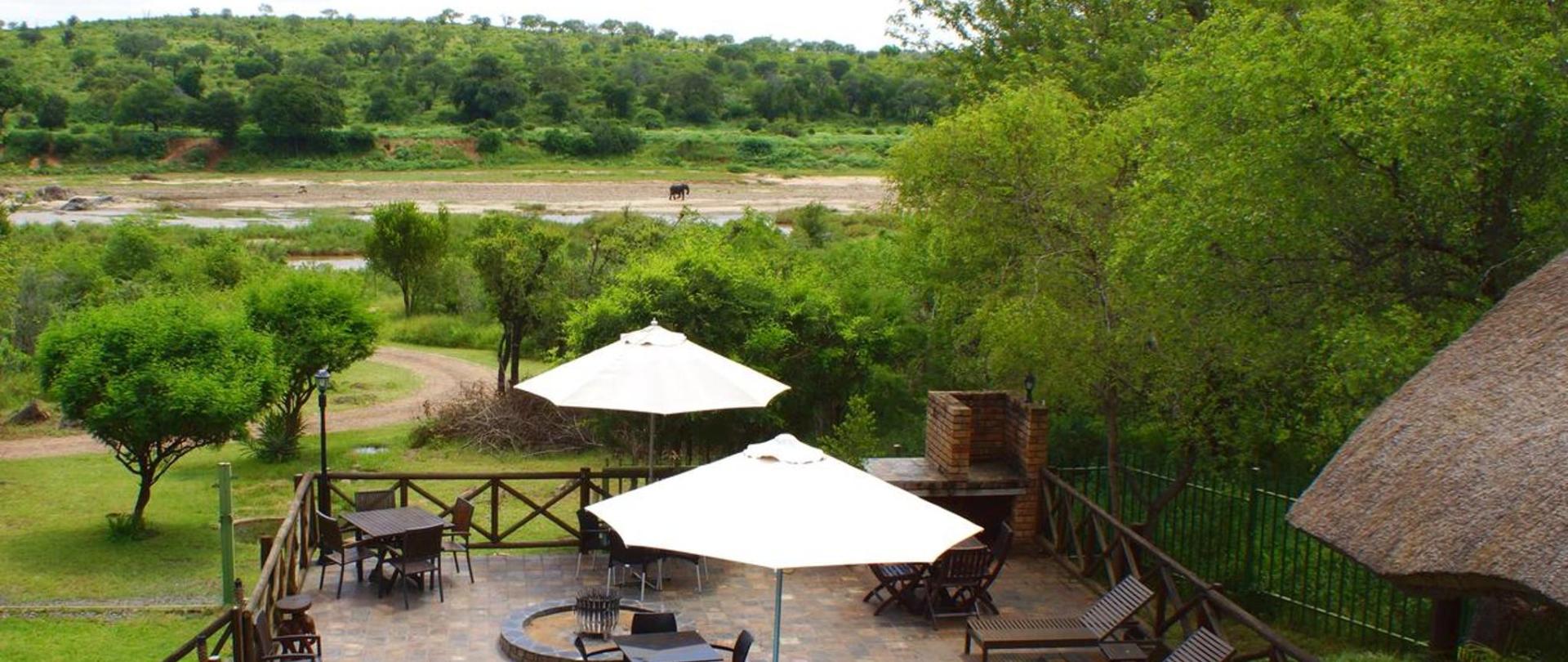
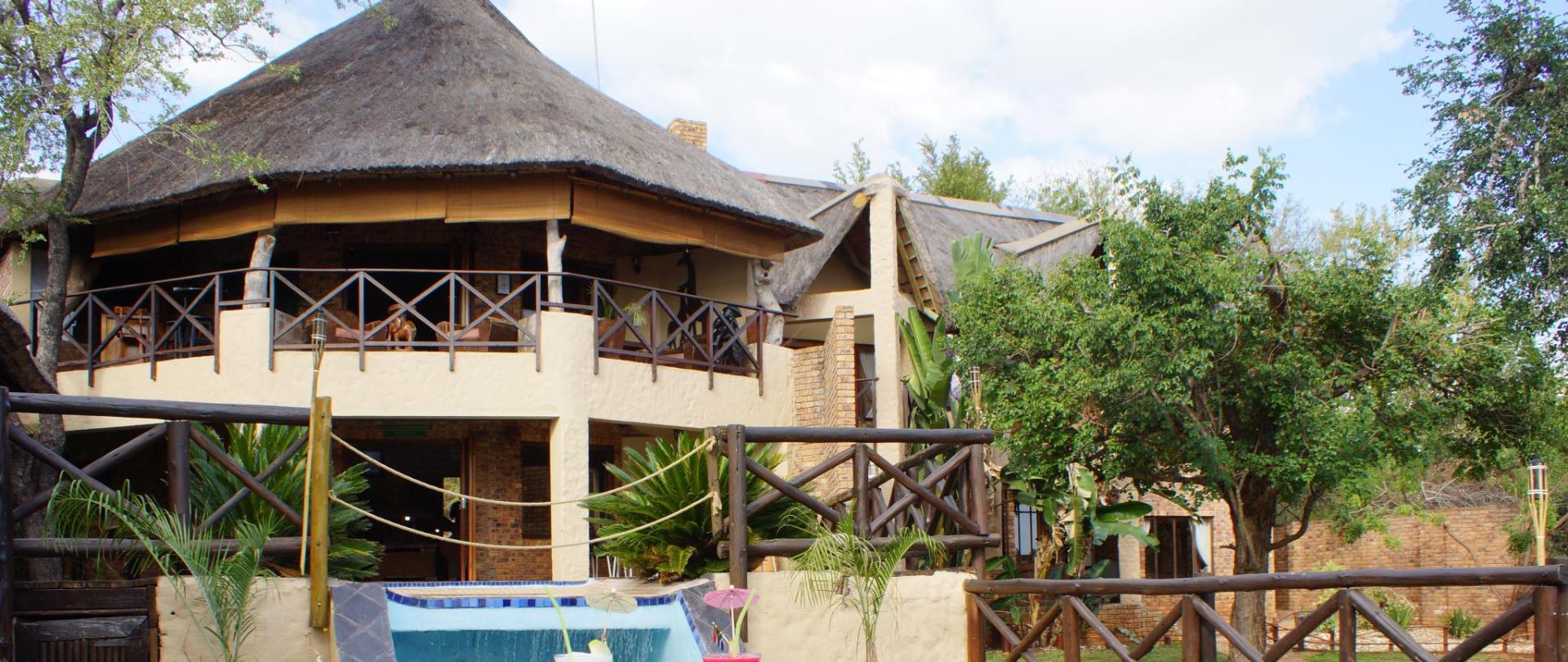
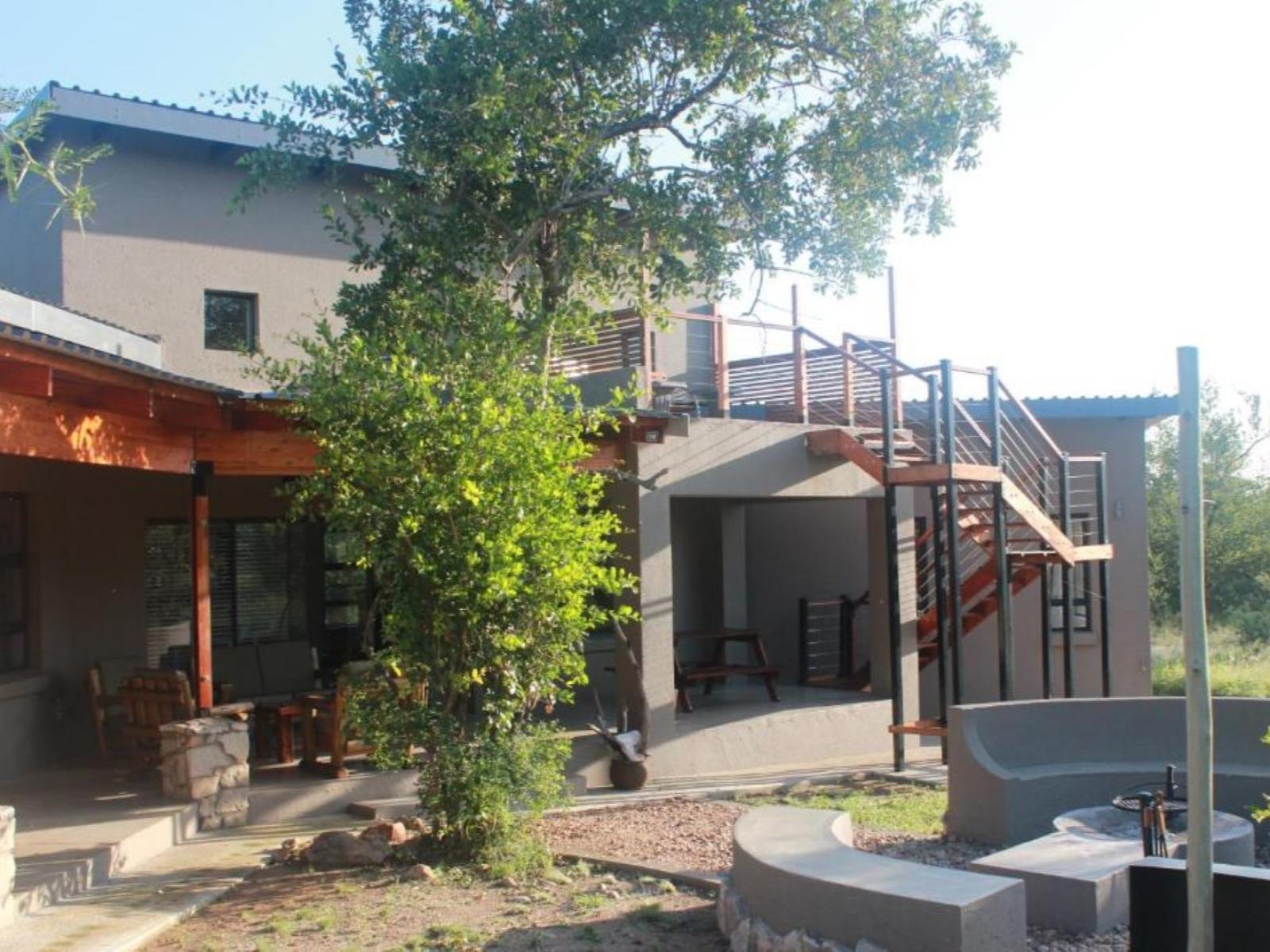
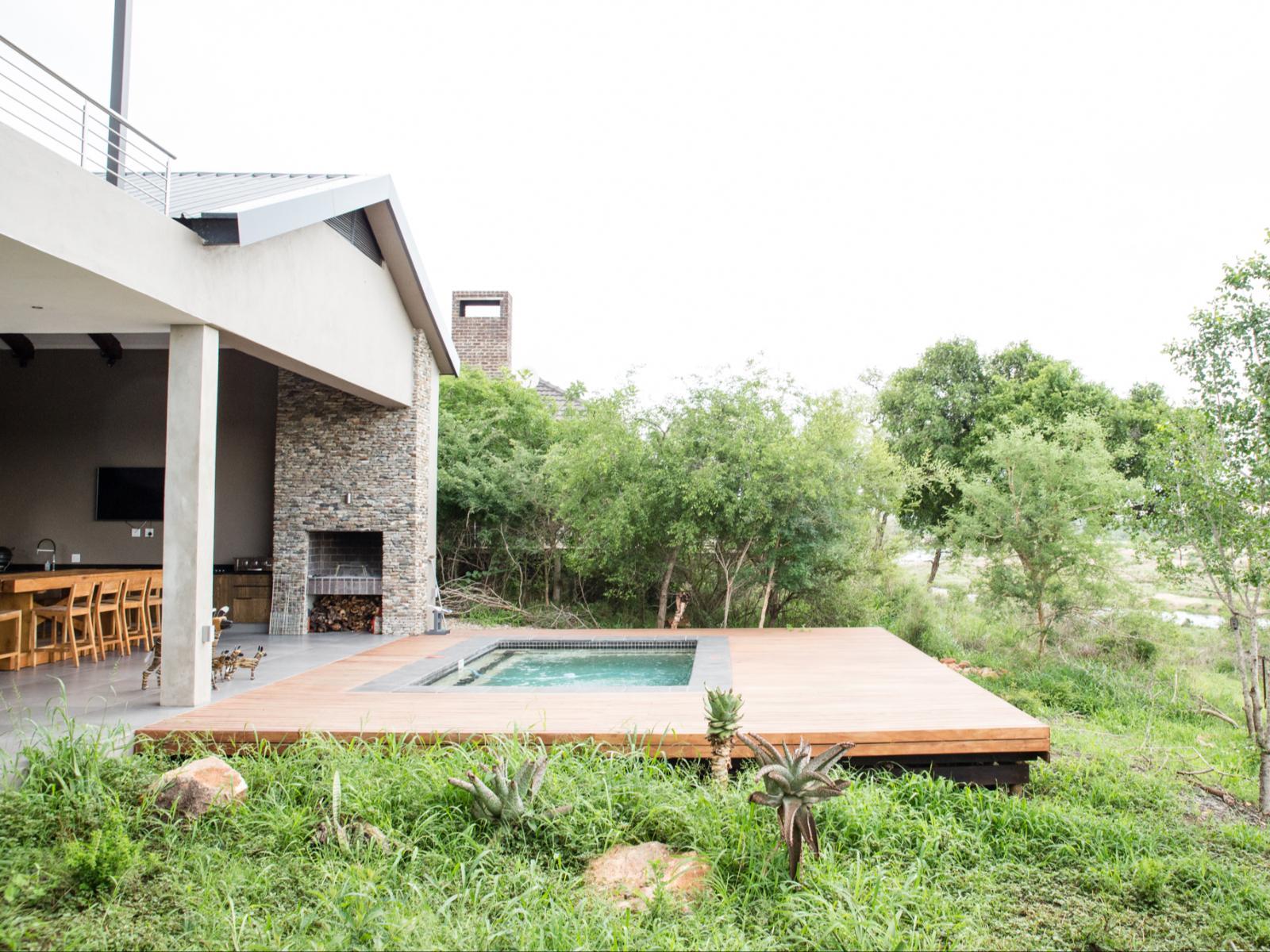
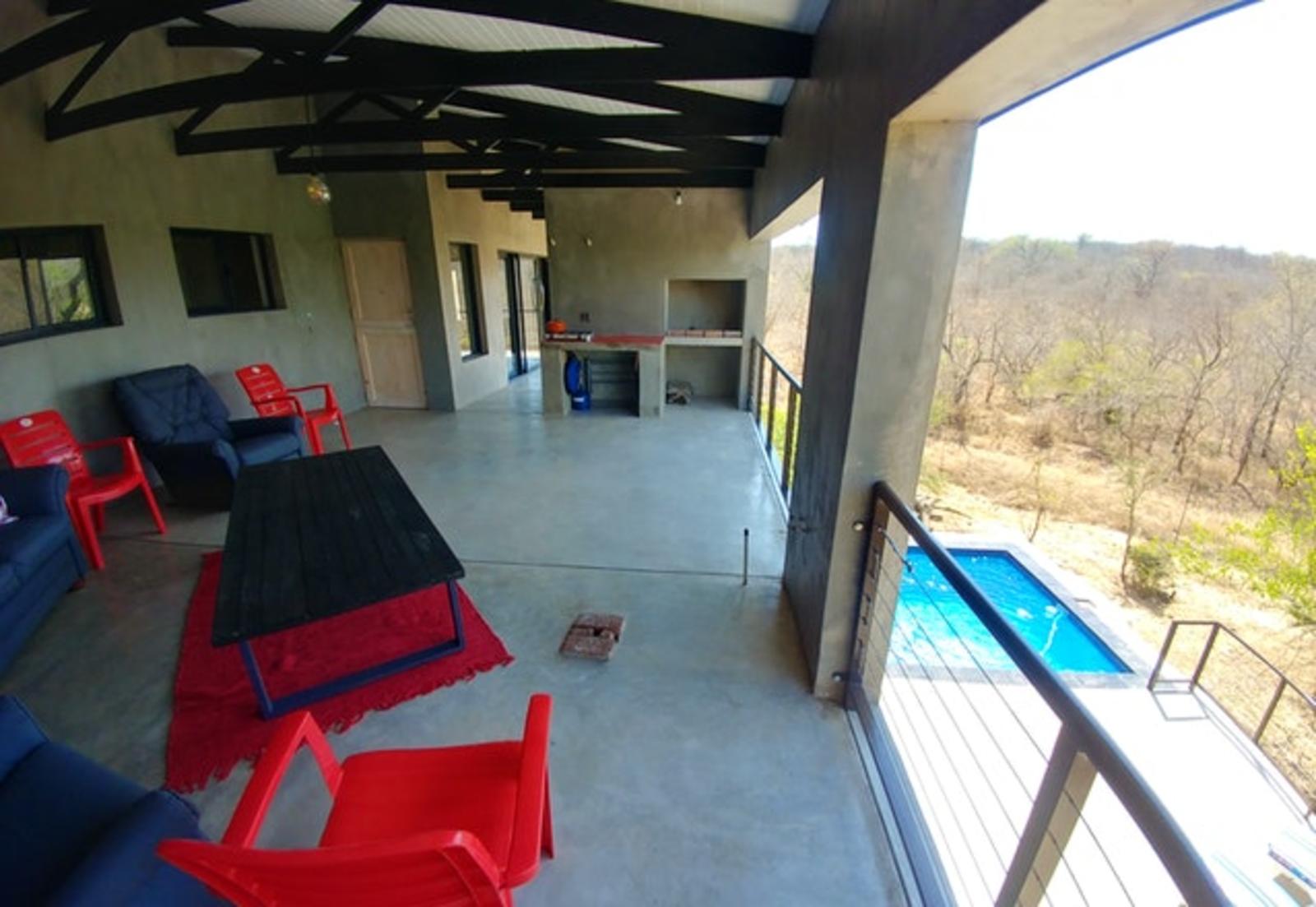
Lodges account for the majority of what is available, with six properties listed at an average of R3,499 per night, though the range within this category is wide. Some are straightforward bush camps geared around guided drives and proximity to the park entrance, while others near the top of the market target guests looking for a fuller experience, with rates climbing to R9,300 for the most well-appointed options.
For groups or extended stays, self-catering is the most cost-effective choice per head. Splitting a unit across four or five people brings the nightly cost down considerably while still giving full access to the surrounding area. Lodge stays make more financial sense when activities and meals are bundled in, since eating out in a small town offers limited variety.
Overall, the accommodation scene reflects the area's primary draw: access to wildlife, served through a mix of intimate properties and larger lodge operations.
Things to Do in Hectorspruit
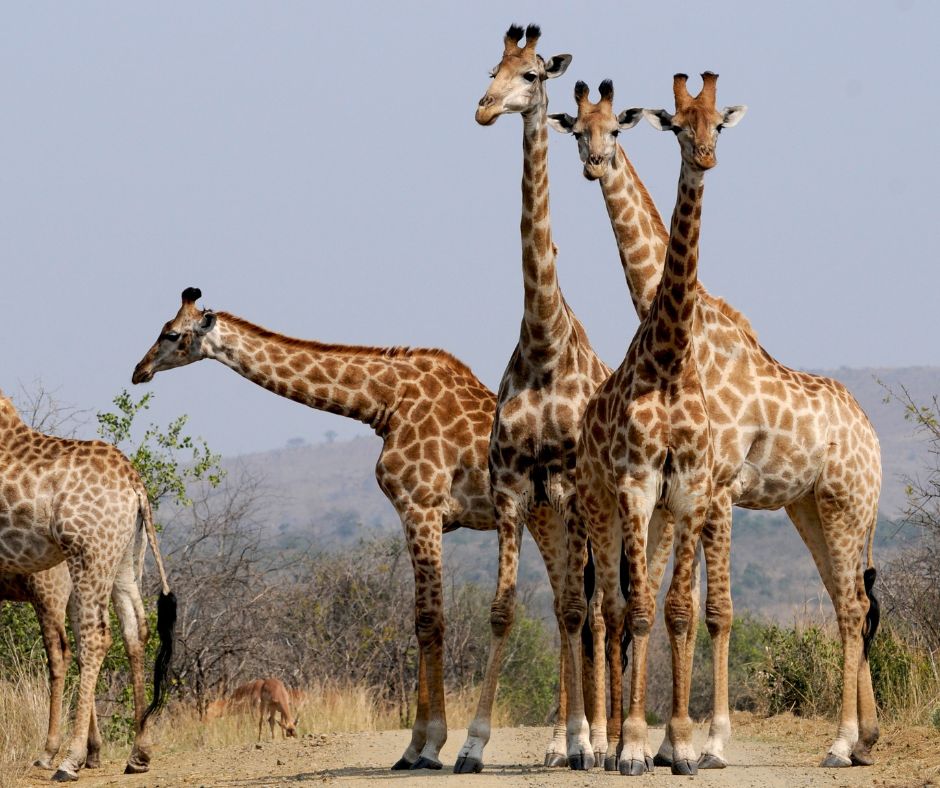
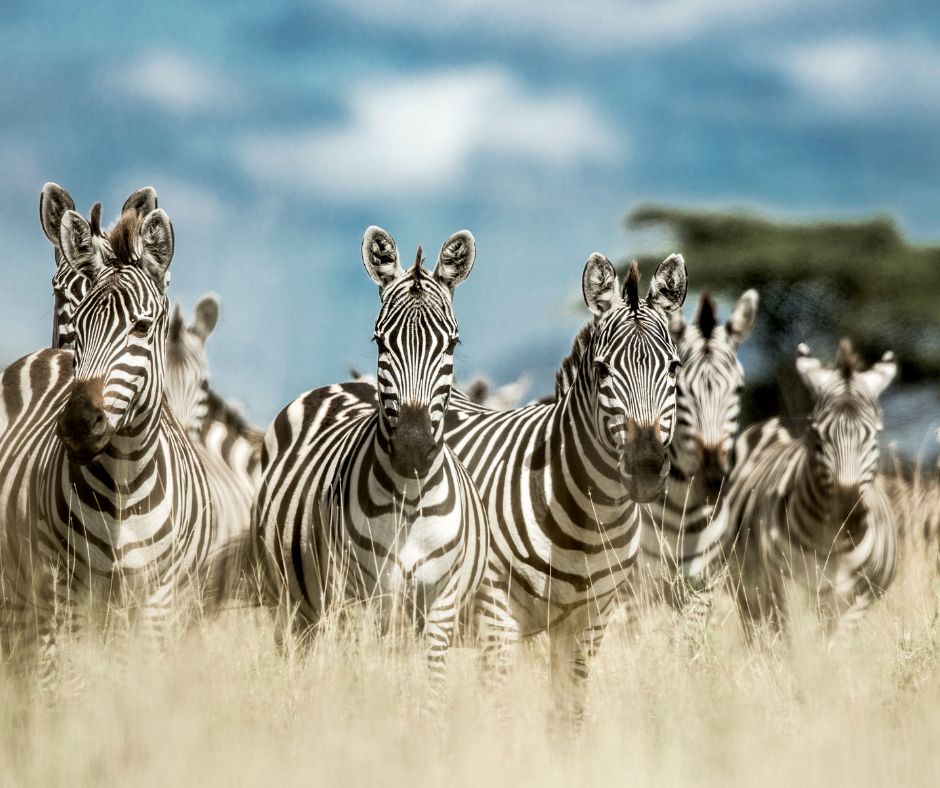
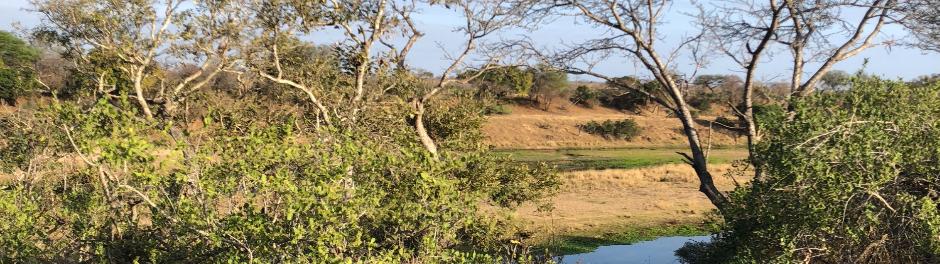
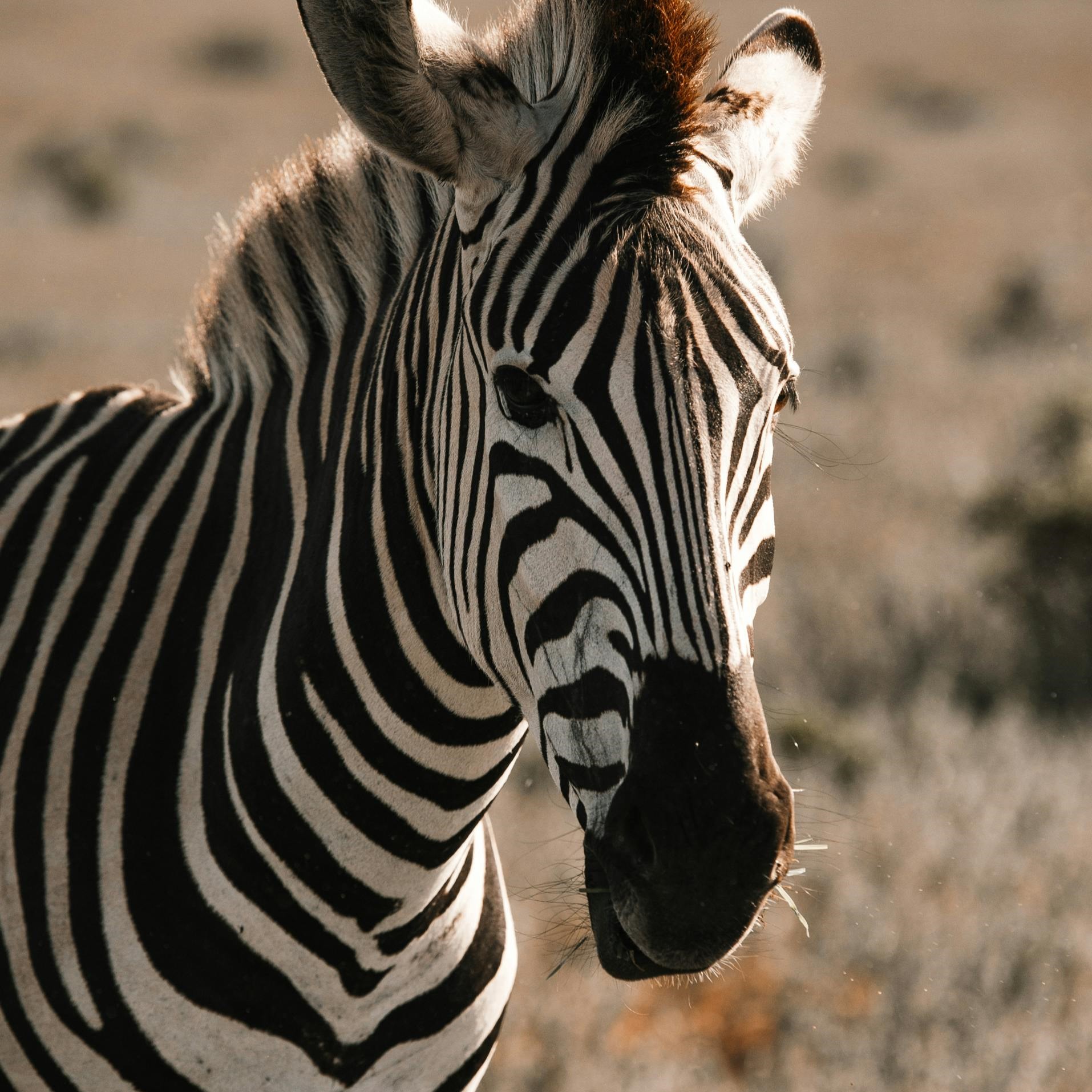
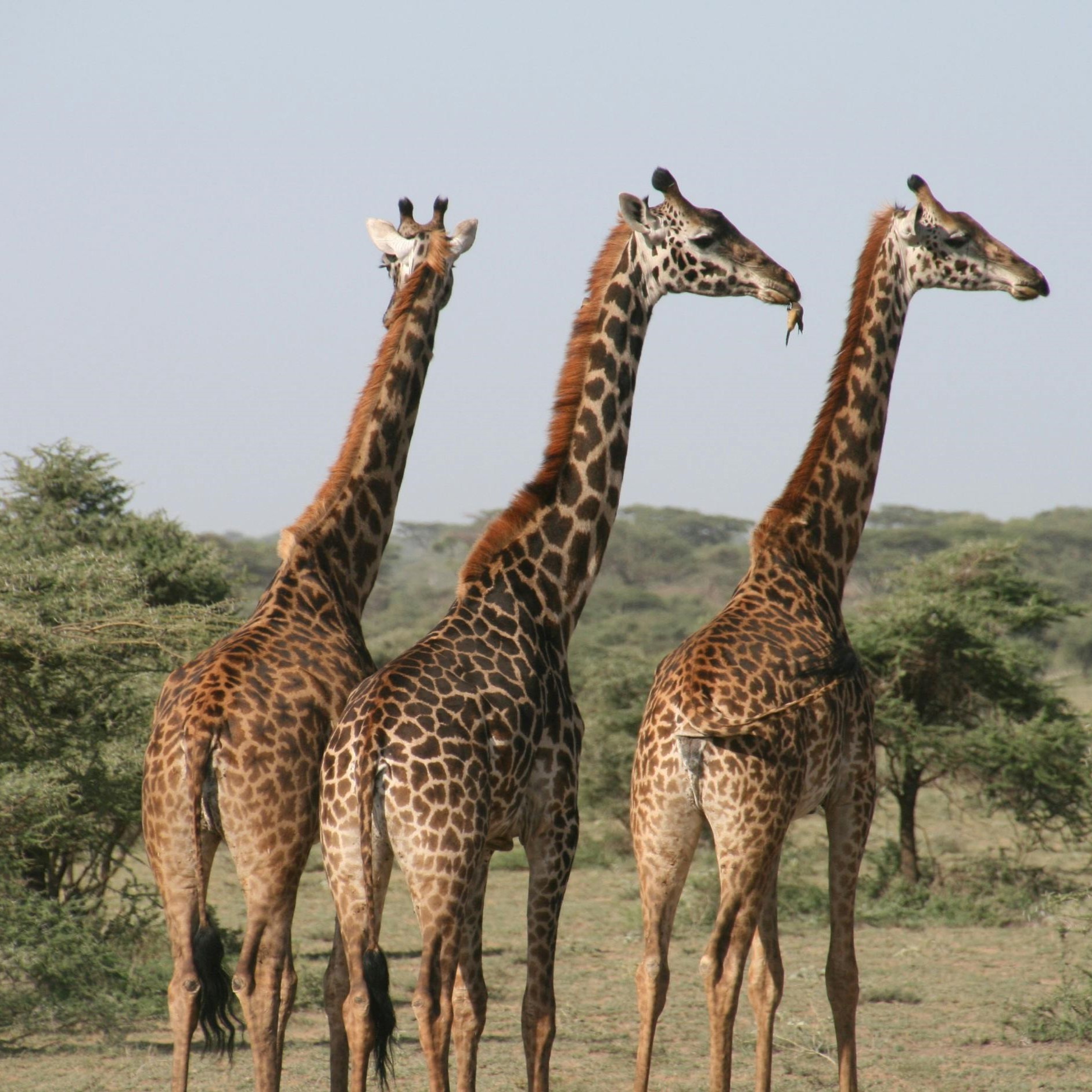
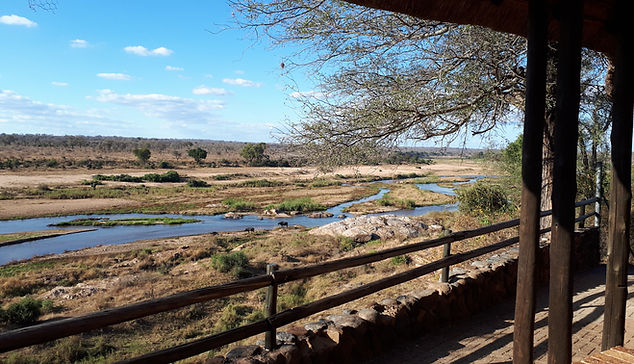
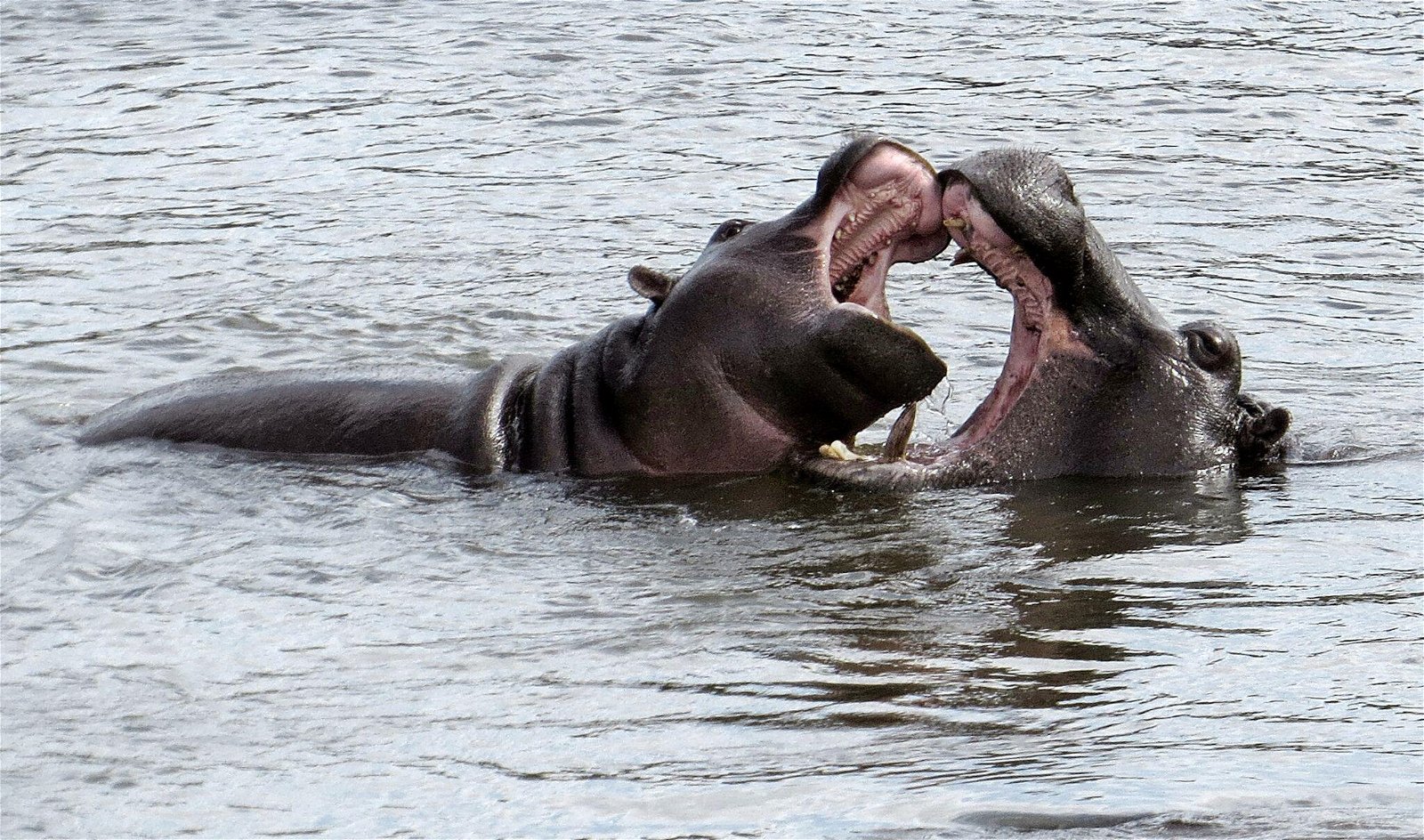
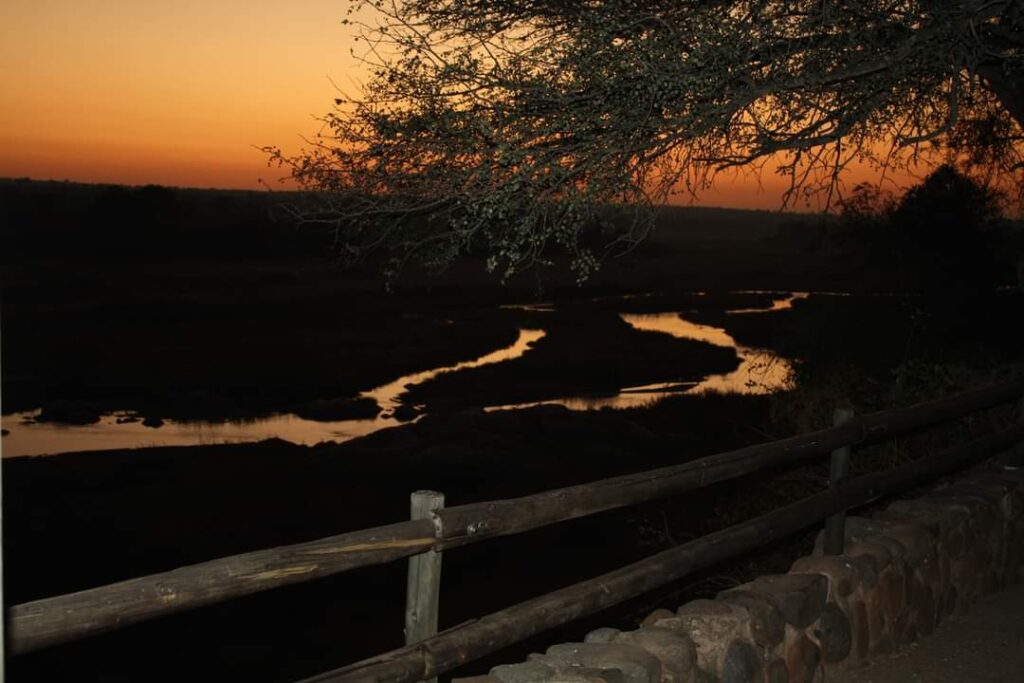
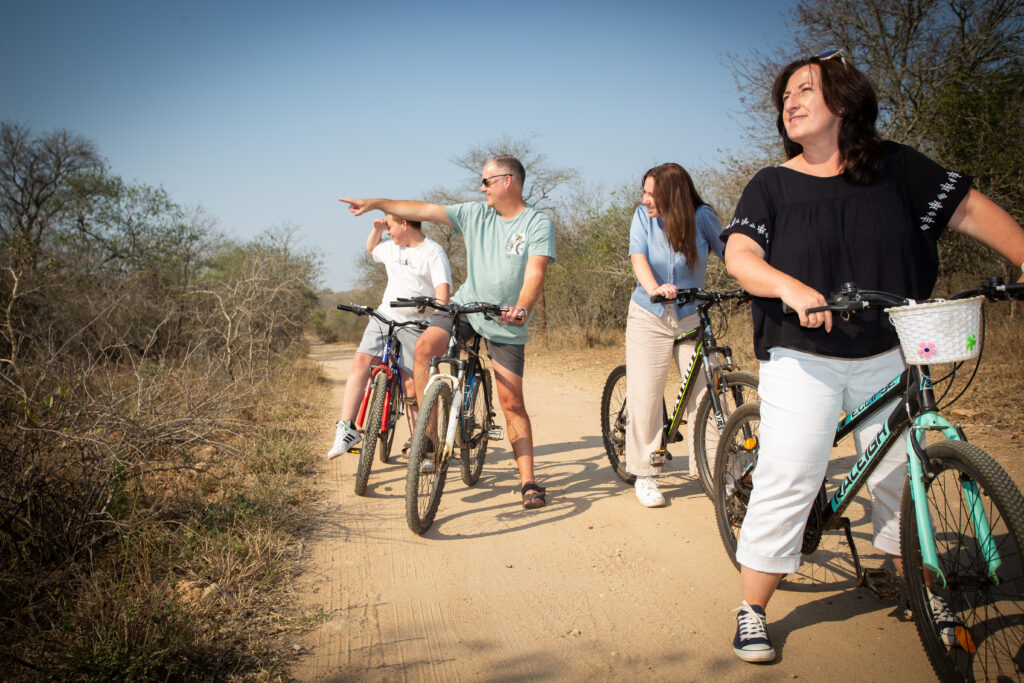
The Crocodile Bridge gate lies roughly 30 kilometres from Hectorspruit and provides direct access to the southern section of the national park. This area is productive for wildlife viewing, with the Crocodile River corridor attracting predators and large herbivores, particularly during the dry months. Self-drive routes here are well-established, and most visitors set out at first light when animals are most active.
Birdwatching is worthwhile throughout the year. The lowveld supports a wide variety of species adapted to mixed thornbush habitat, including rollers, hornbills, kingfishers, and a range of raptors. Riverine vegetation near the park boundary adds habitat diversity and increases species counts for dedicated birders.
Golf is available in the surrounding area, providing a different kind of outdoor activity for those who want a break from wildlife-focused outings. The course setting offers open views across the lowveld.
The agricultural landscape between Hectorspruit and the park boundary is dominated by citrus orchards and sugarcane fields. Roadside stalls in the area often sell fruit directly, and the working farm environment offers a contrast to the game reserve setting. The lowveld has a distinct character at this elevation, with heavier subtropical vegetation and a humid atmosphere that becomes especially pronounced after summer rain.
Best Time to Visit Hectorspruit
The wet season, roughly October through March, brings daily afternoon storms and temperatures regularly above 30°C. Vegetation is thick during this period, and game is harder to spot because animals disperse widely and do not need to concentrate around scarce water sources. Mosquito activity is also higher during summer, which is worth factoring in for any extended time outdoors.
The dry season from May through August is generally preferred for wildlife viewing. Animals are easier to find near rivers and waterholes as conditions tighten, and cooler daytime temperatures around 20 to 25°C make long drives more comfortable. June and July nights can drop to around 10°C, so a warm layer is worth packing.
April and September offer transitional conditions, combining reasonable game viewing with milder temperatures and smaller crowds than peak periods. These months are worth considering for travelers with flexible schedules who want to avoid the busiest windows without sacrificing too much in terms of wildlife activity.
Getting to Hectorspruit
The N4 is the main road through Hectorspruit, running east-west across Mpumalanga. From Johannesburg, the distance is roughly 380 kilometres, taking around four hours under normal driving conditions. The highway is generally well-maintained through this section of the Lowveld.
The closest commercial airport with scheduled service is Kruger Mpumalanga International Airport (MQP), outside Nelspruit, about 100 kilometres west of Hectorspruit. Several airlines connect this terminal to Johannesburg and Cape Town, and car hire desks operate on-site. The drive from the airport takes roughly an hour along the N4.
Public transport does not serve Hectorspruit directly. Long-distance coaches stop at Nelspruit or at the Mozambique border, but the final leg to local properties requires a private vehicle. A standard sedan handles the main roads without difficulty, though higher clearance is useful for gravel roads once inside the park. Fuel is available in town, but stocking up on provisions is better done before heading east.
Hectorspruit and Surrounding Areas
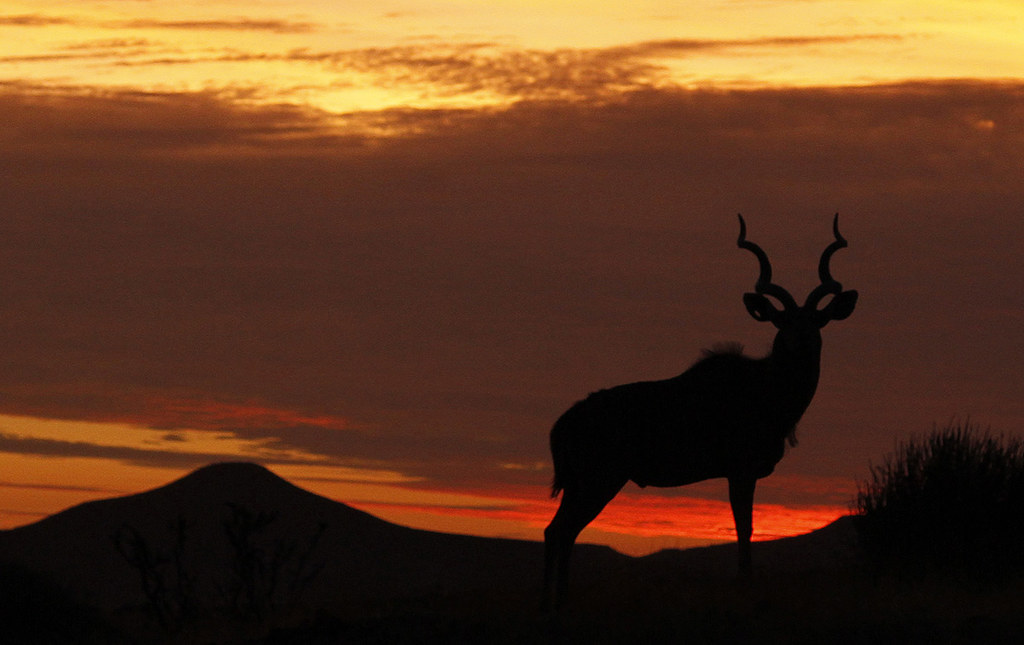
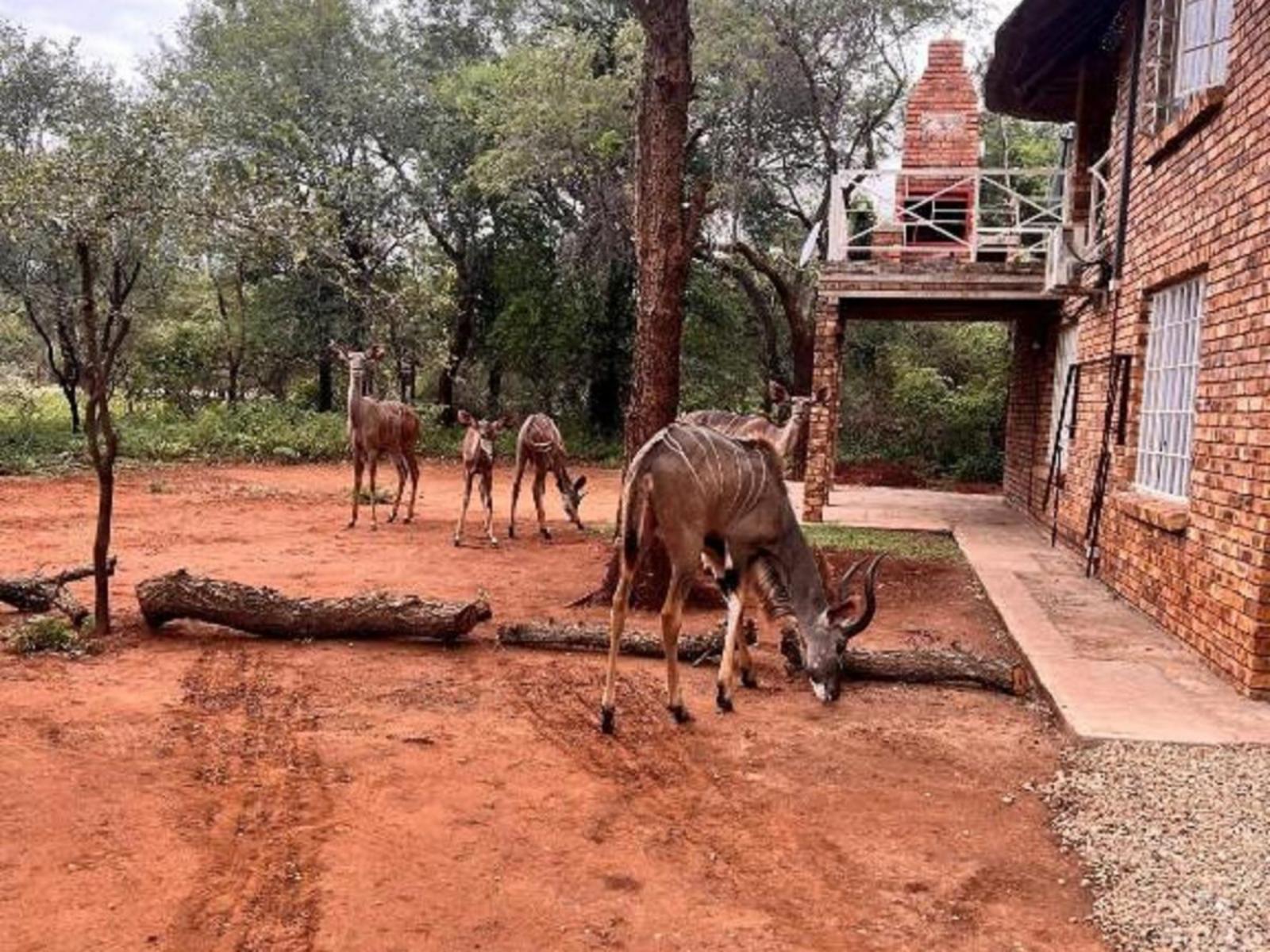
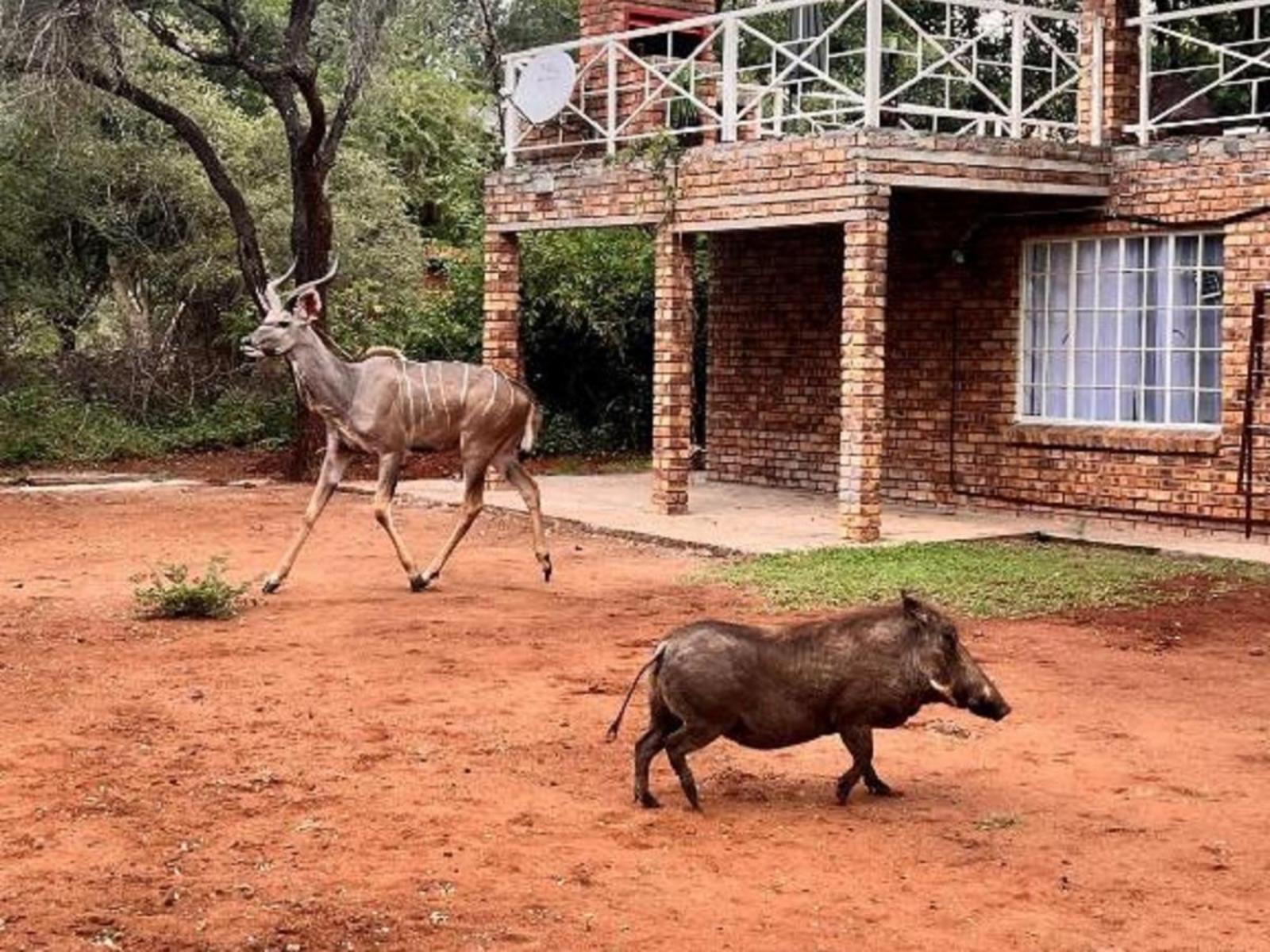
Marloth Park, 14 kilometres from Hectorspruit, is a private residential wildlife estate where the boundary with the national park is unfenced. Impala, kudu, warthog, and other species move through the properties freely. It attracts visitors who want a low-key bush experience without formal camp structures and suits families or small groups looking for a relaxed alternative to a full lodge stay.
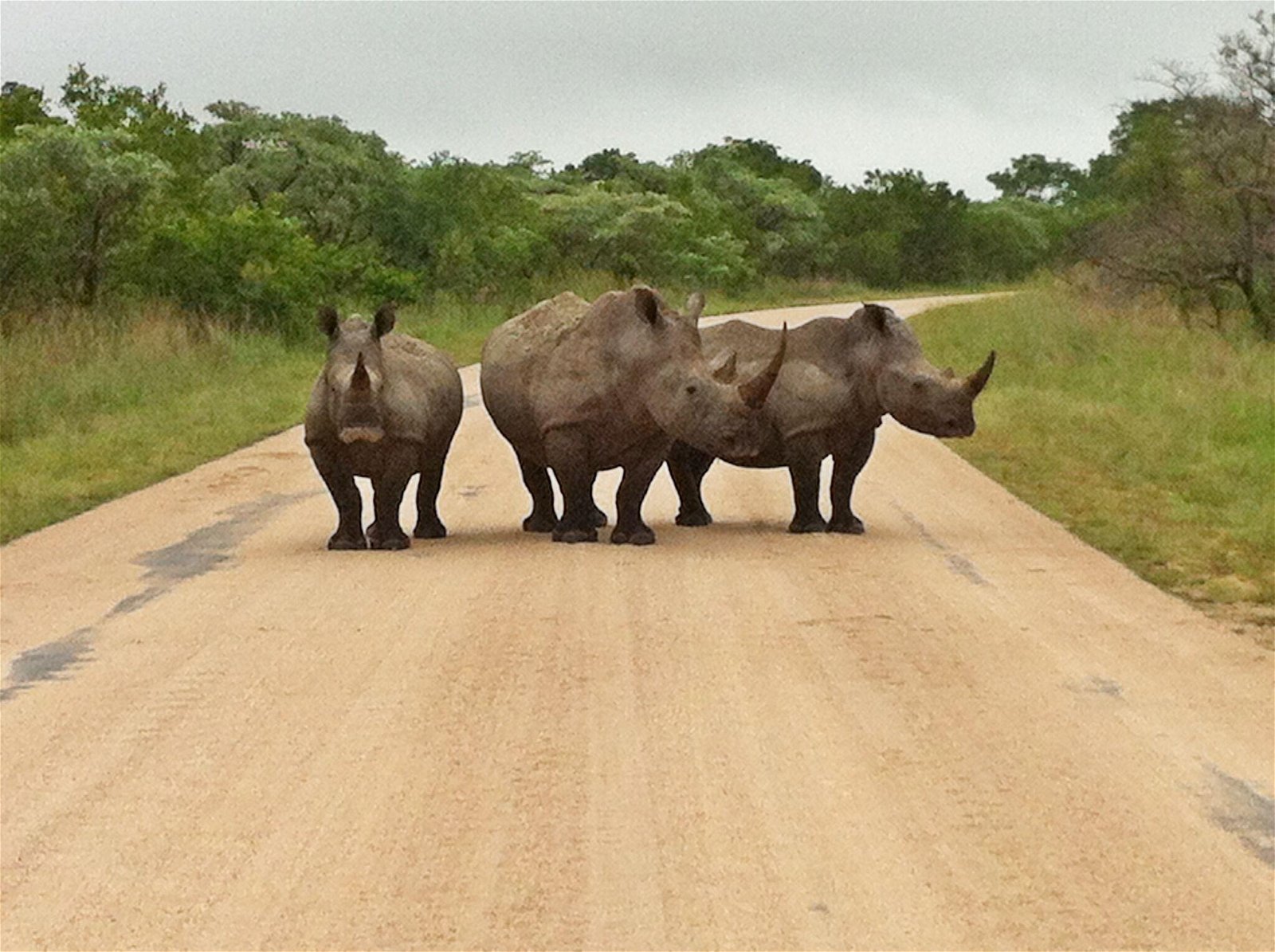
Malelane, 19 kilometres away, is a small town with its own park entrance gate. Berg-en-Dal rest camp, just inside the gate, is a well-regarded facility with a setting that attracts white rhino. Day visitors use the Malelane route to enter the park and often find it less congested than other access points.
Komatipoort, 27 kilometres east, sits near the confluence of two rivers on the Mozambique border. The town has a busy border crossing, a handful of restaurants, and supermarket and fuel facilities. It is the largest service town in the immediate area and the last significant stop before crossing into Mozambique.
Skukuza, 51 kilometres away, is the largest camp in the park and functions as its administrative center. It has a restaurant, filling station, car repair facilities, and a small museum. A day drive from Hectorspruit to Skukuza covers some of the most wildlife-dense roads in the southern section.
White River, 68 kilometres to the northwest, is a larger town with shopping centers, restaurants, and arts and craft markets. It is a practical stop for travelers who need more facilities than the smaller lowveld towns can offer.
Njonjela, 71 kilometres from Hectorspruit, sits at the outer edge of the typical day-trip radius and is less commonly visited than the other destinations in the region.
Planning Your Stay
Accommodation in this area fills quickly during South African school holidays, specifically over December and January, the July winter break, and Easter. For any of these periods, booking two to three months in advance is advisable. Outside these windows, availability is more flexible and last-minute options are common.
When comparing properties, check whether activities such as guided drives and park transfers are included or priced separately. Some properties advertise low room rates but charge for everything else, which changes the effective cost significantly.
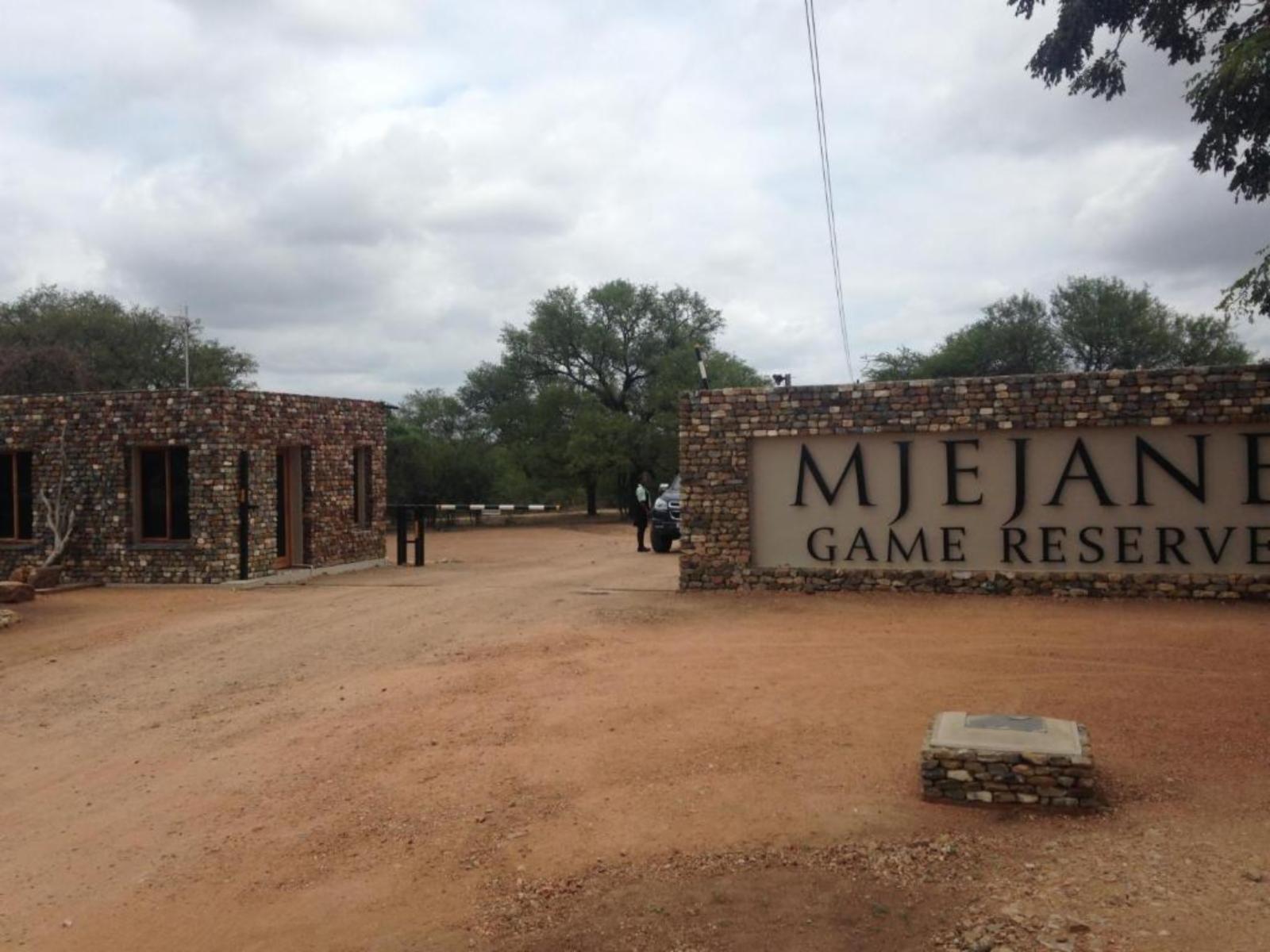
Confirm the property's location relative to the gate you plan to use. Properties within private estates sometimes have their own access arrangements, which affects departure times for morning drives and how much ground you can cover before the heat sets in.
Load-shedding remains a practical concern in South Africa. Before booking, check whether the property has generator or solar backup, particularly in summer when heat makes air conditioning necessary and outages are more disruptive.
Carry cash for smaller purchases and farm stalls. ATMs are available in larger nearby towns but are not always reliable in smaller areas, so drawing money before you arrive saves time.