Accommodation in Klawer
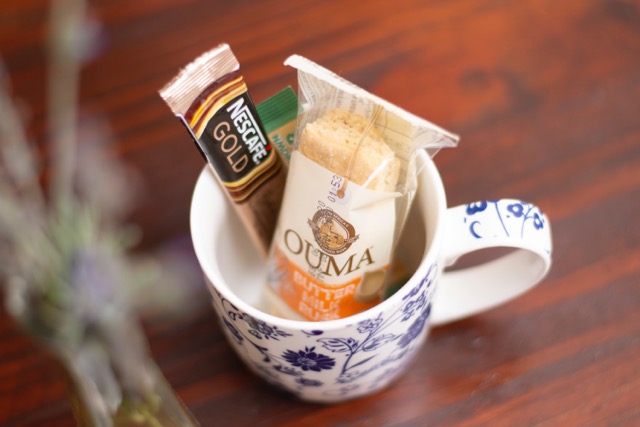
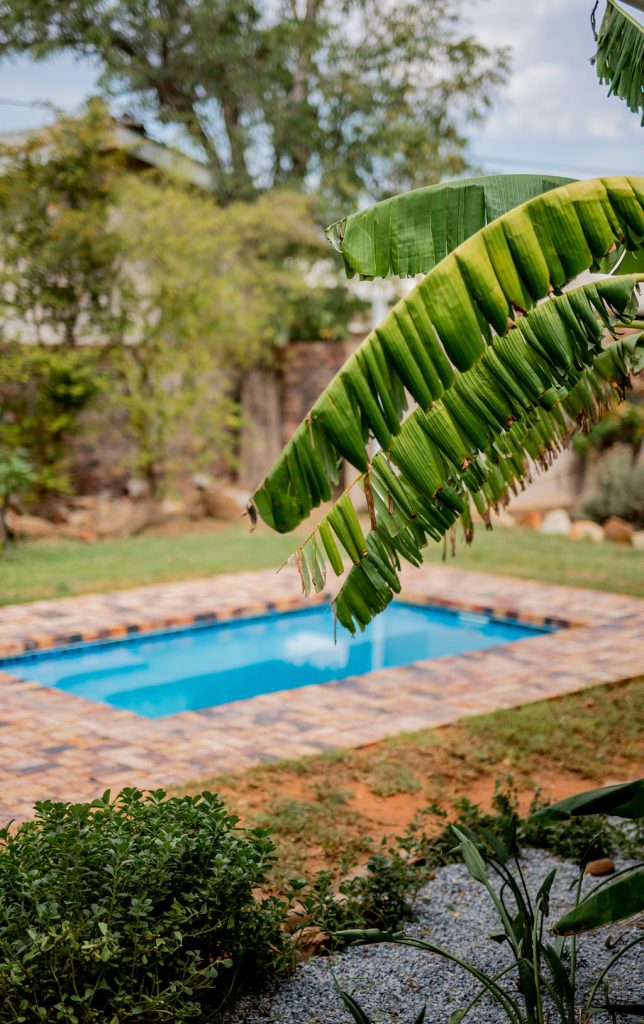
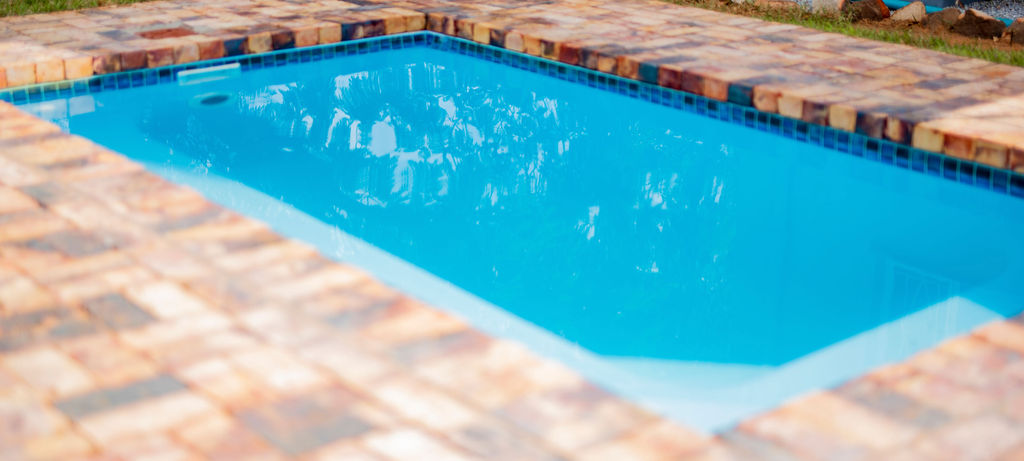
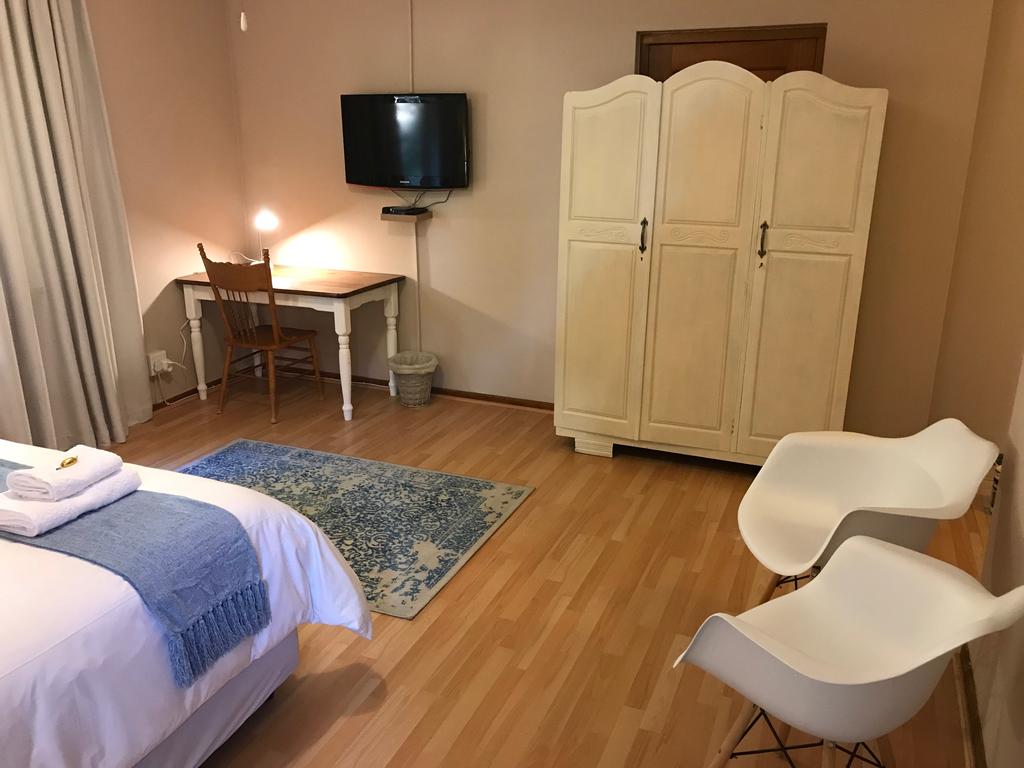
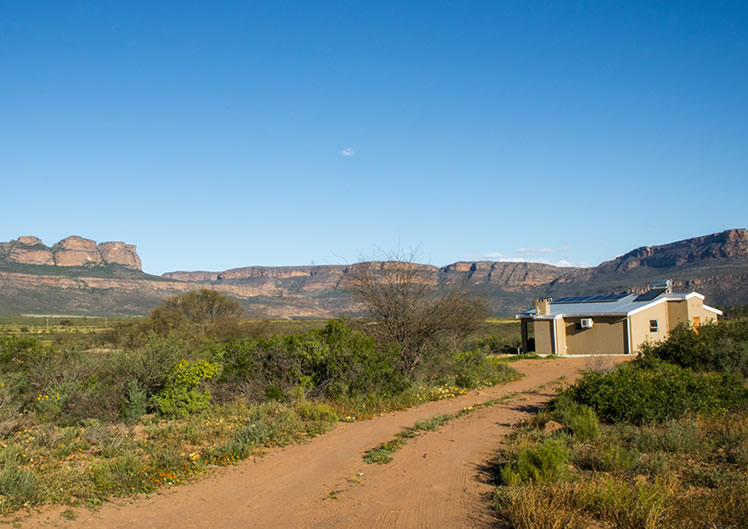
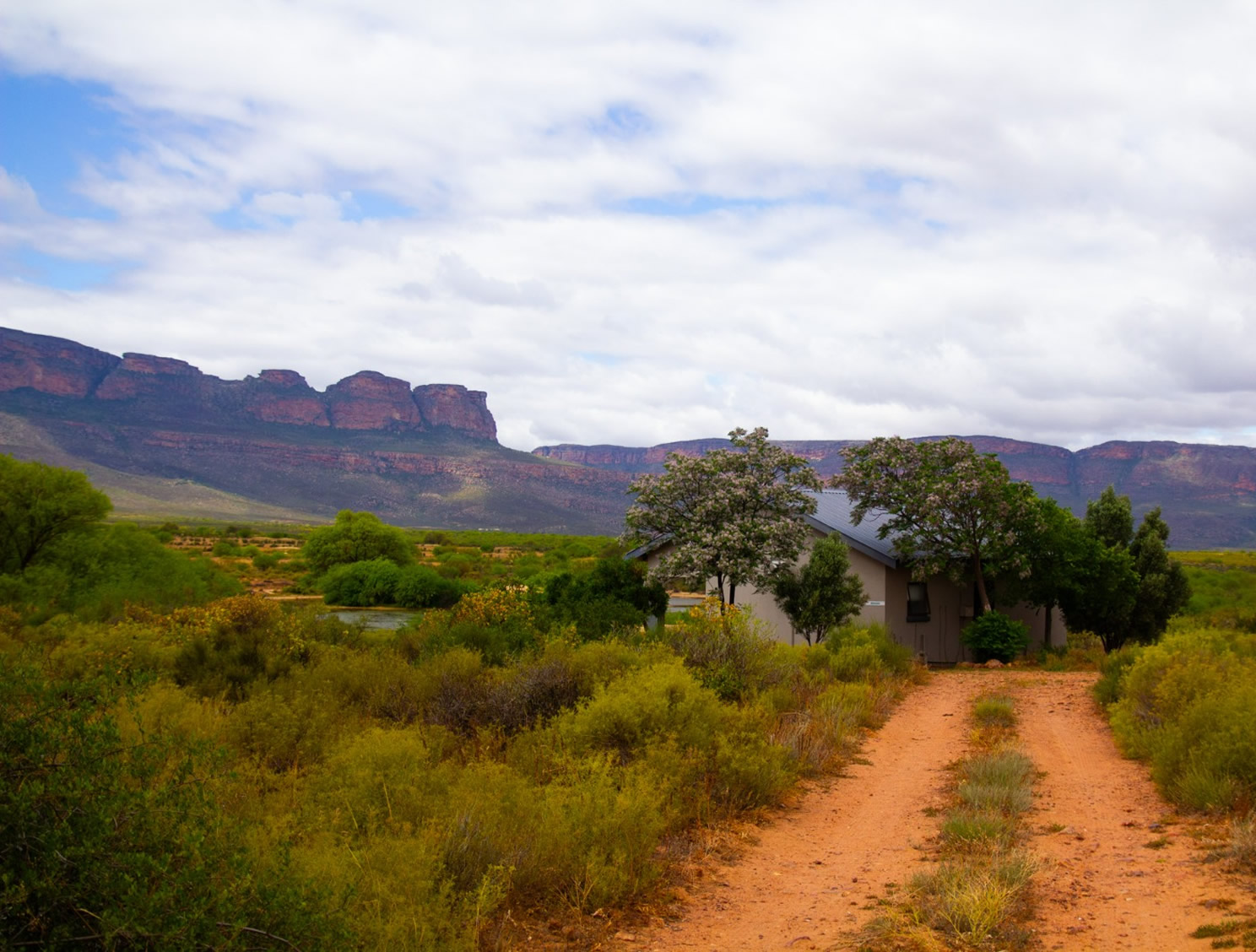
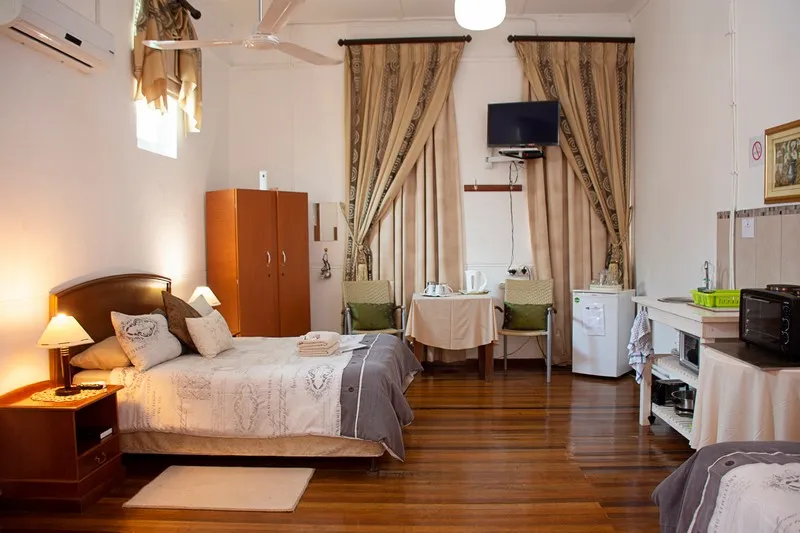
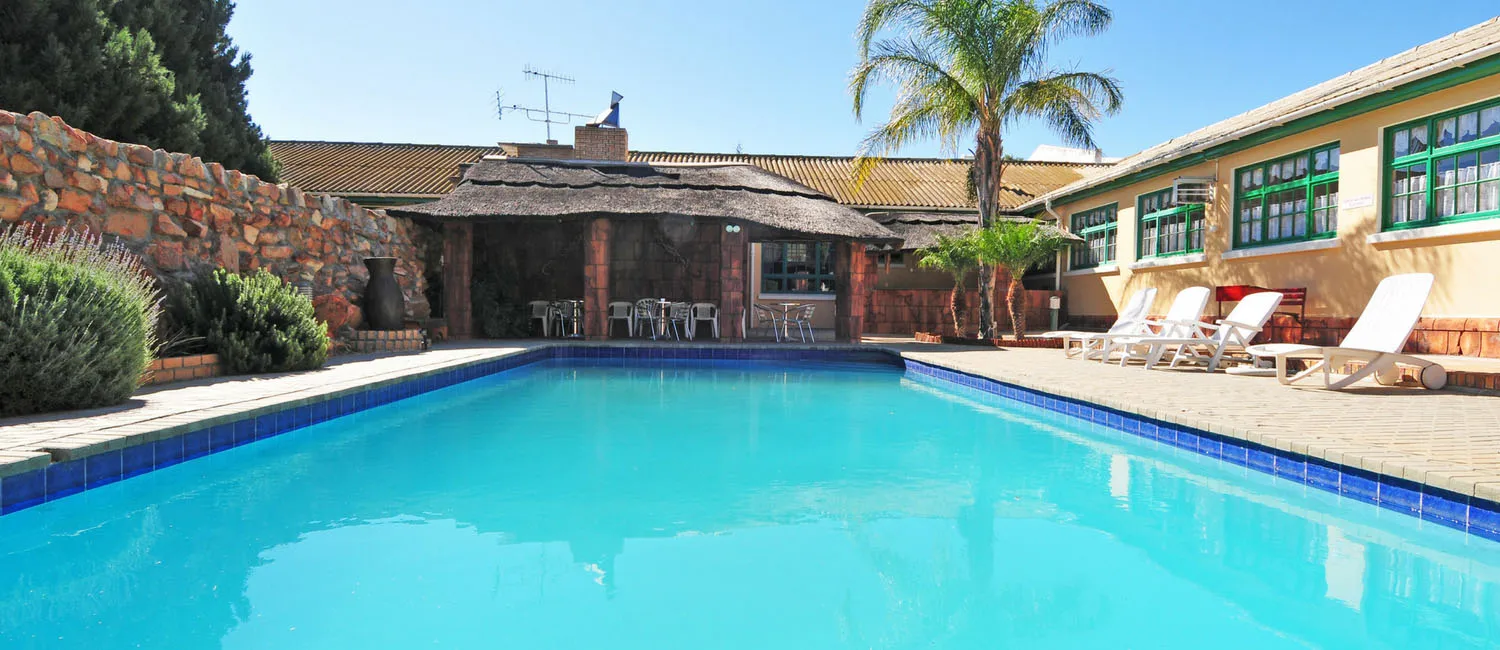
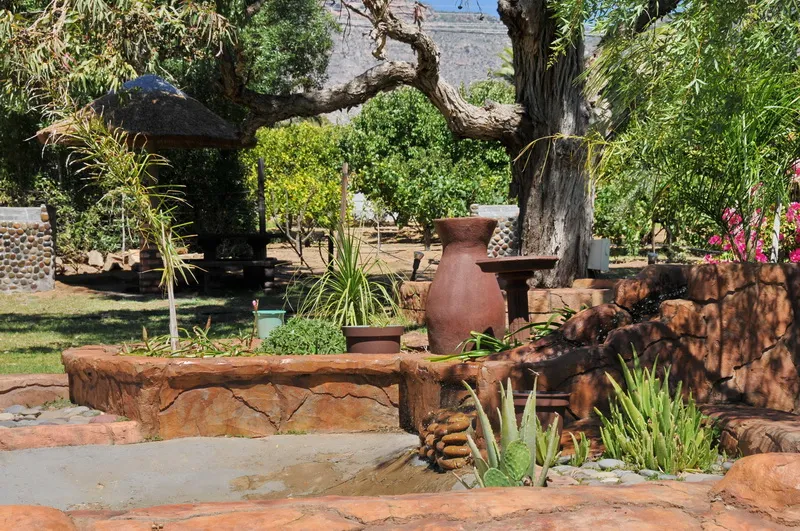
Klawer has a small but practical accommodation offering, with one property currently listed on HolidayStays at R1,980 per night. The option available is a guesthouse, which reflects the town's character: owner-managed, unpretentious, and suited to travelers passing through the Olifants River valley or using the area as a base for exploring the western Cape interior.
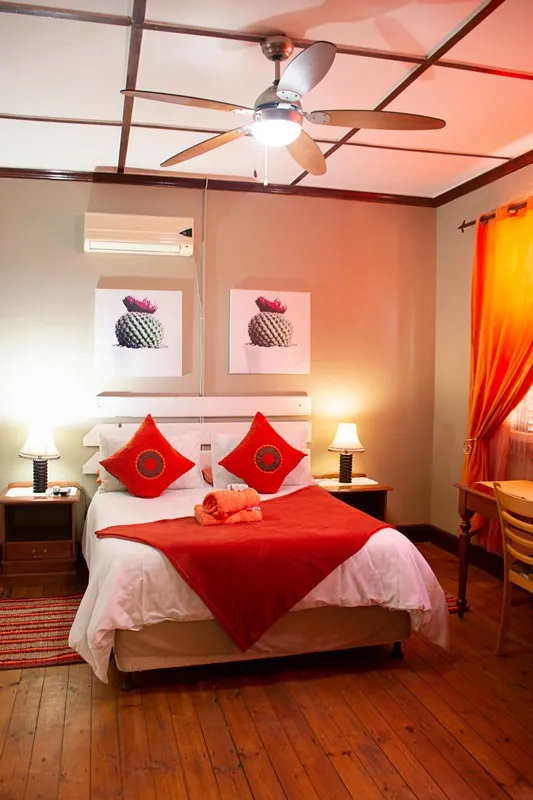
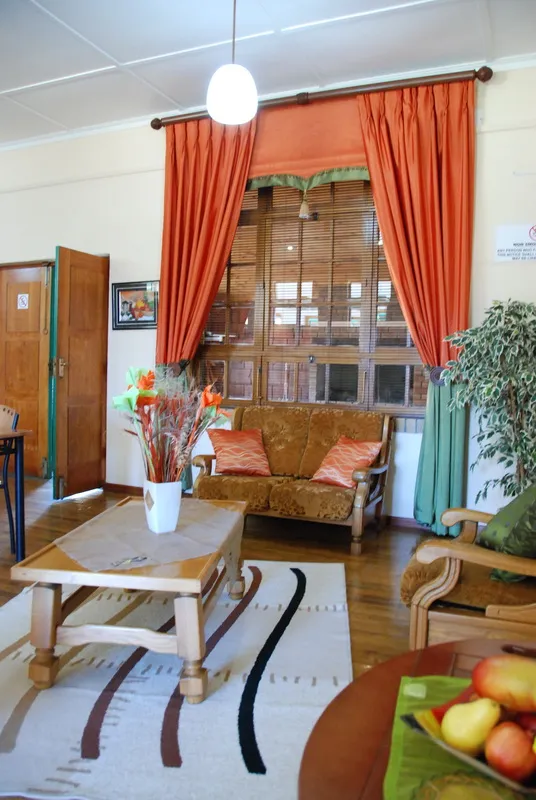
Guesthouses in this part of the Western Cape typically operate out of farm properties or older family homes, offering a handful of rooms with meals on request or included in the rate. The experience is personal rather than standardized. Expect home-cooked breakfasts, local knowledge from owners who have often lived in the area for decades, and settings that place you in direct contact with the surrounding agricultural landscape. At this tier, rooms generally include en-suite bathrooms, ceiling fans or air conditioning for the summer heat, and secure off-street parking.
Because Klawer sits at the intersection of the N7 highway and the R362, many visitors use it as an overnight stop rather than a multi-night base. That said, the guesthouse format suits those who prefer to slow down: two or three nights gives enough time to explore the riverbanks, take drives into the surrounding hills, and make day trips without feeling pressured to cover ground each morning.
The town has no self-catering apartments, boutique hotels, or larger resort-style properties. This limited supply means availability can tighten during spring wildflower season and summer harvest time, when demand rises across the entire region. Booking well in advance is advisable, and travelers should identify backup options in towns further along the N7 before departing, rather than assuming something will be available on arrival.
Best Time to Visit Klawer
Klawer sits in South Africa's winter-rainfall zone, which shapes its seasons more sharply than visitors accustomed to summer-rainfall regions might expect.
Spring (August to October) offers the most favorable conditions for most travelers. Wildflowers bloom across the Namaqualand-adjacent landscapes to the north and west, the river runs well after winter rains, and daytime temperatures sit in the comfortable mid-20s Celsius. This is the peak period for the broader region, and accommodation across nearby towns fills quickly from mid-August onward.
Summer (November to February) brings intense heat, with temperatures regularly exceeding 35°C in the valley. It is a good period to observe the grape harvest in progress on surrounding farms, but extended outdoor walks are best limited to early mornings before the heat builds. Evenings cool down noticeably, making outdoor dinners and late drives comfortable.
Autumn (March to May) is quieter and mild. The harvest is done, vine leaves turn through yellow and red, and attractions in the surrounding area are easier to access without planning far ahead.
Winter (June to July) brings cool nights, occasional rain, and mist in the valley. Mountain routes from the valley floor can be wet and slow. This is low season, with fewer visitors and the landscape taking on a green character that is less typical of the dry months. For those who value quiet and lower prices, it remains a reasonable choice.
Getting to Klawer
Klawer sits on the N7, the main highway connecting Cape Town to Namibia, approximately 300 kilometers north of the city. Most visitors drive, and the journey from Cape Town takes around three hours under normal conditions. The route passes through Wellington, Paarl, and the mountain foothills before descending into the Olifants River valley.
The nearest commercial airport is Cape Town International, which handles all domestic and international arrivals for this part of the Western Cape. There is no scheduled air service to Klawer or the surrounding towns, so flying visitors will need to hire a vehicle at the airport for the drive north. This is easily arranged through standard car hire desks at the terminal.
Public transport options exist but are limited. Intercape and other long-distance coaches run along the N7 and stop at Klawer on routes between Cape Town and Springbok or Upington. Reaching the town without a car is possible, but getting around once there requires private transport. The town center is walkable, but surrounding farms, river spots, and scenic routes all need a vehicle.
Renting a car in Cape Town before departure is the most practical approach for anyone planning to explore the region. The various farm roads and coastal routes that branch off the N7 are not served by regular transport, and having your own vehicle makes the difference between a single-location stay and a flexible multi-destination trip through the western Cape interior.
Klawer and Surrounding Areas
Klawer's position in the upper Olifants River valley puts it within reasonable driving distance of several distinct destinations, each offering something quite different from the town itself.
Lambert's Bay (46km west) is a working fishing harbor on the Atlantic coast, best known for Bird Island, where a substantial Cape gannet colony gathers and can be observed from a public causeway at close range. The harbor has a fish market and several restaurants specializing in fresh local seafood. The drive from Klawer on the R364 takes under an hour through open coastal fynbos.
Clanwilliam (52km south) serves as the commercial and administrative center for this part of the Western Cape. It is closely associated with rooibos tea, and the farms surrounding the town produce most of South Africa's rooibos crop. The dam on the edge of town offers swimming, kayaking, and picnicking.
Elands Bay (66km southwest) occupies the point where the Verlorenvlei, a freshwater wetland and designated Ramsar site, meets the Atlantic. The vlei is one of the Western Cape's more significant birding locations, with several hundred species recorded. The town also attracts surfers drawn to a reliable left-hand point break.
Redelinghuys (79km southwest) is a small farming settlement with little tourist infrastructure. The surrounding landscape of wheat fields and canola makes it an interesting stop for those who want to see the agricultural character of the interior before reaching the coast.
Cederberg (97km south) refers to the CapeNature-managed Cederberg Wilderness Area, a sandstone mountain range that draws hikers and climbers. San rock art panels, unusual geological formations, and multi-day wilderness trails are the main draws. Overnight access requires permits booked in advance through CapeNature.
Citrusdal (98km south) takes its name from the citrus orchards that cover the surrounding valley. The Baths, a thermal spring facility on a farm nearby, is a popular stop for families and groups traveling the N7.
Planning Your Stay
With only one property listed in Klawer, availability is the key planning concern. Book as far in advance as possible, especially if traveling during spring wildflower season or over school holidays, when demand across the broader west coast and mountain region increases sharply and options thin out quickly.
Before confirming a reservation, check whether meals are included or whether you need to bring your own provisions. Klawer is a small town, and dining options outside your accommodation may be limited in the evenings. A property that includes dinner is a practical advantage in this context, and worth asking about when making contact.
Consider how your daily schedule will work. If you plan to spend full days out on the roads, an early check-in arrangement or somewhere to leave luggage before official check-in time is worth discussing with the property directly. Farm-based accommodation in the region is usually run with flexibility, but direct communication avoids assumptions on both sides.
Fuel up before heading out on day trips. Petrol stations in the surrounding countryside are less frequent once you leave the main highway, and some routes toward the coast and mountains involve longer stretches without services.
Check mobile signal expectations with the property before arrival. Parts of the valley and the routes into higher ground can have limited or no coverage, so downloading maps, directions, and booking confirmations in advance is practical preparation rather than an overreaction.