Accommodation in Montagu
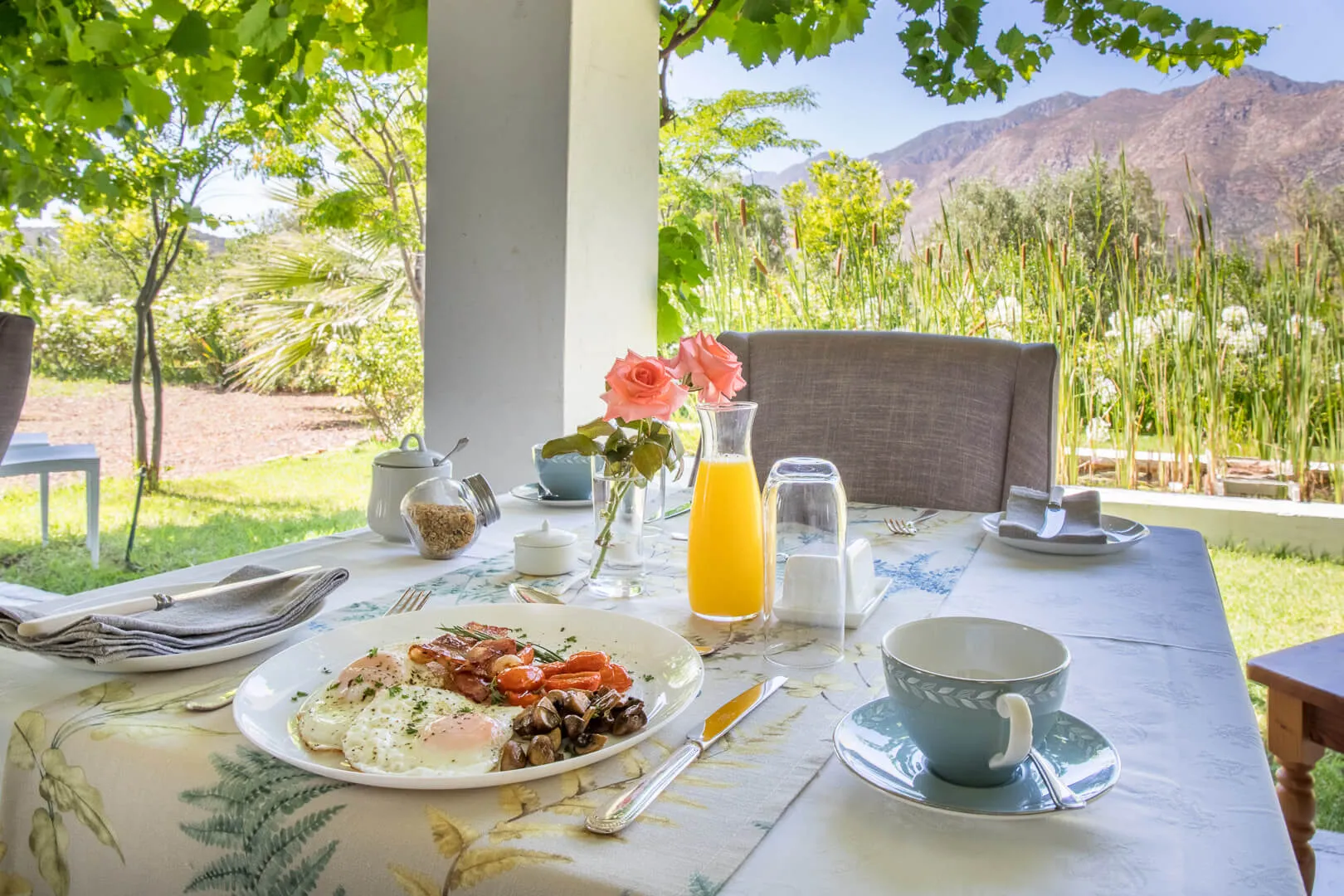
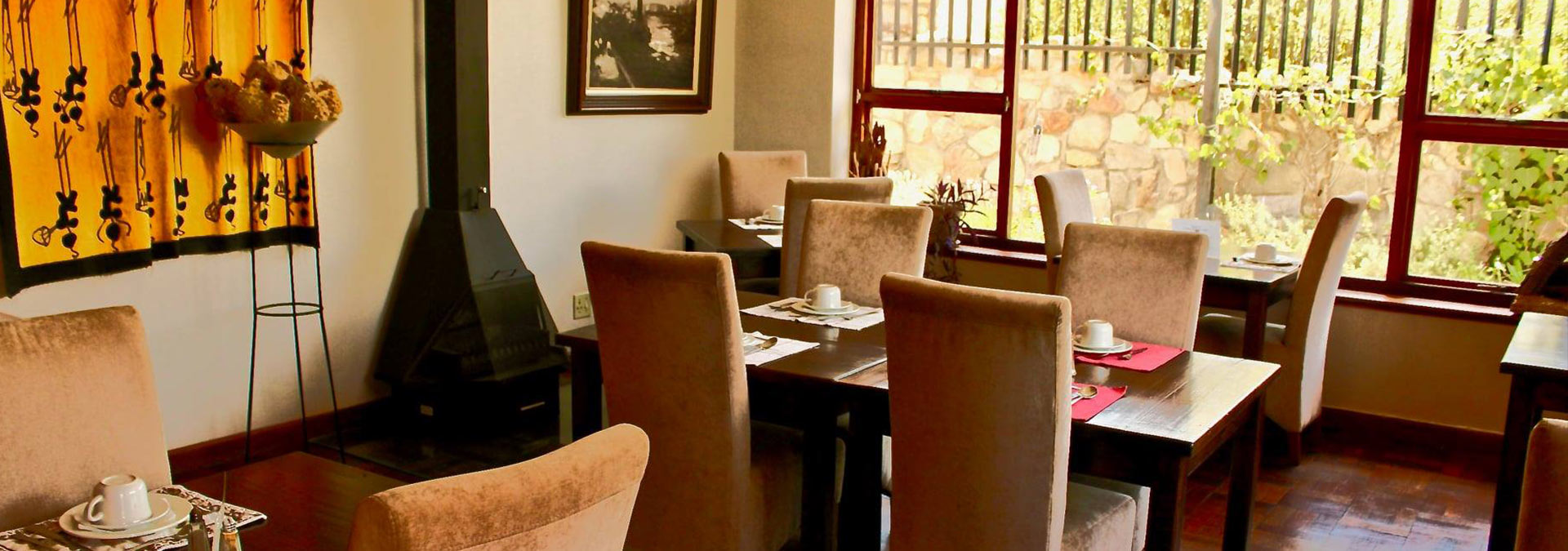
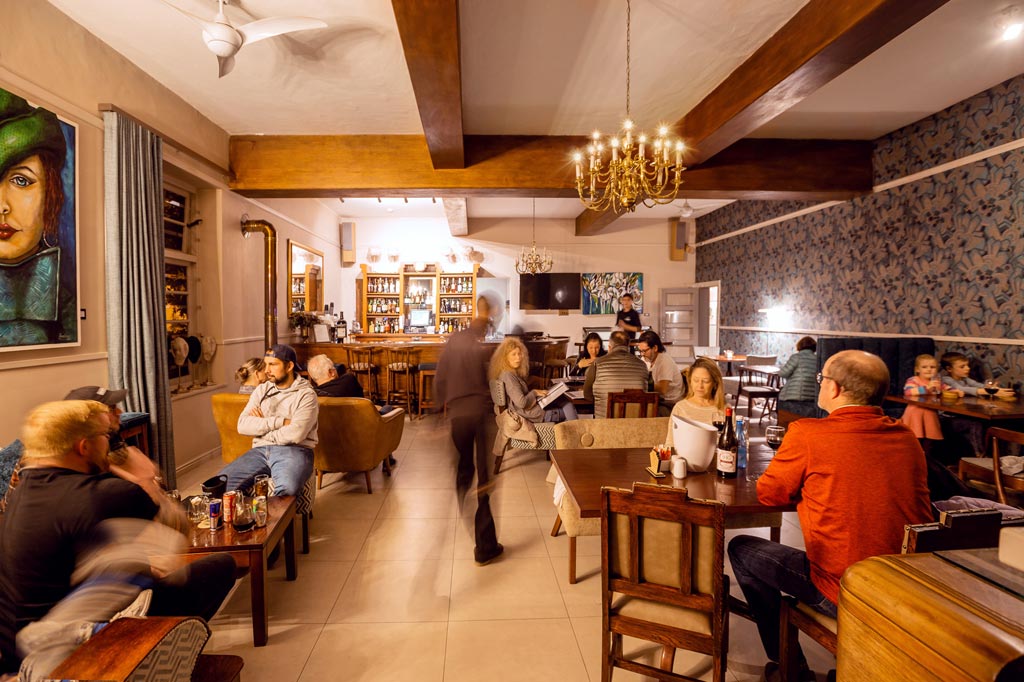
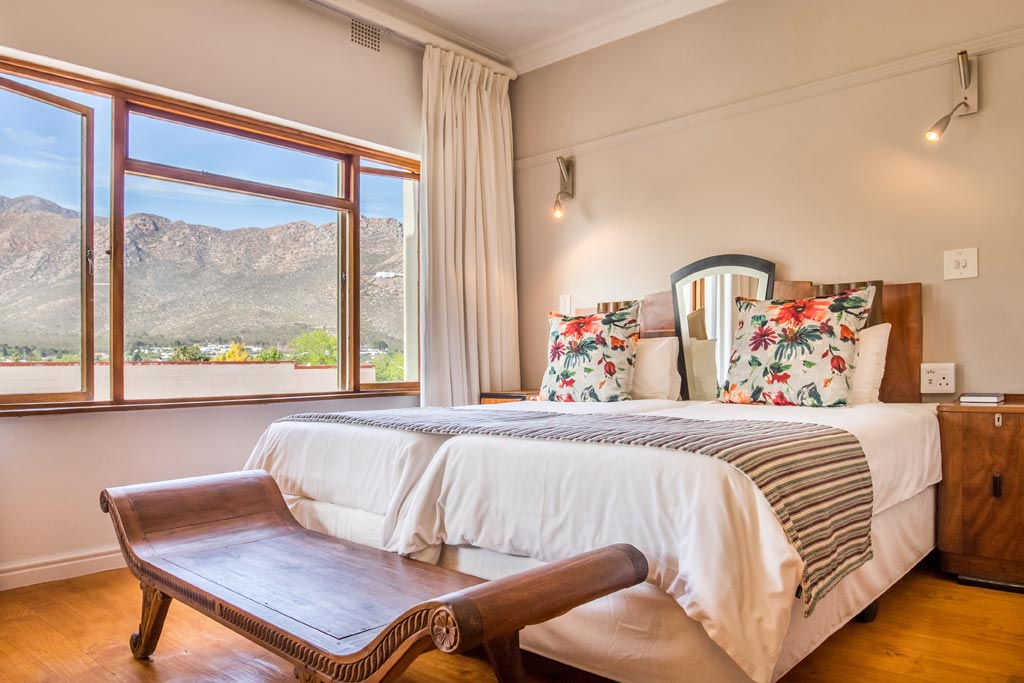
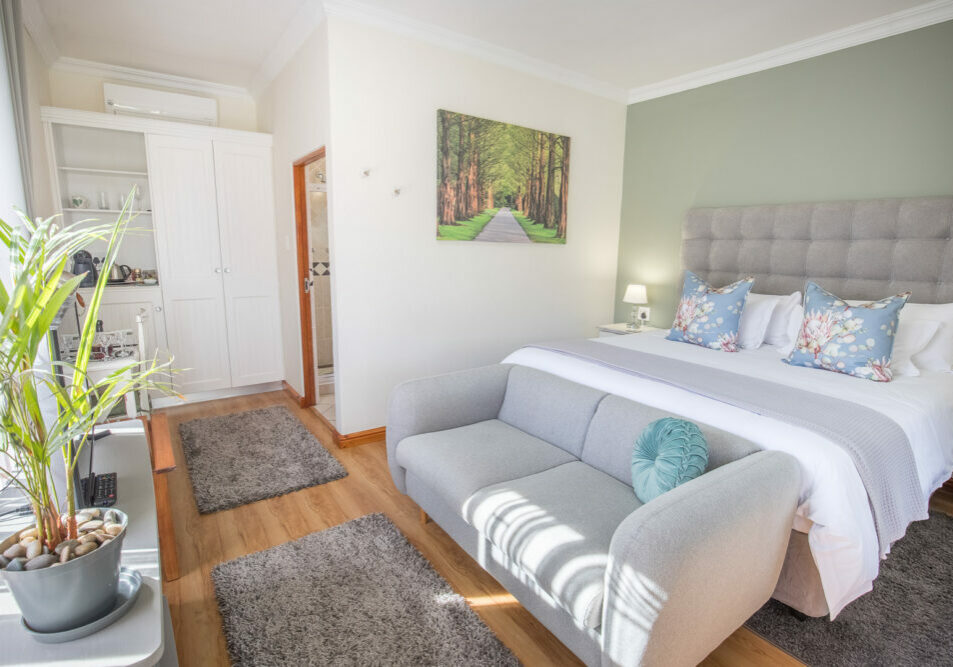
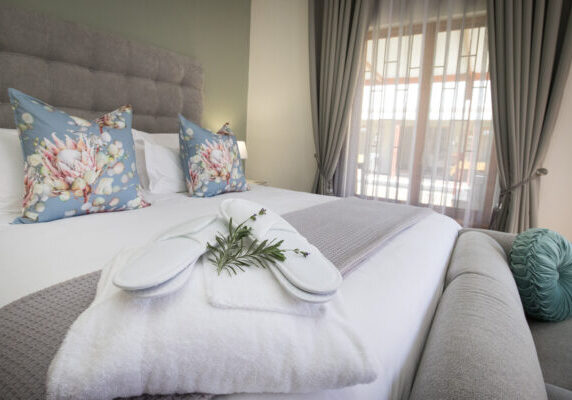
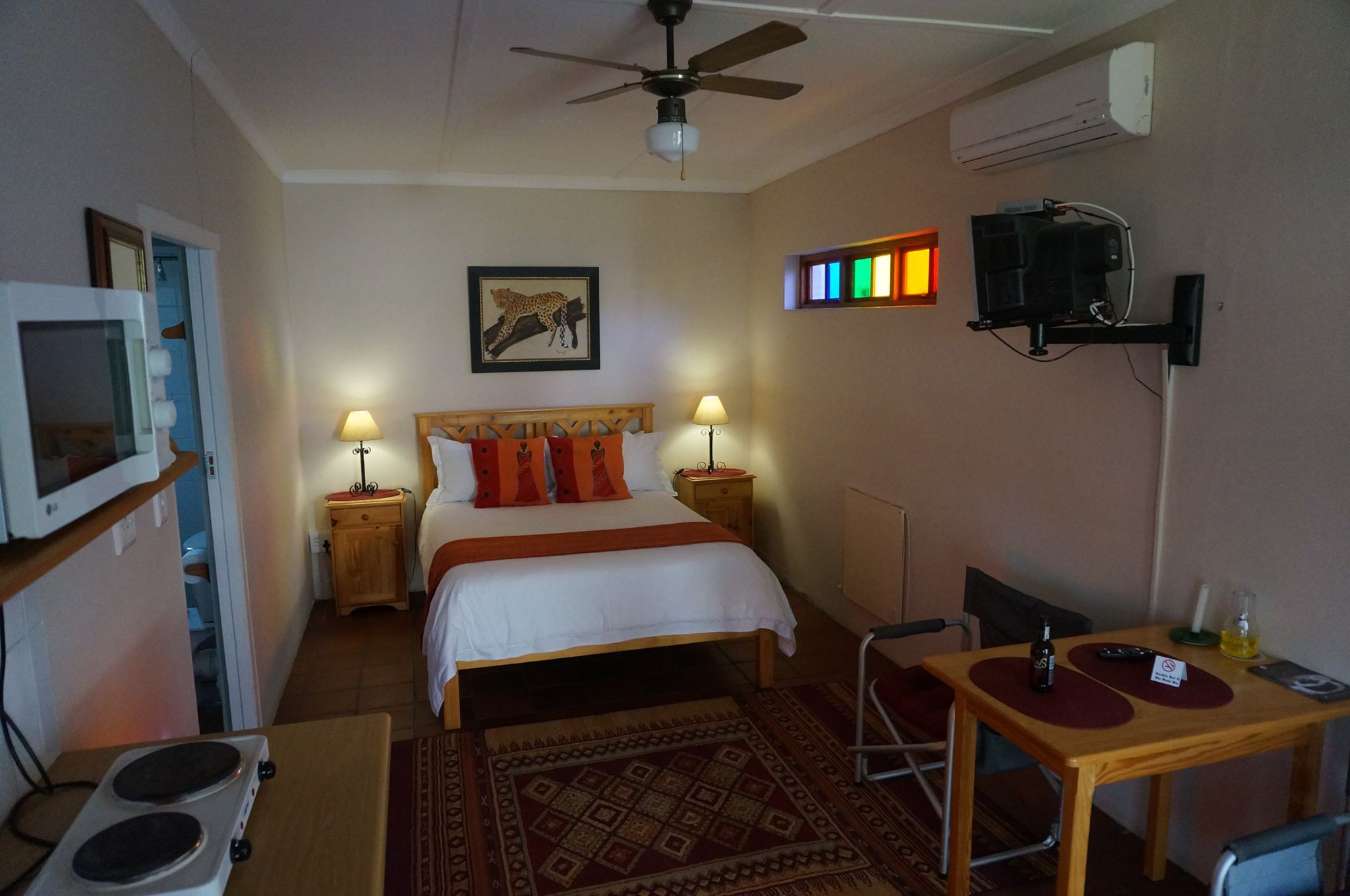
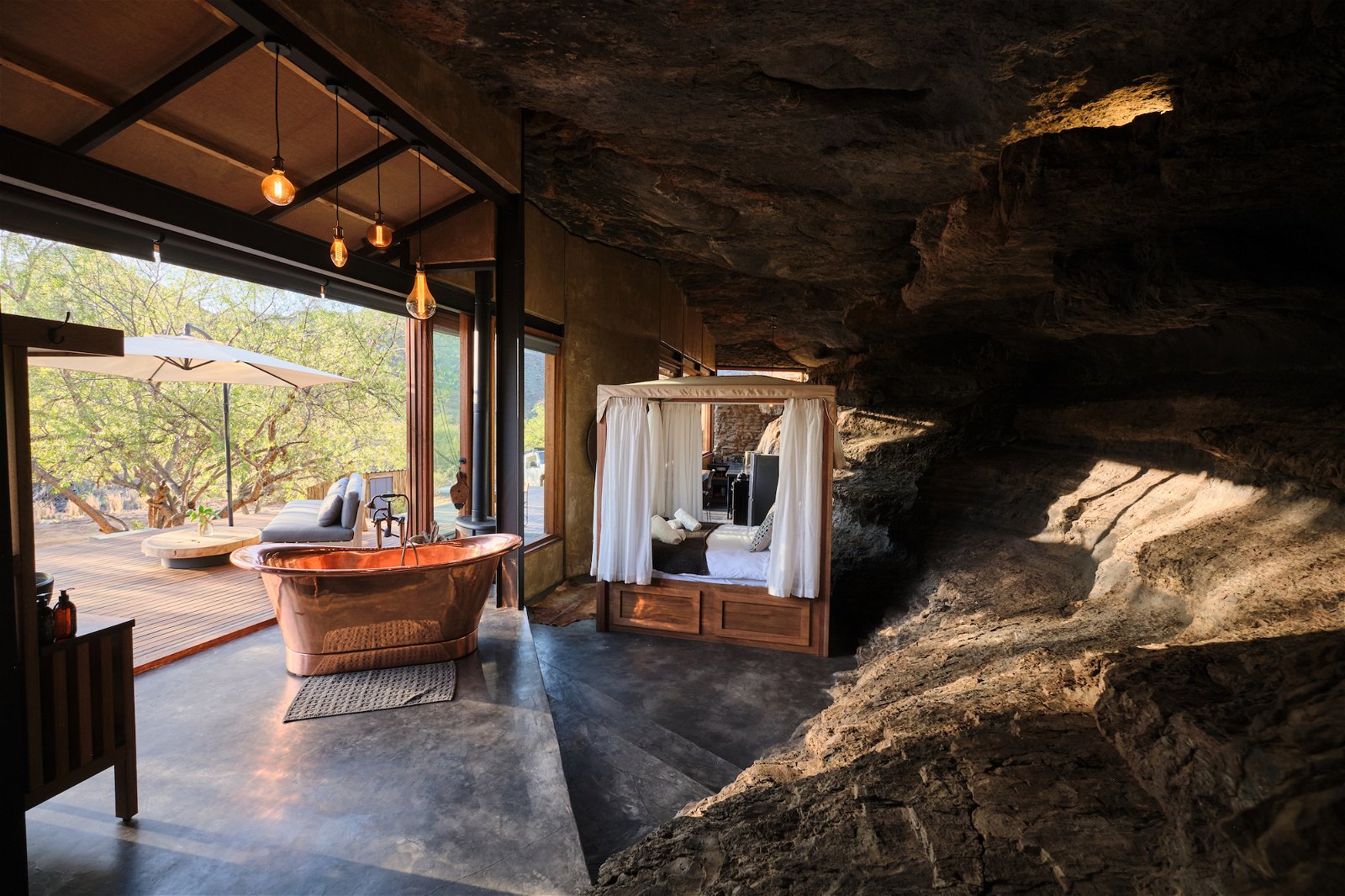
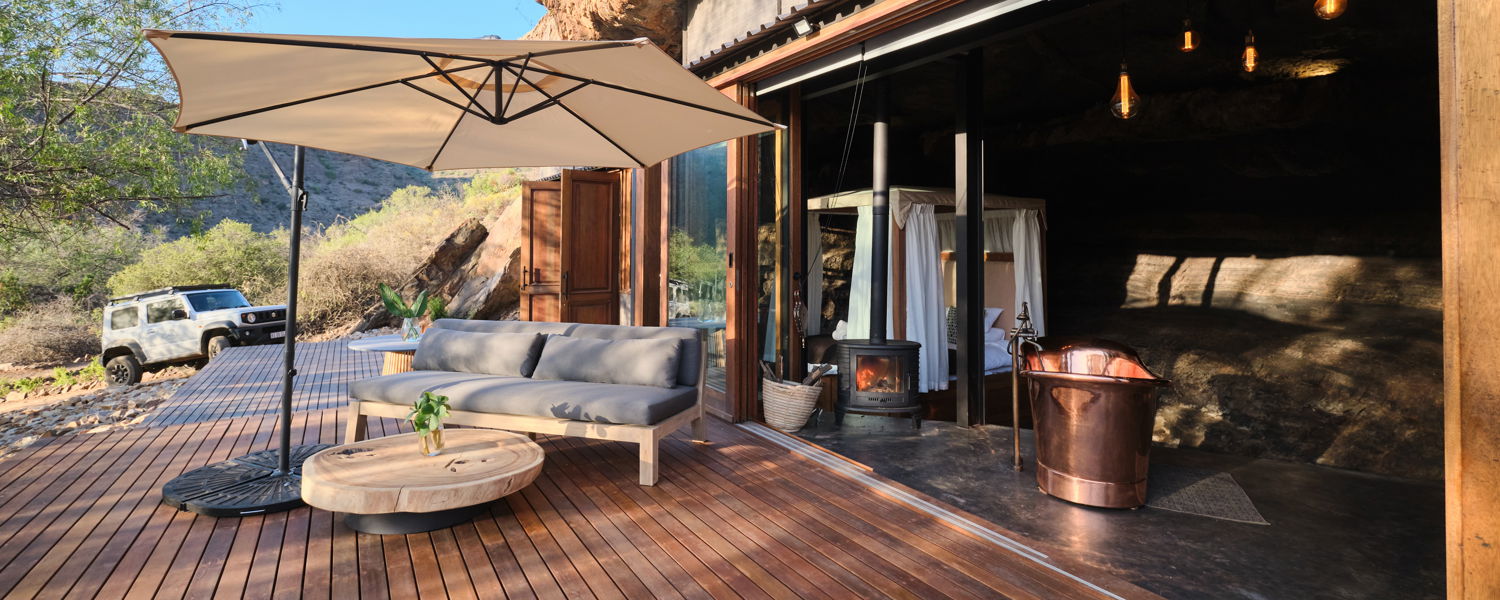
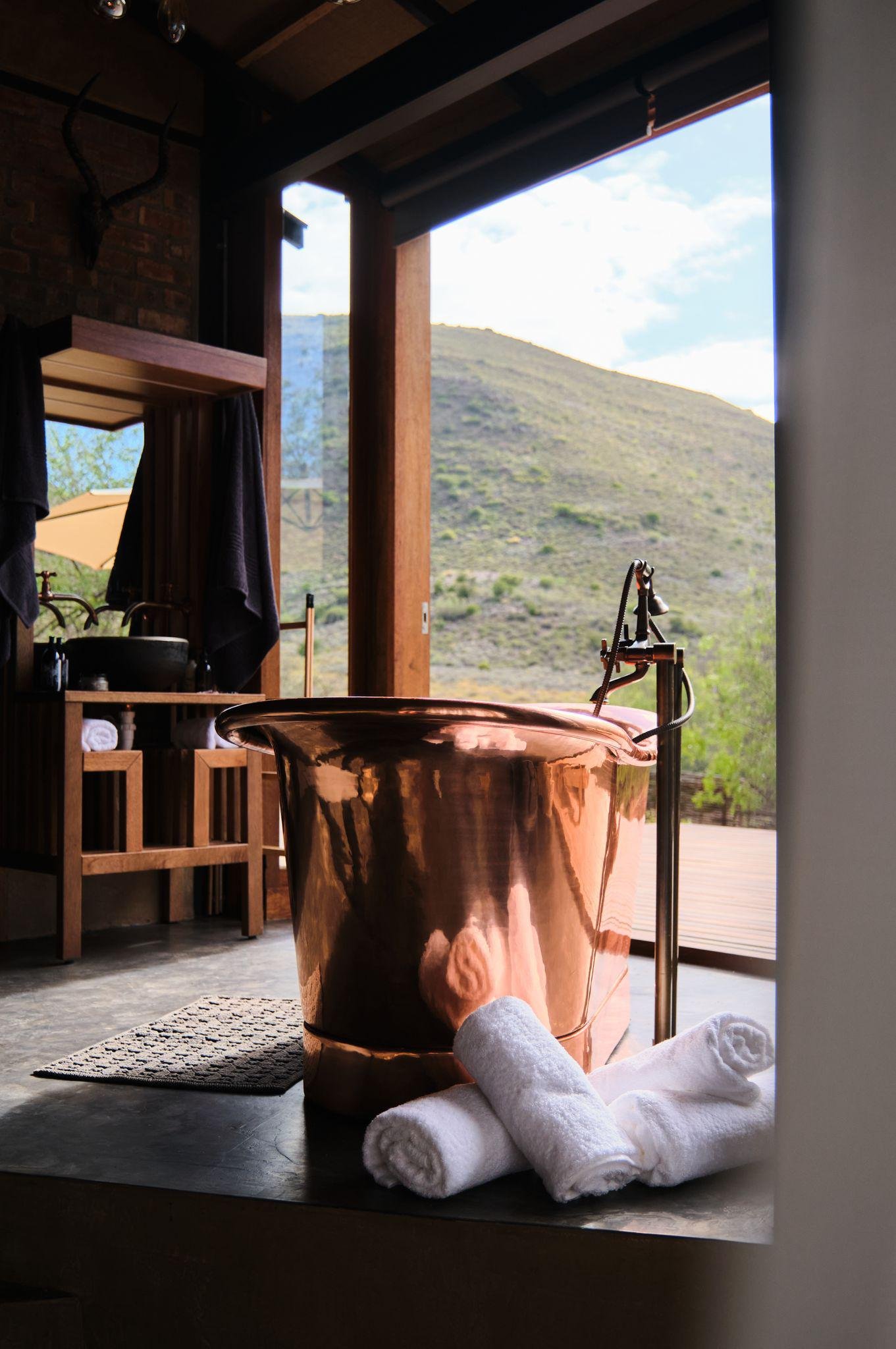
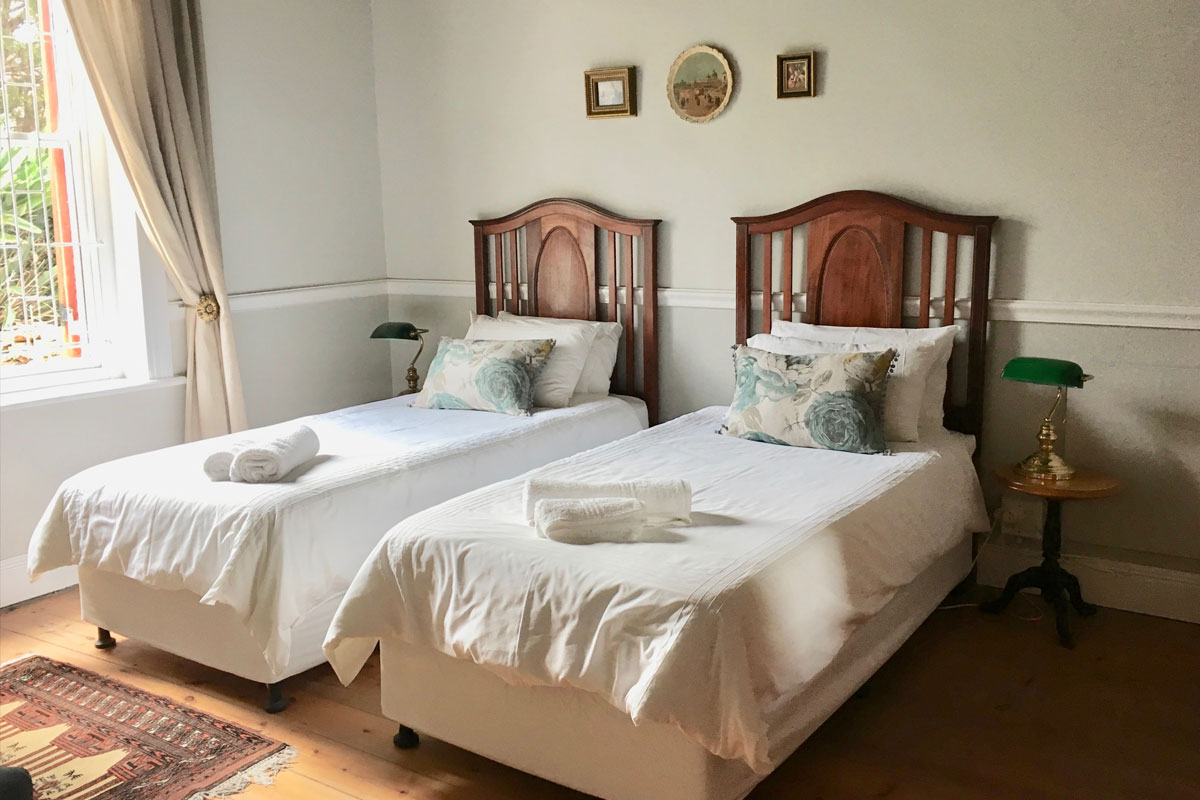
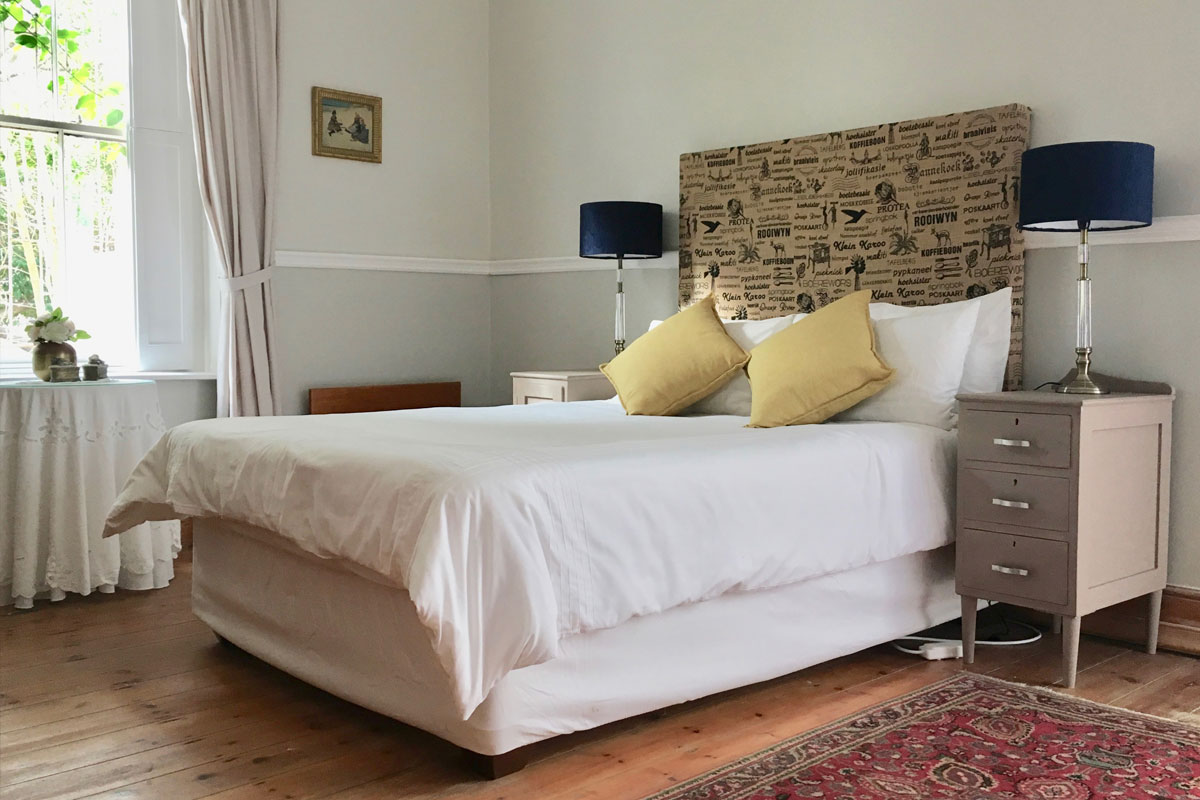
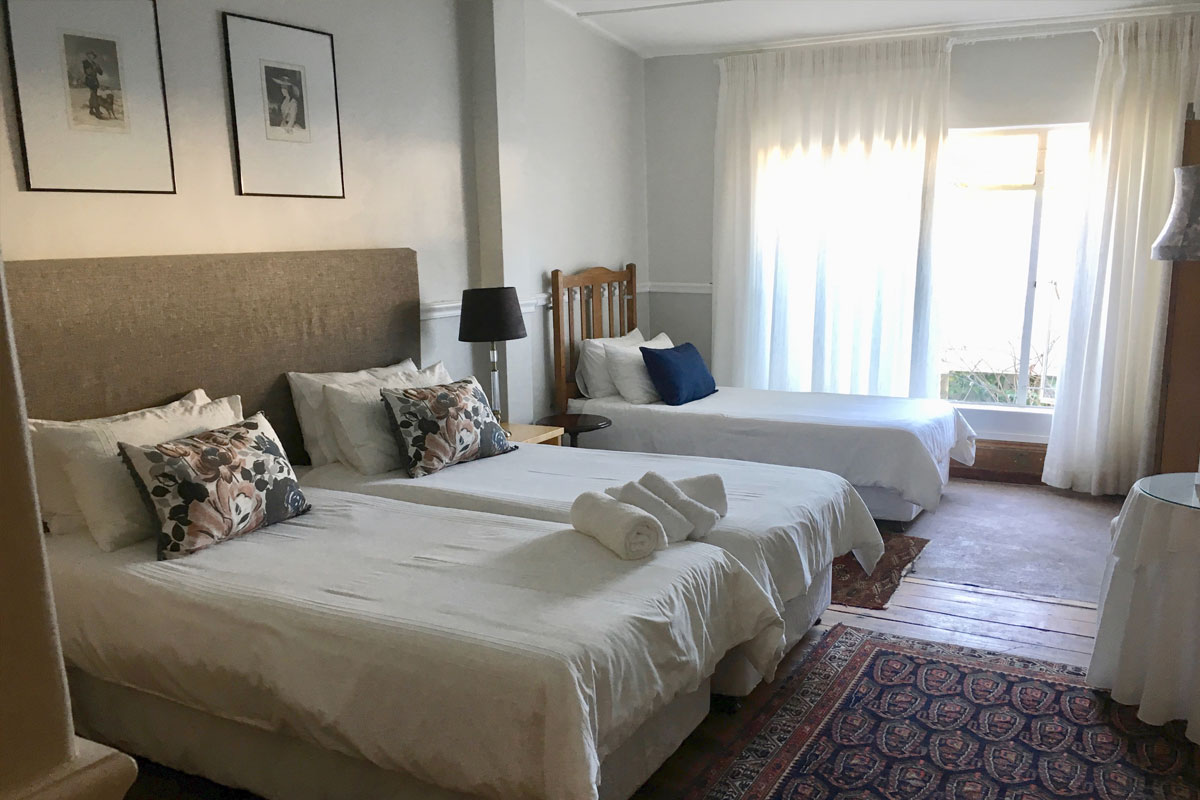
With three properties currently listed, Montagu's accommodation scene is small but deliberate, with nightly rates sitting between R870 and R900. Most visitors stay in guest houses, which make up the majority of listings and offer the kind of attentive service that suits a town of this size. Breakfast is typically included or available on request, and hosts often serve as practical guides to local trails, wine farms, and seasonal road conditions.
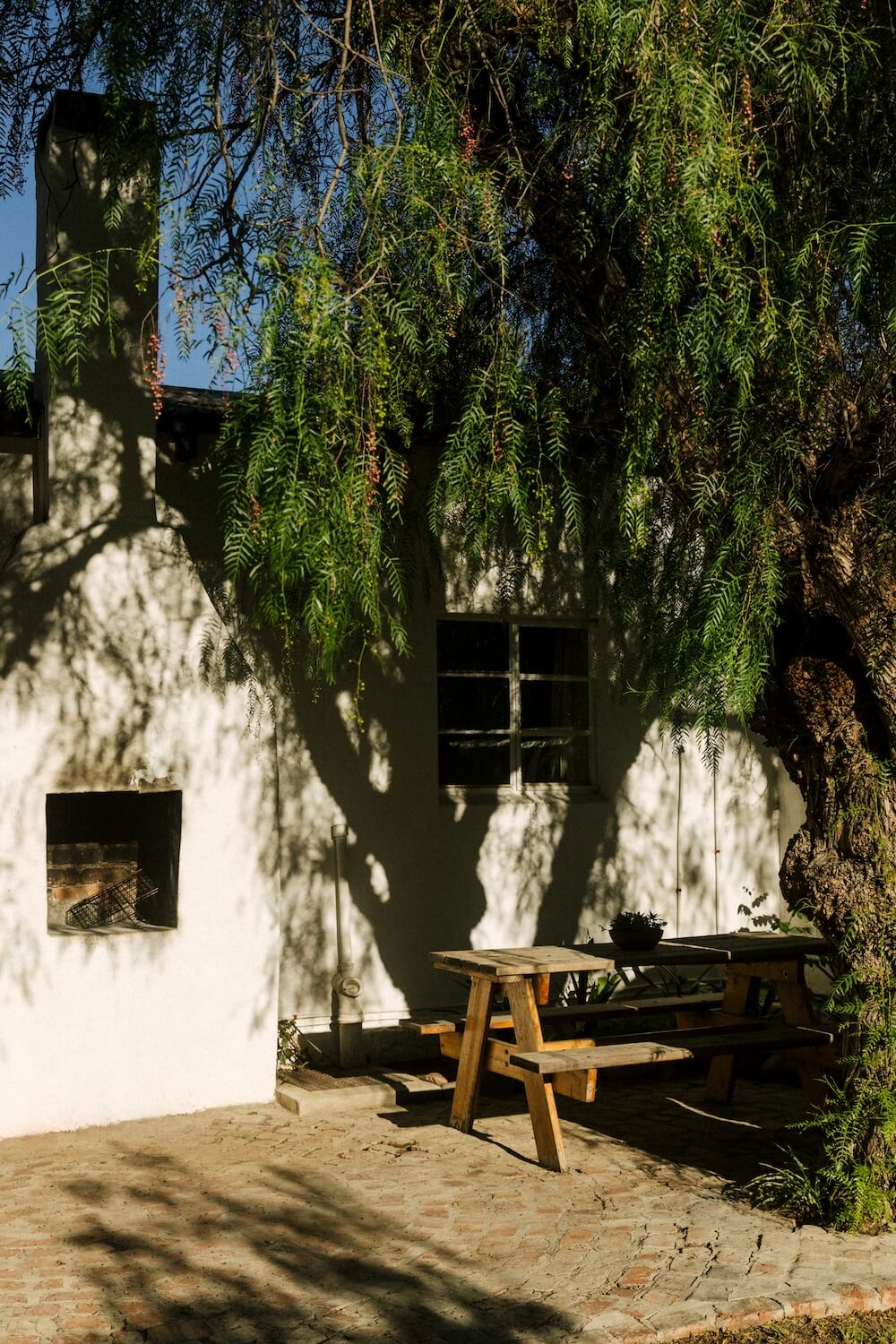
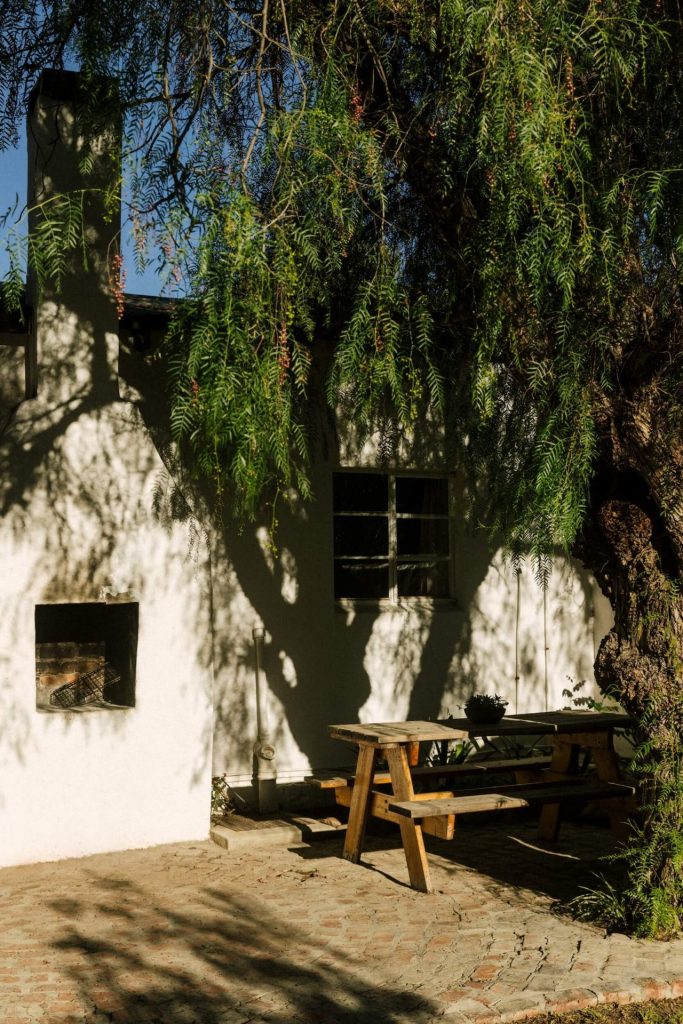
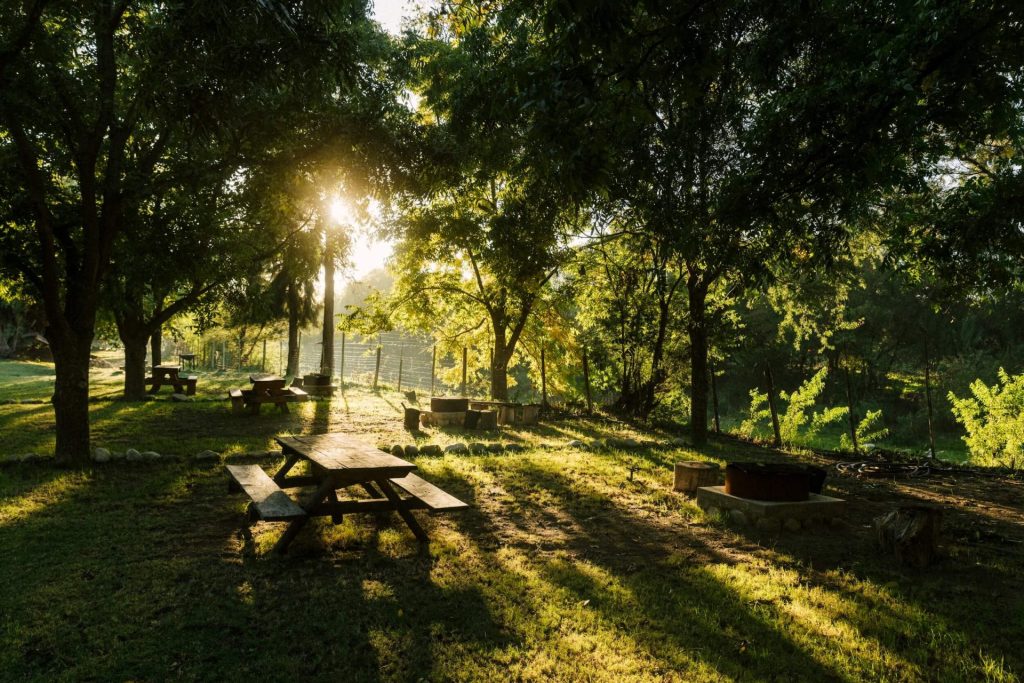
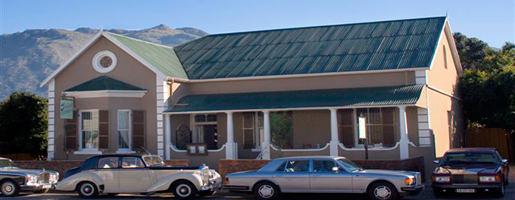
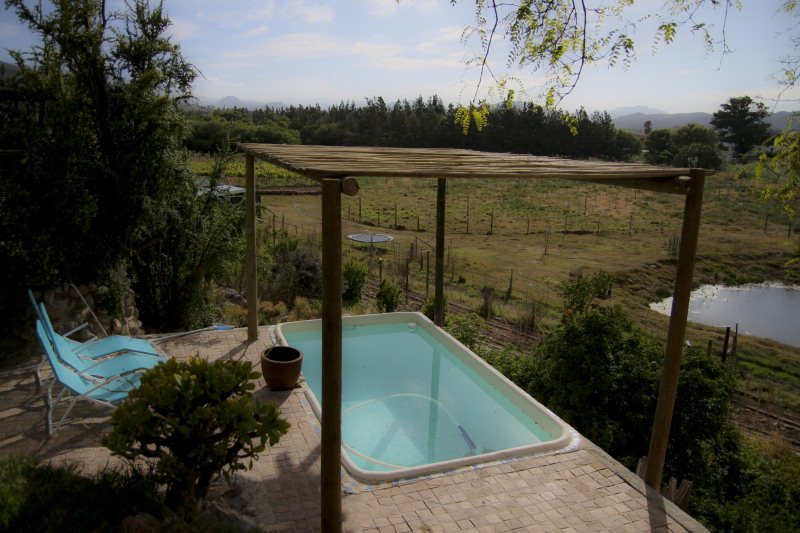
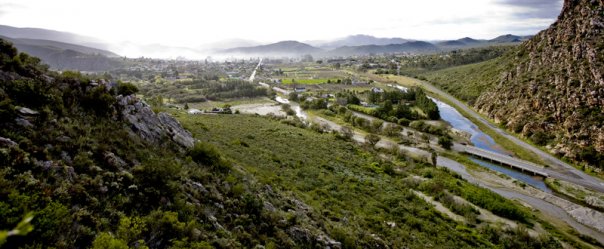
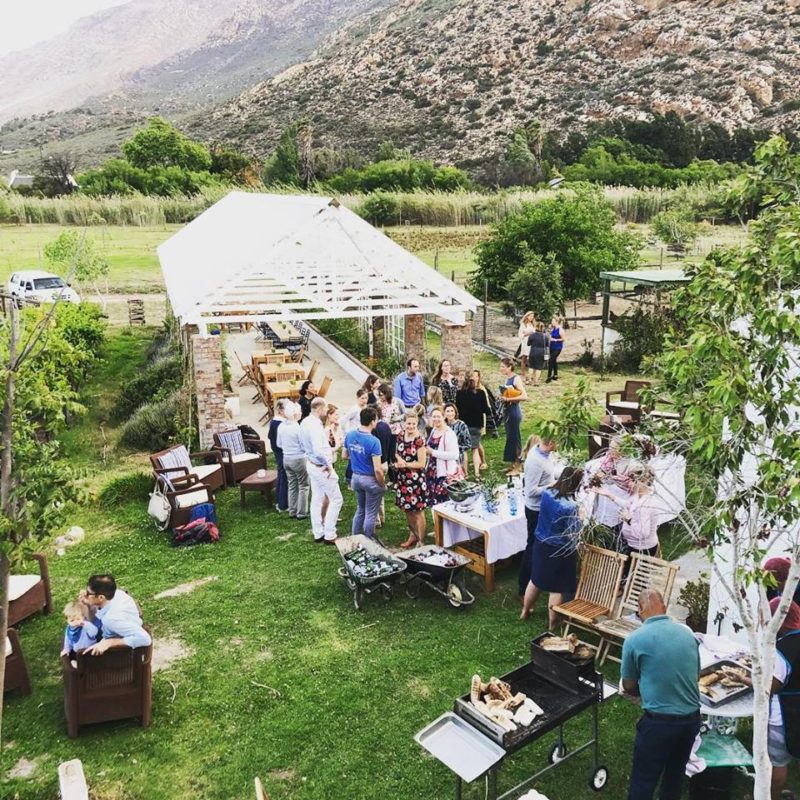
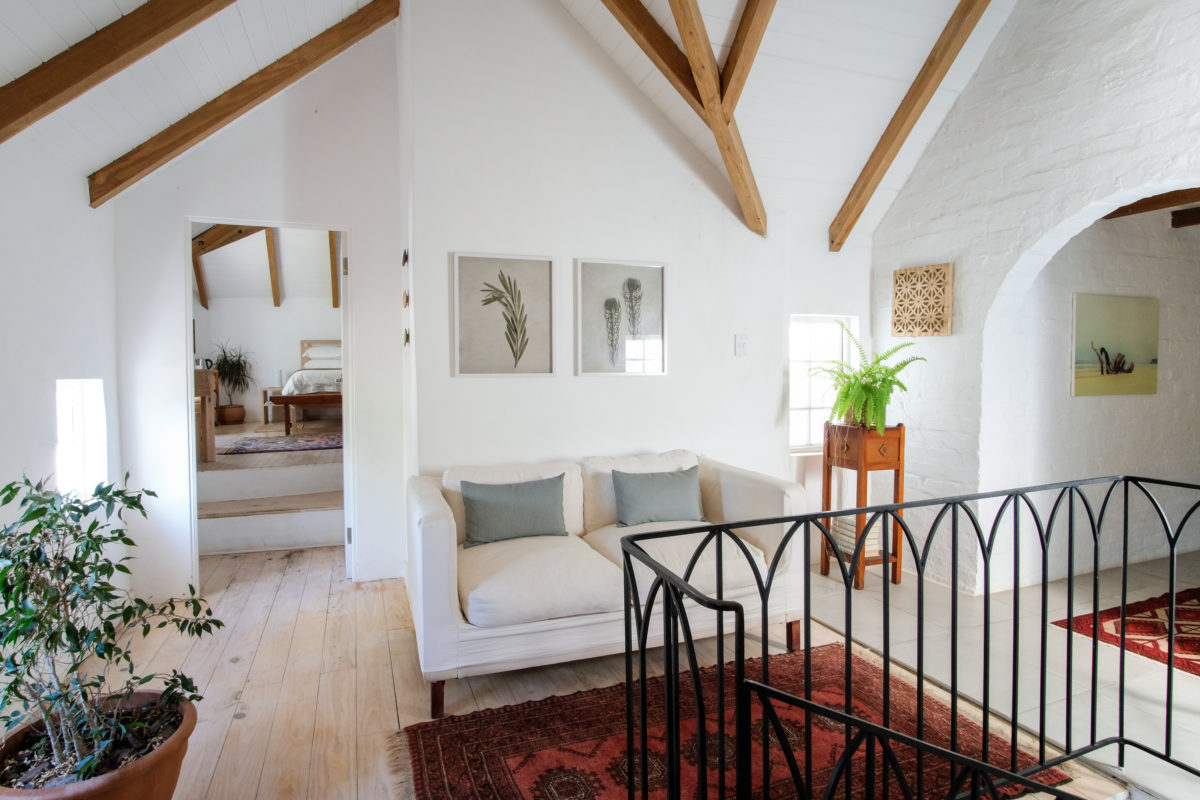
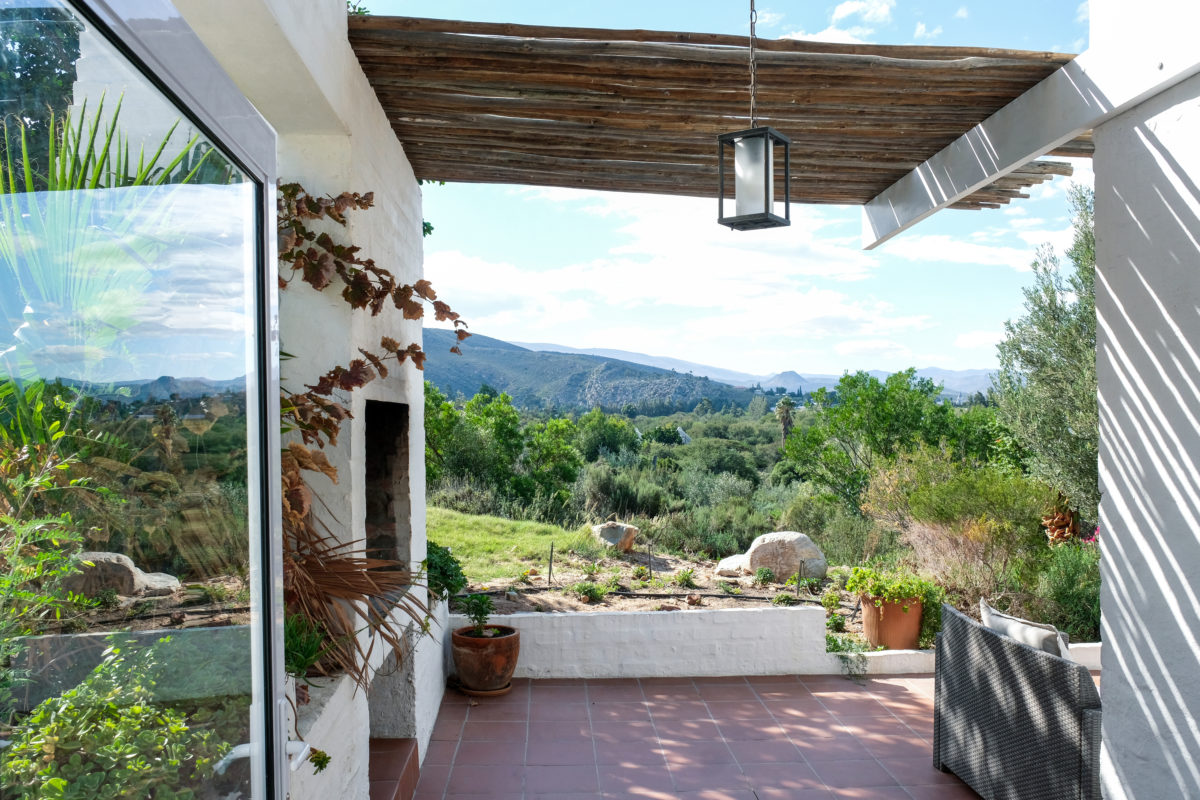
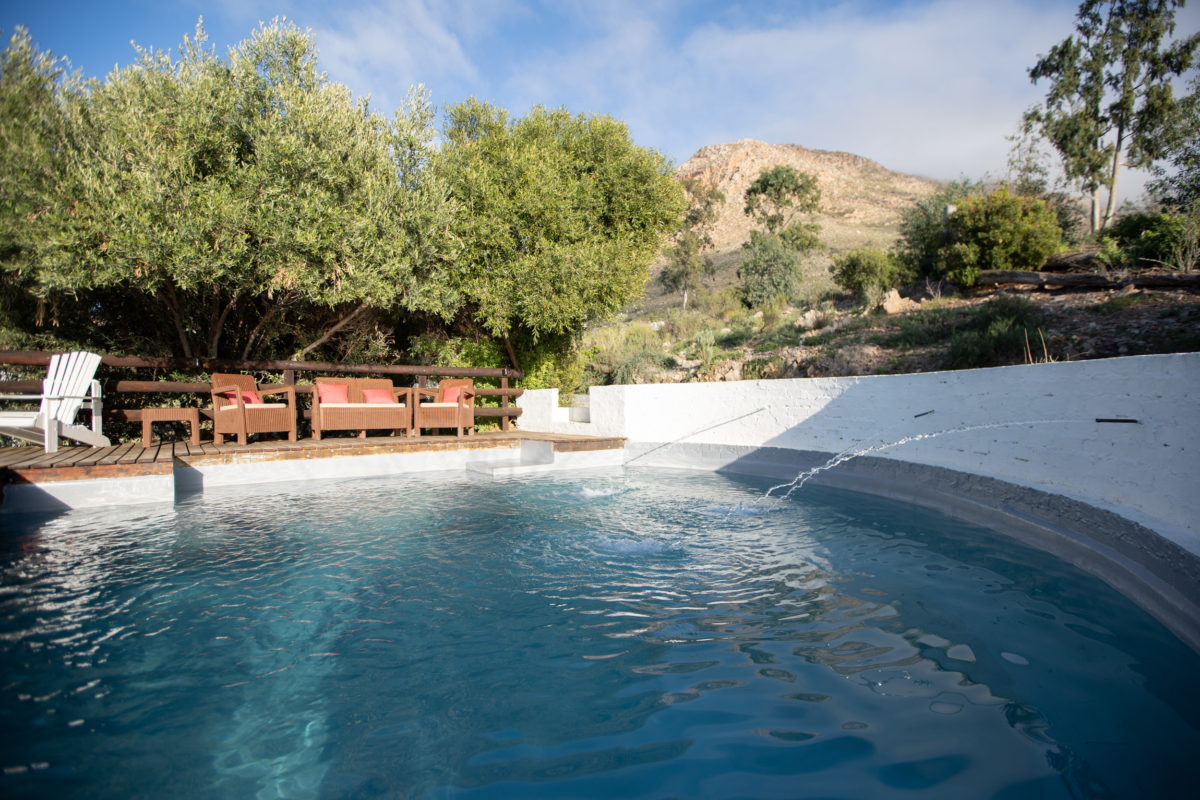
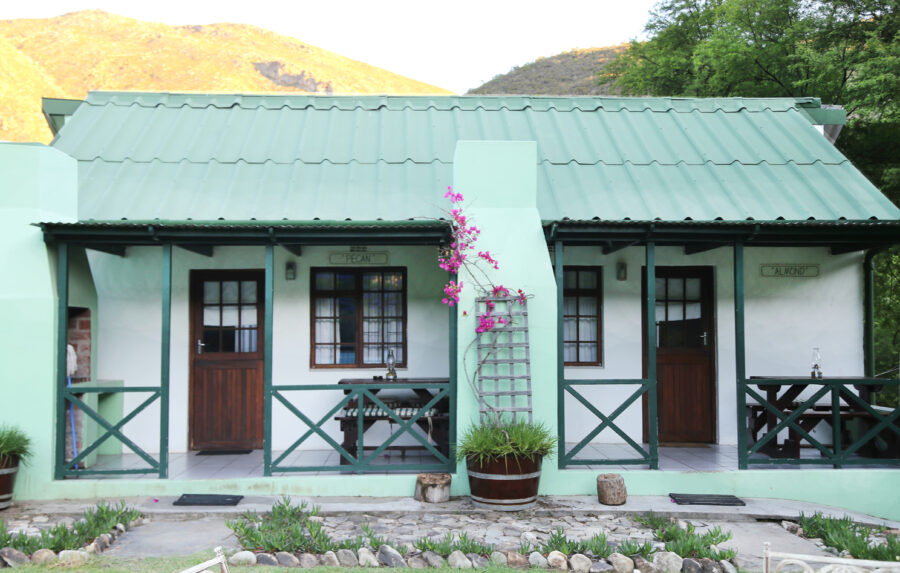
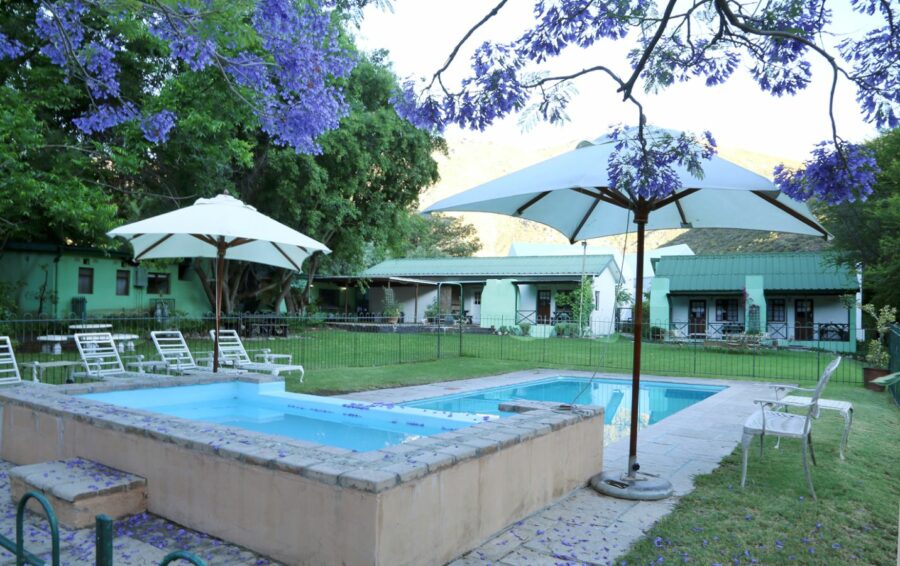
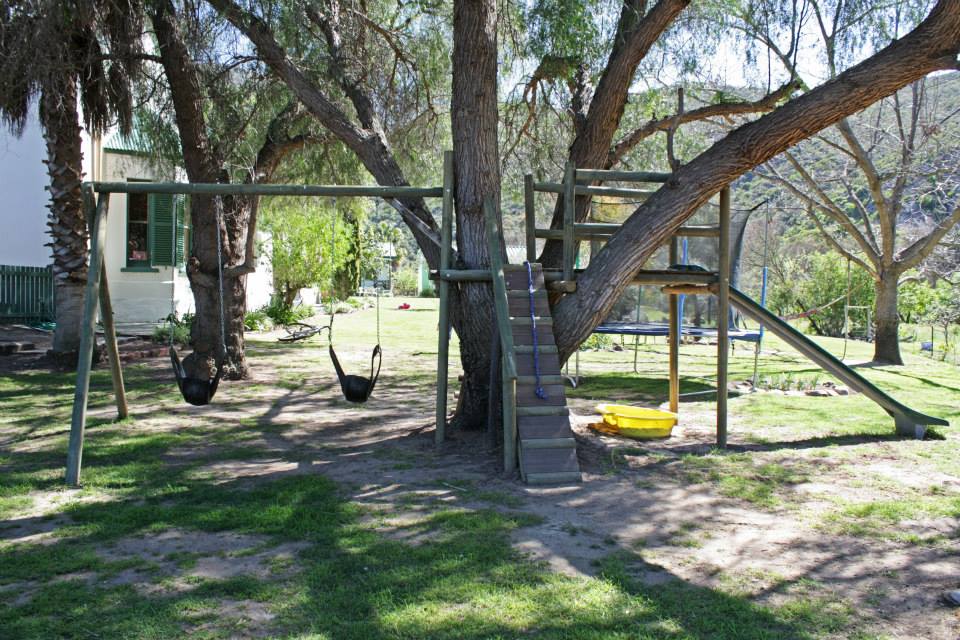
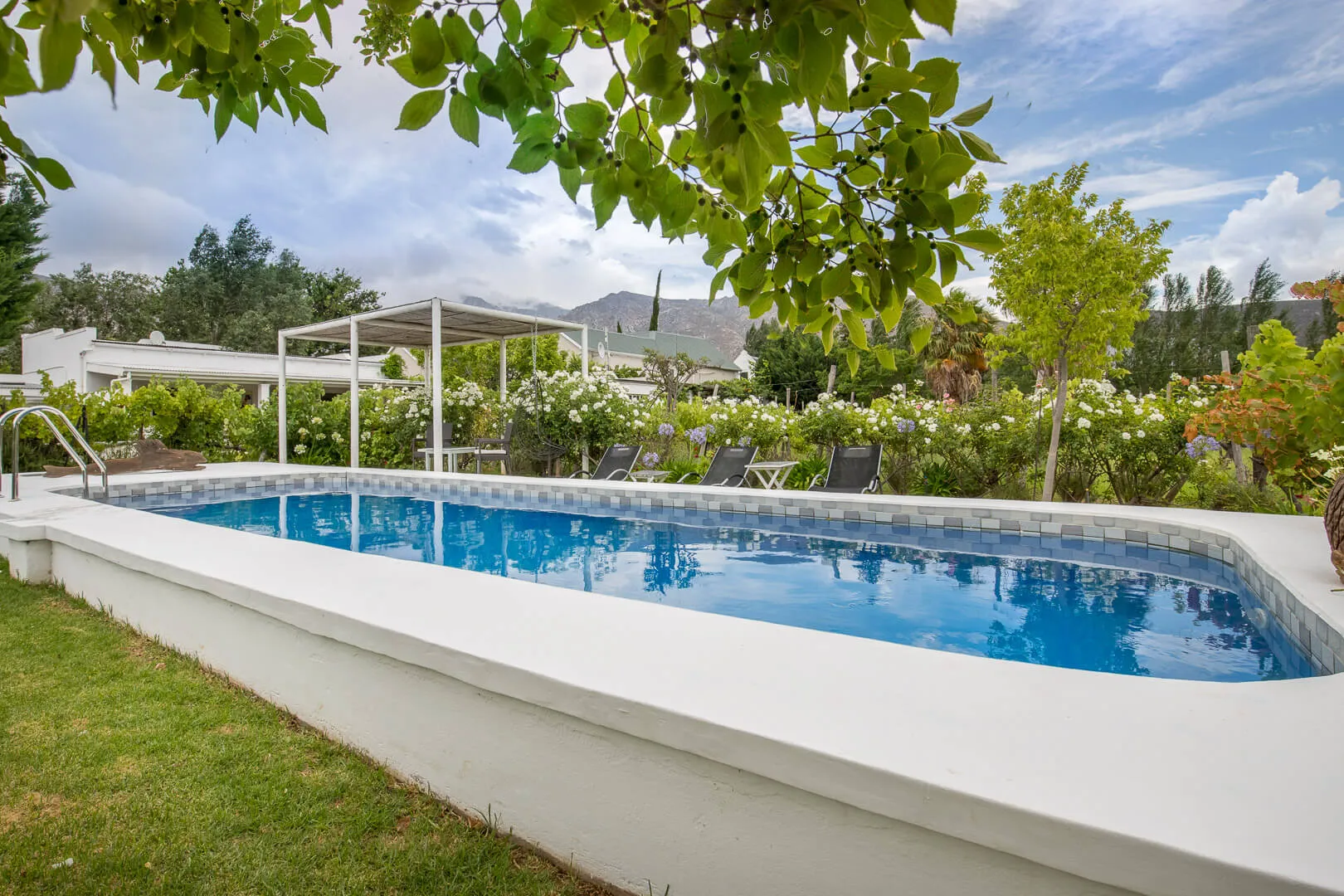
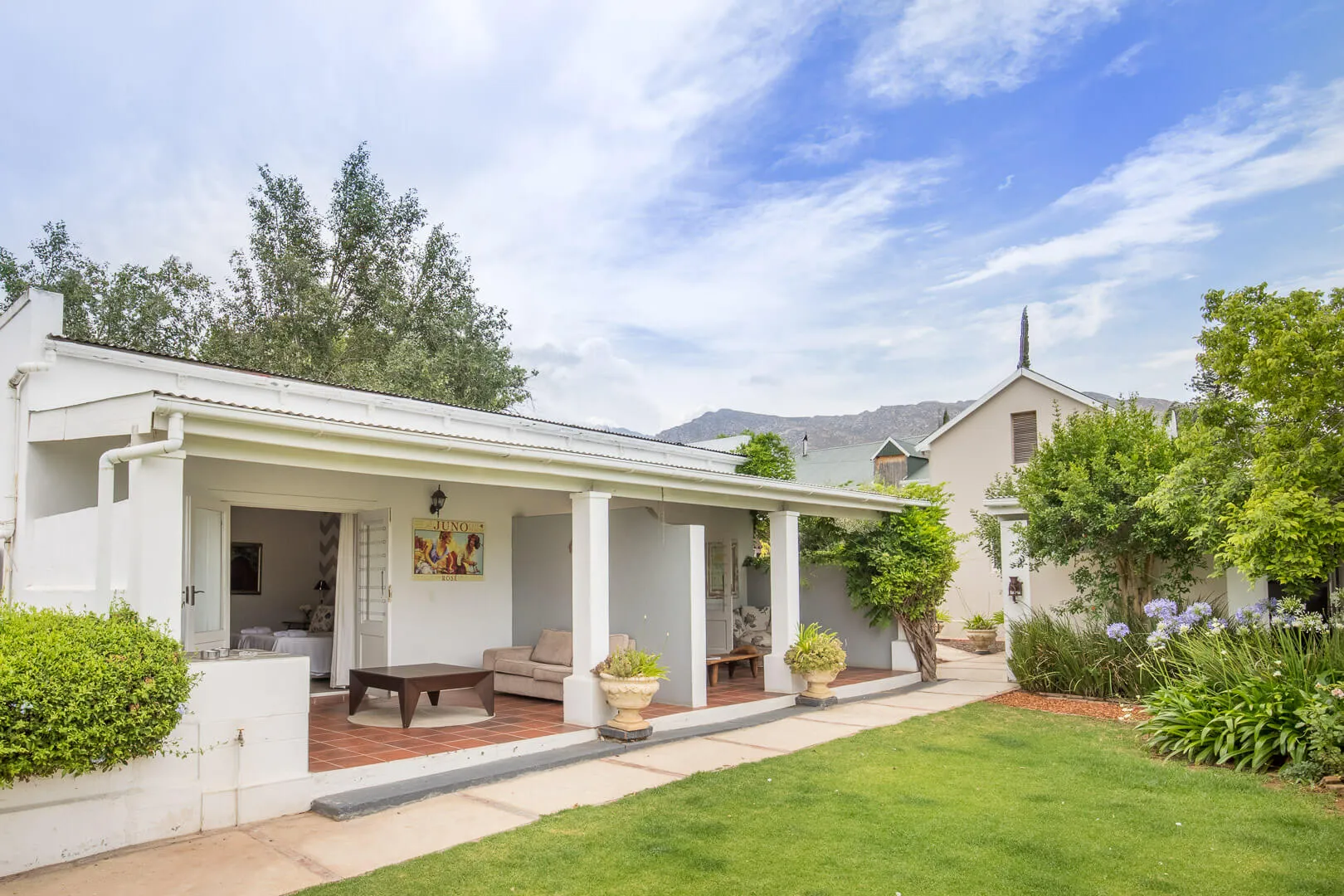
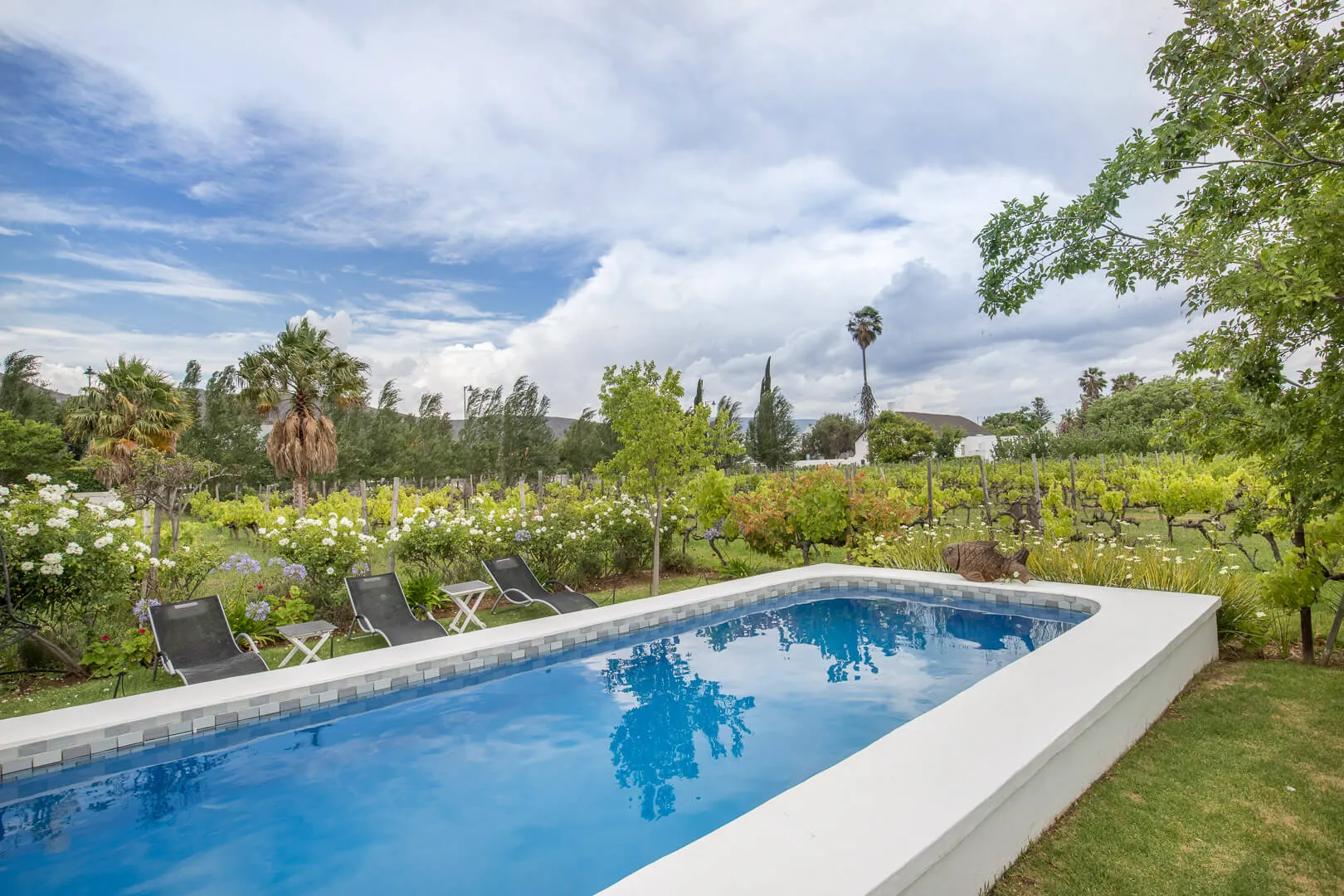
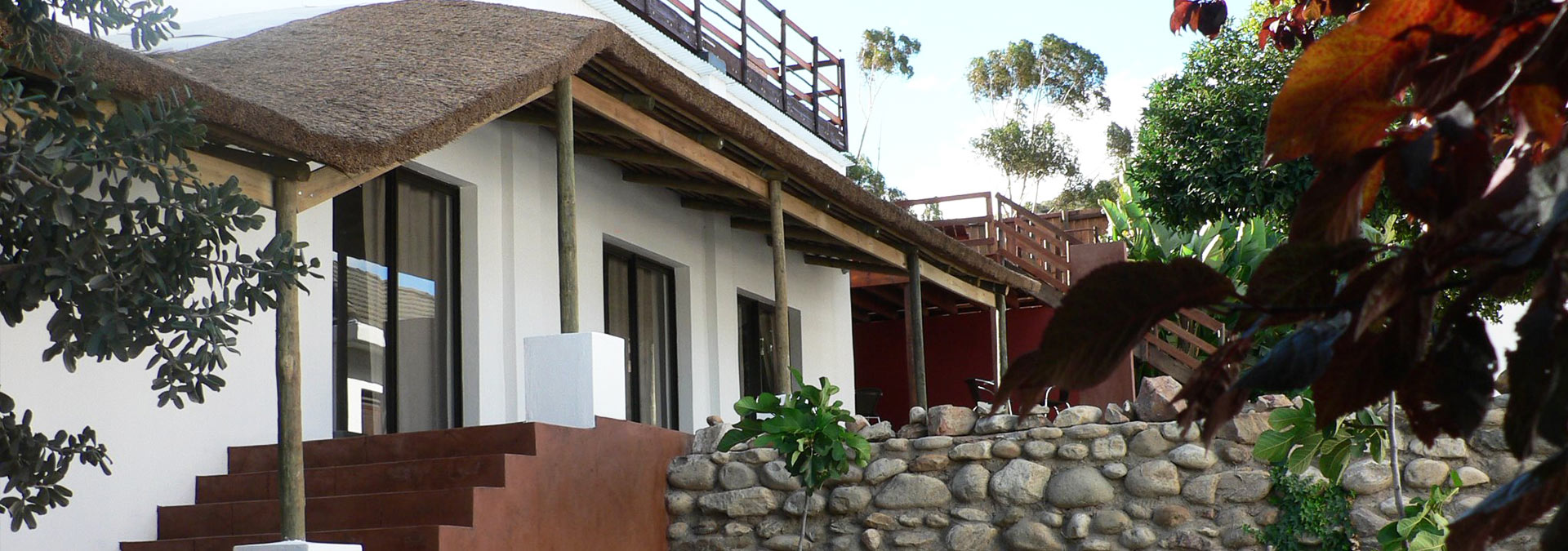
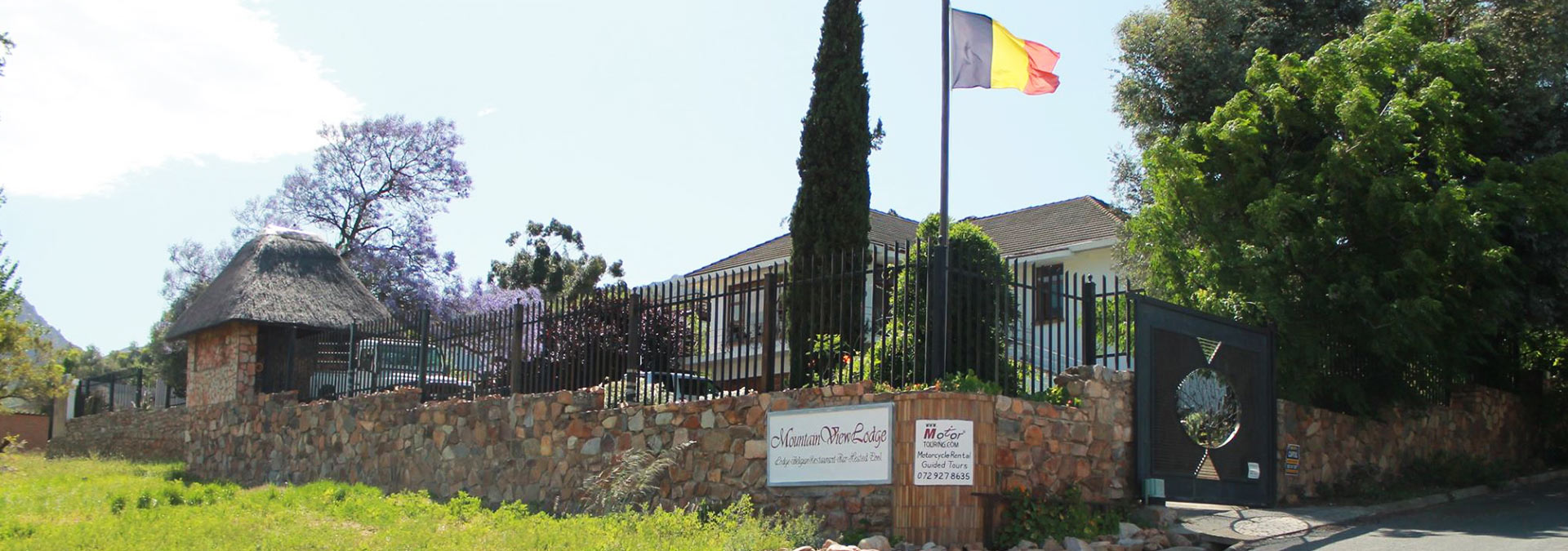
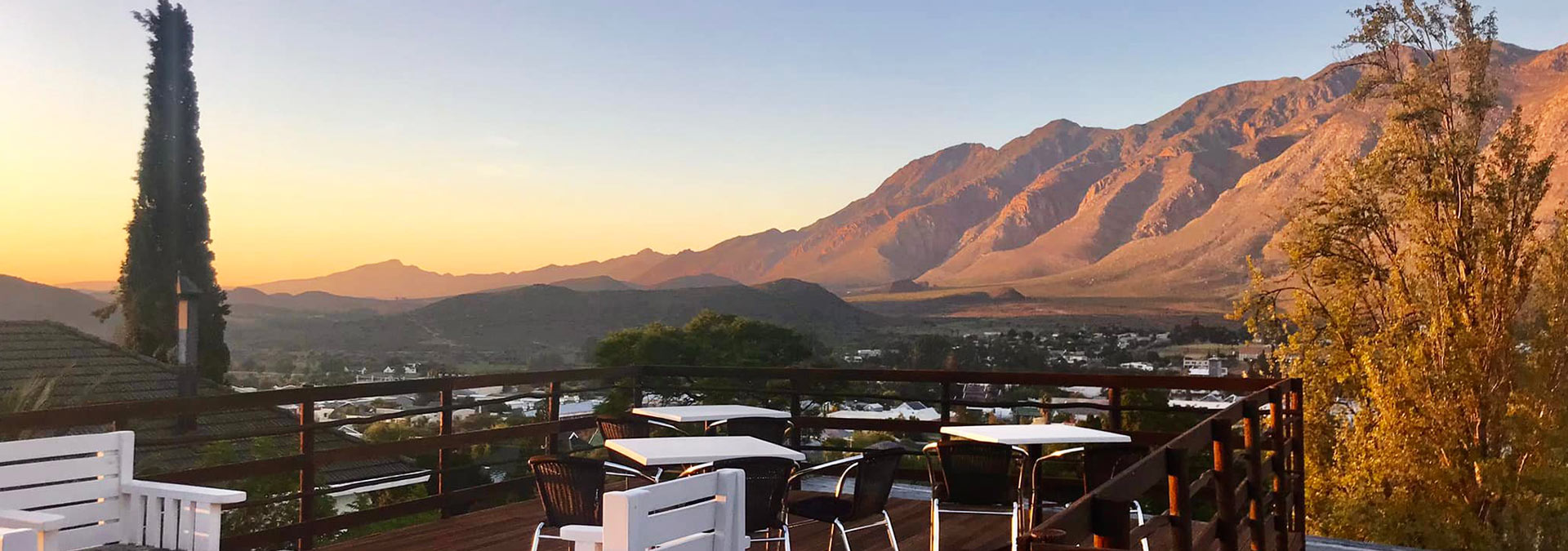
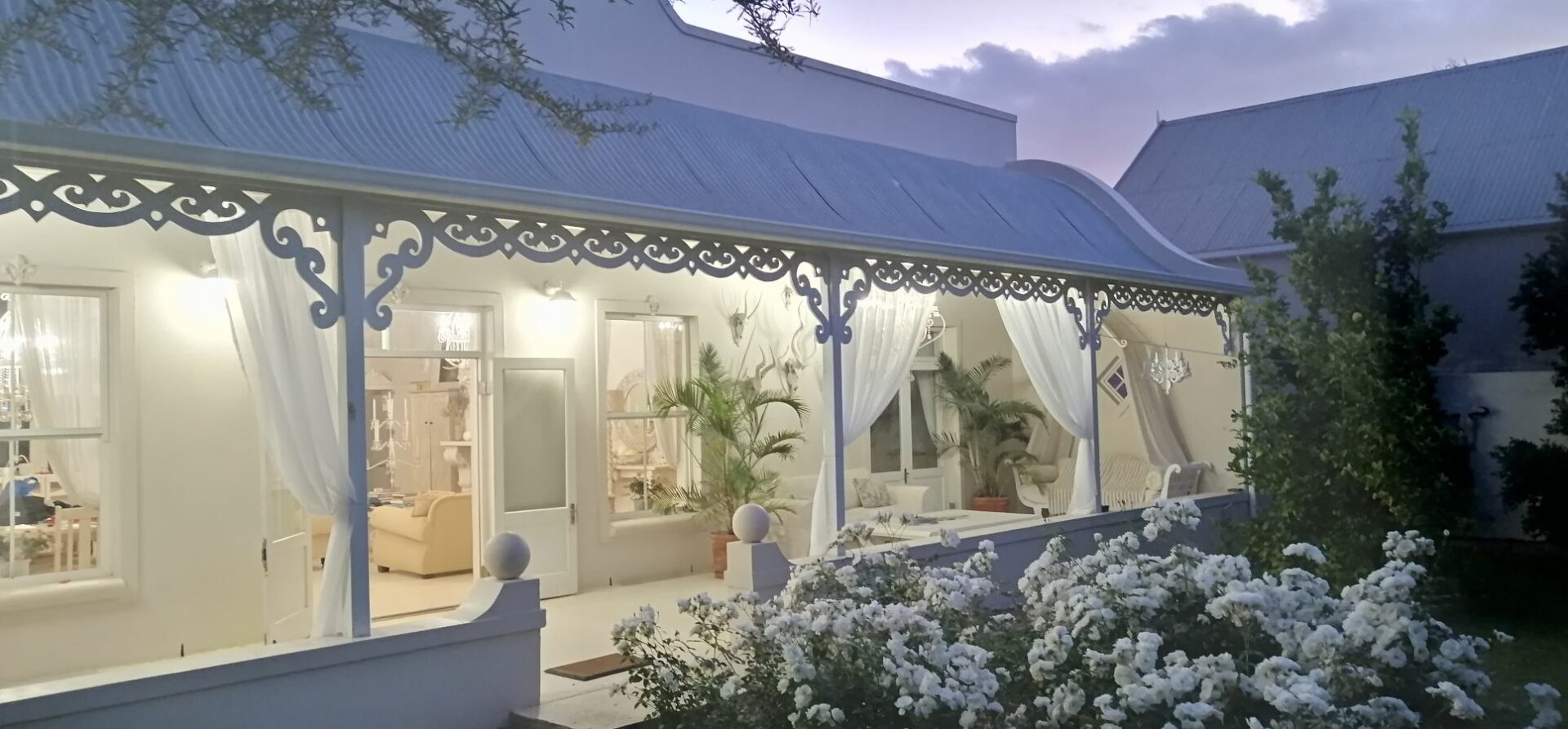
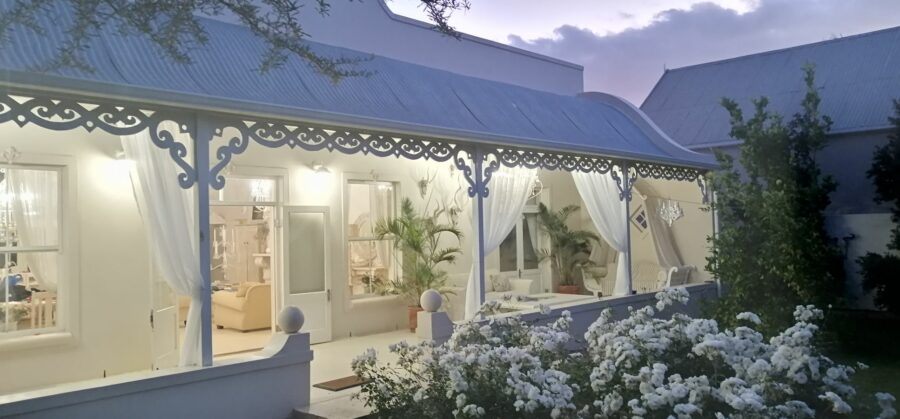
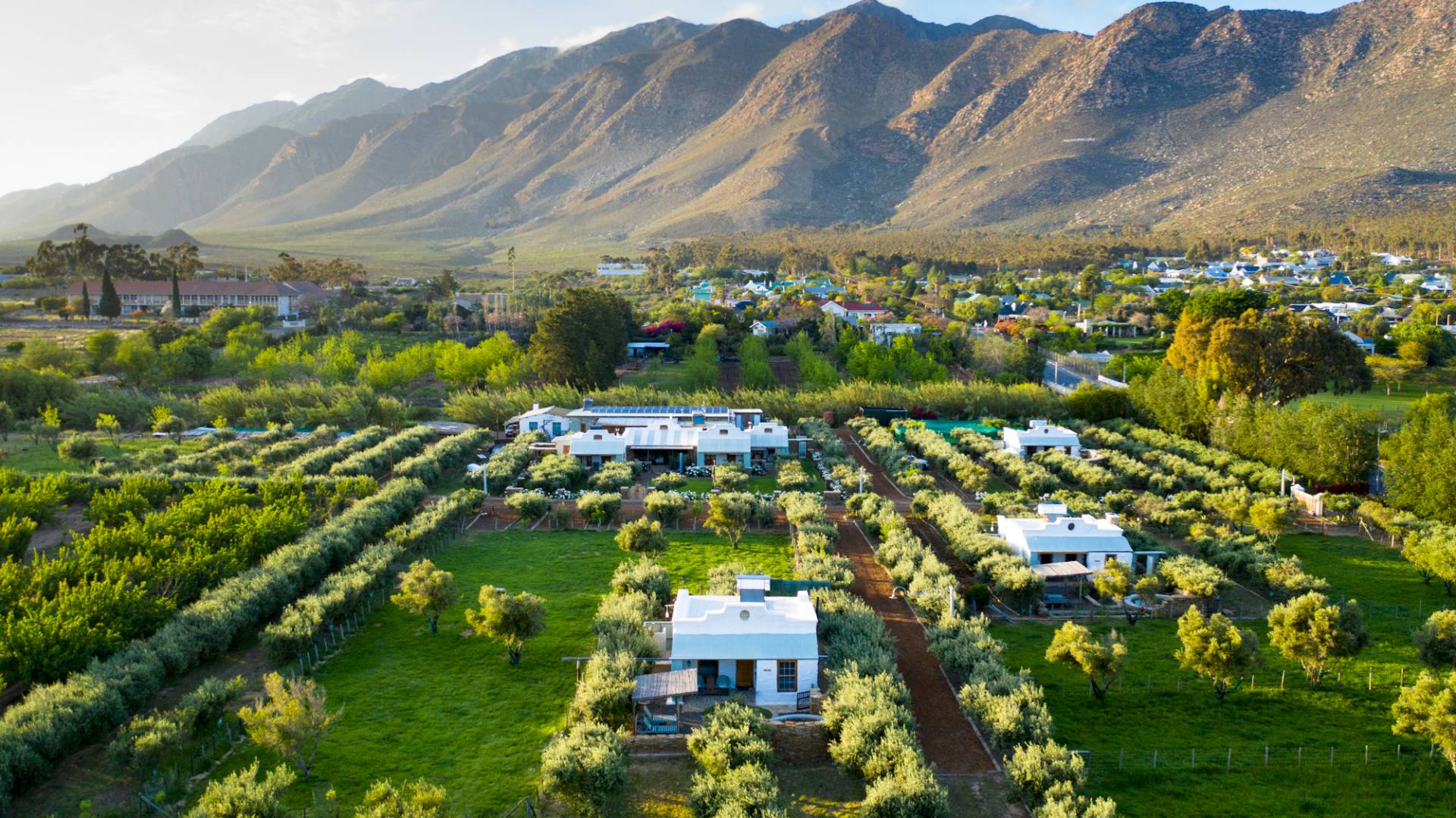
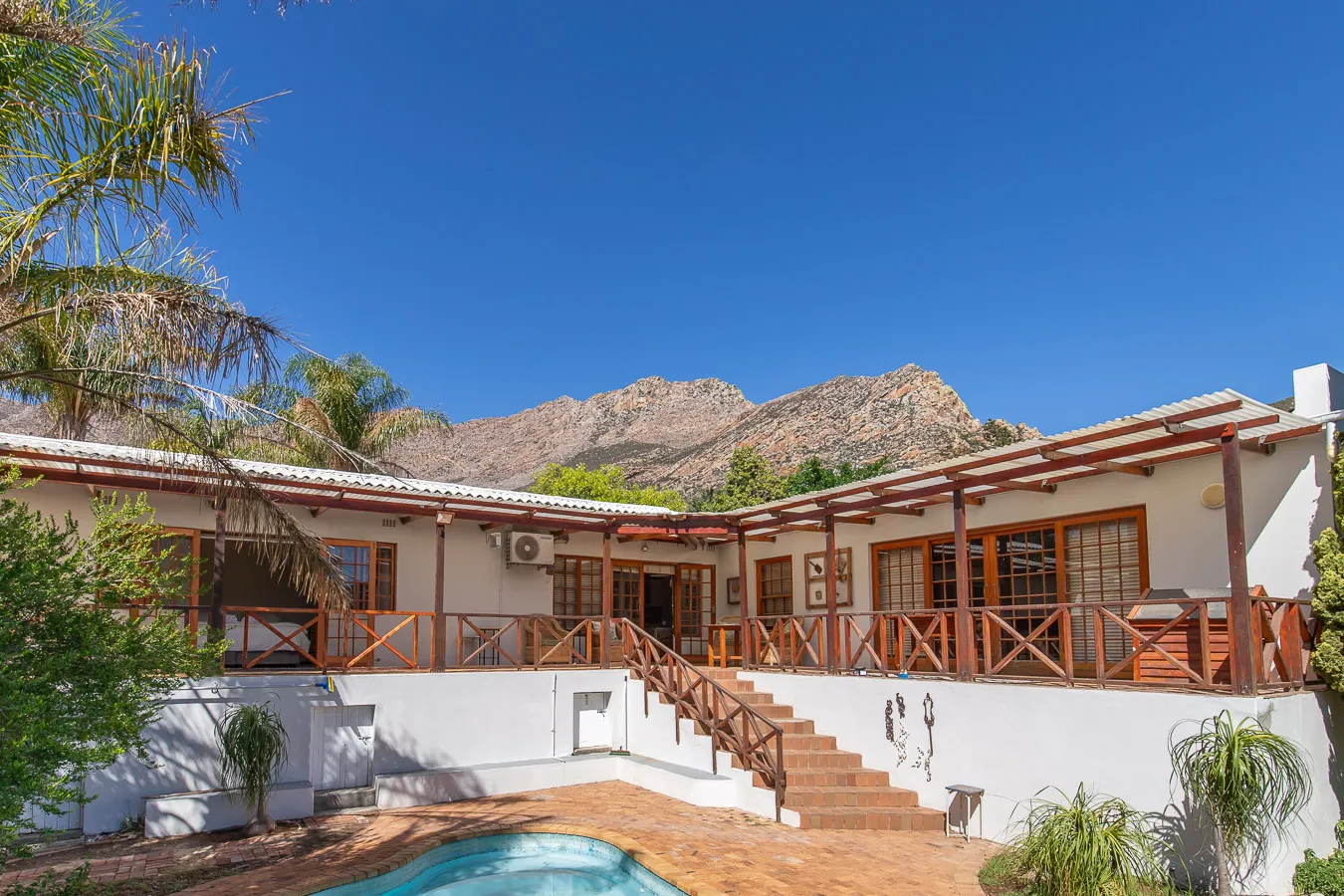
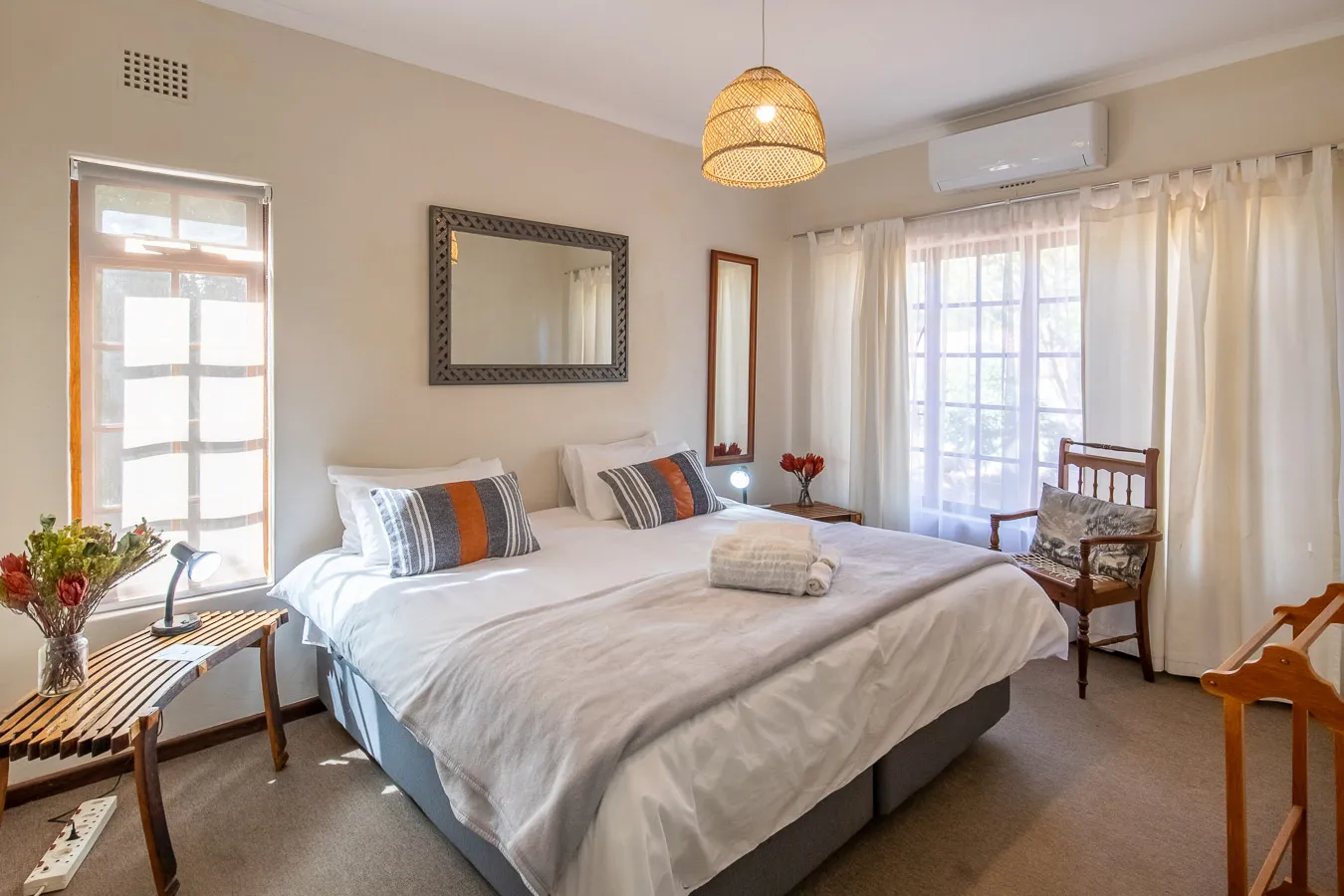
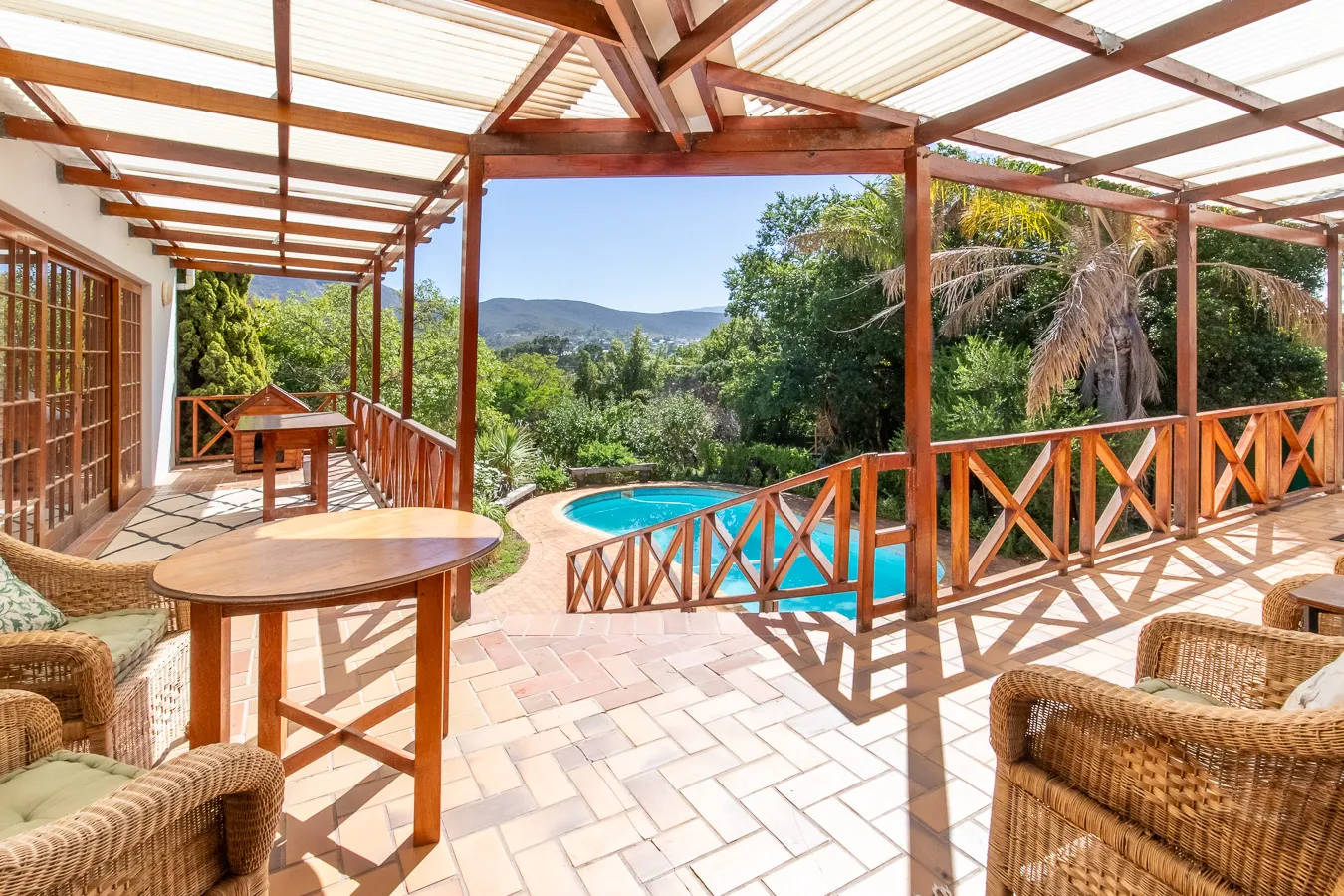
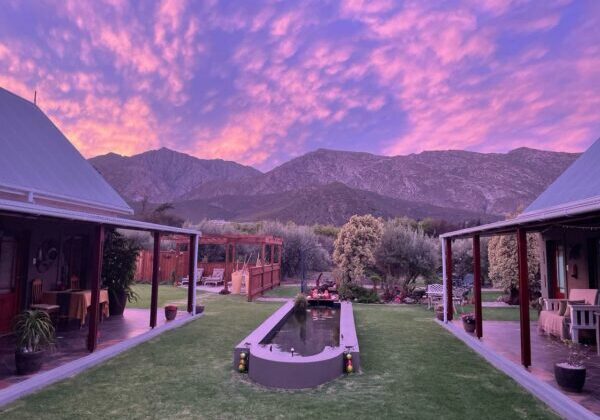
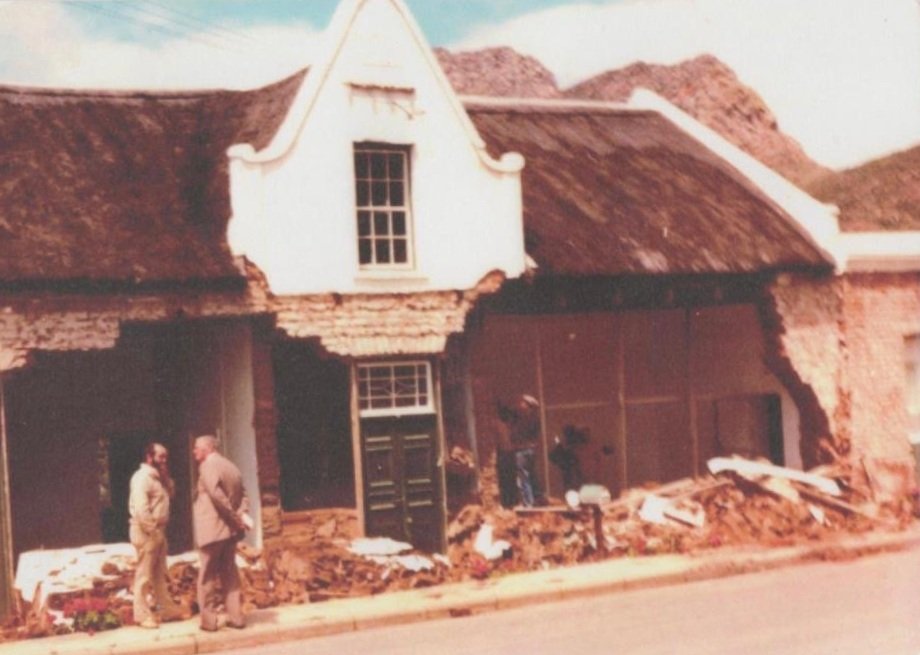
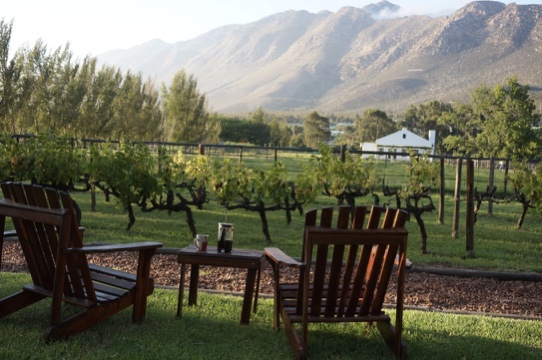
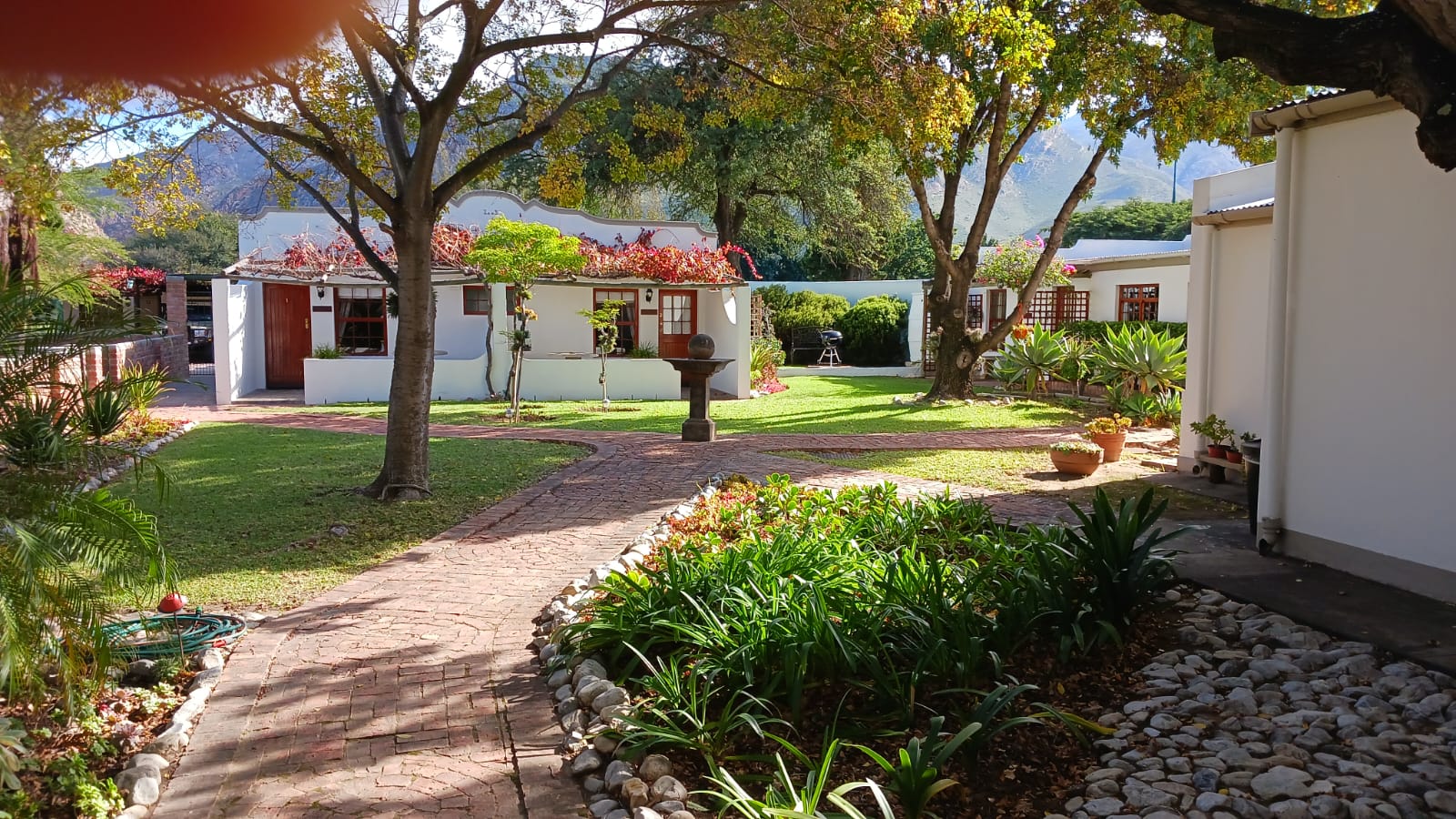
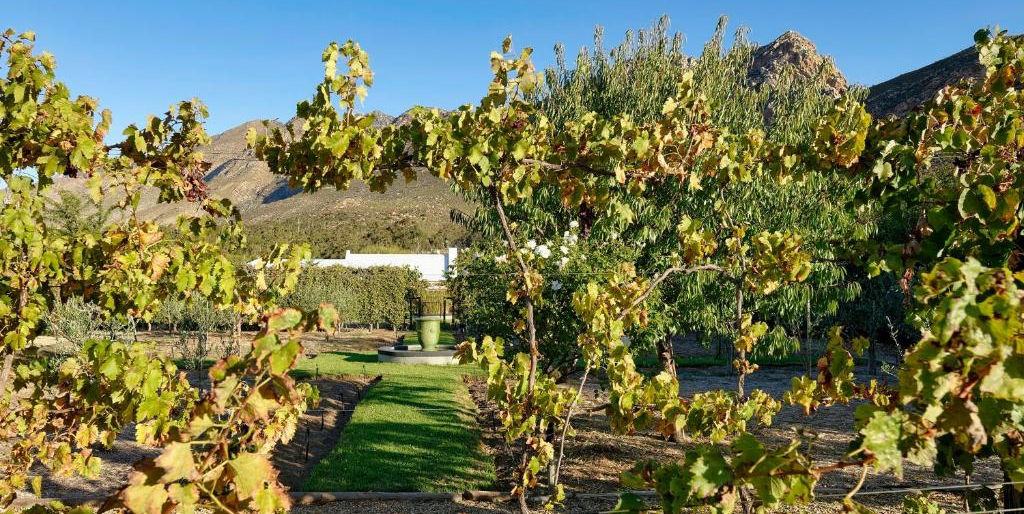
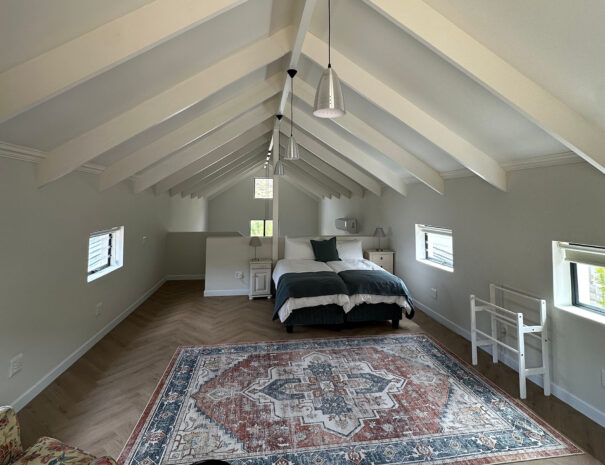
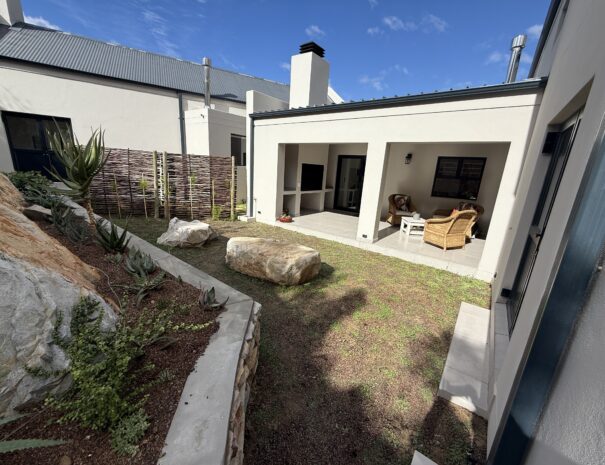
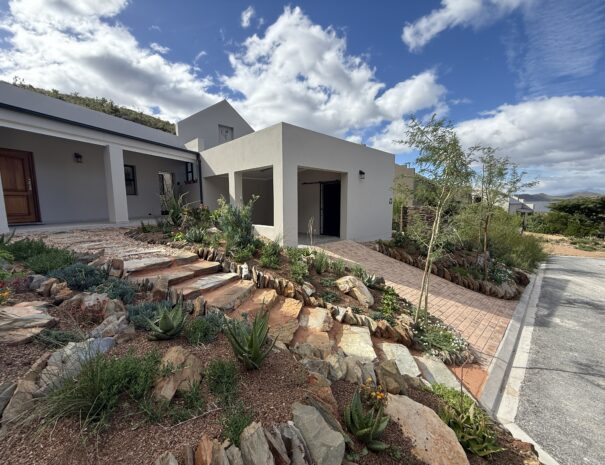
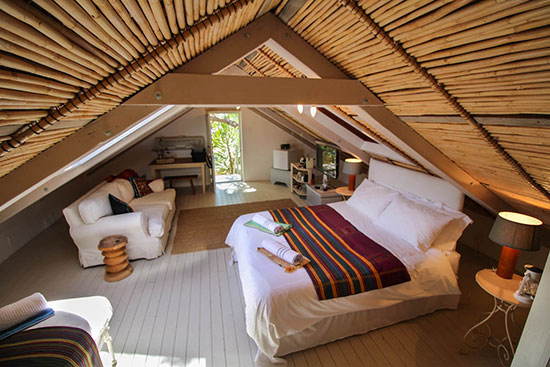
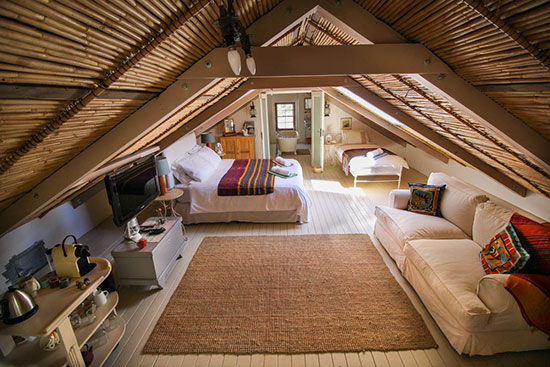
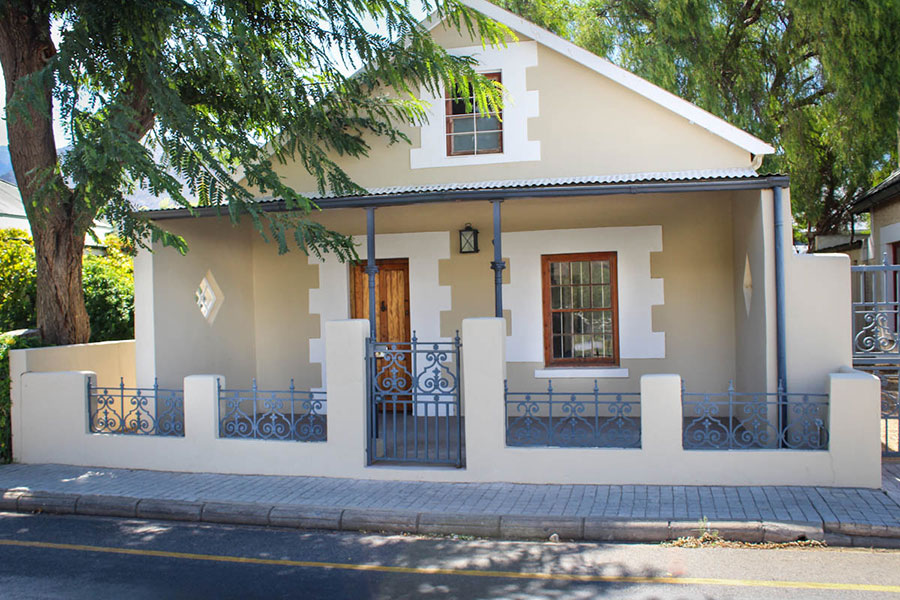
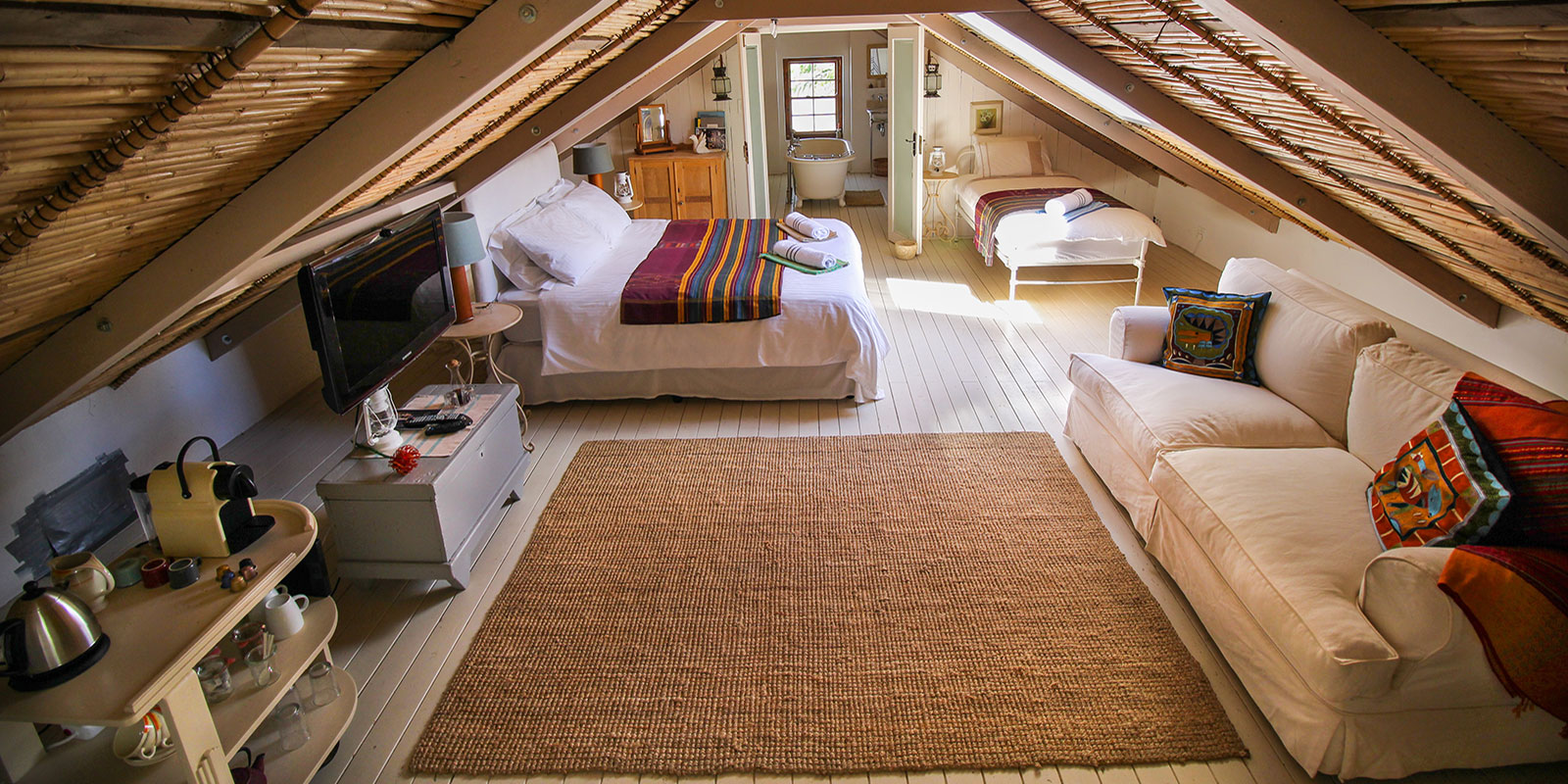
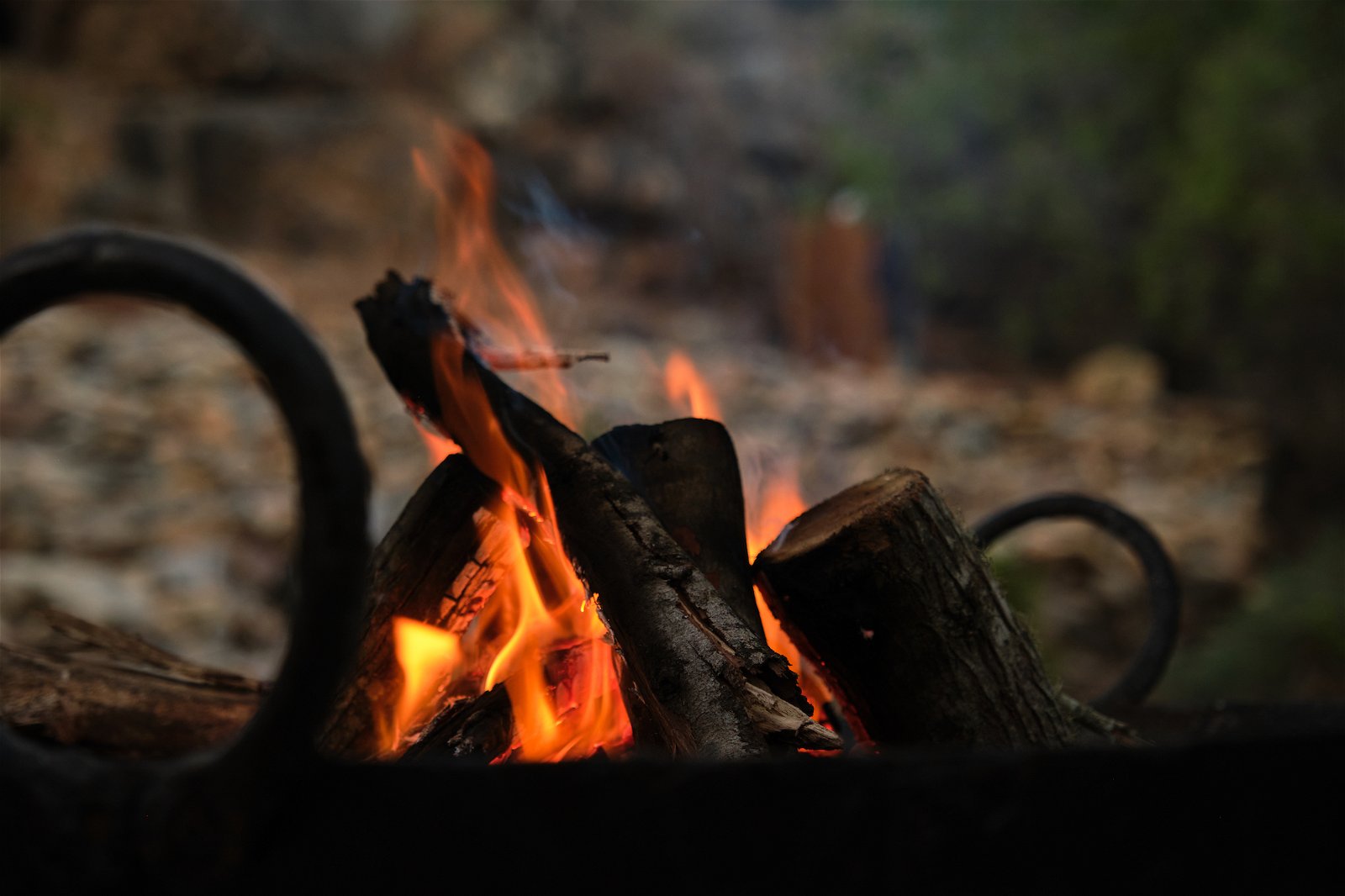
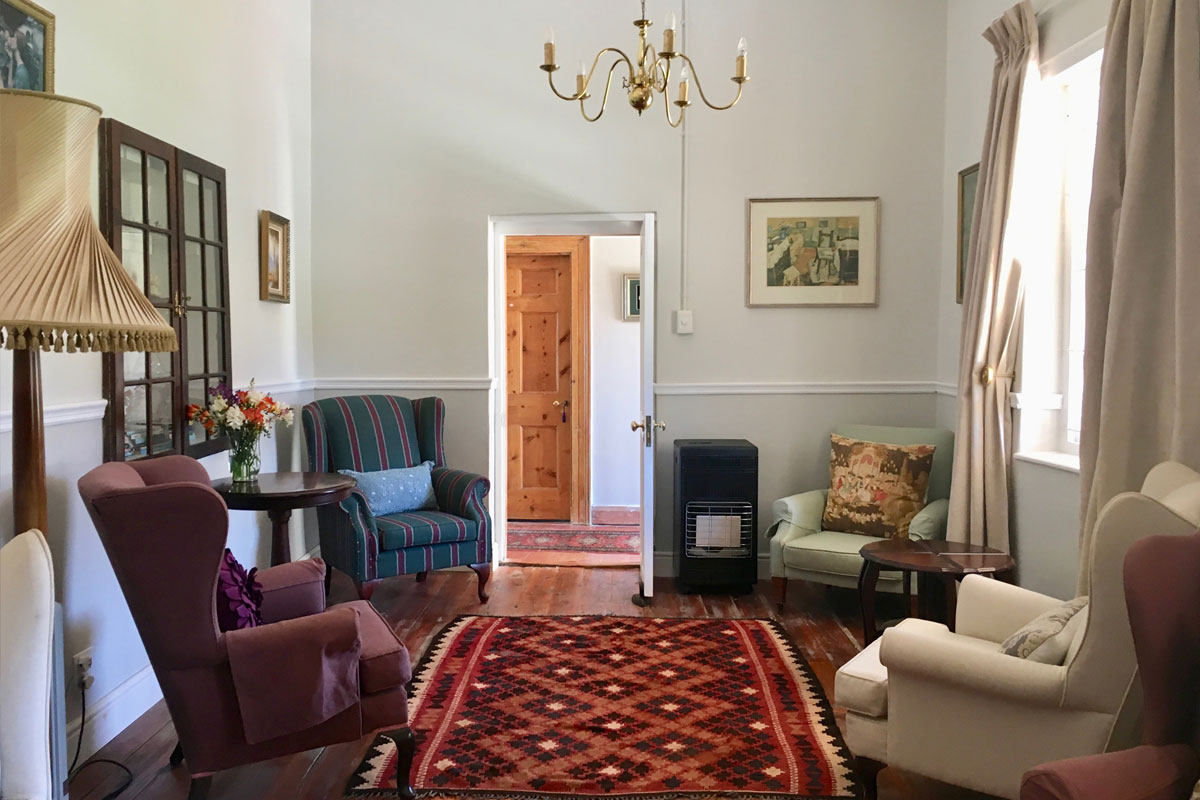
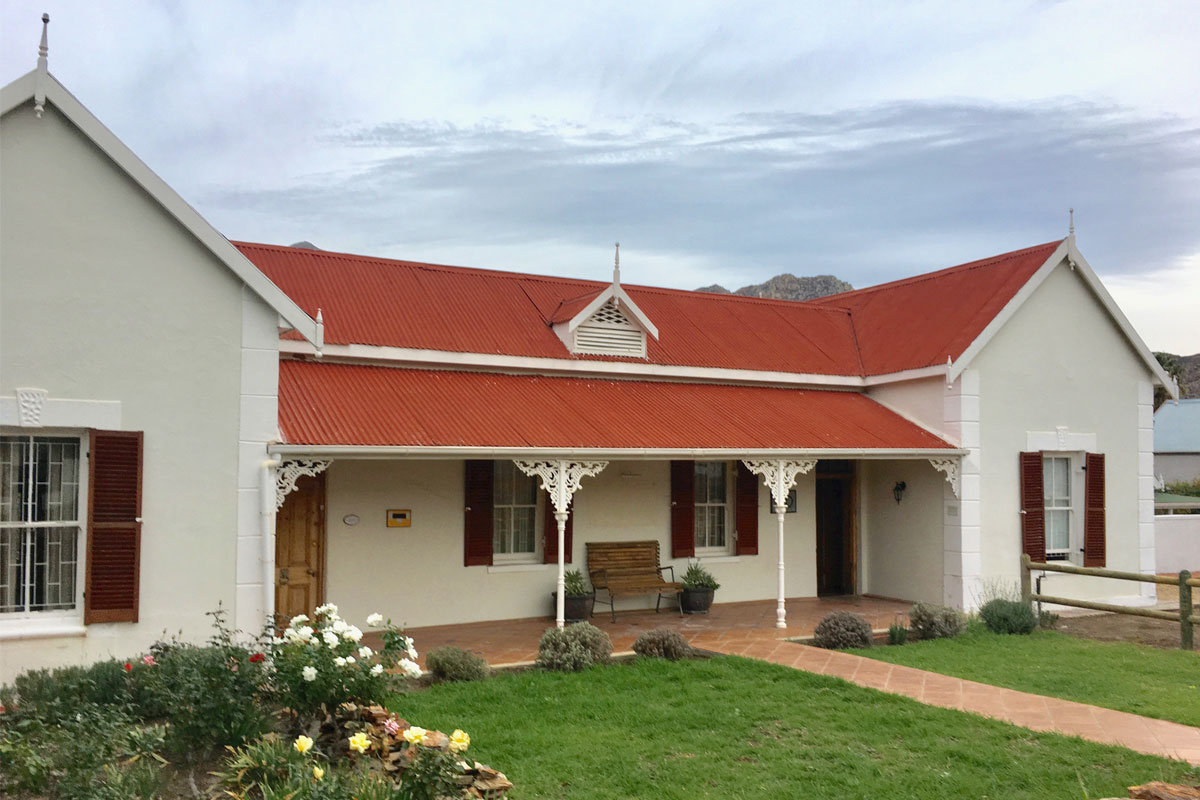
The guest house format fits Montagu well. Properties tend to occupy older buildings, some with Cape Dutch or Victorian features, and gardens that back onto mountain slopes or face onto the Keisie River valley. Rooms lean comfortable rather than minimal, with the emphasis on practicality: a pool in summer, a fireplace in winter, and usually an outdoor area suited to evening meals or early morning coffee before a day on the trails.
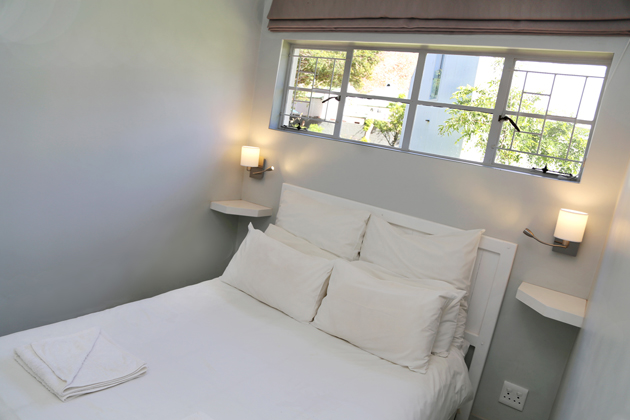
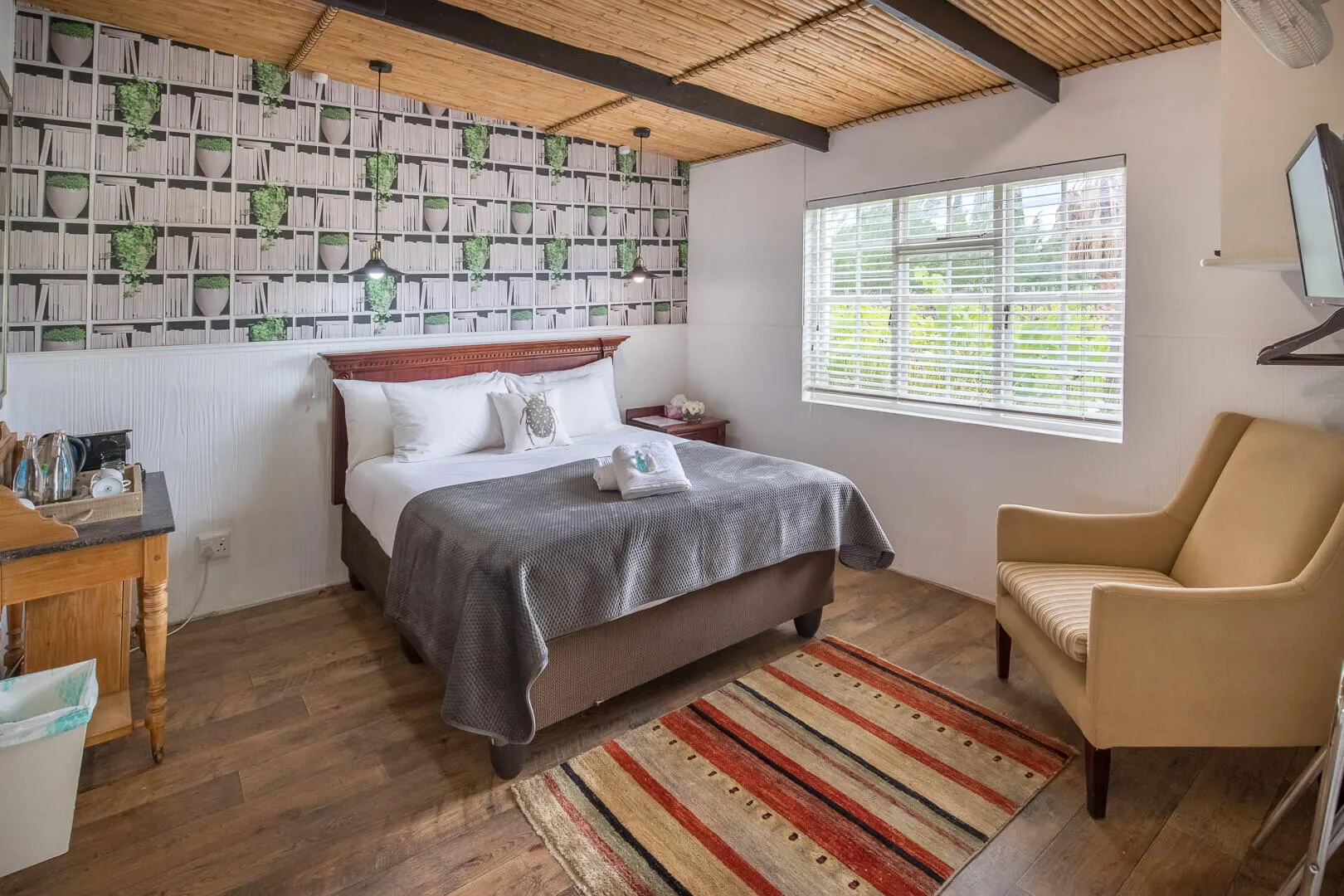
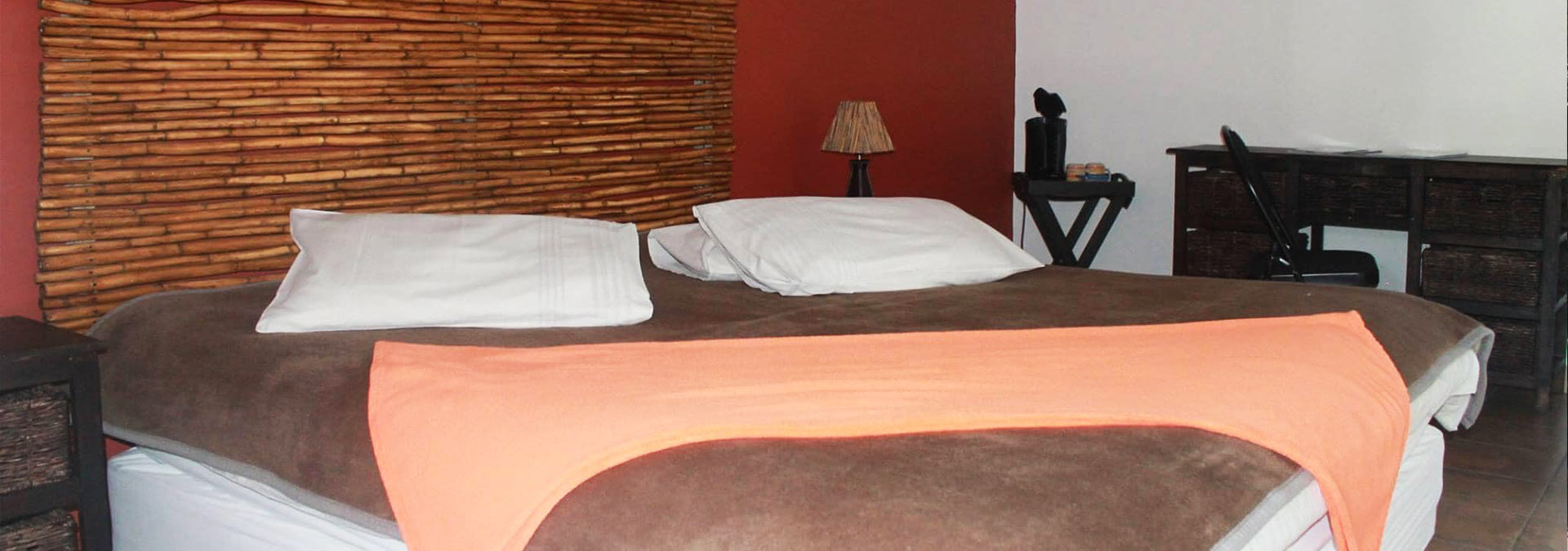
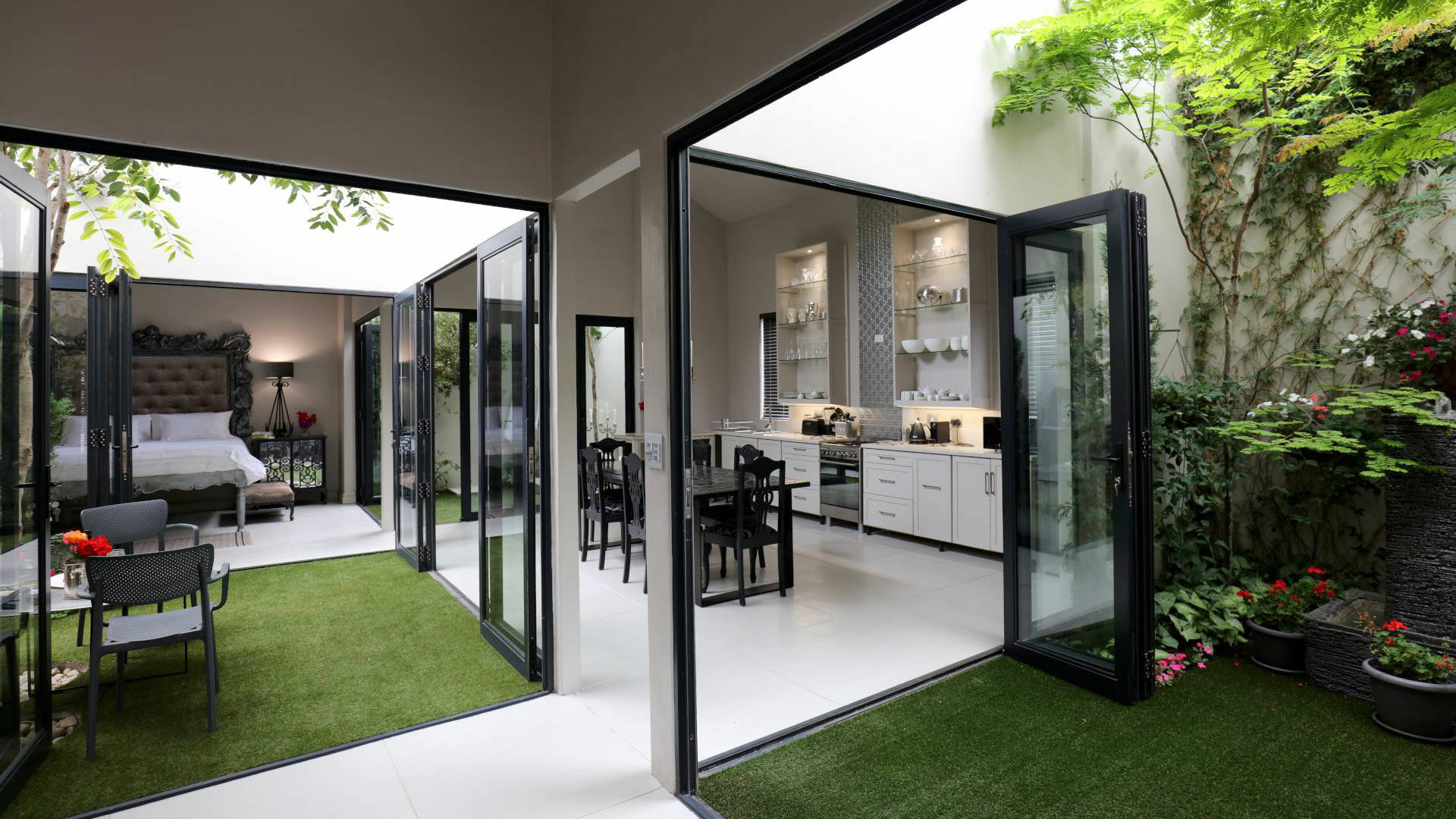
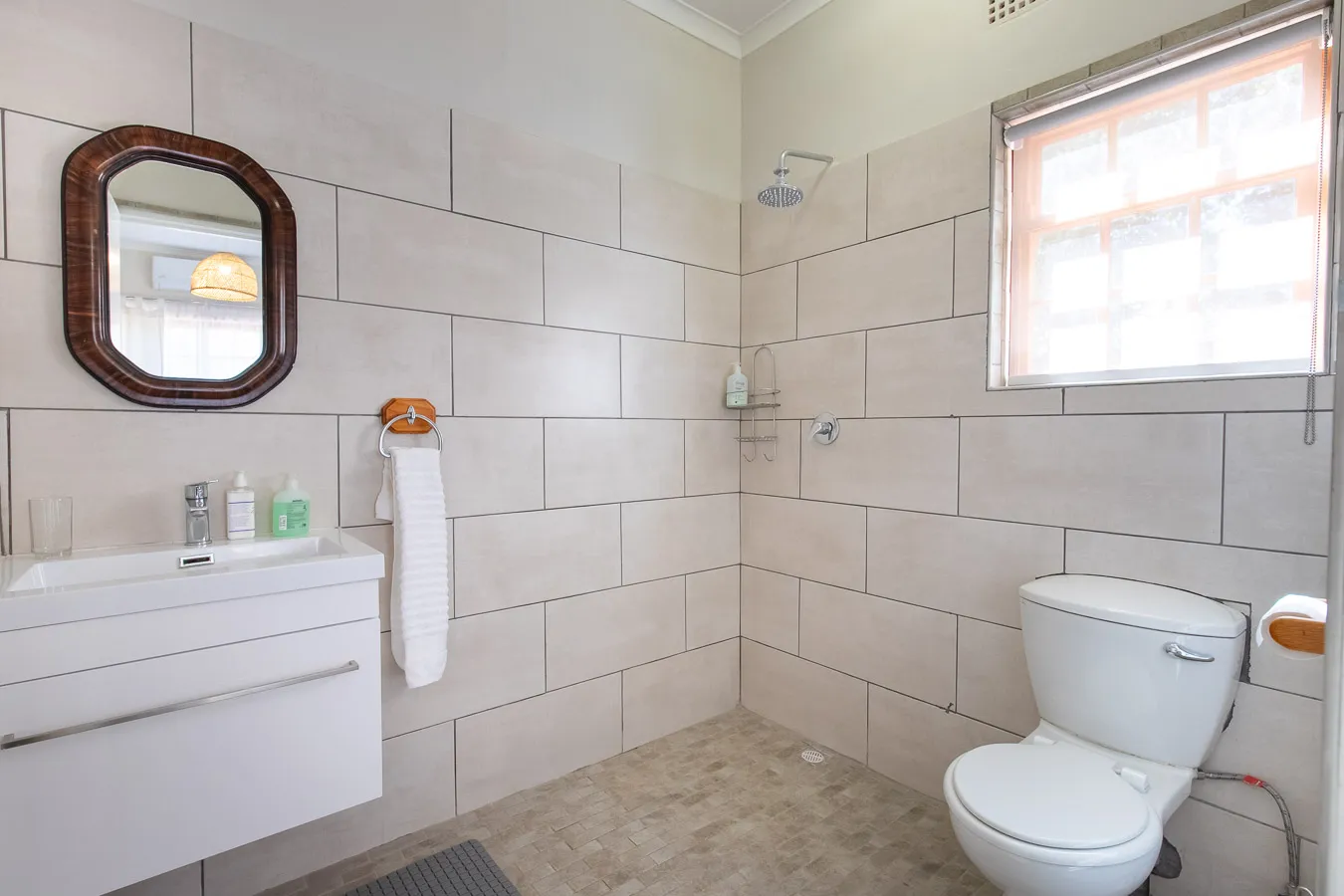
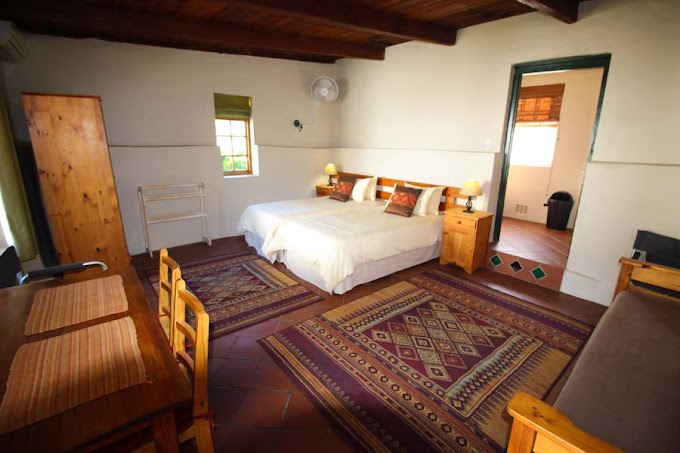
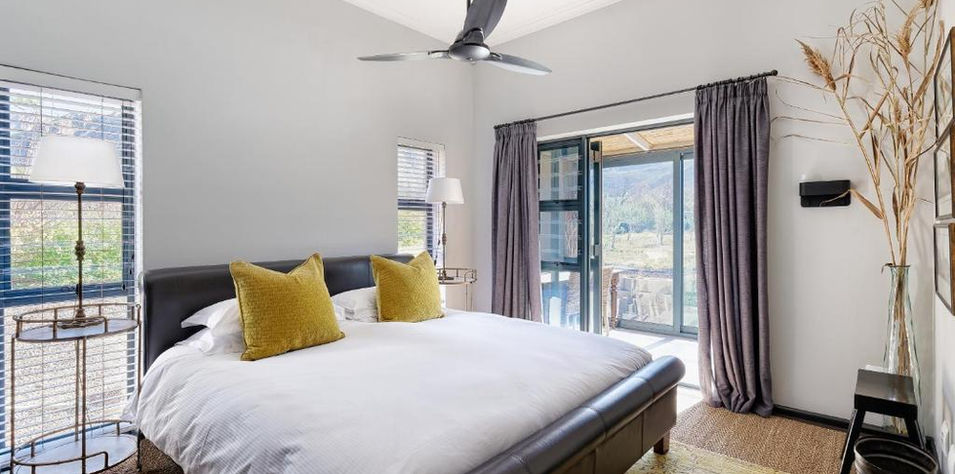
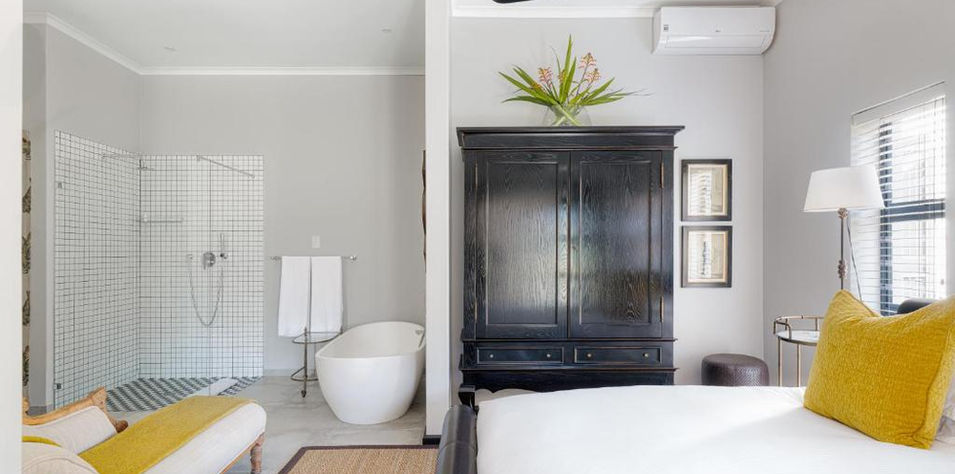
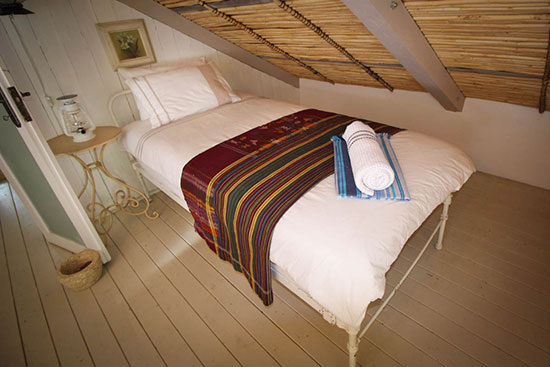
Guesthouse-style accommodation offers a similar experience with slightly more independence around check-in times and meals. In practice, the distinction is largely a matter of scale and formality rather than a meaningful difference in what visitors receive: a private room, en suite bathroom, and access to gardens or shared spaces.
There is no large hotel or resort in Montagu, which keeps the atmosphere consistent and low-key. Booking directly with a property rather than through a third-party platform often opens up the chance to ask specific questions about location relative to the hot springs, parking, or whether the kitchen is set up for self-catering evenings. Given the limited number of options, availability on peak weekends can close off earlier than visitors expect, particularly in spring and over the December school holidays.
Things to Do in Montagu
The Montagu Hot Springs are the most consistent reason people make the trip. The thermal pools sit at the base of a sandstone mountain range and reach temperatures between 43°C and 48°C. Day visitors can access the pools without an overnight booking at the resort, and the grounds are well maintained for families. The springs have been used medicinally since the late 19th century, and the combination of mineral water and mountain air draws people who come specifically to slow down for a day or two.
Wine farms in the surrounding valley produce chenin blanc and shiraz particularly well. The soils and dry conditions suit full-bodied whites and earthy reds, and several estates along the R62 corridor offer tastings and cellar tours without requiring advance bookings. Some combine tastings with light meals, making them easy afternoon stops.
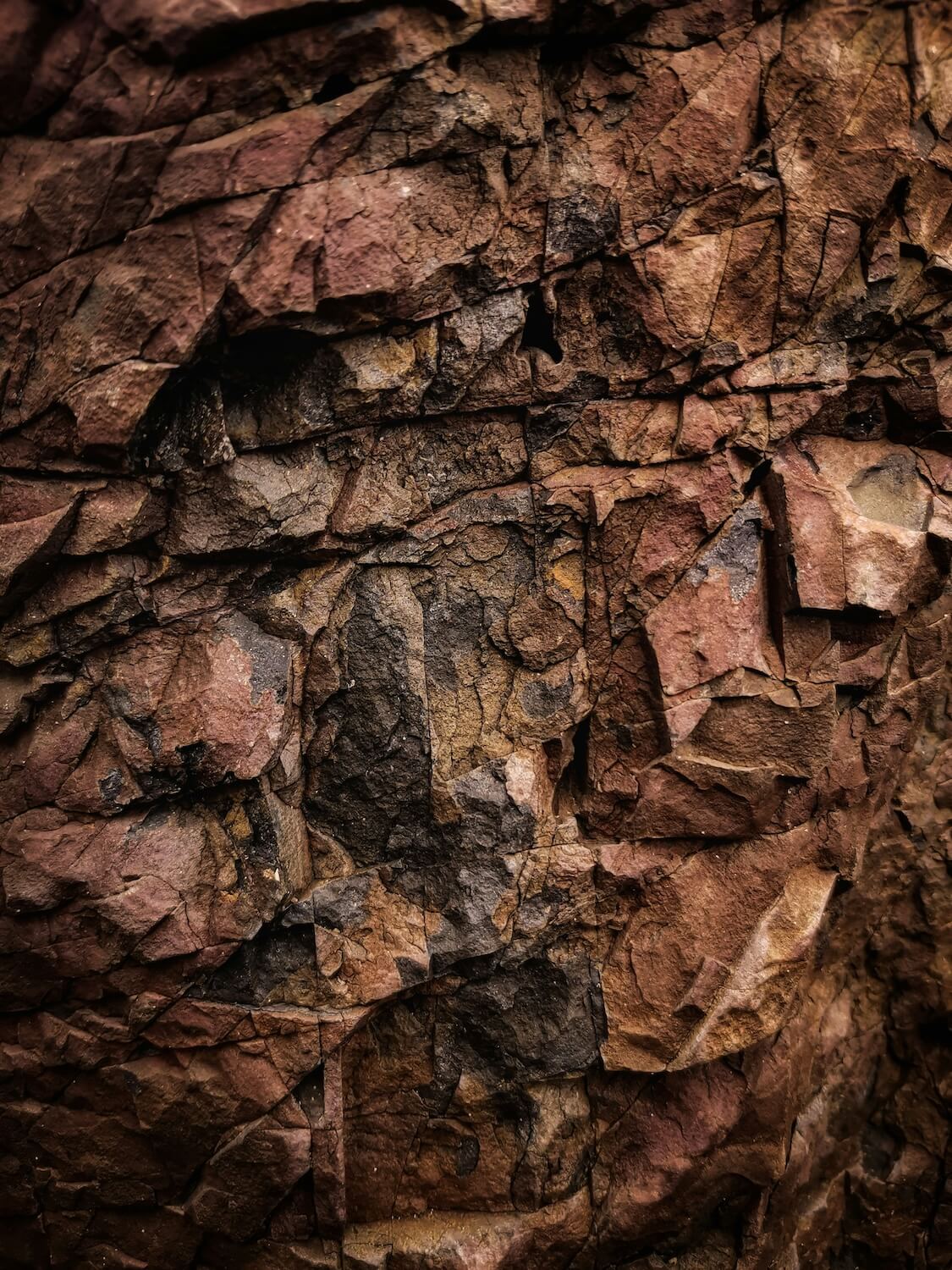
Rock climbing has a real presence here. Bolted routes on the sandstone faces above town range from beginner-friendly to serious multi-pitch climbs, and the local climbing community is active enough that conditions and route beta are easy to find. The Montagu Mountain Reserve has marked hiking trails for those who prefer walking: the Bloupunt trail gains the most elevation and provides the clearest views over the valley and surrounding ridgelines.
The Cogmanskloof Pass is a short but dramatic drive through a narrow kloof west of town, with cliff walls rising directly above the road. The old wagon trail through the kloof is walkable and gives a better sense of the geology than the road does. Birdwatching along the Keisie River is productive throughout the year, with raptors, sunbirds, and various weavers regularly sighted along the riverbank paths.
Best Time to Visit Montagu
Montagu sits in a transitional zone between the Western Cape's Mediterranean belt and the semi-arid Klein Karoo. Summers are hot and dry, winters are cool with some rain, and the most comfortable conditions fall in spring (September to November) and autumn (March to May).
Summer temperatures regularly exceed 35°C, which limits strenuous hiking to early mornings and late afternoons. The thermal springs are open year-round but feel most rewarding in the cooler months, when the contrast between the air temperature and the pool water is at its sharpest. Winter rain is generally light and short-lived rather than sustained, though mountain roads can close temporarily after heavy falls.
The fynbos in the Cogmanskloof and surrounding kloofs peaks in August and September, making this the best period for walkers interested in wildflowers. Harvest season on the wine farms runs roughly from February to April, when estates are most active and barrel tastings are sometimes on offer.
December and January are the peak domestic holiday months, with accommodation booking out further in advance than at any other time of year. If your priority is space and quiet, the winter months of June and July offer the easiest access to properties, though some trails can be slippery after rain.
Getting to Montagu
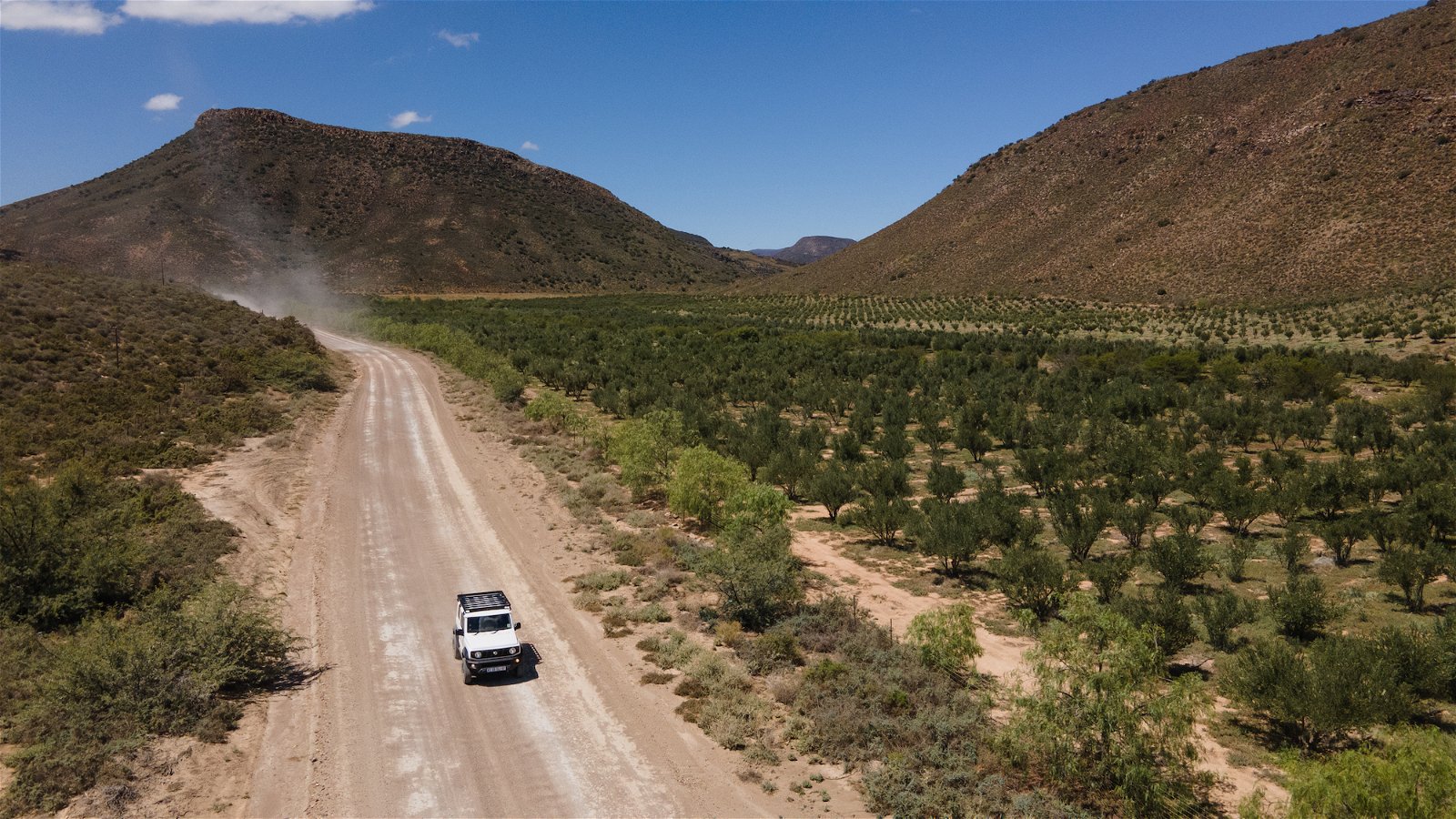
Cape Town is the main departure point for most visitors, roughly 200 kilometres to the west. The standard route follows the N1 through Paarl, passes through the Huguenot Tunnel, and continues via Villiersdorp before joining the R62 near Ashton, with the total drive taking around two and a half hours. A toll fee applies at the tunnel. An alternative runs over the Du Toitskloof Mountains via the R303, avoiding the toll but adding mountain driving and some rougher road sections. This route takes longer but passes through more varied scenery.
Cape Town International Airport handles the majority of domestic and international arrivals. George Airport, roughly 200 kilometres to the east along the N2, is a practical option for travellers coming from Johannesburg who want to begin a trip from the Garden Route end and travel toward Montagu from that direction.
No regular public bus service runs directly to Montagu. Long-distance coaches stop at Robertson and Ashton, from where a local taxi or a pre-arranged transfer covers the remaining distance. Once in Montagu, a private vehicle is effectively necessary. The hot springs, wine farms, and hiking trailheads are spread out and not walkable from the town centre.
Montagu and Surrounding Areas
Montagu makes a workable base for a multi-day loop through the Breede River Valley, with several distinct towns within an hour's drive in different directions.
Ashton, just 8 kilometres west through the Cogmanskloof, functions primarily as an agricultural service town. The Ashton Wine Cellar cooperative produces accessible, value-priced wines under several labels and is worth a quick stop. The town has fuel, basic supplies, and little else in the way of visitor infrastructure.
Robertson, 22 kilometres further west, is the valley's commercial centre and the hub of a formal wine route. The area is particularly known for chardonnay and colombard, and several estates have proper tasting rooms with restaurants attached. Robertson also has the broadest selection of shops and services for travellers restocking mid-trip.
McGregor, 32 kilometres south via gravel road, has taken a different direction. The town has developed as an artists' retreat, with a small distillery, a handful of good restaurants, and a wine cellar on the main street of whitewashed cottages. It attracts visitors specifically looking for a quieter, more village-like atmosphere than Robertson offers.
Swellendam, 40 kilometres to the south-east, is one of the oldest towns in South Africa and has a well-preserved historic centre. The Drostdy Museum complex covers Cape colonial history through architecture and period interiors. The Bontebok National Park on its outskirts offers day entry, with bontebok, Cape mountain zebra, and various antelope species on a compact reserve.
Touwsrivier (51km) and De Doorns (54km) sit further into the Hex River Valley, an area dominated by table grape farming. De Doorns is worth a drive in late summer during harvest, when the valley floor is covered with vines. The Hex River Pass itself, between the two, is scenically the strongest stretch of road in this direction.
Planning Your Stay
With only three listed properties, Montagu rewards early planning more than most similarly sized towns. Spring weekends and the December holiday period fill first, sometimes weeks in advance. Mid-week stays in autumn and winter are easier to arrange at short notice, and some properties will negotiate on rates during quieter periods if you contact them directly.
Before confirming a booking, clarify the property's location relative to the town centre and the hot springs: the two areas are a short drive apart and offer different morning routines. If you want to walk to the main street for coffee, choose accordingly. If easy access to the pools from your accommodation is the priority, confirm the distance.
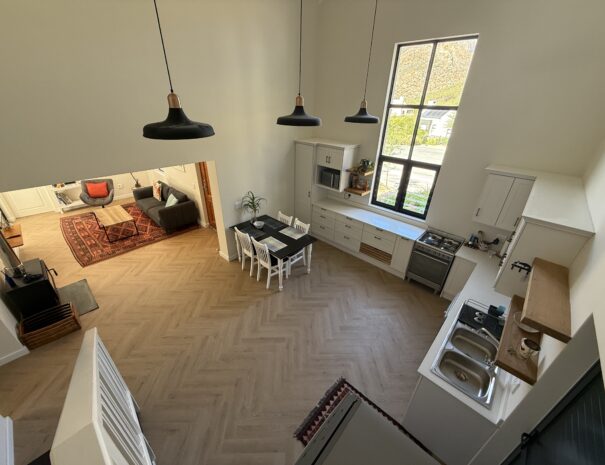
Check whether breakfast is included in the listed rate or charged separately. If you plan to self-cater for any meals, confirm that the kitchen is properly equipped and buy provisions in Robertson or Ashton on the way in. Montagu's local shops cover basics but have limited range.
If your trip falls in winter or early spring, check the Western Cape Department of Transport for road conditions before departing, particularly if your route crosses the mountains. The Cogmanskloof road can close briefly after heavy rain, and the Du Toitskloof road can become difficult in wet conditions.