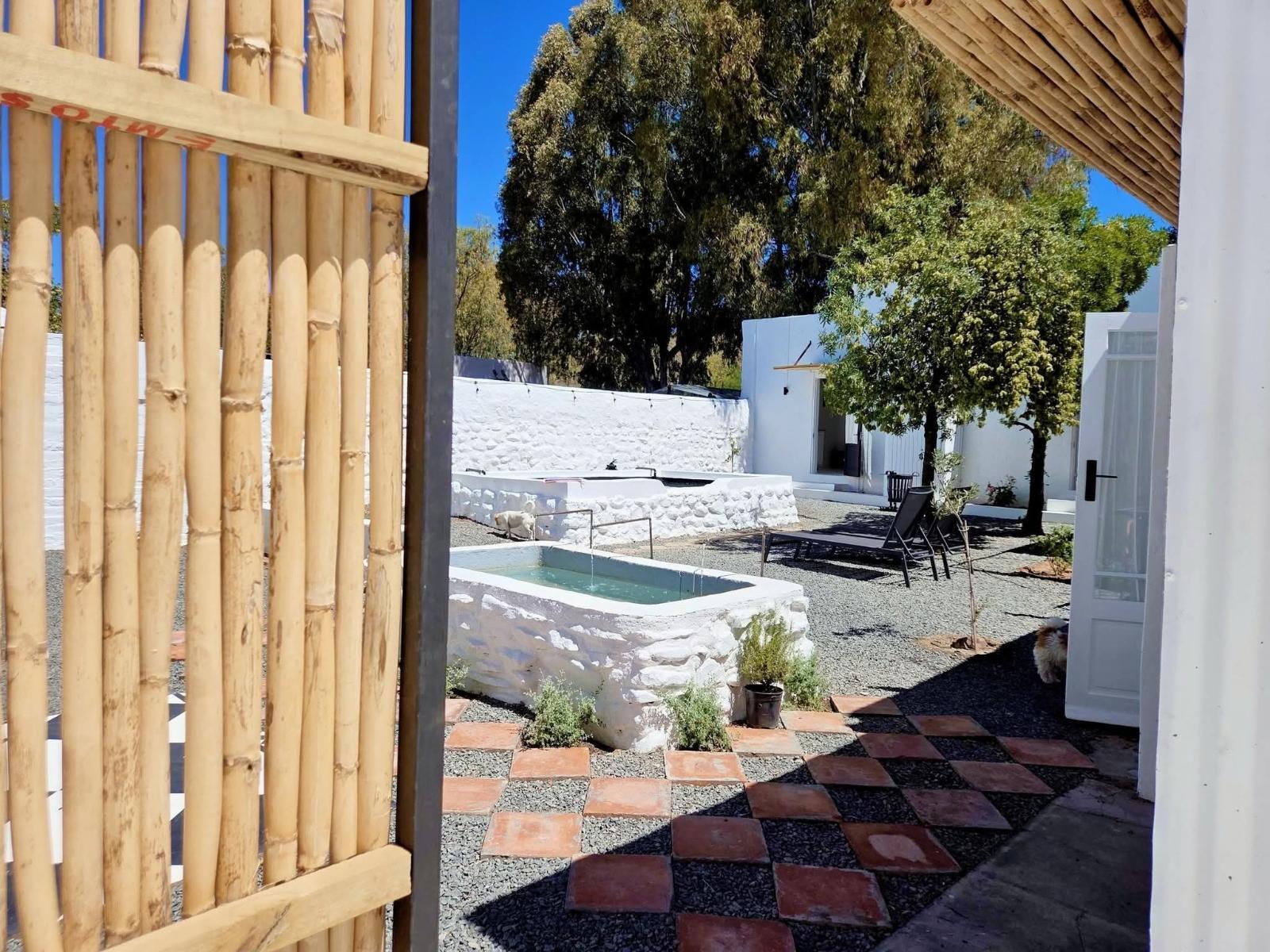
Accommodation in Richmond
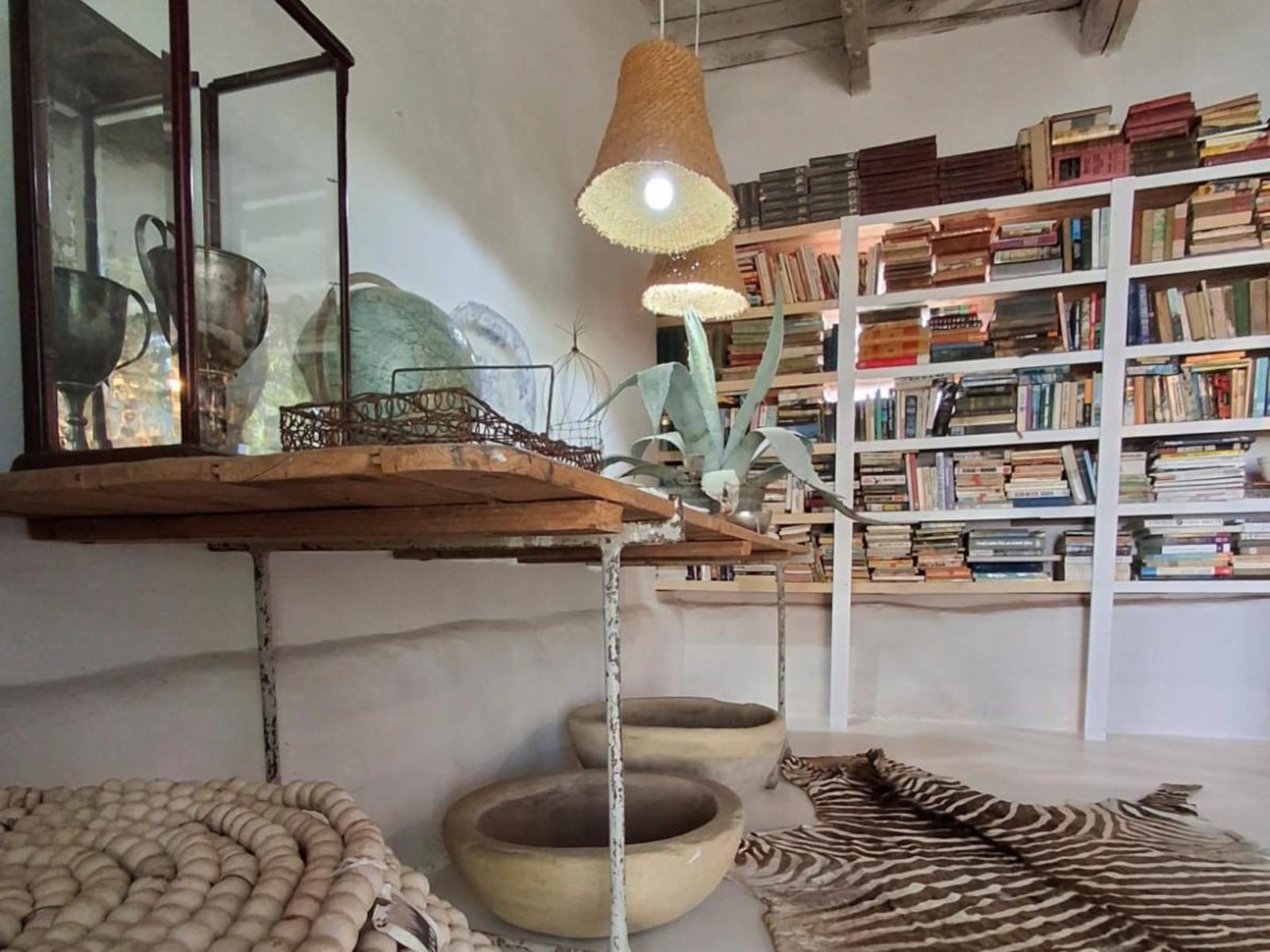
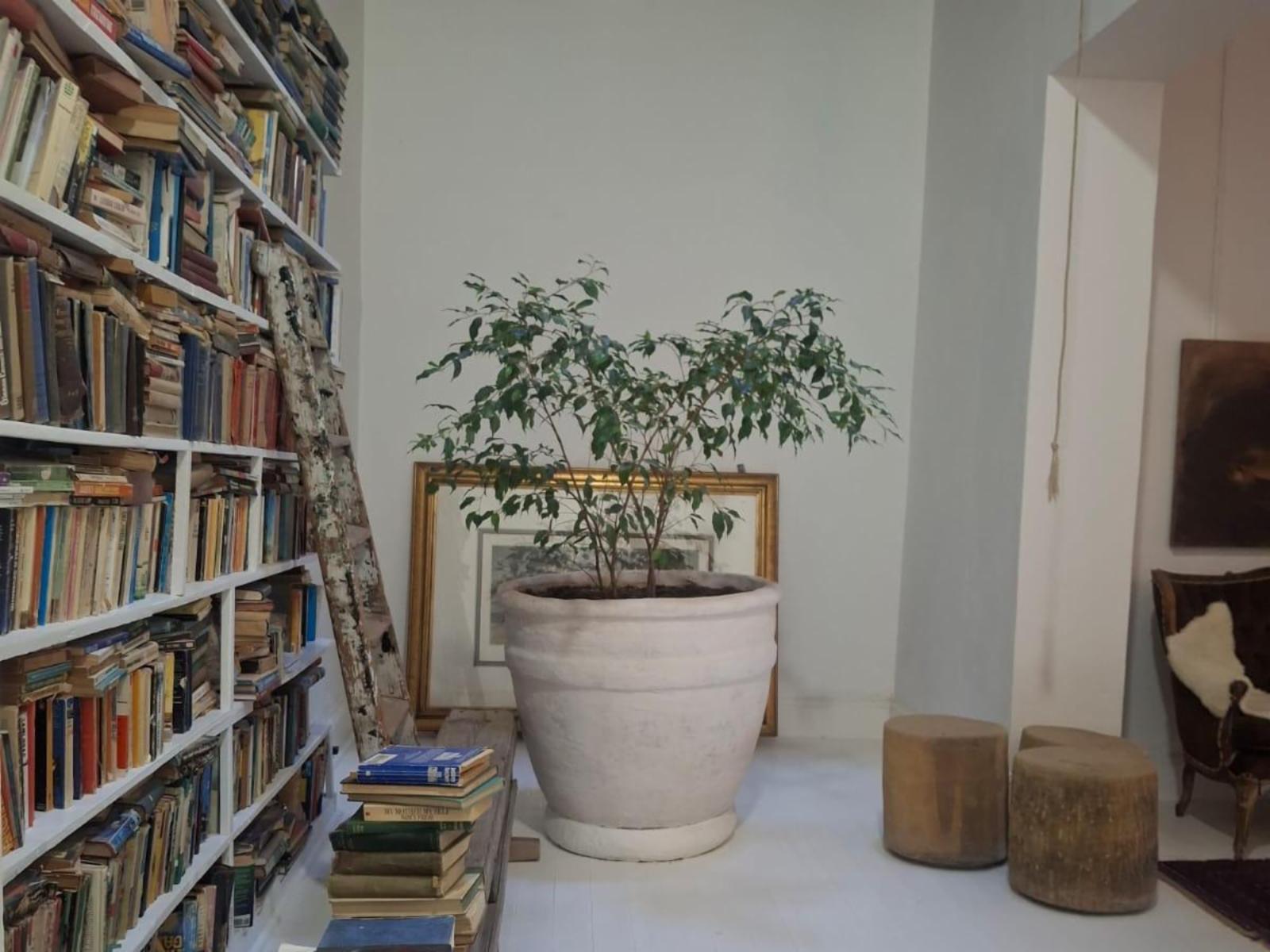
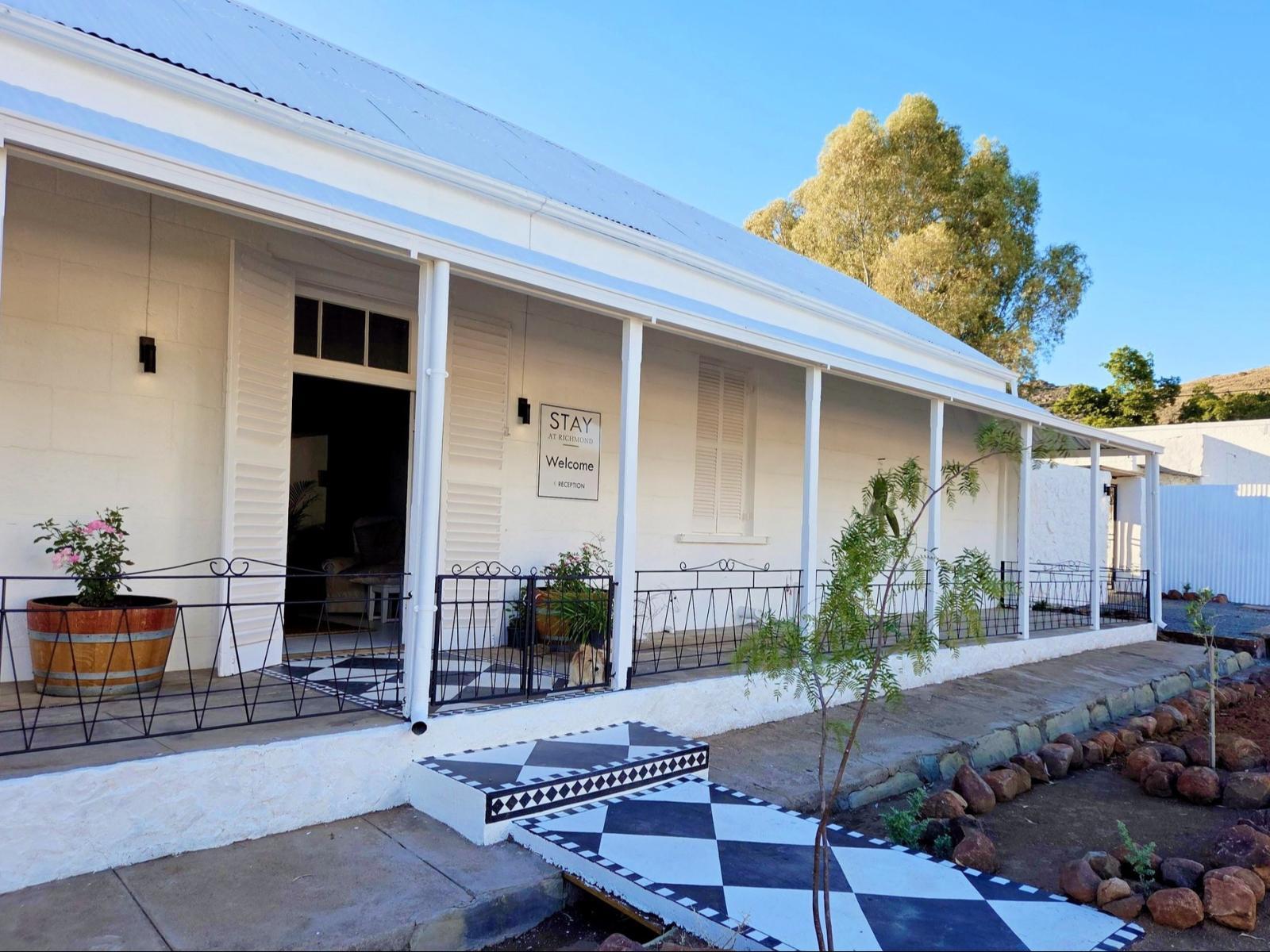
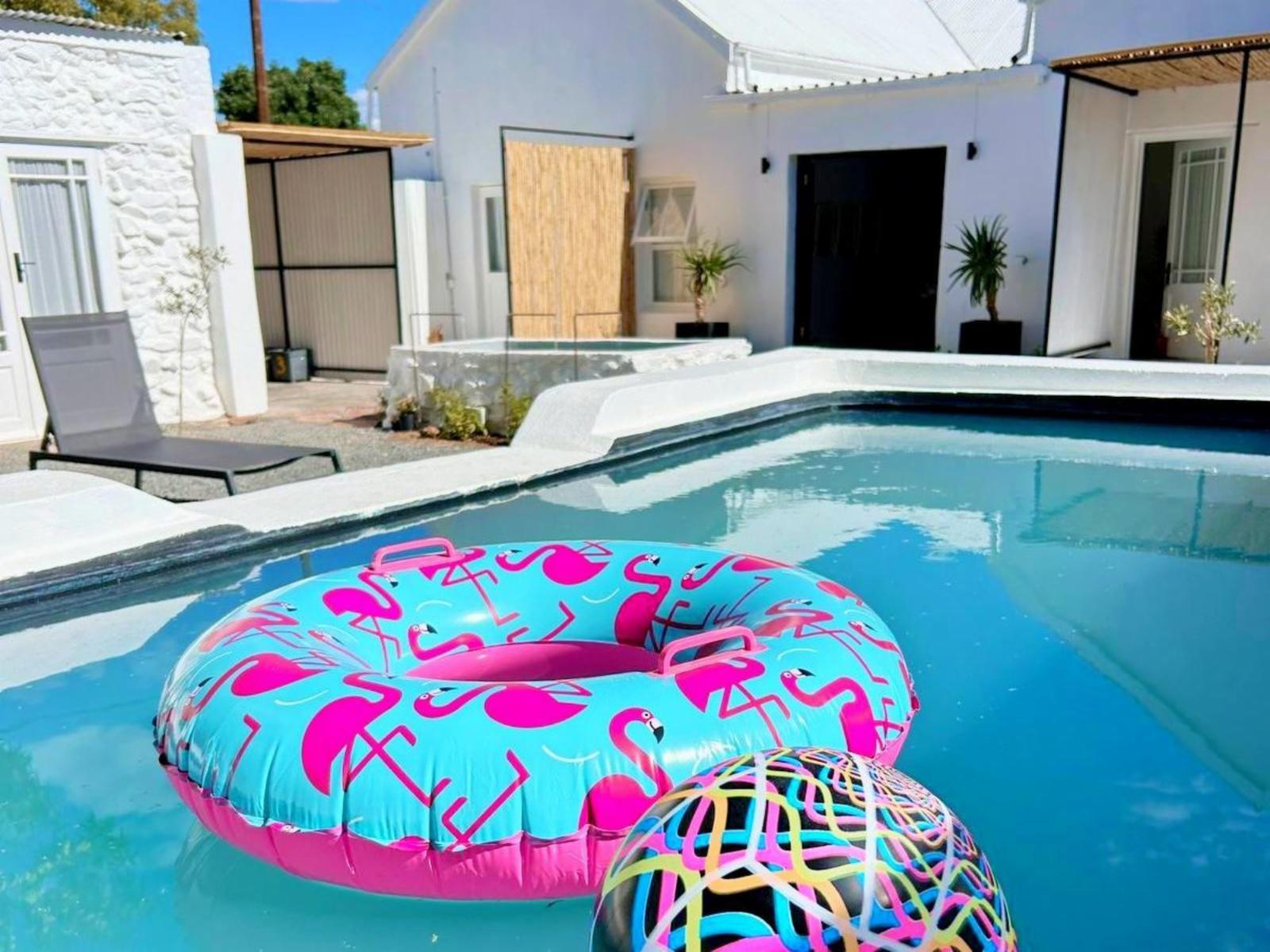
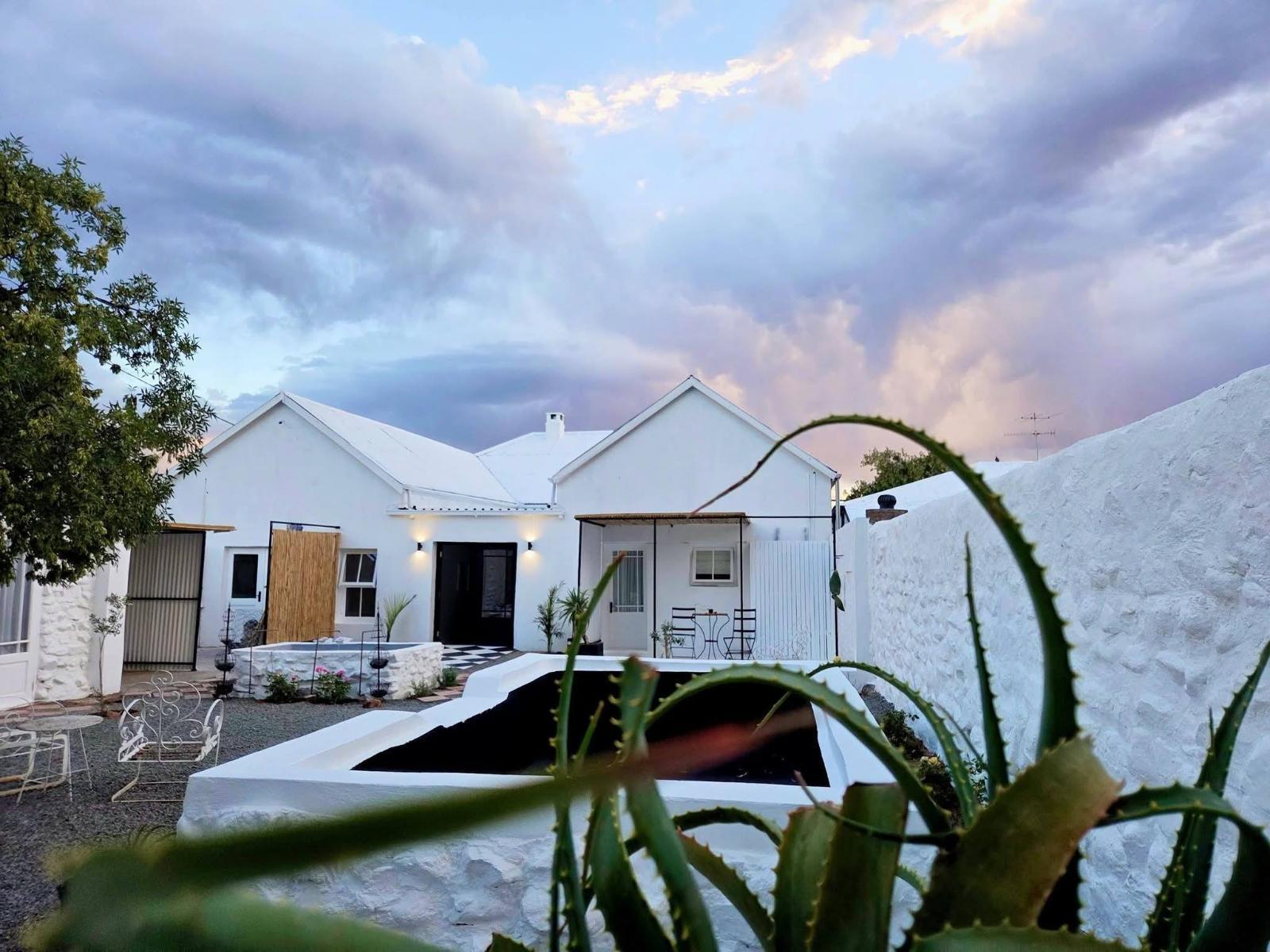
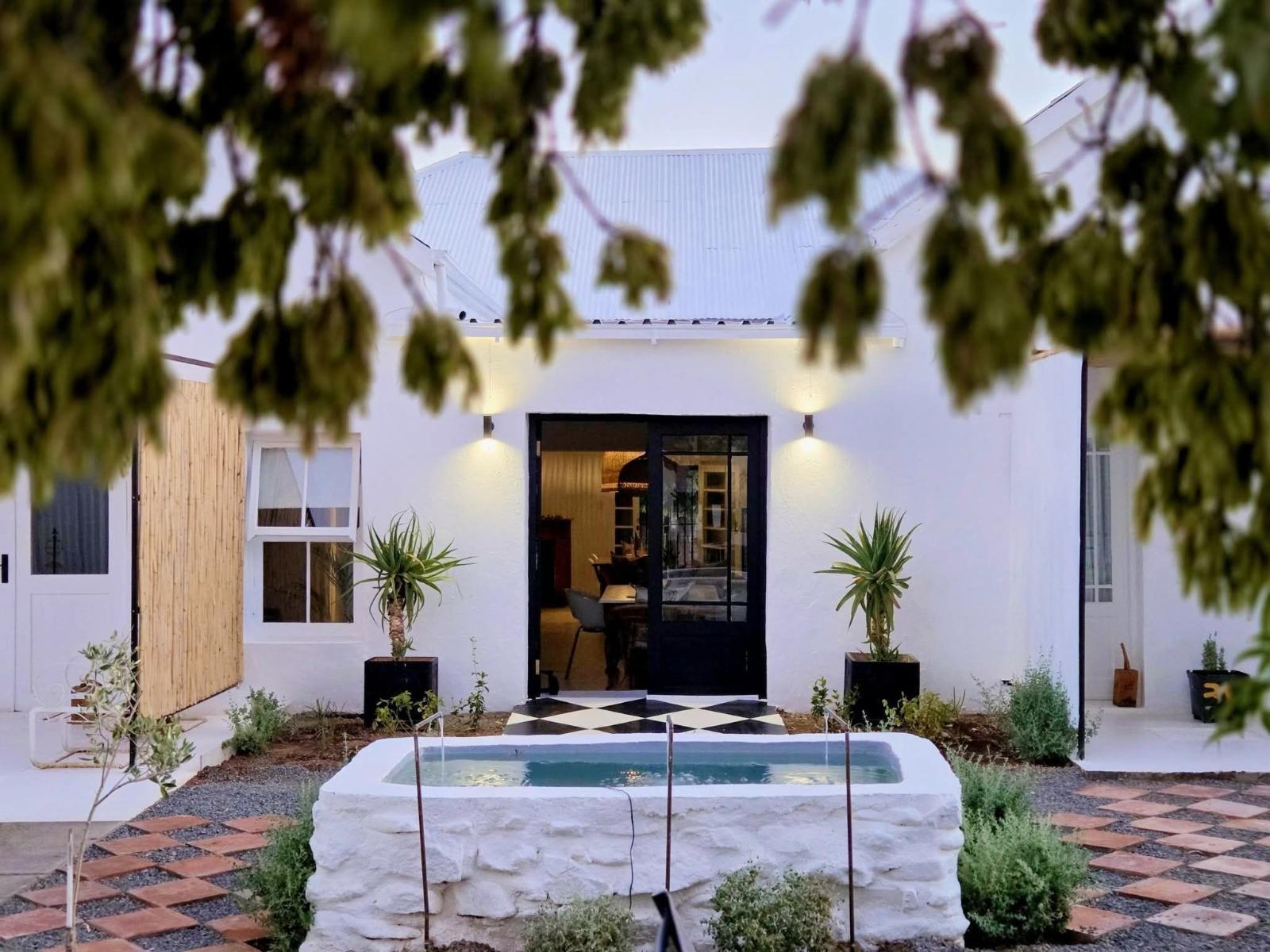
Richmond's accommodation market is small, with just one property currently listed on holiday rental platforms. That figure accurately reflects the town's size and the kind of traveller it attracts: people who prefer a quieter, more self-directed stay over a full-service hotel experience.
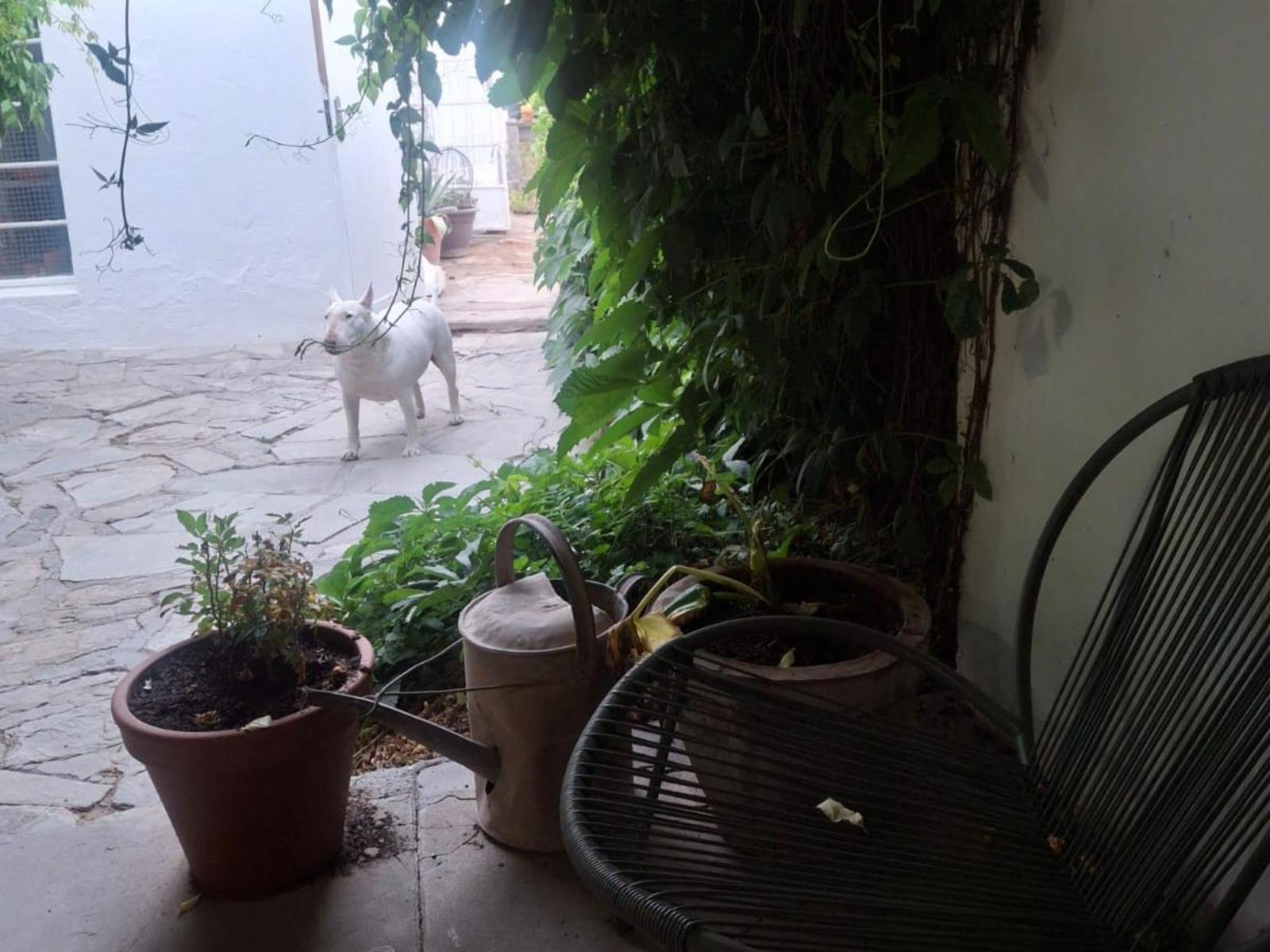
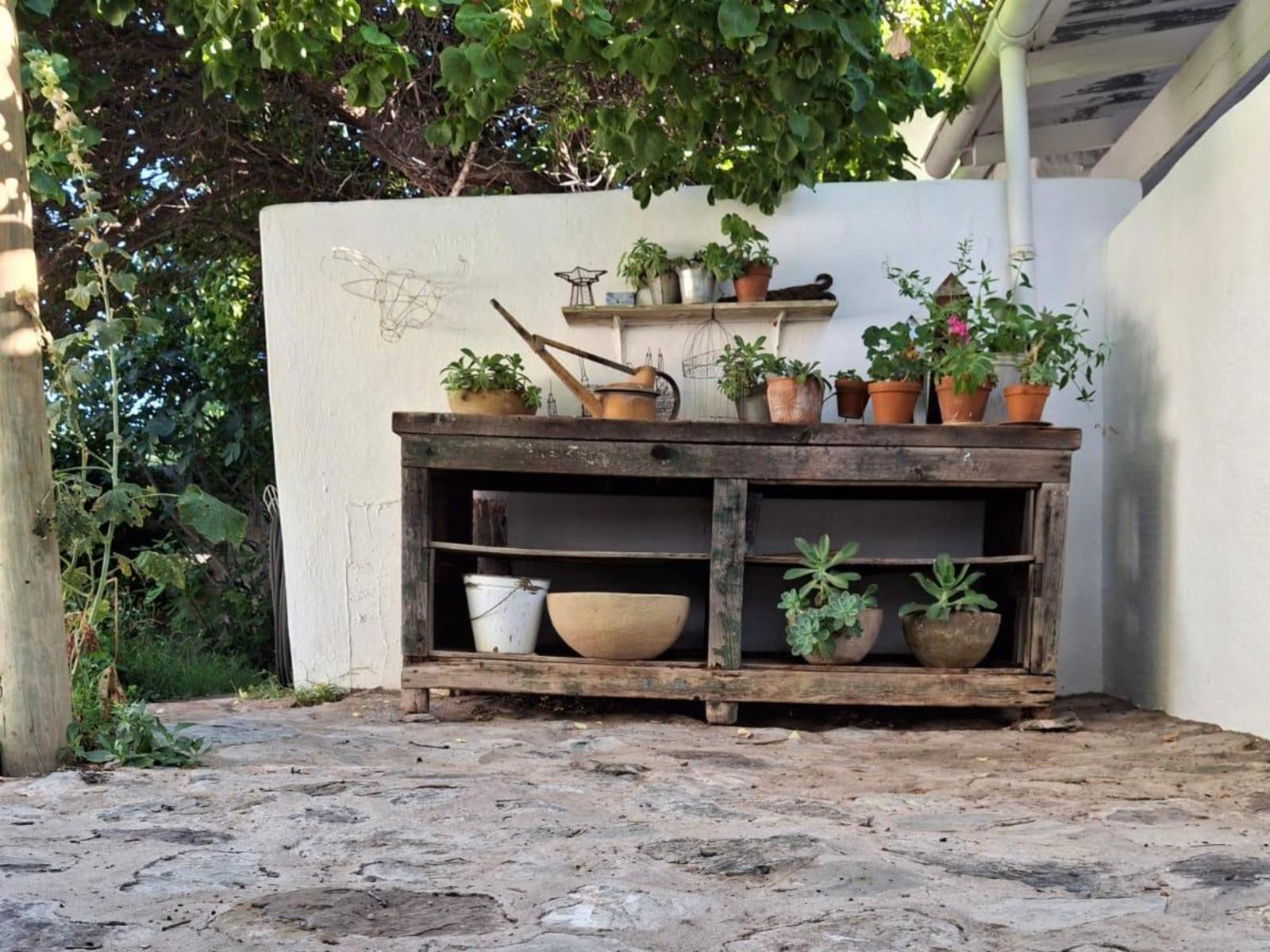
The single listing is a farm house, which fits the Karoo setting well. This region has long been defined by working farms and wide agricultural spreads, and staying on one puts you directly inside that landscape rather than observing it from a guesthouse window. Farm house stays here typically mean open yards, views across the plains in every direction, and access to the kind of silence that draws people away from city noise. Facilities tend toward the practical: outdoor cooking areas, basic kitchen setups, and space for children or dogs to move freely. Self-catering is the norm rather than the exception, so arriving with a well-stocked cooler is usually wise.
Pricing details are not currently available through listed channels. Contacting the property directly, or checking a booking platform with live rate visibility, is the most reliable way to set a budget before planning the trip. As a general reference, self-catering farm properties across the Karoo tend to be competitively priced relative to equivalent lodges in better-known tourist towns, partly because demand is lower.
For travellers who need more amenities or want a fallback option, several towns within 60-120 kilometres have broader accommodation markets, including guesthouses and B&Bs. But for anyone whose goal is to spend a few nights in Richmond itself, the farm house is not a compromise. It is the experience: wide skies, still nights, and a landscape largely unchanged from how it appeared a century ago.
Best Time to Visit Richmond
Richmond's climate follows the broad Karoo pattern: dry and sunny with strong seasonal temperature swings. Summers (November through February) regularly push above 35°C, making midday activity uncomfortable. Early mornings are the practical window for outdoor pursuits before the heat builds. Rain falls mainly in summer, but Karoo totals are low and storms pass quickly.
Autumn (March to May) is the most comfortable window for a visit. Temperatures settle into the mid-20s, conditions are drier than summer, and the region quietens noticeably. Spring (August to October) offers similar conditions before the heat builds again, and wildflowers occasionally appear across the plains after good winter rains, though this is variable and not guaranteed.
Winters (June to August) are cold at night, with temperatures regularly dropping below freezing on the open plains. Days reach 15-20°C by midday and are reliably clear. Visitor numbers are lowest in winter, making accommodation easier to secure and the town more relaxed. The area's minimal light pollution makes winter evenings particularly well-suited to stargazing, with the Milky Way clearly visible on moonless nights without optical equipment.
The peak visitor period runs through the July and December school holidays. Booking well ahead is advisable for those windows, given how few properties operate in the town.
Getting to Richmond
Richmond is approximately 700 kilometres from Cape Town via the N1 highway through the Karoo, branching onto the R63 for the final approach. From Johannesburg, the N1 south covers the main distance, making the town a feasible overnight stop on a longer Northern Cape drive.
The nearest commercial airports are George Airport (around 350km to the southwest) and Bloemfontein Airport (roughly 300km to the northeast), both with connections from Johannesburg and Cape Town. Neither is close enough to avoid a substantial drive, and there is no car hire available in Richmond itself. Arranging a hire car at the airport before departure is essential for travellers arriving by air.
Driving is the default for most visitors. Secondary roads connect the town to the wider network rather than major national routes, so filling up before the final approach is sensible. Petrol stations are spaced out across the Karoo, and stretches of road carry limited mobile signal, making a downloaded offline map a worthwhile precaution.
The town is compact and walkable for those exploring on foot. Covering the surrounding area, including farm stays and outlying sites, requires a vehicle. Shared taxis cover some inter-town routes at irregular intervals, but they are not a practical basis for independent regional travel.
Richmond and Surrounding Areas
Richmond's position in the central Karoo puts a cluster of historically significant and geographically distinct towns within a two-hour drive, each worth considering as a day trip or onward stop.
Murraysburg (63km) is a small dorp with preserved Victorian-era buildings and a Dutch Reformed church dating from the 19th century. Visitor facilities are basic, but the surrounding landscape, flat and largely treeless, attracts photographers drawn to wide-horizon compositions. It sees few visitors and operates at a genuinely slow pace.
Nieu Bethesda (77km) draws most travellers to the Owl House, the sculpture environment created by Helen Martins across several decades. The town operates largely off-grid, with no ATM and limited fuel. It has a small arts community and several guesthouses, but arriving with cash and a full tank is essential planning rather than optional preparation.
Victoria West (79km) functions as a service hub for surrounding farms and carries more practical amenities than the smaller dorps. Its astronomy museum reflects the growing dark-sky tourism interest across the Karoo region and provides a concrete reason to stop rather than drive through.
Noupoort (99km) developed as a railway junction town and has a different character from the agricultural settlements nearby. Tourist infrastructure is limited, but it is a logical fuel and rest stop for travellers heading toward Colesberg and the N1.
Graaff-Reinet (109km) is the most substantial town in the group. The Valley of Desolation at the edge of Camdeboo National Park involves a short drive followed by a walk to basalt column formations above the surrounding plains. The town's historic district is compact and well-preserved, with a functioning restaurant scene and the most developed accommodation market in the region for those who need more options.
Aberdeen (119km) is quieter, known mainly for its distinctive gabled church that appears in most references to Karoo vernacular architecture. It suits travellers who want to experience an authentic small Karoo town without the tourism infrastructure of Graaff-Reinet.
Planning Your Stay
With only one property listed in Richmond, confirming availability early matters more than in a town with multiple options. Availability tightens during the winter school holidays and the December period, when Karoo towns see higher visitor traffic from major cities. Getting in touch with the host as early as possible, rather than waiting to finalise dates, is the practical approach.
Before confirming a booking, check whether the property is self-catering and what food supplies are available locally. Richmond has basic grocery infrastructure, but range is limited. Stocking up before arrival is sensible, and if approaching from Cape Town along the N1, Beaufort West sits roughly halfway and has supermarkets and fuel for a practical resupply stop.
Mobile connectivity can be inconsistent in this part of the Karoo. If the stay involves remote work, confirm WiFi availability before booking. Load shedding affects smaller towns intermittently, so asking about generator or inverter backup when contacting the host is a practical step.
For specific requirements such as accessibility, pet-friendly premises, or outdoor cooking facilities, direct contact with the host is advisable over relying solely on the listing platform's amenity checklist. Farm properties in particular often carry incomplete online details. Booking through a platform with a clear cancellation policy provides some protection if plans change, which is worth considering given the distance from major centres.