Accommodation in Riebeek West
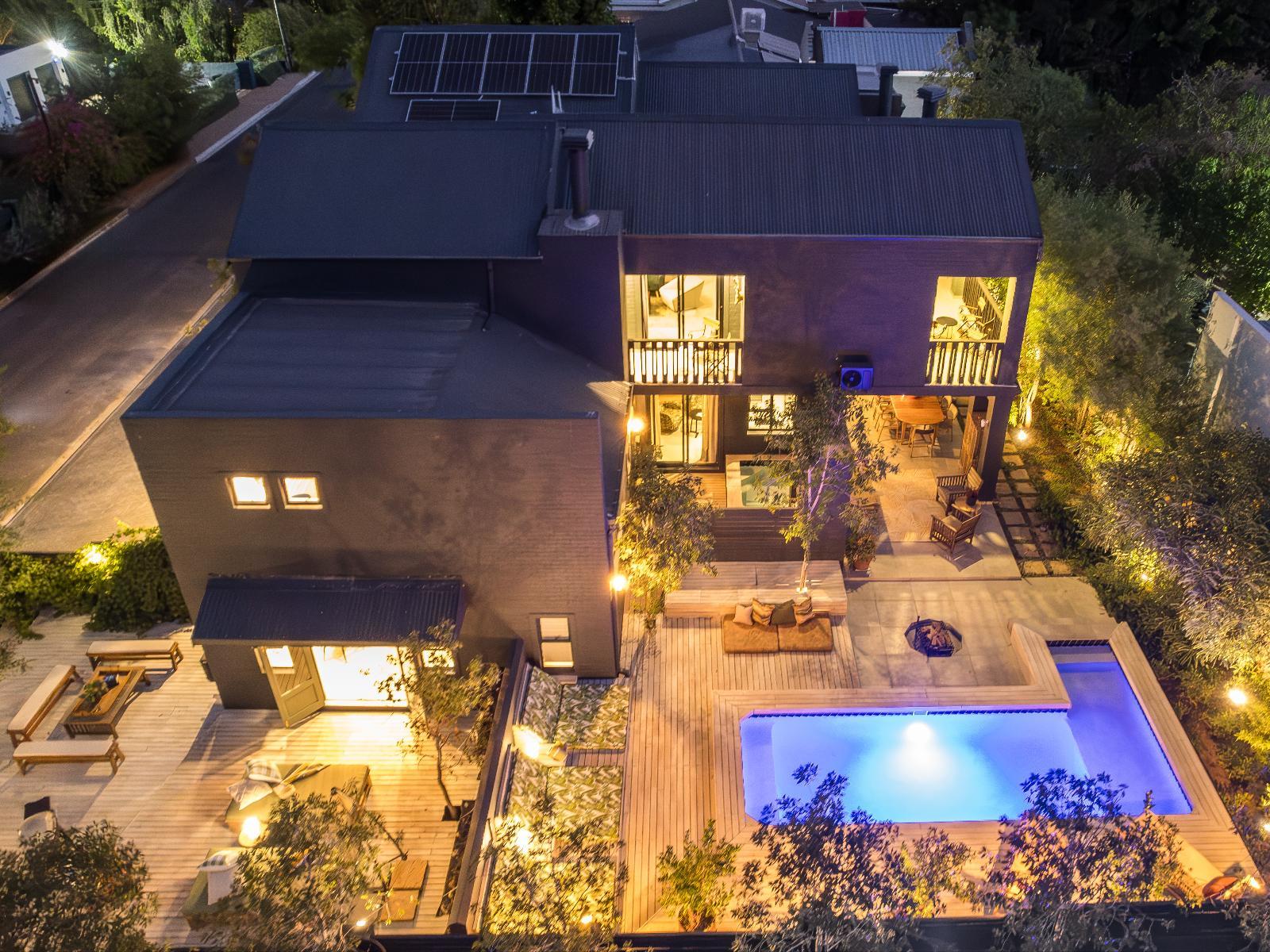
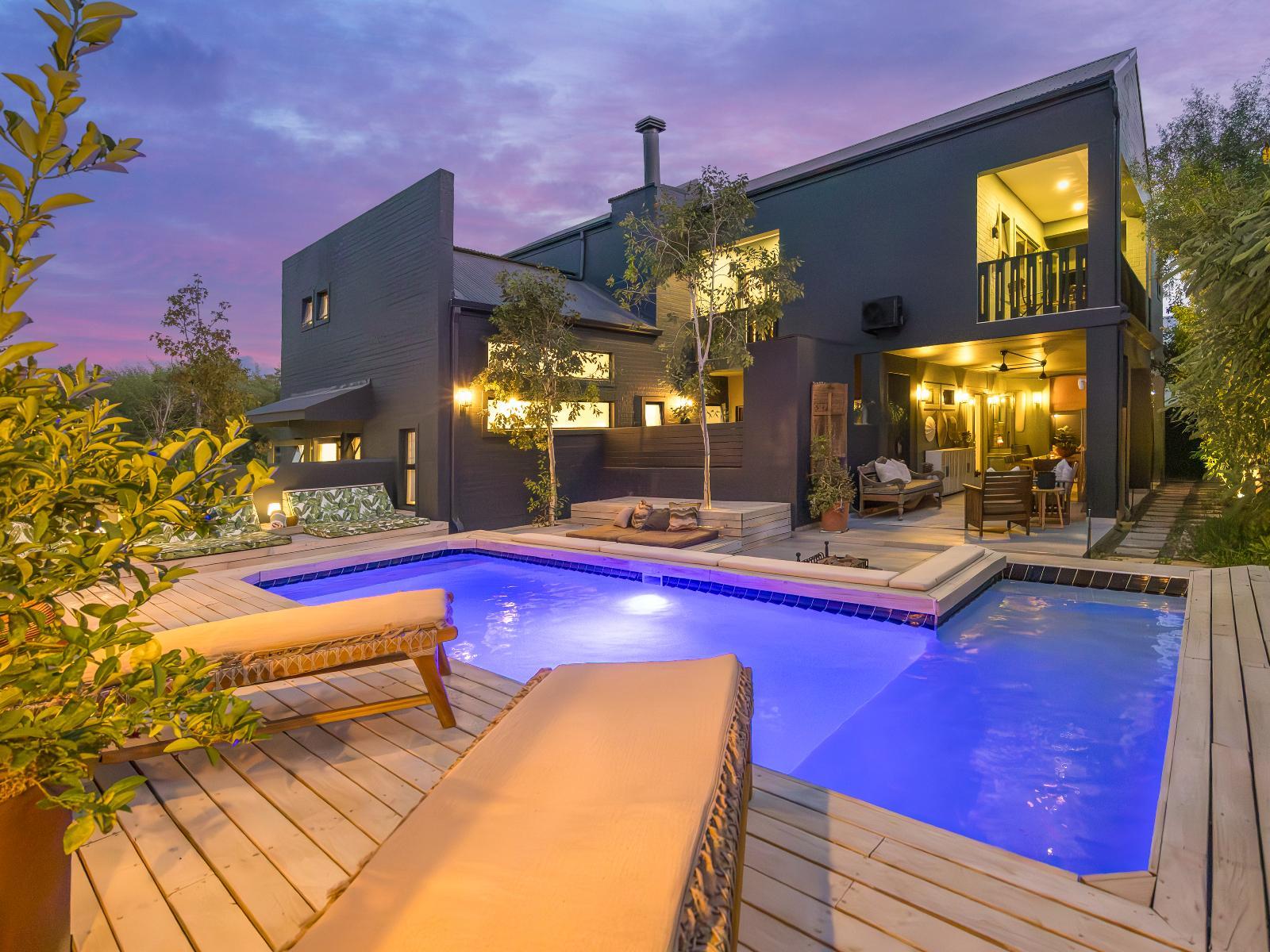
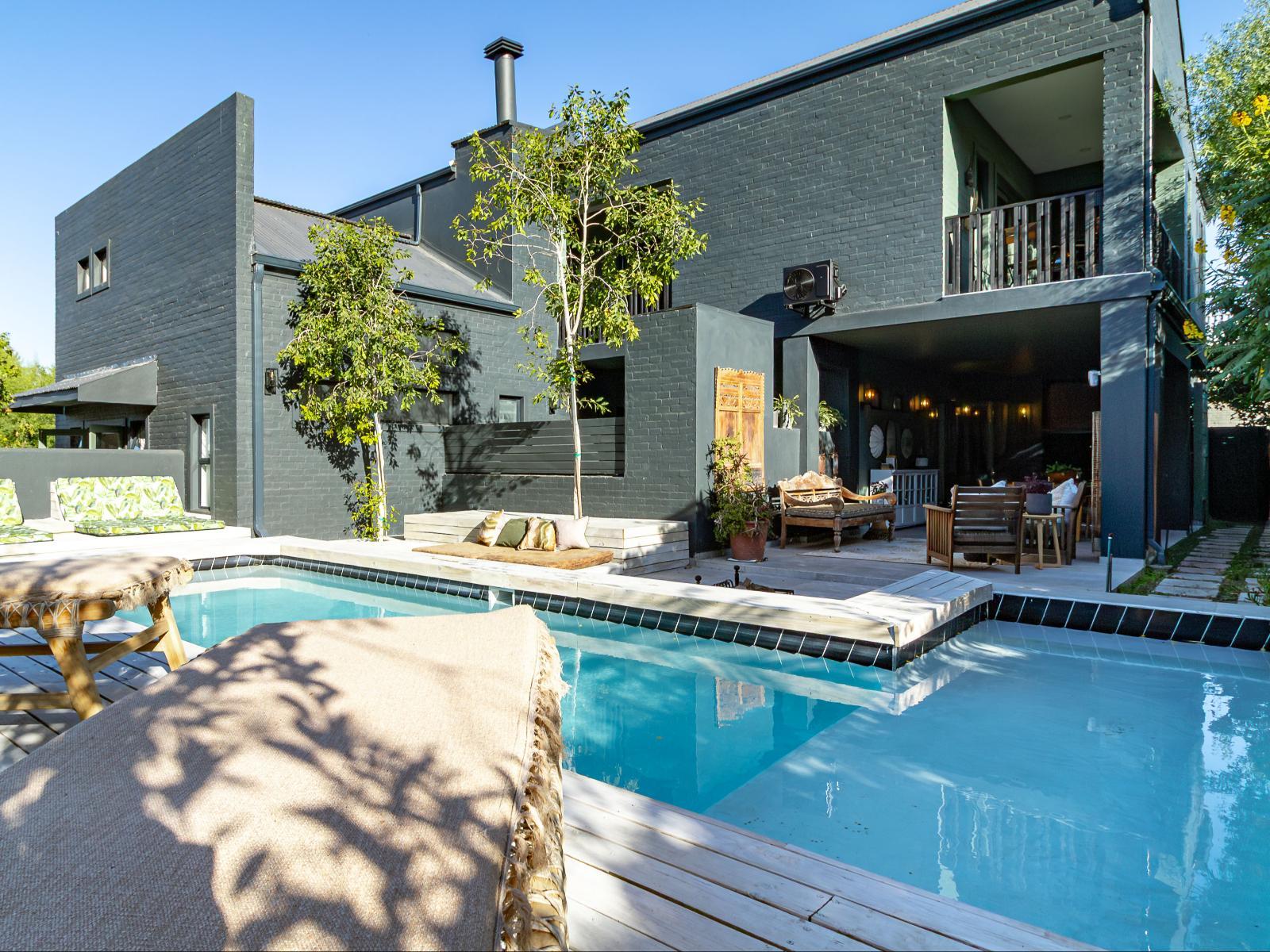
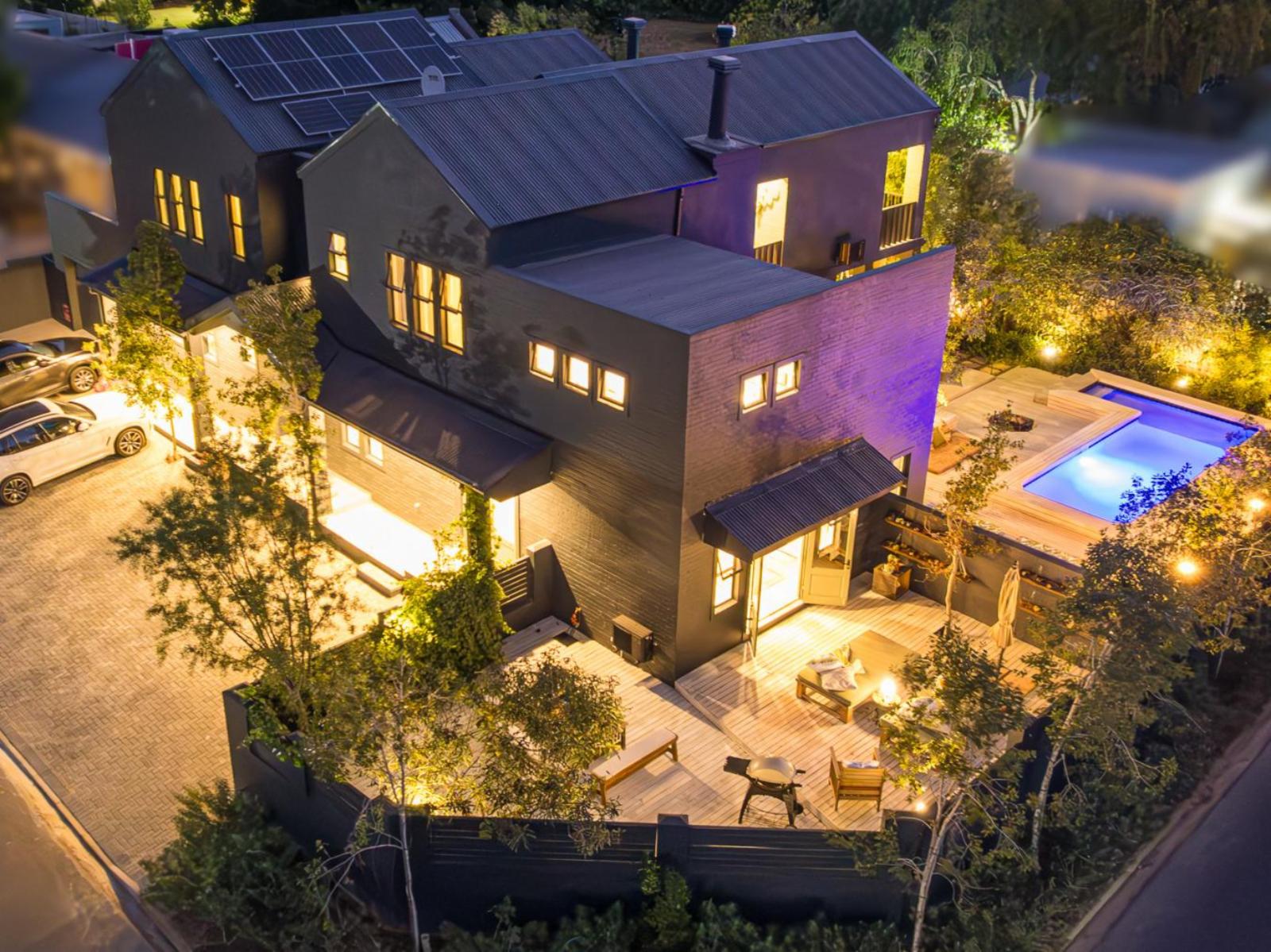
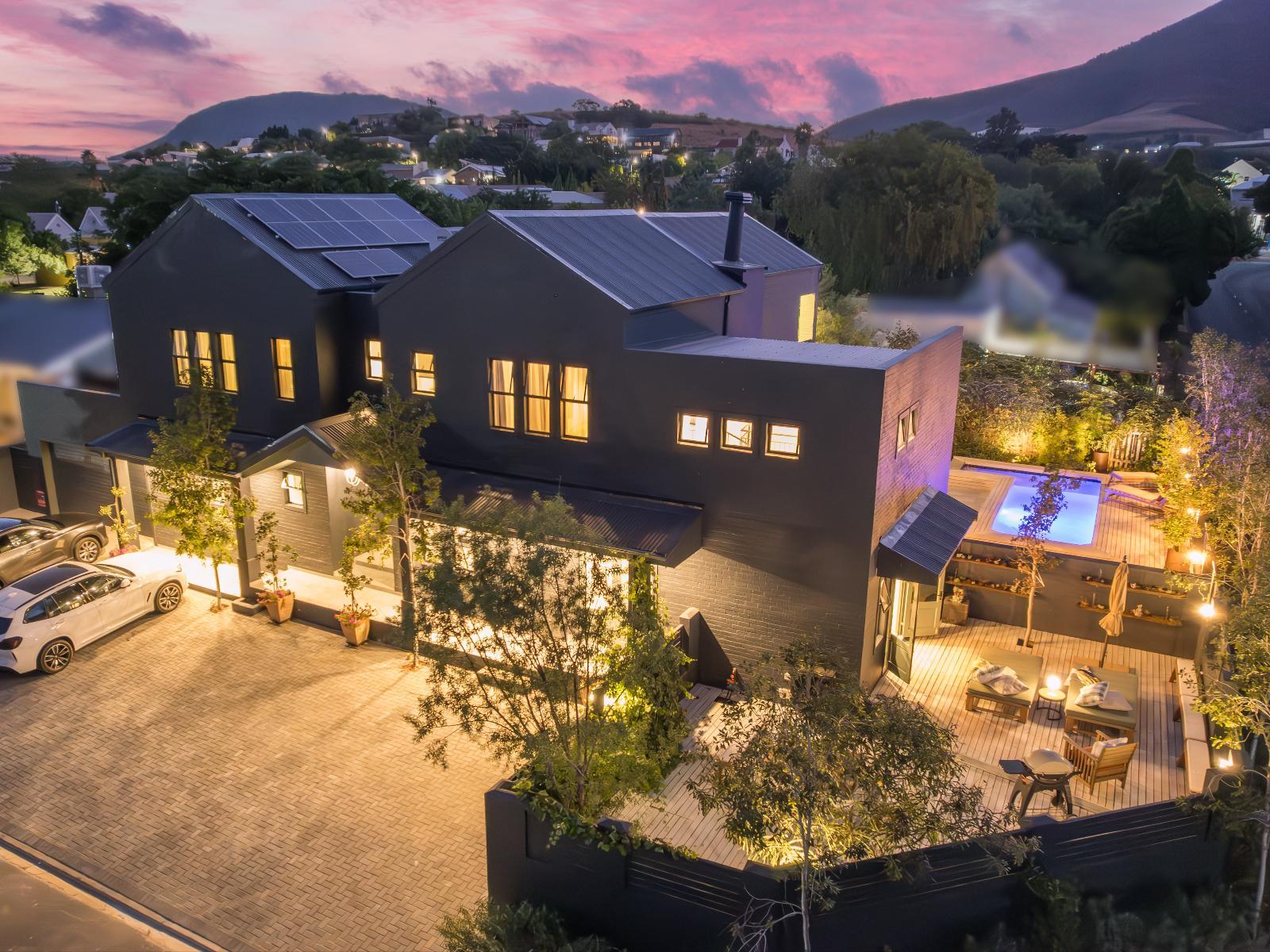
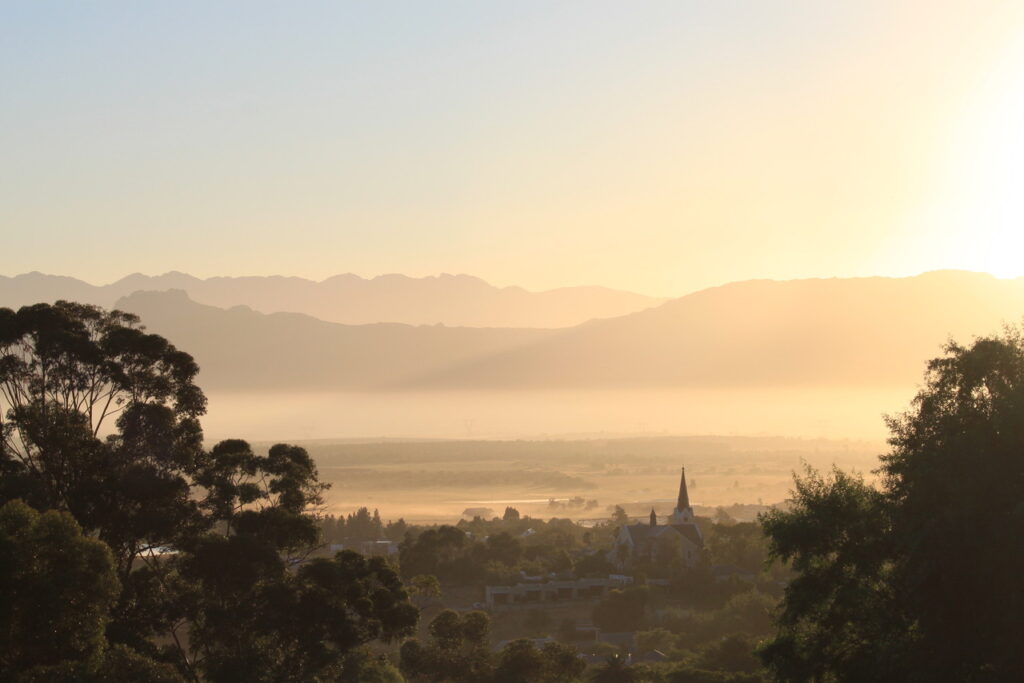
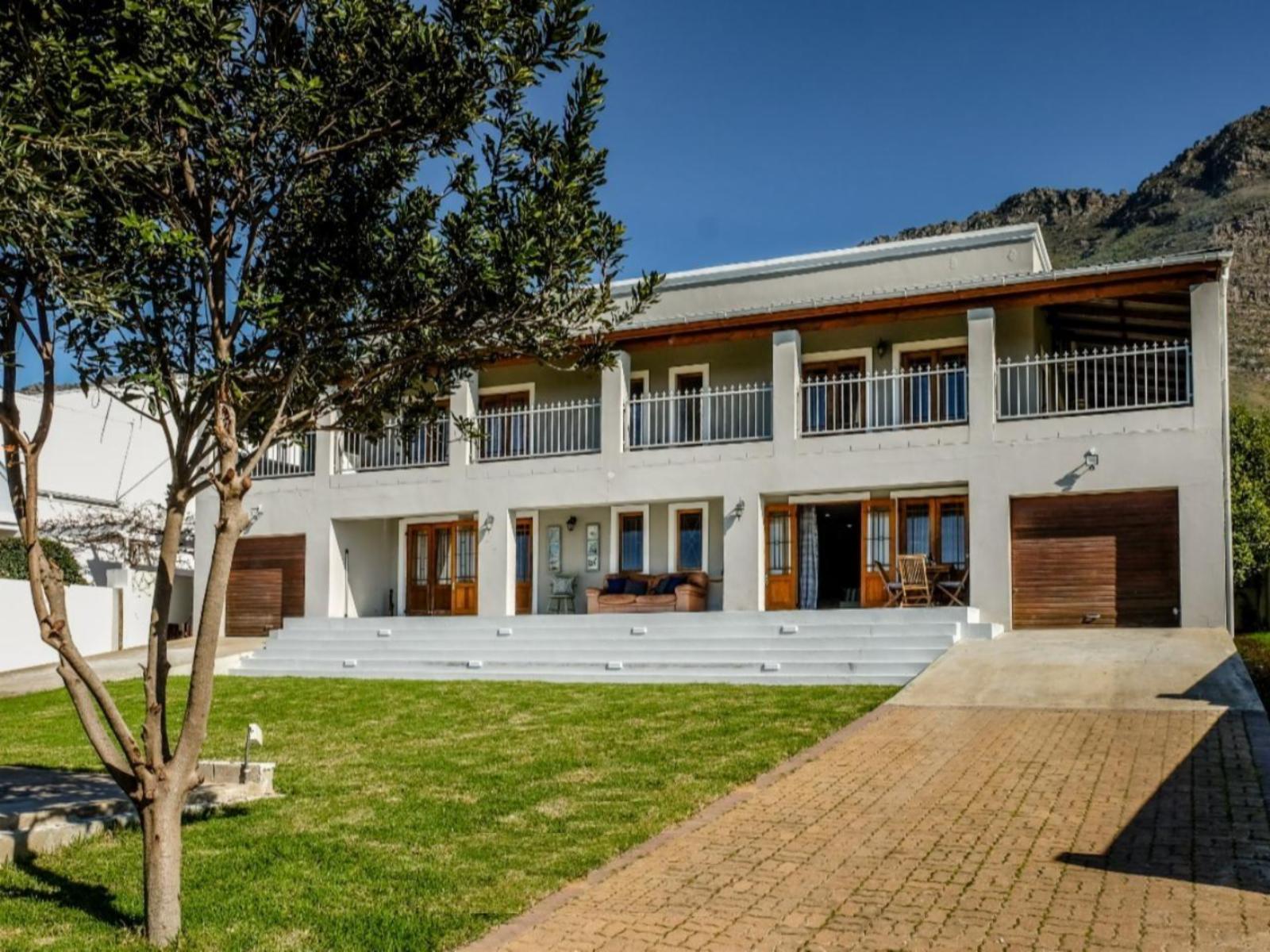
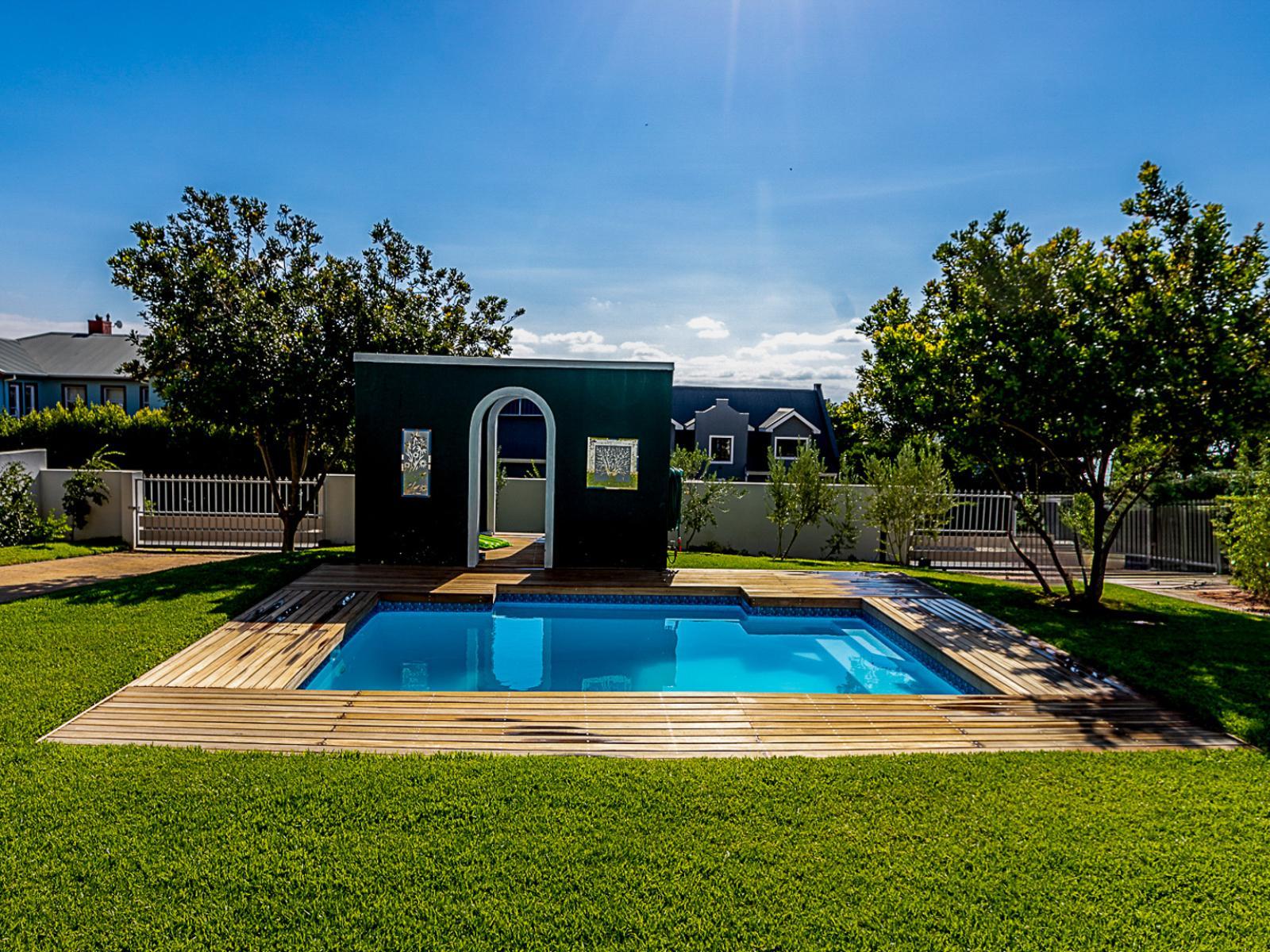
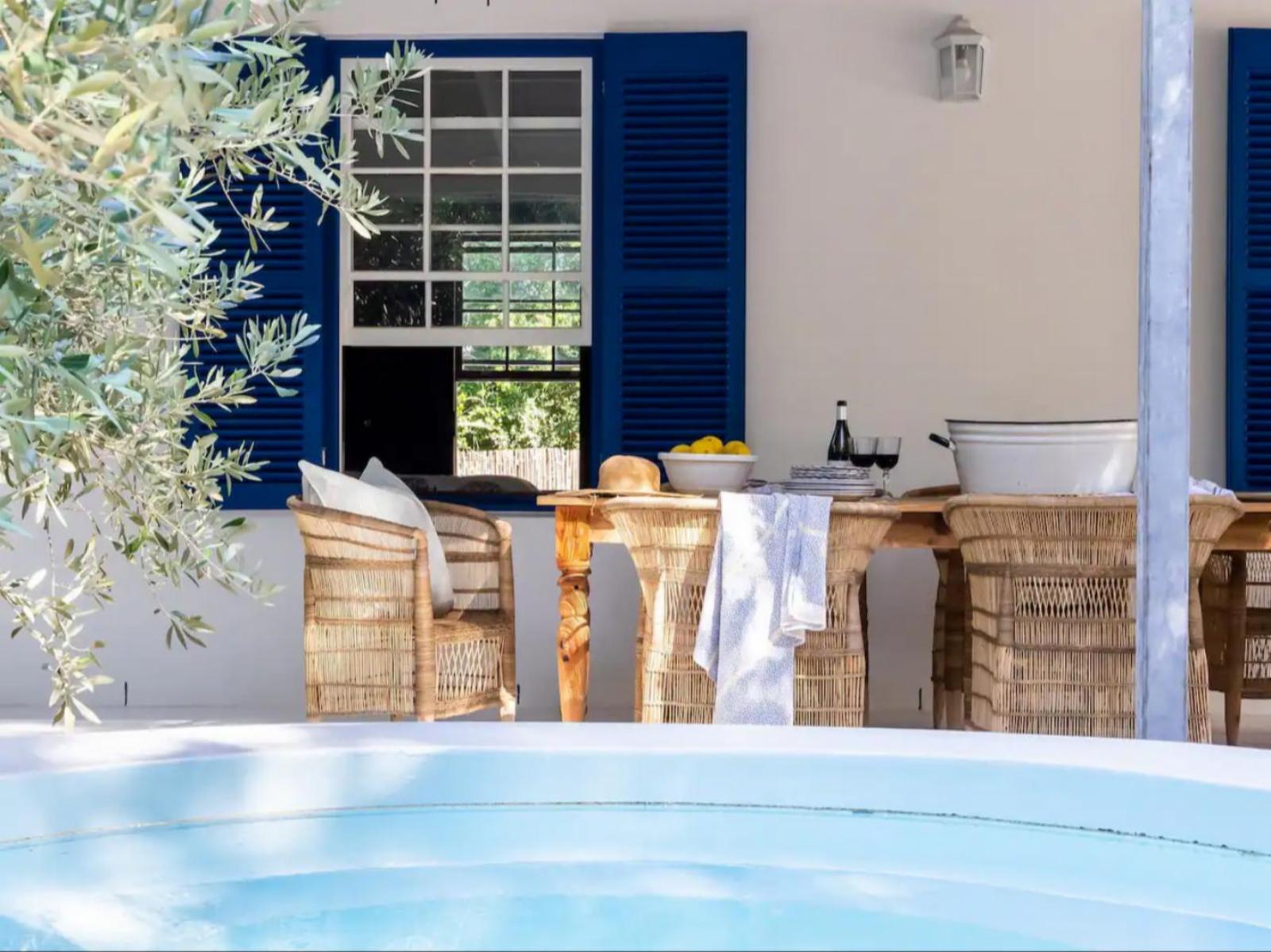
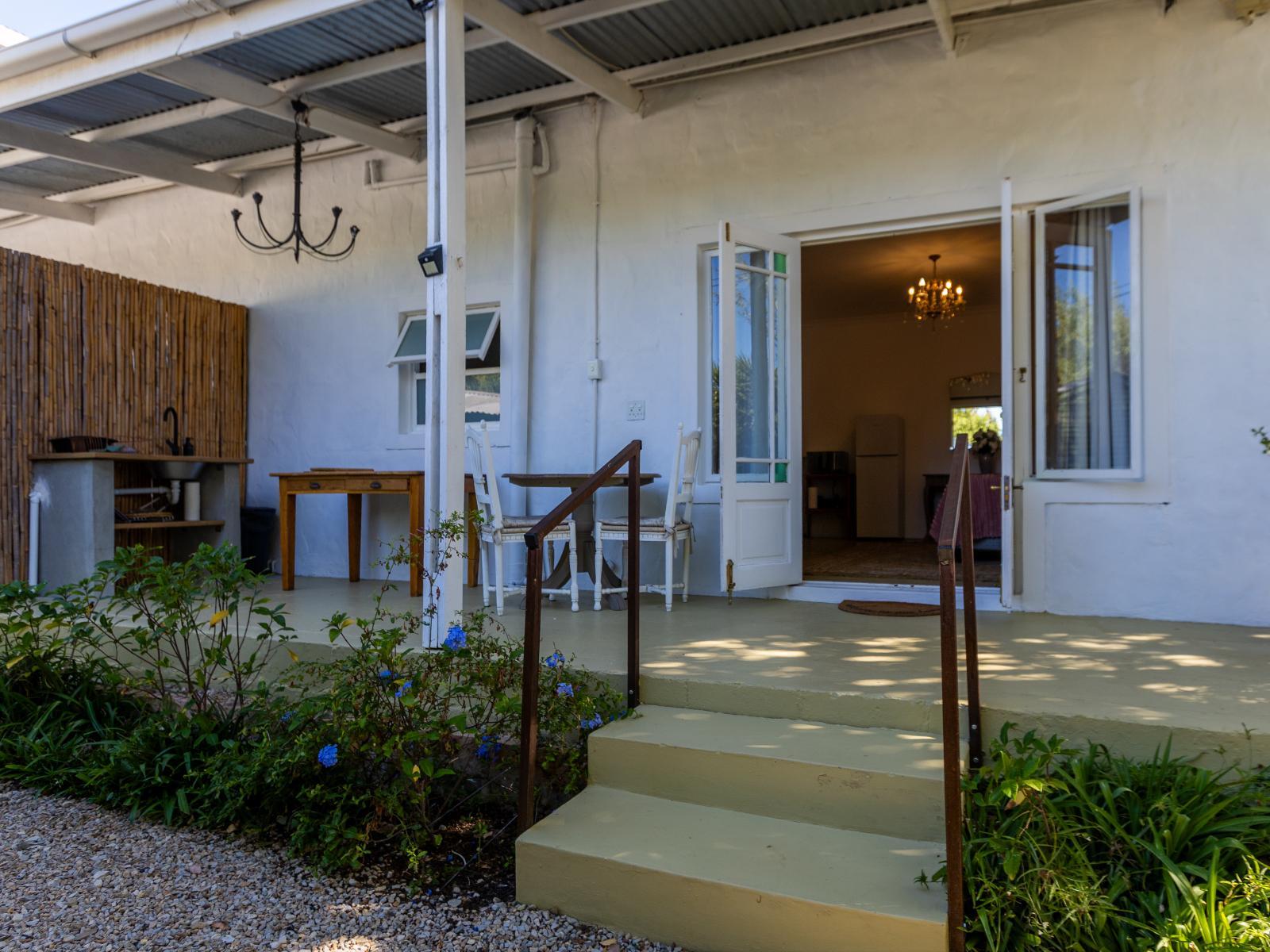
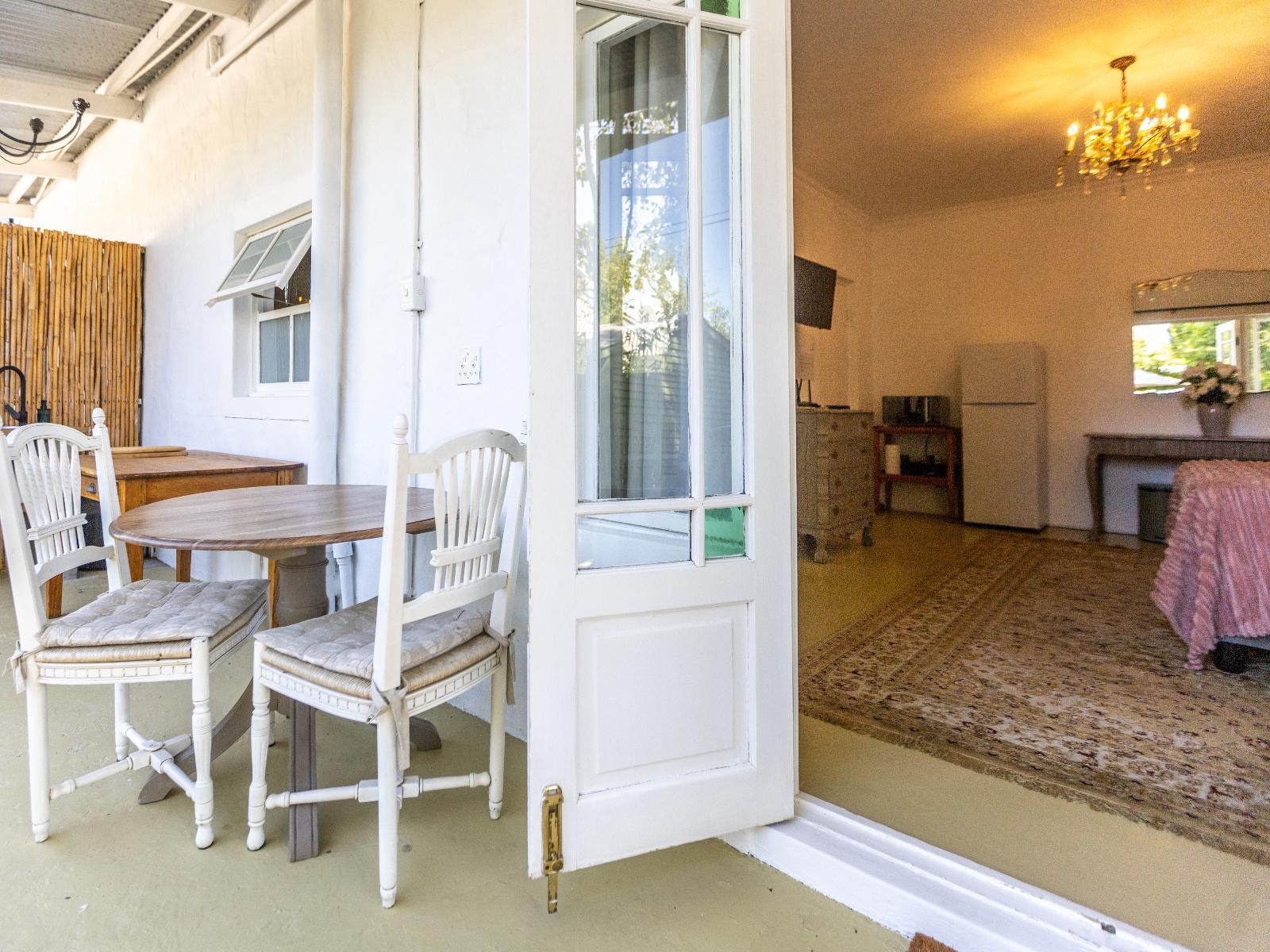
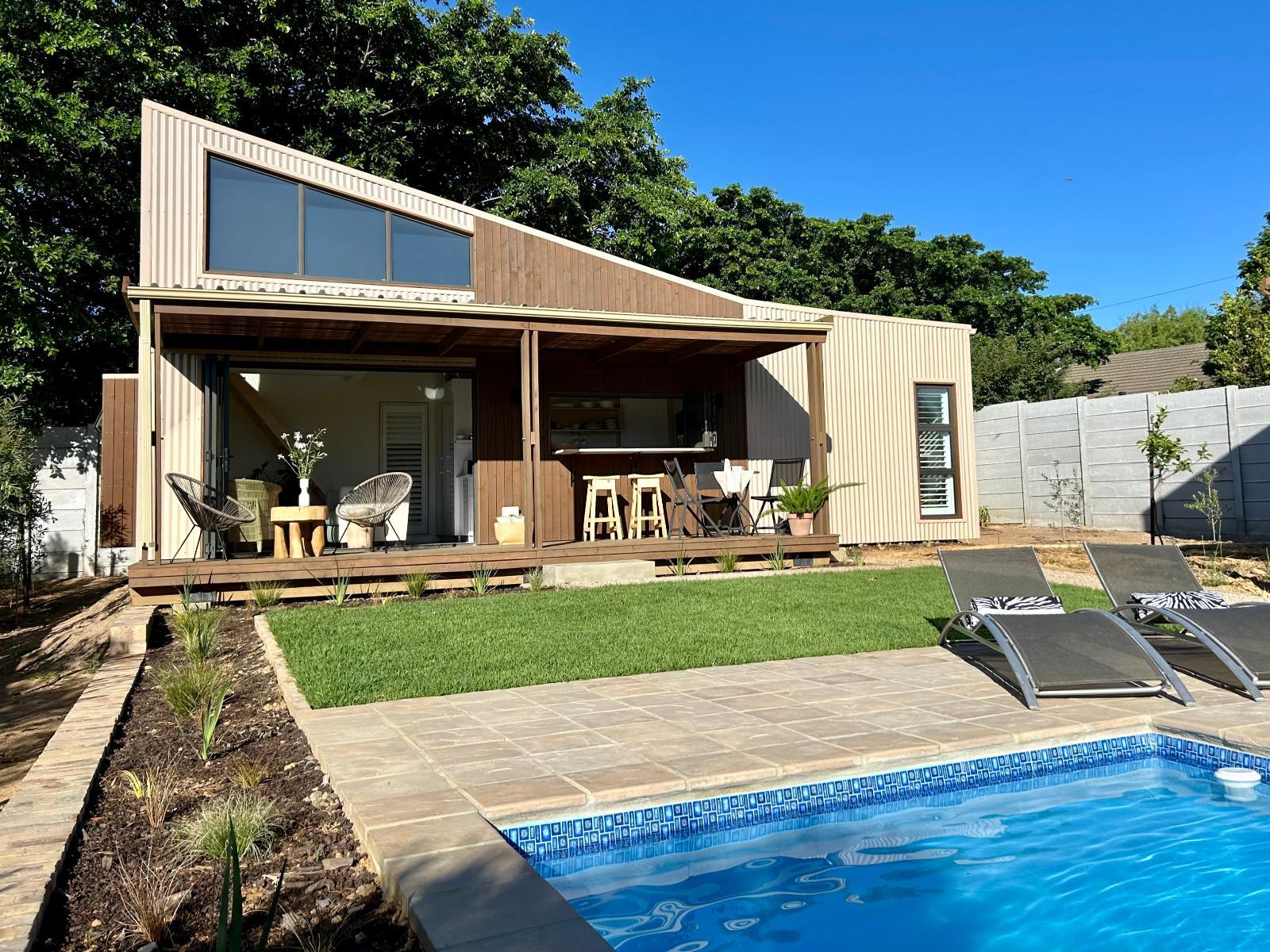
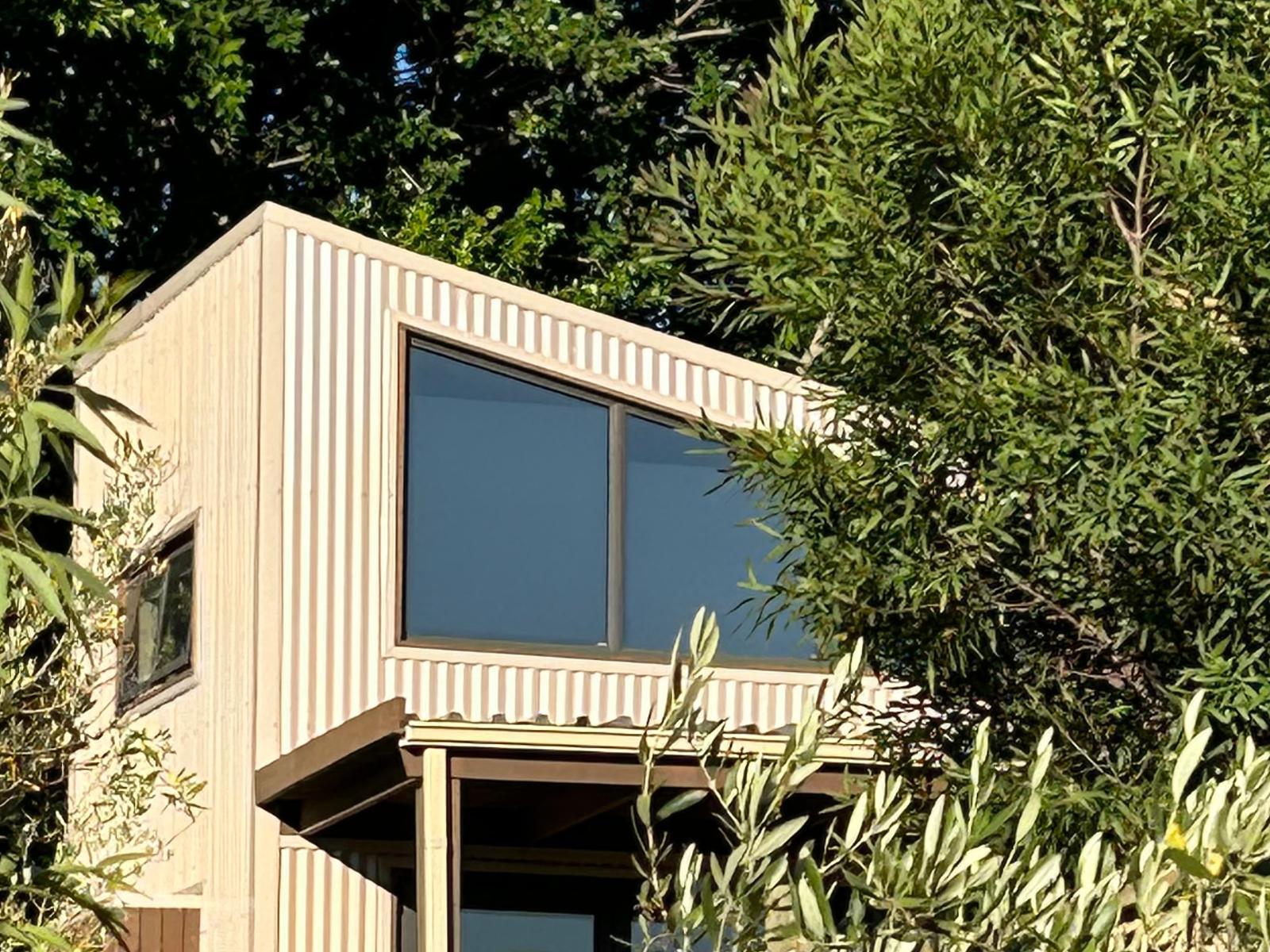
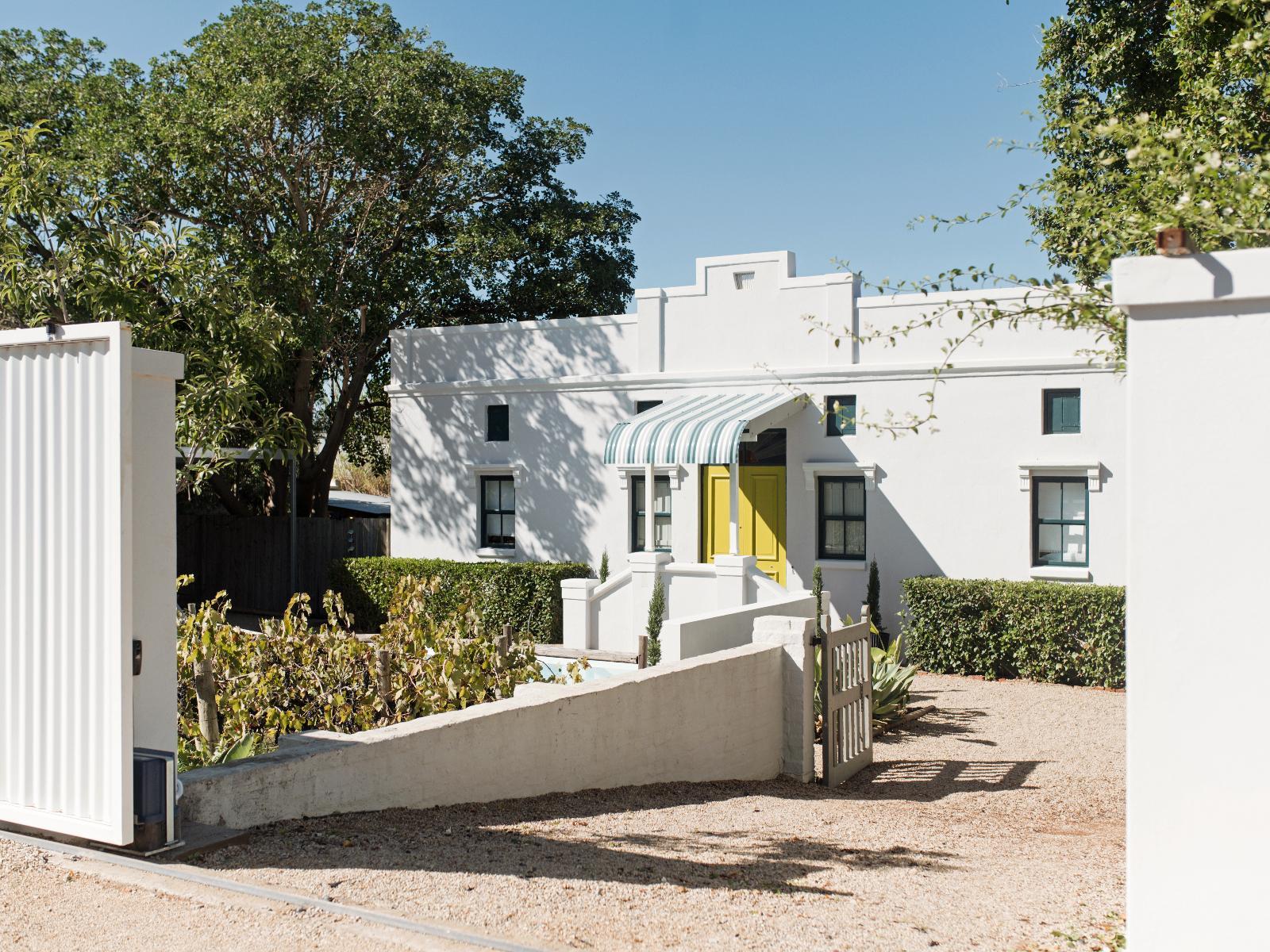
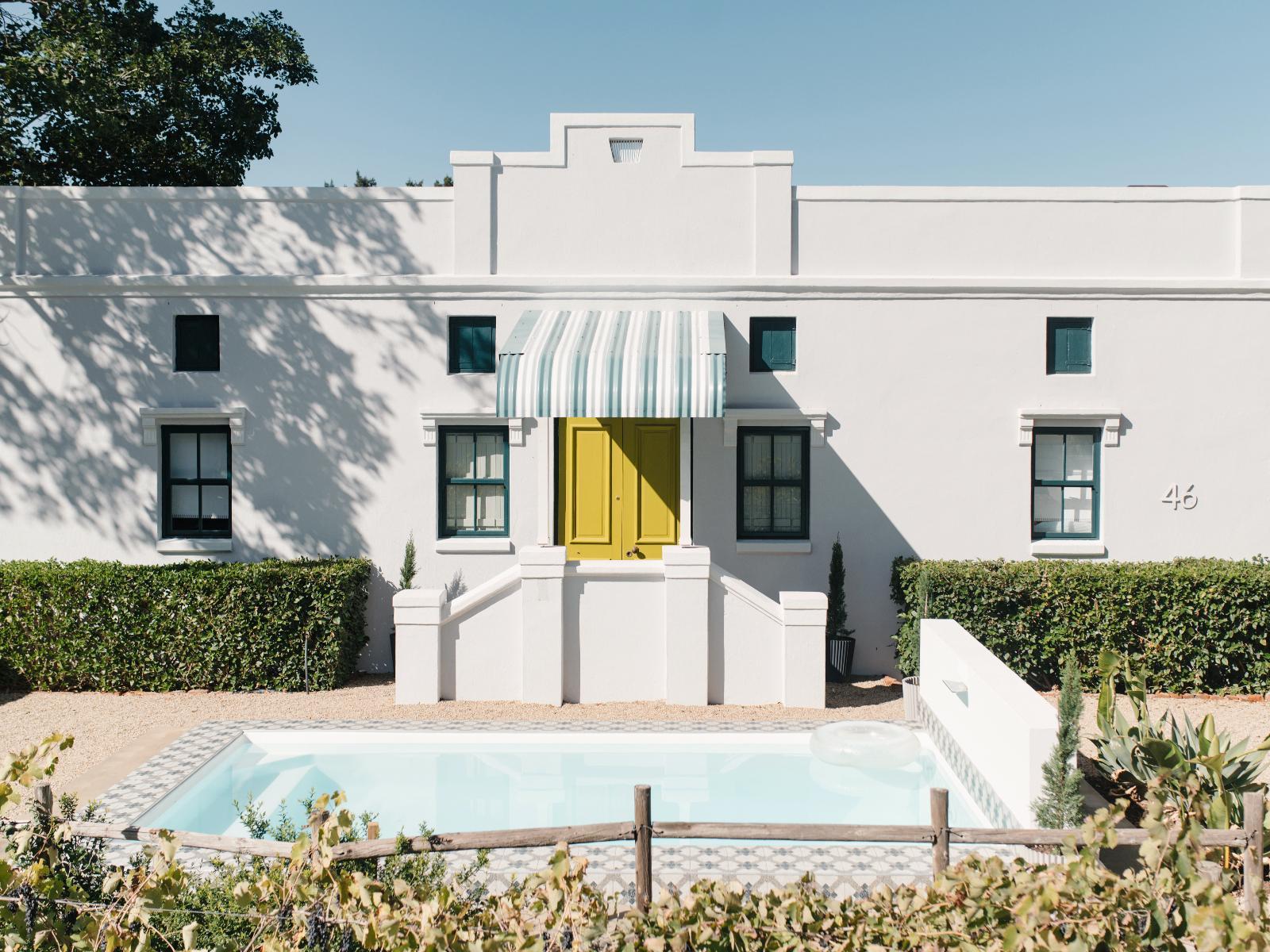
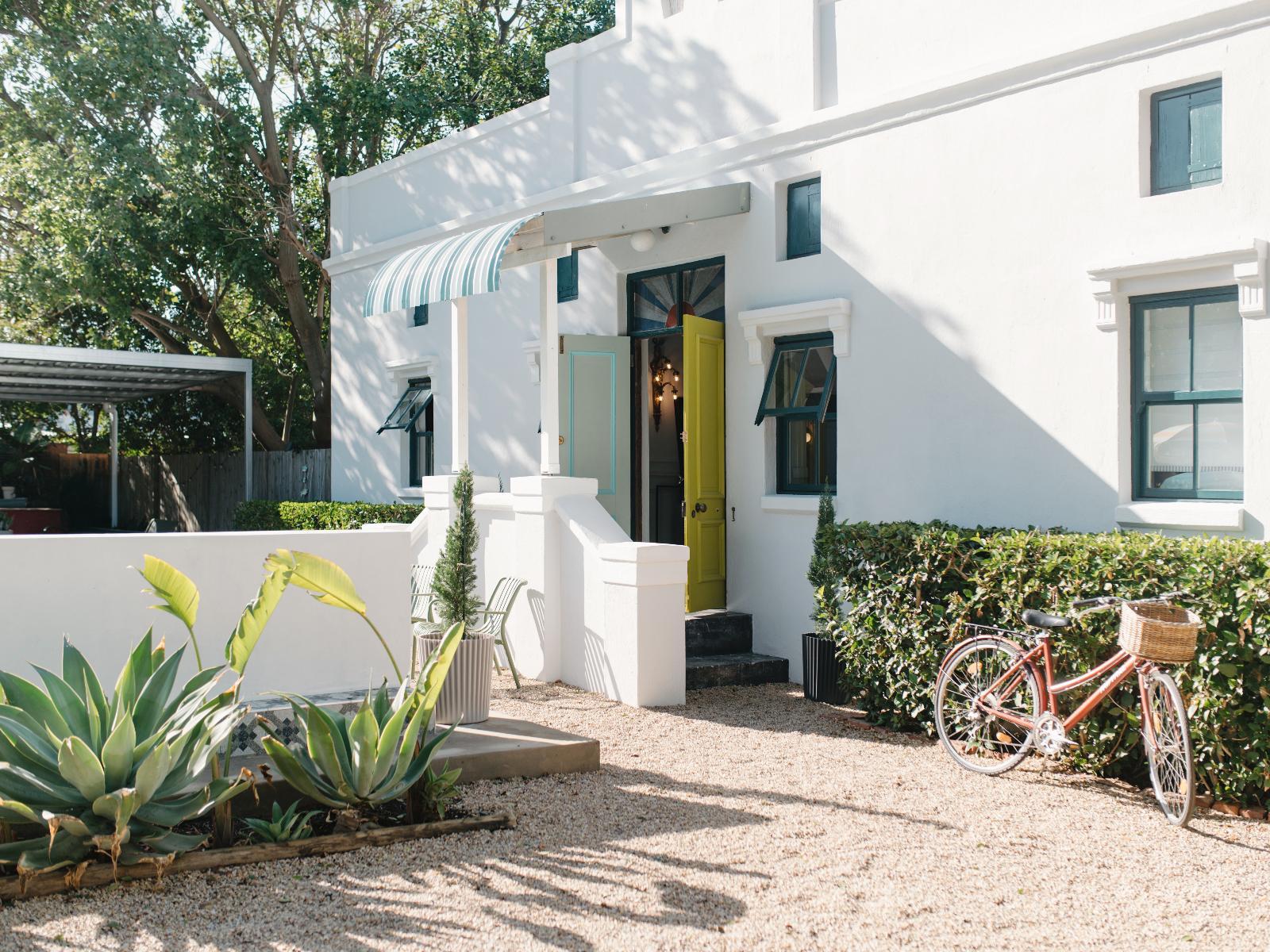
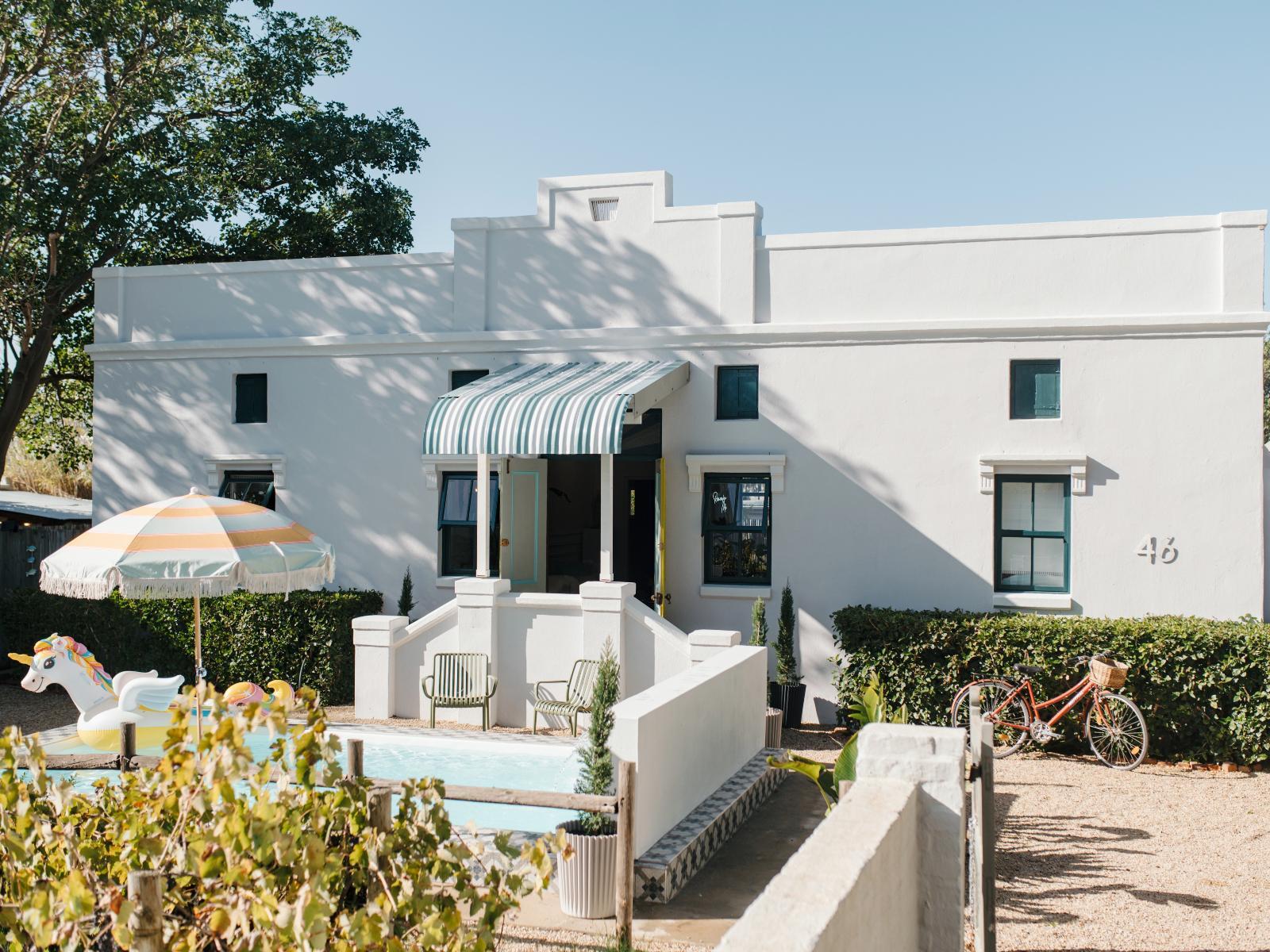
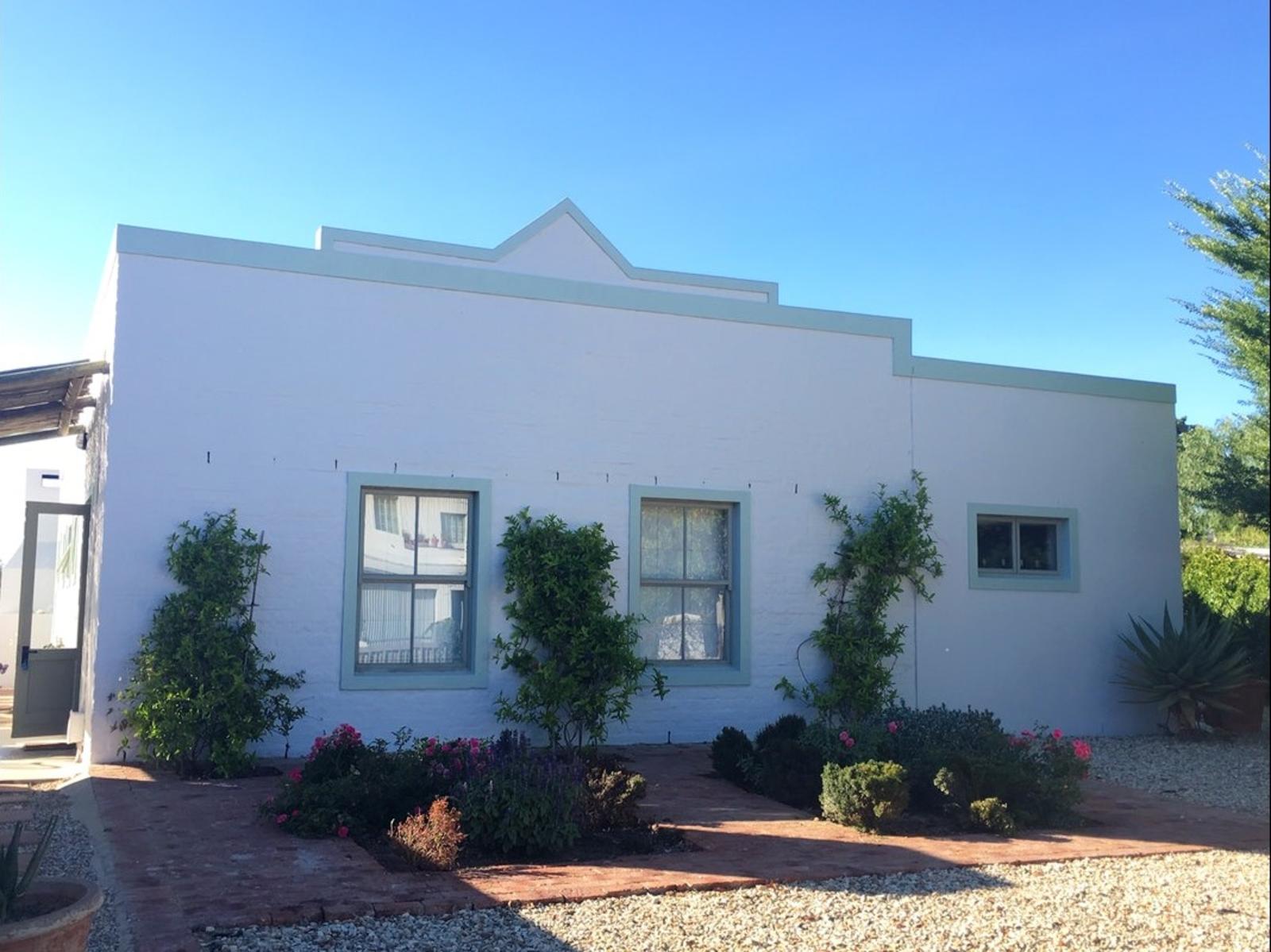
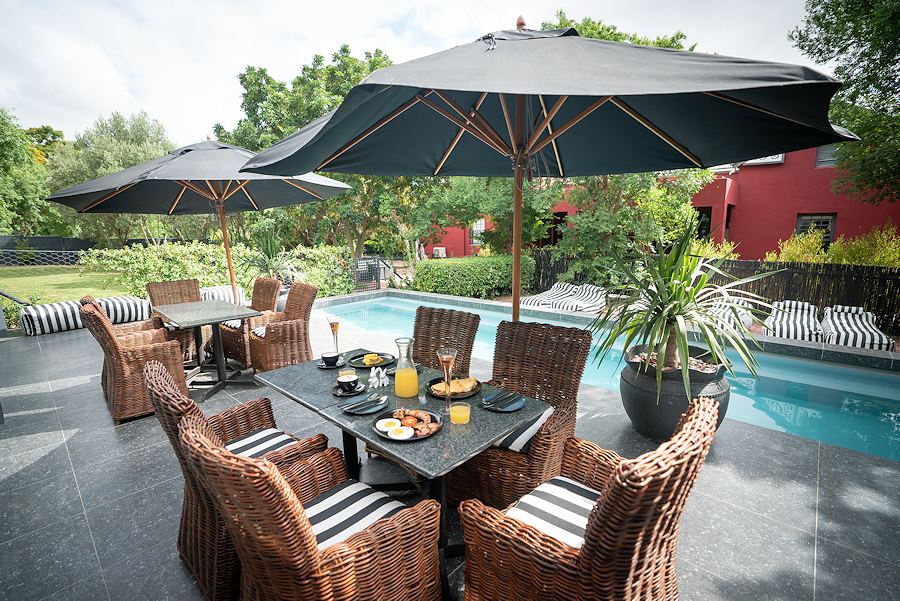
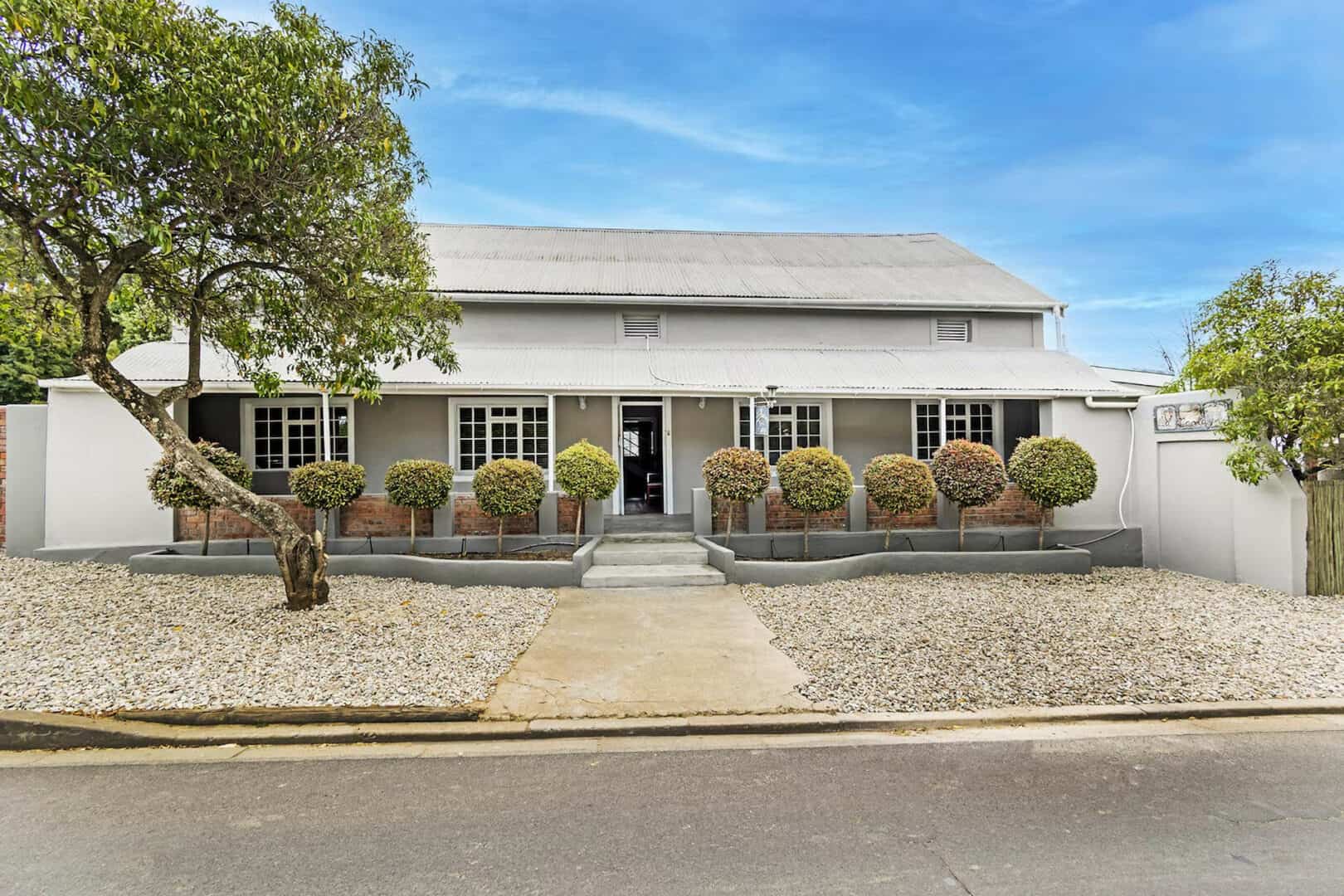
With 12 properties spread across the valley, Riebeek West offers accommodation from R1,252 to R4,000 per night, with an overall average around R2,174. The inventory is small enough that choices are limited, but the spread of types covers most travel styles.
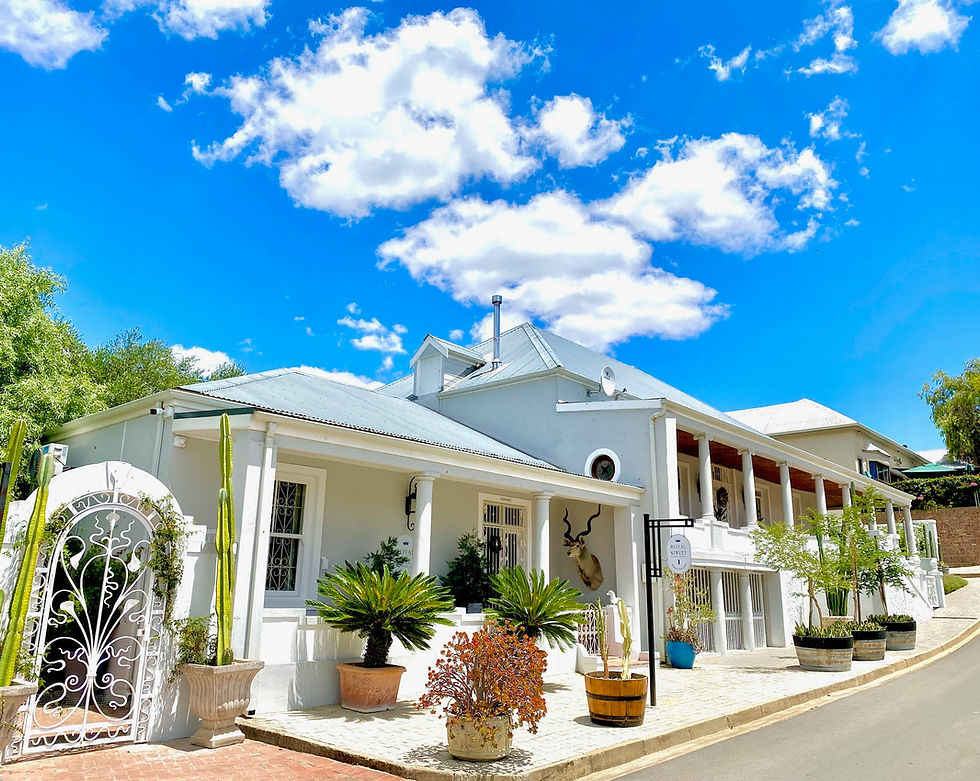
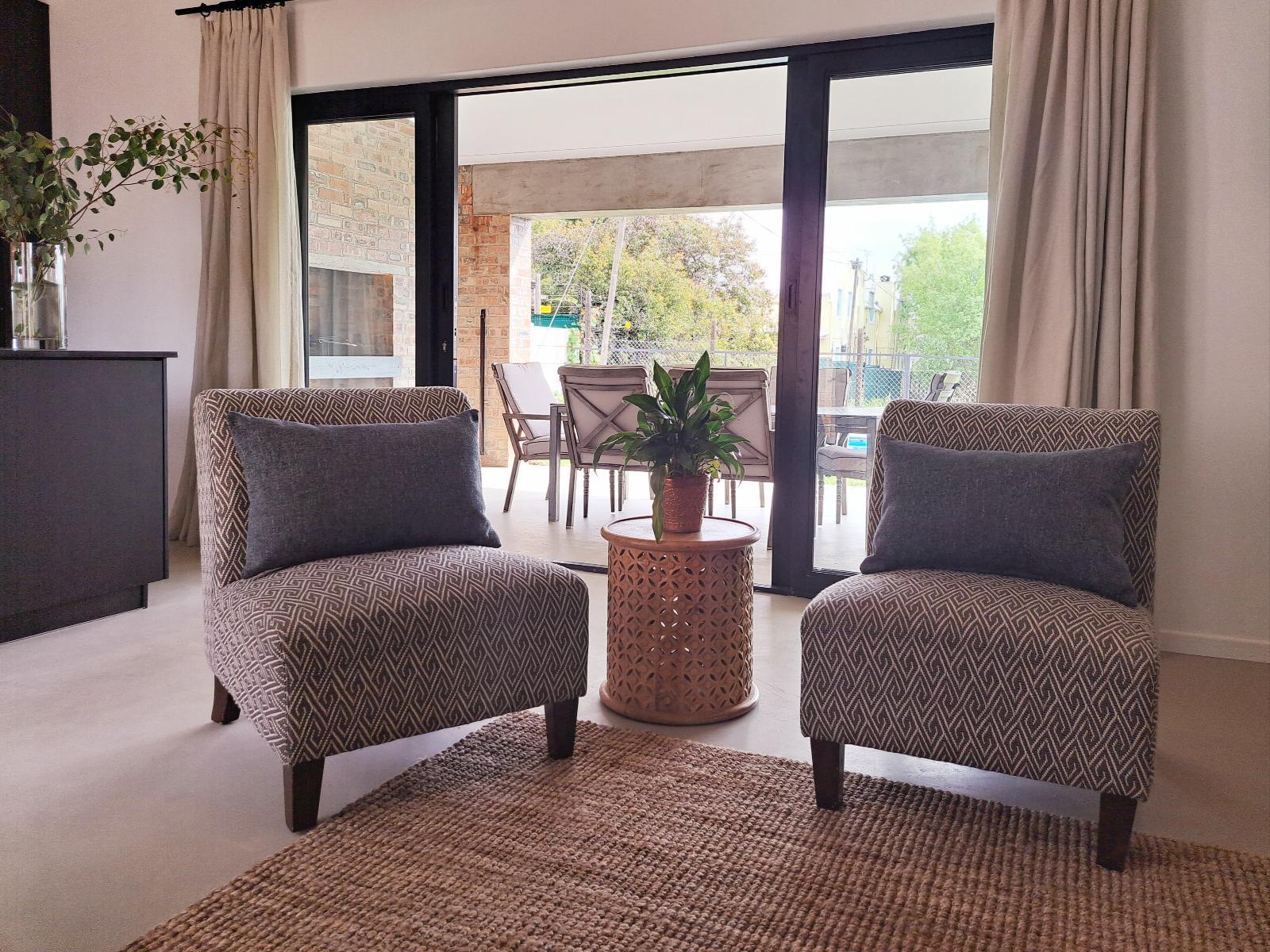
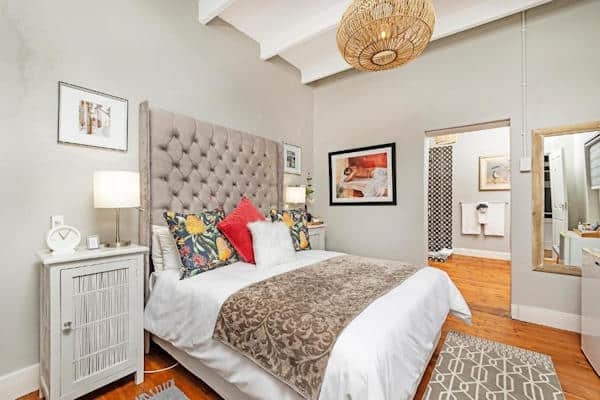
At the more affordable end, the two hotel listings provide straightforward rooms with meal options available, suited to travellers who want a functional base without managing their own catering. Bed and breakfasts occupy the next tier, typically owner-operated and including a morning meal. In a place this size, that personal connection often translates into specific recommendations for nearby cellar doors, farm stalls, and walking routes that would not appear in any published guide.
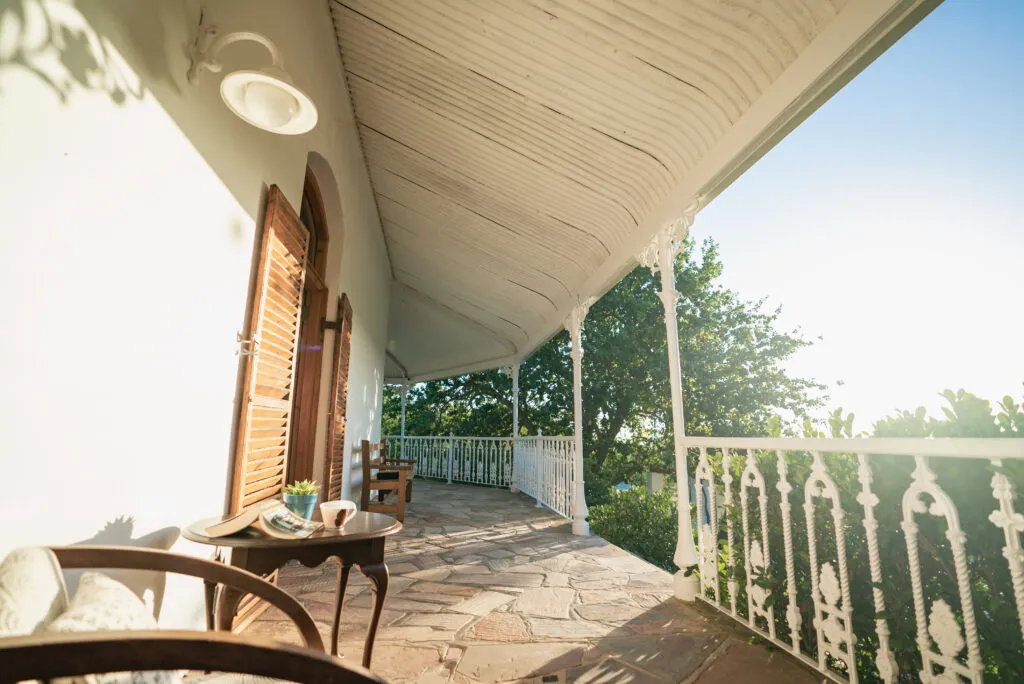
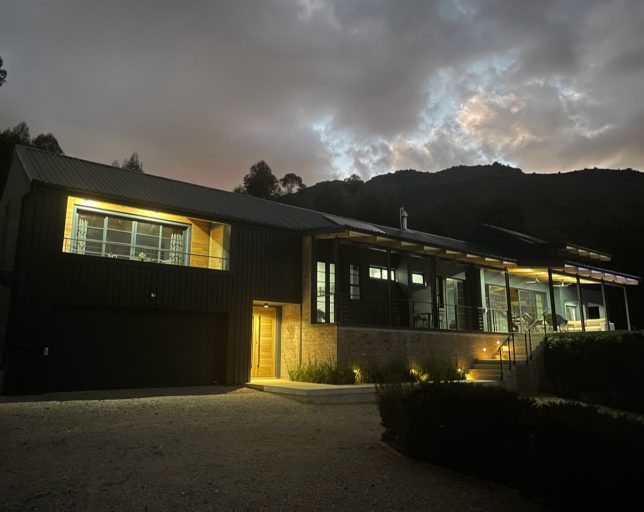
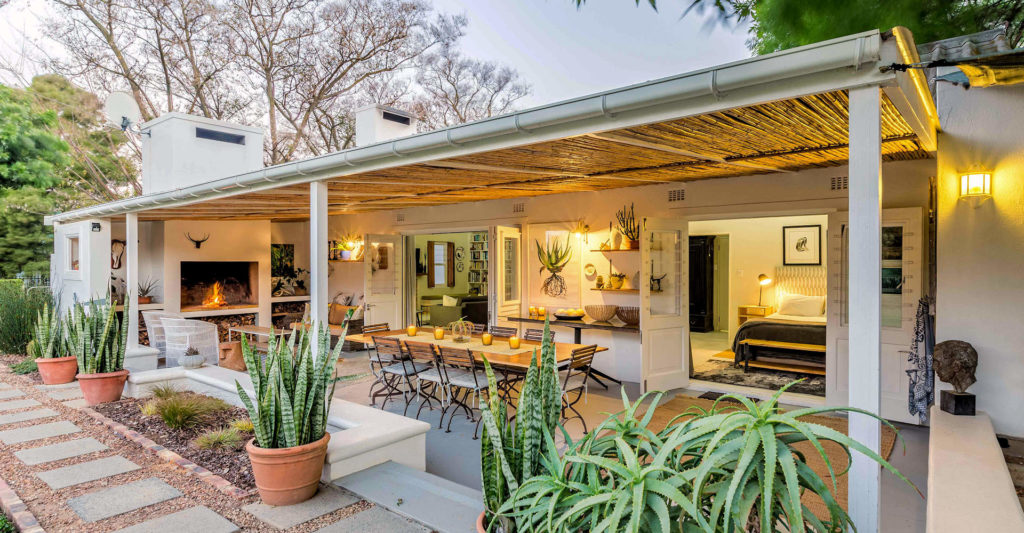
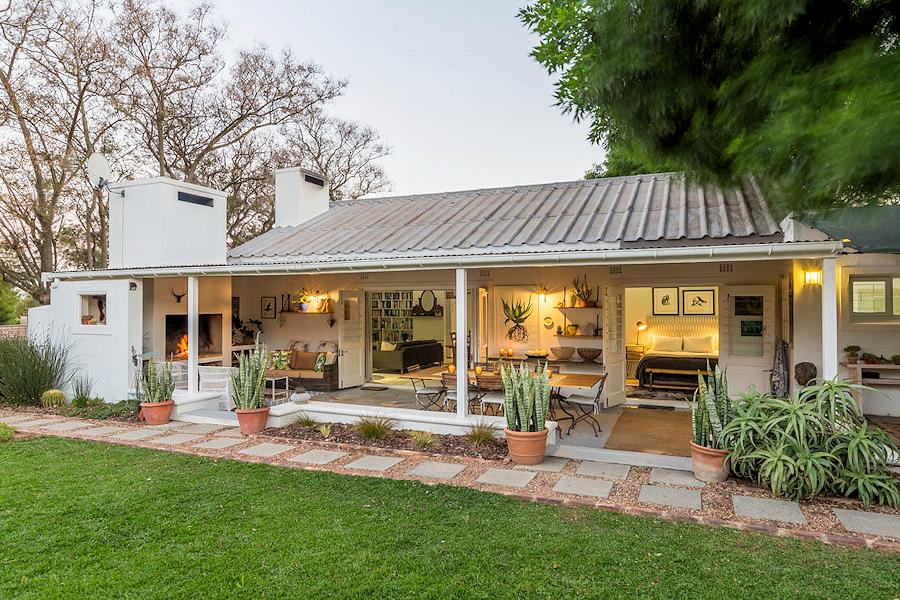
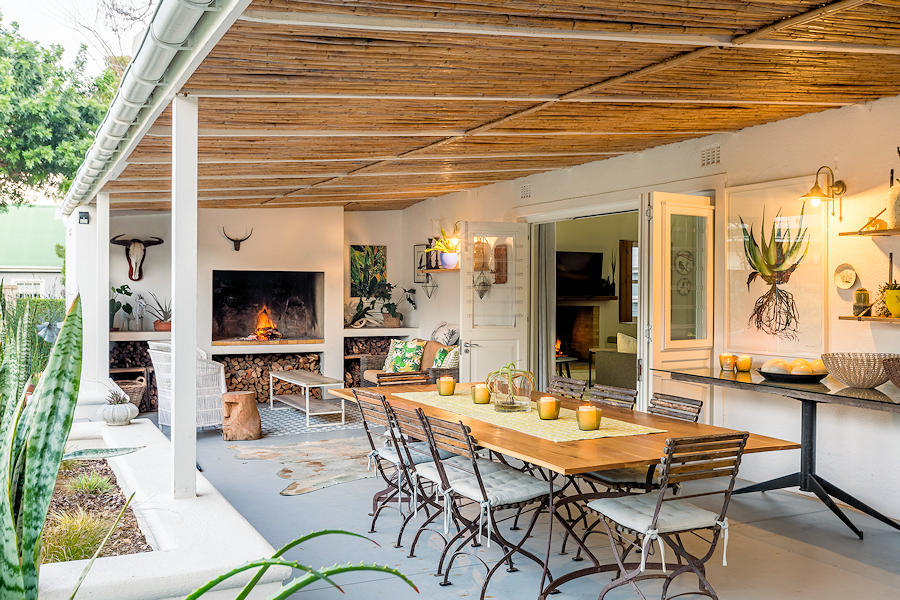
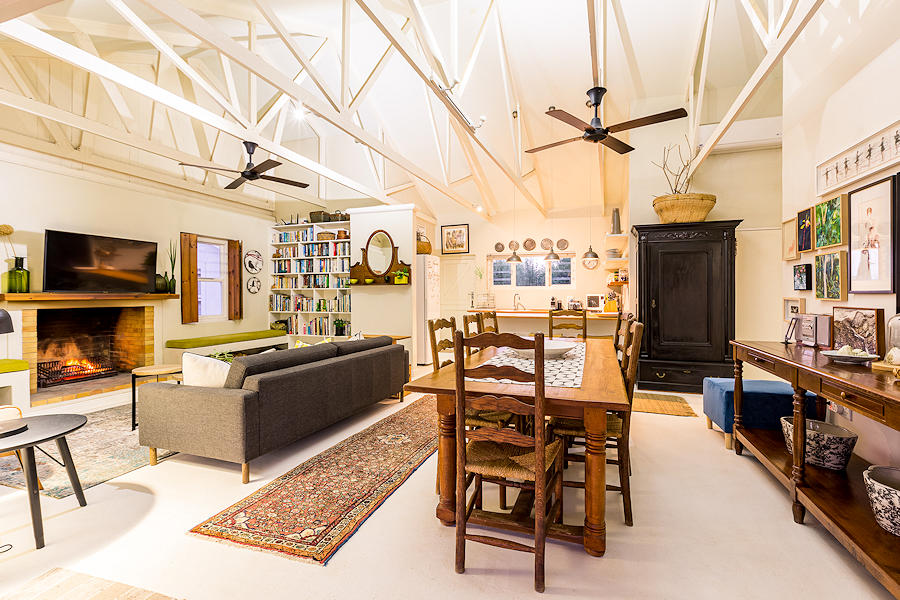
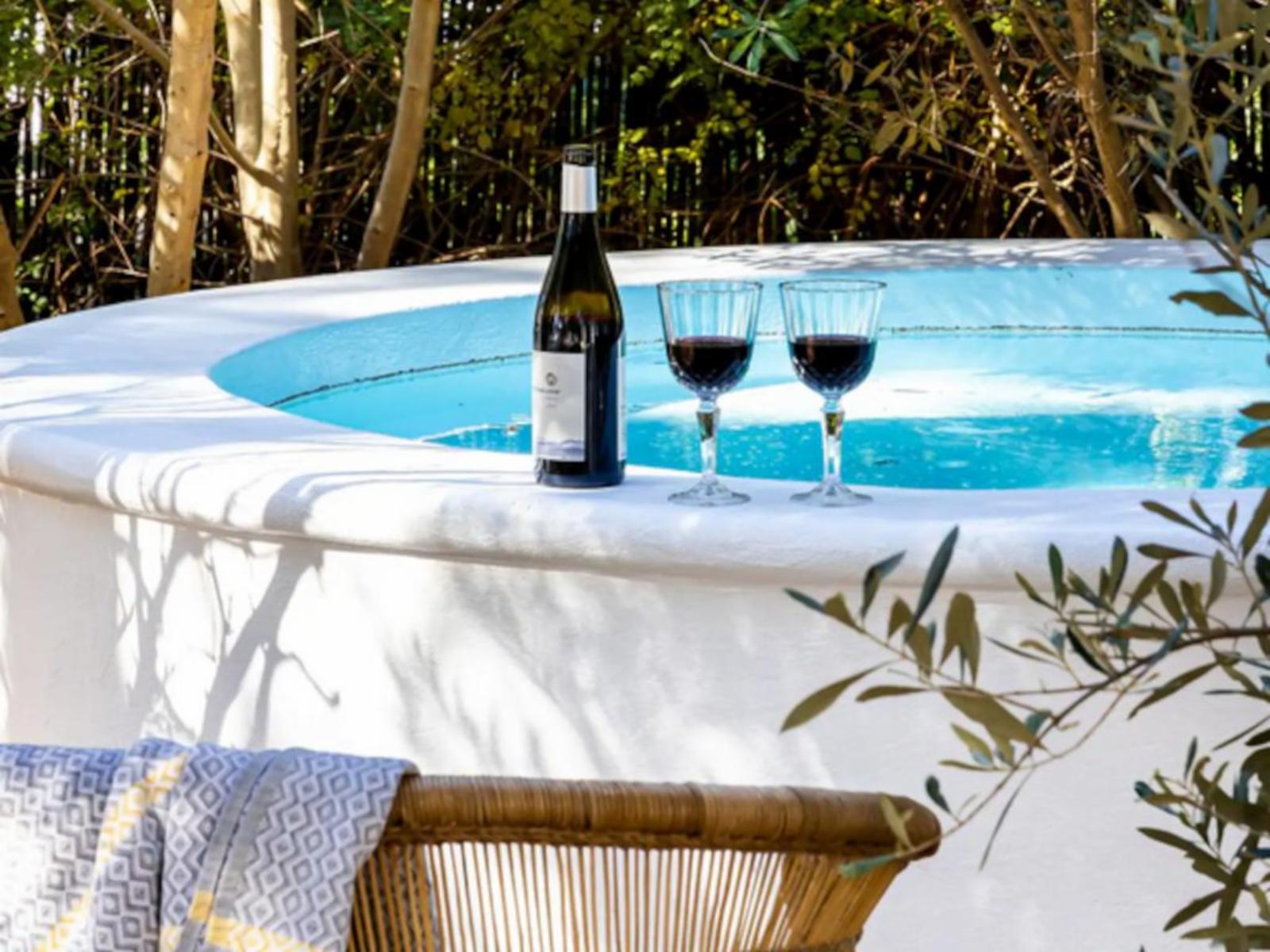
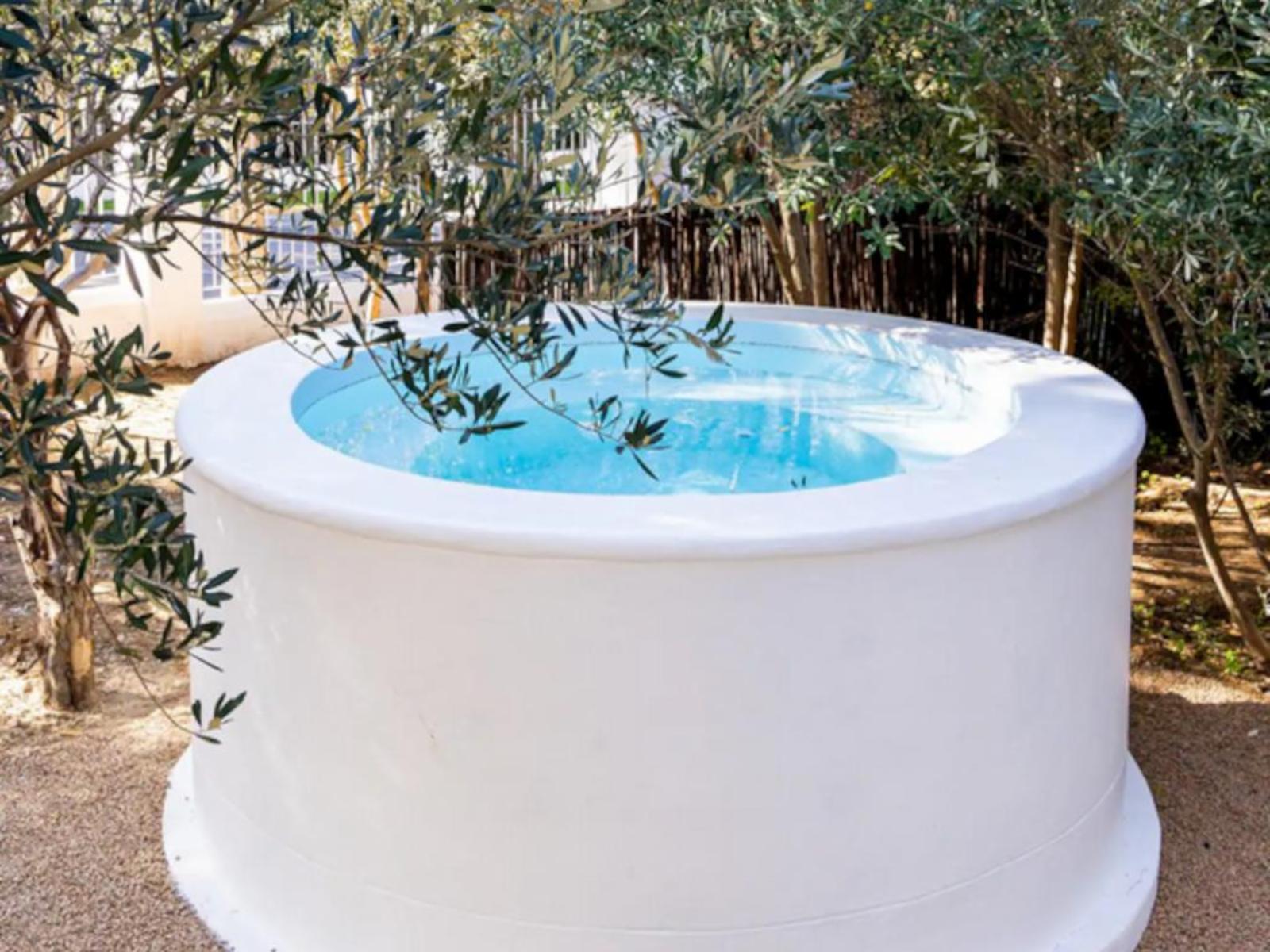
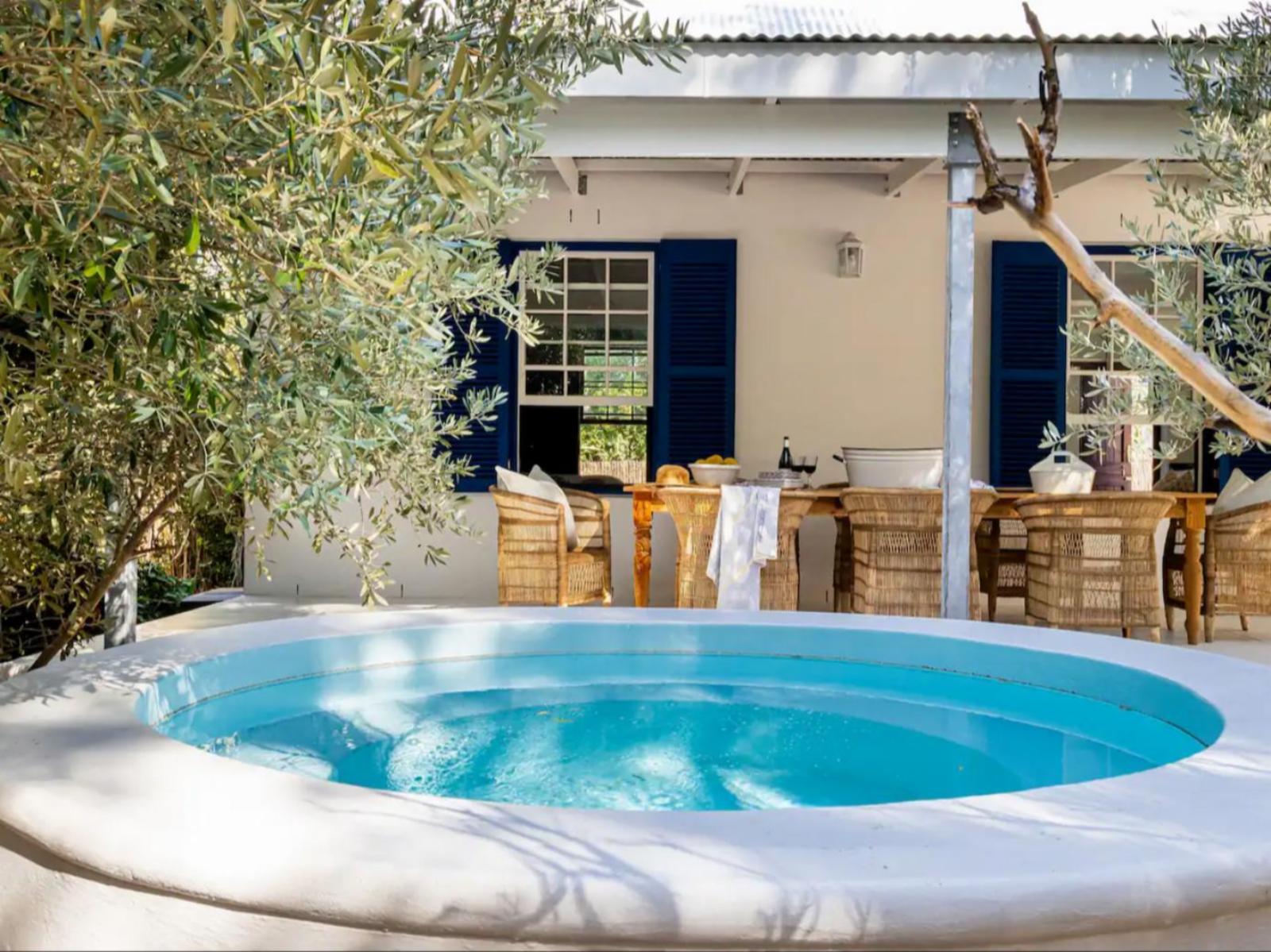
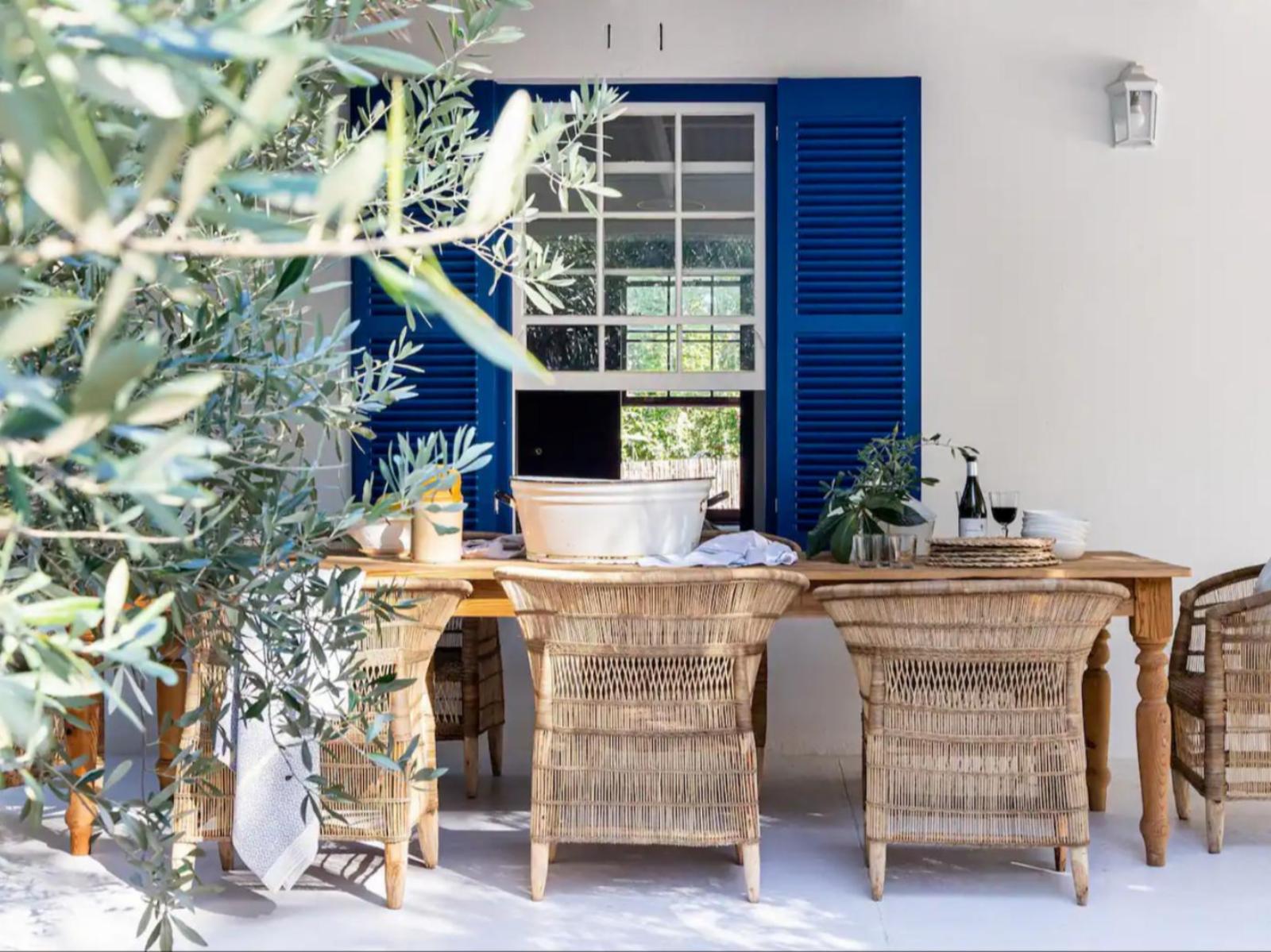
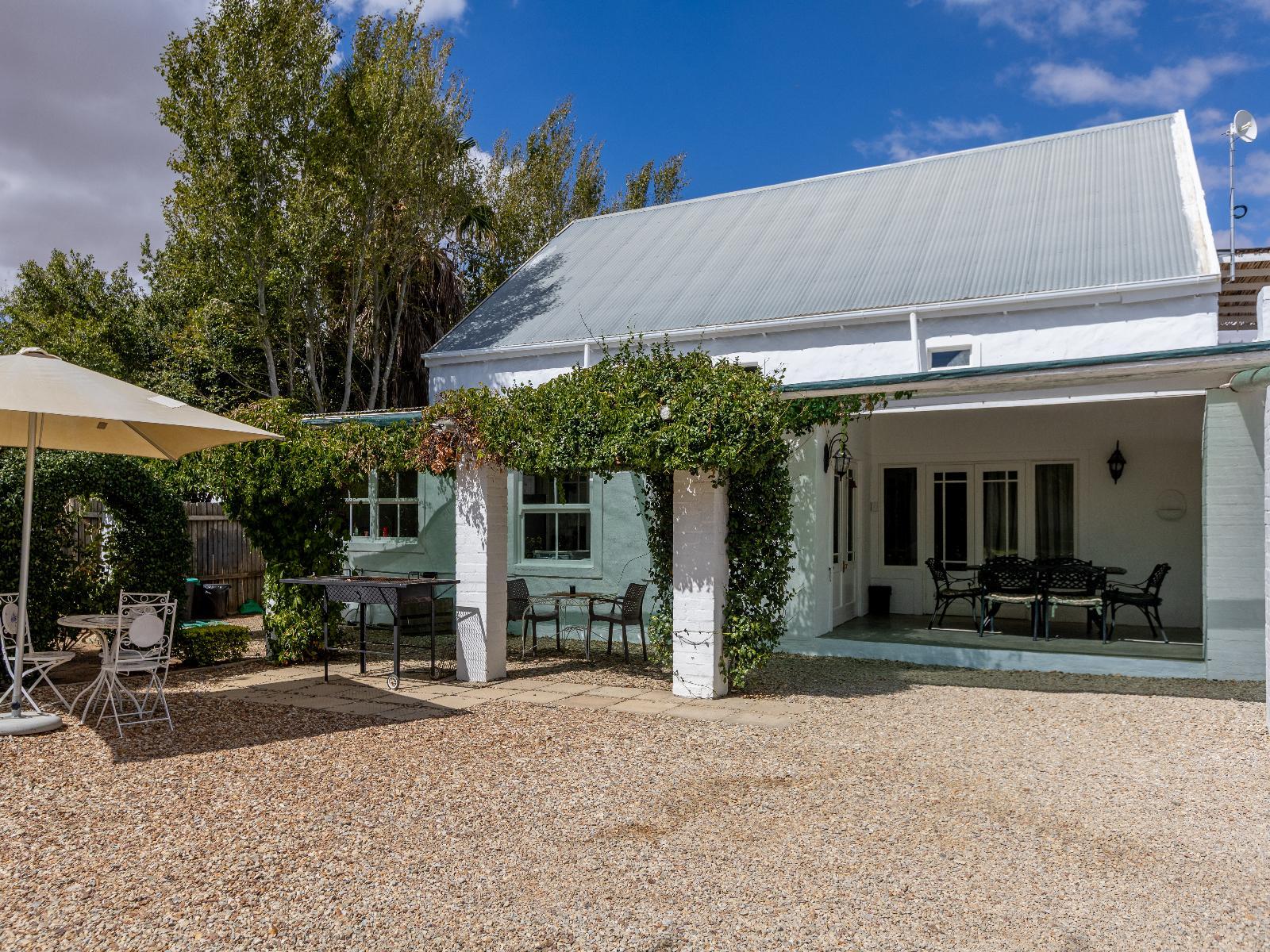
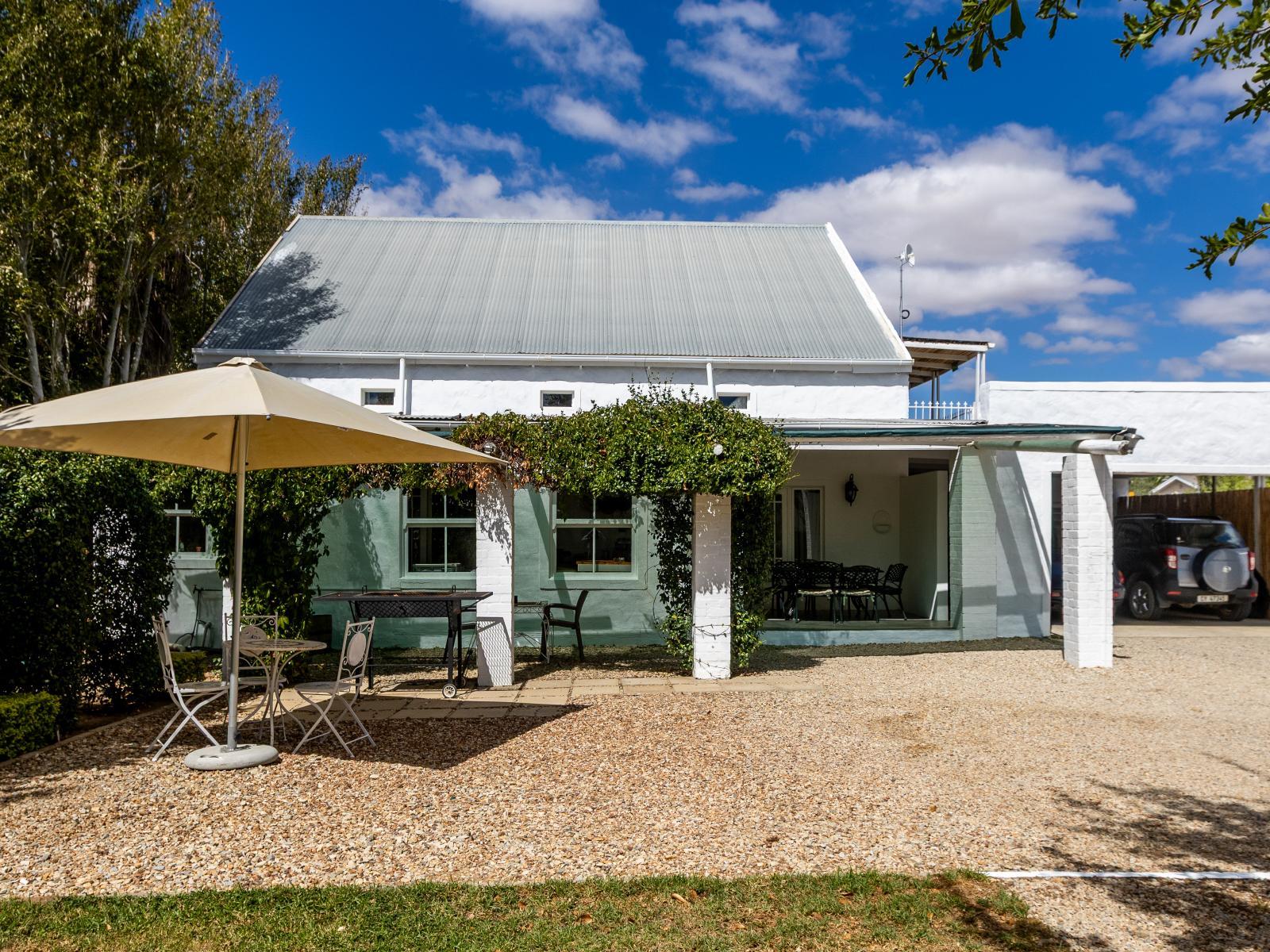
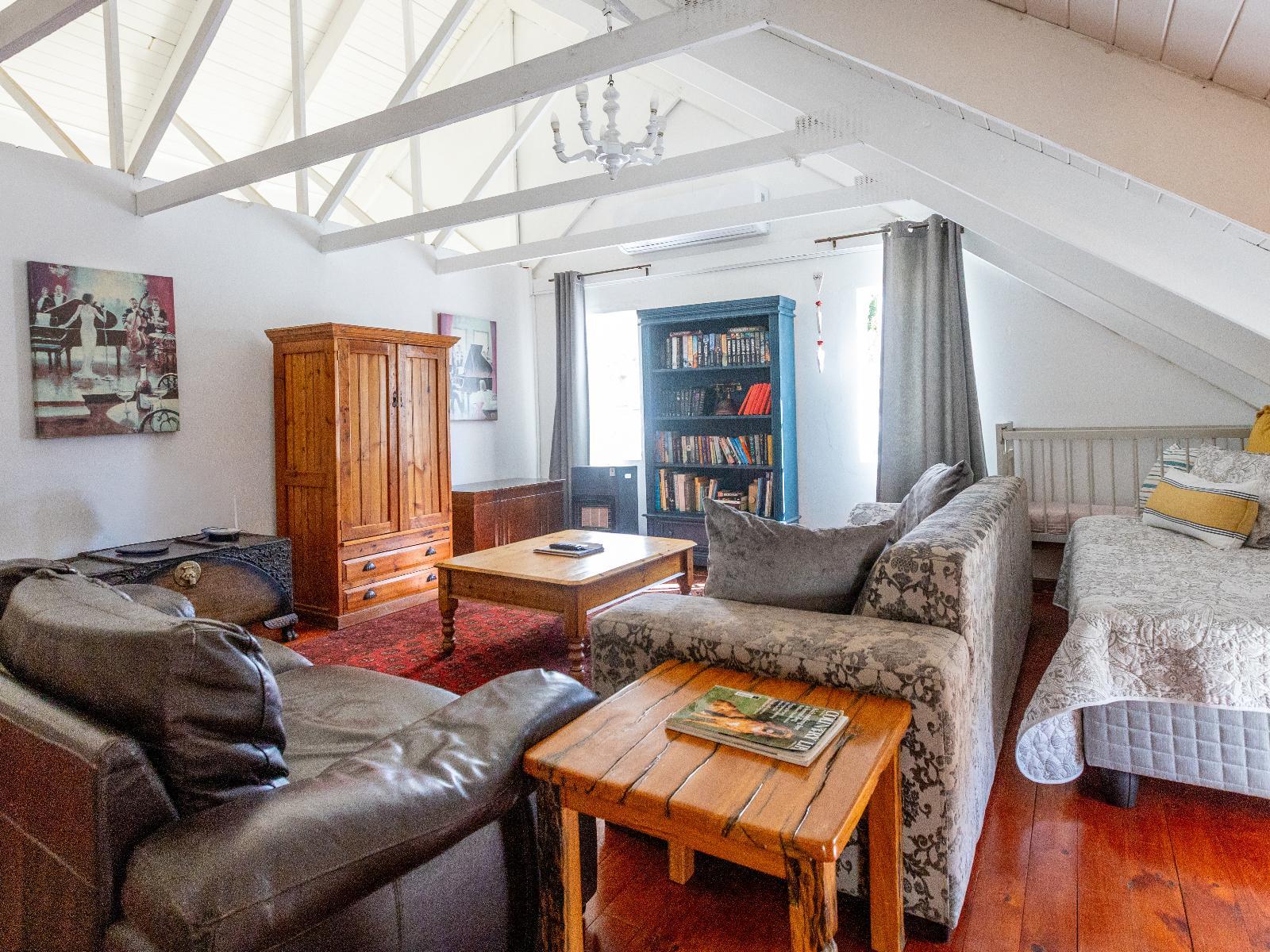
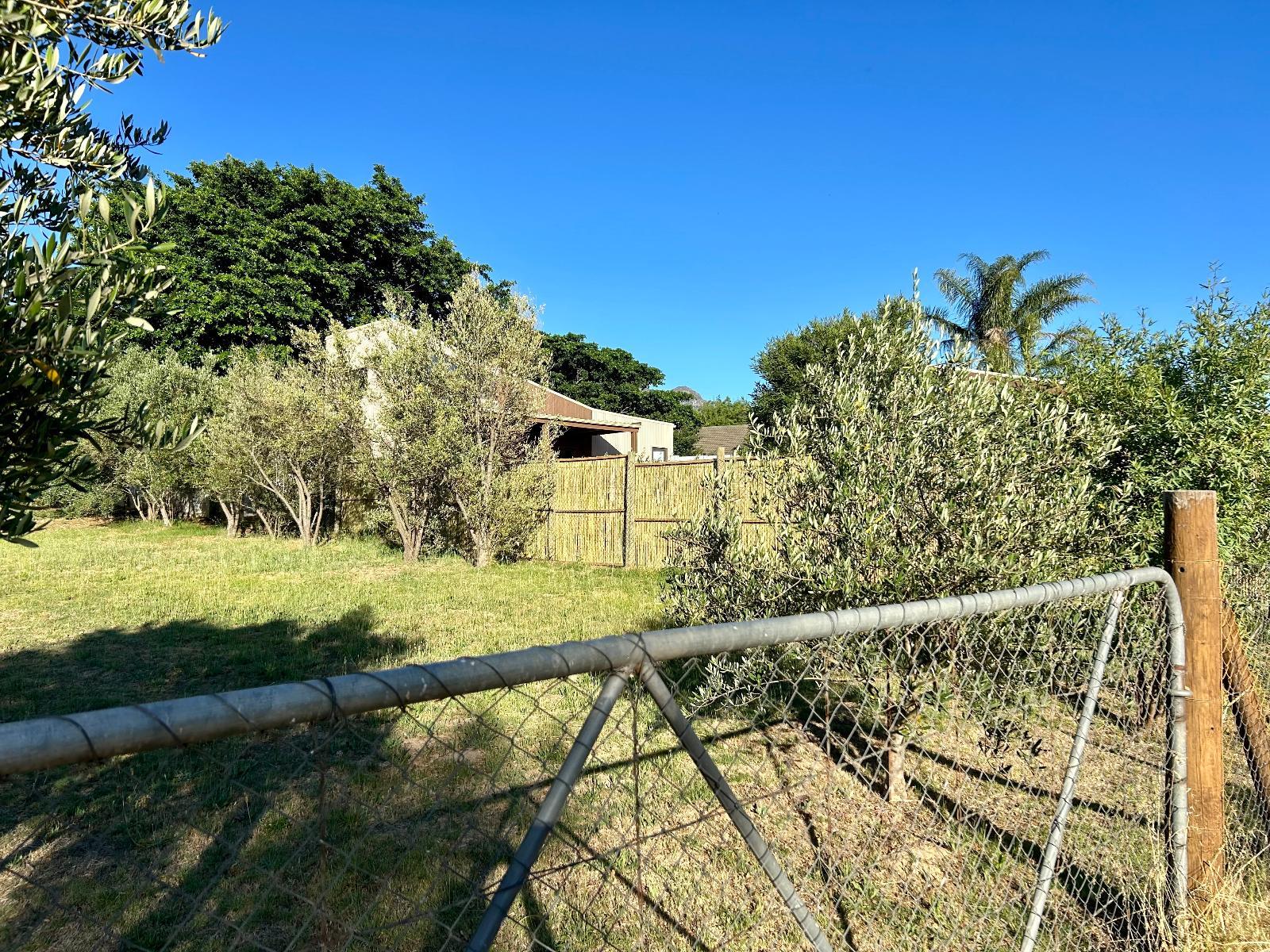
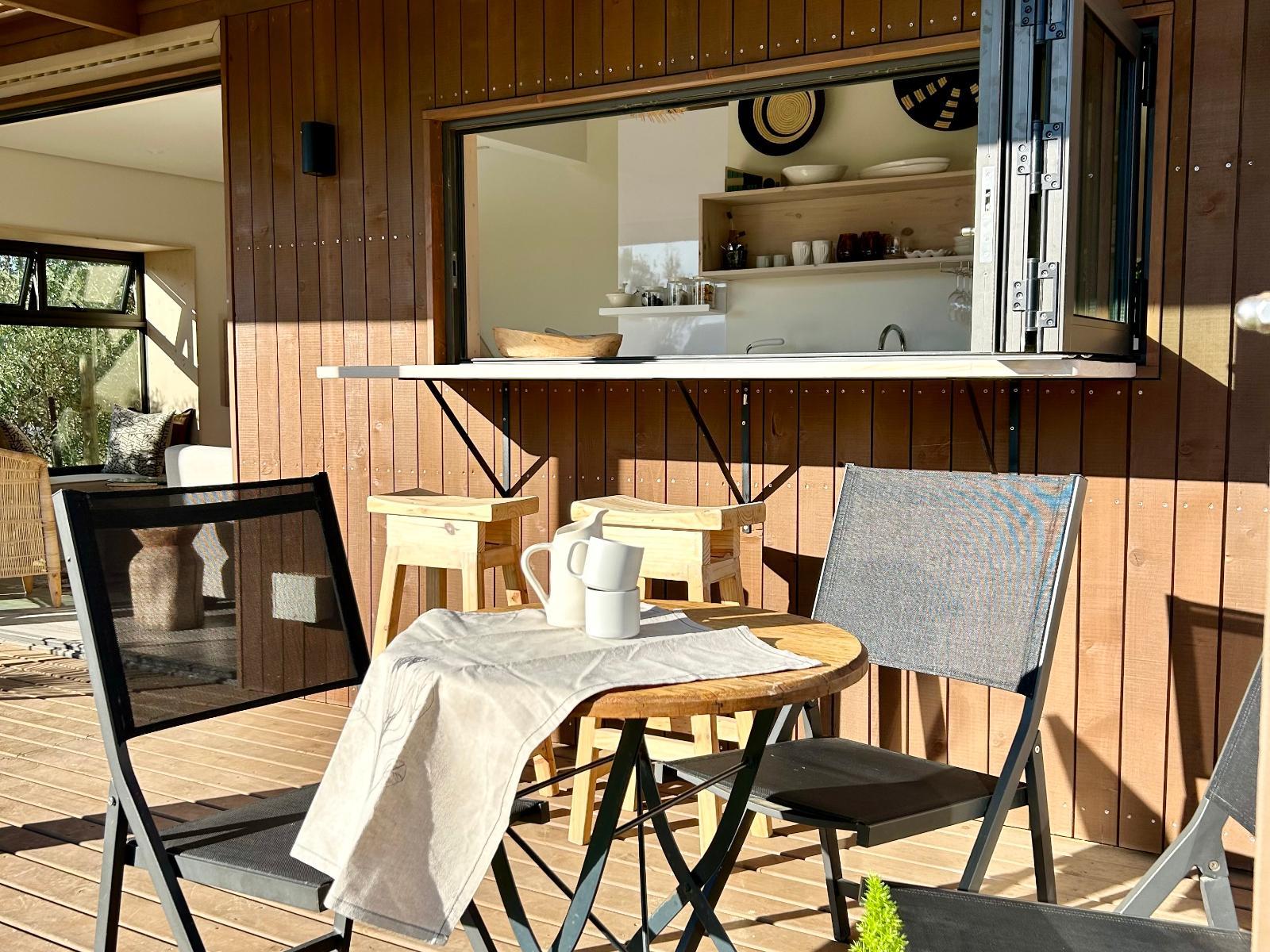
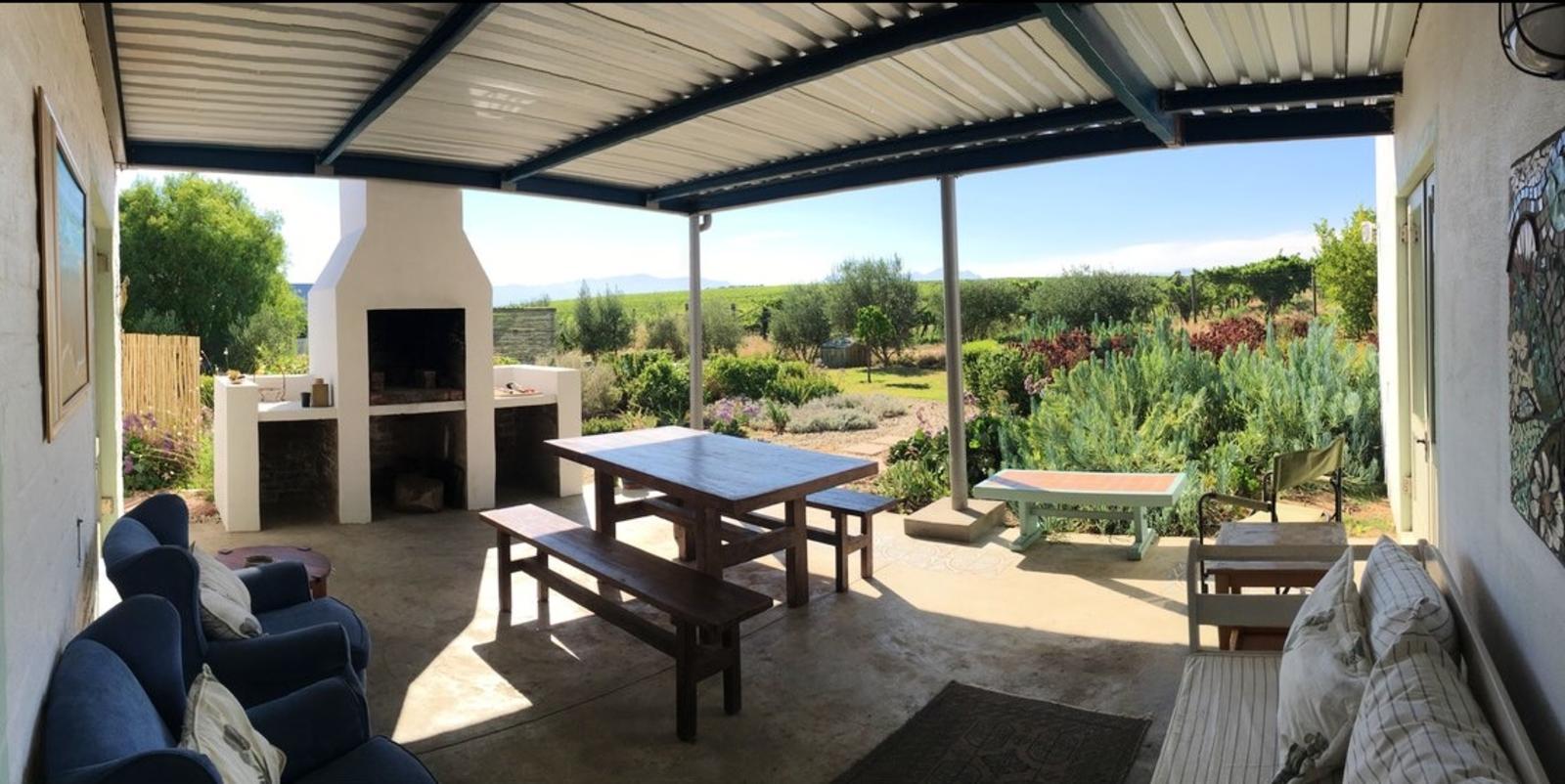
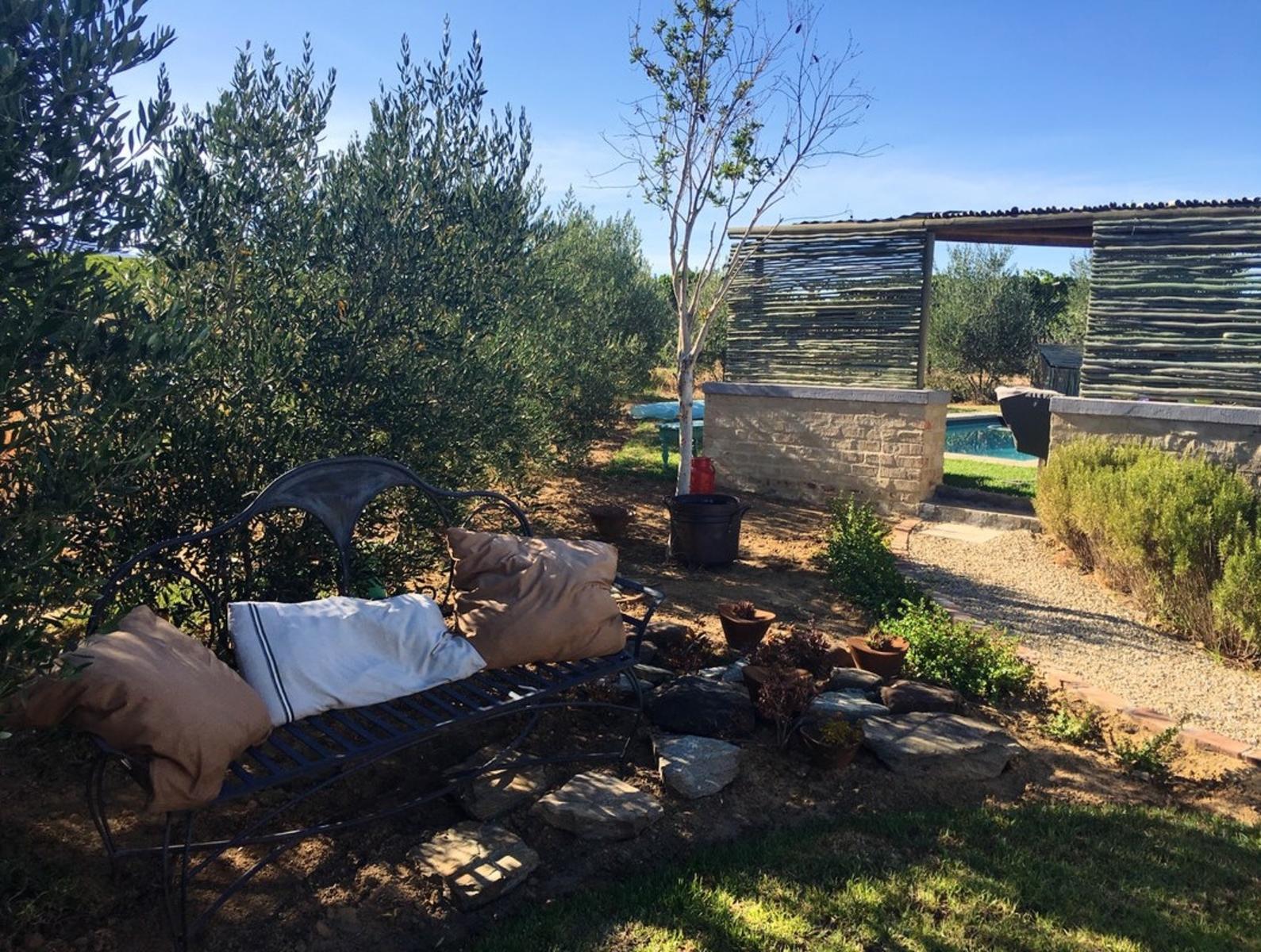
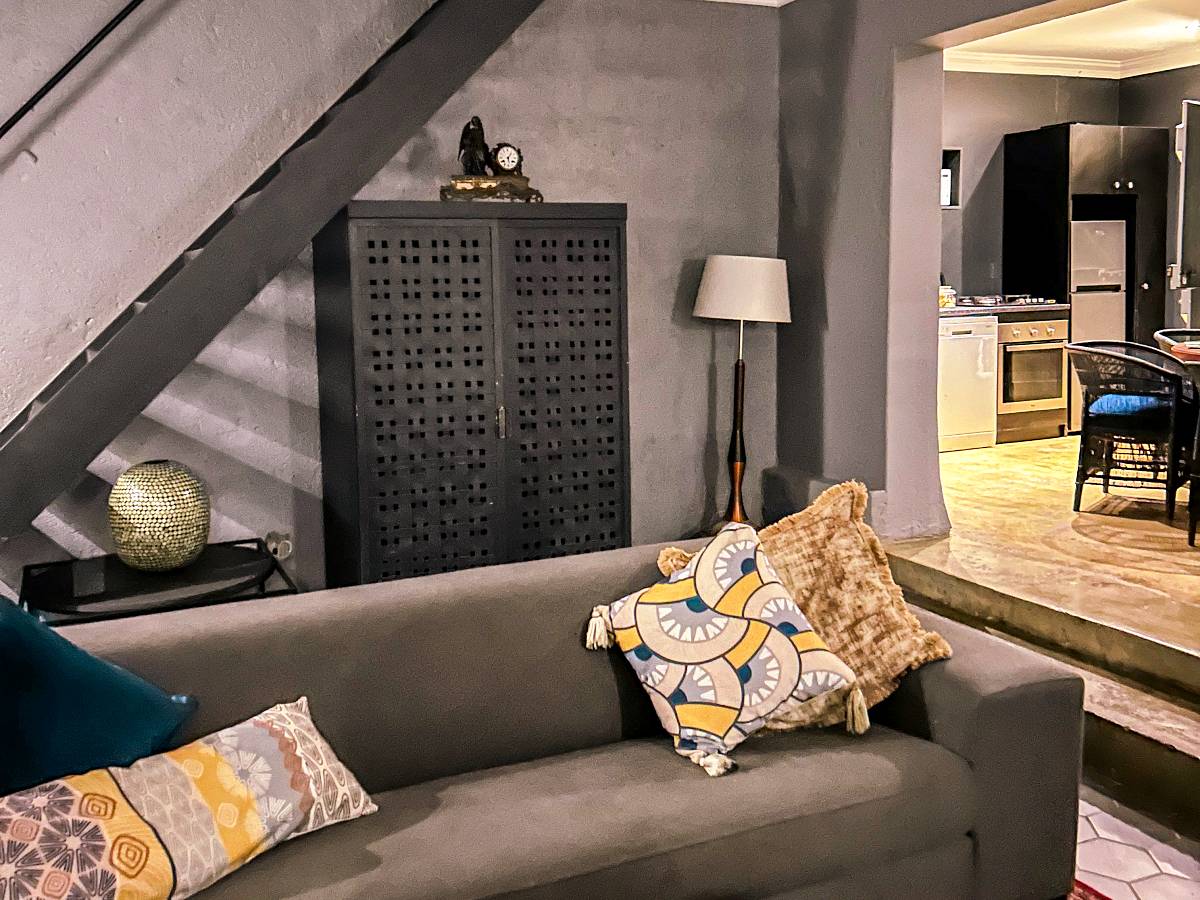
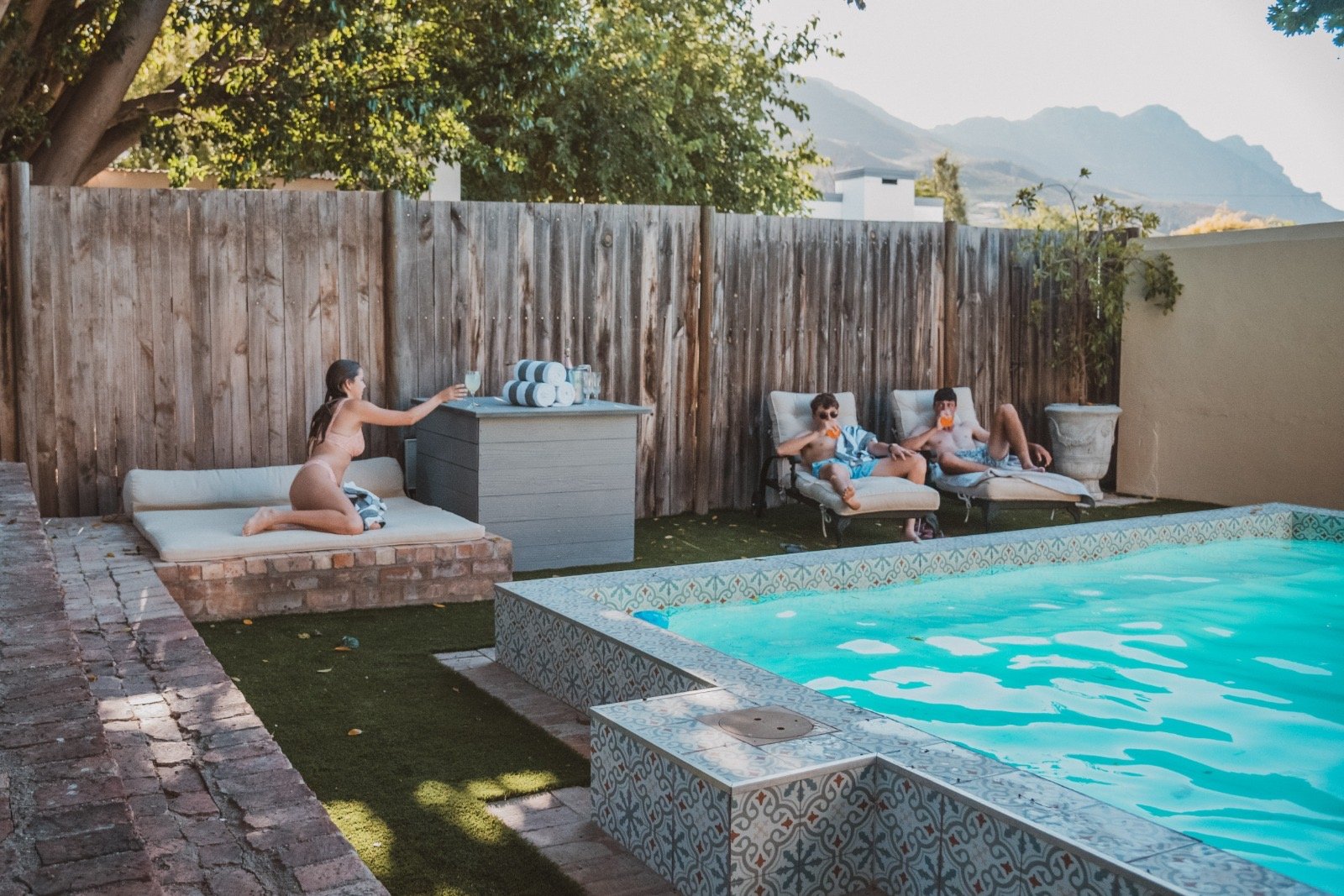
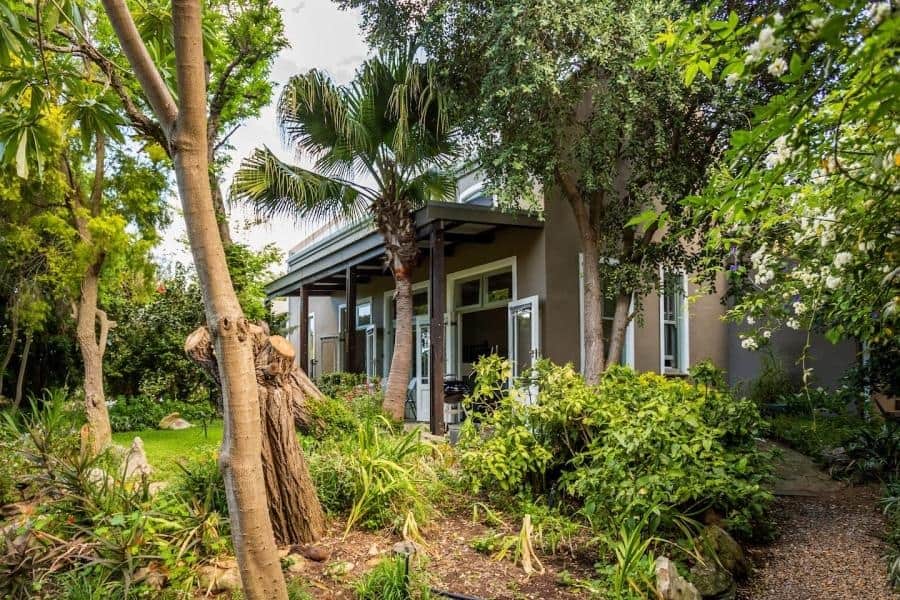
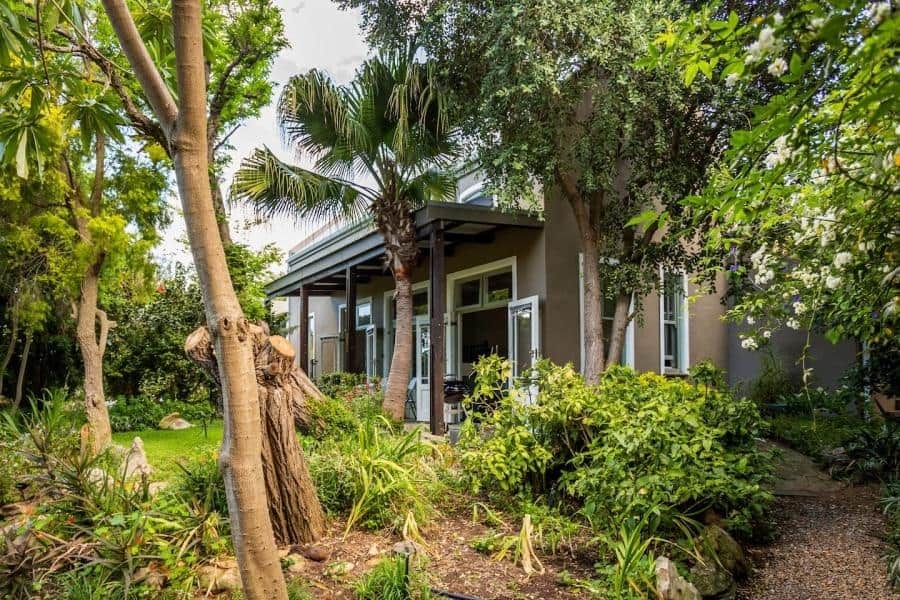
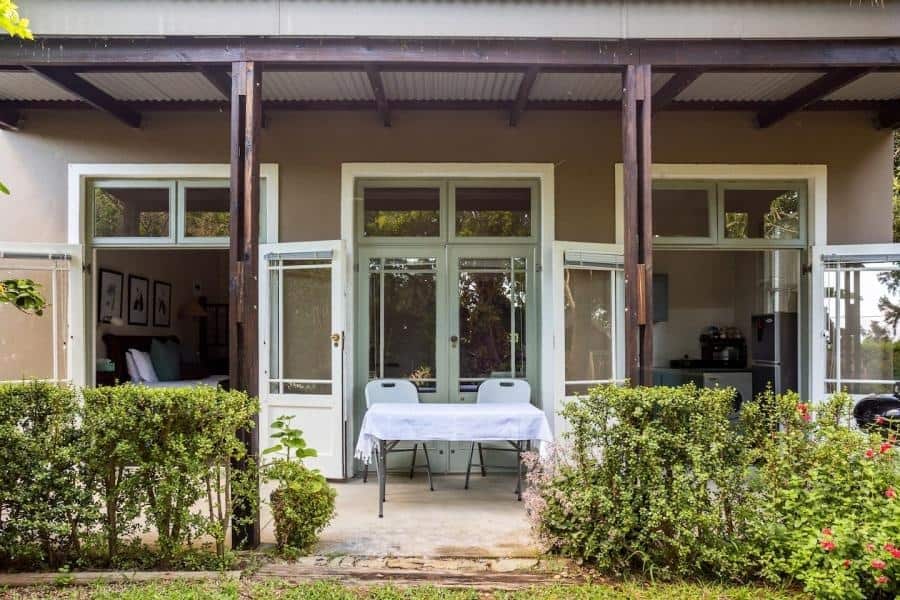
Farm house and cottage accommodation represents a particular draw for visitors interested in the Swartland's agricultural character. A working farm stay comes with access to open land, mountain views, and a quieter rhythm than town-centre options. These properties suit small groups or families who value privacy and outdoor space, and who are happy to source ingredients from nearby producers and cook for themselves. The single cottage listing, while compact, works especially well for a couple wanting a fully self-contained stay without the larger footprint of a full house.
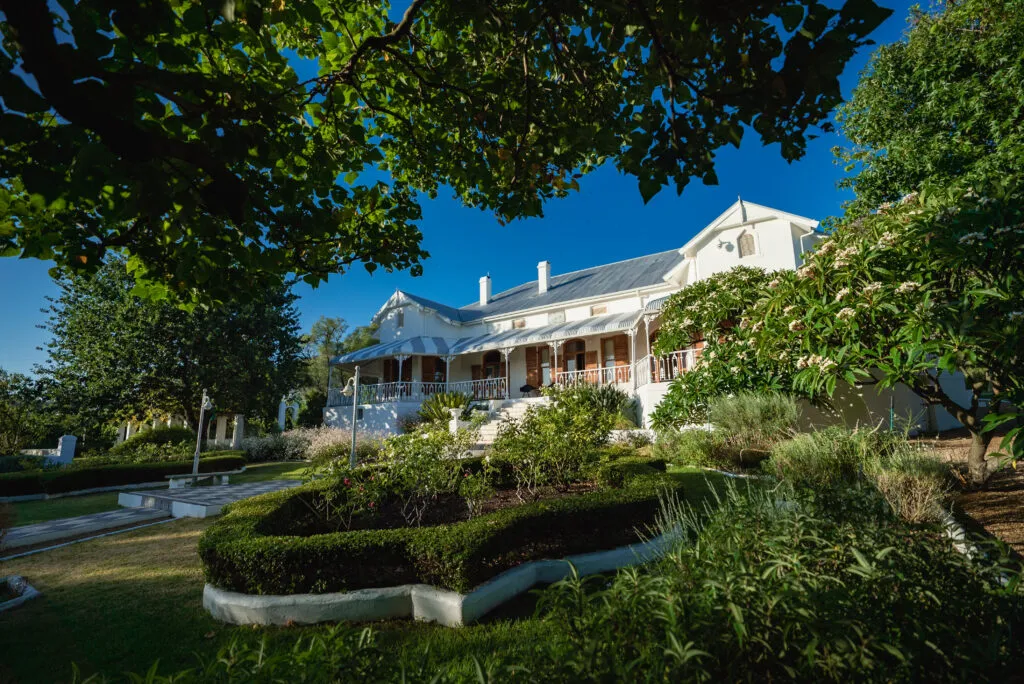
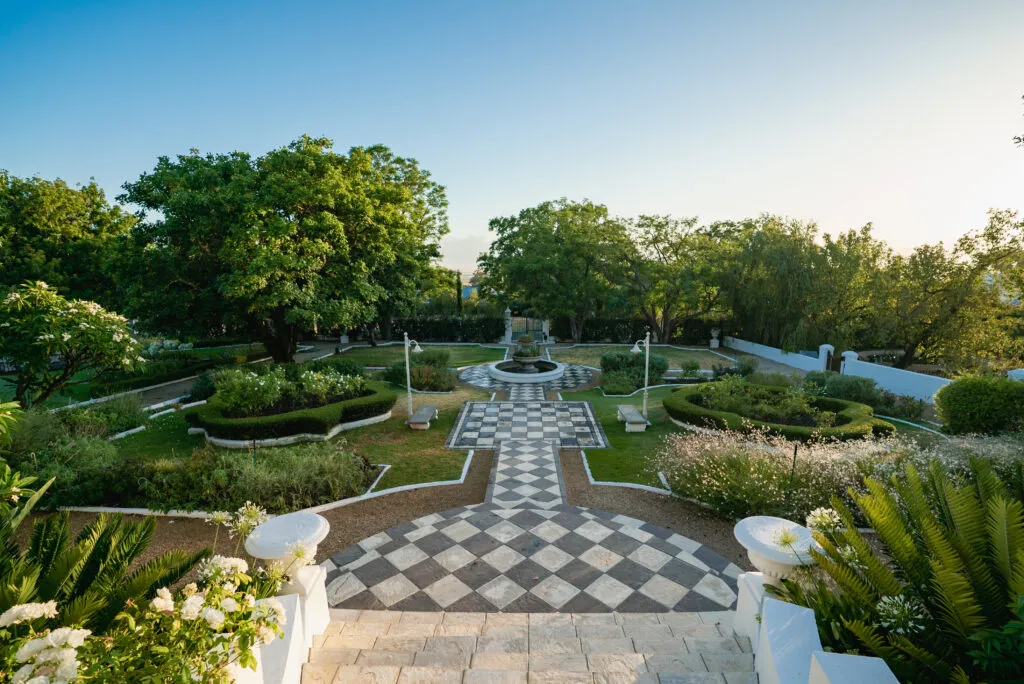
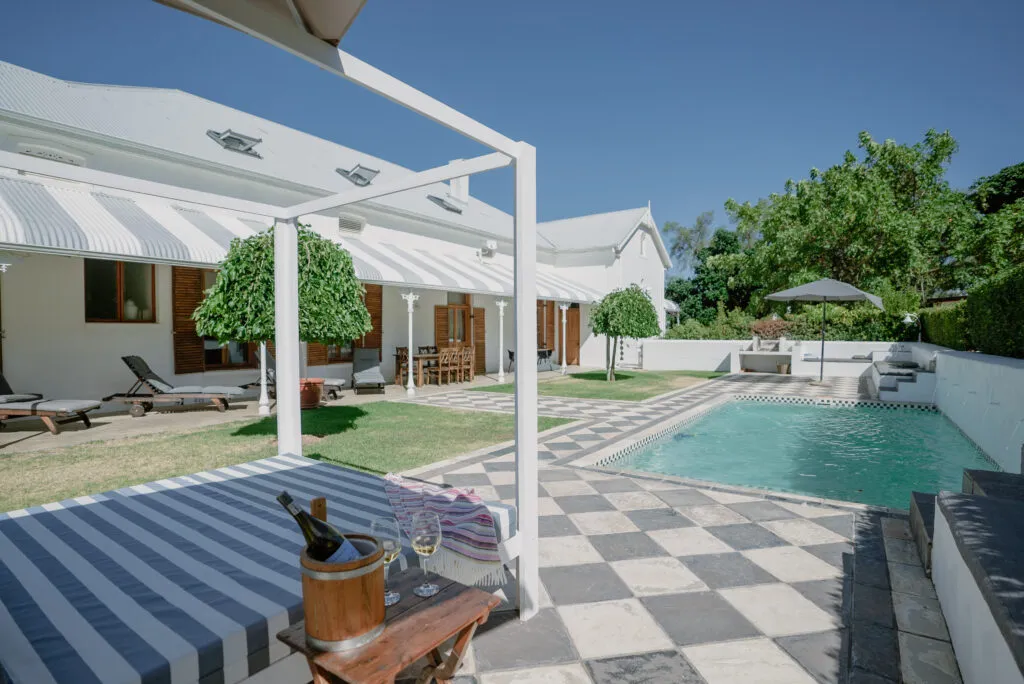
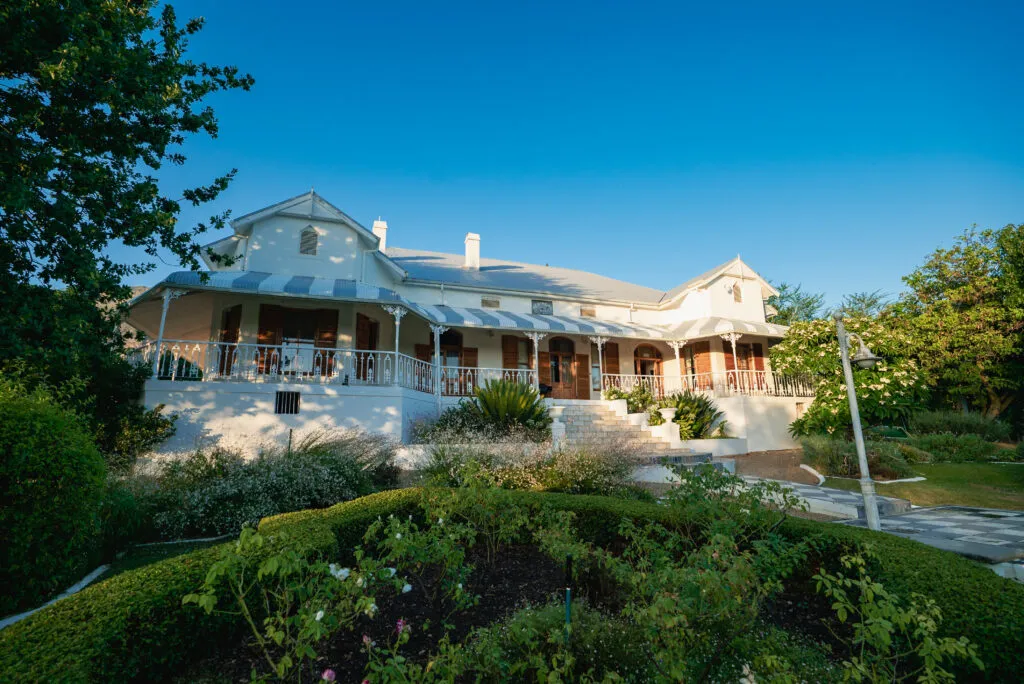
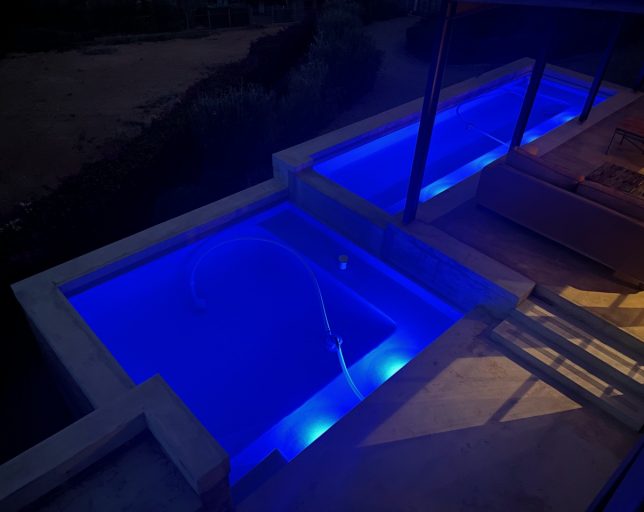
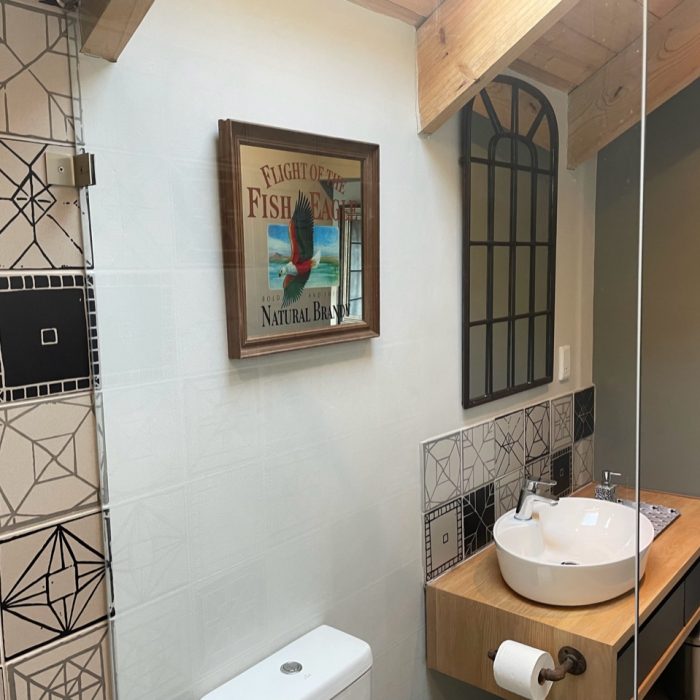
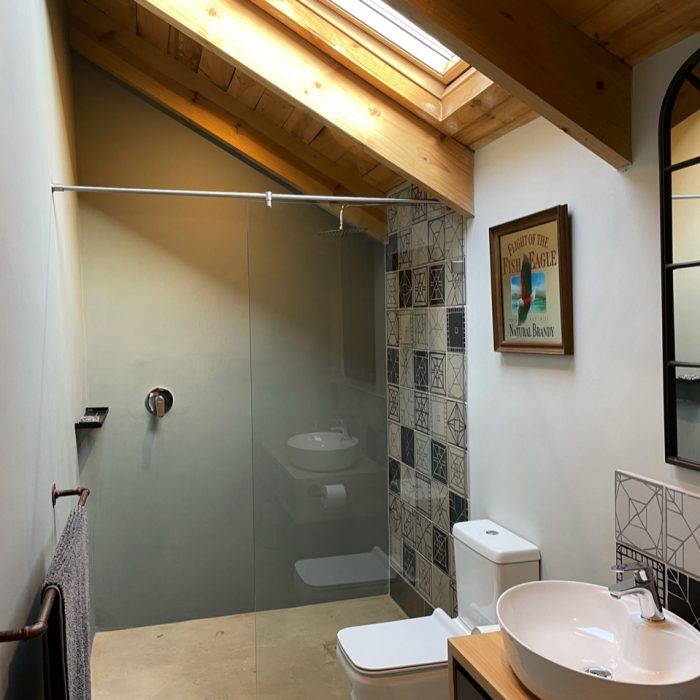
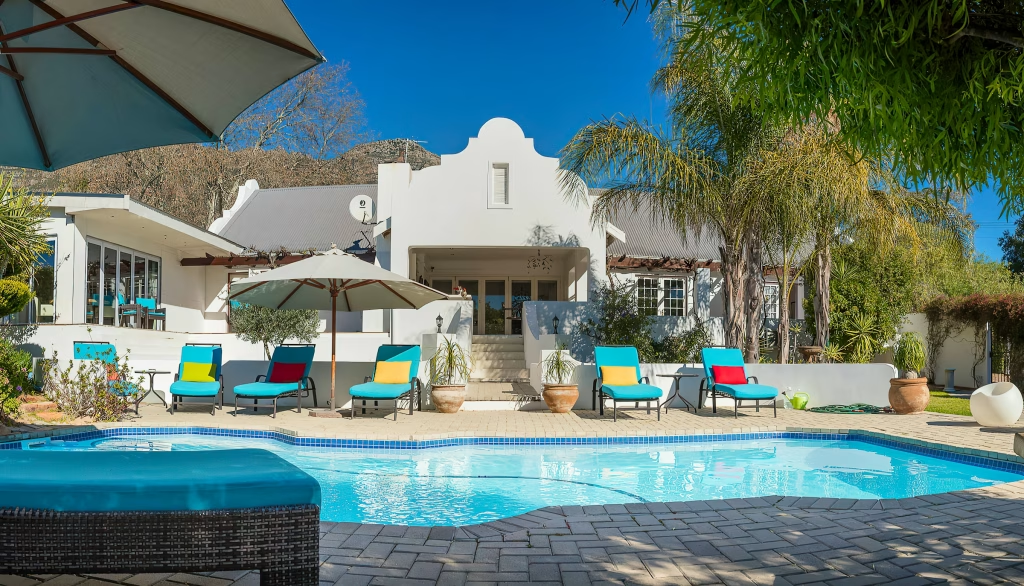
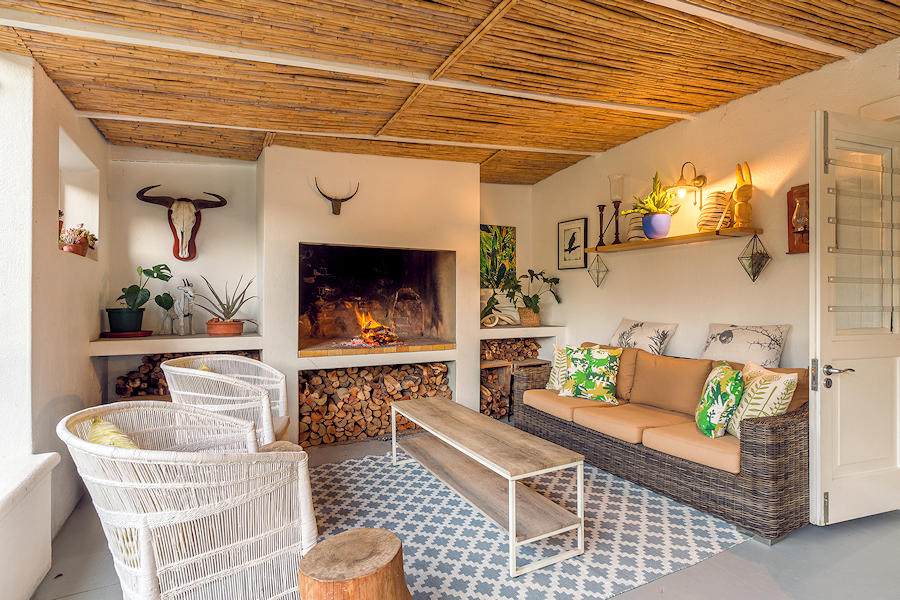
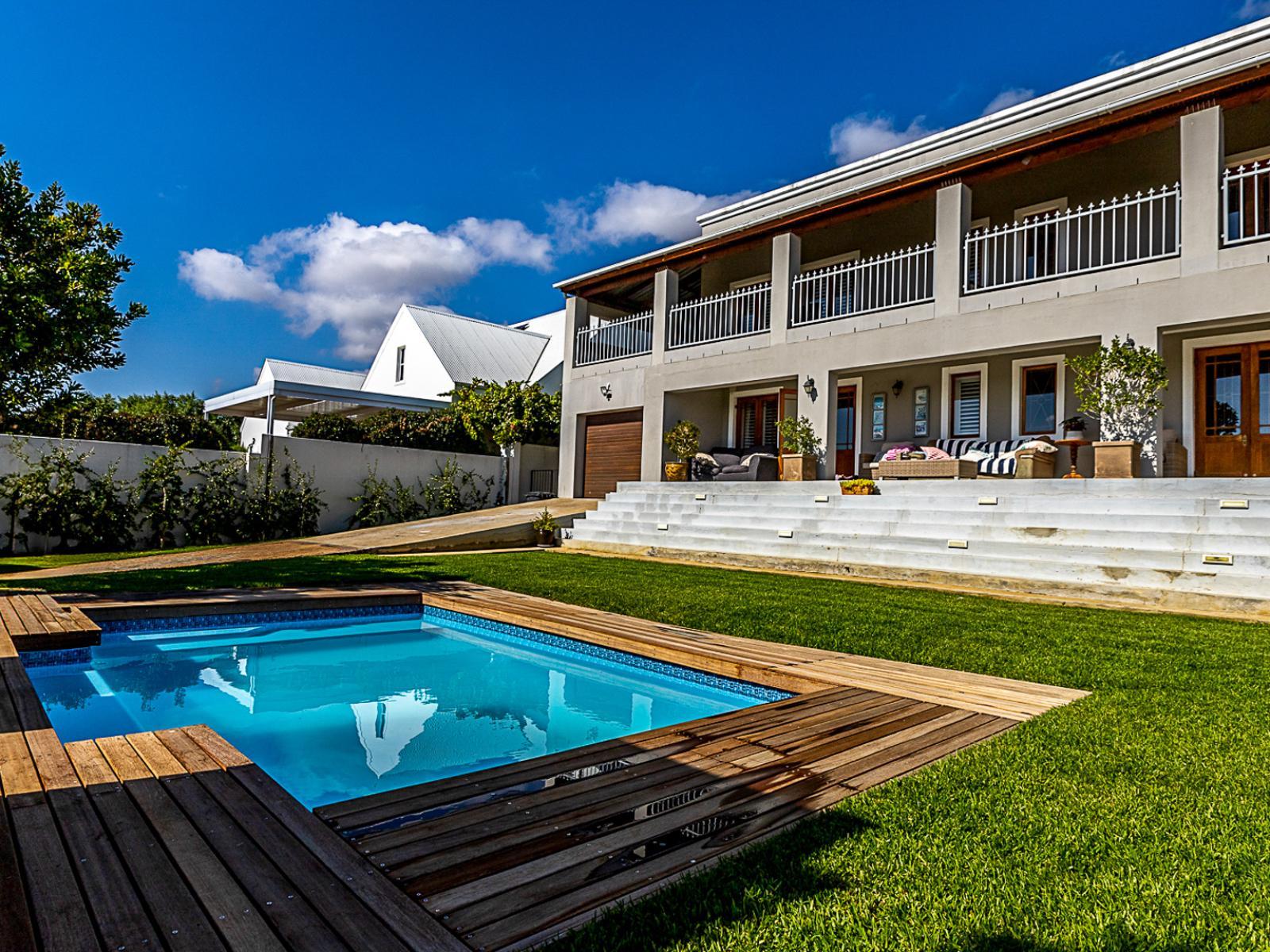
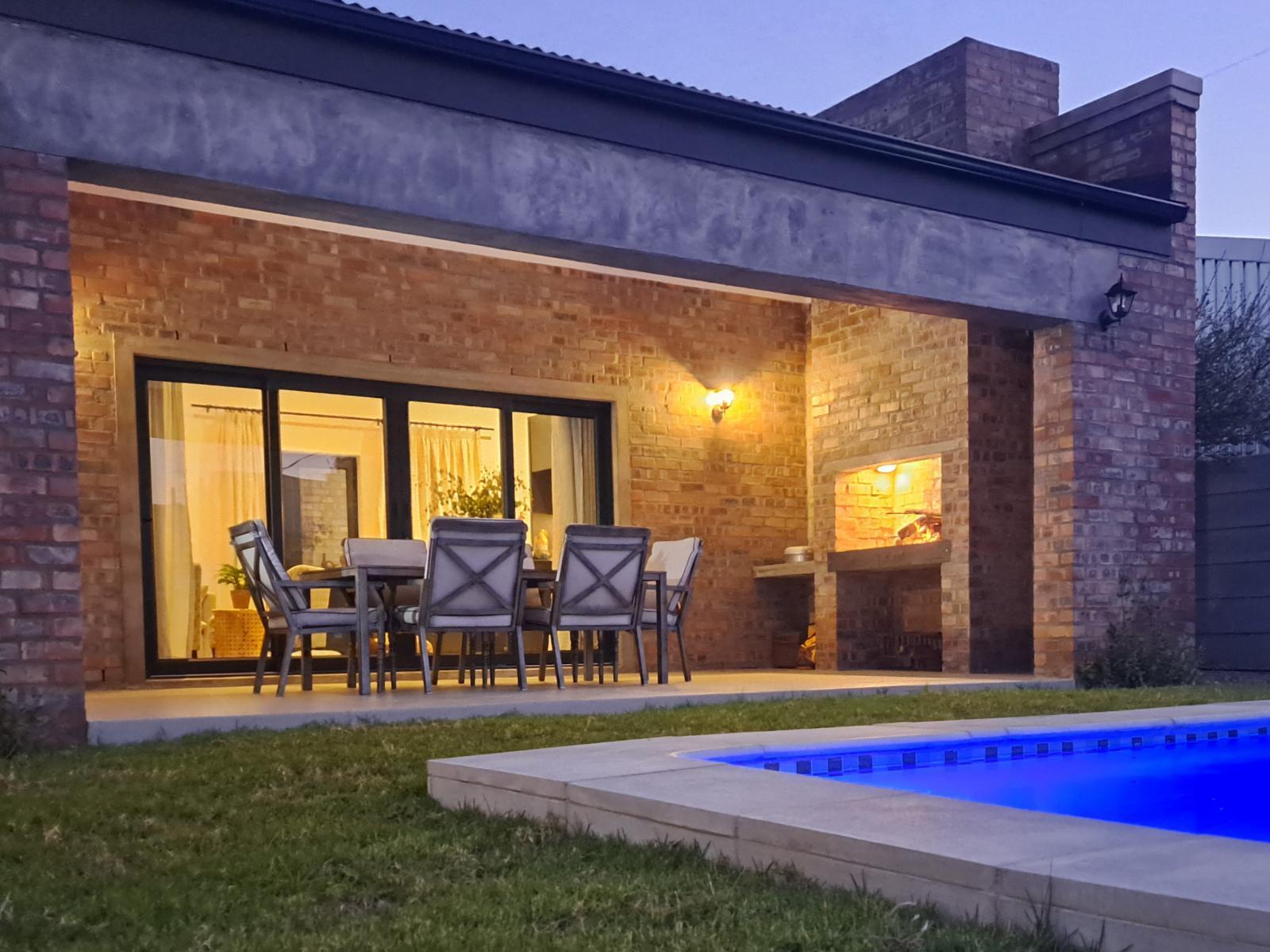
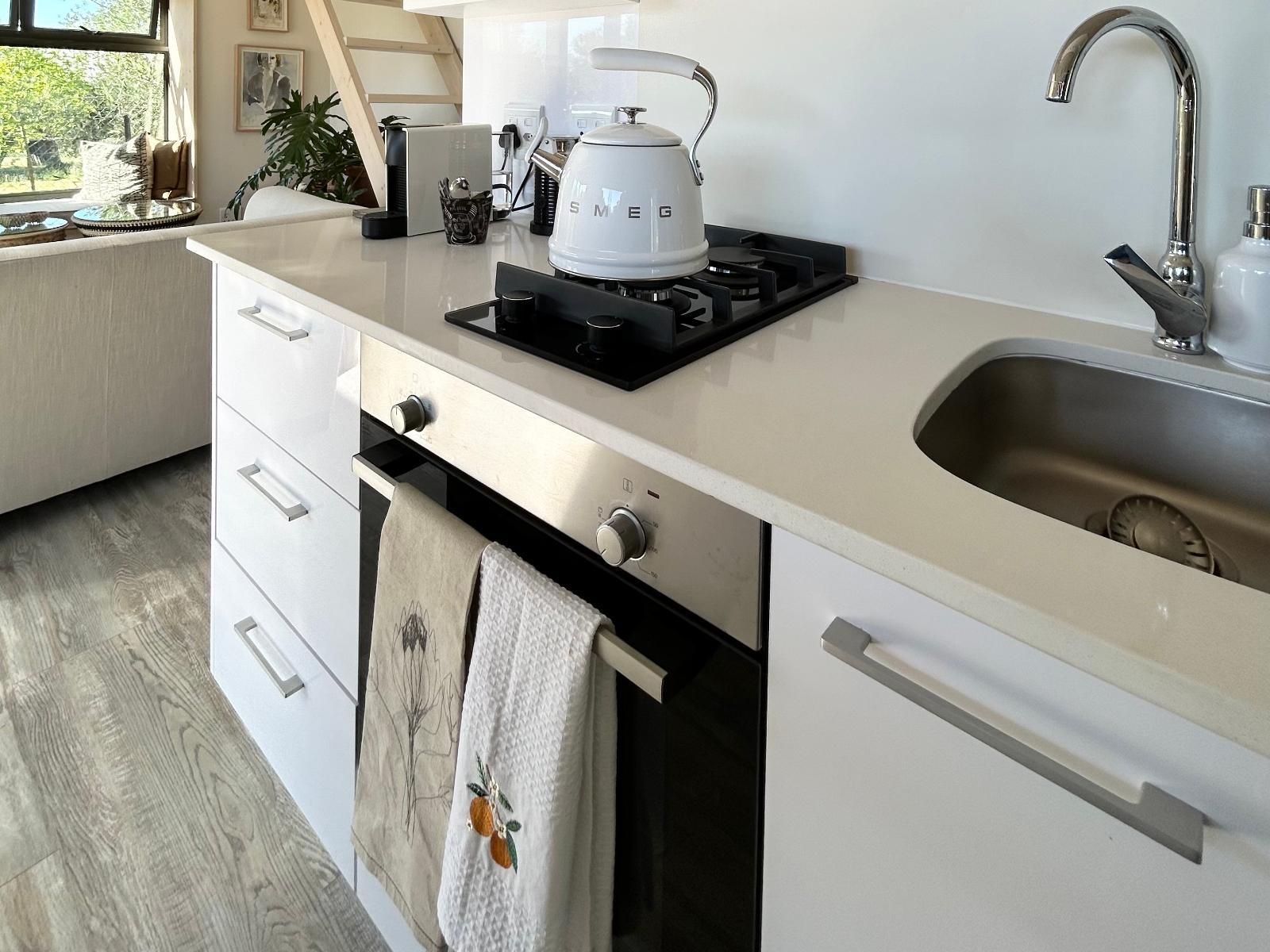
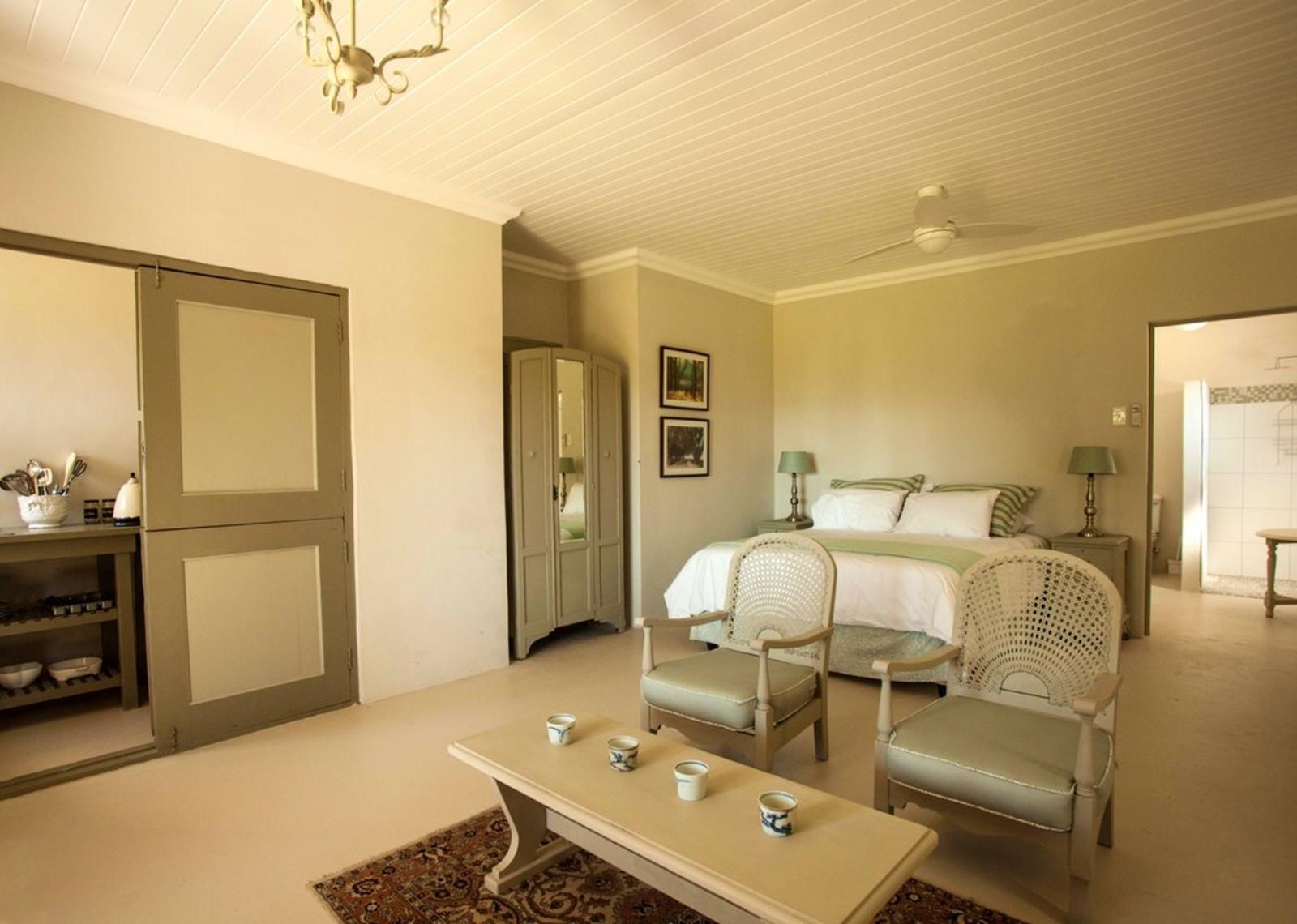
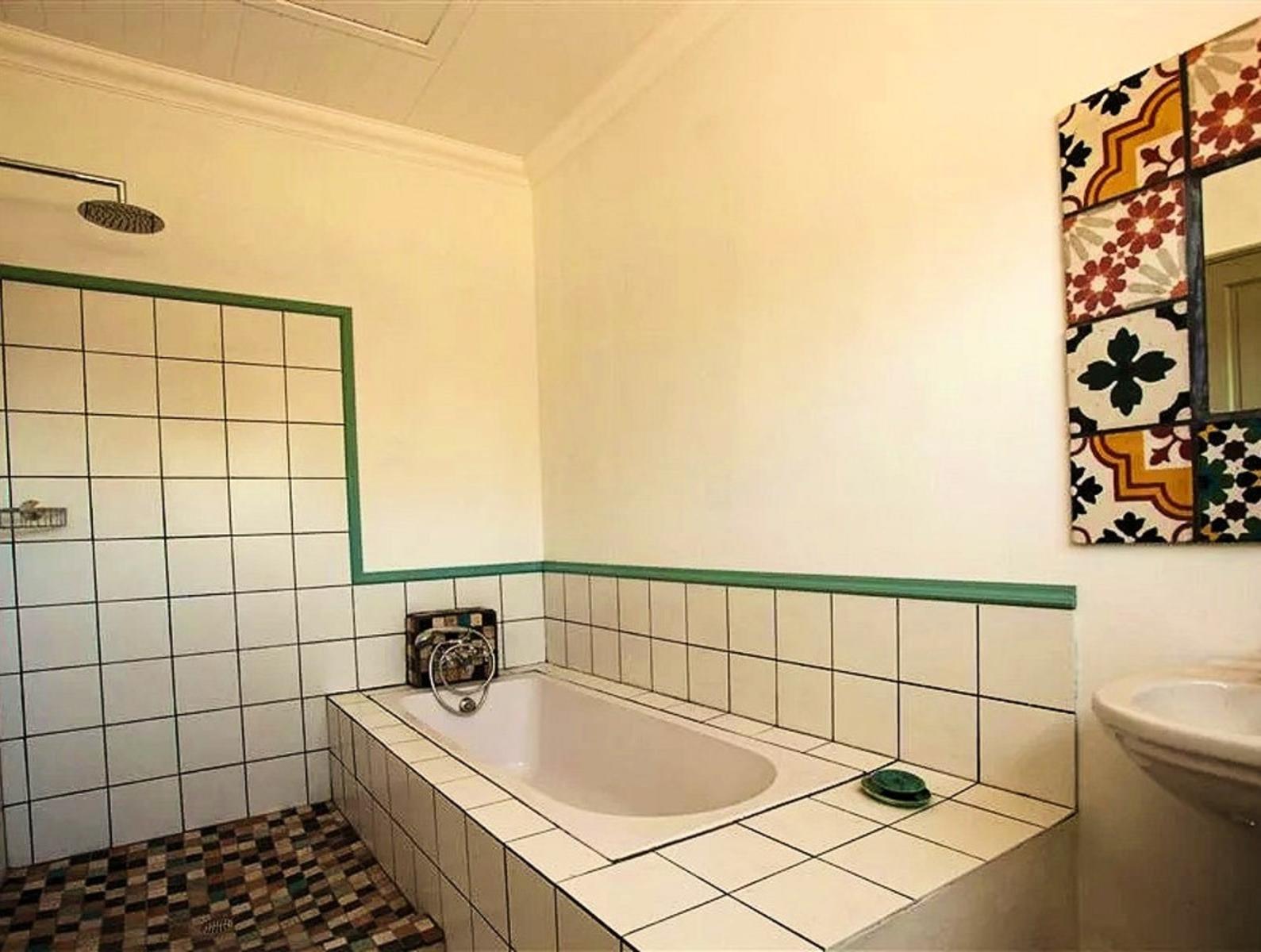
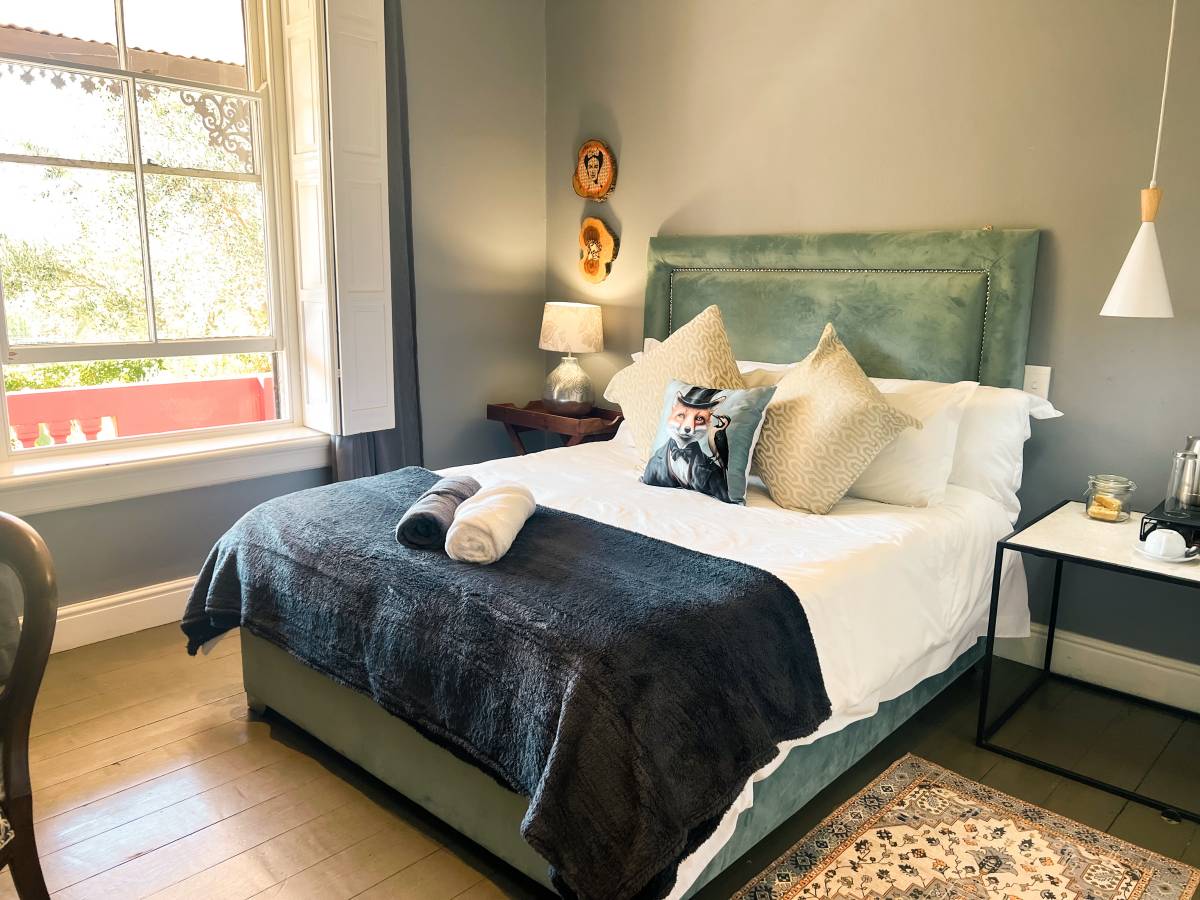
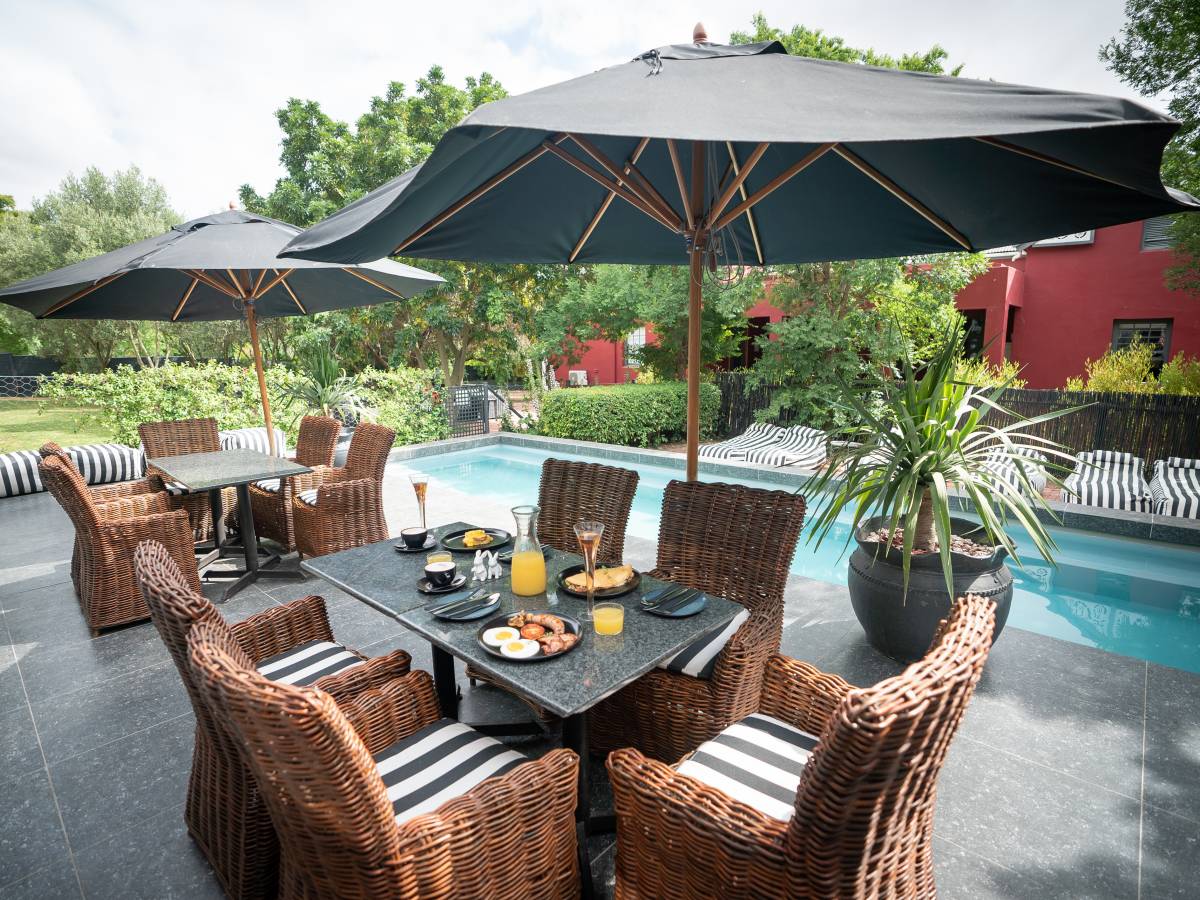
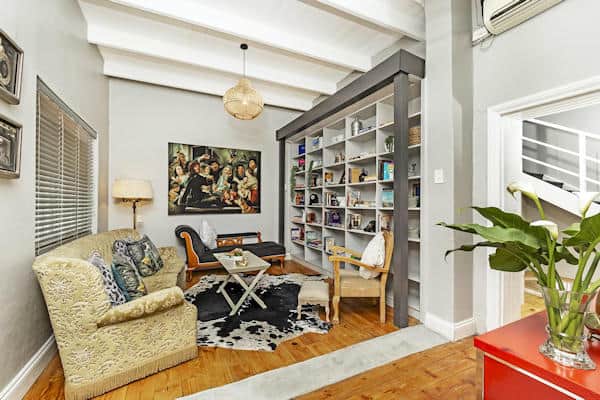
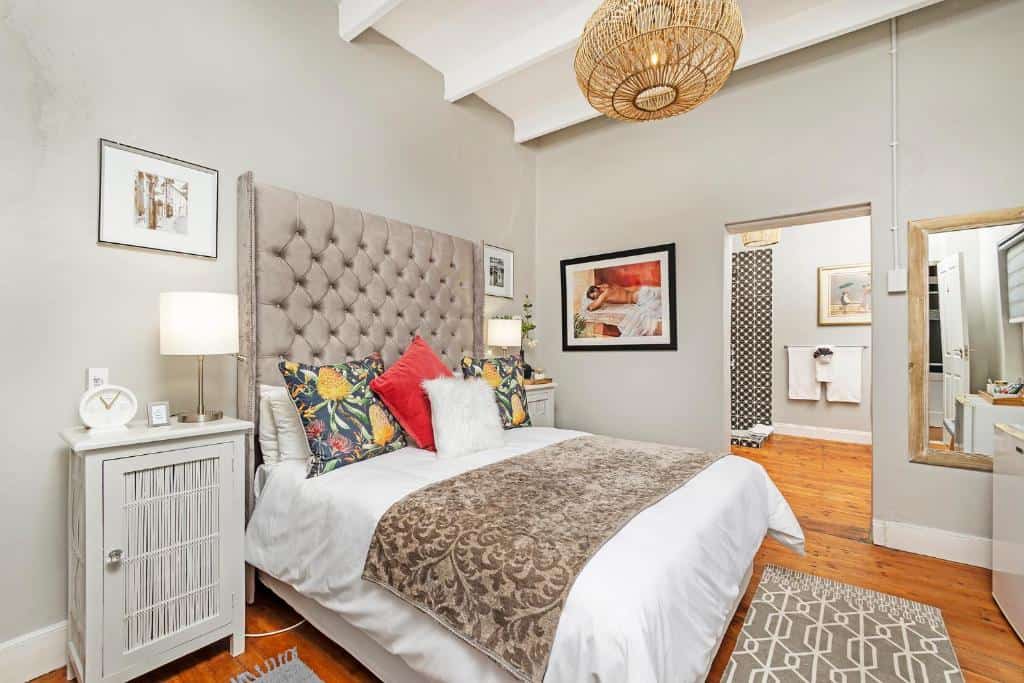
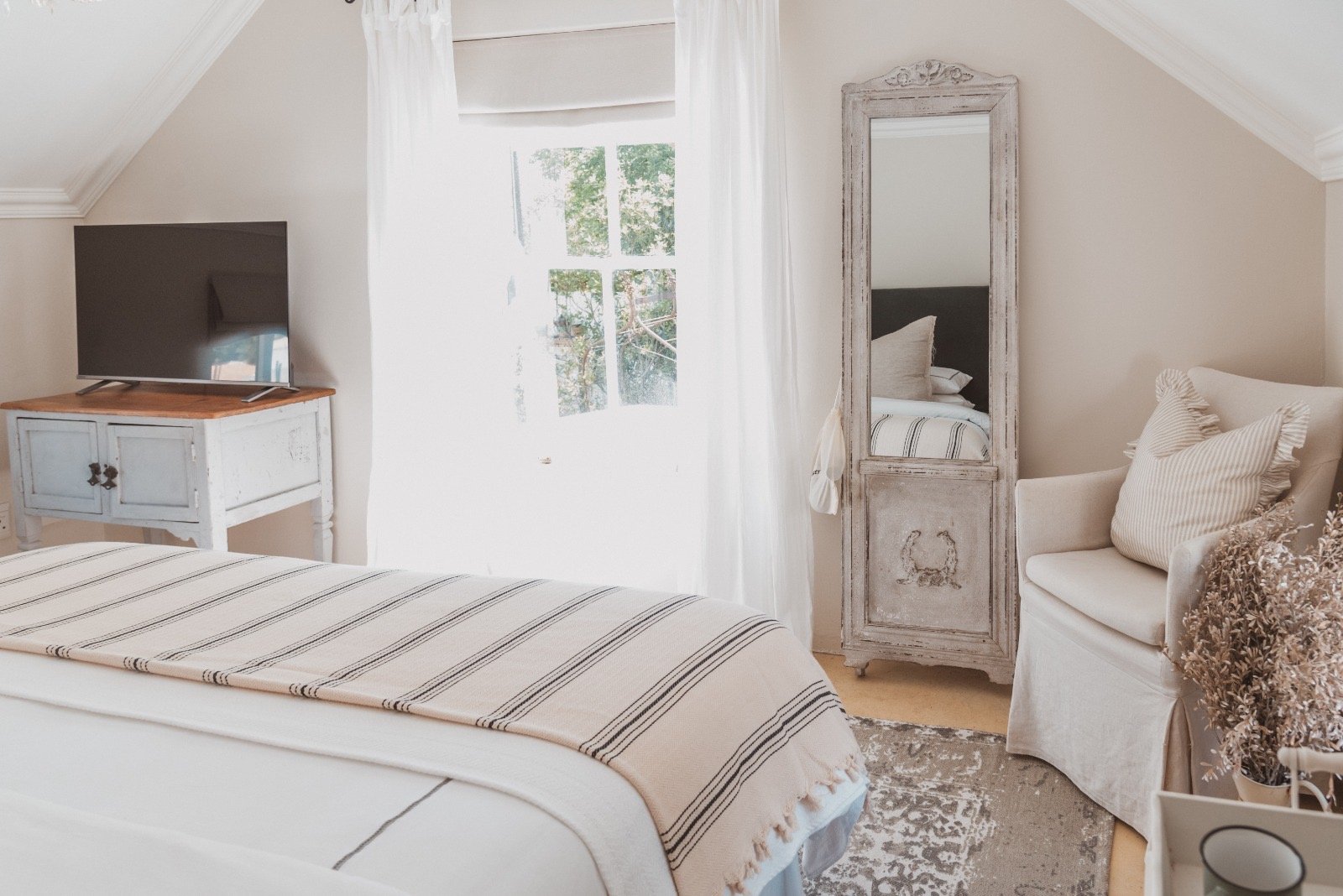
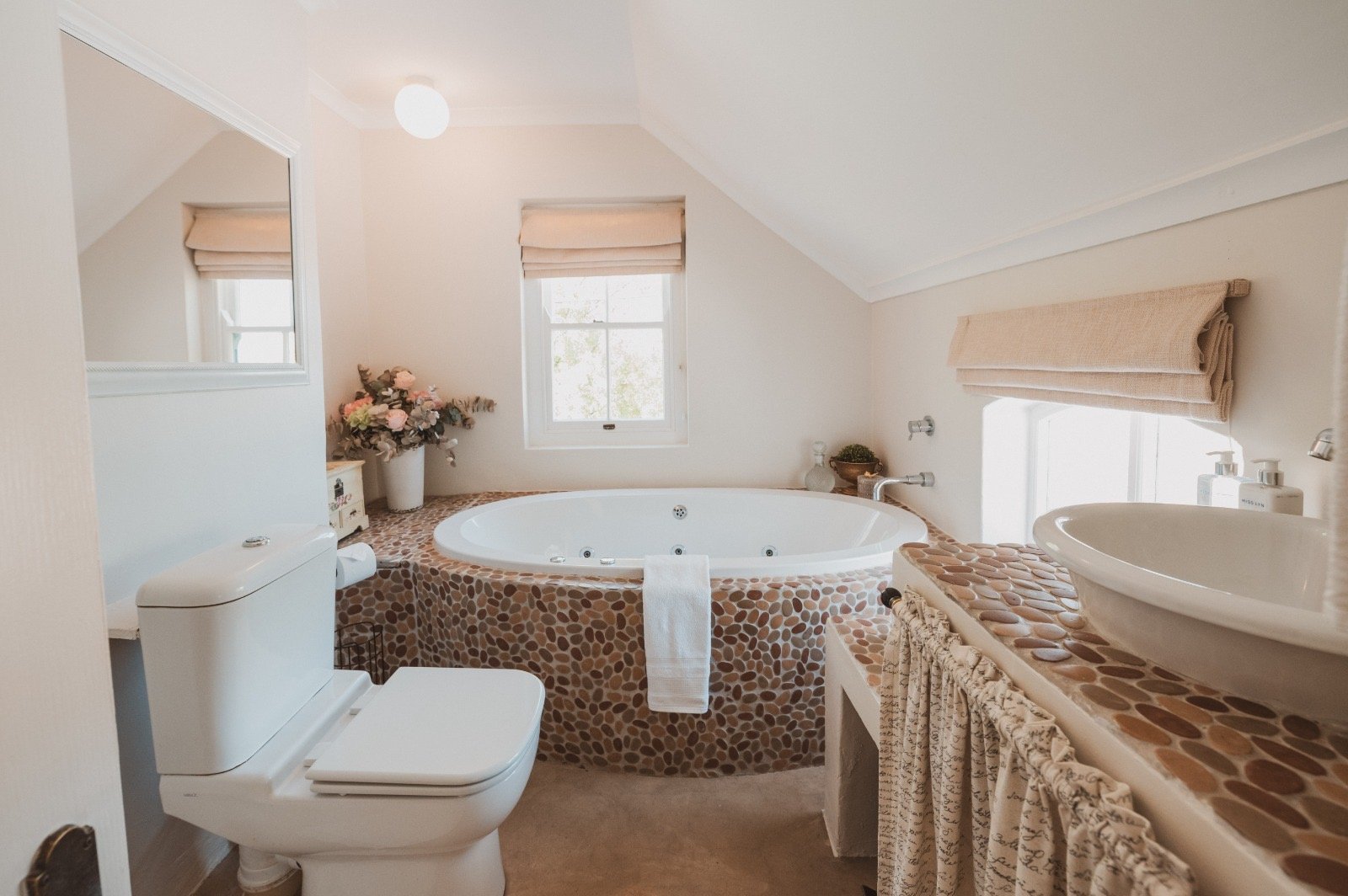
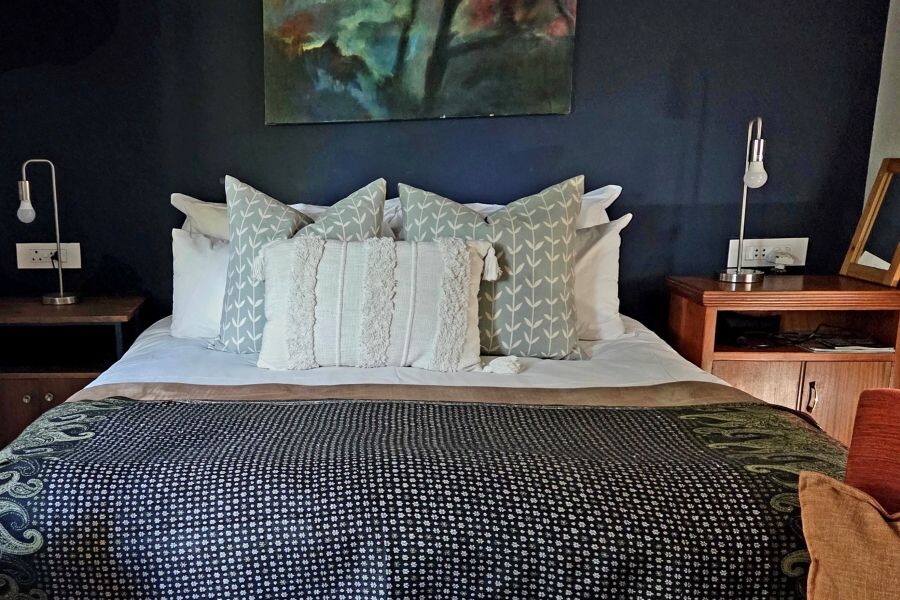
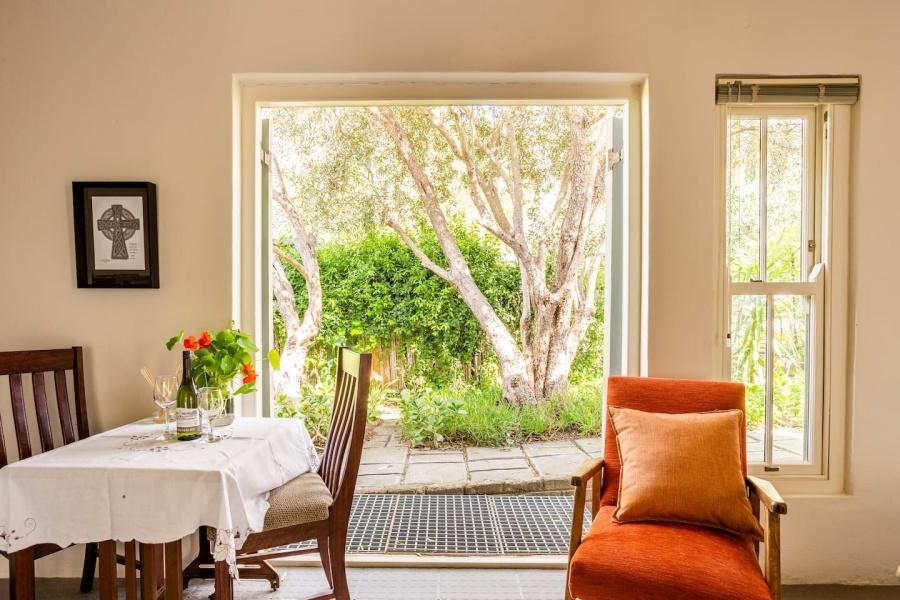
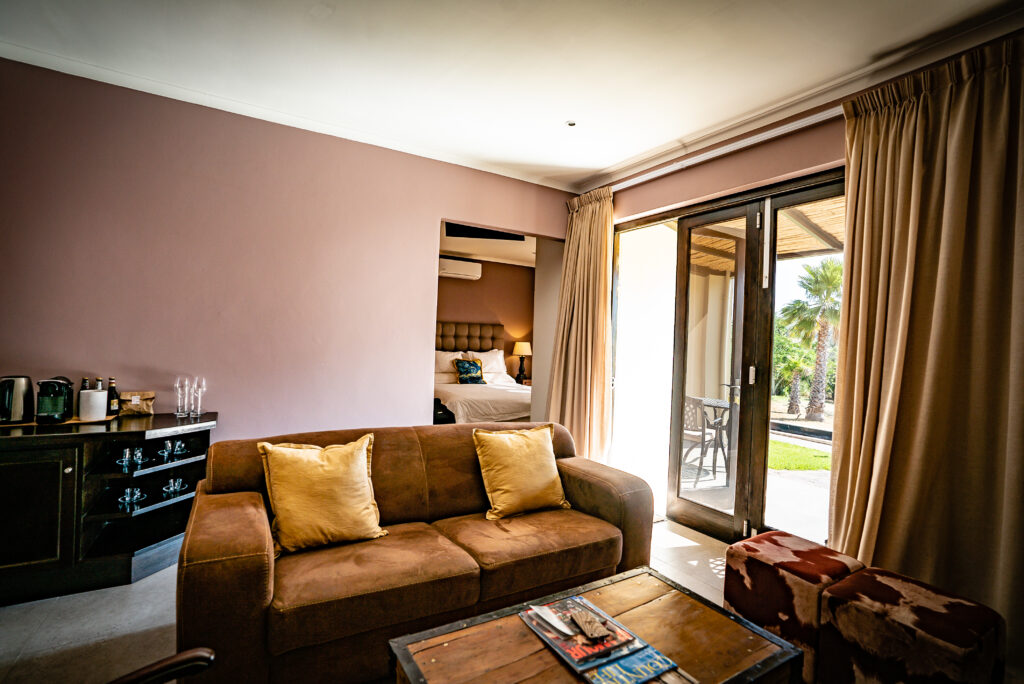
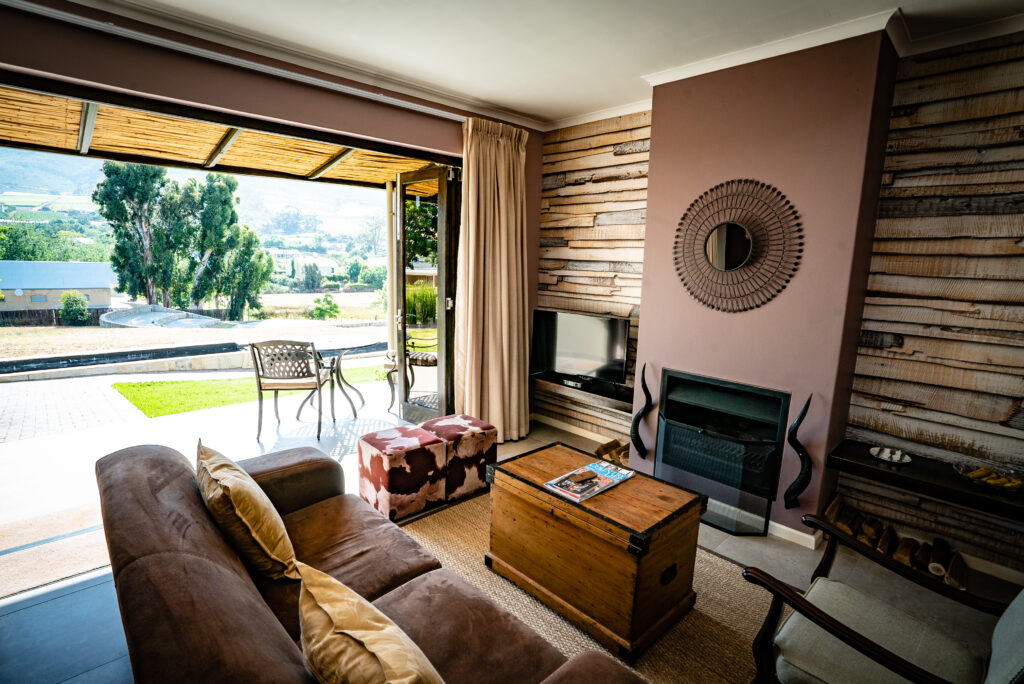
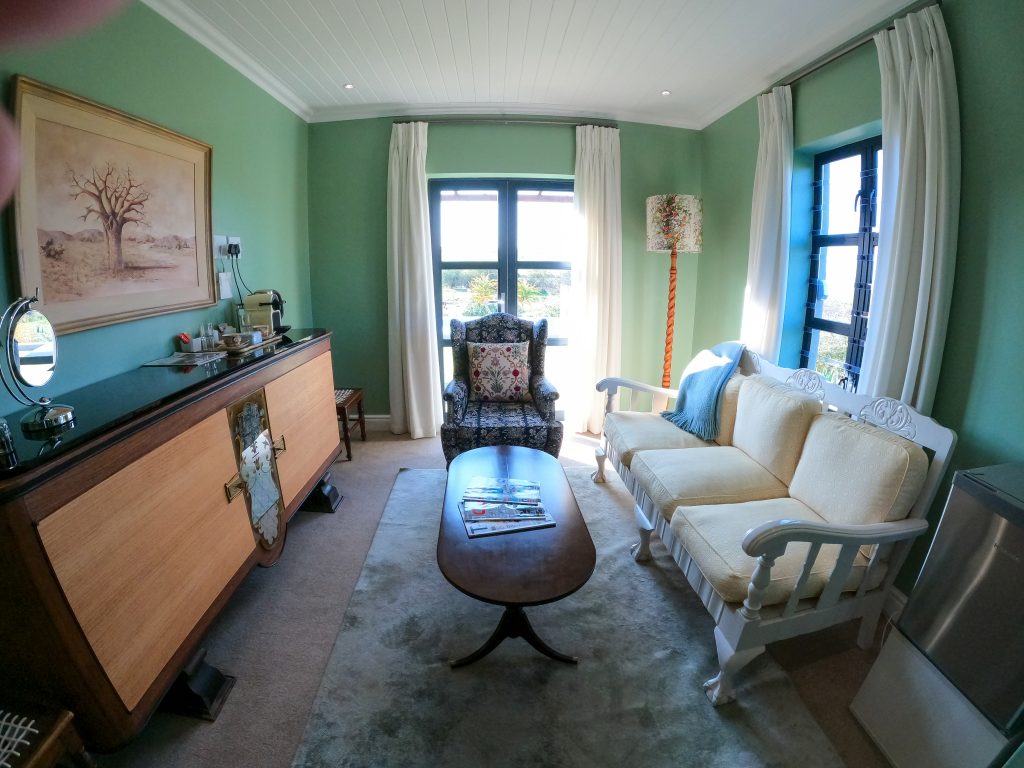
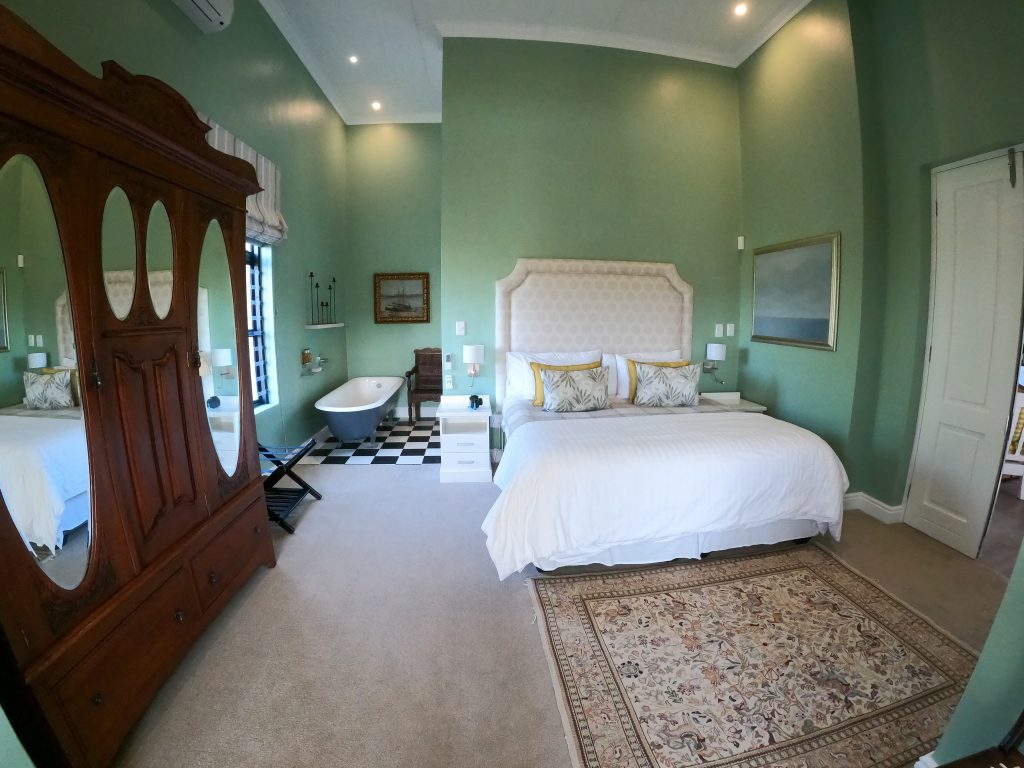
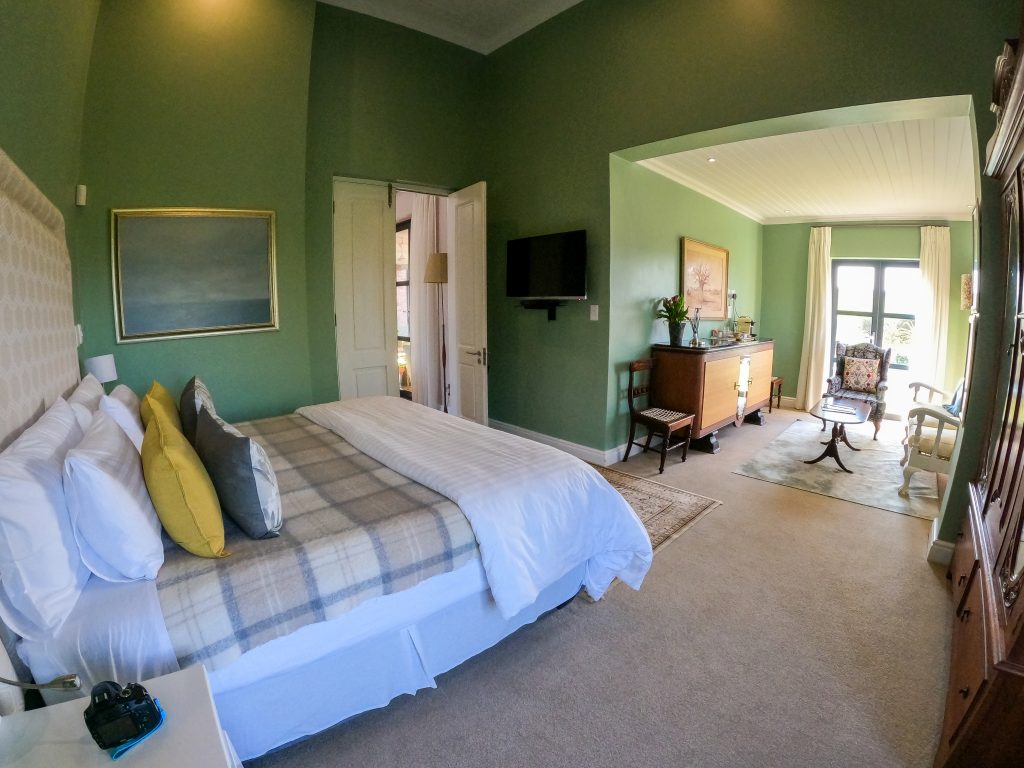
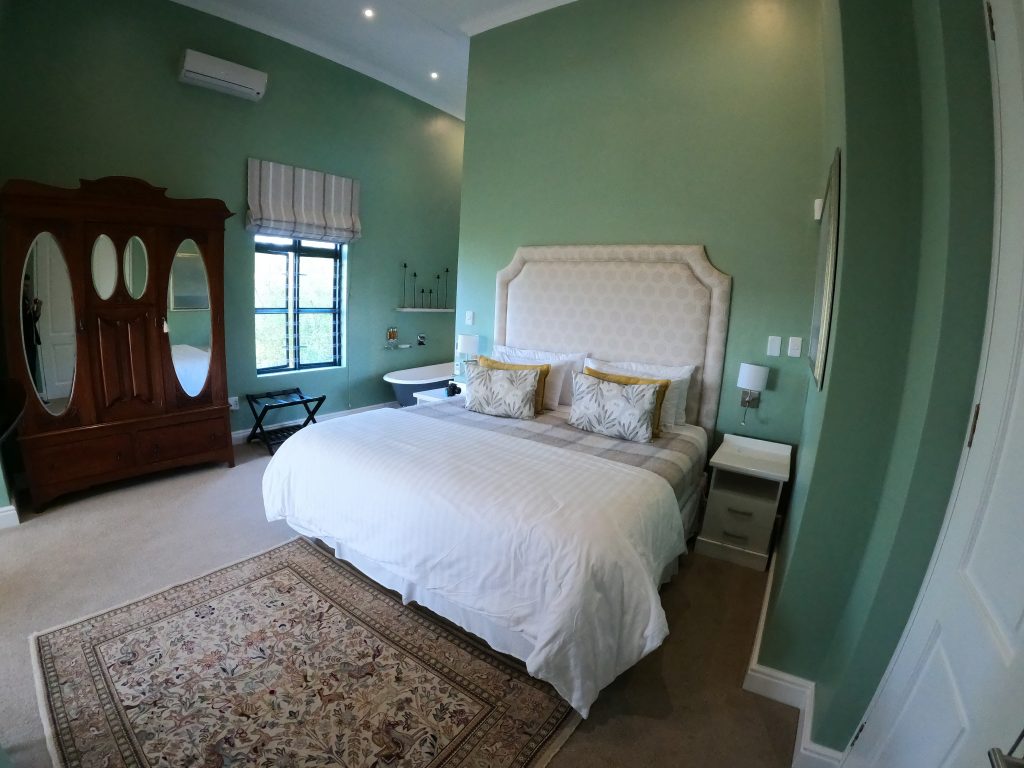
At the upper end of the range, the three guesthouses offer more considered interiors and additional services. Western Cape guesthouses at this level often include farm breakfasts using local eggs, preserves, and bread, which distinguishes them from more generic accommodation. The three self-catering options are the most expensive category on average, reflecting the space and facilities they provide. For groups of four or more, splitting the cost of a well-equipped self-catering property tends to work out more economically than multiple separate rooms, with considerably more flexibility around daily schedules.
Given the limited overall inventory, availability tightens quickly during public holiday weekends and busy travel periods. Last-minute bookings in this area are possible but carry real risk.
Best Time to Visit Riebeek West
The Western Cape follows a Mediterranean climate: dry summers and wet winters. The timing of a visit shapes both the conditions underfoot and what is realistically available during your stay.
Summer, from November to February, is hot and dry, with temperatures regularly exceeding 35°C. Hiking Kasteelberg is manageable with an early start and enough water. The mountain's established climbing routes on the western face attract visiting rock climbers throughout the year, though summer requires the same early-morning discipline to beat the midday heat. Wine harvest across the valley runs from February into April, when farms are actively picking and pressing.
April to early June is the most comfortable period for a general visit. The Olive Festival in May is the valley's largest annual event, drawing visitors from across the Western Cape for a weekend centred on food, wine, and local producers. It is the point at which accommodation fills earliest in the year. Autumn temperatures are mild, the landscape shifts from summer gold to green, and the general pace of the area is at its most relaxed.
Winter (June to August) brings rain and cooler temperatures, with some smaller properties reducing operating hours. Snow reaches the upper slopes of Kasteelberg occasionally, changing the character of the landscape considerably. Fynbos on the mountain slopes begins flowering from late August, and raptors using the mountain's thermals are a consistent presence through the winter clearing.
Spring (September to October) is the quietest period, with good hiking and birdwatching conditions before summer heat builds again.
Getting to Riebeek West
Cape Town International Airport is the nearest major gateway, roughly 80 kilometres from the valley. The most direct route follows the N1 north to Paarl, then the R46 west through the mountain pass into the Riebeek Valley. The drive takes about one hour under normal traffic conditions.
An alternative approach runs via the N7 to Malmesbury, then east on the R46. This route is flatter and marginally longer in distance, but avoids the pass, which narrows in places and can become slippery in wet winter conditions. From Paarl, the drive is around 35 minutes. From Stellenbosch, allow approximately 45 minutes via the R304 connecting to the R46.
There is no scheduled public transport serving Riebeek West. Minibus taxis run intermittently between Malmesbury and the valley, but this is not a practical option for visitors with luggage or plans to explore surrounding farms and wine estates. A private vehicle is effectively required for making full use of the area.
Fuel is available in town. Road surfaces on the main routes are tar throughout, though a number of farm properties are accessed via gravel roads not maintained to the same standard. Check the access conditions for your specific accommodation before arrival.
Riebeek West and Surrounding Areas
Riebeek-Kasteel, just 4 kilometres east, is the more developed of the two valley towns for visitors. Restaurants, galleries, and boutique shops cluster there alongside wine estates and olive producers, making it easy to spend a full day without running short of things to eat, drink, or browse. Most people staying in Riebeek West pass through it several times over a weekend.
Tulbagh, 26 kilometres away, merits a dedicated half-day trip. Church Street holds one of the best-preserved rows of Cape Dutch and Georgian architecture in South Africa, much of it rebuilt after the 1969 earthquake that caused substantial damage across the town. The surrounding wine valley produces varieties suited to the cooler, mountain-influenced microclimate, and several estates offer tastings with a different character from Swartland wines.
Wellington, 34 kilometres south-east, carries a stronger brandy-making tradition than the towns closer to the valley, with distilleries operating alongside its wine estates. It also offers more commercial infrastructure, which is useful for self-catering guests needing a proper supermarket or hardware supplies.
Porterville, 40 kilometres north, is the access point for the Groot Winterhoek Wilderness Area, which holds multi-day hiking trails and rock art sites not found in the immediate Riebeek Valley. The town itself is small and functional, with little in the way of visitor development.
Ceres, 41 kilometres beyond the mountains, sits at the centre of the Western Cape's deciduous fruit industry. The road approaching it, particularly Michell's Pass, is worth driving for the scenery alone. Matroosberg nearby receives snow in most winters and is among the closest snowfall points to Cape Town.
Wolseley, at 31 kilometres, functions mainly as an agricultural service town. It lacks dedicated tourist infrastructure but marks the start of the approach to the Hex River Valley for those curious about the fruit-growing landscape stretching north.
Planning Your Stay
Given the small number of properties in the area, booking ahead matters more here than in larger tourism destinations. The May festival weekend and school holiday periods fill earliest, and for visits coinciding with these times, booking two to three months in advance is a sensible minimum.
When comparing properties, check whether breakfast is included in the rate, what the access road is like, and how the cancellation policy is structured. Policies differ substantially between farm properties and town-based accommodation. Reading them before making payment rather than after is important, particularly where non-refundable deposits are involved.
Load-shedding affects the valley along with the rest of the Western Cape. If reliable power matters for your stay, ask directly whether the property has a generator or solar backup before confirming. Cell coverage is adequate on the main roads but can drop at properties set further back from them.
If you are visiting between December and February, check whether your accommodation has air conditioning or effective ventilation. Farm buildings not equipped for summer heat can be uncomfortable overnight when temperatures remain high.
Mid-week dining in Riebeek West is limited, with some restaurants operating only on weekends or by reservation. Checking operating hours before arrival will prevent a wasted trip on quieter weekdays. For broader grocery and supply needs, Wellington offers more options than either valley town.