Accommodation in Wolseley
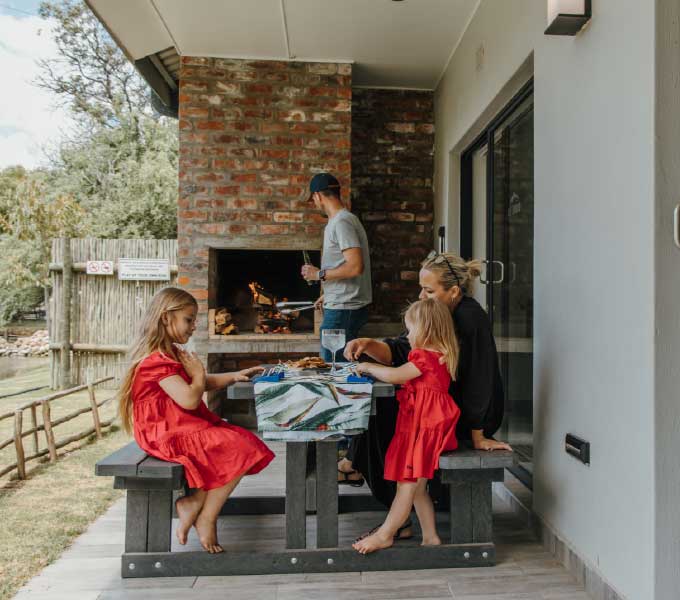
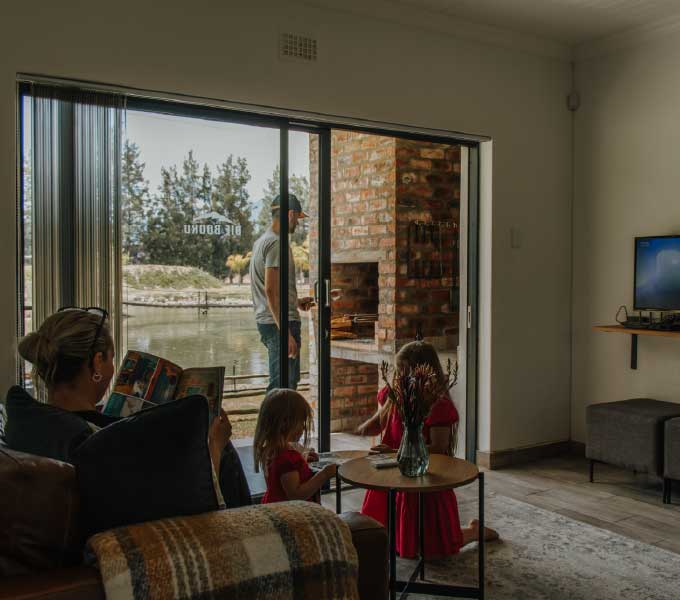
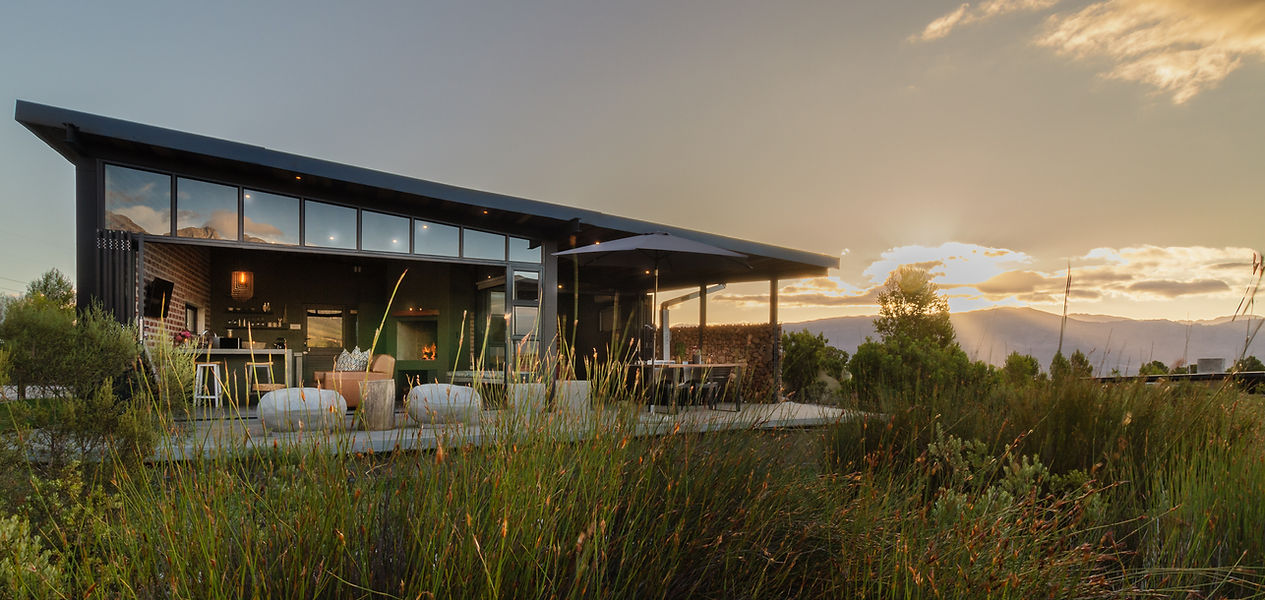
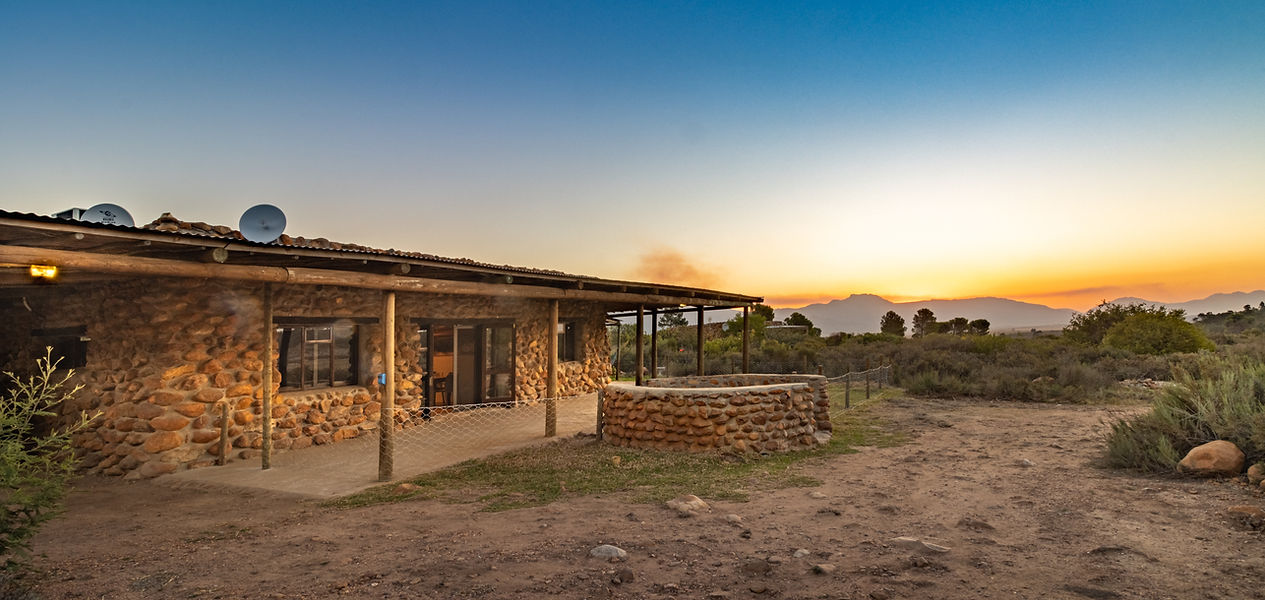
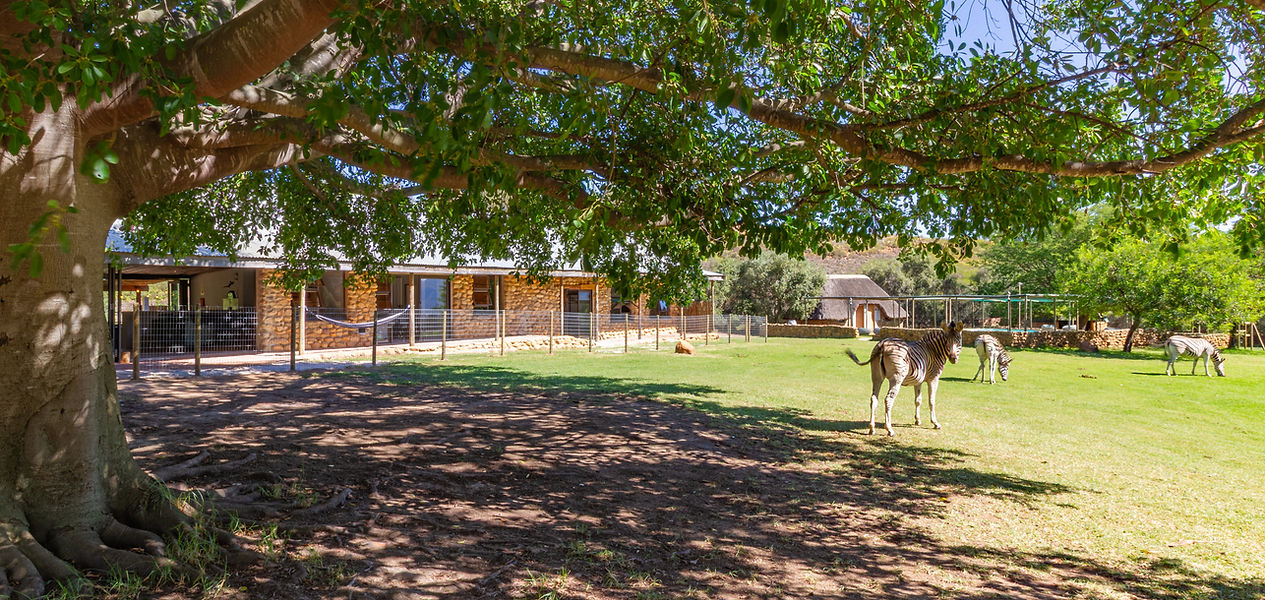
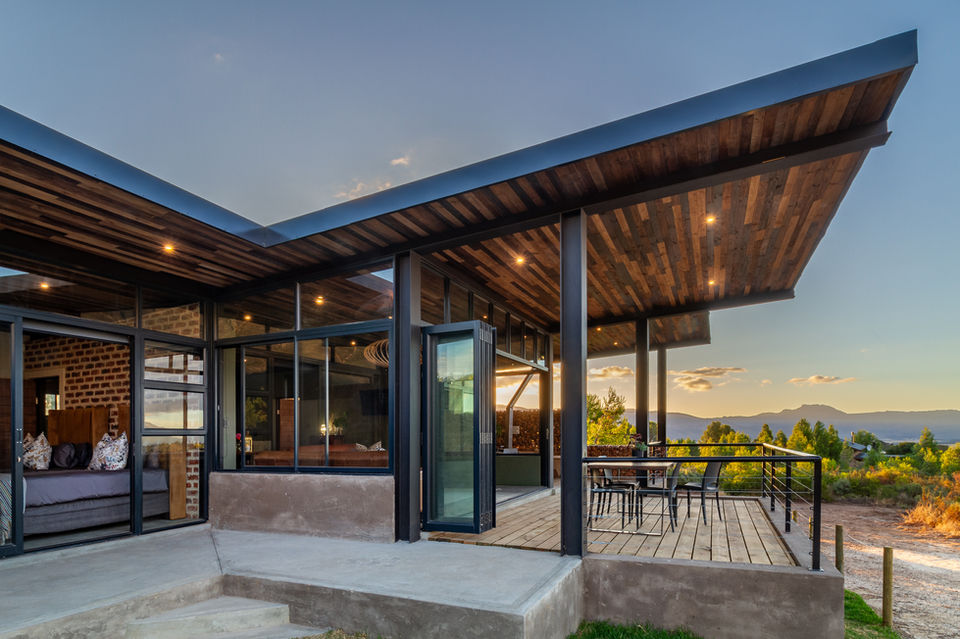
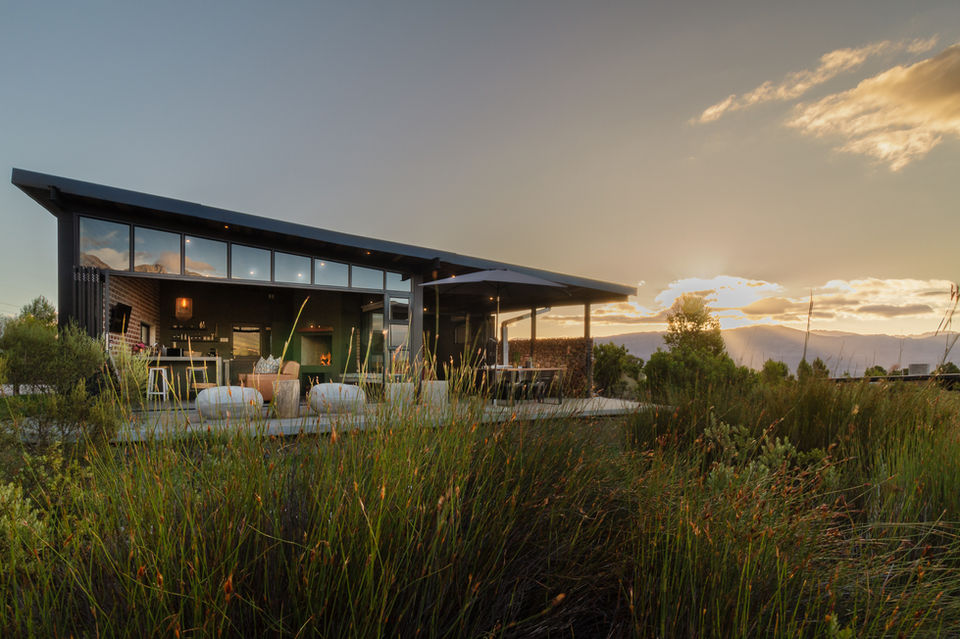
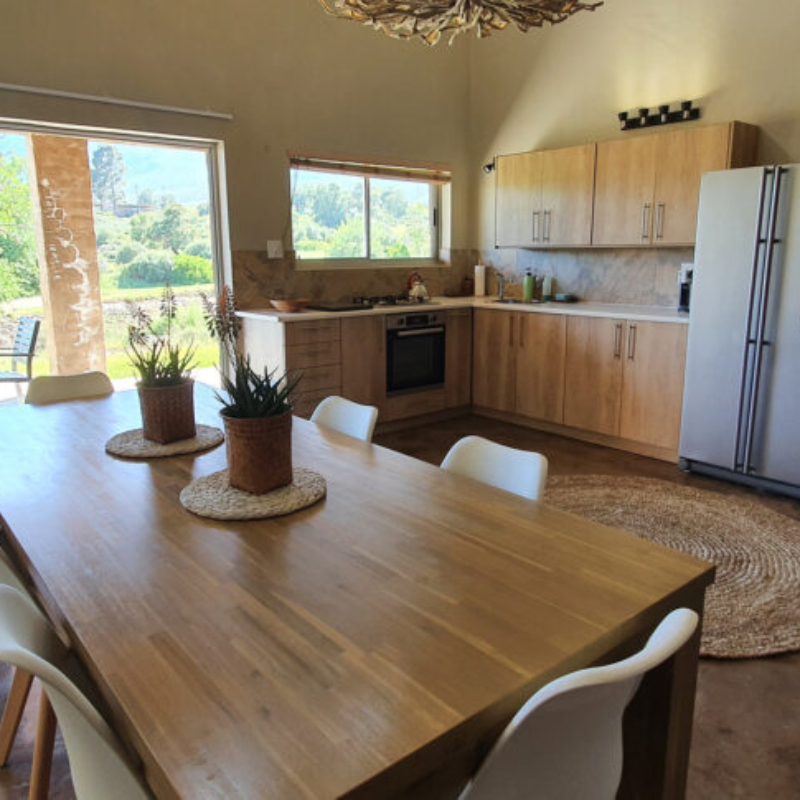
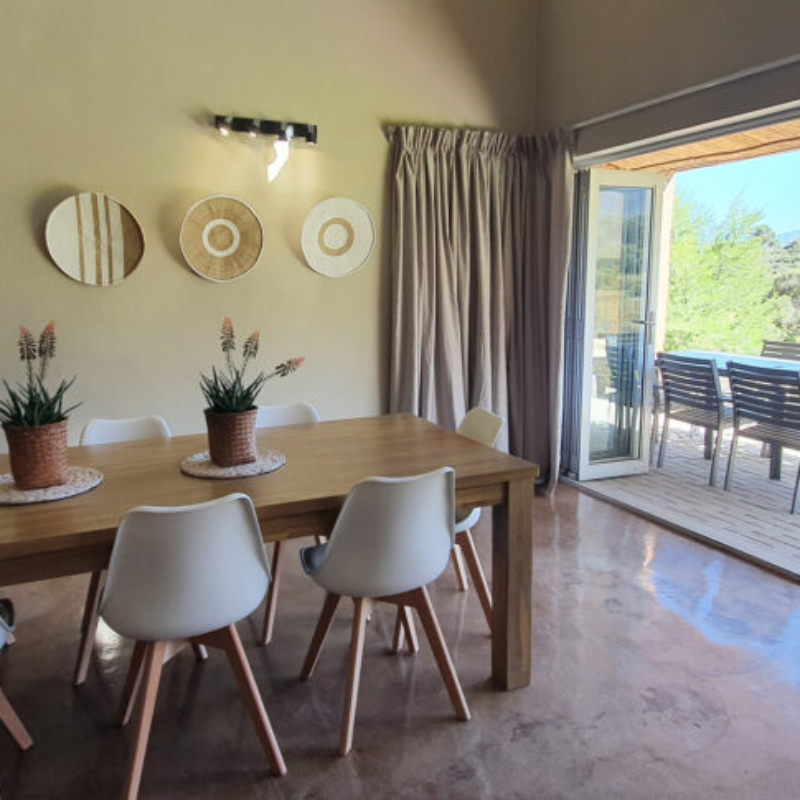
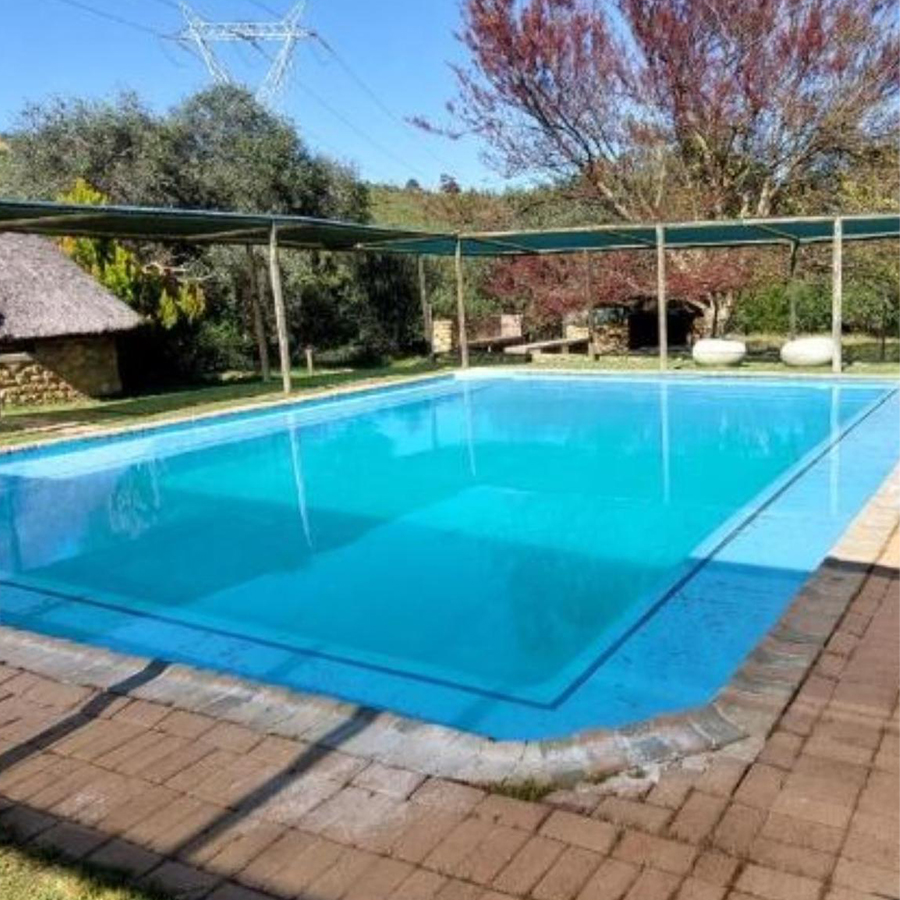
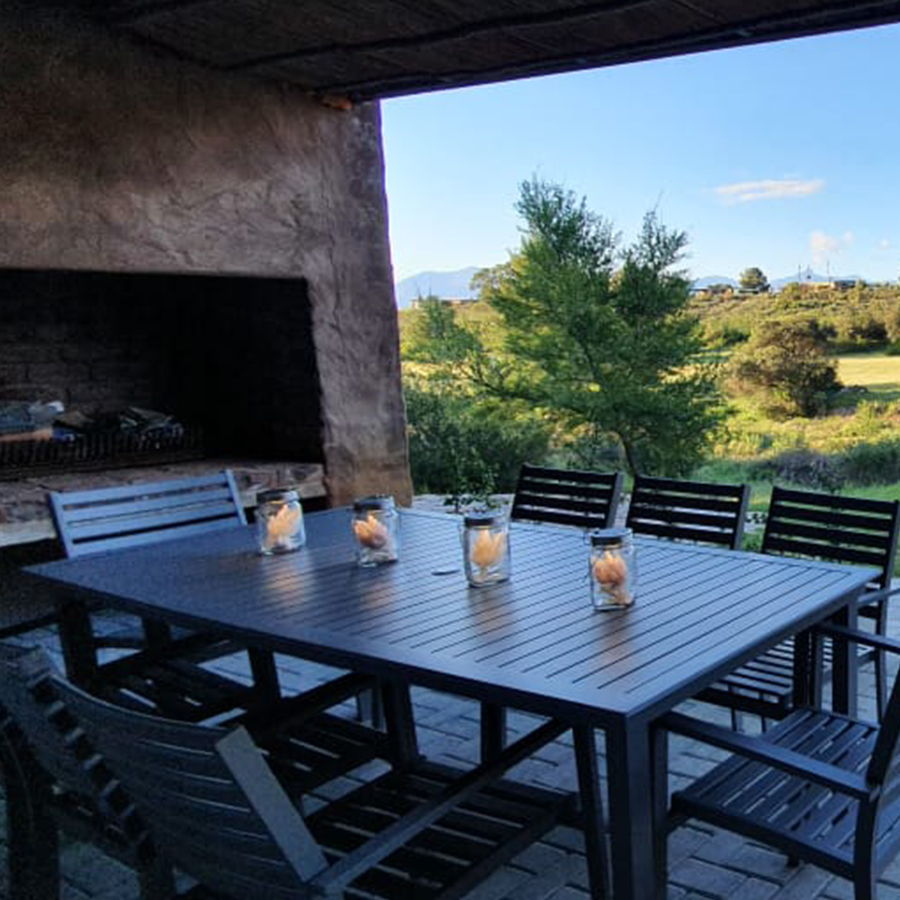
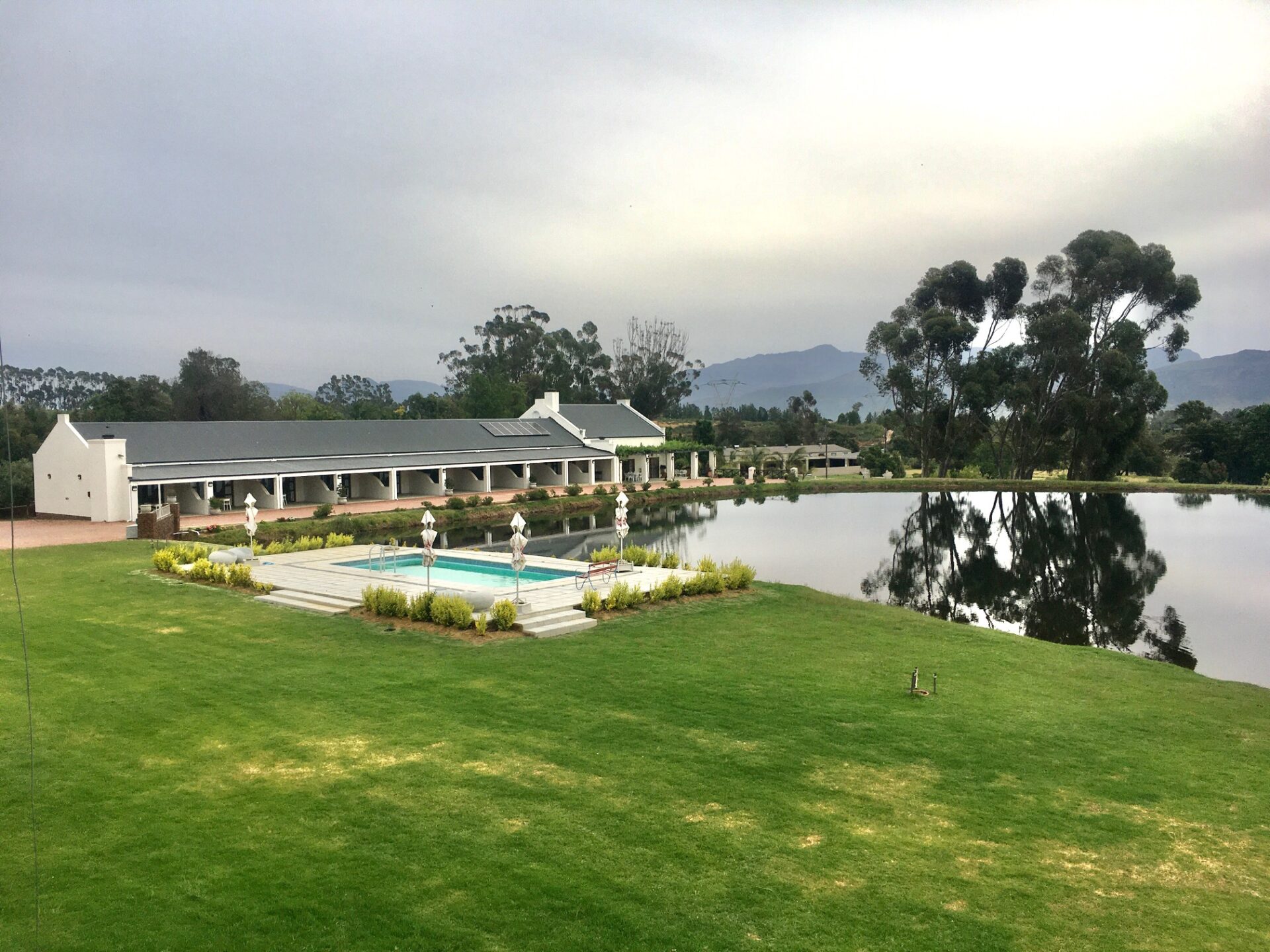
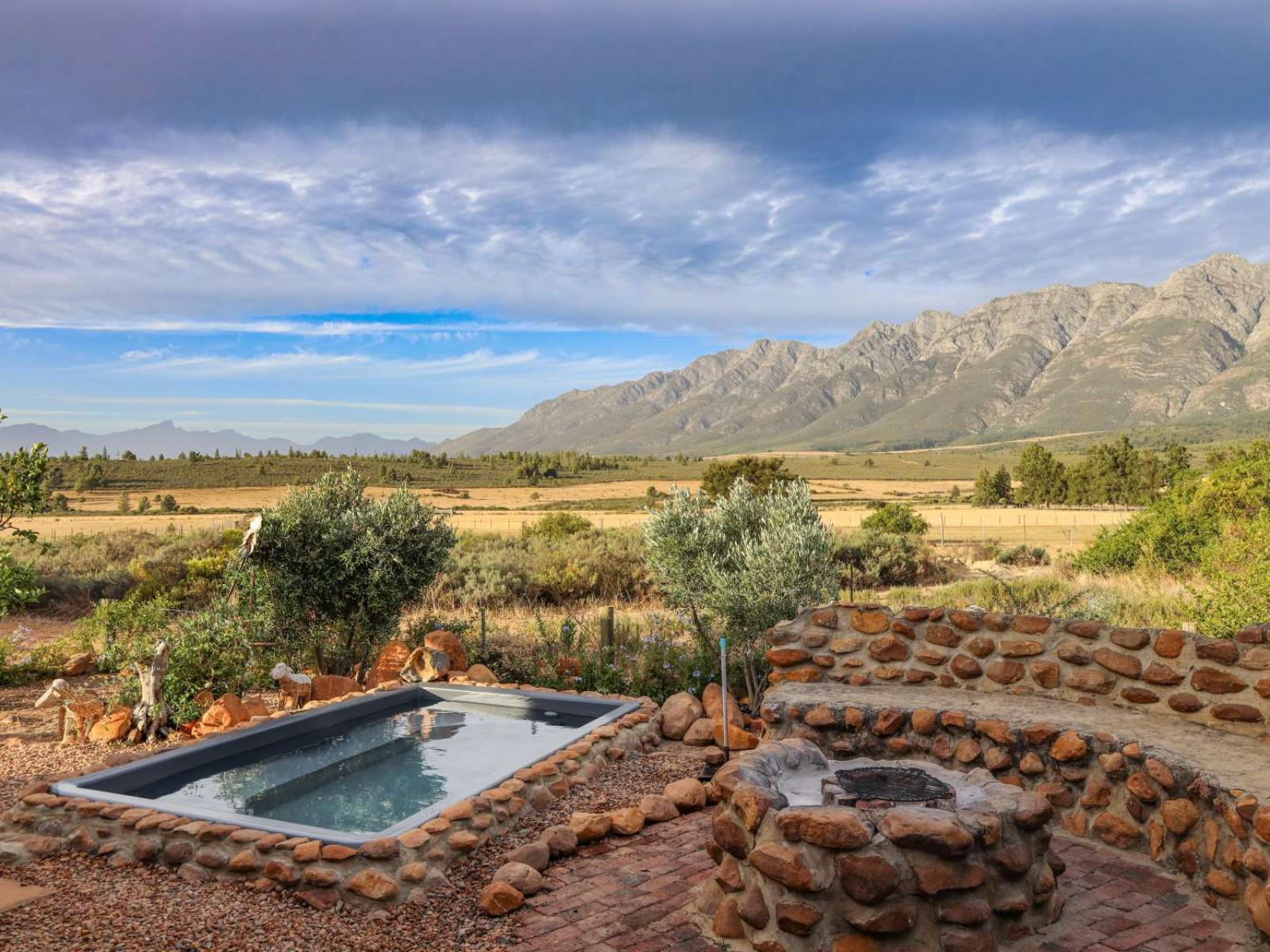
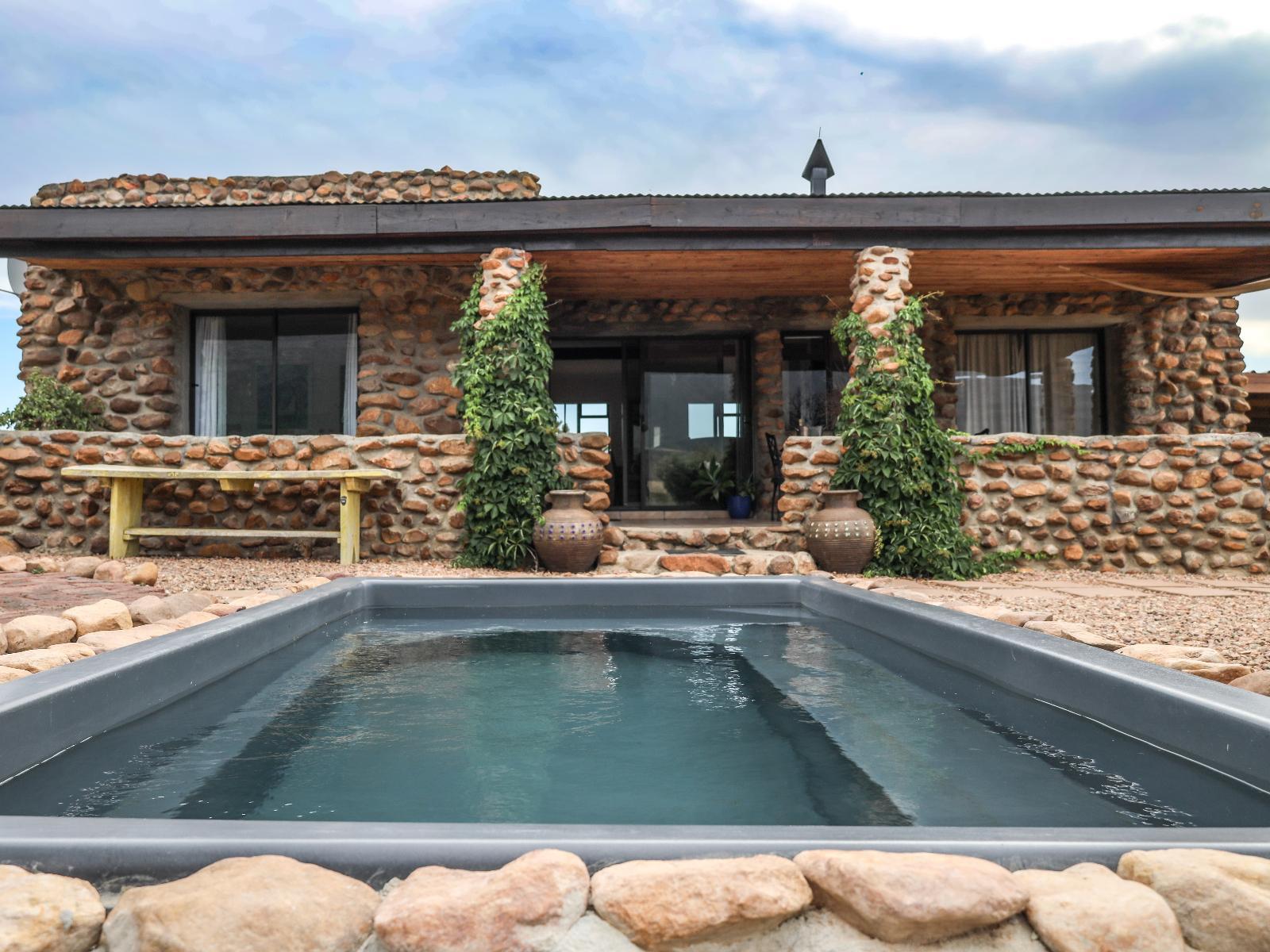
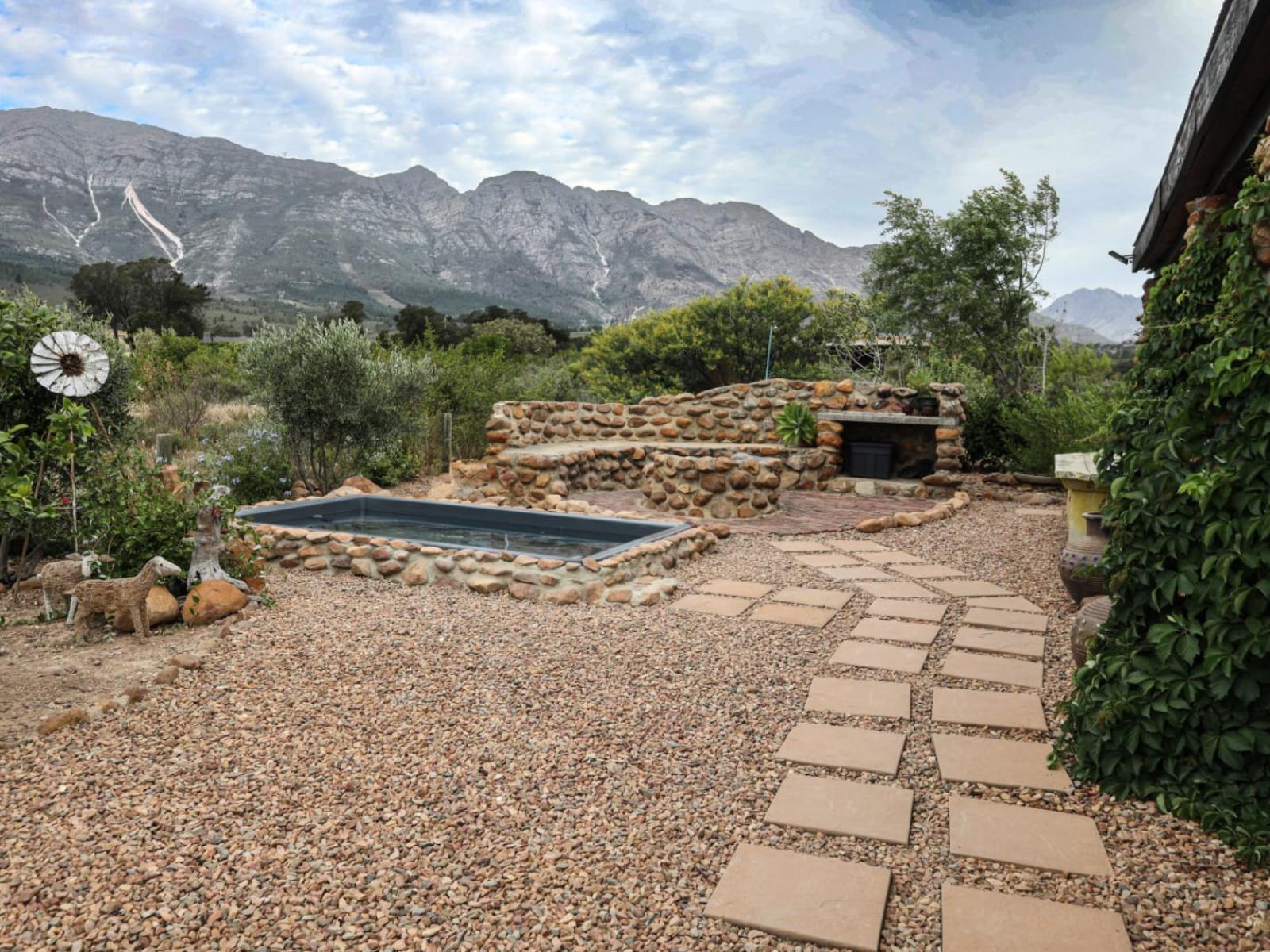
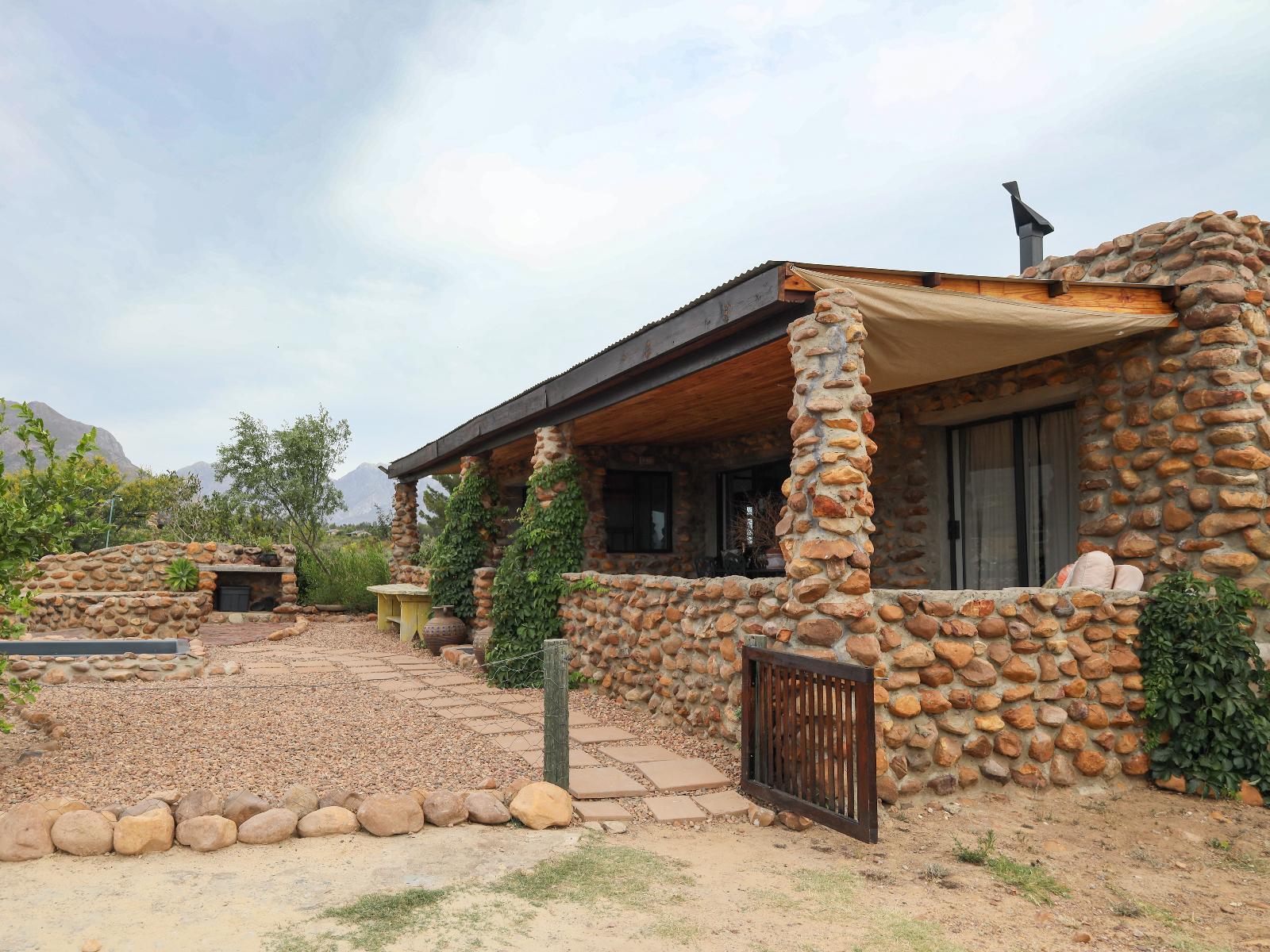
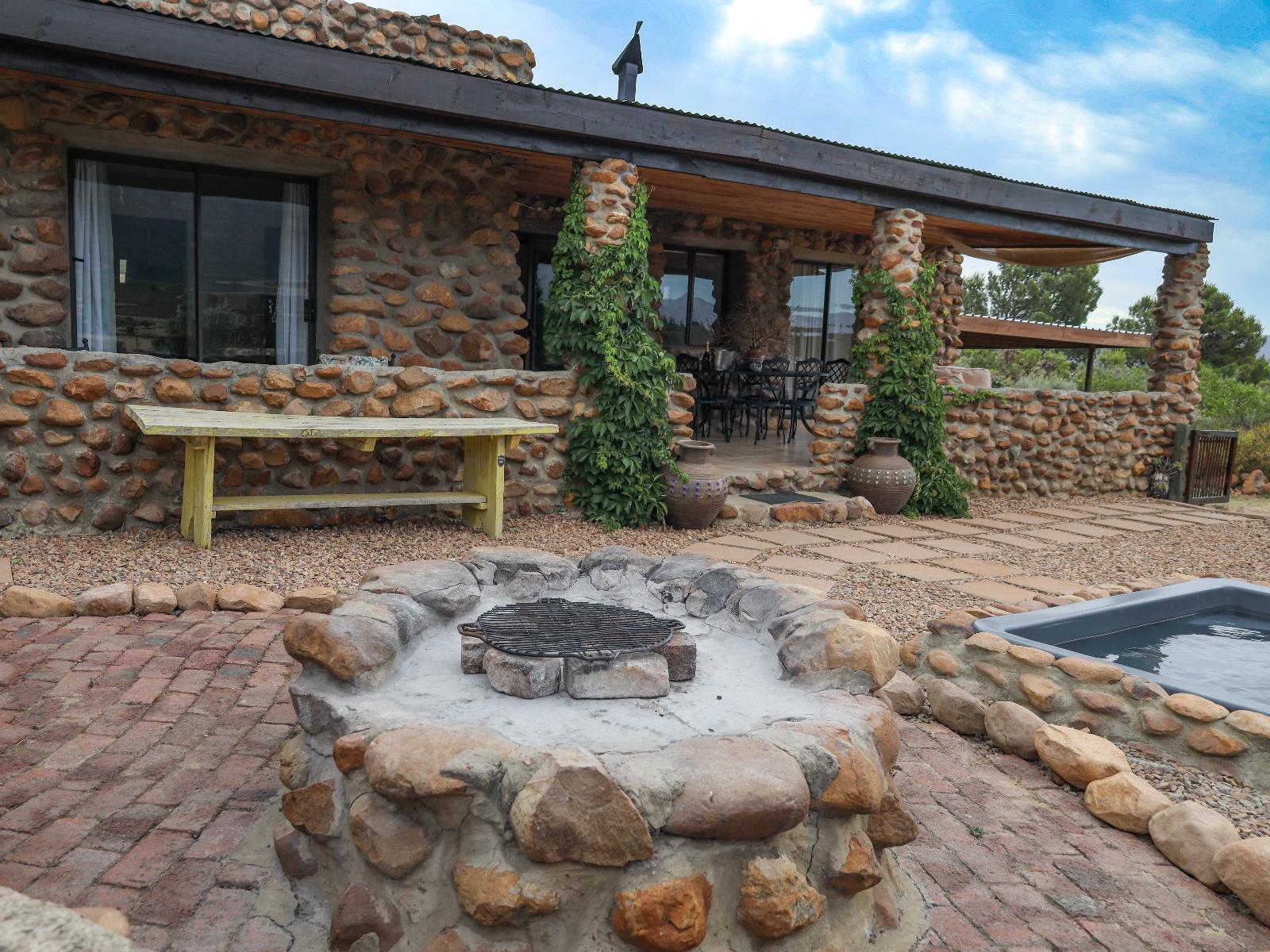
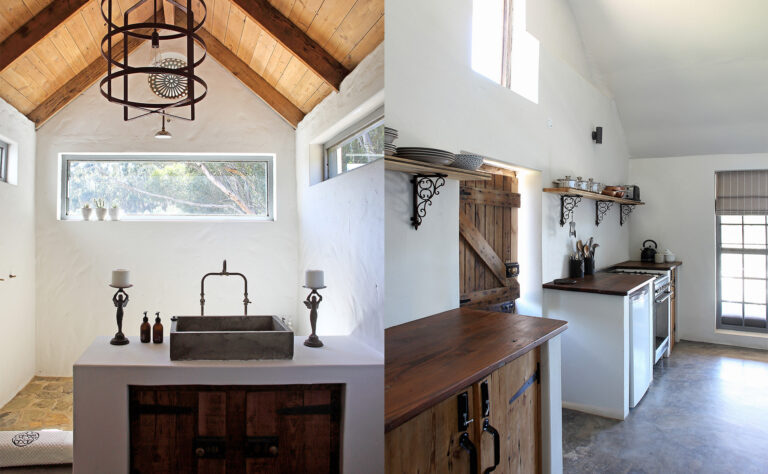
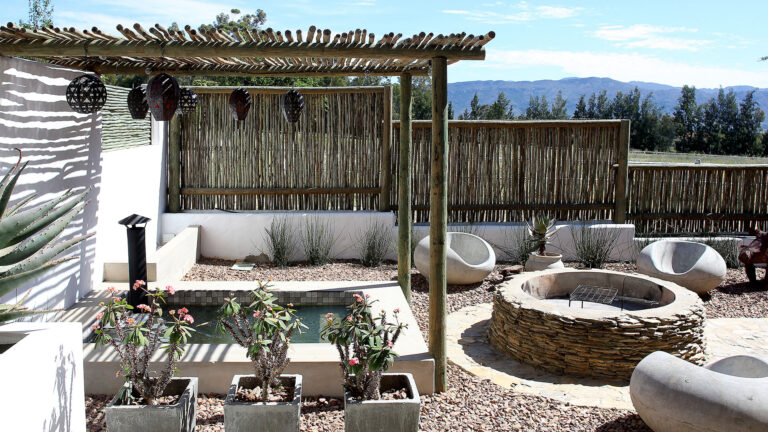
With one property listed in Wolseley at R760 per night, accommodation here is deliberately small-scale. The available listing falls into the self-catering category, which suits the broader character of stays in this part of the valley. Farm-based properties in the area typically offer full kitchen facilities, private outdoor space, and direct access to the working agricultural landscape outside the door.
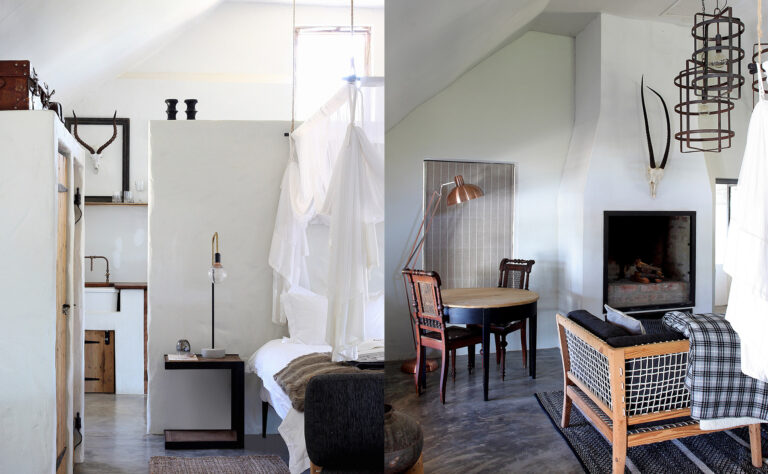
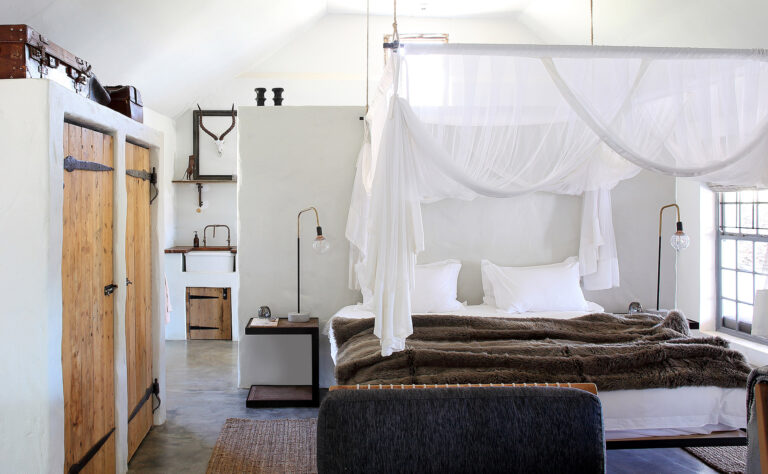
The self-catering model fits Wolseley well. The town has few restaurants, and the ability to cook independently gives guests the freedom to work around their own schedule and move at a pace that matches the surrounding countryside. Accommodation at this price point in the Western Cape interior tends to prioritise space and quiet over hotel-style conveniences. Expect comfortable rather than elaborate: functional kitchens, clean linen, and good views of the surrounding peaks.
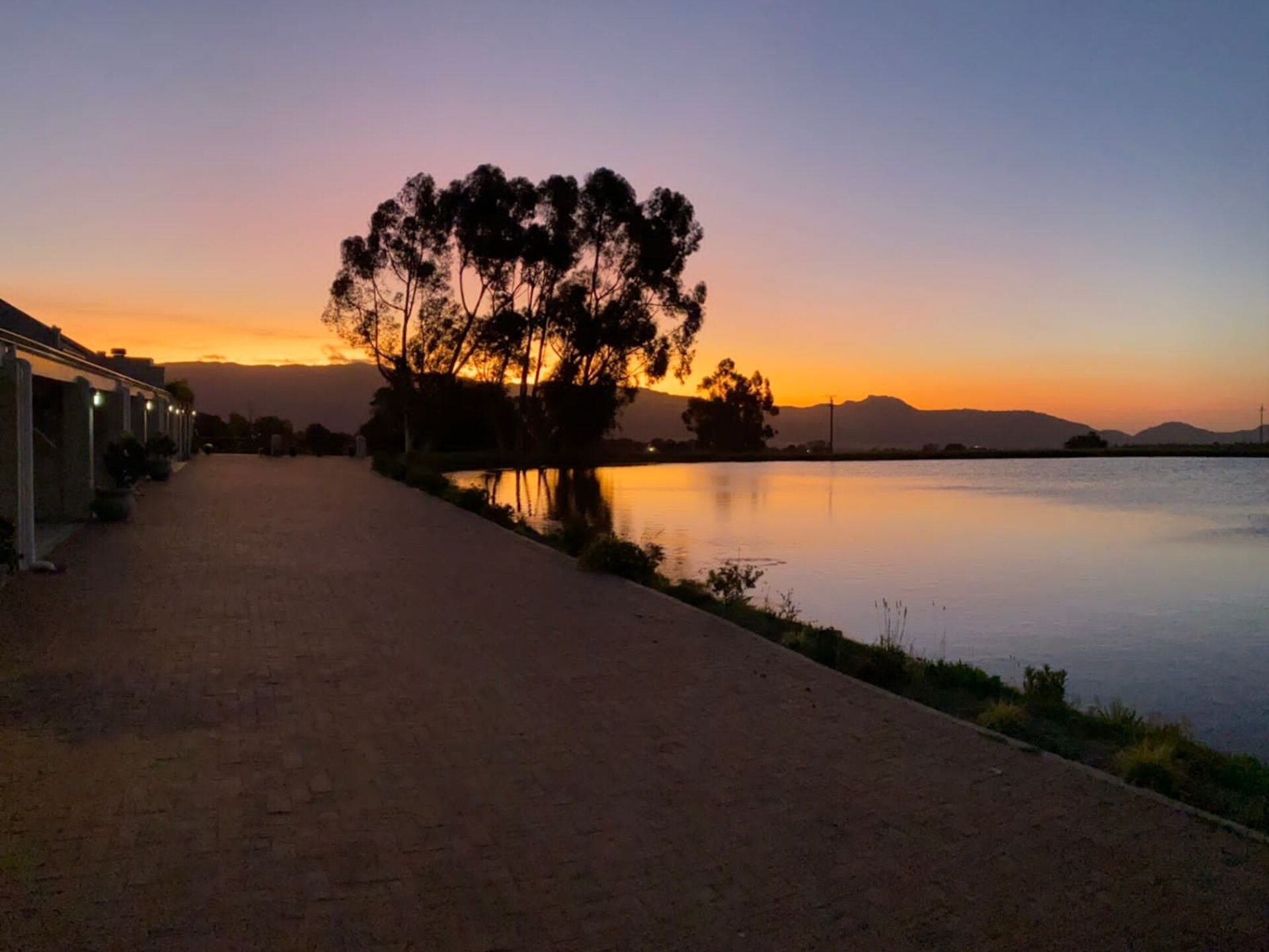
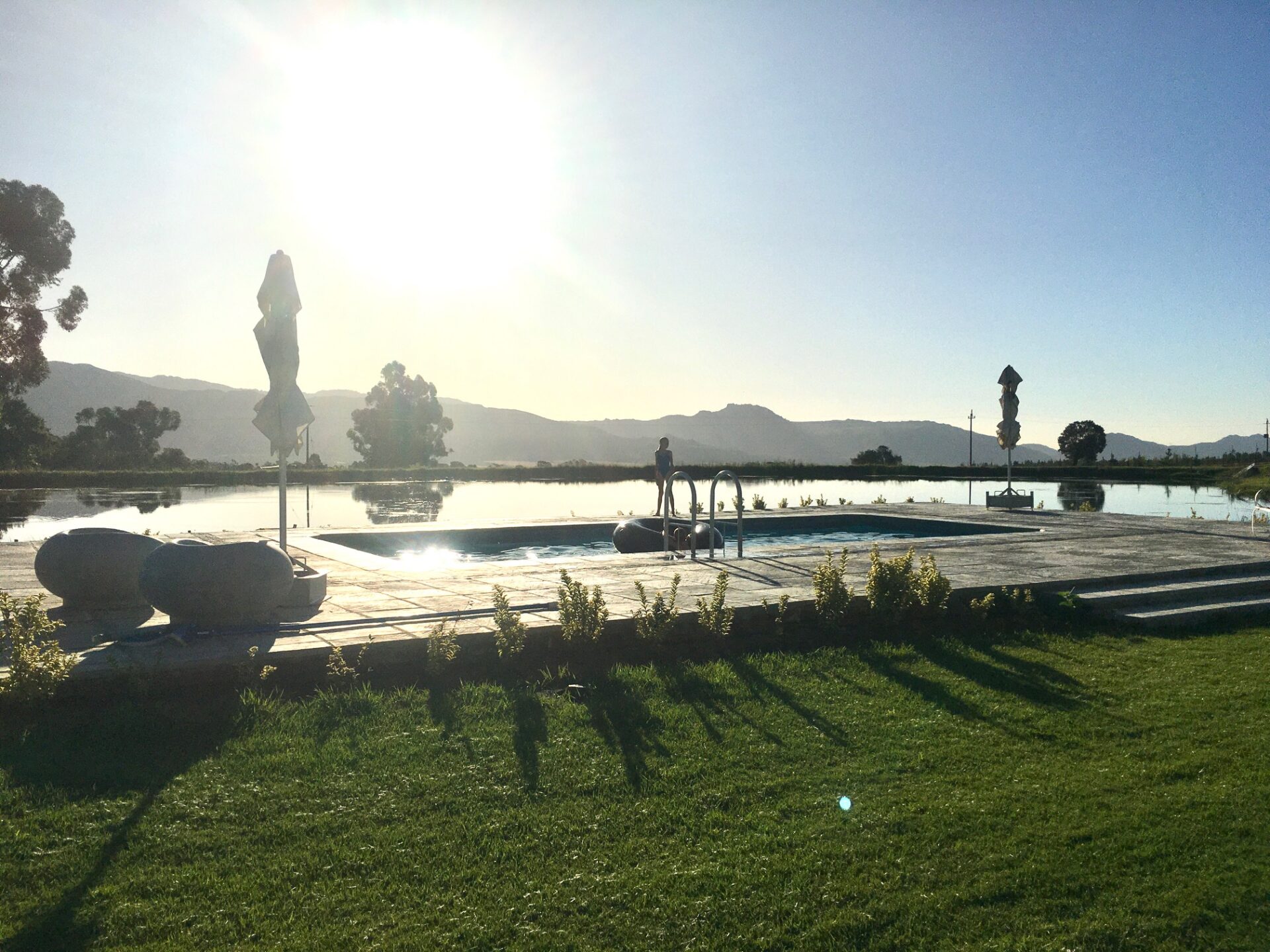
For visitors accustomed to the more polished guest farms around Stellenbosch or Franschhoek, Wolseley's listing offers something less glossy but arguably more connected to the actual life of the valley. The appeal is in waking up on a working farm, hearing birds rather than traffic, and having hiking routes and river access within reach rather than staged as amenities.
Demand in this area peaks during Western Cape school holidays and over December, when families and Cape Town residents move into the interior. Outside those windows, the valley is uncrowded and booking tends to be straightforward. Given the limited number of properties in the immediate area, confirming a reservation before finalising other travel arrangements is a sensible approach.
Things to Do in Wolseley
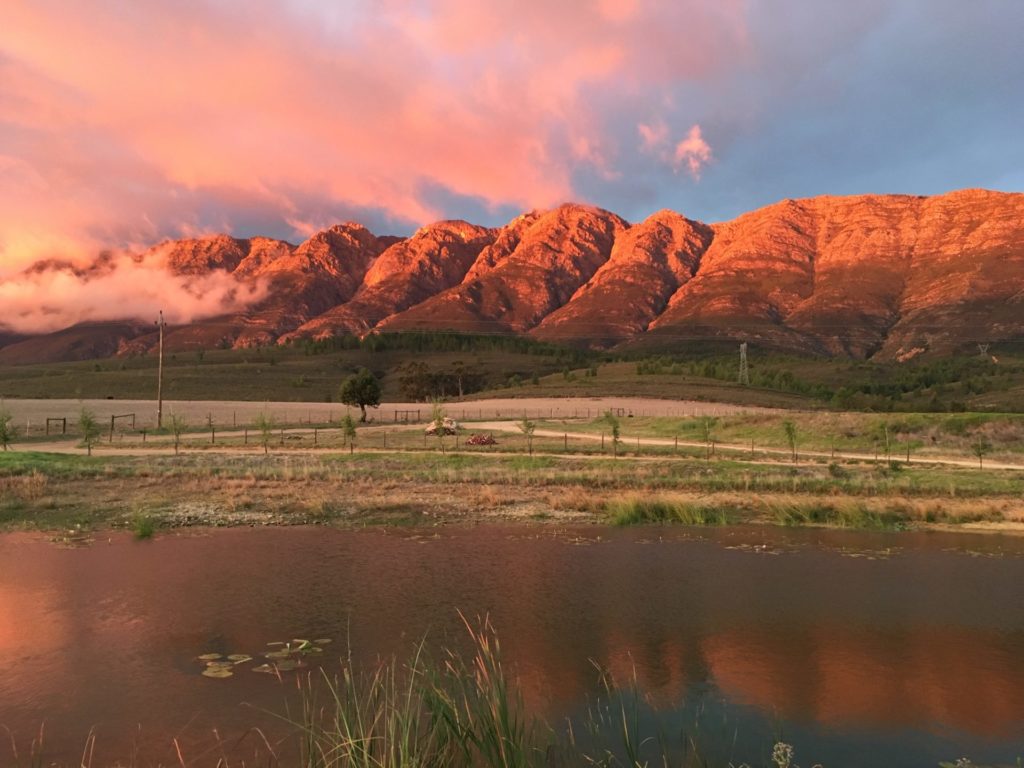
The Witzenberg Mountains, which rise directly behind the town to elevations above 1,500 metres, are the most immediate draw for active visitors. Several trails wind up into the range, from short walks on the lower slopes to full-day routes that gain significant elevation. The upper paths open out to broad views across the valley floor, where the geometric patterns of fruit farms and vineyards stretch in both directions.
Birdwatching along the Breede River rewards regular morning visits. The African fish eagle is the most distinctive sighting, but the riverbanks and reedbeds also support herons, hammerkops, various kingfisher species, and seasonal waterfowl. Early morning, before summer heat builds, is the most productive time to walk the water's edge.
The protected fynbos areas on the slopes above the farms offer a different kind of exploration. Proteas, ericas, and restios dominate the vegetation, and the late-winter and early-spring flowering season brings considerable botanical interest to the landscape. This period is particularly rewarding for nature photography and for anyone with a broader interest in the Cape Floral Kingdom.
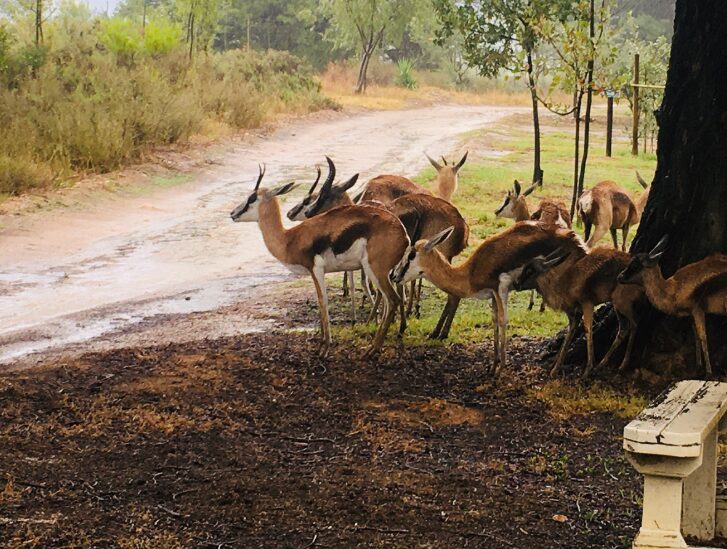
Safari experiences are accessible for visitors who want a wildlife element. The immediate Witzenberg Valley is agricultural rather than wild, but game reserves within the broader Western Cape are reachable within a half-day's drive from Wolseley, making it possible to fold a wildlife excursion into an itinerary based here.
Farm stalls along the roads in the area sell seasonal fruit, vegetables, and preserves. Stopping at one is practical, and it provides an immediate sense of what the valley actually produces.
Best Time to Visit Wolseley
The Western Cape's Mediterranean climate gives Wolseley distinct seasons, each with a different character for visitors.
Summer (December to February) is hot and dry, with valley temperatures regularly reaching 35°C or above in January. The skies are reliably clear and the mountain routes fully open, though the midday heat makes early starts essential. This is also peak tourist season across the region, and the interior farmland is in active production.
Autumn (March to May) brings a change in the landscape as deciduous trees on the farm properties shed their leaves and temperatures become more manageable. The valley tends to be less crowded than in summer, and harvest activity gives the area a working energy distinct from holiday season.
Winter (June to August) is cooler and wetter. The mountain peaks occasionally carry snow in July, and mornings in the valley are often misty and cold. Visitor numbers drop significantly and the town settles into a quieter rhythm that some travellers find preferable.
Spring (September to October) is arguably the best time to visit. Temperatures are mild, wildflowers appear across the slopes, and the valley has not yet reached peak holiday density. The surrounding countryside is greening up after winter, and conditions for walking are at their most comfortable.
Getting to Wolseley
The N1 highway connects Wolseley directly to Cape Town, roughly 120 kilometres to the south. The drive takes around 90 minutes under normal conditions, passing through Paarl before reaching the Huguenot Tunnel, which cuts through the Du Toitskloof Mountains and reduces travel time considerably compared to the older mountain pass route.
Cape Town International Airport is the nearest major airport, handling domestic flights from Johannesburg and Durban as well as international connections. Most visitors to Wolseley hire a car in Cape Town, as there is no scheduled public transport to the town and a vehicle is essential for getting around once you arrive.
From the north, the approach from Johannesburg takes travellers through the mountain passes of the interior before descending into the Western Cape valleys. Worcester, roughly 35 kilometres further along the N1, serves as the nearest regional centre, with a hospital, fuel stations, and larger retail options.
Wolseley's town centre is compact enough to cover on foot, but reaching outlying farms, river access points, and trailheads requires a car. Roads in the immediate area are mostly tarred, with gravel tracks leading to more remote farm properties.
Wolseley and Surrounding Areas
Wolseley sits within easy reach of several towns that each offer something distinct, and day trips across the area are straightforward on good roads.
Ceres (11 km) is the commercial hub of the Witzenberg Valley, positioned at the entrance to Michell's Pass. The town centres on South Africa's deciduous fruit export industry and has a small museum covering the valley's farming and transport history. The pass itself, a nineteenth-century engineering route, is worth driving for the views it opens toward the Koue Bokkeveld plateau.
Tulbagh (15 km) occupies its own enclosed valley and is best known for Church Street, a well-preserved row of Cape Dutch buildings. Wine farms in the valley operate under the Tulbagh Wine of Origin designation, with around a dozen producers offering tasting and cellar visits, from small family estates to larger operations.
Riebeek-Kasteel (28 km) has developed into a destination for arts, crafts, and food, with galleries, boutique producers, and weekend markets. Olive farming is as prominent as wine in the Riebeek Valley, and the Kasteelberg mountain forms a recognisable landmark across the landscape.
Wellington (31 km) has a long brandy-making tradition, with several distilleries open for tasting. The Huguenot Memorial Museum documents the arrival of French Protestant settlers in the late seventeenth century and their influence on the farming culture of the Cape.
Riebeek West (31 km) is a smaller, quieter settlement in the same valley as Riebeek-Kasteel, with fewer tourist facilities but shared access to the area's olive estates and wine farms, and a distinctly local character.
Rawsonville (32 km) marks the southern end of the Hex River Valley, South Africa's largest table grape producing area. Mountains rise steeply on both sides of the valley road, creating some of the most dramatic agricultural scenery in the Western Cape interior.
Planning Your Stay
With a single listed property in Wolseley, flexibility matters more than quick reflexes. Check availability early if your travel dates are fixed, and identify a backup option in a nearby town before finalising the broader itinerary. Self-catering properties in rural areas sometimes carry minimum-stay requirements over public holidays, so confirm this before committing.
A few practical questions are worth asking the host directly. Load-shedding remains a reality across South Africa, and properties without a generator or inverter can be significantly inconvenient during extended outages. Ask about backup power, and check whether mobile data signal is reliable at the property. Reception can be patchy on farms set back from the main road.
Arriving with enough groceries for the first day or two is practical. Wolseley has basic retail options but limited dining, and larger supermarkets require a short drive to Ceres or further afield. If hiking is part of the plan, download trail maps and offline navigation before leaving home, as connectivity in the mountains is unreliable.
Guest reviews for farm accommodation tend to contain the most useful practical detail: road conditions to reach the property, whether the track requires a 4x4 in wet weather, and how responsive the host is. Reading these carefully before booking will prevent surprises on arrival.