Accommodation in Stellenbosch
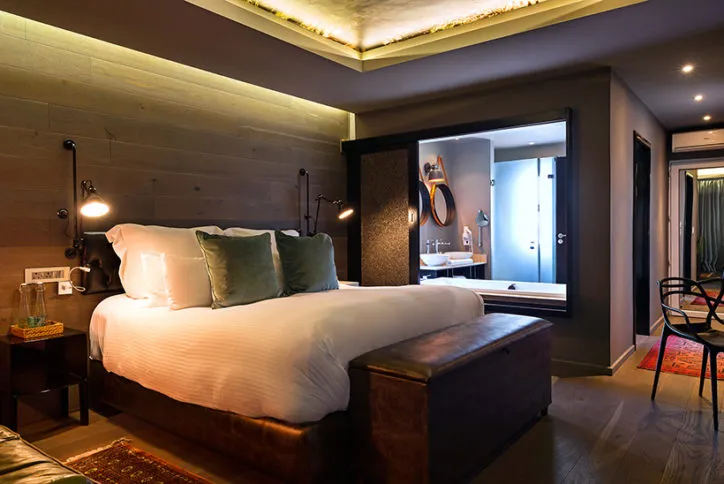
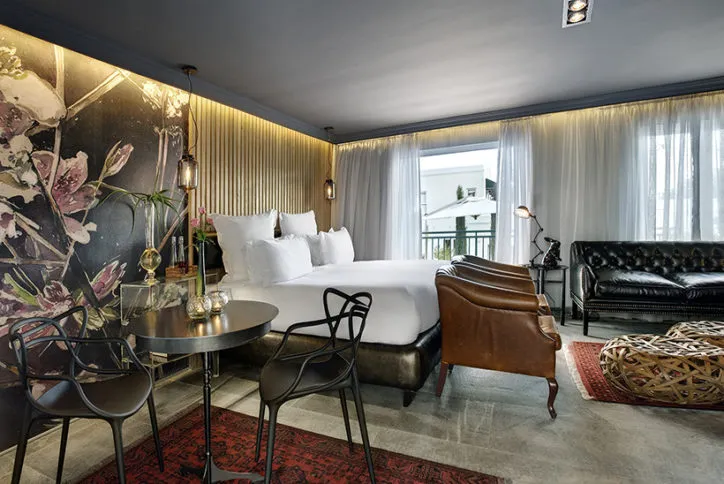
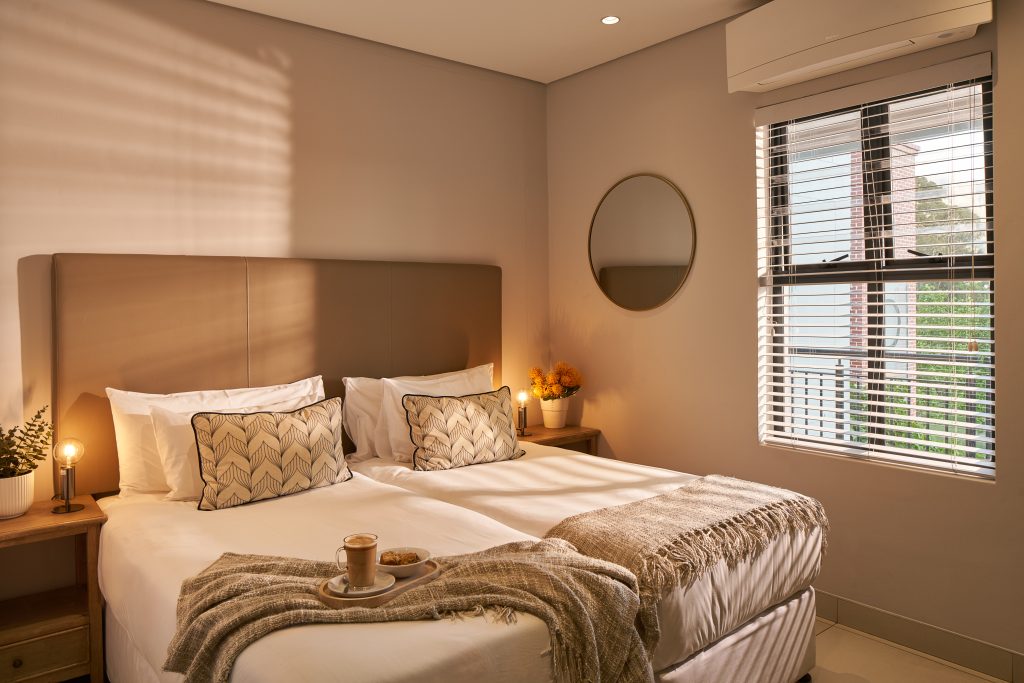
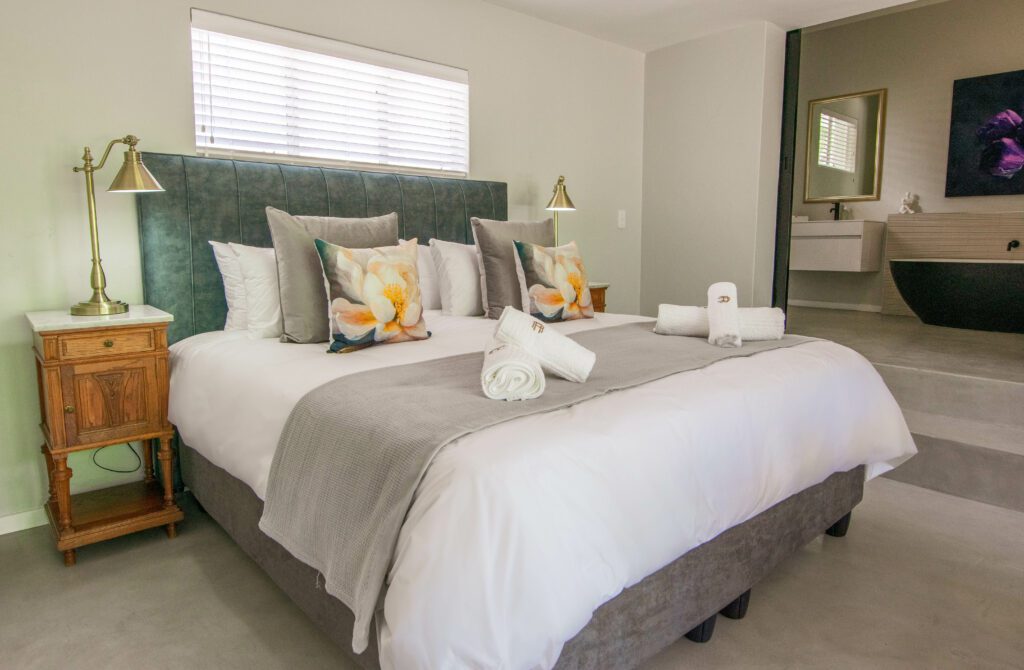
With 15 properties listed across the town and surrounding wine country, Stellenbosch offers a genuine range of options, from R1,130 to R2,300 per night, covering most traveller budgets without stretching to resort-scale pricing at either extreme.
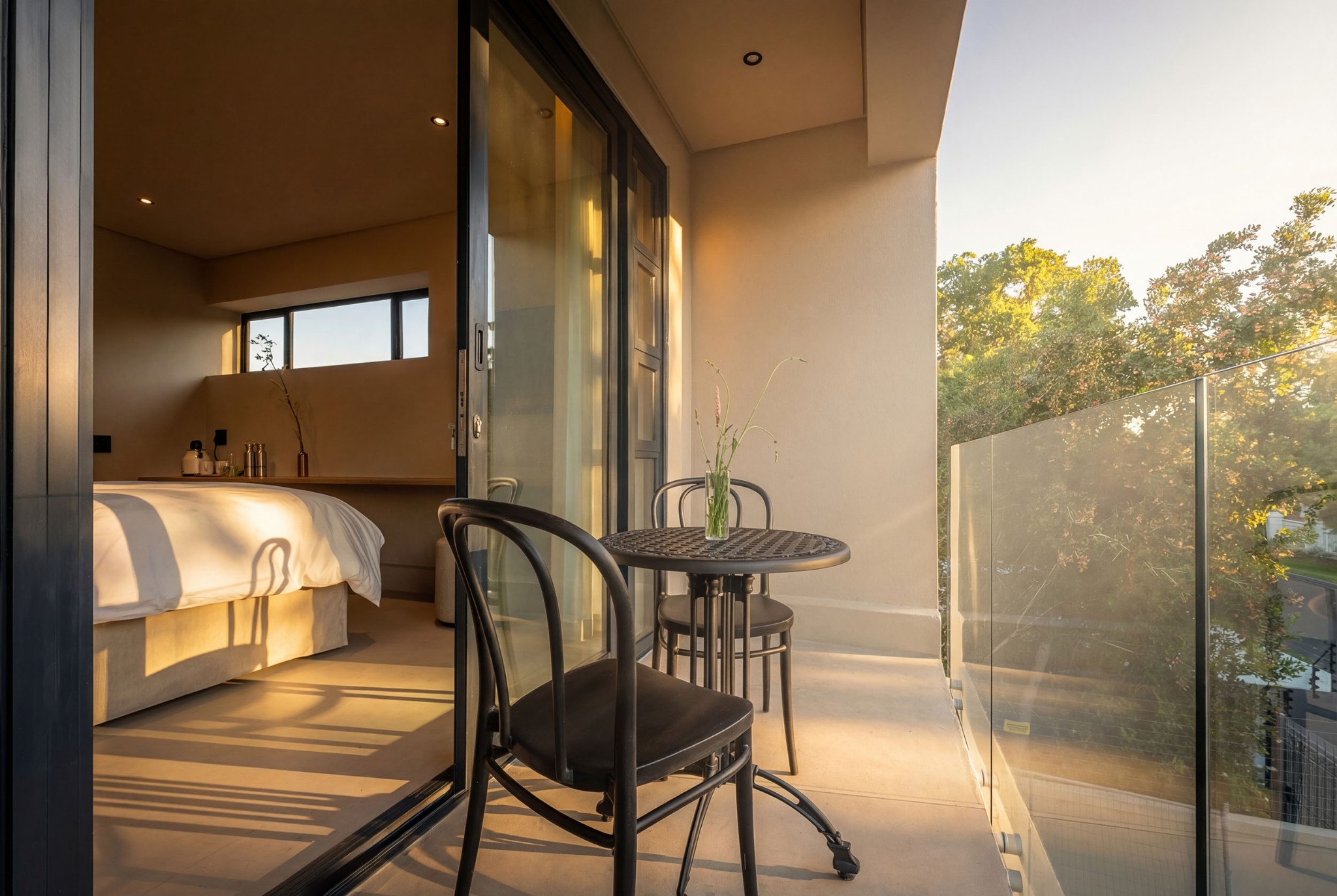
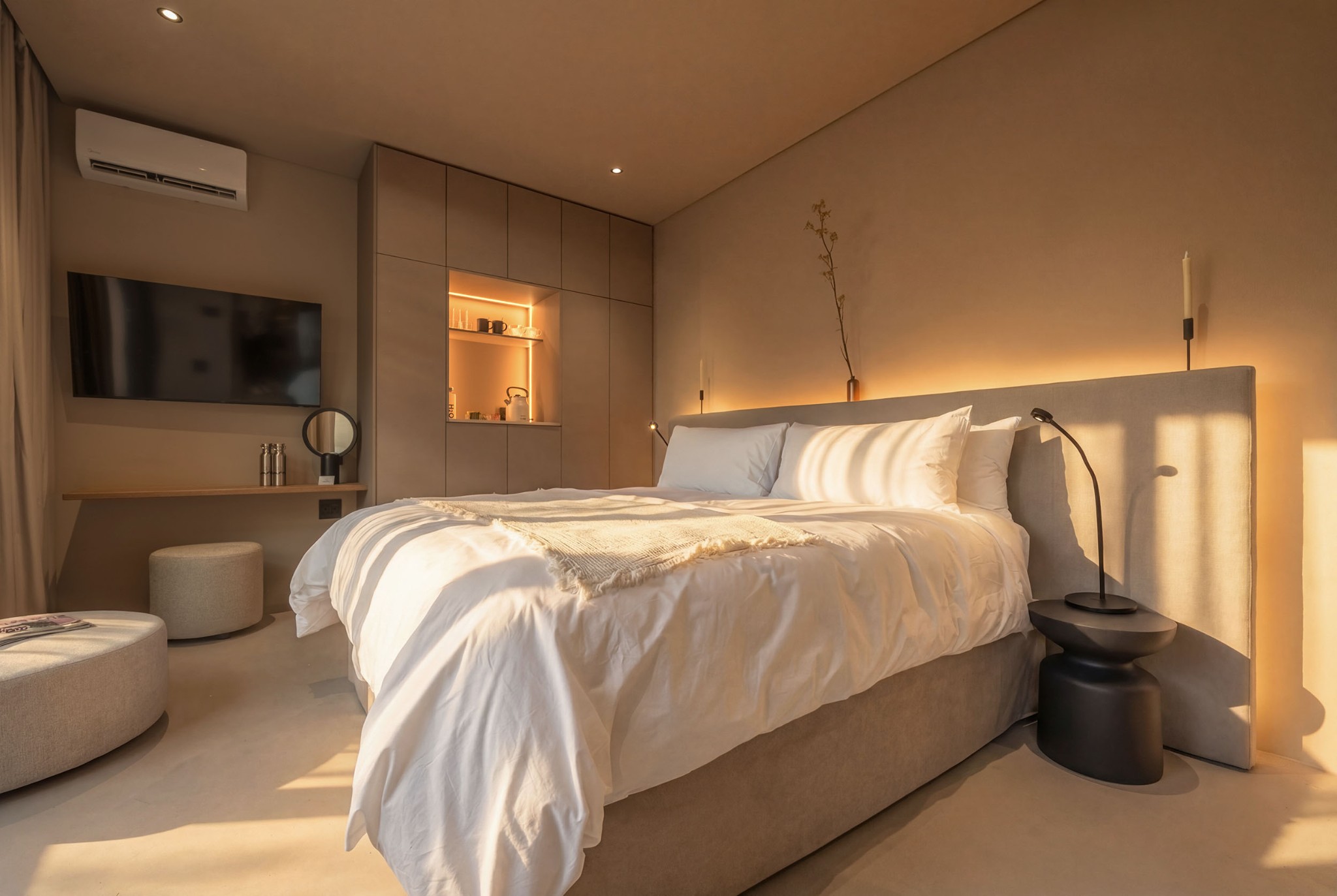
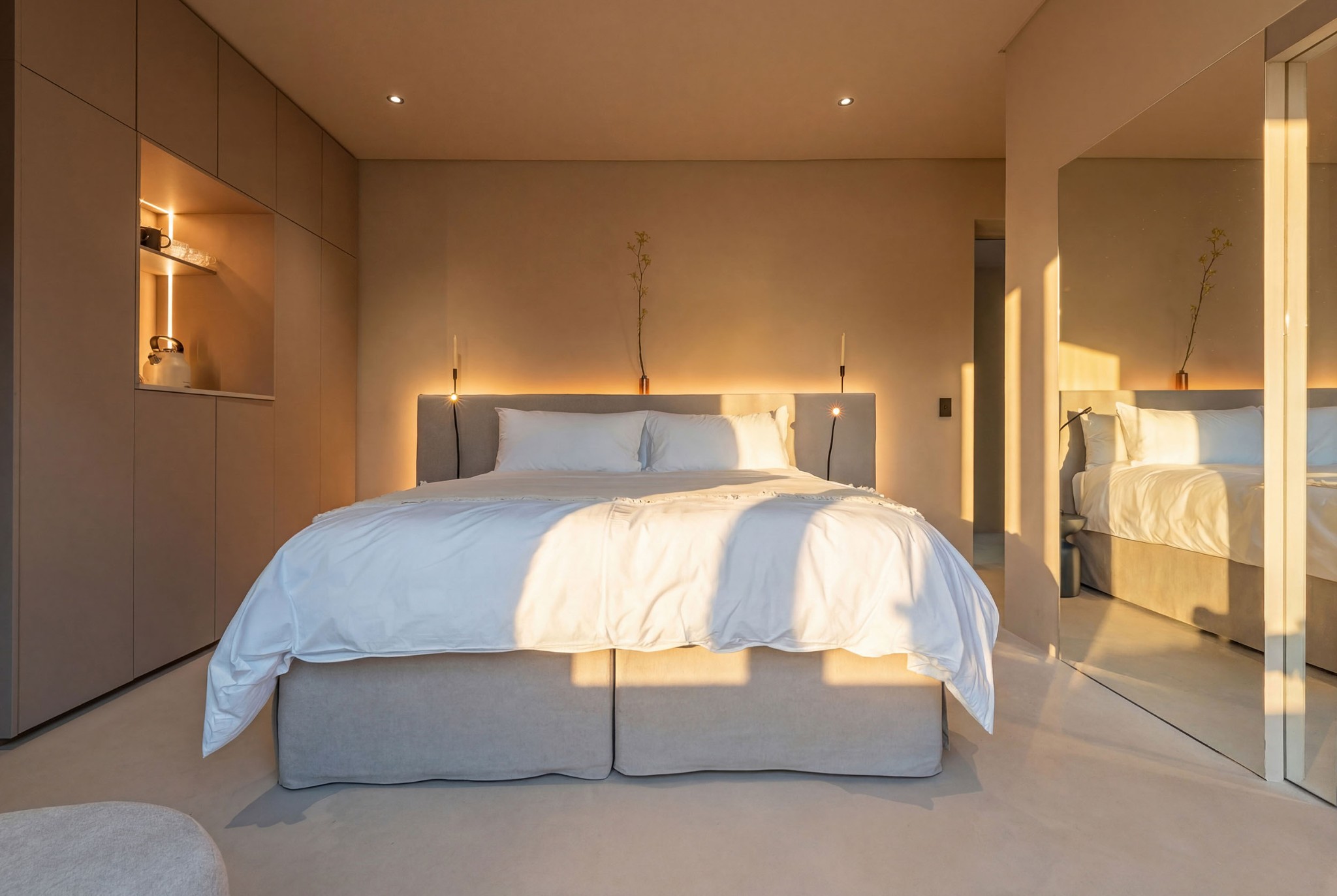
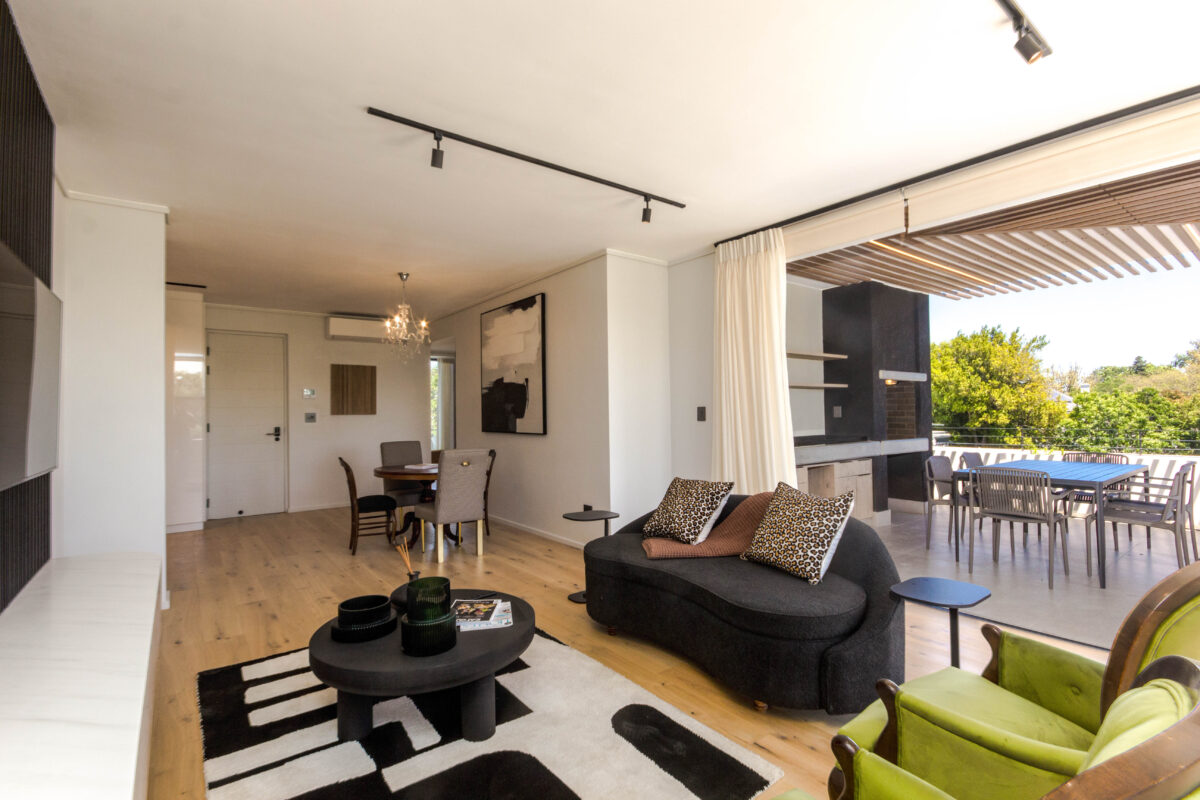
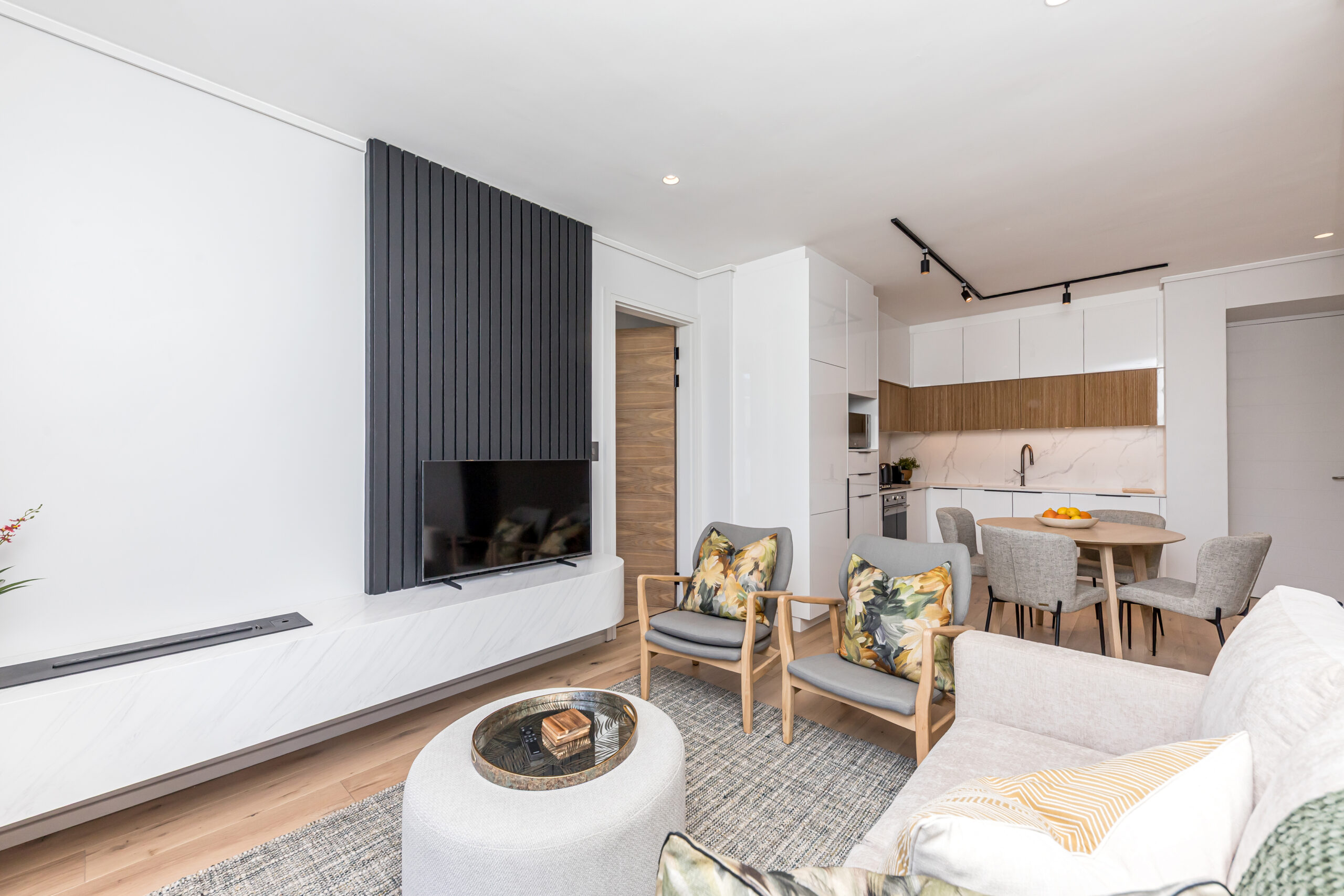
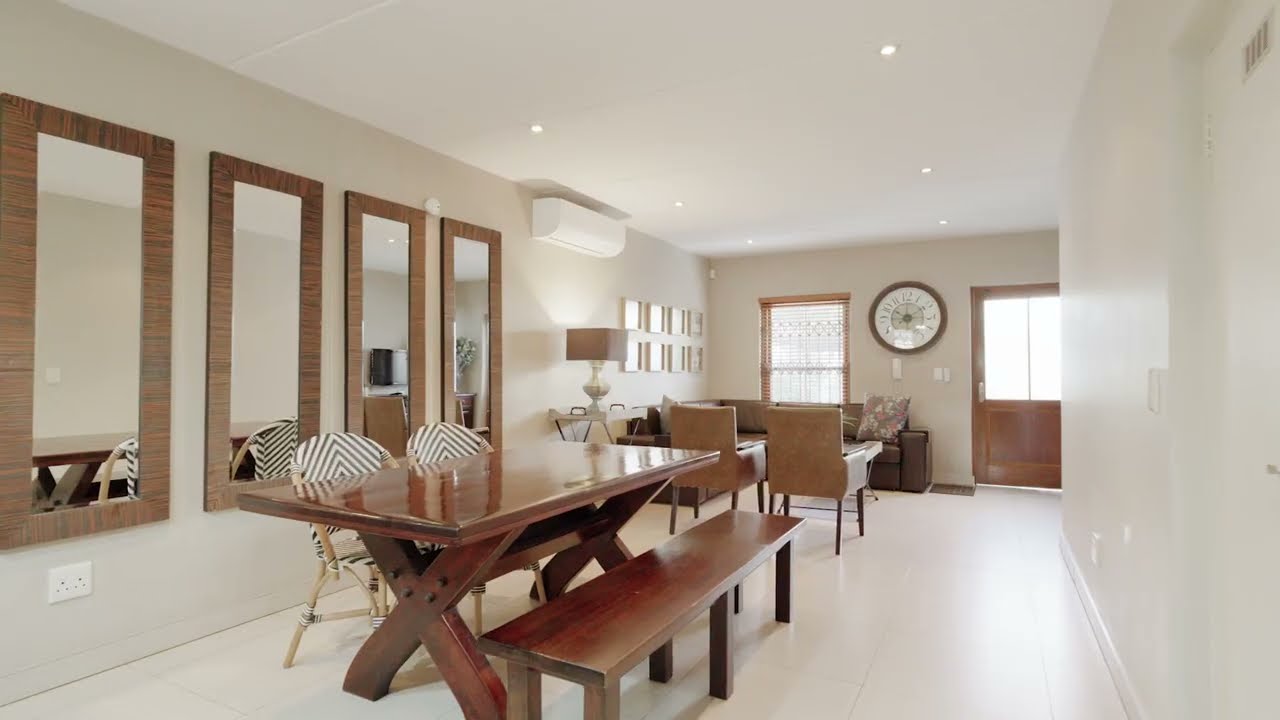
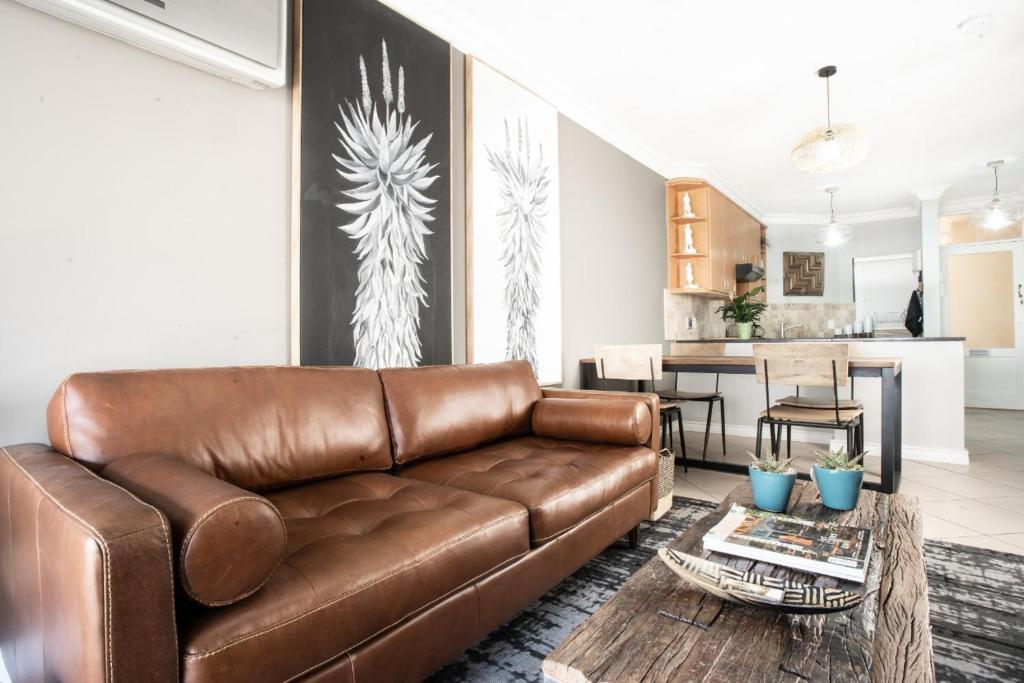
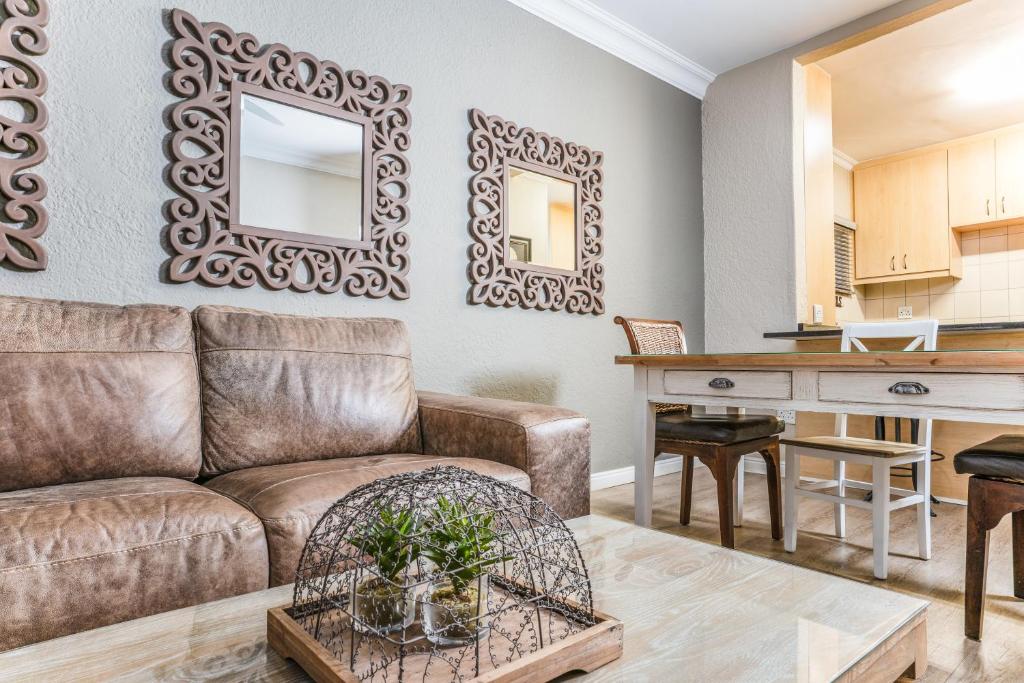
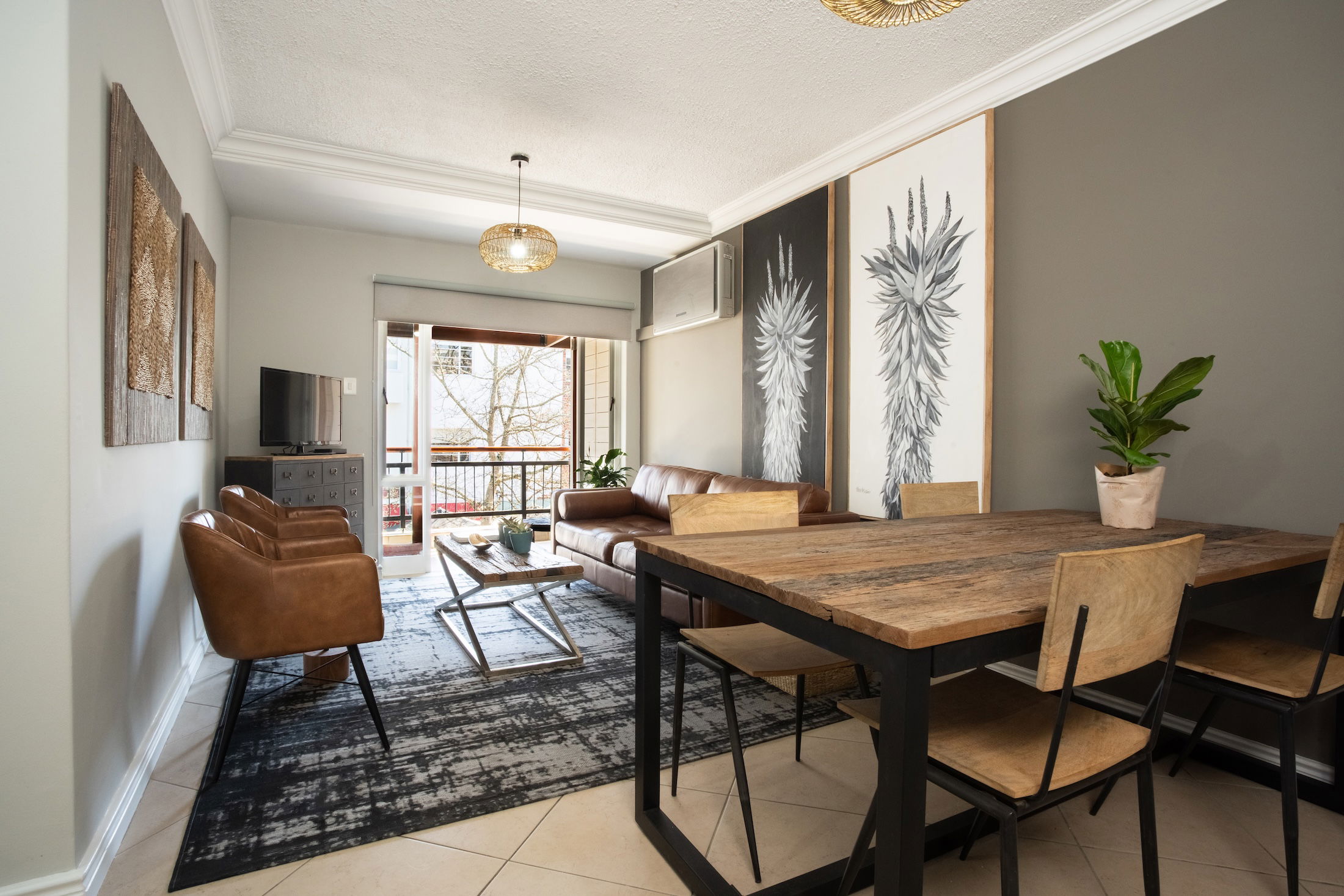
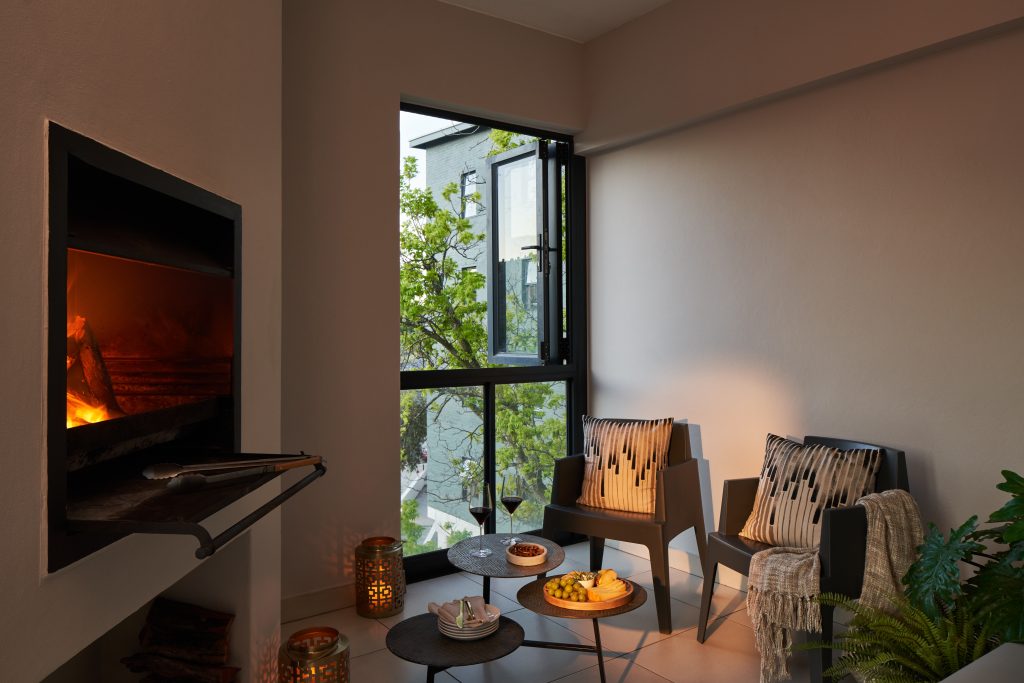
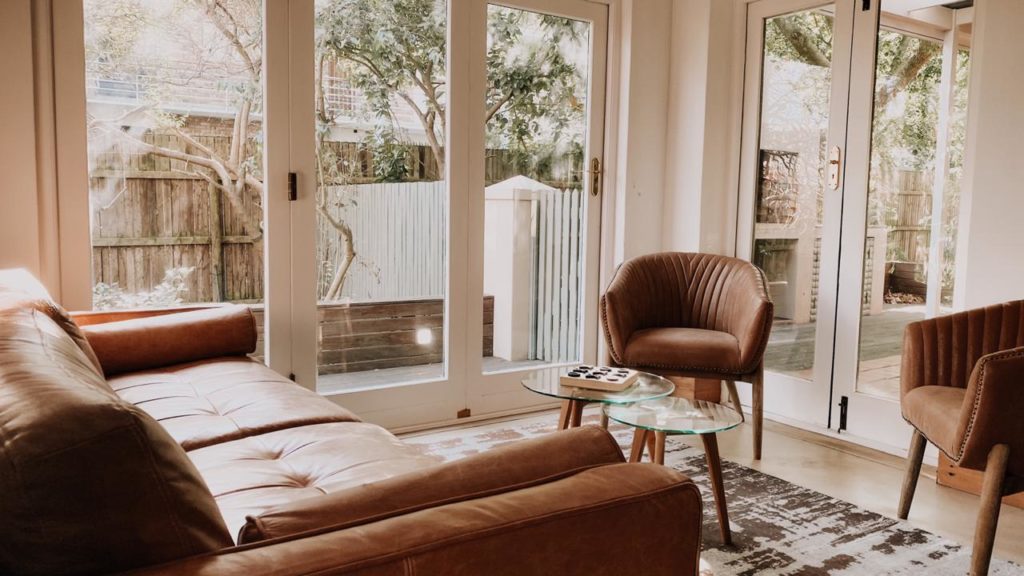
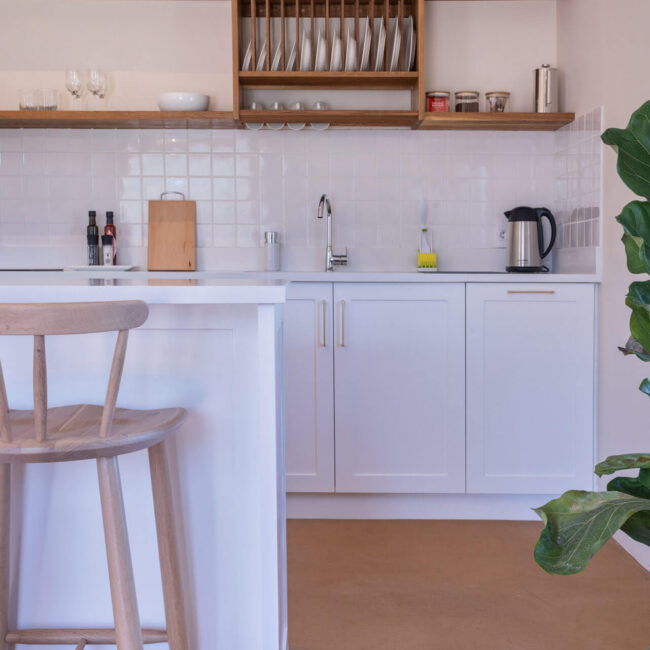
At the more accessible end of the scale, self-catering units, apartments, and cottages give independent travellers the flexibility to cook their own meals and set their own pace. These suit longer stays particularly well, especially for visitors planning to work through several estates on the wine route over multiple days without the cost of dining out every evening.
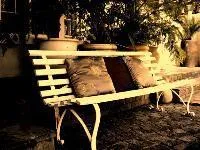
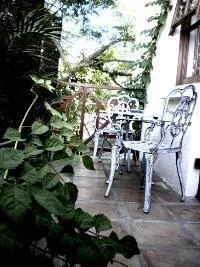
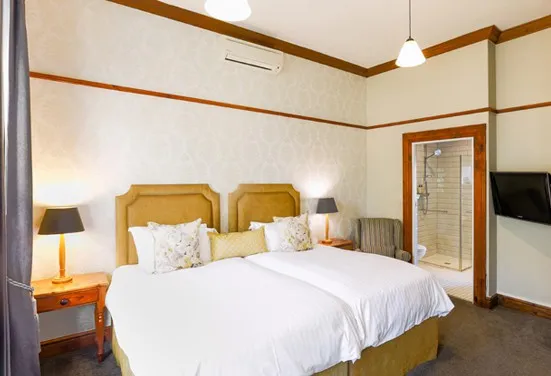
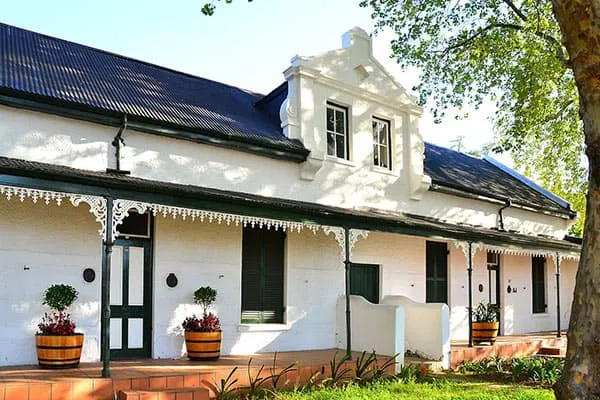
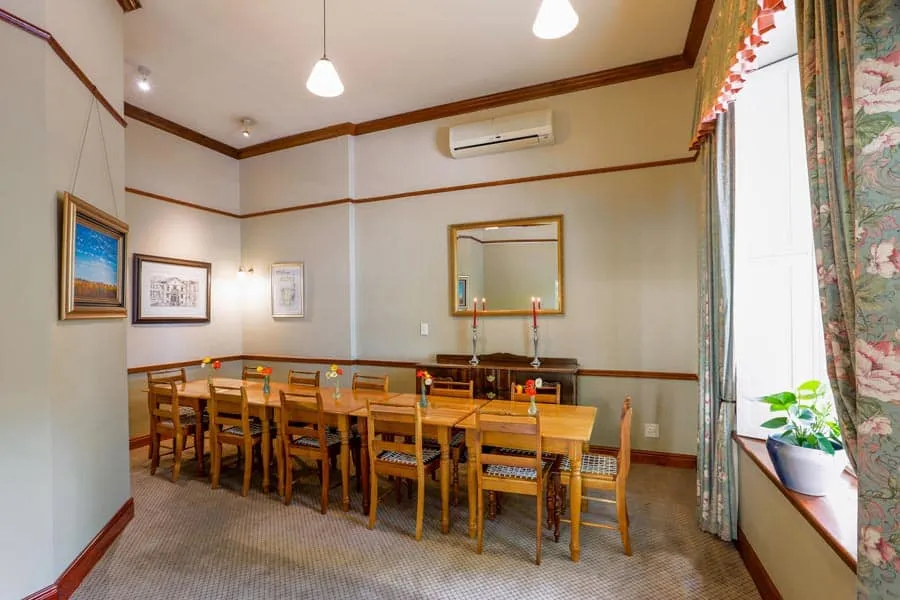
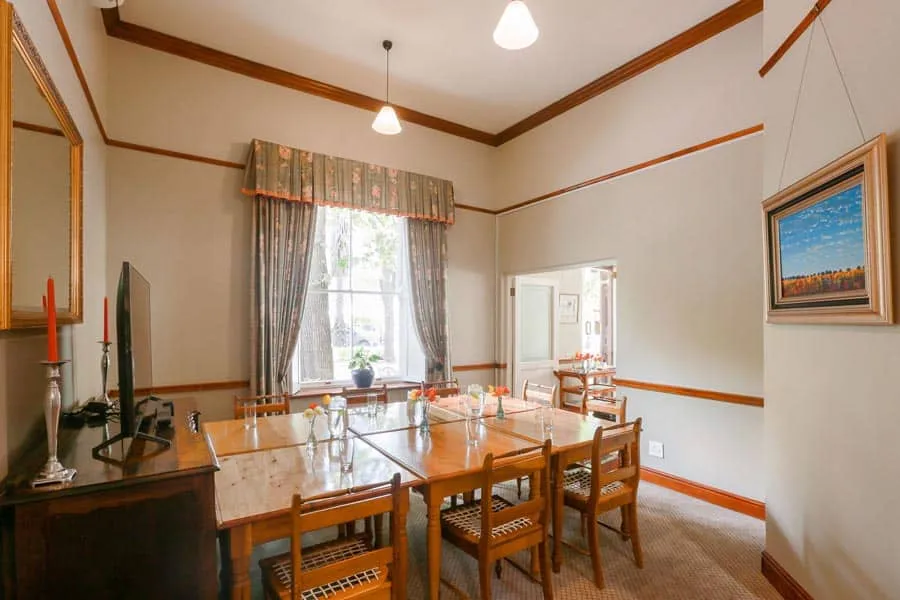
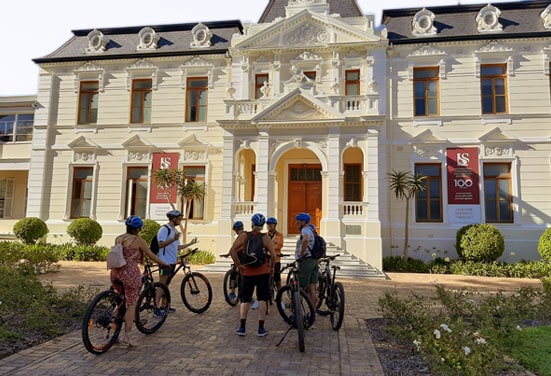
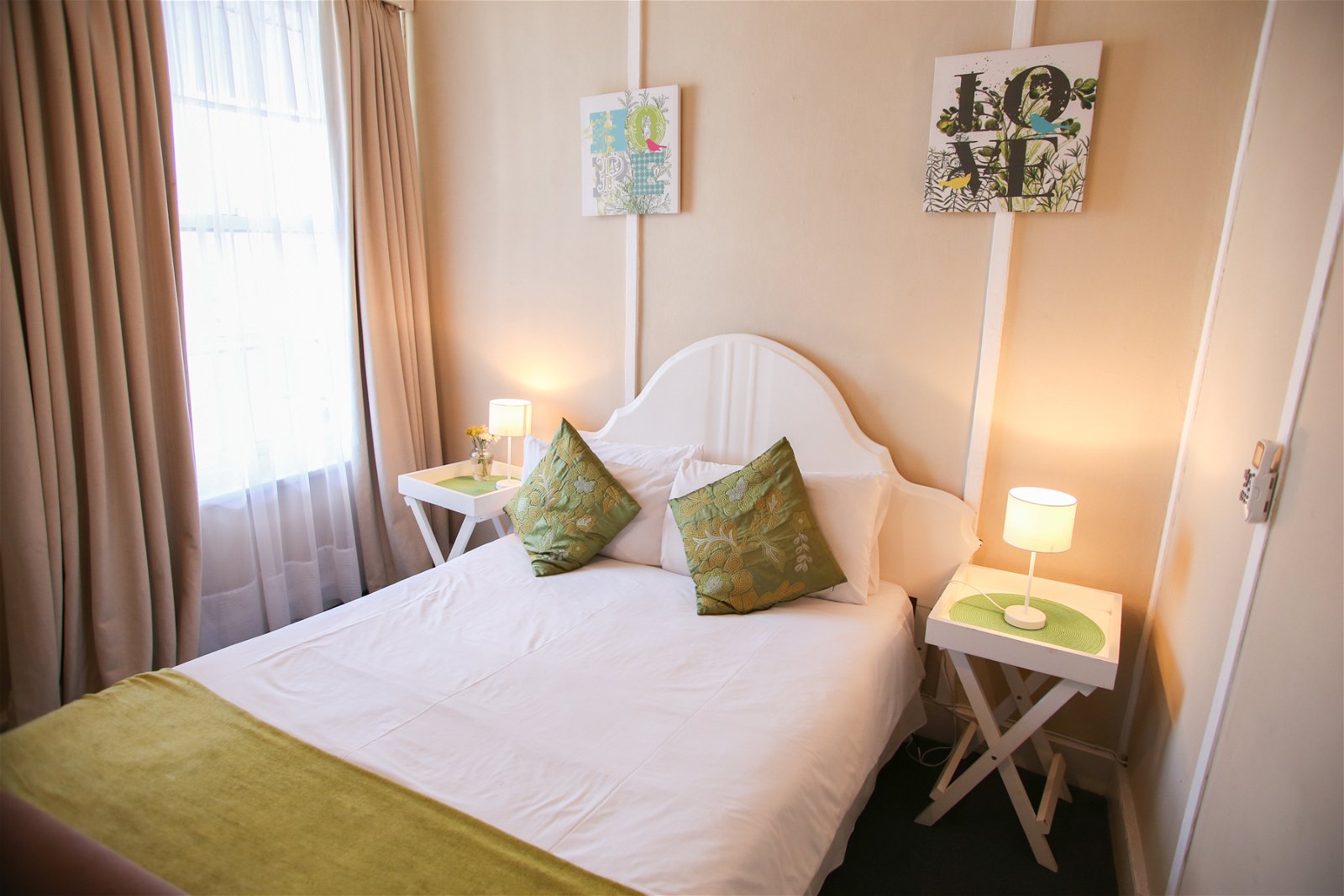
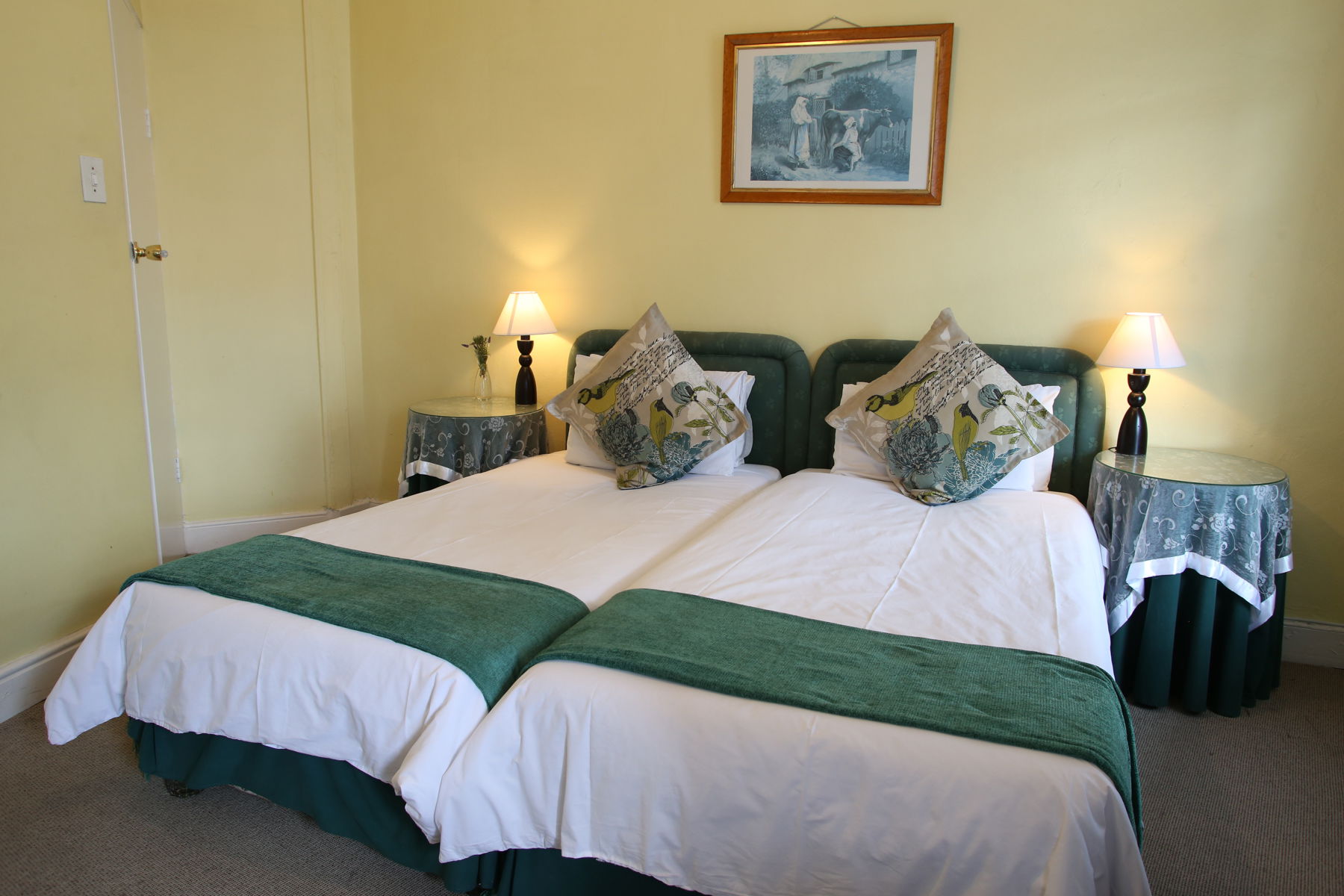
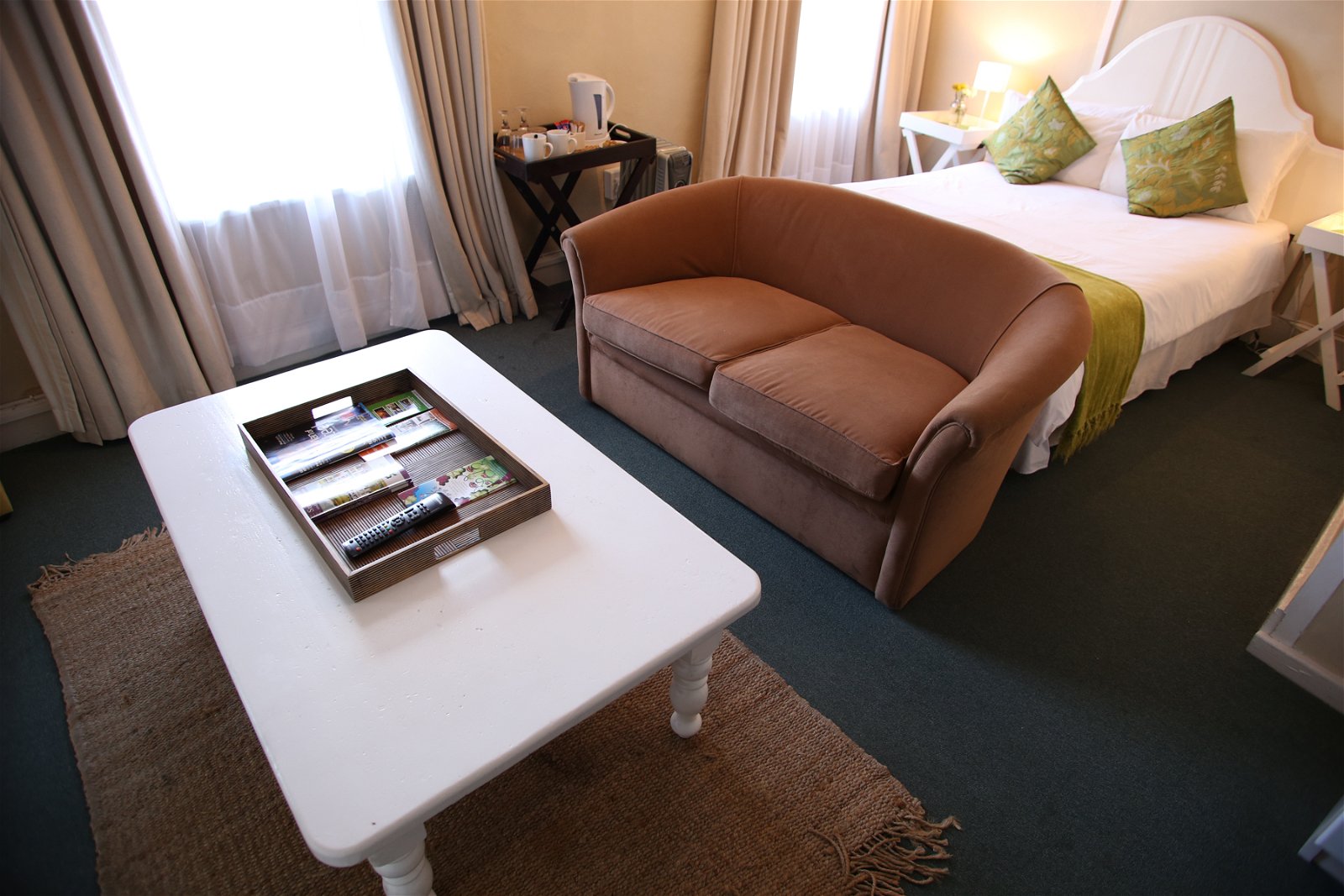
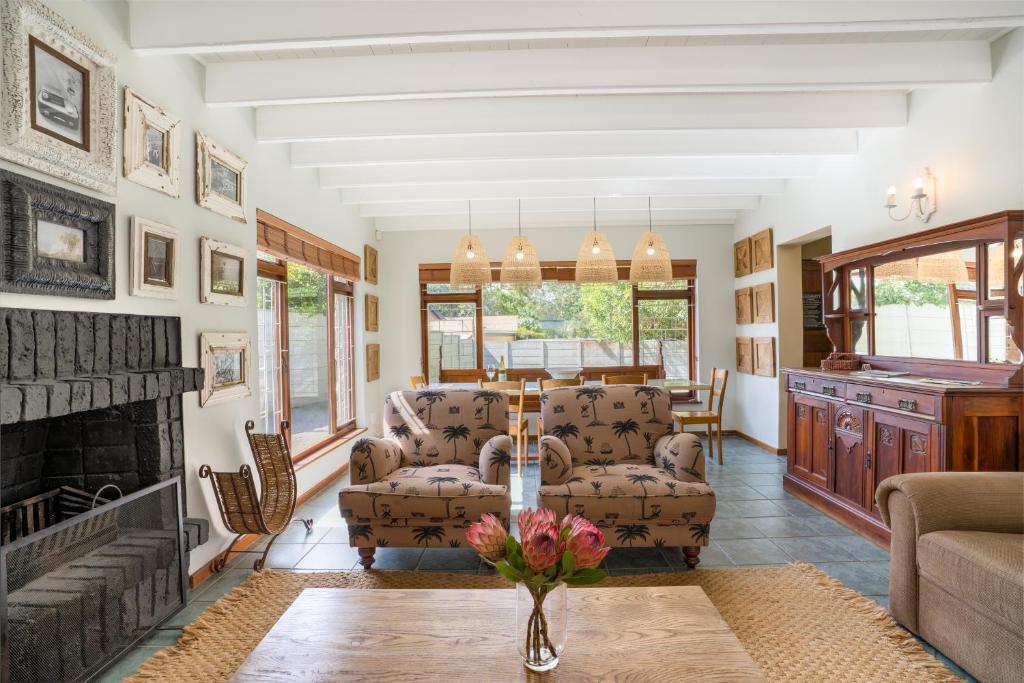
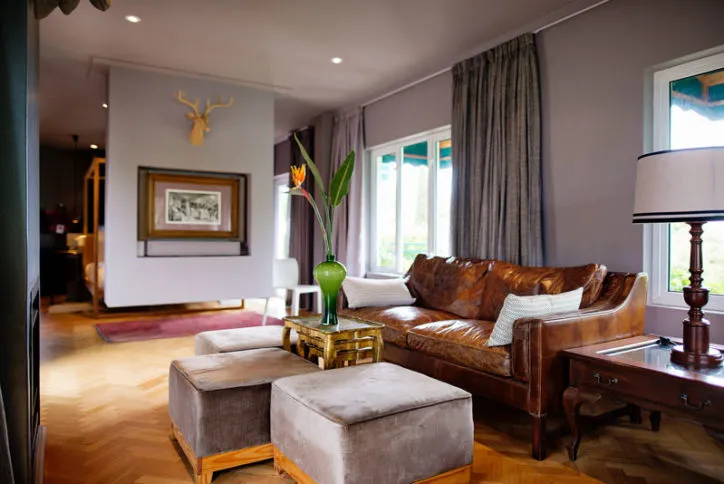
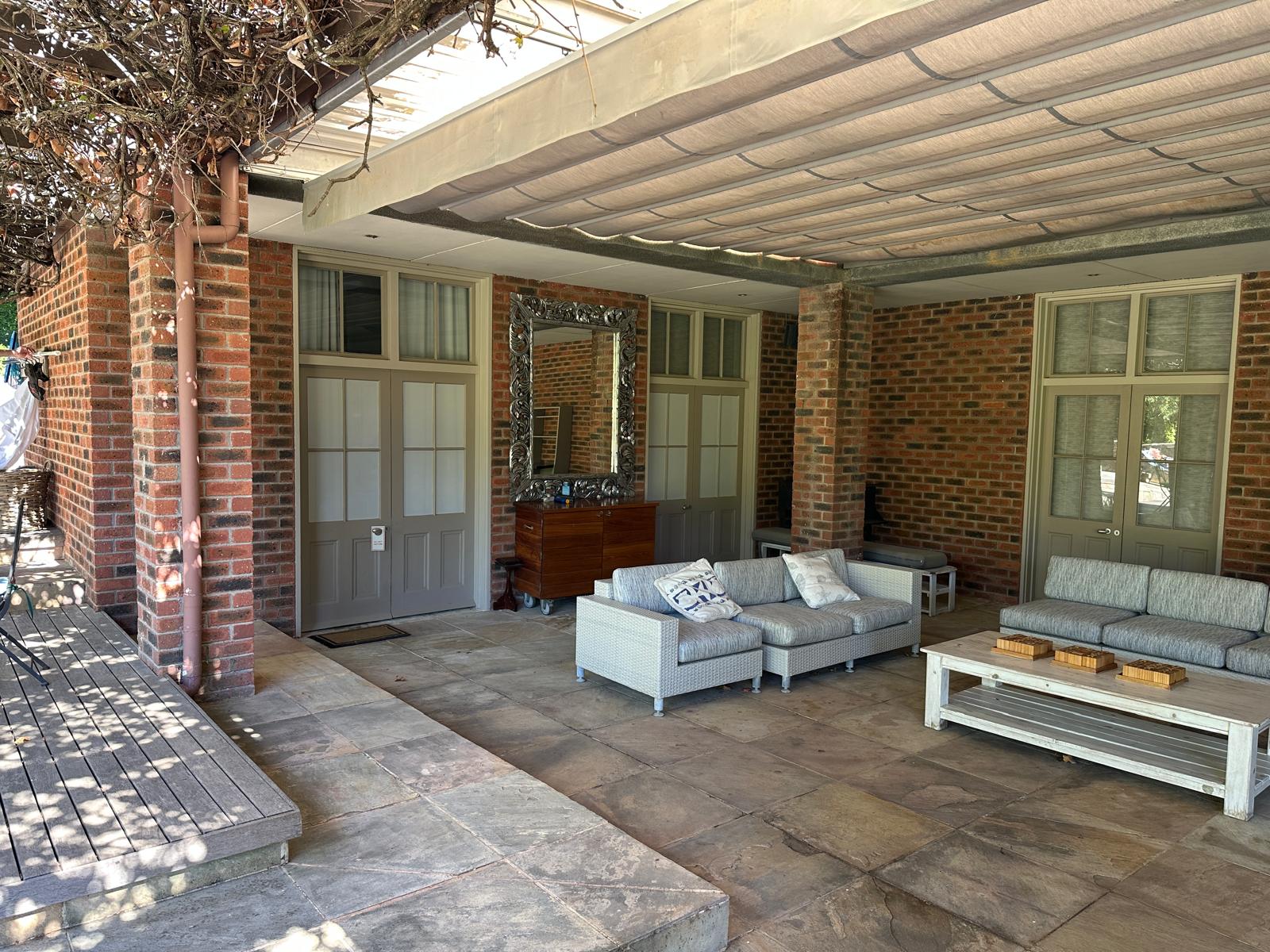
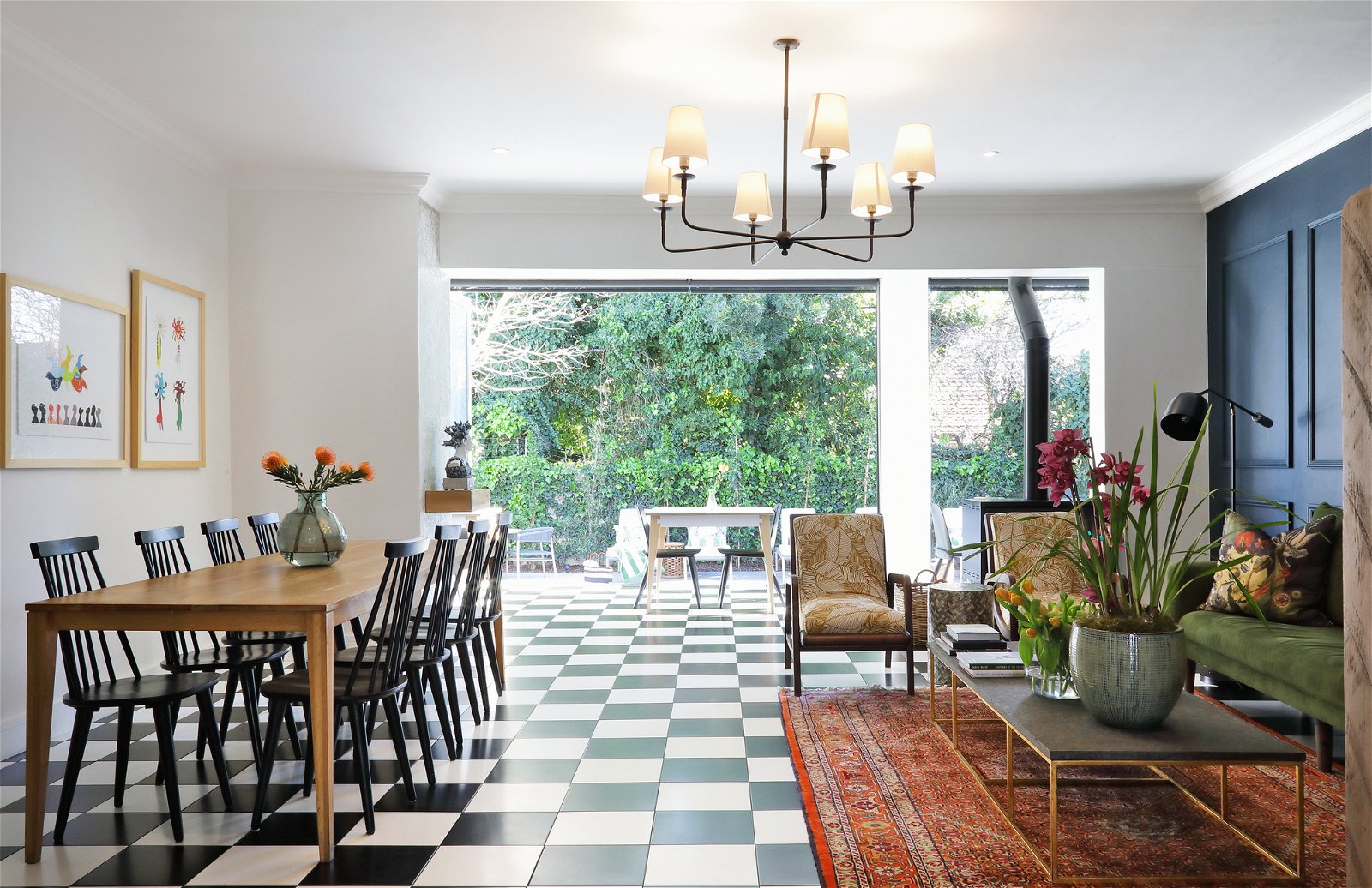
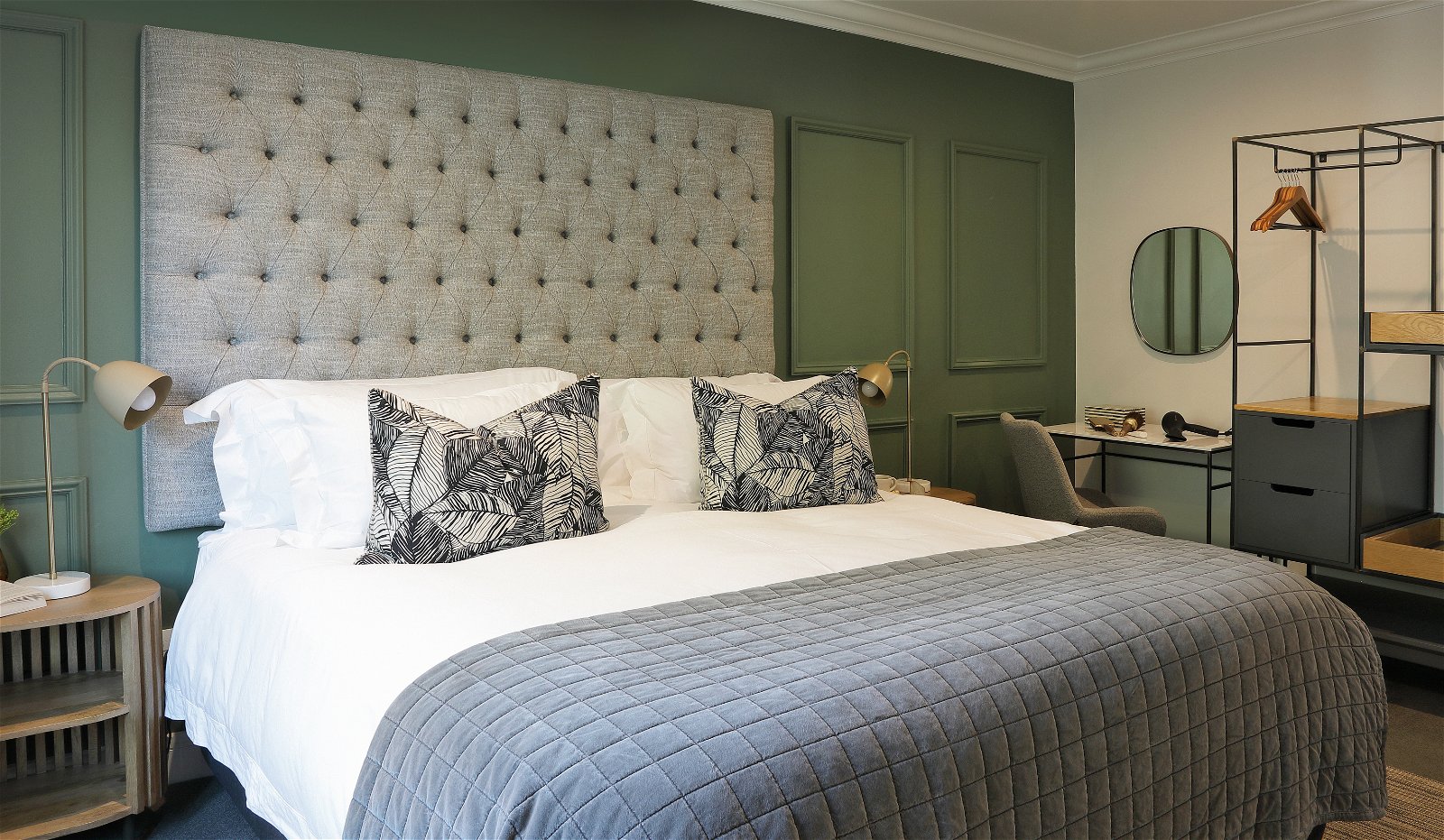
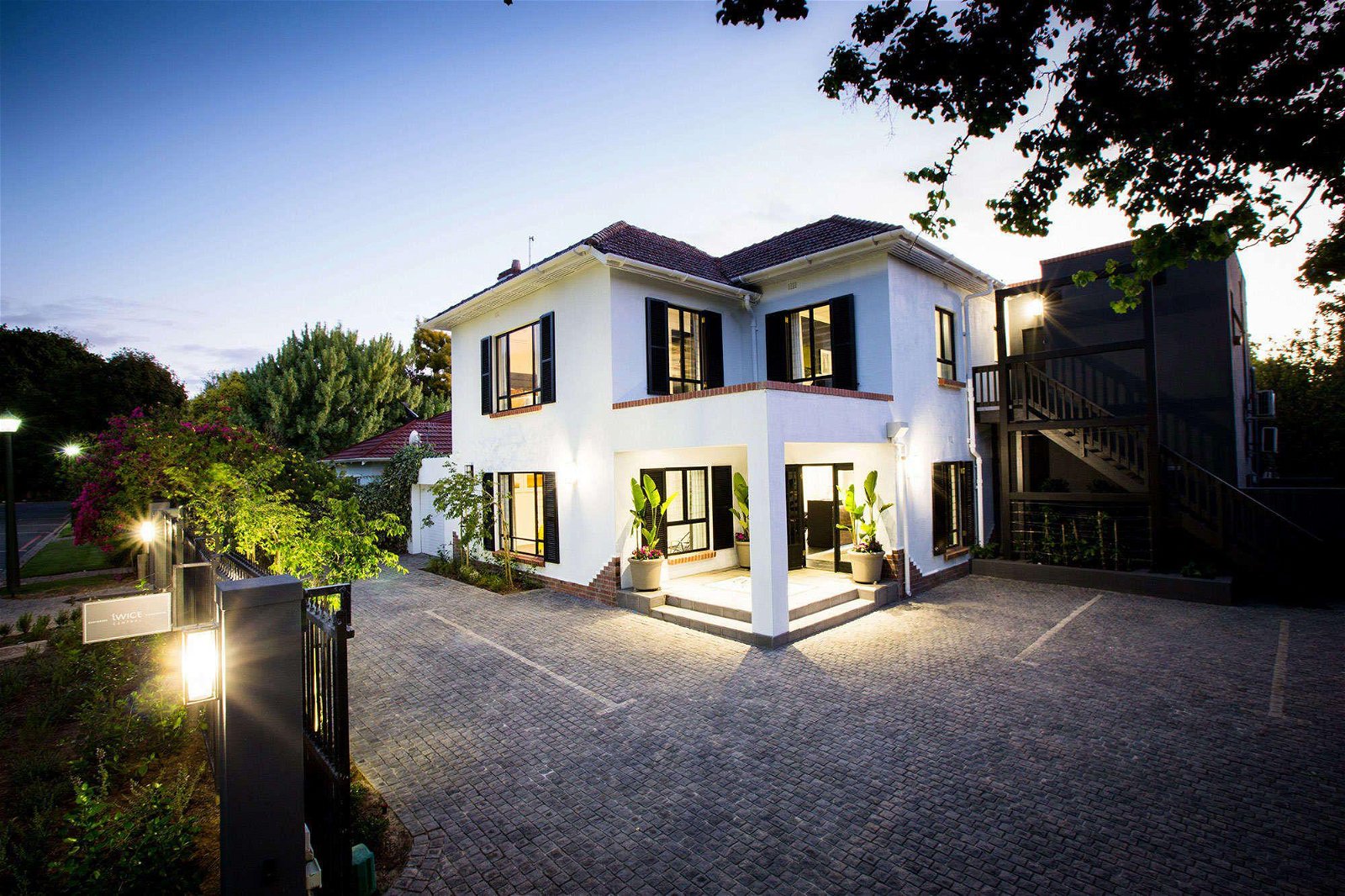
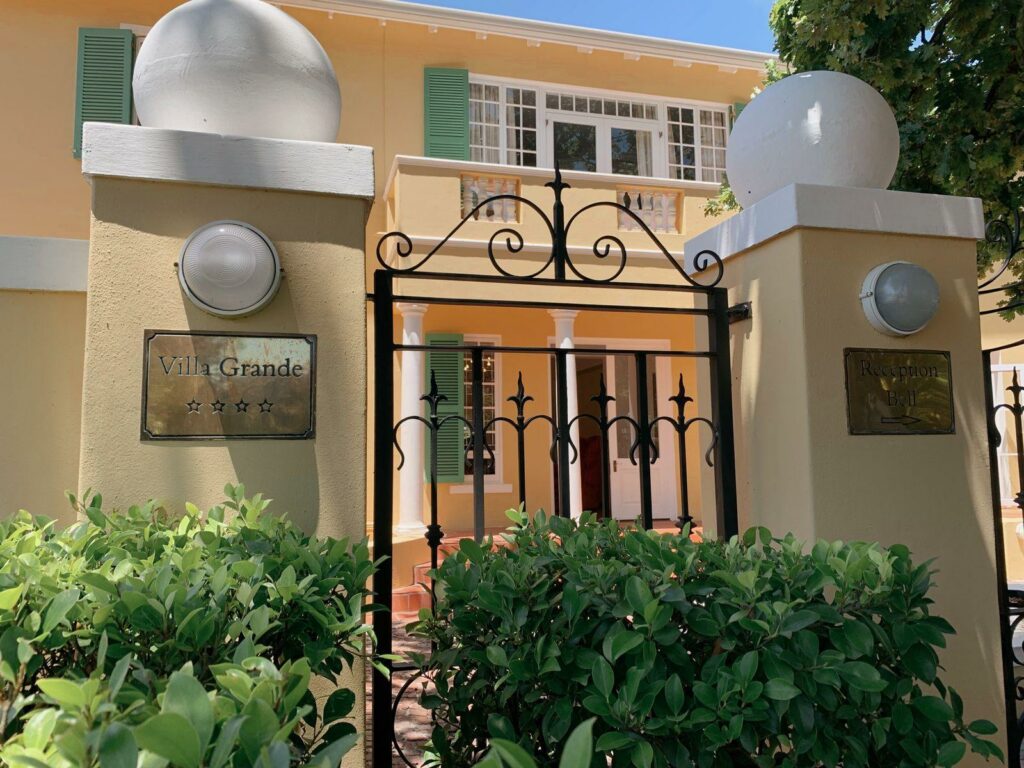
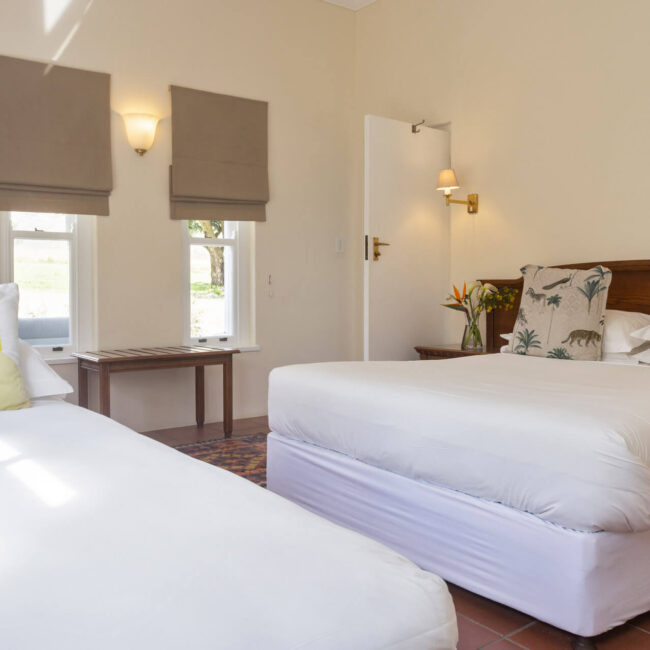
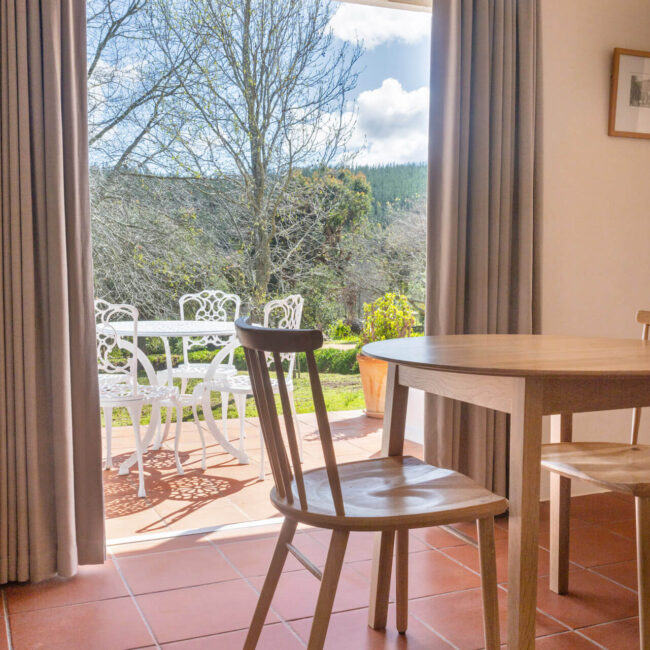
The mid-range is dominated by guest houses, which account for nine of the fifteen listed properties. This is clearly the defining accommodation format in Stellenbosch. Many operate out of Cape Dutch or Victorian-era buildings with garden settings, and the better ones sit within easy walking distance of the town centre and university precinct. A lodge listing also falls within this tier, typically offering a quieter rural setting on or near a wine estate rather than a town-centre location.
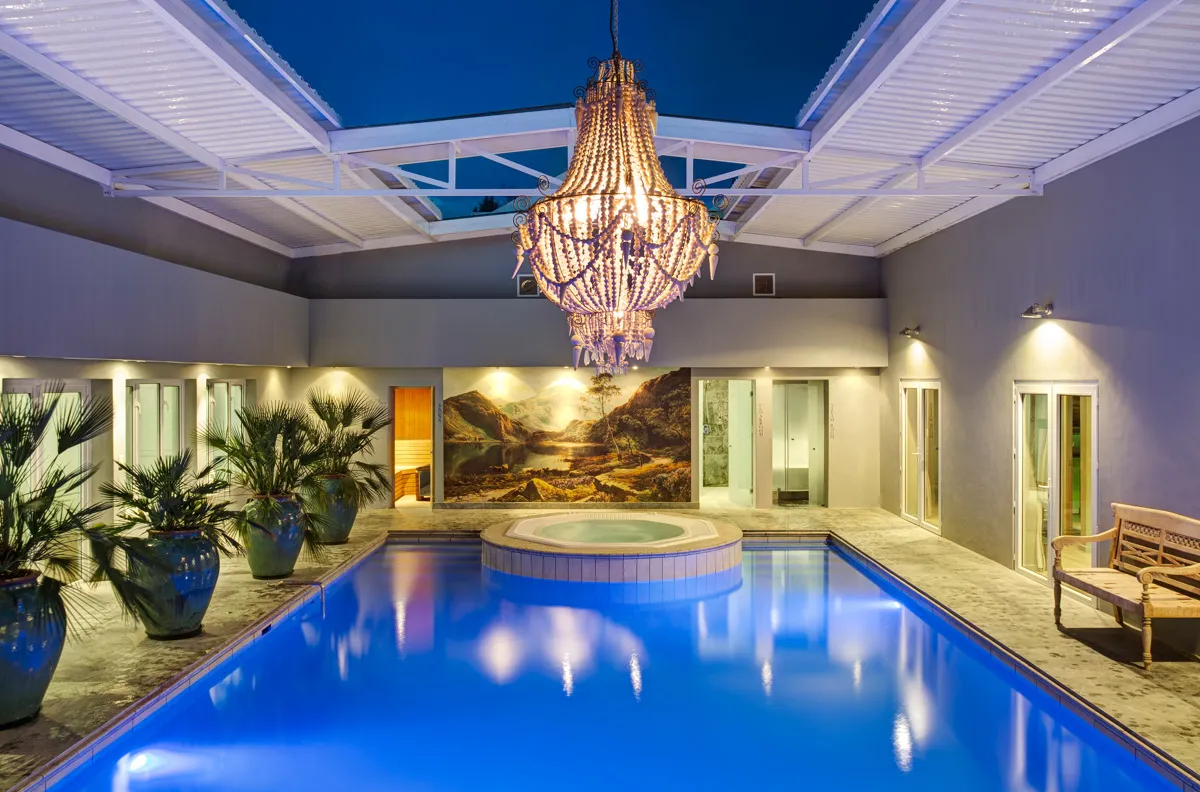
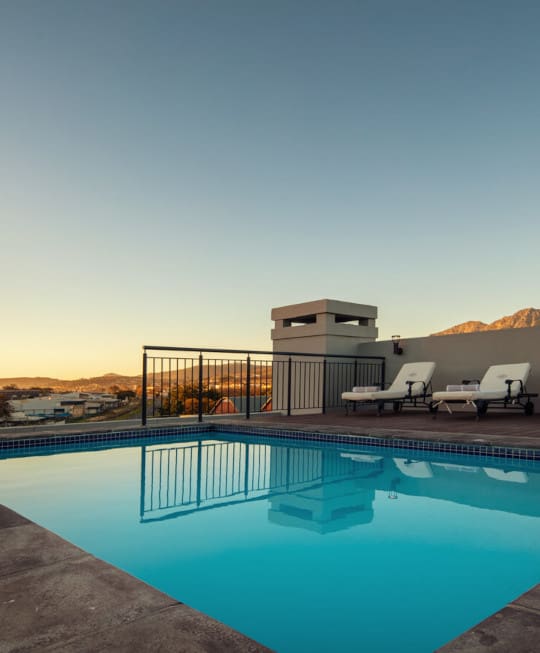
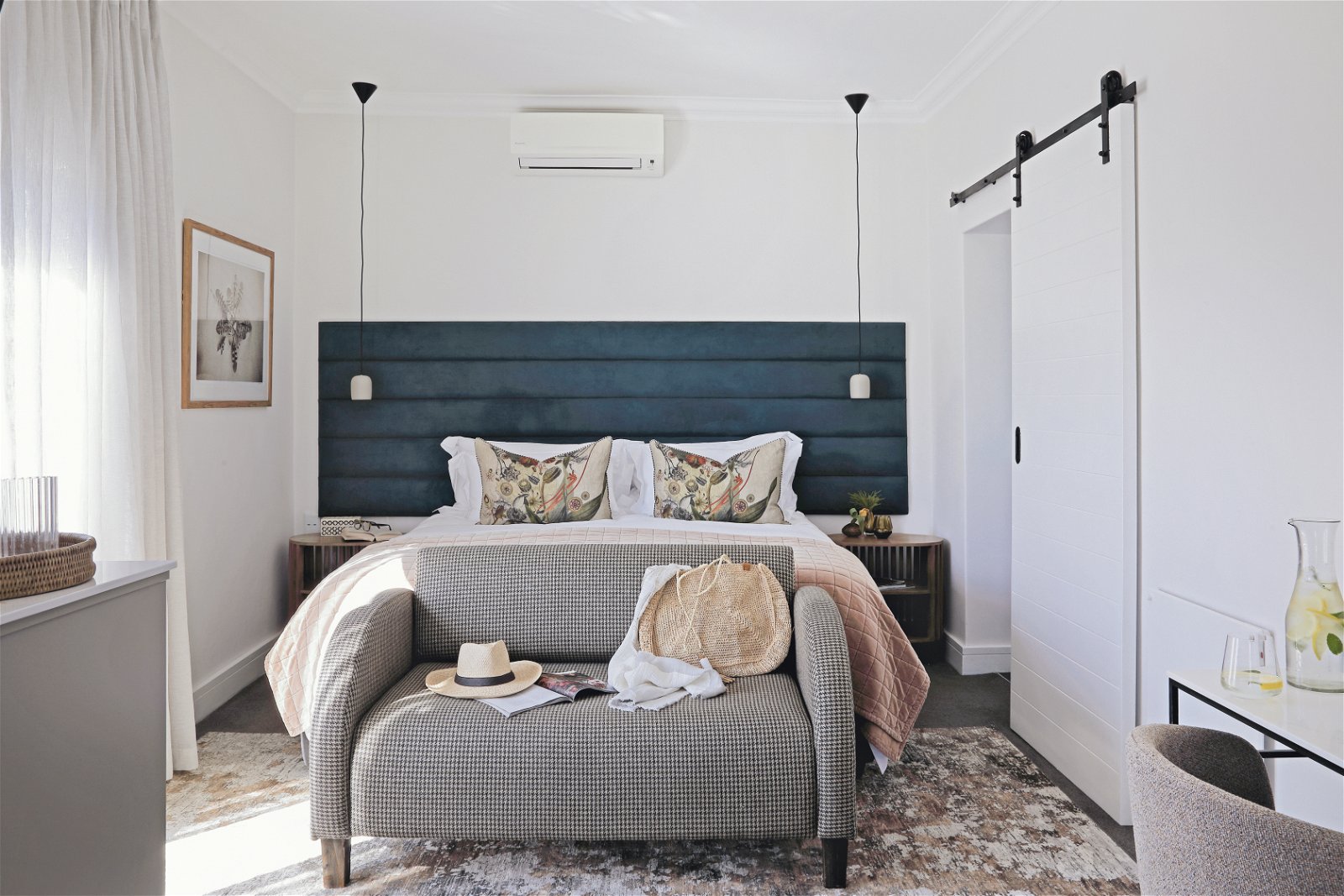
Toward the upper end, the single hotel in the listings commands rates well above the general range, reflecting full-service facilities including on-site dining, concierge access, and amenities that smaller properties don't replicate. One bed and breakfast also sits higher on the pricing scale, suggesting a boutique operation with strong personal service and a limited number of rooms.
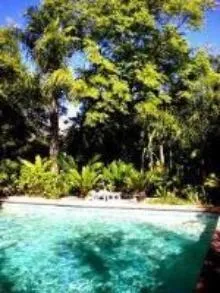
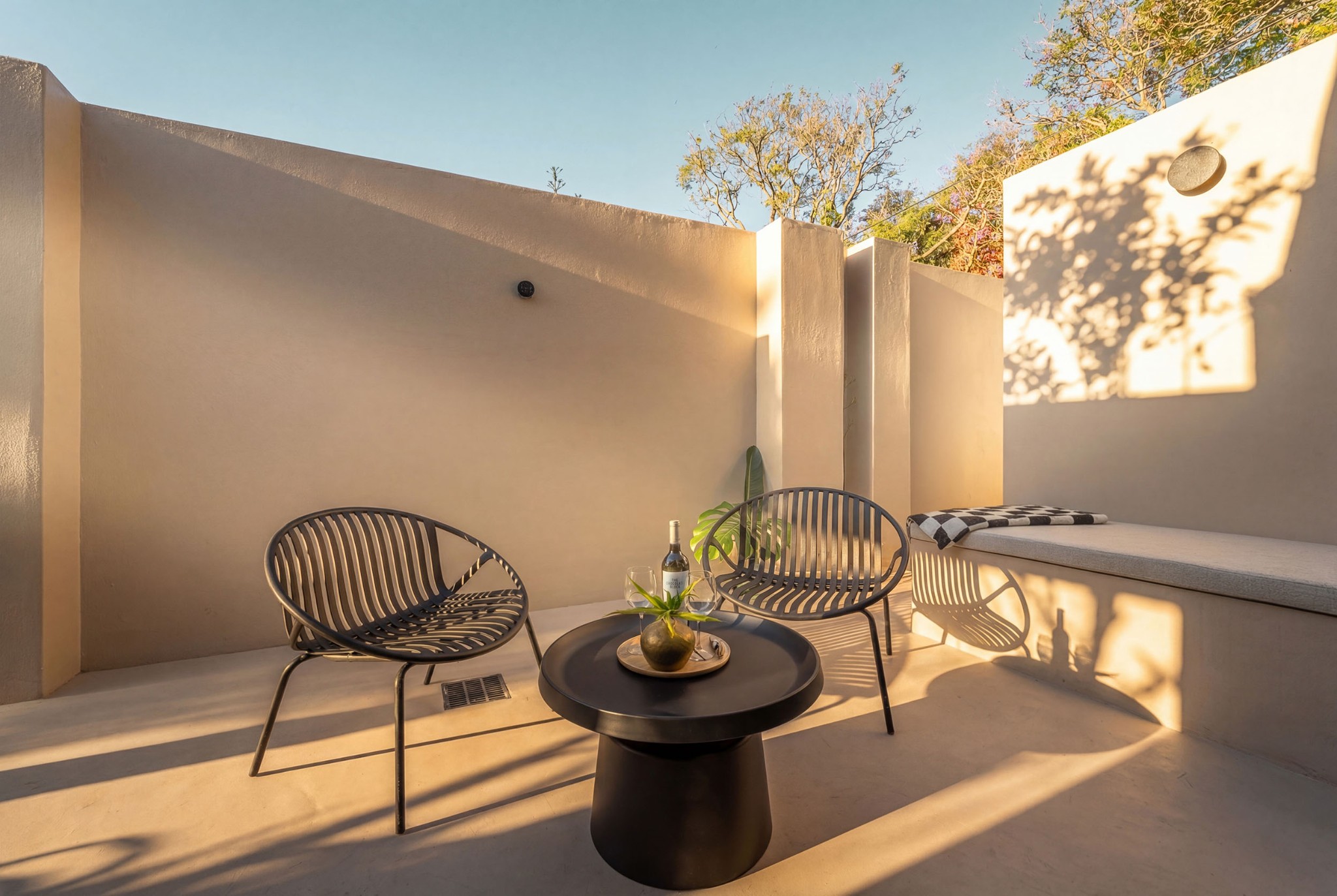
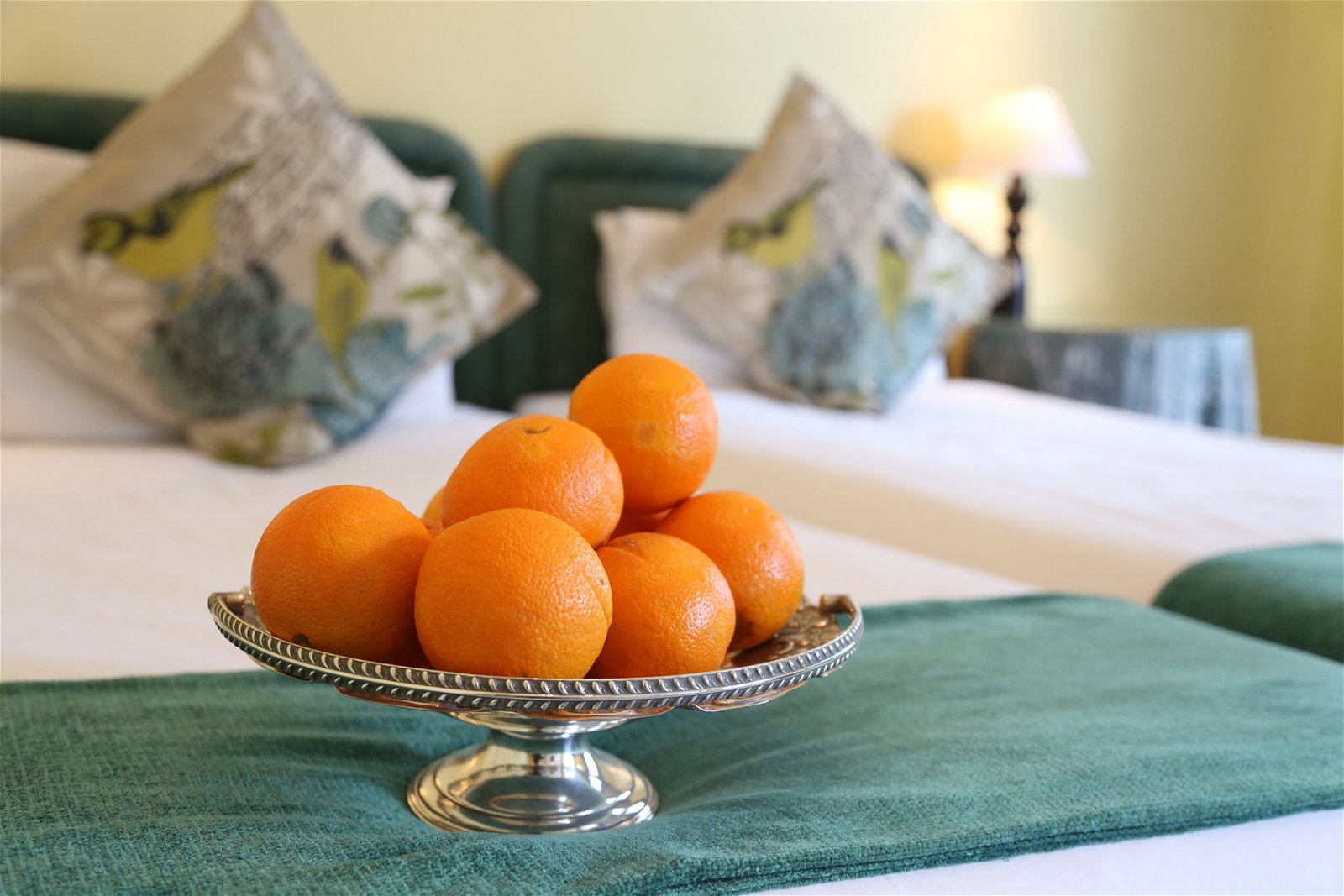
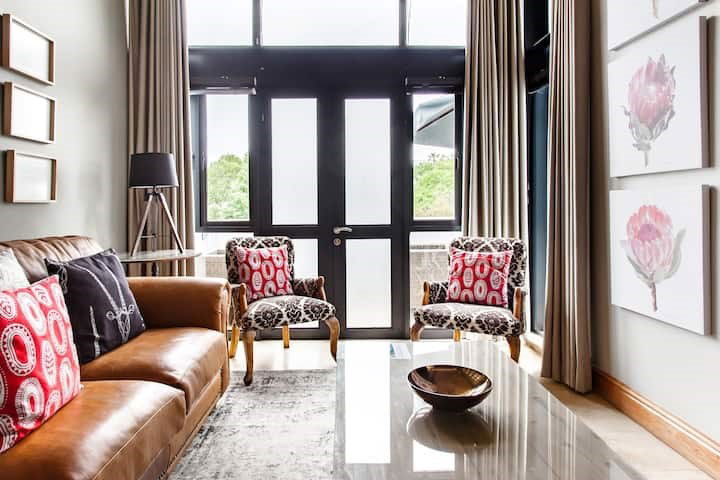
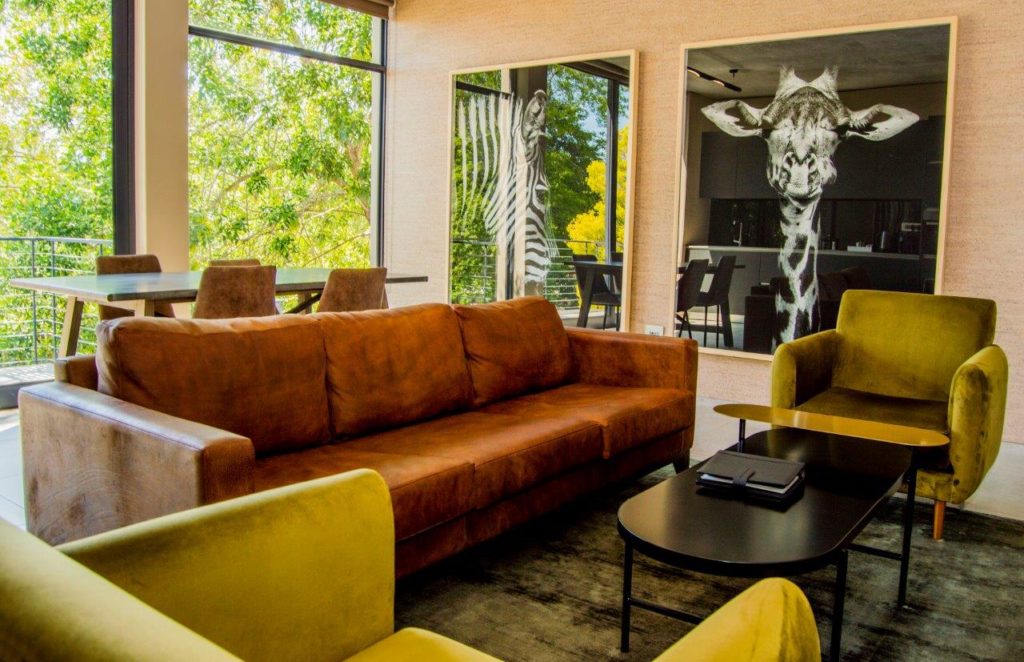
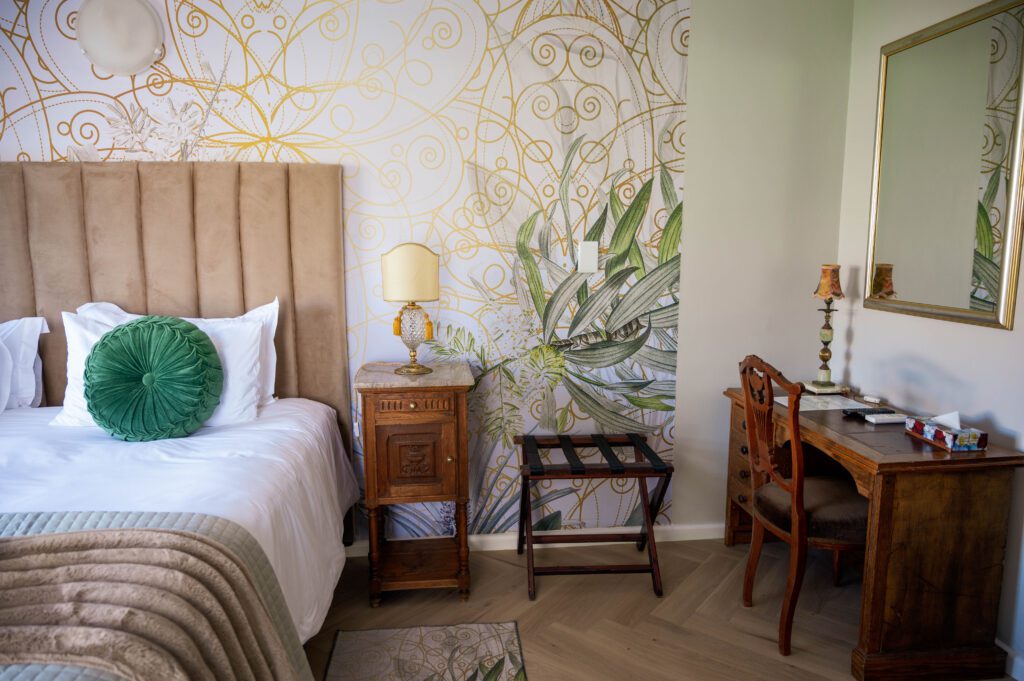
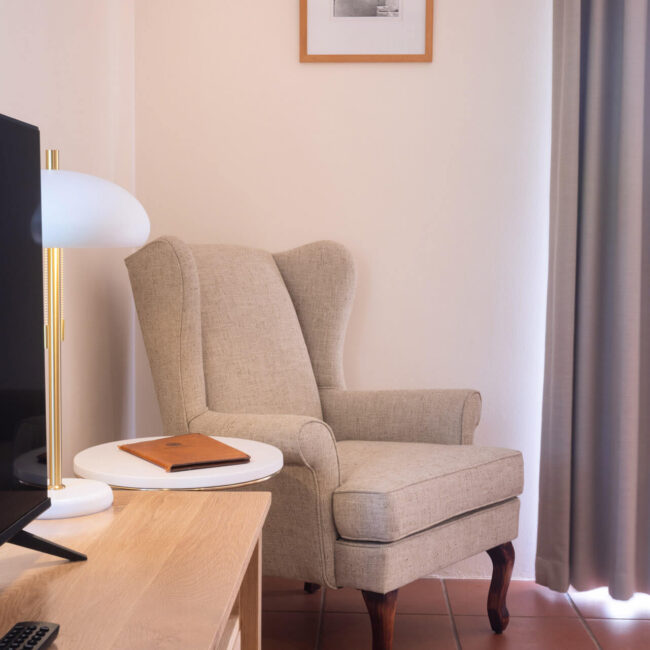
Across all tiers, Stellenbosch accommodation leans toward character over standardisation. Properties in historic homes offer period features and garden settings that chain hotels elsewhere in the country simply don't provide. Most booking platforms allow filtering by property type and guest rating, so comparing a handful of options across the available types before committing is straightforward.
Things to Do in Stellenbosch
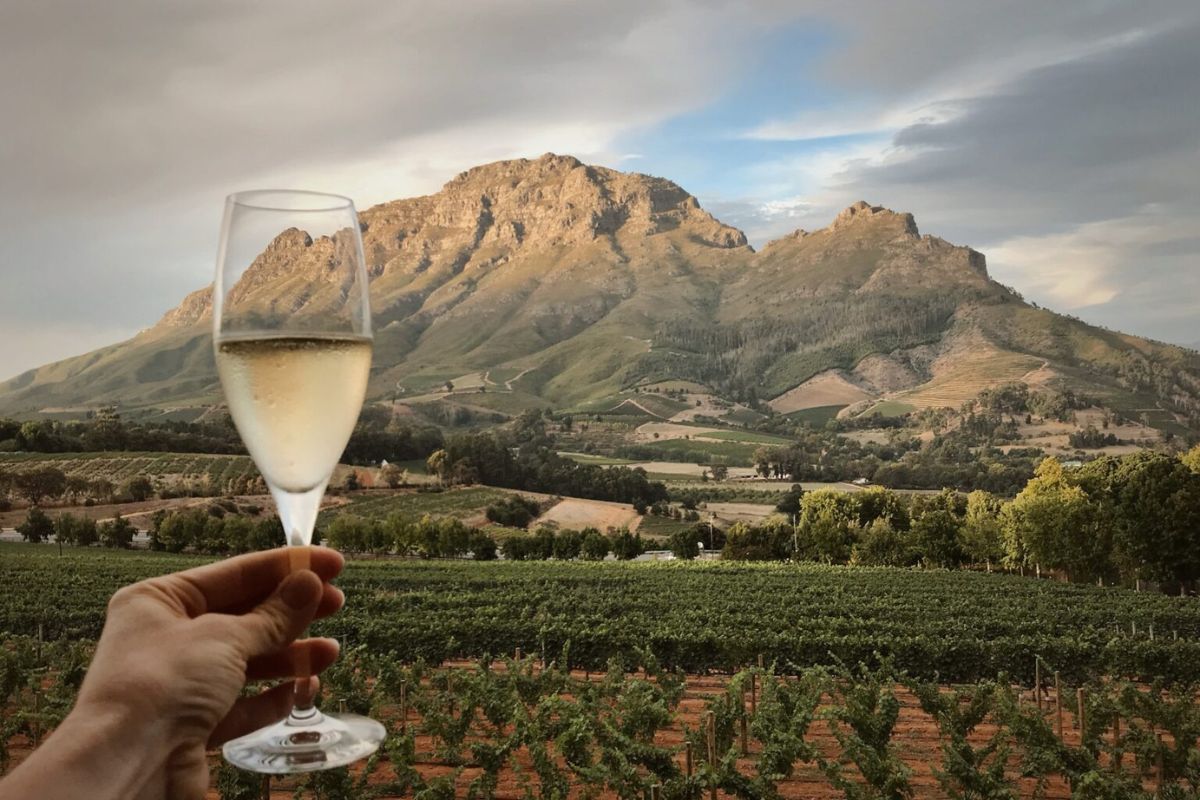
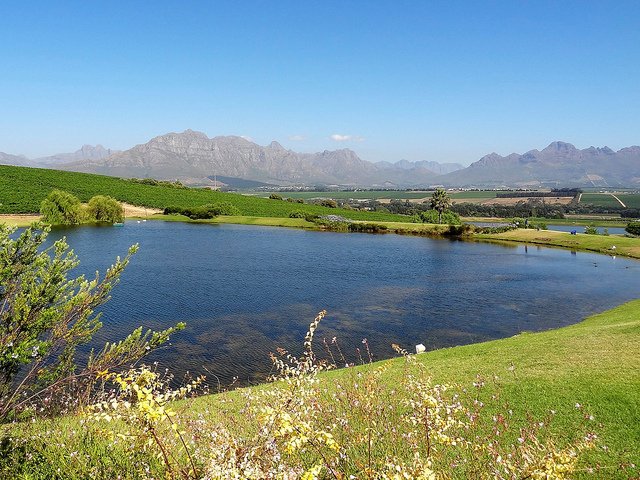
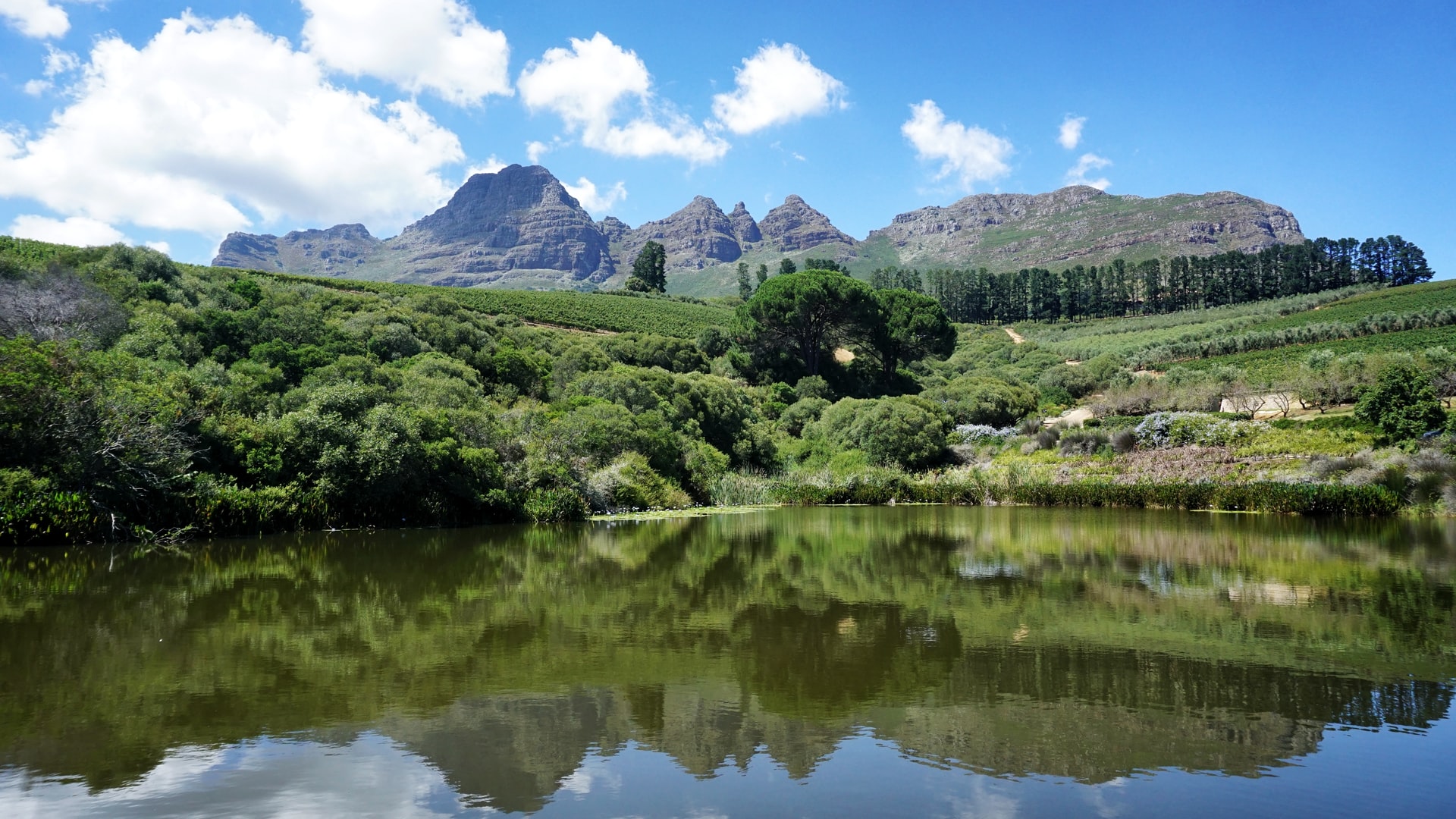
The Stellenbosch Wine Route is one of the oldest established wine touring circuits in the country, running through a sequence of valleys and drawing visitors who want to move between cellars at their own pace. Spier Wine Farm, roughly 5 kilometres from the town centre, is one of the more accessible estates and combines wine tasting with cycling trails, a birds of prey display, and a riverside restaurant open through most of the year. Smaller producers along the route tend to offer more intimate cellar experiences where the winemaker is often present, which appeals to visitors interested in learning about grape varieties such as Cabernet Sauvignon and Chenin Blanc rather than just sampling them.
Golf is also firmly part of the local offer. Several courses sit within or adjacent to wine estate properties, and the combination of a morning round followed by a tasting in the afternoon is a well-worn itinerary for visitors with two or three days in the area.
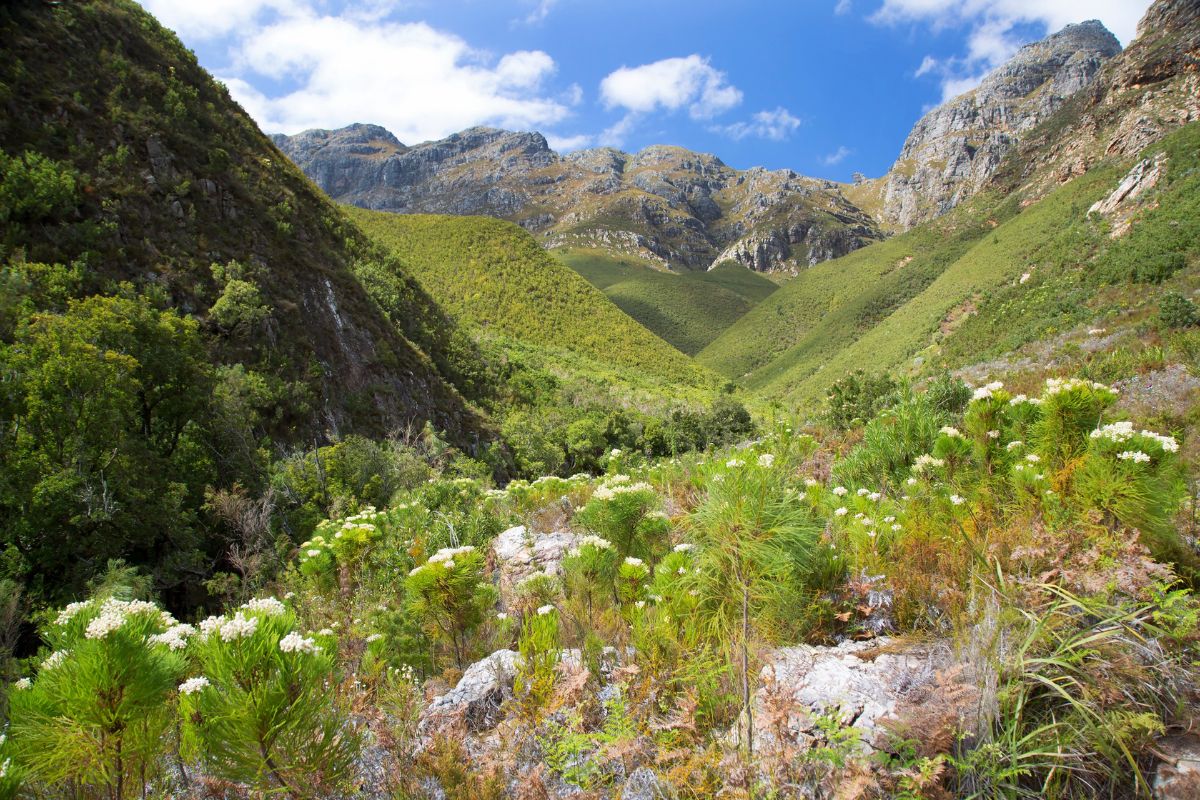
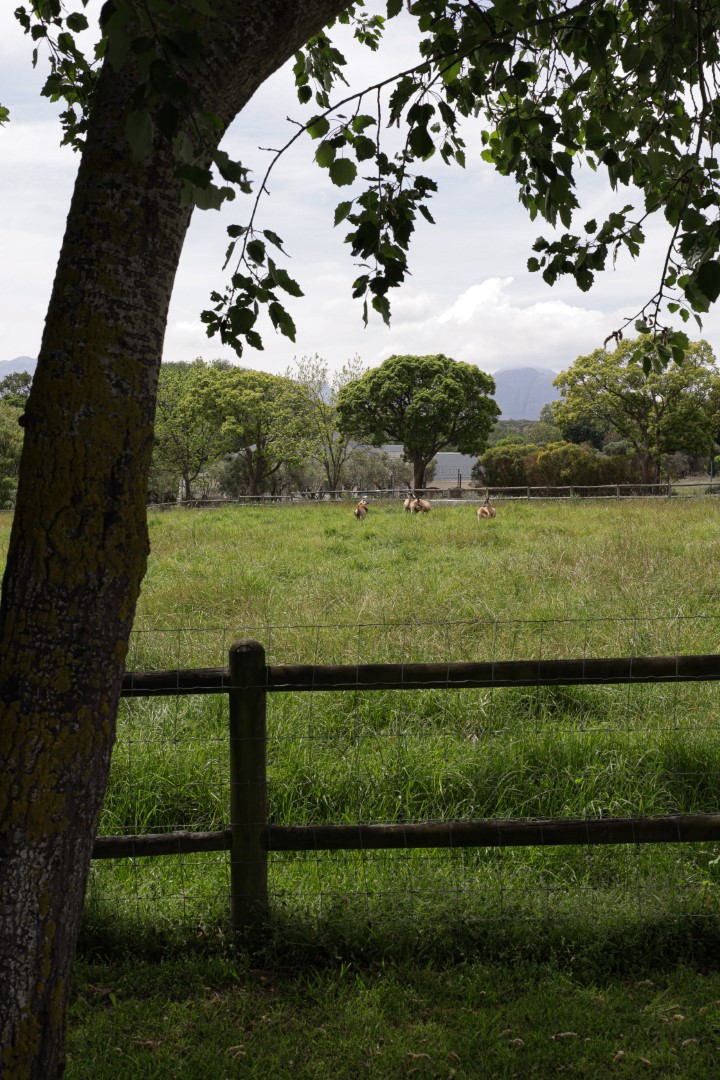
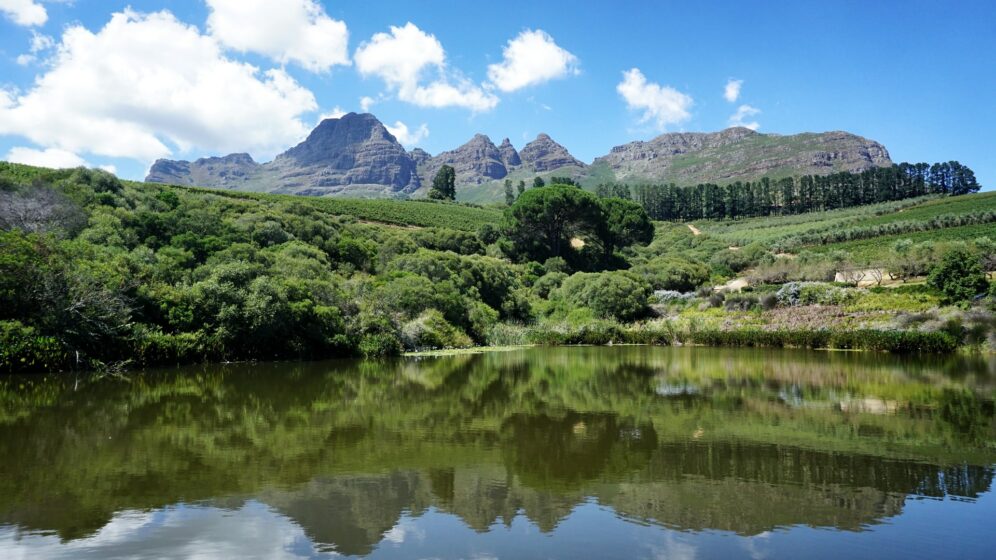
Jonkershoek Nature Reserve, a short drive east of town, covers substantial fynbos terrain with graded hiking trails that run past mountain streams and through indigenous vegetation. Bird species are numerous, and trails are graded to suit both casual walkers and those after a full-day route.
Within the town itself, the Stellenbosch Village Museum comprises a cluster of restored historic houses spanning several centuries of settler architecture, with period-furnished interiors that give a clear sense of early Cape life. The university botanical gardens offer a quieter alternative, with shaded paths and a wide collection of plant species.
The annual Woordfees festival, held in late February, draws writers, musicians, and performers from across the country. Weekly markets in the central square sell local produce and crafts throughout the year.
Best Time to Visit Stellenbosch
Stellenbosch has a Mediterranean climate, with warm, dry summers and mild, wet winters. Temperatures between December and February regularly reach the high twenties, and this coincides with harvest season on the wine farms, when the vineyards are most active and many estates run harvest events and cellar experiences.
September through November and March through April offer good shoulder-season conditions. Temperatures are comfortable, visitor numbers are lower than the summer peak, and spring brings flowering fynbos while autumn turns the vines a distinctive amber and red. These months also work well for hiking, before the full dry-summer heat sets in.
Winter, from June to August, brings reliable rainfall and cooler temperatures. Accommodation rates tend to ease off, crowds thin out considerably, and the region's estates and restaurants continue to operate. For visitors whose main concern is avoiding peak-season pressure, winter is a practical choice. The higher elevations of the surrounding mountains can receive snowfall during the coldest weeks, giving the landscape a different character that the summer months don't offer.
School holiday periods in December and April draw large numbers of domestic visitors, so anyone targeting those windows should book well in advance.
Getting to Stellenbosch
Cape Town International Airport is the nearest major air hub, roughly 50 kilometres from the Stellenbosch town centre. The drive takes between 40 and 60 minutes depending on traffic, and all major car hire companies operate at the terminal. Having your own vehicle is strongly recommended once in the area, as most wine estates and natural reserves sit several kilometres outside the centre with no meaningful public transport connections.
By road from Cape Town, the N2 heads east before the R310 branches off toward Stellenbosch and the wine valley. From the north, the N1 connects via Paarl in under 30 minutes. Somerset West, 16 kilometres to the south, provides an alternative approach via the R44.
For those without a car, the Metrorail service runs between Stellenbosch station and Cape Town central throughout the day, with a journey time of roughly an hour. This works well for a day trip in either direction but is less practical for reaching wine estates. Minibus taxis cover the main routes and connect the town to immediate surrounds, though scheduling is informal. Visitors planning to visit multiple estates in a single day often join an organised wine tour that includes a dedicated driver, which removes the logistical problem of drinking and driving on country roads.
Stellenbosch and Surrounding Areas
Stellenbosch sits within easy reach of a cluster of different settlements, each with its own character.
Stellenview, 7 kilometres away, is a residential suburb on the outer edge of the municipal area. It sees little tourist traffic in its own right but sits close enough to the wine route to function as a quieter base for visitors who prefer to be away from the town centre without sacrificing access.
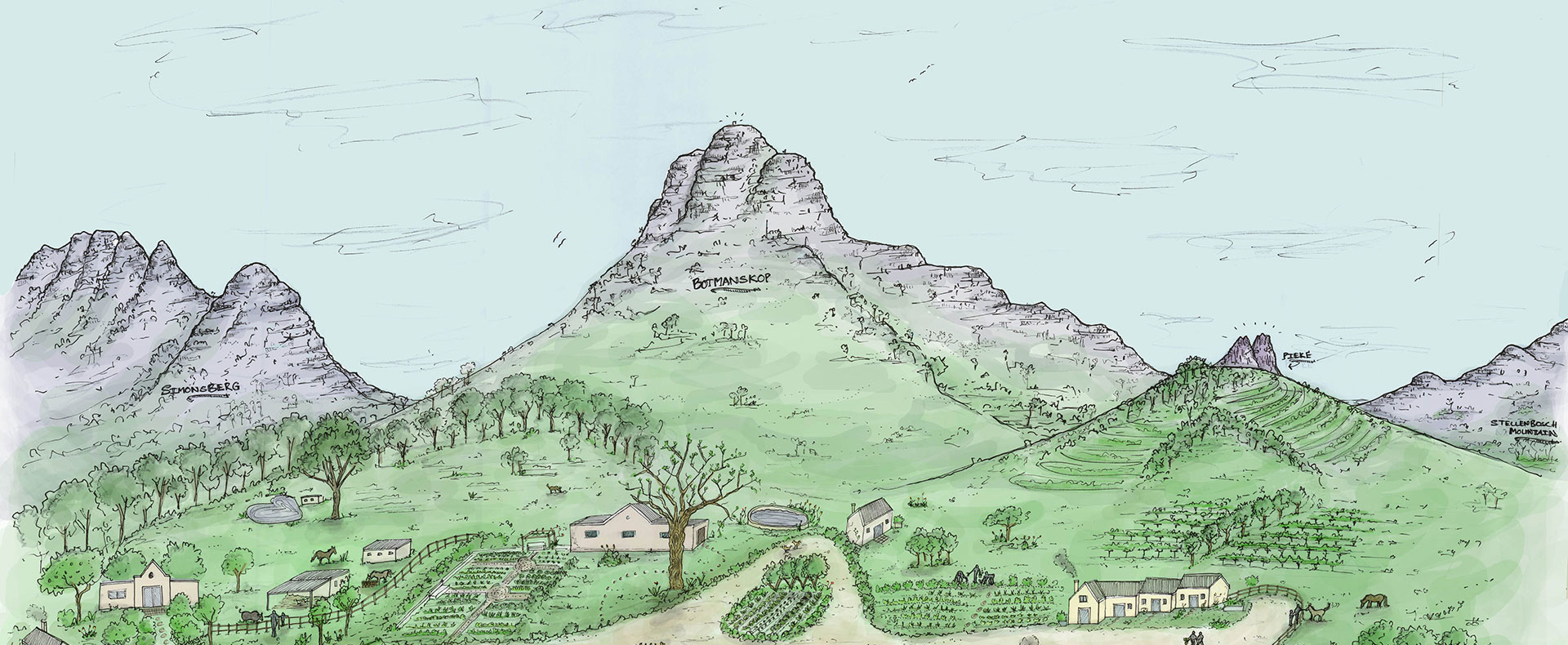
Klapmuts, 14 kilometres north, is a small settlement at a crossroads on the edge of the Simonsberg wine-producing corridor. It's not a destination in itself, but several well-regarded estates are signposted from the village, making it a useful stop on a self-guided drive through the northern reaches of the wine country.
Somerset West, 16 kilometres south via the R44, is a substantially larger town with full retail infrastructure including shopping centres, supermarkets, and a varied restaurant scene. It also serves as the base for visiting Vergelegen estate, one of the oldest and most architecturally significant wine properties in the Western Cape, set in formal gardens with a history stretching back to the early 1700s.
Vredekloof, 19 kilometres east toward Bellville, is primarily a residential suburb. Visitors generally pass through rather than stop, using it as a route corridor between Stellenbosch and Cape Town.
Strand, also 19 kilometres away, sits on the False Bay coastline and offers a beach strip that is popular with local families through summer. It provides a practical half-day coastal detour for visitors wanting a break from inland wine country.
Groendal, 22 kilometres out, is a residential community on the edge of the Kuils River area. The surrounding corridor includes agricultural land and some wine production, and it may feature in a broader Cape Winelands driving itinerary, though it offers little by way of visitor infrastructure of its own.
Planning Your Stay
Book at least four to six weeks ahead if visiting between December and February or over the Easter long weekend. Demand from both domestic and international visitors during these windows is high, and well-reviewed properties with distinctive settings tend to fill first.
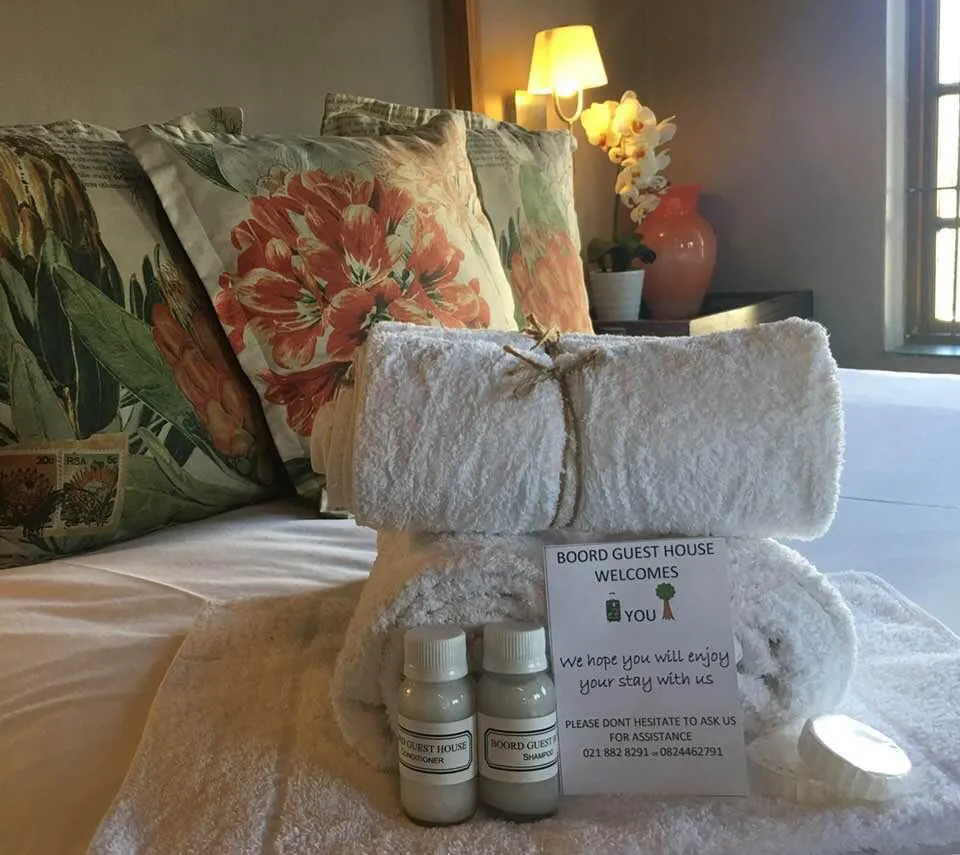
When comparing options, look past the nightly rate. Several guest houses include breakfast, which affects the real cost when measured against room-only or self-catering alternatives. Confirming what is and isn't included before booking avoids surprises on checkout.
Location within the broader area makes a practical difference. A property 10 kilometres out on a wine estate has a different daily logistical profile from one within walking distance of the town centre. If you plan to eat out in the evenings and explore on foot, proximity to the central area is worth prioritising. If you have a car and prefer a quieter, more rural setting, an estate property is a reasonable trade-off.
Local considerations include confirming air conditioning or ceiling fans for summer visits, when afternoon temperatures can be intense. During the harvest period from late February into April, farm-based properties can be busier than usual with working activity. If travelling with young children or elderly companions, checking step-free access and garden safety at individual properties is advisable, since historic homes vary considerably in layout.