Accommodation in Van Dyks Bay
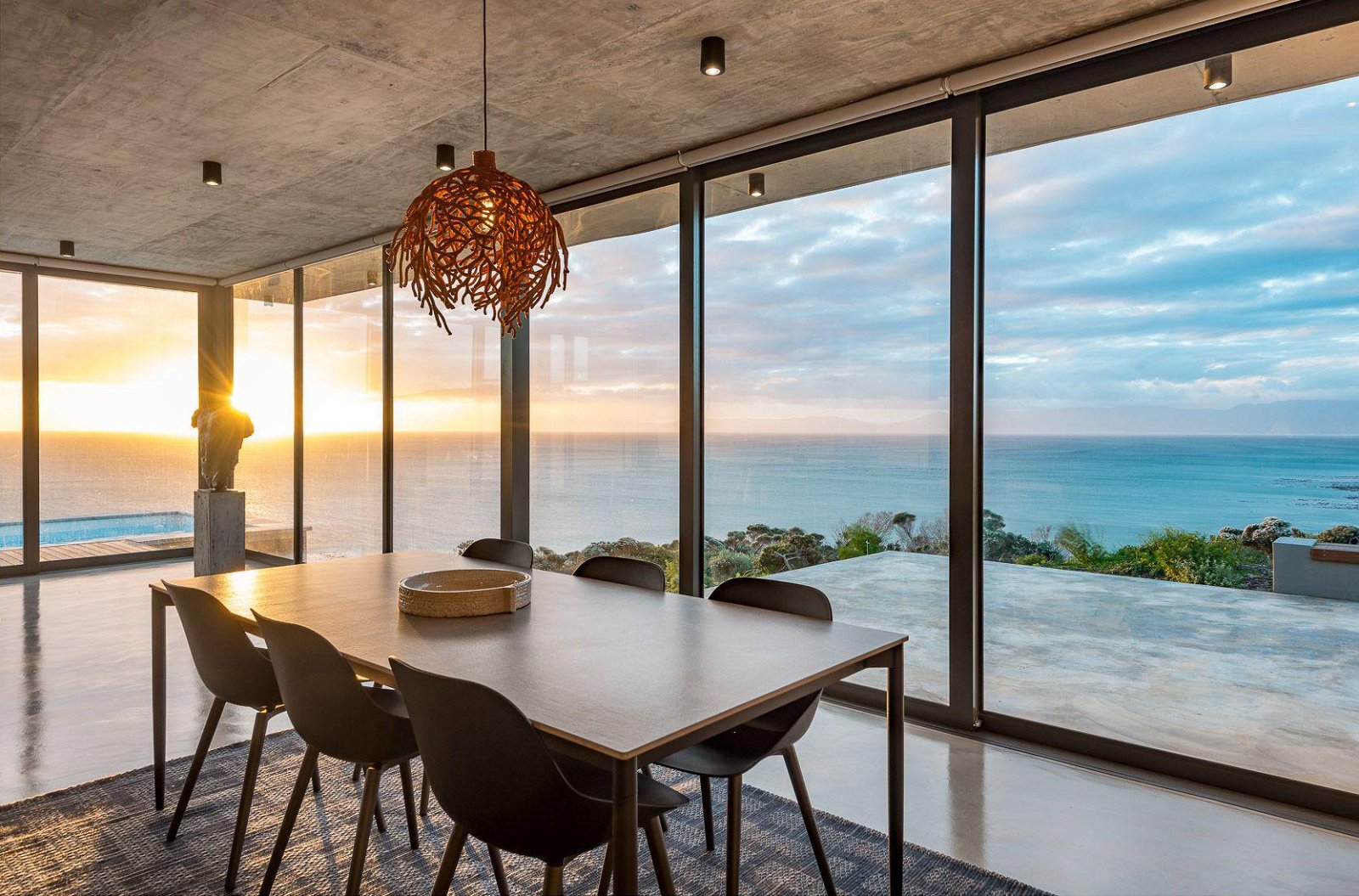
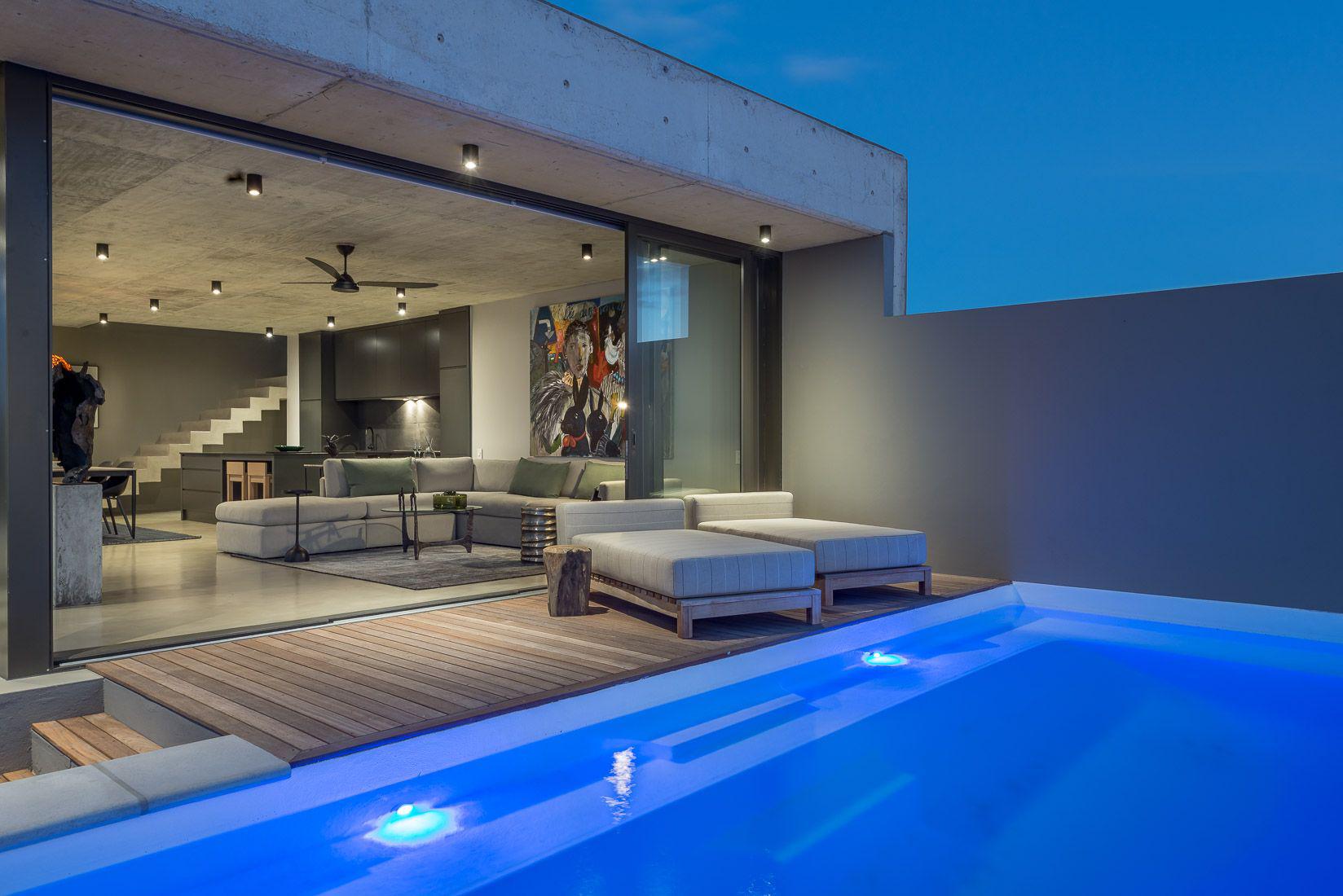
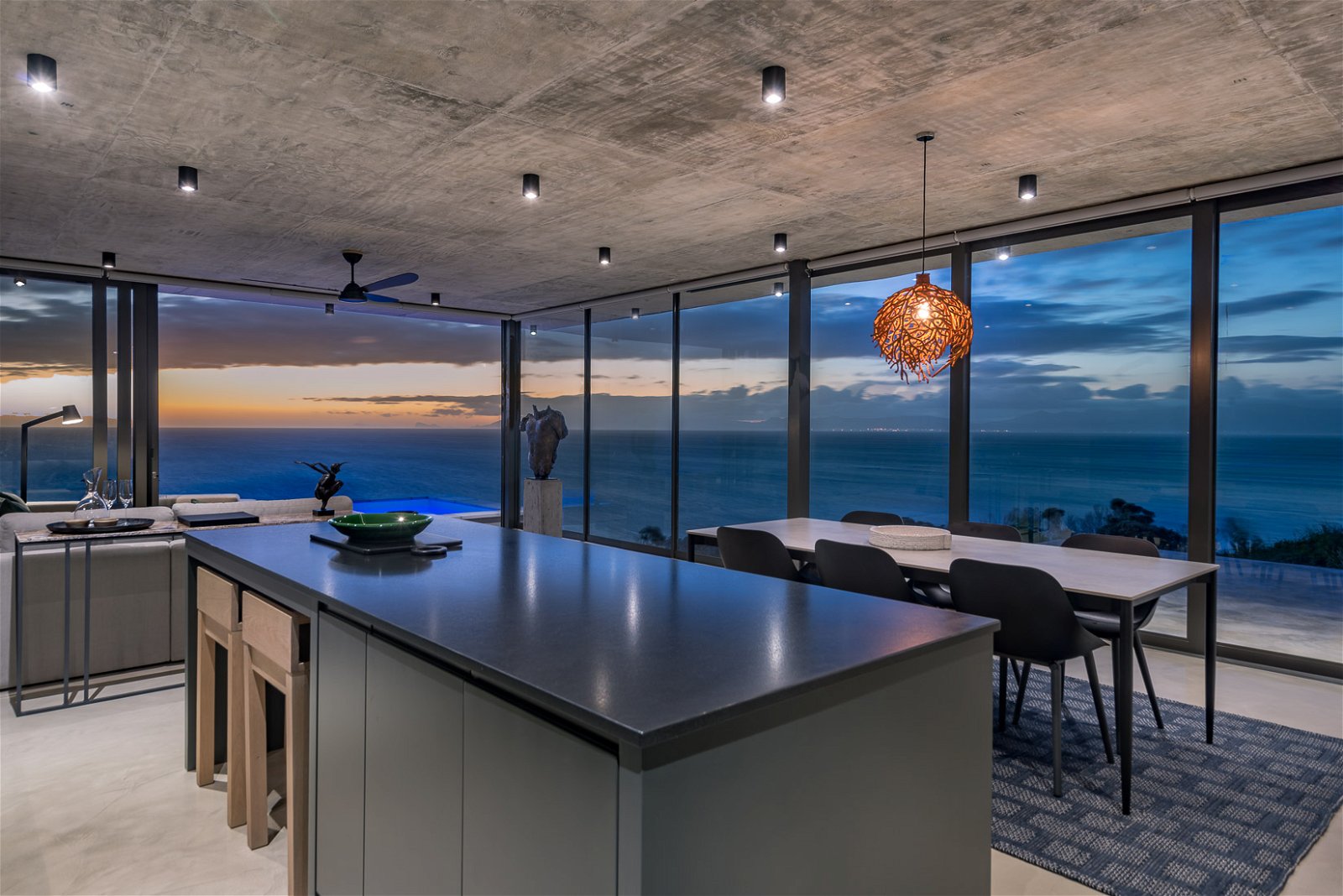
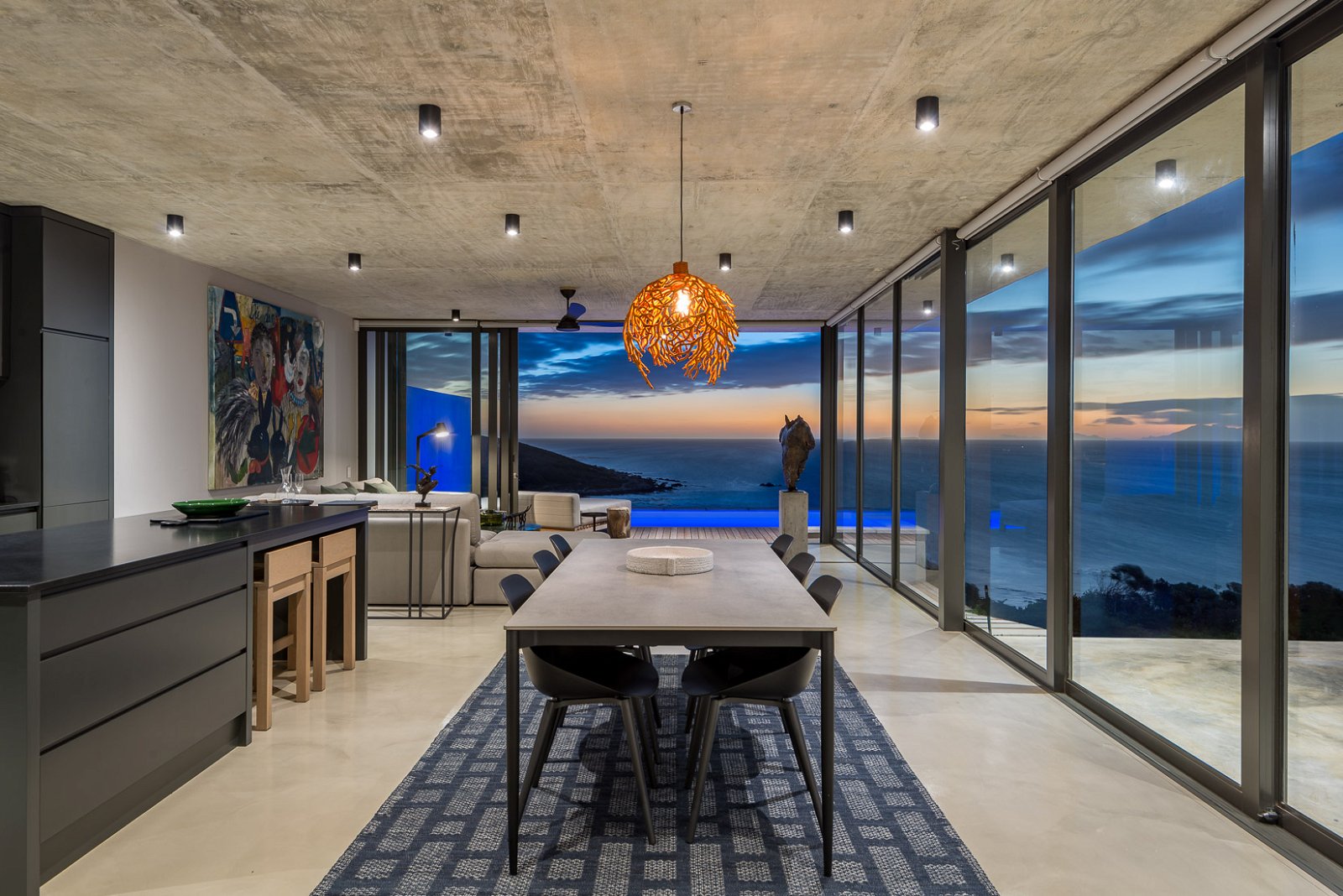
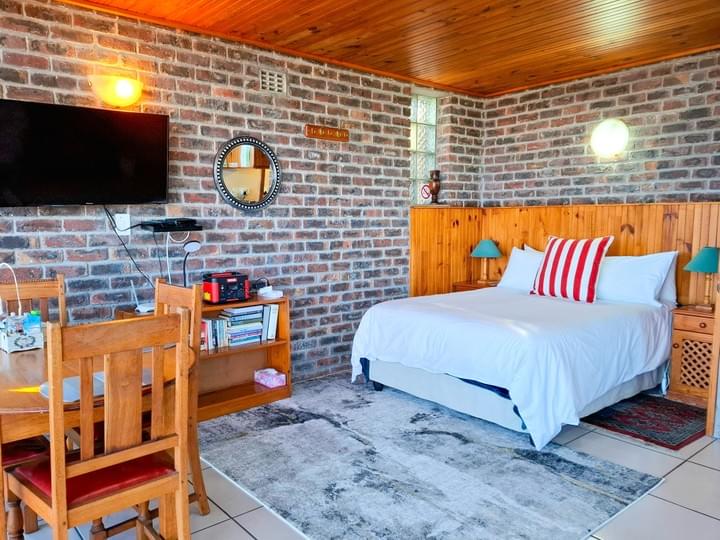
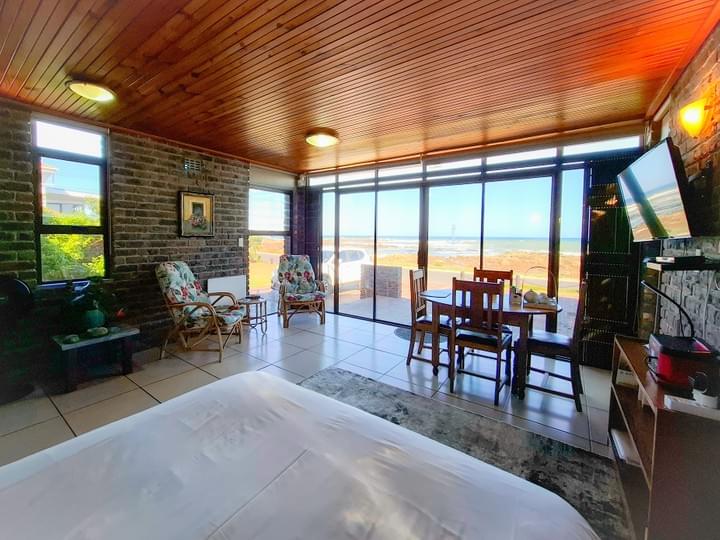
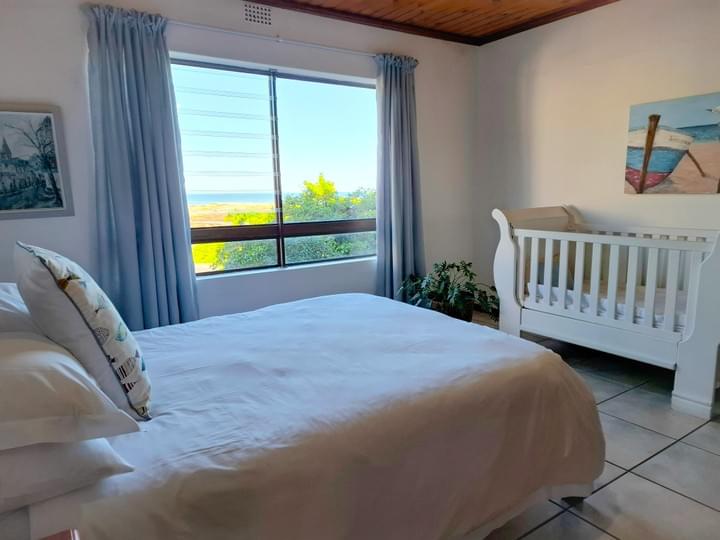
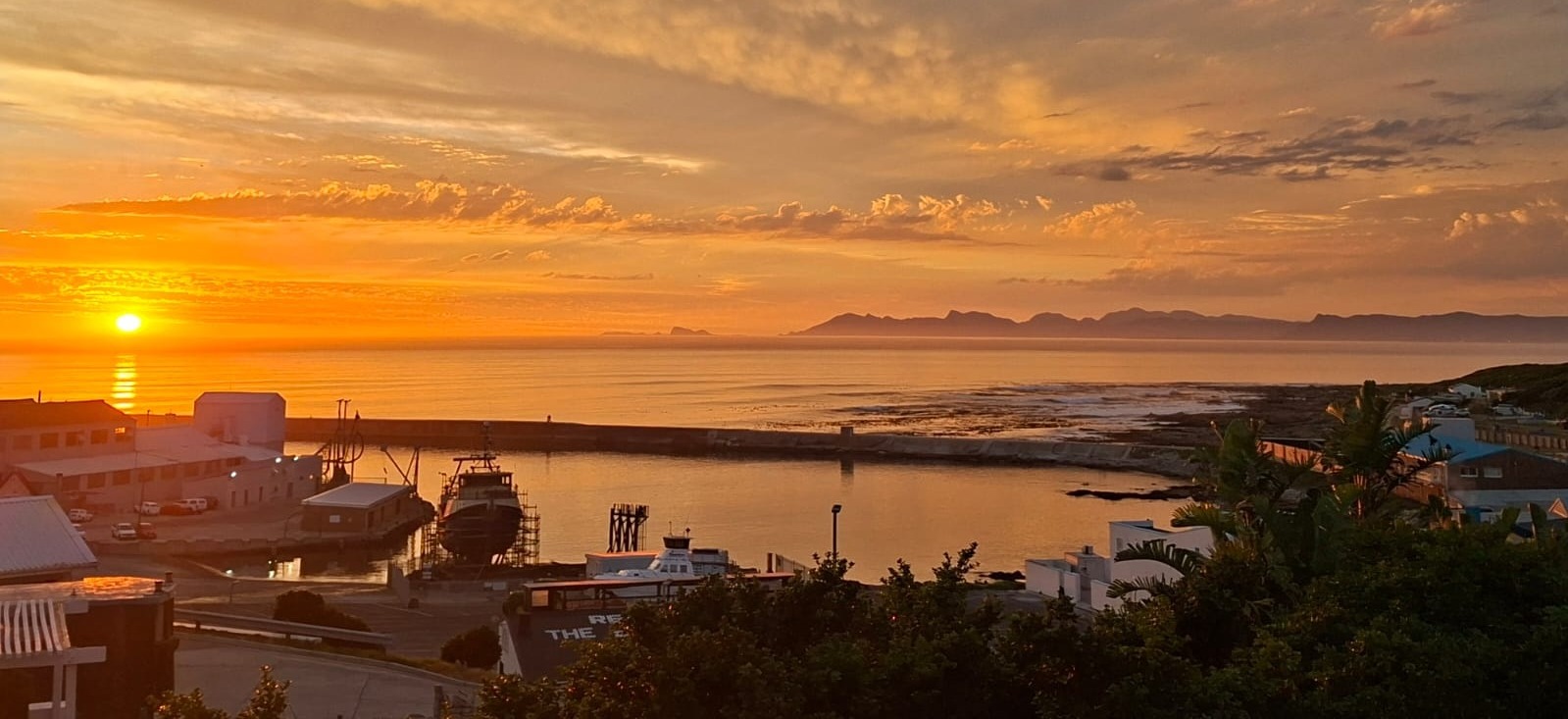
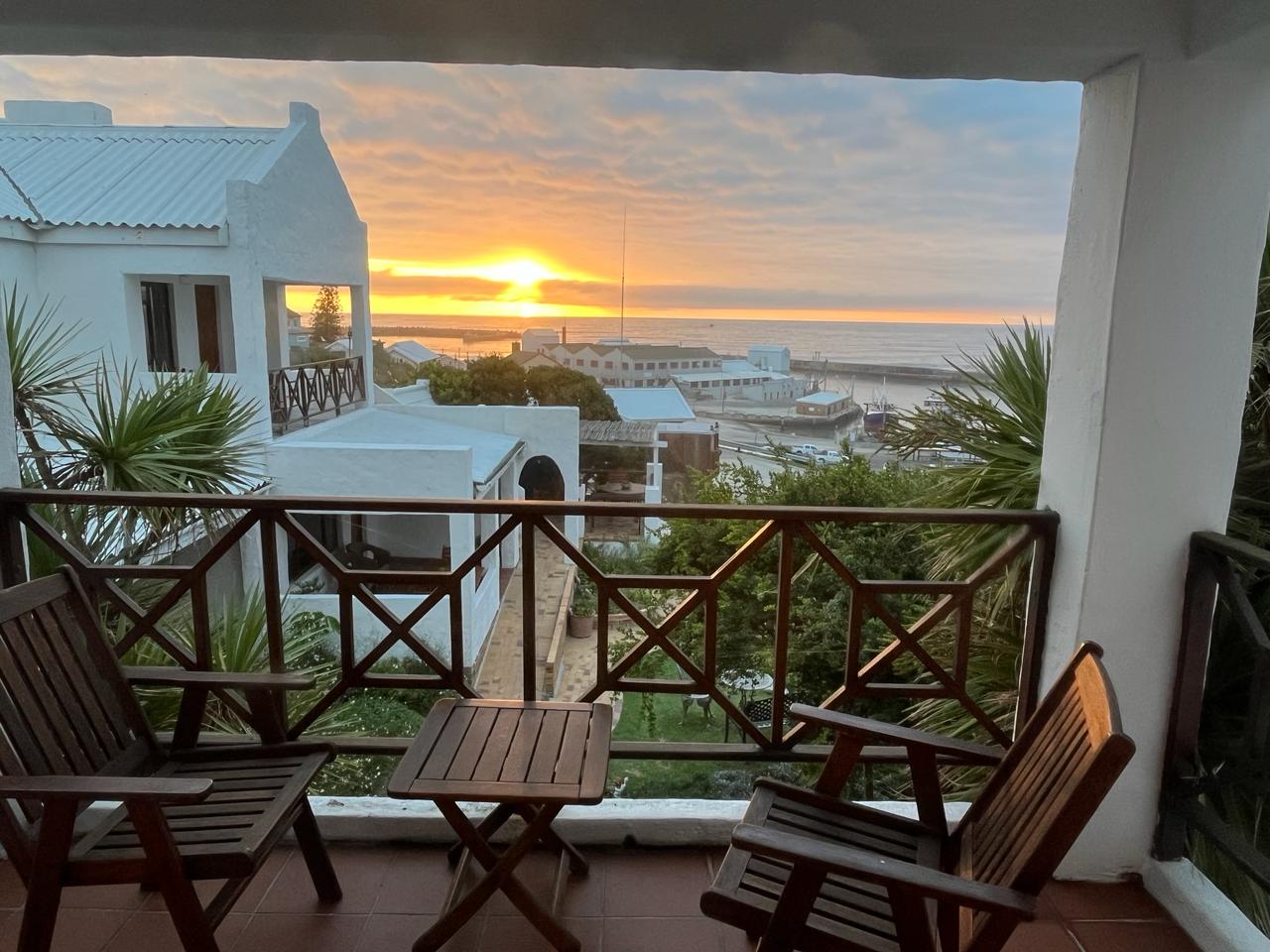
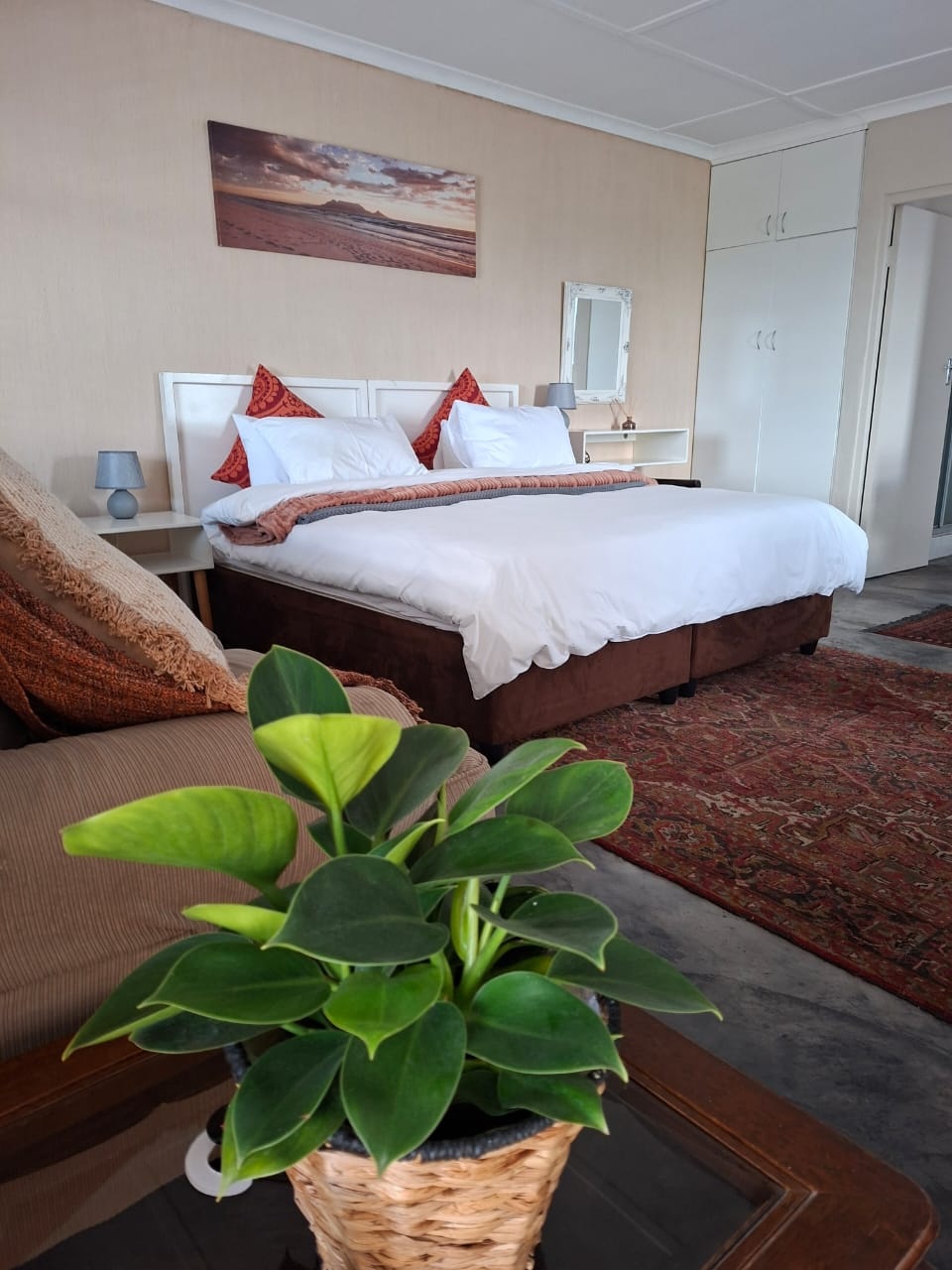
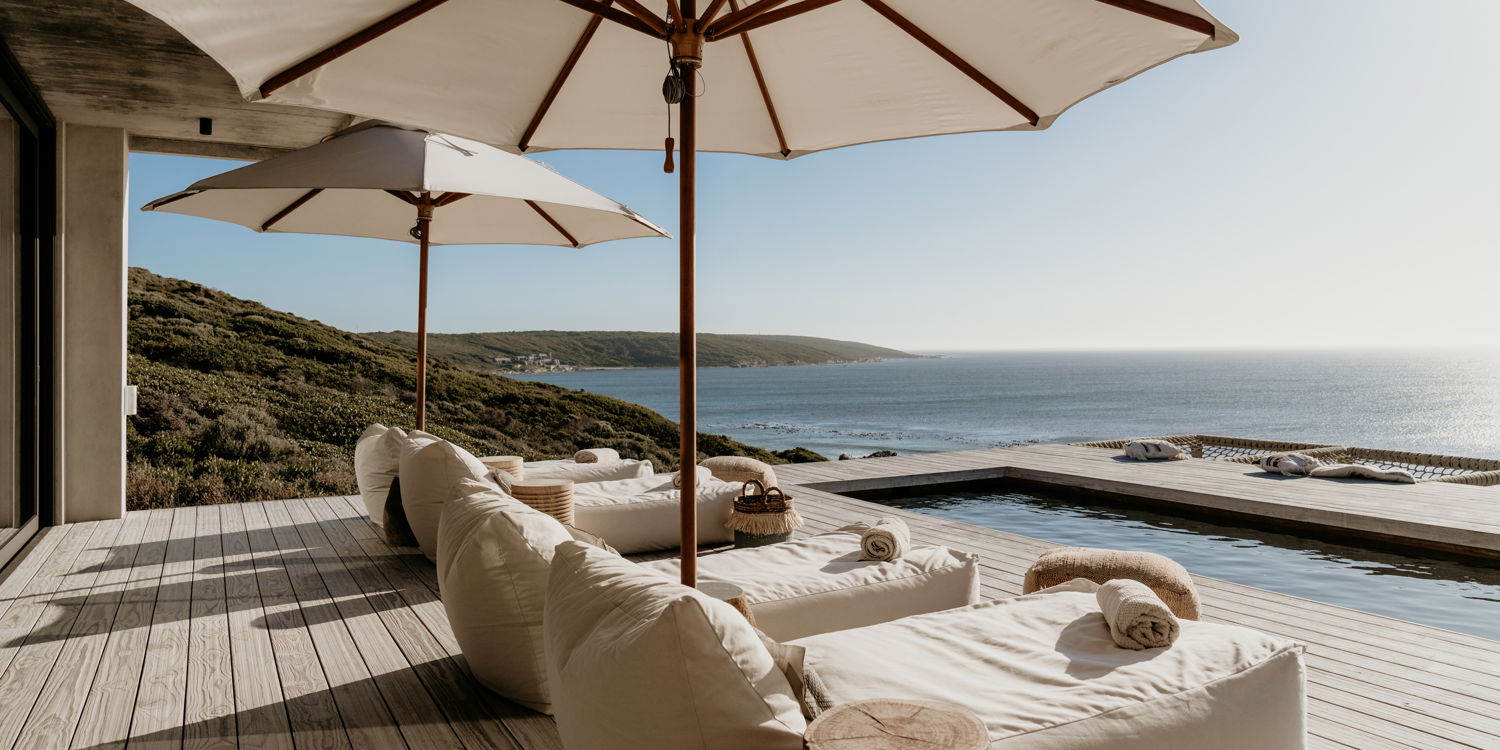
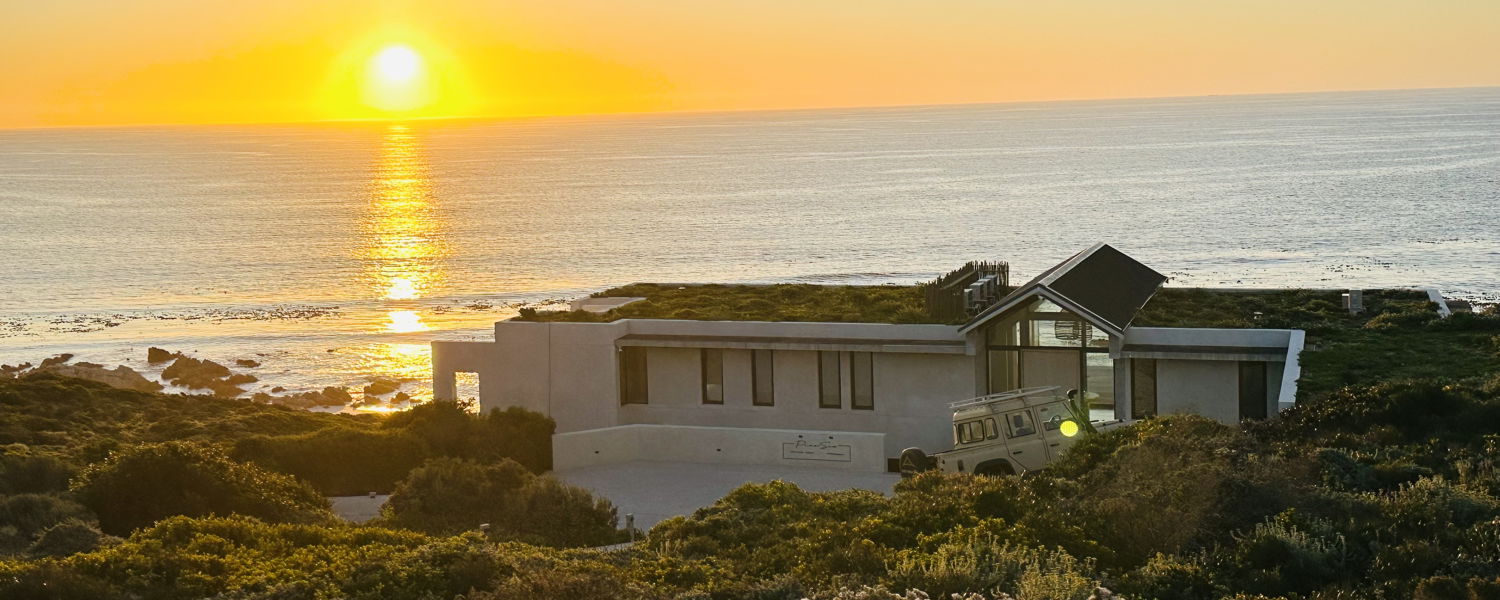
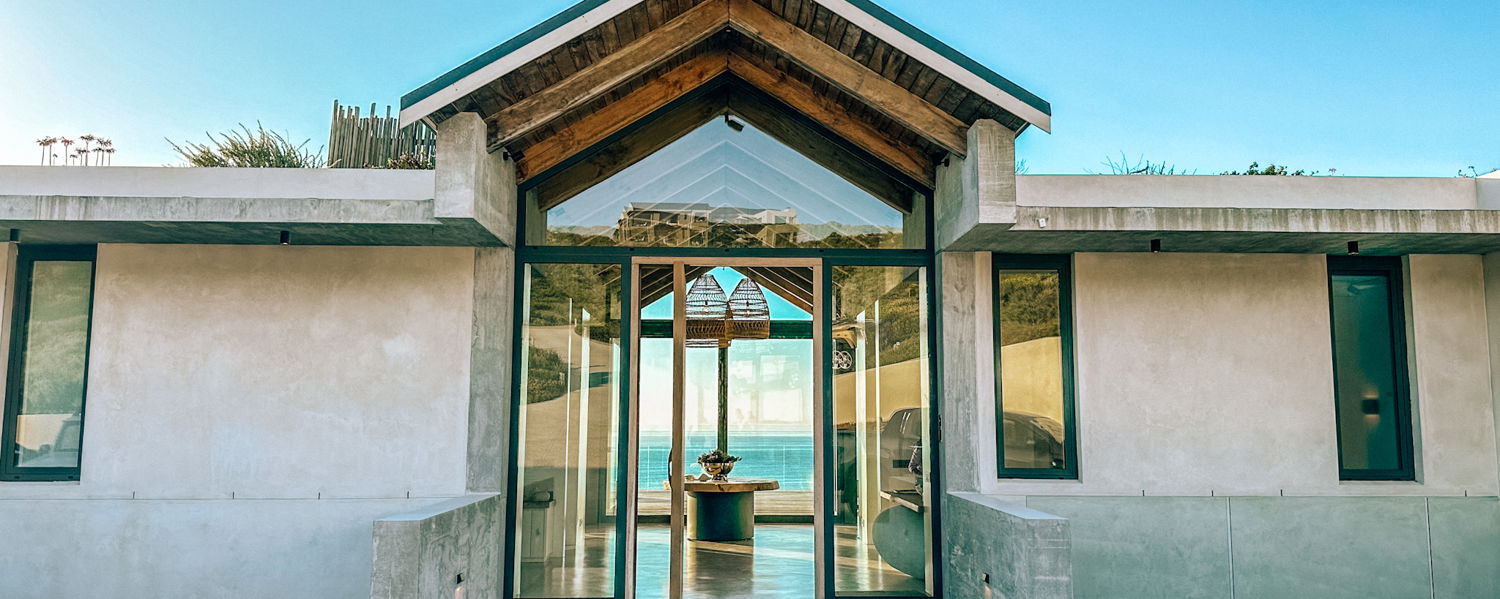
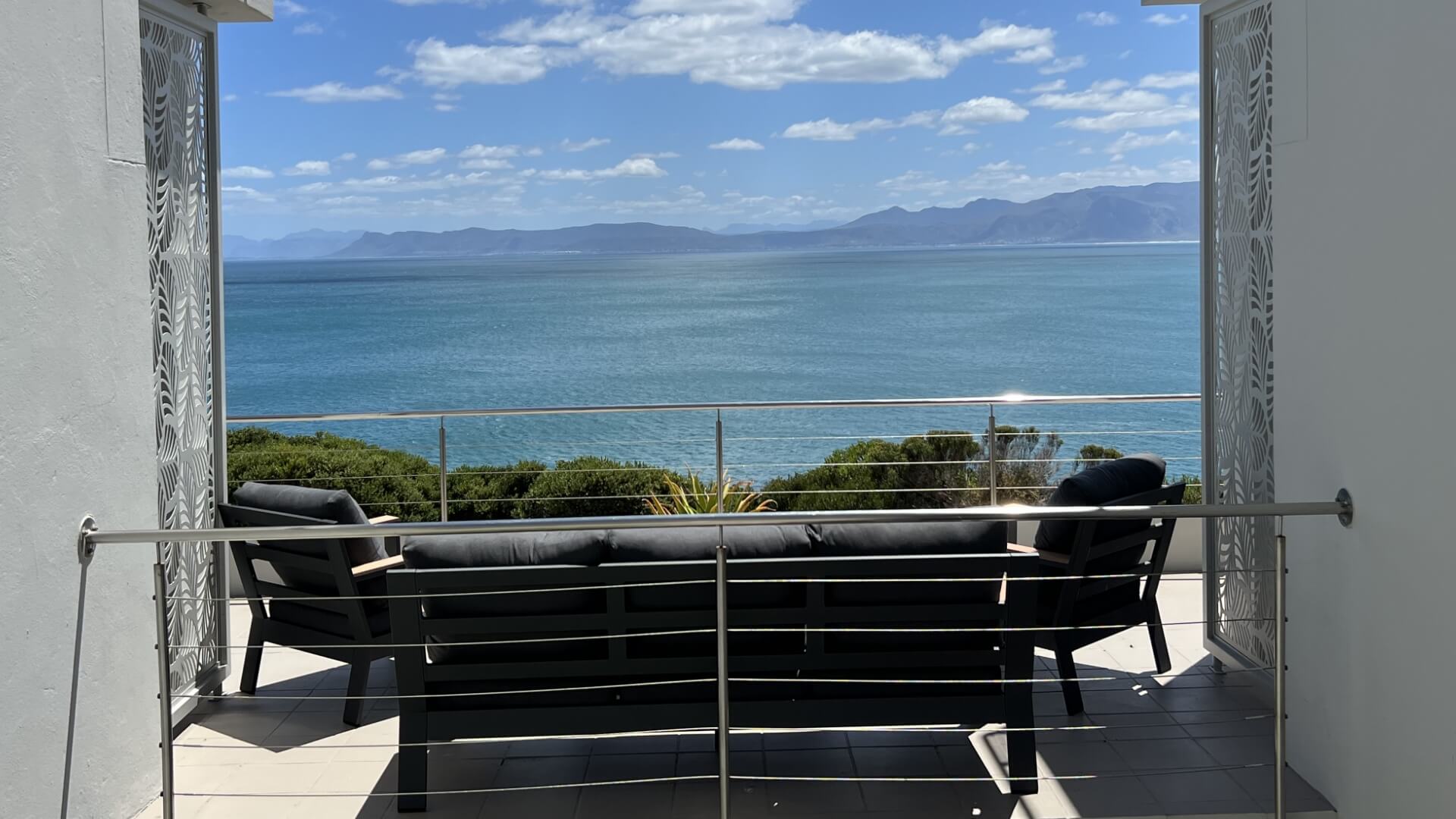
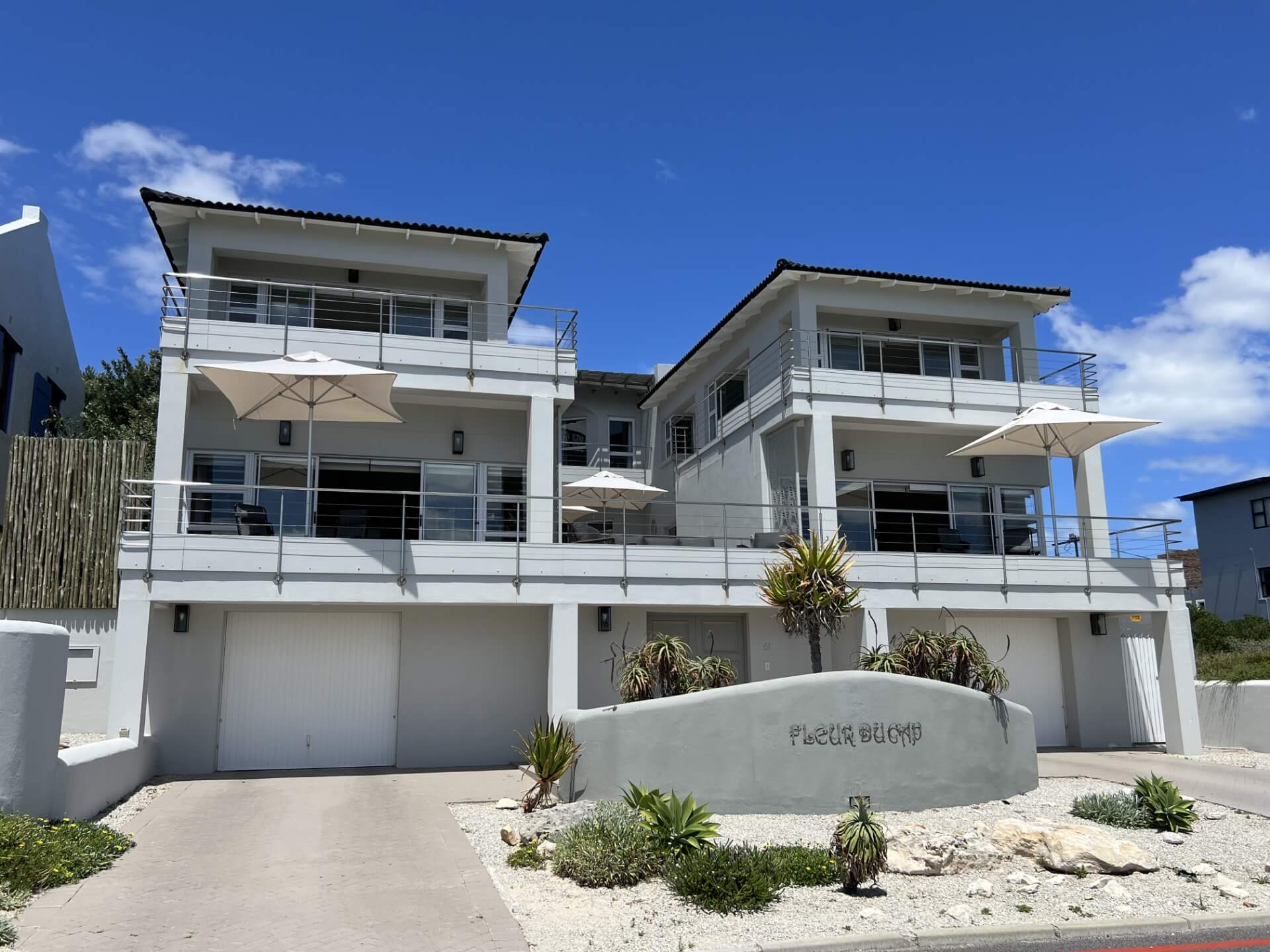
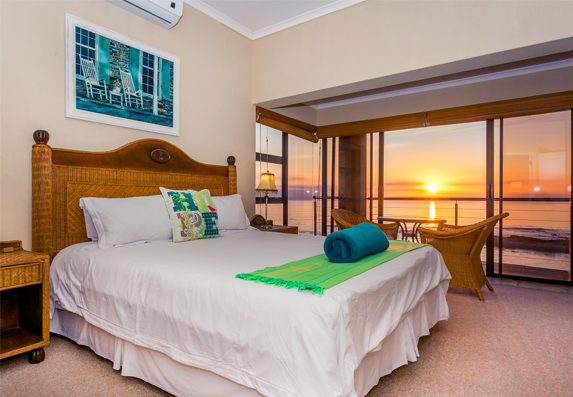
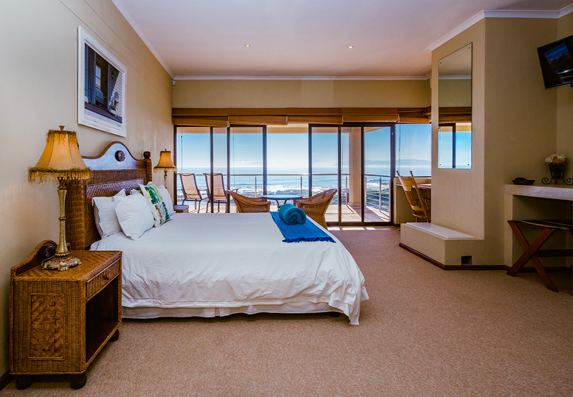
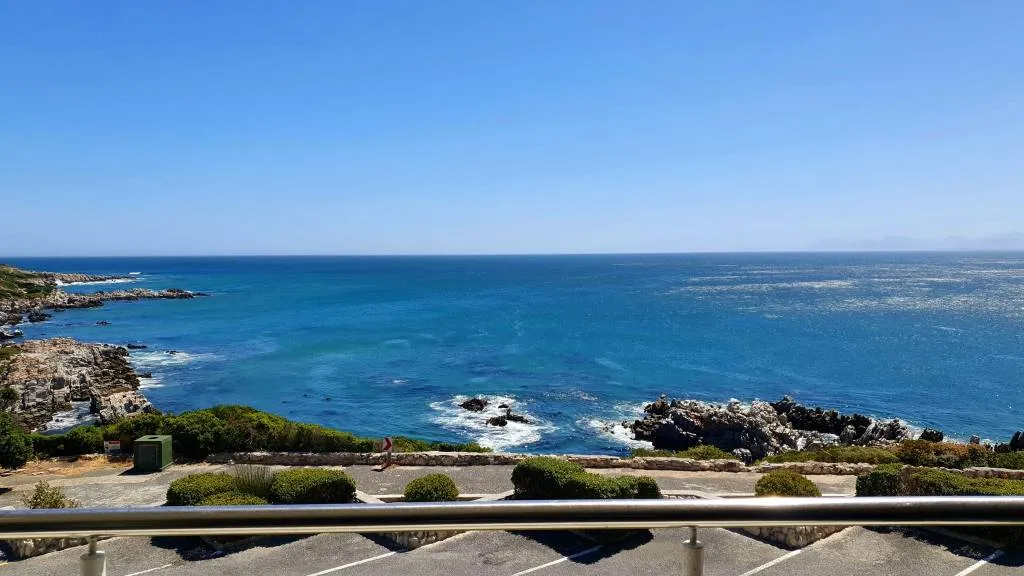
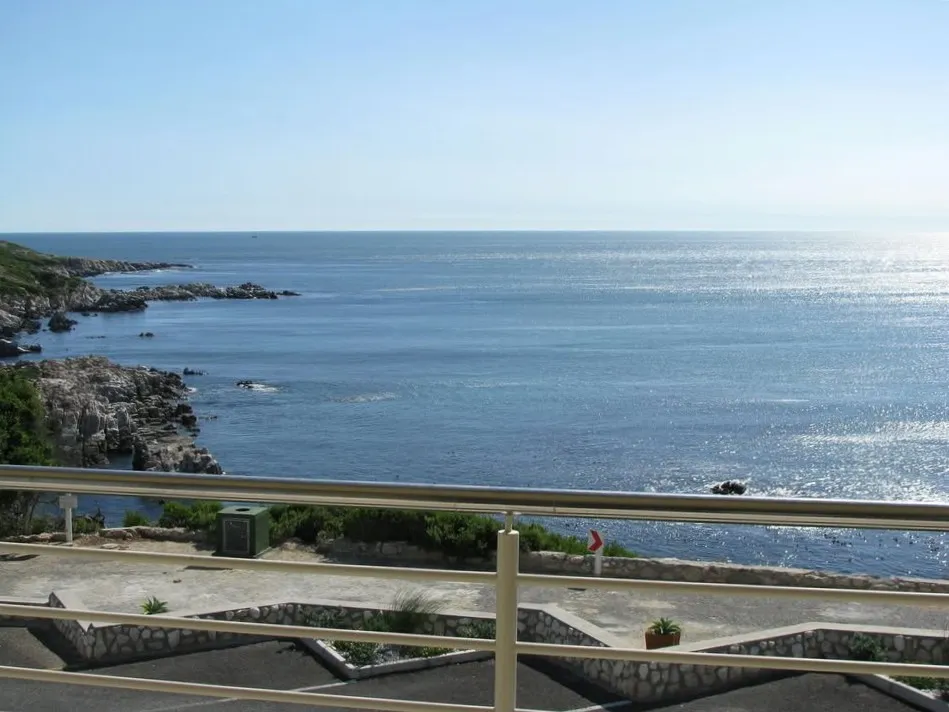
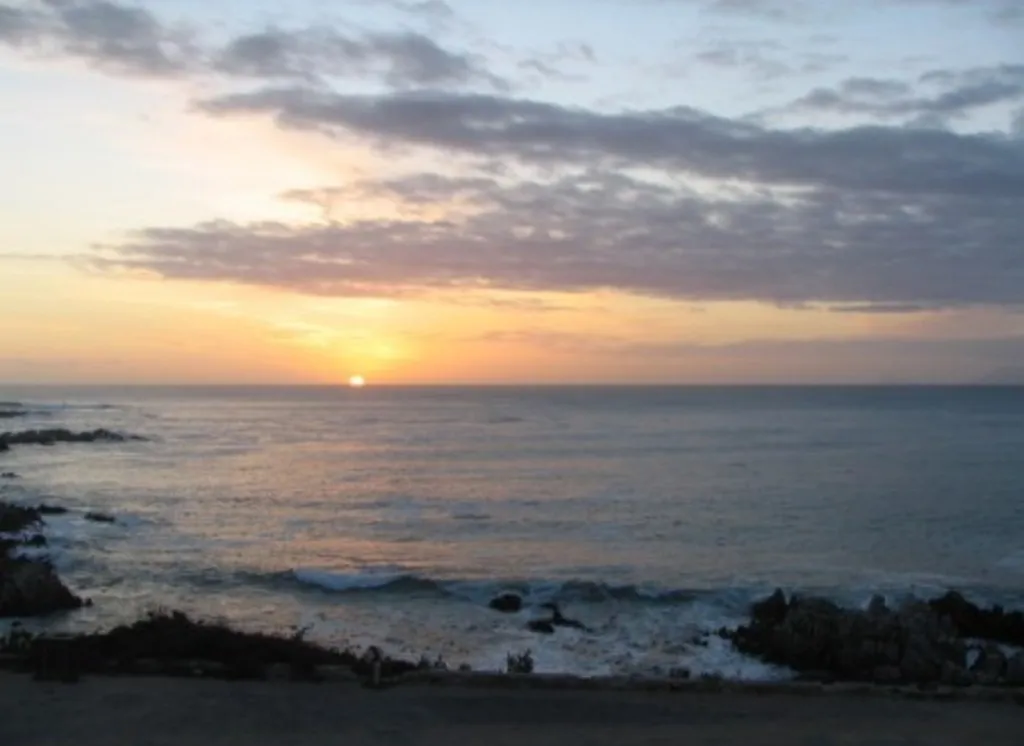
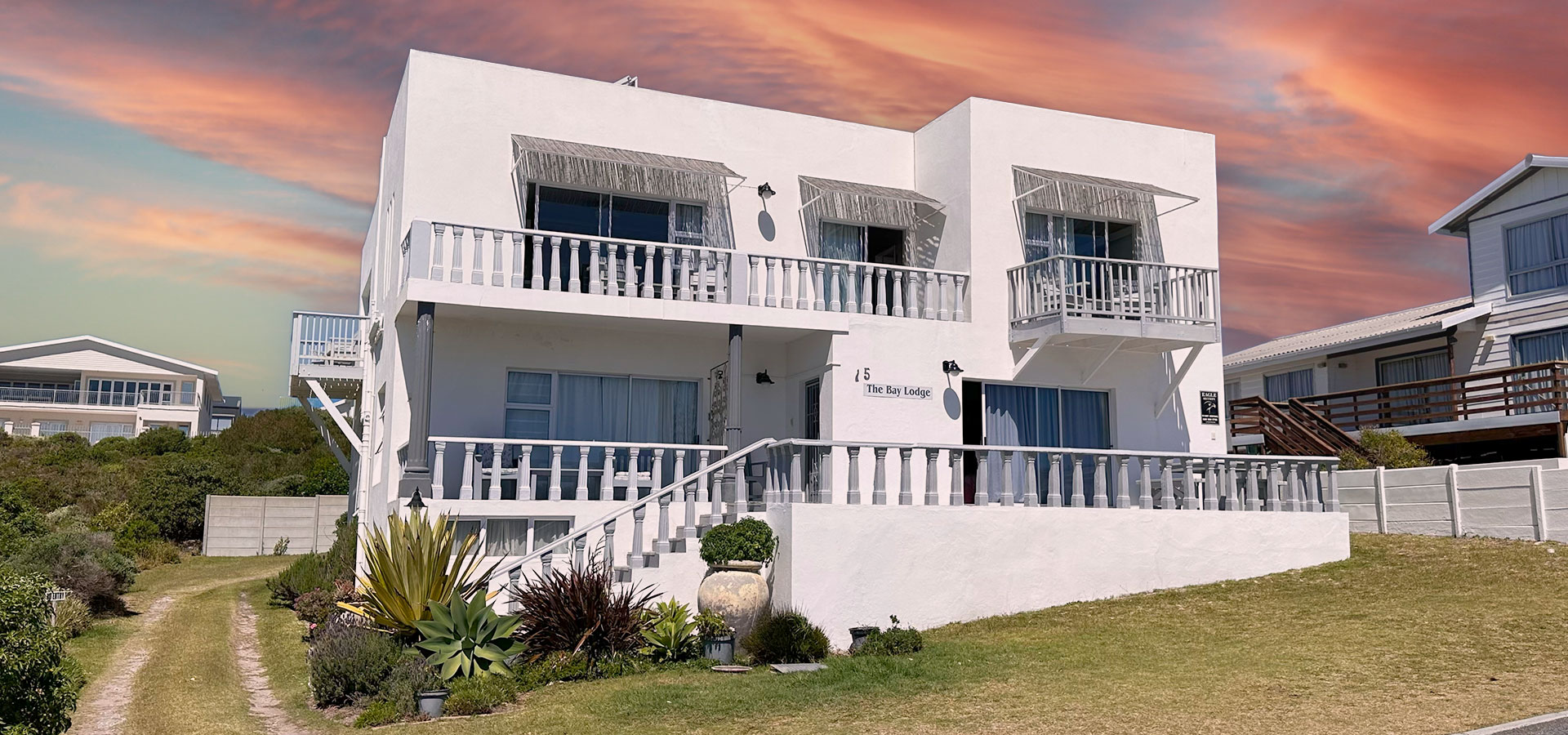
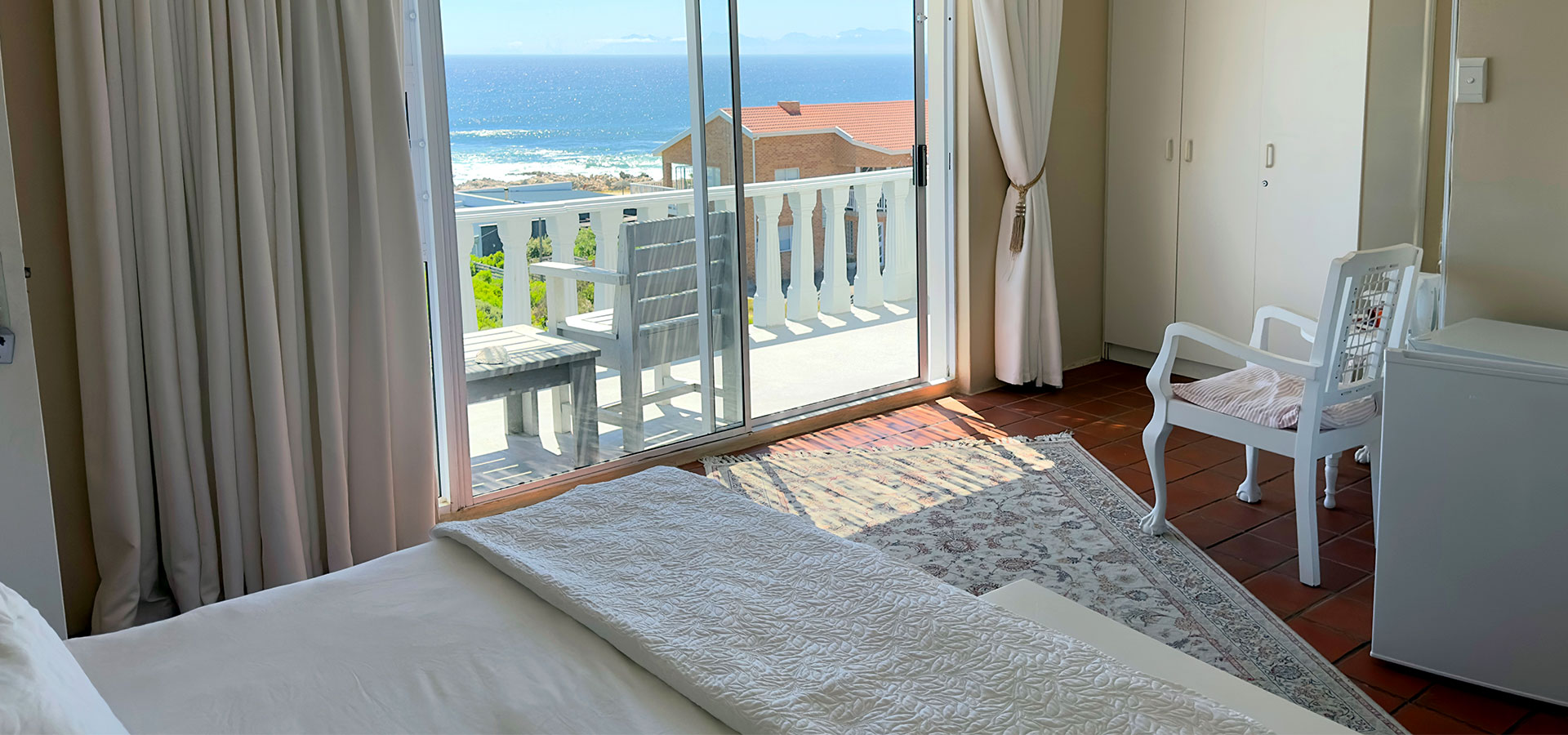
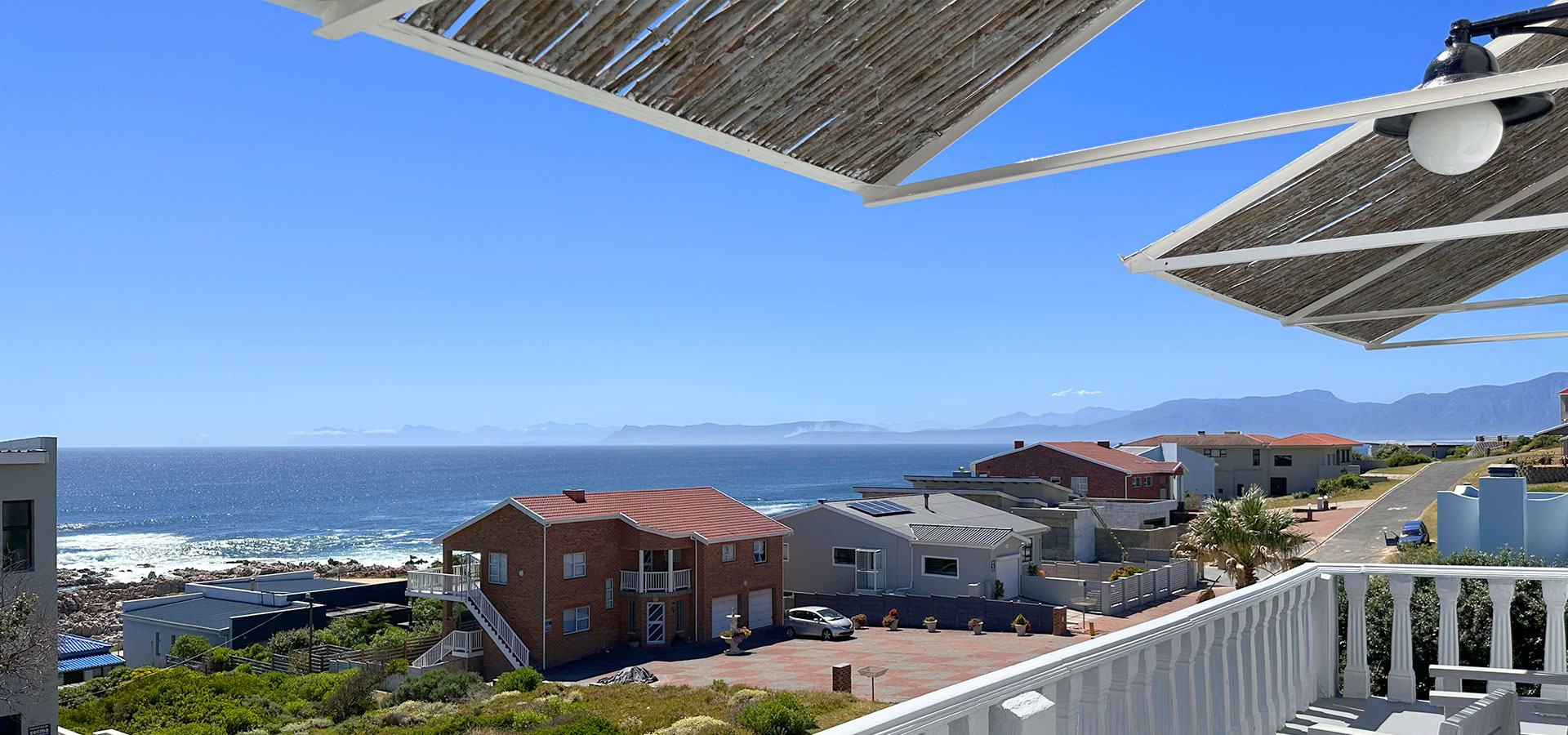
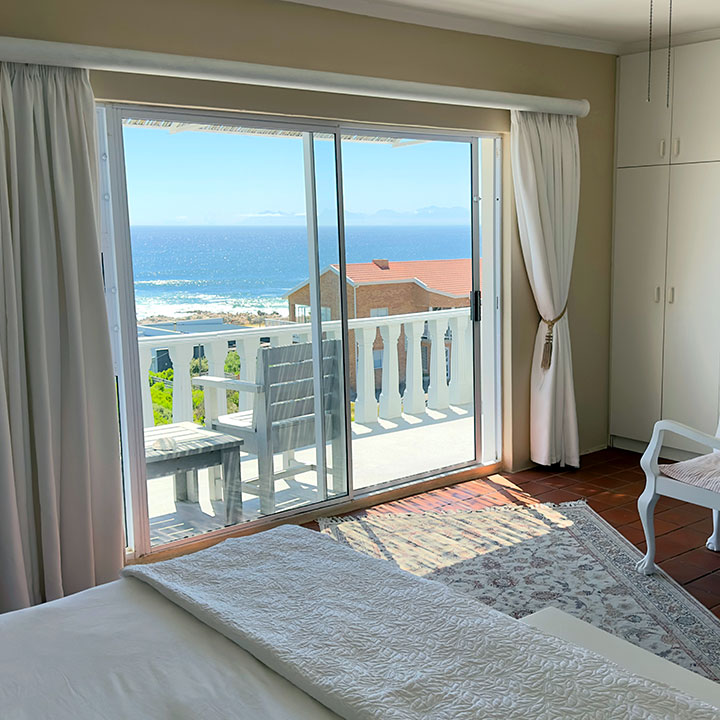
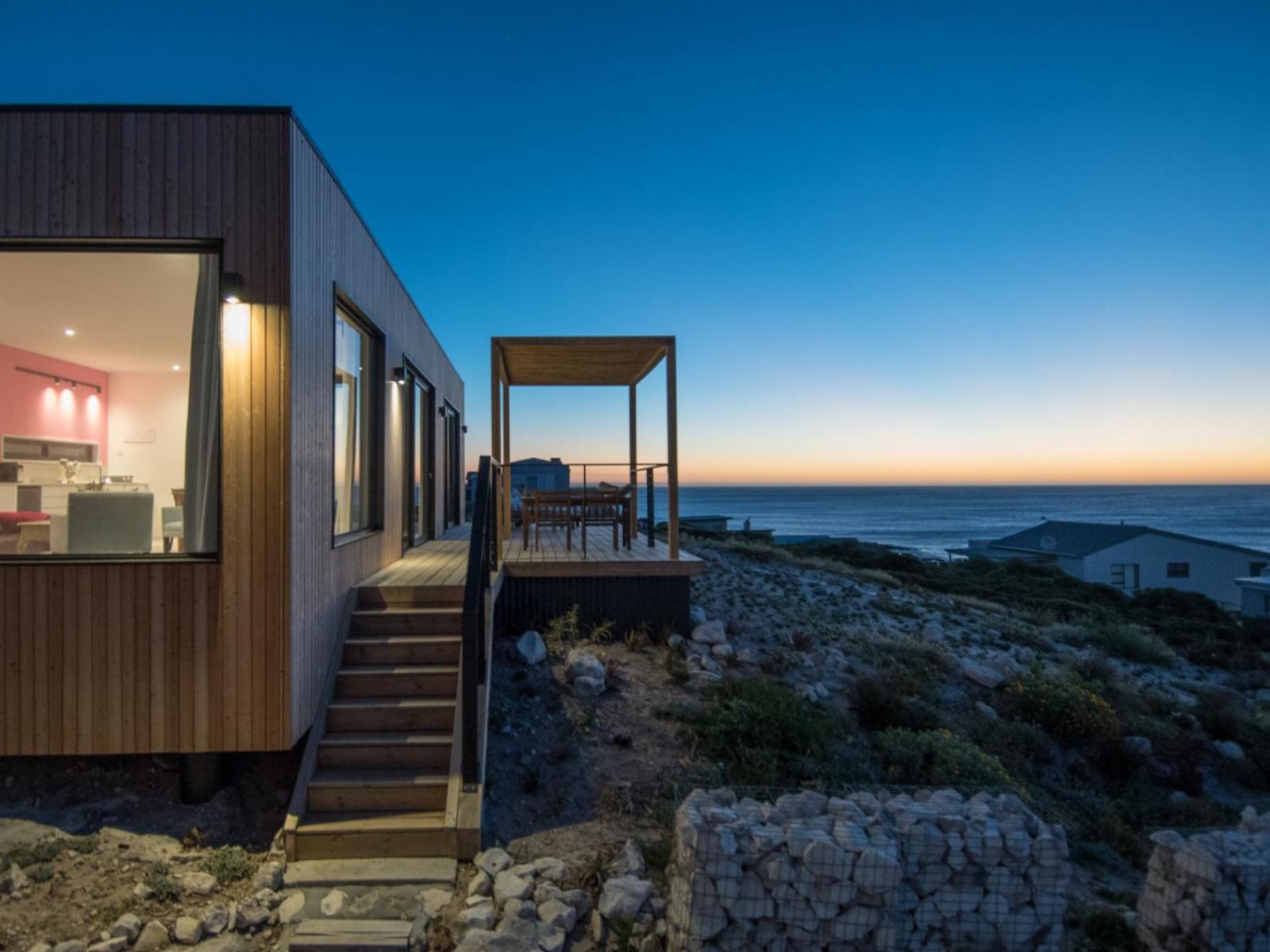
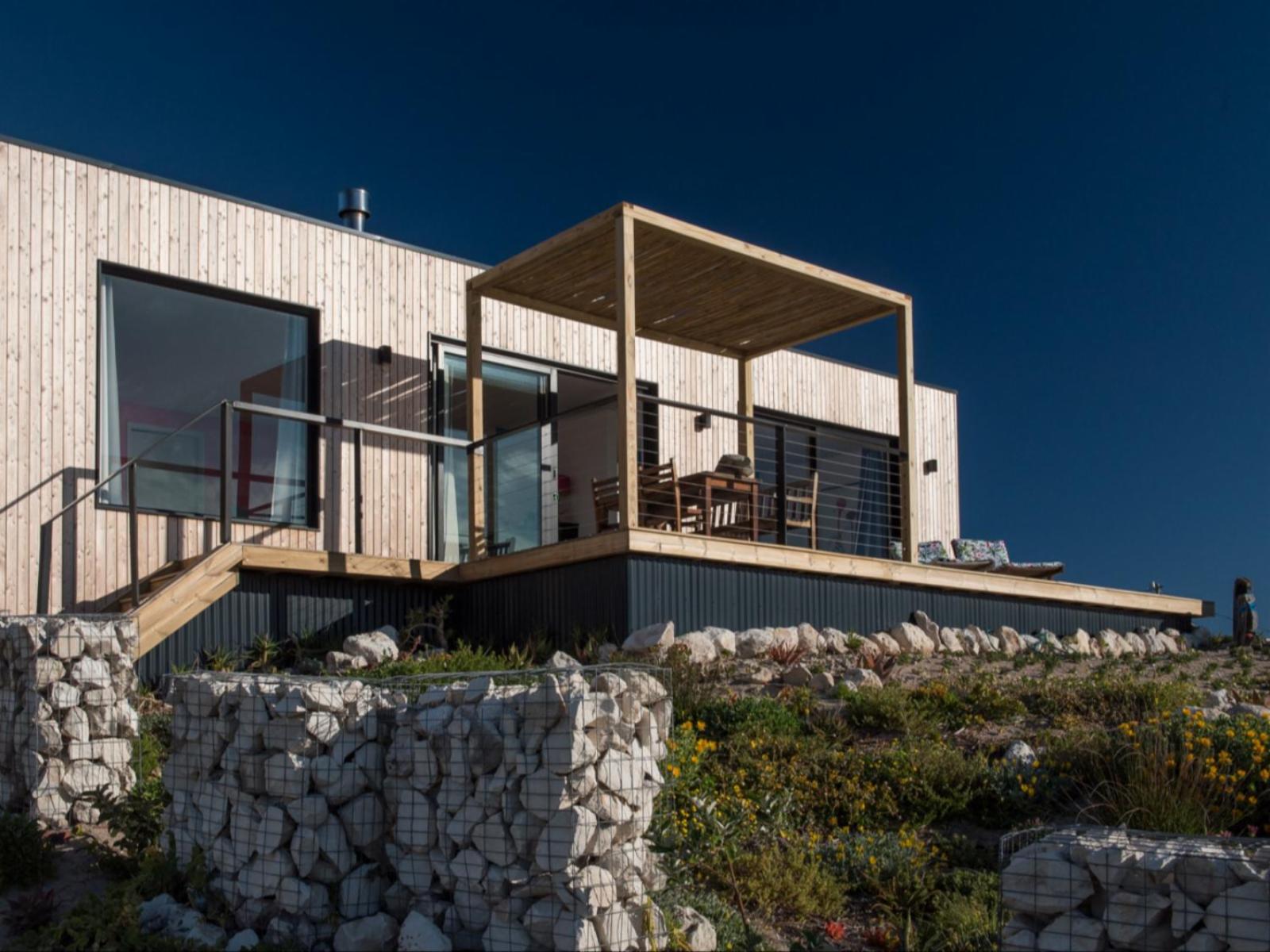
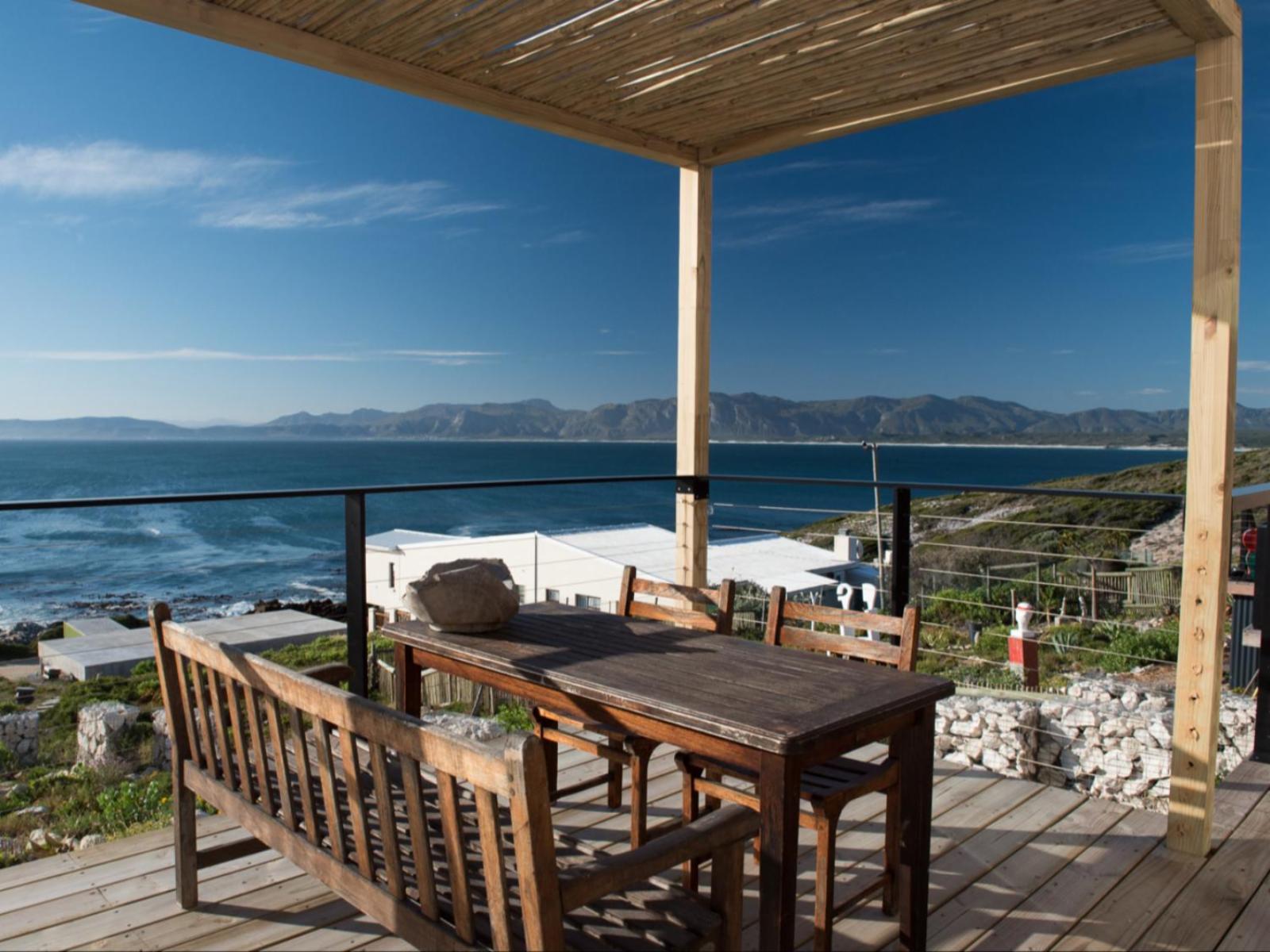
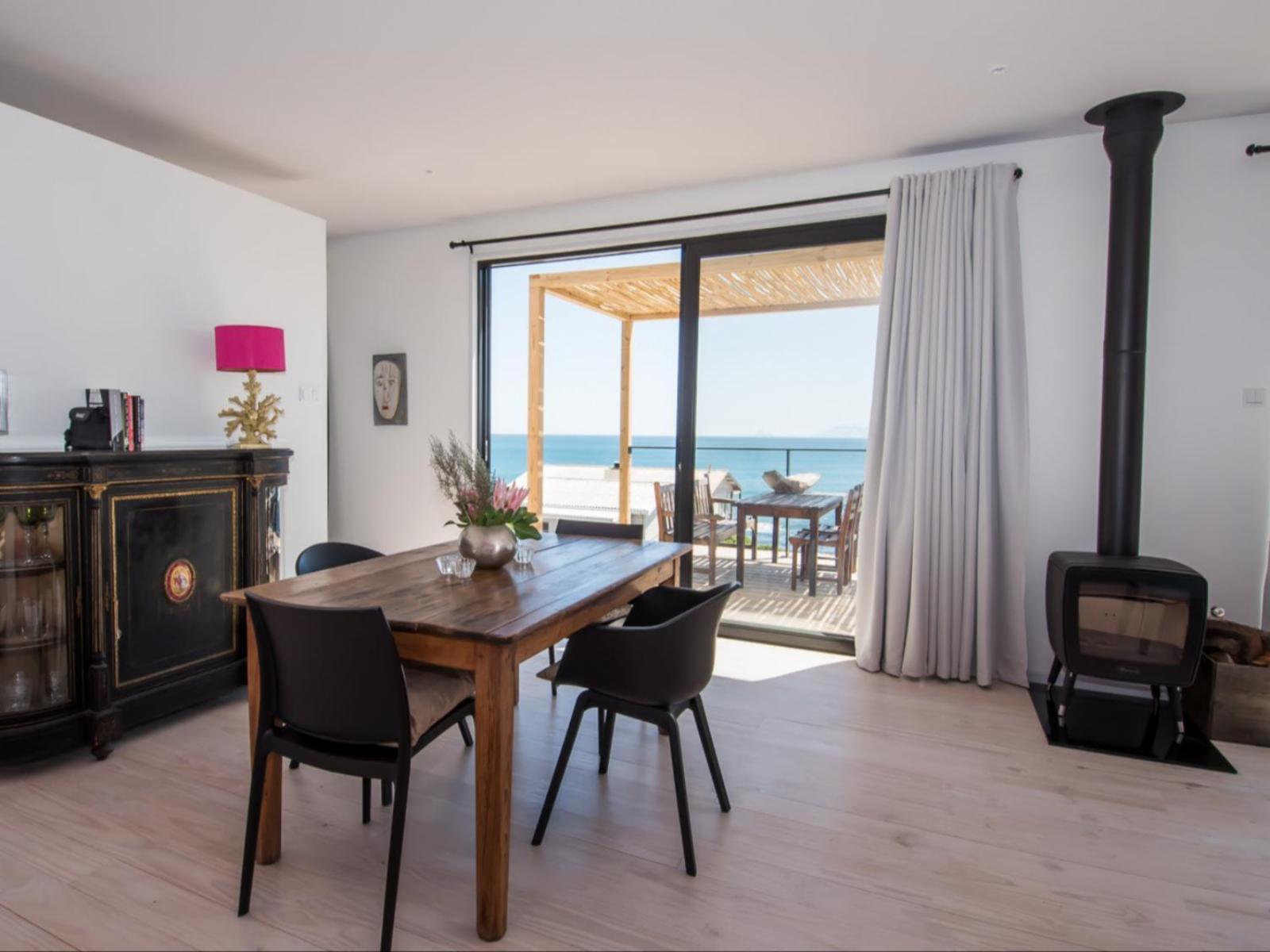
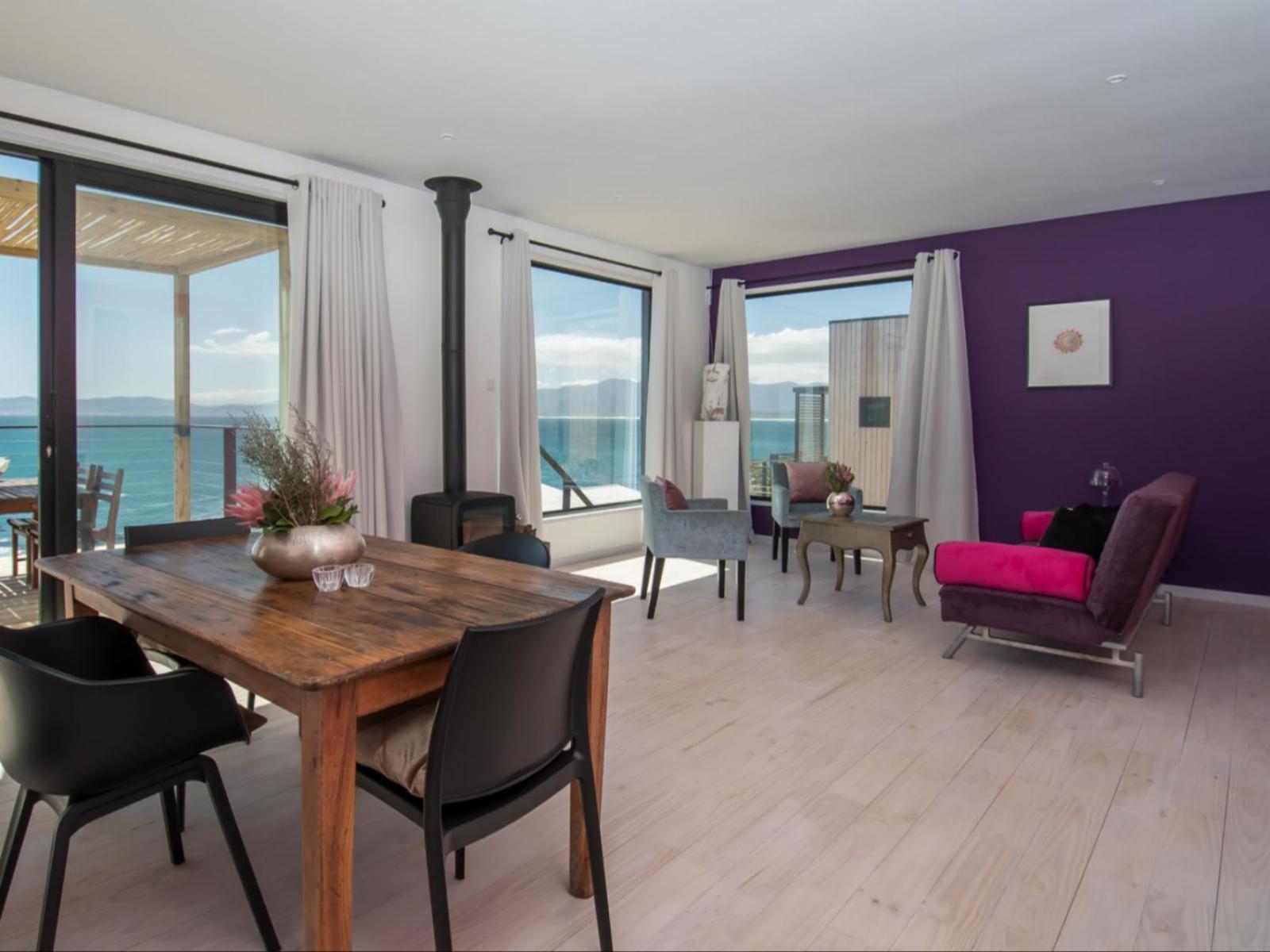
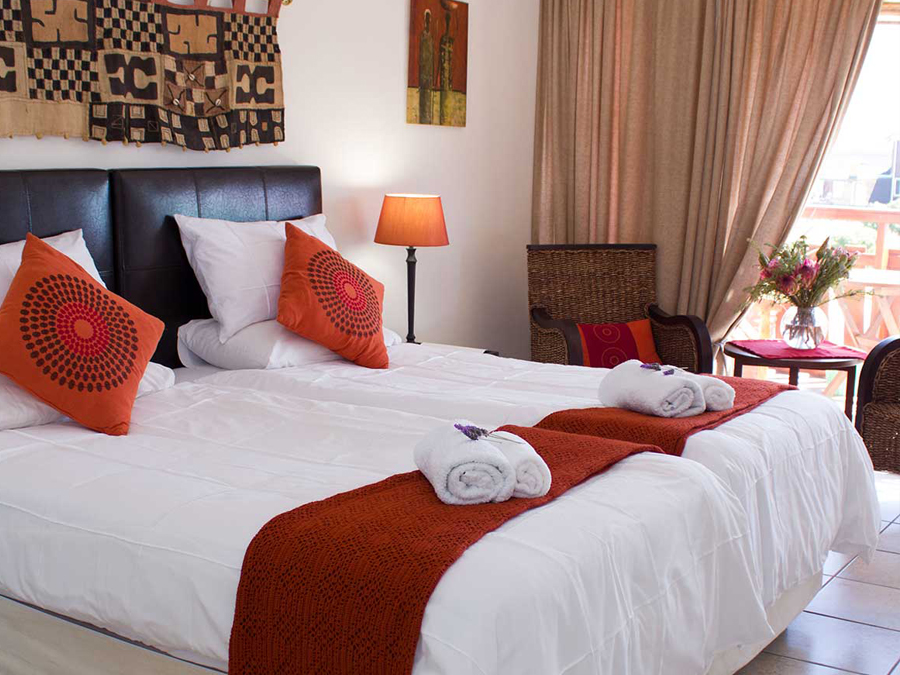
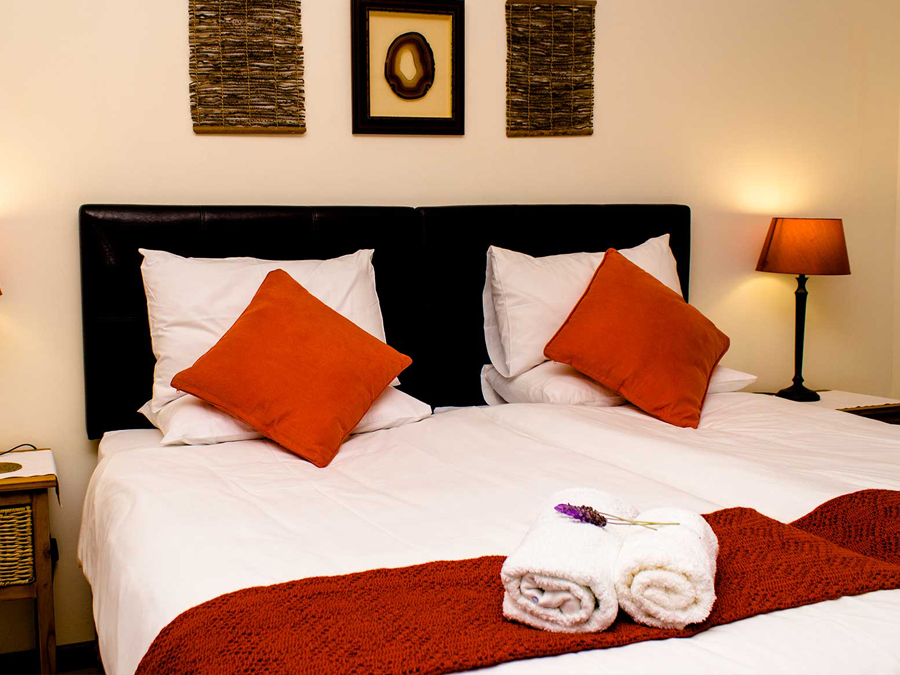
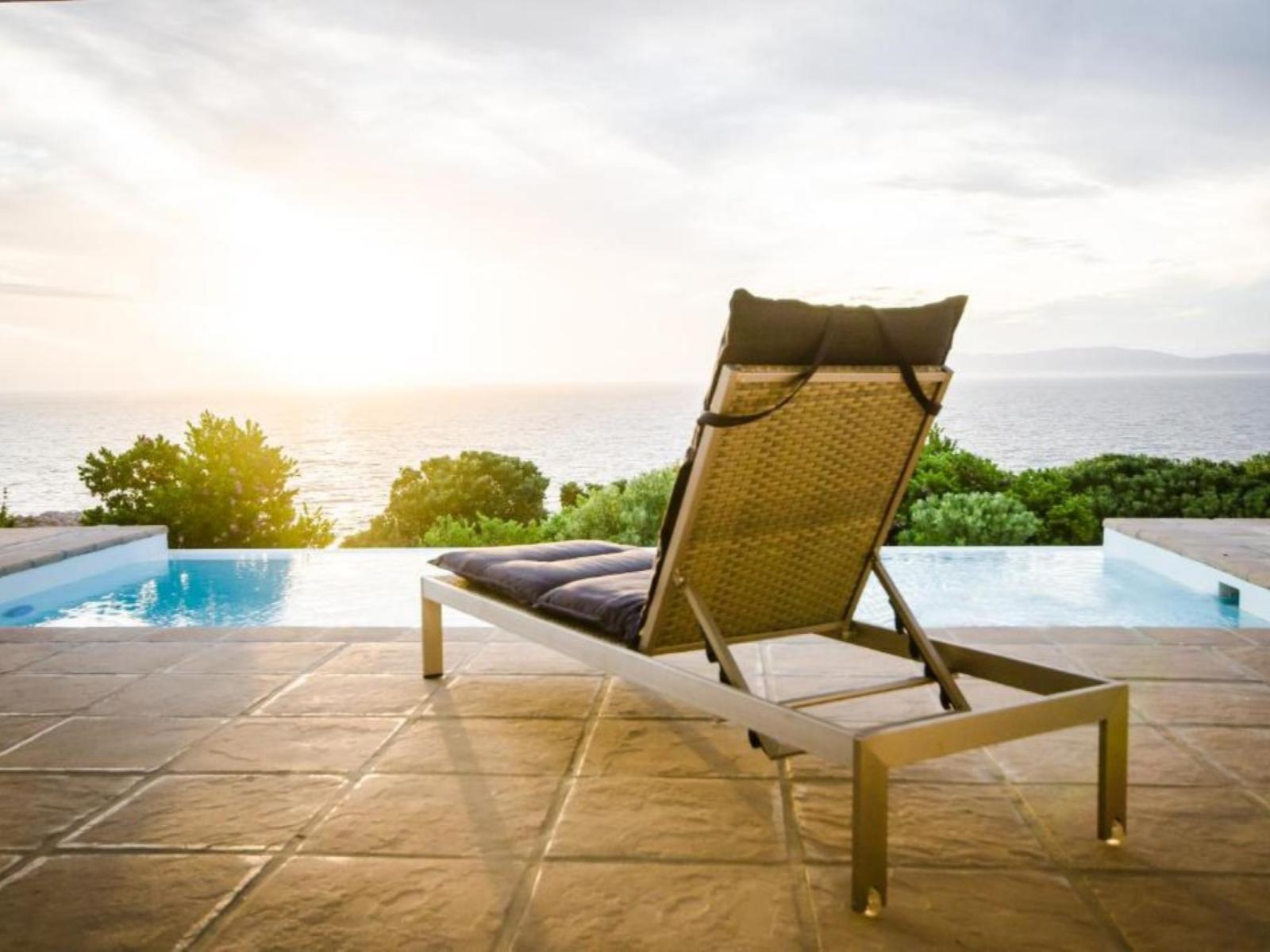
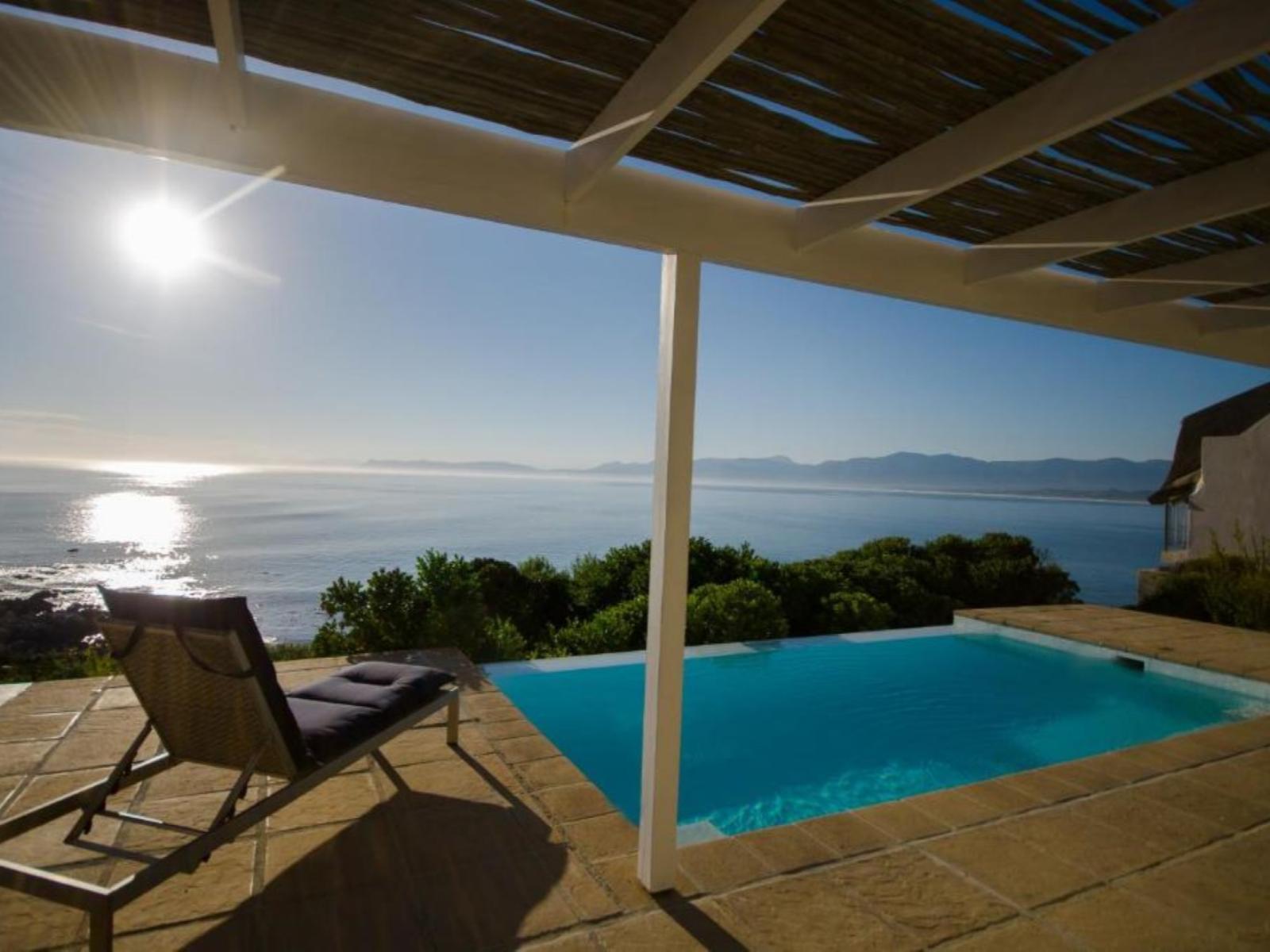
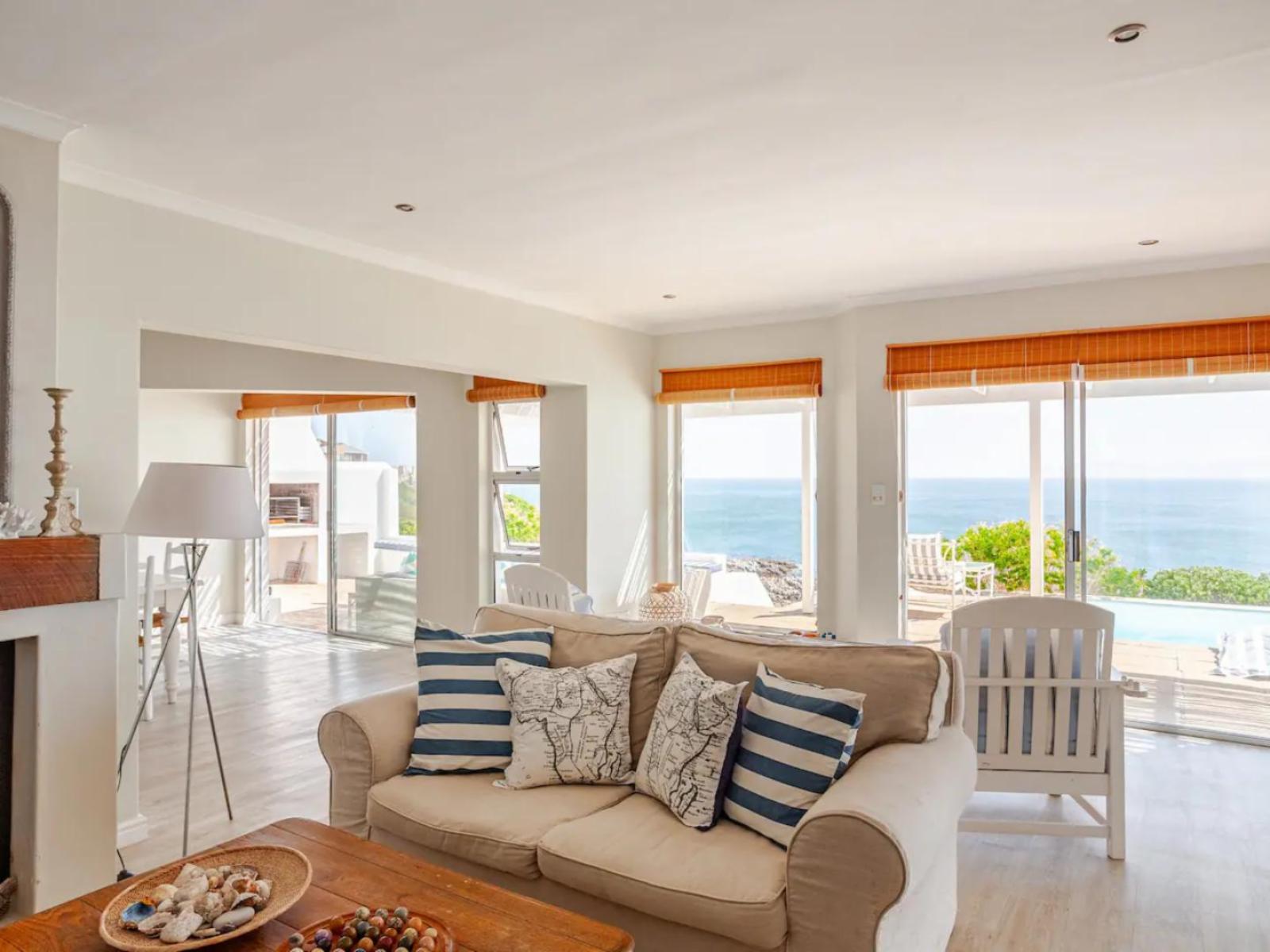
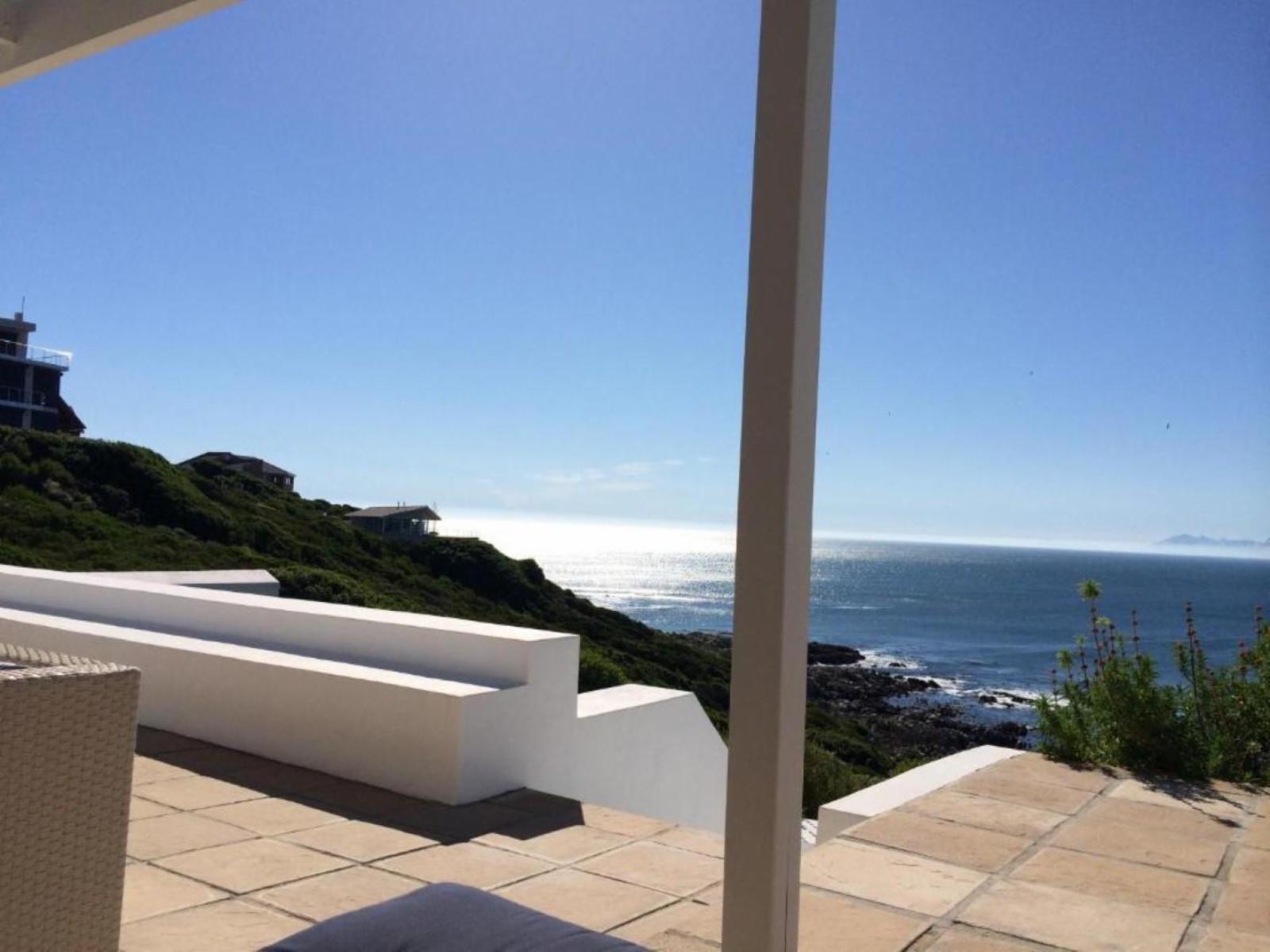
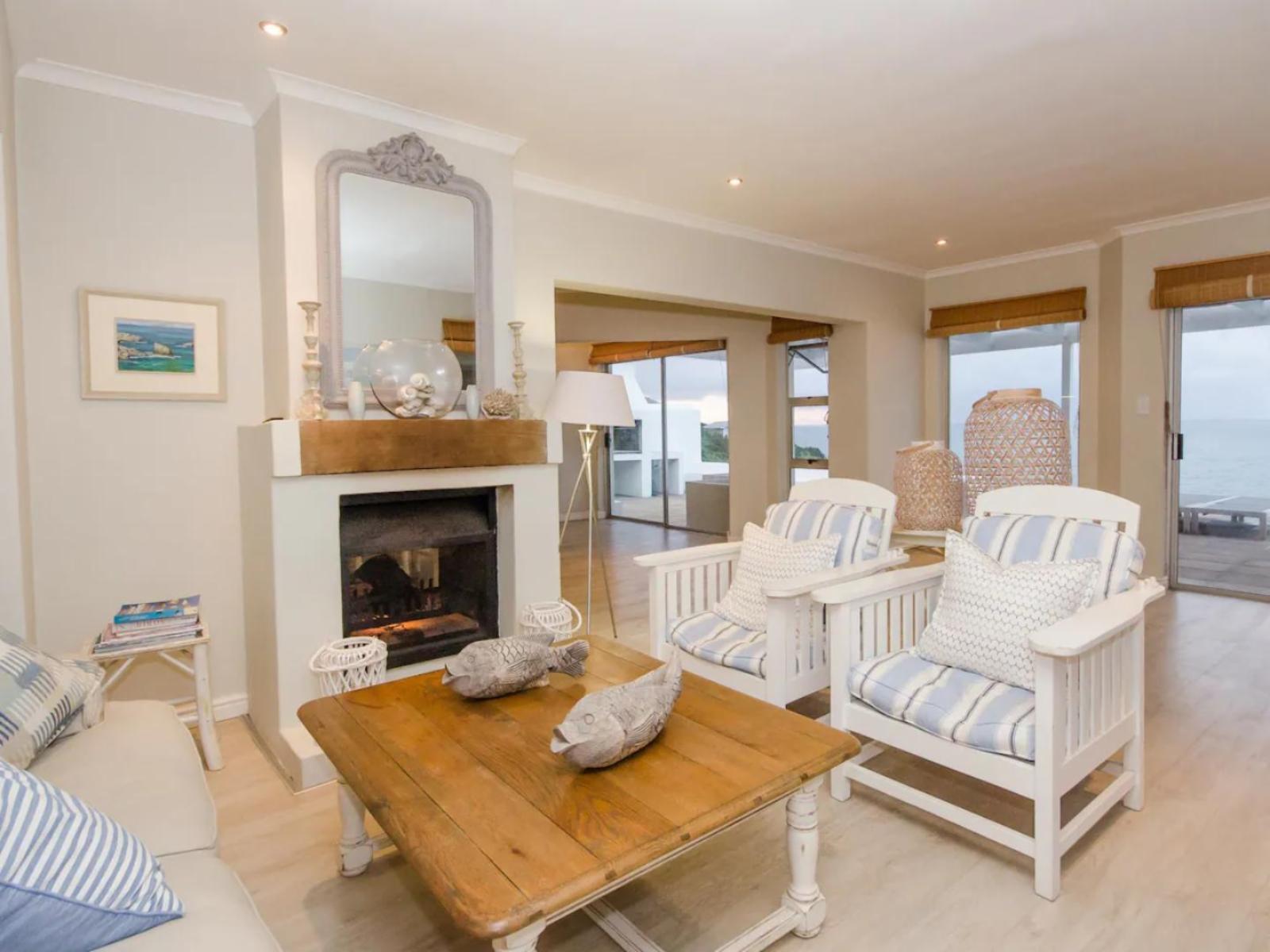
Five properties make up the full accommodation offer in Van Dyks Bay, with nightly rates spanning from R2,248 to R3,390. The stock is small by design: this is a residential settlement, not a resort town, and the accommodation reflects that.
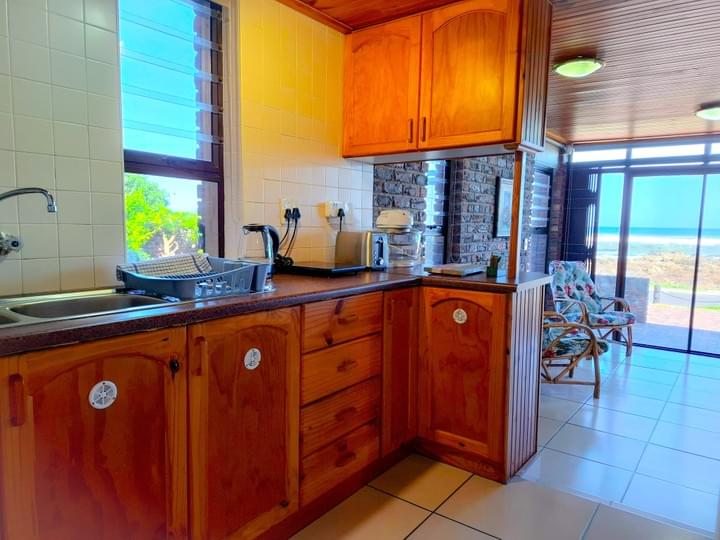
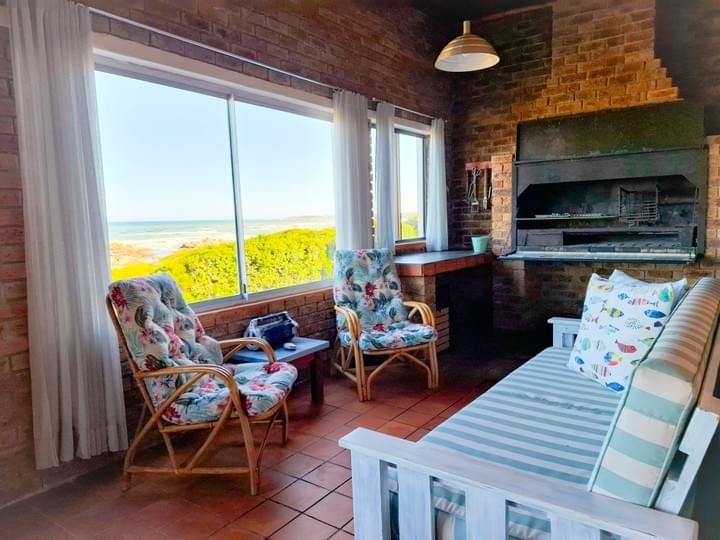
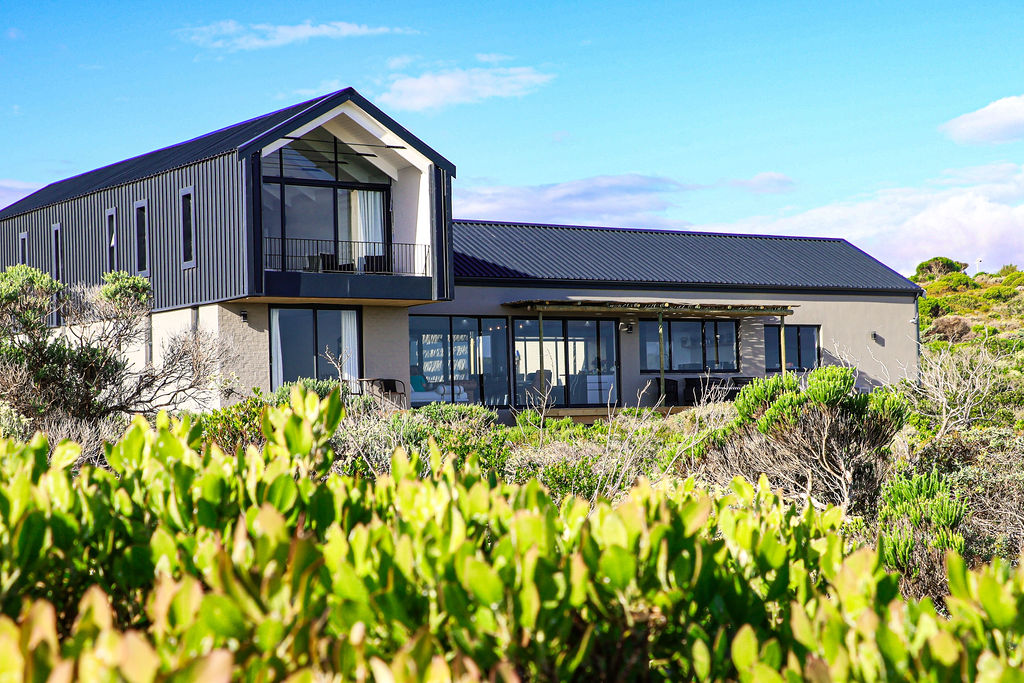
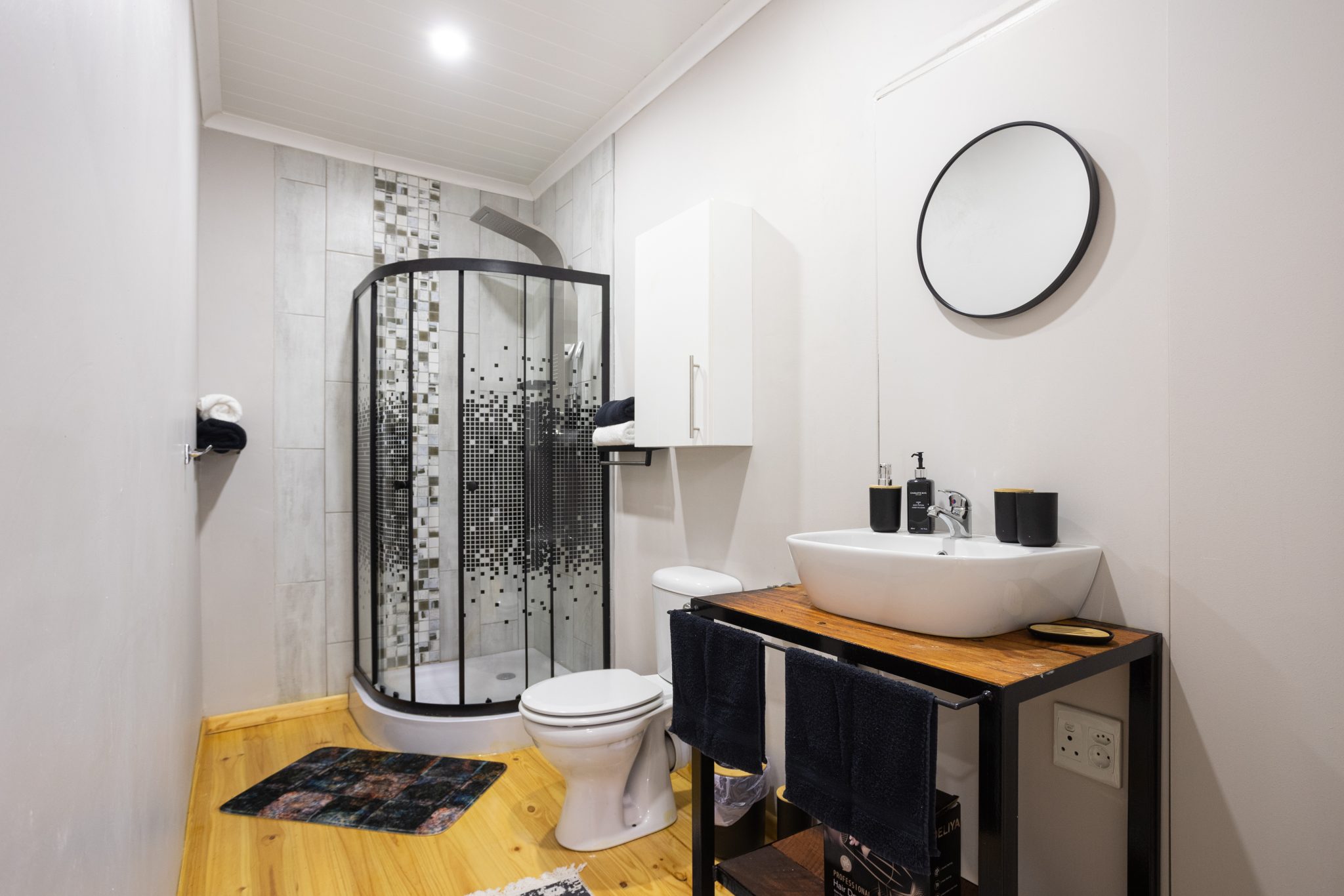
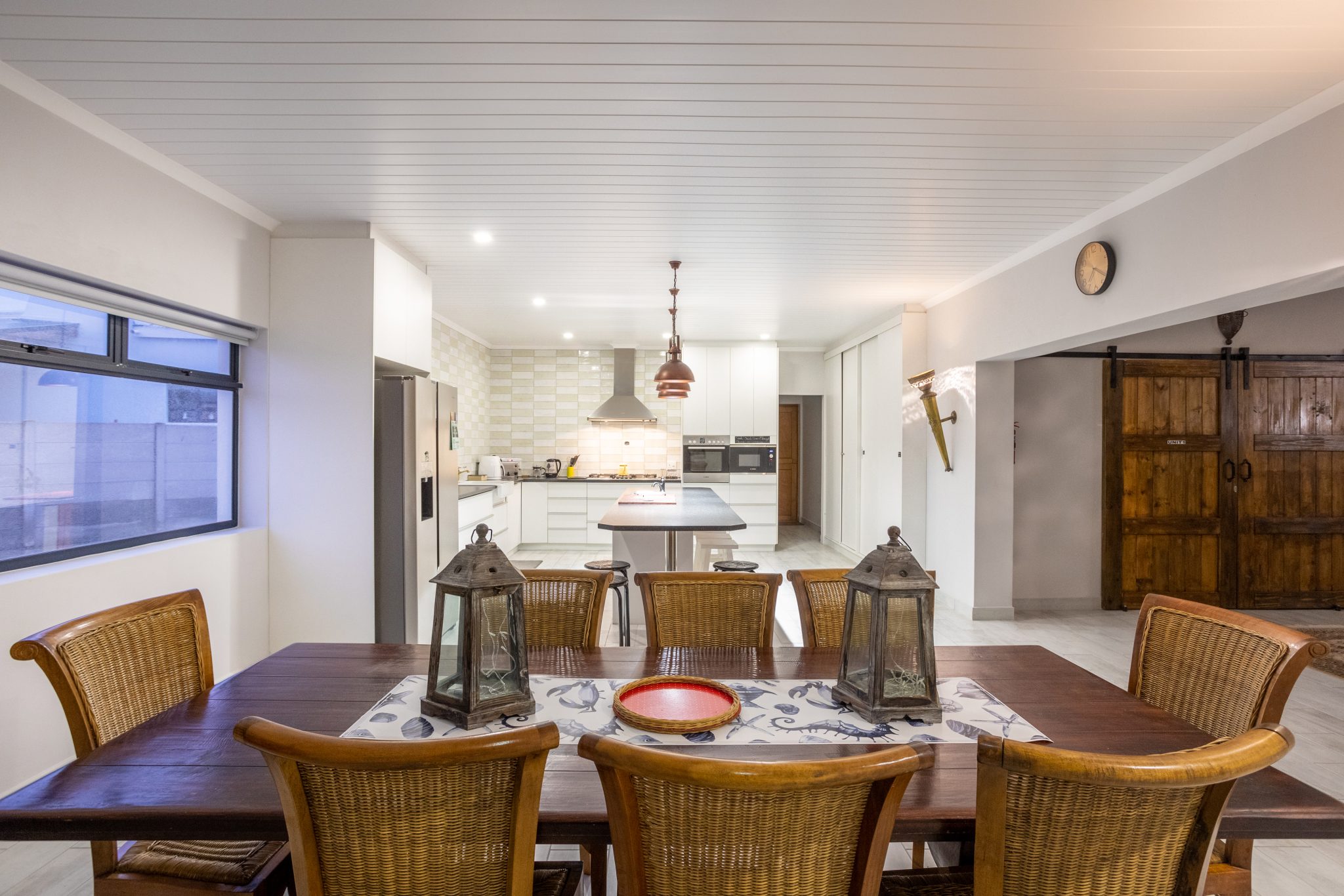
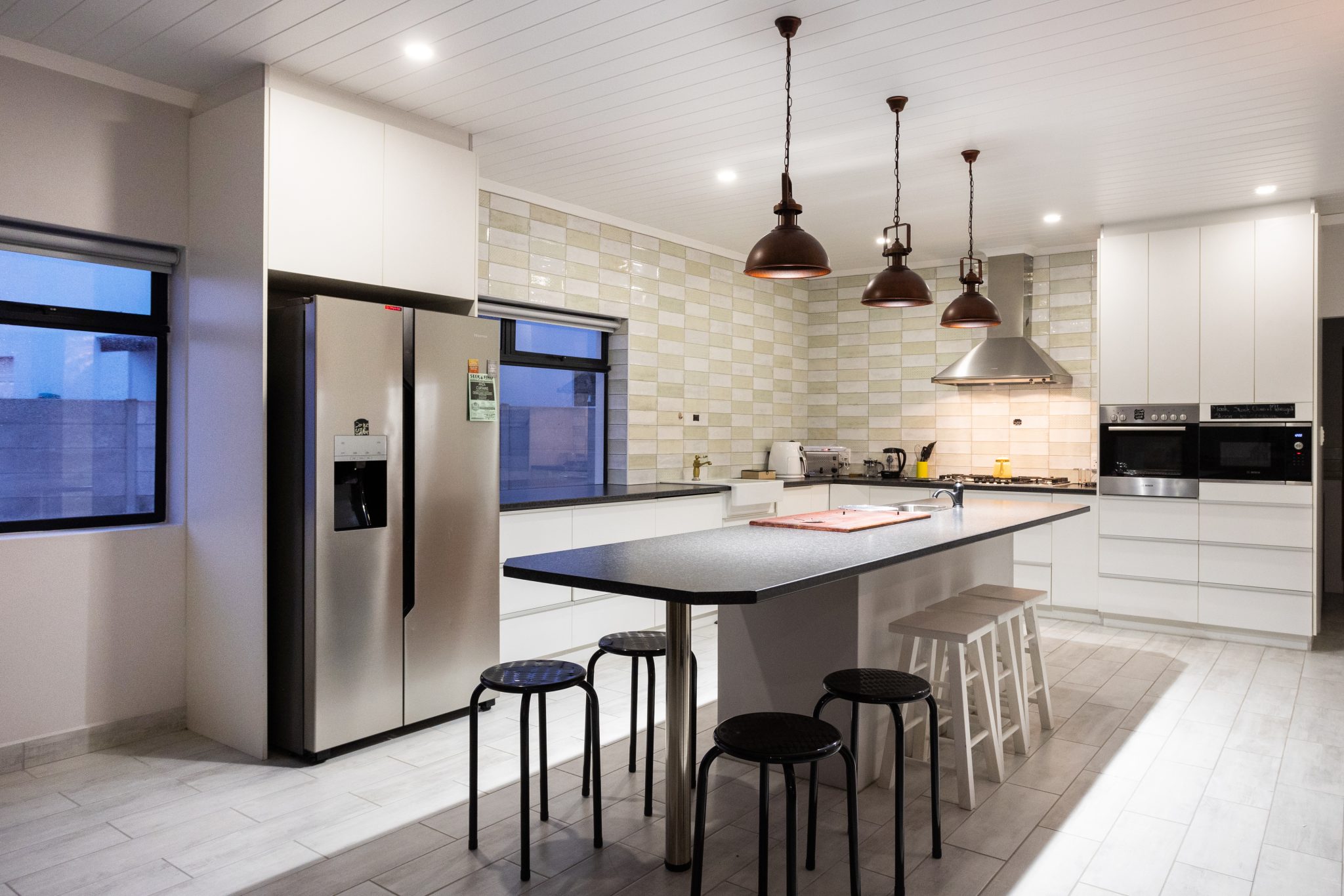
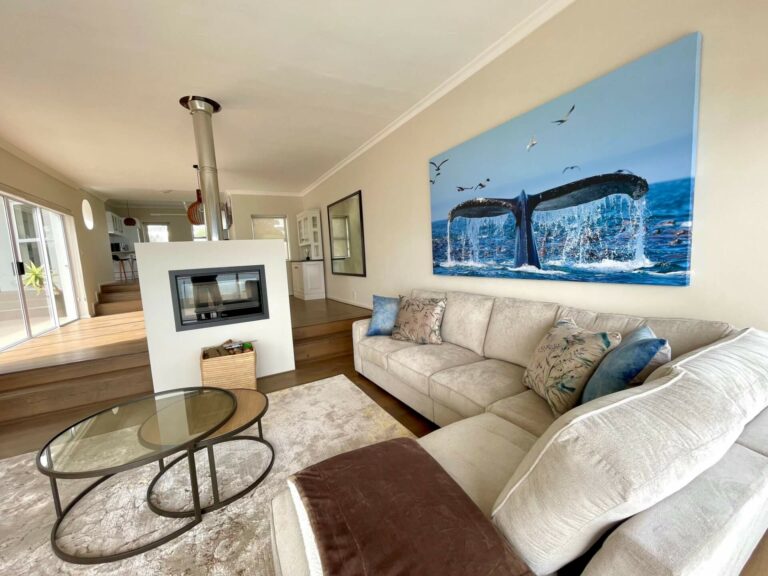
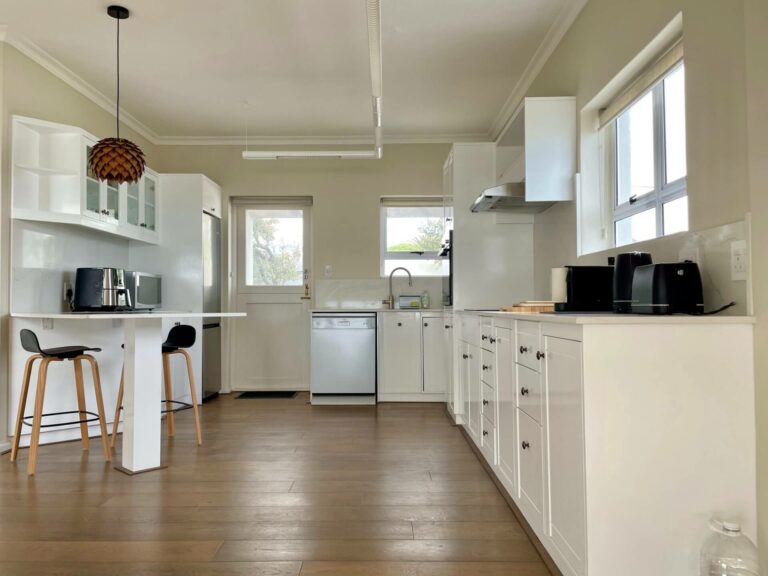
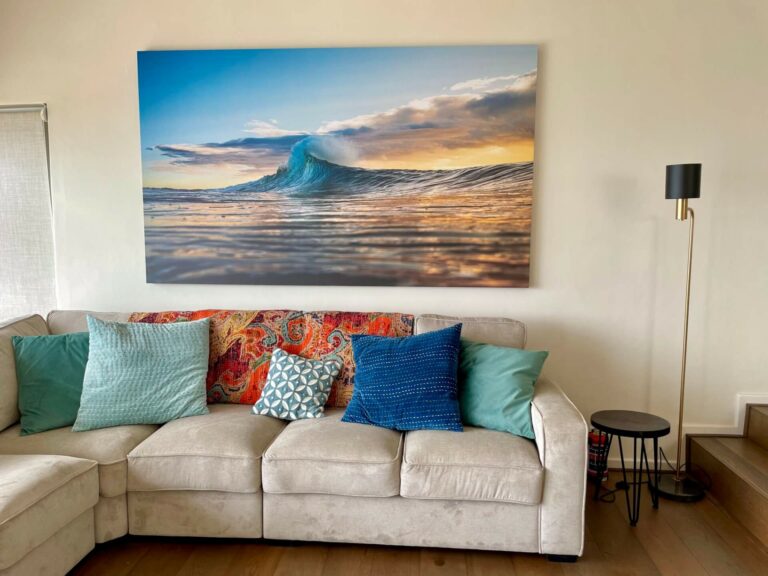
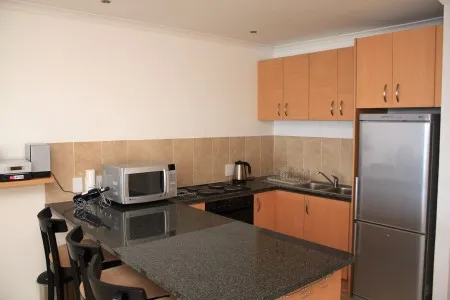
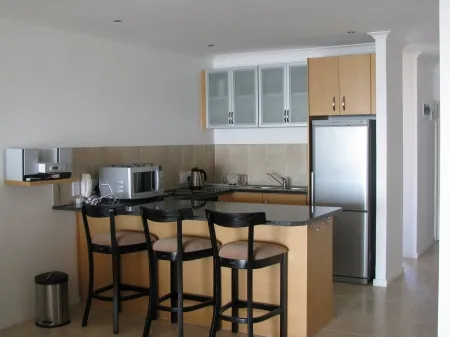
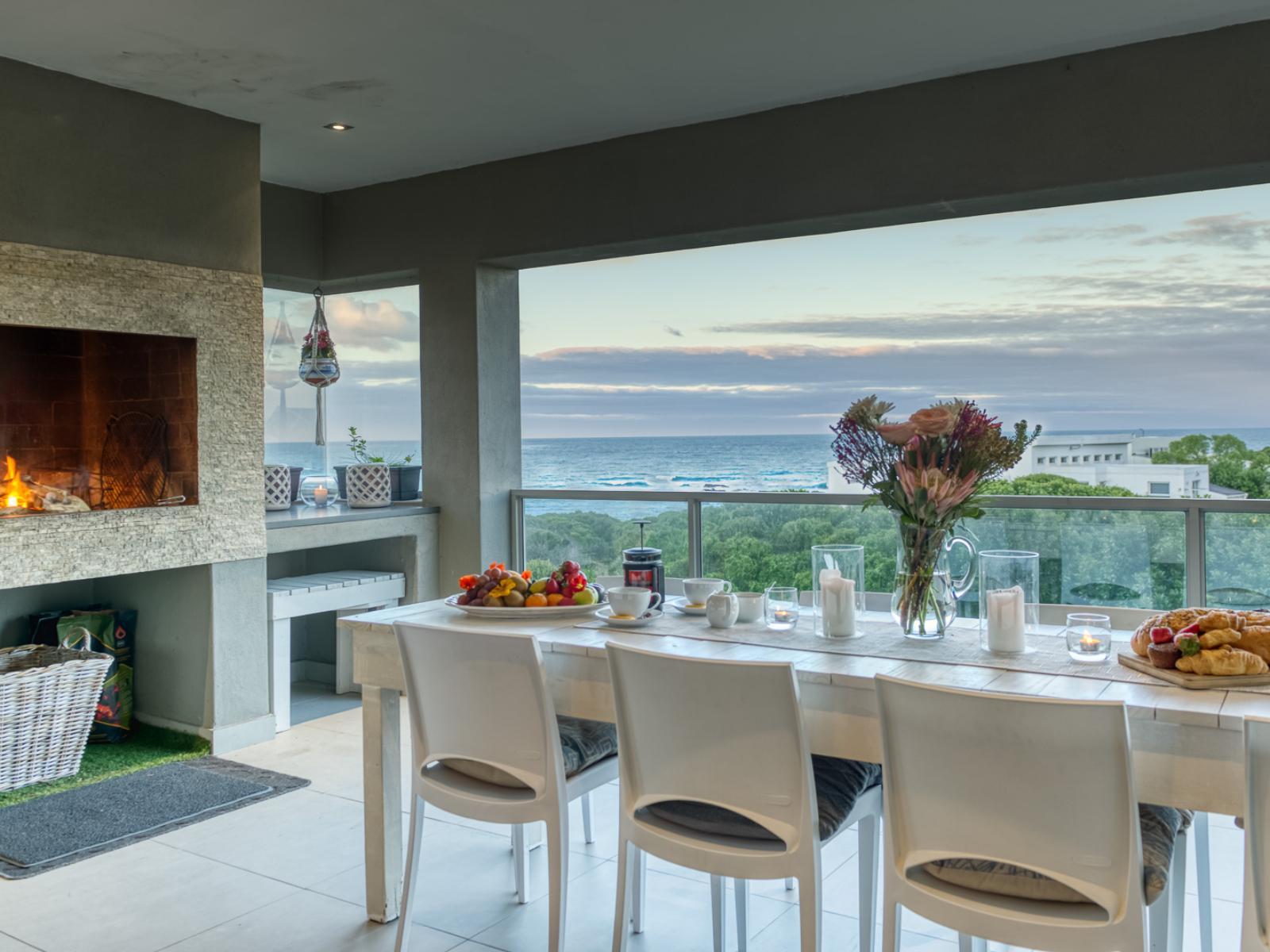
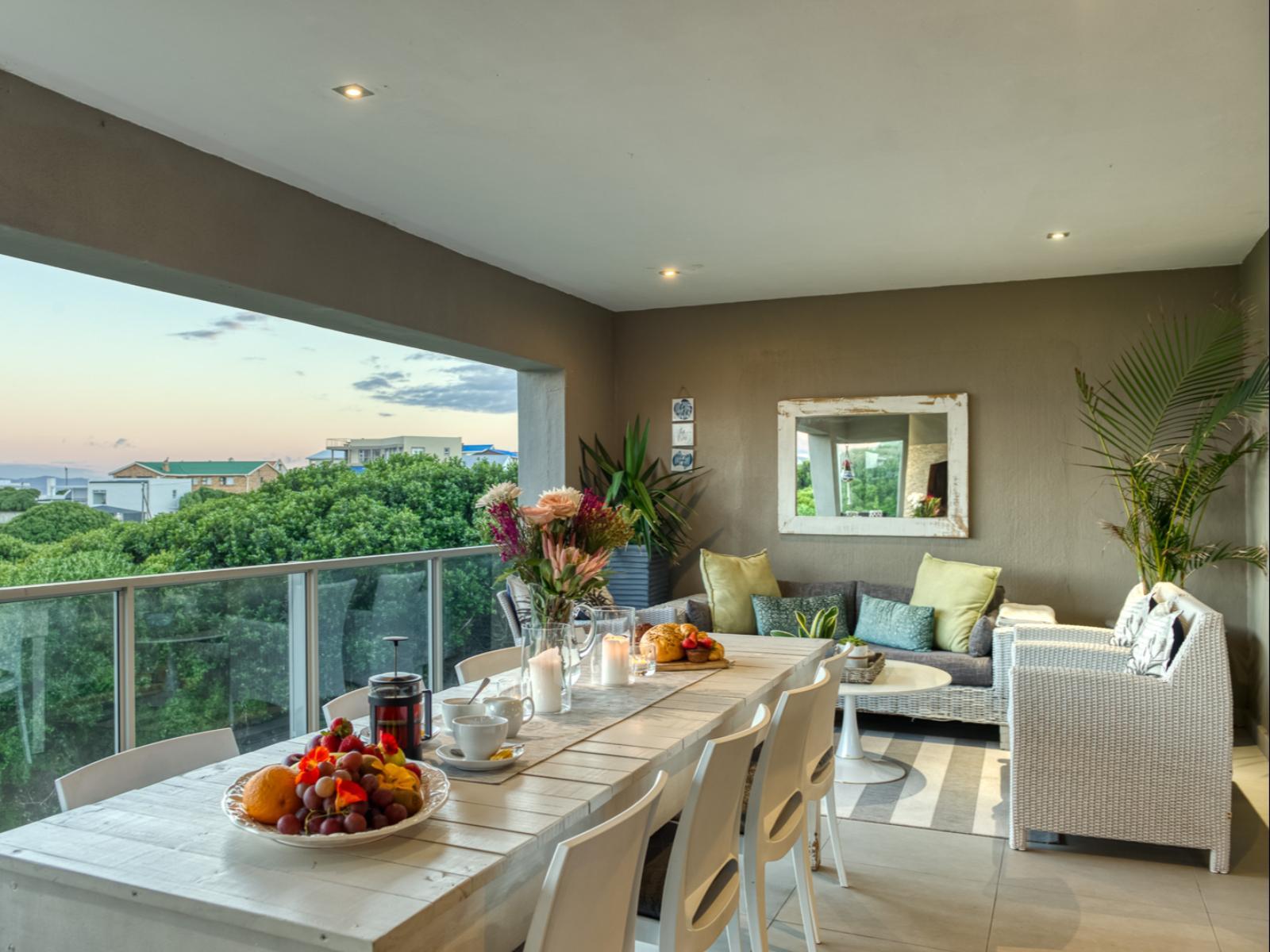
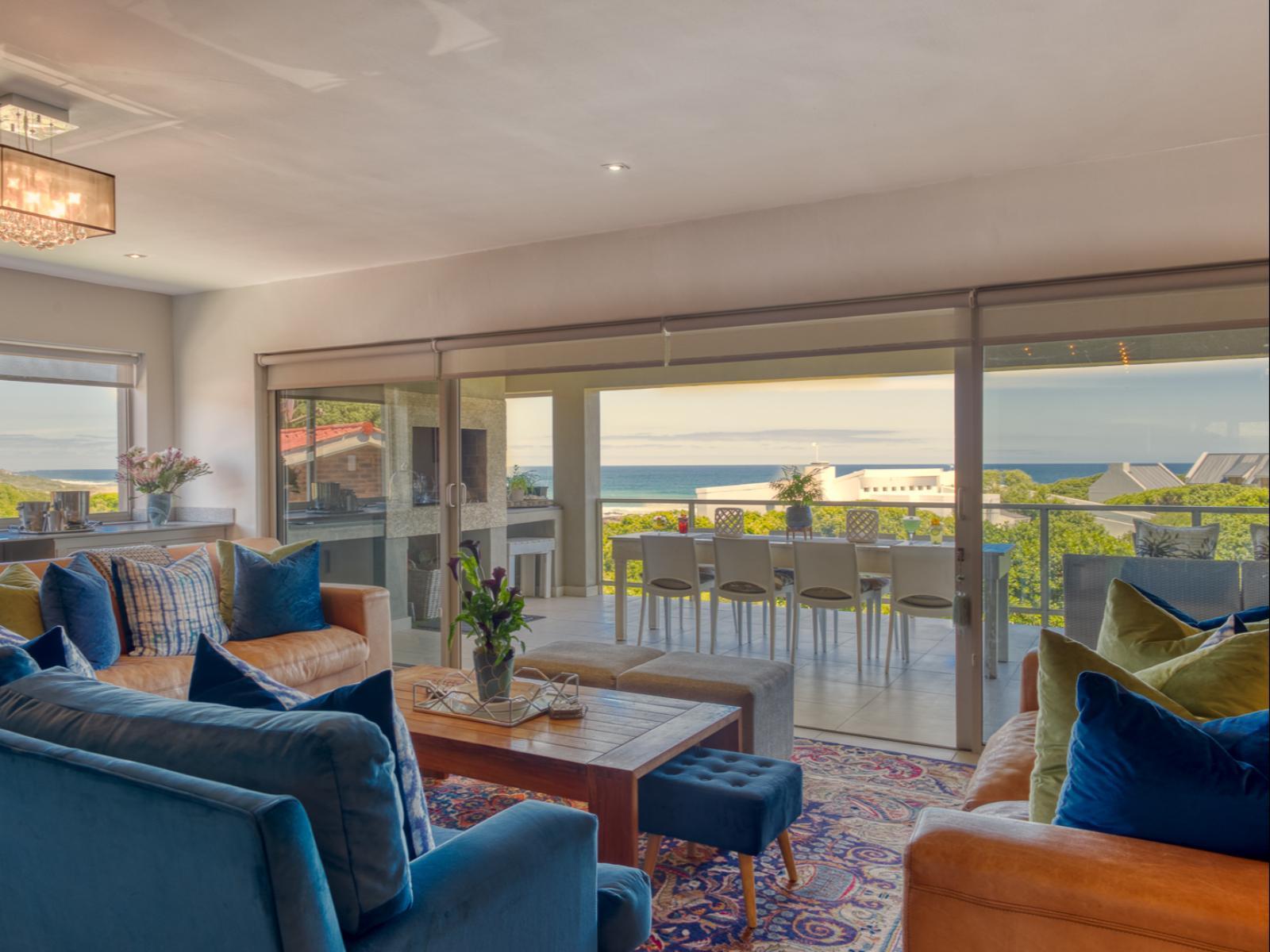
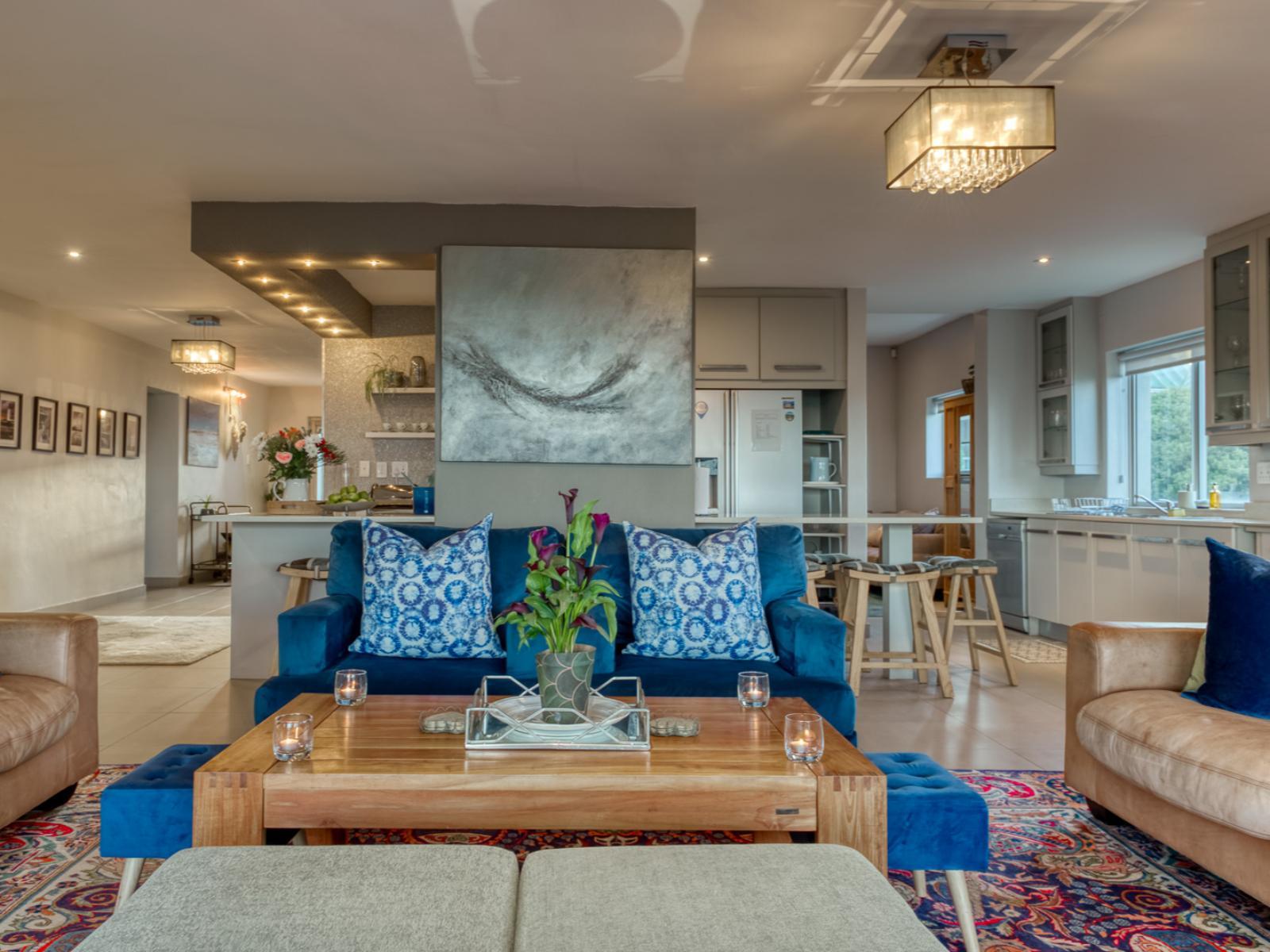
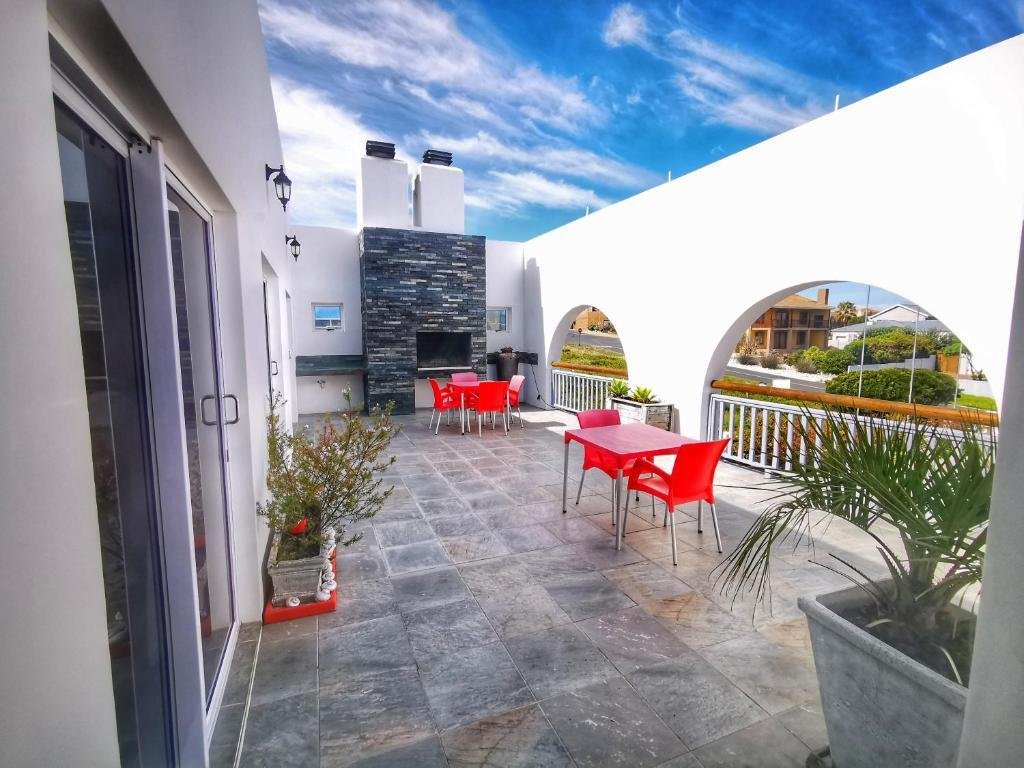
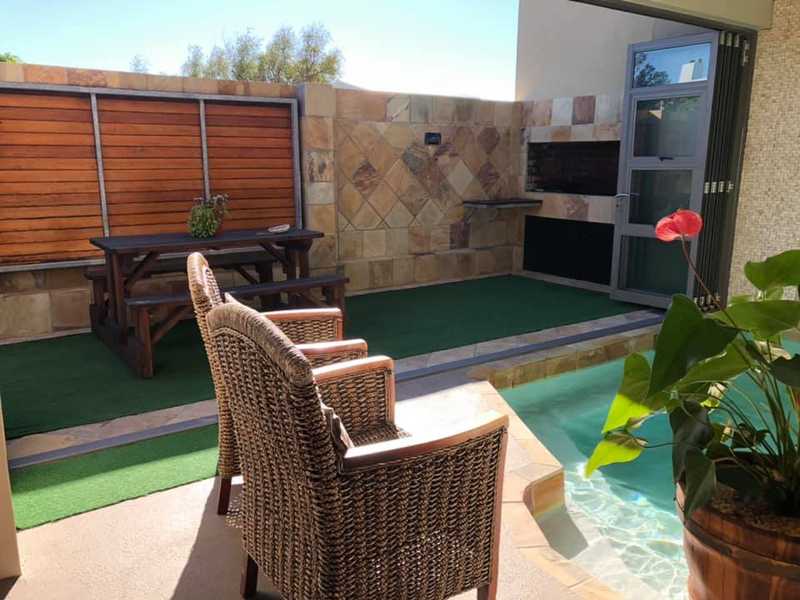
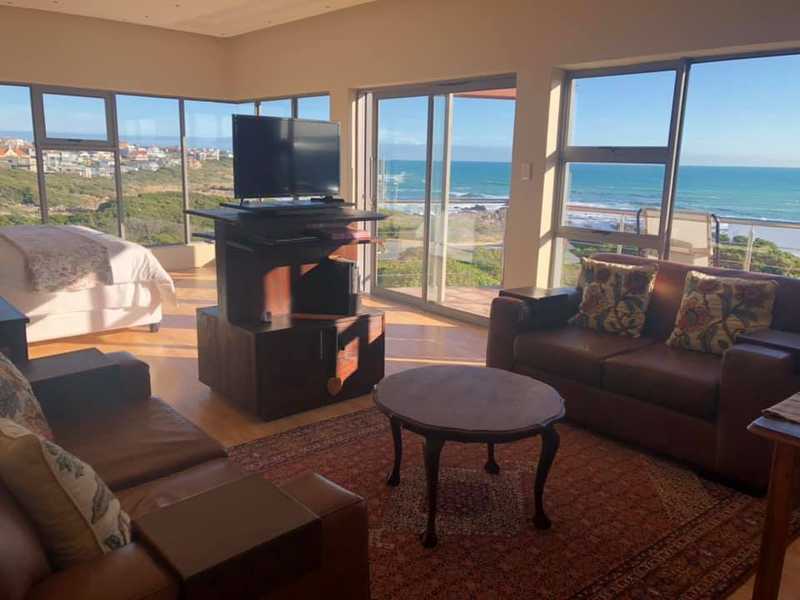
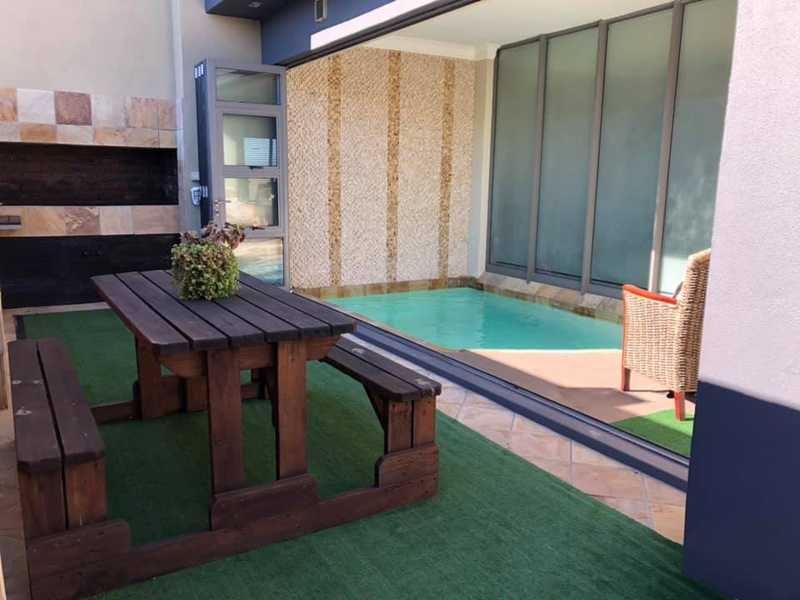
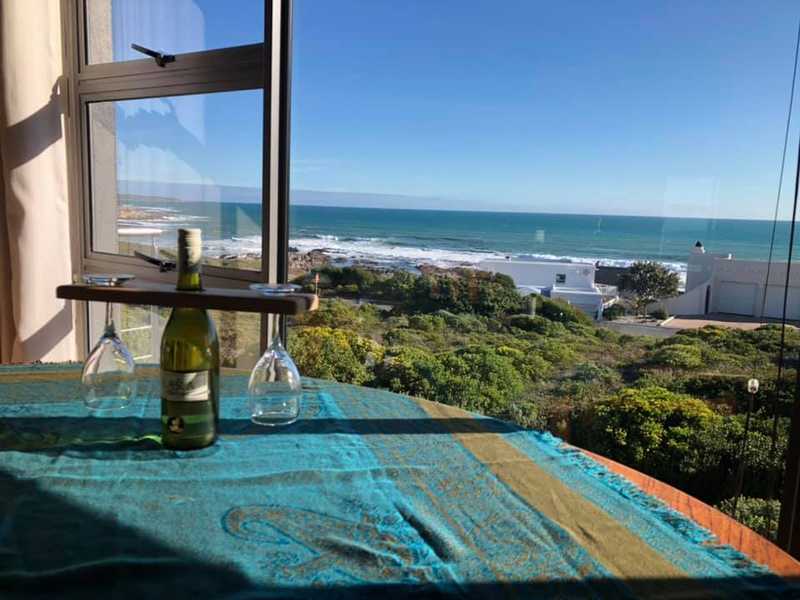
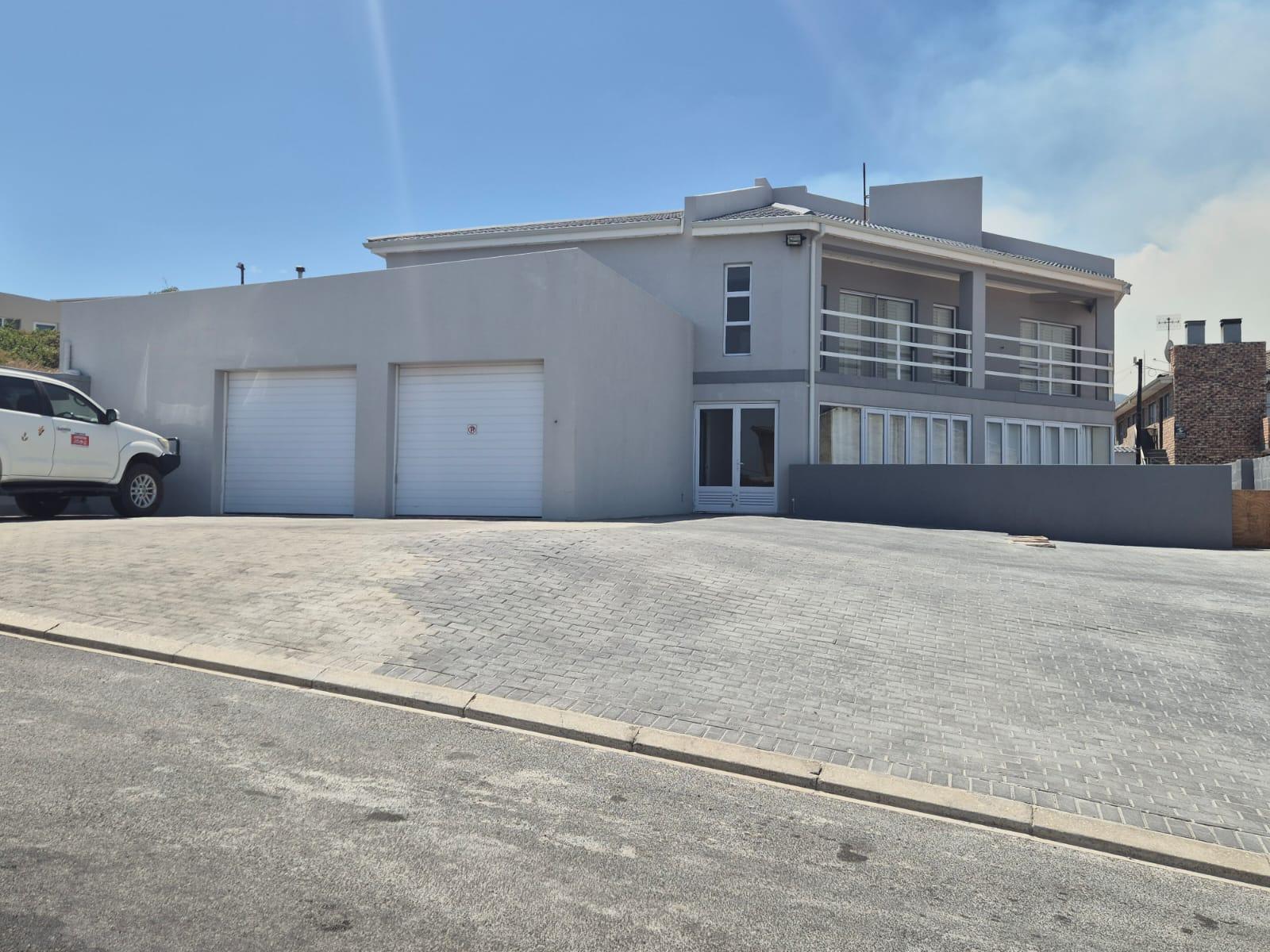
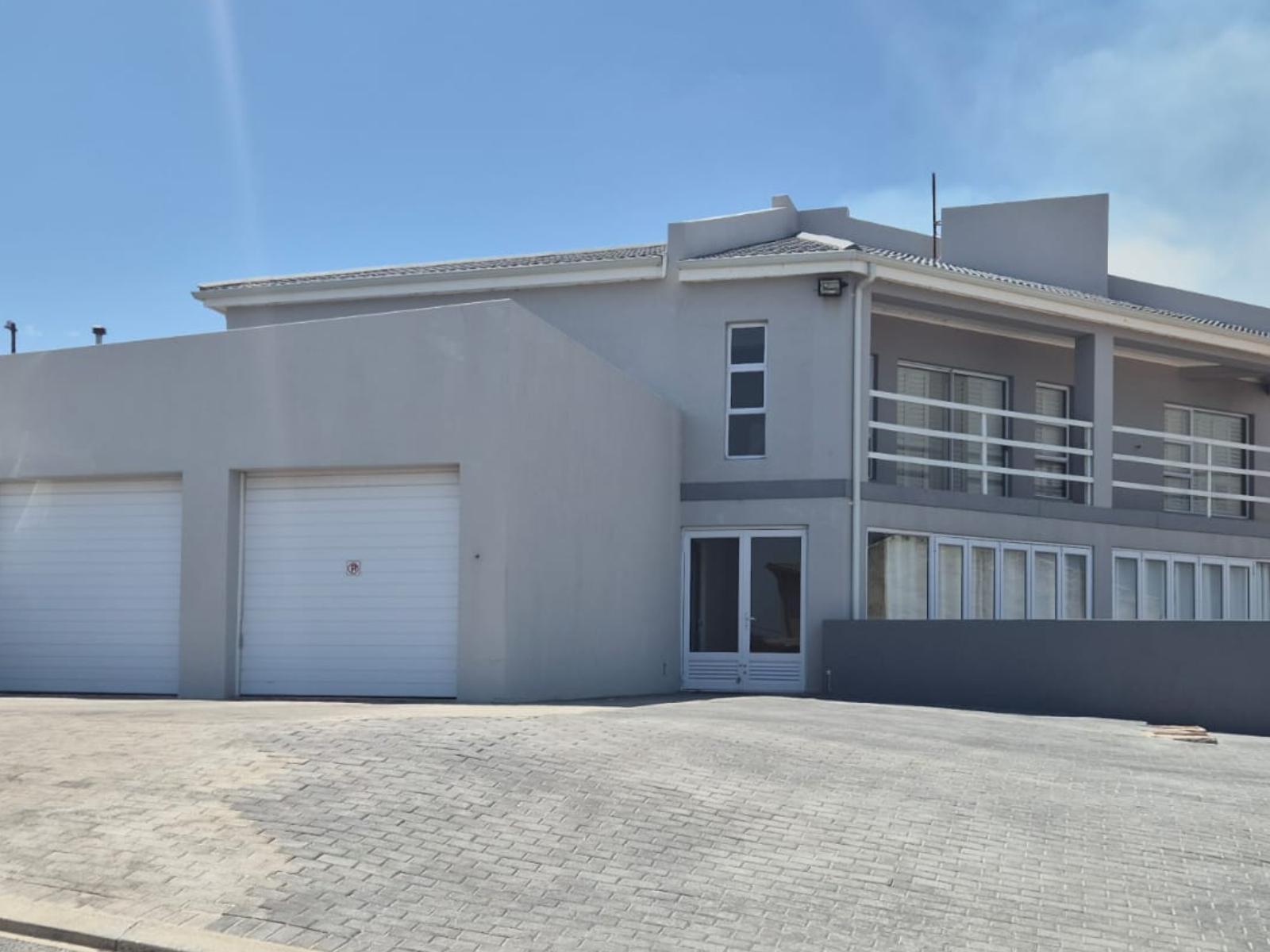
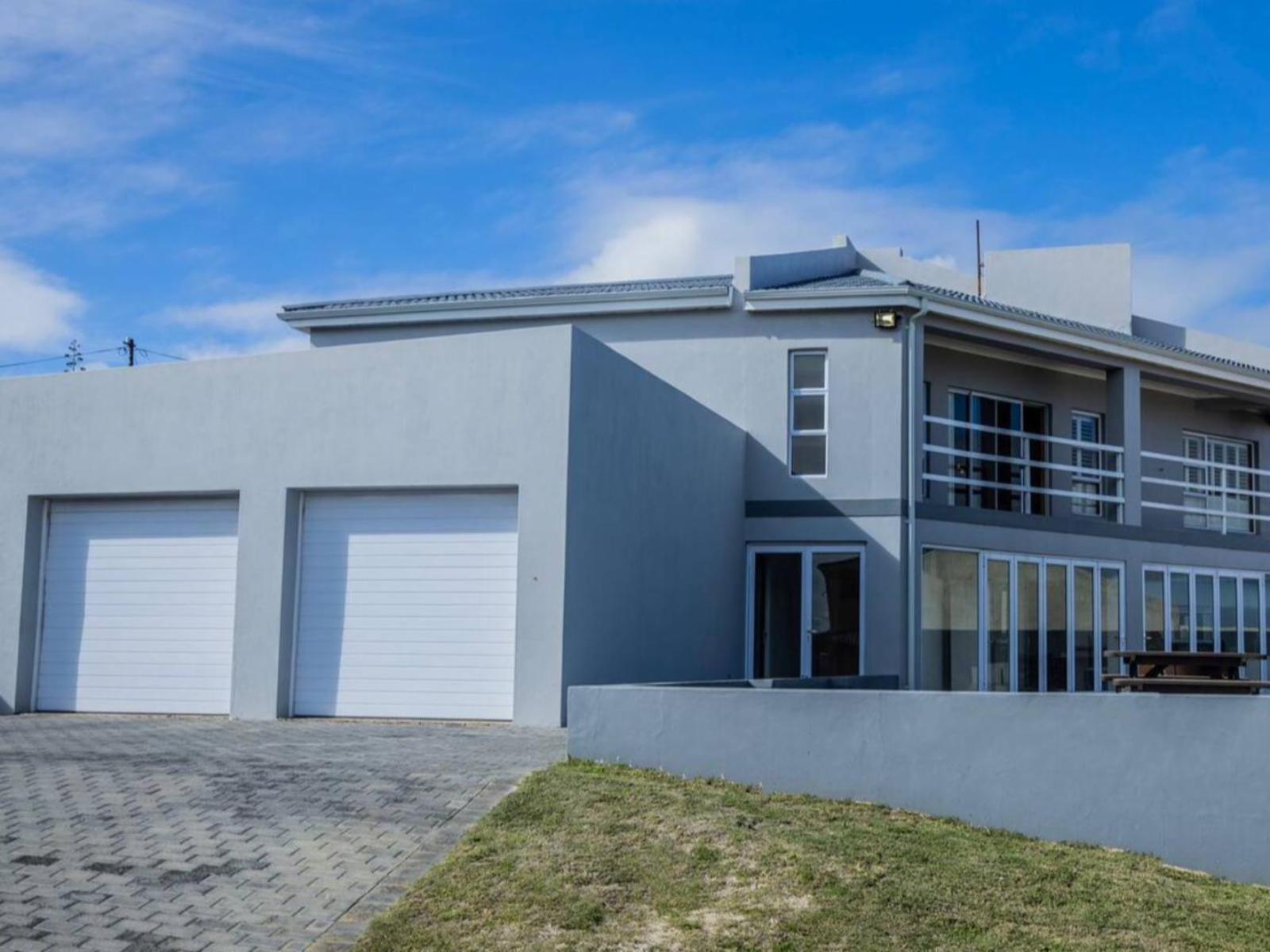
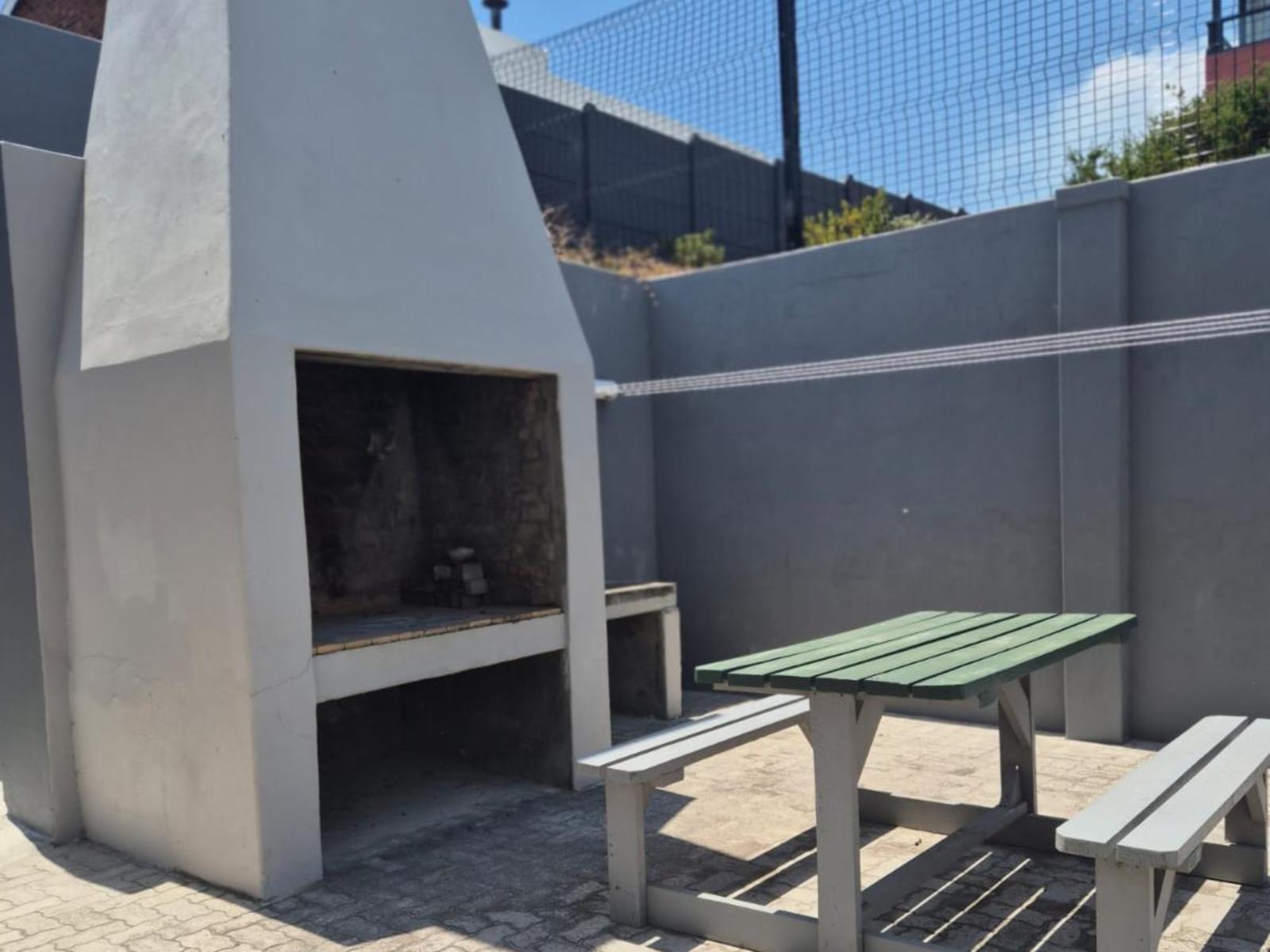
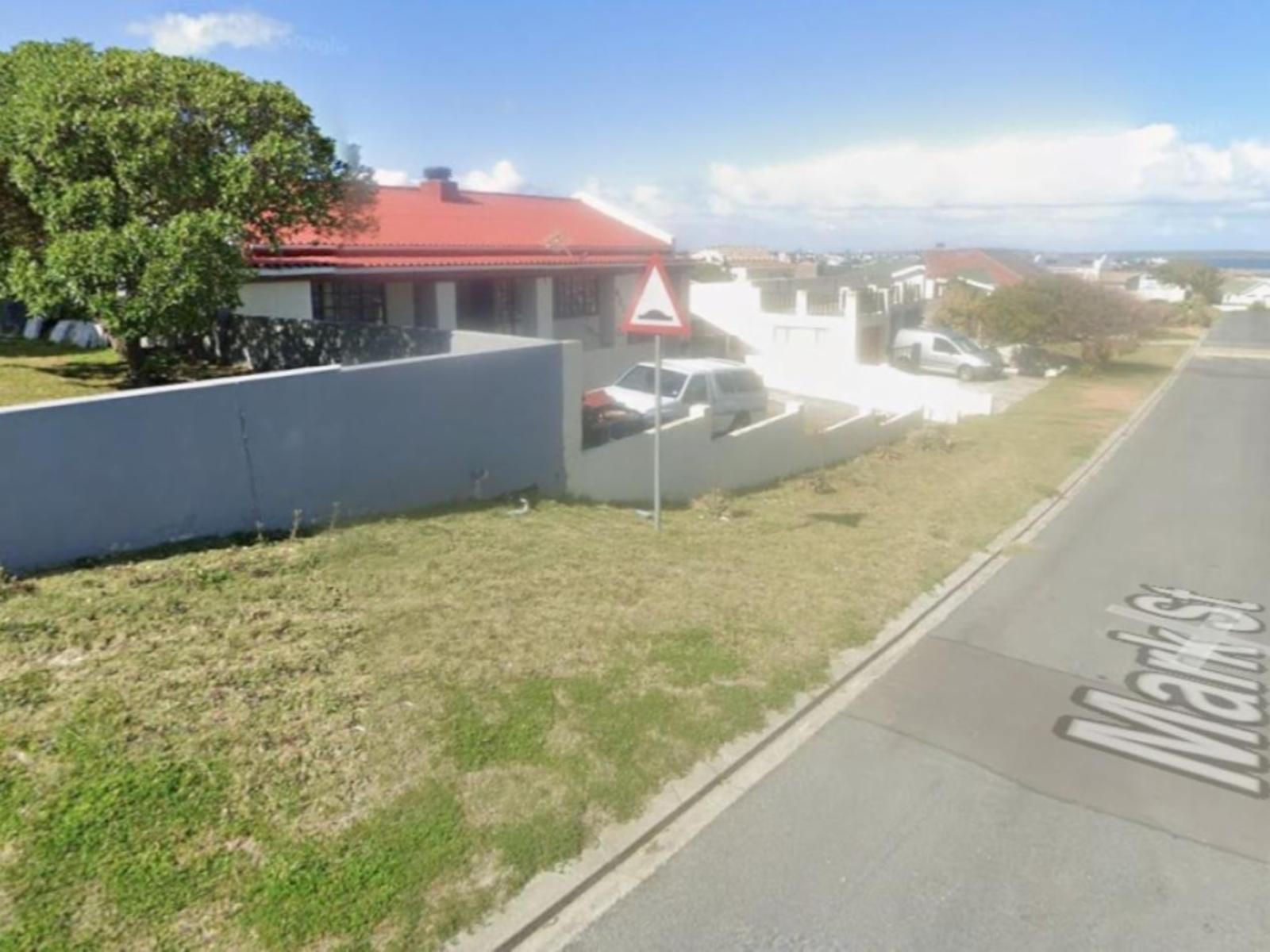
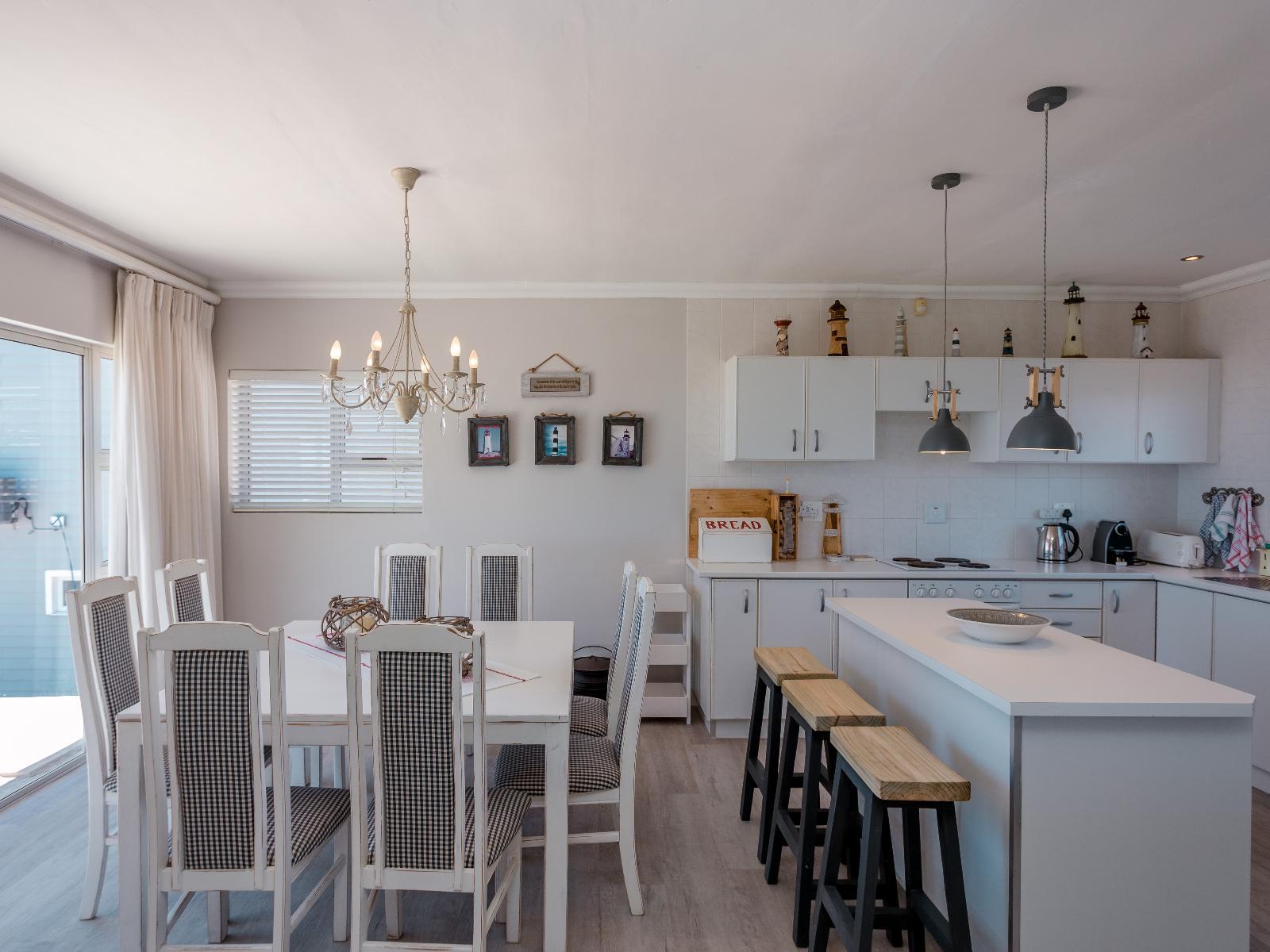
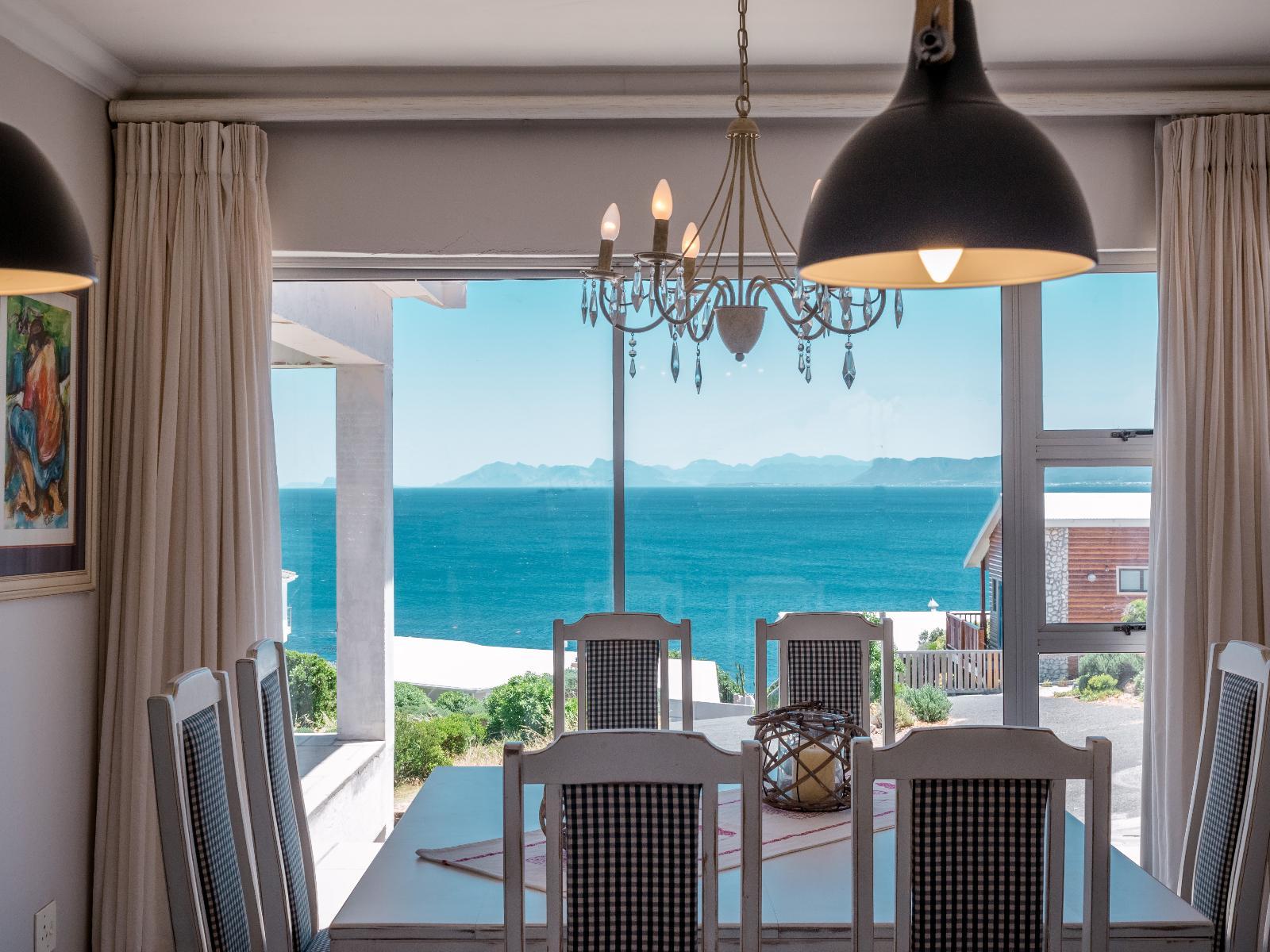
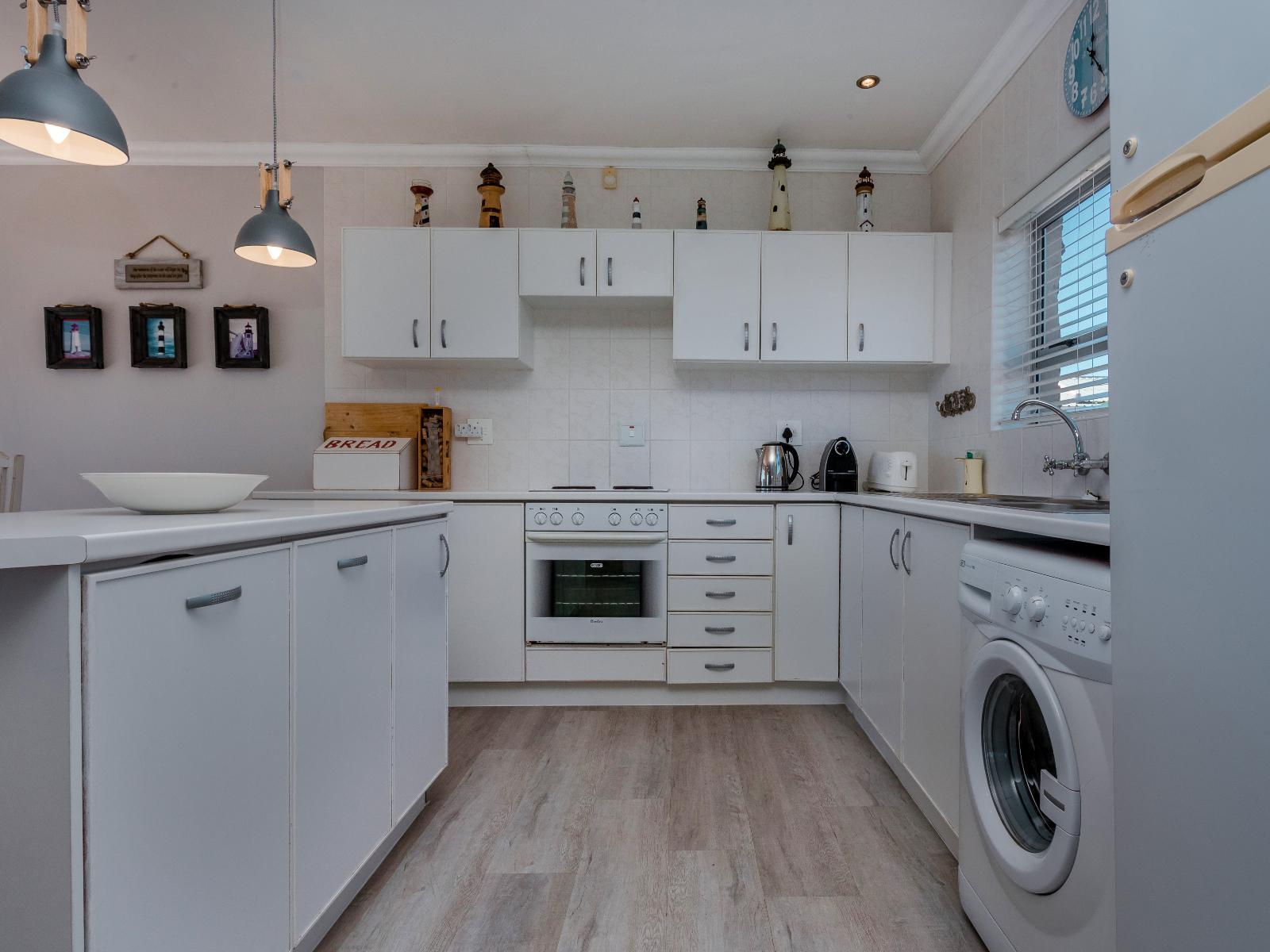
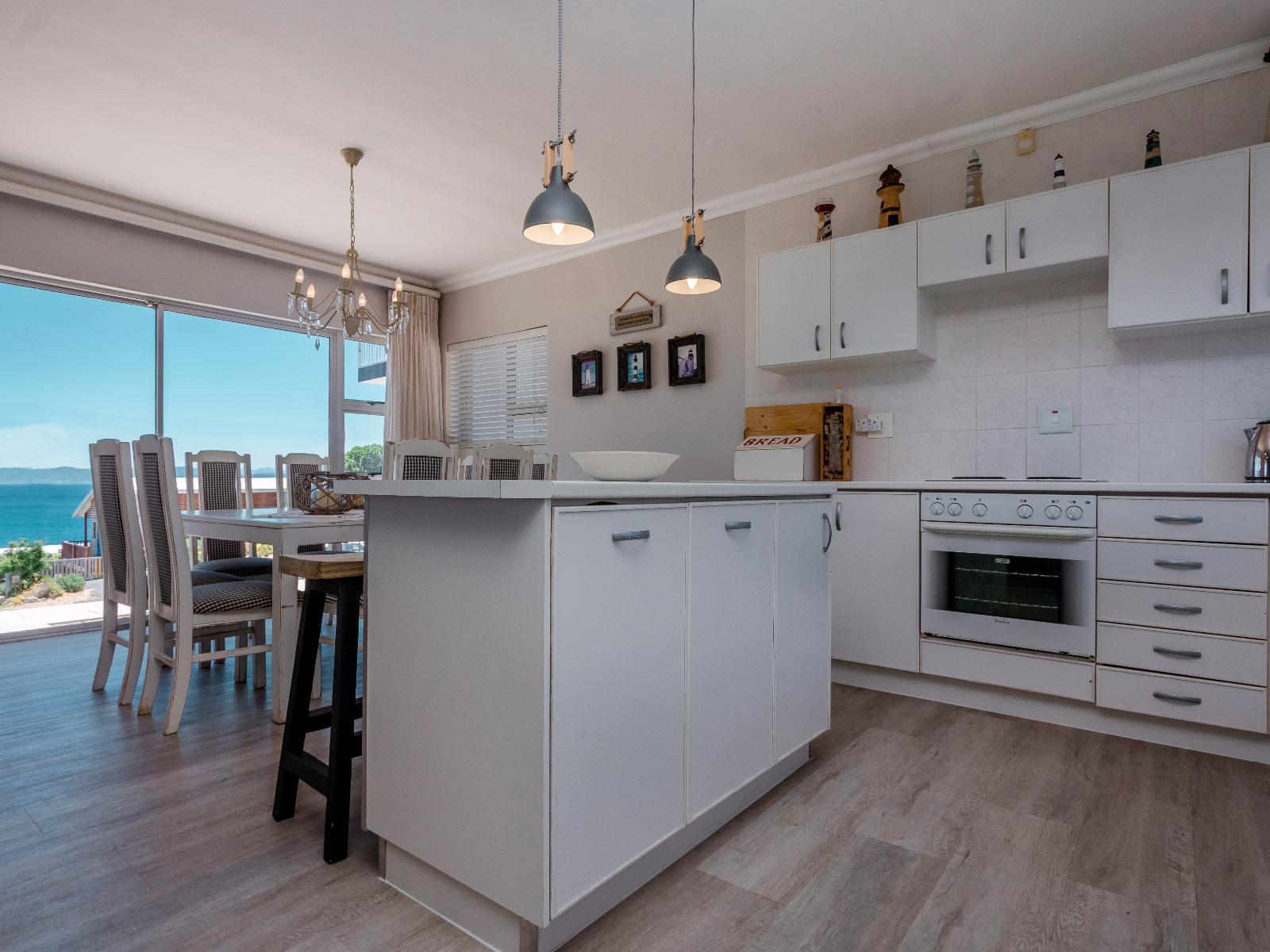
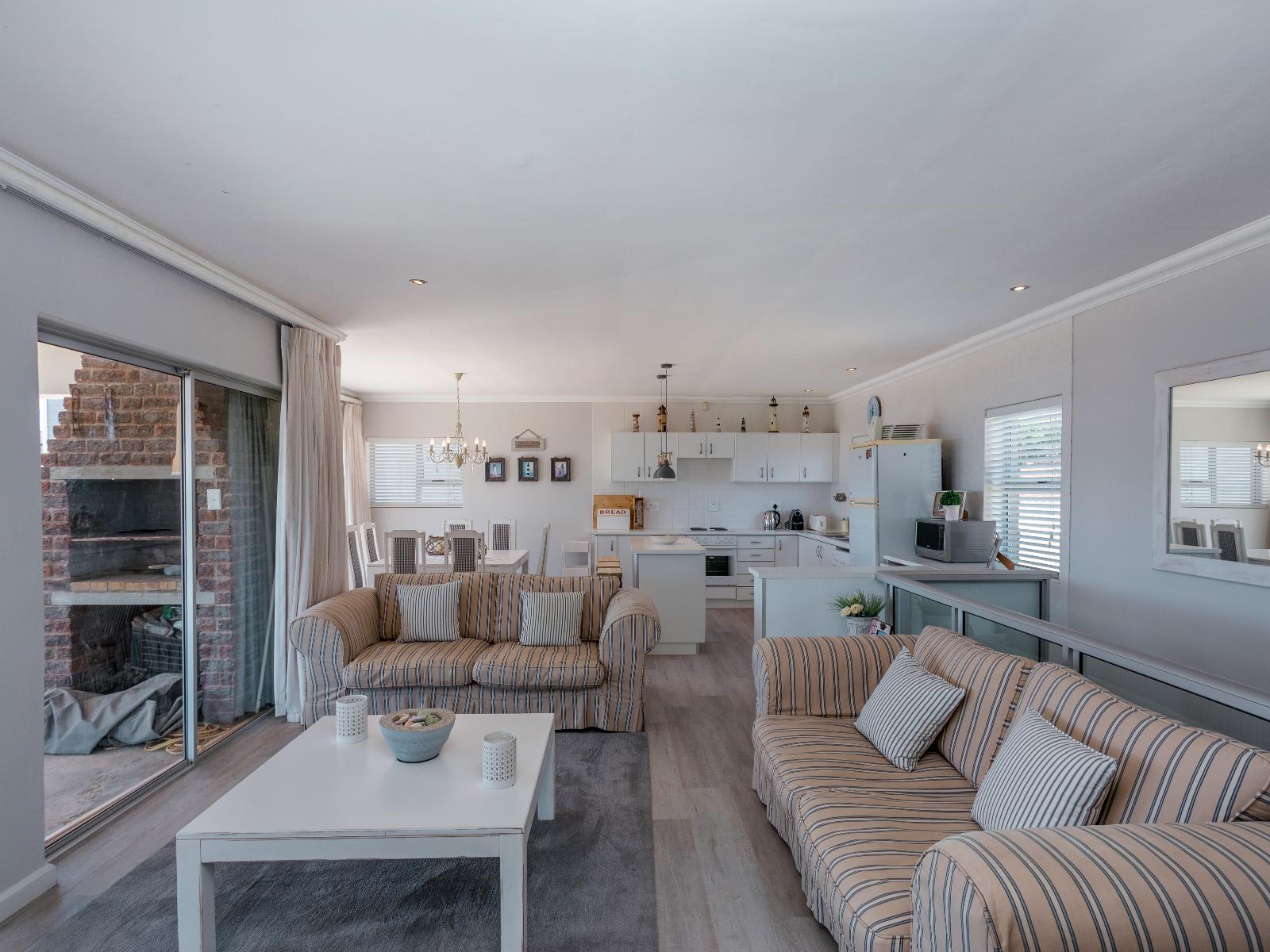
Self-catering houses form the bulk of what is available. Three properties in this category cater to families and groups who want space and independence. Cooking your own meals makes practical sense here, given that the nearest restaurants and shops are a short drive away. Kitchens, outdoor braai areas, and enough bedrooms for a family group are the typical offering. The arrangement suits visitors planning to spend most days out, returning to base in the evening, and means costs for longer stays can be managed more predictably than with nightly serviced rates. The self-catering properties lean toward the mid-to-upper end of the price range, and quality varies between listings, so reading recent reviews is more useful than price alone as a guide.
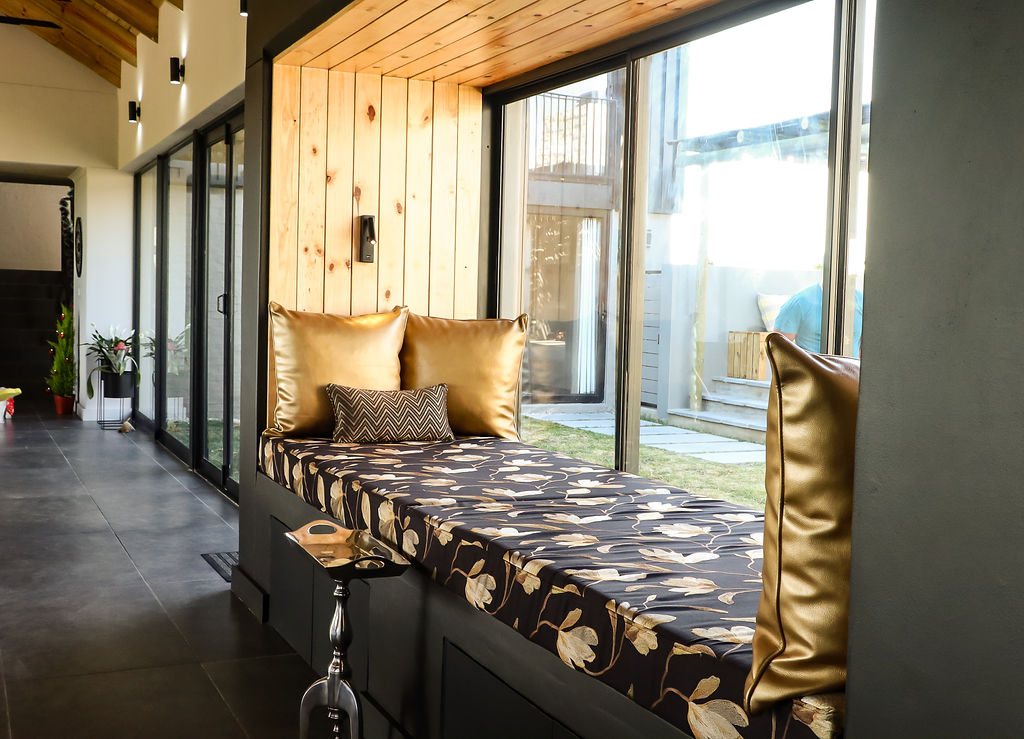
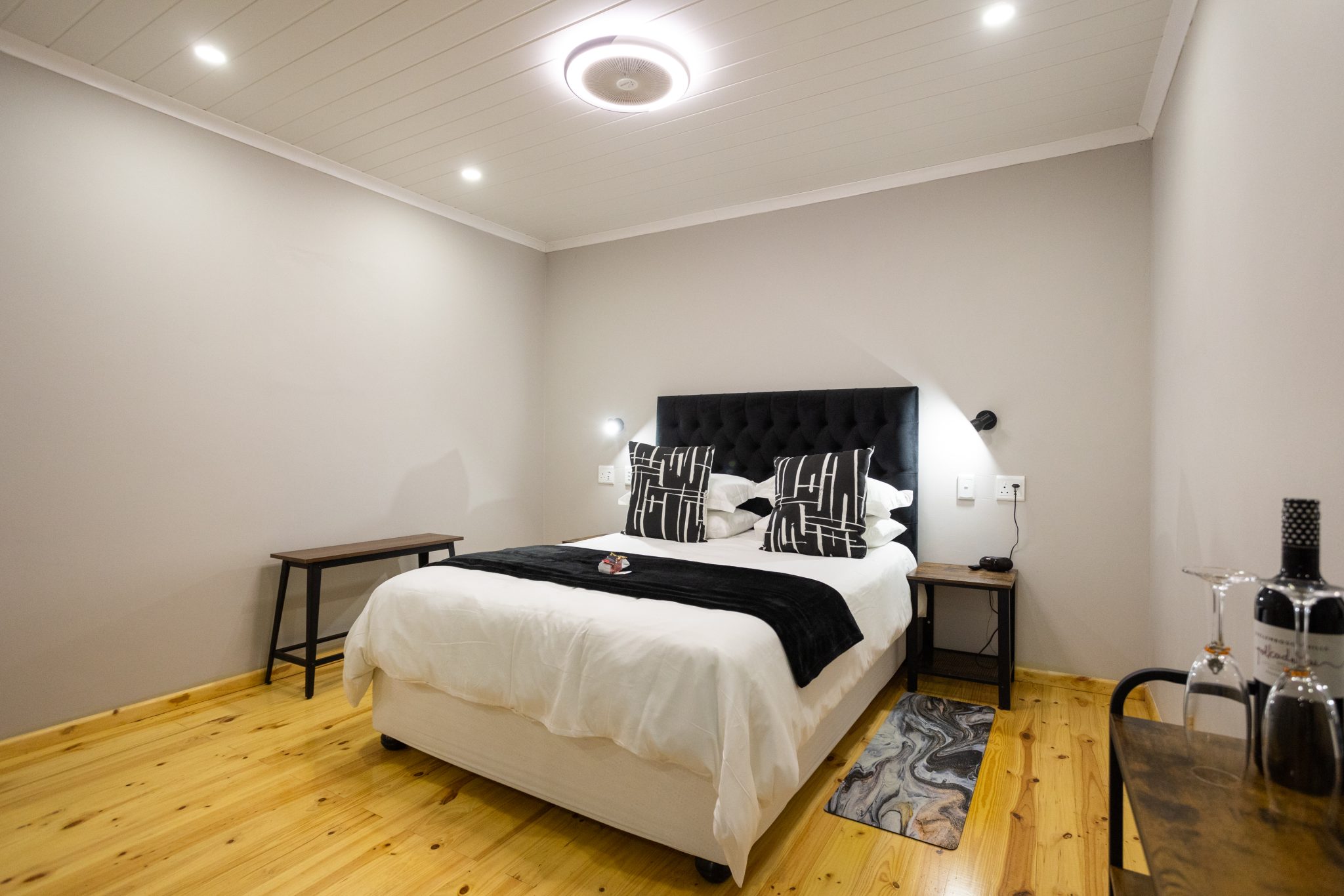
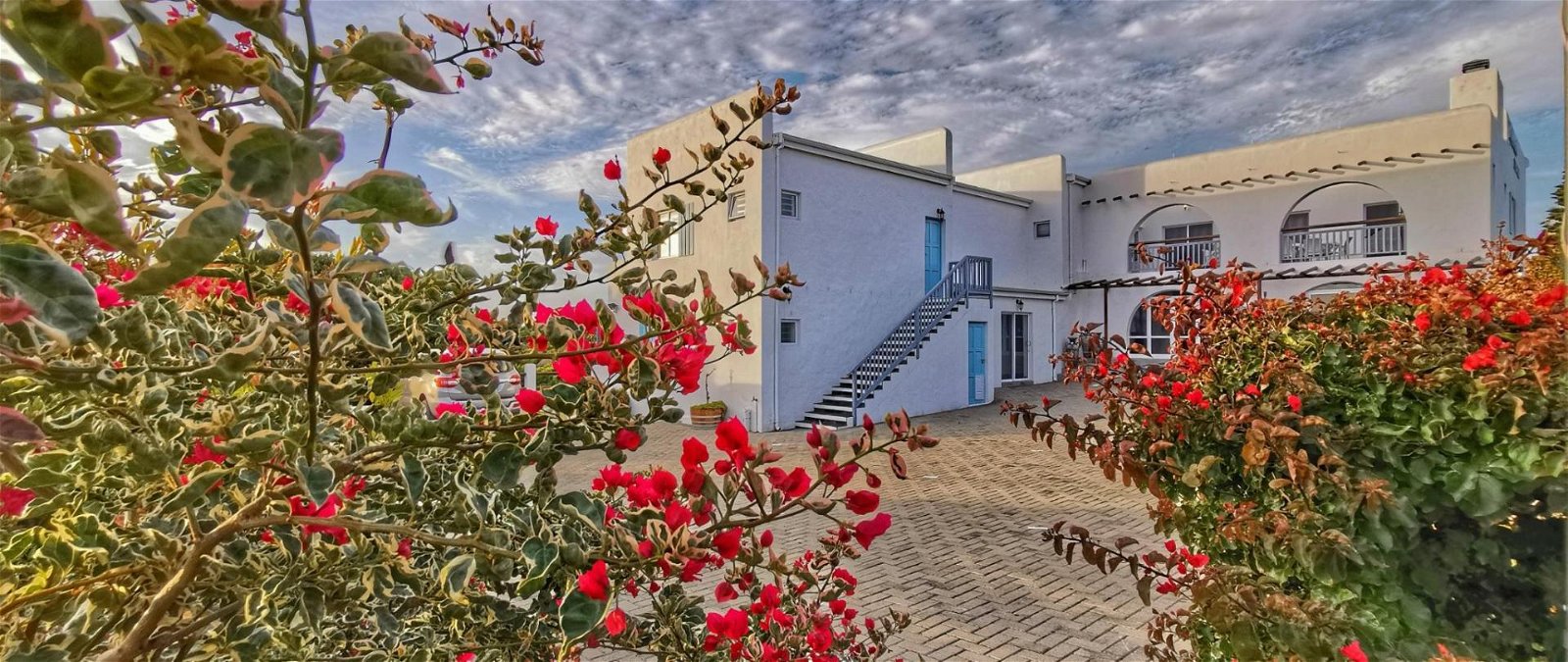
At the higher end, a single guest house rounds out the options. Guest houses in small coastal towns tend to offer a more personal experience: an owner on site, a prepared breakfast, and a finished standard of furnishing. For travellers who prefer not to self-cater, or who want the social aspect of shared common spaces, this is the only option that fits.
A bed and breakfast completes the picture, offering the practical benefit of breakfast included without the full guest house price point. With just one listing, availability is limited and early booking is advisable.
Five properties means you will see everything on offer within a few minutes of searching. There are no chain hotels, no resorts, and no last-minute walk-in options. Anyone with specific requirements around access, pet-friendliness, or group size should contact properties directly before confirming, as listing descriptions do not always cover every detail.
Best Time to Visit Van Dyks Bay
Summer, from December through February, is peak season. Days are warm and dry, the beaches are at their best, and fishing and coastal walks are comfortable throughout the day. Demand is highest during the school holidays in December and January, which can make finding available properties more difficult.
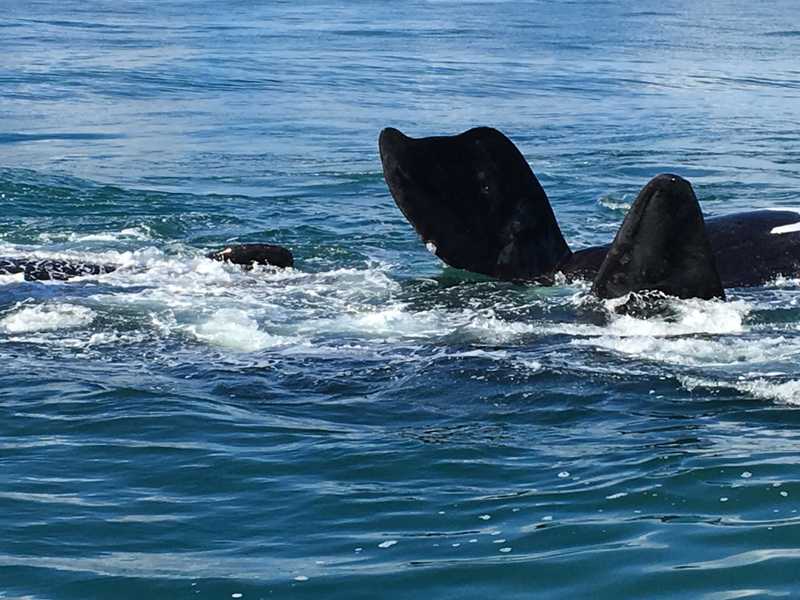
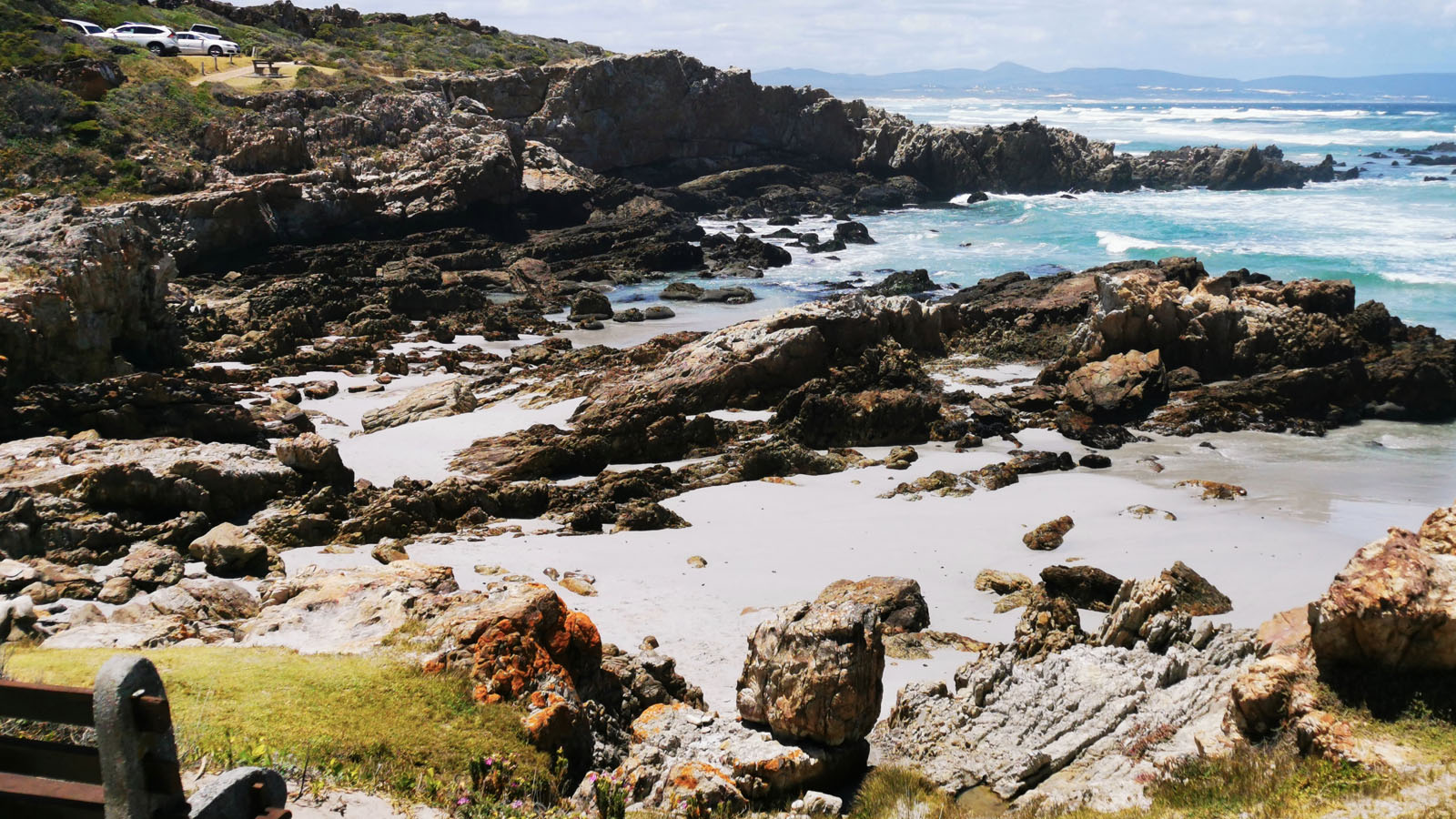
The most compelling reason to visit outside summer is the whale watching. Southern right whales move into Walker Bay between June and November, using the sheltered water to calve and nurse their young. Sightings from shore are common and require no boat trip. June through August is colder and wetter, but the tradeoff is significant for anyone who prioritises this experience.
Spring, particularly September and October, balances the two seasons well. Temperatures climb, whale activity continues, and the summer crowds have not yet arrived. Autumn, in March and April, offers similar advantages after the December and January rush subsides.
Wind is a year-round consideration. Southeasterly winds build on most summer afternoons and can be strong enough to make beach time uncomfortable. Mornings are generally calmer. Winter storms occasionally affect the coast but typically pass through quickly, and severe weather is unusual.
Getting to Van Dyks Bay
Cape Town International Airport handles international arrivals and domestic connections from Johannesburg, Durban, and other South African cities. From the airport, the drive southeast to Van Dyks Bay covers around 170 kilometres and takes roughly two hours under normal traffic conditions.
The most direct route follows the N2 east from Cape Town through Somerset West and across the Overberg plateau. At Botrivier the route connects to the R43, which runs south along the coast before reaching Van Dyks Bay. Coming from the Garden Route or the Eastern Cape, George Airport is a secondary arrival option, though the drive from George adds considerably to the journey time and is not practical for a short visit.
Public transport does not serve Van Dyks Bay. Intercity buses and shared taxis connect the larger regional towns, but residential settlements this size are not on those routes. A rental car picked up at the airport is the only realistic option for most visitors. Fuel is available at service towns along the route, so filling the tank before the final stretch is straightforward. Once in the area, a car is essential for day trips. Some properties have bicycles available for guest use, which covers short distances within Van Dyks Bay itself, but anything beyond the immediate settlement requires driving.
Van Dyks Bay and Surrounding Areas
Kleinbaai, a kilometre from Van Dyks Bay, is the operational base for great white shark cage diving. Boats leave the harbour here for Dyer Island Channel, the stretch of water between the mainland and Dyer Island known as Shark Alley, which holds one of the highest concentrations of great white sharks in the world. Multiple operators run daily trips, typically lasting around three hours. For many visitors to this stretch of coast, this is the primary reason for the trip.
Gansbaai, four kilometres away, is the nearest service town. Restaurants, supermarkets, and fuel stations are all available here. Its character is shaped by the abalone and hake fishing industries rather than tourism, giving it a more functional feel than many coastal towns. For supplies, a meal out, or anything the immediate area cannot provide, it covers what most visitors need.
De Kelders, seven kilometres north, holds limestone caves where archaeologists have found ochre, shell middens, and bone tools dating back over 70,000 years, placing it among the most significant early human sites in Africa. A sheltered beach at De Kelders is calmer than much of the exposed coastline nearby, and the clifftop setting gives good views along the bay.
Baardskeerdersbos, 19 kilometres inland through fynbos hills, has developed a reputation as an artists' retreat. Studios, a well-regarded restaurant, and an annual arts festival running over a long weekend in October draw a mix of craft sellers, musicians, and gallery visitors. The inland landscape offers a distinct change from the coastal strip.
Stanford, 21 kilometres away on the Klein River, is a well-preserved Victorian village. The craft brewery on the river has become a destination in itself, and river canoeing provides a quieter afternoon option than the more commercial coastal activities nearby.
Hermanus, 25 kilometres northwest, is the largest town in the region. A cliff path walking route runs above the sea, a whale museum covers the natural history of the bay, and the restaurant scene is the most developed in the vicinity. It also holds the nearest hospital, making it the practical reference point for any medical need during a stay.
Planning Your Stay
Booking ahead matters more in Van Dyks Bay than in a larger destination because so few properties exist. The December to January school holiday period fills quickly, and popular long weekends, including Easter and the June public holiday, can exhaust available stock weeks in advance. For these periods, two to three months' lead time is sensible. For the quieter months, shorter lead times are more workable, but with only five properties in total, waiting can still result in finding nothing suitable.
Before confirming, check the essentials: whether the property sleeps your group comfortably, whether braai equipment is provided, and whether linen and towels are included or must be brought. Many smaller coastal properties here manage check-in through the owner rather than a front desk, so confirming arrival arrangements before you leave home avoids complications on the day.
Stock up on groceries before arriving and plan for at least the first two or three days. Mobile signal can be patchy inside some properties, so downloading offline maps in advance is worth doing. Connectivity is generally adequate for basic communication, but anyone planning to work remotely should test signal strength before committing to a longer stay. The nearest hospital is in the regional centre to the northwest; note its location before you need it. None of this requires special preparation, but a small amount of planning prevents the avoidable frustrations that come with staying somewhere remote for the first time.