Ndambo Reis- & Akkommodasiegids
Jou volledige gids om Ndambo, Suid-Afrika te besoek.
Ndambo is a small rural settlement in the Limpopo Province, positioned in the lowveld region east of Polokwane. The area provides access to the agricultural landscapes and traditional communities characteristic of this part of South Africa, with opportunities to experience local life away from major tourist centres.
## Accommodation in Ndambo
With no properties currently listed on commercial booking platforms and nightly rates that have not been formally indexed, accommodation in Ndambo follows the pattern typical of small agricultural settlements across rural Limpopo. Options exist, but finding them requires direct inquiry rather than browsing travel sites. Visitors should contact properties by phone or through local referrals and confirm arrangements well in advance.
At the budget end, self-catering cottages and basic rooms attached to farming properties form the most accessible type of stay. These are straightforward, usually family-run places offering clean accommodation with a kitchen or shared cooking facilities. The rates tend to be modest, reflecting the absence of commercial tourism infrastructure rather than any shortfall in hospitality. Travellers on a tight budget passing through the region find this tier sufficient for an overnight stop.
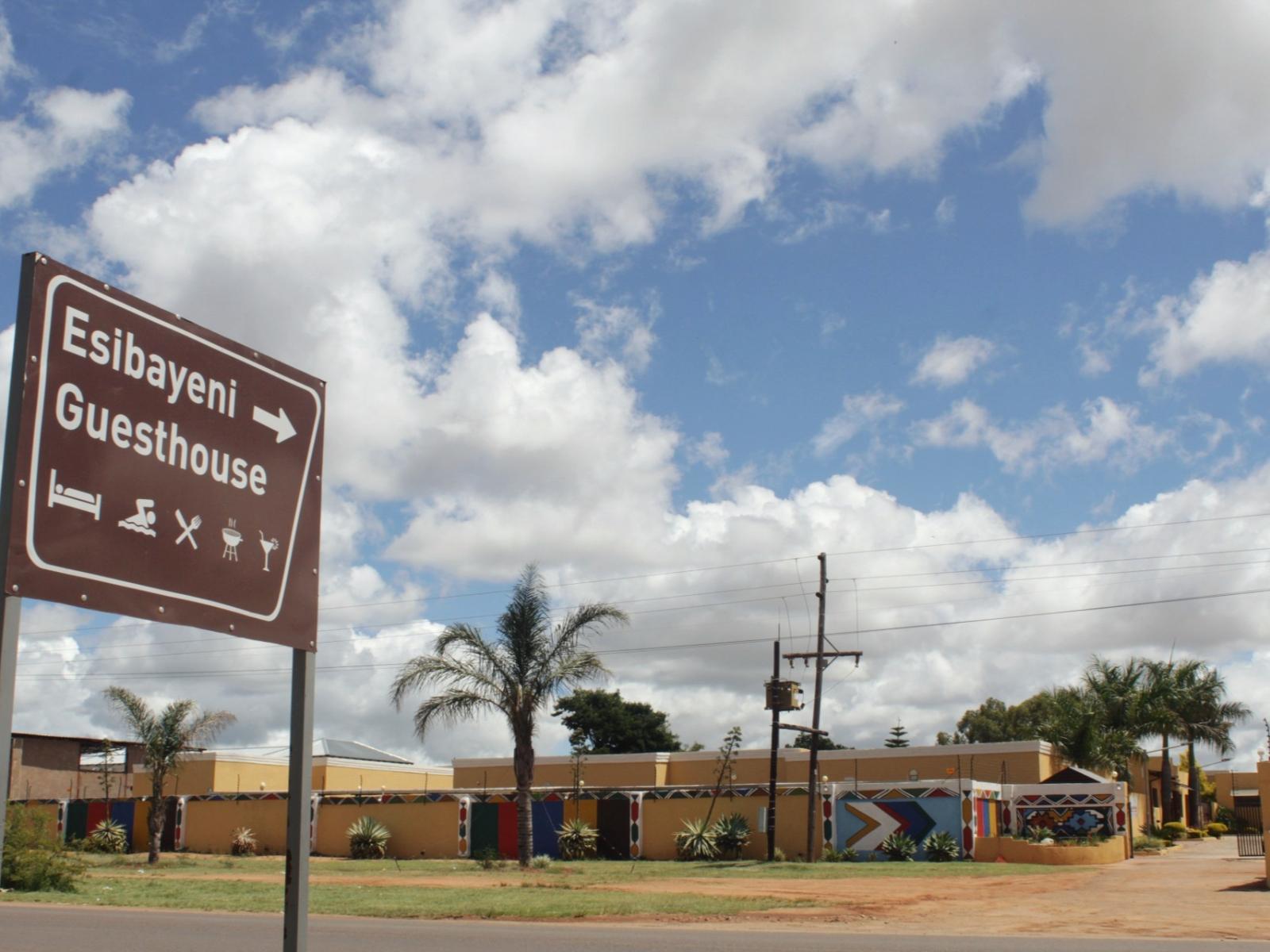
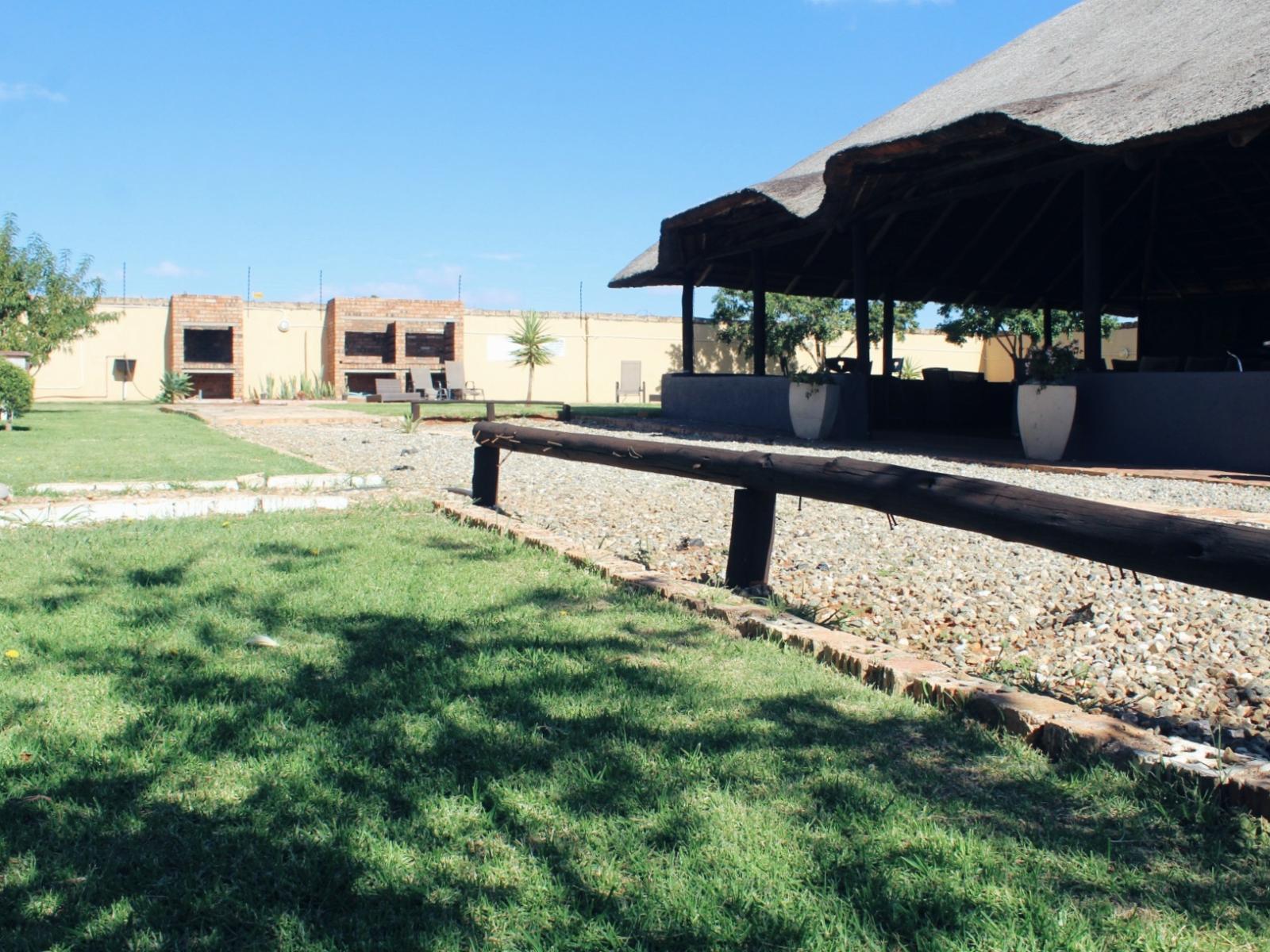
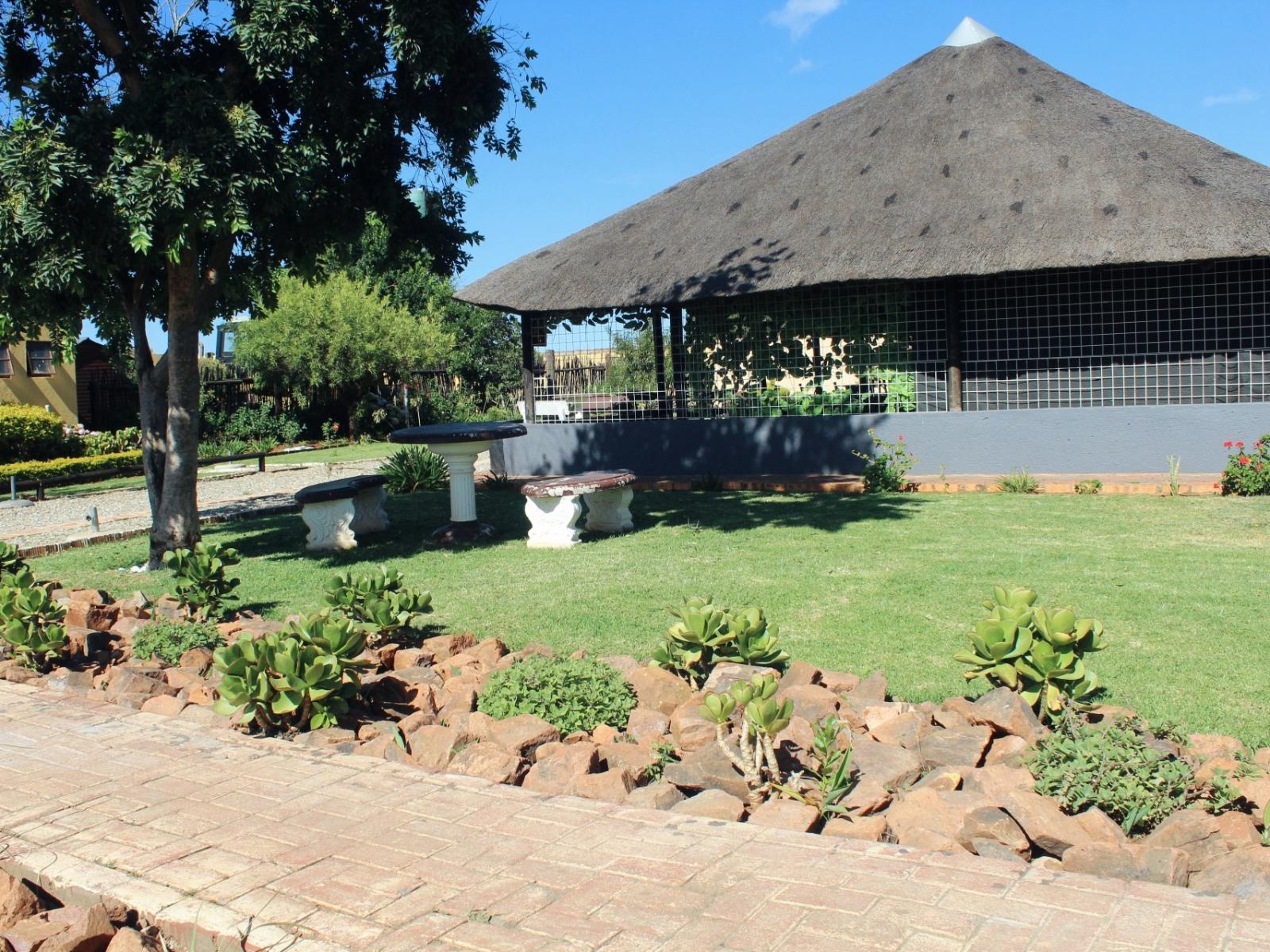
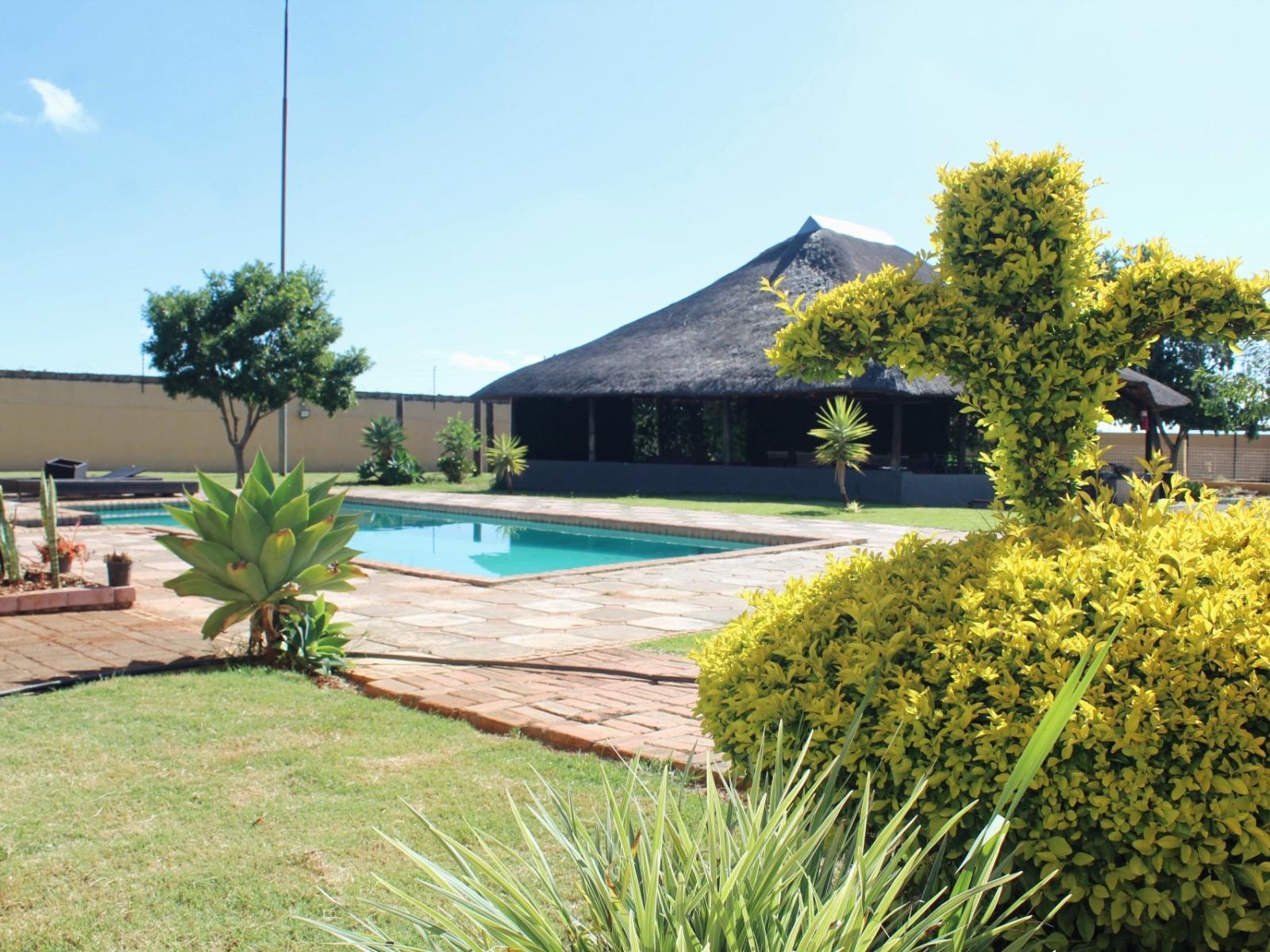
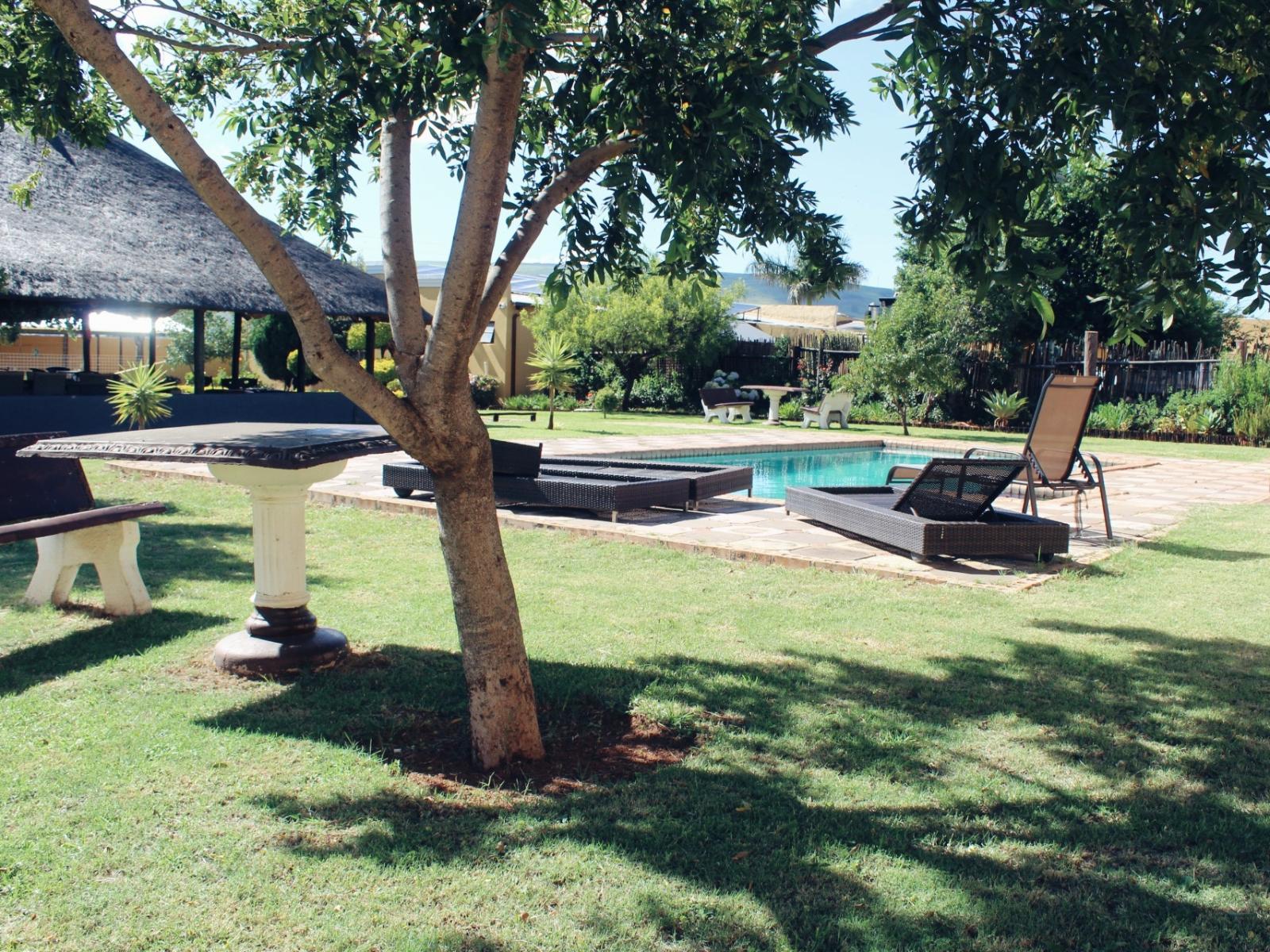
Mid-range stays tend to be farm lodgings or small guesthouses with more amenities, sometimes including a pool or outdoor braai area. The agricultural setting means some properties sit within working mango or avocado farms, which adds a particular quality to stays during harvest periods. Guests can sometimes purchase produce directly from the property, and the surroundings give a clear sense of how the local economy operates day to day.
More polished, upper-tier options are sparse in Ndambo specifically. Visitors wanting hotel-standard facilities, restaurant dining, or more consistent service will find better options in the larger regional centres rather than in this settlement itself.
For those committed to staying in the Ndambo area, planning around availability rather than comparing prices is the more practical approach. Guesthouses have limited rooms and can fill quickly, so making early contact matters more than finding a last-minute deal.
---
## Best Time to Visit Ndambo
The summer wet season runs from November through March, bringing sustained afternoon thunderstorms, high humidity, and temperatures that regularly exceed 35 degrees Celsius. These conditions are demanding but bring the region to its most productive state. Farms are active, vegetation is dense, and seasonal produce appears at roadside stalls along the main routes. The roads, however, can take damage during prolonged heavy rain, and travel logistics require more flexibility in this period.
From May to August, the dry winter months provide more predictable conditions. Days are warm, often reaching the low-to-mid 20s Celsius, while evenings drop noticeably and a light layer becomes useful. Humidity is low, roads are generally clear, and the drier landscape makes for better wildlife viewing at game reserves to the east, where animals concentrate around remaining water sources as vegetation thins.
April and September are the most comfortable shoulder months. The post-rain greenness of April persists while the intensity of summer eases. September combines mild temperatures with low rainfall risk. October begins the build-up toward the next wet season and can be very hot, but travellers who can tolerate the heat will find the area quieter during this period.
---
## Getting to Ndambo
The nearest major airport is Polokwane International, roughly 100 kilometres to the west. Direct flights connect Polokwane to Johannesburg, and the drive from the airport to Ndambo takes around 90 minutes via the R71, which runs east through Tzaneen before continuing toward Phalaborwa. Travellers approaching from the east can use Phalaborwa Airport, which has scheduled connections to Johannesburg and offers an alternative entry point at a comparable distance from Ndambo.
From Johannesburg by road, the standard route follows the N1 north to Polokwane, then the R71 northeast through the Magoebaskloof area and Tzaneen. The full journey covers roughly 500 kilometres and takes between five and six hours under normal driving conditions.
Private transport is a necessity throughout this part of Limpopo. No scheduled coach services run directly through Ndambo, and while shared taxis operate between larger centres, their routes and timings are informal and unsuitable for planned independent travel. Car hire is available at Polokwane International Airport and is the most reliable option for visitors arriving by air.
The main tarred roads are generally in reasonable condition. Secondary roads and farm tracks can deteriorate after prolonged summer rain, so checking road conditions locally before taking minor routes is advisable, particularly between December and February.
---
## Ndambo and Surrounding Areas
The six communities within ten kilometres of Ndambo are small rural settlements shaped by smallholder agriculture and Sotho-speaking cultural traditions. None are conventional tourist destinations, but together they form the social and economic context of the area and are worth understanding for anyone using Ndambo as a base.
**Ga-matloponya**, four kilometres away, is the closest community and shares much of the same agricultural character as Ndambo. Informal traders operate here and the settlement offers a direct view of the daily rhythms of rural Limpopo village life. A visitor stopping here can find locally grown produce and get a sense of how commerce functions at the community level.
**Thabaleboto**, six kilometres out, takes its name from the Sotho word for hill. The terrain in this direction rises slightly from the lowveld floor, offering different perspectives on the surrounding landscape and making it worth the short drive for anyone interested in how the topography shapes the region's agricultural zones.
**Sterkfontein**, seven kilometres from Ndambo, carries an Afrikaans name meaning strong spring or fountain. The name reflects the historical importance of reliable water sources in this transition zone between subtropical and bushveld conditions, and visiting the area gives context for why communities established themselves where they did.
**Bakoni**, nine kilometres away, is associated with the Bakoni people, a Sotho-speaking group with a long-established presence in Limpopo. The community maintains cultural connections that predate modern administrative boundaries, and for visitors interested in the province's social history, it represents a living part of that continuity.
**Ga-magatu** and **Nemba**, both approximately ten kilometres from Ndambo, extend the settlement pattern further into the lowveld. Nemba lies in the direction of the Greater Kruger region and serves as a natural waypoint for travellers heading east toward the game reserves, while Ga-magatu represents the agricultural extension of the broader smallholder economy that defines the area.
---
## Planning Your Stay
Because Ndambo has no listed properties on standard booking platforms, arranging accommodation requires a different approach from what most travellers expect. Useful starting points include regional tourism offices, travel forums focused on rural Limpopo, and recommendations from people with direct knowledge of the area. Once you identify a property, direct phone contact is the norm for confirming availability and understanding exactly what the stay includes.
Allow more lead time than you would when booking in a larger town. Rural guesthouses have limited rooms and rarely maintain updated online calendars, so properties can fill without any visible signal. Public holiday weekends in particular drive demand across the region.
Before confirming, ask about the access road. Some properties sit on secondary routes that can become difficult after summer rain, and knowing this in advance lets you plan your arrival time or choose an alternative approach. Also confirm what the accommodation provides in terms of kitchen supplies and bedding, as self-catering properties vary considerably, and large supermarkets are some distance from Ndambo.
Mobile data coverage is variable across rural Limpopo. Downloading offline maps before leaving a larger town avoids navigation problems on arrival. If you plan early morning trips to game reserves during your stay, confirm gate opening times in advance, since most rural accommodation does not serve breakfast early enough to accommodate those departures.

With no properties currently listed on commercial booking platforms and nightly rates that have not been formally indexed, accommodation in Ndambo follows the pattern typical of small agricultural settlements across rural Limpopo. Options exist, but finding them requires direct inquiry rather than browsing travel sites. Visitors should contact properties by phone or through local referrals and confirm arrangements well in advance.
At the budget end, self-catering cottages and basic rooms attached to farming properties form the most accessible type of stay. These are straightforward, usually family-run places offering clean accommodation with a kitchen or shared cooking facilities. The rates tend to be modest, reflecting the absence of commercial tourism infrastructure rather than any shortfall in hospitality. Travellers on a tight budget passing through the region find this tier sufficient for an overnight stop.
Mid-range stays tend to be farm lodgings or small guesthouses with more amenities, sometimes including a pool or outdoor braai area. The agricultural setting means some properties sit within working mango or avocado farms, which adds a particular quality to stays during harvest periods. Guests can sometimes purchase produce directly from the property, and the surroundings give a clear sense of how the local economy operates day to day.
More polished, upper-tier options are sparse in Ndambo specifically. Visitors wanting hotel-standard facilities, restaurant dining, or more consistent service will find better options in the larger regional centres rather than in this settlement itself.
For those committed to staying in the Ndambo area, planning around availability rather than comparing prices is the more practical approach. Guesthouses have limited rooms and can fill quickly, so making early contact matters more than finding a last-minute deal.
---
## Best Time to Visit Ndambo
The summer wet season runs from November through March, bringing sustained afternoon thunderstorms, high humidity, and temperatures that regularly exceed 35 degrees Celsius. These conditions are demanding but bring the region to its most productive state. Farms are active, vegetation is dense, and seasonal produce appears at roadside stalls along the main routes. The roads, however, can take damage during prolonged heavy rain, and travel logistics require more flexibility in this period.
From May to August, the dry winter months provide more predictable conditions. Days are warm, often reaching the low-to-mid 20s Celsius, while evenings drop noticeably and a light layer becomes useful. Humidity is low, roads are generally clear, and the drier landscape makes for better wildlife viewing at game reserves to the east, where animals concentrate around remaining water sources as vegetation thins.
April and September are the most comfortable shoulder months. The post-rain greenness of April persists while the intensity of summer eases. September combines mild temperatures with low rainfall risk. October begins the build-up toward the next wet season and can be very hot, but travellers who can tolerate the heat will find the area quieter during this period.
---
## Getting to Ndambo
The nearest major airport is Polokwane International, roughly 100 kilometres to the west. Direct flights connect Polokwane to Johannesburg, and the drive from the airport to Ndambo takes around 90 minutes via the R71, which runs east through Tzaneen before continuing toward Phalaborwa. Travellers approaching from the east can use Phalaborwa Airport, which has scheduled connections to Johannesburg and offers an alternative entry point at a comparable distance from Ndambo.
From Johannesburg by road, the standard route follows the N1 north to Polokwane, then the R71 northeast through the Magoebaskloof area and Tzaneen. The full journey covers roughly 500 kilometres and takes between five and six hours under normal driving conditions.
Private transport is a necessity throughout this part of Limpopo. No scheduled coach services run directly through Ndambo, and while shared taxis operate between larger centres, their routes and timings are informal and unsuitable for planned independent travel. Car hire is available at Polokwane International Airport and is the most reliable option for visitors arriving by air.
The main tarred roads are generally in reasonable condition. Secondary roads and farm tracks can deteriorate after prolonged summer rain, so checking road conditions locally before taking minor routes is advisable, particularly between December and February.
---
## Ndambo and Surrounding Areas
The six communities within ten kilometres of Ndambo are small rural settlements shaped by smallholder agriculture and Sotho-speaking cultural traditions. None are conventional tourist destinations, but together they form the social and economic context of the area and are worth understanding for anyone using Ndambo as a base.
**Ga-matloponya**, four kilometres away, is the closest community and shares much of the same agricultural character as Ndambo. Informal traders operate here and the settlement offers a direct view of the daily rhythms of rural Limpopo village life. A visitor stopping here can find locally grown produce and get a sense of how commerce functions at the community level.
**Thabaleboto**, six kilometres out, takes its name from the Sotho word for hill. The terrain in this direction rises slightly from the lowveld floor, offering different perspectives on the surrounding landscape and making it worth the short drive for anyone interested in how the topography shapes the region's agricultural zones.
**Sterkfontein**, seven kilometres from Ndambo, carries an Afrikaans name meaning strong spring or fountain. The name reflects the historical importance of reliable water sources in this transition zone between subtropical and bushveld conditions, and visiting the area gives context for why communities established themselves where they did.
**Bakoni**, nine kilometres away, is associated with the Bakoni people, a Sotho-speaking group with a long-established presence in Limpopo. The community maintains cultural connections that predate modern administrative boundaries, and for visitors interested in the province's social history, it represents a living part of that continuity.
**Ga-magatu** and **Nemba**, both approximately ten kilometres from Ndambo, extend the settlement pattern further into the lowveld. Nemba lies in the direction of the Greater Kruger region and serves as a natural waypoint for travellers heading east toward the game reserves, while Ga-magatu represents the agricultural extension of the broader smallholder economy that defines the area.
---
## Planning Your Stay
Because Ndambo has no listed properties on standard booking platforms, arranging accommodation requires a different approach from what most travellers expect. Useful starting points include regional tourism offices, travel forums focused on rural Limpopo, and recommendations from people with direct knowledge of the area. Once you identify a property, direct phone contact is the norm for confirming availability and understanding exactly what the stay includes.
Allow more lead time than you would when booking in a larger town. Rural guesthouses have limited rooms and rarely maintain updated online calendars, so properties can fill without any visible signal. Public holiday weekends in particular drive demand across the region.
Before confirming, ask about the access road. Some properties sit on secondary routes that can become difficult after summer rain, and knowing this in advance lets you plan your arrival time or choose an alternative approach. Also confirm what the accommodation provides in terms of kitchen supplies and bedding, as self-catering properties vary considerably, and large supermarkets are some distance from Ndambo.
Mobile data coverage is variable across rural Limpopo. Downloading offline maps before leaving a larger town avoids navigation problems on arrival. If you plan early morning trips to game reserves during your stay, confirm gate opening times in advance, since most rural accommodation does not serve breakfast early enough to accommodate those departures.
Ndambo Kaart
Nabygeleë Bestemmings
Blaai Deur Alle Ndambo Akkommodasie
Bekyk al 0 akkommodasie-opsies in Ndambo met foto's, pryse en beskikbaarheid.
Blaai Deur Alle Akkommodasie