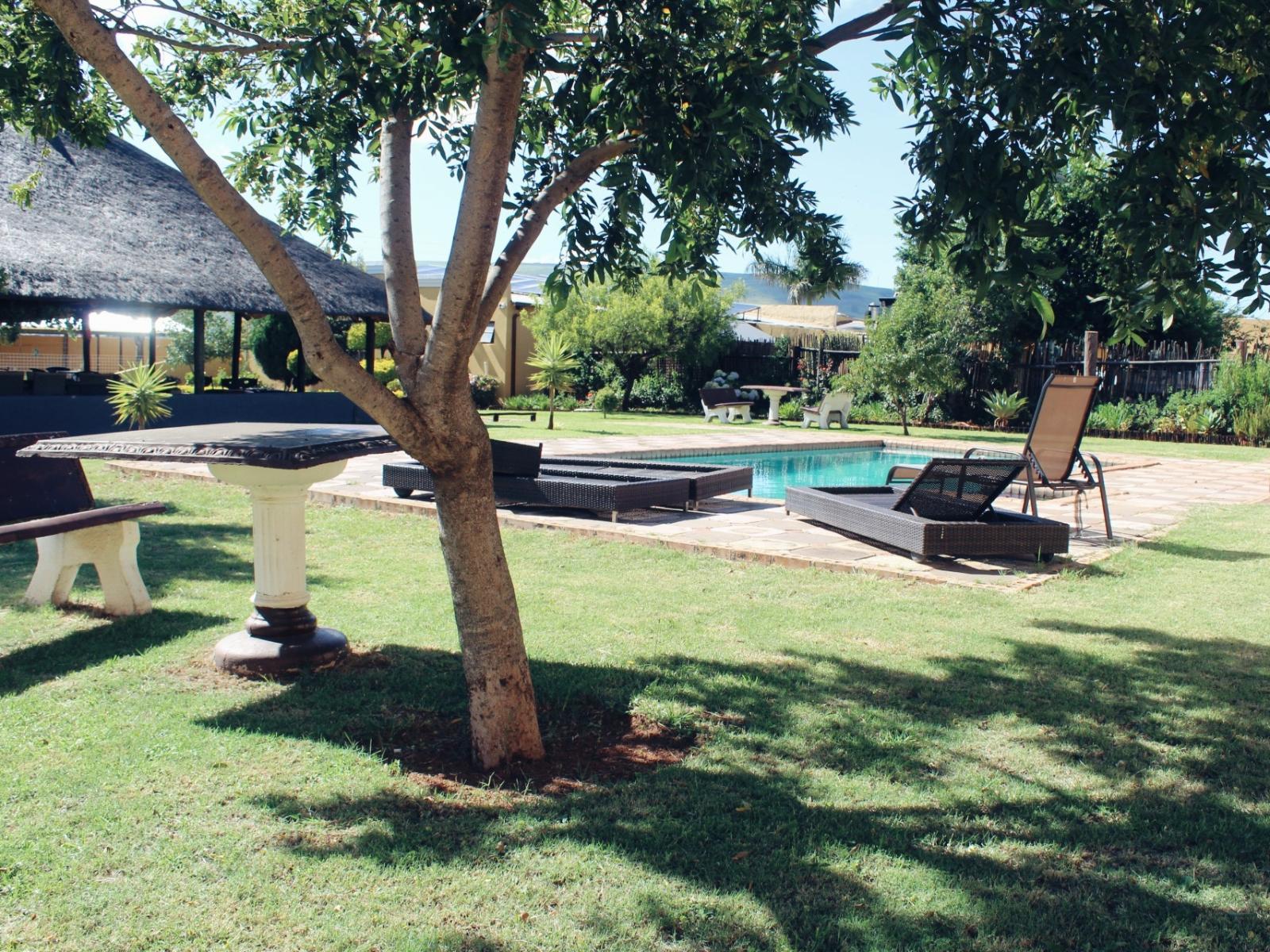
Accommodation in Thabaleboto
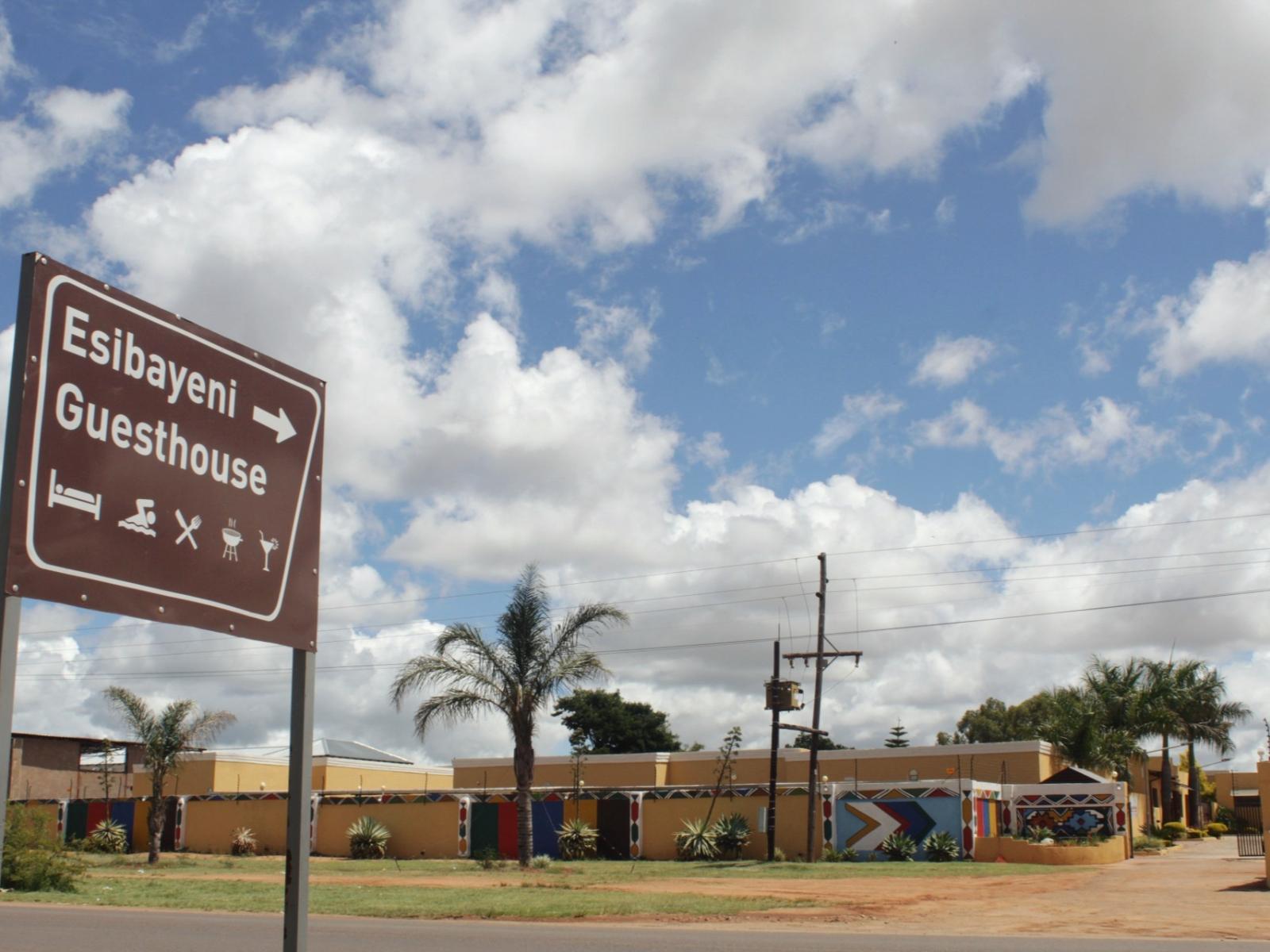
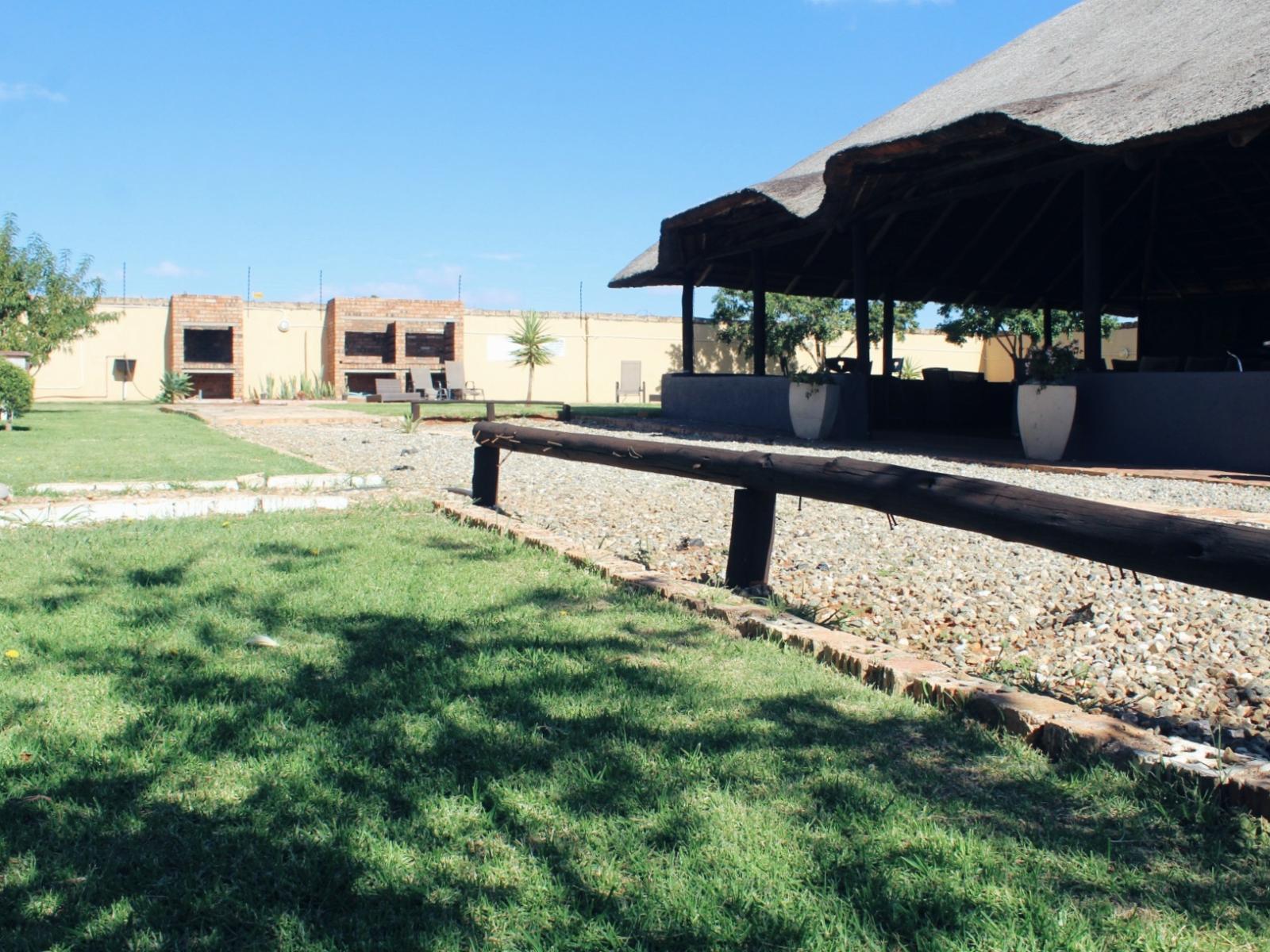
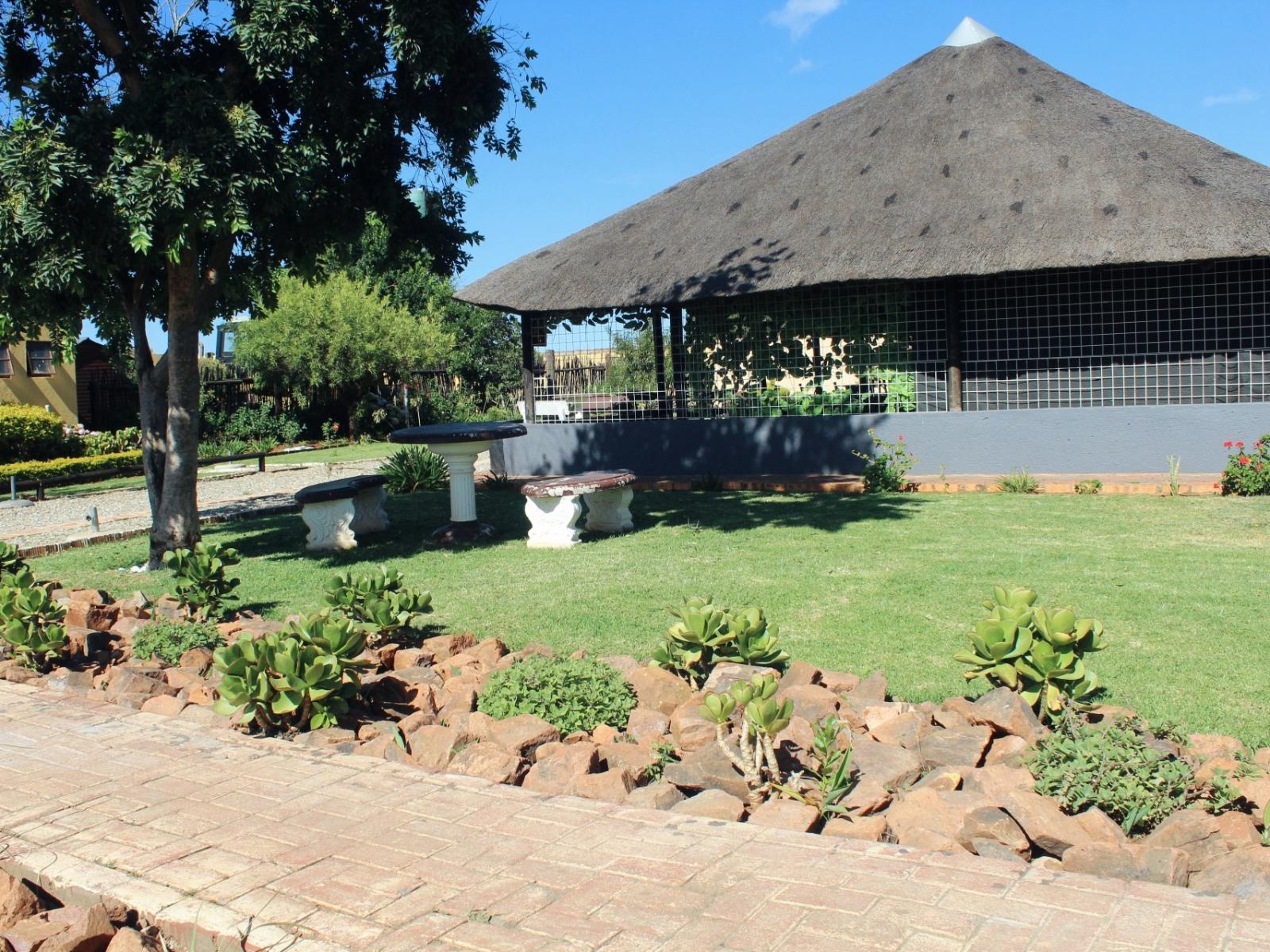
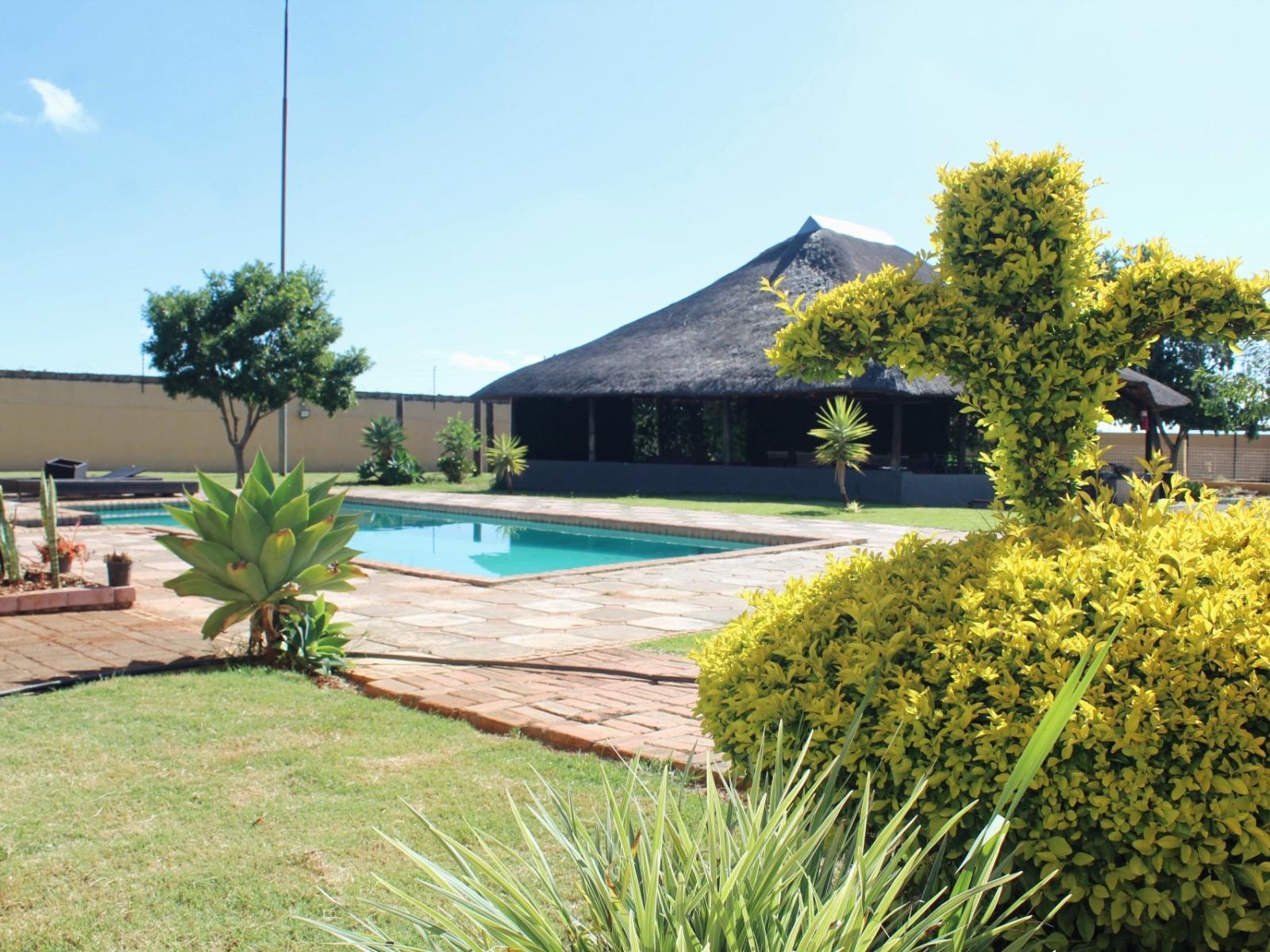
There are currently no properties formally listed for Thabaleboto, a situation that accurately reflects the village's position as a rural community outside the established South African tourism circuit. Visitors planning a stay in or near the area should approach accommodation differently from how they would in a larger town.
At the informal end, homestays and community guesthouses occasionally operate in villages across the Sekhukhune District. These arrangements are typically made through personal contacts or local tourism representatives rather than online booking platforms. Facilities are basic, bathrooms are usually shared, and the experience places travellers directly inside the daily rhythms of rural village life. Meals may or may not be included, depending on the household, and expectations should be calibrated accordingly. For anyone genuinely interested in community engagement over physical comfort, this is often the most rewarding option.
A step up in terms of infrastructure, the towns of Burgersfort and Steelpoort, both within reasonable driving distance, offer mid-range guesthouses and small hotels. These properties primarily serve business travellers and workers in the district's platinum mining sector. En-suite rooms, generator backup for load-shedding, and functional Wi-Fi are standard at this tier. They are practical rather than atmospheric, but they provide a reliable base from which to explore the surrounding villages and countryside.
Further out, several lodges and game farms in the broader district cater to visitors wanting a bushveld setting. Upper-tier properties of this type are typically booked through their own websites or regional tourism portals and often combine accommodation with guided activities. While not immediately adjacent to Thabaleboto, they remain within range for day visits to the village and surrounding communities.
Because no formal listings exist in the village itself, anyone planning a visit should contact the Fetakgomo Tubatse Local Municipality tourism desk before travelling to confirm what is currently available. The tourism desk can also connect visitors with community accommodation networks that do not advertise publicly. Arriving in a rural area without confirmed arrangements is a genuine risk.
Best Time to Visit Thabaleboto
The seasons here are sharply defined. Summer, running from October through March, brings sustained heat and the bulk of the year's rainfall. Afternoon thunderstorms are frequent between November and February, and temperatures regularly exceed 35 degrees Celsius at the hottest points of the day. Rainfall is generally not heavy enough to prevent travel outright, though gravel roads in and around the area can deteriorate noticeably after prolonged downpours, particularly on routes into smaller villages.
The dry season, from May to August, is the more comfortable time to travel. Days are clear and mild, evenings cool down quickly, and June and July nights can be cold enough to require warm clothing, especially on higher ground. Vegetation thins through this period, which improves sightlines across the bushveld and makes movement on foot more practical.
Birdwatchers may prefer the summer months when migrant species are present, while those planning extended time outdoors will generally find the May-to-August window more manageable. There is no meaningful tourist peak season in Thabaleboto given the area's limited visitor infrastructure. South African school holidays in December and April bring increased traffic to regional roads, so travellers who prefer quieter conditions might choose to arrive in May, June, or early September instead.
Getting to Thabaleboto
Reaching Thabaleboto requires private transport. The village sits in the Sekhukhune District in southern Limpopo, several hours by road from major centres. From Polokwane, the provincial capital roughly 180 to 200 kilometres to the north, the route follows the N1 highway before connecting via provincial roads into the district. Travelling from Pretoria to the south, expect a drive of 300 to 350 kilometres, typically three to four hours in normal road conditions.
The closest airport handling scheduled commercial flights is Polokwane International Airport, which operates connections to Johannesburg. From there, travellers must hire a vehicle or arrange private transport for the remaining journey south into Sekhukhune. Car hire at the airport is available, and the drive from Polokwane to the district is manageable in half a day.
No reliable public transport links serve Thabaleboto directly. Minibus taxis operate between larger centres in the district, but connections to smaller villages are irregular and require multiple transfers, making journey times unpredictable. For practical purposes, a private vehicle is essential.
Road quality varies considerably by route. Major provincial roads are tarred and generally well maintained, but secondary roads approaching smaller villages may be compacted gravel. These become significantly more difficult to navigate after rain, and checking conditions locally before committing to less-travelled routes is worth the effort.
Thabaleboto and Surrounding Areas
The communities within a short drive of Thabaleboto are shaped by the Sekhukhune region's combination of Pedi cultural tradition, agricultural practice, and the economic pressures of recent decades. Each settlement has its own character worth understanding before arrival.
Ndambo, six kilometres away, is one of the closest neighbouring villages and shares much of the same landscape as Thabaleboto. The open ground between the two settlements is accessible and the short distance makes movement straightforward, whether by road or on foot along quieter tracks. Travellers based in the area will find Ndambo an easy first point of orientation.
Ga-matloponya, at seven kilometres, is a traditional community where chieftaincy structures remain visible in daily life. The relationship between customary authority and elected municipal governance plays out here as it does across much of rural Limpopo. A short visit gives useful context for understanding how rural South African communities organise themselves, and the contrast with more urbanised areas of the province is immediately apparent.
Ga-magatu, approximately 12 kilometres out, sits further into the district's network of secondary roads. The terrain around it shows more pronounced topographic variation, with low ridges and rocky outcrops becoming more common as you move into this part of the district. It can be combined with the road through to Sterkfontein without significant added distance.
Sterkfontein, also at roughly 12 kilometres, is a rural locality whose Afrikaner name reflects the settler history of the region. The surrounding landscape, marked by kopjes and open grass cover, gives a clear impression of the geological character underlying the Sekhukhune terrain. There is no formal visitor infrastructure, but the area repays a short drive for the landscape alone.
Ga-phetla, 13 kilometres from Thabaleboto, is associated with the Phetla chieftaincy and maintains strong connections to cattle herding and subsistence agriculture. Like its neighbours in this cluster, it offers limited amenities but genuine insight into the land-based economy that still defines daily life in this part of Limpopo. Livestock is a common sight on and near the roads.
Bakoni, the furthest nearby destination at 14 kilometres, connects to the Bakoni people's long presence in this landscape. Their communities predate the colonial period and carry historical depth that is not well represented in formal museum settings. Visitors with an interest in oral tradition or early settlement patterns in northern South Africa will find engagement with Bakoni communities worthwhile, though no guided tours are available and any visit should be approached with care and genuine respect for local protocols.
Planning Your Stay
Advance planning is essential for a visit to Thabaleboto. Standard travel booking platforms do not cover the village, so accommodation must be arranged through direct contact with traditional authority offices, community liaison contacts, or visitors' bureaus operating in the district. Allow several weeks for this process, as response times from smaller community organisations can be slow, and the area is not geared toward last-minute travel.
When evaluating any hosting arrangement, confirm a few specifics before committing: water supply reliability, whether meals are included or separately arranged, and the host's ability to accommodate any dietary requirements. These details, straightforward in a hotel context, require direct conversation in a rural village setting.
Mobile coverage is available across most of the Sekhukhune area through major South African networks, though signal drops in some lower-lying corridors. Downloading offline maps before leaving any urban centre eliminates the main navigational risk on routes where data connectivity is unreliable.
Fuel should be topped up at any district centre before heading into smaller villages, as petrol stations are not reliably available once you leave larger towns. Build additional time into any daily schedule, as travel times in rural Limpopo frequently exceed what navigation apps suggest. Evenings in smaller villages are quiet, with limited access to food or supplies after dark, so organising provisions before arriving at your accommodation rather than planning to find a shop nearby will avoid unnecessary complications.