Ga-monlala Reis- & Akkommodasiegids
Jou volledige gids om Ga-monlala, Suid-Afrika te besoek.
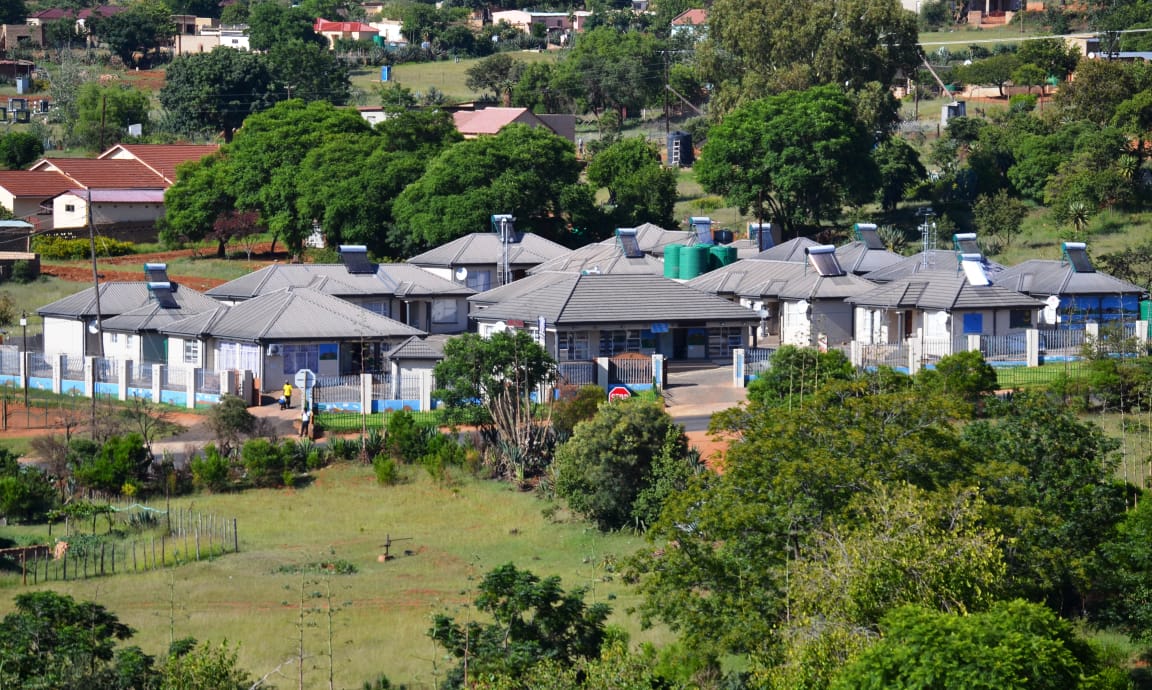
Ga-monlala is a rural village in Limpopo Province, located in the Greater Giyani Municipality. The area provides access to the authentic rhythms of rural South African life, with traditional communities and connections to the broader Tsonga cultural landscape of the region.
## Accommodation in Ga-monlala
Formal listings for Ga-monlala currently number zero through mainstream booking platforms, and nightly pricing has not been standardized through any aggregated source. This reflects the village's position outside conventional tourism circuits. Accommodation exists here in informal arrangements, and finding a place to stay requires more initiative than a standard booking search, but it also puts travelers in direct contact with local residents rather than with a hospitality business.
At the budget end of the spectrum, homestay arrangements are the most accessible option. Families occasionally accommodate travelers in a spare room, with meals folded into the household routine. The setup is functional rather than polished: shared bathrooms and basic cooking facilities are typical, and the quality of the experience is shaped almost entirely by the relationship with the host family. Travelers who choose this route tend to spend evenings in conversation rather than in tourist spaces, which, for many, is the reason to visit at all.
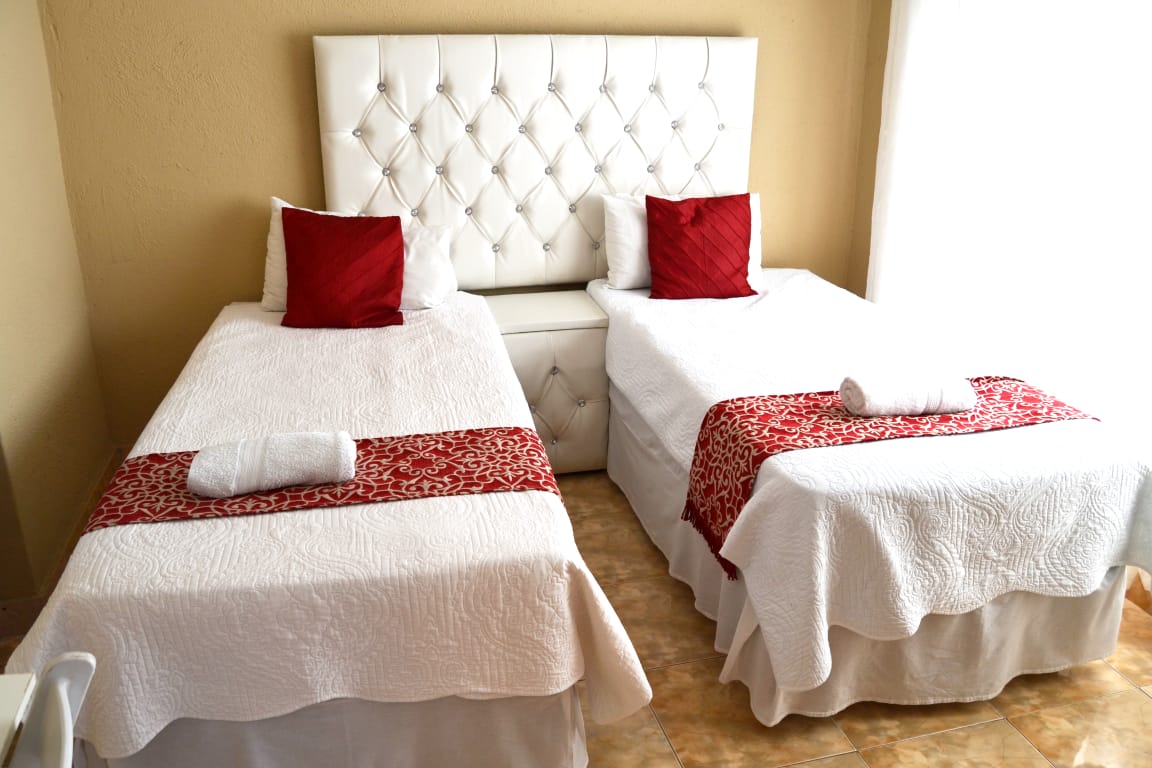
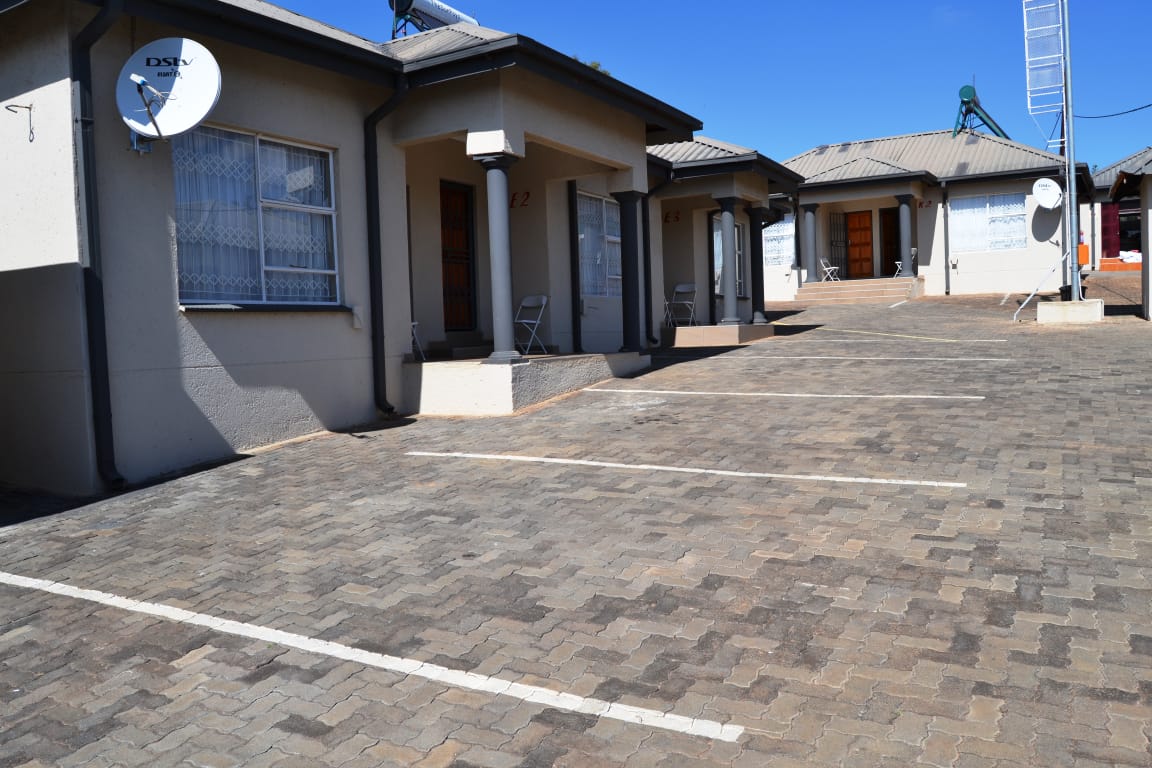
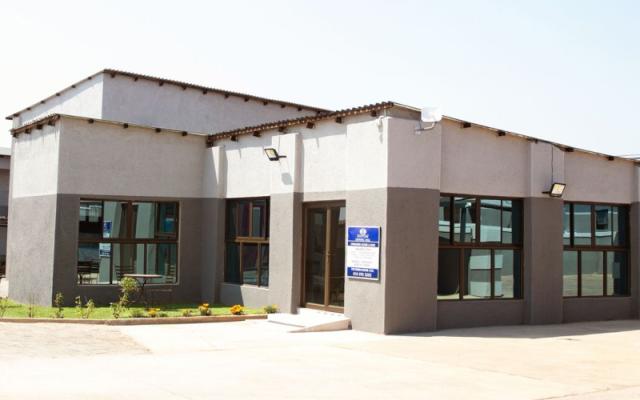
Community guesthouses represent a mid-range step up, with private rooms and somewhat more consistent services. En-suite facilities may be available at certain properties, though this should always be confirmed before arrival. Standards vary considerably, and what presents as a guesthouse in a rural Limpopo village can differ substantially from the same category in a larger South African town. Power supply is intermittent in this part of the province, particularly during summer load-shedding cycles, so carrying a portable charger and backup lighting is practical regardless of accommodation tier.
Travelers who prefer predictable infrastructure may find it more comfortable to base themselves in the nearest larger town and treat Ga-monlala as a day destination. The village is reachable as a day trip for those with a vehicle.
Whatever the arrangement, contacting the property or host directly to confirm availability, discuss practical requirements including dietary needs for homestays, and verify current access conditions is strongly advisable before arrival.
---
## Best Time to Visit Ga-monlala
The lowveld climate in this part of Limpopo falls into two distinct phases. Summer runs from November through March, bringing heat and afternoon thunderstorms. Temperatures regularly reach 35 degrees Celsius or above, and humidity rises noticeably with the rains. The bush turns green and dense during this period, which makes the landscape more interesting visually, but sustained downpours can make some dirt access roads unreliable.
Winter, from May through August, is the more comfortable season for most visitors. Daytime temperatures are warm and dry, typically in the mid-20s, while nights can drop close to 10 degrees. Vegetation thins as the dry months progress, which makes outdoor movement easier and improves visibility across the open bushveld. This period also aligns with the main tourist season across Limpopo more broadly.
April, September, and October are transitional months where conditions are neither at their most extreme nor their most comfortable. Rainfall tapers off or builds, temperatures moderate slightly, and roads tend to be in better shape than during peak summer. These shoulder months offer a reasonable balance for those who want to avoid both the intense heat and the higher visitor numbers that accompany the dry season.
Local community events, informal markets, and social activities are most accessible during the dry winter months, when roads between villages hold up reliably and movement through the area is more straightforward.
---
## Getting to Ga-monlala
A private vehicle is the only reliable option for reaching Ga-monlala. Shared minibus taxis connect Giyani to surrounding communities, but services to smaller villages are infrequent and do not follow reliable timetables, making independent transport essential.
The village sits roughly 80 kilometers east of Tzaneen. From Johannesburg, the route runs north on the N1 to Polokwane, then east on the R71 through Tzaneen, continuing through the Giyani road network to the village. The drive takes approximately four to five hours from Johannesburg under normal conditions. From Polokwane, allow around two and a half hours.
Polokwane International Airport, roughly 200 kilometers to the west, handles scheduled commercial flights and is the most accessible air entry point for this part of Limpopo. Phalaborwa Airport lies approximately 120 kilometers to the southeast and serves fewer routes but suits travelers arriving via a regional carrier. Vehicle rental at either airport is the standard arrangement for continuing onward. Giyani, around 40 kilometers north of Ga-monlala, is the last point on the route with reliable fuel stations, ATMs, and grocery shops before the road into the village, and stocking up there is worth building into the journey plan.
Road surfaces on the main connecting routes are generally paved. Summer rains can cause deterioration on secondary roads, so checking conditions before travel during the wet season is sensible. Kruger National Park's central sections lie around 100 kilometers to the east, which makes Ga-monlala a practical waypoint for travelers building a broader Limpopo circuit.
---
## Ga-monlala and Surrounding Areas
The villages around Ga-monlala form an interlocking network of communities spread across the lowveld. Each has its own character and degree of connection to the main road network, and visiting several of them gives a more complete picture of how rural life in this part of Limpopo is organized.
**Ga-seopela**, three kilometers from Ga-monlala, is close enough to reach on foot or by bicycle without needing to drive. The two communities share social and family ties, and moving between them on foot gives a ground-level sense of how the settlements relate to each other. Small traders and informal stalls operate along the connecting route, and this short walk is one of the more accessible introductions to the immediate area.
**Ga-mogashoa**, seven kilometers out, reflects the agricultural character of the broader region. Smallholder farming and subsistence vegetable gardens occupy much of the land between and around the village, and the rhythm of daily life follows planting and harvest cycles more than any other pattern.
**Ga-moretsele**, at 13 kilometers, sits further into lowveld terrain where the Letaba River drainage system begins to shape the landscape. Vegetation shifts subtly on the way there, and the drive passes through open bushveld worth slowing down for if the wider environment is part of the interest.
**Jane Furse**, 15 kilometers from Ga-monlala, functions as the main service center for the subregion. It has a hospital, banking facilities, a post office, and shops covering everyday needs from hardware to groceries. For travelers who need a pharmacy, medical attention, or more substantial provisions than a small village can offer, Jane Furse is the practical first stop in the area.
**Ga-mamphahlane**, also at 15 kilometers but in a different direction from Jane Furse, has a quieter character. It sits away from the main road and sees less through-traffic, giving it a more distinctly rural atmosphere than its short distance from Ga-monlala might suggest.
**Ga-makhwae**, the furthest at 21 kilometers, extends the day-trip range slightly and sits past the immediate cluster of nearby communities. The additional distance puts it into more isolated terrain and makes it a better fit as part of a longer loop through the area rather than a standalone destination.
---
## Planning Your Stay
Given the limited formal booking infrastructure around Ga-monlala, confirming arrangements before arrival rather than counting on finding accommodation on the day is essential. Direct phone contact with a host or guesthouse owner is the most reliable method. During the dry winter season, when visitor numbers across the broader region are higher, making contact several weeks in advance reduces the risk of arriving without a confirmed place.
Before confirming, ask specifically about electricity reliability, water supply, and what meals are provided or can be arranged. In rural settings, these questions matter far more than in towns. Mismatched expectations around basic facilities are the most consistent source of difficulty for travelers in this kind of destination.
Eskom load-shedding schedules affect this area as they do most of rural South Africa. Checking the current schedule before travel and carrying a power bank for devices is practical regardless of where you end up staying.
Mobile coverage on major South African networks is generally present in the area but can drop in parts of the village. Downloading offline maps before departure and keeping printed directions as a backup removes dependence on a live connection. Card payment facilities are scarce in the immediate area, so arriving with sufficient cash for the duration of your stay is advisable.
Travelers combining Ga-monlala with a wider Limpopo itinerary should build buffer time into their schedule. Rural roads between destinations can take considerably longer to drive than raw distances suggest, and underestimating travel time is a common planning mistake in this part of the province.

Formal listings for Ga-monlala currently number zero through mainstream booking platforms, and nightly pricing has not been standardized through any aggregated source. This reflects the village's position outside conventional tourism circuits. Accommodation exists here in informal arrangements, and finding a place to stay requires more initiative than a standard booking search, but it also puts travelers in direct contact with local residents rather than with a hospitality business.
At the budget end of the spectrum, homestay arrangements are the most accessible option. Families occasionally accommodate travelers in a spare room, with meals folded into the household routine. The setup is functional rather than polished: shared bathrooms and basic cooking facilities are typical, and the quality of the experience is shaped almost entirely by the relationship with the host family. Travelers who choose this route tend to spend evenings in conversation rather than in tourist spaces, which, for many, is the reason to visit at all.
Community guesthouses represent a mid-range step up, with private rooms and somewhat more consistent services. En-suite facilities may be available at certain properties, though this should always be confirmed before arrival. Standards vary considerably, and what presents as a guesthouse in a rural Limpopo village can differ substantially from the same category in a larger South African town. Power supply is intermittent in this part of the province, particularly during summer load-shedding cycles, so carrying a portable charger and backup lighting is practical regardless of accommodation tier.
Travelers who prefer predictable infrastructure may find it more comfortable to base themselves in the nearest larger town and treat Ga-monlala as a day destination. The village is reachable as a day trip for those with a vehicle.
Whatever the arrangement, contacting the property or host directly to confirm availability, discuss practical requirements including dietary needs for homestays, and verify current access conditions is strongly advisable before arrival.
---
## Best Time to Visit Ga-monlala
The lowveld climate in this part of Limpopo falls into two distinct phases. Summer runs from November through March, bringing heat and afternoon thunderstorms. Temperatures regularly reach 35 degrees Celsius or above, and humidity rises noticeably with the rains. The bush turns green and dense during this period, which makes the landscape more interesting visually, but sustained downpours can make some dirt access roads unreliable.
Winter, from May through August, is the more comfortable season for most visitors. Daytime temperatures are warm and dry, typically in the mid-20s, while nights can drop close to 10 degrees. Vegetation thins as the dry months progress, which makes outdoor movement easier and improves visibility across the open bushveld. This period also aligns with the main tourist season across Limpopo more broadly.
April, September, and October are transitional months where conditions are neither at their most extreme nor their most comfortable. Rainfall tapers off or builds, temperatures moderate slightly, and roads tend to be in better shape than during peak summer. These shoulder months offer a reasonable balance for those who want to avoid both the intense heat and the higher visitor numbers that accompany the dry season.
Local community events, informal markets, and social activities are most accessible during the dry winter months, when roads between villages hold up reliably and movement through the area is more straightforward.
---
## Getting to Ga-monlala
A private vehicle is the only reliable option for reaching Ga-monlala. Shared minibus taxis connect Giyani to surrounding communities, but services to smaller villages are infrequent and do not follow reliable timetables, making independent transport essential.
The village sits roughly 80 kilometers east of Tzaneen. From Johannesburg, the route runs north on the N1 to Polokwane, then east on the R71 through Tzaneen, continuing through the Giyani road network to the village. The drive takes approximately four to five hours from Johannesburg under normal conditions. From Polokwane, allow around two and a half hours.
Polokwane International Airport, roughly 200 kilometers to the west, handles scheduled commercial flights and is the most accessible air entry point for this part of Limpopo. Phalaborwa Airport lies approximately 120 kilometers to the southeast and serves fewer routes but suits travelers arriving via a regional carrier. Vehicle rental at either airport is the standard arrangement for continuing onward. Giyani, around 40 kilometers north of Ga-monlala, is the last point on the route with reliable fuel stations, ATMs, and grocery shops before the road into the village, and stocking up there is worth building into the journey plan.
Road surfaces on the main connecting routes are generally paved. Summer rains can cause deterioration on secondary roads, so checking conditions before travel during the wet season is sensible. Kruger National Park's central sections lie around 100 kilometers to the east, which makes Ga-monlala a practical waypoint for travelers building a broader Limpopo circuit.
---
## Ga-monlala and Surrounding Areas
The villages around Ga-monlala form an interlocking network of communities spread across the lowveld. Each has its own character and degree of connection to the main road network, and visiting several of them gives a more complete picture of how rural life in this part of Limpopo is organized.
**Ga-seopela**, three kilometers from Ga-monlala, is close enough to reach on foot or by bicycle without needing to drive. The two communities share social and family ties, and moving between them on foot gives a ground-level sense of how the settlements relate to each other. Small traders and informal stalls operate along the connecting route, and this short walk is one of the more accessible introductions to the immediate area.
**Ga-mogashoa**, seven kilometers out, reflects the agricultural character of the broader region. Smallholder farming and subsistence vegetable gardens occupy much of the land between and around the village, and the rhythm of daily life follows planting and harvest cycles more than any other pattern.
**Ga-moretsele**, at 13 kilometers, sits further into lowveld terrain where the Letaba River drainage system begins to shape the landscape. Vegetation shifts subtly on the way there, and the drive passes through open bushveld worth slowing down for if the wider environment is part of the interest.
**Jane Furse**, 15 kilometers from Ga-monlala, functions as the main service center for the subregion. It has a hospital, banking facilities, a post office, and shops covering everyday needs from hardware to groceries. For travelers who need a pharmacy, medical attention, or more substantial provisions than a small village can offer, Jane Furse is the practical first stop in the area.
**Ga-mamphahlane**, also at 15 kilometers but in a different direction from Jane Furse, has a quieter character. It sits away from the main road and sees less through-traffic, giving it a more distinctly rural atmosphere than its short distance from Ga-monlala might suggest.
**Ga-makhwae**, the furthest at 21 kilometers, extends the day-trip range slightly and sits past the immediate cluster of nearby communities. The additional distance puts it into more isolated terrain and makes it a better fit as part of a longer loop through the area rather than a standalone destination.
---
## Planning Your Stay
Given the limited formal booking infrastructure around Ga-monlala, confirming arrangements before arrival rather than counting on finding accommodation on the day is essential. Direct phone contact with a host or guesthouse owner is the most reliable method. During the dry winter season, when visitor numbers across the broader region are higher, making contact several weeks in advance reduces the risk of arriving without a confirmed place.
Before confirming, ask specifically about electricity reliability, water supply, and what meals are provided or can be arranged. In rural settings, these questions matter far more than in towns. Mismatched expectations around basic facilities are the most consistent source of difficulty for travelers in this kind of destination.
Eskom load-shedding schedules affect this area as they do most of rural South Africa. Checking the current schedule before travel and carrying a power bank for devices is practical regardless of where you end up staying.
Mobile coverage on major South African networks is generally present in the area but can drop in parts of the village. Downloading offline maps before departure and keeping printed directions as a backup removes dependence on a live connection. Card payment facilities are scarce in the immediate area, so arriving with sufficient cash for the duration of your stay is advisable.
Travelers combining Ga-monlala with a wider Limpopo itinerary should build buffer time into their schedule. Rural roads between destinations can take considerably longer to drive than raw distances suggest, and underestimating travel time is a common planning mistake in this part of the province.
Ga-monlala Kaart
Nabygeleë Bestemmings
Blaai Deur Alle Ga-monlala Akkommodasie
Bekyk al 0 akkommodasie-opsies in Ga-monlala met foto's, pryse en beskikbaarheid.
Blaai Deur Alle Akkommodasie