Ga-Mamphahlane Reis- & Akkommodasiegids
Jou volledige gids om Ga-Mamphahlane, Suid-Afrika te besoek.
Ga-mamphahlane is a rural village in the Mopani District of Limpopo Province, positioned within the traditional lands of the Baphalaborwa people. The area serves as a gateway to the Greater Kruger region and offers visitors an authentic experience of South African village life away from commercial tourist routes.
## Accommodation in Ga-mamphahlane
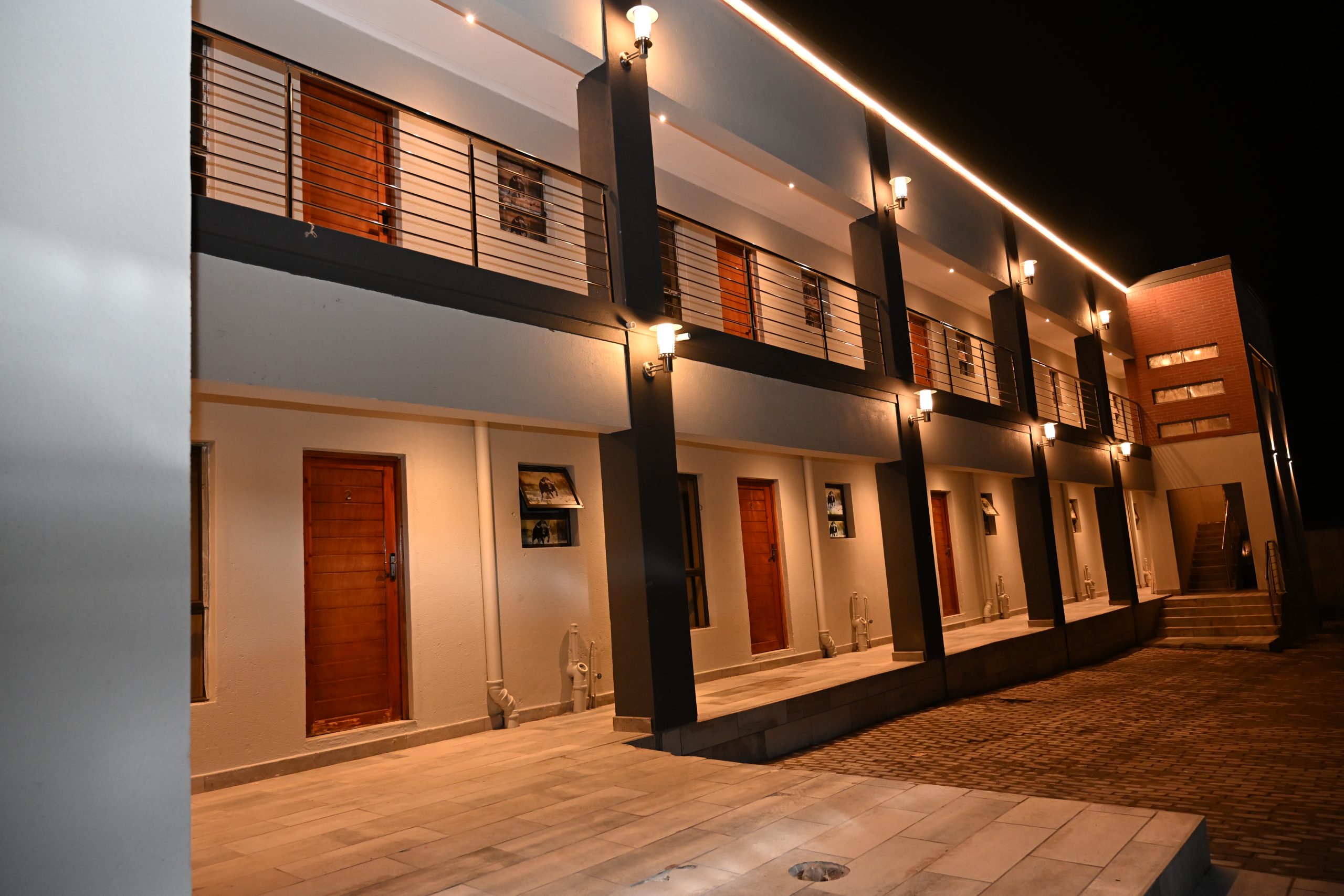
The accommodation scene here reflects the character of the village itself: small-scale, community-oriented, and far removed from the standardised hospitality of South Africa's larger tourist towns. With no formally listed properties currently available on major booking platforms, visitors typically make arrangements through direct contact with local guesthouses, community lodges, or families offering rooms to travellers. This is not unusual for rural settlements in the Mopani District, where word-of-mouth and community networks remain the primary way accommodation is found and confirmed.
At the budget end, basic rooms in private homes offer a bed, shared bathroom facilities, and proximity to village life rather than comfort. These options suit travellers who are self-sufficient, comfortable with simple conditions, and more interested in the rhythms of daily life than tourism amenities. Meals, where available, are prepared by the host family and tend to reflect local Tsonga and Northern Sotho cooking traditions.
A step up from that, community-run rest stops and small guesthouses in the broader area offer more consistent standards. Running hot water, reliable electricity, and a degree of privacy become more likely at this tier, though visitors should still confirm specifics before arrival. The experience tends toward genuine hospitality rather than professional service, with hosts often willing to arrange introductions to local craftspeople, traditional healers, or community leaders.
Upper-tier options within the immediate area are limited to non-existent. Travellers wanting more comfortable facilities are better served by driving the 60 kilometres to Phalaborwa, which has guesthouses and lodges catering to Kruger National Park visitors. For those determined to base themselves specifically in or near Ga-mamphahlane, making contact in advance with local community organisations or the Greater Giyani Municipality office can help identify hosting arrangements that will not appear in any online directory. Flexibility and direct communication are essential tools here.
---
## Best Time to Visit Ga-mamphahlane
The lowveld climate divides into two distinct seasons. From November through March, temperatures regularly exceed 35 degrees Celsius and afternoon thunderstorms arrive most days. This wet season brings the bush to life, with greenery and birdlife peaking through December and January, but heat and muddy access roads can complicate rural travel considerably. Visitors with a strong interest in birdwatching or in seeing the vegetation at its most dense will find the summer months rewarding, provided they are prepared for the conditions.
The dry winter months, from May through August, offer more comfortable temperatures for moving around. Days are warm and clear, nights can turn genuinely cold, and the thinning vegetation makes wildlife spotting easier on excursions toward Kruger. Roads become more reliable as the season progresses.
April, September, and October sit in transitional periods that many visitors find a practical compromise. Heat is present without hitting summer extremes, and roads are generally accessible. Travellers should note that South African school holidays drive demand for Phalaborwa-area accommodation, which can affect options and prices if you need to overnight there before or after reaching Ga-mamphahlane. Planning around those periods, particularly the December-January and July school breaks, is worth considering.
---
## Getting to Ga-mamphahlane
Phalaborwa Airport is the most practical entry point, handling regular flights from Johannesburg's OR Tambo International Airport. From Phalaborwa, the village lies approximately 60 kilometres to the west, a drive of roughly an hour on roads that transition from tarred surfaces to gravel as you move into the rural settlement areas. Hoedspruit Airport, around 90 kilometres to the south, offers an alternative for those connecting through Eastgate services.
By road from Johannesburg, the journey covers around 500 kilometres and takes five to six hours. The R71 route through Tzaneen and on toward Phalaborwa is generally preferred from the south, offering a gradual lowveld descent through productive agricultural land. Coming from Polokwane, allow approximately three hours heading east through the Mopani District.
Public transport options are limited in practical terms. Minibus taxis operate between Giyani and Phalaborwa and cover portions of the route, but reaching Ga-mamphahlane itself from the main road typically requires either a private vehicle or local knowledge about which taxis service the specific area. Anyone planning to use the village as a base for day trips will need their own transport regardless. A high-clearance vehicle is advisable if visiting during or after rain, as several access roads are unpaved and can become difficult after heavy storms.
---
## Ga-mamphahlane and Surrounding Areas
The villages within roughly 20 kilometres of Ga-mamphahlane share similar foundations: rural Limpopo communities with traditional governance structures, subsistence and smallholder agriculture, and limited formal infrastructure. Each carries its own local character, however, and together they fill out a broader picture of community life in the Mopani District.
**Ga-makhwae**, 9 kilometres away, is a Tsonga-speaking community where traditional homestead architecture remains largely intact. Extended family compounds here illustrate the spatial logic of rural settlement design, and local women's groups in the area have historically produced woven crafts. It makes a straightforward half-day excursion and gives context for the domestic patterns visible across the wider region.
**Ga-mahlokwane**, also 9 kilometres out, is known locally for community vegetable gardens and informal markets that operate on certain days of the week. Travellers with an interest in small-scale food production and informal trade will find the activity here worth observing.
**Derdegelid**, at 12 kilometres, carries an Afrikaans surveying name and functions more as a waypoint than a self-contained destination. The route passing through it connects toward the R71 corridor and passes smallholder land that illustrates the productive agricultural character of the district. It is worth understanding as part of the road network if you are exploring the area systematically.
**Ga-monlala**, 15 kilometres from Ga-mamphahlane, is somewhat larger and carries more community infrastructure. A primary school and clinic serve the area, meaning it functions as a minor local service hub for surrounding settlements. Those wanting to understand how public services are structured in rural Limpopo will find it instructive.
**Ga-seopela** and **Ga-mongatane**, both at around 16 kilometres, represent the outer range of comfortable day-trip distance. Ga-seopela is a Northern Sotho community with connections to traditional healing practices, and conversations with community elders there can provide useful context for the medicinal plant knowledge widespread across the Mopani District. Ga-mongatane is associated more with cattle farming and gives a sense of the pastoral dimension of livelihoods in the area.
None of these destinations has developed tourist infrastructure. The value in visiting them lies in direct observation, community-level introductions, and building a more complete understanding of how rural Limpopo operates beyond the Kruger boundary.
---
## Planning Your Stay
Because formal listings for this area are not available through major booking engines, planning demands more direct effort than for most South African destinations. Start by identifying contact points through the Greater Giyani Local Municipality or community organisations active in the area, who can advise on current hosting options and any protocols visitors are expected to follow.
Before confirming any arrangement, ask explicitly about electricity supply, since load shedding affects rural areas as much as urban ones, and about water availability and whether meals are provided. Bring sufficient cash, as card payment infrastructure is unlikely in the village. Stock up on supplies before leaving Phalaborwa, as local shops carry limited goods.
Travel insurance that covers remote areas and includes medical evacuation cover is strongly advisable. The nearest hospitals are in Giyani and Phalaborwa, meaning any serious medical issue involves a significant drive under difficult conditions.
For those hoping to engage meaningfully with the community, communicating your intentions clearly in advance makes a significant difference. Arriving with a defined purpose, whether research, cultural exchange, or respectful tourism, is received better than unannounced visits. Seek permission before photographing people or entering private areas, and accept any refusal without pressure. The most rewarding stays in places like this come from patience, direct communication, and a willingness to follow the lead of your hosts rather than imposing a fixed itinerary.

The accommodation scene here reflects the character of the village itself: small-scale, community-oriented, and far removed from the standardised hospitality of South Africa's larger tourist towns. With no formally listed properties currently available on major booking platforms, visitors typically make arrangements through direct contact with local guesthouses, community lodges, or families offering rooms to travellers. This is not unusual for rural settlements in the Mopani District, where word-of-mouth and community networks remain the primary way accommodation is found and confirmed.
At the budget end, basic rooms in private homes offer a bed, shared bathroom facilities, and proximity to village life rather than comfort. These options suit travellers who are self-sufficient, comfortable with simple conditions, and more interested in the rhythms of daily life than tourism amenities. Meals, where available, are prepared by the host family and tend to reflect local Tsonga and Northern Sotho cooking traditions.
A step up from that, community-run rest stops and small guesthouses in the broader area offer more consistent standards. Running hot water, reliable electricity, and a degree of privacy become more likely at this tier, though visitors should still confirm specifics before arrival. The experience tends toward genuine hospitality rather than professional service, with hosts often willing to arrange introductions to local craftspeople, traditional healers, or community leaders.
Upper-tier options within the immediate area are limited to non-existent. Travellers wanting more comfortable facilities are better served by driving the 60 kilometres to Phalaborwa, which has guesthouses and lodges catering to Kruger National Park visitors. For those determined to base themselves specifically in or near Ga-mamphahlane, making contact in advance with local community organisations or the Greater Giyani Municipality office can help identify hosting arrangements that will not appear in any online directory. Flexibility and direct communication are essential tools here.
---
## Best Time to Visit Ga-mamphahlane
The lowveld climate divides into two distinct seasons. From November through March, temperatures regularly exceed 35 degrees Celsius and afternoon thunderstorms arrive most days. This wet season brings the bush to life, with greenery and birdlife peaking through December and January, but heat and muddy access roads can complicate rural travel considerably. Visitors with a strong interest in birdwatching or in seeing the vegetation at its most dense will find the summer months rewarding, provided they are prepared for the conditions.
The dry winter months, from May through August, offer more comfortable temperatures for moving around. Days are warm and clear, nights can turn genuinely cold, and the thinning vegetation makes wildlife spotting easier on excursions toward Kruger. Roads become more reliable as the season progresses.
April, September, and October sit in transitional periods that many visitors find a practical compromise. Heat is present without hitting summer extremes, and roads are generally accessible. Travellers should note that South African school holidays drive demand for Phalaborwa-area accommodation, which can affect options and prices if you need to overnight there before or after reaching Ga-mamphahlane. Planning around those periods, particularly the December-January and July school breaks, is worth considering.
---
## Getting to Ga-mamphahlane
Phalaborwa Airport is the most practical entry point, handling regular flights from Johannesburg's OR Tambo International Airport. From Phalaborwa, the village lies approximately 60 kilometres to the west, a drive of roughly an hour on roads that transition from tarred surfaces to gravel as you move into the rural settlement areas. Hoedspruit Airport, around 90 kilometres to the south, offers an alternative for those connecting through Eastgate services.
By road from Johannesburg, the journey covers around 500 kilometres and takes five to six hours. The R71 route through Tzaneen and on toward Phalaborwa is generally preferred from the south, offering a gradual lowveld descent through productive agricultural land. Coming from Polokwane, allow approximately three hours heading east through the Mopani District.
Public transport options are limited in practical terms. Minibus taxis operate between Giyani and Phalaborwa and cover portions of the route, but reaching Ga-mamphahlane itself from the main road typically requires either a private vehicle or local knowledge about which taxis service the specific area. Anyone planning to use the village as a base for day trips will need their own transport regardless. A high-clearance vehicle is advisable if visiting during or after rain, as several access roads are unpaved and can become difficult after heavy storms.
---
## Ga-mamphahlane and Surrounding Areas
The villages within roughly 20 kilometres of Ga-mamphahlane share similar foundations: rural Limpopo communities with traditional governance structures, subsistence and smallholder agriculture, and limited formal infrastructure. Each carries its own local character, however, and together they fill out a broader picture of community life in the Mopani District.
**Ga-makhwae**, 9 kilometres away, is a Tsonga-speaking community where traditional homestead architecture remains largely intact. Extended family compounds here illustrate the spatial logic of rural settlement design, and local women's groups in the area have historically produced woven crafts. It makes a straightforward half-day excursion and gives context for the domestic patterns visible across the wider region.
**Ga-mahlokwane**, also 9 kilometres out, is known locally for community vegetable gardens and informal markets that operate on certain days of the week. Travellers with an interest in small-scale food production and informal trade will find the activity here worth observing.
**Derdegelid**, at 12 kilometres, carries an Afrikaans surveying name and functions more as a waypoint than a self-contained destination. The route passing through it connects toward the R71 corridor and passes smallholder land that illustrates the productive agricultural character of the district. It is worth understanding as part of the road network if you are exploring the area systematically.
**Ga-monlala**, 15 kilometres from Ga-mamphahlane, is somewhat larger and carries more community infrastructure. A primary school and clinic serve the area, meaning it functions as a minor local service hub for surrounding settlements. Those wanting to understand how public services are structured in rural Limpopo will find it instructive.
**Ga-seopela** and **Ga-mongatane**, both at around 16 kilometres, represent the outer range of comfortable day-trip distance. Ga-seopela is a Northern Sotho community with connections to traditional healing practices, and conversations with community elders there can provide useful context for the medicinal plant knowledge widespread across the Mopani District. Ga-mongatane is associated more with cattle farming and gives a sense of the pastoral dimension of livelihoods in the area.
None of these destinations has developed tourist infrastructure. The value in visiting them lies in direct observation, community-level introductions, and building a more complete understanding of how rural Limpopo operates beyond the Kruger boundary.
---
## Planning Your Stay
Because formal listings for this area are not available through major booking engines, planning demands more direct effort than for most South African destinations. Start by identifying contact points through the Greater Giyani Local Municipality or community organisations active in the area, who can advise on current hosting options and any protocols visitors are expected to follow.
Before confirming any arrangement, ask explicitly about electricity supply, since load shedding affects rural areas as much as urban ones, and about water availability and whether meals are provided. Bring sufficient cash, as card payment infrastructure is unlikely in the village. Stock up on supplies before leaving Phalaborwa, as local shops carry limited goods.
Travel insurance that covers remote areas and includes medical evacuation cover is strongly advisable. The nearest hospitals are in Giyani and Phalaborwa, meaning any serious medical issue involves a significant drive under difficult conditions.
For those hoping to engage meaningfully with the community, communicating your intentions clearly in advance makes a significant difference. Arriving with a defined purpose, whether research, cultural exchange, or respectful tourism, is received better than unannounced visits. Seek permission before photographing people or entering private areas, and accept any refusal without pressure. The most rewarding stays in places like this come from patience, direct communication, and a willingness to follow the lead of your hosts rather than imposing a fixed itinerary.
Ga-Mamphahlane Kaart
Nabygeleë Bestemmings
Blaai Deur Alle Ga-Mamphahlane Akkommodasie
Bekyk al 0 akkommodasie-opsies in Ga-Mamphahlane met foto's, pryse en beskikbaarheid.
Blaai Deur Alle Akkommodasie