Accommodation in Ga-seopela
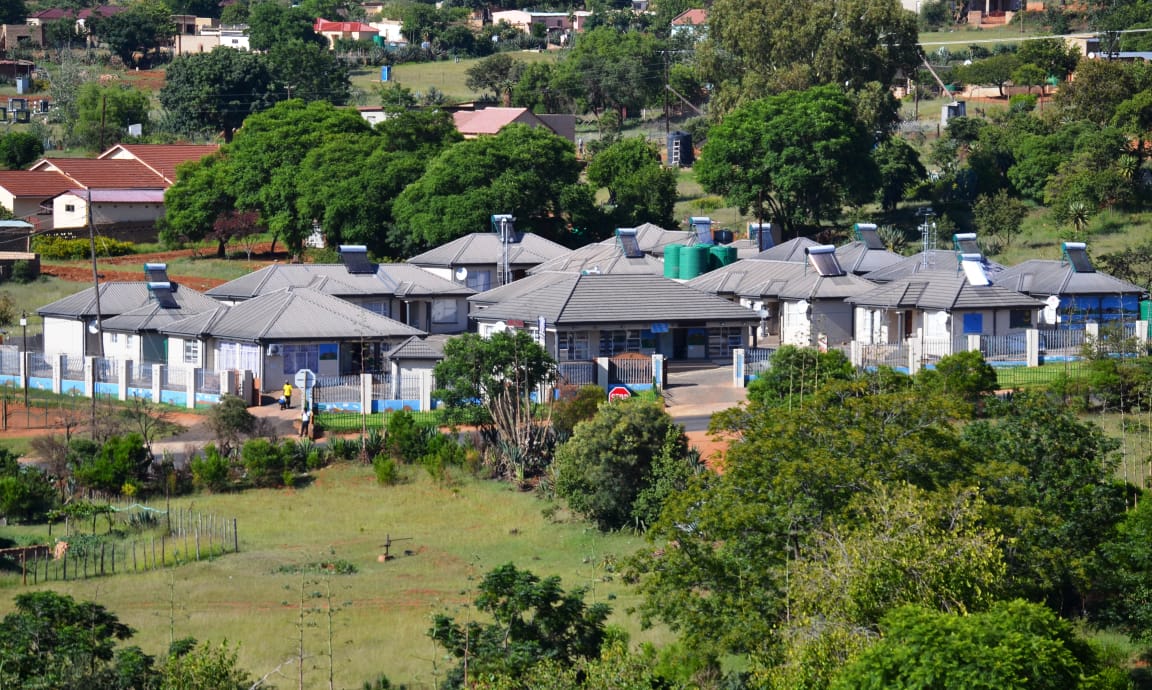
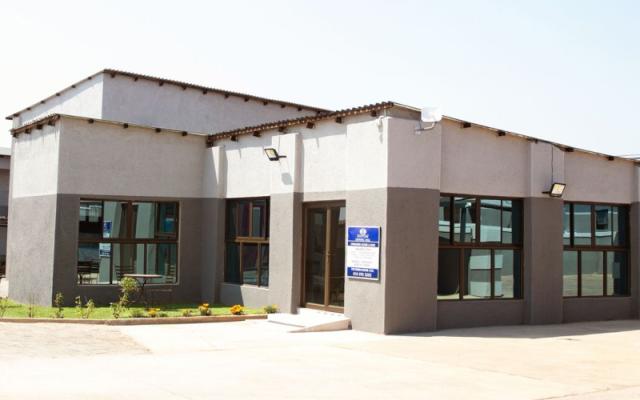
Formal accommodation in Ga-seopela is limited, and the online listing count currently stands at zero, with no established pricing benchmarks for the village. This reflects the area's status as an emerging community destination rather than a developed tourism node. Travelers who do make the effort to visit will find options rooted in the community itself, though they require more legwork to arrange than a standard booking.
At the budget end, homestays represent the most accessible option. Local families sometimes open rooms to visitors, particularly those who arrive through community tourism networks or with prior arrangement via provincial tourism bodies. These stays are basic: a bed, shared bathroom facilities, and meals prepared from locally grown ingredients. The value lies in proximity to everyday rural life rather than in amenities, and guests should arrive with realistic expectations about infrastructure.
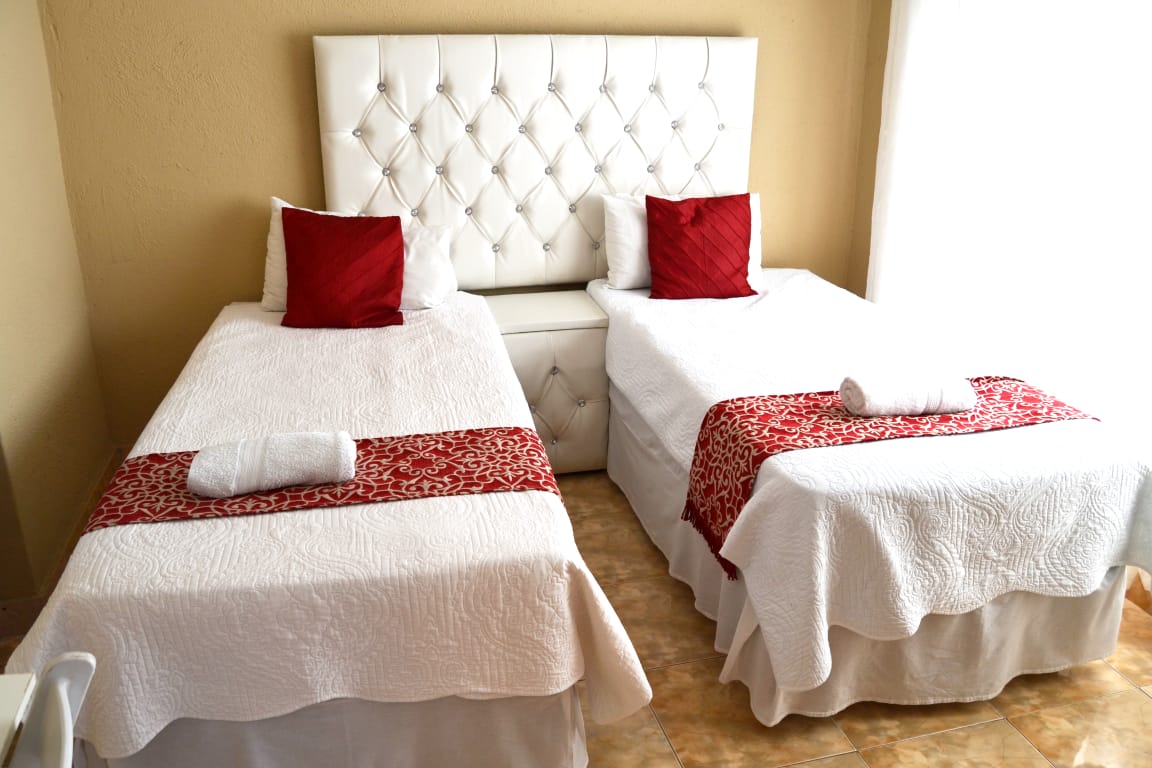
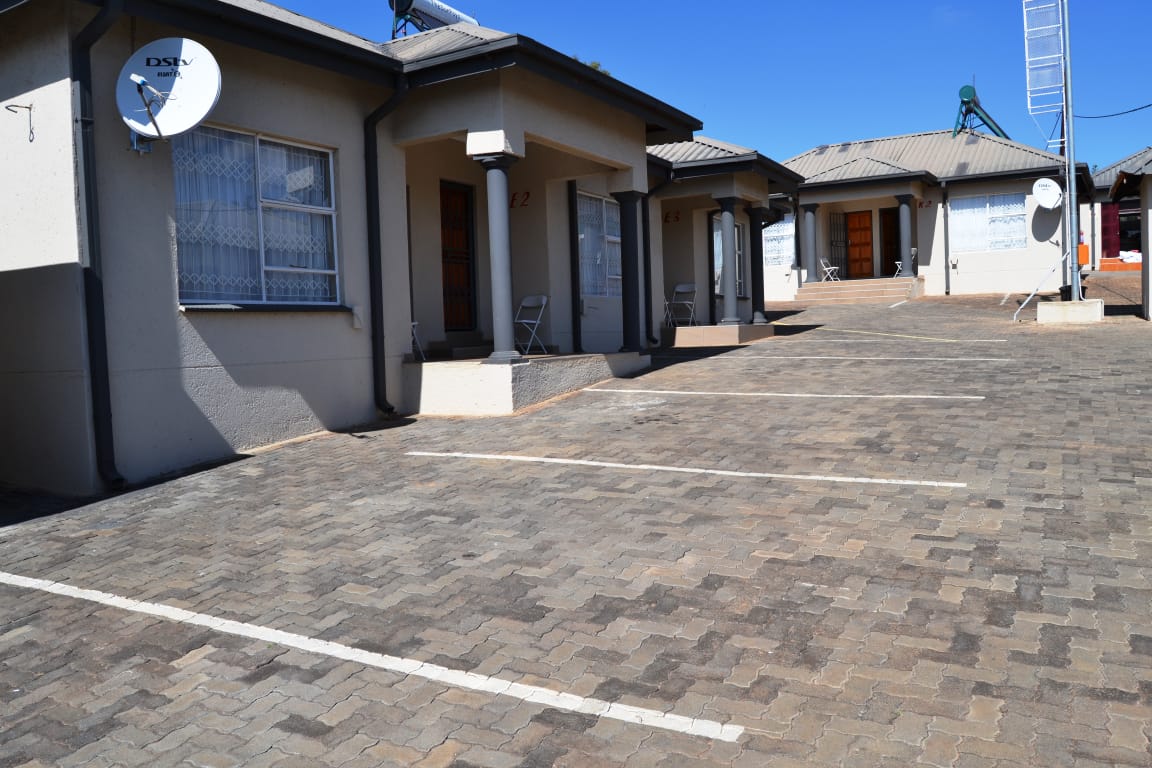
There is no clearly defined mid-range tier within the village. Travelers looking for something between a homestay and a structured guesthouse may need to treat Ga-seopela as a daytime base and stay in a more developed neighboring town. Small guesthouses in the region typically offer private bathrooms, more reliable electricity, and consistent hot water, though even these are simple operations by comparison to urban South African standards.
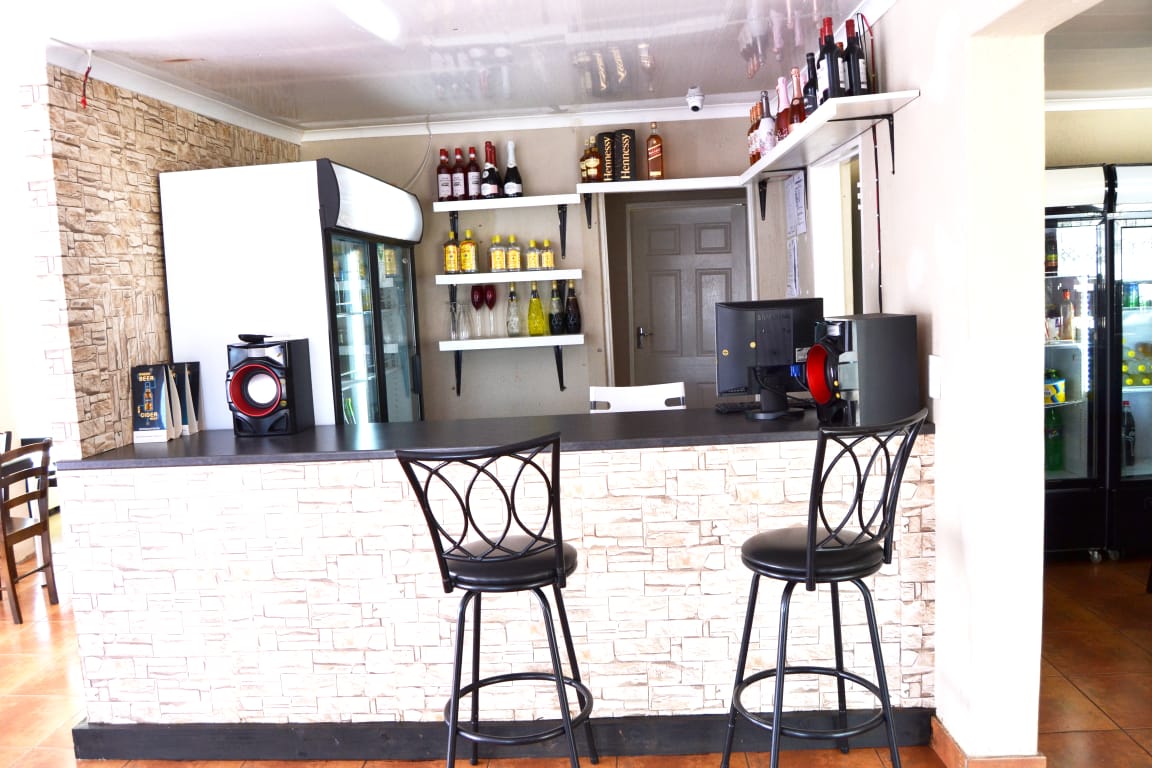
Upper-tier facilities are not available in the village at all. Visitors expecting hotel-style services will need to look further afield. Spending nights in a larger service town while day-tripping into the village is a practical compromise for those unwilling to forgo basic comforts entirely.
For those committed to staying in the village, preparation is the key factor. Confirm availability well in advance through local contacts, clarify what the rate covers, and plan meals around self-catering rather than assuming restaurant access. Properties that do exist often operate informally, and booking channels are more likely to be a phone call than an online platform.
Best Time to Visit Ga-seopela
The dry season, running from April through September, offers the most comfortable conditions for travel. Daytime temperatures are moderate, roads are drier and more navigable, and dust aside, movement through the district is generally straightforward. Winter nights can fall close to freezing, so warm clothing is necessary even when days feel mild. The low vegetation of the dry months makes the landscape more open, which suits those interested in walking or observing wildlife.
The summer months from November to March bring frequent afternoon thunderstorms, with temperatures regularly exceeding 30 degrees Celsius. Humidity climbs alongside the rainfall, and gravel roads can become difficult or impassable after heavy downpours. That said, the wet season transforms the landscape in ways the dry months cannot replicate. Grasses green across the veld, seasonal streams run, wildflowers appear between rocky outcrops, and birdlife peaks as migratory species arrive. For anyone interested in the agricultural cycle, this is also when planting and cultivation are most active, and community life takes on a different rhythm around seasonal labour.
There is no formal tourist peak season in Ga-seopela, which means neither accommodation availability nor local activity is likely to shift significantly based on calendar timing. The practical choice between summer and winter comes down to what the traveler values most: access or atmosphere.
Getting to Ga-seopela
Polokwane International Airport, roughly 80 kilometers to the northwest, is the most convenient air access point for the region. No shuttle or public transport connects the airport to Ga-seopela, so a rental vehicle is essential from the point of arrival. The drive from Polokwane takes approximately one hour under normal conditions, heading east through the Sekhukhune District via the R37.
From Johannesburg, the total drive covers around 350 kilometers. The standard route follows the N1 north toward Polokwane, then branches east on the R37 toward Burgersfort before turning onto district roads into the village. Tarred sections cover the majority of this distance, but the final approach involves gravel roads that can be rough after rain. A standard sedan manages in dry conditions, though a vehicle with higher ground clearance is more comfortable and better suited to the terrain.
Public transport connections are unreliable for planning purposes. Minibus taxis serve routes between larger towns in the district, but direct services to Ga-seopela are not consistent. Travelers arriving without a private vehicle would typically need to reach Jane Furse, 13 kilometers from the village, and arrange onward transport from there.
Fuel is unavailable in the village itself. Fill the tank before turning off the main road, and carry a reserve jerry can if planning to explore the surrounding district roads over multiple days.
Ga-seopela and Surrounding Areas
The villages and small towns within a 25-kilometer radius of Ga-seopela form a closely connected cluster of Bapedi communities and service centers. Used together, they offer considerably more than any single stop on its own.
Ga-monlala, 3 kilometers away, is the nearest neighboring settlement and shares strong community ties with Ga-seopela. Movement between the two is common for markets, family visits, and informal gatherings. The short distance makes it walkable or a quick drive, and the two villages effectively function as an extended community.
Ga-mogashoa, 8 kilometers out, is known locally for active traditional governance. Seasonal ceremonies and community assemblies are part of the village calendar, and visitors with a genuine interest in Bapedi cultural practices may find opportunities here with appropriate advance arrangements.
Ga-moretsele, at 11 kilometers, sits in a slightly elevated section of the district where the terrain offers reasonable territory for those interested in walking through the Lowveld hillside landscape. The rocky outcrops and scrub vegetation are characteristic of this part of Limpopo.
Jane Furse, 13 kilometers from Ga-seopela, is the most practically useful center in the immediate area. It has a hospital, supermarkets, fuel stations, and banking facilities that serve the surrounding villages. For extended stays in Ga-seopela, Jane Furse functions as the primary resupply point.
Ga-mamphahlane, 16 kilometers away, is a larger settlement with stronger connections to the district road network. Livestock farming and dryland cropping are central to the local economy, and the village reflects the agricultural patterns common across Sekhukhune.
Ga-makhwae, the furthest at 21 kilometers, sits closest to the Steelpoort River corridor. The riverine vegetation along this stretch supports a greater density of birdlife than the drier bushveld further from the water, making it a reasonable destination for birdwatching, particularly during the summer months.
Planning Your Stay
Because Ga-seopela does not appear on mainstream booking platforms, planning requires more direct communication than most South African destinations. The Greater Tubatse Local Municipality and Limpopo's provincial tourism offices are the most reliable starting points for identifying current hosting options and community tourism contacts in the area.
Before confirming any accommodation, ask specific questions: Is electricity supply from the municipal grid or a generator? Is water delivered by truck or piped? What meals are included, and what dietary requirements can be accommodated? In rural settings, these details vary considerably between properties and can affect the practicality of a stay.
Booking in advance is worthwhile not because demand is high, but because hosts may need preparation time and options are few enough that unannounced arrival is a gamble. Cash is the most reliable payment method. Electronic payments are not universally accepted, and connectivity for card machines can be inconsistent.
Carry a practical kit: water purification tablets, a torch, non-perishable food for at least two days, and a basic first-aid supply. Mobile data coverage exists across most of the district, but signal strength varies. Download offline maps while you still have reliable data access in a larger town. Travelers with specific research or cultural interests will get considerably more from the experience by making contact with local guides or community liaisons before arrival rather than arriving cold.