Accommodation in Patantswane
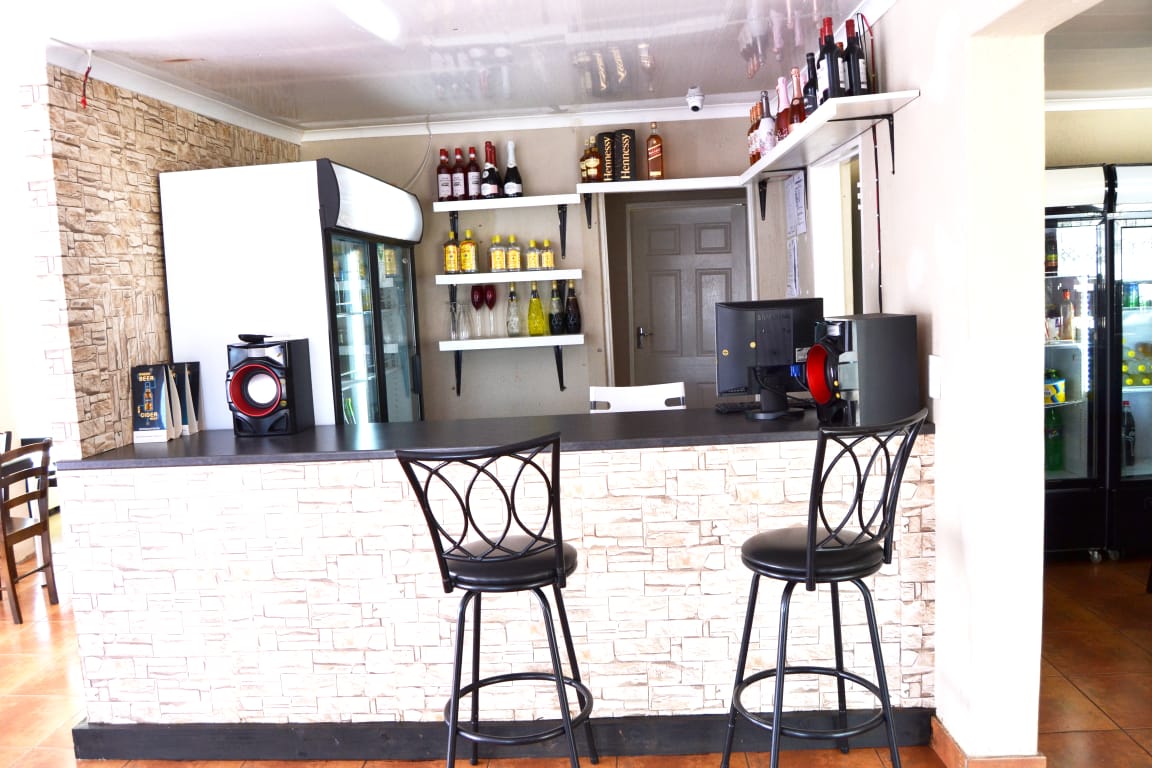
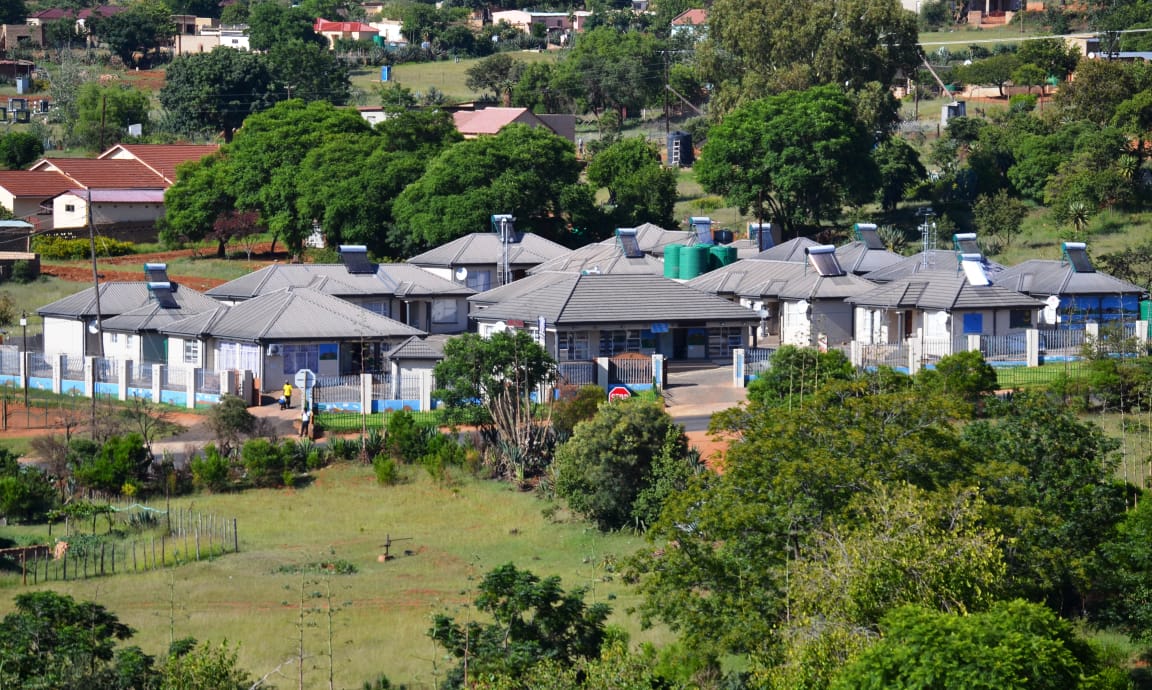
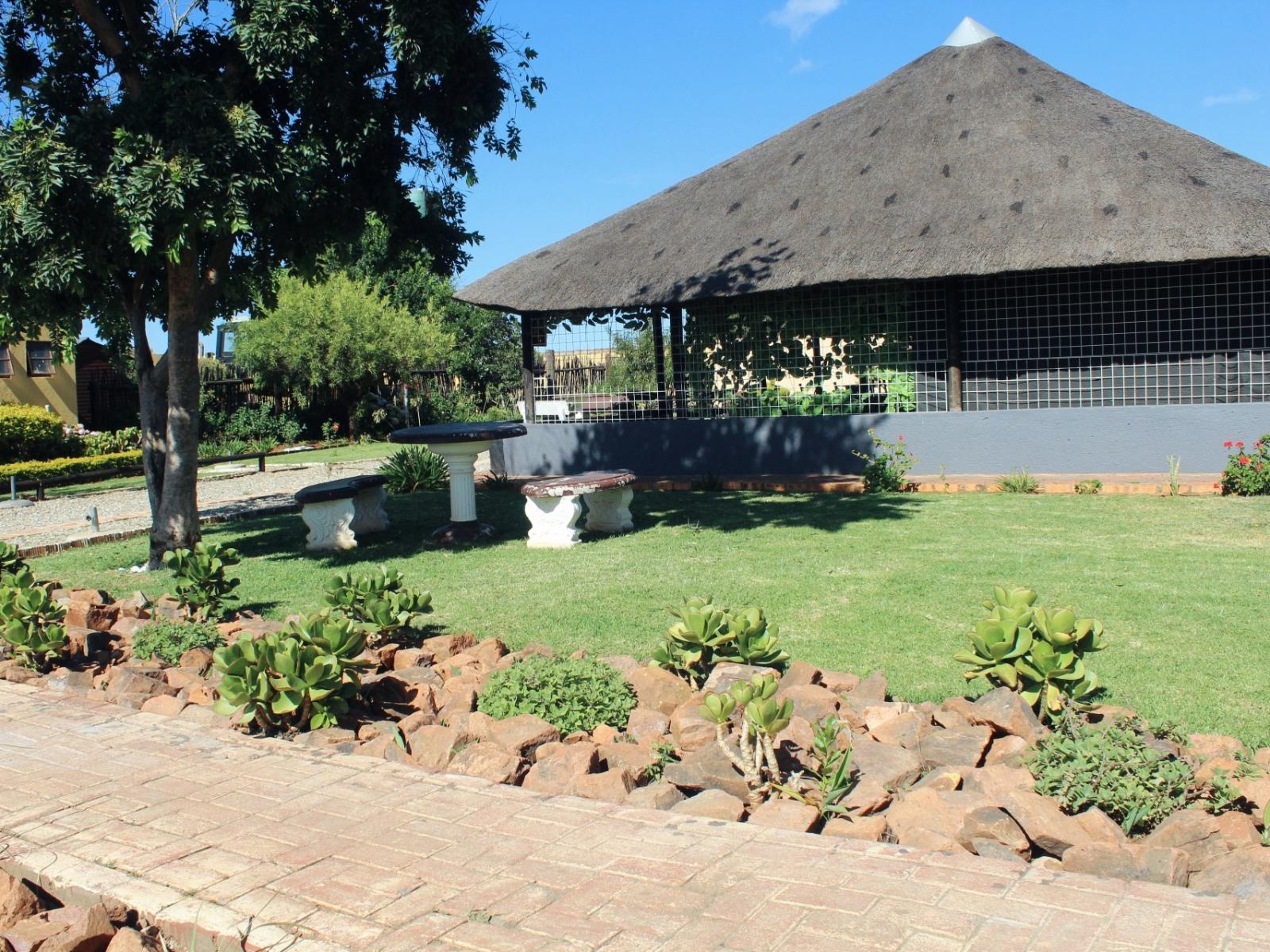
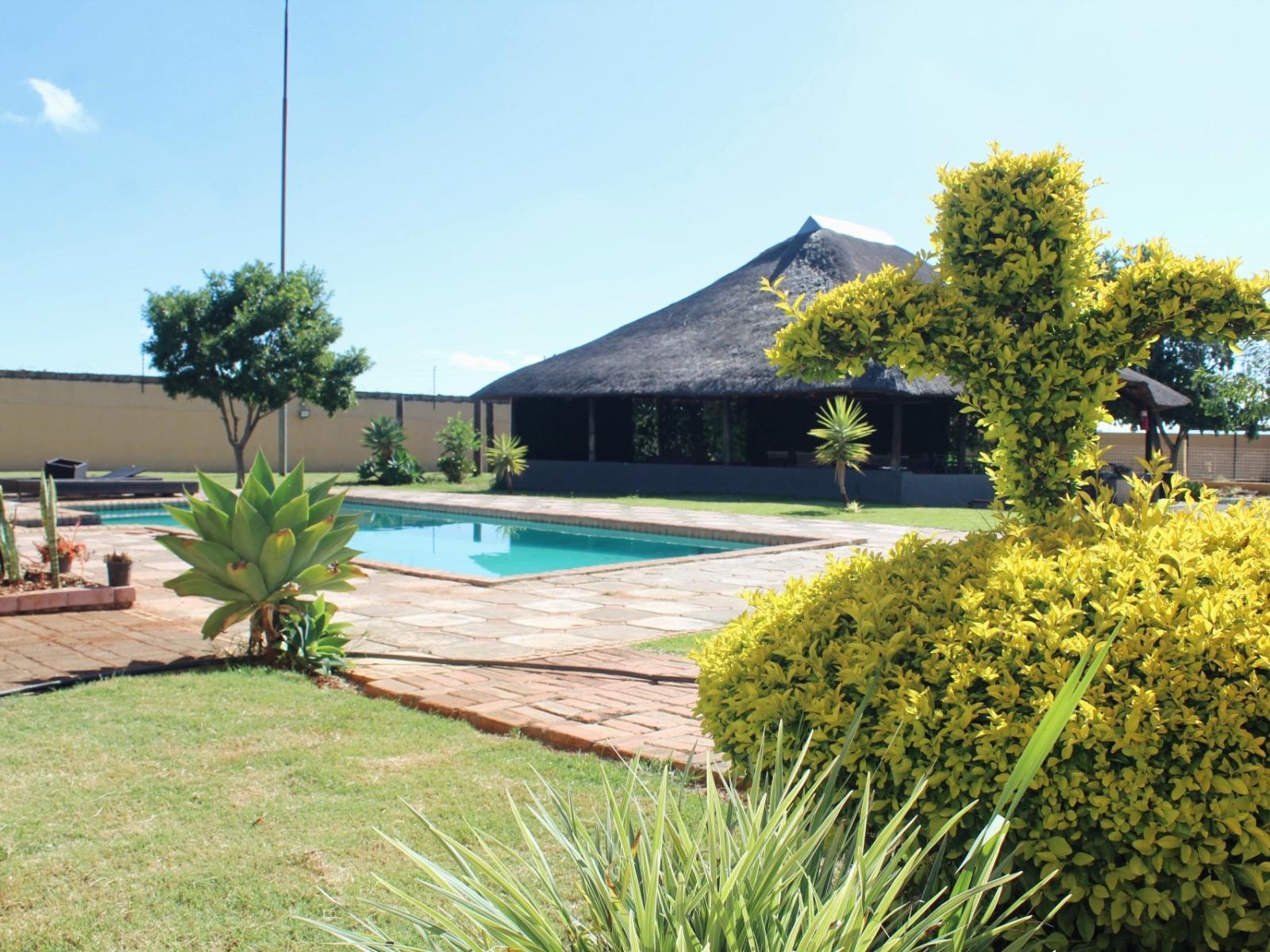
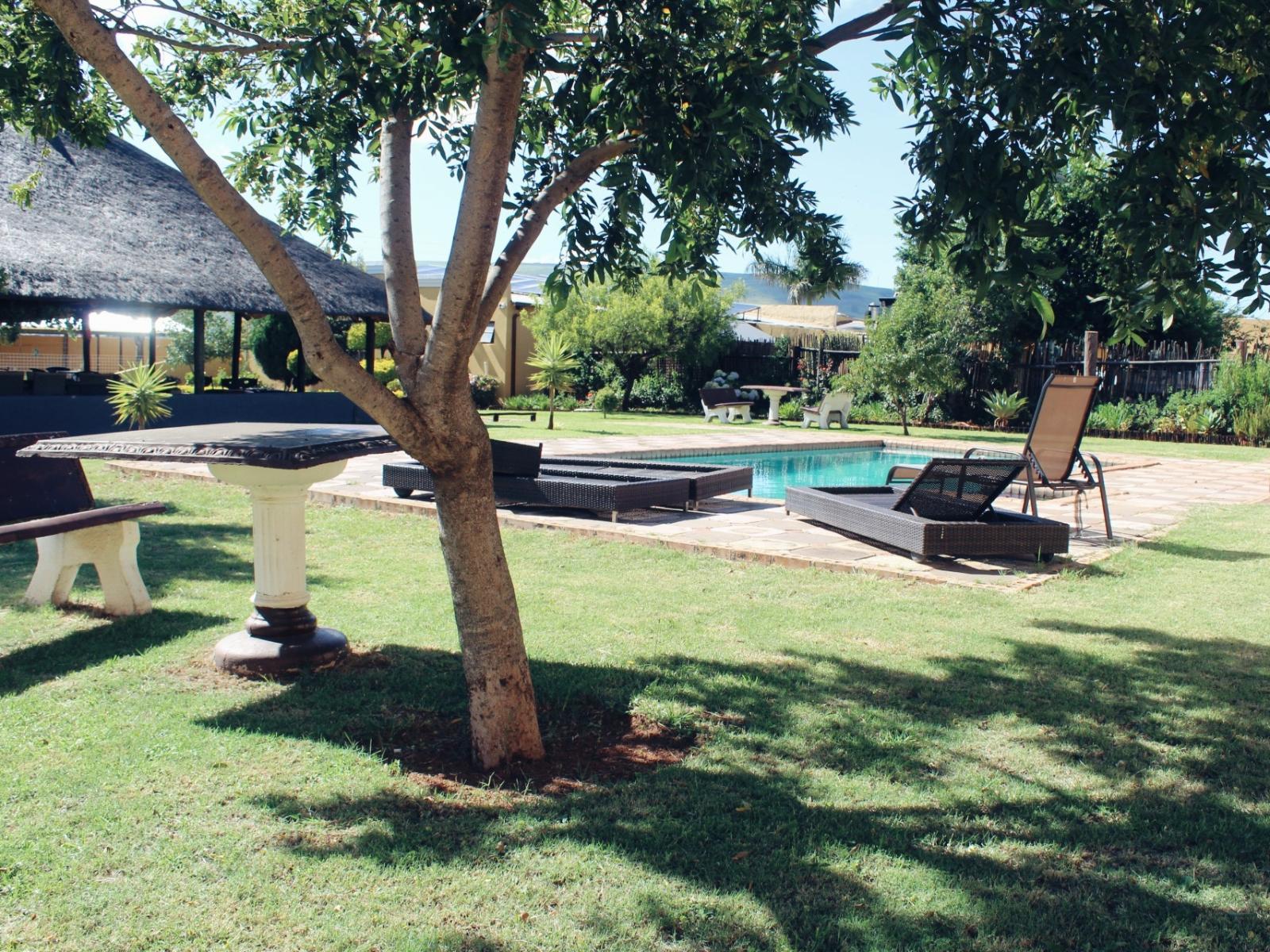
Patantswane's accommodation options reflect the settlement's agricultural and rural character. The local listing inventory is currently small, with properties that tend to serve travellers passing through to Kruger National Park or exploring the broader Mopani District rather than those looking for resort-style facilities.
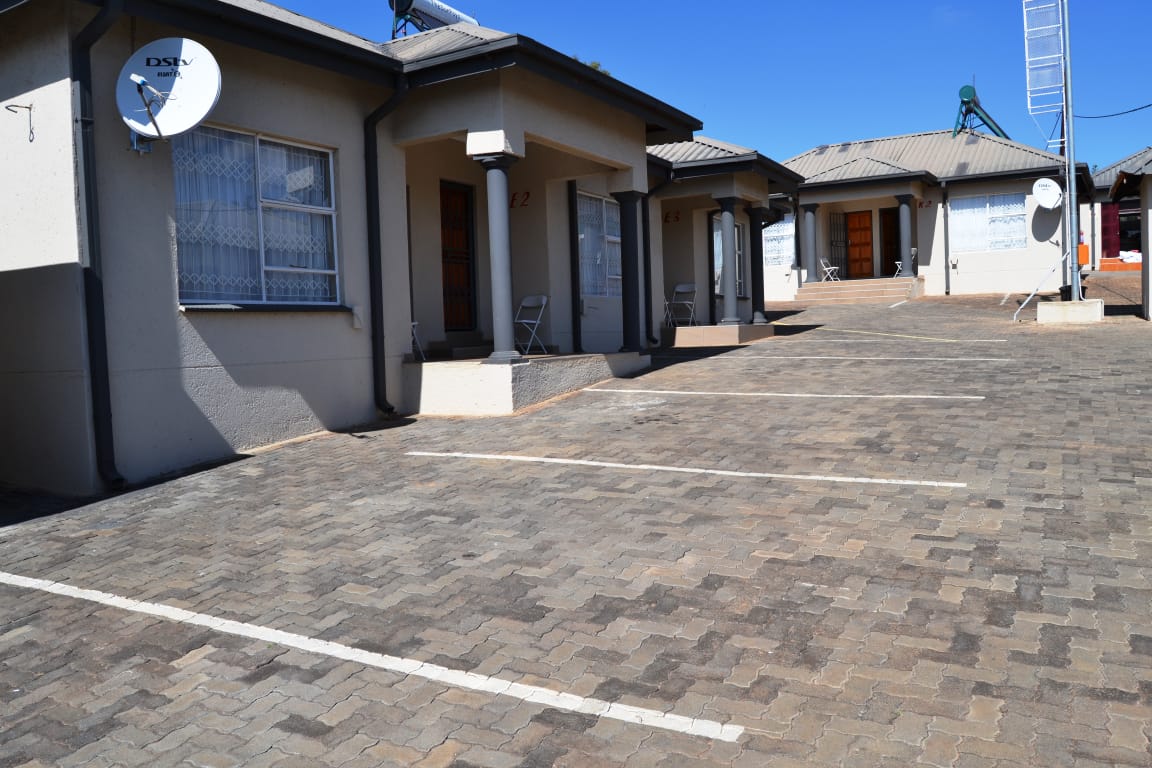
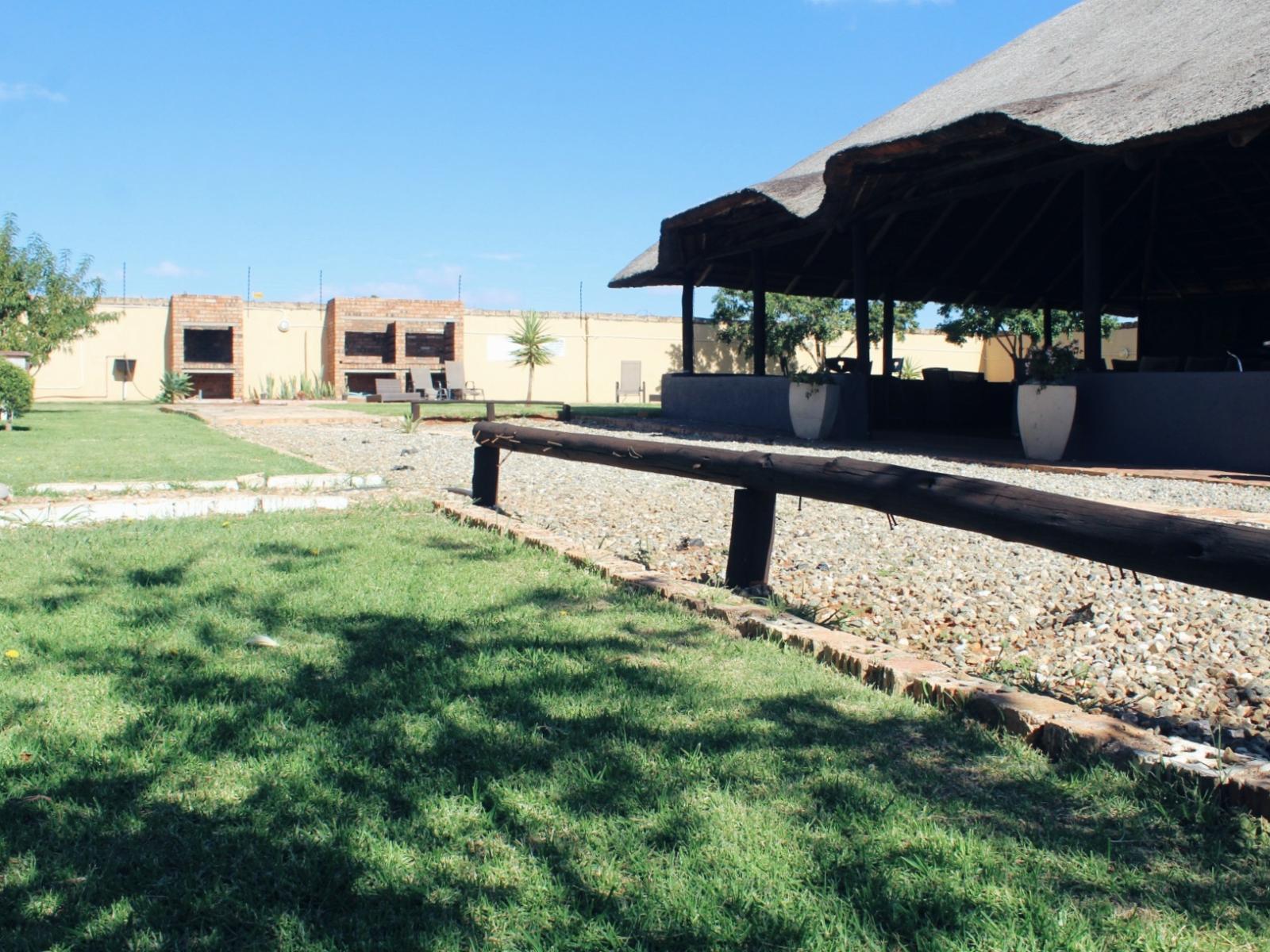
At the budget end, self-catering units offer the most practical option for visitors who prefer independence. These typically provide basic kitchen facilities, outdoor braai areas, and enough space for small families or groups. The self-catering format suits the local environment well: the nearest supermarkets are roughly 40 kilometres away in Phalaborwa, so the ability to cook your own meals carries real practical value.
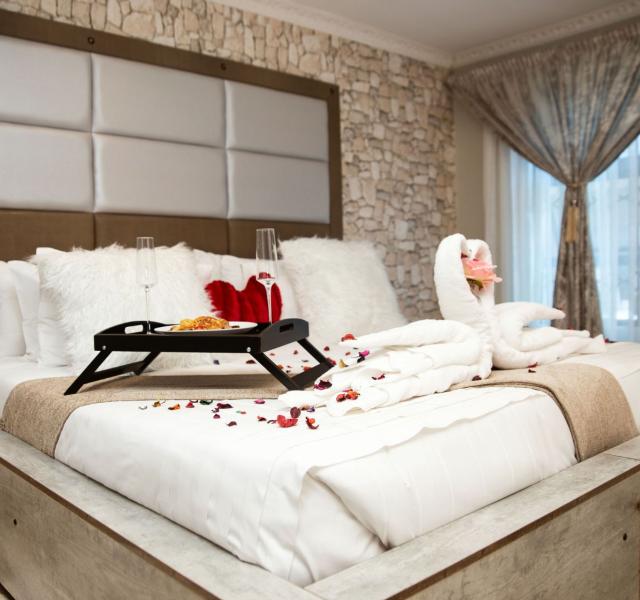
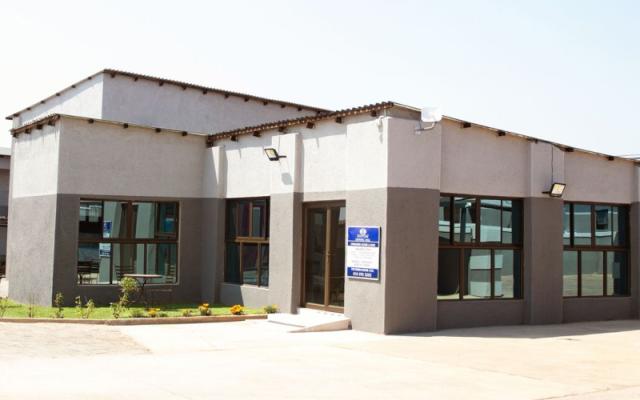
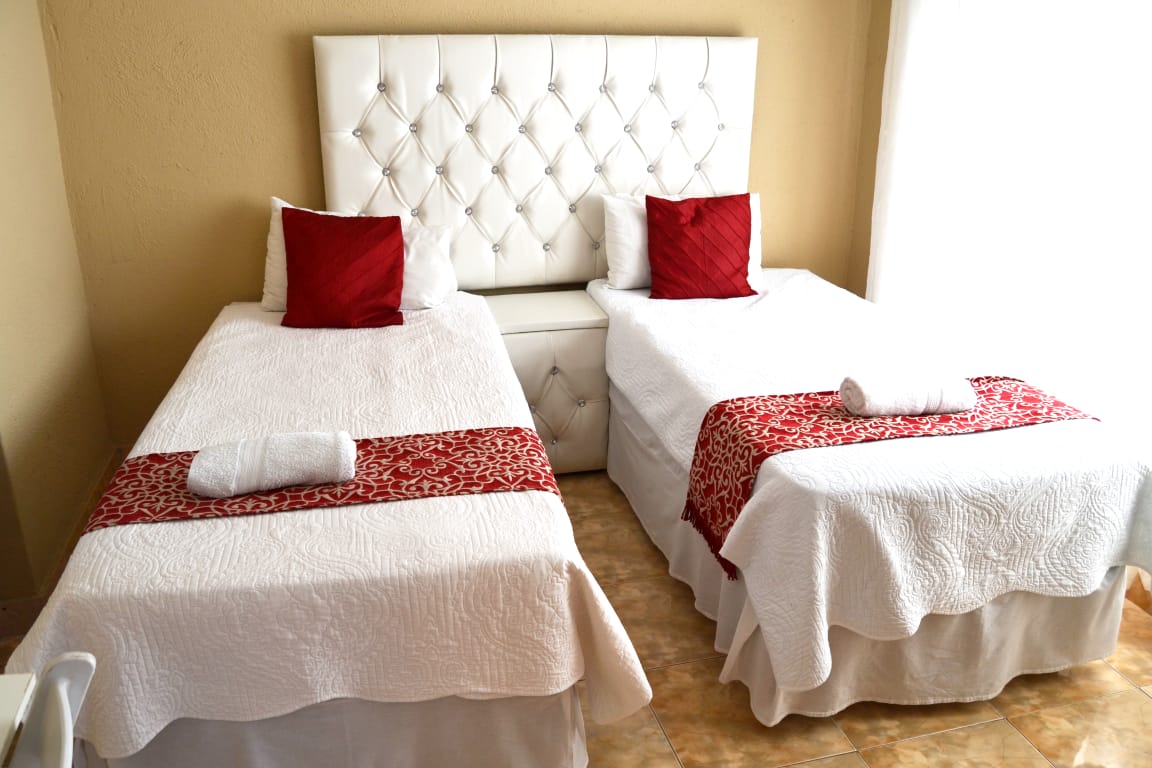
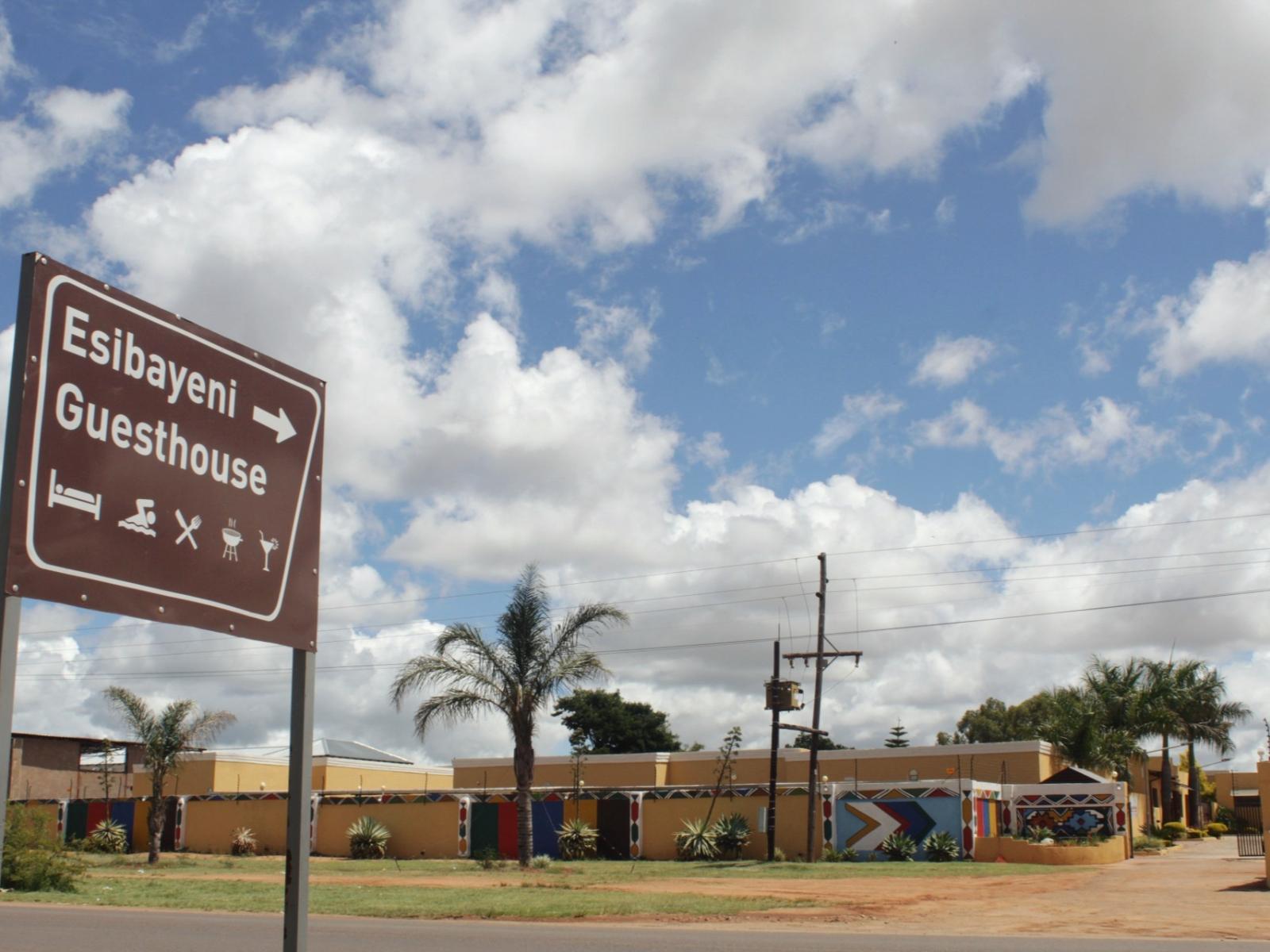
Mid-range travellers will find guesthouses and bed-and-breakfast accommodation available in and around the settlement. These properties generally include breakfast, air conditioning (essential given summer temperatures that regularly exceed 35 degrees Celsius), and hosts who carry useful local knowledge about wildlife sightings and road conditions. A comfortable, unfussy stay with direct access to the bushveld environment is the standard offering at this level.
Upper-tier options in the wider area lean toward game lodges and safari camps that combine accommodation with guided activities. These properties command higher nightly rates and often include all meals and game drives, which appeals to visitors who want a structured experience without managing their own catering. This tier suits shorter stays where the focus is on wildlife rather than extended base-camp travel.
Given the current listing data, visitors planning a stay specifically in Patantswane should treat supply as limited and plan accordingly. The settlement is not a commercial accommodation node in the way that nearby towns are, and the available properties fill their calendars through repeat visitors and regional travellers rather than walk-in trade. Booking well ahead is the practical default here, not an optional precaution.
Best Time to Visit Patantswane
The Limpopo Lowveld operates on a clear seasonal rhythm, and timing your visit around it makes a practical difference. Winter, running from May through August, is widely considered the better period for general travel comfort. Daytime temperatures settle between 20 and 28 degrees Celsius, nights turn genuinely cold, and the vegetation thins out as grasses dry back. Rain is rare during this period and road conditions are generally reliable throughout the district.
The summer wet season, from November through March, brings temperatures above 35 degrees and afternoon thunderstorms that can be intense but usually pass quickly. The bushveld greens up significantly during this period, which has its own visual interest, but the heat and humidity make sustained outdoor activity less comfortable. Malaria risk increases during the wet months across the Lowveld, so prophylactics are strongly recommended regardless of the specific time of year you visit.
April and September sit in shoulder periods, offering a reasonable balance between comfortable temperatures and landscape variety. School holiday periods in South Africa, particularly December through January and the mid-year break in June and July, bring increased traffic toward the Kruger gates and can affect accommodation availability across the wider region. Travelling outside these windows is generally quieter and cheaper.
Getting to Patantswane
The most practical entry point for international travellers is OR Tambo International Airport in Johannesburg, approximately 450 kilometres southwest of Patantswane. From Johannesburg, the standard driving route heads north on the N1 before turning east toward Phalaborwa via the R71 through Tzaneen. The full drive takes roughly five to six hours depending on traffic through Gauteng and the quality of the final approach roads.
Eastgate Airport in Hoedspruit, about 80 kilometres south of Phalaborwa, handles smaller regional flights and offers a considerably shorter final leg for those connecting from Cape Town or Durban. Car hire is available at both Hoedspruit and Phalaborwa, and self-drive remains the standard approach throughout this part of Limpopo. Public transport connections to the Patantswane area are minimal, and the distances between points of interest make a personal or hired vehicle essentially necessary.
Within the Patantswane area, a standard sedan is adequate for most tarred and well-maintained gravel roads. A higher-clearance vehicle becomes more useful during the wet season, when some secondary tracks become soft or corrugated, and for any travel into communal areas off the main routes. Fuel availability beyond the principal towns is unreliable, so fill up before leaving the larger centres.
Patantswane and Surrounding Areas
The villages surrounding Patantswane share the agricultural and communal character of the broader Mopani and Sekhukhune districts. Each sits within a landscape of bushveld and cattle country, and visiting them offers a different perspective from the wildlife-focused experiences further east.
Ngwaritsi, 8 kilometres away, is a small rural community where cattle farming and subsistence agriculture define daily life. Visitors with an interest in the ordinary routines of Lowveld communities will find it an uncommercialised and genuine environment, with none of the infrastructure of a formal tourism destination.
Ga-phetla, 9 kilometres from Patantswane, sits within the same agricultural belt and reflects similar patterns. Local residents practice traditional land use that has shaped this particular stretch of bushveld for generations, and the village gives a ground-level view of community life in the district.
Phokwane, at 17 kilometres, is a larger settlement that functions as a local service point for surrounding communities. It provides a practical stop and offers a clearer sense of how district-level commerce and services operate beyond the rural fringe.
Ga-moretsele and Ga-mogashoa, both approximately 18 kilometres out, are neighbouring villages that reflect the dispersed settlement pattern common across the Sekhukhune area. Secondary roads between these villages vary in condition, and it is worth confirming current route quality locally before travelling, particularly after heavy rain.
Jane Furse, 19 kilometres from Patantswane, is the most significant town in this cluster. It functions as a regional administrative and commercial hub serving a large surrounding population, with a hospital, schools, and retail facilities that are absent from the smaller villages. For visitors, Jane Furse provides a fuller picture of contemporary life in this part of Limpopo and serves as a practical stop for supplies or cash before heading into more remote areas.
Planning Your Stay
Patantswane sits in an area where last-minute accommodation decisions carry real risk, particularly around South African school holidays and the dry-season peak between June and July. Properties across the Mopani District tend to fill up well in advance during these windows, so booking four to eight weeks ahead is a reasonable target for mid-year travel, and earlier still for the December period.
When comparing properties, pay attention to the distance between a guesthouse and the specific Kruger gate you intend to use. Different gates serve different sections of the park, opening times vary, and not all property listings make these practical distinctions clear upfront. A brief message to the host asking about gate access is worth the few minutes it takes.
Before confirming a reservation, check whether air conditioning is a standard fitting or an optional extra. In summer, this distinction matters significantly. Confirm road access if you are travelling in a standard sedan rather than a 4x4, and ask whether early morning departures are practical from the property if game viewing is a priority.
Carry adequate cash when travelling through the rural parts of the district. Card payment infrastructure can be unreliable in smaller communities, and ATM coverage outside the main towns is limited. Travel insurance that covers medical evacuation is a sensible precaution for any extended visit to the Lowveld, where the nearest major hospital facilities require meaningful travel time to reach.