Groblersdal Reis- & Akkommodasiegids
Jou volledige gids om Groblersdal, Suid-Afrika te besoek.
Groblersdal is a practical base for exploring the agricultural heart of Limpopo, with its sunny climate and proximity to water-based activities. The town features local farms and natural reserves that appeal to nature lovers. It serves as an accessible spot for those interested in South Africa's rural landscapes and outdoor pursuits.
## Accommodation in Groblersdal
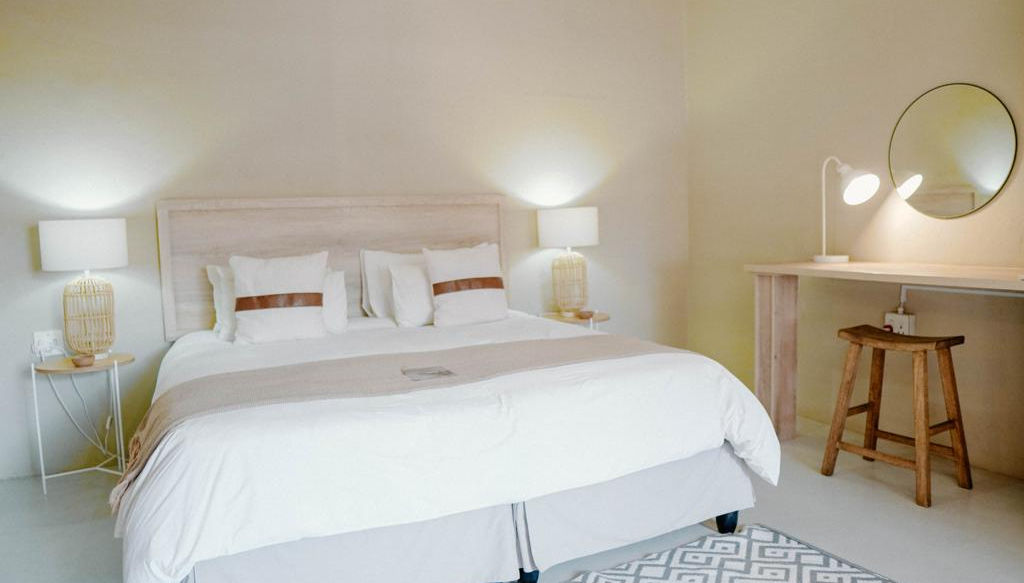
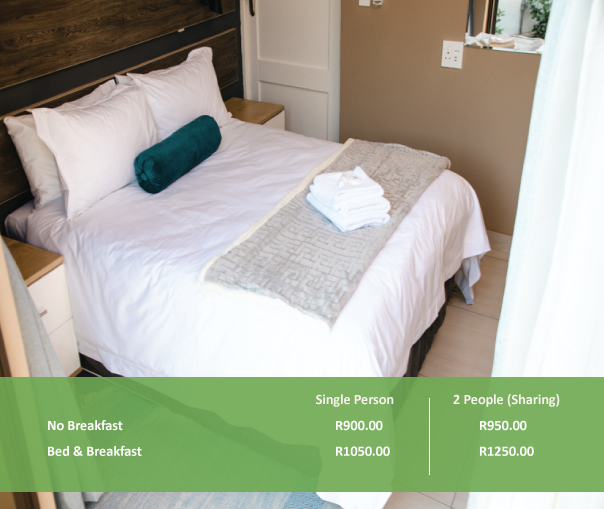
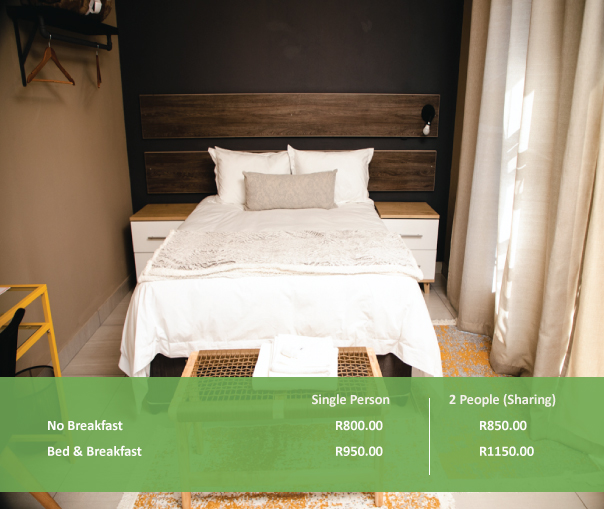
No properties are currently listed in Groblersdal through this platform, and going rates are not yet benchmarked. That said, the town and its surrounds offer accommodation options for travelers willing to book directly or through local channels, ranging from basic guesthouses to game lodge stays near Loskop Nature Reserve.
At the budget end, small guesthouses and self-catering units cater to travelers passing through or visiting family in the farming communities. These are generally family-run, straightforward in their facilities, and without frills. Budget options work well as a base if your primary interest is the outdoors rather than in-room comfort.
Mid-range travelers are best served by farm stays, which are well suited to the character of this region. A farm stay typically includes access to working land, meal options built around local produce, and the kind of quiet that is genuinely difficult to find closer to Pretoria or Johannesburg. Prices vary by season and what is bundled in.
At the upper end, a small number of lodges operate near Loskop Nature Reserve, oriented toward game viewing guests and families on weekend breaks. These properties tend to include guided walks, game drives, and swimming pools, with nightly rates reflecting the guided activities and reserve access included in the stay.
Because Groblersdal is a service town rather than a tourist hub, accommodation stock is limited. Travelers should not expect the density of options found in established game or garden route destinations. Guesthouses and farm stays often have only a handful of rooms, so a single group can fill a property. Booking ahead is the practical default here, not a precaution.
---
## Best Time to Visit Groblersdal
Groblersdal sits in the Limpopo lowveld, where a pronounced wet and dry cycle shapes what is possible at any given time of year. Summers run from November through March, bringing heat above 35°C and afternoon thunderstorms that can make dirt roads unreliable. Outdoor activities are feasible but require timing around the heat and rain.
The dry season from May to October is the preferred window for most visits. Days are moderate and clear, nights are cool, and the drop in vegetation makes wildlife far more visible in the surrounding reserves. June and July are the coldest months, with overnight temperatures occasionally reaching single digits, so layers are worth packing.
August and September offer warmer days while staying dry, and spring wildflowers begin showing from late August onward. These months attract the most day visitors from Gauteng.
South African school holidays, particularly the June or July winter break and December or January summer break, see increased demand across the region. Accommodation fills faster during these windows, especially properties close to the dam and nature reserve. Traveling outside school holiday periods gives you more flexibility and generally quieter conditions, both on the roads and at popular outdoor sites.
---
## Getting to Groblersdal
Groblersdal is roughly 180 kilometers northeast of Pretoria. The most direct route uses the N1 north out of Pretoria and then turns east on the R573, passing through Marble Hall before entering the town. From Johannesburg, the drive is around two and a half hours under normal conditions.
There is no passenger rail and no commercial airport near Groblersdal. OR Tambo International in Johannesburg and Polokwane International are both options for arriving by air, and both require a road transfer to complete the journey.
A private vehicle is essential once you arrive. The town center is compact, but accommodation, nature reserves, and attractions are distributed across the farming district and not reachable on foot. Minibus taxis run informal routes between Groblersdal and nearby towns such as Marble Hall, offering affordable local transport, though departure times are not fixed.
Main roads in the area are tarred. Some farm stays and lodges involve short gravel sections, which a standard sedan handles comfortably in dry conditions. During the wet season, gravel routes can become soft. Fuel is available in the town center; fill up before heading out to more remote accommodation, as rural service stations are sparse.
---
## Groblersdal and Surrounding Areas
Groblersdal makes a workable base for exploring a stretch of Limpopo lowveld that draws relatively little tourist traffic. The towns and settlements within 30 kilometers each offer something distinct.
**Dikgalaopeng** (22 km) is a rural community in the Sekhukhune district, where village life and subsistence farming remain the dominant pattern. There are no formal visitor facilities, but the drive through the area adds useful context to the region's social landscape and land-use history.
**Nemba** (24 km) sits within the agricultural belt east of Groblersdal. The area is defined by smallholdings and communal land. Roadside traders selling seasonal produce are common, offering a direct connection to the farming rhythms of the lowveld.
**Bakoni** (24 km) is associated with the Bakoni Malapa Northern Sotho Open-Air Museum, which documents the culture and daily life of the Northern Sotho people through reconstructed homesteads and displays of traditional tools and practices. It provides cultural context that purely nature-focused itineraries in this region often lack.
**Marble Hall** (25 km) is the most developed town nearby, with more established retail, medical services, and a slightly broader hospitality offer than Groblersdal itself. The town takes its name from marble deposits historically mined in the area. It functions as a practical resupply stop for anyone spending several days in the district.
**Sterkfontein** (26 km) is a farming settlement in the Limpopo agricultural zone. The name may cause confusion with the well-known fossil site in Gauteng, but this is a separate place entirely and not a heritage destination.
**Paardensoek** (26 km) is a farming community producing citrus and irrigated crops. The flat, open landscape here reflects the scale of commercial agriculture that dominates this corner of Limpopo and contrasts with the hillier terrain closer to the Elandsberg range.
---
## Planning Your Stay
Groblersdal is not a destination where last-minute online booking reliably works. Properties are small, platforms may not list them all, and availability can disappear without much notice. Phoning ahead and confirming directly with your host is the most dependable approach, ideally several weeks before arrival rather than days.
When making contact, ask specifically about road conditions to the property, whether meals are provided or self-catering is required, and what activities can be arranged locally or on-site. Some properties assist with fishing permits and guided excursions; others leave this entirely to guests. Knowing the answer before you book avoids disappointment on arrival.
School holiday periods in South Africa, particularly the June or July break and the December or January summer season, push demand up noticeably across the region. If your travel dates fall within these windows, booking two to three months ahead is reasonable.
Cash is a practical necessity at smaller establishments, markets, and rural stops. Card facilities are present in the main town but are not guaranteed at farm stays or community-run venues. Checking connectivity before relying on digital payment is worth the extra step. Mobile signal is generally available in the town center but can be patchy further out toward the farming districts.

No properties are currently listed in Groblersdal through this platform, and going rates are not yet benchmarked. That said, the town and its surrounds offer accommodation options for travelers willing to book directly or through local channels, ranging from basic guesthouses to game lodge stays near Loskop Nature Reserve.
At the budget end, small guesthouses and self-catering units cater to travelers passing through or visiting family in the farming communities. These are generally family-run, straightforward in their facilities, and without frills. Budget options work well as a base if your primary interest is the outdoors rather than in-room comfort.
Mid-range travelers are best served by farm stays, which are well suited to the character of this region. A farm stay typically includes access to working land, meal options built around local produce, and the kind of quiet that is genuinely difficult to find closer to Pretoria or Johannesburg. Prices vary by season and what is bundled in.
At the upper end, a small number of lodges operate near Loskop Nature Reserve, oriented toward game viewing guests and families on weekend breaks. These properties tend to include guided walks, game drives, and swimming pools, with nightly rates reflecting the guided activities and reserve access included in the stay.
Because Groblersdal is a service town rather than a tourist hub, accommodation stock is limited. Travelers should not expect the density of options found in established game or garden route destinations. Guesthouses and farm stays often have only a handful of rooms, so a single group can fill a property. Booking ahead is the practical default here, not a precaution.
---
## Best Time to Visit Groblersdal
Groblersdal sits in the Limpopo lowveld, where a pronounced wet and dry cycle shapes what is possible at any given time of year. Summers run from November through March, bringing heat above 35°C and afternoon thunderstorms that can make dirt roads unreliable. Outdoor activities are feasible but require timing around the heat and rain.
The dry season from May to October is the preferred window for most visits. Days are moderate and clear, nights are cool, and the drop in vegetation makes wildlife far more visible in the surrounding reserves. June and July are the coldest months, with overnight temperatures occasionally reaching single digits, so layers are worth packing.
August and September offer warmer days while staying dry, and spring wildflowers begin showing from late August onward. These months attract the most day visitors from Gauteng.
South African school holidays, particularly the June or July winter break and December or January summer break, see increased demand across the region. Accommodation fills faster during these windows, especially properties close to the dam and nature reserve. Traveling outside school holiday periods gives you more flexibility and generally quieter conditions, both on the roads and at popular outdoor sites.
---
## Getting to Groblersdal
Groblersdal is roughly 180 kilometers northeast of Pretoria. The most direct route uses the N1 north out of Pretoria and then turns east on the R573, passing through Marble Hall before entering the town. From Johannesburg, the drive is around two and a half hours under normal conditions.
There is no passenger rail and no commercial airport near Groblersdal. OR Tambo International in Johannesburg and Polokwane International are both options for arriving by air, and both require a road transfer to complete the journey.
A private vehicle is essential once you arrive. The town center is compact, but accommodation, nature reserves, and attractions are distributed across the farming district and not reachable on foot. Minibus taxis run informal routes between Groblersdal and nearby towns such as Marble Hall, offering affordable local transport, though departure times are not fixed.
Main roads in the area are tarred. Some farm stays and lodges involve short gravel sections, which a standard sedan handles comfortably in dry conditions. During the wet season, gravel routes can become soft. Fuel is available in the town center; fill up before heading out to more remote accommodation, as rural service stations are sparse.
---
## Groblersdal and Surrounding Areas
Groblersdal makes a workable base for exploring a stretch of Limpopo lowveld that draws relatively little tourist traffic. The towns and settlements within 30 kilometers each offer something distinct.
**Dikgalaopeng** (22 km) is a rural community in the Sekhukhune district, where village life and subsistence farming remain the dominant pattern. There are no formal visitor facilities, but the drive through the area adds useful context to the region's social landscape and land-use history.
**Nemba** (24 km) sits within the agricultural belt east of Groblersdal. The area is defined by smallholdings and communal land. Roadside traders selling seasonal produce are common, offering a direct connection to the farming rhythms of the lowveld.
**Bakoni** (24 km) is associated with the Bakoni Malapa Northern Sotho Open-Air Museum, which documents the culture and daily life of the Northern Sotho people through reconstructed homesteads and displays of traditional tools and practices. It provides cultural context that purely nature-focused itineraries in this region often lack.
**Marble Hall** (25 km) is the most developed town nearby, with more established retail, medical services, and a slightly broader hospitality offer than Groblersdal itself. The town takes its name from marble deposits historically mined in the area. It functions as a practical resupply stop for anyone spending several days in the district.
**Sterkfontein** (26 km) is a farming settlement in the Limpopo agricultural zone. The name may cause confusion with the well-known fossil site in Gauteng, but this is a separate place entirely and not a heritage destination.
**Paardensoek** (26 km) is a farming community producing citrus and irrigated crops. The flat, open landscape here reflects the scale of commercial agriculture that dominates this corner of Limpopo and contrasts with the hillier terrain closer to the Elandsberg range.
---
## Planning Your Stay
Groblersdal is not a destination where last-minute online booking reliably works. Properties are small, platforms may not list them all, and availability can disappear without much notice. Phoning ahead and confirming directly with your host is the most dependable approach, ideally several weeks before arrival rather than days.
When making contact, ask specifically about road conditions to the property, whether meals are provided or self-catering is required, and what activities can be arranged locally or on-site. Some properties assist with fishing permits and guided excursions; others leave this entirely to guests. Knowing the answer before you book avoids disappointment on arrival.
School holiday periods in South Africa, particularly the June or July break and the December or January summer season, push demand up noticeably across the region. If your travel dates fall within these windows, booking two to three months ahead is reasonable.
Cash is a practical necessity at smaller establishments, markets, and rural stops. Card facilities are present in the main town but are not guaranteed at farm stays or community-run venues. Checking connectivity before relying on digital payment is worth the extra step. Mobile signal is generally available in the town center but can be patchy further out toward the farming districts.
Groblersdal Kaart
Nabygeleë Bestemmings
Blaai Deur Alle Groblersdal Akkommodasie
Bekyk al 0 akkommodasie-opsies in Groblersdal met foto's, pryse en beskikbaarheid.
Blaai Deur Alle Akkommodasie