Musina Reis- & Akkommodasiegids
Jou volledige gids om Musina, Suid-Afrika te besoek.
Musina stands out for its historical mining legacy and proximity to wildlife areas in South Africa. The town features intriguing rock art and expansive savannas that attract nature enthusiasts. With its blend of cultural sites and outdoor activities, Musina provides a solid base for exploration.
## Accommodation in Musina
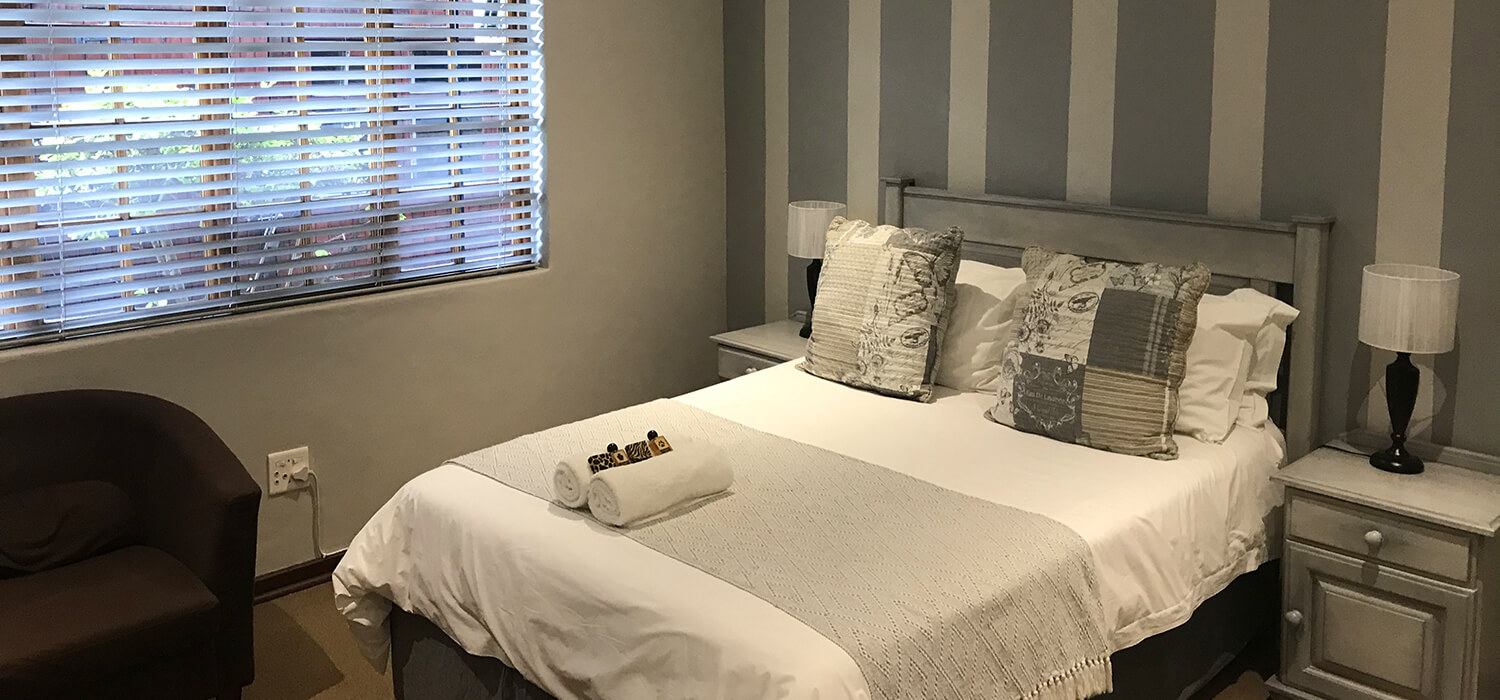
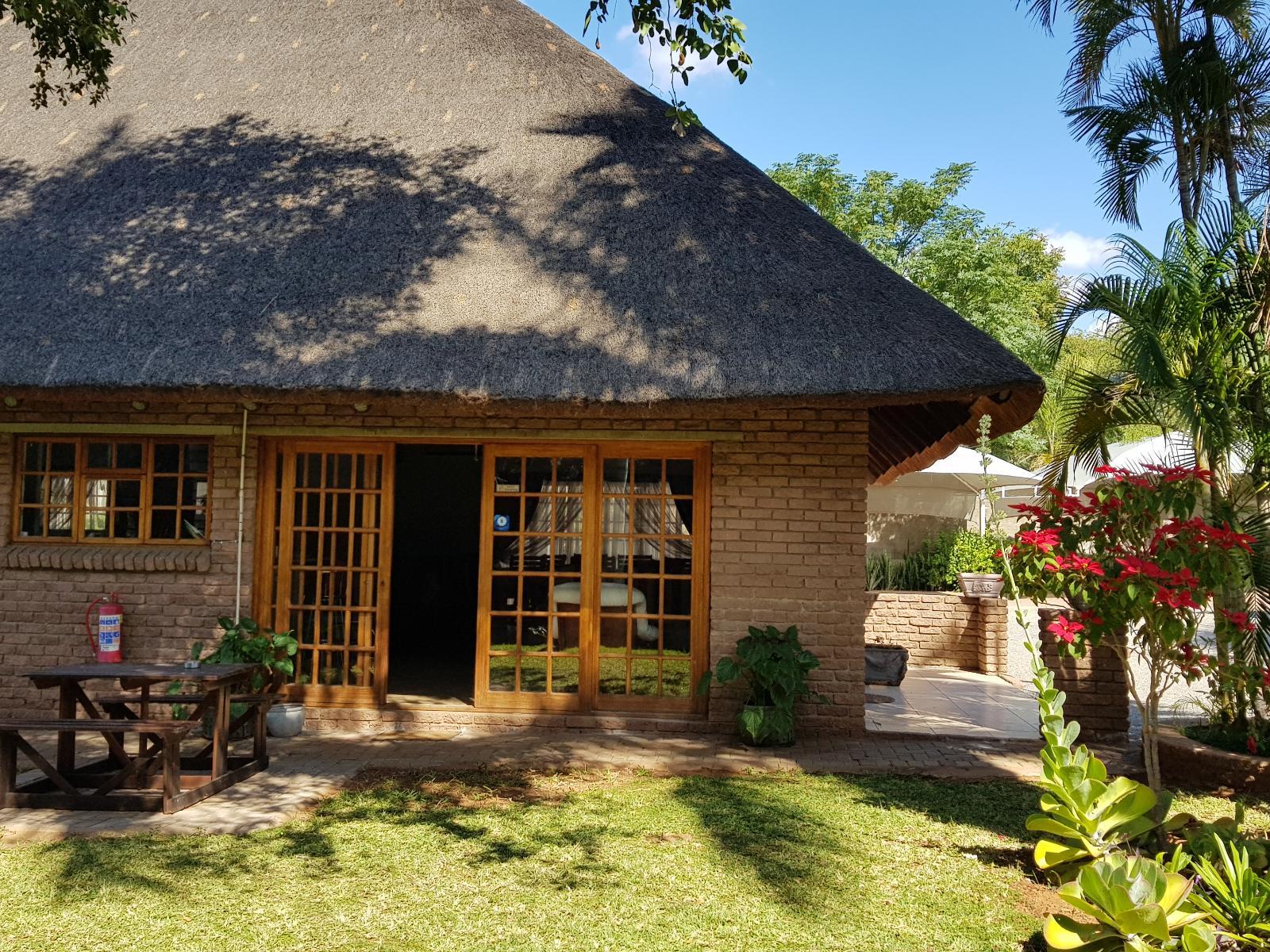
Musina's accommodation sector is modest in scale, suited to a town that functions primarily as a stopover and regional base rather than a resort destination. The local listing pool currently stands at 0 formally catalogued properties and pricing data remains limited, though options across several tiers exist for travellers exploring the far north of Limpopo.
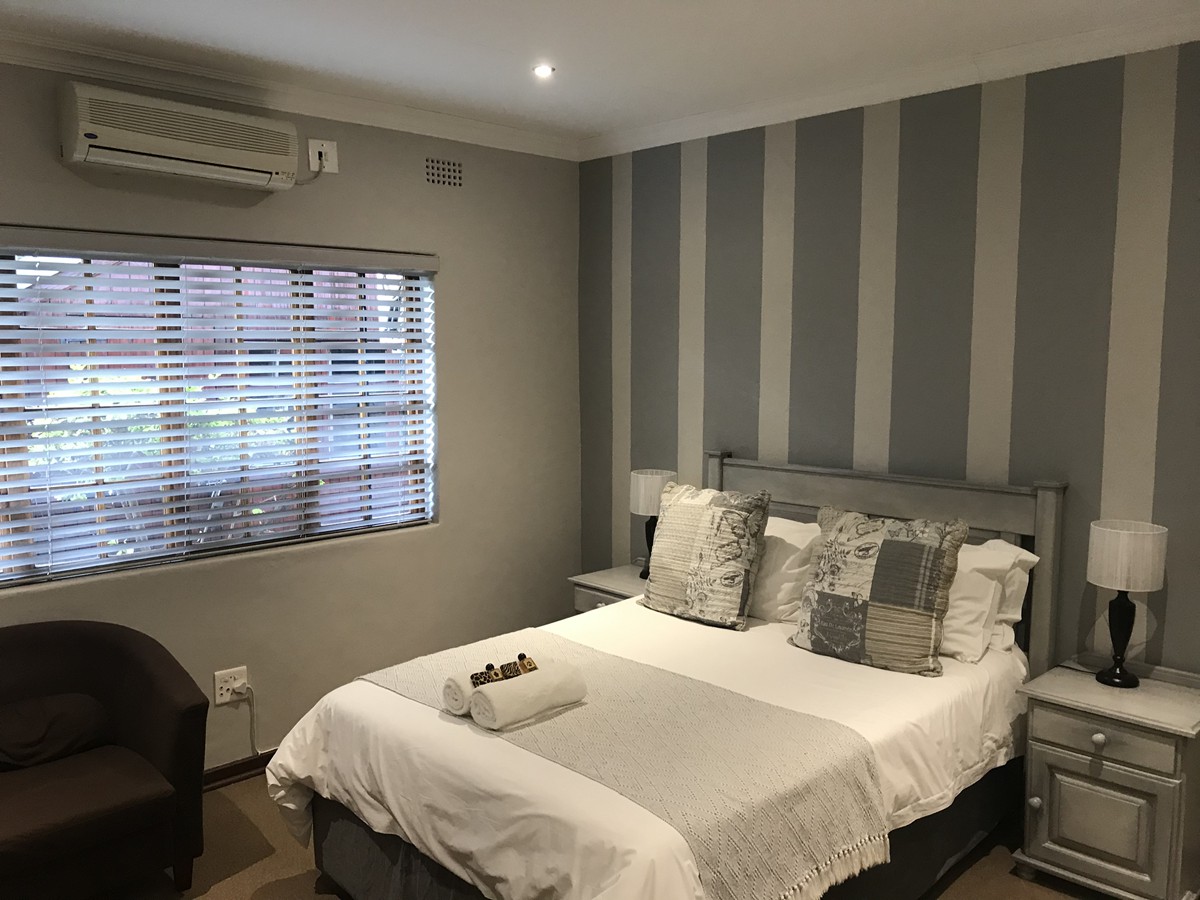
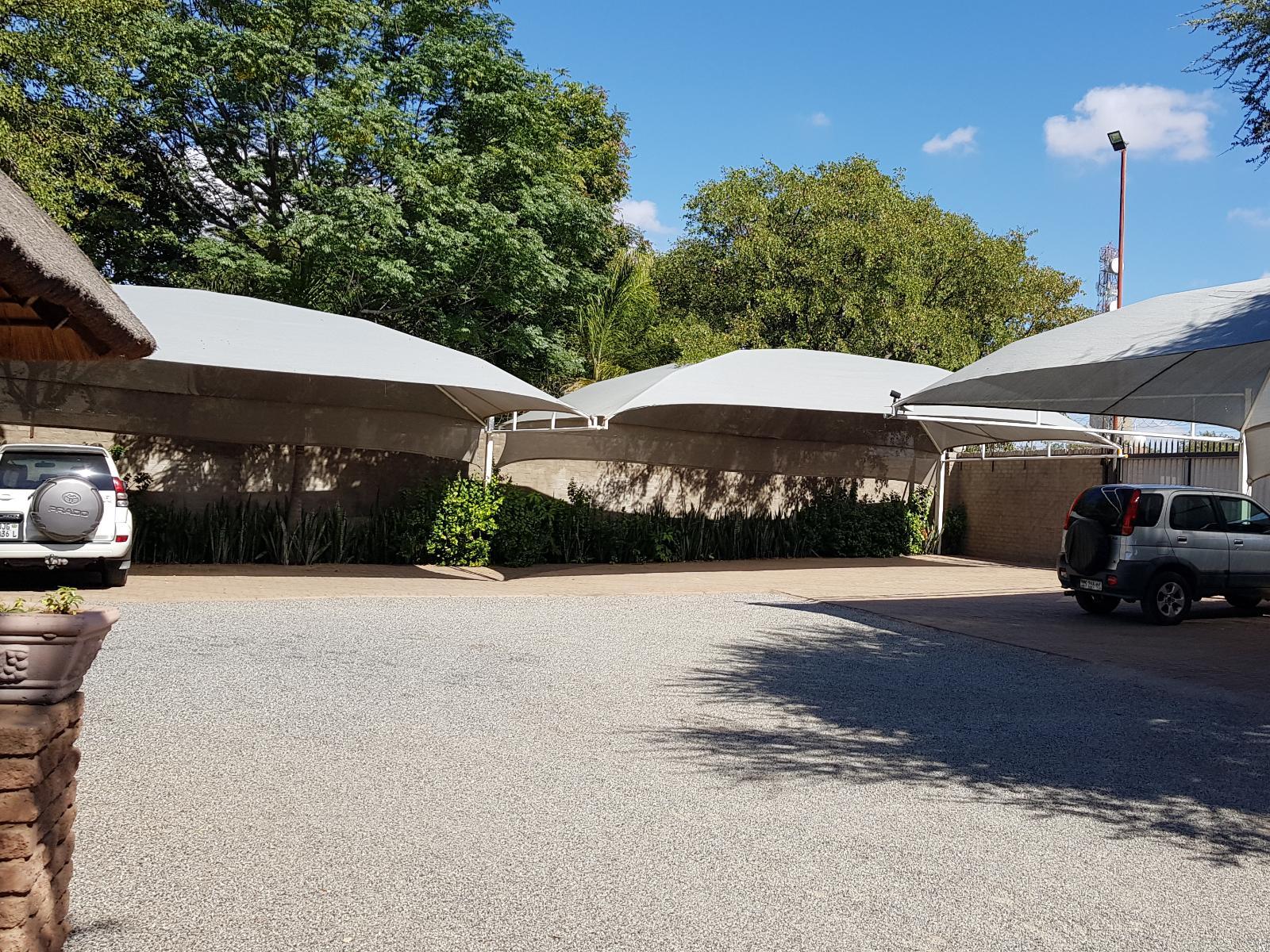
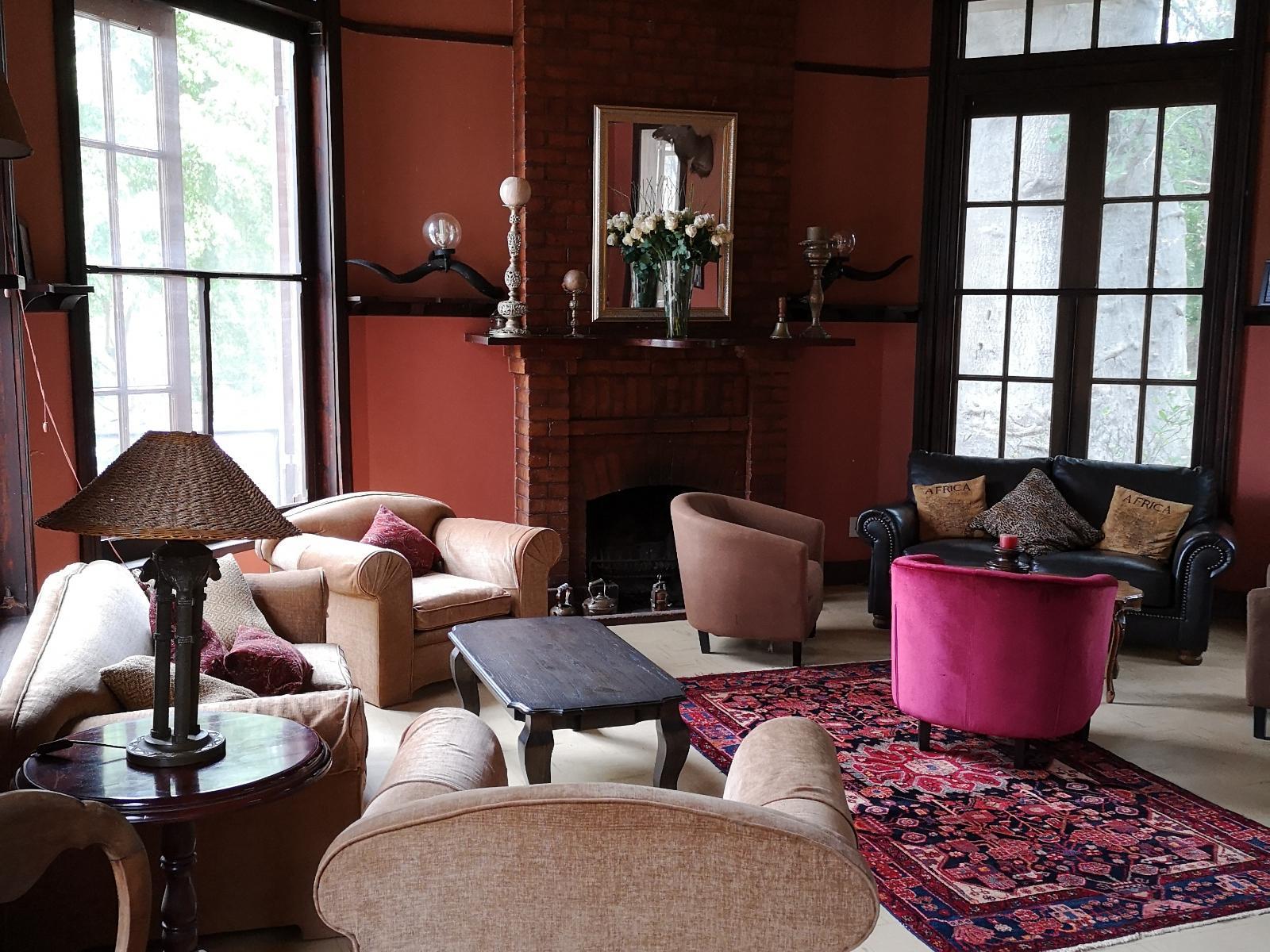
Budget accommodation is anchored around basic guesthouses and traveller lodges catering to the steady flow of people moving through the region. These properties prioritise practicality: a clean room, working air conditioning, and secure parking. Meals may not be included, but the town centre has restaurants and takeaways within walking distance.
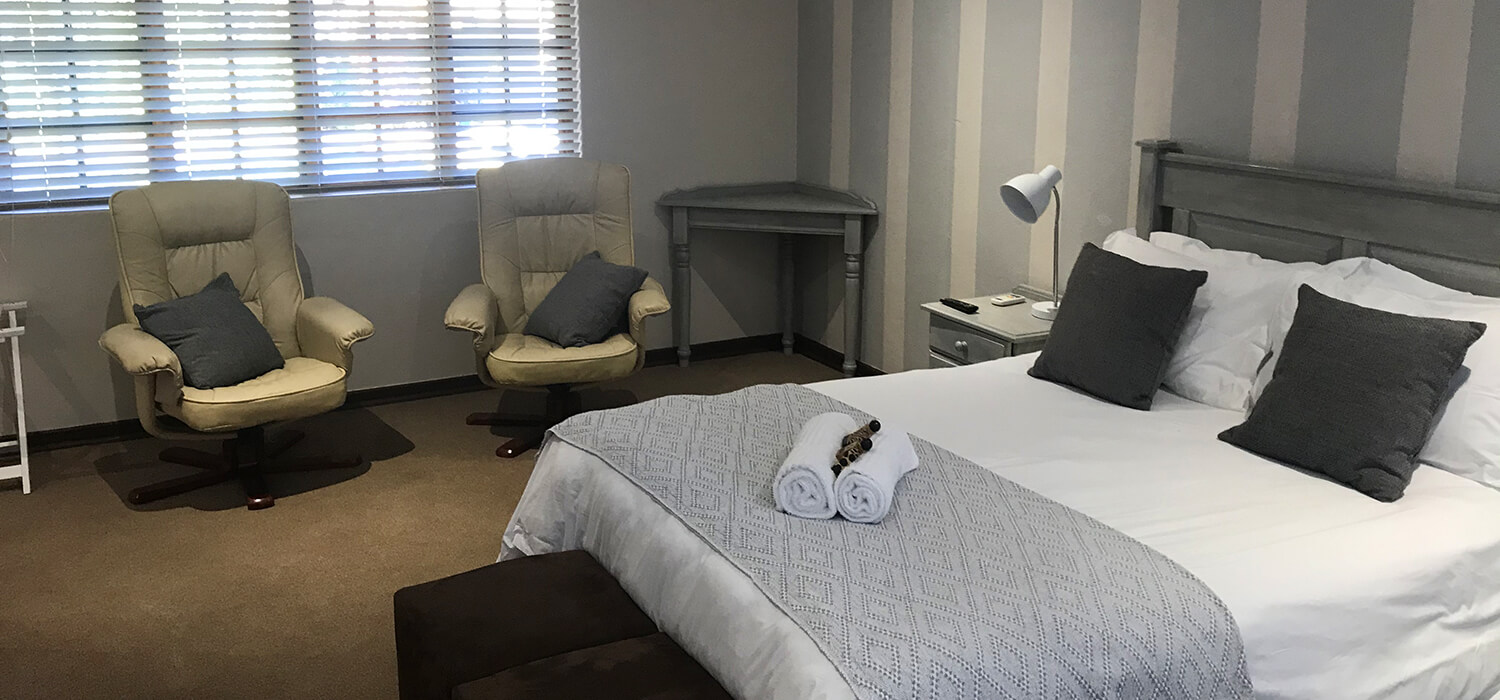
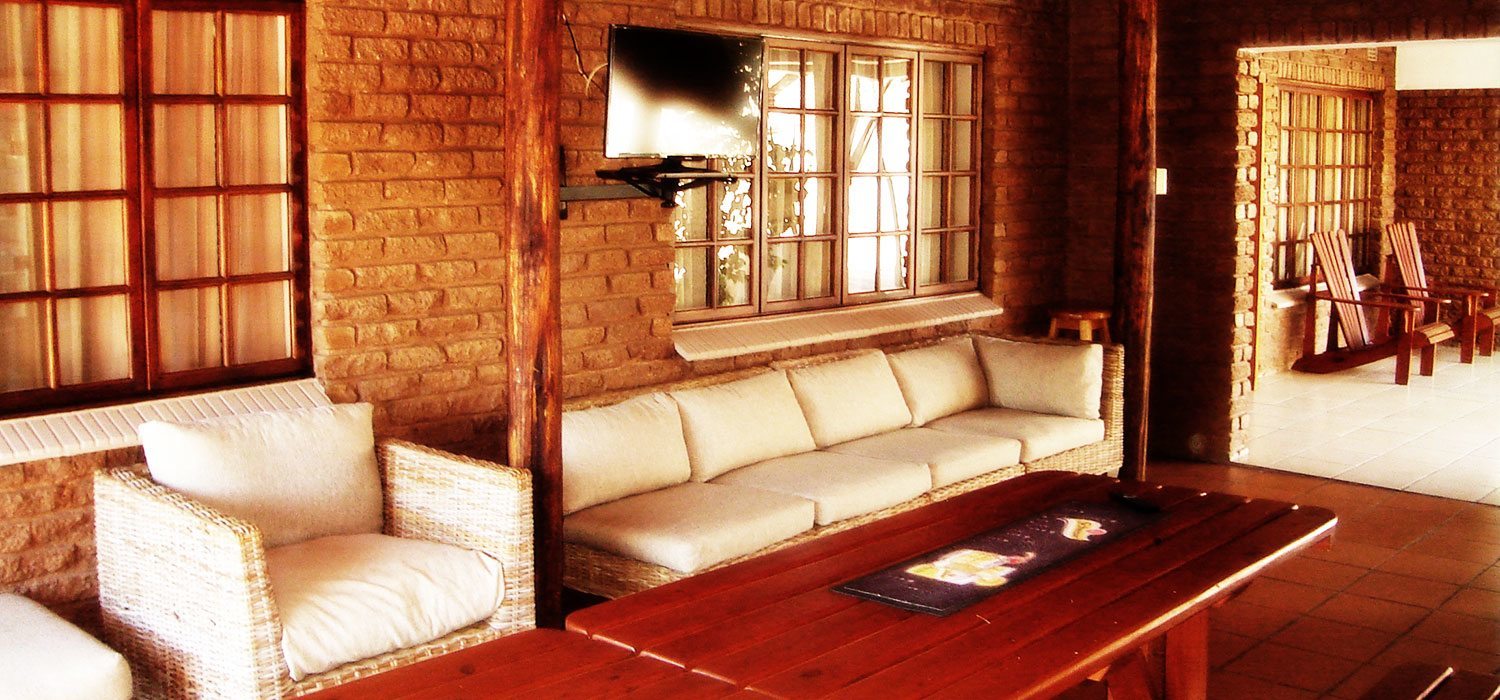
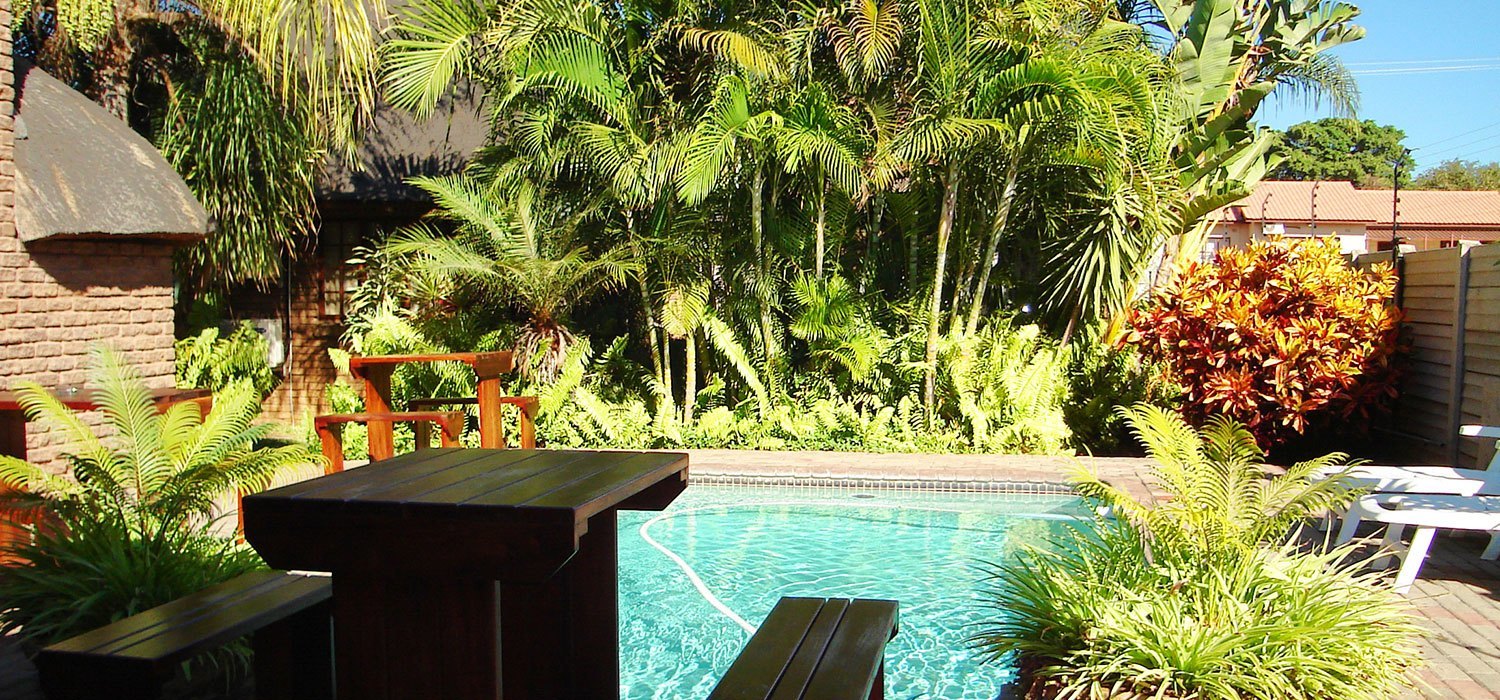
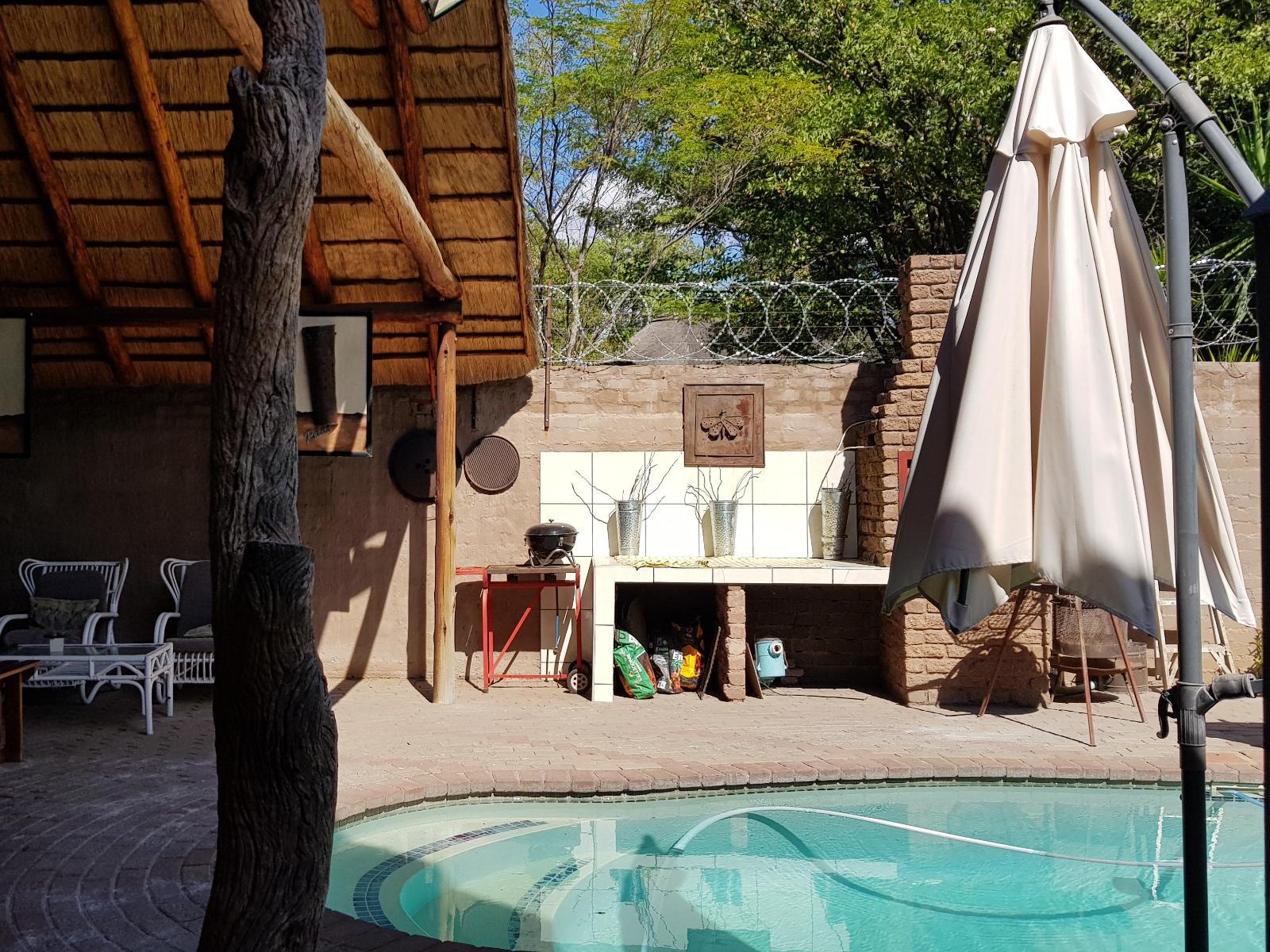
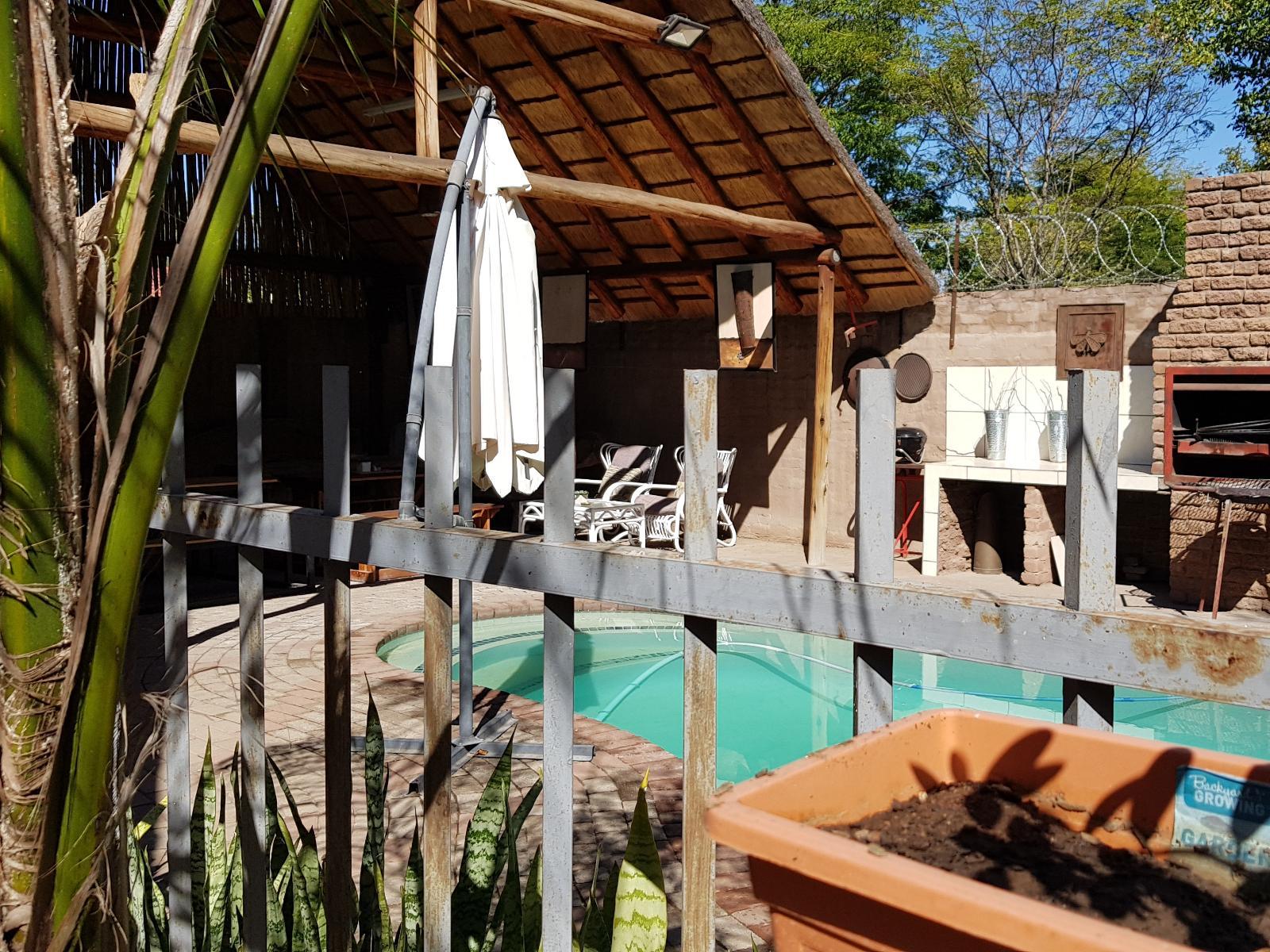
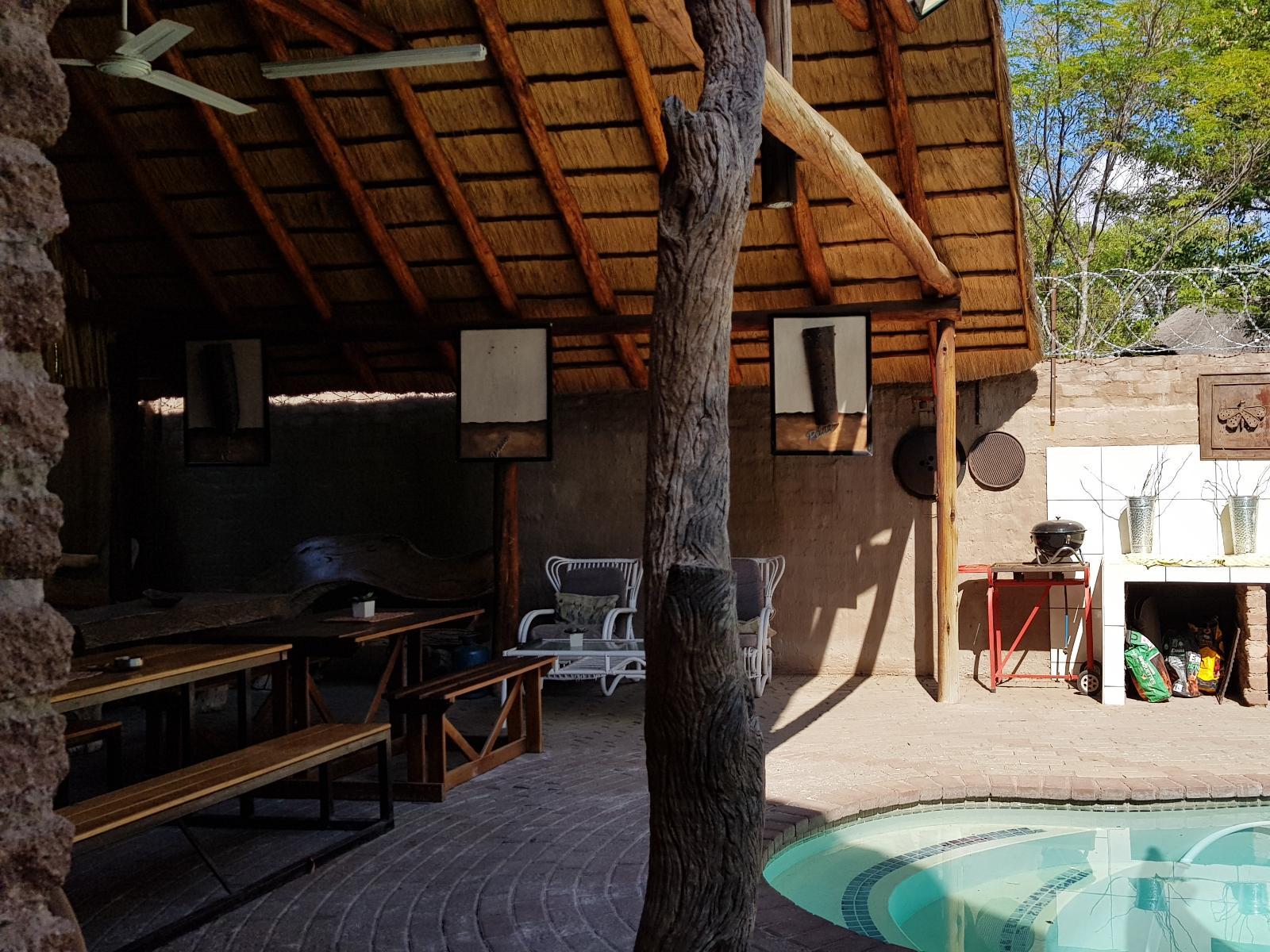
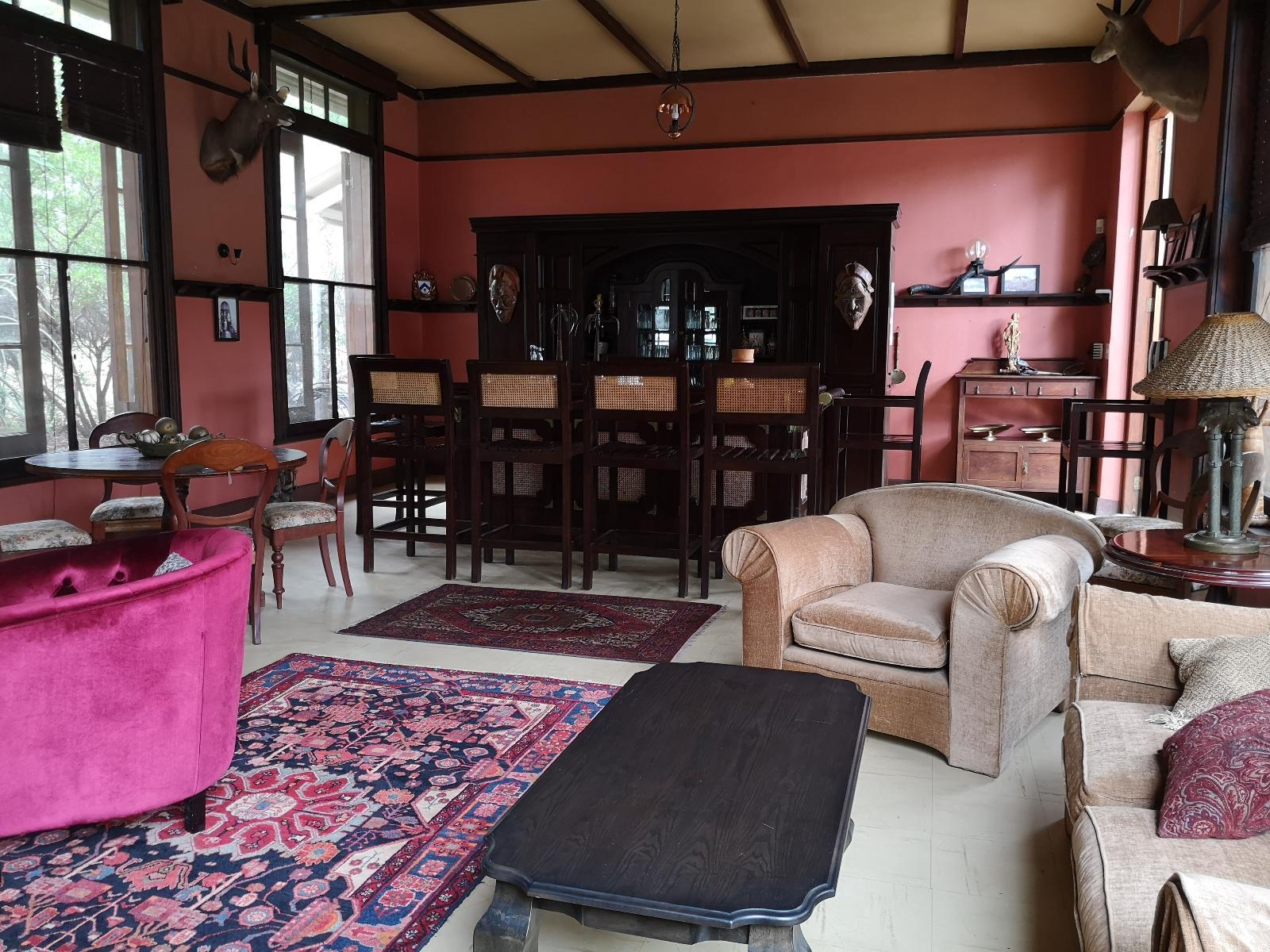
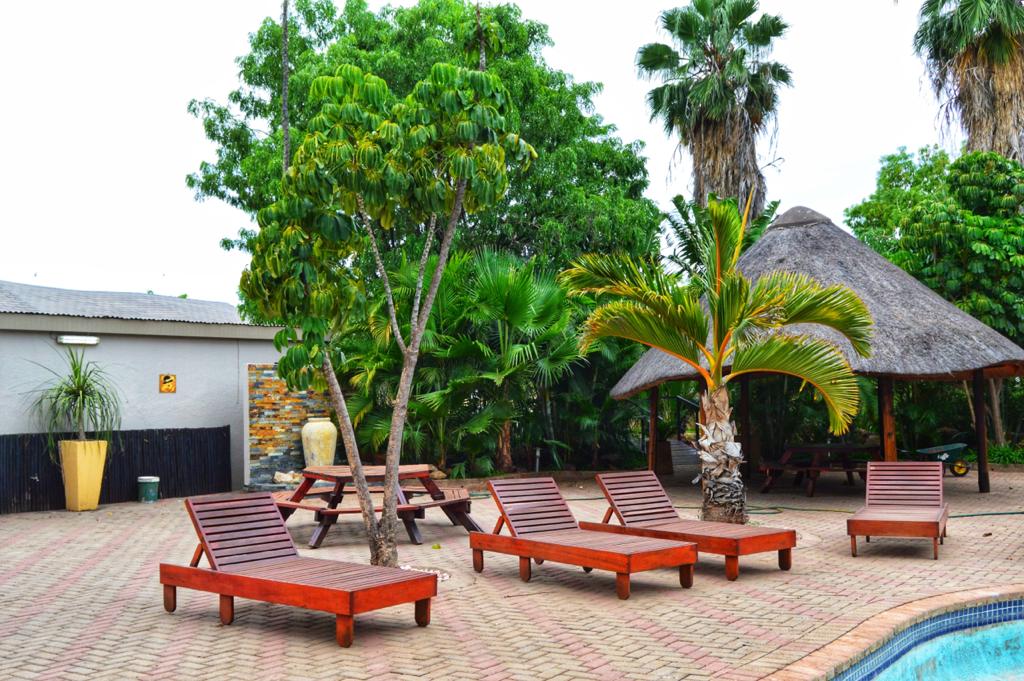
Mid-range properties offer a more comfortable experience, with en-suite rooms, a swimming pool in many cases, and breakfast included. A number of guesthouses in this tier are family-run operations with personal service that chain hotels don't replicate. Some cater specifically to the business and commercial traffic generated by the border economy, offering reliable Wi-Fi and functional common areas.
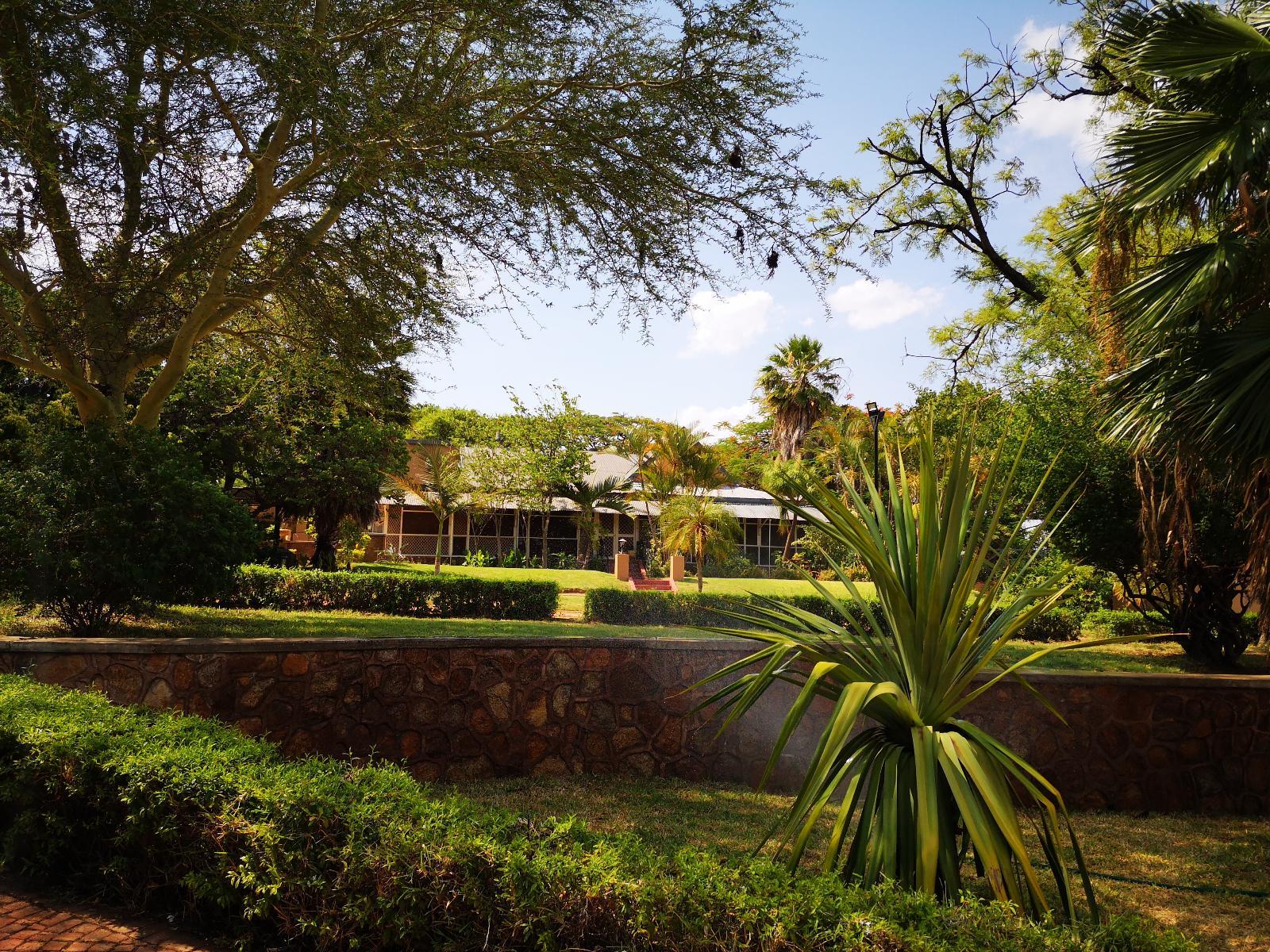
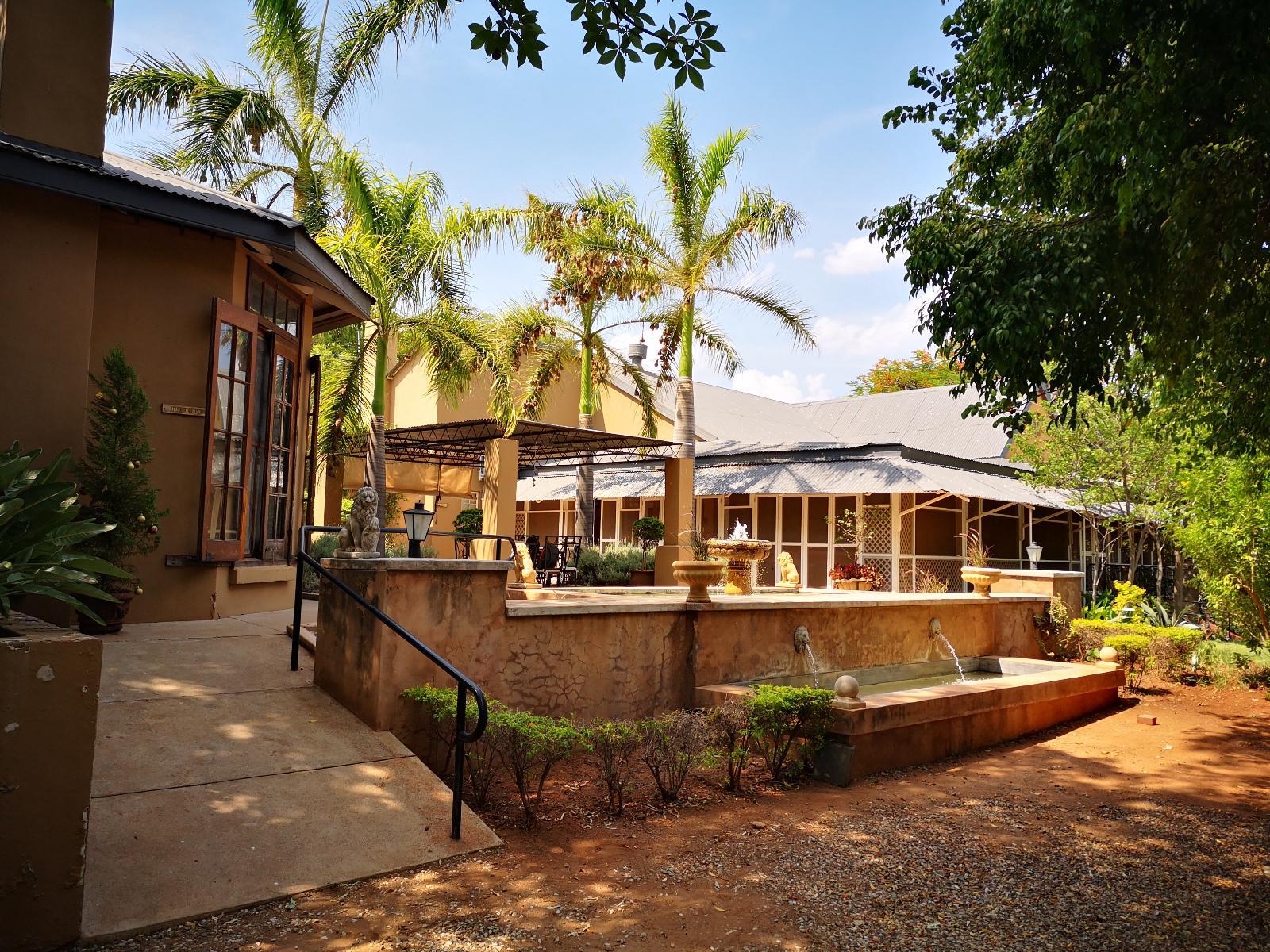
Upper-tier options within Musina itself are limited. A small number of lodge-style properties provide garden settings, better furnishings, and more attentive service, but they are not numerous. Travellers seeking upscale resort facilities will generally need to look beyond the town to the broader Vhembe district, where thermal spring resorts and game lodges offer a higher tier of experience.
Across all tiers, the practical priorities here are consistent: air conditioning, off-street parking, and access to a pool during the summer months. These matter more in Musina than in most South African destinations, given the intensity of the heat and the volume of road traffic passing through.
---
## Best Time to Visit Musina
Musina's climate is semi-arid and consistently warm, but the distinction between seasons matters for planning. The hot wet season runs from October to March. During this period, daily temperatures frequently top 40°C, and afternoon thunderstorms are common from November onwards. The rain keeps the vegetation green and attracts migratory bird species, making this a productive season for birdwatching despite the heat. Some dirt roads in the surrounding area become impassable after heavy storms.
The dry winter months from May through August offer the most comfortable conditions for outdoor activity. Days are warm and clear, nights are cool, and the sparse vegetation makes wildlife easier to spot at the Musina Nature Reserve. This is generally the busier tourist period across the Limpopo lowveld.
September and early October mark a sharp transitional window that experienced Limpopo travellers often favour. The rains have not yet begun, dirt roads remain accessible, and game-viewing conditions are good before the bush fills in. The heat is already building fast by mid-September, and by November, temperatures are extreme and afternoon storms are a daily occurrence.
---
## Getting to Musina
The main approach to Musina is the N1 highway, which runs north through Limpopo from Johannesburg all the way to the Zimbabwe border, 15 kilometres beyond the town. The drive from Johannesburg covers roughly 580 kilometres and takes about six hours in good conditions. From Polokwane, the provincial capital, the distance is closer to 200 kilometres and about two and a half hours on a well-maintained road that passes through Makhado (Louis Trichardt).
Polokwane International Airport is the most practical air gateway, with regular flights from Johannesburg on several domestic operators. From the airport to Musina is approximately three hours by road. Travellers flying into OR Tambo or Lanseria in Johannesburg face a full day's drive and would typically need to overnight in Polokwane or Makhado.
Intercity coaches on the Johannesburg-Zimbabwe corridor stop in Musina, with operators including Greyhound and Translux serving this route. Minibus taxis connect the town to surrounding villages and the border area. Car hire is available in Polokwane but not reliably in Musina itself, so visitors who need a vehicle should arrange this before heading north. Within the town, distances between guesthouses and the centre are short enough to cover on foot.
---
## Musina and Surrounding Areas
Tshipise, 30 kilometres from Musina, is the region's most developed side destination. The area centres on natural hot springs that feed into resort pools, and Tshipise Forever Resort has been drawing visitors for decades. The springs maintain a warm temperature year-round, and the resort offers accommodation from camping through to fully serviced chalets. For families or travellers who want a proper break from the road, Tshipise is the obvious first stop outside Musina.
Tshamulongwe, at 56 kilometres, and Ha-mamuhoyi at 57 kilometres, are in the heart of Vhembe, the district corresponding to the historical Venda kingdom. The landscape shifts here to mopane and mixed bushveld on the Soutpansberg foothills. These villages are connected to Venda craft traditions including pottery and weaving, and travelling through them offers a quieter, more rural experience than the N1 corridor.
Tshiavha (59km) and Rambuda (61km) push further into the same terrain. Rambuda sits near river gorge country used by hikers and those interested in the Venda cultural landscape, including traditional homesteads and iron-age stonework that predates colonial settlement. The roads are tarred but narrow and winding in sections.
Tshabya, at 62 kilometres, sits at the outer edge of a comfortable day-trip radius and connects into the broader network of Vhembe heritage sites, including sacred forests associated with Venda oral tradition. Taken together, these six destinations give Musina considerably more depth as a base than the town's modest immediate infrastructure might initially suggest.
---
## Planning Your Stay
Accommodation in Musina fills fastest during the South African school holiday periods, notably the December break and the mid-July winter holidays, when the region sees heavier leisure traffic. Booking two to three weeks ahead is sensible during these windows. Outside holiday periods, a few days notice is usually sufficient.
When reviewing properties, confirm that air conditioning is operational rather than simply listed as a feature. Many Musina guesthouses include a pool, but during the winter months this may not be heated. Ask specifically about load-shedding arrangements, including whether the property runs a generator and whether it covers air conditioning and hot water, as power interruptions remain a regular feature across South Africa.
If your visit involves crossing into Zimbabwe at Beit Bridge, check current visa and documentation requirements from official South African and Zimbabwean government sources before you travel, as these conditions change periodically. The crossing queues significantly on weekends and public holidays, so build extra time into any schedule that includes a border crossing. For travellers heading into the Vhembe villages west or east of the main road, refuel in Musina before leaving, as petrol stations are scarce on rural routes and the distances add up quickly.

Musina's accommodation sector is modest in scale, suited to a town that functions primarily as a stopover and regional base rather than a resort destination. The local listing pool currently stands at 0 formally catalogued properties and pricing data remains limited, though options across several tiers exist for travellers exploring the far north of Limpopo.
Budget accommodation is anchored around basic guesthouses and traveller lodges catering to the steady flow of people moving through the region. These properties prioritise practicality: a clean room, working air conditioning, and secure parking. Meals may not be included, but the town centre has restaurants and takeaways within walking distance.
Mid-range properties offer a more comfortable experience, with en-suite rooms, a swimming pool in many cases, and breakfast included. A number of guesthouses in this tier are family-run operations with personal service that chain hotels don't replicate. Some cater specifically to the business and commercial traffic generated by the border economy, offering reliable Wi-Fi and functional common areas.
Upper-tier options within Musina itself are limited. A small number of lodge-style properties provide garden settings, better furnishings, and more attentive service, but they are not numerous. Travellers seeking upscale resort facilities will generally need to look beyond the town to the broader Vhembe district, where thermal spring resorts and game lodges offer a higher tier of experience.
Across all tiers, the practical priorities here are consistent: air conditioning, off-street parking, and access to a pool during the summer months. These matter more in Musina than in most South African destinations, given the intensity of the heat and the volume of road traffic passing through.
---
## Best Time to Visit Musina
Musina's climate is semi-arid and consistently warm, but the distinction between seasons matters for planning. The hot wet season runs from October to March. During this period, daily temperatures frequently top 40°C, and afternoon thunderstorms are common from November onwards. The rain keeps the vegetation green and attracts migratory bird species, making this a productive season for birdwatching despite the heat. Some dirt roads in the surrounding area become impassable after heavy storms.
The dry winter months from May through August offer the most comfortable conditions for outdoor activity. Days are warm and clear, nights are cool, and the sparse vegetation makes wildlife easier to spot at the Musina Nature Reserve. This is generally the busier tourist period across the Limpopo lowveld.
September and early October mark a sharp transitional window that experienced Limpopo travellers often favour. The rains have not yet begun, dirt roads remain accessible, and game-viewing conditions are good before the bush fills in. The heat is already building fast by mid-September, and by November, temperatures are extreme and afternoon storms are a daily occurrence.
---
## Getting to Musina
The main approach to Musina is the N1 highway, which runs north through Limpopo from Johannesburg all the way to the Zimbabwe border, 15 kilometres beyond the town. The drive from Johannesburg covers roughly 580 kilometres and takes about six hours in good conditions. From Polokwane, the provincial capital, the distance is closer to 200 kilometres and about two and a half hours on a well-maintained road that passes through Makhado (Louis Trichardt).
Polokwane International Airport is the most practical air gateway, with regular flights from Johannesburg on several domestic operators. From the airport to Musina is approximately three hours by road. Travellers flying into OR Tambo or Lanseria in Johannesburg face a full day's drive and would typically need to overnight in Polokwane or Makhado.
Intercity coaches on the Johannesburg-Zimbabwe corridor stop in Musina, with operators including Greyhound and Translux serving this route. Minibus taxis connect the town to surrounding villages and the border area. Car hire is available in Polokwane but not reliably in Musina itself, so visitors who need a vehicle should arrange this before heading north. Within the town, distances between guesthouses and the centre are short enough to cover on foot.
---
## Musina and Surrounding Areas
Tshipise, 30 kilometres from Musina, is the region's most developed side destination. The area centres on natural hot springs that feed into resort pools, and Tshipise Forever Resort has been drawing visitors for decades. The springs maintain a warm temperature year-round, and the resort offers accommodation from camping through to fully serviced chalets. For families or travellers who want a proper break from the road, Tshipise is the obvious first stop outside Musina.
Tshamulongwe, at 56 kilometres, and Ha-mamuhoyi at 57 kilometres, are in the heart of Vhembe, the district corresponding to the historical Venda kingdom. The landscape shifts here to mopane and mixed bushveld on the Soutpansberg foothills. These villages are connected to Venda craft traditions including pottery and weaving, and travelling through them offers a quieter, more rural experience than the N1 corridor.
Tshiavha (59km) and Rambuda (61km) push further into the same terrain. Rambuda sits near river gorge country used by hikers and those interested in the Venda cultural landscape, including traditional homesteads and iron-age stonework that predates colonial settlement. The roads are tarred but narrow and winding in sections.
Tshabya, at 62 kilometres, sits at the outer edge of a comfortable day-trip radius and connects into the broader network of Vhembe heritage sites, including sacred forests associated with Venda oral tradition. Taken together, these six destinations give Musina considerably more depth as a base than the town's modest immediate infrastructure might initially suggest.
---
## Planning Your Stay
Accommodation in Musina fills fastest during the South African school holiday periods, notably the December break and the mid-July winter holidays, when the region sees heavier leisure traffic. Booking two to three weeks ahead is sensible during these windows. Outside holiday periods, a few days notice is usually sufficient.
When reviewing properties, confirm that air conditioning is operational rather than simply listed as a feature. Many Musina guesthouses include a pool, but during the winter months this may not be heated. Ask specifically about load-shedding arrangements, including whether the property runs a generator and whether it covers air conditioning and hot water, as power interruptions remain a regular feature across South Africa.
If your visit involves crossing into Zimbabwe at Beit Bridge, check current visa and documentation requirements from official South African and Zimbabwean government sources before you travel, as these conditions change periodically. The crossing queues significantly on weekends and public holidays, so build extra time into any schedule that includes a border crossing. For travellers heading into the Vhembe villages west or east of the main road, refuel in Musina before leaving, as petrol stations are scarce on rural routes and the distances add up quickly.
Musina Kaart
Nabygeleë Bestemmings
Blaai Deur Alle Musina Akkommodasie
Bekyk al 0 akkommodasie-opsies in Musina met foto's, pryse en beskikbaarheid.
Blaai Deur Alle Akkommodasie