Accommodation in Tshabya
No formally listed properties currently appear on major booking platforms for Tshabya, which reflects the village's position as an emerging rather than established destination. Pricing remains undocumented through standard channels, and visitors typically arrange stays through direct community contacts or through regional tourism offices in the wider Vhembe District.
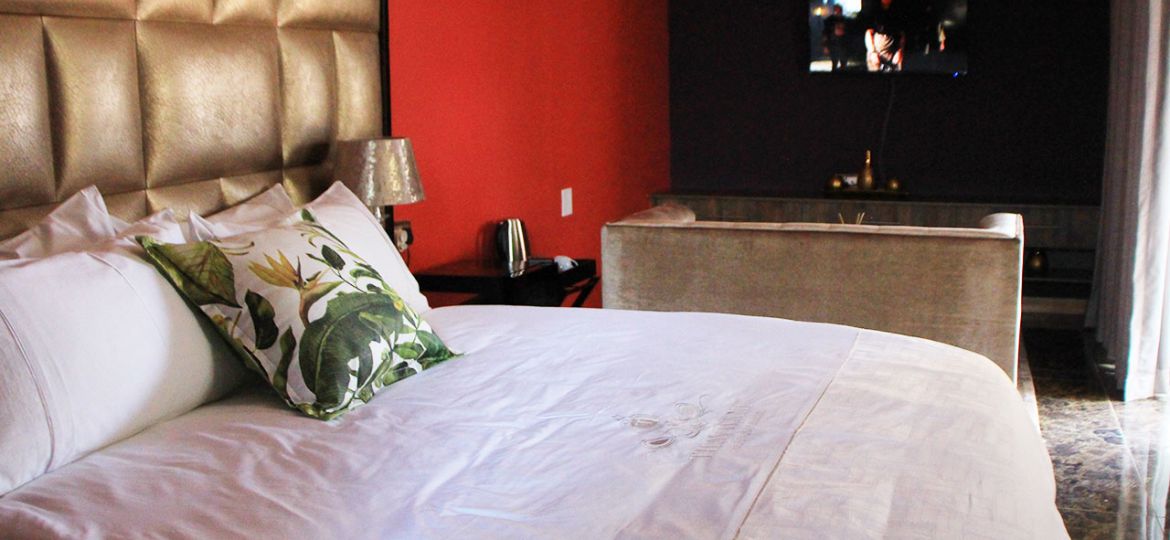
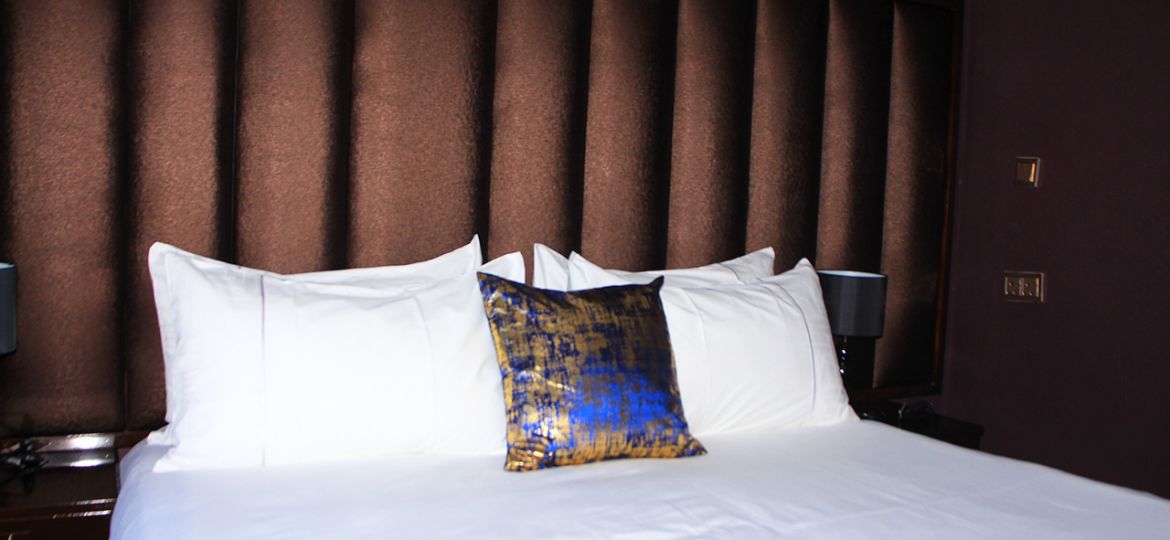
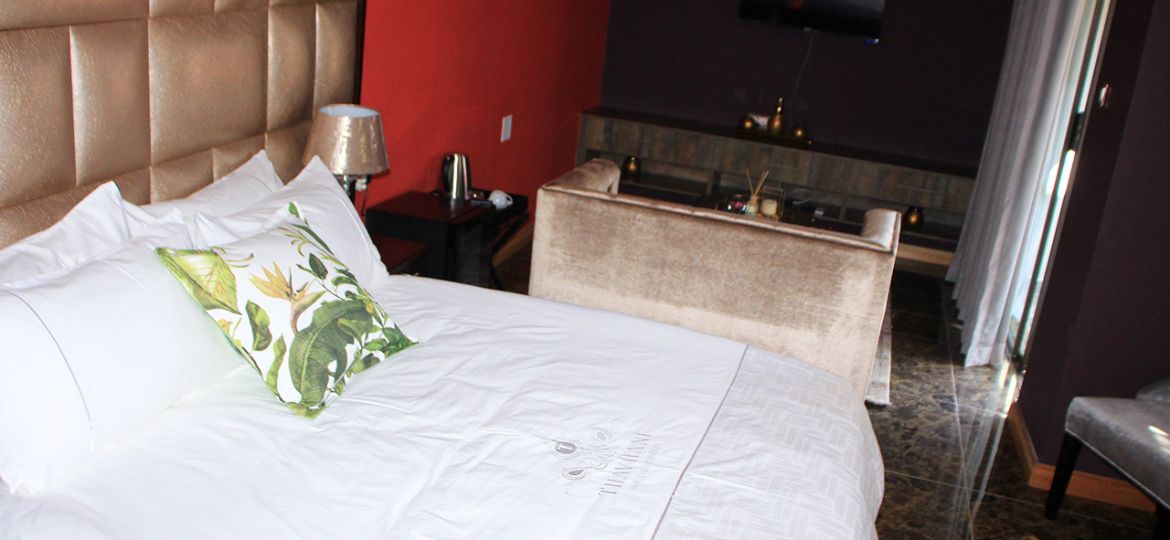
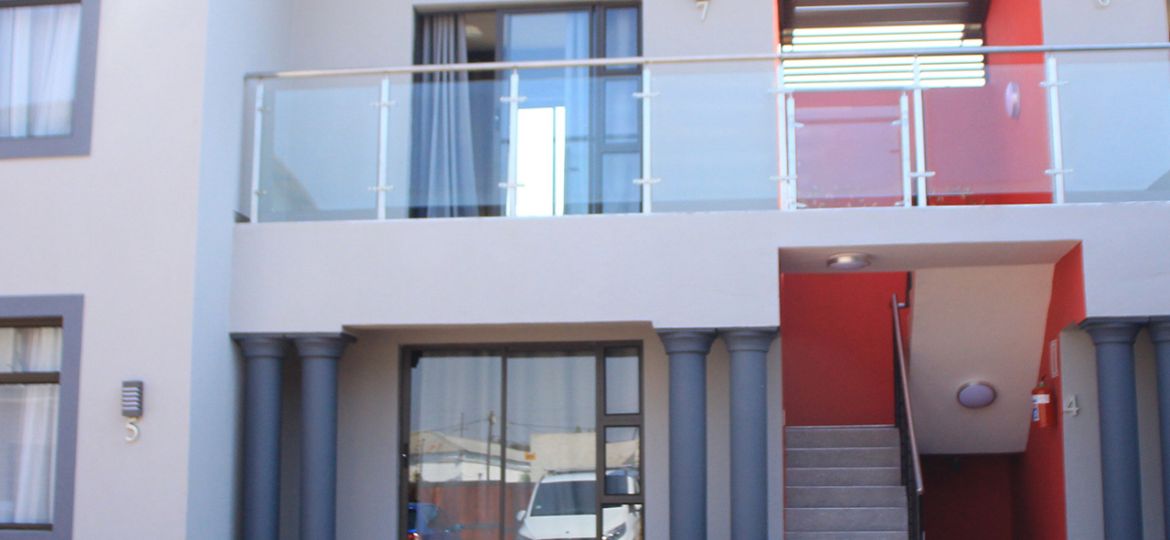
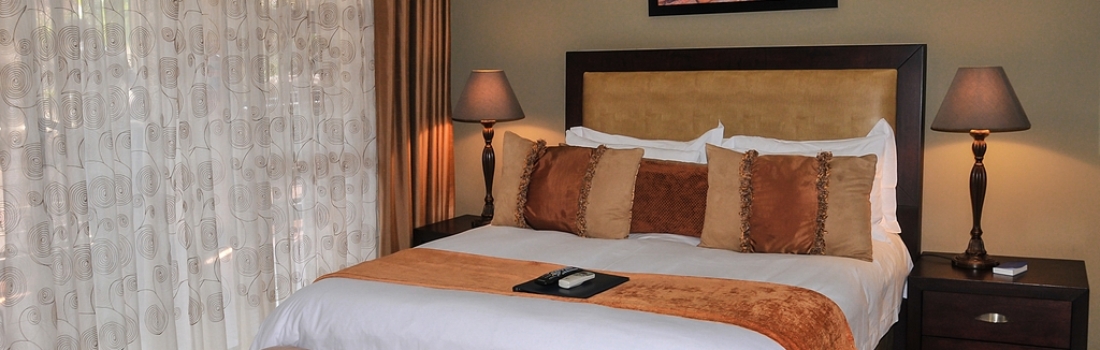
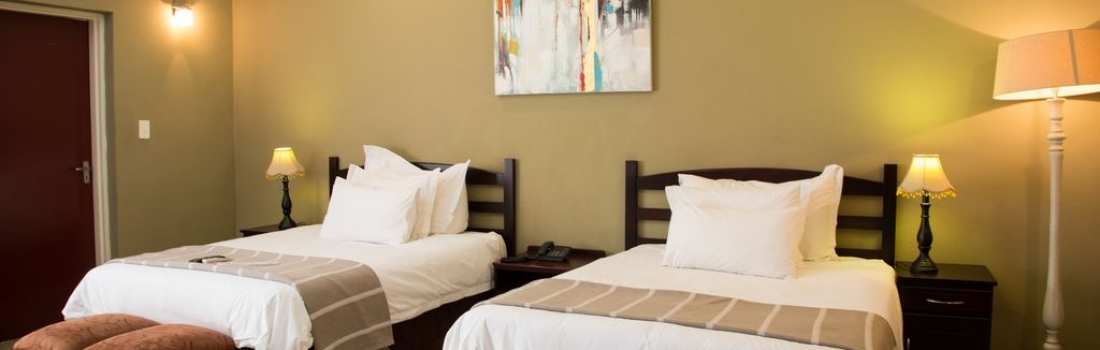
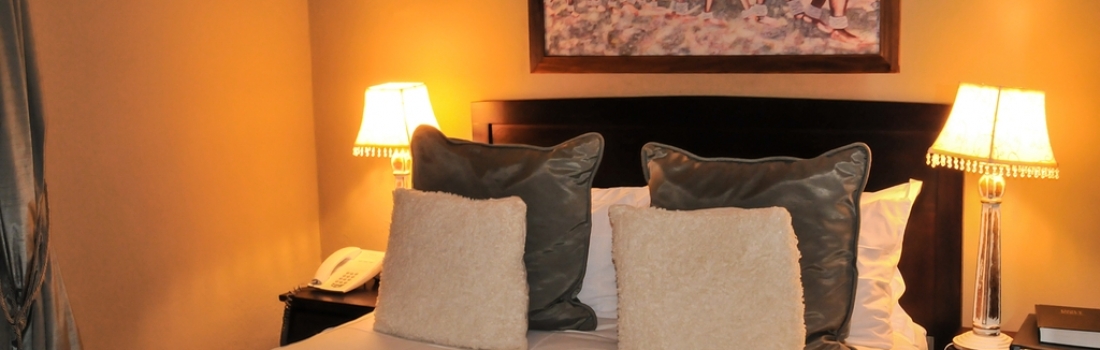
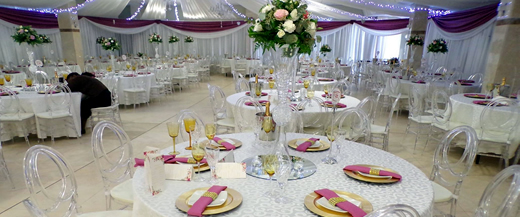
At the budget end of the spectrum, homestays with local families represent the most accessible option. These informal arrangements place guests within the daily routines of rural Venda life, sharing meals prepared from garden produce and engaging with household patterns that have sustained communities here across generations. Guesthouses in and around the village operate in a similar register, offering modest rooms and shared facilities that prioritise function over comfort.
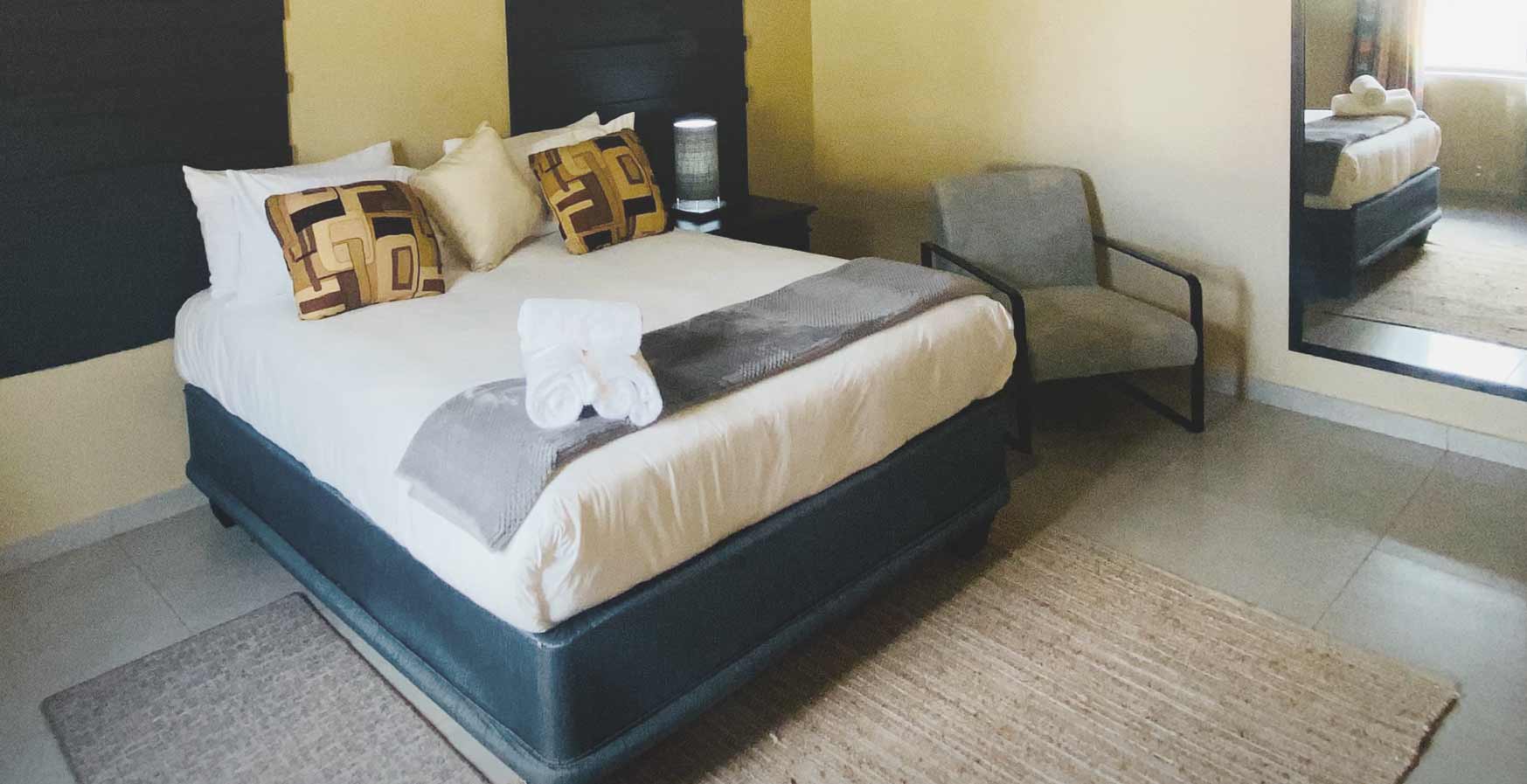
Mid-range options in this part of Limpopo tend toward self-catering units or small community-run lodges that provide more independence without significantly greater amenity. These suit travellers who want a private base for day trips into the Vhembe region while still remaining close to the village. The distinction between budget and mid-range here is not dramatic. What changes is primarily the degree of privacy and whether facilities are shared or self-contained.
Upper-tier accommodation in the immediate area is sparse. Those requiring more comfort should consider properties in larger nearby centres and travel into Tshabya during the day, accepting that this arrangement sacrifices the immersive quality of staying within the community itself.
What Tshabya accommodation offers is not amenity-based. Guests who choose to stay here tend to be drawn by direct engagement with the community, traditional architecture, and an agricultural pace that is increasingly hard to find along South Africa's more developed tourist routes. Before confirming any stay, visitors should establish whether meals, bedding, and hot water are included. Approaching the logistics with flexibility and clear communication will make a significant difference to the experience.
Best Time to Visit Tshabya
Tshabya's subtropical climate divides into two distinct seasonal periods that shape the visitor experience in different ways. The summer months from October through March bring the majority of the region's annual rainfall. The surrounding bushveld greens considerably during this period, crops fill the smallholdings, and the landscape reflects a community in full agricultural operation. This seasonal activity adds texture to a stay for travellers interested in rural life.
The trade-off in summer is heat and frequent afternoon thunderstorms that can render unpaved tracks temporarily impassable. Temperatures regularly exceed 30 degrees Celsius, and humidity rises alongside the rainfall.
Winter, from May through August, is dry and considerably cooler, particularly at night when temperatures across the Vhembe region can drop sharply. Days tend to be warm and clear, with good visibility across the bushveld as vegetation thins. Travellers arriving from South Africa's coastal regions often find the dry air and moderate daytime temperatures more comfortable for movement.
There is no formal peak season in Tshabya in the conventional tourism sense. The school holiday period from December through January brings more domestic visitors to the broader Limpopo region, which can affect availability at informal accommodation. Planning earlier during this window gives more options. For those with flexibility, the shoulder months of April and September offer a reasonable balance between accessible roads and moderate weather.
Getting to Tshabya
A private vehicle is effectively essential for reaching Tshabya. From Polokwane, the main route heads northeast on the N1 before connecting to the R524 toward Thohoyandou, the administrative centre of the Vhembe District Municipality. Thohoyandou lies approximately 18 kilometres from Tshabya, making it the natural final staging point before the last stretch into the village. The drive from Polokwane to Thohoyandou takes roughly two to two and a half hours under normal conditions.
The closest airport with scheduled domestic services is Polokwane International. Travellers arriving from Johannesburg or overseas will connect through OR Tambo International and then either fly the short leg to Polokwane or drive north. Car hire is available at Polokwane airport and is the practical choice for those without their own vehicle.
Minibus taxis provide occasional connections between Tshabya's surrounding villages and Thohoyandou, but departure times are irregular and not reliable enough to plan a fixed itinerary around. Hiring a vehicle in Polokwane or Thohoyandou gives considerably more control.
Road conditions approaching Tshabya vary. Some sections remain unpaved, and after heavy rain, tracks with limited drainage can become difficult without a vehicle offering reasonable ground clearance. Mobile phone coverage is intermittent across the area, so downloading offline maps before departure is a sensible precaution. Banking facilities are absent in the village, so withdrawing sufficient cash before leaving Thohoyandou is important.
Tshabya and Surrounding Areas
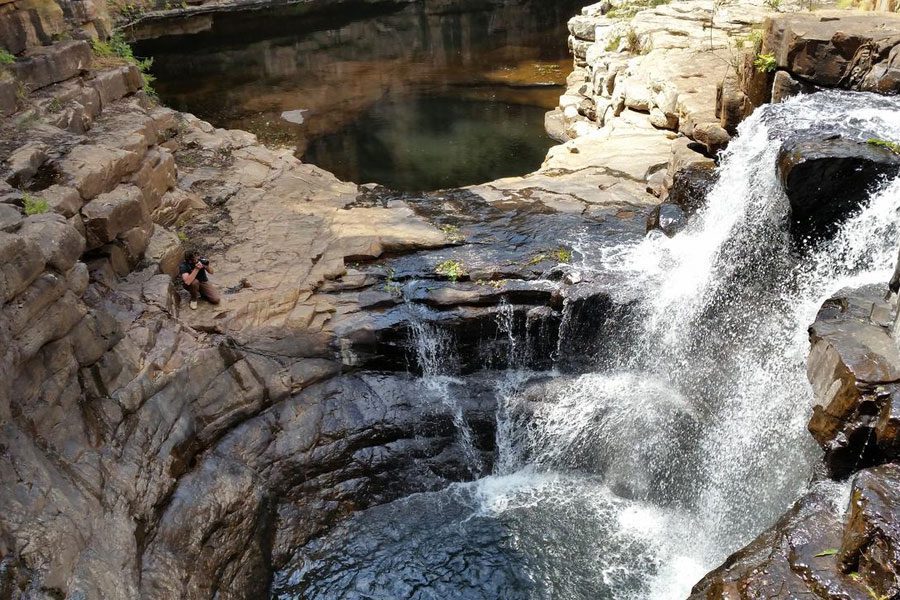
Rambuda, just 2 kilometres from Tshabya, is among the most immediately accessible points of interest for visitors using the village as a base. The Rambuda area is associated with waterfalls in the Nzhelele Valley region and offers some of the closest natural scenery to Tshabya without requiring significant travel.
Tshamulongwe, 7 kilometres away, is a rural settlement that shares the same agricultural and social character as Tshabya. It functions as part of the same community network and provides context for understanding how villages in this part of Vhembe are organised and connected. A short drive there illustrates the structure of the broader settlement pattern in ways that staying in one location does not.
Tshiavha lies 12 kilometres from Tshabya in an area where traditional Venda governance structures remain active and visible in community life. The landscape around Tshiavha is predominantly agricultural, and the roads connecting the two settlements pass through terrain that sees very little traffic from visitors unfamiliar with the region.
Tshiheni, at 17 kilometres, sits closer to the foothills that link the lowveld to the highlands of Limpopo, and the routes passing through it connect to broader road networks heading toward the Soutpansberg range. For those interested in moving between different ecological zones, this road offers an accessible route.
Thohoyandou, 18 kilometres away, functions as the commercial and administrative hub for the entire district. It carries a retail sector capable of resupplying travellers, along with banking facilities, a hospital, and several established hotels. The town also provides access to Lake Fundudzi and the Thathe Vondo Forest, both places of deep spiritual significance in Venda tradition. These are not casual tourist attractions and access protocols around them should be discussed with local contacts before visiting.
Tshivumbe, the furthest at 20 kilometres, rounds out the settlement network that Tshabya sits within and represents the outer edge of comfortable day-trip distance from the village.
Planning Your Stay
Given the informal nature of accommodation in Tshabya, direct contact with potential hosts is essential before arrival. Online listings may be incomplete or entirely absent, and major booking platforms are unlikely to reflect what is actually available on the ground. The Vhembe District tourism office can sometimes provide referrals to community accommodation providers and is worth contacting well in advance of travel.
When making arrangements, several practical details should be confirmed explicitly: whether the stay includes meals, what the cancellation policy is, whether self-catering facilities are available, and whether the host can assist with transport from the nearest hub if arriving without a vehicle.
For travel during the December and January school holidays, arrangements should be secured several weeks ahead. Outside that window, a week's lead time is generally workable, though last-minute inquiries can sometimes succeed in a community context where hospitality is personal rather than transactional.
Travellers who approach Tshabya with patience and cultural awareness consistently report more rewarding visits. This is a traditional Venda area where community relationships and local protocols matter. Small gestures of respect, including greetings in Tshivenda where possible, and a willingness to follow the host's lead on customs and timing, go a considerable distance in shaping the quality of the experience.