Accommodation in Tshamulongwe
The accommodation landscape here is sparse by design. Currently, no properties appear on mainstream booking platforms for Tshamulongwe, and those that do exist in the area operate largely through direct contact or local networks. That absence from listing sites does not mean there is nowhere to stay, but it does require more groundwork than booking a city hotel.
At the budget end, expect basic guesthouses with a handful of rooms, often within family-run homes where meals may be arranged informally and facilities are clean but minimal. These properties typically lack air conditioning and rely on natural ventilation during the hot summer months, though the dry-winter period from May through August makes them perfectly comfortable. Self-catering units at this tier give independent travelers the flexibility to manage their own food, which is practical given that restaurants in the immediate area are scarce. Stocking up before arriving is necessary, not optional.
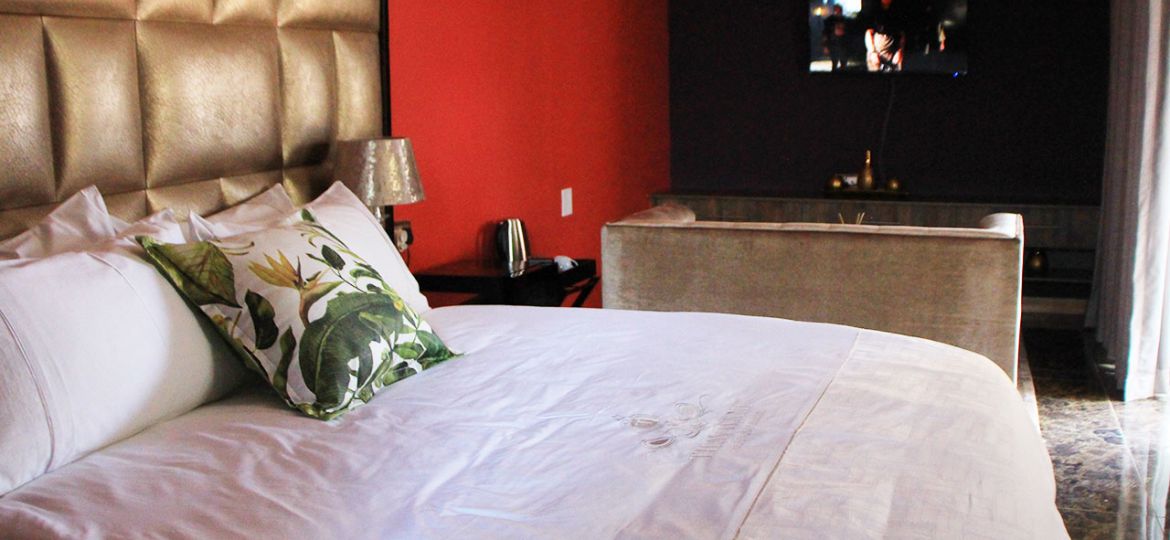
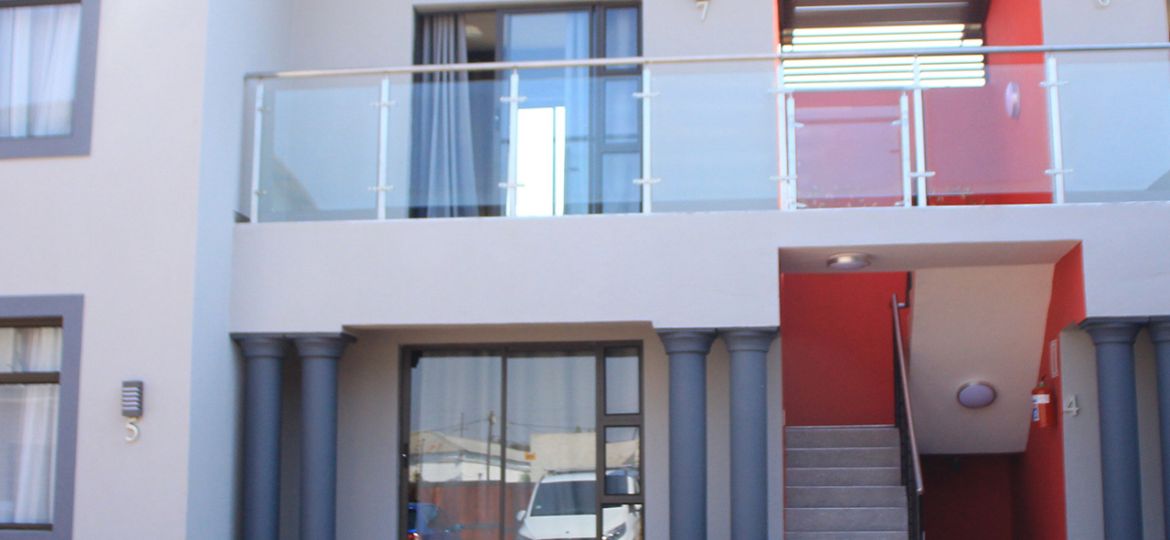
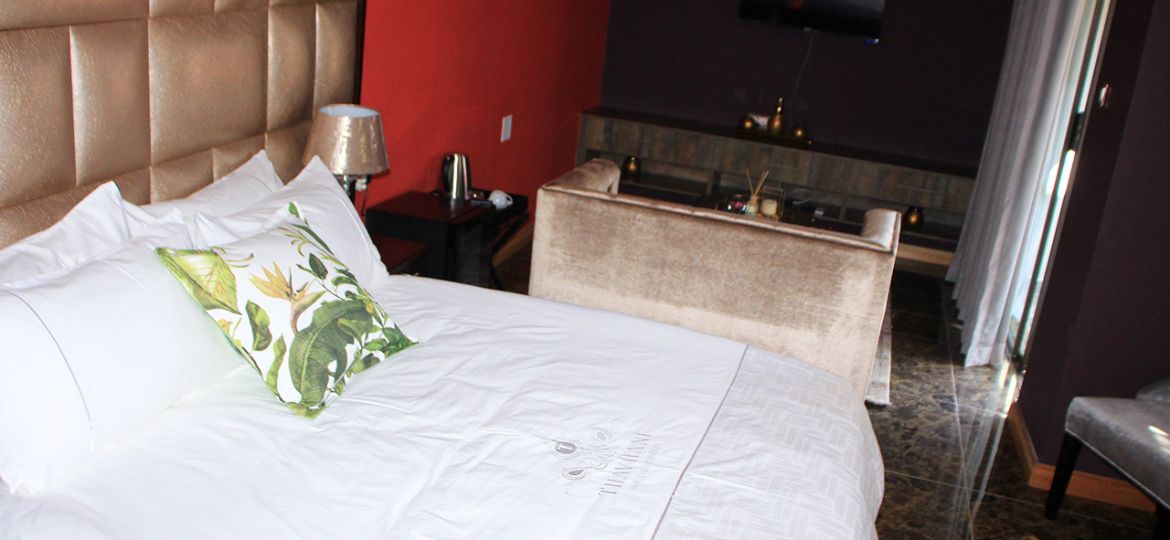
Mid-range accommodation, where it exists, tends to offer more consistent amenities: reliable hot water, secure yards, and occasionally a small pool. Some properties across the Vhembe District have been developed specifically for cultural tourism visitors, incorporating local building materials and craft elements into the interiors. These places usually have clearer booking processes and more dependable contact details, which simplifies the pre-arrival experience considerably.
Upper-tier options are uncommon in Tshamulongwe itself. A few lodge-style properties within the broader district include guided cultural or bush experiences as part of their package, but travelers expecting resort facilities or polished service should look elsewhere in Limpopo. The village's appeal lies in its distance from commercial tourist circuits, not in accommodation standards, and visitors who understand that tend to leave satisfied.
Anyone planning a stay should confirm practical details directly with their host before arriving. Power outages occur periodically, water pressure can be intermittent, and managing these realities is easier when you know what to expect in advance.
Best Time to Visit Tshamulongwe
The subtropical climate of this part of Limpopo means heat is a near-constant, but the character of each season shapes what kind of visit is possible.
Summers, roughly November through February, bring heavy afternoon thunderstorms and temperatures that regularly exceed 35°C. The rain is good for the landscape but makes unsealed roads slippery and extended walking uncomfortable during the hottest hours. Mosquitoes are active throughout this period, and malaria precautions are advisable. Travelers should consult current health guidance before their trip and carry appropriate medication.
The dry winter months, May through August, offer the most comfortable conditions. Daytime temperatures settle in the mid-20s, nights cool down noticeably, and the vegetation thins enough to make overland exploration more practical. Road conditions improve as surfaces dry out, and the Soutpansberg foothills to the south become more accessible for day excursions at higher, cooler elevations. This period suits first-time visitors best.
September and October are transitional. Temperatures climb quickly before the rains arrive, the bush is at its driest, and water in seasonal streams may be low. These months suit travelers who want clear, hot days without the drama of summer storms, and who are comfortable with a landscape at its most parched.
Unlike more commercialized destinations in South Africa, Tshamulongwe has no defined tourist high season. Accommodation pressure is rarely an issue, though South African school holiday periods in December and April can bring slightly more domestic movement through the wider region.
Getting to Tshamulongwe
Road travel is the standard approach. From Johannesburg, the N1 north runs through Polokwane and continues toward Louis Trichardt before the route turns east into the Vhembe District. Total driving time from Johannesburg is roughly five to six hours depending on traffic and the final stretch to the village. The approach roads are generally in reasonable condition, though certain routes may require careful navigation after heavy rain.
The nearest airport with scheduled commercial services is Polokwane International, approximately 300 kilometres to the south. Travelers arriving by air will need to arrange a car hire at the airport, as there is no shuttle or transfer service to the Tshamulongwe area. Musina, a busy border town on the north-south corridor between South Africa and Zimbabwe, lies roughly 80 kilometres to the north and is a useful reference point for anyone traveling down from the border crossing.
Long-distance bus services connect Johannesburg to Thohoyandou, and shared taxis continue from there toward surrounding villages. These taxis run on informal schedules and are not suited to trips with fixed arrival times, but they work for short hops between nearby settlements if you have flexibility.
Private transport is essential for exploring the area at any pace. A standard 4x2 vehicle handles most routes adequately in dry conditions. Fuel should be topped up before heading into the surrounding villages, as filling stations are not available locally. A spare tyre and some basic supplies are worth carrying.
Tshamulongwe and Surrounding Areas
Tshamulongwe sits within a cluster of Venda villages, and short drives open up a different side of the region in each direction.
Rambuda and Tshabya, both 7 kilometres away, are accessible on the same network of roads. Rambuda is associated with the Rambuda Falls on the Mutshindudi River, which sees its best flow during and immediately after the rainy season when the waterfall is worth the detour. The surrounding riverbank vegetation is noticeably greener than the drier upland terrain, and it makes for a pleasant short walk. Tshabya is quieter still, a smaller settlement set against rocky outcrops that give the landscape its particular character along this stretch.
Tshiavha, 15 kilometres out, sits within an agricultural belt where small-scale farming of maize, mango, and vegetables is common. Passing through on a market day gives a direct sense of how food production and informal trade function in rural Limpopo. The rhythm of activity here is steady and unhurried, and the roadside trading follows patterns that have changed little over generations.
Tswera and Tshiheni, both approximately 21 kilometres from Tshamulongwe, push further into the hinterland. Tshiheni in particular sits in an area of traditional homesteads where the built environment reflects vernacular Venda construction methods using local materials and spatial arrangements tied to extended family structures. For visitors with an interest in rural architecture or community organisation, a slow drive through the area gives more than a passing impression.
Thohoyandou, 24 kilometres to the southwest, functions as the commercial and institutional centre for the district. Beyond serving logistics, the city holds cultural institutions relevant to Venda history and contemporary crafts, with the University of Venda adding an intellectual dimension to the urban fabric. Traditional pottery and woodcarving produced by local artisans can be found at markets and craft outlets in and around the city. It is also the place to resolve any practical need before returning to the village for the evening.
Planning Your Stay
Because formal listings for Tshamulongwe are limited, early contact with potential accommodation providers matters. Many properties in this region do not operate through online booking systems, and confirming a reservation requires a direct call or message rather than an online transaction. Do this well in advance, particularly if you are traveling during South African school holidays when domestic movement through the region increases.
Before finalising a booking, ask specifically about water and electricity reliability, whether meals can be arranged or whether you need to bring food from outside, and what the road conditions are like for your planned travel dates. These are standard questions in rural Limpopo and experienced hosts will answer them plainly. A host who cannot answer them is a signal to keep looking.
Kruger National Park is within a two-hour drive and is feasible as a day trip from a base in Tshamulongwe. Book gate entry through SANParks online before you arrive, reach the gate early in the morning, and plan to be back on the road before dark. Driving rural roads in the area after nightfall is not recommended.
Mobile coverage exists but varies by network and terrain. A local SIM card from one of the larger South African networks, picked up before you leave the main road, gives more reliable connectivity than international roaming. Cash remains important for smaller guesthouses and roadside traders where card payment is unavailable, so carry rand in smaller denominations before heading into the village.