Tshivumbe Reis- & Akkommodasiegids
Jou volledige gids om Tshivumbe, Suid-Afrika te besoek.
Tshivumbe is a small rural settlement in the Vhembe District of Limpopo, positioned in the far northern reaches of South Africa near the Zimbabwean border. The area offers visitors access to traditional Venda culture and serves as a base for exploring the surrounding agricultural landscapes and nearby natural attractions.
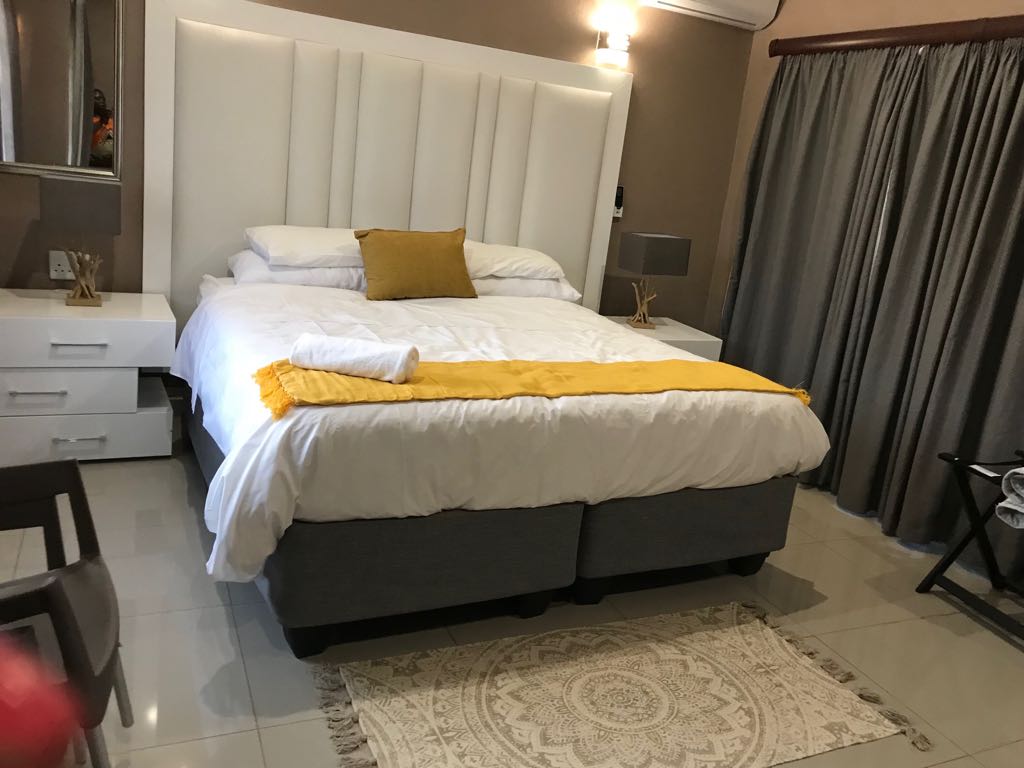
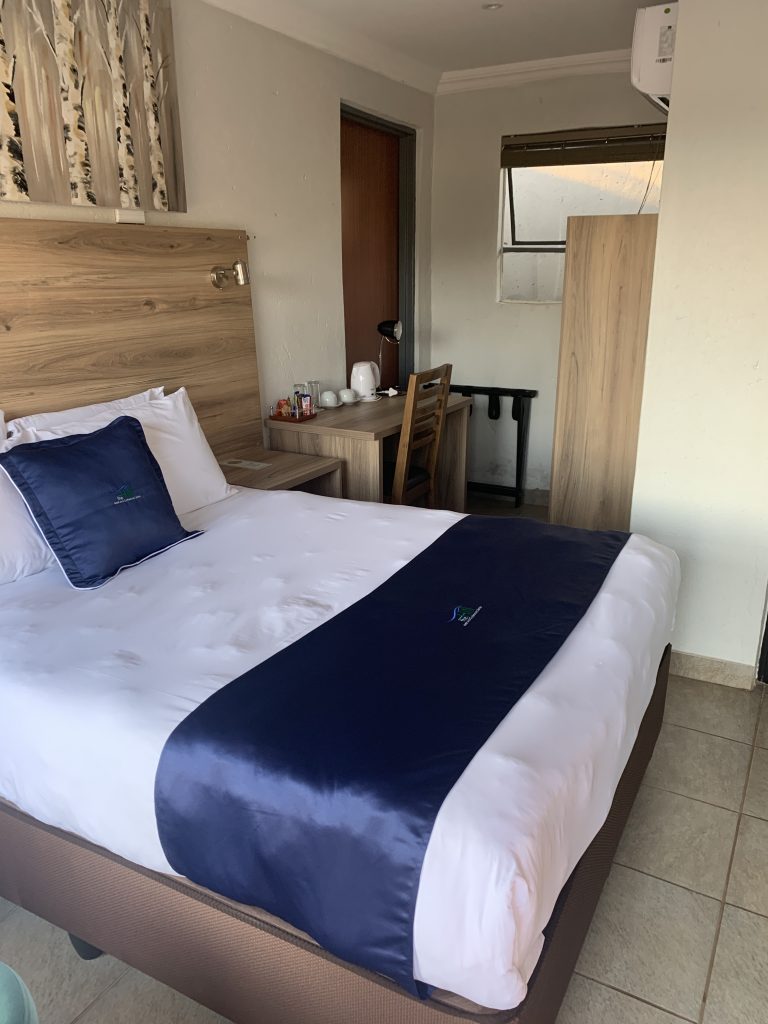
## Accommodation in Tshivumbe
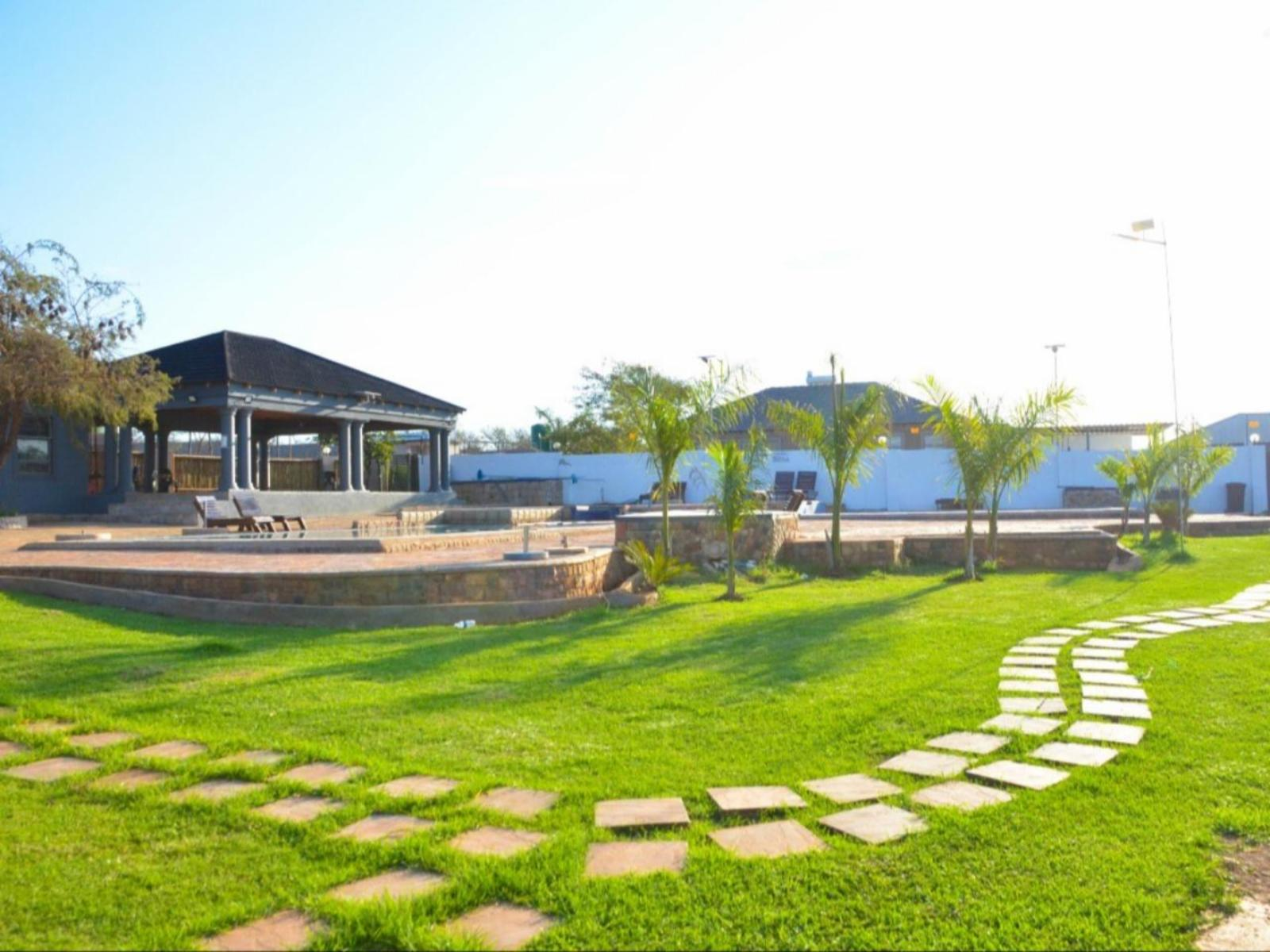
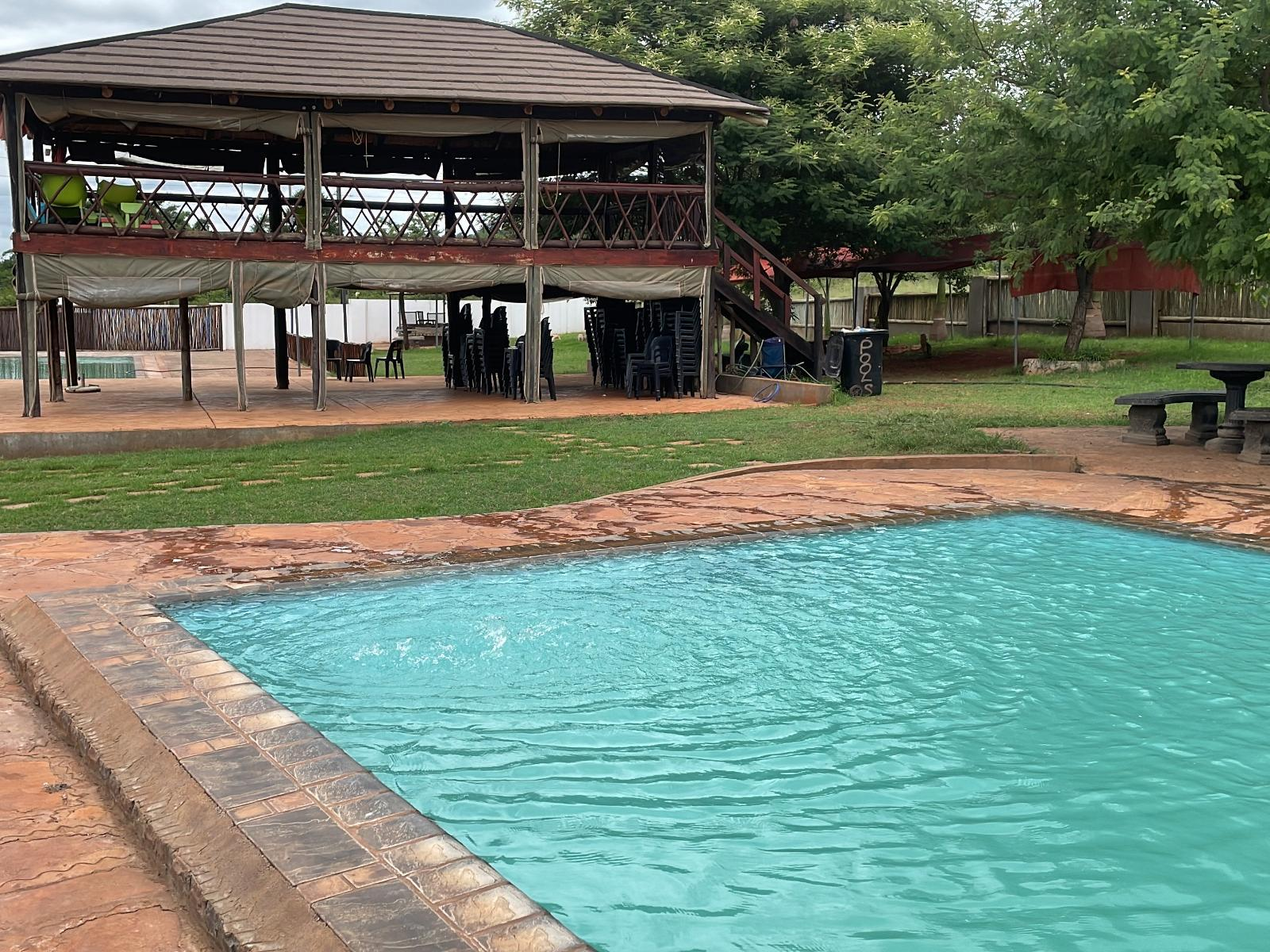
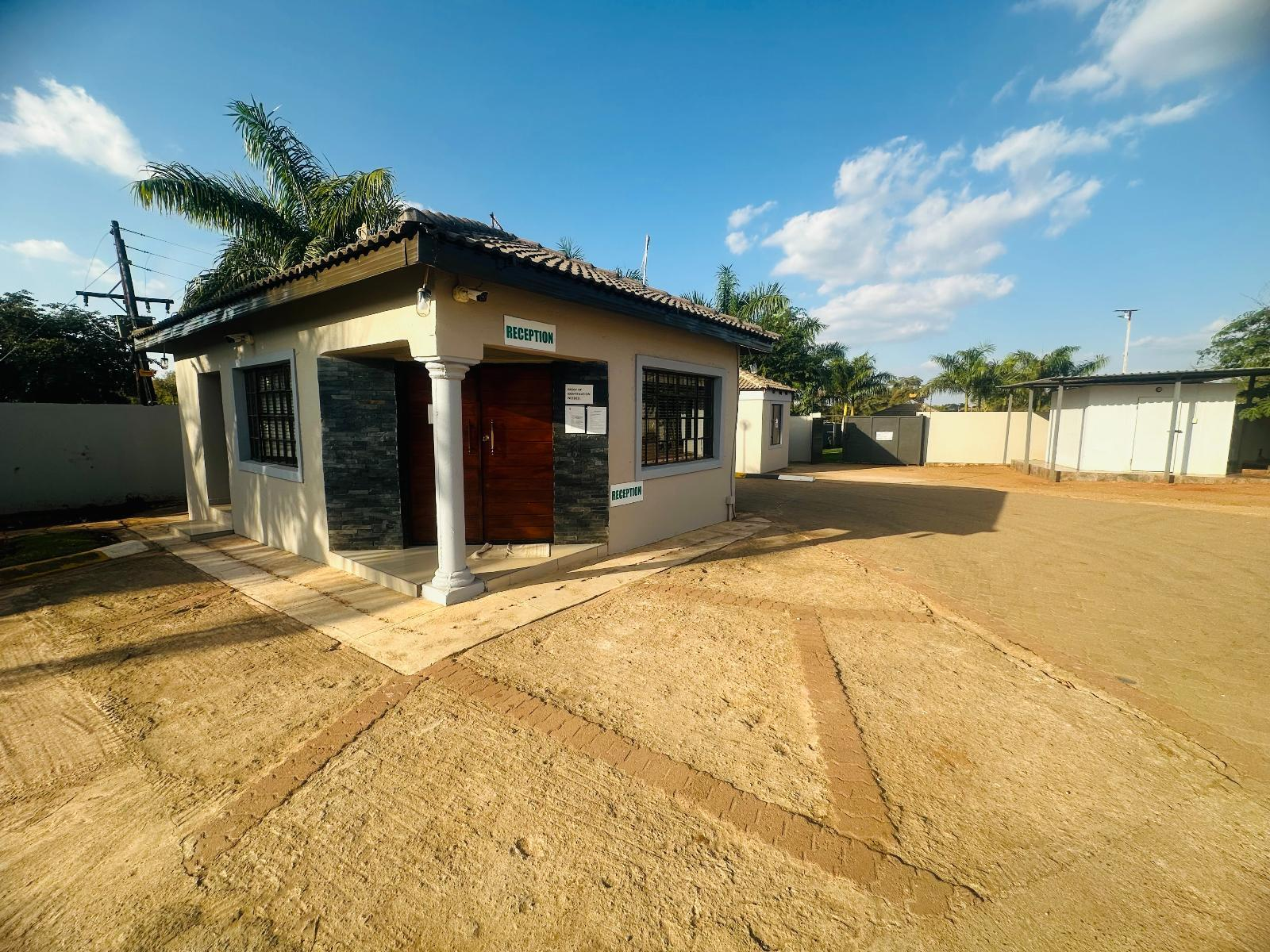
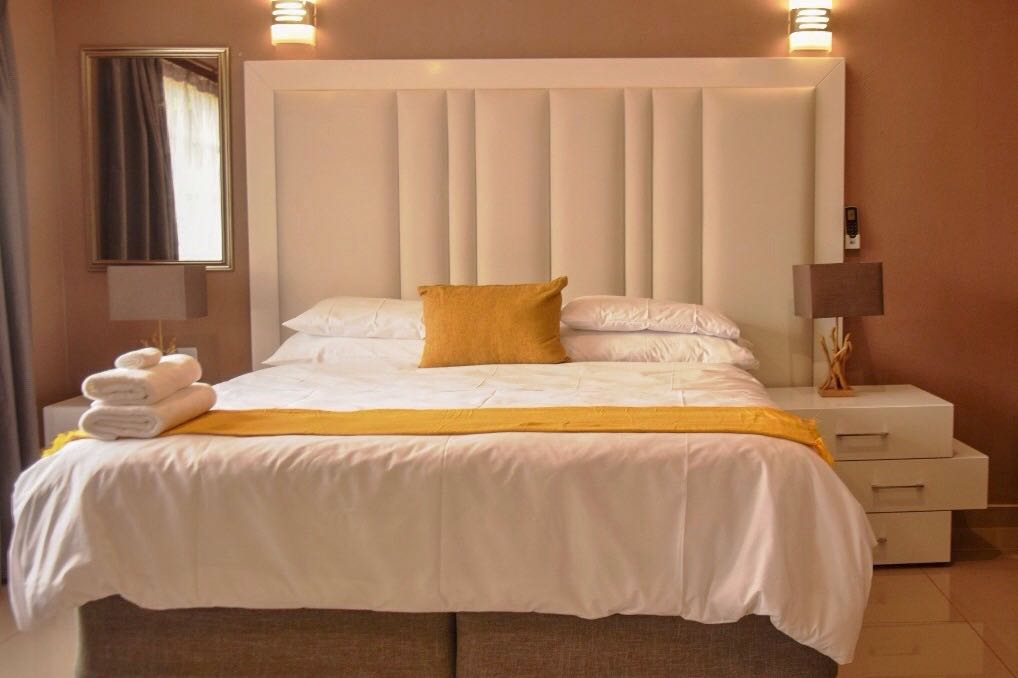
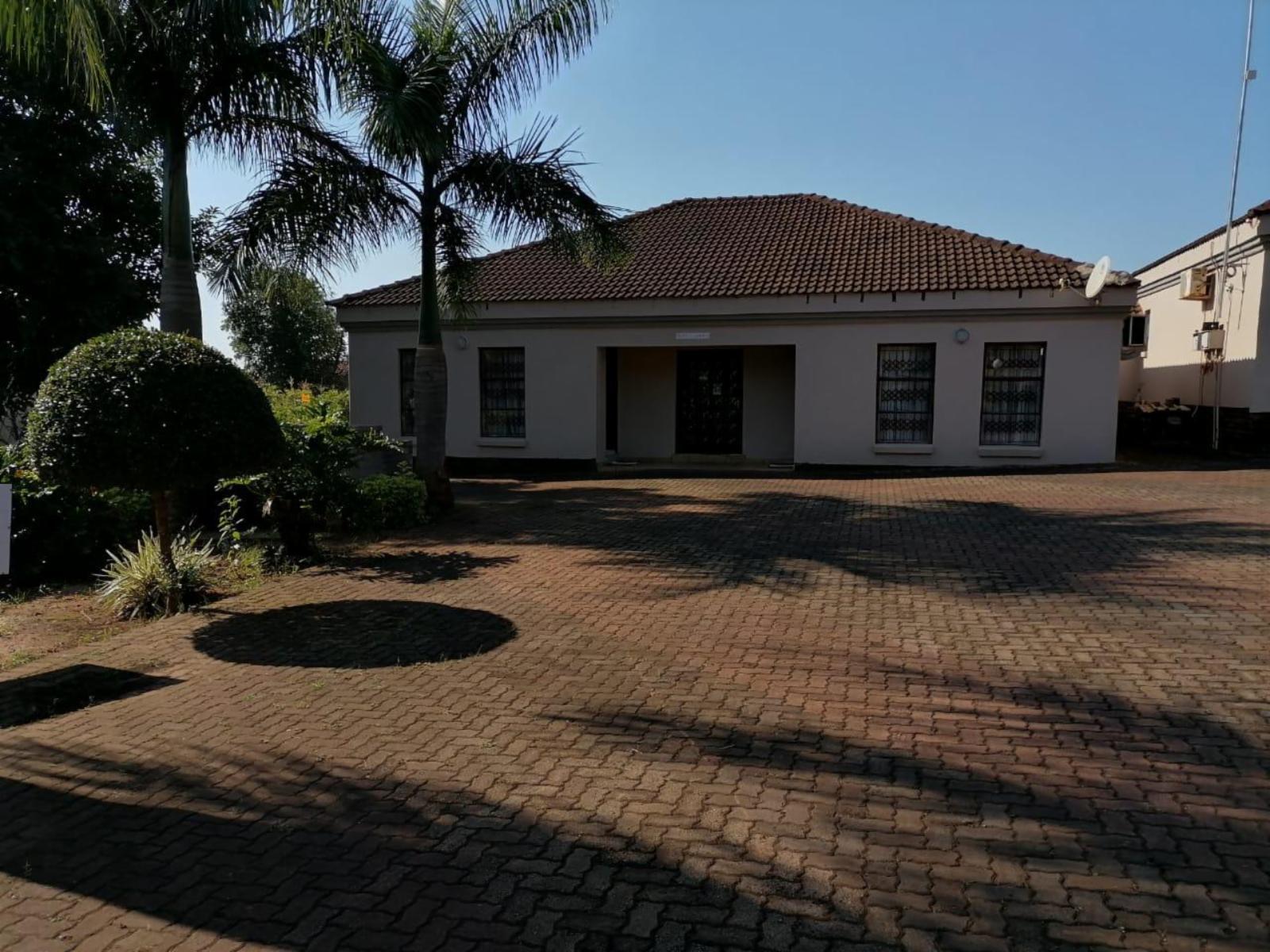
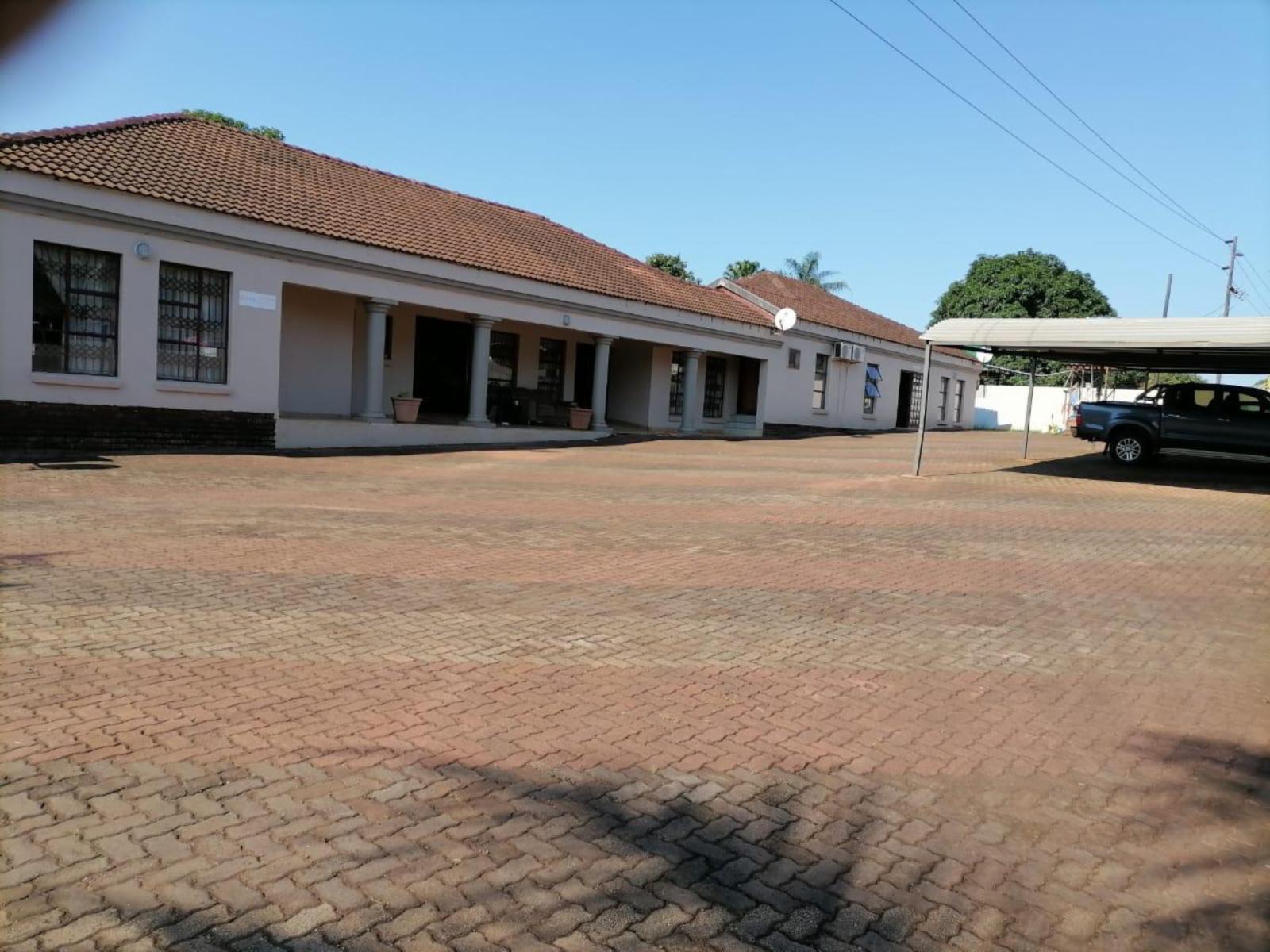
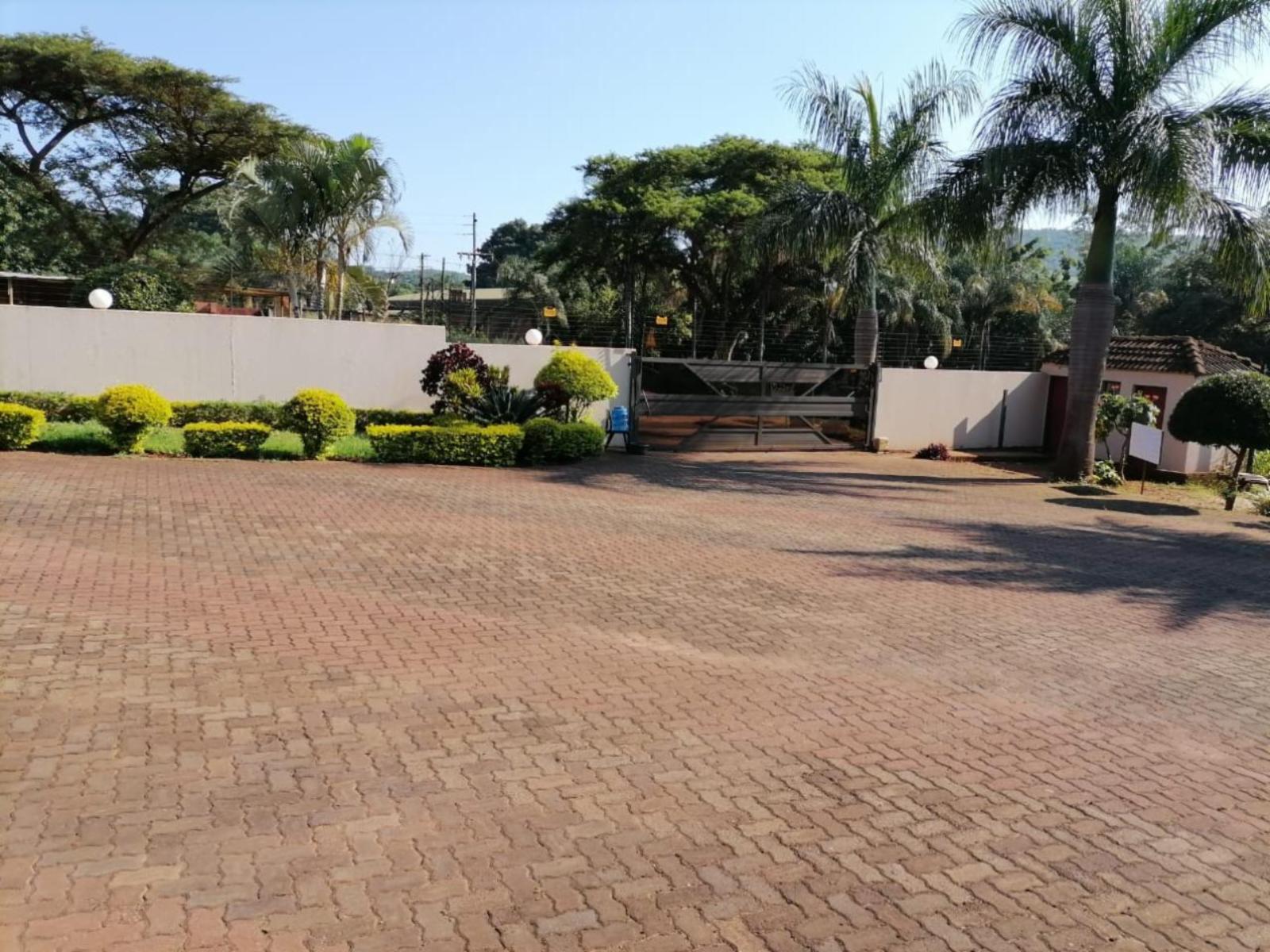
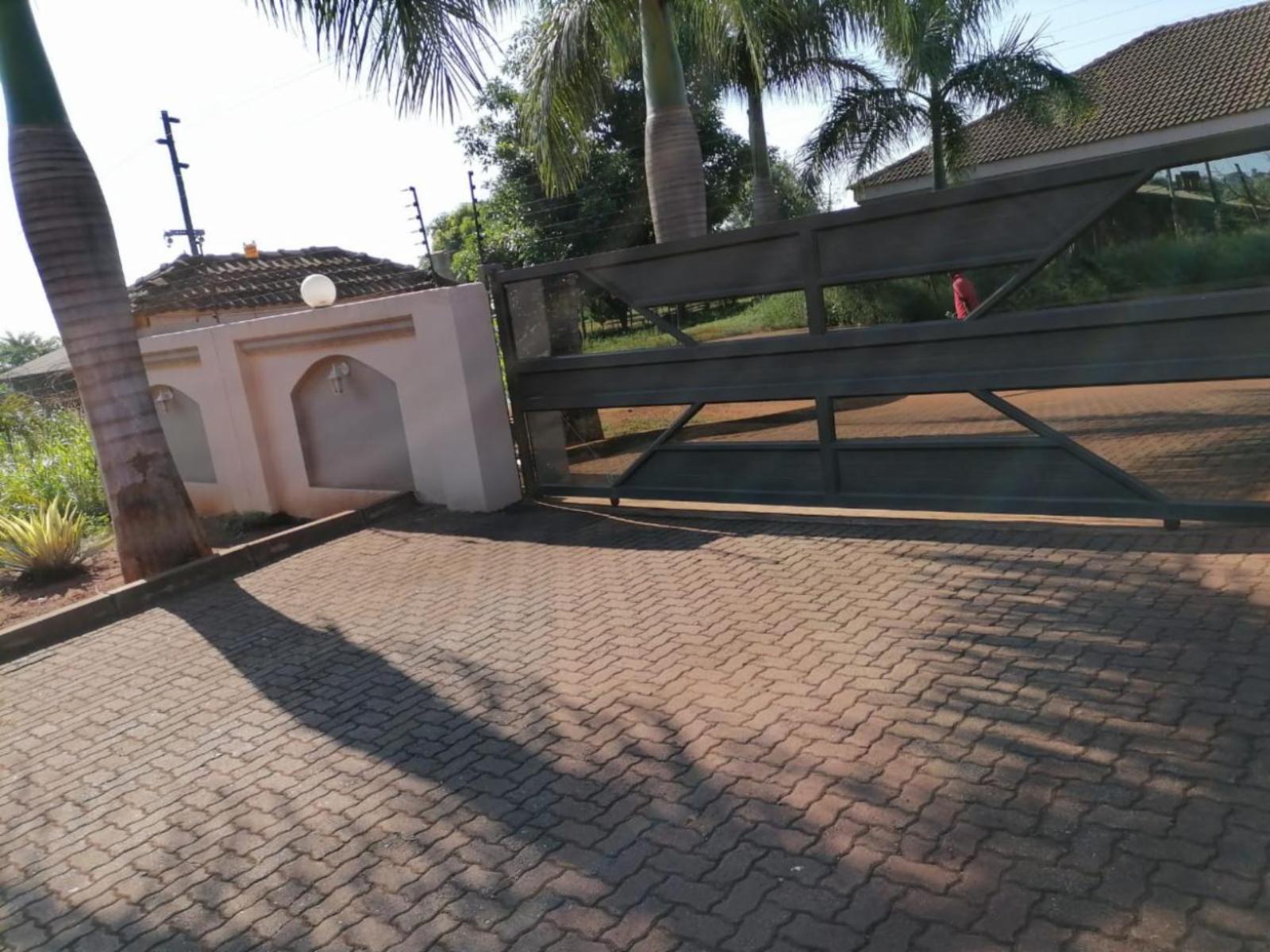
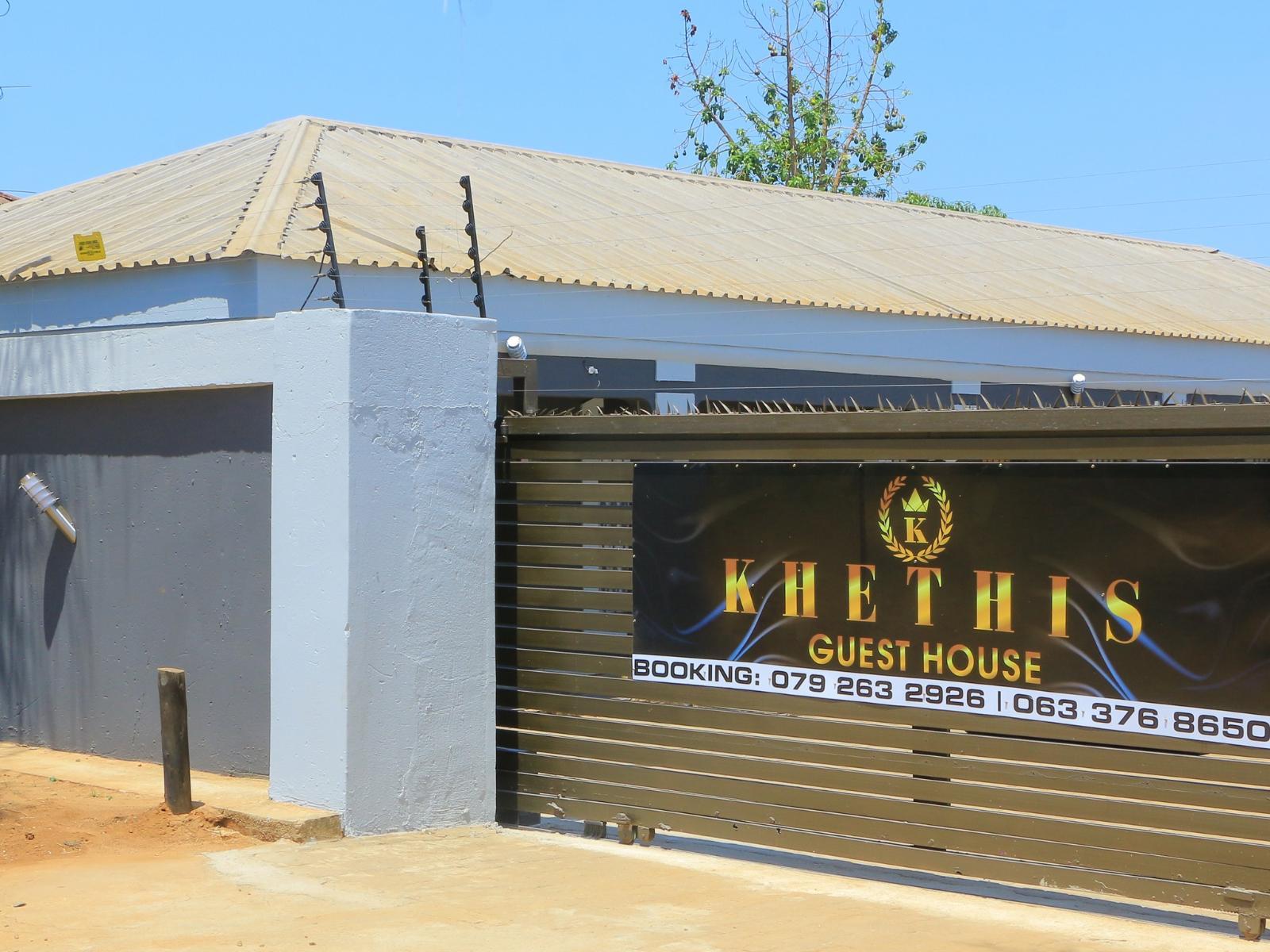
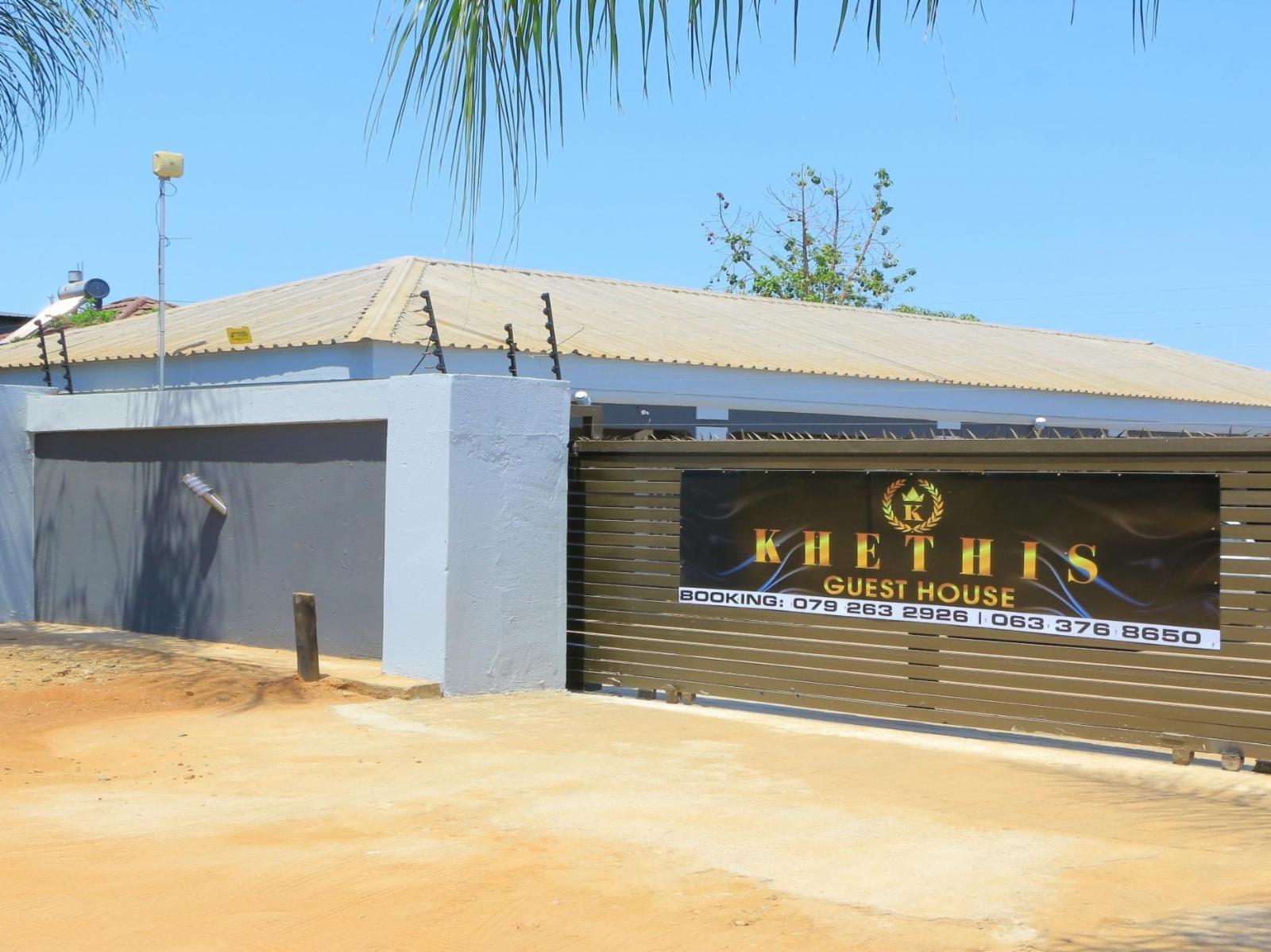
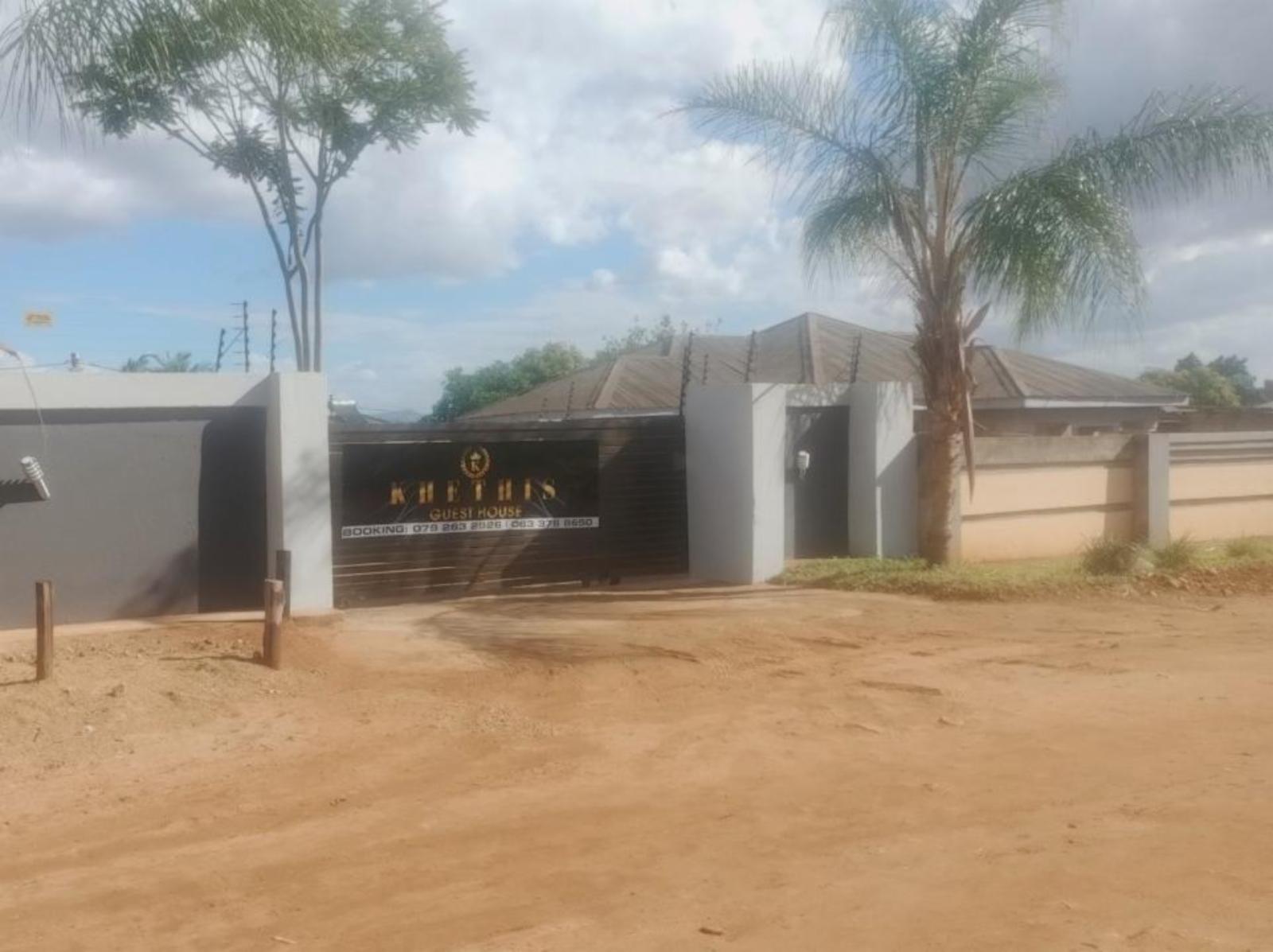
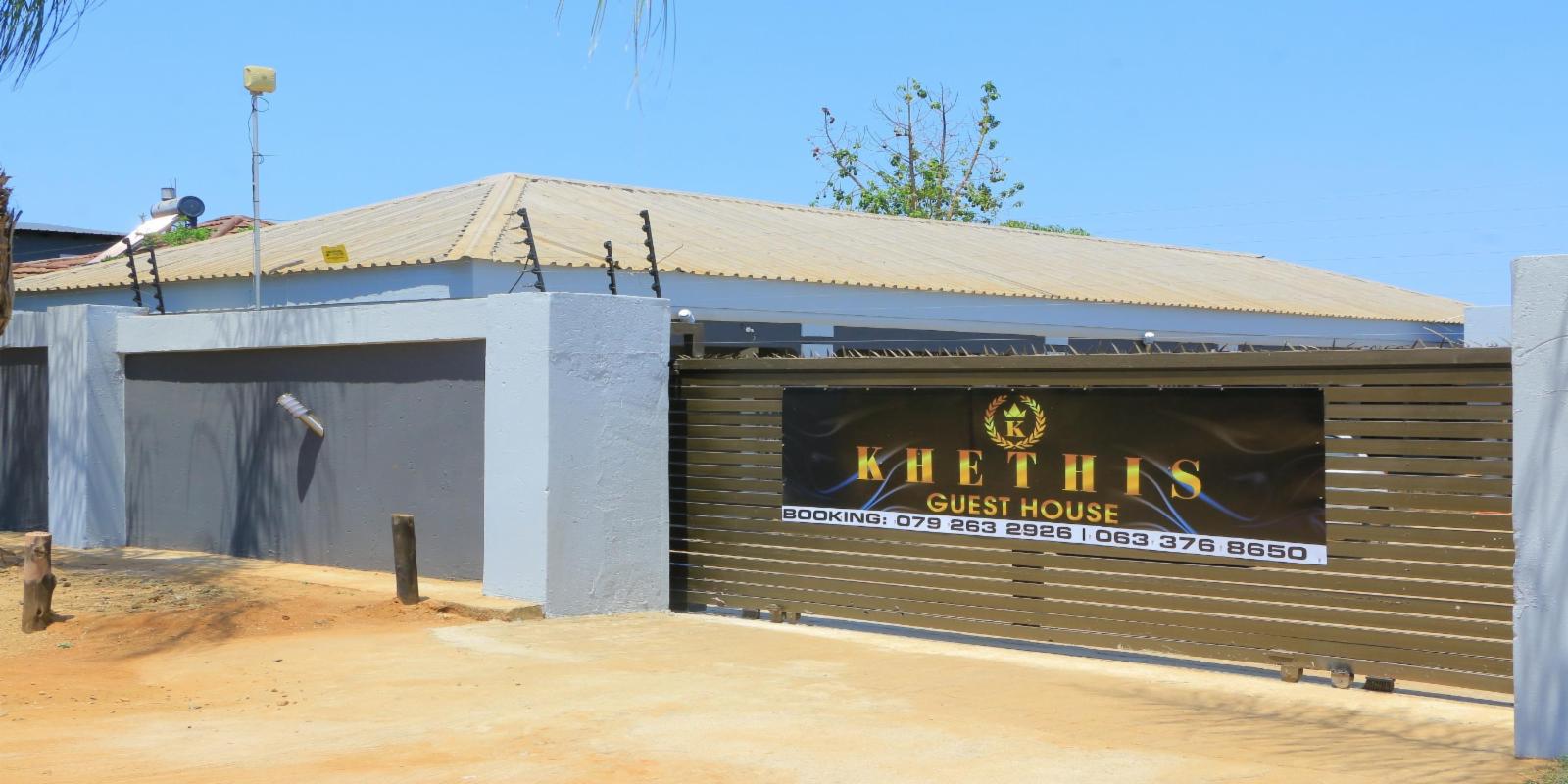
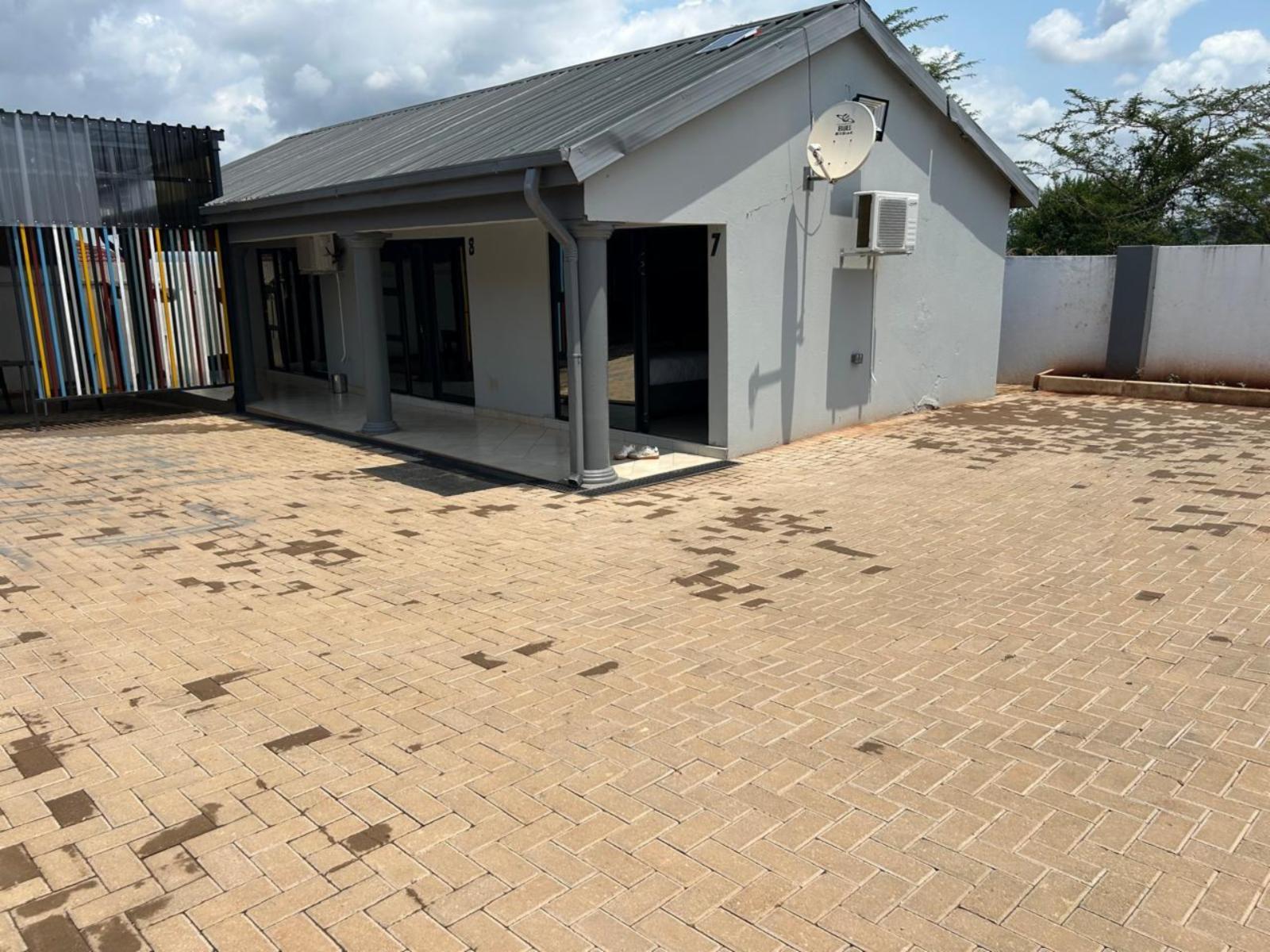
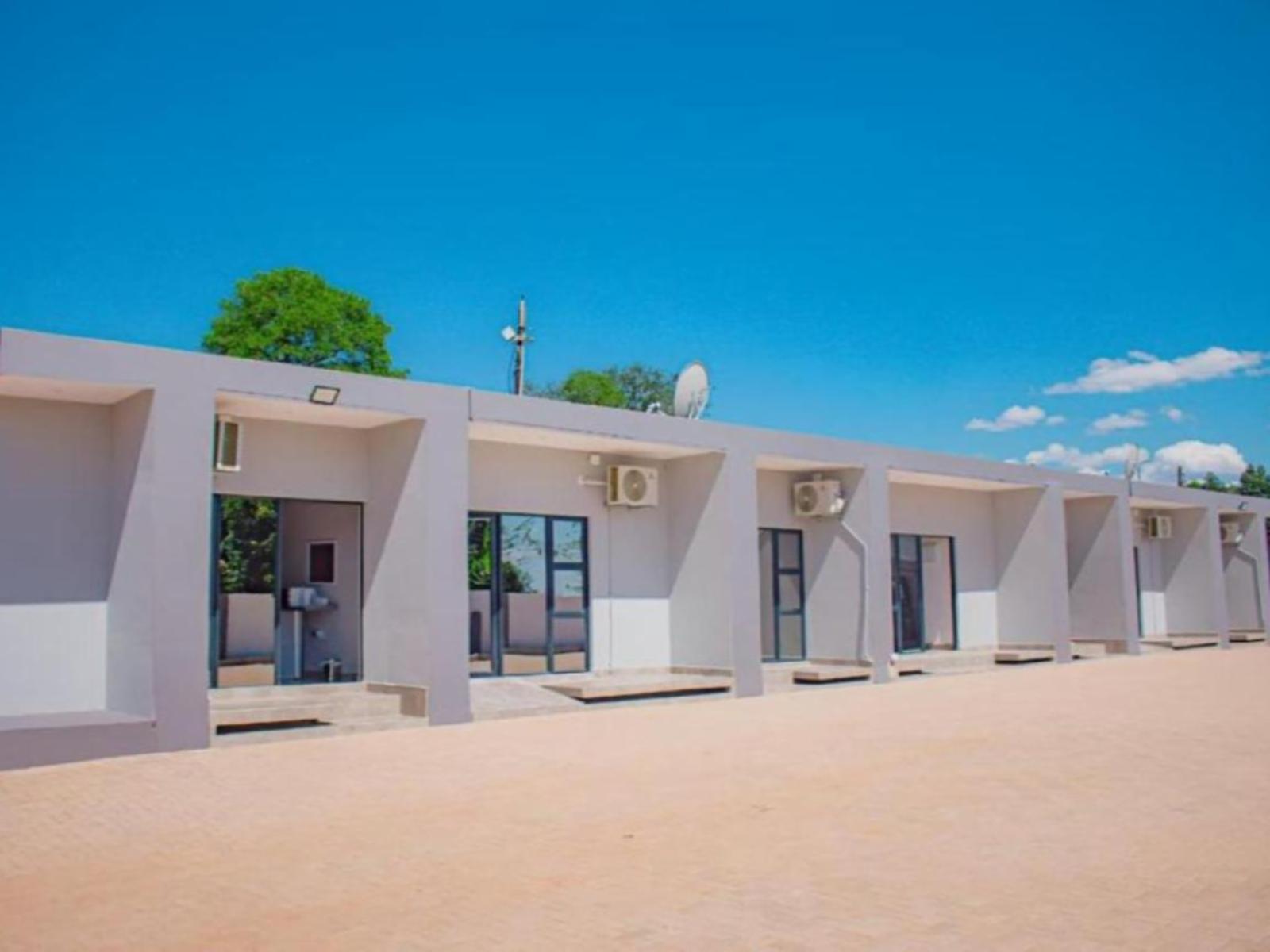
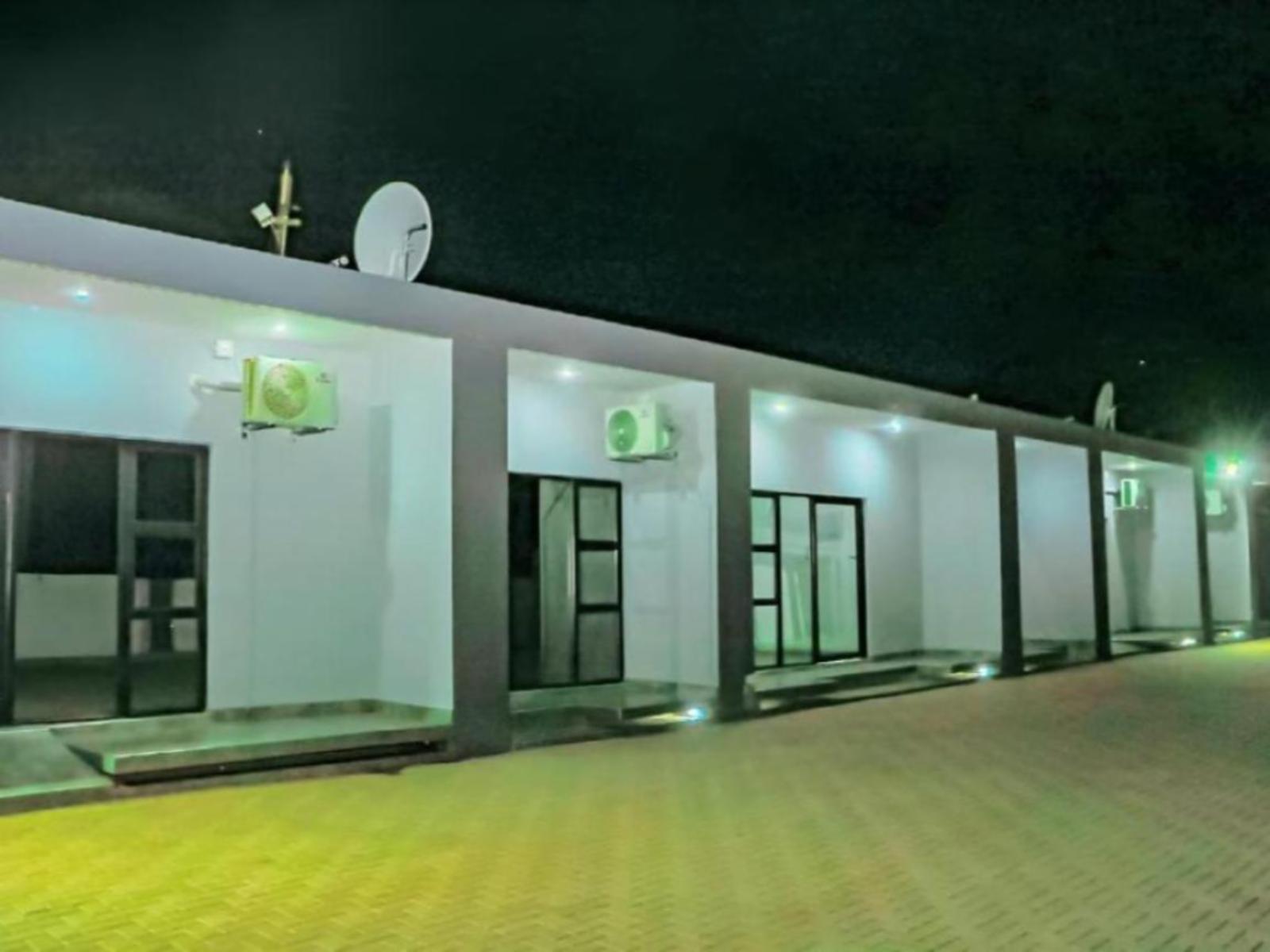
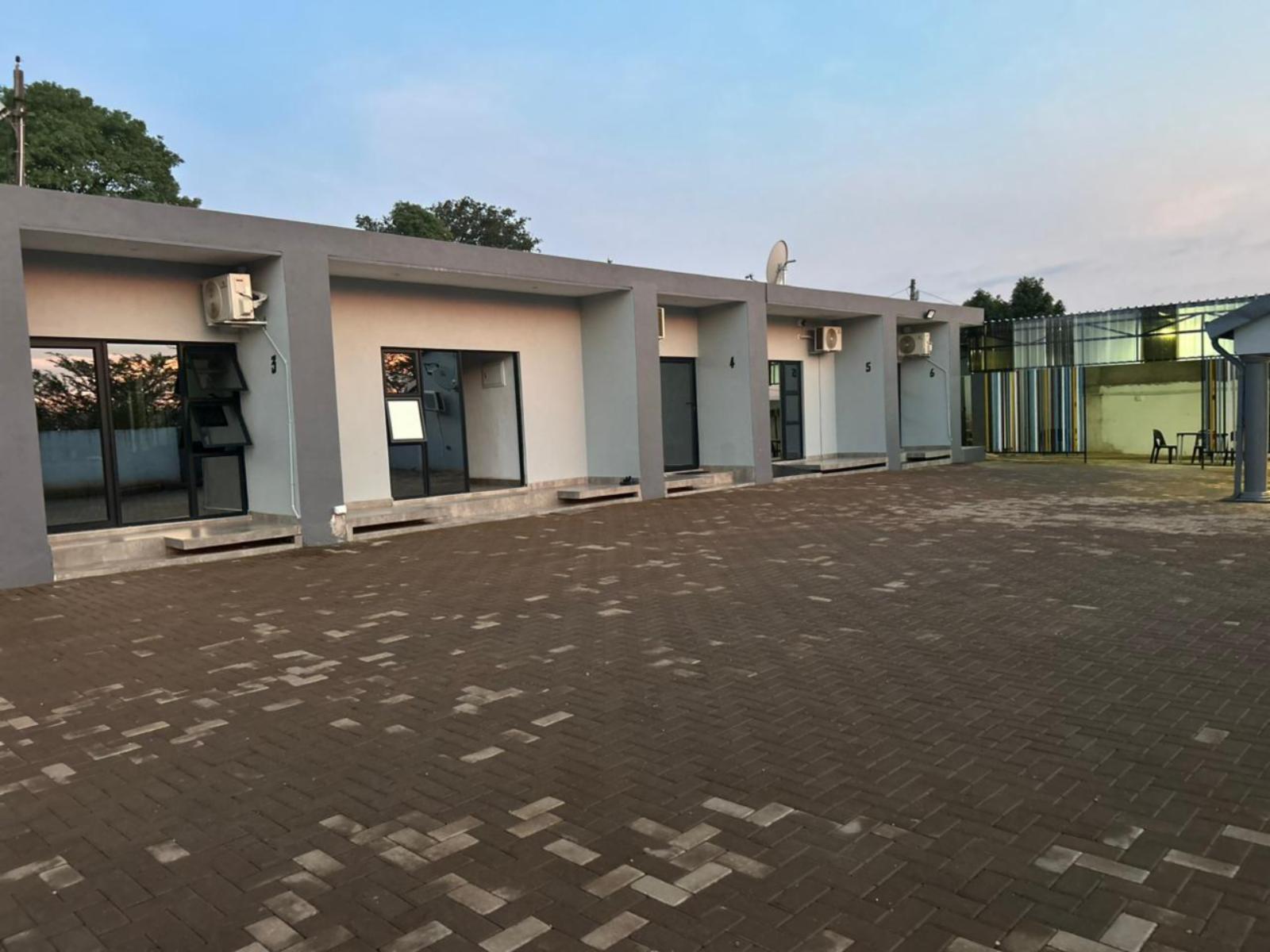
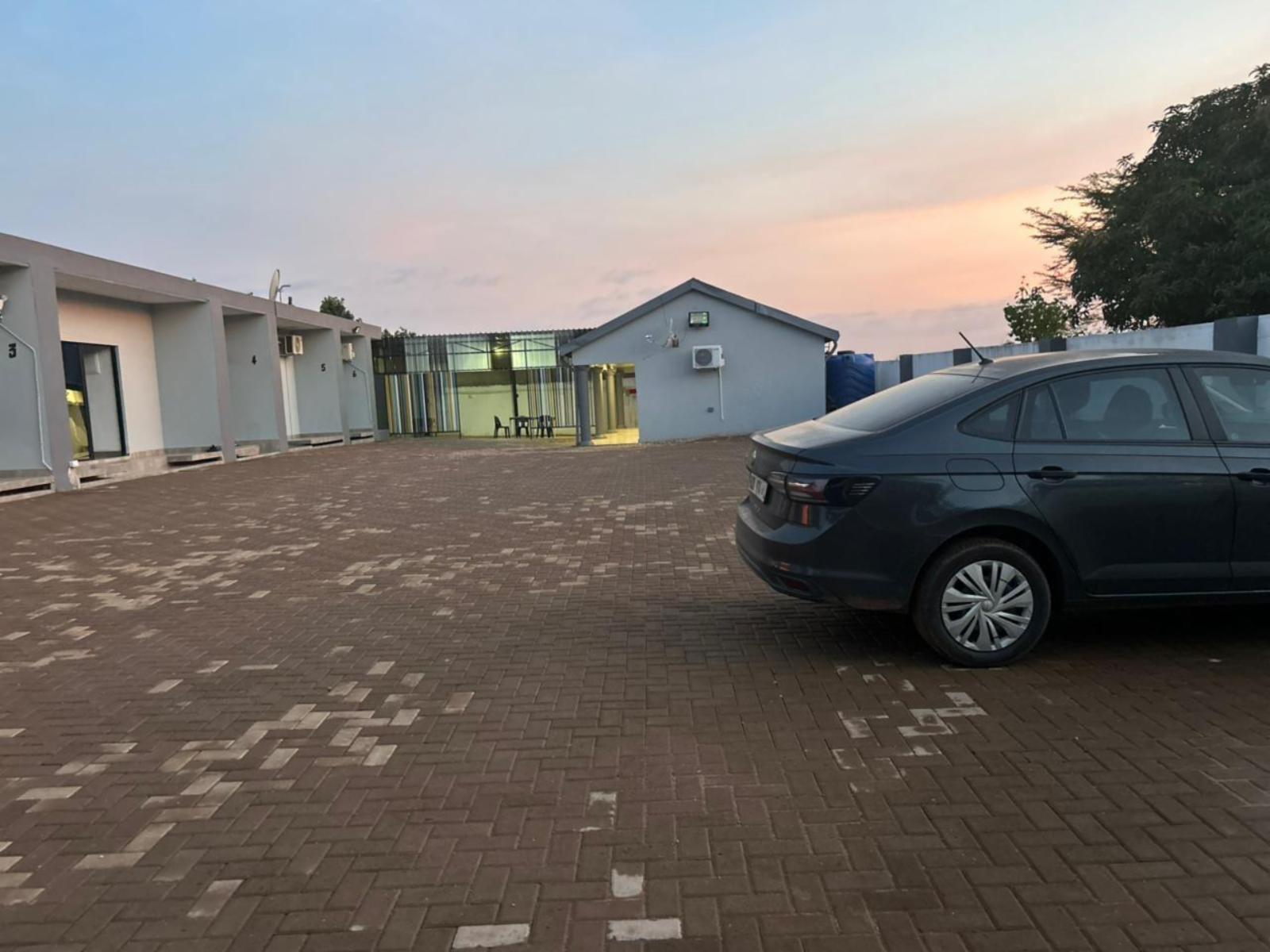
Currently there are no formally listed properties on major booking platforms for Tshivumbe, which means accommodation arrangements typically require direct contact with local guesthouses or community-based hosts. The options that do exist reflect the character of the settlement: practical, community-run, and oriented toward travellers willing to engage with rural Venda life rather than resort-style comfort.
At the budget end, homestays and basic guesthouses are the most accessible choices. These are often rooms within family compounds, where guests share meal times with their hosts and gain a direct view of daily agricultural routines. Facilities are modest, usually comprising a clean room, shared bathroom, and home-cooked meals prepared from locally grown produce. This kind of arrangement suits travellers prioritising authenticity over amenity.
Mid-range travellers may find self-catering guesthouses that offer more privacy and independent facilities. These properties typically have a kitchenette or braai area and are suited to small groups or couples wanting to base themselves in the area for several days. The standard is functional rather than polished, but the trade-off is access to an environment that most commercial tourism routes do not reach.
Upper-tier options in Tshivumbe itself are essentially absent. Travellers wanting more developed accommodation are better served by looking toward the broader Vhembe region, where lodges and game farms provide a more complete infrastructure. For those committed to staying within the settlement, advance planning and direct communication with hosts is essential, as walk-in availability cannot be assumed.
Given the informal nature of the local accommodation market, it is worth confirming what is included in any rate, particularly whether meals, firewood, or transport assistance form part of the arrangement. Those with specific dietary requirements or accessibility needs should raise these directly when making contact, as advance notice gives hosts time to prepare appropriately. The community orientation of these properties means the quality of the experience often depends on the relationship built before arrival.
---
## Best Time to Visit Tshivumbe
Tshivumbe follows the subtropical climate pattern typical of the Limpopo interior. The wet season runs from November through March, when temperatures regularly climb above 30 degrees Celsius and afternoon thunderstorms are common. This period brings green landscapes and active birdlife, but unpaved roads can become difficult to navigate after heavy rain. Travellers in self-drive vehicles should carry recovery equipment or check conditions locally before setting out.
The dry winter months, from May to September, offer the most comfortable visiting conditions. Daytime temperatures are mild and settled, and the absence of rain makes road access more predictable. Nights can drop noticeably in June and July, so packing a warm layer is practical even in this subtropical zone.
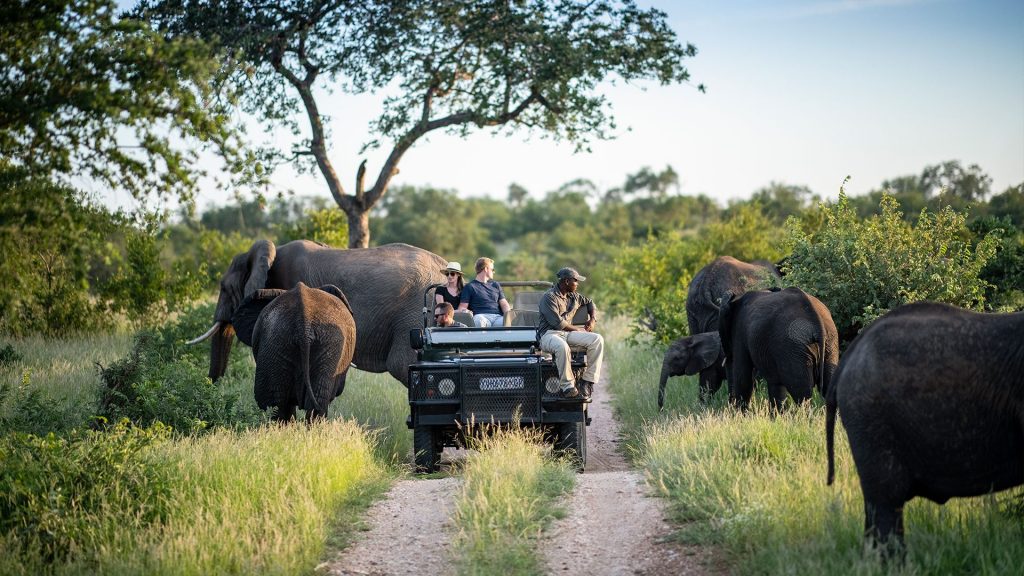
April and October sit at the transitions between seasons and can offer a reasonable balance: lower humidity than summer, fewer cold nights than mid-winter. Game viewing in the surrounding reserves tends to improve as the vegetation thins through the dry season, making May to August the preferred window for anyone combining a cultural visit with wildlife activities. Those specifically interested in agricultural practices and the landscape at its most productive will find the early summer months, from October to December, more rewarding.
---
## Getting to Tshivumbe
The nearest airport with scheduled flights is Polokwane International, approximately 200 kilometres to the southwest. From Polokwane, the route to Tshivumbe runs northeast via the N1 and then through the Vhembe regional hub before continuing on smaller provincial and local roads. Travellers coming from Johannesburg face a drive of roughly 400 kilometres, most of it on well-maintained national roads.
From the regional hub, the remaining distance to Tshivumbe is approximately 10 kilometres, though the exact condition of access roads varies by season and recent maintenance. A standard sedan can manage the roads in dry conditions; after significant rain, a vehicle with higher clearance is preferable. Carrying a physical map or offline GPS data is worthwhile, as mobile coverage in parts of the Mutale area is inconsistent.
Public transport connections to Tshivumbe are limited. Minibus taxis operate routes throughout the Mutale Local Municipality, but schedules are irregular and departure times are not fixed. Hiring a vehicle in Polokwane gives substantially more flexibility for reaching the settlement and exploring the surrounding area at your own pace. Those without a vehicle should discuss transport options with their host when booking, as local knowledge about taxi routes and timing is more reliable than any published information.
---
## Tshivumbe and Surrounding Areas
Thohoyandou, ten kilometres from Tshivumbe, functions as the commercial and administrative centre for the Vhembe District. It has banks, supermarkets, a hospital, and fuel stations, making it the practical stop for stocking up on supplies before heading deeper into the Mutale area. The town also has cultural markets where Venda craftwork, including pottery and woven textiles, can be found. Most travellers passing through the region will begin and end their logistics here.
Dzwerani, eleven kilometres away, sits within the rural interior of the municipality. The settlement represents the dispersed homestead pattern characteristic of this part of Limpopo, where communities are organised around agricultural land rather than central townships. It is worth passing through to observe the relationship between land use and settlement that defines this corridor.
Tshiheni, at sixteen kilometres, lies further into the territory and is associated with small-scale farming communities. Travellers making a circuit of the district will notice the consistent presence of cultivated plots and communal grazing land across this stretch.
Tshiavha, nineteen kilometres out, occupies the same cultural landscape and is a logical stop on a longer day loop exploring settlements to the north and east of Tshivumbe. The distance makes it practical as a half-day excursion rather than a standalone destination.
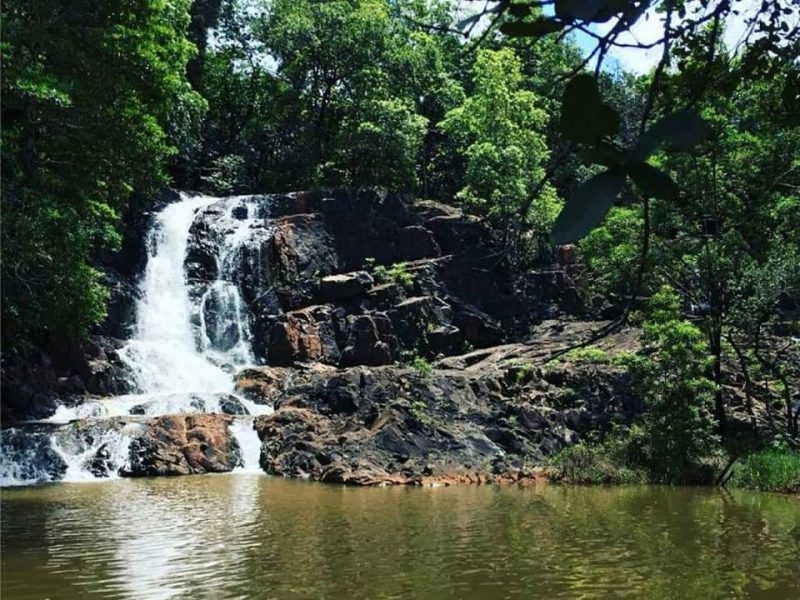
Tshabya and Rambuda, both at roughly twenty kilometres, mark the outer edge of a comfortable day-trip radius from Tshivumbe. Rambuda is noted for local agricultural activity and sits in an area with strong Venda cultural ties. The Mutale River catchment passes through this broader zone, and the seasonal streams that feed it add a distinct character to the landscape across these outer communities.
---
## Planning Your Stay
Accommodation in Tshivumbe operates largely outside major booking platforms, which means lead time and direct communication matter more than they would in a well-serviced tourist destination. Reaching out to hosts by phone or through local tourism contacts at least two to three weeks before arrival gives enough time to confirm availability, agree on specifics, and sort any transport or provisioning questions.
Mobile coverage in parts of the Mutale area can be unreliable, so do not assume that last-minute contact on the day of arrival will work. A follow-up message or call a few days before travel is worth sending as confirmation.
When comparing options, ask explicitly what the rate includes, what the bathroom arrangements are, whether the property has consistent water and electricity supply, and whether they can accommodate specific dietary requirements. Road conditions in the wet season are worth raising directly with your host before setting out.
Fuel and groceries should be handled before the final leg of the journey, as these facilities are not available at the local level. Carrying cash is sensible, as card payment facilities are unlikely to be available at community-based accommodation. For travellers planning to visit the Nwanedi Nature Reserve or other points in the wider district, confirming entry requirements and gate times in advance will help structure the visit without unnecessary delays.

Currently there are no formally listed properties on major booking platforms for Tshivumbe, which means accommodation arrangements typically require direct contact with local guesthouses or community-based hosts. The options that do exist reflect the character of the settlement: practical, community-run, and oriented toward travellers willing to engage with rural Venda life rather than resort-style comfort.
At the budget end, homestays and basic guesthouses are the most accessible choices. These are often rooms within family compounds, where guests share meal times with their hosts and gain a direct view of daily agricultural routines. Facilities are modest, usually comprising a clean room, shared bathroom, and home-cooked meals prepared from locally grown produce. This kind of arrangement suits travellers prioritising authenticity over amenity.
Mid-range travellers may find self-catering guesthouses that offer more privacy and independent facilities. These properties typically have a kitchenette or braai area and are suited to small groups or couples wanting to base themselves in the area for several days. The standard is functional rather than polished, but the trade-off is access to an environment that most commercial tourism routes do not reach.
Upper-tier options in Tshivumbe itself are essentially absent. Travellers wanting more developed accommodation are better served by looking toward the broader Vhembe region, where lodges and game farms provide a more complete infrastructure. For those committed to staying within the settlement, advance planning and direct communication with hosts is essential, as walk-in availability cannot be assumed.
Given the informal nature of the local accommodation market, it is worth confirming what is included in any rate, particularly whether meals, firewood, or transport assistance form part of the arrangement. Those with specific dietary requirements or accessibility needs should raise these directly when making contact, as advance notice gives hosts time to prepare appropriately. The community orientation of these properties means the quality of the experience often depends on the relationship built before arrival.
---
## Best Time to Visit Tshivumbe
Tshivumbe follows the subtropical climate pattern typical of the Limpopo interior. The wet season runs from November through March, when temperatures regularly climb above 30 degrees Celsius and afternoon thunderstorms are common. This period brings green landscapes and active birdlife, but unpaved roads can become difficult to navigate after heavy rain. Travellers in self-drive vehicles should carry recovery equipment or check conditions locally before setting out.
The dry winter months, from May to September, offer the most comfortable visiting conditions. Daytime temperatures are mild and settled, and the absence of rain makes road access more predictable. Nights can drop noticeably in June and July, so packing a warm layer is practical even in this subtropical zone.
April and October sit at the transitions between seasons and can offer a reasonable balance: lower humidity than summer, fewer cold nights than mid-winter. Game viewing in the surrounding reserves tends to improve as the vegetation thins through the dry season, making May to August the preferred window for anyone combining a cultural visit with wildlife activities. Those specifically interested in agricultural practices and the landscape at its most productive will find the early summer months, from October to December, more rewarding.
---
## Getting to Tshivumbe
The nearest airport with scheduled flights is Polokwane International, approximately 200 kilometres to the southwest. From Polokwane, the route to Tshivumbe runs northeast via the N1 and then through the Vhembe regional hub before continuing on smaller provincial and local roads. Travellers coming from Johannesburg face a drive of roughly 400 kilometres, most of it on well-maintained national roads.
From the regional hub, the remaining distance to Tshivumbe is approximately 10 kilometres, though the exact condition of access roads varies by season and recent maintenance. A standard sedan can manage the roads in dry conditions; after significant rain, a vehicle with higher clearance is preferable. Carrying a physical map or offline GPS data is worthwhile, as mobile coverage in parts of the Mutale area is inconsistent.
Public transport connections to Tshivumbe are limited. Minibus taxis operate routes throughout the Mutale Local Municipality, but schedules are irregular and departure times are not fixed. Hiring a vehicle in Polokwane gives substantially more flexibility for reaching the settlement and exploring the surrounding area at your own pace. Those without a vehicle should discuss transport options with their host when booking, as local knowledge about taxi routes and timing is more reliable than any published information.
---
## Tshivumbe and Surrounding Areas
Thohoyandou, ten kilometres from Tshivumbe, functions as the commercial and administrative centre for the Vhembe District. It has banks, supermarkets, a hospital, and fuel stations, making it the practical stop for stocking up on supplies before heading deeper into the Mutale area. The town also has cultural markets where Venda craftwork, including pottery and woven textiles, can be found. Most travellers passing through the region will begin and end their logistics here.
Dzwerani, eleven kilometres away, sits within the rural interior of the municipality. The settlement represents the dispersed homestead pattern characteristic of this part of Limpopo, where communities are organised around agricultural land rather than central townships. It is worth passing through to observe the relationship between land use and settlement that defines this corridor.
Tshiheni, at sixteen kilometres, lies further into the territory and is associated with small-scale farming communities. Travellers making a circuit of the district will notice the consistent presence of cultivated plots and communal grazing land across this stretch.
Tshiavha, nineteen kilometres out, occupies the same cultural landscape and is a logical stop on a longer day loop exploring settlements to the north and east of Tshivumbe. The distance makes it practical as a half-day excursion rather than a standalone destination.
Tshabya and Rambuda, both at roughly twenty kilometres, mark the outer edge of a comfortable day-trip radius from Tshivumbe. Rambuda is noted for local agricultural activity and sits in an area with strong Venda cultural ties. The Mutale River catchment passes through this broader zone, and the seasonal streams that feed it add a distinct character to the landscape across these outer communities.
---
## Planning Your Stay
Accommodation in Tshivumbe operates largely outside major booking platforms, which means lead time and direct communication matter more than they would in a well-serviced tourist destination. Reaching out to hosts by phone or through local tourism contacts at least two to three weeks before arrival gives enough time to confirm availability, agree on specifics, and sort any transport or provisioning questions.
Mobile coverage in parts of the Mutale area can be unreliable, so do not assume that last-minute contact on the day of arrival will work. A follow-up message or call a few days before travel is worth sending as confirmation.
When comparing options, ask explicitly what the rate includes, what the bathroom arrangements are, whether the property has consistent water and electricity supply, and whether they can accommodate specific dietary requirements. Road conditions in the wet season are worth raising directly with your host before setting out.
Fuel and groceries should be handled before the final leg of the journey, as these facilities are not available at the local level. Carrying cash is sensible, as card payment facilities are unlikely to be available at community-based accommodation. For travellers planning to visit the Nwanedi Nature Reserve or other points in the wider district, confirming entry requirements and gate times in advance will help structure the visit without unnecessary delays.
Tshivumbe Kaart
Nabygeleë Bestemmings
Blaai Deur Alle Tshivumbe Akkommodasie
Bekyk al 0 akkommodasie-opsies in Tshivumbe met foto's, pryse en beskikbaarheid.
Blaai Deur Alle Akkommodasie