Dzwerani Reis- & Akkommodasiegids
Jou volledige gids om Dzwerani, Suid-Afrika te besoek.
Dzwerani is a small rural village in the Vhembe District of Limpopo Province, located in the far northern reaches of South Africa near the Zimbabwean border. The area serves as a gateway to exploring the traditional Venda culture and the surrounding bushveld landscape.
## Accommodation in Dzwerani
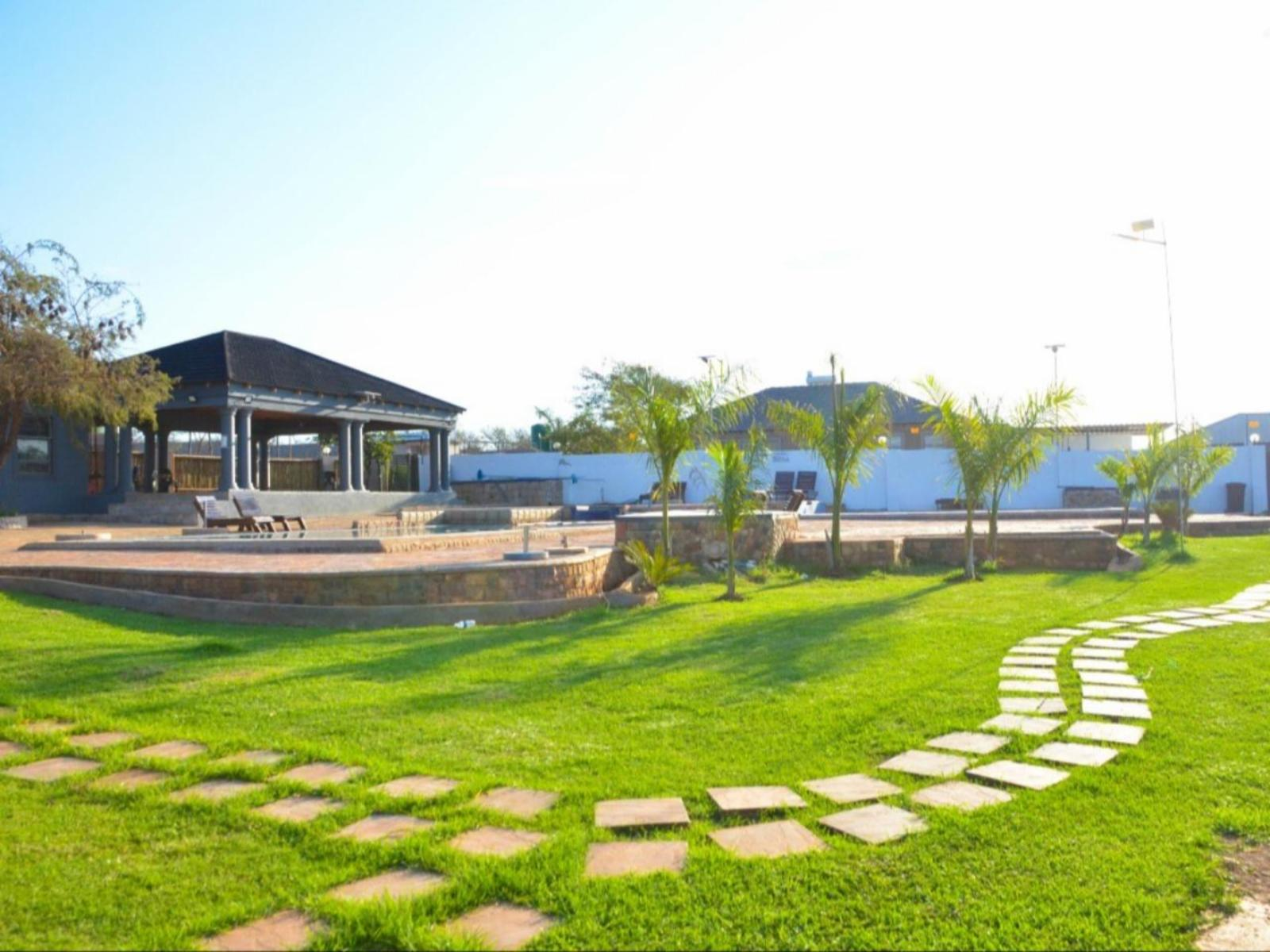
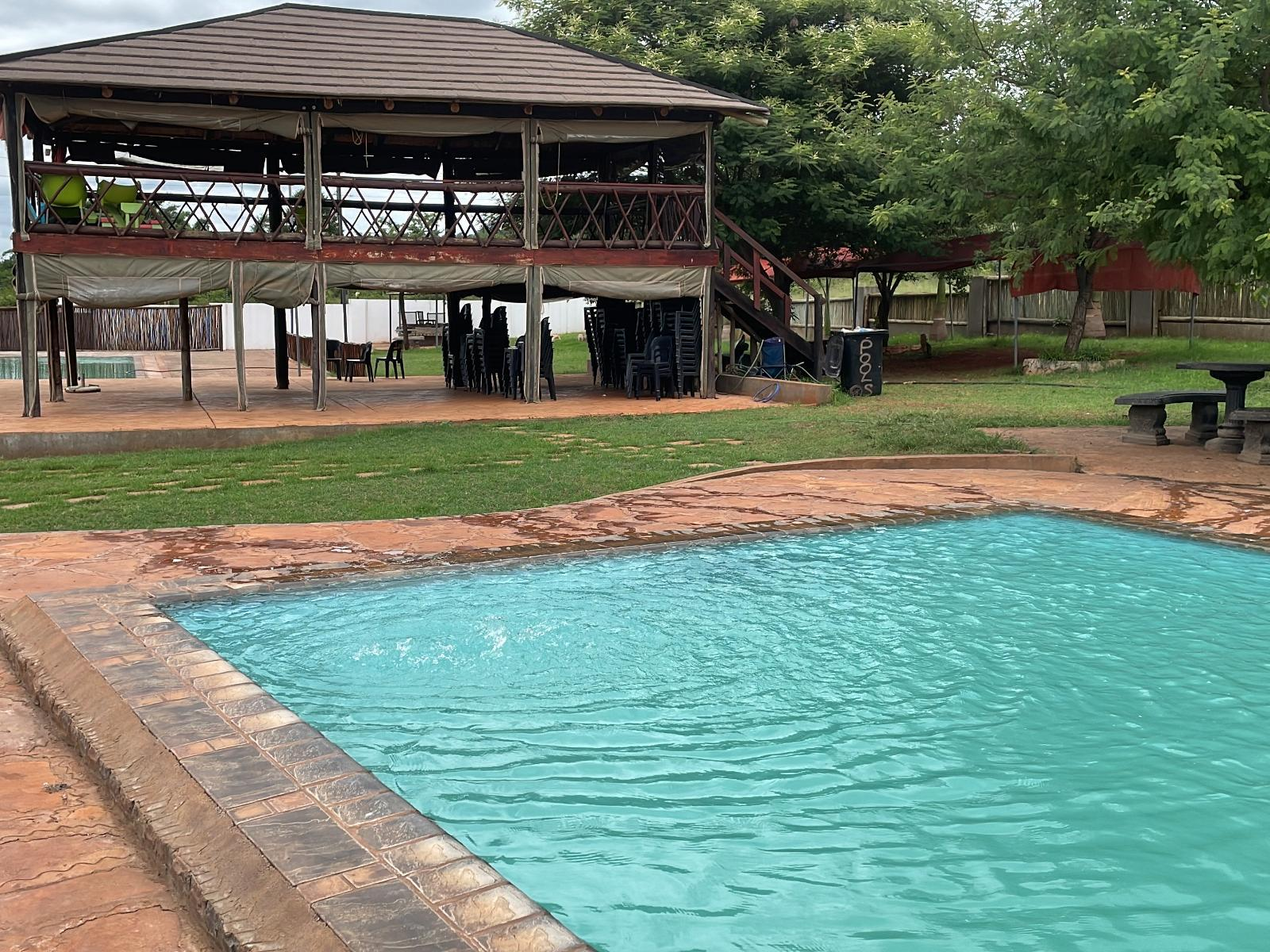
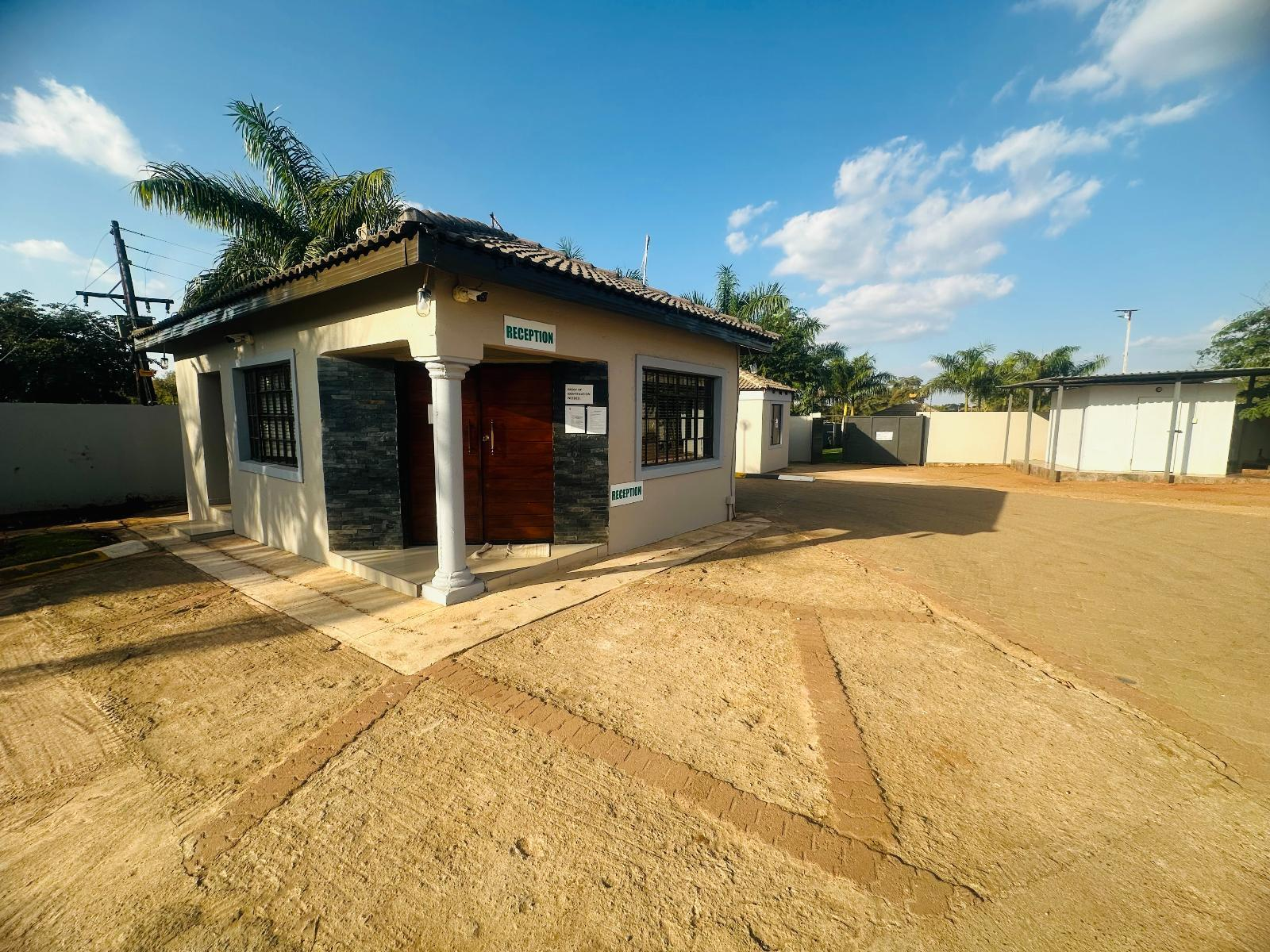
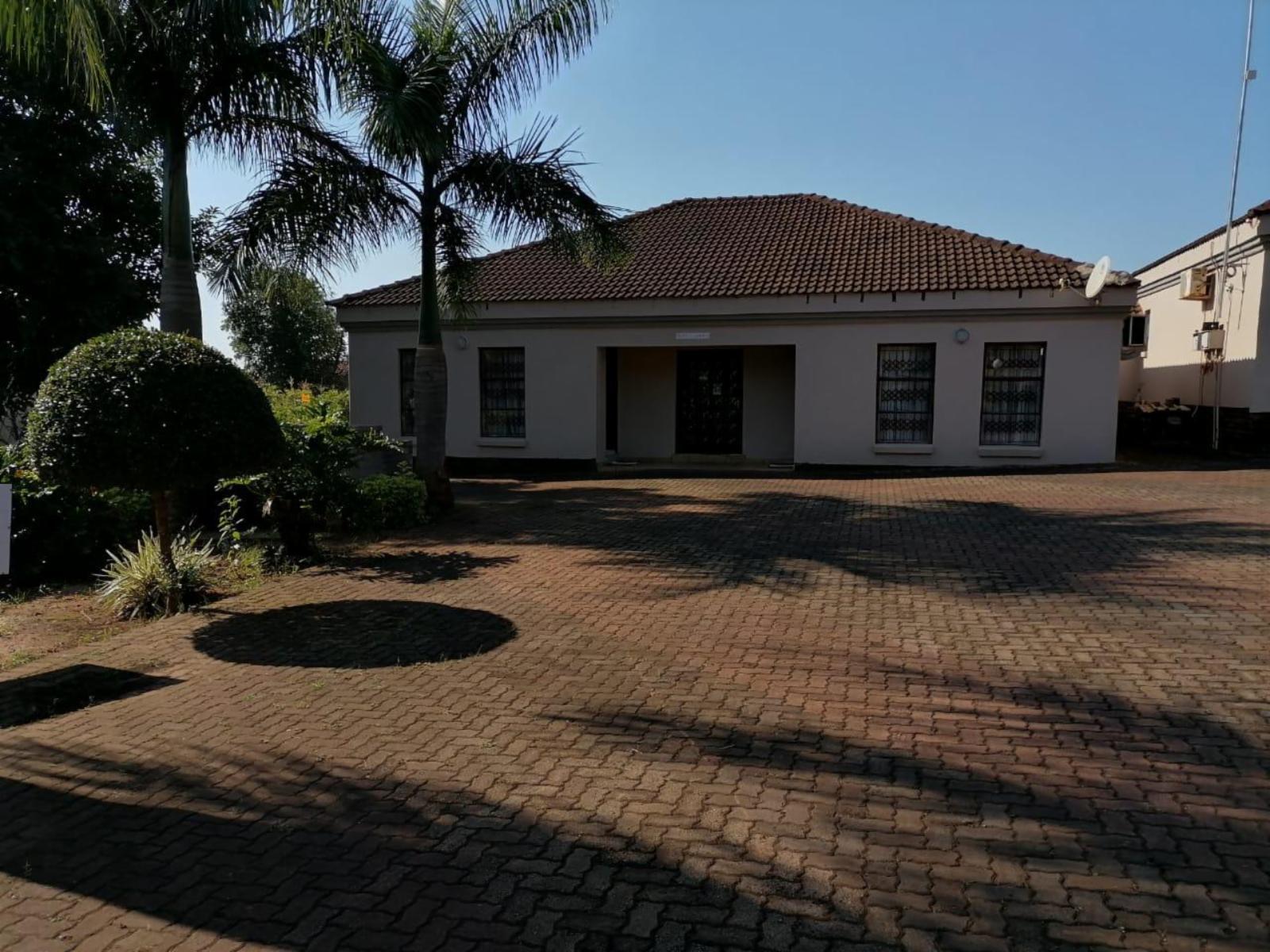
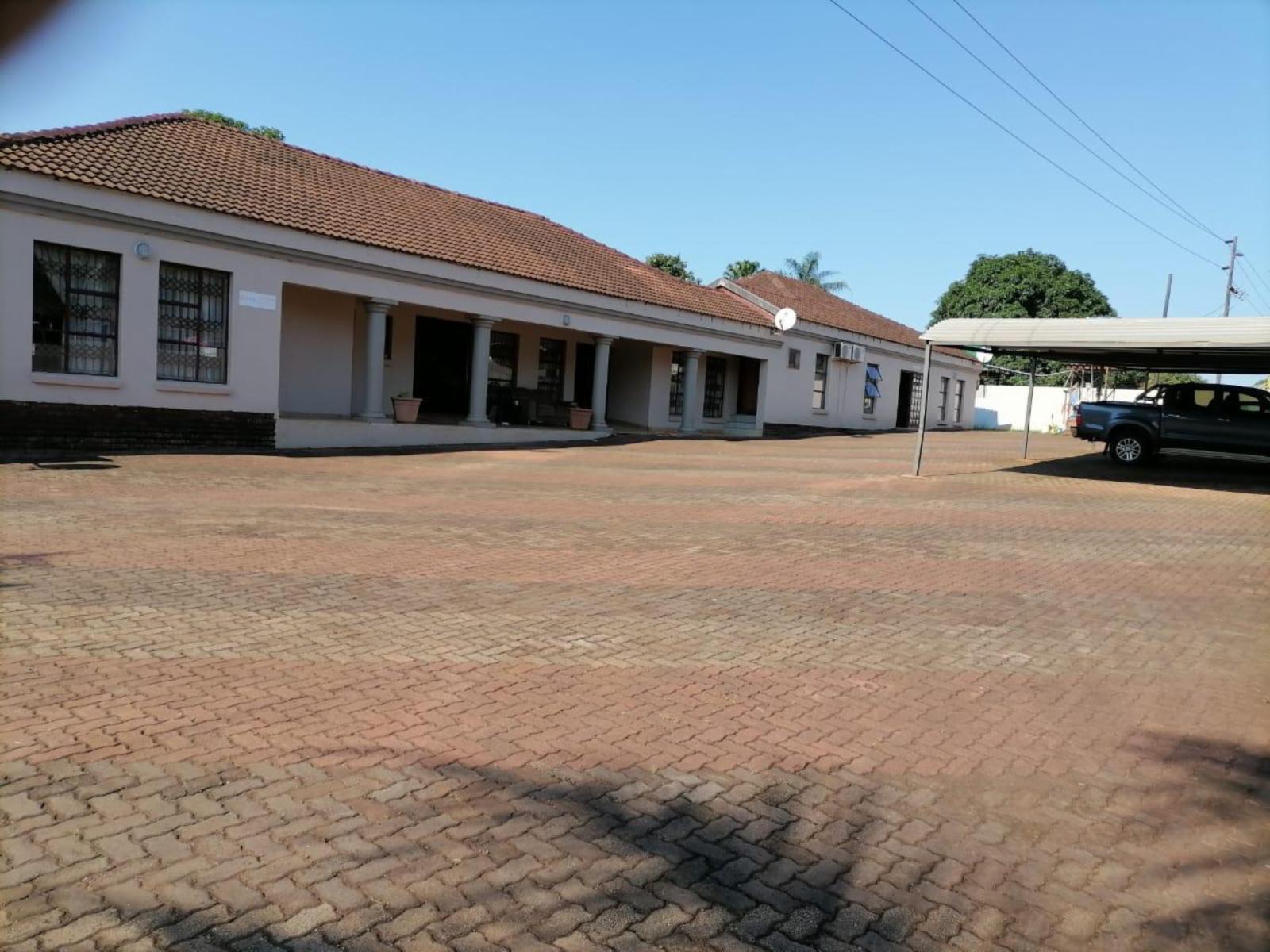
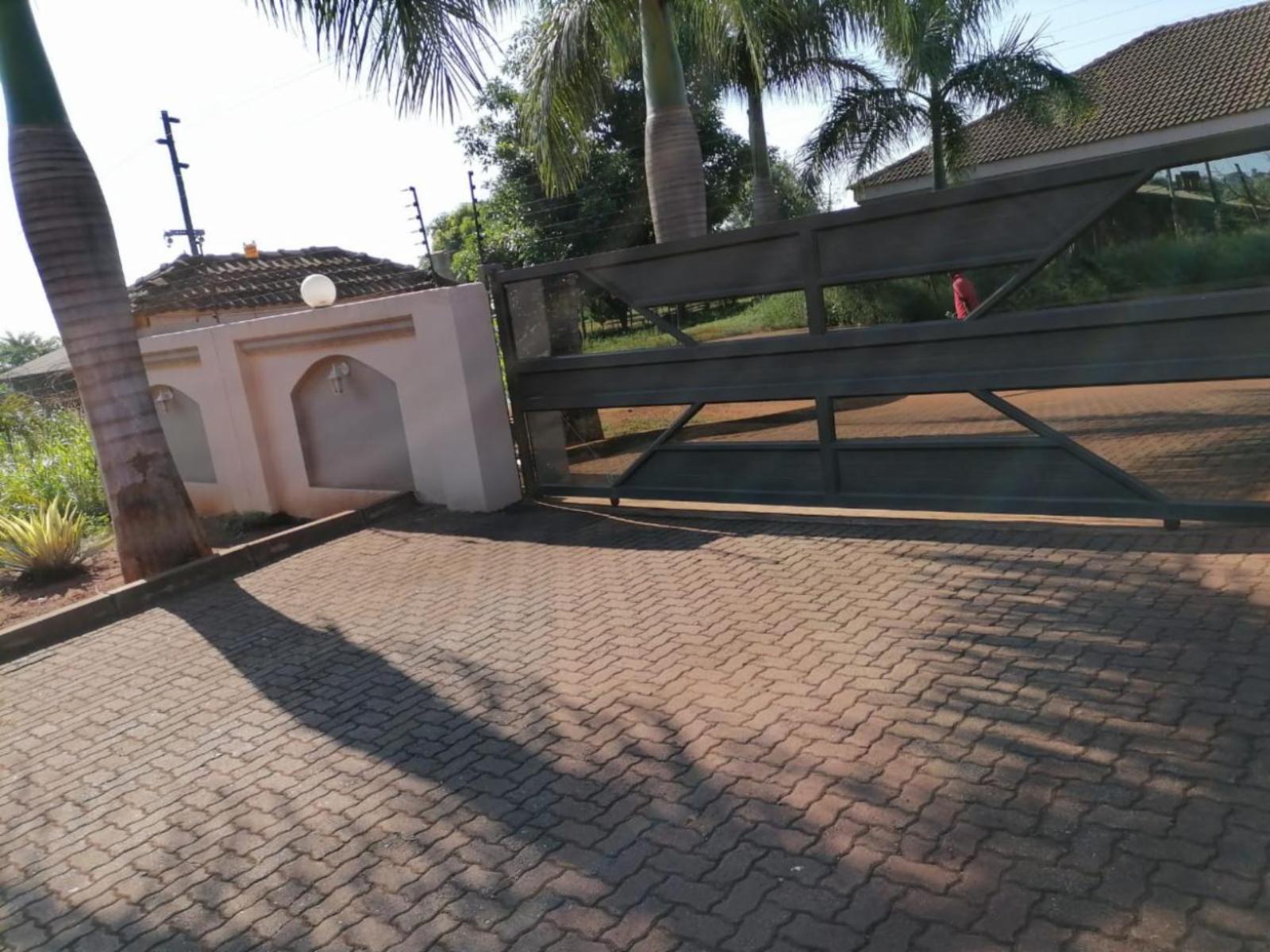
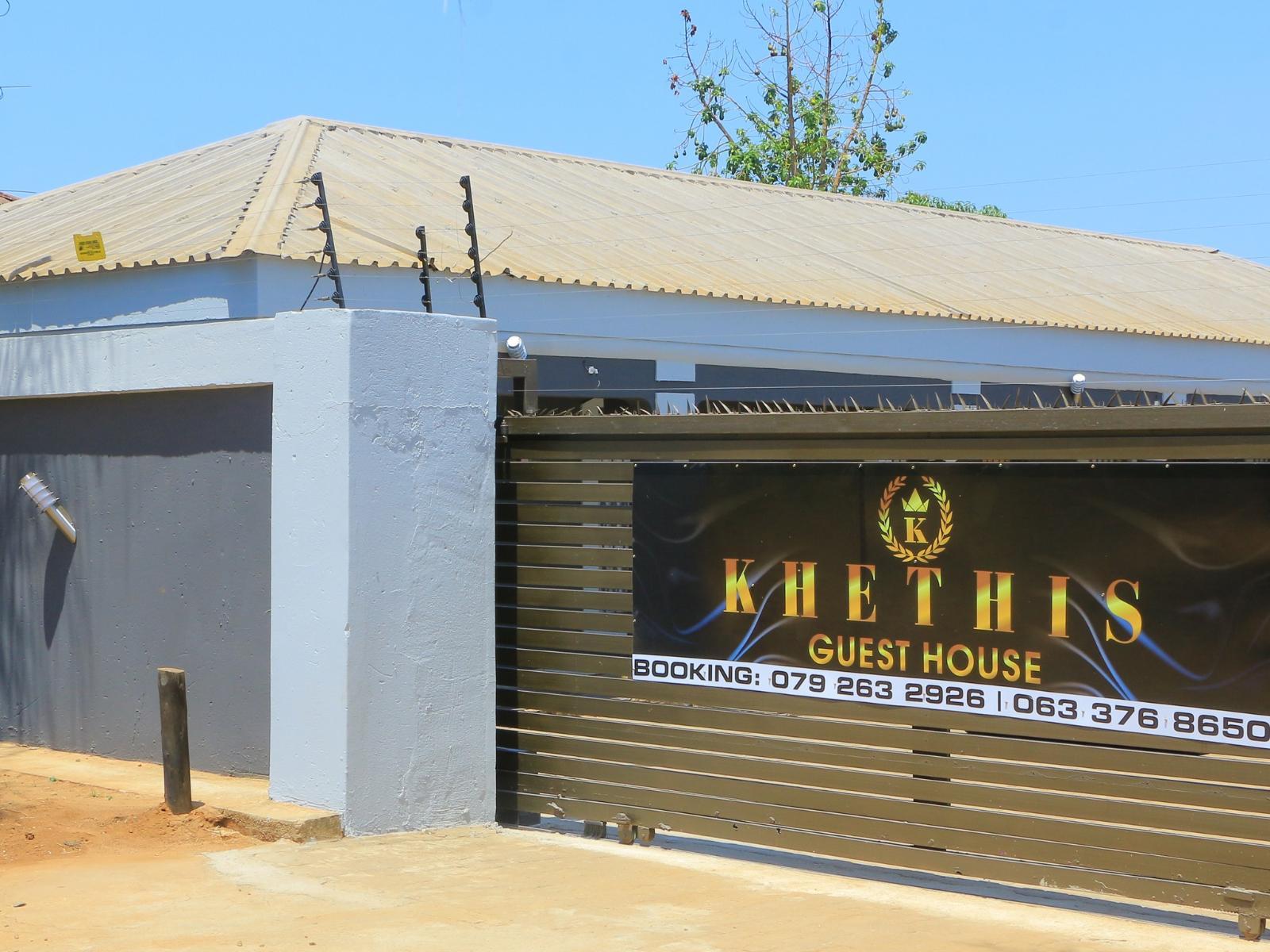
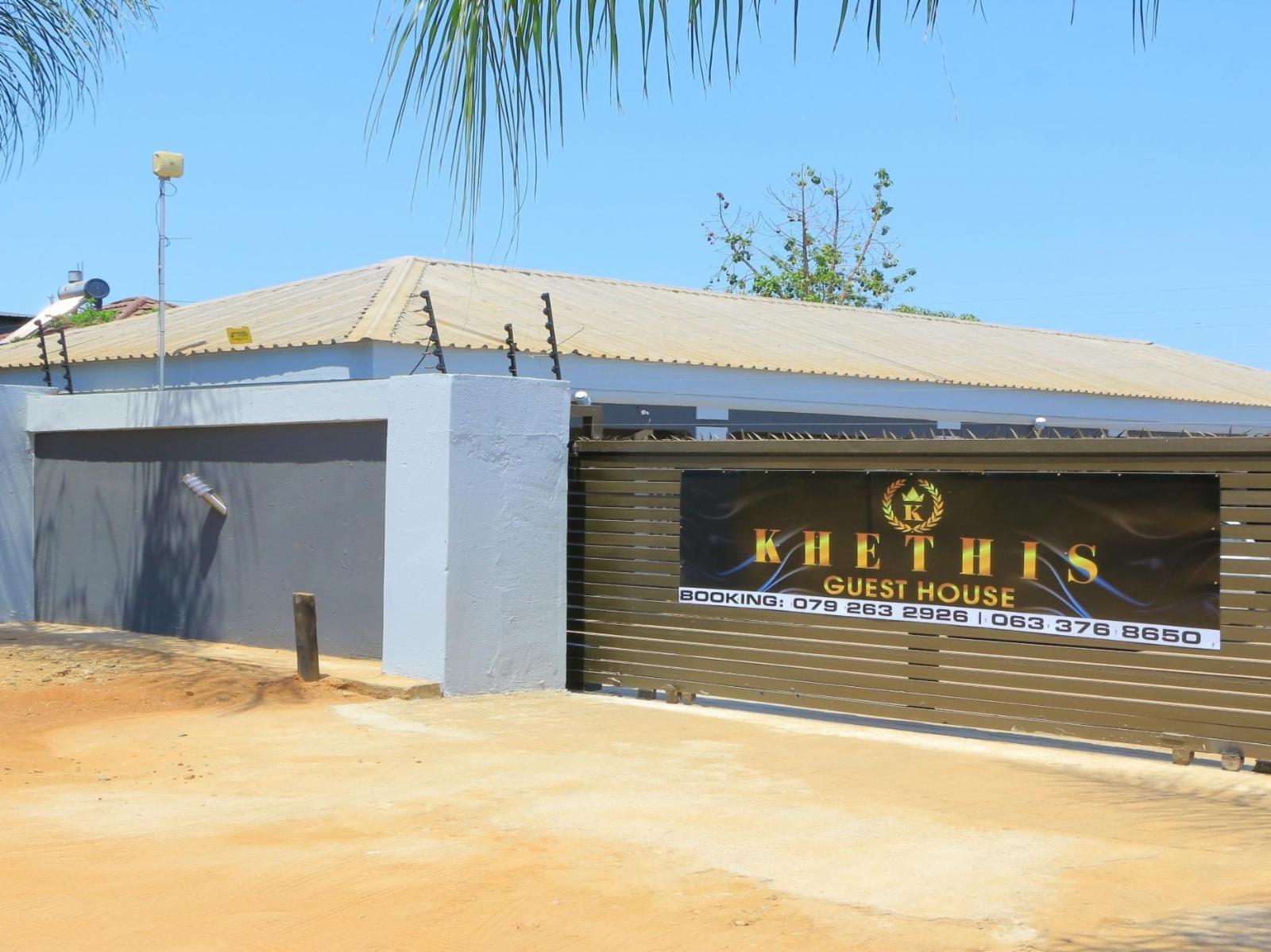
No properties are currently listed in Dzwerani, and the village sits outside the established tourism circuit in Limpopo's far north. Visitors are not without options, but finding them requires direct contact rather than browsing major booking platforms. The selection is thinner and less predictable than in more accessible parts of the province, and most properties need a phone call to confirm availability before anything can be relied upon.
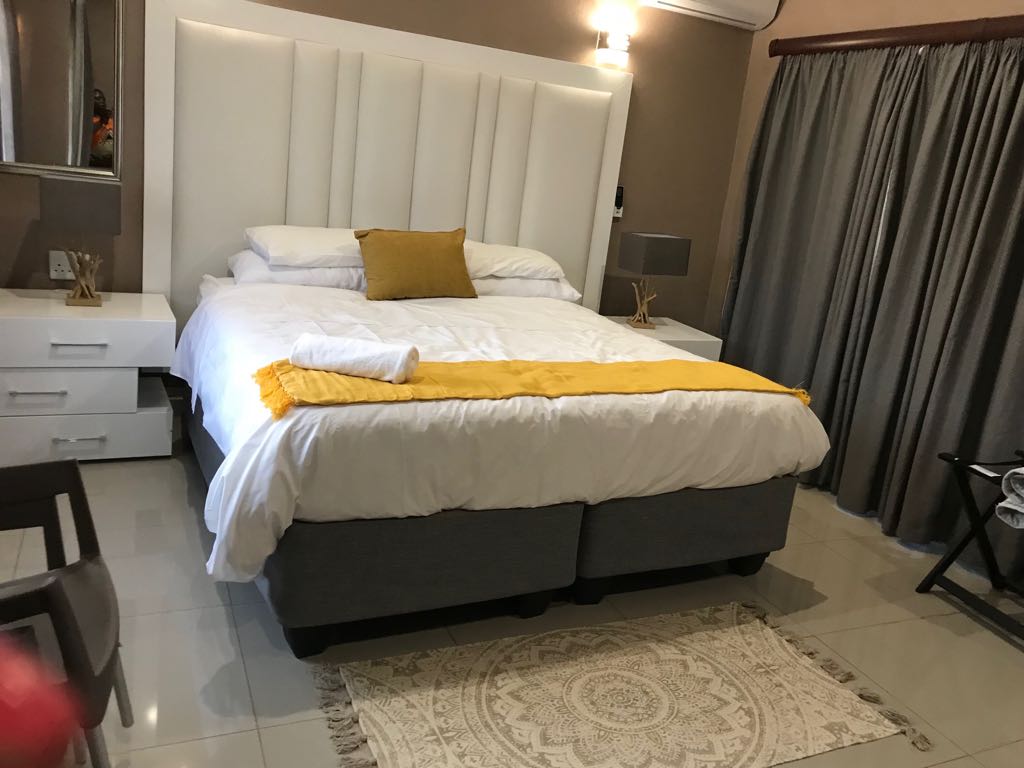
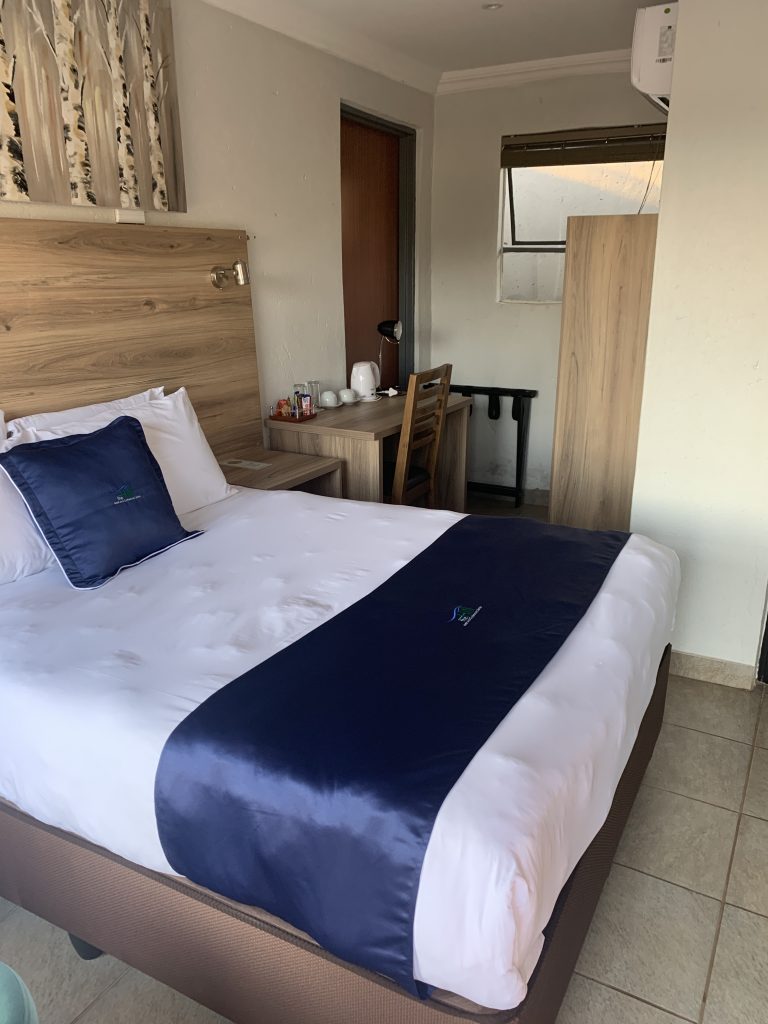
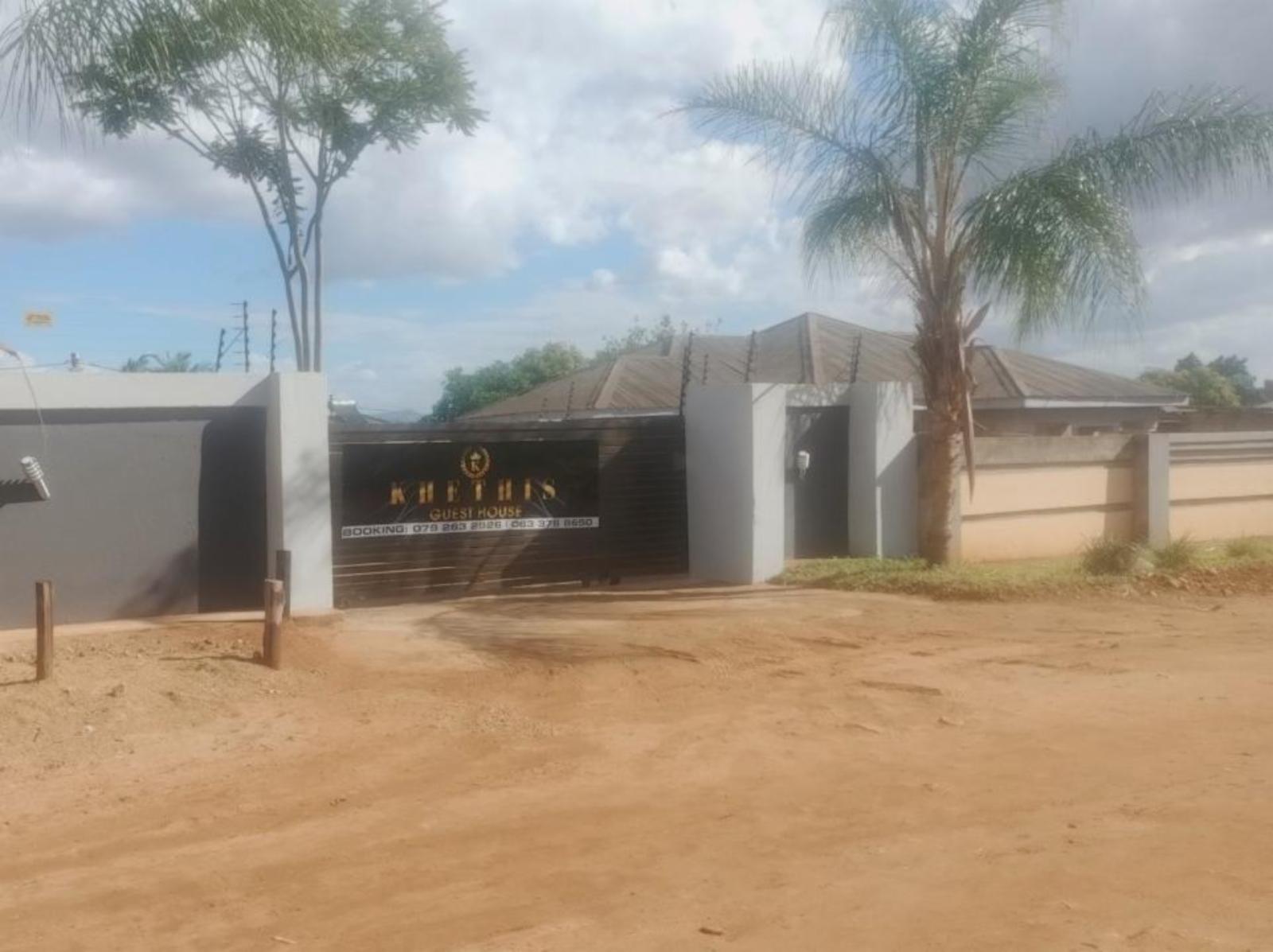
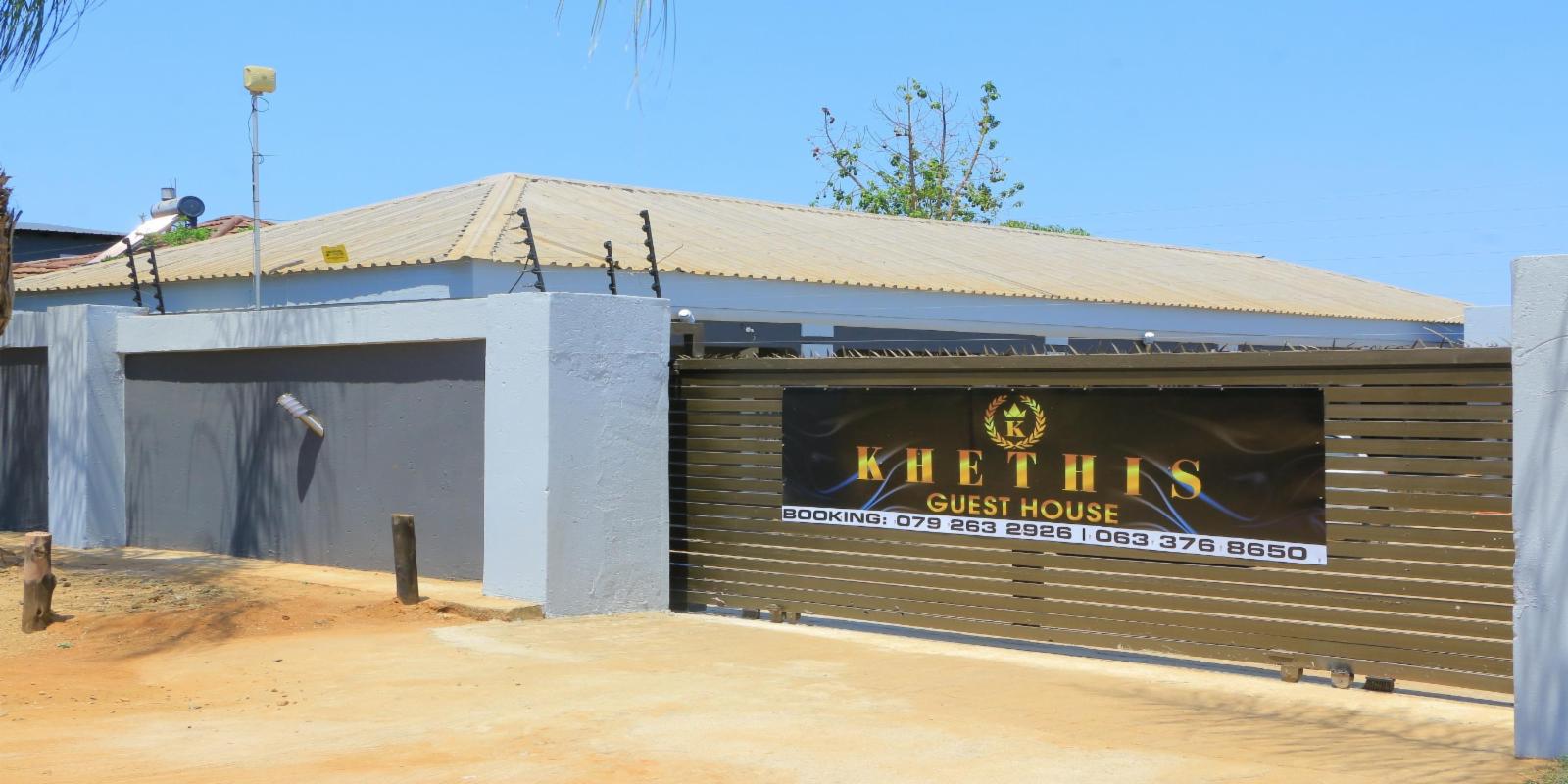
At the budget end, the area's rural character is most evident. Family-run guesthouses in nearby villages offer clean, modest rooms, typically with shared bathroom facilities and meals prepared by the host household. The experience sits closer to a home stay than a conventional guesthouse operation. For travellers whose purpose is access to the Venda landscape or local communities rather than comfort, this tier provides what it needs to at a price that reflects the surroundings.
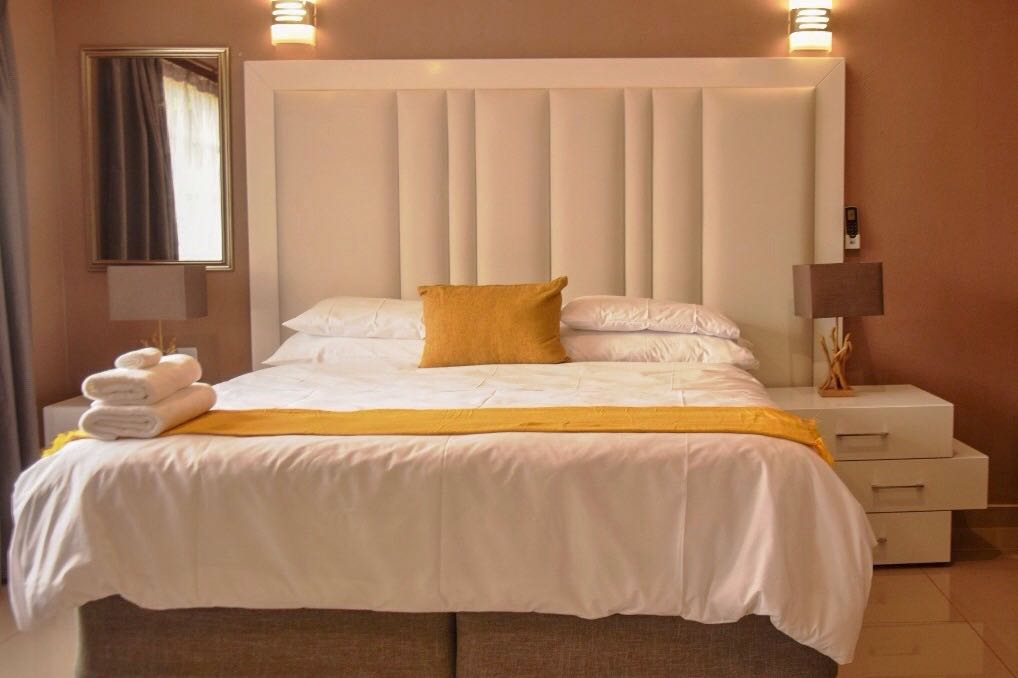
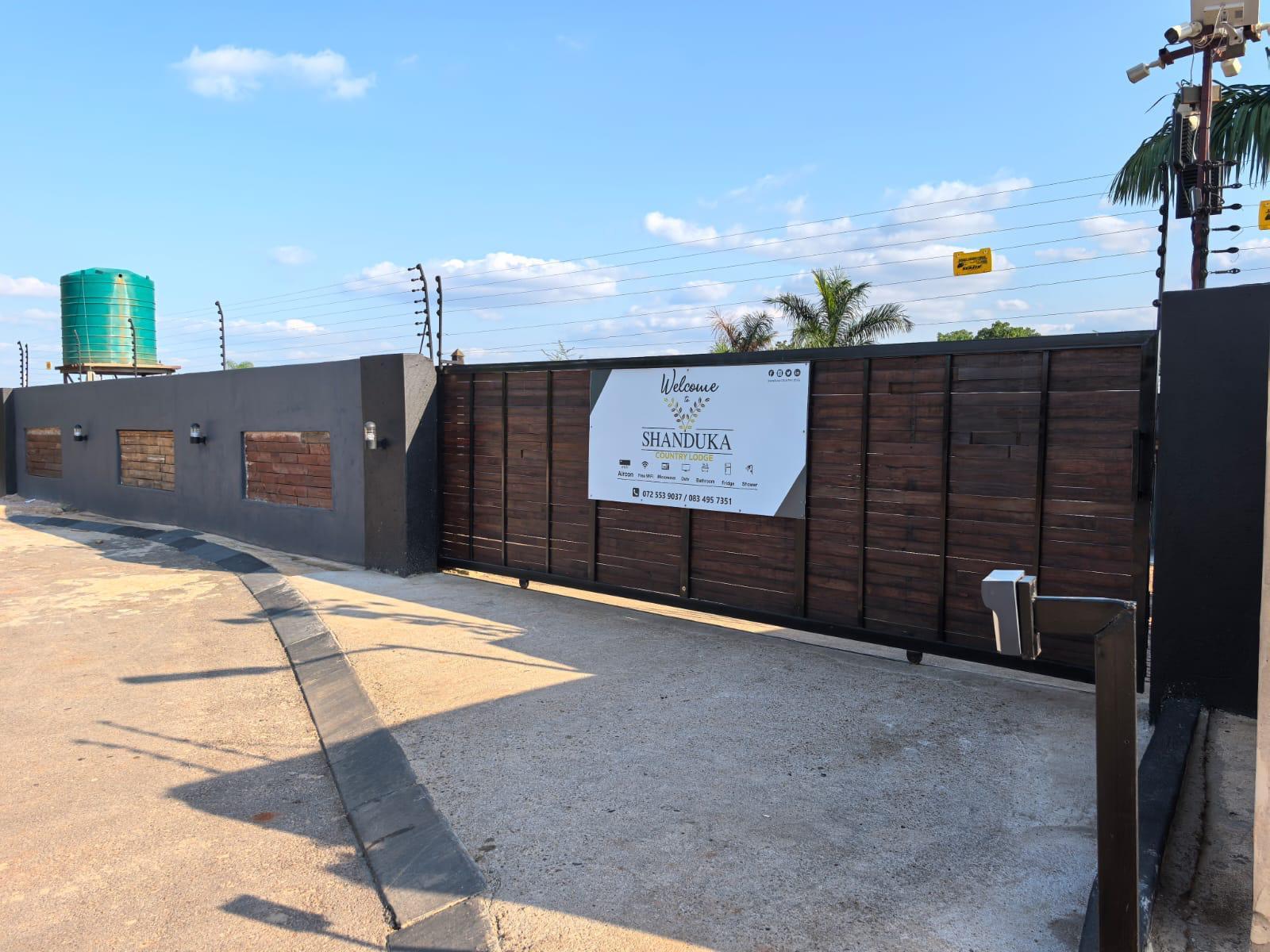
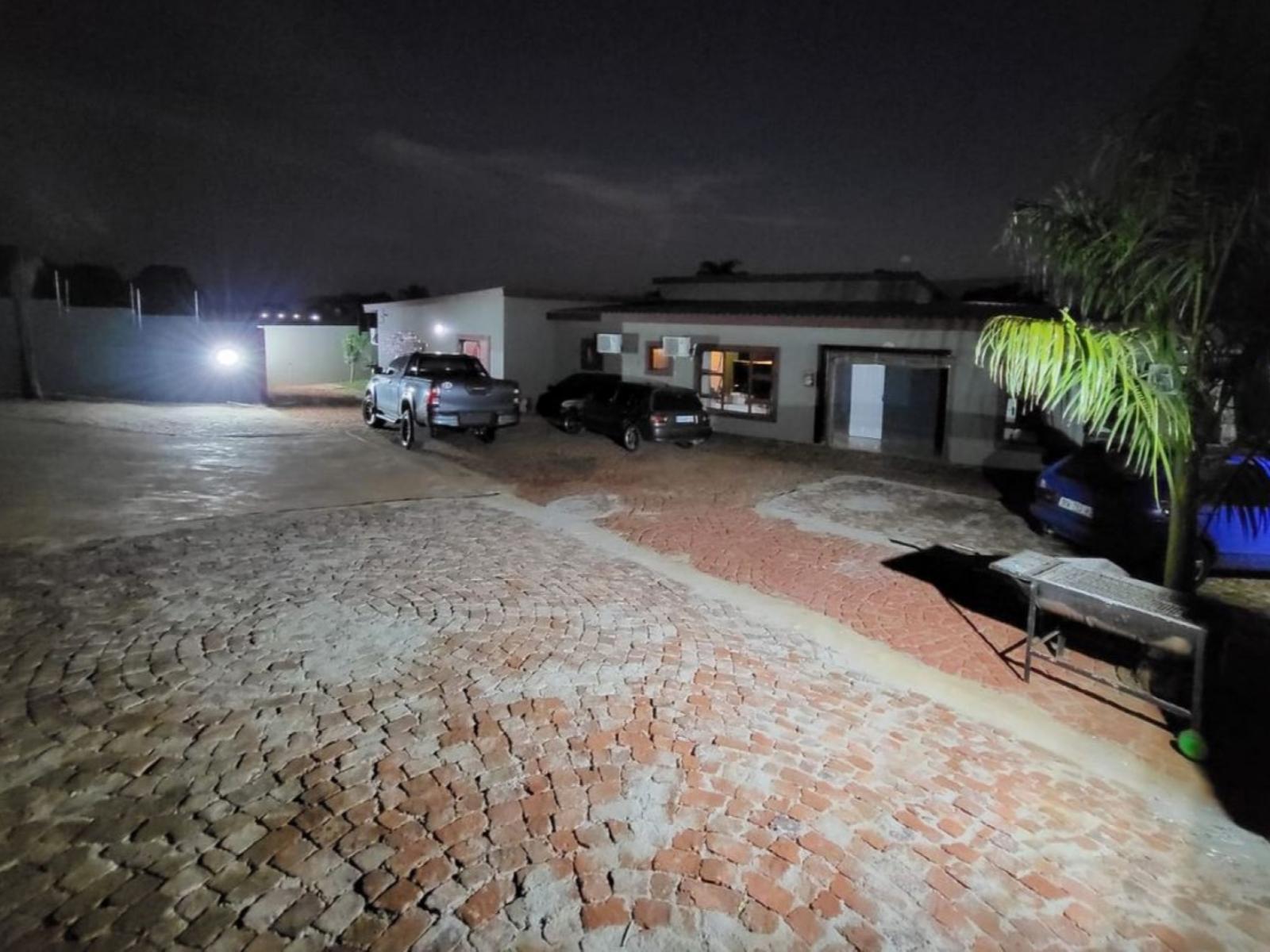
Mid-range options step up to en-suite rooms at small lodges and country guesthouses. In a region where summer heat is sustained and pronounced, the presence or absence of air conditioning is a practical consideration, not a luxury detail. Properties at this level generally include braai facilities, secure parking, and a structured breakfast. Some have working relationships with local guides who can arrange access to cultural and historical sites across the wider Venda area, which adds real value for visitors arriving without existing contacts in the region.
The upper tier leans toward self-catering cottages and small retreats, sometimes on private farmland bordering indigenous vegetation. These offer more privacy, better-equipped kitchens, and proximity to birdlife that is not visible from the main roads. Power reliability and data connectivity tend to be more consistent at this level than at lower price points, though both should be confirmed directly before booking rather than assumed.
Because Dzwerani itself has no listed properties, Thohoyandou, 14 kilometres to the east, serves as the most practical base. Availability there is broader and more consistent year-round, and the range of room types covers different budgets more reliably than anything currently accessible from the village itself.
---
## Best Time to Visit Dzwerani
The climate follows the northern Limpopo pattern: a wet, hot summer and a dry, mild winter. November through March brings afternoon thunderstorms and temperatures that regularly exceed 30 degrees Celsius. The surrounding bushveld responds quickly to the first rains, shifting from pale ochre to dense green within weeks. This is the strongest window for birdwatching. Migratory species arrive during the wet season, canopy activity increases sharply, and movement through the vegetation reaches its peak intensity.
April through June is a transitional shoulder period. Rainfall tapers off, the heat becomes manageable, and thinning vegetation improves visibility into the bush and along roadsides. Cultural visits and overland travel are more comfortable during these months. Gravel roads remain in reasonable condition, and the landscape holds the last of the wet-season colour before the dry sets in.
July and August form the dry-season peak. Days are warm and clear, evenings cool enough to need an extra layer. Dust on unpaved roads becomes noticeable. Parts of the Venda agricultural and ceremonial calendar fall during this period, with community events that are not published for tourists and require local knowledge to locate.
September and October are the hottest months before the rains return. Extended outdoor activity past mid-morning becomes uncomfortable, and visitors arriving then should plan around early starts and limited midday exposure.
---
## Getting to Dzwerani
The standard domestic entry point is Polokwane, Limpopo's provincial capital, which has a domestic airport with regular services from Johannesburg. From Polokwane, the drive northeast covers roughly 200 kilometres through increasingly rural terrain and takes around three hours, passing through the Soutpansberg range before reaching the Venda interior.
Travellers driving from Johannesburg should allow five to six hours. The route follows the N1 north through Bela-Bela and Mokopane before turning northeast into the Limpopo interior. Many break the drive with an overnight stop in Polokwane or Louis Trichardt to avoid arriving on unfamiliar rural roads after dark. Roadside infrastructure beyond the main corridors is limited, and night driving on gravel roads without local knowledge carries real risk.
Long-distance minibus taxis connect this part of Limpopo to Polokwane and to Johannesburg's Park Station, making the route accessible for travellers without a vehicle. From the Thohoyandou taxi rank, local taxis serve surrounding villages on informal schedules that thin out quickly beyond the main routes. For anyone planning independent movement or detours into the countryside, hiring a vehicle in Polokwane or Johannesburg remains the most dependable option. Fuel and provisions should be secured before leaving the main service centres. Supply beyond that point is unpredictable and should not be left to chance on a rural itinerary.
---
## Dzwerani and Surrounding Areas
The settlements within roughly 30 kilometres of Dzwerani each carry a distinct character shaped by Venda geography, language, and history, and together they offer considerably more than any single village suggests in isolation.
**Tshivumbe**, 11 kilometres away, is a small rural community where agricultural plots, traditional homesteads, and communal land use define the landscape. Visitors pass through rather than stop, and what they encounter is everyday life in the outer Venda area without any mediation toward tourism. Its value is as a window into the region rather than a destination in its own right.
**Nngwekhulu**, at 13 kilometres, sits further into the quieter interior. Small-scale subsistence farming and closely settled communal living have shaped this area across generations, and the settlement reflects the self-contained character typical of villages at a remove from larger service centres.
**Thohoyandou**, 14 kilometres from Dzwerani, was the administrative capital of the former Venda homeland. The town's planned layout and its institutions carry the political and cultural history of the Venda people in a form that is visible and readable once you understand what you are looking at. Its origins as a homeland capital become legible against the wider context of the region's twentieth-century history.
**Tshiheni**, 26 kilometres out toward the Soutpansberg foothills, marks the point where vegetation zones begin to shift and the terrain becomes more pronounced. The transition from lowveld toward mountain country rewards a detour for those interested in the geographic variation running through Limpopo's far north.
**Gordon**, 27 kilometres from Dzwerani, is a small agricultural settlement that functions primarily as a waypoint through the interior. Its anglicised name reflects the area's administrative history under earlier governance structures, a detail that sits in obvious contrast to the Venda names of the surrounding communities.
**Tshiavha**, 29 kilometres out, marks the outer edge of this immediate cluster. Predominantly Venda-speaking and rural throughout, it represents the continuity of community life extending across this part of the province. Further afield, Lake Fundudzi and the Thathe Vondo indigenous forest carry deep significance in Venda cosmology and reward visitors who take time to understand their context before arriving, rather than treating them as incidental stops on a route.
---
## Planning Your Stay
Properties around Dzwerani are largely absent from major booking platforms, so direct phone contact is the most reliable approach. A local tourism contact in the area will generally provide a more accurate picture of current availability and ground conditions than any online directory.
Before confirming a booking, ask specifically about water supply. Municipal interruptions affect parts of Limpopo with regularity, and how each property handles a shortfall varies considerably. Some rely on borehole or tank water; others do not have a backup at all. Power supply warrants the same question. Load shedding is a factor across the region, and the difference between a property with an inverter or generator and one without becomes apparent quickly during an extended outage.
South African school holidays fall at the end of March, in late June through July, and in late September through October. Smaller rural properties can be fully committed during these windows with no visible indication online. Booking several weeks ahead during these periods is practical rather than overcautious.
Download offline maps for the Venda region before leaving your last major town. Mobile data coverage becomes unreliable in the countryside, and navigation that depends on a live connection cannot be trusted. Carry enough cash for local markets, roadside stops, and smaller establishments that do not accept card payments in the rural interior.

No properties are currently listed in Dzwerani, and the village sits outside the established tourism circuit in Limpopo's far north. Visitors are not without options, but finding them requires direct contact rather than browsing major booking platforms. The selection is thinner and less predictable than in more accessible parts of the province, and most properties need a phone call to confirm availability before anything can be relied upon.
At the budget end, the area's rural character is most evident. Family-run guesthouses in nearby villages offer clean, modest rooms, typically with shared bathroom facilities and meals prepared by the host household. The experience sits closer to a home stay than a conventional guesthouse operation. For travellers whose purpose is access to the Venda landscape or local communities rather than comfort, this tier provides what it needs to at a price that reflects the surroundings.
Mid-range options step up to en-suite rooms at small lodges and country guesthouses. In a region where summer heat is sustained and pronounced, the presence or absence of air conditioning is a practical consideration, not a luxury detail. Properties at this level generally include braai facilities, secure parking, and a structured breakfast. Some have working relationships with local guides who can arrange access to cultural and historical sites across the wider Venda area, which adds real value for visitors arriving without existing contacts in the region.
The upper tier leans toward self-catering cottages and small retreats, sometimes on private farmland bordering indigenous vegetation. These offer more privacy, better-equipped kitchens, and proximity to birdlife that is not visible from the main roads. Power reliability and data connectivity tend to be more consistent at this level than at lower price points, though both should be confirmed directly before booking rather than assumed.
Because Dzwerani itself has no listed properties, Thohoyandou, 14 kilometres to the east, serves as the most practical base. Availability there is broader and more consistent year-round, and the range of room types covers different budgets more reliably than anything currently accessible from the village itself.
---
## Best Time to Visit Dzwerani
The climate follows the northern Limpopo pattern: a wet, hot summer and a dry, mild winter. November through March brings afternoon thunderstorms and temperatures that regularly exceed 30 degrees Celsius. The surrounding bushveld responds quickly to the first rains, shifting from pale ochre to dense green within weeks. This is the strongest window for birdwatching. Migratory species arrive during the wet season, canopy activity increases sharply, and movement through the vegetation reaches its peak intensity.
April through June is a transitional shoulder period. Rainfall tapers off, the heat becomes manageable, and thinning vegetation improves visibility into the bush and along roadsides. Cultural visits and overland travel are more comfortable during these months. Gravel roads remain in reasonable condition, and the landscape holds the last of the wet-season colour before the dry sets in.
July and August form the dry-season peak. Days are warm and clear, evenings cool enough to need an extra layer. Dust on unpaved roads becomes noticeable. Parts of the Venda agricultural and ceremonial calendar fall during this period, with community events that are not published for tourists and require local knowledge to locate.
September and October are the hottest months before the rains return. Extended outdoor activity past mid-morning becomes uncomfortable, and visitors arriving then should plan around early starts and limited midday exposure.
---
## Getting to Dzwerani
The standard domestic entry point is Polokwane, Limpopo's provincial capital, which has a domestic airport with regular services from Johannesburg. From Polokwane, the drive northeast covers roughly 200 kilometres through increasingly rural terrain and takes around three hours, passing through the Soutpansberg range before reaching the Venda interior.
Travellers driving from Johannesburg should allow five to six hours. The route follows the N1 north through Bela-Bela and Mokopane before turning northeast into the Limpopo interior. Many break the drive with an overnight stop in Polokwane or Louis Trichardt to avoid arriving on unfamiliar rural roads after dark. Roadside infrastructure beyond the main corridors is limited, and night driving on gravel roads without local knowledge carries real risk.
Long-distance minibus taxis connect this part of Limpopo to Polokwane and to Johannesburg's Park Station, making the route accessible for travellers without a vehicle. From the Thohoyandou taxi rank, local taxis serve surrounding villages on informal schedules that thin out quickly beyond the main routes. For anyone planning independent movement or detours into the countryside, hiring a vehicle in Polokwane or Johannesburg remains the most dependable option. Fuel and provisions should be secured before leaving the main service centres. Supply beyond that point is unpredictable and should not be left to chance on a rural itinerary.
---
## Dzwerani and Surrounding Areas
The settlements within roughly 30 kilometres of Dzwerani each carry a distinct character shaped by Venda geography, language, and history, and together they offer considerably more than any single village suggests in isolation.
**Tshivumbe**, 11 kilometres away, is a small rural community where agricultural plots, traditional homesteads, and communal land use define the landscape. Visitors pass through rather than stop, and what they encounter is everyday life in the outer Venda area without any mediation toward tourism. Its value is as a window into the region rather than a destination in its own right.
**Nngwekhulu**, at 13 kilometres, sits further into the quieter interior. Small-scale subsistence farming and closely settled communal living have shaped this area across generations, and the settlement reflects the self-contained character typical of villages at a remove from larger service centres.
**Thohoyandou**, 14 kilometres from Dzwerani, was the administrative capital of the former Venda homeland. The town's planned layout and its institutions carry the political and cultural history of the Venda people in a form that is visible and readable once you understand what you are looking at. Its origins as a homeland capital become legible against the wider context of the region's twentieth-century history.
**Tshiheni**, 26 kilometres out toward the Soutpansberg foothills, marks the point where vegetation zones begin to shift and the terrain becomes more pronounced. The transition from lowveld toward mountain country rewards a detour for those interested in the geographic variation running through Limpopo's far north.
**Gordon**, 27 kilometres from Dzwerani, is a small agricultural settlement that functions primarily as a waypoint through the interior. Its anglicised name reflects the area's administrative history under earlier governance structures, a detail that sits in obvious contrast to the Venda names of the surrounding communities.
**Tshiavha**, 29 kilometres out, marks the outer edge of this immediate cluster. Predominantly Venda-speaking and rural throughout, it represents the continuity of community life extending across this part of the province. Further afield, Lake Fundudzi and the Thathe Vondo indigenous forest carry deep significance in Venda cosmology and reward visitors who take time to understand their context before arriving, rather than treating them as incidental stops on a route.
---
## Planning Your Stay
Properties around Dzwerani are largely absent from major booking platforms, so direct phone contact is the most reliable approach. A local tourism contact in the area will generally provide a more accurate picture of current availability and ground conditions than any online directory.
Before confirming a booking, ask specifically about water supply. Municipal interruptions affect parts of Limpopo with regularity, and how each property handles a shortfall varies considerably. Some rely on borehole or tank water; others do not have a backup at all. Power supply warrants the same question. Load shedding is a factor across the region, and the difference between a property with an inverter or generator and one without becomes apparent quickly during an extended outage.
South African school holidays fall at the end of March, in late June through July, and in late September through October. Smaller rural properties can be fully committed during these windows with no visible indication online. Booking several weeks ahead during these periods is practical rather than overcautious.
Download offline maps for the Venda region before leaving your last major town. Mobile data coverage becomes unreliable in the countryside, and navigation that depends on a live connection cannot be trusted. Carry enough cash for local markets, roadside stops, and smaller establishments that do not accept card payments in the rural interior.
Dzwerani Kaart
Nabygeleë Bestemmings
Blaai Deur Alle Dzwerani Akkommodasie
Bekyk al 0 akkommodasie-opsies in Dzwerani met foto's, pryse en beskikbaarheid.
Blaai Deur Alle Akkommodasie