Hoedspruit Reis- & Akkommodasiegids
Jou volledige gids om Hoedspruit, Suid-Afrika te besoek.
3
Eiendomme
Vanaf
R1,550
/ nag
Gemiddeld
R1,550
/ nag
Gewildste
Lodge
Hoedspruit serves as a practical gateway to South Africa's renowned wildlife areas. The town features reserves where animals roam freely, attracting nature enthusiasts year-round. With its proximity to national parks, it provides opportunities for safaris and exploration.
## Accommodation in Hoedspruit
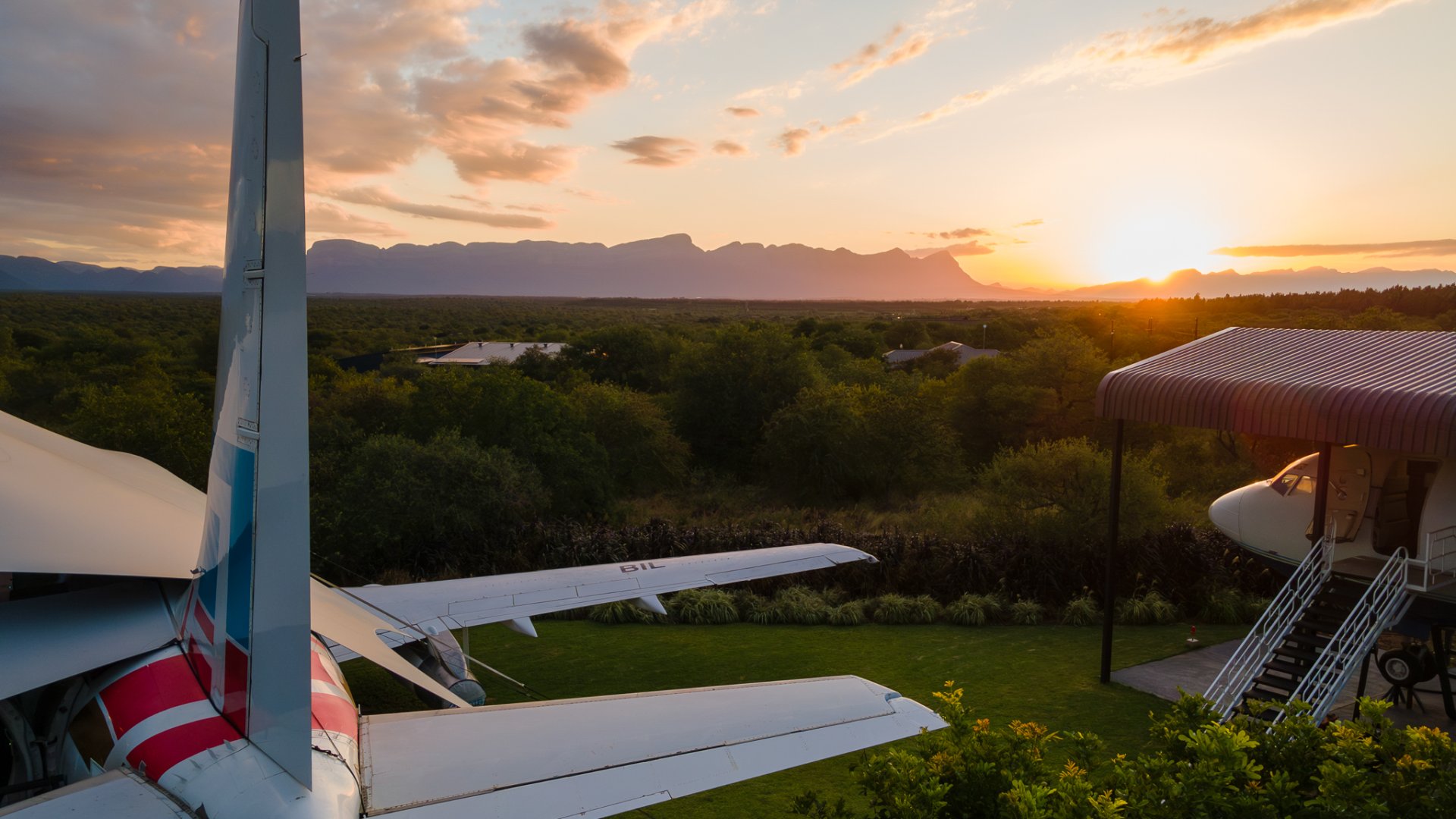
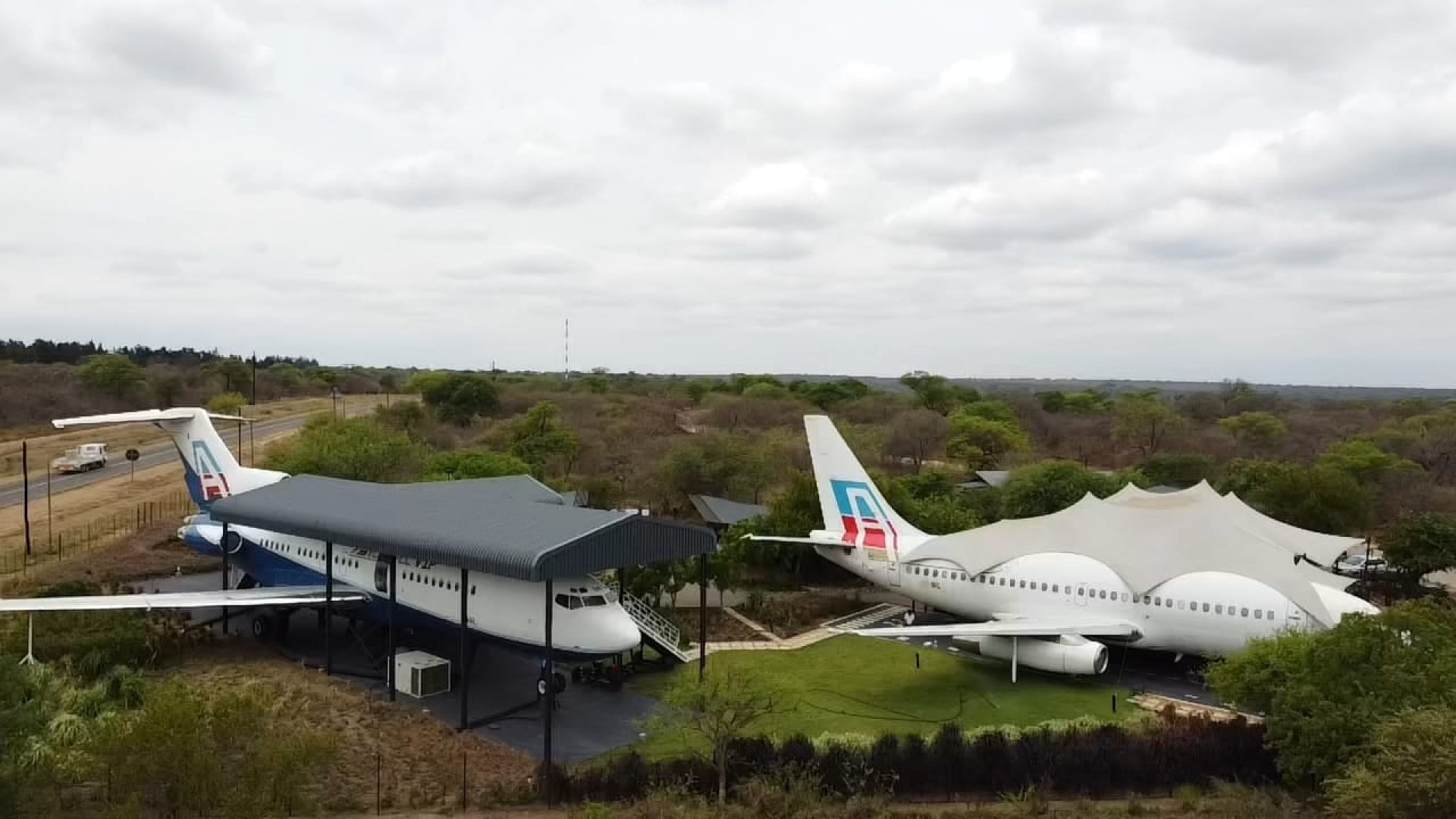
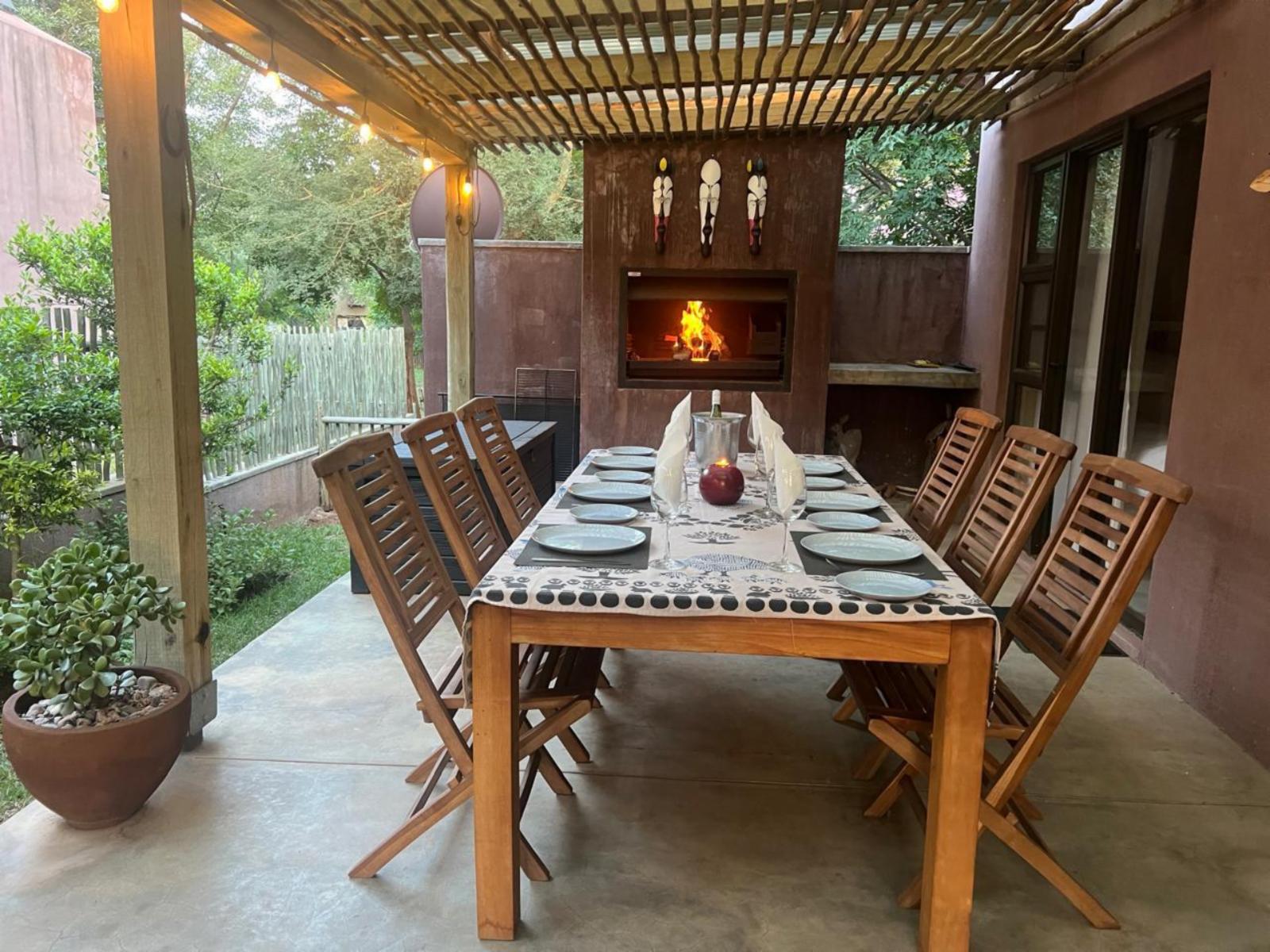
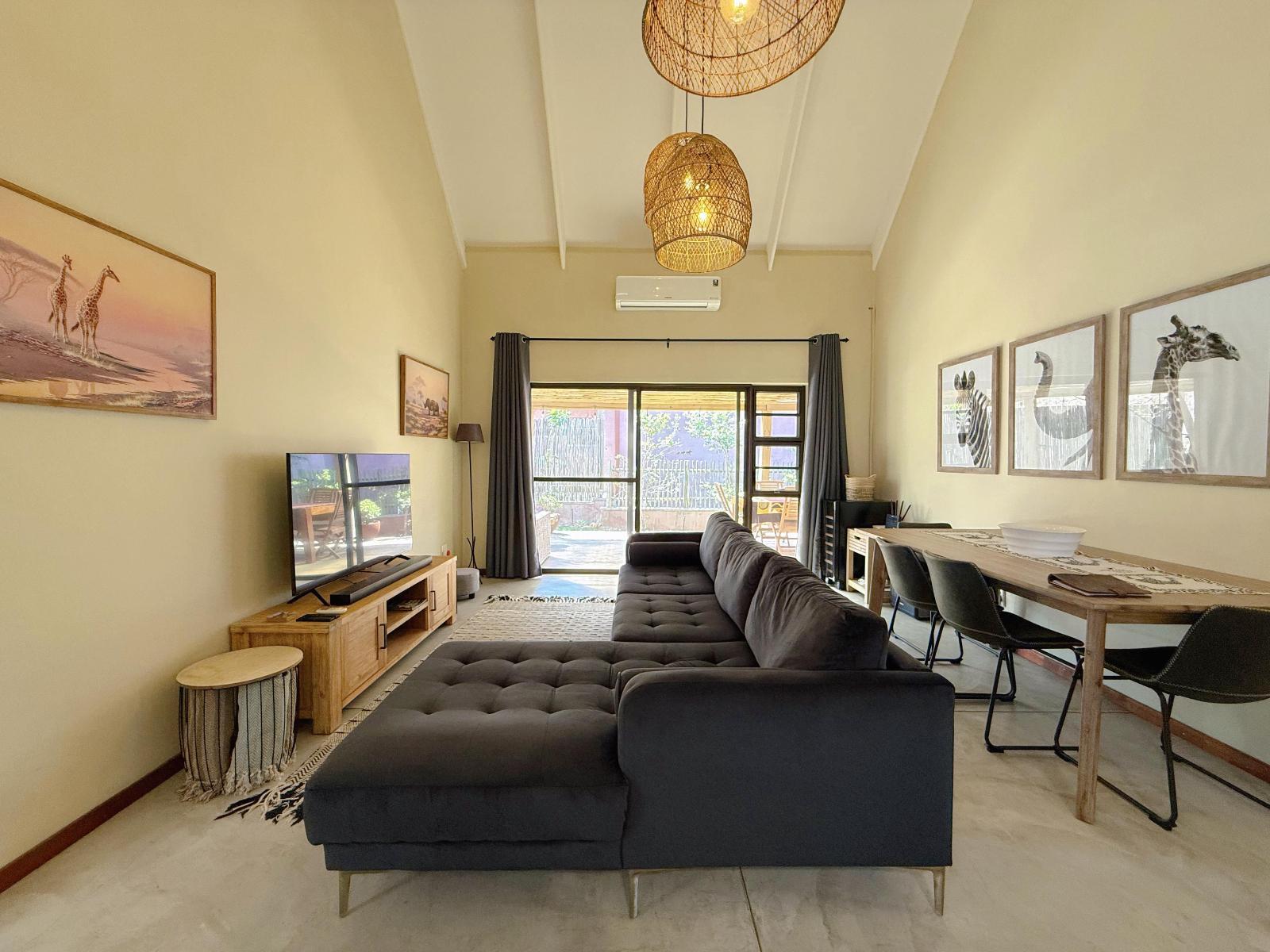
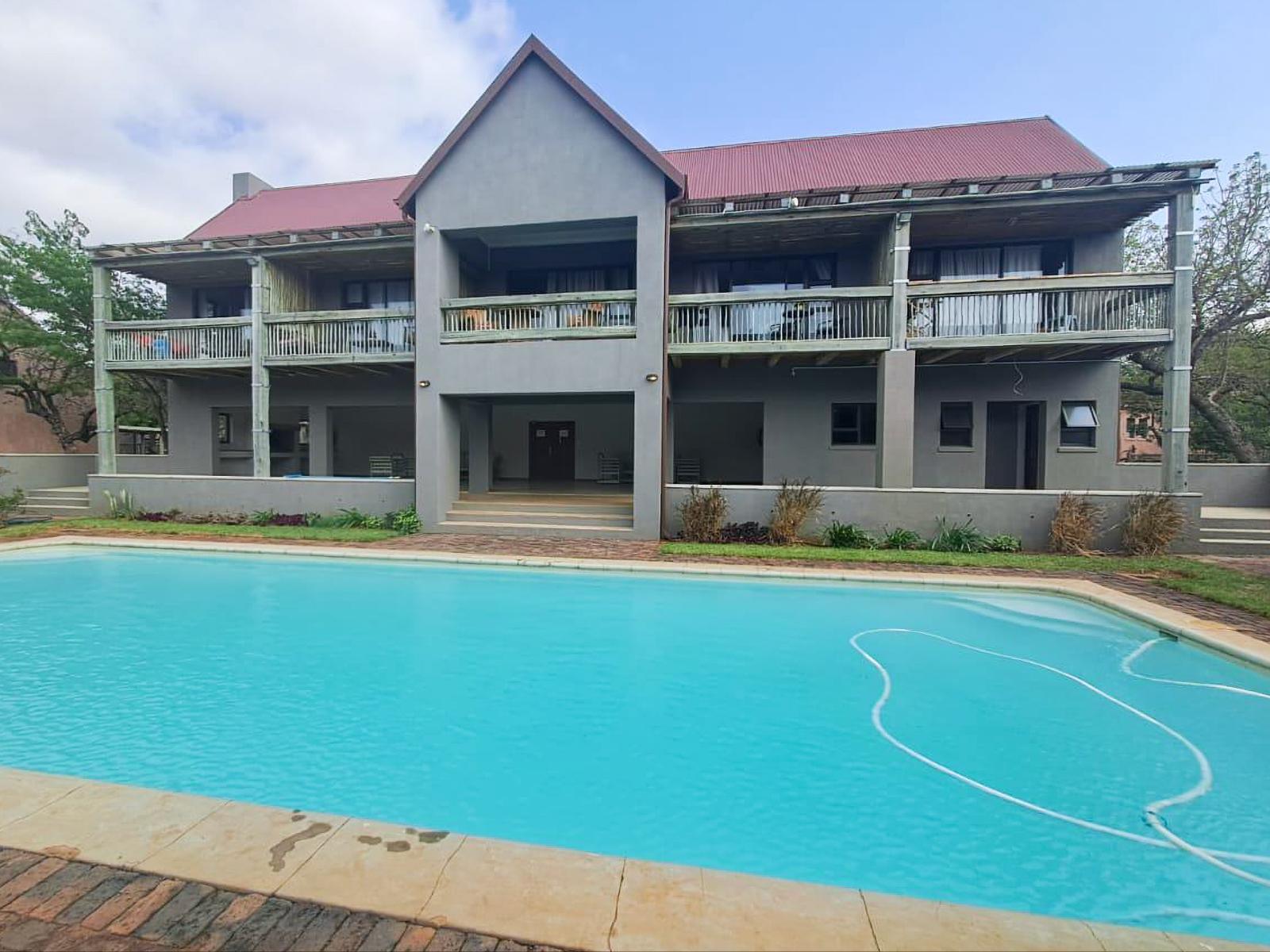
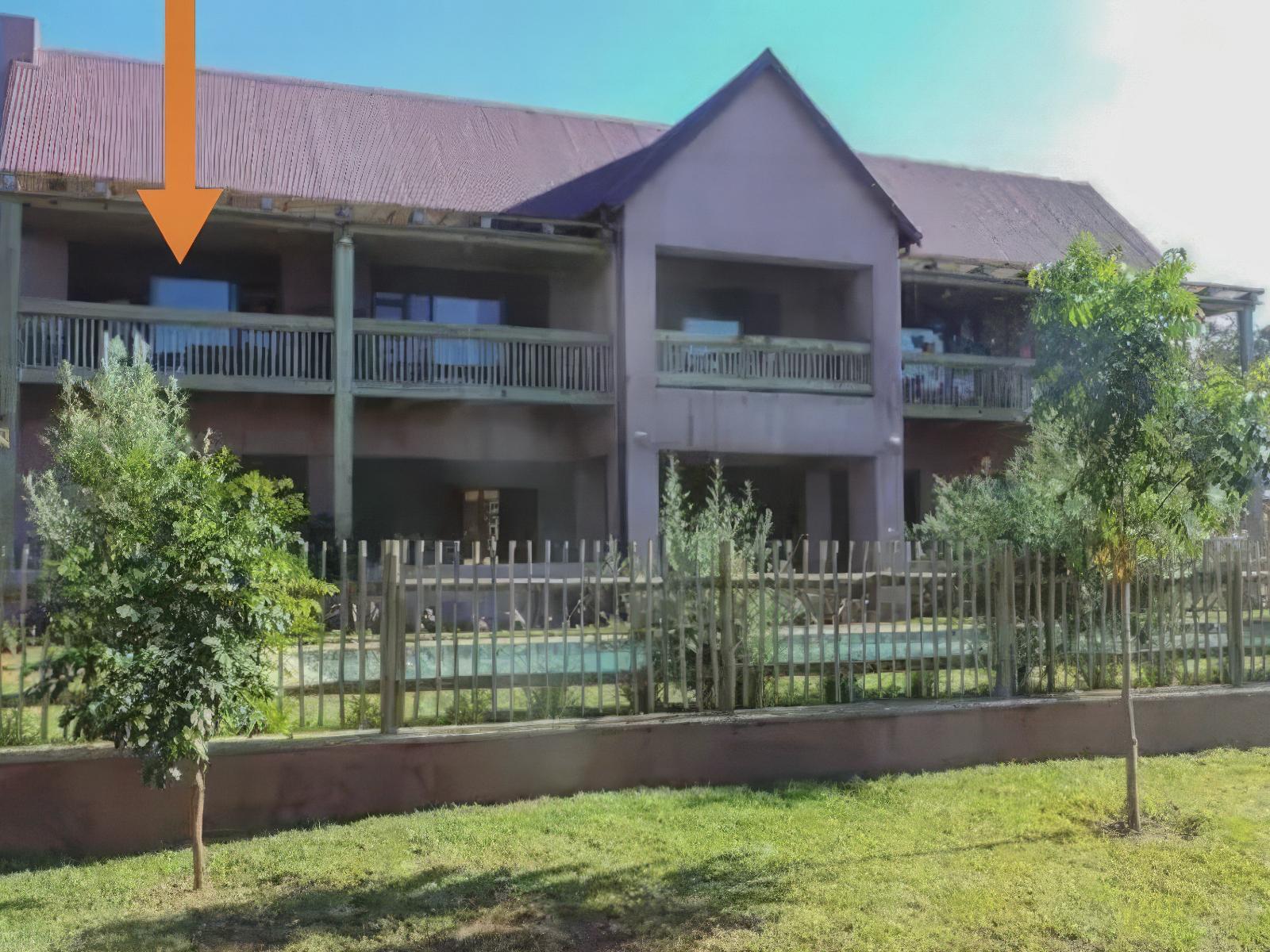
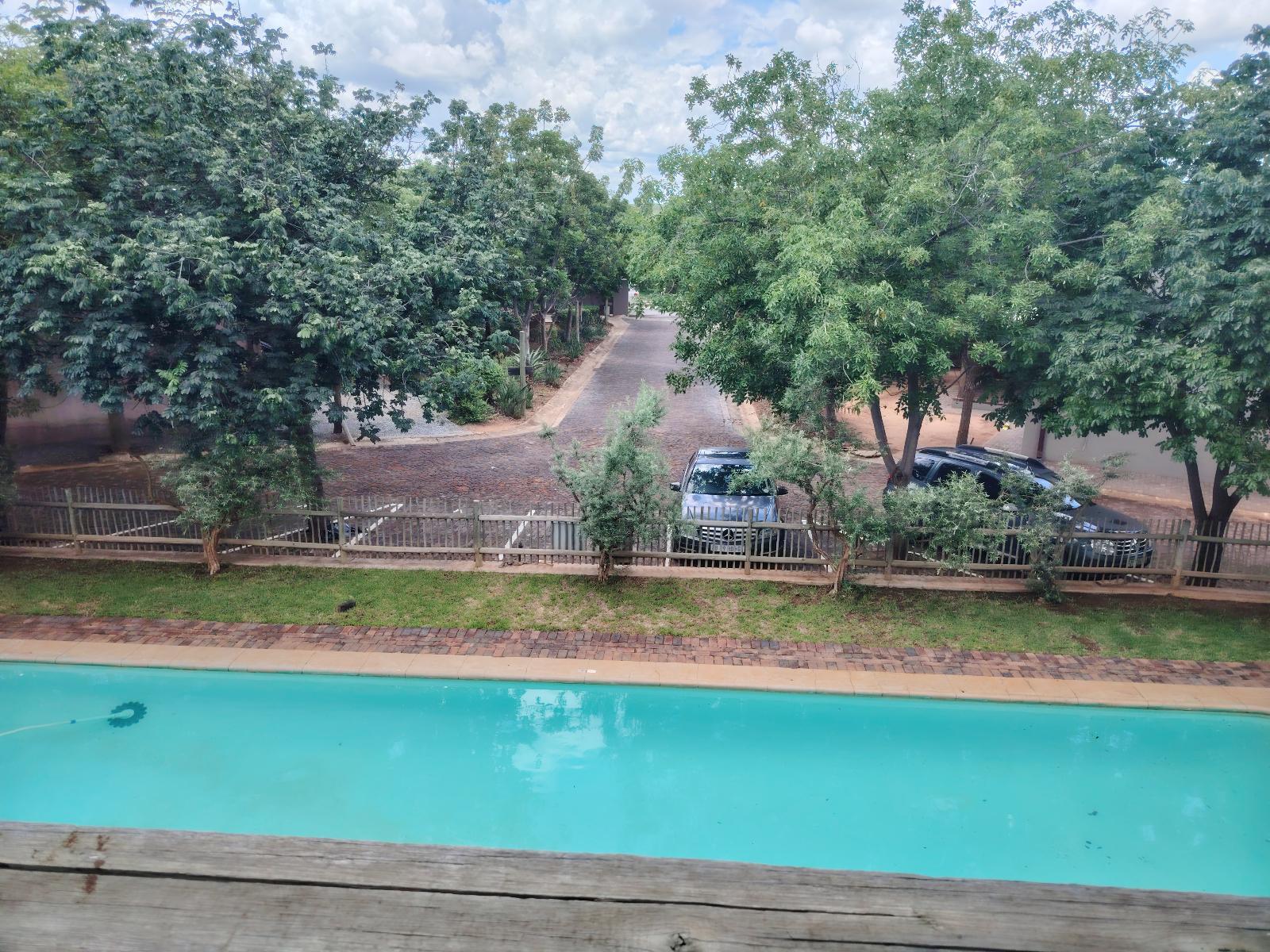
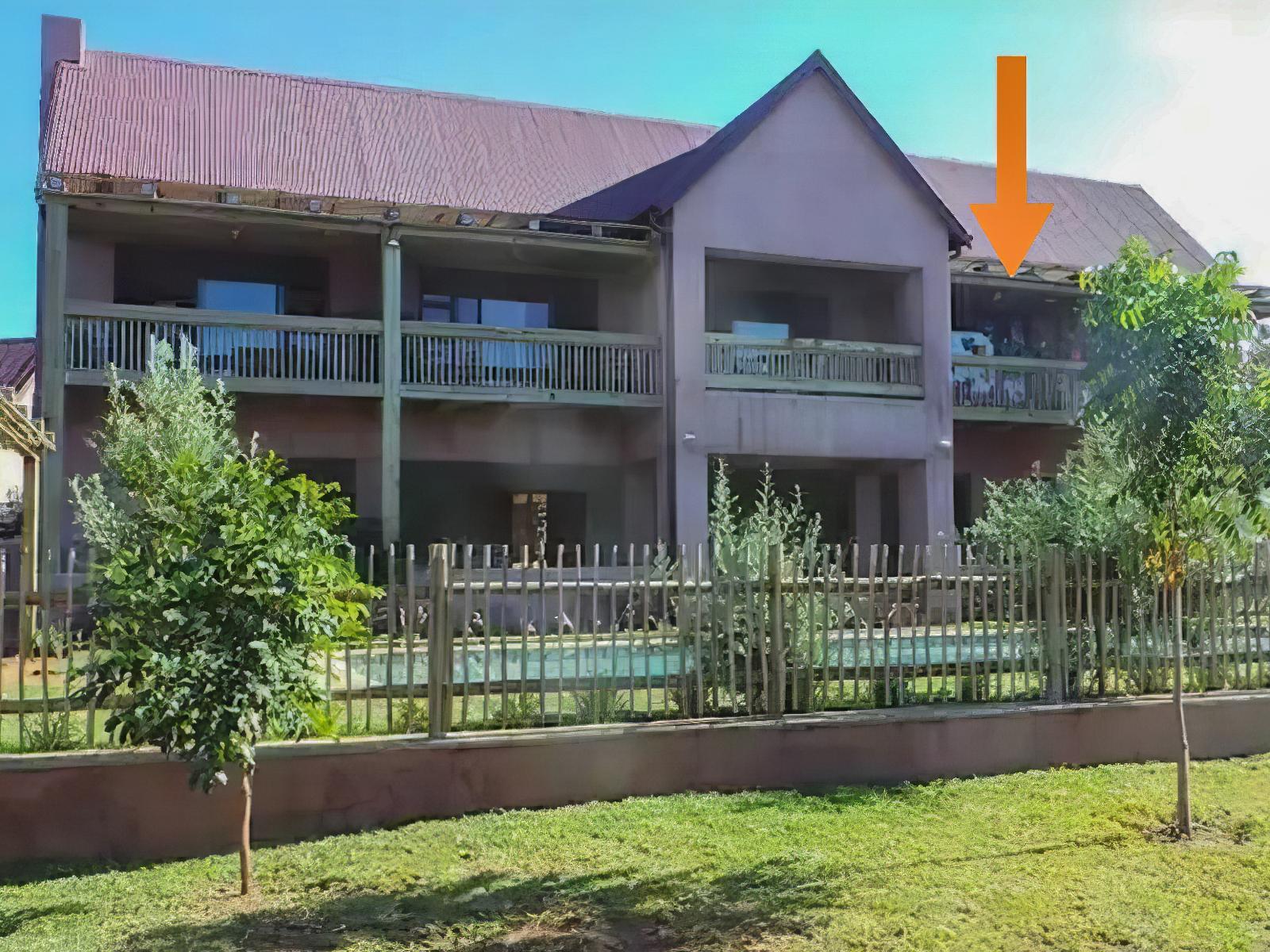
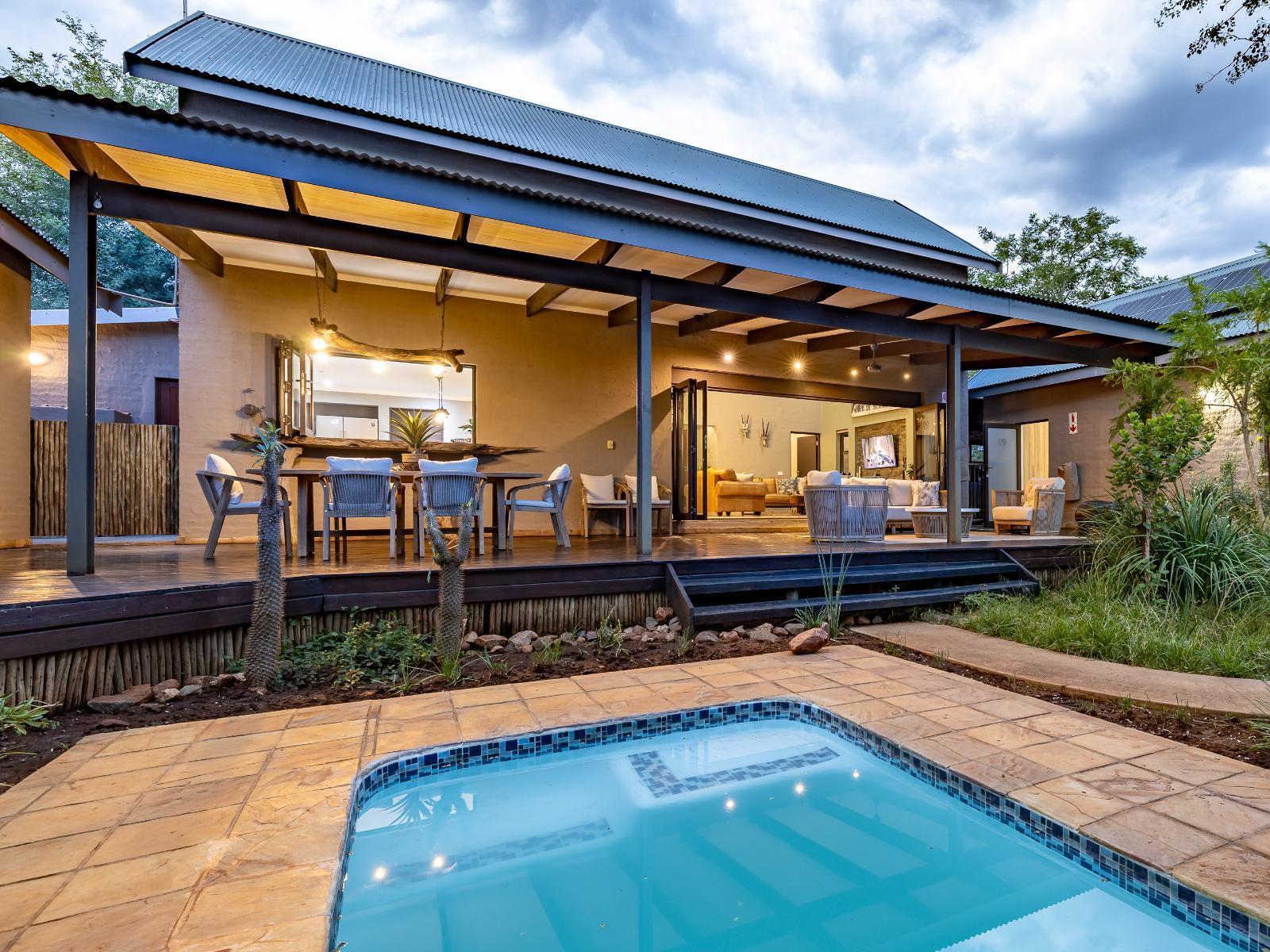
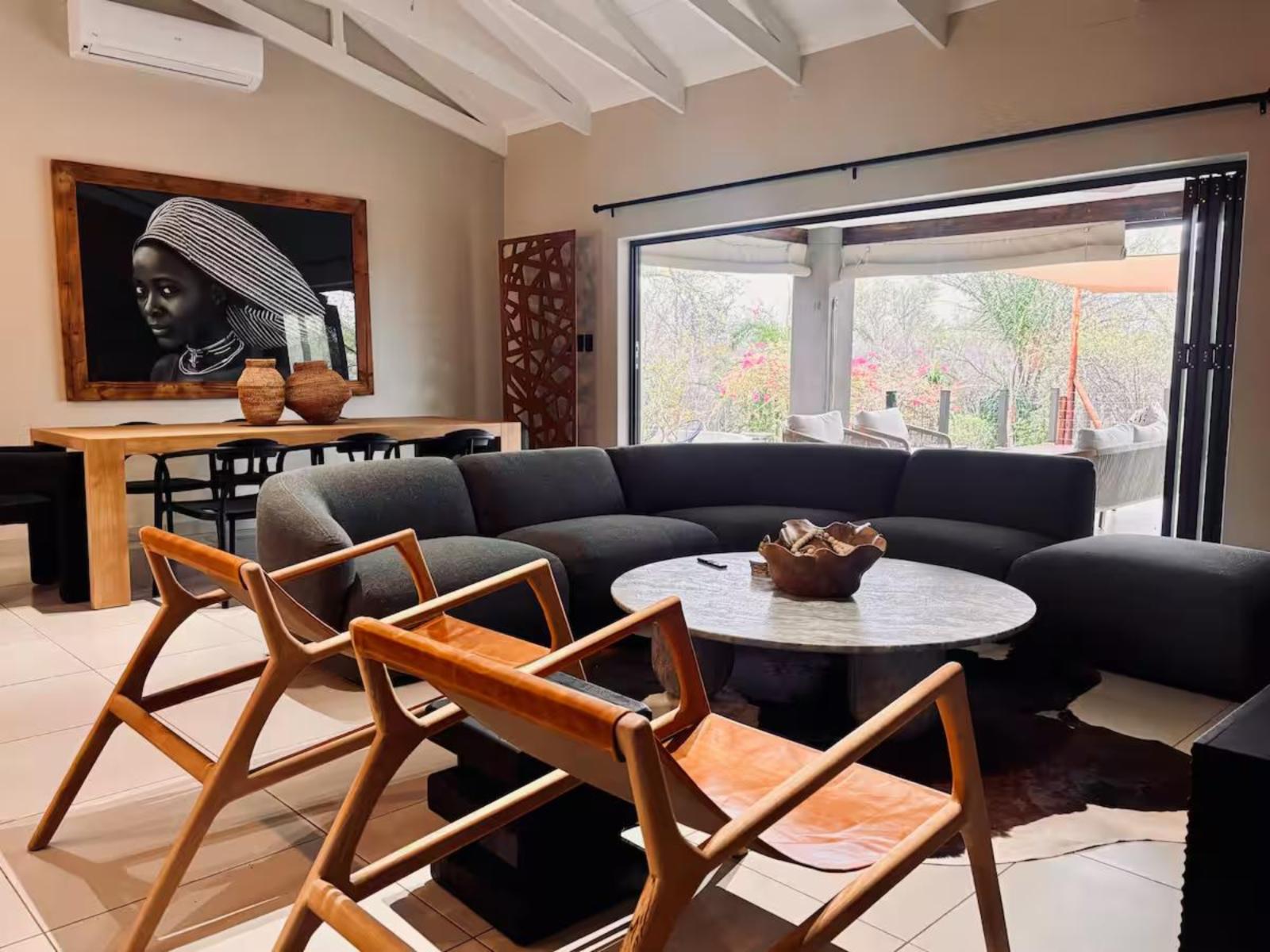
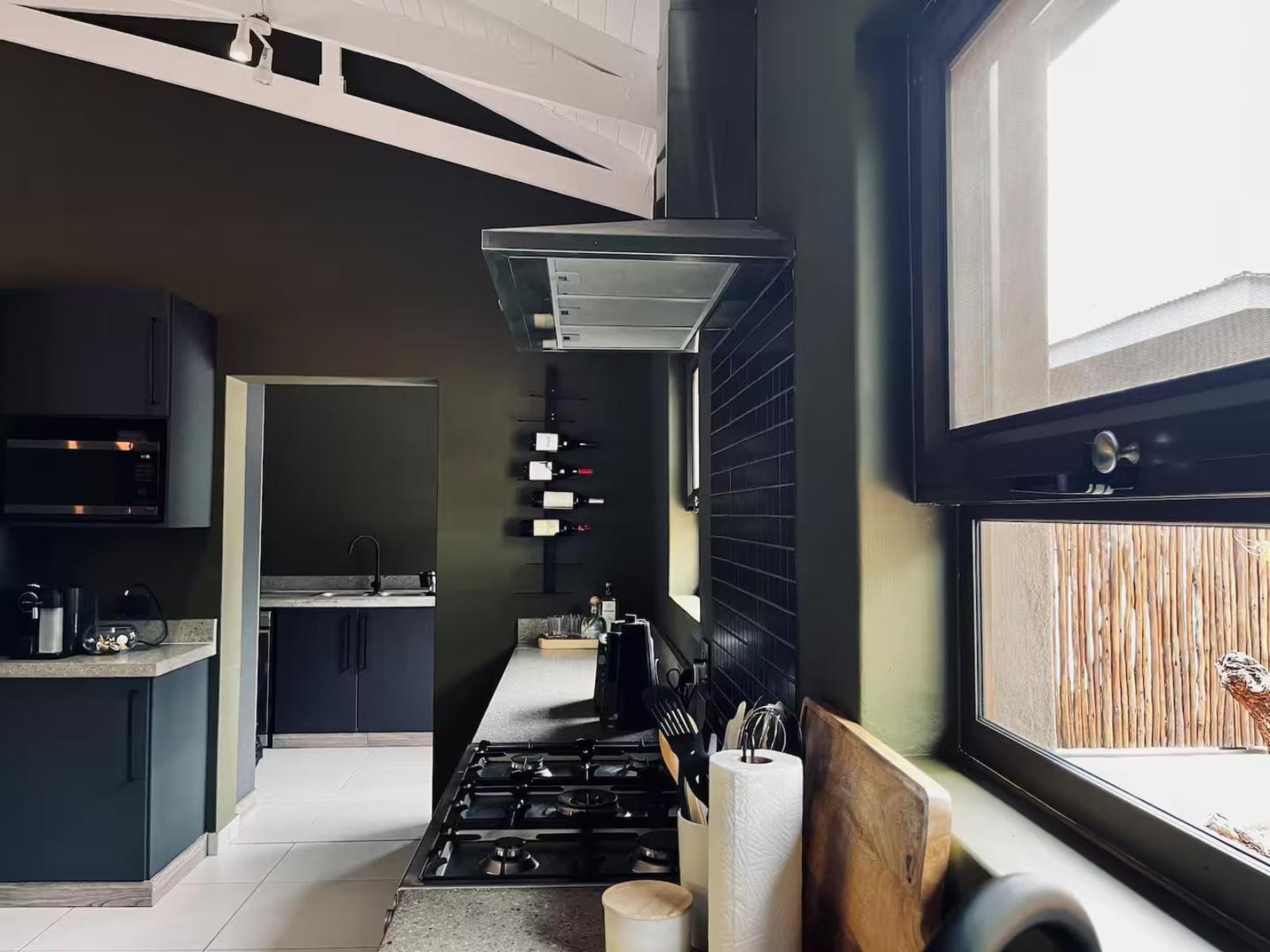
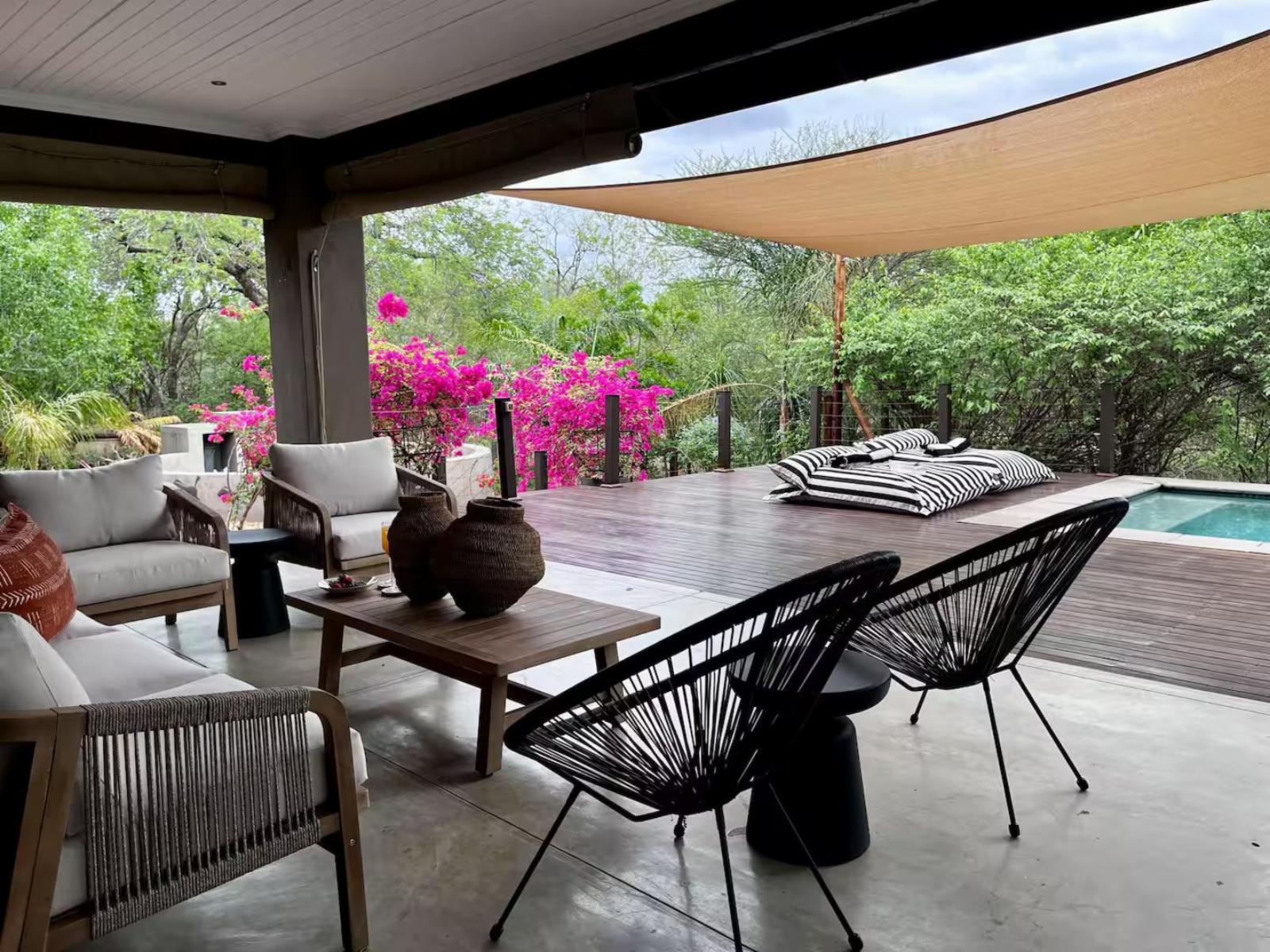
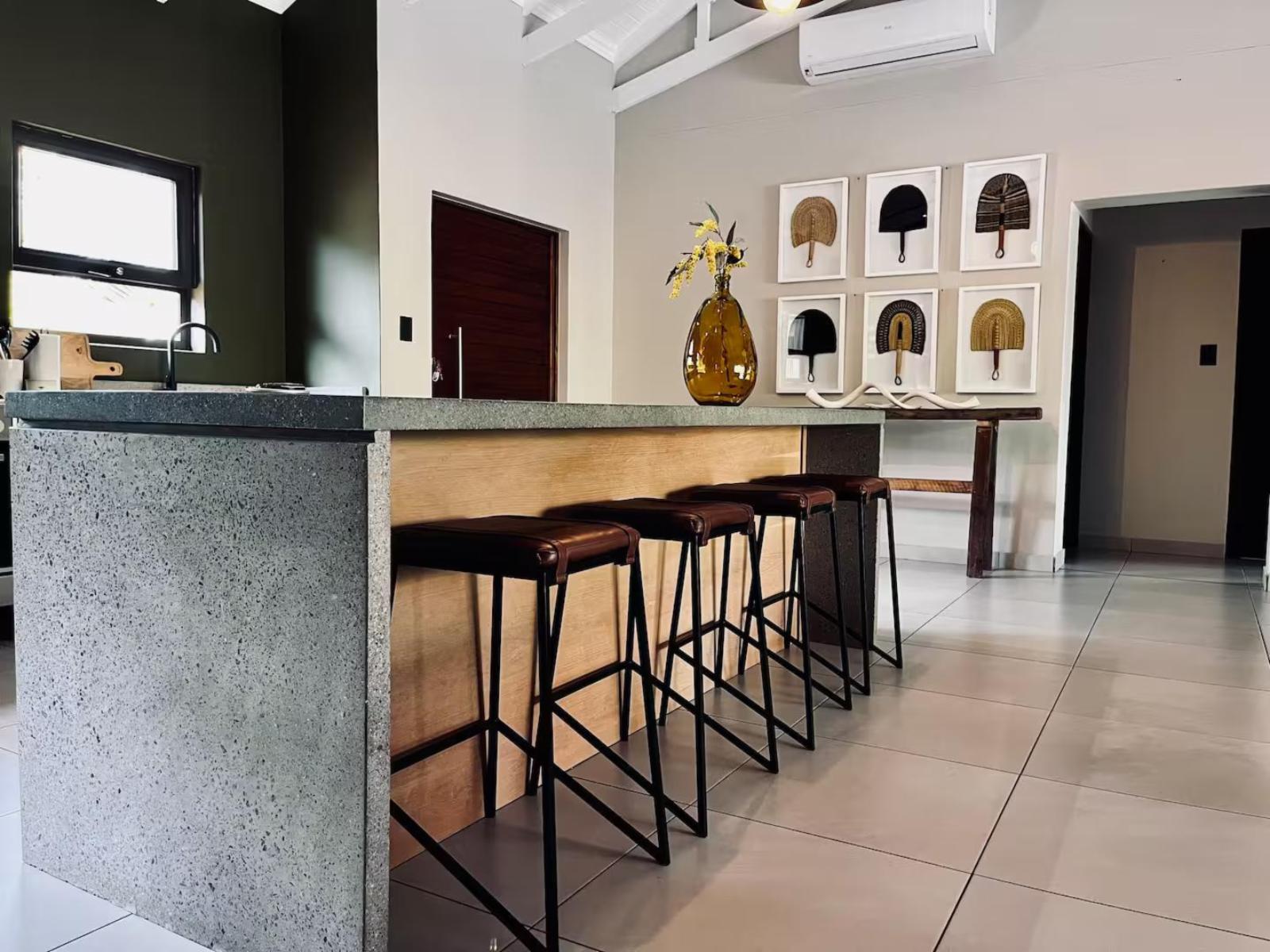
Three properties currently list in Hoedspruit, with rates sitting at R1,550 per night. The options split between two main types: lodges, which make up the majority of listings, and a farm house.
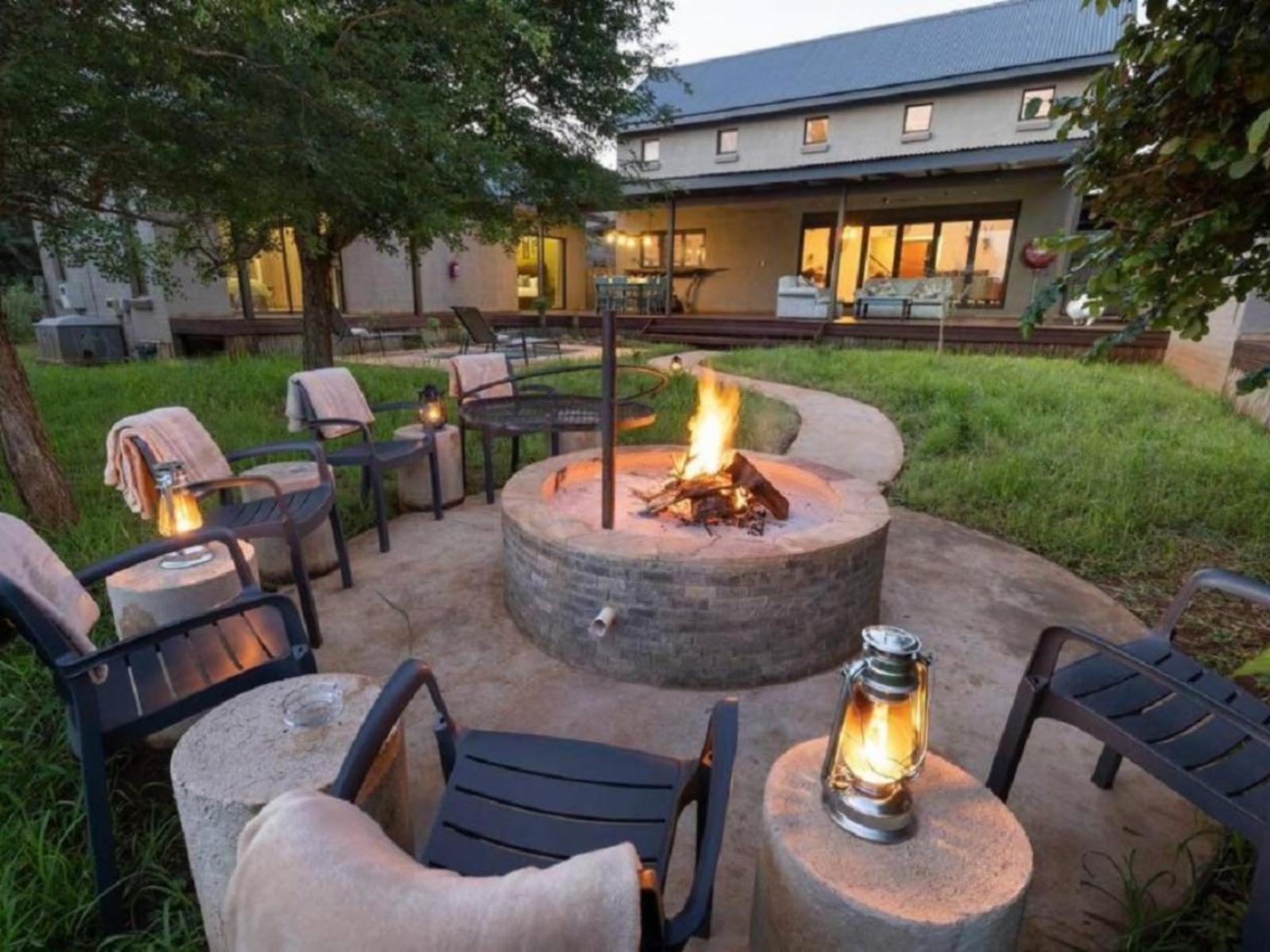
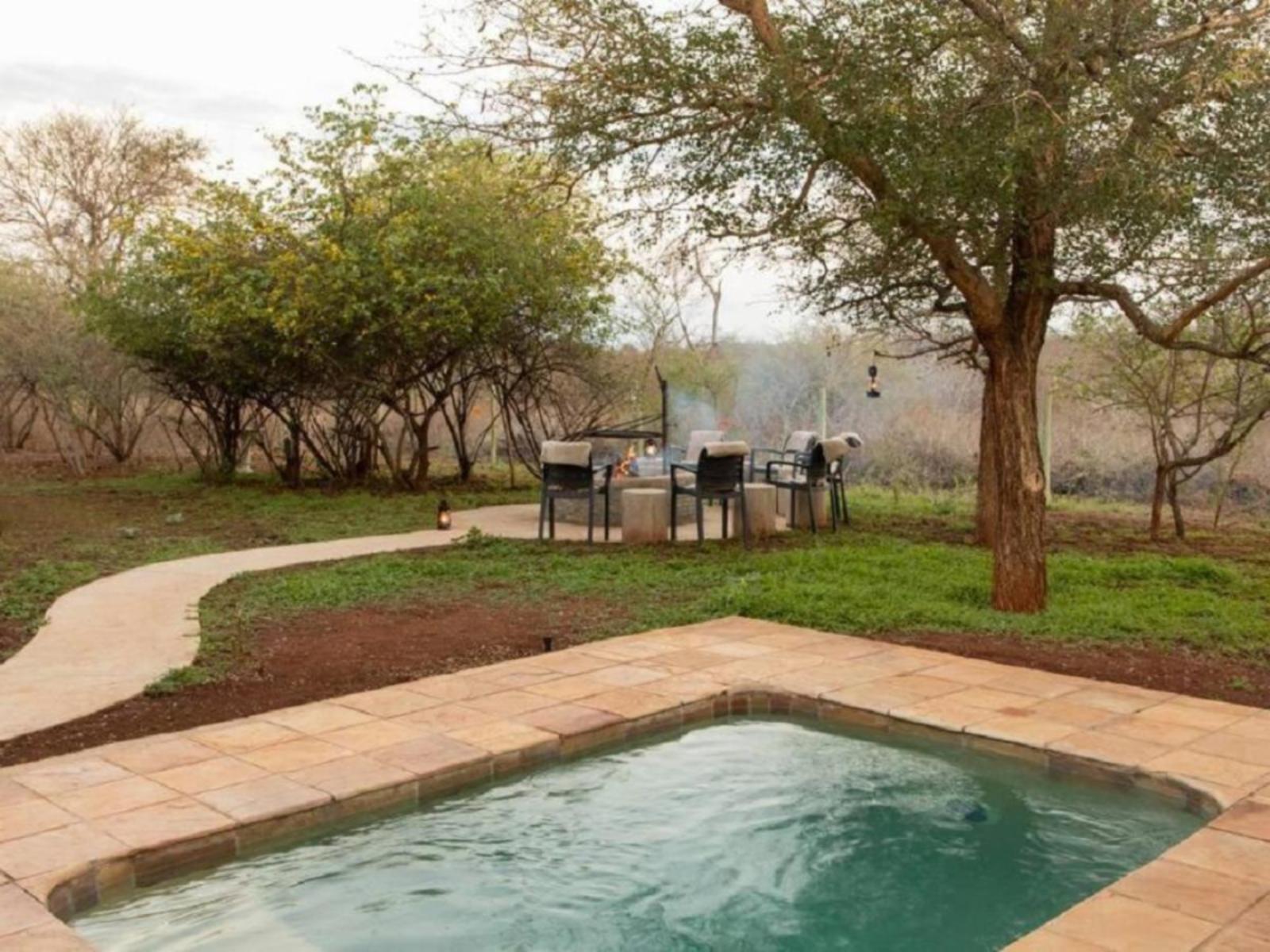
Lodges here follow the standard format for lowveld bush accommodation. Expect early morning wake-up calls for game drives, communal dining areas where guests share the day's sightings over dinner, and rooms oriented toward the bush rather than a pool or resort facility. The emphasis is practical: guides, vehicles, and meals are often arranged as part of a package. For first-time safari travelers, this structure removes much of the planning burden and delivers the core experience without requiring independent arrangements. Lodge stays in this region average R1,850 per night across the two listed properties.
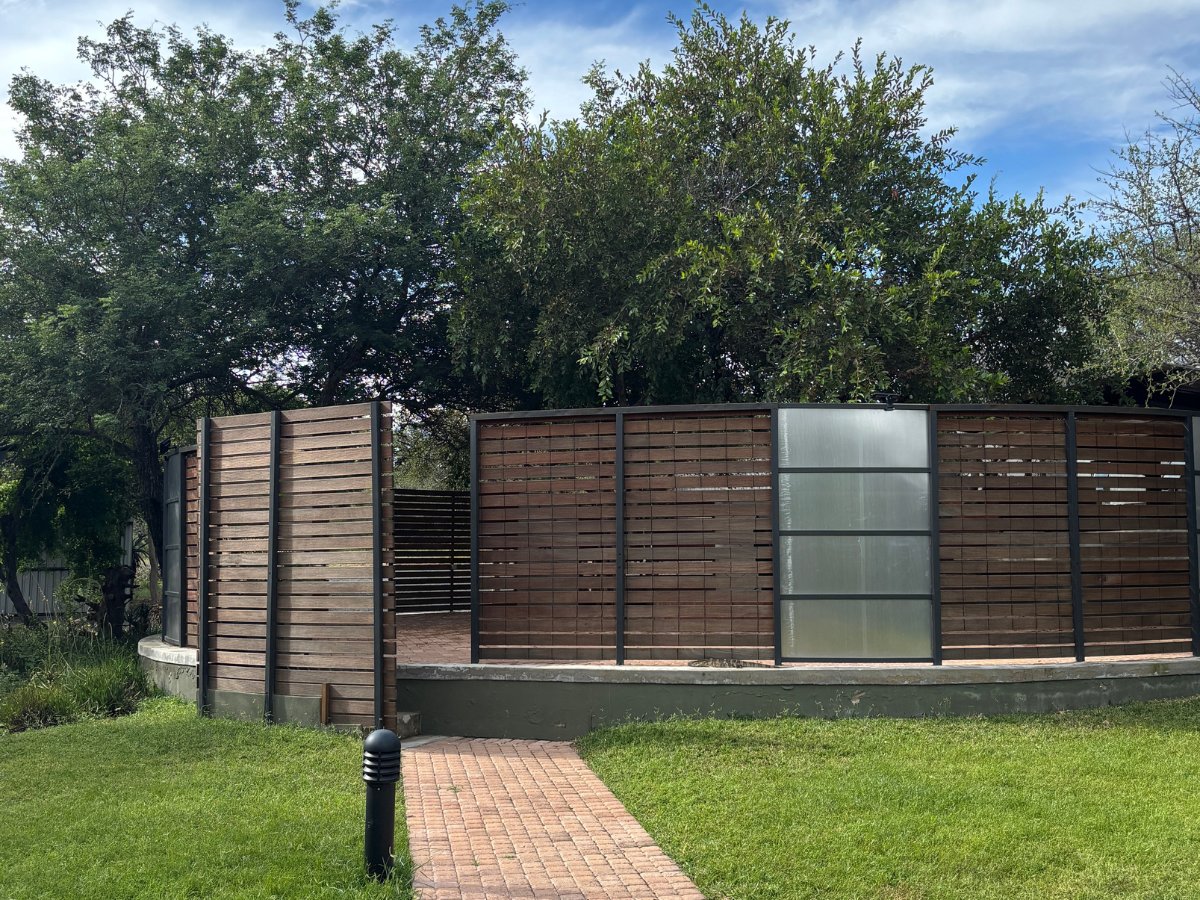
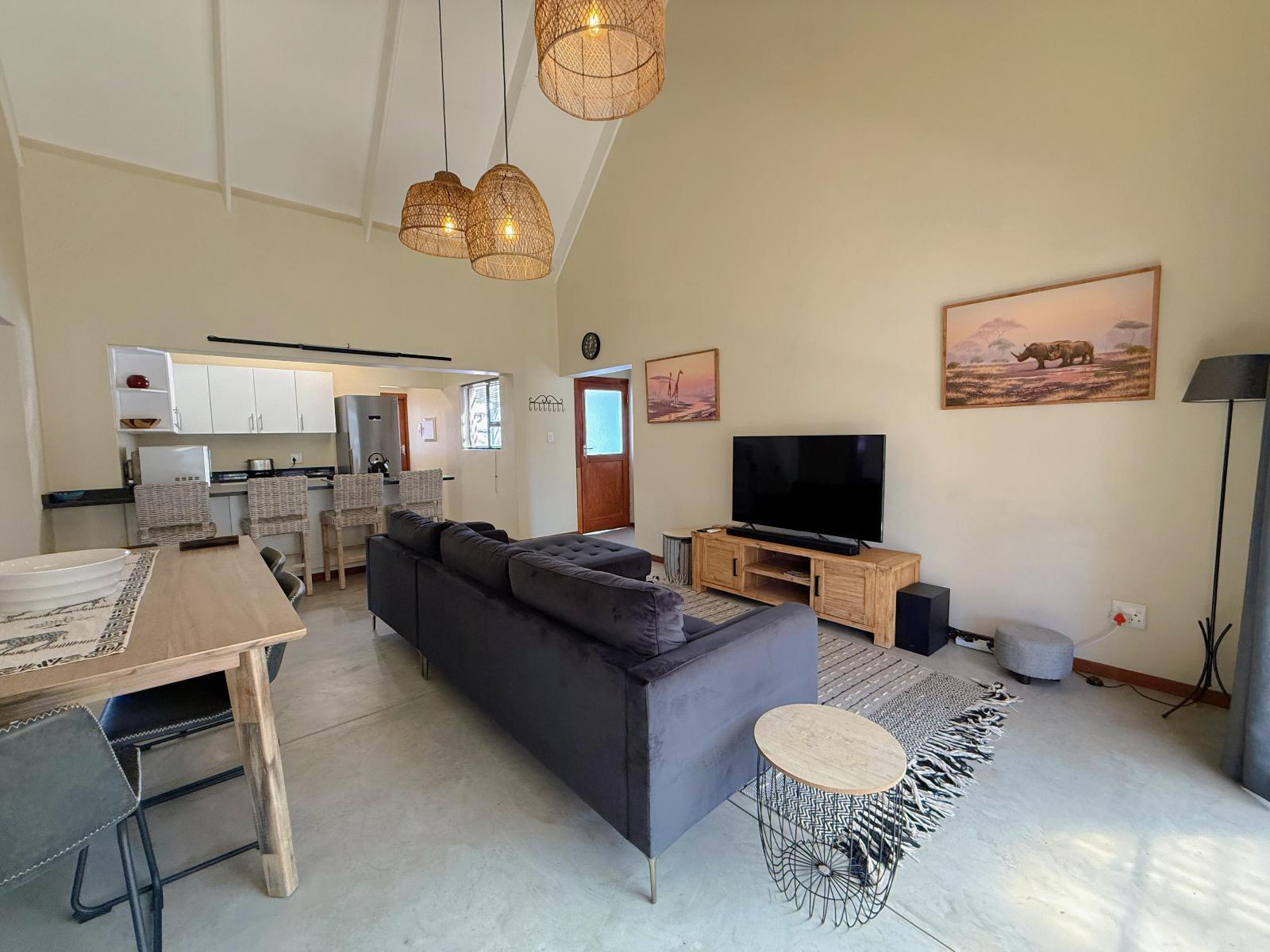
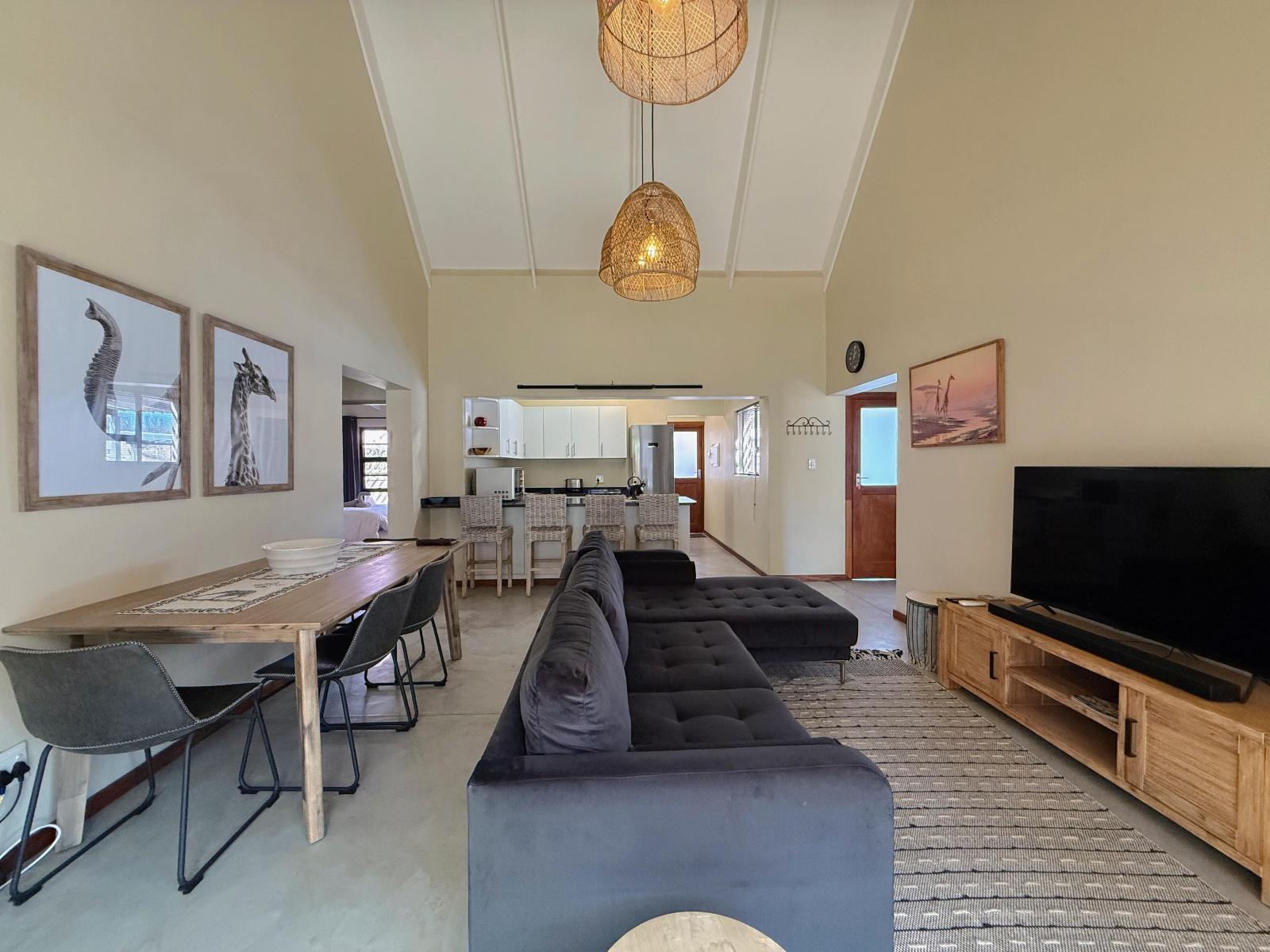
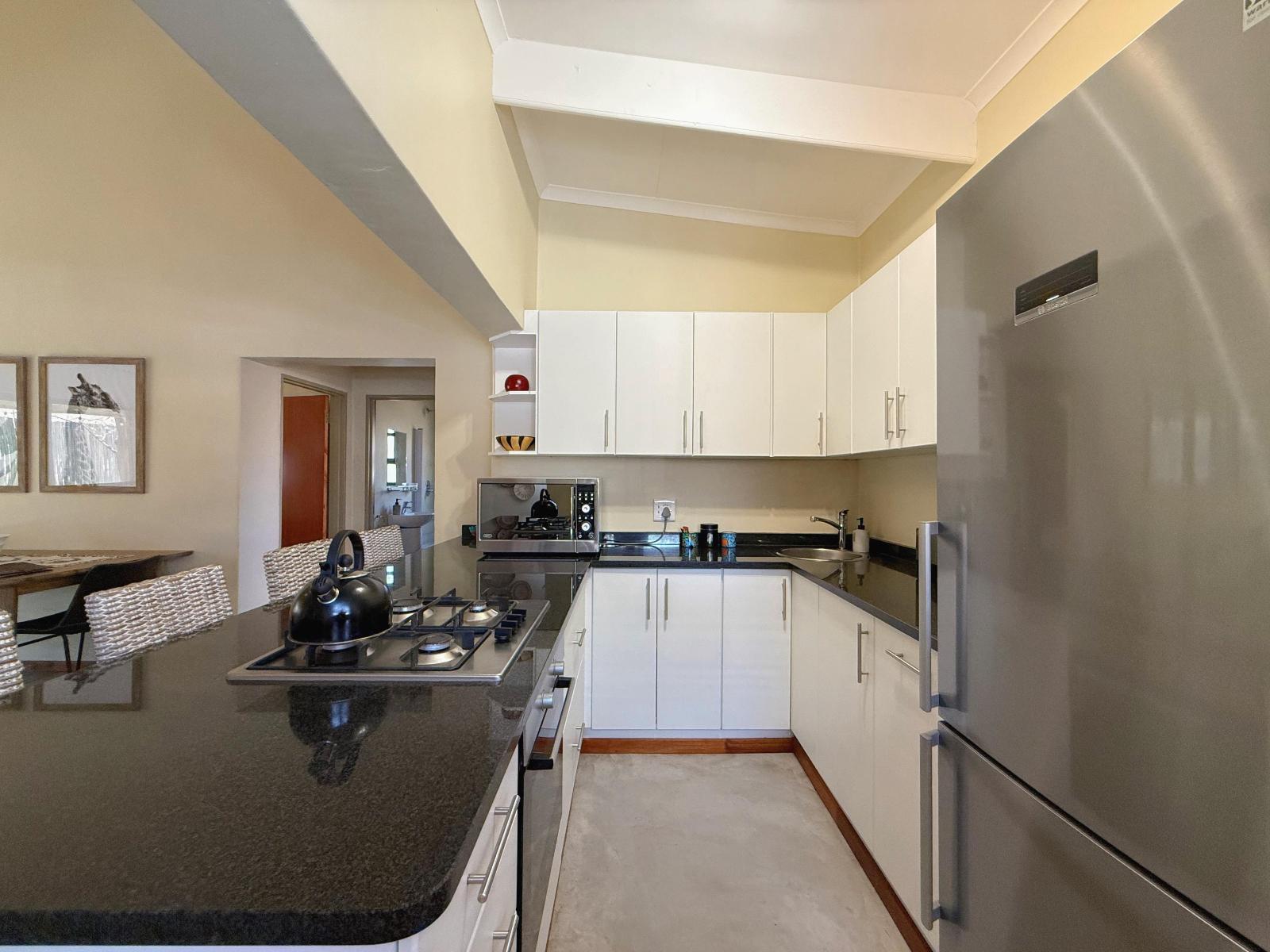
The farm house option shifts toward a different kind of stay. Farm accommodation in this region typically provides more space and a self-catering setup, giving guests control over their own schedule. It suits families or small groups who want flexibility, the ability to cook their own meals, and a bit more breathing room than a lodge environment offers. The setting, often on working land, gives a different perspective on the area's landscape and agricultural character.
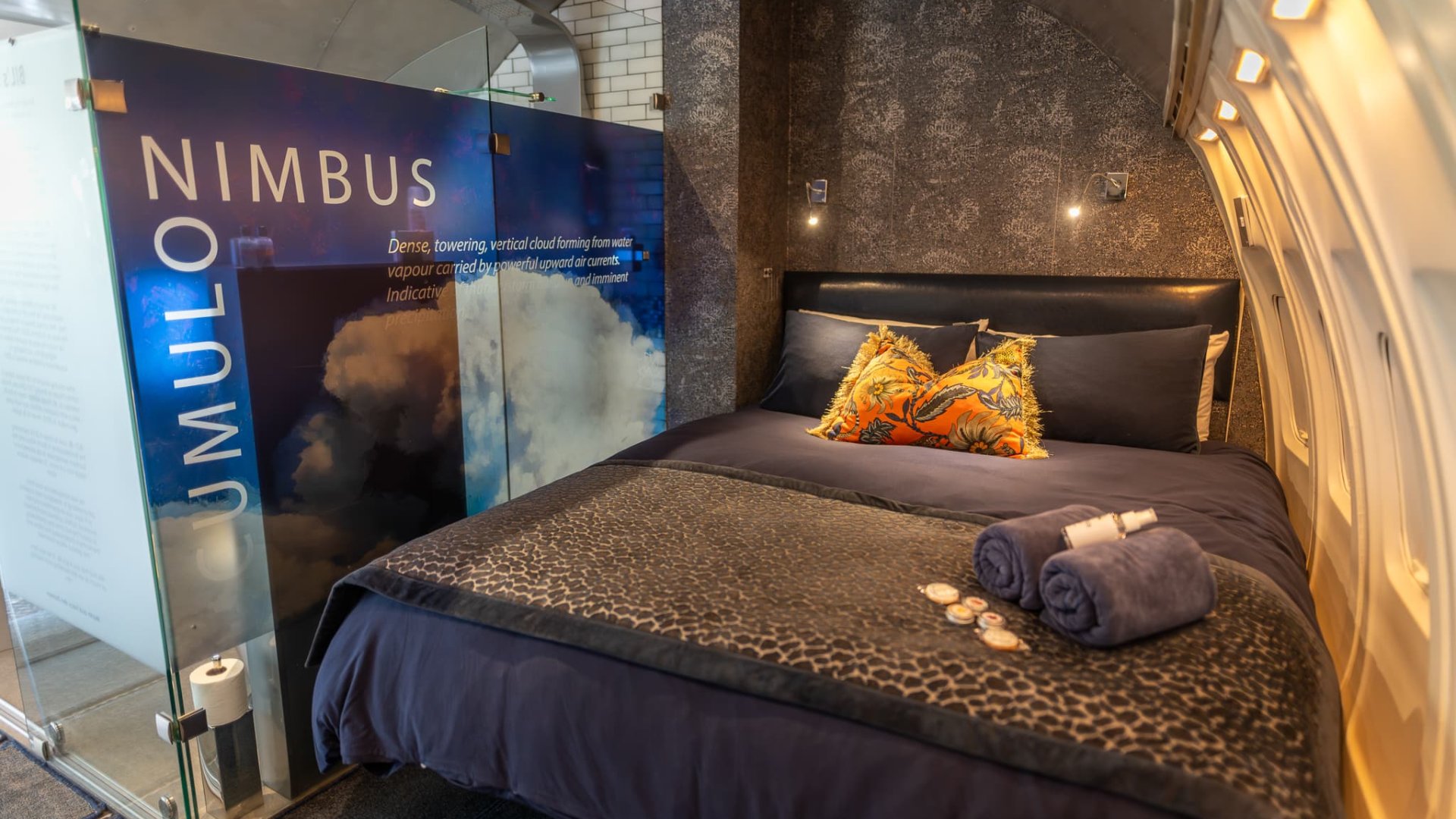
Both tiers share a common feature: proximity to wildlife. Whatever the category, properties around Hoedspruit are primarily valued for where they sit rather than for interior design or resort amenities. The surrounding lowveld, with its open land and game movement, is the selling point. Visitors come for what's outside, and the accommodation largely reflects that orientation, keeping things functional and grounded in the environment.
---
## Things to Do in Hoedspruit
Safari is the defining activity in and around Hoedspruit, and the options are substantial. Kruger National Park lies roughly 60 kilometers to the east, with the Orpen Gate providing the nearest access point. Day trips from Hoedspruit give visitors terrain where elephant, lion, leopard, buffalo, and rhinoceros are all regularly encountered. Guided game drives run from early morning, when predators are most active and temperatures are still manageable. Private game reserves border the Kruger system to the west, offering controlled access with generally higher game densities on some properties.
The Hoedspruit Endangered Species Centre runs daily tours focused on cheetah conservation, ground hornbill recovery, and vulture breeding programs. Staff lead structured talks alongside the viewings, giving context to what visitors are seeing. It functions as an educational facility first and a viewing opportunity second, which sets the tone for a considered half-day visit.
Birdwatching returns strong results in this region year-round, with the lowveld supporting over 300 species. The lilac-breasted roller, African fish eagle, and various hornbills are regular sightings. Rivers and dam edges are particularly productive in the early morning.
Further afield, the Blyde River Canyon offers a complete change of scenery. The canyon runs for more than 20 kilometers along the escarpment and drops dramatically from its rim. Viewpoints such as God's Window and the Three Rondavels are reachable by car and deliver striking perspectives without requiring a hike. For those wanting more physical activity, river rafting and walking trails into the canyon system are available through operators based along the escarpment.
---
## Best Time to Visit Hoedspruit
The dry winter months, May through September, draw the most wildlife-focused visitors. Vegetation drops back significantly during this period, improving sightlines across open ground. Temperatures stay comfortable for outdoor activity, averaging between 20°C and 28°C during the day, though nights in June and July can be cold enough to need warm layers.
Summer, from October through April, brings significant heat and afternoon thunderstorms. Daytime temperatures regularly exceed 35°C, and the bush becomes dense with new growth after the rains arrive. Game viewing becomes more demanding as animals spread across wider areas, but the season rewards birdwatchers: migrant species arrive from further north and breeding activity peaks across many resident birds.
School holidays in December and January draw large numbers of domestic travelers, which means popular activities and routes book up faster. The shoulder months of May and September offer a practical balance: dry enough for good game viewing, warm enough for comfortable daytime activity, and less pressured than the peak July and August weeks. Malaria risk in the region is present year-round but elevated during summer, so discussing prophylactics with a doctor before travel is advisable.
---
## Getting to Hoedspruit
Eastgate Airport, a few kilometers from the town center, handles scheduled flights connecting Hoedspruit to Johannesburg and Cape Town. The flight time from Johannesburg is approximately one hour. Rental vehicles are available at the airport and are essentially necessary, as public transport within the broader Hoedspruit area is not designed for tourist use.
By road from Johannesburg, the most direct route follows the N4 east through Middelburg and Nelspruit, then north on the R40 through Hazyview. The total distance is around 400 kilometers, and the drive takes approximately five hours under normal conditions, longer if Gauteng traffic adds time at the start. Roads on this route are tarred and generally well-maintained, though the final rural sections require attention for animals crossing.
From Pretoria the drive is similar in length and follows the same northeast corridor. From Polokwane in the north, the R71 south through Tzaneen reaches Hoedspruit in around two hours.
Most properties can arrange transfers from Eastgate Airport for guests who prefer not to drive. Within the area, a self-drive vehicle gives the most flexibility for moving between attractions and the surrounding towns on your own schedule.
---
## Hoedspruit and Surrounding Areas
The settlements within 45 kilometers of Hoedspruit each serve a different role, and understanding what each offers helps with planning day trips into the wider region.
**Mica**, 25 kilometers to the north, sits near the base of the Drakensberg escarpment where the terrain begins its climb toward the plateau. The area is associated with subtropical agriculture, particularly citrus farming, and roadside stalls operate seasonally. It makes a useful stop for those driving toward the escarpment viewpoints, marking where the flat lowveld starts to give way to higher ground.
**Acornhoek**, 30 kilometers south, is the largest functional town in the immediate cluster. It has shops, a hospital, fuel stations, and the kind of infrastructure that makes it a practical supply stop. It's not a tourist destination in its own right, but gives a clearer view of commercial and community life in the lowveld outside the conservation economy.
**Dingapong** at 34 kilometers and **Tswenyane** at 37 kilometers are smaller rural settlements connected to communal land areas west of the wildlife corridors. They lie along rural road routes and reflect the subsistence farming patterns that characterize much of the land between the game reserves and the escarpment. Passing through provides perspective on how the wider region functions day to day.
**Ga-mametsa**, at 41 kilometers, sits within a communal farming belt where some cultural tourism operators have offered community visits by arrangement. These are not self-guided and require advance booking through Hoedspruit-based operators.
**Kubjaname**, the furthest at 43 kilometers, lies along routes connecting toward the escarpment and functions primarily as a waypoint for road travelers rather than a place with distinct visitor activities.
---
## Planning Your Stay
The May-to-September window fills fastest. For July or August travel, two to three months of lead time is realistic, particularly for properties close to private reserves. December and early January also book quickly around school holidays. Outside these peaks, shorter notice is more often viable, but early confirmation still removes uncertainty.
Before finalising a booking, check meal arrangements carefully. Self-catering properties require grocery planning, and Hoedspruit's town center has limited dining options for evening meals. If relying on the property to provide food, confirm what is included and whether dietary requirements can be met.
Ask the host about road conditions on the access route, particularly for summer bookings. Some farm tracks become impassable after heavy rain, and knowing what vehicle is needed avoids problems on arrival.
For medical planning, the nearest significant hospital is in Phalaborwa, around 50 kilometers north. Travel insurance covering medical evacuation is sensible for this region rather than optional. Mobile data coverage is functional in the town center but variable at rural properties, so confirming connectivity with the host before booking matters if you need reliable internet access during your stay.

Three properties currently list in Hoedspruit, with rates sitting at R1,550 per night. The options split between two main types: lodges, which make up the majority of listings, and a farm house.
Lodges here follow the standard format for lowveld bush accommodation. Expect early morning wake-up calls for game drives, communal dining areas where guests share the day's sightings over dinner, and rooms oriented toward the bush rather than a pool or resort facility. The emphasis is practical: guides, vehicles, and meals are often arranged as part of a package. For first-time safari travelers, this structure removes much of the planning burden and delivers the core experience without requiring independent arrangements. Lodge stays in this region average R1,850 per night across the two listed properties.
The farm house option shifts toward a different kind of stay. Farm accommodation in this region typically provides more space and a self-catering setup, giving guests control over their own schedule. It suits families or small groups who want flexibility, the ability to cook their own meals, and a bit more breathing room than a lodge environment offers. The setting, often on working land, gives a different perspective on the area's landscape and agricultural character.
Both tiers share a common feature: proximity to wildlife. Whatever the category, properties around Hoedspruit are primarily valued for where they sit rather than for interior design or resort amenities. The surrounding lowveld, with its open land and game movement, is the selling point. Visitors come for what's outside, and the accommodation largely reflects that orientation, keeping things functional and grounded in the environment.
---
## Things to Do in Hoedspruit
Safari is the defining activity in and around Hoedspruit, and the options are substantial. Kruger National Park lies roughly 60 kilometers to the east, with the Orpen Gate providing the nearest access point. Day trips from Hoedspruit give visitors terrain where elephant, lion, leopard, buffalo, and rhinoceros are all regularly encountered. Guided game drives run from early morning, when predators are most active and temperatures are still manageable. Private game reserves border the Kruger system to the west, offering controlled access with generally higher game densities on some properties.
The Hoedspruit Endangered Species Centre runs daily tours focused on cheetah conservation, ground hornbill recovery, and vulture breeding programs. Staff lead structured talks alongside the viewings, giving context to what visitors are seeing. It functions as an educational facility first and a viewing opportunity second, which sets the tone for a considered half-day visit.
Birdwatching returns strong results in this region year-round, with the lowveld supporting over 300 species. The lilac-breasted roller, African fish eagle, and various hornbills are regular sightings. Rivers and dam edges are particularly productive in the early morning.
Further afield, the Blyde River Canyon offers a complete change of scenery. The canyon runs for more than 20 kilometers along the escarpment and drops dramatically from its rim. Viewpoints such as God's Window and the Three Rondavels are reachable by car and deliver striking perspectives without requiring a hike. For those wanting more physical activity, river rafting and walking trails into the canyon system are available through operators based along the escarpment.
---
## Best Time to Visit Hoedspruit
The dry winter months, May through September, draw the most wildlife-focused visitors. Vegetation drops back significantly during this period, improving sightlines across open ground. Temperatures stay comfortable for outdoor activity, averaging between 20°C and 28°C during the day, though nights in June and July can be cold enough to need warm layers.
Summer, from October through April, brings significant heat and afternoon thunderstorms. Daytime temperatures regularly exceed 35°C, and the bush becomes dense with new growth after the rains arrive. Game viewing becomes more demanding as animals spread across wider areas, but the season rewards birdwatchers: migrant species arrive from further north and breeding activity peaks across many resident birds.
School holidays in December and January draw large numbers of domestic travelers, which means popular activities and routes book up faster. The shoulder months of May and September offer a practical balance: dry enough for good game viewing, warm enough for comfortable daytime activity, and less pressured than the peak July and August weeks. Malaria risk in the region is present year-round but elevated during summer, so discussing prophylactics with a doctor before travel is advisable.
---
## Getting to Hoedspruit
Eastgate Airport, a few kilometers from the town center, handles scheduled flights connecting Hoedspruit to Johannesburg and Cape Town. The flight time from Johannesburg is approximately one hour. Rental vehicles are available at the airport and are essentially necessary, as public transport within the broader Hoedspruit area is not designed for tourist use.
By road from Johannesburg, the most direct route follows the N4 east through Middelburg and Nelspruit, then north on the R40 through Hazyview. The total distance is around 400 kilometers, and the drive takes approximately five hours under normal conditions, longer if Gauteng traffic adds time at the start. Roads on this route are tarred and generally well-maintained, though the final rural sections require attention for animals crossing.
From Pretoria the drive is similar in length and follows the same northeast corridor. From Polokwane in the north, the R71 south through Tzaneen reaches Hoedspruit in around two hours.
Most properties can arrange transfers from Eastgate Airport for guests who prefer not to drive. Within the area, a self-drive vehicle gives the most flexibility for moving between attractions and the surrounding towns on your own schedule.
---
## Hoedspruit and Surrounding Areas
The settlements within 45 kilometers of Hoedspruit each serve a different role, and understanding what each offers helps with planning day trips into the wider region.
**Mica**, 25 kilometers to the north, sits near the base of the Drakensberg escarpment where the terrain begins its climb toward the plateau. The area is associated with subtropical agriculture, particularly citrus farming, and roadside stalls operate seasonally. It makes a useful stop for those driving toward the escarpment viewpoints, marking where the flat lowveld starts to give way to higher ground.
**Acornhoek**, 30 kilometers south, is the largest functional town in the immediate cluster. It has shops, a hospital, fuel stations, and the kind of infrastructure that makes it a practical supply stop. It's not a tourist destination in its own right, but gives a clearer view of commercial and community life in the lowveld outside the conservation economy.
**Dingapong** at 34 kilometers and **Tswenyane** at 37 kilometers are smaller rural settlements connected to communal land areas west of the wildlife corridors. They lie along rural road routes and reflect the subsistence farming patterns that characterize much of the land between the game reserves and the escarpment. Passing through provides perspective on how the wider region functions day to day.
**Ga-mametsa**, at 41 kilometers, sits within a communal farming belt where some cultural tourism operators have offered community visits by arrangement. These are not self-guided and require advance booking through Hoedspruit-based operators.
**Kubjaname**, the furthest at 43 kilometers, lies along routes connecting toward the escarpment and functions primarily as a waypoint for road travelers rather than a place with distinct visitor activities.
---
## Planning Your Stay
The May-to-September window fills fastest. For July or August travel, two to three months of lead time is realistic, particularly for properties close to private reserves. December and early January also book quickly around school holidays. Outside these peaks, shorter notice is more often viable, but early confirmation still removes uncertainty.
Before finalising a booking, check meal arrangements carefully. Self-catering properties require grocery planning, and Hoedspruit's town center has limited dining options for evening meals. If relying on the property to provide food, confirm what is included and whether dietary requirements can be met.
Ask the host about road conditions on the access route, particularly for summer bookings. Some farm tracks become impassable after heavy rain, and knowing what vehicle is needed avoids problems on arrival.
For medical planning, the nearest significant hospital is in Phalaborwa, around 50 kilometers north. Travel insurance covering medical evacuation is sensible for this region rather than optional. Mobile data coverage is functional in the town center but variable at rural properties, so confirming connectivity with the host before booking matters if you need reliable internet access during your stay.
Tipes Akkommodasie in Hoedspruit
Akkommodasiepryse in Hoedspruit
| Tipe | Inskrywings | Vanaf | Gemiddeld | Tot |
|---|---|---|---|---|
| Lodge | 2 | R1,550 | R1,850 | R2,250 |
| Farm House | 1 | – | – | – |
Hoedspruit Kaart
Nabygeleë Bestemmings
Blaai Deur Alle Hoedspruit Akkommodasie
Bekyk al 3 akkommodasie-opsies in Hoedspruit met foto's, pryse en beskikbaarheid.
Blaai Deur Alle Akkommodasie