Accommodation in Britannia Bay
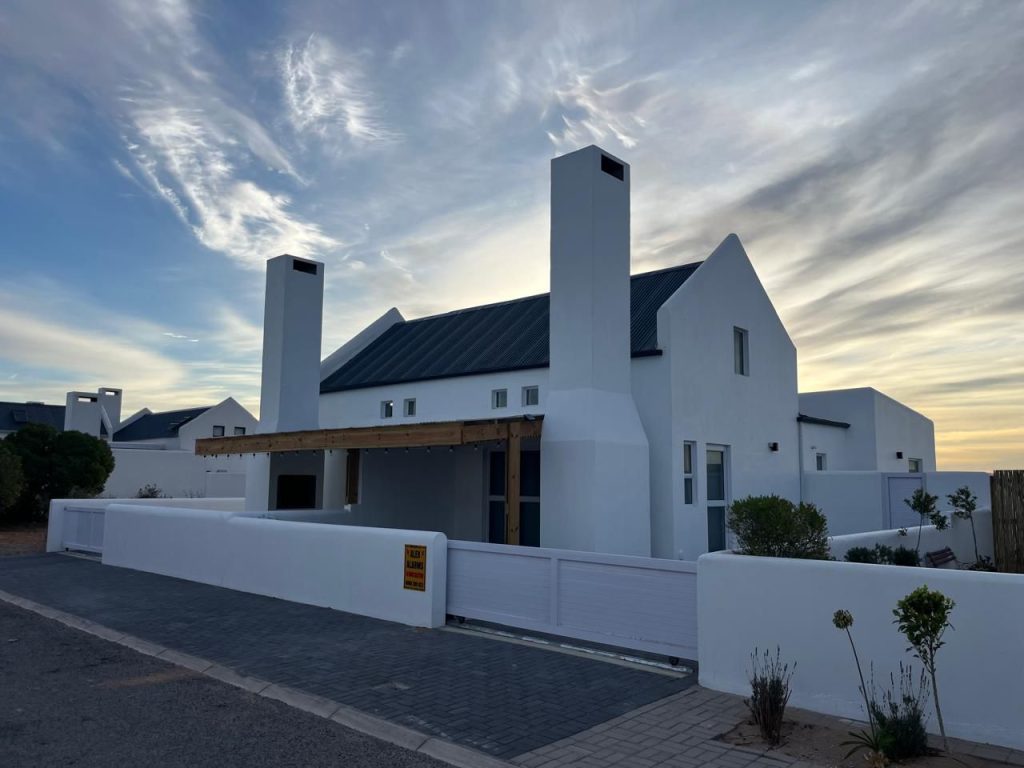
Six properties cover Britannia Bay's accommodation market, with nightly rates ranging from R1,100 to R3,040 and an average of around R1,999. For a settlement this compact, that spread offers a workable range of options across different budgets and travel styles.
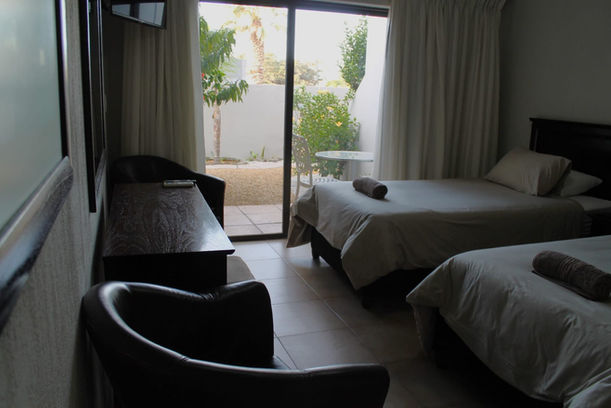
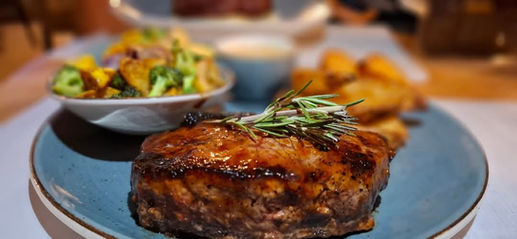
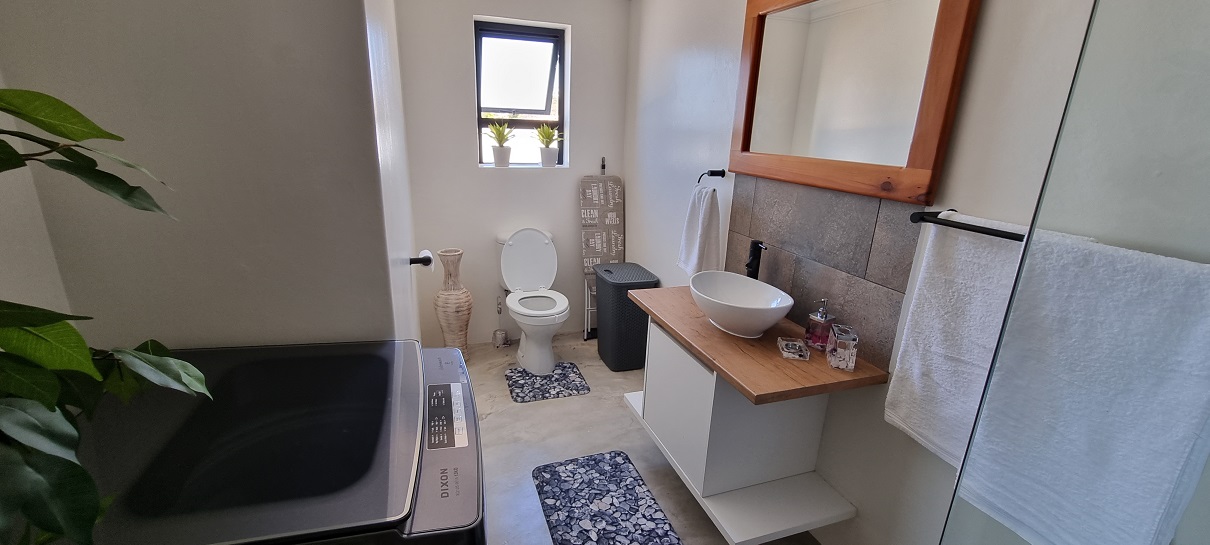
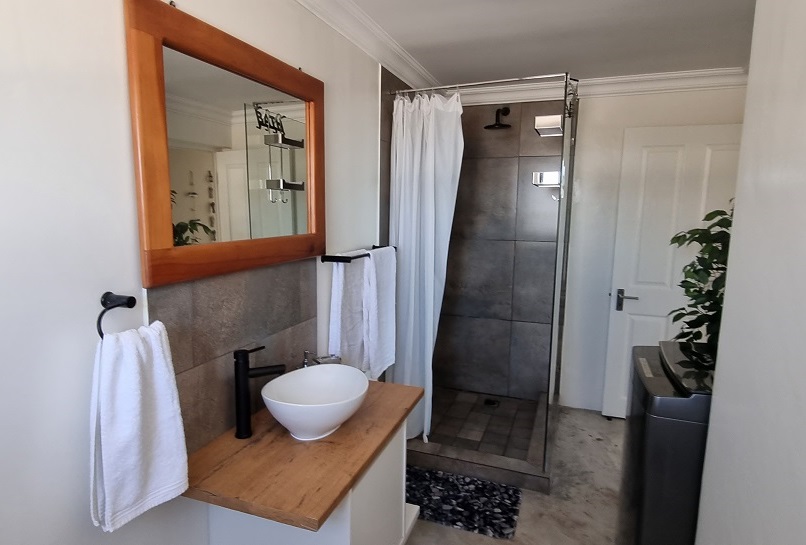
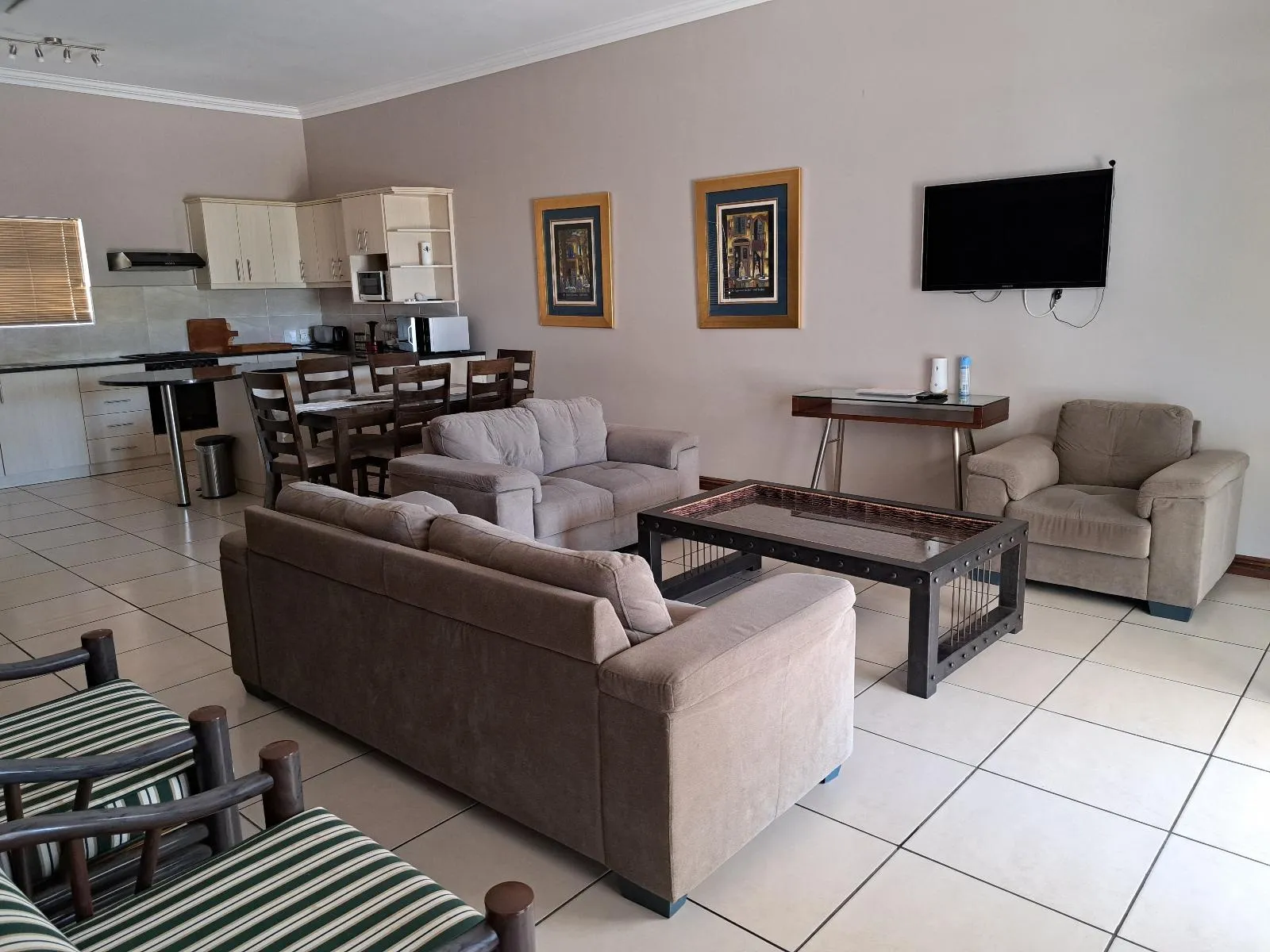
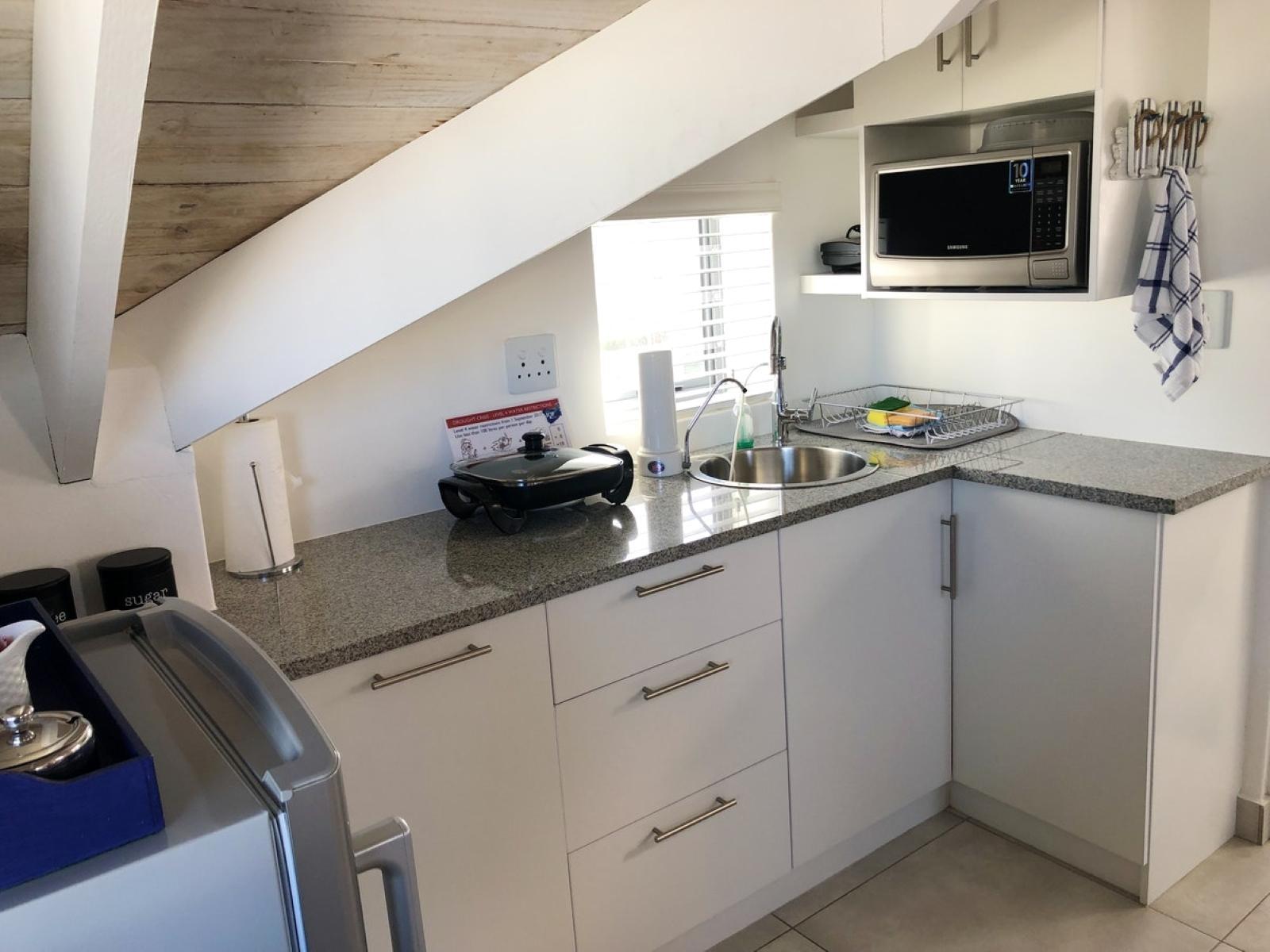
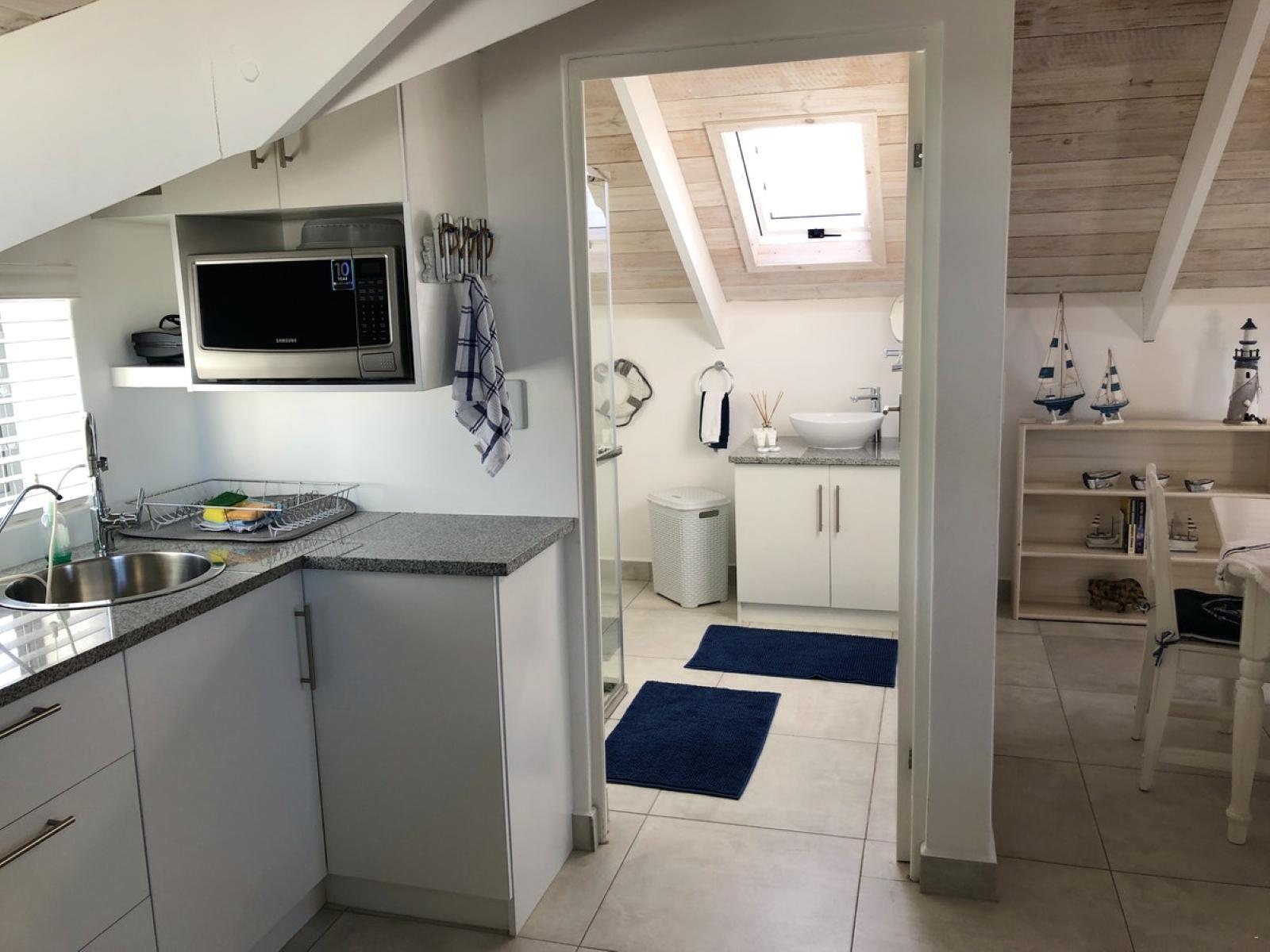
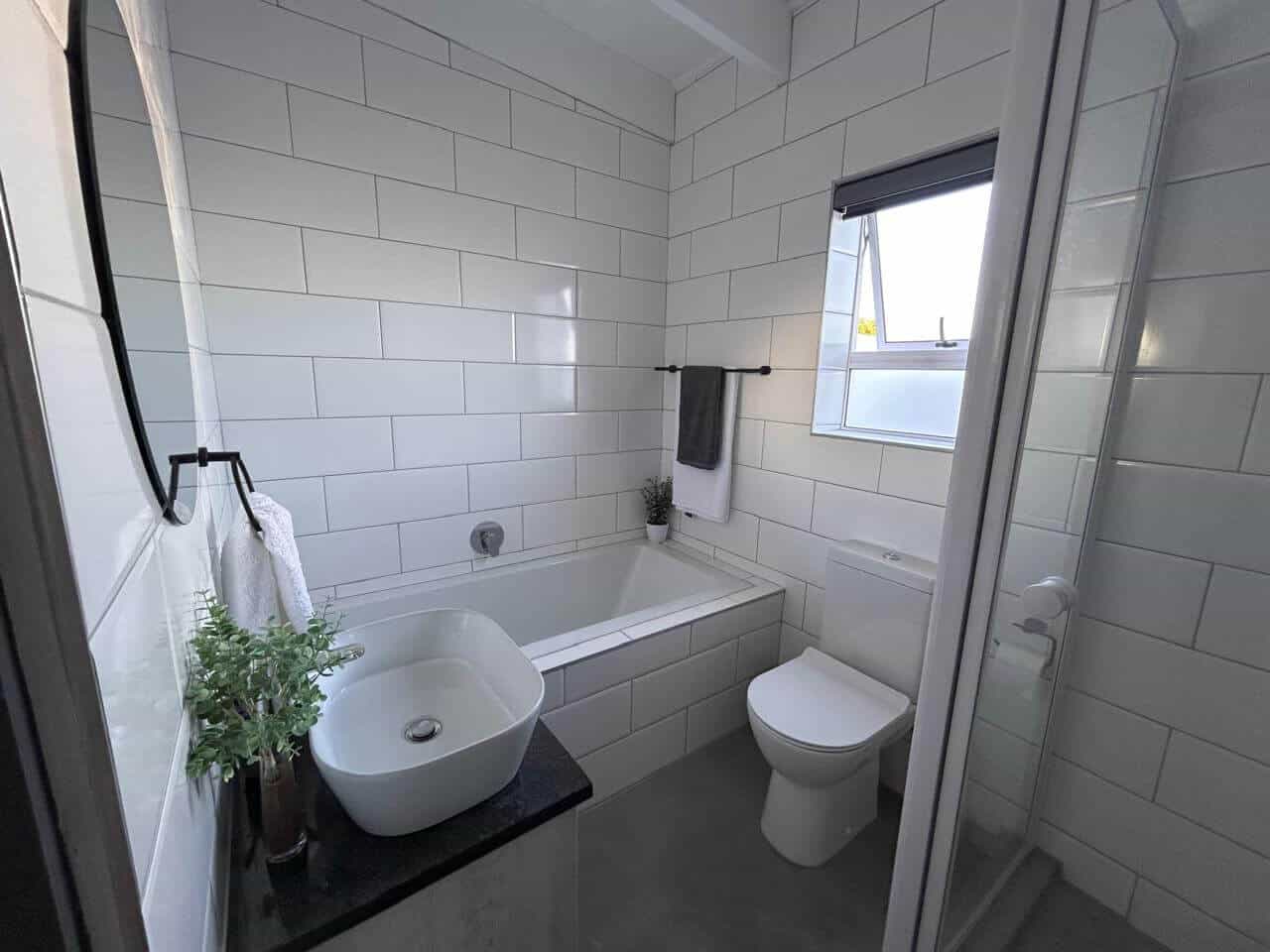
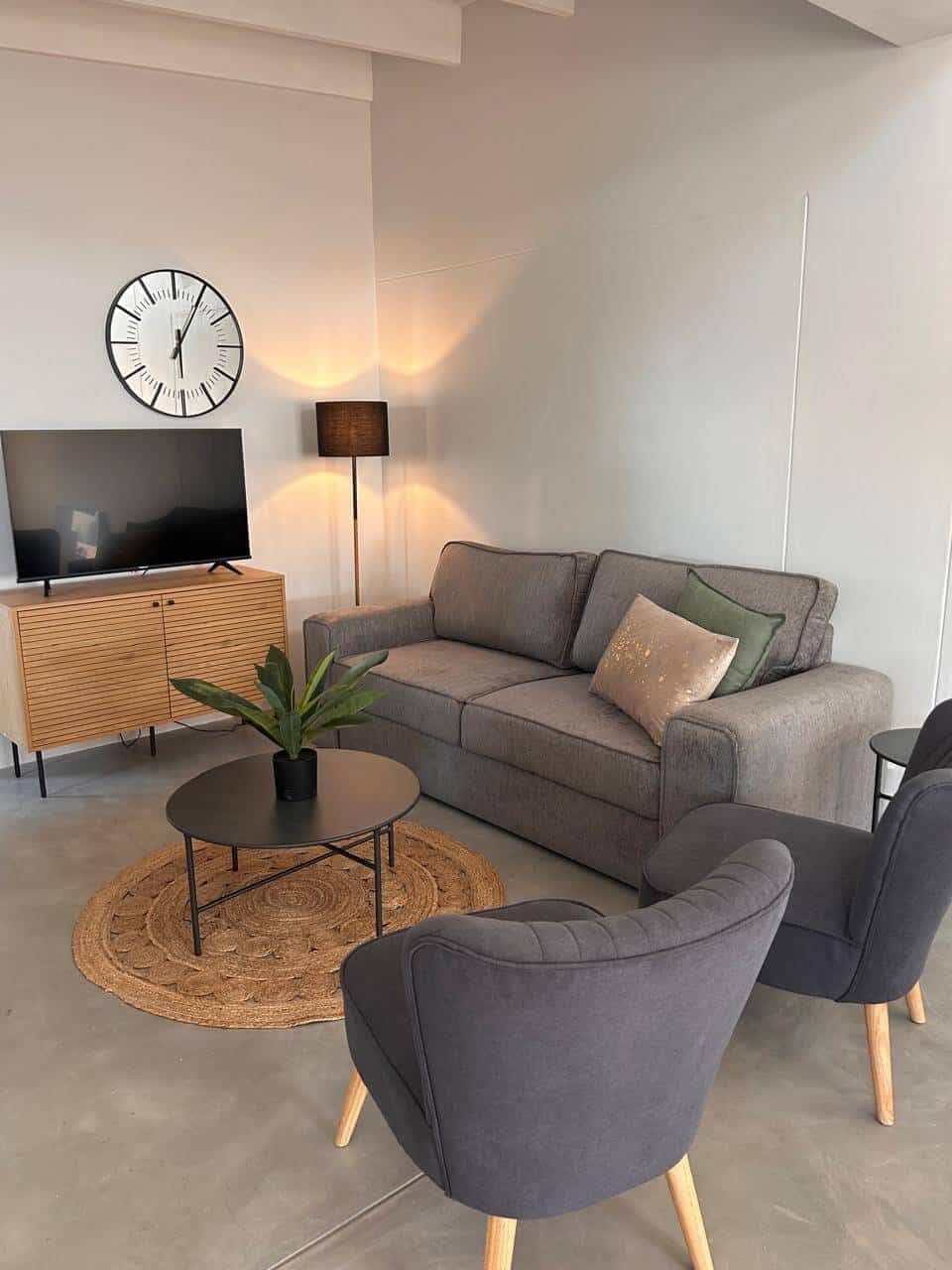
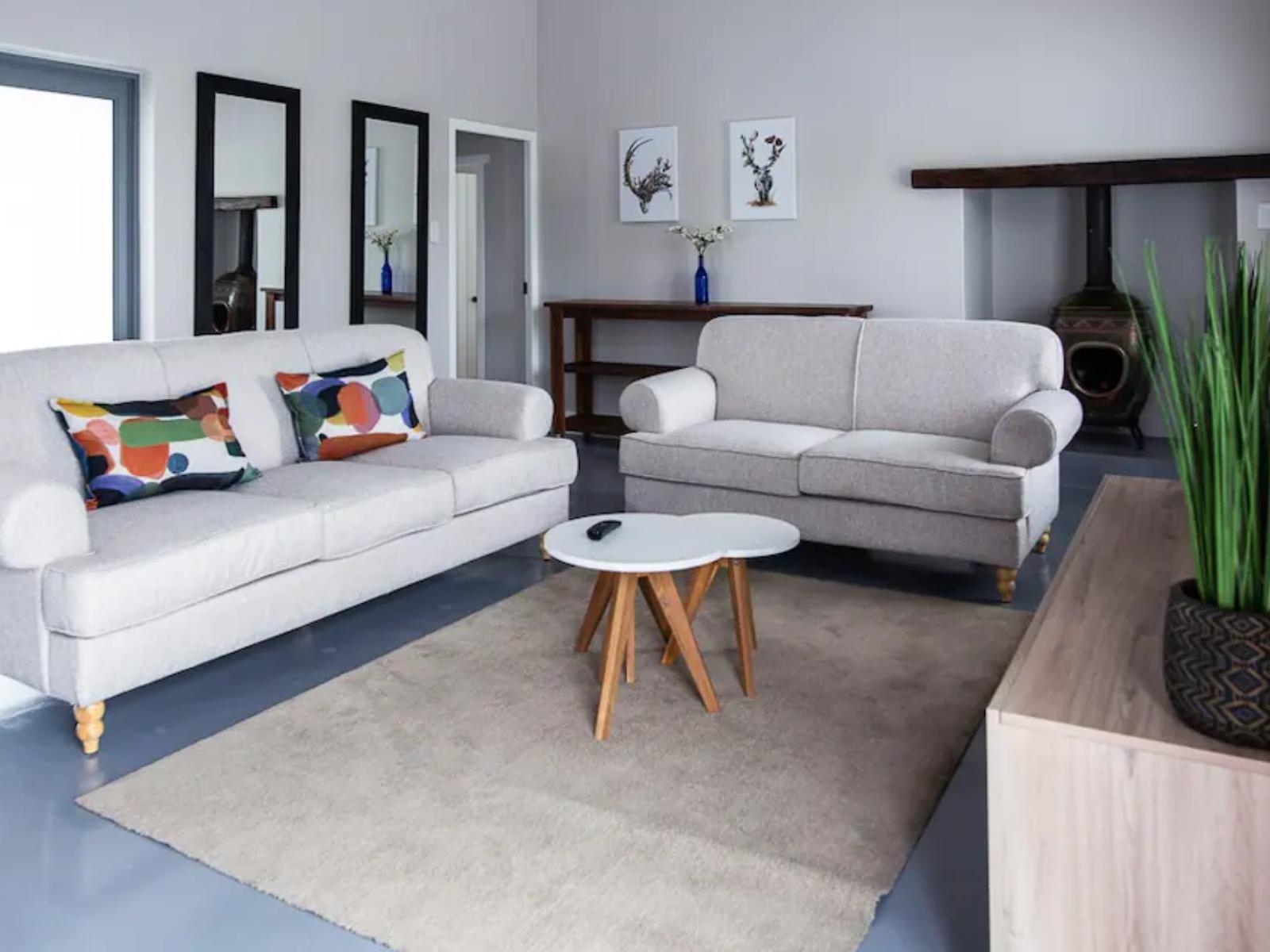
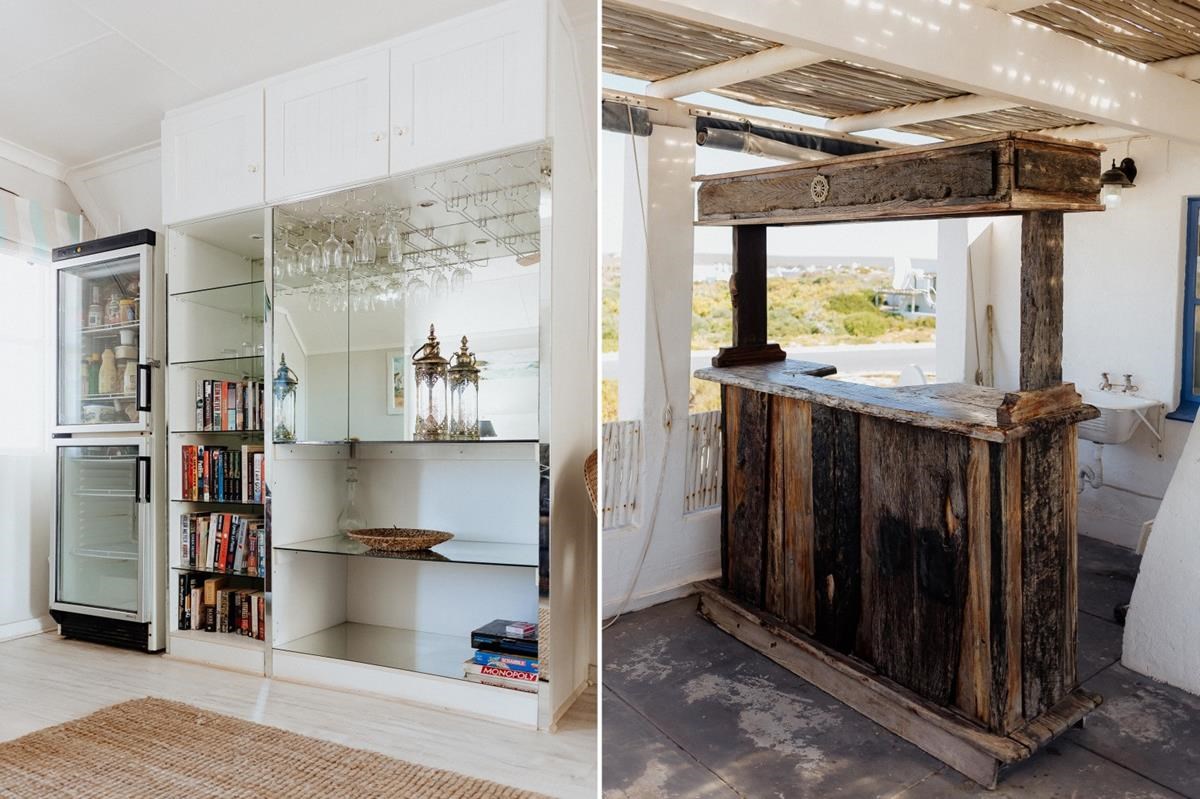
At the lower end, a hotel provides standard rooms suited to visitors who want a straightforward base without the demands of managing a kitchen or catering for themselves. Self-catering is also available, an option that works well given the village's access to locally sourced seafood from nearby suppliers. Preparing your own meals over several nights can reduce overall costs and makes practical sense in a village with limited restaurant options.
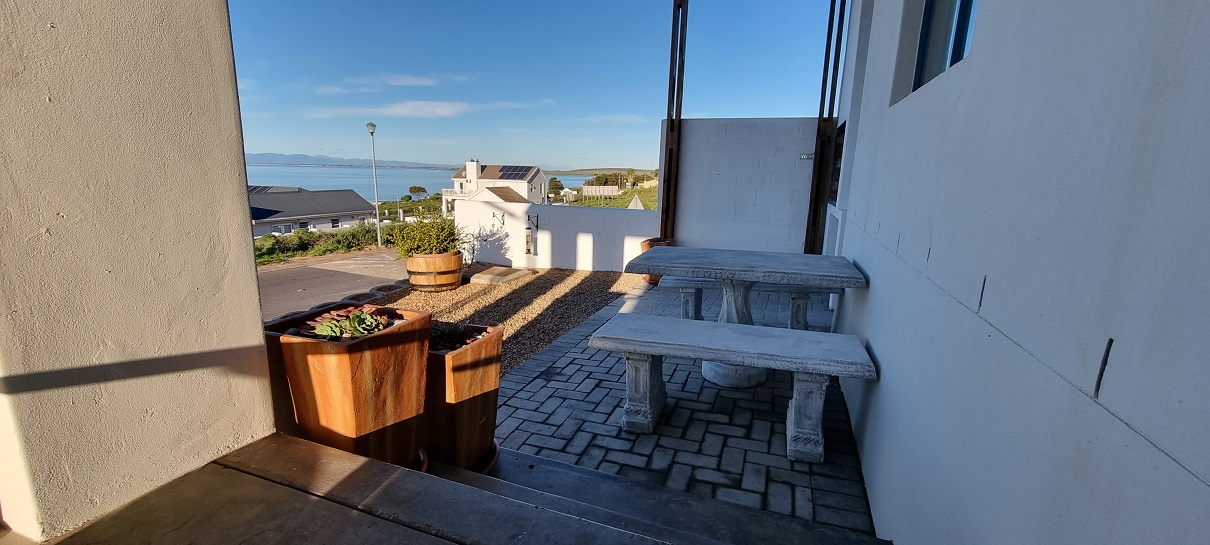
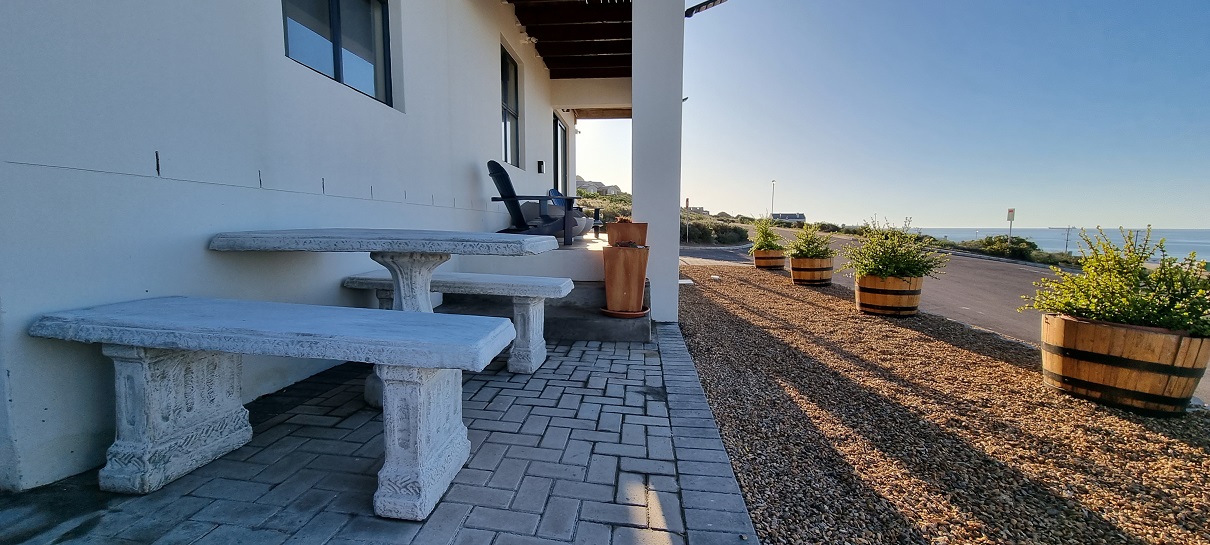
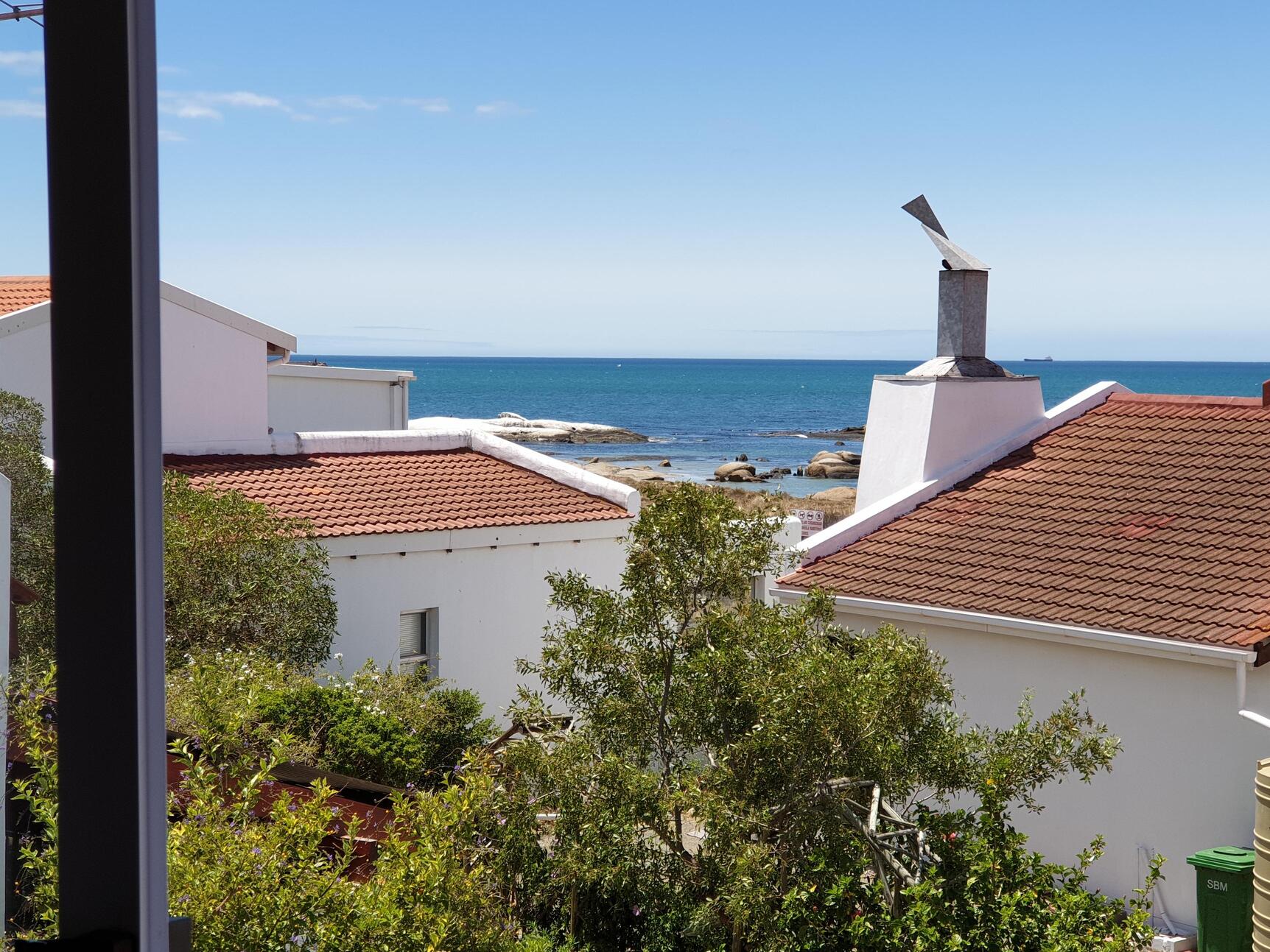
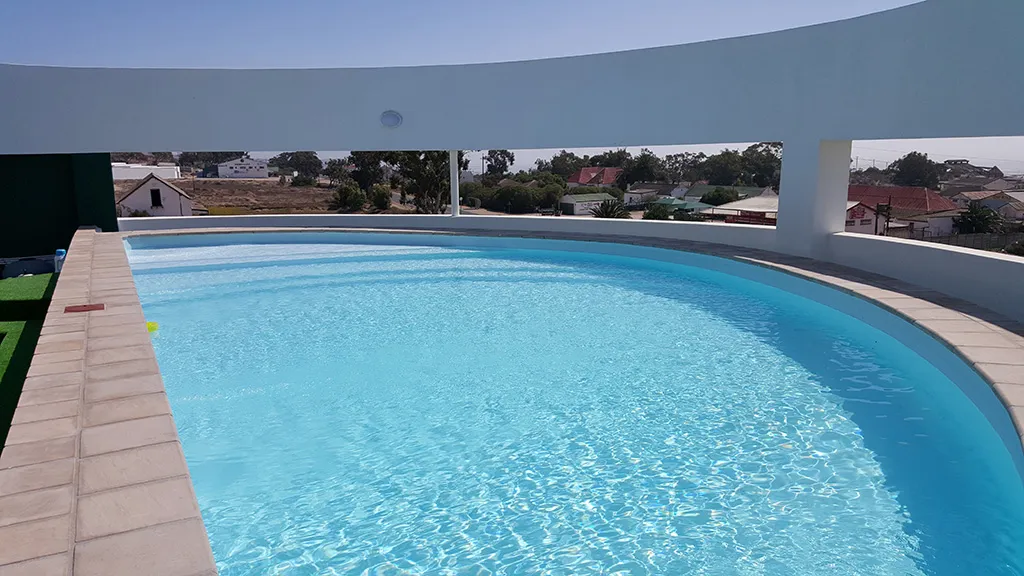
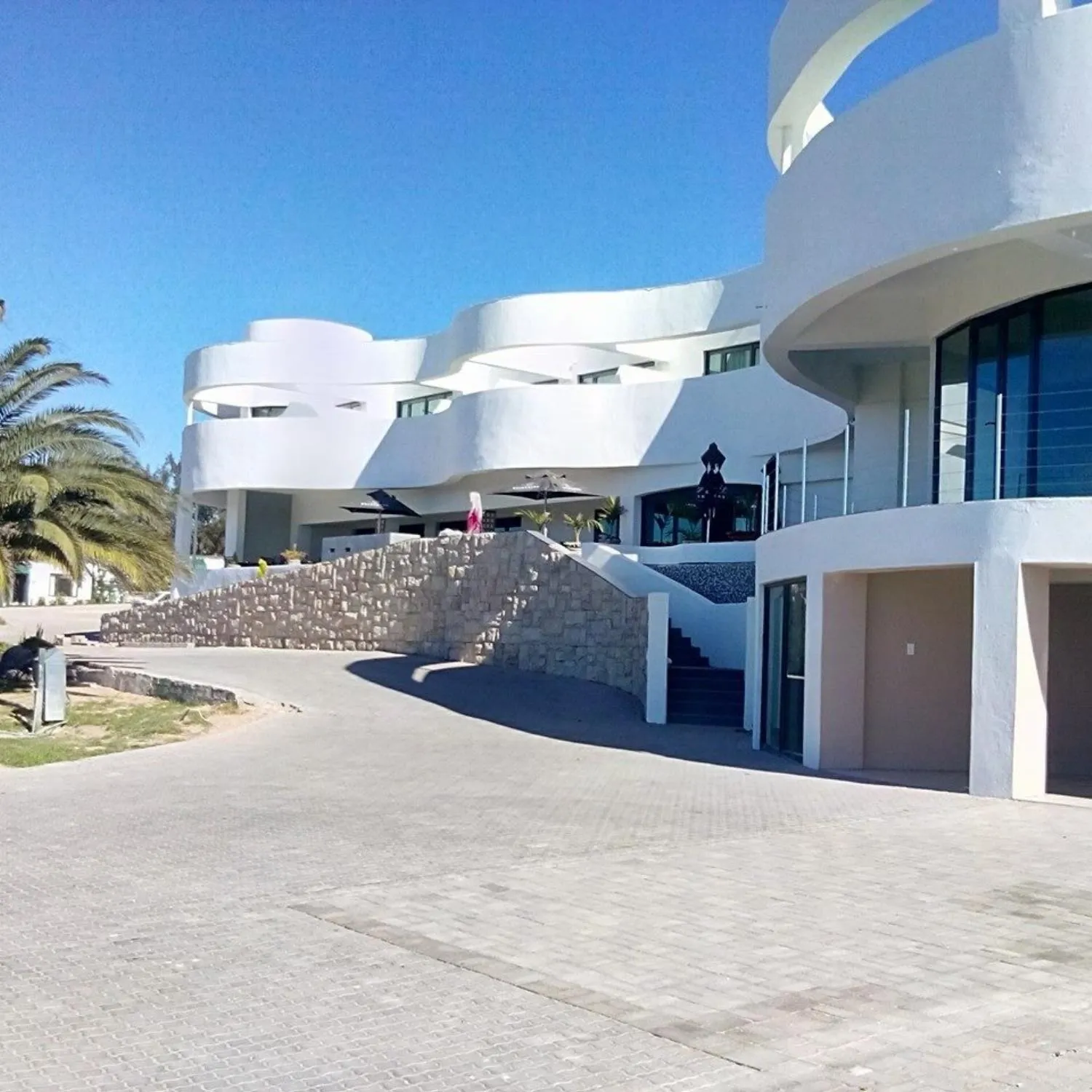
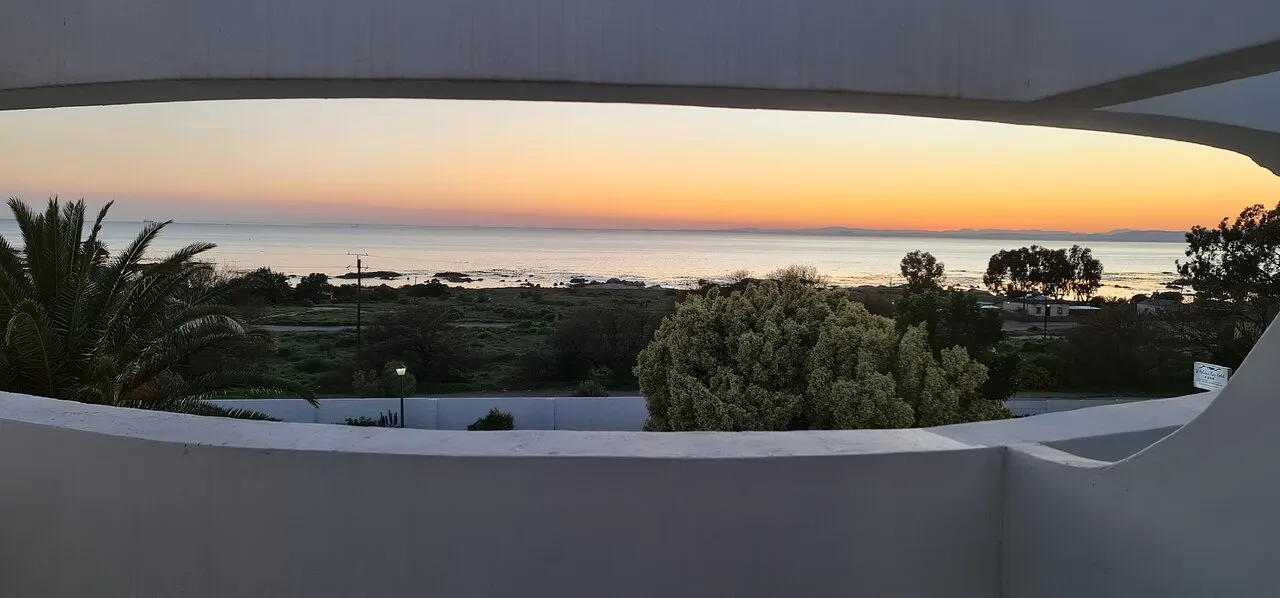
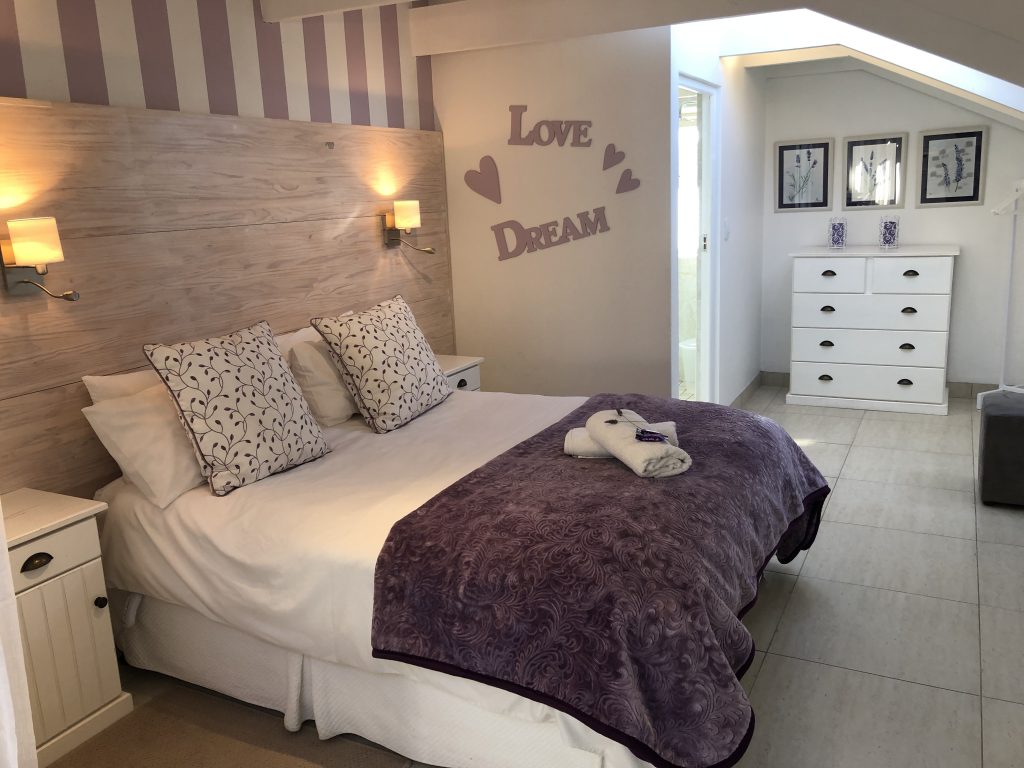
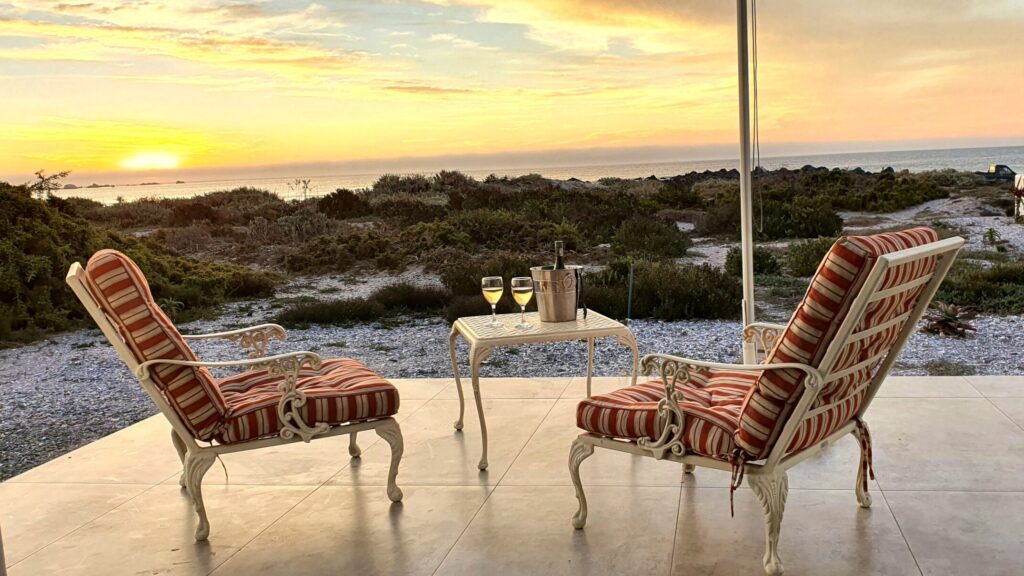
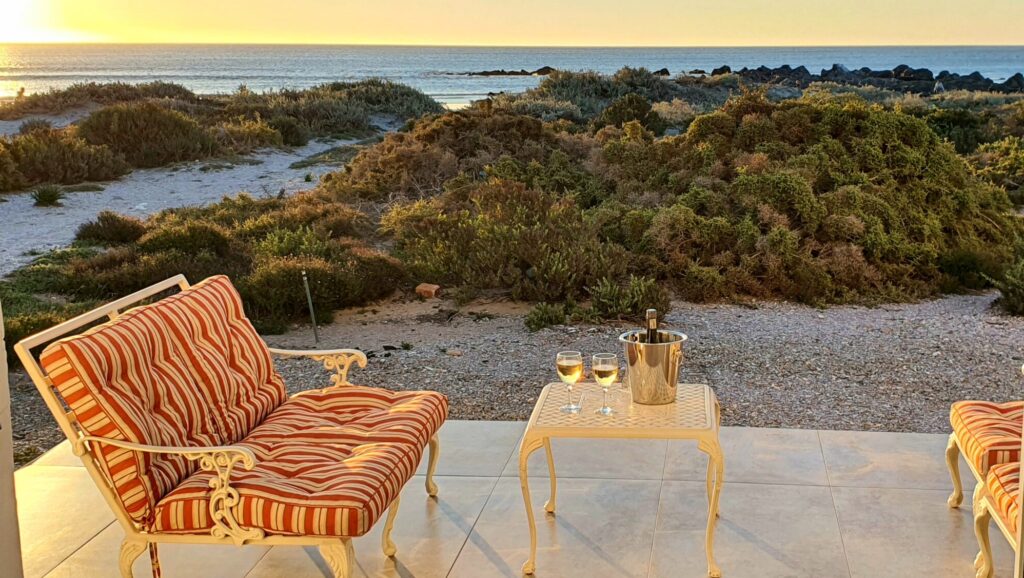
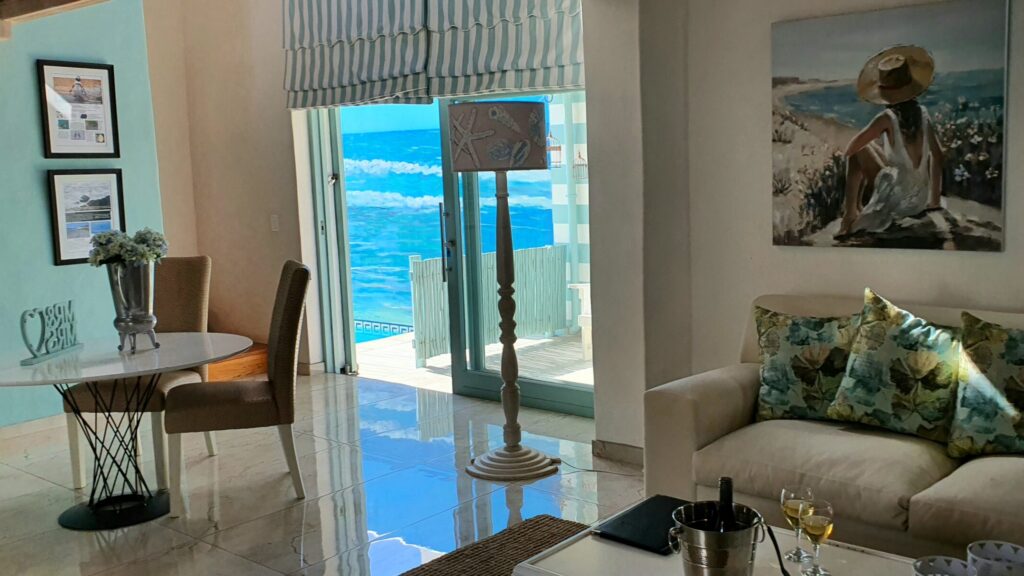
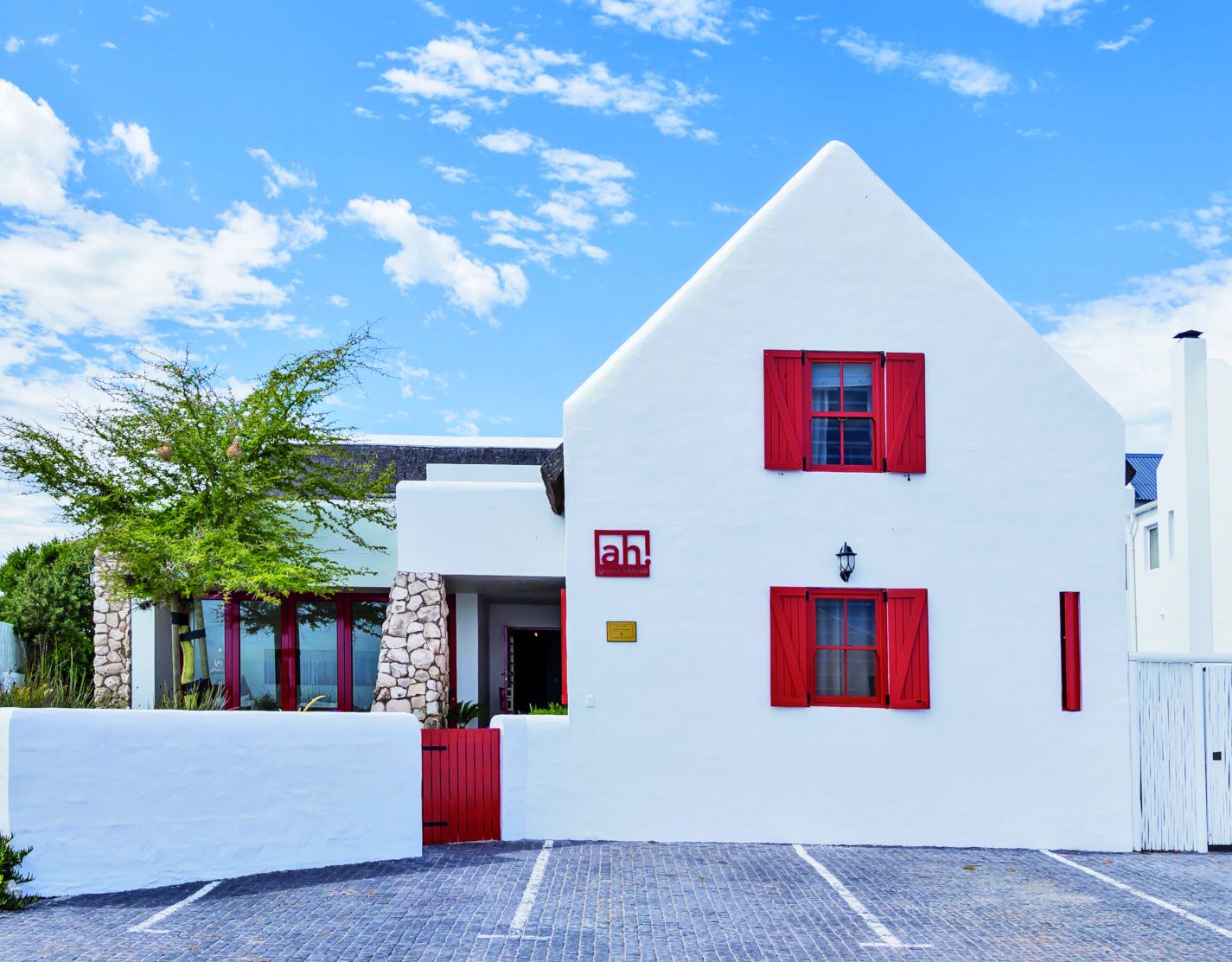
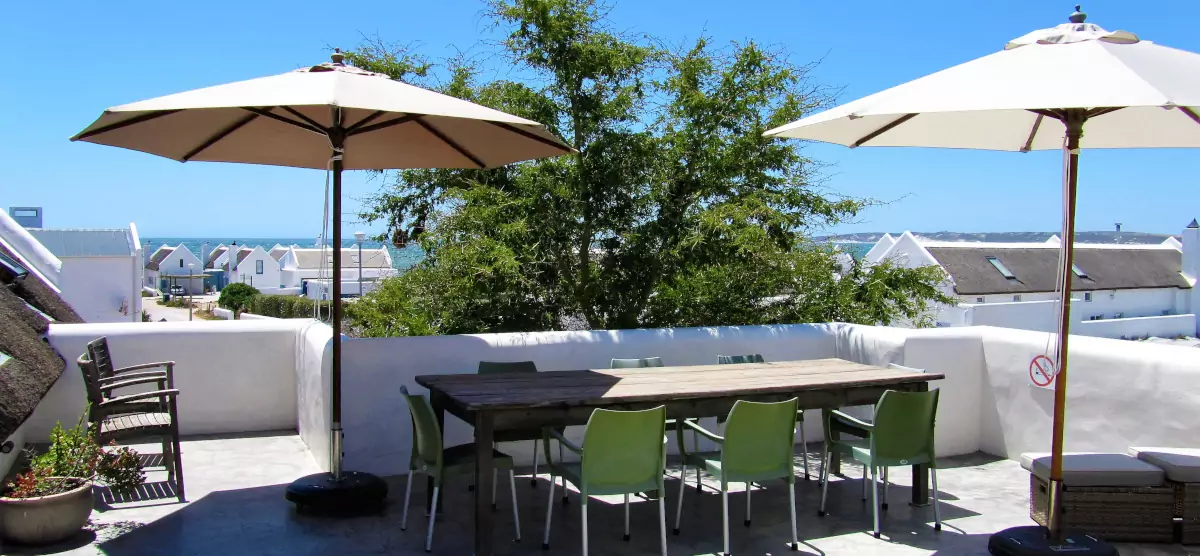
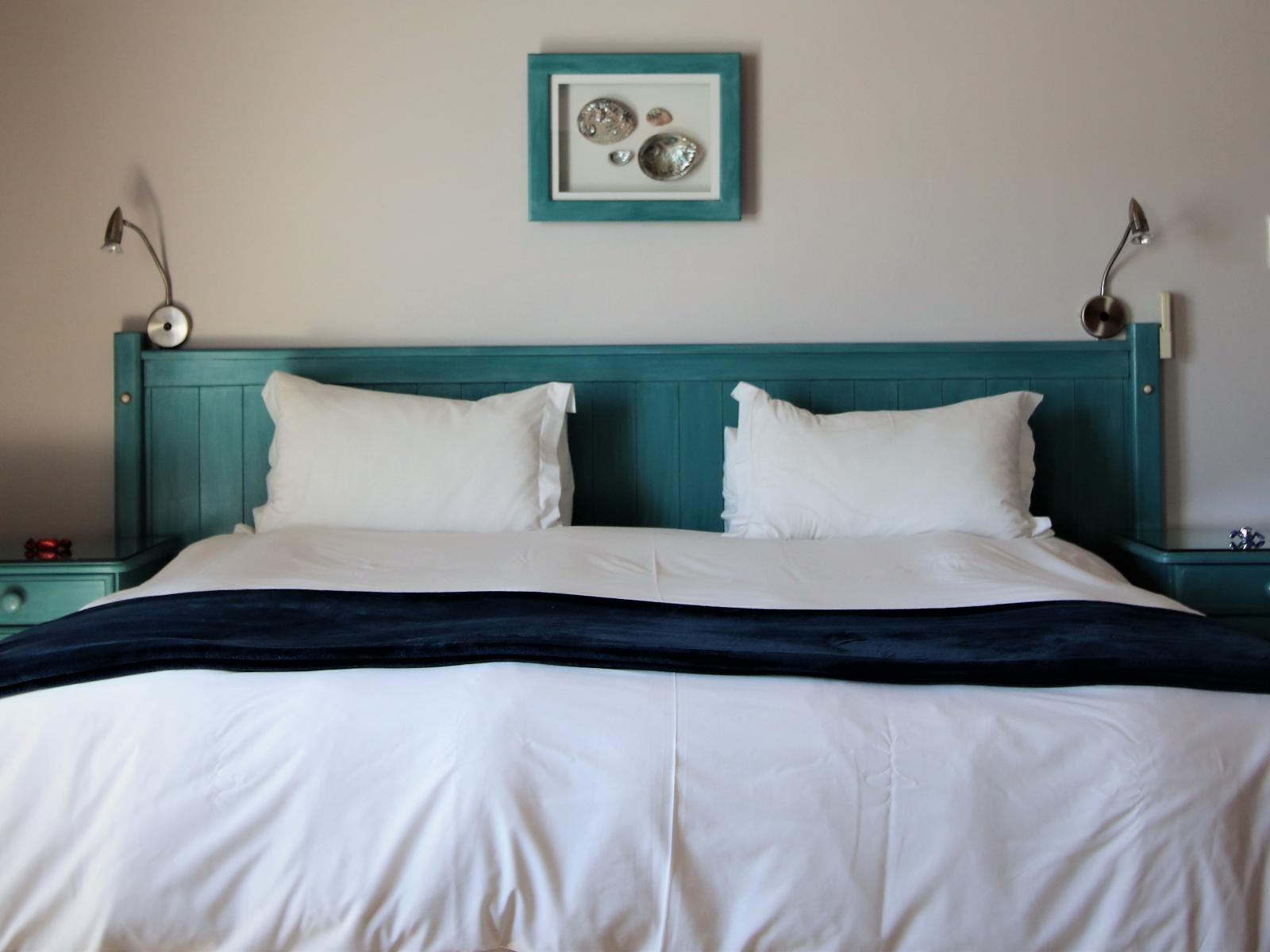
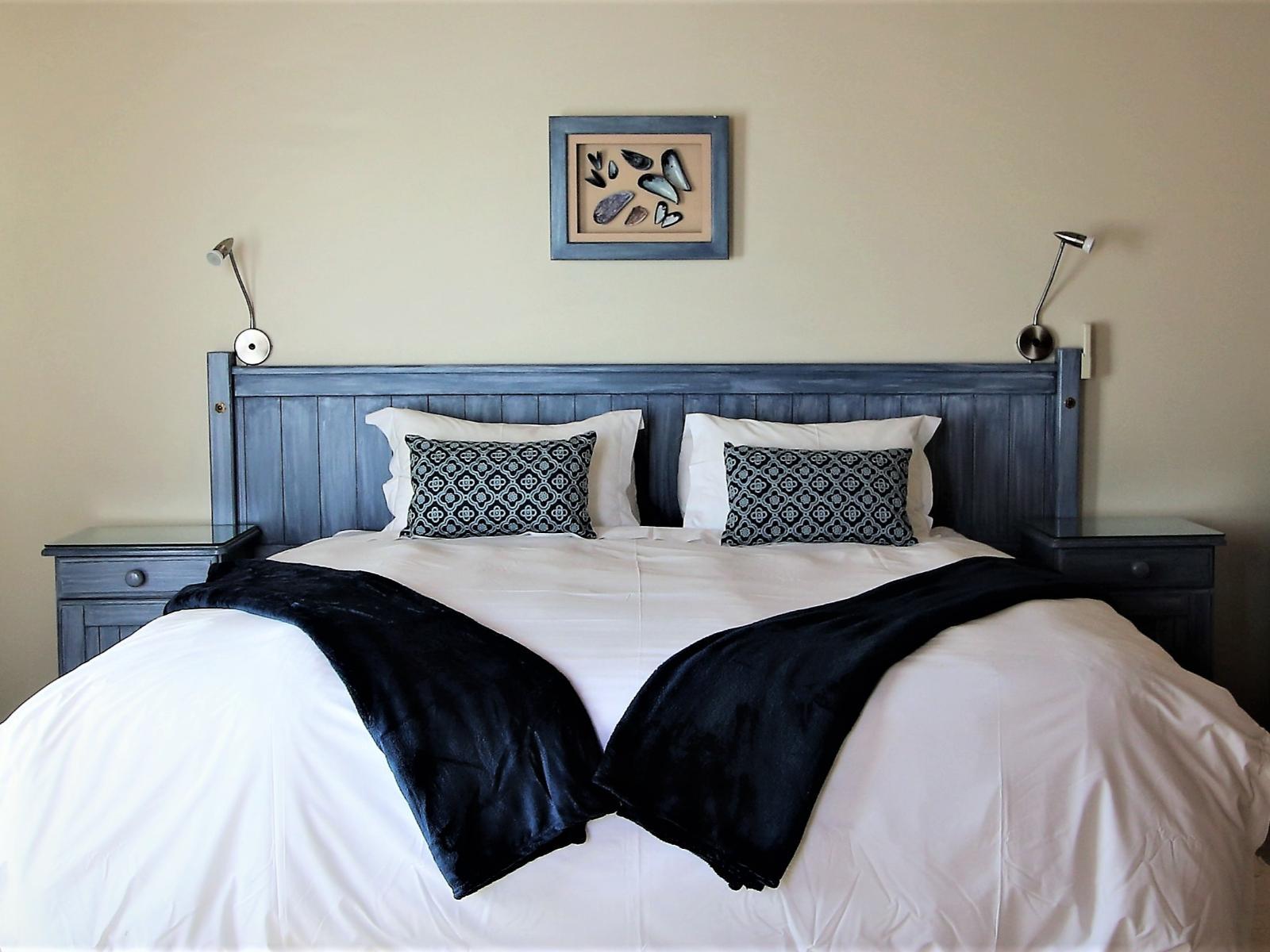
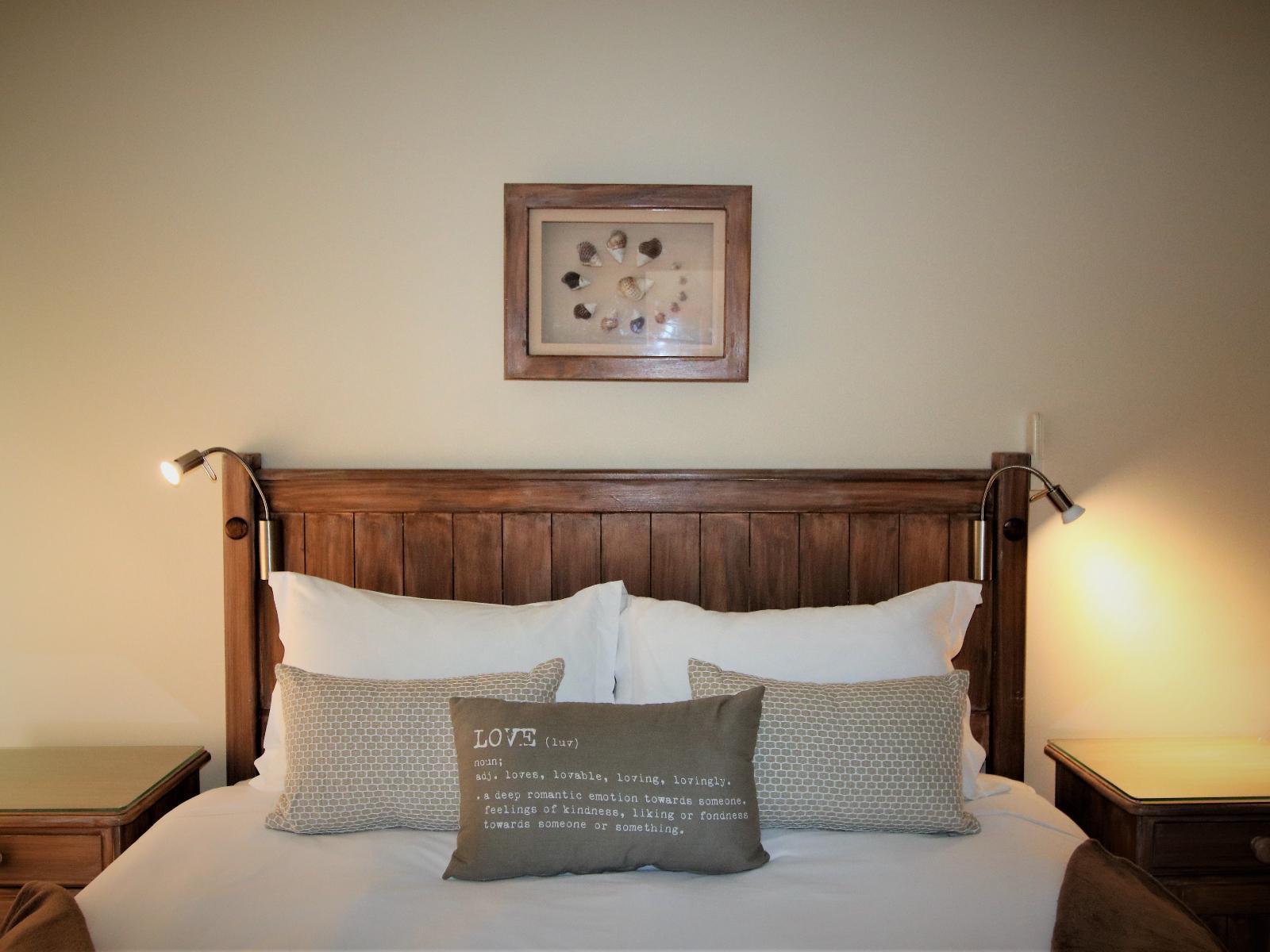
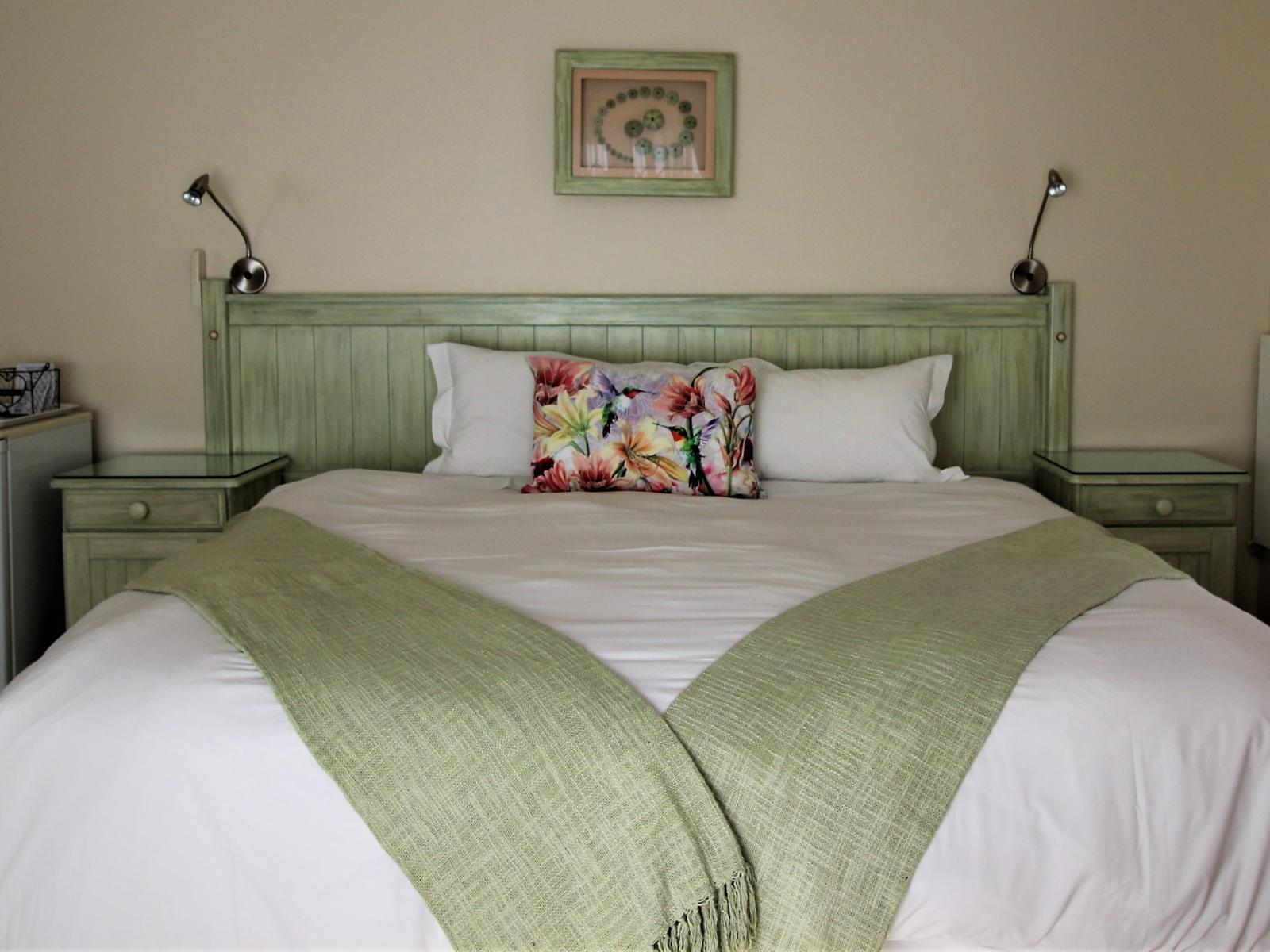
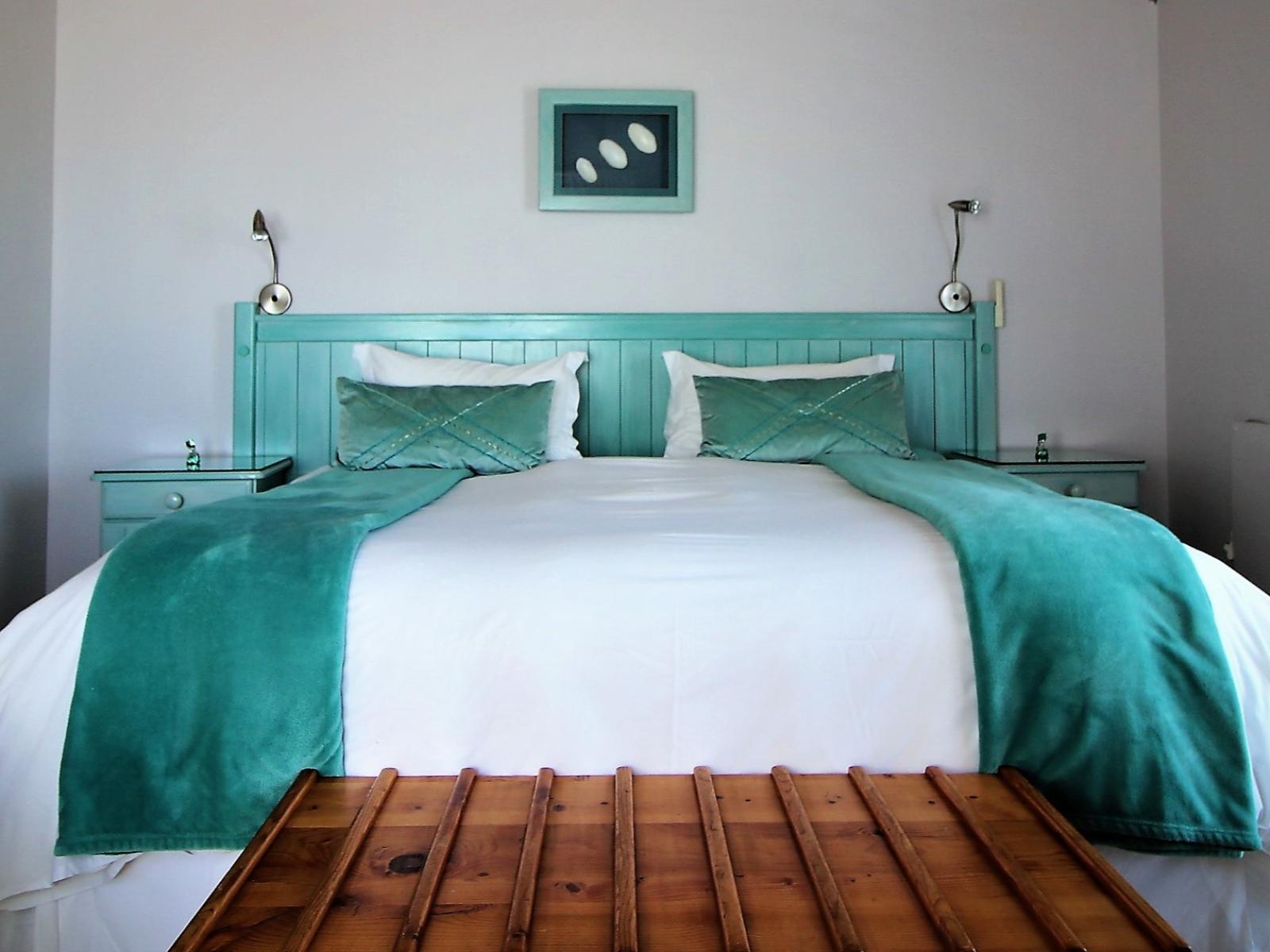
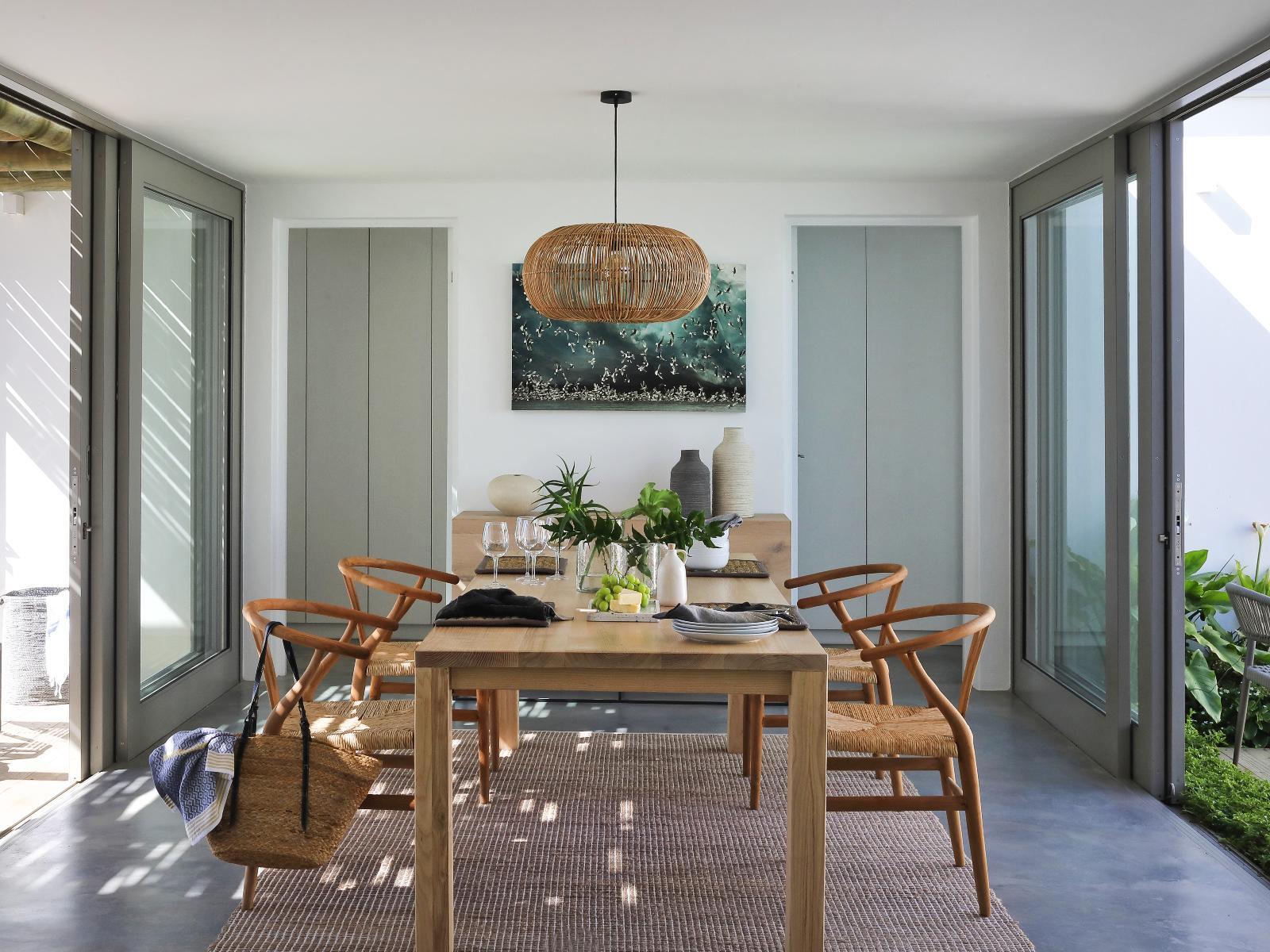
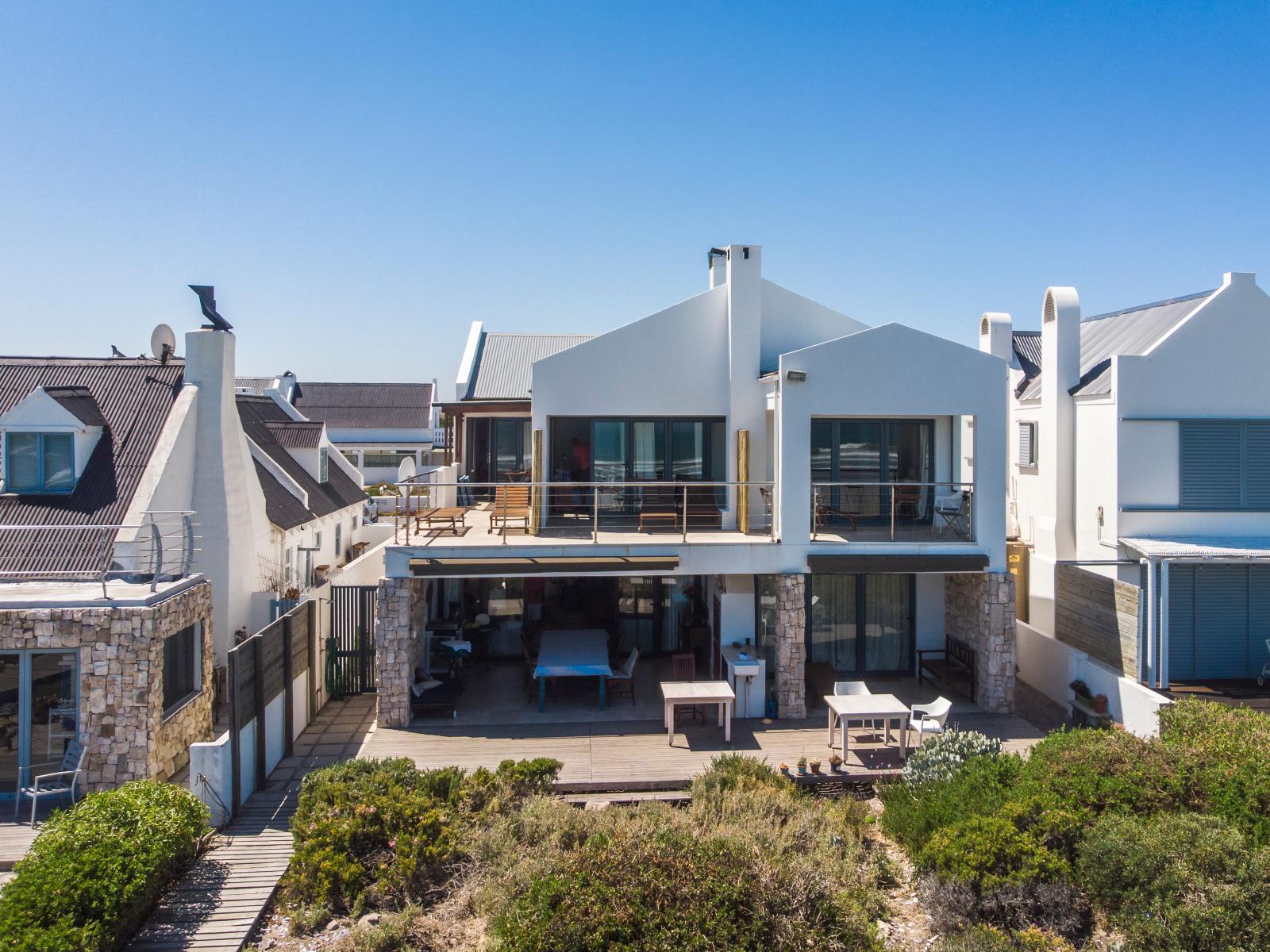
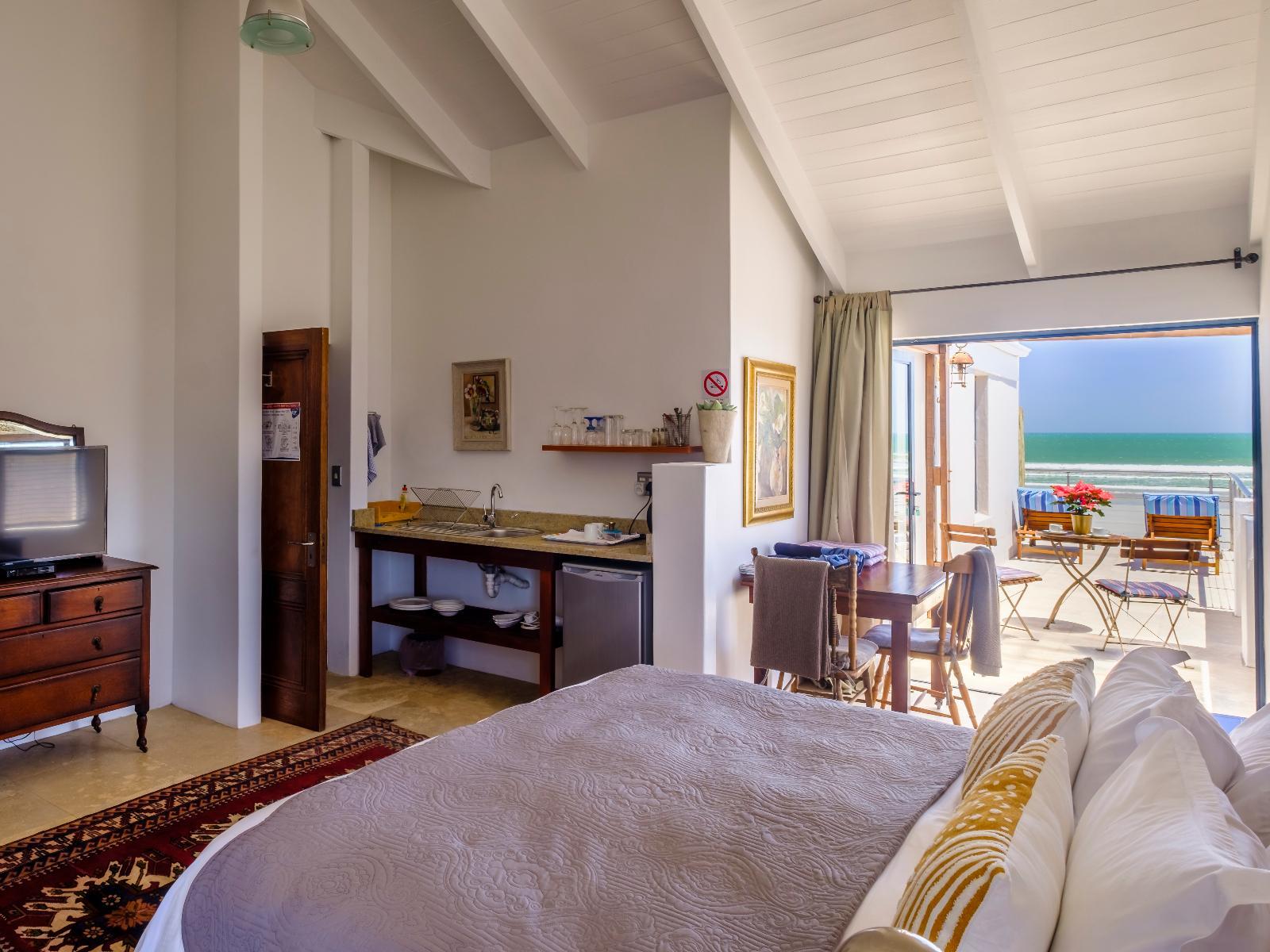
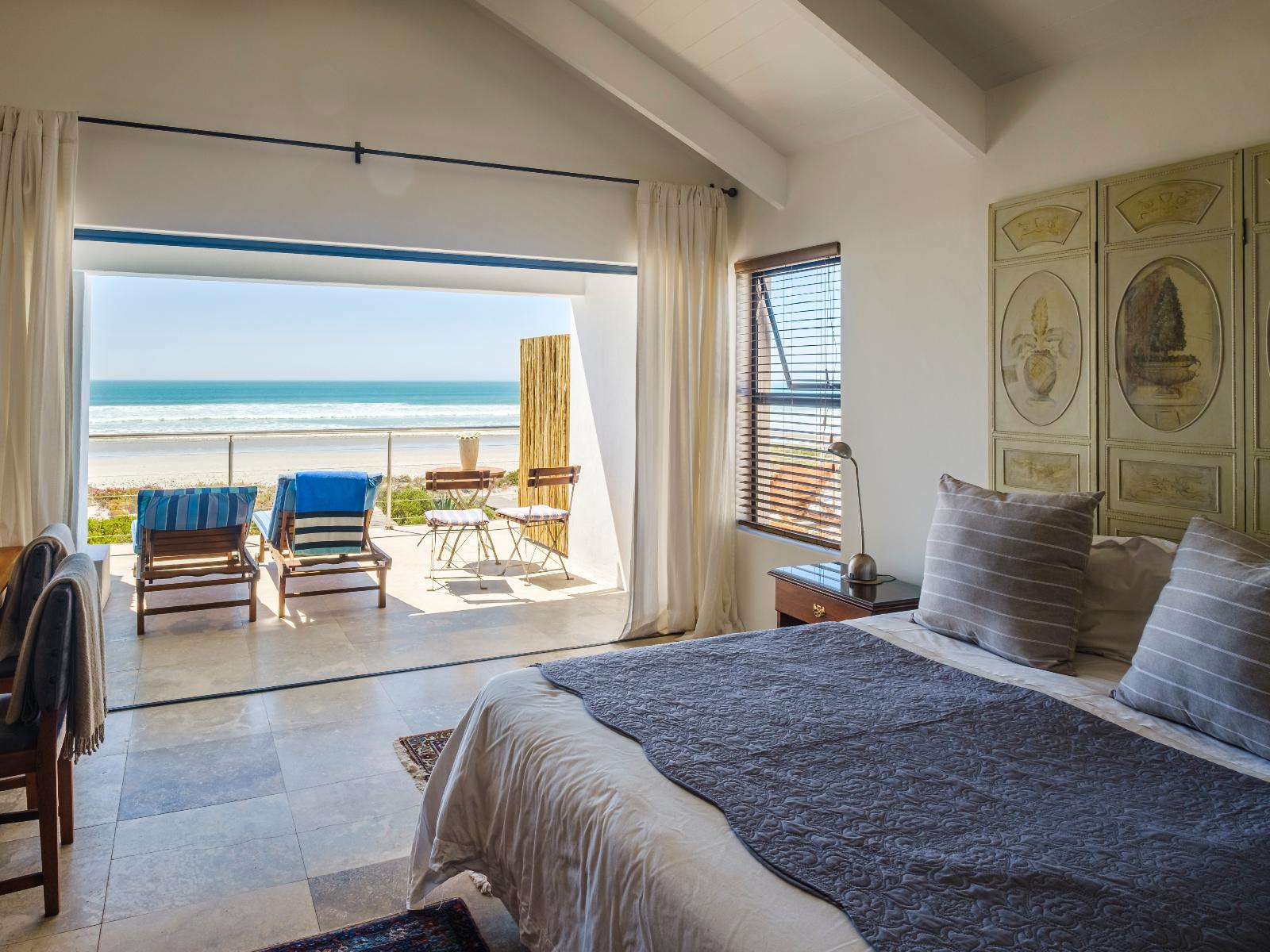
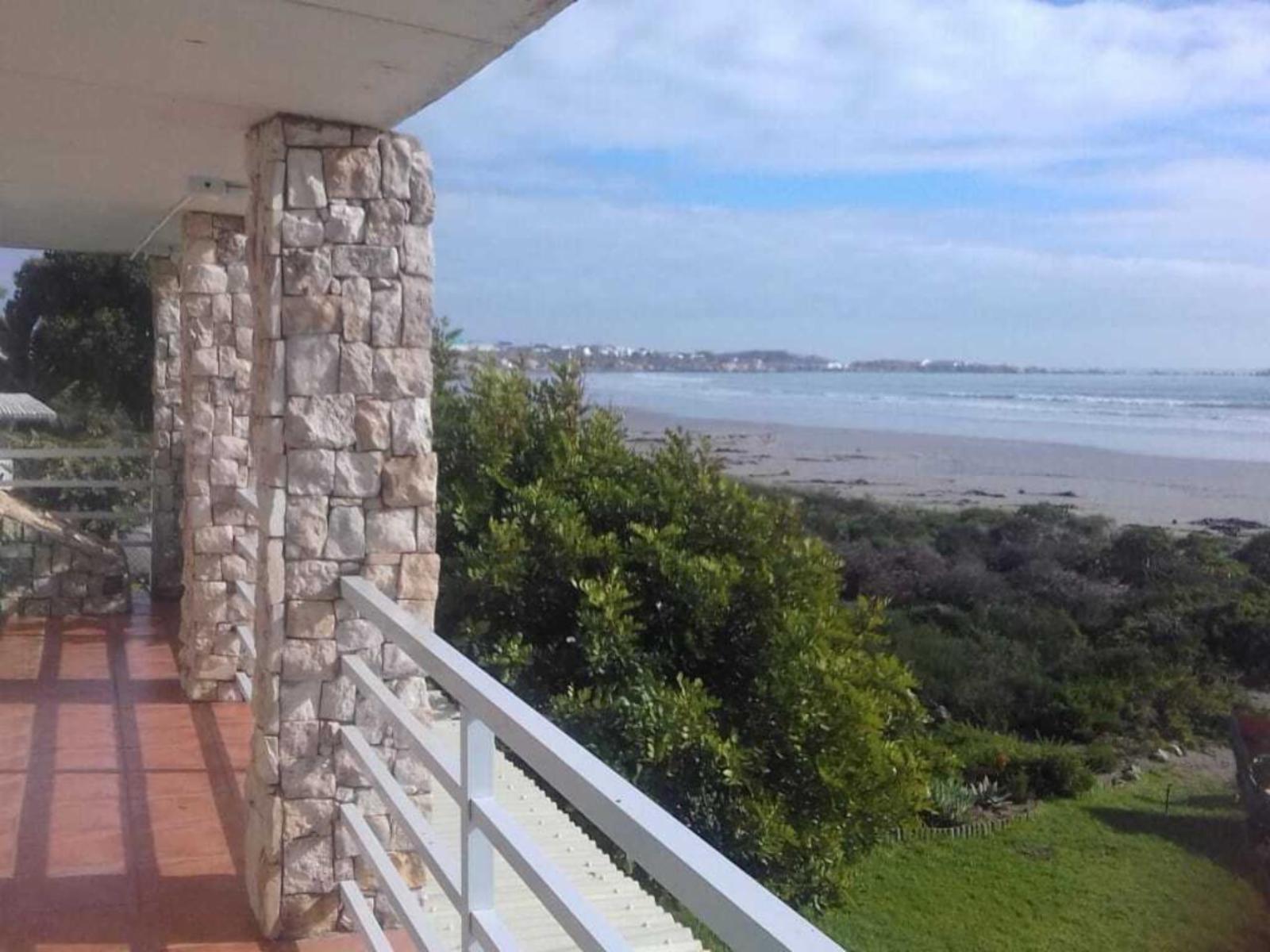
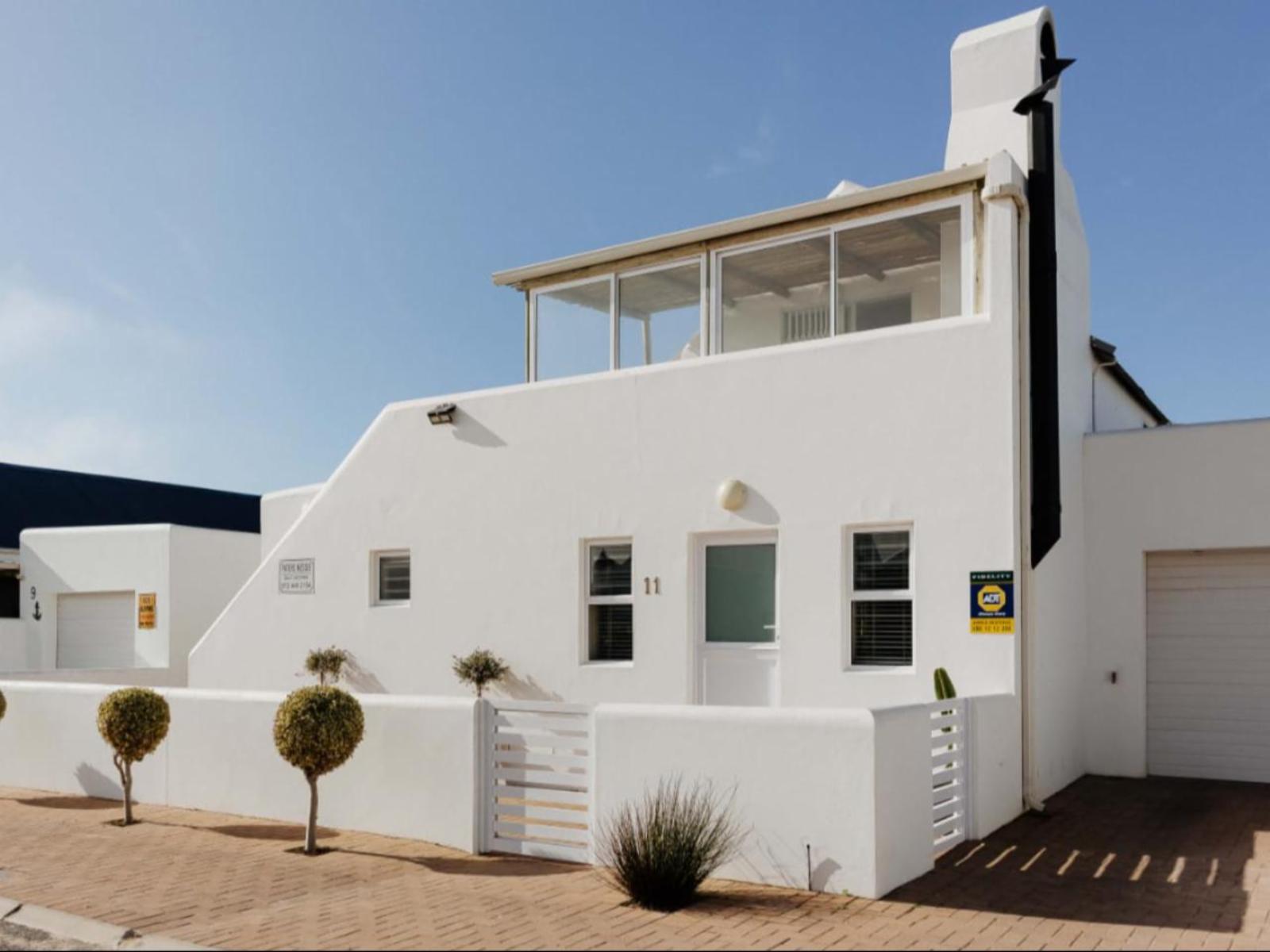
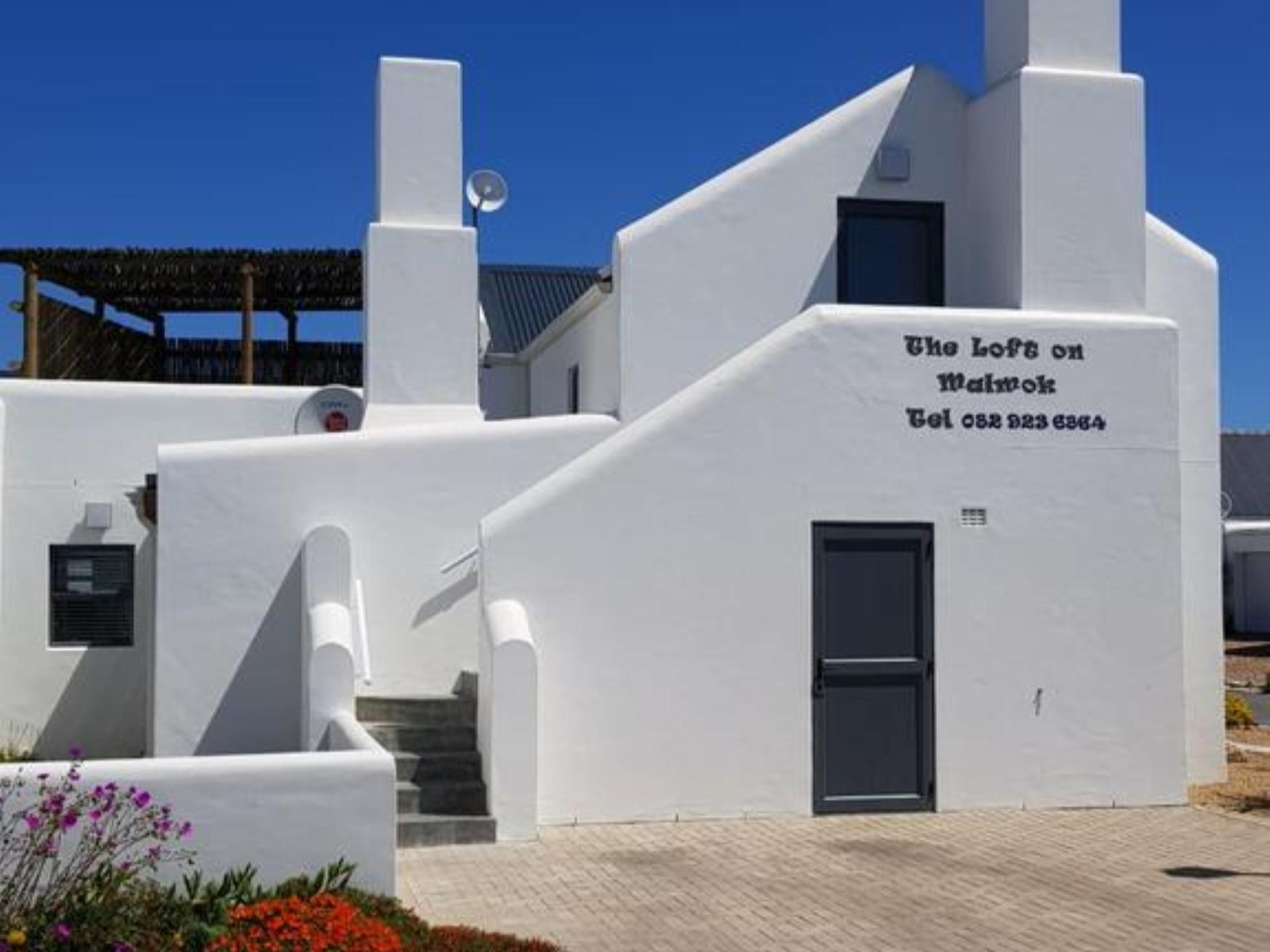
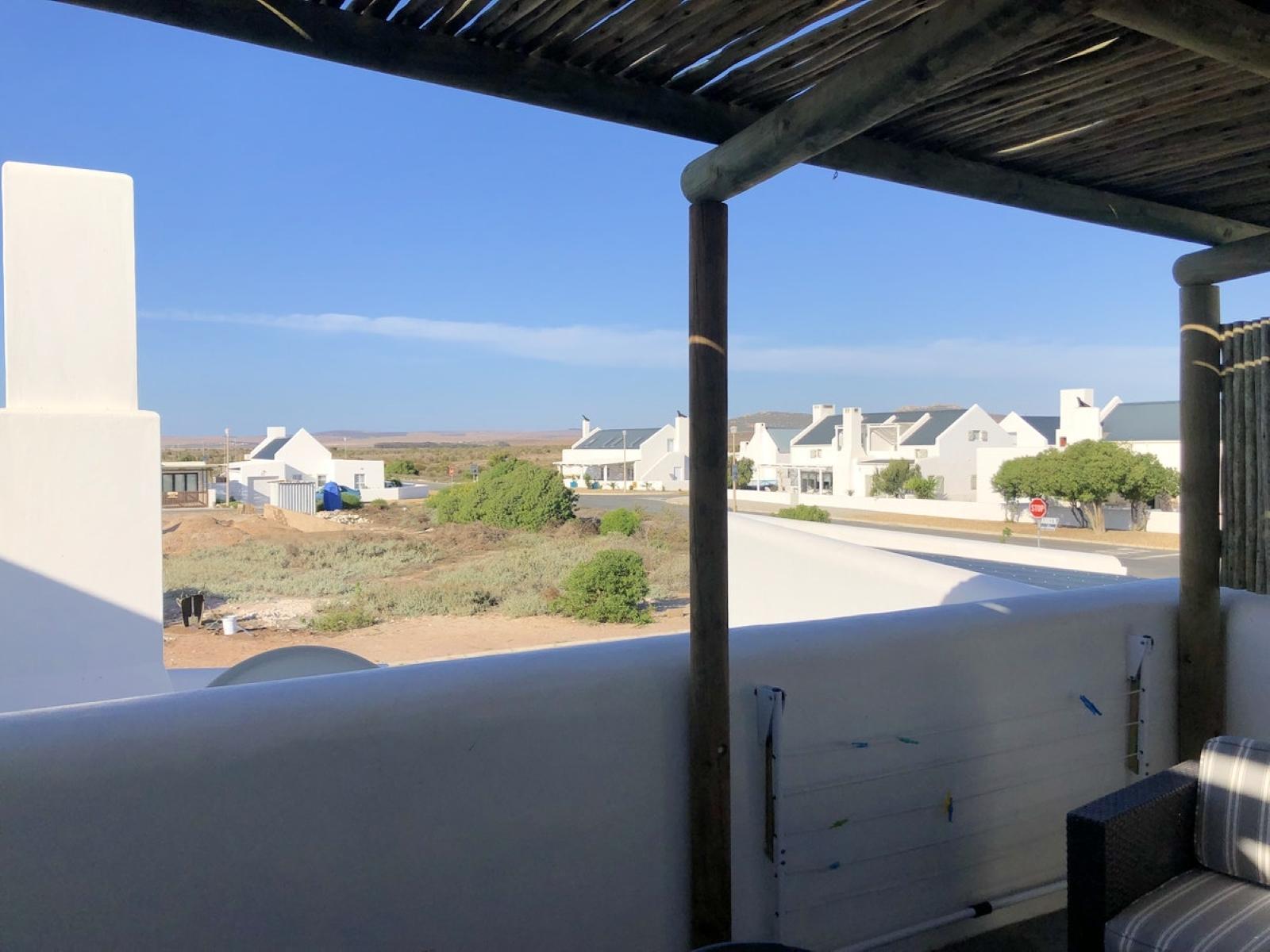
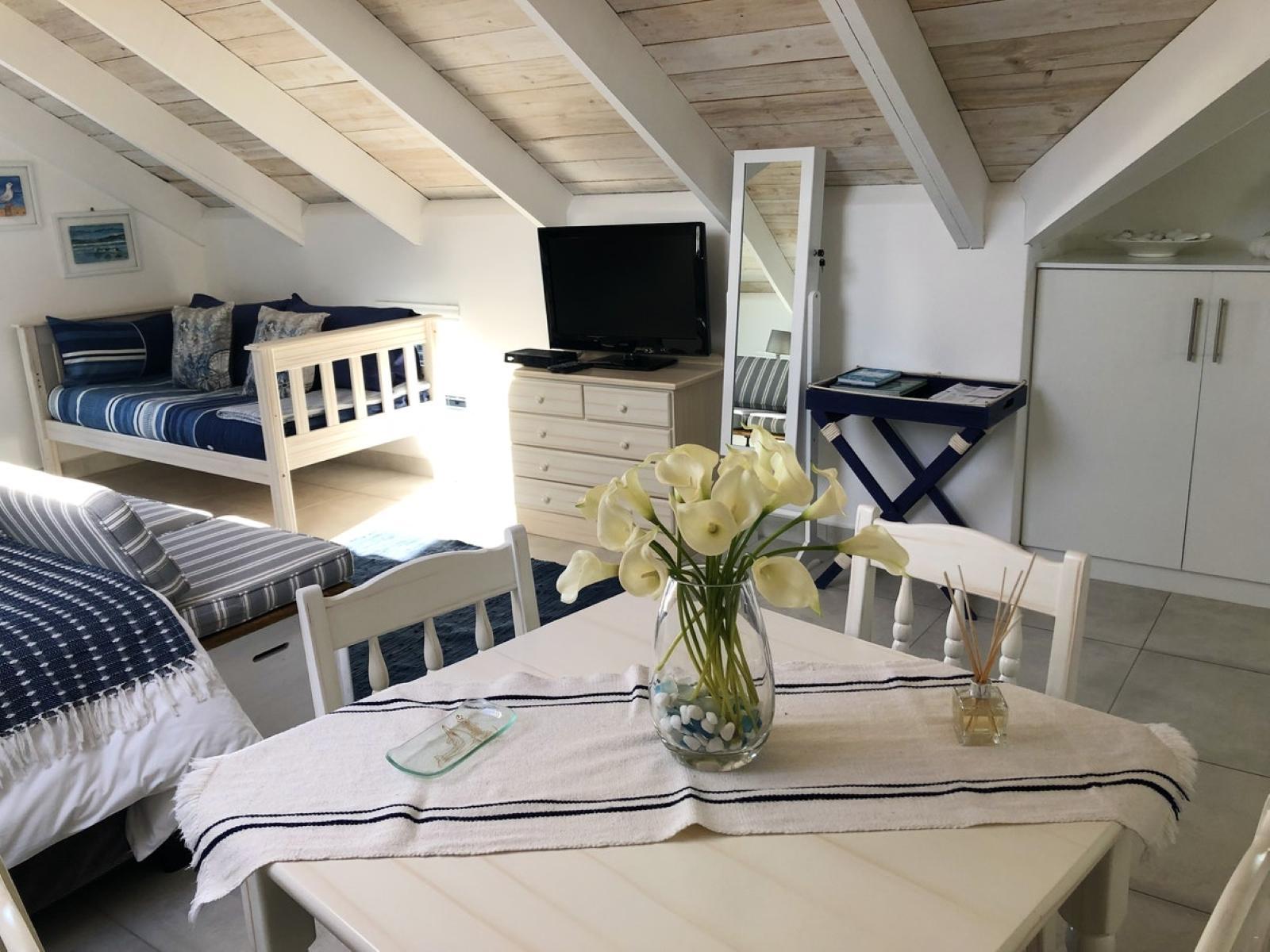
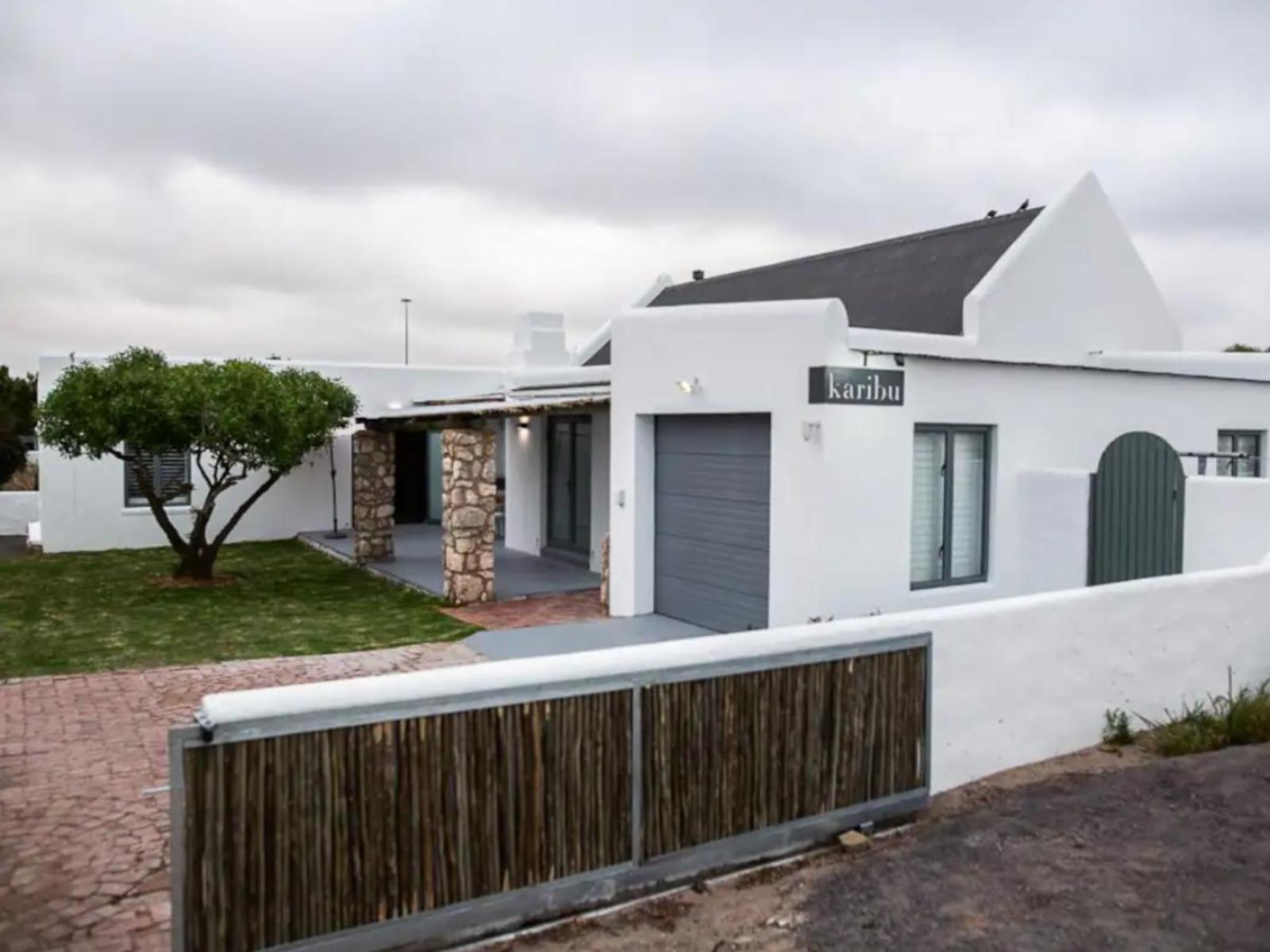
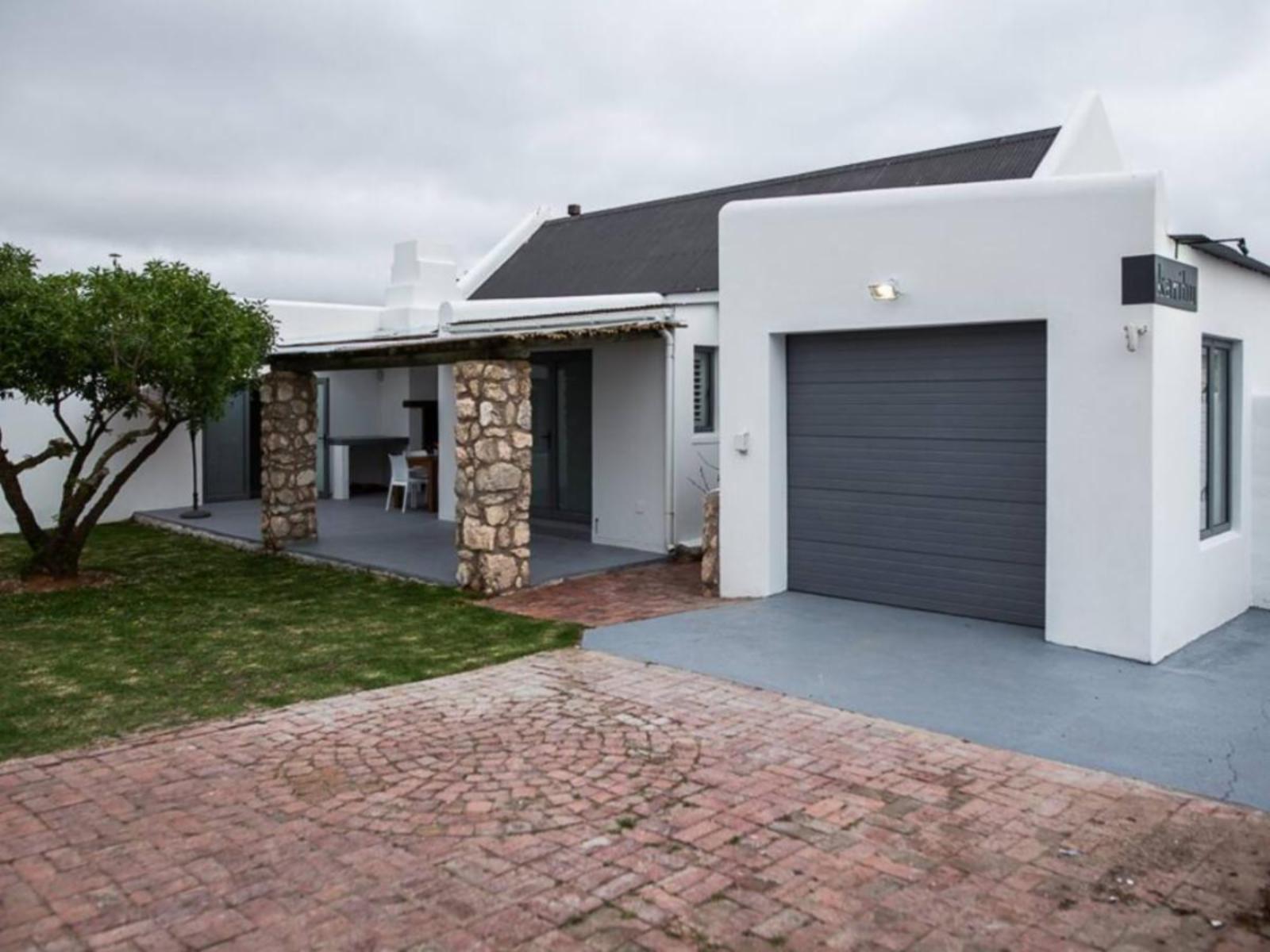
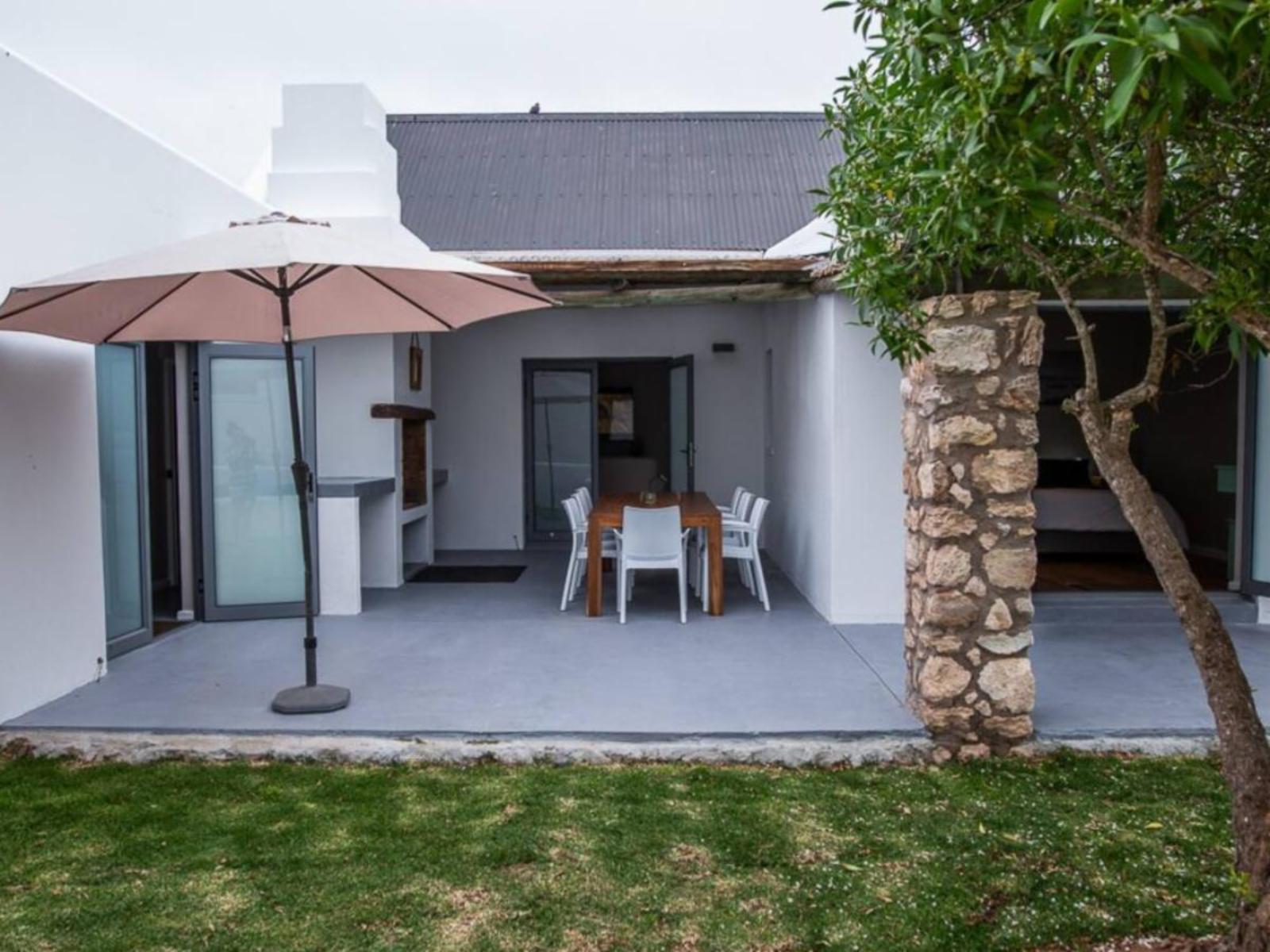
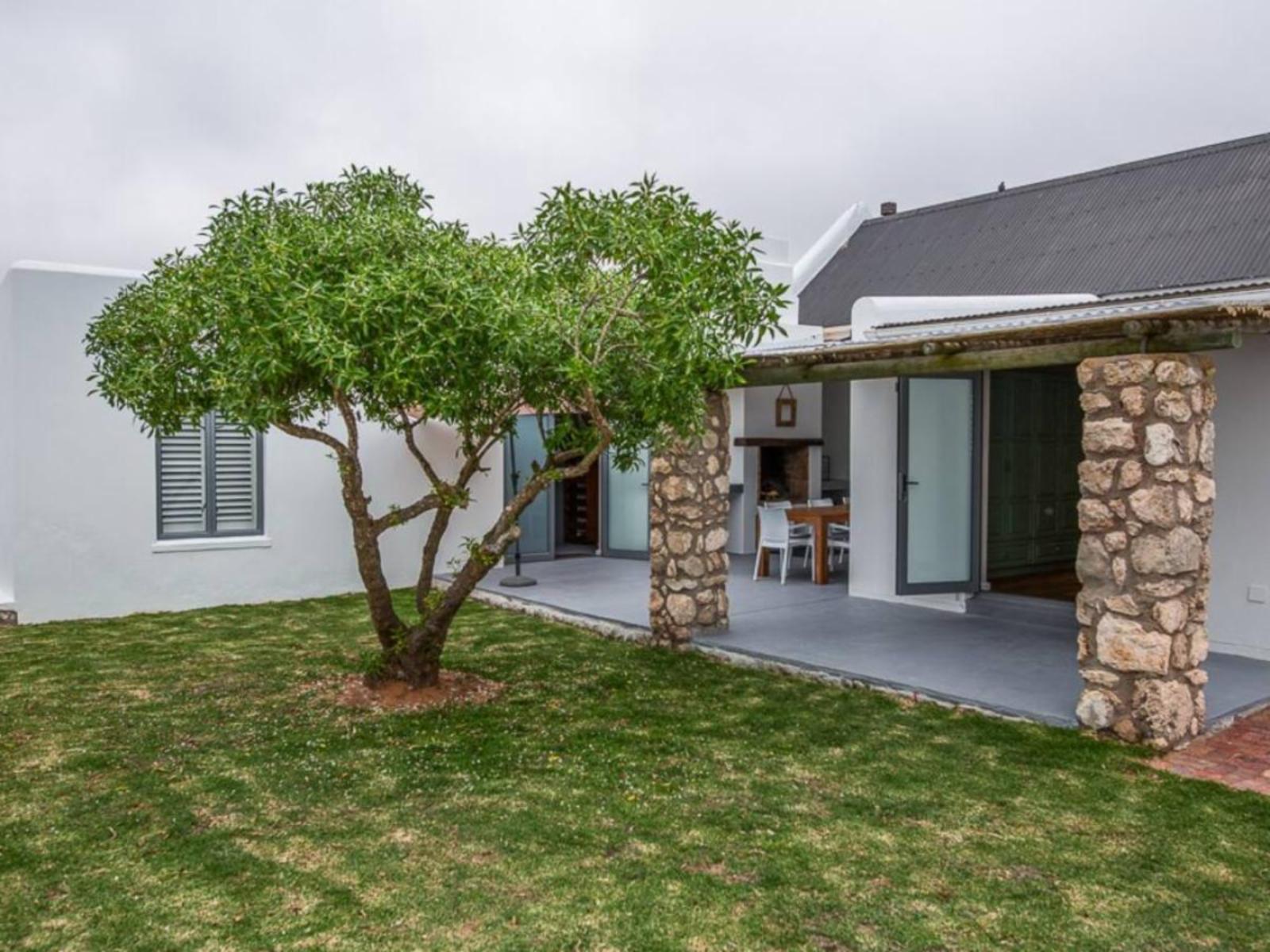
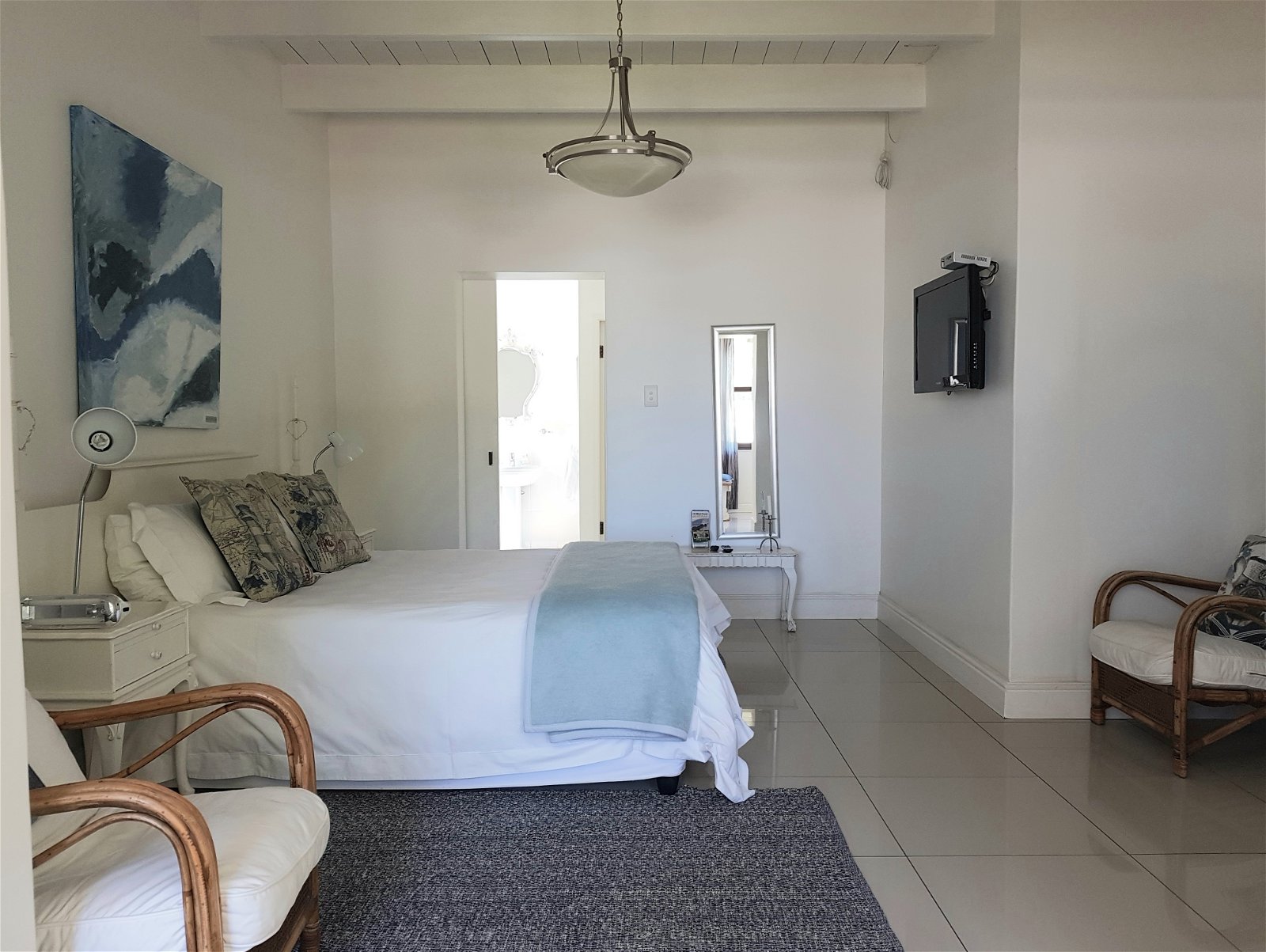
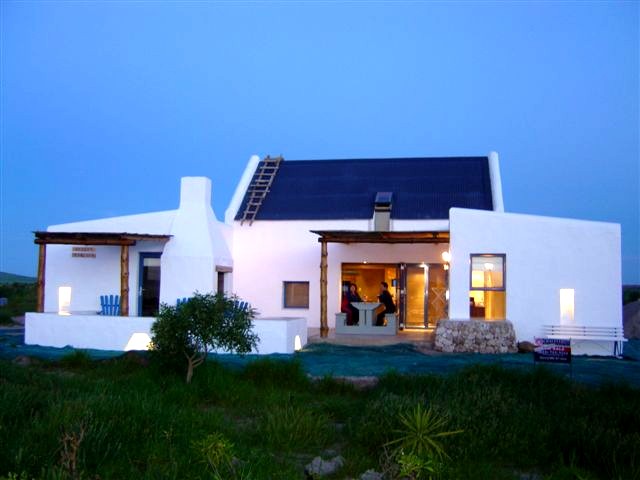
The middle and upper tiers are shaped mainly by guest houses, which account for three of the six listings and average around R2,867 per night. These properties typically offer sea views, close beach access, or something with more character than a standard hotel room. The owner-operated nature of most guesthouses at this price point means the service tends to be personalised. Breakfast is usually included in the rate or available as a supplement, and hosts tend to carry strong local knowledge, whether that is the best spots for shore fishing, which boat charter is running, or where to find fresh produce.
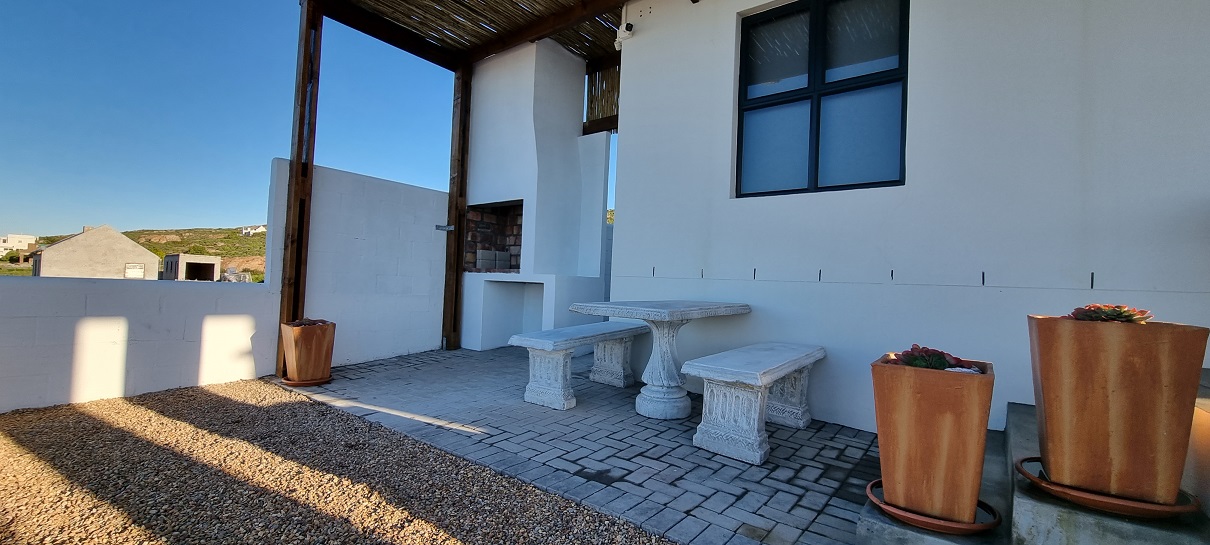
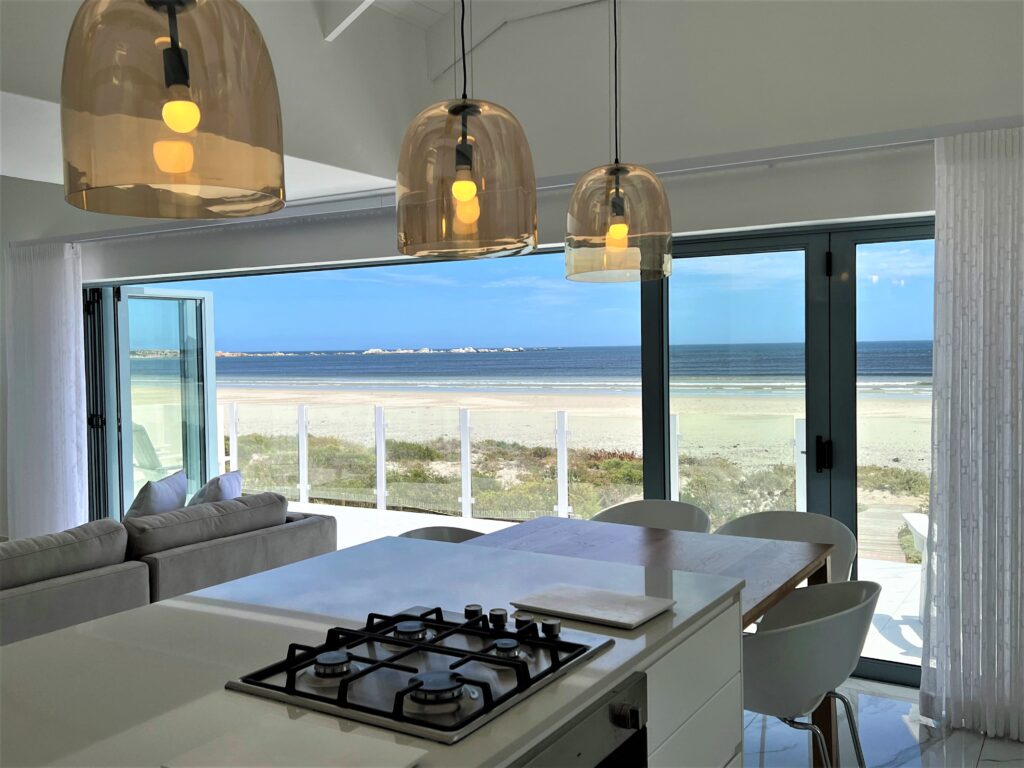
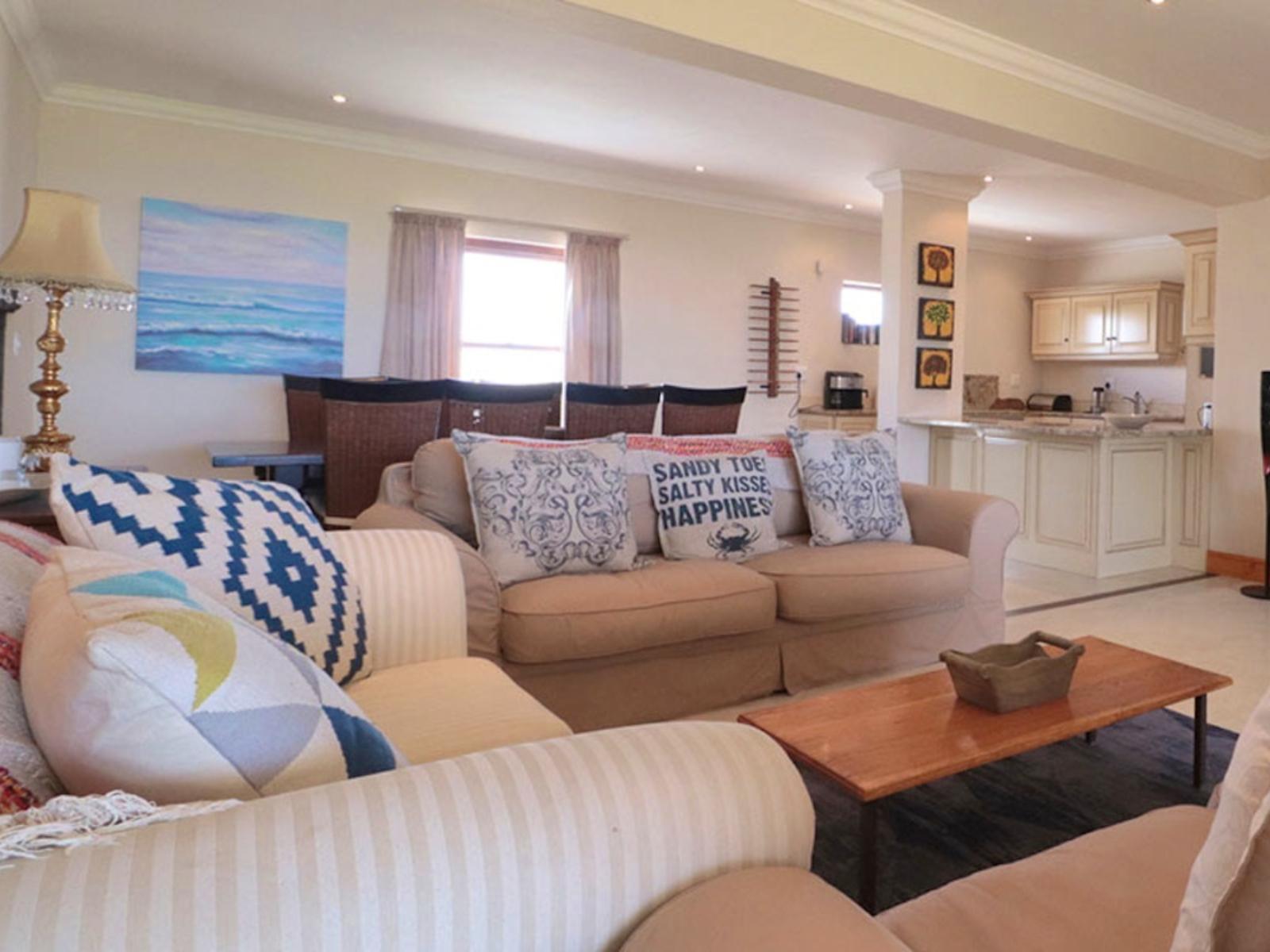
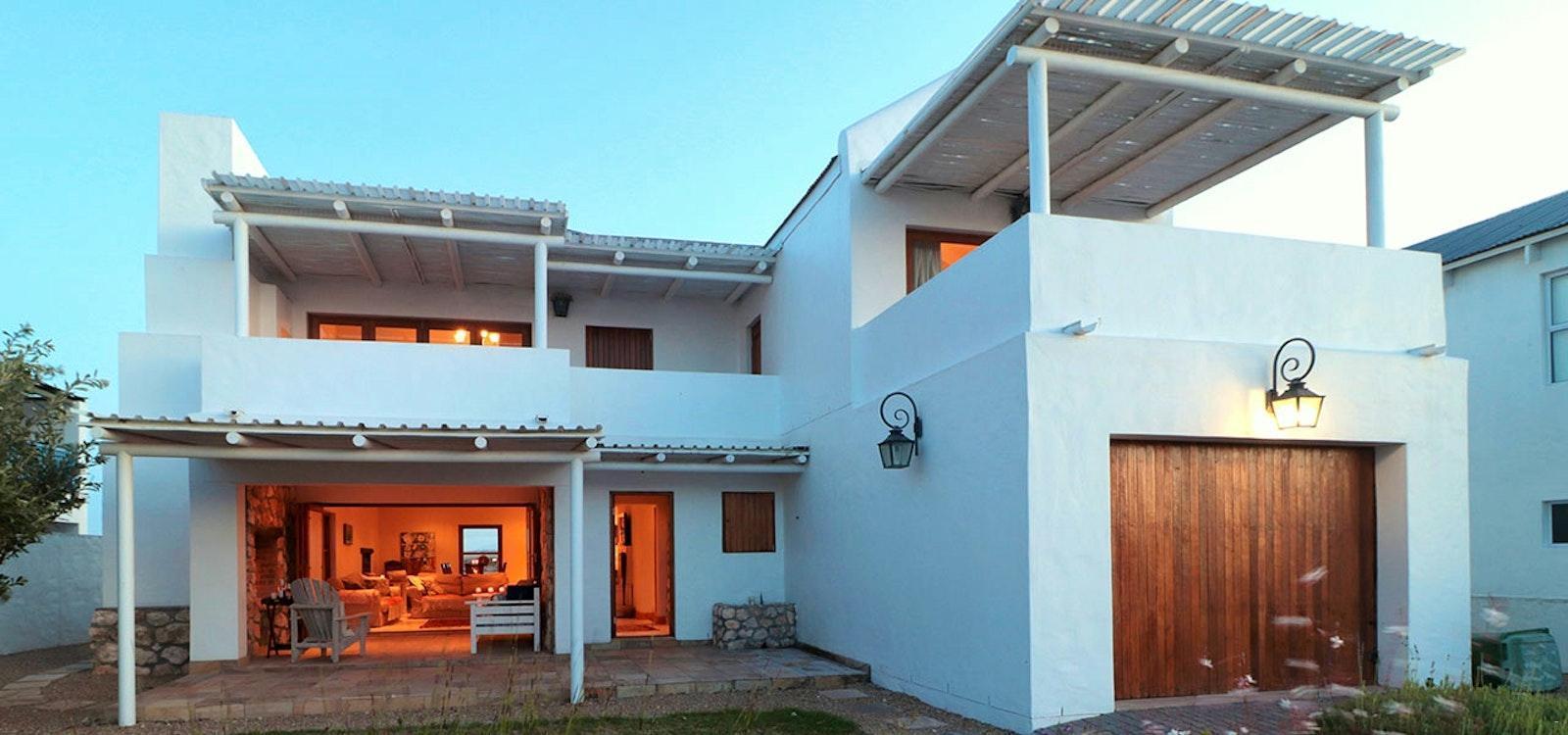
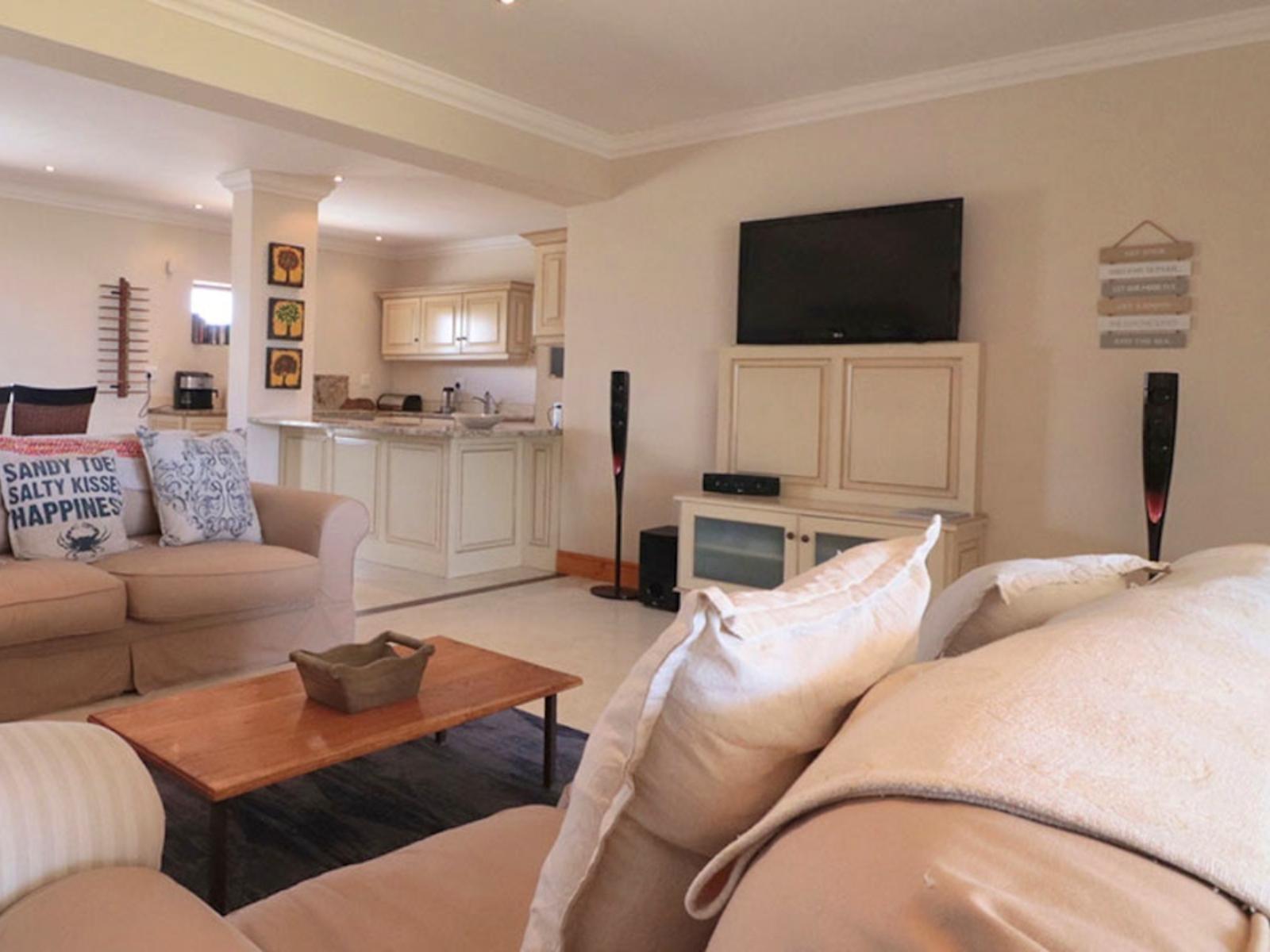
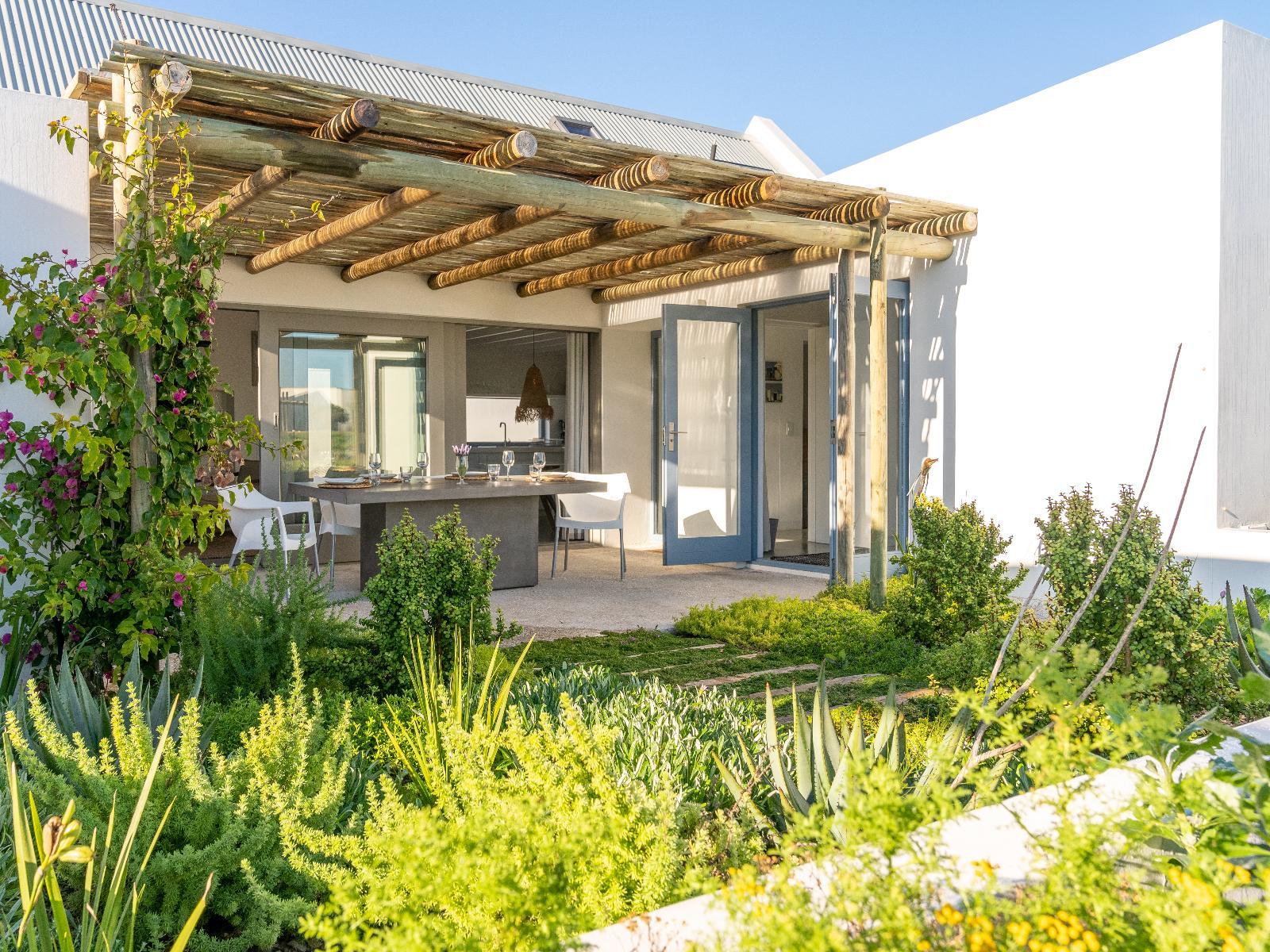
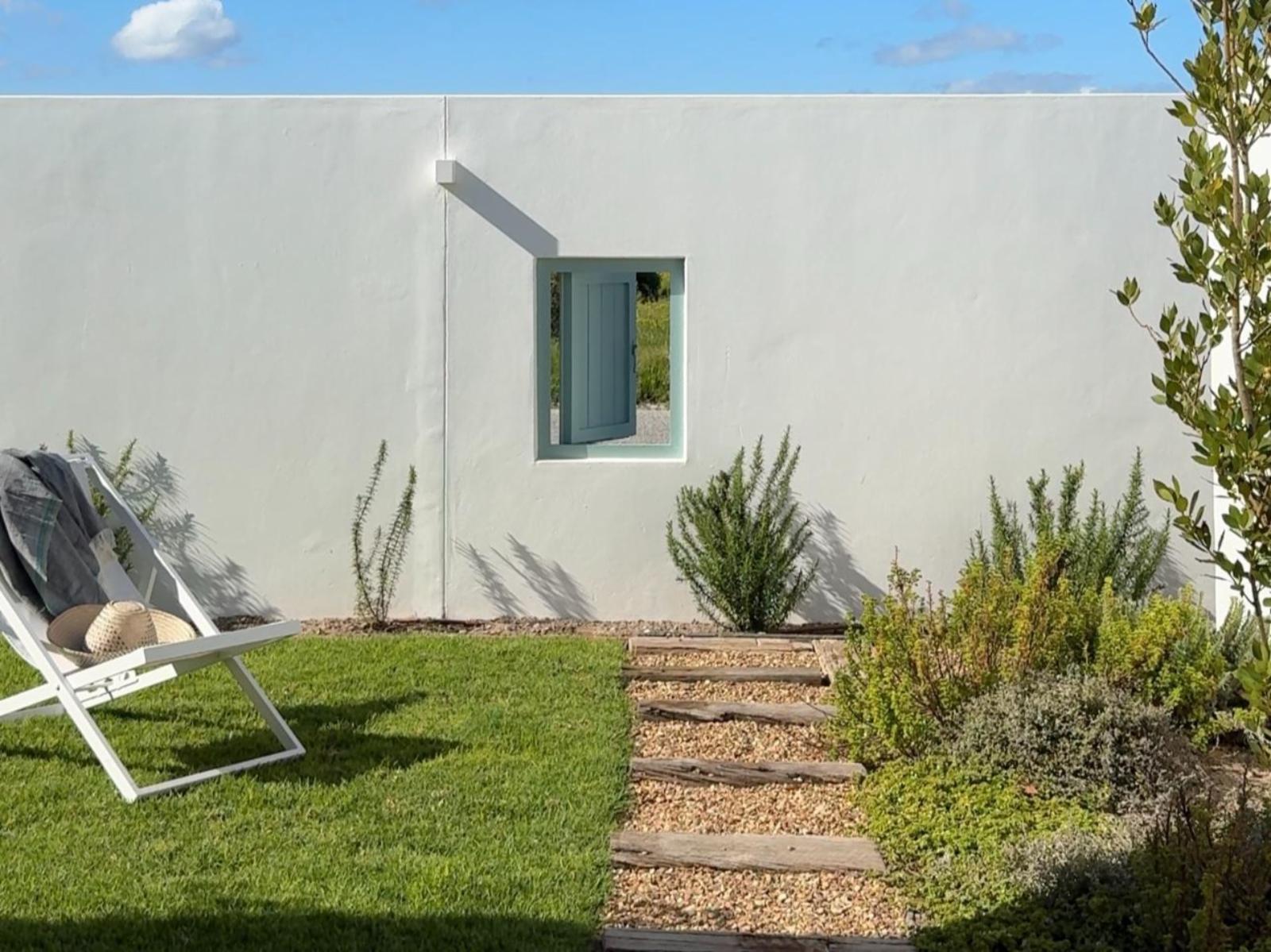
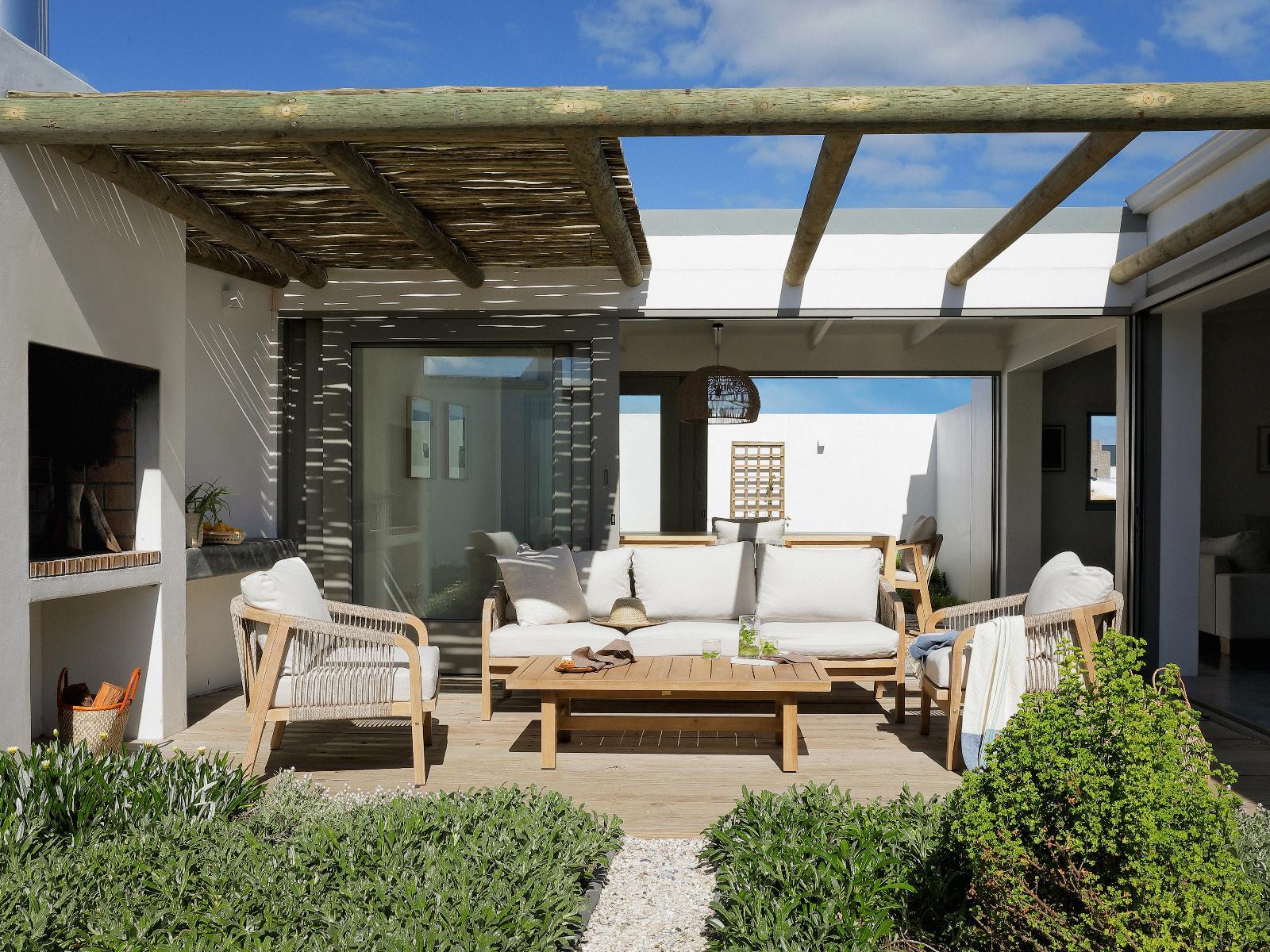
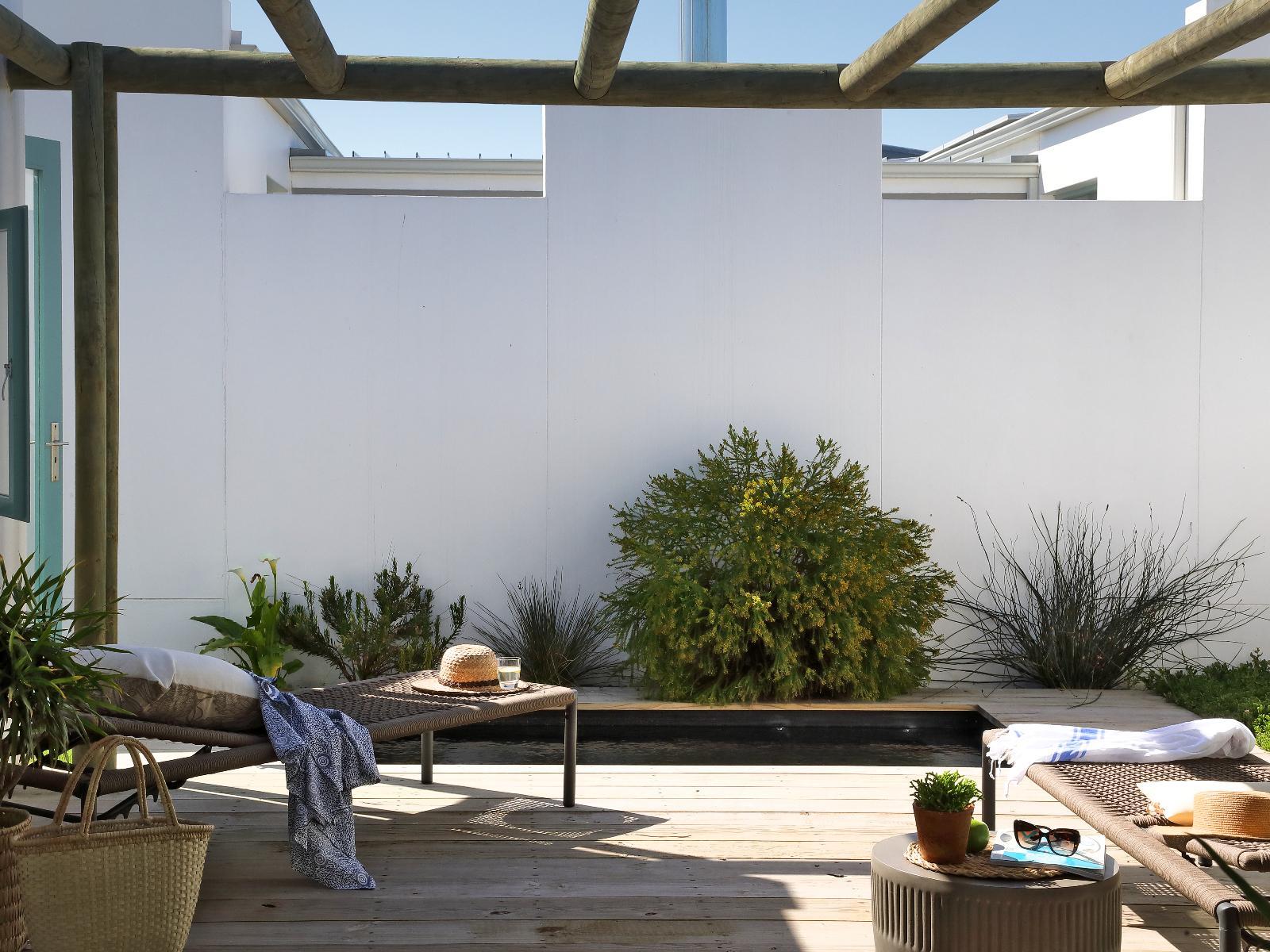
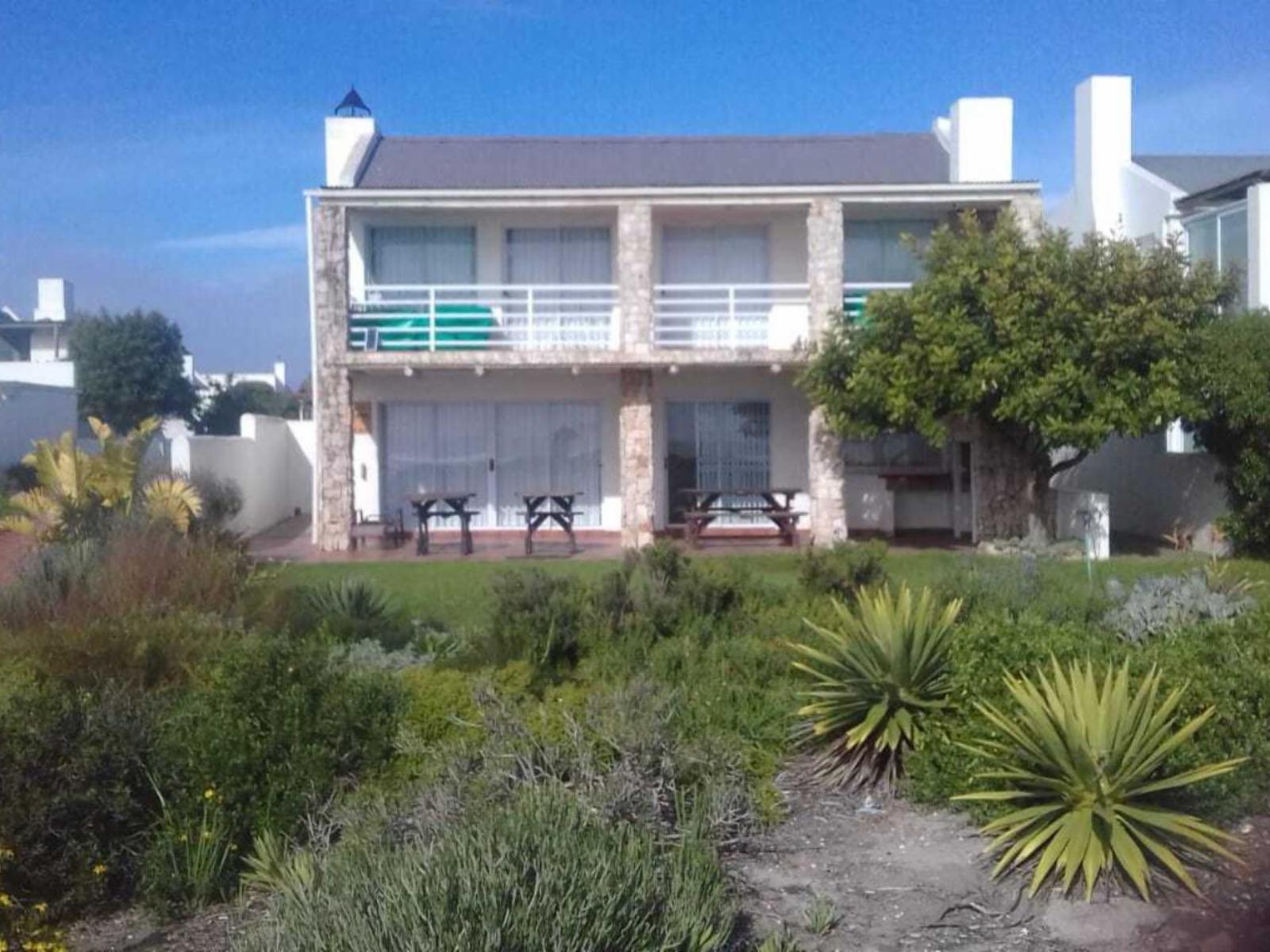
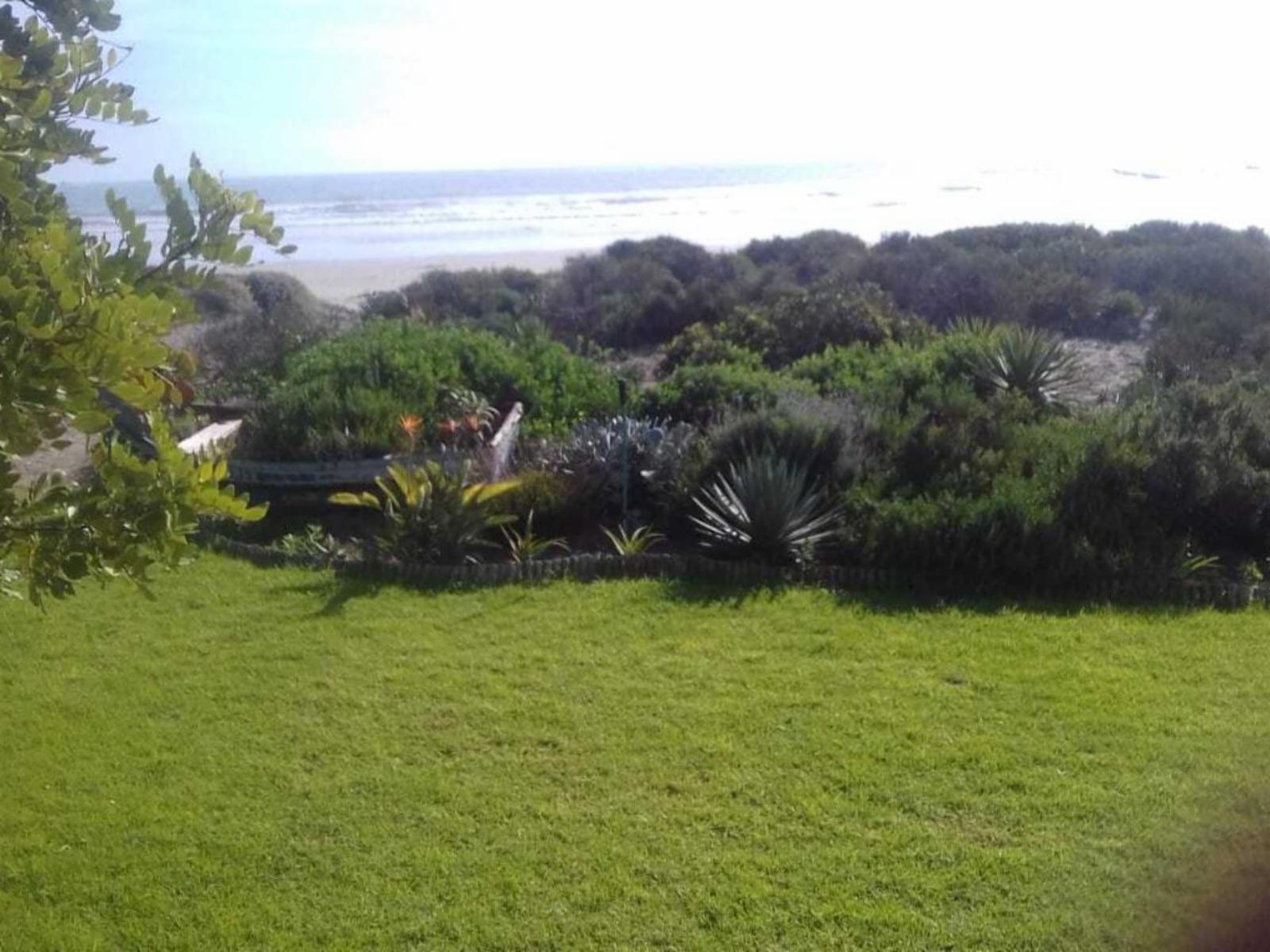
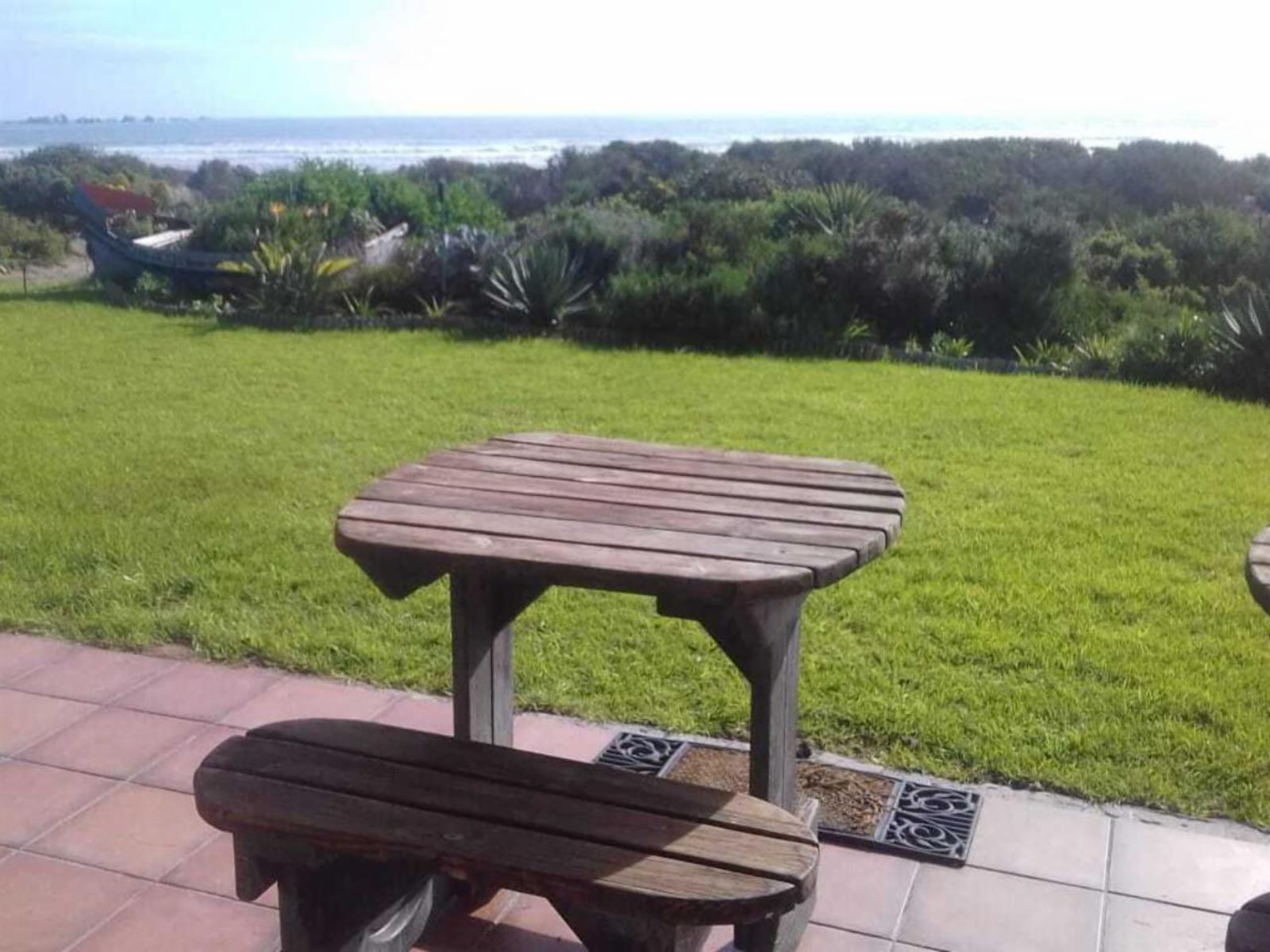
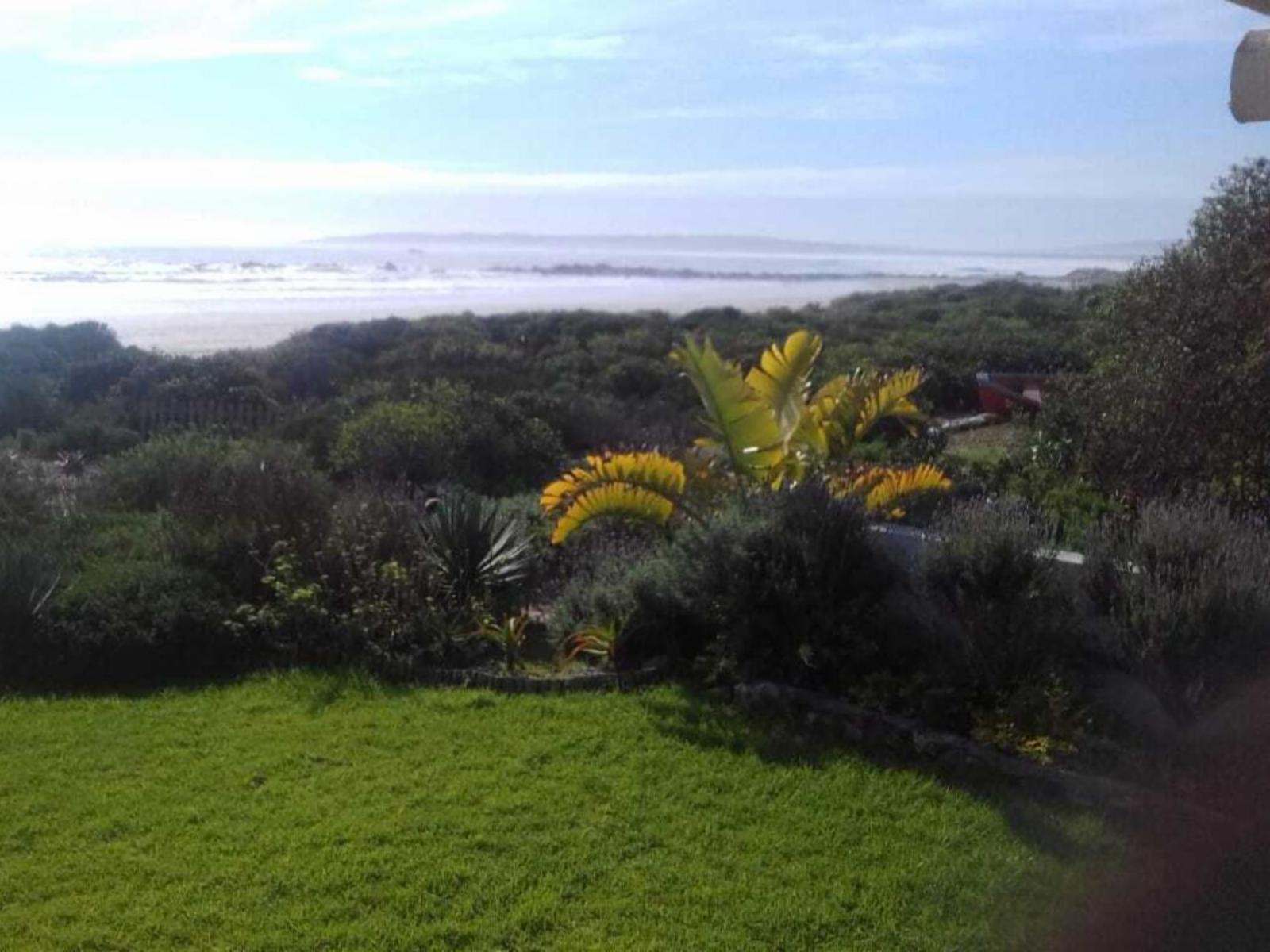
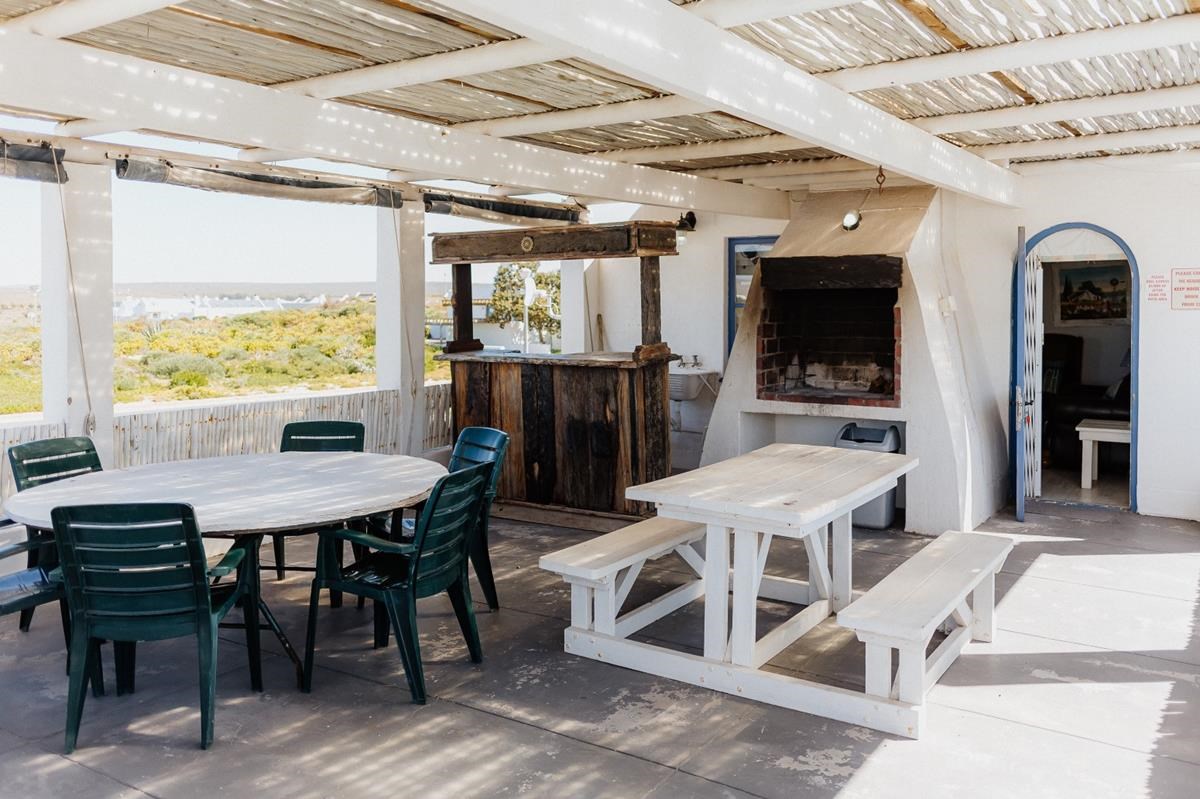
A villa option sits at the top of the market, offering full kitchen facilities, outdoor space, and enough room for a group or extended family. Only one listing of this type exists in the village, which means demand during school holidays and the summer peak can quickly exceed supply. It is also the most suitable option for families with children, given the outdoor areas and the flexibility of fully self-contained accommodation.
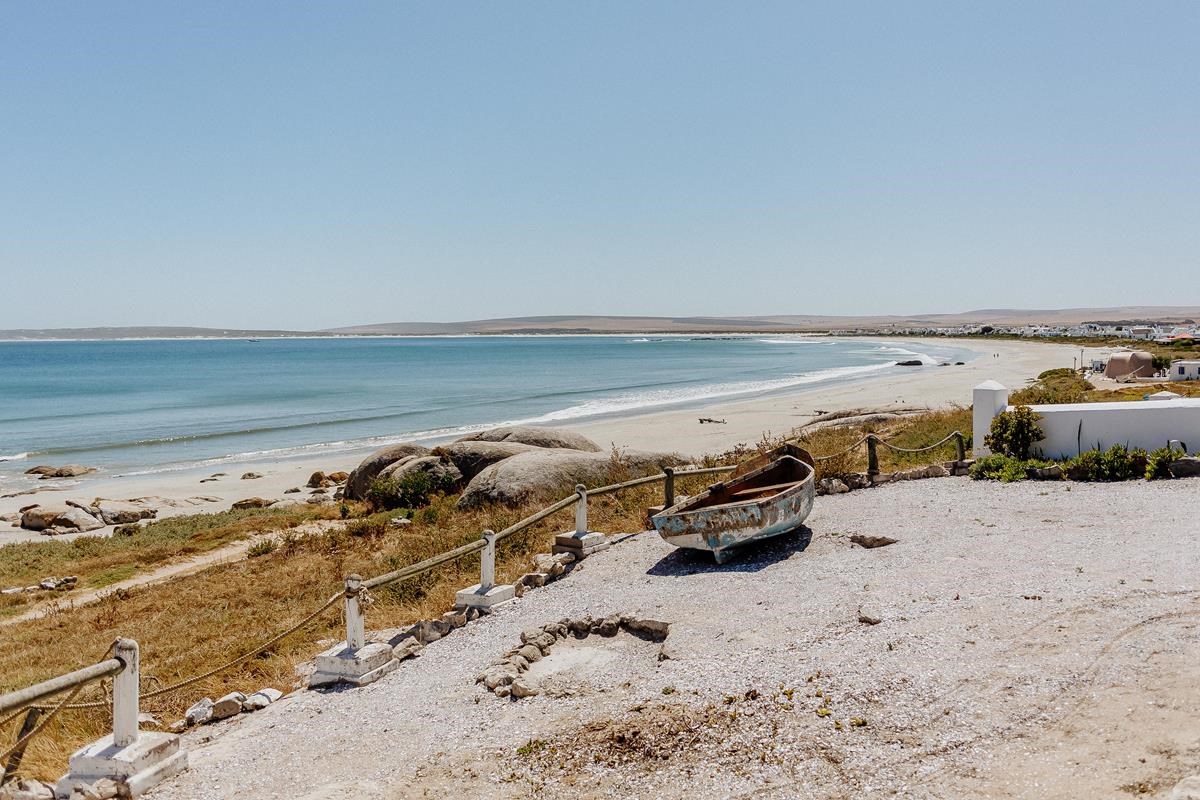
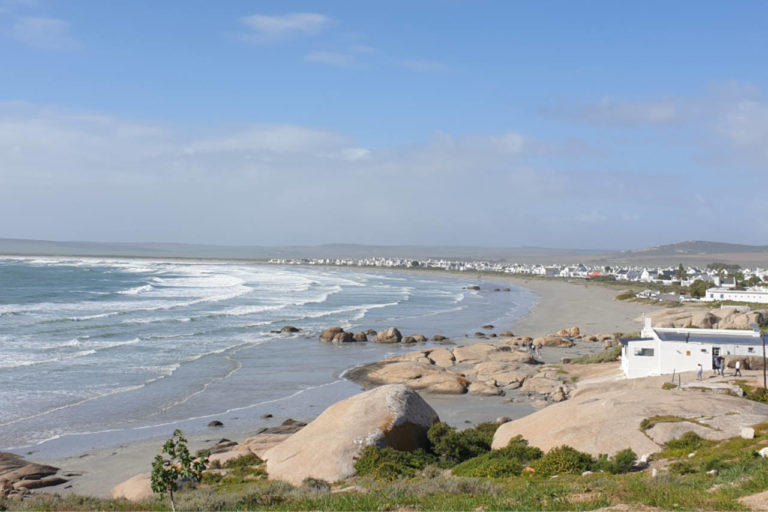
Staying in Britannia Bay is a low-key experience. The village is not a resort environment, and accommodation here works best as a base for the surrounding coast rather than a destination in its own right.
Best Time to Visit Britannia Bay
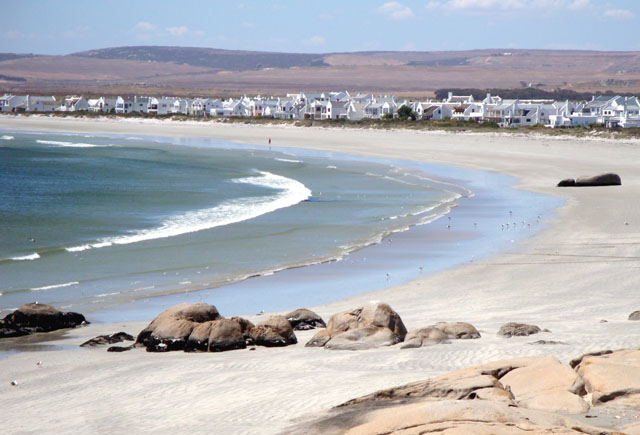
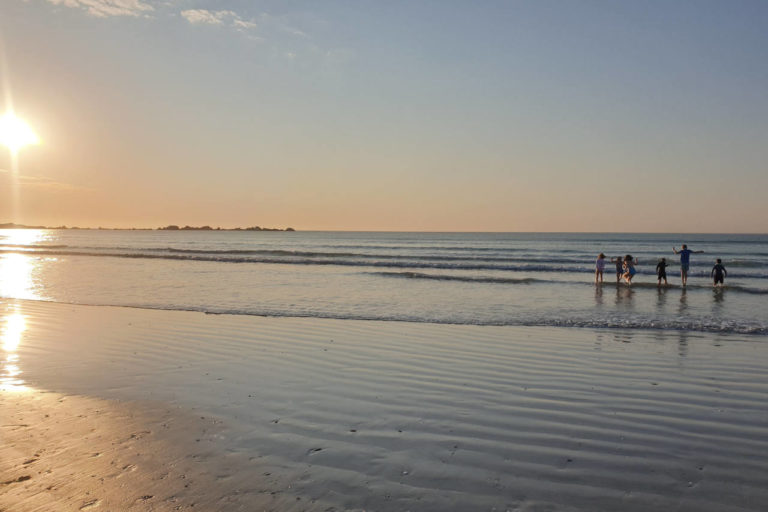
Britannia Bay follows the Mediterranean climate of the Western Cape coast, with warm, dry summers from November through February and cooler, wetter winters from June to August. The Benguela Current keeps sea temperatures consistently cool year-round, so swimming is most comfortable during summer when air temperatures compensate for the chill of the water.
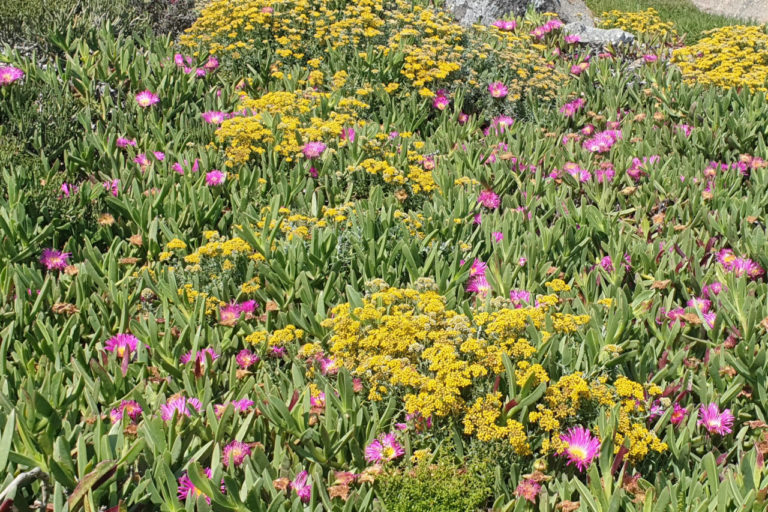
December and January represent the peak period, when school holidays drive demand to its highest and the village fills quickly. Spring, from September to November, is generally the most rewarding time to visit if avoiding high-season congestion matters. The weather is warming, pricing is more moderate, and the broader West Coast landscape is in its wildflower season, with fynbos and annual flowers across the surrounding countryside at their most visible.
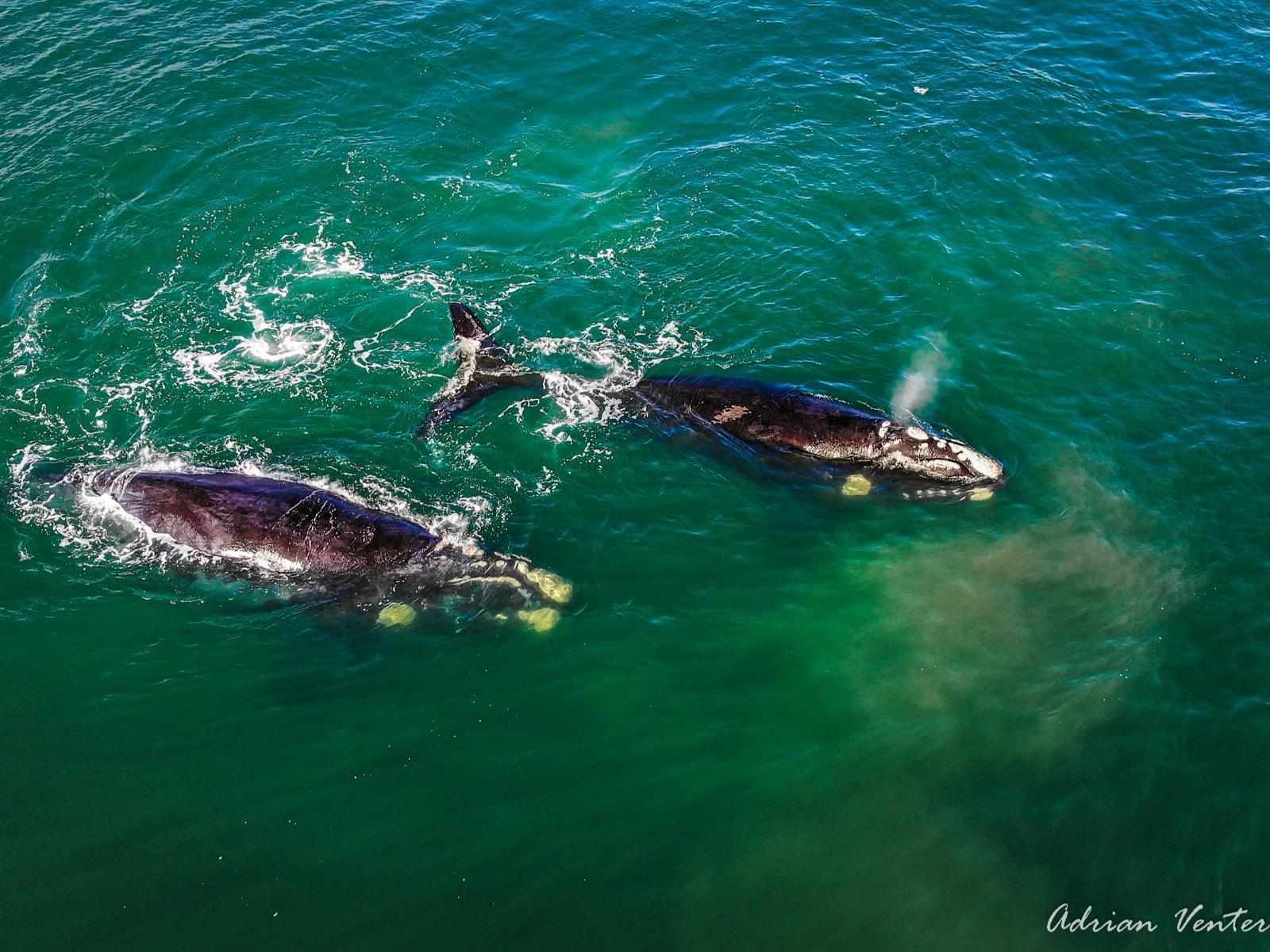
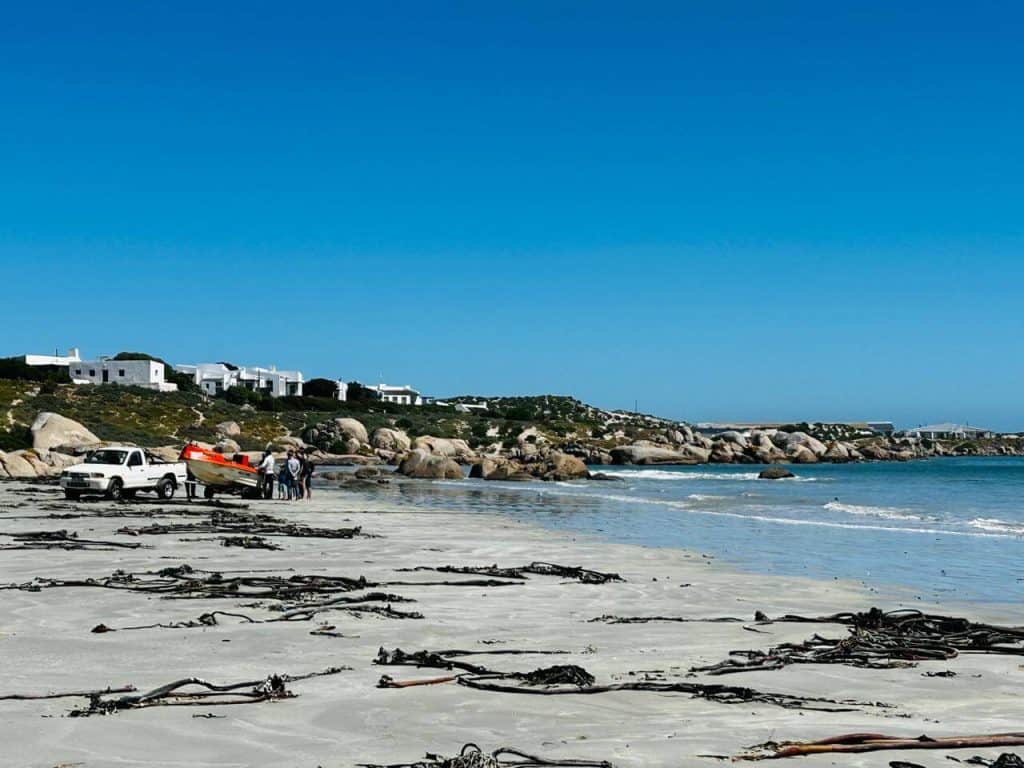
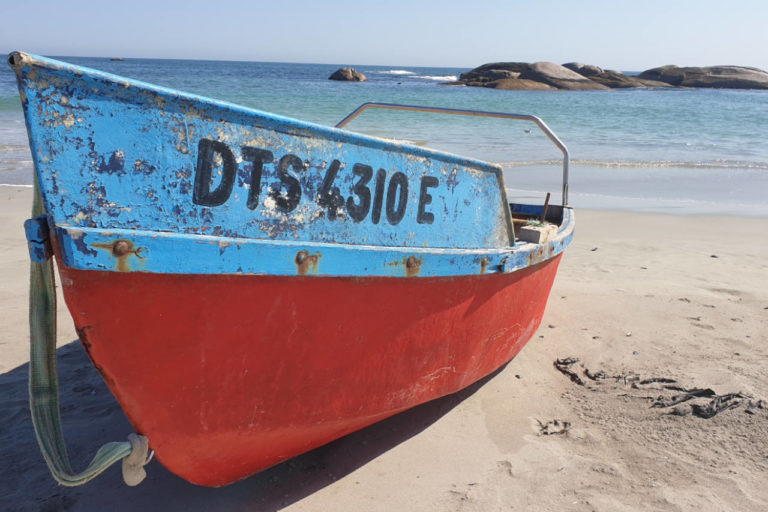
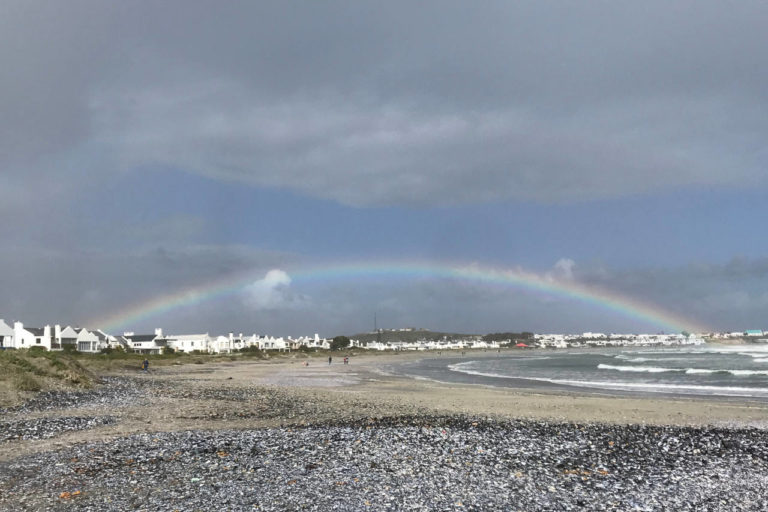
Autumn, from March to May, is quieter and brings generally stable weather before the winter rains arrive, making it an underrated window for a visit. Winter is the most affordable season but also the windiest, and persistent coastal gusts can limit time on the beach and make boat-based outings uncomfortable. Fishing conditions for snoek tend to peak in late autumn and winter, drawing visitors focused specifically on that activity. Southern right whales are present in the bay from roughly July through November, so early winter also falls within the whale-watching window.
Getting to Britannia Bay
The most direct route from Cape Town is the R27, the West Coast Road, running northward along the Atlantic coast for approximately 150 kilometres. The drive takes around two hours under normal traffic conditions, with no toll roads on this stretch. The road is a standard two-lane route and does not require a four-wheel-drive vehicle. Leaving Cape Town on a Friday afternoon can add considerably to journey time during peak periods, making early or mid-week departures a practical choice.
Cape Town International Airport is the nearest major hub for both domestic and international flights. Car hire is available at the airport and is the only practical option for reaching the village, as no scheduled bus or minibus taxi service covers Britannia Bay directly. Fuel is available in several towns along the R27 before the final approach north.
Once in the village, a private vehicle remains necessary throughout your stay. There is no public transport, no taxi rank, and distances to neighbouring towns for supplies, meals, or activities all require driving. Roads in the immediate area suit standard vehicles in dry conditions, though some unpaved tracks near the beach benefit from cautious driving after heavy rain.
Britannia Bay and Surrounding Areas
Britannia Bay sits within easy reach of several settlements that each bring something distinct from the village itself.
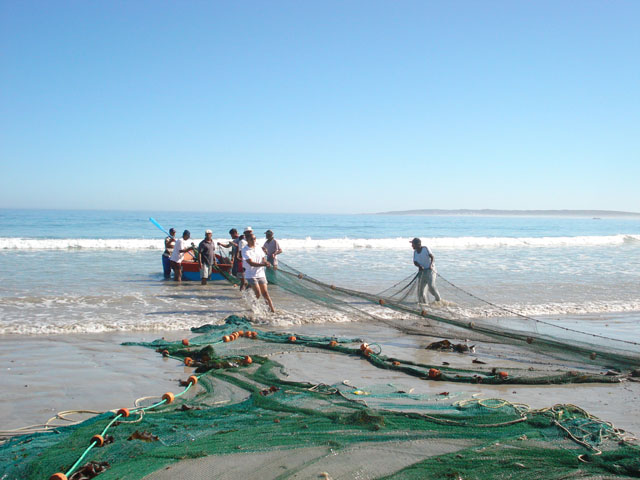
Saint Helena Bay is the closest, between 4 and 8 kilometres away depending on the measuring point along the bay. It is a working fishing harbour that gives its name to the wider area. The economy here revolves around the commercial fishing industry, and fresh seafood is available directly from local suppliers within a short drive.
Paternoster, 11 kilometres to the south, has built a distinct identity around its whitewashed cottages and the Cape Columbine Nature Reserve, which begins at the edge of town. Restaurants draw food-focused visitors from further afield, and the reserve provides accessible coastal walking trails with views across rocky headlands. The town is more developed for tourism than Britannia Bay and makes a natural day trip.
Vredenburg, 21 kilometres inland, is the main commercial hub for the region. Supermarkets, a hospital, banking, and hardware stores are all found here. For anyone on a longer stay at Britannia Bay, it is the most practical stop for resupply and the nearest option for medical facilities.
Velddrif, 24 kilometres to the north, occupies the mouth of the Berg River and is one of the better destinations on this part of the coast for birdwatching, with the estuary drawing wetland species year-round. The town is also closely associated with bokkom, a salted and dried mullet preparation that has been produced here for generations and holds a distinct place in the local food culture.
Dwarskersbos, 28 kilometres away, is a quiet beach village that has earned a following among kitesurfers and windsurfers, drawn by the reliable south-easterly winds of summer. It provides a different recreational focus from Britannia Bay and is accessible as a straightforward day trip.
Planning Your Stay
With a small number of properties in the village, advance booking is strongly recommended, particularly during school holidays and the December to January summer period. At peak times, demand can quickly exceed supply, and late arrivals are unlikely to find local alternatives.
Before confirming a booking, check whether the nightly rate includes linen, towels, and kitchen equipment where applicable. Cleaning fees, deposit structures, and cancellation terms vary between properties and are worth clarifying before you commit. Minimum stays of two nights or more are common during peak season and are usually noted on the listing.
Practically, in-village dining is limited, so longer stays work best with cooking facilities on site or a regular plan to drive to nearby towns for meals. Mobile coverage can be inconsistent in parts of the village, making offline maps worth downloading before you arrive. There are no petrol stations in Britannia Bay itself, so fill up before the final approach. Local weather and marine conditions can shift quickly on this stretch of coast, so checking a forecast before scheduling water-based activities is sensible. Properties here are often managed directly by owners, and a brief message before arrival can help clarify parking, access, and any practical details not covered in the listing.