Accommodation in Saldanha Bay
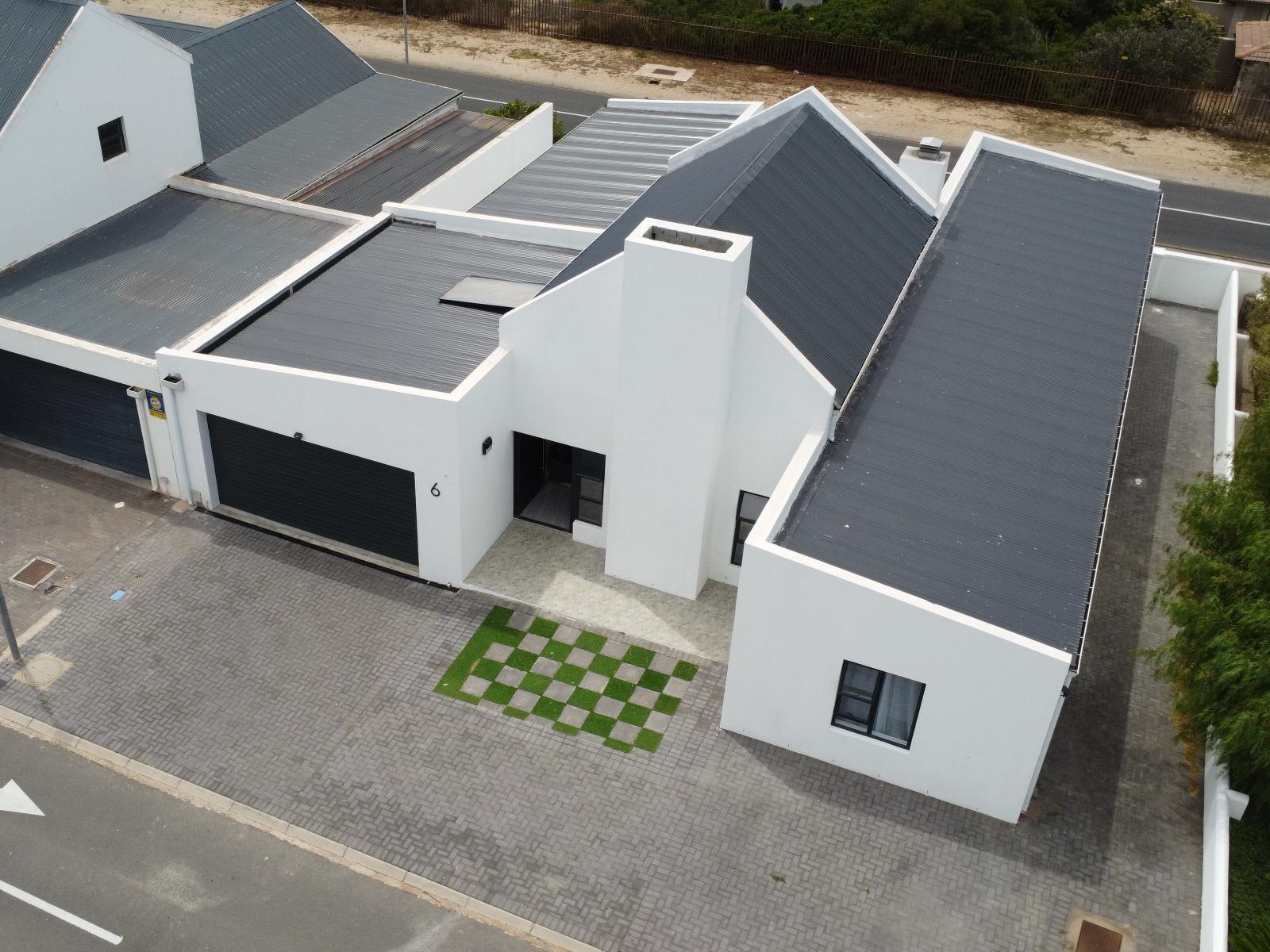
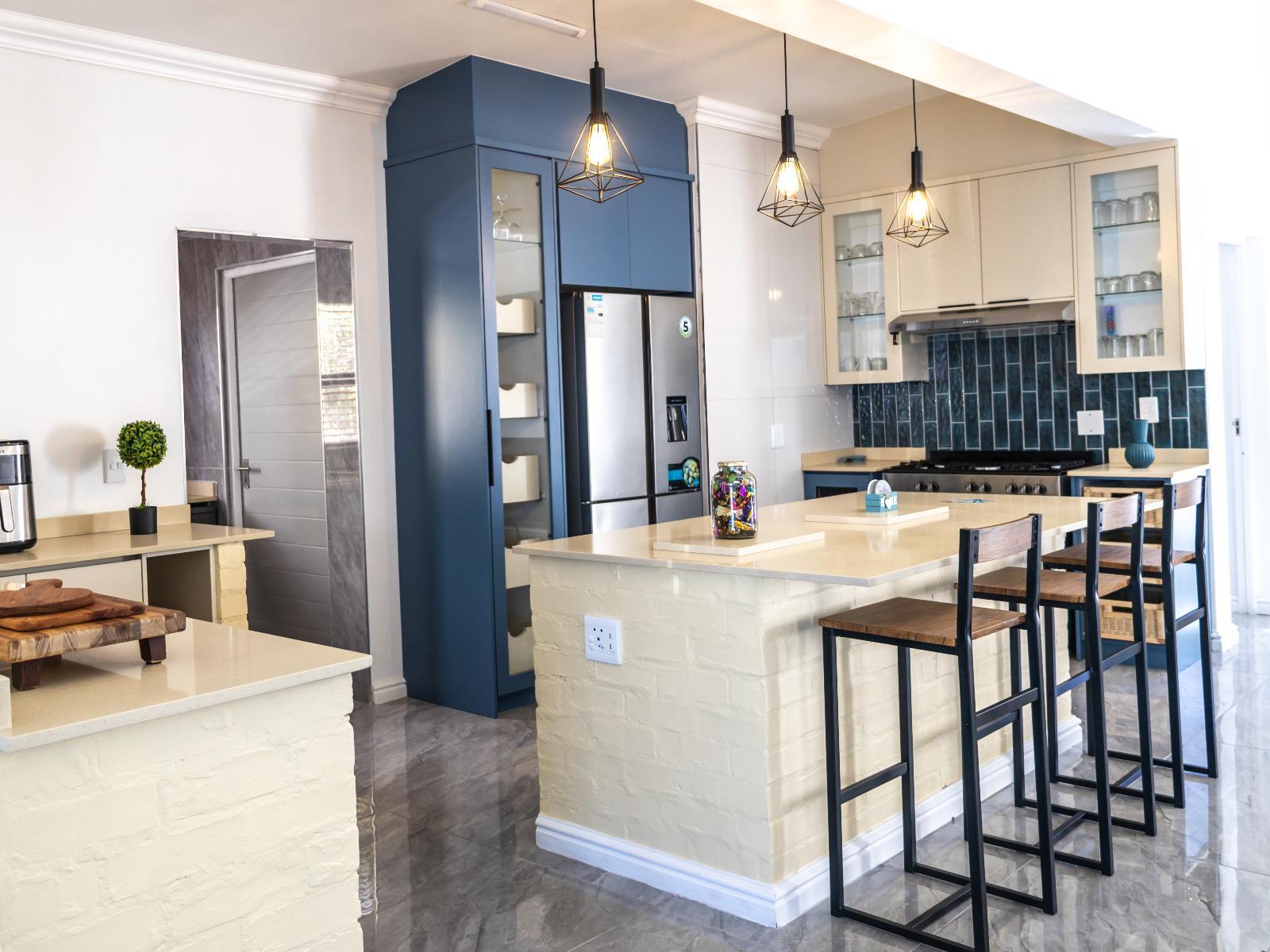
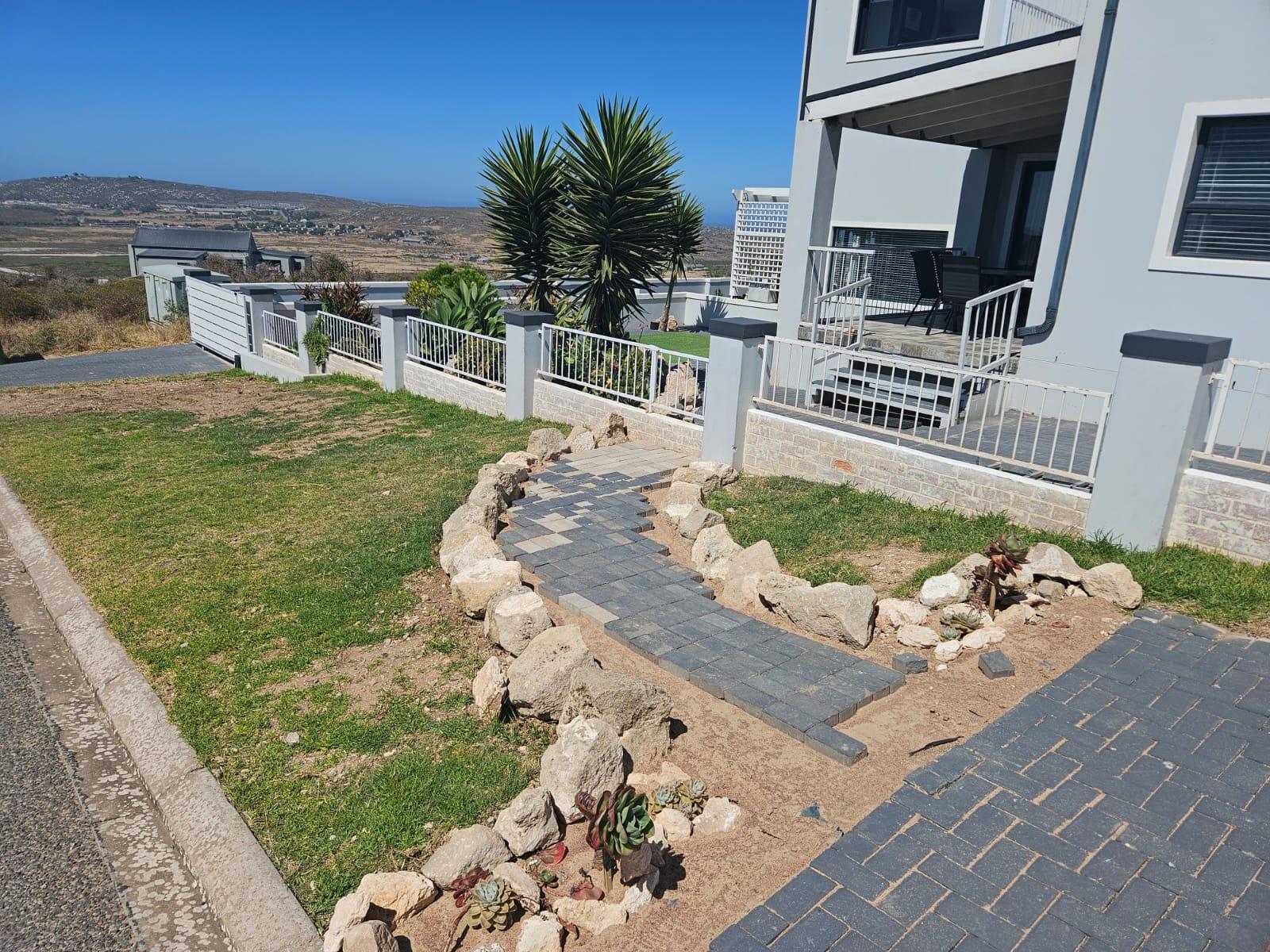
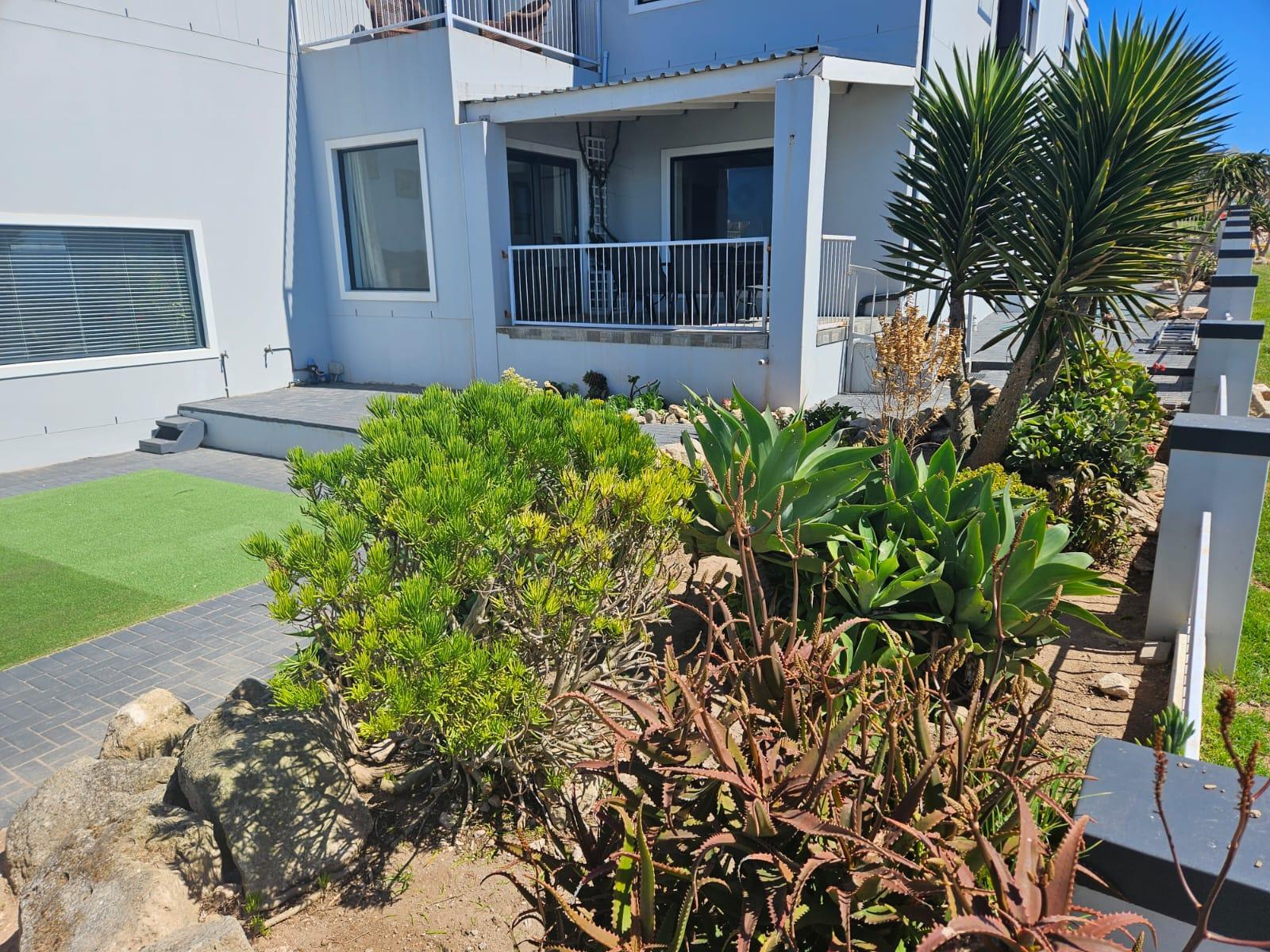
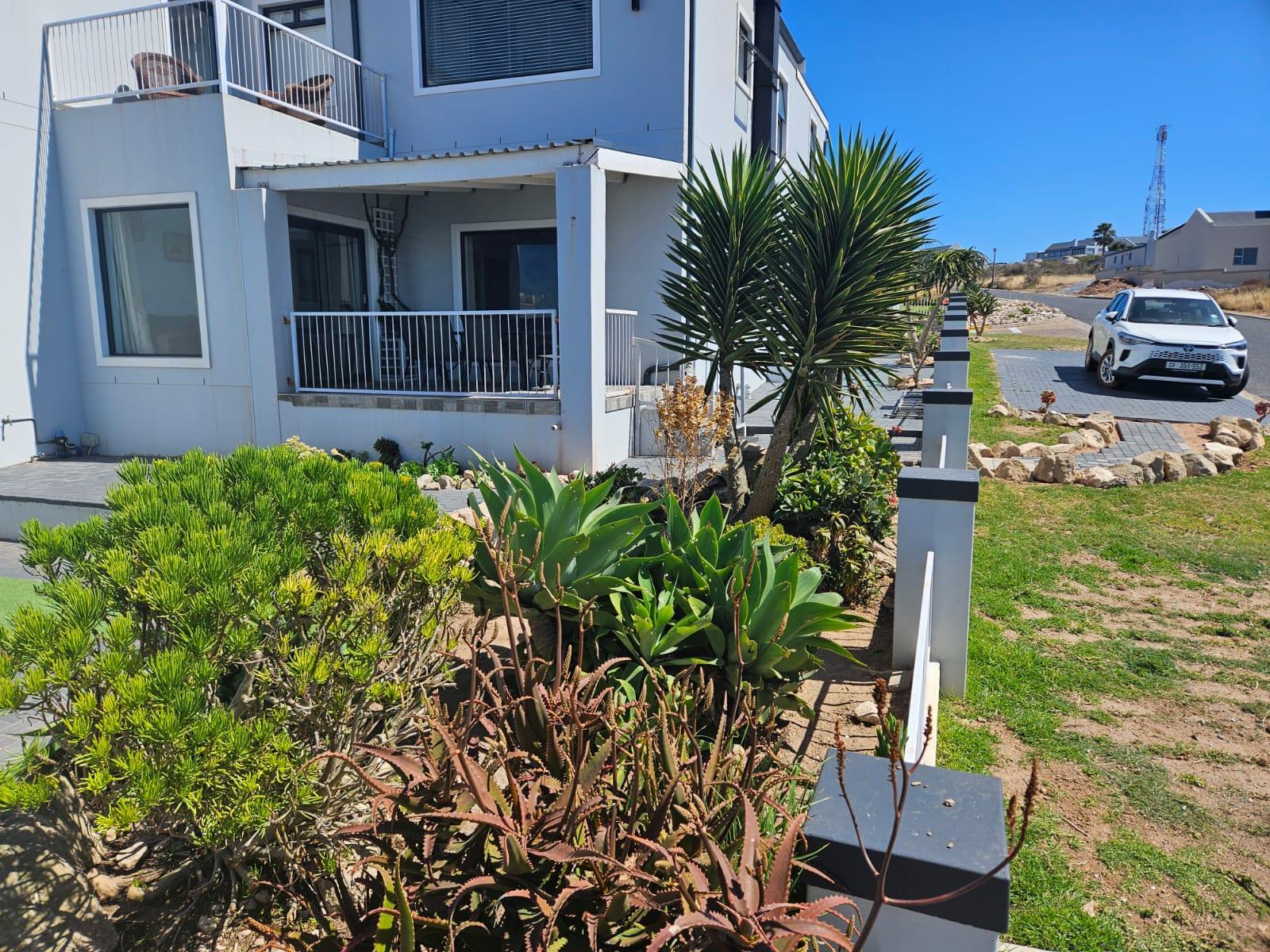
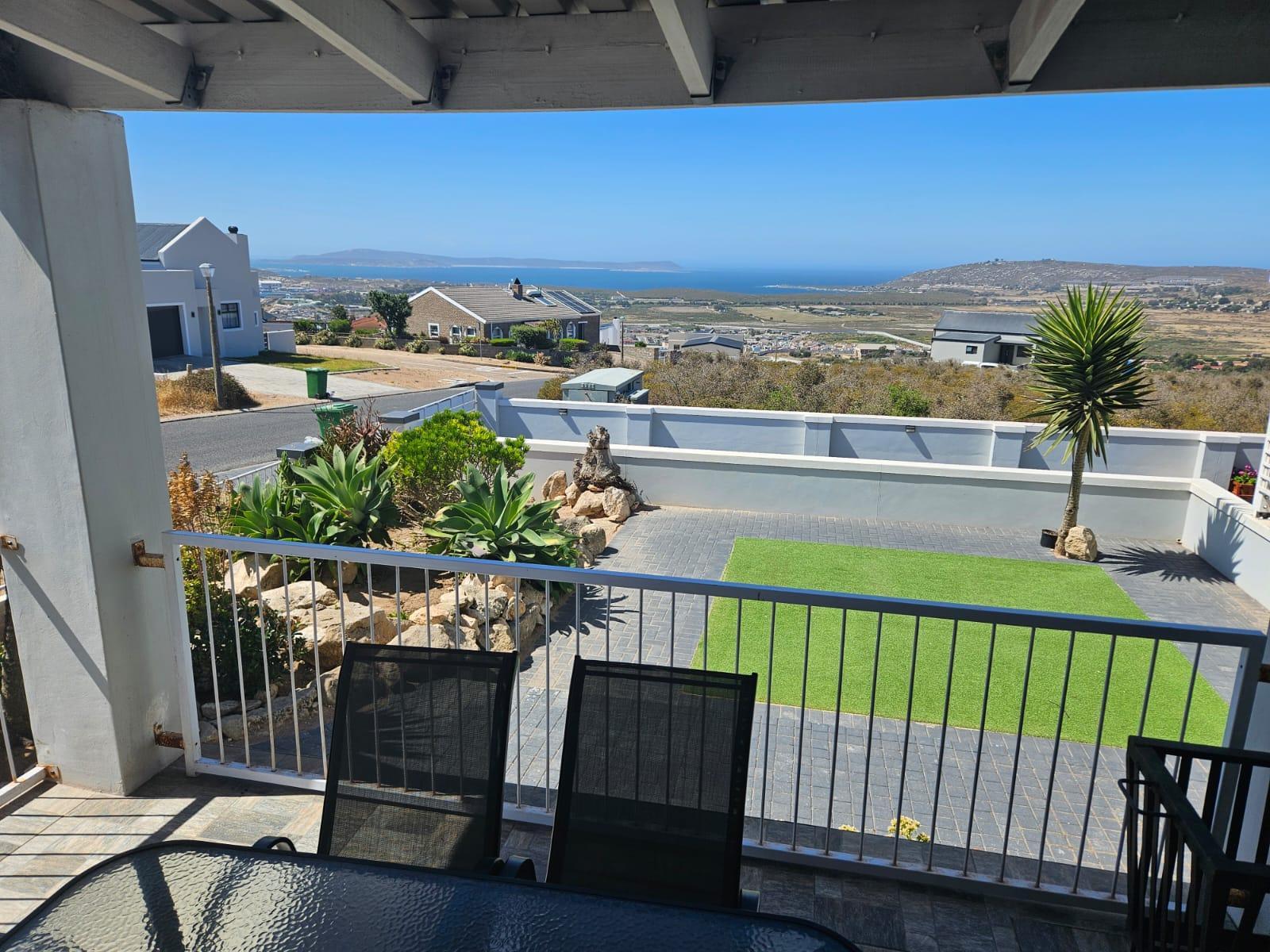
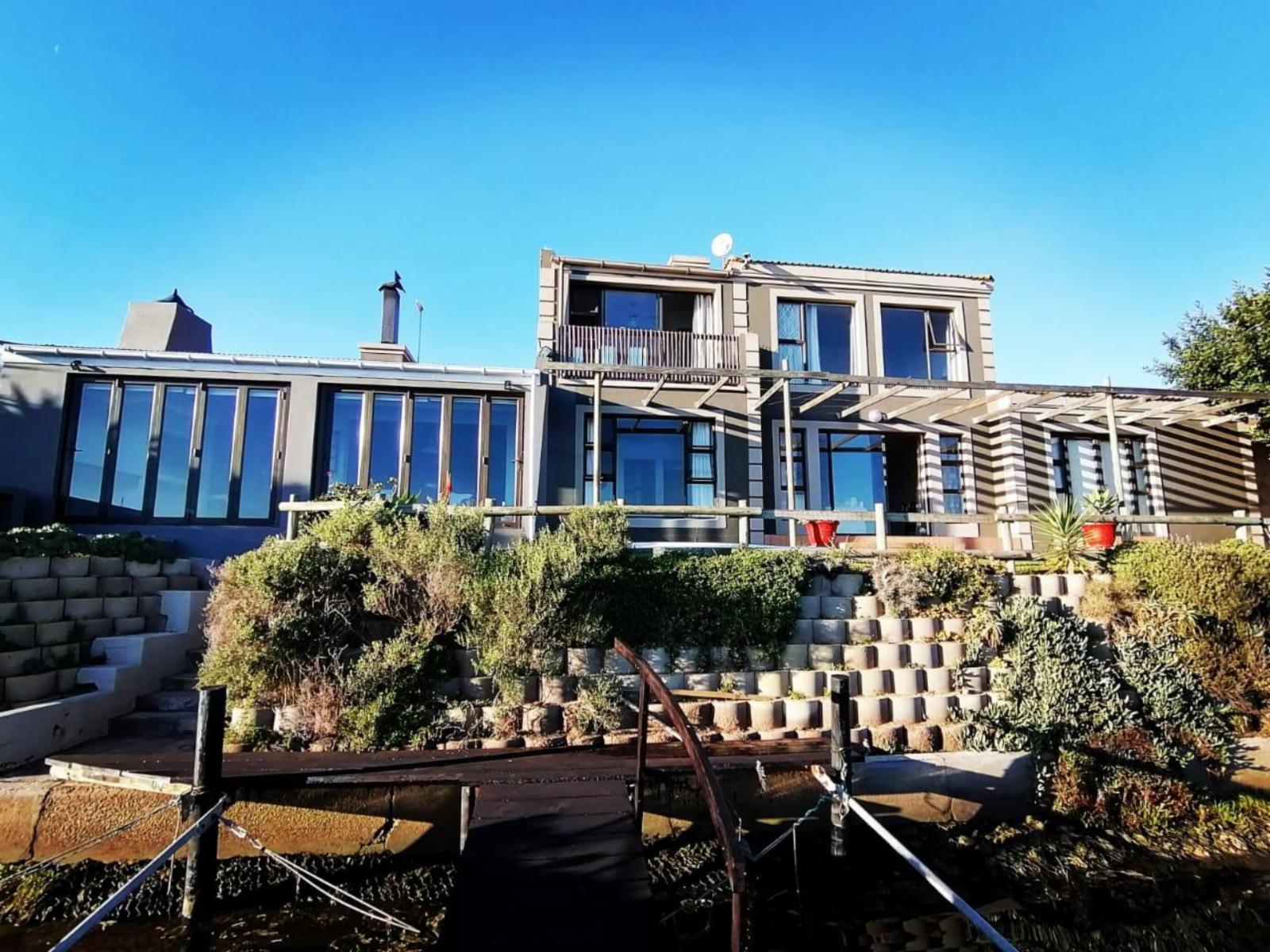
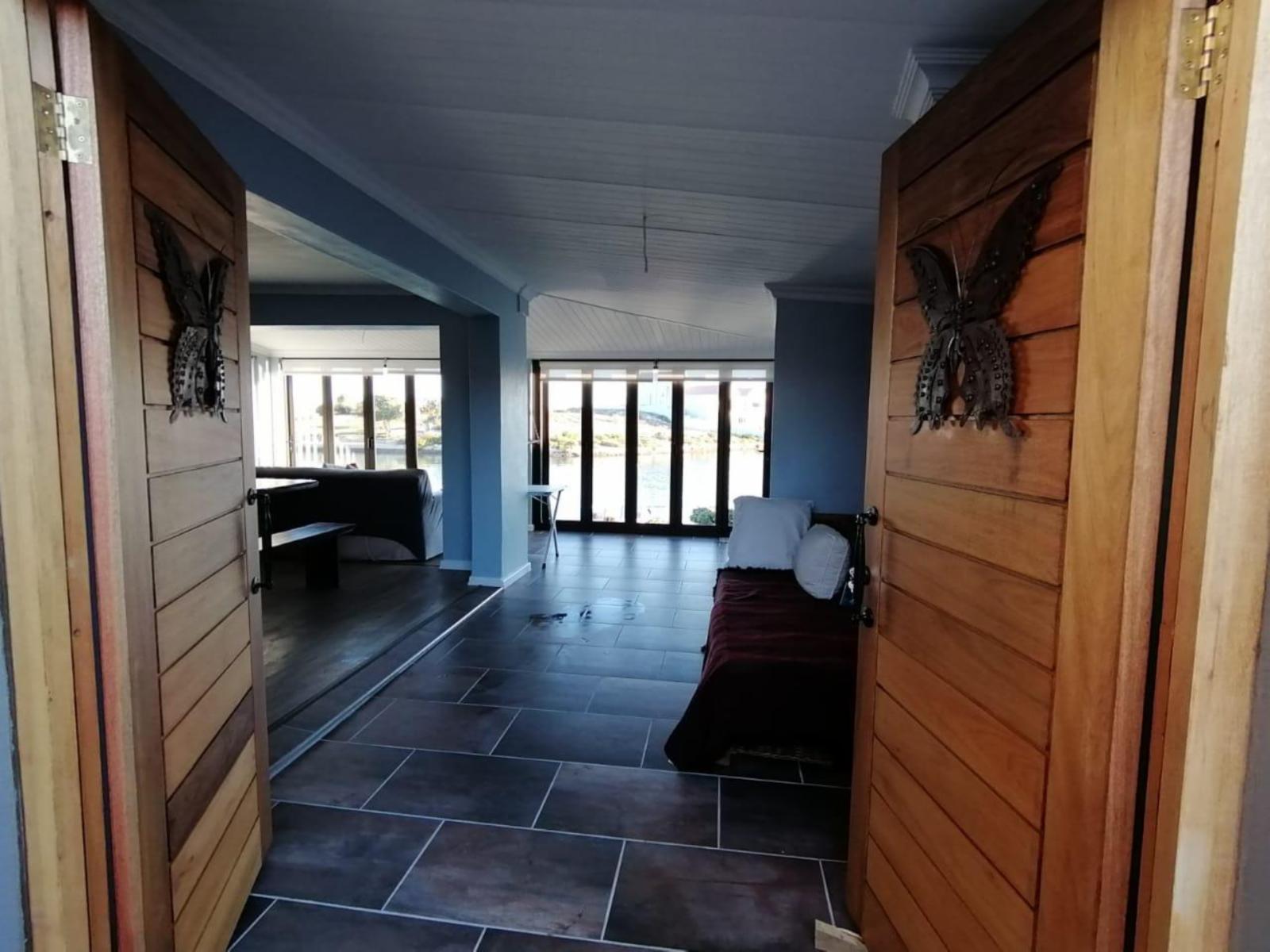
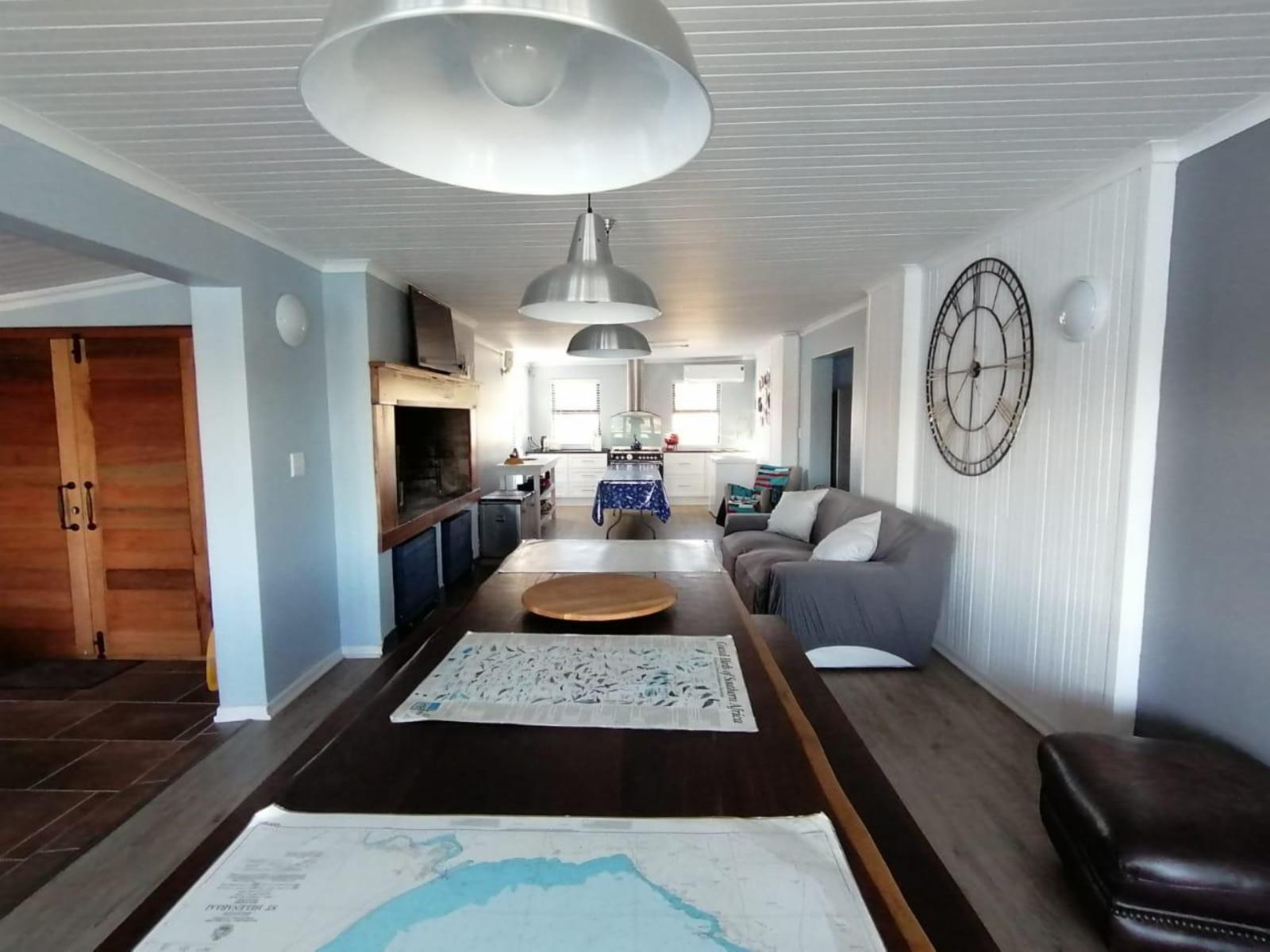
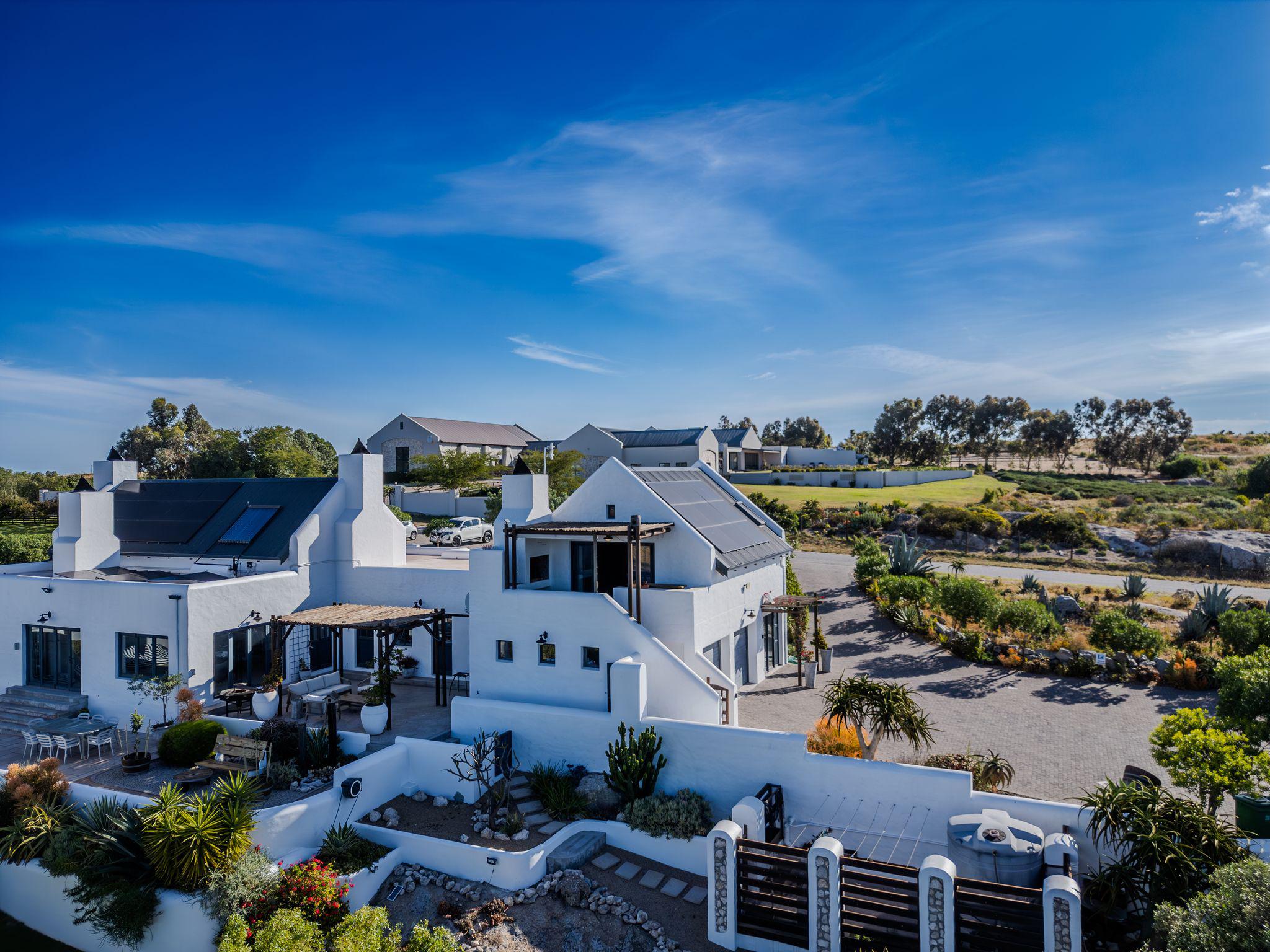
Saldanha Bay has 41 listed properties, with nightly rates spanning from R900 to R9,219 and an overall average of around R3,391. The market caters to a range of travellers, from budget-conscious weekenders to those looking for a more considered stay.
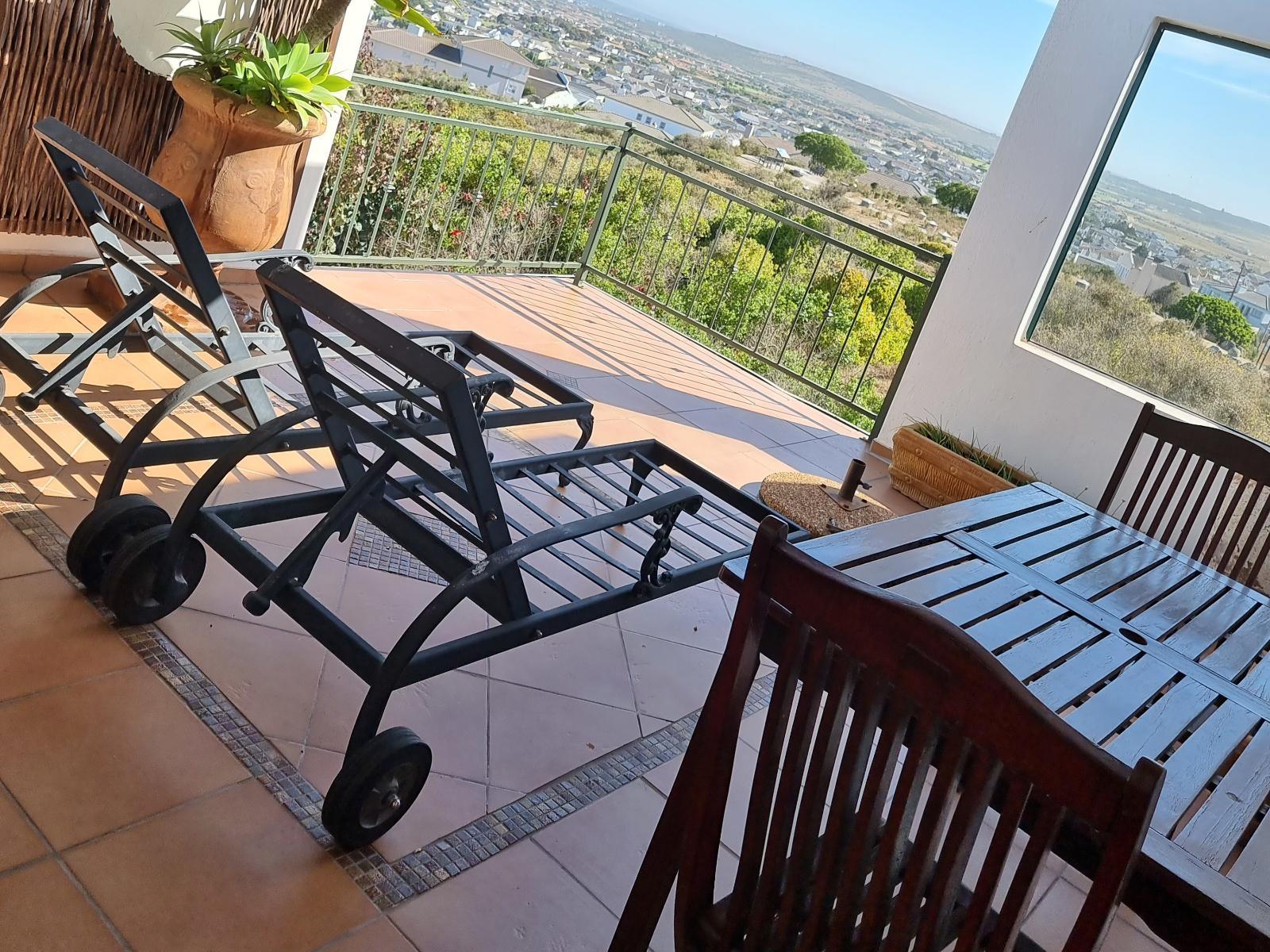
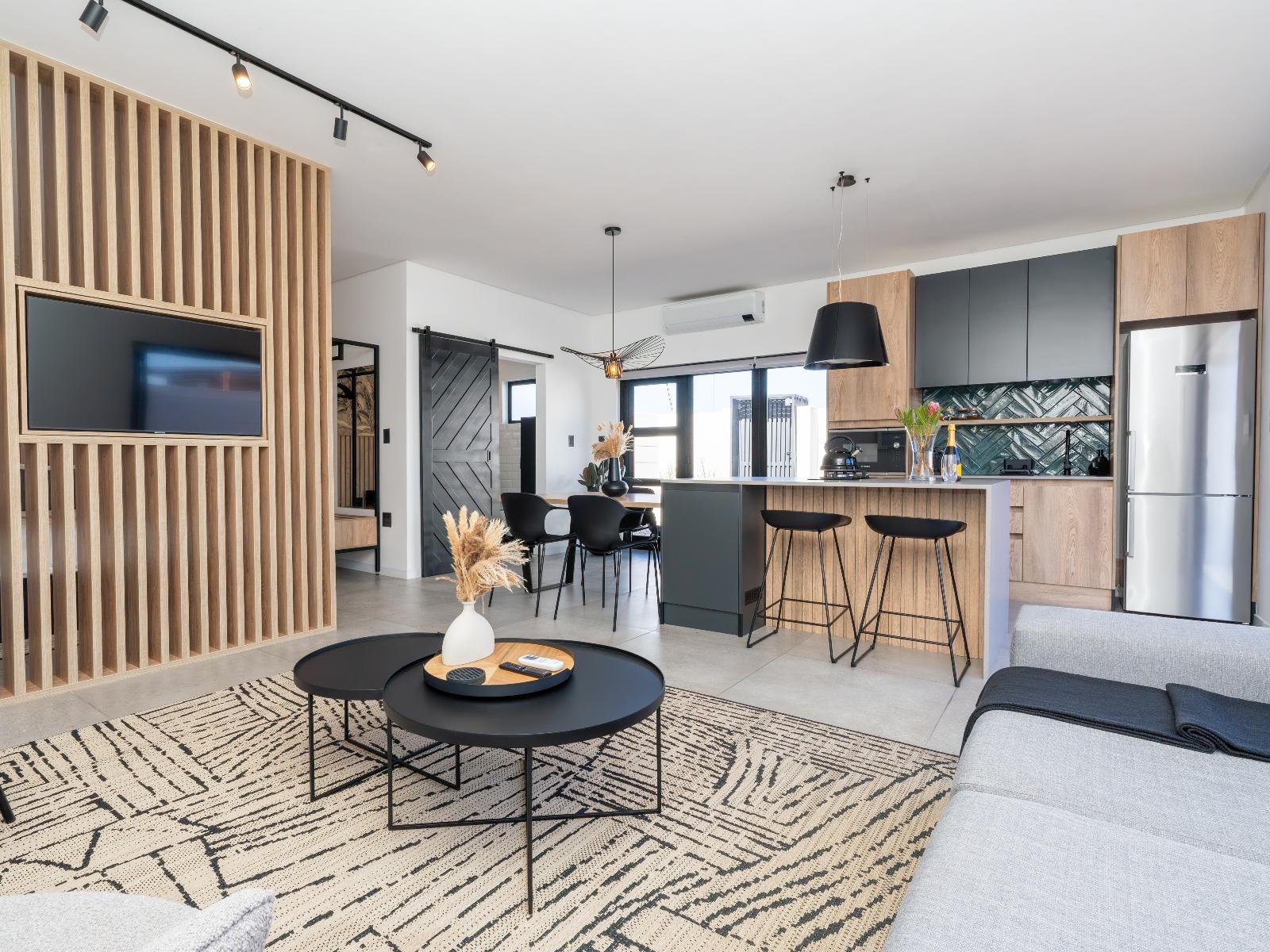
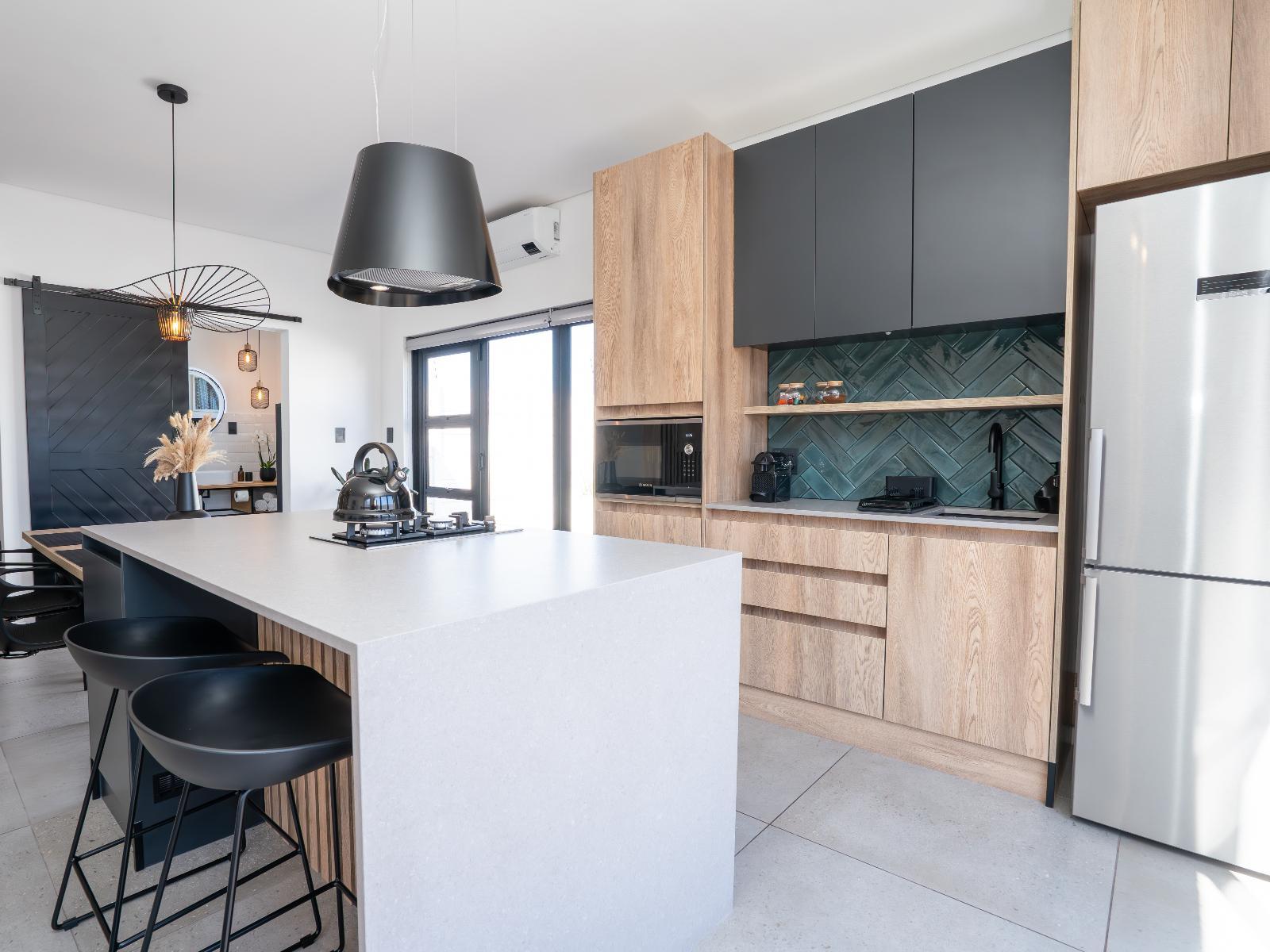
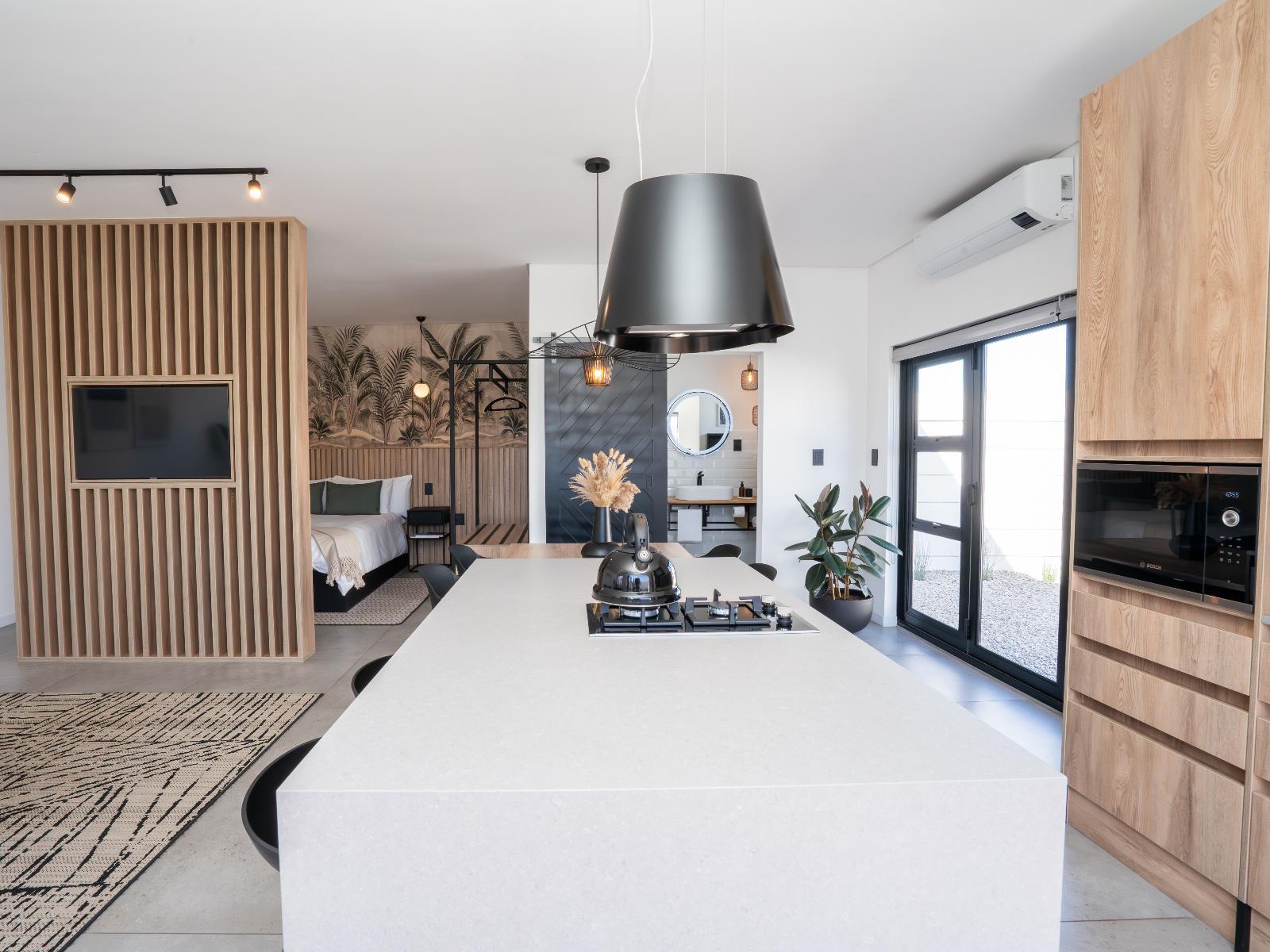
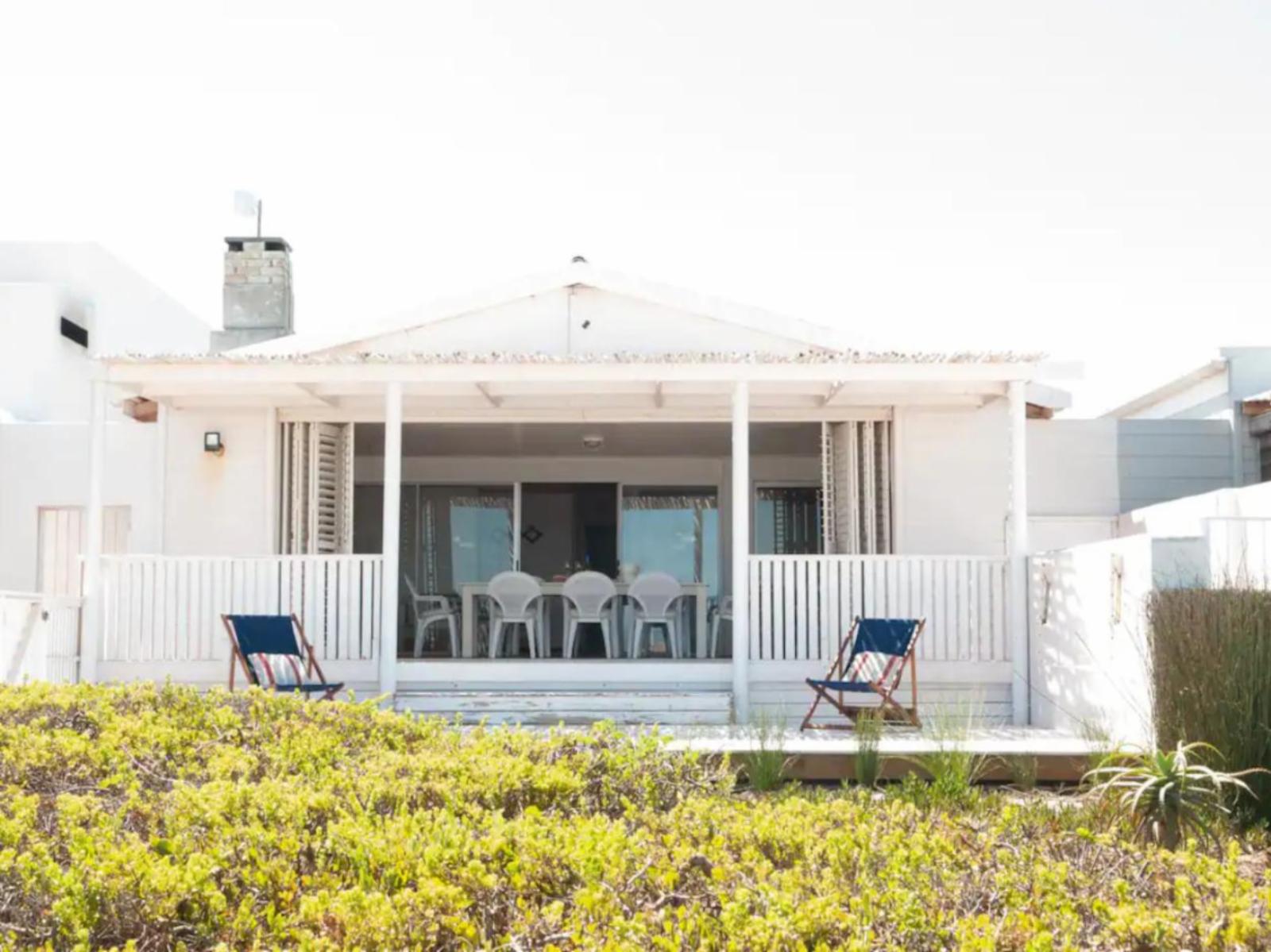
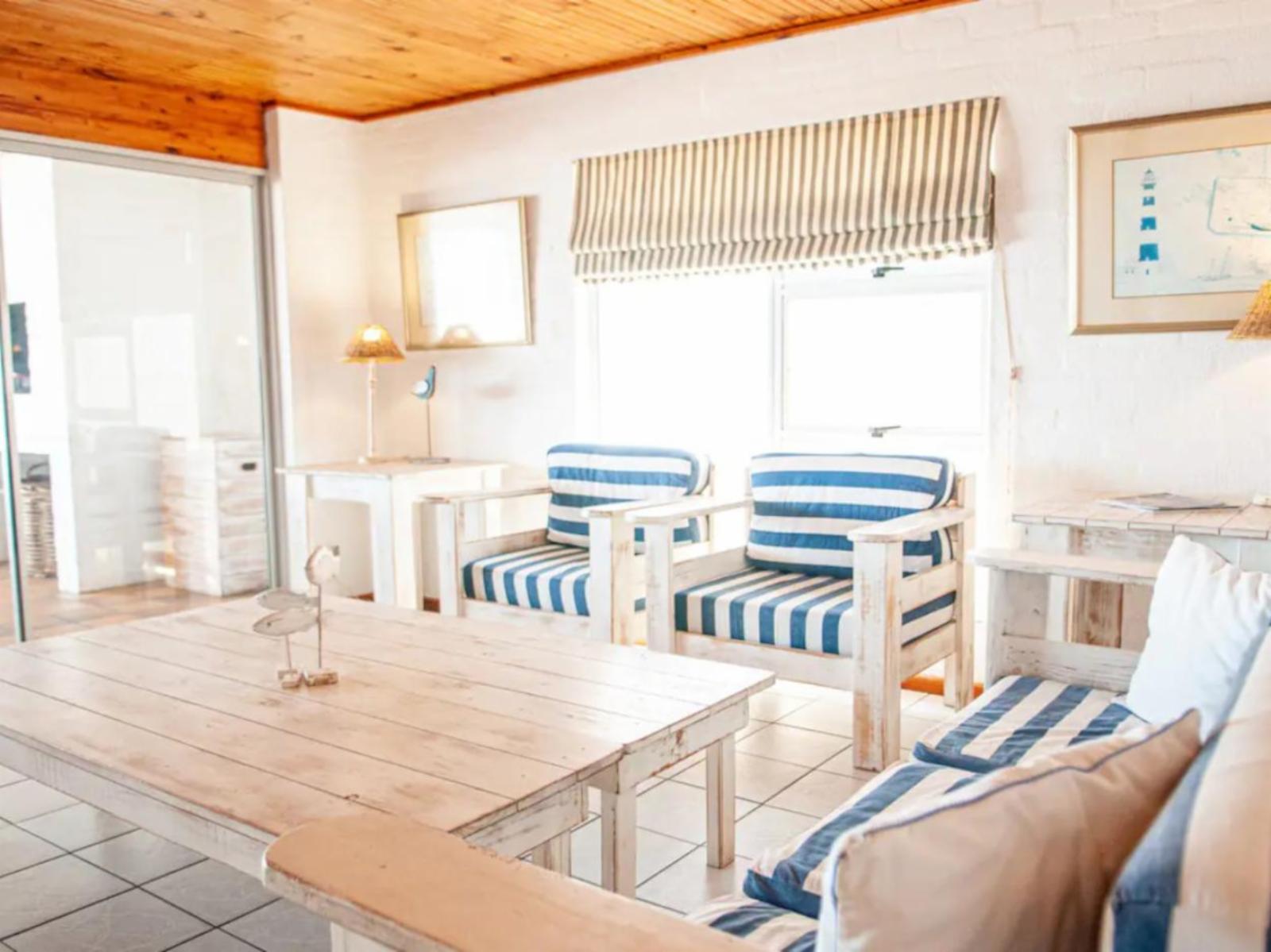
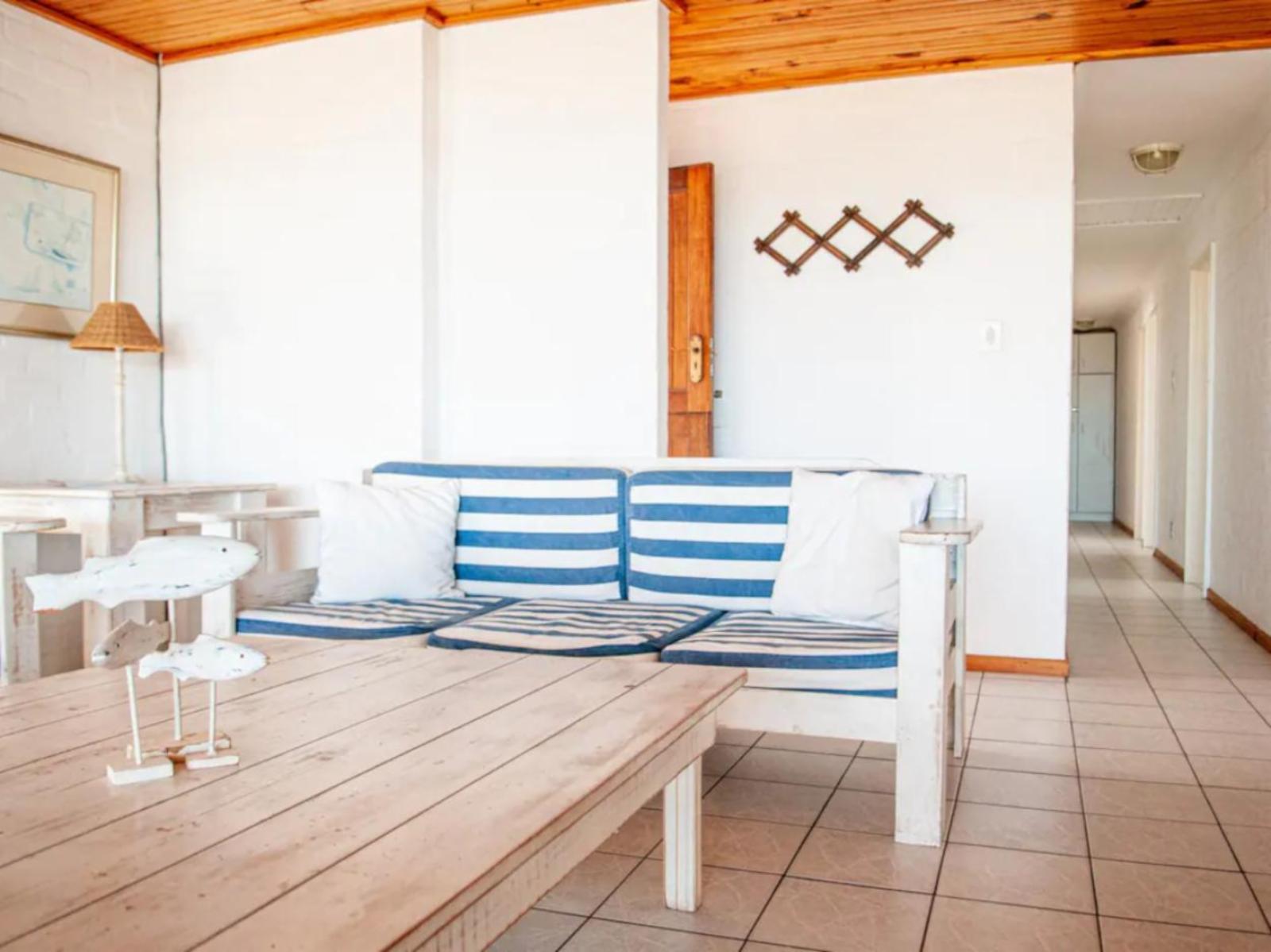
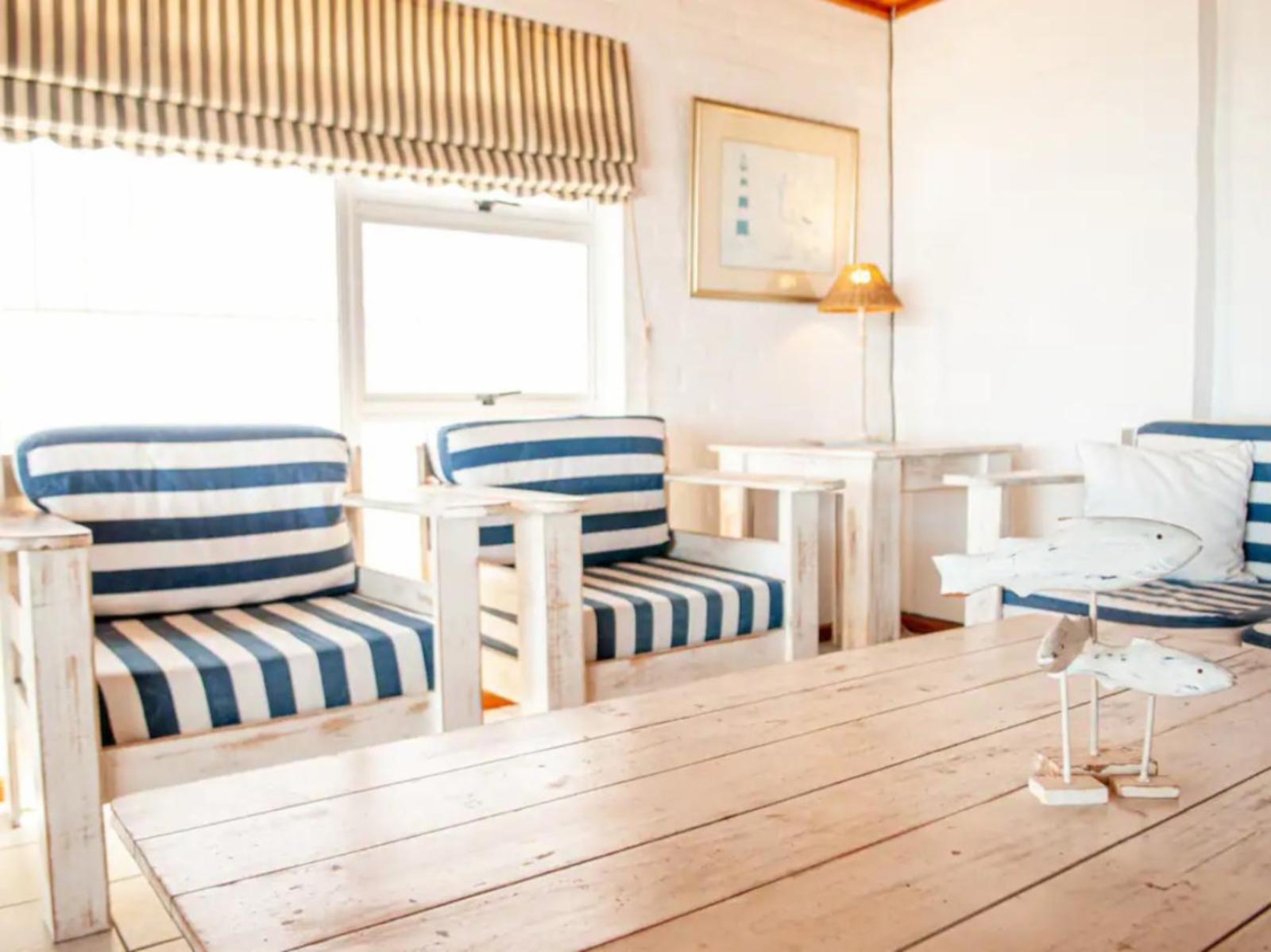
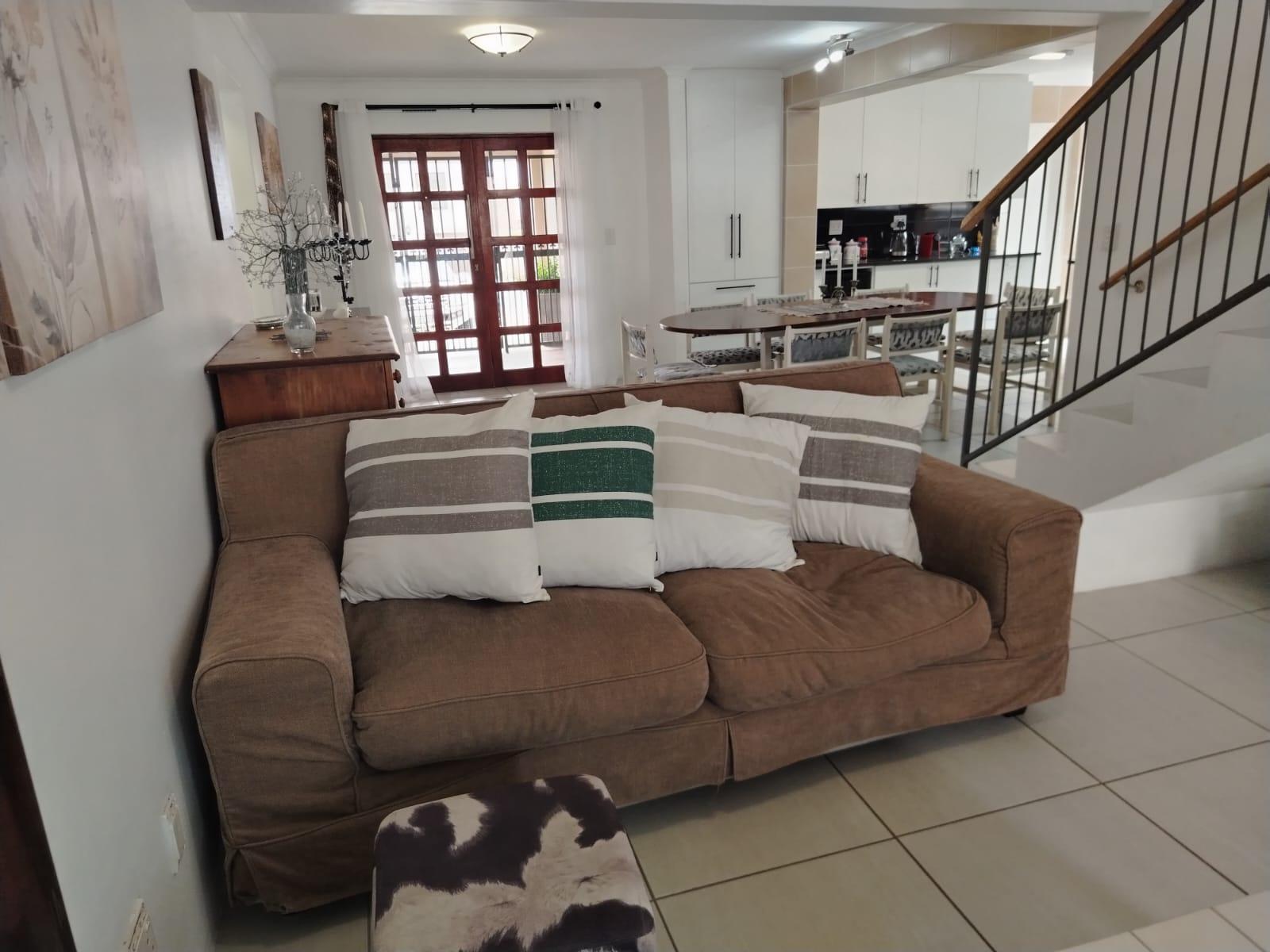
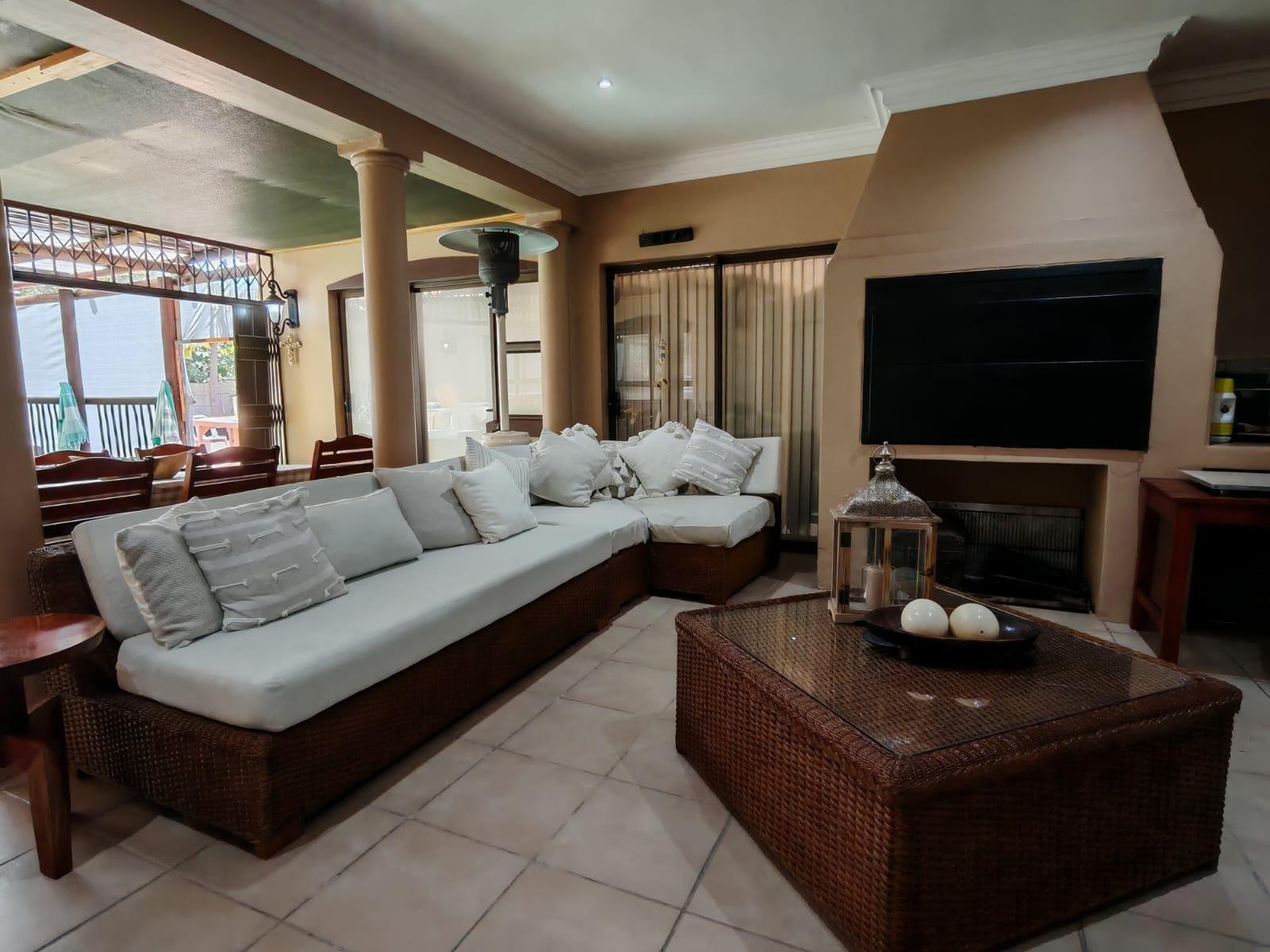
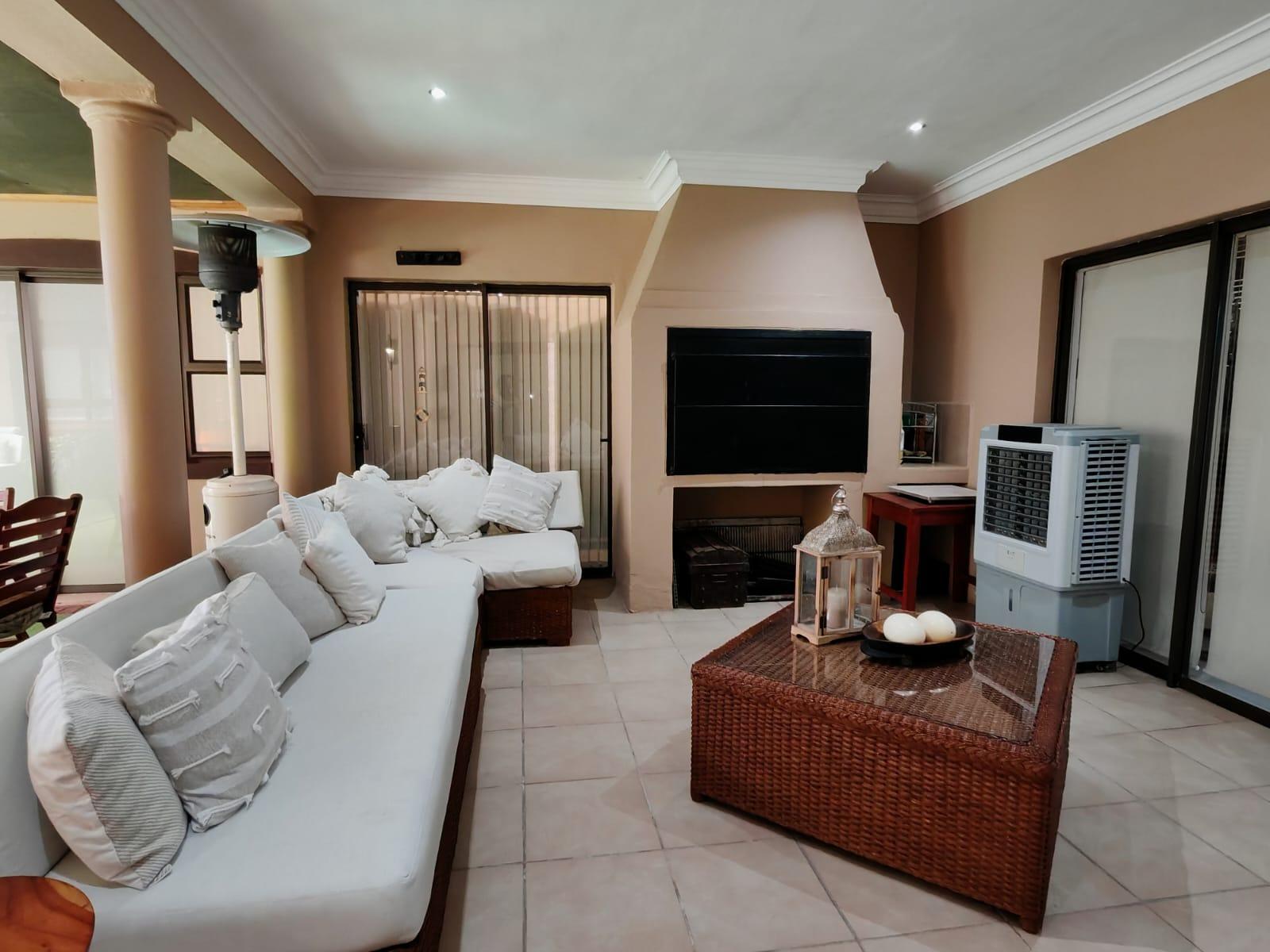
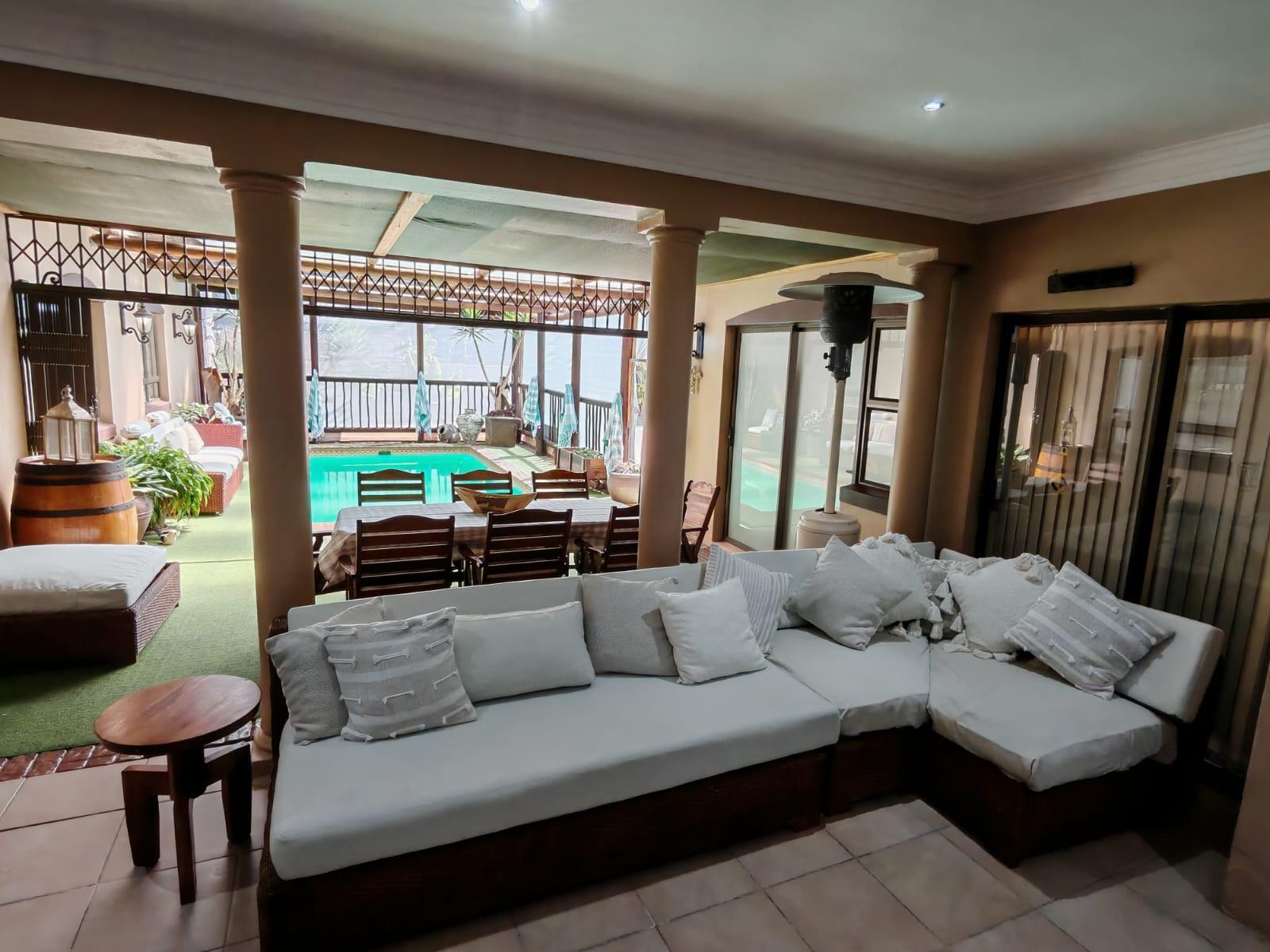
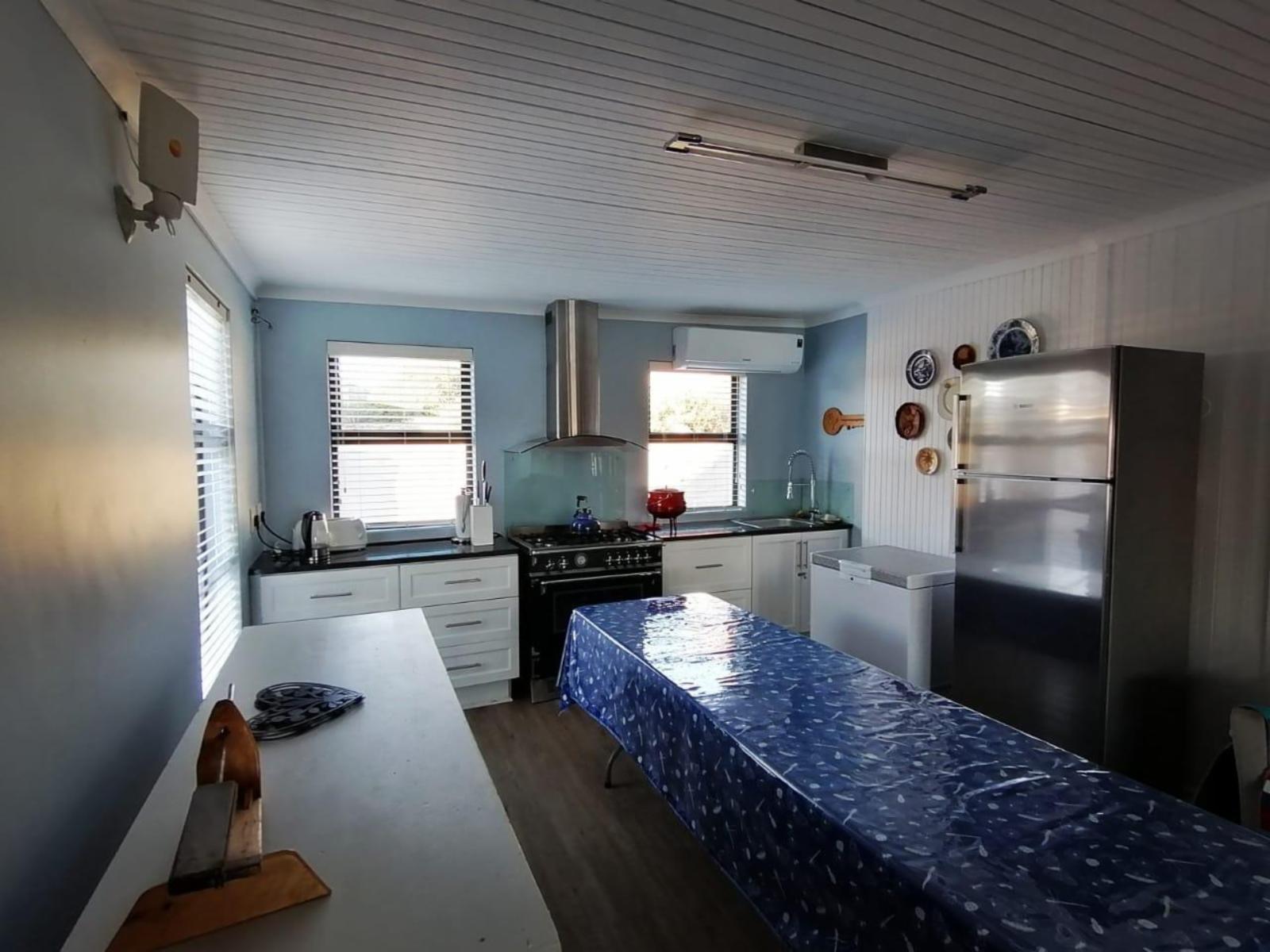
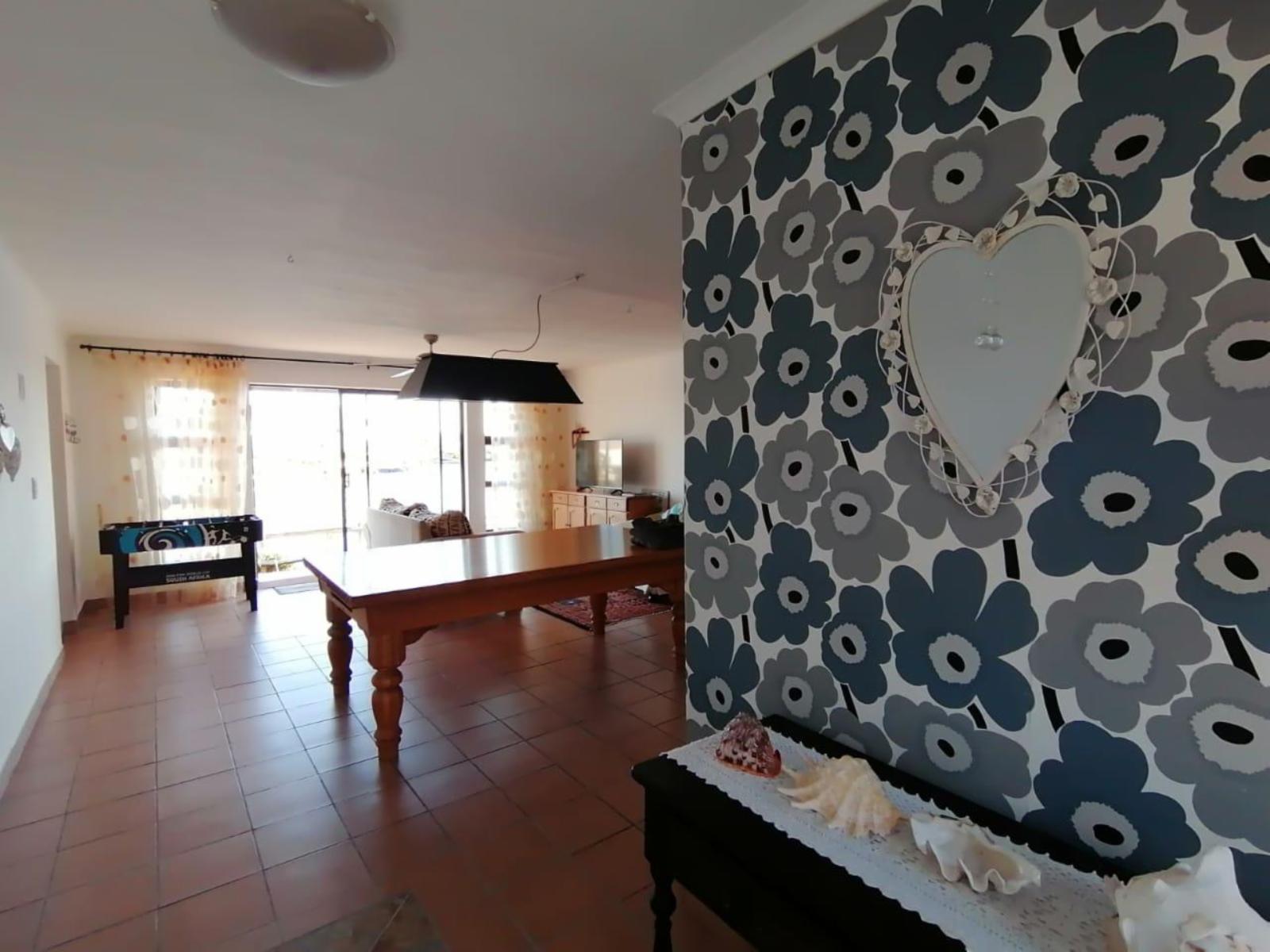
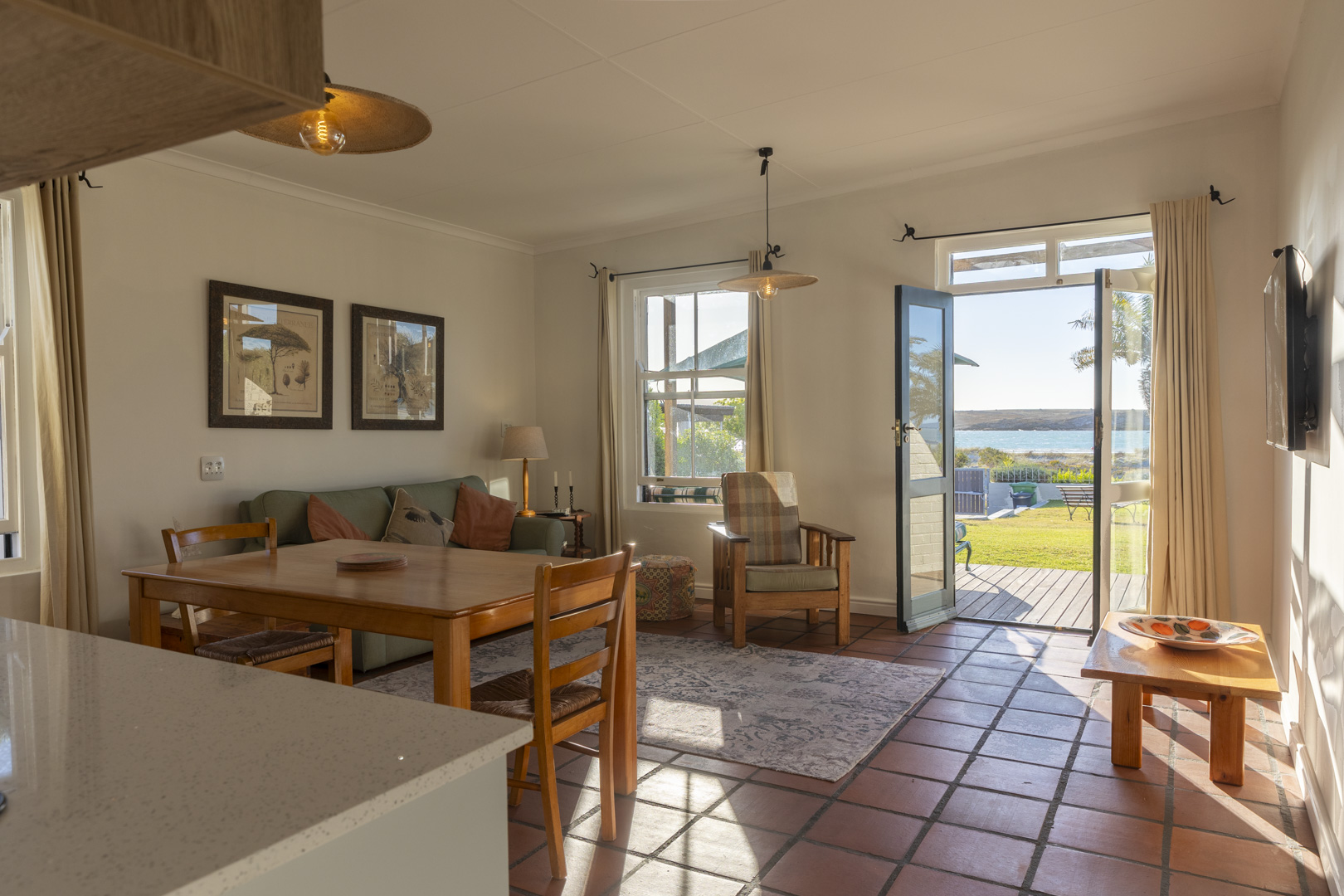
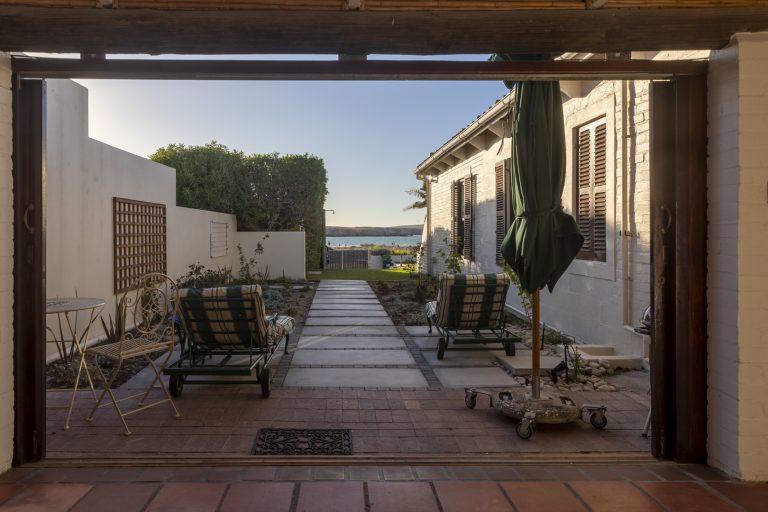
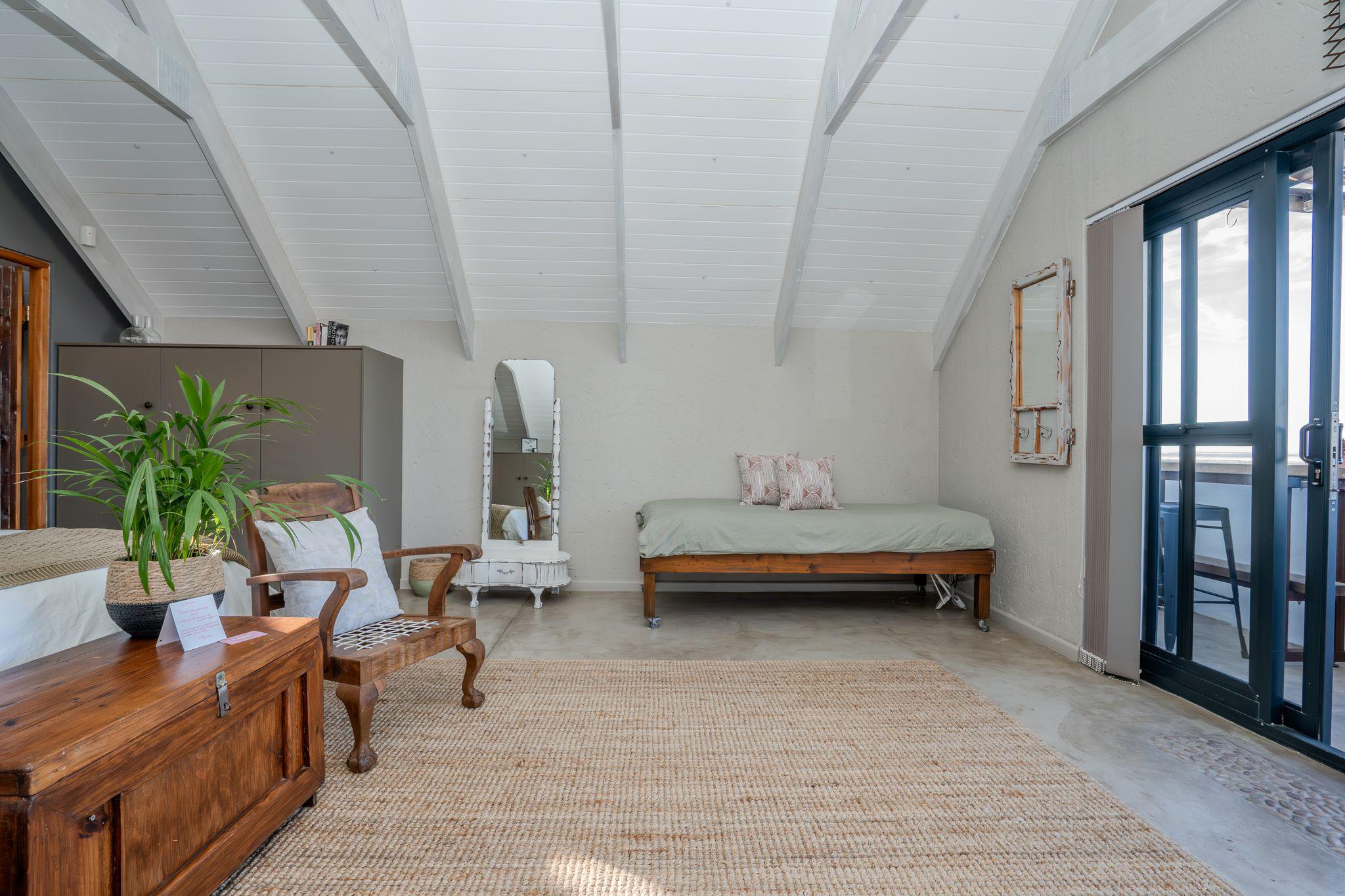
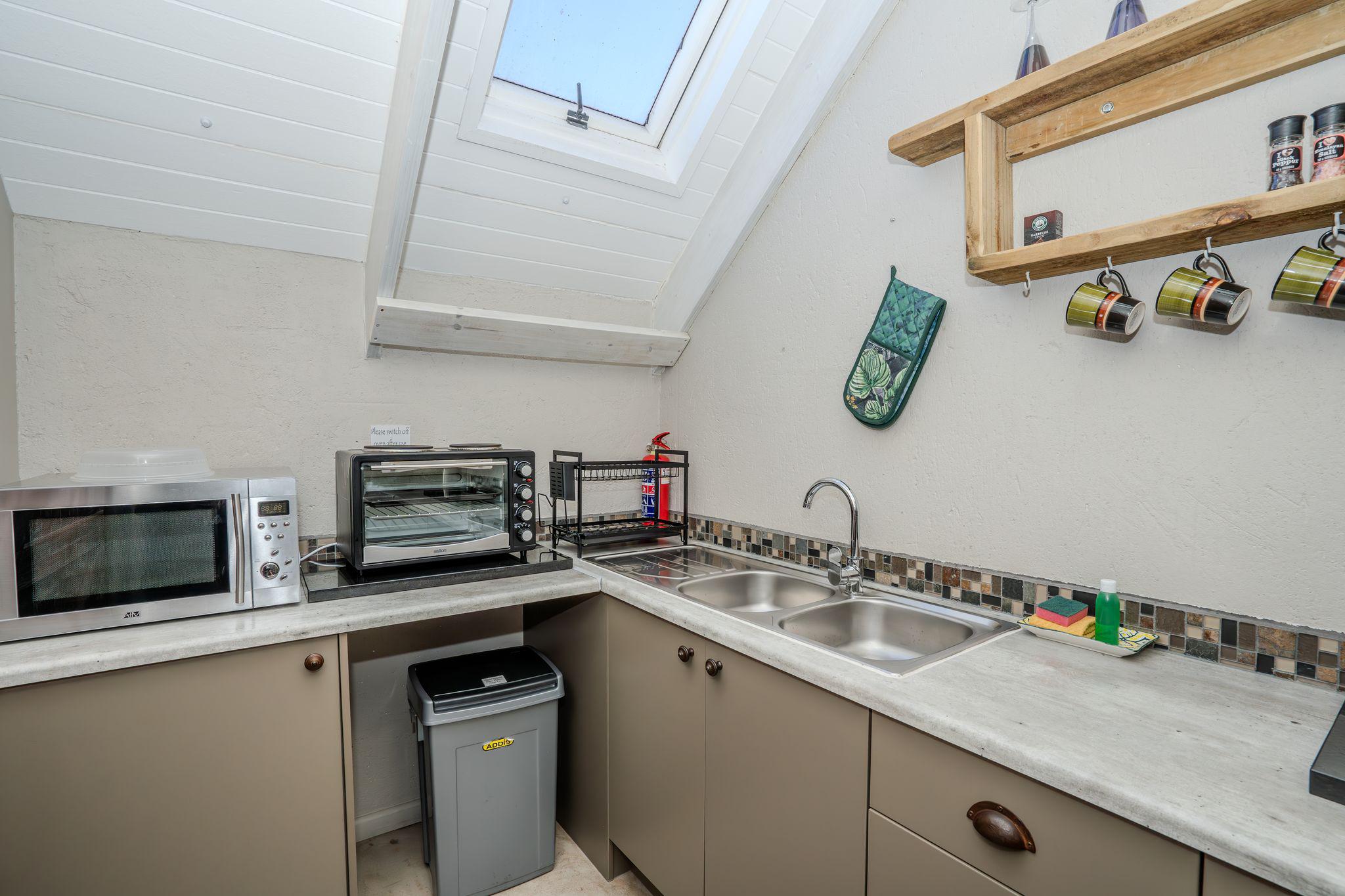
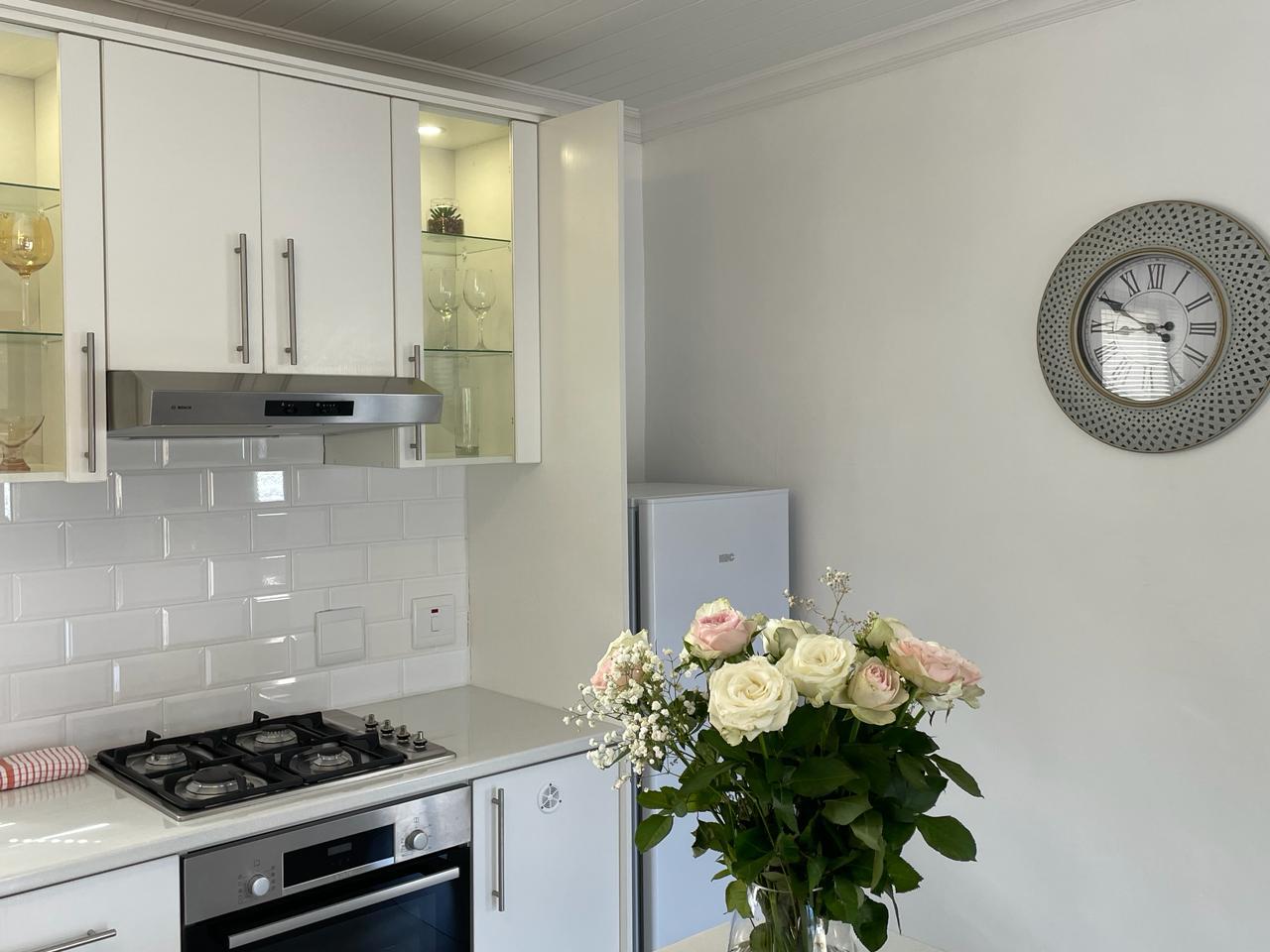
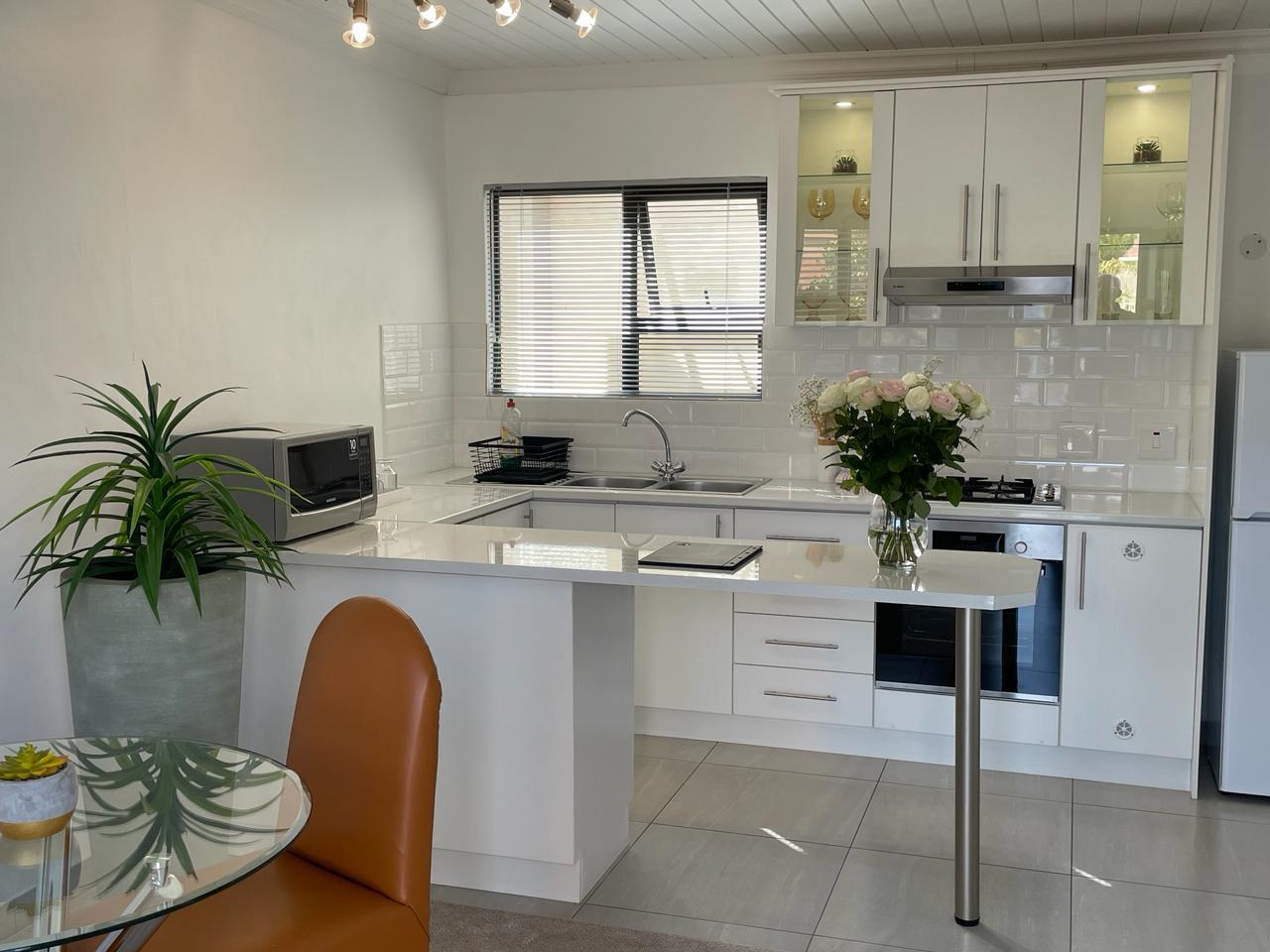
At the affordable end, self-catering units are the most flexible option, typically coming in below the area average. They suit families and groups who want to cook for themselves, set their own hours, and save on food costs by picking up fresh produce or seafood locally. Bed and breakfasts in a comparable bracket add a more personal dimension, often with hosts who double as informal guides to the surrounding area.
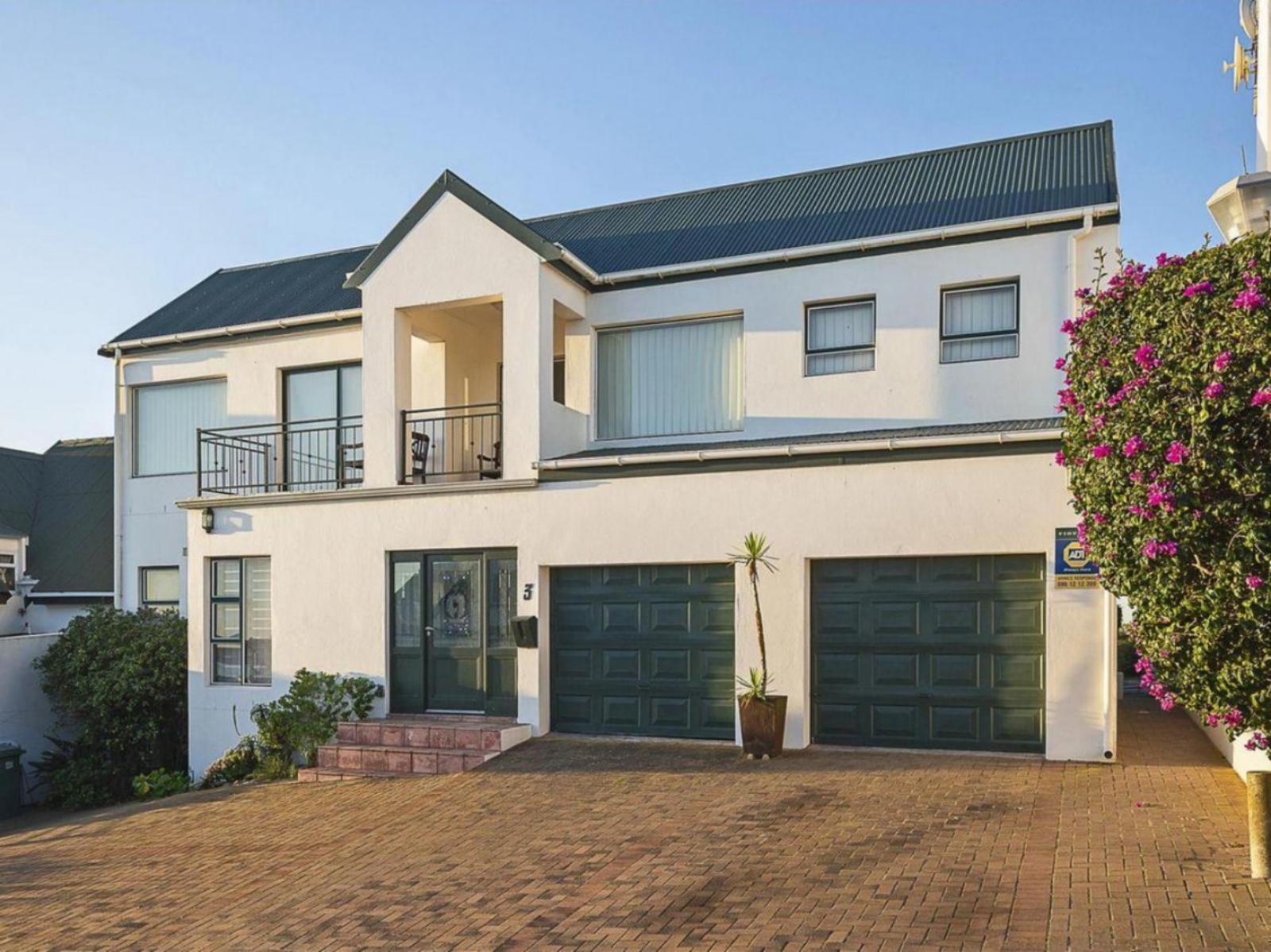
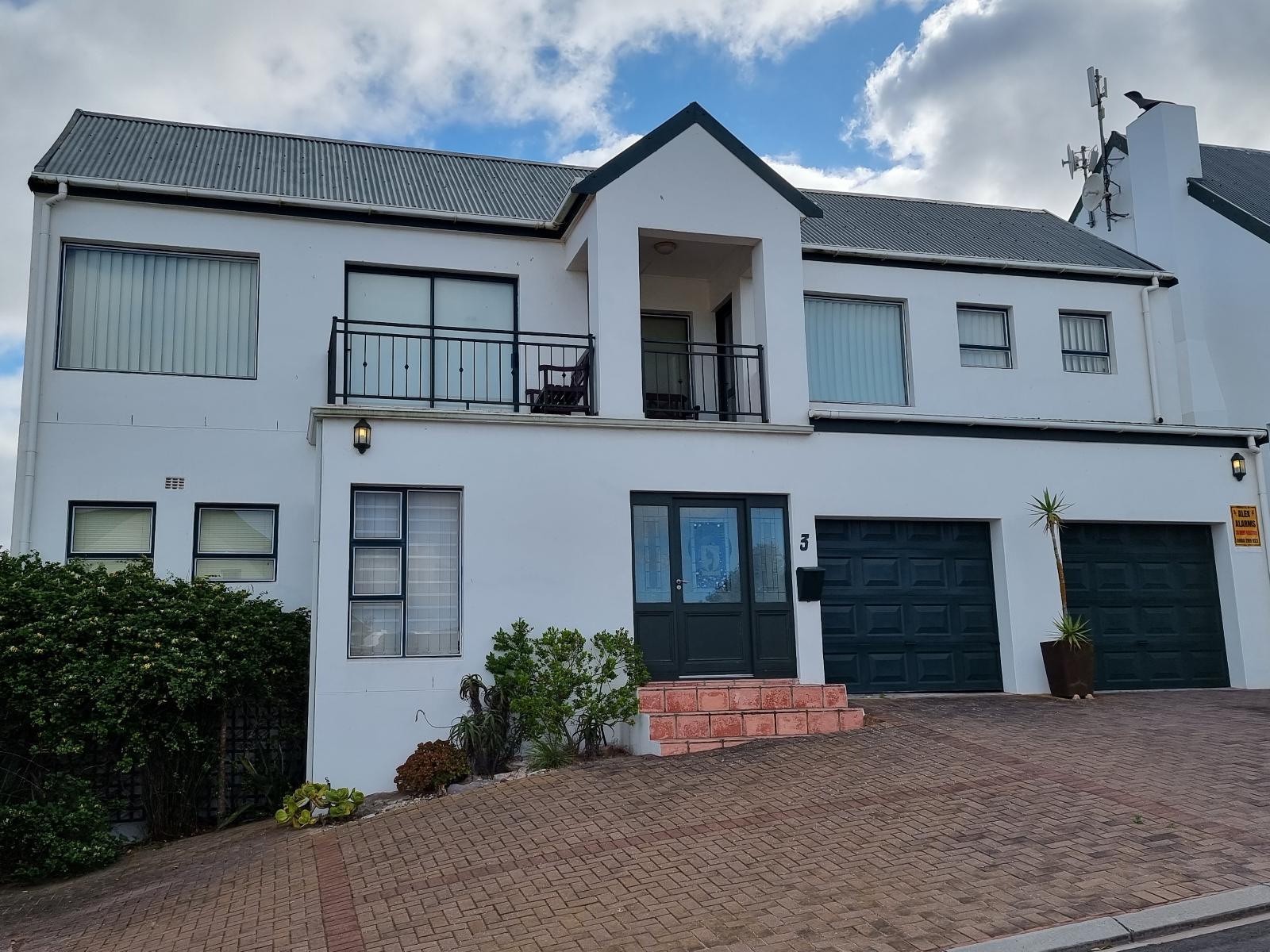
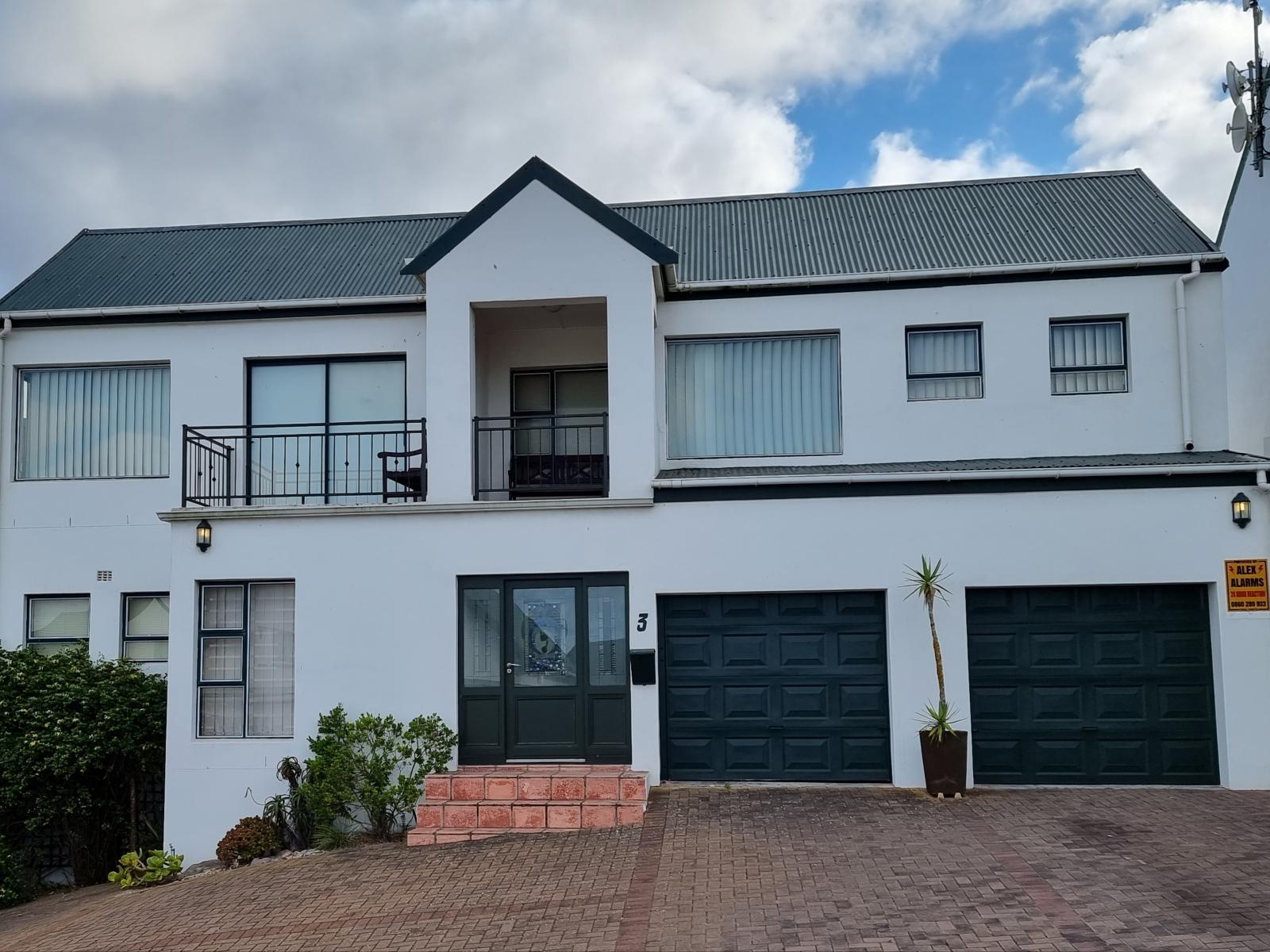
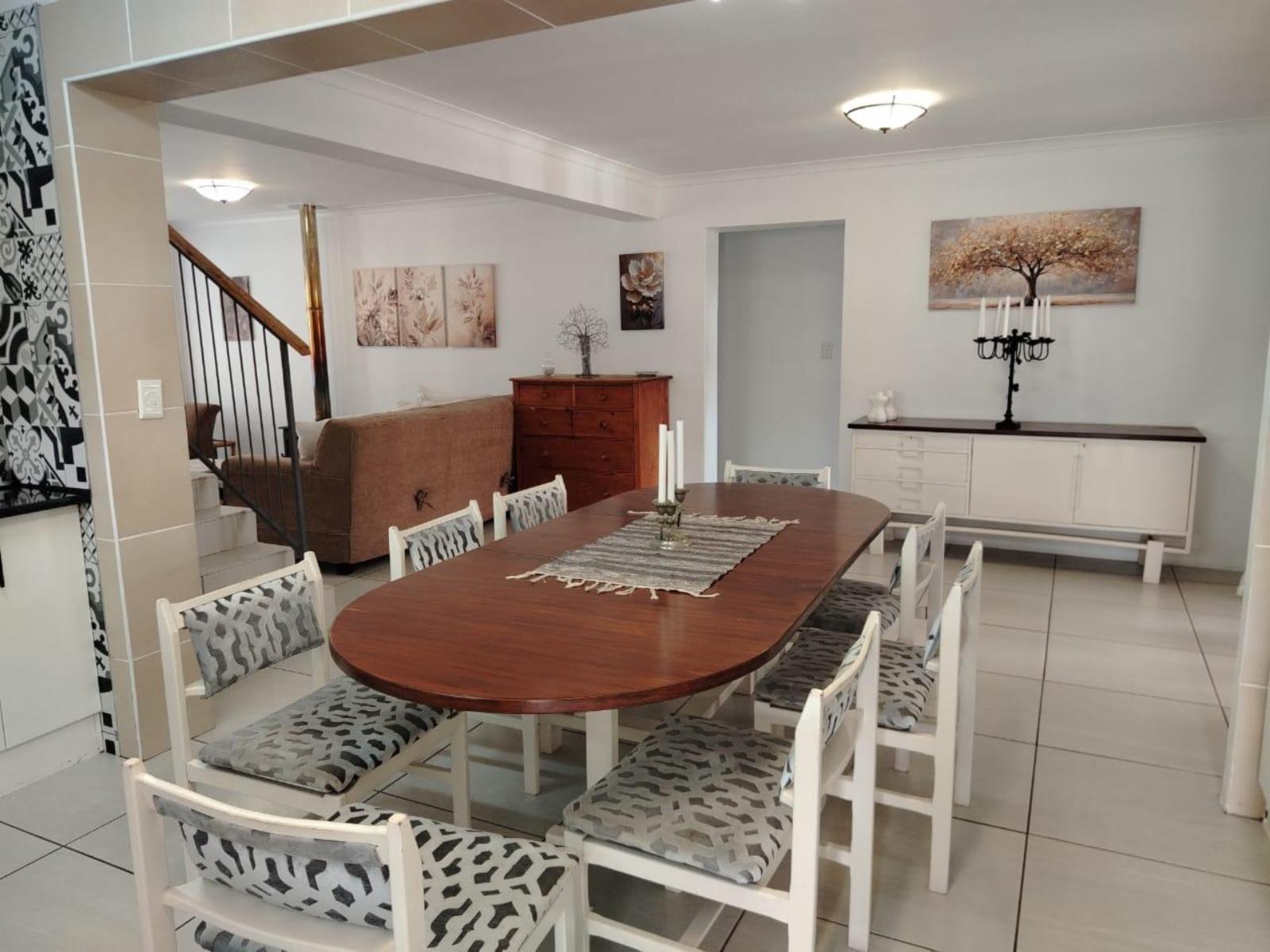
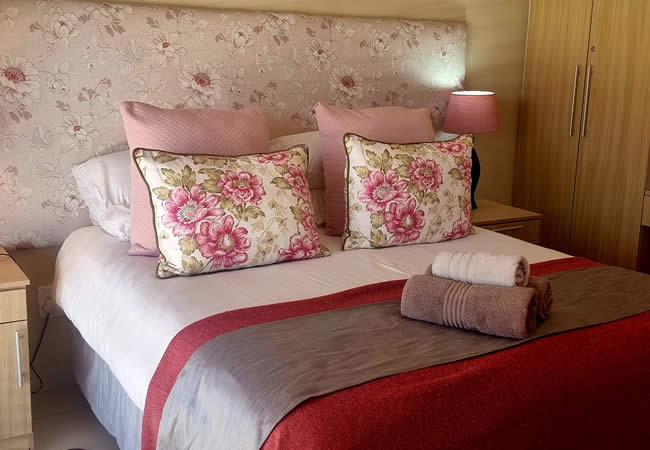
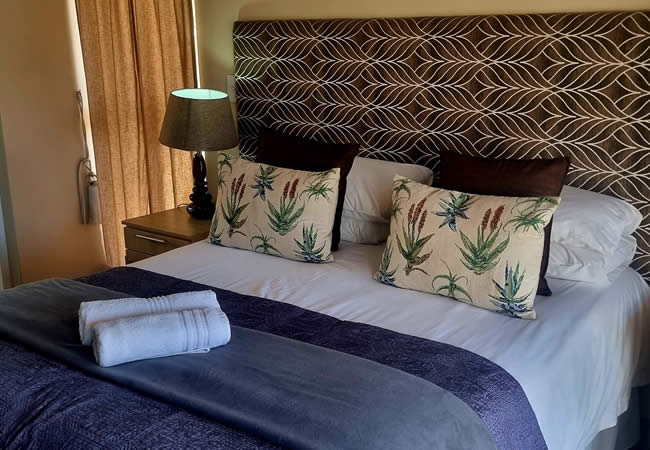
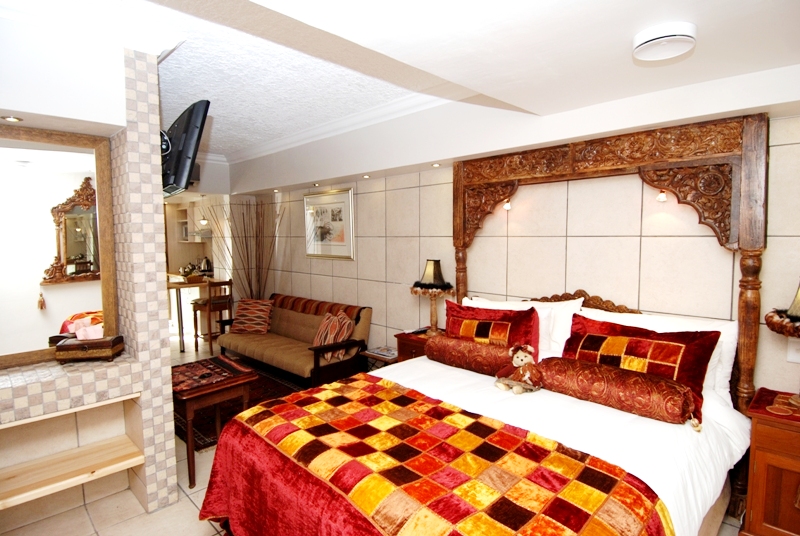
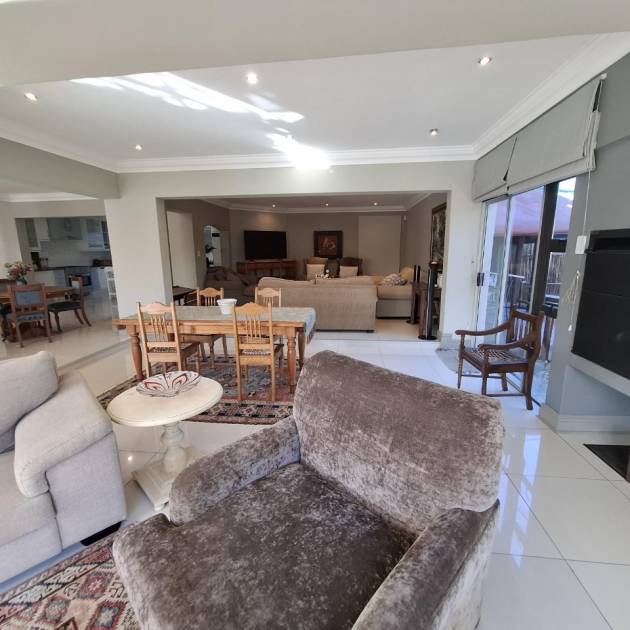
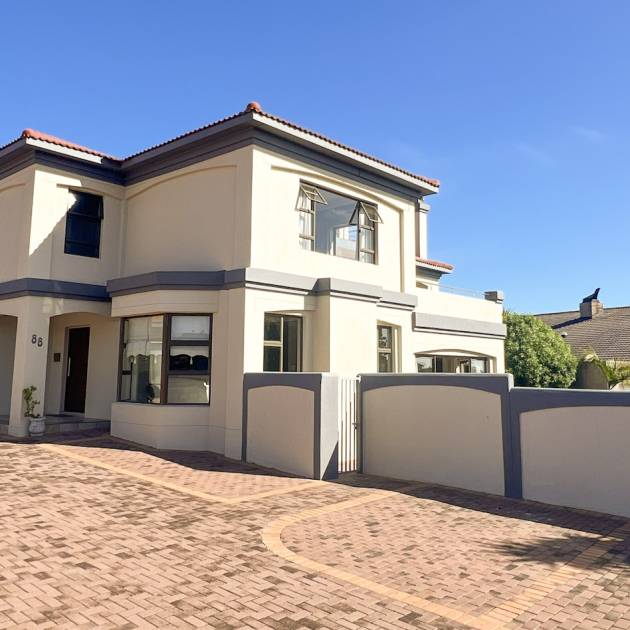
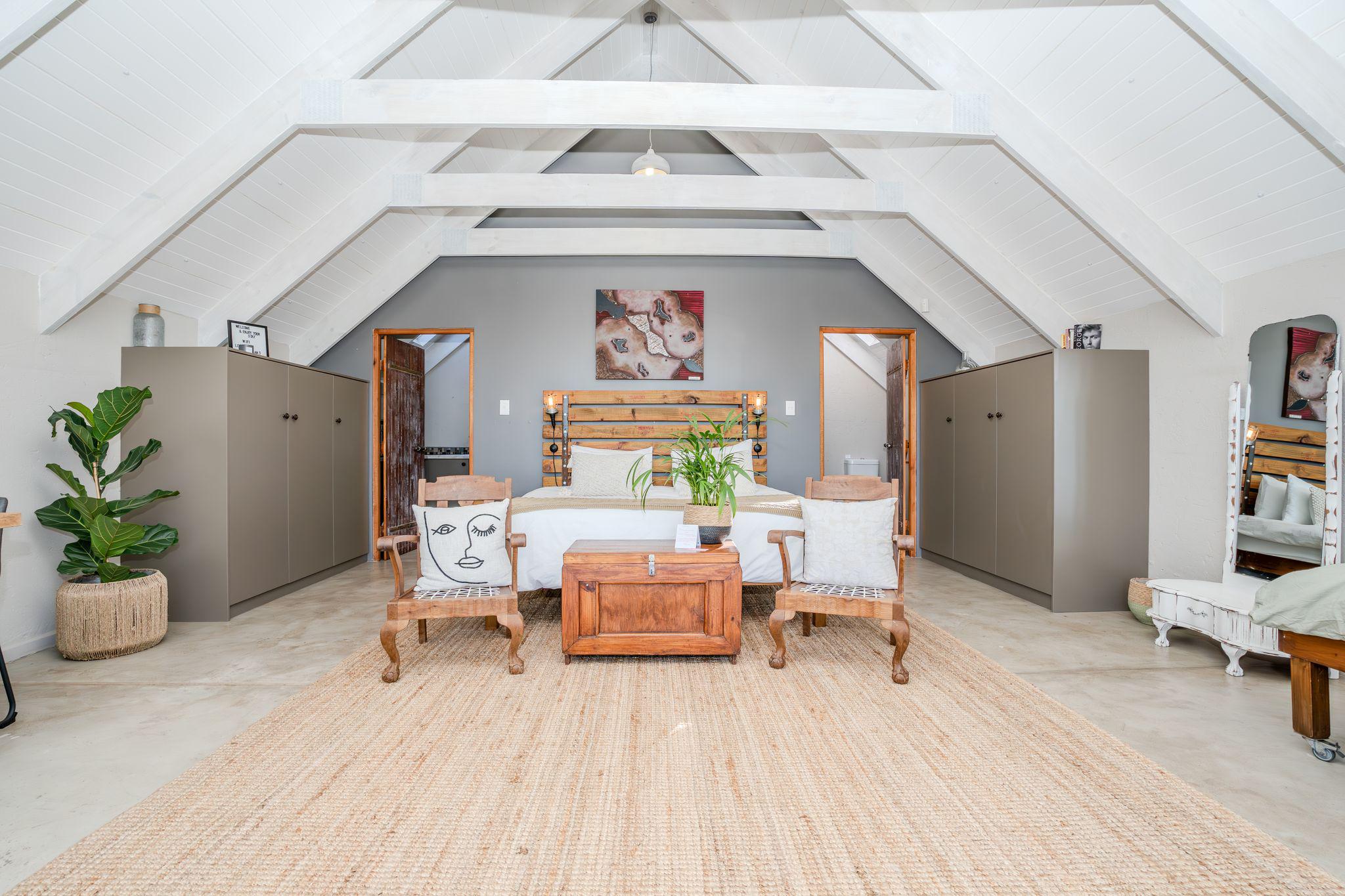
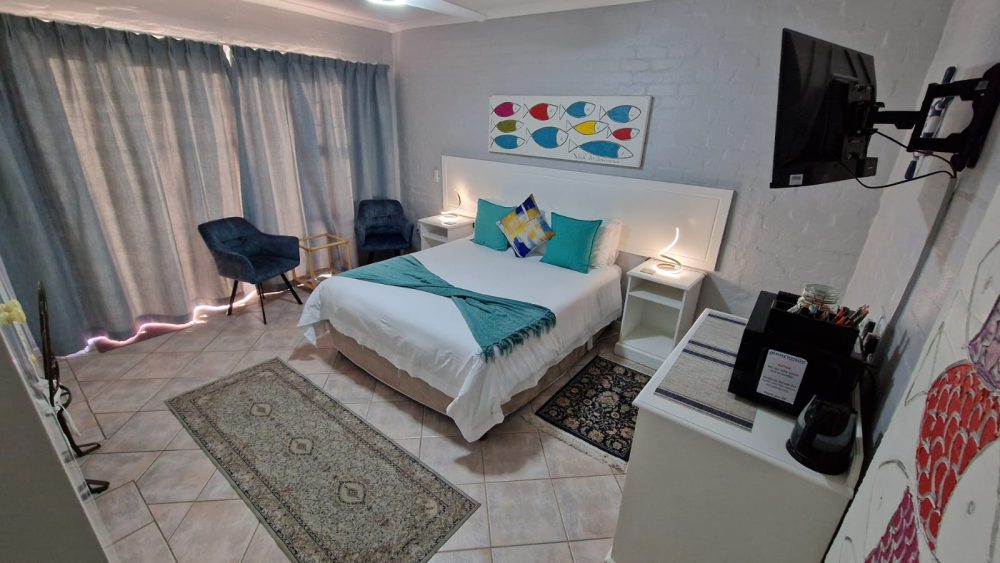
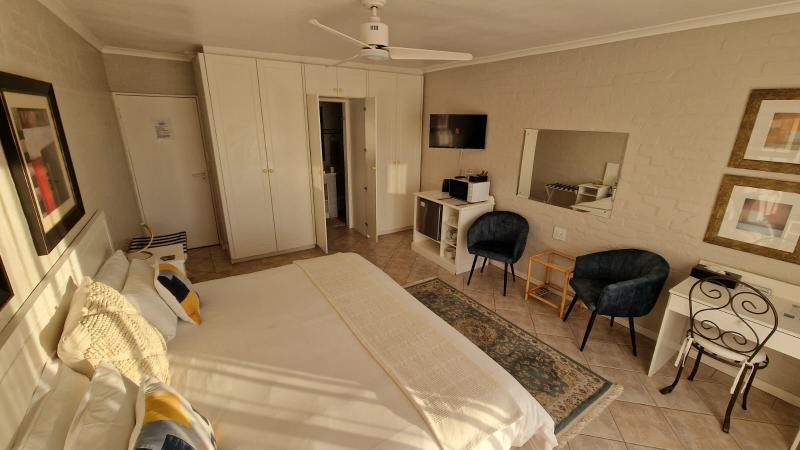
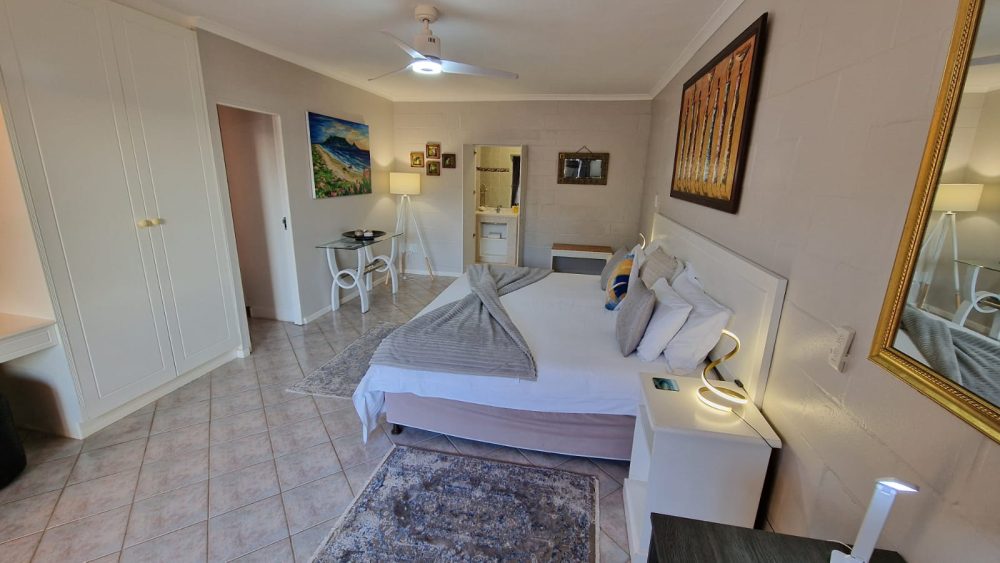
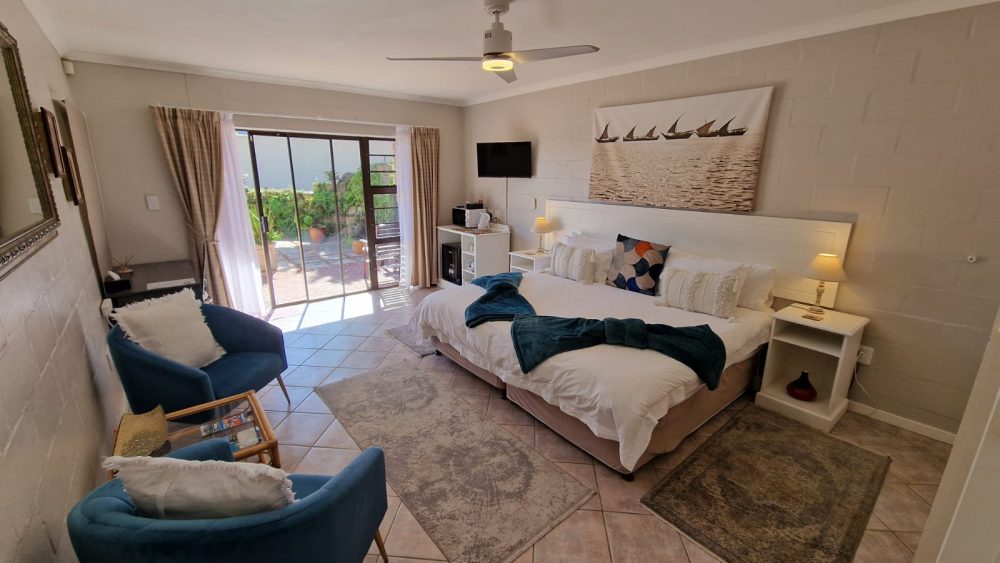
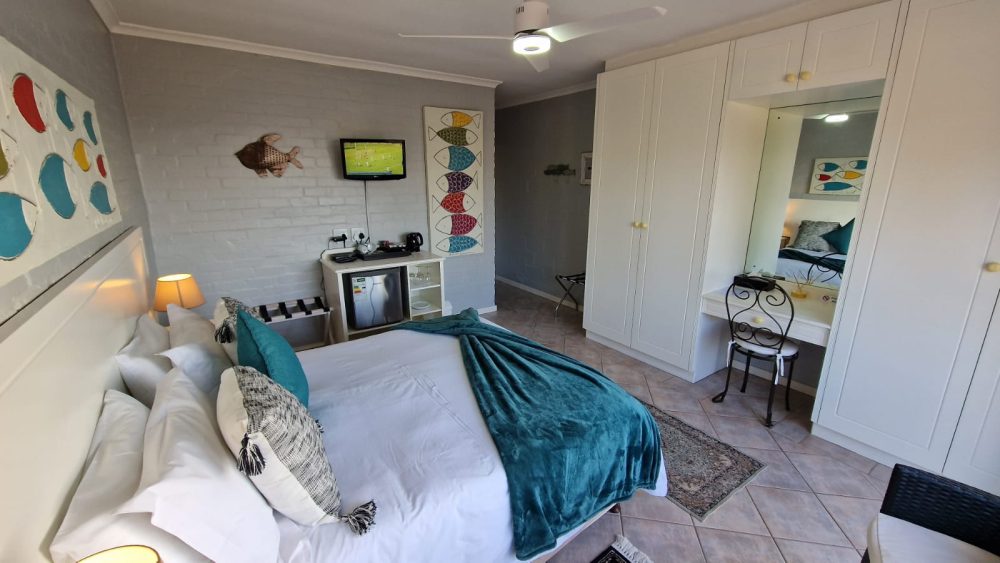
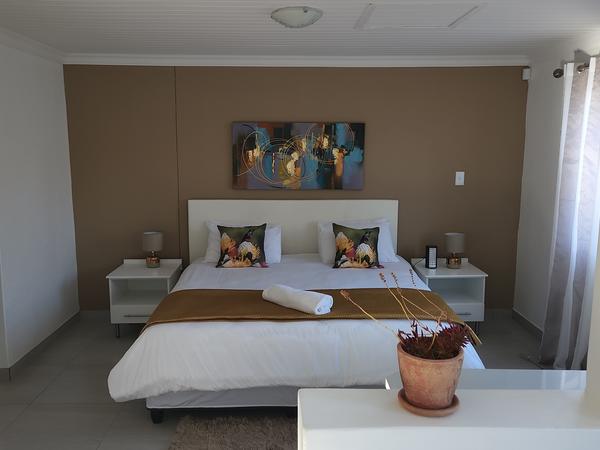
Guesthouses are the most common option on the market, accounting for fifteen of the forty-one listings. Most sit in the mid-range bracket and offer comfortable, no-frills rooms with easy access to the waterfront and surrounding roads. The three hotels in the area fall at a similar price point and suit guests who prefer consistent service and standard amenities over the character of a small owner-run property.
Lodges tend toward quieter locations with outdoor space, appealing to visitors who are spending time in the natural environment and want accommodation to match.
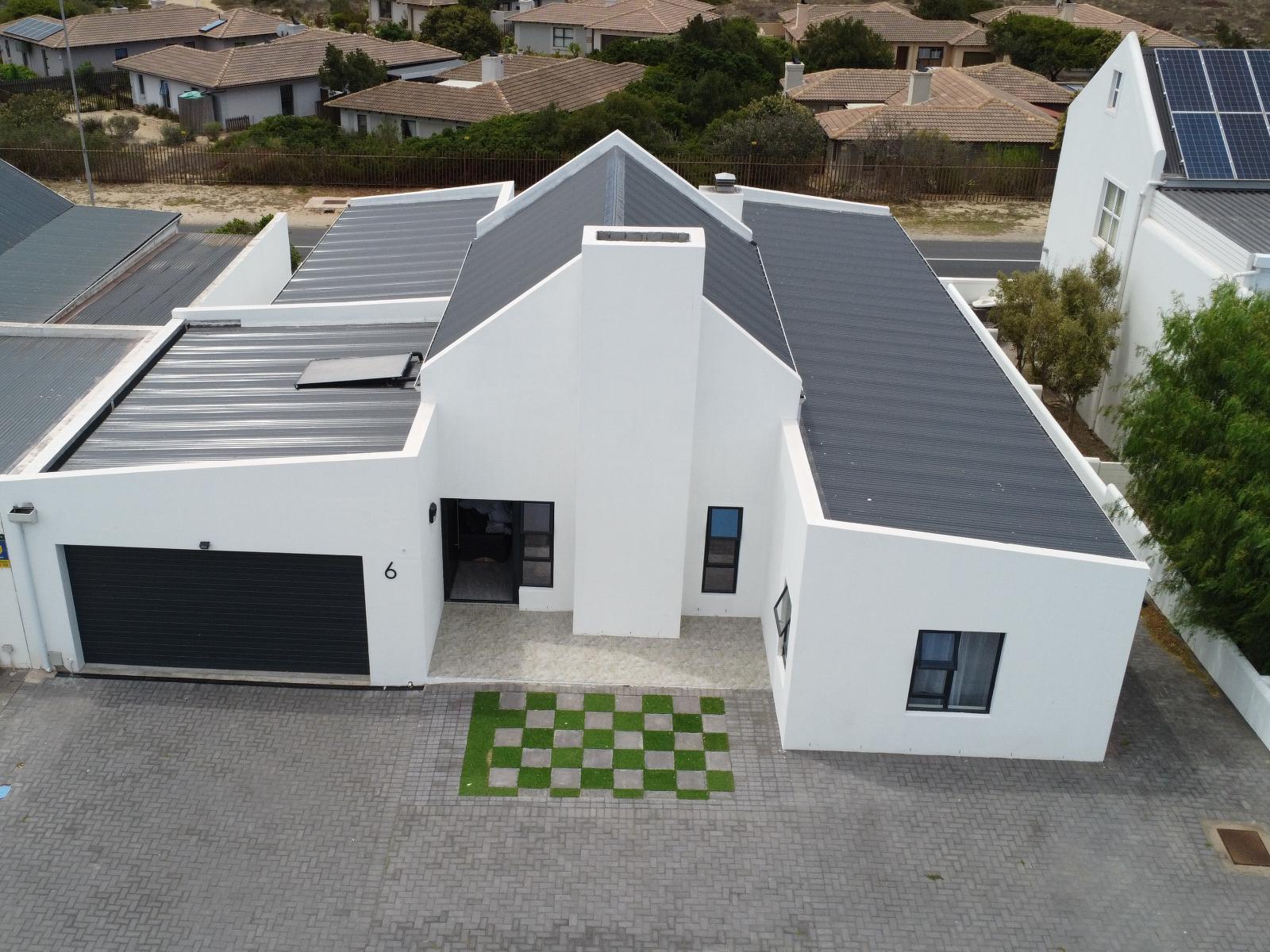
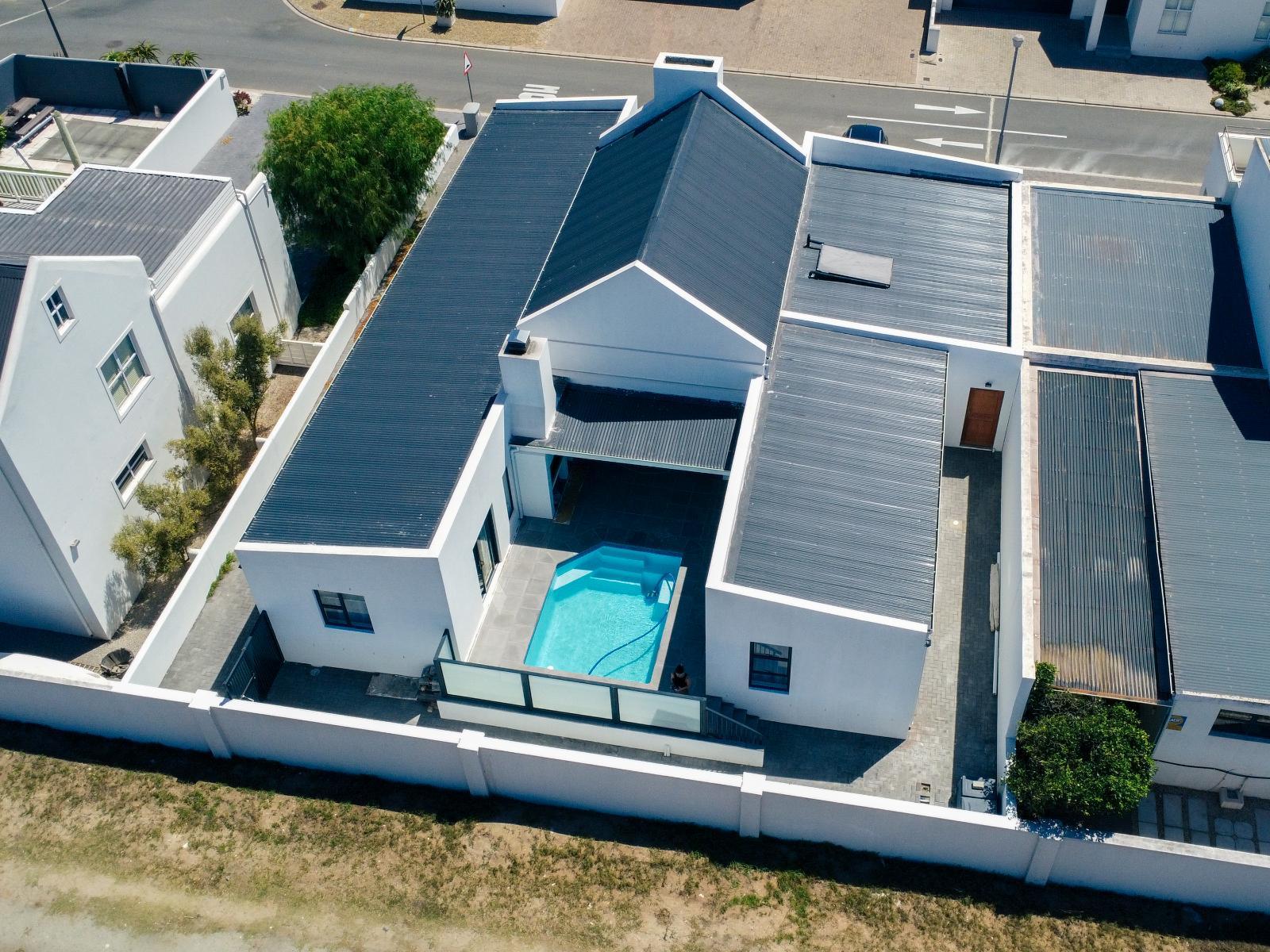
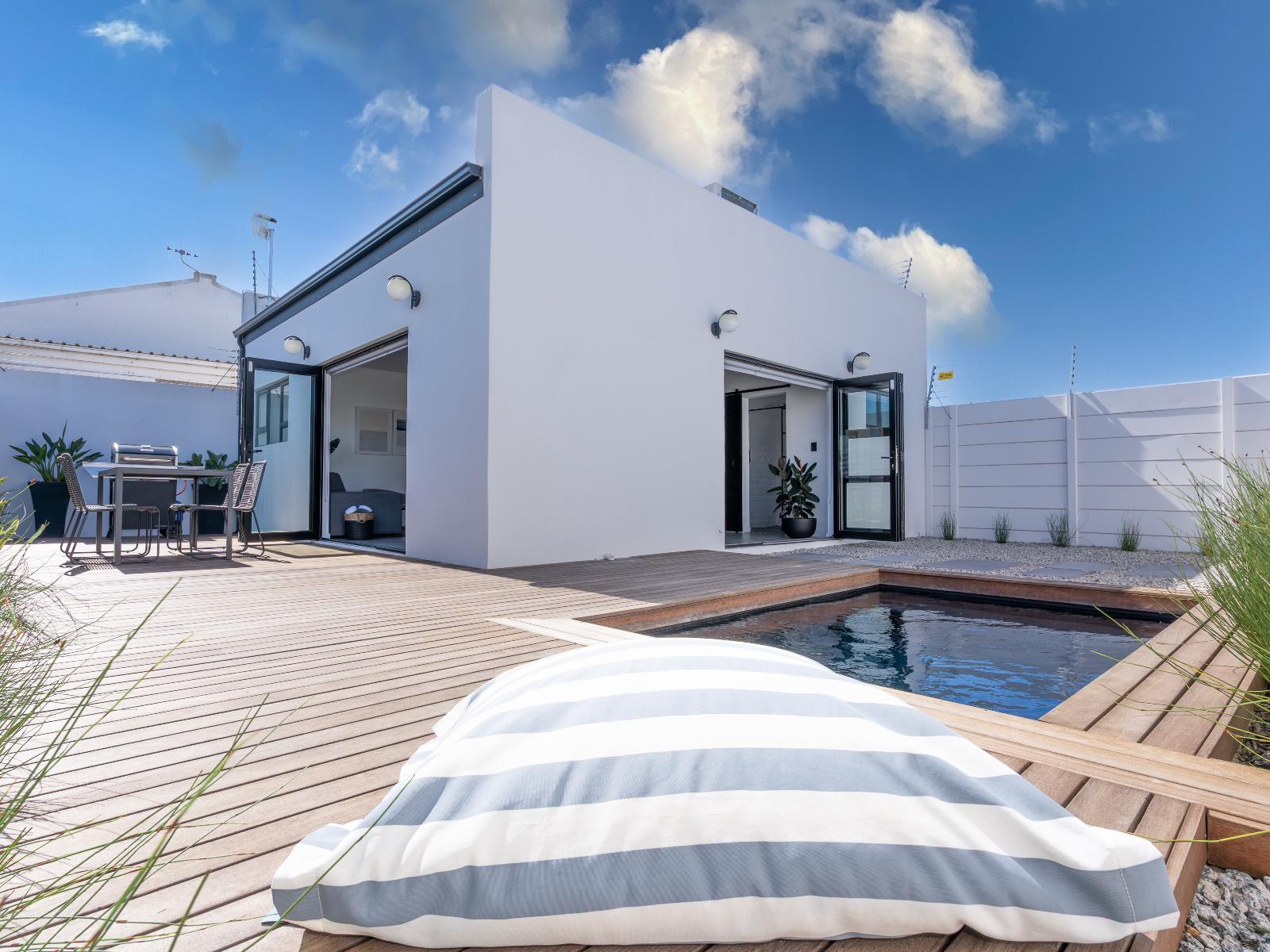
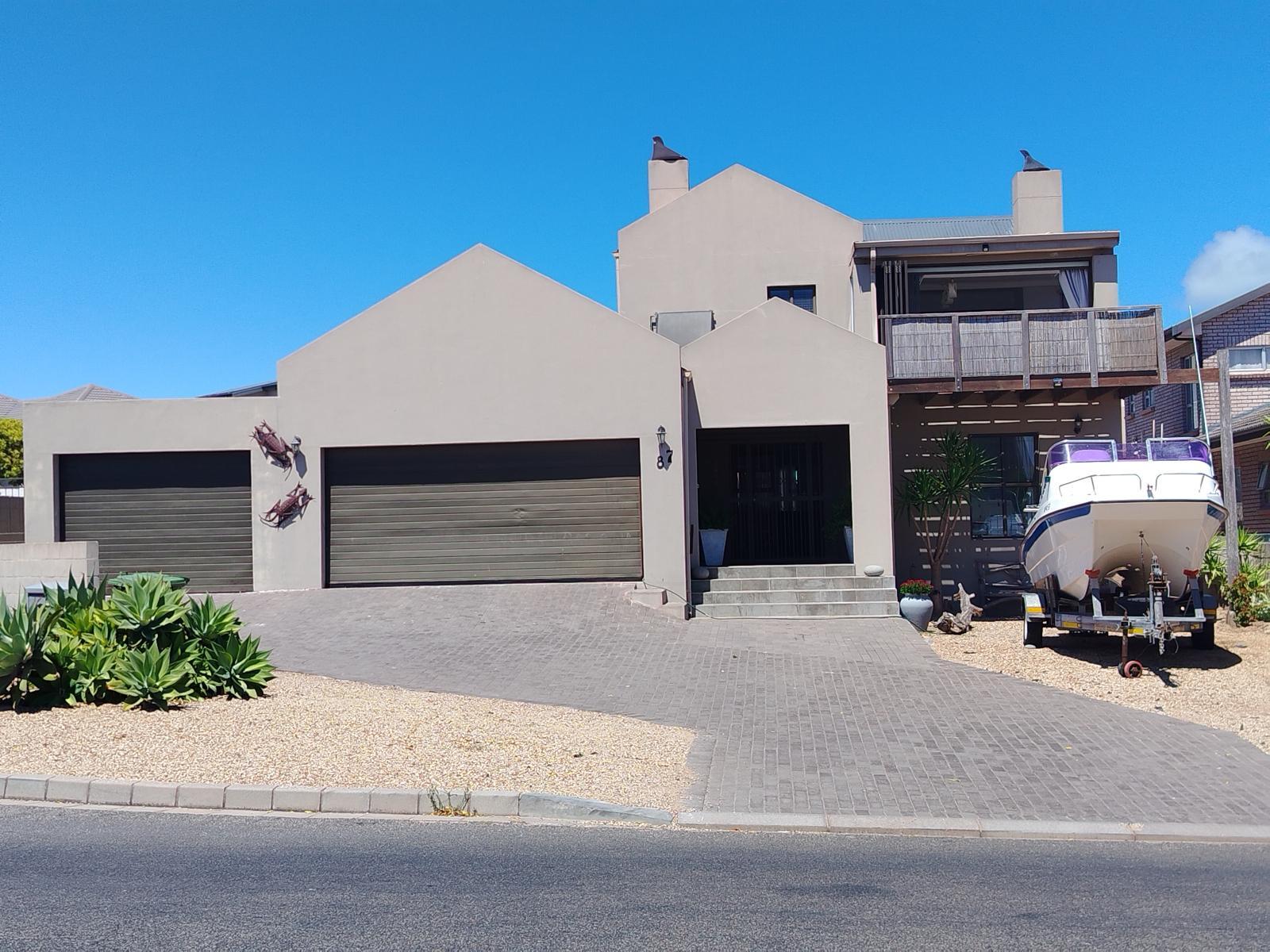
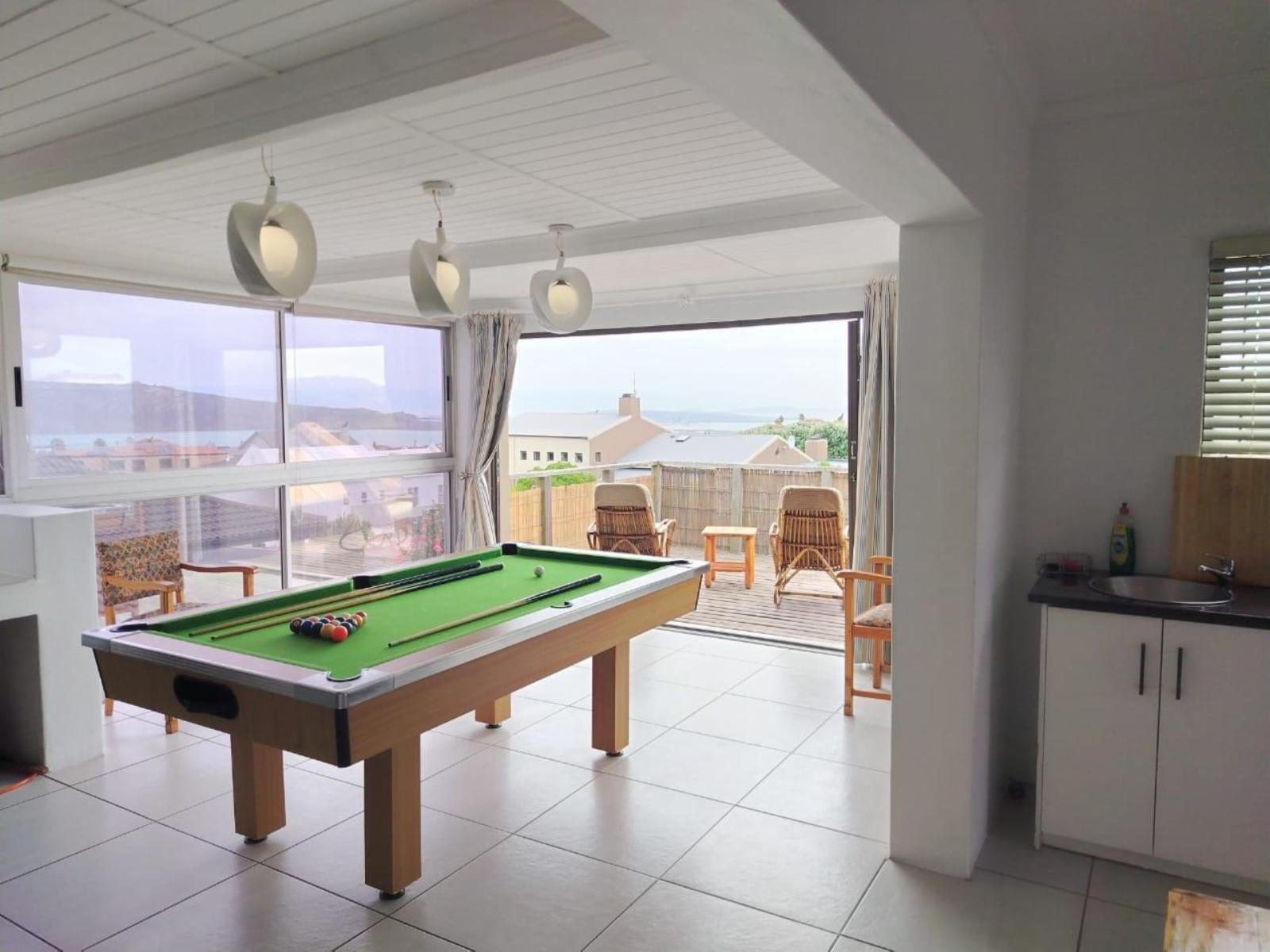
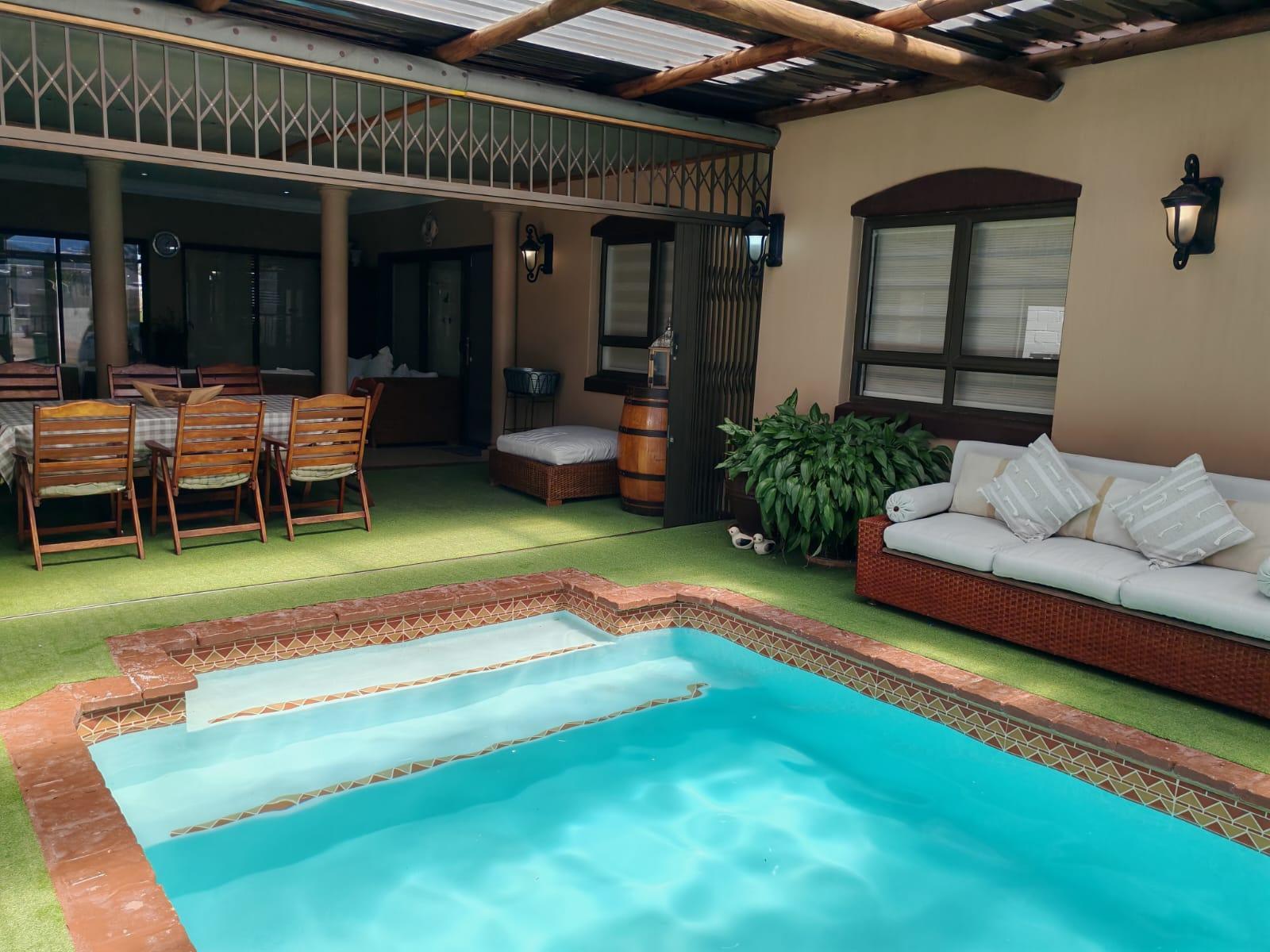
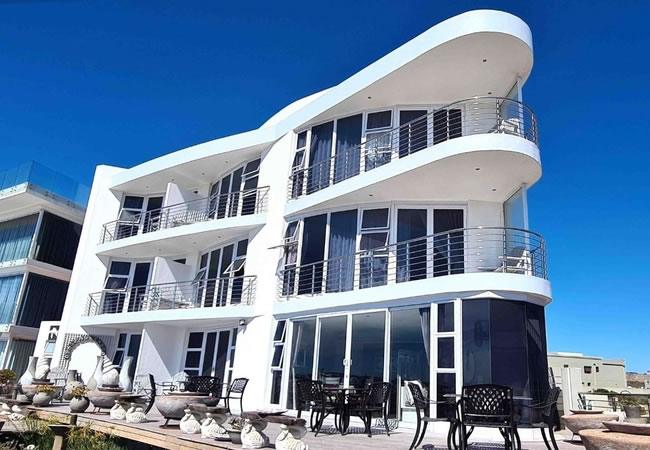
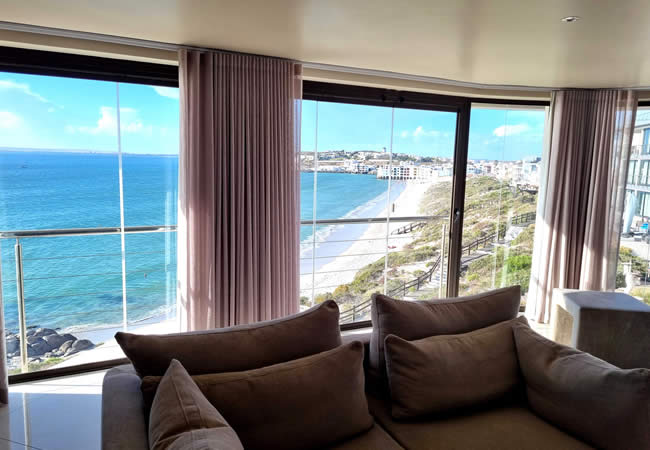
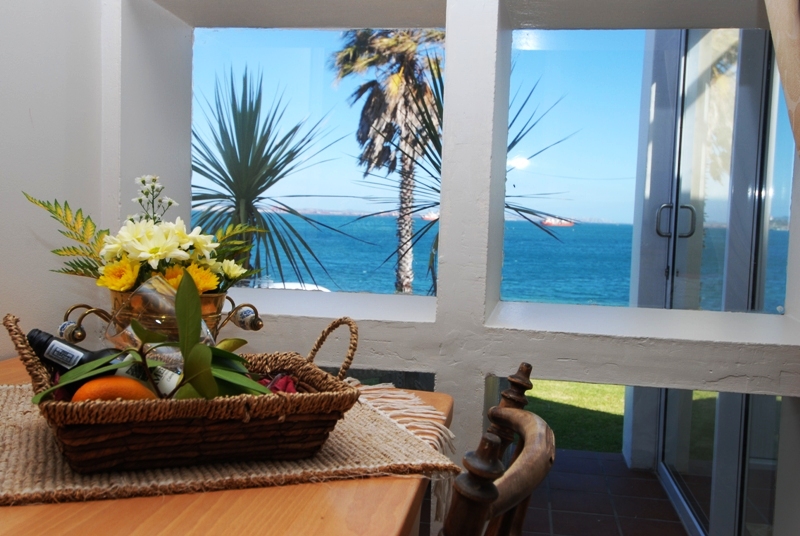
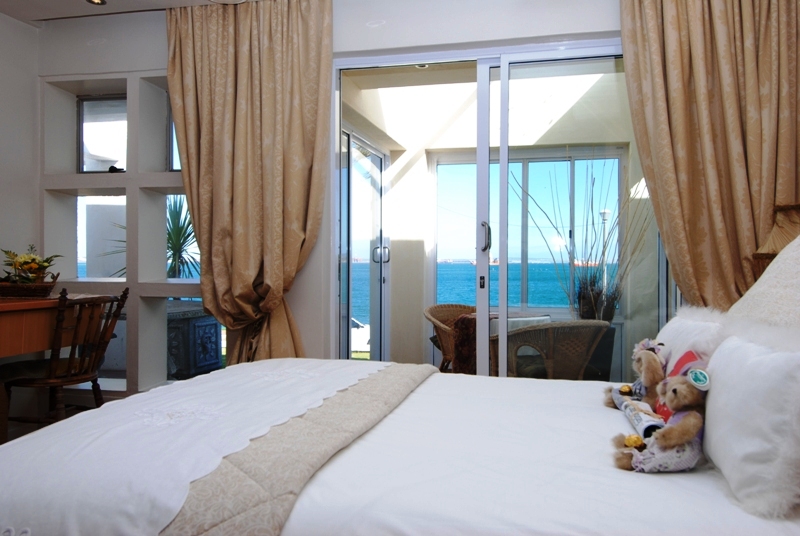
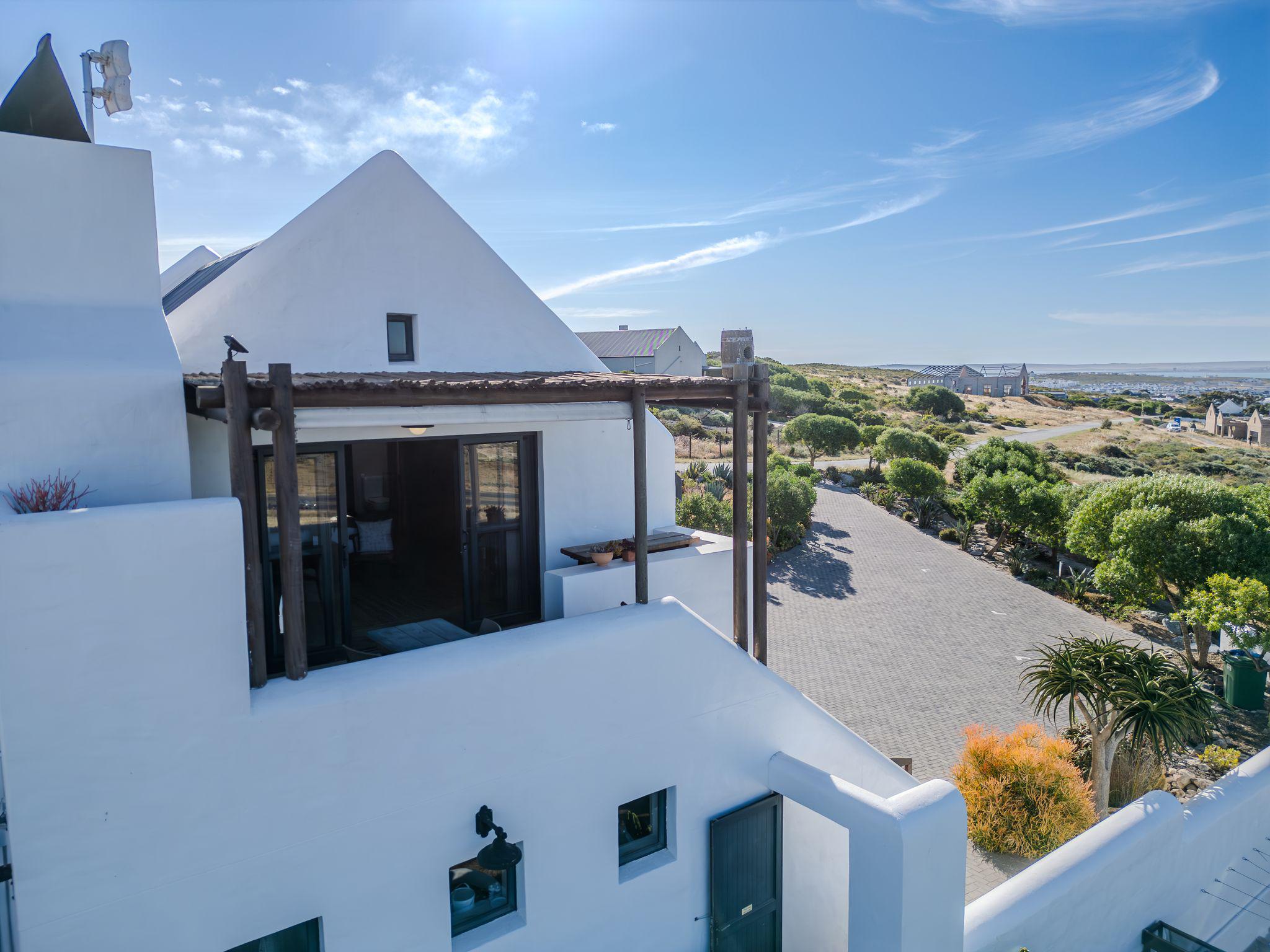
At the upper end of the market, villas represent the best value per head for larger groups, sleeping six or more people at a nightly rate that spreads across the party. The two boutique hotels carry the highest average in the market, reflecting a design-led, attentive approach that commands a premium. A single cottage listing rounds out the top tier, offering a freestanding property with a degree of privacy that is harder to find in a shared guesthouse block.
Things to Do in Saldanha Bay
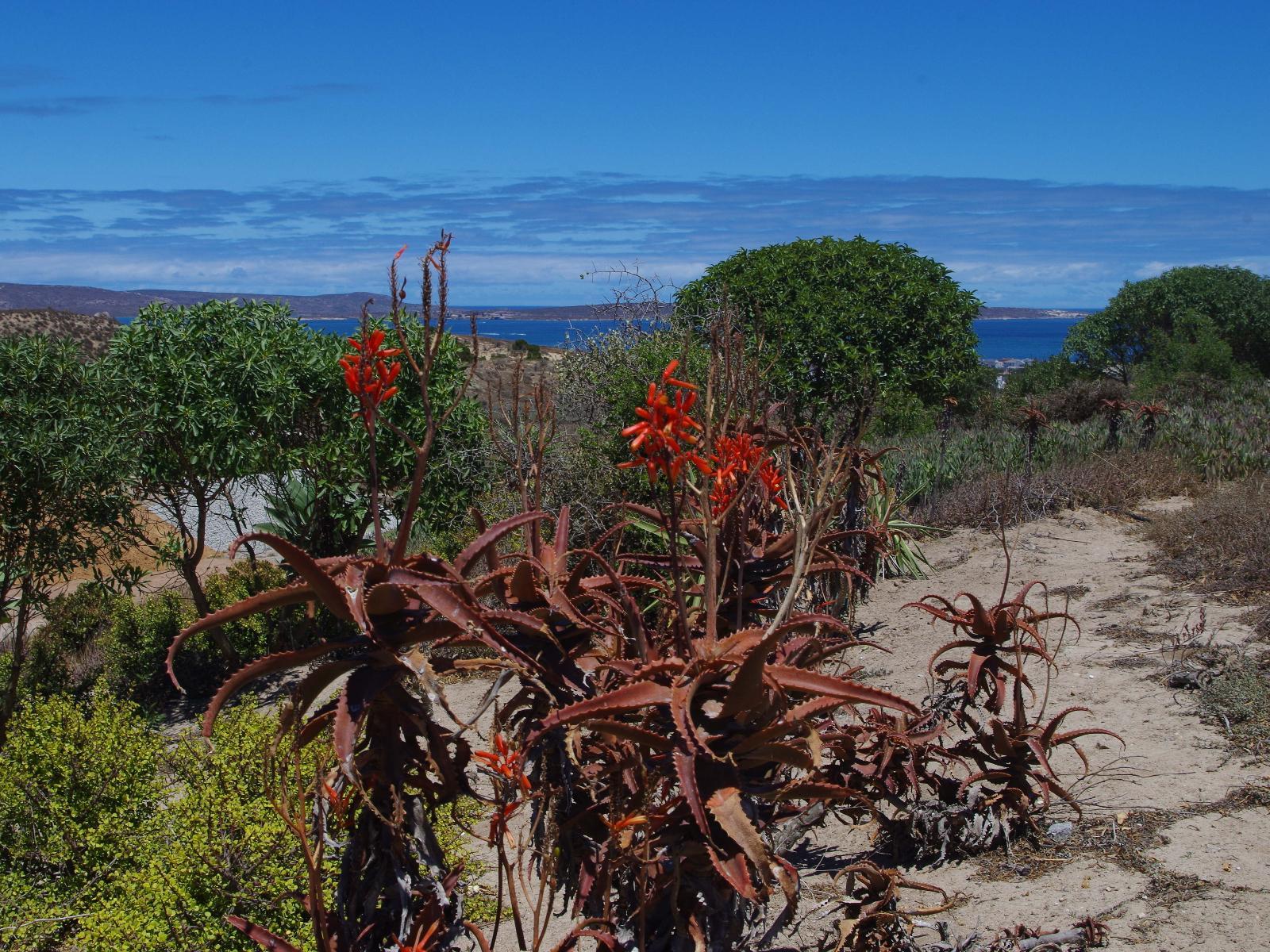
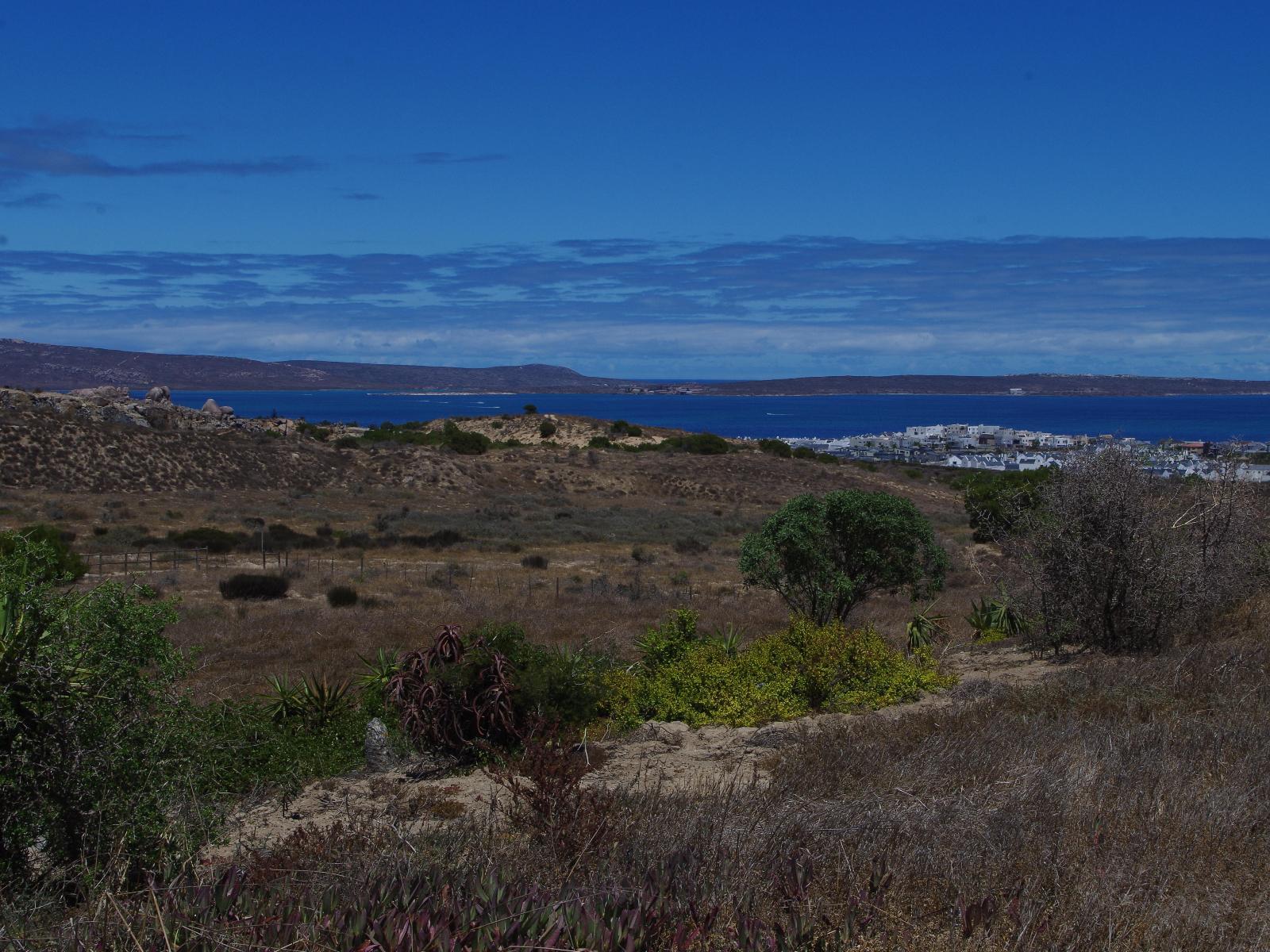
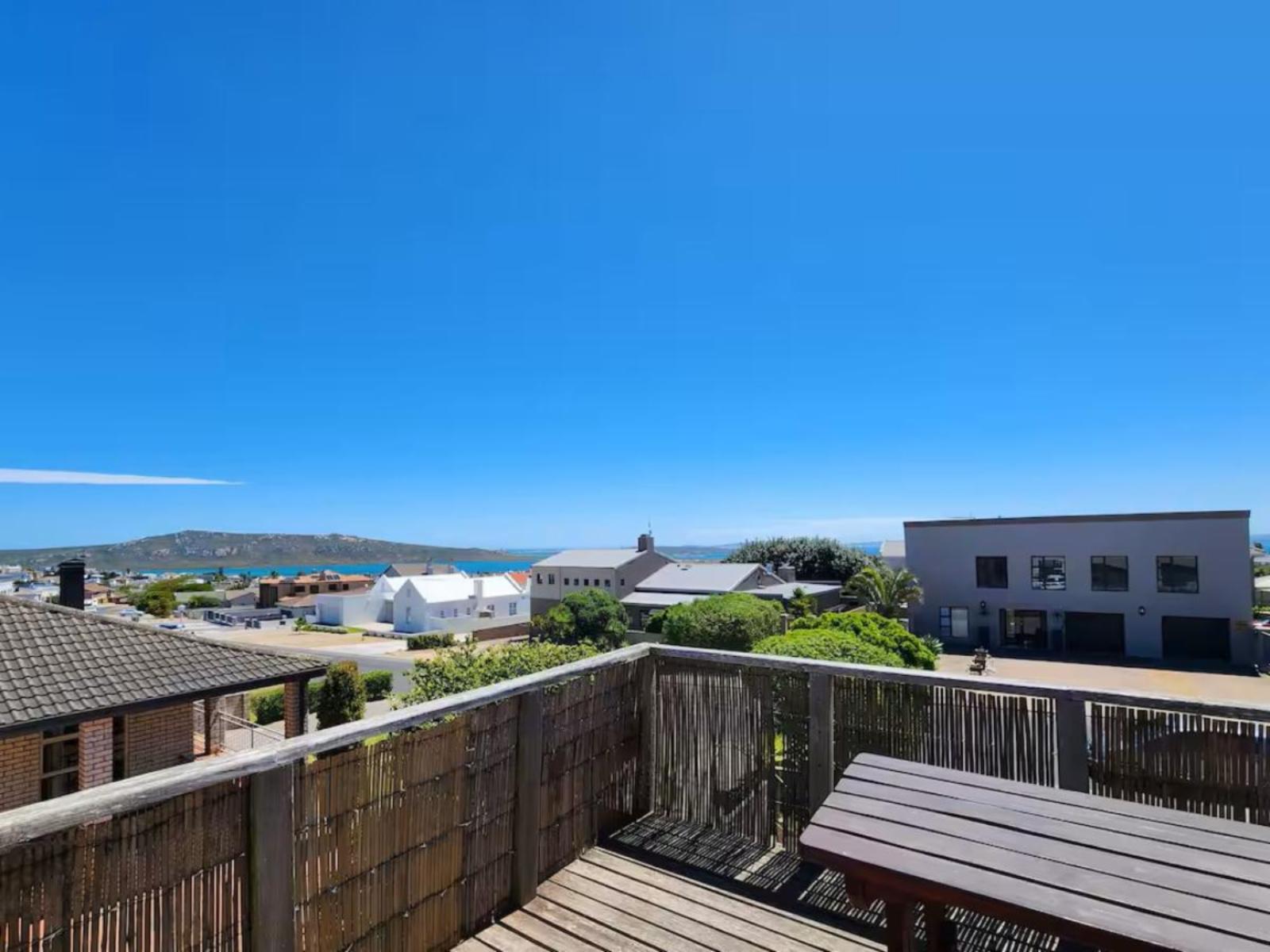
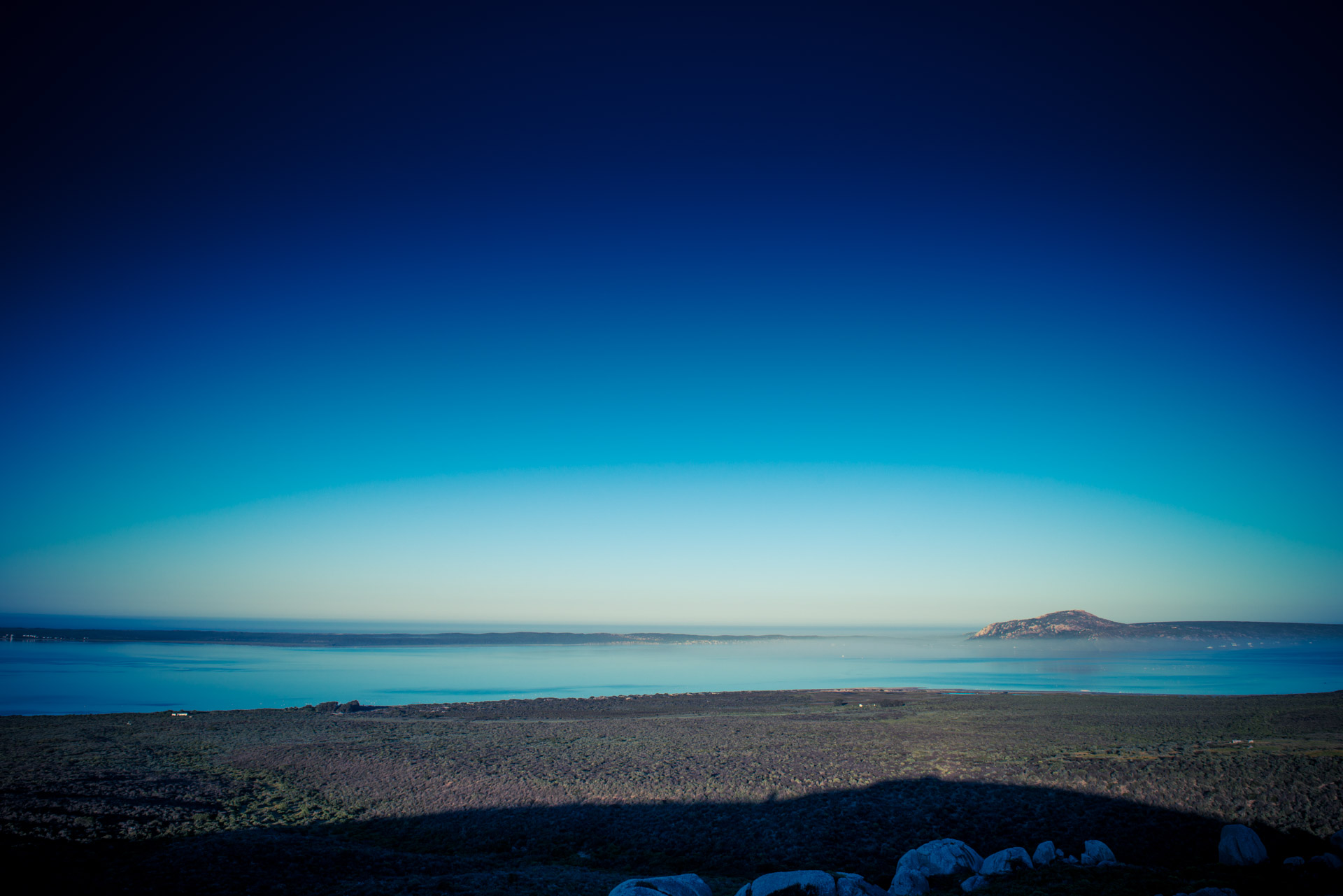
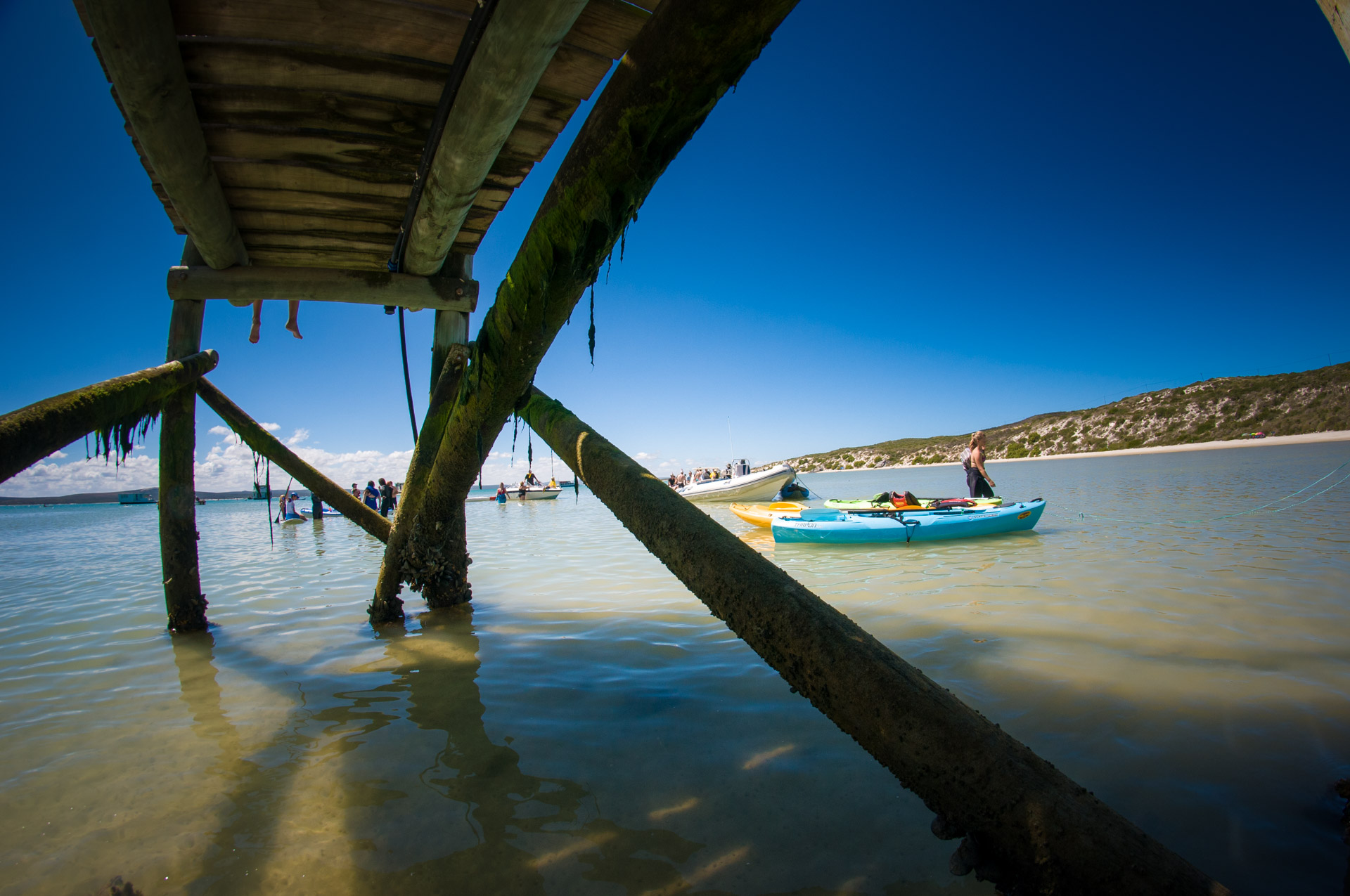
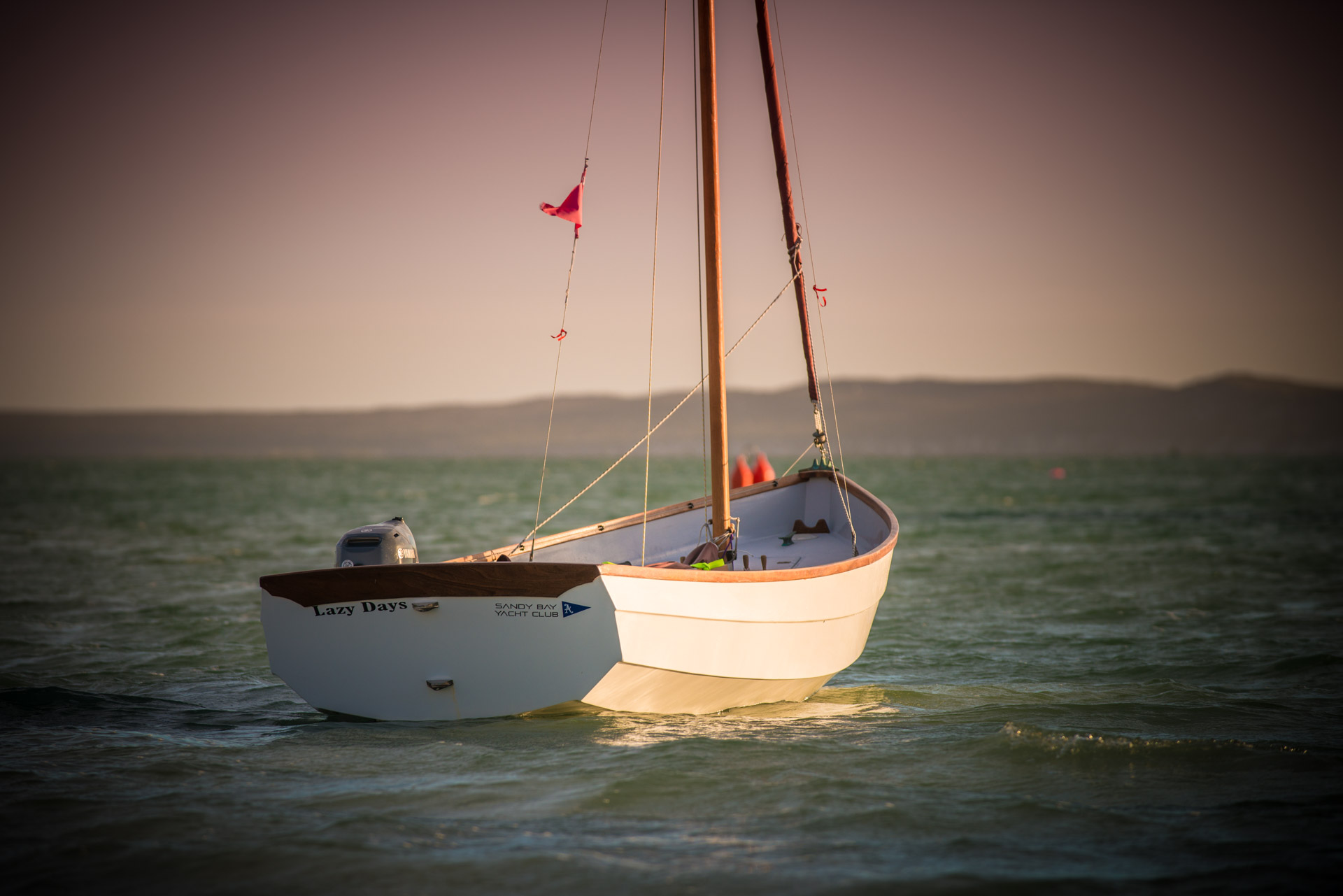
The West Coast National Park is the area's most significant natural draw, accessible within a short drive from town. Trails cut through fynbos shrubland, and the park encloses the Langebaan Lagoon, a protected wetland with calm, shallow water suited to kayaking and sailing. Guided marine ecology tours operate on the lagoon, covering bird species, plant life, and the ecology of this protected environment. Equipment hire is available at several access points around the lagoon edge.
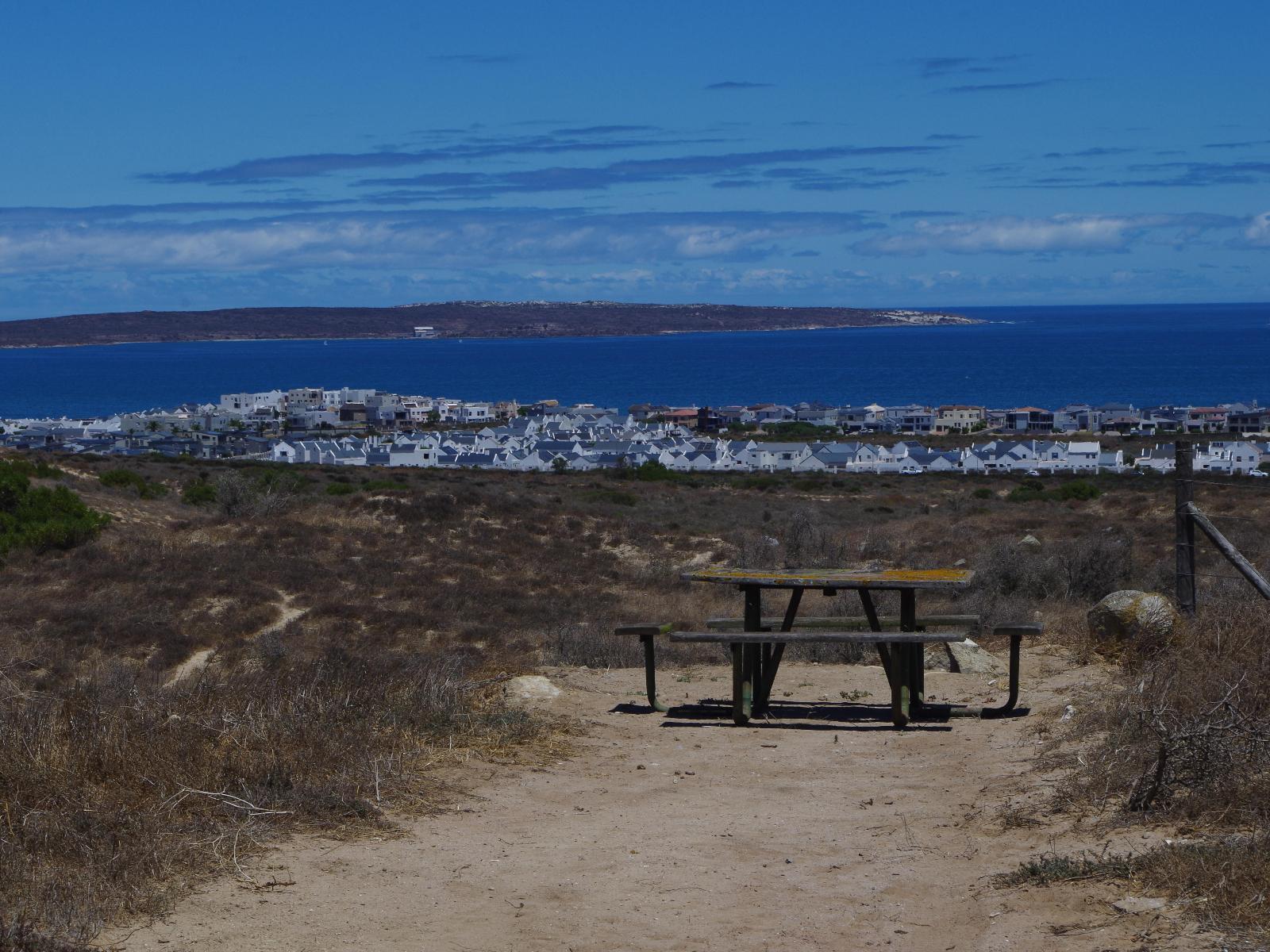
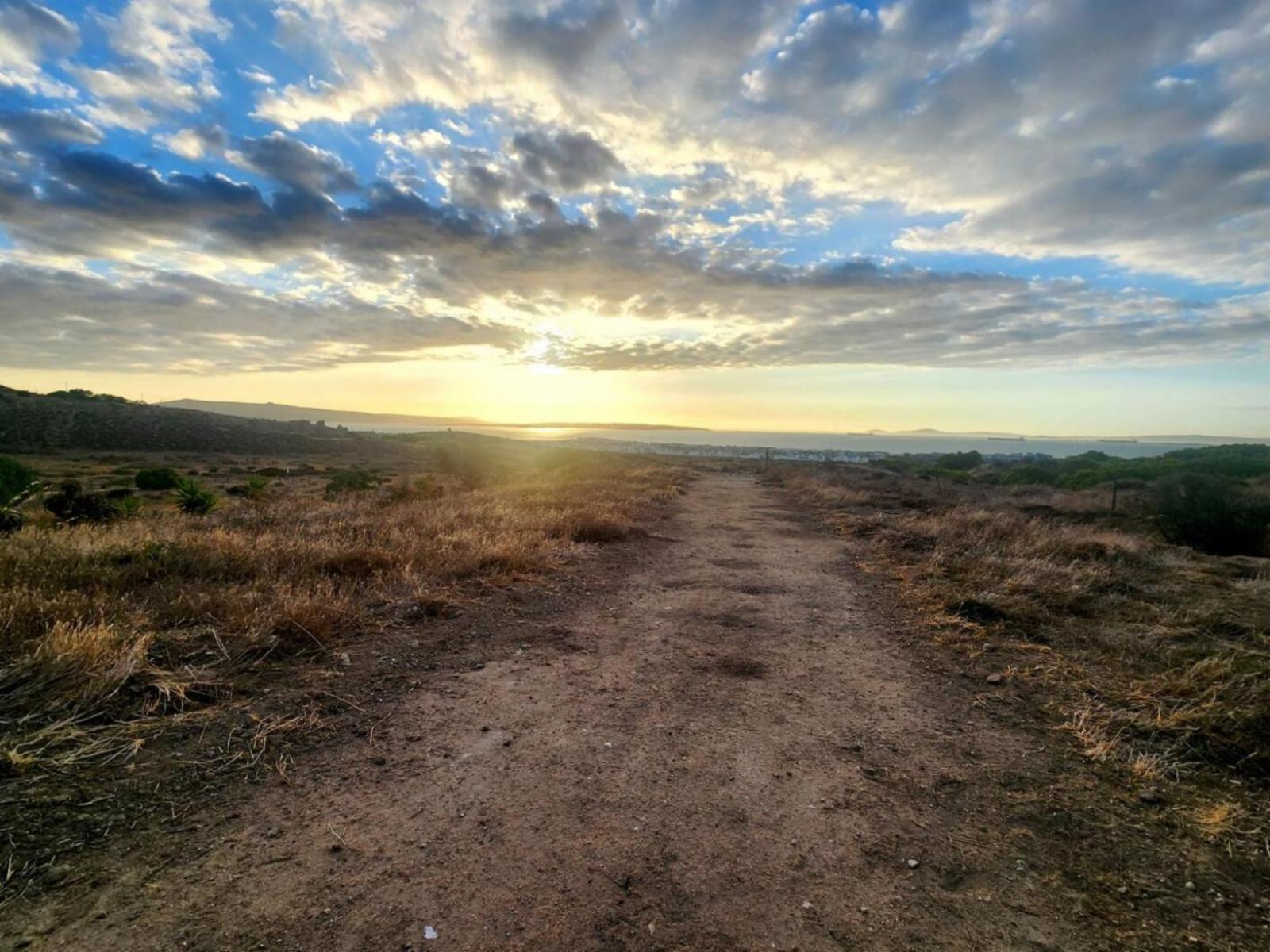
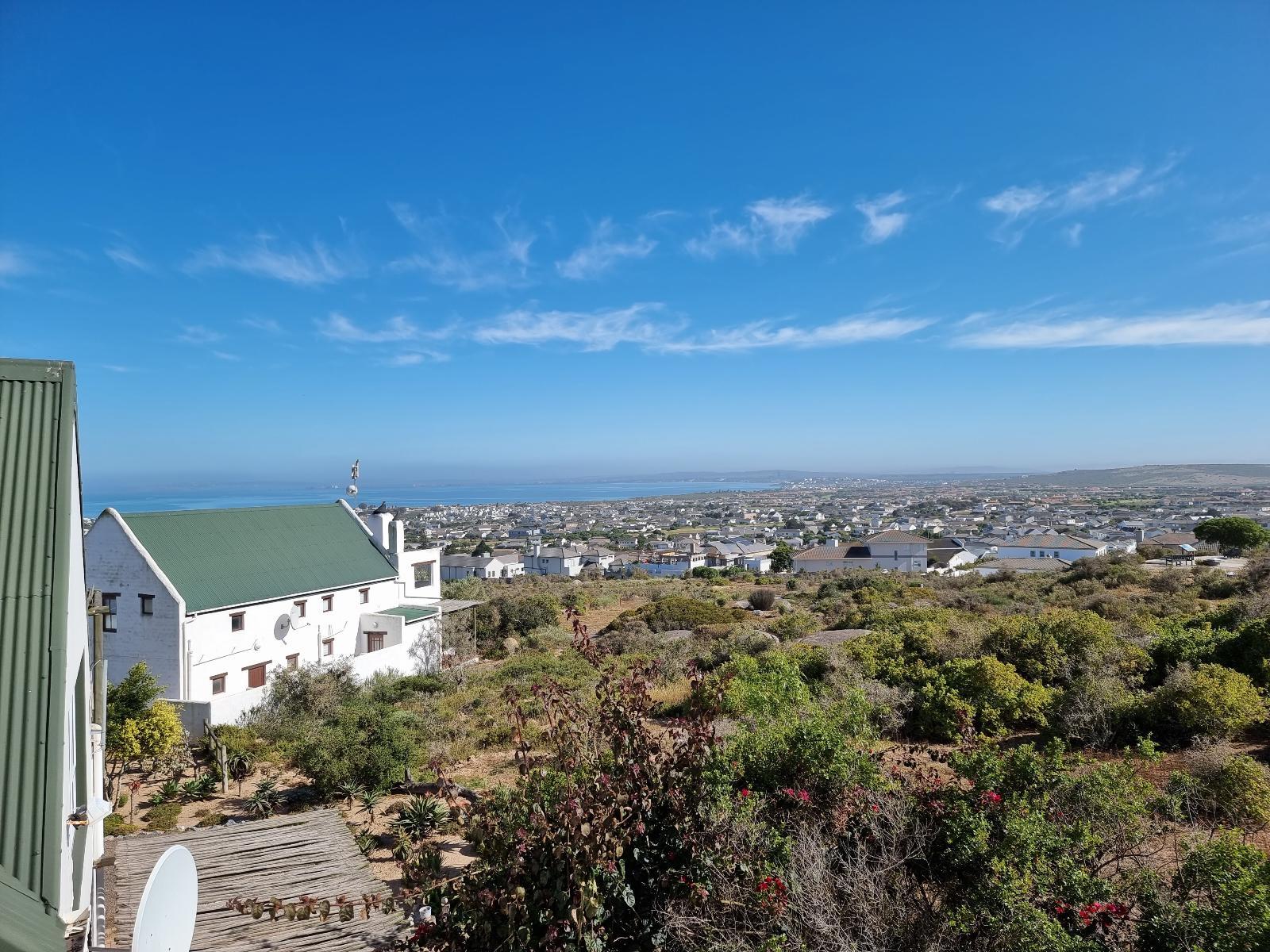
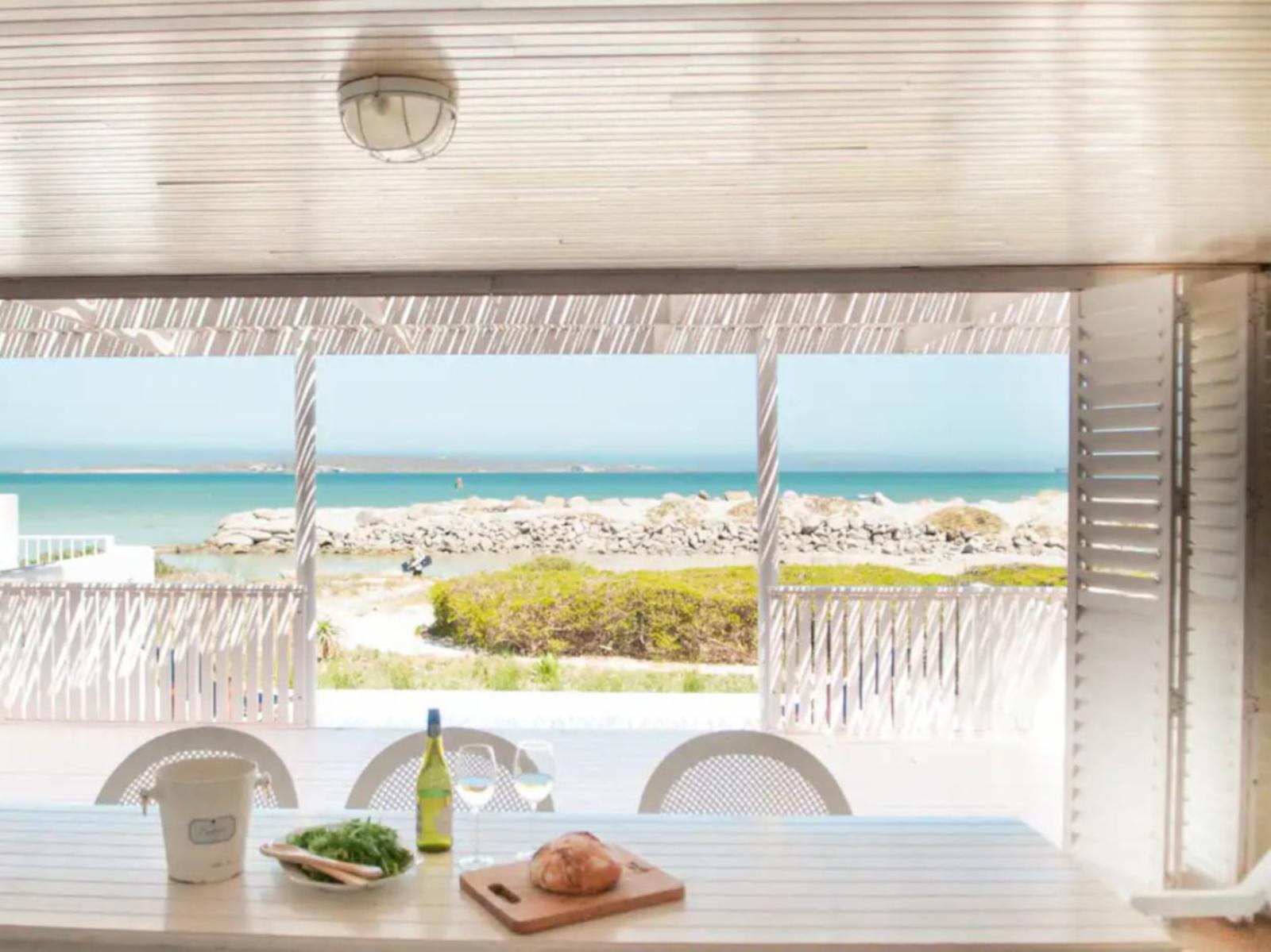
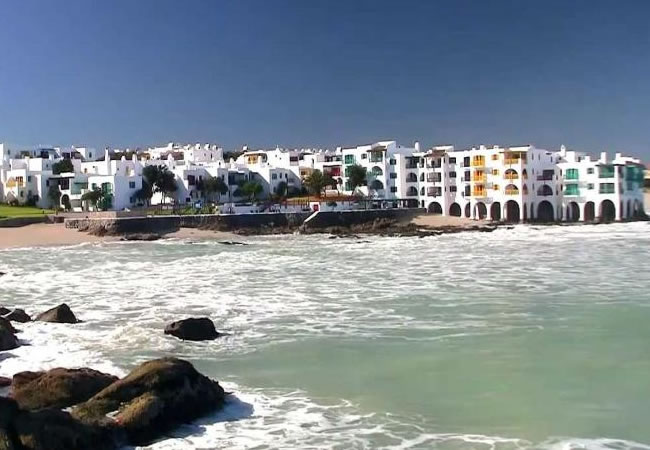
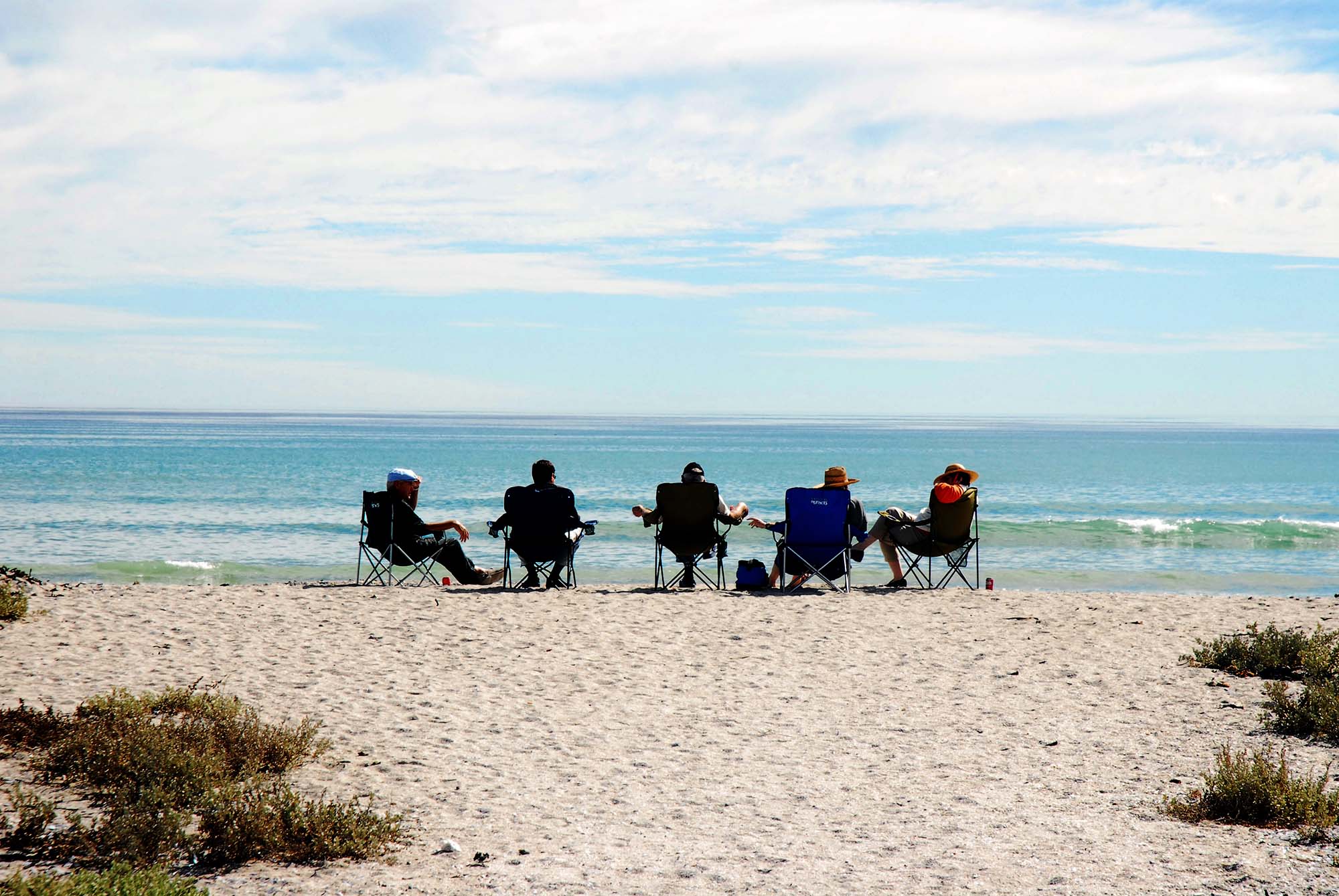
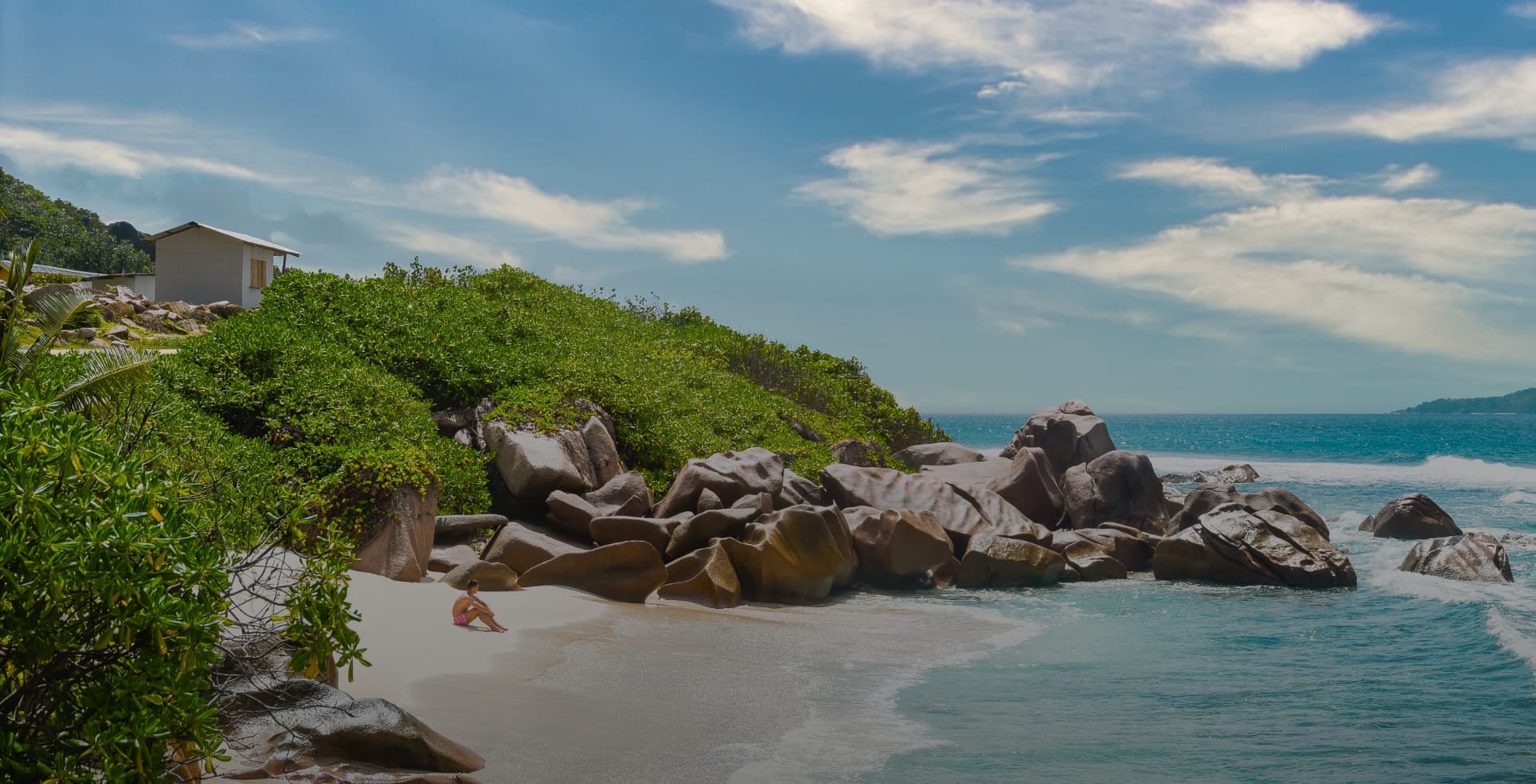
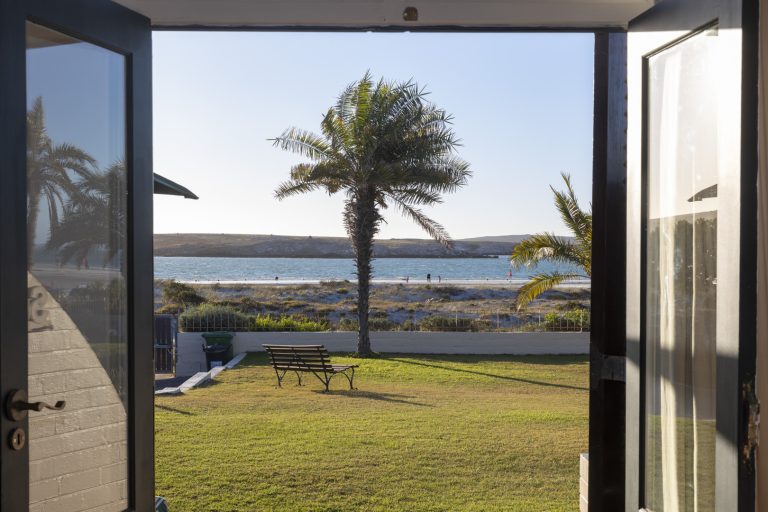
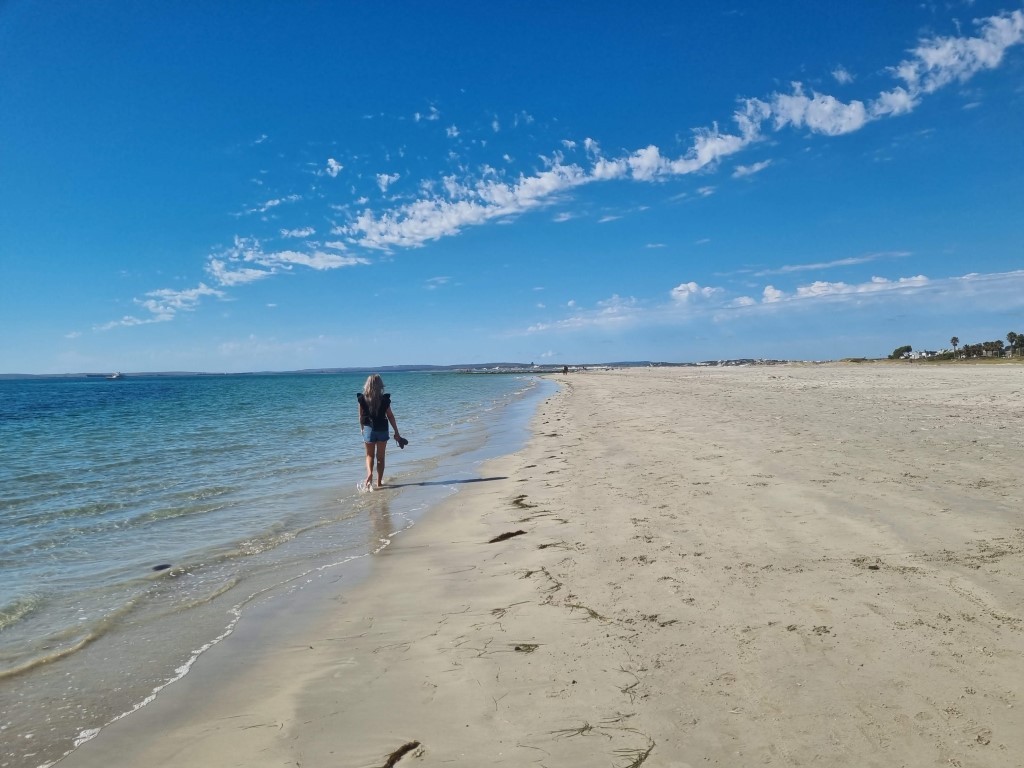
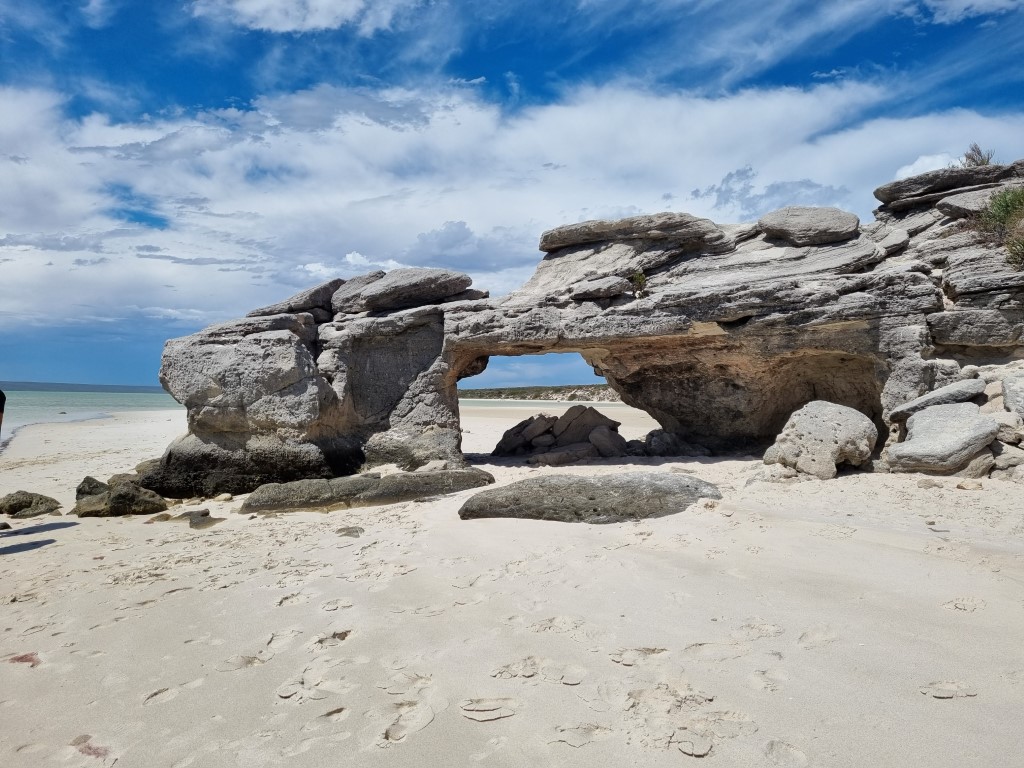
Beaches near the town include those at Kraalbaai, where the water is calm and the setting uncrowded outside of peak summer. The area suits swimming and picnics during the warmer months, and the relative lack of development gives this stretch of coastline a quieter character than more commercialised sections of the Cape coast.
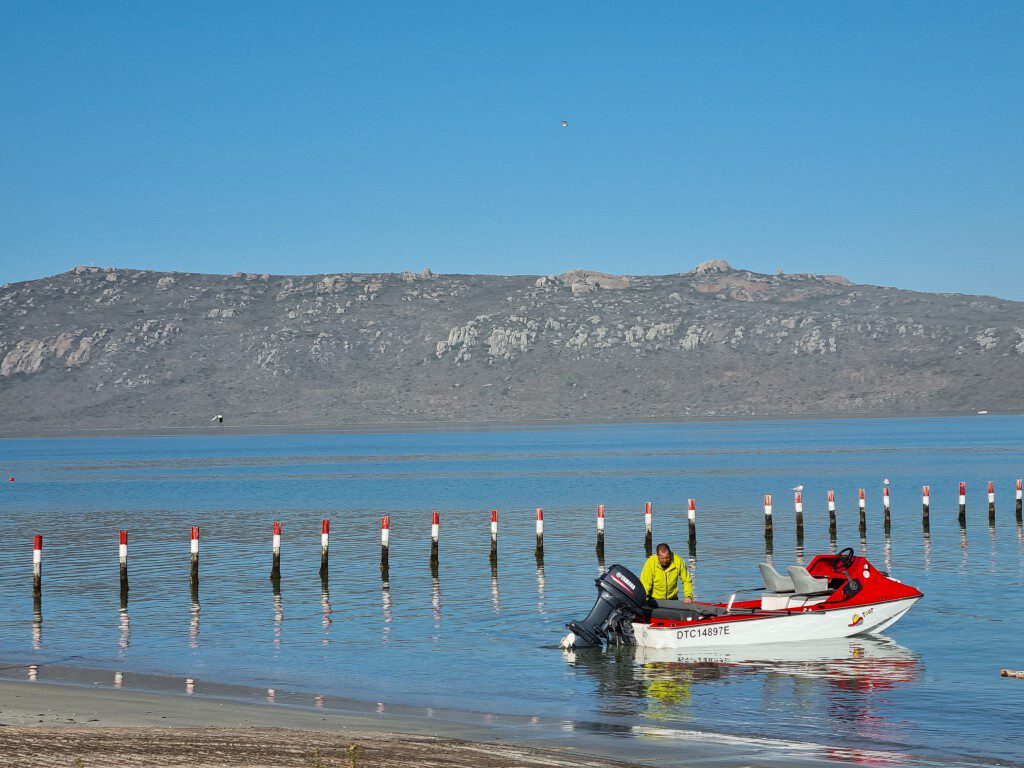
Fishing is a significant part of life here. Charters depart from the harbour for half-day and full-day trips targeting snoek and other species common to this stretch of the Atlantic. The harbour area itself offers a viewpoint over deep-water berths where cargo vessels dock, providing a clear view of the industrial scale that has shaped the region.
About 20 kilometres from the centre, the West Coast Fossil Park preserves remains from a range of prehistoric animals and offers guided tours explaining the geological and ecological context of the site. It takes two to three hours to explore properly and is suited to families and visitors with an interest in natural history.
Best Time to Visit Saldanha Bay
August through October is generally the best time to visit. The West Coast's wildflower season peaks during these months, with fynbos and annuals carpeting open ground across the landscape. A good July rainfall the preceding winter typically produces the most impressive display. Temperatures are warm without the intensity of high summer, making outdoor activity comfortable for most of the day.
December through February is peak season, with school holidays drawing South African families to the coast. Accommodation fills quickly in December and prices rise accordingly. The Atlantic water along this coast stays cool year-round due to the Benguela Current, which moderates air temperatures but also means the sea is bracing rather than warm.
June and July bring rain and cooler days, though the coast stays relatively mild compared to the inland regions. The area quietens considerably during winter, which suits visitors who prefer fewer people around, and rates tend to be more competitive. Shoulder periods in spring and early autumn offer a practical balance: reasonable weather, lower visitor numbers, and mid-range pricing without the high-season pressure.
Getting to Saldanha Bay
The most direct route from Cape Town follows the R27 northward, a drive of roughly 160 kilometres that typically takes between one and a half and two hours depending on traffic leaving the city. The R27 is a well-maintained two-lane highway that passes through Melkbosstrand and several smaller coastal towns before connecting to the R399, which leads into the bay.
There is no commercial airport at Saldanha Bay. Most visitors fly into Cape Town International Airport and hire a car there. A private vehicle is the practical choice for the entire visit: local public transport is limited to shared minibus taxis running between the bay, nearby towns, and Cape Town, with schedules that are irregular and not suited to carrying luggage or reaching outlying attractions.
Having a car becomes particularly important for day trips to the national park, the fossil park, or any of the surrounding coastal villages. Roads in the area are generally flat and straightforward, and distances between towns are short enough that covering several destinations in a single day is manageable.
Saldanha Bay and Surrounding Areas
Hopefield (16km) is a small agricultural town set inland from the coast. The surrounding farmland produces wheat and canola, and the town functions more as a supply stop than a destination in its own right. The rural drive from the coast is pleasant, particularly when the canola is in flower in late winter.
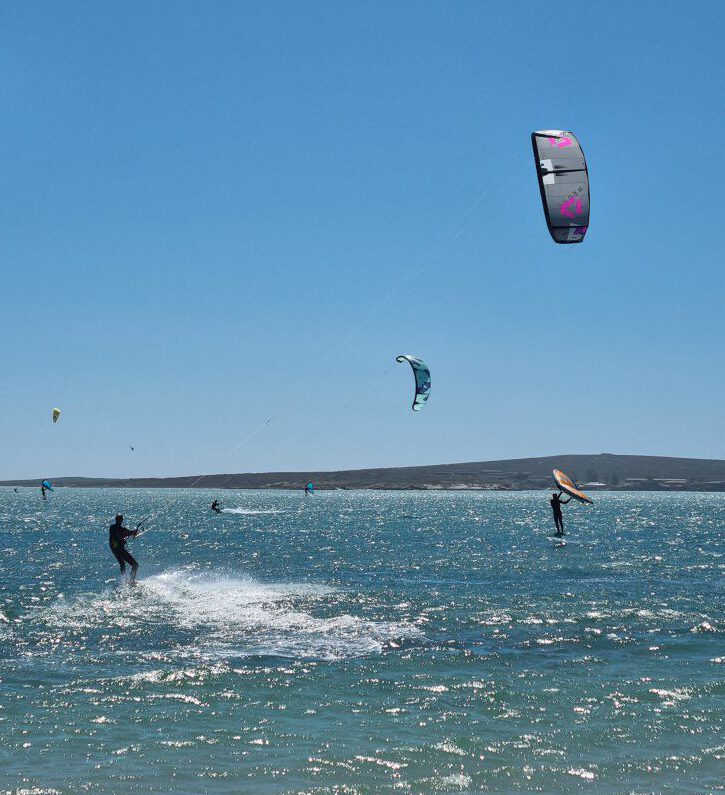
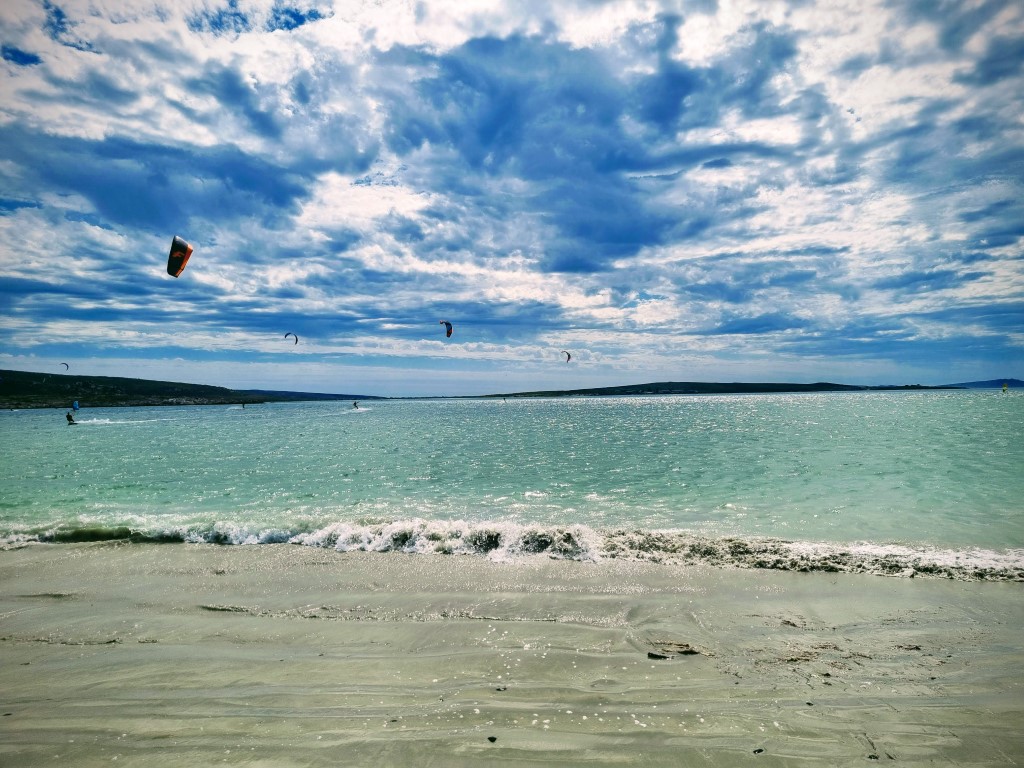
Langebaan (17km) is one of the more established holiday towns on this stretch of coast. Kitesurfing and windsurfing are its main draws, attracting an active crowd, and the main street has restaurants and shops geared toward visitors. It tends to be busier in summer than Saldanha Bay itself, with a more pronounced holiday-town atmosphere.
Vredenburg (22km) is the administrative and commercial hub of the broader municipality, with larger supermarkets, a hospital, and a weekly produce market during the warmer months. Most visitors pass through on errands rather than staying, but it is the most practical place in the region for stocking up.
Saldanha (23km) is a working harbour town with a significant naval presence. The South African Navy's base there shapes the town's character, giving it a more functional, less leisure-oriented atmosphere than the coastal settlements nearby.
Velddrif (26km) sits at the mouth of the Berg River where it meets the sea. It is known locally for bokkom, a dried and salted harders fish that is a regional specialty, and for the birdlife along the estuary. Flamingoes and various waders are regularly seen here during the right season, making it one of the better birding stops on the West Coast.
Jacobsbaai (28km) is a quiet fishing village with a beach, a caravan park, and self-contained holiday accommodation. It offers a more low-key coastal experience for visitors who want to step back from the activity-tourism scene that characterises Langebaan.
Planning Your Stay
Summer school holidays, from mid-December through January, are the busiest period, and properties book out well in advance. Reserving six to eight weeks ahead is advisable for stays during that window. Spring visits during August and September also see increased demand, particularly over weekends when day-trippers from Cape Town fill nearby accommodation.
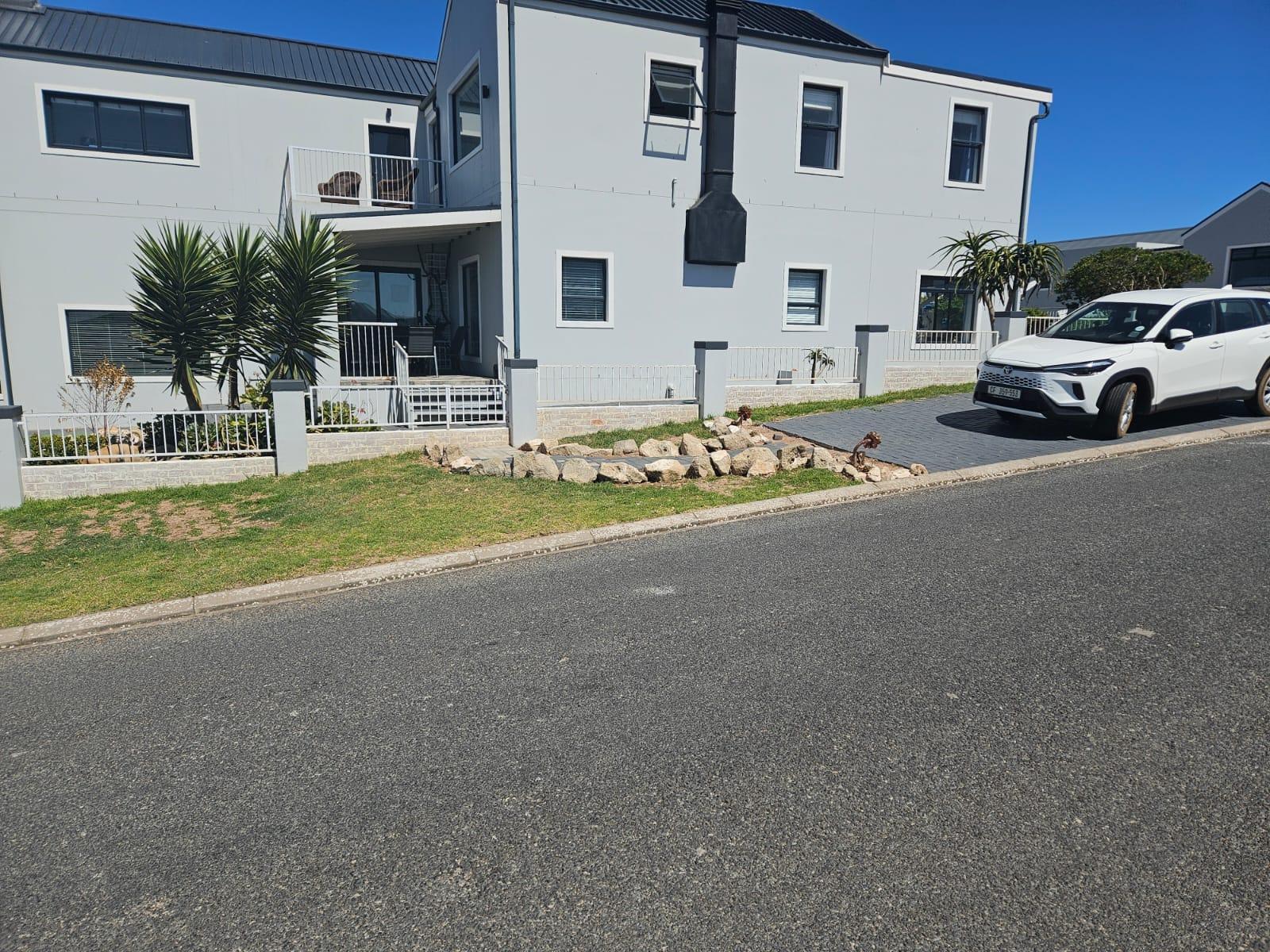
Before confirming a booking, check whether properties with kitchens include linen and towels, and whether there is off-street parking if you are driving. Many properties here are small, owner-run operations, and a direct message to the host typically answers practical questions more reliably than the listing description alone.
Grocery options within the bay are limited, so if you plan to cook during your stay, build a supermarket stop into your arrival plans rather than discovering the gap once you have settled in. Cell signal can be patchy near the more remote sections of the national park, so downloading offline maps before you leave is worth the few minutes it takes.
Some properties impose minimum-stay requirements of two or three nights during peak periods. Check this before booking if you are planning a short break.