Accommodation in Tulbagh
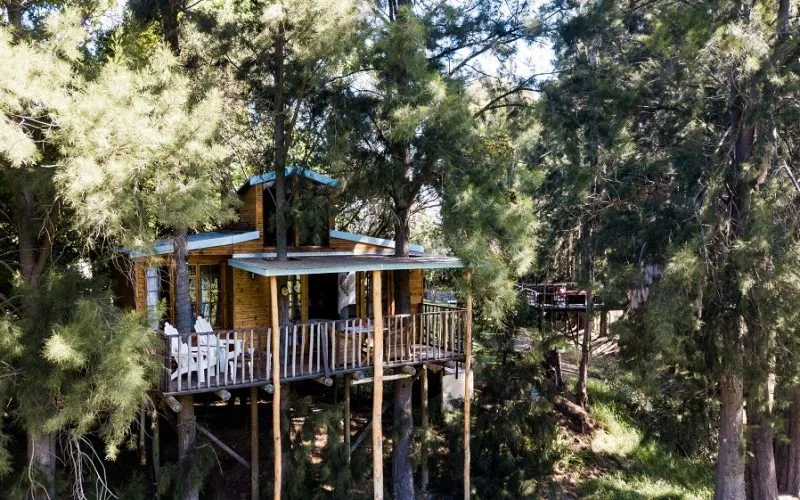
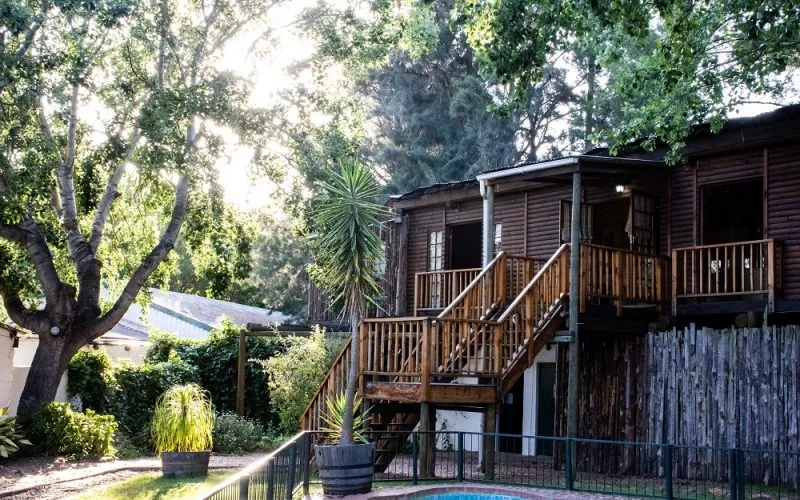
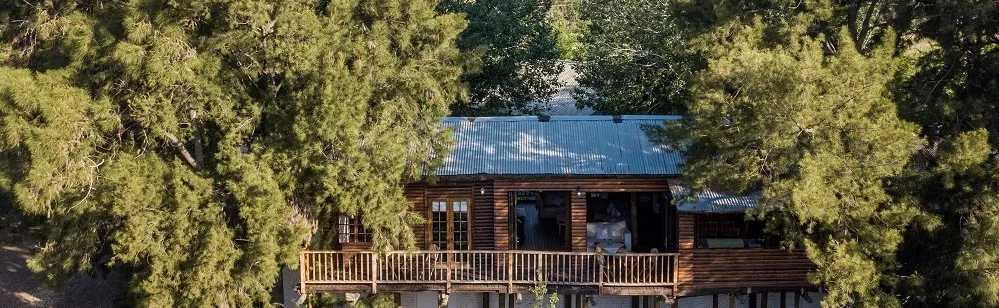
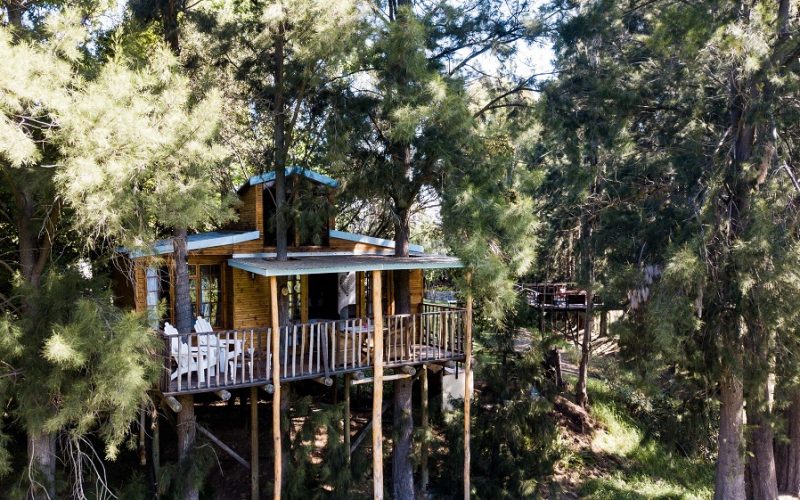
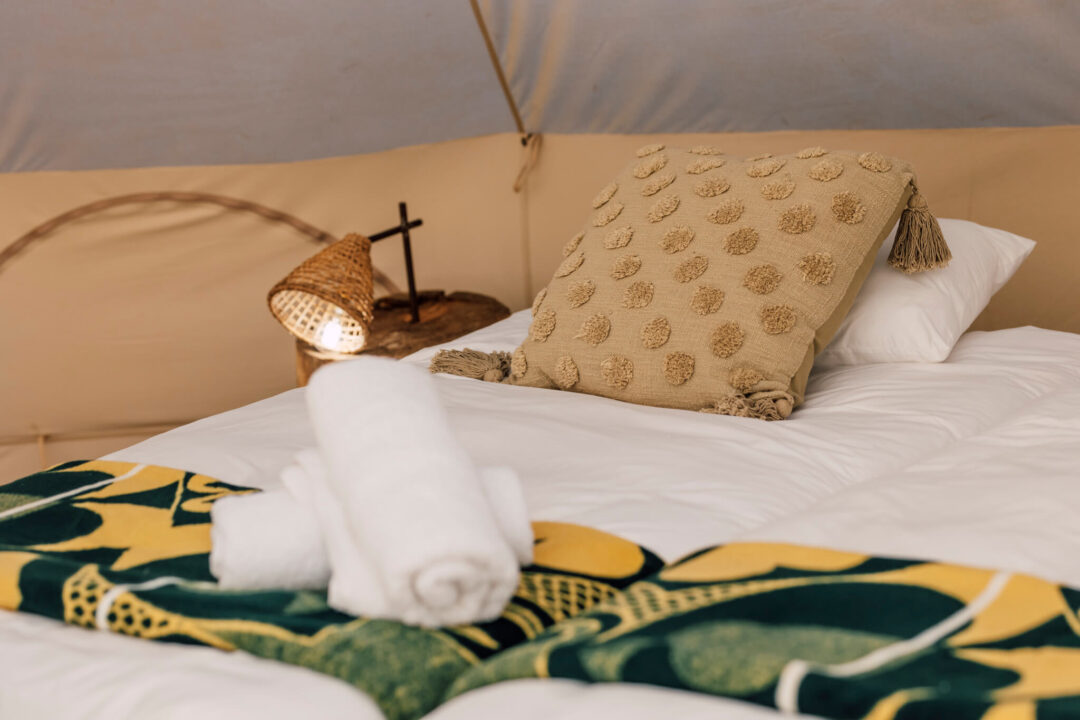
Tulbagh's accommodation market is compact. With 2 properties listed, starting from R1,150 per night, the town caters to visitors who want a genuine sense of place rather than the scale of a resort or hotel complex. The two available options fall into recognisably different categories, each suited to a different travel style.
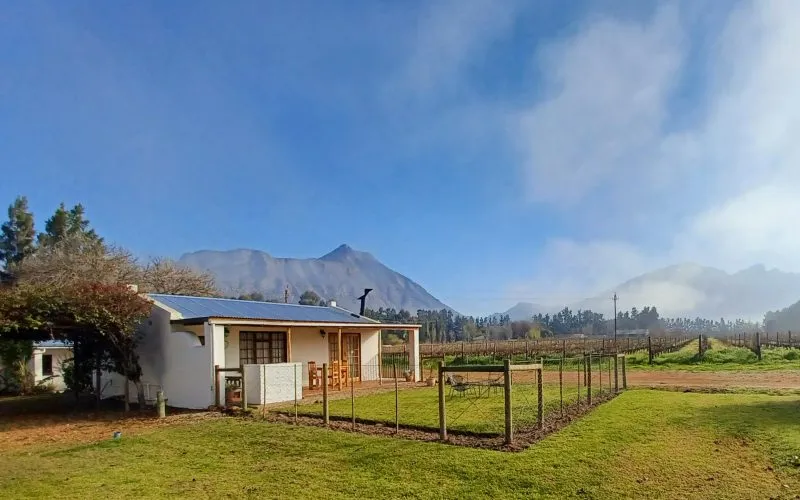
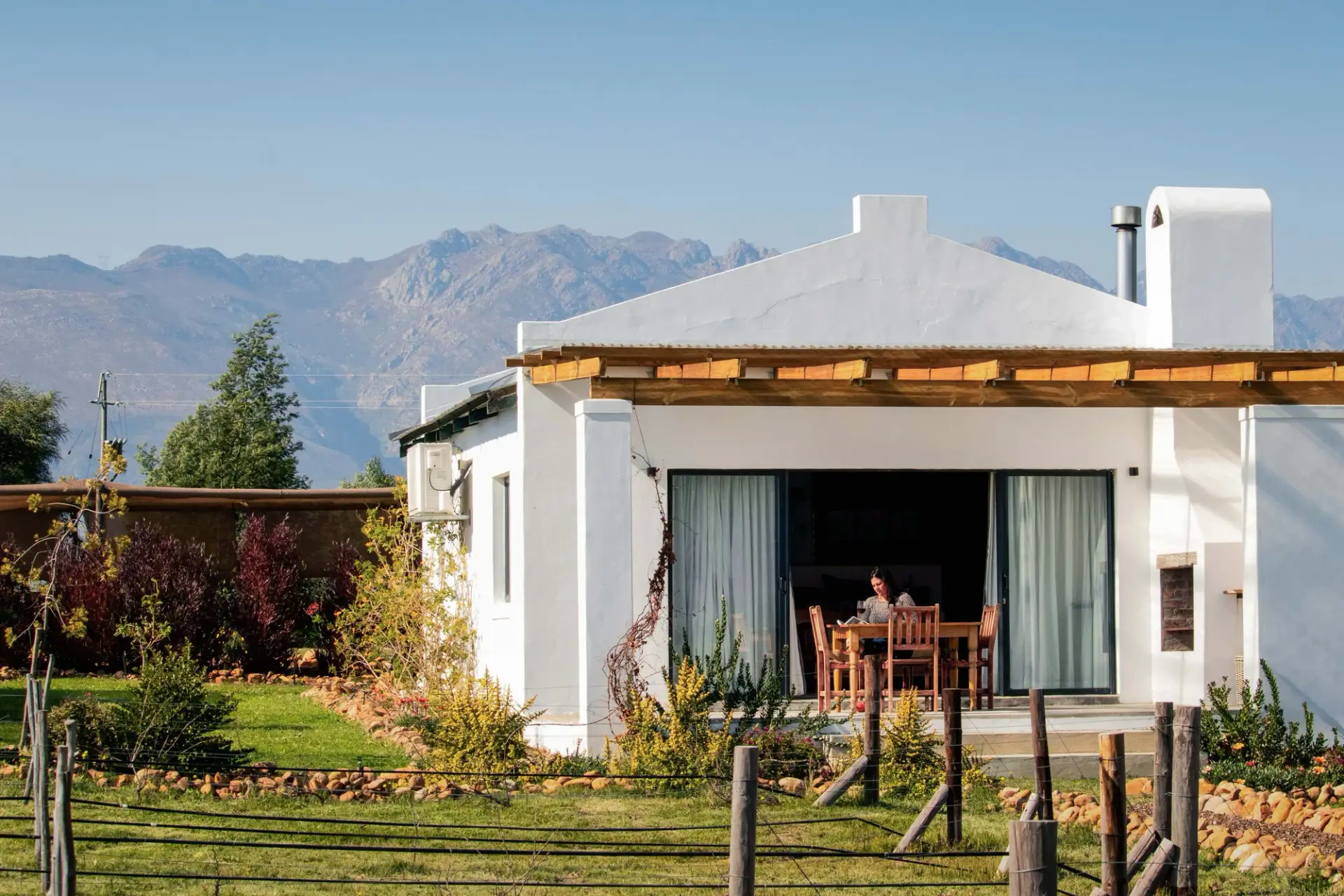
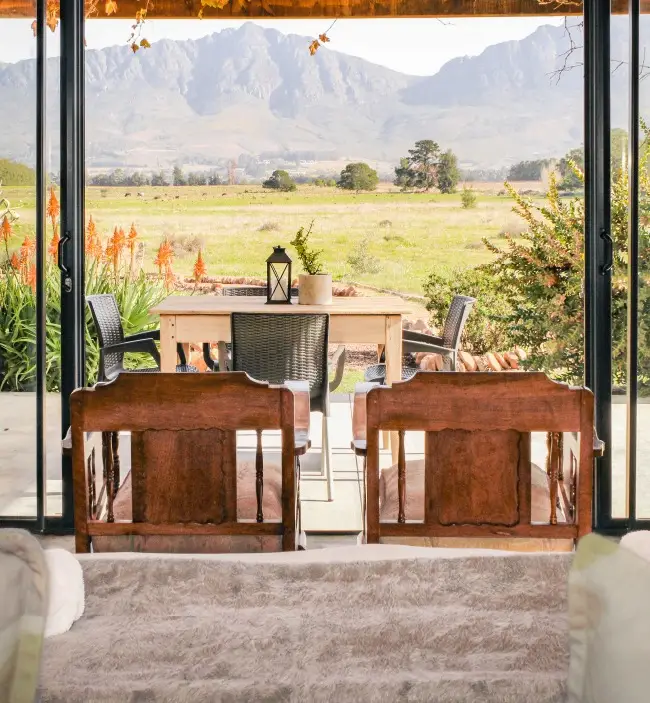
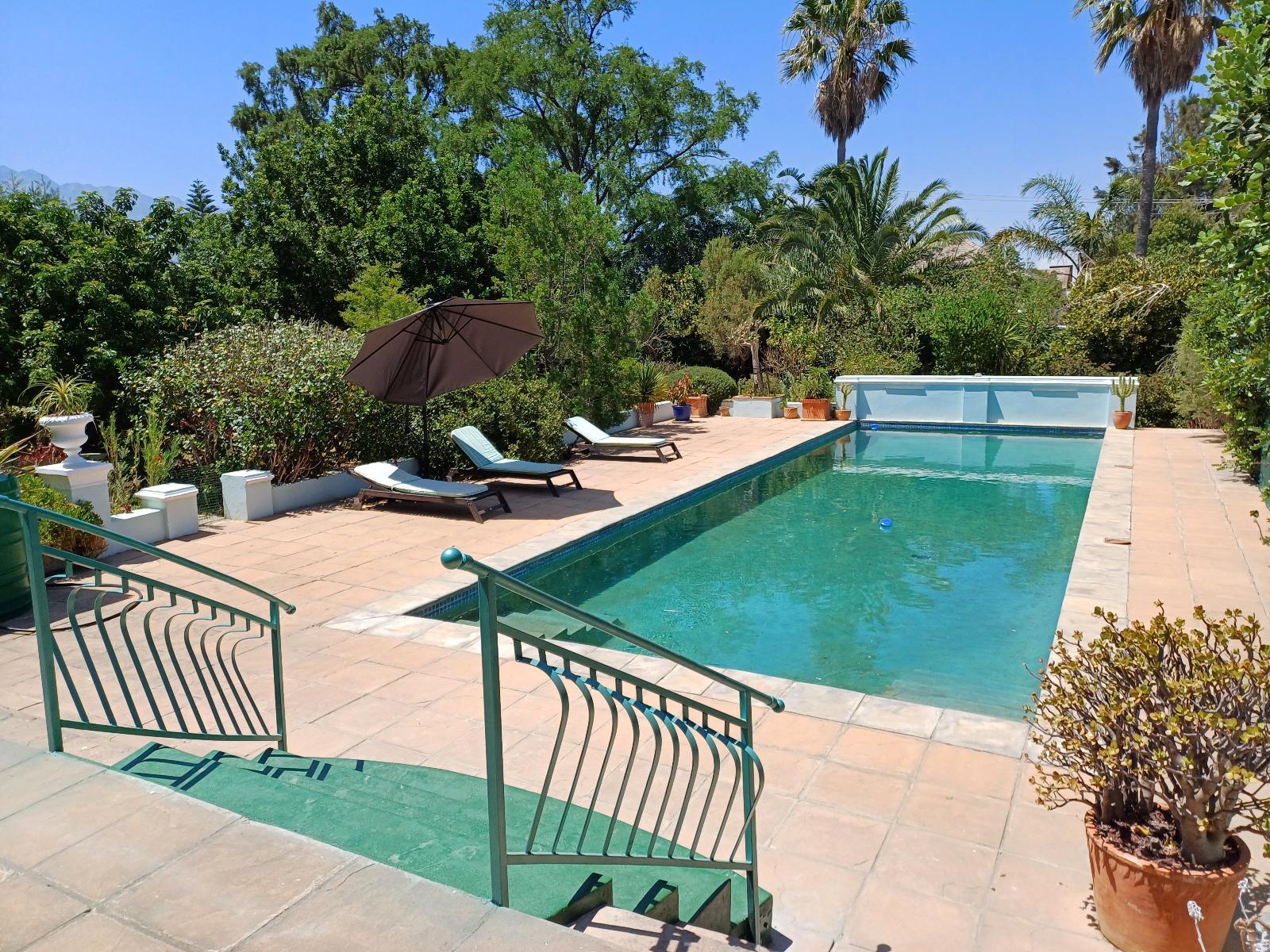
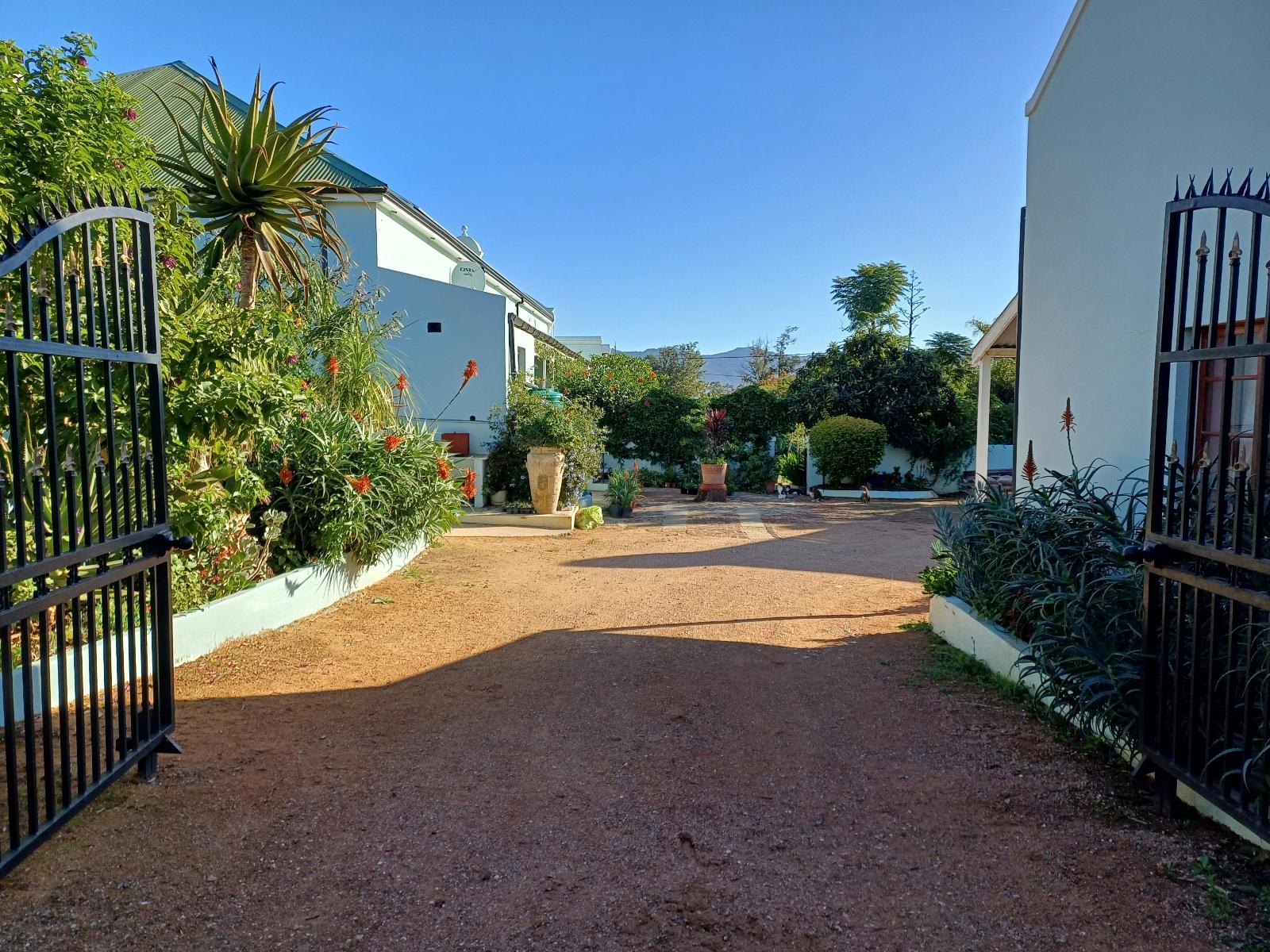
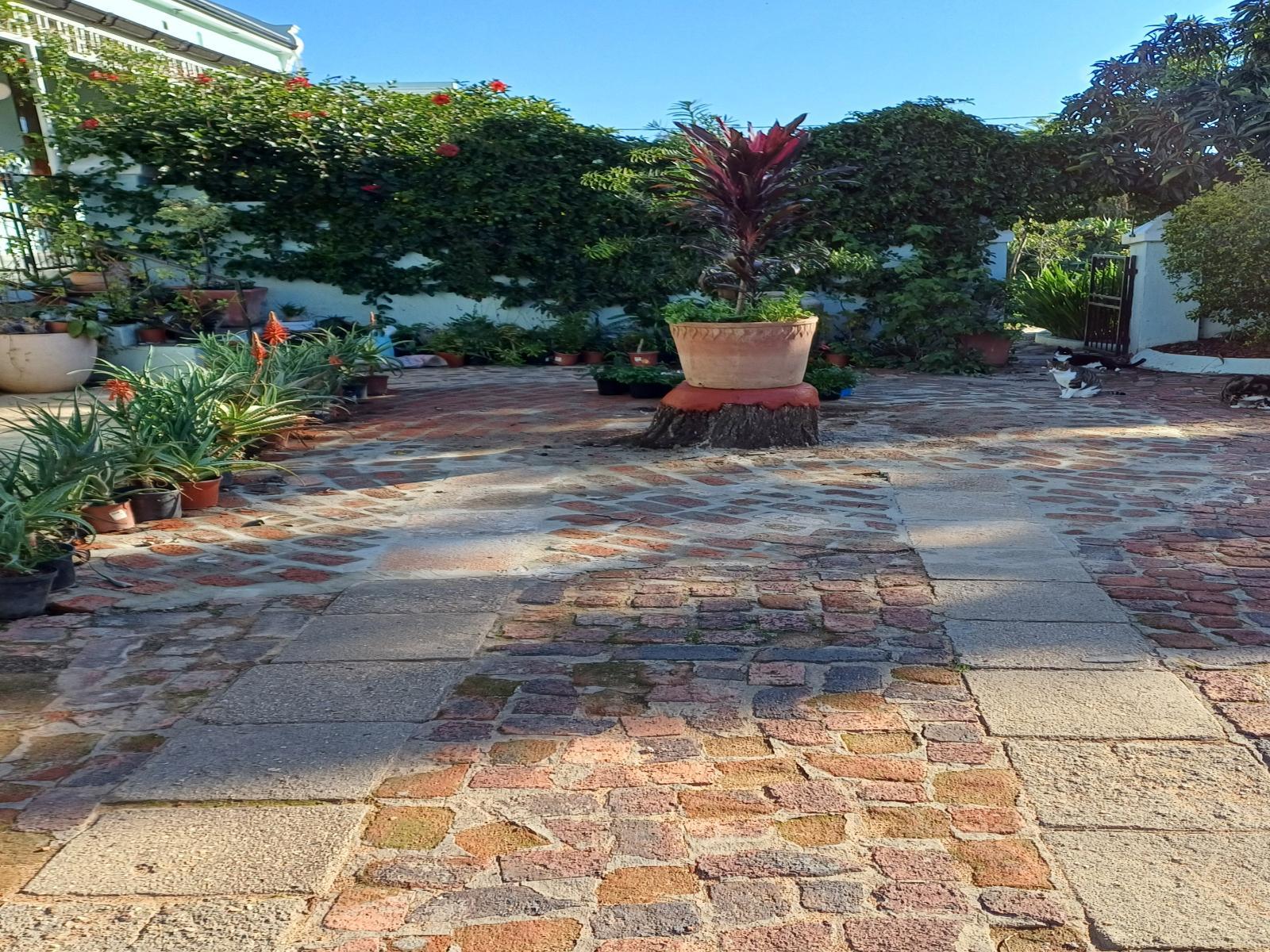
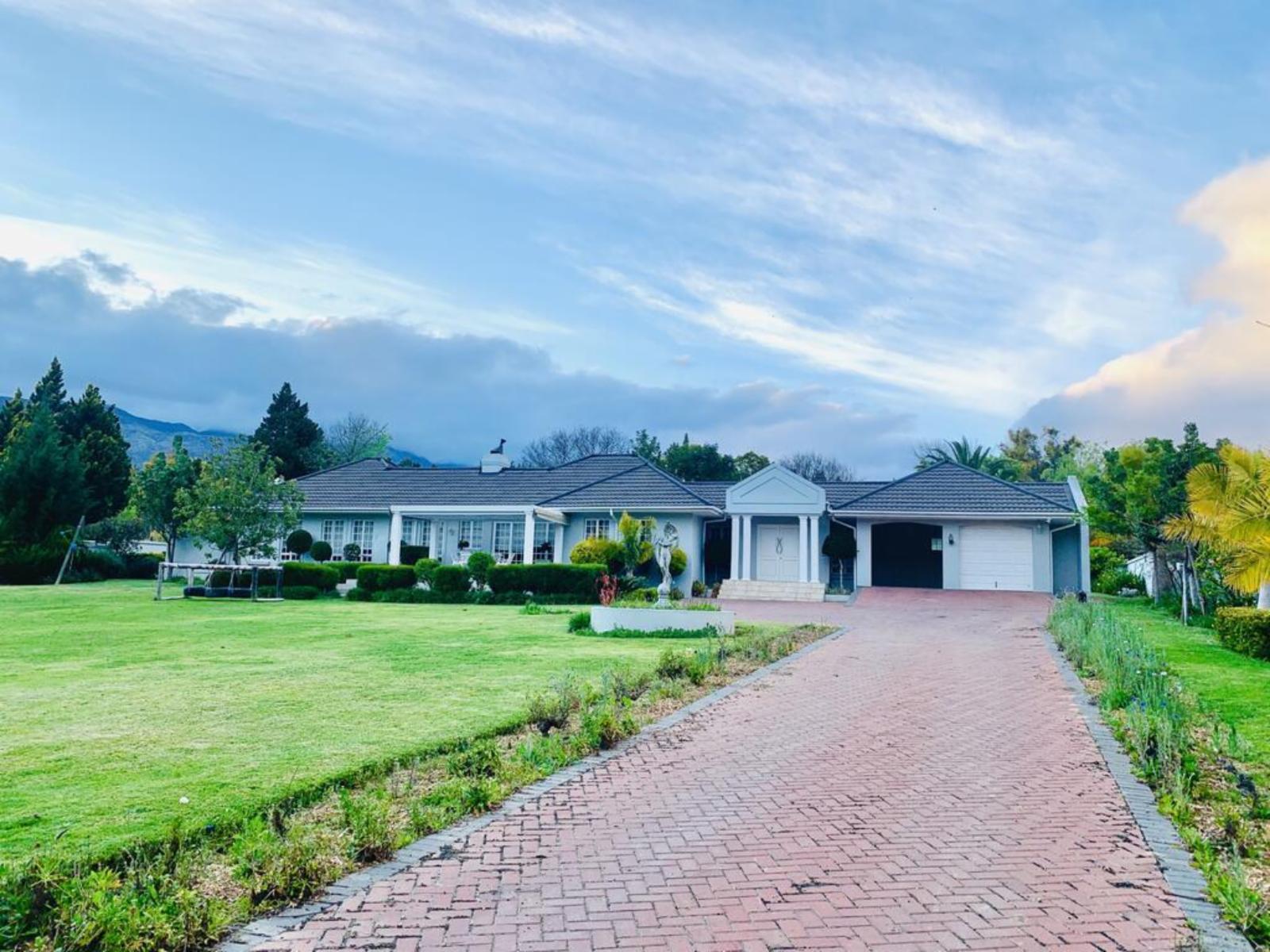
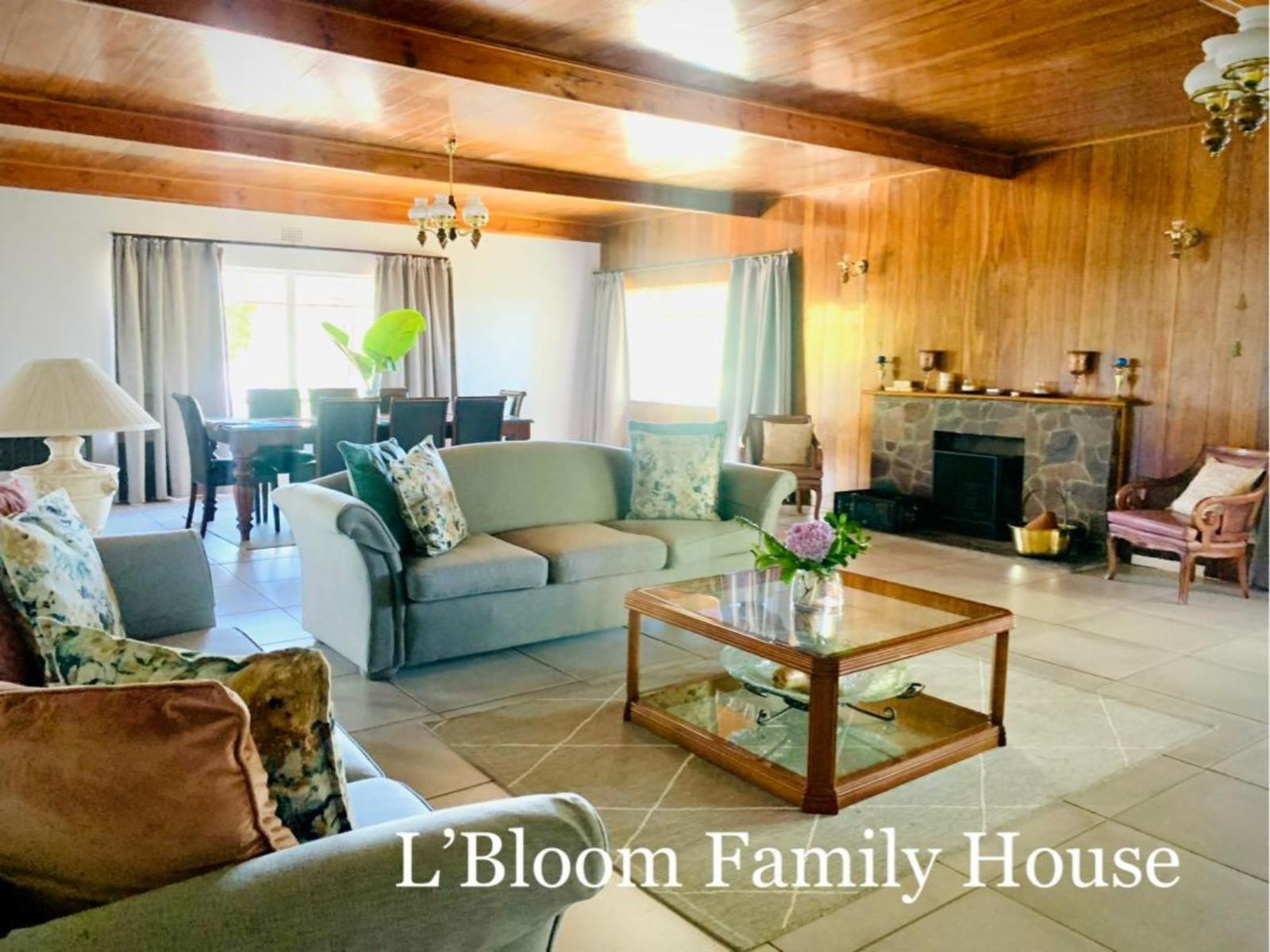
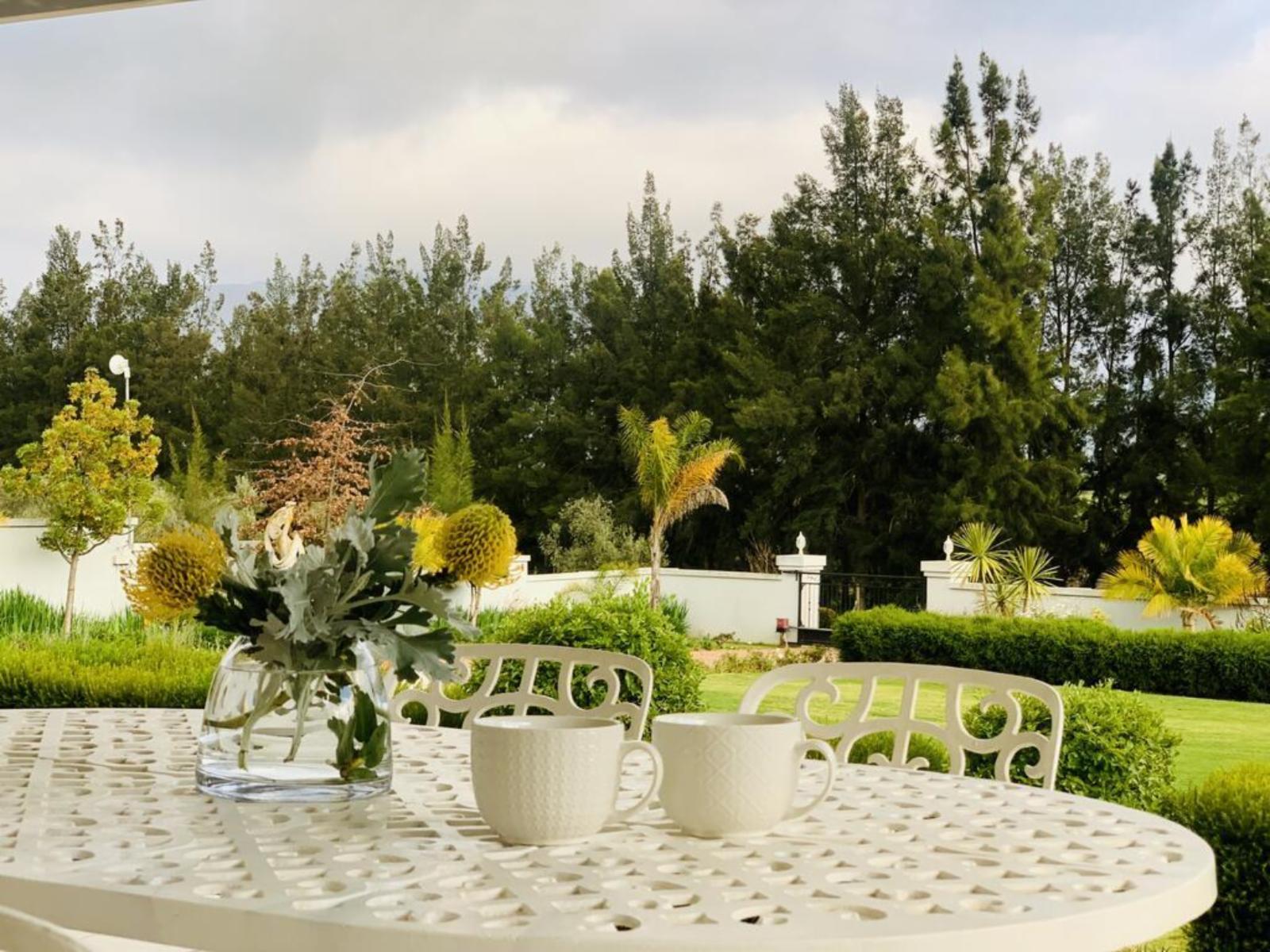
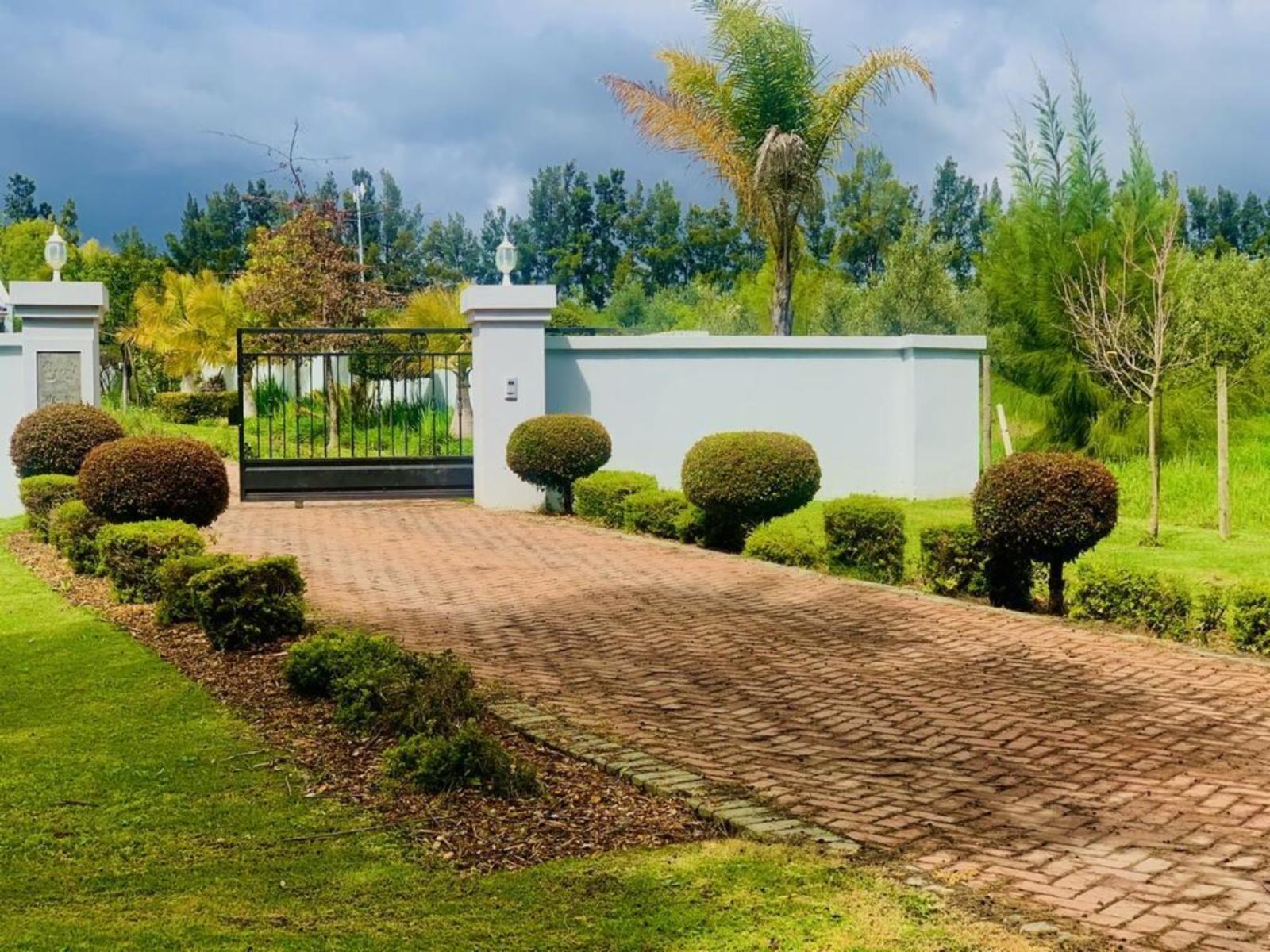
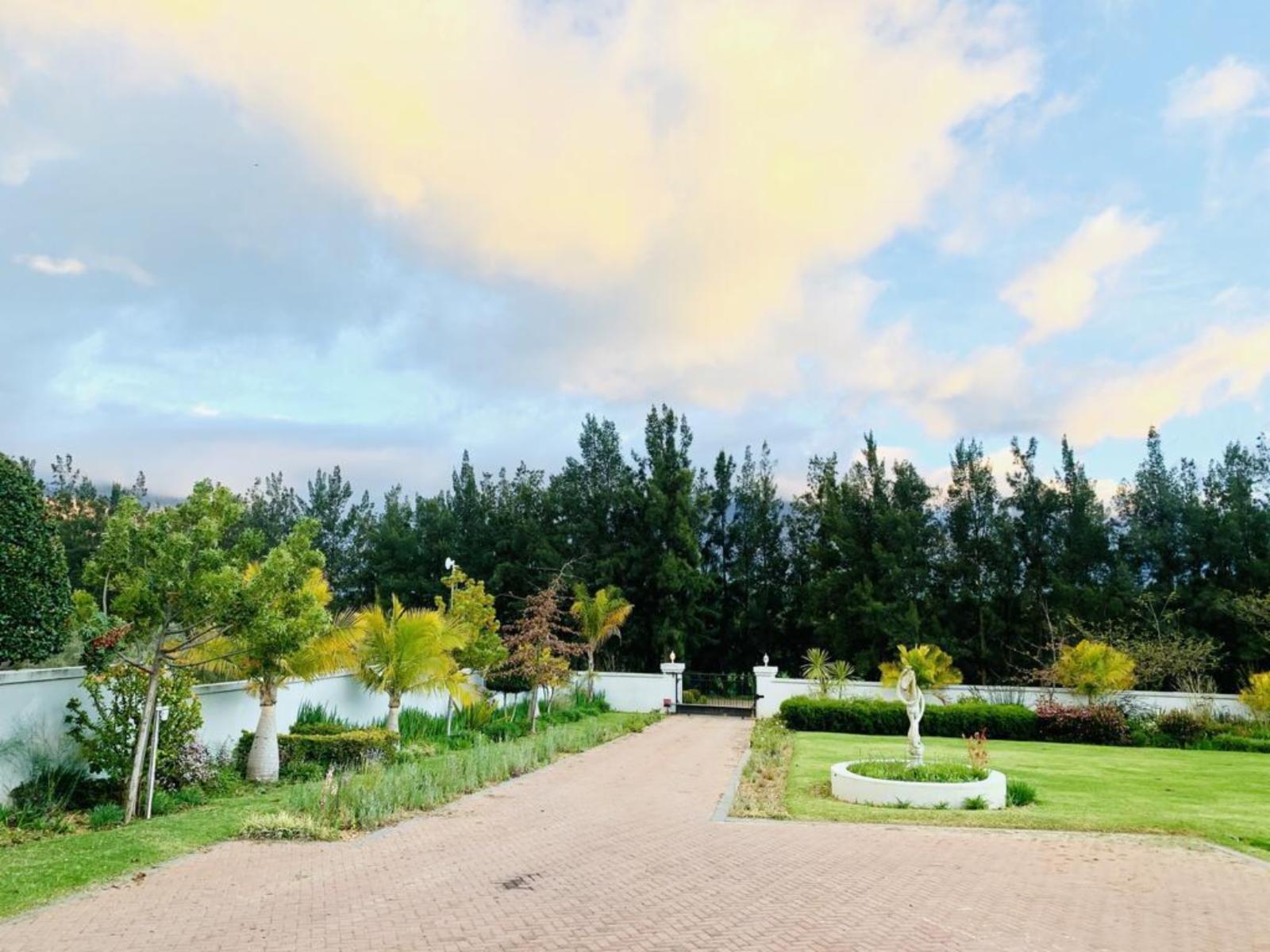
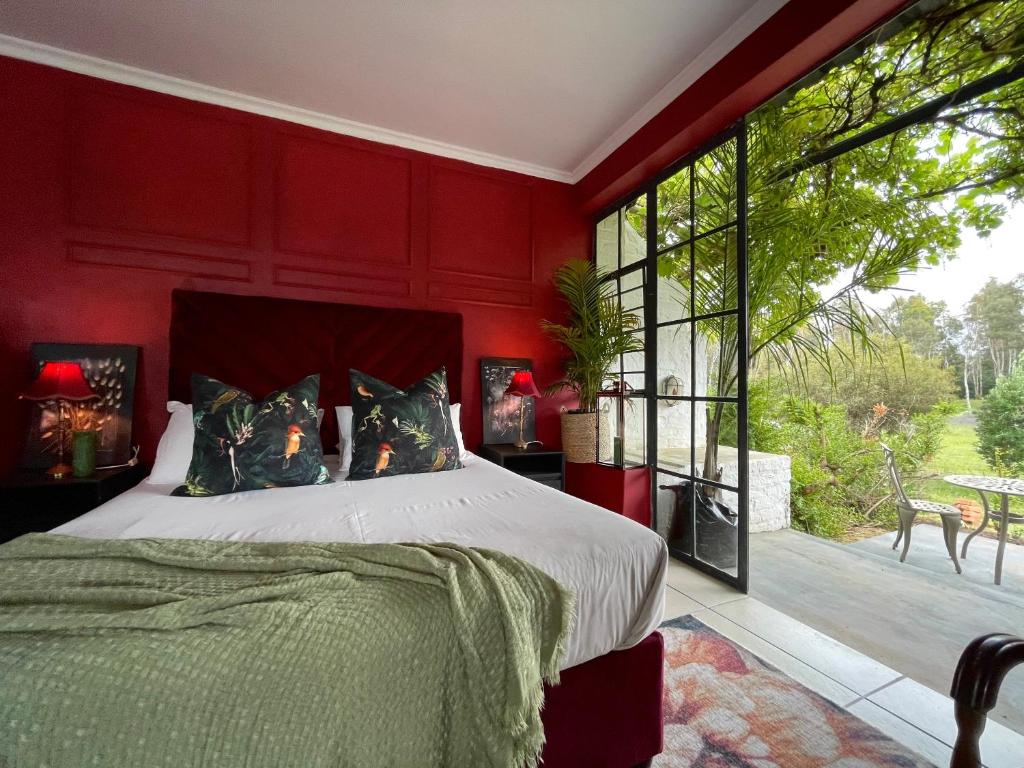
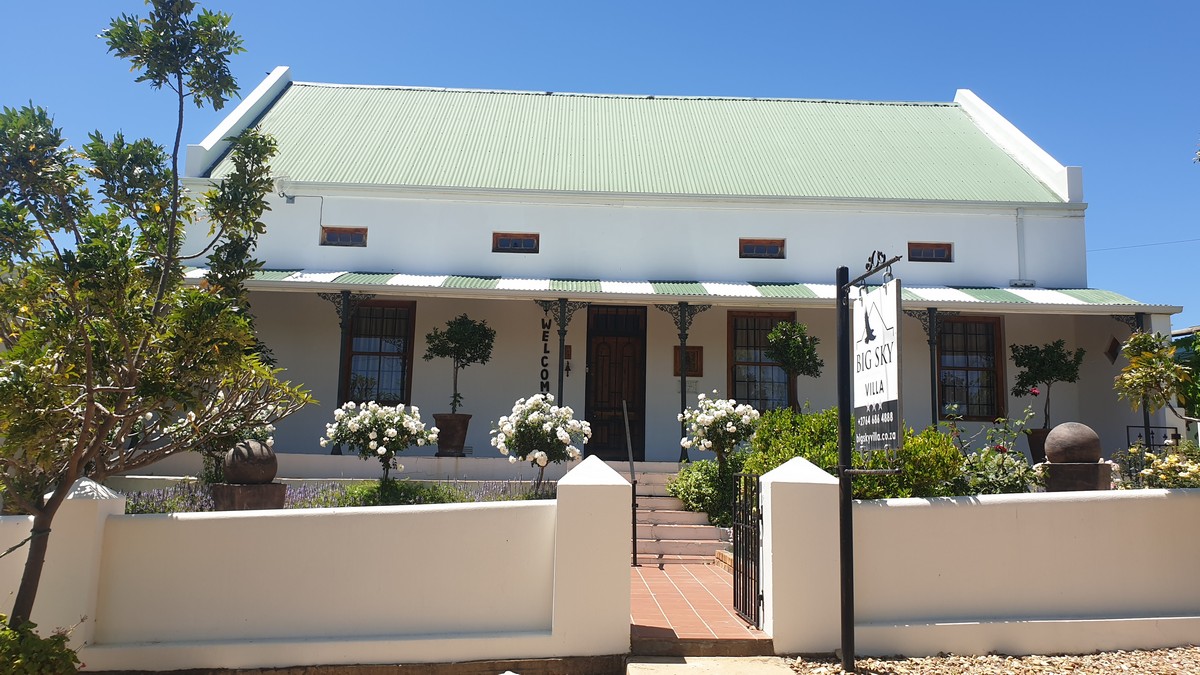
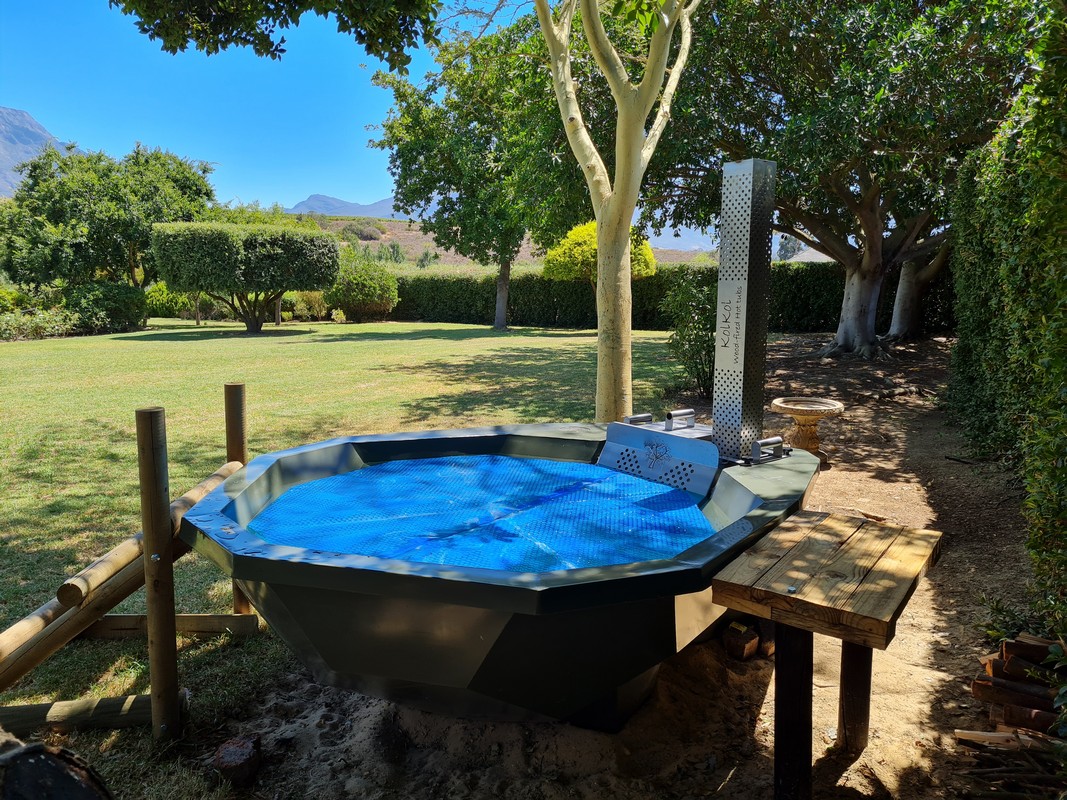
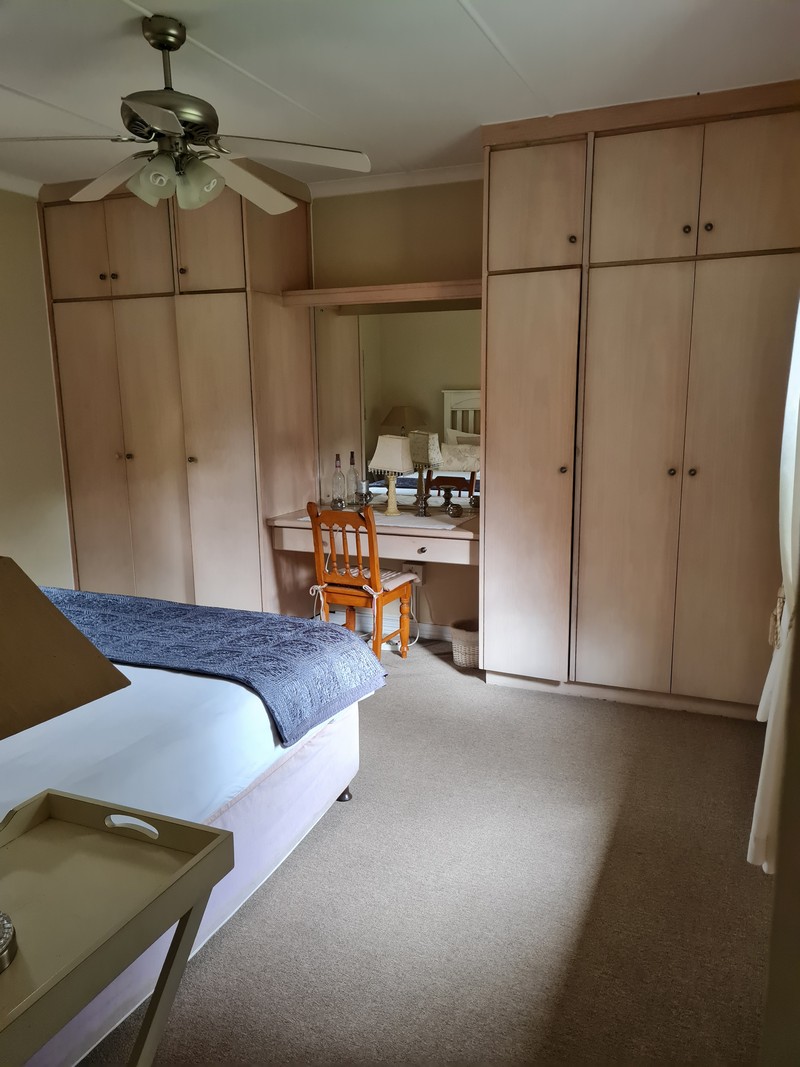
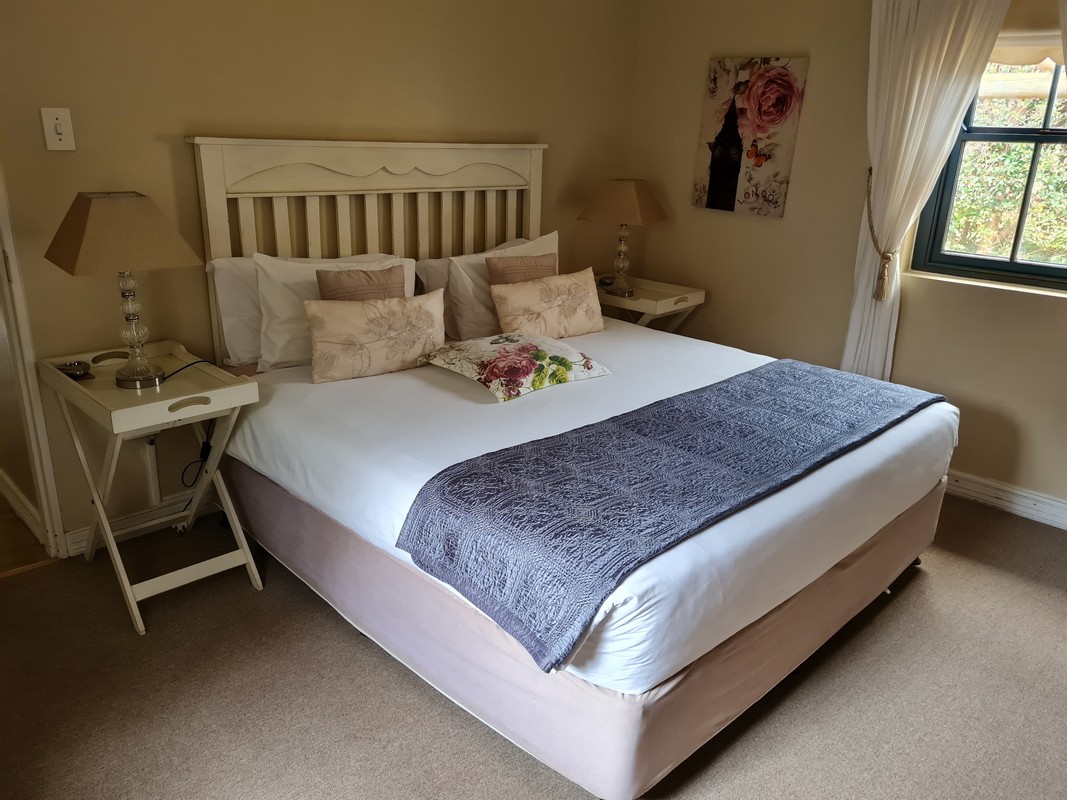
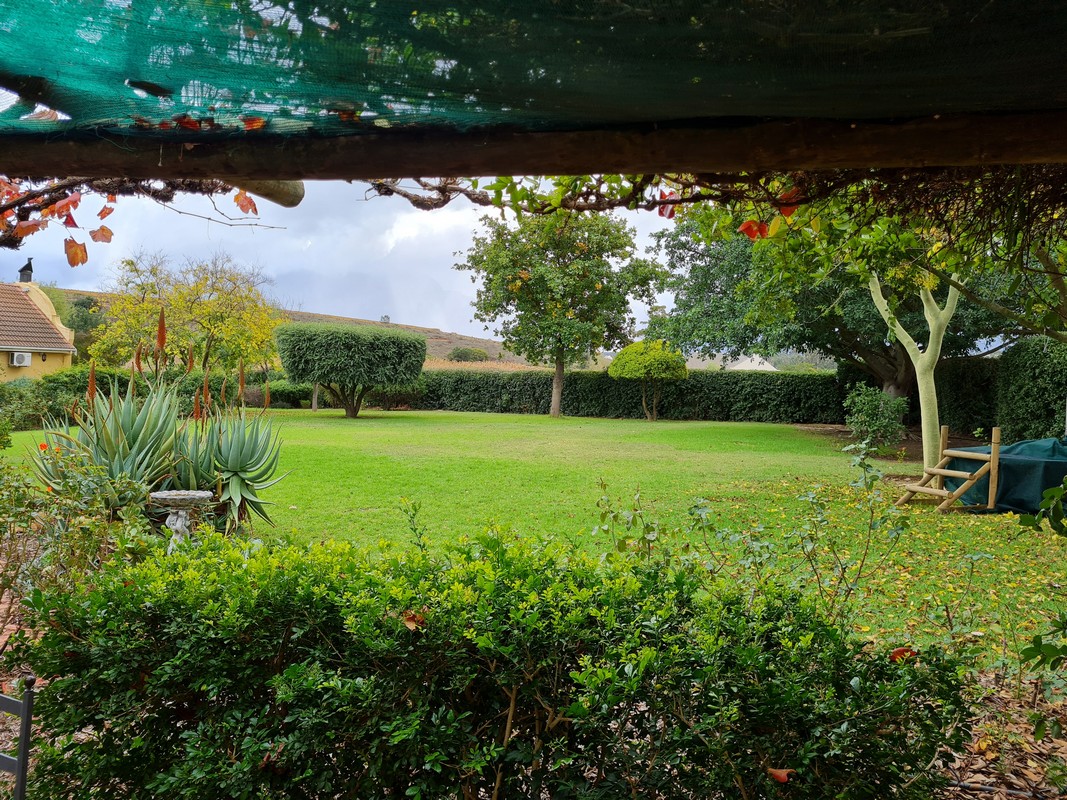
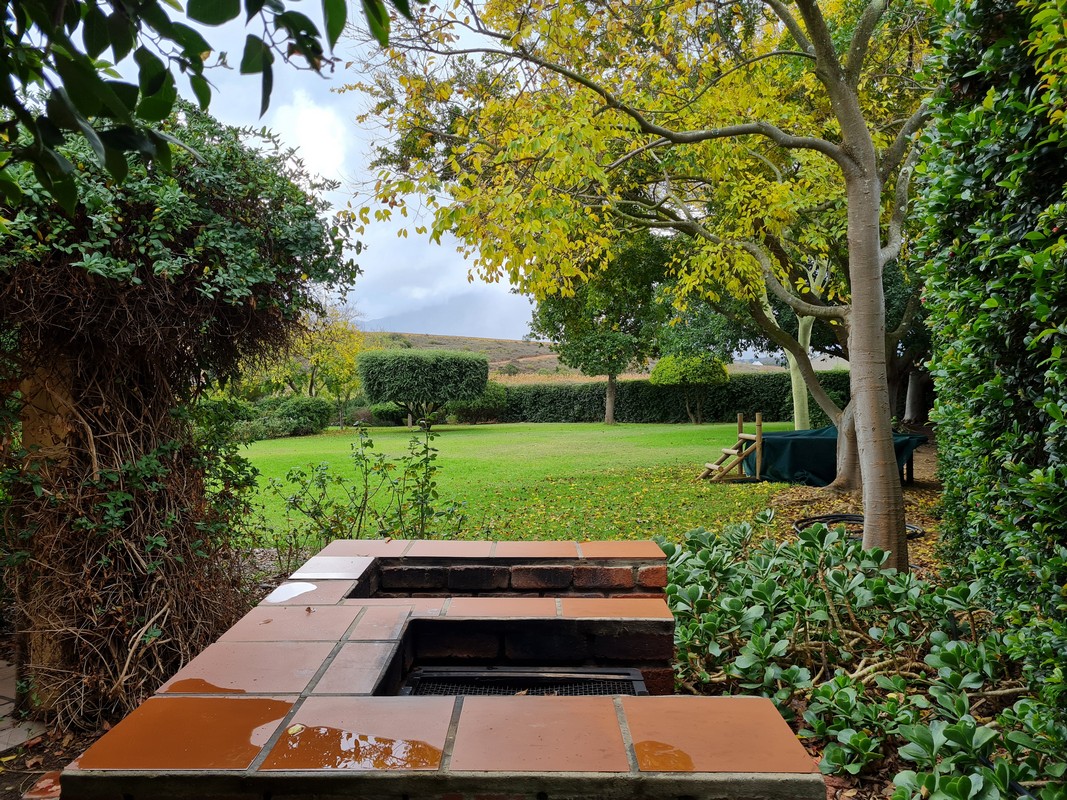
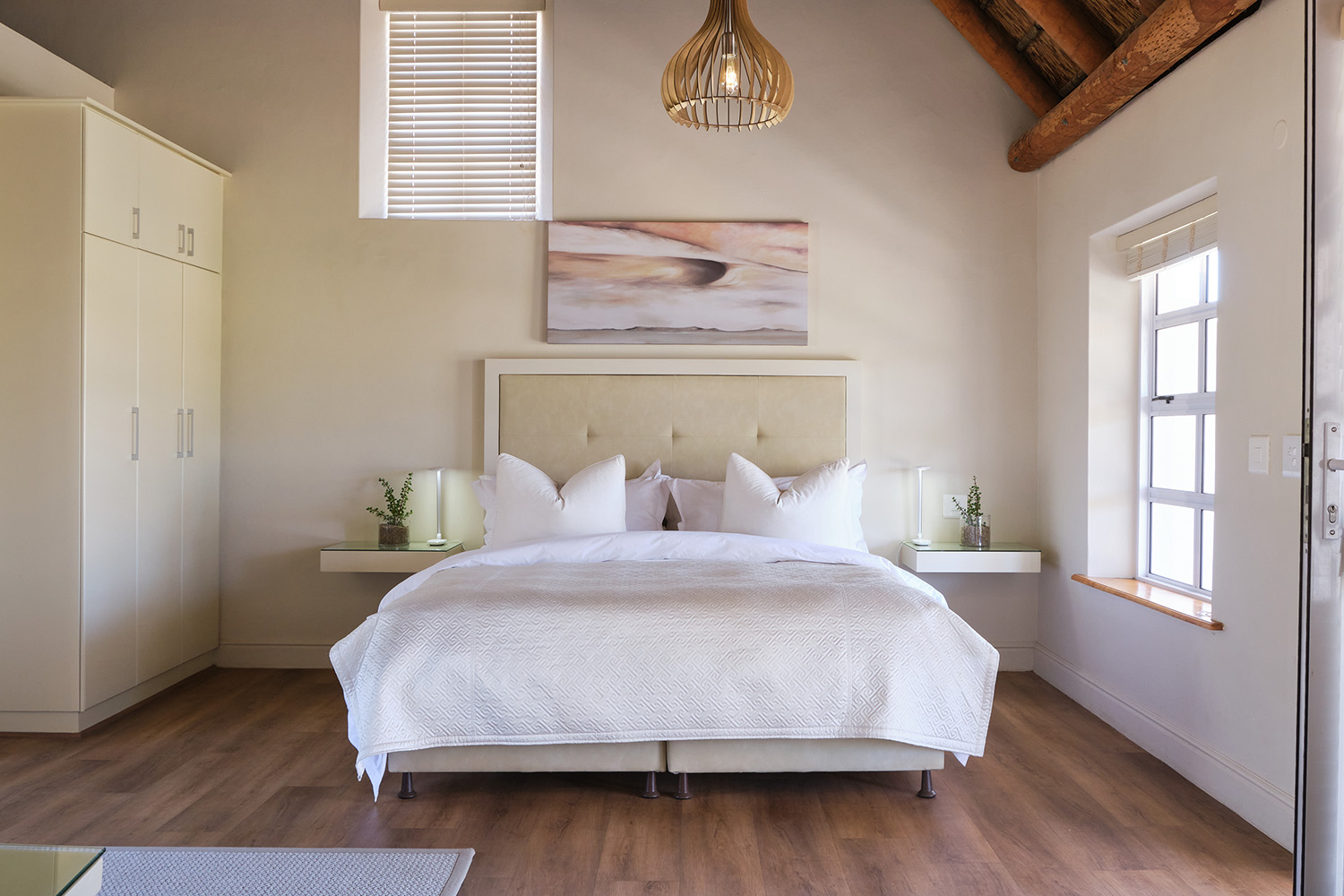
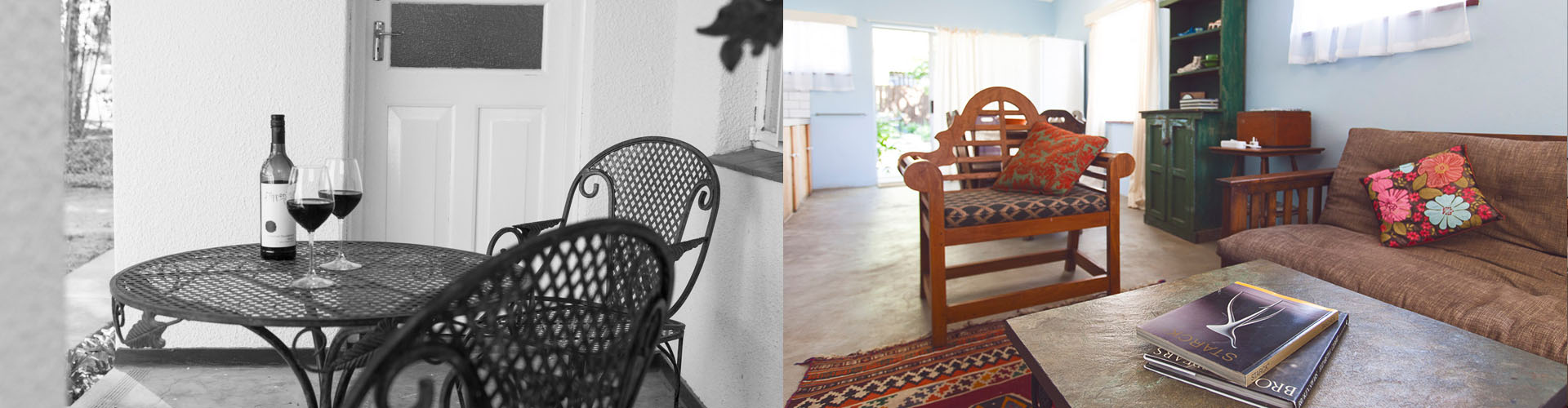
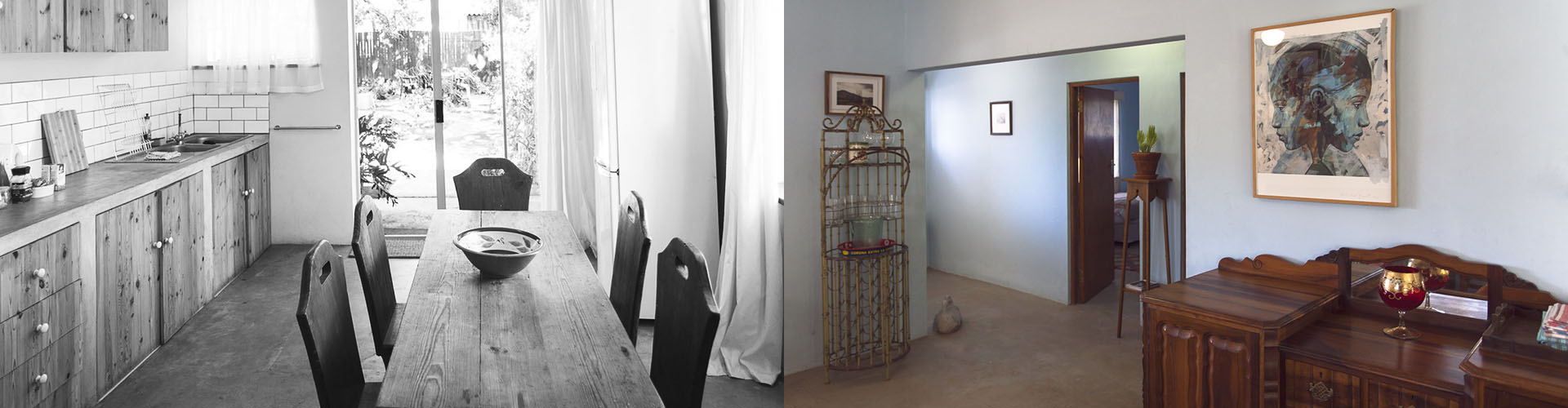
At the self-catering end of the market, available properties average around R1,796 per night. These typically take the form of a restored cottage or farmhouse unit, giving guests the freedom to cook with local produce from town markets and set their own pace across the day. The setting often includes a private outdoor area looking toward the Winterberg Mountains or across orchards heavy in season. For small families or couples on a longer stay, having a kitchen reduces daily costs and increases flexibility considerably.
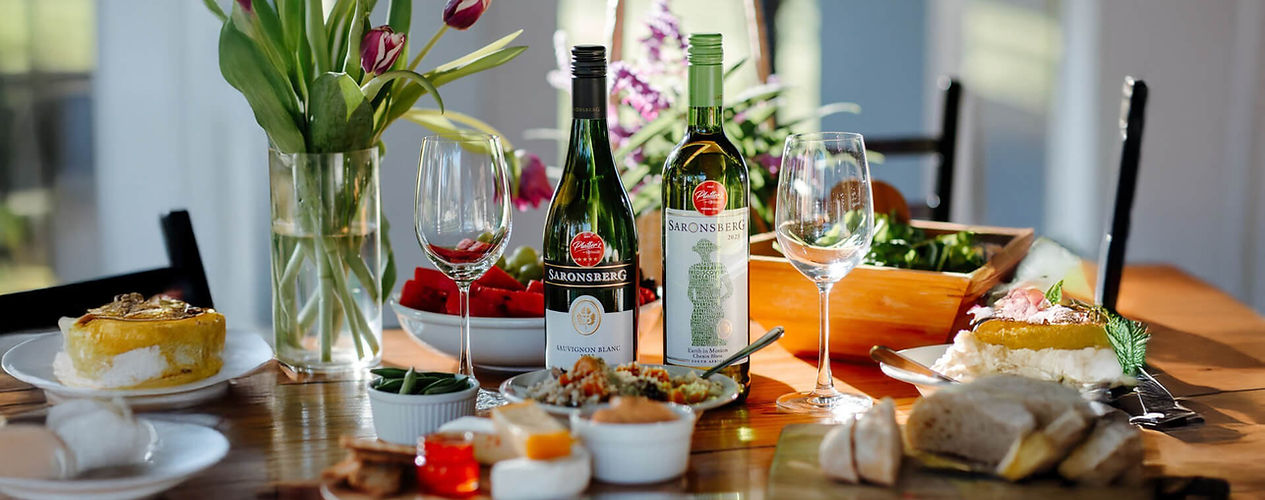
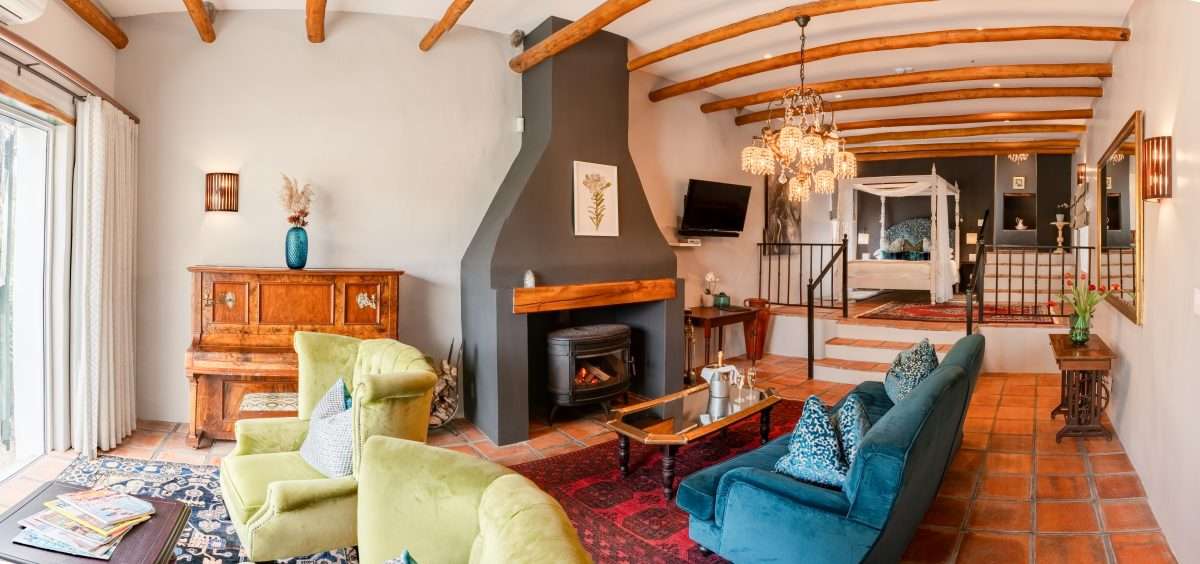
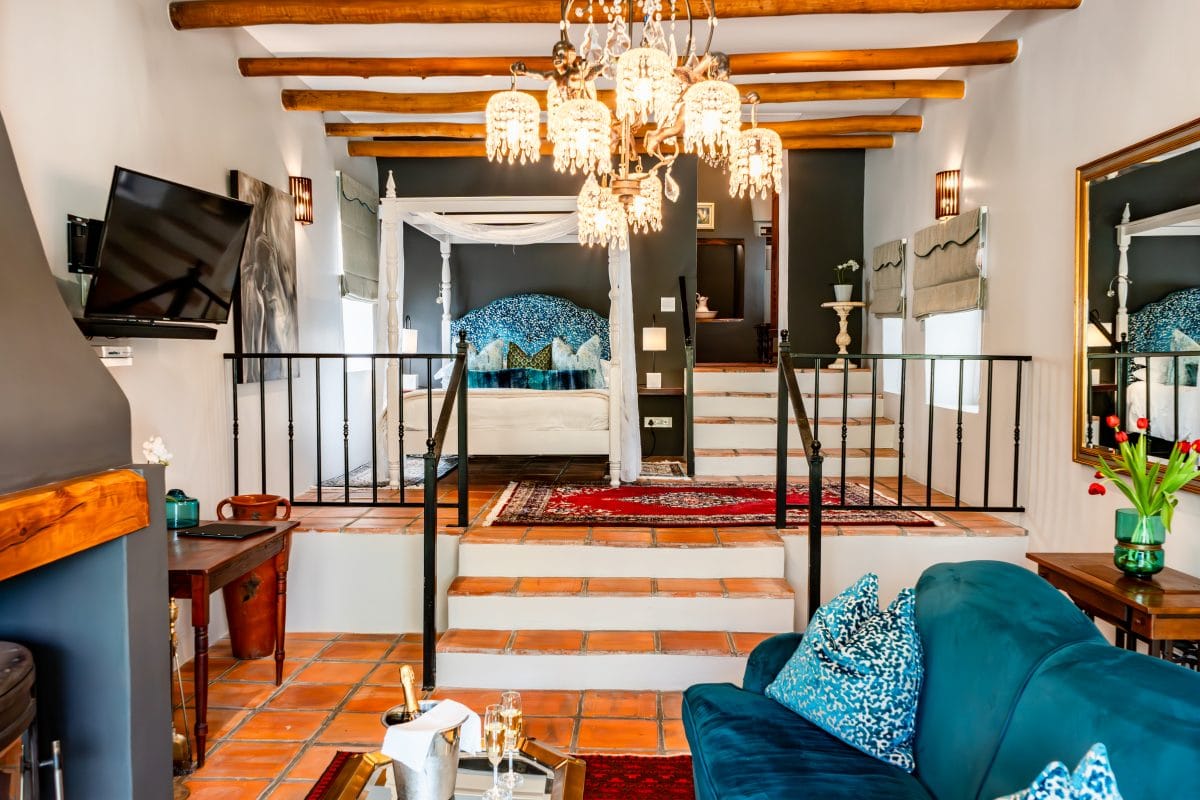
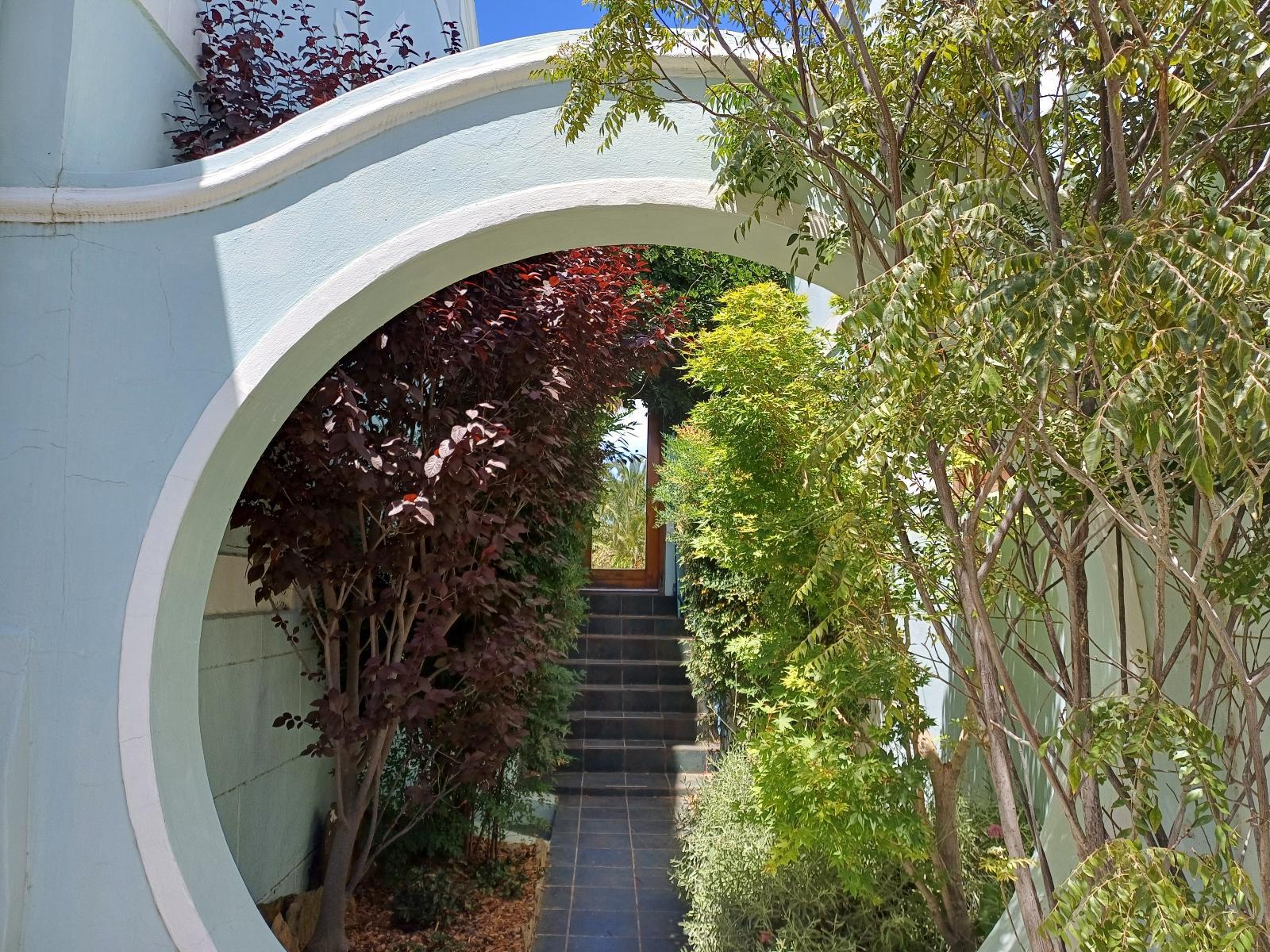
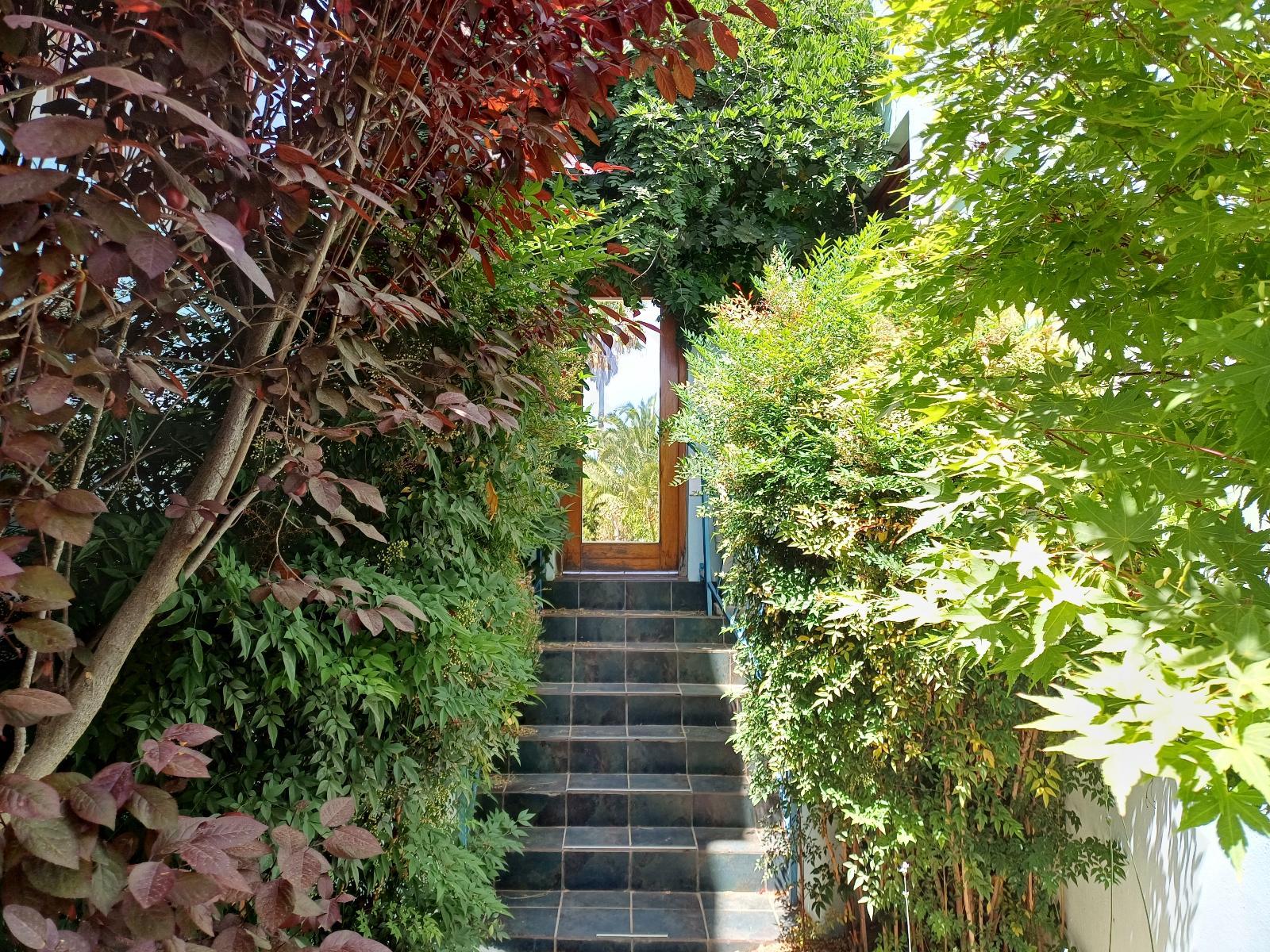
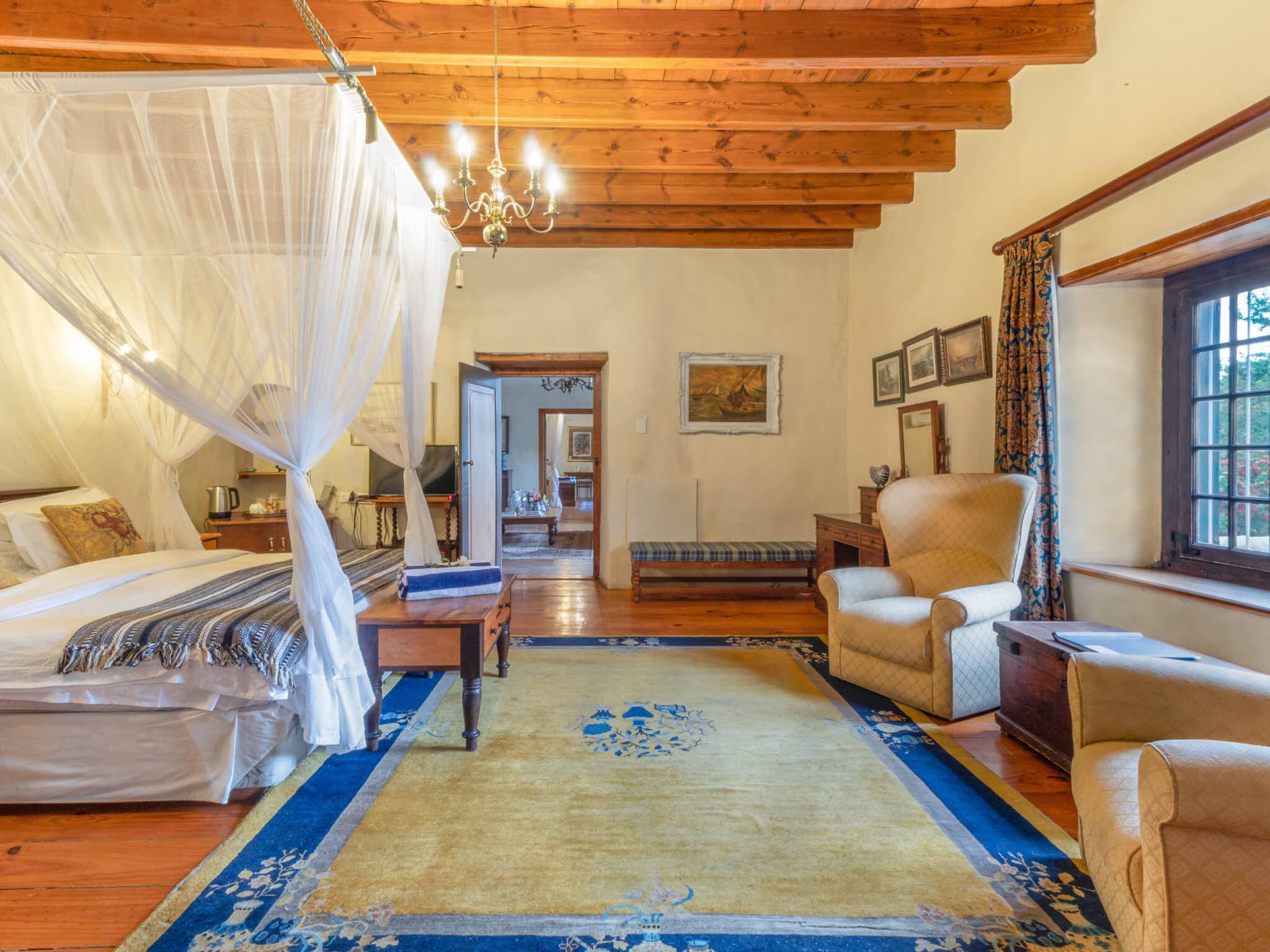
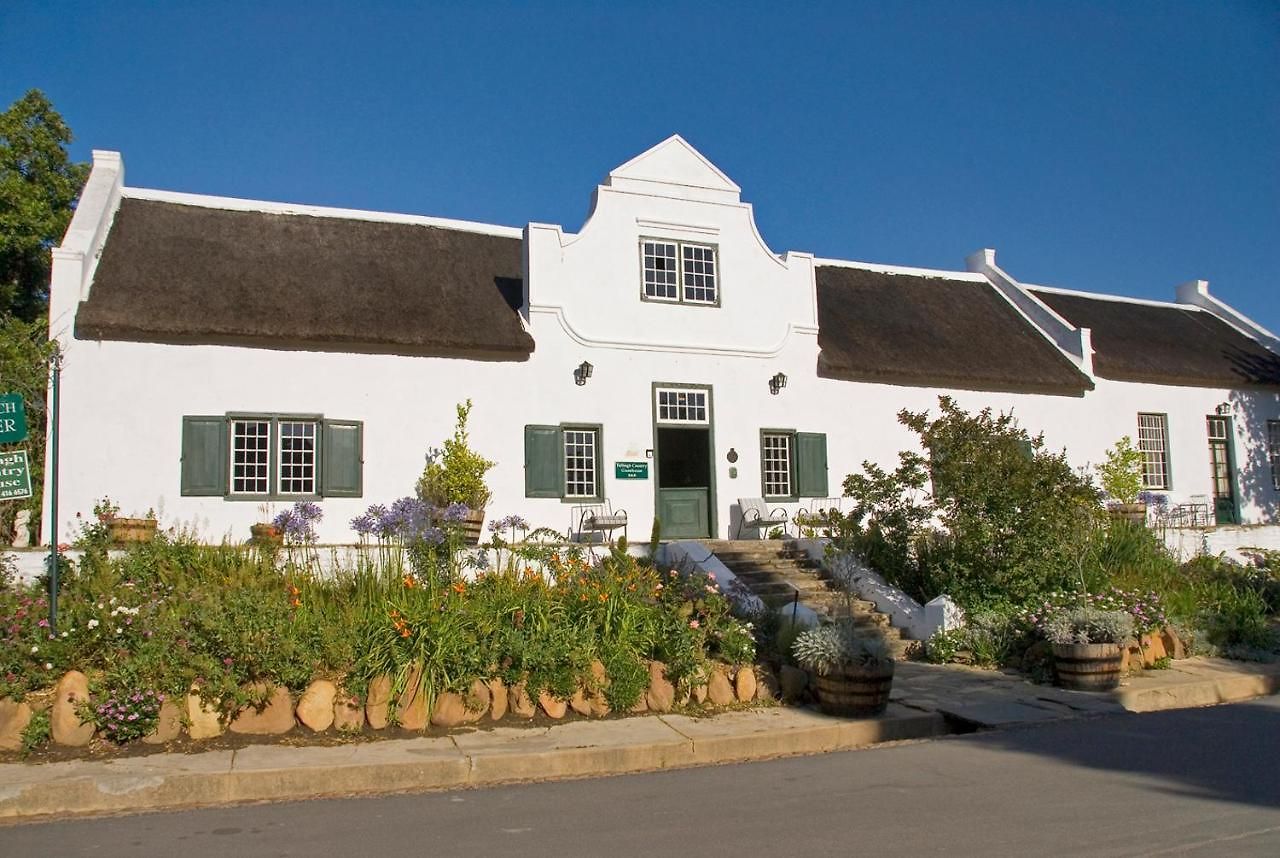
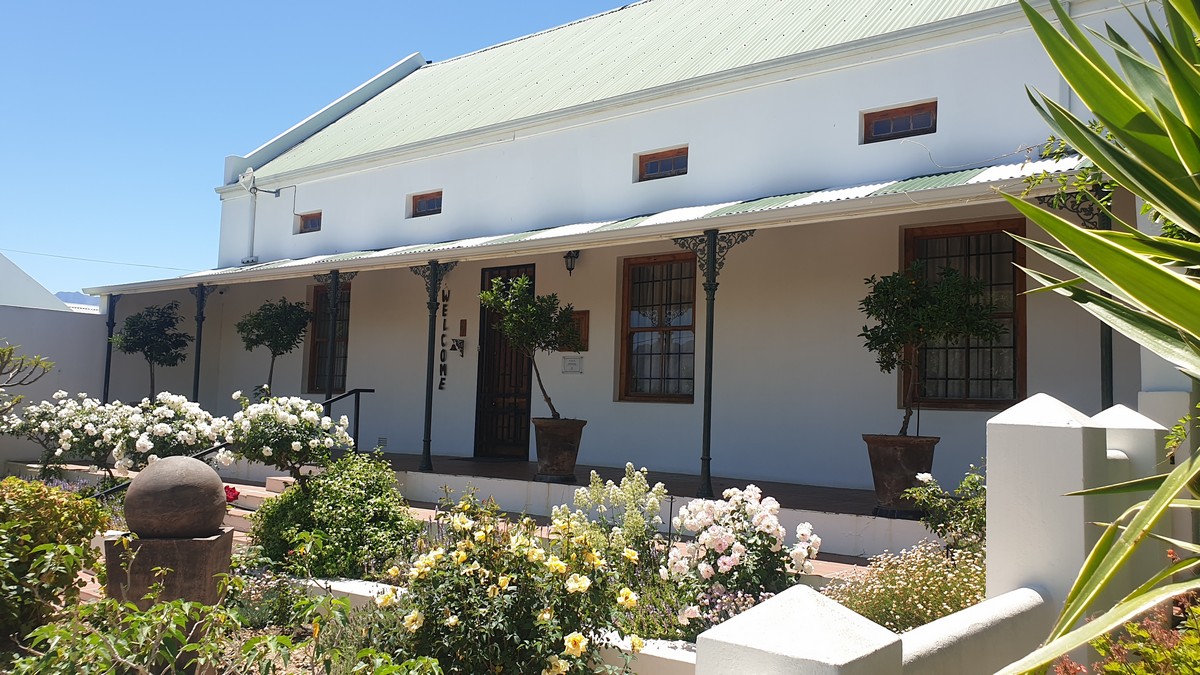
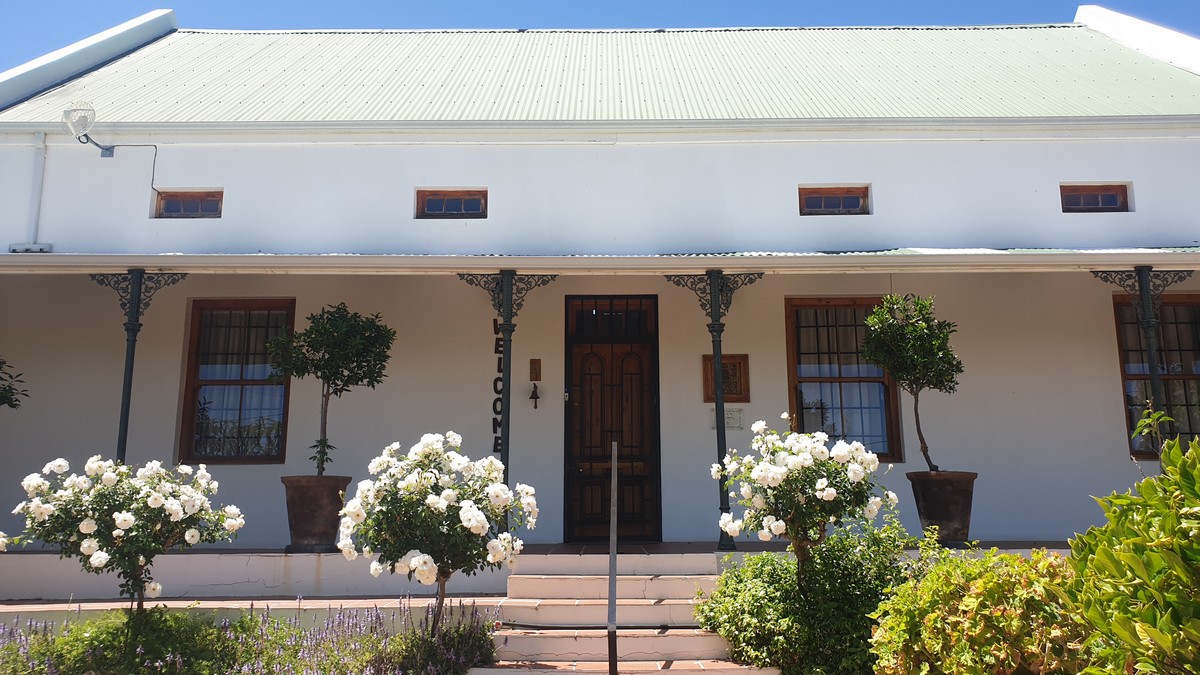
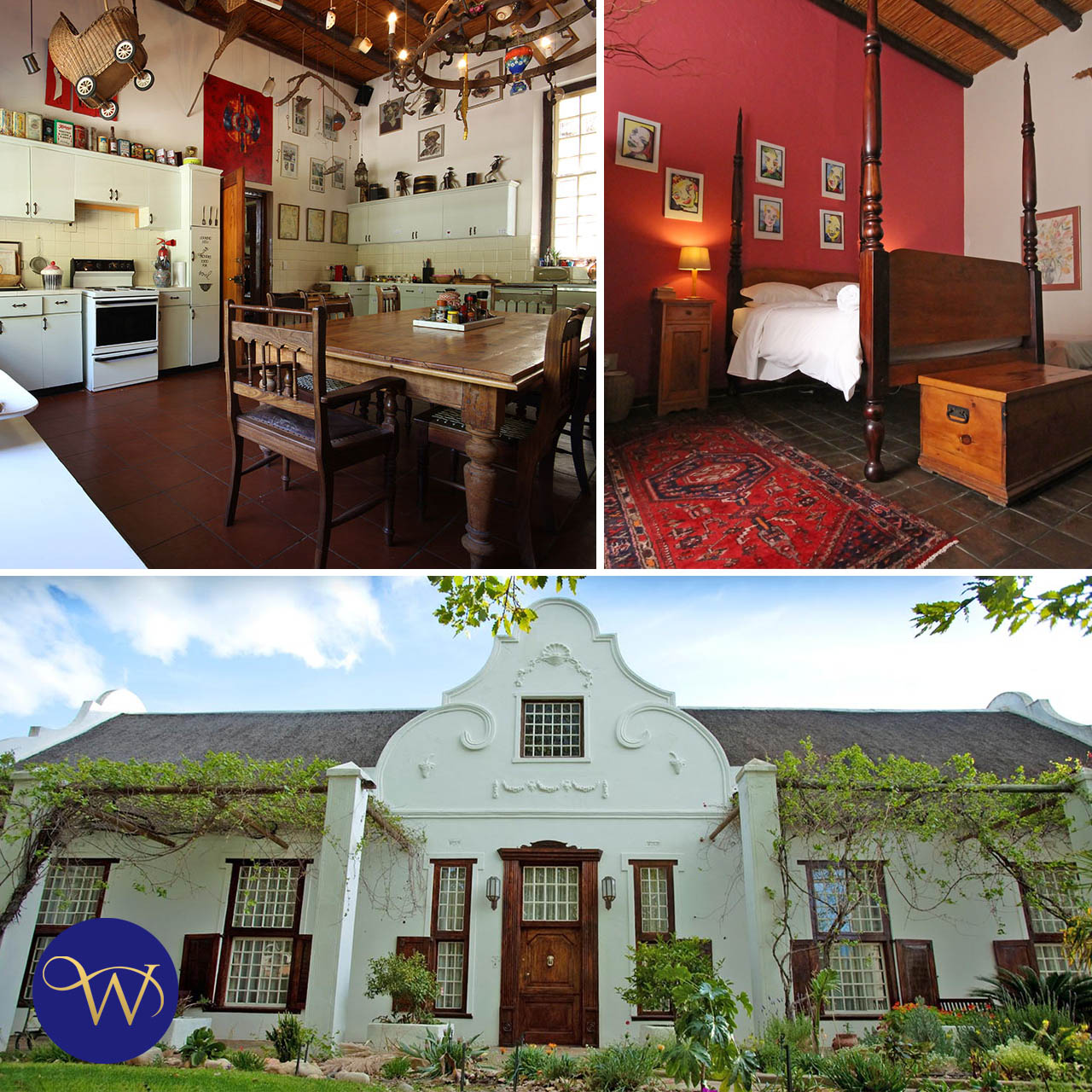
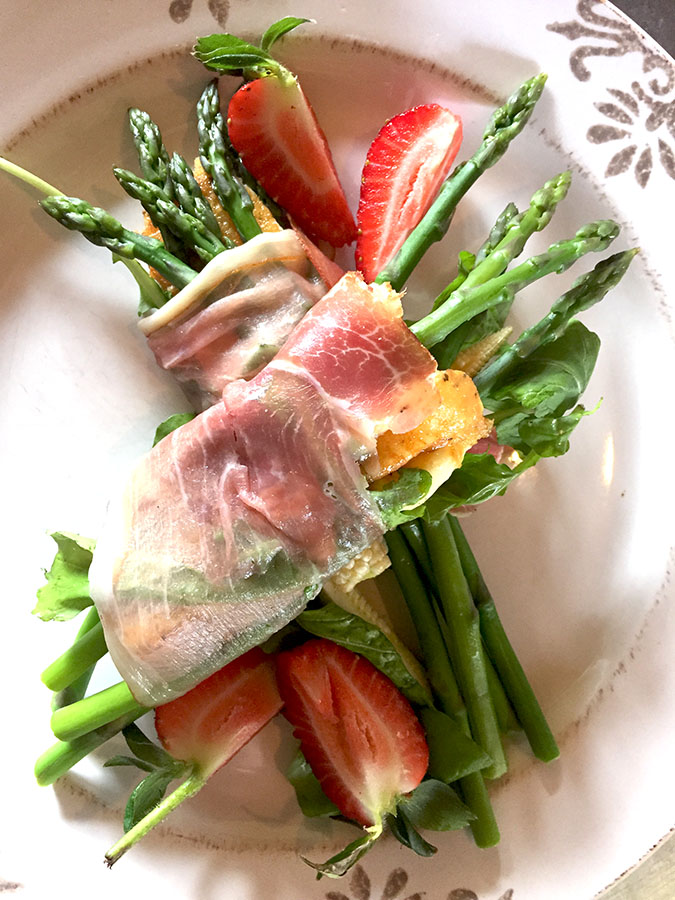
The guest house option, averaging around R1,987 per night, offers a more structured experience. Breakfast is typically included, and hosts usually have strong local knowledge, whether directing guests to a specific wine estate, advising on trail conditions, or flagging events worth attending. Many guest houses in the Tulbagh area occupy historically significant buildings, with thick stone walls, yellowwood ceilings, and shaded stoeps designed for sitting out in the evening.
Both options involve relatively intimate properties where service is personal. Neither type involves large shared spaces or formal front desks. For a visit focused on the town centre, wine estates, and the surrounding hills, two to three nights at either property type provides adequate time without requiring a long commitment. During popular weekends, availability at these small properties moves faster than the modest listing count might suggest, so early contact with the property is worthwhile.
Things to Do in Tulbagh
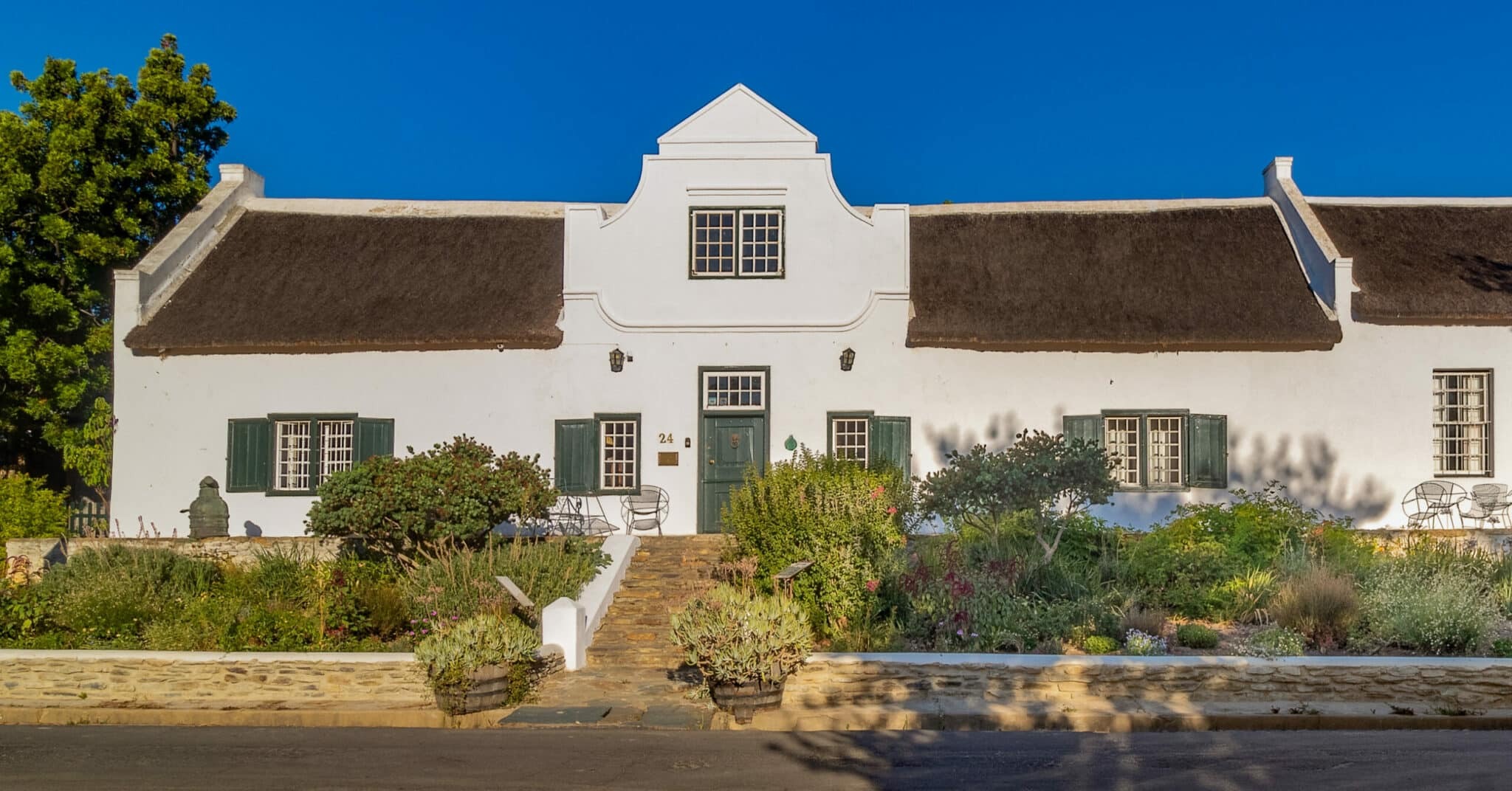
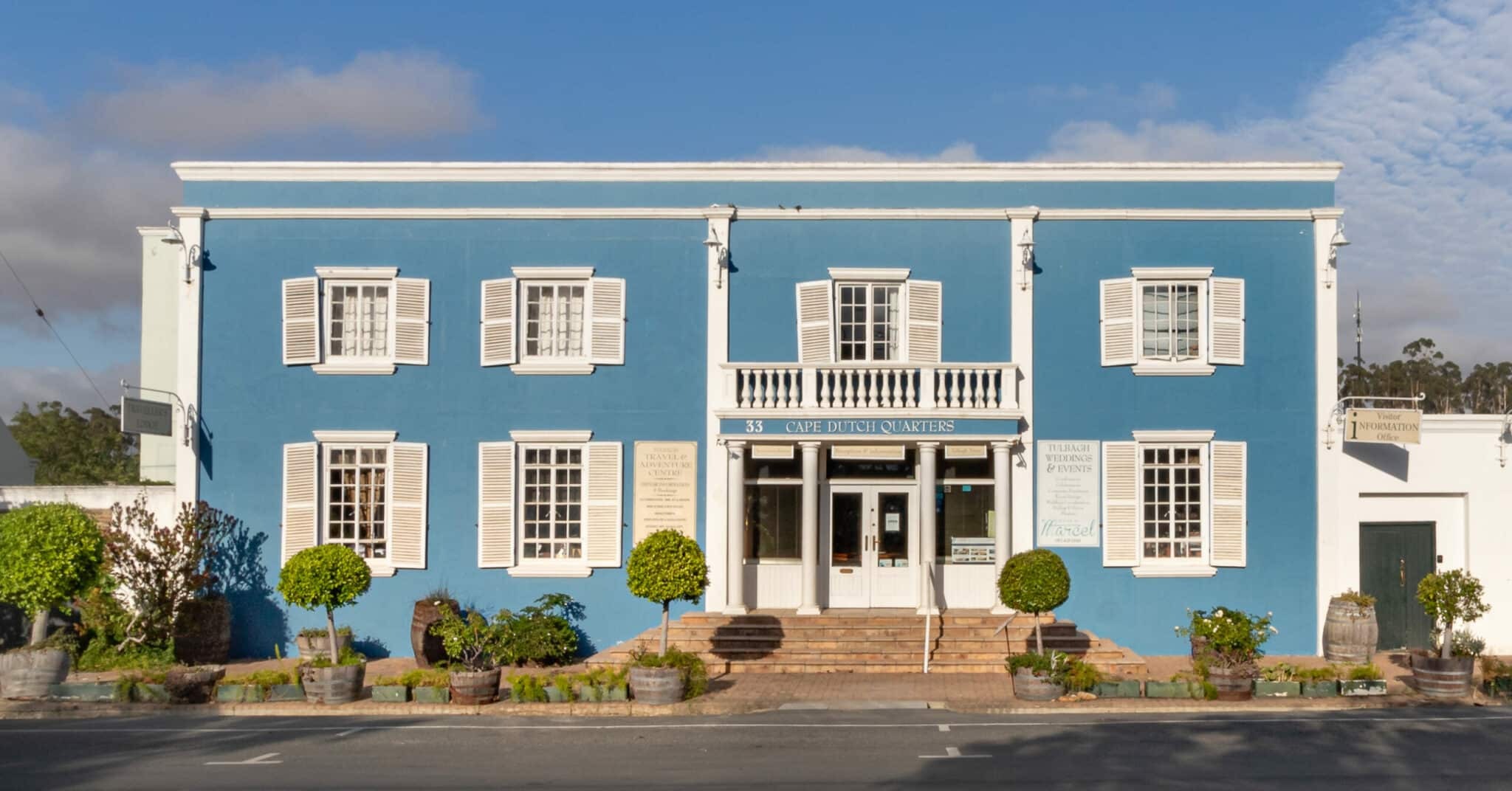
Church Street is the logical starting point for any visit. More than 20 buildings along this stretch have been declared national monuments, and the collection of Cape Dutch and Georgian facades represents one of South Africa's most concentrated examples of colonial-era domestic architecture. Much of what stands today was rebuilt following the 1969 earthquake, which levelled large sections of the town. The restoration process that followed was unusually thorough, and the street retains a cohesive character rather than the patchwork feel common to reconstructed heritage sites. The Tulbagh Museum, housed in one of these buildings, covers the town's agricultural and settler history through artefacts, maps, and period documents.
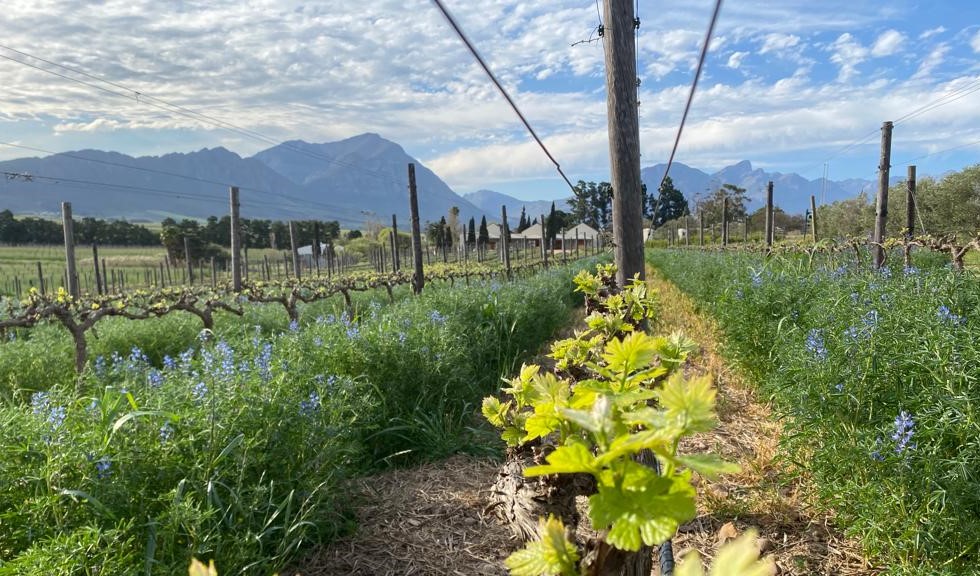
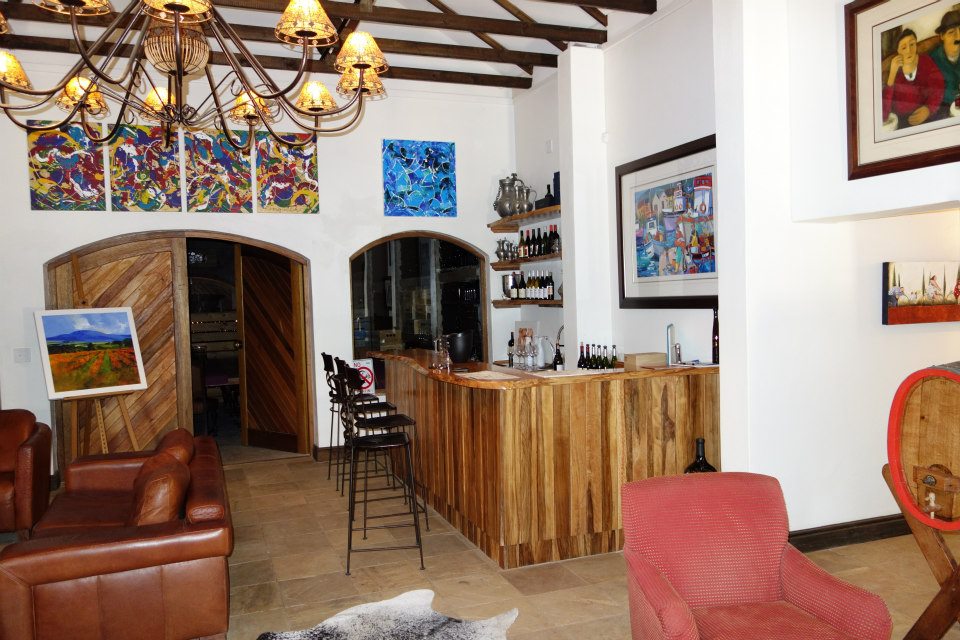
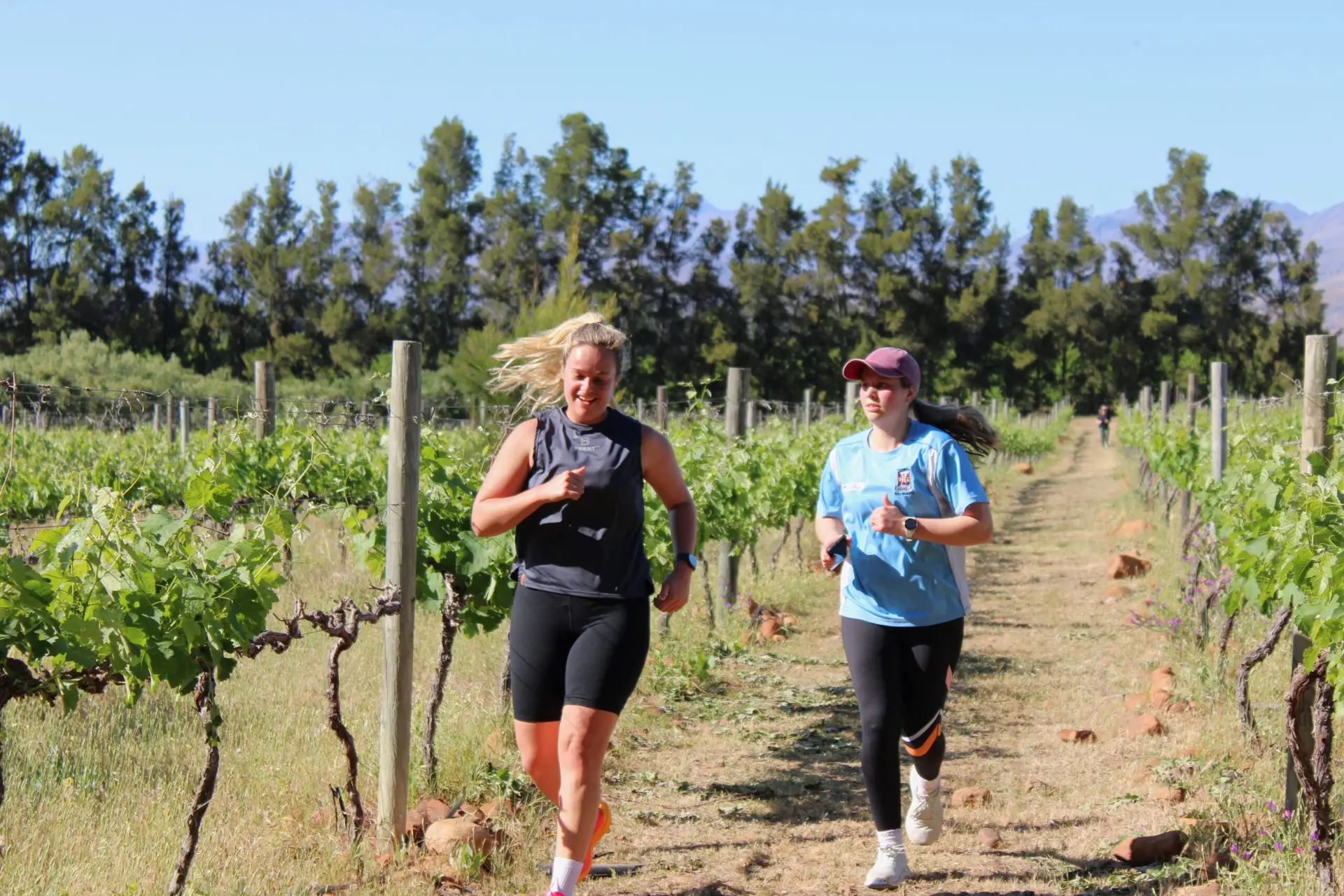
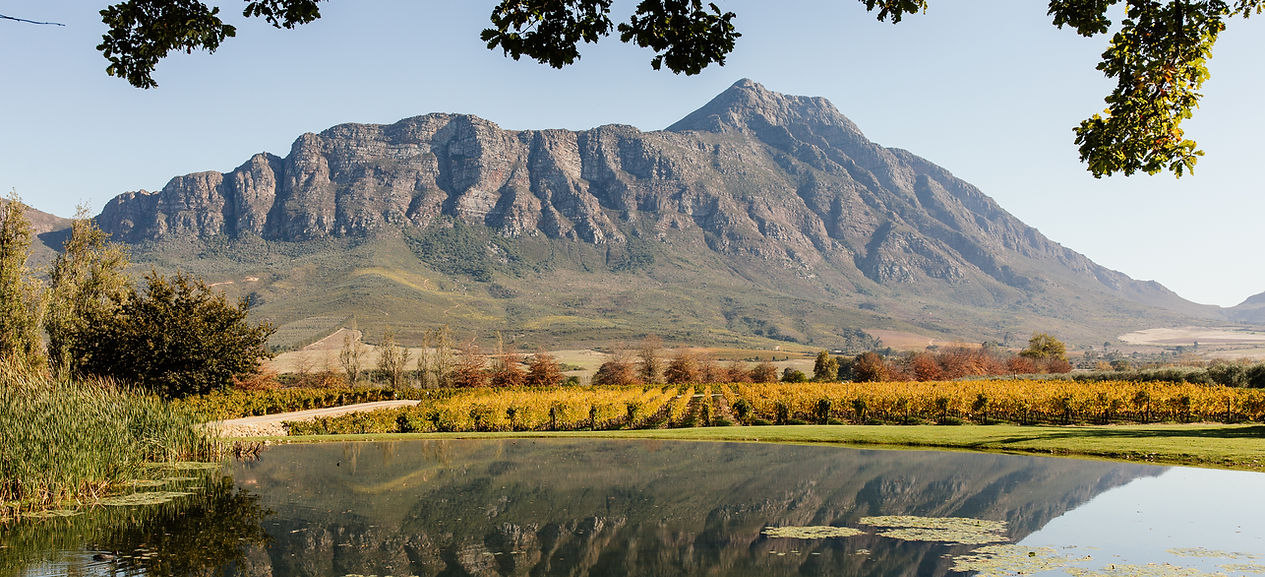
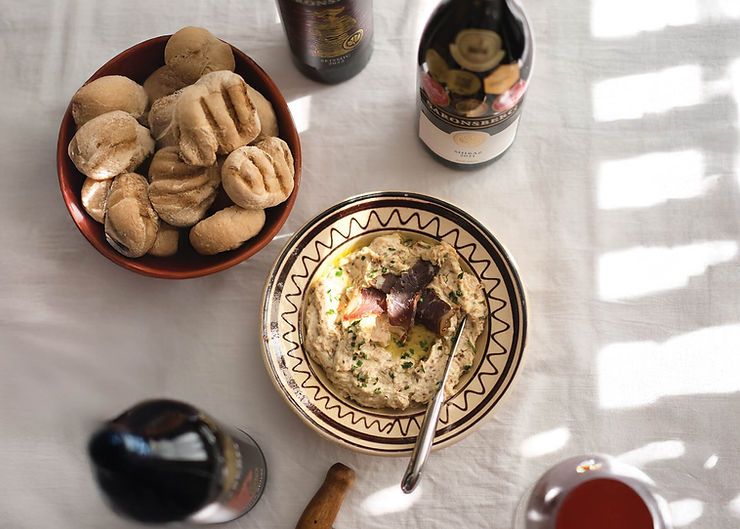
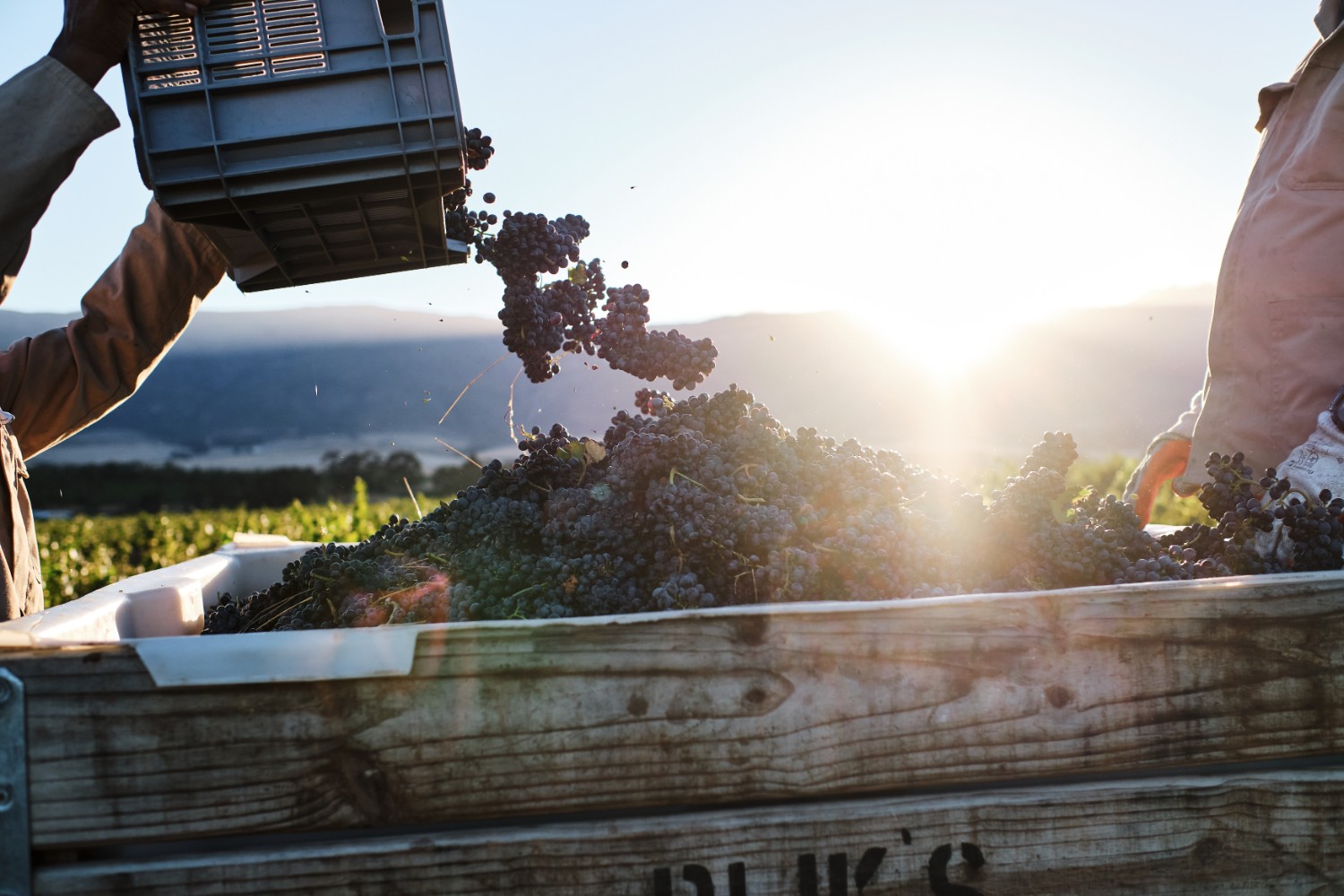
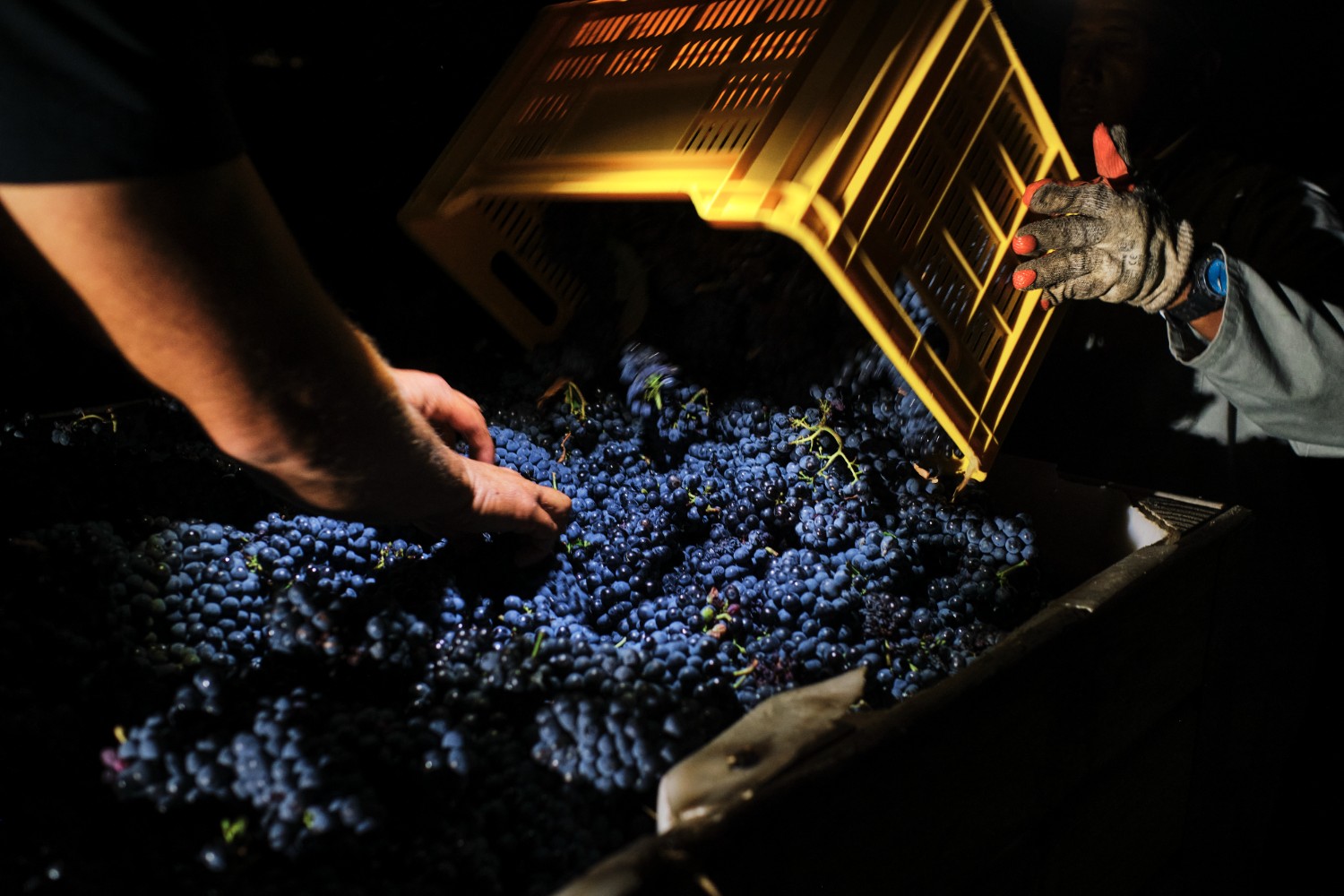
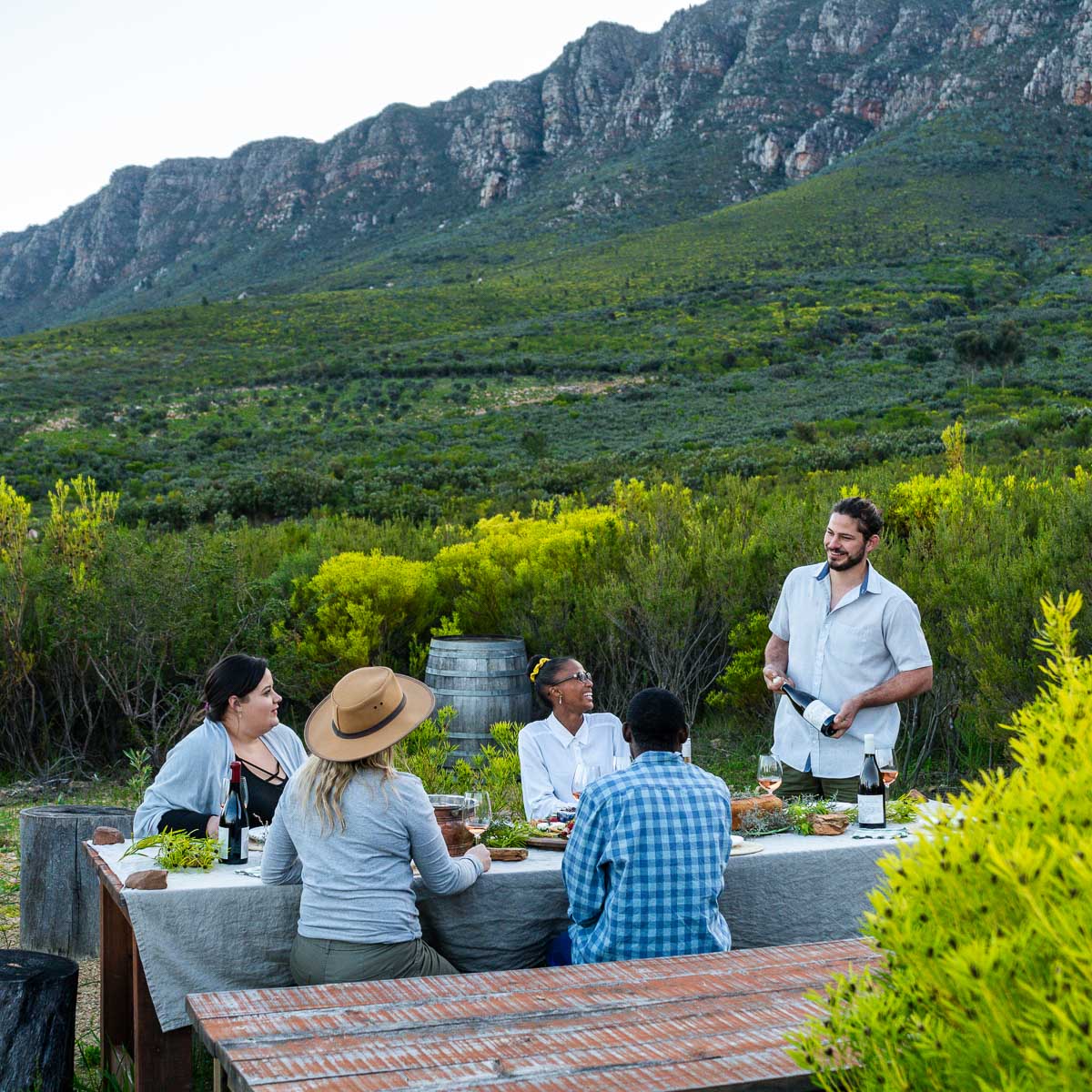
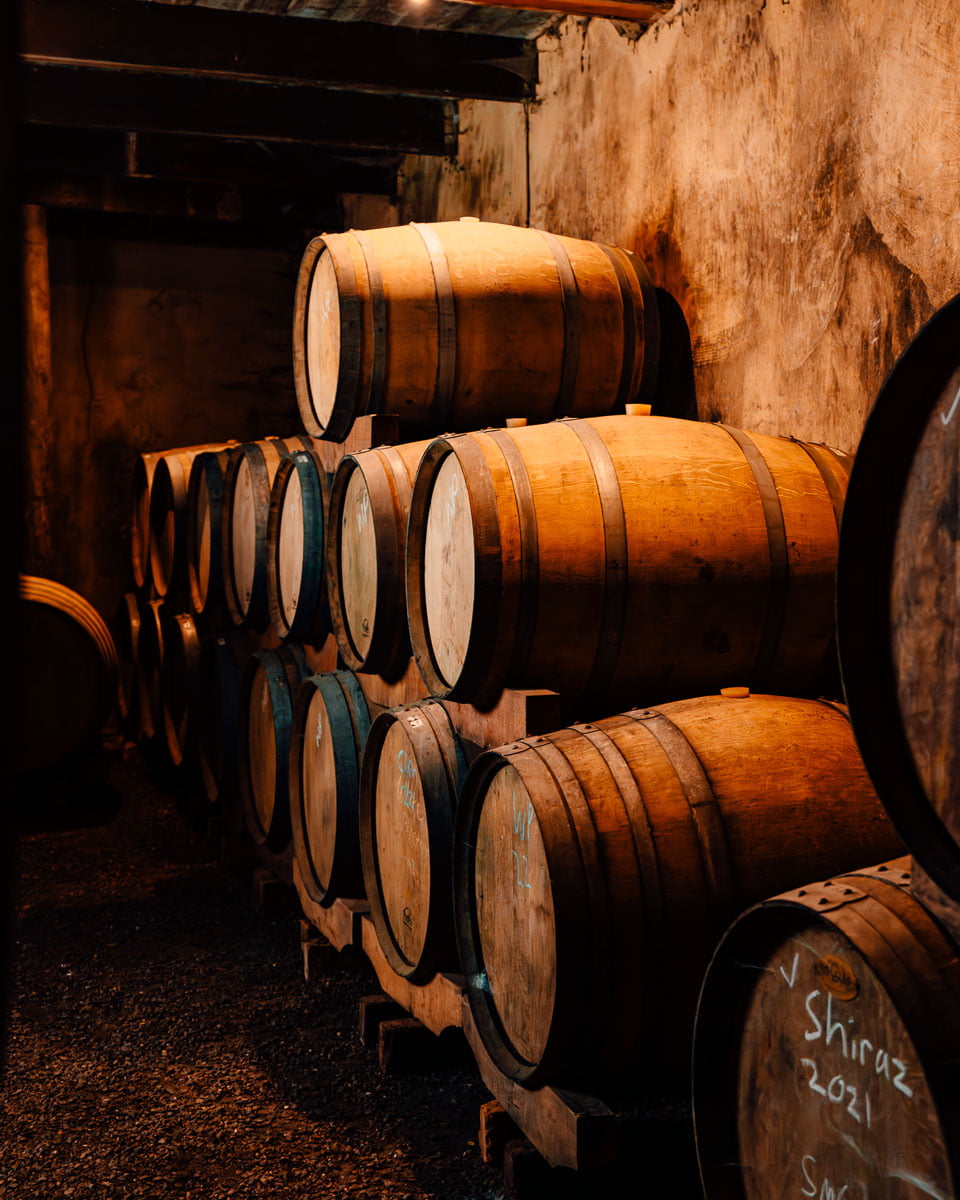
Wine occupies a significant part of any itinerary here. The Tulbagh Wine Valley has a cluster of estates producing Shiraz, Chardonnay, and several other varieties. Cellar tours and tastings can be arranged directly with the estates, and some offer additional activities including horse riding and cycling routes through the vineyards.
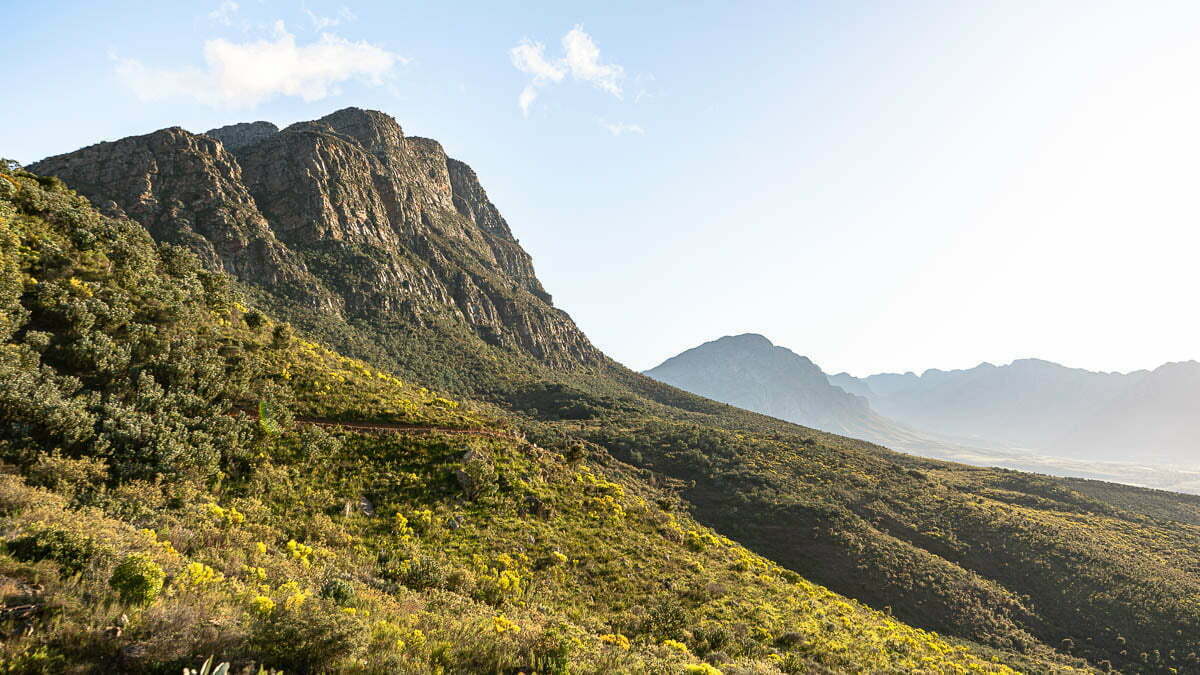
The Oorlogskloof Nature Reserve, about 20 kilometres from town, provides fynbos hiking at varying difficulty levels. Baboons and several antelope species are regularly seen on the trails. Birdwatchers with an interest in fynbos-endemic species will find the reserve particularly productive during the wetter months when activity is highest.
Hot springs are accessible as a half-day outing from Tulbagh, especially popular in winter when the contrast with the cold air is most welcome. Safari opportunities in the wider region, with suitable game reserves within a few hours' drive, are available for those wanting to see larger wildlife beyond the fynbos fauna.
Best Time to Visit Tulbagh
Tulbagh's Mediterranean climate divides the year into clear periods, each with distinct advantages.
Spring, from September through October, draws the most visitors. Temperatures are mild, fynbos is flowering across the hillsides, and the annual Tulbagh Spring Festival, usually held in September, brings agricultural produce, food stalls, and craft markets into the town centre. It is the most straightforward time to visit without having to plan around weather or crowds.
Summer, from November to February, brings consistent heat that regularly exceeds 35 degrees Celsius in January. Early morning is the practical window for hiking. Wine estates are busy from February through April during harvest, when the valley is particularly active. December draws domestic tourists during school holidays, and accommodation fills quickly.
Winter, June through August, is the quietest period. Rain is more frequent but not constant, and the mountain backdrop is often most dramatic after a downpour. Some estate facilities may operate on reduced hours, so checking ahead is sensible. The appeal of winter lies partly in near-empty roads and the case for spending afternoons indoors tasting wine.
Autumn, March to May, offers a middle ground: cooling temperatures, good light on the vineyards, and fewer people than summer.
Getting to Tulbagh
From Cape Town, the most direct route covers roughly 120 kilometres. Take the N1 towards Paarl, then branch north through the fruit farming valley on the R44. Under normal conditions the drive takes about 90 minutes. An alternative from Worcester follows the R43 over a winding mountain pass into the valley, adding visual interest but requiring more care on the road.
Worcester is approximately 45 kilometres from Tulbagh and is the nearest town with more substantial transport links. Cape Town International Airport is the practical entry point for international travellers, with car hire available directly at the terminal. No direct bus or rail service runs to Tulbagh itself. Long-distance coaches from Cape Town serve Worcester, from where a local taxi or pre-arranged shuttle covers the remaining distance.
Within Tulbagh, the historic centre is entirely walkable. Wine estates and the nature reserve require a car, as they are distributed across the valley and surrounding hills. Fuel is available at the main garage in town. The connecting roads to the N1 are well-maintained tar, suitable for standard vehicles year-round.
Tulbagh and Surrounding Areas
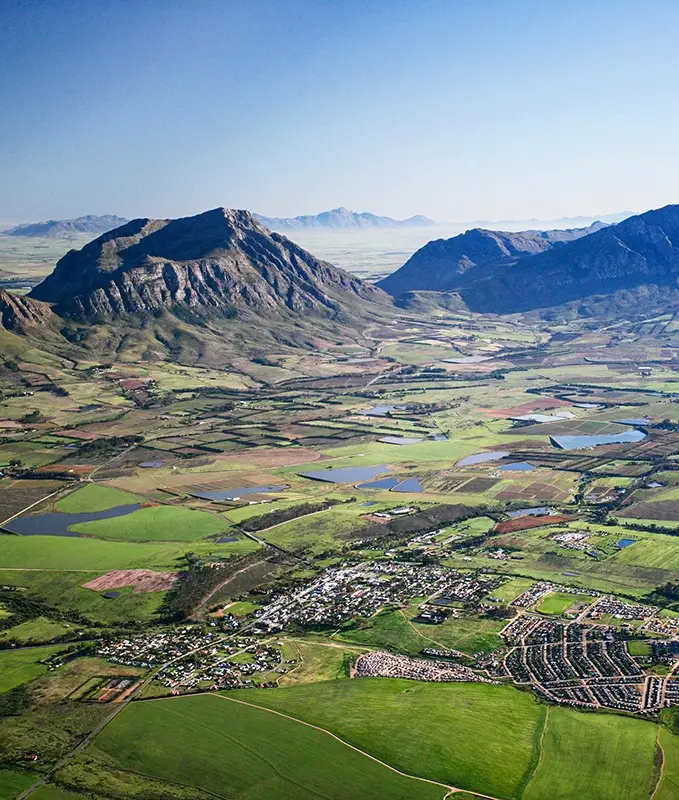
The towns and farming districts within 35 kilometres of Tulbagh each offer something different, making the area productive for day trips in most directions. The broader Breede River Valley context gives these destinations a loose coherence, though the landscape and character shift noticeably between them.
Wolseley (15km) is a small fruit farming service centre, primarily useful as a practical stop. The orchards surrounding it are most active during the summer harvest months, and the mountain road separating it from Tulbagh is a worthwhile short drive in itself.
Ceres (18km) is the dominant town in the Koue Bokkeveld area, better equipped with shops and services than Tulbagh. It is closely associated with fruit juice production, though the surrounding plateau also grows apples and pears at altitude. The Matroosberg range near Ceres receives snowfall in winter, drawing visitors from the lowlands. Trail options in the Ceres district are more technically demanding than those closer to Tulbagh.
Riebeek-Kasteel (25km) and Riebeek West (26km) sit in the Swartland, where drier, hotter conditions suit olive cultivation and a heavier style of red wine. Riebeek-Kasteel has developed a small food and arts scene, with several restaurants and galleries on the main street. The combination makes it a natural half-day extension for visitors based in Tulbagh.
Groenfontein (28km) is a farming valley rather than a formal town, offering quiet undeveloped landscape and access roads through mountain terrain. It is best suited to travellers who want somewhere genuinely off the main circuit.
Porterville (34km) sits at the foot of the Olifants River Mountains and serves as the entry point for the Groot Winterhoek Wilderness Area. For hikers wanting a more demanding multi-day route, this is the natural option beyond what is available locally.
Planning Your Stay
With only two properties listed, availability in Tulbagh moves quickly when demand spikes. Booking two to three weeks ahead for spring weekends is advisable, and December requires earlier planning still. Once an event is announced in the area, smaller properties fill faster than their modest rates suggest.
Before confirming a booking, establish what the nightly rate includes. Breakfast arrangements, towel and linen service, and access to outdoor areas vary between properties, and the difference is felt on a short stay. Cancellation terms are also worth checking, particularly if your visit depends on weather-sensitive activities like hiking or outdoor estate visits.
Location within the valley matters more than it might seem on a map. A property in the town centre puts Church Street and restaurants within walking distance. A farm-based property a few kilometres out means relying on a car for most movement, but typically provides quieter surroundings and more open views.
Cash is useful for farm stalls and some market vendors who do not accept cards. Mobile coverage is reasonable along main roads but drops in more remote reserve areas. Downloading an offline map for the valley before arriving is a practical precaution that costs nothing.