Accommodation in Addo
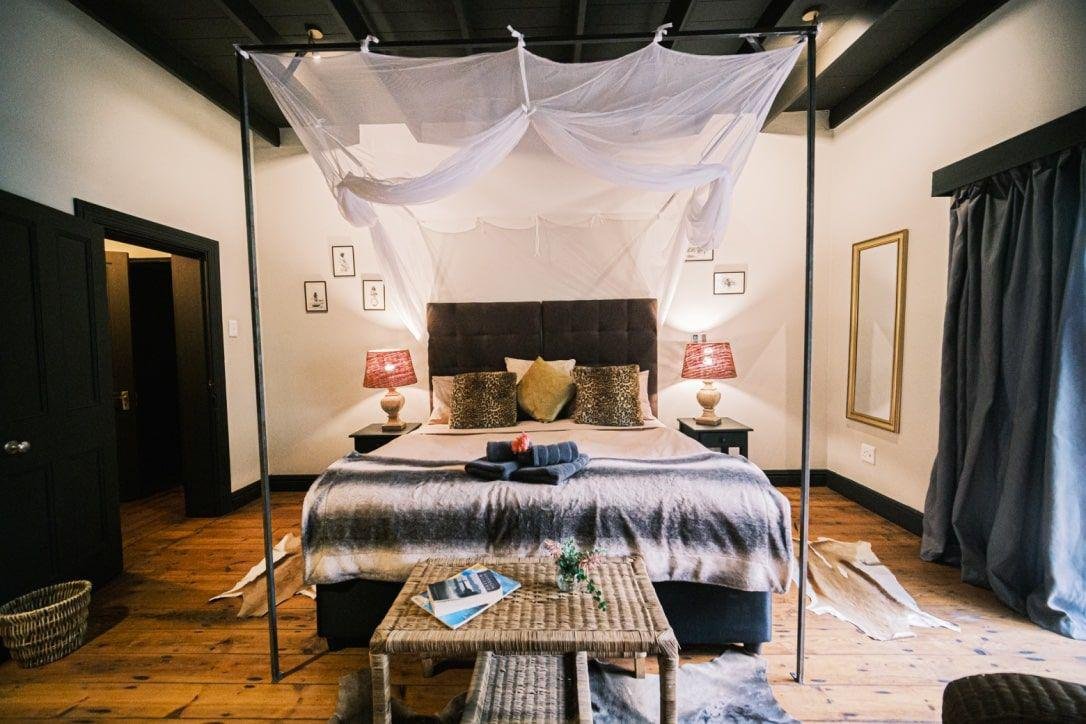
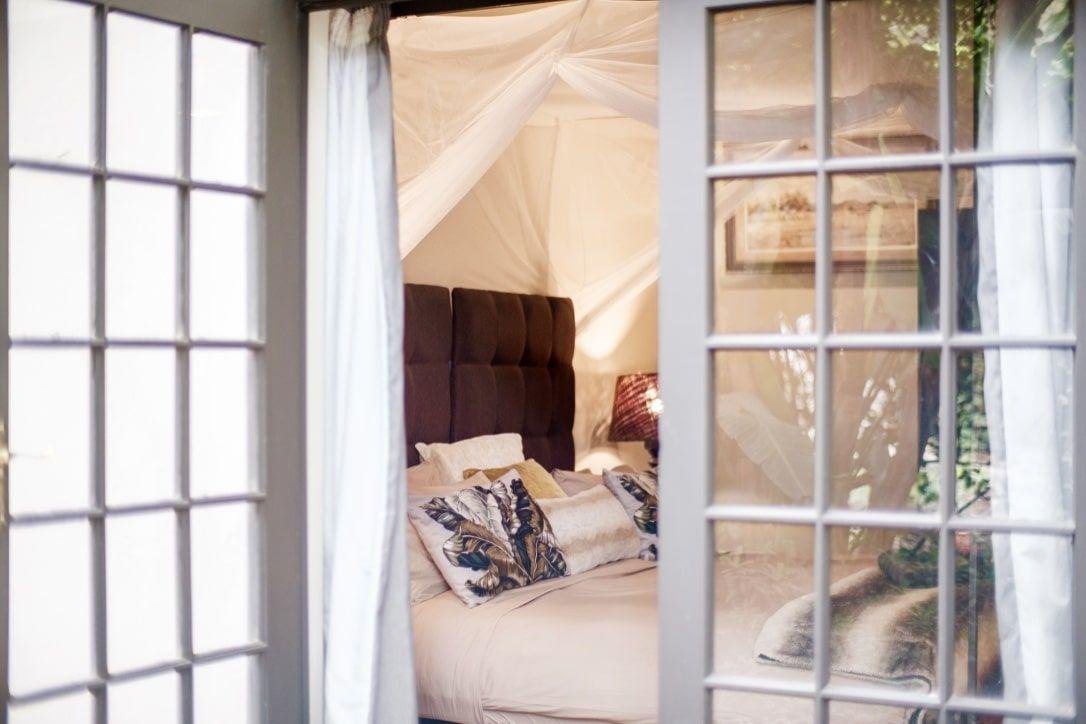
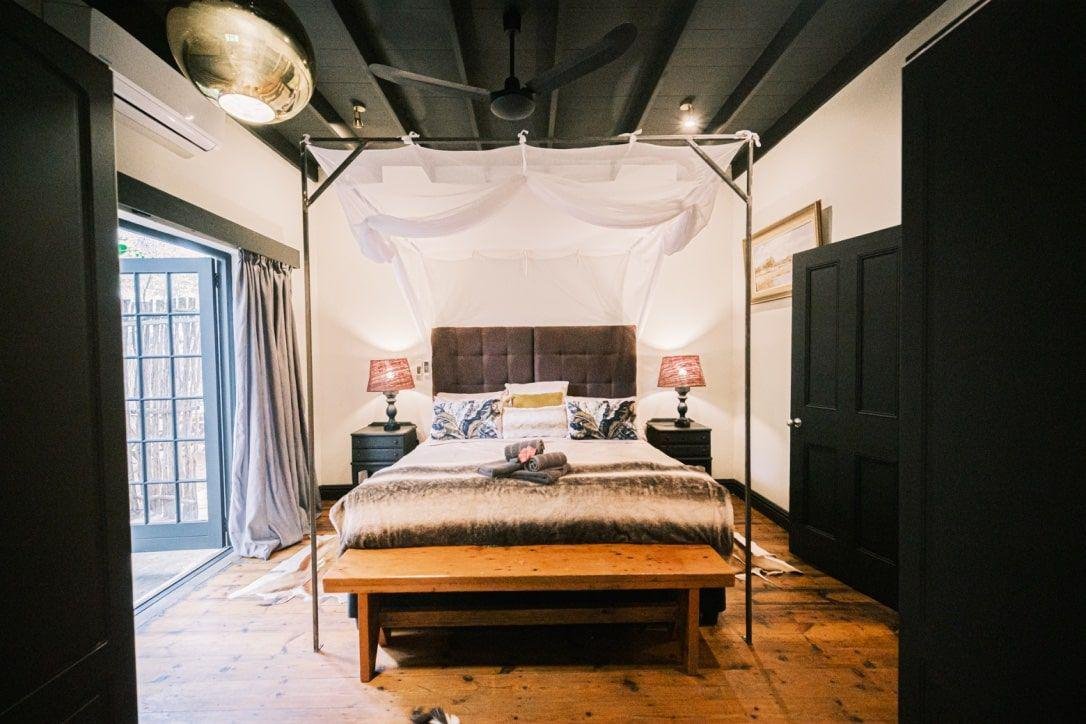
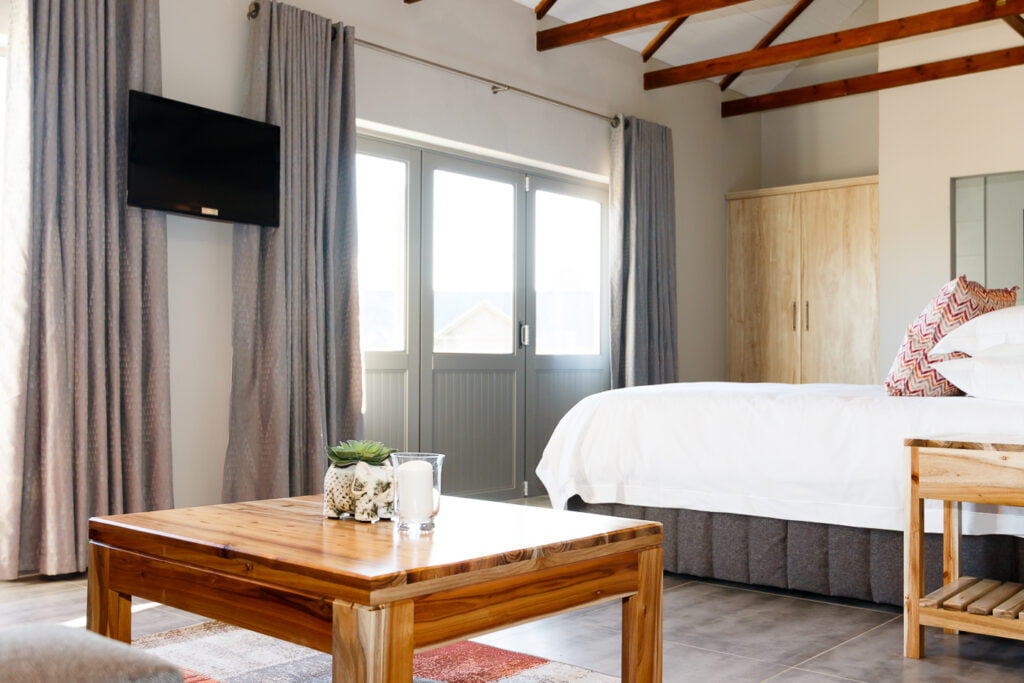
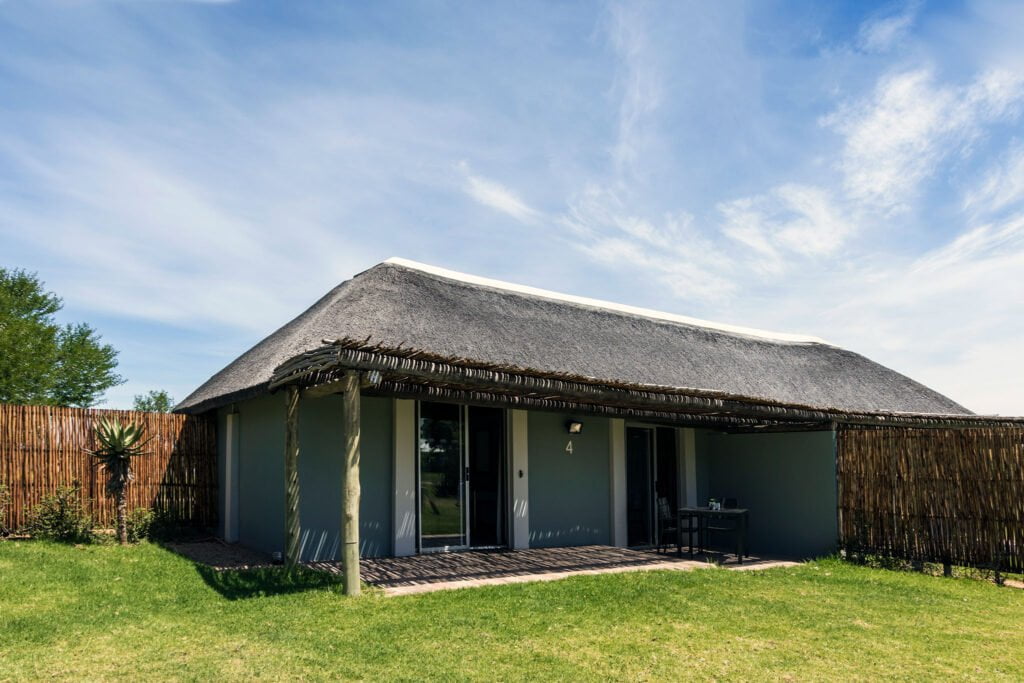
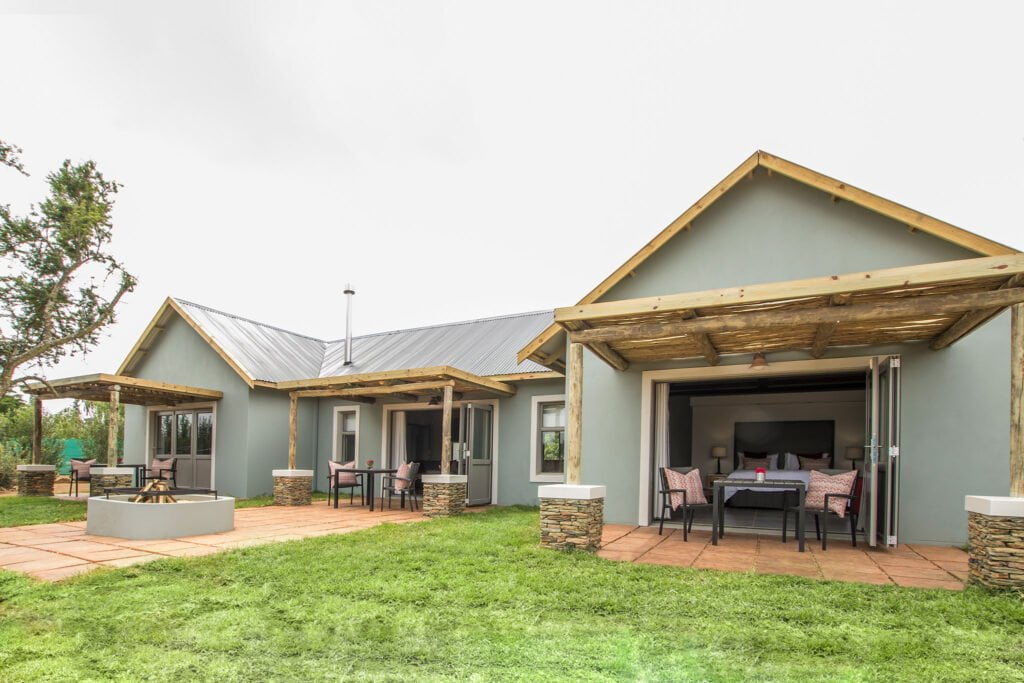
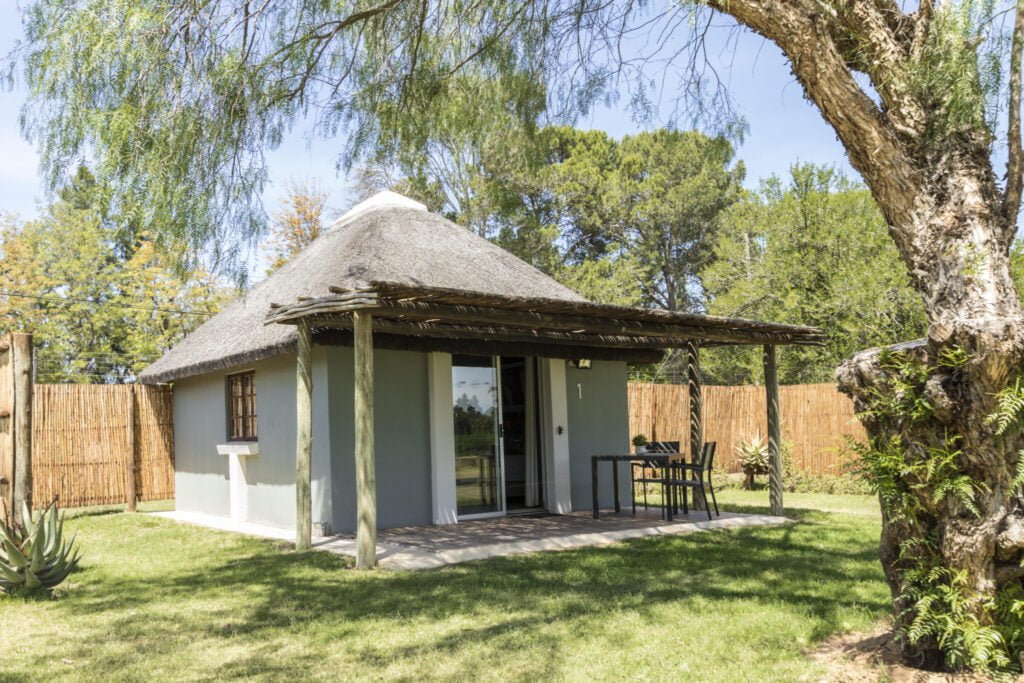
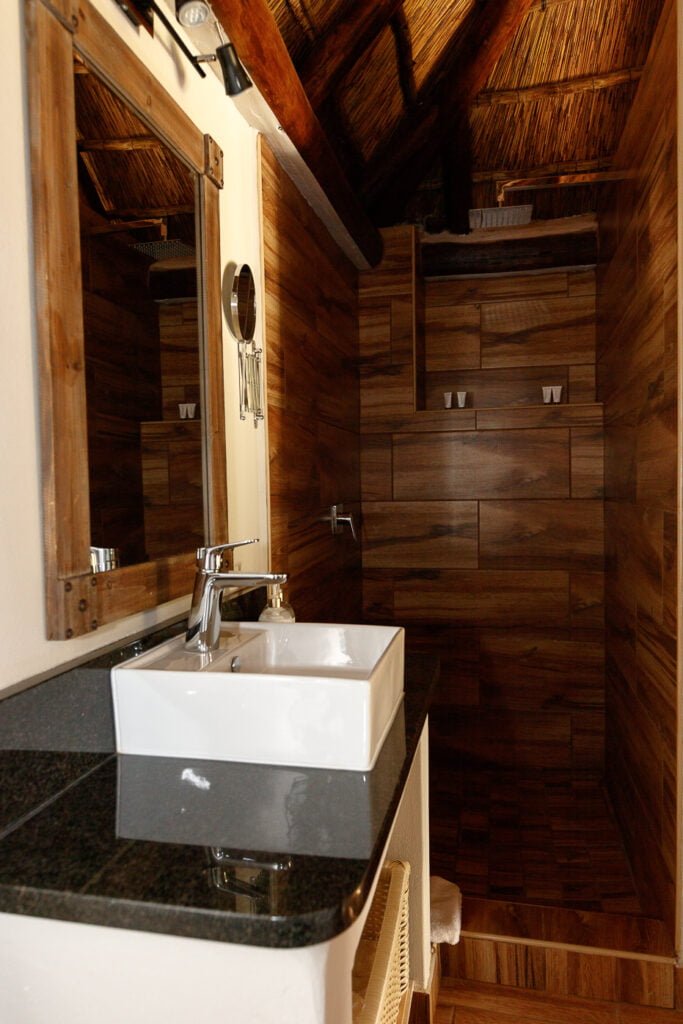
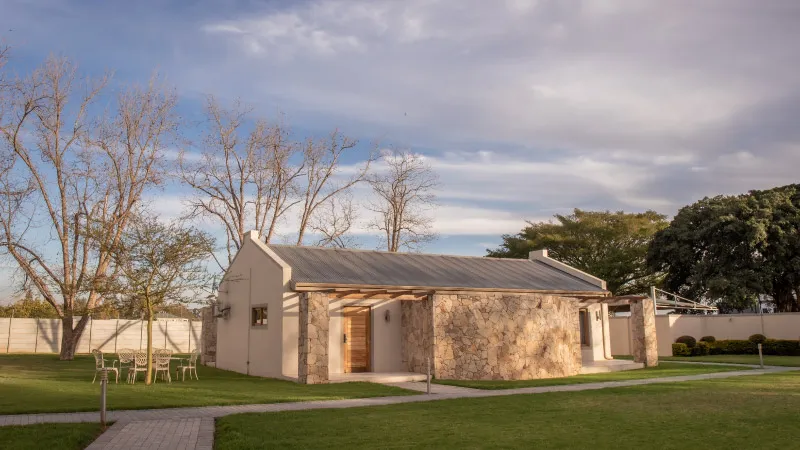
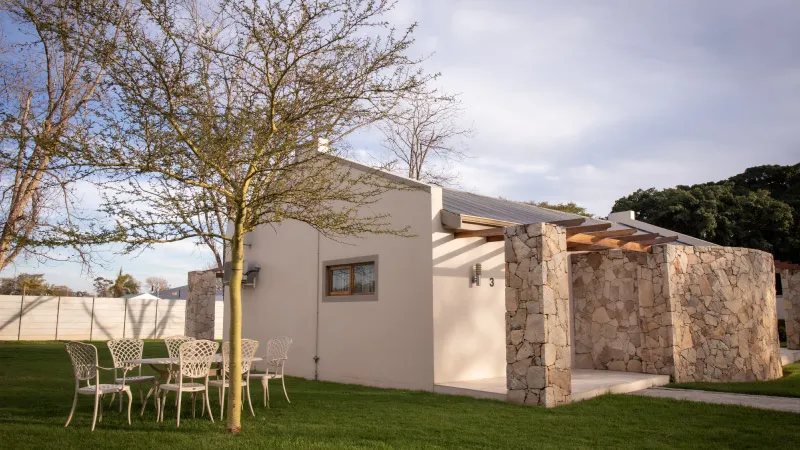
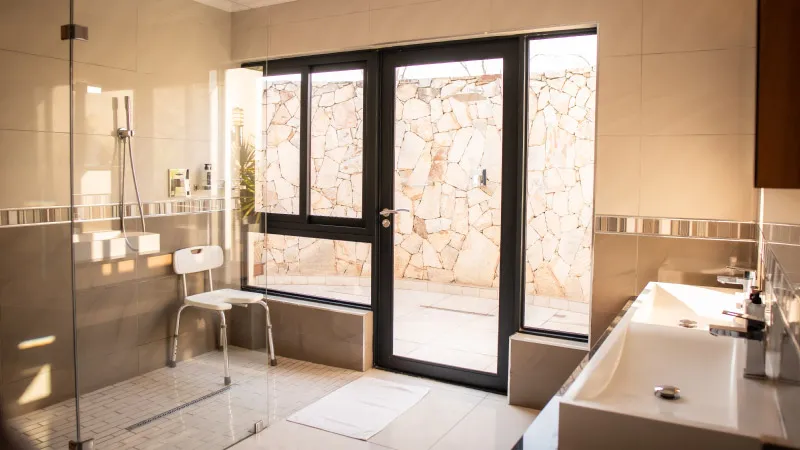
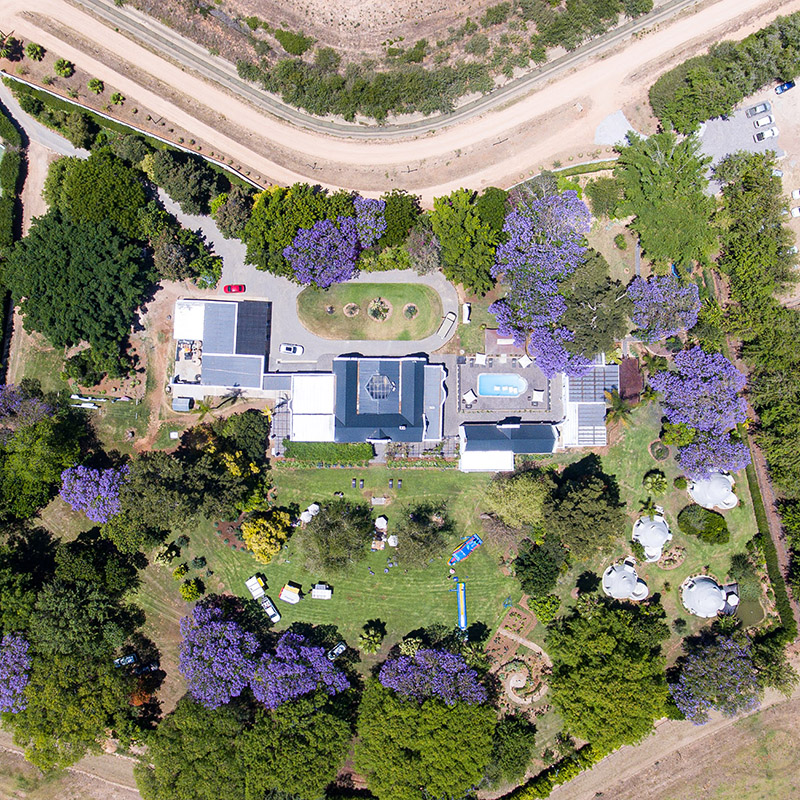
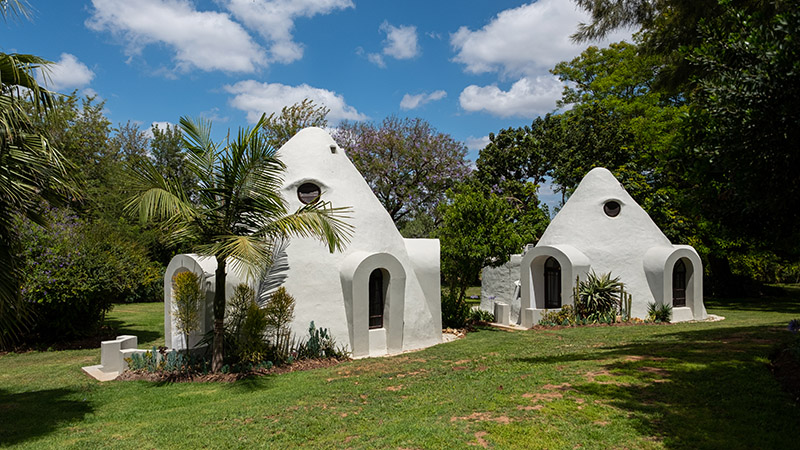
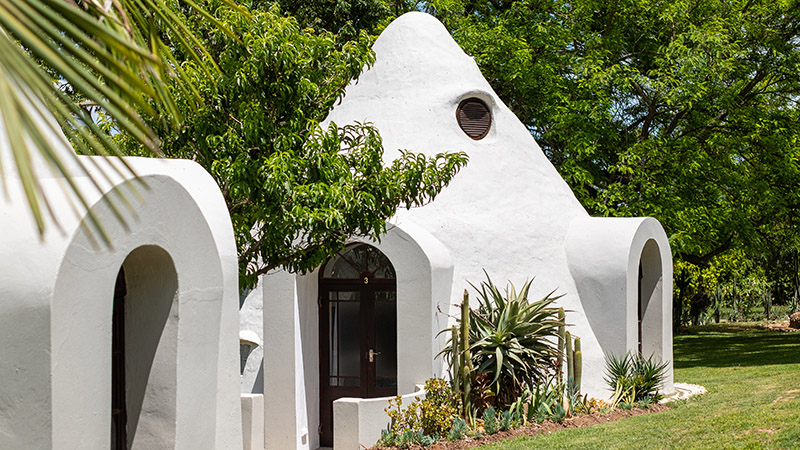
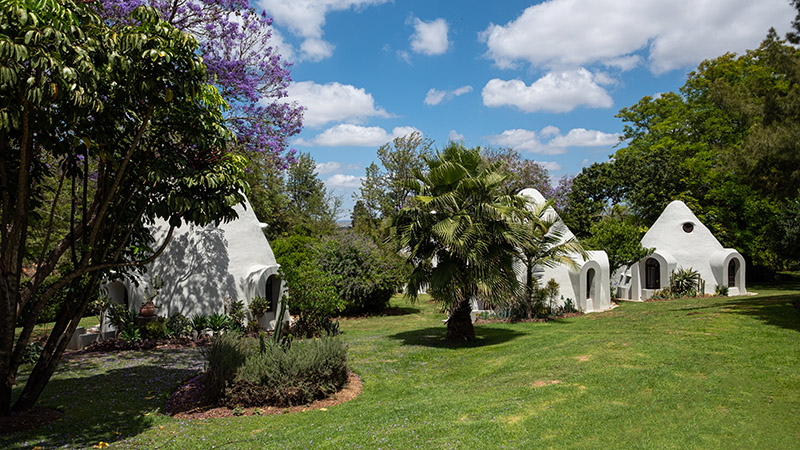
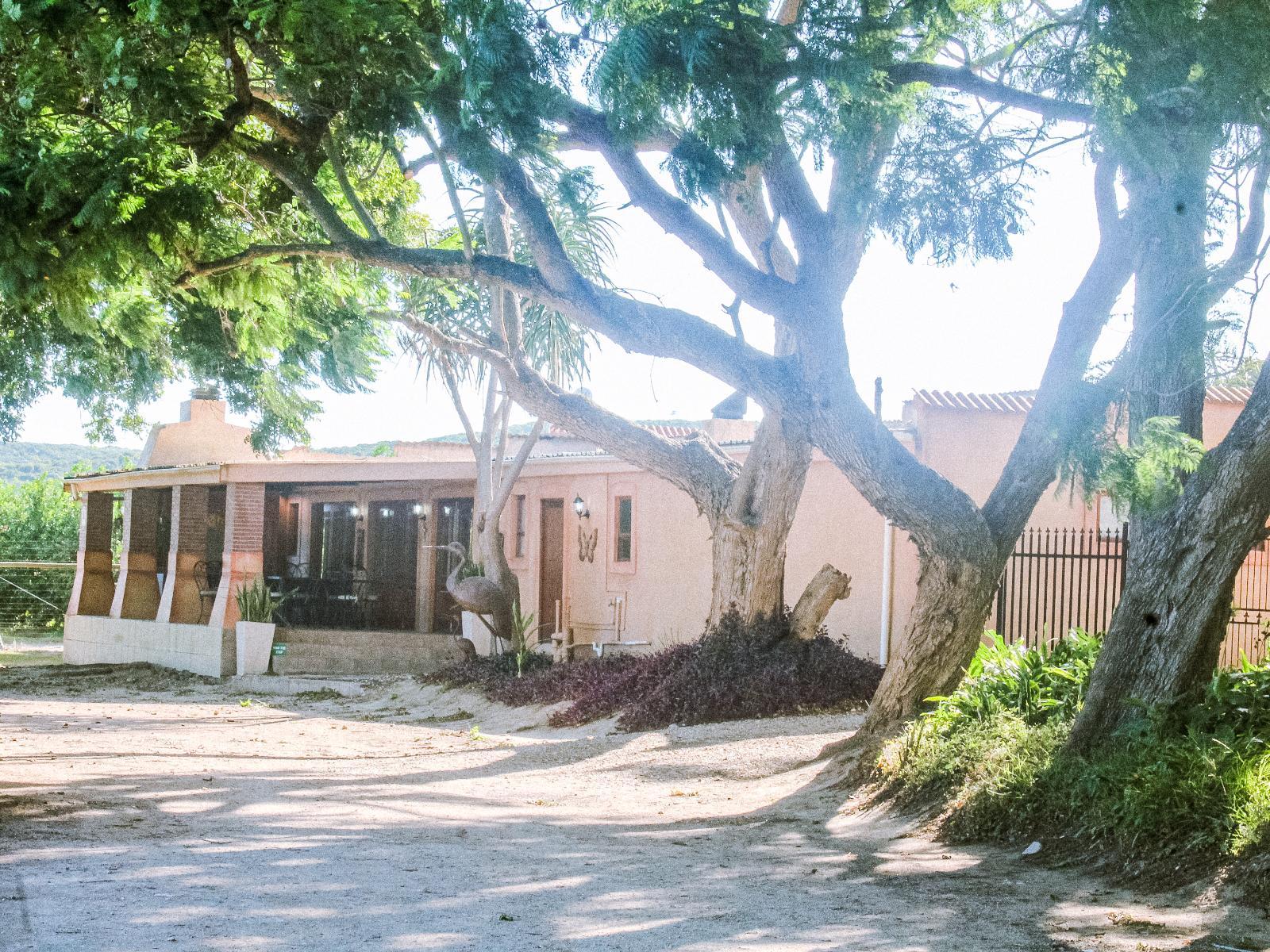
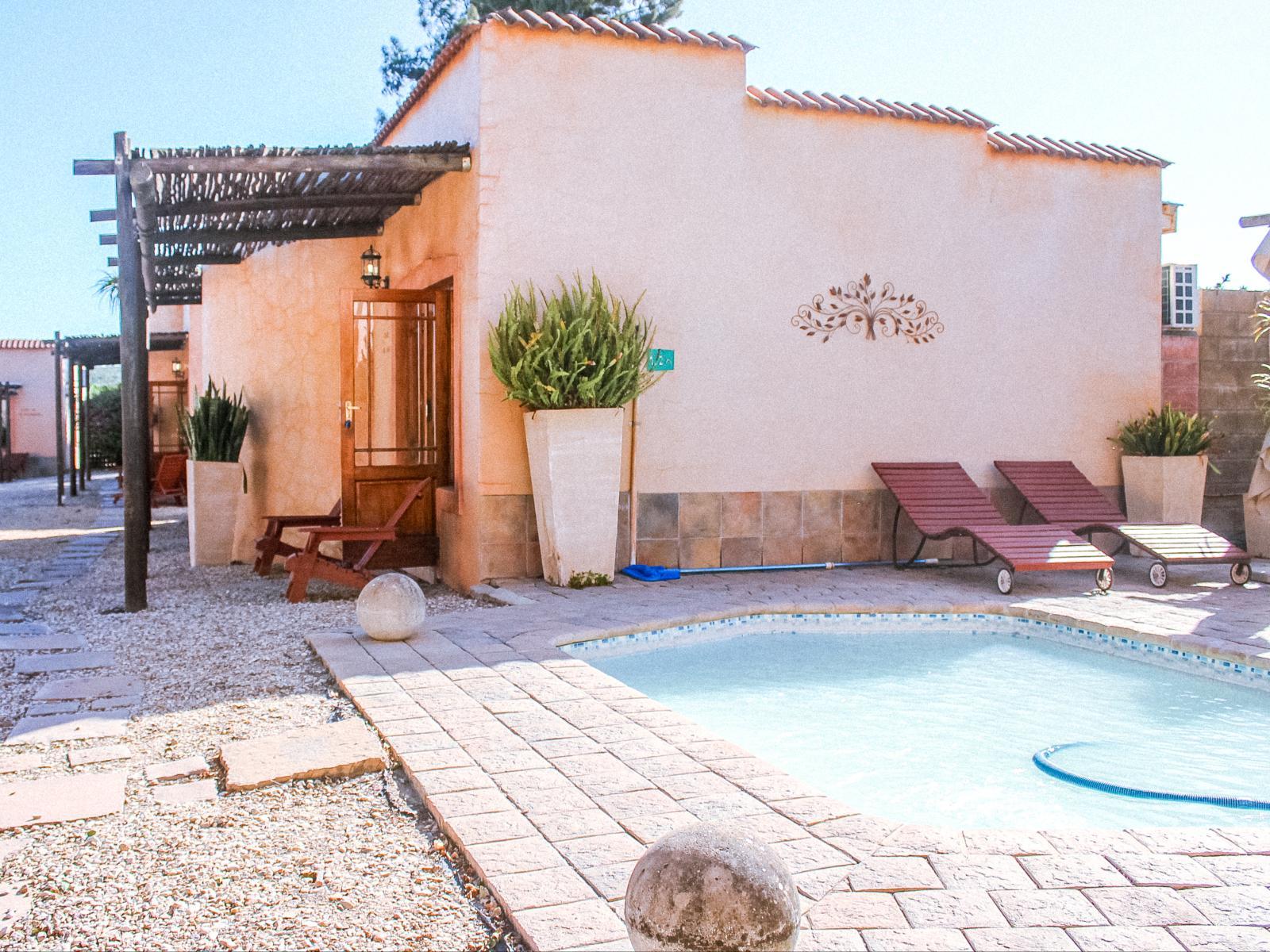
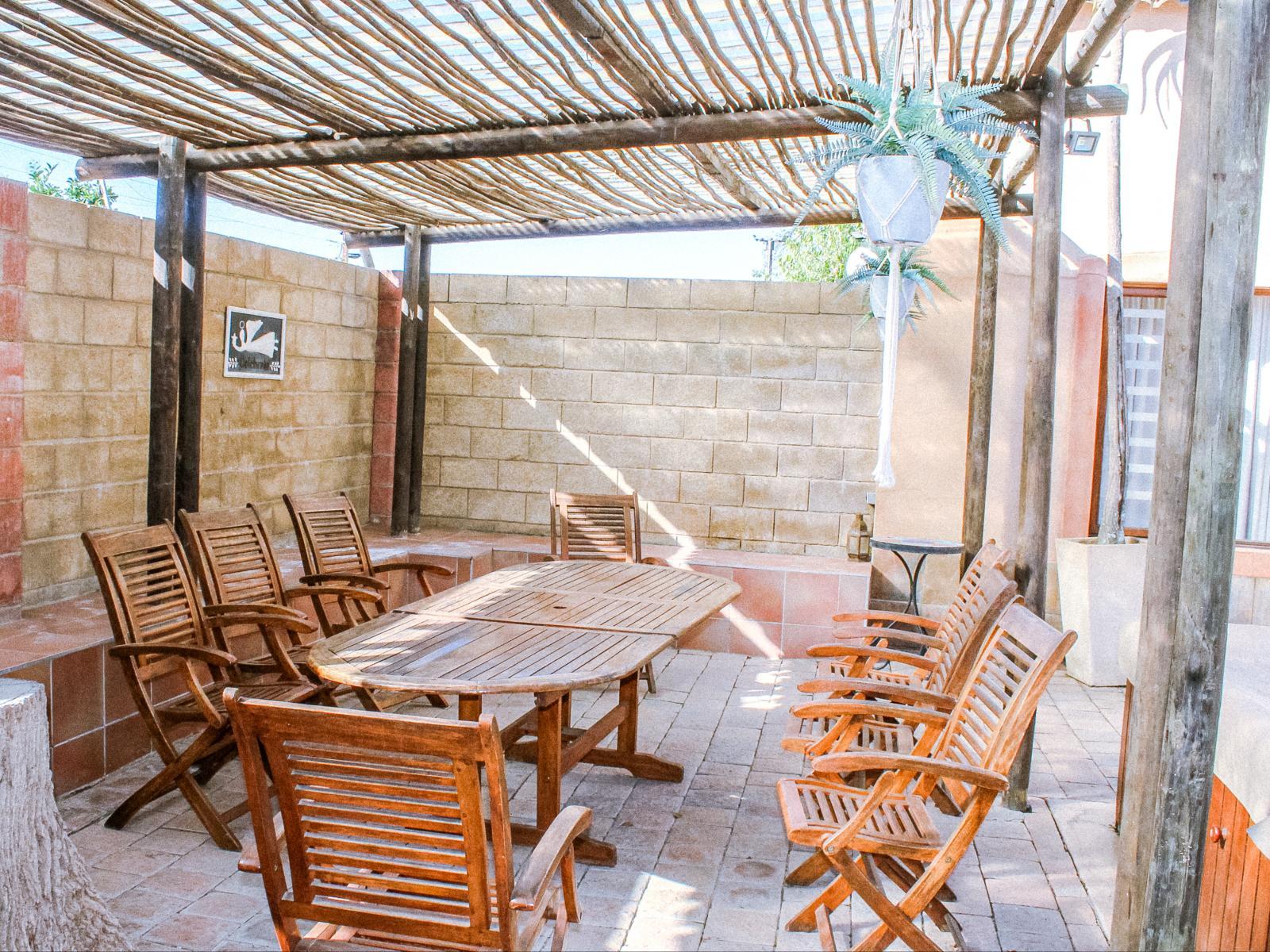
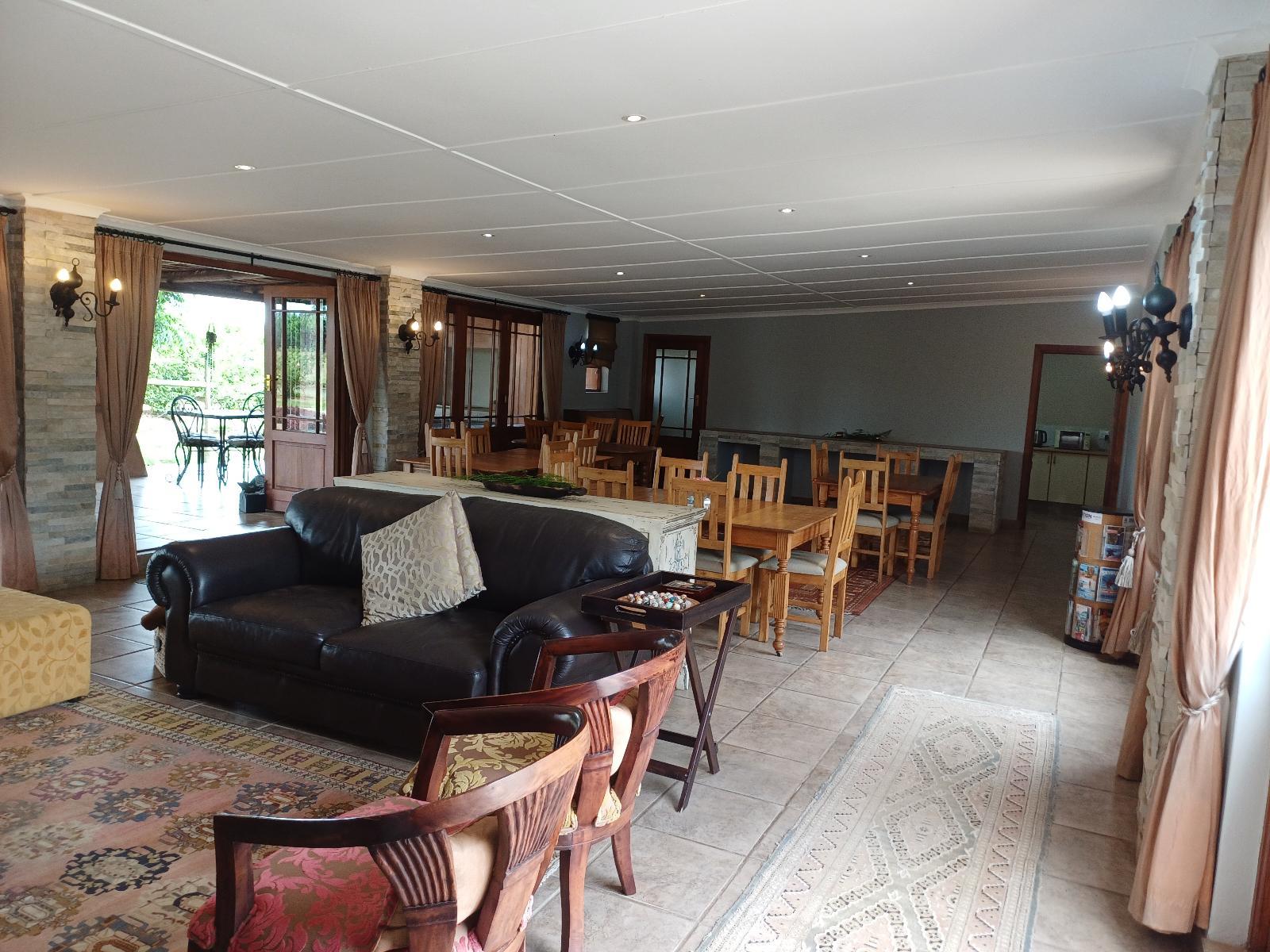
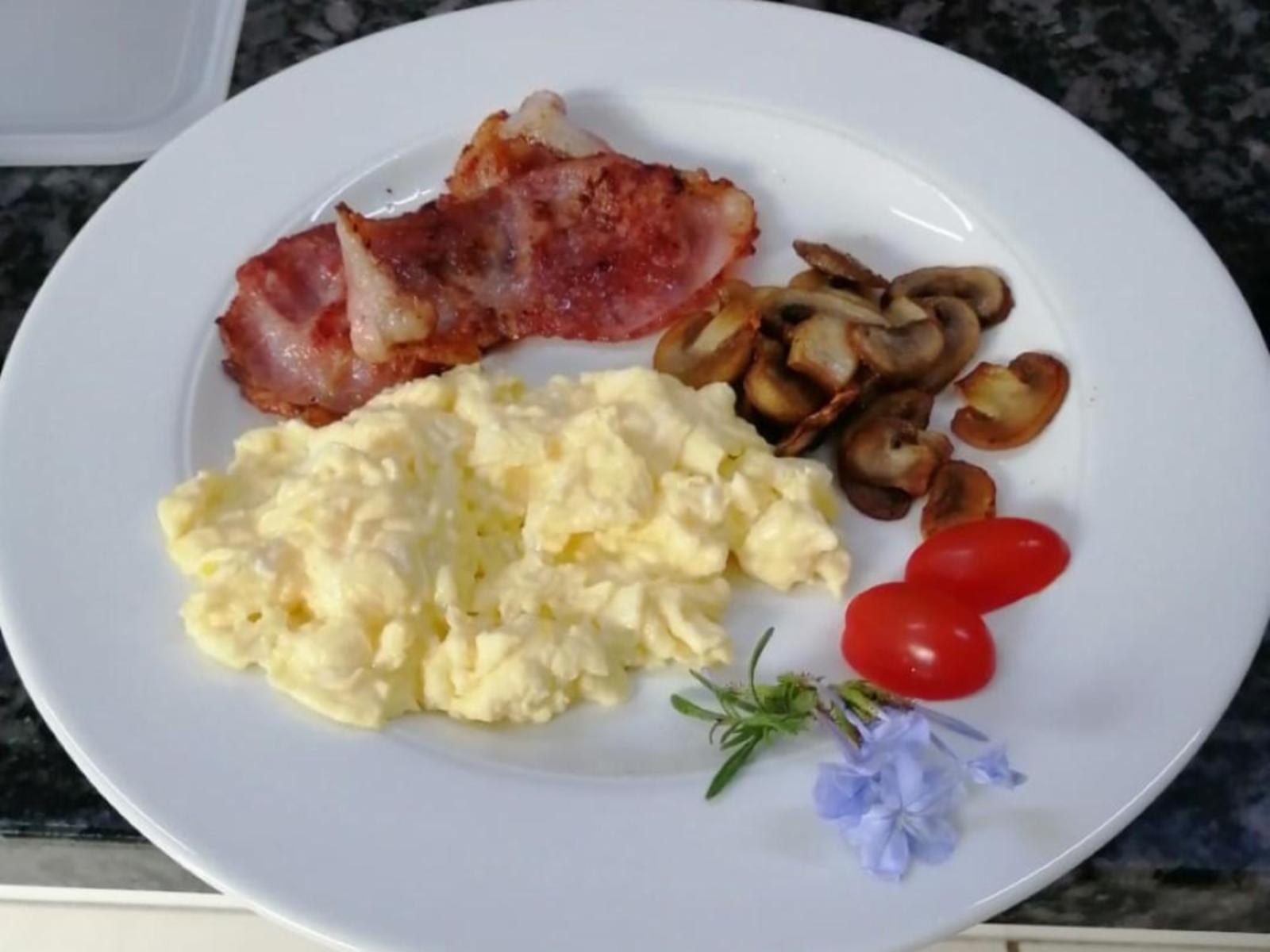
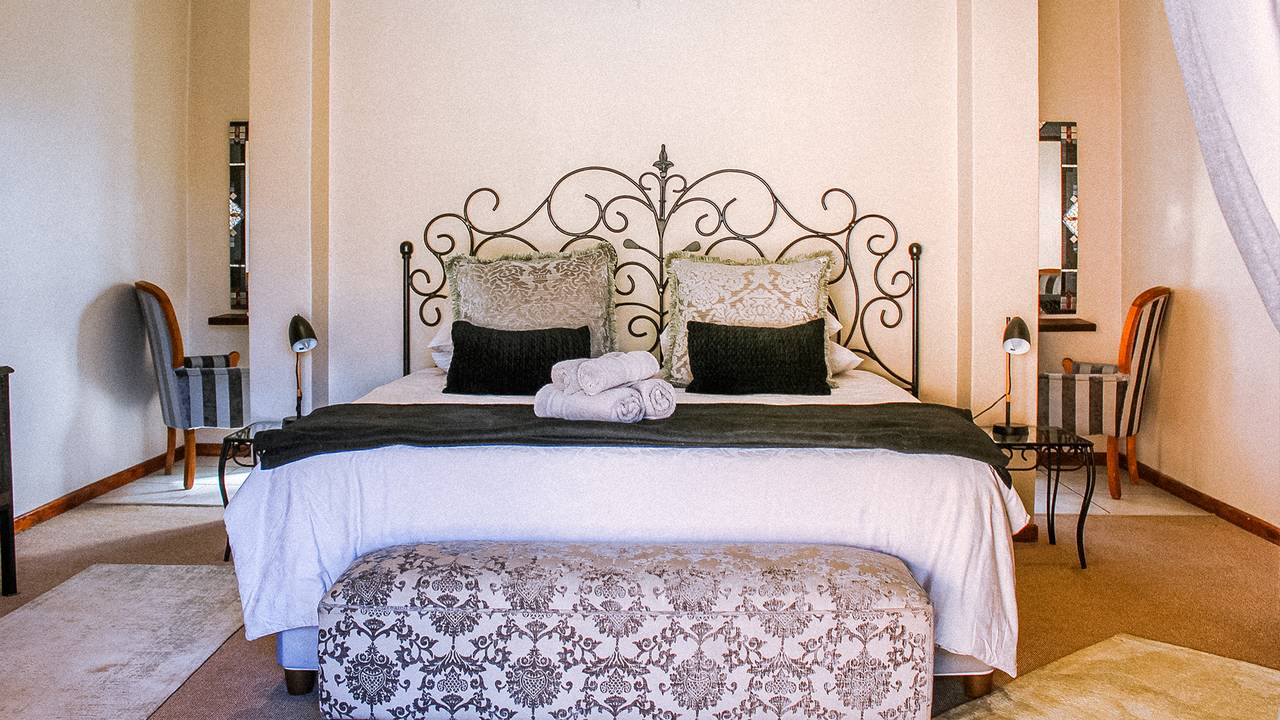
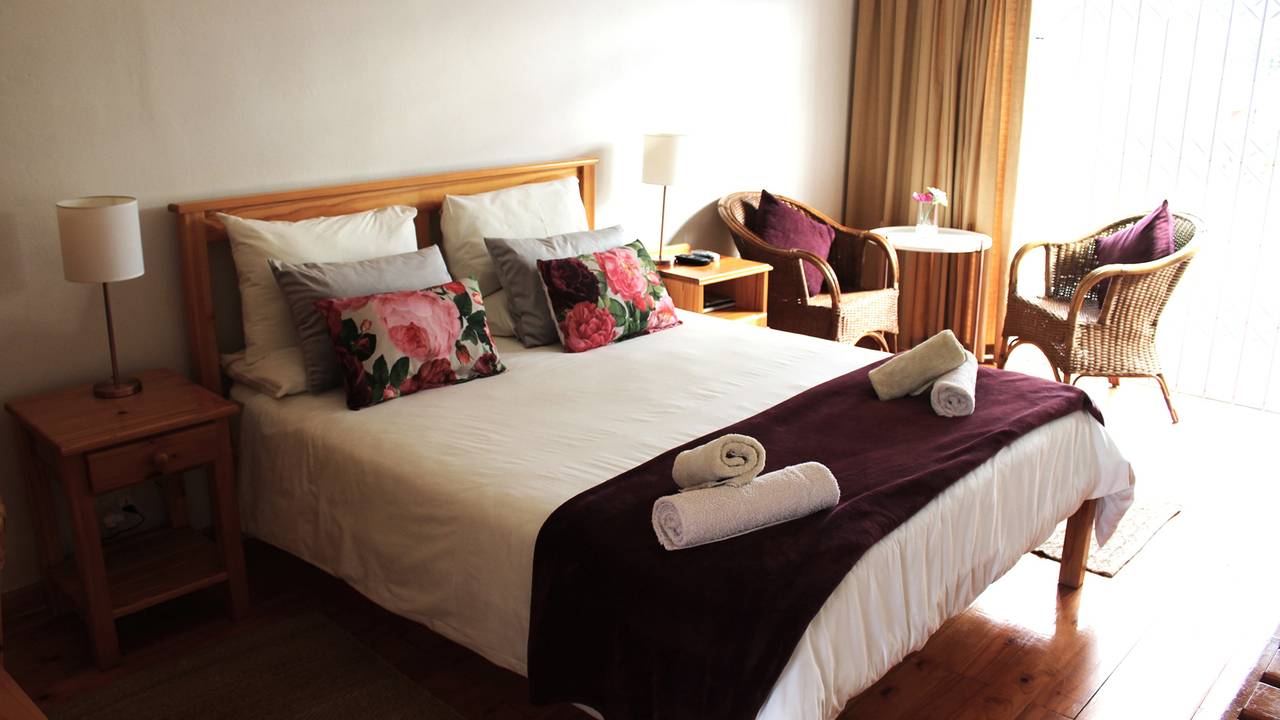
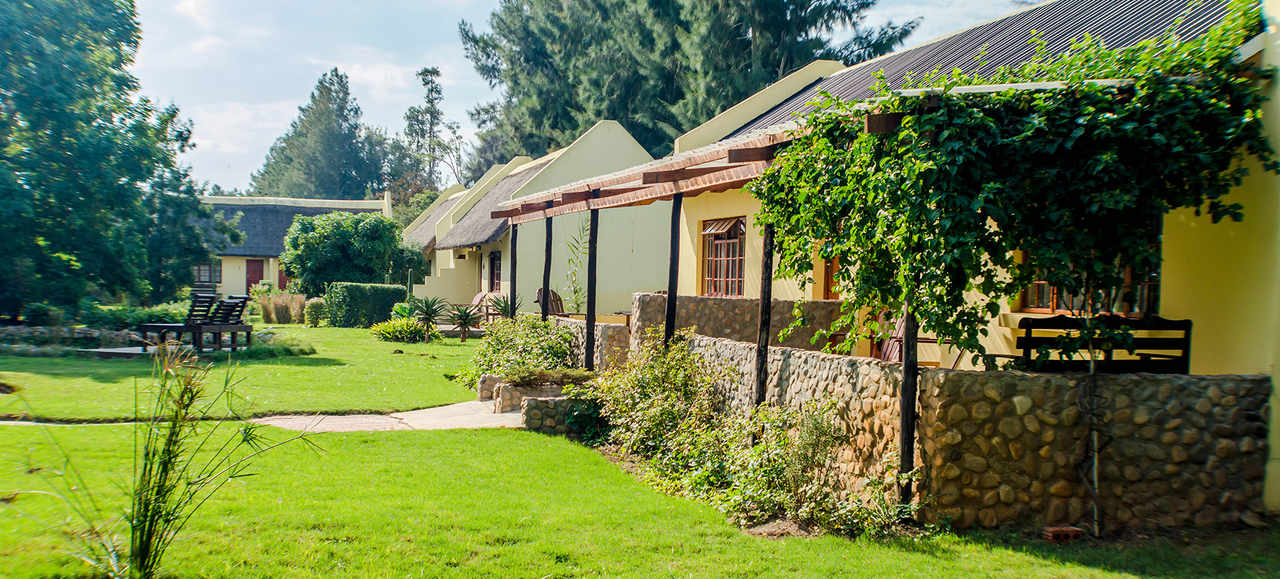
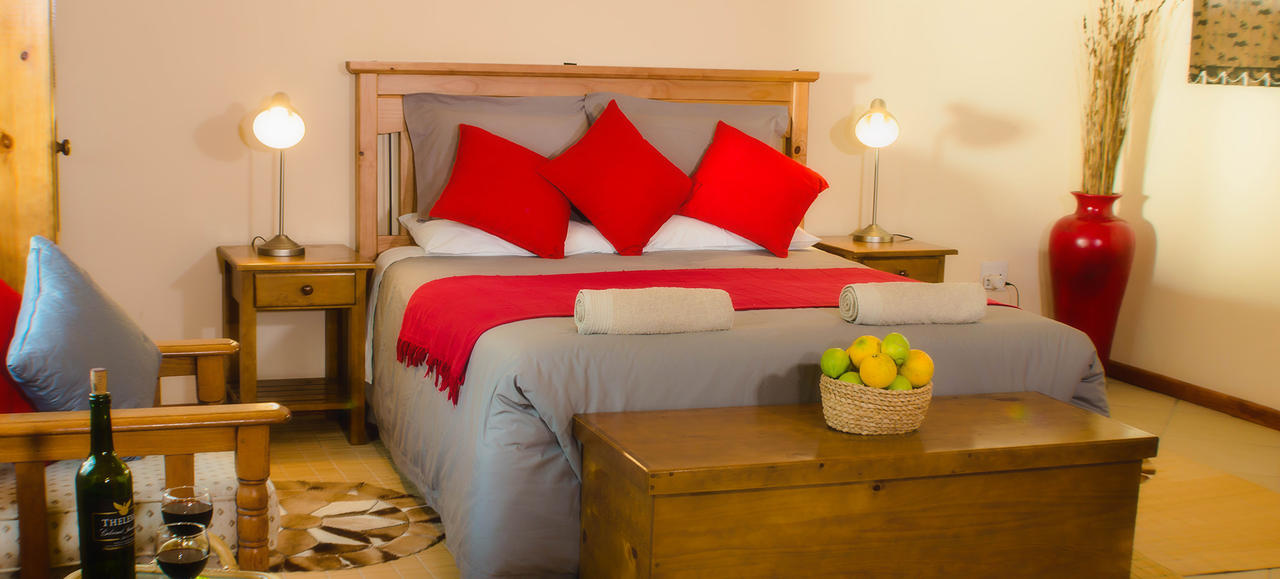
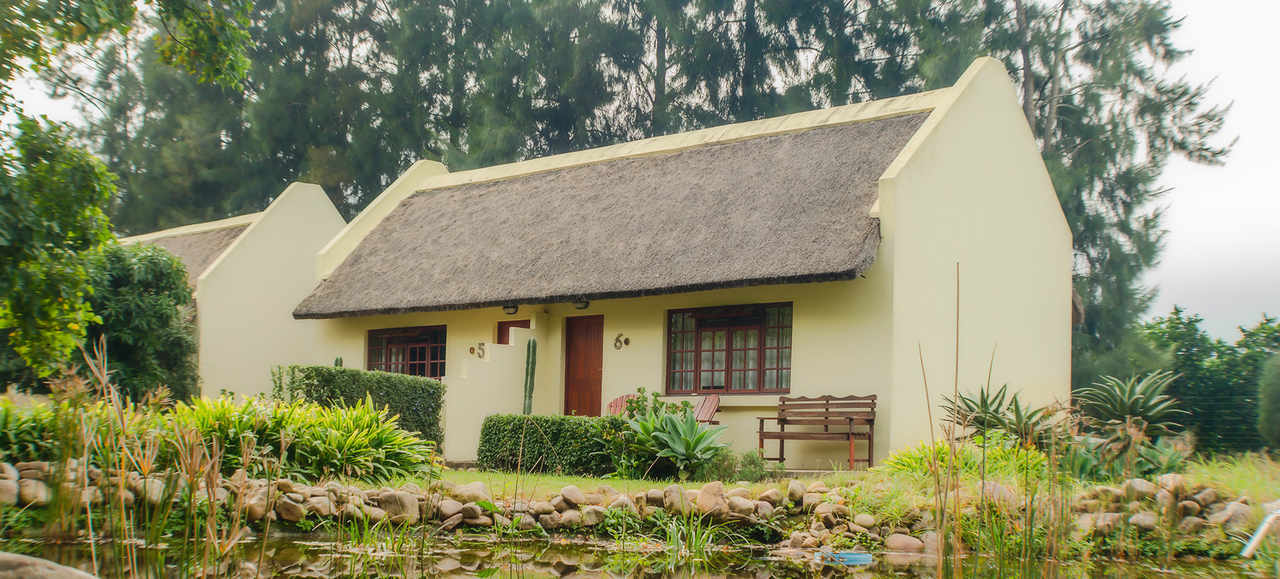
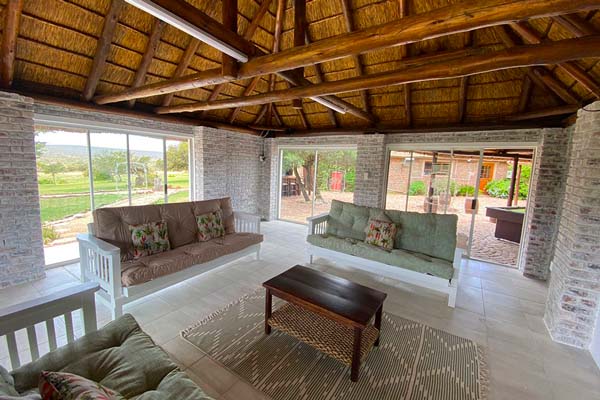
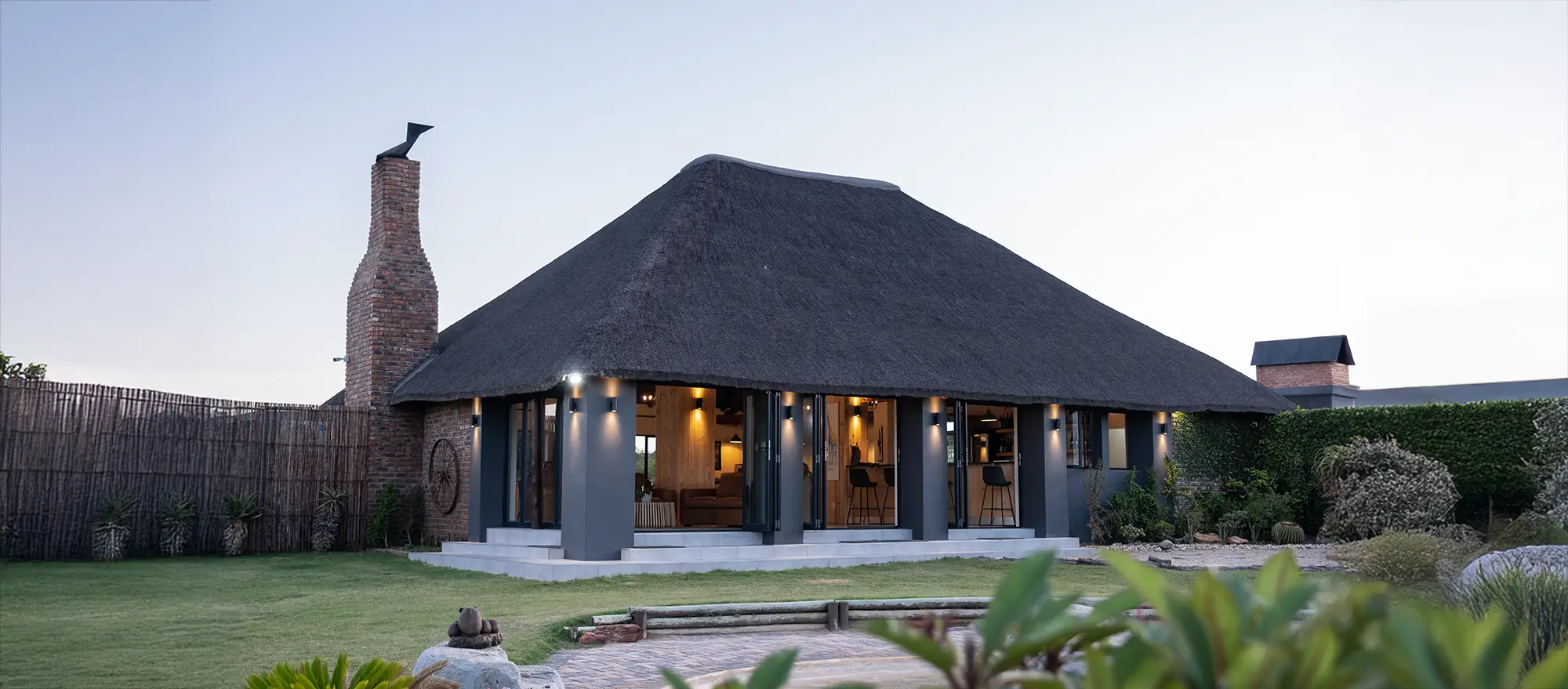
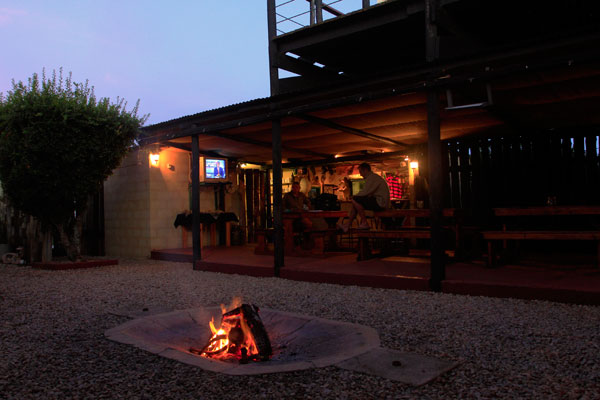
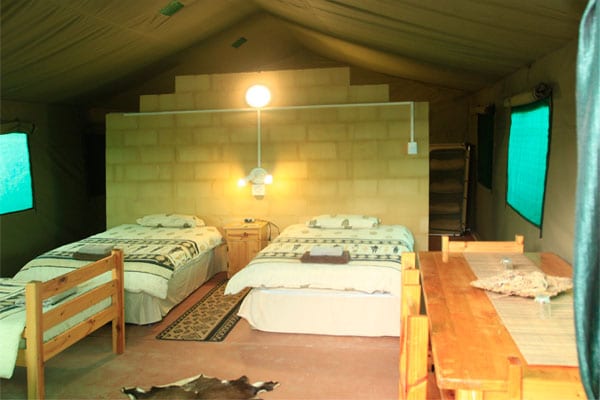
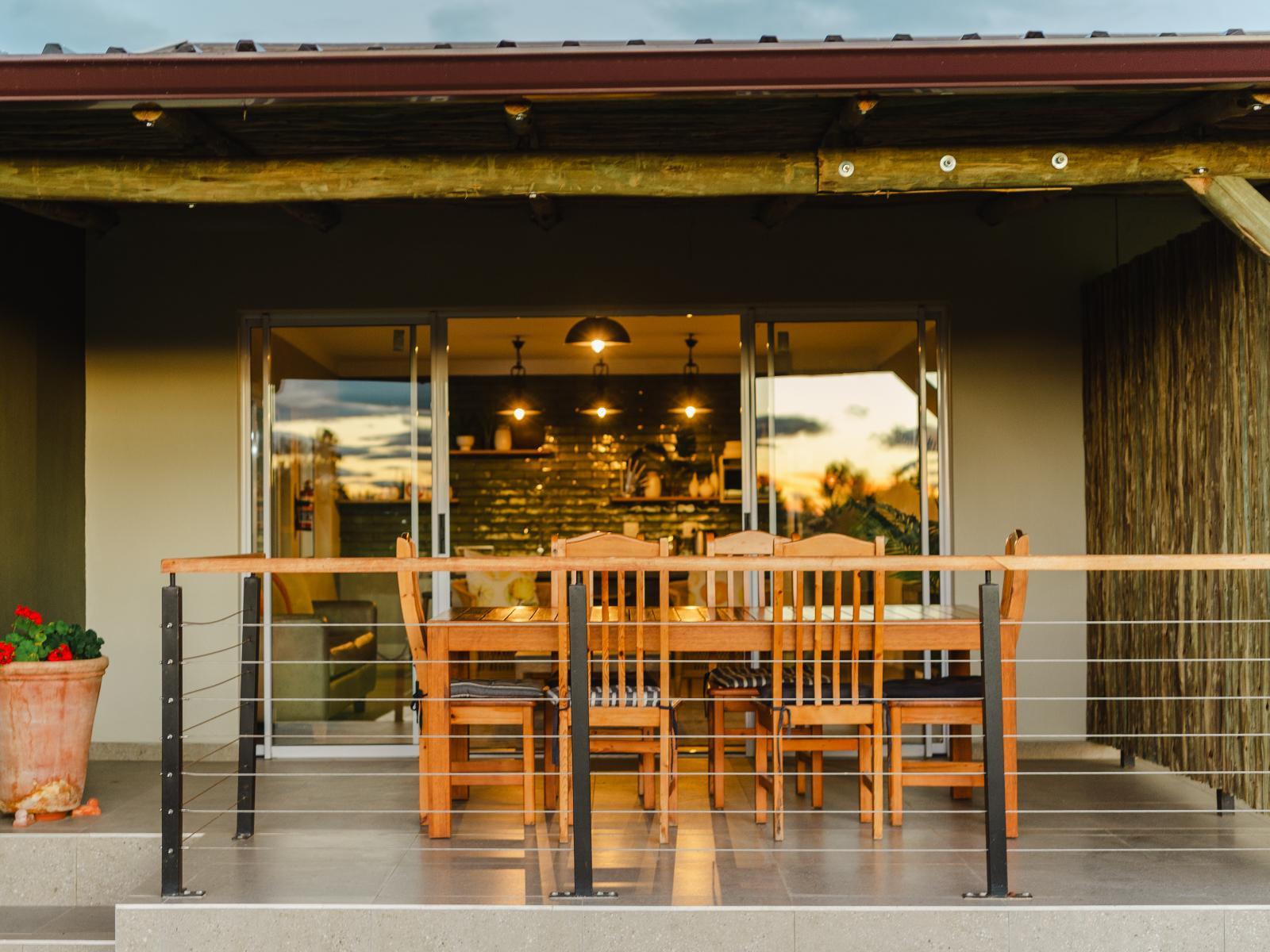
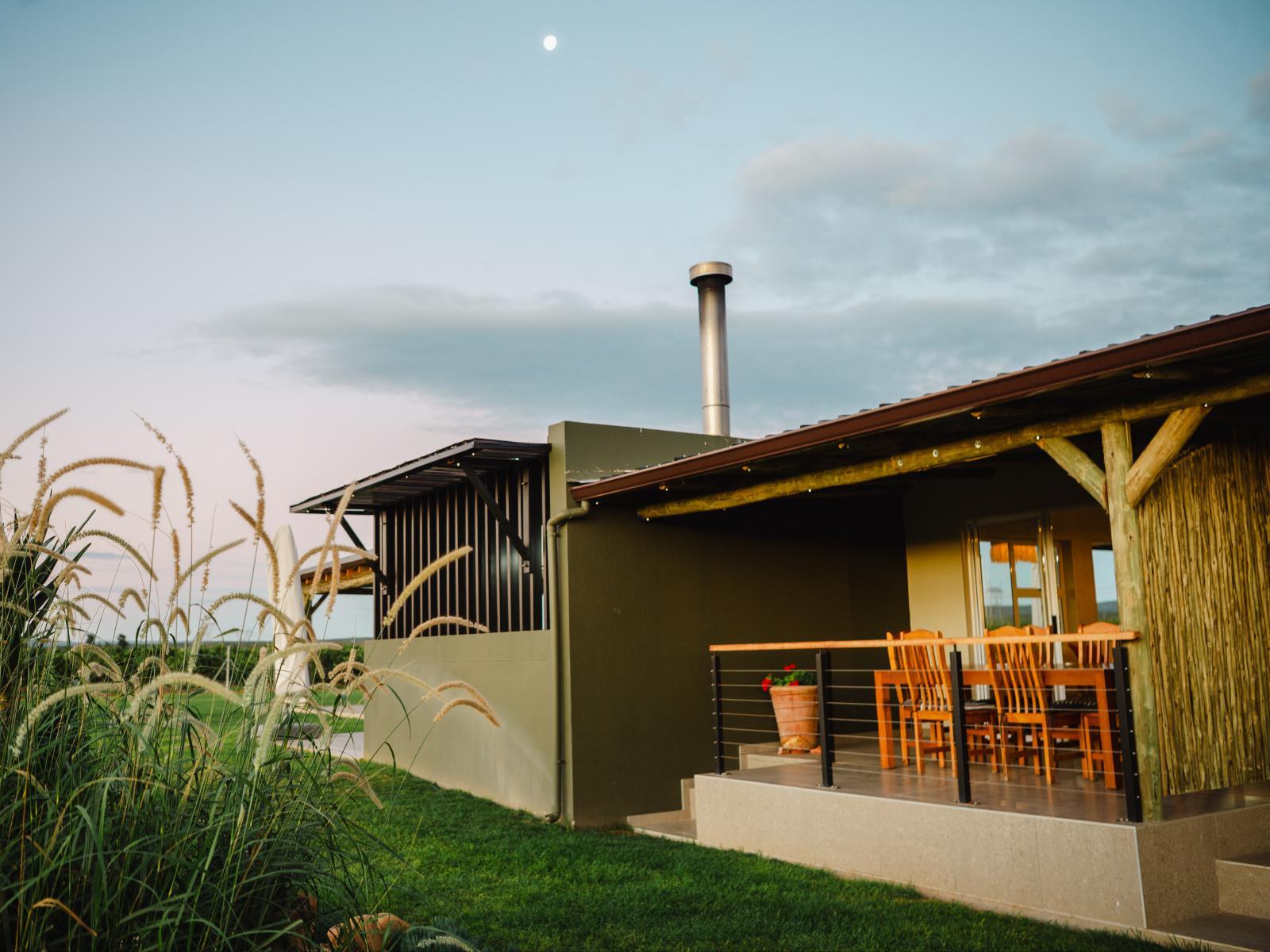
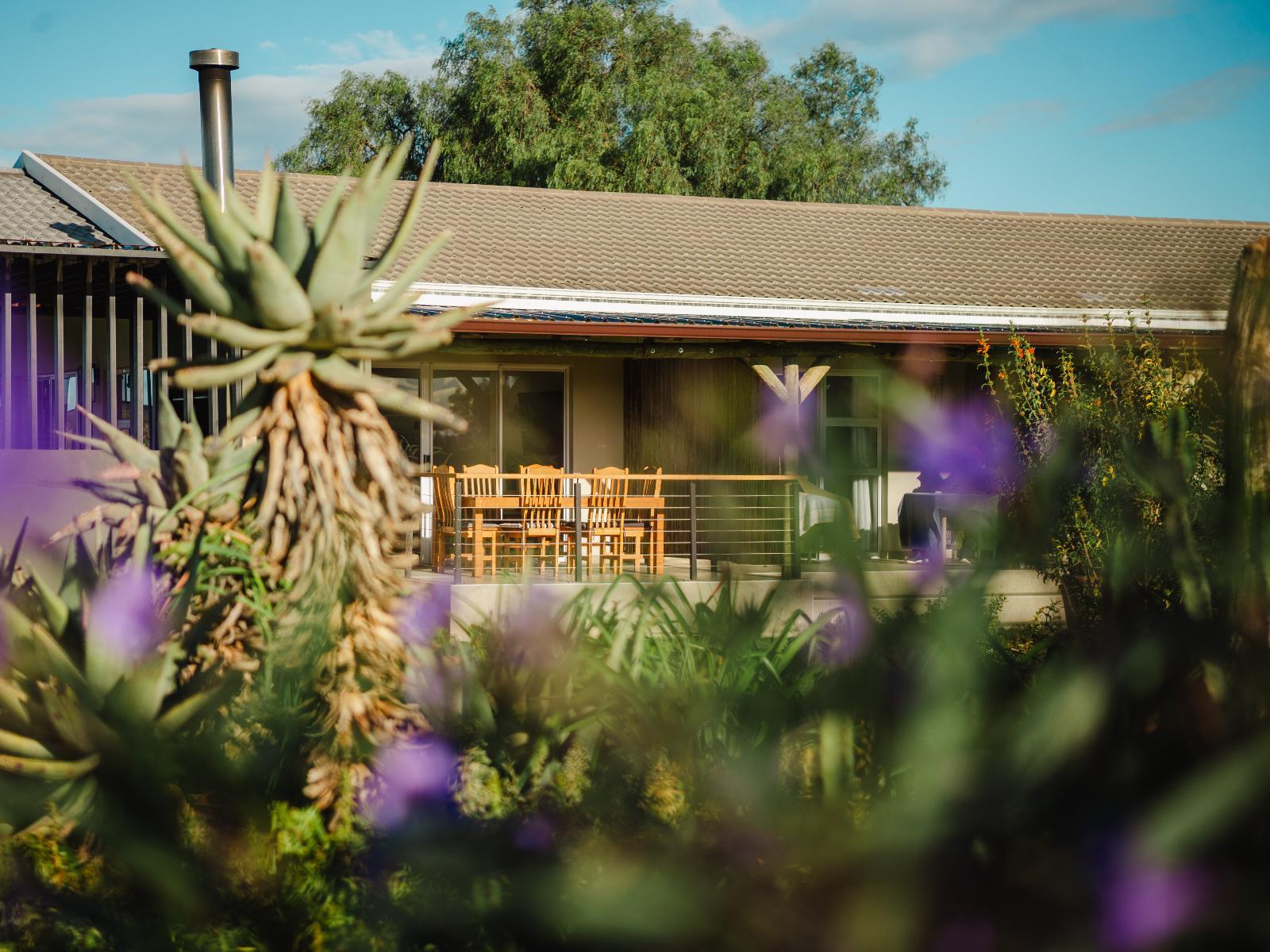
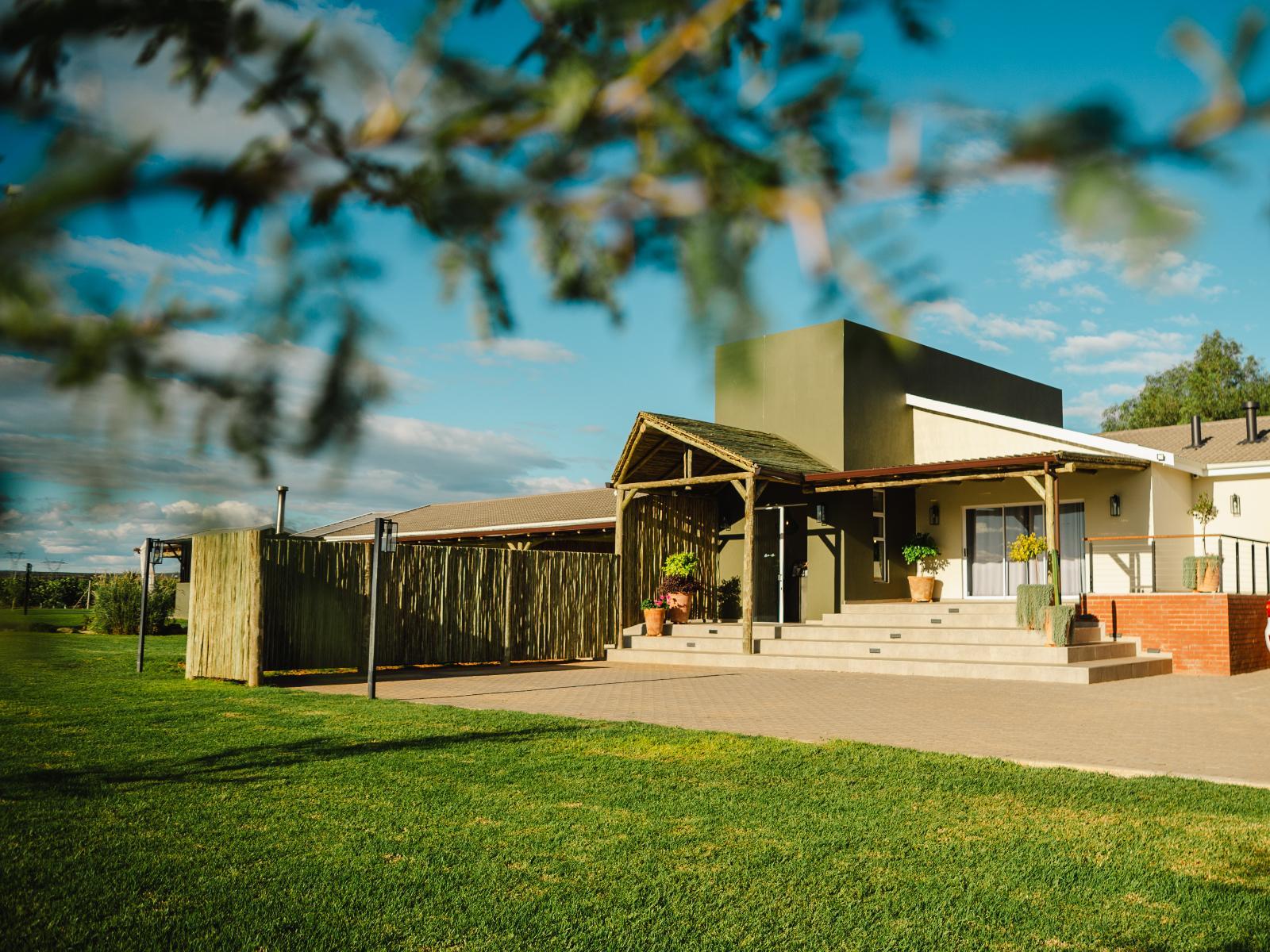
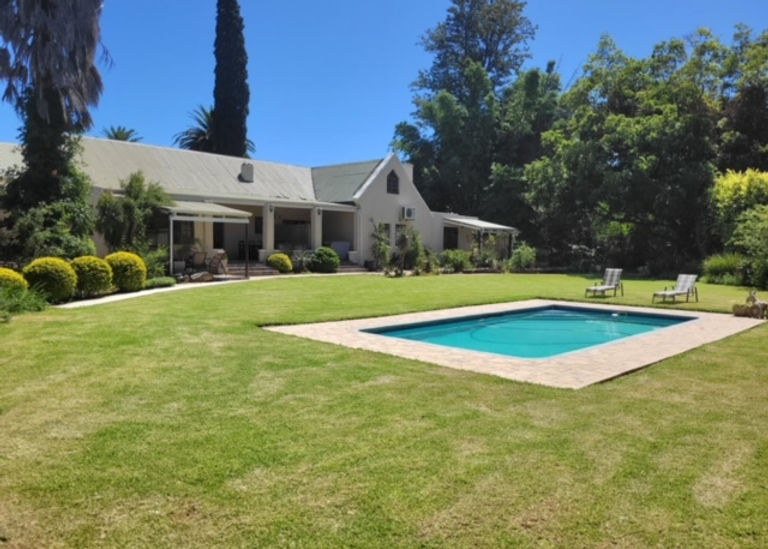
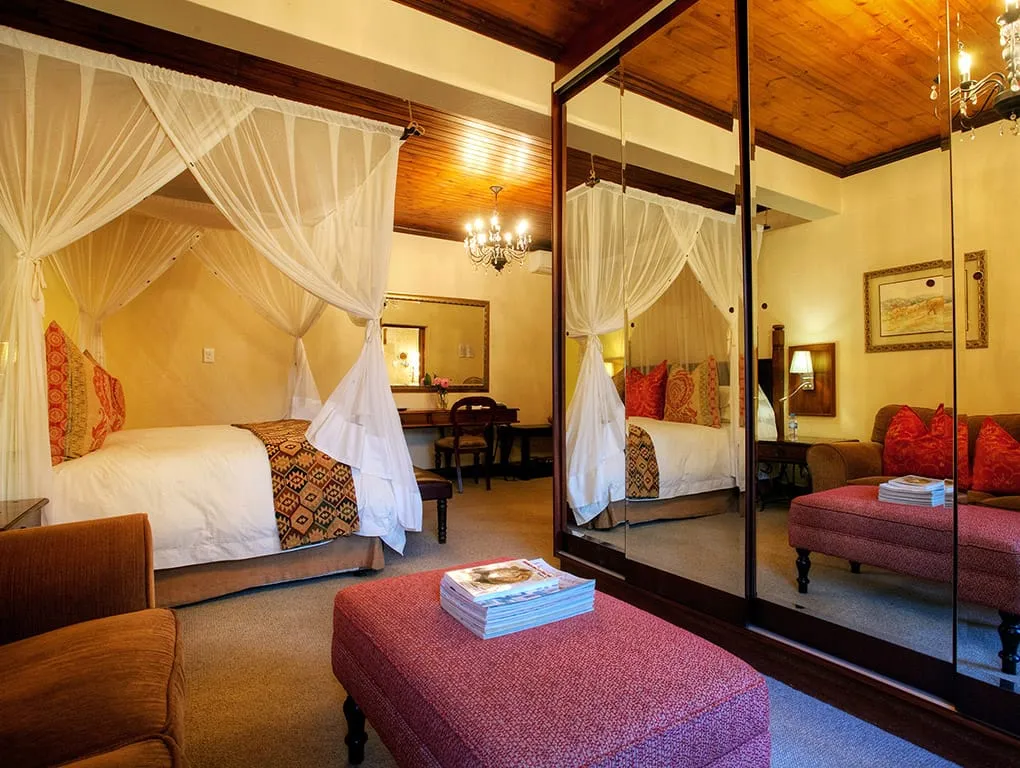
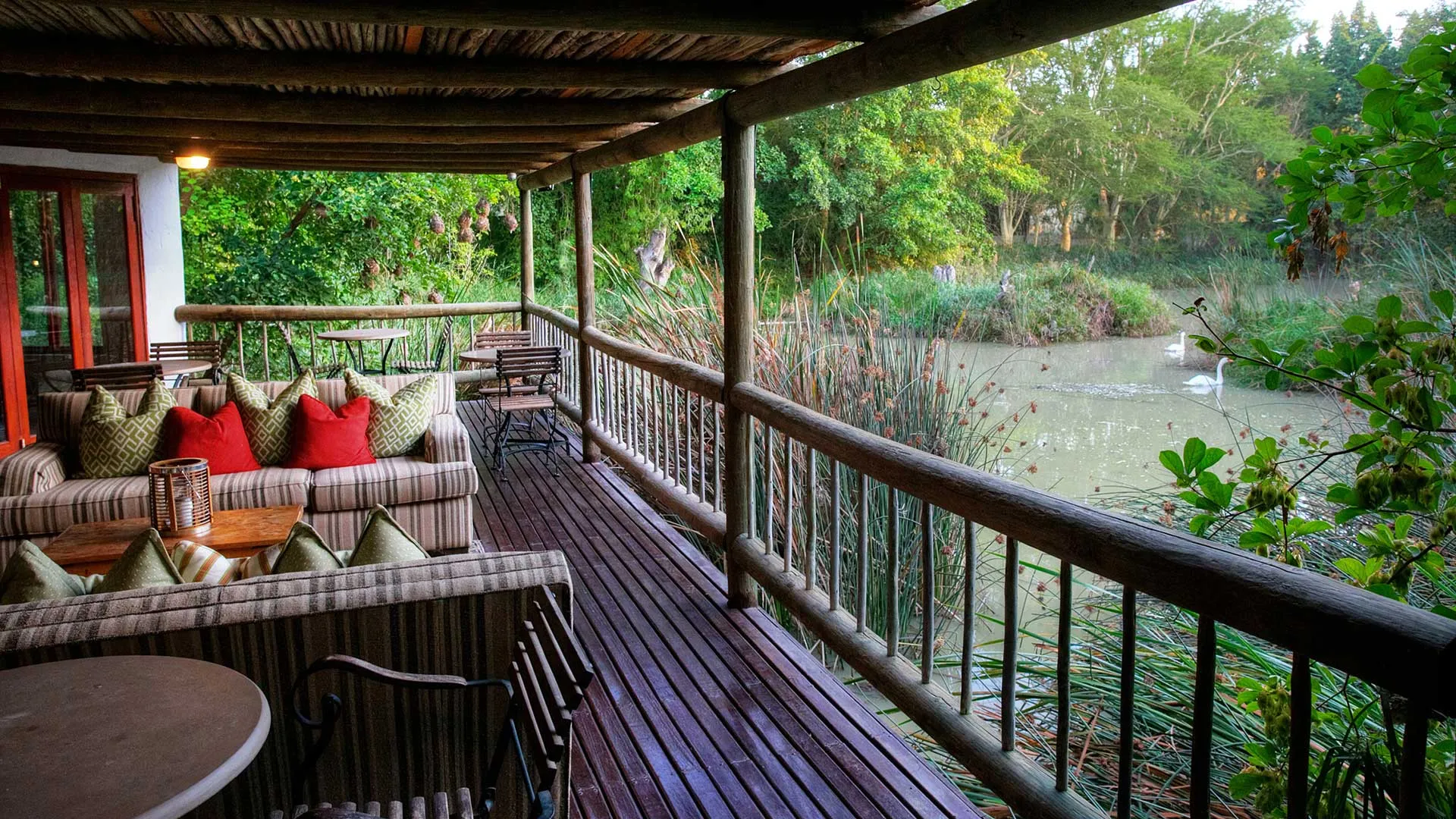
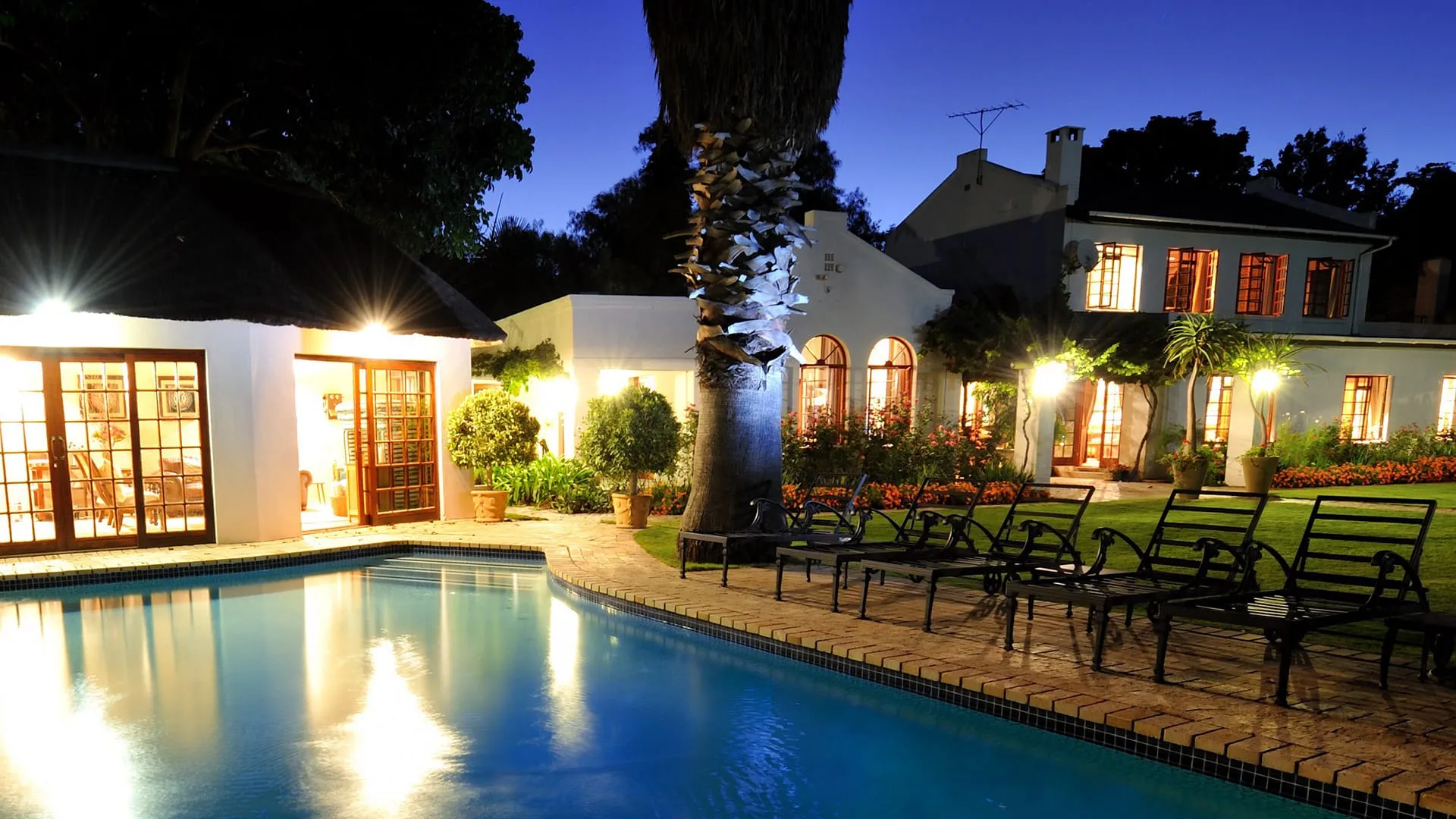
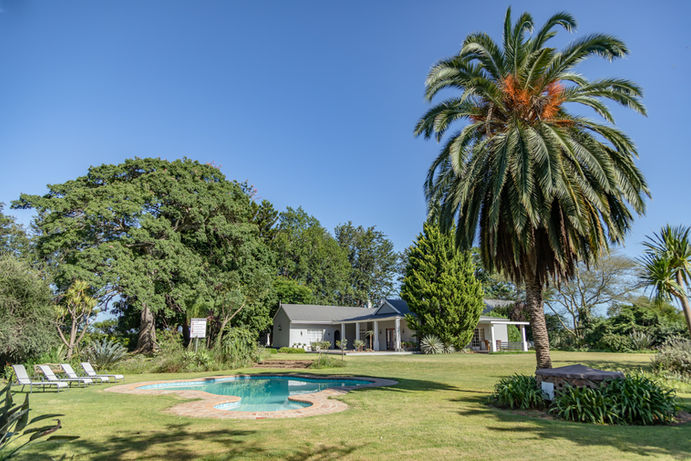
Twelve properties cover the full range from affordable owner-run rooms to high-end guided experiences, with nightly rates running from R1,400 to R12,936. At the accessible end of the market, four bed and breakfasts average around R2,973 per night. These are typically small operations where owners manage day-to-day hosting themselves, breakfast is included, and the guest count stays low enough for genuine conversation with whoever runs the place. That access matters practically: hosts at working B&Bs hear current road and wildlife conditions directly from returning guests and can often save a morning's worth of dead ends on unfamiliar tracks.
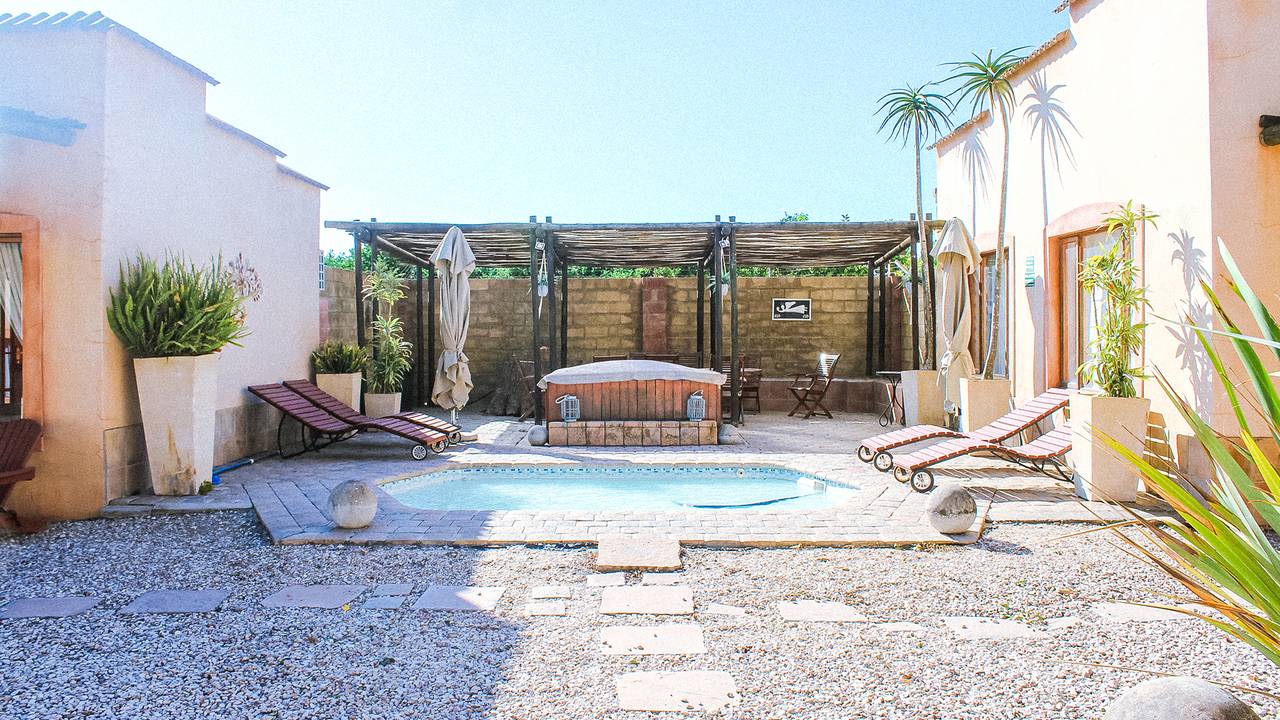
A single guesthouse sits just above this level, offering a similar compact format with added self-catering flexibility and shared outdoor space. For groups or travellers who want a functional base rather than an activity-centred one, the one hotel in the area provides consistent infrastructure, defined service hours, and facilities suited to guests working to a fixed schedule.
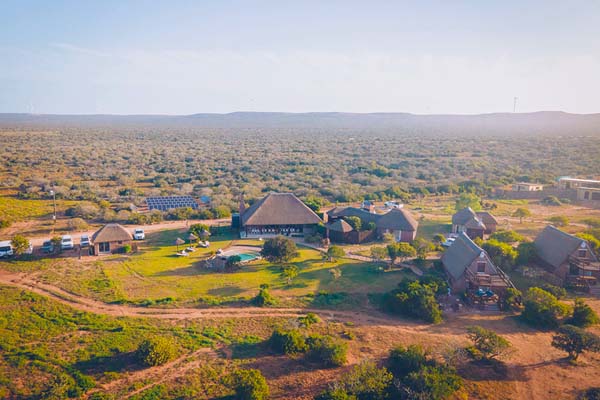
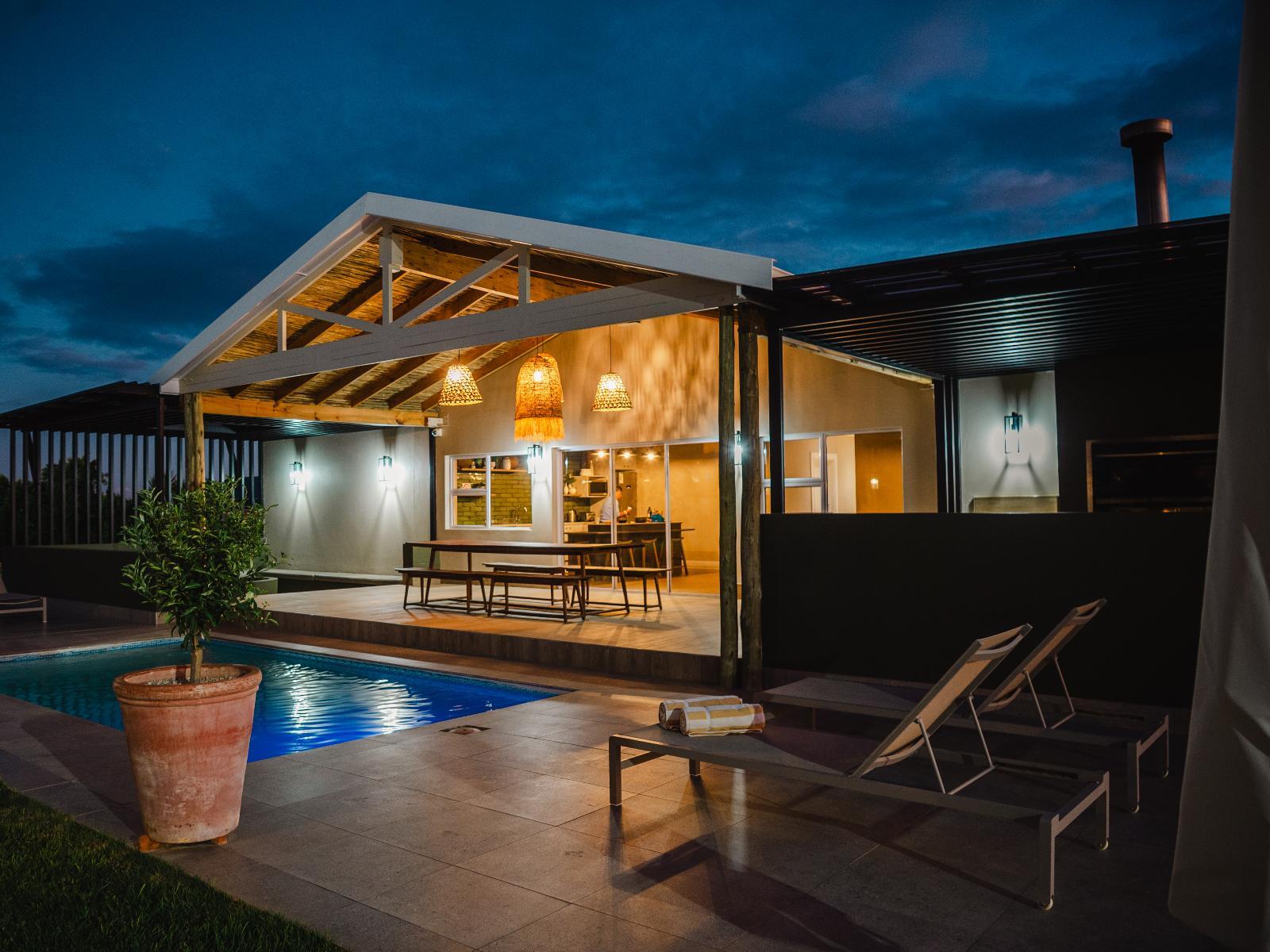
Five lodges form the largest share of the market, averaging around R6,334 per night. Most position themselves close to active game areas and fold guided drives, meals, or both into their rates. That bundling changes the arithmetic when comparing against cheaper options. A lodge rate covering twice-daily drives and full board can work out to similar total spend as a lower headline figure once park entry, activity fees, and meals are added across three or four nights. The gap between headline and all-in cost closes faster than it first appears.
At the top sits a single boutique hotel, operating well above the average rate, with deliberately small guest numbers and guided access that extends beyond the national park into adjacent private terrain. Visitors for whom wildlife time is the primary reason for the trip tend to find the premium justified through guide expertise and access to private concessions unavailable on standard park entry.
Things to Do in Addo
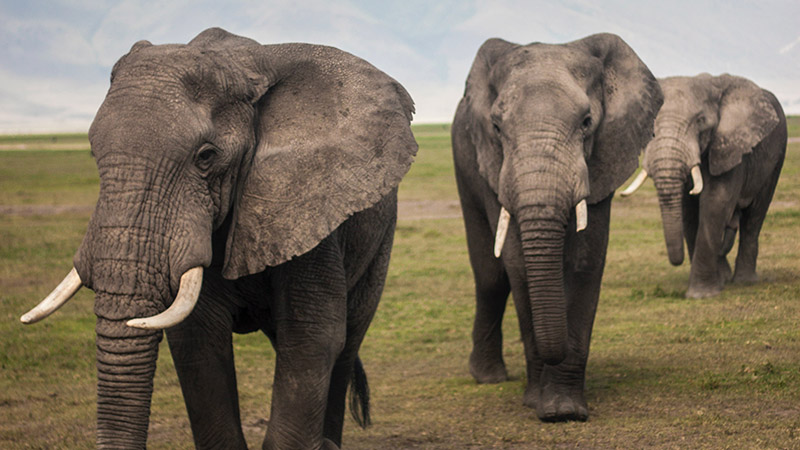
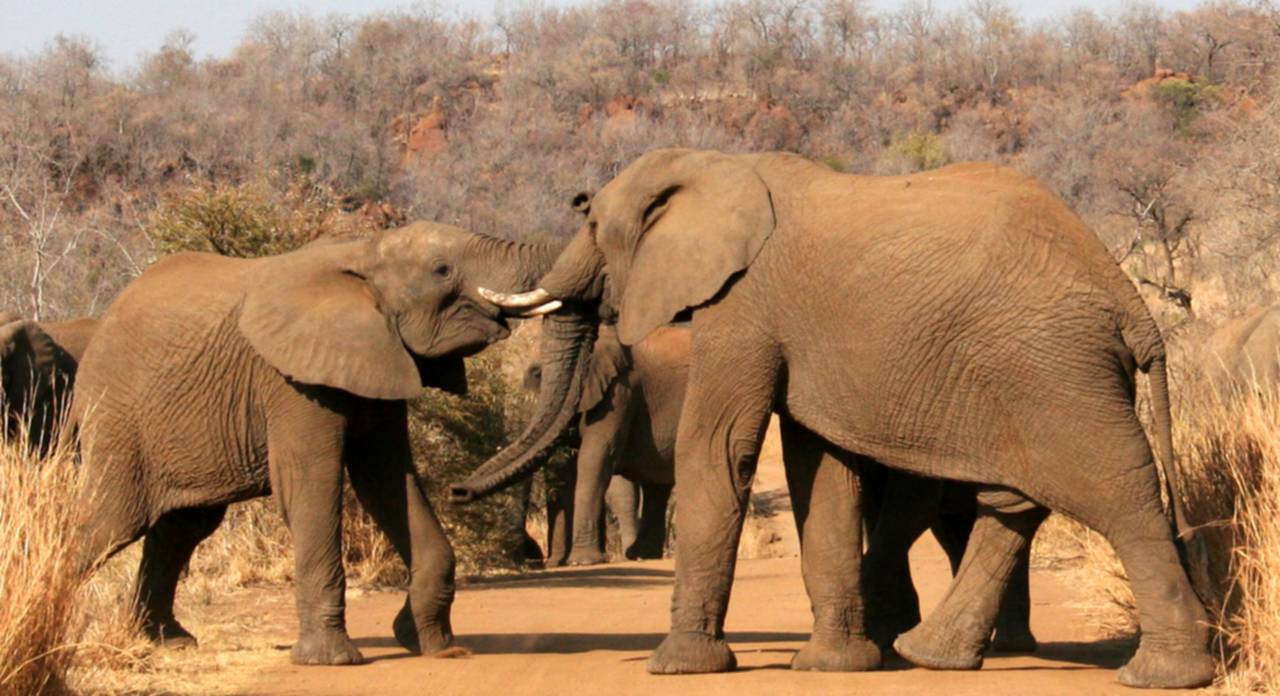
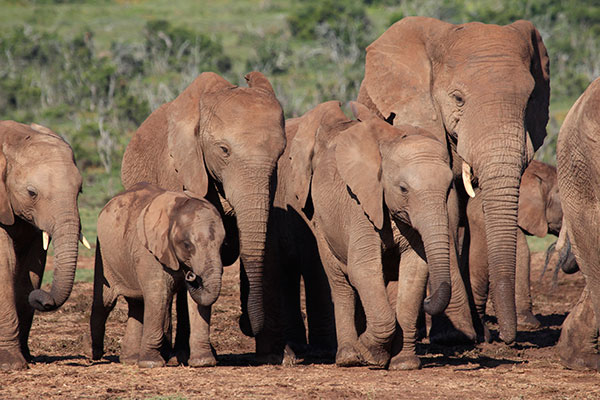
Addo Elephant National Park is the central draw and the reason most visitors come. The park covers more than 160,000 hectares of Eastern Cape bushveld and holds all five of the Big Five: elephant, lion, African buffalo, black rhino, and leopard. The elephant population numbered just eleven animals when the park was established in 1931 and has since grown to several hundred, making large-herd encounters a routine part of any morning circuit rather than a lucky outcome.
Self-driving the main game roads works comfortably in a standard vehicle. The freedom to stop when something catches your attention, reverse slowly, and wait without pressure suits patient visitors well. Guided drives, offered through the park's own operation and through private operators, add behavioural context that changes what you notice in the field. Many visitors find mixing both approaches across a multi-day stay gives the best overall return.
The hides positioned over permanent water sources are among the most productive spots in the park. An hour of stillness at a working hide regularly delivers closer and longer sightings than a full morning's driving, because the animals approach on their own terms.
The Zuurberg Mountains in the park's northern section introduce noticeably different country. Flat thornveld gives way to valley bush and significant elevation, with marked hiking trails ranging from short two-hour circuits to full-day routes with considerable ascent. Birding along the river corridors is consistently productive, and the vegetation change brings different species from those found in the main game-viewing area.
Private reserves throughout the broader region offer guided drives in smaller off-road vehicles, photographic safaris, and horse riding through open bush. These complement a national park visit rather than replacing it, and most local accommodation can arrange bookings directly on request.
Best Time to Visit Addo
June through August is the most reliable window for game viewing. Rainfall drops to near zero, vegetation thins considerably, and animals, particularly elephant herds, concentrate predictably around permanent water. Days are dry and comfortable for extended time outdoors, though mornings and evenings require warm layers. Most experienced guides point to this window first when asked.
April through early June offers a practical alternative before the dry season fully establishes itself. Post-Easter visitor numbers drop quickly, temperatures settle at a comfortable mid-range, and wildlife movement stays active throughout. September performs similarly on the opposite shoulder, before summer heat builds again.
November through February brings afternoon temperatures regularly above 35 degrees and the bulk of the year's rainfall. Wildlife disperses more freely across greened-up terrain and sightings require more patience. Migratory bird species arrive from October onward, however, making the warm months worthwhile for visitors with a specific ornithological focus.
South African school holidays push visitor numbers sharply upward. The mid-July break and the December to January period represent the busiest weeks in the park by some margin, and accommodation across all tiers fills well in advance during those dates.
Getting to Addo
Gqeberha, formerly Port Elizabeth, is the nearest commercial airport, roughly 70 kilometres south of Addo. Domestic routes connect it to Johannesburg, Cape Town, and Durban, with international arrivals typically routing through one of those two hubs first. All major car hire companies operate from the airport, and the drive north takes around an hour via the N2 before turning inland on the R335.
From Cape Town the distance is approximately 750 kilometres via the N2 through the Garden Route, making Addo a natural endpoint on an extended Eastern Cape road trip. Travellers from Johannesburg cover around 900 kilometres, generally via the N1 south to Colesberg then east on the N10 before joining the N2. Most people break that into two days. Durban connects via the N2 coastal route at roughly 700 kilometres.
No scheduled public transport runs between Gqeberha and the park gates, and the shared taxis linking surrounding towns do not serve the entrances. Visitors arriving without a private vehicle need to rent one at the airport or arrange transfers through their accommodation. A standard passenger car handles the main game-viewing roads without difficulty in dry conditions.
Addo and Surrounding Areas
The settlements within an hour of Addo each serve a distinct purpose, and several give good reason to venture out rather than staying inside the park every day.
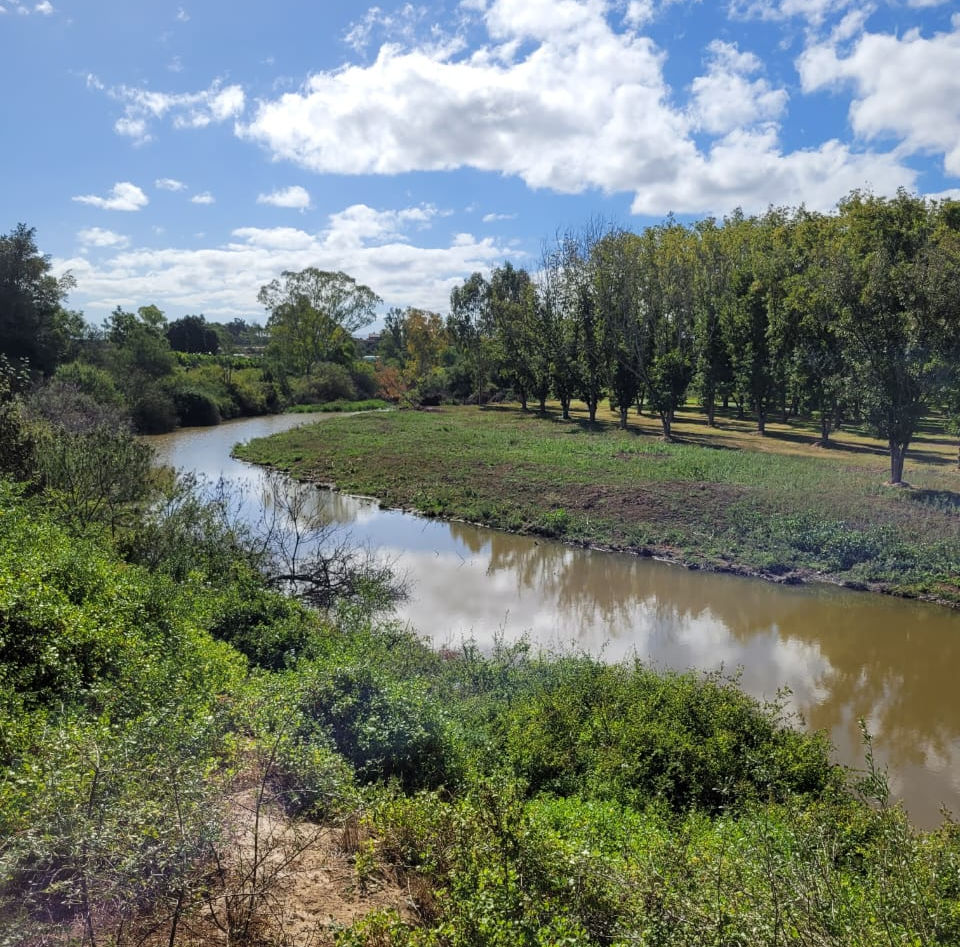
Colchester, 19 kilometres south, sits at the mouth of the Sundays River where it opens into the Indian Ocean. The coastal section of Addo Elephant National Park extends to this point and includes an African penguin colony alongside marine wildlife, a complete contrast to the elephant and lion country further inland. Both environments are reachable from a single base in one day without significant extra driving.
Kirkwood, 29 kilometres west along the Sundays River Valley, is the commercial centre of the region's citrus industry and the most practical stop for fuel and grocery shopping during a stay. The town also hosts the annual Wildsfees, a wildlife festival drawing visitors from across the Eastern Cape for conservation talks, live music, and food over a long weekend each year.
Paterson, at a similar distance along the R335, is a quiet farming town with no particular visitor infrastructure of its own. It serves as the access point for several private game farms and reserves on the valley's western edge, useful for anyone wanting to extend time in the bush beyond the national park boundary.
Nqweba, 28 kilometres from Addo, sits alongside the Nqweba Dam. Freshwater species absent from the dry thornveld of the main park concentrate here, and the ecological contrast makes it a worthwhile detour for visitors spending several days in the broader area.
Depus (11km) and Fowlds (34km) are working agricultural settlements without specific visitor infrastructure. Their proximity to the park illustrates how closely conservation land and working farmland run alongside each other throughout this corridor, and both sit near private farm properties that occasionally operate outside the main booking platforms.
Planning Your Stay
Addo books faster than its size suggests. During school holidays and long weekends, accommodation fills two to three months out. A winter visit outside the school calendar is typically manageable with six to eight weeks' notice, though booking earlier costs nothing and leaves more options open.
Before confirming any property, check whether SANParks conservation fees are included in the quoted rate or charged separately at the gate. Entry is priced per vehicle and per person, so a lower headline figure can cost more in total across a multi-day stay once those fees are calculated. Visitors planning to cover several national parks on the same trip should compare daily gate fees against the annual SANParks Wildcard pass for their specific itinerary.
Ask for the actual driving time to the nearest park entrance gate rather than the straight-line distance. Farm road addresses and stated locations can give a misleading impression of how long the pre-dawn drive takes, and that matters when the aim is to arrive at opening.
Clarify whether guided drives operate from the property itself or only through external referral, as this affects vehicle type and terrain access. Read deposit and cancellation terms carefully before paying, particularly for peak-season bookings made through third-party platforms, where strict no-refund clauses are easy to overlook at checkout.