Tweerivieren Reis- & Akkommodasiegids
Jou volledige gids om Tweerivieren, Suid-Afrika te besoek.
Tweerivieren serves as the main entry point to the Kgalagadi Transfrontier Park from the South African side. This remote rest camp sits at the confluence of the Nossob and Auob riverbeds in the Northern Cape, offering visitors direct access to one of Africa's premier wilderness areas.
## Accommodation in Tweerivieren
Accommodation at Tweerivieren is operated entirely by South African National Parks (SANParks), which manages both the South African portion of the Kgalagadi Transfrontier Park and the camp's administrative functions. No independent properties are currently listed through third-party booking platforms, though the rest camp itself covers a range of options from basic camping to fully equipped chalets. Rates vary by season and unit type and must be reserved through SANParks directly.
The most affordable way to stay is on one of the camp's **camping sites**, which accommodate tents and caravans and include access to shared ablution blocks. Camping here removes almost all separation between visitor and environment: the dry Kalahari air carries sound over long distances, the night sky is exceptional away from any light pollution, and animals move through the area after dark. Budget-conscious travellers who stock up on supplies before entering the park can keep the total cost of a multi-night stay manageable.
Mid-range options take the form of **self-catering chalets**, which make up the bulk of the camp's capacity. Units are practical and well-maintained, typically fitted with bedding, kitchen equipment, and air conditioning. The self-catering format suits most visitors given the camp's considerable distance from any settlement. Early morning on the chalet veranda frequently produces wildlife sightings without leaving the accommodation, and the red dunes shift colour through the day as the angle of light changes.
The upper tier includes larger chalets and guest cottages, some of which have been refurbished more recently and offer improved kitchen facilities and furnishings. These suit families or groups wanting more space over a stay of several days. A restaurant at the camp provides a cooked meal option at this level, and the swimming pool functions as the standard refuge during the hottest hours of the afternoon.
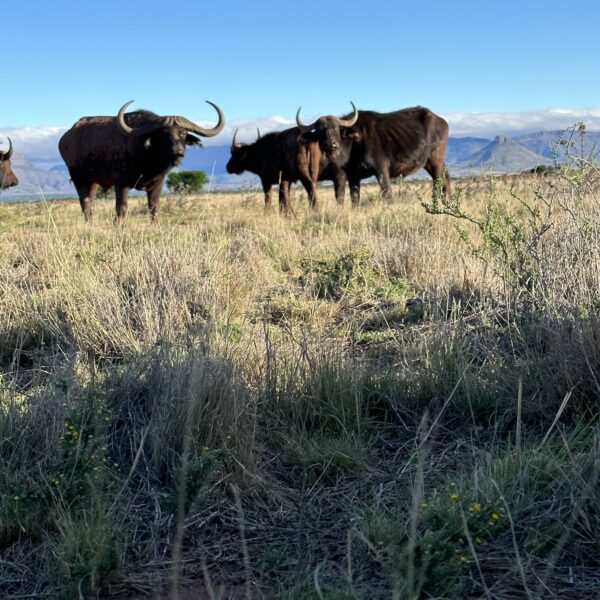
What sets Tweerivieren apart from most other SANParks rest camps is the wildlife activity directly around the accommodation itself. Gemsbok and springbok pass through the camp regularly, and the waterholes close to the perimeter draw predators, making sightings near the accommodation a realistic possibility.
## Best Time to Visit Tweerivieren
The Kalahari climate is extreme by southern African standards. Summer temperatures regularly exceed 40 degrees Celsius, making extended midday activity outside difficult for most visitors. Winter nights drop below freezing, and early mornings require warm clothing for dawn game drives before the sun clears the dunes.
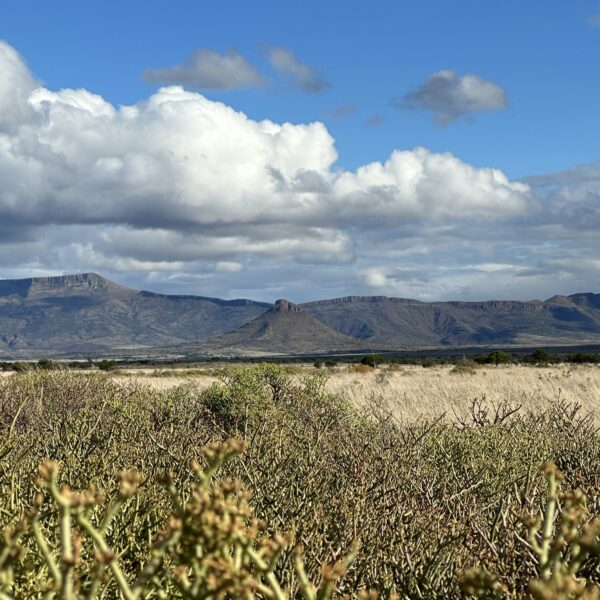
Most visitors aim for the cooler months between April and September. Dry conditions during this period concentrate wildlife at the park's permanent water points, and the sparse vegetation provides long sightlines across the red dune landscape. The absence of foliage on many trees in winter further improves visibility, a quality that distinguishes this environment from denser bushveld reserves elsewhere in South Africa.
Summer brings a different character entirely. Afternoon thunderstorms break the heat from November onward, and the subsequent grass growth draws large herbivores in numbers. The wet season is when most young animals are born, and predator activity around these births produces some of the most dramatic wildlife encounters of the year. Migratory birdlife peaks through summer, offering a different experience for birders than the cold-season focus on raptors and dry-country specialists.
Demand for accommodation peaks during South African school holidays regardless of season. The Easter period and the July winter break are the most competitive for bookings. Visiting just outside these windows gives a noticeably quieter experience without significantly affecting the quality of game viewing.
## Getting to Tweerivieren
The main staging point for reaching Tweerivieren is Upington, roughly 300 kilometres to the south. Upington Airport handles scheduled flights from Johannesburg and Cape Town, with the drive from the airport to the park gate taking approximately three hours. As the last major town before the park, Upington is also where most visitors buy fresh produce, medication, and any specialist supplies before the final leg of the journey.
The route to the park follows the R360 north through Andriesvale before reaching the entrance gate. Most of the approach road is tarred, with a gravel section near the park boundary. A standard saloon car handles the road to the gate adequately. Inside the park, internal tracks are gravel and cover considerable distances between camps and waterholes, so high clearance becomes useful for multi-day exploration of the park's interior.
Driving from Johannesburg means covering roughly 1,000 kilometres, and most visitors break the journey with an overnight stop along the way. Cape Town is a similar distance, around 1,100 kilometres, via the N1 north through the Karoo and connecting roads into the Northern Cape interior.
No public transport serves the park. Self-drive is the only practical option. Fuel is sold at the camp, but a full tank from the last stop before the final stretch is advisable given the distances involved. Mobile connectivity fades well before the park gate and is absent through most of the internal road network, so downloading offline maps before departure is essential.
## Tweerivieren and Surrounding Areas
The farms and properties immediately outside the park boundary can be reached from Tweerivieren within half an hour, and several offer experiences that complement time spent inside the Kgalagadi. The landscape transitions from the managed dune terrain of the park to open farmland, each with its own distinct character.
**Osberg**, 14 kilometres from the camp, centres on a rocky outcrop that rises above the surrounding flat country. The elevated terrain supports a different plant community from the valley floors inside the park, and the views from higher ground help put the scale of the surrounding dune landscape into context.
**Grootdam** sits 15 kilometres away. The name refers to a dam on the property, and the water feature draws waterbirds not commonly seen in the dry park interior. Visitors spending several days in arid terrain generally find the dam a rewarding contrast in both scenery and species composition.
**Bonnyvale**, also 15 kilometres from the camp, is a farm property that provides perspective on agricultural life beside a major conservation area. The land management challenges here reflect the broader dynamic in the Northern Cape between livestock farming and wildlife movement across unfenced boundaries.
**Wolwekloof**, at 18 kilometres, follows a rocky ravine cutting through otherwise open veld. The kloof provides shade and shelter absent from the exposed dune crests, supports denser vegetation along its floor, and makes it easier terrain for observing smaller fauna than the open park landscape allows.
**Arthurs Seat**, 20 kilometres from Tweerivieren, sits at a higher elevation with extended views over the surrounding country. The broad perspective from this position conveys the scale of the Kalahari in a way that driving at ground level through the park does not fully capture.
**Allemansvlei**, also at 20 kilometres, occupies a natural depression that fills seasonally after rain. The vlei draws waterbirds and different wildlife to its margins, and is most rewarding to visit in or just after the wet season when water levels are at their highest.
## Planning Your Stay
All bookings at Tweerivieren go through the SANParks online reservation system. The park is popular enough that the best units fill several months ahead during the April to September peak period, and the July school holiday window is among the most competitive in the SANParks calendar. Booking directly through SANParks gives access to their cancellation and amendment terms without adding an intermediary layer.
Before confirming, check the park's seasonal gate operating hours, which change across the year and set the outer boundary of your morning and evening game drive windows. Units within the camp are positioned differently, and some have better sightlines over the surrounding terrain. Contacting SANParks after booking to request a specific unit location is worth attempting, particularly for stays of three nights or more.
Plan for genuine self-sufficiency during the stay. The camp shop carries basics but not a full range of fresh produce or specialist items, so arrive with a clear meal plan and sufficient provisions. If you intend to cross into the Botswana section of the Kgalagadi, check passport and cross-border permit requirements well in advance, as these arrangements cannot be made at the gate. Vehicle condition is also worth verifying before departure, since breakdowns inside the park are difficult and costly to resolve given the distances from the nearest service infrastructure.

Accommodation at Tweerivieren is operated entirely by South African National Parks (SANParks), which manages both the South African portion of the Kgalagadi Transfrontier Park and the camp's administrative functions. No independent properties are currently listed through third-party booking platforms, though the rest camp itself covers a range of options from basic camping to fully equipped chalets. Rates vary by season and unit type and must be reserved through SANParks directly.
The most affordable way to stay is on one of the camp's **camping sites**, which accommodate tents and caravans and include access to shared ablution blocks. Camping here removes almost all separation between visitor and environment: the dry Kalahari air carries sound over long distances, the night sky is exceptional away from any light pollution, and animals move through the area after dark. Budget-conscious travellers who stock up on supplies before entering the park can keep the total cost of a multi-night stay manageable.
Mid-range options take the form of **self-catering chalets**, which make up the bulk of the camp's capacity. Units are practical and well-maintained, typically fitted with bedding, kitchen equipment, and air conditioning. The self-catering format suits most visitors given the camp's considerable distance from any settlement. Early morning on the chalet veranda frequently produces wildlife sightings without leaving the accommodation, and the red dunes shift colour through the day as the angle of light changes.
The upper tier includes larger chalets and guest cottages, some of which have been refurbished more recently and offer improved kitchen facilities and furnishings. These suit families or groups wanting more space over a stay of several days. A restaurant at the camp provides a cooked meal option at this level, and the swimming pool functions as the standard refuge during the hottest hours of the afternoon.
What sets Tweerivieren apart from most other SANParks rest camps is the wildlife activity directly around the accommodation itself. Gemsbok and springbok pass through the camp regularly, and the waterholes close to the perimeter draw predators, making sightings near the accommodation a realistic possibility.
## Best Time to Visit Tweerivieren
The Kalahari climate is extreme by southern African standards. Summer temperatures regularly exceed 40 degrees Celsius, making extended midday activity outside difficult for most visitors. Winter nights drop below freezing, and early mornings require warm clothing for dawn game drives before the sun clears the dunes.
Most visitors aim for the cooler months between April and September. Dry conditions during this period concentrate wildlife at the park's permanent water points, and the sparse vegetation provides long sightlines across the red dune landscape. The absence of foliage on many trees in winter further improves visibility, a quality that distinguishes this environment from denser bushveld reserves elsewhere in South Africa.
Summer brings a different character entirely. Afternoon thunderstorms break the heat from November onward, and the subsequent grass growth draws large herbivores in numbers. The wet season is when most young animals are born, and predator activity around these births produces some of the most dramatic wildlife encounters of the year. Migratory birdlife peaks through summer, offering a different experience for birders than the cold-season focus on raptors and dry-country specialists.
Demand for accommodation peaks during South African school holidays regardless of season. The Easter period and the July winter break are the most competitive for bookings. Visiting just outside these windows gives a noticeably quieter experience without significantly affecting the quality of game viewing.
## Getting to Tweerivieren
The main staging point for reaching Tweerivieren is Upington, roughly 300 kilometres to the south. Upington Airport handles scheduled flights from Johannesburg and Cape Town, with the drive from the airport to the park gate taking approximately three hours. As the last major town before the park, Upington is also where most visitors buy fresh produce, medication, and any specialist supplies before the final leg of the journey.
The route to the park follows the R360 north through Andriesvale before reaching the entrance gate. Most of the approach road is tarred, with a gravel section near the park boundary. A standard saloon car handles the road to the gate adequately. Inside the park, internal tracks are gravel and cover considerable distances between camps and waterholes, so high clearance becomes useful for multi-day exploration of the park's interior.
Driving from Johannesburg means covering roughly 1,000 kilometres, and most visitors break the journey with an overnight stop along the way. Cape Town is a similar distance, around 1,100 kilometres, via the N1 north through the Karoo and connecting roads into the Northern Cape interior.
No public transport serves the park. Self-drive is the only practical option. Fuel is sold at the camp, but a full tank from the last stop before the final stretch is advisable given the distances involved. Mobile connectivity fades well before the park gate and is absent through most of the internal road network, so downloading offline maps before departure is essential.
## Tweerivieren and Surrounding Areas
The farms and properties immediately outside the park boundary can be reached from Tweerivieren within half an hour, and several offer experiences that complement time spent inside the Kgalagadi. The landscape transitions from the managed dune terrain of the park to open farmland, each with its own distinct character.
**Osberg**, 14 kilometres from the camp, centres on a rocky outcrop that rises above the surrounding flat country. The elevated terrain supports a different plant community from the valley floors inside the park, and the views from higher ground help put the scale of the surrounding dune landscape into context.
**Grootdam** sits 15 kilometres away. The name refers to a dam on the property, and the water feature draws waterbirds not commonly seen in the dry park interior. Visitors spending several days in arid terrain generally find the dam a rewarding contrast in both scenery and species composition.
**Bonnyvale**, also 15 kilometres from the camp, is a farm property that provides perspective on agricultural life beside a major conservation area. The land management challenges here reflect the broader dynamic in the Northern Cape between livestock farming and wildlife movement across unfenced boundaries.
**Wolwekloof**, at 18 kilometres, follows a rocky ravine cutting through otherwise open veld. The kloof provides shade and shelter absent from the exposed dune crests, supports denser vegetation along its floor, and makes it easier terrain for observing smaller fauna than the open park landscape allows.
**Arthurs Seat**, 20 kilometres from Tweerivieren, sits at a higher elevation with extended views over the surrounding country. The broad perspective from this position conveys the scale of the Kalahari in a way that driving at ground level through the park does not fully capture.
**Allemansvlei**, also at 20 kilometres, occupies a natural depression that fills seasonally after rain. The vlei draws waterbirds and different wildlife to its margins, and is most rewarding to visit in or just after the wet season when water levels are at their highest.
## Planning Your Stay
All bookings at Tweerivieren go through the SANParks online reservation system. The park is popular enough that the best units fill several months ahead during the April to September peak period, and the July school holiday window is among the most competitive in the SANParks calendar. Booking directly through SANParks gives access to their cancellation and amendment terms without adding an intermediary layer.
Before confirming, check the park's seasonal gate operating hours, which change across the year and set the outer boundary of your morning and evening game drive windows. Units within the camp are positioned differently, and some have better sightlines over the surrounding terrain. Contacting SANParks after booking to request a specific unit location is worth attempting, particularly for stays of three nights or more.
Plan for genuine self-sufficiency during the stay. The camp shop carries basics but not a full range of fresh produce or specialist items, so arrive with a clear meal plan and sufficient provisions. If you intend to cross into the Botswana section of the Kgalagadi, check passport and cross-border permit requirements well in advance, as these arrangements cannot be made at the gate. Vehicle condition is also worth verifying before departure, since breakdowns inside the park are difficult and costly to resolve given the distances from the nearest service infrastructure.
Tweerivieren Kaart
Nabygeleë Bestemmings
Blaai Deur Alle Tweerivieren Akkommodasie
Bekyk al 0 akkommodasie-opsies in Tweerivieren met foto's, pryse en beskikbaarheid.
Blaai Deur Alle Akkommodasie