Accommodation in Riebeek-kasteel
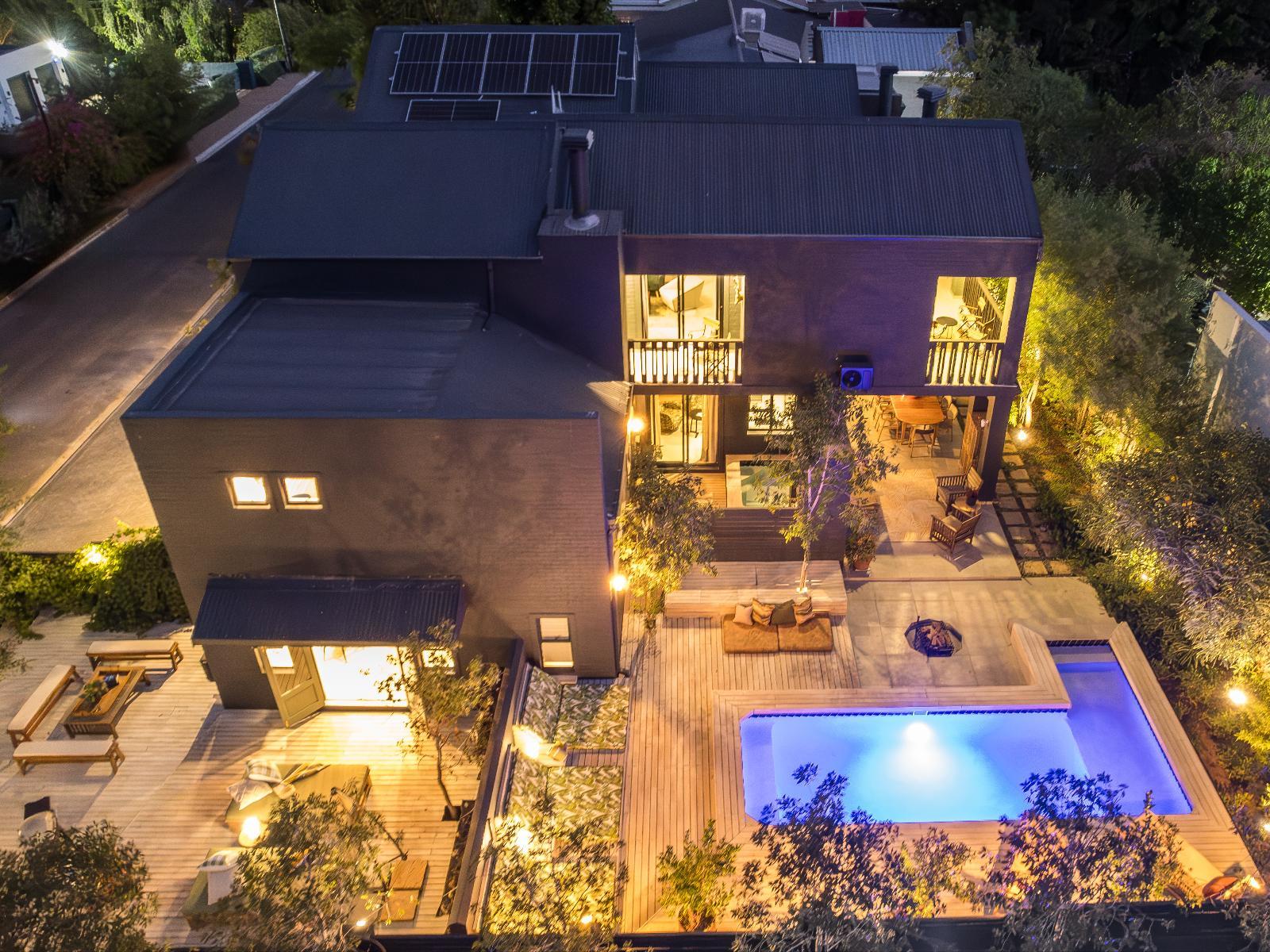
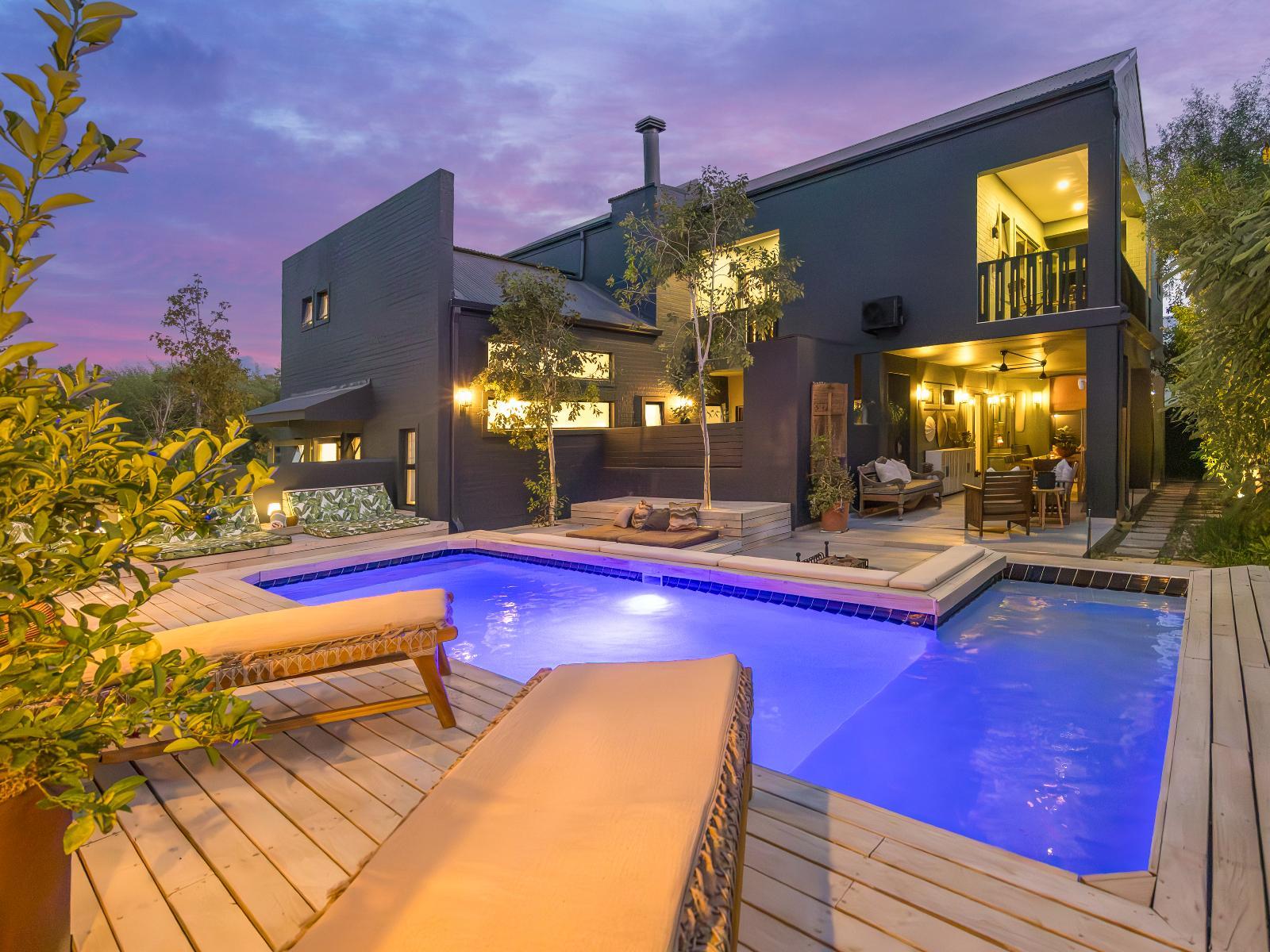
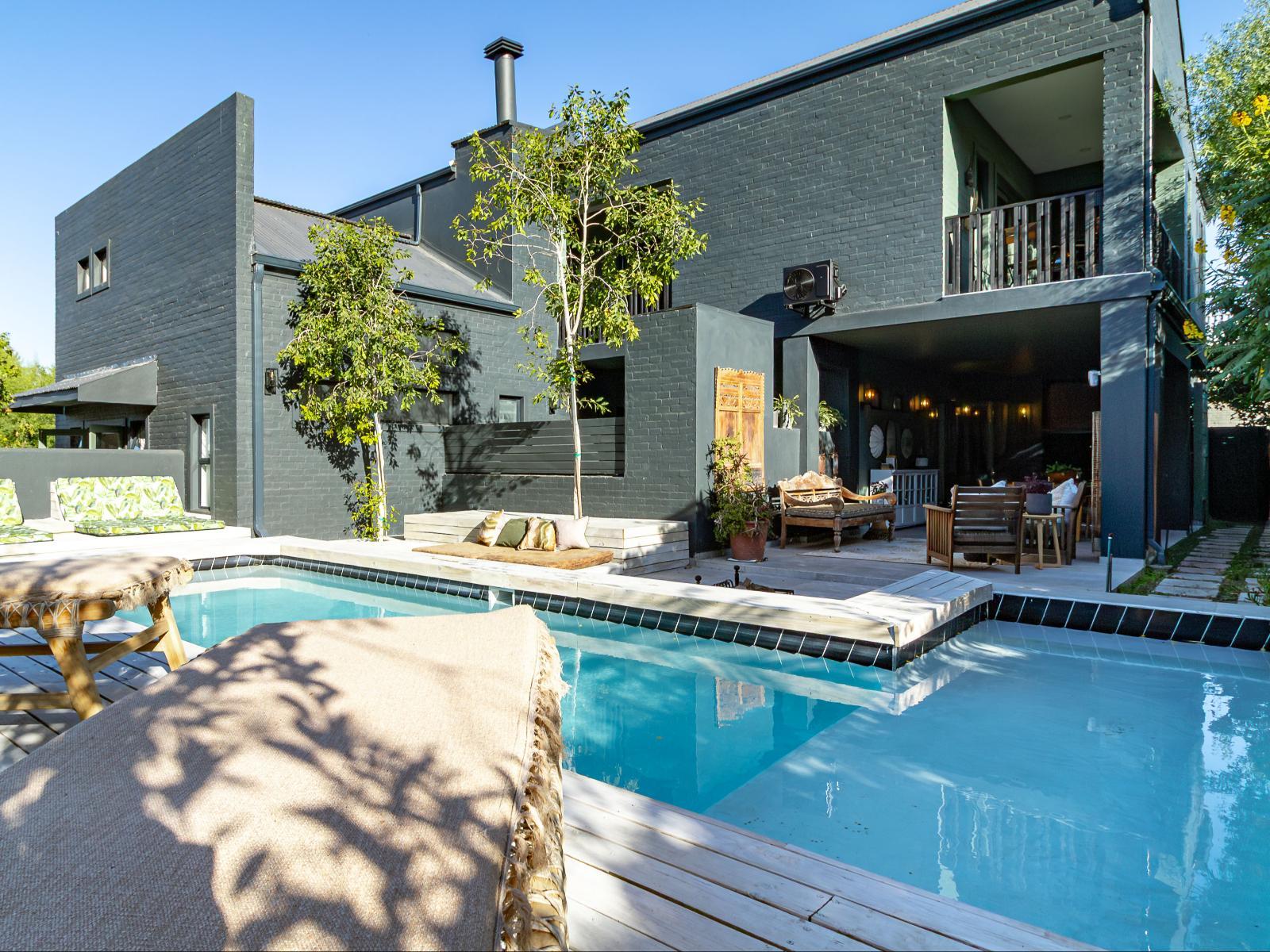
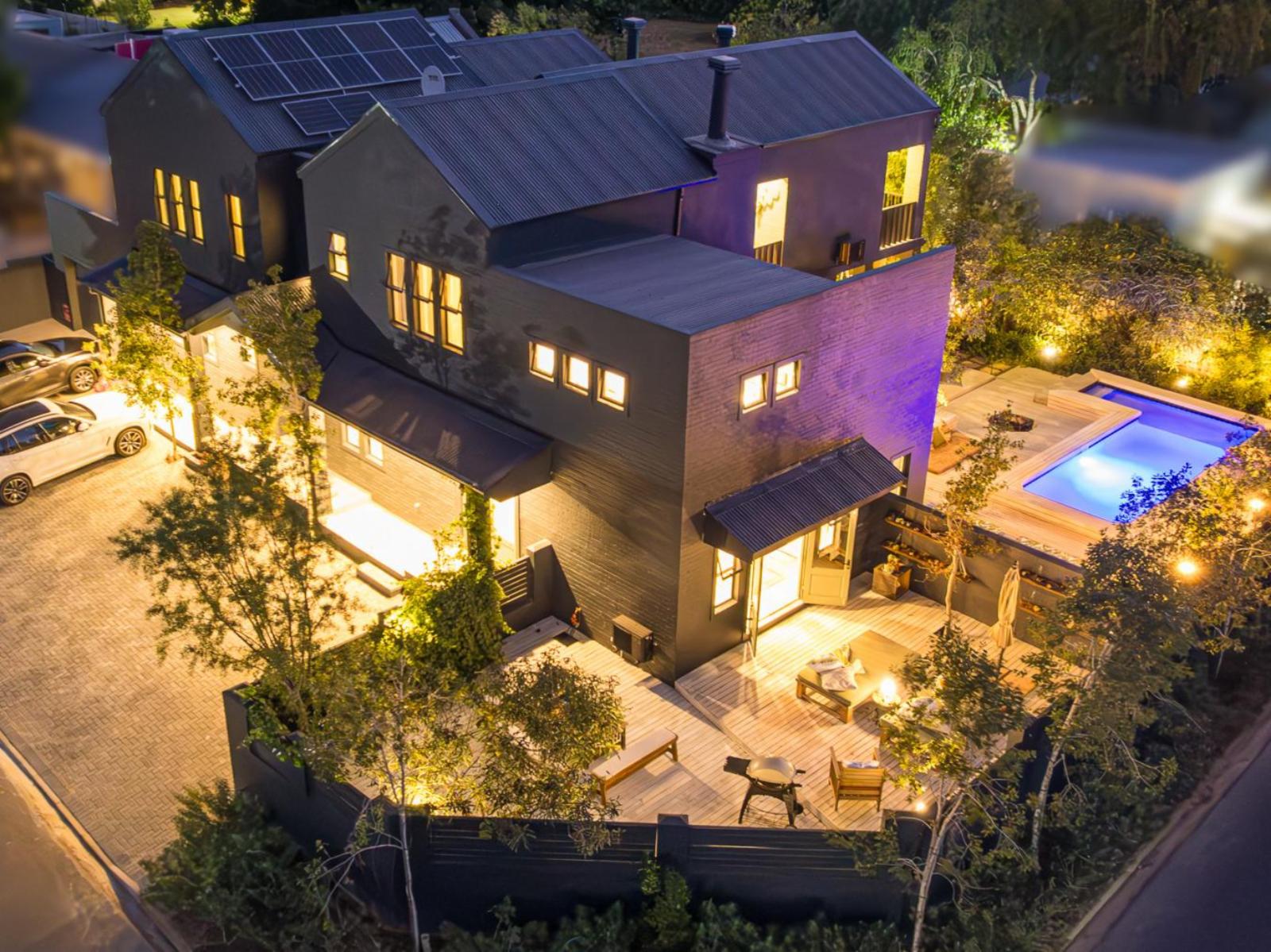
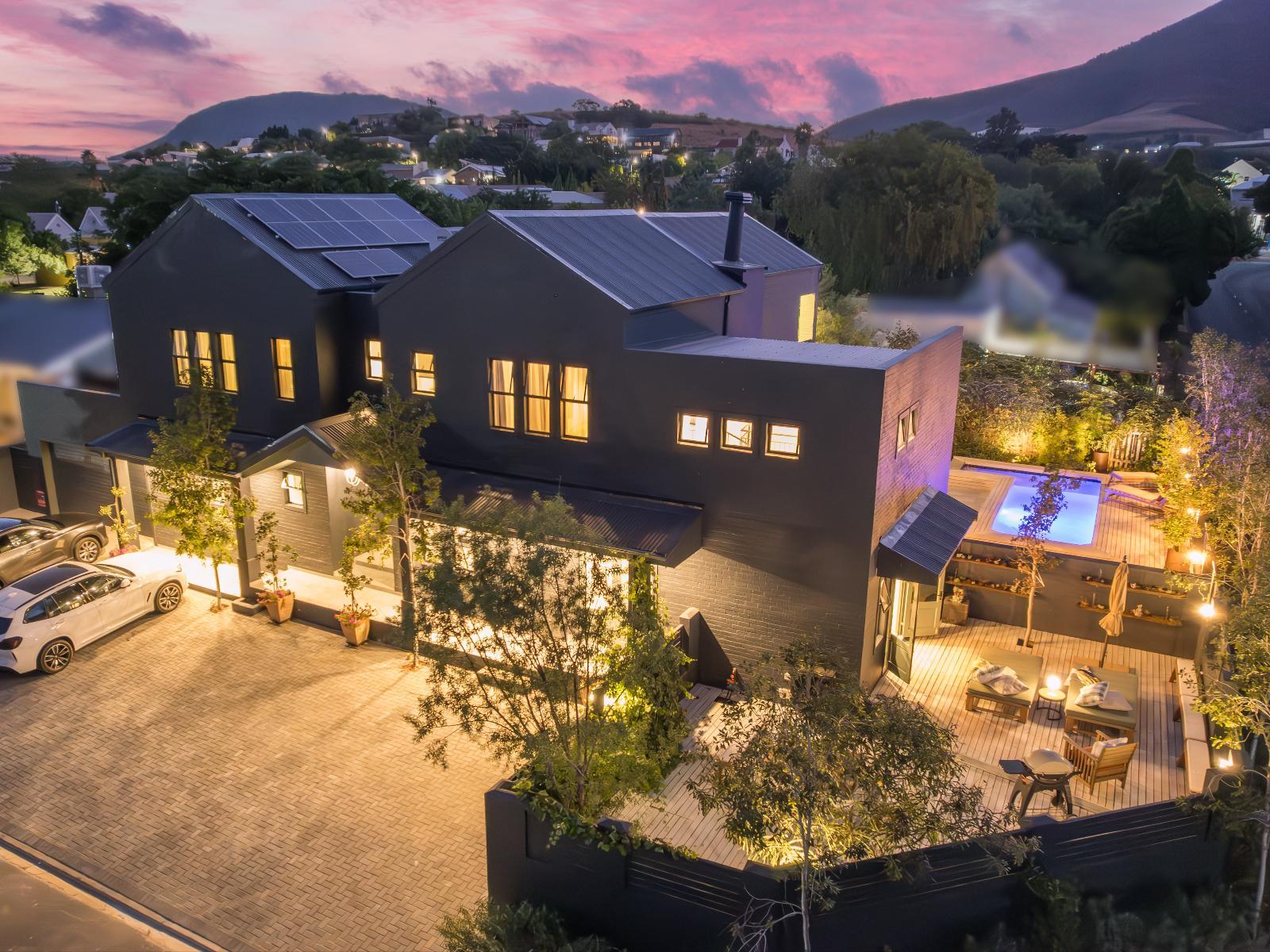
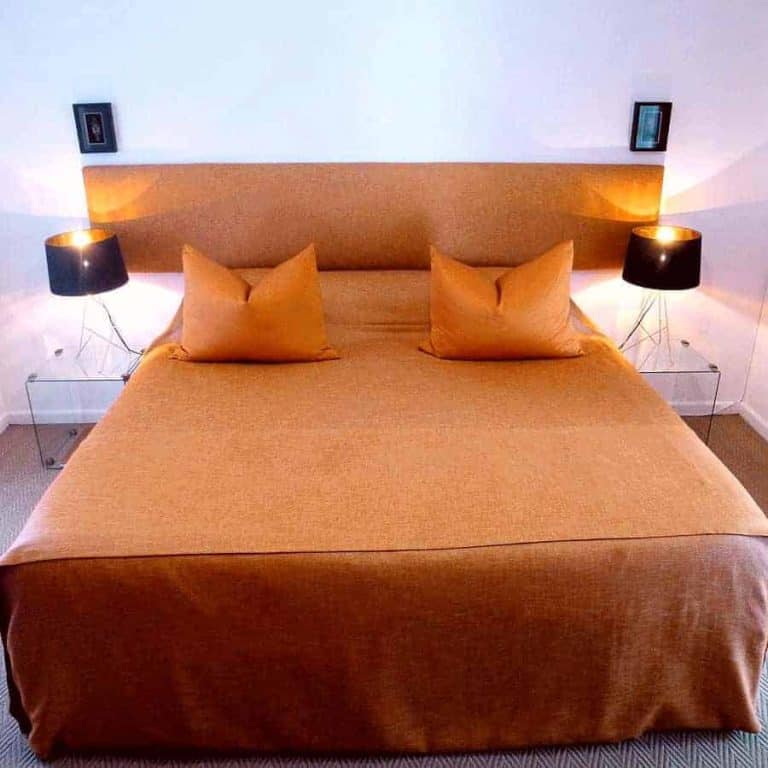
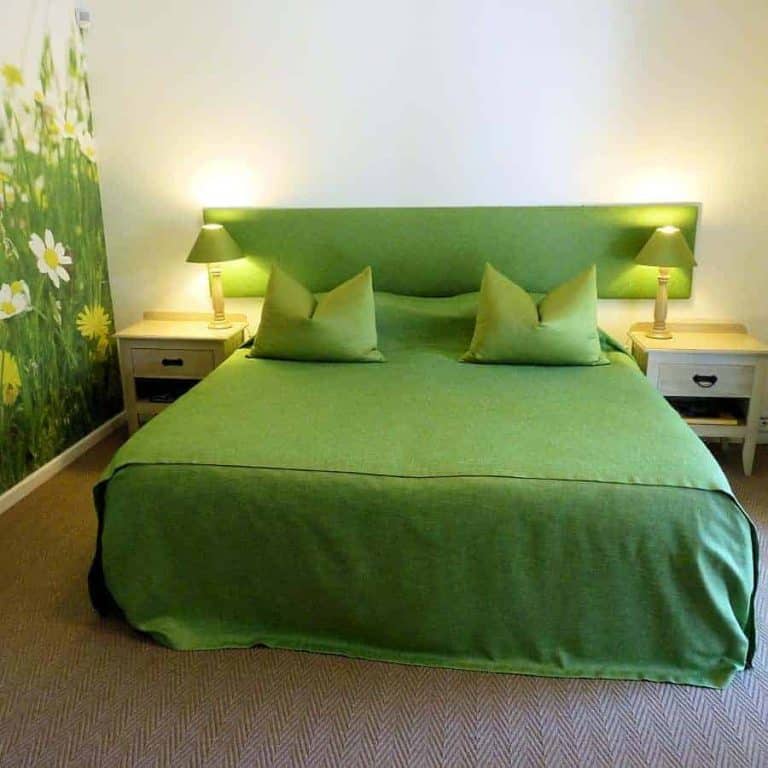
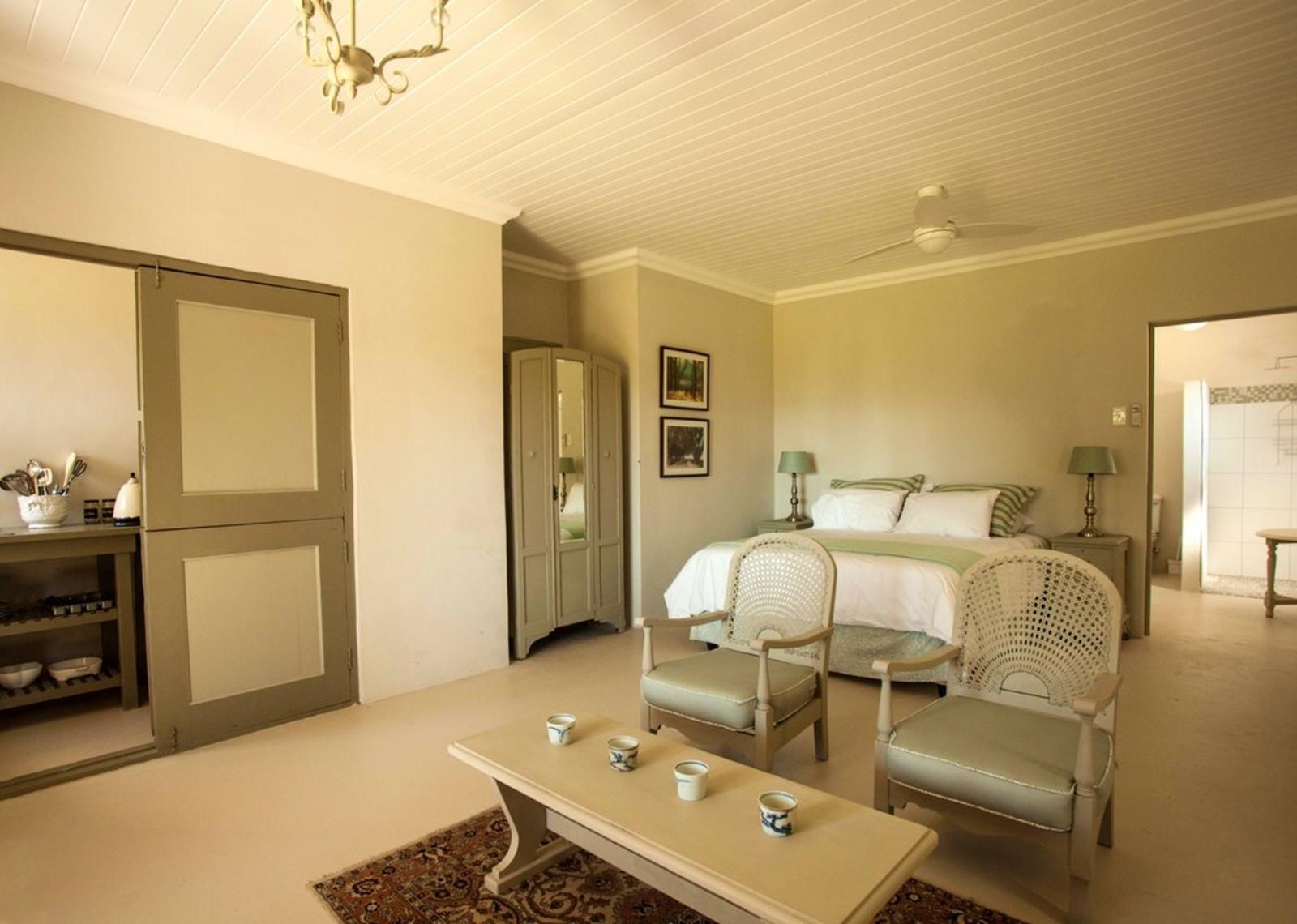
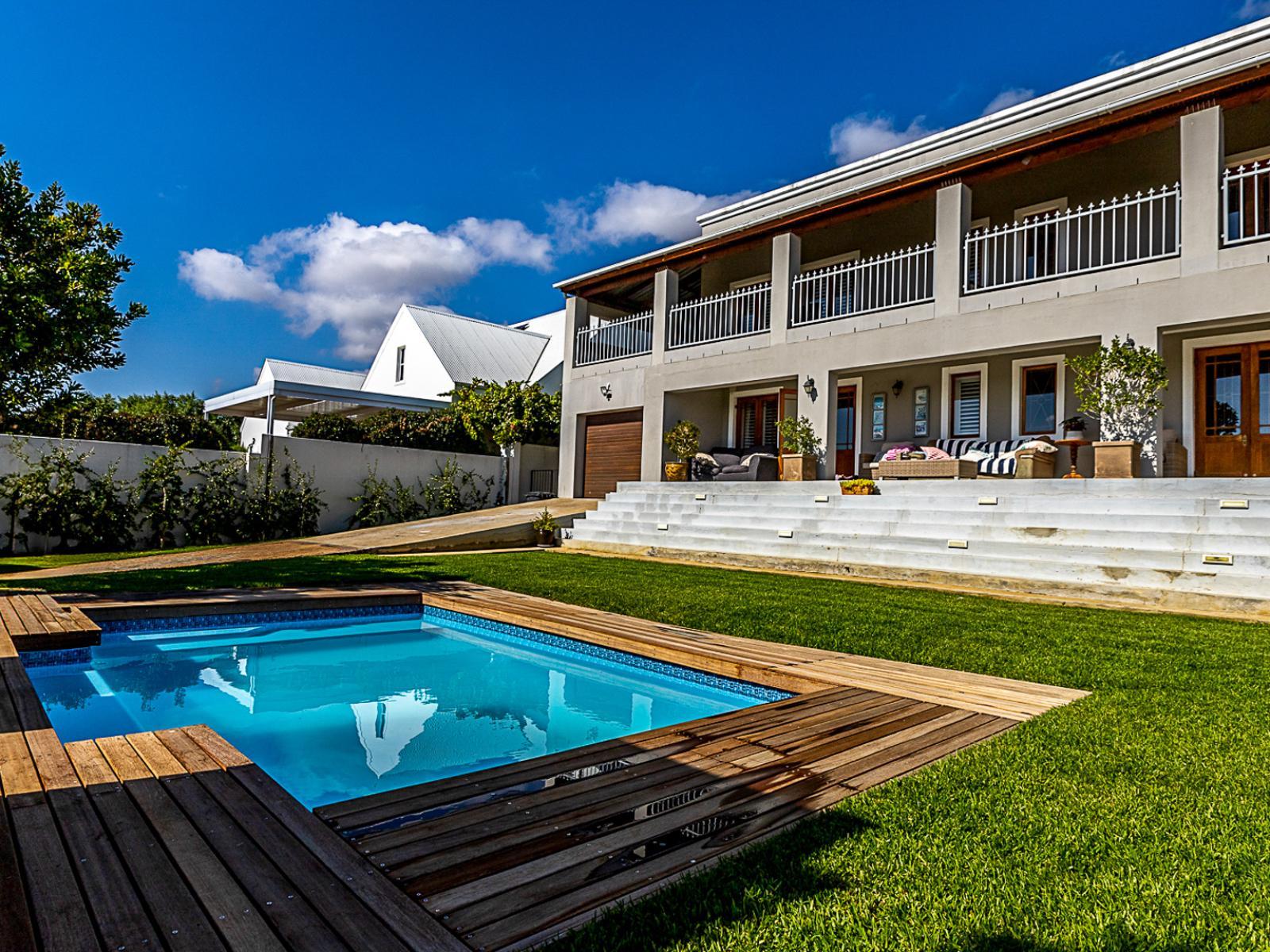
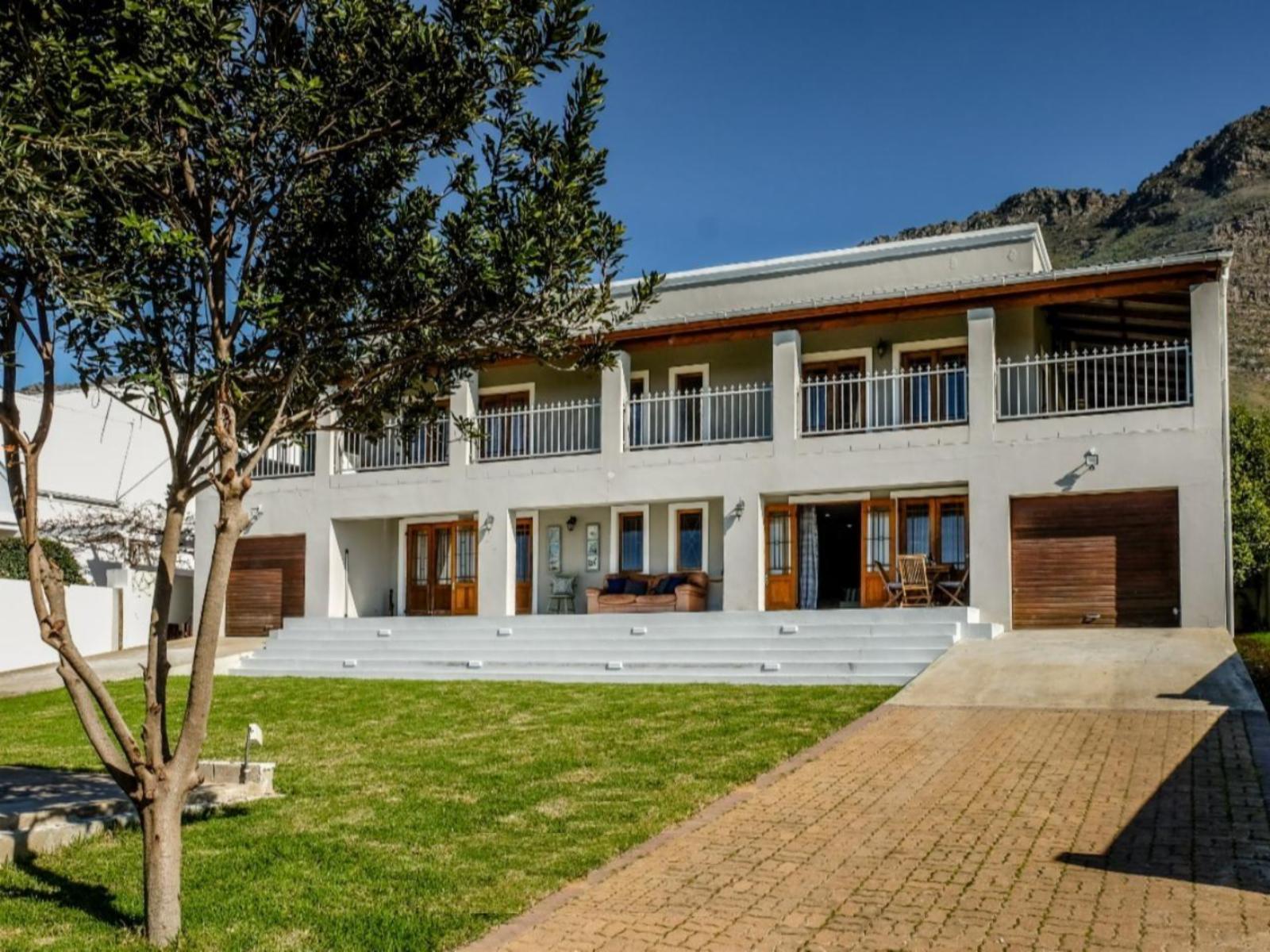
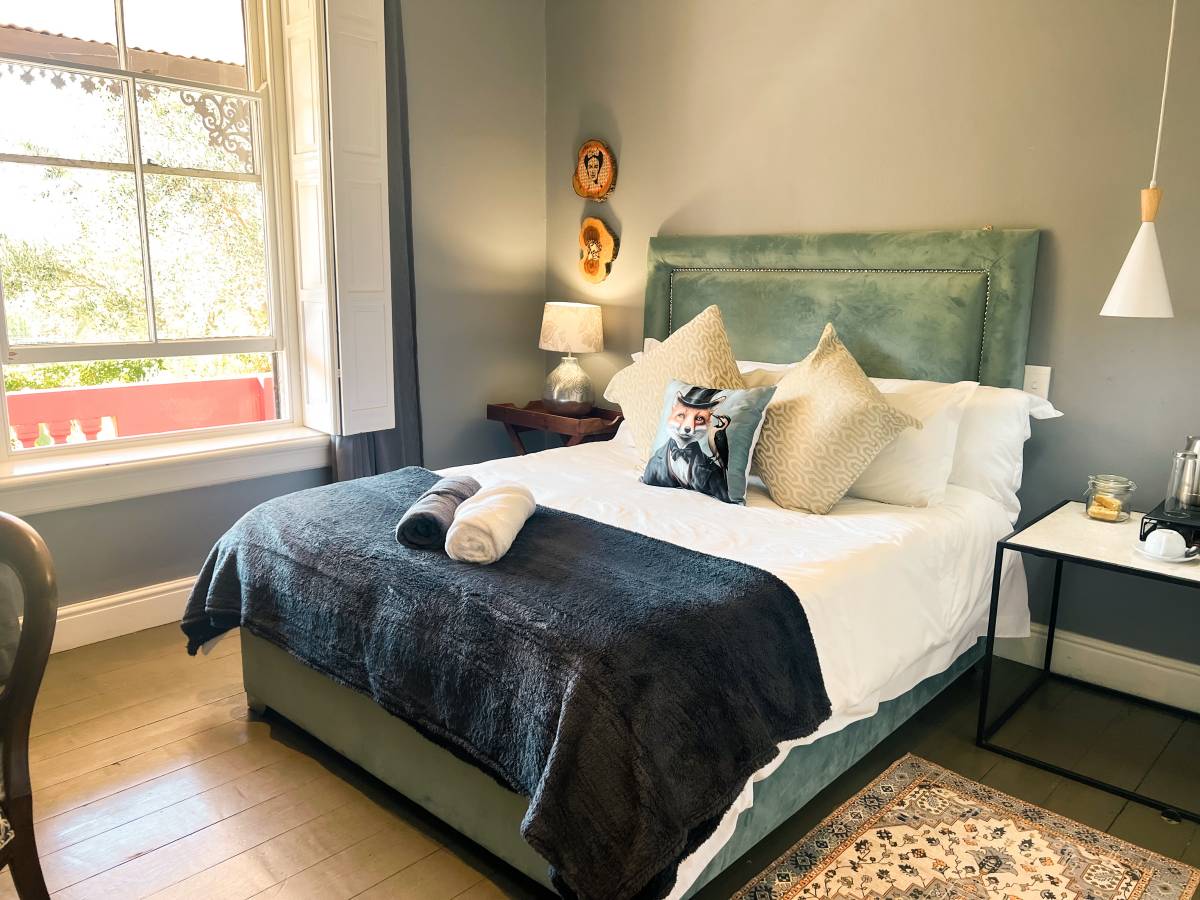
With 14 properties available, ranging from R1,252 to R5,636 per night, Riebeek-kasteel offers a spread of options that suits different budgets and travel styles. The town is small enough that most accommodation sits within walking distance of the main street, though farm stays require a short drive into the surrounding valley.
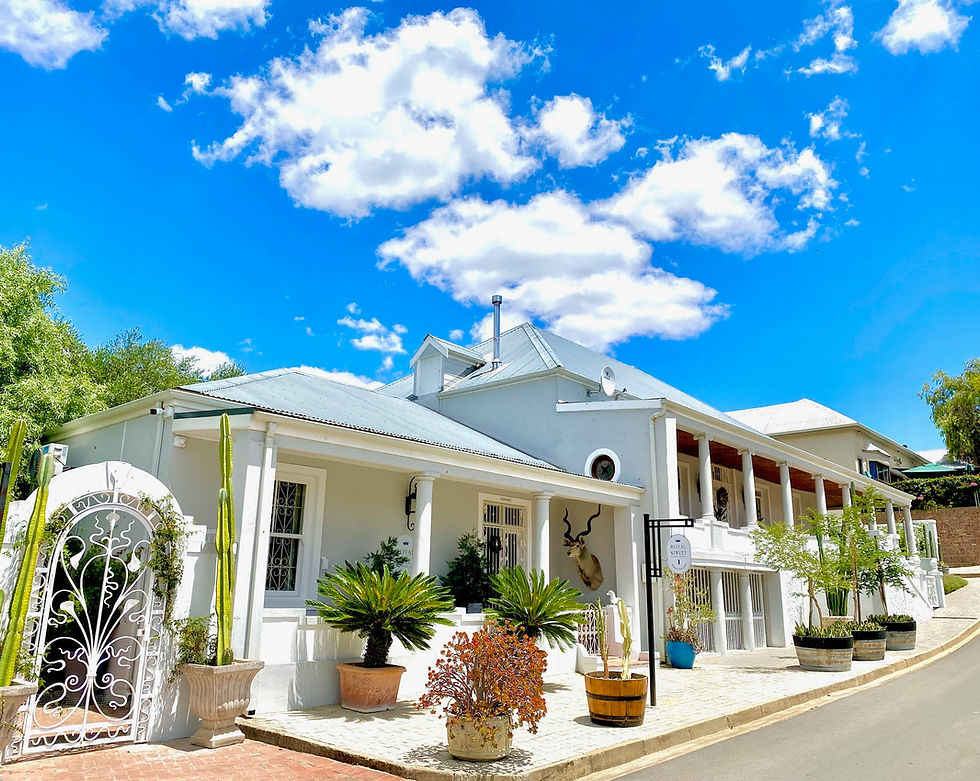
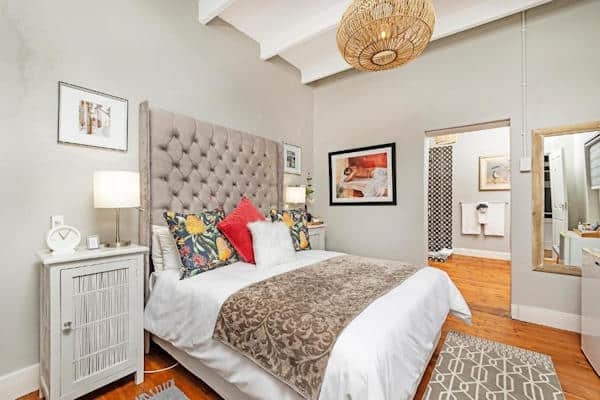
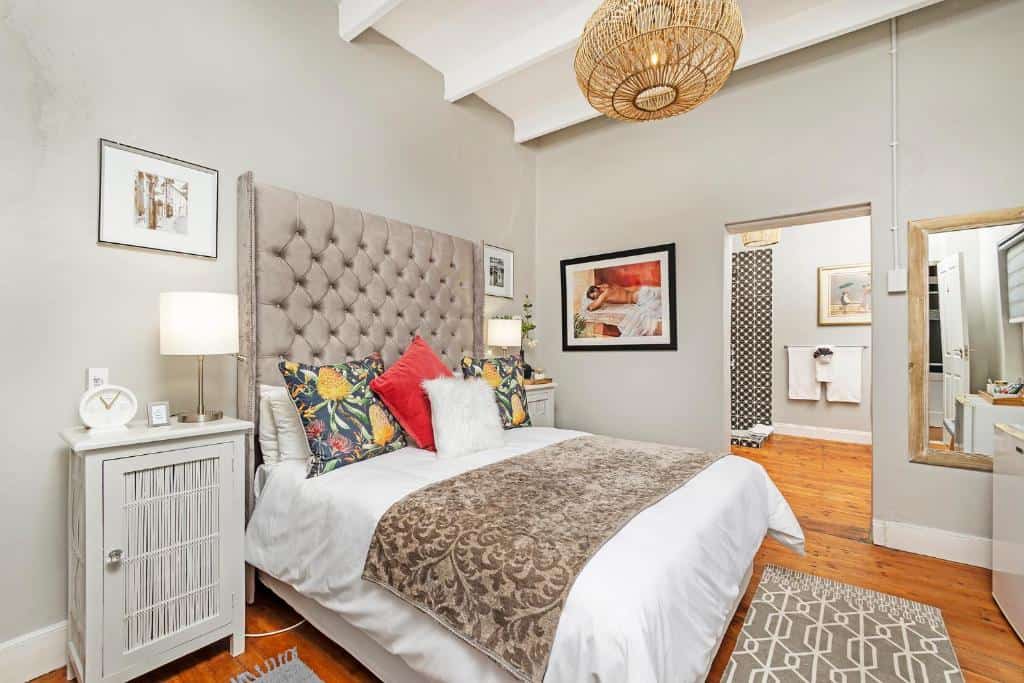
At the more affordable end, hotels and bed and breakfasts provide comfortable, unfussy bases. Hotels in the village average around R2,055 per night and suit travellers who want a central position with staff on hand. Bed and breakfasts, averaging R2,598, typically add a personal dimension, with hosts who know the valley well and can direct you to farms not on the standard tourist circuit.
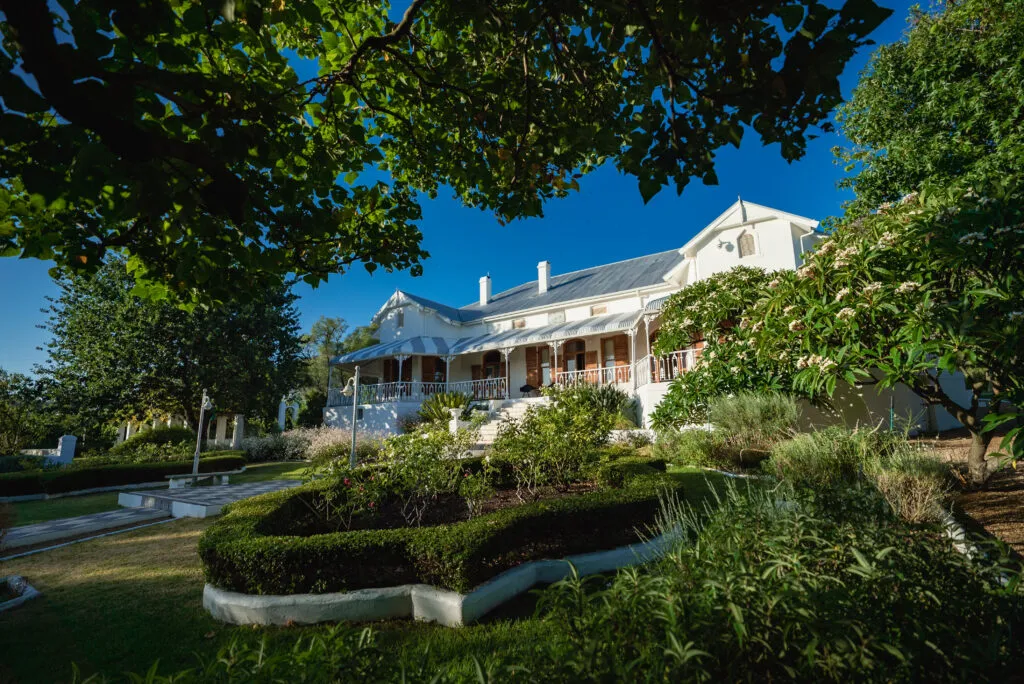
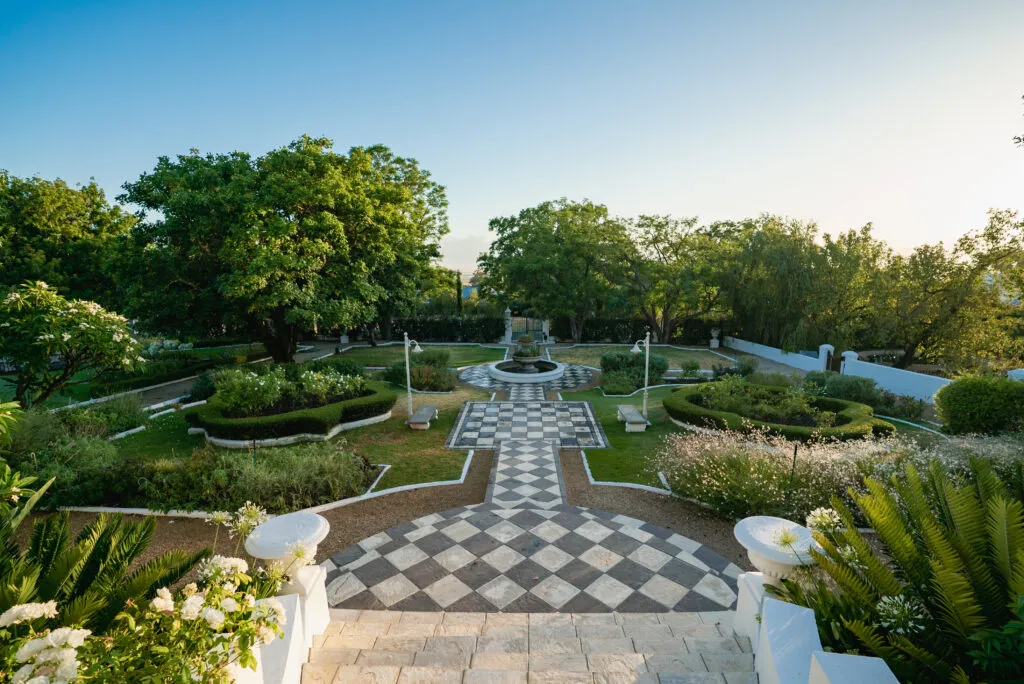
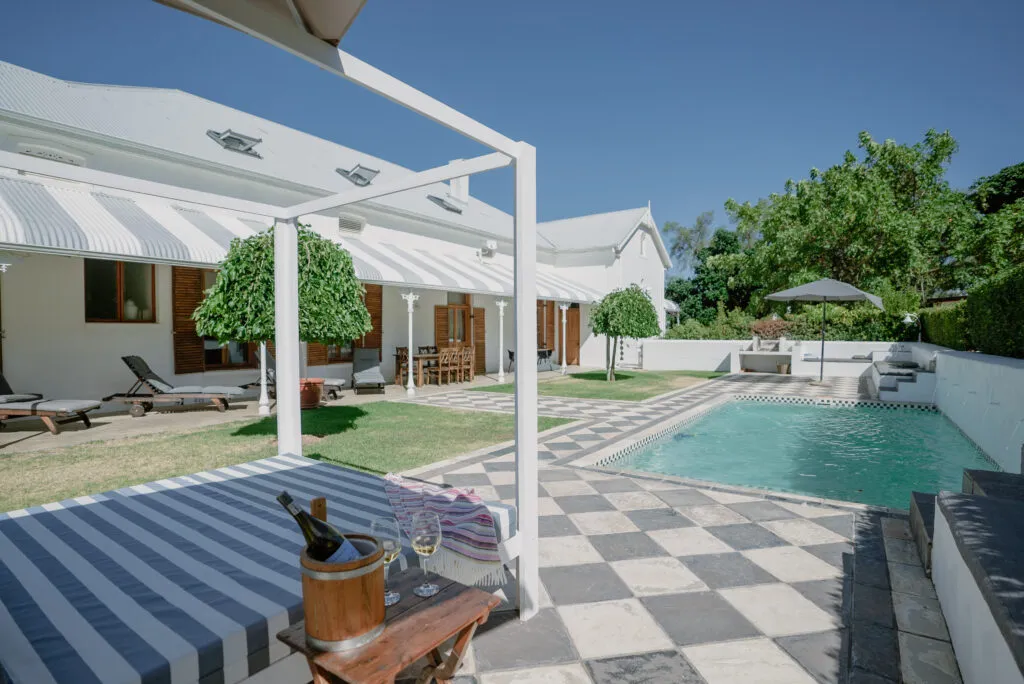
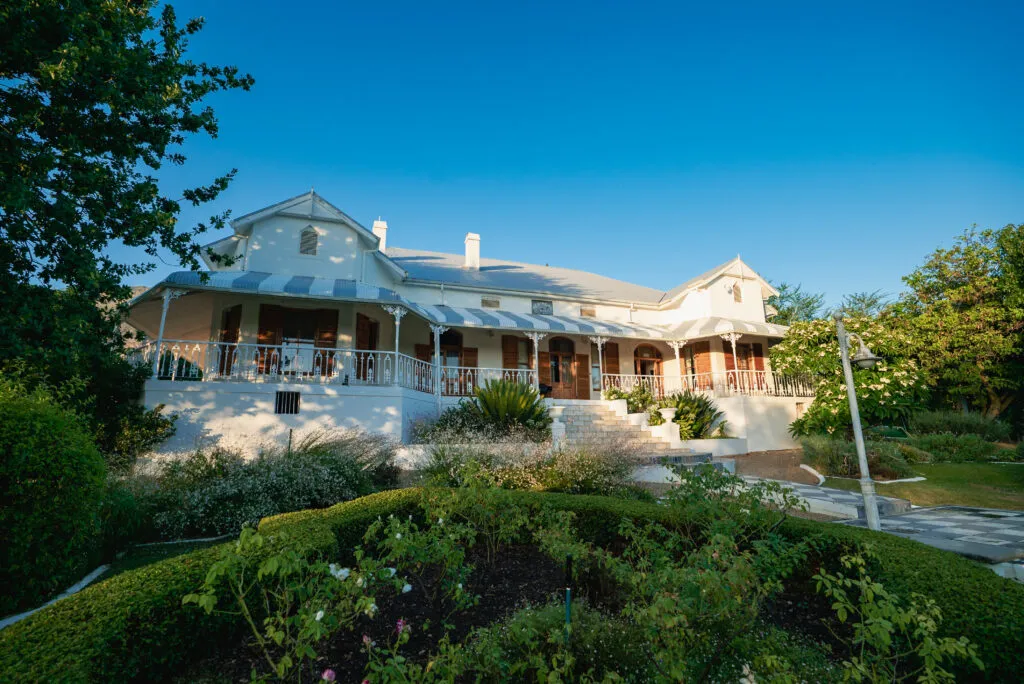
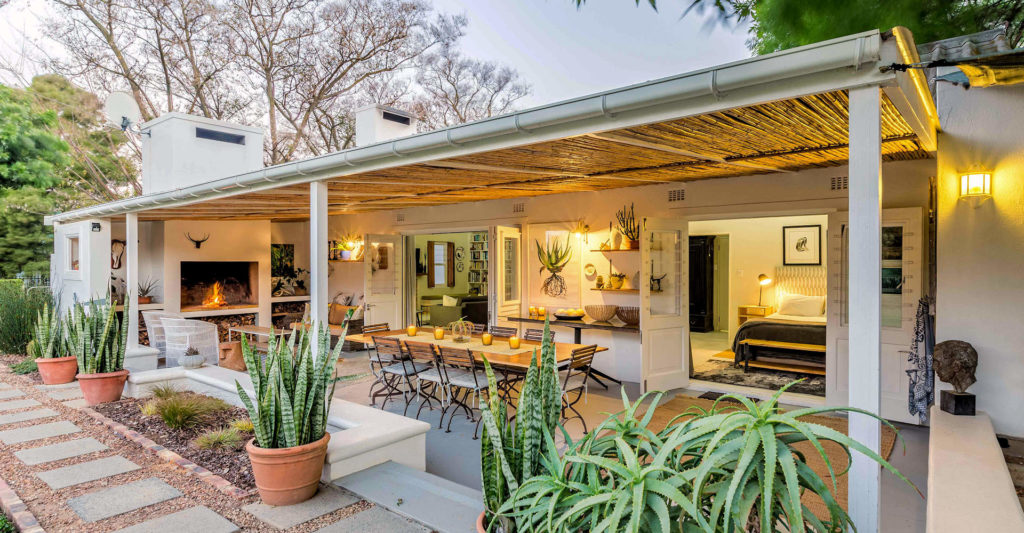
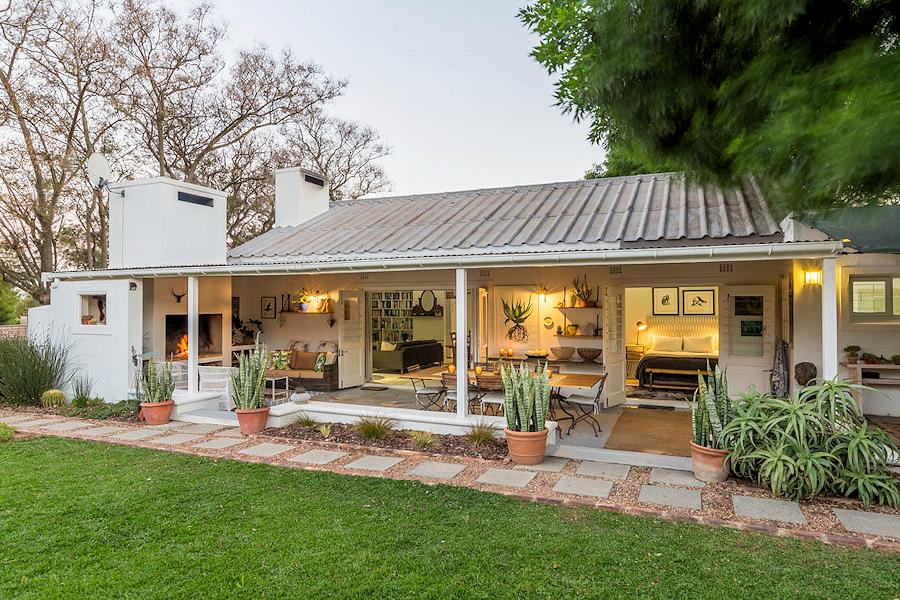
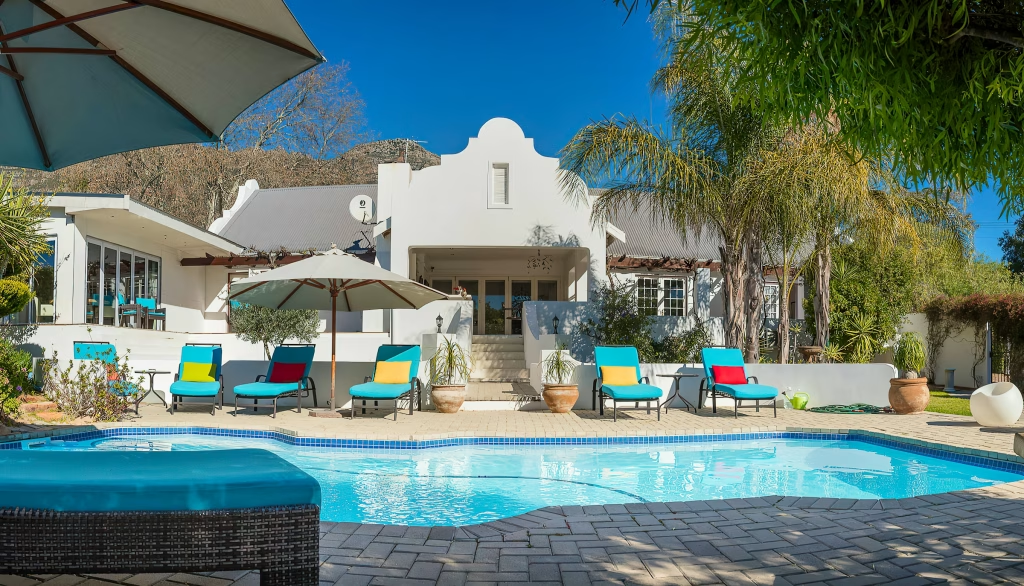
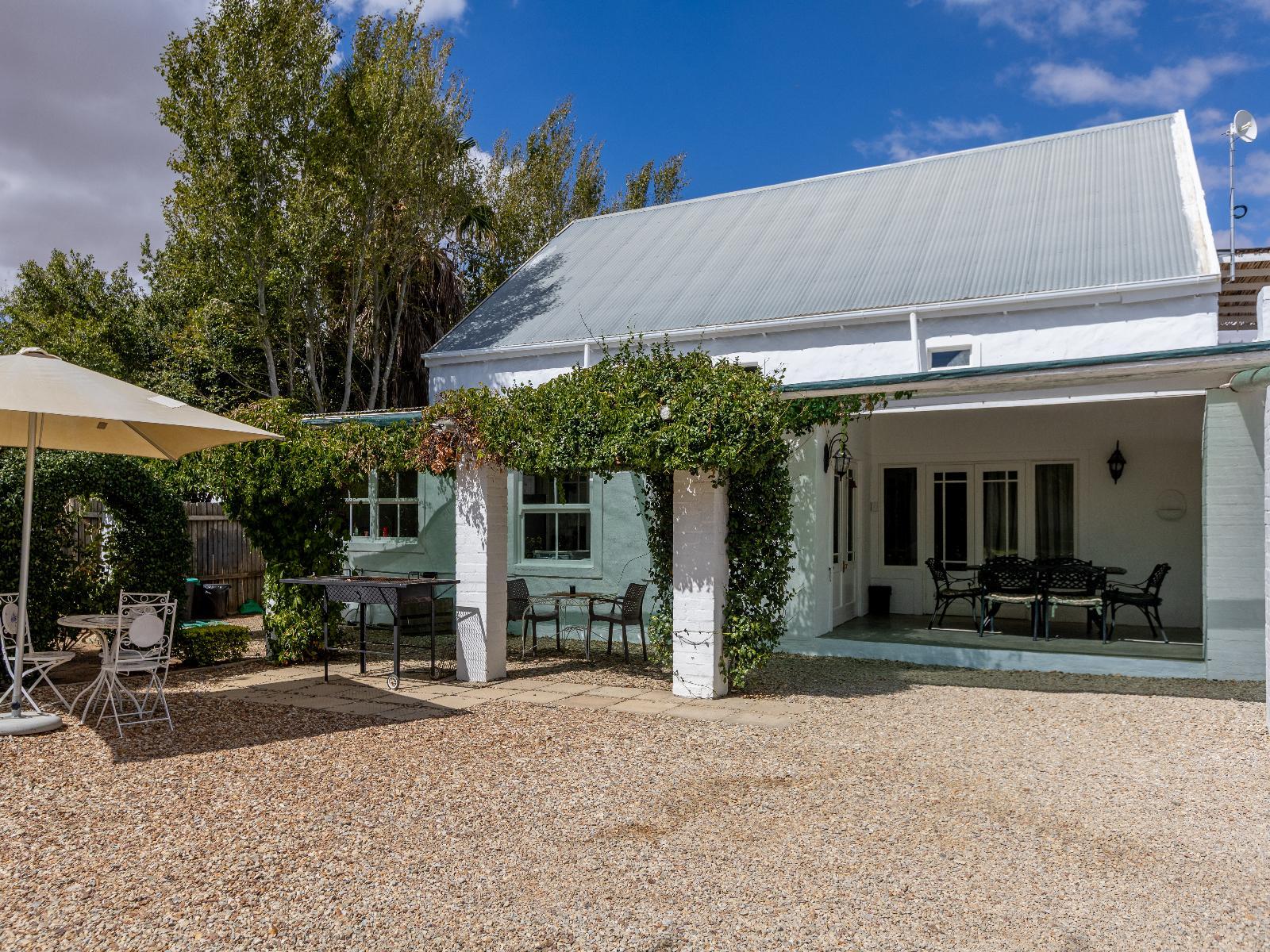
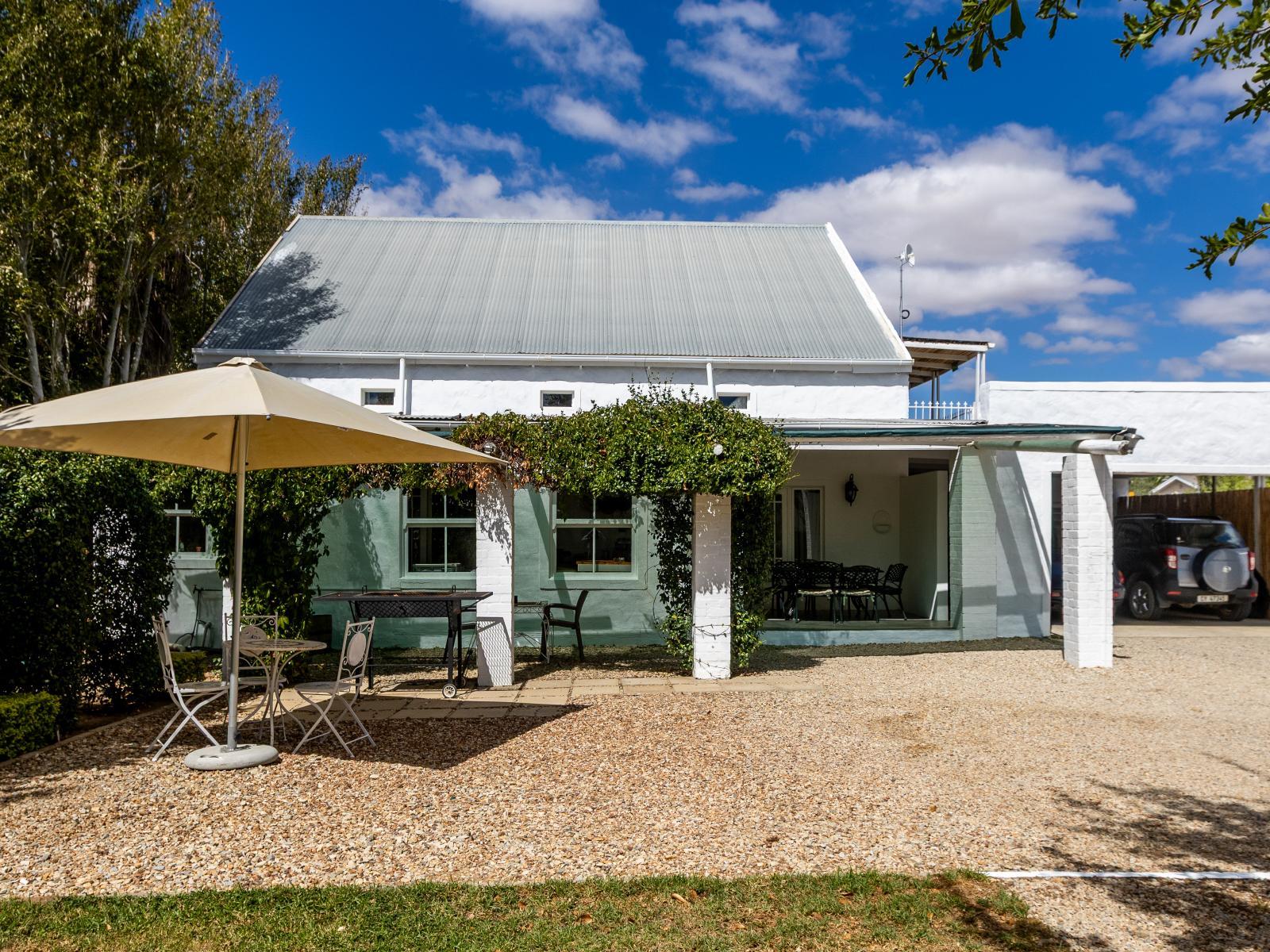
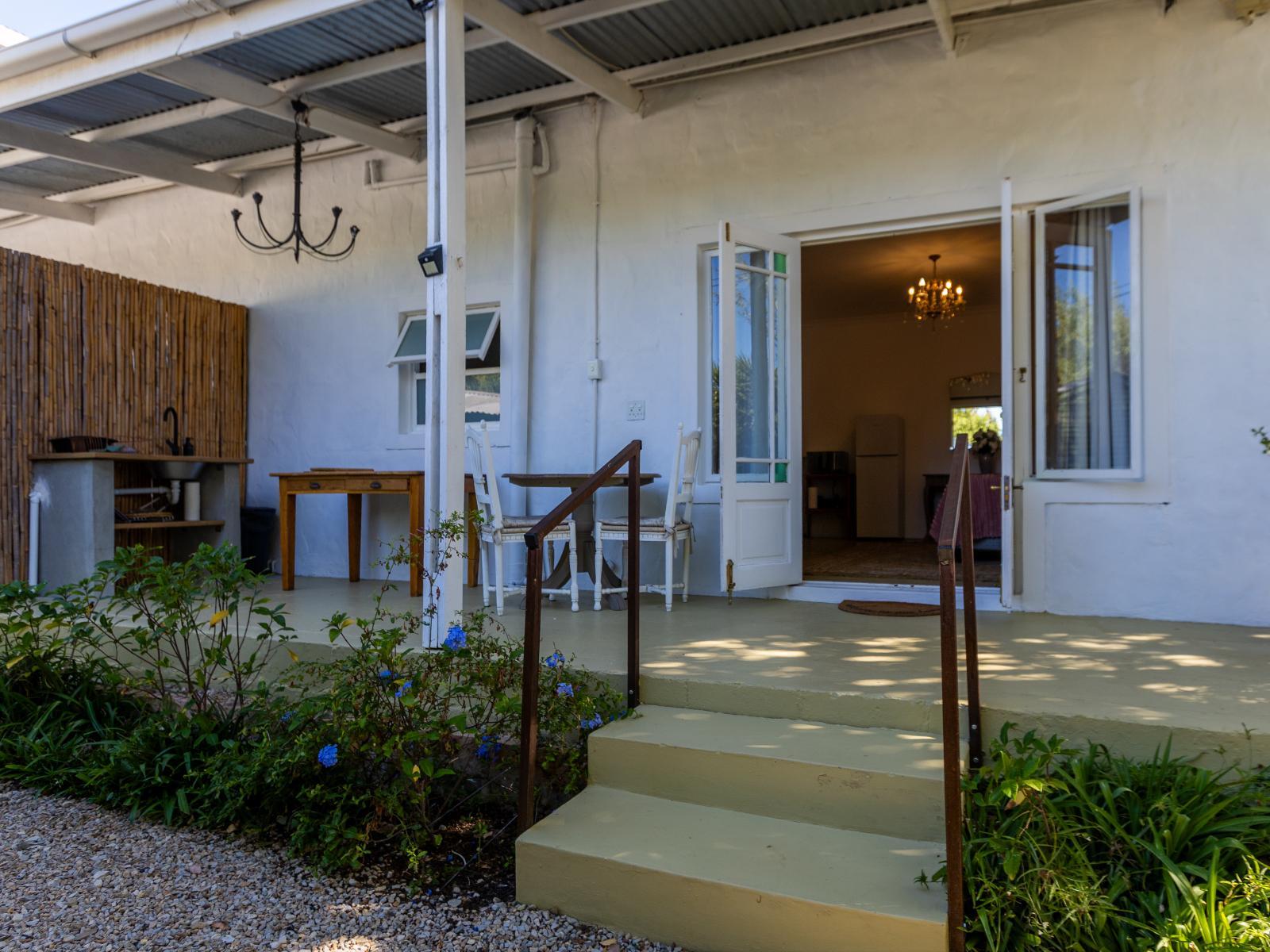
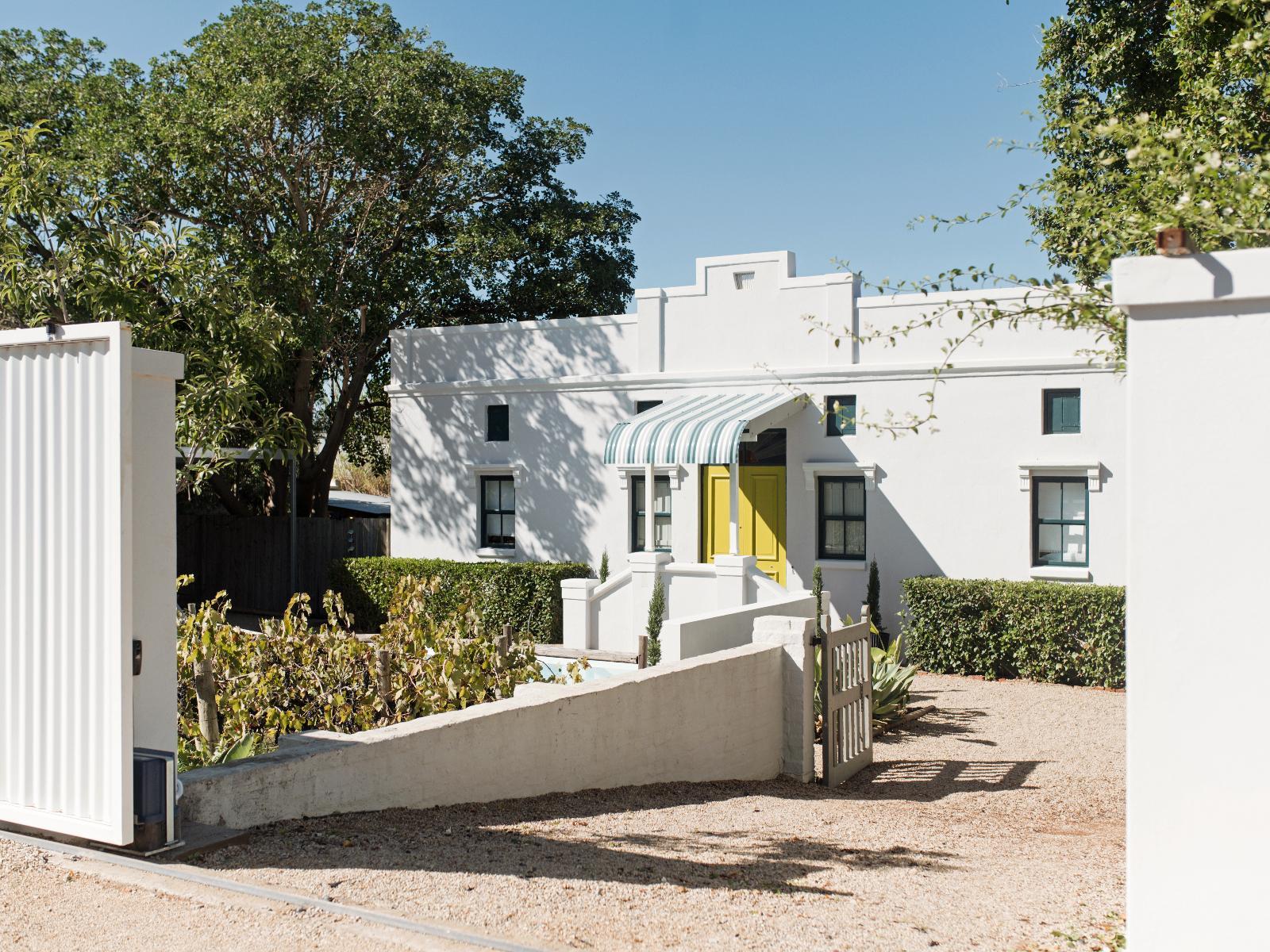
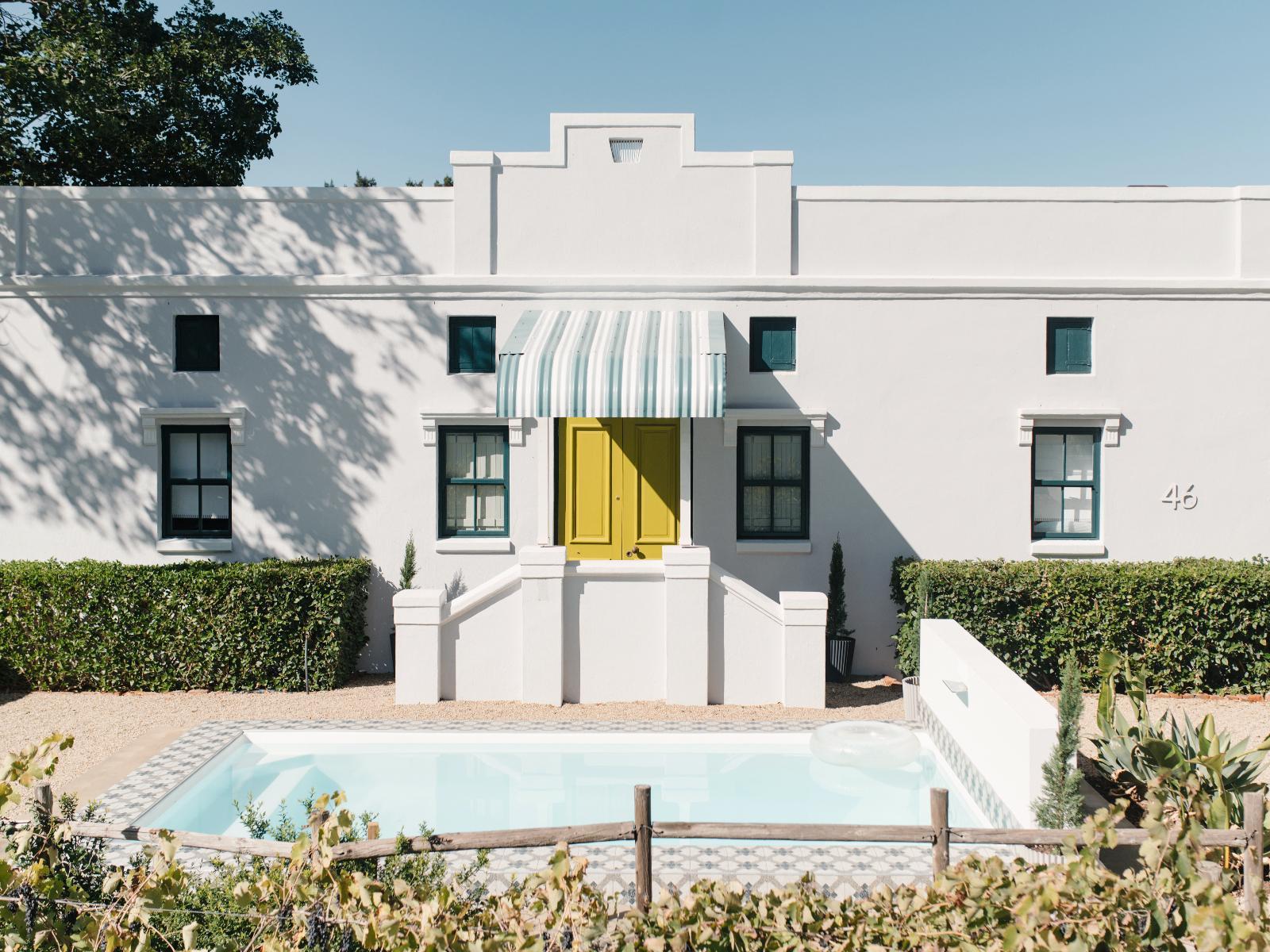
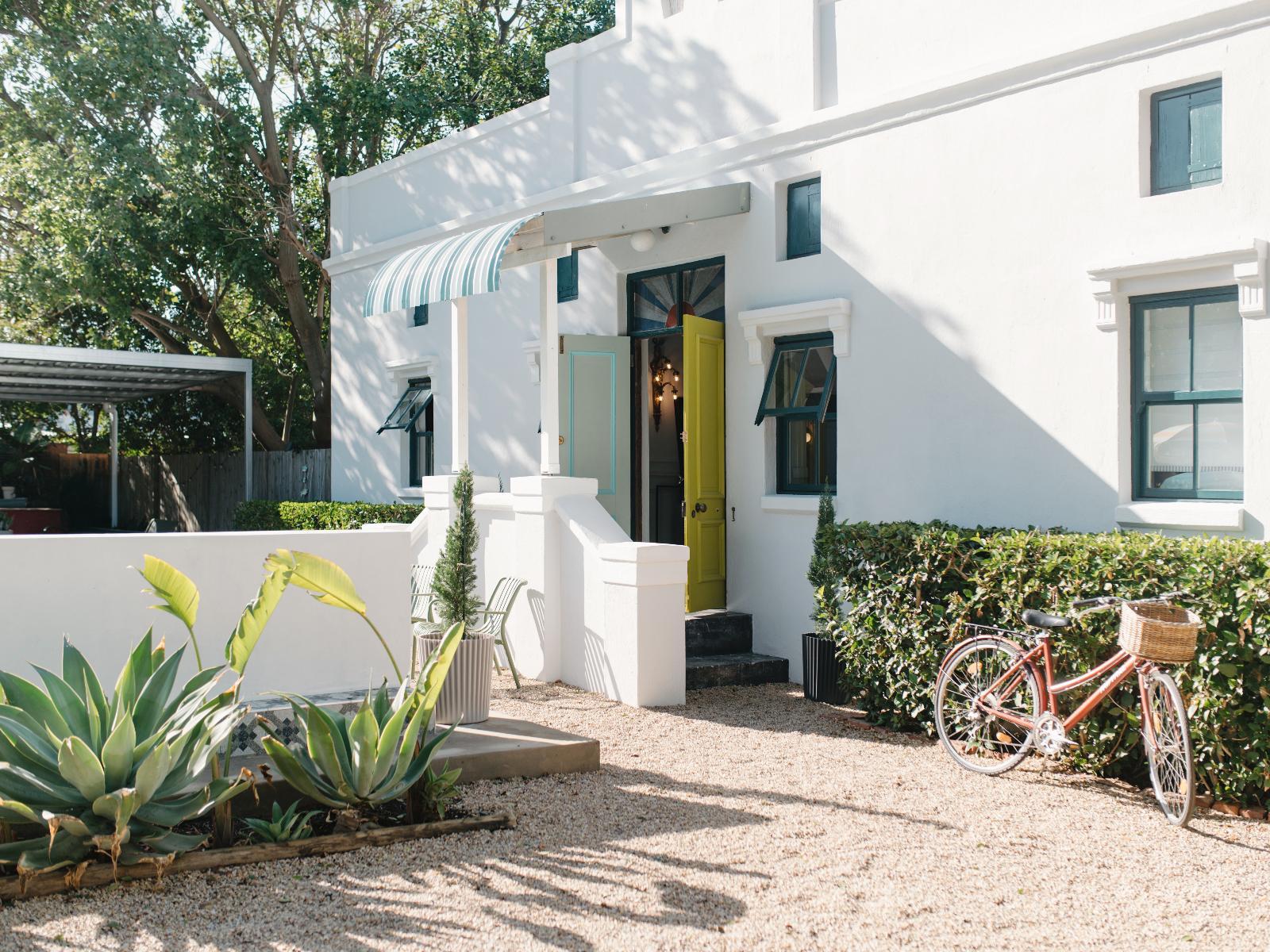
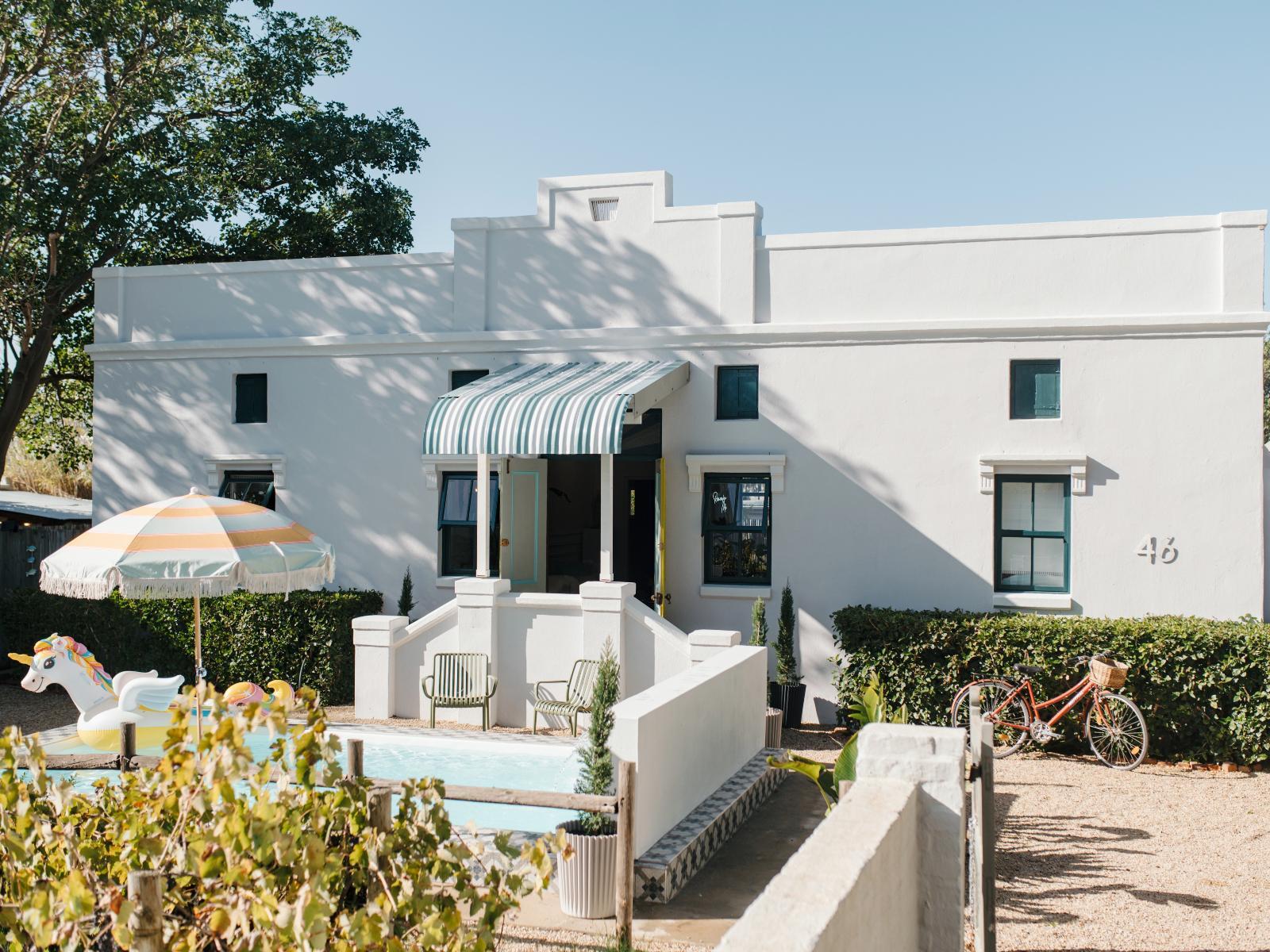
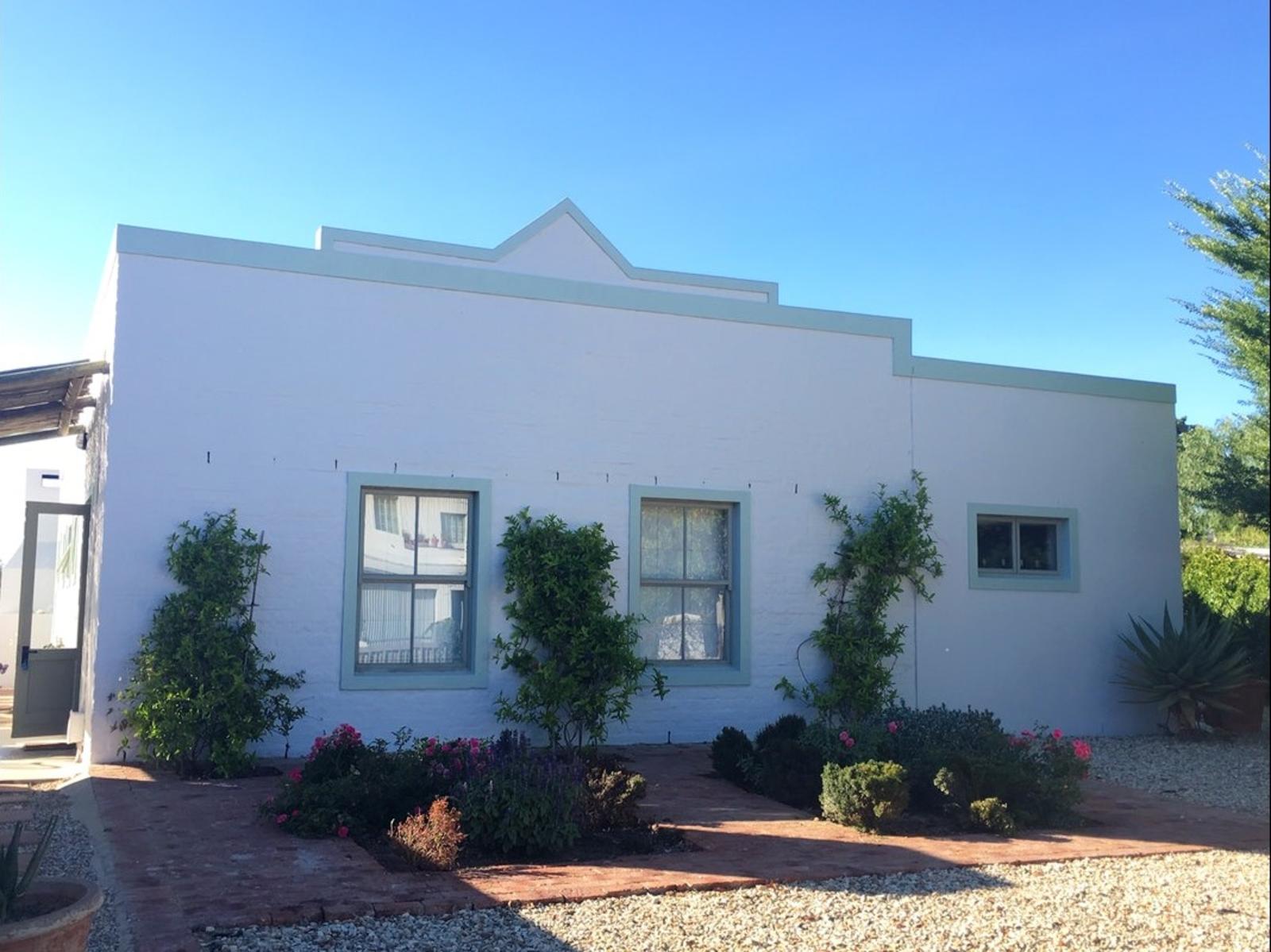
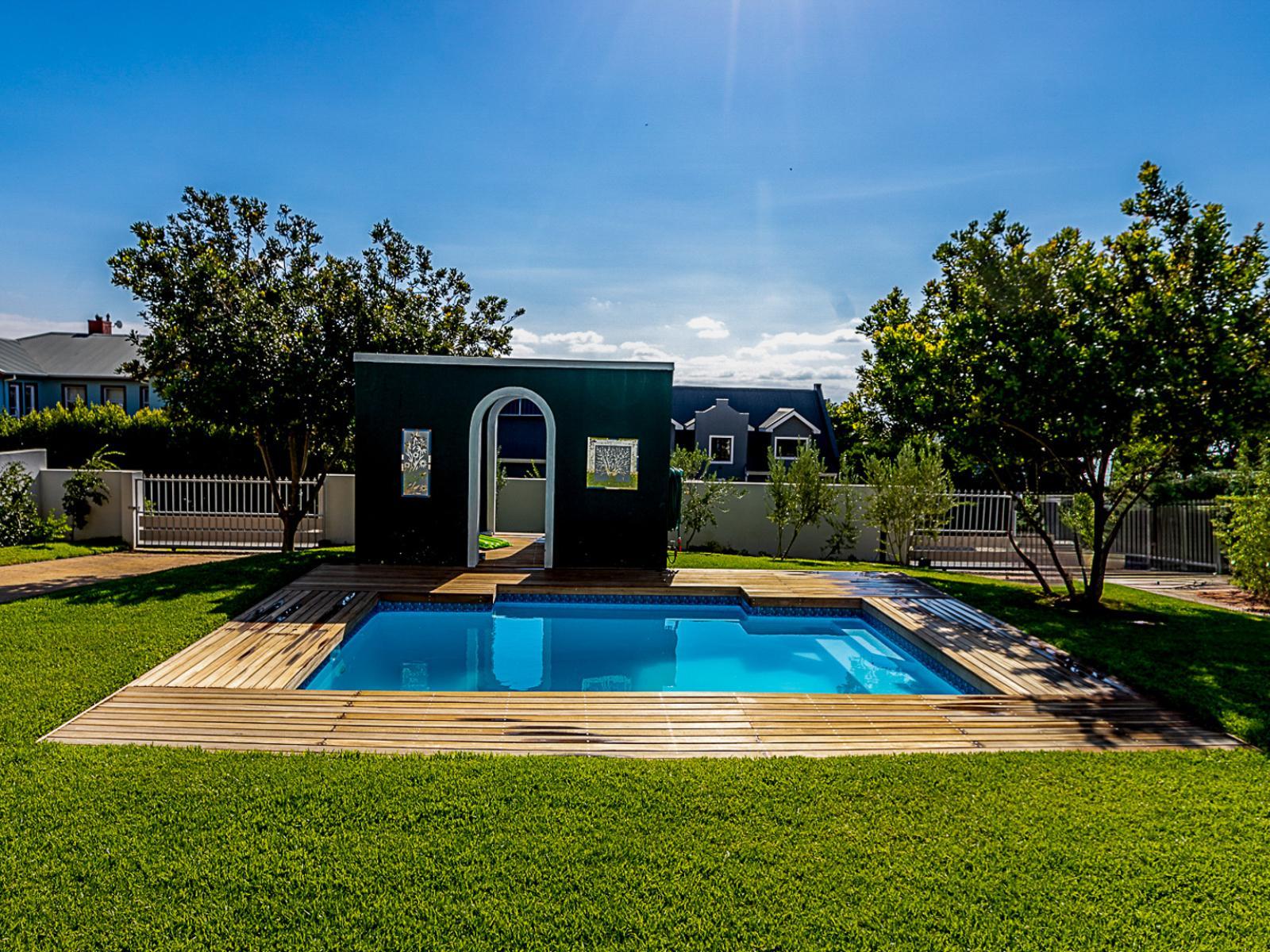
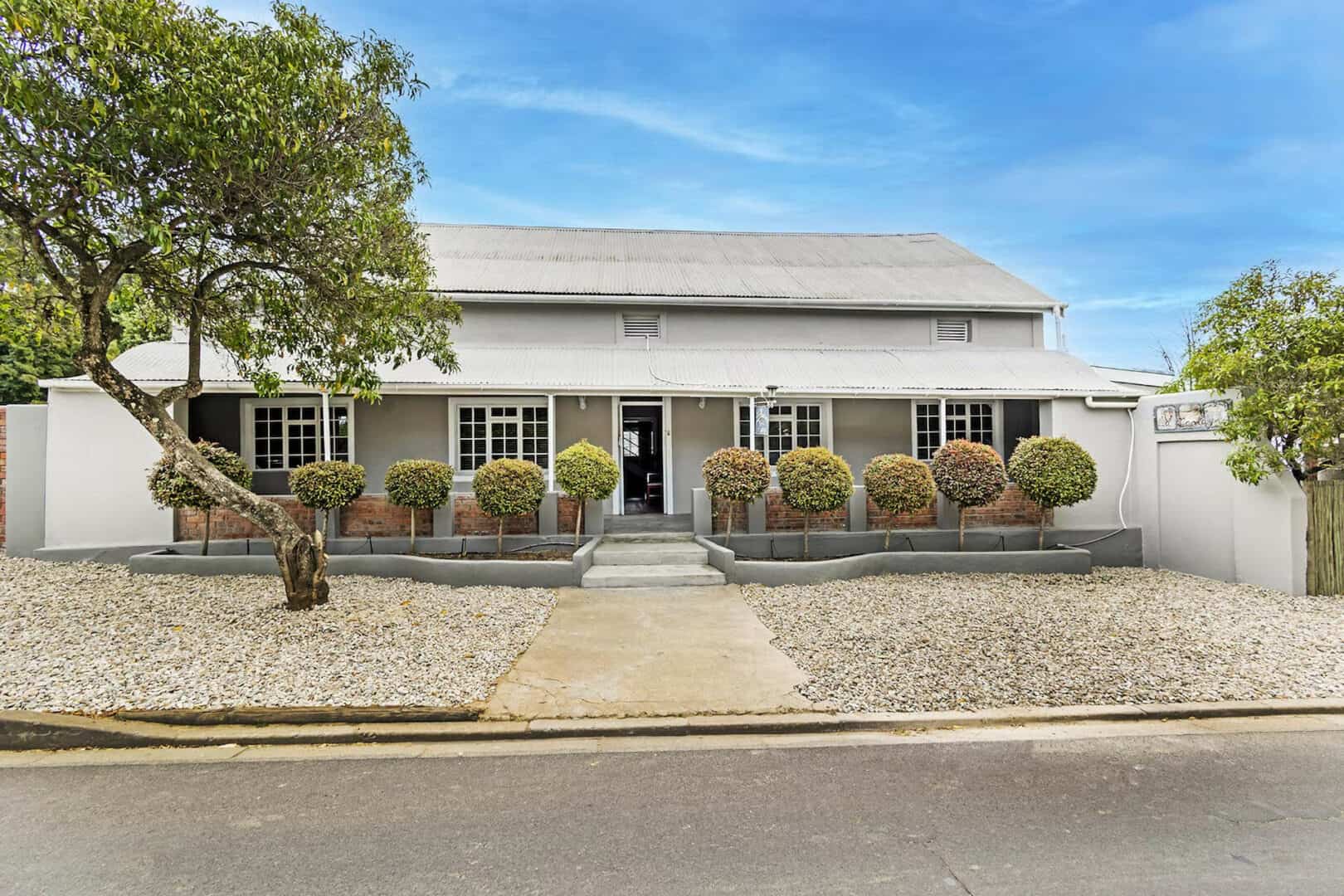
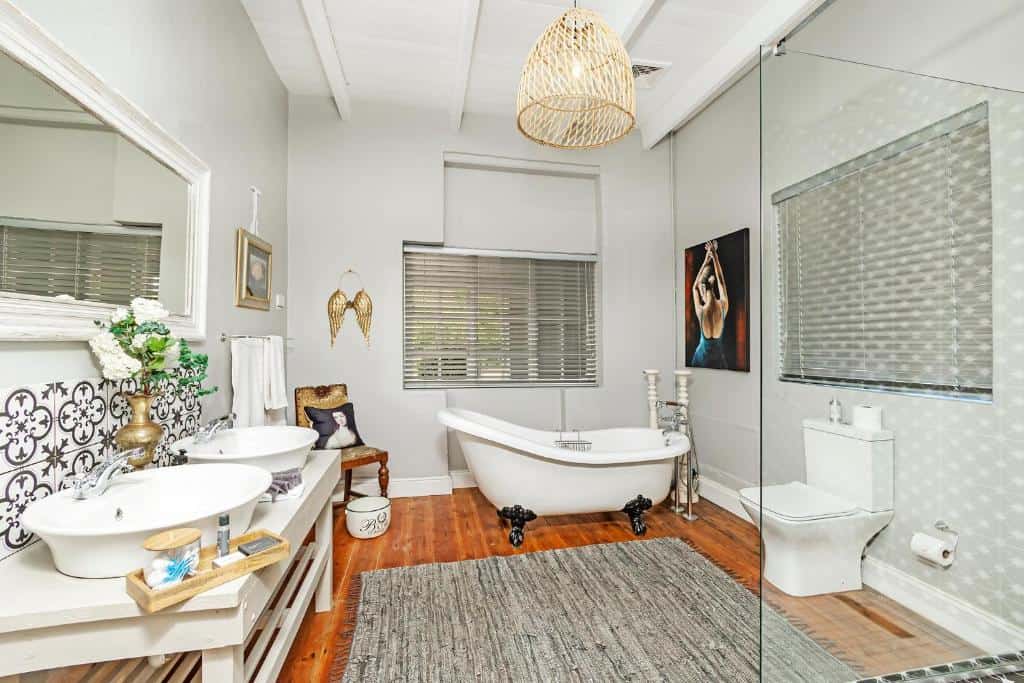
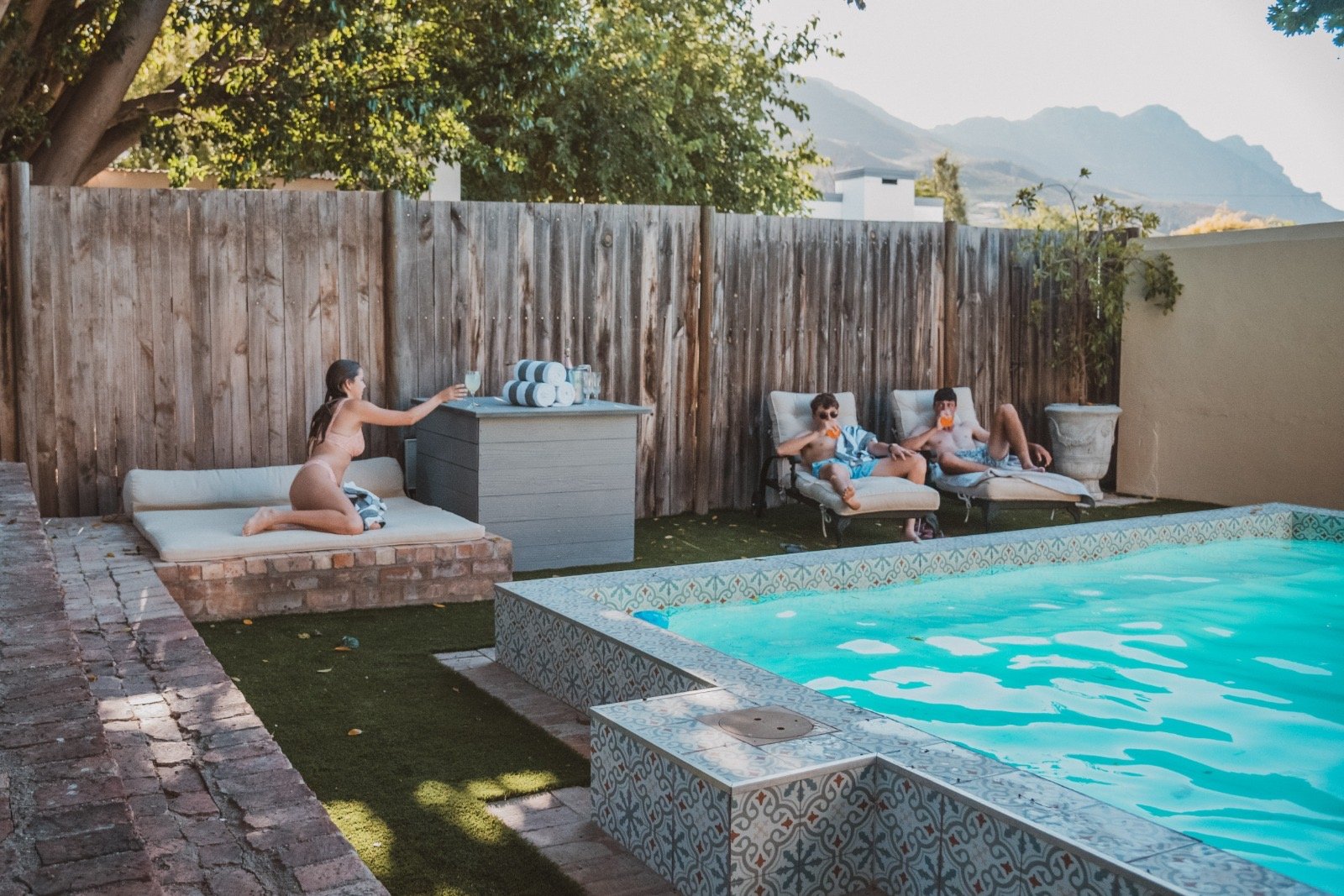
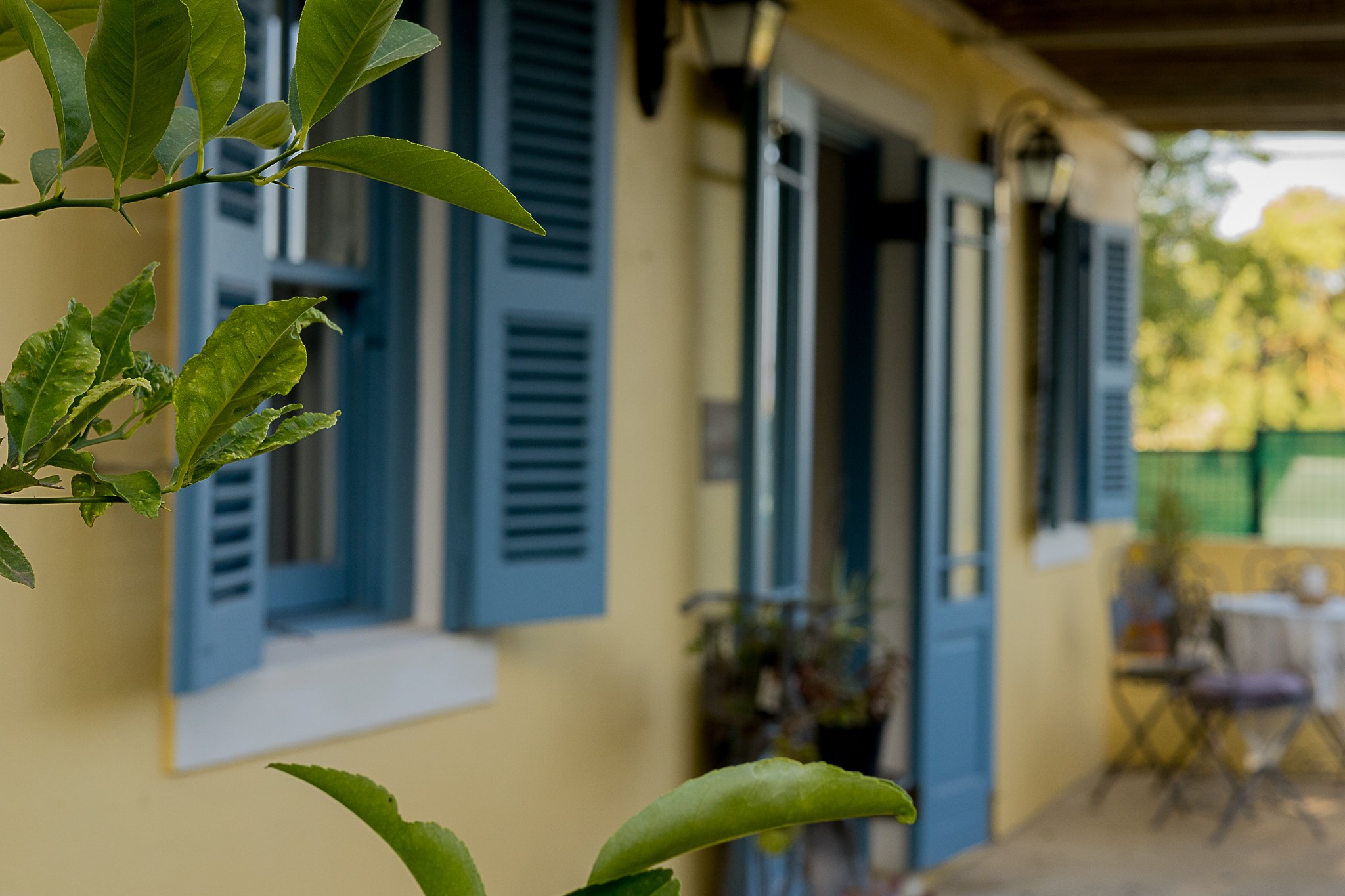
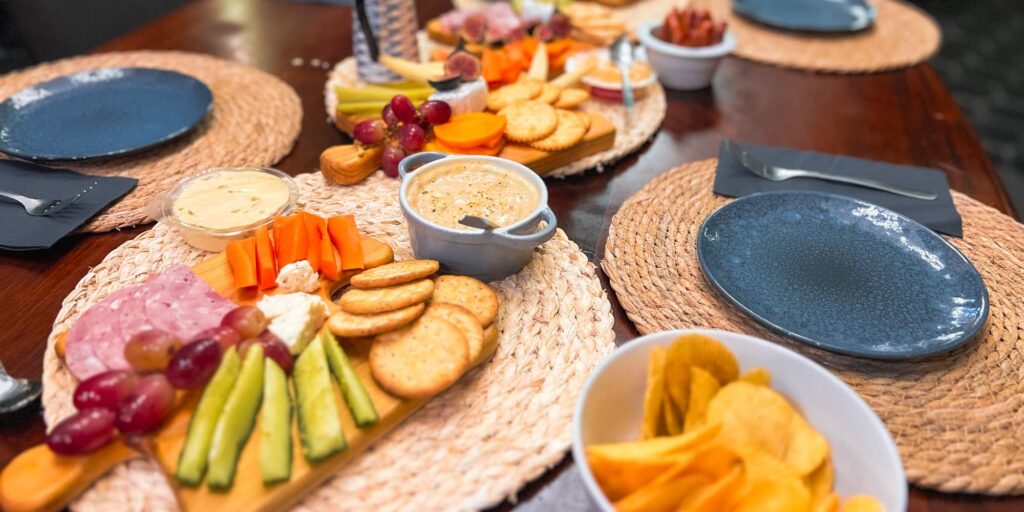
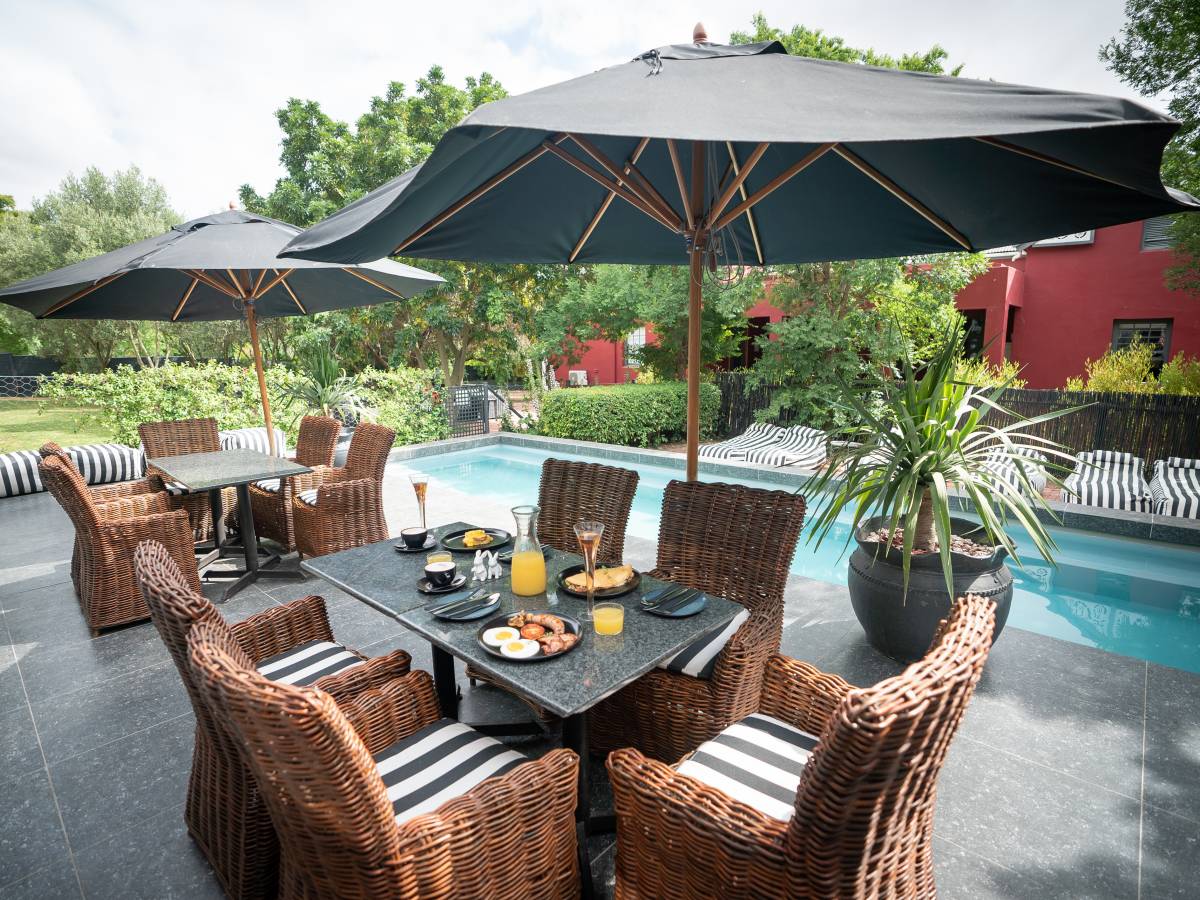
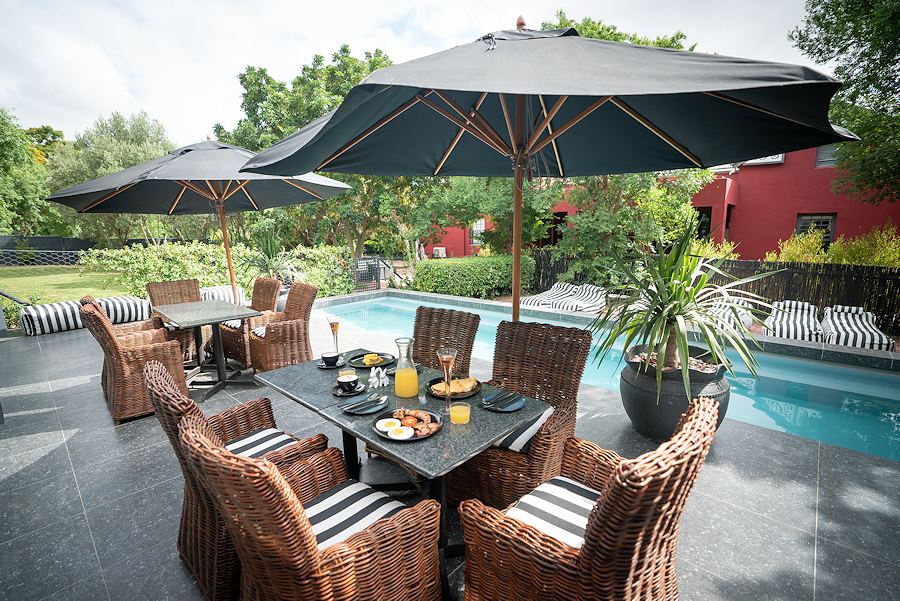
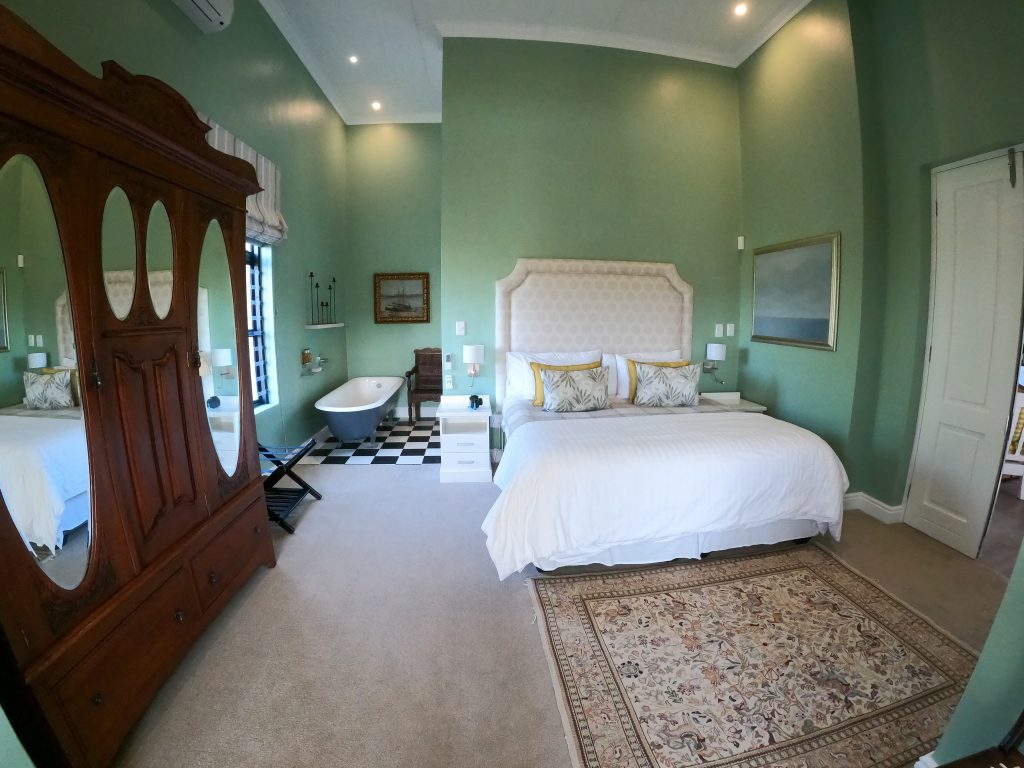
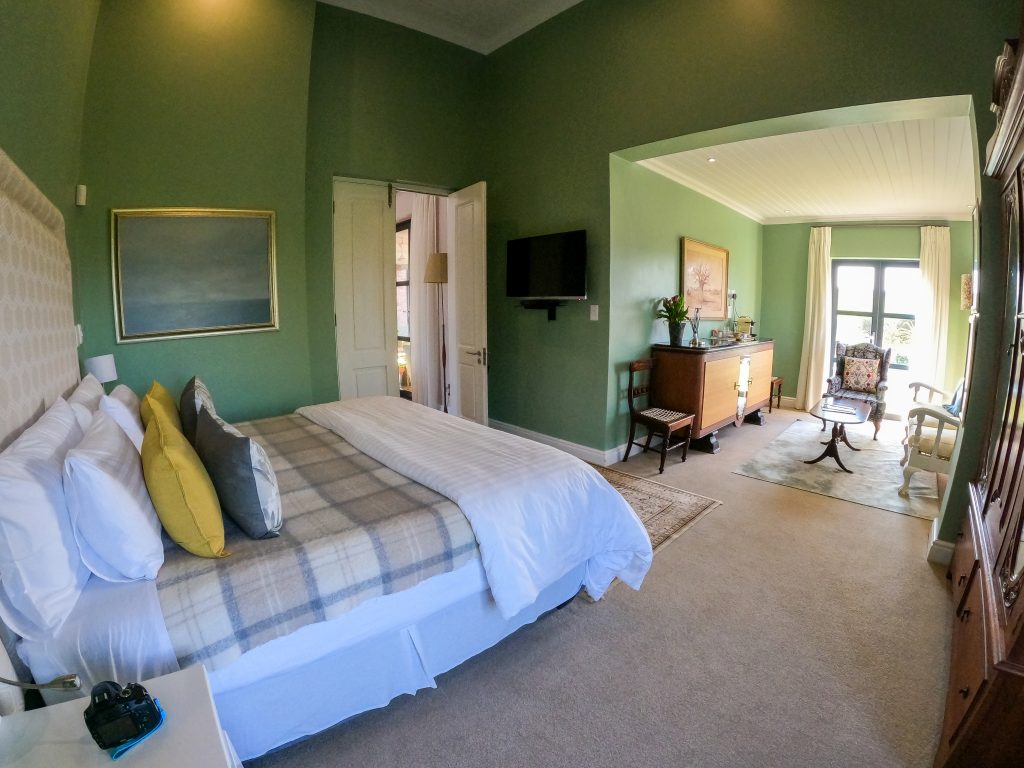
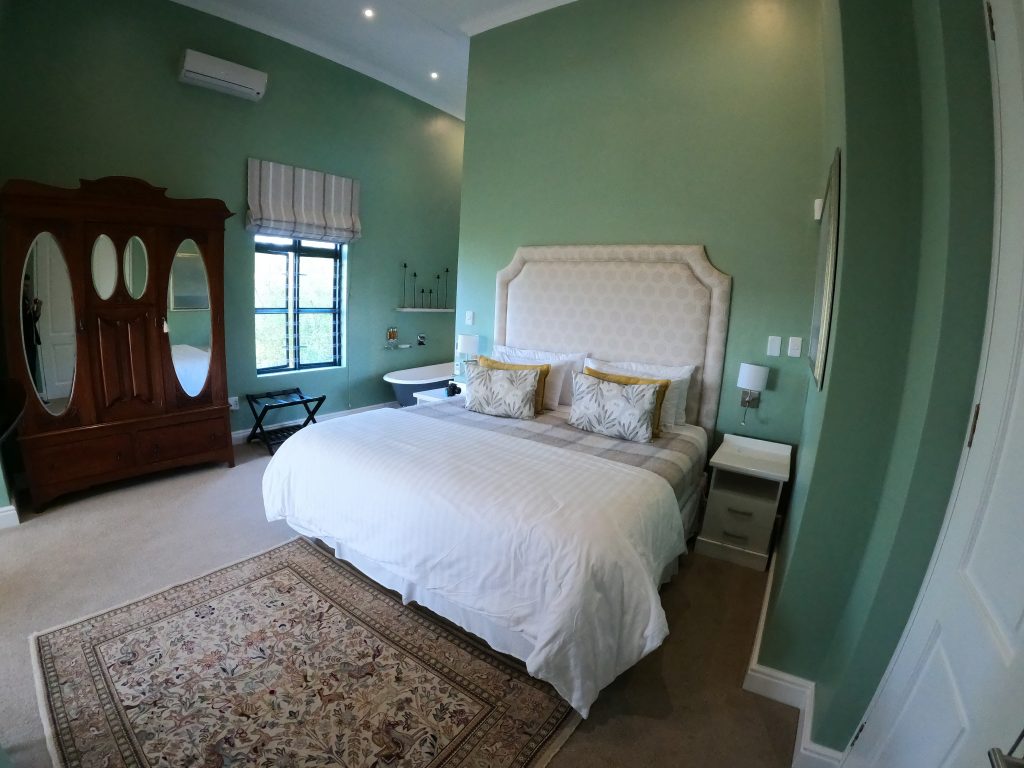
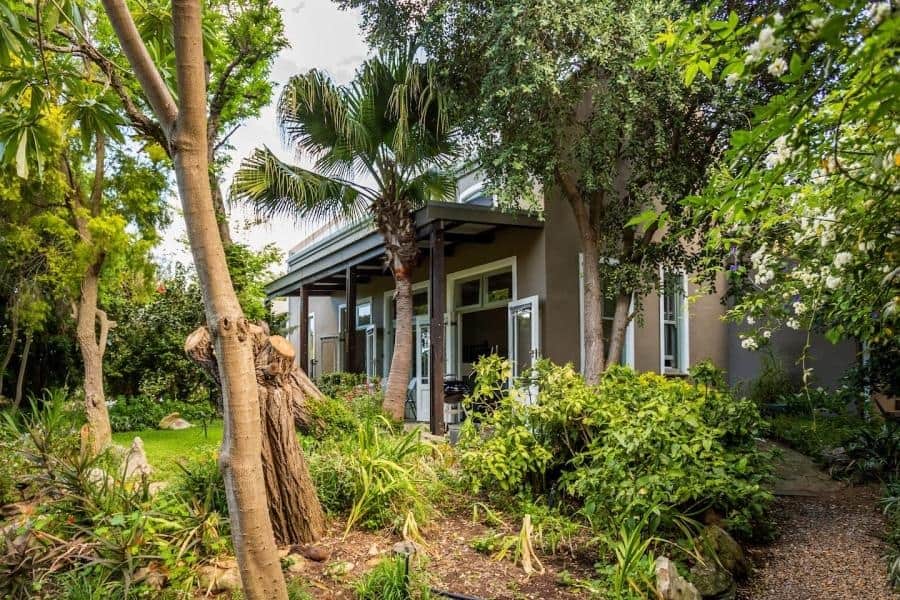
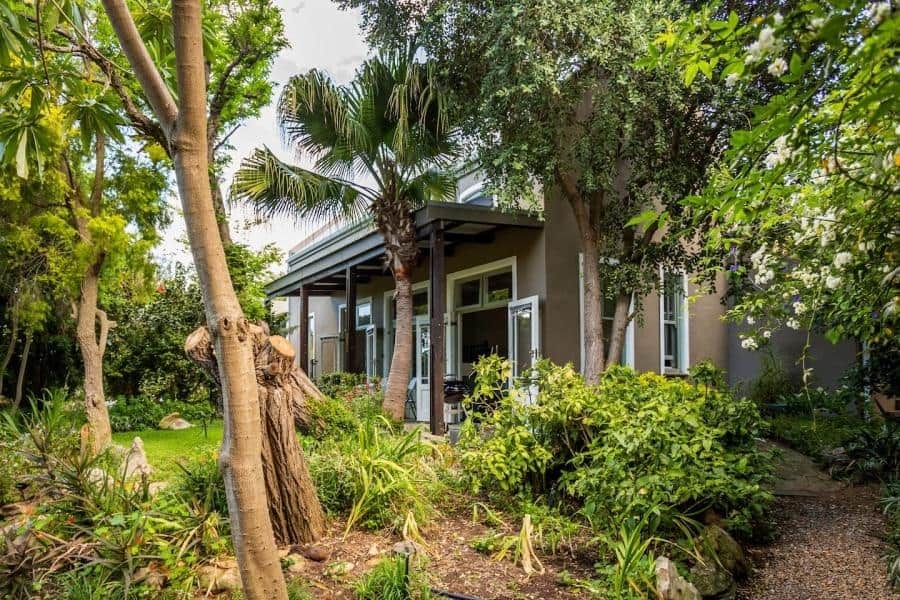
Mid-range guests tend to gravitate toward guesthouses, which average R3,422 per night. These are often restored Cape Dutch homes with enclosed gardens, and several include wine-country breakfast spreads substantial enough to substitute for lunch.
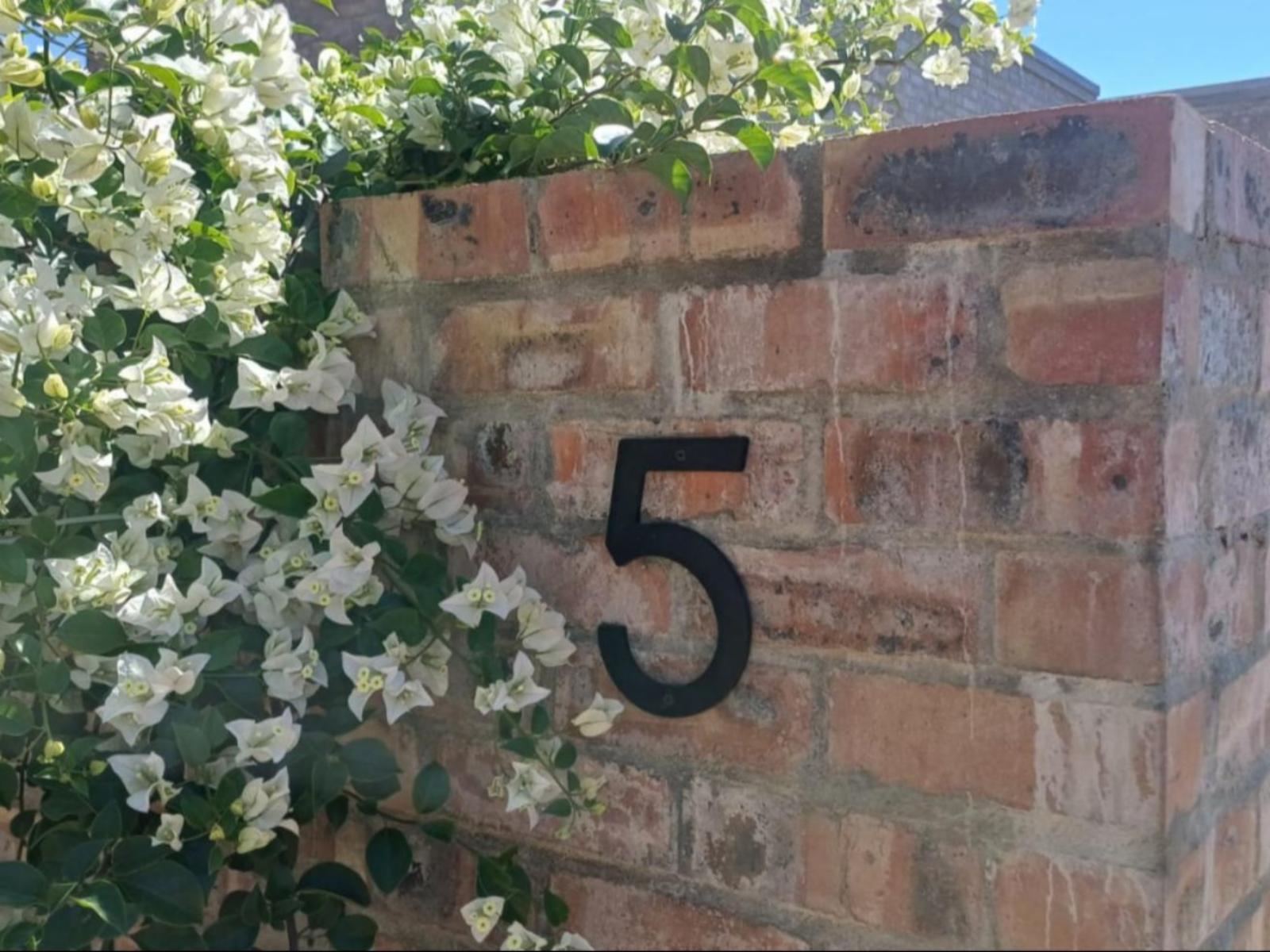
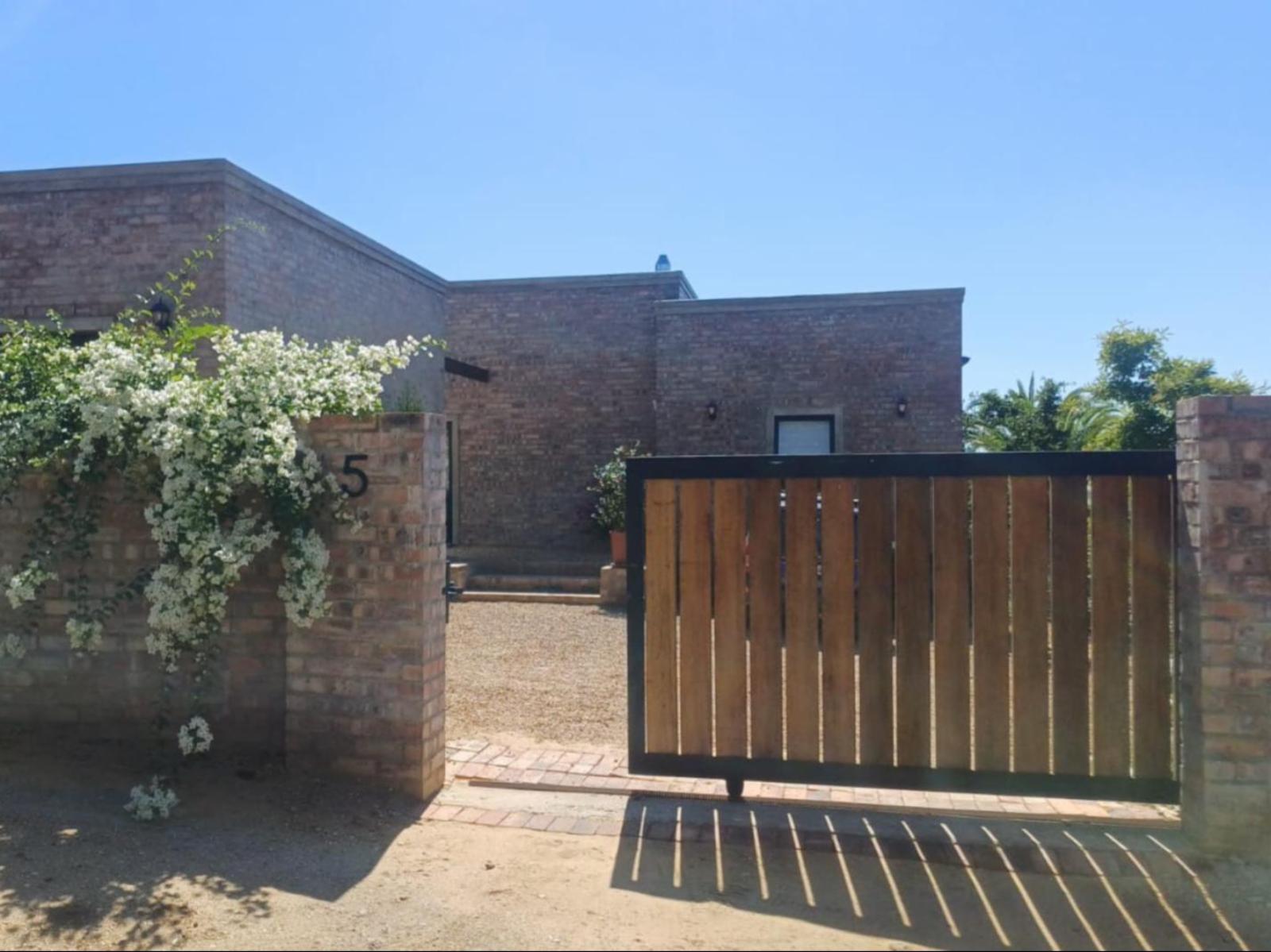
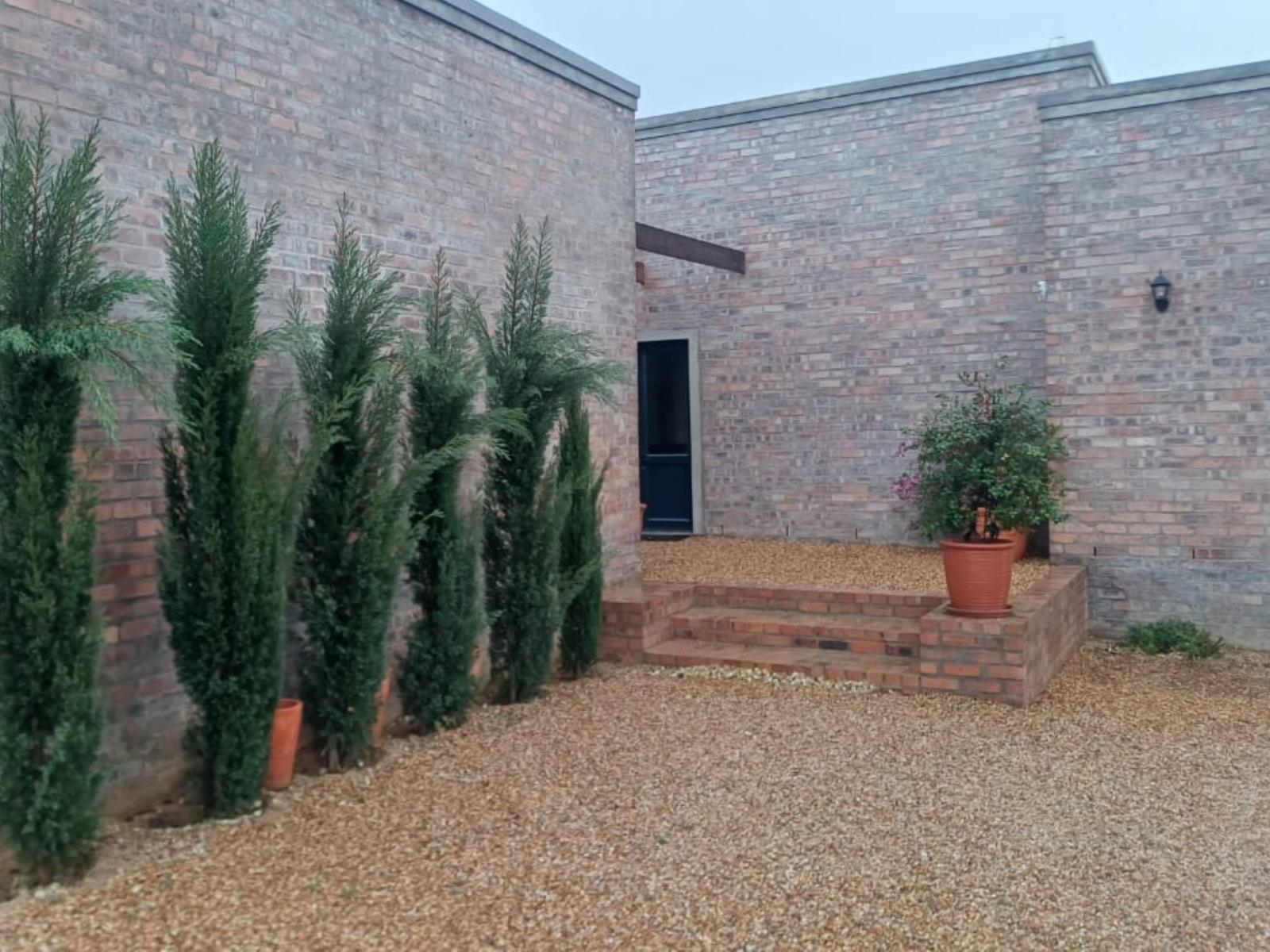
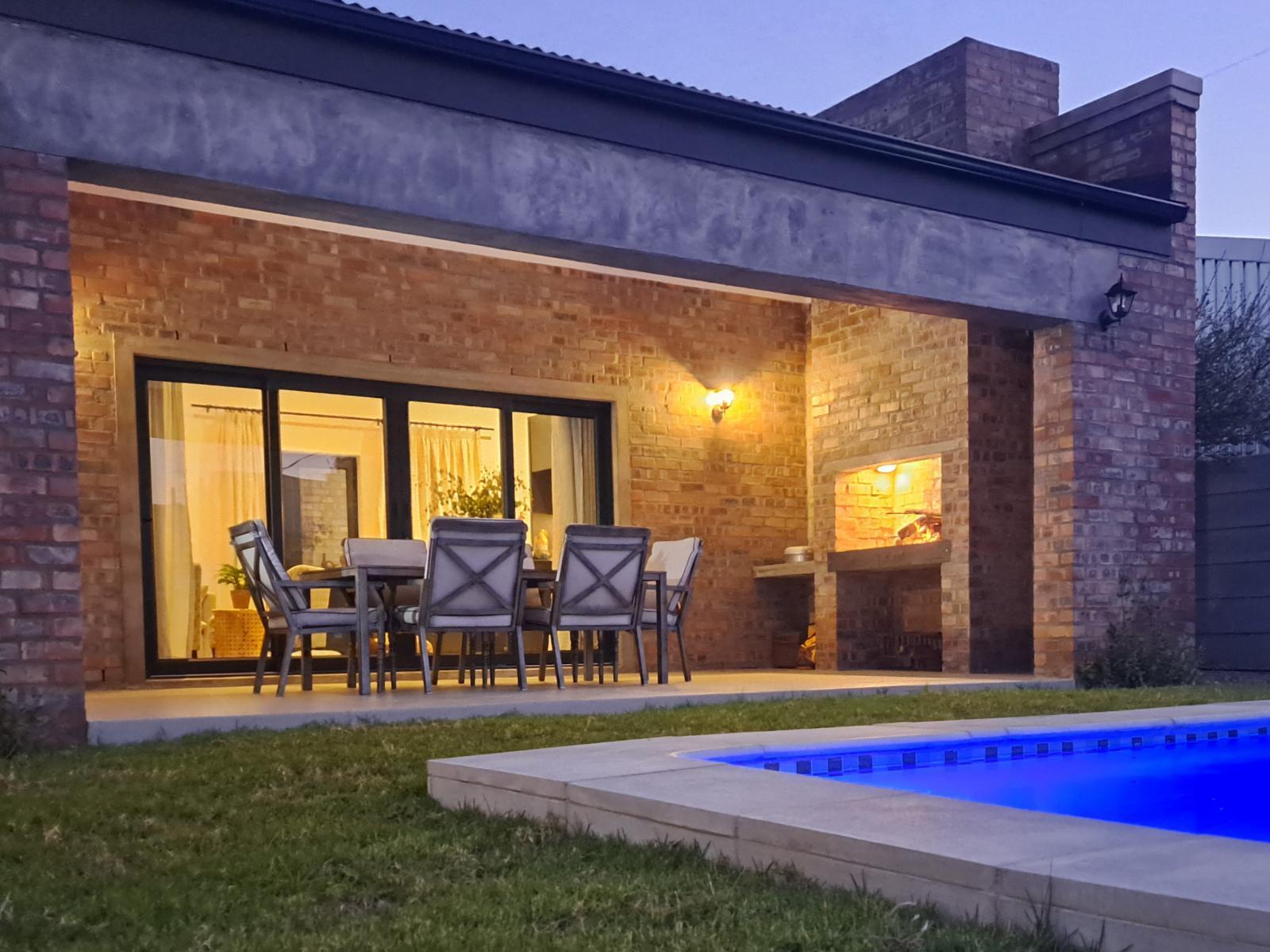
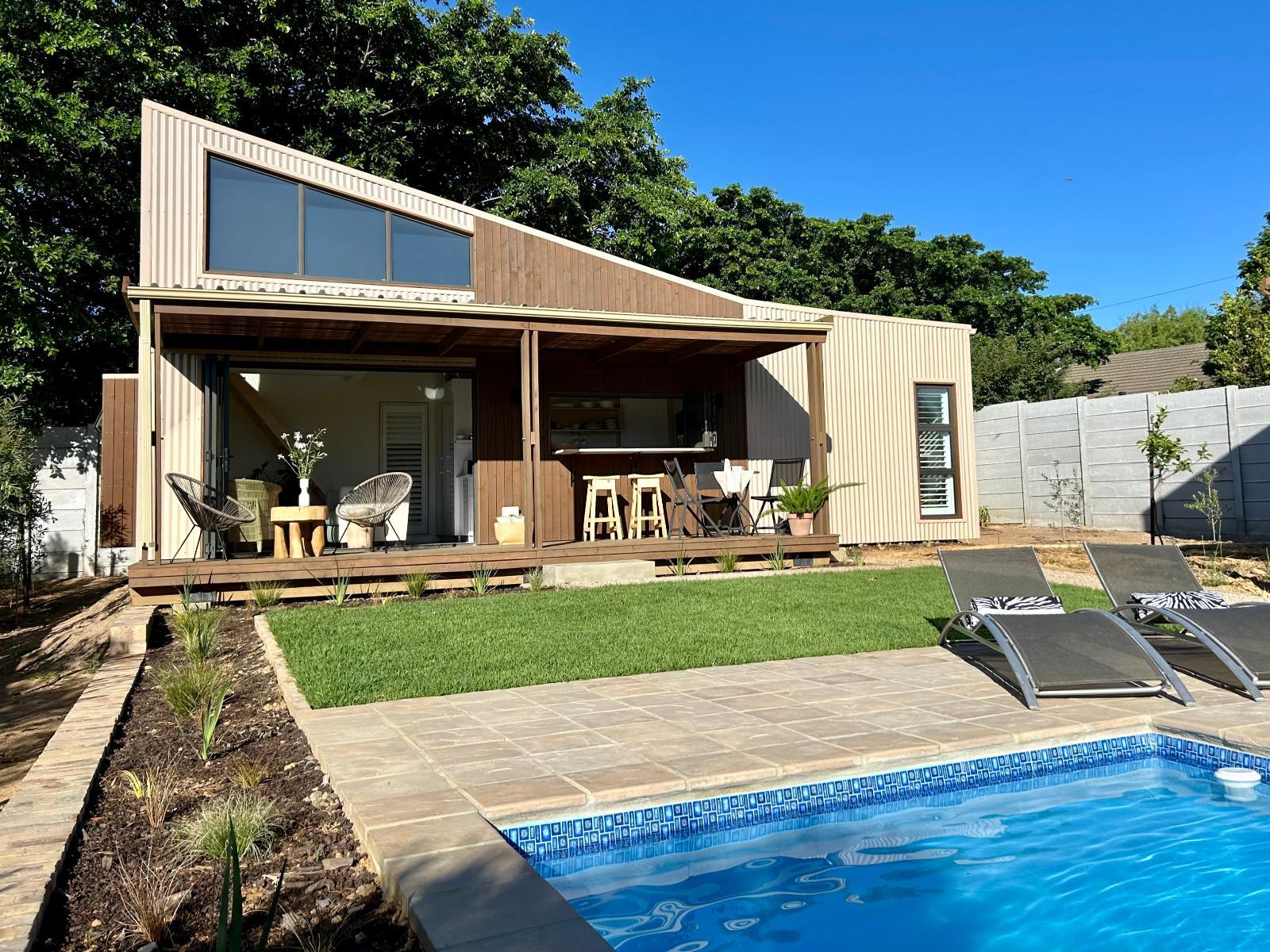
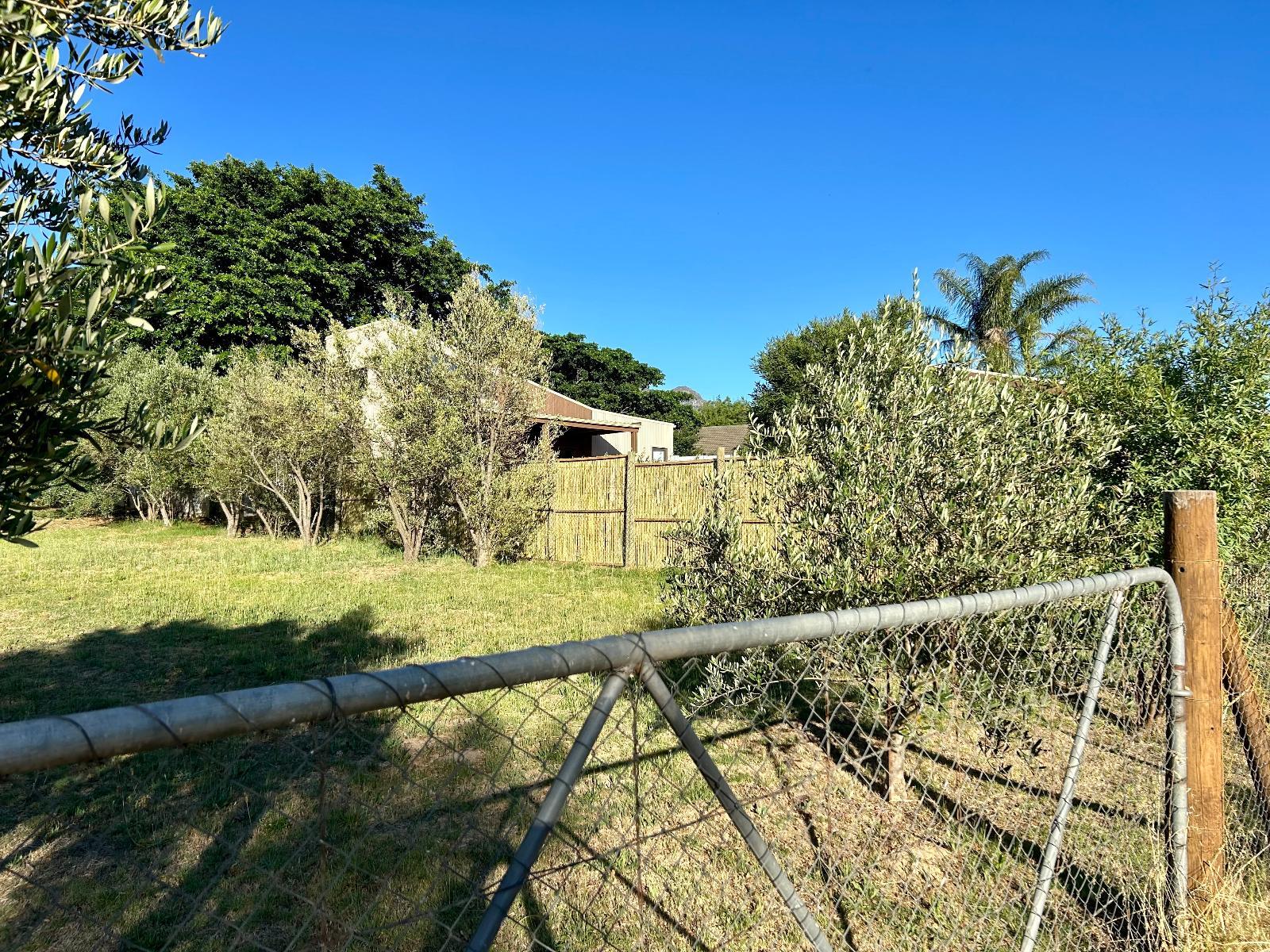
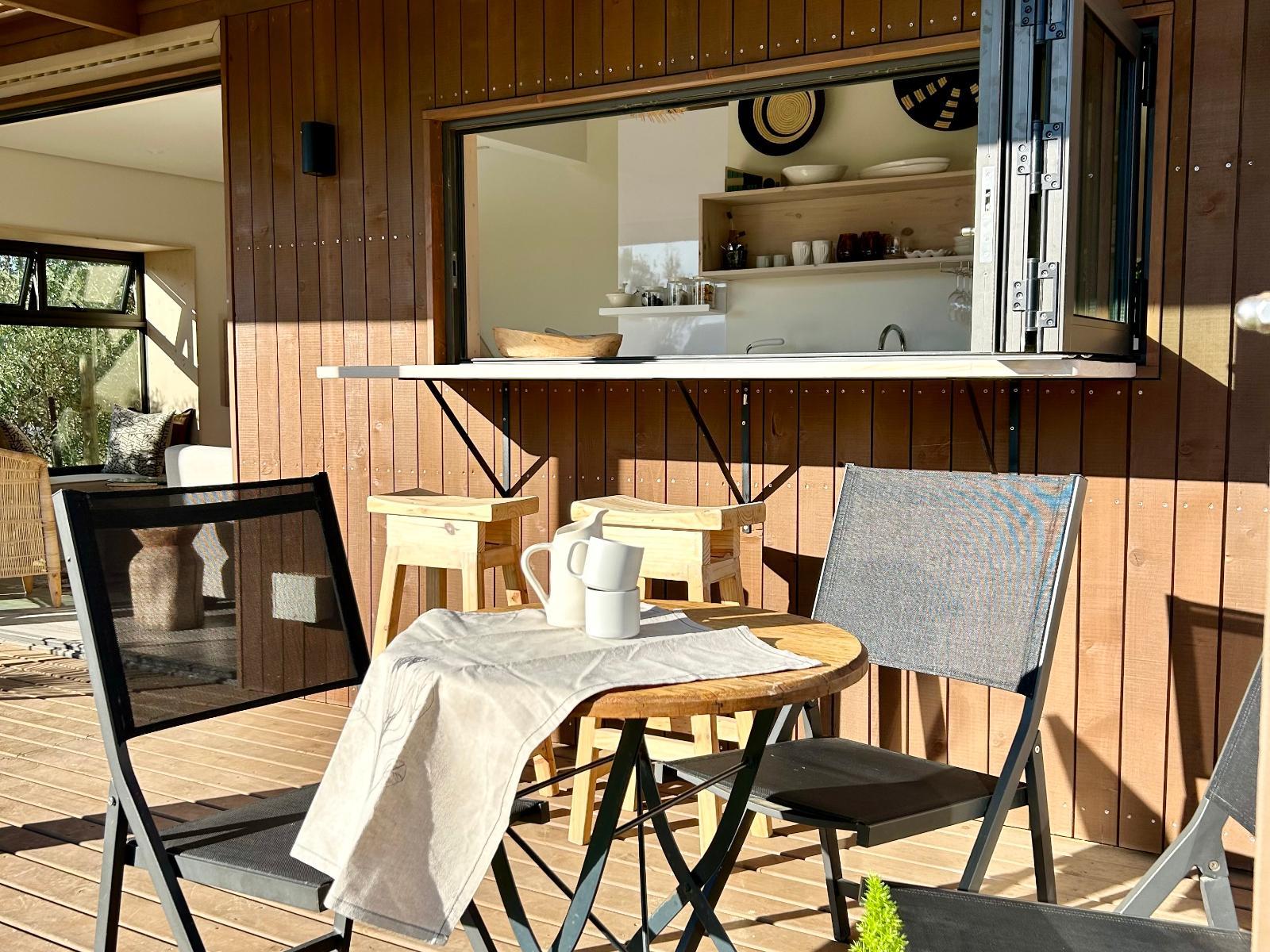
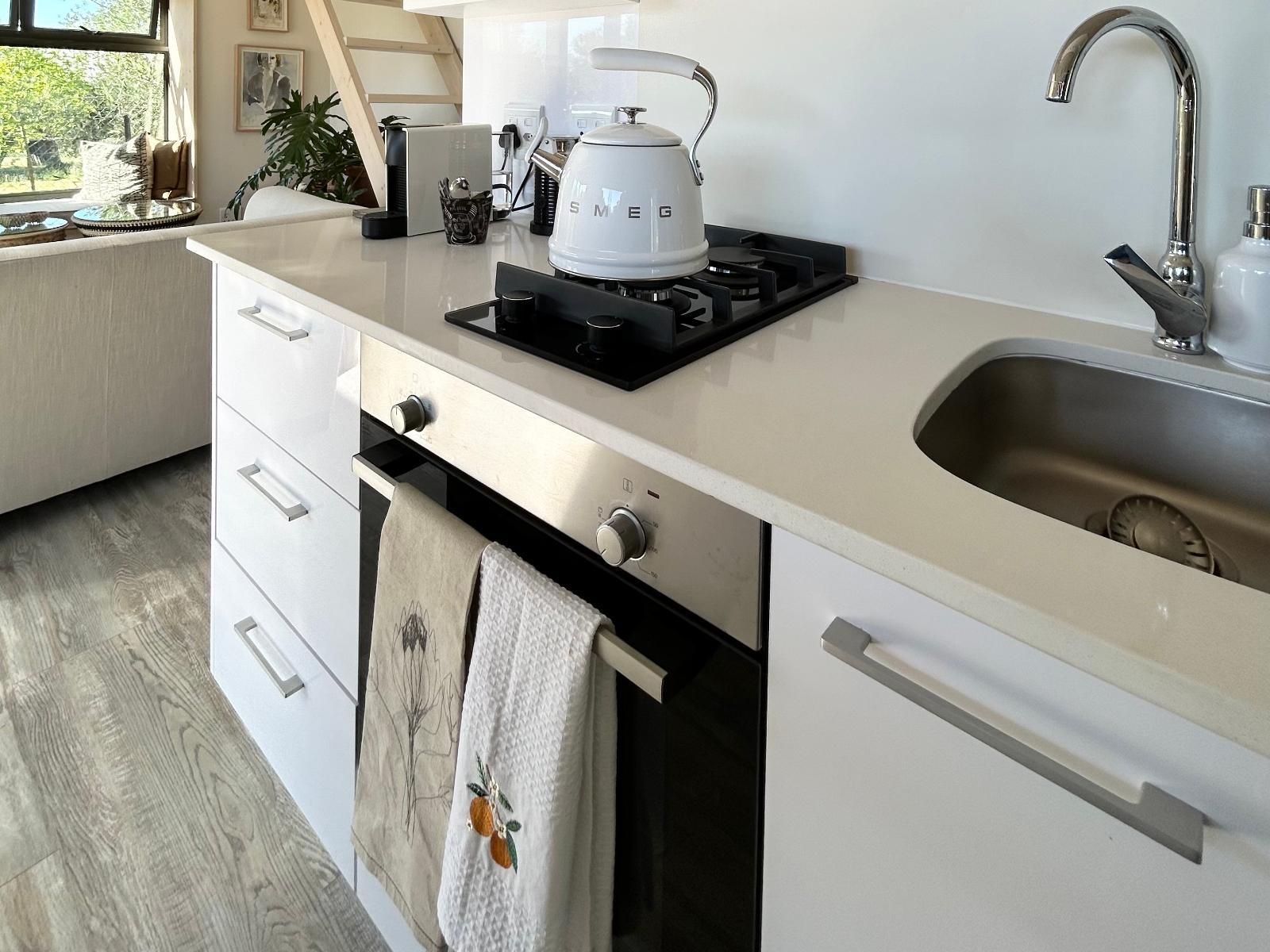
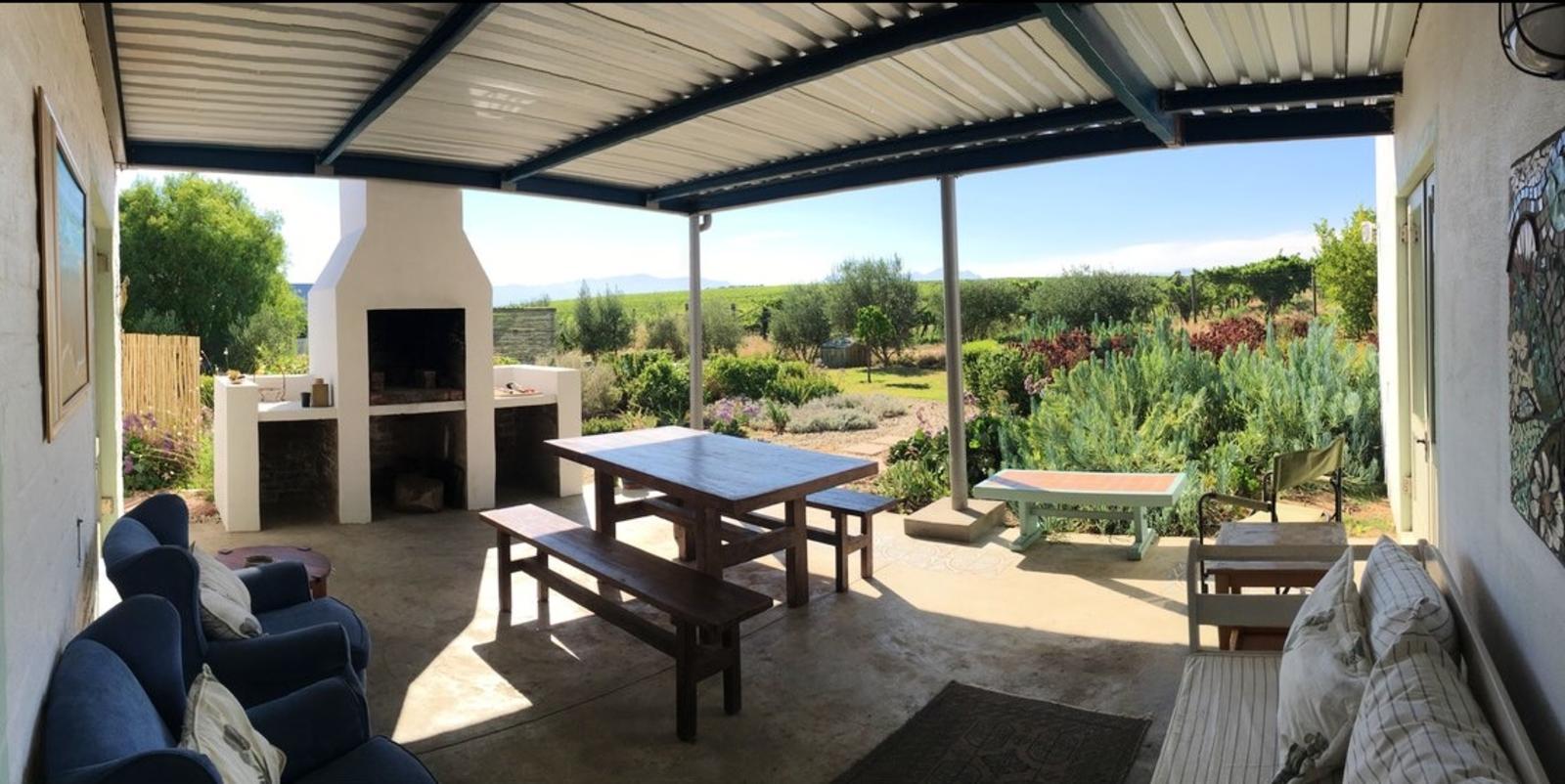
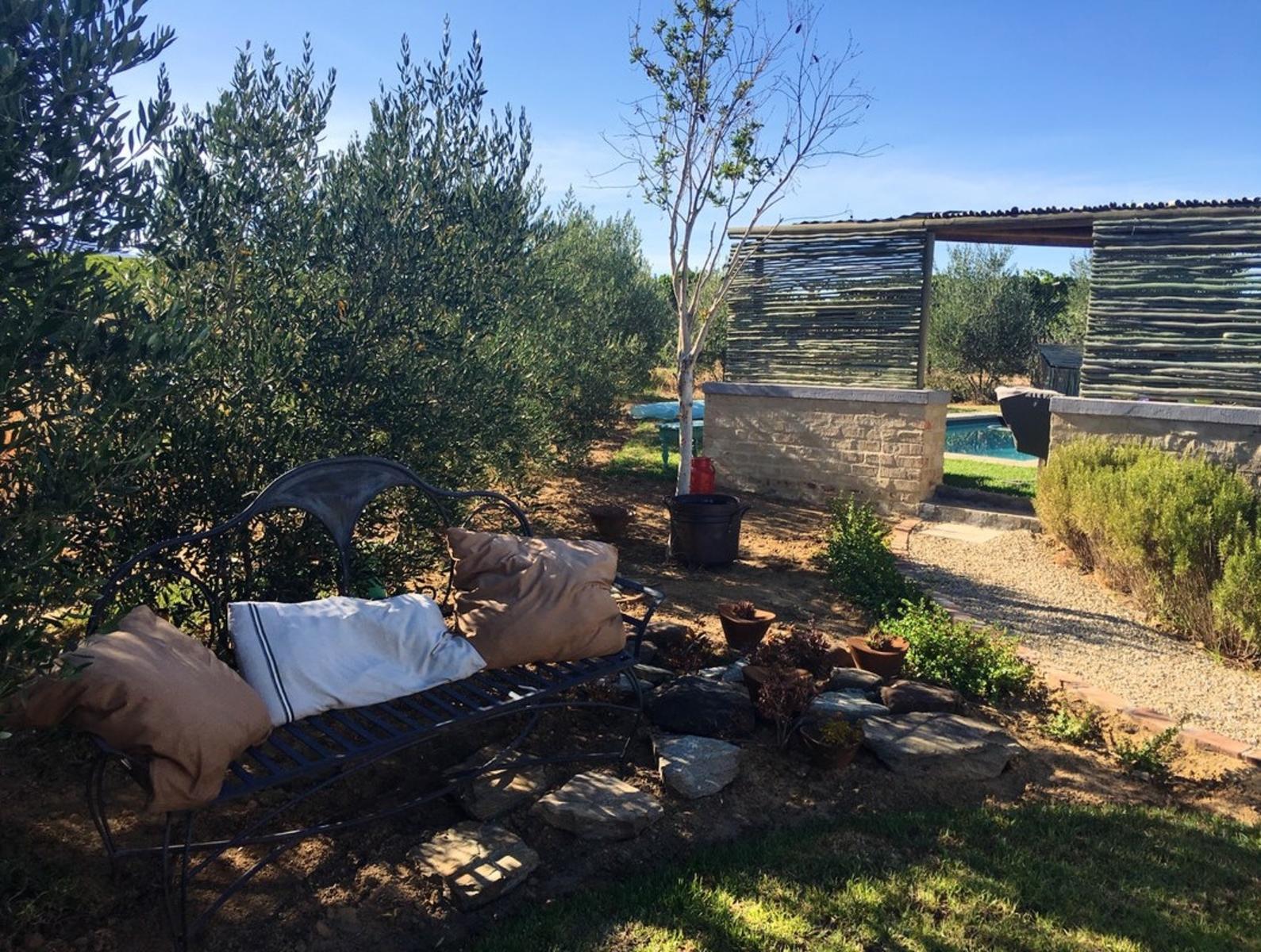
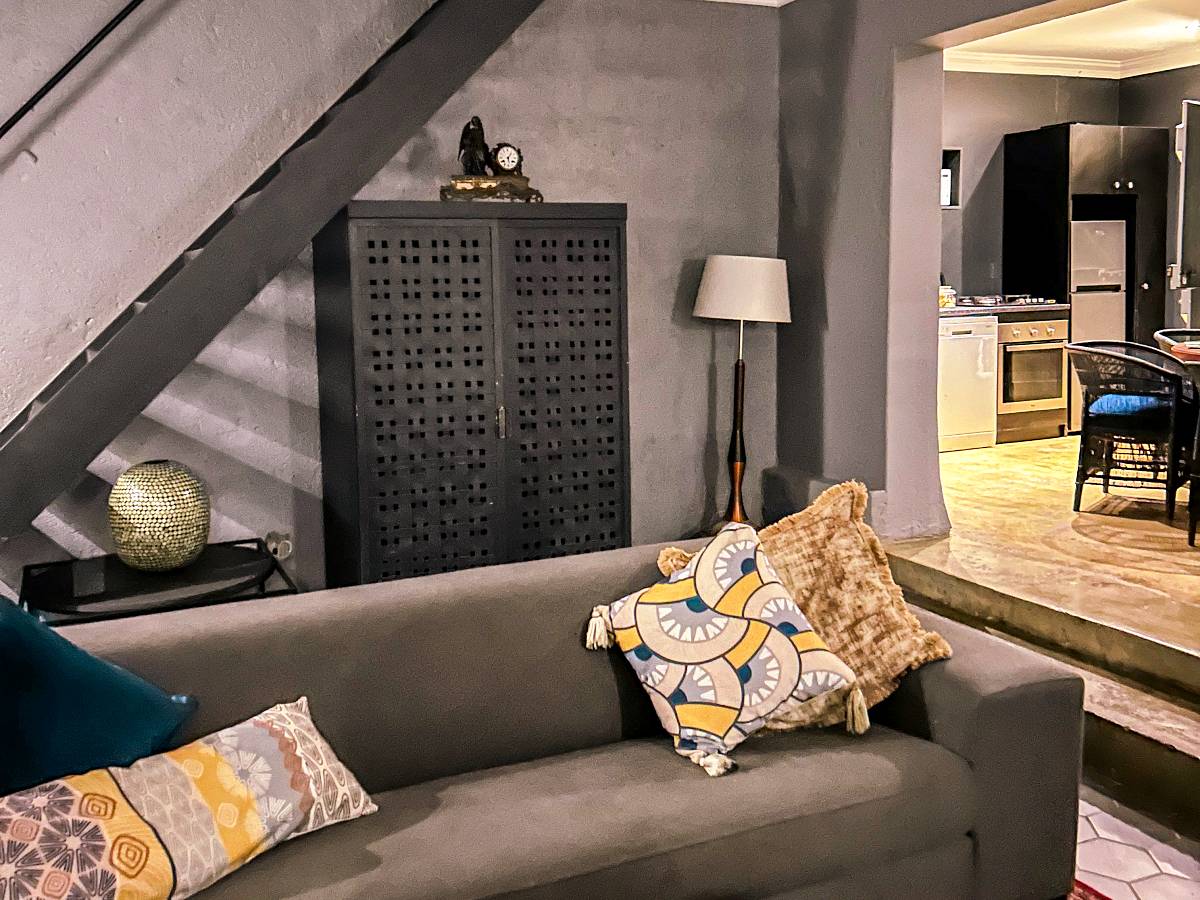
The upper tier is where Riebeek-kasteel distinguishes itself from more commercially developed wine regions. Farm houses, averaging R4,267 per night, place guests directly on working properties, where mornings might involve watching harvest operations or picking olives before tasting the estate's oil. Self-catering options average similarly at R4,233 and offer comparable countryside settings with the flexibility to cook in, source produce from local markets, and stay for longer stretches without the structure of hosted accommodation. A small number of cottages round out the selection, generally tucked into farm or garden settings.
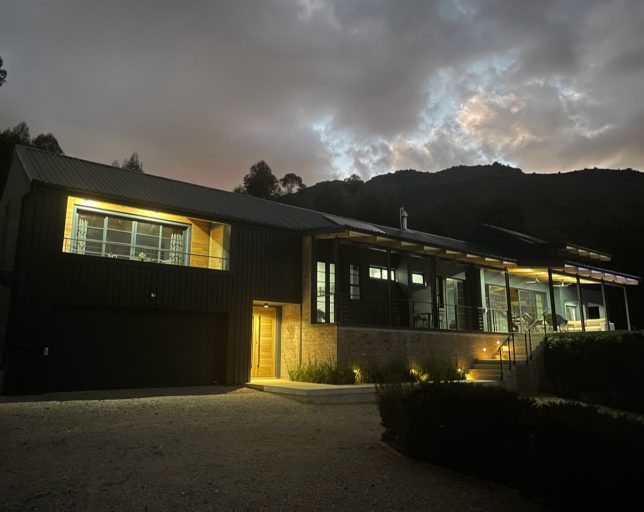
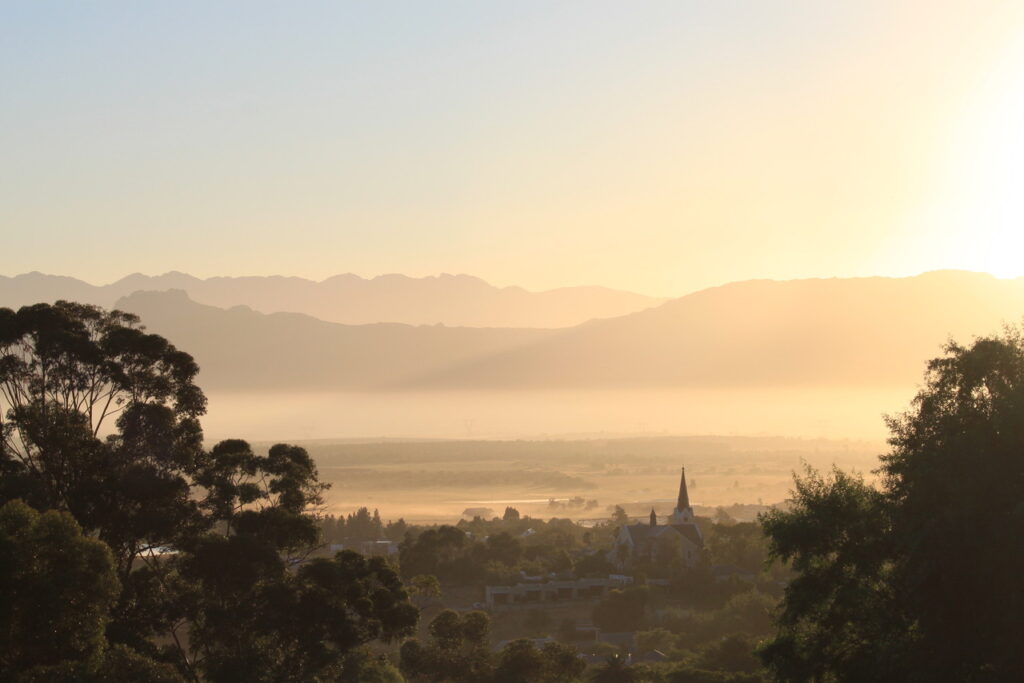
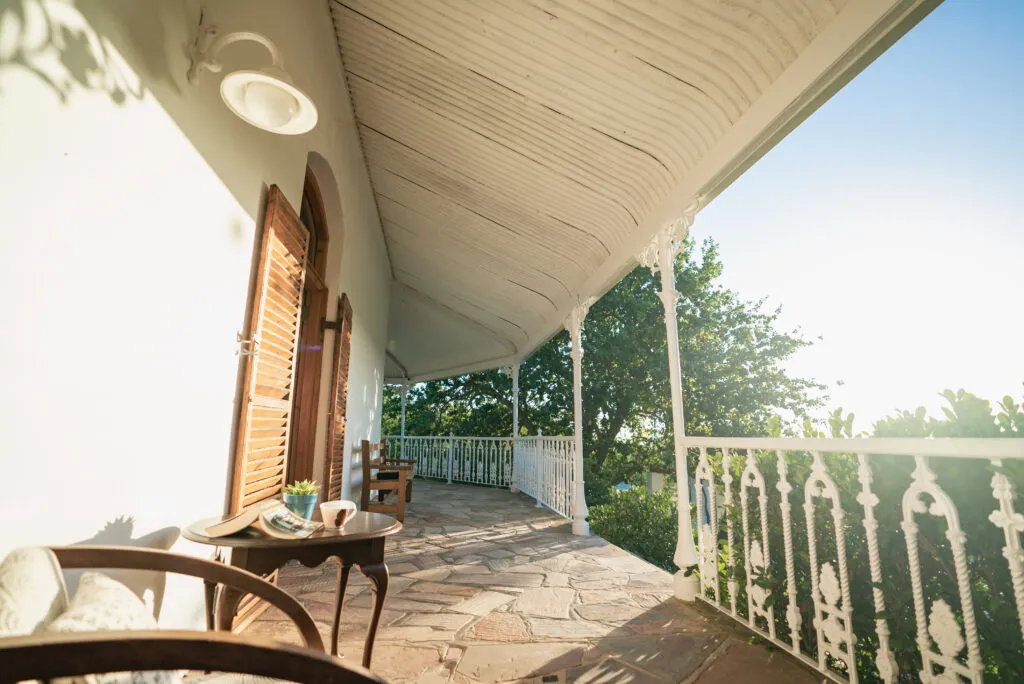
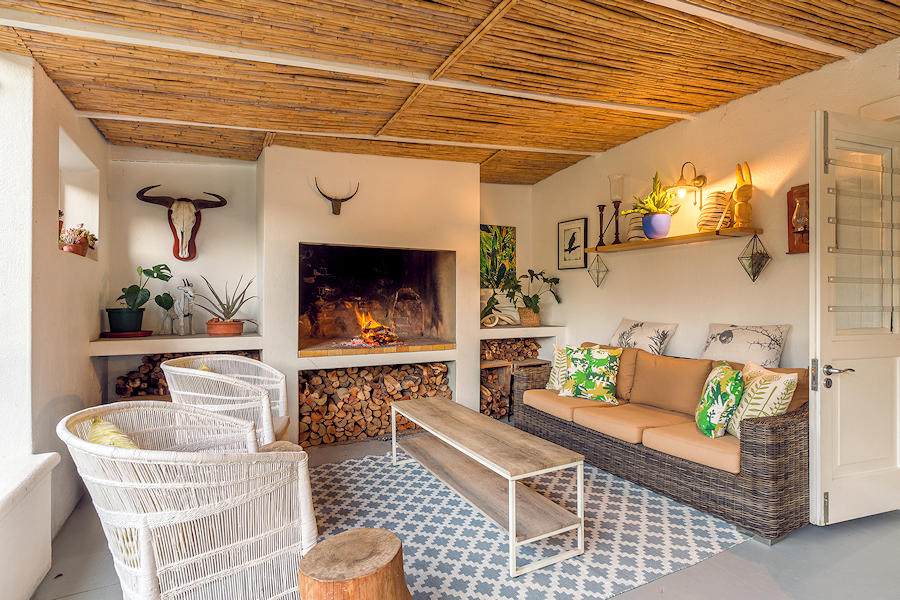
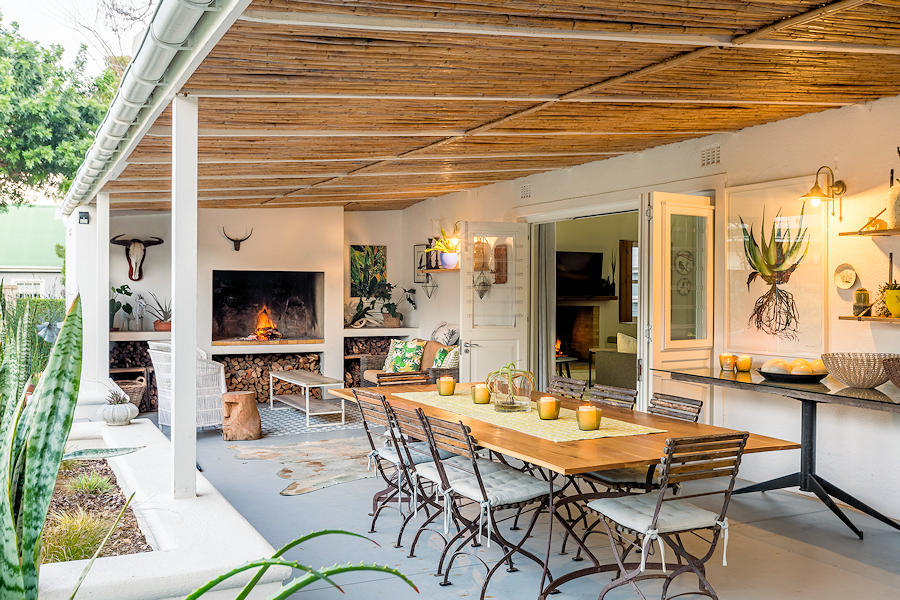
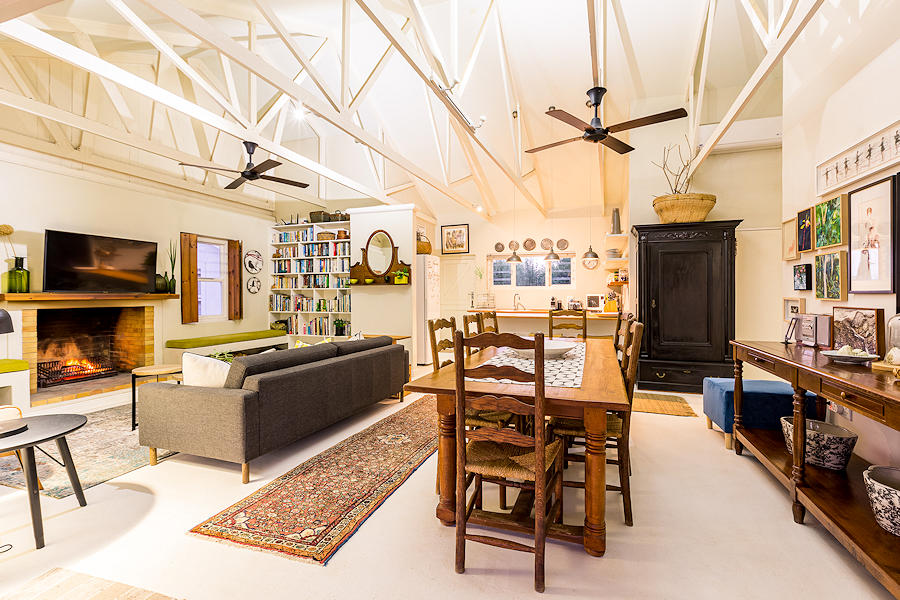
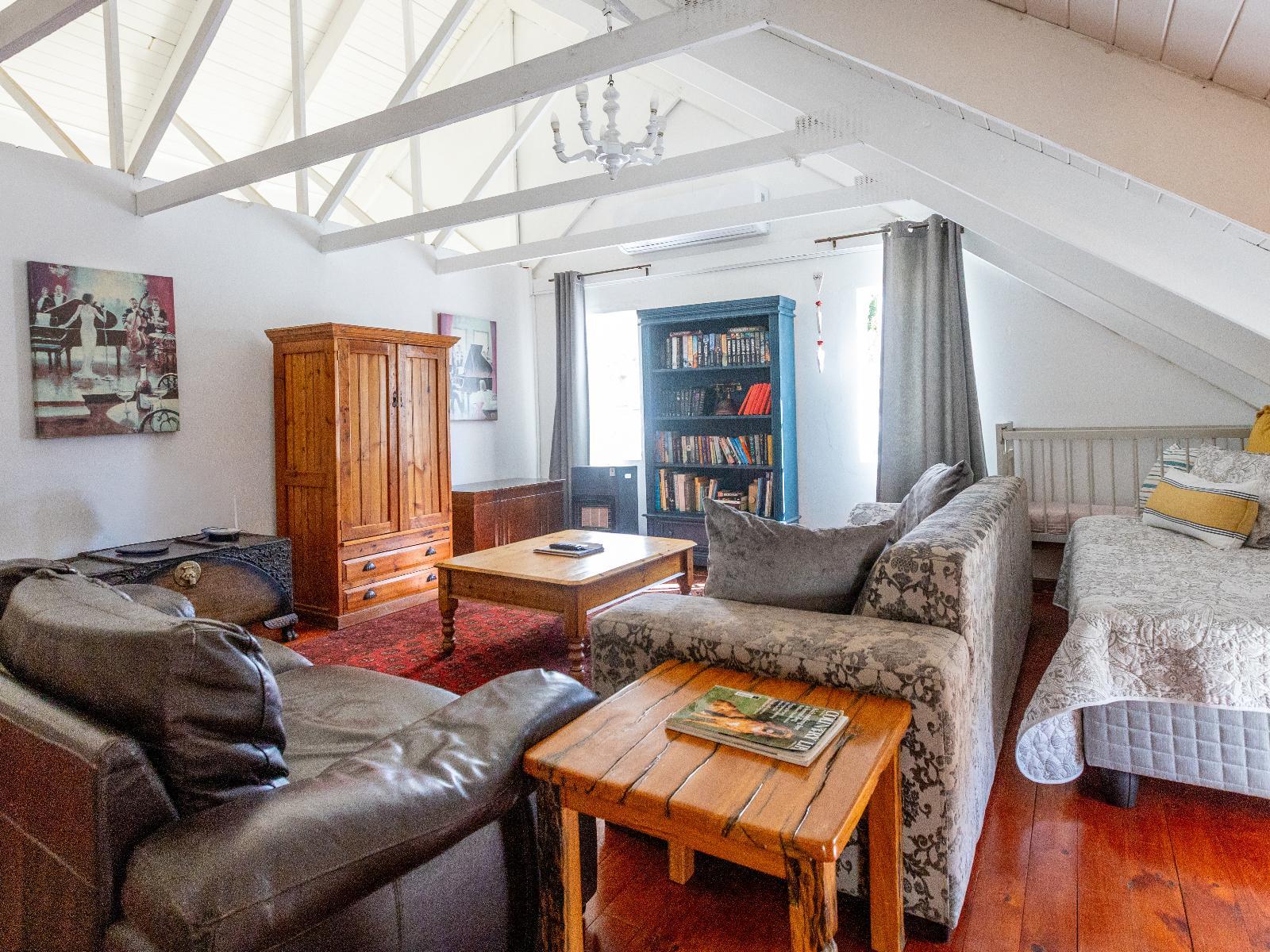
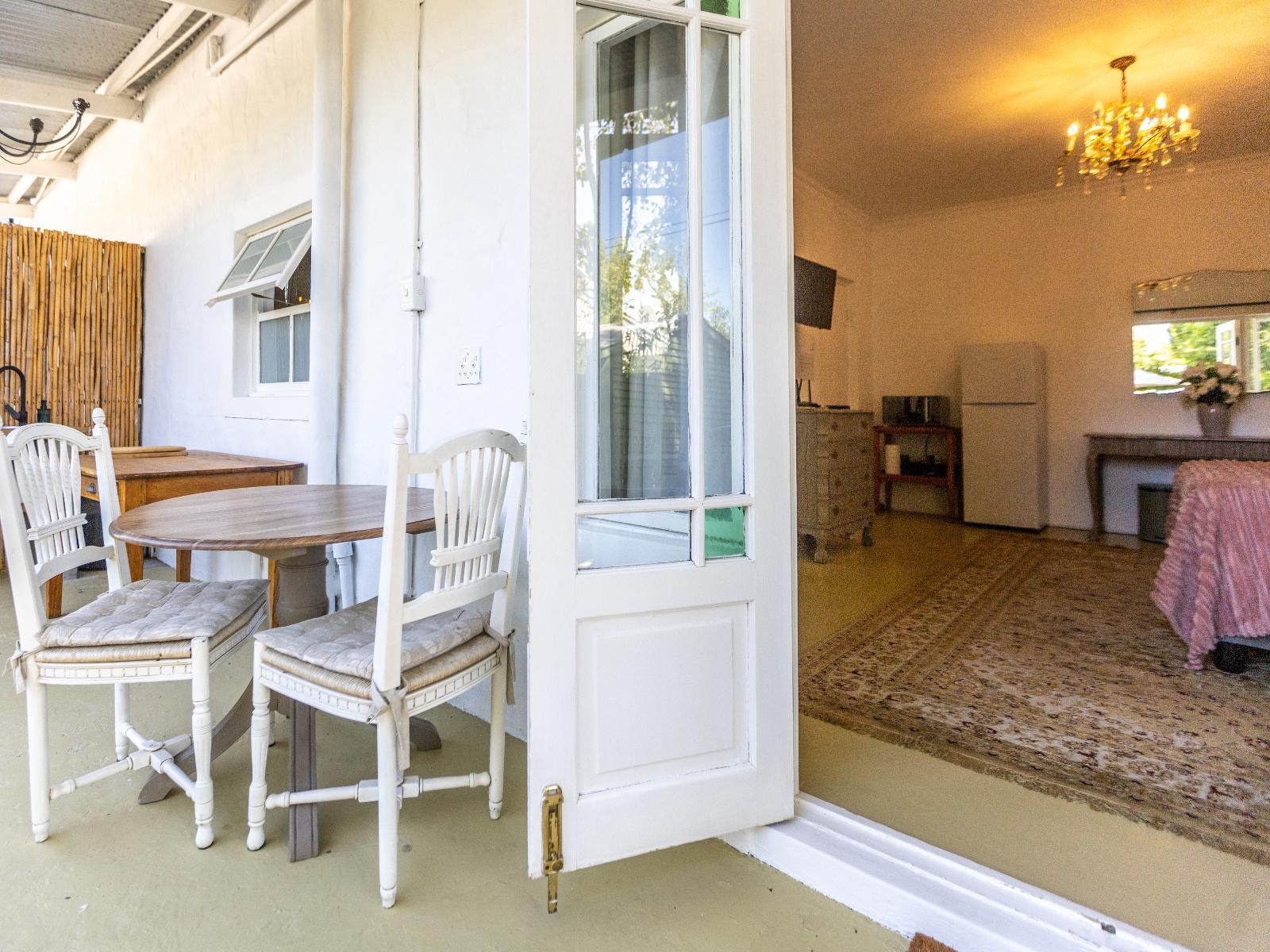
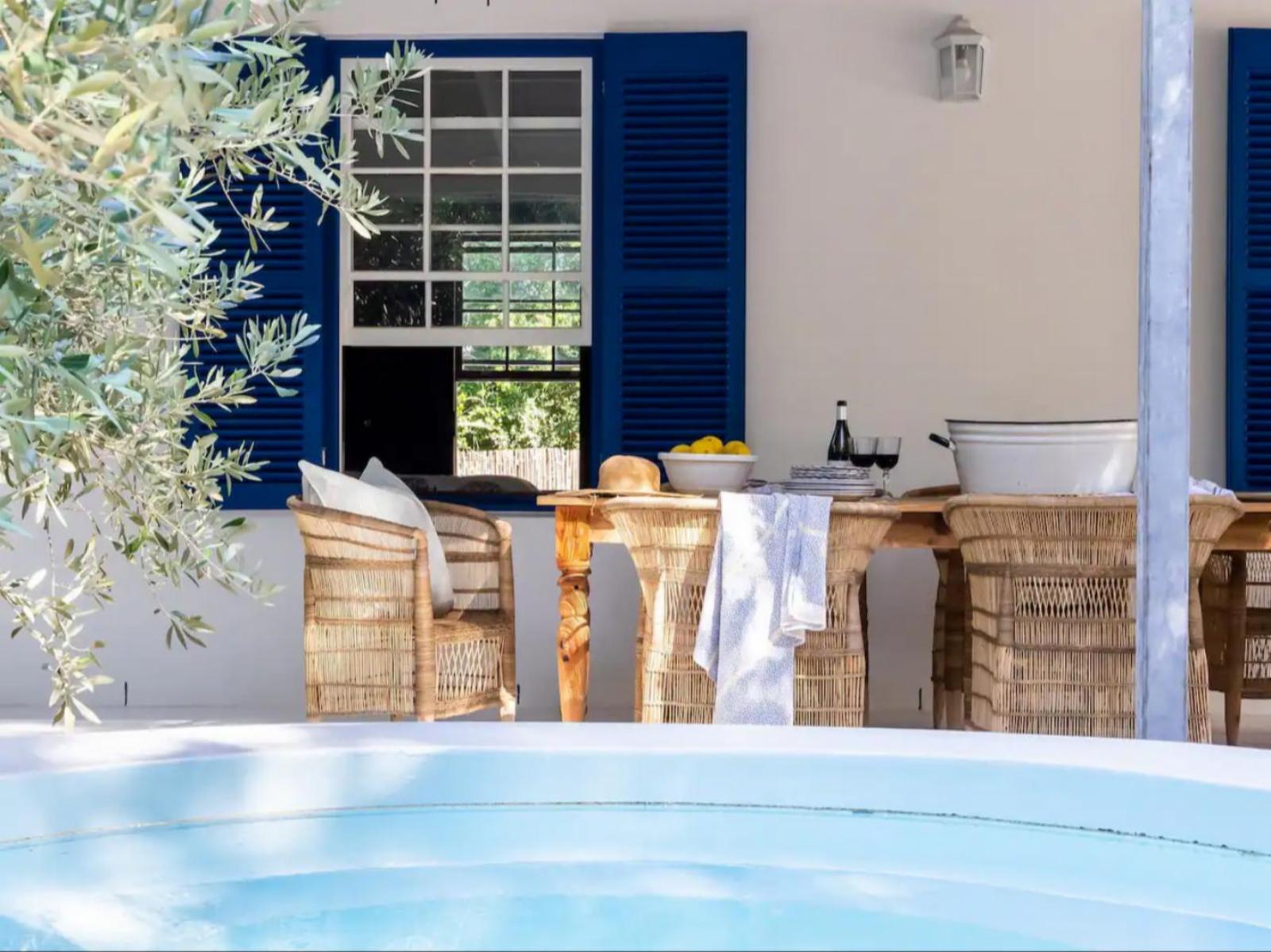
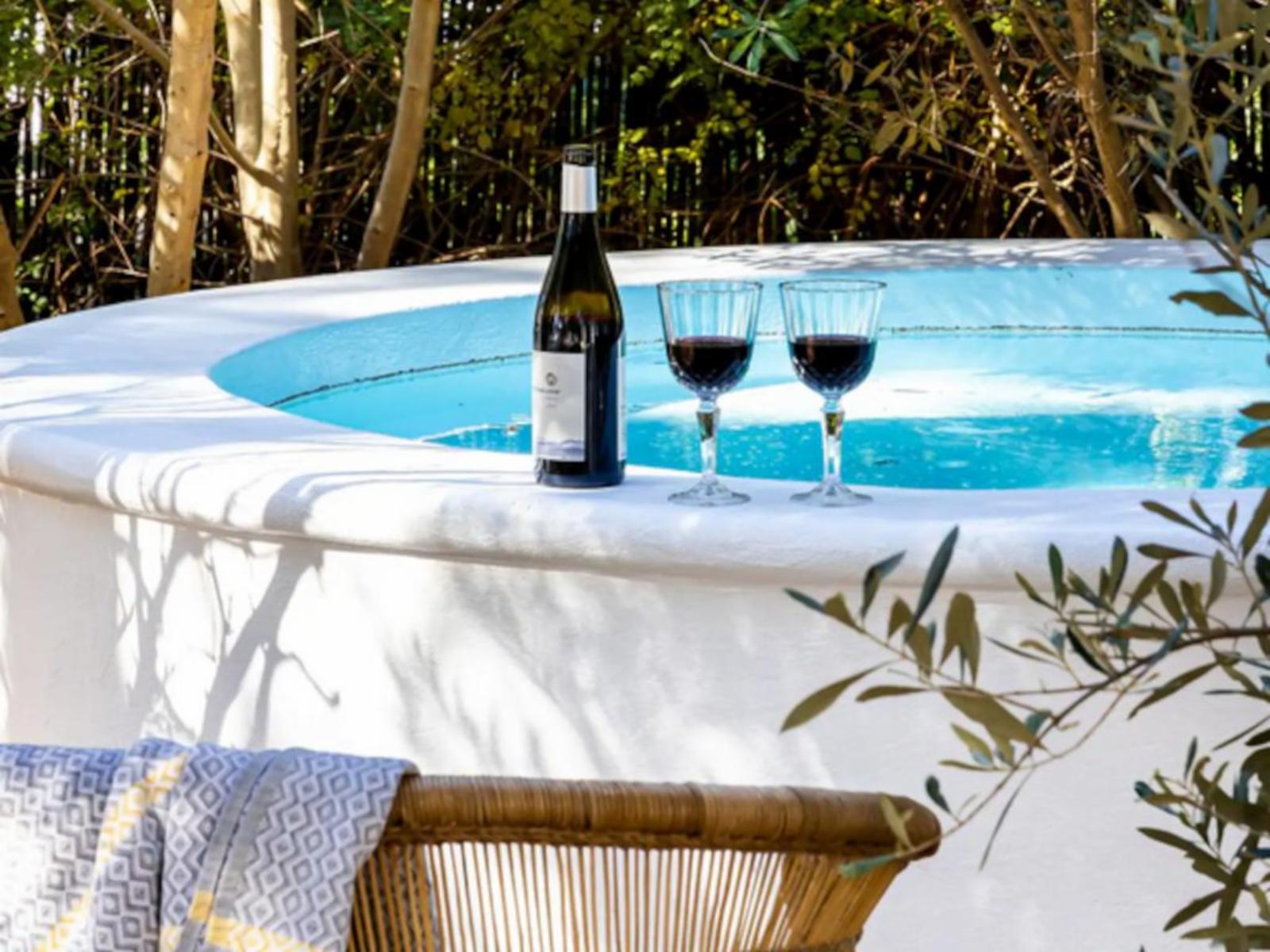
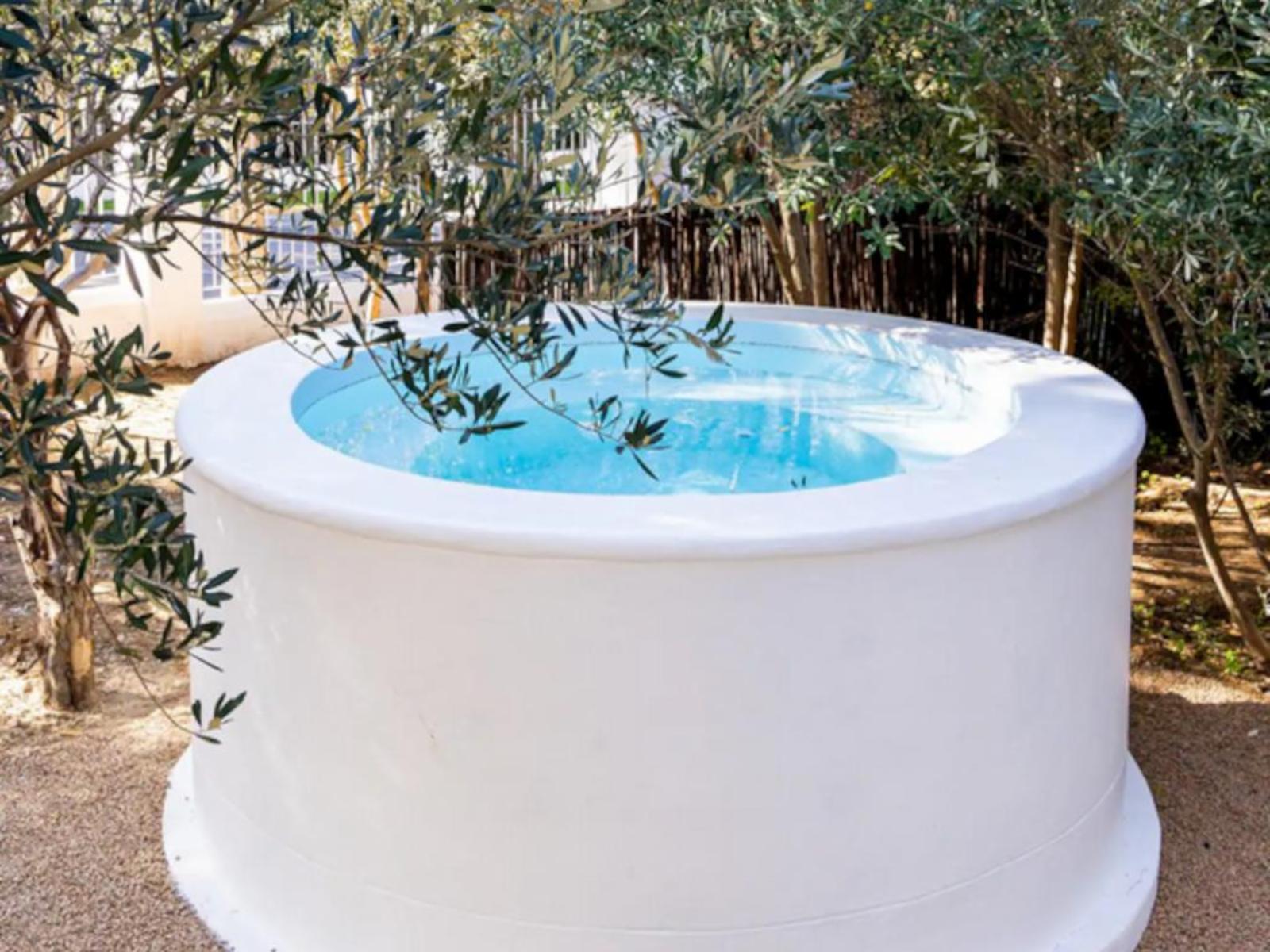
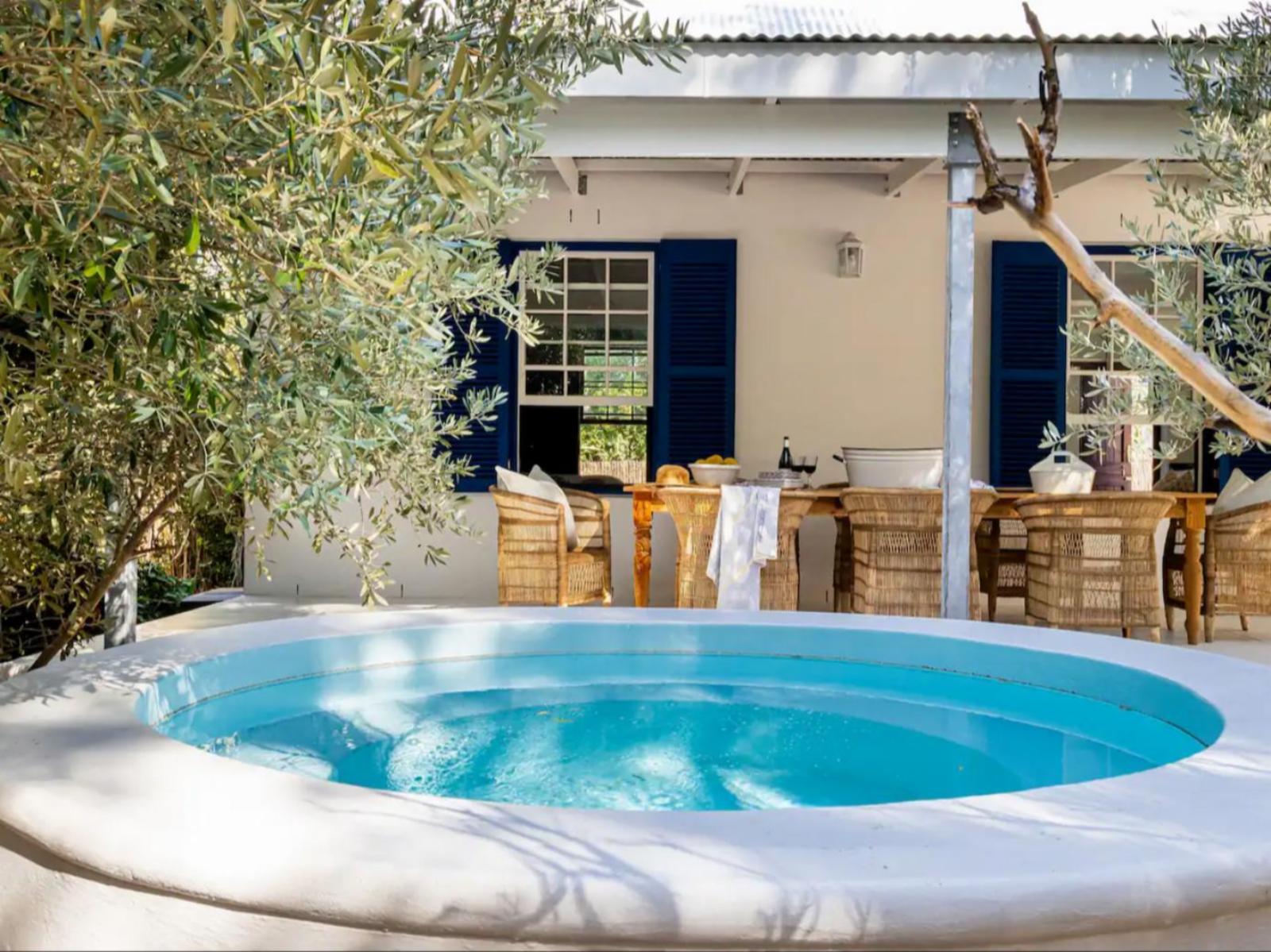
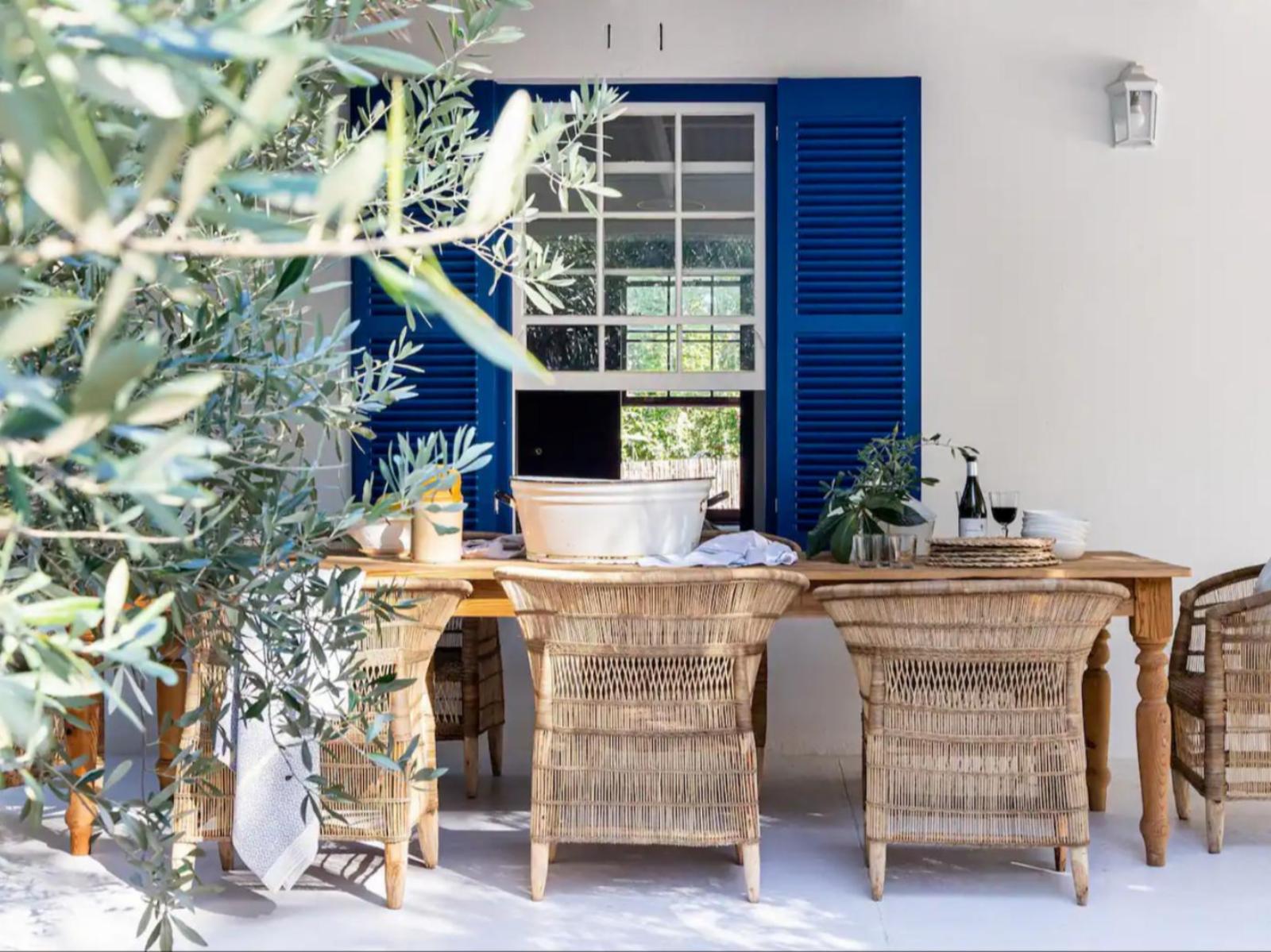
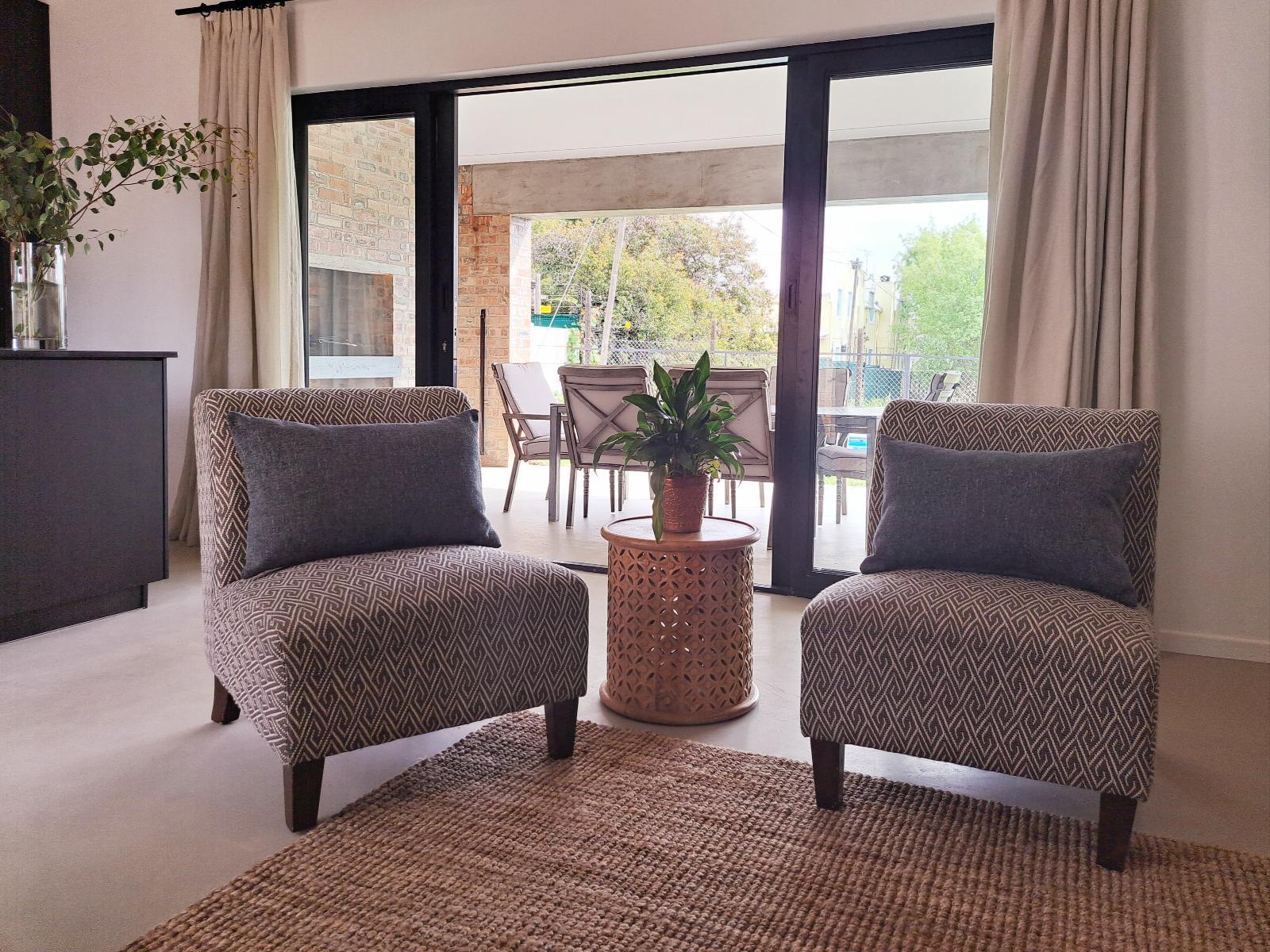
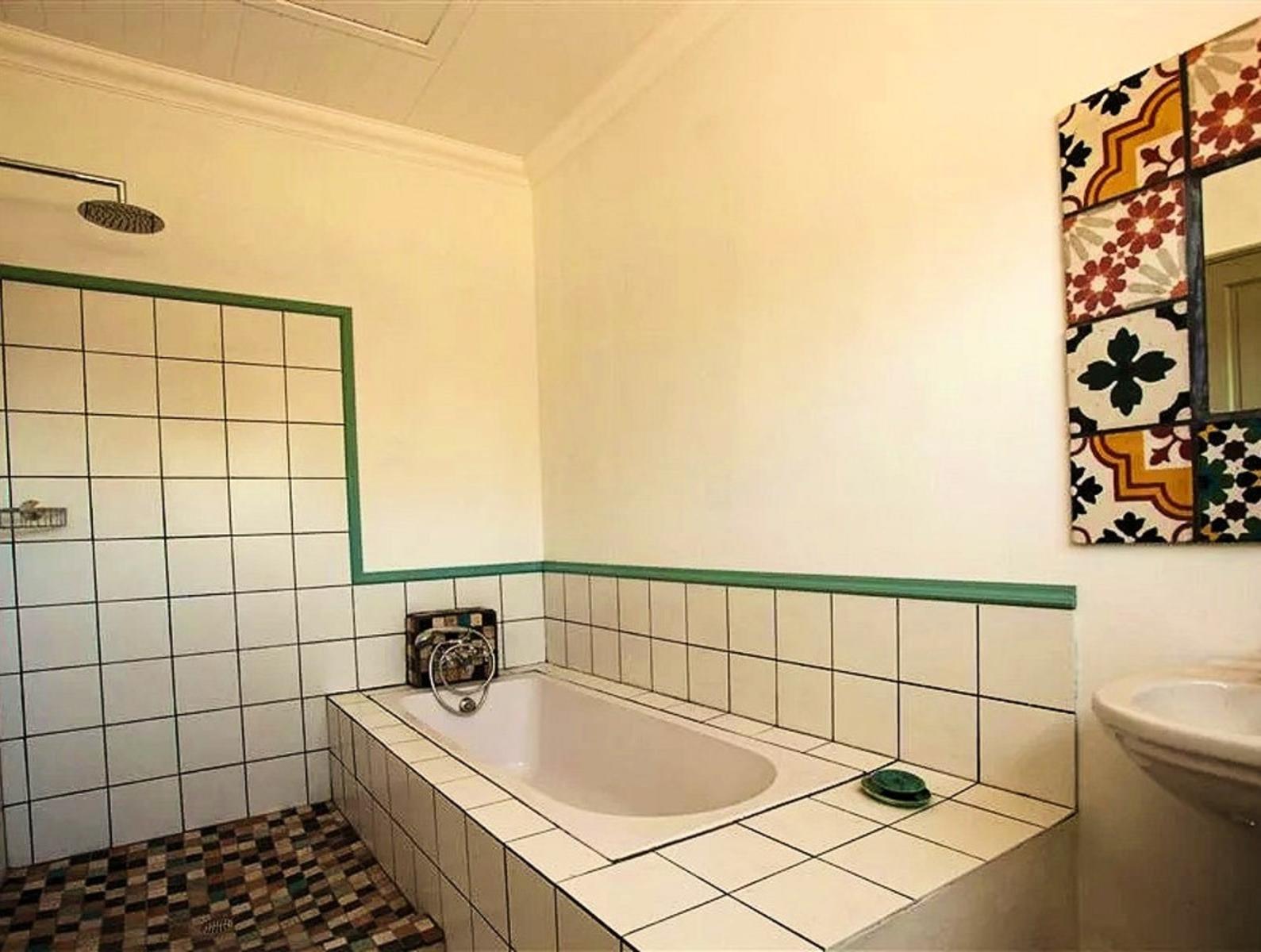
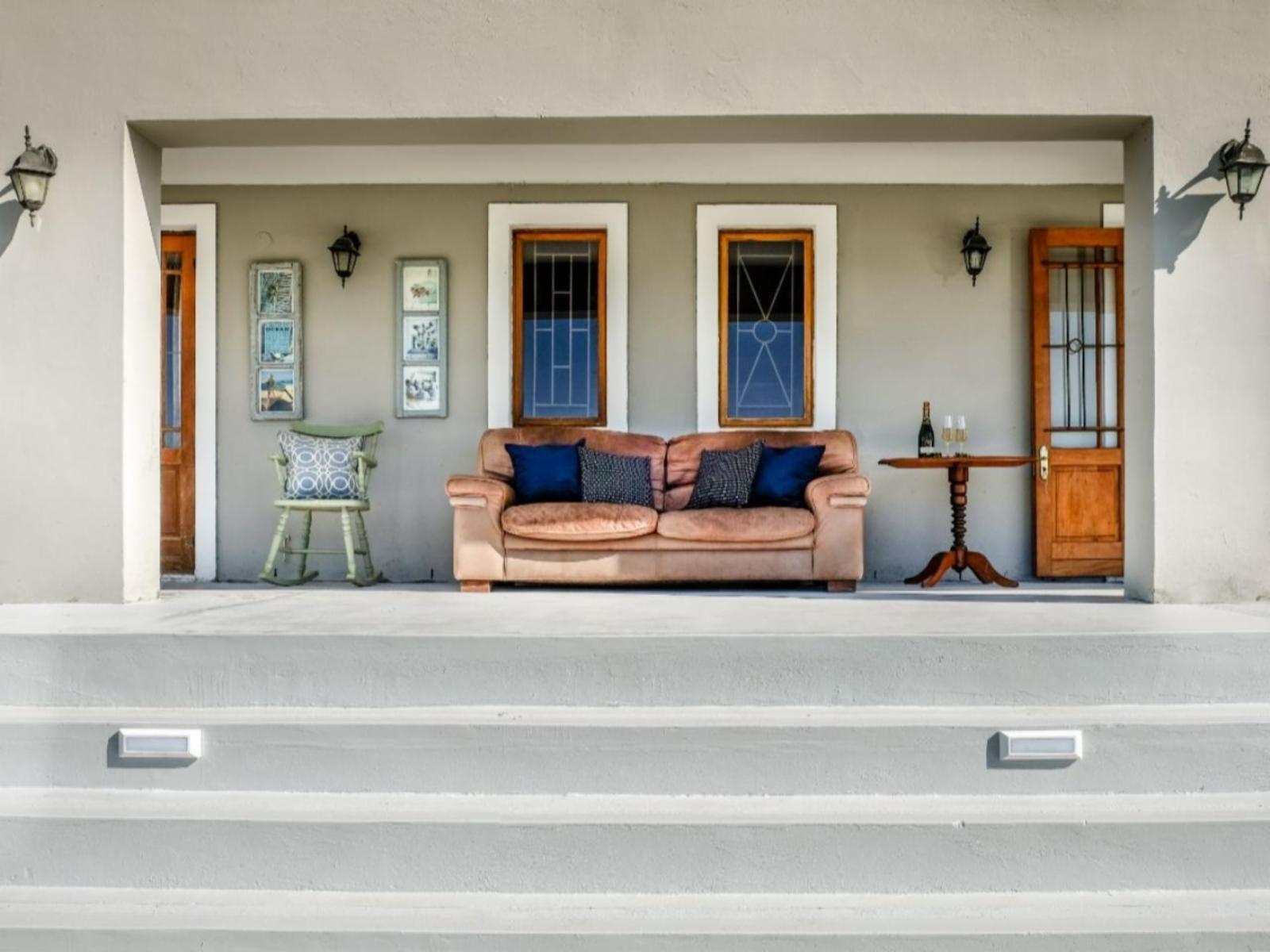
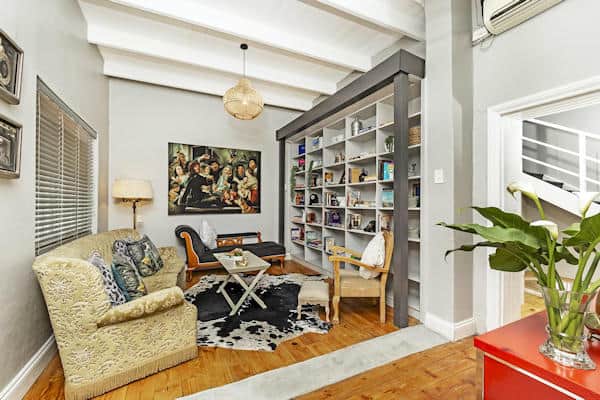
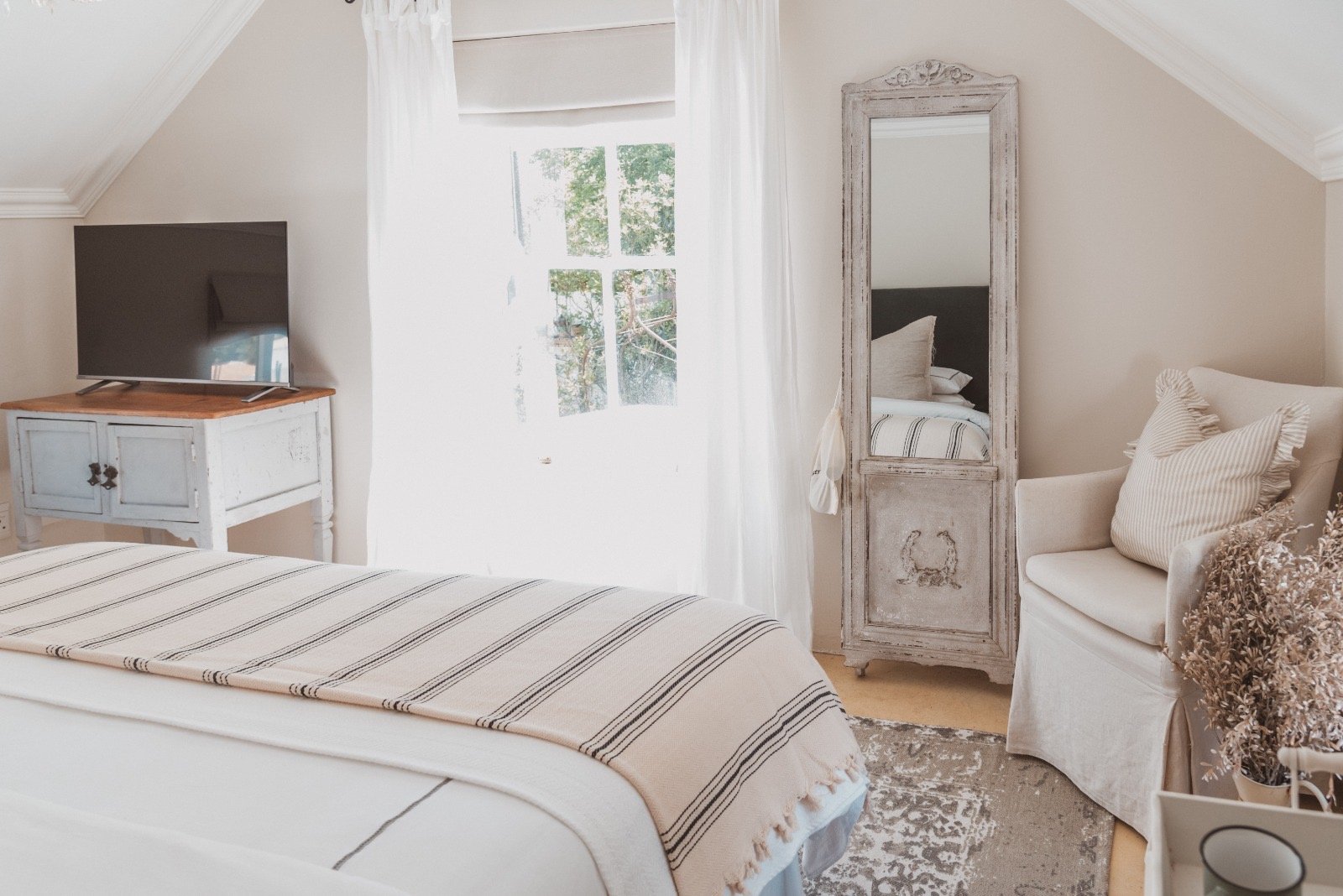
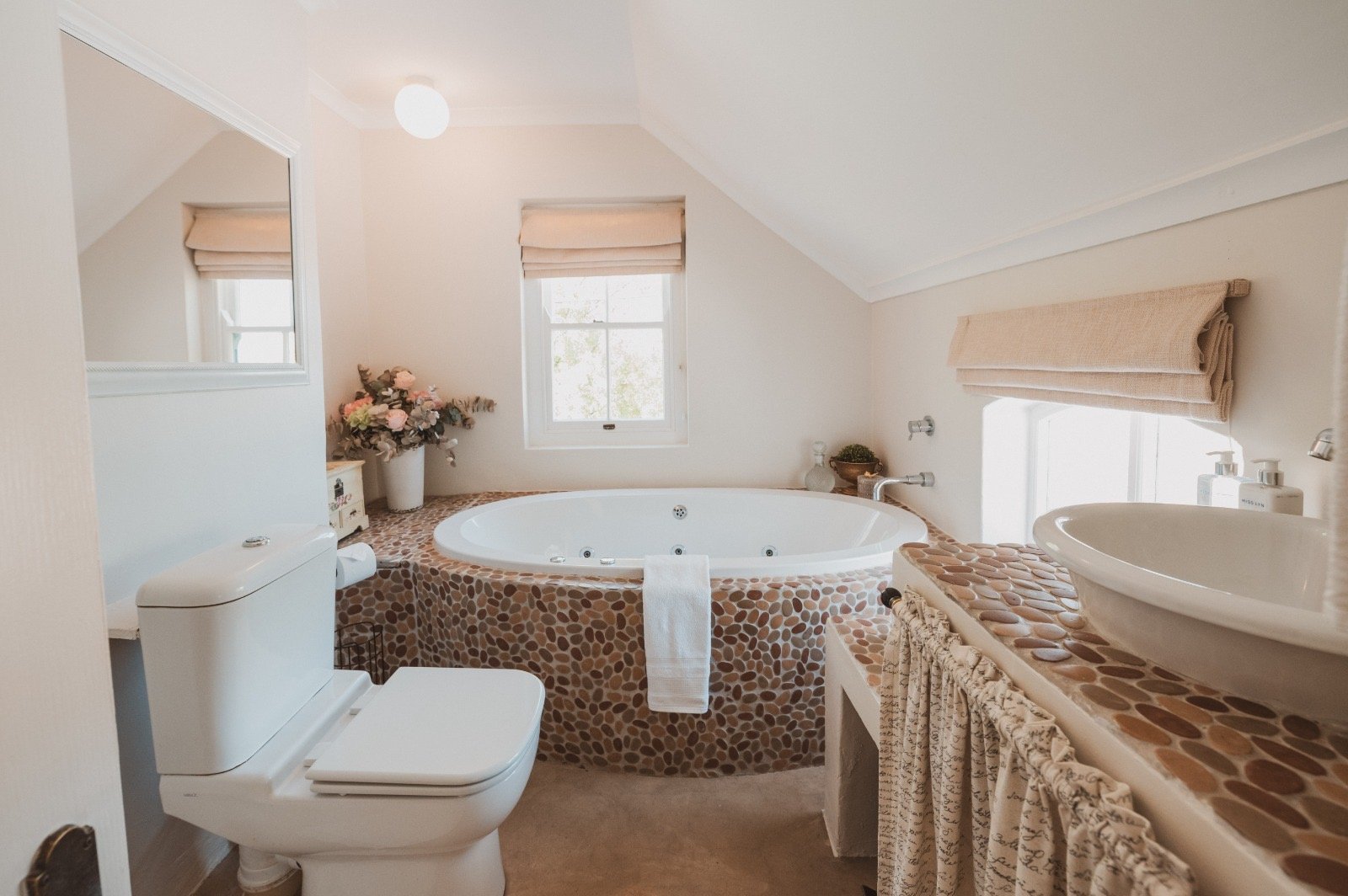
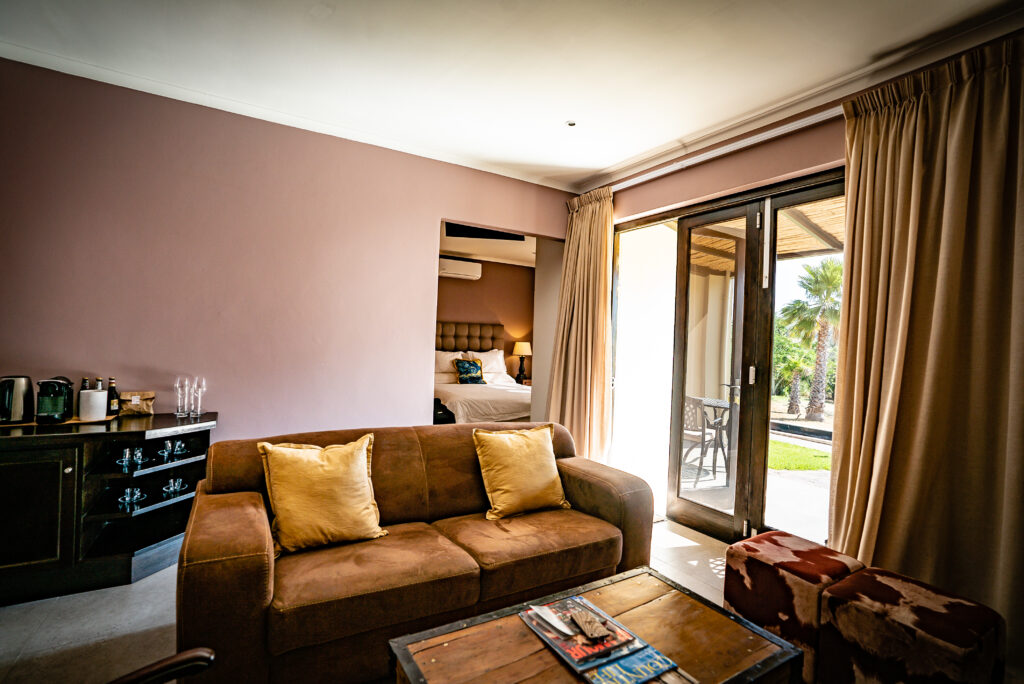
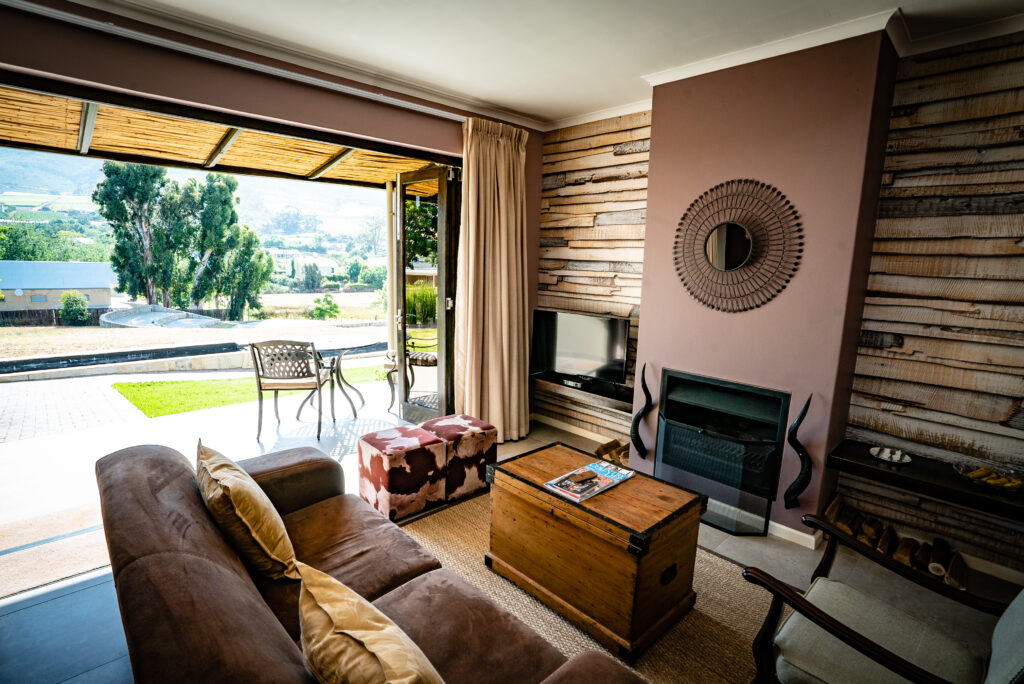
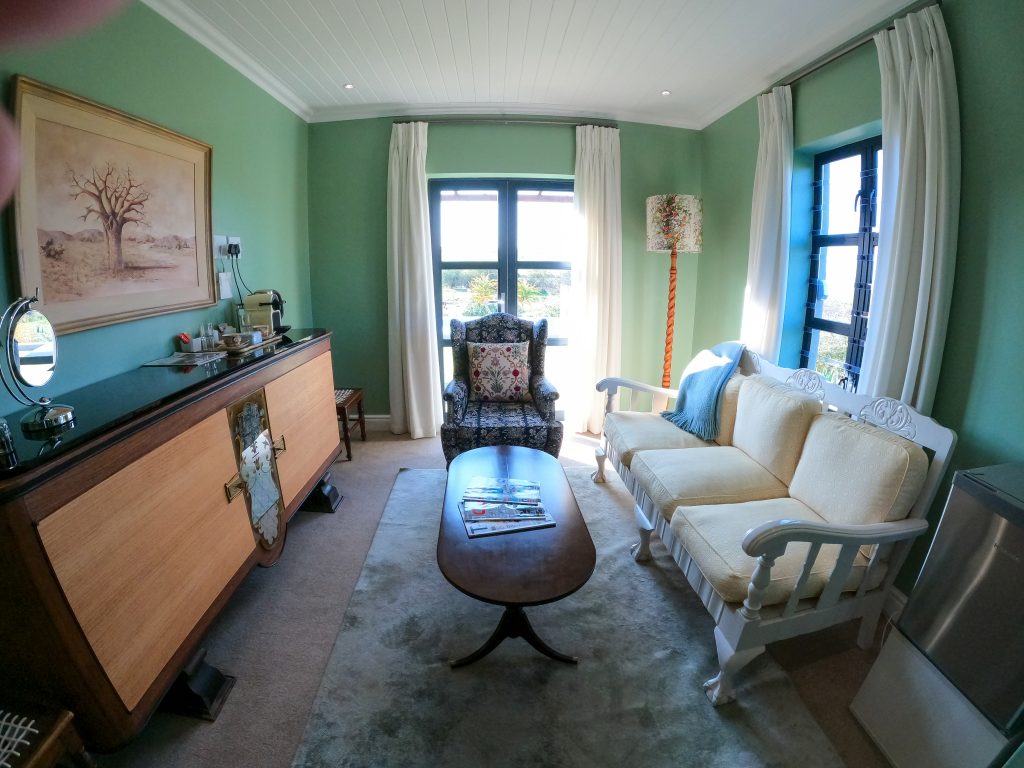
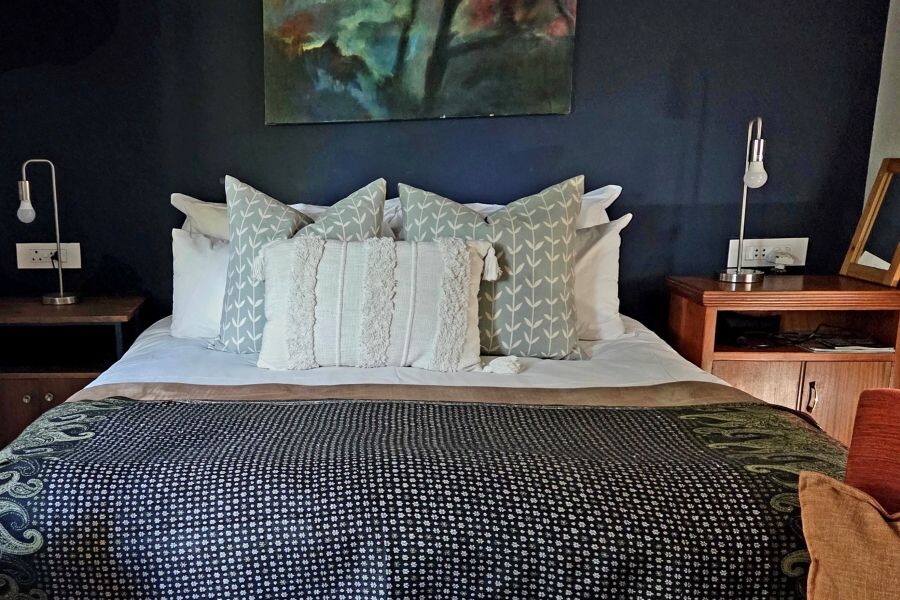
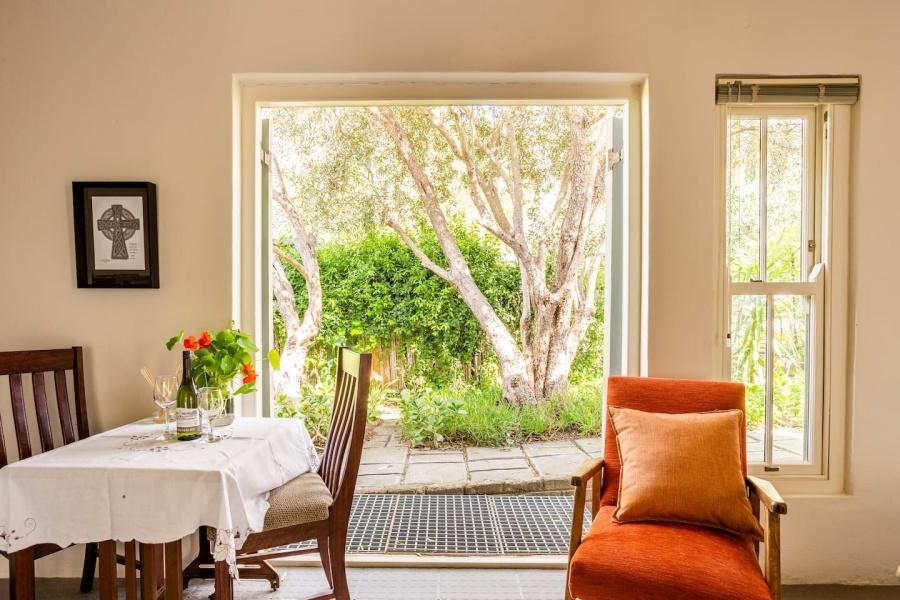
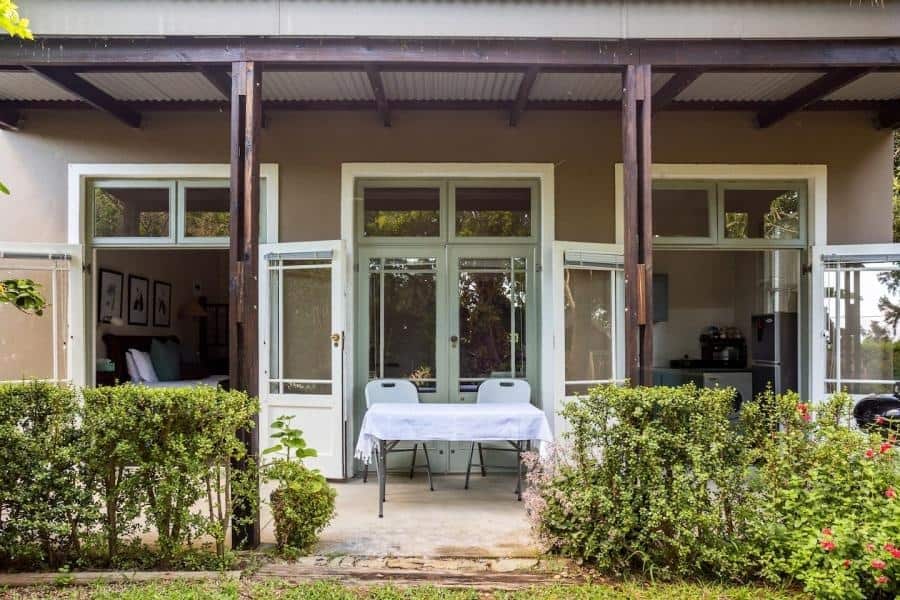
Most properties lean into the agricultural landscape rather than trying to compete with it. Expect stone floors, terracotta tiles, and views toward Kasteelberg rather than resort-style amenities. The town's character is rural, and accommodation here generally reflects that honestly.
Best Time to Visit Riebeek-kasteel
The Western Cape has a Mediterranean climate: hot, dry summers and cool, wet winters. For Riebeek-kasteel, the most practical visiting window runs from September through April, when rainfall is low and daytime temperatures are warm without becoming oppressive.
Spring, from September to November, brings fynbos into flower and the countryside looks its greenest before the summer heat sets in. Migrating birds return to the area during this period, which makes it a productive season for birdwatching along the Olifantsberg trails, where species like the Cape sugarbird are regularly spotted.
Summer runs hot, with temperatures occasionally reaching 38°C in the valley. Harvest typically begins in late January and continues through March, and many estates welcome visitors to observe the process firsthand. The tradeoff is that accommodation books out quickly and the town is at its busiest.
Autumn, from March through May, is arguably the most rewarding period. Vines turn gold and the crowds thin once school holidays end. The Olive Festival in May draws visitors specifically for the harvest, with demonstrations of pressing techniques and oil tastings.
Winter is quiet, occasionally wet, and some farm properties reduce availability or close entirely. Those unbothered by overcast conditions will find good value and near-empty hiking trails.
Getting to Riebeek-kasteel
Riebeek-kasteel lies roughly 80 kilometres north of Cape Town, accessible via the N1 toward Paarl, then the R46 through the Huguenot Tunnel and northwest into the Swartland. The drive from Cape Town takes around 75 to 90 minutes depending on traffic. From Stellenbosch, allow about 70 minutes via the R304 and R46.
Cape Town International Airport is the nearest major airport, approximately 90 kilometres from the town. There is no commercial service to any closer airfield. Most visitors hire a car at the airport, which is the practical choice given that Riebeek-kasteel has no scheduled bus connections and public transport within the valley is effectively absent.
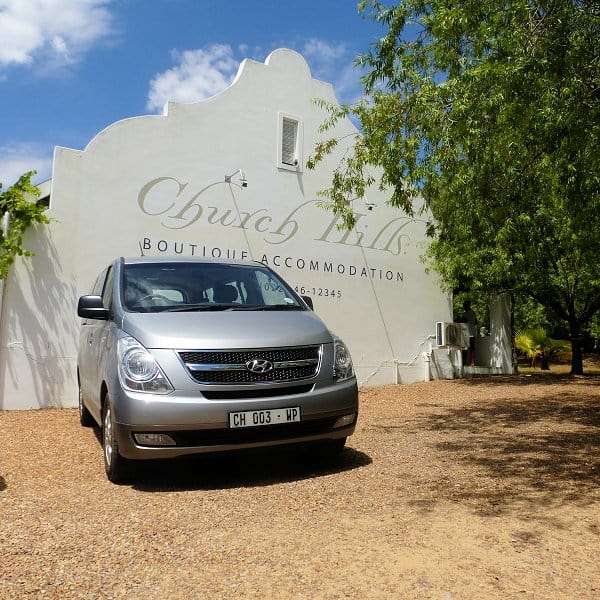
Some wine estate transfer operators and small shuttles run between Cape Town and the Swartland on request, but these need to be arranged in advance and are not reliable for same-day travel. Uber and Bolt do not operate in the valley.
Once in Riebeek-kasteel itself, the town is compact and walkable. The main road, the market square, and most restaurants fall within ten minutes on foot. Farm properties are another matter: they are scattered across the surrounding hills and require a car, some via unpaved roads that are still suitable for standard two-wheel-drive vehicles.
Riebeek-kasteel and Surrounding Areas
Riebeek-kasteel sits at the heart of a wider valley that offers enough variety to justify several days of exploration rather than a single overnight stop.
Riebeek West, just 4 kilometres down the road, is quieter and less visited than its neighbour. It shares the wine route but has a notably unhurried pace, and its Dutch Reformed church is one of the oldest in the Swartland. The town works well as an afternoon detour or as an alternative base if accommodation in Riebeek-kasteel is fully booked.
Tulbagh, 25 kilometres northeast through the mountains, sits in a narrow valley between the Witzenberg and Winterhoek ranges. Church Street there contains the highest concentration of Cape Dutch and Georgian architecture in the country and is a declared national monument. Tulbagh has its own wine route and several fruit farms that offer seasonal picking.
Wolseley, 28 kilometres away, is primarily an agricultural service town rather than a tourist destination, but the drive through Nuwekloof Pass is one of the more dramatic in the region and justifies the trip on its own.
Wellington, 30 kilometres southeast, is a larger town with a significant brandy industry and museum focused on the French Huguenot settlers who shaped much of the region's viticulture. It also offers better shopping and a wider restaurant selection than the smaller villages to the north.
Ceres, 38 kilometres from Riebeek-kasteel, sits at higher elevation in a cooler, greener valley known for apple and pear orchards. Harvest season brings its own visitors, and the approach via Michell's Pass is scenically distinct from the Swartland flatlands.
Paarl, 39 kilometres south, is the largest town within easy reach and the most service-rich option in the area. It offers larger supermarkets, medical facilities, and an extensive wine route through the Paarl Valley. The Afrikaans Language Monument on the town's outskirts is a well-known cultural landmark with views across the valley.
Planning Your Stay
Accommodation books out several weeks in advance during peak harvest season and around the Olive Festival in May, so early reservations are advisable for any visit between January and May. Long weekends and school holidays in December, April, and July also see high occupancy.
Before confirming a booking, check the property's precise location. Some listings described as Riebeek-kasteel sit several kilometres outside town on working farms, which affects logistics if you plan to walk to restaurants or the Saturday market. Also confirm road access: a small number of farm properties require driving on unpaved tracks, and while most are navigable in a standard vehicle, low-clearance cars may struggle after heavy rain.
Most guesthouses and farm properties impose a two-night minimum on weekends. Mid-week stays tend to offer more flexibility on minimum nights and occasionally better rates, particularly in the quieter autumn and winter months.
Mobile coverage in parts of the valley is patchy. If reliable internet access matters for your trip, check directly with the property before booking. Load-shedding schedules also apply here as elsewhere in South Africa, and backup power availability is worth confirming, especially for winter visits when outages can affect heating.
Arriving on a Friday evening ahead of the Saturday morning market is a useful strategy: it gives you the full Saturday to explore local producers and stock up on fresh produce before heading out to the wine estates.