Accommodation in Depus
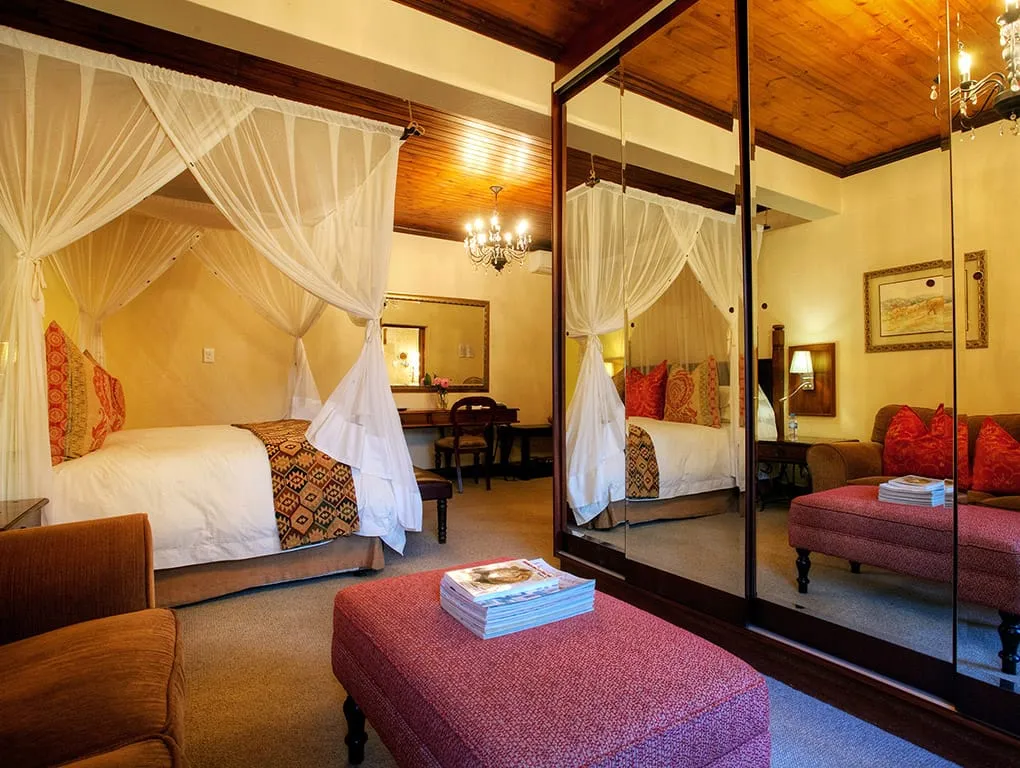
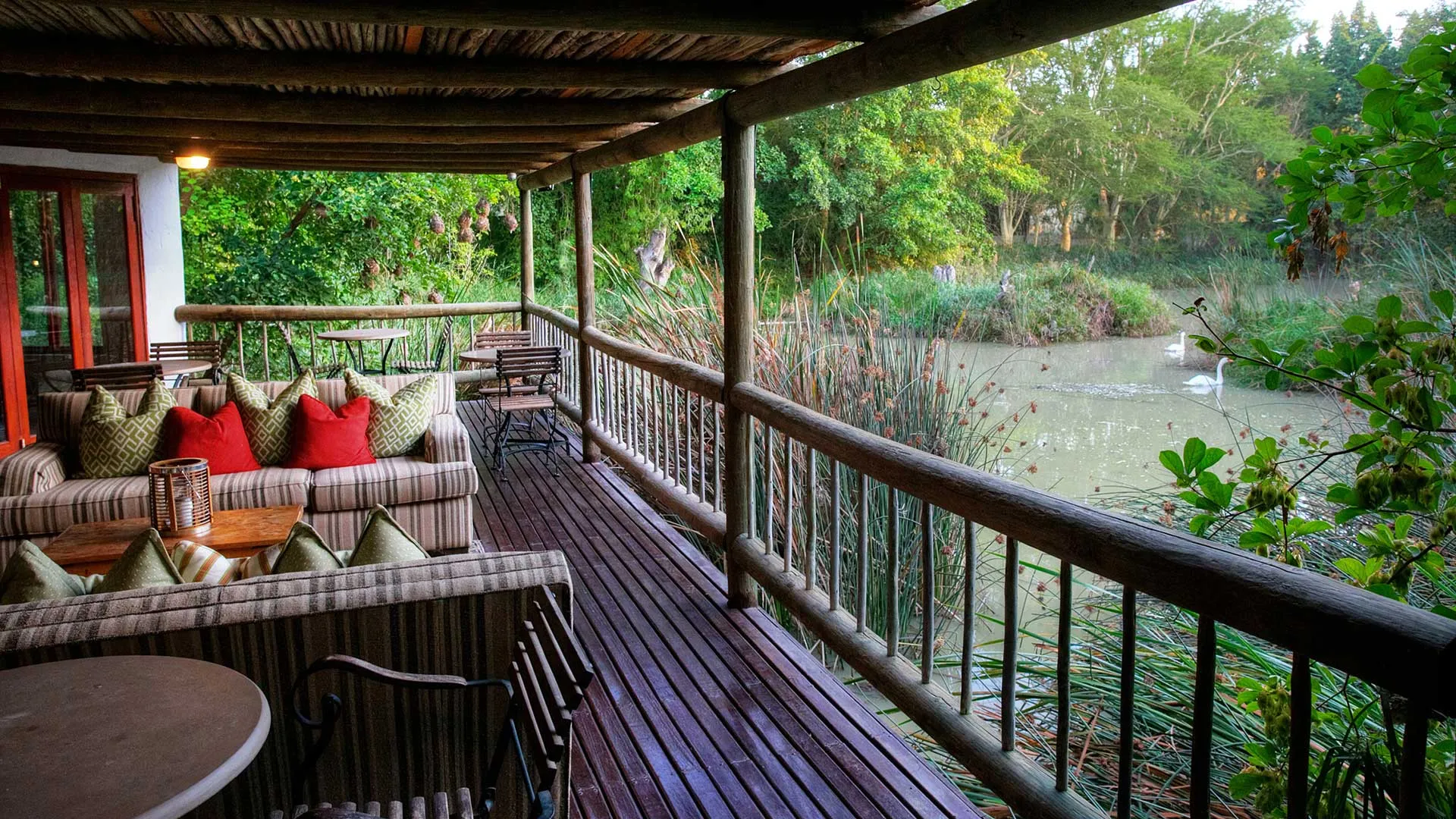
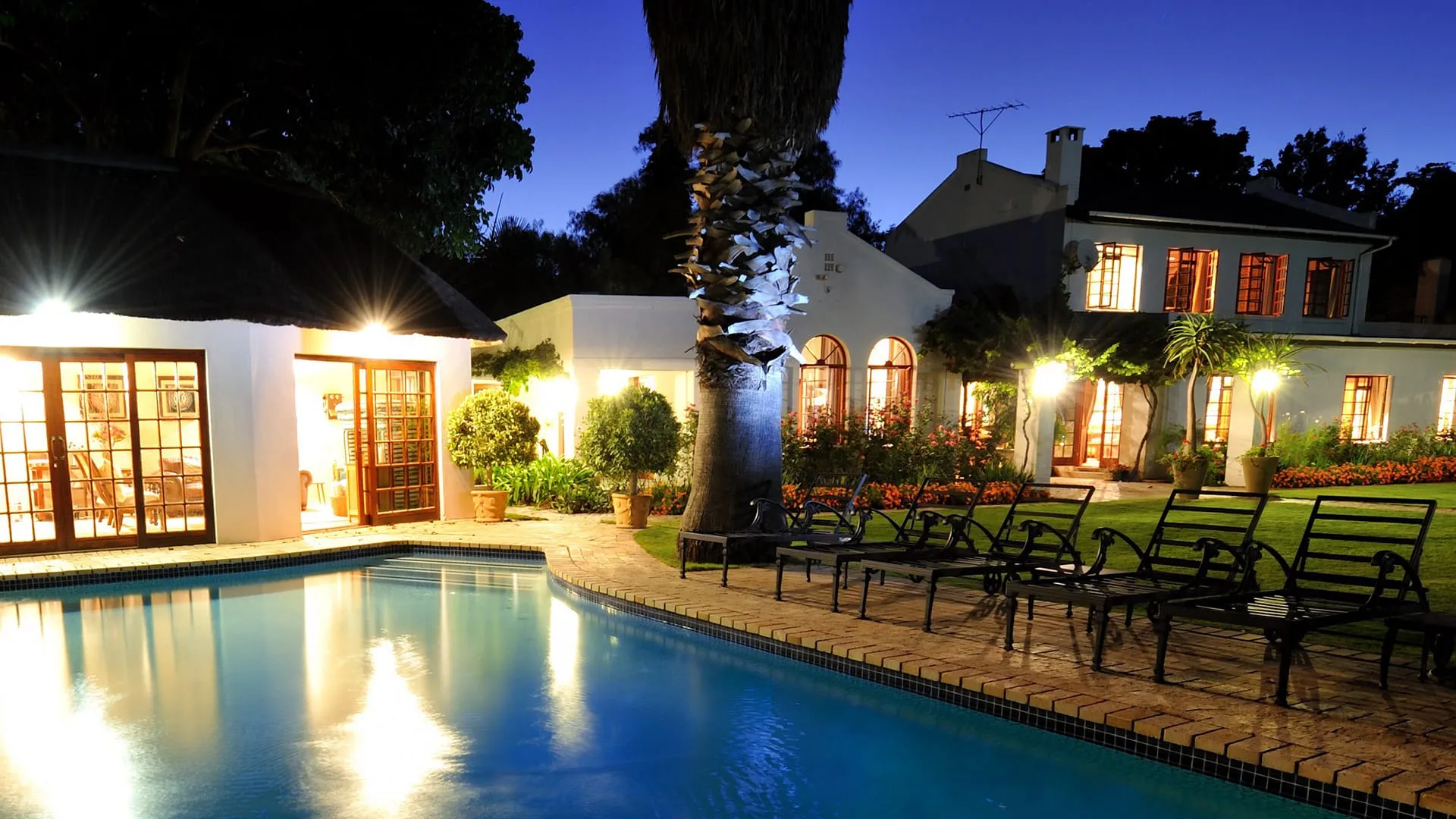
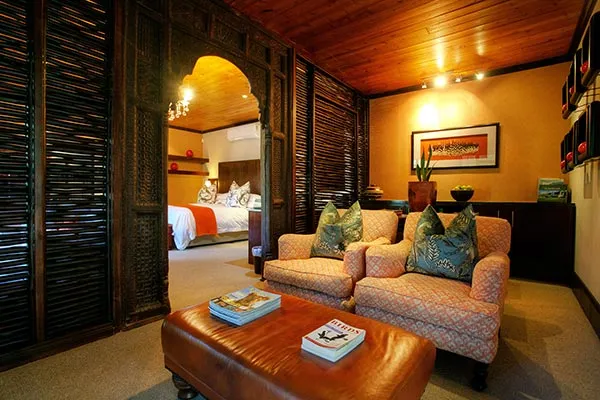
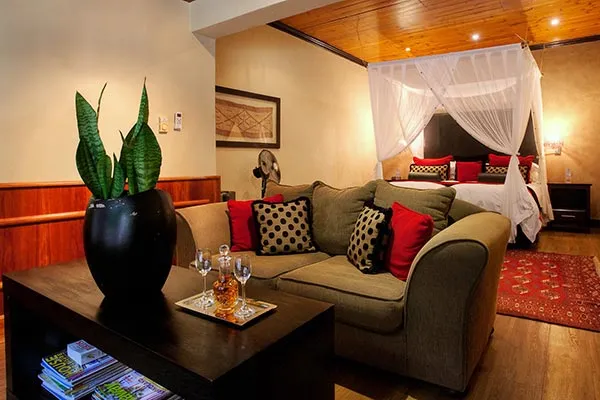
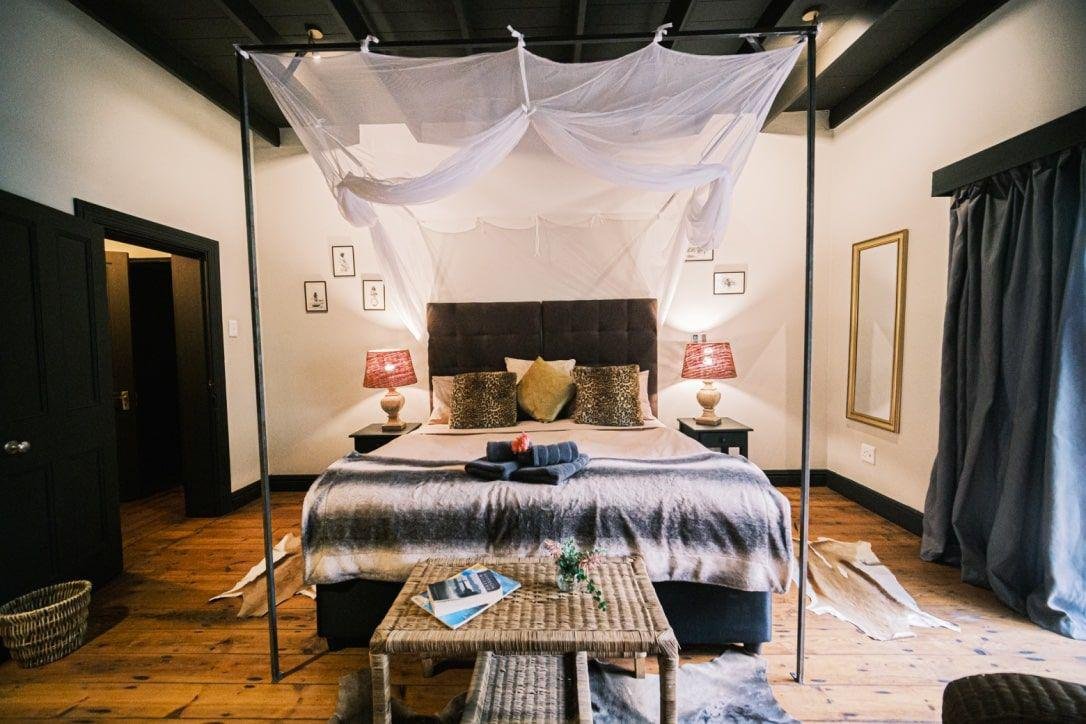
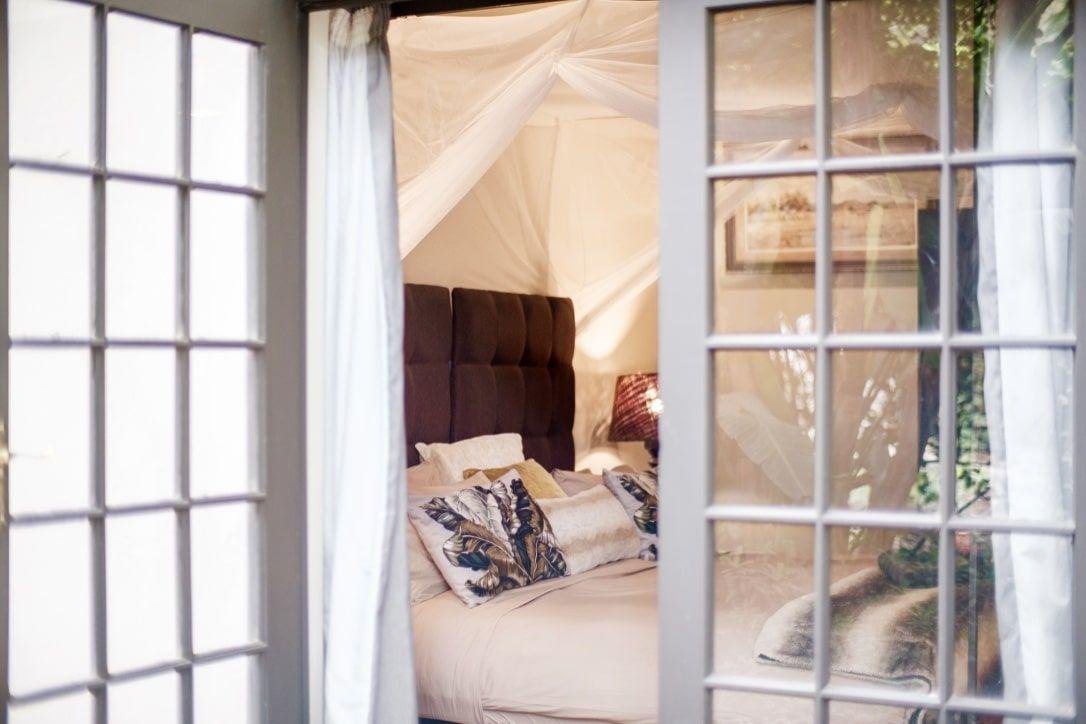
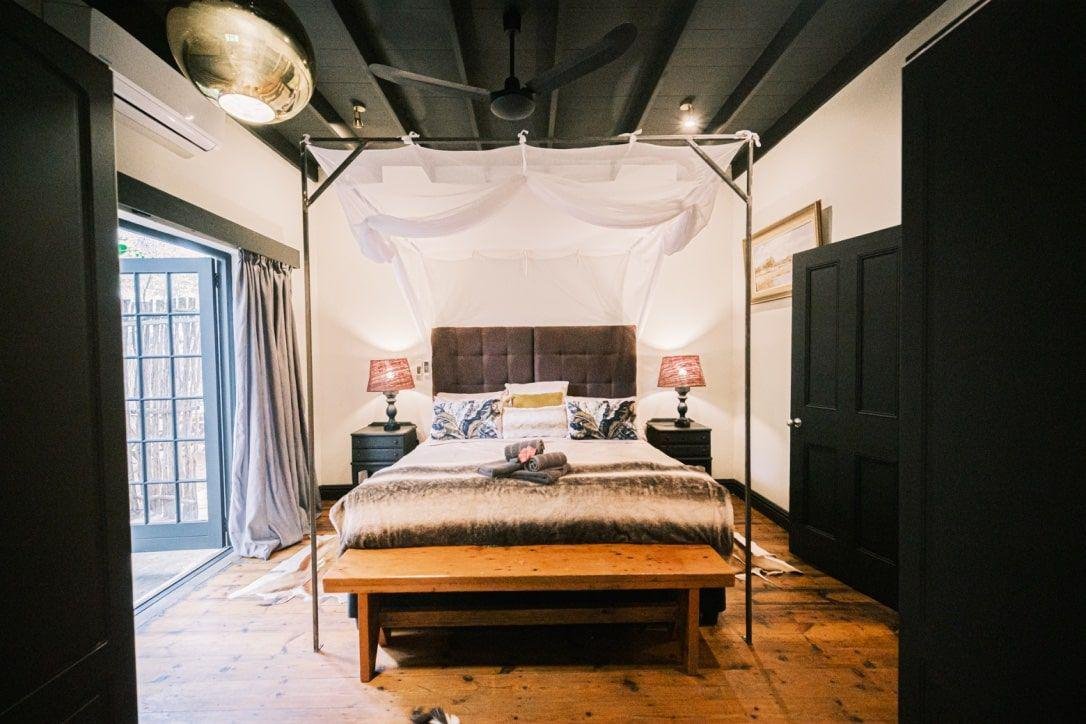
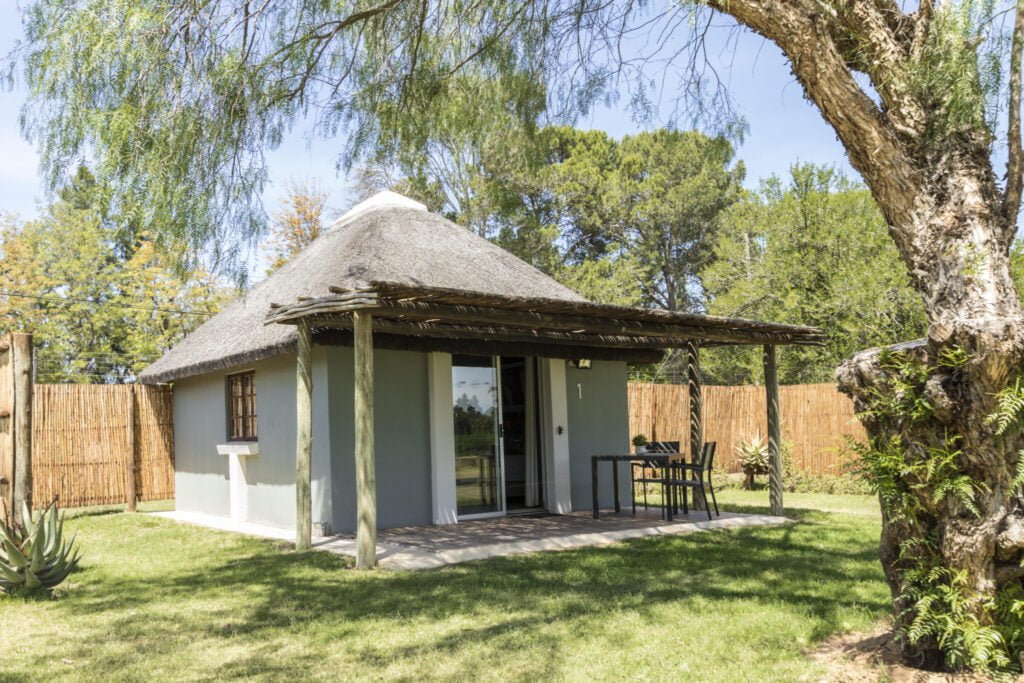
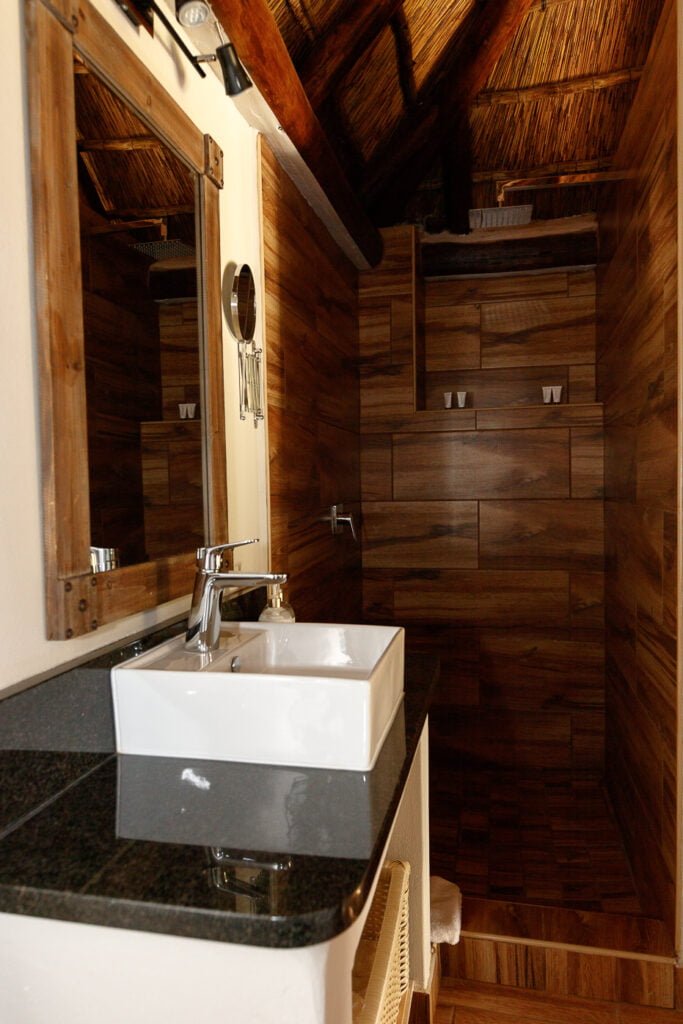
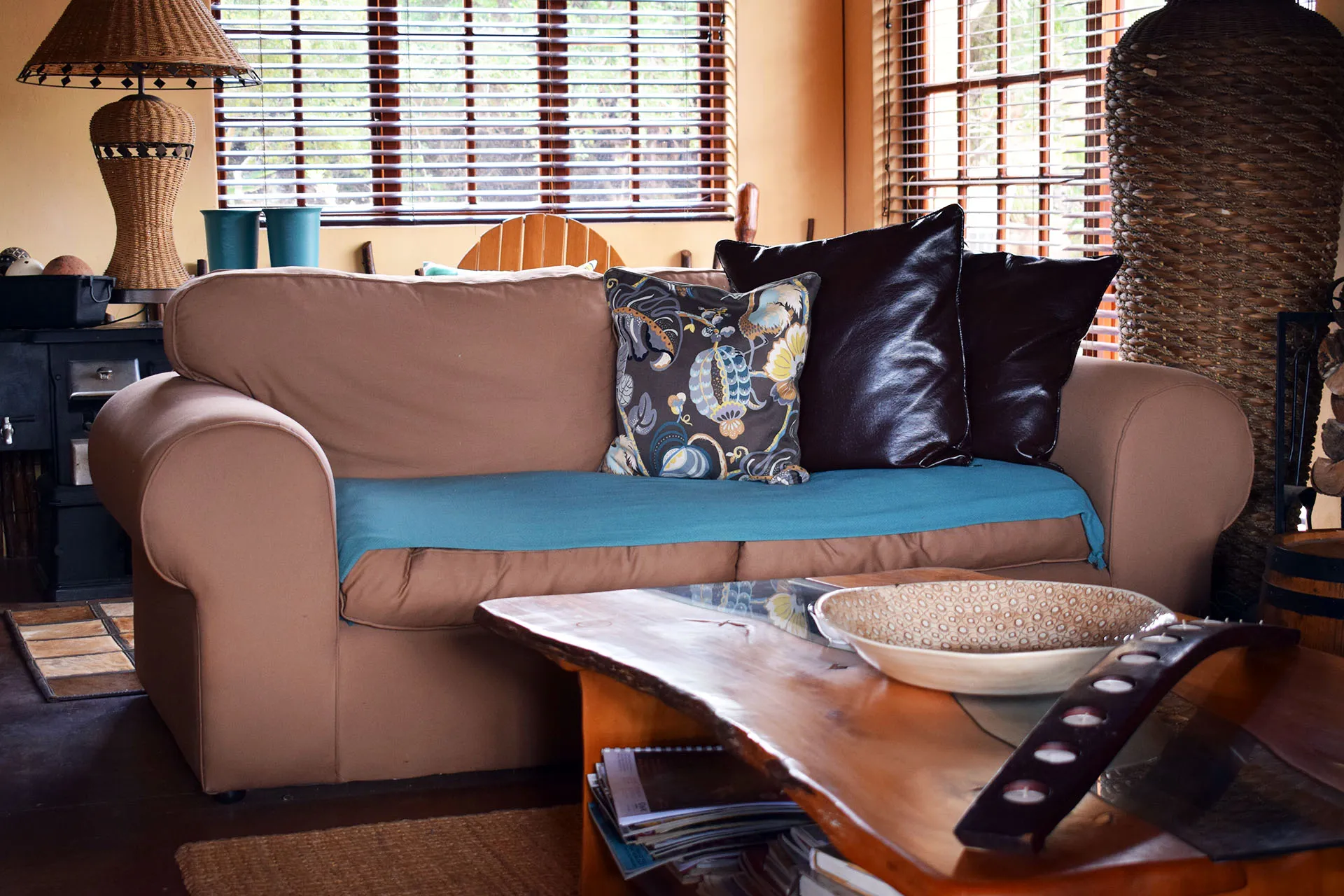
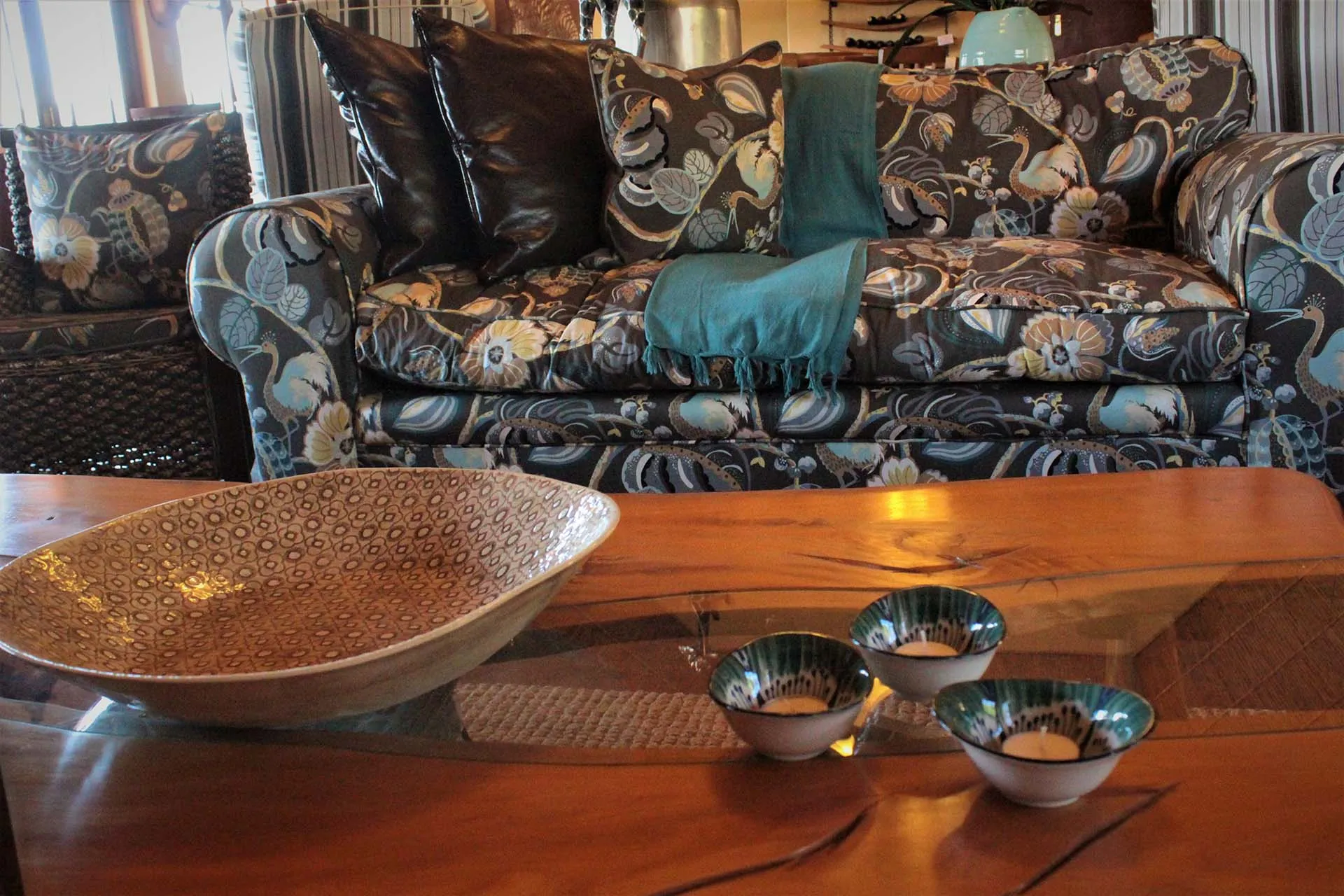
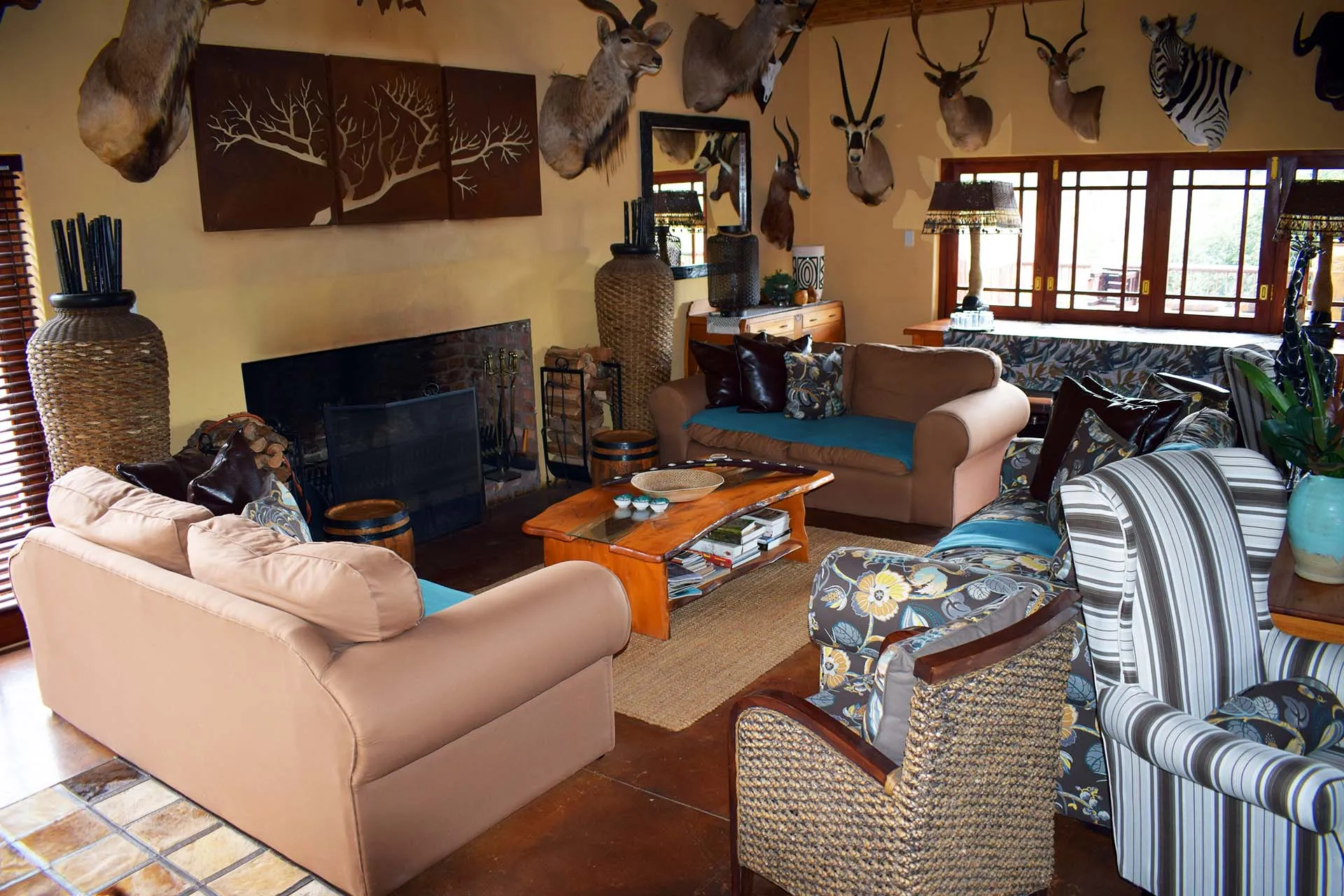
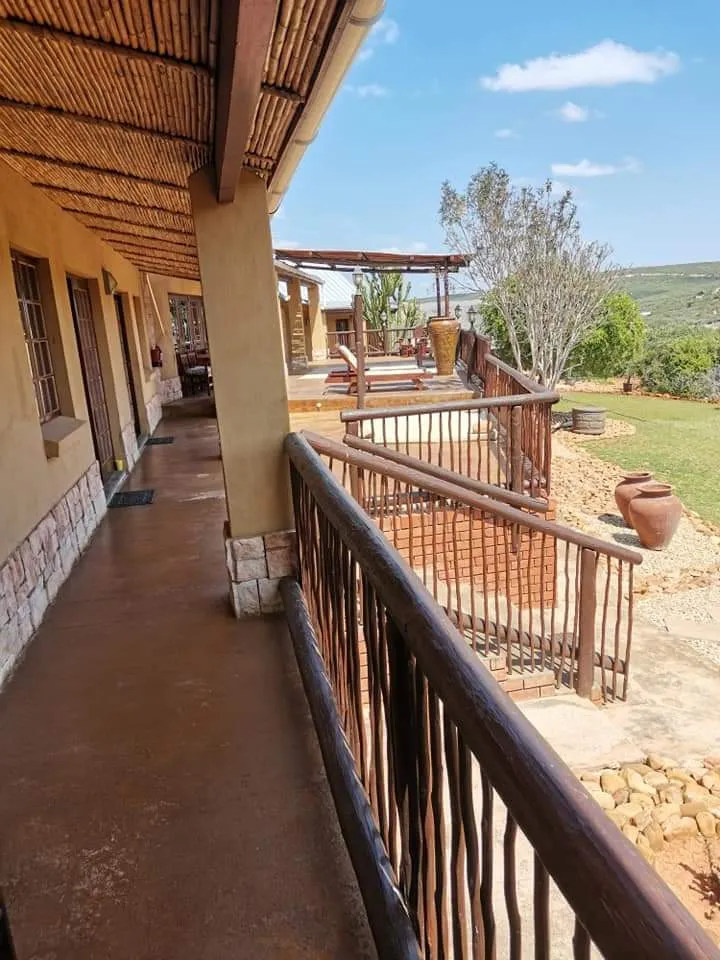
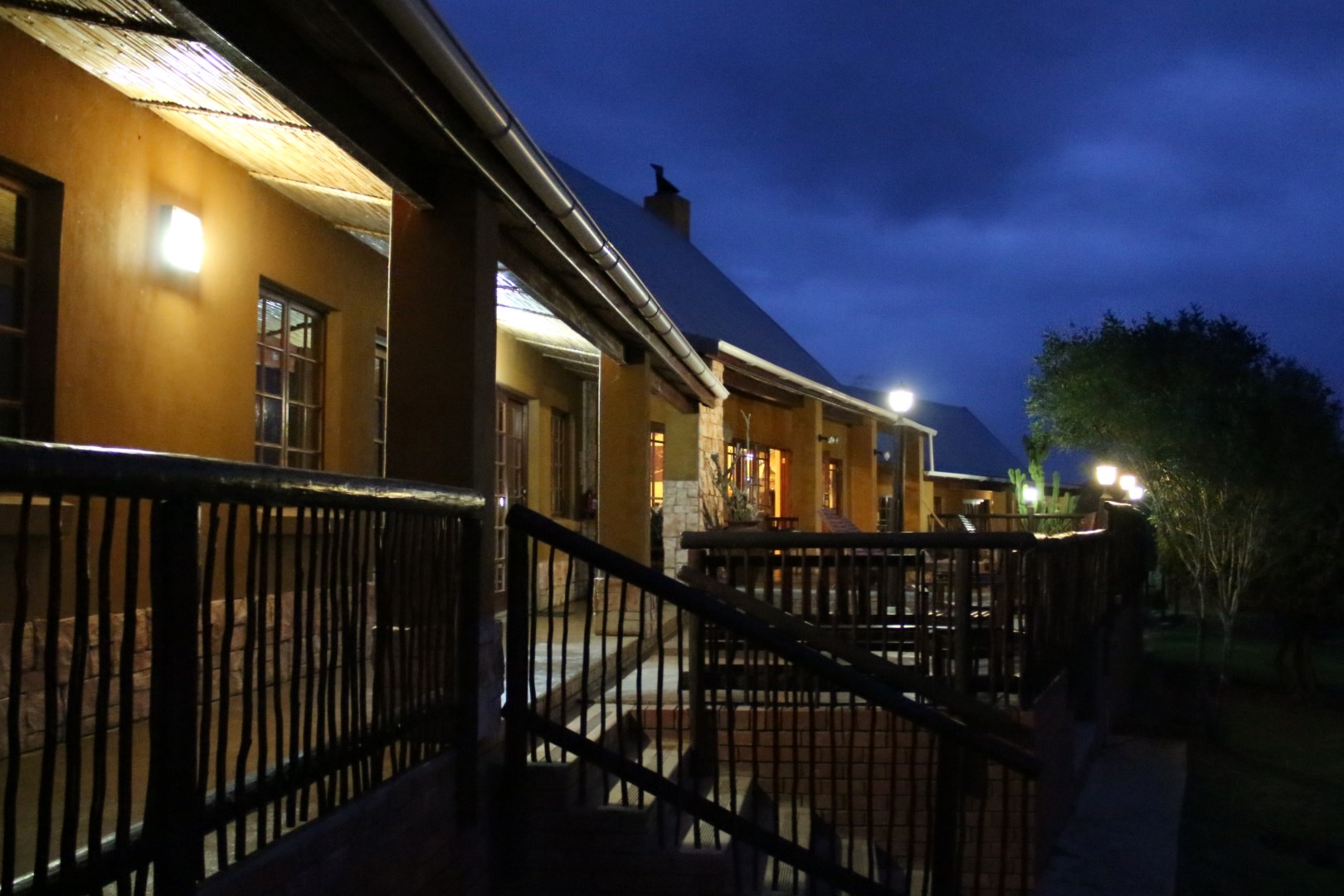
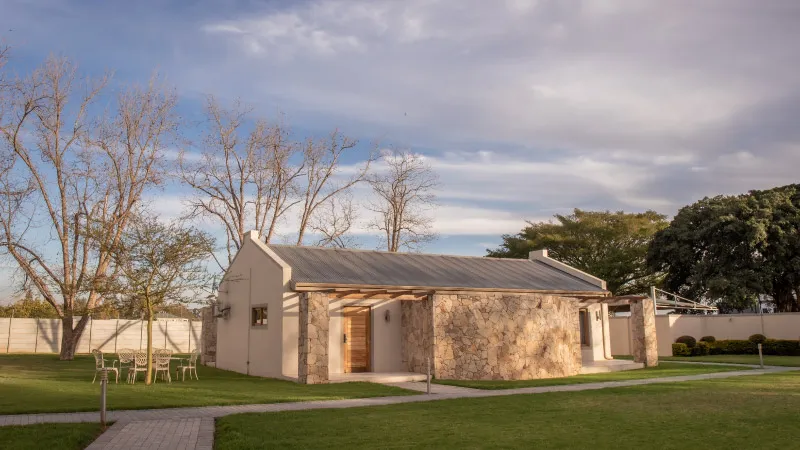
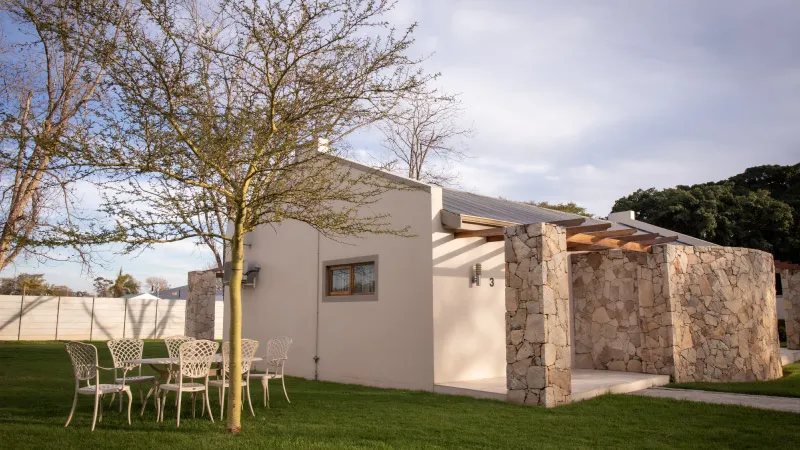
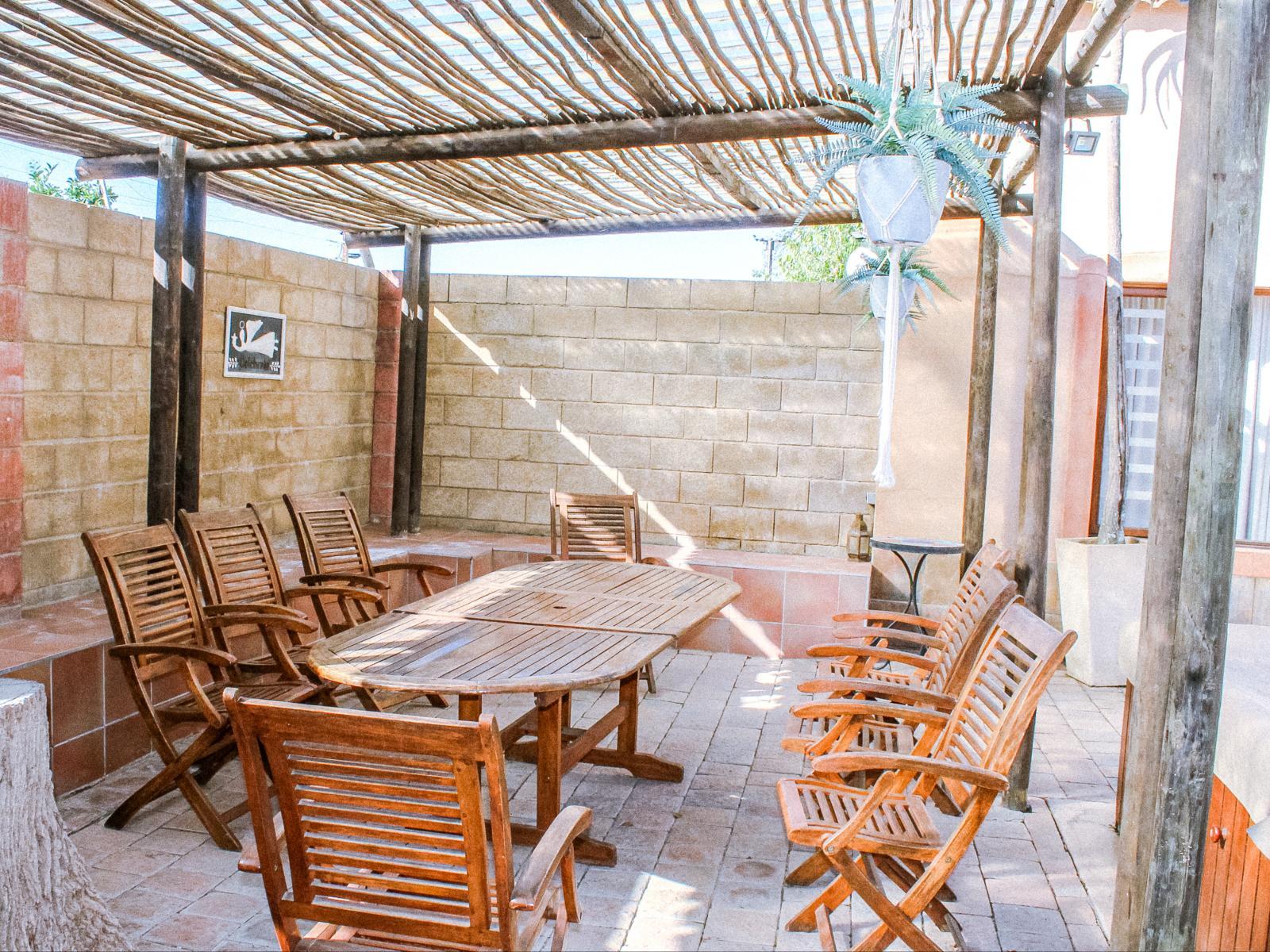
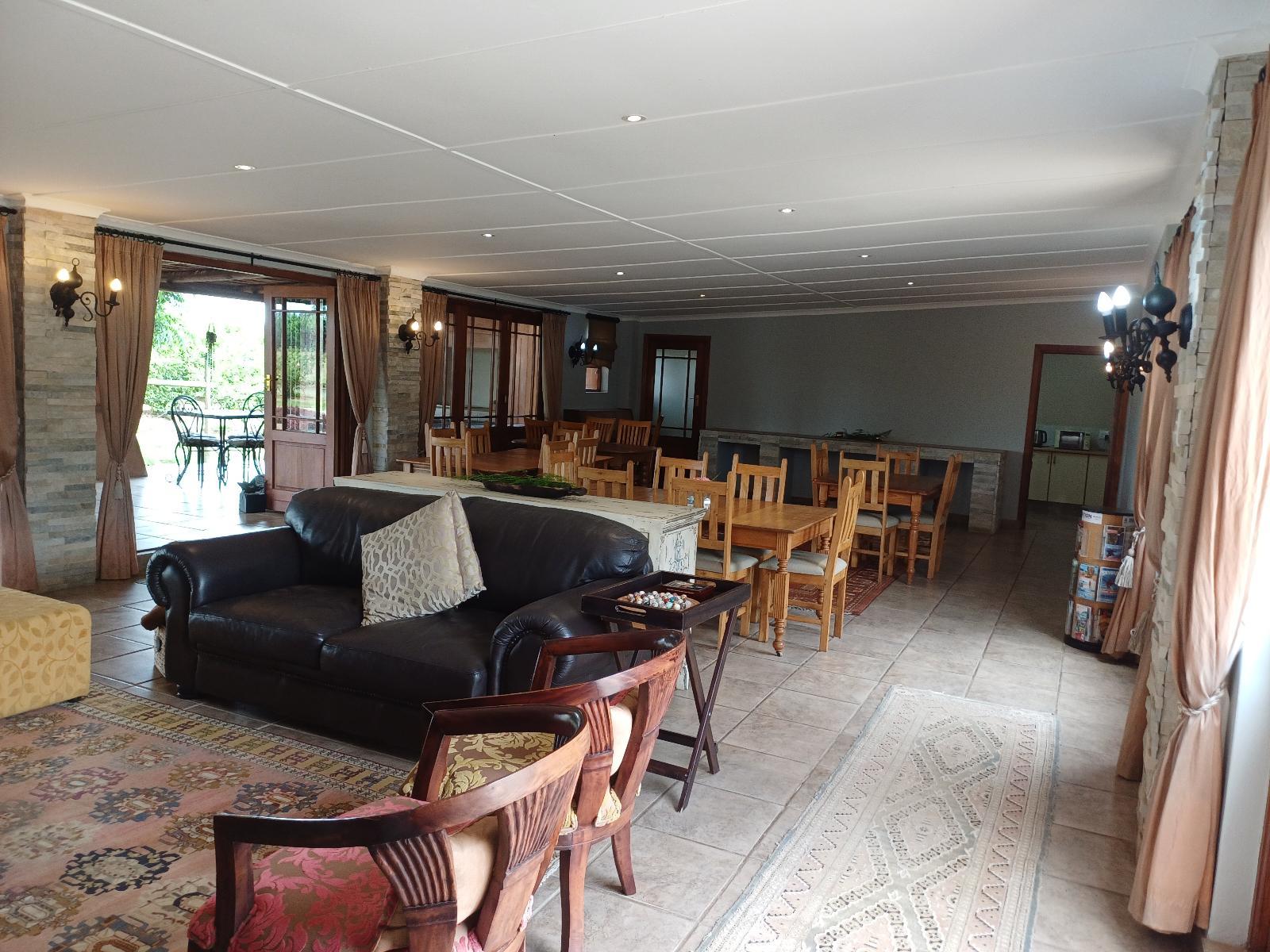
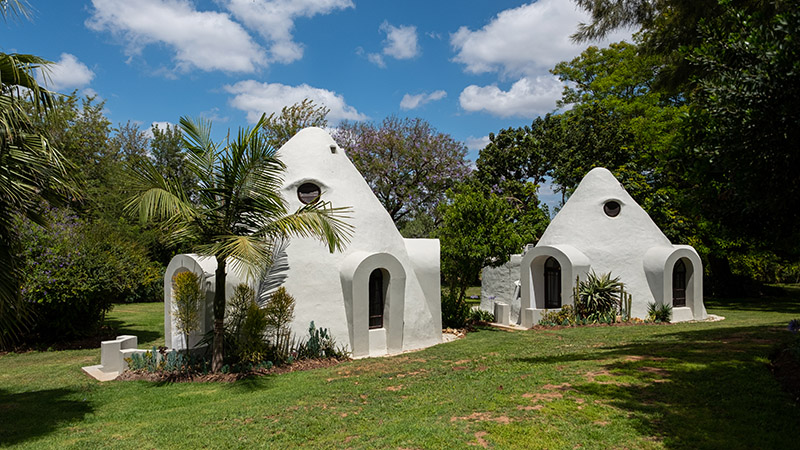
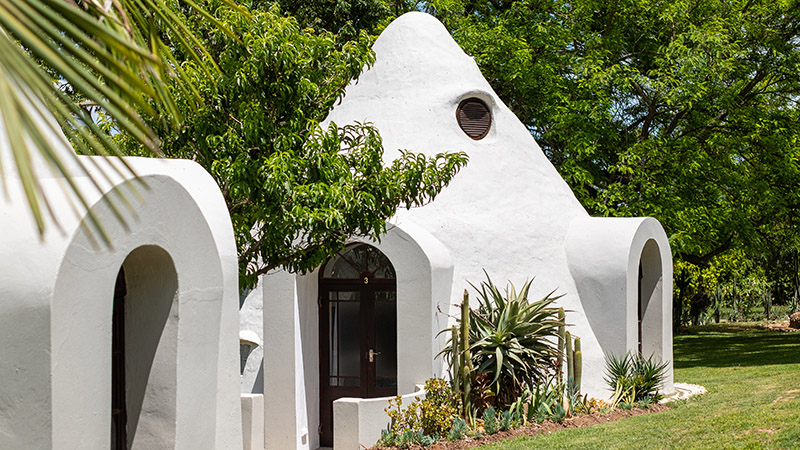
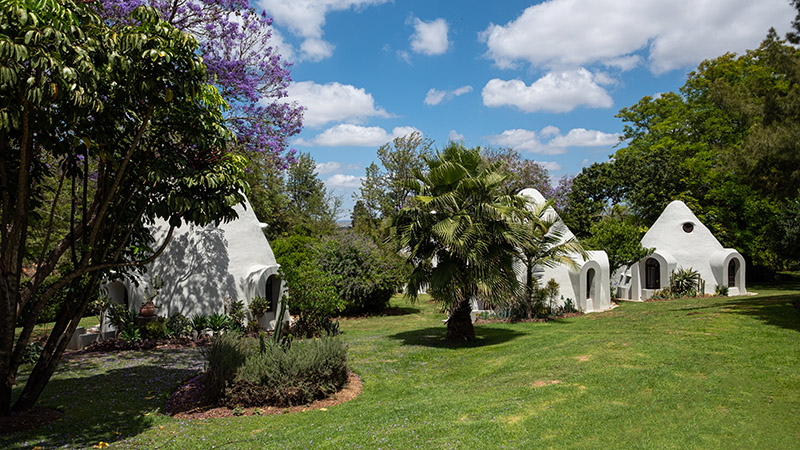
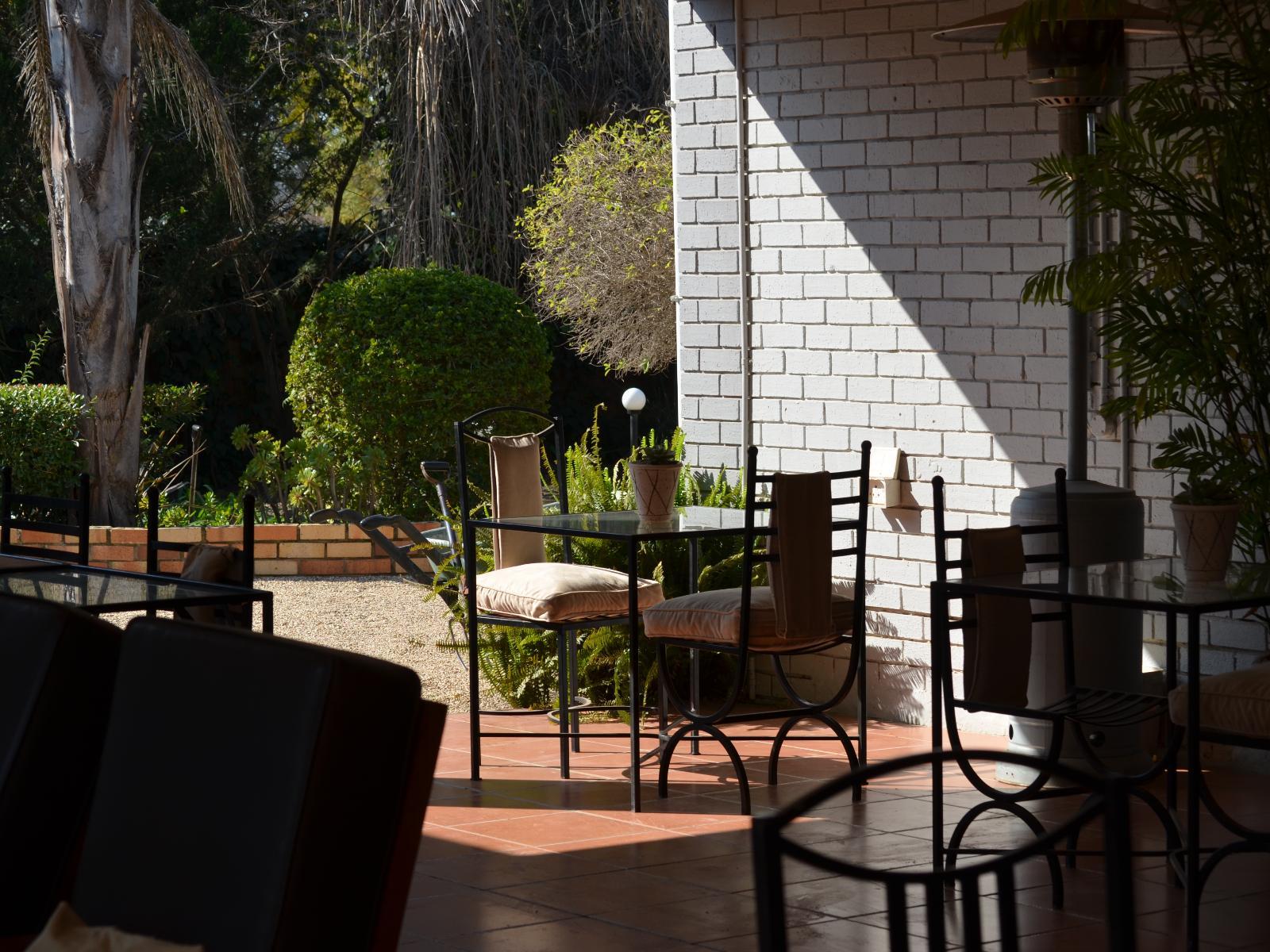
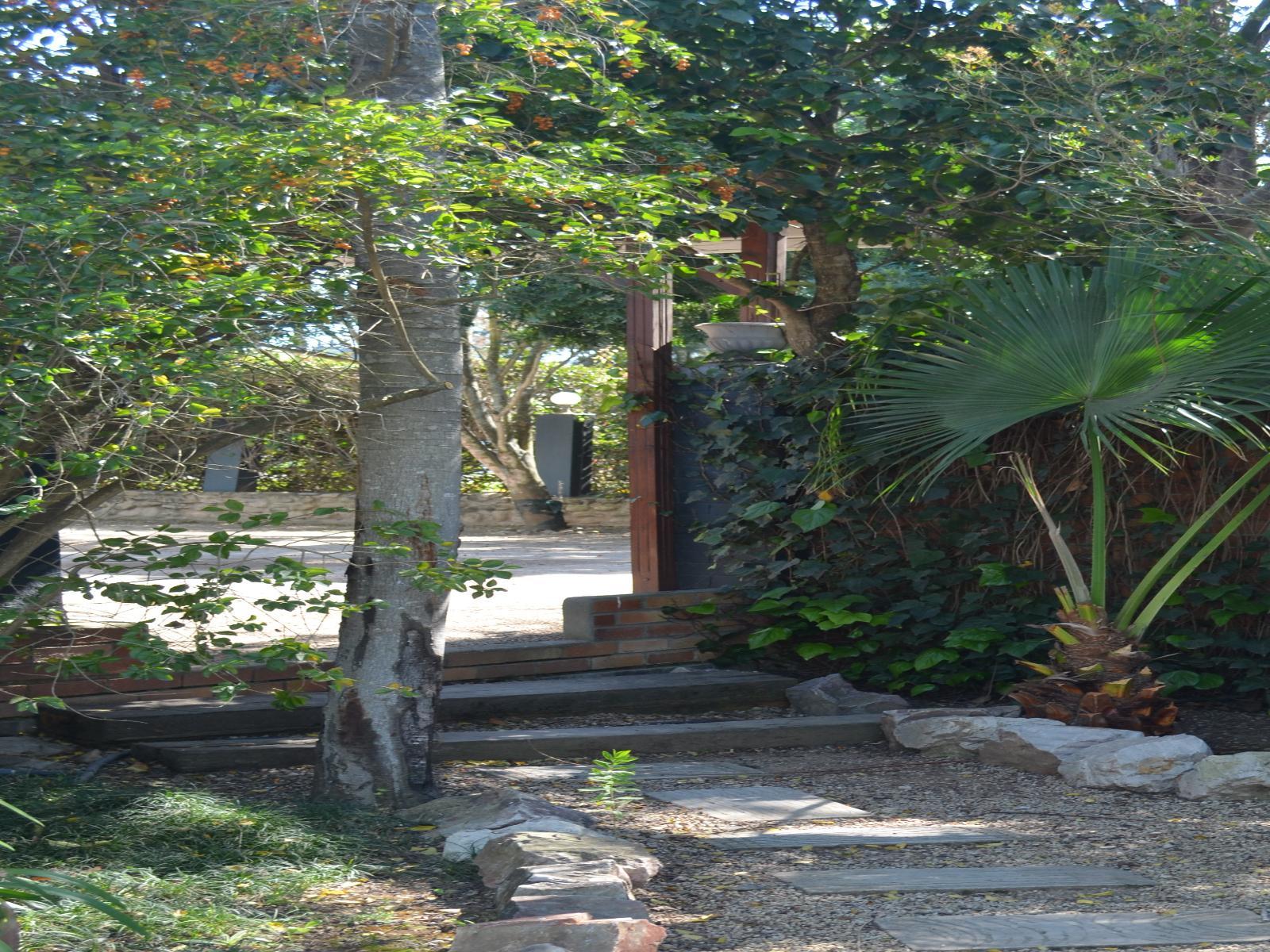
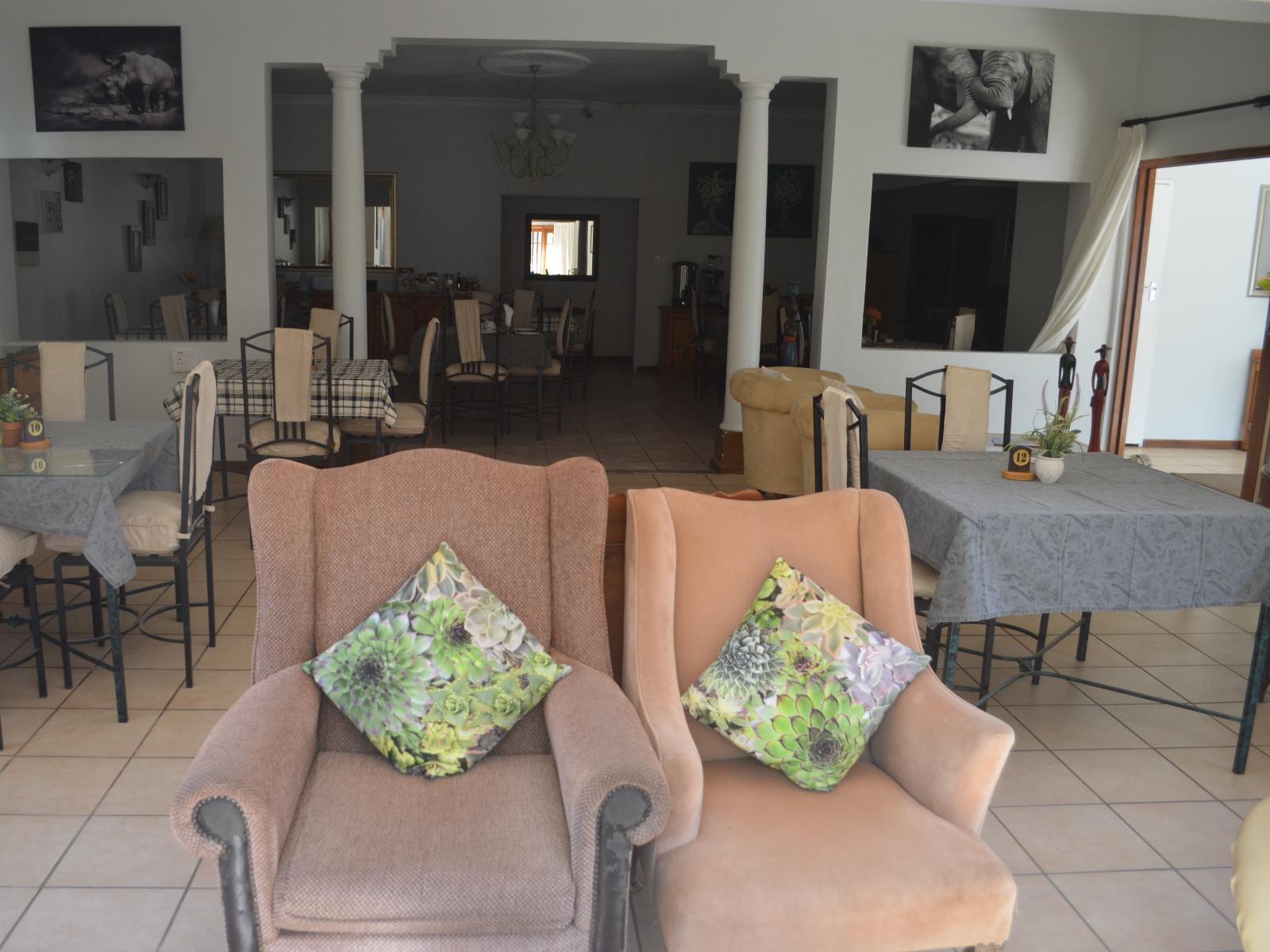
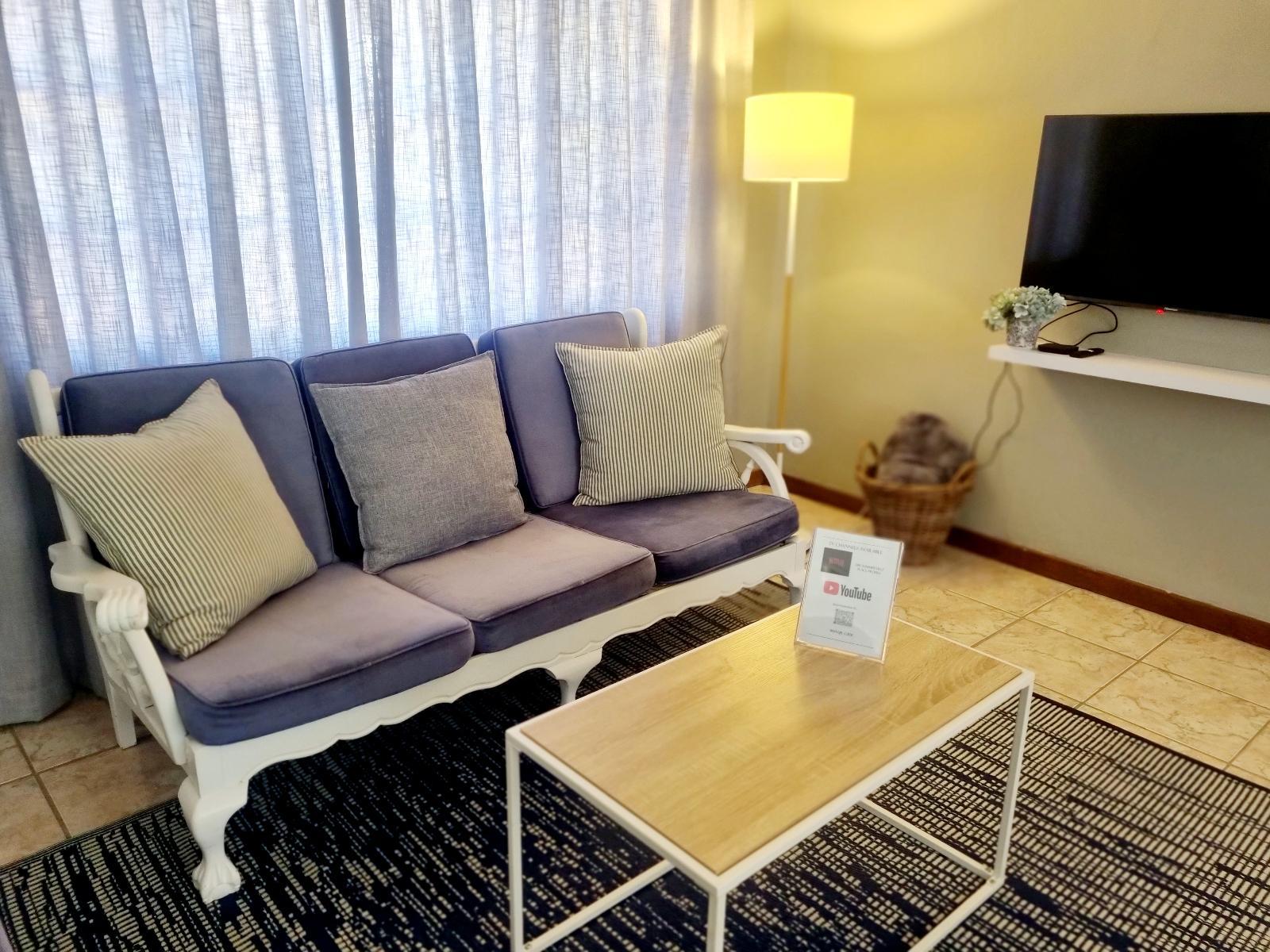
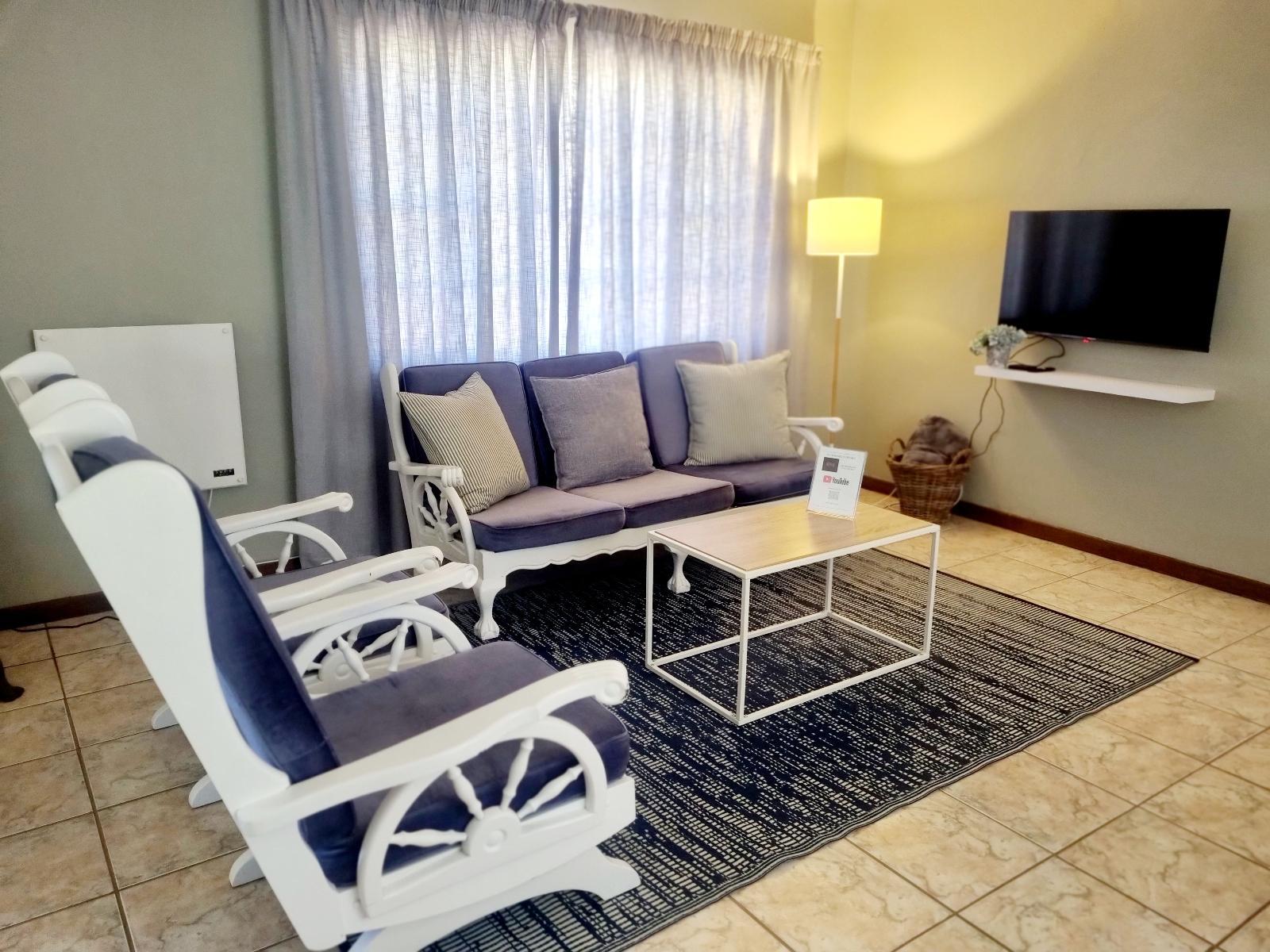
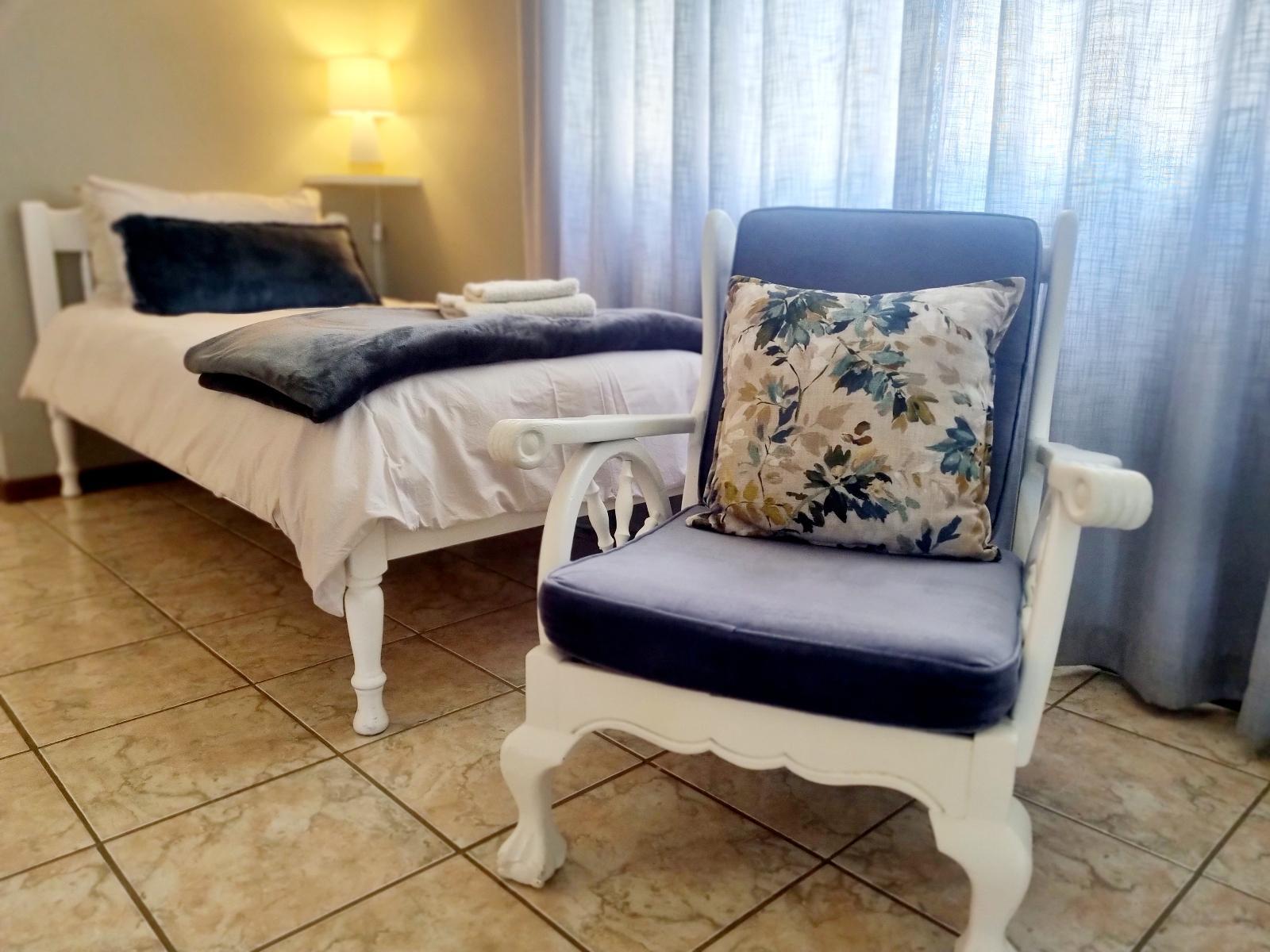
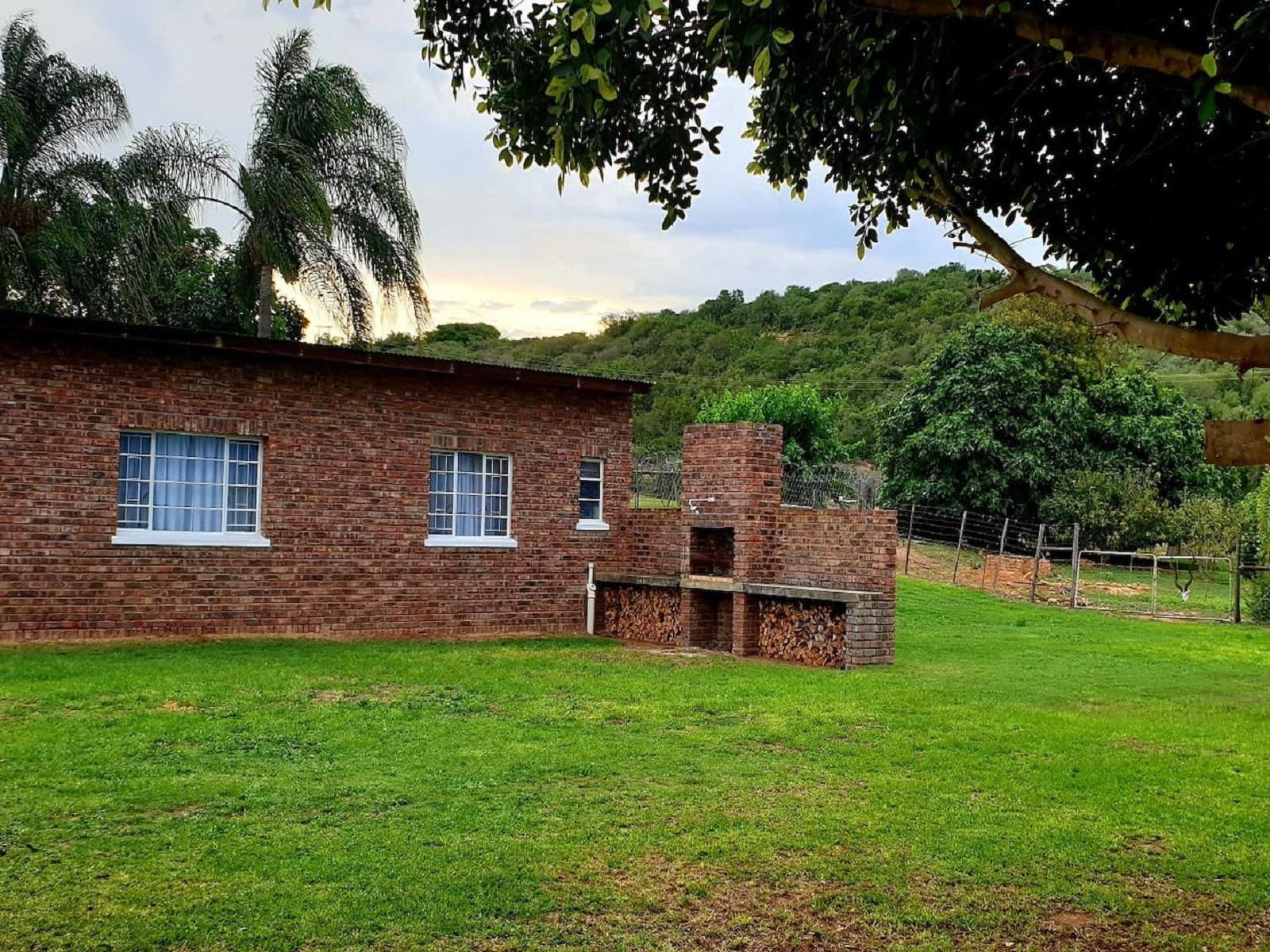
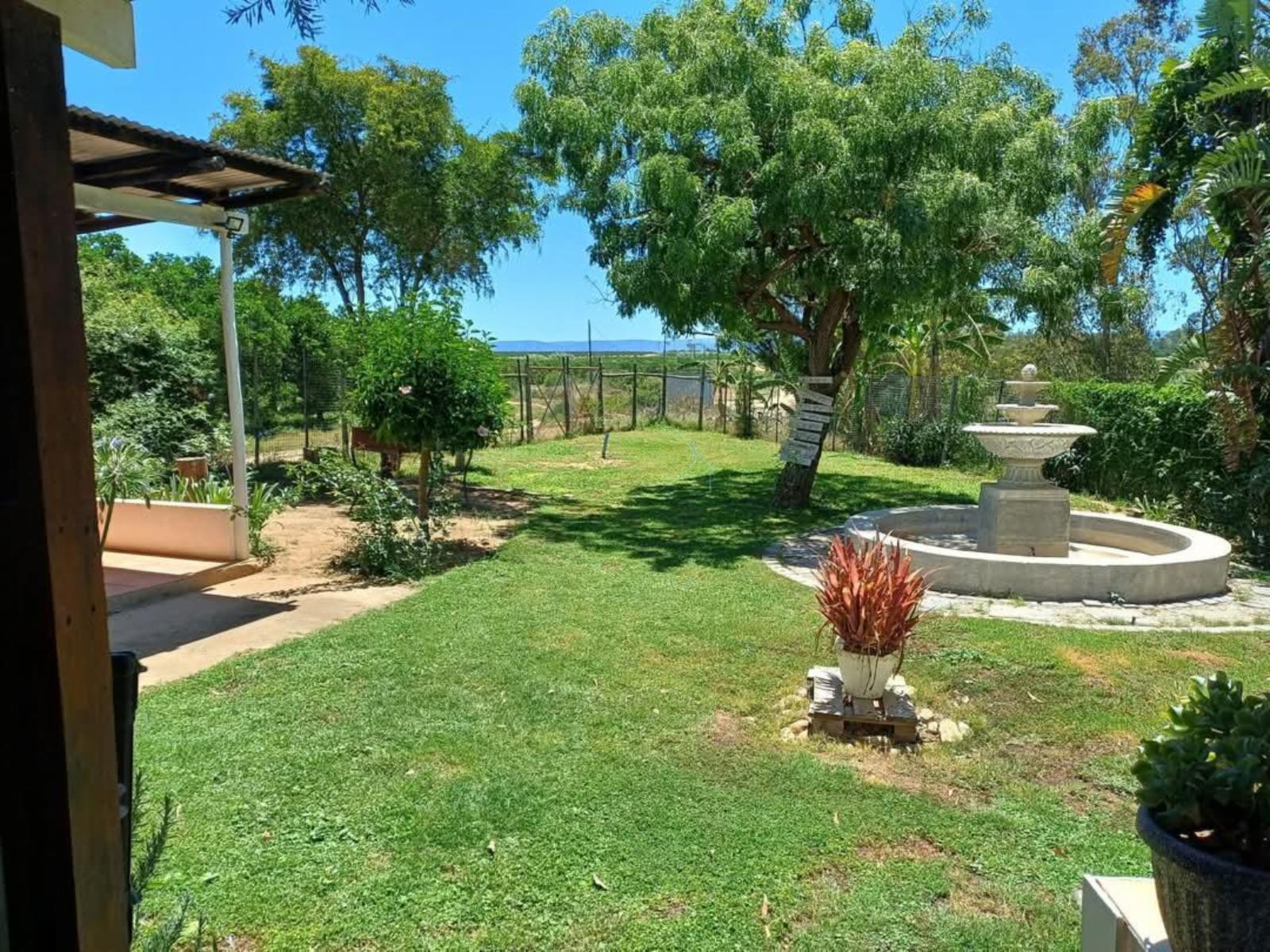
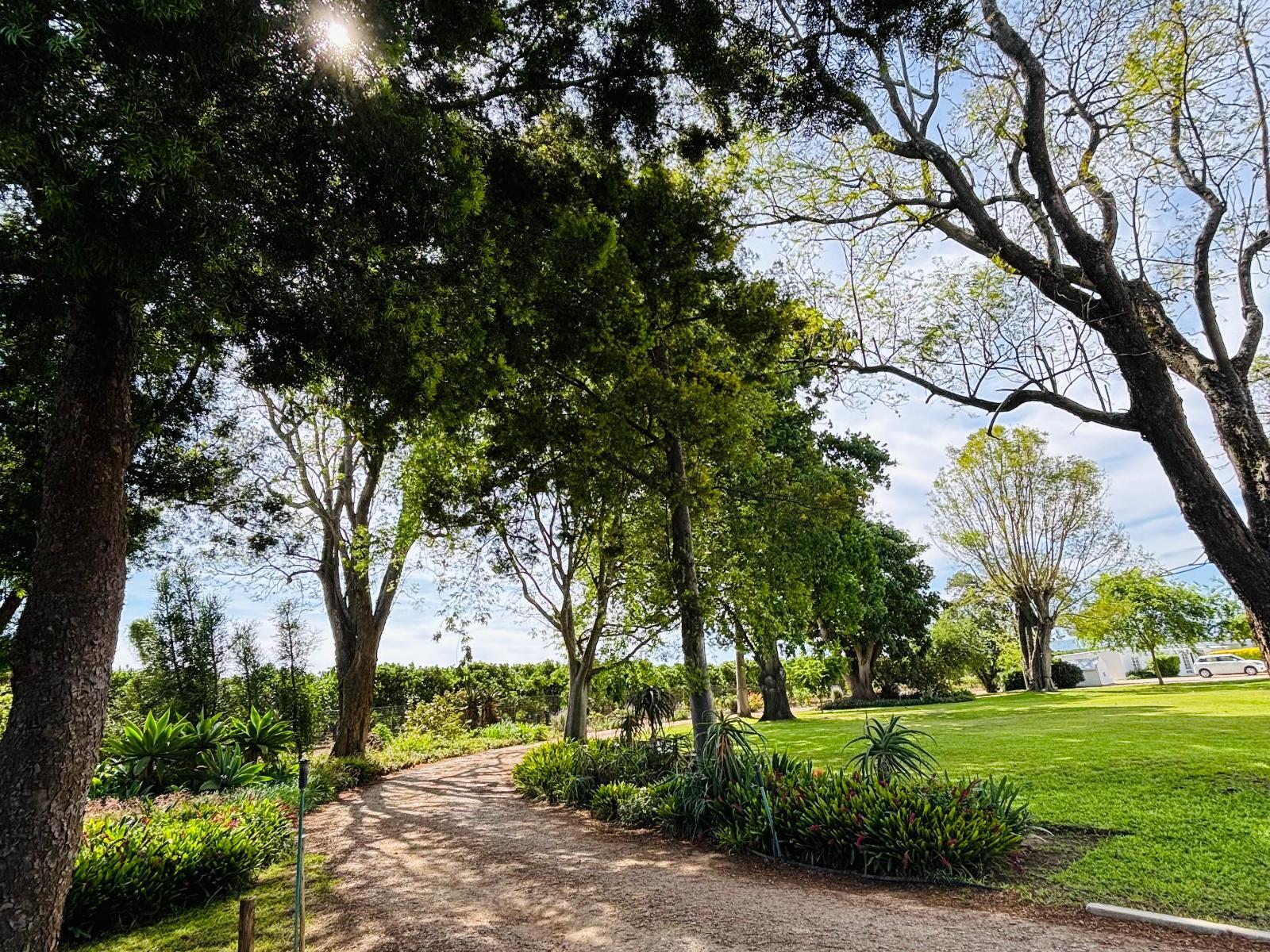
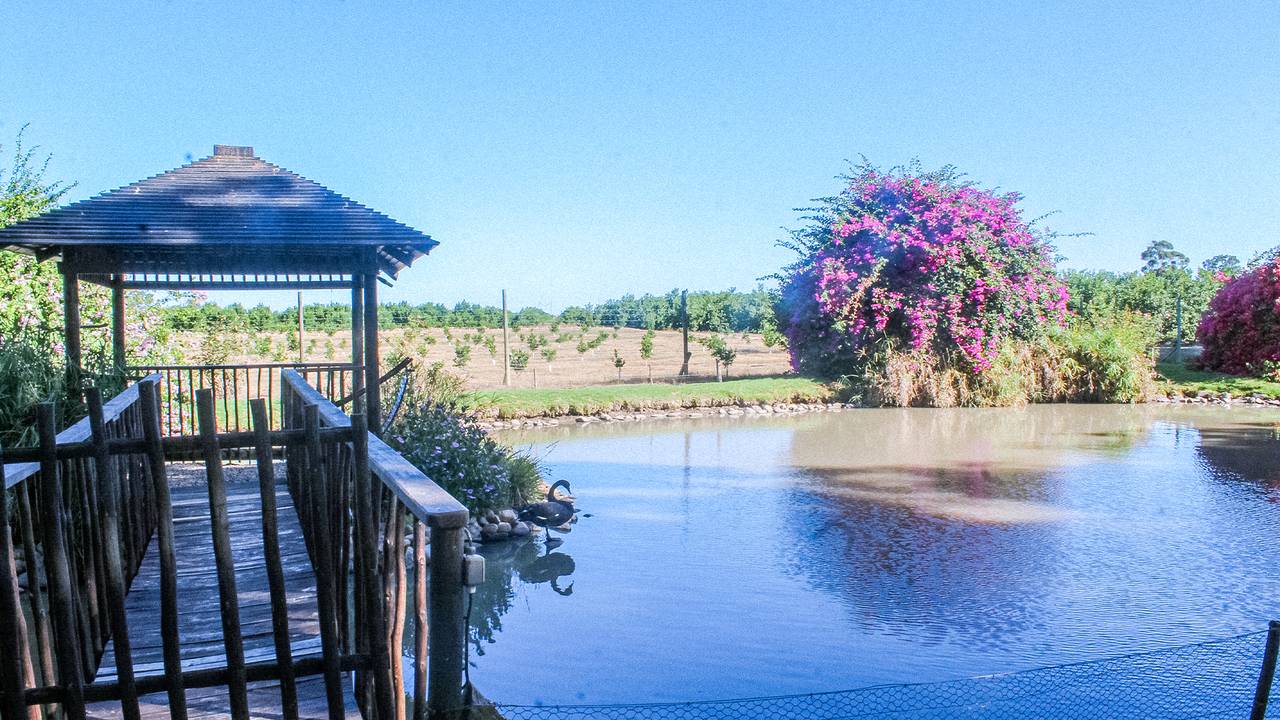
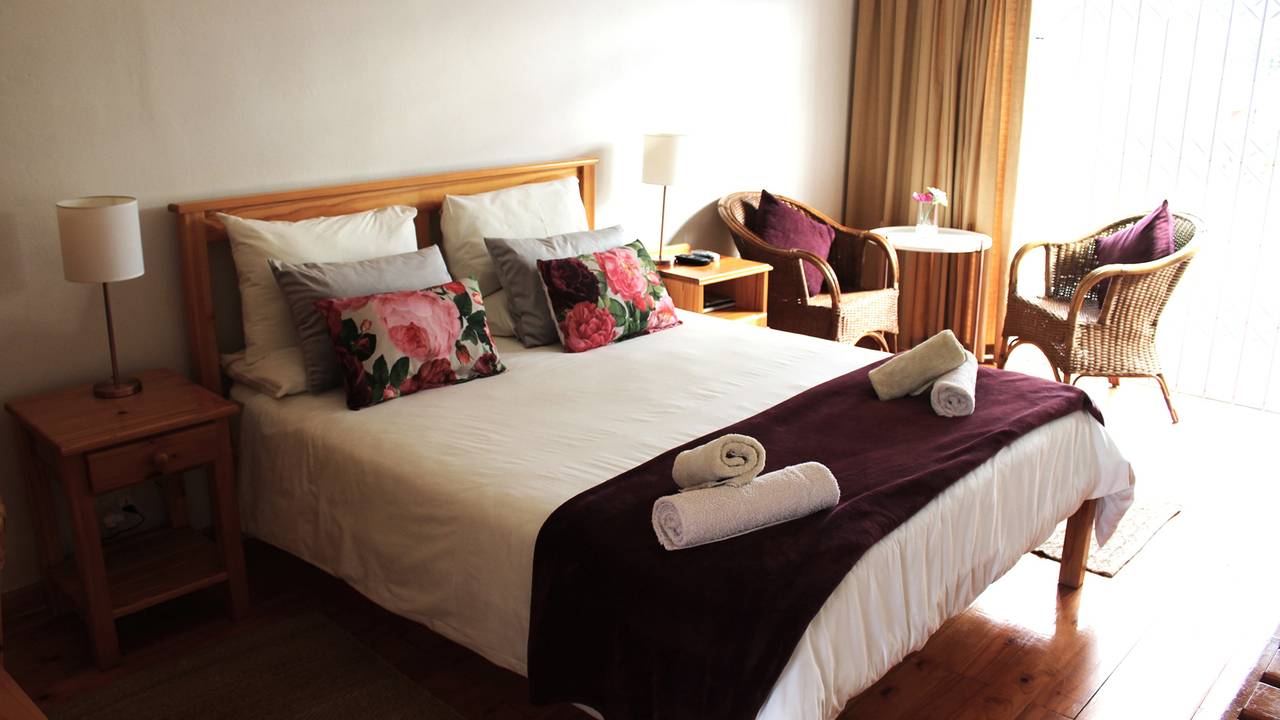
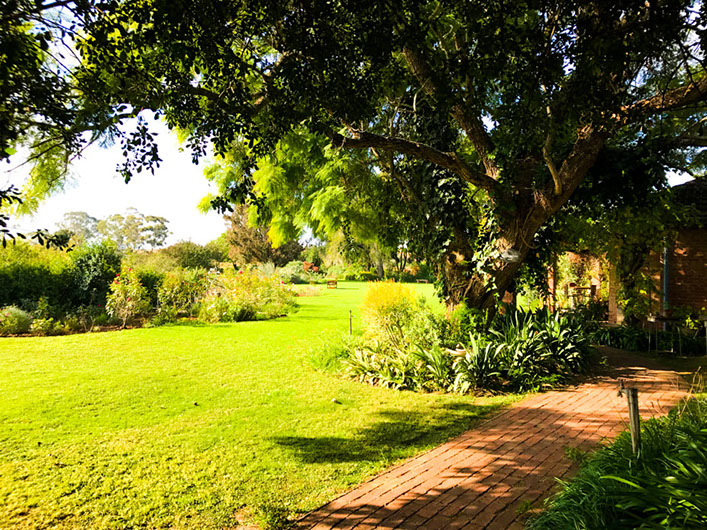
Four properties serve travelers in and around Depus, with nightly rates running from R1,960 to R6,360 and an average of R3,473. That spread reflects a genuine range of experiences rather than incremental differences, and the choice between options depends largely on how much comfort and character matter relative to cost.
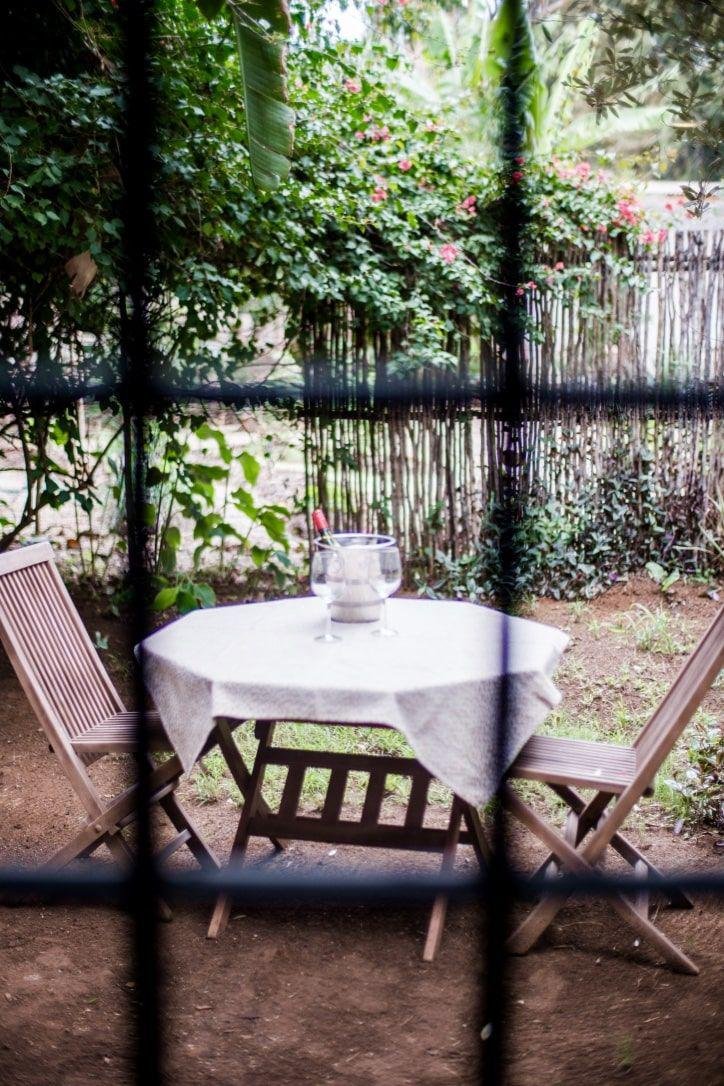
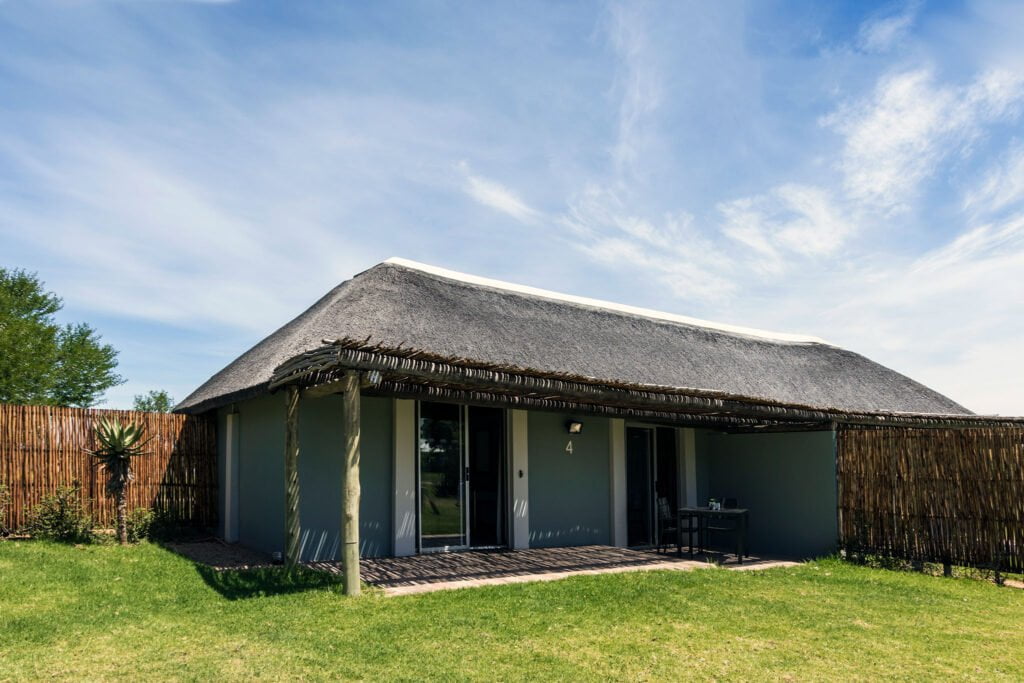
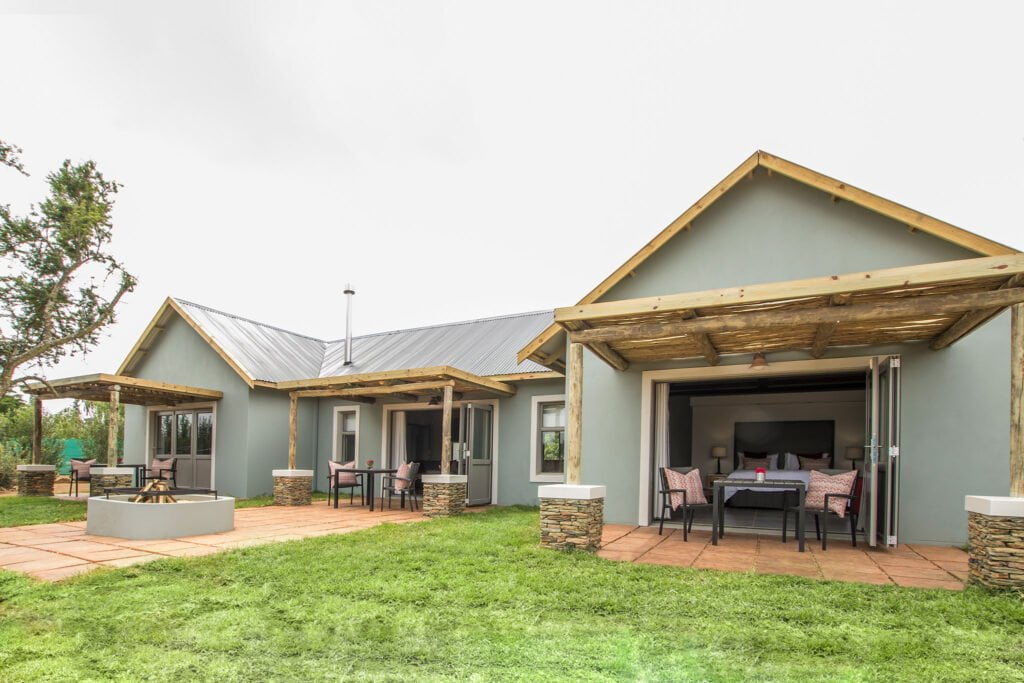
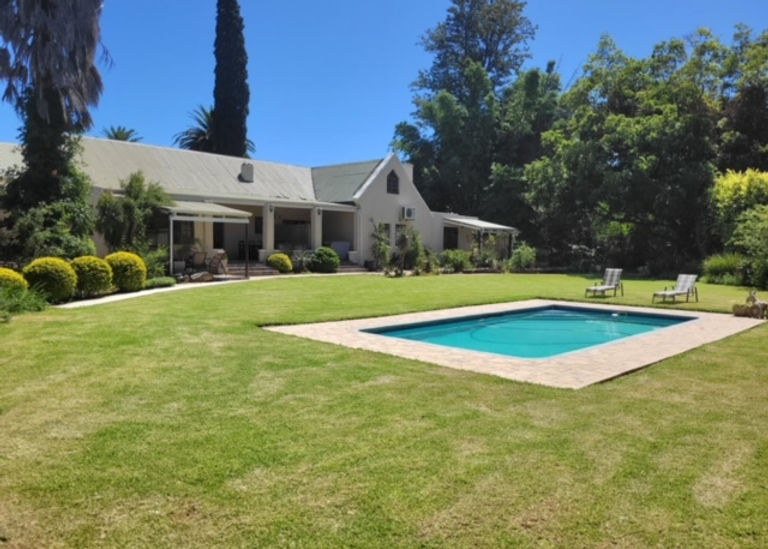
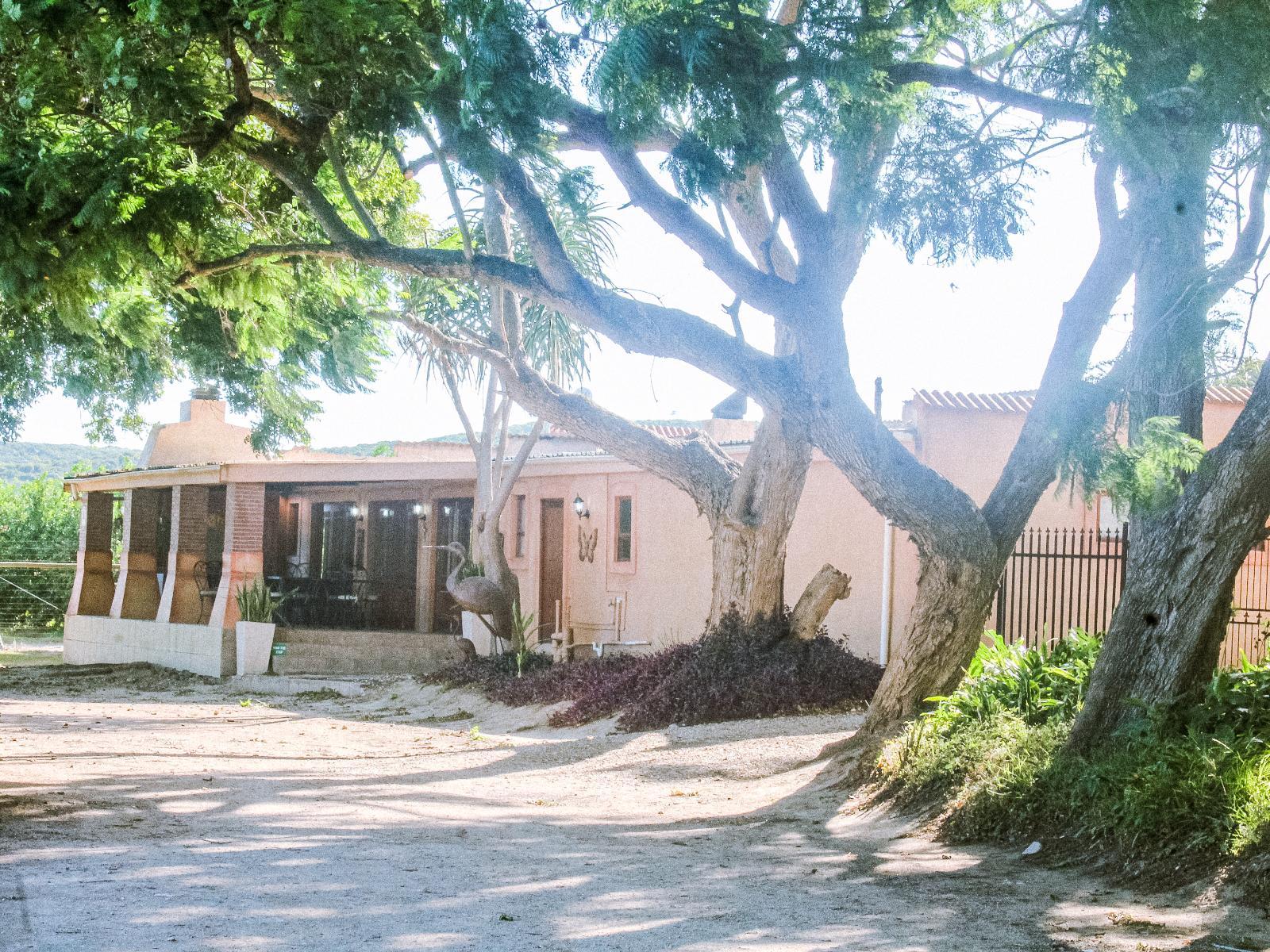
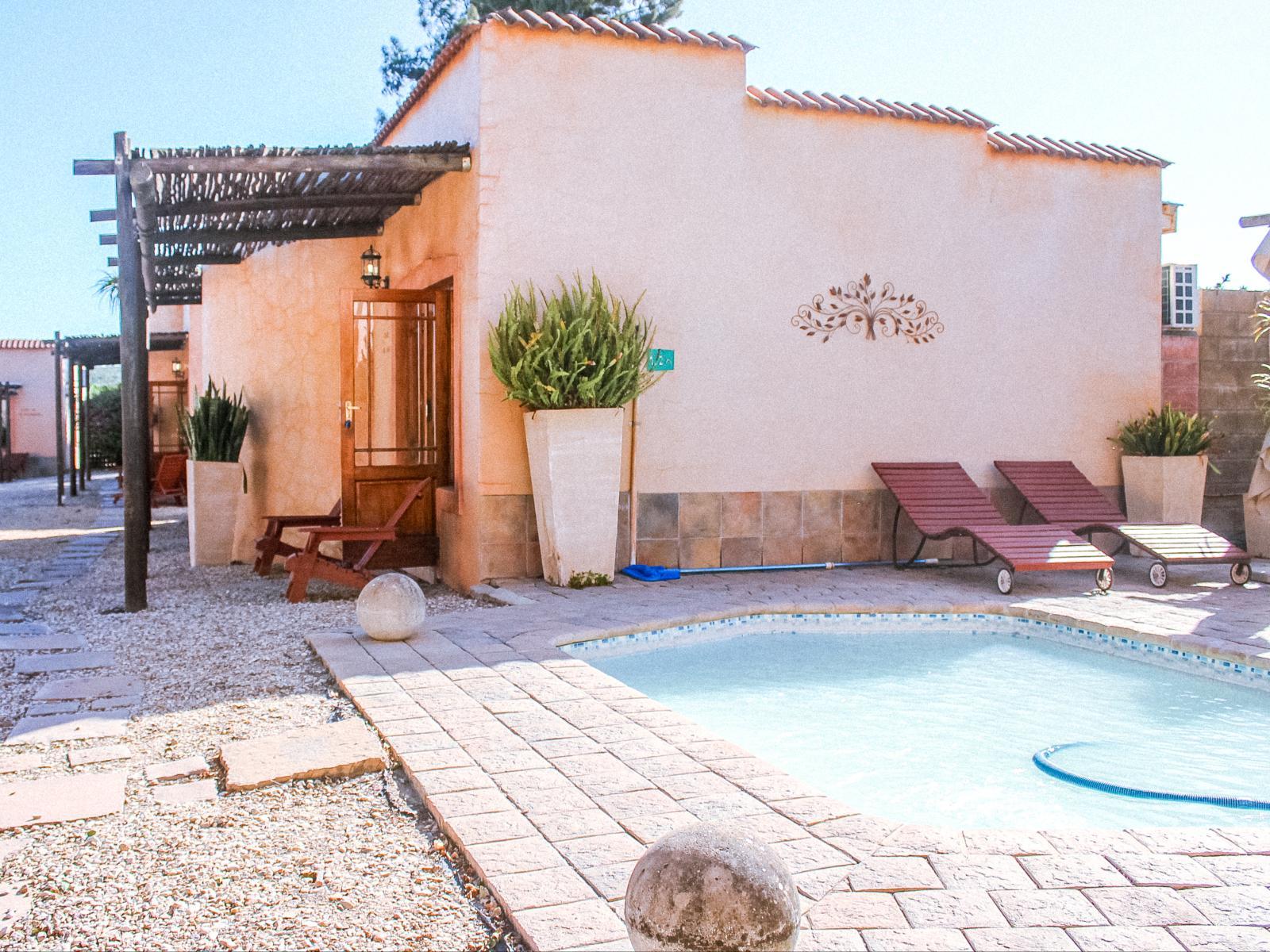
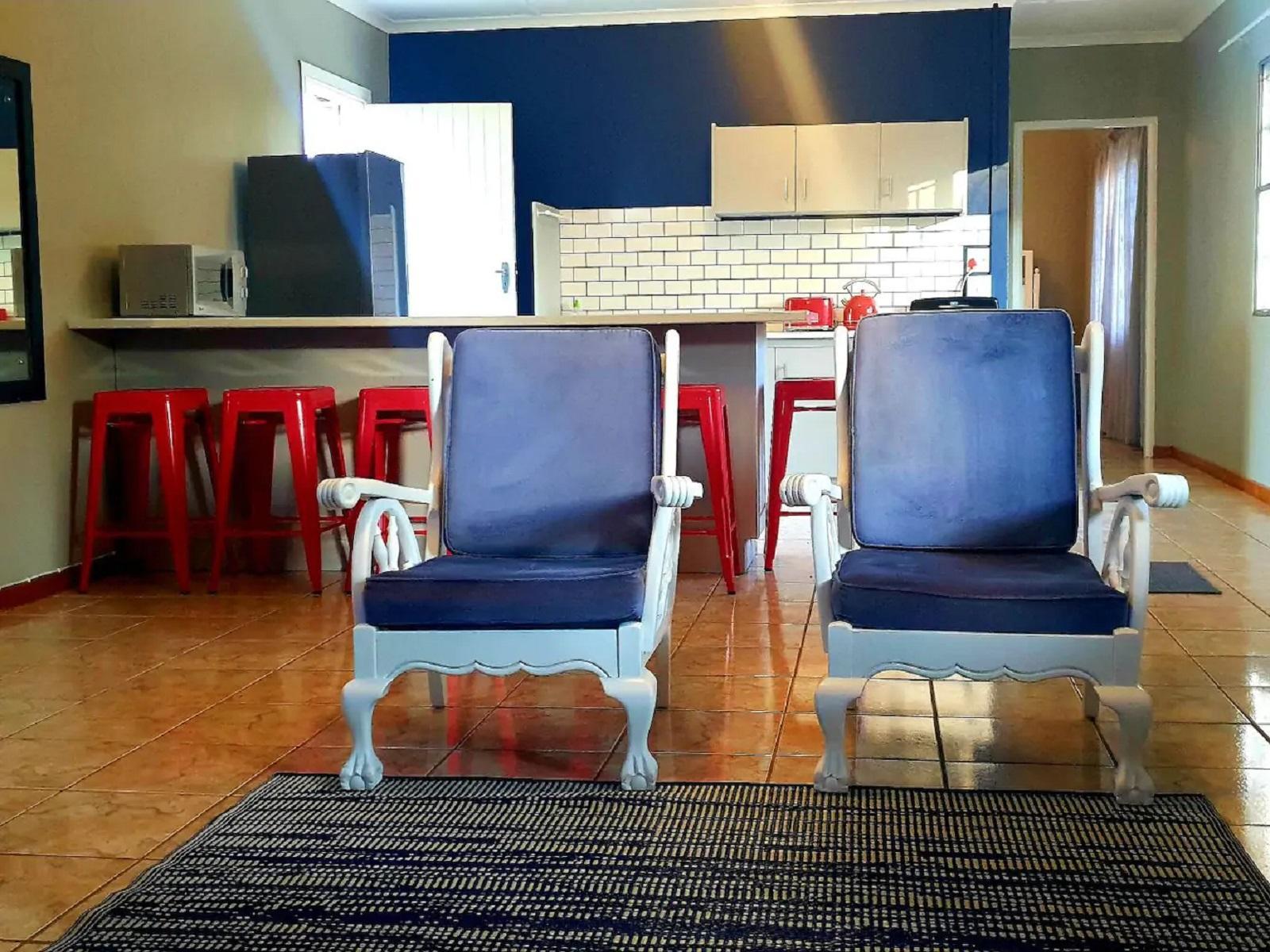
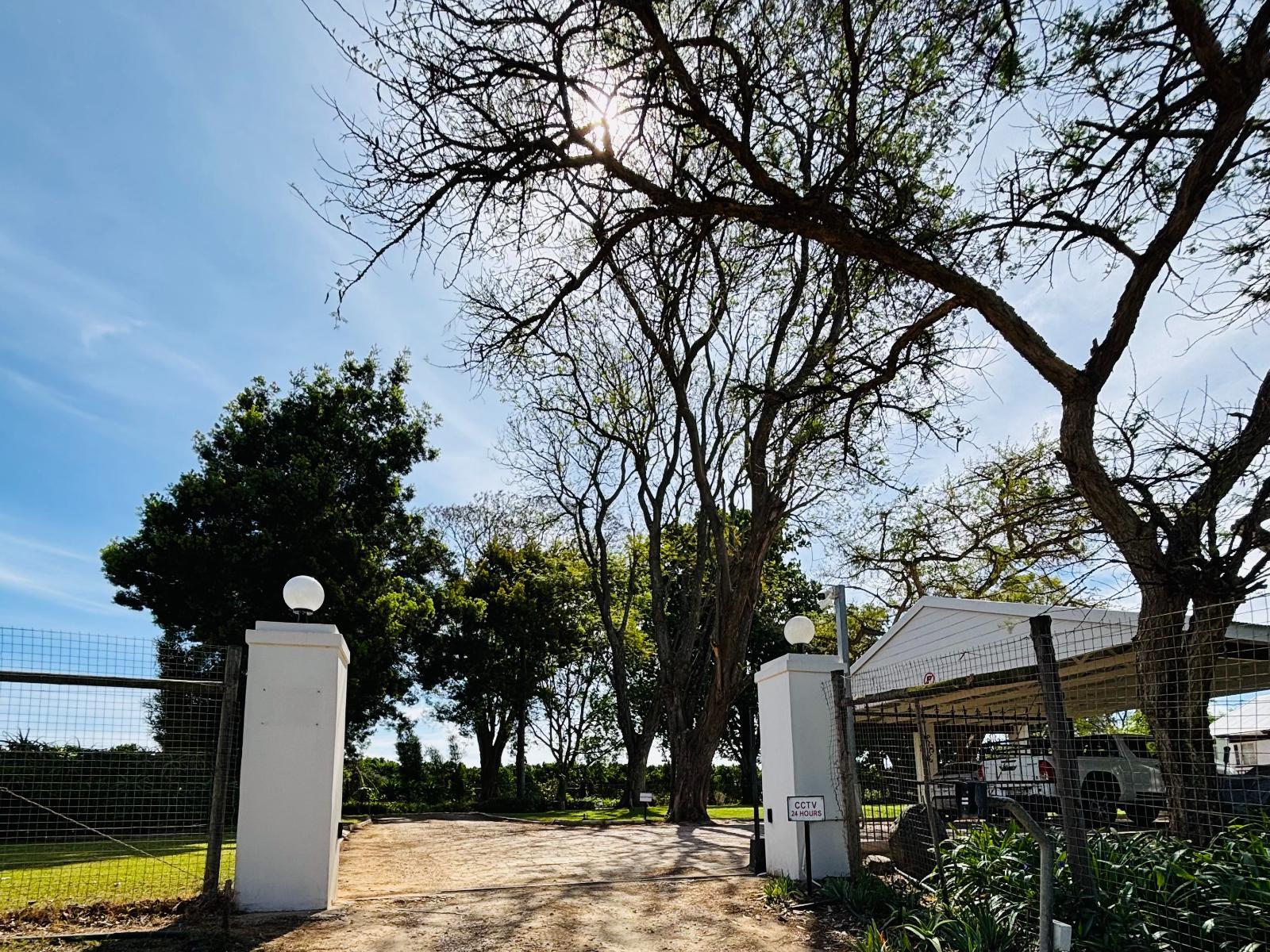
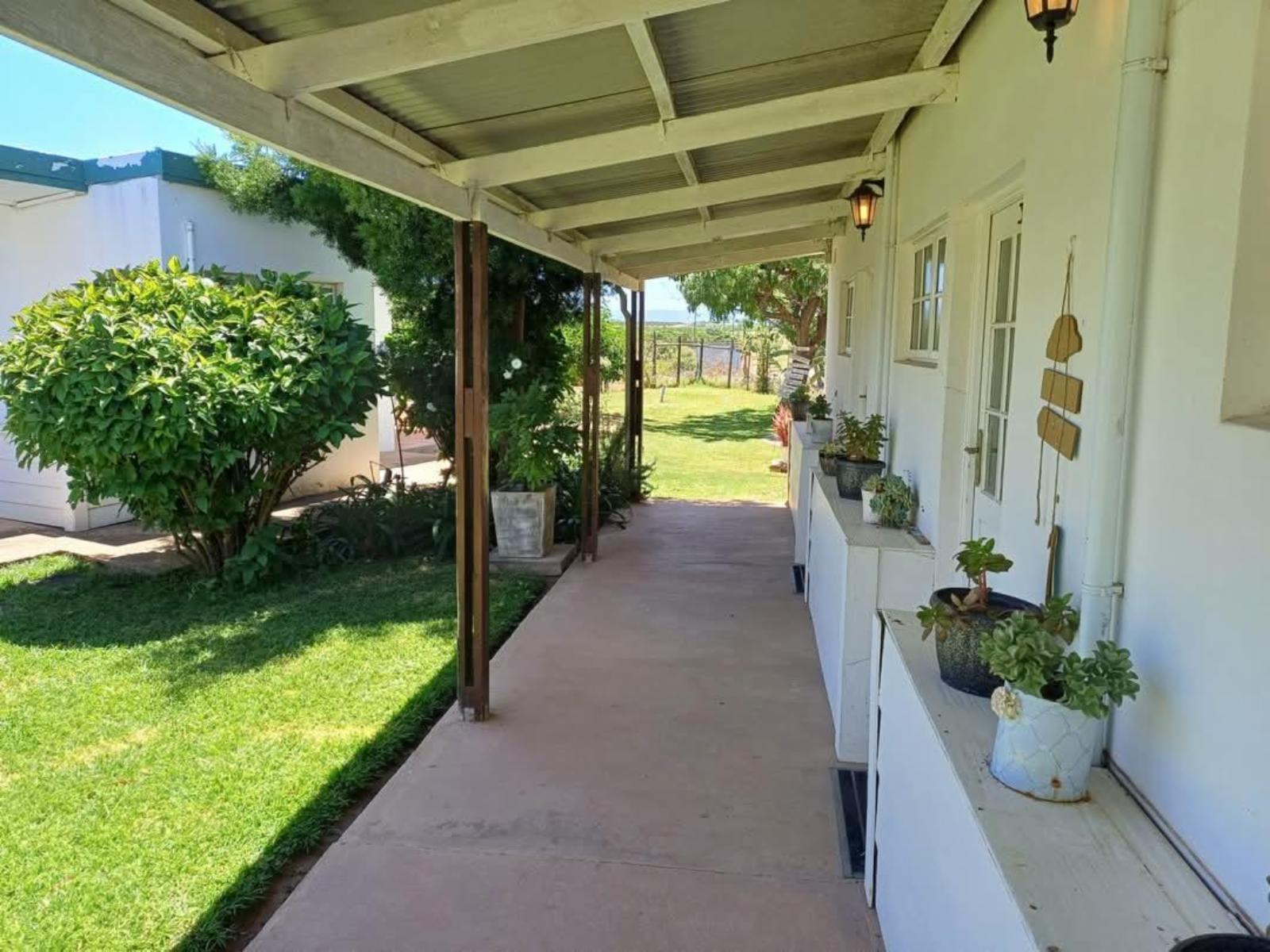
At the more accessible end of the market, a guest house averaging around R2,800 per night offers the kind of owner-operated hospitality typical of small Eastern Cape properties: home-cooked food, local knowledge on tap, and an informal atmosphere that suits travelers who prefer conversation over hotel procedure. The hotel in the area sits at a comparable price point, averaging R2,968, and provides a more standardized setup with predictable facilities, useful for anyone who values consistency over personality.
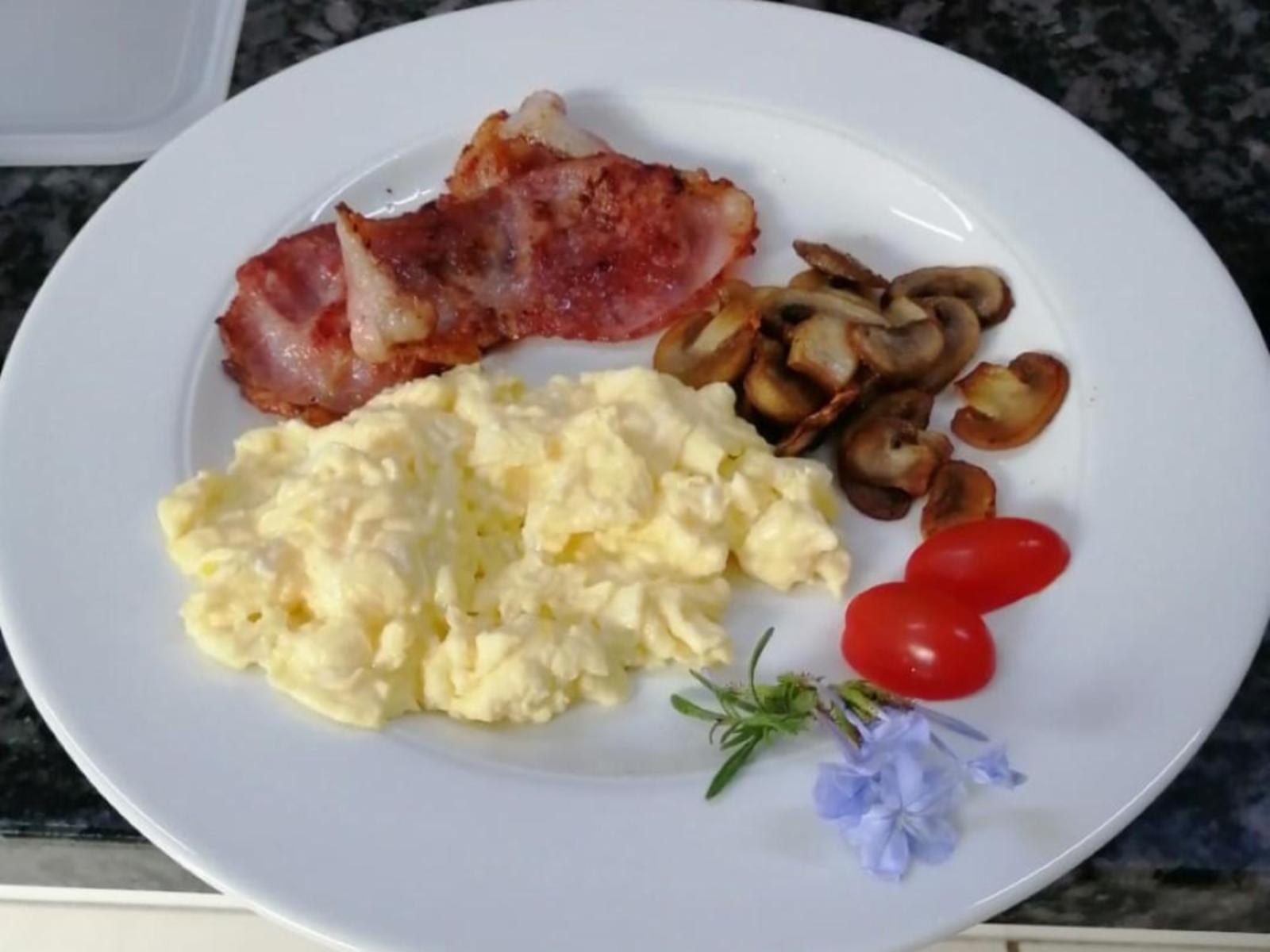
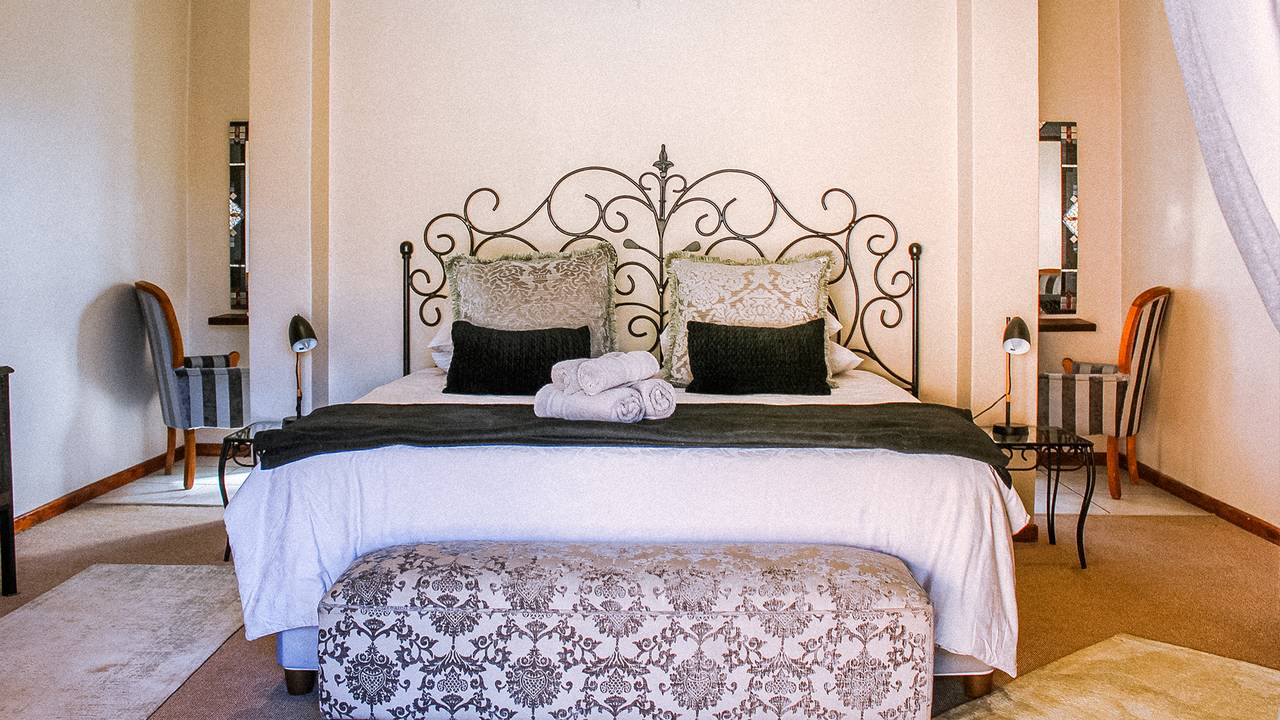
The mid-range moves into slightly more polished territory, where bed and breakfast properties combine the convenience of included meals with comfortable rooms that tend to reflect the regional character of the Eastern Cape thicket landscape.
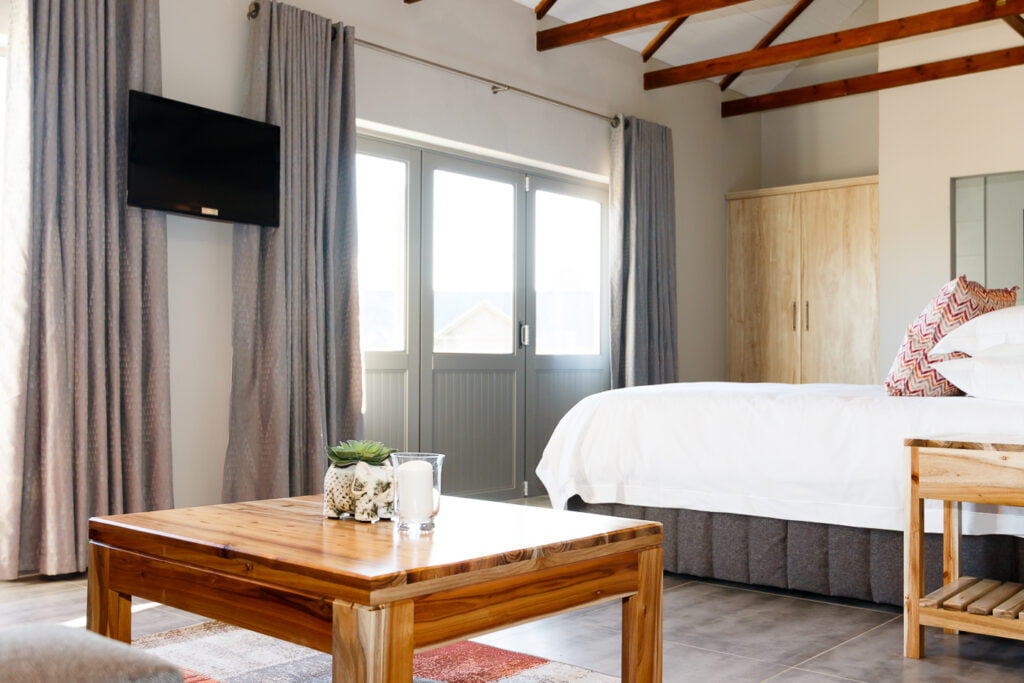
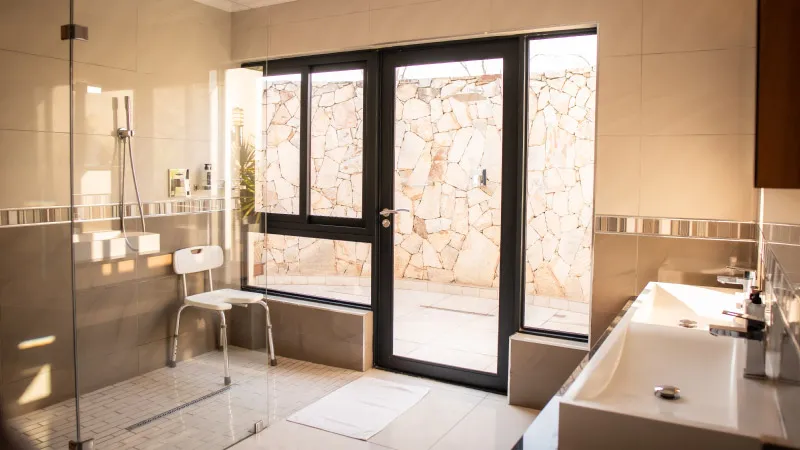
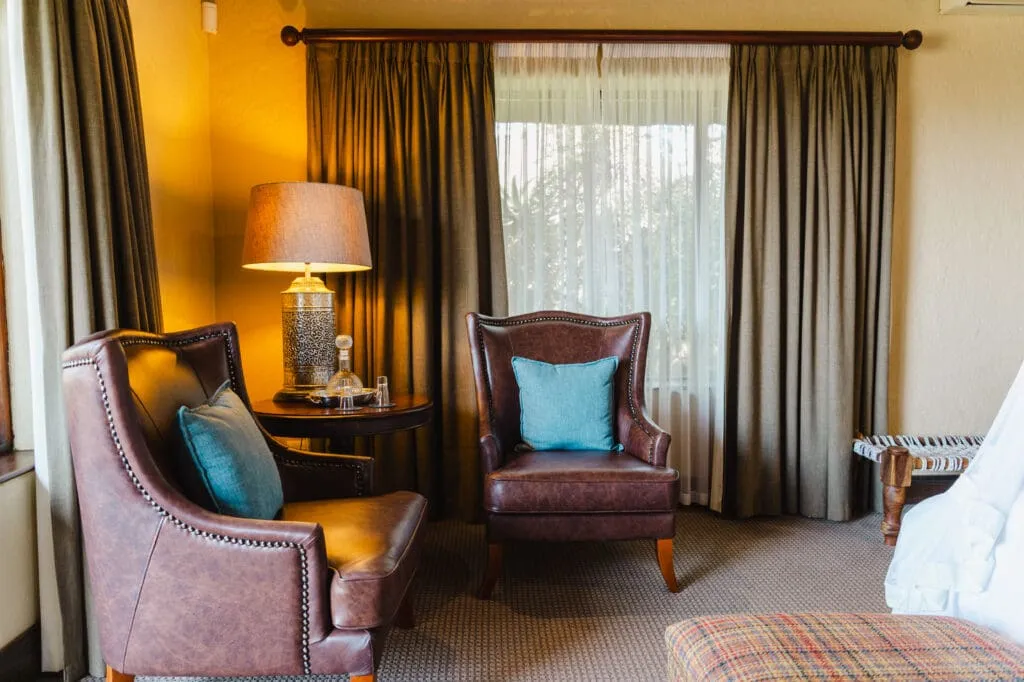
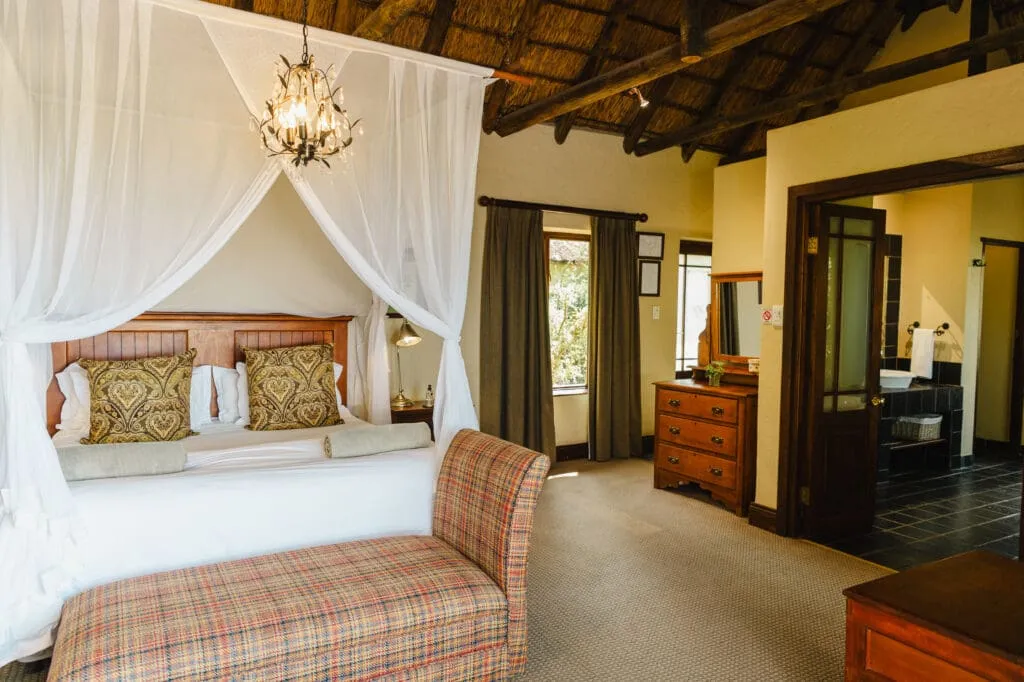
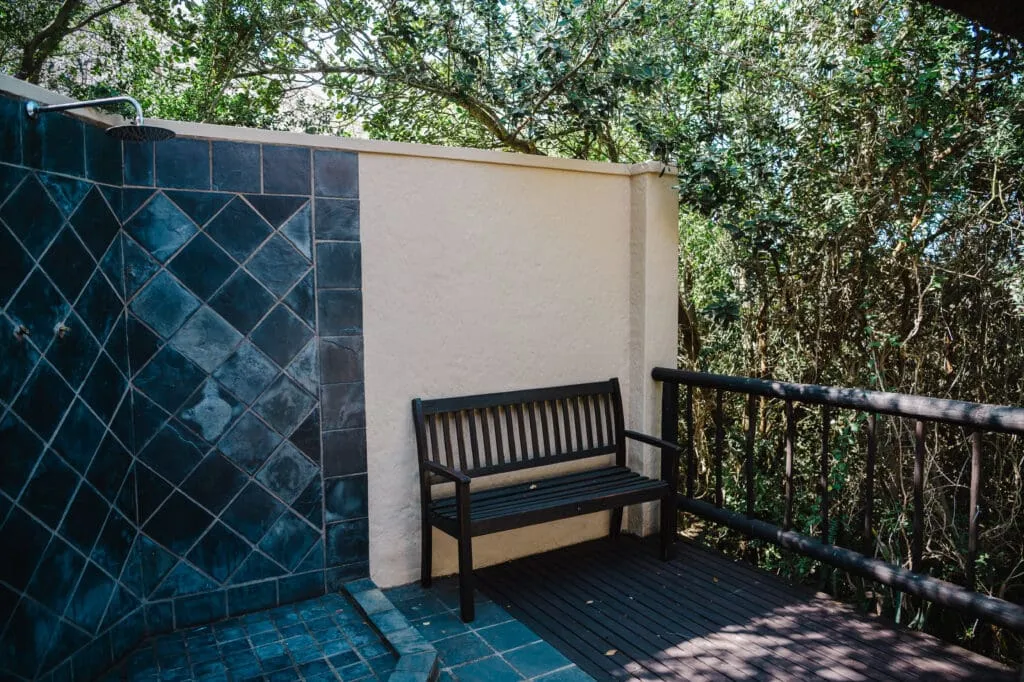
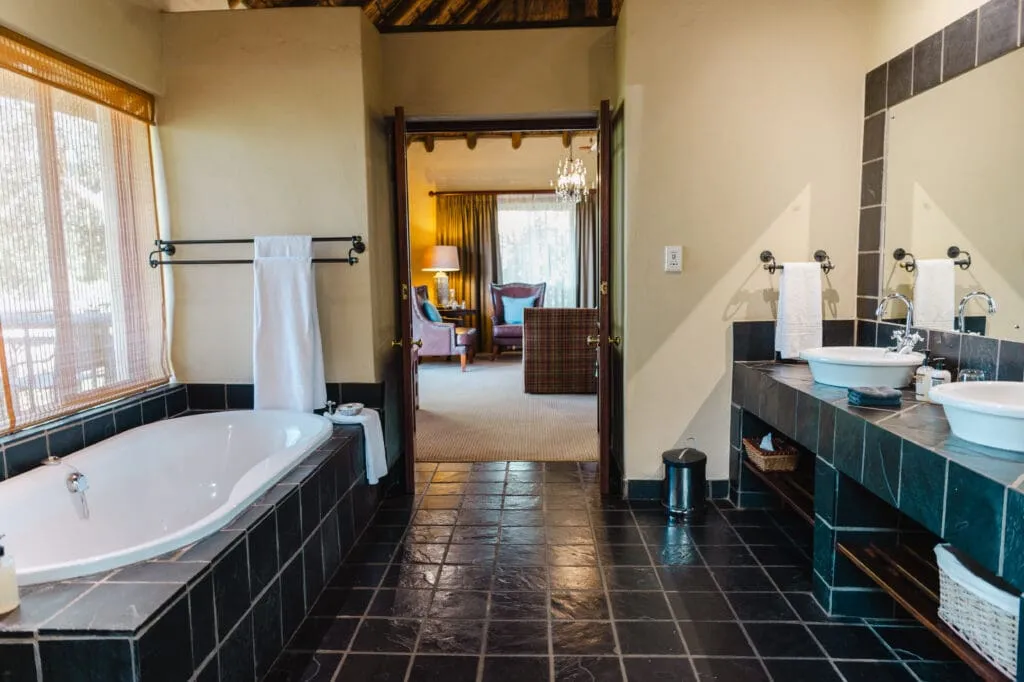
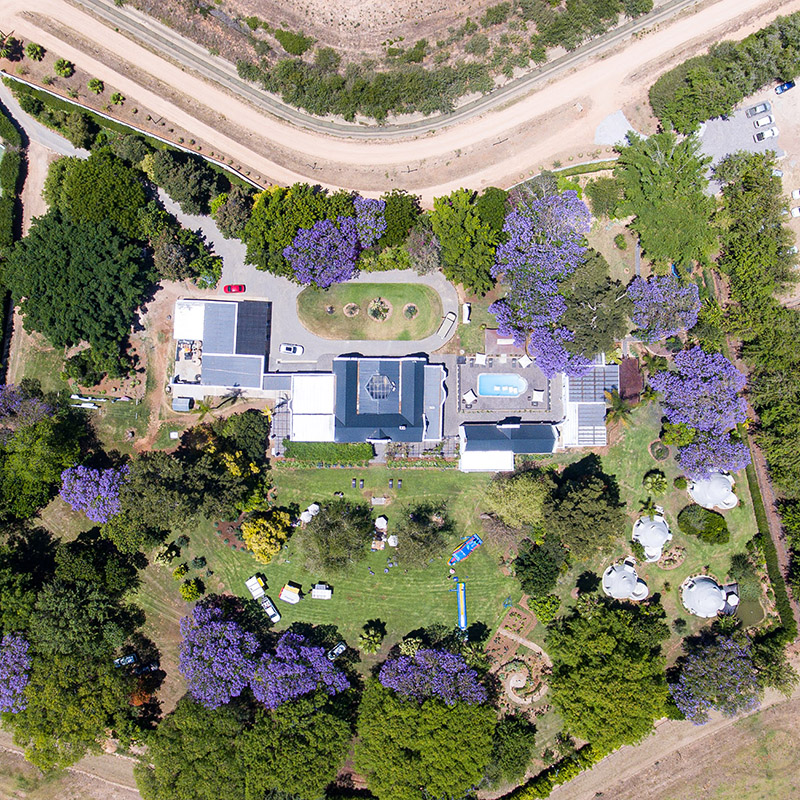
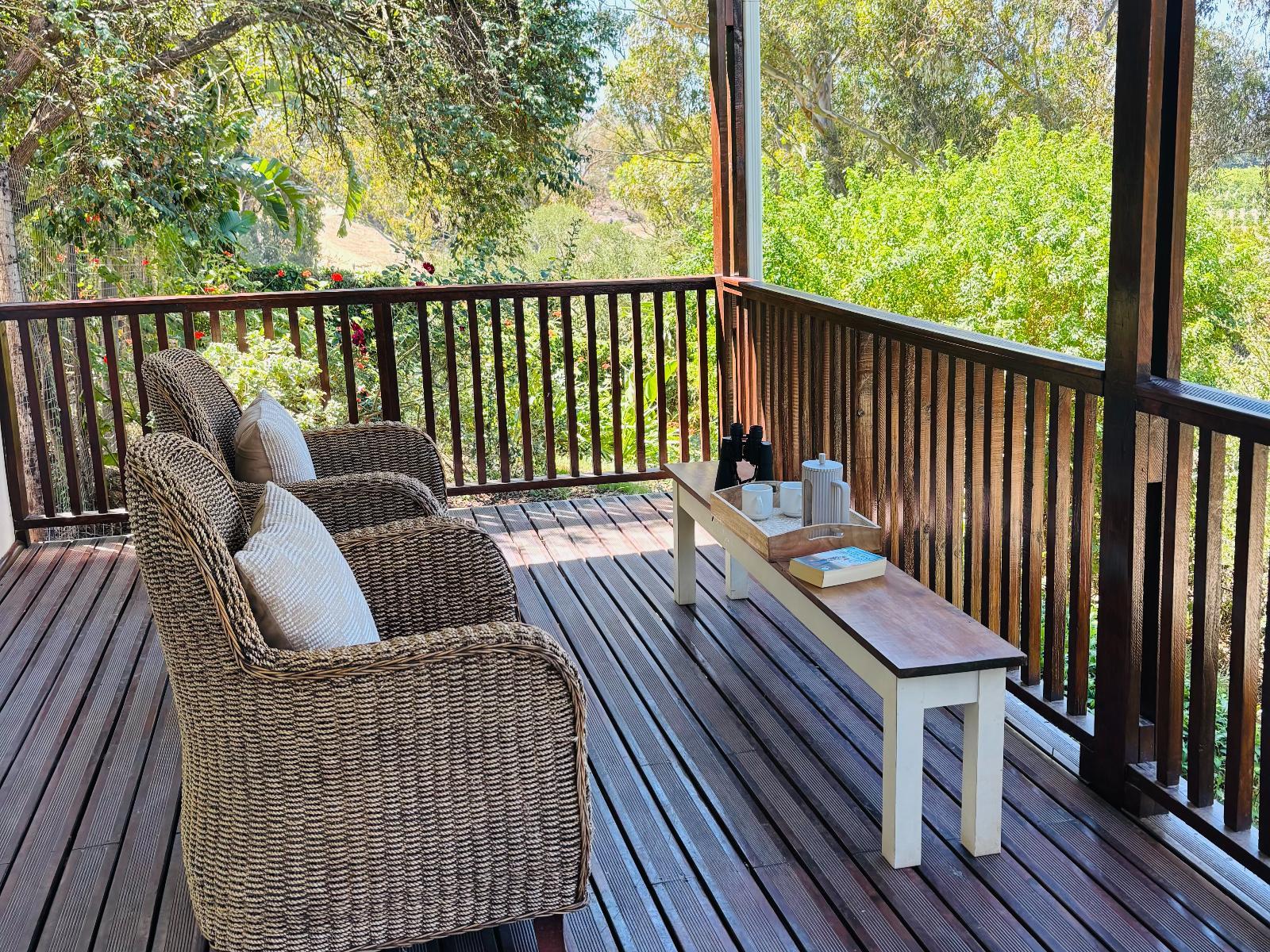
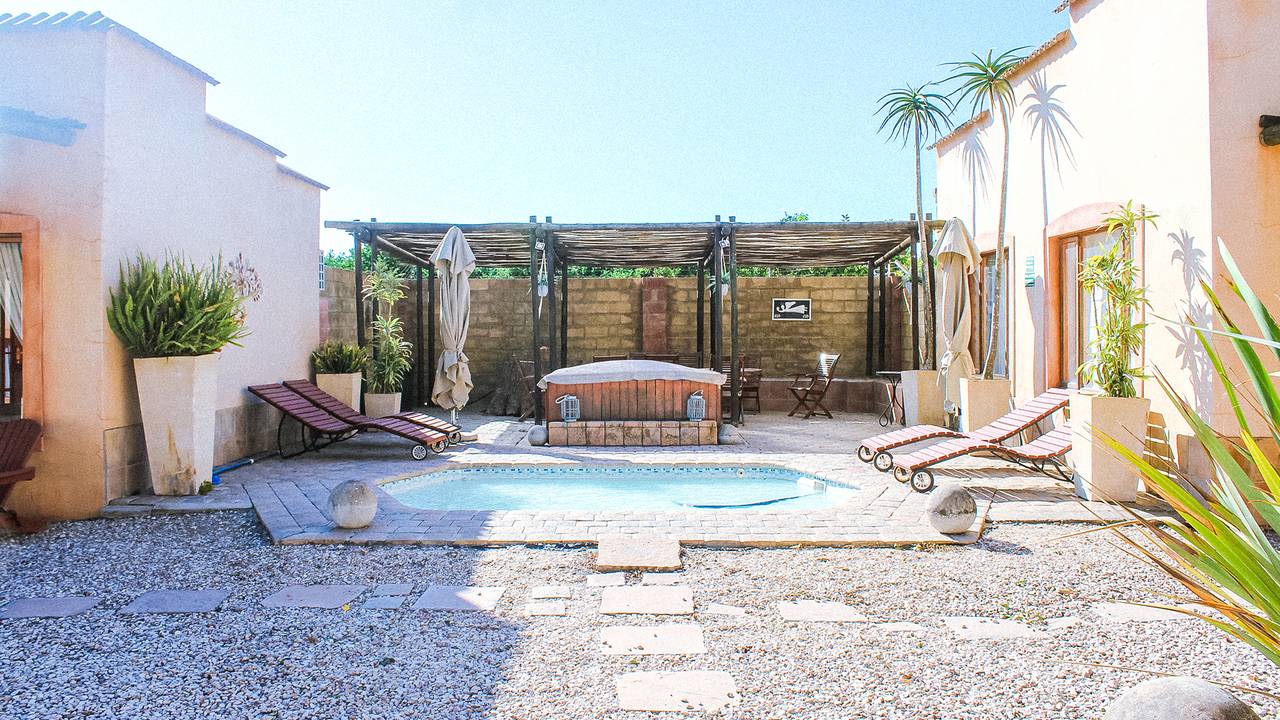
For travelers with more flexibility in budget, the boutique hotel represents the top tier of what Depus can offer. Boutique properties in this part of the Eastern Cape typically feature individually styled rooms and a higher staff-to-guest ratio, catering specifically to visitors who want the proximity to Addo Elephant National Park without sacrificing a considered setting to return to after a day in the bush.
Demand is strongly tied to Addo, and availability tightens fast during South African school holidays and long weekends. With only four properties in total, the pool is shallow enough that even mid-week departures can find limited choice during peak periods. Booking well ahead is the practical approach, especially for the upper-tier option.
Things to Do in Depus
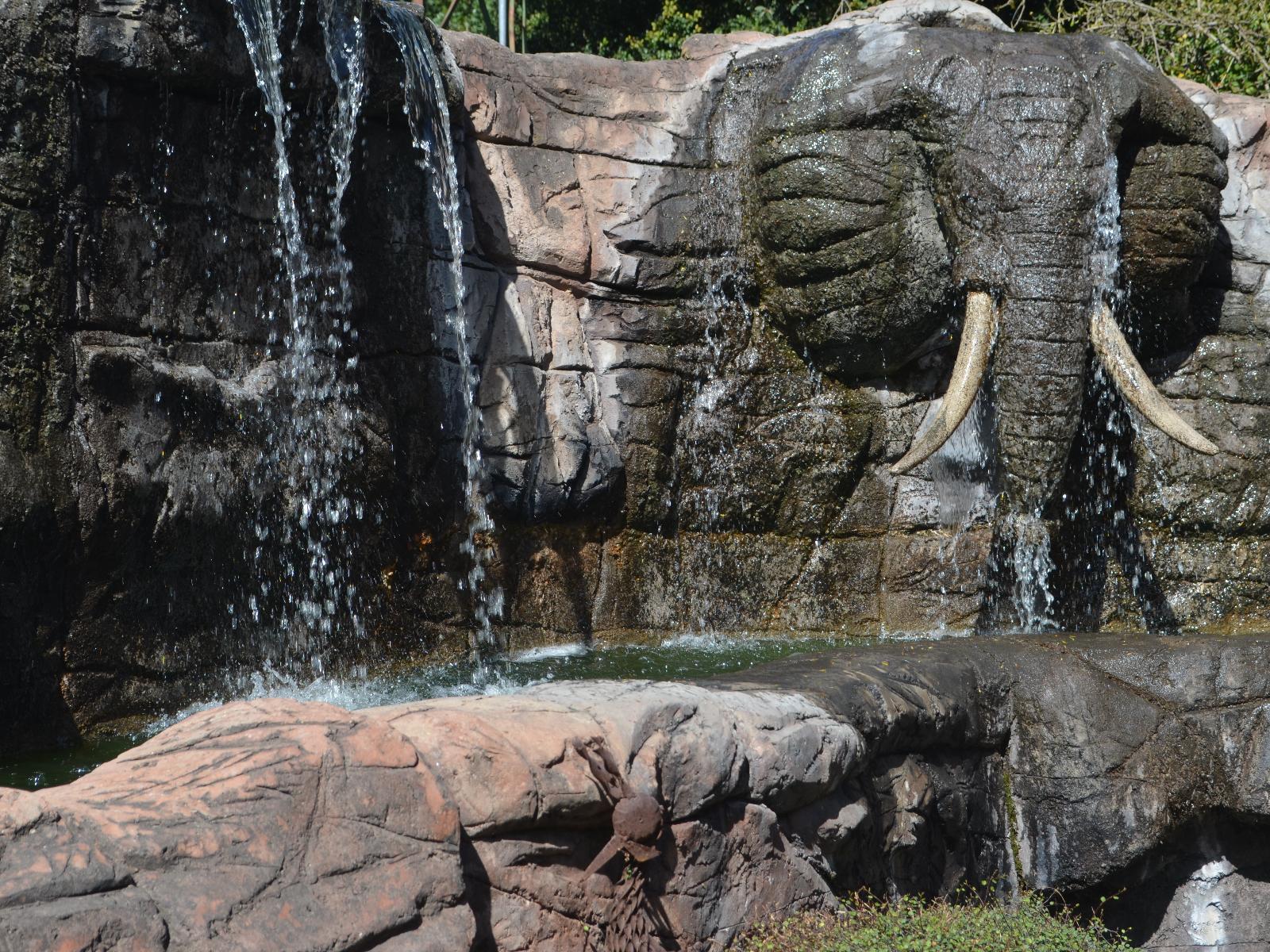
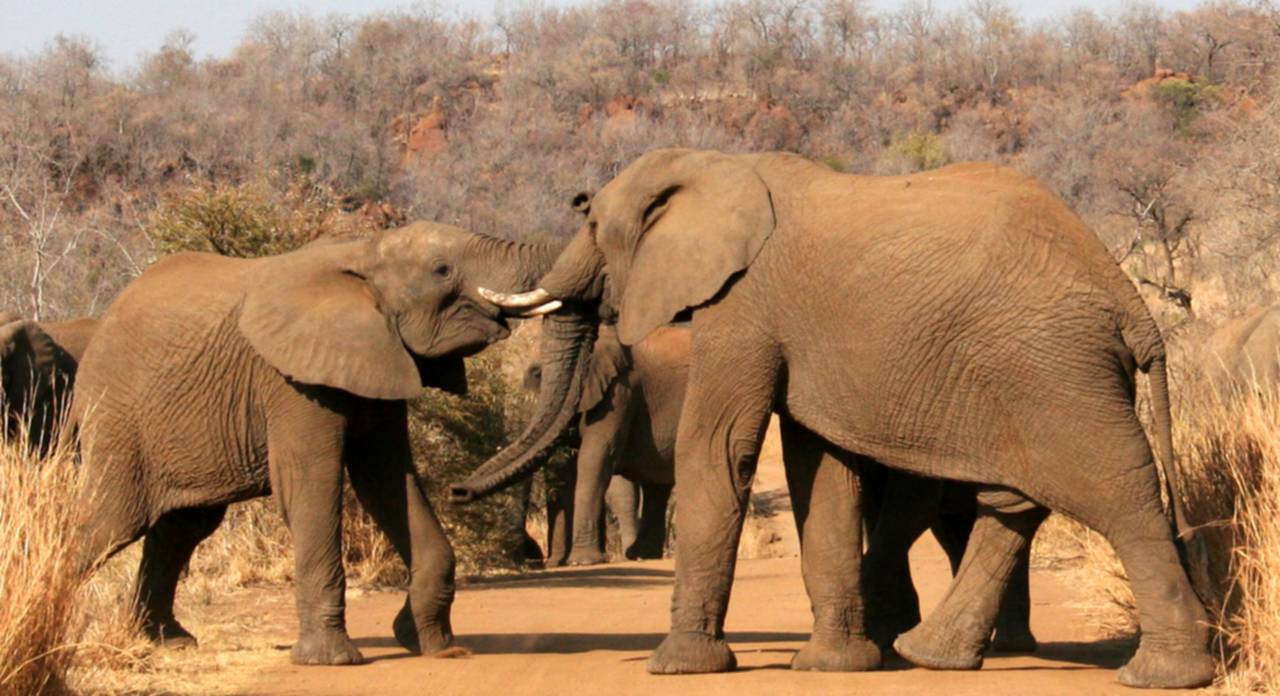
The dominant reason most visitors come to this part of the Eastern Cape is the safari experience at Addo Elephant National Park, 11 kilometers away. The park protects all members of the Big Five, with its African elephant population one of the densest anywhere on the continent. Self-drive access is available throughout the main road network from first light, and the park maintains a number of waterhole hides that allow stationary viewing without a vehicle. Guided drives can be arranged through operators based at the main rest camp for those who want expert interpretation of animal behavior and tracks.
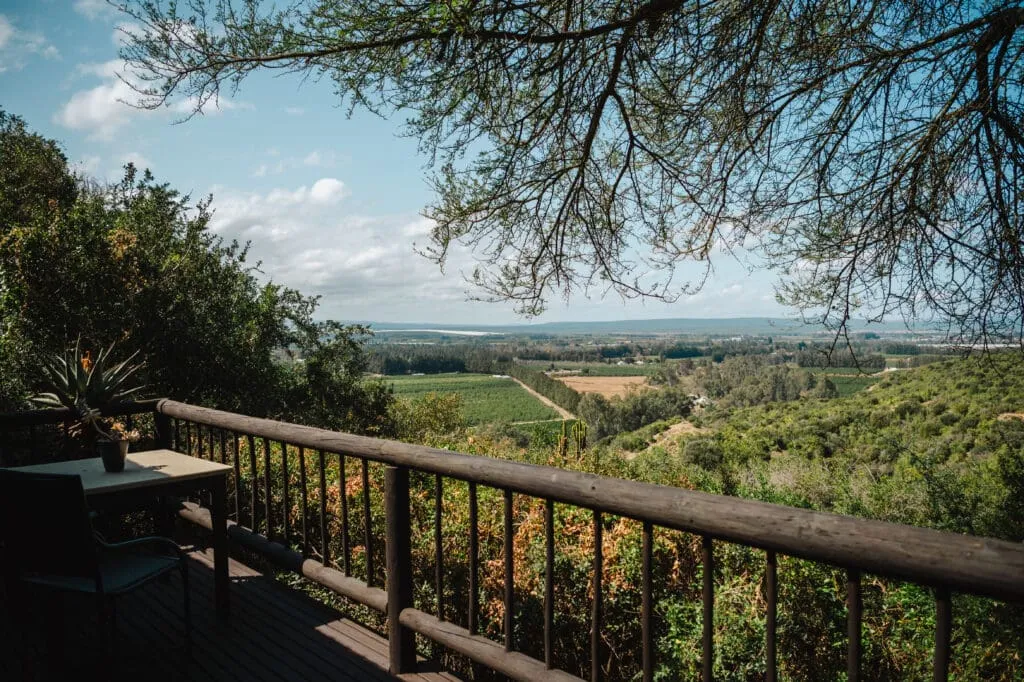
Birdwatching both inside and on the fringes of the park is productive throughout the year. Eastern Cape thicket species include the southern ground hornbill, black-headed oriole, and various sunbirds that move between the flowering spekboom. This succulent vegetation, dominant across the broader landscape, is one of the most carbon-dense plant communities in the world and has attracted growing interest from conservation researchers and ecologically minded visitors.
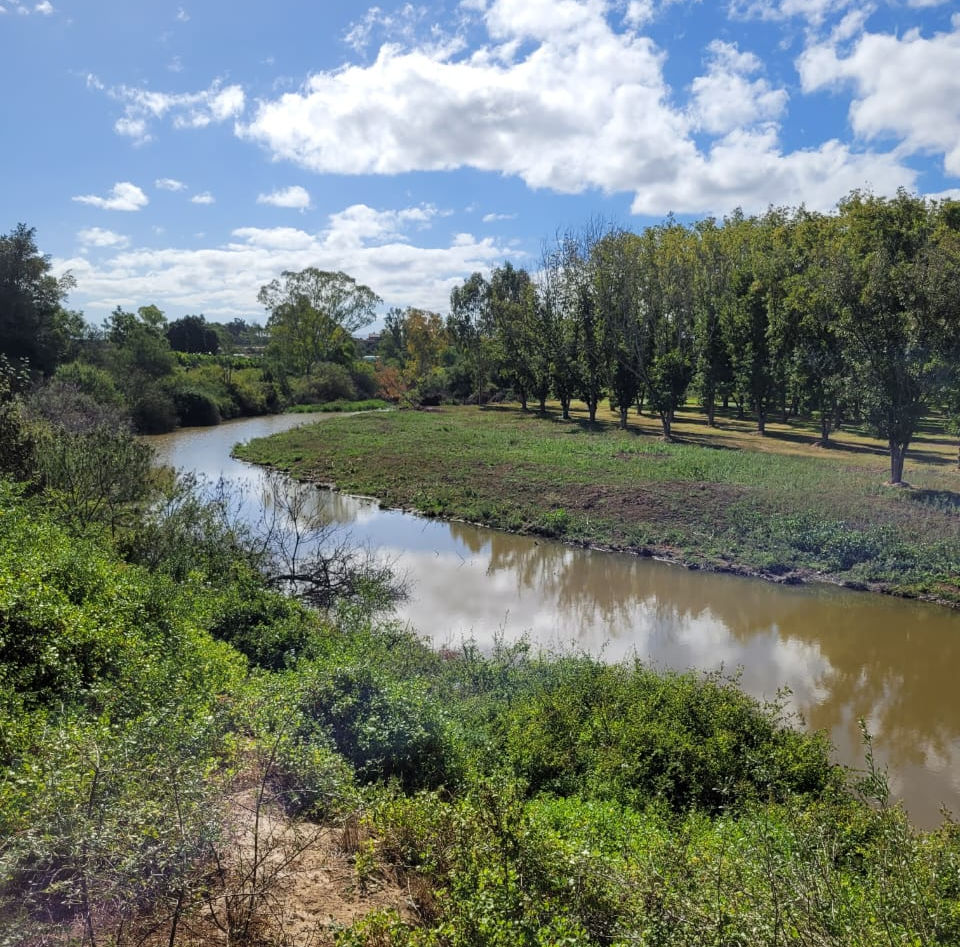
The Sundays River, threading through the valley to the west, supports yellowfish and other freshwater species that draw anglers from across the province. Access to stretches of the river varies depending on land ownership, and some sections run through private farms.
Early morning road trips between Depus and the surrounding settlements often reward patient observers. Kudu, warthog, and ostrich move through the thicket and into open farmland at dawn and dusk, visible from the main roads without entering any reserve.
Best Time to Visit Depus
Summer in this part of the Eastern Cape, from November through February, brings heat that regularly pushes above 35°C during the middle of the day. Game viewing is best confined to the early morning and late afternoon in these months, and the dense thicket can make spotting wildlife harder than in the cooler dry season.
Winter, from June through August, is widely considered the best time for game viewing in the Addo area. Vegetation thins as moisture decreases, opening sightlines through the thicket. Days are clear and sunny with cool to cold temperatures, and nights require warm layers. The trade-off is that this coincides with school holidays in June and July, which brings heavier visitor numbers to the national park and pushes accommodation demand up across the region.
Spring, particularly September and October, offers a balance: moderate temperatures, recovering vegetation after the dry months, and the arrival of migrant bird species. Rainfall is generally low and predictable. This is often the most comfortable time to be outdoors for extended periods, and tourist pressure is lower than the peak holiday weeks.
Getting to Depus
Travelers arriving by air land at Chief Dawid Stuurman International Airport in Gqeberha, 33 kilometers to the south. The airport connects to Johannesburg, Cape Town, and Durban through multiple daily services, and the drive from the terminal to Depus takes around 35 to 40 minutes depending on traffic through the city's northern suburbs.
The N2 highway is the primary road corridor through this stretch of the Eastern Cape. From Gqeberha, the route runs northeast through the coastal lowlands before turning inland through Colchester and into the Sundays River Valley, where the roads connecting to Depus and the Addo area branch off. Main routes are tarred and generally well-maintained. Farm access roads and some secondary routes are gravel, requiring attention after rain.
Public transport options between Depus and other centers are limited. Long-distance buses stop in Gqeberha and Uitenhage, but local connections to Depus are sparse and unreliable for independent travelers without fixed schedules. The practical option for most visitors is a rental vehicle from Gqeberha, which also makes self-drive game viewing far more flexible. Fuel and basic supplies are available in Uitenhage and Kirkwood, so topping up before arriving in Depus is advisable.
Depus and Surrounding Areas
Addo (11km) is the nearest town and the operational hub for the national park. It has fuel, a handful of restaurants, accommodation spread across a wider price range than Depus itself, and several operators offering guided safari experiences including night drives and walking safaris within private reserves adjacent to the main park. Most visitors to Depus will spend at least one full day here.
Colchester (22km) sits near the confluence of the Sundays River and the coast, at the southern entrance to Addo Elephant National Park's marine section. It is quieter and less developed than Addo town, with a camp site popular with families and access to the rivermouth. The coastal section of the park, which includes marine protected areas, is accessed separately from the main game-viewing area.
Uitenhage (24km) is a working industrial town with limited visitor infrastructure. Its historical role as an early colonial settlement gives it some architectural interest, and it serves as a practical stop for fuel, banking, and larger supermarkets.
Nqweba (27km) borders the Nqweba Dam on the Sundays River. The reservoir attracts anglers targeting yellowfish and bass, and the dam wall area offers a different landscape from the surrounding thicket. It sees fewer visitors than the Addo corridor and has a quieter character.
Kirkwood (28km) is the commercial center of the Sundays River Valley and the heart of its citrus industry. The town hosts the Addo Elephant Marathon and runs a citrus festival each June. Farm stalls along the valley roads sell fresh oranges, lemons, and soft citrus directly from producers, and the agricultural landscape here contrasts with the game-dominated terrain closer to Depus.
Gqeberha (33km) functions as the regional metropolis, with full urban services including major hospitals, shopping centers, museums, and a beachfront along Humewood and Summerstrand. The Bayworld complex combines an oceanarium, snake park, and museum under one roof. For anything requiring metropolitan infrastructure, from specialist medical care to international cuisine, Gqeberha is the destination.
Planning Your Stay
Four properties means that popular dates fill without much notice. The safest approach is to book as soon as travel dates are confirmed, particularly for South African school holidays and long weekends when demand from Addo visitors peaks. Checking availability in the third week of June or across the December and January holiday period without advance bookings is a gamble.
Before confirming, verify what the rate includes. Some properties add meals separately, and the difference between a room-only rate and one with dinner included can substantially affect the daily budget. Check parking arrangements if arriving by car, and confirm check-in times directly with the property, particularly if arriving in the evening after a flight.
If the plan includes guided activities in the national park, ask the property whether they have preferred operators or can assist with bookings. Some Eastern Cape properties have arrangements with nearby guides that simplify logistics. Mobile coverage can be inconsistent in parts of the region, so secure a WhatsApp contact or direct number for your property before leaving Gqeberha, and download offline maps for the local road network before departure.